SPINY PUMPKIN

Florence, 21 November 2025

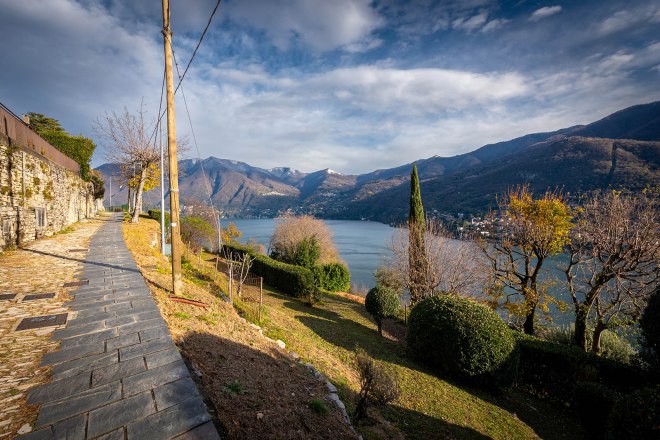
A week or so ago, my wife and I were doing a gentle hike on Lake Como. We’ve both been a bit under the weather, so a hike with none of the brutal climbs required of many of the hikes around Lake Como were just what we needed. We had also done a few other, rougher hikes along the lake in the previous days and had discovered to our dismay that heavy rains back in late September had made a number of them impassable. So as I say, a nice gentle hike along a well-kept path was just what we needed. For any of my readers who might want to know which hike we did, it was the “Via Verde”, which runs between the villages of Moltrasio and Laglio (and is not to be confused with the rival “Green Way”, which runs further north along the same shoreline of the lake). Here is a photo of the typical view one enjoys along this path at this time of the year.
Source

Towards the end, we were walking into the village of Carate Urio when we came across a table set up along the path and on which were placed two crates holding a dozen or so of these strange-looking vegetables – or were they fruits?
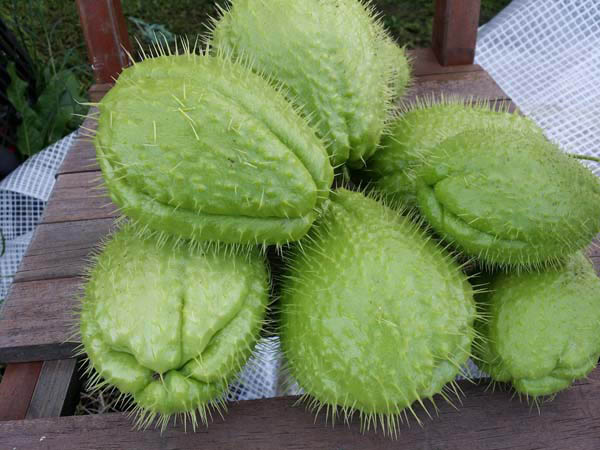
Source

My wife trained her iPhone camera on one of these vegetables (or fruits?) and promptly identified it. In Italian, it is called “zucca spinosa”, or spiny pumpkin. They were certainly spiny, but the relationship to pumpkins wasn’t immediately obvious. And being a pumpkin, it’s sort of both a fruit and vegetable: botanically a fruit but culinarily a vegetable given the way it is eaten (as we shall see in a minute). For the purposes of this post, I will henceforth refer to it as a vegetable.

Different parts of the world have different names for this vegetable. It’s called chayote in the US. Here we have a lady from Louisiana showing off two of them (although, reflecting that State’s French heritage, they are often called mirlitons there, as they are in nearby Haiti).

Source

The Americans have actually just borrowed the Spanish name for the vegetable; we’ll come back to the Spanish name in a minute.

It’s called chocho or chuchu or some variant thereof in places as varied as Mauritius, India, Sri Lanka, Brazil, and Jamaica. This is thought to be the Pidgin English version of chayote. Here we have a farmer in Assam with his crop of chocho.

Source

The vegetable is called choko in Cantonese (am I wrong in thinking that this ultimately derives from chocho?), which later became the name used in Australia and New Zealand thanks to the Cantonese who emigrated there in the 19th Century. Here we have an Australian proudly showing off the chokos growing in his garden (note that his variety is without spines).

Source

Meanwhile, in the islands of the eastern Caribbean, the vegetable is called christophine or christophene. Here we have early risers in a market in the island of Martinique searching for their choice christophenes.
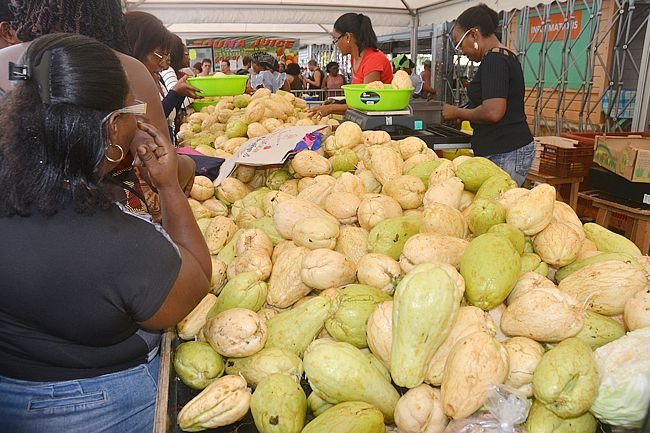
Source

There are more names used for this spiny pumpkin, but the ones I’ve cited give us an indication of where it originally came from. It is one of those foodstuffs which make up the great Columbian exchange: that massive movement of foodstuffs, people and diseases which occurred after Christopher Columbus stumbled across the Americas. I’ve mentioned this exchange several times already in these posts, when writing about the prickly pear, the Jerusalem artichoke, vanilla, and turkeys. And now I can add to the list the spiny pumpkin, or christophene (which reflects the connection to Christopher Columbus), or chayote, which is a Spanish transliteration of the Nahuatl name chayohtli. In fact, modern studies indicate that the chayote was first cultivated in Mesoamerica, between southern Mexico (in the states of Oaxaca, Puebla, and Veracruz) and Honduras, with the most genetic diversity being present in both Mexico and Guatemala. Here, we have a field of chayote in Mexico.
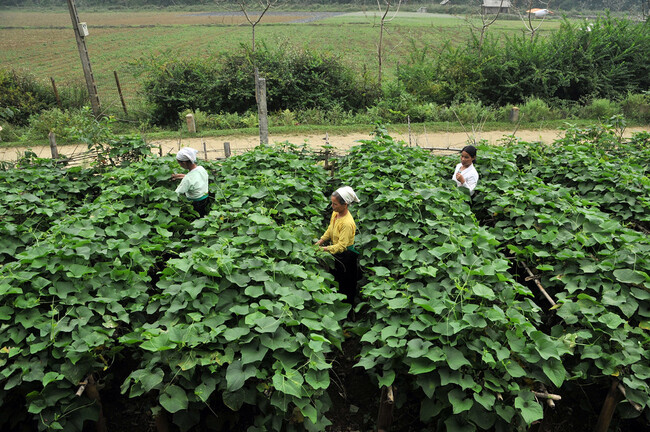
Source

Just to finish my elongated riff on names, another name for the vegetable which is used in Guatemala and El Salvador is güisquil or huisquil, which is derived from another Nahuatl name for it, huitzli. Here we have a Guatemalan singing the praises of the güisquil.
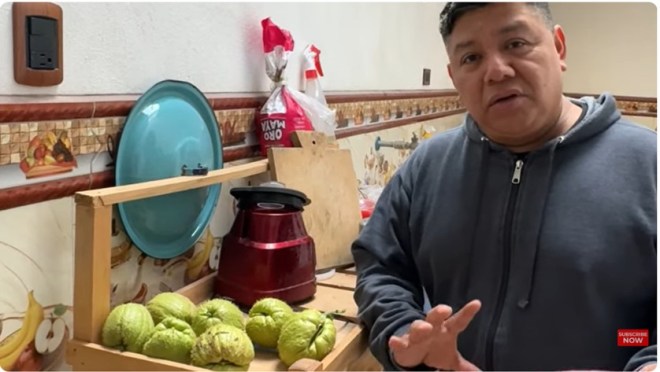
Source

But to come back to my wife and me, standing in front of that table on the Via Verde. The vegetables’ anonymous grower was offering them for free to passers-by. I was hesitant, but my wife was bolder. She reminded me that we were having some old friends over for dinner the next day, why not try the spiny pumpkins out on them? But we don’t know how to prepare them, I objected. My wife waved off that objection, immediately doing a search on the internet. Hey presto, she found what sounded like a pretty easy recipe, explained in a video by a lady from Calabria in southern Italy, who mentioned in passing that the spiny pumpkin was particularly popular in her region – readers should note this link of the spiny pumpkin to Calabria, as we shall come back to it in a minute. My doubts brushed aside, we picked up five of these little spiny pumpkins and loaded them up in our rucksacks.

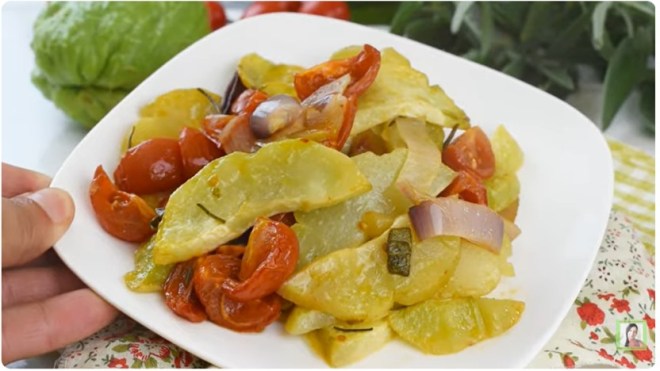
The next day, preparations started early. As recommended by the Calabrian lady, I peeled the pumpkins with a potato peeler – the spines were a little annoying but no more than that. Then I opened them up to take out the stone, after which I cut the halves into thin slices. Then I could start on the other two ingredients, tomatoes and onions. I divided up six large tomatoes, and sliced up one small onion (the recipe called for more but I’m not a fan of onions). At which point, I handed over to my wife, who threw all the ingredients into a big bowl, added the herbs, salt, and oil, and mixed everything up thoroughly. At the right moment, she ladled the mix out into a pan and put it into the oven for 40 minutes at 180 degrees Centigrade. I throw in a photo of what the result looked like – this is actually from the Calabrian lady’s video; we forgot to take a photo since we were so busy with preparations of the dinner.
Source

Because what we had prepared was a side dish. The main course, the pièce de resistance, was cotechino with lentils and mashed potatoes. Like that, if the side dish turned out to be a disaster, we still had the main dish to fall back on. Luckily, it all turned out well. When I carried in the side dish, I explained the whole back-story. None of our guests – three Italians and one American – had ever heard of zucche spinose (in the case of the Italians) or chayote (in the case of the American). We all tried the dish with a little trepidation, but luckily it tasted really good. To me, the spiny pumpkins tasted like a cross between zucchini and cucumber. They went well with the tomatoes.

We didn’t finish the dish, so my wife froze the remains. When we get back from Florence where we are at the moment (to see an exhibition on Fra’ Angelico), we’ll try it out on our son too.

I fear we’ll never make the dish again, unless our anonymous grower on Lake Como is kind enough to make next year’s crop available to passers-by, because you cannot grow spiny pumpkins in the north of Italy (except, as we have seen, in Lake Como’s microclimate). As a result, northern Italians have no culinary experience with it – which is why our three Italian guests, all from Milan, had never heard of it. Of course, we could travel down to Calabria. Because, I discovered, Calabria is a “hot spot” for the growth and consumption in Italy of the spiny pumpkin. This is a consequence of one of the many individual rivulets that made up the giant global flow of plants out of the Americas after the continent’s accidental discovery by Columbus. When, in 1502, the Spaniards took over the Kingdom of Naples, of which Calabria was part, they carried the spiny pumpkin from their new dominions in Mesoamerica to their new dominions in southern Italy. And the plant took particular root in Calabria.

But we can’t go to Calabria just to eat spiny pumpkin! I’ll have to come up with an exciting trip full of new things that we’ve never done before if I’m ever going to persuade my wife. I have one or two things in mind. There’s the Riace Bronzes in Reggio Calabria, which we’ve never seen. There’s some old Christian mosaics in a monastery up in the Calabrian mountains, mentioned by John Julius Norwich in one of his books, which we’ve never seen. I’ve got the whole winter to come up with some more things to see and do …
TURKEY – THE BIRD, NOT THE COUNTRY

Milan, 24 June 2022

I’m catching up with the last couple of week’s news – I’ve been much taken writing a rather heavy report on policy support for eco-industrial parks. Fascinating stuff, but pretty time-consuming.

Anyway, my eye was caught by an article about Turkey’s decision to change its official name (in English, at least) from Turkey to Türkiye. This is in line with an honourable tradition, as various places slough off names given to them during colonial times to adopt more local names. So some decades ago, for instance, Bombay became Mumbai and Madras Chennai (those are the changes I’m most familiar with in India, although I gather that quite a number of places there have localised their names). And quite recently, Swaziland became eSwatini. According to the king, the change was driven by a desire to fully break with the country’s colonial past, while ending international confusion between Swaziland and Switzerland.

In the case of Turkey, it’s not a reaction to a colonial past, or at least not obviously so. Rather, it seems that the country’s leader, Mr. Erdoğan, objects to the country having the same name as a vulgar fowl fit only to be eaten. Worse, “turkey” is used as an epithet to describe people who are (according to the Merriam-Webster dictionary) “stupid, foolish, or inept”. This is what I suspect Mr. Erdoğan – a proud and prickly person – really objects to. He senses that English-speaking people – and Americans in particular, given that this is an Americanism – unconsciously apply the epithet to his country (for the record, the epithet is also used of theatrical productions which are a flop, as in “Well, that musical is a real turkey!”, as well as of three successive strikes in bowling, as in “Wow, Bob, that’s your second turkey this evening, lucky for us you’re not on our bowling team!”).

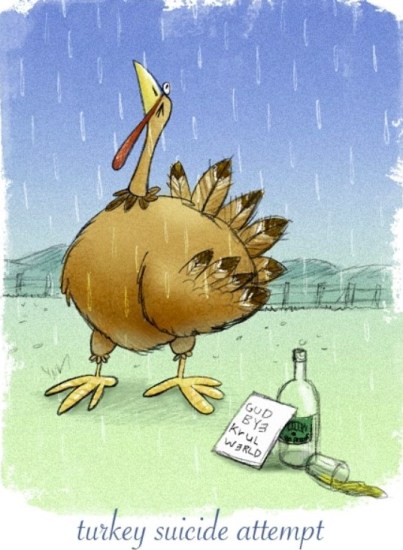
I rather suspect that the epithet is linked to the bird, since at least the domesticated variety has a reputation for being pretty dumb. I remember once reading that turkeys are so stupid that when it rains they’ll look up and drown.

Source

I’m sure this is an urban legend, but it gives readers a flavour of the generally low esteem in which the bird is held. It doesn’t help that we are shown photos like this of poor battery-raised turkeys.

Source

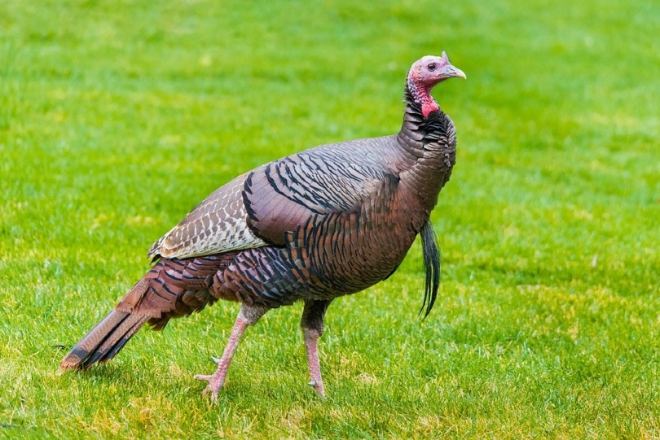
I feel moved to come to the defence of this much maligned fowl. In its natural state, out in the wild, it’s a magnificent looking bird.

Source

Here, we see a male turkey “strutting”, raising his feathers, like peacocks, as a mating ritual. The brilliantly coloured face is an absolute marvel. Here is a close-up.

Source

And by the way, these colours can change, depending on whether the bird is calm or excited.

The female, as is often the case with birds, is more modest in her appearance.

Source

Contrary to domesticated turkeys, the wild progenitors can fly  – not far, but very fast.

Source

So I really think we should stop thinking of the turkey as a stupid, dumb bird.

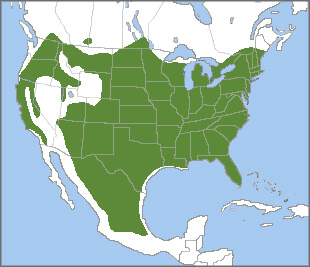
Coming back now to the issue which started this post, readers may be asking themselves why on earth the bird came to have the same name as Mr. Erdoğan’s country (well, I certainly asked myself that, which is why I’m writing this post …). It doesn’t come from Turkey or anywhere near there. The wild progenitor of today’s domesticated turkey was once very common throughout much of the United States and Central America.

Source

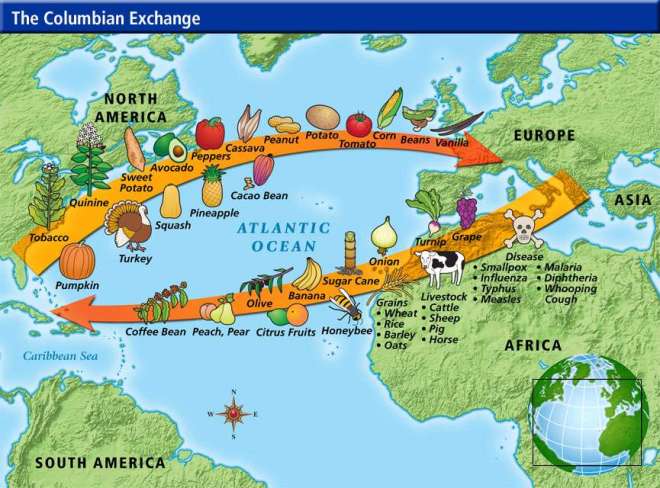
Its spread to the rest of the world is yet another example of the Columbian Exchange, which I’ve written about in several previous posts: all those foodstuffs, plants and animals which were shipped from the Americas to Europe and then to the rest of the world (and all the diseases and enslaved people which were shipped the other way).

Source

The Spaniards found an already domesticated turkey when they conquered Mexico and they brought it back to Europe, from whence it spread throughout the rest of the world.

At this point, let’s imagine that we come across new foodstuffs we’ve never seen before. Basically, there are two ways we’ll give names to these foodstuffs. Either we’ll adopt the local name (often modifying it in the process to fit our modes of speech) or we’ll give it a name based on other things we know which it reminds us of. Both approaches were used with the new foodstuffs which the Europeans discovered in the Americas. For instance, just considering English names, maize, potatoes, cassava, tomatoes, avocados, cacao, are all Anglicized versions of the local names – mahiz, batata, cazzábbi, in the language of the Taino people of the Caribbean islands (whose annihilation I alluded to a few posts ago); tomatl, ahuacatl, cacaua in Nahuatl, the language spoken in the Valley of Mexico and central Mexico at the time of the Spanish conquest. On the other hand, pineapples, peanuts, and bell peppers were given their names based on similarities in looks or tastes to known objects: pineapple was a name already used for pine cones, which look quite similar to smaller pineapples; peanuts were nuts that were pea-sized; anything with a peppery taste was called pepper.

The name “turkey” falls into the latter category. When the bird finally arrived in England, people confused it with another imported bird, the helmeted guineafowl.

Source

Originally from Sub-Saharan Africa, the guineafowl was being imported to England from the Ottoman Empire by the Turkey Company, an English chartered company. Because of that, people often called them turkey cocks or turkey hens. The new arrival from the Americas quickly displaced the guineafowl and added insult to injury by also appropriating to itself the nickname. Thus did the British start raising a bird originally from the Americas which they called “turkey”, much to the future chagrin of Mr. Erdoğan.

Source

His chagrin doesn’t finish with the British. There are of course all the other English-speaking countries which have adopted the same name for this American bird, foremost among them the United States. And then there are the other ex-British colonies; many of these have also adopted the name, suitably transliterated to fit their local languages. Thus, most of the languages from the Indian subcontinent call the bird ṭarki or turkee. So too have a number of languages used in ex-British colonies in Africa: for instance, we have toki in Igbo, tọki in Yoruba, tɔki in Krio, dɔkɔ in Ewe, uturuki in Swahili. And then we have a good number of countries which have no obvious connection to the UK but which for some reason have nevertheless adopted, with the usual linguistic adaptations, the British name for the bird: tierkei in Luxembourgish; ćurka in Serbian and Bosnian; turketi in Georgian; tirka in Kurdish; turīki in Amharic; tuorki in Khmer; tu la ki in Lao. All told, about 40% of the world’s population use the name “turkey” or some variant of it – although, in truth, some of the names have drifted so far from “turkey” as to be almost unrecognizable – some comfort, perhaps, to Mr. Erdoğan.

Luckily, another proud and prickly leader, Mr. Narendra Modi, Prime Minister of India, doesn’t seen to have noticed that a whole series of countries – including, I should note, Turkey – have instead named this “stupid bird” after India! Perhaps he has been too busy beating up on his country’s Muslim population.

Source

I think this naming is the fault of the French, who named the American bird coq d’Inde (or poule d’Inde in the feminine). Later the coq and poule were dropped, as was the apostrophe, and the French simply called the bird dinde (with, as a further modification, dindon becoming the masculine version).

As usual, the French’s logic was impeccable – if we remember that Christopher Columbus confused everyone in Europe by claiming that he had reached the Indies when actually he had stumbled across the Americas. For quite a while thereafter, everything that came from the Americas was thought to come from the Indies (and in English at least this confusion lingers on in our calling the Caribbean islands the West Indies and calling the native populations of the Americas Indians). So when the French said this new bird came from the Indies they were correct given the knowledge of the time. But they were fundamentally wrong: a great example of “rubbish in, rubbish out”.

Unfortunately for any proud and prickly Indians – the real ones, the ones from India – the French’s innocent mistake has percolated into various other languages. Two of these are languages on France’s border, Catalan and Basque, where we have gall dindi and indioilarra, respectively. Then we have a cluster of languages from the ex-Russian Empire: Polish (indyk), Russian (indeyka), Ukrainian (indychka), Belarusian (indyčka), Kyrgyz (ündük), and Armenian (hndkahav). Finally, we have three countries – Turkey, Turkmenistan, Azerbaijan – with close linguistic and cultural ties, which all use the name hindi. Luckily for Mr. Modi, only some 12% of the world’s populations use this potentially offensive name for our bird from the Americas.

That being said, there may be more here to potentially offend Mr. Modi, and we have the Dutch to thank for that. For reasons which I don’t understand at all, the Dutch called our bird from the Americas Kalkoense haan, or “chicken from Calcoen”, the then-used name for the Indian city of Calicut in the state of Kerala (which, in another example of India decolonizing its place names, is now called Kozhikodez). Calcoen-Calicut was a big trading partner in Europe’s first interactions with India, and in the early 1600s the Dutch entered into a treaty with the local ruler to boot out the Portuguese. But none of that explains – to me at least – why the Dutch seemed to think that this bird came from Calcoen. But they did.

The Dutch eventually shortened the name to kalkoen, and in closely related forms it spread far and wide. I suppose because the Dutch were very active traders in the Baltic Sea and took the bird with them on their trading ventures, almost all the countries along that sea’s shores have adopted the Dutch name in the form of kalkun or something similar. But the Dutch also took the bird with them on their colonizing ventures. Thus, Sri Lankan speakers of Sinhalese call the bird kaḷukumā (Sri Lanka was Dutch for a while, after they kicked out the Portuguese, before they were themselves kicked out by the British). For their part, the Indonesians appropriated the name from their former colonial masters and call the bird kalkun (I’ve commented on Indonesian’s cheerful appropriation of foreign words in an earlier post). As you would expect, the descendants of the Dutch settlers in South Africa, the Afrikaaners, call the bird kalkoen, and the name has percolated into at least one of the languages of southern Africa, northern Shona, as kalakune. Still, at the end of the day, only about 5% of the world’s population use this name for our bird from the Americas. On top of it, the connection to India is really not that obvious, so I think Mr. Modi can breathe easy – assuming he has spent any time at all thinking about this potential slight to Indian pride.

If Mr. Modi were ever to get exercised by the link between India and the supposedly stupid bird from the Americas, I really don’t think he could adopt the course taken by Mr. Erdoğan. I just can’t see what changes could be brought to his country’s name which would sufficiently distance it from the India-like names which have been given to our bird. It would be far better for Mr. Modi to initiate an international process (through the UN, perhaps) to change the bird’s name. And I have just the name to propose: huehxōlōtl! This is the Nahuatl name for our bird. It seems to me to fit beautifully with the general move to decolonize our languages. Each language could take this name and fit it into their way of speaking. The Spanish-speaking Latin Americans already did this a while back. Contrary to the Spaniards, who call our bird pavo, they call it guajolote, a hispanicized form of the original Nahuatl name. In English, it could be transliterated to “whexolot”. That’s a bit awkward, but knowing people’s tendency to shorten and simplify words, I’m guessing that over time this could become “whellot”. That rolls off my English tongue fairly easily: “500 grams of whellot, please. I’ll have it tonight with maize and potatoes”.

VANILLA

This post is dedicated to my dearest wife,

the most faithful of my readers

Vienna, 4 September 2021

Some months ago, I was asked by the Student Sustainability Committee of a school in Wales which I’m involved with to help them estimate the carbon footprint of the food eaten in the school. In the case of prepared food, which made up a substantial portion of the food consumed at the school, this exercise required me to plough through a lot of recipes to understand what were the raw ingredients of these prepared foodstuffs (so as to calculate the carbon footprint of each ingredient). Apart from this being a hell of a lot of work, as my wife will testify (“have you still not finished that stuff?!”), I discovered with surprise that many, many prepared foodstuffs of the sweet variety (biscuits, cakes, chocolate, and various sundry others) have vanilla extract as one of their ingredients (and as a side note, I was very surprised to see that these sweet foodstuffs made up a large portion of all the food consumed in the school; it didn’t seem to be a very healthy diet).

These constant references to vanilla extract intrigued me, and I decided that one day I would investigate vanilla a bit more. This decision crystallized into action over the last few weeks, because it so happens that my wife is very fond of vanilla. In the Bad Old Days, before we started our rigorous dieting, she consumed a fair amount of vanilla-based ice creams, normally those covered with a chocolate casing (I will not give free publicity to her favourite brand by naming it; I will leave my readers to guess). Now, in these more virtuous times, diet-wise, her vanilla consumption mainly takes the form of vanilla-flavored yogurt, and this only for lunch on our hikes (which these summer days has meant quite frequently). For the sake of complete transparency, I should state that she still consumes a chocolate-covered vanilla ice cream from time to time, whenever a hike is judged to have been particularly strenuous.

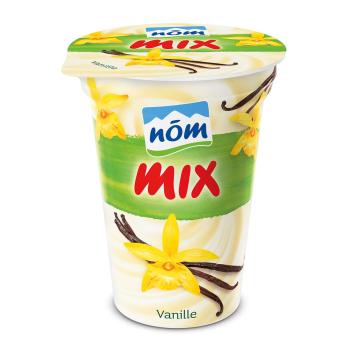
The brand of vanilla-flavored yoghurt which my wife generally favours is this one – I should add that she favours it simply because our local supermarket offers it, at a very reasonable price.

Source

Sharp-eyed readers will have noticed the flower on the tub. This is the vanilla orchid, Vanilla planifolia. Here’s a photo of the Real Thing.

Source

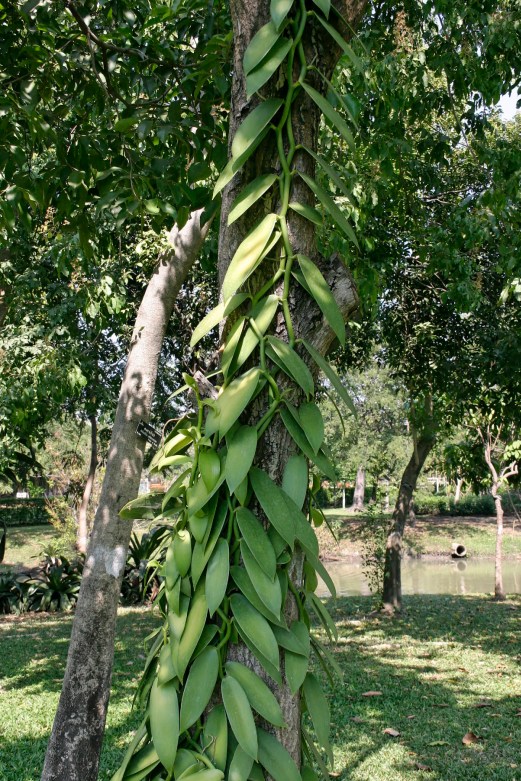
And here is the plant more or less in its natural state (readers will note that this orchid is a type of vine; in Nature it will grow up trees, like the pepper vine).

Source

It’s really a very pretty flower, but it is only of passing interest to the vanilla aficionado. She or he is after the “fruit”, a seed pod really, that the flower creates once it has been pollinated. The three dark-coloured stringy things pictured behind the flower on the yoghurt tub are these seed pods. Again, here is a photo of the Real Thing.

Source

But even the seed pod, if in its natural state, just picked from the vine, does not interest the vanilla aficionado, because it contains very low levels of vanilla flavour and aroma (these, by the way, come mostly from the chemical vanillin, although there are a number of other chemicals present which it is claimed enhance both flavour and aroma). It is only once the seed pod has been cured that the vanilla aficionado becomes interested, because now the levels of vanillin are considerably higher, high enough to add that distinct vanilla flavour and aroma to foods and drinks.

The curing of vanilla seed pods is a rather complicated, months-long process, whose purpose is to bring about an enzymatic reaction in the pods which turns the glucovanillin they contain into vanillin proper (in case any readers were asking themselves, glucovanillin has no flavour or aroma). Curing consists of four basic steps: killing, sweating, slow-drying, and conditioning. In the killing step, the seed pods are generally heated (in hot water or in an oven or by exposing the pods to the sun).

Source

This stops any further vegetative growth in the pods and initiates the necessary enzymatic reactions.

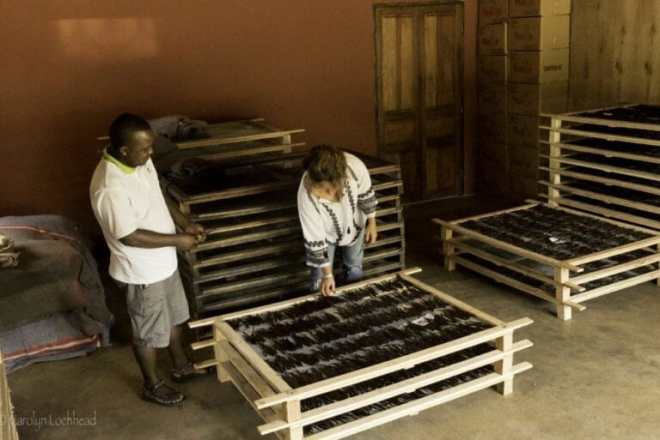
In the sweating step, the pods are kept at temperatures of 45–65°C and at high humidity levels by stacking them densely and insulating them in wool or other cloth. The pods are subjected to this Turkish bath regime for 7 to 10 days, possibly with a daily exposure to the sun or a dip in hot water.

Source

The desired enzymatic reactions love these conditions, so by the end of the sweating step the seed pods have attained much of the desired vanilla flavour and aroma. However, they still have a high moisture content. Which brings us to drying.

To prevent the pods from rotting and to lock in the vanilla aroma, drying is required. And so, over a period of three to four weeks, the pods are exposed to air and to periods of shade and sunlight.

Source

In the final, conditioning step, the dried pods are stored for five to six months in closed boxes, where the fragrance further develops.

The end result looks like this.

Source

This is what vanilla aficionados lust after, what they dream of incorporating into their dishes, from soup to sweet dishes.  And they are willing to pay top money. Vanilla is the second most expensive spice, after saffron. Those wrinkled-up beans can set you back anywhere from $50 to $500 per kilogram.

When I look at these kinds of convoluted processes, I always ask myself, “How on earth did anyone discover this process?” I mean, really, how did the first vanilla producers stand in front of those aroma-less and flavour-less seed pods and figure out that this long and complicated process would eventually lead them to seed pods with a wonderful aroma and flavour of vanilla? I would have to ask this question to the ancestors of the Totonacs, an Amerindian people who live on the east coast of Mexico. It was they who first “made” vanilla-flavoured seed pods from the vanilla orchid – the orchid’s natural habitat is in this part of the world. Here, we have Diego Rivera’s take on the Totonacs, as part of one of his murals in the National Palace in Mexico City.

Source

Unfortunately, I’m sure today’s Totonacs have no idea; I just have to accept that the answer is lost in the mists of time.

Readers might think that since the vanilla orchid is natural to Mexico’s eastern seaboard, that country would be a major producer of vanilla. Alas, not so! The reason for that is the great Columbian exchange, that massive movement of plants, animals, humans – and diseases – which took place between the New and Old Worlds after the discovery of the Americas by Christopher Columbus. The vanilla orchid was part of that exchange. The Conquistadors, like the Totonacs (and like the Aztecs) loved the flavour and aroma of vanilla and figured that people back home would love it too. They exported the pods back to Europe, where they caused a sensation, at least among the elites, who had the money to burn on this rare and expensive novelty. They put it in everything, from chocolate (also a product of Mexico) to soup. They adopted the Spanish name for it (vanilla is a corruption of the Spanish vainilla, meaning “little pod”). Other Europeans looked on enviously. Eventually, the French laid their hands on some exemplars of the plant and took them to their colonies which had similar climates to Mexico’s eastern seaboard, namely those in the Caribbean and the Indian Ocean, especially the islands of Madagascar, Réunion, and Mauritius.

For a while, Mexico continued to be the main global producer of vanilla, because this transplant of the vanilla orchid to other places was a failure. The plant flowered alright, but it never produced pods. The reason for this is an exquisite example of specialized evolution: vanilla flowers can only be pollinated by this little critter, Eulaema meriana, one of some 25 species of orchid bees.

Source

No other insect is attracted by the sex pheromones emitted by the flower, nor can any other insect successfully navigate the orchid’s complicated geometry and pollinate the flower along the way.

Once non-Mexican wannabe vanilla producers realized the problem, they tried the obvious thing, which was to transplant the vanilla-pollinating orchid bee along with the orchid. But it didn’t work; the bee couldn’t survive outside of its native habitat. The wannabe vanilla producers were stumped. Until 1841.

In that year, a 12-year old slave called Edmond (no surname, he was a slave), who had been born into slavery on the Island of Réunion, came up with a quick and easy way of pollinating the vanilla orchid flower by hand. He had been lent out by his master to a botanist by the name of Ferreol Bellier-Beaumont, to help him out. Beaumont had shown him how to hand pollinate a watermelon plant and the boy went off and successfully applied his new skills to the vanilla orchid. (For anyone considering hand-pollinating a vanilla orchid flower, here’s what you do: with a small sliver of bamboo or wood (or even a stem of grass), lift the membrane separating the flower’s anther and stigma; then, using your thumb, transfer the pollinia from anther to stigma.)

Edmond never got anything out of his discovery. Who did were all the the slave-owning planters on Réunion who now got into vanilla growing: for a while, Réunion became the world’s largest producer of vanilla. But the French authorities made sure the method was transferred to its other island colonies in the Indian Ocean and in the Caribbean. Since then, Madagascar has dominated world production (Indonesia, which muscled into the market in the 1980s, is now second in the producers’ league table). Mexico, on the other hand, has pretty much vanished from the scene, which is a crying shame.

As for Edmond, seven years after his discovery, at the age of 19, he got his freedom; the French government finally outlawed slavery in its colonies in 1848. He left the world of plantations to work as a kitchen hand in the island’s main city, and adopted the surname Albius, from the Latin alba or white, in reference to the vanilla orchid’s colour. Beaumont tried to get the governor of Réunion to give Edmond a stipend or at least a reward for his great discovery but the governor ignored the petition. No doubt, he didn’t think it was worth spending public monies on a black ex-slave.

Unfortunately, Edmond fell in with a bad crowd in his new life and got involved in a theft of jewelry. He was caught and sentenced to 10 years in jail, which, after an appeal by Beaumont to the governor, was reduced to five. After doing his time, Edmond moved back to a village close to the plantation and got married.

Edmond’s travails were not over. It seems to have been an irritation in certain quarters that where white professional botanists had failed, a black slave, and a child to boot, had succeeded. Some time in 1860s a well-known French botanist and plant collector by the name of Jean Richard claimed that actually, he had come up with this revolutionary pollination method in the late 1830s, that he had taught it to some planters in Réunion, and that Edmond must have sneaked into the meeting and heard his explanation. Luckily, Beaumont and a few others vigorously defended Edmond’s primacy to the discovery, although Richard’s false claim did get some traction for a while. May Richard’s name be damned forever …

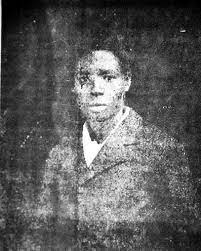
Edmond died in poverty in 1880, at the age of 51. Luckily, he left a physical trace of himself in history, rare for ex-slaves. Here we have a rather grainy photograph of him when young.

Source

And here we have a lithograph of him from a book published in 1863, standing gravely in front of a vanilla orchid vine.

Source

Wonderful story, the vanilla story, no? Except that as far as the vanilla in my wife’s yoghurt is concerned, it is all a big red herring.

Source

I’m afraid to tell her, and any other readers who might be vanilla lovers, that the vast majority of the vanillin used commercially in the world is fake – well, artificial might be a less inflammatory word. Most of the world’s vanillin is produced from crude oil derivatives in chemical plants: benzene is alkylated with propylene to form cumene, which is then oxidized to phenol. Phenol is hydroxylated into catechol, which is further methylated into guaiacol. Finally, guaiacol is reacted with glyoxilic acid by electrophilic aromatic substitution to produce vanillylmandelic acid, which is converted to vanillin by oxidative decarboxylation. The remainder of the world’s artificial vanillin is made from a waste stream generated in the sulphite process to make paper pulp.

Yes, I know, very disappointing. And the worst of it is that when Cooks Illustrated ran some taste tests which pitted natural vanilla against artificial vanillin used in baked goods and other applications, tasters could not tell the difference! Don’t know what the world is coming to … Luckily, the tasters could tell the difference where ice cream was concerned, with natural vanilla winning out; l’onore è salvo, honour has been saved, as my wife might say.

PRICKLY PEAR AND THE COLUMBIAN EXCHANGE

Bangkok, 23 January, 2015

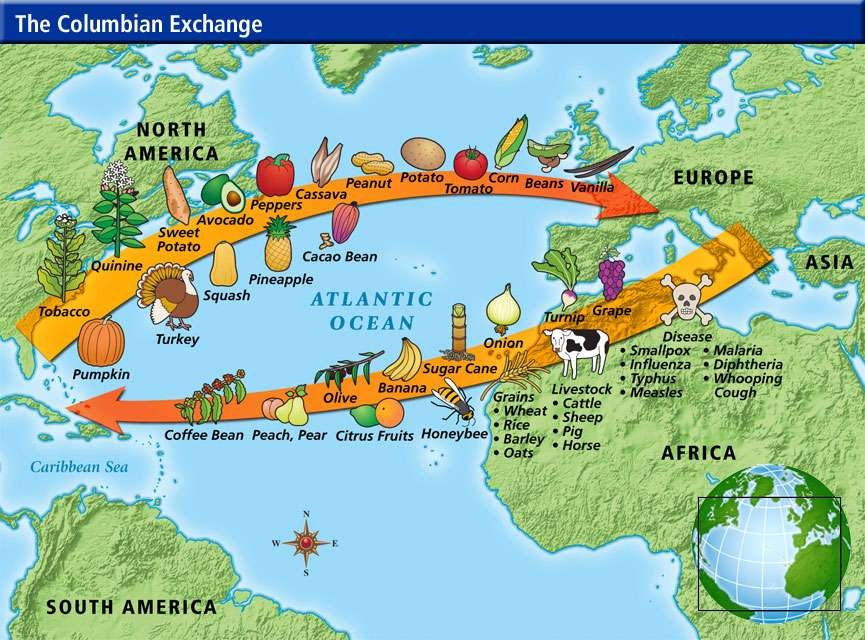
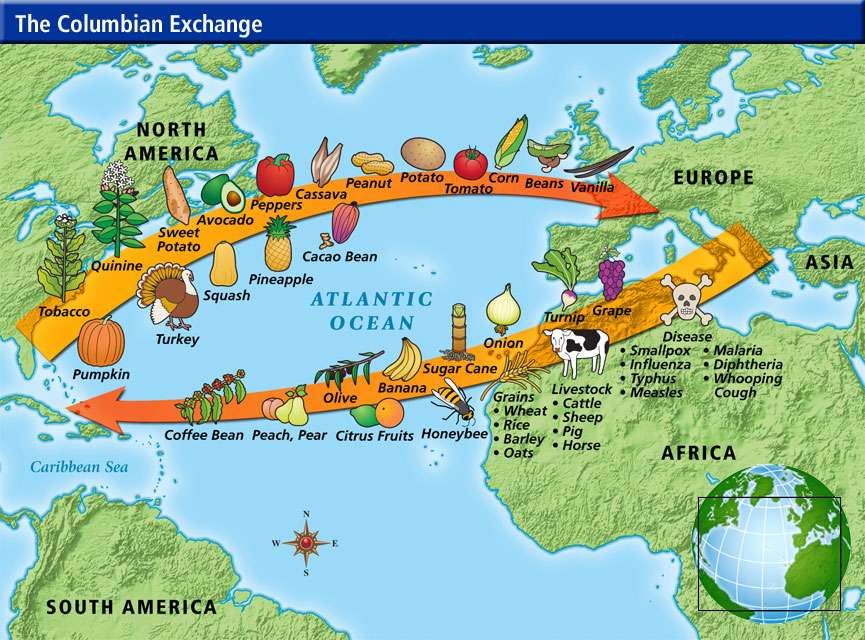
One of the most far-reaching effects of Christopher Columbus’s discovery of the Americas was the so-called Columbian Exchange, the exchange of plants and animals (and bacteria and viruses) between the Americas and the rest of the world. This map shows some of the major crops and livestock which made the journey in either direction between the Americas and Europe.
image
We see, for instance, that the tomato crossed to Europe from the Americas, along with the turkey and corn (and possibly syphilis), while the cow, the horse, and the onion, went the other way, along with smallpox, measles, typhus, and a whole series of other diseases (the diseases nearly wiping out the Amerindian populations).

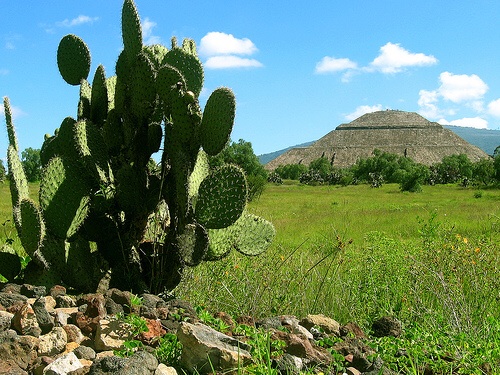
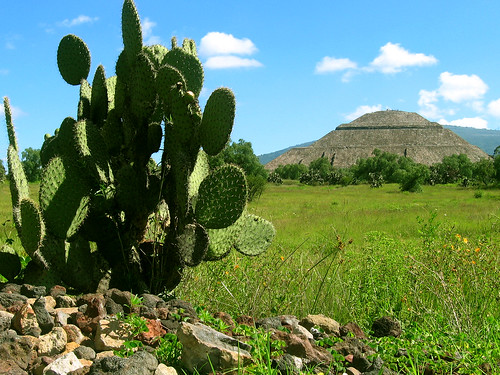
But I want to focus on a plant which normally doesn’t get mentioned in discussions of the Columbian Exchange: the prickly pear, a plant whose history is very much centered on Mexico. Here, we have an exemplar standing guard, as it were, at the site of Teotihuacan.
image
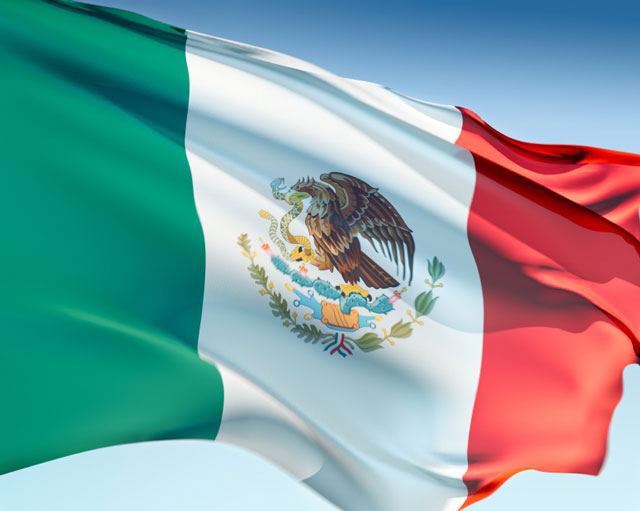
In fact, the prickly pear is so centered on Mexico that it graces the Mexican flag as part of the latter’s central emblem (for those with “mature” eyesight like mine, it’s what the eagle is grasping with its talons at the same time as it grasps that snake in its beak).
image
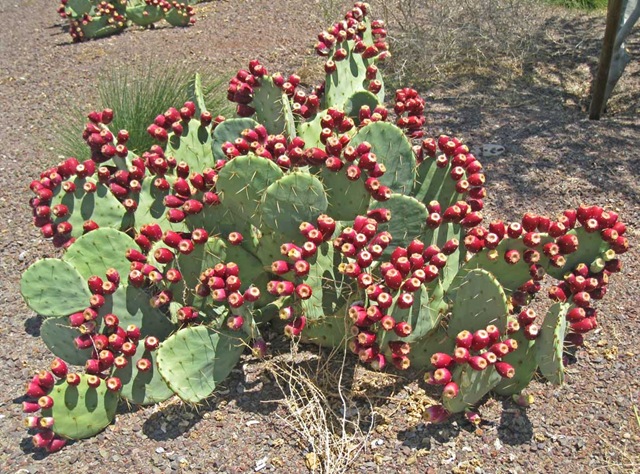
Maybe the prickly pear’s low profile in Columbian Exchange discussions is because it’s such a nasty, spiny plant, which really doesn’t endear itself to anyone.
image
Or maybe because it’s not much of a commercial crop; the Food and Agricultural Organization, which collects global statistics on some 160 crops, collects no statistics on the prickly pear, for instance.

Whatever the reason, I wish to right this injustice and pay tribute to the prickly pear and its role in the great Columbian Exchange. It may perhaps have played a modest economic role, but it helped to fill many an empty stomach, and it sure as hell has played an important ecological role, sometimes wreaking havoc in the ecosystems into which it was thoughtlessly thrust.

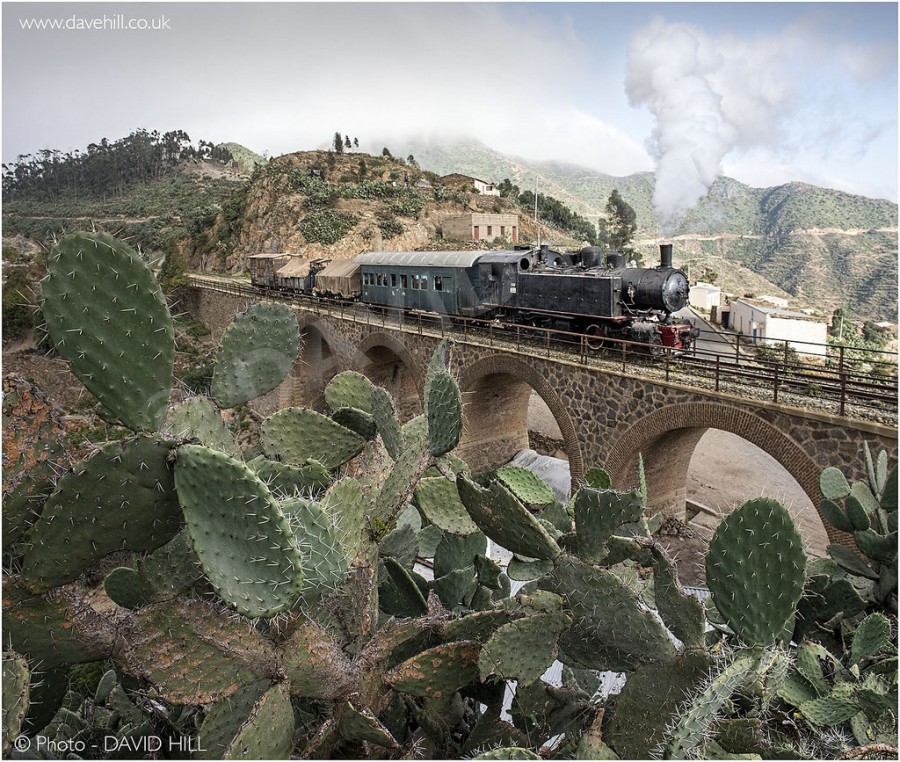
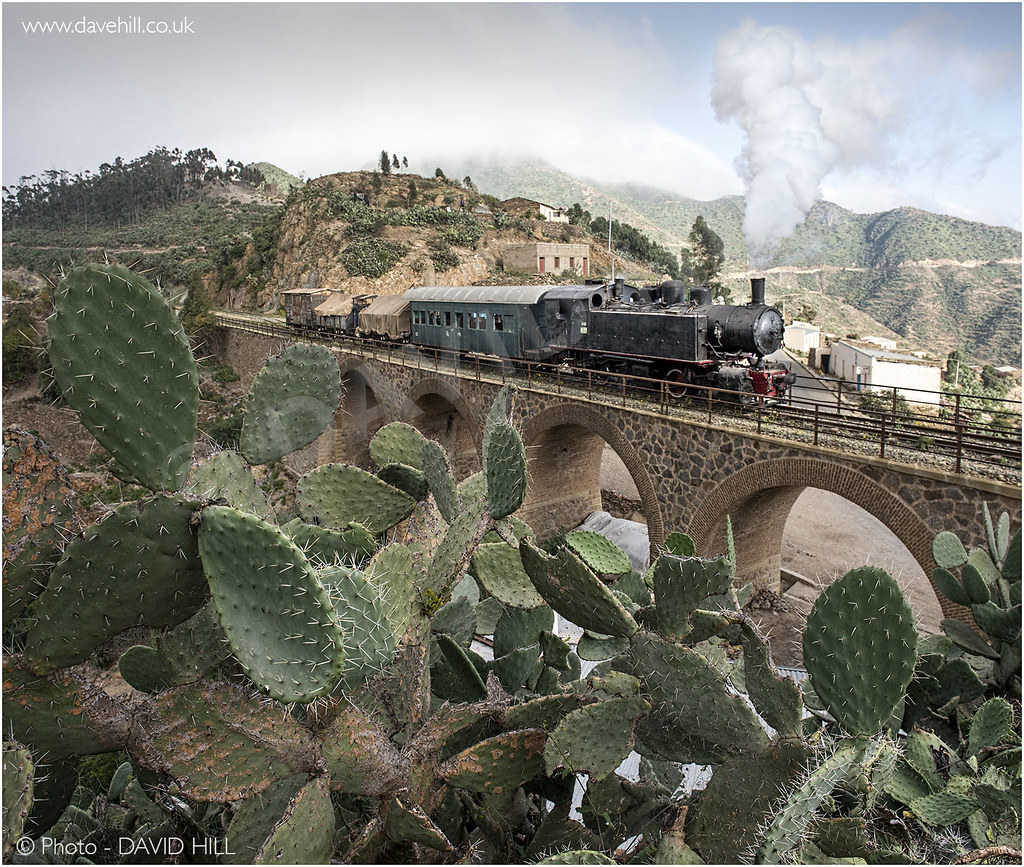
I first met our prickly friend in the country of my birth, Eritrea. Here, you see a specimen in front of the delightful little train which runs from Asmara down to the seaport of Masawa on the Red Sea.
image
I have a vivid memory of taking that train to go down to the coast for a holiday on the beach.

It was the Italians who, as colonial masters
image
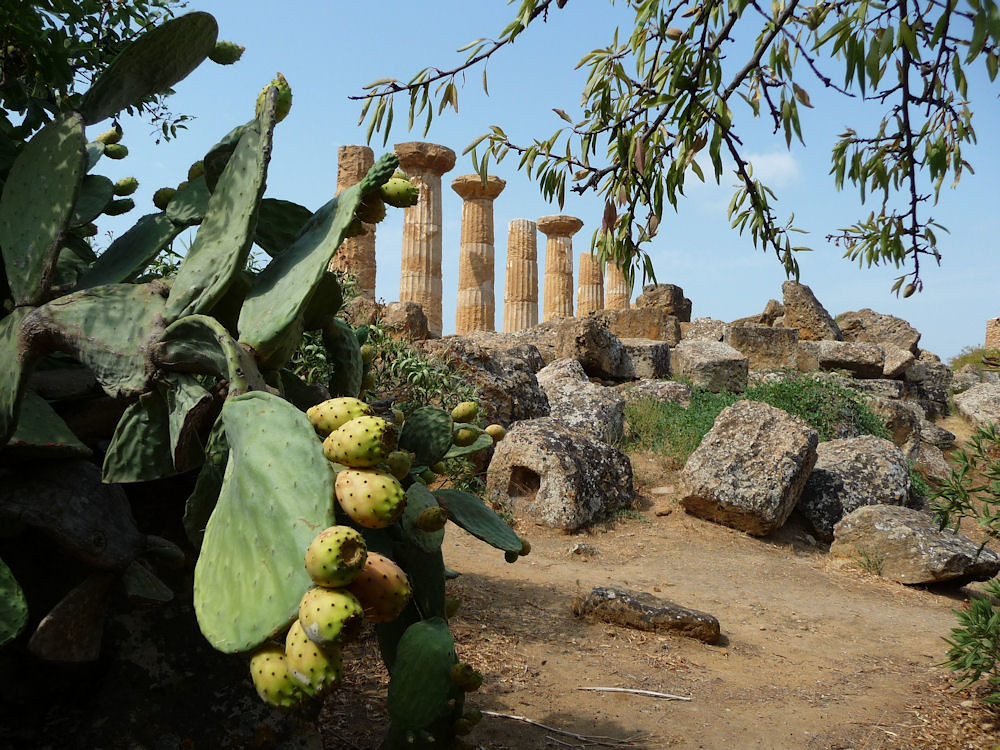
introduced the prickly pear (please note the plant waving at us from behind the colonial troops and their Italian officer). The Italian colonialists brought it from the mother country, of course, where it grows in profusion in the more arid southern regions of the country. We have here an example gracing the ruins of Agrigento in Sicily.
image
But southern Italy was just a later stop on the prickly pear’s journey out of Mexico. It must surely have reached Italy from Spain, which was the first port of call for many of the biological journeys out of the Americas. Here we have a Spanish prickly pear, nudging its way into a photo of Sagunto castle in the province of Valencia.
image
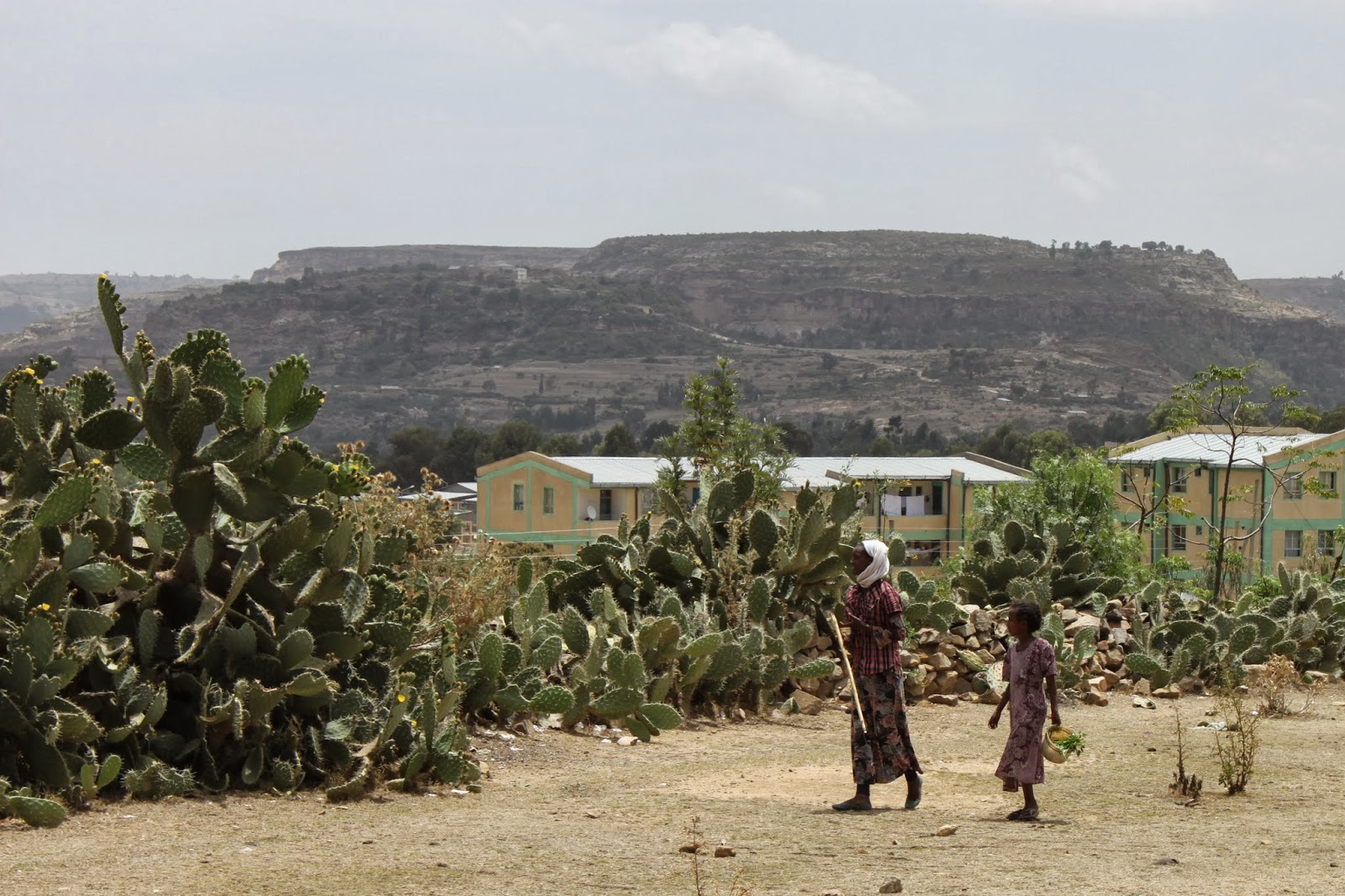
In truth, I have chosen pictures which show off the prickly pear to advantage, but normally the plant is much more unprepossessing. This photo of a ragged, messy patch of prickly pear in a village of Ethiopia is much more typical of how the plant presents itself
image
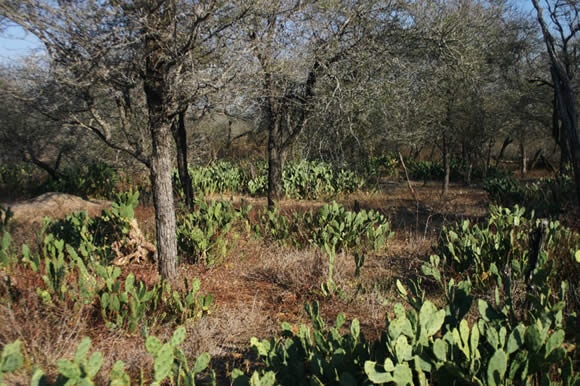
especially when its population levels begin to explode out of control in some foreign ecosystem which has no natural biological defenses against it. The Global Invasive Species Database lists several countries where the prickly pear is now considered an invasive species. Eritrea is one of them, along with the neighboring countries of Ethiopia and Somalia – the Italians, who colonized all three countries had little idea of the damage they were wreaking. But South Africa also considers it an invasive species (here is a picture of prickly pear invading the Kruger national park).
image
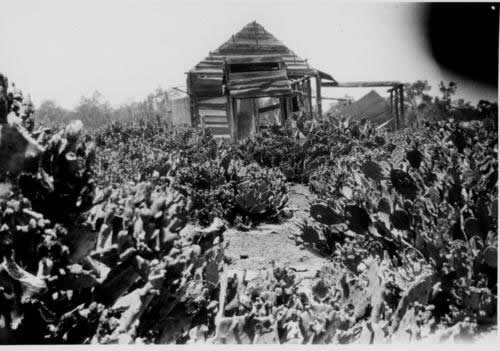
And Australia had a catastrophic invasion. The prickly pear was initially introduced as an ornamental plant for gardens. Then some bright spark thought of using the plant as natural fencing (sensibly enough, cattle and other animals desist from pushing through breaks of prickly pear because of the nasty spines, and they don’t eat them for the same reason) and to start a cochineal dye industry (the little beasties from which the dye is extracted munch the prickly pear’s pads). But the prickly pear went crazy. It eventually converted some 260,000 square kilometers of farmland (which for those readers, who like me don’t think in square kilometers, is more or less equivalent to a square 500 km by 500 km) into an impenetrable green jungle. Farmers were driven off their land by this “green hell” and their abandoned homes were crushed under the cactus growth.
image
The authorities finally managed to get the plague under control in the 1920s by introducing a South American moth, the Cactoblastis cactorum, whose larvae feast on prickly pear. This led to a crash in prickly pear populations, and while the plant has not been eradicated from Australia it has been brought under control (the Australians were lucky, by the way; there is always a risk in this kind of biological control that the agent will find another native plant much more to its liking and wipe that out instead, or once it’s dealt with the original pest will turn its hungry eye on to something else and become an invasive species in its own right).

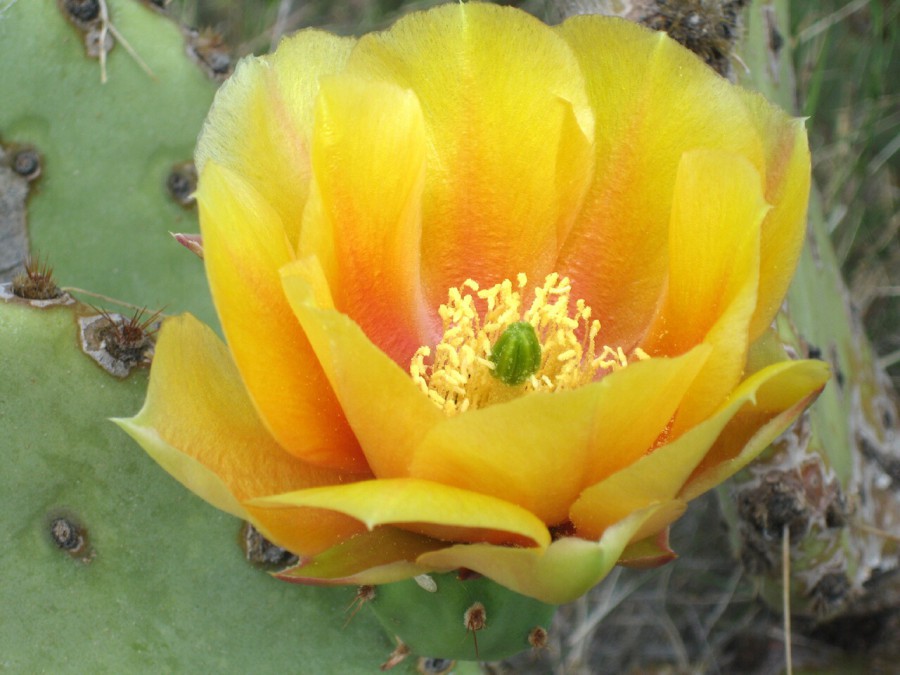
Why did some Spaniard ever bring the prickly pear back to Europe in the first place? Because, as far as I can tell, he thought he could brighten up a Spanish garden somewhere. But it cannot have been because of the beauty of the plant itself. More likely it was the flowers, for indeed the web is full of pictures of the flower of the prickly pear. Here are a few of the more pleasing examples.
image
image
image
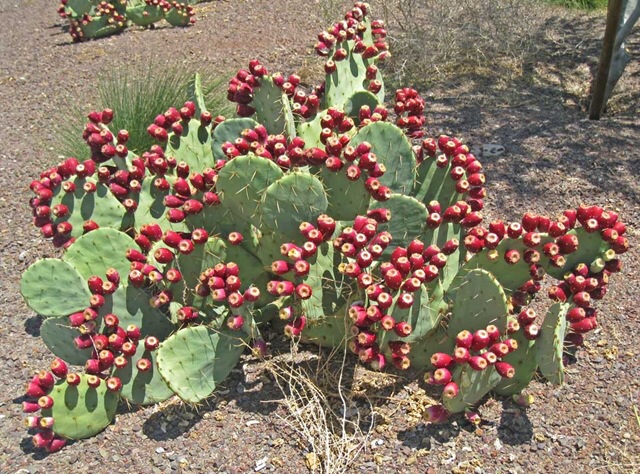
At some point, though, people, especially the poor with bellies to fill, began to also focus on the fruit, the “figs” of the prickly pear
image
These had been enjoyed by the Mesoamericans for millennia before Hernan Cortes and his conquistadores arrived and have been enjoyed by the Mexicans ever since.
image

I add here a close-up of the fruit
image
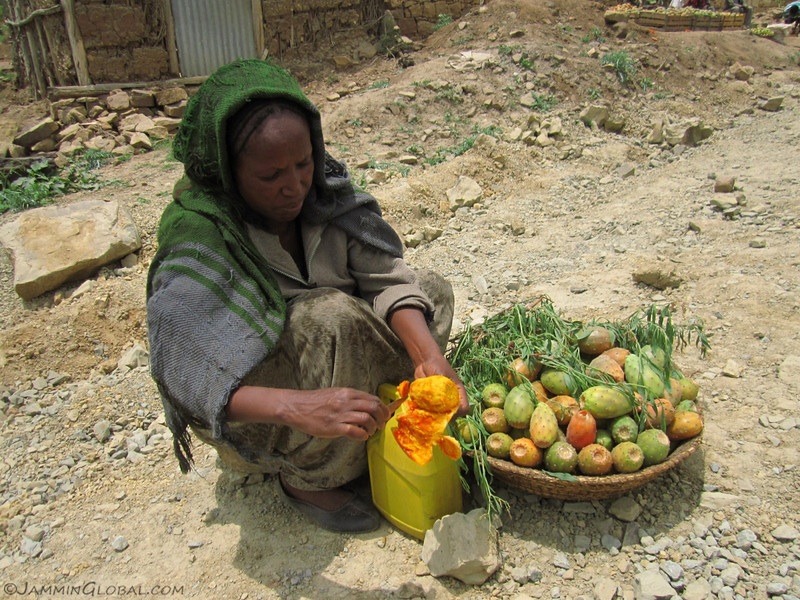
first because it’s a nice photo, but second because the sharp-eyed reader will notice the hair-thin spines which nestle lovingly around the crown of the fruit. Their scientific name is glochids. They are the nastiest little buggers imaginable. They come off easily and lodge under the skin of the unwary picker, where they cause exquisite and unending agony as the said picker tries and tries and tries again to extract them, always in vain. Bloody little bastards … Readers may have gathered from this little burst of ill humour that I have personally experienced this exceedingly painful trial. It was in Eritrea as a matter of fact, where as a young and foolish lad I tried picking the fruit.  I then ran to my Mummy to get the horrible little things out, which she eventually did after much wailing on my part and cross admonitions on her part for me to keep still. I had tried picking the fruit because my mother had earlier bought some, perhaps from a lady like this
image
and I had liked them – a little too many seeds perhaps but nicely fresh and sweet.

Personally, while I like the taste, that early brush with glochids has always made me wary of the fruit. The pain in the hands was bad enough but the thought of those things getting stuck in your tongue or gums because the fruit was badly cleaned is dreadful. And the thought of them getting stuck in your throat is simply too horrible to contemplate.

But others around the world consume the fruit without a second thought, especially around the Mediterranean rim. Here, we have some cheerful young lads selling the fruit in Egypt

image
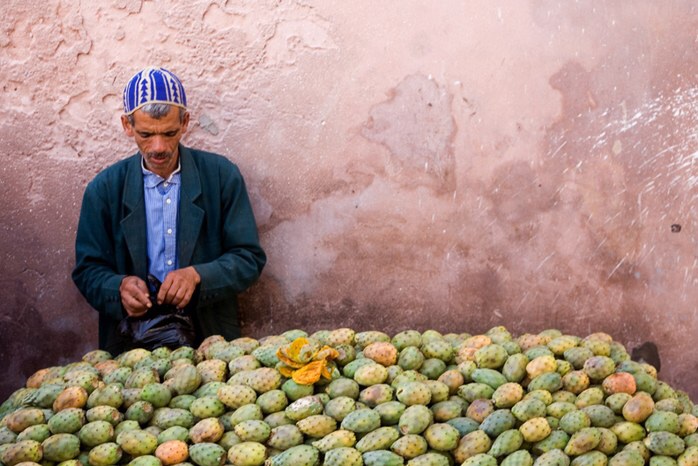
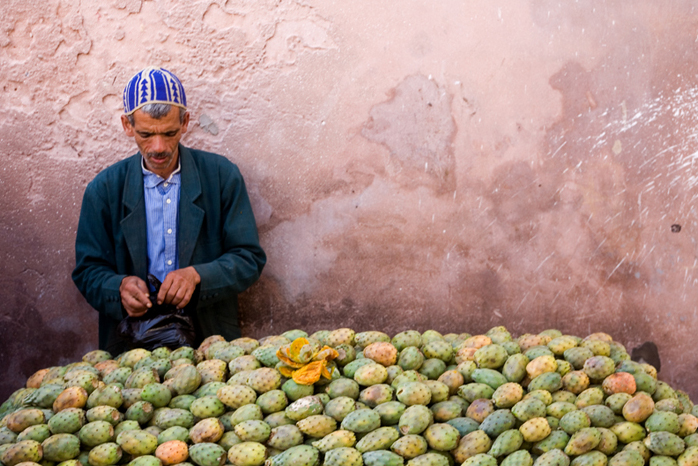
While here we have a more solemn Moroccan doing the same
image
And here a smiling Sicilian ditto
image
As readers can imagine, over the centuries people in the countries where the prickly pear was introduced eventually got around to putting the fruit into alcoholic drinks – at least in those countries where such drinks are tolerated. Thus, we have a prickly pear-flavoured liqueur called “Ficodi” in Sicily, we have a prickly-pear flavored herbal liqueur called “bajtra” in Malta (another country, by the way, where the prickly pear has been declared an invasive species), out in the lonelier reaches of the Atlantic, on the island of St. Helena (where Napoleon Bonaparte was banished), the potent “Tungi Spirit” is produced with the fruit, while prickly pear fruit is the main ingredient of a popular Christmas beverage in the British Virgin Islands called “Miss Blyden”. Looking at how all these various drinks are made, I think I would plump for Miss Blyden: prickly pear steeped in rum and sweetened with sugar. Mmm, sounds good …Yohoho, and a bottle of Miss Blyden, is what I say.

But actually, these drinks are all derivative, if I can put it that way: you just plunk prickly pear fruit in an alcoholic medium; it could actually be any fruit that is plunked. The Mesoamericans, on the other hand, came up millennia ago with colonche, an alcoholic drink using just the juice of the prickly pear fruit, fermenting it over a number of days. I have read that it is a sweet, fizzy, red beverage. Here’s a photo of a glass of colonche, together with the fruit from which it is derived.
image
I regret to say that I did not try the drink while I was in Mexico. However, I have asked my son to try it and report back. If the feedback is good, we can discuss about getting into the business of exporting it!

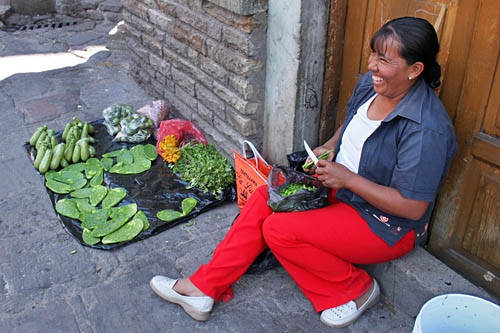
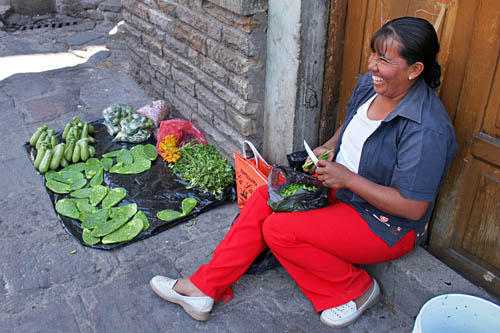
What I will not promote, through export or otherwise, is the eating of the pads (that is to say the fleshy leaves) of the prickly pear. They eat them in Mexico – and in New Mexico too (and perhaps some of the other southwestern States of the US). The original peoples of Mexico were eating them when Cortes burst in on the scene, and it’s still quite popular. I saw them sold in the supermarket around the corner from where we were staying in Mexico City and took a photo, but I prefer this more sympathetic photo of a Mexican lady on the street selling them.
image
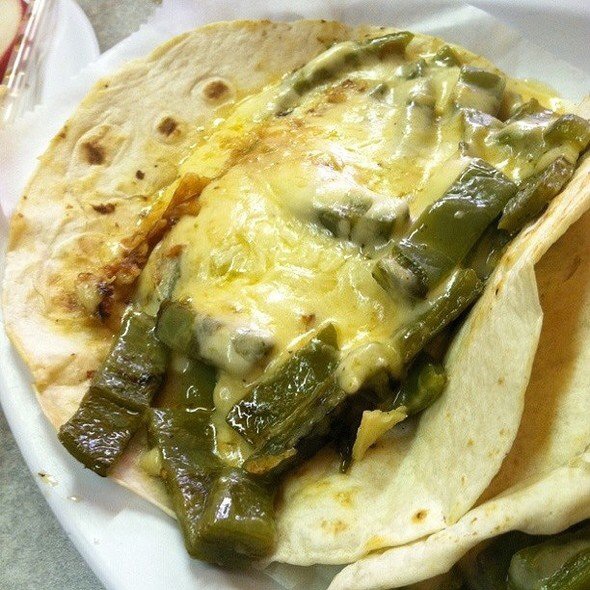
I mentioned in an earlier post that I had tried the pads, cooked and with melted cheese, in a taco. I also tried them, with cheese but without the taco. It didn’t change the taste much.
image
I’m all for trying things once (with the exception of insects). But not necessarily more than once. Pads of the prickly pear fall into the latter category.

But who knows? As the Mediterranean countries slowly go down the economic drain, and more generally as we 99 percenters slowly get poorer, perhaps we will join our Mesoamerican friends and start eating prickly pear pads – as the poor of the Mediterranean lands turned to the fruits of the prickly pear some three hundred years ago to fill their empty stomachs.

_______________
Columbian exchange: http://globerove.com/wp-content/uploads/2010/03/Columbian-Exchange.jpg (in http://www.slideshare.net/mobile/cbgobble/columbian-v-triangle)
Prickly pear in Teotihuacan: https://farm1.staticflickr.com/214/444712763_0a91a8353e.jpg (in https://www.flickr.com/photos/eternal_sunshine_of_the_spotless_mind/444712763/
Mexican flag: http://www.freepressers.com/wp-content/uploads/2011/10/mexican-flag-640.jpg (in http://www.worldtribune.com/worldtribune/WTARC/2011/k1302_10_21.asp)
Prickly pear: https://seekraz.files.wordpress.com/2012/10/prickly-pear-cacti-in-tucson-desert.jpg (in https://seekraz.wordpress.com/tag/prickly-pear-cactus/)
Prickly pear by Asmara-Masawa railway: https://c1.staticflickr.com/9/8633/16089064905_44b9e68e48_b.jpg (in https://www.flickr.com/photos/dave-hill/16089064905/)
Italian colonial masters: http://upload.wikimedia.org/wikipedia/it/6/6c/Ascari_penne_di_falco.jpg (in http://it.m.wikipedia.org/wiki/Regio_corpo_truppe_coloniali_d’Eritrea)
Prickly pear in Sicily: https://c1.staticflickr.com/9/8299/7826141194_33f0e36a8d_b.jpg (in https://www.flickr.com/photos/mari-mora/7826141194/)
Prickly pear in Spain: https://themostbeautifulplacesineurope.files.wordpress.com/2013/07/dsc_0048.jpg (in https://themostbeautifulplacesineurope.wordpress.com/tag/castle/)
Prickly pear in Ethiopian village: http://4.bp.blogspot.com/-YutF1G9Qjbo/Up44cIZUf_I/AAAAAAAAMPA/fydBOTfLCNY/s1600/00041775.jpg (in http://jhodgesagame.blogspot.com)
Prickly pear in Kruger National Park: http://academic.sun.ac.za/cib/news/images/20120611_opuntia_stricta_impacts_fig1.jpg (in http://academic.sun.ac.za/cib/news/20120611_opuntia_stricta_impacts.htm)
Prickly pear in Australia – the green hell: http://chinchillalibrary.chinchilla.org.au/Images/Local%20History/johnty%20turner’s.jpg (in http://chinchillalibrary.chinchilla.org.au/HTML/HeritagePricklyPear.html)
Prickly pear in flower-1: http://www.fotothing.com/photos/4aa/4aa38f6709881bcb9b0dc2f7bce87dea.jpg (in http://www.fotothing.com/AzViper/photo/4aa38f6709881bcb9b0dc2f7bce87dea/)
Prickly pear in flower-2: http://photosbygarth.com/travels/DesertGardens4-23-11/prickly_pear_cactus_flowers_0887.jpg (in http://photosbygarth.com/wordpress/)
Prickly pear in flower-3: http://www.summitpost.org/prickly-pear-cactus-flower/294673
Prickly pear fruit-1: http://2.bp.blogspot.com/-_NFH_ZhWJCU/T1kjB-HTOWI/AAAAAAAAA84/rBf30_8f5qg/s1600/5.jpg (in http://docsfitnesstips.blogspot.com/2012/03/prickley-pear.html)
Mexicans selling prickly pear fruit:
http://i.gonoma.net/i/destinations/1106/zacatecas-images/prickly.jpg (in http://gonomad.com/destinations-xxx/3205-zacatecas-mexico-rsquo-s-overlooked-colonial-gem)
Prickly pear fruit-2: http://cdn.c.photoshelter.com/img-get/I0000O2m8f8jI.vU/s/600/600/PPCA-021548.jpg (in http://rolfnussbaumer.photoshelter.com/image/I0000O2m8f8jI.vU)
Ethiopian lady selling prickly pear: http://jamminglobal.com/2012/05/ethiopia-part-6-historical-axum-and-mountainous-twisties.html
Prickly pear seller Egypt: http://weekly.ahram.org.eg/Media/NewsMedia/2013/7/16/2013-635095893366005272-600_resized.jpg (http://weekly.ahram.org.eg/News/3357/25/The-fruit-beneath-the-thorns.aspx)
Prickly pear seller Morocco: http://upload.wikimedia.org/wikipedia/commons/b/b1/Prickly_pear_seller.jpg (in http://en.m.wikipedia.org/wiki/Opuntia_ficus-indica)
Prickly pear seller Italy: http://www.fotografieitalia.it/foto/3126/3126-08-20-44-1557.jpg (in http://www.fotografieitalia.it/foto.cfm?idfoto=65383&idfotografo=3126&crono=1)
Colonche: http://173.236.14.43/fotos/nota/2014/9/18/4d68094af571428.jpg (in http://www.am.com.mx/aguascalientes/especiales/espiritus-de-la-republica-144117.html)
Seller of cactus pads: http://holeinthedonut.com/wp-content/uploads/2010/06/Nopal_Cactus_Seller_Mercado_Hidalgo_Guanajuato.jpg (in http://holeinthedonut.com/2010/06/01/mexico-food-nopal-cactus/)

Cactus pad and cheese: http://s3.amazonaws.com/foodspotting-ec2/reviews/846163/thumb_600.jpg?1315336866 (in http://www.foodspotting.com/150802-amandahugnkiss)/)