RATATOUILLE

Beijing, 20 October 2013

For several months now, I have been going around with an article from the Financial Times carefully folded and tucked away in the back of my wallet. The article describes a recipe for the French dish ratatouille, and is there ready to be whipped out at a moment’s notice in a supermarket so that I can purchase the necessary ingredients.

Truth to tell, I should have whipped it out in the days immediately after the article’s appearance back in mid-August, when the vegetables which form the core of this dish were still in season. But sloth and general laziness got in the way, so now I have to wait until next summer to try out the recipe, by which time the article will, I fear, be frayed and tattered.

After the release back in 2006 of the animated film of the same name

ratatouille

it seems hard to believe that there should be anyone on this planet who doesn’t know the dish, but just in case there are a few dinosaurs out there who, like me, have never seen the film and, unlike me, have never had the pleasure of eating ratatouille, let me quickly explain what this dish consists of.  It is a stew of five vegetables:

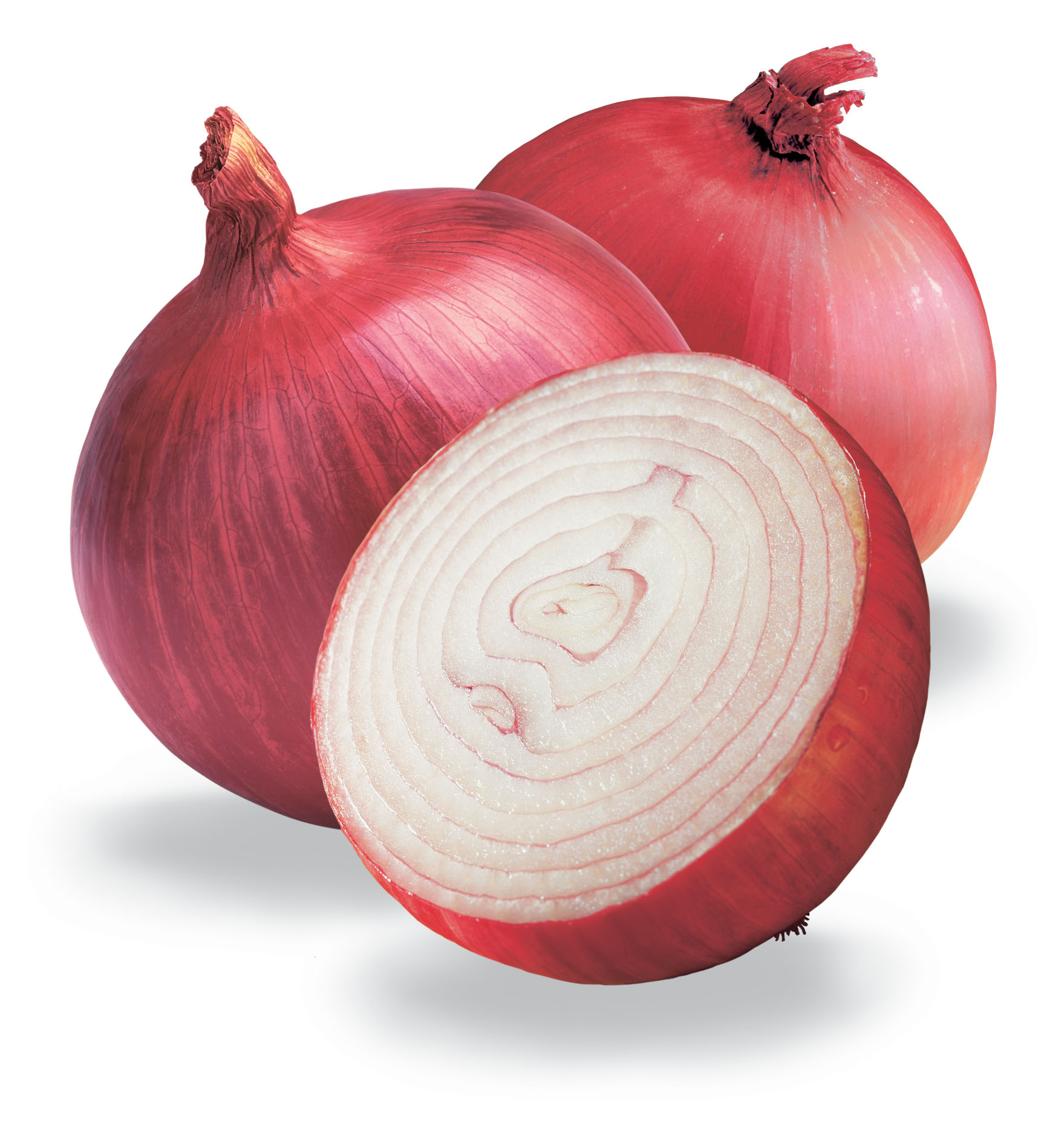
onion

red_onions

sweet pepper

sweet pepper

aubergines (eggplants to some)

aubergines

courgettes (zucchine to my wife and 60 million other Italians)

FD ZUCCHINI 080806

and tomatoes.

tomato

Voilà!

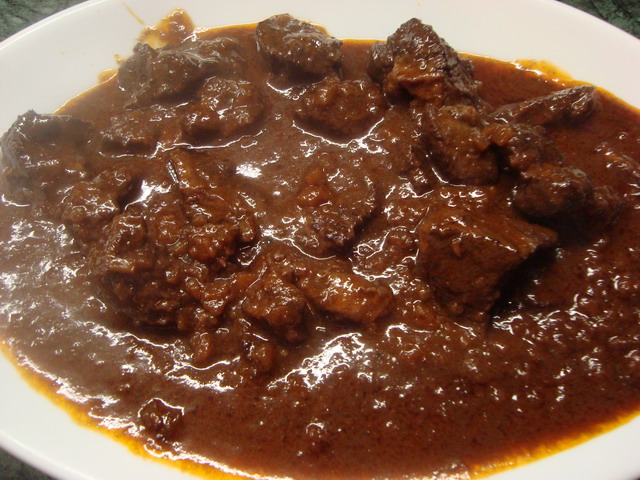
Ratatouille connoisseurs will immediately roll their eyes and cry out oh, la, la, it is not voilà, there is much more to it than that! They are right of course. For instance, you cannot just mix all the vegetables together and stew them, non, non! Each vegetable must be cooked separately, and then put together – in a certain order, messieurs-dames! – to stew gently. And not just any oil can be used to cook them, it must be olive oil. And the stewing must be gentle and long, to impart a creamy texture to the vegetables and an intensity to the sauce. And we have not even started talking about the minor ingredients: the garlic, the basil, the thyme, the saffron …. Yes, yes, all of this is true. But still, when all is said and done, it is a vegetable stew – or a ragout, if you prefer to remain French.

ratatouille-1

My wife asks me what I see in ratatouille. It’s OK, she says, but after all it’s just – well, a vegetable stew (or ragout).   It’s the tomatoes, I reply, and some of my readers may immediately understand this. In previous posts, I have unveiled an unfeigned passion for this vegetable (and even for its wastes). OK, she responds, but in Italy we have a very similar dish, capponata, and I’ve never heard you going on about that. She’s absolutely right, of course (as she always is), and indeed to complete the catalogue several Mediterranean countries have similar dishes: the Spaniards have the Catalan samfaina, the Majorcan tombet, the Castilian-Manchego pisto; the Maltese have kapunata; the Greeks have briám and tourloú; the Turks also have türlü as well as şakşuka (just the names make me lust to try them). Then the South-Eastern European countries have similar dishes. Even the Philippines has a similar dish!

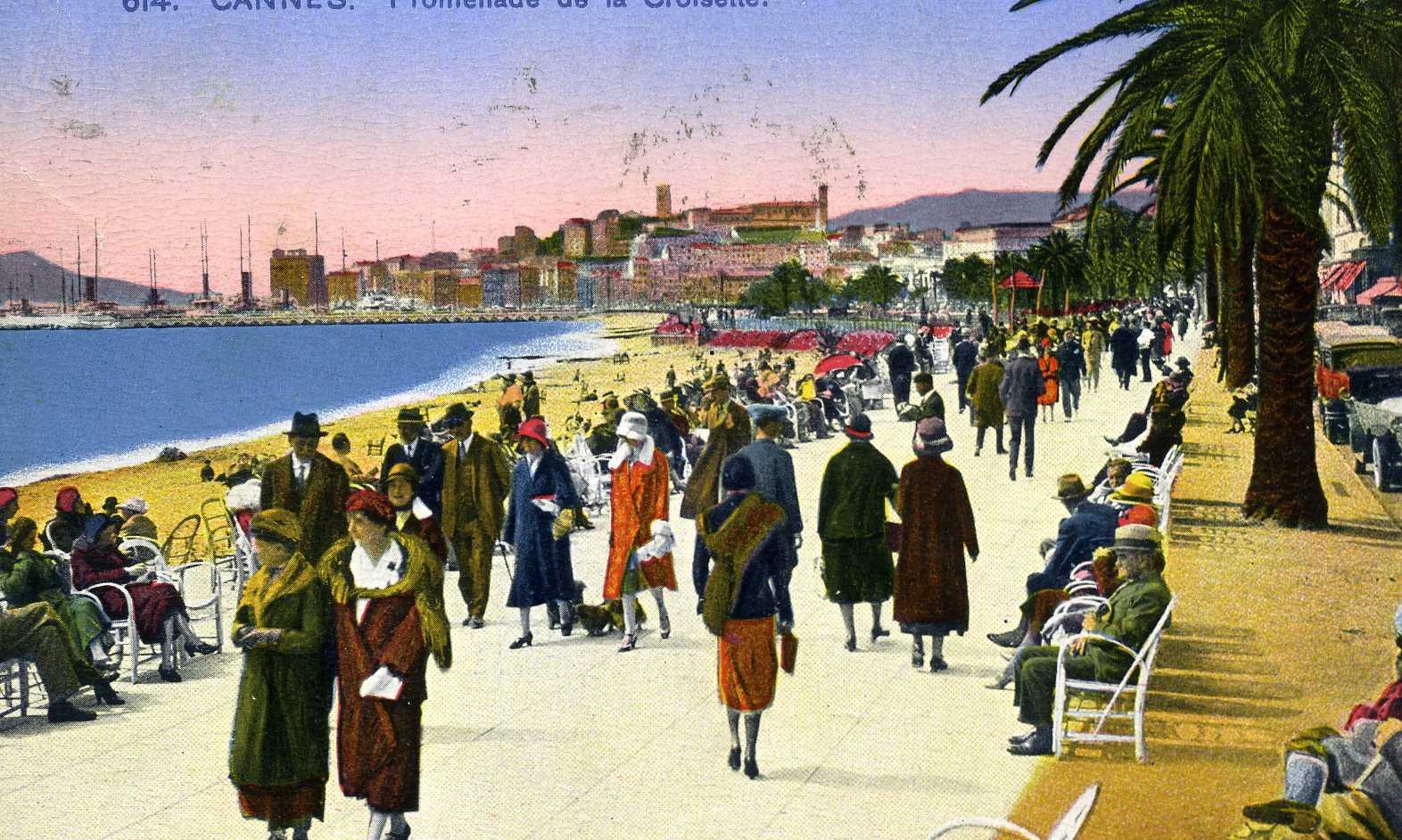
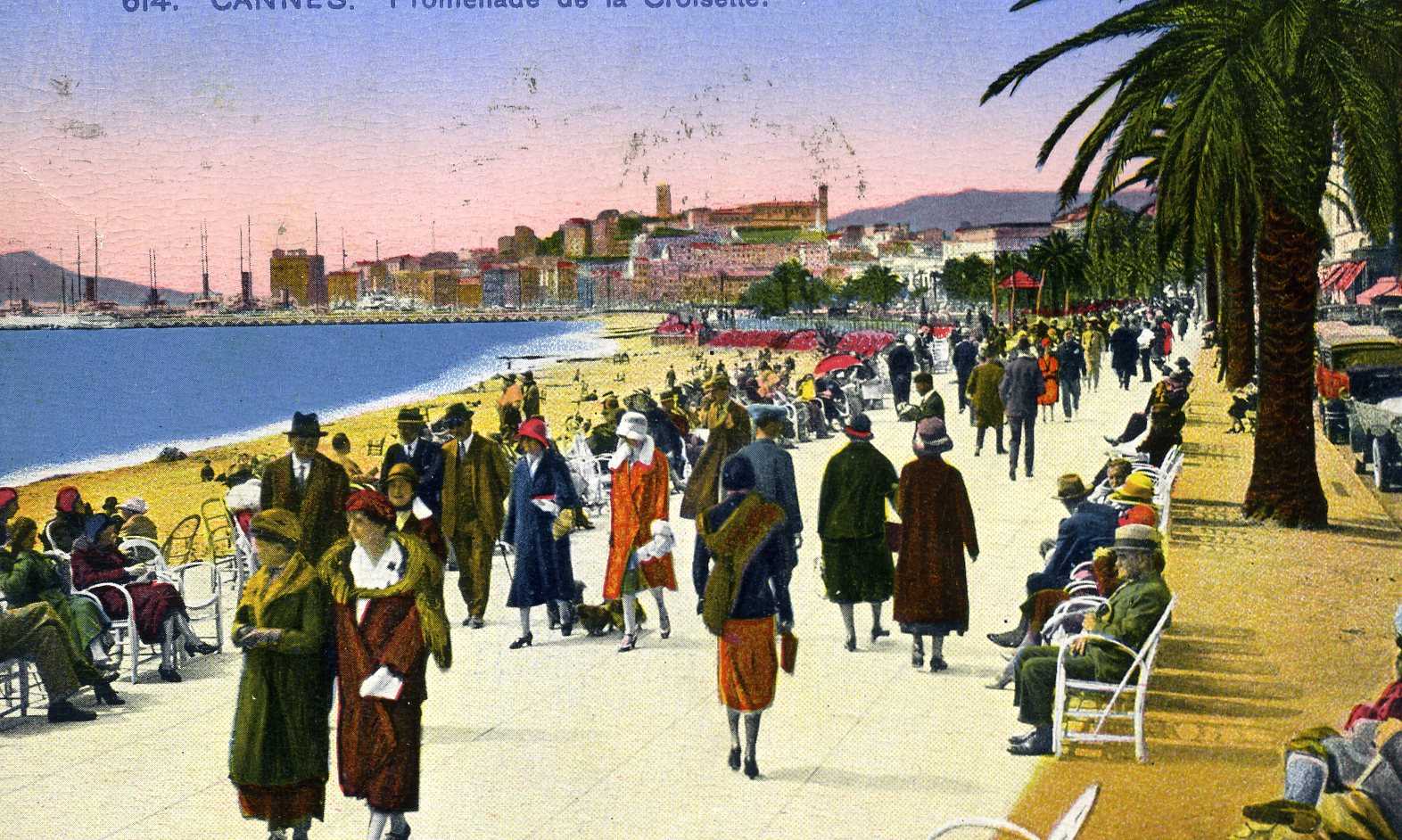
So I have to confess to a deeper reason for my being fond of ratatouille. I was introduced to the dish when I was a young boy spending my summer holidays with my French grandmother. I still remember with great clarity one lunch where a steaming bowl of ratatouille was put before us with great fanfare and to much ooh, la, la around the table. For this was not a dish from my part of Burgundian France. It hails from Provence, and more specifically from Nice. Its presence on the table reflected my mother’s childhood history. In the mid 1920’s, and in short order, my grandfather’s business went bust and he contracted tuberculosis. The family was destitute and without a bread-winner. In this moment of desperation, my grandmother managed to get a job as secretary to a rich English friend of hers, who with her husband spent the winters in Menton (a stone’s throw away from Nice). The whole coast of Provence pullulated with rich English during this period. It’s not for nothing that Cannes’s main boulevard along the sea – the one the film stars walk along during the festival – is called “Promenade des Anglais”

promenade-de anglais-2

Coming back to the English lady, I suspect it was an act of kindness on her part to hire my grandmother; she had no real need of a secretary. In any event, it meant that until the Second World War the whole family would move south to Provence for the winter and return to Burgundy for the summer when the English lady and her husband went home to England (the family got smaller during the early 1930’s when my grandfather finally died of his tuberculosis). At some moment during these stays in the south my grandmother picked up the recipe for ratatouille. So for me, every forkful of ratatouille reconnects me with my mother’s family history.

I have to thank the kind, rich English lady for more than just ratatouille; I have to thank her for being of this world! When my mother was 18, my grandmother packed her off to stay with the English lady for a couple of months to polish up her English (she was studying English Literature). It was in the lady’s house that she met my father, aged 19, who was studying at the University down the road. The rest, as they say, is (my) history.

_______________

Movie poster: http://www.look.yeah1.com/albums/userpics/234993/poster1.jpg [in http://photo.yeah1.com/showthread.php/39632-My-RatatouilleChuot-Can-Cook-2007.html%5D
Red onions: http://p21chong.files.wordpress.com/2010/05/red_onions.jpg [in http://paulchong.net/2010/05/16/the-magic-healing-power-of-onions/%5D
Sweet pepper: http://www.greeneryuk.com/images/products-feature/920pepper.jpg [in http://www.greeneryuk.com/productsdetails.php?key=p%5D
Aubergines: http://nuestrasfrutasyverduras.com/media/catalog/product/cache/1/image/9df78eab33525d08d6e5fb8d27136e95/b/e/berenjena_3_2.jpg [in http://nuestrasfrutasyverduras.com/berenjena%5D
Zucchini: http://www.amyroose.com/wp-content/uploads/zucchini.jpg [in http://www.amyroose.com/tag/zucchini/%5D
Tomato: http://atlantablackstar.com/wp-content/uploads/2013/10/tomato.jpg [in http://atlantablackstar.com/2013/10/10/tomatoes-may-help-lower-stroke-risk/%5D
Ratatouille: http://www.bonappetit.com/wp-content/uploads/2013/08/grilled-ratatouille-salad-646.jpeg [in http://www.bonappetit.com/drinks/wine/article/the-5-best-wine-pairings-for-tomato-dishes-from-caprese-to-ratatouille-to-blt%5D
Promenade des anglais: http://tonton84.t.o.pic.centerblog.net/do3uxg9p.jpg [in http://tonton84.centerblog.net/rub-CARTES-POSTALES-anciennes-region-PACA–8.html%5D

SILENT AND DEADLY

Beijing, 30 August 2013

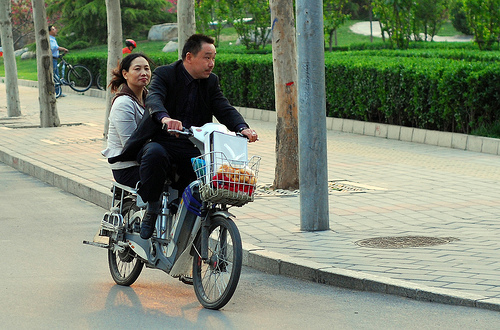
I’ve mourned in a past posting the passing of the bicycle culture which so dominated China until a few decades ago. In that same posting I wrote about a sub-family of bicycles which seems to be surviving the onslaught of the automobile. In this posting, I want to write about another sub-family of bicycles which is surviving; indeed, seems to be thriving: the electric bicycle.

When we first arrived in Beijing, my wife and I were intrigued to see these machines cruising up and down the roads in large numbers. Here are a couple of examples of what greeted us:

electric bicycle-1

(this one being ridden by a lady avoiding the sun, about which I’ve also written in another posting)

electric bicycle-2

I have to say, they immediately reminded me of another motorized bicycle which had played an important role in my teens: the French VéloSolex. For those of my readers who are less than 40, I probably have to quickly explain what this is. Originally (i.e., just after World War II), it was a bike (vélo in French) on whose front wheel had been placed a motor (made by the company Solex).

solex-old-1

This motor powered a small ceramic roller which in turn turned the front wheel through simple friction. And when you wanted to use it as a bike, there was a lever which allowed you to pull the motor and roller off the front wheel. Very simple. Pretty cool. And cheap.

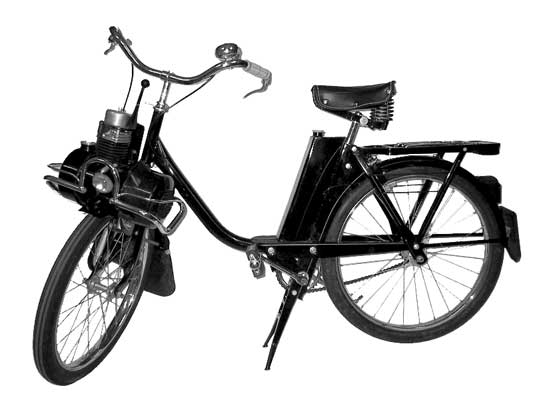
By the time I came along, the VéloSolex had become a bulky bicycle. Or maybe a thin motorbike.

solex-new-1

My parents had bought two of them, for my elder brother and sister. They stayed at my grandmother’s house, ready for use during the summer holidays. As my siblings grew up and moved on, the VéloSolexes passed on to the next sibling. I reckon that by the time I inherited my VéloSolex it was third-or fourth-hand, as it were. No matter, I loved that bike. It was my set of wheels which gave me my freedom, which allowed me to escape from the house when things were really too boring, which they often were in my teenage years.

For me, the VéloSolex was France,

Velosolex_postcard

along with De Gaulle

De Gaullle

the Deux Chevaux

deux chevaux

The baguette

baguette

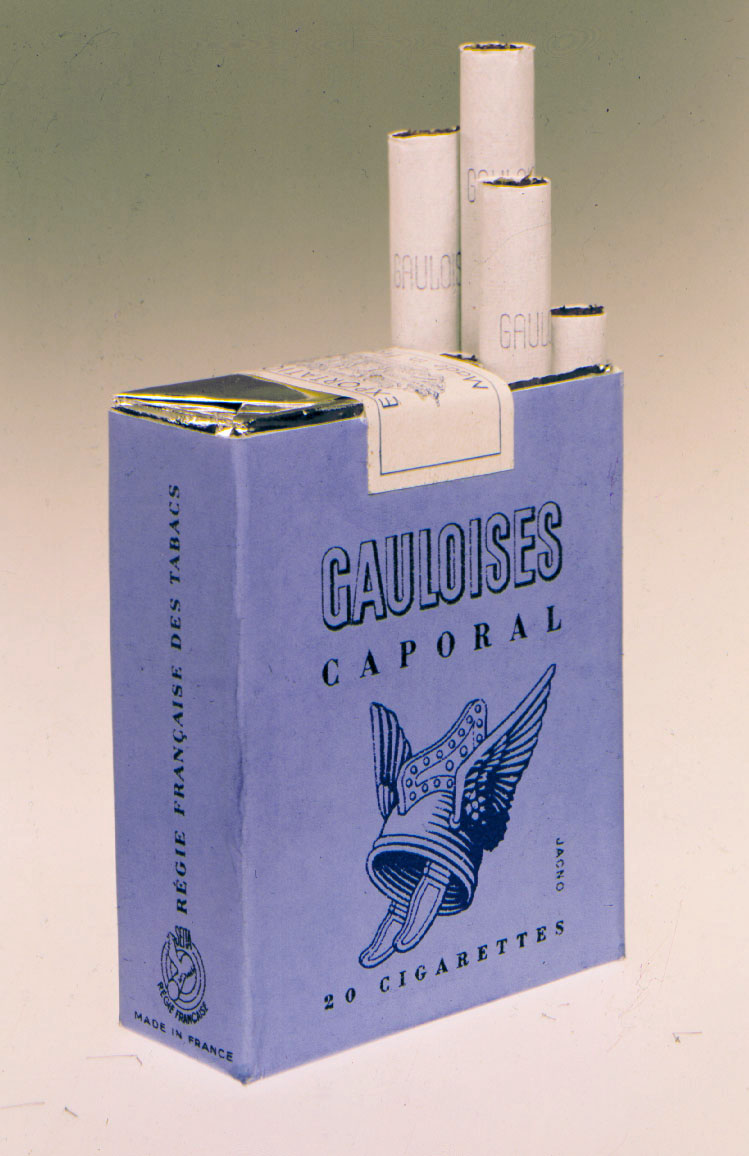
And Gauloises unfiltered cigarettes, which – I will confess – I smoked for a certain period of my life.

Gauloises Caporal

Who knows where my VéloSolex is now? In some knacker’s yard no doubt.

To come back to our electric bicycles in Beijing, they have one big difference with the VéloSolex: they are silent. Silent and deadly. One of the things which newcomers to Beijing learn quickly – or die – is to look VERY carefully, in ALL directions, when they are crossing a road, even if the little man is green. Right-turn at red lights is allowed, so cars turning right do so, regardless of whether you, the pedestrian, are crossing. Cars which have the green light and are turning left are anxious to do so before the cars coming in the other direction reach the middle of the intersection, so they whizz across it scattering to the winds any pedestrians that might be in the way. All two-wheelers, motorized or not, ignore lights and keep going, weaving around any pedestrians who may be in the way; to make their case worse, they drive on both sides of the road. In this last category of menace, electric bikes are the worst. They move fast, and they are completely silent. At night, they are even deadlier. None of their riders ever bother to put on their lights – so as not to run down the battery, no doubt – and the street lights are not particularly bright. So fast, silent, and invisible. They make me think of torpedoes.

But electric is the future! Even the VeloSolex, whose production ceased in 1988, has now been resurrected in an electric form

Velosolex-electric

And product designers have got into the act, designing excessively cool electric bicycles. And once they are there, you know the product is IN!

cool electric bicycle-5

cool electric bicycle-4

cool electric bicycle-1

So I guess my wife and I had better buy electric bicycles. Not only will we be riding the wave of coolness, but we’ll be running people down rather than being run down. When you can’t beat them, join them.

_________________________________________

Electric bicycle-1: http://thecityfix.com/files/2009/06/cycling.jpg
Electric bicycle-2: http://www.chinasignpost.com/wp-content/uploads/2011/11/electricbike_China-Digital-Times.jpg
VeloSolex-old: http://homepage.hispeed.ch/Spridget/solex/prototyp1.gif
VeloSolex-new: http://img175.imageshack.us/img175/8817/solex1.jpg
VeloSolex poster: http://cybermotorcycle.com/gallery/velosolex/images/Velosolex_postcard.jpg
De Gaulle: http://05.wir.skyrock.net/wir/v1/profilcrop/?c=isi&im=%2F5508%2F87355508%2Fpics%2F3147952278_1_2_Nvepv9eQ.jpg&w=758&h=1024
Deux chevaux: http://upload.wikimedia.org/wikipedia/commons/thumb/6/6f/Deux_chevaux_mg_1748.jpg/640px-Deux_chevaux_mg_1748.jpg
Citroen DS: http://www.blogcdn.com/www.autoblog.com/media/2009/02/citroen-ds.jpg
Baguettes: http://www.tranquilla.it/wp-content/uploads/2013/01/baguette-640×442.jpg
Gauloises : http://3.bp.blogspot.com/_siskXeTIdkY/S-6ACEDO1MI/AAAAAAAAADs/-Ny-fMbye2A/s1600/Gauloises+Caporal+-+ann%C3%A9es+40.jpg
Velosolex-electric: http://www.veloecologique.com/produits/128.jpg
Cool electric bicycle-1: http://evworld.com/press/smart_e-bike_profilecityscape.jpg
Cool electric bicycle-2: http://www.evrdr.com/wp-content/uploads/2009/09/leopard-electric-bike.jpg
Cool electric bicycle-3: http://www.designbuzz.com/wp-content/uploads/2012/07/vw-folding-electric-bike_xfBve_58.jpg

SKITTERING WATER STRIDERS

Beijing, 17 August 2013

It was flowers in the Spring. It is insects in the high summer. Because this posting, following on from my previous two on dragonflies and crickets, will be on water striders. I began to notice them a week or so ago, on my daily crossings of my piece of canal to and from work. As is my habit, I was looking over the water to see what was new, when a sudden, evanescent dimpling of the water surface caught my eye. Then there was another, and then another … No doubt about it, the water striders were out and about, skittering across the water’s skin.

water-spider-8-several

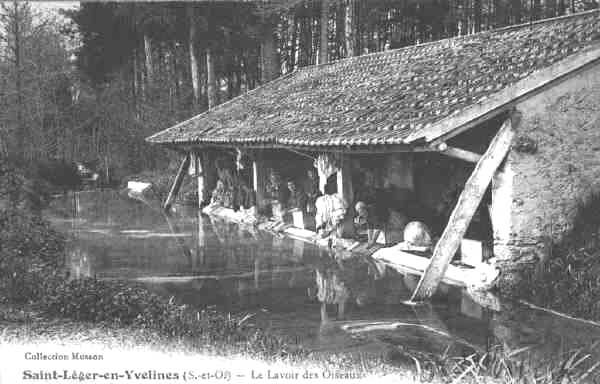
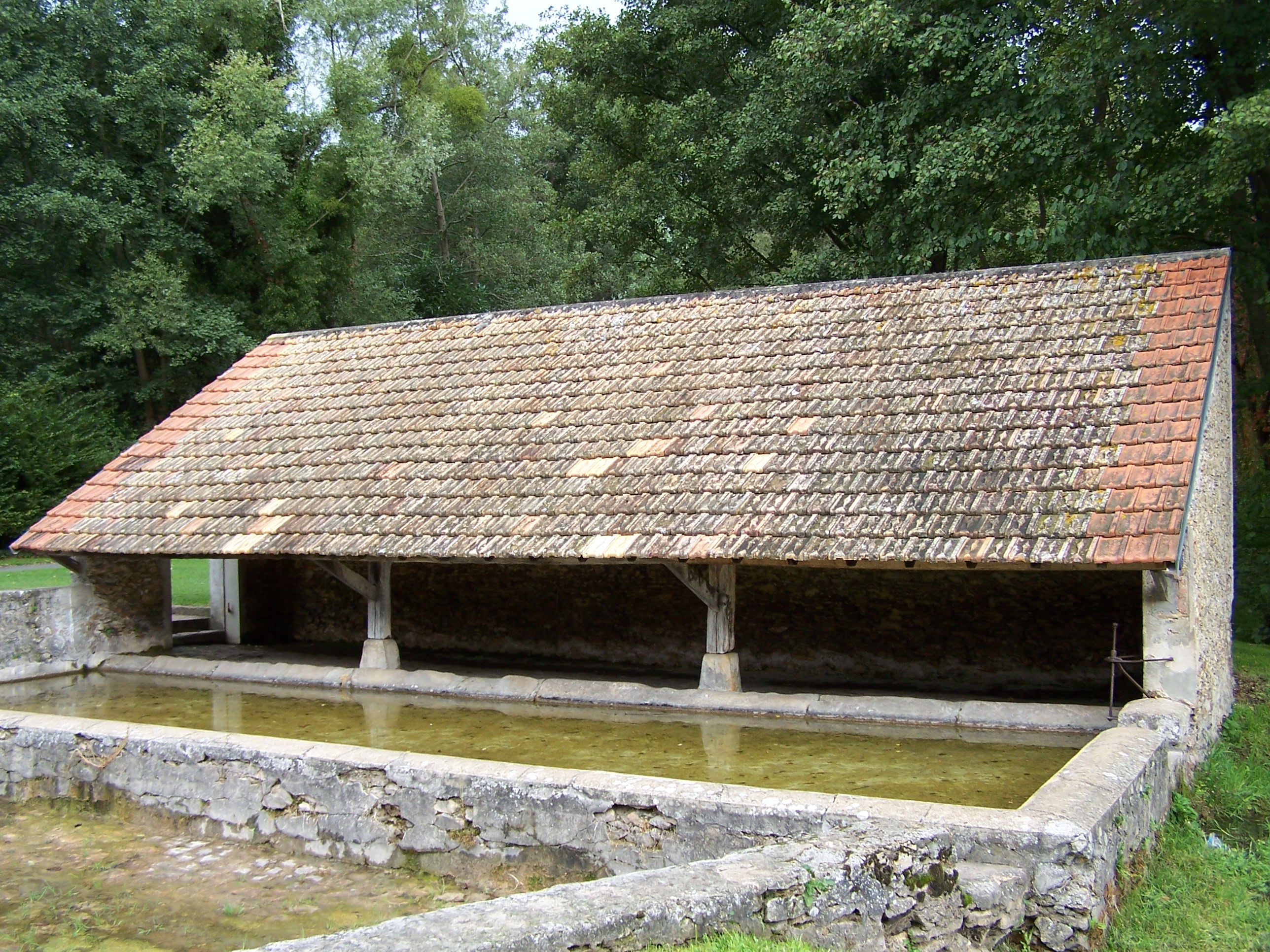
I love these insects, they are part of my childhood. During those long summer holidays which my family spent in France with my grandmother – golden-hued in my memory – I spent a lot of time with my cousins biking across the countryside. In those days, there were still a lot of lavoirs, washing stations, dotted across the countryside. They were places where the women (no men, of course …) used to come to wash the family’s clothes.

lavoir-1

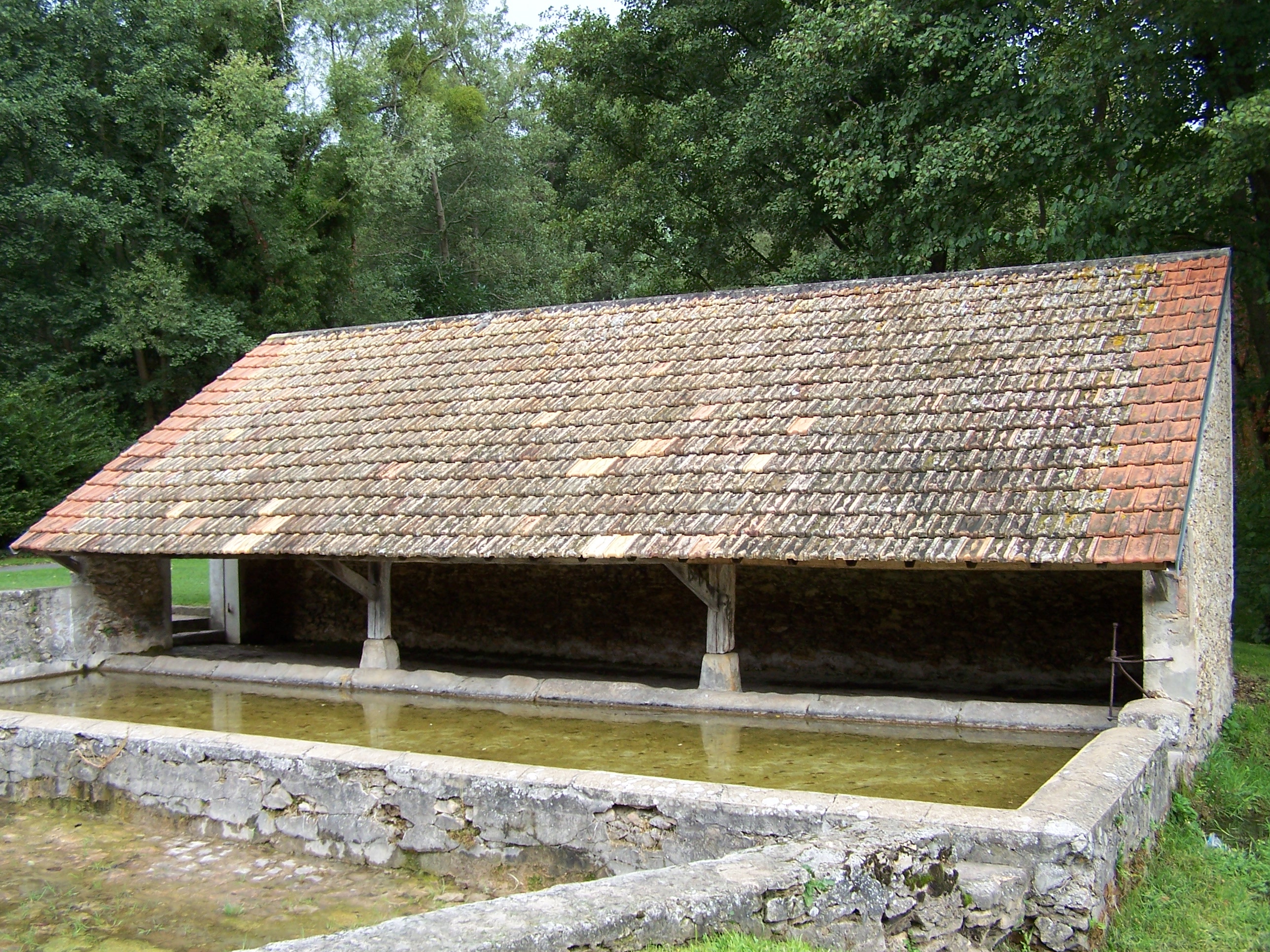
They were located along a stream. Sometimes, a basin would be built alongside the stream, fed by it and discharging back into it.

lavoir-6

But just as often, the women washed directly in the stream; if necessary, a small dam was thrown across the stream to create a pool of still water for washing.

lavoir-3

By the time my cousins and I were biking around, the lavoirs were hardly used any more. The march of the washing machine across the landscape was underway. But the infrastructure was still largely intact. We would often stop at the lavoirs, for a rest, to splash our faces, wash our bikes if needs be – and to watch the water striders. The pools of still water which had been created for the washerwomen were very much to the striders’ liking, so they haunted these spots. With the casual cruelty of little boys, we would take a poke at the striders, watching them skim away across the water’s surface. We were fascinated by their ability to stand on water (it’s not for nothing that another name for these insects is Jesus bugs).

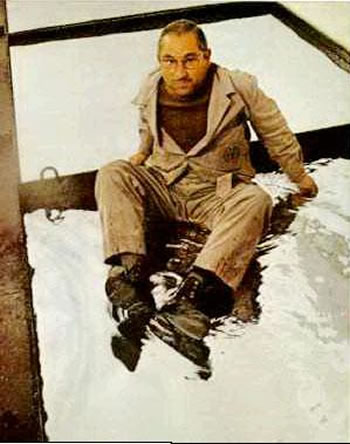
I’ve been boning up on water striders, primarily to understand how it is that they can stand on water. I won’t bore you with the details, but it has to do with being light, spreading this light weight over a number of legs, and having a lot of hairs on those legs. This is enough for them not to break through the water tension. Who wouldn’t like to be able to walk on water? With our weight, we can only walk – or at least sit – on mercury.

man floating on mercury

I remember being fascinated by this photo when I saw it years ago in an article in the National Geographic on mercury. Now, with everything I know about the awful effects of mercury on people, it makes me shudder profoundly.

In passing, I’ve also learnt how water striders feed.  When an insect falls into the water, the strider senses its struggles through small vibrations and ripples in the water surface. It darts across to the poor thing, pierces it, and injects saliva. The enzymes in the saliva digest the victim’s tissues. The strider then sucks up the partially digested broth.

Now that I’ve totally grossed out my wife and any other normal readers, I put in this nice close-up picture.

Pond Skater Portrait

Enjoy!

______________________________

Water spiders: http://upload.wikimedia.org/wikipedia/commons/thumb/a/a5/Amenbo_06f5520sx.jpg/450px-Amenbo_06f5520sx.jpg
Lavoir-historical: http://www.stleger.info/les72StLeger/region4/78.cpa/78.foret/78—oiseauxlavoir2.jpg
Lavoir-indirect: http://4.bp.blogspot.com/_55S9JjX9Ot8/TO5NK1GMXsI/AAAAAAAAAZc/EZEjKoTSze4/s1600/lavoir-beaune.jpg
Lavoir-direct: http://upload.wikimedia.org/wikipedia/commons/1/17/Bullion_Lavoir_de_Moutiers.JPG
Man floating on mercury: http://i.imgur.com/DfTbR.jpg
Water spider-closeup: http://img.burrard-lucas.com/united_kingdom/full/pond_skater.jpg

WINE IN MY BLOOD

Beijing, 11 August 2013

Last weekend, I was reading a really interesting article in the Sunday edition of the Financial Times. It was about winemaking in Georgia (the country, not the American state), which archaeologists tell us has been in the winemaking business for 8,000 years or so. But what really struck me in the article was the following paragraph:

“The result is a width, a tannic grip and a textural depth that no conventionally made white wine will ever have. The wines’ aromas and flavours are singular too. Their acidity is muted, since they have all been through the acid-softening malolactic fermentation, while contact with the other matter in the jar, especially the yeast deposits, rounds the flavours further. In place of the fresh fruits that so many white wines suggest, these evoke dried fruits, mushrooms, straw, nuts and umami. They have less of an oxidative tang than their colours suggest; indeed, their articulation is often understated and quiet, though orchestral in its allusive range. They are meditative wines, sumptuous and subtle.”

I’m always awed by this kind of writing about wines. Whenever I drink a good wine, all that comes to my mind is “Mmm, that’s good!”

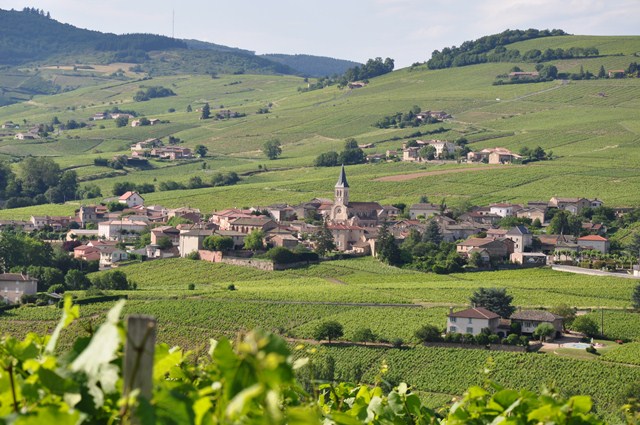
I feel it shouldn’t be so. I mean, wine courses through my veins. My maternal grandparents, whom I have referred to in earlier posts, were both descended from families of vignerons, winemakers, who lived in these small villages in the Beaujolais.

Julienas

Jullie

We know that this is where they came from because my father, a passionate amateur genealogist, spent a number of summers in the 1950s ferreting around in the local archives and tracking down the generations one after another. It was a joke in the family that the villagers would see my father hove into view on a bicycle, whitened by the dust on the roads – they weren’t asphalted in those days – and announce in French, but with a very English accent, that they were his cousins.

But back to the matter in hand. Really, I’m just a vigneron with a thin icing of education. So I should be able to talk for hours on end about the orchestral and allusive range of the wine I’m drinking, pointing out the evocations of mushrooms and raspberries and nuts and whatever else. But all that ever comes to mind is “Mmm, that’s yummy! Pour me another glass.”

And the worst of it all – but don’t spread this around – is that I don’t really like Beaujolais. I much prefer Spanish wines.

winesfromspain

___________________________

Julienas: http://beaujolaisandbeyond.co.uk/images/uploads/appellations/Julienas.jpg
Jullié: http://photos.itea.fr/photos/gites69/G/photo10/1606.jpg
Wines from Spain: http://alegriaonline.files.wordpress.com/2013/04/winesfromspain.gif

LILAC ON EARTH DAY

Beijing, 22 April 2013

I mentioned in an earlier post that when I was young I would sometimes spend Easter with my French grandmother. One of my memories of those visits – apart from collecting coal in the cellar – is the lilac bushes in the garden in flower. Normally, we went to stay with my grandmother during the summer, when the bushes were just boring green leaves separating the proper, formal garden in front of the house from the vegetable garden. But at Easter time, these dull green bushes would come alive with pale purple and white – and would smell heavenly. They looked something like this (my grandmother’s garden was a bit of a jungle):

Lilas buissons

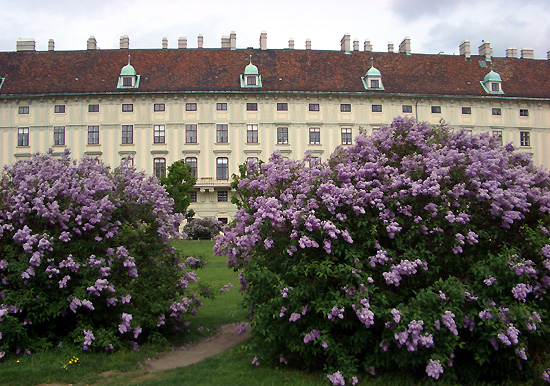
Lilac must also grow in the UK but I have absolutely no memory of any lilacs there. The next time lilacs crossed my radar screen was in Vienna, where it was a very popular bush all over town, from the public gardens in front of the Hofburg, the imperial palace in the centre of town:

lilacs in Vienna-3

To just humble streets nowhere in particular:

lilacs in Vienna-4

During the flowering period, my wife would arm herself with a big pair of scissors and we would go around surreptitiously snipping off a few flowering branches to have in the apartment. For a few days, the house would be filled with the wonderfully delicate scent of lilac.

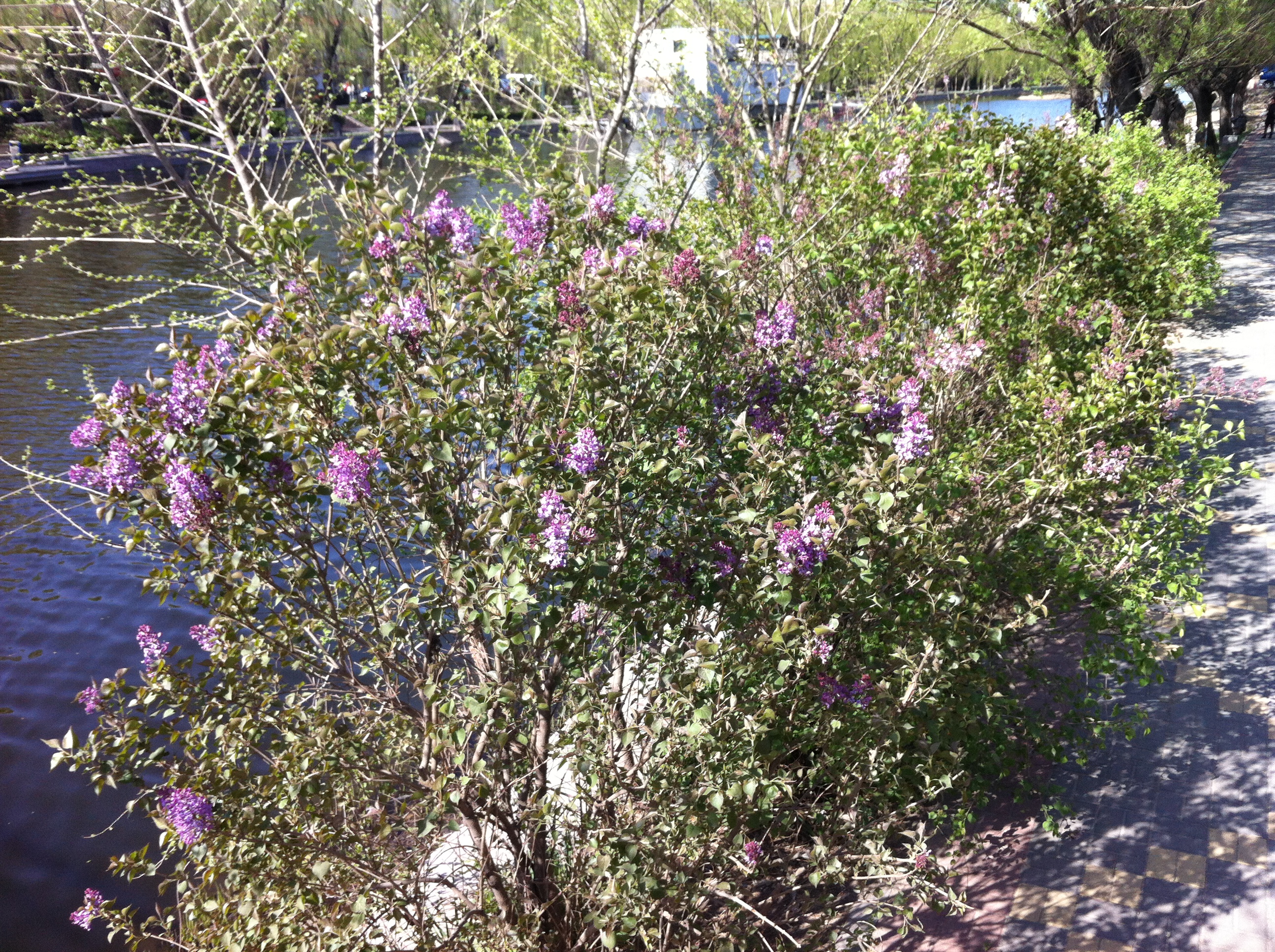
So it was with pleasure that I noted during our first Spring here, down by my piece of canal about which I have written several times, some lilac bushes coming into flower. At least, they seemed to be lilacs. The scent was quite similar, and there was definitely a family resemblance if you closed your eyes a bit and cocked your head to one side. Yet there was something not quite right. The flowers didn’t look quite the same, and the leaves were definitely smaller and darker.

lilacs by the canal 001

lilacs by the canal 003

I decided to do a little bit of research (well, web-surfing really) and discovered that what was growing in my grandmother’s garden and in Vienna was the common lilac, syringa vulgaris, whereas the lilac growing here was in all likelihood the Yunnanese lilac, Syringa yunnanensis. The photos I found of the Yuannese variety showed a definite similarity:

Yunnan lilac-4

and it makes sense to have a lilac from Yunnan in Beijing.

During my research, I also learned a bit about the common lilac. It was not, as I had thought in that casually cultural-centric way we Europeans suffer from, a European flower. It was actually introduced into European gardens at the end of the sixteenth century from Ottoman gardens. That certainly makes sense since “lilac” derives from the Arabic “lilak”, which in turn derives from the Persian “nilak” meaning bluish. Since I am currently reading a history of Iran/Persia and have just finished the part covering the Arab invasion, in my mind’s eye I can see the beauty of the flower captivating Arabs when they arrived in Persia and their carrying it back with them west of the Tigris and Euphrates; later, when the Ottomans conquered the Arab lands, I can well imagine them in turn falling in love with the flower and carrying it off to their gardens. From whence it came to our European gardens and, after a pause, to the gardens in North America.

Fanciful and probably wrong, but on this day when we celebrate Earth Day a narrative I would like to believe in, seeing as it suggests a certain universal appreciation of the beauty of nature.

Happy Earth Day.

________________________

Lilac in France: http://www.torange-fr.com/photo/5/13/Lilas-buissons-1268053127_24.jpg
Lilac in Vienna-1: http://www.viennatouristguide.at/Quiz/Bezirke/13%20Schoenbrunn/hofb_flieder.jpg
Lilac in Vienna-2: http://www.zeitgedanken.com/weblog/wp-content/uploads/2009/04/flieder-im-april09-01.jpeg
Lilac in Beijing: my pix
Yunnanese lilac: http://static1.plantdatabase.info/plant_imgs/size2/syringa_yunnanensis_var_rosea_I21172P95642.jpg

HORSE AND DONKEY

Beijing, 1 March 2013

So The Europeans have their knickers in a twist about horsemeat in their beef, while the Kenyans are up in arms because donkey meat is being passed off there as beef. OK, it’s not correct to sell one thing under the guise of another, but horsemeat and donkey meat are actually really good. I first had donkey meat in a little restaurant along the Naviglio Grande, one of Milan’s canals

naviglio-grande

That night, the chef was serving what is a very typical Lombard dish, stracotto d’asino or donkey stew.

stracotto-dasino

And of course, as is de rigueur in a Lombard dish worthy of the name, it was served with polenta.

polenta-2

The combination is vital, because the firm flouriness of the polenta admirably counterbalances the sweet mushiness of the stracotto. Donkey meat, which is anyway sweeter-tasting than beef, becomes even sweeter in a stracotto.

Sweetness of taste is also a characteristic of horsemeat, which I first ate as a boy with my French grandmother. Boucheries chevalines, or butchers specializing in horsemeat, were very common in France when I was young; the French did not have the squeamishness of the English when it came to eating horse.

boucherie chevaline

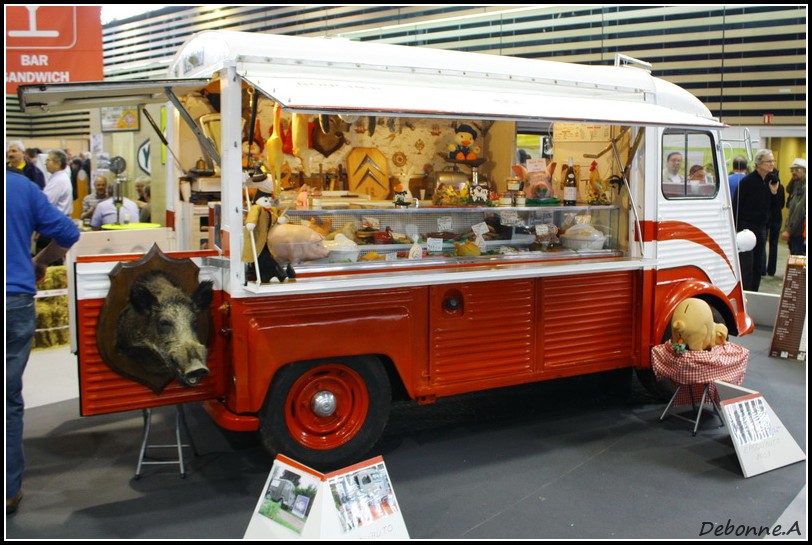
Horse was also cheaper than beef, so the poorer classes ate horsemeat. My grandmother was poor but had not been so when she was young, so she tried to avoid horsemeat and its suggestion of poverty. But from time to time, when the bank balance was a little low, she deigned to buy it. When we were in the house in the country, the butcher – and the grocer – came to us rather than us having to go to them. One of my boyhood memories is the insistent sound of a horn on the road outside, at which point a great cry would go up “the butcher [or the grocer, depending on the day of the week] has arrived” and there would be a frenzied gathering up of money, shopping lists and shopping bags, as my grandmother [or mother during the summer] was anxious to get to the road before the butcher [or grocer] drove off. I tagged along, loving the noise and drama of it all. I also was fascinated by these mobile shops, which looked somewhat like this:

citroen_h_boucherie

It was a Citroen van, which had been kitted out to open up on the side. The butcher [or grocer] would stand inside exactly as he would behind his counter in the shop. The photo is actually of a miniature model, which has been set up in a very realistic scenery; it certainly comes close to my memory of what awaited us when we got out onto the road. This a photo of the real thing, although this particular example has been gussied up for modern urbanites:

citroen_h_boucherie-2

And when my grandmother did buy horsemeat, she would cook it up as a steak, with home-made frites, or French fries. Horsemeat is a much darker meat than beef, as this photo shows:

horse steak

Well, now that I have confessed – cheerfully, I would say – to the heinous crime of eating donkey and horse, let me come completely clean and also confess to having eaten dog. In South Korea. Very delicious, as the Chinese would say …

___________________________

Naviglio grande: http://farm4.staticflickr.com/3087/2312319399_2401d37b1f_z.jpg
Stracotto d’asino: http://www.piaceredelgusto.com/wp-content/uploads/2013/01/Brasato-dasino.jpg
Polenta: http://www.italianfoodnet.com/uploads/img/news-polenta_taragna.jpg
Boucherie chevaline: http://www.lebouguen-lesbaraques.infini.fr/IMG/jpg/Boucherie_Lubin_au_Bouguen_Pepere_Mamie_Mr_Guyomard_et_Rosie_famille_Regine.jpg
Mobile butcher model: http://www.minitub43.com/IMG/jpg/2280.jpg
Mobile butcher: http://cmvmoto.free.fr/Salon%20Epoqu%27Auto%20Lyon%202011/Citroen%20Type%20H%20Boucherie_03.jpg
Horse steak: http://boucherie-cheval.fr/wp-content/themes/boucherie-chevaline/timthumb.php?src=http://boucherie-cheval.fr/photos-viande-cheval/Rond-de-tranche-de-cheval-viande-chevaline.png&w=600&h=180&zc=1&q=100

COAL

Beijing, 23 February 2013

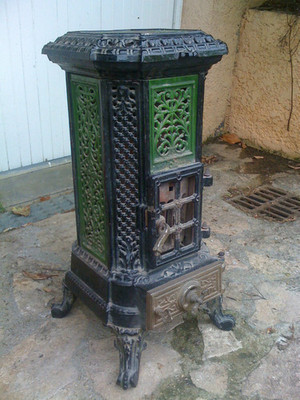
Whenever I visited my French grandmother at Easter, we used to stay in her house in the countryside. It was still cold enough for us to need heating, which meant that we spent much of our time in the living room, huddled around a venerable stove. It looked like this:

coal stove

although it had a chimney that came out of the back, which after a metre or so took a right-angle turn and exited through the living room wall.

During the day, my grandmother burned wood scrap – fallen branches, pinecones, bark, whatever lay around the garden after the winter storms – which she sent me out to collect on a regular basis. At night, though, she would load the stove up with coal, and it was my job to fill the coal scuttle. This meant taking the scuttle down to the cellar, where the coal was stored, to fill it up. This is what the scuttle looked like:

coal scuttle-3

I loved that cellar. It was really the ground floor of the house – there was a door at the back which gave onto the road outside. From the garden side, though, you had to open a door with a large key, of the kind gaolers had in medieval times, go down a few stairs past dark corners where all the garden utensils were stored, and through a second door into the cellar proper. And there, stretched out in the semi-darkness, was a world of enchantment. For starters, the cellar had a dirt floor, which gave it a very particular smell. Then all around, strange and wonderful things loomed out of the dark. The coal was stored in an untidy pile to the left of the door, and beyond it was an old wooden table on which were stored my grandmother’s cache of goat cheeses bought from a nearby farm, the bottled fruit which she prepared during the summer, and a small wooden barrel in which she made her vinegar. Wonderful, wonderful, that vinegar was! It seemed to me total magic that my grandmother would pour the local red wine in, let it stand for a while, and hey-presto! out came delicious vinegar. I tried making vinegar of my own decades later in Vienna. The results were … mixed, let us say. Next to the vinegar barrel was the wine rack, good rough Beaujolais wines from the local vineyards. Over on the cellar’s right were piles of wood, various pieces of old furniture, ancient utensils whose use I could not figure out, an old bike or two, some hay, and I don’t know what else.

I always spent a few moments poking around in the corners seeing what new things I might stumble across, before filling up the scuttle and hauling it back up to the living room. The coal was, of course, dusty and left all your fingers black, but it came in nice, neat egg-shaped pieces. I never thought about it at the time, but I suppose this was pulverized coal pressed and molded; I remember the mold lines running around the pieces. Here’s what it looked like, in a coal scuttle; really heavy to carry! (appropriately enough, this is a photo from a museum; we are talking history here):

As for my English grandmother’s house, it had no coal. The use of coal had been banned in London after the last big smog of 1952. I remember my mother telling us about that smog when we were children, how she had had to walk down the road and almost panicked at not being able to see a thing. Soon thereafter, my parents escaped to the sunnier climes of Africa where I was born.

london smog 1952

The house had no coal but still had a coal cellar, which was located under the pavement. A manhole in its ceiling had once allowed the coal-man to handily pour in the coal without coming into the house. My grandmother didn’t really use the coal cellar for much. The only thing I ever saw her put in there were the French cheeses which my father bought when we visited. He had a fondness for the smellier French cheeses like Roquefort:

roquefort

My grandmother, in true English style, detested smells, so she banished his cheeses to the coal cellar between meals. Lucky for her that my father didn’t eat the aptly-named Crotte du diable, or devil’s droppings!

crotte du diable

Truly, evilly smelly – in fact, it seems not to exist anymore, which is a tragedy because it tasted absolutely wonderful (you had to wash your hands very well after eating it, though …).

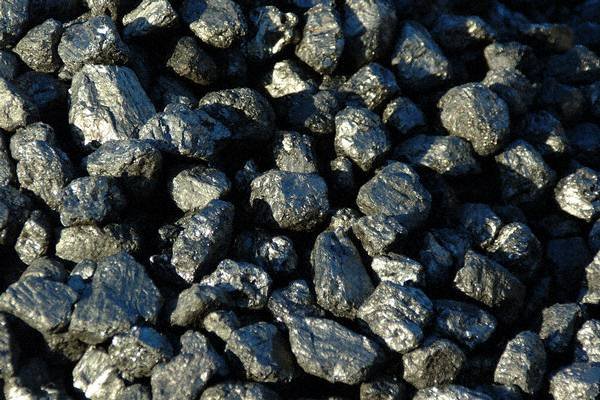
In any event, things changed and moved on. My French grandmother had a heart attack while picking strawberries in her vegetable garden and was eventually moved into a home, and the stove stopped being used. I came across coal one more time, at school, where we had an open fire in the school monitors’ room and a ration of coal to feed it with. The coal looked more like the stuff that’s dug out of the ground, rough chunks:

coal at school

I liked to pick up a chunk and turn it in the light. Coal can be very beautiful, with black, glistening surfaces, reminiscent of obsidian:

bituminous coal

I also liked to sit next to the fire and gaze deep into the glowing coals rather than study for my A-levels:

glowing coal-2

which may partially explain why I didn’t do too well in my A-levels.

After that, coal disappeared from my life, as it did from the lives of all us in Europe.

Then we came to China.

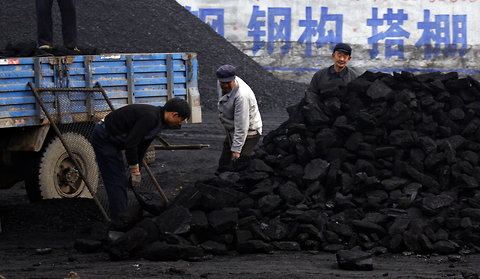
Some statistics, courtesy of Wikipedia [1]: China is third in the world in terms of total coal reserves. It is the largest coal producer in the world, with the world’s largest (and deadliest) coal mining industry. It is also the largest consumer of coal in the world. Over half of the coal is used to make electricity, another third is used by industry, some is used in district heating plants, leaving a mere 3% to be used in residences. But you sure see that 3%.

You see them shoveling up huge chunks of coal – I was astonished at how big the chunks are; they have come straight from the coal face – you see them trucking it around, and piled up in street corners.

china-shoveling coal

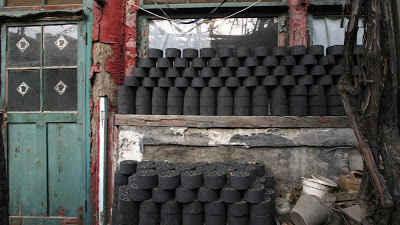
And more than anything you see China’s version of molded coal, which looks like this:

molded coal china-1

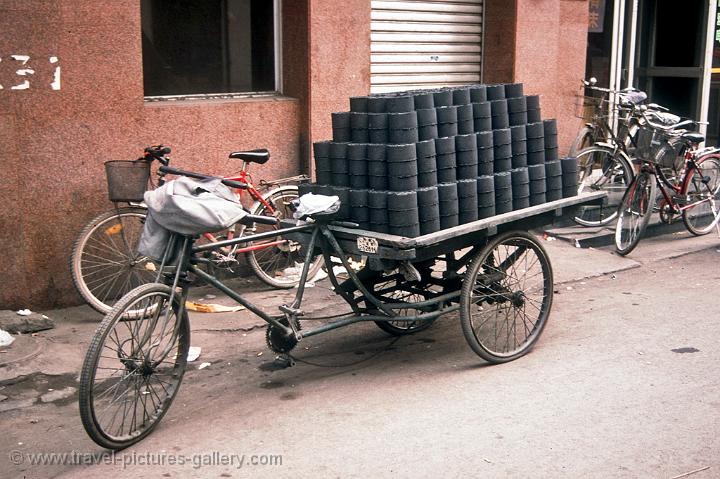
You see them transporting it around on the tricycles which I wrote about in an earlier post:

tricycle with coal

You see it piled up outside houses:

molded coal china-3

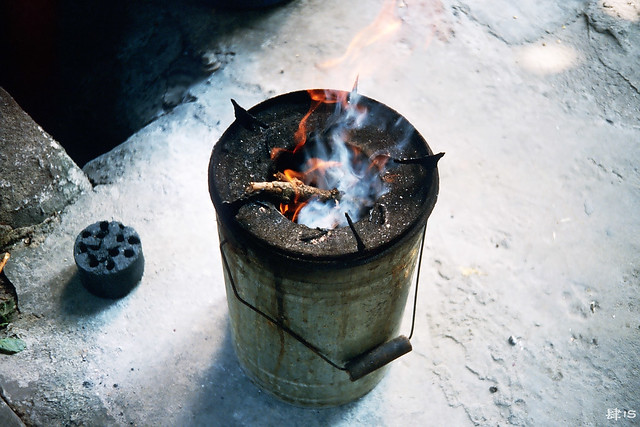
Then it’s burned in these special stoves:

stoves china-1

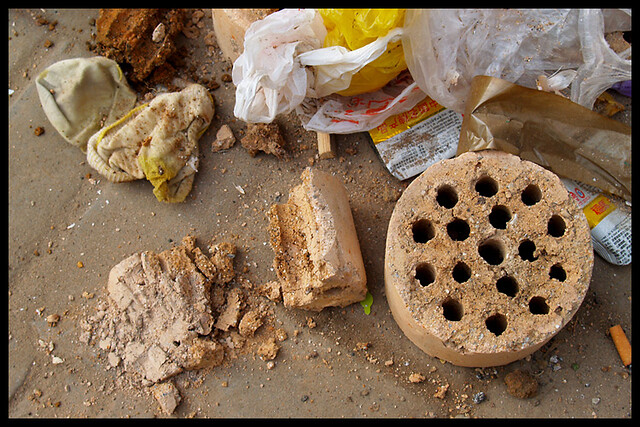
which leaves behind the consumed molds which you see in the bottom right-hand corner of the picture. Cities’ rubbish is littered with these discards.

molded coal china-consumed

All this coal burning leaves a taste in the air, a taste which instantly takes me back to my early years in the UK, when you would walk through a town or village and smell the sharp, acidic taste of coal being burned.

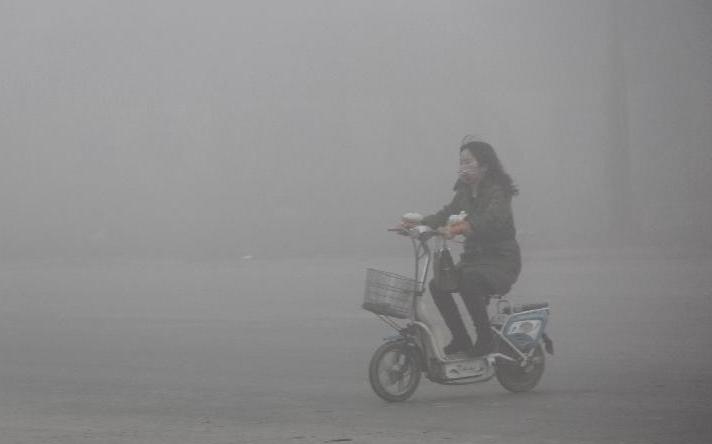
And it gives rise to smog:

beijing smog-2

Not much different from London’s smogs.

I’m optimistic. Like the UK did, China will eventually get rid of the smogs – probably by stopping to burn coal.

______________________

1. http://en.wikipedia.org/wiki/Coal_in_China

coal stove: http://img.fr.clasf.com/2012/11/22/poele-a-charbon-ancien-maill-20121122191235.jpg
coal scuttle: http://gillesrenaud9.free.fr/Seau%20%C3%A0%20charbon/P1050541.jpg
coal scuttle-fullhttp://a406.idata.over-blog.com/600×879/1/05/04/45/photos-blog-N-21/le-seau-a-charbon-boulets-musee-de-la-mine.jpg
London smog 1952: http://www.thefloridastandard.com/files/2013/02/smogdm1403_468x673.jpg
Roquefort: http://img.dooyoo.co.uk/GB_EN/orig/0/1/0/2/8/102828.jpg
Crotte due diable: http://i.ebayimg.com/00/s/MTYwMFgxMTgy/$%28KGrHqF,!iUE8cj4nvorBPVlcwEB,!~~60_35.JPG
Coal at school: http://i01.i.aliimg.com/photo/v0/112891981/Tissue_Paper_Coal_Palm_oils_Pail.jpg
Bituminous coal: http://www.ua.all.biz/img/ua/catalog/1865574.jpeg
Glowing coal: http://bargainsbegin.co.uk/wp-content/uploads/2013/01/Heater-3-edit.jpg
Chinese shoveling coal: http://graphics8.nytimes.com/images/2011/12/21/business/coal/coal-blog480.jpg
Molded coal China: http://lexpansion.lexpress.fr/pictures/1455/745377_des-briques-de-charbon-dans-un-commerce-de-huaibei-en-chine.jpg
Tricycle with molded coal: http://www.travel-pictures-gallery.com/images/china/beijing/beijing-0042.jpg
Molded coal China against the wall: http://4.bp.blogspot.com/-ASl1mhpkw5k/TkRxVCEtoII/AAAAAAAAA14/pgggOooaKE0/s400/Hutong%2Bcoal.jpg
Stove for burning molded coal: http://farm6.staticflickr.com/5164/5261127408_36ccd1d718_z.jpg
Molded in coal China-consumed: http://farm1.staticflickr.com/68/424608074_e7f49e2f9a_z.jpg?zz=1
Beijing smog: http://feww.files.wordpress.com/2013/02/china-smog-17feb2013.jpg

LA MICHELINE CHUGGING ACROSS THE COUNTRYSIDE

New York, 2 January 2013

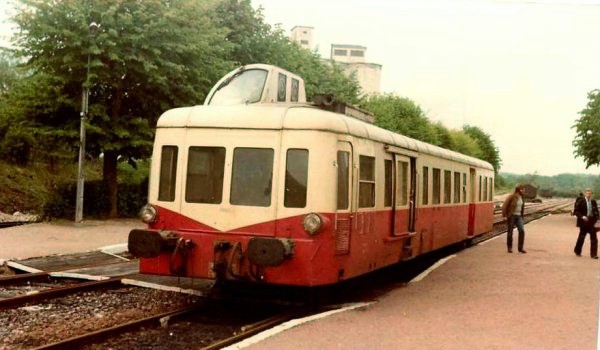
Down at the end of my French grandmother’s property ran a little train, the Micheline we called it. It was a rinky-dink train, one carriage (on rare occasions two), which chugged along at a venerable speed across the countryside from one market town to another, winding its way through vineyards and meadows, stopping at toy-town stations where stationmasters with moustaches, who smoked filterless gauloises and no doubt drank un petit rouge corsé in evenings, would agitate green flags and blow shrill whistles to let the Micheline continue on. This photo captures the rural idyll nicely.

micheline

I used to accompany my grandmother on her visits to town. We would walk down a long alley flanked first by peach and apple trees and then by black locusts, down to the end of the property where there was a big iron gate, which swung ponderously open; from there, it was a short five-minute walk to the station. In came the Micheline

micheline-5

I would help my grandmother in, the stationmaster would agitate his flag and blow his whistle, and off we went.

My mother used to tell me that during the Second World War, people were sent to my grandmother by the French Resistance for her to hide for a while; they would quietly slip in with the Micheline. My memory is instead of two old ladies, two sisters, Tante Chlothilde and Tante Marcelle, coming to visit via the train. They were first cousins to my grandmother. Both of them being widows, they always wore black. We would first see the Micheline chug by, then some ten minutes later two black silhouettes would be sighted slowly walking up the long alley. My grandmother would then walk down to greet them, speaking very loudly because one of the sisters was as deaf as a post.

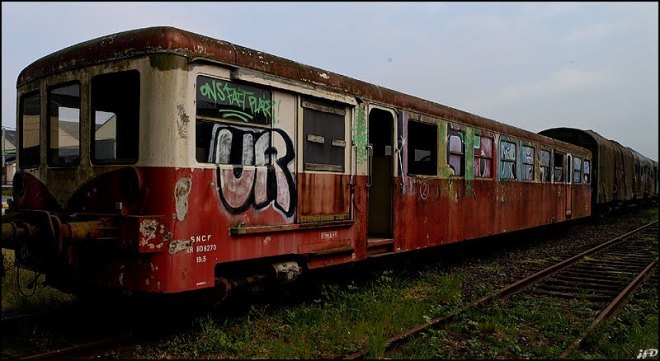
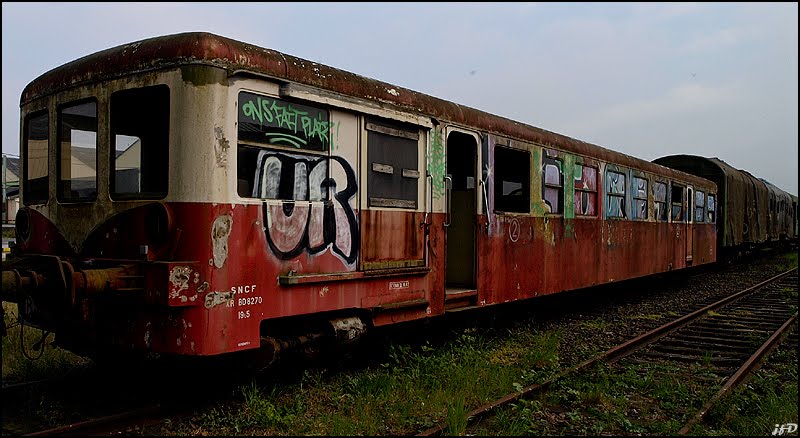
Well, things changed. The road network got better, buses took over, and the line was finally closed down. I suppose the Michelines were retired like this one was

micheline-3

The rails were pulled up, and the weeds took over.

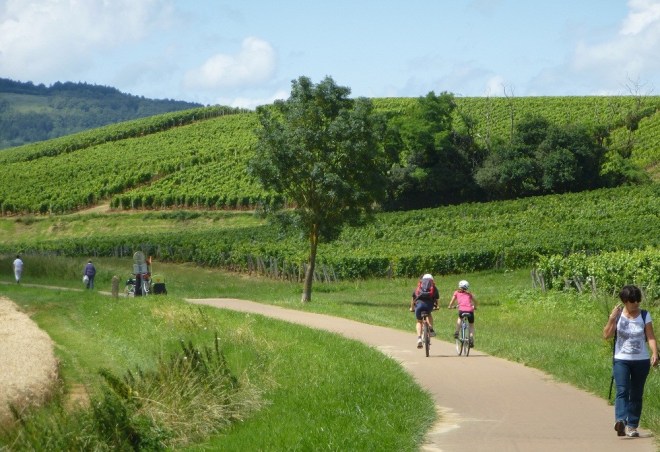
After a long period of neglect, the municipalities got their collective acts together and turned the railway line into a “Green Way”, for people to walk and cycle along. So now we have a quiet, carless, path that allows us to enjoy some of the most beautiful countryside on Earth (I admit, I’m biased).

voie-verte-1

voie-verte-3

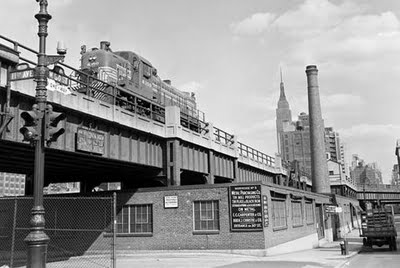
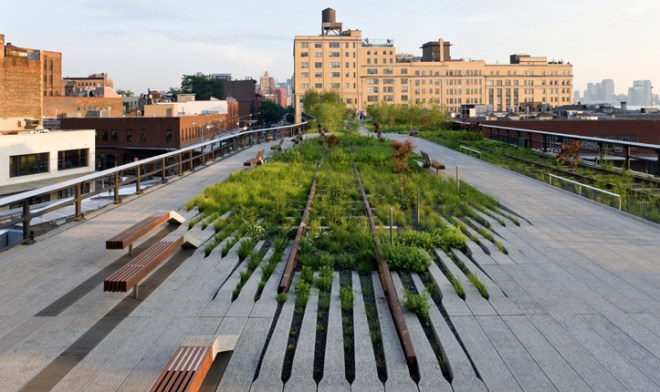
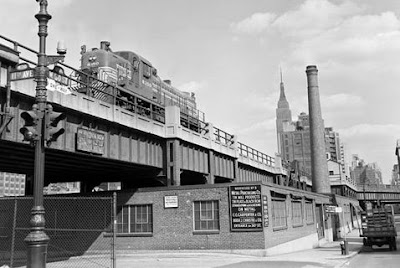
All of this came back to me yesterday while my wife and I strolled along the High Line in Manhattan. We are talking of a very different context – urban rather than rural, large-scale rather than small-scale – but the historical trajectory is the same: a rail line that was once a vital artery of the city

high-line-old-1

high-line-old-2

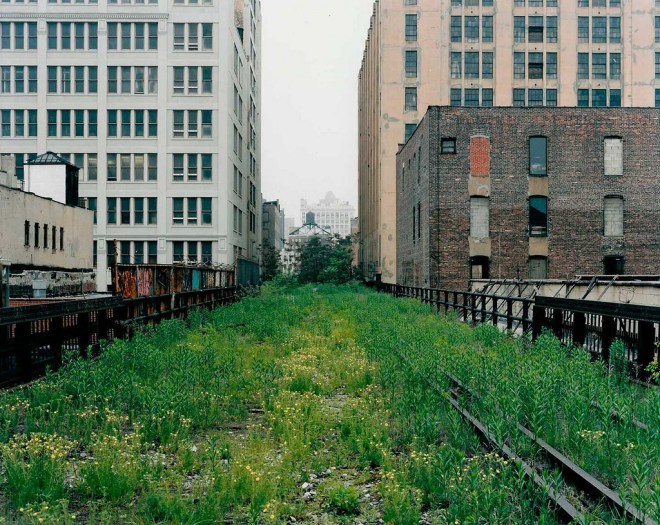
falls victim to roads and trucks and is finally abandoned. It becomes derelict, overgrown by weeds

high-line-5

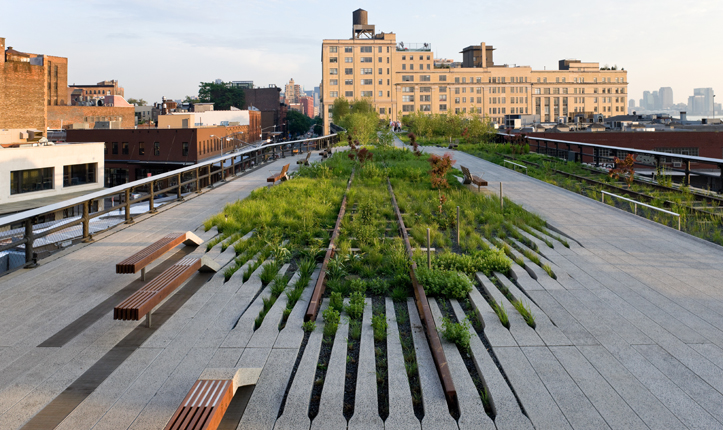
and is threatened with demolition. But good sense eventually prevails and the elevated line is turned into an elevated garden.

high-line-2

high-line-4

high-line-1

high-line-6

Magic.

____________

Micheline-1: http://www.google.fr/imgres?q=micheline+train&num=10&hl=fr&tbo=d&biw=1280&bih=683&tbm=isch&tbnid=QbpsYHDZWoAGgM:&imgrefurl=http://www.worldofstock.com/stock-photos/france-ardeche-mirabel-village-surroundings-local-micheline/TRT1500&docid=307ZNJAoHh-JTM&imgurl=http://www.worldofstock.com/slides/TRT1500.jpg&w=500&h=332&ei=hIXjUMDvFuXQ0wGh84HQCg&zoom=1&iact=rc&dur=684&sig=113446295457090783361&page=1&tbnh=140&tbnw=202&start=0&ndsp=22&ved=1t:429,r:10,s:0,i:118&tx=96&ty=67

Micheline-2: http://c1.img.v4.skyrock.net/1729/16641729/pics/3080416001_1_3_WEG0CElV.jpg

Micheline-3: Micheline-3: http://1.bp.blogspot.com/-C8L1231bJ-o/TbhQHR6dc_I/AAAAAAAAEAQ/FvpTQts0R0I/s1600/micheline01-1.jpg

Green Way-1: http://www.sortiramacon.com/media/news/voie-verte-velo.jpg

Green Way-2: http://www.velo-ravel.net/2009/2009-08-17_Bourgogne_sud_files/image020.jpg

High line 1-historical: http://1.bp.blogspot.com/-X8IIsMIF7GY/TmlooRzMZ9I/AAAAAAAAF9M/_PpGNN3xJEU/s400/Highline_train.jpg

High line 2-historical: http://4.bp.blogspot.com/-0FEWcWopww8/TmlooMh8vlI/AAAAAAAAF9E/SuXL4wcu6To/s400/HIghline_historical.jpg

High line derelict: http://2.bp.blogspot.com/-iD76YXAA-Uw/TffNNuz4gXI/AAAAAAAAAYU/KWHnUGbYjPU/s1600/High+Line+2.jpg

High line 1: http://www.asla.org/sustainablelandscapes/images/highline/Highline_6.jpg

High line 2: http://4.bp.blogspot.com/-usnFjgnfQc4/TffNIgAV6xI/AAAAAAAAAYQ/XMQA0bZJAb4/s1600/High+Line.jpg

High line 3: http://www3.pictures.gi.zimbio.com/New+York+New+High+Line+Park+Opens+Public+3B45D1SYEJcl.jpg

High line 4: http://1.bp.blogspot.com/-WbybGegkYX0/Tmlon5yO-1I/AAAAAAAAF88/LyBQFC8kMpo/s1600/Highline_above.jpg

MELANCHOLY

Beijing airport, 7 December 2012

Perhaps it is the tiredness that is seeping into my bones as I wait at the airport to take my third flight this week, or perhaps it is the piercing cold that has descended on the north of China these last few days, but I find myself in a melancholy mood. My last post on red hair is making my mind wander off to a sad tale of a young woman who lived and died long ago, decades before I was born.

My mother was the source of the tale, which she in turn had received from her mother. The events took place in the early 1900s, when my grandmother was in her early twenties. It was that moment in the lives of young women of a certain class – to which my grandmother firmly belonged – when their attention was increasingly taken up by their matrimonial prospects. If a woman was not married by her mid-twenties, she was considered an old maid and condemned to spinsterhood, which meant living with her parents for the rest of their lives and eking out a modest living thereafter off the kindness of her family; working was of course unthinkable. It was a fate to be avoided at all costs.

My grandmother was very friendly with the girl next door, who was close to her in age. This girl’s main claim to beauty was her wonderfully long, auburn, hair. The girl’s father was a wine merchant, as were many in that region. Perhaps too many, because he went out of business and was bankrupted. This was a catastrophe for the whole family, never more so than for the girl. For now there was no money for her dowry, and in those days a girl without a dowry simply could not marry (or could only marry beneath her station, which was unthinkable). The father compounded the calamity by committing suicide, to save his honour it was said.

A solution was found for the girl’s younger brother. He was placed with an uncle who was working in Romania, in the wine industry. But as I said, work was not a solution for the girl. She was faced with the prospect of passing the rest of her life with her mother, with no likelihood of ever marrying, living off some miserable amount of money.

But in this dark time, she met a man, who made promises. And she succumbed to his blandishments. He got what he wanted, but he reneged on his promises. She came to see my grandmother one evening to tell her all this. She stood in front of the mirror and looked at her hair, and said “No-one will ever be able to enjoy this hair after all.” My grandmother tried to comfort her, telling her that things would look better in the morning. The girl thanked her, hugged her and left. She was found a few days later floating in the river than ran through town.

I think of her every time I see the painting of Ophelia drowned, by the pre-Raphaelite Millais.

ophelia-drowned

But I don’t suppose the girl looked nearly so nice when they hauled her out of the river.

Ah, they’re calling the flight. I might get to bed before midnight.

_________________

Ophelia drowned: http://2.bp.blogspot.com/-NsRjraTWfLI/TmDuDyK05LI/AAAAAAAAATs/XzybC5ru9uk/s1600/Drowning%253F.jpg

PLANE TREES

Beijing, 30 July 2012

Until a few years ago, plane trees were not high on my list of favourites. The memories of my youth were of leprous-looking trees in a ragged line along anonymous city streets, with long strands of dirty bark peeling off them, a pathetic crown often savagely chopped to allow the passage of telephone and other wires, and every passing dog peeing on them. My grandmother would say that they were used because they were the only trees that could survive in cities. But what a life, I thought. Better no life than this …

plane trees in streets-4

And then one day, on a holiday with my wife in Spain, we were walking through the Jardín del Príncipe in Aranjuez, near Madrid, when we came across a row of absolutely magnificent plane trees, of vast girth, with huge spreading crowns of light green sparkling leaves, and whose bark ranged in colour from pale beige through pale green to ivory white.  Simply ravishing. If we took photos, I have no record of them here. So I insert this picture of a plane tree in these gardens which I found on the web, to give the reader an idea of the beauty of these trees.

plane trees jardin del principe Aranjuez-6

I add this picture of a row of the trees in the gardens to give an idea of their girth.

plane trees jardin del principe Aranjuez-1

And I add this one simply because I like the colours!

plane trees jardin del principe Aranjuez-4

I remembered that glorious moment of discovery yesterday when, visiting Ritan Park in Beijing on a beautiful day with a blue and – that rarest of things in this city – clear sky, we found ourselves sitting in the shade of a lovely plane tree.  It was not as majestic as the specimens we had discovered in Spain, but it was still arresting. It had been manicured so that it grew more regularly in all directions, and a bench had been arranged around it in a wide circle.

ritan park 002

ritan park 003

We just sat there, drinking in the quiet beauty of it all.

POSTCRIPT:

One year on from writing this, I must report the saddest of news. Seventy years ago, US soldiers disembarked in Italy, carrying with them munitions boxes made with wood of the American plane tree. That wood contained a fungus, Ceratocystis platani, unknown to the plane trees in Europe and against which they have no defence. It has left Italy now and is slowly spreading throughout the rest of Europe. Eventually, it will kill millions of plane trees throughout Europe. This was reported by the BBC, where they were saying that the thousands of beautiful plane trees planted along the Canal du Midi

canal du midi plane trees

are becoming infected and will have to be cut down and burned.

Canal du midi plane trees being burned

I fear that the same fate will soon be shared by those lovely old plane trees in the Jardin del Principe. One more tragedy caused by the global movement of goods and people – and bugs that go with them for the ride.

_____________________________
plane trees on a street: http://animestoi.midiblogs.com/media/02/01/2964573664.jpg
photos of the Plane trees in the Jardin del Principe, Aranjuez:
first: http://mw2.google.com/mw-panoramio/photos/medium/14735886.jpg
second: http://2.bp.blogspot.com/-sCRByt2Qd6s/UUsvkfma43I/AAAAAAAAZ10/eTOTJ_kaYxQ/s640/Platanos+de+sombra+Aranjuez+01.JPG
third: http://turismoenaranjuez.com/sites/default/files/otonojardinprincipe_0.jpg
photos of the plane tree in Ritan Park: mine
Canal du Midi: http://news.bbcimg.co.uk/media/images/56128000/jpg/_56128150_canalview624.jpg
Canal du Midi-plane trees being burned: http://4.bp.blogspot.com/-4yIXXHCnDRY/UYN1Ru6K3yI/AAAAAAAAAuM/16Cdm8bNqT4/s1600/Canal+du+midi+abattage+PK+143+%25287%2529.JPG