FULL MOON

Beijing, 25 February 2013

Yesterday started with my wife finally remembering a song that had been chasing around in her head all night: “September”, by Earth, Wind and Fire, whom we see here in concert:
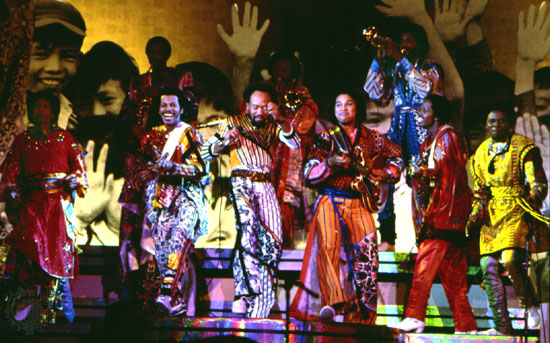
earth wind and fire concert-1

This is a song from “our” generation; it came out in 1978. My wife tracked down a version of it on the web and promptly played it for the rest of the day. Now don’t get me wrong, it’s a great song – a feel-good song, my wife calls it – but after you’ve sung along with the refrain

Ba de ya – say do you remember
Ba de ya – dancing in September
Ba de ya – never was a cloudy day

for the fifth time, it begins to pall – at least for me. But not my wife. Mercifully, she had to turn it off when we went to bed, but then the fireworks, which had been grumbling along all day,

fireworks-5

began to build up to their final roar for midnight.

fireworks-6

Because, for those of you who do not closely follow matters Chinese, yesterday was the Lantern Festival, the last day of the Chinese new year celebrations, whose end is traditionally celebrated with an orgy of fireworks.

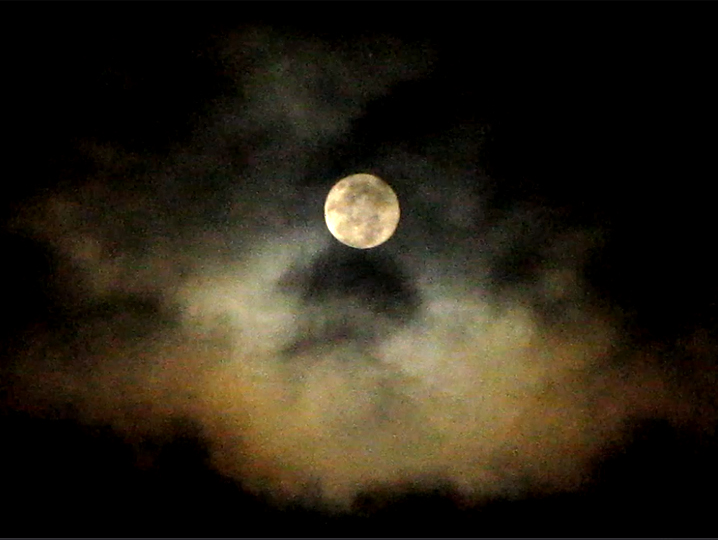
At one moment during the evening I slipped out to the local 7-11 to buy a bottle of our favourite wine (a Spanish tempranillo – but I digress). Coming back, I looked up and glimpsed through the clouds what all this sound and fury was all about: the full moon.
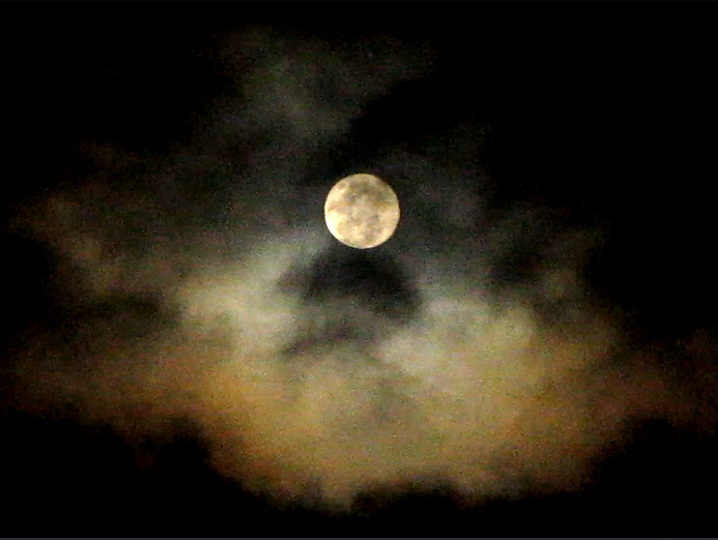
full moon-1

Because the Chinese new year is really a lunar festival. It starts on the second new moon after the winter solstice and ends 15 days later at the full moon. I had picked up the new moon – or newish moon; it had already waxed a few days – in Luang Prabang.
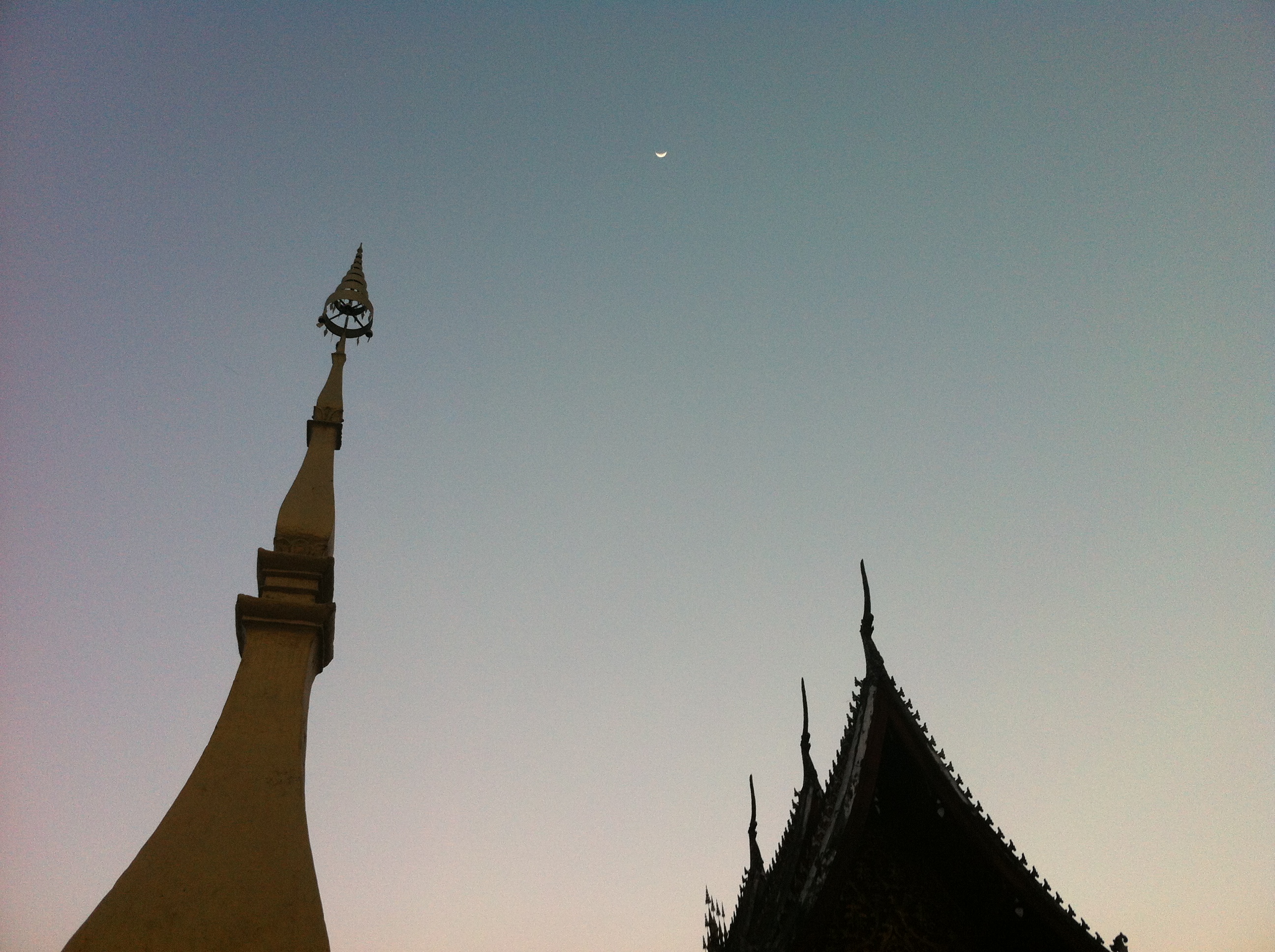
laos 499

And now I was seeing the full moon, shining serenely down on all this silliness.

A full moon is a beautiful thing. It certainly has caught the attention of many poets. A short search on the web brought to light at least 100 poems about the moon by well-known poets; Lord knows how many have been written by bad poets. But the poem which always comes to my mind when I see a full moon is not actually about the moon. I need to explain. One night in Vienna, I woke up and was enchanted by the brilliant nearly full moon pouring its white light into the bedroom. Two nights later, I was in Cambodia on the shore of the Mekong River. Looking up, I saw the full moon and thought to myself “This same moon will be shining down on my wife and children in a few hours” and found that thought immensely comforting. Now for the poem, which is by the Welsh poet Alun Lewis. He wrote it during the Second World War, when he was far away in India, in the city of Poona.

Last night I did not fight for sleep
But lay awake from midnight while the world
Turned its slow features to the moving deep
Of darkness, till I knew that you were furled,

Beloved, in the same dark watch as I.
And sixty degrees of longitude beside
Vanished as though a swan in ecstasy
Had spanned the distance from your sleeping side.

And like to swan or moon the whole of Wales
Glided within the parish of my care:
I saw the green tide leap on Cardigan,
Your red yacht riding like a legend there.

And the great mountains Dafydd and Llewelyn,
Plynlimmon, Cader Idris and Eryri
Threshing the darkness back from head and fin,
And also the small nameless mining valley

Whose slopes are scratched with streets and sprawling graves
Dark in the lap of firwoods and great boulders
Where you lay waiting, listening to the waves
My hot hands touched your white despondent shoulders

And then ten thousand miles of daylight grew
Between us, and I heard the wild daws crake
In India’s starving throat; whereat I knew
That Time upon the heart can break
But love survives the venom of the snake.

When I read the poem for the first time, I was reminded of that night in Vienna with its full moon. And now, when I’m far away from home and see the moon, I think of this poem and of my wife.

_____________________

Earth Wind and Fire concert: http://sharelike.me/image/pics/EarthWindandFireconcertPics1ApCC7Md5iwM.jpg
Fireworks-1: http://cdn.ph.upi.com/sv/em/upi/UPI-16811361735171/2013/1/9eb14390c758aeb27fd87349de4d55bc/China-celebrate-Lunar-New-Year.jpg
Fireworks-2: http://findlaydonnan.files.wordpress.com/2009/03/fireworks-to-celebrate-the-chinese-new-year-light-up-the-sky-above-beijing-china-on-january-26-2009-chinese-welcomed-the-arrival-of-the-year-of-the-ox-with-raucous-celebrations-on-sun.jpg?w=497&h=283
Full moon: http://3.bp.blogspot.com/-gY39tpbGmzg/TnLTHVEnSyI/AAAAAAAABaM/R2kBI2LddYg/s1600/Moon_Lantern_Festival.jpg
New moon Luang Prabang: my photo
SUNSET OVER THE MEKONG

Luang Prabang, 16 February 2013

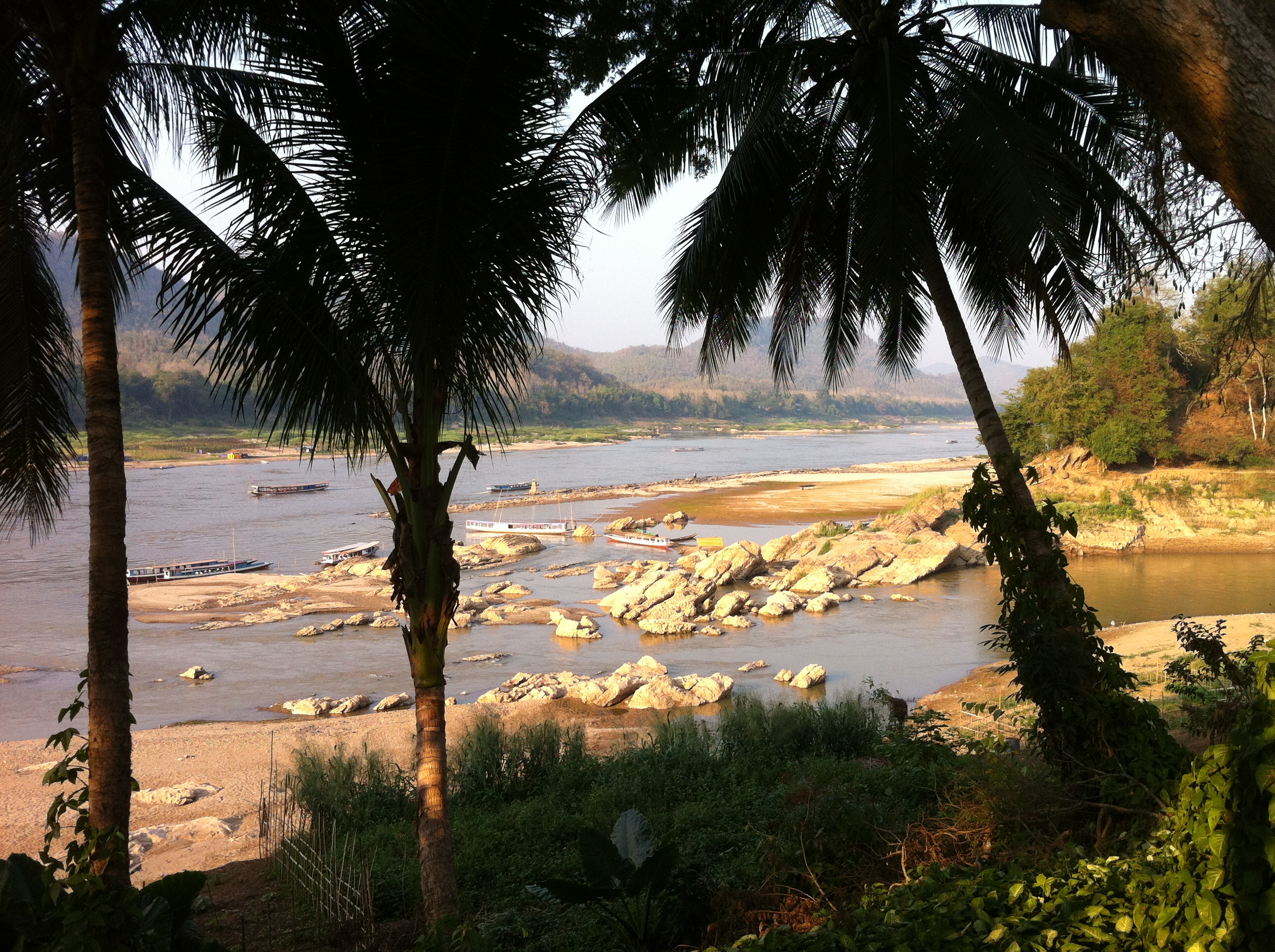
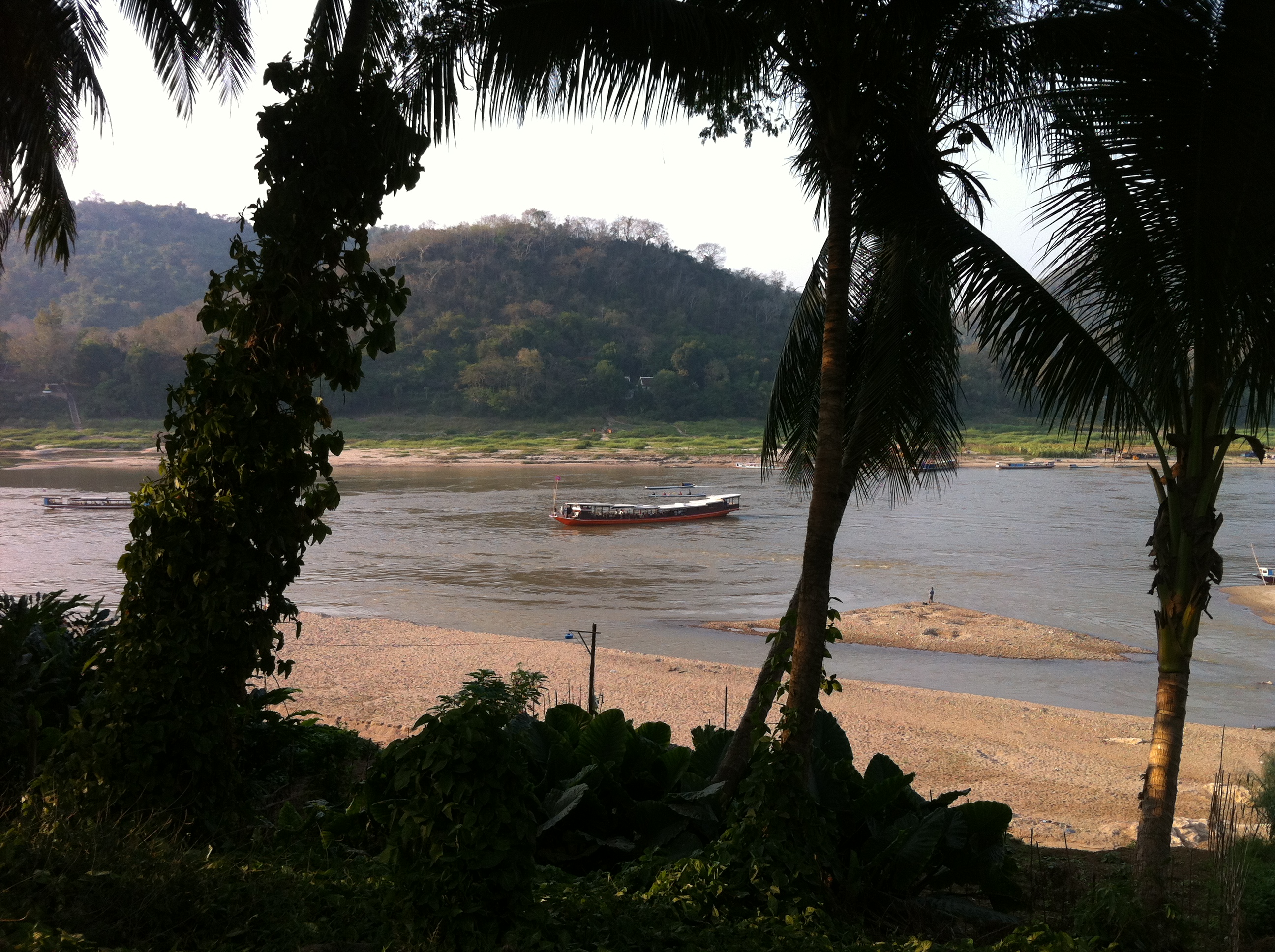
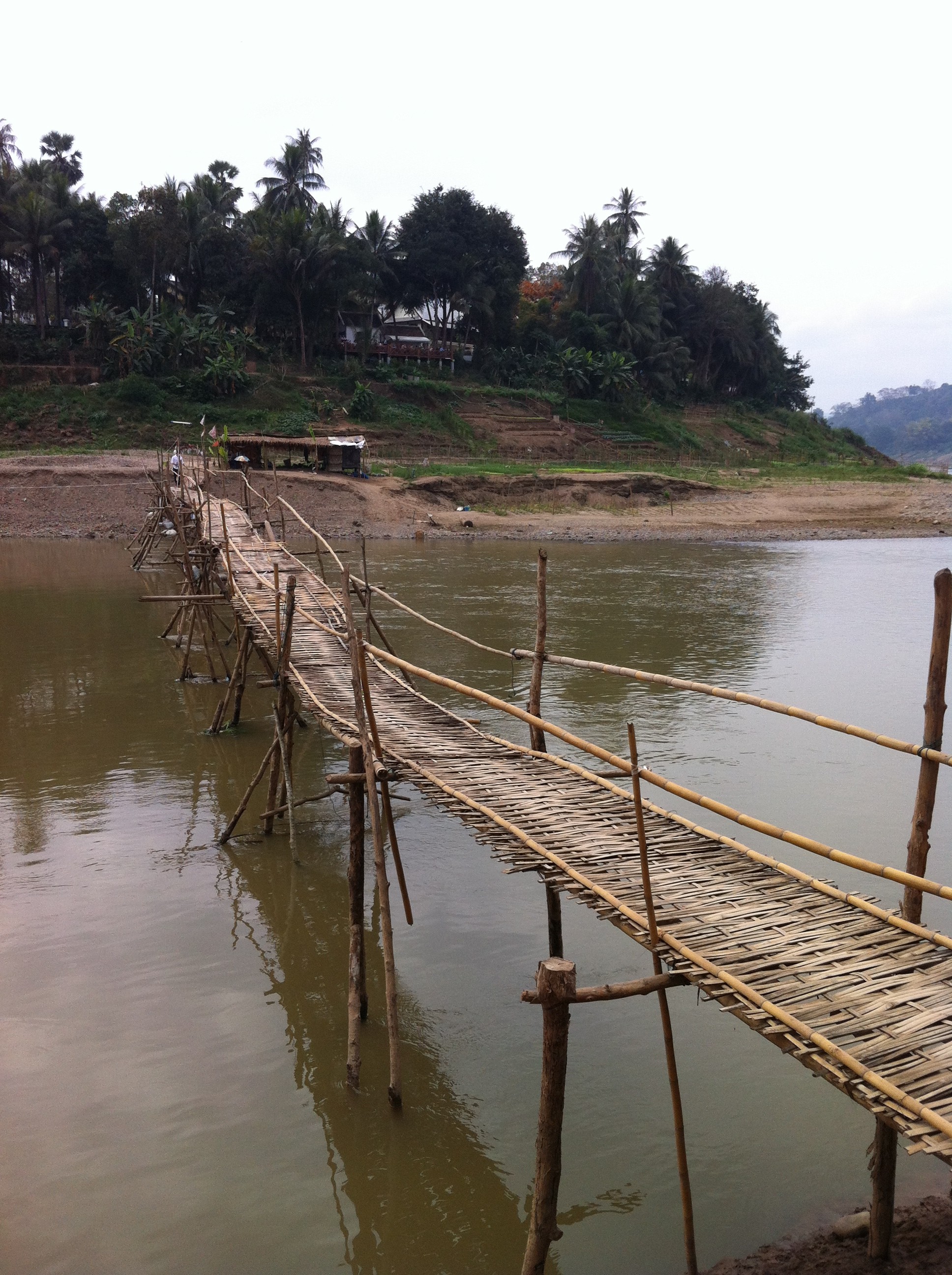
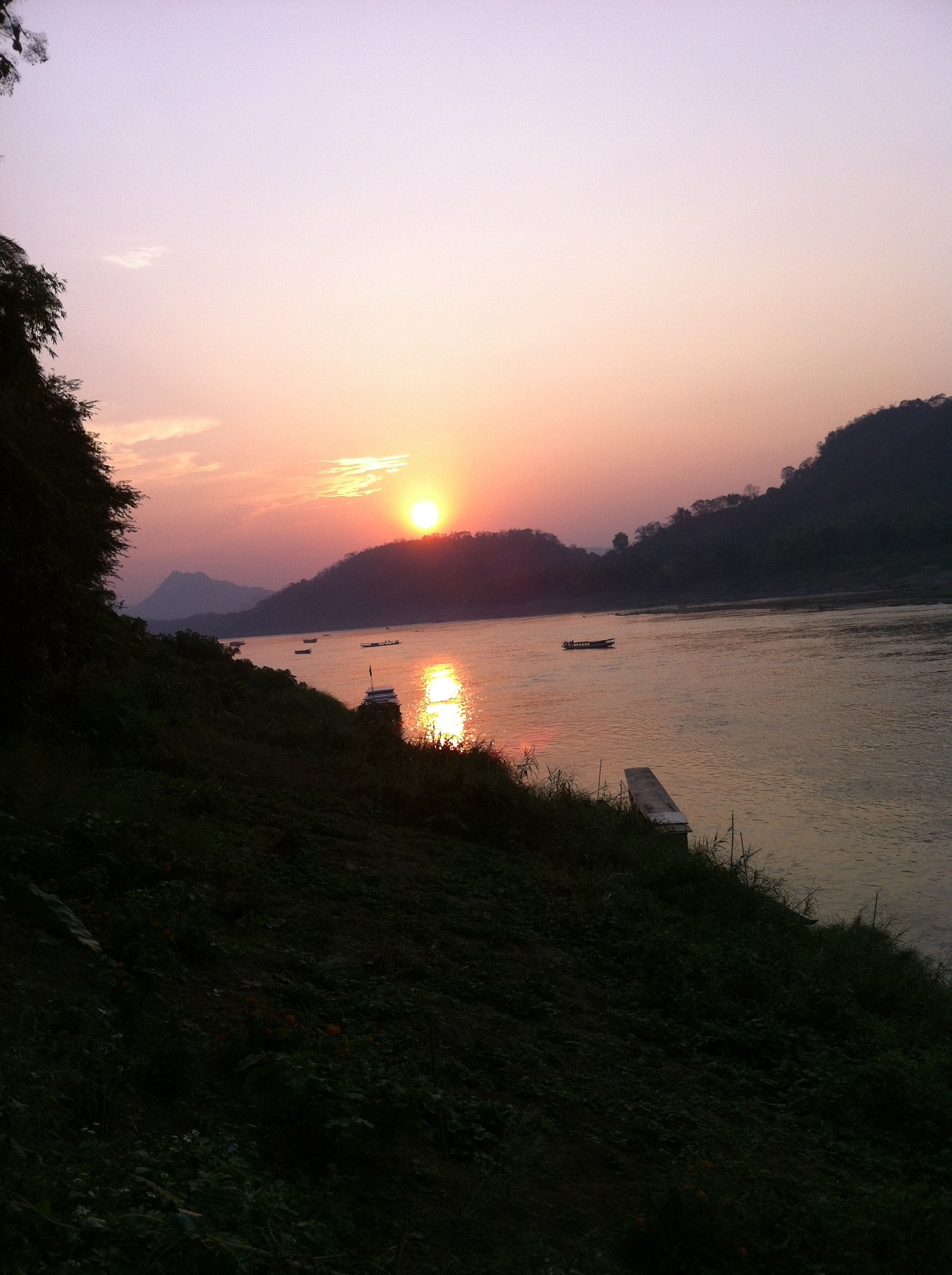
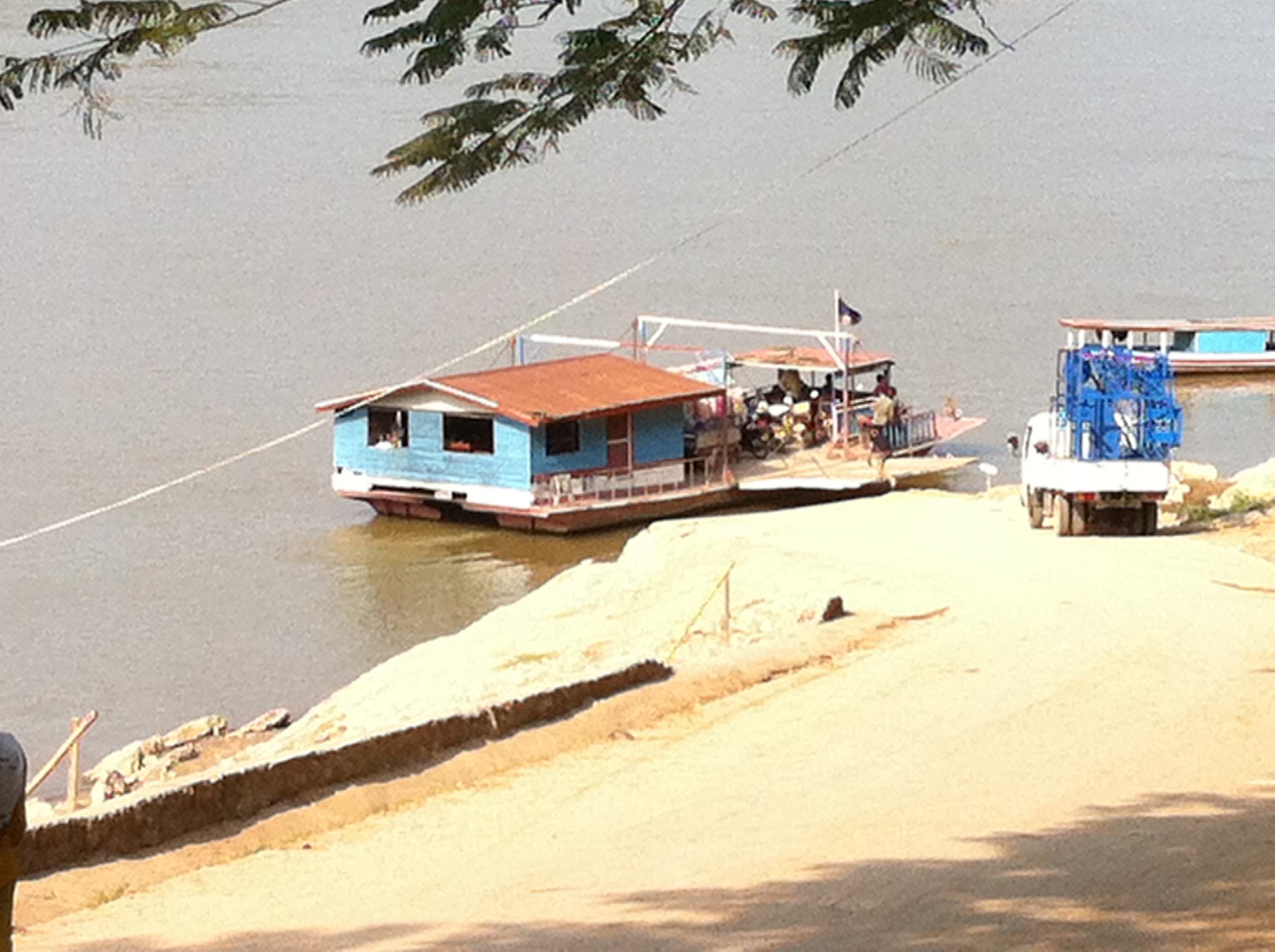
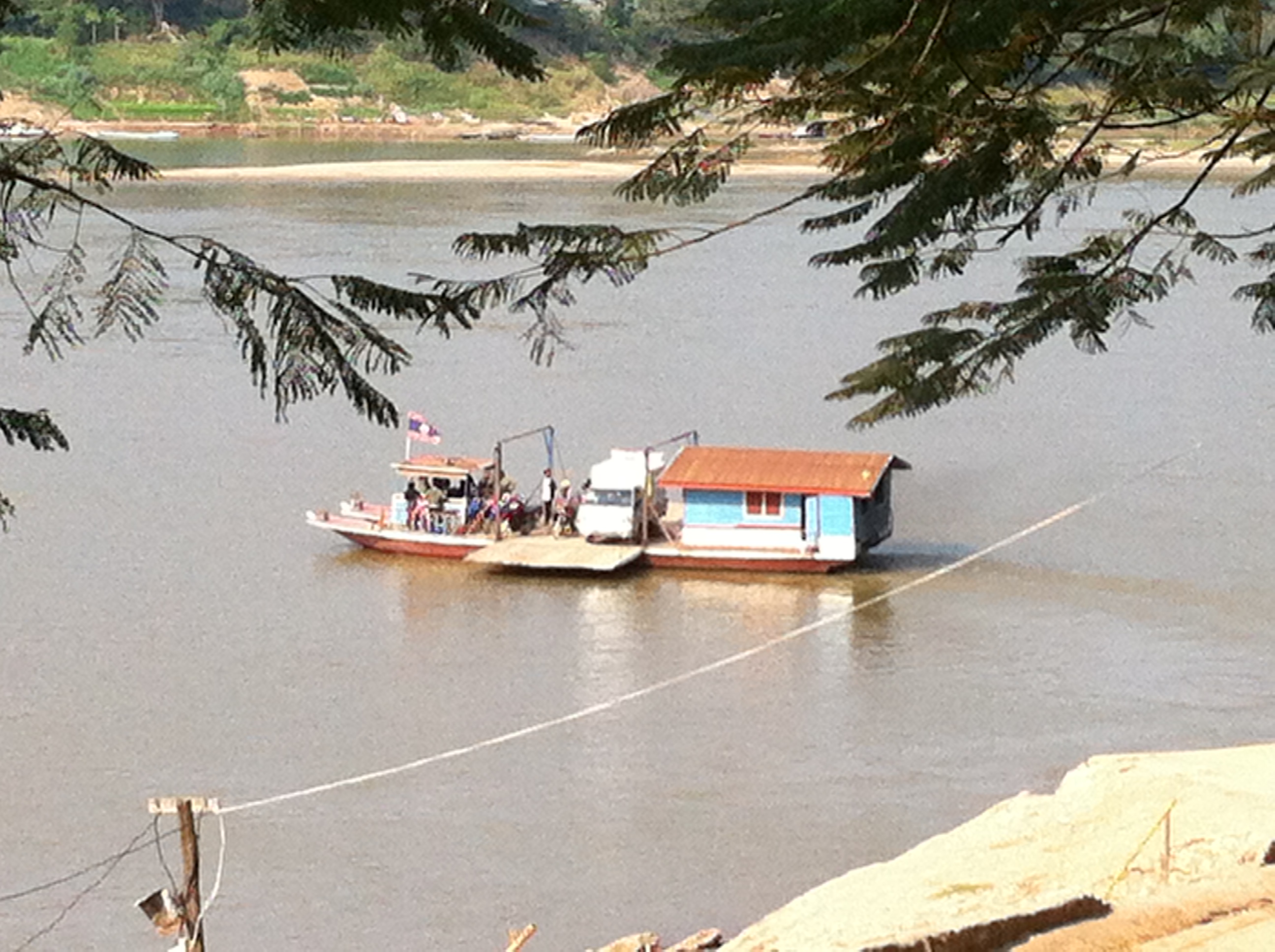
I first came into contact with the Mekong some ten years ago, in Phnom Penh, Cambodia. I remember looking in awe at this hugely wide river and planning some day to take a boat down it to Vietnam; a plan still waiting to be executed. In the meantime, our lives have crossed the Mekong many times. Several years ago, my wife and I had a close brush with it when we cruised on Tonle Sap Lake while we were visiting Angkor Wat. This lake has a strange relationship with the Mekong: during the dry season it drains into the Mekong, but during the rainy season the Mekong’s current is so strong that the flow reverses and it is the river that runs into the lake.  Two years ago, in September, we came across the Mekong again, red-brown and very silty, at Xishuangbanna in the far south of Yunnan province, down by the border with Myanmar, Thailand and Laos. While we were there, a story broke of the captain and crew of a Chinese ship plying the Mekong being executed by shooting one night under mysterious circumstances; a story of drug running, it turned out, in that wild part of the world. And now we were in Laos, a country traversed by the Mekong and much of whose borders are defined by the river. While we were in Vientiane a few days ago, we walked along its bank and looked over to Thailand on the other shore.  And we have spent the last two days in Luang Prabang, the country’s ancient royal capital, which lies at the confluence of the Nam Khan River and the Mekong. As we have criss-crossed the narrow tongue of land between the two rivers on which the old town was founded, we have found ourselves gazing down on the Mekong many times.  We have watched the ferry crossing it:

laos 428

laos 430

We have watched ships taking tourists up and down the river:

laos 476

laos 475

We have crossed a spindly bamboo bridge spanning the Nam Khan:

laos 258

to gaze down on the confluence of the two rivers:

laos 263

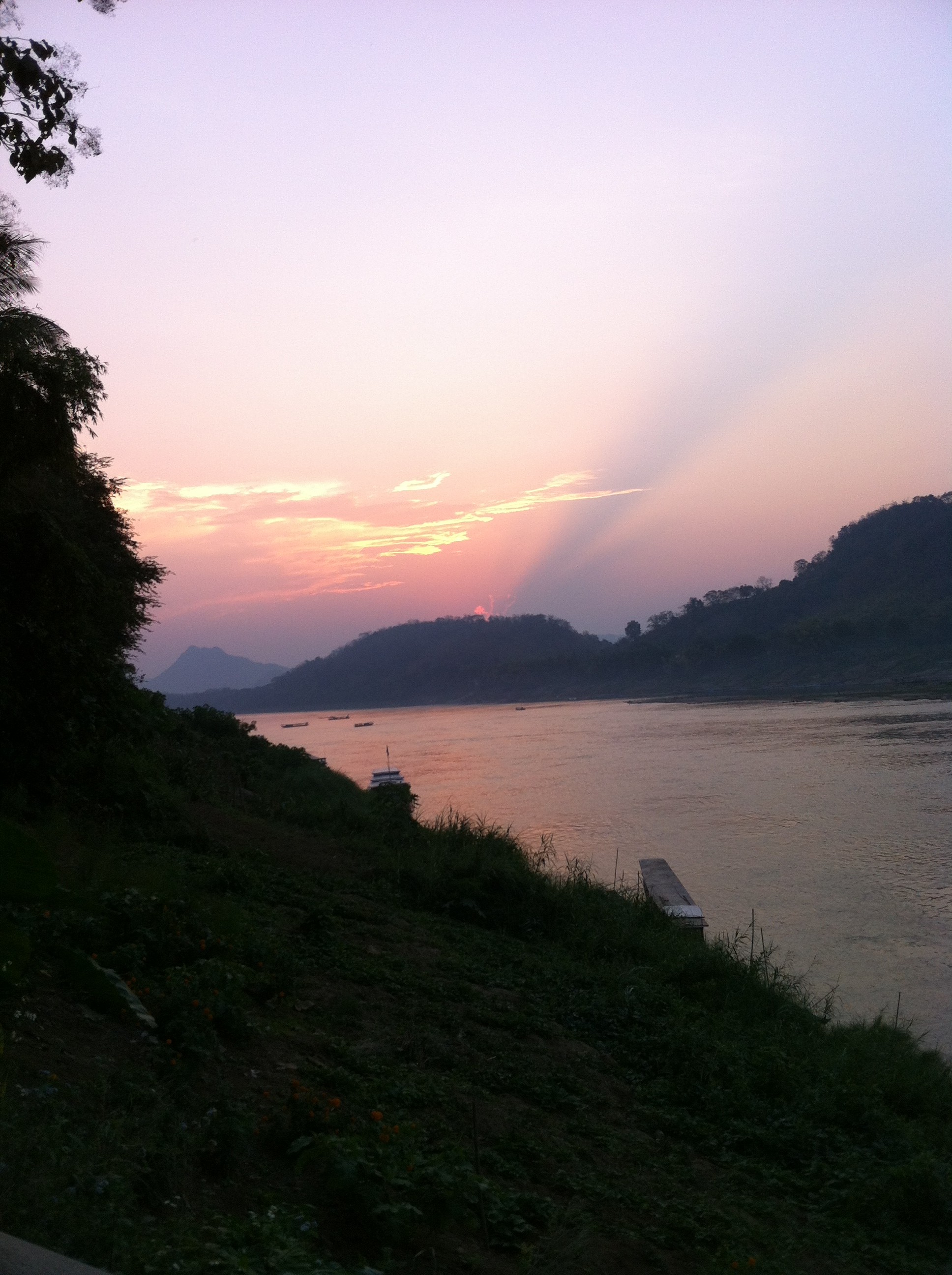
And now, on our last evening, we have been sitting on steps leading down to the river and have been watching the sun set behind the hills on the far shore.

laos 480

laos 485

laos 491

laos 497

And with that last flash of light there has floated into my mind some lines from a hymn we used to sing at school when I was young, sung to a serenely tranquil tune:

Lord of all gentleness, Lord of all calm,
Whose voice is contentment, whose presence is balm,
Be there at our sleeping, and give us, we pray,
Your peace in our hearts, Lord, at the end of the day.

DUST TO DUST, ASHES TO ASHES

Beijing, 4 February 2013

From time to time in Buddhist temples in this part of the world one sees a metal sculpture standing on altars, which takes the form of a stem of a lotus plant to which are attached a flower bud, a fully opened flower, and the seed pod from which the petals have fallen off; sometimes they are accompanied by a young leaf unrolling, a fully mature leaf, and an old leaf, ragged and torn.  It is a visual allegory for the cycle to which we are all subject: birth – life – death. It is a gentler reminder of what I was harshly told every Ash Wednesday when I was a boy: “Remember, man, that thou art dust, and to dust thou shalt return”.

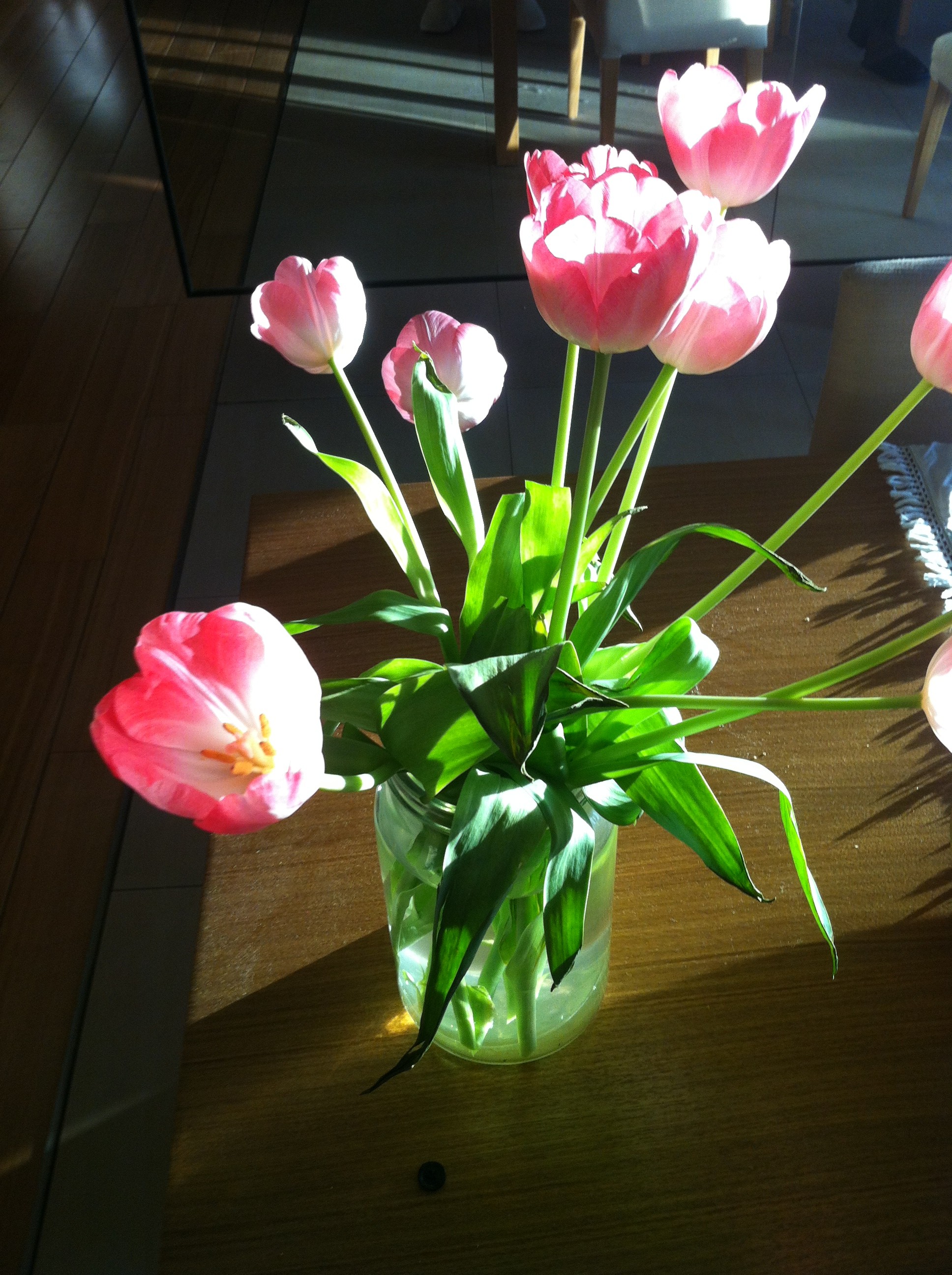
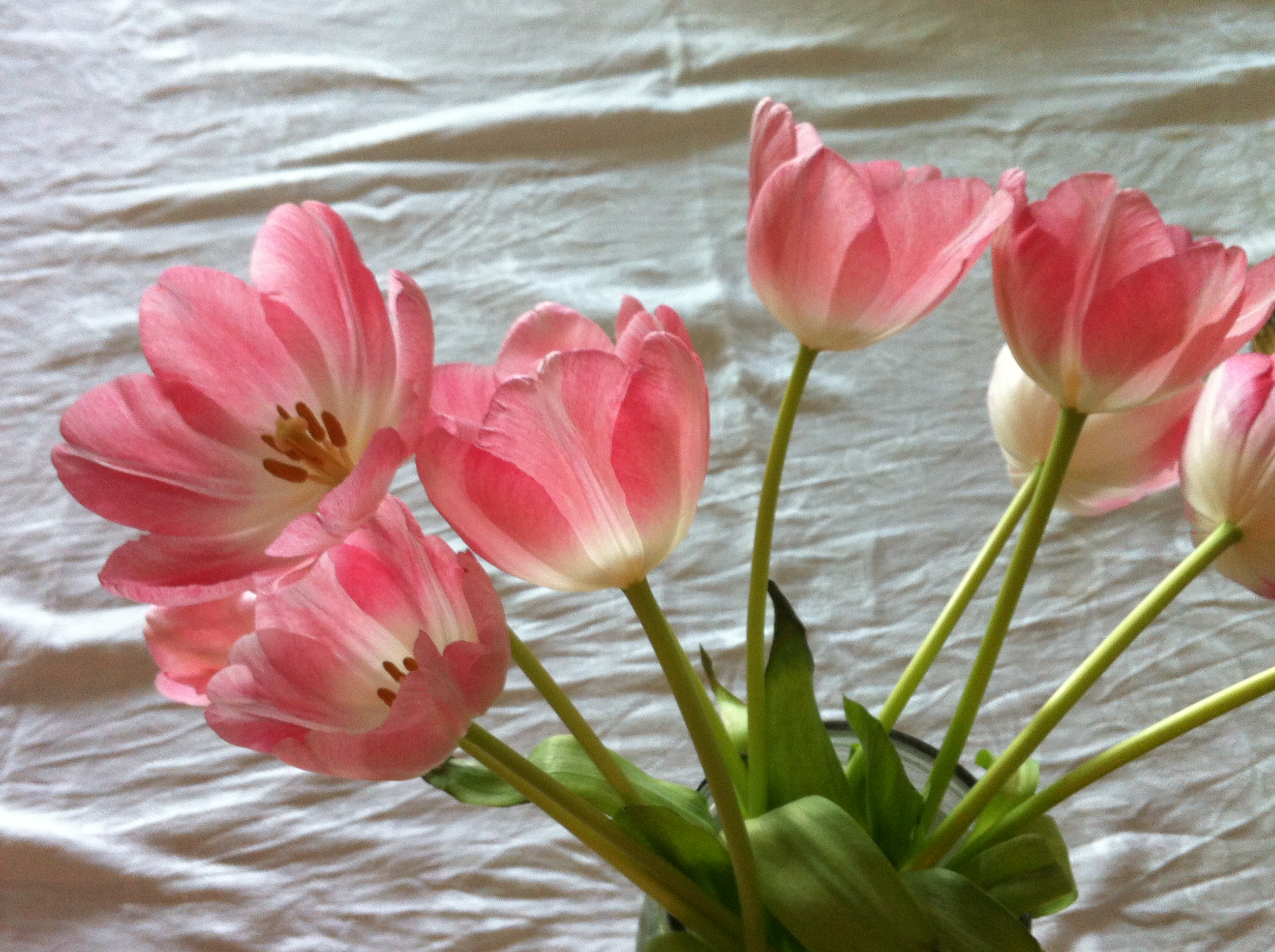
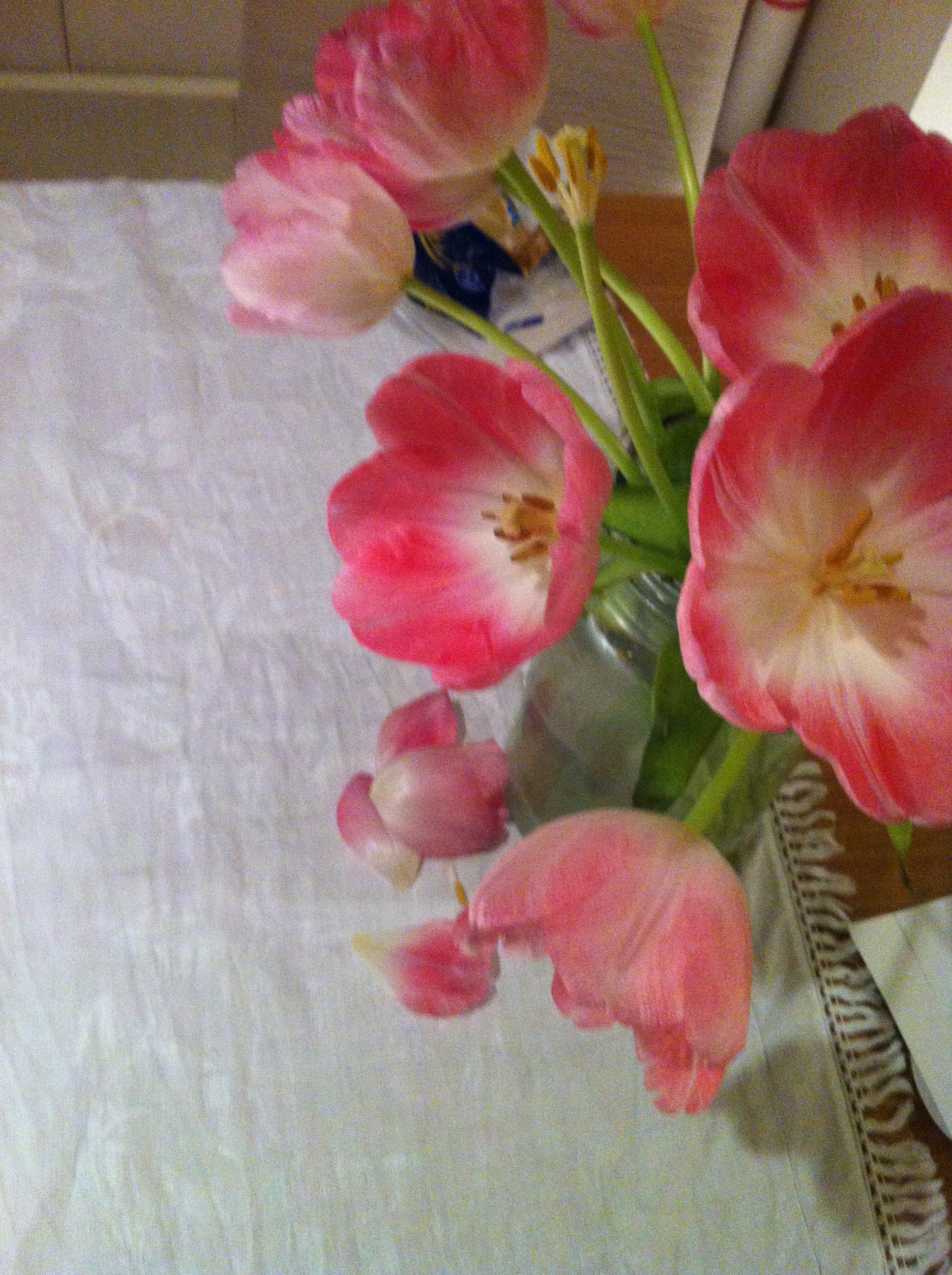
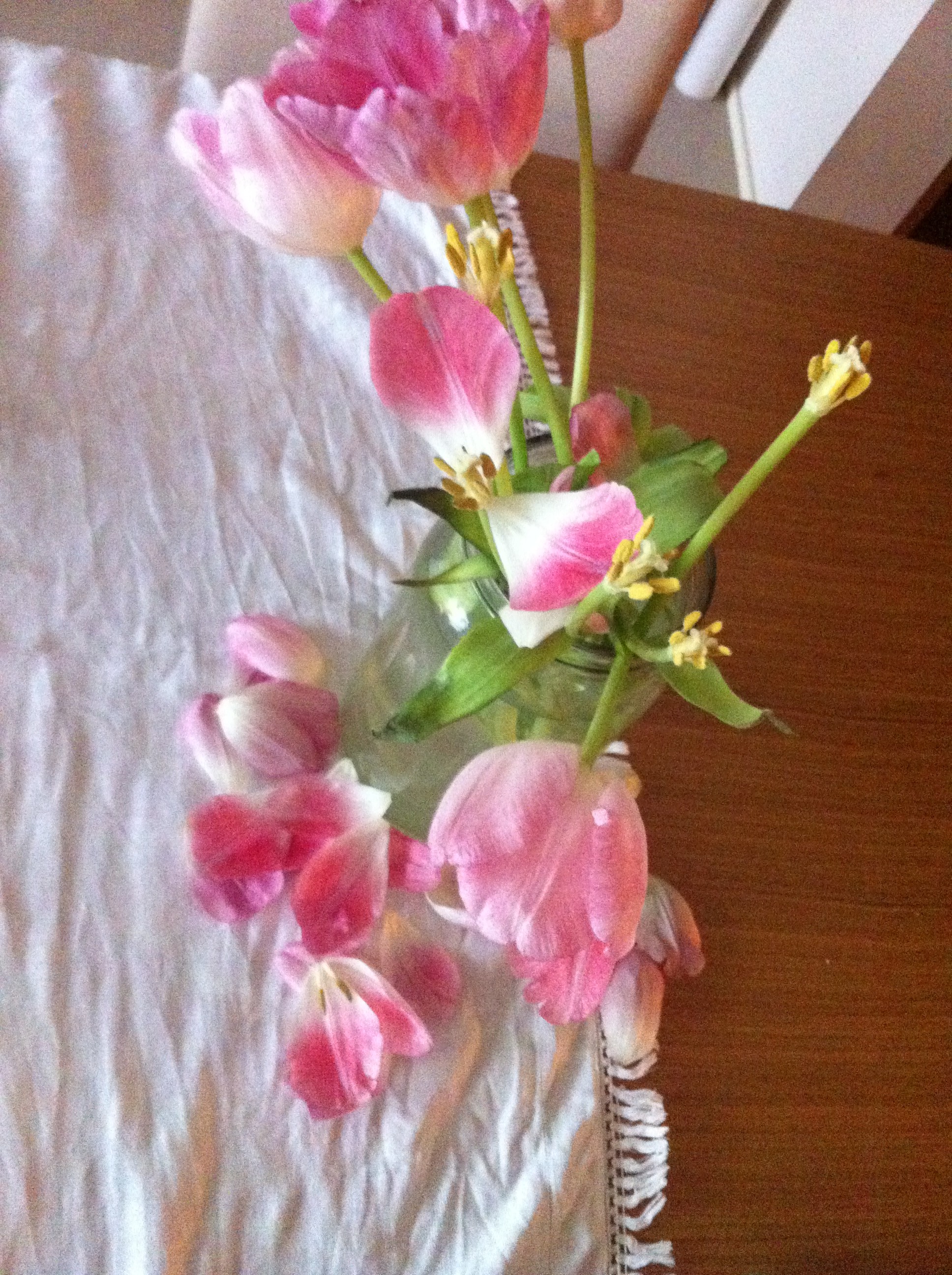
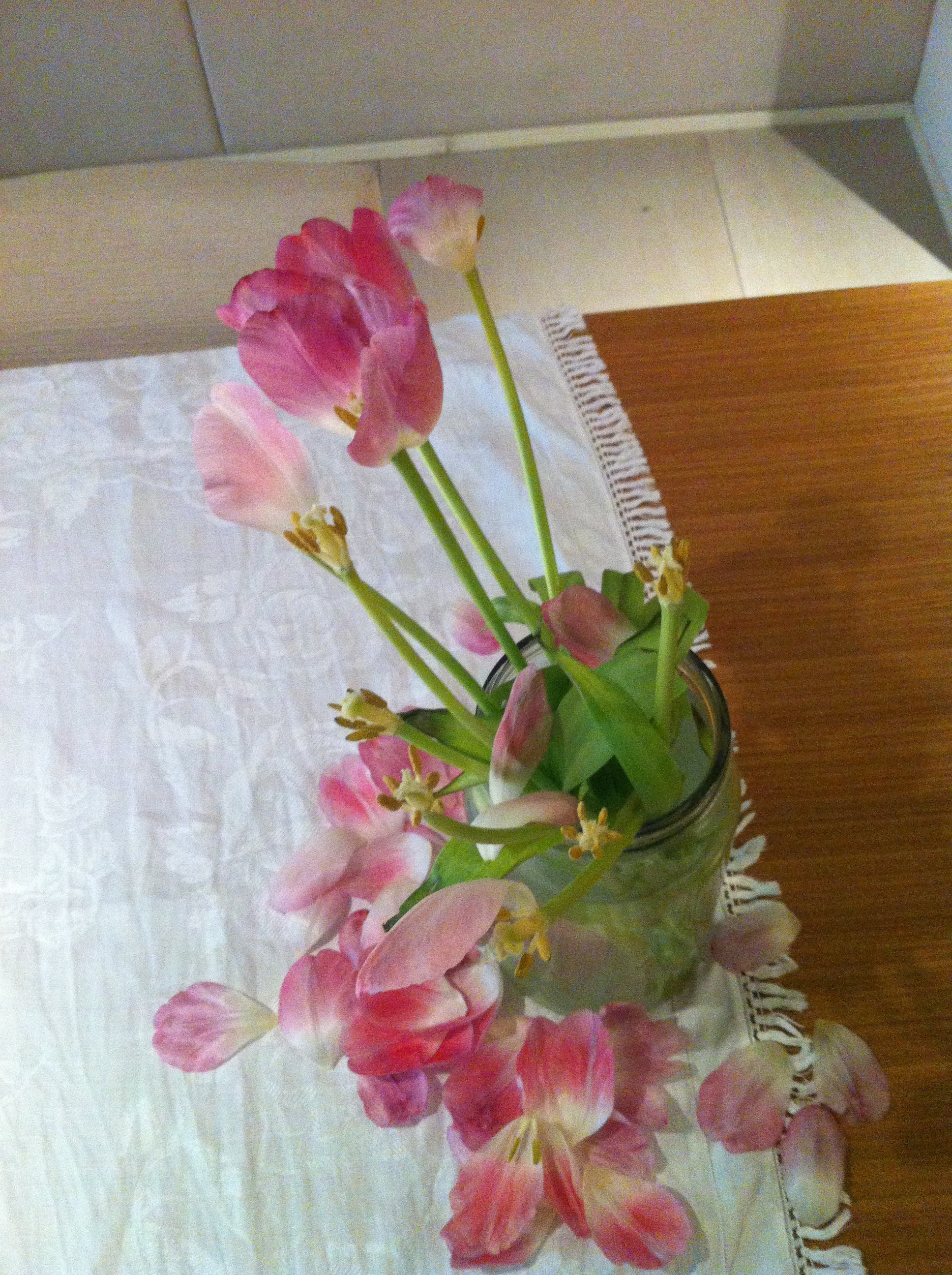
I was reminded of this as the tulips – so lovely two posts ago – paled, wilted, and lost their petals, to finally leave the stamens standing naked and forlorn. I decided to record this decay down to death.

Friday morning:

04 tulips

Saturday morning:

06 tulips-saturday morning

Saturday evening:

10 tulips-saturday evening

Sunday morning:

13 tulips-sunday morning

Sunday evening:

16 tulips-sunday evening

I would like to think that my life currently stands at Saturday evening.  Cold objectivity suggests instead that it stands at Sunday morning.

ST. MARY’S GARDEN

New York, 7 January 2013

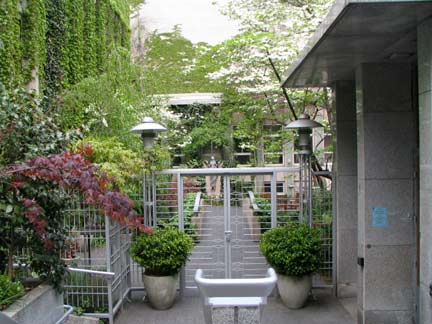
Several years ago, I had to be in New York for a period of two weeks to cover an international meeting. It was early May, a good time to be in the city. The weather is normally nice and it’s not too hot yet. The first morning, I left early to give myself plenty of time to deal with the wearisome entry procedures. My walk to the meeting took me along 47th Street. As I was walking between First and Second Avenues, I spied to my left the entrance to a little garden, open to the public.

mary's garden-2

Intrigued, I checked my watch and decided I had sufficient time to take a quick look. What I found was achingly lovely: a little pool with the quiet gurgle of a fountain to the side, a small bridge spanning the pool

mary's garden-1

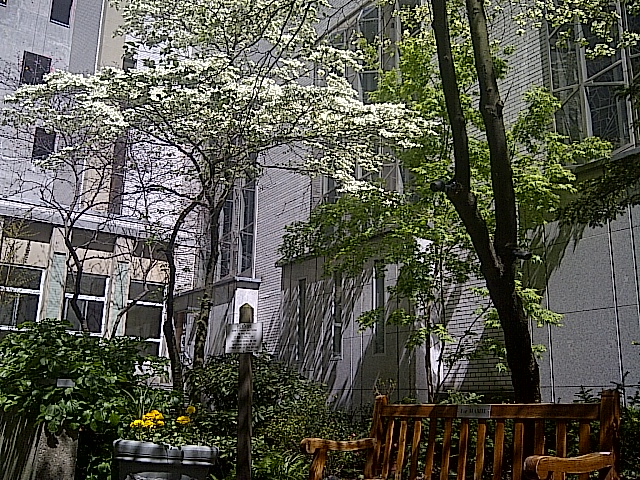
leading to three benches, and planted beds around the pool. Most magnificent of all, arching over the whole, were three dogwood trees. They were in full bloom, and the soft whiteness of their flowers, tinged with spring green, permeated the whole space. I was left without breath and sat for five minutes to absorb it all. Of a sudden, I started out of my reverie, checked my watch again, and hurried off to my meeting.

The garden must be little known, because I was unable to find any photos of it on the web other than the two above. So I later sent my daughter to take photos when the dogwood trees were in flower. Here is a sample.

IMG-20130503-01859

IMG-20130503-01863

IMG-20130503-01864

I went back several times during the next two weeks, to reflect and to rest, watching the dogwood flowers begin to fade. I learned the garden’s name – St. Mary’s garden – and that it was attached to the small church next door, the Church of the Holy Family. I brought my wife there when she joined me in the second week. We sat on one of the benches and held hands.

When yesterday I found myself by chance close by, I could not resist visiting the garden again. Given the season, it was drearer.

garden-winter 002

But it still had a dreamy quiet; the fountain gurgled softly, and a bird sang in the dogwood trees. As I sat there, a fragment of the Litany of the Blessed Virgin Mary floated up out of my boyhood memories, heard murmured by old women in dark, empty churches at the time of the Angelus:

Mystical rose,
Tower of David,
Tower of ivory,
House of gold,
Ark of the covenant,
Gate of heaven,
Morning star,
Health of the sick,
Refuge of sinners,
Comforter of the afflicted …

And then another memory fragment floated to my the surface of my mind, lines from the end of T.S. Eliot’s poem Ash Wednesday:

Blessed sister, holy mother, spirit of the fountain, spirit of the garden,
Suffer us not to mock ourselves with falsehood
Teach us to care and not to care
Teach us to sit still …

And I sat still.

_________________
Mary’s garden-1: http://www.dkimages.com/discover/previews/739/151269.JPG
Mary’s garden-2: http://forgotten-ny.com/wp-content/gallery/streetscenes_chip_07/11-holyfamily-grotto.jpg
Dogwood in bloom-1: my daughter
Dogwood in bloom-2: my daughter
Dogwood petals in the pool: my daughter
garden in winter: my picture

CHRISTMAS AFTERTHOUGHTS

New York, 27 December 2012

By common accord, we didn’t give each other presents this year. It was present enough to be all together as a family for the first time in a year. We also didn’t have a Christmas tree, since we had gone to New York to celebrate Christmas, because that was where the children’s lives have happened to bring them, and were staying in a rented apartment. And we didn’t go to church, because my wife and I are no longer religious and our children never were. For me, that is a relief; my childhood memories of Christmas are scarred by the dread of having to go to church. Christmas always fell during the week so I was subjected to the torment of church on the Sunday before, church on Christmas, church on the Sunday after, church on New Year’s, and church on the Sunday after that …

But what we did have was good cheer – it’s so wonderful for my wife and I to be with our children – supplemented by a good meal cooked by our daughter who is growing to be a master cook, washed down by a tolerable Argentinean wine. Afterwards, we all together went to see a film that my wife and I would never have seen in Beijing, which by chance brought us to Times Square, tawdry by day but magic by night with all its brilliantly lit advertisements: the high temple of consumption.

And so now, the morning after, with the children sleeping in next door and the plates of yesterday’s meal washed up, I can sit in bed and reflect on Christmas, doing a little web surfing to understand better this feast which has regularly punctuated the whole of my life.

For my wife and I, imprinted as we are with a Christian upbringing, it is of course the celebration of the birth of Jesus of Nazareth, the Risen Christ, Saviour of the World. But why 25 December?After all, no date is given in the New Testament for the birth of Jesus. When I was younger, I had read that the Church Fathers had chosen December 25 to compete with, to overlay, and finally to smother, the flourishing pagan feasts celebrating the winter solstice, the shortest day of the year, which falls on 21 or 22 December. But that seems to have been too simplistic. It looks more like December 25 was chosen because it was nine months after March 25, which in turn was believed to be the day on which Christ died. For the mystically inclined early Christians, there must have been a pleasing harmony in this equivalence of dates of conception – the start of life – and of death, but also of resurrection – the start of everlasting life. The unintended consequence – that Christ was therefore born on December 25, more or less at the winter solstice, a time of many pagan feasts – was seen “as a providential sign, as natural proof that God had selected Jesus over the false pagan gods” (1): Jesus, the “Sun of righteousness” prophesied in the Old Testament. As Christianity spread out of the Roman heartlands, and as the Christian missionaries came up against manifold feasts celebrating the winter solstice they used the latter argument more than the former to win hearts and minds and to overlay and snuff out those feasts.

What a pity those old feasts were suppressed! Not because I am a fan of the rites and rituals that surrounded them; they were distractions from the real event, the fact that the sun has reached its lowest point and is now starting its slow ascent again to summer. That’s what we should all be celebrating in the northern hemisphere, because the sun is probably our only common heritage. Our creeds, our races, our languages, our cultures all divide us. But the sun brings us together. Without it, we would not exist and our planet would be just a dark cold cinder whirling through space.

So next year let’s head on down to one of those monuments built millennia ago to mark solstices and other moments in the solar cycle, like Stonehenge

stonehenge-2

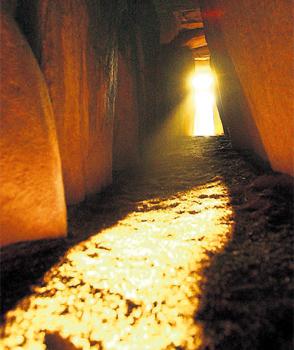
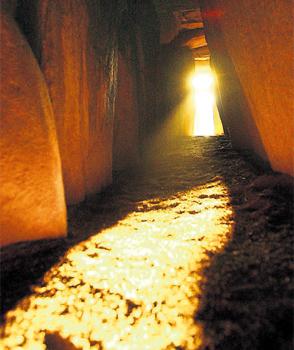
Newgrange in Ireland

newgrange-2

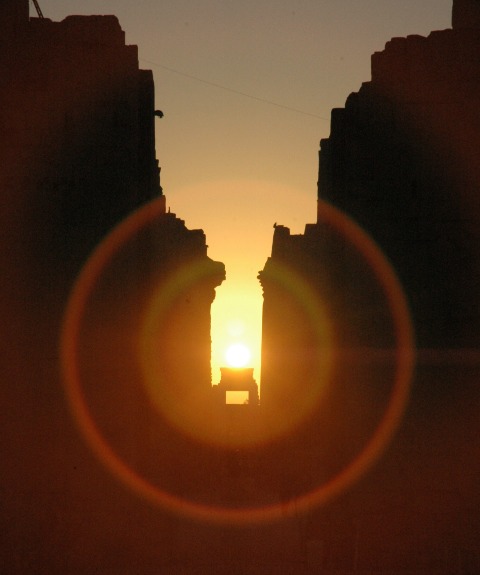
Karnak in Egypt

Karnak

Chankillo in Peru (the oldest solar observatory in the Americas)

chankillo

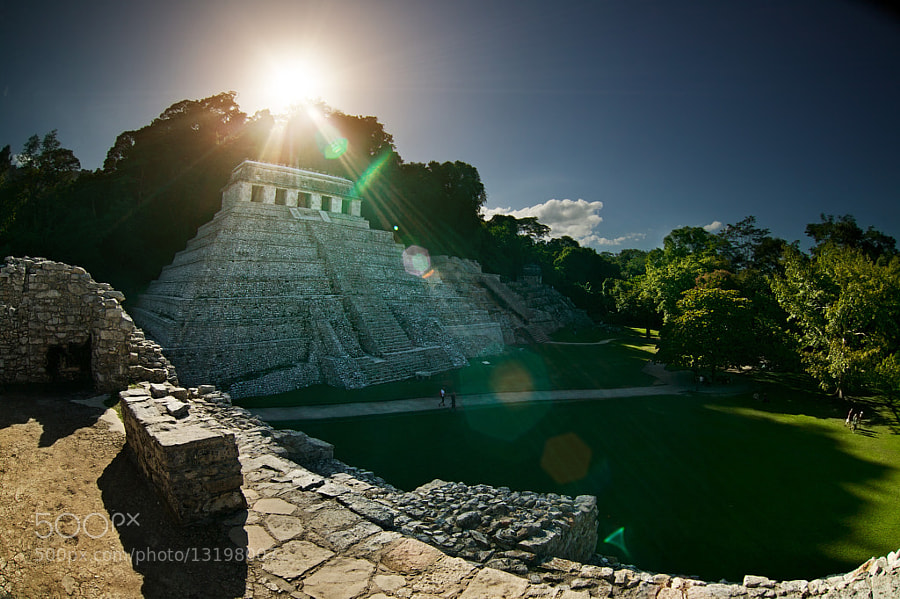
Palenque in Mexico

palenque

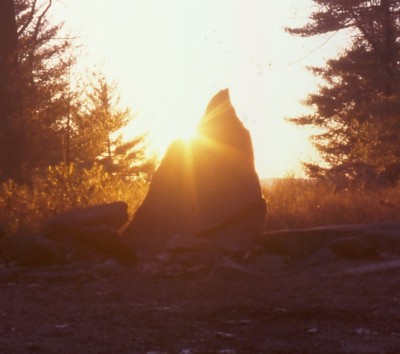
North Salem in New Hampshire (the “Stonehenge of North America”)

north salem

Denfeng in China

denfeng

Jaipur in India

Jaipur

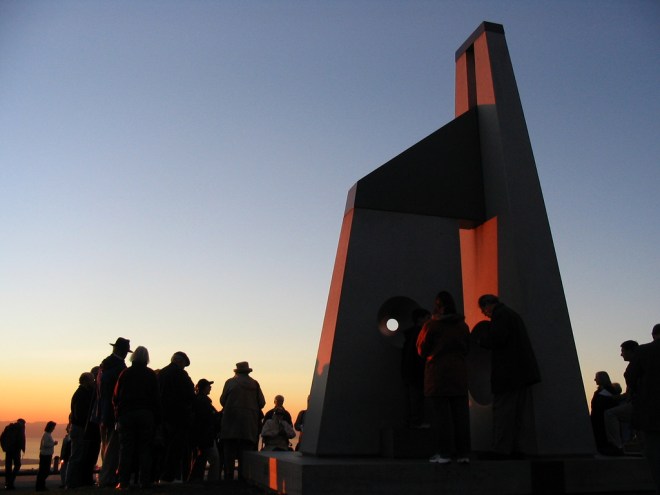
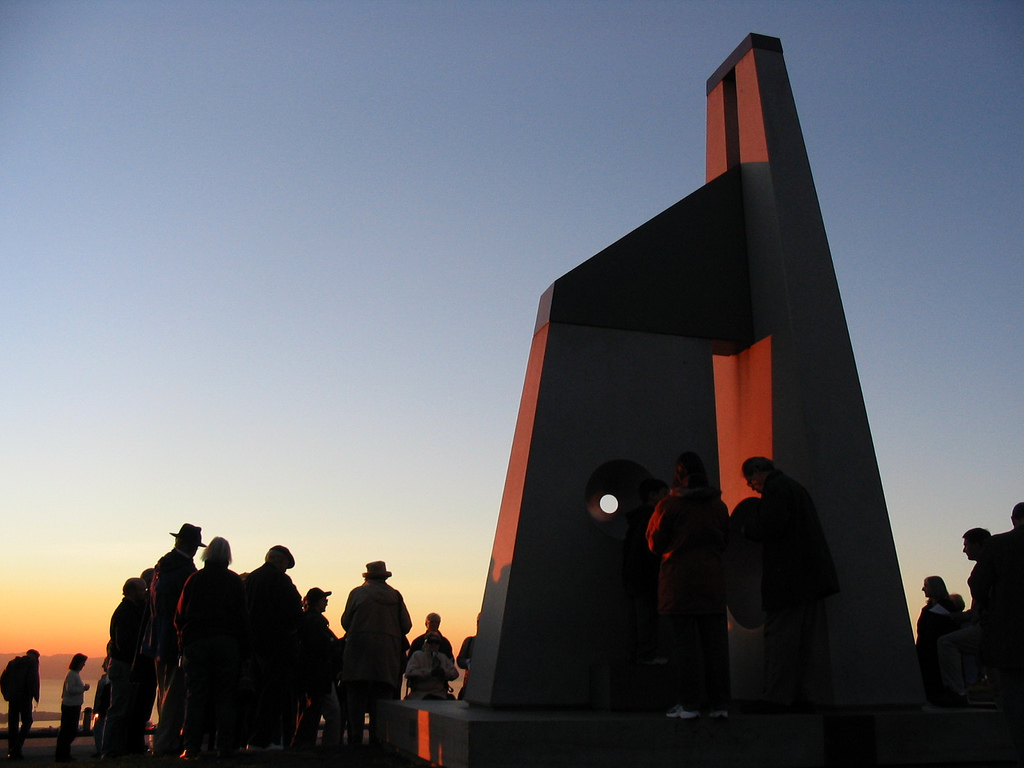
or to more modern places like the Lawrence Hall of Science in California

lawrence hall of science

or, for the summer solstice, the Native American museum in Washington

Brief description of overall shoot

and let’s have ourselves a celebration! Let’s connect again, if only for a few moments in our busy schedules, with the most fundamental of all natural cycles of the world, the solar cycle.

________________
(1)McGowan, Andrew. “How December 25 Became Christmas”, http://www.biblicalarchaeology.org/daily/biblical-topics/new-testament/how-december-25-became-christmas/

Stonehenge: http://www.juliamccutchen.com/uploads/blog//wintersolstice_stonehenge.jpg
Newgrange: http://www.newgrange.com/newgrange/new_grange_solstice.jpg
Karnak: http://blogs.smithsonianmag.com/adventure/files/2012/12/SolsticeKarnakBIG.jpg
Chankillo: http://0.tqn.com/d/archaeology/1/0/k/u/Thirteen_Towers_sm.jpg
Palenque: http://pcdn.500px.net/13198007/7eb491e6b4f1ac429dd6f932c0e41f56dfad312b/4.jpg
North Salem: http://www.stonestructures.org/assets/images/Winter-Solstice-Sunset.jpg
Denfeng: http://history.cultural-china.com/chinaWH/images/arbigimages/9a7d45ff336ffda1702e4ab4d11110e2.jpg
Jaipur: http://museumsrajasthan.gov.in/images/Virhat%20Samrat%20Yantra%20%288%29.JPG
Lawrence hall of science: http://upload.wikimedia.org/wikipedia/commons/c/c1/LHS_sunstones.jpg
Native American museum: http://blogs.smithsonianmag.com/aroundthemall/files/2012/06/prism-575.jpg

MY MOTHER HAS JUST DIED

Beijing, 11 August 2012

My mother died a few days ago. My brother’s email telling me so didn’t give any details, and a later email from my sister simply said that she had passed away very peacefully; the usual words.

My mother has actually been dead for a while. The person I visited last month was not my mother. She didn’t talk, she didn’t react to my talking, she simply sat there gazing blankly. It was the hollowed-out shell of my mother, a moulted exoskeleton. So the news elicited no grief from me, just a melancholy relief that she had finally been spared the indignity of living on.

Did she die well? I would like to think that she did. I would like to hope that she – a fervent Catholic all her life – managed one last prayer to the Lord her God before her heart finally gave out. But I doubt it; she probably died the way an old, badly tuned car engine sputters out, just a last wheeze and jolt and that was it, in the little room that she occupied in the old person’s home.

I have always had this picture of the generations walking in cohorts towards the final end, one behind the other; rather like regiments marching across No Man’s Land. The generation ahead of mine – my parents and my aunts and uncles – is sadly depleted; only three very elderly aunts remain. Soon even they will be gone, and then there will be no-one between me and the end. Even my cohort is beginning to thin; death has picked off the husband of my sister, a cousin … the pace will pick up in the coming years.

This vision wouldn’t bother me so much if I – like my parents – could believe that death is merely an uncomfortable rite of passage to be endured, because it leads to a greater – and eternal – life. But I cannot. Decades ago, I played Claudius in Shakespeare’s Measure for Measure. As he awaits execution in prison, Claudius meditates on what will come after he dies:

…to die, and go we know not where;
To lie in cold obstruction and to rot;
This sensible warm motion to become
A kneaded clod; and the delighted spirit
To bathe in fiery floods, or to reside
In thrilling region of thick-ribbed ice;
To be imprison’d in the viewless winds,
And blown with restless violence round about
The pendant world; or to be worse than worst
Of those that lawless and incertain thoughts
Imagine howling: ’tis too horrible!
The weariest and most loathed worldly life
That age, ache, penury and imprisonment
Can lay on nature is a paradise
To what we fear of death.

At much the same time that I played Claudius I had come to the unalterable conclusion that there was no world beyond ours and I turned away forever from the religion of my forebears. So like Claudius, I am afraid “to lie in cold obstruction and to rot; this sensible warm motion to become a kneaded clod”. And I too feel that “the weariest and most loathed worldly life that age, ache, penury and imprisonment can lay on nature is a paradise to what we fear of death.” But I cannot follow Claudius in his belief of an afterworld, even if his vision is one of terror. I am merely afraid of disappearing forever.