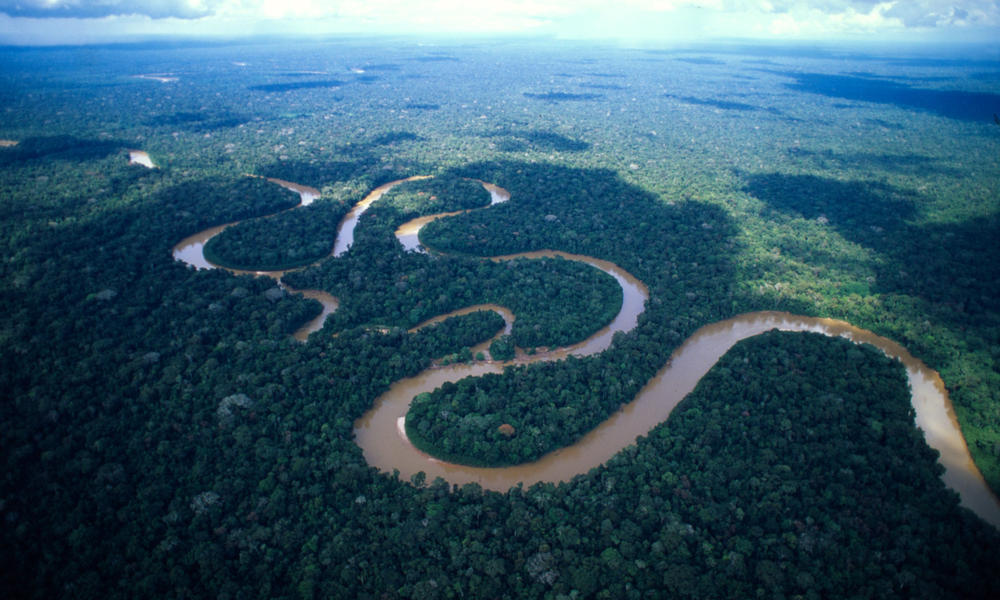
HIGH ALPINE PASTURES

Vienna, 14 October 2023

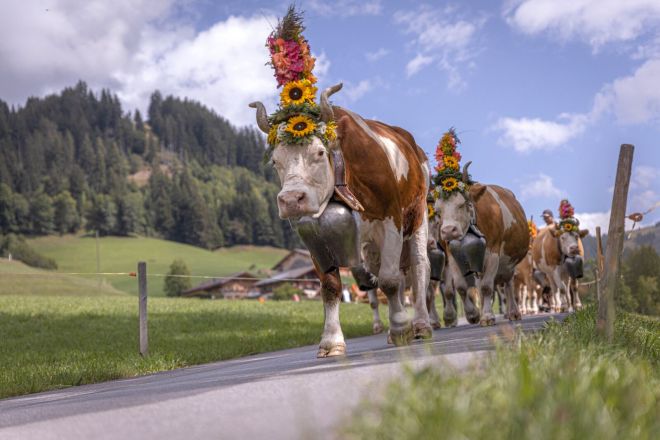
All along the arc of the Alps, the farmers must be bringing their cattle down from the high Alpine pastures where they’ve been grazing all summer. Or maybe they’ve been down a few weeks already. A couple of years ago, in late September, my wife and I went hiking up one of the side valleys of the Inn valley, near Innsbruck, and we were lucky enough to catch the ceremony of the cows being brought down from their high pastures. And it really is a ceremony. The cows are decorated with floral wreaths, while the herders wear traditional dress. I only managed to take one rather poor photo of a cow with her floral wreath.
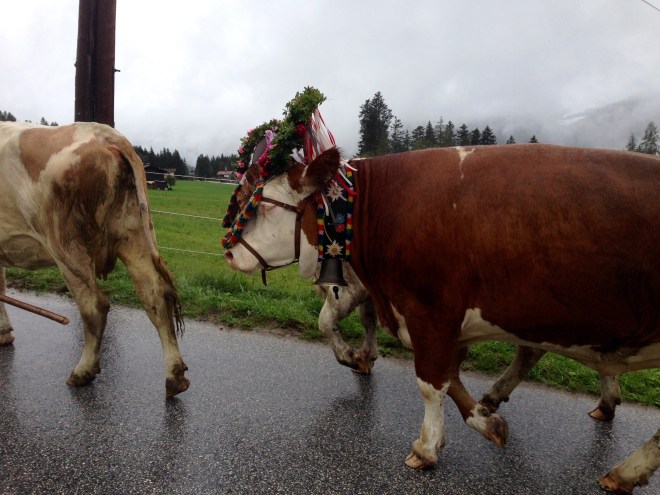
My photo

But others have posted much nicer photos online.

Source
Source
Source

This ceremony is of course meant to signal that bringing the cows home is a joyful occasion, but this summer my wife and I came across a story which shows that it cannot always have been so joyful. We were starting a hike up into the Totes Gebirge (the Dead Mountains; strange name) from the shores of Altaussee lake. My wife later took this very Japanese-looking photo of the lake.

My wife’s photo

As we walked along the lakeshore, there came a point where the path narrowed dramatically, with a steep drop into the lake. And there, on the side of the path, we passed this memorial nailed to a tree.

My photo

The picture gives us a pretty clear idea of what happened, but the German text removes any doubt. It says:

On 17 October 1777, Anna Kain, aged 32, died here. During the cattle drive she was pushed by a cow into the lake and drowned. Lord, grant her eternal rest and a joyful resurrection. Amen

At the lake’s end, we swung left onto a trail that took us 1,000 metres up to the high pastures of the Totes Gebirge. As we crossed them, making for the mountain hut we would be staying the night at, we came across cows placidly munching away.

My wife’s photo

Judging by the old cowpats on the trail up, these cows had used the same trail we used to get to the high pastures in the early Summer, and will be going down the same way – like those cows back in 1777 – round about now, if they haven’t already done so. Given the narrowness and roughness of the path, it’s a miracle that more Anna Kains – and cows – didn’t fall off the path to a sure death. Perhaps they did but got no memorial.

Taking cows to and from the Alp’s high pastures seems to be a very old tradition, maybe 6,000 years old. It has been a key element in the economies of the Alpine valleys, so key that I can hazard to state that Switzerland exists because of it. As readers can imagine, locals living in Alpine valleys saw the surrounding high pastures as theirs and didn’t take too kindly to outsiders trying to cut in. In the early 1300s, a long-simmering feud between the people of Schwyz and Eisiedeln Abbey over grazing rights erupted into active fighting. Settlers from Schwyz had moved into unused parts of territories claimed by the Abbey, where they established farms and pastures. The abbot complained to the bishop of Constance, who excommunicated Schwyz. In retaliation, a band of Schwyz men raided the abbey, plundered it, desecrated the abbey church, and took several monks hostage. The abbot managed to escape and alerted the bishop, who extended the excommunication to Uri and Unterwalden (I suppose they had loudly applauded the exploits of their Schwyz neighbours, or maybe even taken part). It so happened that the abbey was under the formal protection of the Hapsburgs, so Leopold I, Duke of Austria, decided to show who was the boss. In 1315, he sent in an army to teach these Swiss peasants a lesson. But the clever men of Schwyz, supported by their allies from Uri and Unterwalden, ambushed the Austrian army near the shores of Lake Ägeri in Schwyz. After a brief close-quarters battle, the army was routed, with numerous slain or drowned. This illustration from the Tschachtlanchronik of 1470 shows the Austrians being skewered on land and drowning in the lake. Amen

Source

This victory led to the consolidation the so-called League of the Three Forest Cantons, which formed the core of the Old Swiss Confederacy, which in turn eventually became the Swiss Confederation that we know today.

As I said, grazing cattle on the high pastures is an old, old tradition. So for millennia now we have had cattle eating fresh Alpine grass all summer long and making what German-speakers call heumilch, or haymilk. Milk aficionados say haymilk tastes different from normal, valley bottom milk, where the cows also eat fermented feed. I bow to the experts, never having drunk haymilk in my life (although maybe I should check the local supermarket shelves; it wouldn’t surprise me if the Austrians offer heumilch as a local delicacy). But in the days before refrigeration, the milk which the cows produced all summer long in the high pastures couldn’t just be drunk; it had to be turned into a more durable product. Thus we have the creation of that glorious, glorious category of cheeses, the Alpine cheeses. I’m sure we’ve all heard of some of the more famous Swiss entries to the category: Emmental, Gruyère, Raclette, Appenzeller. But every country with Alpine territory has their champion Alpine cheeses: Beaufort and Comté in France, the various Almkäse, Alpkäse and Bergkäse in Austria and Bavaria, Fontina in Italy. I use a wheel of Gruyère as a stand-in for all these wonderful Alpine cheeses.
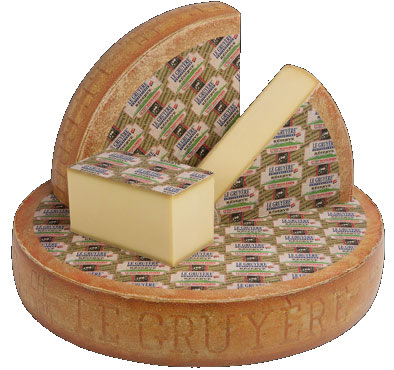
Source

I also throw in a cut of Emmental, because of those holes so beloved by children.

Source

In the old days, those holes, or “eyes” in the technical jargon, were considered unfortunate imperfections in the cheesemaking process. But then some Swiss PR whiz kid turned the imperfections into a Unique Selling Point and fortunes were made in the Emmen valley and beyond. Several other Alpine cheeses have eyes, although not as big as those in the photo above. They are caused by the presence during the cheesemaking process of a bacterium which produces carbon dioxide – the holes are actually bubbles of carbon dioxide.

The presence of this bacterium is due to a particularity in the process for making Alpine cheeses. Unlike most cheeses, where salt is liberally used during the cheesemaking process, the herders up in the high pastures used very little if any salt, simply because it was heavy and thus a pain in the ass to haul up to the high pastures (having carried moderately heavy backpacks up mountains, I can sympathise). Instead, timber was plentiful up there.

Source

So the herders chopped trees down, made fires, and cooked the curds in copper kettles. Even though things are considerably easier now, low salt and cooking on copper is still an important part of the Standard Operating Procedure for making these cheeses, and it is the low salt levels (and low acidity levels) that allow the bubble-making bacterium to flourish.

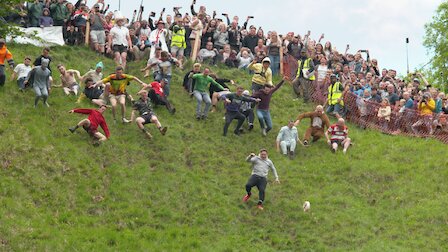
Once the herders had made those large wheels of cheese, they had to also bring them down to the valley bottom. I wonder how they did that? When they were bringing the cows down, did they roll them down like those crazy people in Gloucestershire who take part in the annual Cooper’s Hill Cheese Roll?

You can see these mad people charging down a hill after a cheese wheel.
Source

As we can see, the hill is pretty steep and people seem to just tumble down.

Source

And somehow, someone wins.

Source

I can’t believe herders would have rolled the wheels, even in a more temperate way. It would have ruined them. They were valuable products (indeed, a number of those pesky abbeys had their peasants pay their annual tribute in cheese wheels). I have to guess that the herders loaded them up on the cows when they brought them down, or maybe they had a team of mules for this. Or maybe there were people who spent the whole summer going up to the high pastures and then staggering back down with wheels of cheese on their backs.

Well, I can think of no better way for me and my wife to salute those Alpine cows and the haymilk they produce than for us to break our boring diet and get ourselves a nice slice of Alpkäse or Bergkäse (or both? in for a penny, in for a pound!) and eat it (or them) one of these evenings, with a big chunk of bread and a nice glass of wine. And why not throw in some nuts while we’re at it? In for a penny etc.
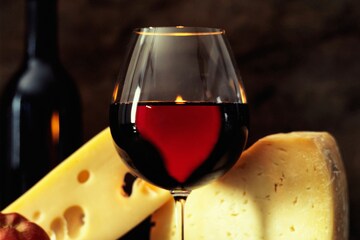
Source

YELLOW AND RED

Vienna, 21 November 2020

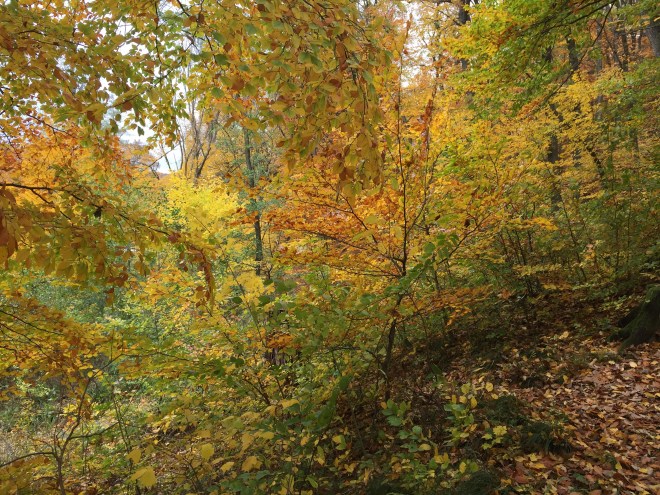
Just look at that maple! What a magnificent yellow its leaves turned!

my photo
my photo

My wife and I walked under it during a hike we did a couple of weeks ago. We were following the edge of a wood and lo and behold! there it was.
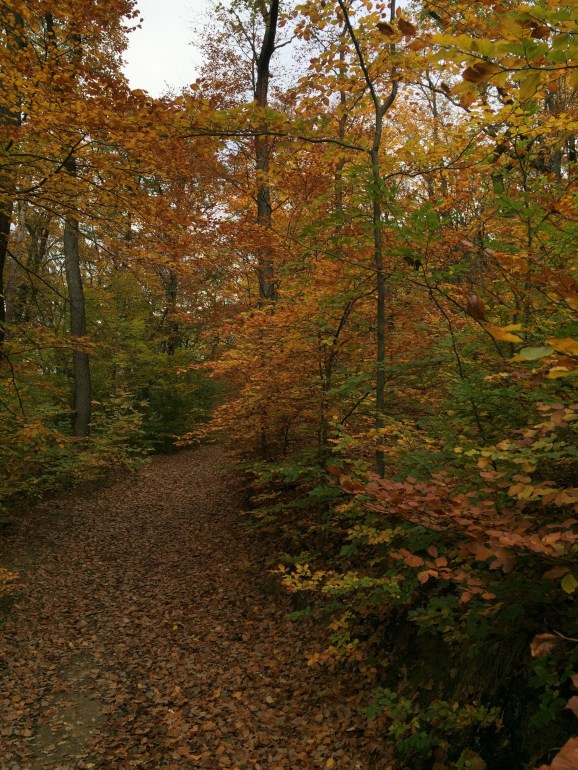
As I mentioned in an earlier post, as we have been walking the woods these last few weeks the trees have been putting on their autumnal colours. We have been bathed in yellows of all hues, turning to russet, and finally to dark brown.

My photo
my photo
My photo

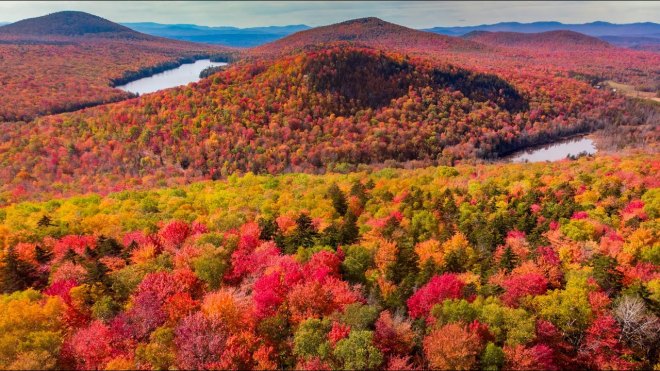
But what we have not been bathed in is reds. We have not witnessed the wonders of a North American Fall

Source

or the splendour of an East Asian Autumn.

Source

“Why is that?” I asked myself as I sat there gazing at my photo of that yellow maple tree, “why is it that North Americans and East Asians have splendid red hues in their autumn colours and we in Europe do not?”

To answer this, we are going to use a version of Root Cause Analysis called the “5 Whys”. This was something invented by Sakichi Toyoda, the father of the founder of Toyota, who claimed that you had to ask “Why?” (more or less) five times before you got to the root cause of something. His son used it extensively in his car factories as a quality control tool, to discover the fundamental reason – the root cause – for a quality failure (and at a much more modest scale I have used it to discover the root cause of a source of pollution or waste). A simple example goes as follows:

“Why the hell isn’t my car working?!”
Because the alternator isn’t functioning.
“Well why is the bloody alternator not functioning?!”
Because the alternator belt has broken.
“Oh. Why did the alternator belt break?”
Because it was well beyond its useful service life but has never been replaced.
“Ah. Why wasn’t it ever replaced?”
Because you, idiot that you are, didn’t maintain your car according to the recommended service schedule.
“Ah, right, OK, sorry about that.”

OK, so now we can start using the method on our little problem:

“Why do the leaves of many species in North America and East Asia go red, whereas so few do so in Europe?”

We see leaves as green because of the chlorophyll they contain. But leaves also contain other pigments, which if the chlorophyll were not there would make the leaves look yellow, orange, or all hues in between. The chlorophyll simply masks them.

In Europe, when autumn comes and the chlorophyll begins to disappear, these other pigments are finally allowed to “express themselves”, giving the leaves the beautiful hues of yellow that we see. This explains the fact that the maple we came across went from green to lovely canary yellow.

Source and source

In North America and East Asia, something else happens when the chlorophyll begins to disappear from the leaves. There, trees begin to produce – from scratch – a red pigment, anthocyanin, in their leaves. This pigment masks – or perhaps “mixes with” – the yellow or orange pigments already there, to give various shades of red. Thus do North American and East Asian maples go from green to red.

Source and source

“OK, but why do North American and East Asian species produce this red pigment at the end of their leaves’ lives?”

Yes indeed, it does seem that the trees and bushes which do this are penalizing themselves. Just when their leaves are about to fall off, part of the general shut-down for their winter slumber, the trees start expending precious energy to pump their dying leaves full of red pigment. The reason for this apparently foolish behaviour has to do with pest control and especially control of aphids (which I happened to mention in an earlier post on wood ants). Aphids have this nasty habit (as far as trees are concerned) of sucking amino acids from them in the Fall season, and then laying their eggs on them; the eggs hibernate along with the trees and give birth to a new generation of aphids in the Spring. So the trees get hit twice: they lose precious amino acids to those pesky aphids, and then the next year they have to endure attacks by the next generation of aphids! Now, it so happens that aphids believe that a brightly-coloured tree is a tree that is chemically well defended against predators, so they tend to avoid laying their eggs on such trees. So of course trees in North America and East Asia have evolved to turn themselves bright red in the Fall, just when the aphids are laying their eggs, by pumping their dying leaves full of anthocyanin.

“Why do aphids think a brightly-coloured tree is a chemically well defended tree?

I thought you might ask that. The answer is, I don’t know. Stop being a smart-ass and move on to the next question.

“A bit touchy are we? Well OK, why don’t European trees make their leaves go red then?”

Because they don’t they have aphids which prey on them.

“Why is that? How can it be that aphids prey on the North American and East Asian trees and not on the European trees? What’s so special about European trees?”

Yes indeed, this is where it gets really interesting. To answer this, we have to go back 35 million years. At about this time, the northern hemisphere began to go through a series of ice ages and dry spells. Most trees reacted to this by going from being evergreen to deciduous. They also retreated southwards when the ice sheets advanced and returned northwards when the ice sheets retreated. In North America and East Asia, their predators of course went with them, evolving to deal with the fact that trees now lost their leaves and went dormant during the winter. In turn, the trees evolved to fight off these predators by, among other things, turning their leaves red in the Fall. This struggle between tree and predator continued even as the trees moved northwards or southwards as the ice sheets advanced or retreated. Thus, still today, the trees in those parts of the world go a glorious red in the Fall.

But in Europe, there were the Alps and their lateral branches, which ran east-west. In North America and East Asia, the mountain ranges, where they existed, ran north-south, so the trees in their periodic advances and retreats could “flow around” these mountains. In Europe, though, as the trees moved southwards to escape the ice sheets they hit the barrier of the Alps; there, they could go no further and so perished in the piercing cold. And so of course did the predators which they harboured. Only seeds were carried southwards, by birds or the wind or in some other fashion, and of course these seeds harboured no predators. Thus it was that European trees did not need to make red leaves and so they give us glorious shades of yellow in the Autumn.

There is at least one exception to this rule, and these are dwarf shrubs that grow in Scandinavia. They still colour their leaves red in autumn. Unlike the trees, dwarf shrubs managed to survive the ice ages; in the winter they would be covered by a layer of snow, which protected them from the extreme conditions above. But that blanket of snow also protected the insect predators! So the plants had to continue their struggle with their predators, and thus evolved to colour their leaves red. We have here an example, the smooth dwarf birch.

Source

Well, that was an interesting use of the 5 Whys method! I must see if there are other issues I could use it on.

WORLD HERITAGE SITES – OUR LIST

Beijing, 9 March 2014

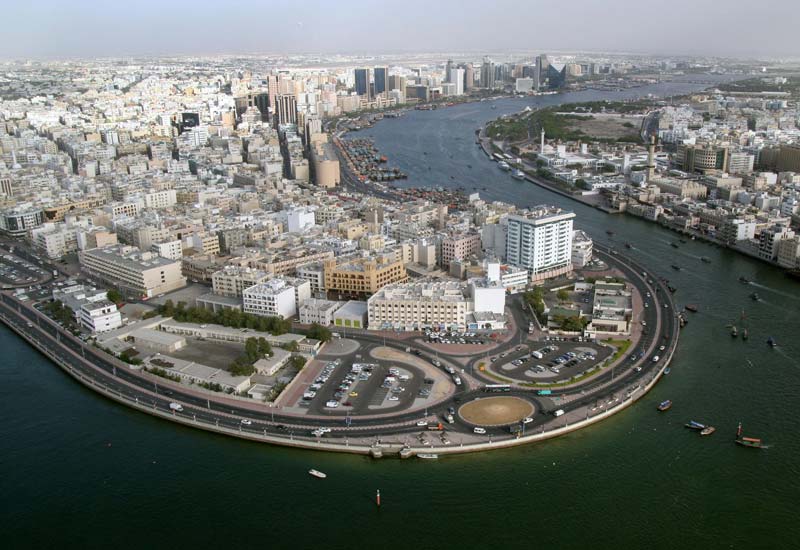
I was recently in Dubai with my wife for a long weekend. If you don’t like shopping, which I fervently do not, if you don’t get much of a kick out of visiting the tallest building in the world, which is definitely my case, if you don’t quite see the point of going skiing in a mall, which I certainly don’t, then your to-do list in Dubai is really quite short. On one side of the saltwater creek which wends its way through the middle of the city

Dubai.creek

you can visit gold and spice souqs of dubious antiquity. On the other side, you can visit a small remnant of the old town, saved, so it seems, from the wrecker’s ball by the intercession of Prince Charles with the Sheikh of Dubai. You can follow this up by a visit to the Dubai Museum, housed underneath a quaint little old fort and filled with a rather pathetic set of dioramas showing the old ways of life in the sheikhdom. A 20 minutes’ walk downcreek will bring you to the Sheikhs’ old residence (or rather, a nearly complete reconstruction of it) filled with some old photos of Dubai. You can cross from one side of the creek to the other in supposedly old wooden boats which ply the waterway. And that’s it. Of the four days that my wife and I spent in Dubai, we actually only needed two to visit the city itself. We used one of the days to visit Abu Dhabi (or rather, the planned eco-city district of Masdar) and while I was sitting in a conference my wife used another to visit Al Ain, an oasis town some two hours’ drive from Dubai.

Now don’t get me wrong, it’s really very pleasant to wander around without haste, poking your nose in here and there, snapping photos of this and that, taking long lunch and coffee breaks, and enjoying mild and sunny weather. But what really got my goat was a small exhibition which we stumbled across somewhere in the souqs, which proudly announced that some time this year Dubai expected UNESCO to nominate the creek and its immediate surroundings as a World Heritage Site. Give – me – a – break! The Dubai creek a World Heritage Site?! That’s ridiculous!! For those readers who may not be familiar with this UN programme, I should explain that it implements an international convention, the Convention concerning the Protection of the World Cultural and Natural Heritage, whose purpose is to protect and conserve for present and future generations cultural heritage (monuments, groups of buildings, sites) or natural heritage (natural features, geological formations, natural sites) of outstanding universal value. Please note: outstanding universal value. Those are big, big words. Put another way, the sites which are nominated as World Heritage Sites should be so fantastic that it would be a crime for me and every other citizen in the world not to do everything in our power to protect them for future generations to marvel at. Does that describe Dubai creek? I – don’t – think – so!

I had first entertained serious doubts about the World Heritage Site listings when we went on a family holiday to Finland some ten years ago. I had seen that a church along our itinerary had been listed. Intrigued, I dragged the somewhat unwilling family to visit it (to this day, my children remind me of this and other churches I forced them to visit in Finland). What we were confronted with was a small, rustic church whose three main claims to fame were (a) that it was quite old, (b) that it was made entirely out of wood, and (c) that no nails had been used to make it … this was “outstanding universal value”?? Puh-lease! My cynicism over World Heritage Site listings only deepened over the following years as everywhere I went I came across really quite ordinary sites which had been listed. UNESCO’s convention has obviously been hijacked by the tourism industry and its hacks in Ministries of Tourism to brand national sites and raise tourism revenues. And no doubt political correctness has reared its head. It won’t do for just a few countries to have all the heritage sites of outstanding universal value, every country should be able to claim at least one …

This debasing of the World Heritage Site brand is a pity, because I think there are a number of places around the world which through some magical combination of geometry, colour, light, and siting really do have an outstanding and universal value to all of us in the world and whose preservation truly deserves the concerted attention of the global community. My wife and I put our heads together, and what follows is our list. Its main weakness is that it is based only on places which we have seen – so much of the world for us still to see …

Since Dubai got me going, I’ll start with cityscapes:

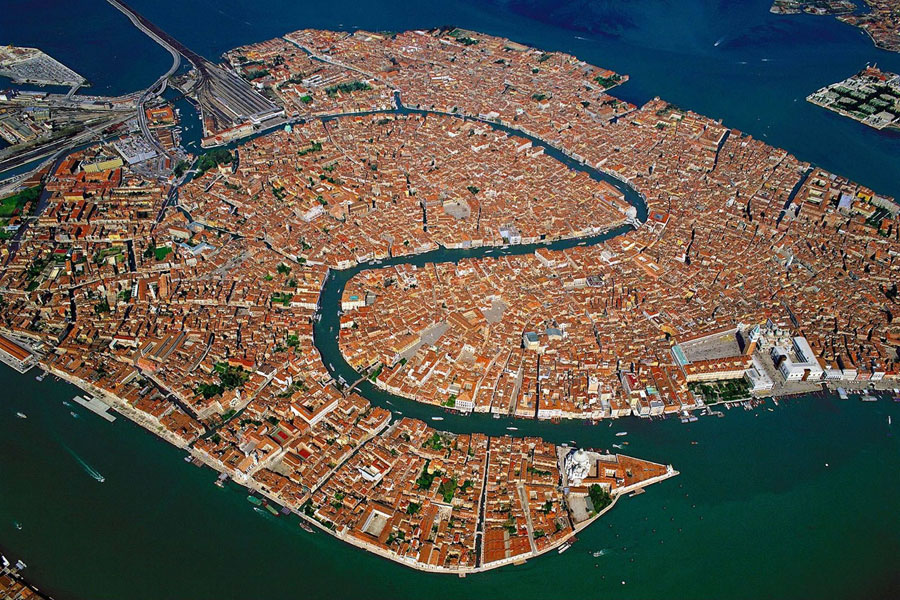
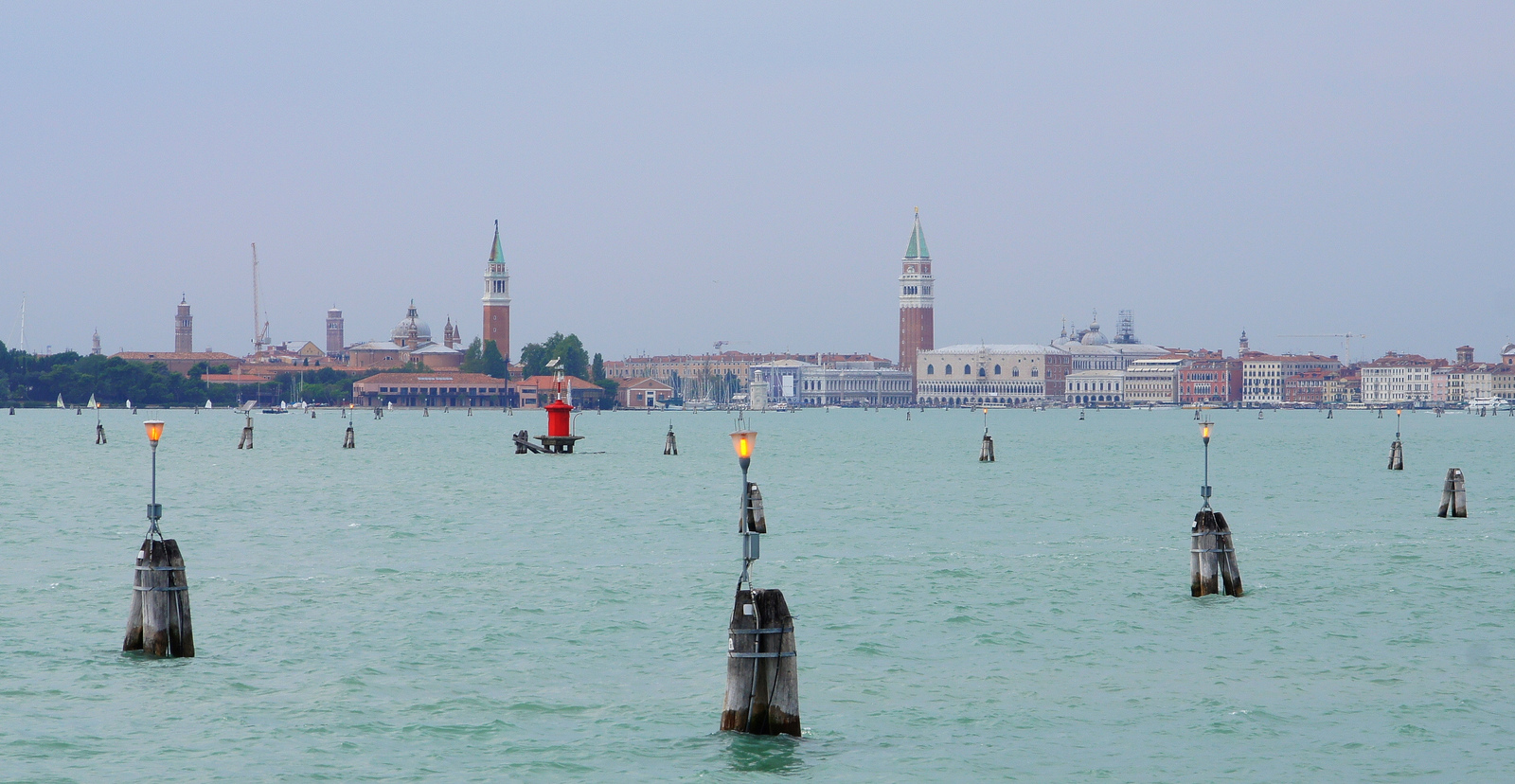
– Venice, which must be the most beautiful city in the world

venice-aerial

view from ferry

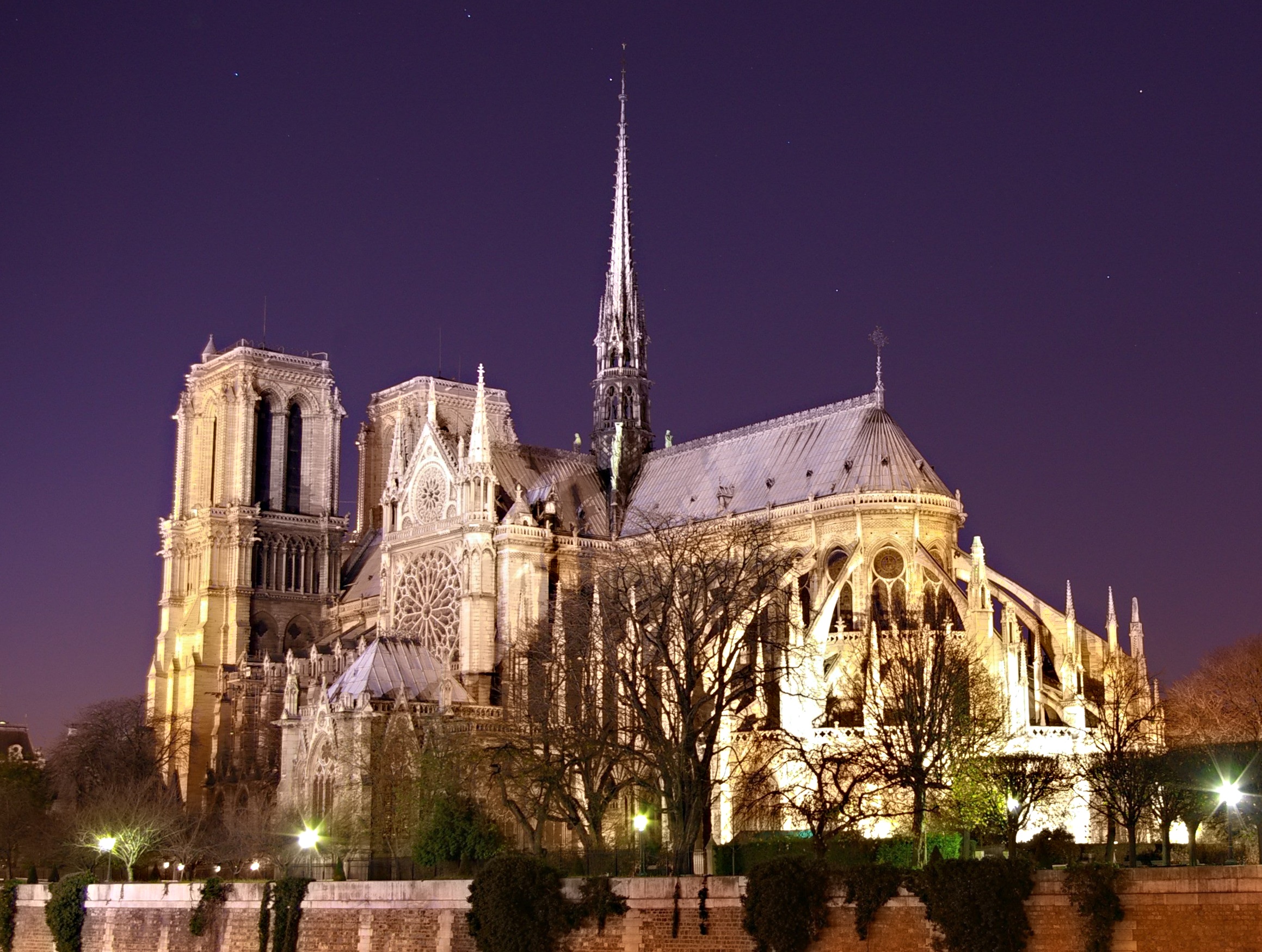
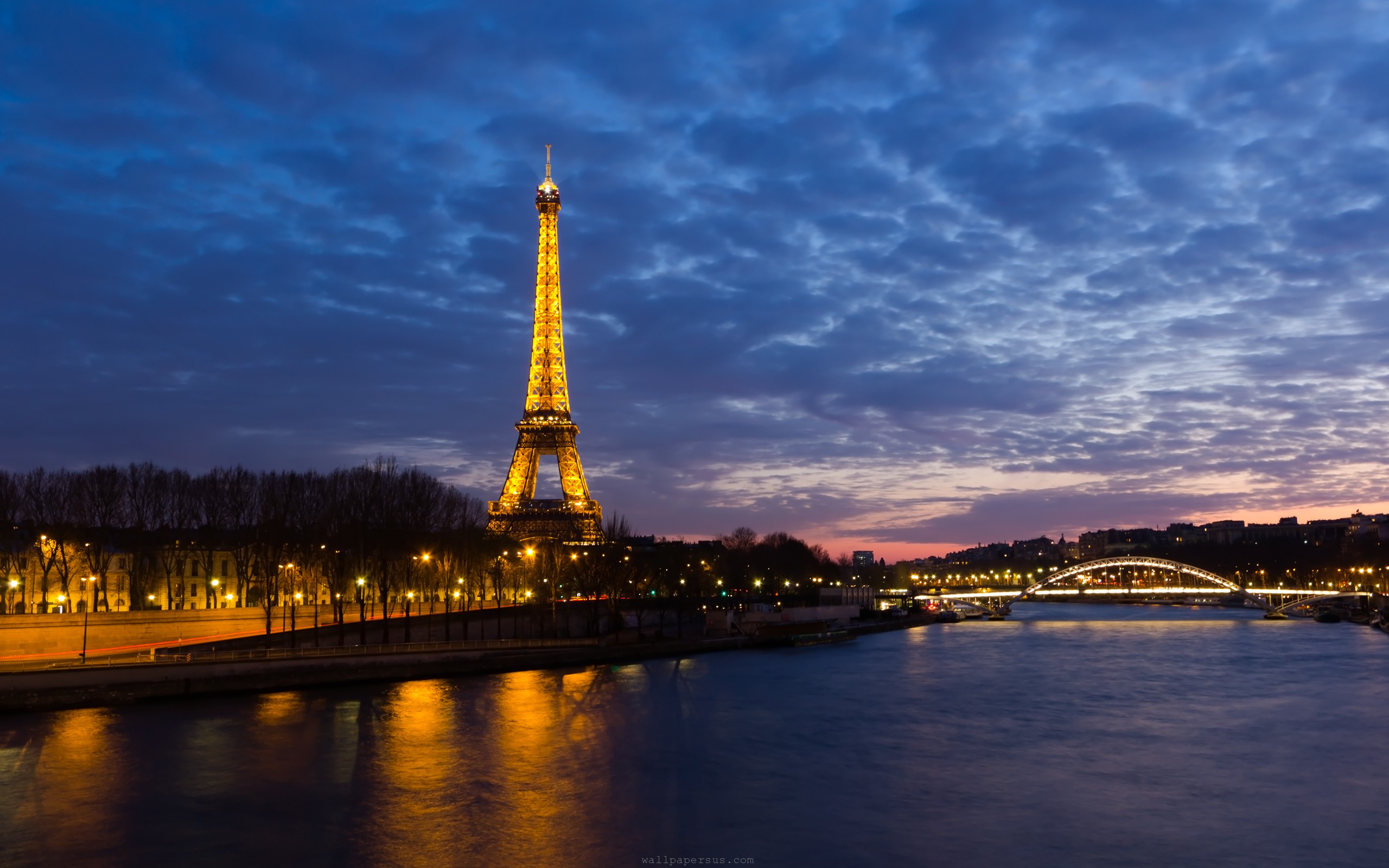
– Paris, especially the part along the banks of the river Seine running from Notre Dame Cathedral to the Eiffel tower

Paris-Notre Dame

Paris-Eiffel tower

(I find Paris to be at its best at night, when all its buildings are lit up like theatre backdrops)

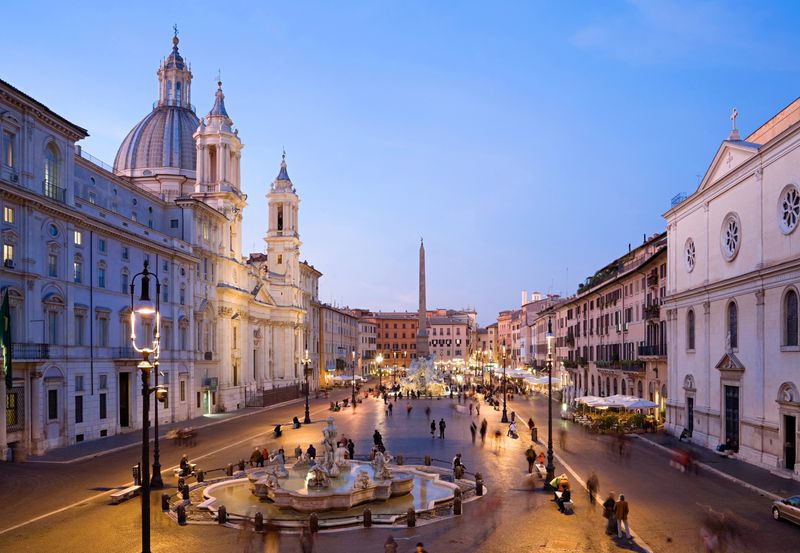
– Rome, especially the Baroque part of the city

Rome Piazza Navona

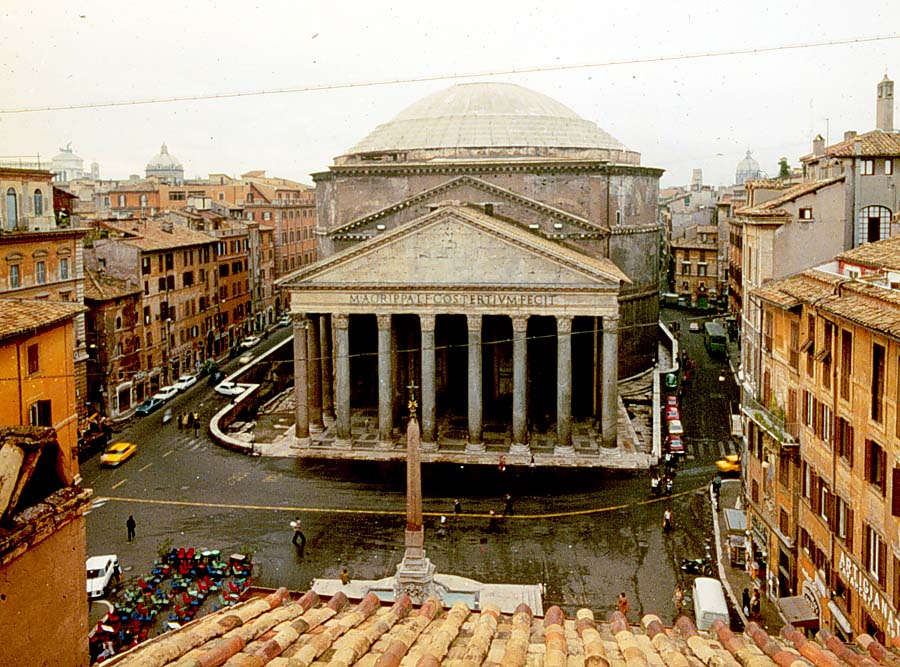
where, though, older Roman urban fabric can poke through

Rome Pantheon

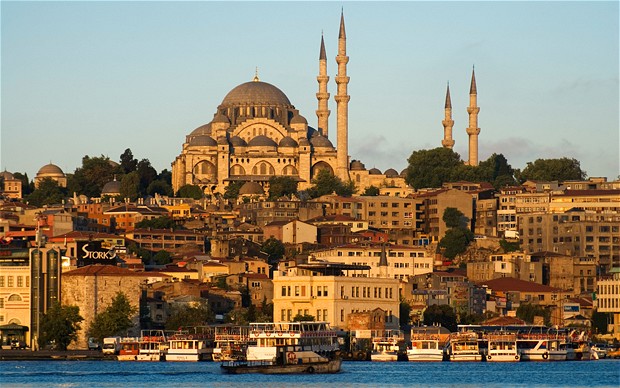
– The historic nucleus of Istanbul, on its peninsula jutting out into the Bosphorus

istanbul

– Old Prague

prague

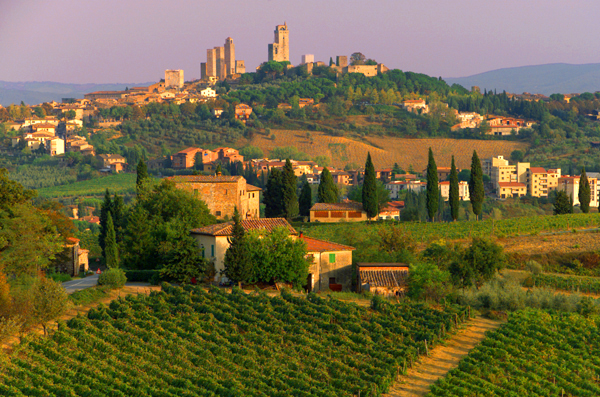
– On a smaller scale, San Gimignano in Tuscany

San Gimignano-1

San Gimignano-2

which can stand for all those wonderful hilltop towns and villages scattered throughout central Italy (Siena, Todi, Gubbio, Assisi, Volterra, Arezzo, Perugia, Urbino, and on and on …)

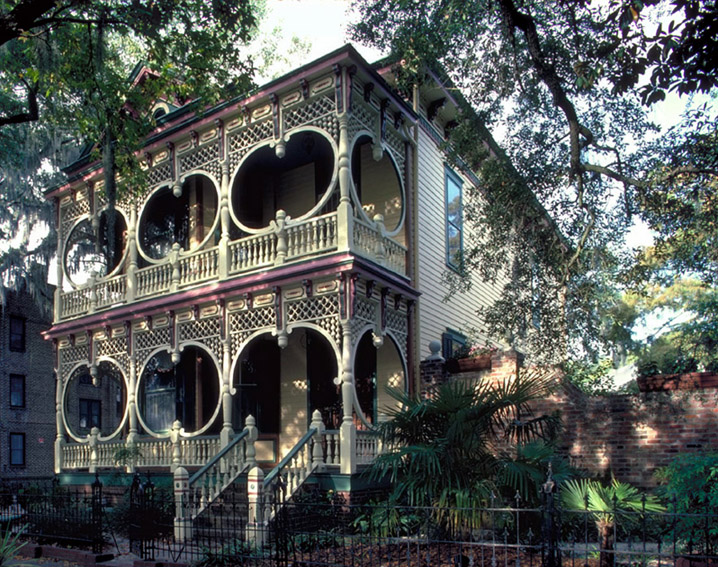
– I will add Savannah in Georgia. My wife and I stumbled on the city by chance thirty years ago, and we were blown away

Savannah-Georgia

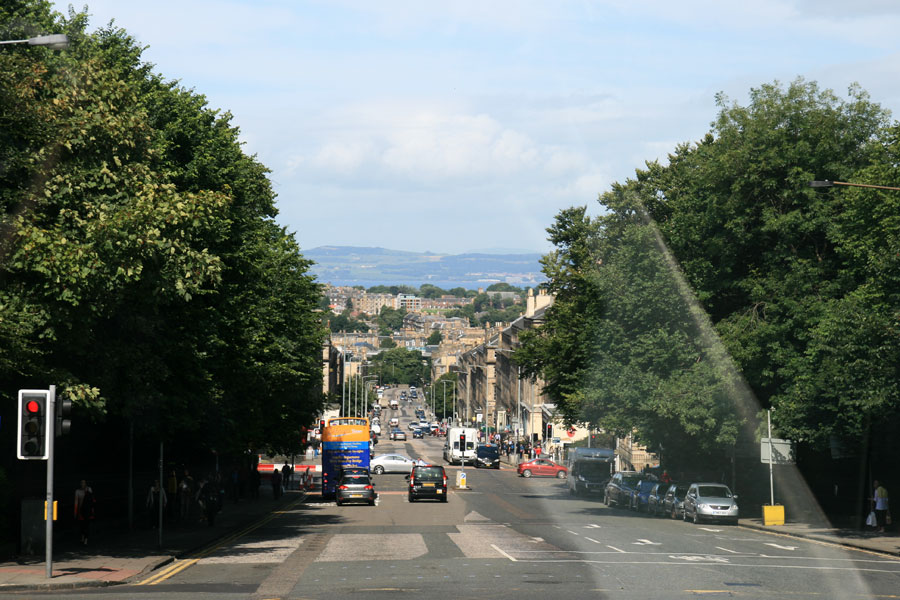
I wonder if I should I add Edinburgh? My wife is doubtful, but the New Town there is really very nice, with a magificent view over the Firth of Forth

edinburgh-3

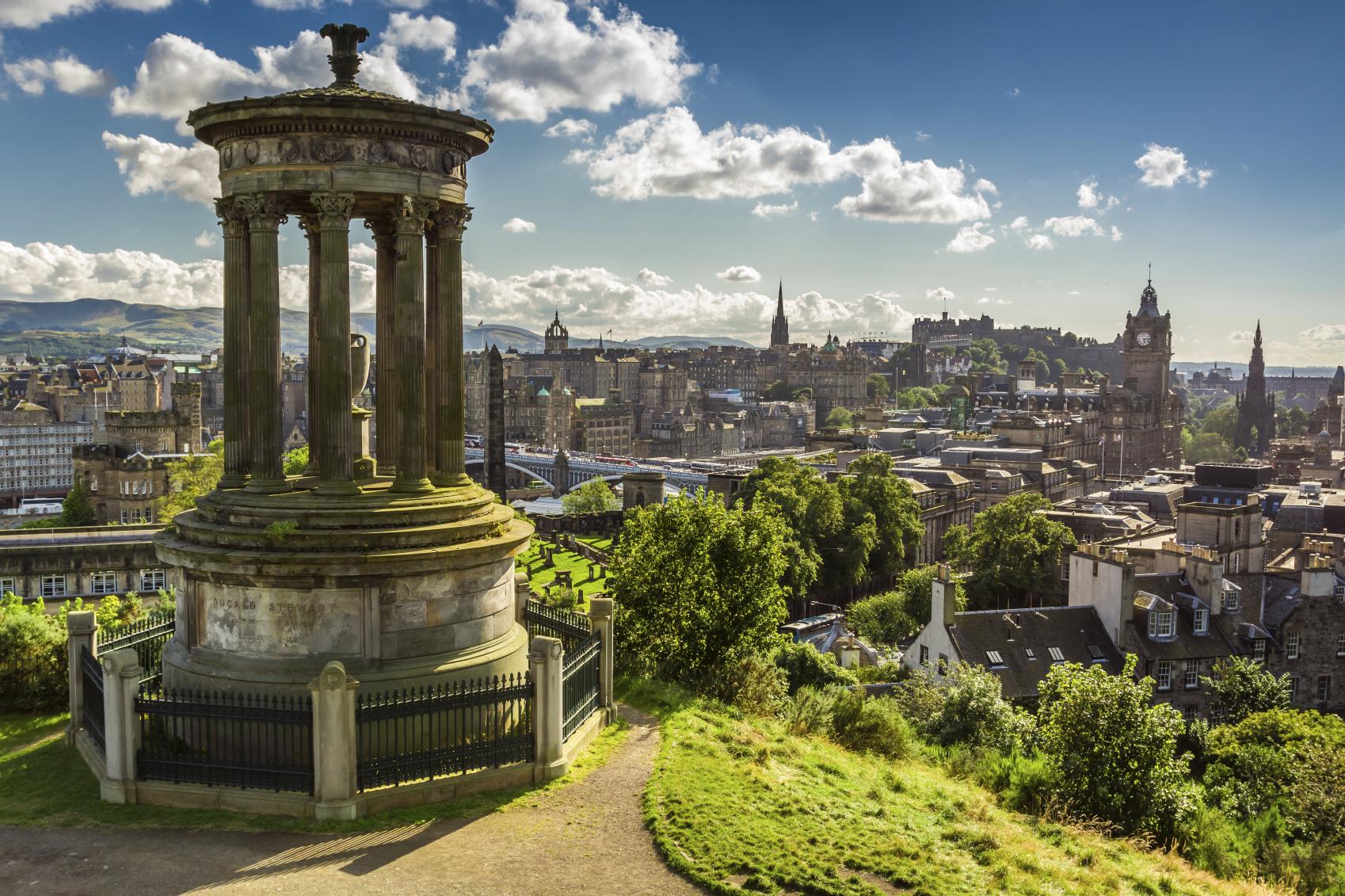
and there is the dramatic backdrop of Edinburgh castle

edinburgh-2

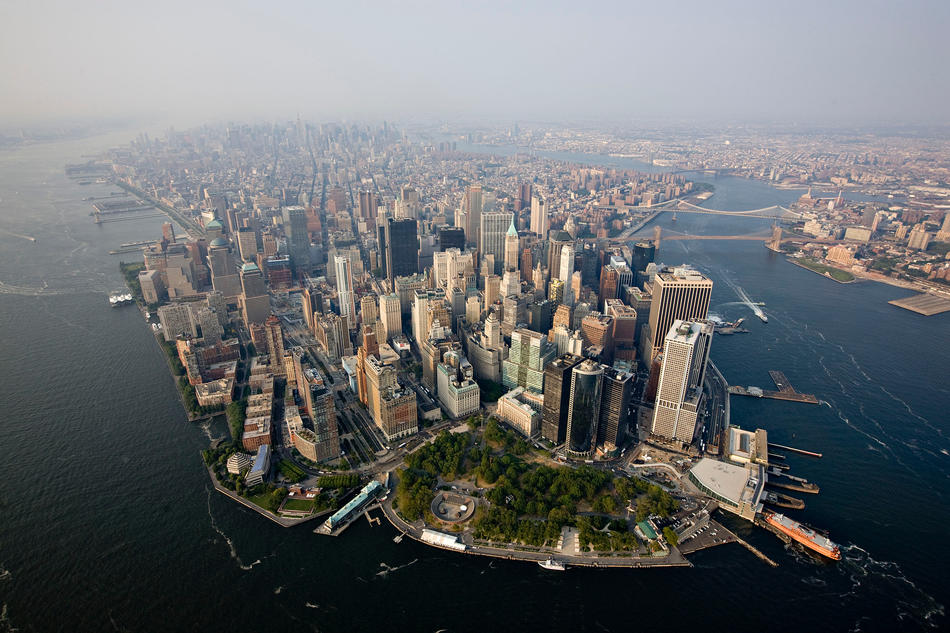
What about Manhattan?

Manhattan Office Vacancy Rate Drops In Second Quarter

I’m torn. Manhattanites certainly think that the borough has outstanding universal value, non-residents may not be so sure.

After cityscapes we list a series of buildings and complexes that stand out because of the beauty of the buildings themselves, often highlighted by their siting:

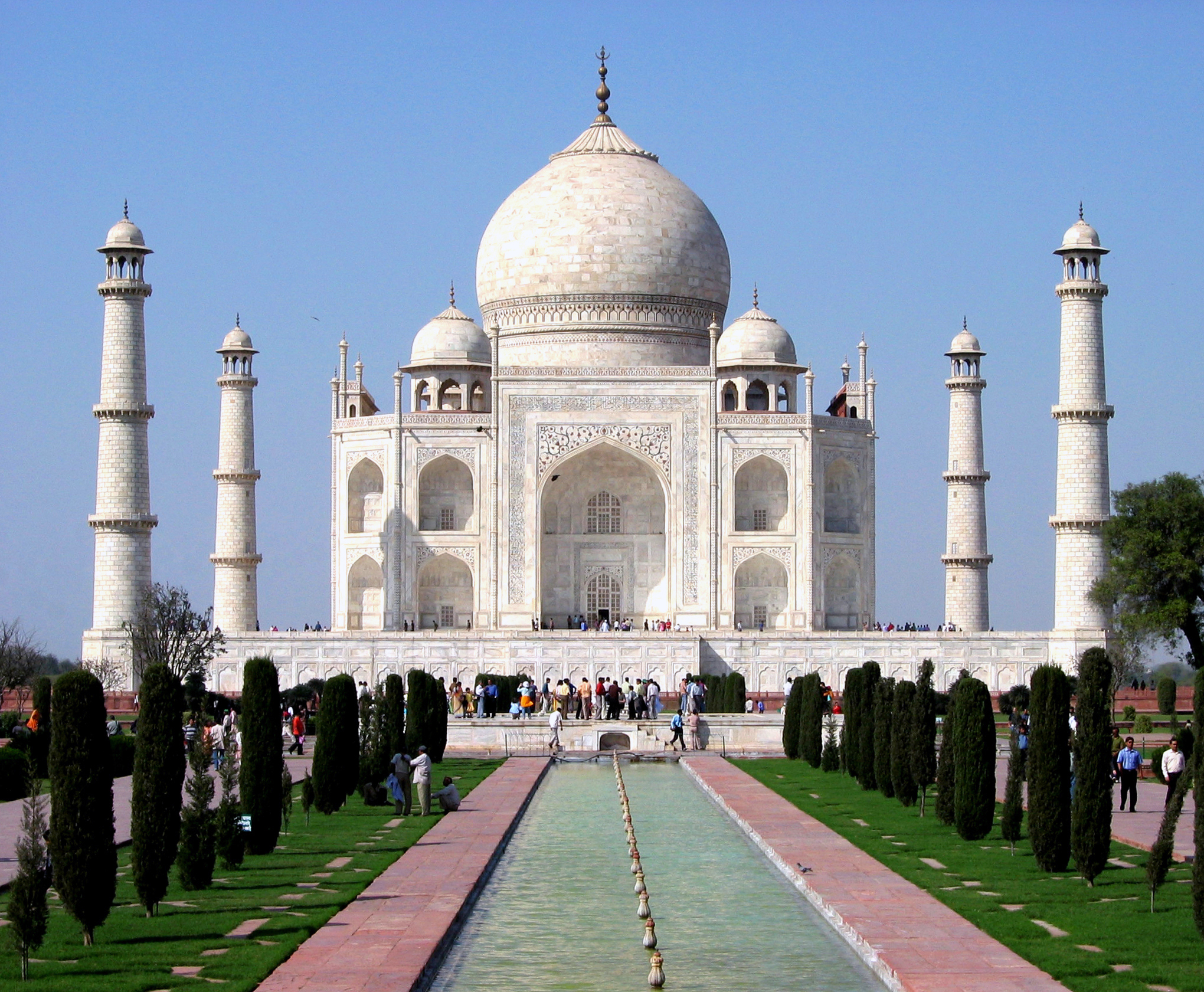
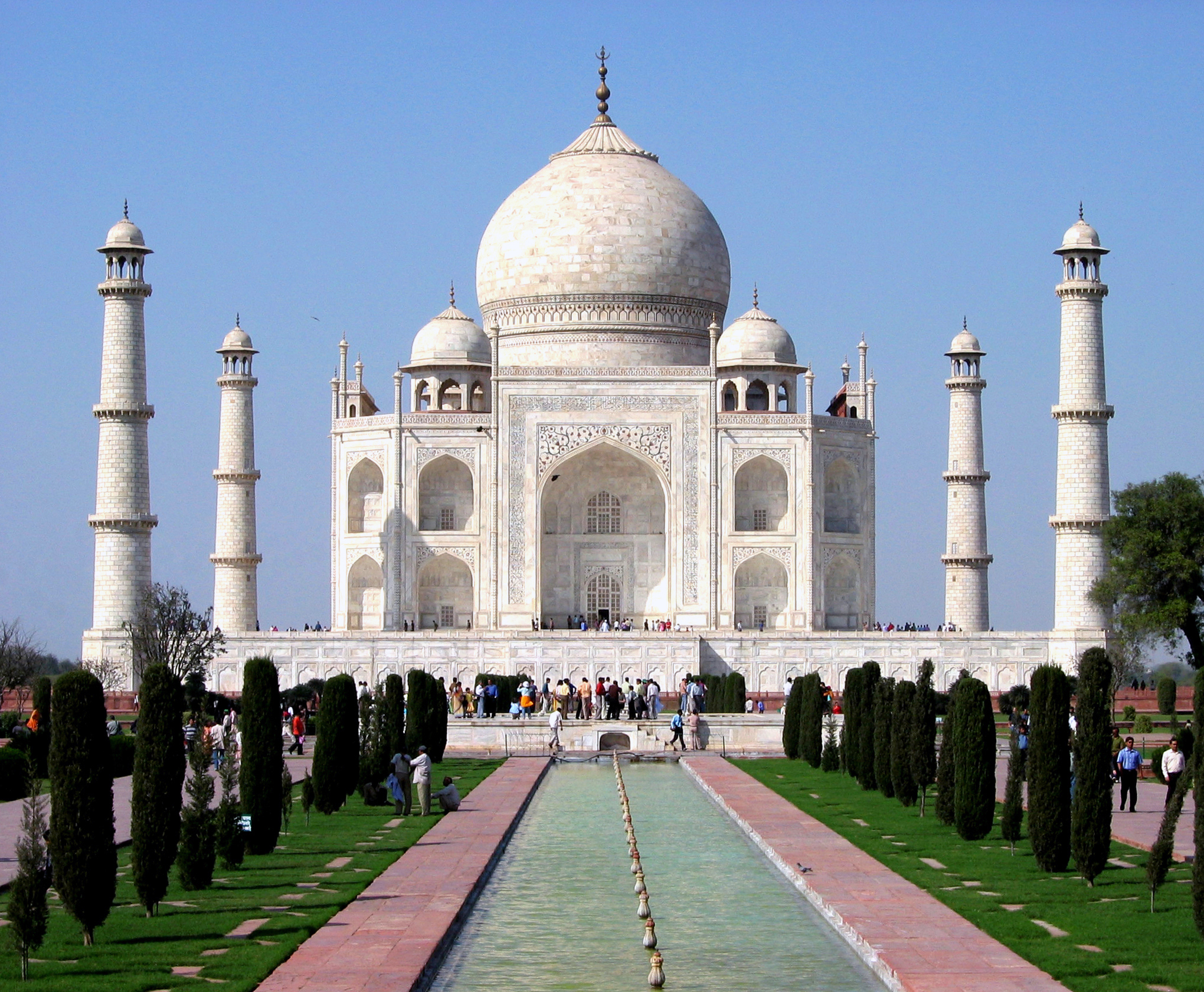
– Taj Mahal, which must be one of the most sublime buildings in the world

Taj Mahal

and which can stand in for a series of wonderful Mughal edifices dotted around northern India (Fatehpur Sikri, the Mausoleum of Akbar at Sikandra, the Jama Masjid mosque in Delhi, the mausoleum of Humayun, …)

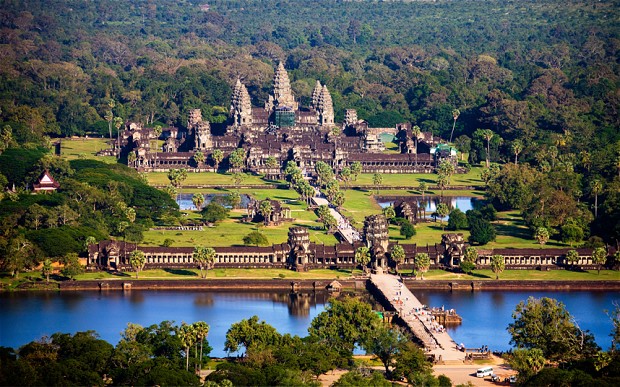
– Angkor Wat

Angkor-wat-2

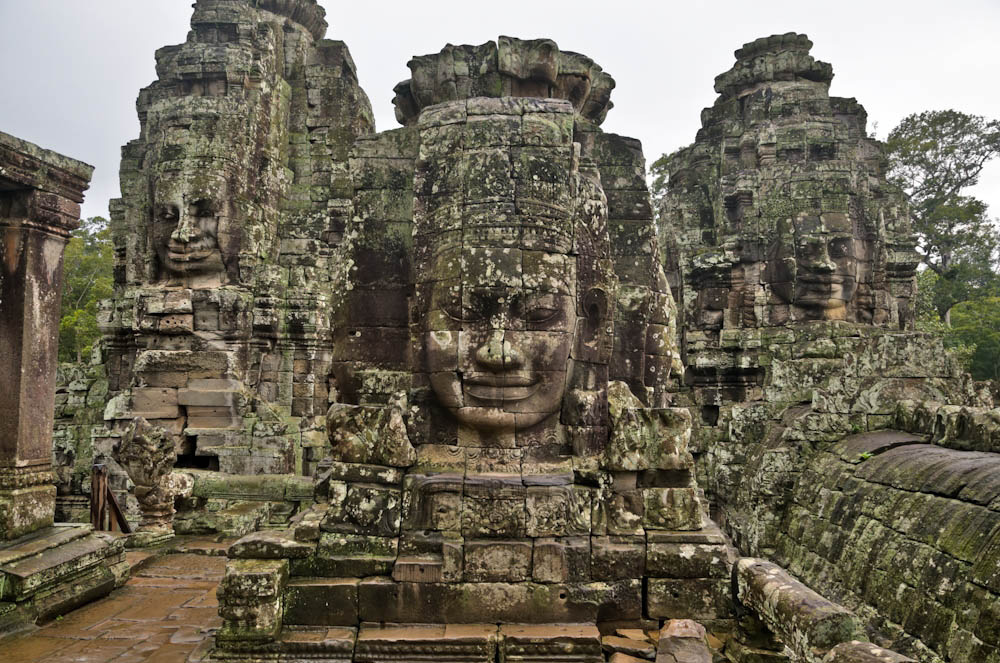
with its wonderful faces carved in the temple walls

Angkor-wat-gods

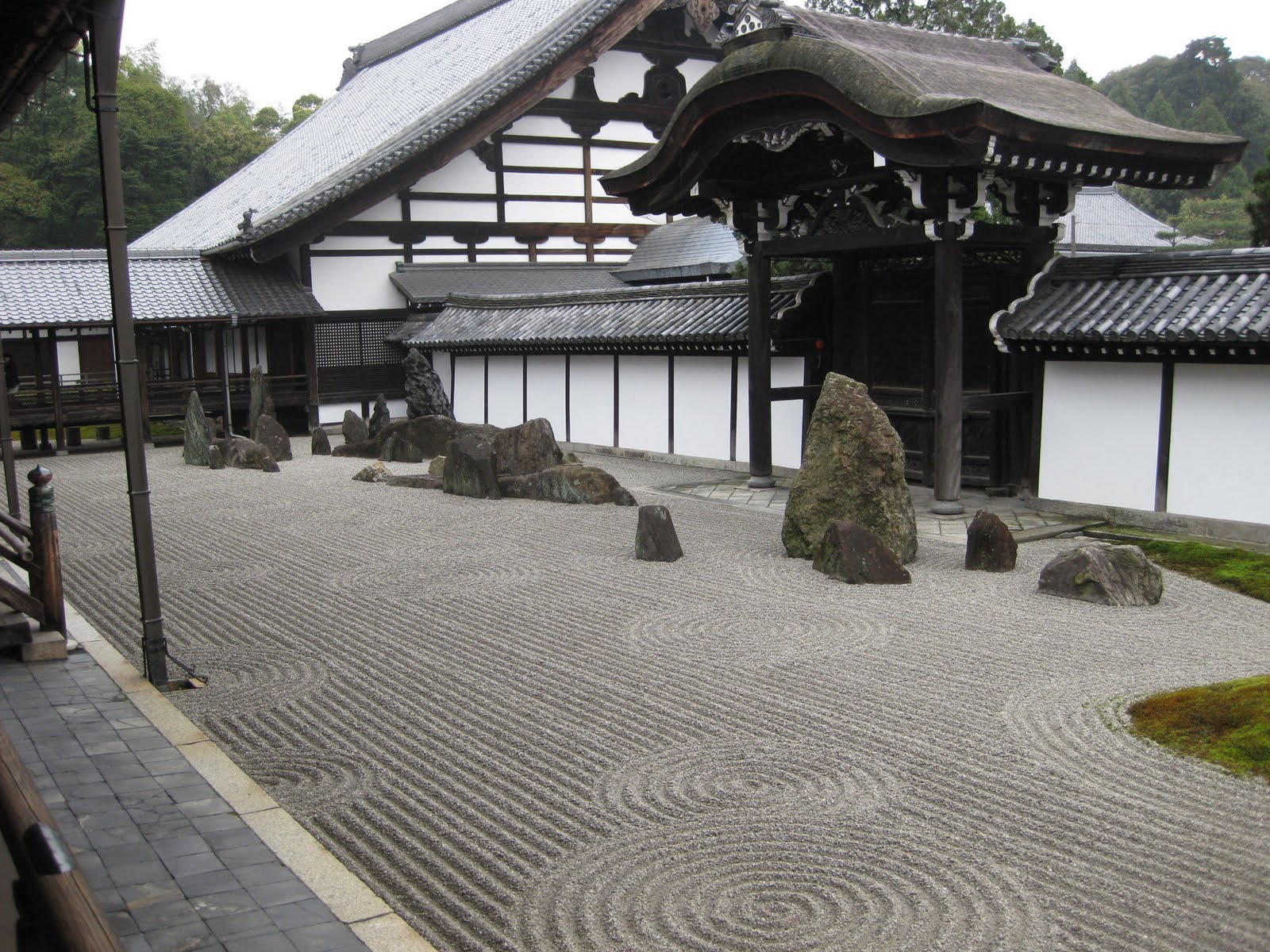
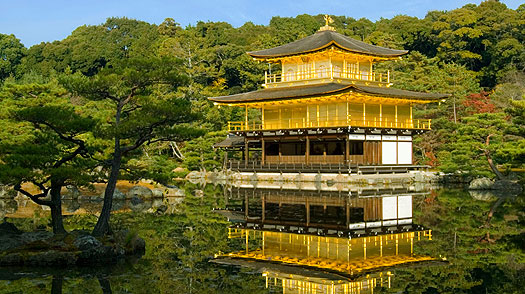
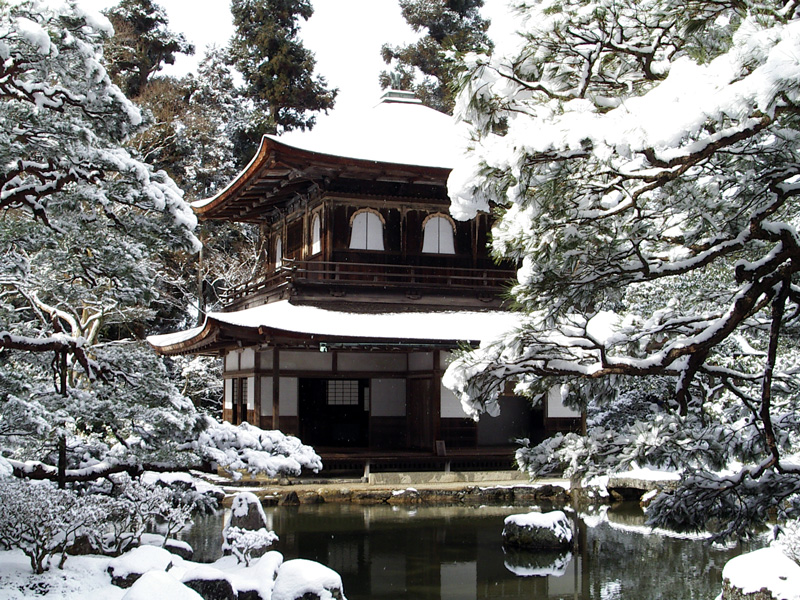
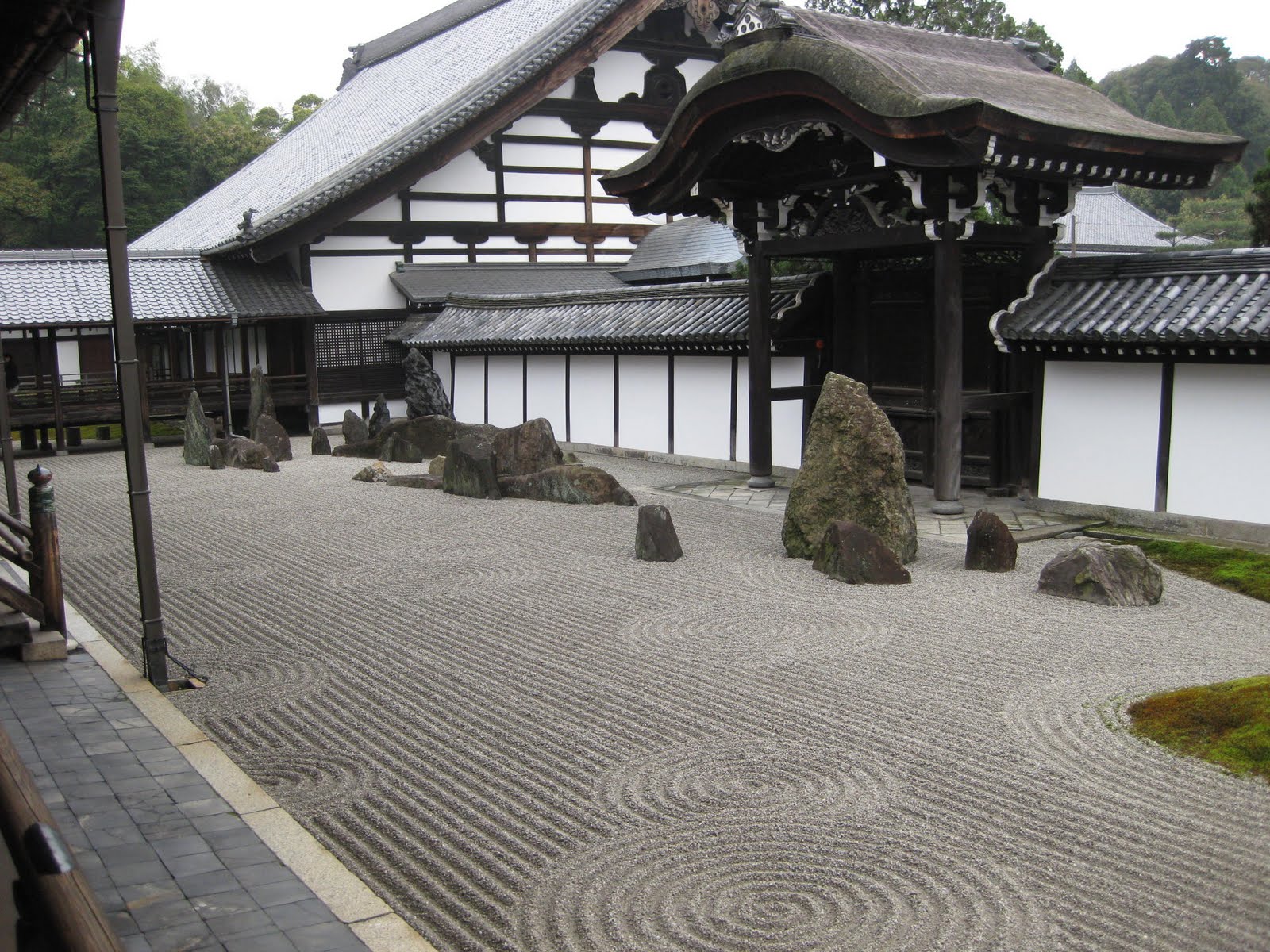
– The rock gardens and temples of Kyoto

Kyoto Tofuukuji rock garden-2

kyoto kinkakuji

kyoto ginkakuji

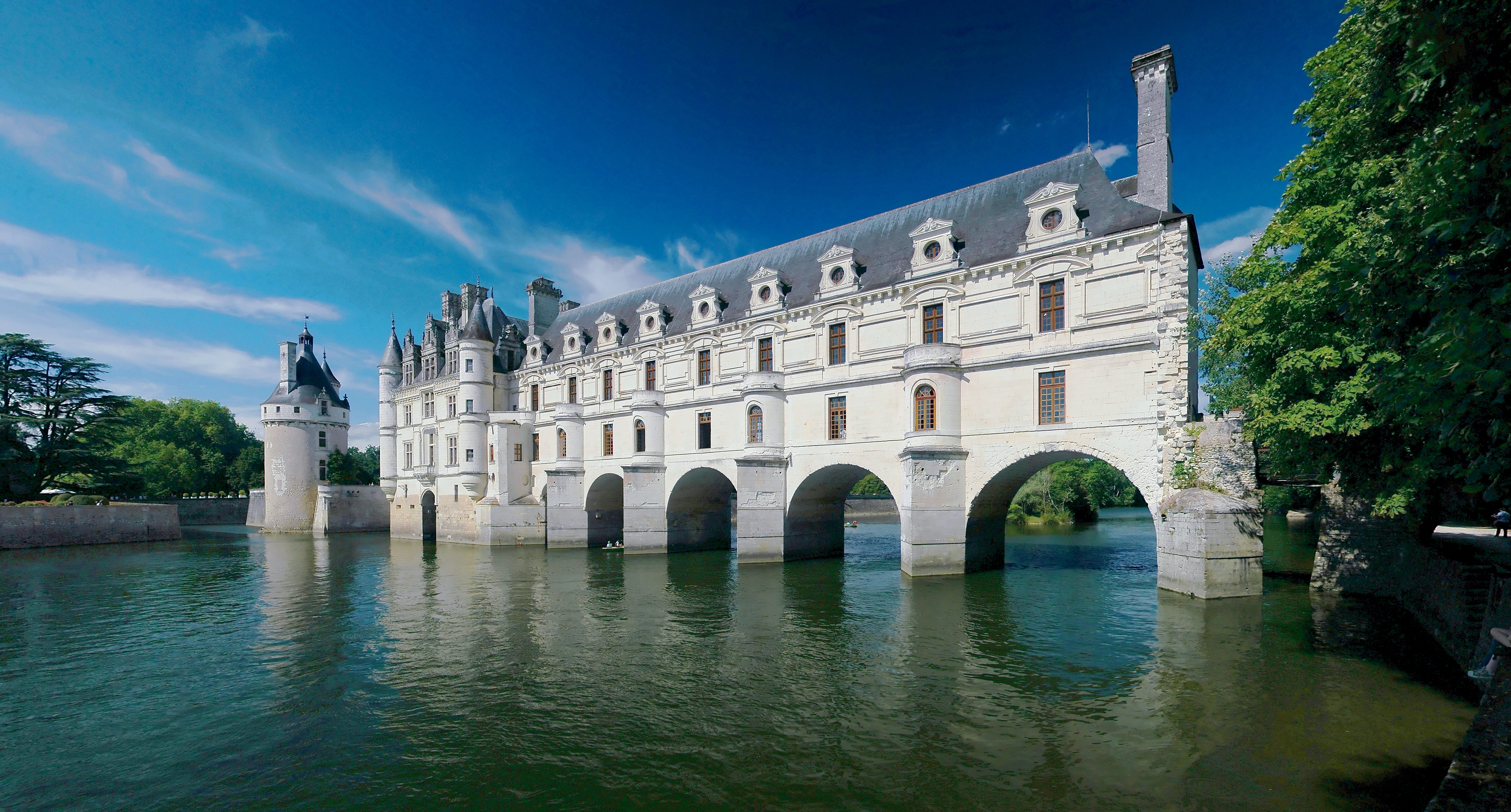
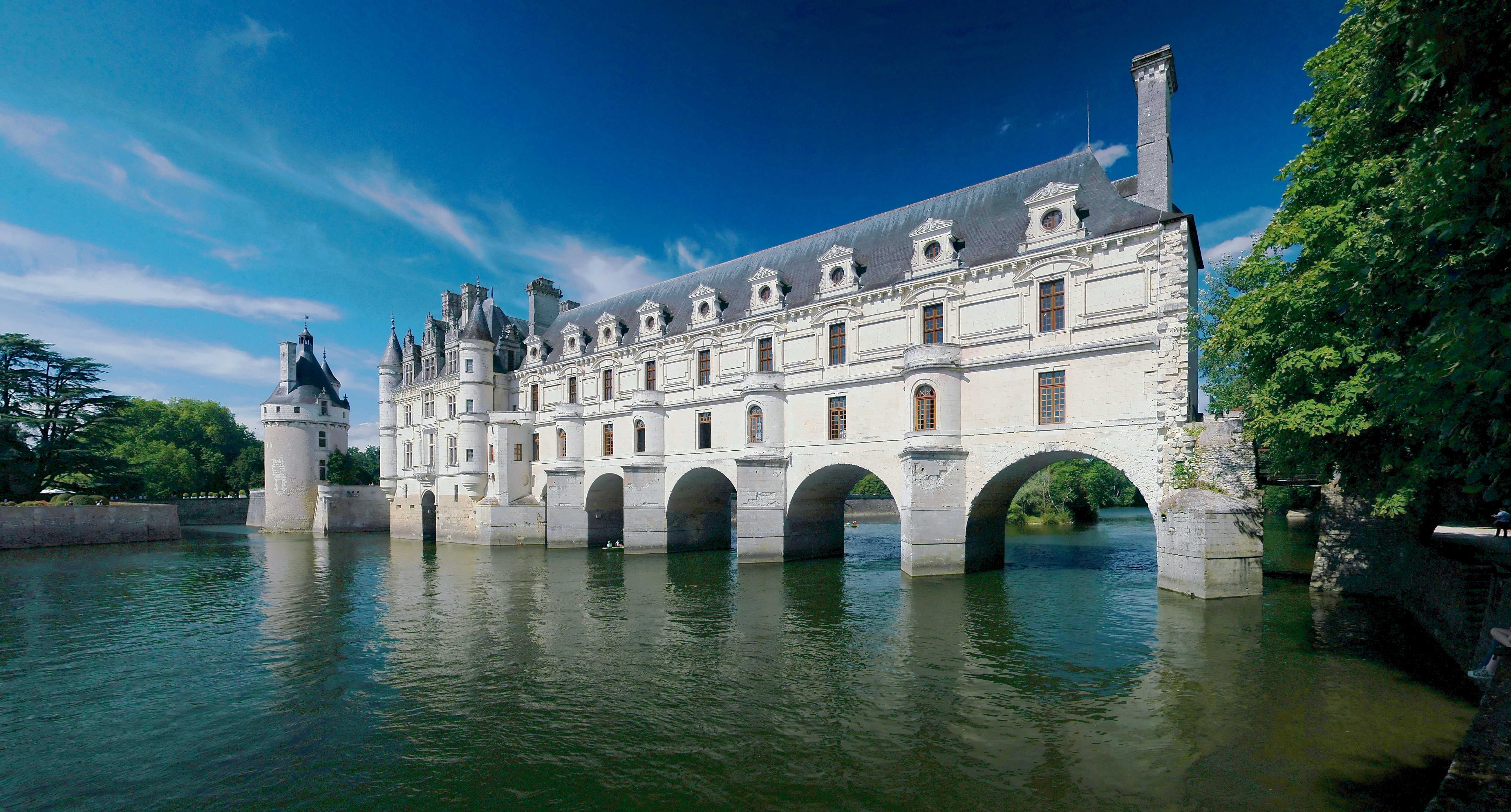
– The chateaux of the Loire in France, especially Chenonceau

Chateau de Chenonceau

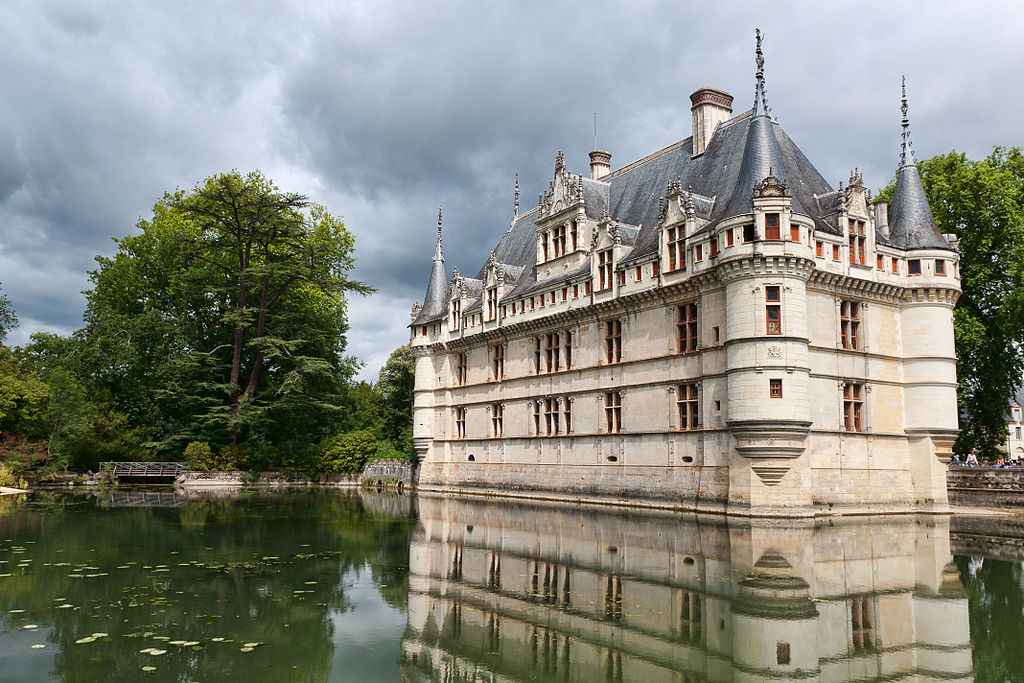
and Azay-le-Rideau

Chateau-Azay-le-Rideau

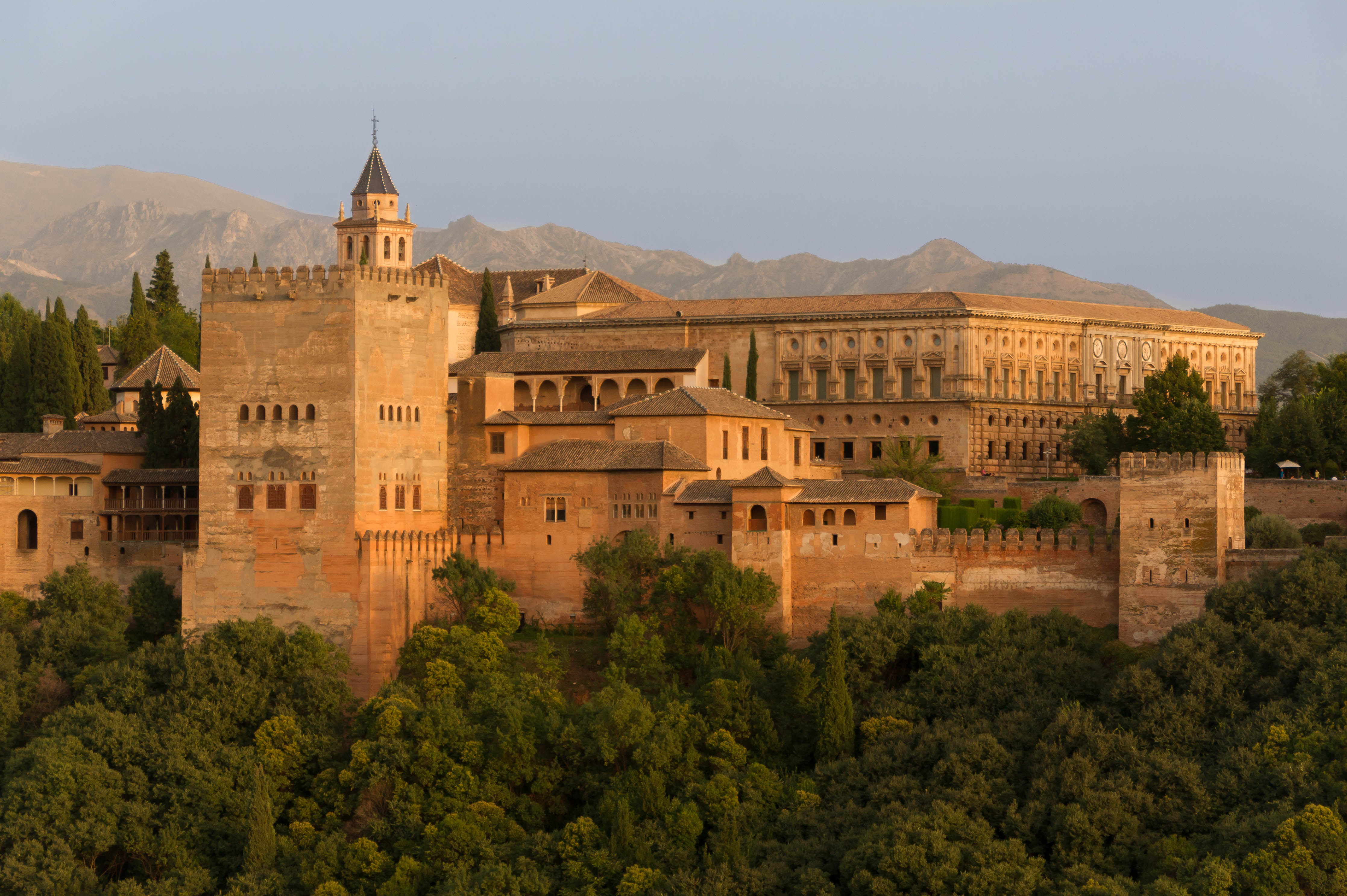
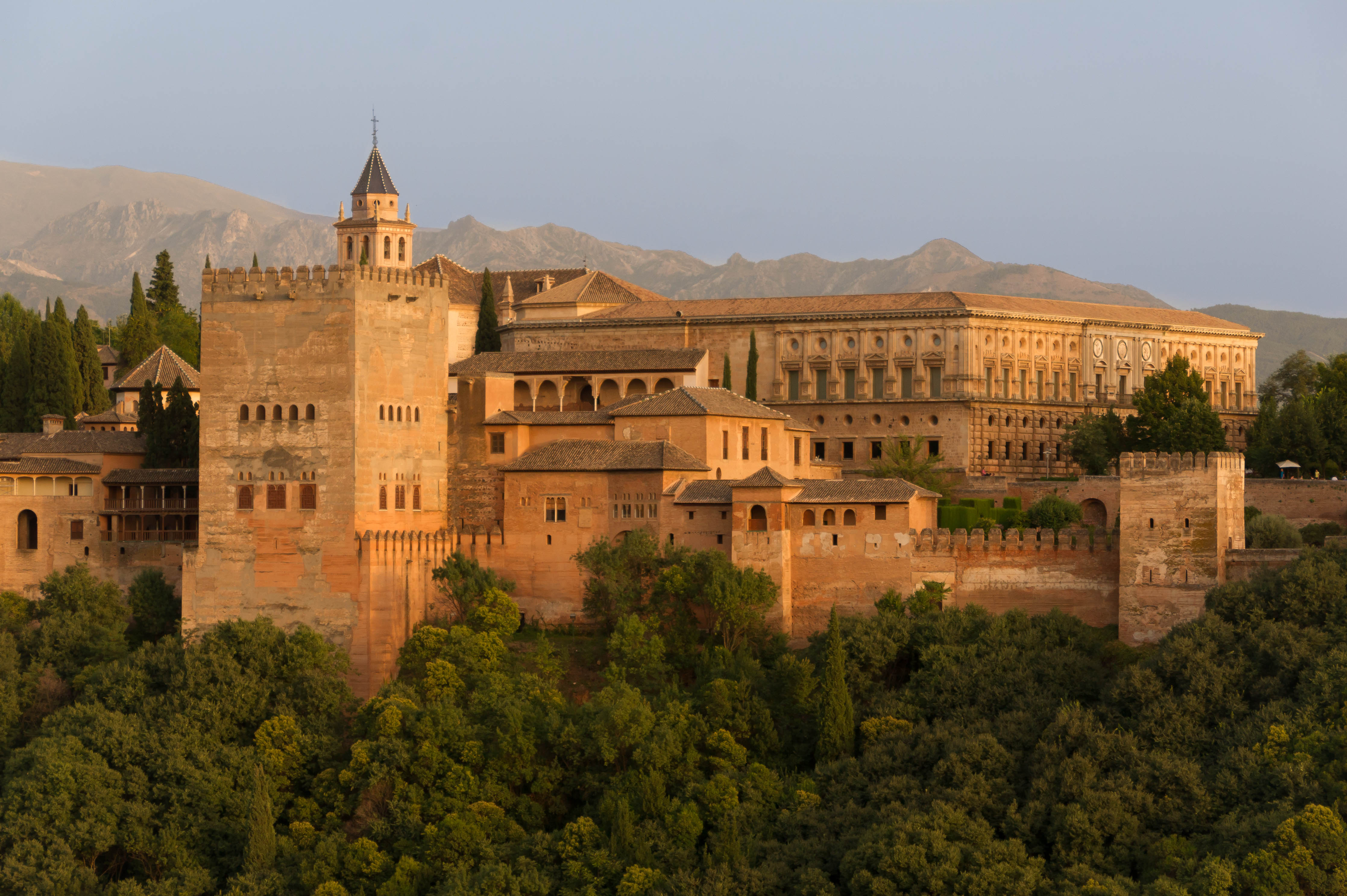
– The Alhambra palace in Andalusia

SONY DSC

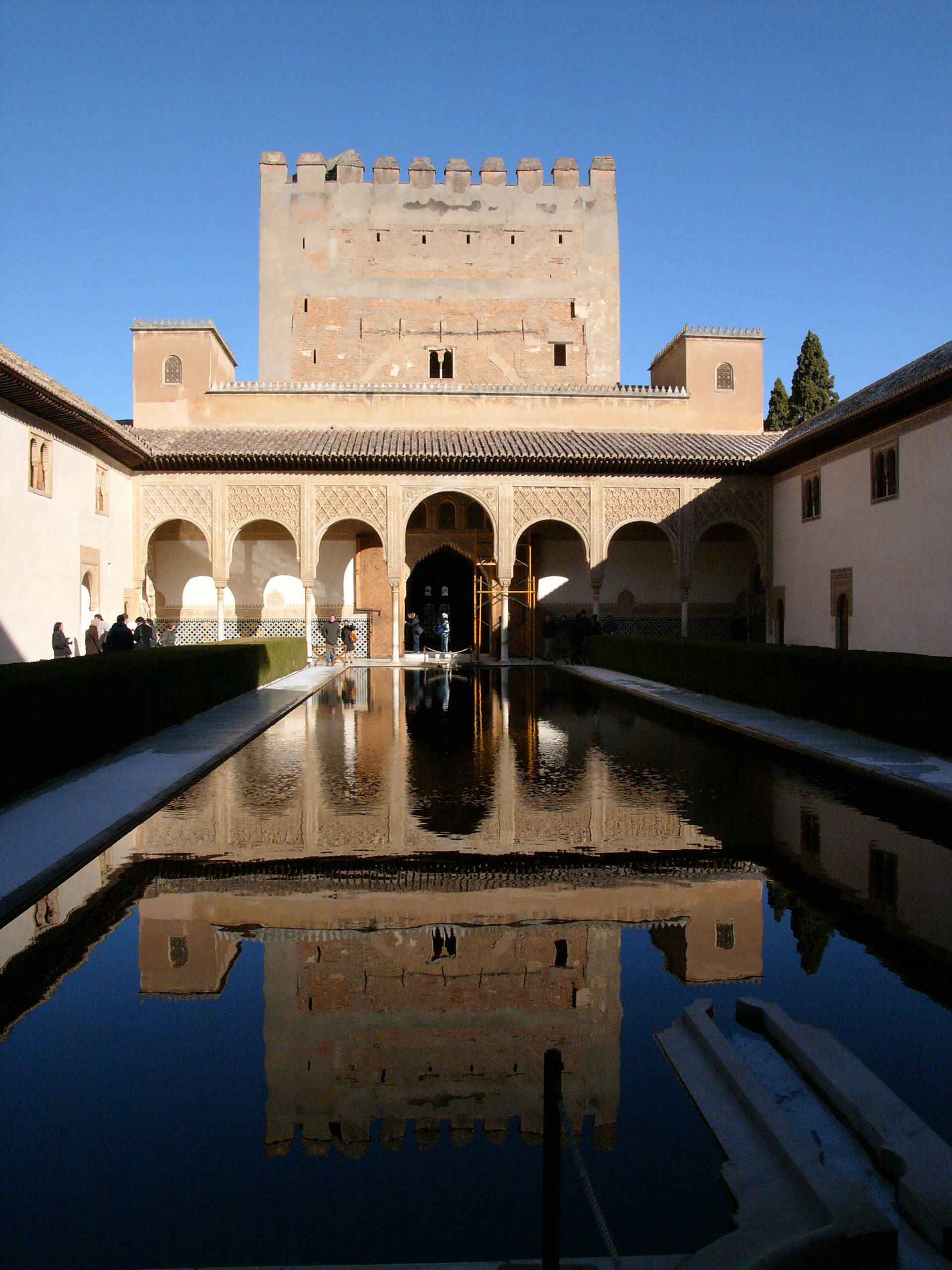
with its typical Arab love of water

Alhambra-2

We don’t just list old buildings. We would add at least two modern buildings:

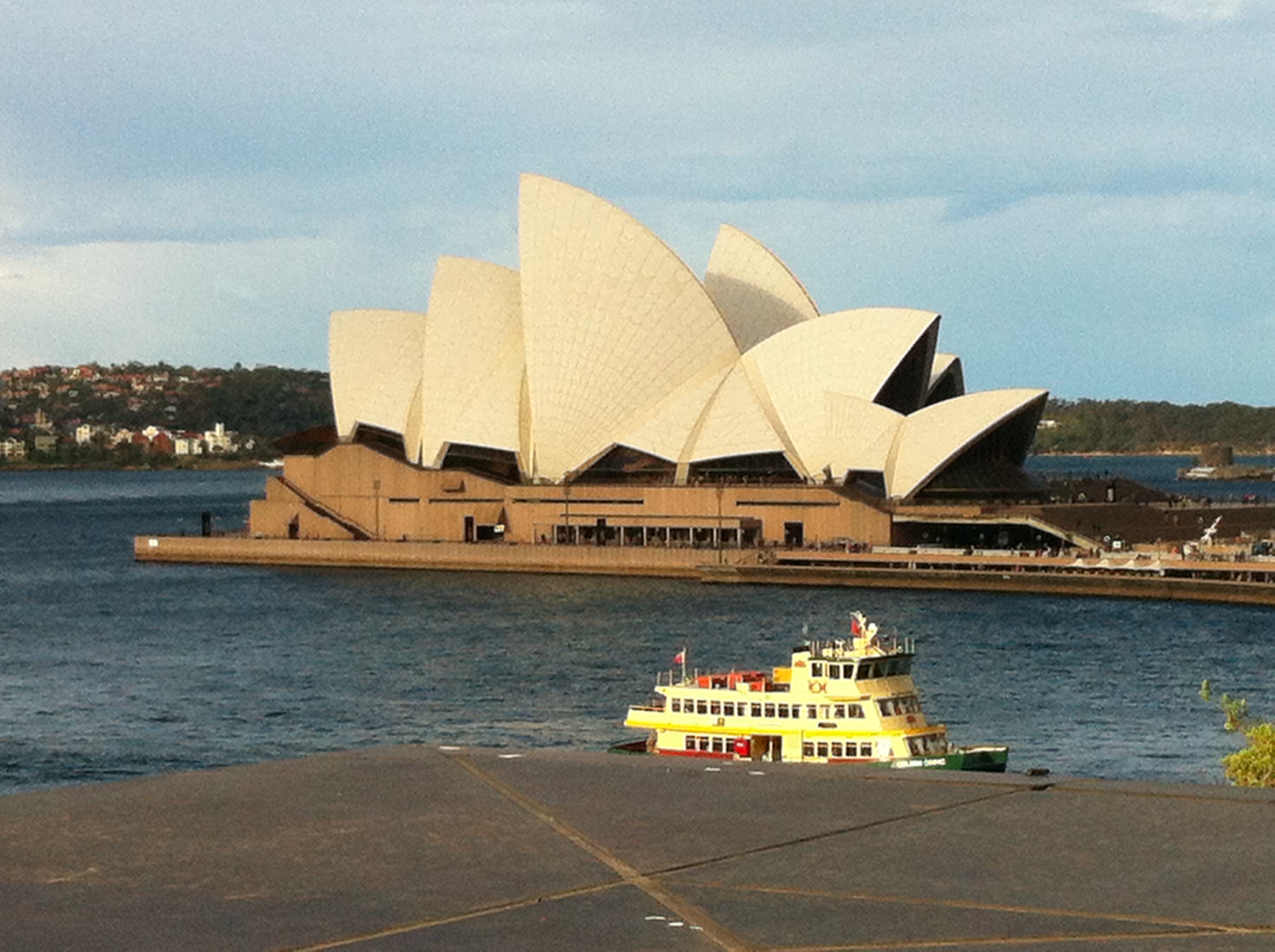
– the Sydney Opera House

sydney opera house 014

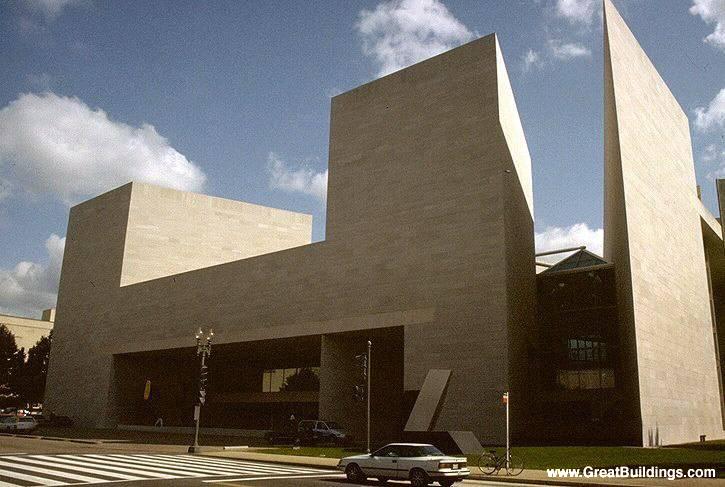
– the east wing of the National Gallery in Washington DC

east wing national gallery

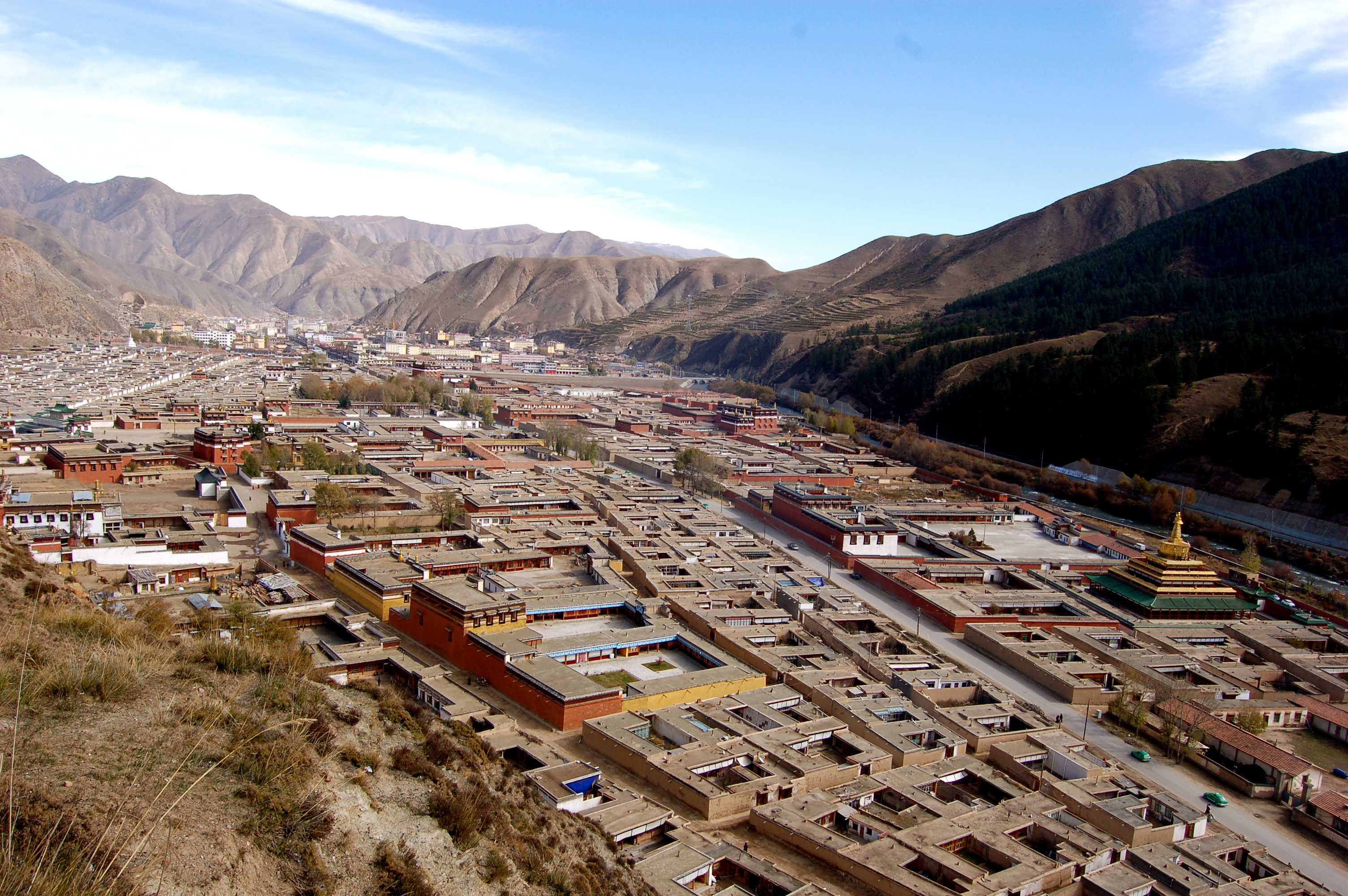
My wife thinks we should also list Labrang, the Tibetan Buddhist monastery-town in Sichuan

labrang

I’m not convinced that it really has outstanding universal value, yet.

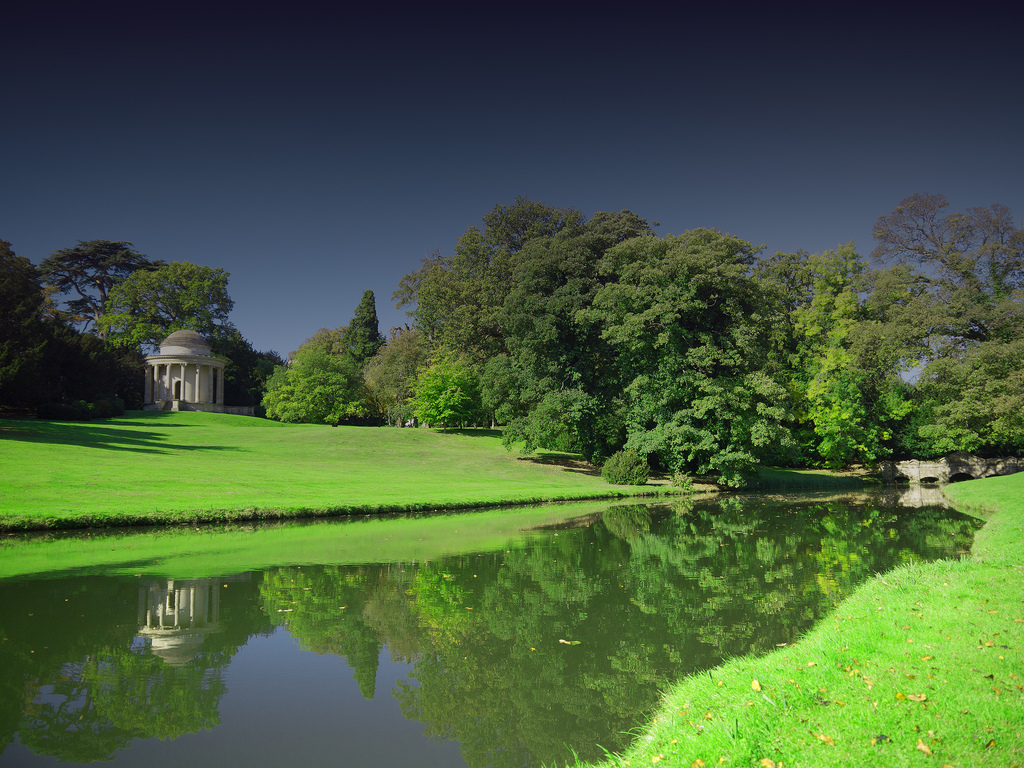
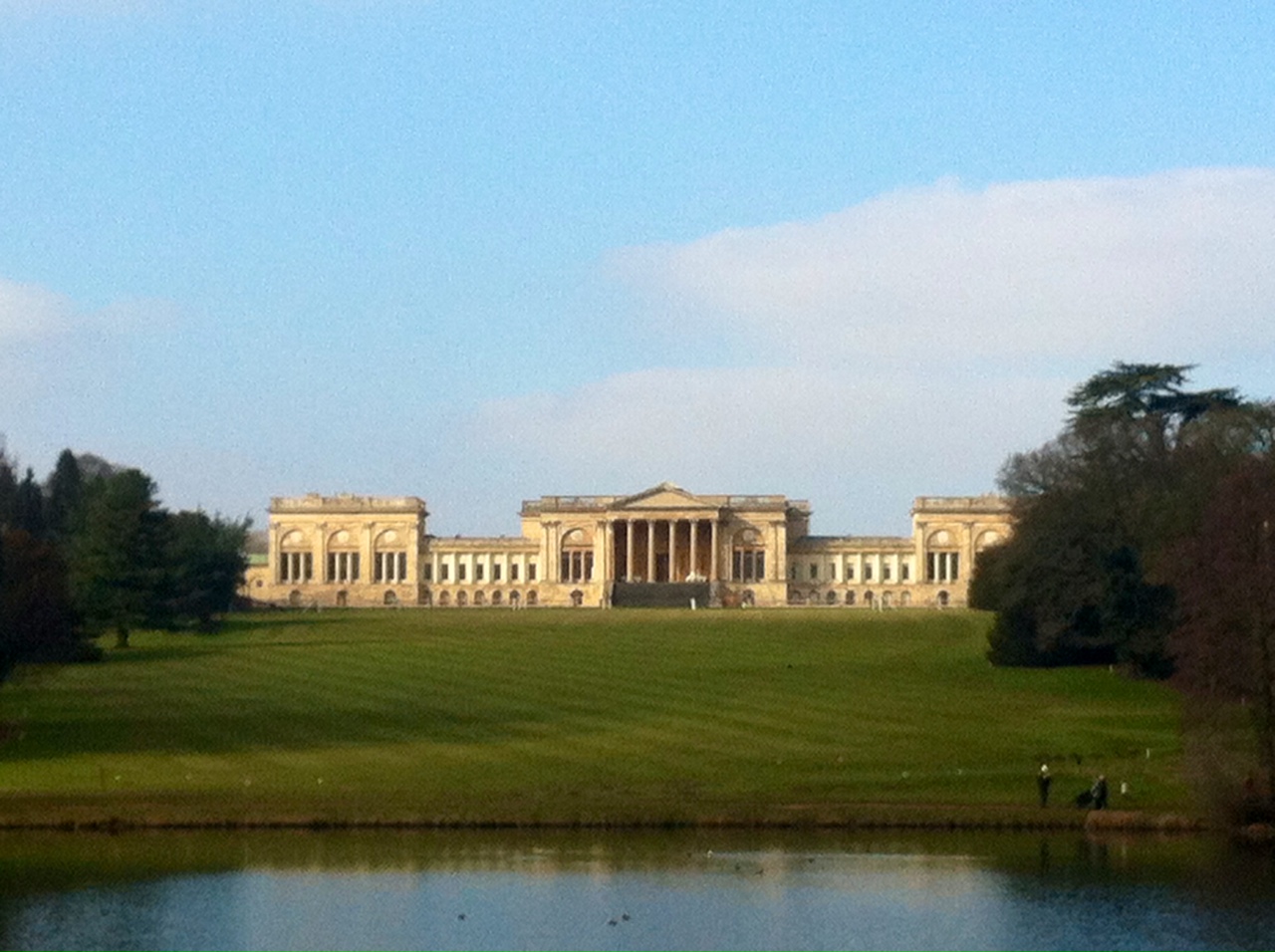
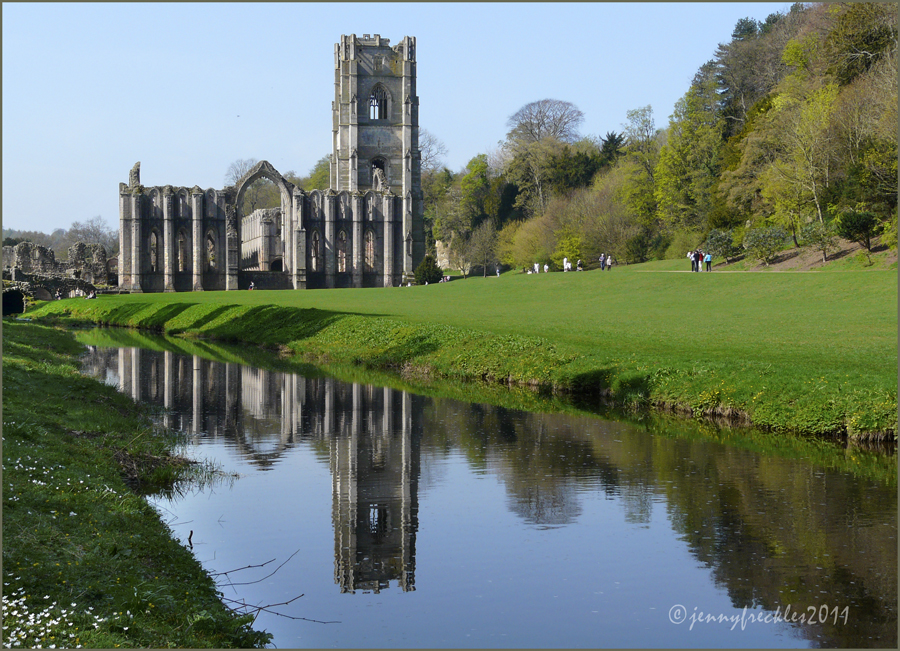
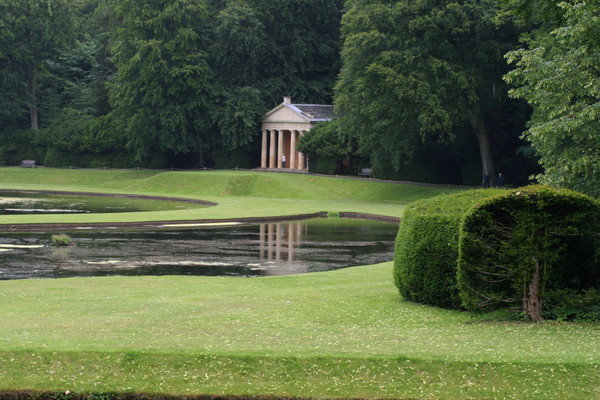
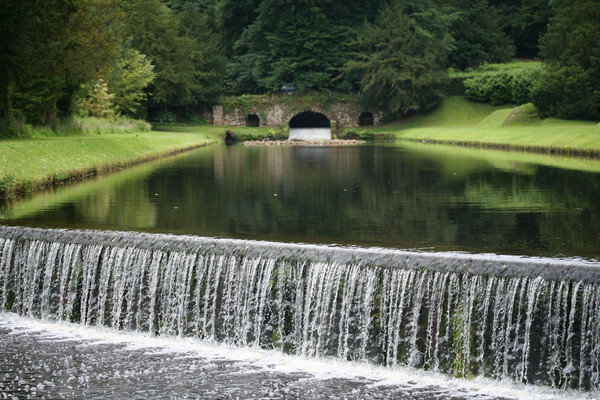
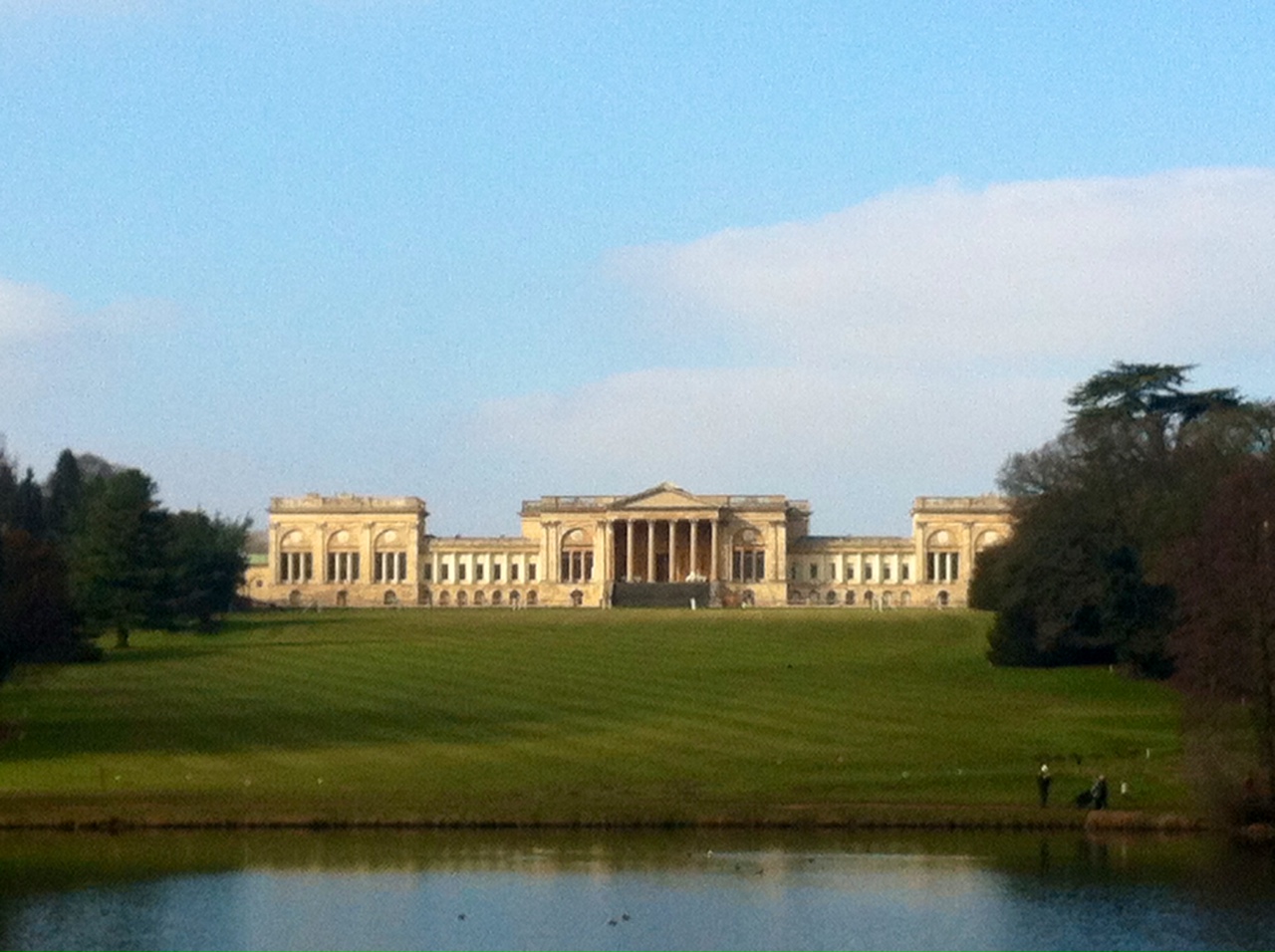
I’ll add here a couple of the wonderful garden-parks which were created around some of the grander country houses in the UK in the 18th century.

– Stowe gardens

Stowe-Landscape-Gardens

Stowe gardens-house

– Fountains Abbey and Gardens

fountains abbey

fountains abbey gardens-1

fountains abbey gardens-2

Which brings us naturally to our last list, our choices of natural heritage sites of outstanding universal value. We would start with the canyons in the American west. Rather than list the Grand Canyon, which some might consider the natural choice, we would list some of the smaller canyons:

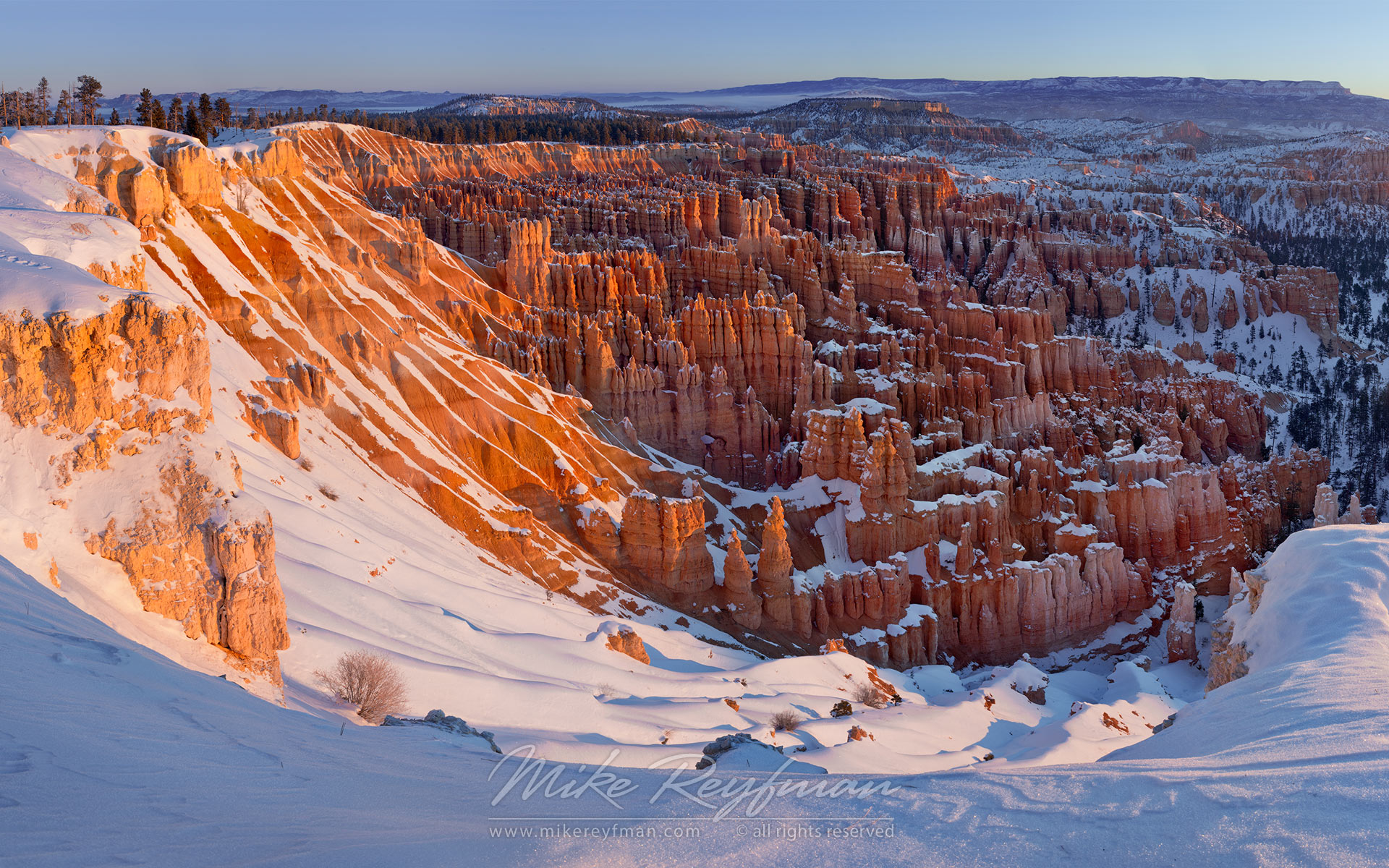
– Bryce Canyon, especially lovely in winter, which is when we saw it:

bryce canyon

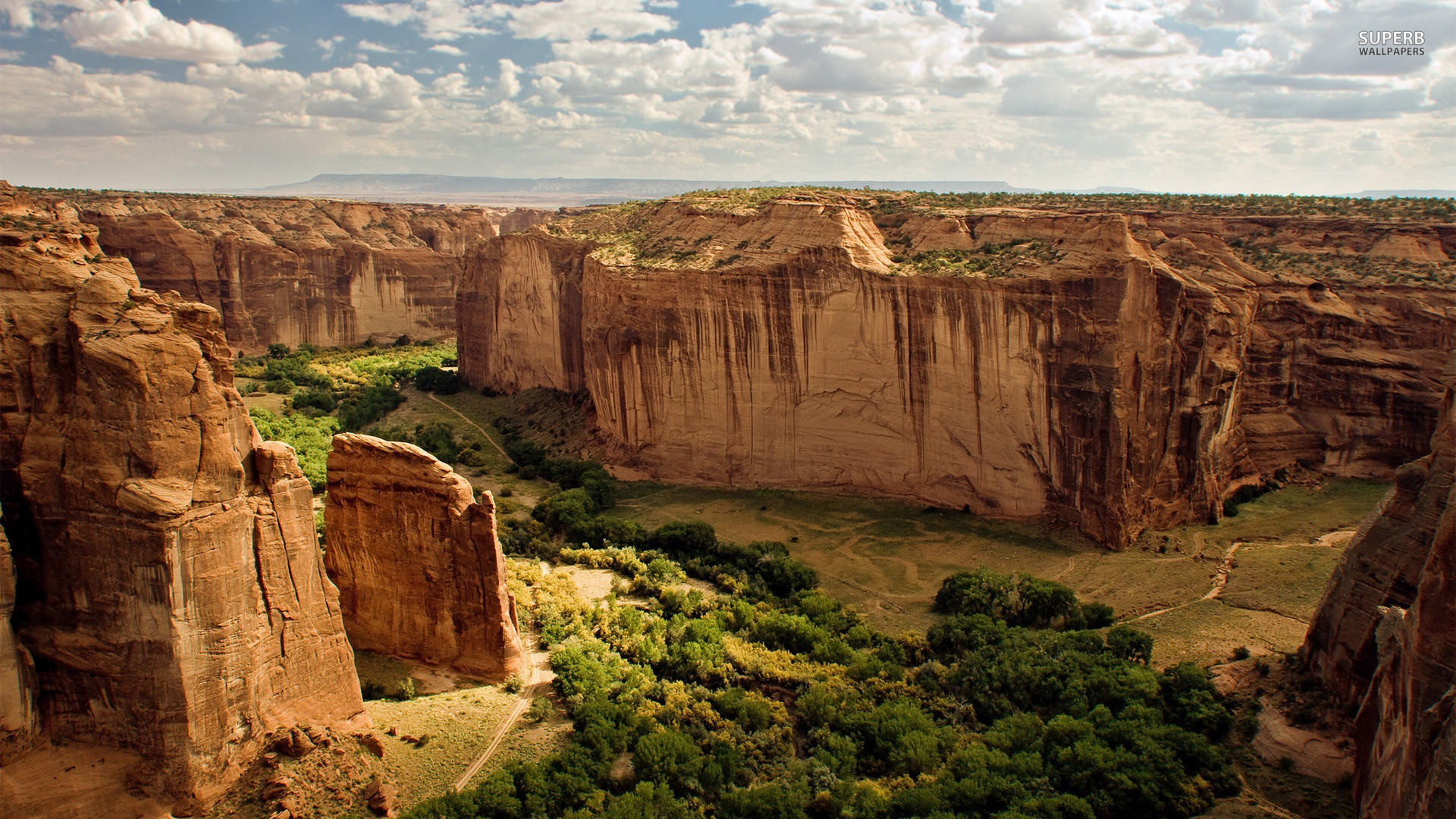
– and Canyon de Chelly

canyon-de-chelly

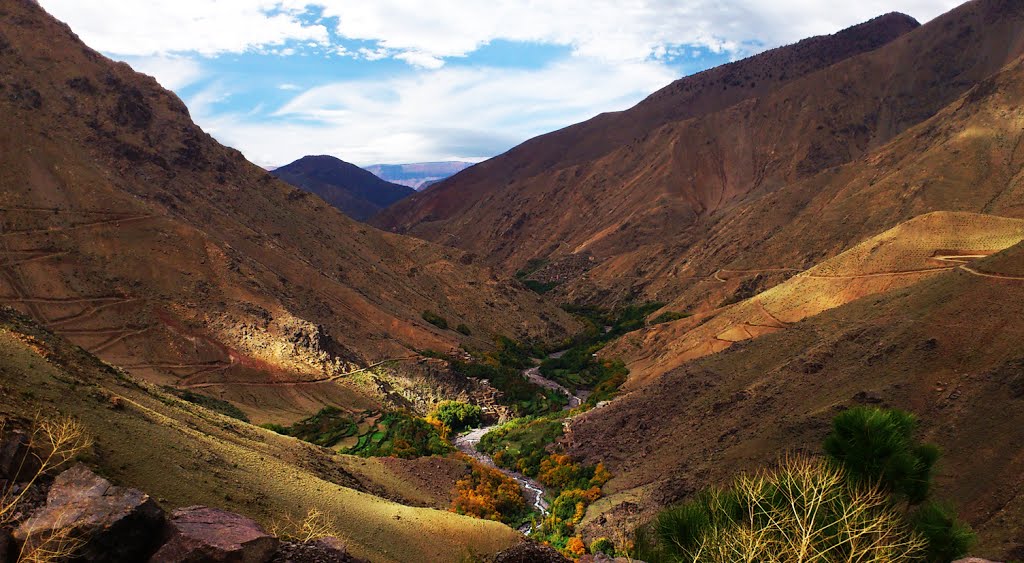
– We are moved to list here too the Atlas mountains in Morocco. When we first saw them, we were immediately reminded of the canyonlands in the US

Atlas mountains

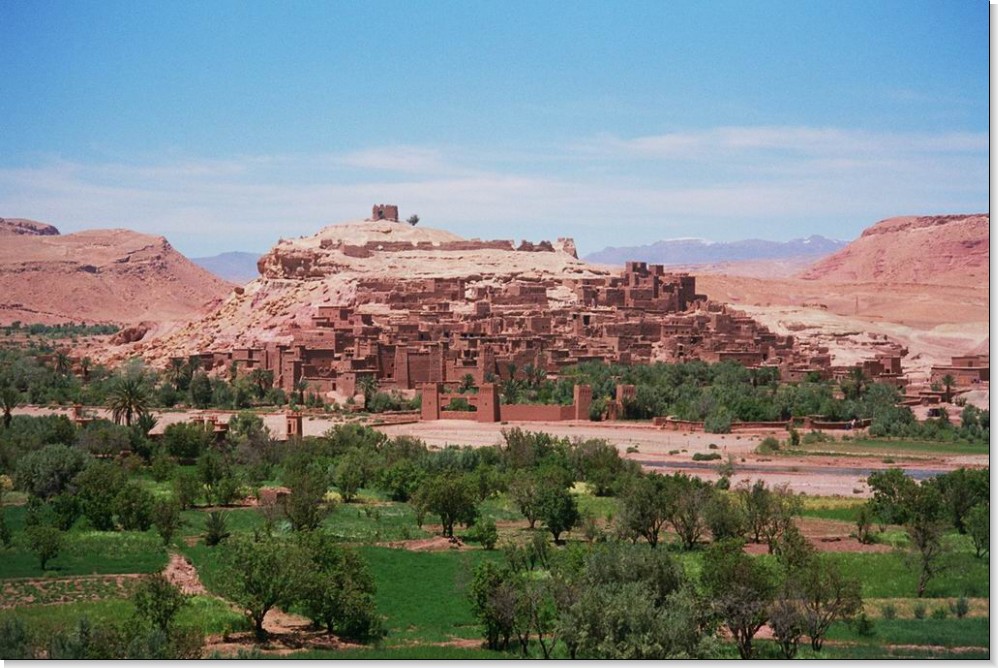
but what was even better was that the locals were still making their villages from the local clay so that villages seemed to grow out of the landscape

atlas mountains-villages

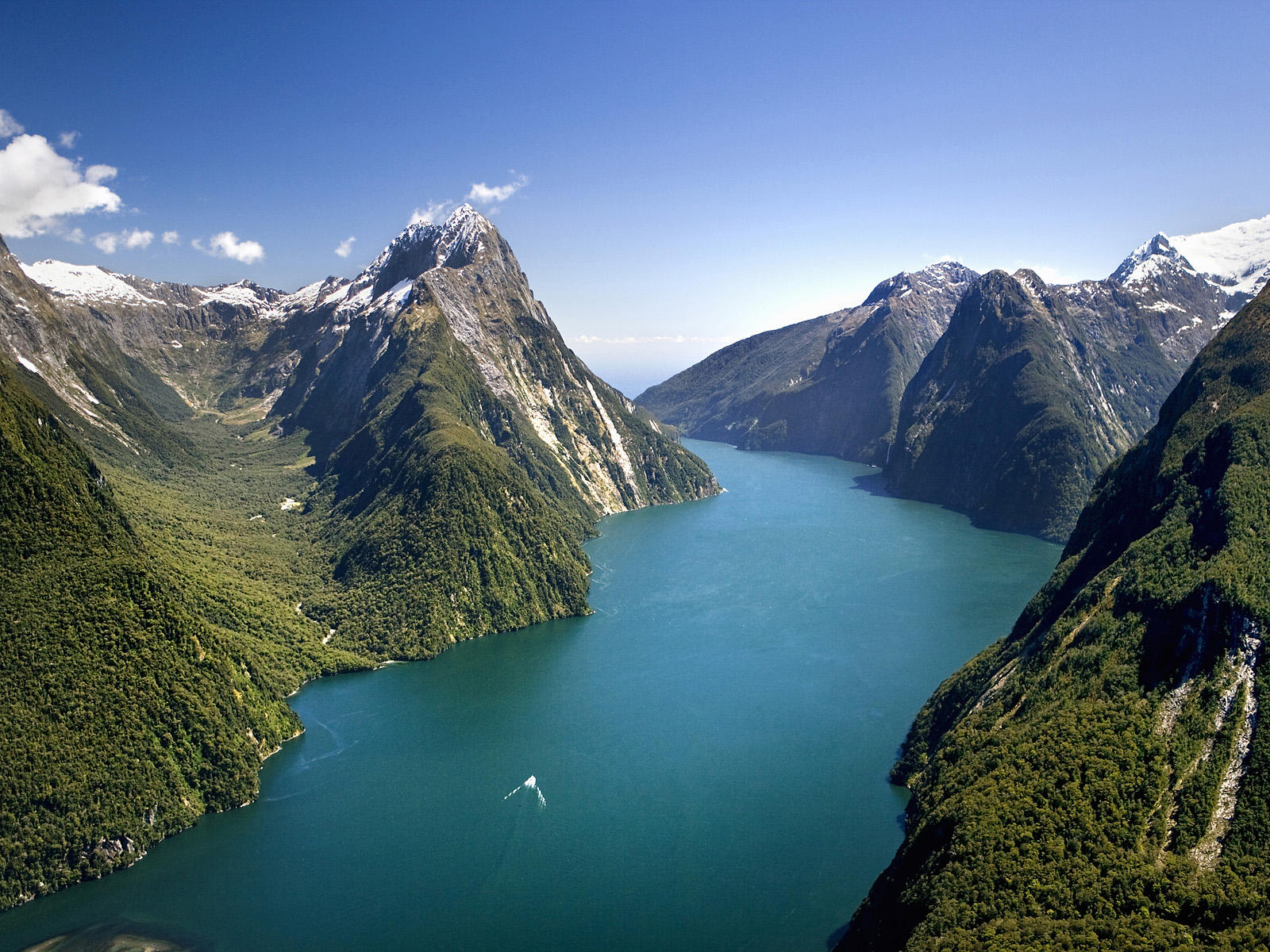
– From canyons on land to canyons on the sea, and here we found the fjords in New Zealand more striking than those in Norway

New Zealand South Island Fiordland National Park Milford Sound

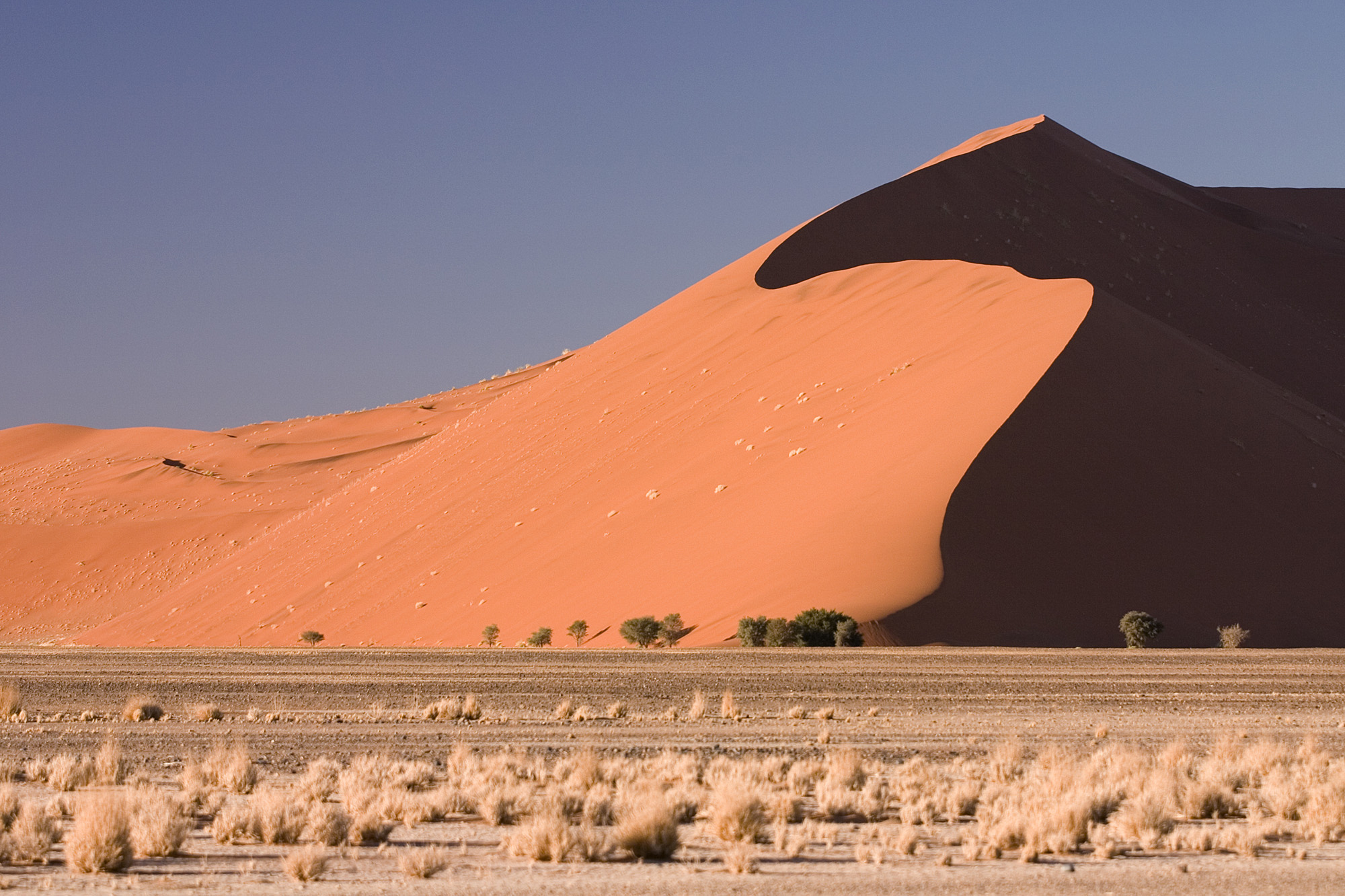
– From water to none, with the red sand dunes of Namibia

Namibia -Dune 45

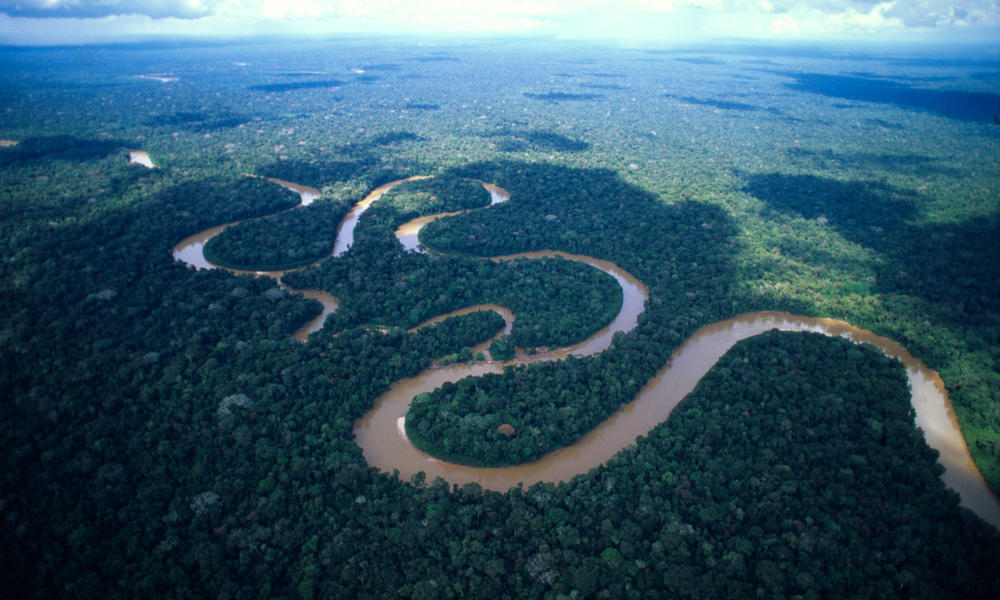
– and back to water again, with the Amazon River

Amazon river

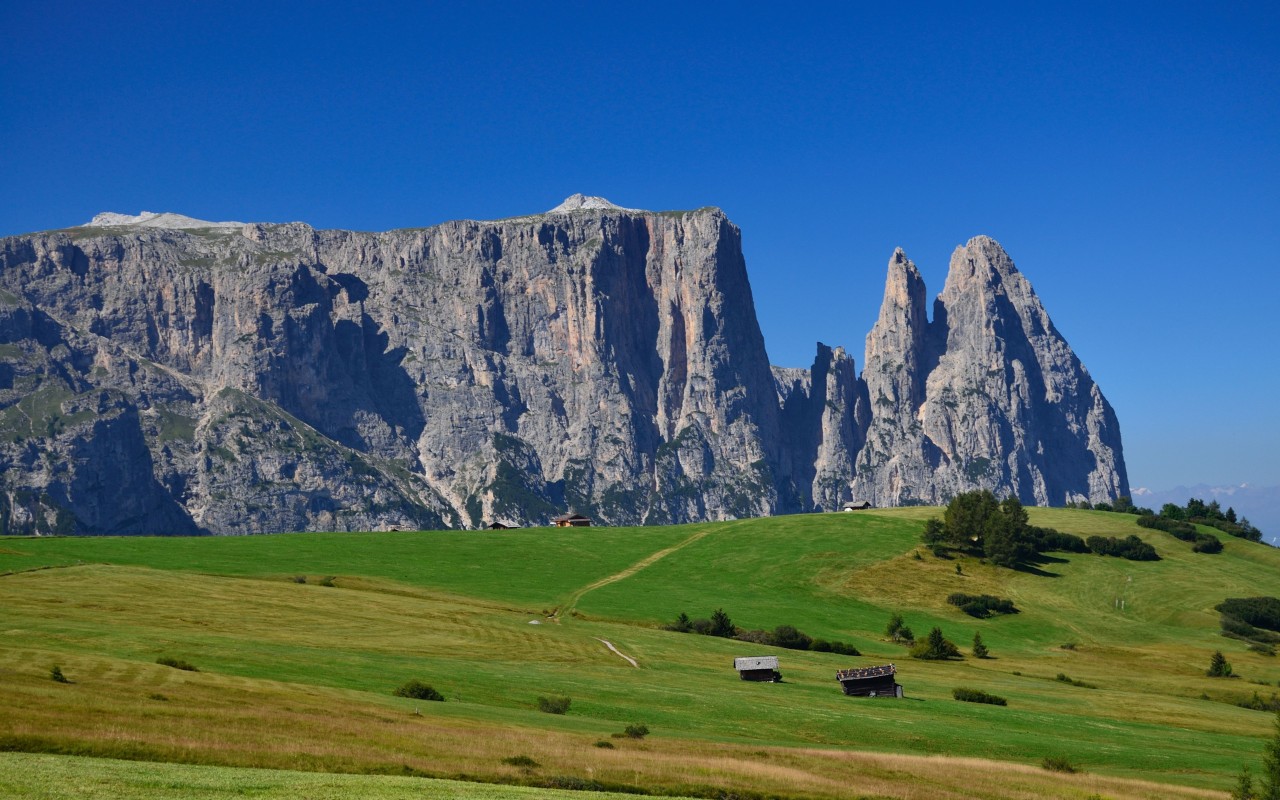
– from hotter to cooler, with the high meadows of the Alps in the Trentino in Italy

alps-trentino

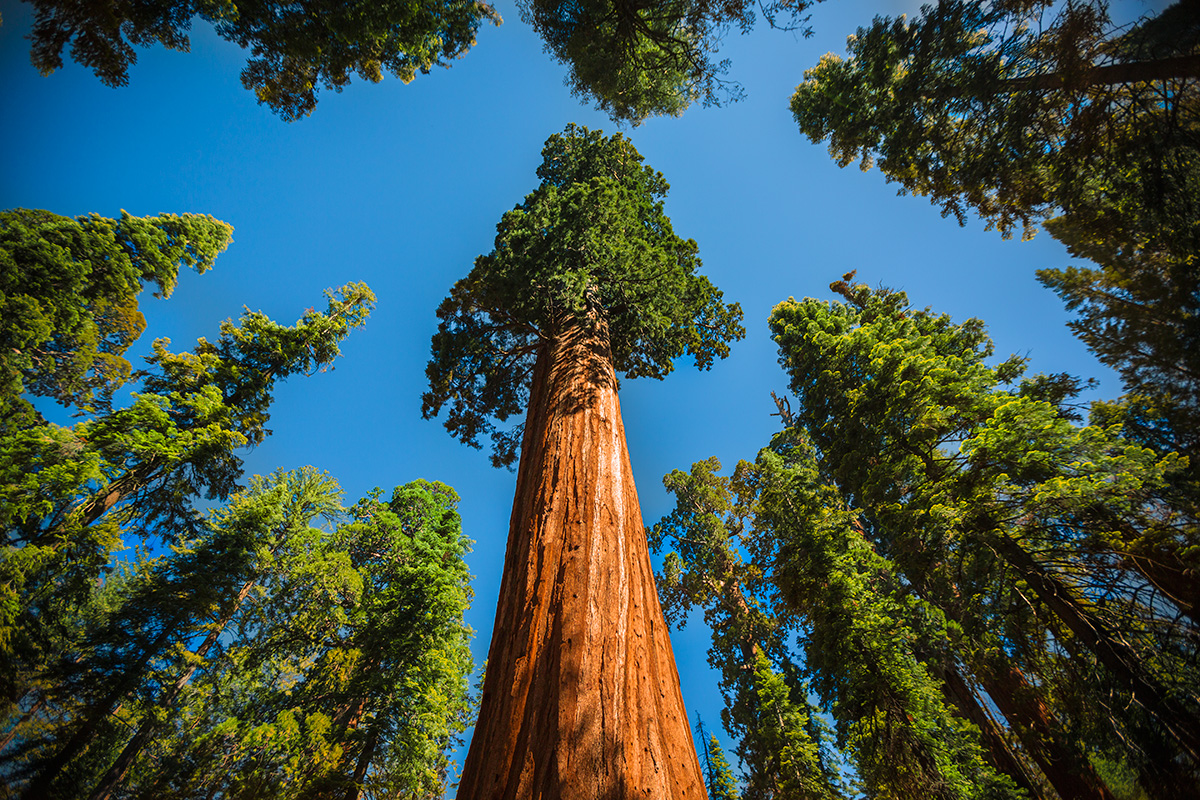
– from grass to trees, in this case the truly magnificent sequoias

sequoia-national-park

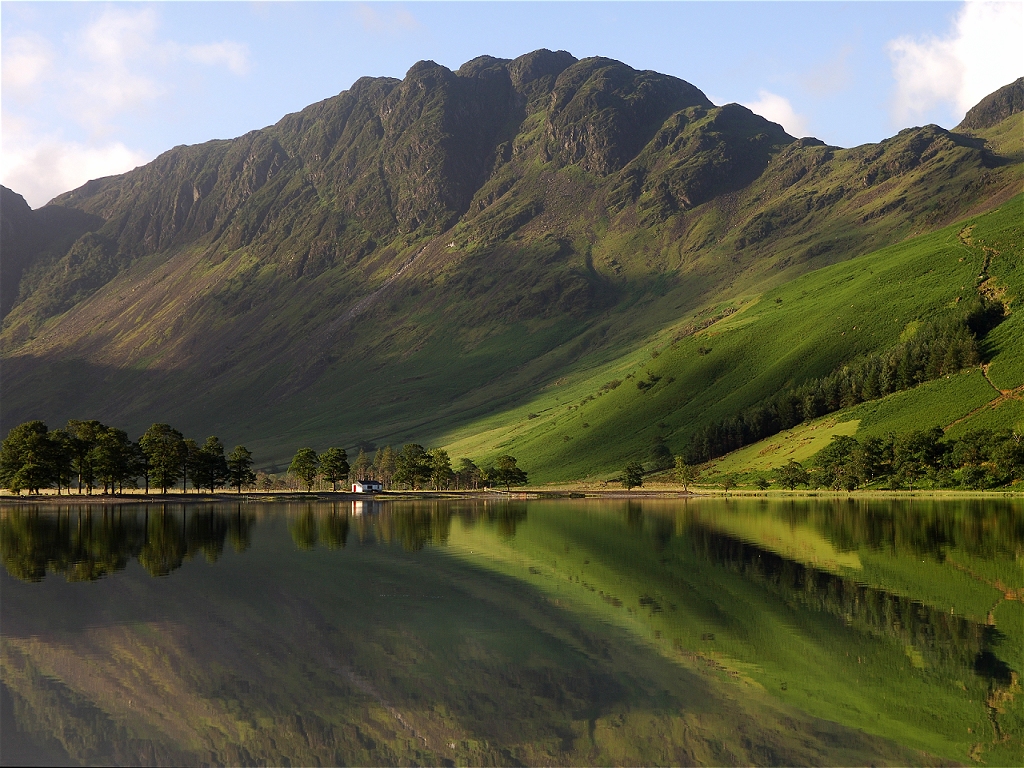
– and finally back to grass and water, with the Scottish Highlands

scottish-highlands

-o0o-

Well, that’s our list of cultural and natural sites which we would consider to have outstanding universal value. As I said earlier, the list is no doubt incomplete simply because there are still lots of places we haven’t visited. We’d be interested to know how readers feel about this. What sites would they put on their own list?

_______________

Dubai creek: http://www.guiaemdubai.com/wp-content/uploads/2010/07/Dubai.creek_.jpg [in http://www.guiaemdubai.com/dubai-creek/%5D
Venice-aerial view: http://weddinginvenice.net/wp-content/uploads/2008/07/venice.jpg [in http://weddinginvenice.net/blog/aerial-view-of-venice%5D
Venice-worm’s eye view: http://farm9.staticflickr.com/8149/7667954390_2eafc258f6_h.jpg
Paris-Notre Dame: http://upload.wikimedia.org/wikipedia/commons/a/a2/Notre_Dame_de_Paris_by_night_time.jpg [in http://it.wikipedia.org/wiki/Cattedrale_di_Notre-Dame%5D
Paris-Eiffel tower: http://wallpapersus.com/wp-content/uploads/2012/01/eiffel-tower-sunset-architecture-city-cloudy-dusk-famous-river.jpg [in http://wallpapersus.com/eiffel-tower-sunset-architecture-city-cloudy-dusk-famous-river/%5D
Rome Piazza Navona: http://www.bonjouritalie.it/uploaded/images/Piazza_Navona_Evening.jpg [in http://www.bonjouritalie.it/en/news/46/PIAZZA-NAVONA-the-Roman-s-playroom-.html%5D
Rome Pantheon: http://www.dewereldwonderen.nl/wp-content/uploads/2011/09/pantheon-omgeving.jpg [in http://www.dewereldwonderen.nl/andere-wereldwonderen/het-pantheon/%5D
Istanbul: http://i.telegraph.co.uk/multimedia/archive/02012/istanbul-biennial_2012683b.jpg [in http://www.telegraph.co.uk/culture/art/8796386/Istanbul-biennial-art-at-the-crossroads-of-the-world.html%5D
Prague: http://www.discoverwalks.com/prague-walking-tours/wp-content/blogs.dir/5/files/4/not-many-people-can-show-you-this.jpg [in http://www.discoverwalks.com/prague-walking-tours/prague-castle-tour/%5D
San Gimignano-1: http://www.roma-antica.co.uk/custom/San%20Gimignano.jpg
San Gimignano-2: http://www.hotelilponte.com/writable/public/tbl_galleria/grande/v961b38120234375.jpg
Savannah: http://www.shedexpedition.com/wp-content/uploads/2013/06/gingerbread-house-Savannah-Georgia-1899-Carpenter-Gothic.jpg [in http://www.shedexpedition.com/savannah-georgia-best-quality-of-life-and-visitor-experience/%5D
Edinburgh-New Town: http://www.stravaiging.com/photos/albums/places%20in%20Scotland/towns/Edinburgh,%20Midlothian/IMG_9890.jpg [in http://www.stravaiging.com/blog/edinburgh-world-heritage-official-tour/%5D
Edinburgh-castle: http://waimhcongress.org/wp-content/uploads/2013/03/edinburgh_-_calton_hill_nov_12_0.jpg [in http://waimhcongress.org/location/about-edinburgh/%5D
Manhattan: http://www.elikarealestate.com/blog/wp-content/uploads/2014/03/nyc001.jpg [in http://www.elikarealestate.com/blog/manhattan-sales-time-high/%5D
Taj Mahal: http://upload.wikimedia.org/wikipedia/commons/c/c8/Taj_Mahal_in_March_2004.jpg [in http://en.wikipedia.org/wiki/Taj_Mahal%5D
Angkor Wat: http://i.telegraph.co.uk/multimedia/archive/02381/Angkor_wat_2381155b.jpg [in http://www.telegraph.co.uk/news/worldnews/asia/cambodia/9638352/Canals-may-have-sped-up-building-of-wonder-of-the-world-Angkor-Wat.html%5D
Angkor Wat Gods: http://www.urbantravelblog.com/wp-content/uploads/2012/02/Angkor-wat-gods.jpg [in http://www.urbantravelblog.com/photos/angkor-wat%5D
Kyoto Tofukuji rock garden: http://4.bp.blogspot.com/_bWbsTZVSaLw/S8uzFo1o2mI/AAAAAAAAAO4/tq11td38q3I/s1600/april-13+141.jpg [in http://kyotofreeguide-kyotofreeguide.blogspot.com/2010_04_01_archive.html%5D
Kyoto Kinkakuji: http://img.timeinc.net/time/photoessays/2011/travel_kyoto/01_kinkakuji.jpg [in http://content.time.com/time/travel/cityguide/article/0,31489,2049375_2049370_2048907,00.html%5D
Kyoto Gingakuji: http://lookjapan.org/photos/ginkakuji-temple.jpg [in http://lookjapan.org/kyoto.html%5D
Château de Chenonceau: http://upload.wikimedia.org/wikipedia/commons/d/d0/Chateau_de_Chenonceau_2008E.jpg [in http://en.wikipedia.org/wiki/Château_de_Chenonceau%5D
Château Azay-le-Rideau: http://upload.wikimedia.org/wikipedia/commons/thumb/d/d2/Chateau-Azay-le-Rideau-1.jpg/1024px-Chateau-Azay-le-Rudeau-1.jpg [in http://en.wikipedia.org/wiki/Château_d’Azay-le-Rideau%5D
Alhambra: http://upload.wikimedia.org/wikipedia/commons/2/22/Detail_Charles_V_palace_Alhambra_Granada_Spain.jpg [in http://commons.wikimedia.org/wiki/File:Detail_Charles_V_palace_Alhambra_Granada_Spain.jpg%5D
Alhambra-2: http://www.earthalacarte.com/images/destination/1370429824_0!!-!!4.jpg [in http://www.earthalacarte.com/destinations/alhambra/%5D
Sydney Opera House: our photo
East Wing National Gallery: http://www.greatbuildings.com/gbc/images/cid_2880204.jpg [in http://www.greatbuildings.com/buildings/East_Wing_National_Gallery.html
Labrang: http://korihahn.files.wordpress.com/2011/07/dsc_0423.jpg [in http://korihahn.com/2010/11/01/beijing-to-lhasa/%5D
Stowe gardens: http://www.landscapearchitecturedaily.com/wp-content/uploads/2013/04/Stowe-Landscape-Gardens.jpg [in http://www.landscapearchitecturedaily.com/?p=2599%5D
Stowe gardens-House: http://1.bp.blogspot.com/-9CU7qypYuhw/UTi58Pz-zXI/AAAAAAAABjU/t5dzpqANduk/s1600/photo+%286%29.JPG [in http://theelephantandthepirate.blogspot.com/2013/03/day-tripping-stowe-gardens.html%5D
Fountains abbey: http://3.bp.blogspot.com/-yHJdJ-LcSwI/TaSbP30qvOI/AAAAAAAACZQ/Mt-9gkW8Wj4/s1600/Fountains+Abbey+reflected+blg.jpg [in http://saltairedailyphoto.blogspot.com/2011/04/fountains-abbey.html%5D
Fountains abbey gardens-1: http://www.gardenvisit.com/assets/madge/studley_royal_and_fountains_abbey_980_jpg/600x/studley_royal_and_fountains_abbey_980_jpg_600x.jpg -[in http://www.gardenvisit.com/garden/studley_royal_and_fountains_abbey%5D
Fountains abbey gardens-2: http://www.gardenvisit.com/assets/madge/studley_royal_and_fountains_abbey_980a_jpg/600x/studley_royal_and_fountains_abbey_980a_jpg_600x.jpg [in http://www.gardenvisit.com/garden/studley_royal_and_fountains_abbey%5D
Bryce canyon: http://www.mikereyfman.com/Photography-Landscape-Nature/Bryce-Canyon-National-Park-Utah-USA/big/MR0105.jpg [in http://www.mikereyfman.com/photo/photo.php?No=5&Gallery=Bryce-Canyon-National-Park-Utah-USA%5D
Canyon de Chelly: http://believegallup.com/wp-content/uploads/2013/01/canyon-de-chelly.jpg [in http://believegallup.com/canyon-de-chelly/
Atlas Mountains: http://static.panoramio.com/photos/large/81928810.jpg [in http://www.panoramio.com/photo/81928810%5D (Toubkal National Park)
Atlas mountain village: http://www.destinationlemonde.com/images/17/photo1-ag.jpg [in http://www.destinationlemonde.com/images/17/photo1-ag.jpg%5D
Milford Fjord New Zealand: http://globalconnection.com.au/wp-content/uploads/2013/08/Milford_Sound_Fiordland_National_Park_South_Island_New_Zealand.jpg [in http://globalconnection.com.au/product/new-zealand-south-island-post-convention-tour/%5D
Namibia-Dune 45: http://upload.wikimedia.org/wikipedia/commons/5/54/Dune45_Sossusvlei_Namib_Desert_Namibia_Luca_Galuzzi_2004.JPG [in http://en.wikipedia.org/wiki/Dune_45%5D
Amazon River: http://assets.worldwildlife.org/photos/1818/images/story_full_width/meandering_amazon_%28c%29_WWF-Canon__Andre_Bartschi.jpg?1345553423 [in http://worldwildlife.org/tours/the-great-amazon-river-cruise%5D
Alps in Trentino: http://hqscreen.com/wallpapers/l/1280×800/67/alps_italia_italy_trentino_alpi_1280x800_66754.jpg [in http://hqscreen.com/alps-italia-italy-trentino-alpi-wallpaper-66754/%5D
Sequoia national park: https://lh6.googleusercontent.com/-lABhQdL_8II/UwXlmbxPEuI/AAAAAAAArw0/VfGi2Htb0jI/sequoia-national-park2.jpg?imgmax=1600 [in http://www.latheofdreams.com/%5D
Scottish Highlands: http://timeforbritain.files.wordpress.com/2012/01/scottish-highlands1.jpg [in http://timeforbritain.wordpress.com/beautiful-scotland/%5D

SNOWY MOUNTAINS

Beijing, 8 February 2014

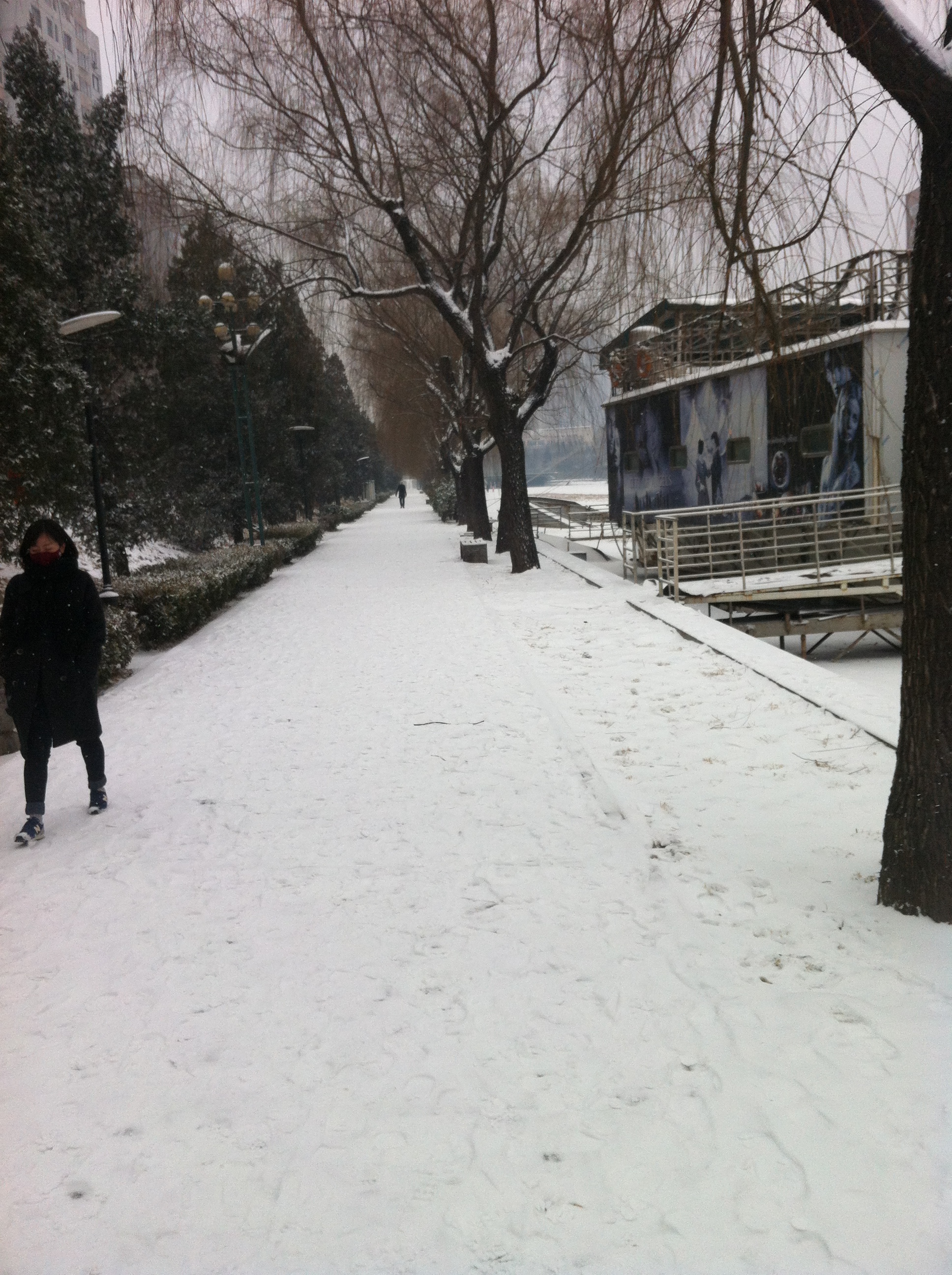
It was snowing when we got up yesterday, the first snowfall of the season – in fact, the first time there has been any precipitation, rain or snow, in the last four months in Beijing. The city was still quiet after the Chinese New Year, so it was with pleasure that I crunched my way to work through the deserted streets and along my piece of canal, with the small, grainy snowflakes floating down around me.
canal-before
And dimly through the flakes and mist, I perceived a man on the other bank of the canal slowly going through the balletic moves of tai-chi. Magic …

It kept snowing fitfully all day and into the evening, becoming greyer and foggier by the hour. So I just hurried home after work, looking forward to a welcoming wife, a cheerfully lit apartment, a glass of wine, and a plate of pasta. We closed out the world and enjoyed two French detective thrillers before retiring to bed.

This morning, the clouds had been chased away along with the fog, and the sun shone down brightly. How different the world looked! There is nothing like a coating of snow under a bright sun and a clear blue sky to make even the most squalid cityscape look inviting. On our way to morning coffee and lunch, I took a couple of photos of the canal to record the event.
canal-after 004
OK, let’s not get carried away here. Quite soon, all that fresh snow will turn into muddy slush, making a misery for us pedestrians as we pick our way round large puddles, warily avoid being splashed by passing cars, and stay ever alert for a hidden piece of ice under our feet . And even when the snow is still fresh, the view simply cannot beat a snowscape in the mountains. My wife is a good and enthusiastic skier, and when the children were young she liked to take them skiing in the Alps. I, on the other hand, dislike skiing, so it was always with a certain grouchiness that I accompanied them on these skiing expeditions. The traffic jams to get there! The crowds at the shop to hire the gear! The astronomic cost of the ski passes! The kilometric lines to get on the ski lifts! All those peacocks parading their latest ski gear! The morons who skied far too fast down the crowded slopes! The icy wind turning my face into a piece of numb codfish! But even grouchy old me could not avoid a smile when suddenly confronted at the turning of a path with vistas of virgin white snow softly pillowing rocky hill and dale and gathering protectively around the pine trees, while the mountains glittered behind against a backdrop of a deep blue sky.

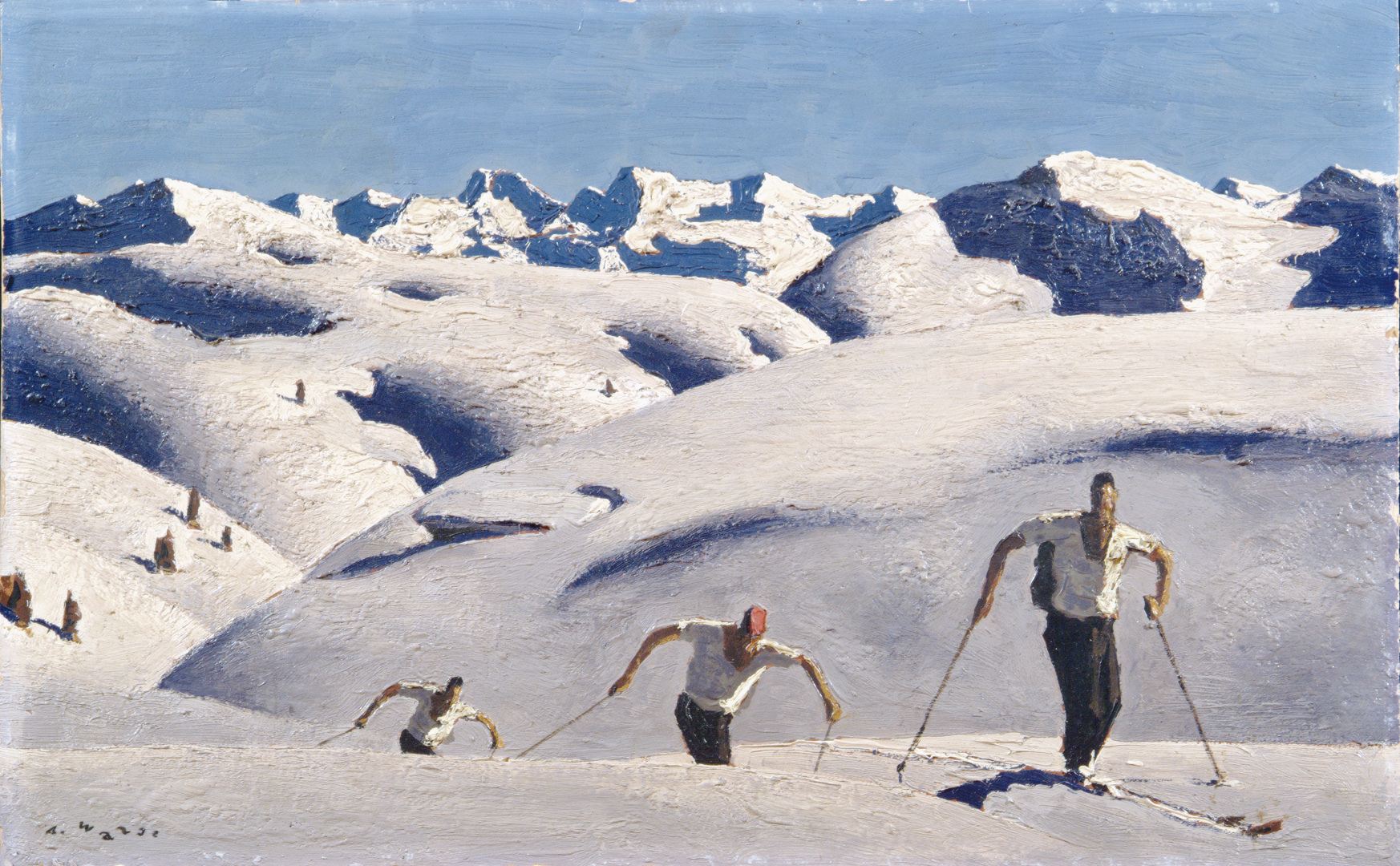
The only artist I know who has ever captured the beauty of mountains in the winter is the Austrian painter Alfons Walde. Walde was from Kitzbühel in the Tyrol, so he knew the Alps well.  From the mid 1920s onwards, he painted a series of pictures of the Tyrolian Alps during winter. I show here a selection, starting with the first of his paintings I ever came across, in the form of a poster advertising a show of his works in Vienna. I still have that poster somewhere. It is his “Ascent of the Skiers”, 1931

alfons walde-Der Aufstieg der Schifahrer-1931

Here we have “Steinbergkogel”, 1926

Alfons Walde-Steinbergkogel-1926

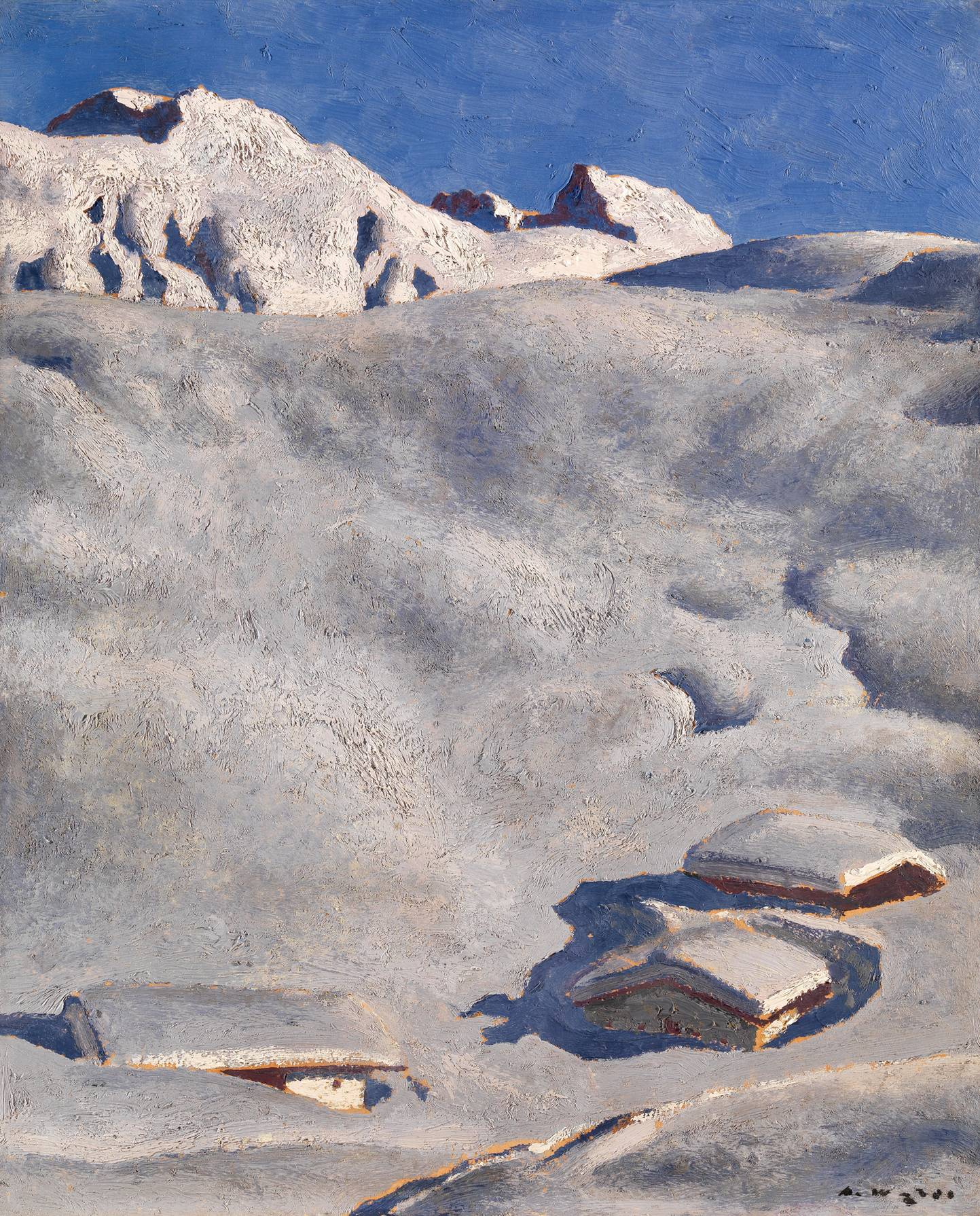
And here his “Meadows under Snow”, 1926

alfons walde-Almen im Schnee-1926

Walde also liked to paint the inhabitants of the Tyrolian villages. They still wore their traditional costumes back then. There’s still a faint echo of this in Austria’s traditional jackets for men and the dirndls the women wear. This is his “Auracher Church”, 1927-30

Alfons Walde-Auracher Kircherl-1927-30

And this is his “Meeting”, about 1924

Alfons Walde-begegnung

I will be frank. I wouldn’t mind owning one of Walde’s paintings.  But I’m not a millionaire. The best I’ve managed is a print by another Austrian artist

general photos 008

But hope springs eternal. You never know, I may find a Walde in my attic one day.

______________________

pix in Beijing: mine
“Ascent of the Skiers”: Alfons Walde- Der Aufstieg der Schifahrer-1931: http://shop.alfonswalde.com/WebRoot/Store/Shops/es268867/50B4/8486/F7AD/8B37/3A2E/50ED/8962/9095/Aufstieg_der_Schifahrer_1080.jpg [in http://shop.alfonswalde.com/epages/es268867.sf/de_DE/?ObjectPath=/Shops/es268867/Products/PLW35%5D
“Steinbergkogel”:  http://shop.alfonswalde.com/WebRoot/Store/Shops/es268867/50B4/CA47/6775/F975/A744/50ED/8962/CB5B/PLWT36-Steinbergkogel_1080.jpg [in http://shop.alfonswalde.com/epages/es268867.sf/de_DE/?ObjectPath=/Shops/es268867/Products/PLW36%5D
“Meadows under Snow”: Alfons Walde- Almen im Schnee: https://myartmap.com/sites/default/files/walde_2.png [in https://myartmap.com/user/5189/shop%5D
“Aucherl Church”: Alfons Walder-Auracher Kircherl-1927-30: http://www.austrianfineart.at/images/largeorig/Walde-Auracher%20Kircherl-Kat.%202001.jpg [in http://www.austrianfineart.at/detailtest.php?cid=297&lang=%5D
“Meeting”: Alfons Walde-begegnung: http://alfonswalde.com/cms/wp-content/uploads/2013/05/begegnung_1080_WZ.jpg [in http://alfonswalde.com/cms/?cat=16%5D
pic of the barn in the snow: mine