NORFOLK ISLAND PINE

Sori, 15 May 2025
updated 21 November 2025

For some time now, I’ve been intrigued by this tree, which I see fairly regularly in gardens at our seaside place in Liguria. I see this particular example when we walk along the main road that runs through the village.

My photo

While another one, along the road to Recco, has long caught my eye.

My photo

I find the tree’s rigorous symmetry very pleasant to the eye, while the upward tilt of its fronds is most arresting – it looks like a pine tree growing upside down.

Up till now, my half-hearted attempts to identify it have been a failure. However, my wife recently discovered a plant identification service on our iPhone cameras. You take a photo of a plant and you will be told what the plant’s name is – not every time, I’ve discovered, but often enough to make such searches rewarding. I promptly trained my camera on the mystery tree and after a few goes it gave me a name: Norfolk Island pine. A couple of independent searches on “Norfolk Island Pine” confirmed the identification (one always has to beware false positives!).

Unsurprisingly, given its name, these independent searches also informed me that this tree hails from Norfolk Island, a dot of an island in the South Pacific Ocean. Although the tree has close-ish relatives in New Caledonia, the only place in the world where it is endemic is on this tiny island in the middle of nowhere. Norfolk Island is really very remote. It is pretty much equidistant between New Zealand to the south and New Caledonia to the north, with about 760 km of open water in either direction. And there’s double that distance between the island and the closest point in Australia, the country which oversees it.

Source

The first Europeans to set eyes on the island were on James Cook’s ship during his second voyage to the South Pacific. I’ll quote what Cook had to say about the island in the published journal of this voyage.

“We continued to stretch to W. S. W. till the 10th [October 1774], when, at day-break, we discovered land bearing S. W., which on a nearer approach we found to be an island of good height, and five leagues in circuit. I named it Norfolk Isle, in honour of the noble family of Howard. … After dinner, a party of us embarked in two boats, and landed on the island, without any difficulty, … We found it uninhabited, and were undoubtedly the first that ever set foot on it.”

Cook was wrong about this. Archaeological surveys on the island have shown that Polynesians had already reached the island and lived there, but for some unknown reason they had all upped sticks and left several centuries before Cook hove to on the horizon.

Cook continues:

“We observed many trees and plants common at New Zealand; and, in particular, the flax plant, which is rather more luxuriant here than in any part of that country; but the chief produce is a sort of spruce pine, which grows in great abundance, and to a large size, many of the trees being as thick, breast high, as two men could fathom, and exceedingly straight and tall. … “

Cook wrote a bit more about the tree in a variation of his Journal (quite what variation this is I have not managed to ascertain – perhaps his handwritten journal?)

“[The tree] is of a different sort to those in New Caledonia and also to those in New Zealand, and for Masts, Yards &ca [it is] superior to both. We cut down one of the Smallest trees we could find and Cut a length of the uper end to make a Topgt Mast or Yard. My Carpenter tells me that the wood is exactly of the same nature as the Quebeck Pines”.

Luckily for the Norfolk Island pine, Cook was also wrong about the tree’s utility in the manufacture of masts, yards and spars. Quite quickly, it was found not to be resilient enough for the purpose, so initial plans to harvest the trees were abandoned. I say luckily, because if the wood had indeed been good for the task, I’m sure all the island’s pines would have been cut down by now.

As it is, the “great abundance” of Norfolk Island pines which Cook saw has been greatly reduced over the last 250 years. The UK government turned the island into a penal settlement for some 55 years, and the convicts cut down trees for their own use as well as to clear land for agriculture. Then, in 1856, the UK government relocated part of the population of Pitcairn Island to Norfolk Island because Pitcairn was getting too small for its growing population. After the grimness of the island’s use as a prison, this puts it in a rather romantic light: Pitcairn islanders were descendants of the mutineers on the Bounty and their Tahitian partners. I remember vividly the film “Mutiny on the Bounty”, where Marlon Brando plays the role of Lieutenant Fletcher Christian.
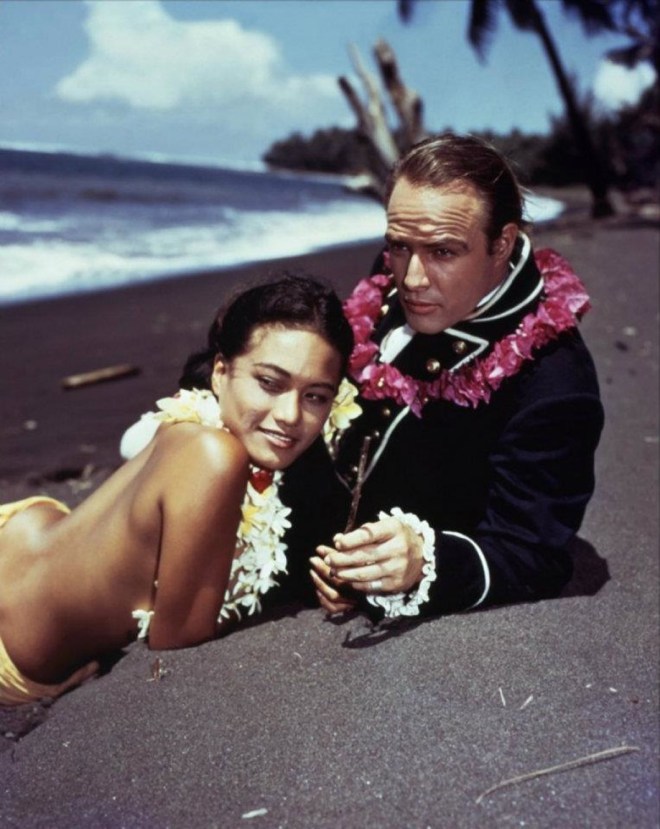
Source

(the earlier version with Clark Gable in the role was not so good, in my humble opinion)

To these romantic new residents were added a few more people, people who jumped ship from visiting whalers or other ships which passed. All these new residents unromantically continued cutting down trees to clear land for agriculture. The trees also had to start competing with other, foreign species brought to the island. As late as the 1950s, some bright spark had the idea of turning Norfolk Island pines into plywood. A batch was exported to Sydney, and excellent results were reported of the trial plywood produced. Luckily, someone with some sense realised that this was not a sustainable business and the idea was dropped.

As a result of all this mismanagement of the island’s pines over the centuries, the stands have gradually shrunk, with the last remaining stands of any size now protected in a national park, on land which is too steep or rocky to farm.

Source

The International Union for the Conservation of Nature has classified the species as “vulnerable”.

Someone – maybe several people – along the way also realised that this handsome tree had potential in the horticultural trade. Quite quickly, it entered that global trade in plants which I’ve written about earlier. From a purely selfish point of view, that was lucky for me, because otherwise I would never have seen this handsome tree on the Ligurian coast. I see no reason why I would ever visit Norfolk Island – I’m not the type to take part in a mutiny and I’ll never, thank God, work on a whaler (not a complete impossibility; some of my ancestors did).

Already by the late 19th Century, the tree had moved out of its native habitat. It seems to have been a popular tree to plant near shore lines because of its high tolerance to salt and humidity, as well as its ability to grow in sandy soil. It also always grows straight regardless of prevailing winds. Here’s a nice example from the city of Napier in New Zealand, where a row of Norfolk Island pines was planted along the sea front in 1890, to create the Marine Parade.
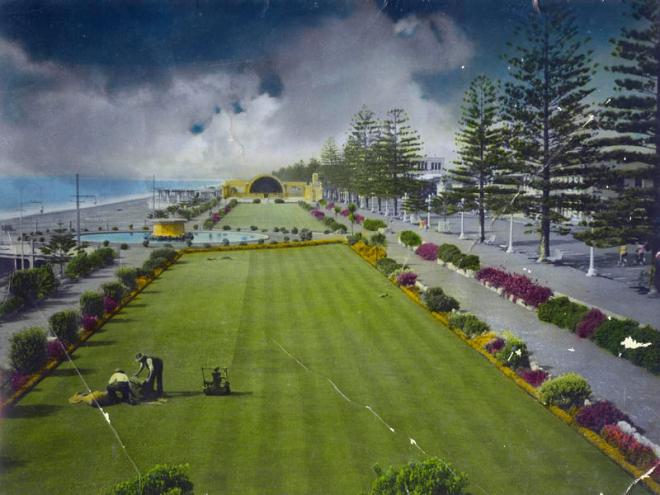
Source

This particular photo was taken in the 1930s and later coloured by hand. The trees are still there, although recent articles say the trees are getting to the end of their lives and need replacing.

And then, in ways that probably no-one has studied, and probably never will (who cares about the history of a plant?), it reached the piece of Ligurian coast where my wife and I spend time, a trip of 18,300 km as the crow, or perhaps better the albatross, flies (nearly half the Earth’s circumference).

I don’t know how long the trees have been here. They are quite tall but Norfolk Island pines grow slowly. From information I’ve managed to glean from the internet, I’m guessing that these particular specimens are fifty or so years old, which means they would have been planted around the time I first started coming to this Ligurian village. With a bit of luck, they’ll see me to my grave.

NOTES ON AUSTRALIA – KANGAROOS

Beijing, 3 October 2013

If there is one thing which is as Australian as the eucalyptus (see my previous post), it has to be the kangaroo. In fact, it’s even more Australian! As I pointed out in the last post, a few eucalyptus species exist which are not native to Australia. On the other hand, no kangaroo species exist outside of Australia.

Not only are kangaroos very Australian, they are also pretty weird. The first Europeans to reach Australia immediately noticed them. How could they not? There was nothing like them anywhere else in the world. Here is the first entry that Joseph Banks, the botanist aboard James Cook’s HMS Enterprise, made in his diary about kangaroos:

“Quadrupeds we saw but few and were able to catch few of them that we did see. The largest was calld by the natives Kangooroo. It is different from any European and indeed any animal I have heard or read of except the Gerbua of Egypt, which is not larger than a rat when this is as large as a midling Lamb; the largest we shot weighd 84 lb. It may however be easily known from all other animals by the singular property of running or rather hopping upon only its hinder legs carrying its fore bent close to its breast; in this manner however it hops so fast that in the rocky bad ground where it is commonly found it easily beat my grey hound, who tho he was fairly started at several killd only one and that quite a young one.”

In his diary, James Cook was somewhat more prosaic:

“Saturday, 23rd June … One of the Men saw an Animal something less than a greyhound; it was of a Mouse Colour, very slender made, and swift of Foot. … Sunday, 24th June … I saw myself this morning, a little way from the Ship, one of the Animals before spoke off; it was of a light mouse Colour and the full size of a Grey Hound, and shaped in every respect like one, with a long tail, which it carried like a Grey hound; in short, I should have taken it for a wild dog but for its walking or running, in which it jumpd like a Hare or Deer. Another of them was seen to-day by some of our people, who saw the first; they described them as having very small Legs, and the print of the Feet like that of a Goat; but this I could not see myself because the ground the one I saw was upon was too hard, and the length of the Grass hindered my seeing its legs.”

Folk back home in Europe had only the vaguest of ideas of what this strange animal looked like. A few years after Cook’s visit to Australia, Joseph Banks requested George Stubbs, better known as the painter of rich men’s horses, to paint a kangaroo. This is what Stubbs came up with, on the basis of various skeletons, some rough sketches, some verbal descriptions, and a kangaroo skin which Banks had brought back to the UK:

The Kongouro from New Holland by George Stubbs

And this, through prints and other disseminations, was the only picture the Brits had for many years of the kangaroo.

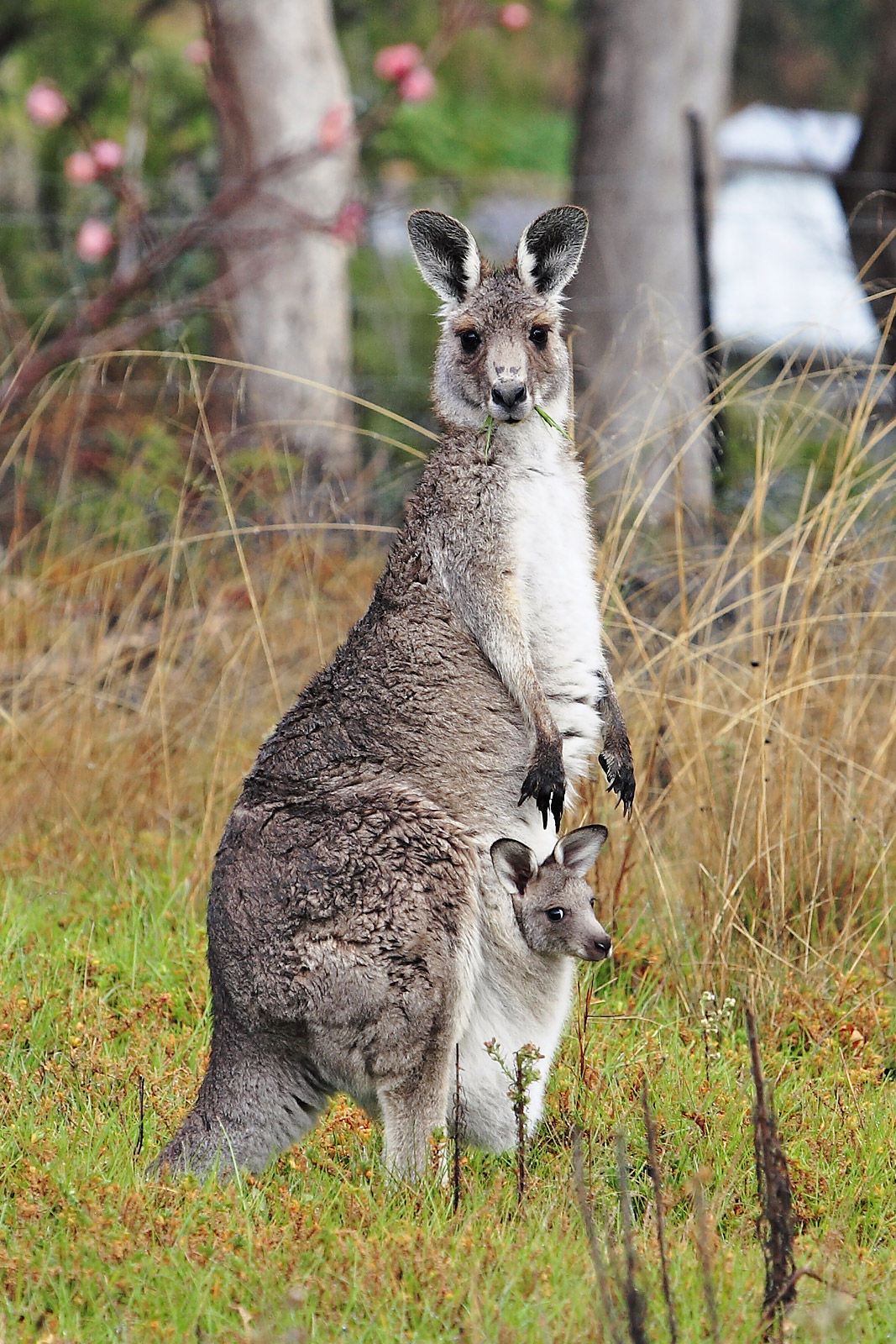
Europeans found this animal weirdly fascinating. It didn’t walk or run, for Lord’s sake, but bounded along!  Like a hare. Or maybe a deer. Or actually more like a frog. And what was this story about some of them having two heads? Whoever was making these claims had either imbibed too much rum or was spinning tall tales (well, they were either convicts, or sailors, or soldiers: all dodgy types, right?). And then it became clear that the tale of two heads was actually true, but only because mothers carried their young in a pouch.  In a pouch, for Lord’s sake!

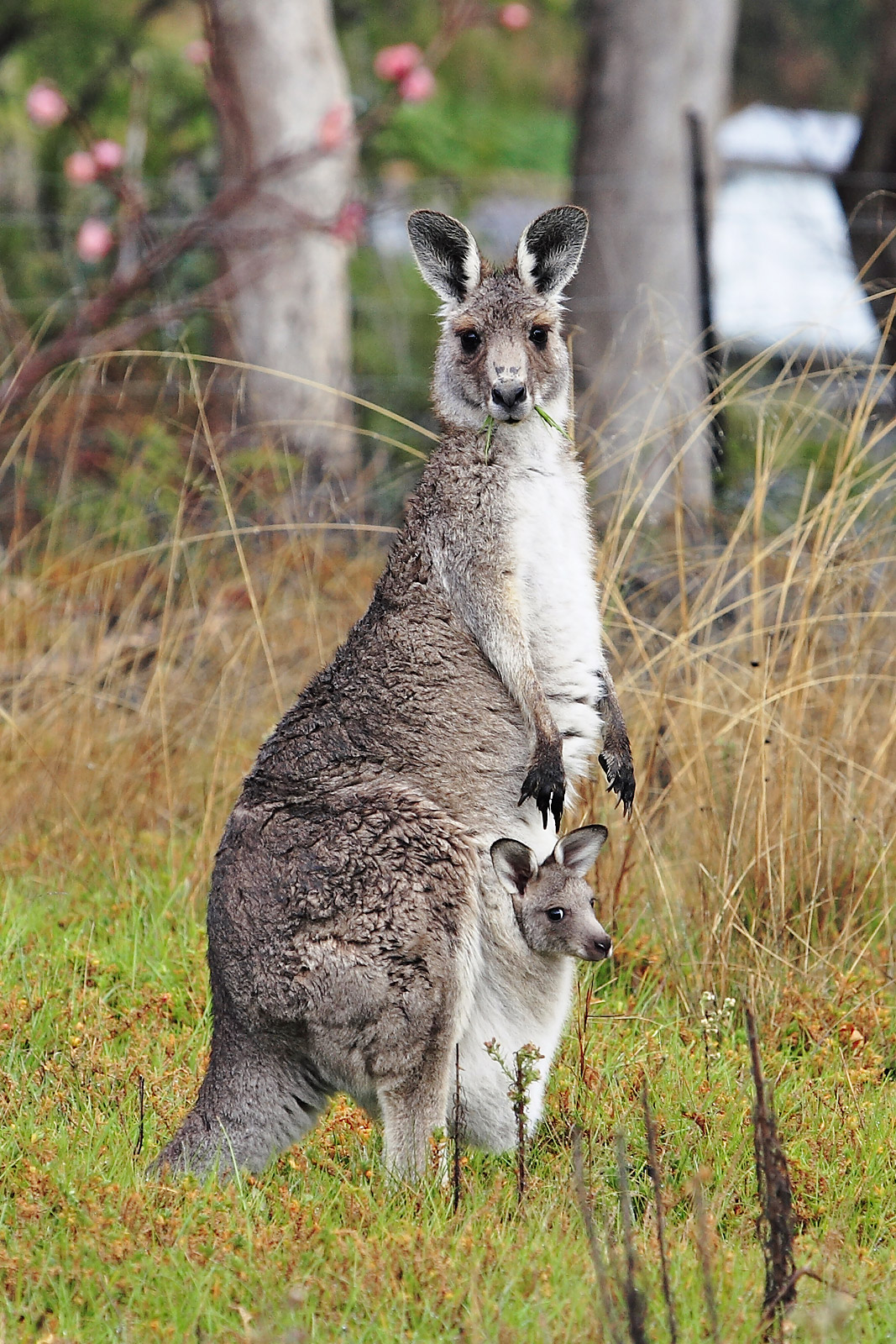
Kangaroo_and_joey

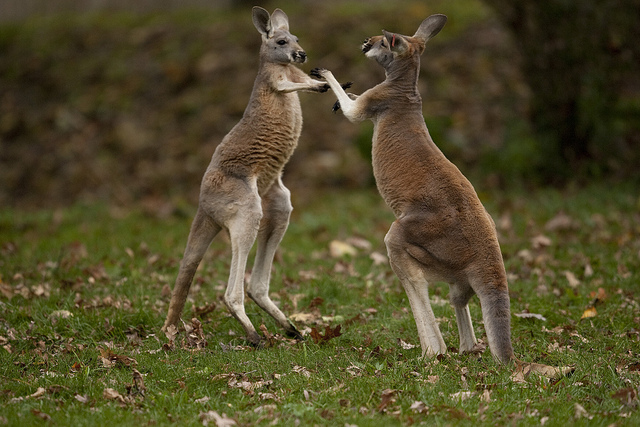
And they boxed!

kangaroos boxing

All this made the kangaroo even more fascinatingly weird.

Of course, we have the advantage of having grown up with the weirdness, which makes the strange familiar. Yeah, sure, the kangaroo bounds, so what’s the big deal? It boxes? Ho-hum. And its mothers have a pouch in which to put their kids? Sensible design idea, don’t we do that now? (I did)

snuggly pouch

But we definitely weren’t blasé about the idea of coming nose to nose with a kangaroo. Our interest was already heightened at the airport in Beijing when we were waiting to board our flight to Sydney. We started chatting to a couple of Australians who had just finished touring China, and when we told them we would be hiring a car they warned us to be careful about running into kangaroos, especially at dusk. Were they that common, we asked? Oh yes, they replied, and hitting them made a mess of your car. Ah.

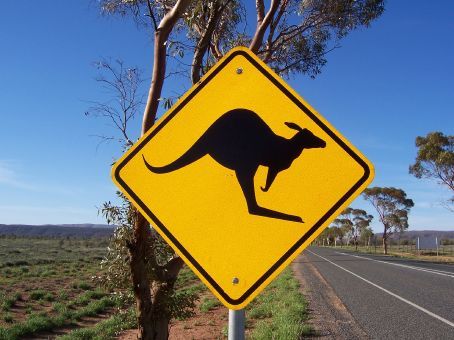
So of course the first time we saw this sign on the side of the road as we drove out of Sydney

kangaroo sign

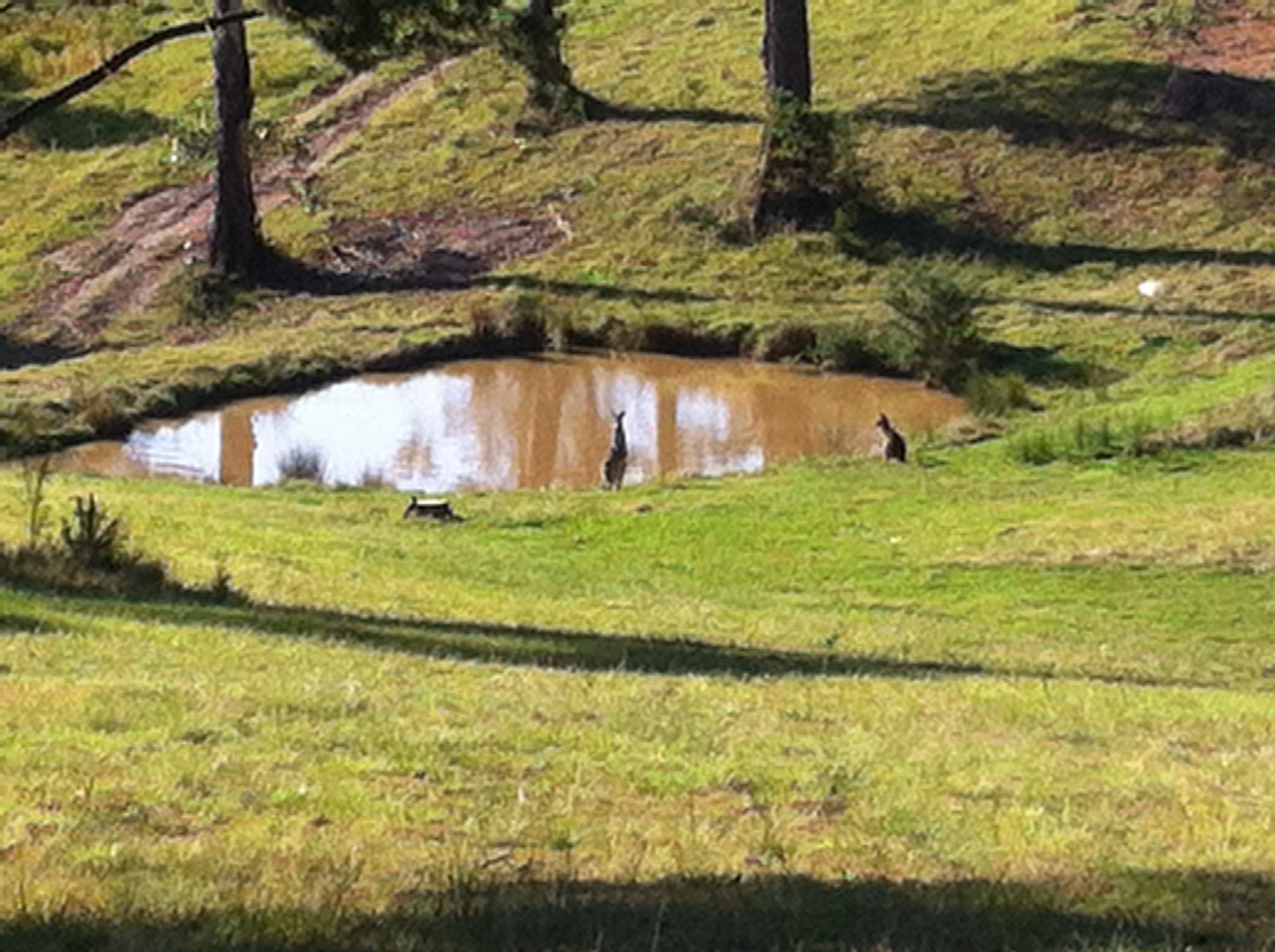
we began to scan the sides of the road with growing excitement. But it was only when we had crossed our fords and were wending our way to the King’s Highway to be on our way to Canberra that we saw our first kangaroos!

kangaroos 002

They saw us too and kept a wary eye on us. At some point, they started bounding off across the grass into the trees. Now, I’ve known all my life that kangaroos bound but let me tell you, nothing prepares you for the actual experience. You see this really quite big animal hunch over and start bouncing along just like a rubber ball, and with a very smooth motion. It’s lovely.

We saw kangaroos a number of other times over the rest of our trip, and always this wonderful sight of them bounding along.

bounding-kangaroos

But all too soon as we drove up King’s Highway, we saw another, and grimmer, reality – dead kangaroos, killed by vehicles

dead kangaroos

My wife reckons that we saw more dead kangaroos along the side of the road than live ones. I think she’s right.

_____

George Stubbs’s kangaroo: http://cdn.50up.com.au/wp-content/uploads/2013/04/The-Kongouro-from-New-Hol-010.jpg
Kangaroo and joey: http://upload.wikimedia.org/wikipedia/commons/0/0d/Kangaroo_and_joey03.jpg
Snuggly pouch: http://img.diytrade.com/cdimg/863429/8193309/0/1236395200/snugli_baby_carriers_nojo_baby_carrier_baby_carrier_reviews.jpg
Kangaroos boxing: http://farm8.staticflickr.com/7050/6843889051_d1e4ea5e91_z.jpg
Kangaroo sign: http://aphs.worldnomads.com/kiwiaoraki/6858/Australia_Pictures_2_993.jpg
Bounding kangaroos: http://createwolstonpark.files.wordpress.com/2010/08/bounding-kangaroos.jpg?w=847
Dead kangaroos: http://yaldapashai.files.wordpress.com/2010/09/dsc0191.jpg
remaining picture: mine

TATTOOS: DO I OR DON’T I?

Beijing, 10 August 2013

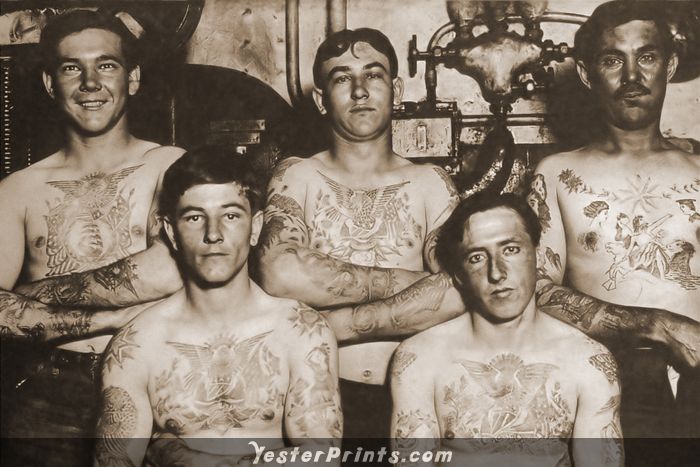
Call me old-fashioned, but I don’t really get this new fashion of tattooing – or inking, as the new lingo has it. When I was young, it was only the “Working Class” who sported tatts, and even then it was the more rootless among them who indulged: the sailors, the soldiers, the truck drivers, the criminals.

tattooed sailors

But more and more now, especially when summer rolls around and people disrobe, allowing views of parts of their anatomy which they cover the rest of the year, I am struck by how many, primarily young, people are tattooed. This happened to me again in Italy just a few weeks ago when my wife and I were on holiday there. Walking around the streets and on the beach, I was struck by the number of tattoos that flashed casually into view, worn by people who were manifestly not from one of the professional categories I’ve just listed.

tatuaggio in strada-2

tatuaggio spiaggia

Consider the stats. According to a survey quoted in an article in the Guardian, in the UK’s over-60s (the age group of which, alas!, I am nearly part) a little less than 10% have a tattoo, whereas in the 16-44 year-old group it’s nearly 30% – men and women combined. In the US, the figure climbs to 40% in this last age group. Tattooing is, as they say, going mainstream.

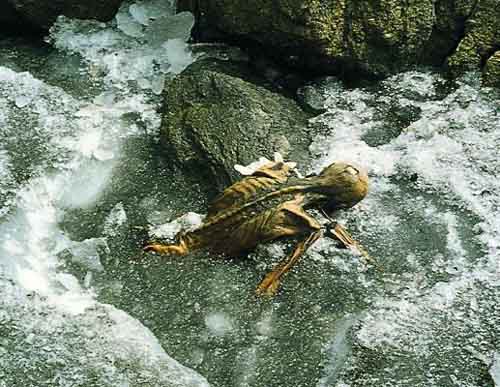
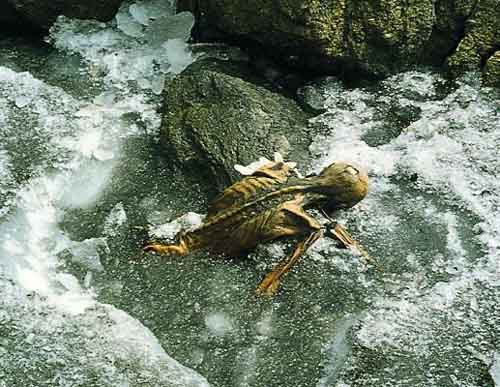
Of course, tattooing does have an honourable history. Our poor friend Ötzi, the Neolithic man found frozen to death in a glacier high in the Alps

otzi iceman

carried 57 tattoos, no less. They were mostly simple lines and dots, like these ones along his spine

otzi tattoo

and he probably had them done for some therapeutic value.

That was 5,000 years ago. 2,500 years ago, a Scythian chief who was buried in the permafrost was sporting considerably more elaborate designs on his arm.

Scythian_tatoo

while British children who didn’t stare out of the window while the history teacher droned on and on will know that when Julius Caesar made his military foray into the British Isles in 54 BC, he found people who liked to paint, perhaps to tattoo, themselves blue: “All the Britons dye themselves with woad, which occasions a bluish color, and thereby have a more terrible appearance in the fight” JC tells us in his book Gallic Wars. So this is what my ancestors looked like …

ancient-britons_box_front_web

For a history nerd like myself, it’s also fascinating to know that Ahmad ibn Fadlan, a 10th-century Arab who travelled up the River Volga and met the Vikings in their kingdom of Rus, described them as tattooed from “fingernails to neck”

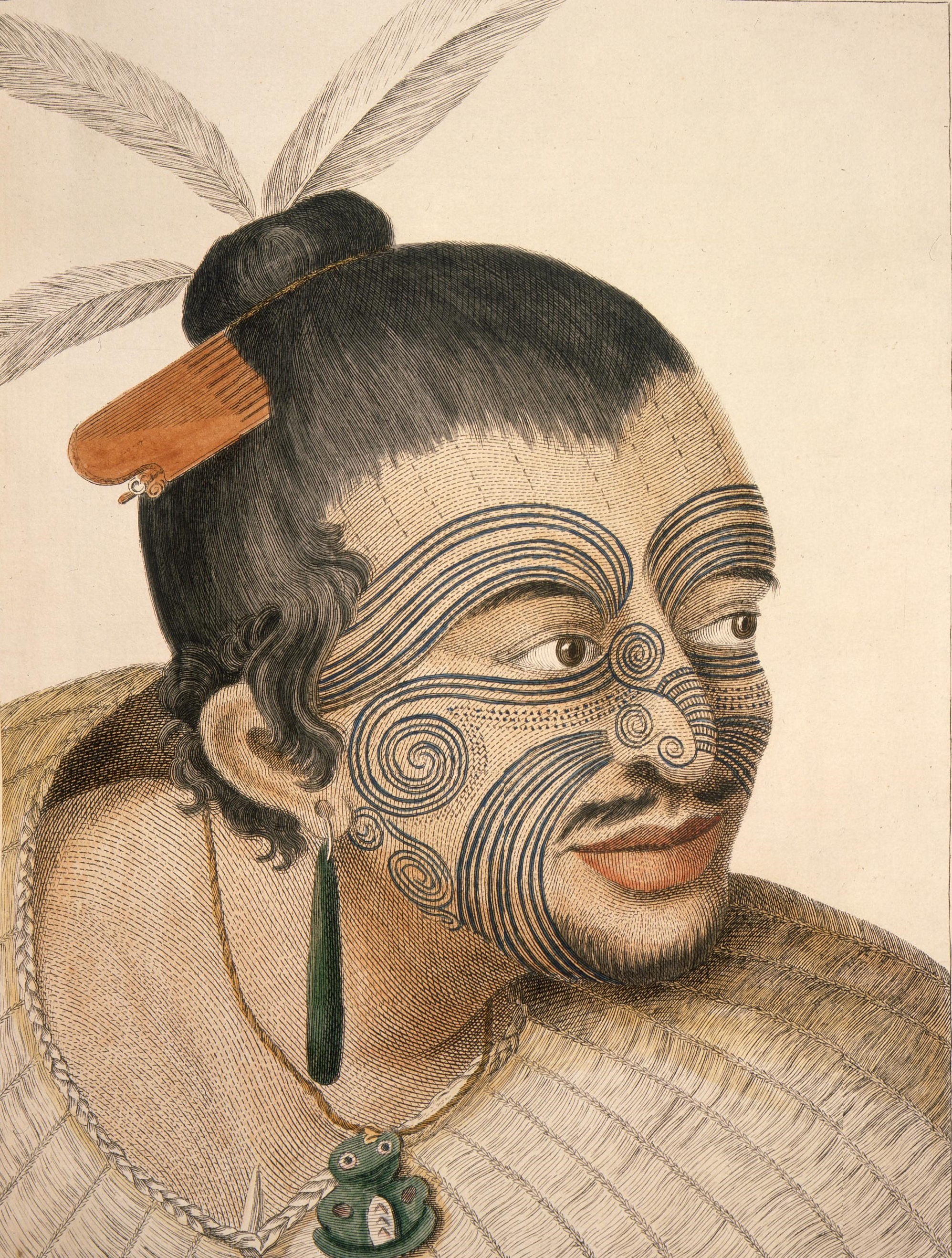
The usual spoilsports, the Christians, came along and banned the practice of tattooing in Europe, seeing it as a pagan practice (to be fair, the Jews had prohibited it even earlier). So in Europe at least, tattooing died out until the late 1700’s, when James Cook – and his sailors – discovered New Zealand and the tattooed Maoris, and reintroduced the practice (more history nerdism: the English word “tattoo” was actually introduced by James Cook, who was anglicising the Polynesian word “tatau”). Here is a picture of a Maori chief from Cook’s period:

Maori Chief 1784

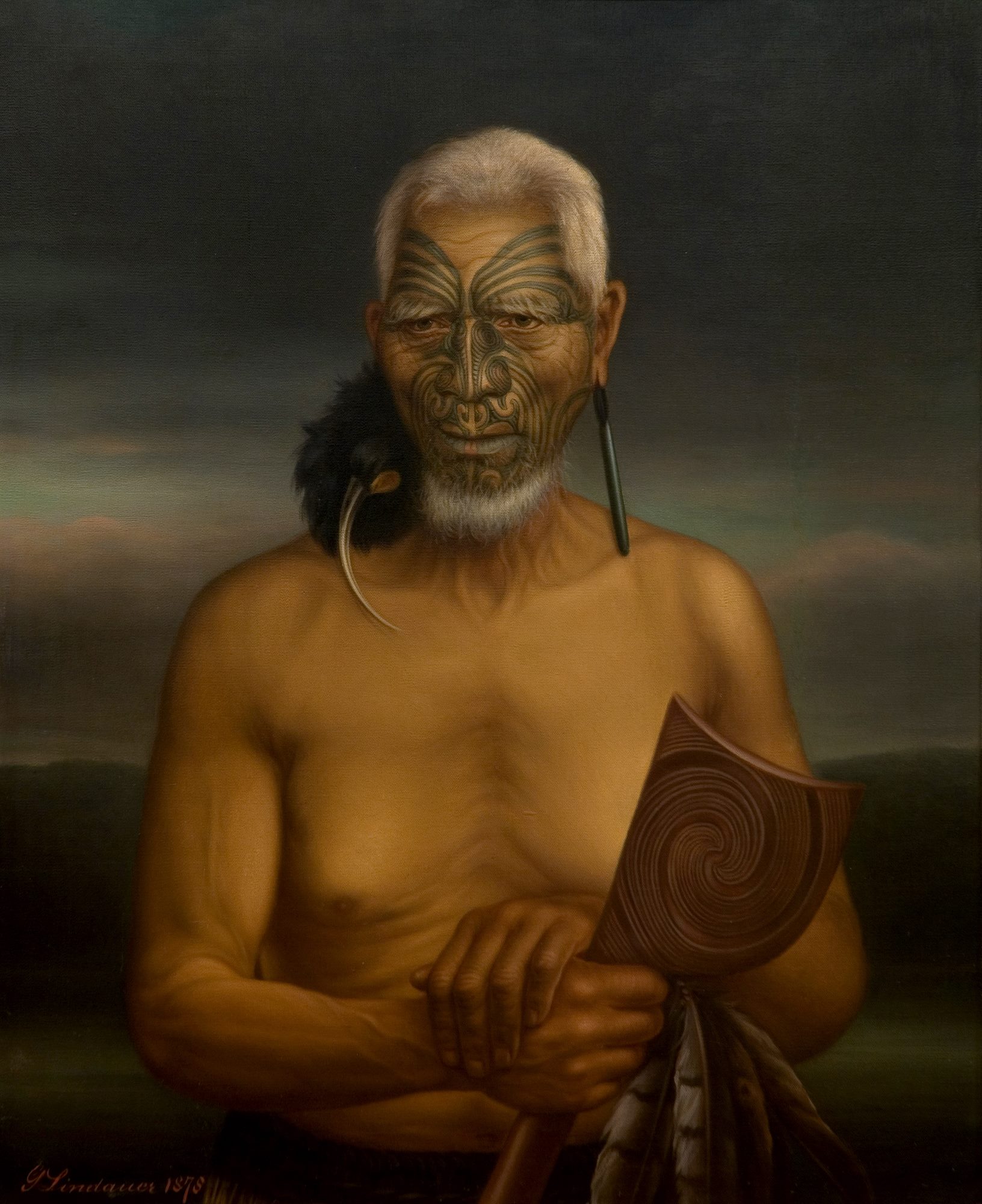
and a later one of another Maori chief, when the practice was dying out among them:

Tukukino maori-2

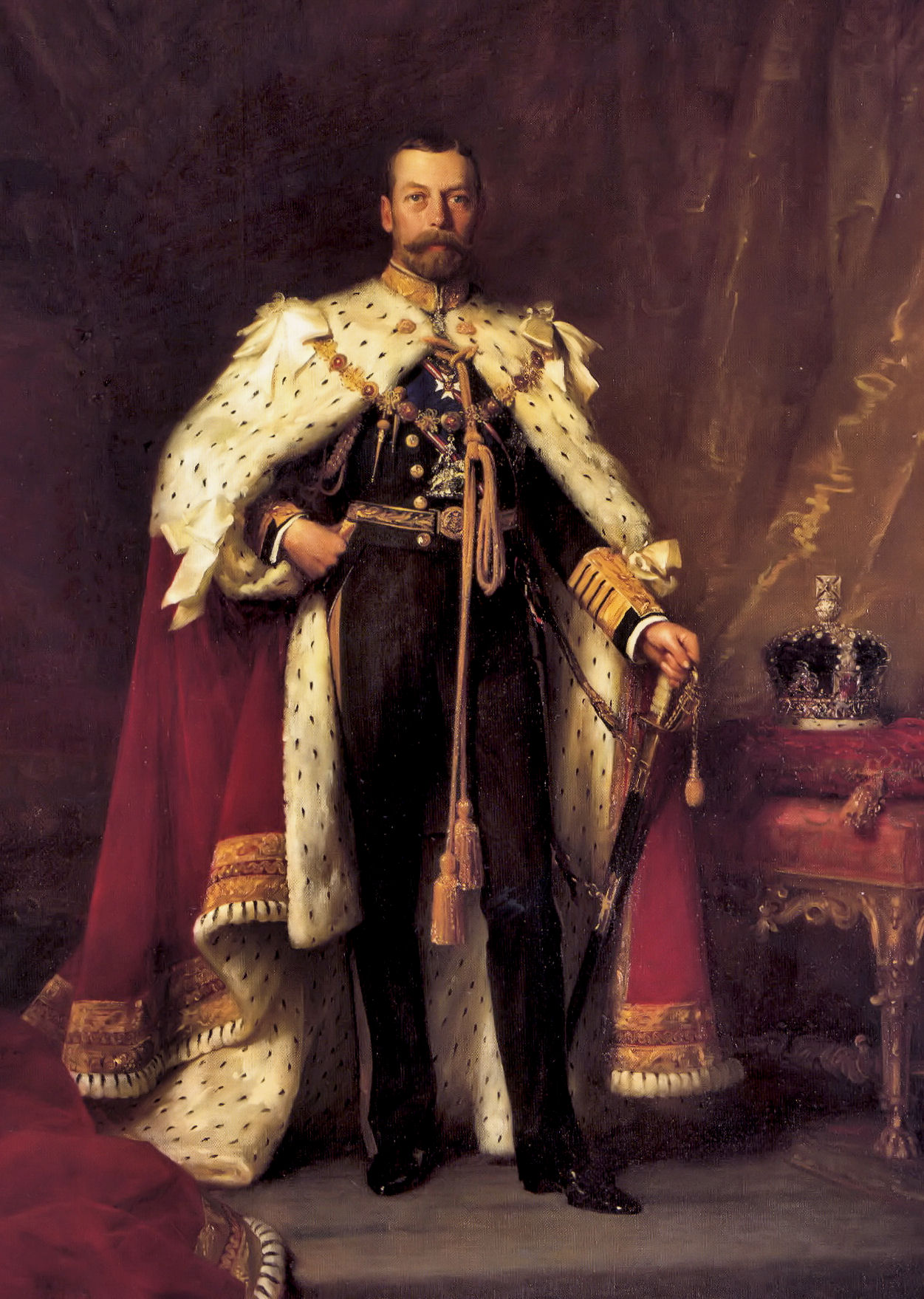
Not surprisingly, given the source of the reintroduction, sailors were at the vanguard of tattooing among the working class – by the late 1800s, 90% of the British navy was tattooed – but I have been astonished to discover that European royalty also had a penchant for getting inked. The very staid King George V

George V

sported tattoos of the cross of Jerusalem and a dragon, while two of his sons and a bunch of wannabe European royals followed suit. Even the British aristocracy was into the game. It seems that they liked to congregate in the drawing room after dinner and, over the port and cigars, show off their tattoos to each other.

So actually it was only us prim and proper Middle Classes who didn’t have tattoos …

OK, let’s step back now from the social class stuff which so permeates discussions of tattooing, and let’s ask ourselves these questions: Are tattoos pleasant to the eye? Does tattooing enhance a person’s beauty?

Let’s immediately forget about the little dolphins below the ankle (David Cameron’s wife) or the little sharks on the foot (Martha Swire, the Cathay Pacific heiress), or the little kittens on the bum (Emma Parker Bowles, niece of the other Parker Bowles), or the little stars spangled down the back (Rihanna)

rihanna_tattoo10

These are just cute pictures. I don’t see how having them tattooed permanently on you enhances the look of your skin or of you in general, especially if the onlooker cannot, or can hardly, see them. I mean, I can’t ask the PM’s wife to lift her leg, or Emma Parker Bowles to drop her pants, so that I can take a better gander at their dolphins and kittens, now, can I? And if I can’t do that, why bother having them? I am looking at this from the perspective of beauty … titillating your lover is another issue.

Actually, I have a problem with the idea of tattooing any kind of picture on one’s skin. Look at this photo of Angelina Jolie:

Anglina-Jolie

Does it enhance Ms Jolie to have those pictures on her? Do those pictures look better on her skin than on a wall? Personally I think not, in both cases. Her arms just look dirty to me and the pictures do not get better by being on the curved surface of her arm.

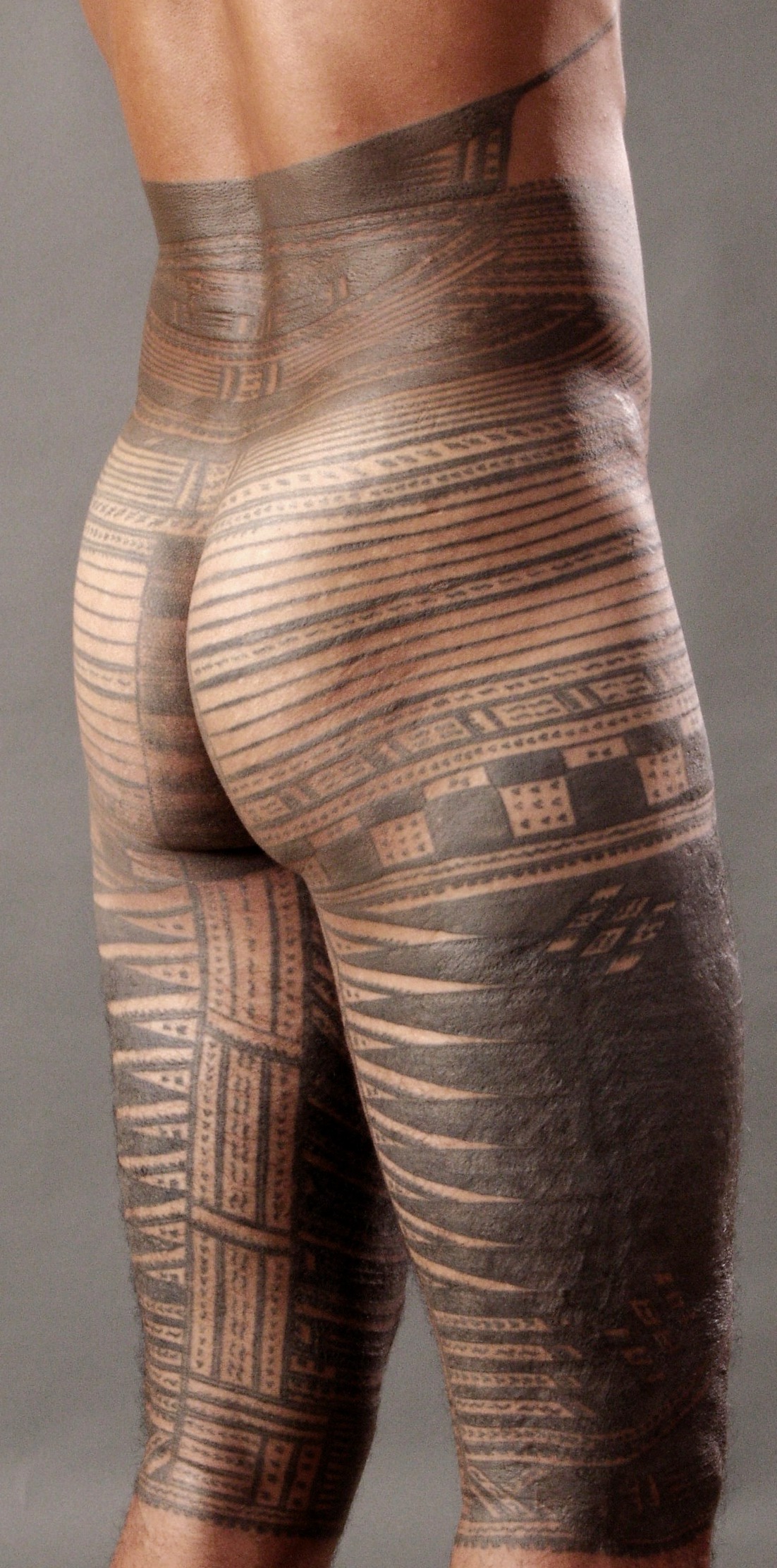
So let’s focus on abstract designs, which is what the Maoris had on their faces, and the Samoans had on their nether regions:

Traditional_Samoan_Tattoo_-_back

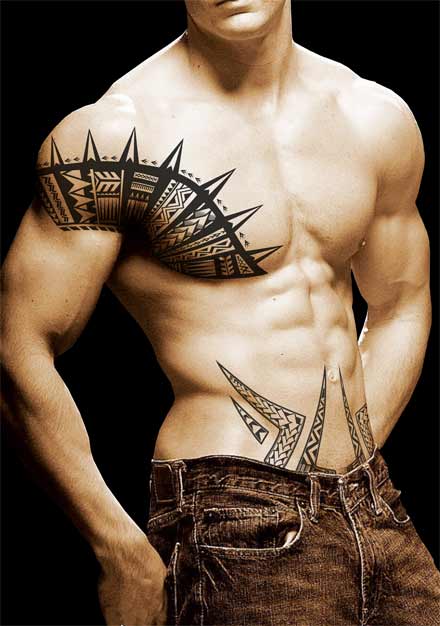
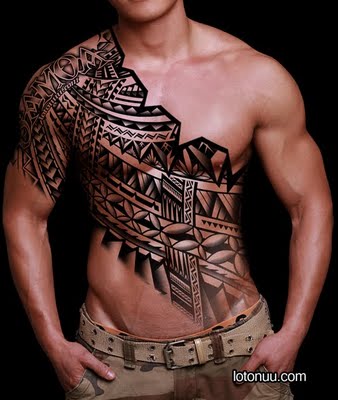
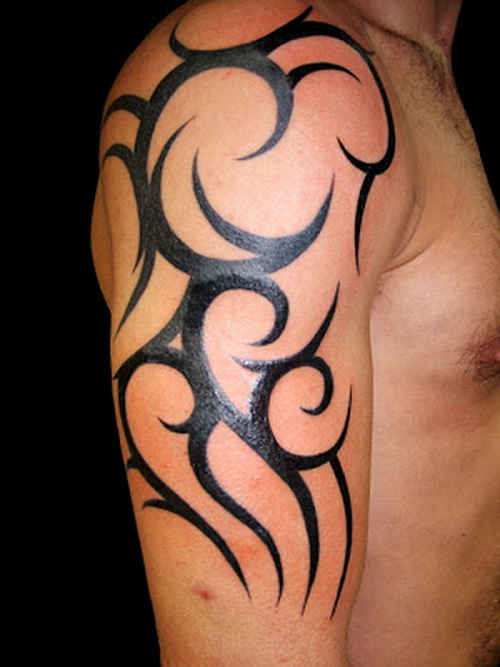
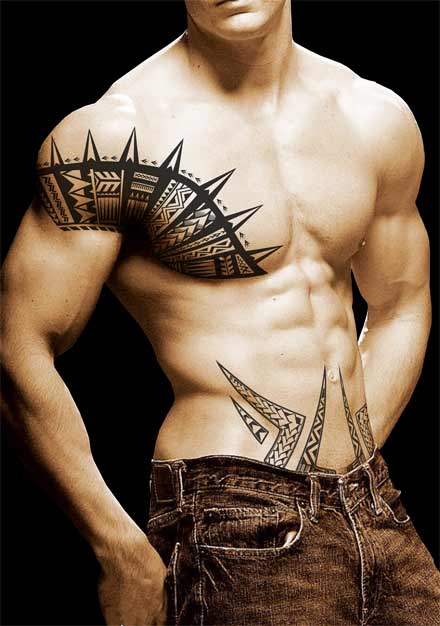
Here’s a couple of photos of abstract designs, all on men I have to say, although I can’t see why they wouldn’t work on women:

Tattoo Designs-1

Tattoo Designs-2

Tattoo Designs-3

tattoo designs-4

tattoo designs-5

I really don’t like those heavy sleeves in the first picture (as you can see, I am picking up the language of the tattoo parlour), they just make the arms look dirty. As for the others, I guess they aren’t too bad, even allowing for the fine pecs, or whatever those muscles are called, which the models have in abundance. But do they really make the men (in this case) look more handsome? I’m not convinced; those are really strong, in-your-face colours and thick lines. Maybe thinner lines in more discrete colours, a fainter blue or red? Perhaps the Ancient Britons’ woad will make a come-back …

But at the end of the day (and this post), I really have to ask myself, if you don’t live in Samoa or some other nice South Sea island where you can go around all day more or less without any clothes on, so that your next-door neighbours can admire your designs as you walk by; if you live instead in coldish Europe where you’re covered in clothes all day, and where if you take them off in public they bundle you off to the nearest psychiatric hospital, what’s the point?

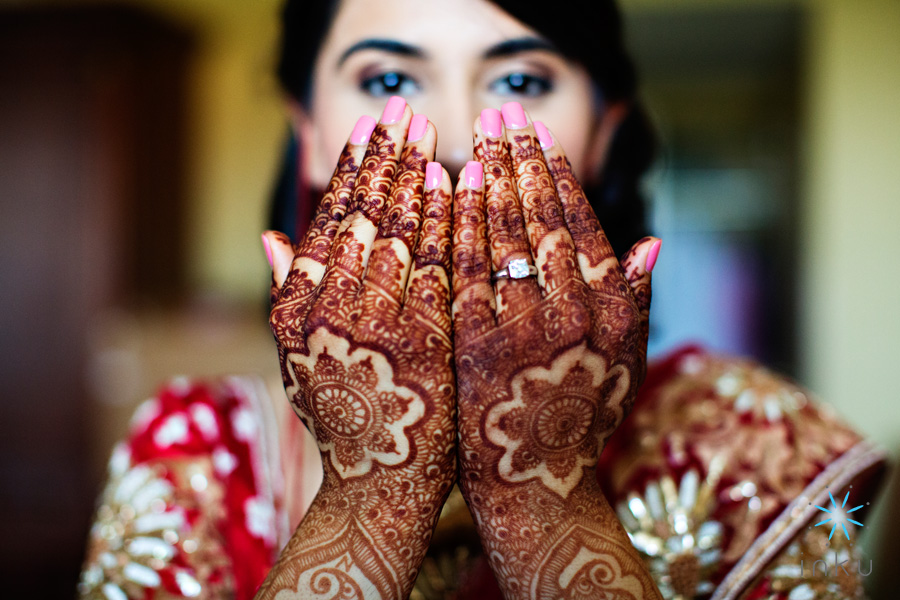
And why don’t we do it the way the Indians and others do it at weddings? Use henna, draw beautiful designs on yourself which are ephemeral

henna hands

and try out other designs at the next beach party: beach party, because you can take – most of – your clothes off and parade your new fancy designs which can be in more places than just your hands.

Just a thought.

And finally, with all due respect to the Maoris, please don’t touch your face. In 330 AD, the Roman Emperor Constantine the Great banned the practice of tattooing the faces of convicts, gladiators, and soldiers because, he said, the human face reflected “the image of divine beauty, and should not be defiled.” I couldn’t agree more.

______________________________

Tatooed sailors yesteryear: http://www.akirabodyart.com/images/content/1/c20_0040-sailors-tattoo-web.jpg
Tattoo on a street: http://www.rosesfanees.it/wp-content/uploads/2013/06/IMG_3571.jpg
Tattoo on a beach: http://2.bp.blogspot.com/_0GG_6fSKfBI/TITqWrghiOI/AAAAAAAAAYQ/m2JEHxwIVzo/s400/tatuaggio_2.jpg
Ötzi iceman: http://www.age-of-the-sage.org/archaeology/otzi_iceman_2.jpg
Ötzi tattoo: http://www.freetattoodesigns.org/images/tattoo-history.jpg
Scythian tattoo: https://upload.wikimedia.org/wikipedia/en/a/a6/Scythian_tatoo.jpg
Maori Chief 1784: https://upload.wikimedia.org/wikipedia/commons/d/d4/MaoriChief1784.jpg
Maori Tutukino: https://upload.wikimedia.org/wikipedia/commons/4/45/Tukukino%2C_by_Lindauer.jpg
George V: http://upload.wikimedia.org/wikipedia/commons/e/ee/George_V_of_the_united_Kingdom.jpg
Rihanna’s back tattoo: http://cdn04.cdnwp.thefrisky.com/wp-content/uploads/2012/09/10/rihanna_tattoo10.jpg
Angelina Jolie’s tattoos: http://www.tattoodesignsidea.com/wp-content/uploads/2013/05/Anglina-Jolie-Tattoo-Designs.jpg
Traditional Samoan tattoos: https://upload.wikimedia.org/wikipedia/commons/9/99/Traditional_Samoan_Tattoo_-_back.jpg
Tattoo design-1: http://photovide.com/wp-content/uploads/2013/01/Tattoo-Designs-07.jpg
Tattoo design-2: http://cooltattooidea.com/wp-content/uploads/2013/07/pics-of-tattoo-designs-sz6ztmti.jpg
Tattoo design-3: http://www.lotonuu.com/images/samoan-tattoos/samoan-body-Tattoo10.jpg
Tattoo design-4: http://samoantshirts.com/images/tattoo/samoan%20tattoos.jpg
Tattoo design-5: http://tattoodesignsmag.com/wp-content/uploads/2013/03/Best-Tribal-Tattoo-Designs.jpg
Hennaed hands: http://www.inkuphoto.com/wp-content/uploads/2012/07/nj-wedding-photographer-nyc-wedding-photographer-boston-wedding-photographer-indian-hindu-sikh-inku.jpg