TULIPS AND MANDARINS

Beijing, 2 February 2013

The last week has been dreadful for air quality in Beijing. The brief break we had which I wrote about a few posts ago was but a temporary remission and we soon plunged back into the murk. My wife was a little more philosophical about it than I. She remarked that it reminded her of her childhood in Milan, when smog was frequent, and reminisced about having to cross the road to go to primary school and not being able to see if the light had changed. But still, we both suffered.

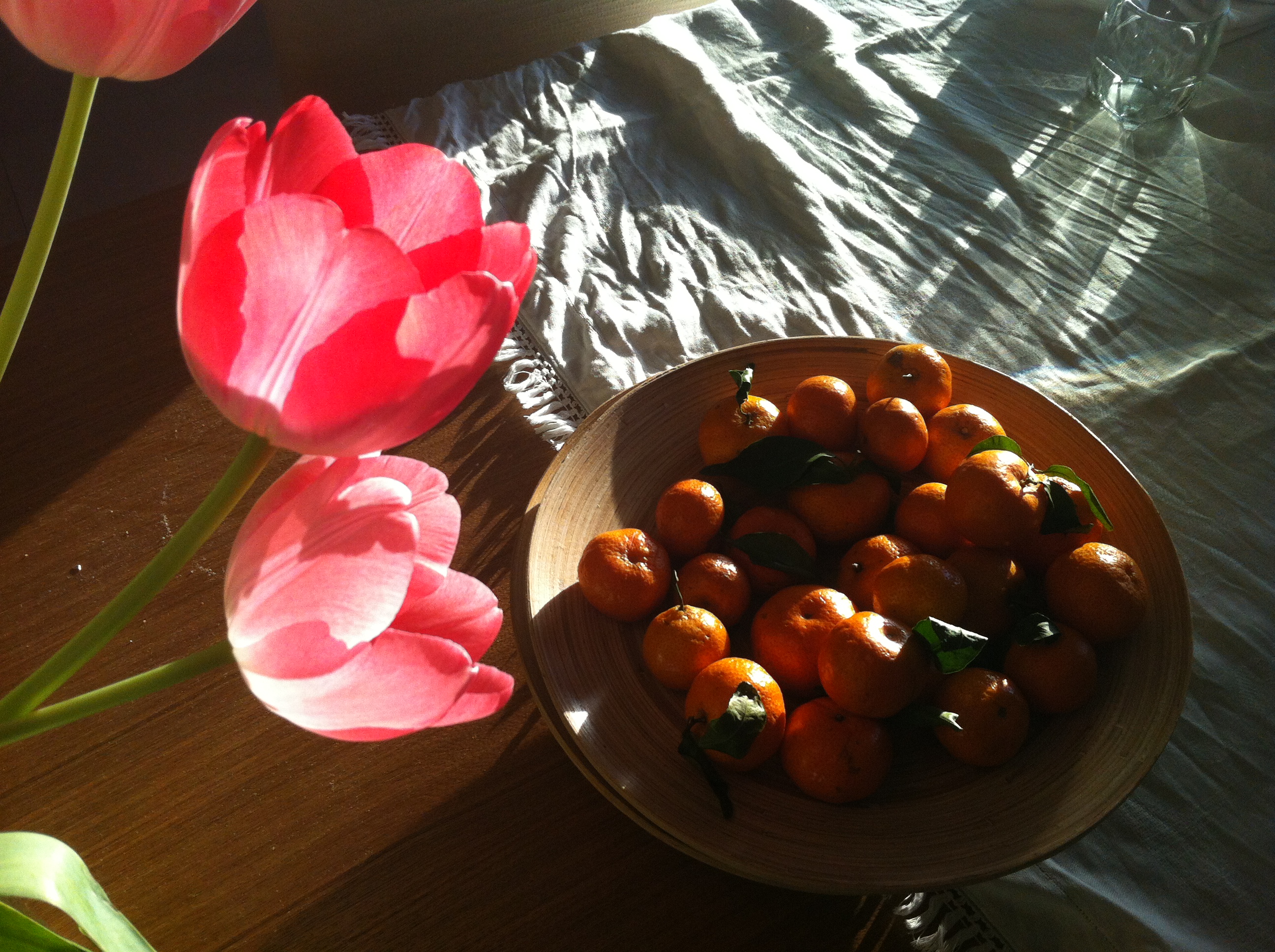
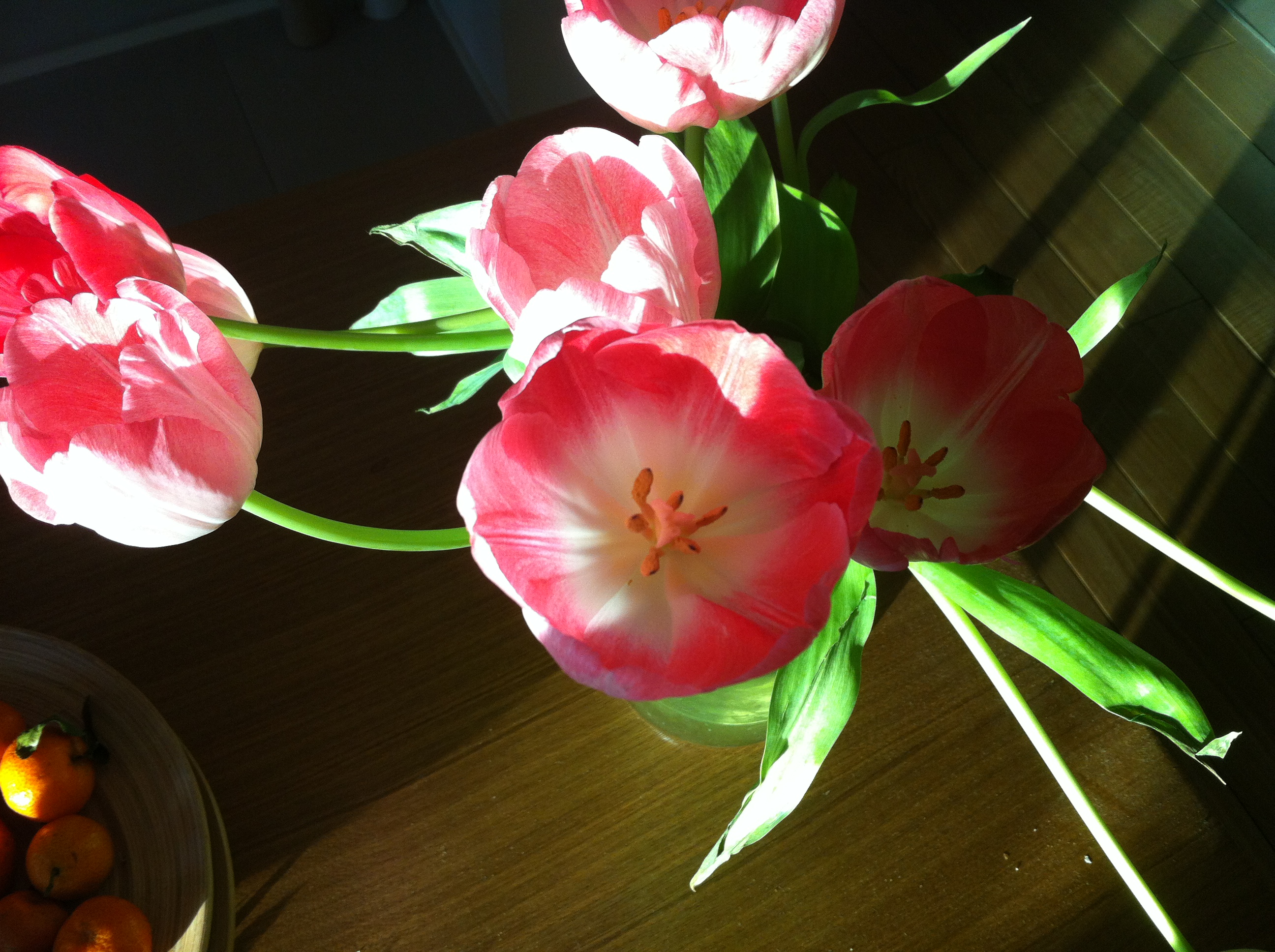
To cheer us up, my wife bought a bunch of tulips. They were still closed when she brought them home, but she placed them in a jar and we watched them slowly open over the following few days. Yesterday morning, we woke up to a gloriously bright and clear day. Thanking all the spirits I could think of, I stepped humming into the dining room, only to be greeted by the tulips which had fully opened over night. The sunlight pouring in through the windows was picking out their delicate pinks, whites and greens. I just had to memorialize the occasion.

   tulips 003

tulips 002

The mandarins which were also on the table kept nudging themselves into the frame, so eventually, I brought them in too.

tulips 005

Wonderful, wonderful fruit, those! They don’t look up to much, but aah the taste, my friends! First comes the delicate mandarin aroma which breaks out as you begin to peel the fruit and prepares you for what lies ahead. Then comes the citrically acidic taste with sharp mandarin overtones which hits your taste buds as you pop one segment in after the other. They are completely addictive; between my wife and I, that plate of mandarins lasted but one breakfast. She has found a greengrocers up the road which sells them. Sorry, the address will remain a secret.

MIT CHAPEL

Beijing, 22 January 2013

Readers of my posts will perhaps know that I have a certain fondness for Chinese porcelain. So it should come as no surprise to them to hear that when I read in the China Daily of an exhibition at the Capital Museum on porcelain I immediately suggested to my wife that we visit it. Which we did this weekend.

The exhibition was of porcelain ordered by the Empress Dowager Cixi (the last real imperial ruler of China). I’m afraid to say that it was a disappointment. The porcelain on show was undoubtedly of the highest quality, but the designs were … well, twee is perhaps the best way to describe them. Lots of canary yellow background, and lavish use of birds and butterflies as motifs.

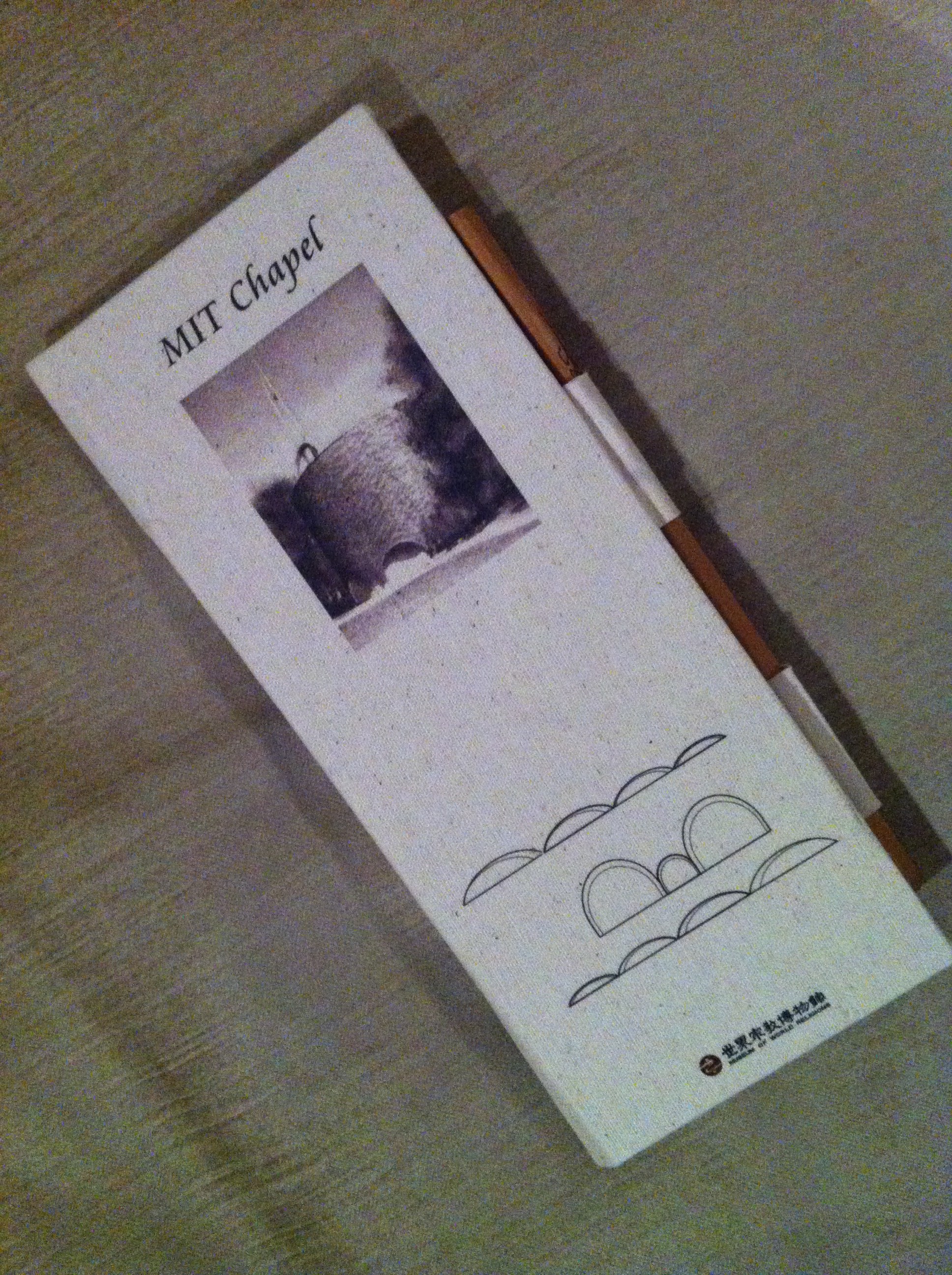
Somewhat disconsolately we went to see what else the museum was offering. There was an exhibition from Taipei, from the Museum of World Religions, and for lack of anything better we visited that. It was nothing special, just a collection of religious memorabilia from various world religions. So we left that exhibition even more disconsolate than before and went to the museum shop. We were running a listless eye over what was on offer when something caught our attention. It was a small something – we were not sure what it was – which, critically, had written on it “MIT chapel”. We had to buy it.

museum purchase 002

I should explain: my wife and I were married in that chapel, I was doing my graduate studies at MIT at the time. It’s a lovely chapel, designed by the Finnish-American architect Eero Saarinen. Probably his most well known works are the old TWA Flight Center at JFK Airport and the Gateway Arch in St. Louis, Missouri. He did many other big works for corporations and governments, but he also did a number of smaller, more intimate works like the MIT chapel.

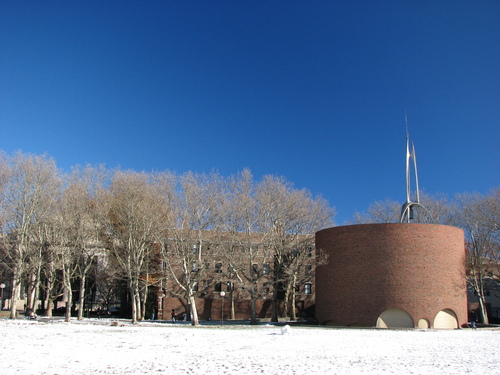
From the outside the chapel doesn’t look like much, just a small circular brick building set down on a lawn and some trees.

MIT_Chapel-2

Snow makes it more interesting.

MIT_Chapel-winter

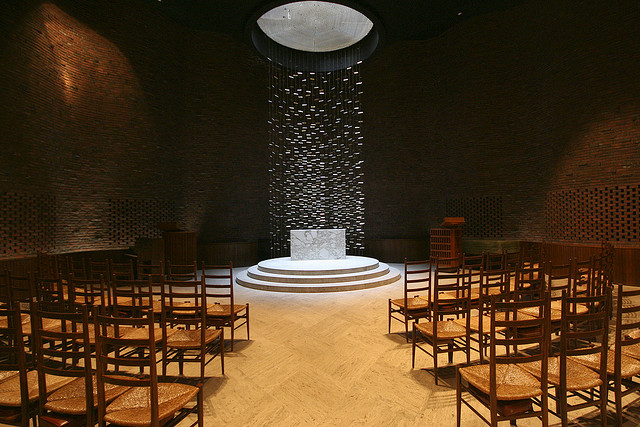
The interior, on the other hand, has a wonderful feel to it. The first thing that strikes you as you enter the chapel is the altar bathed in light streaming down from the skylight above it, while the installation over the altar leaves you very much with the sense of angel dust raining lightly down from on high.

MIT_Chapel-inside-5

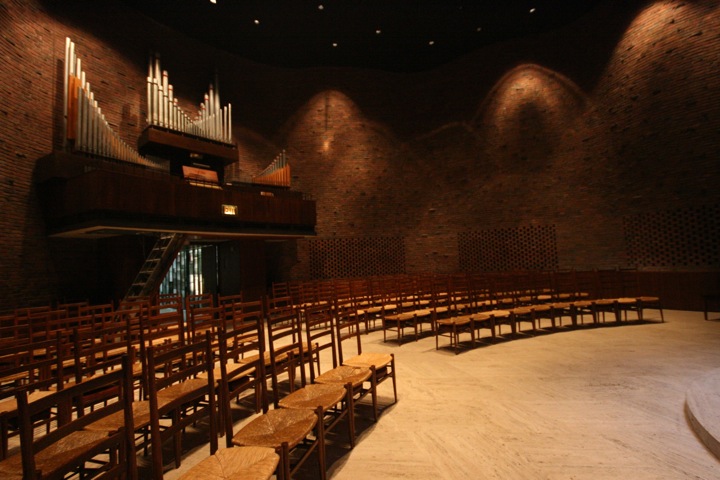
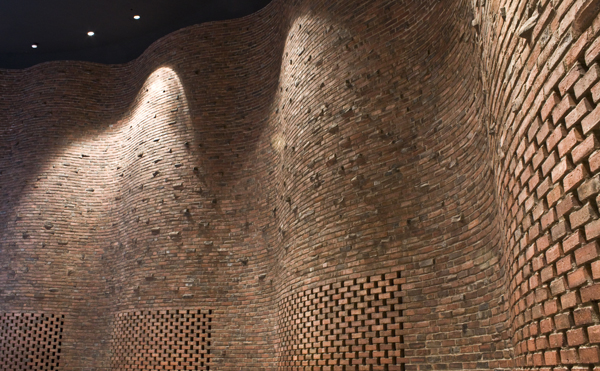
Then there is the wall. Outside, it is a normal circle. Inside, it is wavy and is roughened by bricks sticking slightly out of the wall.  It also holds a regular pattern of bricks that reminds me of the ventilation systems used in brick barns in northern Italy.

MIT_Chapel-inside-4

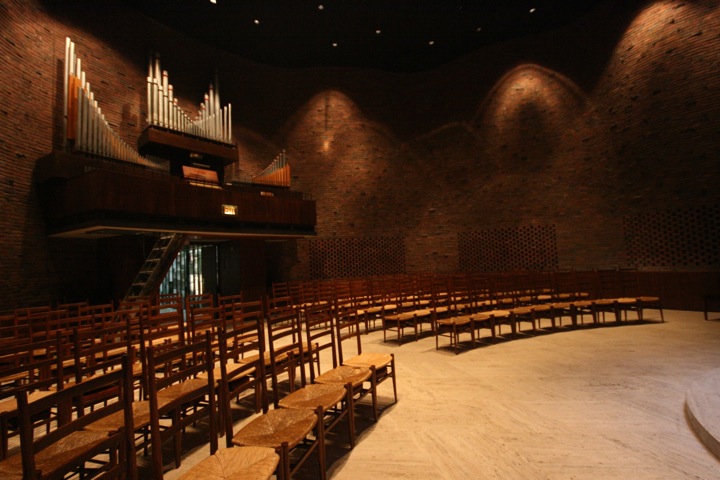
And then there is the organ, small but perfect, in its organ loft.

MIT_Chapel-organ-2

Our friend who volunteered to take the photos failed miserably (he forgot to press some button or other on the camera), so we have very few photos of the wedding. But it is all still fresh in our minds. My wife wore a pink tailleur and I a dove grey suit. She kept that tailleur for many years, while a rapidly increasing girth meant that I had to abandon the suit quite quickly. We had come up with our own vows – the parish priest had grumbled at this, asking why we wanted to abandon the beauty of the traditional vows, but we had insisted. A copy of them slumbers on together with all the rest of our stuff in storage in Vienna – we have carried them with us everywhere we have gone. We had our rings designed by a goldsmith in Milan: double gold bands, which echoed the design of the engagement ring I had given my wife from the same goldsmith. My mother-in-law, who was a great lover of music, chose the organ music (not Mendelssohn’s wedding march …). My parents and a couple of siblings had driven down from Canada, and the rest of the chapel was filled with university friends from MIT and Johns Hopkins, where my wife was doing her graduate studies. After the wedding, we had all gone downtown to a restaurant on Boston Commons for our lunch. No speeches, nothing like that; just good food. Because of timing, we had gone on our honeymoon before the wedding, in the Shenandoah Valley, together with my mother-in-law (I liked her a lot …). Immediately after the wedding, we started classes again.

So I’m sure my readers understand why we just had to buy that article with “MIT chapel” written on it (which, by the way, turned out to be a small case containing a tiny pad of ruled paper, a ruler, and an unsharpened pencil – quite where the connection was with MIT remains a mystery).

________________________

MIT chapel: http://ad009cdnb.archdaily.net/wp-content/uploads/2011/02/1297993341-mit-chapel-wikimedia-commons2-375×500.jpg
MIT chapel-winter: http://mw2.google.com/mw-panoramio/photos/medium/6339334.jpg
MIT chapel inside-altar: http://farm4.staticflickr.com/3383/3478369283_08678cfd7a_z.jpg
MIT chapel inside-wall: http://jmcvey.net/sylva/wp-content/uploads/2010/10/chapel_interior_wall2.jpg
MIT chapel-organ: http://ad009cdnb.archdaily.net/wp-content/uploads/2011/02/1297993330-mit-chapel-caribbeanfreephoto.jpg

MY MESSAGE IN A BOTTLE

Beijing, 16 January 2013

My previous posting on a message in a bottle has reminded me of a story that happened to me a year or so ago. It all started when out of the blue I received an email from a woman who was quite unknown to me. After telling me that she had got my email address off the Internet, she cited me an address in Edinburgh and one in Canada, and asked me if I had ever lived there. It so happened that the Edinburgh address was where my wife and I had lived in our last two years as students at University, while the Canadian address was that of my parents.

I didn’t know what to make of this email. How had this complete stranger found my old addresses? I looked her up on the Internet and discovered that she was British, so some sort of connection with my past was possible. But she was obviously at least ten years younger than me, possibly more, so it wasn’t someone I had known in the past whose name had changed, nor was it someone with whom I could have had a common acquaintance of my generation. So who was she? Was this some kind of scam? Was some murky story in my past coming back to haunt me? But what murky story could that possibly be? I’m not a very murky person.

After a few weeks of mulling it over – I was on holidays at the time – I decided that I couldn’t resist the temptation to know more. So I wrote back to her, warily admitting that I had indeed lived at those addresses and so I was probably the person she was looking for. I then politely asked her what this was all about.

She got back to me quickly, thanking me effusively for replying. She then explained the background. One day, she and her boyfriend were browsing around in a used books store in Royal Tunbridge Wells in the south of England. For those of you, like me, who have never been to this pretty little town, I append here a picture.

Royal Tunbridge Wells

In the store, she told me, she had stumbled across a small book in the front of which a piece of paper had been slipped with my name and the addresses in Edinburgh and Canada written on it – as well as the fateful phrase “please forward if possible”. My correspondent was electrified by that last phrase. She felt that fate had sent her a message-in-a-bottle and she decided there and then that she was going to track me down and hand over the book.

So the hand-over took place through my daughter in London. No doubt my correspondent was highly pleased with herself. But I was left with an even deeper mystery. Who had wanted to give me this book? And why?

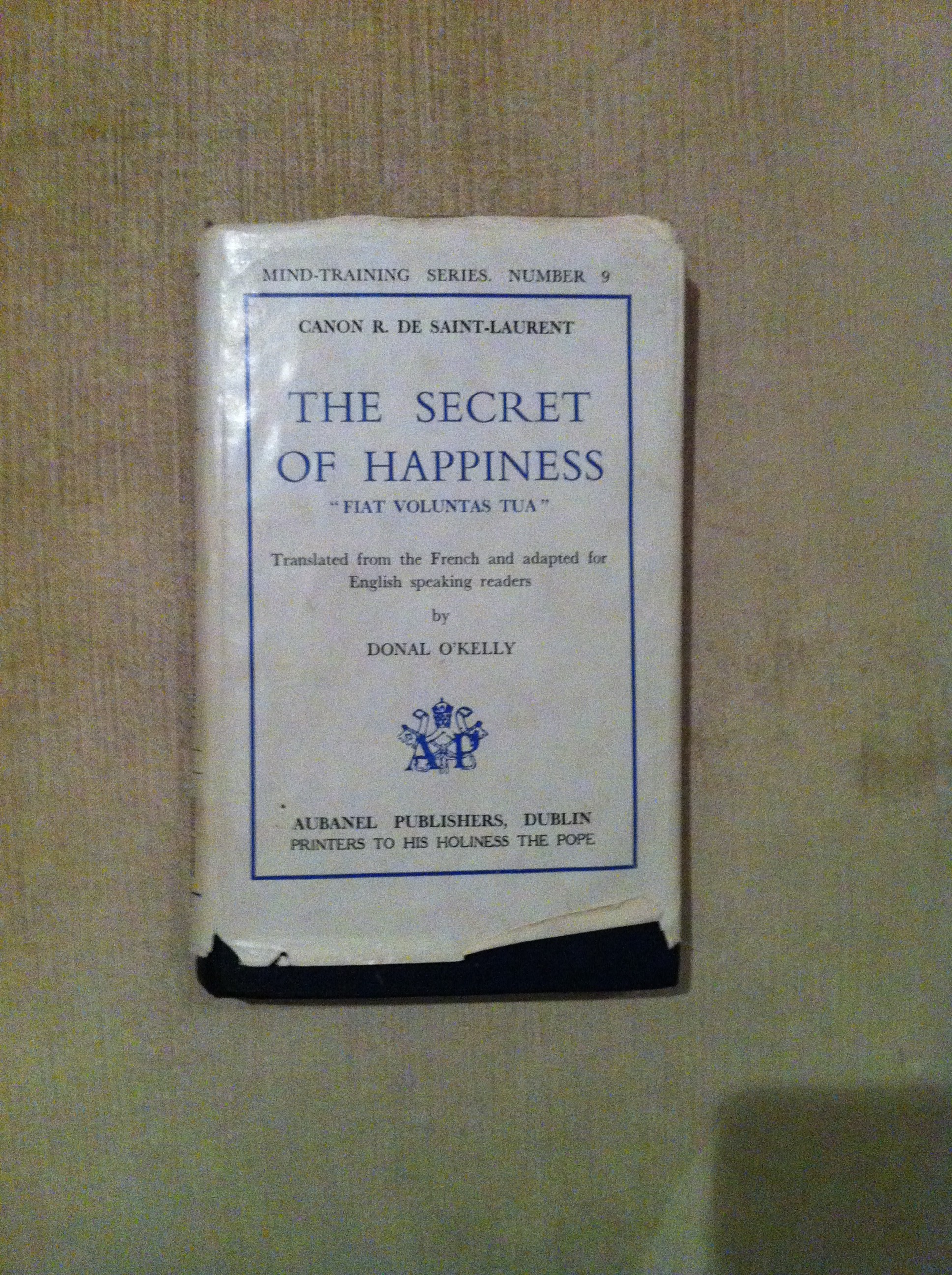
The book is quite special. It is entitled “The Secret of Happiness” and subtitled “Fiat Voluntas Tua”, or Thy Will be Done.  It is a rigorously Catholic self-help book, written originally in French by a certain Canon Raymond de Saint-Laurent, and published in English by Aubanel Publishers, Dublin, “Printers to His Holiness the Pope”, in 1951.

book cover 002

According to the book’s back cover, the reverend Canon was the author of many such books with titles like “A Cure for Shyness: Causes, Consequences and Remedies”, Self-Control: Ways of Curing Yourself from Being Emotive, Expansive and Impulsive”, and “Optimism: How to Acquire Mental Poise”.

Who had thought I would be interested in this book, or that it would help me? I’ve never needed help to be happy.

The book itself gives no clues other than the inserted note. There are no names written in it, no dedications, no marginalia. In fact, the book looks unread. Not surprising really. I flipped through a couple of pages, it’s enough to send the most hardened insomniac into a deep Rip van Winkle-like sleep.

Casting around for possible suspects, I first thought of my mother. She had from time to time during my boyhood sent me pious books to read, but mostly on the lives of worthy saints, presumably as exemplars for me of a better life. I also vaguely recall that in my puberty she once gave me a book on Sex, written by a Jesuit priest. All I remember from it is an affirmation that after heavy petting it was quite normal for girls to have backaches … But I quickly eliminated my mother. The writing on the note wasn’t hers, she hadn’t lived in the UK since the book was published, and why would she put her own address in Canada?

I then thought of an Aunt, sister of my father, who lived to the south of London and in the general direction of Royal Tunbridge Wells. She was a very religious person, High Church of England – only my father had converted – so she might have owned this book. And she did always send us books for Christmas. Perhaps when she died and the contents of her house were dispersed this book somehow ended up in a used books store in Royal Tunbridge Wells. But this scenario didn’t seen likely. The type of books she sent us was detective stories and the like; I really couldn’t see her wanting to send me this book.  Nevertheless, in order to pursue all lines of enquiry, I sent a scan of the note to one of her children to see if he thought it was her handwriting. He replied in the negative.

Given the religious nature of the book, I then thought of my godparents. I eliminated my godmother immediately. She was French, a dentist in Haute Savoie. I had met her a few times, and she had never struck me as the type of Catholic who reads books like this. And why would the book have ended up in Royal Tunbridge Wells? My godfather made for a better candidate. He was English and lived in the south of England somewhere, so it’s imaginable that books dispersed after he died ended up in Royal Tunbridge Wells. From the diary my father kept at school and university, which I had recuperated from a dusty shelf after he died, I discovered that my godfather had been very instrumental in encouraging my father to convert to Catholicism when at University, so I knew he was a strong Catholic. But we were never close; I had only met him once. Could it be that as a last act of his godfathering he thought of sending me this book? There is no way of finding out. He’s dead and I don’t know any of his children, to whom I could have sent the note to check the handwriting.

And so the leads have all gone cold, and I am left with the unsolved mystery. I stand on the metaphorical beach holding in my hands the message that arrived to me in a bottle. I will spend the rest of my life scanning the horizon, wondering where the message came from and why it was sent to me.

man standing on a beach-2

And saddest of all, although I love reading books I will never read this one, because it is a type of book that I would never, ever, read!

_____________________

Royal Tunbridge Wells: http://farm9.staticflickr.com/8078/8367015396_c8c90646e0_z.jpg
book cover: my picture
Man staring out to sea: http://farm9.staticflickr.com/8078/8367015396_c8c90646e0_z.jpg
LIGURIA, A CORNER OF PARADISE

New York, 4 January 2013

Like I said in an earlier posting it’s great to be with the kids, and Manhattan is certainly a fun place to ring in the new year, but it has meant that we haven’t followed our usual pattern of spending Christmas and New Year in Italy. Normally, we would all congregate in Milan, pass Christmas there, and then head for Liguria. Milan is quite depressing at year-end; it’s grey and cold and wet, and everyone’s left for somewhere else. But Liguria, especially our little bit of it just south of Genova, is lovely. The crowds of beach tourists have vanished, but the days are still mostly sunny, the temperature is mild, the sea is blue

coast and sky-1

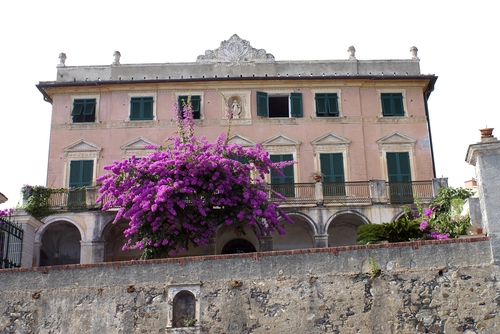
the bougainvillea is still flowering

bougainvillea

the church’s campanile is awash in festive colours

campanile

… It’s a corner of paradise.

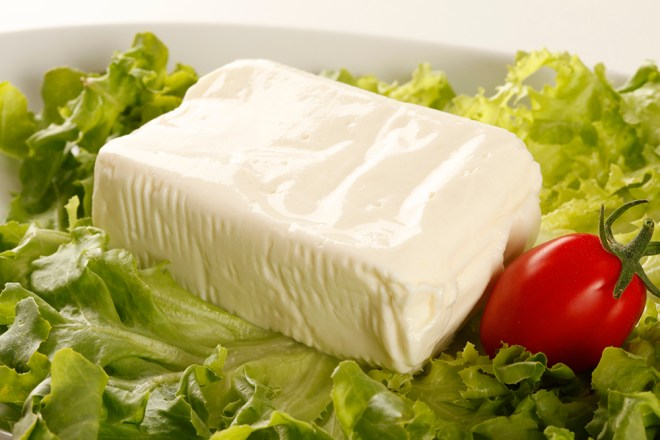
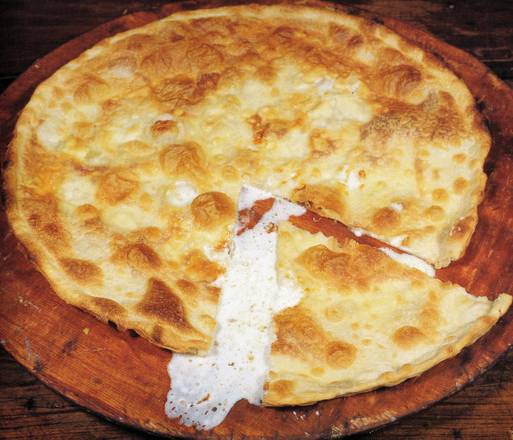
When we get off the bus, our routine is always the same. We walk up to the apartment, drop off the bags, and then head down to the village centre for dinner. There is a restaurant there that we always go to, where we order its specialty: focaccia al formaggio. For the uninitiated, this is a mass of melted soft cheese held very slightly between two very thin strips of flatbread.

Fotofocaccia01

The cheese is held so slightly by the flatbread that it is an art to pick up a piece and bring it to one’s mouth without half the cheese ending up on your lap. For the first couple of times, it’s safer to use a knife and fork.

Described like this, it doesn’t sound like much, but I can assure you that focaccia al formaggio is absolutely delicious, so famous now in Europe that the local authorities have applied for, and received, the EU certification of Protected Designation of Origin; in other words, no-one else, anywhere, can claim to make focaccia al formaggio.

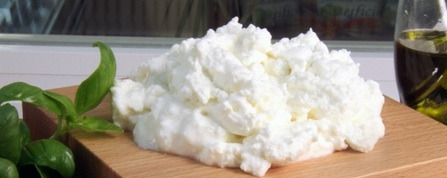
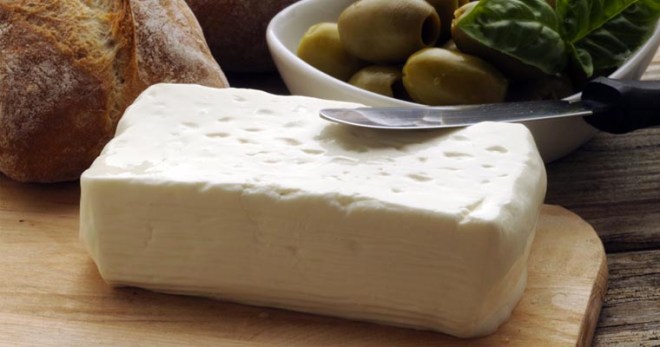
The key to a good focaccia al formaggio is of course the cheese. Originally, the locals used a highly local cheese, prescinsêua (as it is known in Genoese dialect).

Unfortunately, high demand for the focaccia over the last several decades has outstripped the meagre supply of this cheese. Local restaurateurs have therefore switched to stracchino, a very similar cheese from Lombardy.

Luckily, it was generally agreed that stracchino makes an even better focaccia. However, its use is currently creating a bit of a crisis. The obtention of the EU certificate was seen as vital to protecting the brand; however, the certificate requires the use of local ingredients, and as any Italian will tell you a Lombard cheese is definitely not local to Liguria. So makers of focaccia al formaggio are now switching to crescenza, a cheese made in a valley behind Genova.

But aficionados are whispering that the resulting focaccia is not so good. We await the unfolding of this drama with baited breath.

Feeling a little homesick, we tried to make focaccia al formaggio for the first time ever over the weekend.  Our daughter did a massive search for stracchino and eventually tracked some down in a shop in the upper east seventies. We thought we were home and dry. That’s when we discovered that how you make the flatbread is equally important. It must be very thin; ours wasn’t thin enough and we ended up with a strange sandwich of two biscuits with clumps of unmelted stracchino in between. We are also still discussing if the oven wasn’t hot enough.

Hope springs eternal. We will try again, but not any time soon. Perhaps we will be back in Italy next year and can simply eat it as we always have, at our favourite restaurant in Liguria.

_________________
Coast and sky: http://www.liguriawebtv.it/wp-content/uploads/portofino1.jpg
Bougainvillea: http://mw2.google.com/mw-panoramio/photos/medium/15661912.jpg
Campanile: http://www.google.it/imgres?hl=it&tbo=d&biw=1280&bih=658&tbm=isch&tbnid=flpKDAD7z-P6TM:&imgrefurl=http://www.panoramio.com/user/741959/tags/campanili&docid=iq3aXsUhbs36HM&imgurl=http://mw2.google.com/mw-panoramio/photos/small/7332810.jpg&w=180&h=240&ei=DyHmUIODCqXv0QHUo4DwCw&zoom=1&iact=hc&vpx=1079&vpy=127&dur=33&hovh=192&hovw=144&tx=130&ty=122&sig=104429032764427195966&page=1&tbnh=138&tbnw=107&start=0&ndsp=22&ved=1t:429,r:6,s:0,i:103
Focaccia col formaggio: http://www.ansa.it/webimages/foto_large/2012/3/15/1331830684301_Focacciadirecco.jpg
prescinsêua: https://www.facarospauls.com/apps/italian-food-decoder/11169/prescinseua
stracchino: http://www.carionifood.com/it/cat0_17049_16985/formaggi/formaggi-senza-lattosio/p530877-stracchino-senza-lattosio.php
crescenza: http://www.misya.info/ingrediente/crescenza
Edo Bar: https://www.tripadvisor.it/Restaurant_Review-g1807548-d1173493-Reviews-Edobar-Sori_Italian_Riviera_Liguria.html

MY PSYCHEDELIC TIES

New York, 1 January 2013

My last post has brought back a memory from when I was a teenager. I went to a boarding school that was located some twenty miles from the nearest major train station, so at the beginning and end of each term buses would bring us to and from the station. The bus ride back to school at the beginning of the term was a staid affair, everyone quietly talking or just meditating. The bus ride back home at the end of term was an altogether more riotous event. Bawdy rugby songs were sung at high volume, starting from the back of the bus where the bad boys sat, and what in a different era were called “off-colour” jokes were retold loudly and with relish. This album cover conveys the general idea, although we did keep our clothes on.

rugby songs

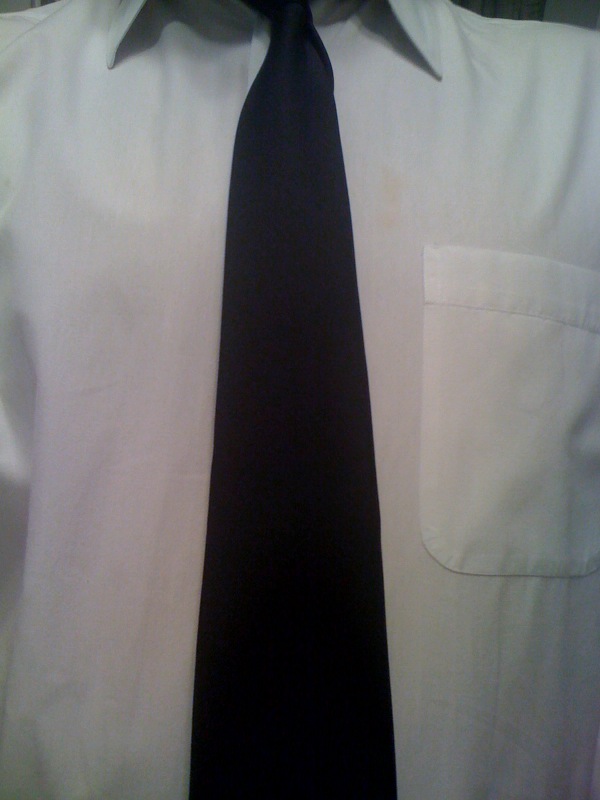
One element of the journey home was that we would all wear the loudest possible ties. I should explain that while we did not wear uniforms as such at our school, sports jackets were de rigeur along with a tie. Not just any old tie; a black tie. All of us, all term, wore a black tie.

black-tie-2

The only exceptions were school and house monitors as well as the sporty types who won their cricket, rugby or other colours for exceptional gamesmanship.  We had many theories about why we all had to wear ties of such a lugubrious colour; the one I remember has to do with commemorating the deaths of several boys in a fire decades ago in one of the school houses (no girls; this was a boys’ school).

Whatever the reason, on the last day of term we threw off that horrible black tie and marched onto the bus each with a tie louder and – given the times – more psychedelic than the last. These photos give an idea of the sudden blast of colour we offered each other:

sixties-ties-3

sixties-ties-2

Getting onto the bus was to take part in a fashion cat walk, with comments about each tie and loud cheers for the brightest. We all came back to school with a secret hoard of bright ties, from which we selected one to parade that last morning in front of our peers. And then off we went, singing our bawdy rugby songs.

What happened to my psychedelic ties? Gone, I think, with other mementos of my youth when my sister, tired of seeing me not collect that suitcase which I had asked her to store in her attic, threw it and its contents out.

suitcase in trash

So goes life.

____________________
Rugby songs album: http://farm4.static.flickr.com/3126/3086393712_13bffb7baa.jpg
Black-tie: http://100days100ties.files.wordpress.com/2011/01/black-tie.jpg
Sixties-ties-1: http://img.ehowcdn.com/article-new/ehow/images/a06/q3/of/men_s-fashion-60s-1.1-800×800.jpg
Sixties-ties-2: http://t1.gstatic.com/images?q=tbn:ANd9GcSLL3ymfg76pRMQkN79f7YMTuTYx8Ftz4I_Srr46O7eIhIHs48IAxr5HDgs
Suitcase in a trash can: http://hilariousnyc.com/wp-content/uploads/2010/12/Suitcase-Trash-Can.jpg

LITTLE LAMB

Beijing, 15 December 2012

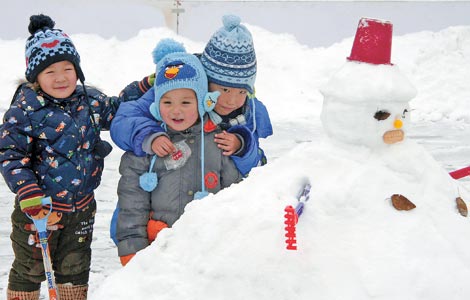
Yesterday, we had the first heavy snowfall of the year in Beijing – there had been some earlier flurries, but no more than that. I don’t want to exaggerate; there wasn’t really a huge amount of snow, which was just as well because Beijing drivers have no idea how to drive in snow and their cars are not equipped for it. But for Beijing it was significant. As the snow began to pile up, people – and not just children – were out on the streets making snowmen and throwing snowballs, while some of the more responsible ones were clearing the pavements; I even saw a snowblower for the first time here!

children and snowman road cleaning

It was all quite picturesque, so I was moved to haul out our old CD “The Essential Carols Collection” which we always played at this time of the year when the children were with us, and gave it a whirl.

carols CD

Out floated those hoary old favourites, “Once in Royal David’s City”, “The Holly and the Ivy”, “Silent Night”, “O Come All Ye Faithful”, and on and on, while the odd tear or two formed in the corner of my eye.

But squeezed in between “O Tannenbaum” and “Ding Dong Merrily on High”, comes John Tavener’s “The Lamb”, an ethereally, achingly beautiful modern carol. Every time I get to this part of the CD, I have stop whatever I’m doing and sit down and just let the music flow through me. Tavener uses the words of William Blake’s The Lamb for the carol:

Little Lamb who made thee
Dost thou know who made thee
Gave thee life and bid thee feed.
By the stream and o’er the mead;
Gave thee clothing of delight,
Softest clothing wooly bright;
Gave thee such a tender voice,
Making all the vales rejoice!
Little Lamb who made thee
Dost thou know who made thee

Little Lamb I’ll tell thee,
Little Lamb I’ll tell thee!
He is called by thy name,
For he calls himself a Lamb:
He is meek and he is mild,
He became a little child:
I a child and thou a lamb,
We are called by his name.
Little Lamb God bless thee.

I always wanted my mother to hear this carol, she loved William Blake. But this will join that long list of regrets, things we wished we had done but left until it was to too late.

_________________

Children with snowman: https://usa.chinadaily.com.cn/

Man sweeping snow in street: https://usa.chinadaily.com.cn

MELANCHOLY

Beijing airport, 7 December 2012

Perhaps it is the tiredness that is seeping into my bones as I wait at the airport to take my third flight this week, or perhaps it is the piercing cold that has descended on the north of China these last few days, but I find myself in a melancholy mood. My last post on red hair is making my mind wander off to a sad tale of a young woman who lived and died long ago, decades before I was born.

My mother was the source of the tale, which she in turn had received from her mother. The events took place in the early 1900s, when my grandmother was in her early twenties. It was that moment in the lives of young women of a certain class – to which my grandmother firmly belonged – when their attention was increasingly taken up by their matrimonial prospects. If a woman was not married by her mid-twenties, she was considered an old maid and condemned to spinsterhood, which meant living with her parents for the rest of their lives and eking out a modest living thereafter off the kindness of her family; working was of course unthinkable. It was a fate to be avoided at all costs.

My grandmother was very friendly with the girl next door, who was close to her in age. This girl’s main claim to beauty was her wonderfully long, auburn, hair. The girl’s father was a wine merchant, as were many in that region. Perhaps too many, because he went out of business and was bankrupted. This was a catastrophe for the whole family, never more so than for the girl. For now there was no money for her dowry, and in those days a girl without a dowry simply could not marry (or could only marry beneath her station, which was unthinkable). The father compounded the calamity by committing suicide, to save his honour it was said.

A solution was found for the girl’s younger brother. He was placed with an uncle who was working in Romania, in the wine industry. But as I said, work was not a solution for the girl. She was faced with the prospect of passing the rest of her life with her mother, with no likelihood of ever marrying, living off some miserable amount of money.

But in this dark time, she met a man, who made promises. And she succumbed to his blandishments. He got what he wanted, but he reneged on his promises. She came to see my grandmother one evening to tell her all this. She stood in front of the mirror and looked at her hair, and said “No-one will ever be able to enjoy this hair after all.” My grandmother tried to comfort her, telling her that things would look better in the morning. The girl thanked her, hugged her and left. She was found a few days later floating in the river than ran through town.

I think of her every time I see the painting of Ophelia drowned, by the pre-Raphaelite Millais.

ophelia-drowned

But I don’t suppose the girl looked nearly so nice when they hauled her out of the river.

Ah, they’re calling the flight. I might get to bed before midnight.

_________________

Ophelia drowned: http://2.bp.blogspot.com/-NsRjraTWfLI/TmDuDyK05LI/AAAAAAAAATs/XzybC5ru9uk/s1600/Drowning%253F.jpg

BLUE EYES: PERSONAL MEMORIES

Beijing, 18 November 2012

In my last posting, I did not reveal if I am or not one of the millions who carry that little mutation in my DNA which codes for blue eyes. Well, … I think I do. My mother certainly carried the mutation because she had beautiful baby blue eyes, as did her brother. She once told me that her father also had blue eyes, although I have no direct confirmation of this. He died in the 1930s of tuberculosis. The only indirect confirmation I could have would be from photos. But photos with him in them are black and white and taken from a distance, and all I can see is his illness in his hollowed face. In any event, he must have carried the blue-eye gene, because otherwise my mother could not have had blue eyes. The gene for blue eyes is recessive and must be inherited from both parents to be expressed. So my maternal grandmother must have carried it too, although she definitely did not have blue eyes. As I dig into my memory for her face, I think I see hazel eyes.

My father’s eyes were brown, as were those of his brother and sisters. He inherited the gene for that from his father, although here too I have to depend on indirect evidence: a painting of him that hung in my paternal grandmother’s living room, in which his eyes were definitely brown. He also died in the 1930s, from leptospirosis, which he caught on the Norfolk Broads. From my grandmother my father inherited a blue-eye gene because she had beautiful blue eyes. By the time I knew her they had faded a little and her hair had turned completely white. But as a younger woman, she had dark hair: blue eyes and dark hair, she must have been a striking woman.

So my father had one brown-eye gene and one blue-eye gene, while my mother had two blue-eye genes. One of my sisters inherited my father’s brown-eye gene because her eyes are brown. My two brothers inherited the blue-eye genes from both sides pure and unadulterated, because they both have blue, blue eyes. The rest of my sisters have eyes with varying shades of green: I guess part of their DNA is pushing for some level of melanine in their irises.

As for me, my mother used to say that the colour of my eyes was caca d’oie, or goose poop. Anyone who has looked closely at defecations from geese will immediately recognize the allusion: green with brown streaks.

my eyes

THE SCENT OF WATER

Beijing, 12 October 2012

How would you describe the scent of water? This evening, as I reached the bridge which crosses my piece of canal a gentle breeze lifted the scent off the water’s surface and wafted it over to me. And I asked myself that question.

Let me take a leaf out of wine reviews and try a little of their purple prose: “I sense a hint of moss, with an undercurrent of peat, perhaps a whiff of algal respiration”. But actually what I was smelling was my childhood. Don’t you find that scents are a powerful trigger of memories? I do: a drift of scent will suddenly have me awash in memories. And so it was that as I crossed the bridge I was suddenly ten years old again, on my grandmother’s sail boat on the Norfolk Broads, moored at her buoy on Barton Broad. The sun has set, a light breeze is blowing off the water bringing me the scent of the Broad’s peaty water, and small waves are slapping quietly at the boat’s hull. A grebe calls out in the night.

I loved the Broads. My grandmother spent most of her summer on the boat, taking her numerous grandchildren in shifts of two weeks. I must have gone five years in a row. The sailing didn’t really excite me; it was kayaking among the rushes and in the little creeks on the edges of the Broads that I loved, watching the wildlife and discovering small marsh flowers at every turn.

But I grew up, and my grandmother grew old, and life moved on.  I stopped going and haven’t been back since. Yet I am sure that the Broads made me what I am today: an environmental engineer who for more than thirty years has tried to push back the tide of waste threatening to wash away the natural beauties that are around us.
__________________
pix from:
http://maalie.blogspot.com/2010/08/kayaking-on-norfolk-broads.html
http://news.bbc.co.uk/local/norfolk/hi/people_and_places/nature/newsid_8090000/8090224.stm

A CARPET OF NASTURTIUMS

San Francisco, 24 September 2012

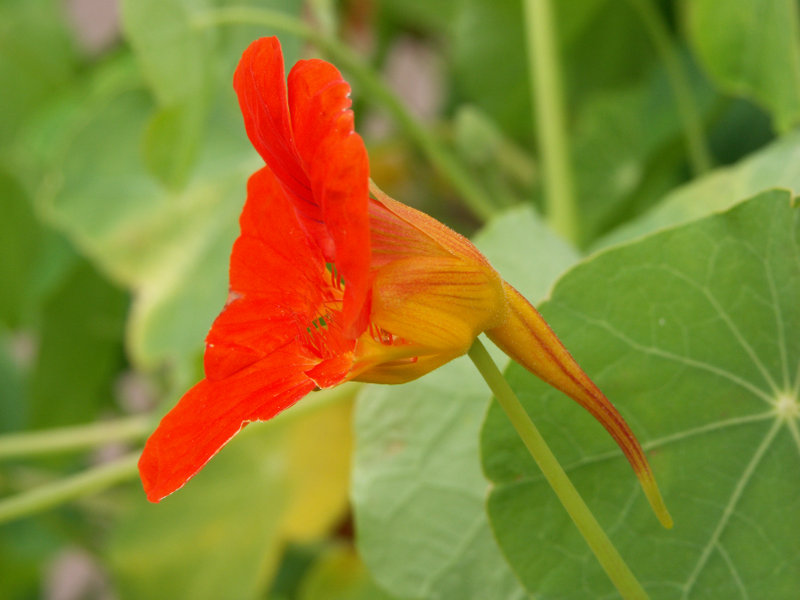
While in San Francisco (see the previous post), we did a few touristy things. One of these was a bus tour of the city. Our guide and driver, a chatty fellow prone to making politically incorrect comments, took us down to the bay shore below the Golden Gate Bridge. From there, he invited us to take advantage of the only toilet stop on the tour and admire what he intriguingly called an excellent example of industrial art nouveau – never heard of that category of art. But what I admired more was a veritable carpet of tropaeolum majus, or garden nasturtiums, tumbling down the slope on the side of the road. I had never seen so many nasturtiums before.

I love nasturtiums. In my previous post, I mentioned my childhood memory of morning glories. Another memory from the same period is of nasturtiums growing luxuriantly up the wall of our house, under my elder sister’s bedroom window (the window through which I spied on her “carrying on” with her boyfriend, who proceeded to give me money for an ice-cream to get rid of me). I fell in love with the flower’s fiery colour scheme, red, orange and yellow, against a background of smooth round green leaves. And at some point, I had learned to pick a flower and suck the nectar out of the nectar spur at its base. It gives your taste buds a delightfully tiny burst of soft sweetness.

I loved nasturtiums so much that when my mother gave me a small strip of land in the garden to plant as I wished I chose to plant nasturtium seeds. I watched carefully as the little plants emerged and started to grow. And I still remember sharply my concern when my parents decided to have a nearby tree cut down. It looked alarmingly like the tree was going to fall on my nasturtiums. I sat there with the whole family, watching the tree cutters proceed. My siblings found the whole thing exciting and chattered along happily. But I was in an agony of apprehension for my nasturtiums. Sure enough, the tree fell on them and flattened them. What misery!

I close with a recipe. I discovered recently that both the flowers and the leaves of nasturtium are edible. This particular recipe is from the following web site: http://fruitandveggieville.blogspot.com/2008/06/flowers-you-can-eat-nasturtiums.html.

“Recipe for a Nasturtium Salad
­       1 lettuce – iceberg, butter or cos
­       small bunch of nasturtiums – leaves and flowers
­       ripe red tomatoes
­       1 tablespoon capers
­       feta cheese

Decide quantities to your own taste. The nasturtium leaves are peppery and the more you put in the hotter the salad gets. Wash and dry the lettuce and tear into the size pieces you prefer. Rinse the nasturtium leaves, and tear or chop into rough strips. If you’re using baby tomatoes halve them, chop bigger ones into cubes. Cube the feta cheese and sprinkle over the salad with the capers. Top with the whole flowers and maybe one or two whole leaves. This peppery, bright salad is just right to accompany pizza, cold meats or as a starter on its own.”

Enjoy!