This past Christmas, my wife and I were debating what we should cook for Christmas lunch. We finally decided to adopt a programme in honour of our children, whereby over the coming years we will use Christmas lunches to celebrate our children’s rich and varied heritage. This will mean that over the course of the next six Christmases we will prepare typical Christmas lunches starting with Puglia in the south of Italy, going on to Lombardy, Beaujolais, England, Scotland, and finally Norway. After Norway, we will extend the programme at least several more years, by celebrating the extra heritage of our currently only grandchild, which will take us to Ireland and to Lithuania and Bielorussia. If there are further grandchildren with other heritages to bring – literally – to the table, we will tack on more years to the programme (assuming we haven’t popped our clogs before that).
With this multi-year framework programme agreed upon, we got to work and started our research: what would be a typical Christmas lunch in Puglia? Just to get us into an Apulian mood, I throw in here a photo of an Apulian olive grove with millenarian olive trees.
Unfortunately, my wife had never been brought up in Apulian traditions: it was her maternal grandfather who had been the Apulian of the family; he had immigrated to Milan as a young man before World War I, and like many immigrants before and after him he had wanted to blend in to the local, northern Italian, culture. So we had to fall back on the internet. Our initial surfing showed us that there are actually several traditional Apulian Christmas lunches to choose from, broadly divided between fish and meat. After some to-ing and fro-ing, we plumped for roast lamb and potatoes, with something called lampascioni on the side, and we left hanging the question of what to do about dessert.
Well, lamb and potatoes aren’t particularly Apulian, nor did any of the articles we read say that a particular cut of lamb was required for the Apulian Christmas lunch, so we took whatever cuts of lamb were available at our local supermarket. What was truly Apulian about the lunch were the lampascioni. No doubt like us, many of my readers will have no idea what these lampascioni are. I certainly had no idea whatsoever, and my wife had only heard of them but had never tried them. They are the bulb of a flower which goes by the English name of tassel hyacinth. Its natural range is the Mediterranean basin, although it is also found as far east as Iran and as far west as the Canary Islands. It naturalizes quite easily, though, and over the centuries it has moved northward to Poland. Now, of course, with globalisation, it’s also found in many other parts of the world. As this photo shows, the flower is really quite handsome.
They may be handsome flowers, but the inhabitants of the heel, instep, and toe of Italy’s boot, namely the regions of Puglia, Basilicata and Calabria, have other ideas. They have taken to eating the bulb of the plant (a habit, I should say in passing, that they share with the inhabitants of the island of Crete).
The bulbs are not an obvious candidate for the dining table since in their natural state they have an unpleasantly bitter taste. But at some point in the distant past (there is evidence that the bulbs were already being eaten in Neolithic times), this problem was solved. To be edible, the bulbs have to be left to steep in water for a significant period of time (one day should do it, with a change of water in between) and then cooked. At which point, they look like this.
It was all very well to want to have lampascioni for lunch, but where were we going to buy them? A very regional foodstuff like this was only going to be sold in a specialist shop. As luck would have it, I discovered that a long urban walk we had planned (to a modern church on the outskirts of Milan – perhaps the subject of a later post) happened to take us by a small shop selling Apulian foodstuffs. So I persuaded my wife to make a small detour to check the shop out. When we reached it, we entered with our hearts in our mouths – and there on the shelf were jars of lampascioni! They were immersed in a lovely Apulian olive oil.
This is the normal way of selling lampascioni; the bulbs are only harvested in the early months of the year. So, to be able to eat them all year round, they are kept in olive oil (the Cretans instead, I can once again mention in passing, keep them in vinegar on which is floated a thin layer of olive oil).
So we had our lampascioni to accompany the lamb and potatoes! We were moving along nicely. Most satisfactorily, the same shop also solved our dessert problem. They were selling trays of something called cartellate con vincotto di fichi. I had certainly never heard of these cartellate, and neither had my wife. Nevertheless, they were obviously Apulian and obviously a dessert. So a decision was rapidly taken and a tray of cartellate joined the jar of lampascioni.
I think I need to explain what these cartellate are. I had to look it up on the internet because just looking at them didn’t help. They are made with thin, long and narrow slices of dough (with, interestingly enough, a local white wine taking the place of water). These are rolled up into the shape of rosettes, and the rosettes are then deep-fried in oil. Into the little cups of the rosettes is poured a thick syrup made by boiling figs over a long, long time and sieving out the solids. I think I should add in a photo of the these cartellate out of the packaging, so that readers can get a better idea of what they look like (in passing, I find it strange that they call this syrup vincotto di fichi, which translates as “cooked wine of figs”, because no wine is involved).
So now we had all the ingredients we needed! 25 December dawned, and it was time to start cooking the lamb and potatoes. Our son, who was going to eat lunch with us, joined us for the preparations.
Since our internet sources hadn’t mentioned a typically Apulian way of roasting the lamb, we chose a recipe from the Italian cookery site Giallo Zafferano. The only thing which, to us at least, was untoward about this recipe was its insistence on adding a lot of water to the pan in which the lamb and potatoes were being roasted.
After an hour or so, the lamb and potatoes were ready.
It was time for us to sit ourselves down at the table. The lamb and potatoes were ceremoniously brought to the table, my wife served us, we fished the lampascioni out of their jar, and we tucked in.
The lamb was delicious. The addition of water worked really well. The lamb was juicy and tender, with just a bit of crispiness on the top where the meat was above the water, and the potatoes were done to perfection.
And how about the lampascioni? What did they taste like? Well, they tasted slightly bitter, as one might imagine, but also slightly sweet. So there was an interesting sweet-and-sour thing going on with the taste buds. They also had a most interesting texture, almost melting in the mouth. I have to say, they were an excellent accompaniment to the lamb and spuds. And the oil that was left after we had polished off the lampascioni was exquisite. Apulian olive oil is anyway very good, but now it had a slight umami taste to it, which made it an excellent oil to put on my post-Christmas salads, adding an evanescent flavour to otherwise rather staid vegetables. I would buy another jar of lampascioni just for its oil.
I’m afraid the cartellate were a different story. I don’t want to badmouth them, but we won’t be buying them again, at least not if they are made with fig syrup. All that boiling meant that the syrup actually had a somewhat bitter taste to it, which rather ruined the experience of eating the cartellate. Internet sites suggest that alternatives can be used: grape syrup (but I suspect there would be the same problem of bitterness), honey, or icing sugar. If ever we come across cartellate made with any of these alternatives, we might give the dish a second chance.
So there we have it. Apulian Christmas lunch: done! Next year: Lombard Christmas lunch.
Getting a coffee in Italy is a rapid affair. I go into a bar, I order my coffee (normally a cappuccino but it could be an espresso, corto, lungo, macchiato, corretto, and who knows what other combination), and I pay.
I pass the order to the barman, who, with a few rapid movements, fills the portafilter with ground coffee (no idea what coffee, whatever the bar buys), and snaps it into place onto the coffee-making machine.
That’s the yang of coffee making. Now we come to the yin.
Japan doesn’t have much of a culture of coffee drinking. When we’re in Kyoto, it’s hard to find places that sell coffee on the go. We normally have to repair to international chains like Starbucks or McDonalds to get one. We have also gone into a small number of Japanese cafes which sell coffee, but that is a completely different experience.
First, we have to choose our beans from a long list of various coffee beans from all around the world, each with different roasting levels. It’s so complicated it gives me a headache. I normally choose at random.
By the time my coffee is placed carefully in front of me in Japan, in Italy I would already have left the bar and be half way to Turin.
I have to say, I am irresistibly reminded of Japanese tea ceremonies when I see those Kyoto baristas going through their routine – the same attention to the minutest detail, the same choreographed moves, the same solemnity.
But hey! The world is beautiful because it’s varied, as the Italians like to say. If people want to wait 20 minutes to have a coffee made in a quasi-ceremonial way, why not? Just please point me to the nearest Italian bar.
All along the arc of the Alps, the farmers must be bringing their cattle down from the high Alpine pastures where they’ve been grazing all summer. Or maybe they’ve been down a few weeks already. A couple of years ago, in late September, my wife and I went hiking up one of the side valleys of the Inn valley, near Innsbruck, and we were lucky enough to catch the ceremony of the cows being brought down from their high pastures. And it really is a ceremony. The cows are decorated with floral wreaths, while the herders wear traditional dress. I only managed to take one rather poor photo of a cow with her floral wreath.
This ceremony is of course meant to signal that bringing the cows home is a joyful occasion, but this summer my wife and I came across a story which shows that it cannot always have been so joyful. We were starting a hike up into the Totes Gebirge (the Dead Mountains; strange name) from the shores of Altaussee lake. My wife later took this very Japanese-looking photo of the lake.
My wife’s photo
As we walked along the lakeshore, there came a point where the path narrowed dramatically, with a steep drop into the lake. And there, on the side of the path, we passed this memorial nailed to a tree.
My photo
The picture gives us a pretty clear idea of what happened, but the German text removes any doubt. It says:
On 17 October 1777, Anna Kain, aged 32, died here. During the cattle drive she was pushed by a cow into the lake and drowned. Lord, grant her eternal rest and a joyful resurrection. Amen
At the lake’s end, we swung left onto a trail that took us 1,000 metres up to the high pastures of the Totes Gebirge. As we crossed them, making for the mountain hut we would be staying the night at, we came across cows placidly munching away.
My wife’s photo
Judging by the old cowpats on the trail up, these cows had used the same trail we used to get to the high pastures in the early Summer, and will be going down the same way – like those cows back in 1777 – round about now, if they haven’t already done so. Given the narrowness and roughness of the path, it’s a miracle that more Anna Kains – and cows – didn’t fall off the path to a sure death. Perhaps they did but got no memorial.
Taking cows to and from the Alp’s high pastures seems to be a very old tradition, maybe 6,000 years old. It has been a key element in the economies of the Alpine valleys, so key that I can hazard to state that Switzerland exists because of it. As readers can imagine, locals living in Alpine valleys saw the surrounding high pastures as theirs and didn’t take too kindly to outsiders trying to cut in. In the early 1300s, a long-simmering feud between the people of Schwyz and Eisiedeln Abbey over grazing rights erupted into active fighting. Settlers from Schwyz had moved into unused parts of territories claimed by the Abbey, where they established farms and pastures. The abbot complained to the bishop of Constance, who excommunicated Schwyz. In retaliation, a band of Schwyz men raided the abbey, plundered it, desecrated the abbey church, and took several monks hostage. The abbot managed to escape and alerted the bishop, who extended the excommunication to Uri and Unterwalden (I suppose they had loudly applauded the exploits of their Schwyz neighbours, or maybe even taken part). It so happened that the abbey was under the formal protection of the Hapsburgs, so Leopold I, Duke of Austria, decided to show who was the boss. In 1315, he sent in an army to teach these Swiss peasants a lesson. But the clever men of Schwyz, supported by their allies from Uri and Unterwalden, ambushed the Austrian army near the shores of Lake Ägeri in Schwyz. After a brief close-quarters battle, the army was routed, with numerous slain or drowned. This illustration from the Tschachtlanchronik of 1470 shows the Austrians being skewered on land and drowning in the lake. Amen
This victory led to the consolidation the so-called League of the Three Forest Cantons, which formed the core of the Old Swiss Confederacy, which in turn eventually became the Swiss Confederation that we know today.
As I said, grazing cattle on the high pastures is an old, old tradition. So for millennia now we have had cattle eating fresh Alpine grass all summer long and making what German-speakers call heumilch, or haymilk. Milk aficionados say haymilk tastes different from normal, valley bottom milk, where the cows also eat fermented feed. I bow to the experts, never having drunk haymilk in my life (although maybe I should check the local supermarket shelves; it wouldn’t surprise me if the Austrians offer heumilch as a local delicacy). But in the days before refrigeration, the milk which the cows produced all summer long in the high pastures couldn’t just be drunk; it had to be turned into a more durable product. Thus we have the creation of that glorious, glorious category of cheeses, the Alpine cheeses. I’m sure we’ve all heard of some of the more famous Swiss entries to the category: Emmental, Gruyère, Raclette, Appenzeller. But every country with Alpine territory has their champion Alpine cheeses: Beaufort and Comté in France, the various Almkäse, Alpkäse and Bergkäse in Austria and Bavaria, Fontina in Italy. I use a wheel of Gruyère as a stand-in for all these wonderful Alpine cheeses.
In the old days, those holes, or “eyes” in the technical jargon, were considered unfortunate imperfections in the cheesemaking process. But then some Swiss PR whiz kid turned the imperfections into a Unique Selling Point and fortunes were made in the Emmen valley and beyond. Several other Alpine cheeses have eyes, although not as big as those in the photo above. They are caused by the presence during the cheesemaking process of a bacterium which produces carbon dioxide – the holes are actually bubbles of carbon dioxide.
The presence of this bacterium is due to a particularity in the process for making Alpine cheeses. Unlike most cheeses, where salt is liberally used during the cheesemaking process, the herders up in the high pastures used very little if any salt, simply because it was heavy and thus a pain in the ass to haul up to the high pastures (having carried moderately heavy backpacks up mountains, I can sympathise). Instead, timber was plentiful up there.
So the herders chopped trees down, made fires, and cooked the curds in copper kettles. Even though things are considerably easier now, low salt and cooking on copper is still an important part of the Standard Operating Procedure for making these cheeses, and it is the low salt levels (and low acidity levels) that allow the bubble-making bacterium to flourish.
Once the herders had made those large wheels of cheese, they had to also bring them down to the valley bottom. I wonder how they did that? When they were bringing the cows down, did they roll them down like those crazy people in Gloucestershire who take part in the annual Cooper’s Hill Cheese Roll?
You can see these mad people charging down a hill after a cheese wheel.
I can’t believe herders would have rolled the wheels, even in a more temperate way. It would have ruined them. They were valuable products (indeed, a number of those pesky abbeys had their peasants pay their annual tribute in cheese wheels). I have to guess that the herders loaded them up on the cows when they brought them down, or maybe they had a team of mules for this. Or maybe there were people who spent the whole summer going up to the high pastures and then staggering back down with wheels of cheese on their backs.
Well, I can think of no better way for me and my wife to salute those Alpine cows and the haymilk they produce than for us to break our boring diet and get ourselves a nice slice of Alpkäse or Bergkäse (or both? in for a penny, in for a pound!) and eat it (or them) one of these evenings, with a big chunk of bread and a nice glass of wine. And why not throw in some nuts while we’re at it? In for a penny etc.
We took our grandson to Milan’s Museo dei Bambini a few weeks ago (our daughter and her partner came over from Los Angeles to attend the wedding of a very dear friend of hers and left us their boy – one year old already! – to babysit; a key bullet point in the job descriptions of all grandparents). It’s not actually a museum, it’s a place where – at a price – toddlers and little children can have fun for 75 minutes playing around with industrial scrap: lots of plastic pieces left over from various industrial operations. It sounds terrible, like the urban poor in developing countries sifting through landfills.
But actually it works beautifully. The kids can have great fun with these various bits and bobs – who needs toys, for Lord’s sake?! A nice example of the repurposing of waste; I think I shall use it in my next lecture on circular economies.
But that’s not what I want to talk about in this post. I want to recount something that occurred as we wheeled our grandson home. Just to change things, I took the second of the routes suggested to me by Google Maps, having taken the first to get there. It so happened that this made us pass close to the Università degli Studi, Milan’s most venerable university established hundreds of years ago.
Suddenly, I remembered the street we were walking along from long, long ago, 1975 to be exact, the year when I first came to Italy and was staying with one of my university flatmates who, a few years later, was to become my wife. One day, she took me to this street, into a little shop which made and sold panzerotti. She got two and passed me one. I took a bite …. ah, my friends, what a revelation!
As I bit through the crisp pastry, my taste buds encountered tomatoes and mozzarella. Nothing else. But it was soooo good! I was in a trance until I had finished it. Here are two, much younger, Italians, also savouring their panzerotti.
I knew then and there that for the rest of my life I had to be part of the culture which created such delights. Two weeks later, my future wife and I were an item (it wasn’t just because of the panzerotto, I should clarify).
(And eleven years after we had made our vows we had a daughter, who one year ago gave birth to that son who I was now wheeling home).
To those of my readers who aren’t familiar with the panzerotto, I suppose the easiest way to describe it is that it looks like a small calzone. Now, I am here assuming that all my readers are familiar with pizza. I mean, is there any angle of the world where pizza isn’t known? maybe in the depths of the Amazon jungle; I show here the most traditional of pizzas, the pizza Margherita (tomato, mozzarella, a couple of basil leaves).
I am further assuming – and this may be a bit more of a stretch than my last assumption – that my readers are familiar with that rather particular form of pizza, the calzone, which is basically a pizza which has been folded over and closed along the edges.
I think this photo shows the superficial similarity between the panzerotto and the calzone. But apart from the size difference, there is actually one big – one enormous – difference between the two. The calzone, like all pizzas, is cooked in an oven (preferably fired with wood).
The panzerotto’s origins lie somewhere in the south of Italy, probably Puglia. Food historians think it was invented by a baker or a housewife who had a small amount of dough left over from their bread making. Rather than throwing the dough away, they made a casing of it, stuffed it with tomato sauce and mozzarella, and deep-fried it. Ecco! A simple, cheap food was born, and its design – easy to hold in one hand while walking – made the panzerotto an obvious candidate for street food. Which is what it became, and which was why I ate that panzerotto where I did nearly fifty years ago; that venerable university just around the corner was the home to hordes of poor, hungry students, who were the shop’s primary clients.
Alas! In the intervening decades, the panzerotto has become chic. That little shop has disappeared and I suppose the students go to the local supermarket to buy ready-made sandwiches. On the other hand, a smart shop has sprung up not too far away, near Milan’s Duomo, where the tourist hordes swirl through the little streets. Every time I go by, it has a long line of tourists in front of it, patiently waiting for their panzerotti.
I have vowed never to buy a panzerotto there. But where, then, will we introduce our grandson to the panzerotto when he is old enough? I still have a few years left in which to do the necessary research.
It was an exploded view of a hamburger which I saw recently at a fast food joint while my wife was getting coffees that set me off. The hamburger was separated, accordion-like, so that each of its ingredients was clearly separated from the others while still being part of a recognisable whole. I just managed to take a photo before the subway arrived – a bit wonky, given I was in a hurry.
my photo
This exploded hamburger got me asking myself: “How many of the ingredients in that most American, most iconic, of hamburgers, McDonald’s Big Mac, originated in the US?”. Here is a photo of this deliciously yummy – but frightfully-bad-for-you – fast food offering.
Of course, I’m sure that many if not most of the ingredients which are used in a Big Mac sold in the US are grown or raised there, but how many of them originally came from the North American continent in the distant past?
The answer, dear reader, is none. Not a single one of its main ingredients, or even of its not-so-main ingredients, originated in the North American continent.
In case any readers don’t believe me, here is a list of the Big Mac’s ingredients, courtesy of MacDonald’s website. We are informed that the Big Mac contains:
two beef patties
pasteurised process American cheese
shredded lettuce
minced onions
pickle slices
Big Mac sauce
three slices of sesame-seed bun
Now let’s see where all the foodstuffs behind these ingredients came from. Let’s start with the beef patties, which surely – with the bread – are the heart of a hamburger; the rest are just add-ons.
The cattle which give us the beef patties were originally domesticated from the wild auroch in about 8,500 BCE, somewhere in the Levant and/or central Anatolia and/or Western Iran (aurochs were domesticated once more, possibly twice more, but the cattle MacDonald’s use almost certainly come from that first domestication event). Aurochs were hunted by our Cro-Magnon ancestors, who left us beautiful paintings of these beasts on the walls of caves like Lascaux.
Alas, they are now extinct, the last one having perished in 1627 in the Jaktorów forest in Poland. All that’s left are some miserable skeletons in museums.
There is a minor, but important ingredient that goes along with the patties, and that is black pepper, which MacDonald’s tells us that their patties are grilled with. The black pepper vine is native to South and South-East Asia and it was there that farmers began to intentionally grow the vine to harvest its crop. We see it here in the wild.
The domestication of cattle not only led to the patties but also to dairy products, so it’s fitting to deal next with the “pasteurised process American cheese” in the Big Mac.
Source
I don’t know what readers think, but these slices of stuff don’t look like any cheese I’ve ever seen. Nevertheless, McDonald’s assures us that it is actually 60% cheese – 51% cheddar and 9% other, unspecified, cheese. The remaining 40% includes various other milk-related products – whey powder, butter, milk protein – as well as water and of course various other crap – sorry, food additives – which act as emulsifiers, anti-caking agents, colourants, and Lord knows what else. We’ll ignore all those horrors and focus on the milk-related products.
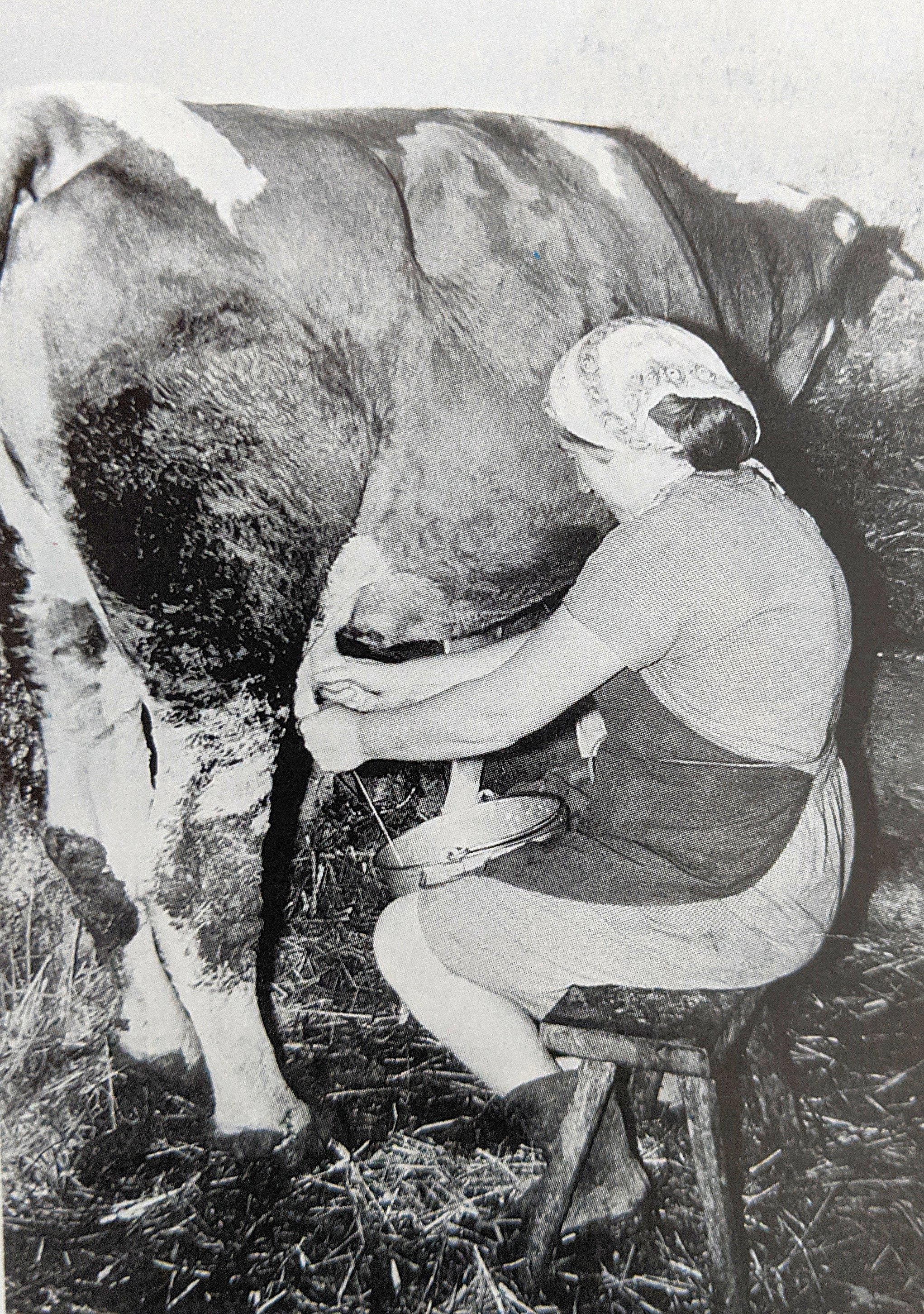
It makes sense to think that the domestication of aurochs – and of the other two main dairy animals, sheep and goats – pretty quickly led our ancestors to exploit their milk as well as their meat. And in fact, our earliest archaeological evidence of dairying is lipid residue in prehistoric pottery found in Southwest Asia, dated to the seventh millennium BCE. This all suggests that once again the Middle East – broadly defined – was the point of origin of all the cow milk-related products – cheese, whey, butter – in that slice of pasteurized process American cheese. To celebrate all these milk products, I throw in various photos. the first is of a farmer’s wife milking a cow. I remember this from my childhood. My French grandmother would send me to the nearby farm with a small jug, which the lady would fill, milking her cow in front of me in the barn.
The third photo celebrates Little Miss Muffet who was eating curds and whey, with curds being the first step in cheese production, before that pesky spider frightened her away.
McDonald’s tells us it uses iceberg lettuce, but for our purposes it doesn’t matter which variety of lettuce they use because all lettuces descend from the same domestication event. We have the ancient Egyptians to thank for first cultivating the lettuce, with the earliest evidence of its cultivation being from about 2700 BCE. Here is a photo of what the first domesticated lettuces looked like (those plants to the left).
I should hastily explain that apart from eating lettuce, the ancient Egyptians believed the plant to be the sacred to Min, the god of reproduction; I don’t think I need to point him out in the photo. The Egyptians thought lettuce helped the god “perform the sexual act untiringly”, because it stood straight and tall and when cut it oozed a semen-like latex. (I wonder if some echo of these beliefs explains why my wife’s maternal grandfather liked to eat a head of lettuce every day?) In any event, as readers can see the ancient lettuce looked quite different from modern lettuces; we have to thank the patient work of countless generations of farmers for that.
We can now turn our attention to the minced onion.
There is no general agreement about where the onion was first domesticated. Many experts think the domestication event took place in Central Asia, but there are partisans for Iran and western Pakistan. As to when it was domesticated, traces of onions have been recovered from Bronze Age settlements in China dated to 5000 BCE, so domestication must have occurred quite a good deal earlier. I throw in a photo of a wild onion plant, although not the plant which was domesticated; it’s not clear to experts which onion plant was.
The wild plant is native to the Himalayan foothills, with a range that stretches from western India all the way to China, but it was the Indians who domesticated it, by at least 3000 BCE. As an example of the Himalayan foothills, I throw in here a picture of a rope bridge across the Alaknanda River near Srinagar in Kashmir, from the late 18th/early 19th Centuries.
This picture is actually a plate in a six-volume book entitled Oriental Scenery, but I have an aquarelle of exactly the same scene, which I picked up at the Dorotheum auction house for a pittance.
But back to the topic in hand. Of course, it’s not just cucumbers we need here, we also need vinegar to pickle them (pickling is also possible with salt and other things, but MacDonald’s lists vinegar as one of the ingredients for its pickle slices). The first documented evidence of the deliberate making of vinegar (rather than an alcoholic beverage spoiling and turning into vinegar) was in Mesopotamia, in about 3000 BCE. Not surprisingly, the earliest evidence of pickling in vinegar has also been found in Mesopotamia, from around 2400 BCE, with archaeological evidence of cucumbers in particular being pickled there from 2030 BCE.
We now have to tackle the special Big Mac sauce, which I think readers will agree – or at least those who will admit to having eaten a Big Mac – is the clou of this fast food offering. Let’s be frank, without that yummy, finger-lickin’ly-delicious sauce the Big Mac would be rather bland.
Of course, MacDonald’s keeps the precise recipe a closely guarded secret, a commercial tactic which I’ve commented on before, and their bald list of ingredients doesn’t really tell you how exactly the sauce is put together. Luckily, however, litres of electronic ink have been spilled all over the internet detailing people’s attempts to recreate the sauce, and these give us the basic “design” of the sauce. It is just a mix of mayonnaise and “sweet relish”.
The mayo part gives us a number of new ingredients to consider: egg yolks, oil, and mustard (as part of a “spice mix”). Vinegar is of course also required to make mayonnaise, but we have already covered that. As for the sweet relish part, that’s just our friend pickled cucumber with sugar added. So all we need to consider is the sugar which is added as sweetener. (In all this, I am ignoring the evil food additives which MacDonald’s throws into the mix, to emulsify and thicken and make even sweeter and preserve and firm up and, and, and …).
Egg yolks is really the story of the domestication of the chicken; this is one case where the chicken comes before the egg. The chicken was domesticated from the red junglefowl in about 6,000 BCE in Southeast Asia. There are still wild red junglefowl padding through the jungle undergrowth. They are magnificent creatures – at least, the males are.
My wife and I were lucky enough to see junglefowls, or chickens that were still quite junglefowlish, in Indonesia. Really lovely creatures.
Interestingly enough, the red junglefowl may have originally been domesticated not for food but for cockfighting. Here is a Roman mosaic of a cock fight, when the practice was already centuries old.
It was only later that chickens became a major source of eggs and later still a major source of meat – the earliest archaeological evidence of large-scale eating of chickens is only from about 400 BCE.
As for the oil which goes into the mayonnaise, recipes in different parts of MacDonald’s website list soybean oil in one place and rapeseed oil in another. I presume this simply means that the choice of oil depends on availability. Let’s start with soybean oil. Given the popularity of soy products in East Asia, I’m sure it will come as no surprise to readers to learn that it was in that part of the world that soybean plants were first domesticated. In fact, it seems to have been domesticated several times. The oldest domestication event was in China, some time between 7000 and 6000 BCE, with another domestication event in Japan some 2000 years later and yet another in Korea some 6000 years later. Here we have modern Chinese farmers bringing in the soybean harvest.
For rapeseed, on the other hand, the honour for first domestication seems to go to India, which is where the earliest evidence of domesticated rapeseed, dated at 2000 BCE, has been found. That being said, it should be pointed out that it was only very, very recently – in the 1970s, in Manitoba, Canada – that a cultivar of rapeseed was created that produced edible oil, which is really what interests us for the Big Mac special sauce. Before that, a chemical naturally present in rapeseed oil gave it a disagreeable taste, so it was only used for such things as oil for lamps. Which explains why it’s only in the last 50-some years that the European countryside has become covered with acre after monotonous acre of yellow-flowered rapeseed being grown to produce edible oil.
The mustard-spice mix is such a small part of the overall Big Mac that it doesn’t get a picture om MacDonald’s website. But mustard is an interesting plant, which I’ve written about in an earlier post. It’s a complicated plant. For starters, focusing for a minute on the seeds – which is what we are interested in from a condiments point of view – there are three types: black, brown and white seeds. Each come from different plants with their individual domestication histories.
Sources: various Amazon sites
The first two are the most common, and of these two MacDonald’s almost certainly uses brown seeds, for the simple reason that a cultivar of the plant has been developed where the seed pods don’t shatter when harvested, whereas such a cultivar doesn’t exist for black mustard (having seed pods which don’t shatter during harvesting is incredibly important; the last thing you need when you harvest a seed crop is to have the pods shatter and the precious seeds scatter all over the ground). So here is the plant Brassica juncea which was domesticated to give us brown seeds.
But it was also separately domesticated for its edible root, leaves, and stem, and it has been difficult for scientists to distinguish between these various domestication events. Nevertheless, the latest analyses suggest that the plant was first domesticated for its seeds in what is now Afghanistan, in about 2000 BCE.
All that being said, the critical point about mustard – what makes mustard powder become the fiery condiment we know today – is its mixing with liquids, often nowadays vinegar. Although the vinegar in the mayonnaise is playing another role, I have to assume that when the powdered mustard seeds are added to the mix, their fire is unleashed (my earlier post explains the biochemistry). The Ancient Romans were the first to come up with this innovation – “mustard” comes, via the French, from the Latin “mustum ardens”, fiery must. It seems that the Romans liked to use must as the liquid to set mustard seeds off.
Which brings us to the sugar in the sweet relish part of the Big Mac sauce. Here, too, there is a complication, because MacDonald’s could easily be sourcing their sugar from two quite different sources: sugar extracted from sugar cane or from sugar beet. Let’s start with sugar cane, the oldest of the two sources. Modern sugar cane is the result of an initial domestication event and then a key hybridisation event. The initial domestication event took place in New Guinea, in about 4000 BCE, when the Papuans domesticated the wild grass Saccharum robustum to create S. officinarum. This domesticate travelled west to Island Southeast Asia (mostly what we call today Indonesia), where, at some point, it hybridised with S. spontaneum, another species of the family. Without this hybridisation, sugar cane would not have become the global crop it is today because S. spontaneum gave the resultant cross high tolerance to environmental stress. We have here a rather pretty botanical painting of S. officinarum, much nicer than photos of fields of sugar cane, which are really monotonous.
One further important technical innovation took place in about 350 CE, in India. Until then, people had drunk the juice squeezed from the cane. It was the Indians who first figured out how to turn the juice into the granulated sugar we know and use today. A useless factoid: the word “sugar” derives from the Sanskrit word sharkara, which means “gravel” or “sand”.
How about sugar from beetroot? This has a much, much shorter history than any of the other ingredients considered up to now, with the exception of the edible form of rapeseed oil. It wasn’t until the 18th Century, in Prussia, that a cultivar of the beetroot was developed which contained high enough levels of sugar to make it competitive with sugar cane. This is a rare case where we know the names of the people who were responsible. It was the Prussian scientists Franz Karl Achard and Moritz Baron von Koppy and his son, although the initial impulse – and funds – for their efforts came from Frederick the Great, who wanted to develop a local source of sugar. That being said, the French really pushed the development of sugar beet. It started with Napoleon, who was looking for another source of sugar to take the place of the Caribbean cane sugar whose import into France was being blockaded by the filthy English. Here is a French sugar beet factory from 1843.
This is what sort of holds all the other ingredients together (I say sort of, because my experience with Big Macs is that, well lubricated by the Big Mac sauce, the other ingredients tend to slide out from between the bread slices onto the table or, worse, onto my trousers). Going back once again to the list of ingredients on MacDonald’s website, I can see that there are only two primary ingredients in the bun that I need to discuss, the wheat flour and the sesame seeds sprinkled over the top bun. I’ve already covered the other major ingredients, sugar and oil (soybean or rapeseed). (And of course I am once again ignoring all the filthy food additives which are also part of the recipe. I’ve also decided not to go on a rant about the fact that MacDonald’s uses wheat flour fortified with iron and various B vitamins. I will limit myself to say that if they used whole grain flour, all these micro-nutrients would still be in the flour and there would be no need for the flour producers to add them back in).
Although there are a number of different wheats, it’s almost certain that MacDonald’s uses common wheat, Triticum aestivum, to make their buns; this variety makes up about 95% of wheat produced worldwide; the remaining 5% is durum wheat. The origin story of common wheat is similar to that of cane sugar: an initial domestication, in this case of emmer wheat, followed by a hybridisation with wild goat-grass. Emmer wheat was first domesticated in about 10,000 BCE, in what is now southern Turkey, while archaeological evidence from the same general area suggests that its hybridisation with wild goat-grass had already occurred by about 6500 BCE. Here is a photo of wild emmer wheat in its natural environment.
Which brings us to our final ingredient, the sesame seeds sprinkled on top of the bun. The plant on which the seeds grow, Sesamum indicum, originated – as its scientific name indicates – in India. Archaeological evidence suggests that the Indians had domesticated the plant by at least 3500 BCE. This photo shows another side of the plant, its rather lovely flower.
So, like I said at the beginning, not one of the ingredients in that uber-American fast food product the Big Mac originated in North America. Which in a way is strange; I read somewhere that approximately 60% of the food consumed worldwide originated from the Americas. I’m guessing that the massive consumption of maize around the world is primarily responsible for that, with potatoes, sweet potatoes, and tomatoes adding to it. But actually, given the history of North America’s colonisation, it is not so strange.
When we step back and look at where all the Big Mac’s ingredients originated, we can see that the great majority of them came from somewhere between the Middle East and Southwest Asia. Over the millennia, the domesticates moved west into Europe (as well into East Asia and Africa, but it’s the movement into Europe which interests us). My sense – perhaps completely unfounded – is that much of this movement came about peacefully, in many possible ways. A farmer got hold of seeds from their neighbour and tried them out, and then other farmers got seeds from that farmer, and so on, spreading seeds in a sort of ripple effect. Or maybe seeds moved with marriages, with women (probably) bringing seeds from their village. Or maybe people picked up new seeds as they travelled to foreign places for trade or other reasons. Maybe new foodstuffs were actually part of trades: “I give you this fine bronze dagger for seeds of that new foodstuff you have there”. Or maybe foodstuffs were gifts between rulers.
No doubt some movement of foodstuffs also came about through aggression. For instance, there could have been forced displacement of one group of people by another carrying their own seeds. This could have been the case when farming people, bringing their foodstuffs, cereals especially, migrated into Europe from Anatolia and replaced the original hunter-gathering people there – although I’ve also read that the hunter-gatherers simply got absorbed into the new farming societies; I’ve also recently read that perhaps there were few if any hunter-gatherers left to replace because they had been wiped out by bubonic plague – a bit like what happened in the Americas. Or maybe new foodstuffs were part of the booty of conquest. If you conquered a new land, you checked out its foodstuffs and brought back what you thought could be used by your people. I can imagine that the Ancient Egyptians’ wars against the Assyrians could have been one way new foodstuffs entered Egypt. And it is often suggested that Alexander the Great’s armies came back from the East with new foodstuffs in their baggage (I mentioned something similar in my recent post on Tabasco peppers, suggesting that American soldiers fighting in Mexico in the Mexican-American War of 1846-48 could have brought seeds of the Tabasco pepper back to the US).
However it happened, by the time European colonists arrived in North America, all the foodstuffs in the Big Mac were part of their agricultural baggage. Quite naturally, they brought their foodstuffs with them as well as their culinary habits. Initially, when the colonists were few and the balance of forces more even between them and the Native Americans, they were happy to try Native American food – isn’t that what Thanksgiving celebrates? But as more and more colonists arrived, they pushed aside the Native Americans and created a “little Europe”, mostly eating the foods of their homelands. It was in this context that the Big Mac was born. Basically, it was a European dish created in the USA by Americans of European heritage.
It’s a pity, I think, that not more of the foodstuffs Native Americans were eating have stayed in the American diet. Apart from anything else, it could help make American food systems more resilient in the face of climate change, since the native foodstuffs belong to the American ecosystem while the imported foodstuffs do not. But it would require a lot of work. Many of the foods that Native Americans were eating were wild – there was little farming in North America when the Europeans started arriving, the Native Americans were primarily hunter-gatherers – so the whole process of domesticating them would have to be undertaken. With modern, scientific methods, maybe that could be done faster than in the past. But it would still require time, effort – and money. Who would spend the money? But still, if you take a spin through the internet, you find a lot of people trying to recover Native American foods and dishes. How about merging the old with the new? Could we redesign the Big Mac to make it only with North American ingredients, I wonder?
My wife and I recently completed our annual hike in the Dolomites. It was, as usual, a wonderful trip. I throw in a couple of photos to give readers a taste of what we saw.
My photoMy photoMy photoMy photo
But, wonderful though it was, the hike is not the subject of this post. The subject is a flower.
It was on our last day and we were heading down back into the valley. We had passed the tree line and were walking through woods when we came across this stand of lupins, the flowers glistening blue, pink, and white in the sun.
my photo
I have to tell readers that lupins are one of my favourite flowers, especially when they grow wild like this on the side of the road. Upon seeing them, I was immediately reminded of a similar stand of lupins we drove past one summer holiday when my wife and I (the children had already flown the coop) were driving around the north of Scotland. I don’t think I took a photo, and even if I did I have no idea where it is, so this photo from the internet will have to stand in for that Scottish vision of yesteryear.
It also reminded me of an incident from a long, long time ago when I was a boy – maybe 12 years old? – at boarding school. We were on our way back by bus from an away game of cricket when I spotted, close to the roadside and not far from the turn-off to the school, a lupin or two. I decided I would try to dig one of them up and put it in the little patch of land I had been assigned to grow things in (I remember carrots but also marigolds and sweet williams). But the lupins being off school property, I had to get permission from the headmaster. He looked at me doubtfully if not downright suspiciously, but he eventually gave me permission. Thinking about it, I don’t think I would have got permission today. It required me to cross and walk along a main road for 50-100 metres. I suppose school authorities were more lackadaisical then. They trusted us students more, parents were much less likely to sue, and there were considerably less cars on the roads sixty years ago. In any event, off I went, armed with a spade, up through the little wood where we did our scouting on Sundays, crossed the road and walked along it till I reached the patch of lupins, and got to work with my spade. It was a complete washout. I hadn’t reckoned with the stone-hard ground and the plant’s very long tap root. After sweating away ineffectually for 20 minutes, I gave up and went back to the school. I just hope I didn’t fatally wound the lupin which I had targeted. In memory of this incident, I throw in a photo of lupins on the verge of a road.
Of course, lupins have been used as ornamentals in formal gardens for a long, long time. Here is a modern example, lupins in the gardens of Chatsworth House in England.
Personally, I prefer them wild: “We were born / Born to be wild / We can climb so high / I never wanna die”, as Steppenwolf sang a year or so after my futile attempt to dig up that roadside lupin.
I may find lupins beautiful, but I’m not sure that this was an emotion which stirred early inhabitants of the Balkan peninsula who domesticated Lupinus graecus some time before 2000 BC, more or less at the time of the transition to the Bronze Age. Here is a photo of L. graecus in modern Greece.
I would imagine that these Balkan inhabitants, rather than saying “wow! that’s a lovely patch of flowers” would have said something like “hmm, can this plant feed me?”, “can it cure my ills?” or maybe even (given that I’m reading a book about fungi) “can it bend my mind and let me commune with the gods?” Food seems to have been the main reason lupins were domesticated: after the flowers come the beans – not as beautiful but certainly more useful, loaded as they are with plant-based protein.
Or at least potentially more useful, because the beans are actually difficult and possibly even dangerous to eat! Unlike other beans in the legume family, they contain alkaloids which make them bitter to the taste and even toxic. Somehow, though, our early ancestors figured out that if they soaked the beans and washed them well they became edible.
And so started a habit which continues to this day throughout the Mediterranean region, the eating of brined or pickled lupin beans.
Source
I discovered through a colleague of mine who works in Egypt that eating lupin beans is very popular there, especially during the very ancient Sham el-Nessim festival, which marks the beginning of spring. Here, we have Egyptians going out for the traditional picnic, in which lupin beans play a role along with many other foodstuffs.
But my colleague, who is from the south of Italy, told me that they also eat lupin beans in her part of the world, commonly as a snack to be served with a beer, rather than peanuts as might be the case elsewhere. And Peroni beer is the go-to beer.
And you will find lupin bean eaters from Spain to Portugal, from Morocco to Algeria, from Lebanon to Israel and Palestine. And of course in Greece, the original European source of this foodstuff.
I say “European” because it wasn’t only in Europe that people figured out a way of eating lupin beans. The European lupins have a lot of distant cousins in the Americas. They got separated from each other when plate tectonics broke up the ancient continent of Laurasia and the pieces that later became North America and Europe drifted away from each other. Later still, the North American lupins migrated into South America. Which allowed the inhabitants of the high Andes in what is today Peru to domesticate their local lupin some time in 600-700 BC.
Like the Europeans, they learned to eat the beans by washing them thoroughly. The habit of eating lupin beans spread to other parts of the Americas. For instance, there were tribes in Arizona which grew and ate the beans. Eating lupin beans in the Americas nearly died out – it seems the European colonisers and their descendants weren’t particularly interested in this particular crop – but there is now a bit of a comeback. We have here a photo from a project by the Inter-American Development Bank promoting the lupin.
I could witter on at length about the other ways we have made lupins useful to us: as a green manure (like all legumes, lupins have the ability to fix nitrogen from the air), as a source of feed for farm animals (but only after scientists were able to crack the problem of producing a form of lupin with alkaloid-free beans in the 1920s and ’30s). I could also trill on about how they might be even more useful to us in the future: as an alternative to soybean as a feed (this hopefully helping to reduce deforestation rates in the Amazon, where much of the world’s soybean is now grown), as a raw material for making vegan alternatives to meat, egg, and dairy products (lupin beans contain high levels of plant-based protein). But I won’t, because in the end what I love about lupins is their beauty and not their utility (I can now confess to never having eaten a single lupin bean in my life). So I invite any readers who are interested in knowing more about the utilitarian aspects of the lupin to read this post, and I finish with another photo of beautiful lupins, this time from Prince Edward Island in Canada.
Sharp-eyed readers will no doubt have noticed that in my last post I mentioned the Mexican State of Tabasco; I was saying in passing that we had visited the state’s capital Villahermosa.
Source: Google Maps
As I wrote that, a little voice in my head asked, “What’s the connection, I wonder, between the State of Tabasco and Tabasco sauce?” I am, of course, referring to the world-famous little bottle of red, and very spicy, sauce that one frequently comes across in restaurants, in people’s spice and condiment racks, in bars (to add to Bloody Marys), and who knows where else.
Source
I personally never, ever use the stuff. As I’ve mentioned in an earlier post, I hate hot spices with a passion. But you’d have to be a hermit living on top of some remote mountain since the age of five to never have come across this cute little bottle at some point in your life.
In any event, a short answer to the little voice in my head is that Tabasco, the State, and Tabasco, the Sauce, are connected by tabasco, the chilli peppers, which are used in the sauce.
For those of my readers who are not majorly into chilli peppers, the tabasco pepper is a domesticated cultivar of the wild species Capsicum frutescens. It’s actually quite a pretty plant, with its strangely upright fruit (a characteristic of all C. Frutescens cultivars) going from pale yellow-green to yellow, to orange, and finally to bright red when the fruit is fully ripe. In fact, some people choose it as an ornamental plant.
In terms of heat, the tabasco pepper scores 30,000-50,000 on the so-called Scoville scale, which is a way of measuring scientifically the heat levels of chilli peppers. That’s mildly hot, in the same range as cayenne pepper. There are peppers with insanely higher scores on the Scoville scale: 1,000,000 and more. I simply don’t understand why people let such chilli peppers get anywhere near their mouths. But they do.
Just when the tabasco pepper was domesticated is unknown, although it was surely before the Europeans arrived in the Americas. Where it was domesticated is equally unknown, although one can guess that it was somewhere in the natural range of C. frutescens. As this map shows, that range is strongly focused on the region which is now the State of Tabasco, although it also extends quite a bit into the neighbouring State of Veracruz.
As I said, that was the short answer. But it doesn’t tell us how a chilli pepper domesticated in the general region of Tabasco ended up being put in a sauce created in the late 1860s in coastal Louisiana.
I have to tell my readers that the fame of Tabasco sauce is such that it has led to a bunch of armchair historians trying to figure out every aspect of the sauce’s life and times as well as to a multitude of people spinning yarns about the sauce to liven up their websites. I am merely reporting what I’ve read, although I have tried to sort the grain from the chaff.
There is a general consensus among the armchair historians that tabasco peppers had turned up in New Orleans by the late 1840s. I throw in a few prints of the city to set the scene.
How the peppers got there is unknown, and probably unknowable. But that hasn’t stopped various theories being propounded.
The fanciest of these is that the pepper’s arrival was linked somehow to the Mexican-American War of 1846-48. I invite any readers who are curious about this rather obscure war to google it. For our purposes, all we need to know is that an American army disembarked in Veracruz to march on Mexico City, that in parallel there was a navy blockade of Mexico’s Gulf coast which resulted on two attacks by American marines on Villahermosa (at that time called San Juan Bautista), and that at the end of the war many of the American soldiers were shipped back home via the port of New Orleans. Just to get us in a military mood, I throw in photos of paintings from this war. The first shows an assault on the city of Veracruz, the second of the second assault on San Juan Bautista.
The thinking is that someone involved in those military actions – and there were a good number of volunteers from Louisiana who fought in the war – still took time out to sample the local cuisine and, appreciating this new chilli pepper, decided to bring some of its seeds back to Louisiana to grow on the family farm (we have to remember that most of the volunteers were rural folk).
Now, I don’t want to be a party pooper – I like the storyline of army veterans coming home with their pockets stuffed with tabasco pepper seeds, I really do – but I’m thinking that the explanation could just as well be something much more prosaic, like a Louisiana merchant who was doing business in Tabasco before the war thinking that the pepper would be popular back home and bringing back some seeds.
In any event, we know that the tabasco pepper was present in the coastal area of Louisiana by the late 1840s. We now fast forward 20 years to Avery Island, located some 200 km west of New Orleans in the heart of Cajun Country. It’s actually not really an island, just a piece of higher ground rising out of the surrounding bayous and marshes. Here we have a rather suggestive photo of Avery Island from the mid 1970s.
It was here that a certain Edmund McIlhenny created Tabasco sauce in 1867-68, a few years after the end of the American Civil War. McIlhenny originally hailed from Maryland but had moved to New Orleans in around 1840. He got into banking, made a small fortune, and started a bank of his own. He married into the Avery family, who owned the eponymous island and ran a sugar plantation there. Here, we have what he looked like in this period, a solid member of the New Orleans bourgeoisie.
Unfortunately for McIlhenny, the South’s economic collapse after its defeat in the American Civil War ruined him; having no more than the proverbial shirt on his back, he was forced to go and live with his in-laws on their island. There, with time on his hands, he started cultivating tabasco peppers and turning them into a fiery sauce, which he immediately started selling through grocers in New Orleans.
Quite what brought him, a banker by profession, to the idea of making a chilli pepper based sauce is not clear, at least not in the documentation available on the internet. But he did. For what it’s worth, my take is that in 1869, when McIlhenny’s Tabasco sauce first came out on the market, there “was something in the air”, as the band Thunderclap Newman sang in my youth: somehow, either through the increasing presence on dining tables of similar home-made sauces, or because of chatter among the Right Sort of People, a demand for a spicy sauce had been created and McIlhenny saw a business opportunity – and he was unemployed, broke, and had a family to maintain.
It’s time to see how McIlhenny made his fiery sauce. But before even the processing, there was the picking. McIlhenny was most particular that only fully ripe, bright red peppers should be used to make his sauce.
Initially, all of the peppers McIlhenny used in his sauce making were grown on Avery Island. To ensure high levels of ripeness, McIlhenny gave his labourers a “little red stick” by which they could judge if a pepper was ready to pick or not. A cute idea. The McIlhenny Company says that while their peppers are now grown in many different parts of the world, they still insist on their peppers being picked by hand and still give their growers a little red stick to judge pepper ripeness.
Once picked, the ripe chilli peppers were crushed and the resulting “mash” mixed with salt (the salt was actually mined on the island, which sits atop a huge dome of rock salt). The mixture was then left to ferment for a month, using whatever containers were at hand – earthenware crocks and jars, recycled molasses barrels. At the end of the month, the fermented mixture was skimmed to remove the layer of mold that had formed on top. The skimmed mash was then mixed with white wine vinegar. The resulting mixture was aged for another month. Finally, any new mold that had formed was removed, the chilli skins and seeds were strained out through a fine sieve, and the sauce was bottled.
Interestingly enough, the little bottles which McIlhenny used were actually cologne bottles. As far as I can make out, because the sauce was so strong, he wanted a bottle from which the sauce could be sprinkled onto the food, not poured; cologne bottles were perfect for the task because the necks were so small. To make doubly sure that users only sprinkled the sauce, he also had a sprinkler system fitted onto the bottles. Finally, he designed a diamond-shaped label to put on his bottles. In 1869, he sent out 658 of his little bottles to grocers in and around New Orleans, under the name Tabasco brand pepper sauce.
We need not dwell long on the rest of the little bottle’s history. Through savvy marketing, the sauce spread throughout the US and then the world. The look of the product has hardly changed at all in the intervening years; here we have an early bottle next to a modern one.
As for the process to make the sauce, that has not changed materially. The one big difference is that the initial mash of peppers and salt is now aged for three years rather than the original month. It is still only made in the factory on Avery Island, which looks pleasingly retro.
That being said, I wonder how long production of the sauce will manage to stay on the island? Because of climate change, the storms crashing through southern Louisiana are getting more and more extreme. Already back in 2005, the island was hit so hard by Hurricane Rita that the company built a 5 m-high levee around the low side of the factory to protect it.
What is heartening is that the company is still a family-owned business, with the current CEO being a cousin of some sort of Edmund McIlhenny’s direct descendants. As I’ve bewailed in an earlier post, it’s a tragedy that once proud brands have simply become part of the large “portfolios” of multinational behemoths, to be traded between themselves like schoolboys trading marbles in the schoolyard.
What is less nice is that ever since the death of Edmund McIlhenny, the company, with the help of a bevy of lawyers, has aggressively gone after any other company which dared use the word “Tabasco” in the name of a sauce, even if was made with tabasco peppers. Somehow, with the agreement of the courts, they managed to turn a place-name, something which by definition is in the public sphere, into a Trademarked name! The wonders of commercial law … I wonder if this legal transmutation doesn’t explain why the company has also done a verbal transmutation and always writes Tabasco in capital letters, as in TABASCO®.
Normally, I would stop this post here, having replied in considerable detail to my original question. But I ask for readers’ indulgence to go back a little in this story, because one of the many things which my “research” (i.e., falling down rabbit holes on the internet) did was to throw a harsh light on the issue of slavery, a topic much in the news these days.
As I said earlier, the tabasco pepper had arrived in southern Louisiana by the late 1840s. However it arrived, once there it found an enthusiastic supporter in a certain Col. Maunsel White. White had come to the US from Ireland as a penniless teenager, but he had lived the American dream. Through hard work (and no doubt some luck), he first became a successful businessman and then entered Louisiana’s political establishment. By the time he posed for this painting he was a well-known personage in New Orleans’s upper crust.
And of course, this being antebellum Louisiana, no doubt as a mark of the fact that he had made it, White had bought himself several plantations as well as the slaves to go with them. He was a large slave owner; on one of his plantations alone, lying close to the Mississippi River downstream of New Orleans, he had nearly 200 slaves (to give readers an idea, less than 1% of white Southerners owned more than 100 slaves, so White was definitely a one-percenter).
In this same plantation, White grew sugar. We have here a Louisiana sugar plantation from that period.
When he discovered tabasco peppers, he put aside several acres to grow them. White actually seems to have made the first sauce from tabasco peppers, for use at his, and his friends’, table as a condiment. But from what I can make out, that was not his main objective at all. White seems to have primarily seen the peppers as a cheap way of keeping his slaves healthy. In 1849, a letter was printed in the New Orleans Daily Delta newspaper.
It purported to be from a visitor to White’s plantation, in which the letter writer said the following: “I must not omit to notice the Colonel’s pepper patch, which is two acres in extent, all planted with a new species of red pepper, which Colonel White has introduced into this country, called Tobasco [sic] red pepper. The Colonel attributes the admirable health of his [slave] hands to the free use of this pepper.” In the same newspaper, in 1850, the same or another letter writer reported, “Col. White has not had a single case of cholera among his large gang of negroes since the disease appeared in the south. He attributes this to the free use of this valuable agent.” In this, White was merely following a common belief of the time that the well-known cayenne chilli pepper was a convenient and inexpensive “medicine” that helped keep slaves fit for work. In fact, his enthusiasm for tabasco peppers may have had to do with the fact that he mistakenly believed them to be hotter than cayenne peppers (the letter writer of 1850 referred to “the celebrated tobasco red pepper, the very strongest of all peppers”) and therefore likely to work even better as a “medicine”.
And why the sauce? The letter writer of 1850 helpfully explains: “Owing to [the pepper’s] oleaginous character, Col. White found it impossible to preserve it by drying” (tabasco peppers are indeed the only variety of chilli pepper which is “juicy”, not dry, on the inside). The letter writer went on to say: “but by pouring strong vinegar on it after boiling, he has made a sauce or pepper decoction of it, which possesses in a most concentrated form all the qualities of the vegetable. A single drop of the sauce will flavor a whole plate of soup or other food. The use of a decoction like this, particularly in preparing the food for laboring persons, would be found exceedingly beneficial in a relaxing climate like this.” Again, the stress is on the pepper’s beneficial effects for “laboring persons”. I’m not sure if the word “relaxing” is being used more or less as it is used today, but I certainly read between the lines that not only did White believe that having his slaves eat tabasco peppers avoided them getting sick but the kick of the chilli also made them work harder.
It’s hard not to read these lines with great discomfort, but before casting stones at White and his kind I for one am minded to remember the Biblical injunction: “Let he who is without sin cast the first stone.” I don’t know if any of my readers have read the articles which have been appearing recently in the British press, telling of well-to-do families which have been shocked to discover that their current financial security was greatly enhanced if not originally created by their forefathers building their fortunes on the backs of slaves. Do I have any slave owners in my family tree, I wonder?
Taking a strictly patriarchal view and looking only at the male line of descent, I think not. Those ancestors of mine were part of the rural poor in Derbyshire when British fortunes were being made in the sugar plantations of the Caribbean. But what if I were to look more broadly, taking all the lines of descent to lil ol’ me?
Would I find a slave owner or two lurking somewhere back there? I have a memory of my father saying that there was some connection to slavery in the family – not on the British side, actually, but on the French side. I have made a mental note to ask my brother, who is the historian in the family, what he knows. But even if I were to find that some part of my DNA comes from slave owners, what would I do?
One of the duties which my wife and I have as grandparents is to walk our newborn grandchild around, mostly to put him asleep but also just to keep him occupied while his mother gets herself ready to feed him. When it’s my turn, I like to take him into the back garden to admire the plants there – well, I fondly imagine that he’s looking at the plants, although in my more sober moments I recognize that he hardly distinguishes colours and shapes yet.
One of the plants in the back garden is a lemon tree – more of a lemon bush, actually, but still covered in lemons.
my photo
We pick the lemons off the bush and use them in the typical way, on fish, in sauces, in tea. But we have difficulty keeping up with the bush’s production and I’ve been thinking on and off about what other – easy – uses my daughter could put the lemons to (in principle, they could be used to make lemon tarts and what have you, but that requires far too much work). It just so happens that we’ve returned from a lightning visit to a couple who live in Seattle, old friends from the distant, distant past. As we chatted about this and that, they happened to mention that they would soon be getting a couple of bottles of home-made limoncello from a friend. A light went on in my head.
Could my daughter and her partner be making limoncello with their lemons?
For those of my readers who are not familiar with limoncello, it is a lemon-based liqueur whose origins lie somewhere in the south of Italy. Here’s some shelves with a number of different limoncello brands on them.
My photo
On the face of it, it’s quite easy to make. Drop lemon zest into pretty much pure alcohol. Let the zest steep for several weeks to make sure that the alcohol extracts all the essential oils and aromatics in the zest, by which point the alcohol will have taken on the product’s characteristic yellow hue which you see in the photo above. Add syrup, that is to say, water with a lot of sugar dissolved in it. Let the mixture stand for another couple of weeks. Strain out the zest. Bottle. Voilà! Or actually, since we are talking about an Italian product, Ecco!
Of course, it’s not really ecco!; the devil, as they say, is in the details.
Let’s start with the lemons. Since their whole purpose is to imbue the alcohol with essential oils, the sources insist on using types of lemons whose zest is packed with these oils. That’s one thing I learned in researching for this post, that there are many types of lemons. In my ignorance, I had assumed that a lemon is a lemon is a lemon. Eh no, amici miei! There are actually many types of lemons, 30 to 40 depending on the source you read. And – vital for our story – some have more essential oils in their zest than others.
Now, I have no idea what type of lemons are growing in my daughter’s garden. I just have to hope that they contain sufficient amounts of essential oils for a passable limoncello to be made from them. But if my readers are are interested and have a choice, a good lemon to use is the limone di Sorrento which, as the name suggests, originally came from the Sorrentine peninsula and now grows all around the bay of Naples (and has been exported around the world, so it is almost certainly available somewhere in California).
Somehow, the locals living on the Amalfi coast managed to get the lemon certified as having Protected Geographical Indication under the name of sfusato amalfitano; they must have enjoyed taking over the name and thumbing their collective noses at the Sorrentini! One of those wonderful stories of local rivalries in Italy, which I’ve mentioned in an earlier post.
In any event, it’s certainly true that the little towns along the Amalfi coast have been most vociferous in their claims to be the source of limoncello, although there is no solid evidence to this effect. Here, we have one of those vociferating towns.
There is a rather fanciful Creation Story doing the rounds, which involves the grandmother of the owner of a bar on the Amalfi coast. He offered his clients this wonderful lemon-based liqueur made the way his dear old grandmum used to make it, using the same lemons from the old lemon trees which grew in her lovely little garden … the rest is history! I rather cynically suspect that the Amalfi coast’s claims have something to do with the locals’ pressing need to find an outlet for all the lemons that grew there. There was a time when the various navies of Europe bought them to deal with scurvy, and the steep, rocky hillsides were turned into a tapestry of tiny lemon orchards to meet the demand.
With the bottom of that market dropping out, another outlet was needed if all these slips of lemon orchards were not to go to rack and ruin. Limoncello seems to have saved the day. I read that more than half of the Amalfi coast’s lemon crop is now used to make the liqueur. In passing, I should note, in case any of my readers are interested, that some enterprising people have organised a Sentiero dei Limoni, or Lemon Trail, which runs from the village of Maiori to the village of Minori through the lemon orchards, under the trellises over which the trees grow.
Having good lemons is a necessary but not sufficient condition for making a good limoncello. The manner in which the zest is removed is also key. The sources are most insistent on this. No pith must make its way into the brewing limoncello! It will add bitterness. One source suggests that even a vegetable peeler is too risky, a microplane should be used, and the zested lemons should look like this at the end of the process (also showing the zest and the microplane).
But that leaves a lot of wounded lemons. I’m sure my daughter could make a lemonade, or a sauce for a fish dish, but what, I wonder, do commercial producers of limoncello do with the tonnes of lemons they’ve zested? The sources are silent on this point.
Pithless lemon zest is also a necessary but not sufficient condition to make a good limoncello. There’s the alcohol into which you put the zest. As I said earlier, the sources talk about using pretty much pure alcohol, what’s called rectified spirits in the trade, with some sources strongly suggesting to use an alcohol with nothing less than 90% alcohol by volume, i.e., 90 ABV or, to use the older system, 180-proof. For me, that’s like saying that your alcohol should come from a place like this.
And I would like this equipment to be used by some farmer somewhere, like these French farmers, so-called “bouilleurs de cru”, who were caught in the act of making eau-de-vie by the French painter Henri-Edmond Cross in this painting of 1893 (by the way, “bouilleurs de cru” were farmers who were given a tax-free, and hereditary, privilege by Napoleon to make eau de vie, in order to boost production of strong alcohol for his troops).
A number of sources suggest using vodka (no doubt because it has little or no taste of its own, a fact well-known by those who are in need of an early-morning shot but don’t want others to smell it on their breath). But, alas, I read that a number of vodka brands are actually made by taking industrially-made ethanol and simply adding water to reduce its strength to more drinkable levels. So I suspect that going for a cheap brand of vodka to make limoncello (no point buying an expensive brand…) would not actually avoid using alcohol produced in a chemical refinery.
In any event, I think there is something fundamentally wrong in using a Polish-Russian alcohol to make an Italian liqueur. We need an Italian alcohol! Which really means using either grappa or acquavite (both made with grapes, but grappa uses the pomace generated during wine-making, while acquavite is made with grape must and pomace). Of the two, I would plump for acquavite, for two reasons. First, grappa is primarily made in the north of Italy, so that wouldn’t do for a southern Italian product – see my comment above about local rivalries in Italy. Second, I was thrilled to learn that the technique of distillation was reintroduced into Europe in the 11th Century by the doctors at the medical school in Salerno, who in turn picked up the technique from the Muslims in Andalusia. Here’s a Medieval miniature showing the good doctors at work.
What’s so wonderful about this is that Salerno is a mere hop, skip and a jump from the Amalfi coast, and those worthy doctors used the newfound distillation technique to make acquavite! Well! Even though the good doctors made their acquavite for medical purposes, that’s enough of a coincidence to make me say that acquavite has to be the go-to alcohol base for limoncello. There is a small-scale producer of limoncello on the Amalfi coast by the name of L’Alambicco who agrees with me; its owner declares that his product is made with acquavite made in-house. That being said, I’m embarrassed to say that as far as I can make out the only commercial producers of acquavite are all from the north of Italy and generally also make grappa. So, rather unwillingly, I throw in here a photo of a bottle of acquavite from one of these northern Italian producers, chosen, I have to say, more for the pleasant shape of the bottle than for the quality of its contents.
After all that, though, my daughter might have to opt for vodka. The fact is, I’m not sure she can find acquavite in LA (there’s a fancy Eataly store here, which carries grappa – at hideously high prices – but no acquavite).
So now we are at the last step in the process. Two things are happening here: sweetening and dilution. To this effect, the sources suggest using a concentrated solution of sugar in water. As far as dilution is concerned, I suppose that depends on what the ABV or proof of the original alcohol was. Anything with an ABV of around 40 (proof of around 80) probably won’t need dilution, while anything with ABVs above that, will. But that depends on whether or not one likes one’s liquor that grows hairs on one’s chest, as they say.
As for the sugar, the quantities added is a matter of taste. The couple in Seattle, for example, prefer the limoncello made by their friend because his product is less sweet than commercial brands. I would tend to agree with them, commercial limoncelli do tend to be too much on the sweet side. But hey, sweetness is on the tongue of the taster (to mangle the saying about beauty being in the eye of the beholder). As for the type of sugar to use, most people – my daughter included, I’m sure – would stretch out their hand for the cane sugar they have in their kitchen cupboard. And I understand that; why make your life more difficult than it has to be? But since I took the high road of localism with the alcohol, I feel I should point out that cane sugar actually originated in New Guinea and South-East Asia (and was then exported all around the world), so I now make a plea for using a more local source of sweetness. For instance, staying with the grape theme, one can now find grape sugar on the market. I throw in here a photo of one such product, made by an American company – but with Italian grapes! A very pleasing coda, I find, to this post dedicated to an Italian product.
Our daughter is currently in the sleep-eat-repeat mode with her newborn. Since she is breast-feeding and the little one is somewhat dilatory at the breast, she spends a lot of her time sitting on the sofa either feeding him or having skin-time with him. Which in turn means that my wife and I have taken over a lot of the routine household tasks. One of these is doing the shopping at the local supermarket.
It was while we were on one of these shopping trips, traipsing up and down aisles trying to find things, that I came across these displays.
my photomy photo
As sharp-eyed readers will see (especially if they blow up the photos), what we have here is a wide array of different brands of beef jerky (along with a couple of bags of turkey jerky and other dried meat products thrown in).
For those of my readers who are not familiar with jerky, it’s basically thin strips of lean meat which have been dried out to stop spoilage by bacteria. In the past, this drying was done by laying the meat out in the sun.
Nowadays, it is more often than not salted. It can be marinated beforehand in spices and – in my opinion, most unfortunately – sugar. The net result looks like this.
Contrary to what one might think, the meat is not that hard or tough; crumbly might be a better description. Depending on what marinades are used, it can be salty or – yech! – sweetish. If prepared and stored properly, jerky can remain edible for months.
My discovery of this display of jerkies got me all excited. Nowadays, it is marketed as a protein-rich snack. But in the old days, when the Europeans were moving west across North America it was a great way of carrying food around with you on your travels: light but rich in protein, long shelf-life, no need for refrigeration. I’m sure it was used by the pioneers as their carriages creaked slowly across the prairies.
The drying of meat (and fish) as a way of preserving it has of course been used in many cultures all over the world, but jerky specifically has its roots in the Americas. The word itself hails from the Andes, coming from the language of the Quechua people.
When the Spaniards conquered the Incan Empire, they found the Quechua making a dried-meat product from the llamas and alpacas which they had domesticated. The Quechua called it (as transliterated into the Roman alphabet) ch’arki, which simply means “dried meat”.
The Spaniards must have been very impressed with this product because they adopted both the product as well as its name, hispanicised to charqui, and spread its use throughout their American dominions. Not surprisingly, though, the source of meat changed along the way, with beef coming to predominate. So did the methods of preparation and drying. The Quechua dried pieces of meat with the bone still in place and they relied on the particular climate of the high Andes for the drying, with the meat slow-cooking in the hot sun during the day and freezing during the night. The Spaniards instead ended up cutting the meat into small thin strips and smoke-drying them.
I have to assume that when, in their migrations through the Americas, other Europeans collided with the Spaniards, they adopted this practice of preparing and eating dried beef; they also adopted the name, although the English-speaking among them eventually anglicized it to jerky. The Romantic-In-Me would like to think that American cowboys picked up the jerky habit from Mexican vaqueros somewhere out in the Far West.
But there is probably a more mundane explanation. Take, for instance, John Smith, who established the first successful colony in Virginia, at Jamestown, in 1612 (and who Disney studios had looking like this in the animated film Pocahontas
Smith had obviously heard of jerky. He had this to say about the culinary habits of the local Native American tribes he met living around the new colony: “Their fish and flesh … after the Spanish fashion, putting it on a spit, they turne first the one side, then the other, til it be as drie as their ierkin beefe in the west Indies, that they may keepe it a month or more without putrifying.” Which suggests that the name “jerky” may have come to North America via the Caribbean island colonies and a good deal earlier than the cowboys.
John Smith’s comment also tells us that the habit of drying fish and meat to preserve it was prevalent throughout the Americas – which is not really surprising; as I said, many cultures the world over have discovered this method for preserving fish and meat. Having no domesticated animals (apart from dogs), the First Nations of North America sourced their meat from the wild animals that roamed free around them: bison, deer, elk, moose, but also sometimes duck. Which brings me in a rather roundabout way to another foodstuff that makes me dream, pemmican.
For those of my readers who may not be familiar with this foodstuff, it is made by grinding jerky to a crumble and then mixing it with tallow (rendered animal fat) and sometimes with locally available dried berries. Like jerky, it can last a long time. This is what pemmican looks like.
The word itself is derived from the Cree word pimîhkân – other First Nation tribes had different names for it, but I suppose the Europeans only started using it when they entered into contact with the Cree people.
Why, readers may ask, does pemmican make me dream? Here, I have to explain that there was a time in my life, in my early teens, when my parents lived in Winnipeg, capital of the Canadian province of Manitoba. Winnipeg became an important link in the beaver fur trade routes which linked the north-west of Canada with both Montreal and Hudson Bay. A book I read when I was a sober adult, titled “A Green History of the World”, informed me that the trade itself was a catastrophe, leading to collapse after collapse of local beaver populations as they were hunted out of existence in one river system after another. But when I was a young teen, it wasn’t the poor little furry animals that interested me, it was the voyageurs. These were the men (and only men) who held the fur trade together. It was they who paddled the big canoes which in the Spring carried goods out west to trade for the beaver furs and in the Fall carried the furs back east.
and one day meeting a very old man on one island who thrillingly remembered as a child hiding from the local First Nations tribes who had gone on the warpath.
Of course, the voyageurs’ life was considerably harder than I ever imagined it as a boy. For instance, coming back to pemmican, they didn’t have space in their canoes to carry their own food, nor did they have time to forage for it. They were expected to work 14 hours a day, paddling at 50 strokes a minute or carrying the canoes and their load over sometimes miles-long portages, from May to October. So they had to be supplied with food along the way. In the region around Winnipeg that meant being supplied with pemmican.
A whole industry sprang up to supply the large quantities of pemmican needed by the voyageurs. It was run by the Métis, another fascinating group of people. As the Frenchmen (mostly, if not all, men) pushed out into the Canadian West, many married, more or less formally, First Nations women from the local tribes. The primary purpose of these marriages was to cement trading relations with local tribes; it was also a way of creating the necessary interpreters. The children of these marriages were the Métis (which is French for people of mixed heritage). They in turn intermarried, or married First Nations people, and over time, created what were essentially new tribes. Although the Métis retained some European customs, the most important of which being the speaking of French, for the most part they adopted the customs of the First Nations.
This has now become one of the quarters of Winnipeg, and is where my parents used to live. At that time (we are talking the late 1960s), most of the population of St. Boniface was still Francophone and I suspect that many were descendants of the Métis, although they would not have publicized the fact. Being Métis was rather looked down on at the time.
One of the customs which the Métis adopted from the First Nations was the making and eating of pemmican, hunting the numerous bison which then still roamed the central plains of North America for both the meat and the tallow they required. But the demand from the fur trade business upped the ante, and the Métis started producing pemmican on a quasi-industrial scale. Twice yearly, large hunting groups left the Winnipeg area and moved south and west looking for the bison herds. Here we have a series of paintings, watercolours, and lithographs showing the various phases of these bison hunts.
It all seemed glorious to me when I was a boy – a sort of souped-up, months-long Scout camp – but as a sober adult I learned of the very dark side of these twice-yearly hunting expeditions. Huge numbers of bison were killed during these hunts, especially females, which were the preferred target; this was a significant factor in the near-extinction of the bison in North America. Luckily, they have survived, although in much diminished numbers. One summer in Winnipeg, my father took us to a park where bison ranged free; we were able to get quite close – magnificent animals.
But we were driven back by the swarms of voracious mosquitoes which, literally smelling blood, rose up from the ground as one and closed in on us. The voyageurs were also much troubled by mosquitoes and black flies during the few hours of sleep allowed to them; they used smudge fires to keep them away. As a result, many suffered from respiratory problems – another side to their not-so romantic lives.
My father also used to take us for rides down towards the American border, where the Métis had once travelled for their bison hunts, trekking across prairies which – as the paintings above intimate – had stretched to the horizon. But they’ve nearly all disappeared too; a few shreds remain in some national parks.
Ah, memories, memories … I’ve told my wife that one day I’ll take her to Winnipeg. We can visit St. Boniface and talk French. And drive through the endless waves of wheat towards Saskatchewan. Perhaps go north to Lake Winnipeg, so big you can’t see the other side of it from the shore. And camp out in a provincial park, under the stars.
Our daughter has just given birth! Our first grandchild. Everyone is OK. We have been summoned to Los Angeles, where she lives, to help out over the first couple of months, which of course we are more than happy to do! It allows us to drool over this little, little being – I had forgotten quite how small they are at birth.
But that’s not what I want to write about here! No, not at all. It’s about something that our daughter fished out of her fridge during one of our almost daily WhatsApp conversations with her during the months of her pregnancy, during which we offered much moral support and little advice (it had been too long since we had had our two children; we couldn’t remember anything of any value).
I should explain that the time difference between Los Angeles and Europe is such that our WhatsApp sessions took place in the evening our time and early morning her time. So as we talked she would often be preparing her breakfast. And fascinating dishes she prepared for herself! A little bit of this, a little bit of that, some leftovers from the previous day’s dinner, a drizzle of various sauces, and on and on, until she had a little mountain of food in front of her. And it always all disappeared! That baby was certainly well nourished.
One time, she pulled out a large glass jar full of some yellowish substance and plopped a large dollop of the stuff on her plate. Upon being asked what it was, she replied “ghee”.
Ghee … I had until that moment only had one run-in with ghee, many, many years ago, when my wife and I were living in Paris for a while. My wife was taking French classes – she felt that she had to brush up her school-level French, although I always thought it was perfectly serviceable. In any event, many of her classmates were recent immigrants trying to make a new life for themselves in France. Among them was a young woman from Ethiopia. One day, she invited us round to her place and offered us what she said was an Ethiopian delicacy: a cup of tea laced with ghee. What it looked like was tea with a scum of melted butter floating on its surface. It was … disgusting, is the only word I can use to describe it. It gave off an ineffably sickening smell. Nevertheless, we both managed to down the liquid but politely declined seconds. I for one swore that I would never, ever touch ghee again. When I told our daughter that I definitely did not like the stuff, she declared herself surprised and said she found it delicious.
This radical difference of opinion intrigued me. Of course, there is no reason why me and my daughter shouldn’t disagree on things, but generally on food we were on the same wavelength. So had I been wrong all these years? I decided I needed to investigate ghee a bit further. This I have done in between bouts of feeding the newborn and changing diapers, and I am now ready to report back – and I had better be quick, before the little one wakes up and wails for the bottle.
First, for those who, like me before writing this post, have only a vague idea about what ghee looks like, here’s a photo of a jar of the stuff. This is actually my daughter’s jar; as readers can see, it is well used.
My photo
Ghee proper actually hails from the Indian subcontinent, where people use it extensively in their cuisine. In fact, although I swore many decades ago never to touch the stuff, it is more than probable that I have unknowingly eaten ghee in Indian restaurants, perhaps in a chicken biryani
But ghee is just one member of the broader family of clarified butters. Just about everywhere in the world where there is a history of pastoralism, there is a history of butter-making. Before the really quite recent advent of refrigeration, one of the big problems with butter – especially in places like India with a hot climate – was how to stop butter going rancid. Clarifying it is one answer, because clarified butter has very long shelf lives, even in hot climates.
Clarifying butter is actually quite a simple operation – or at least it seems to be from everything that I’ve read online (I will immediately confess to never having done it myself). You heat the butter to evaporate the water it contains – it’s this water that makes butter go rancid; the spoiling bacteria need water to do their nasty work. This heating also separates out the whey which butter contains – it floats to the surface and is skimmed off – as well as the casein in the butter – which settles as solids on the bottom. The remaining liquid is clarified butter, or butterfat. These photos show the various phases of the process.
That’s the basic clarifying operation. Ghee makers go one step further. The butterfat and the casein solids are simmered together for a while. This caramelizes the solids, which then impart a nutty taste to the butterfat. It also gives the clarified butter a darker colour. Only once caramelized are the solids filtered out – and often they are eaten by the ghee makers as a yummy snack. We see the two products in the right-hand photo below.
PROMEMORIA: Talk to daughter about trying to make ghee herself. She loves messing around in the kitchen. Maybe this could be a joint project while my wife and I are here.
This being India, ghee doesn’t just play a culinary role. It has important religious functions in Hinduism. For instance, in marriages, funerals and other such ceremonies, ghee is poured into sacred fires, a practice considered to be auspicious. This means, of course, that ghee used in this way can only be made with the milk of zebu cows, animals which are sacred in Hinduism.
That’s fine, but zebu cows don’t produce all that much milk, which makes for a rather restricted supply of ghee. Luckily, given India’s huge population and the latter’s huge appetite for the stuff, ghee can also be made from butter made with the milk of water buffaloes.
These animals give a much more plentiful supply of milk, and – cherry on the cake – their milk contains a distinctly higher level of butterfat than does the milk from zebu cows.
PROMEMORIA: Talk to daughter about her trying ghee made with water buffalo milk the next time (I checked and her current batch is made with cow’s milk). There’s a pretty big population from the Indian subcontinent in Los Angeles, so it’s not impossible that a shop in their neighbourhood imports ghee made with buffalo milk from the Old Country.
Like I said, ghee is but one member of a larger family. The peoples of the Middle East and North Africa also have a great fondness for clarified butter, which they call smen (or sman, or semn, or semneh, or sminn – I have to assume that those transliterating the word into the Roman alphabet have had difficulties capturing its precise pronunciation).
Source
Smen makers go one further than manufacturers of ghee. They will often add herbs during the process, straining them out at the end. This adds further taste notes to the butterfat. Roasted fenugreek seeds are popular, with thyme and oregano also often being added. A lot of salt is often also added, because – again, different from ghee – smen is very often aged, which adds a fermenting step to the process and of course new taste notes. The aging process can sometimes be decades long. The Yemenis certainly make very aged smen, as do the Berbers of North Africa. They bury jars of smen in the ground and leave them there for a good long time – it’s a tradition among the Berbers to bury a jar at the birth of a daughter, then to dig it up when she gets married and use it in the cooking of the bridal feast.
I read that a well-aged smen “has a characteristically strong, rancid, and cheesy taste and smell”. I further read that matured smen tastes very similar to blue cheese. If any of my readers happen to be going to Fez in Morocco, they might be interested to know that there is a square in the old city which is dedicated to the making and selling of smen. Much commentary online notes the “funky smell” of the smen being sold there.
PROMEMORIA: Talk to daughter about trying to track down a local source of smen, to compare and contrast with ghee. There must be quite a large population of people of Middle Eastern and North African origin in the Los Angeles area, and they surely will have their shops. And if it’s the Real McCoy, the smen should be made of goat’s or sheep’s milk, which could allow comparison with ghee made with cow’s milk. PROMEMORIA: Check with daughter if she likes blue cheese. I think not, but in case she does, discuss if it’s worth trying to get a very mature smen. Question: Is there a Yemeni community in LA?? (or Berber community???)
Since a chance encounter with clarified butter in an Ethiopian context was the start of my (negative) involvement with this foodstuff, I feel I have to mention what the peoples of the Horn of Africa do in this culinary space. Not only Ethiopians but also Eritreans use clarified butter (called niter kibbeh in Ethiopia and tesmi in Eritrea). Like the peoples of the Middle East and North Africa, they add various spices and herbs during the simmering process. These can be spices native to the region, such as Ethiopian sacred basil, koserēt, and Ethiopian cardamon, and/or more universal spices such as our friend fenugreek, garlic, cumin, coriander, turmeric, or even cinnamon and nutmeg. I read that these impart “a distinct, spicy aroma”.
PROMEMORIA: Talk to daughter about also trying to track down a local source of niter kibbeh or tesmi. I know for sure that there is a significant Ethiopian community in Los Angeles. Our daughter took us once to “Little Ethiopia”, to eat in an Ethiopian restaurant. Not sure about the existence of an Eritrean community. PROMEMORIA: Check daughter’s spice racks, to see what spices she has, which – if she wants – she could add to her home-made ghee to turn into smen or niter kibbeh-slash-tesmi.
I don’t think that the young Ethiopian woman of yesterdecade had put niter kibbeh in our tea, or even ghee; there was no spicy aroma or nutty flavour to that revolting drink. My sense is that she had just made her own batch of clarified butter, but for reasons known only to herself omitted the herbs. I should also say that despite intensive searches on the Internet, I turned up no mention of Ethiopians putting niter kibbeh in their tea, so I’m wondering what my wife’s co-student was up to. I did, though, find a mention of the Mongolians (another pastoralist society) putting clarified butter in their tea, or süütei tsai in Mongolian, so someone really does do it. That being said, the Mongolians don’t make their süütei tsai the way I make tea. A basic recipe would be one quart of water, one quart of milk, a tablespoon of green tea, and a teaspoon of salt. Black tea can be exchanged for the green tea. Our friend clarified butter can be added. Another common addition is fried millet. I wonder if Anthony Bourdain ever tried this concoction in his culinary wanderings around the globe?
Other pastoralist cultures use clarified butter, for instance the Hausa and Fulanis of West Africa (who, I note in passing, call it manshanu, which means cow’s oil).
But I won’t spend time on these other versions of clarified butter, because the app which my daughter uses to record all feedings and nappy changes tells me that the grandchild will soon wake up for the next feed and I have one more extremely important topic to cover.
This post was kicked off by my daughter and me having diametrically opposite opinions about ghee, which as I say intrigued me. Now that I know what ghee is, I have no excuse to make the final plunge: actually eat something with ghee in it, to check: could I have been wrong all those decades ago?
PROMEMORIA: Talk to my daughter about her preparing a dish with ghee in it, that I can try.
Uh-oh, I hear a wail from down the corridor. Time for the next feed, which my daughter will do, with my wife and I hovering around to help out.
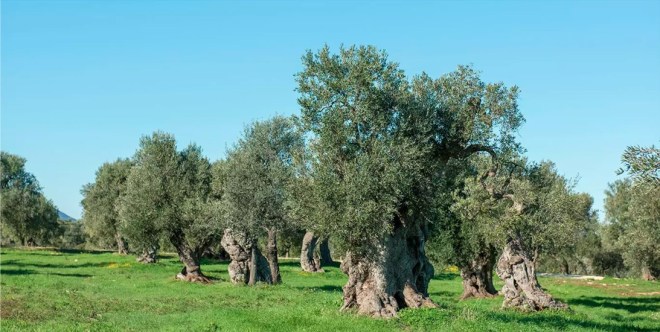


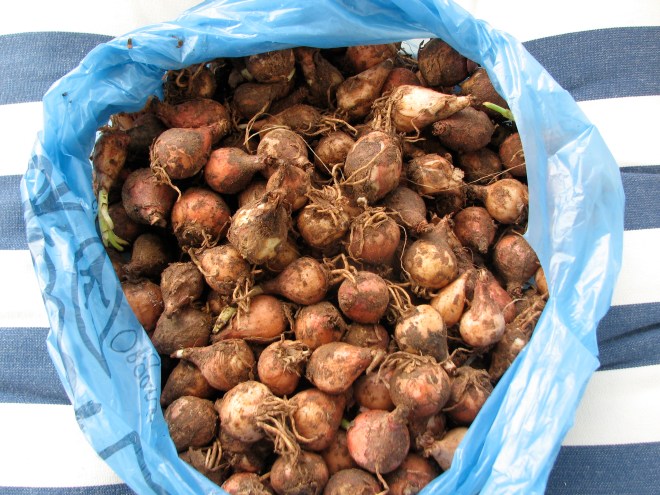
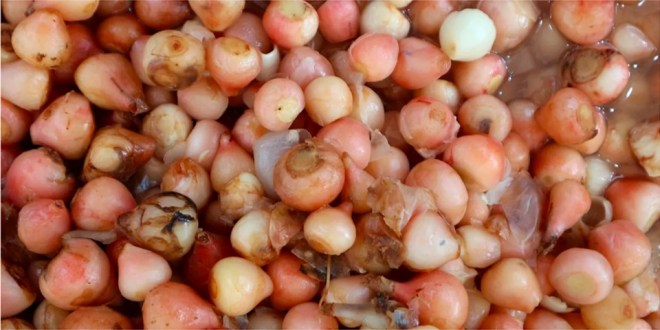
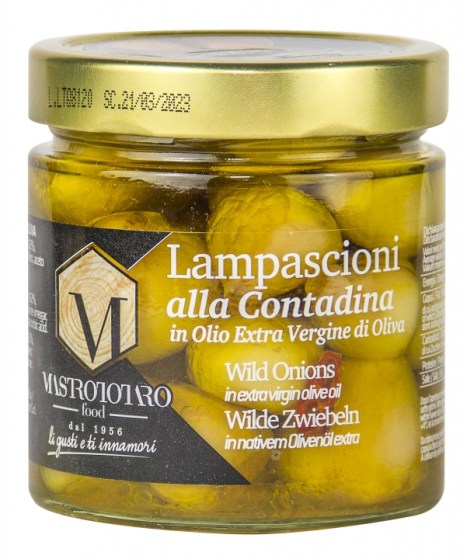

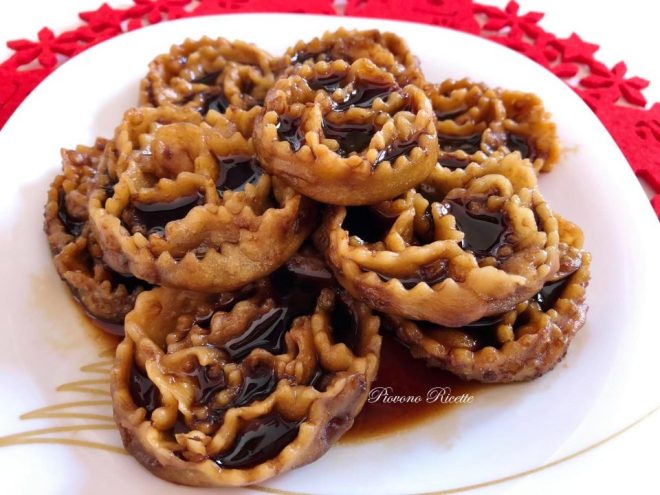


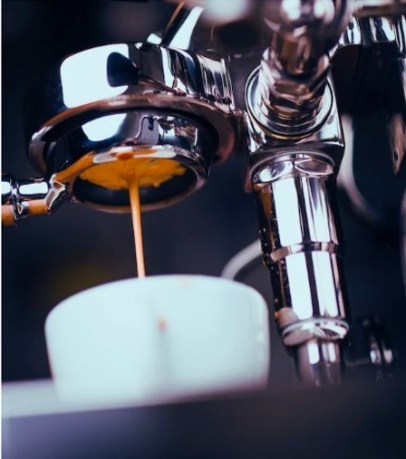


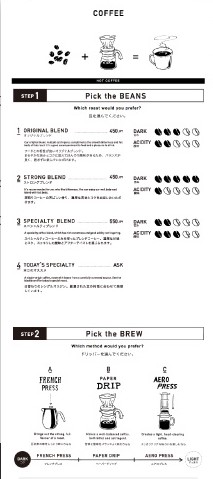


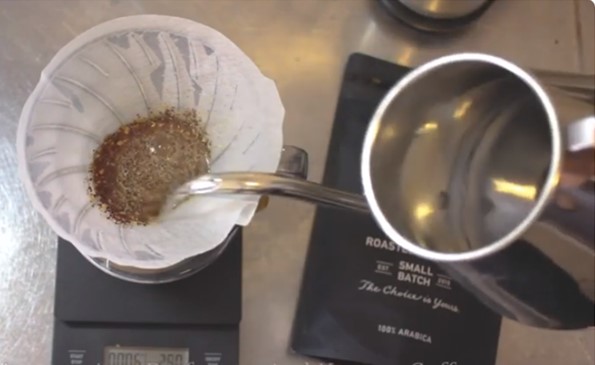


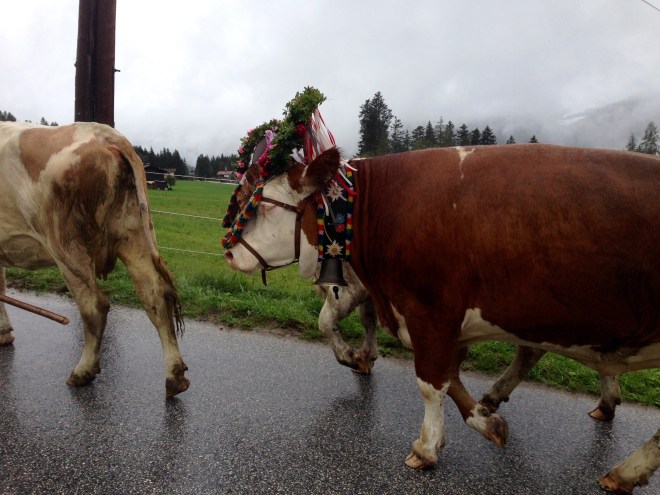

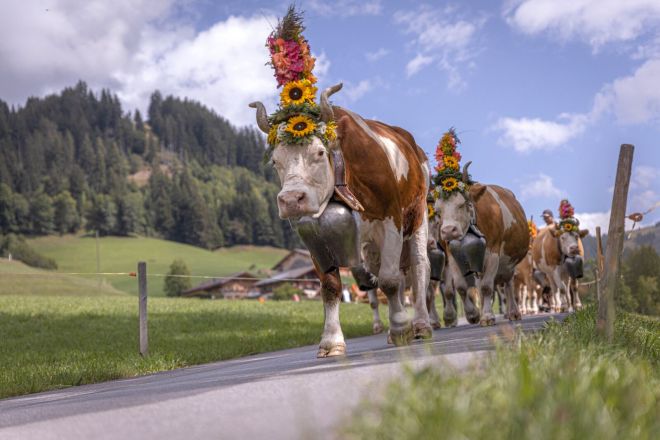


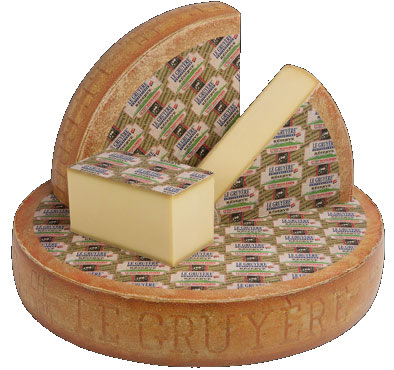





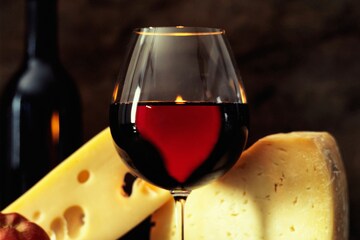





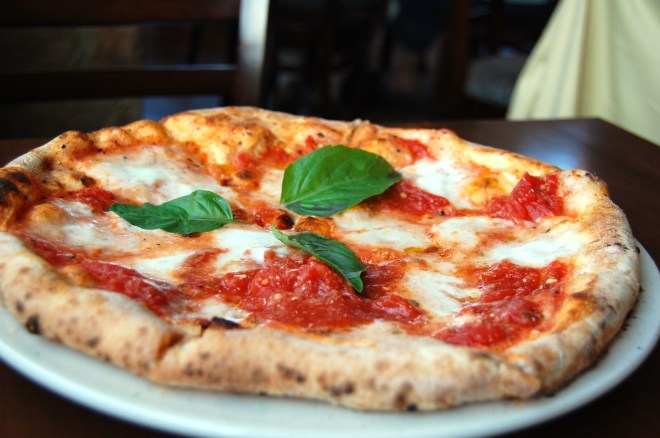
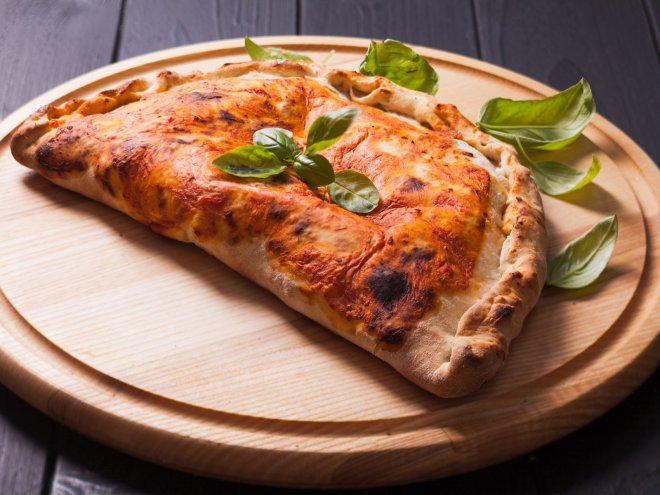




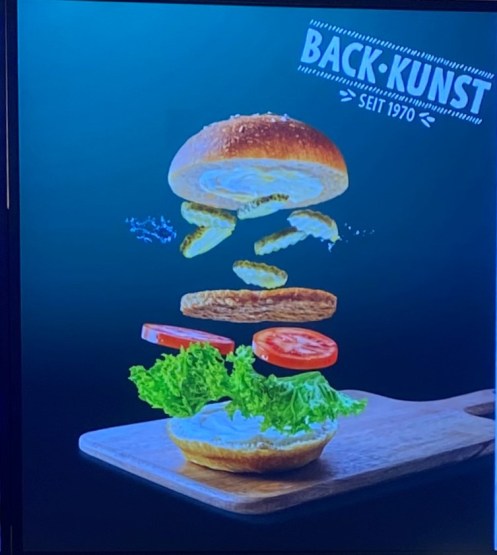


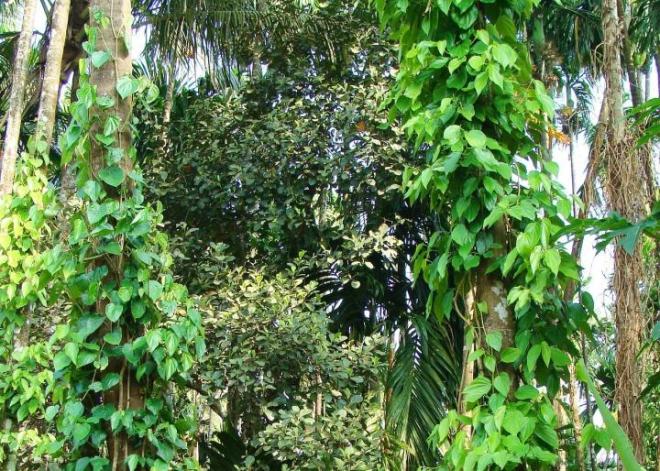


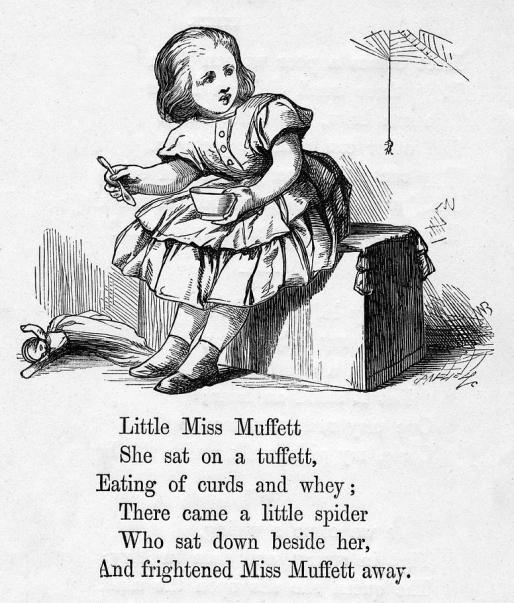

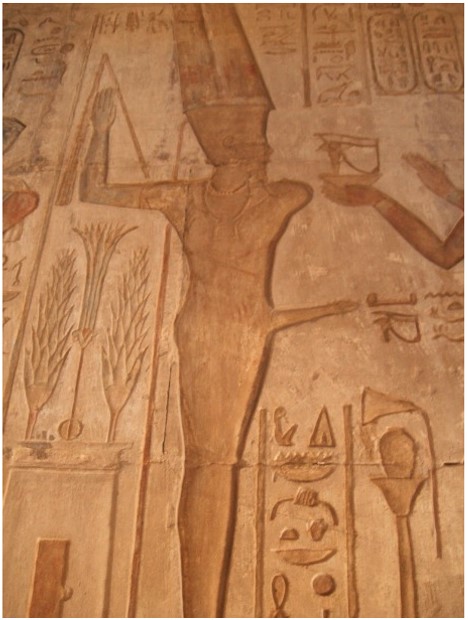
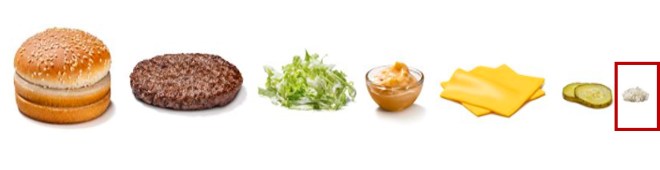
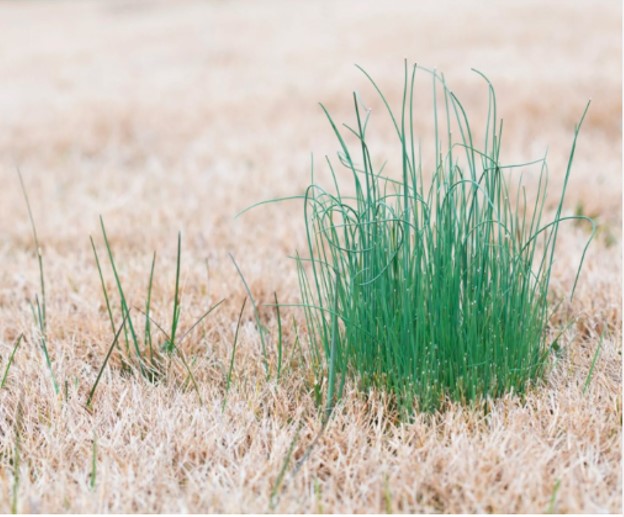


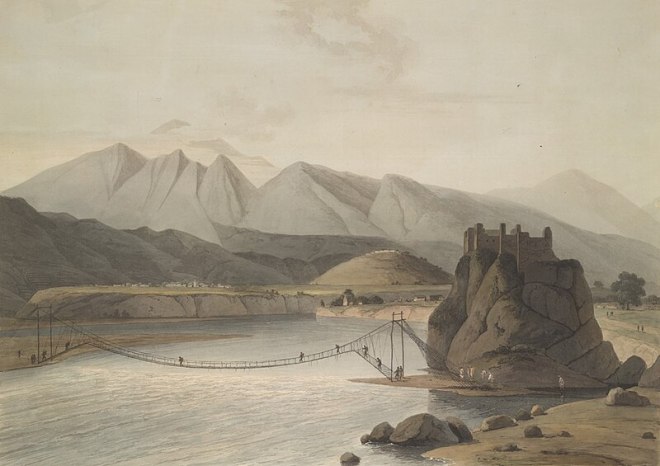


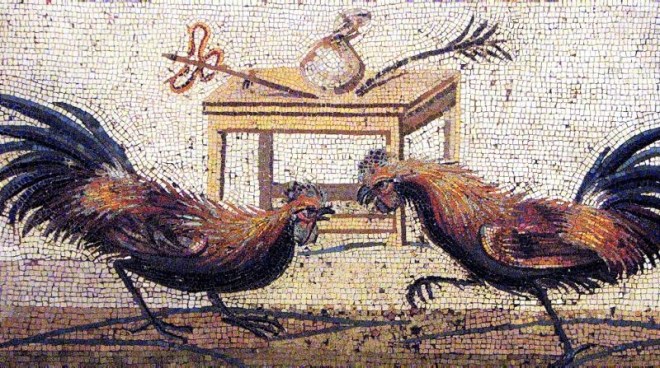
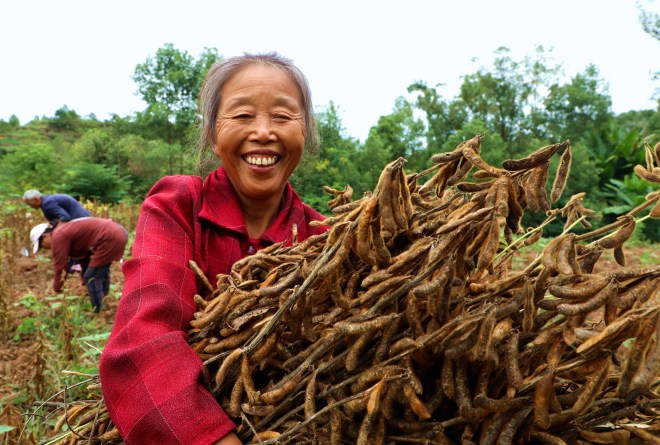


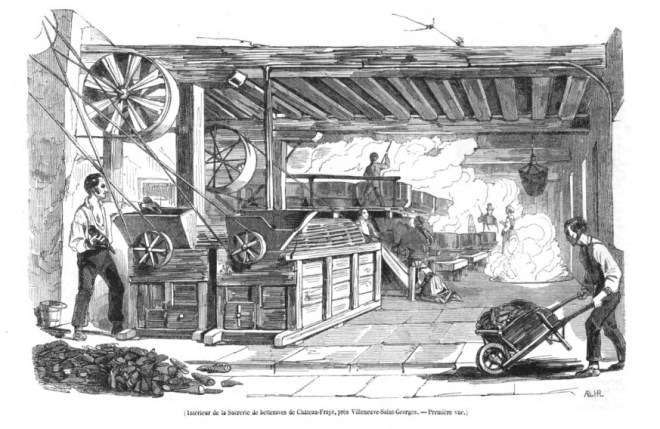
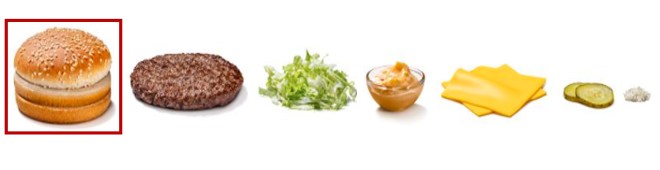
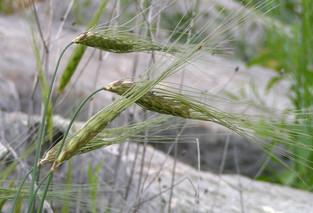


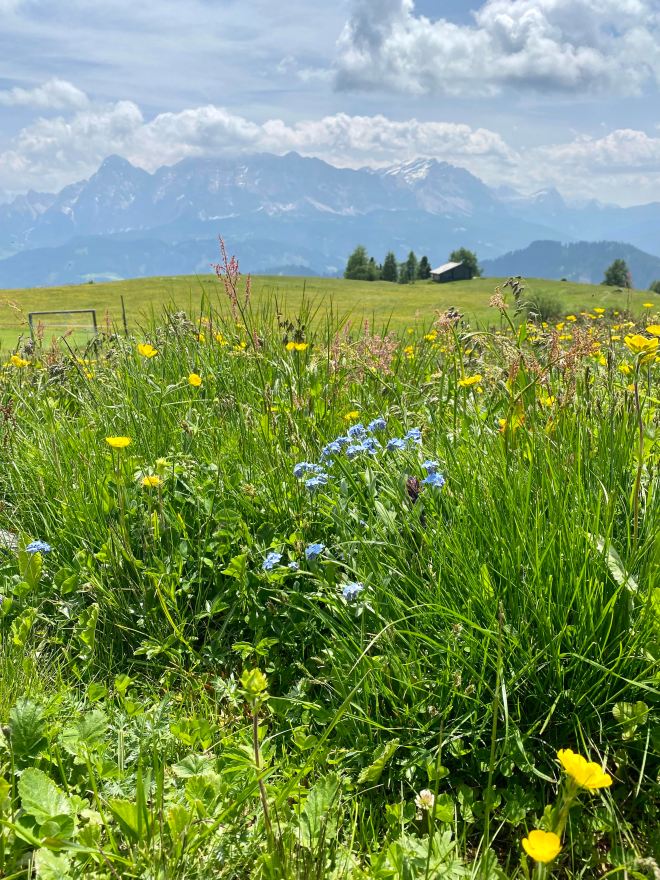

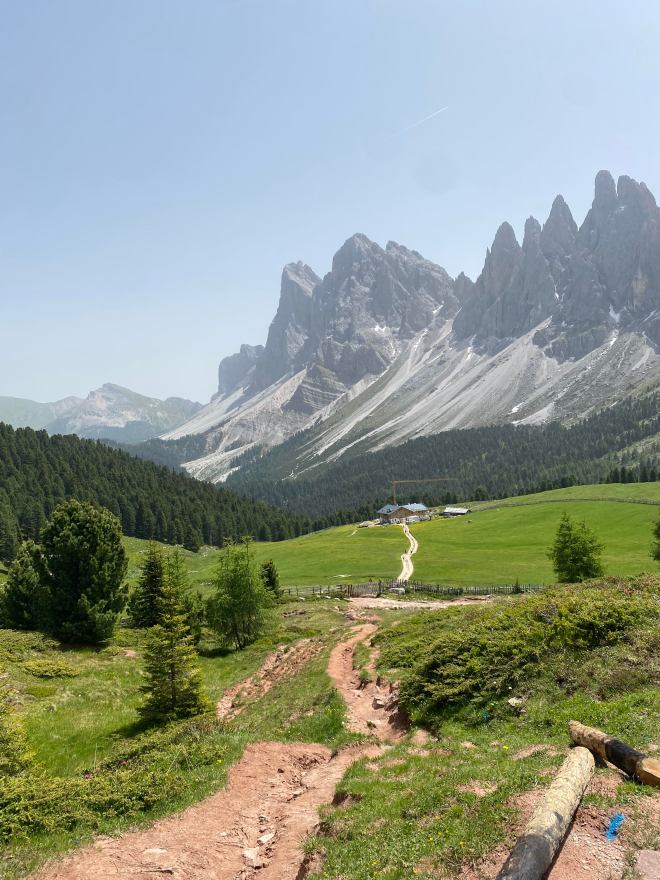
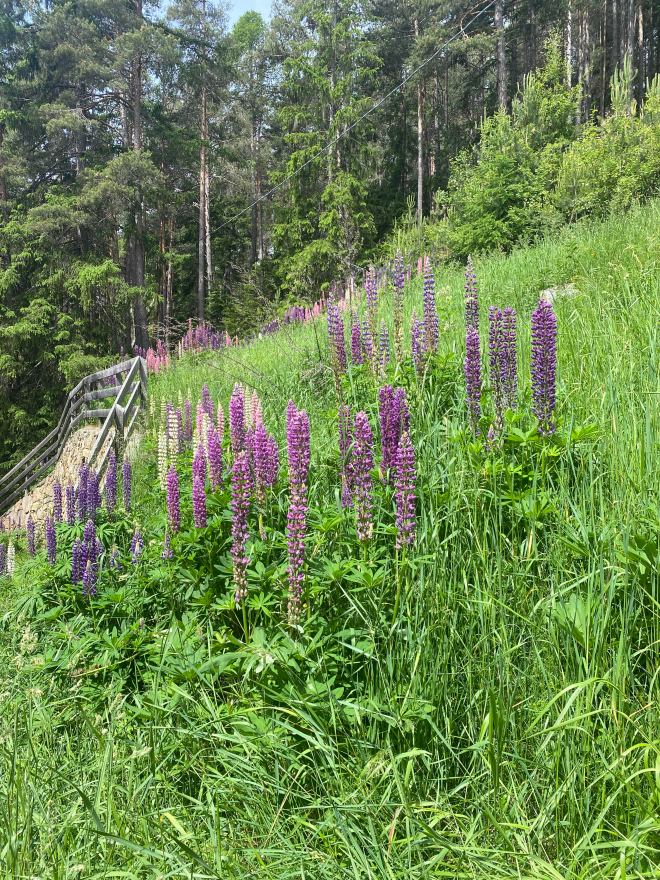

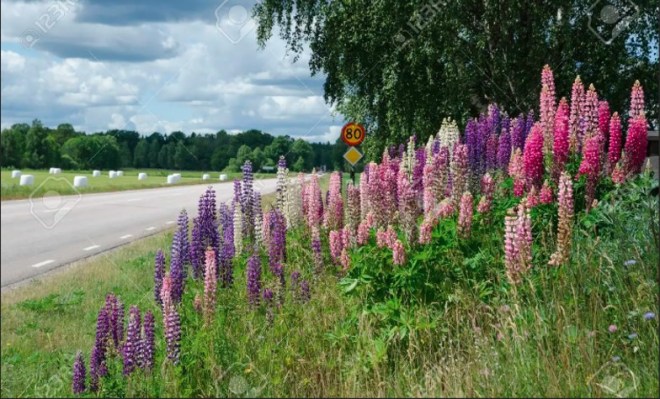

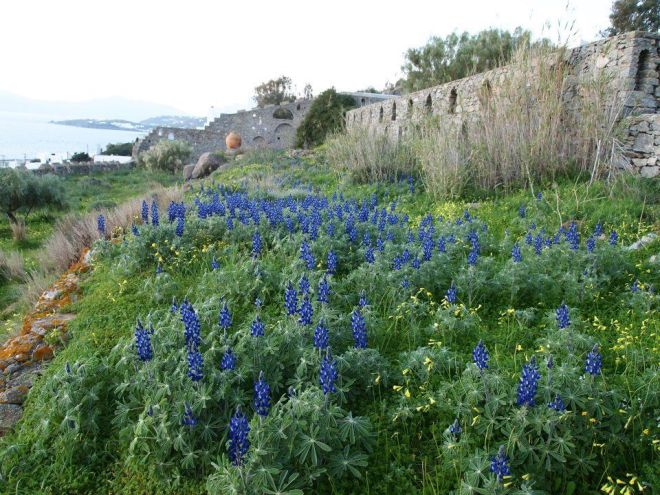


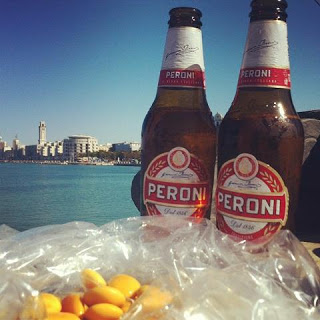

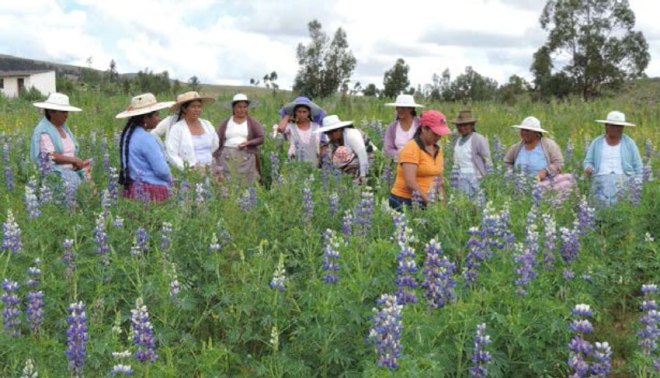


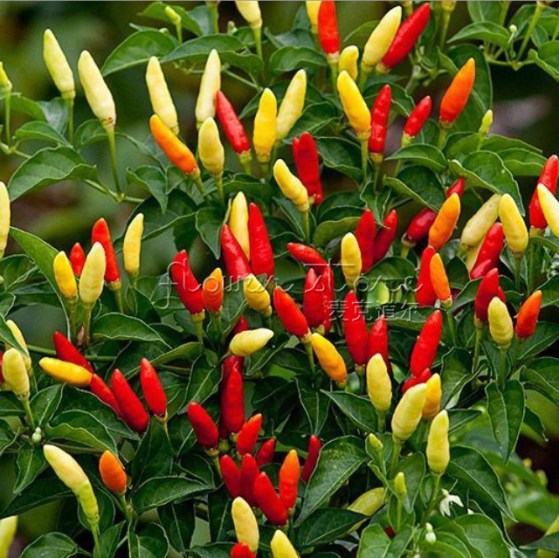
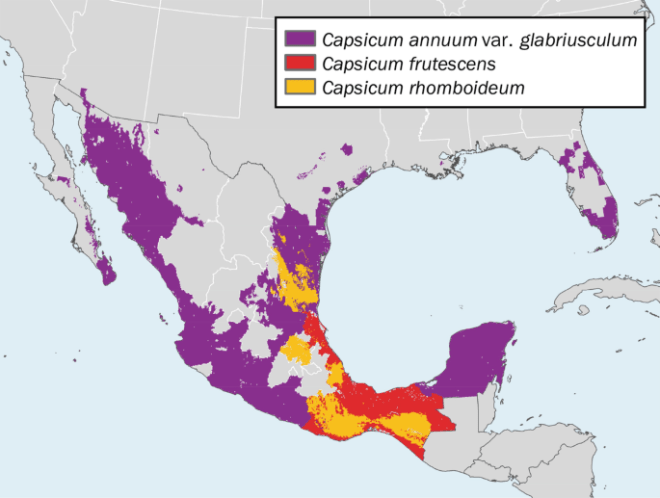


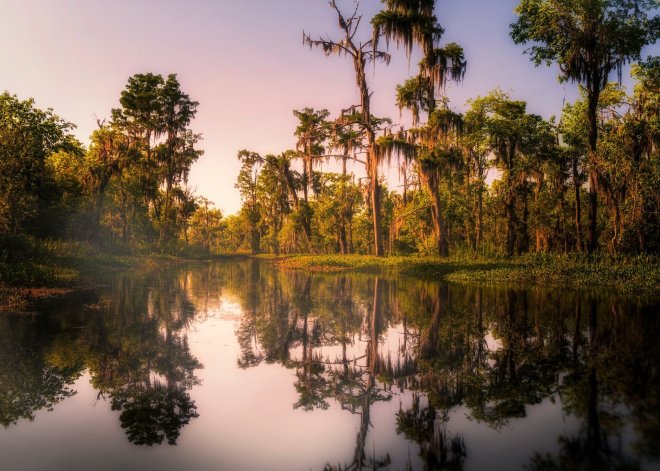

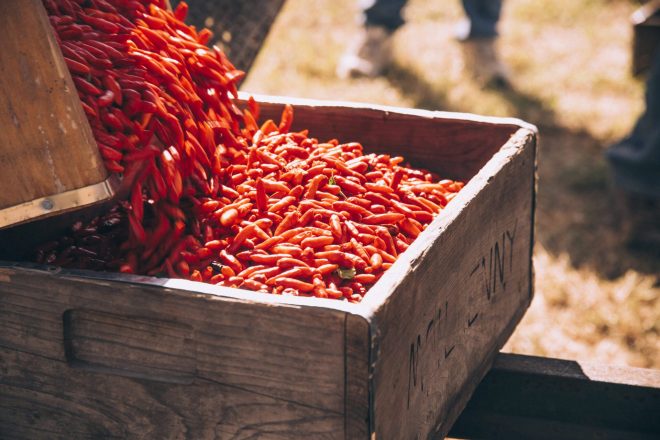

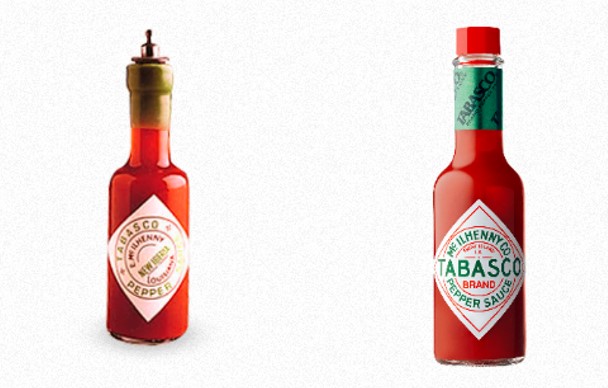
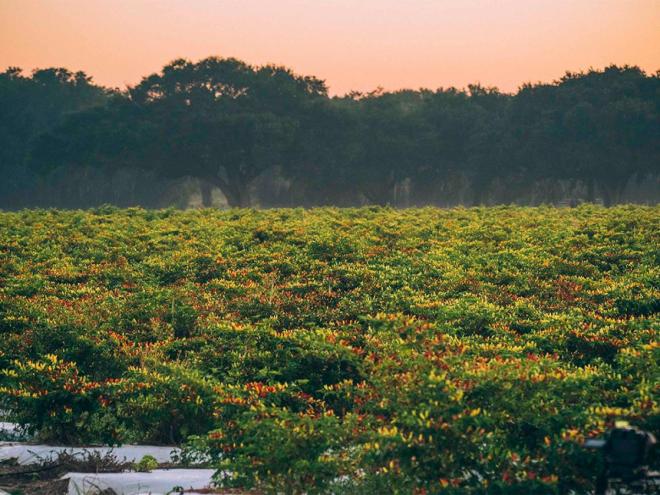


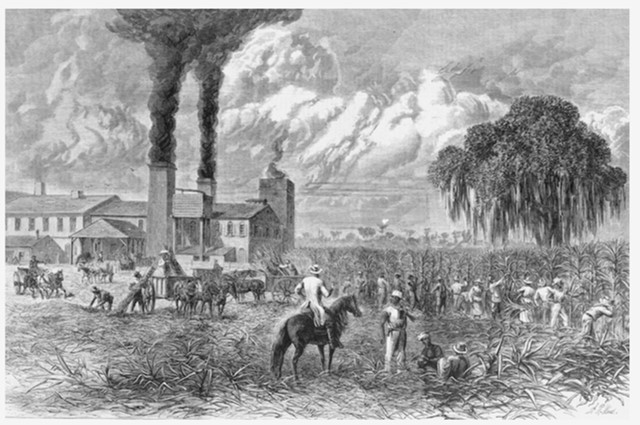



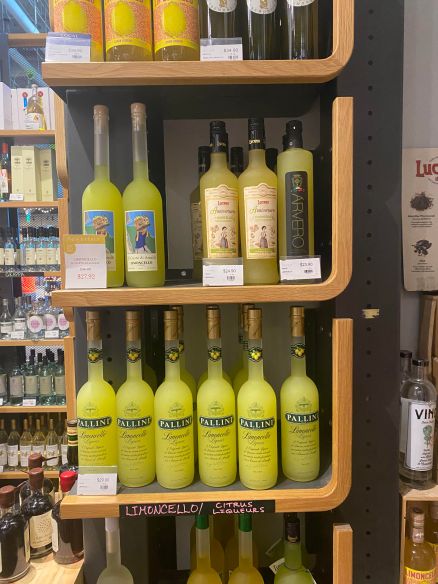
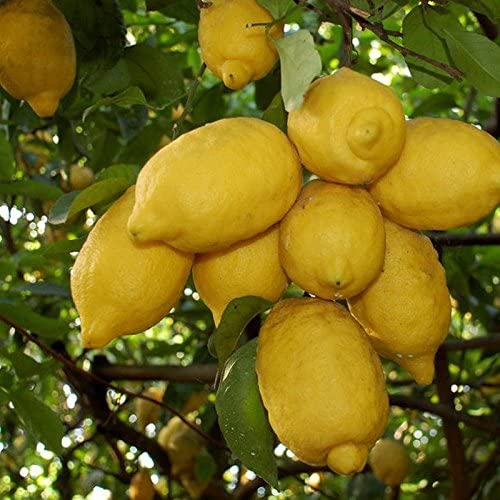
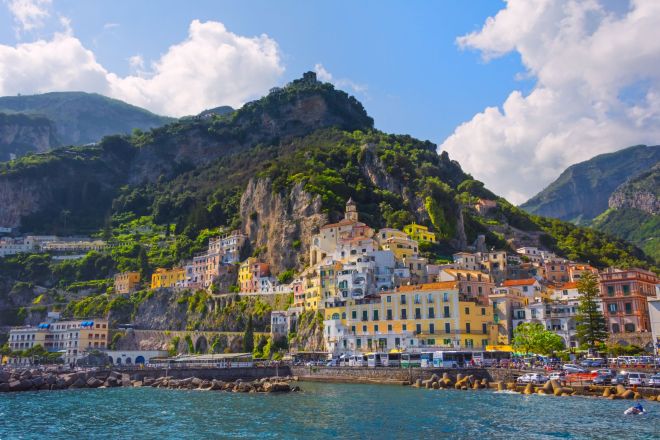
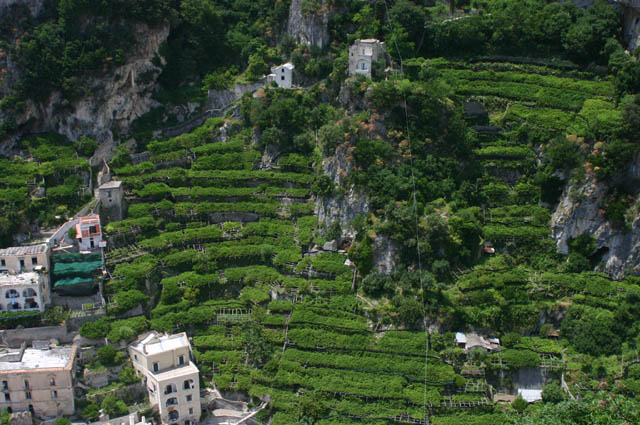

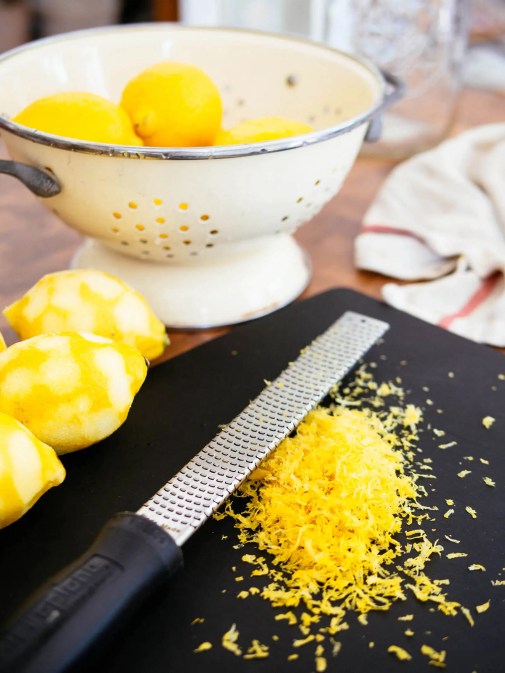

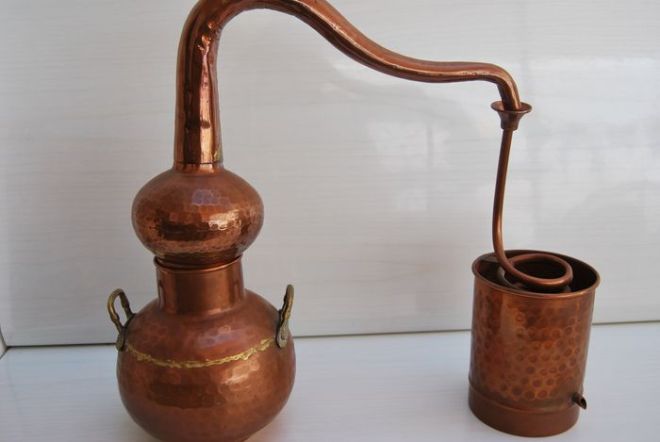


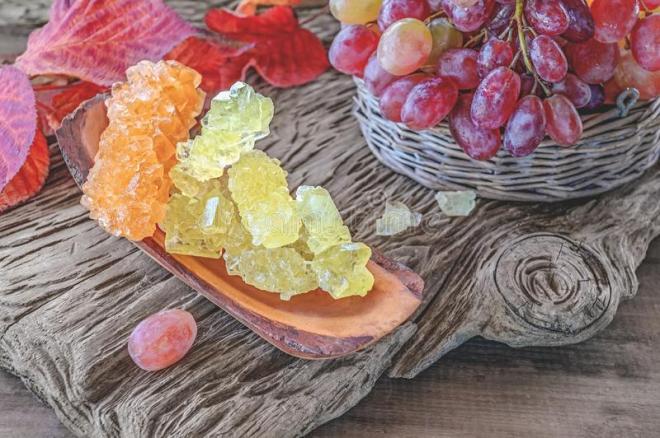
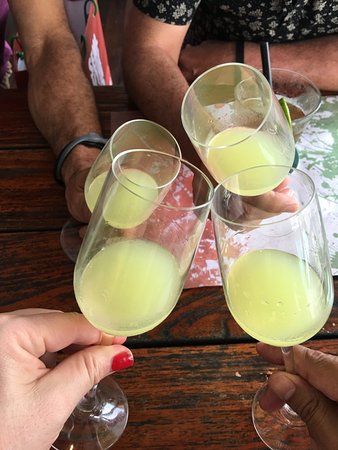

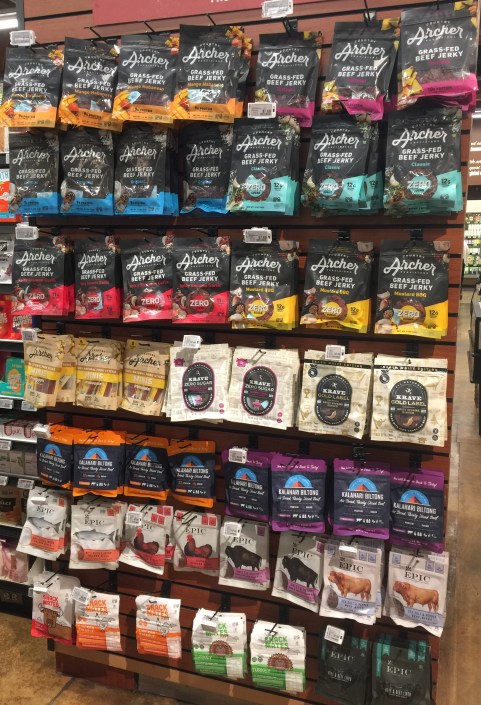


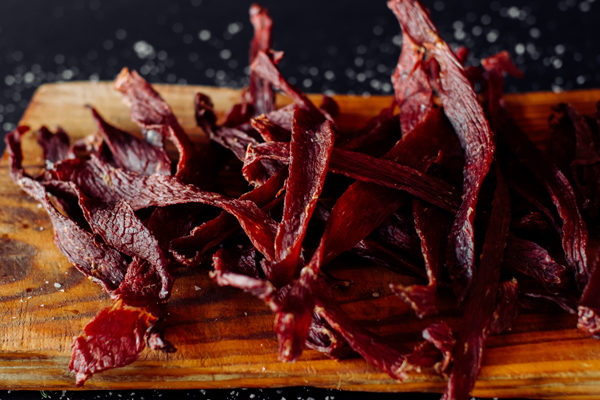

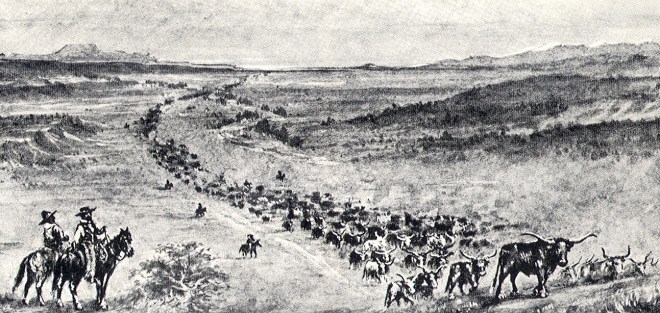










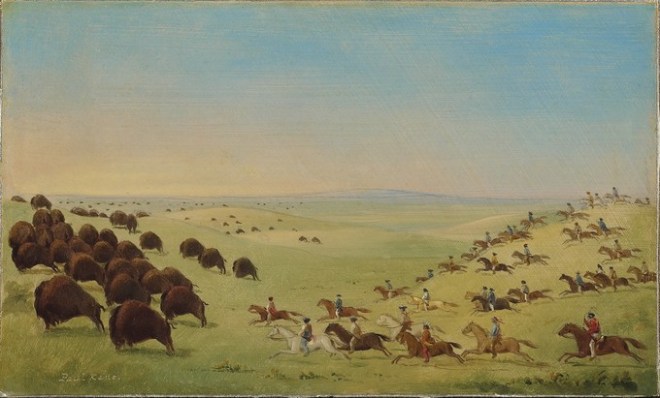


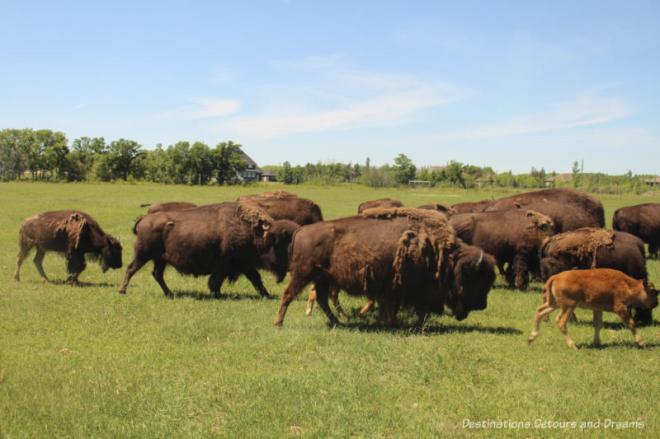


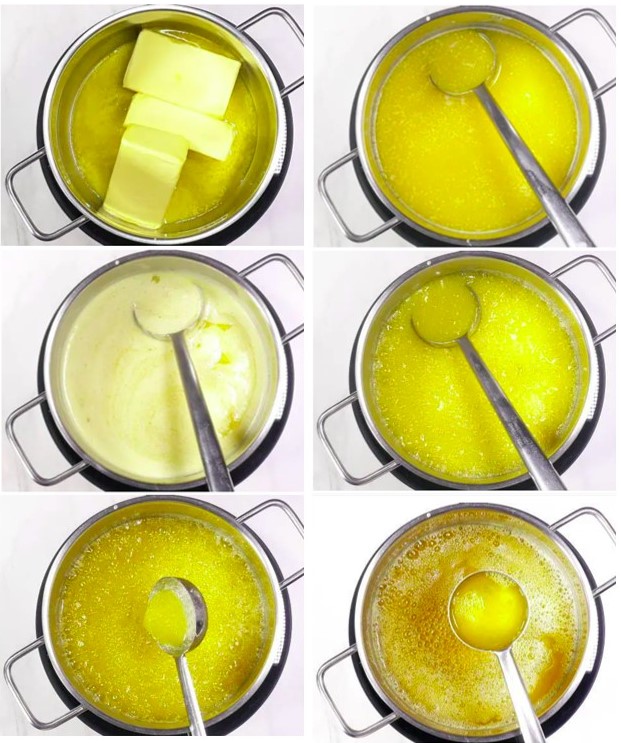

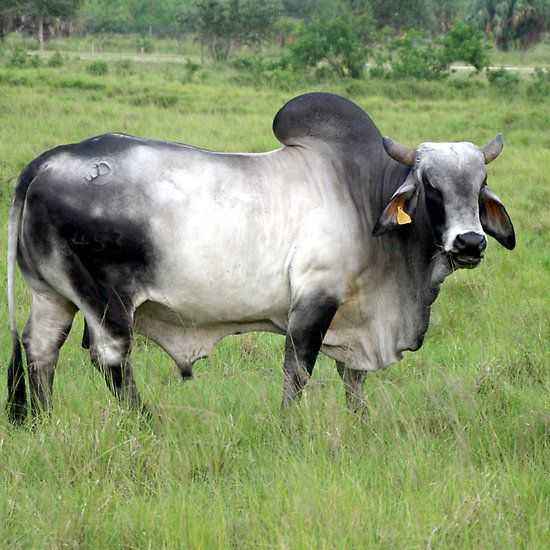


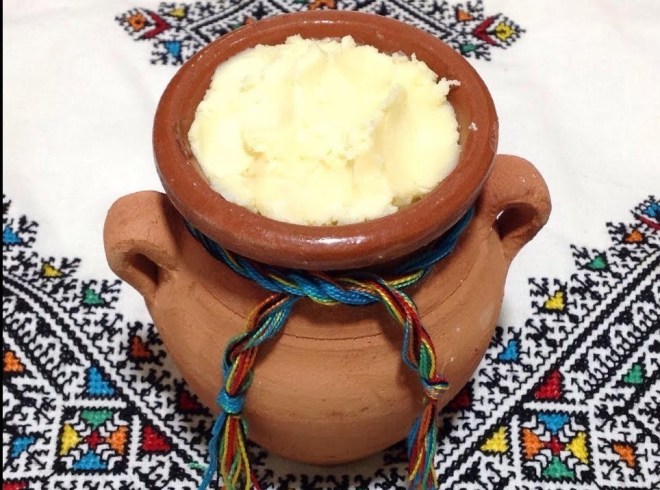


 the heart thrills