WATER

Bangkok, 7 May 2016

It’s hot here in Bangkok at the moment, very hot.

And it’s humid, very humid.

We drag ourselves through the day, stumbling from one air-conditioned space to another.

We scout the horizon for clouds. Will the cooling rains ever come?

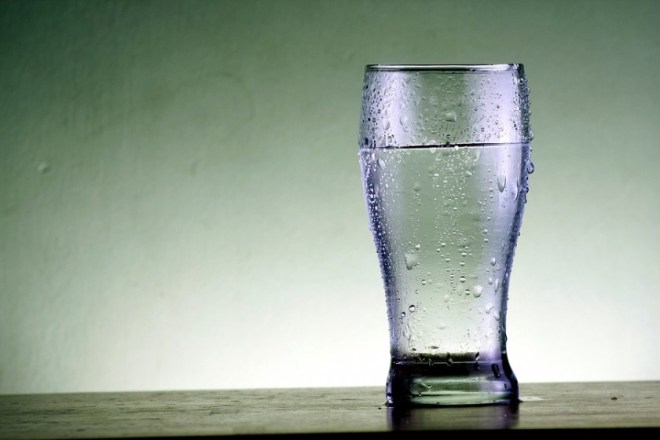
We sweat, we’re thirsty. We go to the fridge to get that bottle of cold, cold water. We pour ourselves a glass. A film of water immediately forms on it.

We drink. Aaaah, sooooo good …

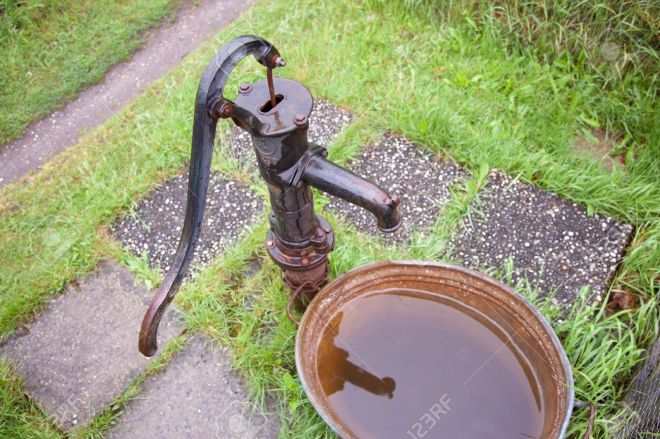
In her garden, my French grandmother had a water pump which looked like this.
image
When we were children, half a century ago, my cousins and I would amuse ourselves by pumping the handle vigorously till the water poured out. Watching us one day, my mother told us that when she had been a child our age, so some time in the late 1920s, early 1930s, before refrigerators were common, on hot summer days she was sent out by various uncles and aunts who were visiting to get a glass of water from that pump. But she was not to take the first water to gush out, no, she was to pump and pump until the water was “bien frappé”, well chilled, enough to form a film on the glass …

That pump stopped pumping 30 years ago. As ever more water was sucked from the aquifer the level dropped, until one day it dropped so far that the pump ran dry. It never pumped a drop of water again.

At my old primary school in Somerset, whose halls I graced half a century ago, there was a bubbling little stream that ran along the edge of the playing fields. We played for hours on it, floating sticks and leaves, building dams, and generally mucking about. It looked like this, minus the horses.
image
30 years ago, when I visited one summer, it was gone, dried up. The aquifer had dropped too far.

A larger stream ran along the valley floor not too far from my French grandmother’s house. It was a quick bike ride away, and my cousins and I would often go there to catch freshwater crayfish in its clean, clear waters and bathe in a deep, blue pool that had formed in the middle reaches. 20 years later, when I visited, it was turgid and scummy, with froth floating on it.

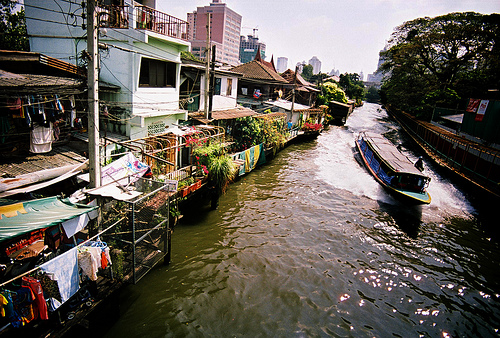
Bangkok is a water city. It sits on a river and is laced with canals. It should be lovely to travel on its waterways. Instead, it’s like cruising along stinking, fetid sewers. We take a water bus from time to time, when the traffic is really bad, from the Golden Mount Temple to the modern downtown.
image
Instead of enjoying the passing scenery, I live in dread of spray from the canal landing on my face; God knows what viruses and bacteria populate the water. I always scrub my face vigorously when I get off. As for the river, from our apartment terrace we look down on the rubbish of the city which floats by every day.
image
Recently, we visited Halong Bay, in Viet Nam, a World Heritage Site. We gazed on the unutterable beauty of the surroundings. But we also gazed at the rubbish floating around us and at the locals’ pathetic attempts to get rid of it.
image
Are we mad? We guzzle water like there was no tomorrow and treat it like a rubbish dump. Yet we need water, it’s vital to our lives. How can we treat so badly something we absolutely cannot do without?

________________
Glass of water: http://www.healthydietbase.com/does-drinking-ice-cold-water-help-you-lose-weight/
Old water pump: http://fr.123rf.com/photo_20440985_fonte-ancienne-pompe-a-eau-de-fer-humide-dans-le-jardin.html
Small stream: http://www.gettyimages.com/image/photo-2-tarpan-horses-crossing-a-small-brook/508354517
Bangkok canal: http://aspiringwriter.ca/tag=bangkok
Rubbish in Chao Praya River: https://bangkok2birmingham.org/2013/05/30/deteriorated-water-so-what/
collecting rubbish in Halong bay: https://www.pinterest.com/pin/27725353931017487/

KIMCHI AND SAUERKRAUT

Seoul, 13 April 2016

I’m in South Korea at the moment, giving a training on green industry. It is Spring here. In Bangkok, I’ve forgotten what Spring is like and the delights it brings to the heart of the first signs of new growth. There are wonderful, wonderful cherry trees in bloom just outside the training room, which makes it difficult for me to focus on my presentations.

But I don’t want to talk about any of that. I want to talk about kimchi, which I was confronted with last night at an otherwise perfectly respectable Korean meal. For those readers who have not heard of this foodstuff, it is without doubt the national dish of Korea – both Koreas, actually, North and South (on this deeply divided peninsula, there are two things that unite its peoples: their love of kimchi, and their deep dislike of the Japanese). South Koreans eat it at breakfast, lunch, and dinner (as I’m sure would the North Koreans had they any kimchi to eat and any rice to eat it with). There is a museum of kimchi in Seoul. It has been listed with UNESCO as an intangible cultural heritage, by both North and South Korea – separately, of course. It is said – but I wonder if this is not an urban legend – that during the Vietnam War, the-then South Korean President begged President Johnson to urgently help get kimchi to the South Korean troops who were fighting alongside their American comrades; without it, their morale was sagging badly. More believably, when the SARS crisis hit in 2003, kimchi sales in South Korea soared 40%, on the back of people’s belief that it would surely help ward off the evil disease.

As one might expect from a dish which is the subject of such national adulation, there are many regional variations and no doubt noisy arguments about which variant is the best. That being said, the most common type of kimchi – and certainly the one I have seen in Korean restaurants and eateries – is based on cabbage, napa cabbage to be precise. To make this kimchi is very easy, and if I’m not mistaken any self-respecting Korean housewife (not housespouse; this is still a very male dominated society) can make her own. Take the cabbage, cut it in pieces, thoroughly coat the pieces with salt, let them stand in their own briny juice for several hours, pressing them down from time to time. In the meantime, chop up some Asian radish and scallions, and prepare a paste of finely chopped garlic and ginger with fish sauce or salted shrimp and crushed dried paprika (this is the basic paste recipe, to which I’m sure can be added other ingredients whose identity are the jealously guarded secrets of individual kimchi makers). Thoroughly rinse the cabbage pieces of their brine, mix them well with the radish and scallions, and coat the whole with the paste. Let this mixture stand in some suitable container for several days at a cool temperature – in the old days, Korean housewives used beautiful pots like these and buried them in the earth during winter.
image
What is happening behind all these manipulations is that the cabbage is being subjected to fermentation by lactobacillus bacteria. The results look like this.
image
Depending on tastes and needs, the kimchi can be eaten “fresh” or left to continue to ferment and eaten months later.

It is sad to report that while the Korean populations love this stuff, I hate it. Well, “hate” may be a strong word: “thoroughly dislike it” may be the better term. During my first-ever trip to South Korea, while my credit with my hosts soared after I ate dog and declared it to be most delicious (and I wasn’t being polite), it crashed when I made it also very clear that kimchi was revolting. What to do, the perils of cultural exchanges.

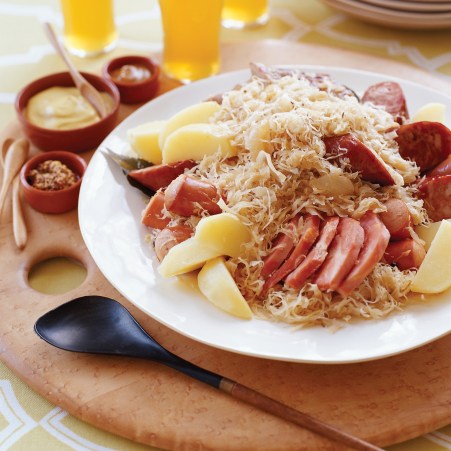
It’s actually puzzling that I don’t like kimchi, because I looooove sauerkraut or, to give it its French name under which I first got to know it decades and decades ago, choucroute. Aah, those most magnificent choucroutes garnies of my youth, sauerkraut served with pork chops and various sausages, with boiled potatoes on the side!
image
If I close my eyes, I can still remember, still taste in my mouth, a truly wonderful sauerkraut which I had on a German ferry boat carrying a bunch of us from school to Germany (we were on our way to do two weeks of “military service”, required of all of us by our high school, with a British tank regiment stationed near Hannover; but I digress, these fond memories being triggered no doubt by the lingering taste of that truly epochal sauerkraut).

As I say, it is indeed puzzling that I don’t like kimchi, because sauerkraut is also cabbage-based and is subjected to exactly the same procedure of brining followed by a fermentation at the hands (as it were) of lactobacilli. What is going on here?

After some thought, I have concluded that the paste is to blame. Actually, I think this is a no-brainer. I mean, what else is different between the two? My problem with kimchi has to reside in the paste. My first thought was that the paprika was the culprit. As I have written in no uncertain terms in an earlier post, I can’t stand hot spices, and the paprika in the kimchi certainly doesn’t endear me to the dish. But my problem with kimchi goes deeper than the burnt-out mouth it gives me. Below that lurks another problem, a problem of bitterness. One or more of the other ingredients in the kimchi is changing the taste from the sour of sauerkraut to the bitter of kimchi. I’m afraid I will never know which it is until I do some scientific experiments in the kitchen, making fermented cabbage and varying the ingredients it is pasted with. I can therefore cheerfully add sauerkraut/kimchi to the list of foodstuffs which I will try making when I have retired, and I will report back if and when I find the solution.

In the meantime, all this writing about sauerkraut has given me a serious desire to eat some. I need to send an urgent message to my wife, who is excellent at searching the Internet, asking her to identify a restaurant where we can eat a half-decent choucroute garnie in Bangkok.

____________________
Kimchi pots: http://www.lovethatkimchi.com/Kimchi_Pots/Onggi.html
Kimchi: http://www.surakoreancuisine.com/koreas-greatest-food-kimchi/
Choucroute garnie: http://www.foodandwine.com/recipes/choucroute-garnie

MIRROR, MIRROR, ON THE WALL

Bangkok, 28 February 2016

Every morning, I stare at myself in the mirror as I shave, a ritual which has enslaved me these past forty odd years. And I stare at myself in the mirror as I brush my hair, or brush my teeth, or – more lately – inspect that suspicious mark on my face (is it melanoma?). And I watch as the face which stares back at me grows rounder and more creased, as the hairline recedes and the temples grow greyer, as the lips thin with the loss of back teeth, as the skin begins to sag under my chin.

I grow old, the mirror remorselessly reminds me every day.

I can’t escape my reflection. It follows me everywhere I go, staring back at me from all the mirrors which we have scattered with wild abandon over our urban landscapes: the bars, the restaurants, the public toilets, the elevators, the shops, the lobbies, … My reflection even beckons to me from the smooth, shiny sheathing and coated windows of our fancy modern buildings.

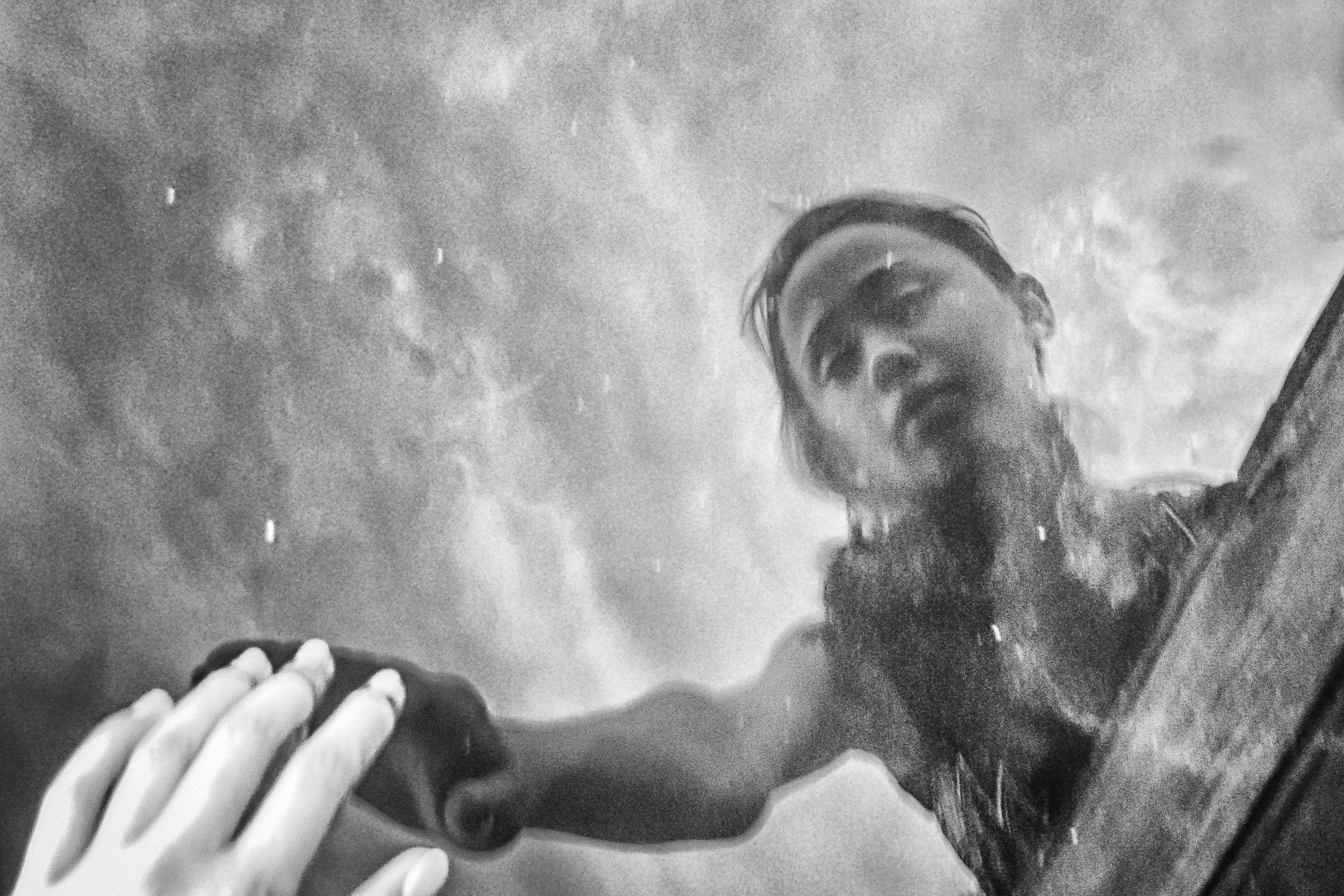
It was not always so. There was a time, not so long ago in the great arc of human history, when we hardly ever saw our own faces. We saw the faces of others: our mothers, our fathers, our siblings, our tribe, our village, and the few strangers who came from the other side of the mountain and passed through. From time to time, when drinking in a still pool, we would have seen a tremulous reflection staring back at us. But it’s not easy to see one’s reflection in water. Water bodies have this infuriating habit of giving a beautiful reflection of things far away but of being blankly clear at one’s feet.

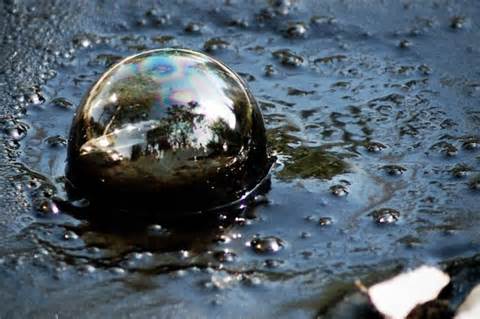
Numa and Rainbow Peaks Reflecting in Bowman Lake, Montana

This young girl has managed to capture her watery reflection quite well

reflection in water

but I think this picture is more typical of what most of us see when we peer into water.

reflection in a puddle

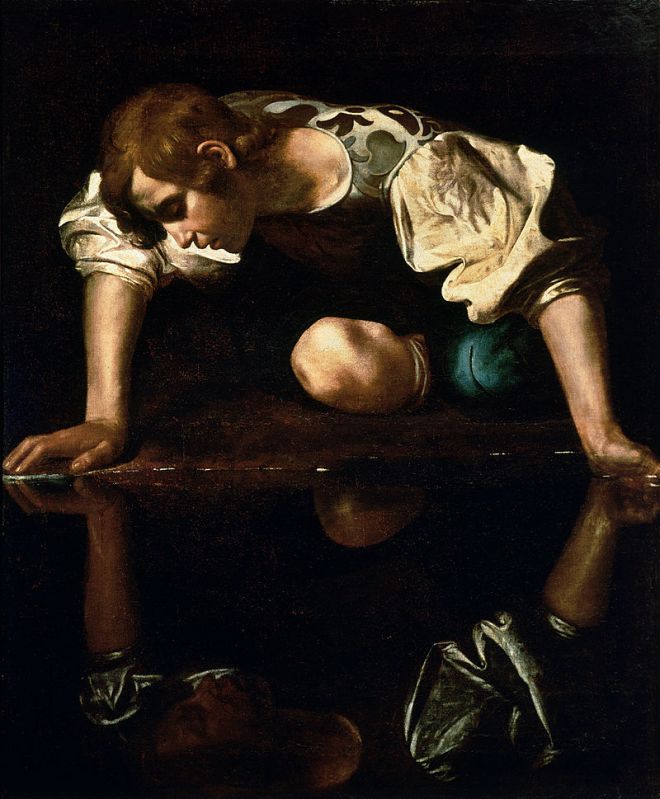
That’s why I’ve never really understood the legend of Narcissus, the beautiful boy who caught sight of his reflection in a pool, fell in love with it, and died at the pool’s edge unable to drag himself away.

Narcissus-Caravaggio

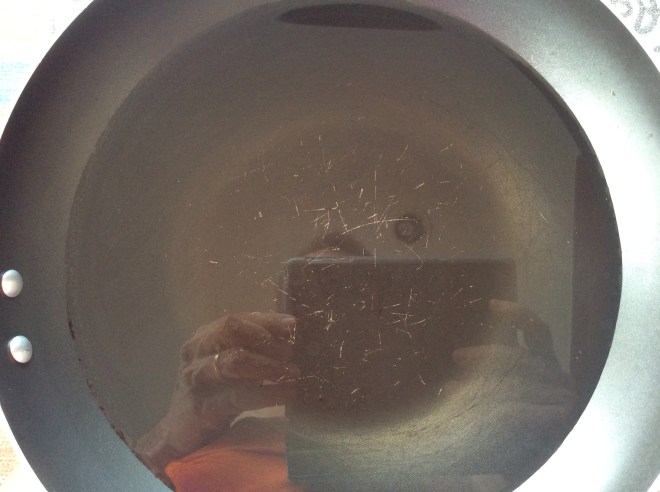
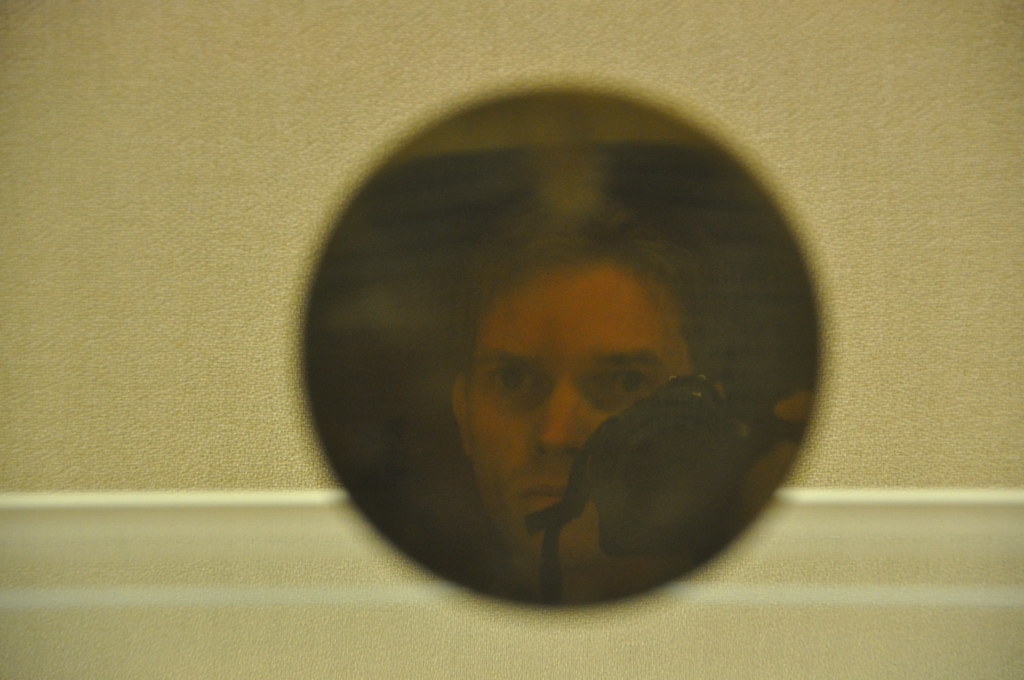
What reflection could he possibly have been so enamoured with? In my experiments in the kitchen with various pots and pans of different colours, the best reflection I got was from a black frying pan

image

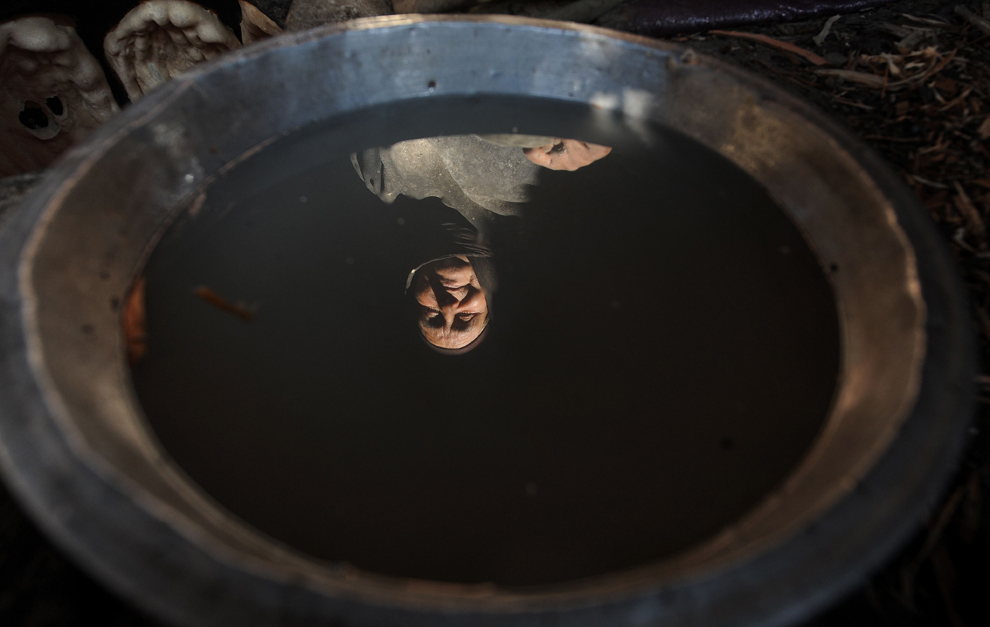
and even that reflection was, as readers can see, murky in the extreme. How could anyone, however beautiful he or she may have been, have fallen in love with this evanescent reflection? Perhaps the original teller of the tale had seen a reflection of a person in a dark pool or vase from a distance, like this photographer has

reflections in a bowl of water

and invented the story around that.

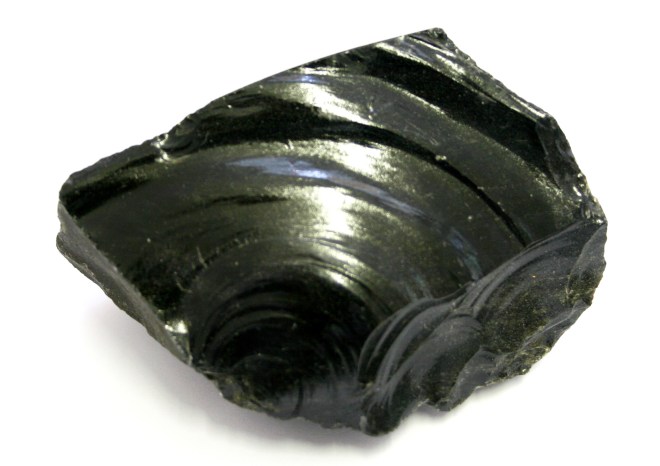
Be that as it may, eventually our ancestors found other ways to see themselves. Obsidian, that beautiful, black, glassy material, product of volcanic activity

imagewas used in the first attempts at non-aqueous mirrors, in Turkey. The country was famous in the pre-metallurgical era for its obsidian, which could be used to make razor-sharp arrow heads – such arrow heads have been found hundreds if not thousands of kilometres away from the mother lode in Anatolia. But large obsidian pieces could also be split open and the faces given a high polish to act as a mirror.

obsidian mirror

Obsidian may be beautiful, but it gives a dark reflection, almost as dark as the water in my frying pan. I am reminded of St. Paul’s famous phrase in his first letter to the Corinthians, “For now we see through a glass, darkly”.

The metallurgical age brought us one step closer to seeing ourselves, in polished copper or bronze mirrors, like this Egyptian copper mirror.

copper mirror egyptian

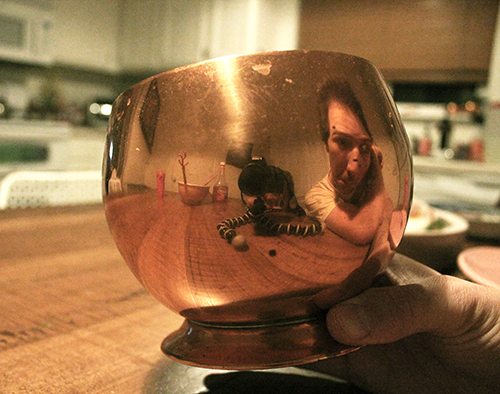
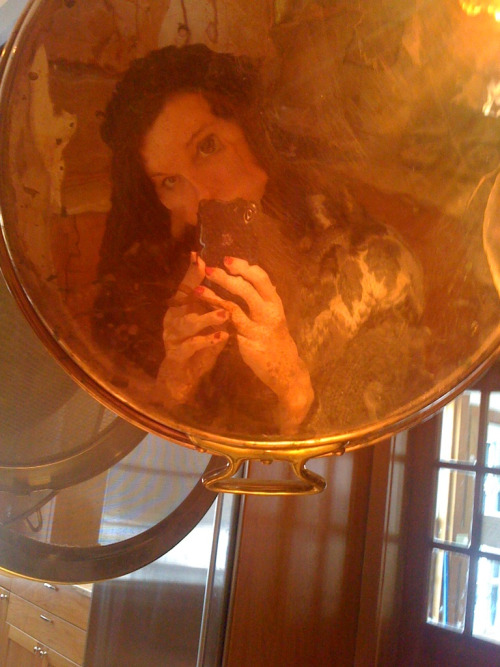
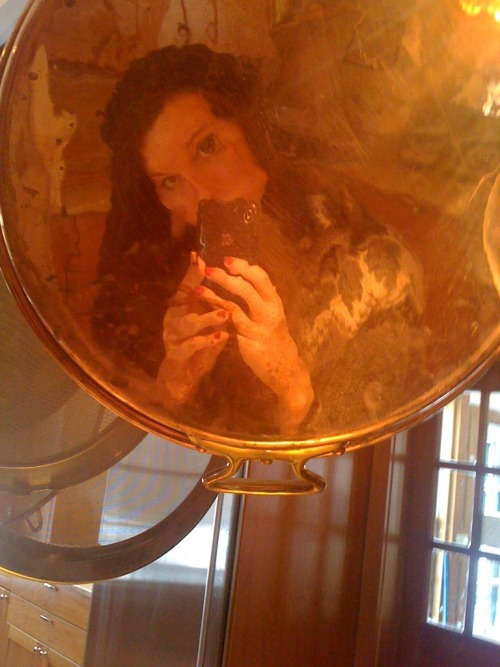
Copper mirrors would have given reddish reflections like those we see in highly polished copper pans, such as this

reflections in a copper potor this.

reflections in a copper pan

(If nothing else, both photos show the need for a uniformly flat surface for a good result …)

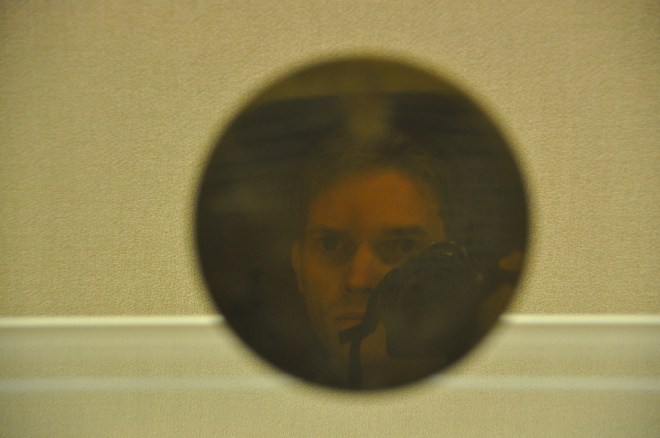
The Chinese especially made mirrors out of polished bronze. These would have given yellowish reflections, like this one

bronze mirror-2

or this one, from a Japanese bronze mirror.

bronze mirror

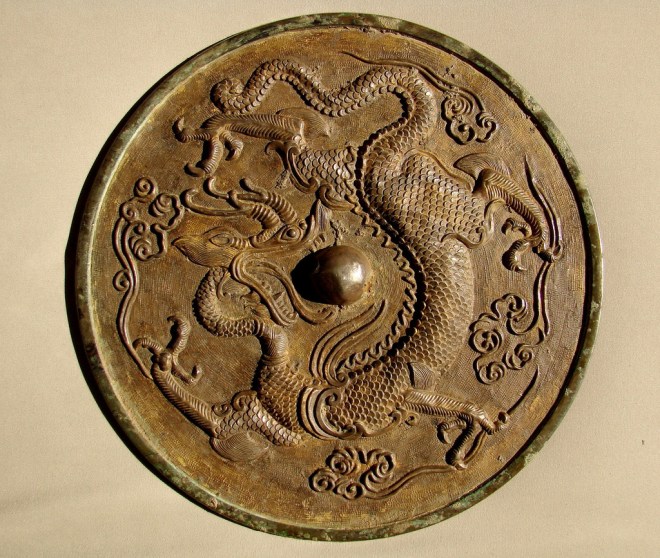
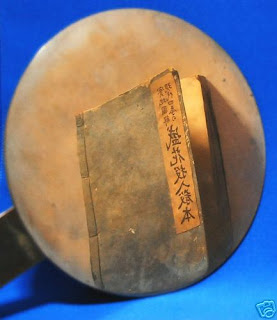
Mirrors such as these were very expensive – indeed, the Chinese turned the backs of their mirrors into admirable works of art, such as this 9th Century one from the Tang Dynasty with its admirably carved dragon.

image

So only the rich, the ancient world’s one-percenters, could afford to peer – curiously, vainly, or dolefully – at their reflection. The man and woman on the street still could only see their reflection in water.

It seems that it was the Egyptians who first thought of coating glass with metal to make glass mirrors, but their reflectivity was poor. As for the Romans, Pliny the Elder mentioned mirrors where gold leaf was applied to glass. I don’t know if any such mirror has survived the ravages of time, I certainly didn’t find a trace of one on the Internet. But very fancy gold-plated mirrors such as the one in this photo are now made, for high-tech applications.

image

I suppose a bleary-eyed Roman plutocrat staring at himself in his gold-plated glass mirror after a night of orgies would have caught such a yellowing reflection as this of his face.

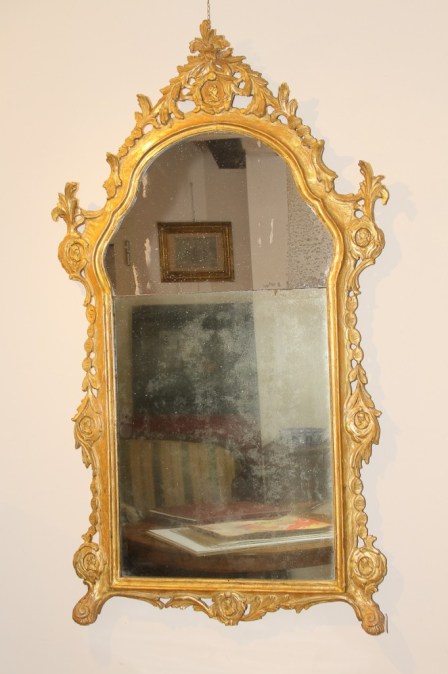
It is the Venetians we have to thank – or curse – for bringing us the modern silvered mirror, which finally allowed humanity to see its own reflection in glorious, embarrassing, or painful technicolour. The glass-makers of Murano figured out a way of making flat – and clear – glass as well as depositing a thin coating of silver on the back of it (my professional self cannot but help notice that they used a silver-mercury amalgam to do this; the mercury inevitably sickened and killed off a good number of Murano mirror-makers – an interesting twist to the French saying “il faut souffrir pour être belle”, “one must suffer to be beautiful”, which here becomes “you suffer, and I admire my beauty”). Once again, it was initially the one-percenters of the European courts who enjoyed – or suffered from – a much clearer reflection of themselves. Venetian glass mirrors such as this one were worth a king’s ransom.

old venetian mirror in good shape

The French one-percenters couldn’t stand the idea that they were sending so much of their wealth southwards to the misbegotten Venetians for glass mirrors. They tried mightily to worm the secrets of mirror-making out of Murano. But La Serenissima, fully appreciating the gold mine they were sitting on, passed draconian laws forbidding these secrets from leaving the lagoon. Eventually, though, the French suborned a group of Venetian mirror-makers, persuading them to bolt from the lagoon and set up shop in the St. Gobain works. Among many other things, this gave us the Hall of Mirrors at the palace at Versailles.

image

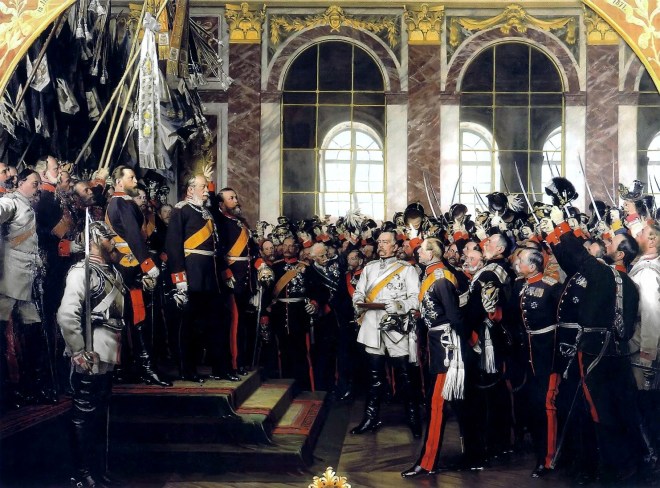
This hall has impassively reflected the fun and games of the French monarchy, but also two crucial moments in recent European history: the declaration of the German Empire in 1871 after the Prussians trounced the French in the Franco-Prussian War

image

and the signing of the Treaty of Versailles in 1919 between the Allies and the new-born German democracy

image

that humiliating “diktat of Versailles” which Hitler used to such good effect in his rise to power.

Alas! The silvering process which the Venetians invented, and the French copied, did not last forever. With time, it would crack, it would peel, it would dull, so that reflections would become evanescent once more. How many old houses contain mirrors like this one!

image

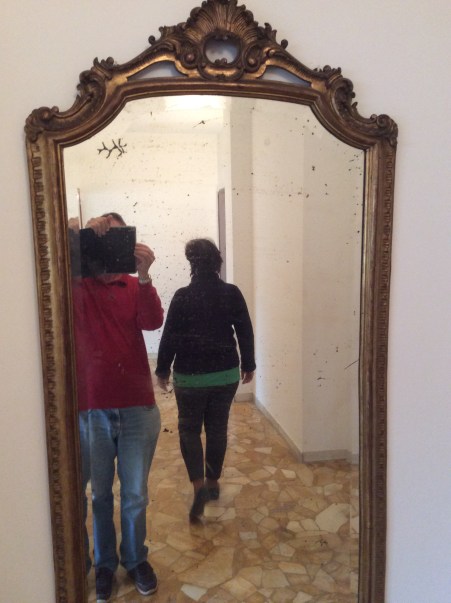
Even our apartment in Milan holds a mirror where Time has inserted its bony fingers into the silvering and has started to strip pieces off.

image

Like my face, mirrors age. But as men have found ways of making faces last longer, so have they found ways to make silvered mirrors that last longer and reflect better. And through the genius of industrialization they have found ways to make these much better mirrors much cheaper, so that 99-percenters like me can also stare, once vainly and now despairingly, at the reflection of our crumbling selves.

I need to escape from my reflection. My wife and I could have ourselves shipwrecked on some remote islet in the Pacific Ocean. Yet even there, I fear that I would find a shard of mirror on the beach, washed up together with all the plastic bottles and other flotsam and jetsam of our consumeristic life that now fill up our oceans.

__________________________________

Reflections in a lake: http://cdn.c.photoshelter.com/img-get2/I0000WnV35_OekPk/fit=1000×750/Numa-and-Rainbow-Peaks-Reflecting-in-Bowman-Lake.jpg (in http://bretedge.photoshelter.com/image/I0000WnV35_OekPk)
Reflection in water: http://www.aheadworld.org/wp-content/gallery/reflection-in-the-water/bellareflectionwater-1.jpg (in http://www.aheadworld.org/2014/07/15/reflection-in-the-water/)
Reflection in a puddle: http://www.nambya.com/wp-content/uploads/image6.jpg (in http://www.nambya.com/gallery/photography/image-7/)
Narcissus by Caravaggio: https://en.wikipedia.org/wiki/Narcissus_%28mythology%29#/media/File:Narcissus-Caravaggio_%281594-96%29_edited.jpg (in https://en.wikipedia.org/wiki/Narcissus_%28mythology%29)
Reflection in a black pan: my photo
Reflection in a bowl of water: http://inapcache.boston.com/universal/site_graphics/blogs/bigpicture/reflections/bp12.jpg (in http://www.boston.com/bigpicture/2012/02/photo_reflections.html)
Chunk of obsidian: https://www.thinglink.com/scene/504686617127026690
Obsidian mirror: https://s-media-cache-ak0.pinimg.com/736x/a0/77/4e/a0774e9d5c812c328852a4850ea59899.jpg
Egyptian copper mirror: https://assets.paddle8.com/510/266/21339/21339-1380672291-Coburn-Item%2033-xl.jpg (in https://paddle8.com/work/egyptian/21339-hand-mirror)
Reflection in a copper pot: http://www.jeffclaassen.com/photos/2013/11/copper_pot_05.jpg ( in http://jeffclaassen.com/blog/2013/11/copper-pot-selfies-in-the-kitchen-after-dinner/)
Reflection in a copper pot-2: http://www.jeffclaassen.com/photos/2013/11/copper_pot_02.jpg (in http://jeffclaassen.com/blog/2013/11/copper-pot-selfies-in-the-kitchen-after-dinner/)
Reflection in a copper pan: https://40.media.tumblr.com/e295593980f36d1411e869333c84b63f/tumblr_mgbmbnhFJl1rjg7f0o1_500.jpg (in https://www.tumblr.com/search/loppapeysa)
Reflection in a Chinese bronze mirror: https://c1.staticflickr.com/3/2601/3810835438_947331566d_b.jpg (in https://www.flickr.com/photos/chrisckemp/3810835438)
Reflection in a Japanese bronze mirror: http://1.bp.blogspot.com/_WxoUP_Y9N1A/RysHFDtbP1I/AAAAAAAAADo/smZF2ussZLo/s320/te-kagami2.JPG (in https://kgtou.wordpress.com/2007/11/02/te-kagami-hand-mirror/)
Chinese mirror – back: https://www.flickr.com/photos/asianart/405662049
Mirror coated with gold: http://www.epner.com/processes-and-products/laser-gold/
Old Venetian mirror in good shape: http://www.antiquario-dellapiana.it/esposizione-antiquariato-alba/dipinti-antichi/
Galerie des Glaces: http://www.historylines.net/history/17th_cent/versailles.html
Proclamation of the German Empire: https://fr.m.wikipedia.org/wiki/Galerie_des_Glaces
Signing of the Versailles Treaty with Germany: https://fr.m.wikipedia.org/wiki/Galerie_des_Glaces
Old Venetian mirror in bad shape: http://www.juliamarkert.com/galleria-riproduzioni-cornici-antiche-firenze/cornici-antiche-firenze/specchio-veneziano/
Reflection in Milan mirror: my photo

INDIGO

Bangkok, 3 February 2016

After reading my last post, my wife asked me a very simple but very penetrating question: “But why are jeans blue?”

One can of course be nit-picking and respond that actually not all jeans are blue. This is undoubtedly true but let’s face it, the huge majority of jeans are dyed some shade of blue. Jeans are not called blue jeans for nothing.

One can also give the trivial answer “because blue dye is used”, which rightfully elicits the riposte “Ha-ha, very funny”. But actually, an interesting tale does hang on the dye used, which I learned while preparing the previous post and which I can’t resist recounting here.

We have to go to Europe for an answer to my wife’s question, because it was from there that the denim material used for blue jeans came to America. So what is the history of blue dye in Europe?

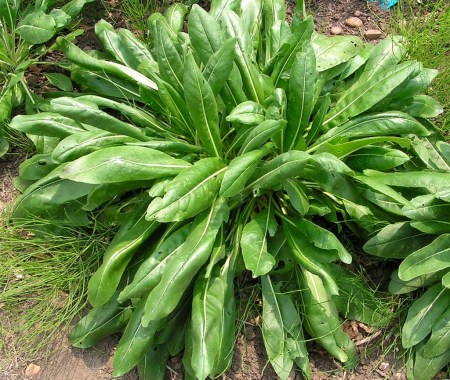
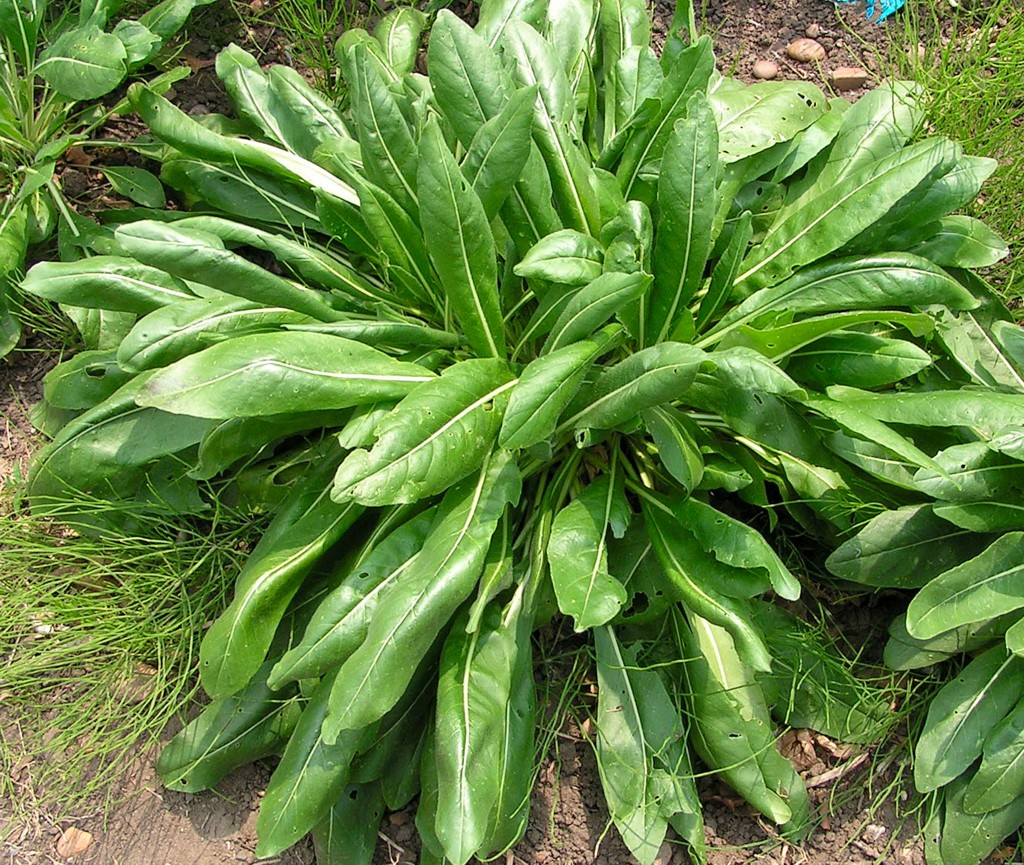
I was delighted to learn that the original blue dye of choice in Europe was extracted from woad. For those – I’m sure many – readers who have no idea what woad is, it is a plant native to many parts of Europe from whose leaves indigo dye can be extracted. I throw in a picture here in case any of my readers might wish to go searching for it.

woad plant

Personally, I must admit that I only knew woad as the stuff which Julius Caesar, in his De Bello Gallico, tells us the Britons smeared themselves with: “Omnes vero se Britanni vitro inficiunt, quod caeruleum efficit colorem, atque hoc horridiores sunt in pugna aspectu”, “In truth, all the Britons stain themselves with woad that occasions a bluish colour, and thereby they have a more terrible appearance in battle”. But I prefer the way it is put in that sublime history of Great Britain, 1066 And All That: “Julius Caesar advanced energetically, throwing his cavalry several thousand paces over the River Flumen; but the Ancient Britons, although all well over military age, painted themselves true blue, or woad, and fought heroically under their dashing queen, Woadicea, as they did later in thin red lines under their good queen, Victoria.” Mel Gibson in Braveheart shows us how it should be done.

mel gibson

Trivia aside, woad was actually economically a very important crop in many parts of Medieval Europe and made some communities very wealthy. In France, for instance, the trade in the dye from woad built many of the more beautiful buildings in Toulouse

Hôtel_d'Assézat,_toulouse_(panorama)

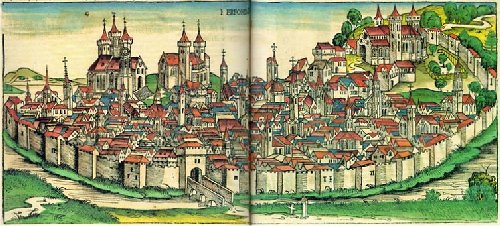
while in Germany woad paid for the University of Erfurt, established back in 1389.

erfurt university

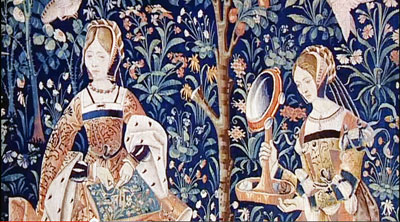
The indigo from woad coloured the best of medieval tapestries.

medieval tapestry

In sum, all seemed to be going swimmingly for the woad sector!

But there was a worm in the rose: the same indigo dye, but extracted from the leaves of another plant, in much larger quantities per leaf, in India.

Indigofera_tinctoria

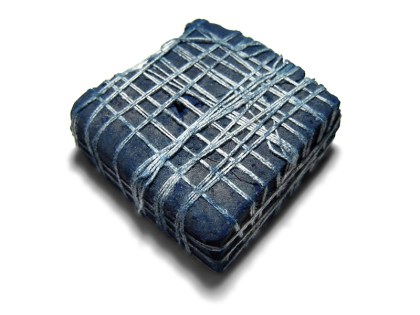
This stuff was already arriving in small and very costly amounts onto Greek, and later Roman, markets, along those same trade routes which I’ve had cause to mention in earlier posts. Because it was so expensive it was used primarily as a pigment in paint and not as a dye of fabrics. The Greeks called it indikon, the Indian dye. The Romans latinized this to indicum, which eventually gave us our indigo. Once the Europeans rounded the Cape of Good Hope and made it safely across the Indian Ocean, they could buy the stuff directly from the producers and cut out all the middle men. Nice packets like this began to arrive in Europe in the hold of European ships.

Indian_indigo_dye_lumpThe price in the European market places duly dropped, woad producers saw their livelihoods threatened, and they resorted to the classic weapons of getting pliant governments to forbid its use (it’s called anti-dumping these days) and putting around rumours that using indigo from India severely affected the quality of the fabric. All to no avail. The higher transportation costs from India were more than offset by the much higher productivity of the Indian plant. Transportation and production costs were then further slashed when the Spaniards started growing the Indian plant in their Latin American colonies and the British in their southern American colonies (Carolina and Georgia), both with slave labour.

Indigo Processing Carolinas

The British then went on to use their early stranglehold on Bengal to create vast indigo estates, turning the local farmers into de facto slaves in the process, which further reduced costs.

indigo processing bengal

Woad was doomed and disappeared from the scene.

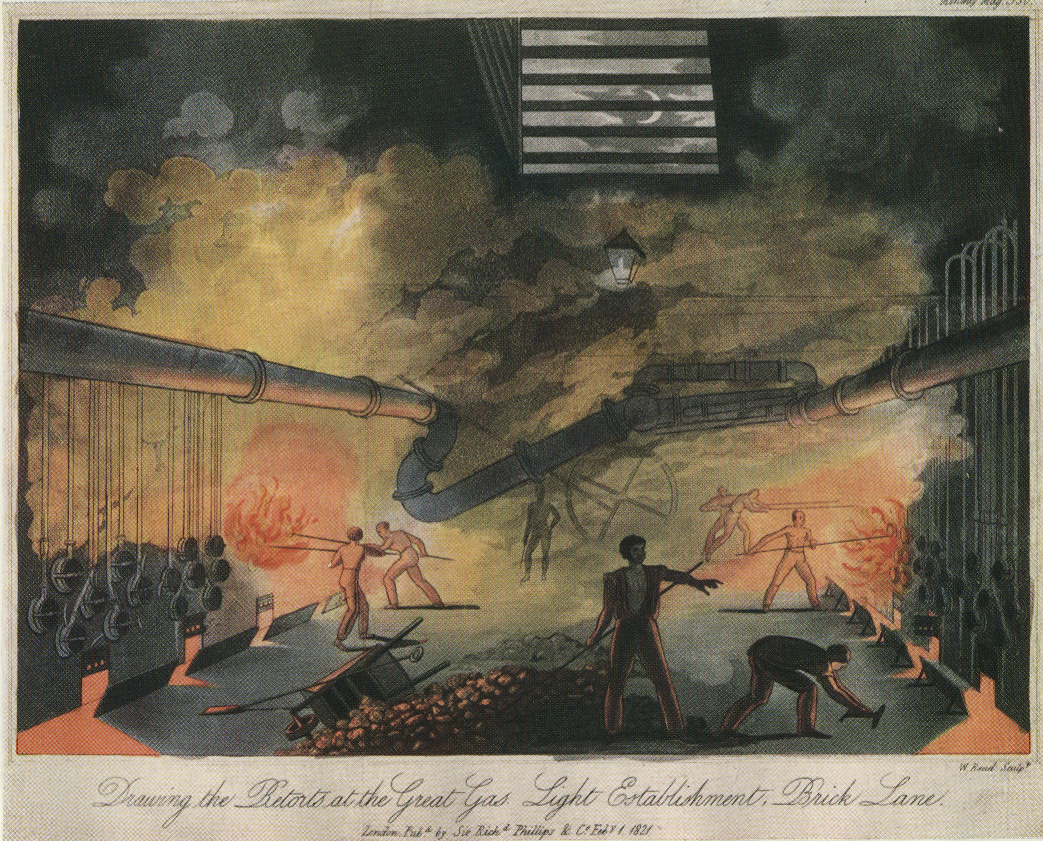
But at this moment of triumph for Asian indigo, there was another worm in the rose, this time in the form of the nascent organic chemical industry. In the early 1800s, when woad was fighting its final rearguard actions against Asian indigo, Europe and North America were starting to adopt town gas to light and later heat homes and businesses. Town gas was produced from coal.

town gas manufacture

Its production also created various very nasty wastes, some of which I have stumbled across in my professional career buried in old gasworks sites. One of these wastes was coal tar, a nasty, gooey, stinking waste which looks like this.

coal tar

Chemists started dabbling with coal tar to see what they could extract from it. The breakthrough occurred in 1856 when a young British chemist by the name of Henry Perkin, while trying to make quinine from coal tar, serendipitously produced a purple dye that he later commercialized under the name mauveine.

mauveineIt must have been so thrilling, almost magic, for Mr. Perkin to extract this beautiful colour from that horrible, nasty black gunk. For sure, in the chemistry lab as a boy I found those moments when the liquid in my test tube turned a beautiful colour to be the most memorable. But perhaps Mr. Perkins only saw the commercial possibilities in this lovely mauve.

In any event, the race was on! Chemists piled in to see what other dyes (and later other organic products) they could make by fiddling around with coal tar. The Germans soon dominated the field, accounting for almost 90% of synthetic dye production at the outbreak of World War I. It took a while for synthetic indigo to be produced, because coal tar didn’t contain a suitable “carbon skeleton”. Finally, in the late 1870s, early 1880s, the German chemist Adolf Baeyer managed to find several routes to synthetic indigo. His Nobel Prize for chemistry in 1905 was partially based on this work. Chemists at the Badische Anilin und Soda-Fabrick (better known to us as BASF) came up with yet another, commercially more viable, route, and BASF marketed its first synthetic indigo in 1897. By the way, just to close the circle, BASF was created in 1865 by one Friedrich Engelhorn, who had established the gasworks for the town of Mannheim in 1861 and saw in Perkin’s discovery of mauveine a way of turning this damned coal tar waste into something useful. As BASF’s name suggests, the company initially focused on aniline-based dyes. This is the original BASF plant at Ludwigshafen in 1866.

BASF_Werk_Ludwigshafen_1866

Natural indigo was doomed. Synthetic indigo’s better quality, the greater reliability of its supplies, and its lower cost all drove natural indigo off the market, despite the usual attempts, which we’ve seen already with woad, by sympathetic governments to try and block the use of synthetic indigo by fair means or foul. In 1897, the year that synthetic indigo first came onto the market, 19,000 tons of natural indigo were produced. By 1914, this had plummeted to 1,000 tons and the free fall was not over. Asian indigo followed woad-based indigo into oblivion.

At this moment of triumph for synthetic indigo, there lurked yet another worm ready to devour the rose’s heart: other blue synthetic dyes. Indanthrene Blue RS was patented in 1901, Hydron Blue was developed in 1908, and maybe there were others – the world of textile dyes is bewilderingly complex. I’m not quite sure how these various dyes fought it out for the denim market, but in the 1950s BASF and other indigo producers seriously considered promoting other blue dyes for denim because of indigo’s poor fastness properties. This is jargon for meaning that textiles dyed with indigo tend to fade rather easily. What stopped them was the fact that this very property of fading was what was so earnestly desired by the young owners of blue jeans, the product in which indigo was most used. So indigo was saved and the worm crawled off to devour other roses. Because of the popularity of jeans, indigo is in fact king of the heap. It is the textile dye with the highest production volumes in the world, some 30,000 tons a year (when you think that most of it is used to dye jeans and that it only takes 10 grams of indigo to dye one pair of jeans, readers with good mathematical skills will quickly figure out that literally billions of jeans must be made every year).

But after that tour through the world of dyes and its cut-throat competition, I am afraid to say that I still haven’t properly answered my wife’s question: “why are jeans blue?” Why are they not red or green or black or yellow? Well I think we have established why they are blue today: because of indigo’s quirk of fading in interesting patterns. But why did the Amoskeag Mills in New Hampshire, which initially supplied Levi Strauss with his denim, use indigo dye? Despite my best efforts, I have not been able to find a satisfactory answer. I suspect it was because by the 1860s, when the mill started supplying Mr. Strauss with his denim, this particular fabric had “always” been dyed with indigo or woad or some other blue dye. “Always” seems to mean at least since the 16th Century. One article I came across says that it was at this time that blue in the UK became the poor’s colour of choice for their clothing. Judging by the paintings of the Master of the Blue Jeans, it was the colour of choice for the poor in Europe more generally.

master of the blue jeans

Why? I don’t know. I have to assume that cost was a factor, but it could also have been simply a fashion trend.

So I’m afraid that I have failed to answer my wife’s question at the deepest level. But I shall keep an eye out, and maybe one day I will come across the answer and be able to update this post. Any leads will be welcome. In the meantime, I invite my readers to enjoy some blue.

Blue Spectrum

_______________________

Woad plant: http://woad.weebly.com/uploads/1/5/7/6/1576/1436768_orig.jpg (in http://woad.weebly.com/grow.html)
Mel Gibson: http://media-cdn.timesfreepress.com/img/news/tease/2012/11/02/braveheart-3_t1070_h10b97cb70851af7b29a07a4e9321ac5de746798e.jpg (in http://www.timesfreepress.com/news/sports/columns/story/2012/nov/02/5-10-friday-mailbag-dooley-dynasties-defenses-and-/91886/)
Medieval tapestry: http://www.needlenthread.com/wp-content/uploads/2011/09/wool-tapestry-01.jpg (in http://www.needlenthread.com/2011/09/pins-and-woad-dyeing-of-textiles.html)
Hôtel particulier, Toulouse: https://upload.wikimedia.org/wikipedia/commons/4/43/H%C3%B4tel_d’Ass%C3%A9zat,_toulouse_%28panorama%29.jpg
Erfurt University: http://www.suehnekreuz.de/PHP/ewiki/sk_wiki.php?binary=internal%3A%2F%2F84cd21ee849566f965b0eeaaf15626e8.jpeg (in http://www.suehnekreuz.de/PHP/ewiki/sk_wiki.php?id=Erfurt)
Indigofera tinctoria: http://s3.amazonaws.com/sagebudphotos/INTI/Indigofera_tinctoria2_600.jpg (in http://sagebud.com/true-indigo-indigofera-tinctoria/)
Packet of natural indigo dye: https://en.m.wikipedia.org/wiki/Indigo_dye
Indigo processing Carolinas: https://www.unf.edu/floridahistoryonline/Plantations/images/IndigoProcessingSCMap-lg.jpg (in https://www.unf.edu/floridahistoryonline/Plantations/plantations/Indigo_Cultivation_and_Processing.htm)
Indigo processing Bengal: http://www.columbia.edu/itc/mealac/pritchett/00glossarydata/terms/indigo/iln1869.jpg (in http://eastindiacompany1600-1857.blogspot.com/2015_01_01_archive.html)
Town gas manufacturing: https://upload.wikimedia.org/wikipedia/commons/a/a0/Drawing_the_retorts_at_the_Great_Gas_Establishment_Brick_Lane.png (in https://en.wikipedia.org/wiki/History_of_manufactured_gas)
Coal tar: http://www.permastripe.com/wp-content/uploads/2015/05/coal-tar-16.jpg (in http://www.permastripe.com/coal-tar-parking-lot-sealer-is-it-toxic/)
Mauveine: https://lilyabsinthe.files.wordpress.com/2015/05/6233293ca7d59e6c175f596742cba93b.jpg (in http://lilyabsinthe.com/2015/05/14/mauveine/)
Old BASF plant: https://upload.wikimedia.org/wikipedia/commons/7/7c/BASF_Werk_Ludwigshafen_1866.JPG (in https://en.wikipedia.org/wiki/BASF)
Master of the Blue Jeans painting: http://images.artnet.com/images_us/magazine/reviews/karlins/karlins1-26-11-2.jpg (in http://www.artnet.com/magazineus/reviews/karlins/master-of-blue-jeans1-25-11.asp)
Blue spectrum: http://pl.wallpapersma.com/wp-content/uploads/2013/05/Blue-Spectrum-728×455.jpg (in http://pl.wallpapersma.com/wallpaper/blue-spectrum.html)

SPADES, CLUBS, HEARTS, DIAMONDS

Bangkok, 8 January 2016

In a previous post, I sketched out a rough agenda for my retirement. I think my wife was pleased with it. But she does have certain anxieties about this upcoming event. She has recently been reading about some Japanese syndrome called Retired Husbands Syndrome which attacks Japanese housewives. Suddenly, this guy whom you’ve hardly seen in the last 40 years – being a good Salaryman, he’s been leaving the house at 6 am and not getting home till midnight – is now constantly hanging around, getting in your way, messing up your routines, and expecting you to do things for him. Not unnaturally, the stress levels rocket up. While we’ve maintained a more balanced lifestyle, she does have fears of me moping around the house, lounging around on the sofa, eating natchos and watching TV all day. This dystopian view of hers is not helped by a number of films we’ve seen recently, describing exactly this situation. Nor is it helped by my fondness (my wife thinks more obsession) for playing Spider Solitaire on my iPad. She’s afraid that come retirement all I’ll do all day is compulsively play Spider Solitaire, with a little Freecell on the side.

It is true that I tend to play the game whenever I have a spare moment. I do admit that it can get a little out of hand. But I’m sure it’s good for my aging brain to carefully plot my strategy for getting the cards out. And those little electronic cards, with their glossy black spades and clubs and glowing red diamonds and hearts, and kingly Kings and queenly Queens and knavish Jacks, are really very pretty.
image
I was thinking about their prettiness the other day during a Spider Solitaire game, and when it became clear that I was dribbling towards defeat I decided to quit and do a little research on the history of playing cards, principally to understand where the suit design of hearts, diamonds, spades, and clubs originally came from. I was very pleased that I did so, because I discovered that what we have here is yet another example of the Great East-West Exchange which took place along the Silk Road and other trade routes that once criss-crossed the Eurasian continent. Of course, most of what was exchanged was traditional goods, but ideas also flowed along these routes. So did less obvious things, like the the willow tree and the pomegranate, both of which I’ve had occasion to write about in the past. Now I can with pleasure write about a third such item, playing cards.

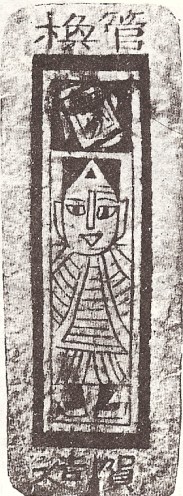
Our story starts in China. Some time in the Tang Dynasty, around the 7th-8th Century, it seems that someone in the Imperial Court came up with the idea of a pack of playing cards, divided into four suits. The suits were Coins, Strings of (1,000) coins, Myriads of strings (10,000), and Tens of myriads. Like our modern cards, each suit contained cards with different numbers of pips. Here we have a Three of Coins and a Three of Strings-of-coins.
image
These packs also included face cards, like this one from the Ming dynasty.
image
These ‘chi-pai’, which is Chinese for playing cards, are still in use. This next photo shows the cards from a three-suited variant. Note how the design of the suits became highly stylized – this is important for our story.
image
I’ve no idea what games exactly were played with these cards back in Tang Dynasty times, I’m not sure anyone knows, and actually it’s not important for our story. What is important is that the use of cards spread westward. This could have happened through trade; I can imagine Chinese merchants whipping out a pack of cards to while away their down time in the caravanserai that dotted the Silk Road.
image
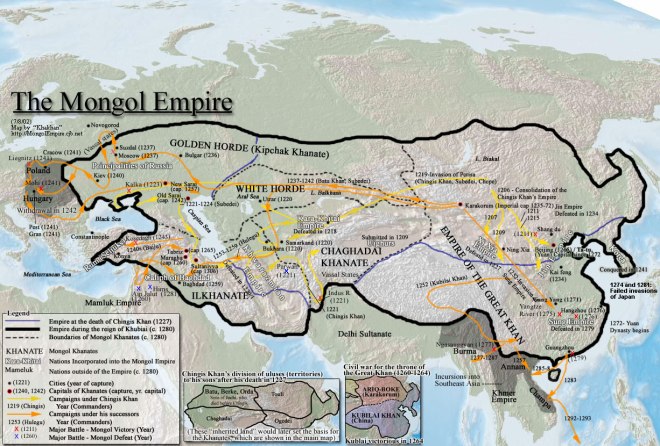
Alternatively, it could have happened through conquest, with conquering soldiers picking up new habits from the conquered. In this case, the Mongols, who conquered China in the 13th Century, seem a very good candidate. At its height, the Mongol Empire stretched from Korea to Ukraine.
image
Any new fads picked up by Mongol troops in China could have spread, through many an evening around soldiers’ camp fires, all the way to Kiev.

I don’t think the two diffusion mechanisms are necessarily exclusive. I could imagine that the Mongol conquest also amplified diffusion of card playing through trade. The two maps above superimpose quite well, and in fact the period of the Mongol Empire brought political stability to Asia which in turn encouraged a surge of trade along the Silk Road.

Whichever way, Chinese playing cards diffused westward. Some time in the 13th-14th Century, maybe earlier, so-called Ganjifa playing cards started being used in Persia. The etymology of the word Ganjifa is uncertain. Some see its root in the Persian word gunj, which connotes treasure, treasury, or money, and suggest that this connects them to the money-suited Chinese playing cards. Others see a more elaborate etymology, proposing that Ganjifa is actually a corruption of ‘han-chi-pai’, or ‘Chinese playing cards’. In this case, there would be a very clear line of descent from China. In any event, variants of Ganjifa playing cards began to be used throughout the Muslim world, as well as in India (brought there in the saddle bags of the Mughal conquerors). What interests us most is the variant used by the Mamluk in Egypt.

The Egyptian Mamluk were an interesting bunch of people. Initially, they were slave soldiers recruited by the Ayyubid dynasty. For the most part, they were drawn from the Cumans-Kipchaks, a nomadic group who controlled the steppes north of the Black Sea. They were conquered by the Mongols and then absorbed into the Mongol Empire as the Golden Horde. Some time in the 13th Century, the Mamluk slave-soldiers kicked the Ayyubids out and reigned in their place. This happy state of affairs continued until they were in turn defeated by the Ottomans and their territories subsumed into the Ottoman Empire. Luckily for them, the Ottomans kept them on as governors of Egypt.

Perhaps because of their Mongol connection, or in some other way, the Mamluk picked up this new fad of card playing and brought it to Egypt some time in the 14th Century. What is of interest to us here is the fact that Mamluk packs of cards had four suits: Coins, Polo-sticks (the Mamluks were great polo players), Cups, and Swords. In addition, each suit had three face cards, the king, the first vizir, and the second vizir. Some clever people, who know more about the history of playing cards than I do, see a link between these four suits and those used in Chinese playing cards. Their thinking goes as follows. There is no problem in seeing the Mamluk Coin suit being derived from the Chinese Coin suit, that’s an easy equivalence to envisage. After that, it gets trickier. The clever people propose that the Chinese String-of-coins suit was transformed into the Mamluk Polo-stick suit, on the grounds that a String-of-coins pip could easily be misinterpreted as a stick to those unfamiliar with this very Chinese way of dealing with coins. It is true that the String-of-coins suit in the photo of Chinese playing cards above has been so stylized as to look stick-like. Then the clever people suggest that the Chinese Myriad-of-strings suit became the Mamluk cup suit, on the grounds that the Chinese character for myriad, 万, which was often used as a sort of pip, was simply inverted by the Mamluks, at which point it does indeed look cup-like. Finally, the clever people suggest that the Chinese Tens-of-myriads suit, where the Chinese numeral for ten, 十, was often used as the pip, was simply interpreted as a sword by the Mamluk and so gave rise to their suit of Swords. The ice over which we have been scrabbling these last few sentences is indeed thin, but the romantic in me is willing to believe this wonderful story of Central Asians scratching their heads over these strange-looking cards which had come all the way from China and giving their own interpretations to the drawings on them. To enliven all this text, I throw in here a photo of one of the rare Mamluk playing cards to have survived, a Six of Coins, found in Istanbul’s Topkapi palace.
image
The next leg of our journey is somewhat easier to envisage, the transit of the Mamluk playing cards to Italy. I’m guessing that Venice was the entry point, although there could have been more than one. Until the Portuguese rounded the Cape of Good Hope and made for the Spice Islands, most of the spices which Europeans lusted for entered Europe through Venice, which in turn picked them up in Egypt. In addition to picking up spices, I can imagine Venetian sailors and merchants picking up packs of Mamluk playing cards to while away the long journeys back to Venice. Once in Italy, the use of playing cards spread rapidly, with each region having its own particularities. Here, for instance, is a pack of cards from Bergamo.
image
Italian playing cards basically adopted the Mamluk suits, except that they changed Polo-sticks to Clubs – the game of polo was unknown in Europe at that time and I suppose the polo-sticks looked club-like to the Italians. They also adopted the idea of three face cards per suit but Europeanized them into king, upper marshal, and lower marshal.

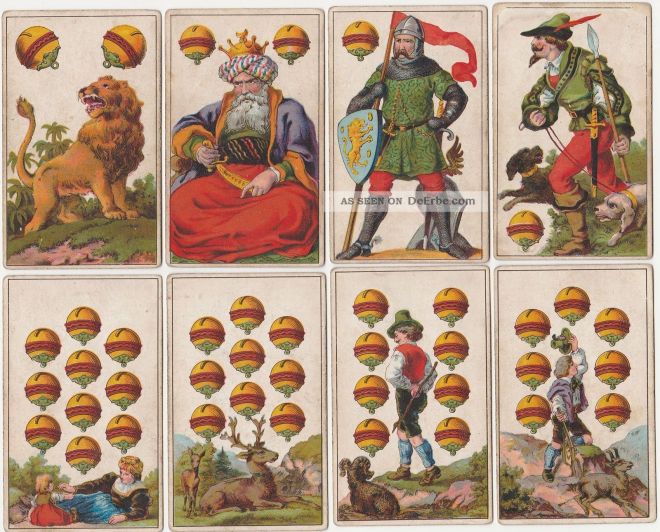
There followed a fairly rapid diffusion of playing cards throughout Europe as the craze for card playing caught on. The Southern Europeans – Spain and Portugal – kept to the Italian design for their suits, with some minor modifications. The Northern Europeans instead experimented with a lot of different suit designs. Given the aristocratic background of many players, the suits were often hunting-themed like this pack from Flanders.
image
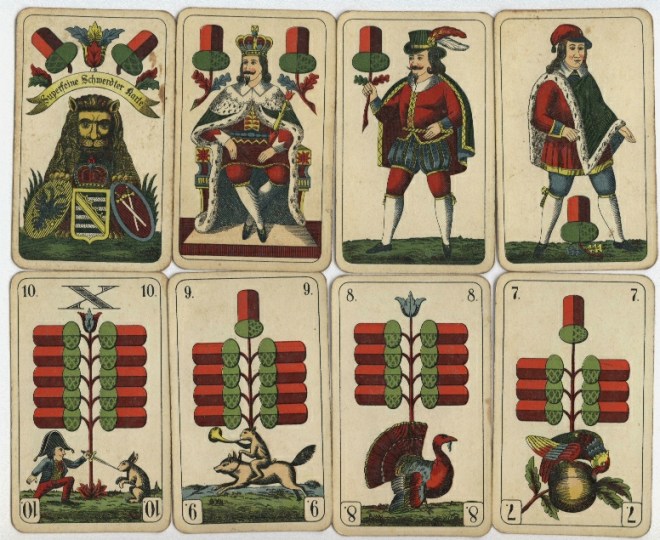
Through the newfangled technology of printing, in which they were leaders, and through which they were the first to produce cheap packs of cards, the German lands popularized the use of the following suits:
image
Personally, I don’t see much connection between these suits and the Italian versions. I think the Germans just used their fantasy. In any event, here are some old German playing cards with suits of Bells and of Acorns.
image

Not to be outdone, the French came up with a somewhat different set of suits.
image
The Hearts suit was taken as-is from the German suits. The Spades suit seems to be a slight modification of the German Leaf suit. The Clubs suit could be considered a geometric transformation of the Acorns suit – the sides of the acorn shell pulled out, the acorn itself shortened. The circular Bells suit of the Germans was replaced by a different shape, the diamond. As the cards above show, the French also introduced Queens, who displaced the upper marshal.

The French suits have since become those most used worldwide. Why that should be is not completely clear to me. I think it probably has something to do with the fact that the French suits are easier to read; I would have got really confused using those German cards I show above – “wait, is that an Eight of Acorns I have in my hand, or a Nine?” Or perhaps it was because the French were the arbiters of good taste in Europe until World War I. Or perhaps it was because the British adopted the French suits and happened to become the most powerful country in the world with the biggest colonial Empire, which allowed them to impose their choice of card suits and card games on their colonial subjects. Or perhaps it was because the Americans, who took over the title of the most powerful nation, followed the British in choosing French suits for their playing cards. For any or all of these reasons, or maybe others again, French suits now stare up at me from my games of Spider Solitaire and Freecell.

Well, now that I’ve figured all that out, I can go back to what I was doing and actually win my Spider Solitaire game.

____________________
Old Chinese cards, coins and strings of coins: http://www.gamesmuseum.uwaterloo.ca/Archives/Wilkinson/Wilkinson.html
Old Chinese cards, face card: https://en.m.wikipedia.org/wiki/Playing_card
Chi-pai three-suited cards: https://en.m.wikipedia.org/wiki/Chinese_playing_cards#Money-suited_cards
Silk Road: http://archive.silkroadproject.org/tabid/177/defaul.aspx
Mongol Empire: https://mapcollection.wordpress.com/2012/06/27/the-mongol-empire/
Mamluk card: https://en.m.wikipedia.org/wiki/Playing_card#Egypt
Bergsmasche deck: https://en.m.wikipedia.org/wiki/Italian_playing_cards#/media/File%3ACarte_bergamasche.jpg
Flemish hunting deck: https://en.m.wikipedia.org/wiki/Flemish_Hunting_Deck
German suites: https://en.m.wikipedia.org/wiki/German_playing_cards
Old German playing cards, acorn: http://www.spielkarten24.de/flohm.htm
Old German playing cars, bells: http://deerbe.com/unt/59680-___alte_spielkarten_playing_cards_dondorf_301_deutsche_spielkarte_1868___.html
Old French playing cards: http://www.culture.gouv.fr/public/mistral/joconde_fr?ACTION=CHERCHER&FIELD_98=AUTR&VALUE_98=BERGERET%20Pierre%20Nolasque&DOM=All&REL_SPECIFIC=1

PÉTANQUE

Bangkok, 29 August 2015

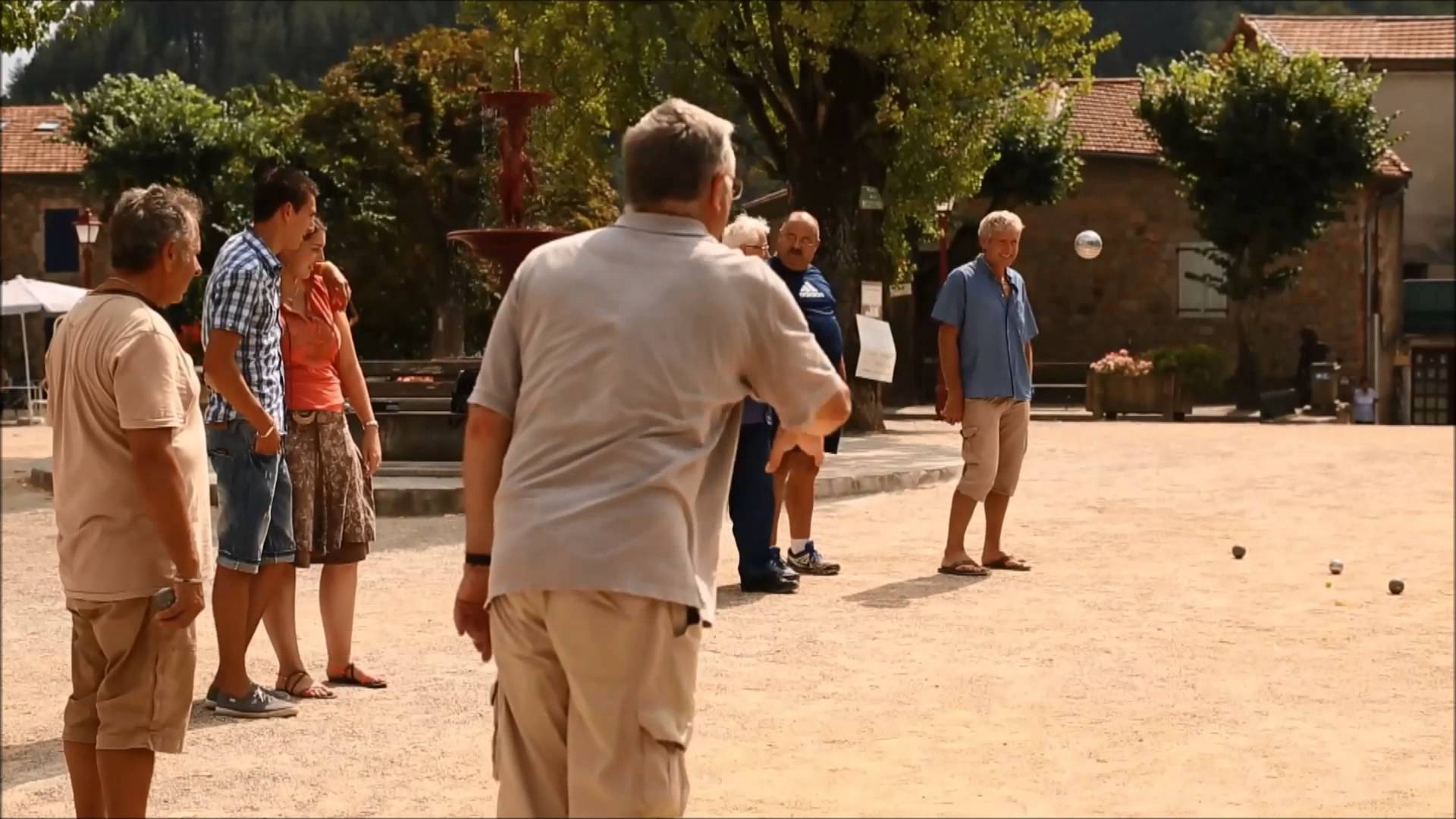
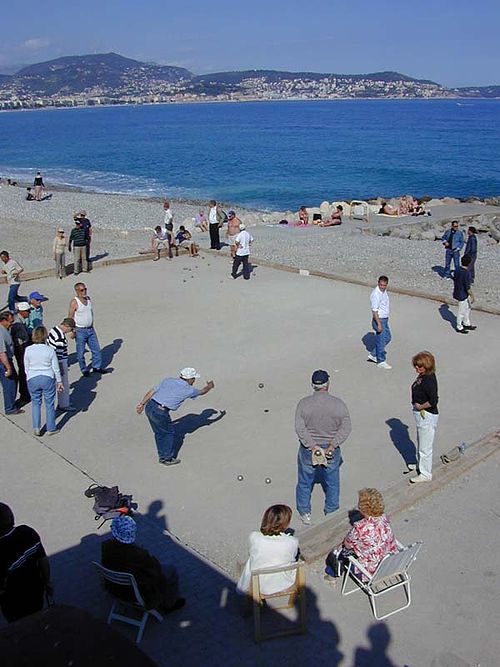
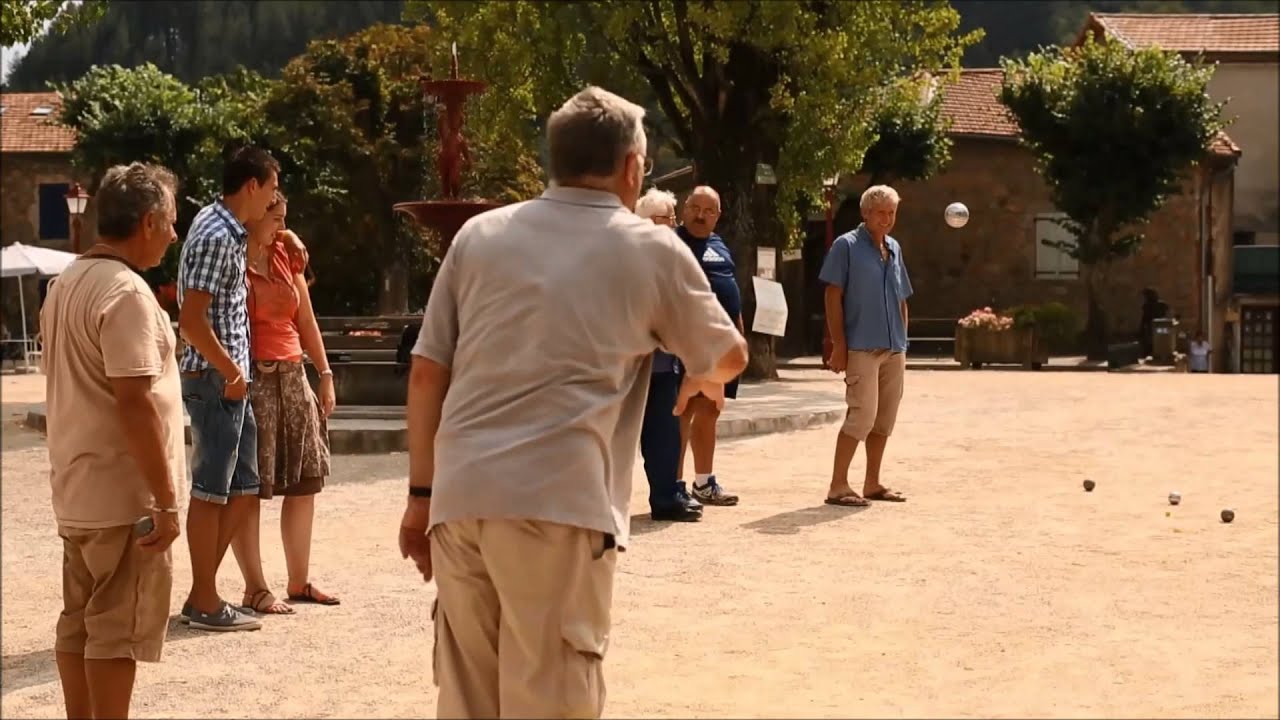
I wrote a post a year or so ago where I listed all things French. One of the things I didn’t list, though, was the game of pétanque. Anyone who has spent any time in France will eventually have come across a scene like this

petanques in France

especially if you’re there for the summer holidays; it seems that it’s all the French do during their summer holidays at the beach.

Petanque_on_a_beach_of_Nice

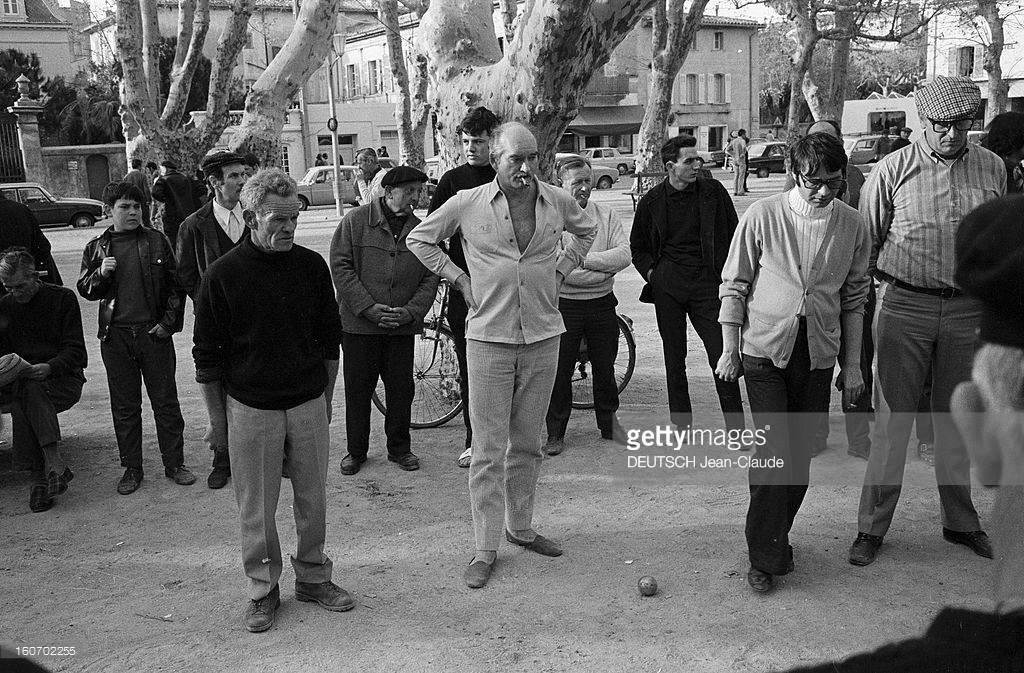
In truth, my memory of pétanque leans more in the direction of the following photo, the game on the village square ringed with those poor plane trees that the French love to massacre, with ten times more spectators than players – and all looking so serious!

petanque old photo

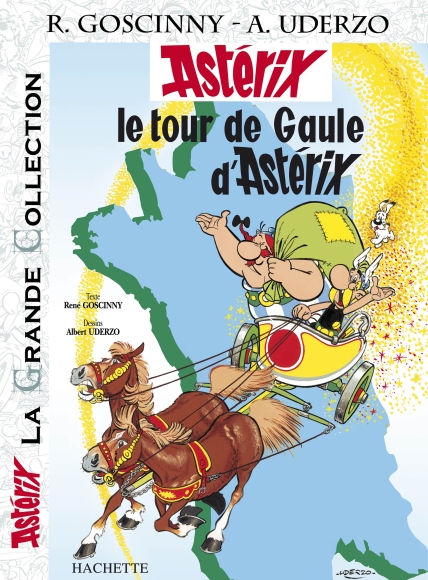
So French is pétanque that it played a major role in that magisterial compendium of all that is French, Le Tour de Gaule d’Astérix.

Asterix et le tour de Gaule

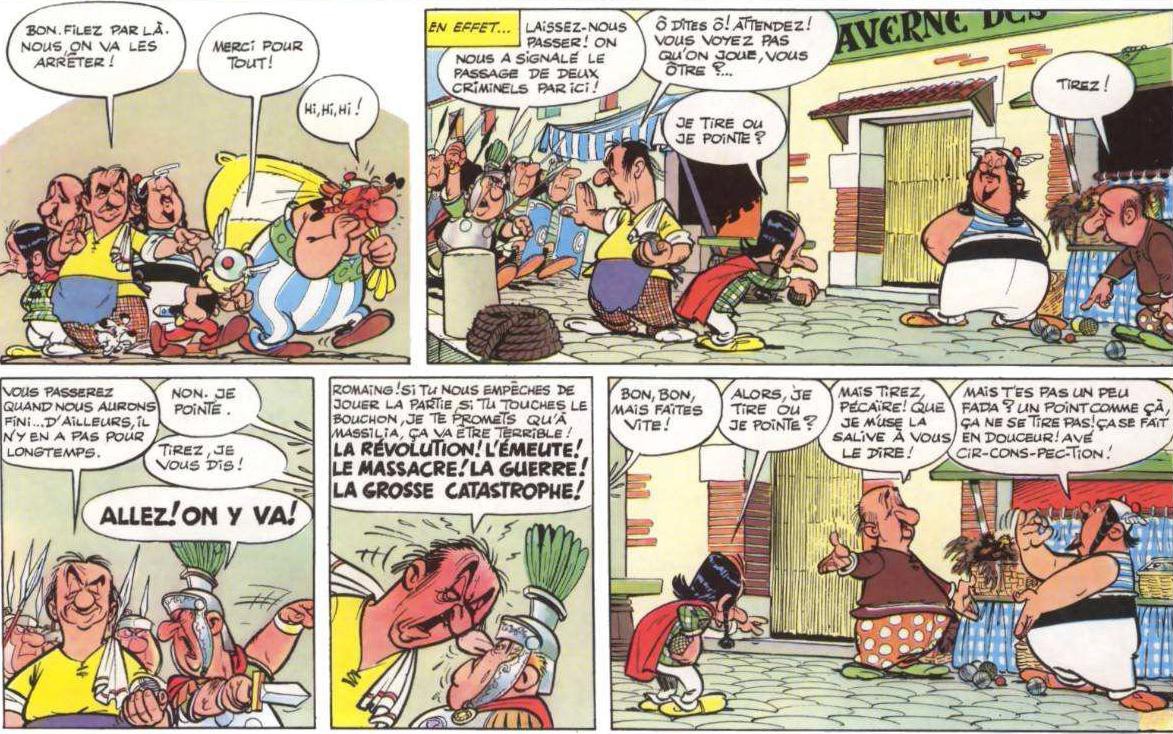
The scene takes place in Masilia (today’s Marseilles) – a nod to the Provençal roots of the game – where a Roman patrol is threatened with riot, revolution, massacre, war, in brief general catastrophe, if they disrupt a game of pétanque started specially to let our heroes get away.

petanque in asterix

To further slow down the game and impede the Roman patrol from advancing, the classic question is being heatedly debated: “je tire ou je pointe?” Should the bowler try to knock away the adversaries’ bowls close to the cochonnet (jack in English), or should he try to get his bowl even closer than theirs to the cochonnet? Extremely delicate question, which explains the serious expressions of everyone in the black and white photo above. It was also the object of serious fights between my French cousins when we played the game at my grandmother’s house. The games normally finished abruptly with them running after each other through the garden, screaming.

Yes, so French: a Gauloise cigarette in corner of the mouth, a glass of pastis in one hand, a petanque bowl in the other, and the pondering of that existential question: “je tire ou je pointe?”

Imagine, then, my astonishment when, during a visit a few Chinese New Years ago to Luang Prabang in northern Laos, I noticed a group of locals playing a game of pétanque. So astonished was I that I took a photo to memorialize the scene. Alas! I cannot find the photo anymore, but no matter, others have memorialized the playing of pétanque in Laos on the internet.

petanque in Laos

After some thinking, I concluded that perhaps it was not all that surprising that Laotians should play pétanque. After all, they had been a French colony. No doubt they would have watched their colonial masters while away their afternoons playing the game and perhaps played it themselves in the mother country while there on scholarships and plotting revolution. And it’s a great game for a hot climate, no frantic running around under the broiling sun.

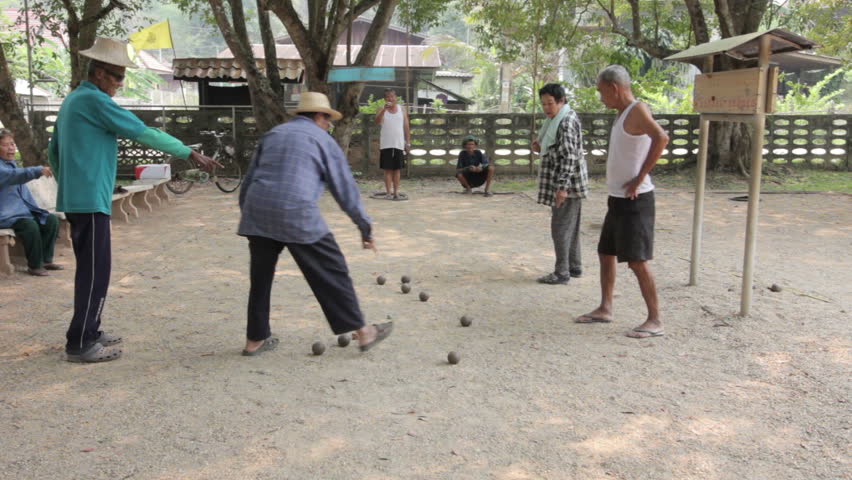
But imagine my even greater astonishment when several months ago I noticed a group of Thai playing pétanque, or petaung in Thai (my transliteration of what my office colleagues called it). I was so gobsmacked that I didn’t have the presence of mind to take a photo, so I throw in here one that I found on the net. As we can see, the players are obviously debating the question, “je tire ou je pointe?”

petanque in Thailand

How did they pick up the game? Could it have come through Laos? Or Cambodia, or even Vietnam, also ex-French colonies and where the game is played? Or was it brought by Frenchmen in the service of the King or Government? Whatever the origin, the fact is they play it well. In preparing this post, I discovered that there is an International Championship of pétanque which has been held every two years since 1959. The French, of course, have dominated the event, with French teams winning 27 golds, 12 silvers, and 14 bronzes. But, surprise, surprise, the Thai have won 3 silvers and 3 bronzes, all this since 1991. They seem to be creeping slowly up the medal tables; gold no doubt awaits them soon.

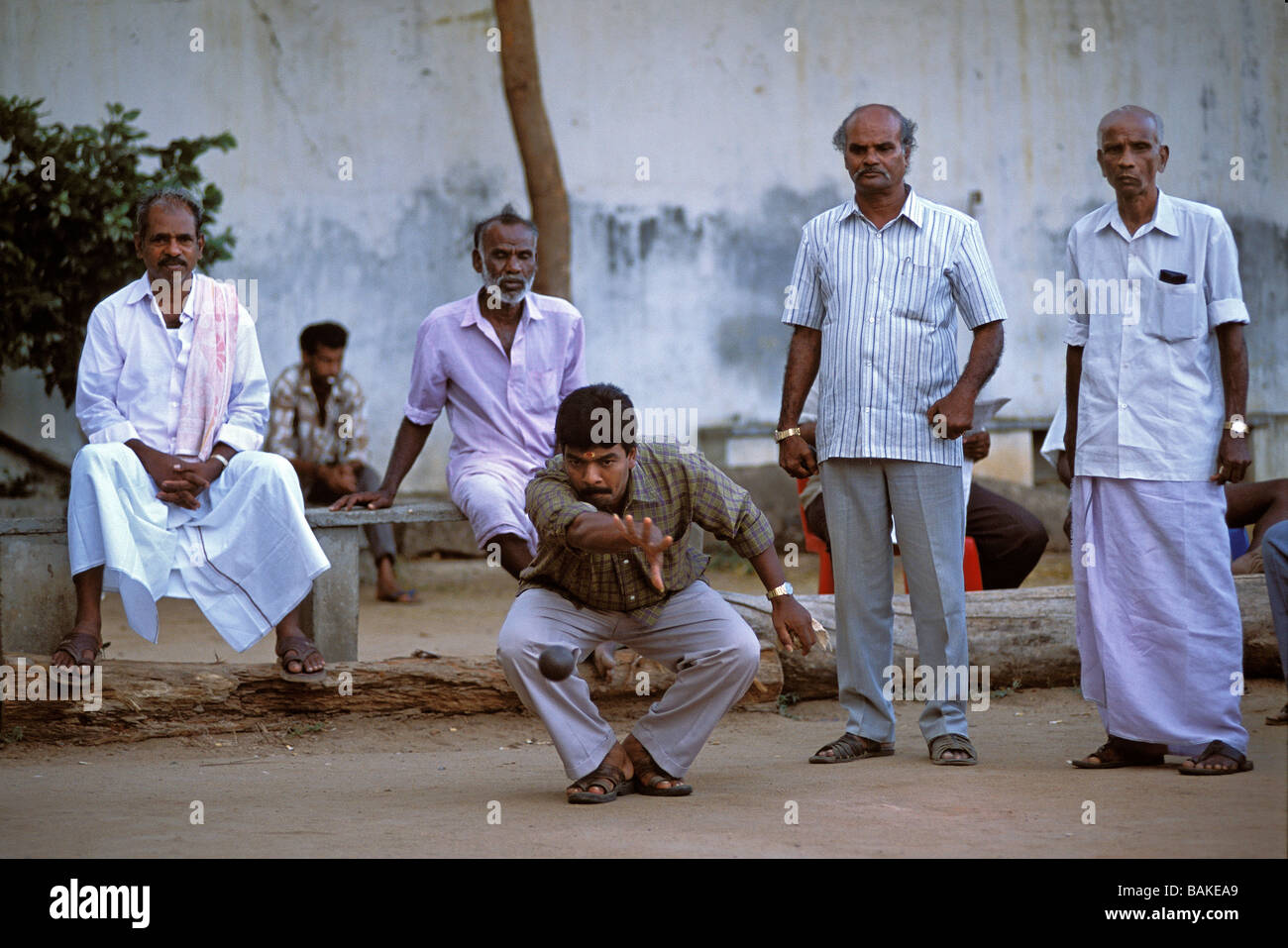
Thoroughly intrigued, I did a rapid internet zip around the world, and discovered many more places where pétanque is played. Just in Asia, I found traces of it in India

BAKEA9 India, Pondicherry Territory, Pondicherry, French consulate, Petanque game

although I suspect it may be limited to the old French enclave of Pondicherry

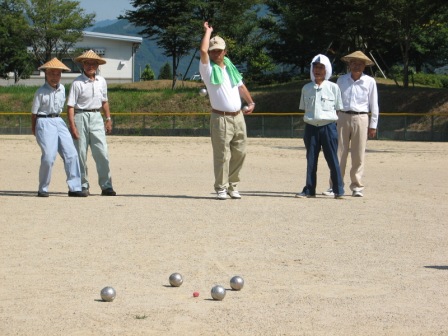
Japan

petanque in Kumamoto Japan

the hats are an interesting stylistic addition

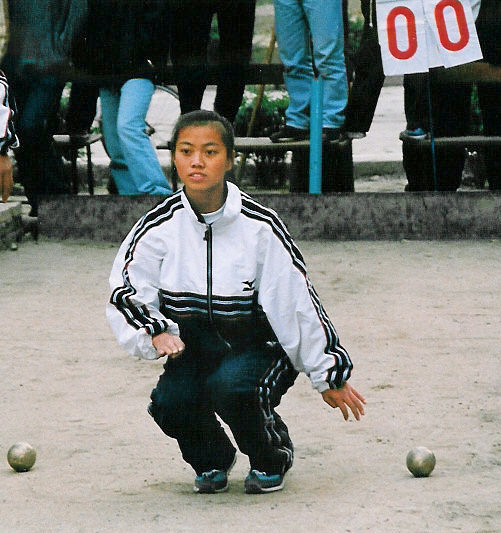
China

petanque en chine

although I never saw it being played in my five years there, and if this picture is anything to go by the Government has infiltrated the game and officialized it: where are the villagers playing in the shade of the trees?

I didn’t find a picture of anyone playing pétanque in South Korea although there seems to be national federation of pétanque and bowls. What the Koreans do seem to have done is to invent a video-game of pétanque – it figures, I suppose, given South Koreans’ passion for video-games.

petanque video game screen

A number of my posts have touched on the issue of globalization. I suppose this is another example of that. I wonder if the French have ever tried making pétanque an Olympic sport? They could win a few more gold medals for a while, until the rest of the world beat them at their own game (like the Japanese with judo).

______________

Pétanque in France: http://i.ytimg.com/vi/zjJAcu2o03U/maxresdefault.jpg (in https://www.youtube.com/watch?v=zjJAcu2o03U)
Petanque on the beach: https://upload.wikimedia.org/wikipedia/commons/thumb/c/c2/Petanque_on_a_beach_of_Nice.jpg/500px-Petanque_on_a_beach_of_Nice.jpg (in https://en.wikipedia.org/wiki/Pétanque)
Pétanque old photo: http://cache3.asset-cache.net/gc/160702255-albert-debarge-marries-josianne-rousset-in-gettyimages.jpg?v=1&c=IWSAsset&k=2&d=GkZZ8bf5zL1ZiijUmxa7QRb3elaikB0wsuIje6LZ5qIlZFwr4Iyt%2bAtEtk63h7vGHw9WDtPuEHn0XScy7CdEvPc6MFA3lWBXE1Yr5pP3Qlg%3d (in http://www.gettyimages.com/detail/news-photo/albert-debarge-marries-josianne-rousset-in-saint-tropez-news-photo/160702255)
Le Tour de Gaule d’Astérix: http://www.asterix.com/bd/albs/05frx.jpg (in http://www.asterix.com/la-collection/les-albums/le-tour-de-gaule-d-asterix.html)
Pétanque in Laos: http://blog.uniterre.com/uploads/f/frchazelle/576704.jpg (in http://www.uniterre.com/album-photos-voyage-21819.html)
Pétanque in Thailand: http://il2.picdn.net/shutterstock/videos/9605459/thumb/1.jpg?i10c=img.resize(height:160) (in http://www.shutterstock.com/de/video/clip-5718971-stock-footage-petanque-sports.html)
Pétanque in Kumamoto Japan: http://blog-imgs-50.fc2.com/a/k/a/akazawamitsuishi/img_1715696_52818299_2.jpg (in http://akazawamitsuishi.blog59.fc2.com/blog-entry-1676.html)
Pétanque in Pondicherry India: http://c8.alamy.com/comp/BAKEA9/india-pondicherry-territory-pondicherry-french-consulate-petanque-BAKEA9.jpg (in http://www.alamy.com/stock-photo-india-pondicherry-territory-pondicherry-french-consulate-petanque-23785281.html)
Pétanque in China: http://www.boulistenaute.com/uploads/thumbs/4757.jpg (in http://www.boulistenaute.com/modules/newbb/viewattachment.php?topic_id=24172&post_id=692310&forum=37)
Petanque video-game screen: http://a4.mzstatic.com/eu/r30/Purple6/v4/2d/9a/0d/2d9a0d66-5b26-79d9-7d31-21b3b2e2340c/screen340x340.jpeg (in https://www.apptweak.com/petanque-2012-pro/iphone-ipad/kr/en/app-marketing-app-store-optimization-aso/report/497991055)

LOURDES

Sori, 18 July 2015

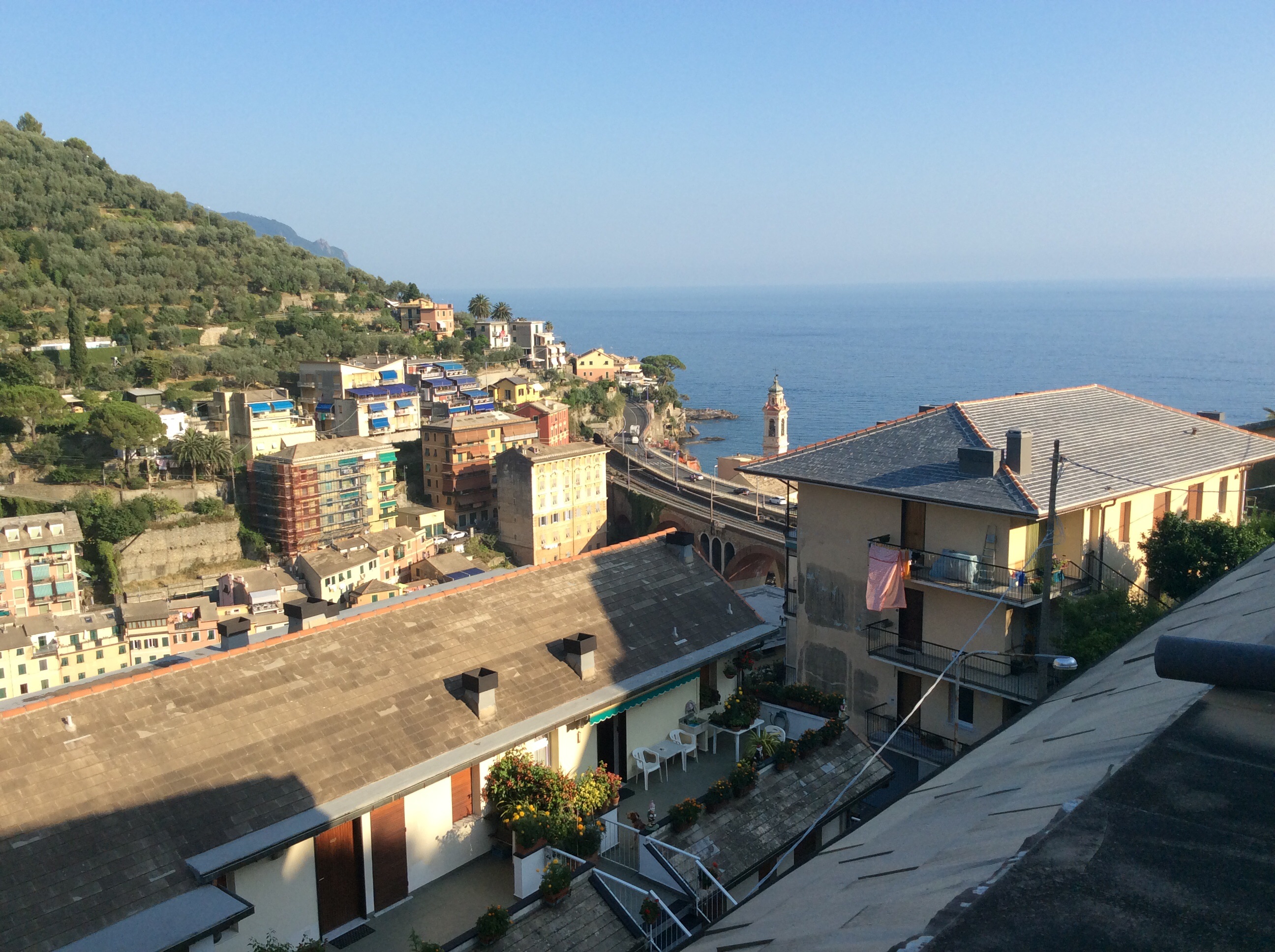
From the balcony of our little apartment in Liguria, if we look a little obliquely to the right we have a view of the sea.

image

Rather than admiring the sea, I invite readers to focus on the campanile of the village church, which we can see just behind the roof of the house in the foreground. At certain times – I haven’t really fixed in my mind when – the campanile’s bells ding out a rather out-of-tune version of the chorus to the Lourdes hymn: “Ave, Ave, Ave Maria. Ave, Ave, Ave Mari-i-a”. For the musically inclined, I attach a music sheet below with the music of the hymn (along with the lines to one of its many, many verses – sixty, I’m told). The music dinged out by the campanile is the last two bars.
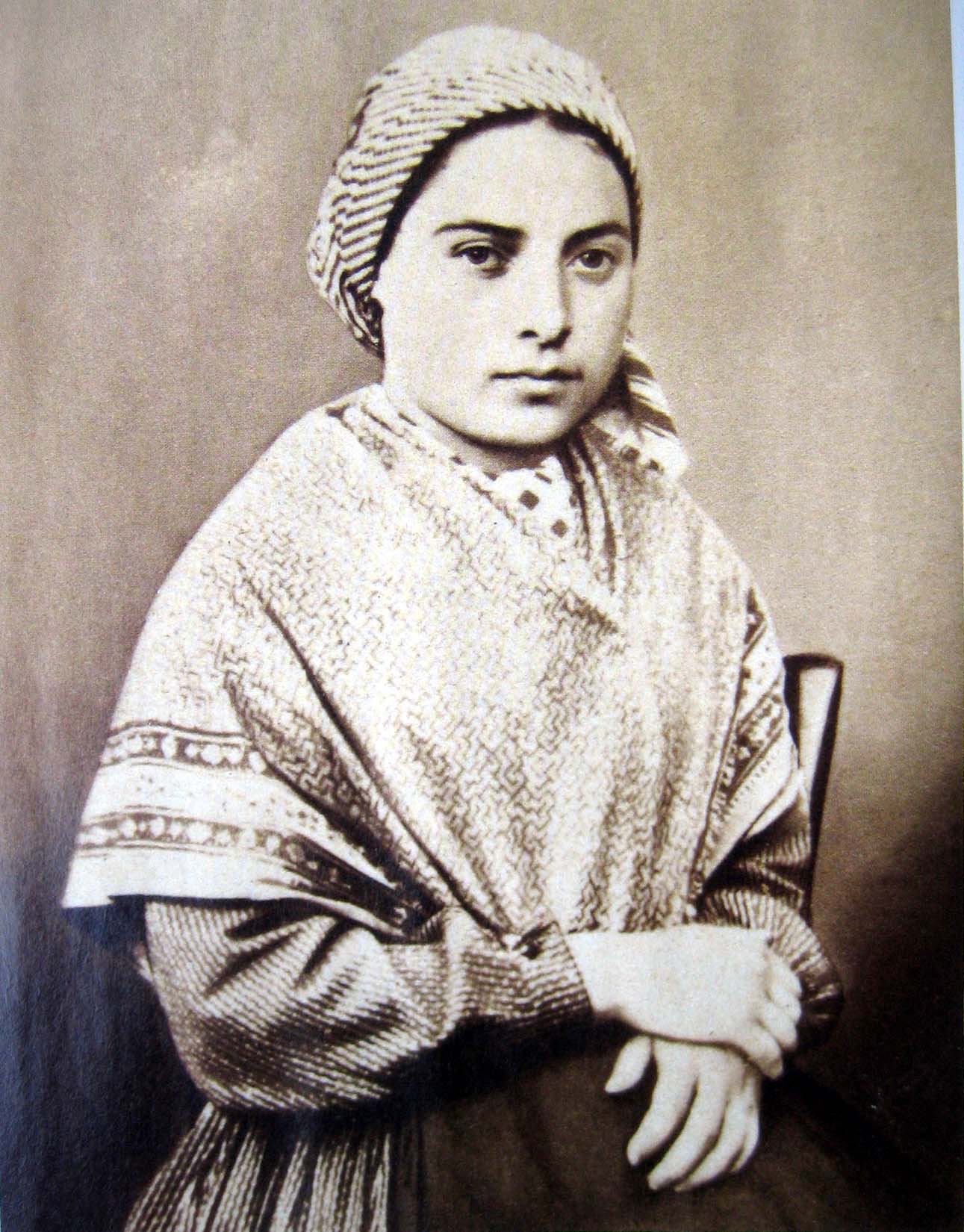
image For those of my readers who are not familiar with the Lourdes hymn, it is the “national anthem”, if I can put it that way, of the pilgrim city of Lourdes, which is located in the lower Pyrenees in France. It is there that in 1858 a 14-year old girl of humble origin, by the name of Bernadeta Sobirós
image
claimed to have seen visions in a grotto by the side of the river of uo petito damizelo (“a small young lady”; Bernadeta spoke Gascon Occitan). She was to have 18 such visions in the grotto, between February and July. In the 16th vision, after repeatedly asking the small young lady who she was, the lady finally replied Qué soï era immaculado councepcioũ (“I am the Immaculate Conception”).

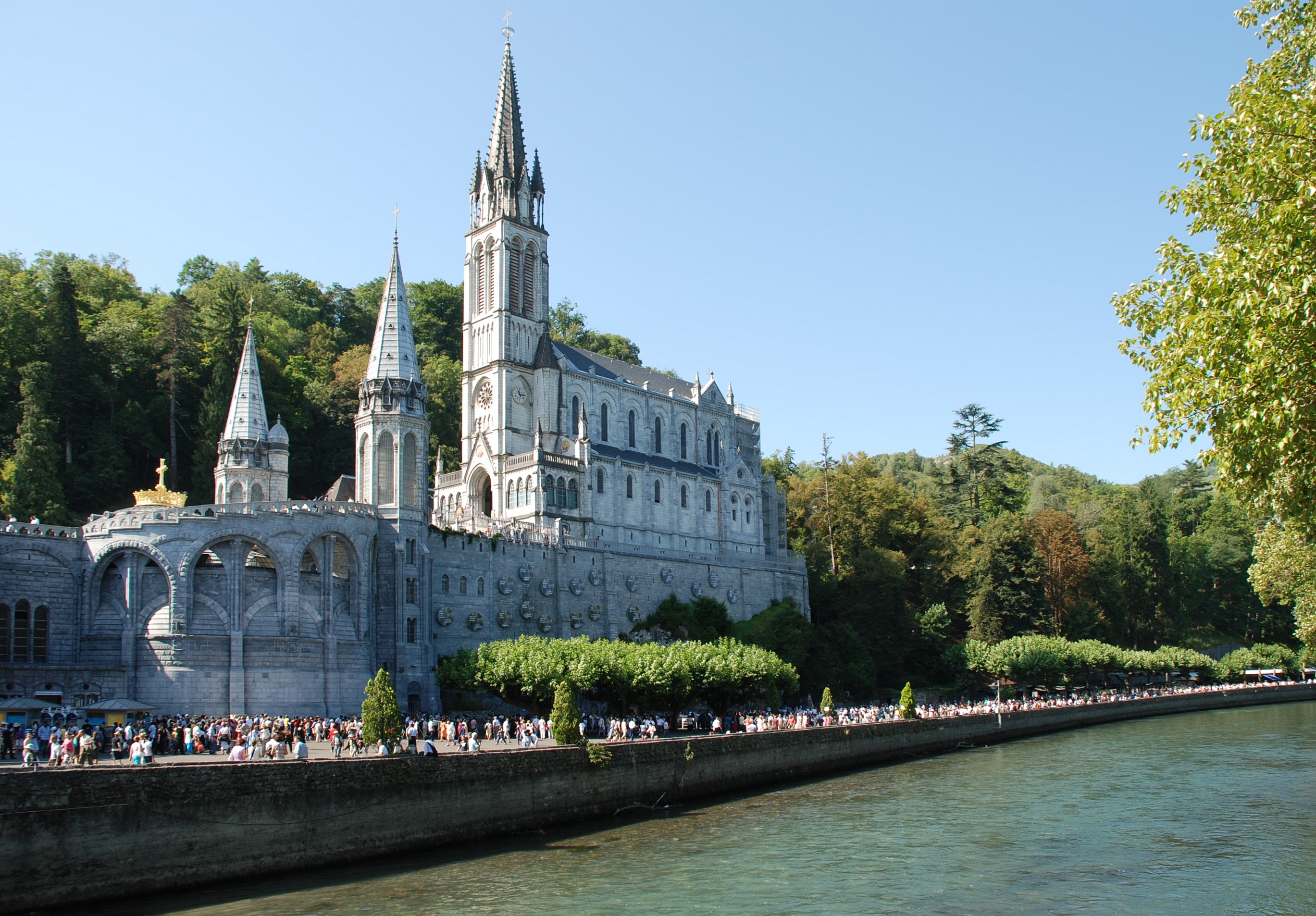
To cut a very long story short, after a good deal of initial skepticism the Catholic Church accepted Bernadeta’s visions as authentic visitations of the Virgin Mary. Pilgrimages began, cures of sick people from the spring water near the grotto were claimed, some of which were accepted by the Church as miraculous, the Lourdes hymn was penned in the 1870s, a large basilica was built
image
along with hospices for the sick, another even larger basilica was later built underground. The town itself got into the act, building hundreds of hotels to house the the ever growing number of visiting pilgrims – six million a year and counting; this, in a town of 15,000 inhabitants (as well, of course, as opening hundreds of shops selling religious tat).

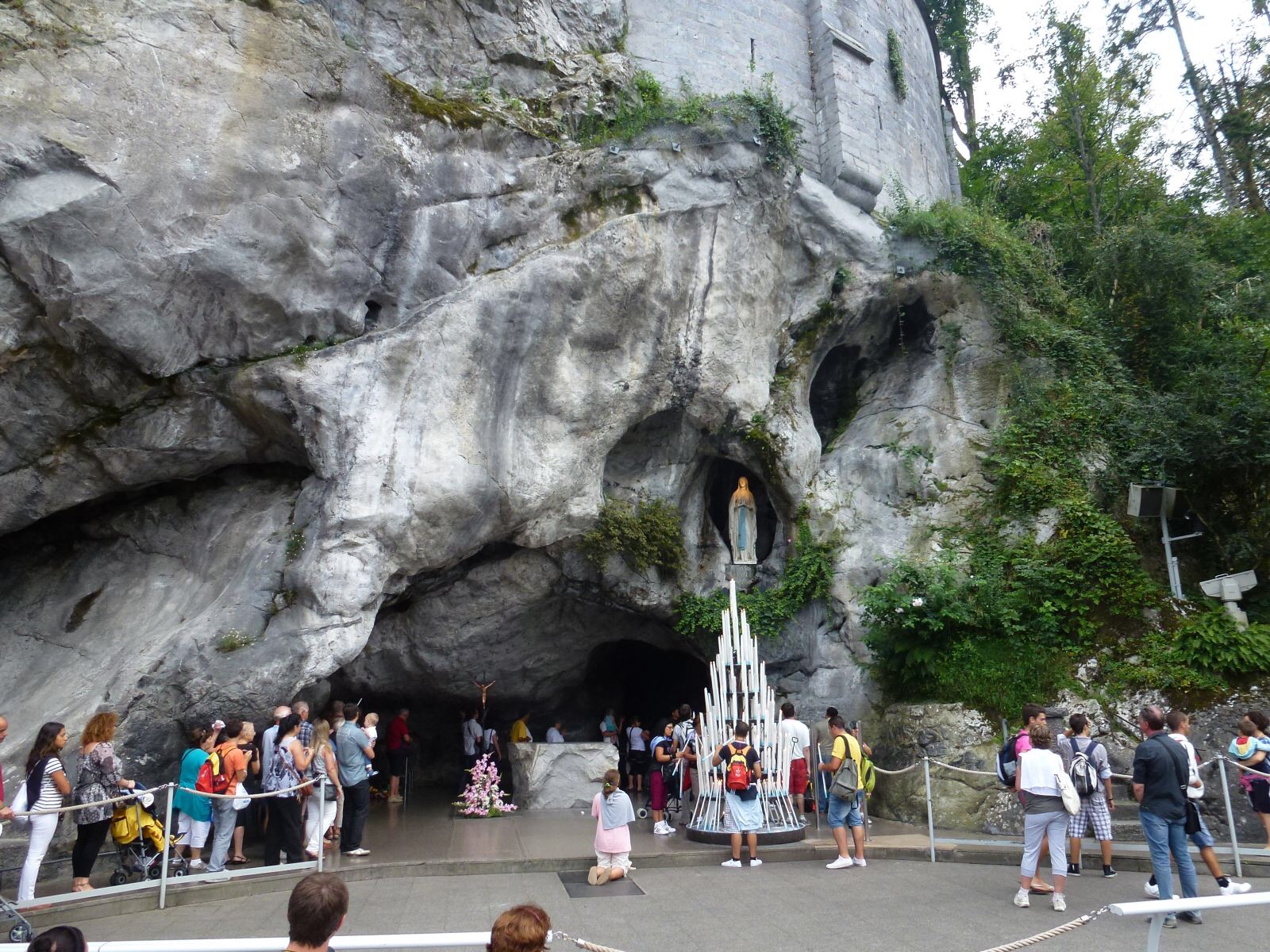
Pilgrims flock to the grotto
image
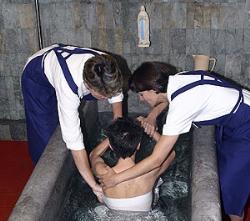
the sick take baths in the grotto’s spring water
image
and everyone joins the daytime and evening processions
image

image

during which the Lourdes hymn, among many others, is sung.

Two summers running, 1972 and 1973, I was one of those pilgrims. My school organized an annual pilgrimage during the summer holidays, and we students were encouraged to take part. They needed our strength and youthfulness to move the sick from place to place: from grotto to baths, from baths to church, from church to hospice; to literally carry into the baths those who could not walk; to do the night watch in the hospices. And I think the sick were helped by being surrounded by the innate cheerfulness of our youth.
image
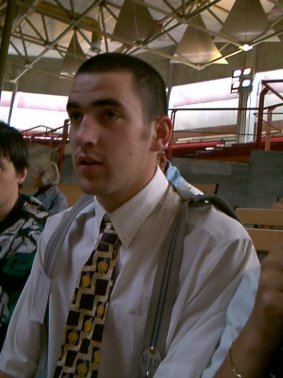
We were brancardiers, literally stretcher bearers, which I suppose was how the badly sick were moved around in the early days of Lourdes, although nowadays the sick are moved around in those nifty little wheeled chairs shown in the picture above. As a sign of our status, we wore “bretelles”, a sort of harness
image
It was a great honour to be a brancardier. Ordinary pilgrims would look at us admiringly as we walked past, something which at the age of 18 pleased me quite a bit: I was an Important Person! Of course, it meant that any sick person could call us over to help at any time and in any place: the price of fame …

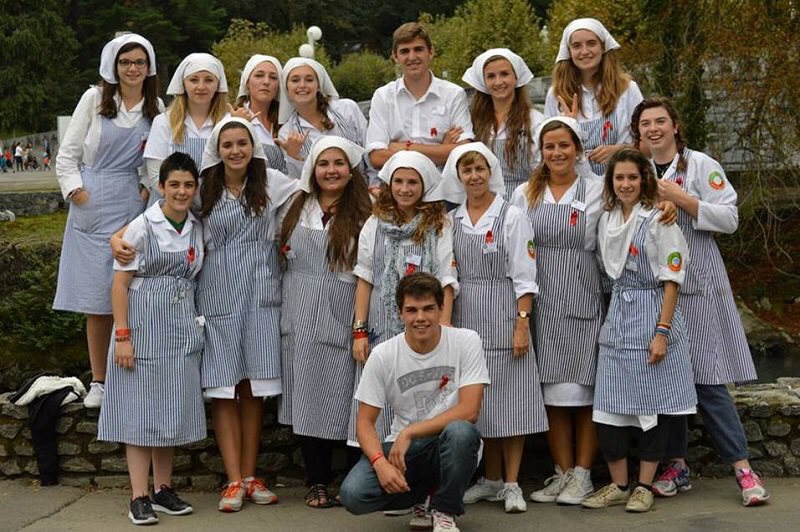
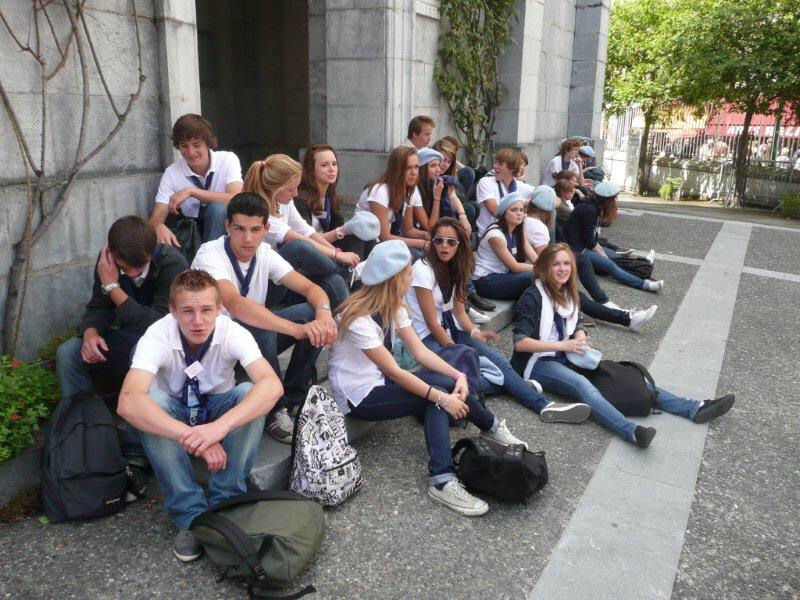
My two pilgrimages were a very intense experience for me, something which I will remember all my life. At the time, I was relatively callow, finding it all great fun like these young people from other pilgrimages did.
image

image
But I find that it marked me deeply. I am unmoved by the miraculous side of Lourdes. I have been too steeped in the natural sciences to believe in miracles. These are simply something we do not yet understand but quite likely will when the sciences have advanced enough. No, to me the real miracle of Lourdes is that it is perhaps the only place on Earth where the sick are centre stage, not on the periphery of our societies which is where they are usually relegated. Lourdes is their place, the rest of us are just guests.
image
So readers can understand why I pause and listen every time I hear the village campanile ring out, even if tinnily, the chorus lines to the Lourdes hymn.

___________________

View of the campanile: my picture
Lourdes hymn music: http://gauterdo.com/ref/aa/ave.maria.de.lourdes.html
Bernadeta Sobirós: https://en.m.wikipedia.org/wiki/Bernadette_Soubirous#/media/File:Bernadette_Soubirous.jpg (in https://en.m.wikipedia.org/wiki/Bernadette_Soubirous#Visions)
Lourdes basilica: https://upload.wikimedia.org/wikipedia/commons/3/33/Lourdes_Basilique_et_gave.jpg (in https://en.m.wikipedia.org/wiki/Our_Lady_of_Lourdes)
Lourdes grotto: https://bundytomadrid.files.wordpress.com/2011/08/grotto1.jpg (in https://bundytomadrid.wordpress.com/2011/08/24/day-2021-burgos-and-lourdes/)
The baths: http://media01.radiovaticana.va/imm/1_0_659979.JPG (in http://www.news.va/en/news/world-day-of-the-sick-a-privileged-moment-of-praye
Lourdes procession during the day: http://www.catholic-convert.com/wp-content/uploads/lourdes.jpg (in http://www.catholic-convert.com/blog/2013/07/30/stay-tuned-wednesday-teresa-tomeo-show-on-lourdes-and-my-video-tour-of-all-of-lourdes/)
Lourdes procession at night: https://fratres.files.wordpress.com/2008/01/procession_1024x768.jpg (in https://fratres.wordpress.com/2008/02/19/place-your-prayer-petitions-here-at-the-grotto-of-lourdes/comment-page-35/)
Brancardiers: http://www.jeune-catholique-moulins.cef.fr/wp-content/uploads/2013/08/L103946_HD0390545.jpg (in http://www.jeune-catholique-moulins.cef.fr/blog/category/lyceens/)
Young man with bretelles: http://pinguisite.chez.com/Image079.jpg (in http://pinguisite.chez.com/lourdes.html)
Brancardiers-2: http://pastorale.stemariebeaucamps.fr/sites/pastorale.stemariebeaucamps.fr/files/images/Lycée/Lourdes/P1030587.jpg (in http://pastorale.stemariebeaucamps.fr/?q=node/71)
Brancardiers-3: http://www.saintjo64.fr/saintjo64WP2013/wp-content/uploads/2014/10/Lourdes2014-1.jpg (in http://www.saintjo64.fr/saintjo64WP2013/actualites/aumonerie/pelerinage-a-lourdes-2014/)
A pilgrimage: http://dioceseofmenevia.org/photos/129_sick_to_lourdes.jpg (in http://dioceseofmenevia.org/news/archive07.htm)

14th JULY

Sori, 14 July 2015

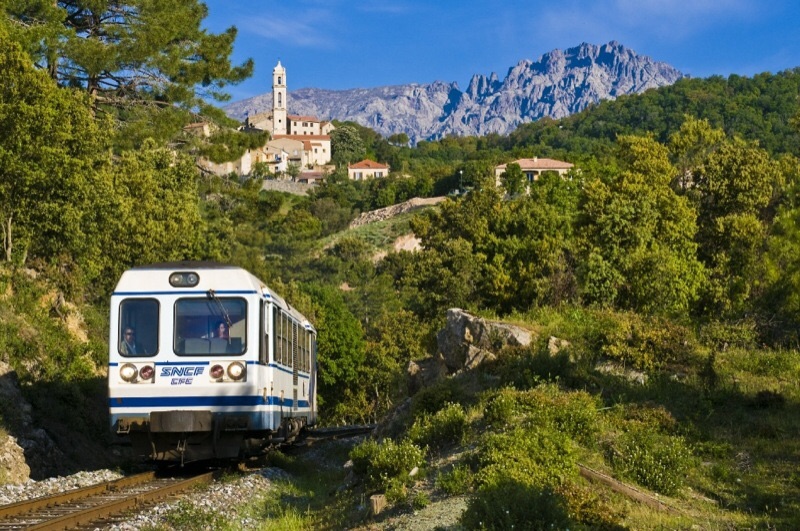
When 14th July rolls around, my wife and I give each other fond looks and, depending on where we are, we will go out to celebrate. Not, as some readers might think, to celebrate the anniversary of the fall of the Bastille, although the French Revolution behind that act of rebellion was, when all is said and done, a great thing. No, we are celebrating the anniversary of Us Getting Together. This momentous event took place in Corsica, in the Year of our Lord 1975 (goodness me, when I write it down it seems so long ago …). I had gone to visit her in Milan at the end of a tour of Italy (my first), and on the spur of the moment we had decided to go to Corsica – well, she had proposed it and, rather startled but willing, I had agreed; this was the start of what would be a common pattern in our marriage: she proposes and I agree. We took the ferry from Genova to Bastia, and during the trip I had felt rather sea-sick; this was the start of the process of my wife learning a lot of unedifying things about me. After a day in Bastia, we took the Trinichellu (“little train” in Corsican dialect)

image

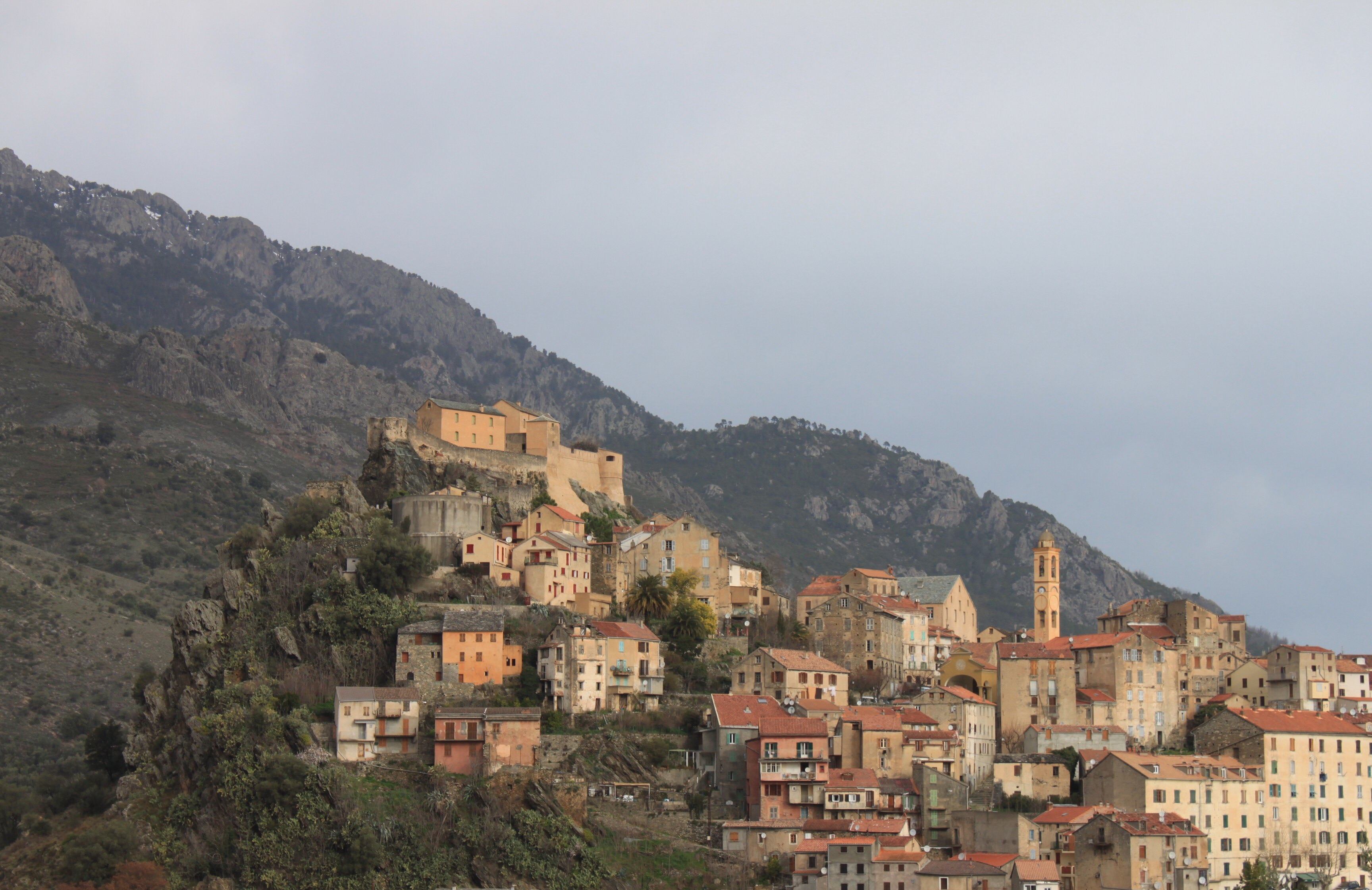
which runs from Bastia on the north-eastern coast to Ajaccio on the western coast, passing over the island’s wild and mountainous spine. We got off in Corte, a nice little mountain town in the centre of the island.

image

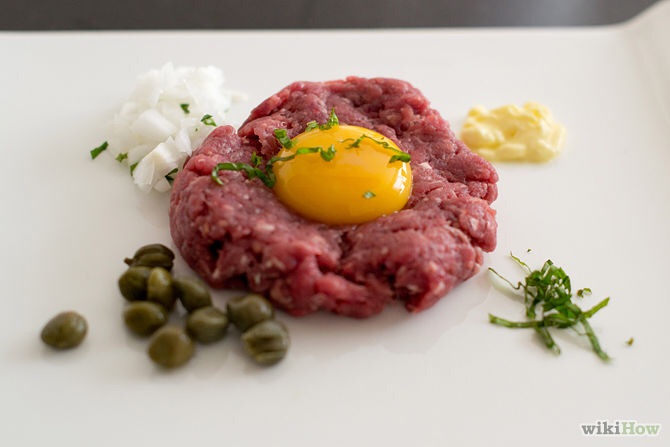
We must have walked around the town but actually my only memory of the place is of the restaurant where my wife introduced me to steak tartare, the start of many culinary discoveries for me, courtesy of my wife.

image

We spent the night in a campground where we shared my rather small tent. And the rest, as they say, is history …

The next day, we took the Trinichellu back to Bastia, to catch the ferry to the mainland. It was 14th July, and that night, hand in hand, we watched the fireworks display. It seemed a fitting commentary on what had just started between us.

image

Which is why we look at each other fondly every 14th July.

___________

Trinichellu: http://www.lightmediation.net/blog/wp-content/myfotos/train-corse/00000053125.jpg (in http://www.lightmediation.net/blog/index.php/2010/09/27/trinichellu-un-express-bien-corse/)
Corte: http://ajaccio.media.tourinsoft.eu/upload/corte.JPG (in http://www.ajaccio-tourisme.com/commerces-et-services/ORGCOR2AV5008WB-7/detail/corte/office-de-tourisme-de-corte-centru-di-corsica)
Steak tartare: http://pad1.whstatic.com/images/thumb/2/2c/Make-Steak-Tartare-Step-8.jpg/670px-Make-Steak-Tartare-Step-8.jpg (in http://m.wikihow.com/Make-Steak-Tartare)
Fireworks: http://france3-regions.francetvinfo.fr/nord-pas-de-calais/sites/regions_france3/files/styles/top_big/public/assets/images/2013/07/13/artifice_2.jpg?itok=1HvQYr8a (in http://france3-regions.francetvinfo.fr/nord-pas-de-calais/2013/07/13/14-juillet-les-feux-d-artifice-du-samedi-287075.html)


COQ AU VIN

Bangkok, 8 June 2015

Yesterday evening, my wife and I went over to the Central World mall to see a film (“Spy”, a hilarious film, well worth seeing). Afterwards, feeling peckish, we decided to stay and have dinner in the mall – at least it was well refrigerated there, a decided plus in this hot season when the promised rains are failing to come to cool us. The problem is, most of the restaurants in the mall are of Asian extraction – Japanese is a definite favourite, followed by Korean, and then trailing far behind a few Chinese, Thai, and “international” (i.e., mixed Asian) – and that’s not what I felt like eating. I wanted something “different”, although I wasn’t quite sure what that “different” might be. We made a bee line for a French restaurant advertised on the information board, but it had disappeared since they had last updated the board. We sighted an Italian restaurant, although something called “Spaghetti Factory” surely is to be avoided like the plague. We got a fleeting glimpse of a Mexican restaurant tucked away in a corner, but Mexican food didn’t entice me … You get the picture. I was being finicky, and time was passing. Eventually, we saw a bar-cum-restaurant called “1881”, which looked nice enough. We rapidly checked the menu, and since it looked suitably international we went for it.

Ensconced at our table, we scanned the menu more closely. For the main course, we both happily plumped for the coq au vin. It had been an age since we had eaten this, we both exclaimed. To keep us going while we waited, we ordered some starters, and of course a glass of red wine. The starters were delicious, the wine was good, everything looked set for a memorable dinner. Alas! it was not to be. When the coq au vin arrived, we found ourselves faced with a chicken leg, deep fried à la manière KFC, sitting on some sort of thick tomato-based sauce peppered with carrots and onions, maybe something which had been recycled from an osso buco dish, and which had obviously never seen a drop of vin. We glumly ate our poulet à une sauce indéfinie, agreeing with each other that something had definitely got lost in translation. The dessert, a great pannacotta with some sort of balsamic-strawberry gelée, partially made up for the very disappointing main dish, but it was undeniable that the coq au vin had been a black hole in our sensory experiences of the evening.

I feel I owe it to my genes, to my heritage, to right the balance, to advertise from the rooftops the greatness of coq au vin. At least describing how the dish is made might allow me to partially enjoy, if only in my imagination, the taste of the Real Thing.

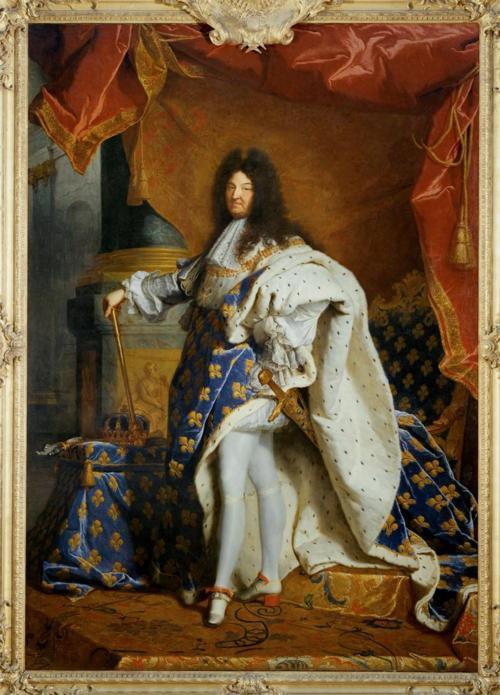
Let me start by saying that in the olden days coq au vin was not a dish that would have been served to the Great Sun King, Louis XIV

Louis_XIV_of_France

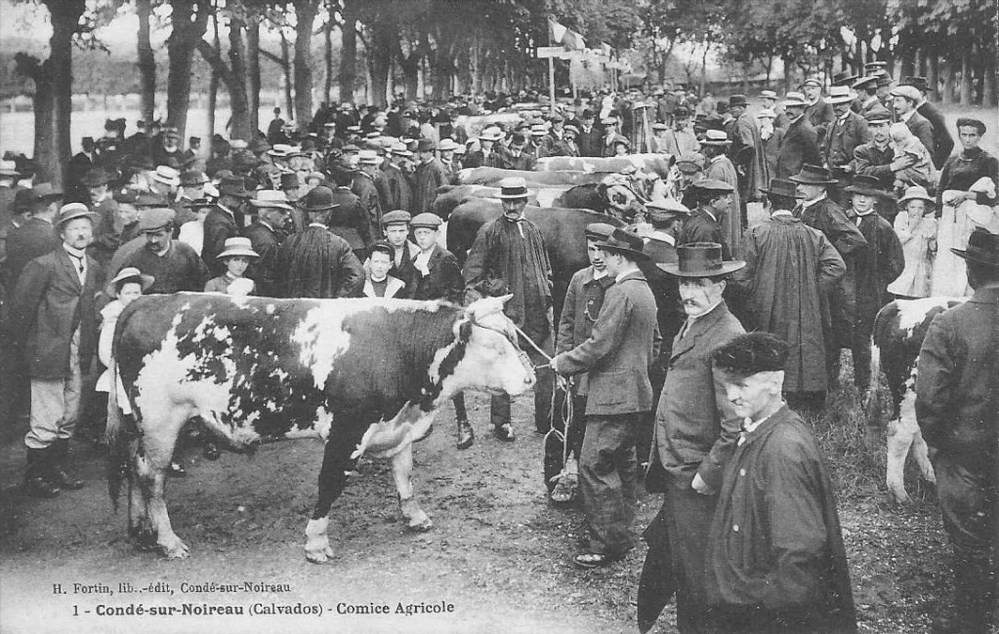
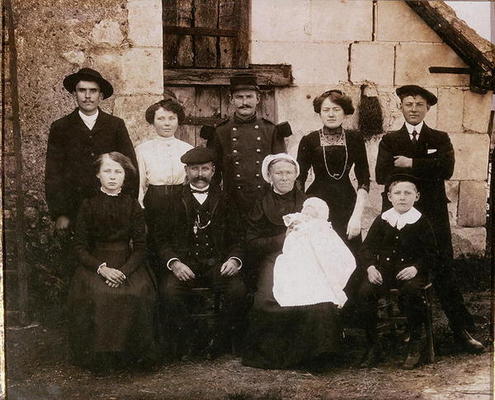
or some other such august personage, unless of course you wanted to be sent to the Mediterranean galleys or to rot away on L’île du Diable. The great French chef of the mid-19th Century, Marie-Antoine Carême, author of the encyclopedic L’Art de la Cuisine Française and other works, never mentioned it, nor did the even greater French chef of the late 19th-early 20th Century, Auguste Escoffier, in his various publications. No, this was above all a peasant’s dish, a way of recycling that rooster in the yard which had reached the end of the rooster road. It was people like these who created coq au vin, making a virtue out of necessity.
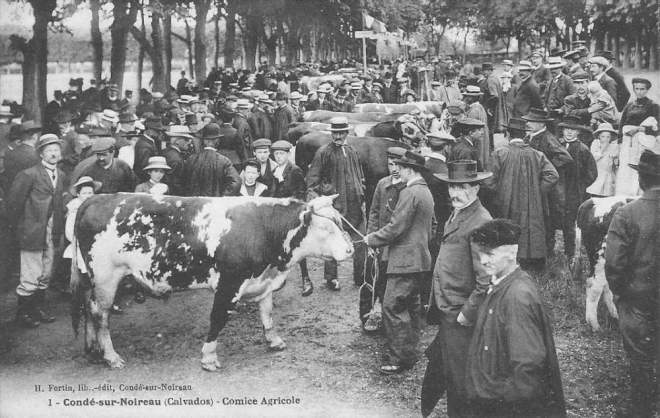
french peasants-2

french peasants-3

CHT216766 Peasant family of the Sarthe area at a baptism, late 19th century (photo); by French Photographer, (19th century); photograph; Private Collection; Archives Charmet; French, out of copyright

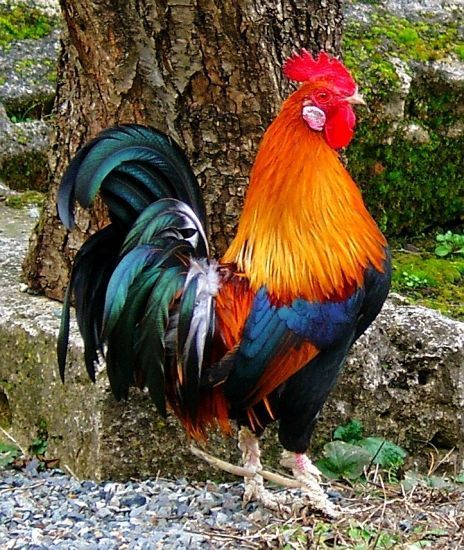
So now let us see how this wonderful dish is made. The paysan (or paysanne) will first have laid his (or her) hands on a rooster like this one

https://i0.wp.com/monia2009.m.o.pic.centerblog.net/gg7spkhz.jpg

and wrung its neck. We modern men and women are squeamish about killing to eat, but what to do: unless you hang around prides of hunting lions and scavenge what they are kind enough to leave behind, to eat meat you need to kill; simple as that. Oh, and by the way, it’s good to slit the rooster’s throat and drain its blood, which you will use later in making the dish. If you can’t bring yourself to do all this, you can subcontract the task to a butcher. You can also subcontract him the task of plucking the bird, which the paysanne would have done herself (I remember my French grandmother doing this, while she sat on the balcony discussing this, that, and the other with my mother). The wonderful feathers of the rooster should be conserved, although I’m not quite sure what to do with them. In any event, in one way or another you should end up with something like this:
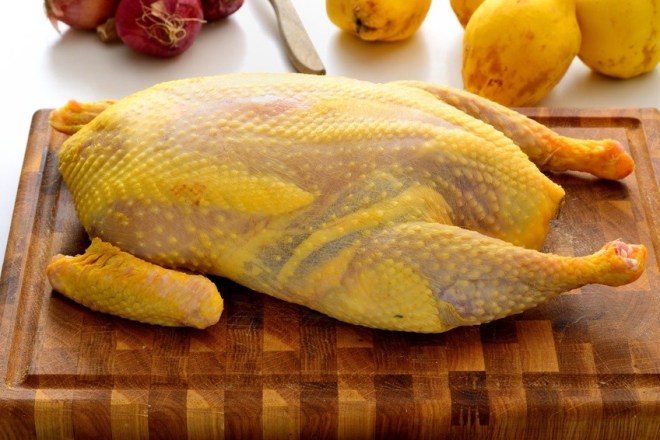
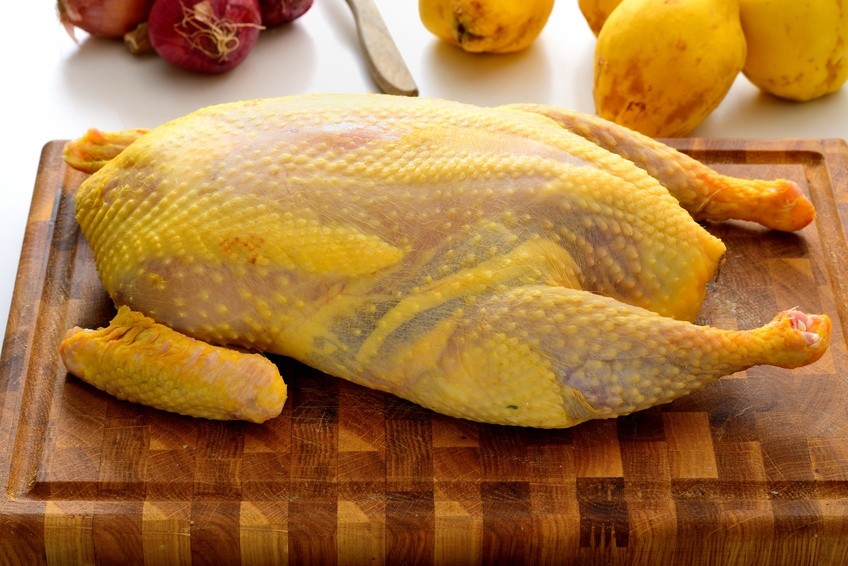
coq-fermier-pret-a-cuire

Personally, to support the Home Team, that is to say Burgundy, where the French side of me comes from, I would want a rooster from Bresse, which is on the other side of the River Saône from Burgundy: the Burgundians gave the people of Bresse their wine and in return got farm products like chickens.

Now we can start the cooking.

First, you will cut up the rooster. Place the pieces in some container, to which you will add diced carrots, onions, and shallots, and – if you really must – chopped garlic (personally, I would drop the garlic; I’m not a fan of this particular bulb). The paysan would have collected these from his vegetable garden like the one my French grandmother had hidden behind her lilac bushes, but I recognize that in our modern, highly urbanized society most of us do not have access to vegetable gardens, so we will have to make do with the local grocery store, or even the local supermarket. Add laurel, thyme and parsley. Add a little stock. Salt and pepper. And now we come to the wine.

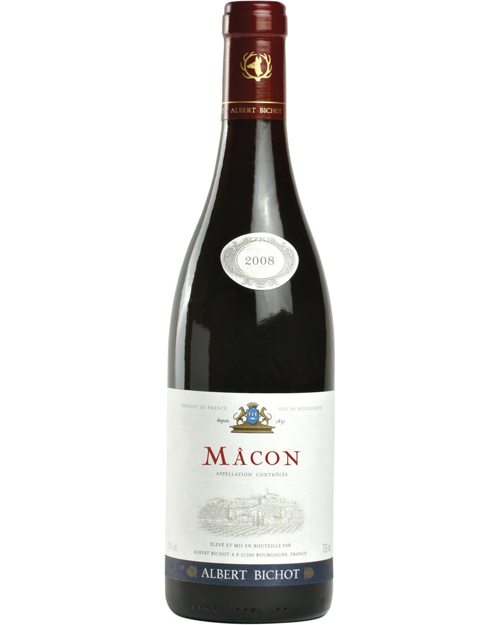
Obviously, this is a key ingredient, so some thought needs to go into its choice. Nothing too fancy, of course – not going to waste a $100 bottle of wine to cook our rooster. Something with a good body but not too tannic should do the trick. I would go for a red wine, although there are parts of France (Alsace, for instance, or the Jura) where the dish is made with white. Since, as I’ve mentioned, I’m batting for the Home Team, I would personally go for a red Burgundy, maybe shading into a Beaujolais, something just down the road from where my Grandmother lived.
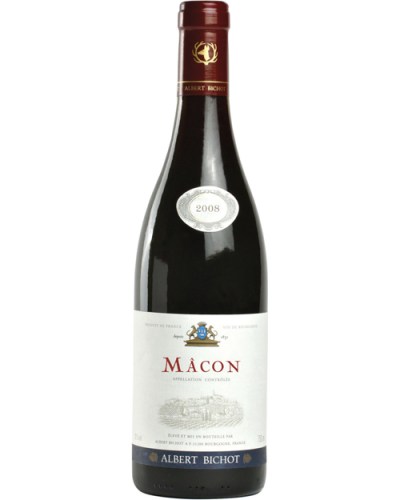
macon rouge

Our paysanne would have gone down into the cellar of the kind my Grandmother had and taken a bottle of wine made from grapes growing in one of the surrounding vineyards and bottled in that very cellar or at least locally. But we – with a sigh – will make do with what we find at our local wine store.

In any event, pour in enough wine to just cover the rooster. Cover the container and leave it in a cool place. You will let the rooster and the vegetables marinate for a full 24 hours.

The next day, fresh from a good night’s sleep, you will begin the next phase.

As a first step, fish the rooster pieces out of the marinade, draining them well. Do the same for the vegetables. Do not throw away the marinade! Very important.

Put all these aside, and take a large skillet, in which you will heat a little butter and oil. Frankly, I don’t think the paysanne would have used oil, at least not in Burgundy. Traditionally, Burgundy was not an oil country. I would guess, from a perusal of an old French cookery book from 1651, that she would have used butter and/or lard. Nevertheless, we will go with butter and oil since nowadays oil you find in shops but lard only with difficulty.

Once the butter-cum-oil is hot enough, slide in the rooster pieces, together with some chunks of bacon, and let the whole brown nicely. Throw in the vegetables from the marinade and let them colour a bit. Sprinkle with flour and let it all cook a moment. Move the skillet off any open flame, take a small glass of cognac, sprinkle it over the rooster pieces, and light it up with a match – taking care, of course, that your face is not too close; the last thing you need is to find yourself eating the final product without eyebrows. In Burgundy, the paysanne would probably have used a Marc de Bourgogne, which is a brandy made with the solid leftovers from the grape presses. But unless you actually live in Burgundy, you probably do not have this at hand, so go with cognac. Once the flames have died down, add in the marinade, and bring the whole back to a boil for a few minutes.

You will now let the mix simmer slowly for a long, long time: aim for six hours. Let it fill your kitchen with a gorgeous aroma, but don’t hang around there because otherwise you will soon no longer be able to stand it and you will throw yourself on the cooking rooster and wolf it down. As would have done the paysanne, go and busy yourself in the garden, in the studio, anywhere that is some distance from the kitchen. Keep your mind and hands busy with other things, just popping in from time to time to check. As the hours pass, the meat softens and falls off the bone, it absorbs the wonderful aromas it is basting in, and the sauce itself slowly thickens. Towards the end of this long simmering period, you will take the blood you collected when you killed the rooster (remember that?) and add it to the sauce to thicken it. You will also prepare boiled potatoes a little while before the end, to accompany the coq au vin.

The coq au vin is now ready to eat. Lay out the pieces of coq in a serving plate, pour the sauce au vin over them.
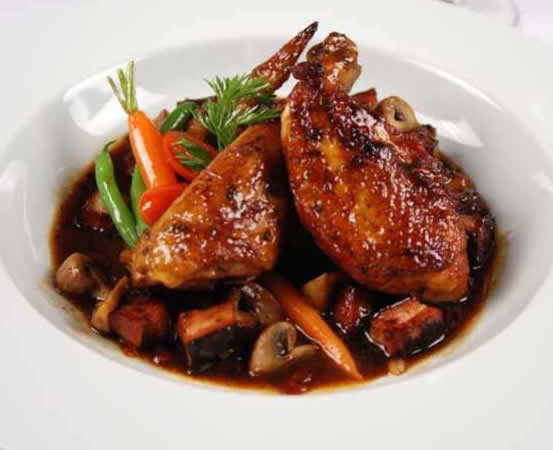
coq au vin

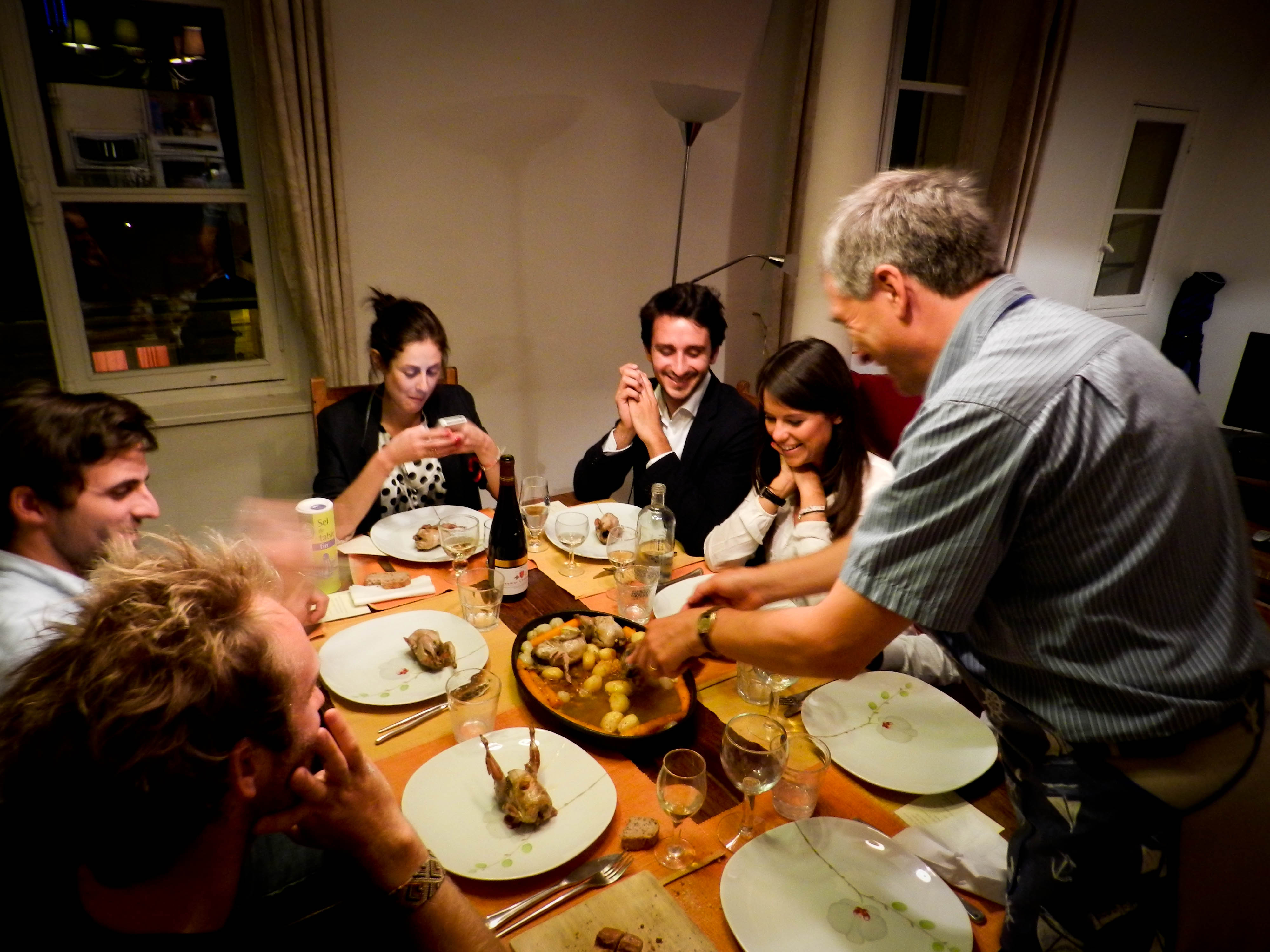
Place the potatoes on the side, bring out that special bottle of Burgundy you’ve been keeping for an exceptional moment, call in the family and your special friends, and enjoy!

meal-2

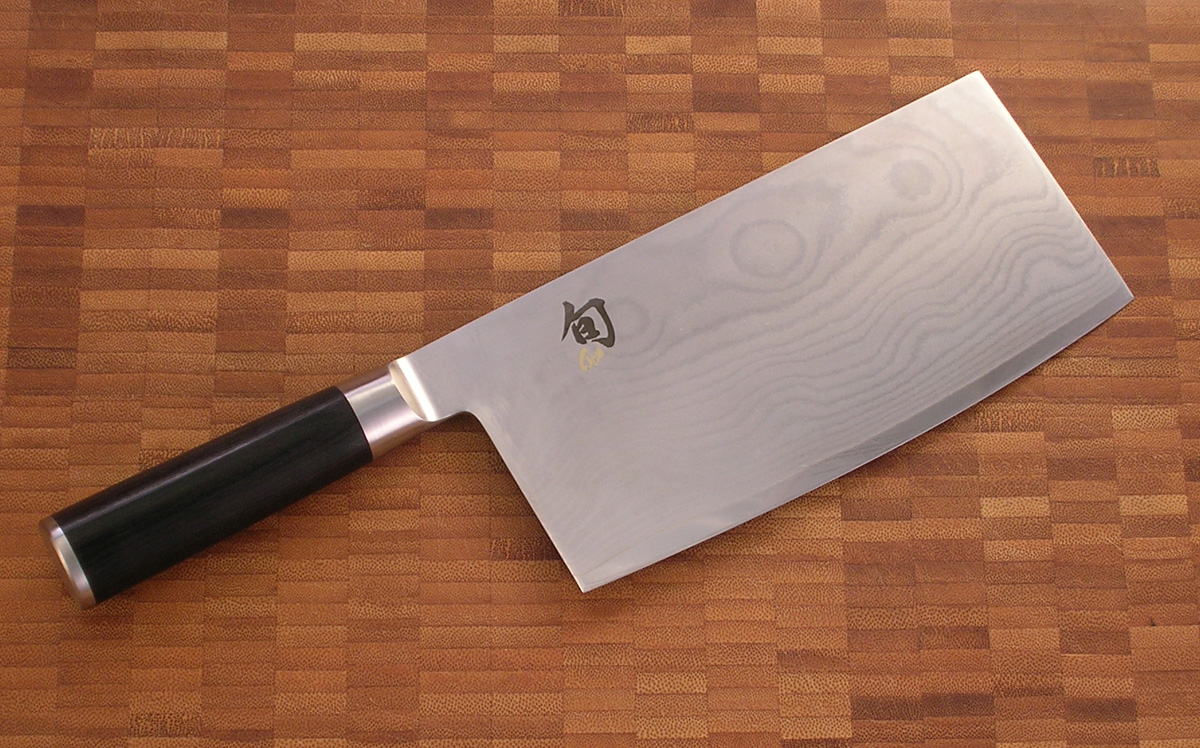
Mmm, there’s a rooster I keep hearing over the other side of the lane, in a building site. Maybe tonight, I’ll go out with this cleaver which we bought in China

cleaver

And find me a rooster for a nice coq au vin

______________________

Louis XIV: http://media.tumblr.com/tumblr_lkzid3Jvkb1qggdq1.jpg (in http://wtfarthistory.com/post/5361387982/red-high-heels-for-him)
French peasants-1: http://www.myartprints.co.uk/kunst/french_photographer_19th_century/peasant_family_of_the_sarthe_a_hi.jpg (in http://www.myartprints.co.uk/a/frenchphotographer19thcen/peasantfamilyofthesarthea.html)
French peasants-2: http://img.over-blog-kiwi.com/0/81/05/67/201311/ob_9bbe36_conde-sur-noireau-calvados-comice-agricole.jpg (in http://stephane.guillard.over-blog.com/2013/11/l-histoire-des-comices-agricoles-en-france-xixe-xxe-si%C3%A8cles.html)
French peasants-3: http://tnhistoirexix.tableau-noir.net/images/scene-de-moissons.jpg (in http://tnhistoirexix.tableau-noir.net/pages/campagnes-xix-siecle.html)
Rooster: http://monia2009.m.o.pic.centerblog.net/gg7spkhz.jpg (in http://lenissa.musicblog.fr/3467011/France-Allemagne-C-est-fini/
Rooster ready to cook: http://www.lesplaisirsdegargantua.com/419/coq-fermier-pret-a-cuire.jpg (in http://www.lesplaisirsdegargantua.com/sitemap.xml)
Mâcon rouge: http://sohowine.co.uk/import/images/B-MACON.jpg (in http://sohowine.co.uk/?c=products&deptno=2&country=France&region=Burgundy&page=2)
Coq au vin: http://www.joyce-farms.com/topics/wp-content/uploads/2014/09/coqauvin.jpg (in http://www.mairie-reffannes.fr/news/soireecoqauvinaumuguet)
Meal: https://labelleassiette.fr/blog/wp-content/uploads/2012/09/DSCN0568.jpg (in https://labelleassiette.fr/blog/diner-lba-3-avec-philippe-engammare/)
Cleaver: http://img92.imageshack.us/img92/7854/shun9wy.jpg (in http://www.knifeforums.com/forums/showtopic.php?tid/771029/)
JOHAN ET PIRLOUIT

Bangkok, 26 May 2015

A week or so ago, I was in Cambodia for some official business relating to a project we are about to start there to reduce dioxin emissions. But actually, that is irrelevant to this post. What is relevant is that I was staying in a hotel room half of whose lights were blue. Why, is a mystery. Perhaps it has something to do with the fact that the hotel claimed to also be a spa; perhaps people in spas like the rather cold light that blue creates. Or perhaps it had something to do with the modern furniture that graced the room; it was Nordic-looking in its design, cool, remote, and the blue light made it all that much cooler. But I’m just hazarding guesses here; perhaps blue bulbs were simply the cheapest on the market at the time the hotel was purchasing its light bulbs.

Whatever the reason, this blue light turned me blue. I only realised it when, skyping my wife, I noticed with astonishment that in the small icon which held my image I was a lovely blue hue. Basically, I looked like this fellow:

schtroumpfThe very youngest amongst us will immediately tell us that he is a Smurf. They are wrong – well, not quite right. He is a Schtroumpf; Smurf is the Dutch translation, adopted later by the English-speaking world.

Aah, the Schtroumpfs …they are my youth! This fellow may look young, but actually I am just a few years older than him. I burst onto the scene in 1954, the Schtroumpfs burst onto the cartoon scene in 1957, invented by the Belgian cartoonist Peyo.

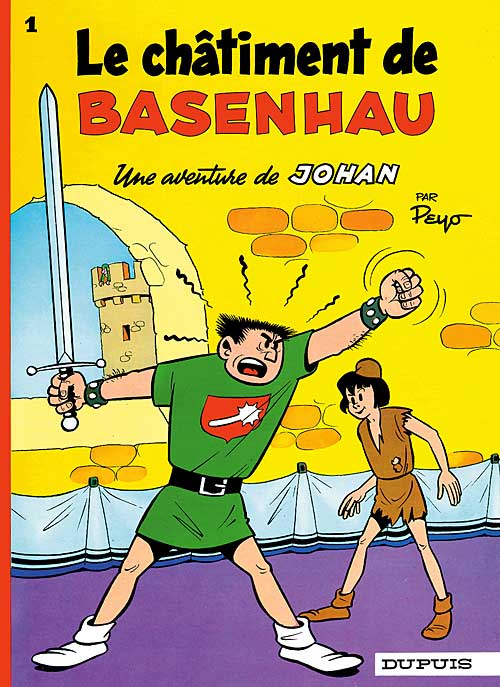
But here I have to clarify something. My real love was not the Schtroumpfs. It was Johan and Pirlouit, invented some years earlier by Peyo. Johan came first, hustling into the lives of little fellows like me in 1952, before I was even a gleam in my parent’s eyes, in the story Le Châtiment de Basenhau, The Punishment of Basenhau. This was the cover of the album (Johan is the young fellow dressed in ragged brown).

01-chatiment de basenhau

The details of the story are irrelevant. The important point is that Johan lived in the Middle Ages and that he was a dashing young fellow. After Le Châtiment de Basenhau came Le Maître de Roucybeuf, The Master of Roucybeuf, in 1953

02-maitre de roucybeuf

and then in 1954, when my mother was heavily pregnant with me, came Le Lutin du Bois aux Roches, The Imp of Rocks’ Wood, in which Peyo introduced us to Pirlouit, who was to become Johan’s bosom buddy.

03-lutin du bois aux roches

Pirlouit is the little blond-haired fellow holding the very large hammer. While Johan was the serious, Boy Scout type, straight as an arrow, Pirlouit was the joker, a hilarious guy who was always doing silly things. But when push came to shove, he was there by Johan’s side, as they fought off the assorted Medieval baddies they had to deal with. From now on, the two were to be inseparable.

Their stories of derring-do, wielding sword, shield, bow, and other assorted medieval weaponry, galloping through dark, forbidding forests – Johan on a horse, Pirlouit on a goat (he was a little person, remember), dealing with sorcerers and their potions, … these were so thrilling to that young me – I was, what? ten-eleven years old when I discovered these albums, when Peyo was already famous throughout the length and breadth of France. I whiled away many a wonderful summer afternoon at my cousins’ house, tearing my way through the collection:

La Pierre de Lune, The Moonstone

04-pierre de lune

Le Serment des Vikings, The Oath of the Vikings

05-serment des vikings

La Source des Dieux, The Spring of the Gods

06-source des dieux

La Fleche Noire, The Black Arrow

08-fleche noire

Le Sire de Montrésor, The Lord of Montresor

08-sire de montresor

to arrive at La Flûte à Six Schtroumpfs, The Flute with Six Schtroumpfs

09-flute a six schtroumpfs

This is where the Schtroumpfs first made their entry onto the world stage. And this is where I start to cry.

Understand me, the Schtroumpfs were nice enough, they added a fun element to the story. But in my view they were minor characters. It was Johan and Pirlouit who were firmly centre stage.

Alas! I was in a minority. The junior readers of Spirou magazine – the stories originally came out in serialized format – wrote letters to the magazine enthusing about the little Schtroumpfs. The editors of the magazine, and Peyo himself, saw the commercial possibilities. And so Peyo took the first steps down the slippery slope. He started with minor albums of Schtroumpf stories. He graduated to major albums. He got involved in animated films. First, in Belgium. Then in the US. Then the breakfast cereal companies came knocking on the door: they wanted Schtroumpf statuettes in the Cornflake packages.schtroumpf statuettes

And after that the advertising firms came knocking at the door, asking to use the Schtroumpfs in various advertising campaigns. As this photo shows, the demand from advertizers continues unabated.

schtroumpf advertisement-1

Peyo always said yes. And John and Pirlouit disappeared; he was too busy with the Schtroumpfs. Peyo managed one more great album, La Guerre des 7 Fontaines, the War of the 7 Fountains.

10-guerre des sept fontaines

To me, it was his best, a wonderful story of Fall and Redemption. After that, he managed only a few more albums, pale copies of what had come before. The Schtroumpfs had eaten up his life. He had his first heart attack when he was 41, his last when he was 64.

And I am left with the memories of my youth, those golden afternoons in the France of the early ’60s, with medieval jousts and battles echoing faintly across the fields.

______________________

Schtroumpf: http://www.tattoo-kids.com/581-1284-thickbox/tatouages-schtroumpfs-pack.jpg (in http://www.tattoo-kids.com/pochette-de-tattoos/581-tatouages-schtroumpfs-pack.html)
Chatiment de Basenhau: http://www.bdzone.com/images/tout/9782800100951g1.jpg (in http://www.bdzone.com/chop/couvranteswap.php?serie=JOHA&debut=0&fin=9)
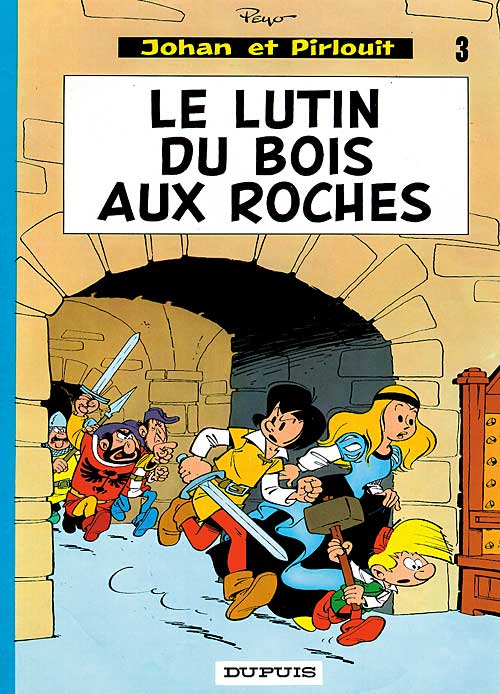
Maitre de Roucybeuf: http://www.bdzone.com/images/tout/9782800100968g1.jpg (in http://www.bdzone.com/chop/couvranteswap.php?serie=JOHA&debut=0&fin=9)
Lutin du Bois aux Roches : http://www.bdzone.com/images/tout/9782800100975g1.jpg (in http://www.bdzone.com/chop/couvranteswap.php?serie=JOHA&debut=0&fin=9)
Pierre de Lune : http://www.bdzone.com/images/tout/9782800100982g1.jpg (in http://www.bdzone.com/chop/couvranteswap.php?serie=JOHA&debut=0&fin=9)
Serment des Vikings : http://www.bdzone.com/images/tout/9782800100999g1.jpg (in http://www.bdzone.com/chop/couvranteswap.php?serie=JOHA&debut=0&fin=9)
Source des Dieux : http://www.bdzone.com/images/tout/9782800101002g1.jpg (in http://www.bdzone.com/chop/couvranteswap.php?serie=JOHA&debut=0&fin=9)
Fleche Noire : http://www.bdzone.com/images/tout/9782800101019g1.jpg (in http://www.bdzone.com/chop/couvranteswap.php?serie=JOHA&debut=0&fin=9)
Sire de Montresor : http://www.bdzone.com/images/tout/9782800101026g1.jpg (in http://www.bdzone.com/chop/couvranteswap.php?serie=JOHA&debut=0&fin=9)
Flute a Six Schtroumpfs: http://www.bdzone.com/images/tout/9782800101033g1.jpg ((in http://www.bdzone.com/chop/couvranteswap.php?serie=JOHA&debut=0&fin=9)
Guerre des 7 Fontaines: http://www.bdzone.com/images/tout/9782800101040g1.jpg (oin http://www.bdzone.com/chop/couvranteswap.php?serie=JOHA&debut=9&fin=9#)
Schtroumpf statuettes: http://img0.ndsstatic.com/wallpapers/e40969b9033ccdd352337e6494a54def_large.jpeg (in http://www.ohmymag.com/les-schtroumpfs/wallpaper)
Schtroumpf advertisement: http://img.xooimage.com/files51/2/4/e/lg-optimus-01-22e2217.jpg (in http://schtroumpfmania.soforums.com/t1518-Smartphone-LG.htm)