WISTERIA

Beijing, 13 April 2014

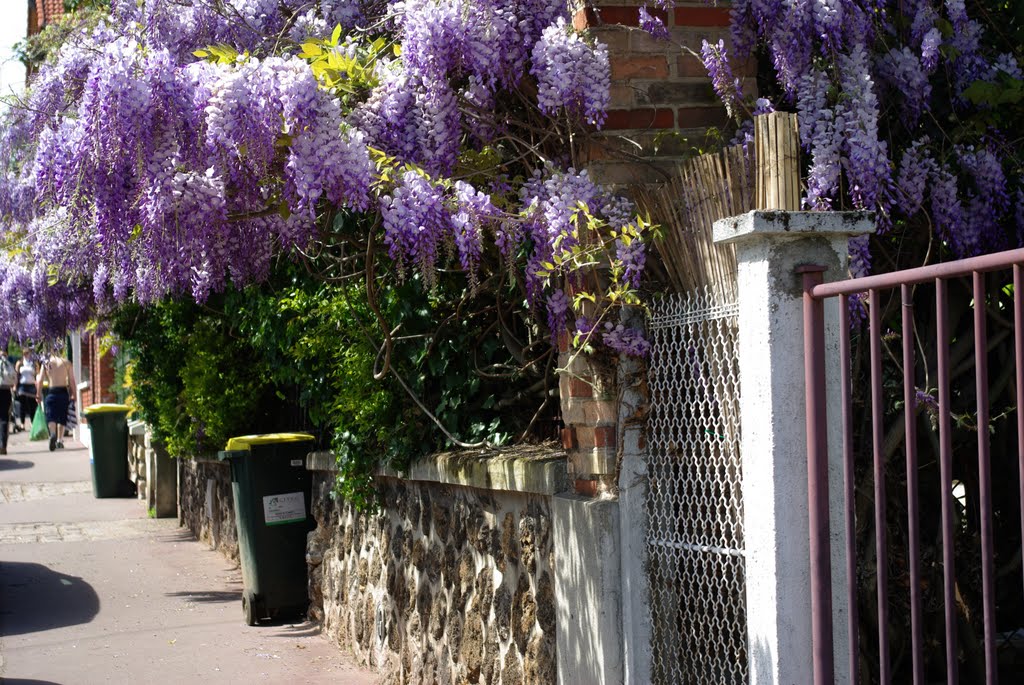
My French grandmother’s house was … old-fashioned, shall we say. Among its many quirks was the fact that it did not have a flush-toilet. Instead, you eased yourself into this small, cluttered space, and you parked your derriere (your backside) on this beautiful wooden seat to do your besoins (your needs), as the French delicately put it. Once finished, you pulled a lever to open a trap door at the bottom of the porcelain bowl and off went your besoins, helped along with a generous portion of water you poured in from a large enameled metal jug. The exhalations emanating from the opened trap door were sometimes eye-wateringly powerful, and there was always a generally musty smell in the loo. However, the olfactory downsides were more than offset by the beautiful view from the window, framed as it was by the bright green leaves of a wisteria vine which snaked up the outside wall and onto the roof. The view was that much more beautiful in spring when clusters of the wisteria’s light purple flowers thrust themselves at the window. When my mother inherited the house, one of the first things she did was to install a flush toilet. But the wisteria remained. In fact, after my parents retired there my mother encouraged it to spread to other walls nearby, which made it a rare pleasure to go and visit my parents in spring. This is not a photo of the house, but it gives an idea of what would greet my wife and I, with children in tow, after a long drive up from Italy in May.
glycine sur mur-2
Since those moments in my grandmother’s loo, I have always had a weak spot for wisteria. At the right moment of the year, I keep an eager lookout for a sudden froth of light purple flowers popping up over a wall or in the corner of a garden. I have a particularly powerful memory of a bike trip which my wife and I made many years ago along the Loire valley, where between one Renaissance chateau

chateau_amboise

and another

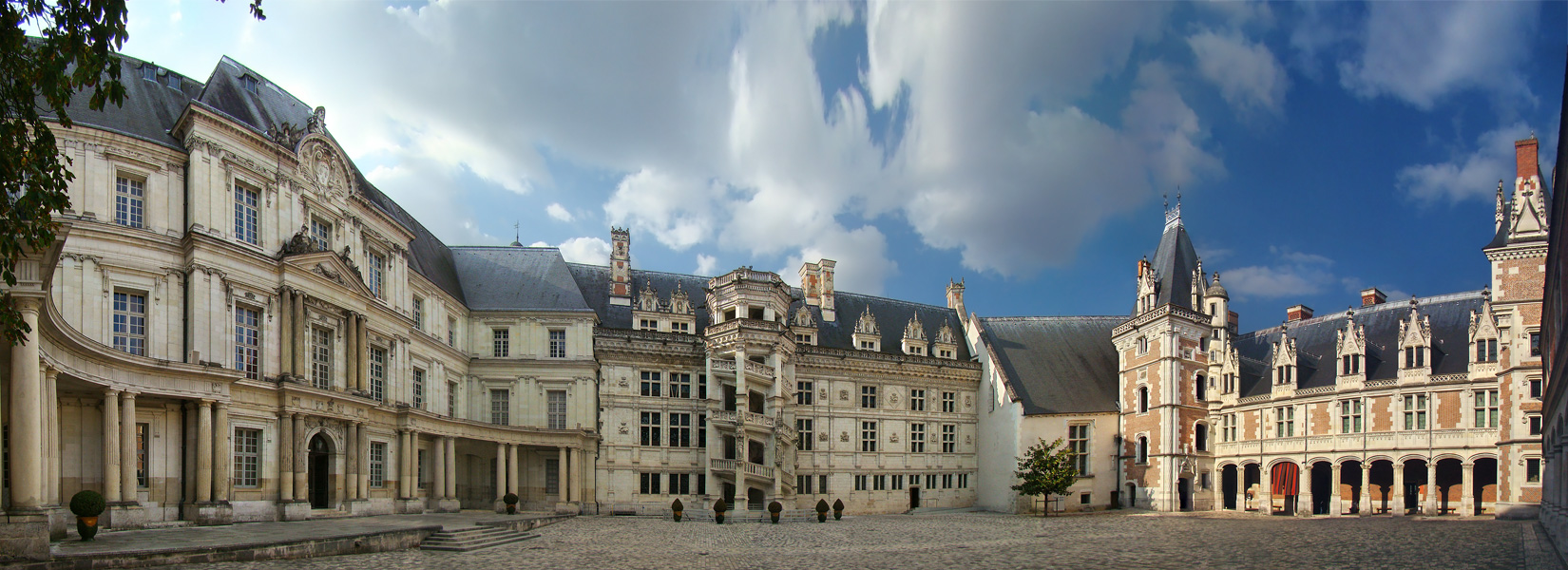
chateau_Blois

we would run into cascades of wisteria – every garden seemed to have a wisteria.
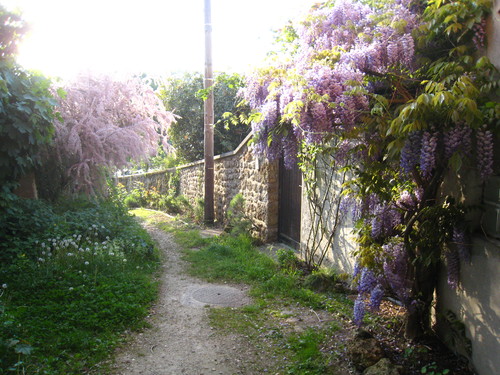
glycine dans la vallee de la Loire-1

glycine dans la vallee de la Loire-2
And just last year, when we were in Philadelphia, we stumbled onto a pergola covered by a thick coat of white wisteria, which was a first for me (I’ve mentioned this in an earlier post but I repeat the photo)
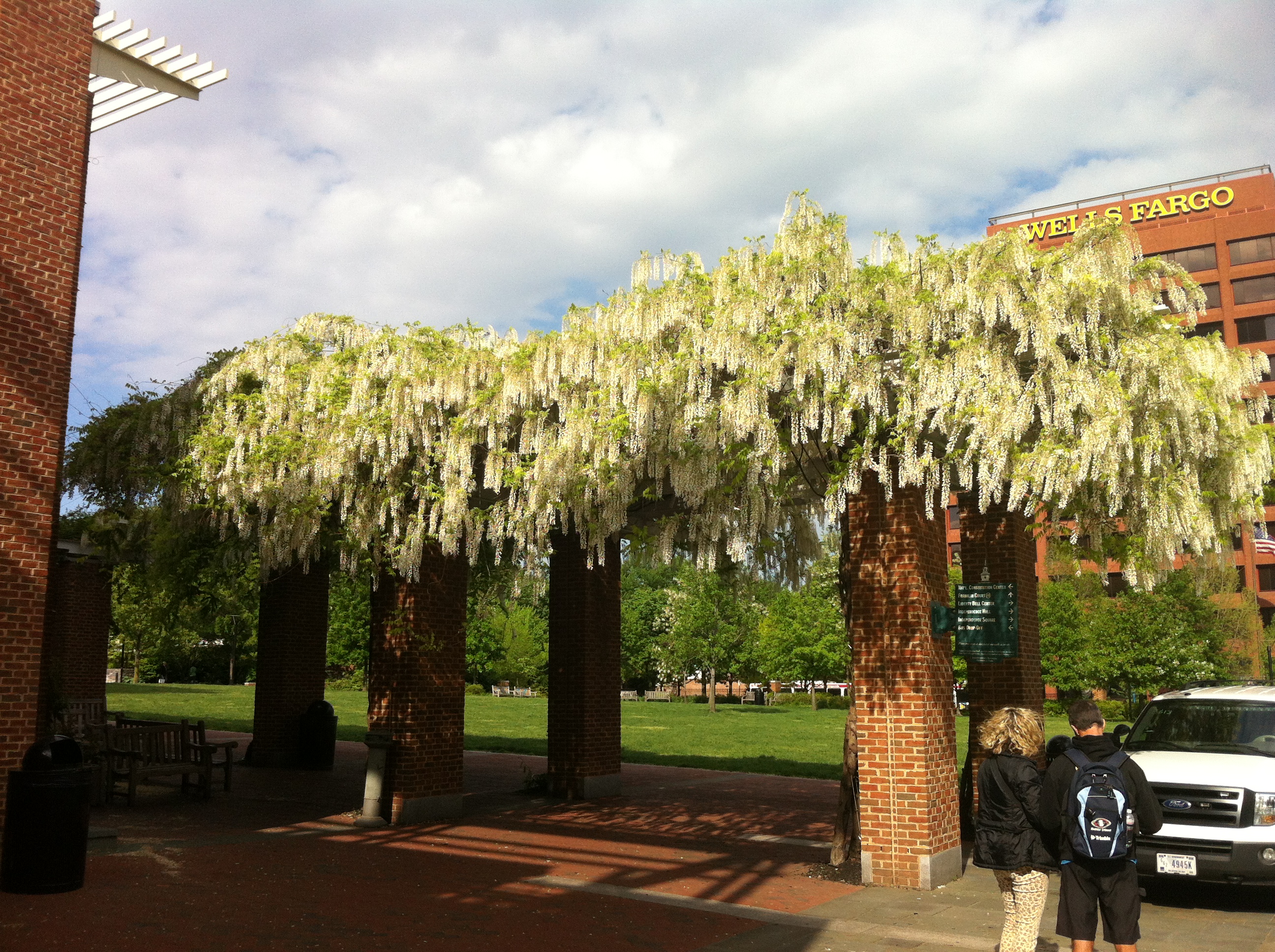
white flowers 003
And the neighbours to our rooftop garden in our last apartment in Vienna had planted a wisteria, which coiled and twisted its way onto our side, an intrusion we gladly accepted since it rendered so pleasant those first days in spring when my wife (with a very little help from me) toiled at her garden tubs, planting and repotting, after the long sleep of winter. In fact, jealous at their success, I purchased a modest wisteria plant for our side, with dreams of it eventually smothering our balcony. Alas, it perished miserably that summer while we were away for our holidays.

So you can understand my pleasure when I saw that the wisteria across the road from our apartment in Beijing had flowered
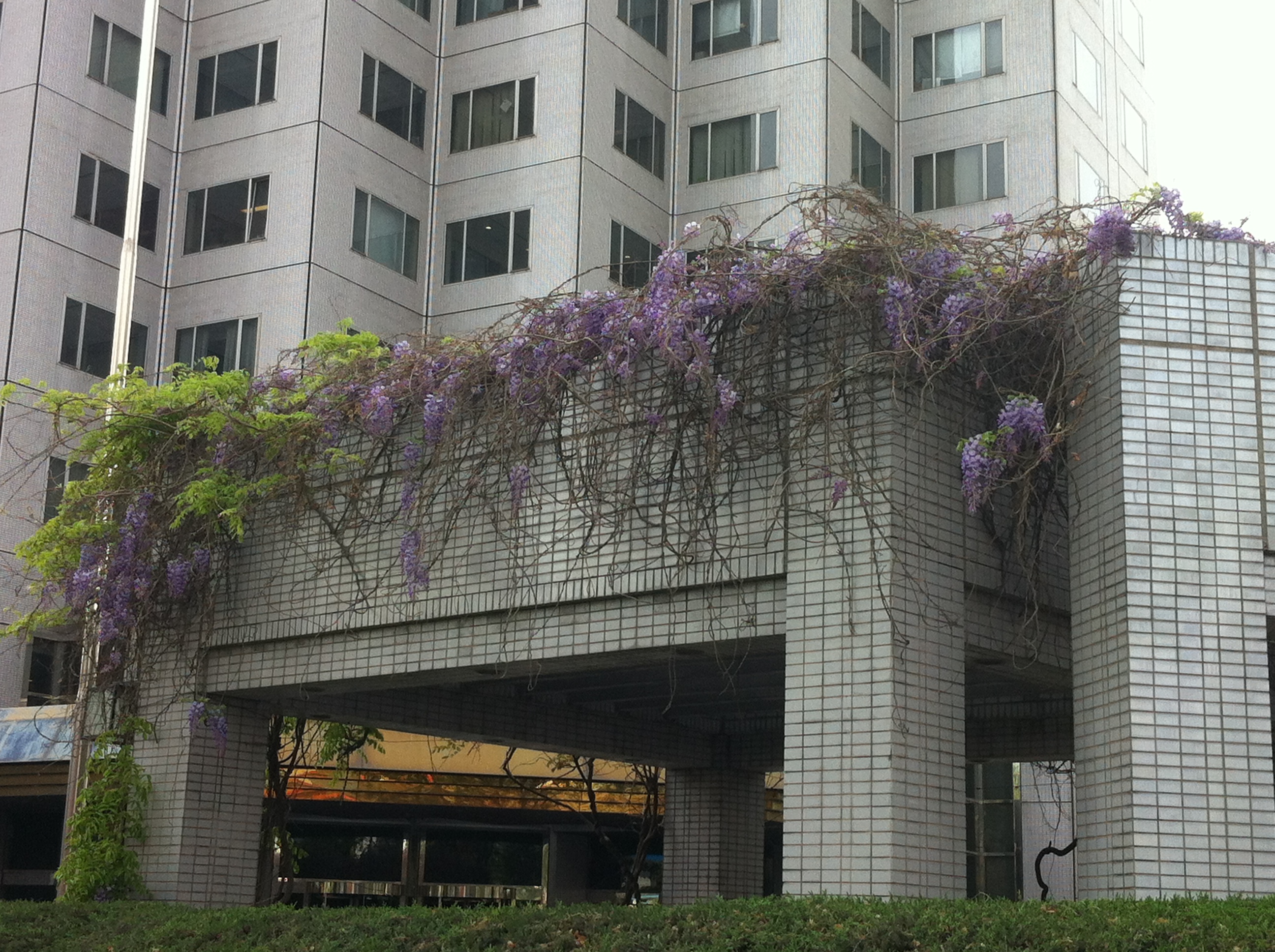
wisteria beijing

although I mentally castigated the management of the building for not doing a little pruning.

For the first time in my life, I read up a bit on wisteria. And the first thing I discovered is that wisteria is Chinese! Well, there’s also a Japanese wisteria. And two American wisterias. But no European wisteria! So once again, like the weeping willow which I wrote about in my last post and the magnolia which I wrote about a few posts earlier, Europeans have borrowed a plant from China, or maybe in this case from Japan (but not from the US; American wisteria don’t seem to be gardeners’ favourites, even in the US itself, since their flowers are of more modest size, bloom for less time, and are scentless). When you read these cases, you begin to understand why the poorer countries complain about pharmaceutical and other companies from the richer countries coming and “borrowing” their flora and making a fortune selling them, or their chemical components, back home.

But now I’m left with a tricky question: was the wisteria at my grandmother’s house Chinese or Japanese? The literature tells me that the flower-clusters (racemes in the horticultural lingo) of the Japanese wisteria are longer than those of the Chinese wisteria, but I’m buggered if I remember the length of those racemes nodding at the loo window. And anyway, I’m sure raceme lengths are all averages, so I don’t think this would be a good way for an uneducated plant man like me to distinguish a Chinese wisteria from its Japanese cousin. A far more powerful way of distinguishing the two seems to be the direction of twining which the vine adopts. Chinese wisteria twine clockwise, while Japanese wisteria twine counter-clockwise! (I love it; isn’t that a great way of figuring out where a plant comes from? But why would one twine one way and the other the other? The mysteries of genetics). I must remember to send my sister an email (she inherited the house, did further massive works, but kept the wisteria) and ask her which way the wisteria twines. This will no doubt be the moment she concludes that I have finally lost it …

______________

Wisteria on the house: http://img.over-blog-kiwi.com/0/53/56/12/201305/ob_bbf5590f142c0c0c464830009f54793b_img-8686.JPG [in http://mounic.over-blog.com/lieu-saint-de-provence%5D
Château d’Amboise : http://www.chateau-amboise.com/oktThemes/p-c094-01/images/chateau_amboise_accueil.jpg [in http://www.chateau-amboise.com/en/%5D
Château de Blois : http://upload.wikimedia.org/wikipedia/commons/f/fb/Loire_Cher_Blois1_tango7174.jpg [in ] http://en.wikipedia.org/wiki/Ch%C3%A2teau_de_Blois
Wisteria along the road-1: http://mw2.google.com/mw-panoramio/photos/medium/22548315.jpg [in http://www.panoramio.com/user/701296/tags/Season%20Spring?photo_page=2%5D
Wisteria along the road-2: http://static.panoramio.com/photos/large/34926262.jpg [in http://www.panoramio.com/user/701296/tags/Season%20Spring?photo_page=2%5D
Wisteria in Philadalphia: my photo
Wisteria in Beijing: my photo
ROCKS IN THE GARDEN

Beijing, 4 December 2013

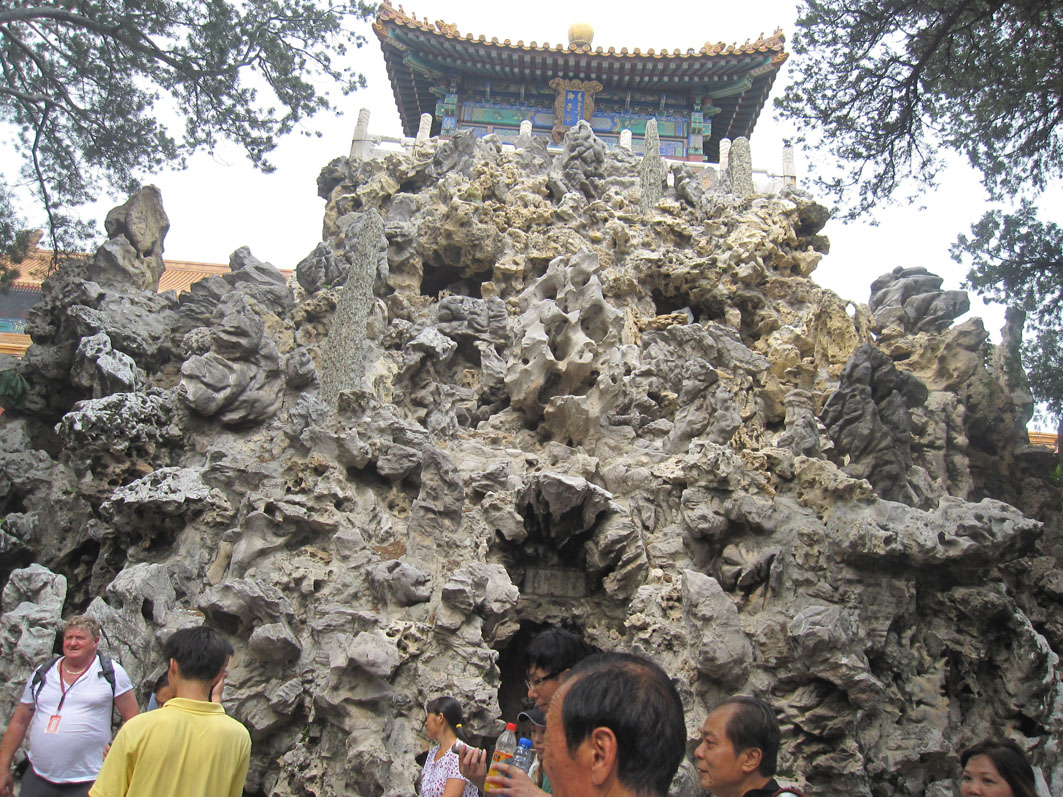
The Chinese have a a strange relationship with rocks. Go to any self-respecting Chinese garden and somewhere in the twists and turns of its paths you will come nose to nose with a fantastically twisted rock standing there waiting to be admired.

The Forbidden City in Beijing has a specimen which is (of course) very large
rock sculpture forbidden city-2
while a number of the famous gardens in Suzhou have examples more to the human scale.
rock sculpture suzhou-1

rock sculpture suzhou-2
rock sculpture suzhou-3
Admire them they do, the Chinese. When they catch sight of one of these rock sculptures, they will normally break into oohs and aahs, and end up – inevitably, in today’s culture in China – taking a group photo in front of said rock.

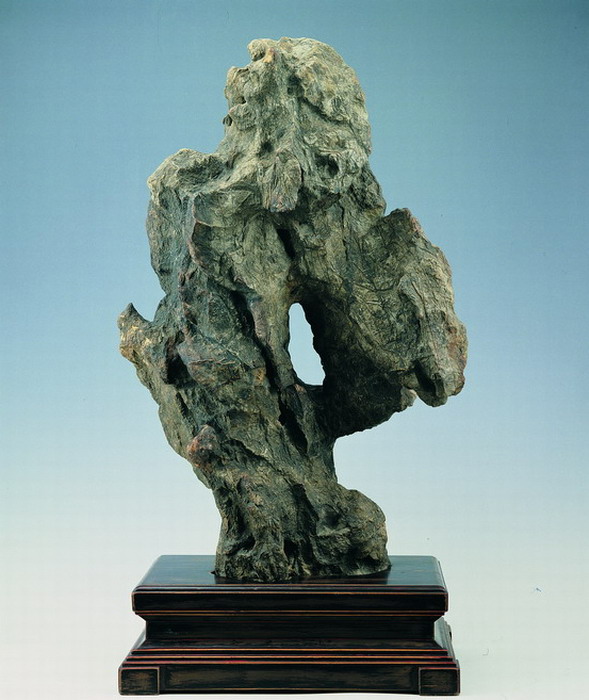
The fascination with these rock sculptures extends to internal spaces. It is very common to come across smaller (and sometimes not so smaller) versions in Ministries and other public buildings. Even in the intimate space of the scholar’s study, it was almost de rigeur for the scholar to have a small rock sculpture such as this one
scholar stone
sitting on his desk, among the brushes, ink stand, rice paper, and the rest of his scholarly paraphernalia.

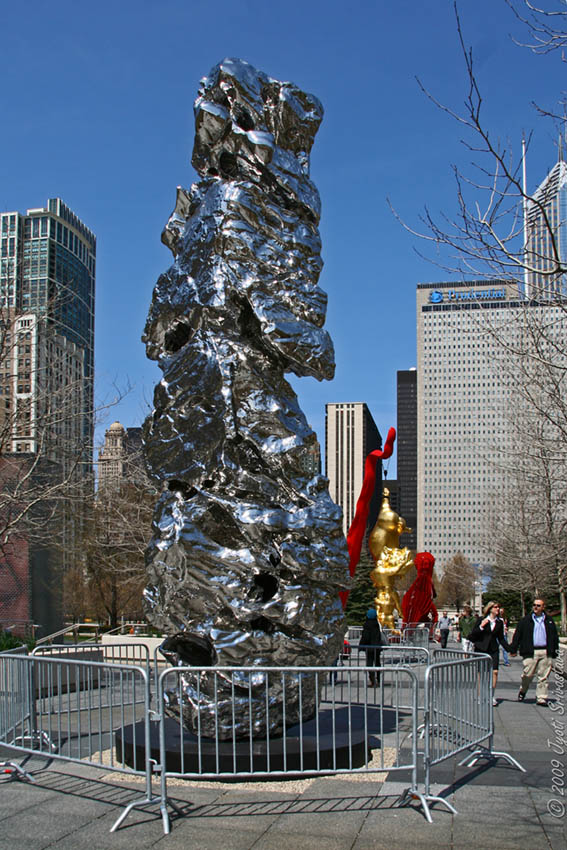
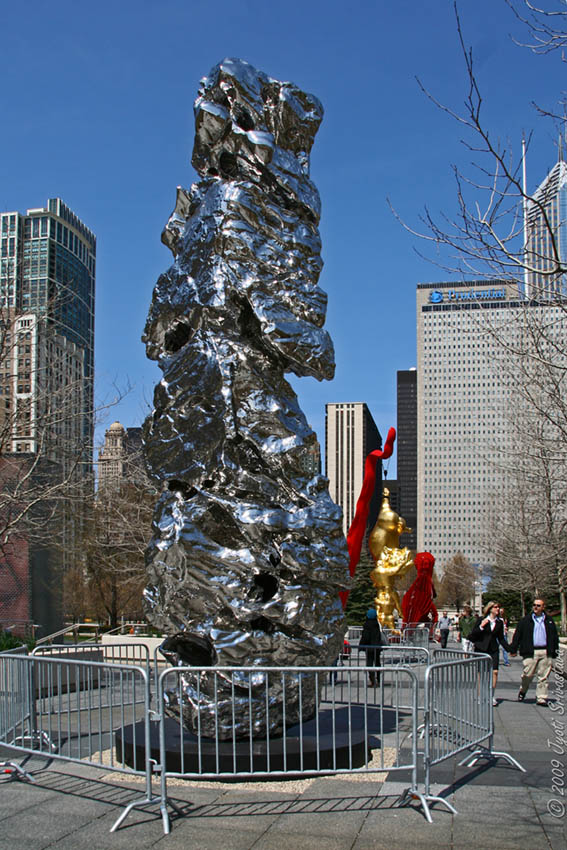
This is not a dead art form. Chinese sculptors are continuing to create these rock sculptures, as this photo from an outdoor exhibition in Chicago attests (in this case, though, while the design principles remain the same, rock no longer seems to be the medium)
rock sculpture in Chicago

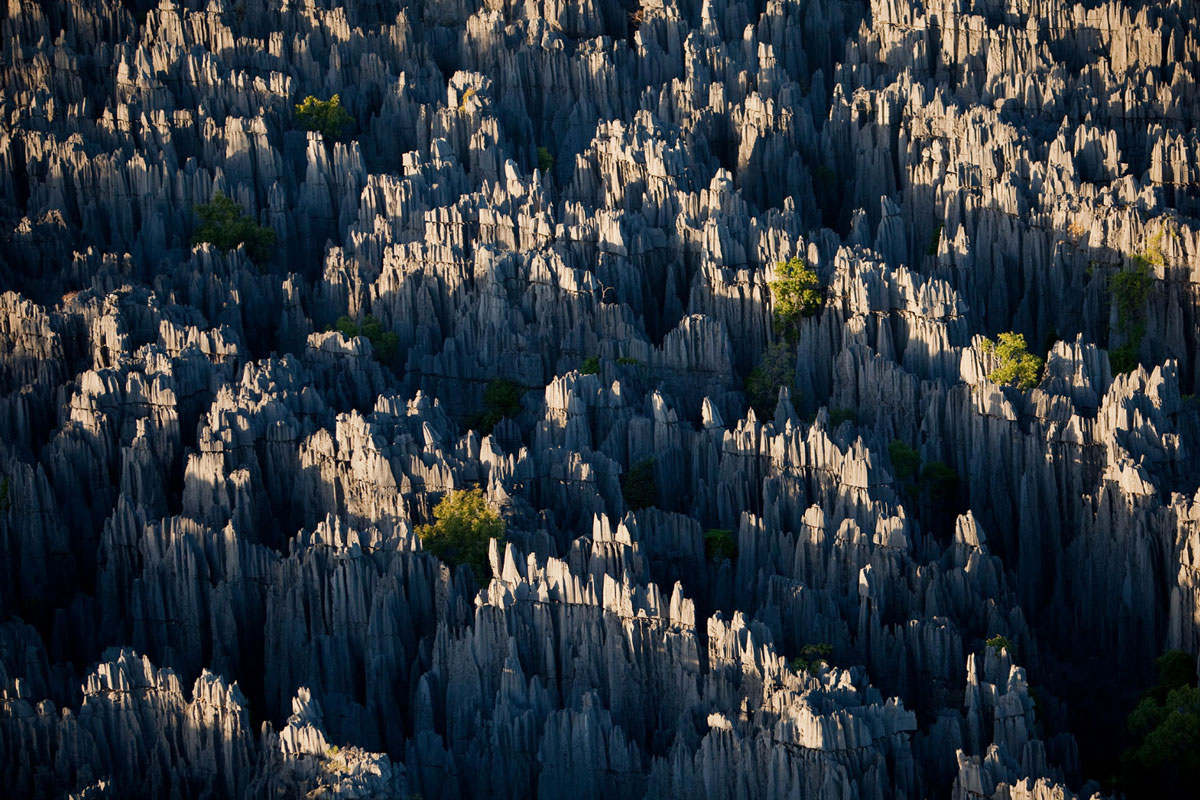
I have to assume that Chinese garden designers, like their English counterparts, were bringing the natural landscapes around them, suitably tamed, into their gardens. In the case of the rocks, the landscapes in question must surely be the karst landscapes which are common in many parts of China. This is one such landscape in Yunnan, known as the Stone Forest and famous enough to have been listed as a UNESCO World Heritage site.
stone forest yunnan-2
(on an aside, I should note that it was visited by Lisa, of whom I have written earlier, during a trip which she took to Yunnan some six months ago; predictably, her photos of the trip included a large number of her, or her traveling companion, or her tour group, standing among the rocks)

I have to say, I don’t like these rock sculptures. I find the sheer froth of all that twisted stone to be just too much.  Those whorls, those curlicues, those knobs, those piercings, the sheer grotesqueness of it all … Ugh!

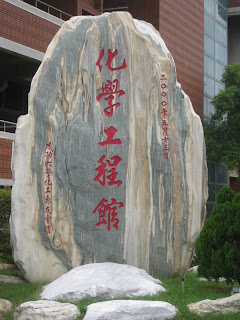
This fascination with large rocks has taken on a modern twist. It has become a sign of class for any organization with pretensions of social or economic significance to have a large rock placed before its important buildings, with its name carved on it in classy Chinese characters. These rocks tend to eschew the flowery style, opting instead for a massive ponderousness which no doubt is meant to signal the solidity and power of the organization in question.

rock in front of building-1

I don’t like these sculptures any better. They are just big and heavy with no redeeming features that I can see – the Chinese will sometimes get excited about the script, either because it adheres to the classical cannons of beauty for Chinese characters or because they are copies of some famous Chinese person’s script, but all that leaves me cold.

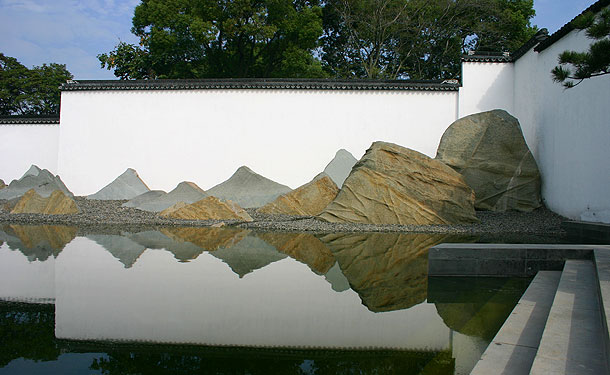
So you can imagine the relief and pleasure I felt when my wife and I came across this
rock landscape Suzhou IM Pei museum
in the courtyard of a museum in Suzhou, which was designed by the architect I. M. Pei (he of the East Wing of the National Art Gallery in Washington D.C.). Here at last was a rock sculpture in China which I could relate to, spare, simple, clean of line, yet able to evoke beautifully its subject, a range of mountains in the distance.

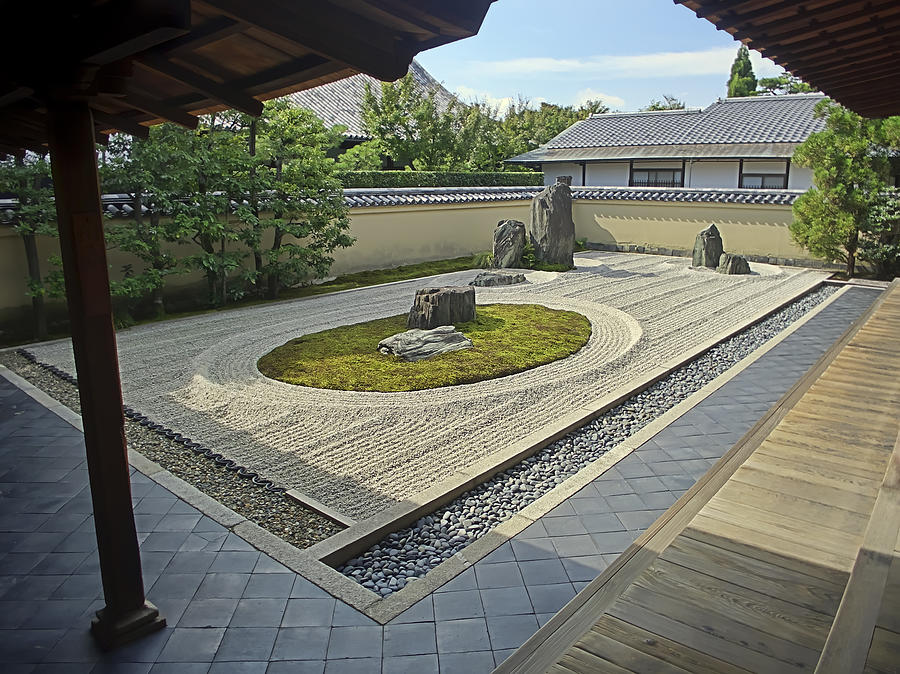
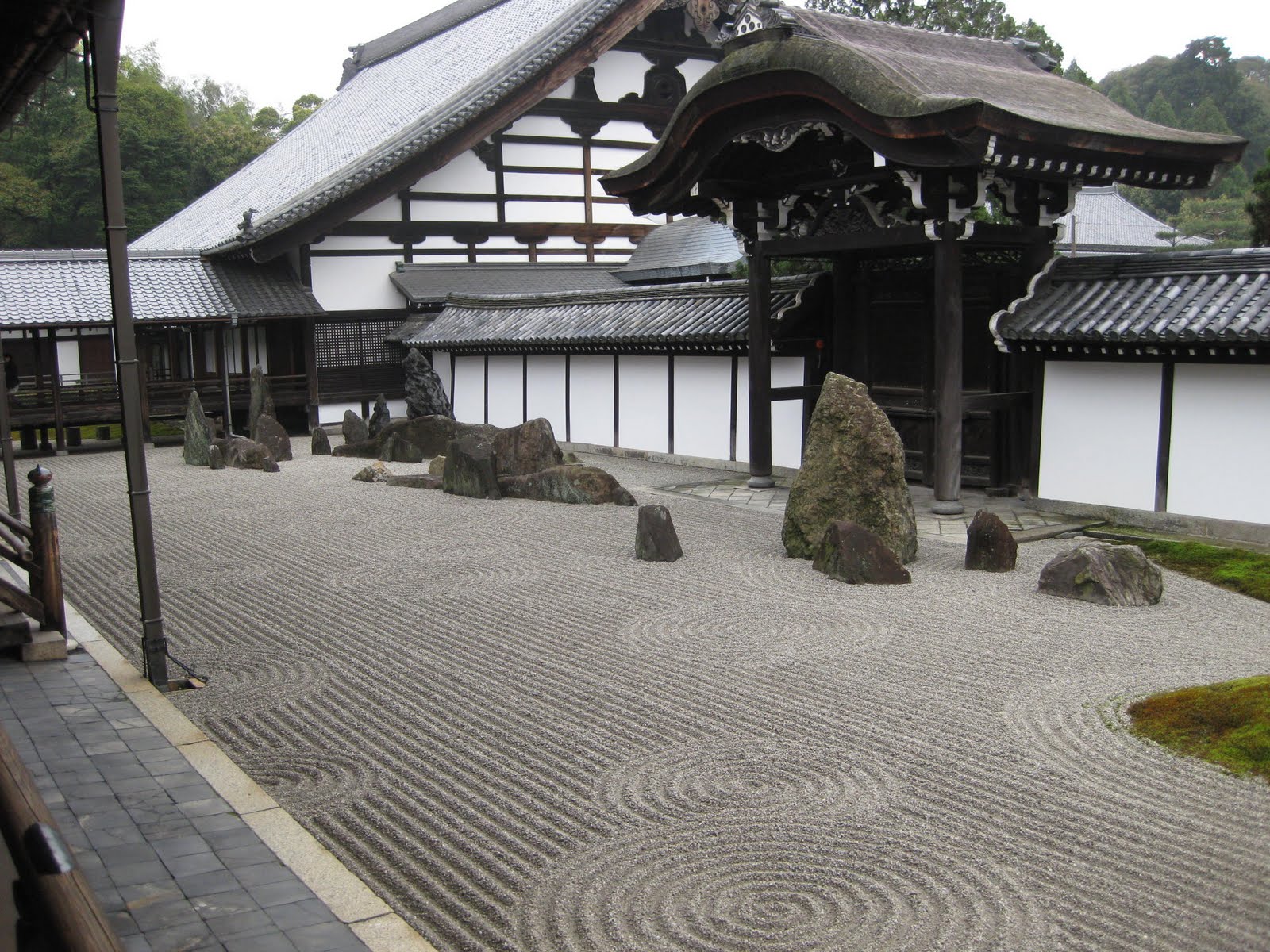
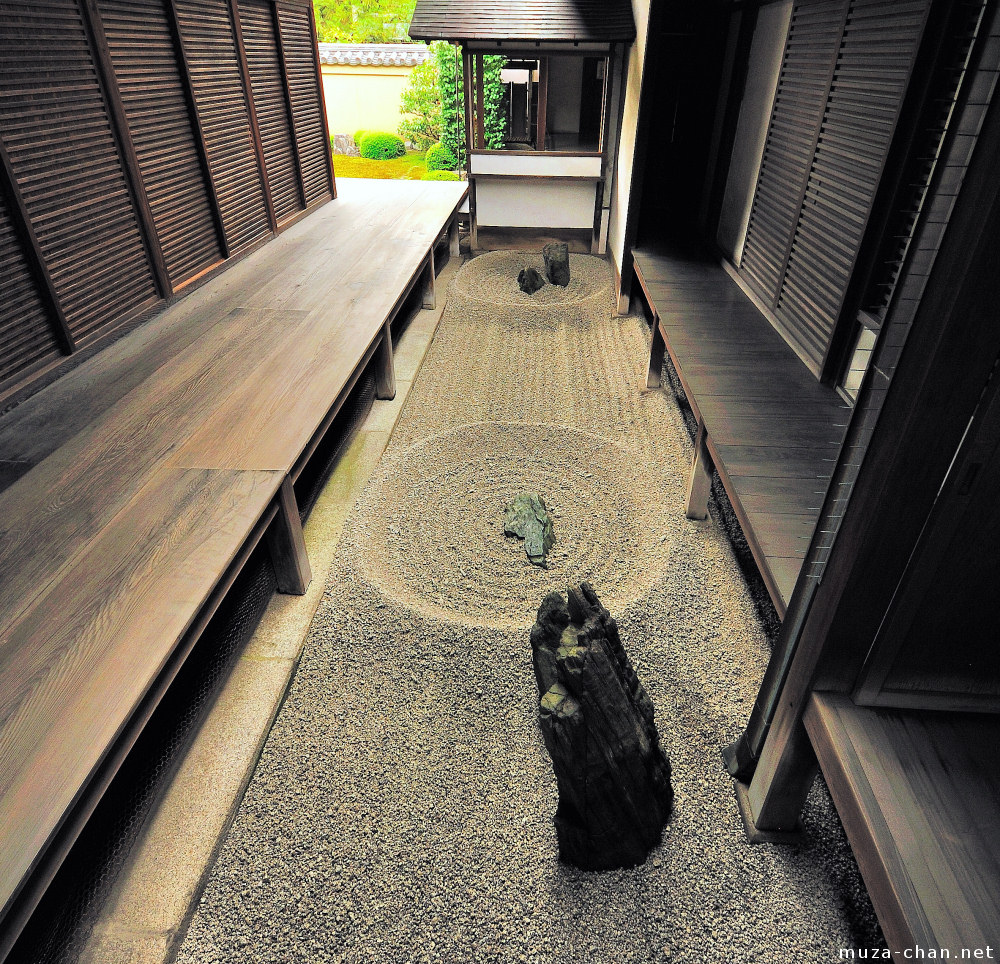
It is that same spare style which made me fall in love so many years ago with Japanese rock gardens which my wife and I visited in Kyoto during a trip to Japan. Here are pictures of some of the more beautiful of these gardens.

Kyoto Nanzenji rock garden

Kyoto Ryoanji-Rock-Garden

Kyoto Ryogen-in Rock-Garden-2

Kyoto Tofuukuji rock garden-2

Kyoto totekiko rock garden
When I saw these gardens, I vowed that some day, somewhere, I would make my own rock garden. I had to wait 15 years before I got my chance, in Vienna, in a corner of the large balcony which wrapped itself around our apartment. I bought the small stones in a garden store, I found two largish stones in the woods around Vienna (I nearly bust a gut carrying them to the car and then up the stairs to the balcony), and I strategically placed two small plants (also bought in the garden store) behind these stones. I cut saw teeth into a plywood plank to make a rough rake, and then I lovingly raked the small stones around the large stones to create a vision of ripples around rocky islets. The result was really not bad, even if I say so myself.

But we left the apartment, and with death in my heart I had to abandon my rock garden. But some day, somewhere, I’ll make another one, to contemplate it in my old age with peace in my heart.

____________________

Rock sculpture in the Forbidden City-2: http://www.annapoynter.net/pictures/China/IMG_2011.JPG [in http://www.annapoynter.net/Holidays.html%5D
Rock sculpture Suzhou-1: http://farm4.staticflickr.com/3016/2901558799_c71f5ea4d5_z.jpg [in http://www.flickr.com/photos/orangenation/2901558799/%5D
Rock sculpture Suzhou-2: http://upload.wikimedia.org/wikipedia/commons/e/ef/20090905_Suzhou_Lion_Grove_Garden_4502.jpg [in http://en.wikipedia.org/wiki/Chinese_garden%5D
Rock sculpture Suzhou-3: http://static.panoramio.com/photos/large/2984134.jpg [in http://www.panoramio.com/photo/2984134%5D
Scholar’s stone: http://www.mrlei.com/images/134/1.jpg [in http://www.mrlei.com/item.php?cat=rock&lang=%5D
Stone forest Yunnan: http://31.media.tumblr.com/54195fa03584bc1fbc2a488da1fb12d9/tumblr_mhd5vjD4wl1s2zxumo5_1280.jpg [in http://viajes-por-el-mundo.tumblr.com/post/41747655074/viajes-por-el-mundo-capitulo-81-karst-de%5D
Rock in front of building-1: http://2.bp.blogspot.com/_pxr81FiVJcw/SsHJAmLcQEI/AAAAAAAAAQU/6bdhavyfVu4/s320/IMG_1209.JPG [in http://tainanchineseclass.blogspot.com/2009_09_01_archive.html%5D
Rock sculpture in Chicago: http://2.bp.blogspot.com/-yHQ9FxAo-ZQ/TW0pQdVNXkI/AAAAAAAAcUM/LodlhBZ5_y8/s1600/LI-sculp-MP-007b.jpg [in http://chicago-outdoor-sculptures.blogspot.com/2009_04_01_archive.html%5D
Rock landscape Suzhou IM Pei Museum: http://www-tc.pbs.org/wnet/americanmasters/files/2010/03/full-rocklandscape.jpg [in http://www.pbs.org/wnet/americanmasters/episodes/i-m-pei/image-gallery-of-the-suzhou-museum/1570/%5D
Kyoto Nanzenji rock garden: http://www.lexaloffle.com/img2/jrg1.jpg [in http://www.lexaloffle.com/jrg.htm%5D
Kyoto Ryoanji: http://famouswonders.com/wp-content/uploads/2009/11/Ryoanji-Rock-Garden.jpg in [http://famouswonders.com/ryoanji-rock-garden/]
Kyoto Ryogen-in rock gardens: http://images.fineartamerica.com/images-medium-large/ryogen-in-zen-rock-garden–kyoto-japan-daniel-hagerman.jpg [in http://fineartamerica.com/featured/ryogen-in-zen-rock-garden–kyoto-japan-daniel-hagerman.html%5D
Kyoto Tofukuji rock garden: http://4.bp.blogspot.com/_bWbsTZVSaLw/S8uzFo1o2mI/AAAAAAAAAO4/tq11td38q3I/s1600/april-13+141.jpg [in http://kyotofreeguide-kyotofreeguide.blogspot.com/2010_04_01_archive.html%5D
Kyoto Totekiko rock garden: http://muza-chan.net/aj/poze-weblog2/totekiko-garden-ryogen-in-temple-kyoto-big.jpg [in http://muza-chan.net/japan/index.php/blog/smallest-japanese-zen-rock-garden-japan%5D

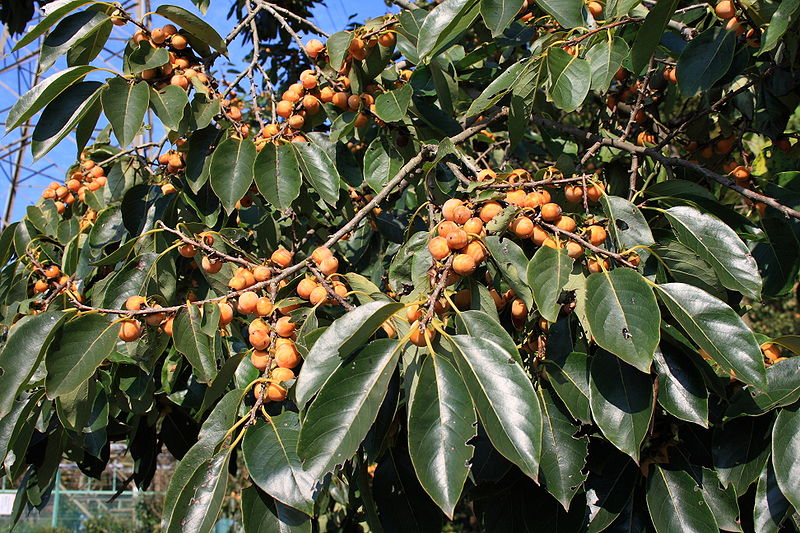
KAKI

Beijing, 3 November 2013

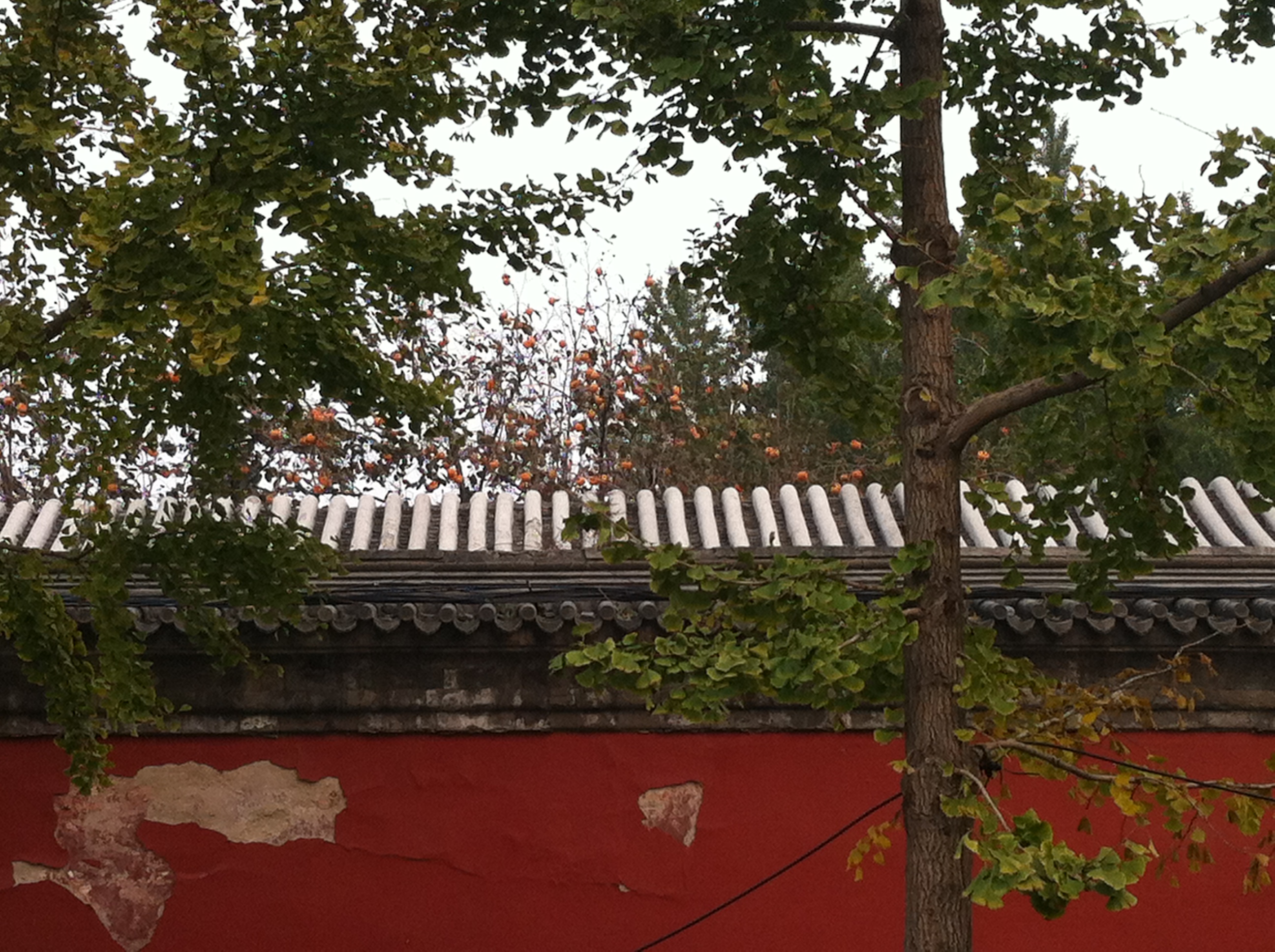
My wife and I went to an art show last weekend in an old temple located somewhere in the hutongs behind Beijing’s old drum tower (as a friend whom we met there said, “great space, great mulled wine, average art”). We went for a walk around the area afterwards, and I spied this kaki tree in full fruit peeping over a high wall.

kaki over temple wall 002

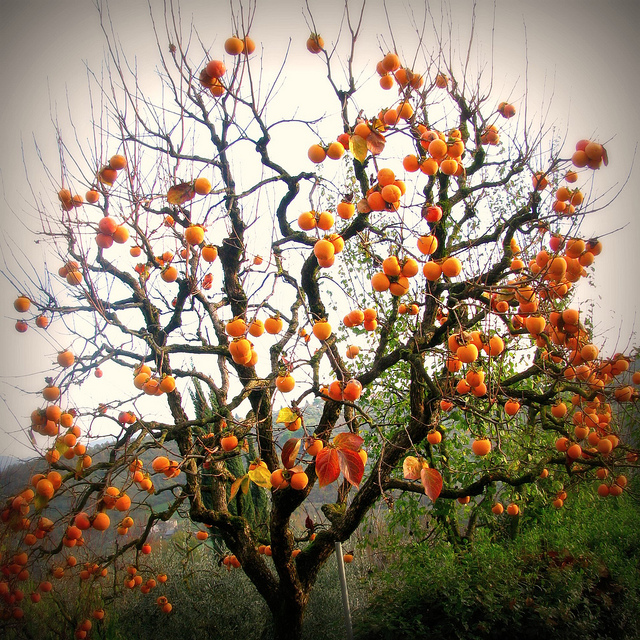
For those of my readers who can’t quite make out the tree in my picture, here is a much better take of the same species.

kaki

I realized that it was that time of the year again, when the kaki are fully ripened and ready to eat. And I suddenly noticed that all the Chinese grocers were filled with kaki.

I’ve noted in a much earlier posting that my wife brought much more food and culinary novelty to our marriage than I did. One of these was the kaki, which I first saw in Liguria during one of our trips out to the sea in the late months of the year.

cachi in liguria

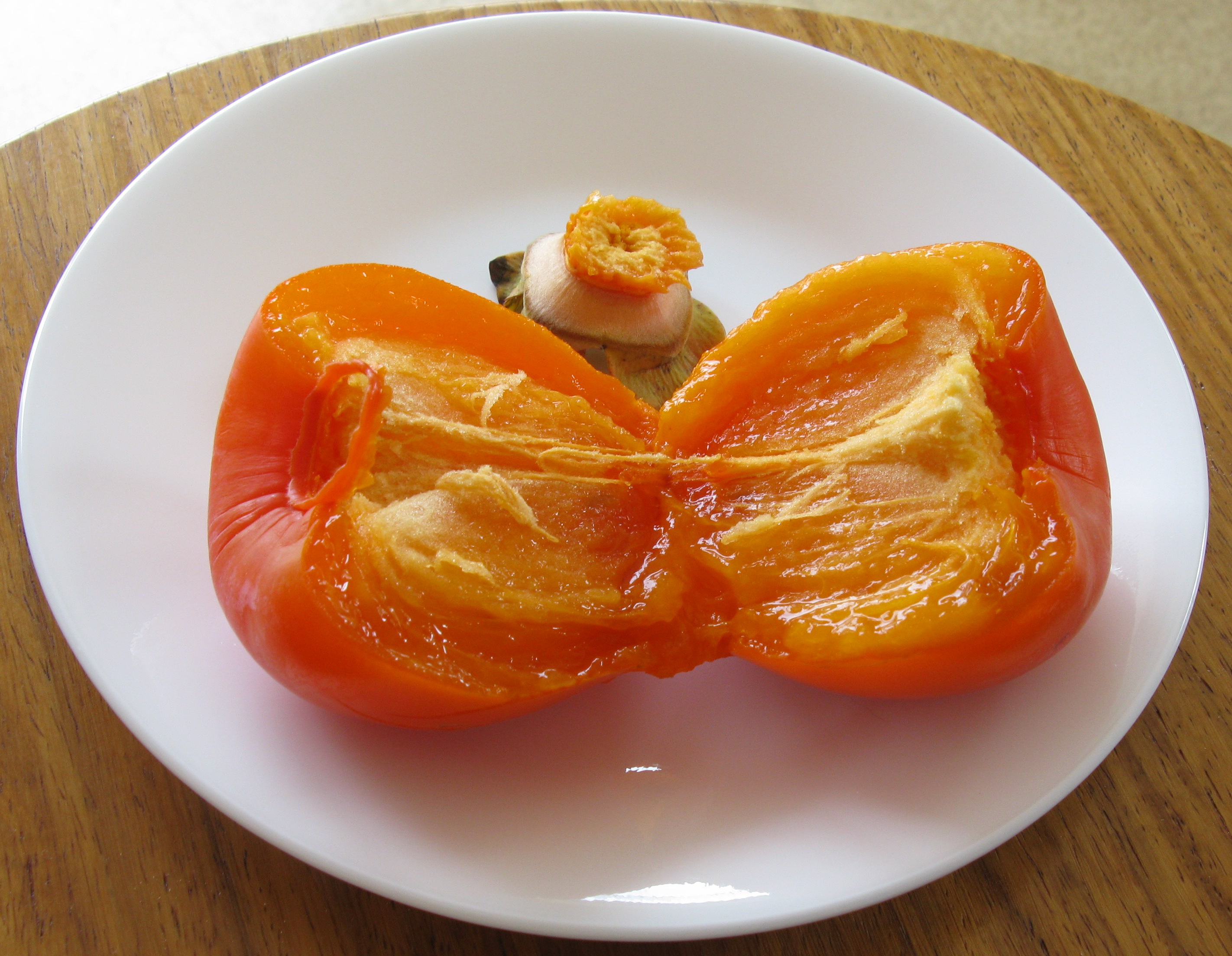
My mother-in-law was very fond of this fruit, but I must say I have never been convinced by it. I appreciate neither its mushiness nor its sweetness. I’ve eaten it but rarely during the years since I first discovered it, and every time I have been reinforced in my lack of enthusiasm for the fruit.

kaki fruit

Without really thinking about it much, I assumed that this tree and its fruit were native to the Mediterranean. I adopted the Italian spelling cachi as the original spelling. Imagine my surprise, then, when several years after my initial discovery of the fruit, we came across the tree laden with fruit during the trip which my wife and I made to Japan, and our Japanese companion informed us that it was called kaki. Kaki! The scales fell from my eyes. This must have originally been a Japanese tree, which was brought to Italy at some point – back in the 1800’s, I have since discovered. Another botanical species, like the ginkgo which I’ve written about earlier, which was trekked back to Europe during the first era of globalization.

Actually, I was wrong again! Because, like the ginkgo, the kaki is actually native to China and at some point got transported over to Japan – along with Buddhism perhaps? So if I were a linguistic purist I should switch to calling it shizi, which is its Chinese name. But I’m getting old and set in my habits. Kaki it will remain.

Talking of names, English-speaking readers may be asking themselves what the English name of the tree and fruit is. It was years before I asked myself that question and looked up cachi in an Italian-English dictionary. Persimmon, that’s what it is! Persimmon … that was a word which had hovered on the far horizons of my linguistic knowledge. I’d heard it spoken or maybe seen it written, I knew vaguely it was a fruit, but that was it. It sounds such an upper-class English name, don’t you think? Like Fitzwilliam or the Duke of Buccleuch. So it was another surprise to me to discover that persimmon is actually an English transliteration of the word pasiminan or pessamin, an Algonquian word from the eastern United States. Another result of the first era of globalization, in this case the colonization of North America. Because there is also a species of kaki that is native to Eastern North America, the American Persimmon.

American persimmon-tree

American persimmon-fruit

I prefer the formal Latin name Diospyros virginiana, which suggests to me that it was in the British colony of Virginia that the Brits first came across the tree.

By the way, there is actually a species of Diospyros which is native to the Mediterranean; actually, its range is somewhat broader, stretching from Southeast Europe to Southwest Asia. In English, it’s called the date-plum tree. Apparently, the fruit’s taste reminds one of both plums and dates.

date plum diospyros lotos-tree

Maybe I’m pushing this globalization thing too far, but I see another strand of globalization in that name. It is a literal translation of the Persian name for the tree and its fruit: khormaloo. In the earlier period of globalization, American colonists were content to simply anglicize the Native American name. But in a later, more learned period of globalization, when some more academic Brits actually learned the foreign languages which the expanding British Empire was coming into contact with, rather than call the tree, say, cormalew, they preferred to translate the original name.

Actually, the Latin name of this species of kaki, Diospyros lotos, is even more interesting. It refers to a belief in Greece that this fruit could have been the lotus fruit mentioned in Homer’s Odyssey. According to that story, the lotus fruit was so delicious that those of Odysseus’s men who ate it forgot about returning home and wanted to stay and eat lotus with the native lotus-eaters. I throw in here a screenshot from an electronic game based on Odysseus’s story; the fruit looks vaguely kaki-like (amazing what they will make electronic games about …)

lotus eaters-2

Personally, I can’t think that kaki is the lotus-fruit. All that squishiness and mushiness would definitely not make me stick around.

______________

Kaki over the wall: my picture
Kaki: http://www.flickr.com/photos/giagir/5185254421/sizes/z/in/photostream/ [in http://www.flickriver.com/photos/giagir/5185254421/%5D
Cachi in liguria: http://www.flickr.com/photos/ciric/3032113542/sizes/z/in/photostream/ in [http://www.flickr.com/photos/ciric/3031273027/]
Kaki fruit: http://upload.wikimedia.org/wikipedia/commons/0/01/Diospiros_kaki_Fruit_IMG_5472s.JPG [in http://en.wikipedia.org/wiki/Persimmon%5D
American persimmon tree: http://3.bp.blogspot.com/-hroimehTRQk/TlPhN7euB8I/AAAAAAAAAds/lBlwEER714k/s1600/persimmon4.jpg [in http://tcpermaculture.blogspot.com/2011/08/permaculture-plants-persimmons.html%5D
American persimmon fruit: http://4.bp.blogspot.com/-b3lVcZ8FOnw/TlPgCINg7VI/AAAAAAAAAdk/LQCyiQYUw2c/s1600/Persimmon3.png [in http://tcpermaculture.blogspot.com/2011/08/permaculture-plants-persimmons.html%5D
Date plum-tree: http://upload.wikimedia.org/wikipedia/commons/thumb/6/63/Diospyros_lotus_01.jpg/800px-Diospyros_lotus_01.jpg [in http://en.wikipedia.org/wiki/Date-plum%5D
Odysseus and the lotus eaters: https://lh5.googleusercontent.com/-2uTp30FUU4E/UaHOcmkRBwI/AAAAAAAACsY/UU21szj7LBk/s1280/013_Lotus_Eaters.jpg  [in http://www.gamrgrl.com/2013/05/walkthrough-odyssey-hd.html%5D

AUTUMN LEAVES

Beijing, 23 October 2013

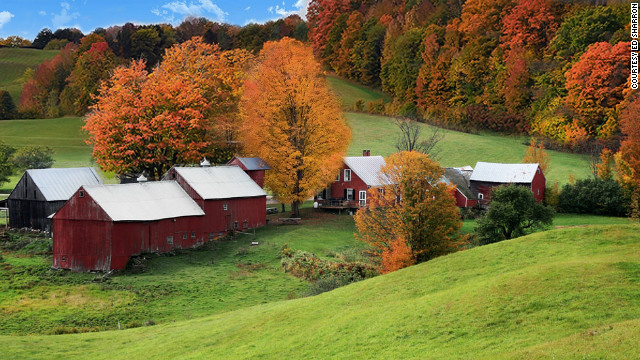
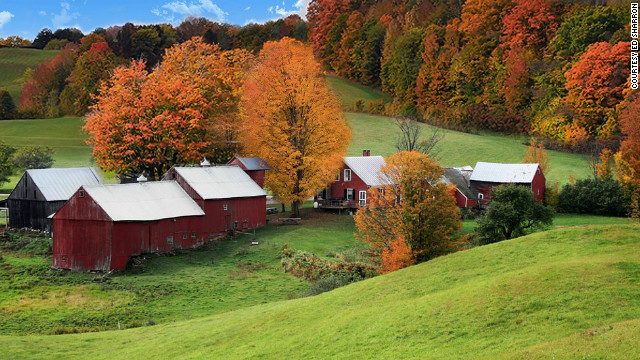
It’s that time of the year in the northern hemisphere when the trees begin to lose their leaves. If we’re lucky, depending on where we’re perched on that hemisphere, we can witness the glorious spectacle of leaves turning intensely red, orange or yellow before they expire and finally float to the ground. My wife and I had such luck some thirty years ago, when we went “leaf peeping” in Vermont.

vermont fall foliage

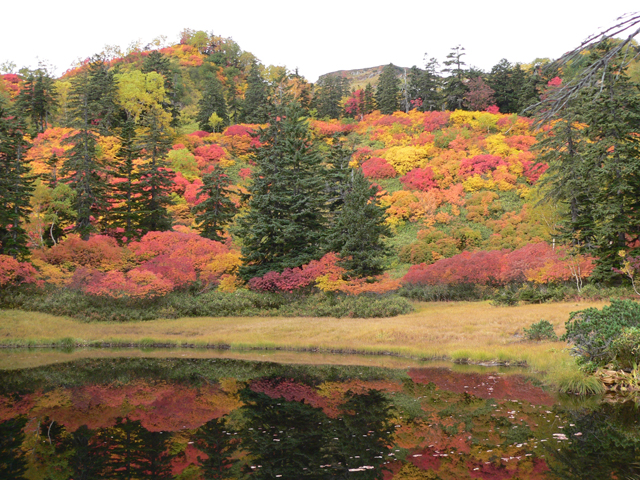
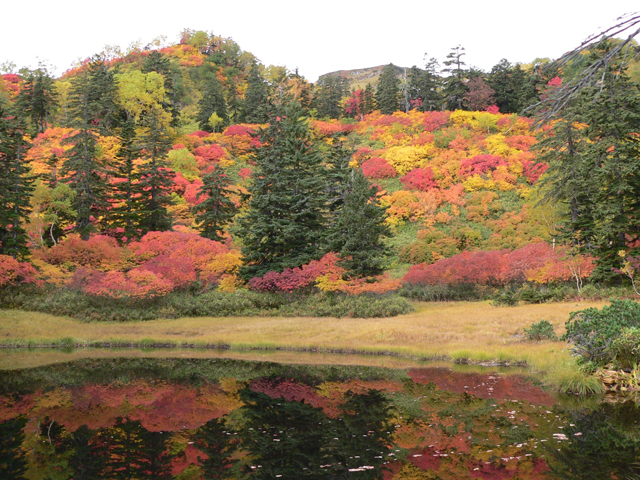
We had such luck an equally long time ago in Hokkaido, the northern island of Japan

hokkaido fall foliage

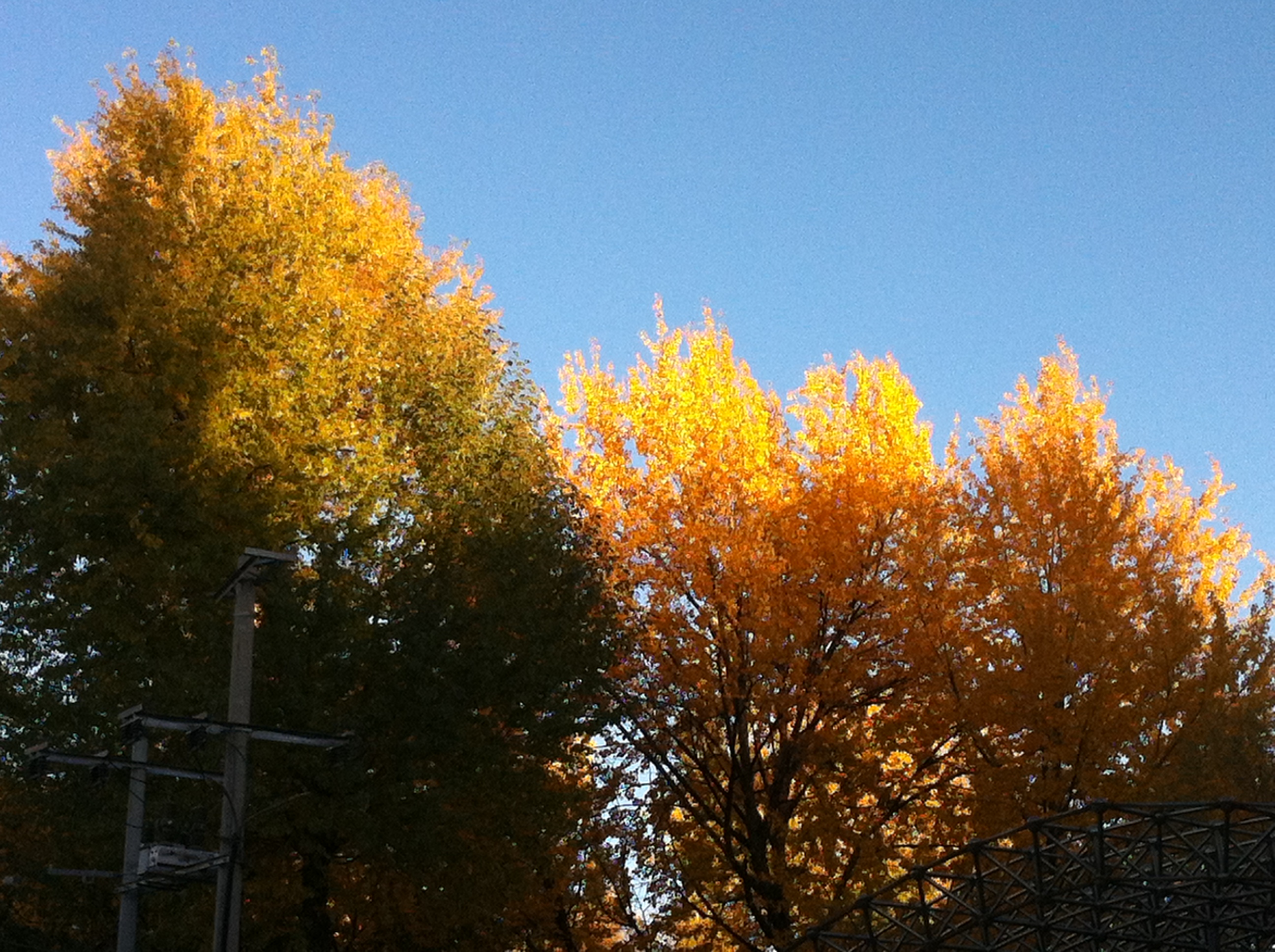
And I had such luck, alone this time, on my recent trip to Qinghai province, where the poplars were turning bright, golden yellow.

trees in fall

Alas, we have no such luck in dirty, dusty, smoggy Beijing. The leaves here go a little bit yellow, or just plain brown, before dropping miserably to the ground.

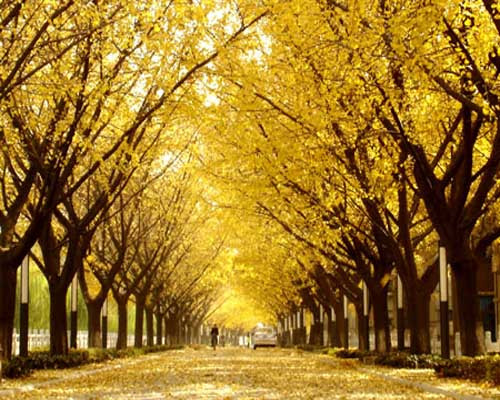
The partial exception is the ginkgo.  Ginkgos are popular trees to plant along streets. They tolerate well pollution and confined soil space, admirable traits for a tree growing in Beijing. And they look handsome, in the summer

ginkos 001

but even more so in the autumn

gingkgo trees autumn

Strange trees, ginkgos. The name already is odd. It was years before I realised that the “k” actually comes before the “g”. Who on earth came up with that spelling? A Dutchman called Engelbert Kaempfer, that’s who, back in the late 17th Century. He was the first European to see a gingko – sorry, ginkgo – in Japan. When he reported it to the European world, he seems to have stumbled over his transcription of the Japanese name ginkyō: what should have been written “ginkio” or “ginkjo” somehow got written as ginkgo.

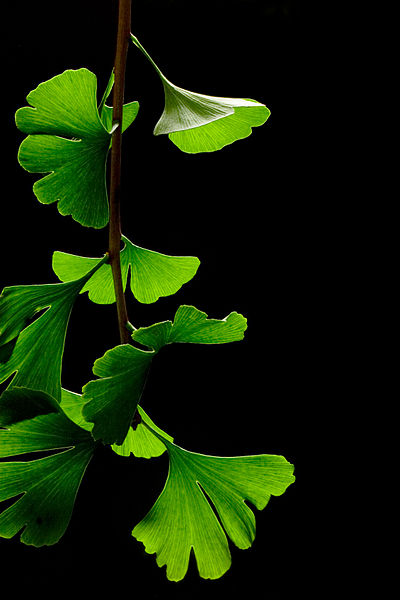
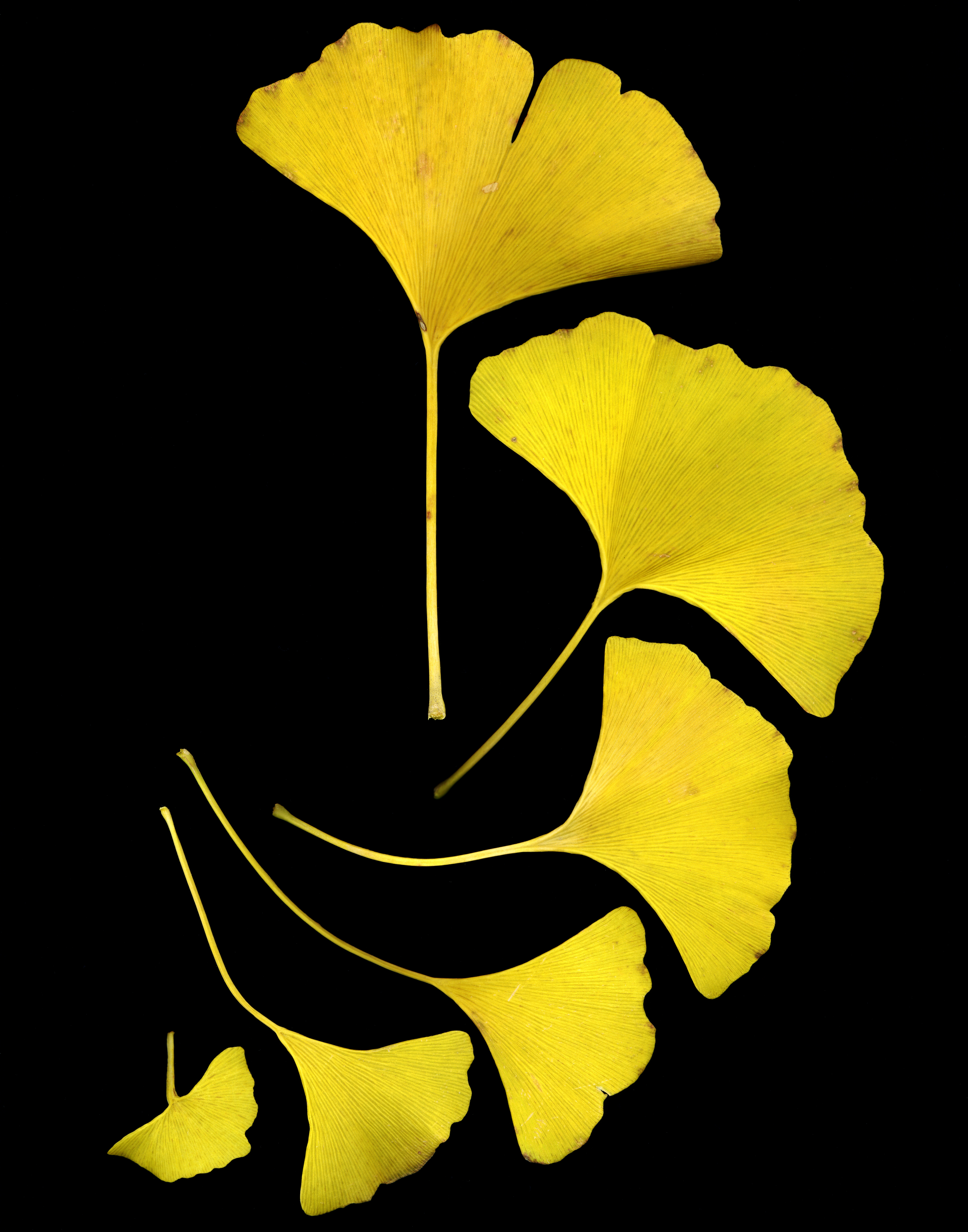
That double-lobed leaf is odd, too.

Ginkgo Leaves summer

In fact, it’s unique among seed plants. Unique, because the ginkgo is a living fossil. This fossilized ginkgo leaf

fossil ginkgo leaf

is 40 million year old, although the ginkgo is far older. It first appears in the fossil record some 200 million years ago. It did nicely for the first 100 million years or so but then it went into terminal decline. Its range shrank and shrank, the various ginkgo species disappeared, until only ginkgo biloba survived, and survived only in China.

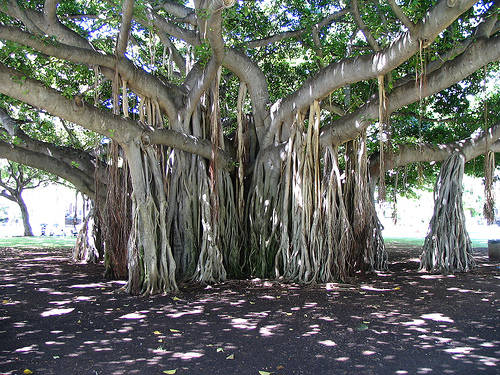
In fact, even the ginkgo biloba probably wouldn’t have survived if it hadn’t been for Buddhism coming to China. There’s a lot of debate about whether or not the ginkgo trees currently found in the wild in China are truly wild or simply feral, that is, grown from seeds that wafted away from domesticated trees. What is sure is that Buddhist monks took to planting ginkgos in their temples as their local version of the bo-tree, the sacred fig tree under which it is said that the Buddha attained enlightenment.

sacred fig

and of course the ginkgo then got included in the Chinese Buddhist iconography – look at those ginkgo leaves peeping behind the buddha:

maitreya buddha under ginkgo

The ginkgo, having thus gained enormously in stature as a sacred tree, was carefully nurtured by all and sundry and survived – and got carried by Buddhism to Korea and Japan, where our friend Engelbert saw it.

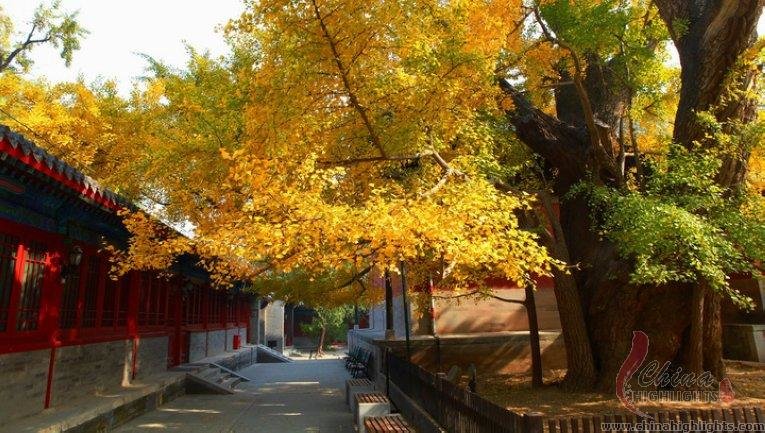
So I suppose it’s really best to admire the ginkgo in the environment which saved it from probable extinction, a Buddhist temple like this one, Dajue temple in the western hills near Beijing.

ginkgo fall dajue temple

___________________

Vermont fall foliage: http://i2.cdn.turner.com/cnn/dam/assets/120911072551-leaf-peeping-vt-jenne-farm-ed-sharron-story-top.jpg [in http://www.cnn.com/2012/09/21/travel/fall-leaf-peeping-autumn/%5D
Hokkaido fall foliage: http://4.bp.blogspot.com/-HK-XCKr055I/UGvr1pwda3I/AAAAAAAAGc8/oe2ckytpNRk/s1600/%E7%A7%8B%E3%81%AE%E9%AB%98%E5%8E%9F%E6%B8%A9%E6%B3%892.jpg [in http://talk-hokkaido.blogspot.com/2012/10/autumnal-foliage-around-daisetsu.html%5D
Qinghai fall foliage: my picture
Ginkgo trees along the street: my picture
Ginkgo trees autumn: http://chinatour.net/member/wp-content/uploads/2012/09/gingkgo.jpg [in http://chinatour.net/beijing/tour/autumn/%5D
Ginkgo leaves summer: http://upload.wikimedia.org/wikipedia/commons/thumb/f/f5/Ginkgo_Biloba_Leaves_-_Black_Background.jpg/400px-Ginkgo_Biloba_Leaves_-_Black_Background.jpg [in http://en.wikipedia.org/wiki/Ginkgo_biloba%5D
Ginkgo leaves autumn: http://upload.wikimedia.org/wikipedia/commons/7/78/GinkgoLeaves.jpg [in http://en.wikipedia.org/wiki/Ginkgo_biloba%5D
Fossil gingko leaf: http://upload.wikimedia.org/wikipedia/commons/c/c5/Ginkgo_biloba_MacAbee_BC.jpg [in http://en.wikipedia.org/wiki/Ginkgo%5D
Sacred fig: http://img.xcitefun.net/users/2009/09/117740,xcitefun-sri-maha-bodhi-tree-2.jpg [in http://forum.xcitefun.net/sri-maha-bodhi-sacred-fig-tree-sri-lanka-t38289.html%5D
Maitreya Buddha sitting under ginkgo: http://www.asia.si.edu/collections/zoom/F1911.411.jpg
Ginkgo Dajue temple: http://images.chinahighlights.com/2012/11/4c1ed9eaebda4d74a20d96f4.jpg [in http://www.chinahighlights.com/beijing/article-see-golden-ginkgoes.htm%5D

KARAOKE ON THE GRASSLANDS

Beijing, 31 July 2013

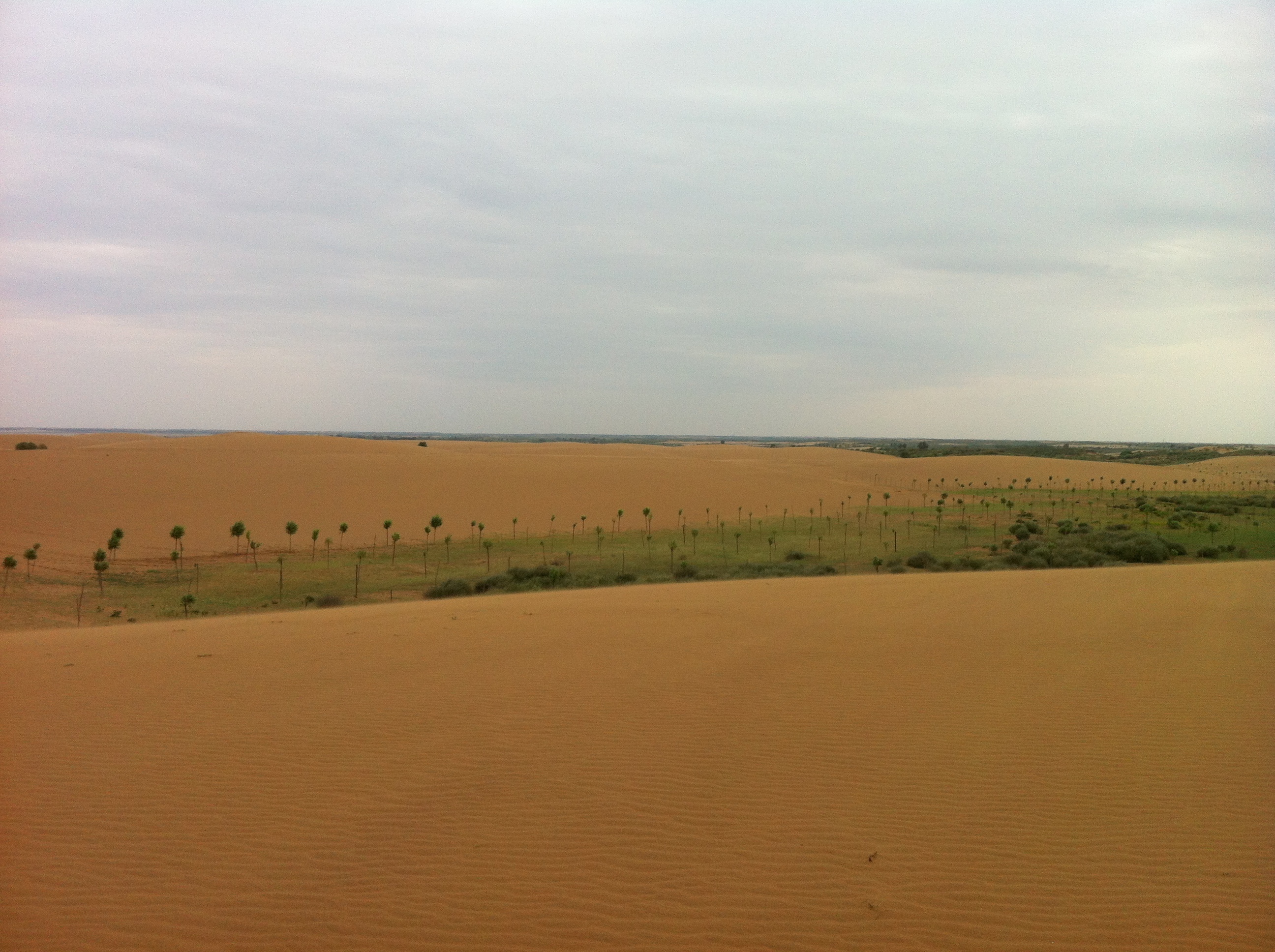
Well not really the grasslands. We were more where the grasslands of Inner Mongolia meet one of the province’s deserts, whose dunes are gradually invading the grasslands.

mission 001

The government has been struggling for decades to stop the dunes in their tracks. It has had some success, but only some. We were visiting a man who was trying something new. He wanted to make a sustainable business of desert-control (something which the government is incapable of). He was contracting local farmers to plant sand willow bushes on the dunes, paying them to coppice the willows every three-four years, burning the resulting biomass in a small power plant, and selling the electricity to the local grid. Finally, with a small portion of the carbon dioxide emissions he was growing Spirulina in ponds around the power plant to sell as a food supplement.

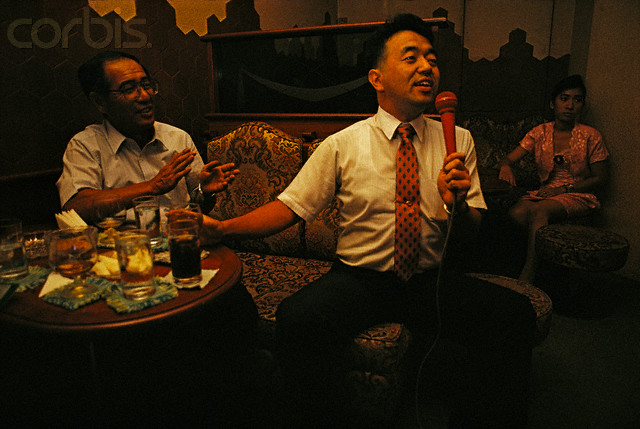
Very impressive. But actually what I want to write about today is the cultural highlight of the trip, the evening’s karaoke session. After the usual banquet, with its toasts and pledges of eternal friendship, we were all ushered downstairs into the hotel’s rec room. It actually wasn’t clear to either me or my colleague what was going on until an English-speaking member of the company staff brightly informed us that we were going to have a karaoke session. My colleague looked at me. This is not what we had signed on for. But what to do, you have to follow local practice. So putting a brave face on it, we followed everyone into the room and took our seats facing the screen. What would we be invited to sing, we timidly asked? “Edelweiss”, we were informed. Well at least I roughly knew that song. The first couple of songs were Chinese – popular ones, by the smiles and nods around the room – and were belted out, first by the General Manager and then by the Deputy General Manager (I felt that the GM looked somewhat peeved with the DGM’s performance; was it somewhat better than his?). Then came our turn. My hands gripping the mike were slightly sweaty. Julie Andrews and Christopher Plummer, dressed to the nines in their Austrian costumes from “The Sound of Music”, danced onto the screen, the music swelled, the words appeared helpfully on the screen, and it was all systems go.

sound of music

In all modesty, I think our performance was quite creditable. My colleague and I managed to follow the verses more or less in tune and in time, and I was able to give a satisfying Frank Sinatra-like croon to the chorus. We certainly got enthusiastic applause at the end – perhaps in the manner that parents energetically clap at performances in kindergartens, to encourage the little ones. This gave us the courage to accept to do another song later in the evening. Here, my colleague took the lead. He knew the song, while I had no idea of either tune or words and just hummed along helpfully. Shortly afterwards, the session wound down and we all stumbled off to our rooms.

It’s a rum thing, this karaoke. I remember back in the 70s when it first appeared on our radar screens in the West as another Japanese export, along with Sony walkmans. I remember how we tittered at these pictures of staid, middle-aged Japanese businessmen singing what we were told were pop love songs, somewhat out of tune. I mean really, did these people feel no embarrassment?

Japanese Businessmen in Karaoke Bar

We might have tittered, but karaoke swept through the rest of Asia, becoming all the rage. My first (and until Inner Mongolia, my only) encounter with karaoke had been in the 90s, in Malaysia. There too our hosts had declared what fun it would be to spend an evening karaoking and dragged me and two very reluctant English colleagues off to a karaoke bar. We got away with singing Beatles songs – “Michelle, Ma Belle” went down particularly well with our hosts, as I recall. And as far as I can make out, karaoke is now making serious inroads everywhere else in the world. The film “Duets”, with that wonderful, wonderful actor Paul Giamatti who plays a stressed-out businessman going AWOL from job and family and becoming a karaoke devotee, is surely showing us that the desire for singing our hearts out in front of others is spreading.

paul giamatti-1

What is it that makes people willing to bare their souls through singing? Well, music – like sex, delicious food and (alas!) certain drugs – increases the levels of dopamine in our brains, which we feel as pleasure. So when we sing we increase our pleasure levels, and hopefully those of others around us (if we don’t sing too awfully …). And why would music have this effect? Because probably it thereby helped our ancestors to share emotions, to work together, in a word to bond. And that helped us to survive. Those readers who are interested in all this should read “The Singing Neanderthals: The Origins of Music, Language, Mind and Body” by Steven Mithen. Great book.
singing neanderthals

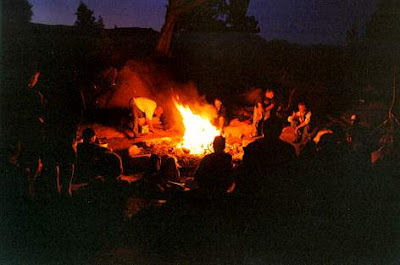
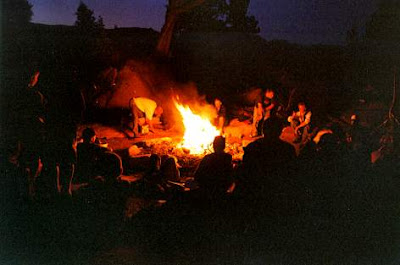
So I suppose this explains why I liked singing around the campfire in the Scouts, the closest I have ever got to living like a Cro-Magnon man …

bot scout campfire

.. why the massed choir which I heard singing Carmina Burana decades ago at York University brought out goosebumps all over my body …

carmina burana choir

… and why my heart is torn from its place every time Violetta in Verdi’s “La Traviata” sings to the loss of her love, whom she is giving back to his father and to bourgeois respectability.

la traviata

__________________________

Sand dunes of Inner Mongolia: my picture
Sound of music: http://24.media.tumblr.com/tumblr_mdtx7kdI111qc1i8lo1_500.gif
Japanese businessmen karaoking: http://www.corbisimages.com/images/Corbis-42-15959733.jpg?size=67&uid=b4af3e21-08c3-4b08-be43-4e83d45b134a
Paul Giamatti-1: http://images.dailyfill.com/7f3ed4d25d034a68_9ea55287e2c98de4_o.jpg
Singing Neanderthals: http://www.hachette.com.au/cover/large/9780753820513.jpg
Boy scouts campfire: http://4.bp.blogspot.com/-aMXEdTSATSU/UAbGYL5LNgI/AAAAAAAAFAE/7TPQ72FLd5k/s400/campfire.jpg
Carmina burana choir: http://sz-n.com/wp-content/uploads/2013/06/0192-e1370696994658.jpg
La Traviata: http://upload.wikimedia.org/wikipedia/commons/f/f7/La_Traviata_-_Giorgio_Germont,_Violetta_Valerie_und_Annina.jpg

TEMPLES IN LAOS

Luang Prabang, 20 February 2013

I must confess to a certain weakness for the Buddhist temples in this part of the world. I first came across them nearly thirty years ago (Good Lord, is it really that long ago?) when my wife and I visited Japan. My photos of that trip are packed away with all the rest of our stuff in Vienna, so I’ve borrowed a few pictures from the web to refresh my memory, all from Kyoto, a wonderful place. This is Kiyomizu-ji.

kyoto-temple-1

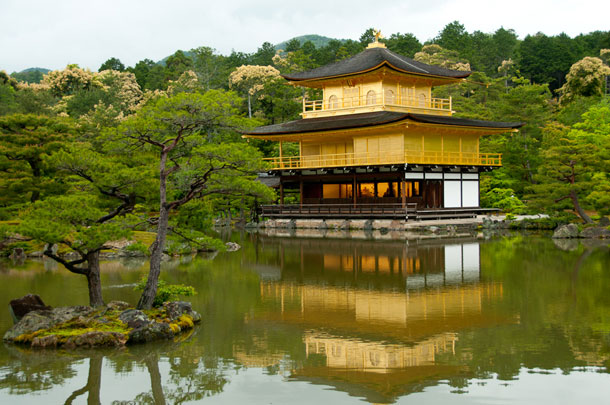
But probably the most iconic temple of them all in Kyoto is Kinkaku-ji, the Temple of the Golden Pavilion.

kyoto-temple-2

Look at that delicate architectural tracery embedded so naturally, so lightly, in the surrounding greenery.

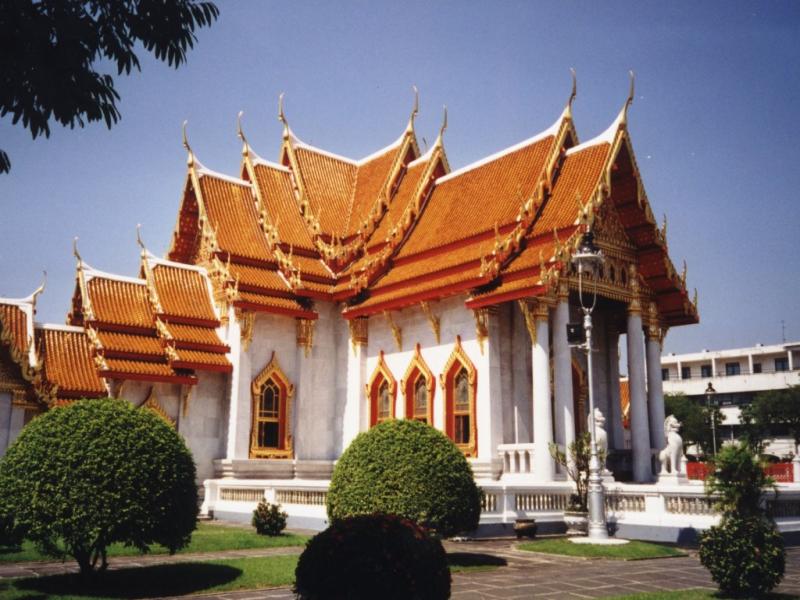
Many years later, my wife and I saw another style of Buddhist temple in Bangkok during a brief stay there on our way to Angkor Wat. This is Wat Benchamabophit:

bangkok-temple-1

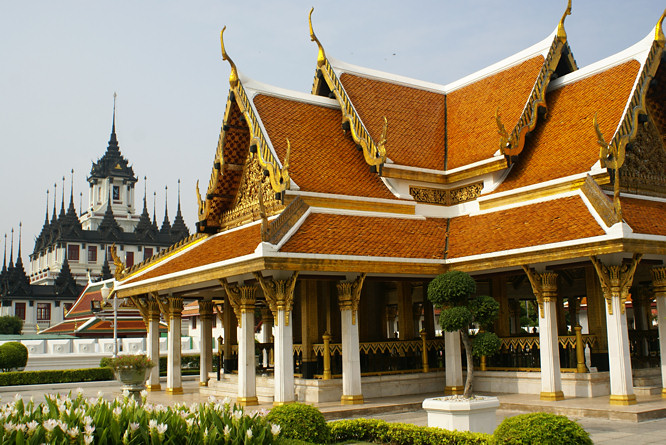
And this Wat Ratchanatdaram:

bangkok-temple-2

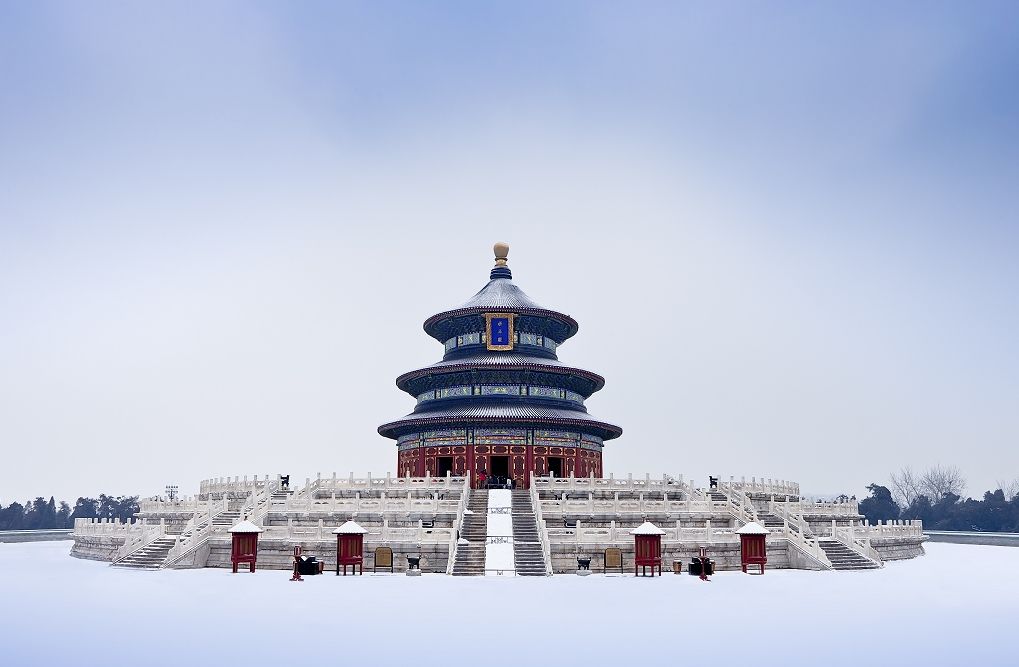
And then, once here in China, we saw yet another style, a heavier, more “imperial” style. The Temple of Heaven in Beijing is one of the nicer examples.

Temple-of-heaven-3

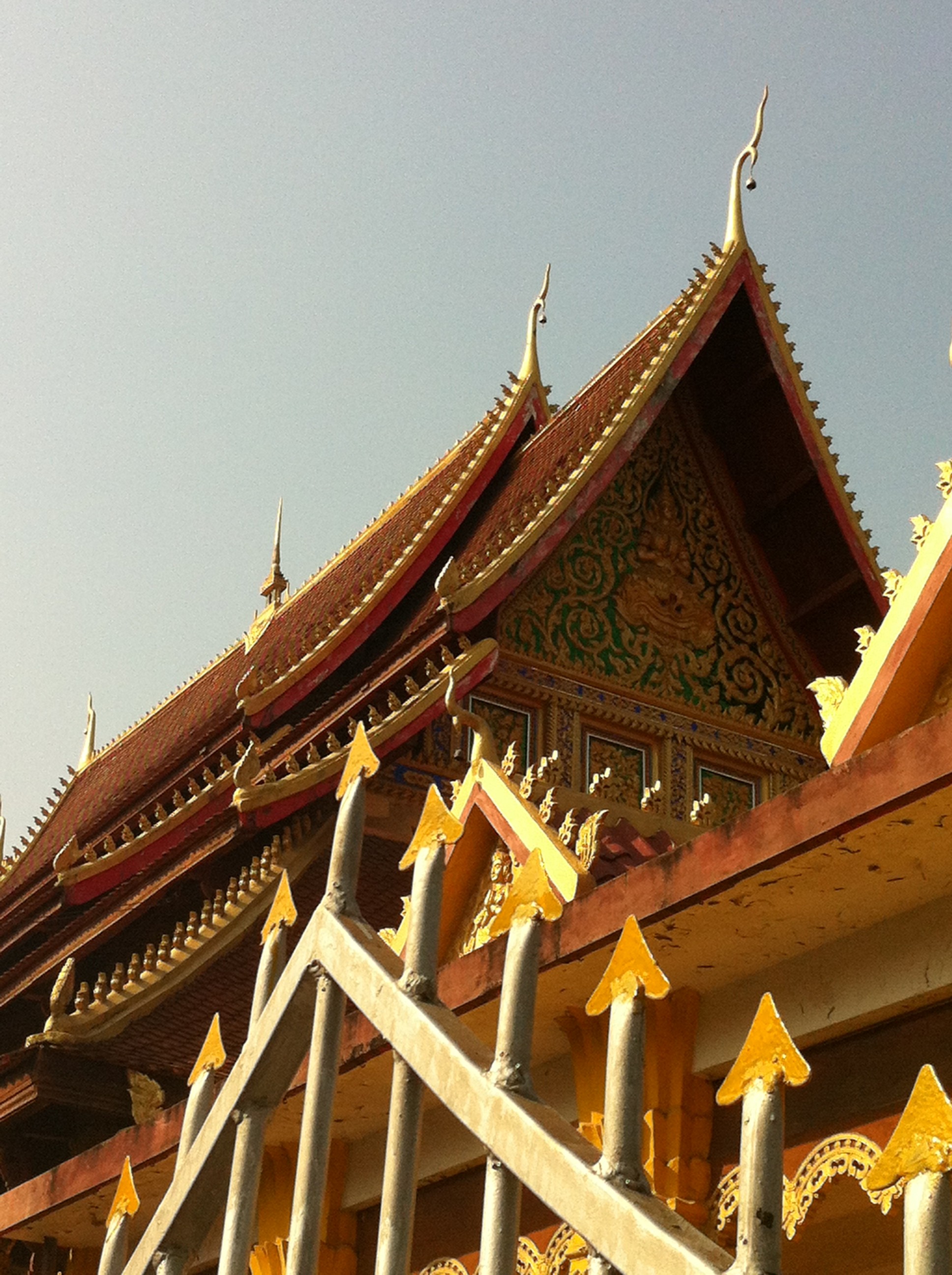
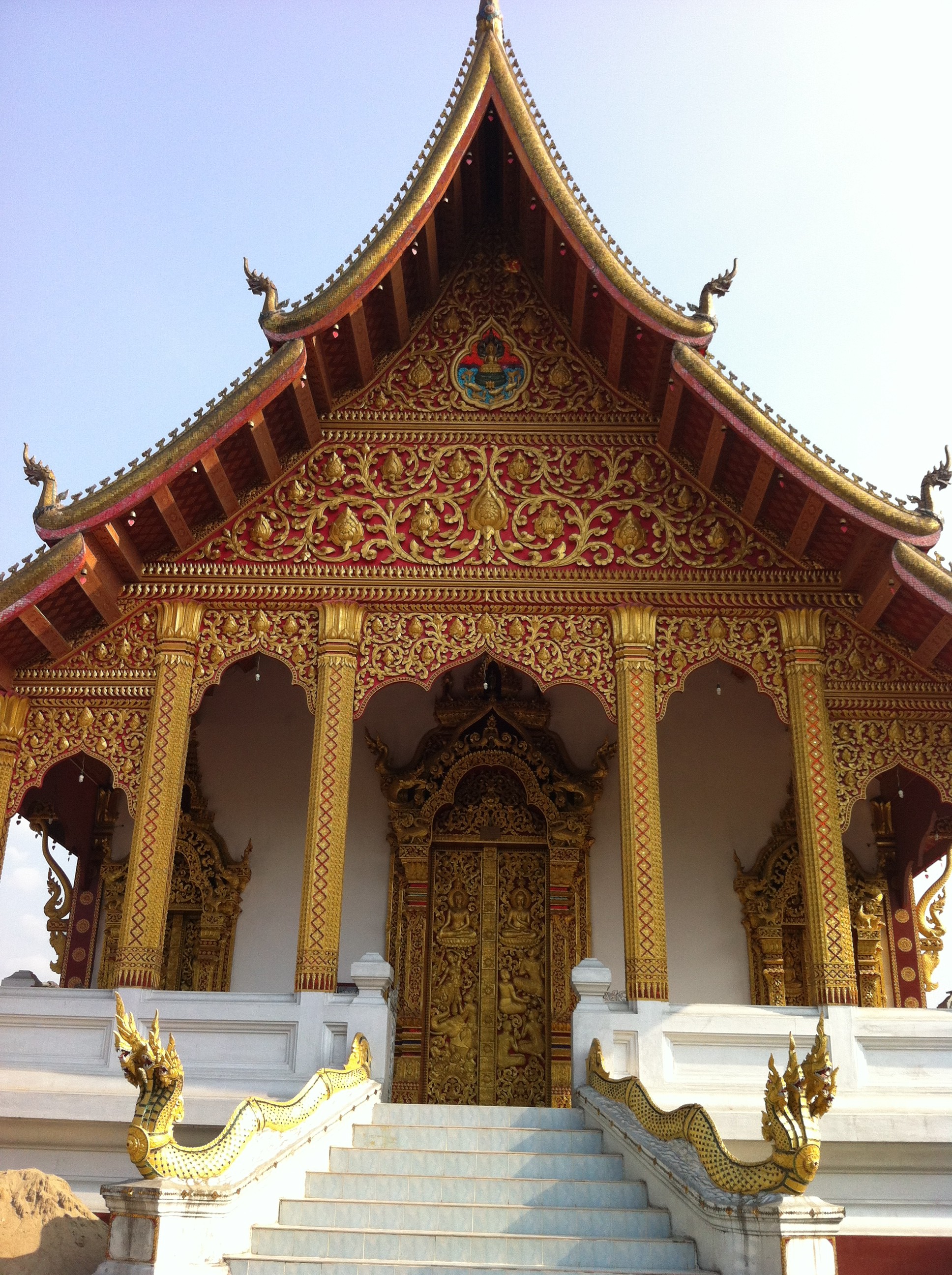
All quite different. But I think you will agree that there is a common thread: the raking of the roofs. I don’t know what it is, but this lift of a roof at its tip really gives a wonderful grace to a building, even a rather heavy, stodgy building like the Temple of Heaven.

So it was with pleasure that we saw this again in Laos, first in Vientiane:

laos 076

laos 103

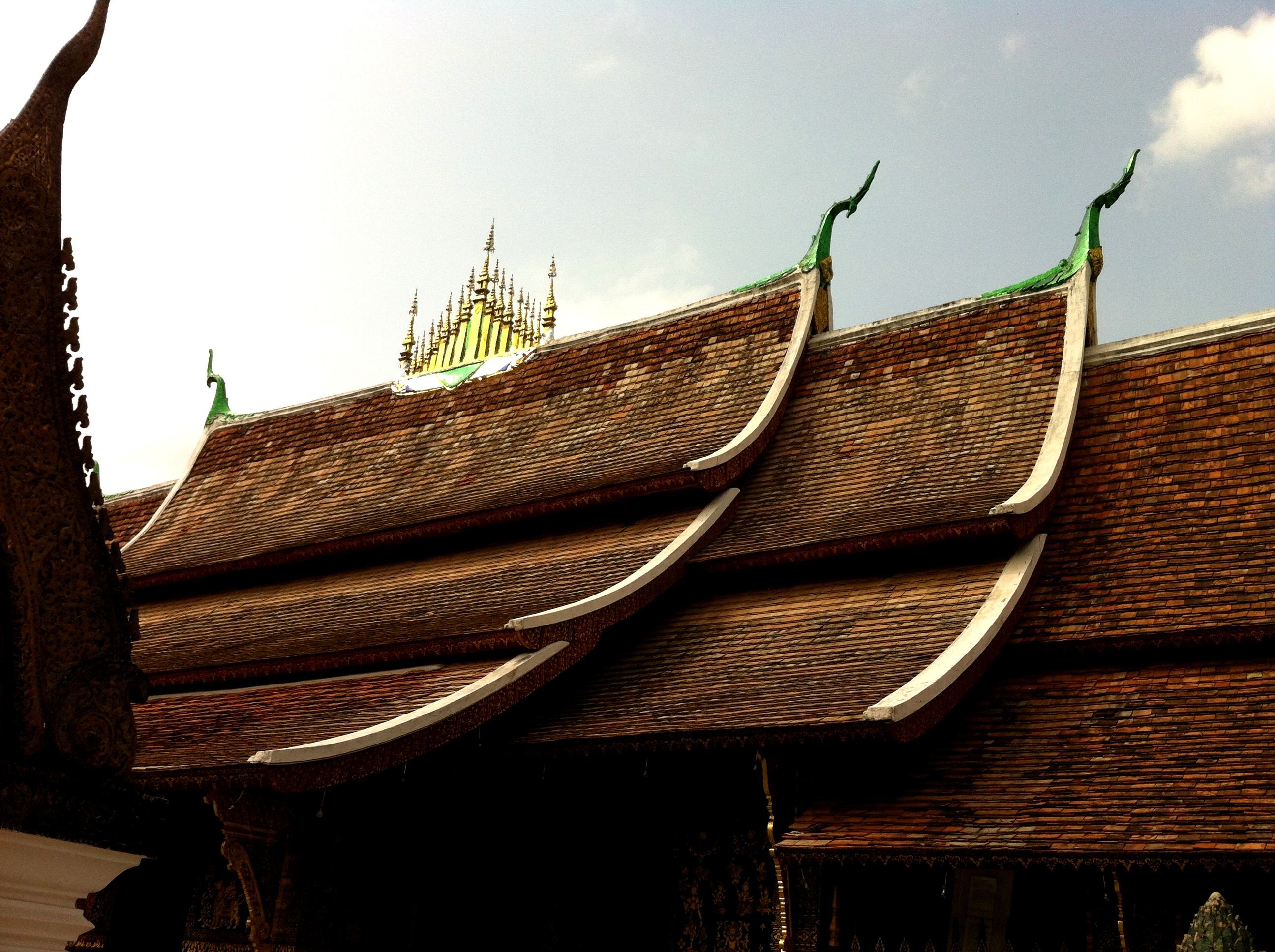
Then in Luang Prabang:

laos 287

laos 319

I saw other things that warmed the cockles of my heart, like this for instance:

laos 412

laos 405

This is where I can refer the reader back to my previous post. What we’re seeing is the similar use of paintings to educate the faithful in two places that are nearly 9,000 kilometres apart. The Italians have an expression for this, tutto il mondo è paese, the whole world is but a village; in the end, we’re all the same wherever we live. In the previous post, it was my young daughter who was illiterate. In this case, it was me – and alas, I had no-one who could explain the story which the paintings were telling.

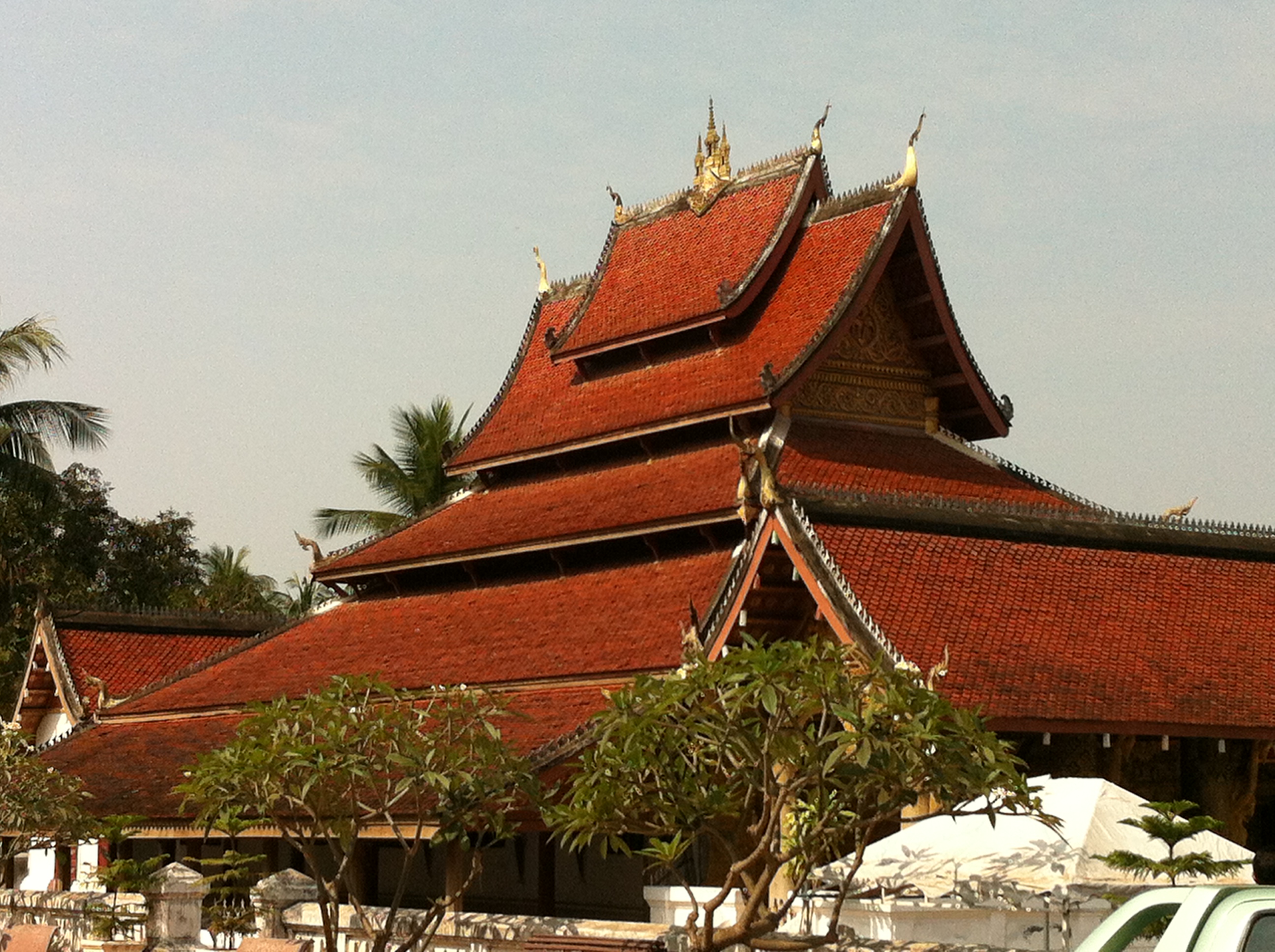
We also liked the way that the temples had different roofs piled one on the other.

laos 365

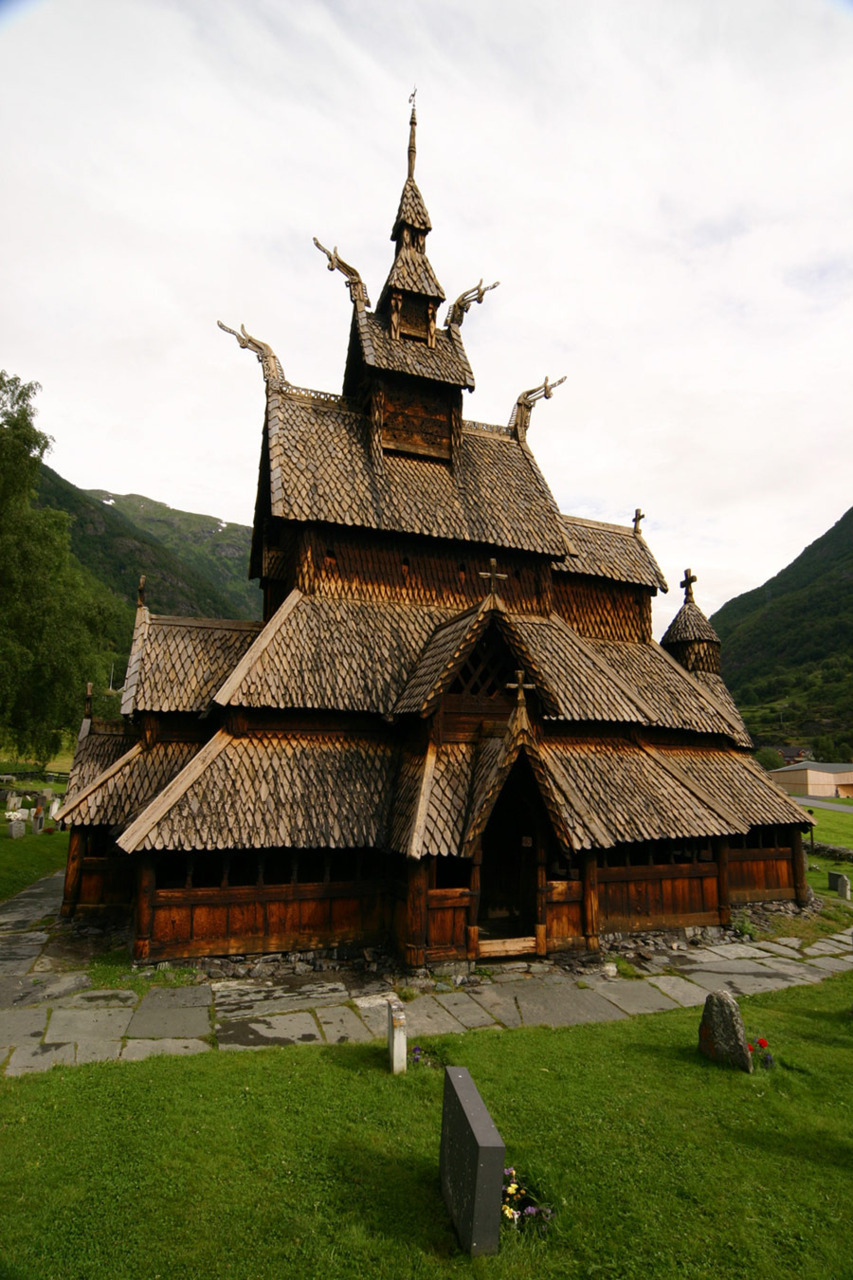
It quite reminded us of the stave churches in Norway, several of which we had visited some five years ago:

norwegian-stave-church

Tutto il mondo è paese.

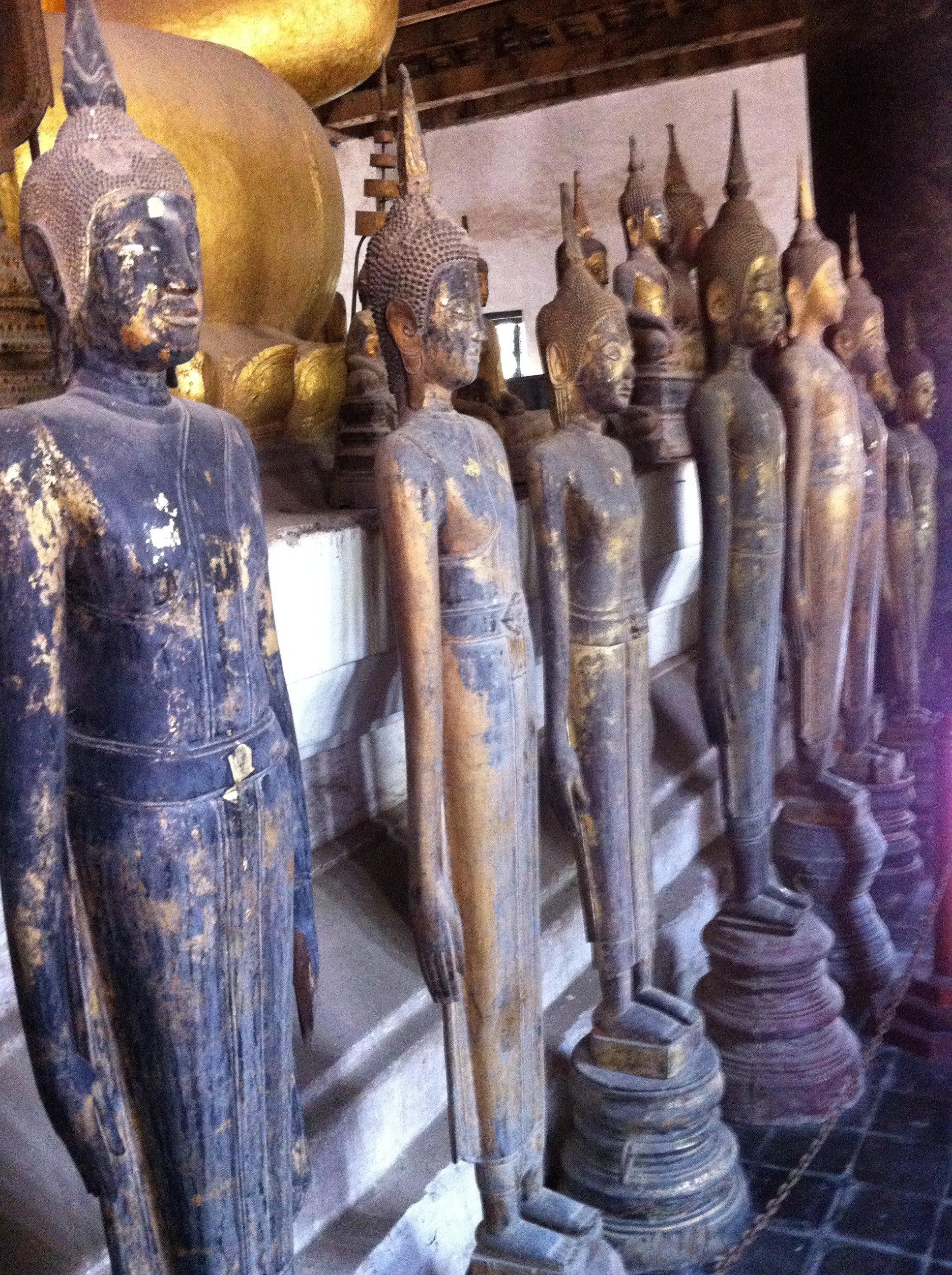
We also liked a certain set of Buddha statues that we came across. These are in the “praying for rain” position:

laos 382

And these are in the “no war” position:

laos 390

Well, I suppose that’s what we all want, isn’t it? We want to eat our fill and live in peace.

Tutto il mondo è paese.

_______________________________

Kyoto-temple-1: http://anime.aplus.by/uploads/posts/2011-01/1293979203_xigasiyama.jpg
Kyoto-temple-2: http://www.gadventures.com/blog/wp-content/uploads/2012/07/Kyoto_GoldenTemple.jpg
Bangkok-temple-1: http://misto-market.com.ua/turizm/images/interestplace/98/1.jpg
Bangkok-temple-2: http://travel-tips.s3-website-eu-west-1.amazonaws.com/holidays-Bangkok-Thailand-hotel-package-deal-travel-tips-guide-Wat-Ratchanatdaram-Temple.jpg
Temple of heaven: http://templeofheavenbeijing.com/wp-content/uploads/2011/11/Temple-of-Heaven.jpg
Norwegian stave church: http://25.media.tumblr.com/tumblr_llqkm5GrsA1qzxqgco1_1280.jpg

the other pictures: mine