ME, I TOOK THE TRAIN TO GO TO NEW JERSEY

New York, 11 January 2014

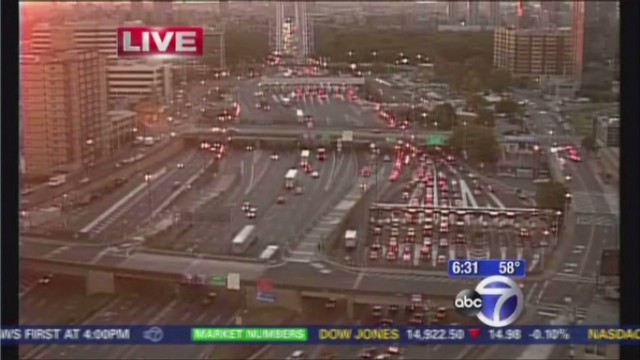
I’ve been reading about the political storm whirling around New Jersey’s Governor Chris Christie and his possible role in the partial closure back in September of several lanes of the George Washington Bridge causing mammoth traffic jams, all as a mean-minded act of revenge against a mayor who chose not to back him.
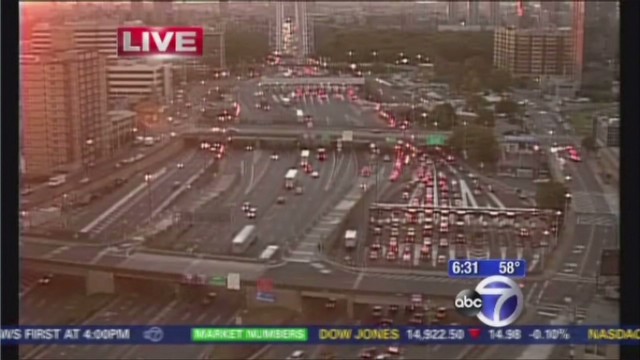
George Washington Bridge traffic jam

As I read and watch the TV commentaries, I smugly remind myself of the fact that 25 years ago, when I lived in New York and for a period had to travel frequently to Trenton, I did NOT drive and so was never at the mercy of tyrannical politicians and their staff. I took the train (the golden haze of history makes me forget that the trains sometimes ran chaotically).

I would catch the train at Penn Station, as miserable then as it is now (although I read somewhere that they might tear it down and replace it with something nicer … hope springs eternal).
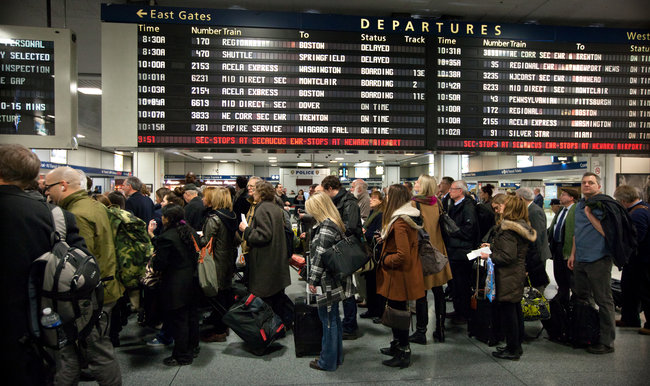
Penn Station

But at that time, there was an employee of the railways, announcer of departing trains, who would always end his litany of stops on these trains with a sonorously chanted “All abooo-aard!” He started high on the “All”, dropped to low note on “aboo”, and then rose to triumphant high finale on “aard”. It always put a smile on my lips and sent me off with the sun in my heart.

I needed it. After lurching through the tunnel under the Hudson River, we would emerge, blinking, in New Jersey on the other side. There then followed an urban and peri-urban bleakness. After passing through Hoboken and Secaucus, we crossed wastelands of what must have once been lovely marshes and wetlands around the Hackensack and Passaic rivers, as this small remaining wetland near Secaucus attests

wetlands Secaucus

but were now a tangle of roads and studded with industrial estates
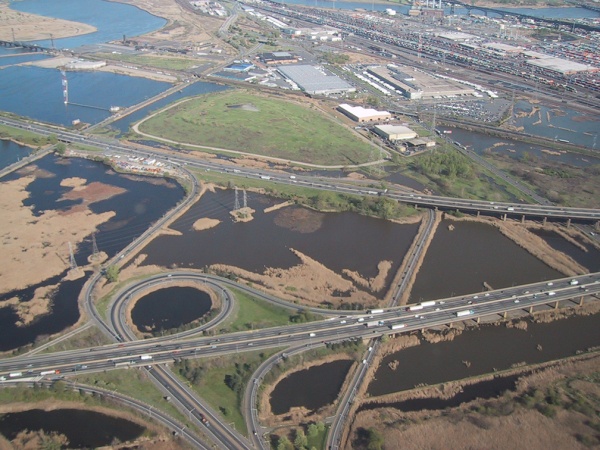
roads through the wetlands

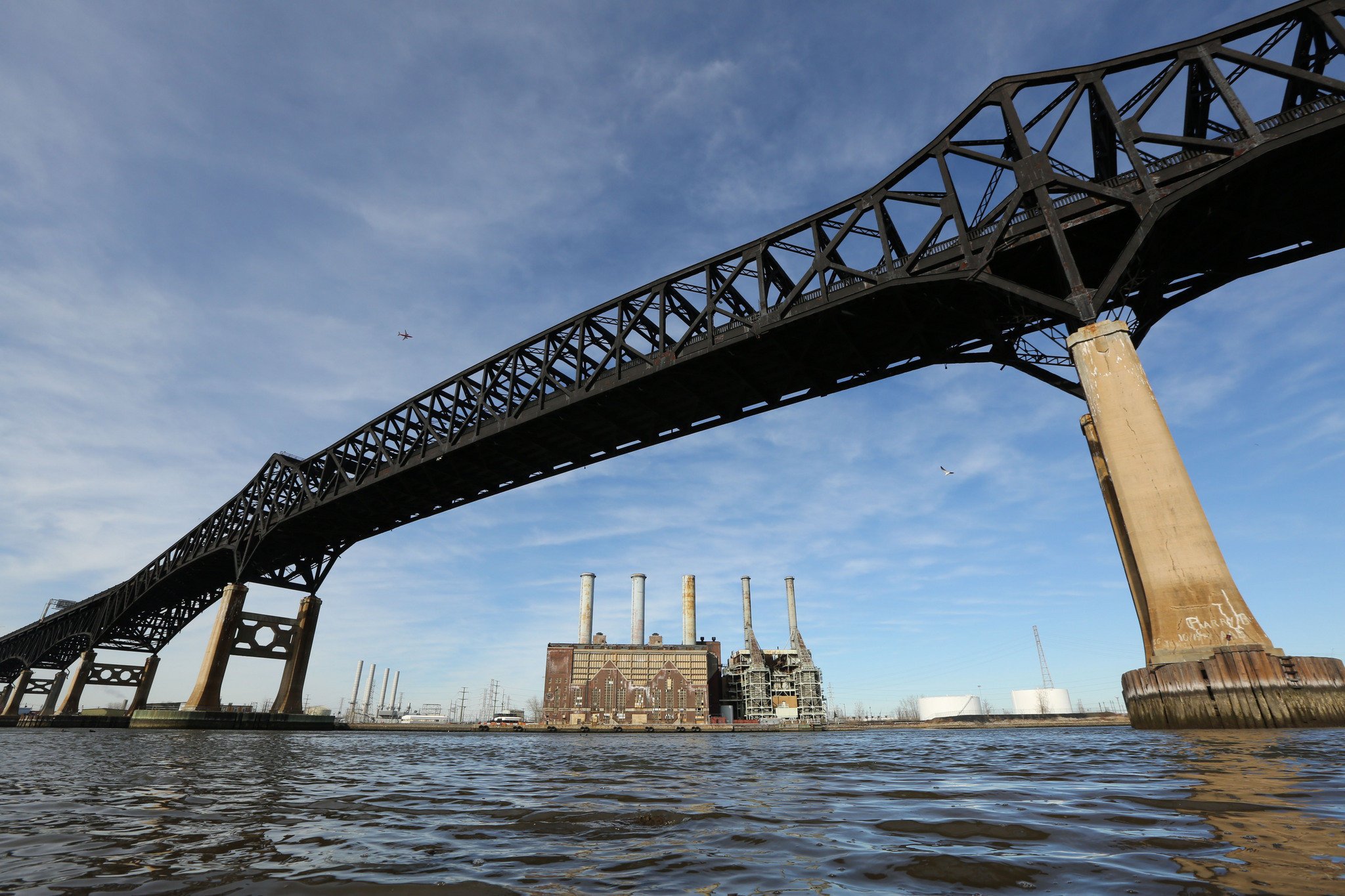
pulaski skyway

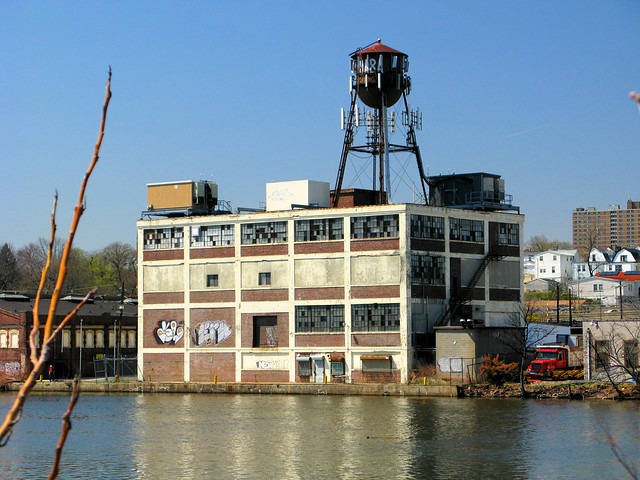
many of them abandoned, evidence of the collapse of the manufacturing sector in the US.

old industrial site passaic river

I redid this journey recently, taking the train to Washington DC, and it hasn’t got much better.

Every time I sat in that train 25 years ago, watching the bleakness roll by, I silently lamented that way of thinking which saw wetlands as something useless. Here is what a journalist had to say when describing the Meadowlands in 1867:

“Swamp-lands are blurs upon the fair face of Nature; they are fever-breeding places; scourges of humanity; which, instead of yielding the fruits of the earth and adding wealth to the general community, only supply the neighboring places poisonous exhalations and torturing mosquitos. They are, for all practical purposes, worthless; and the imperative necessity for their reclamation is obvious to all, and is universally conceded.” [1]

So they had filled them in and turned them over to some useful economic activity. But now all I could see was that much of that useful economic activity had upped sticks and moved to China or somewhere else, leaving behind only a blighted landscape. And no doubt as I write, that useful economic activity is upping sticks again, moving to somewhere even cheaper, leaving another blighted landscape behind it.

What of those wetlands around the Hackensack and Passaic Rivers? Perhaps sea level rise, coupled with more frequent and more severe storms, both caused by climate change, itself caused by the carbon emissions from all those useful economic activities, will wipe away all our intrusions and chase us off to higher ground. A revenge which will dwarf Governor Christie’s mean-spirited attempt at revenge – if indeed he was involved, of course. Of course …

_____________________

1. The new system of reclaiming lands. (1867, November 16). Frank Leslie’s Illustrated Newspaper, pp. 36–37.

Traffic jam on George Washington Bridge: http://i2.cdn.turner.com/cnn/dam/assets/140109121541-vo-gwb-traffic-september-2013-00000427-story-top.jpg [in http://www.cnn.com/2014/01/09/us/christie-traffic-react/%5D
Penn Station: http://graphics8.nytimes.com/images/2012/02/12/arts/12JPWEST2/12JPWEST2-popup.jpg [in http://www.nytimes.com/2012/02/12/arts/design/a-proposal-for-penn-station-and-madison-square-garden.html?pagewanted=all&_r=0%5D
Wetlands Secaucus: http://www.njmeadowlands.gov/images/environment/mill_air.gif [in http://www.njmeadowlands.gov/environment/parks/mcm.html%5D
Roads through the wetlands: http://www.clui.org/sites/default/files/imagecache/clui-image/clui/post_images/135-3516_img_0.jpg [in http://www.clui.org/newsletter/winter-2013/new-jersey-meadowlands%5D
Pulaski Skyway: http://media.nj.com/jjournal-news/photo/ga0111skyway-11-munsonjpg-f015d680e2f7d239.jpg [in http://www.nj.com/hudson/voices/index.ssf/2013/02/sen_stacks_letter_praises_gov.html%5D
Old industrial site Passaic River: http://farm5.staticflickr.com/4062/4488489938_631d825d01_z.jpg [in http://www.flickr.com/photos/jeffs4653/4488489938/%5D

OF CABBAGES AND KINGS

New York, 5 January 2014

Kale is king of culinary cool this year in New York. Or so it would appear from a cursory glance at the offerings in the city’s food emporia: every restaurant seems to have a dish with kale in it, every supermarket a ready-made salad containing kale.  Several articles tracking the growing popularity of kale have appeared in the New York Times, while a very recent article in the New York Daily News, reporting on a survey of 500 dieticians, has these worthy people predicting that kale (along with ancient grains and gluten-free diets) will be the top nutrition trends of 2014. Why, even a celebrity chef like Gordon Ramsey has weighed in, making lots of approving noises about kale. He went so far as to propose that a National Kale Day be instituted!

Which is all rather surprising to me, since I have always associated kale with something that you feed to cows.  I don’t think I had ever intentionally eaten kale until a week or so ago when I picked up a take-away tomato and kale soup from a Hale & Hearty Soup outlet somewhere near Park Avenue and 45th Street.

Quite what is so remarkable about kale is not clear to me. It is purported to help you fight various cancers, lower your cholesterol, detoxify yourself, and I know not what else. Having been around a while, I am, like this reporter in the Huffington Post, somewhat skeptical of all these claims. How many foodstuffs have I seen over the years for which extravagant health claims have been made!  It is true that kale is stuffed with vitamins K, A and C.  So if you need those, kale might be your thing. But as for the rest …

To my mind, all the froth and frenzy about kale is nothing compared to the wonderful story behind its very existence. Around the northern and eastern rim of the Mediterranean, in what are now Italy, Greece, Turkey, and maybe further south along the Lebanese and Israeli coast, there lives a humble member of the large family of mustards. This species is known to science as Brassica oleracea, but we can call it cole (a name rooted in the Celtic-Germanic-Greek word for “stem”). With time and I presume human interference it spread from its original homeland and now can be found further north in Europe. Since it tolerates salt well and likes a limey soil, it tends to be found on limestone sea cliffs, as attested by this picture, taken on the chalk cliffs in the UK (I didn’t find a picture of the plant in its original homeland):

Cabbage-wild

Anyone familiar with mustard plants will immediately see the family resemblance. And those long stems are what gives the plant its generic name of cole.

At some point, humans found that the plant was edible and presumably added it to their list of plants to gather. Some 3-4,000 years ago, maybe more, as part of the slow move to agriculture, humans began to domesticate the cole, and as they have done with just about every species which they have domesticated they began a forced process of natural selection to encourage desirable traits in their domesticates and eliminate undesirable ones. So far, so good.  But the cole must have a very flexible DNA because over the millennia farmers were able to coax out of this one plant an astonishingly different array of vegetables. From the plant we see above waving on the cliff top, they managed to obtain our friend kale:

Kale-Bundle

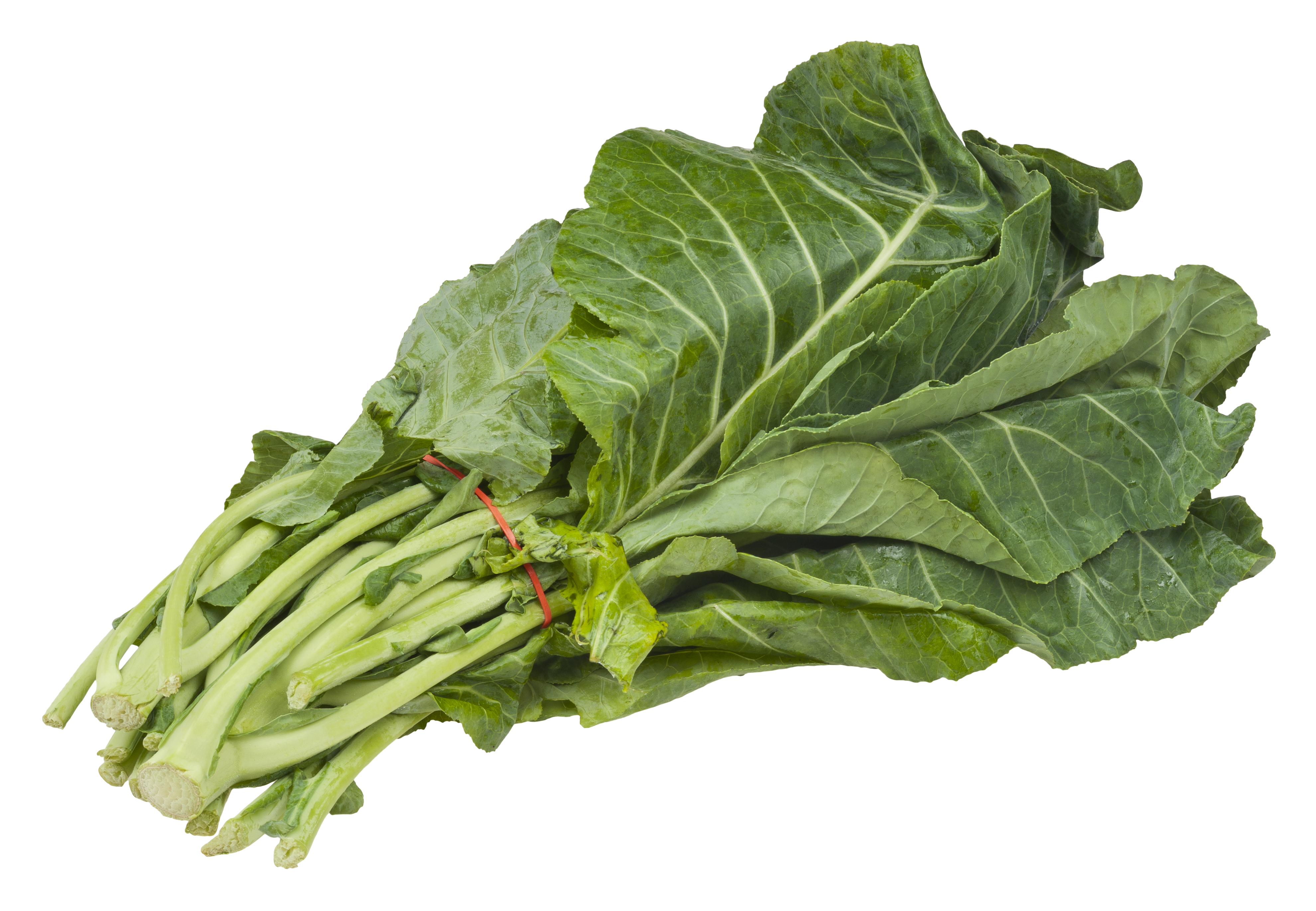
Its close cousin, collard greens:

SONY DSC

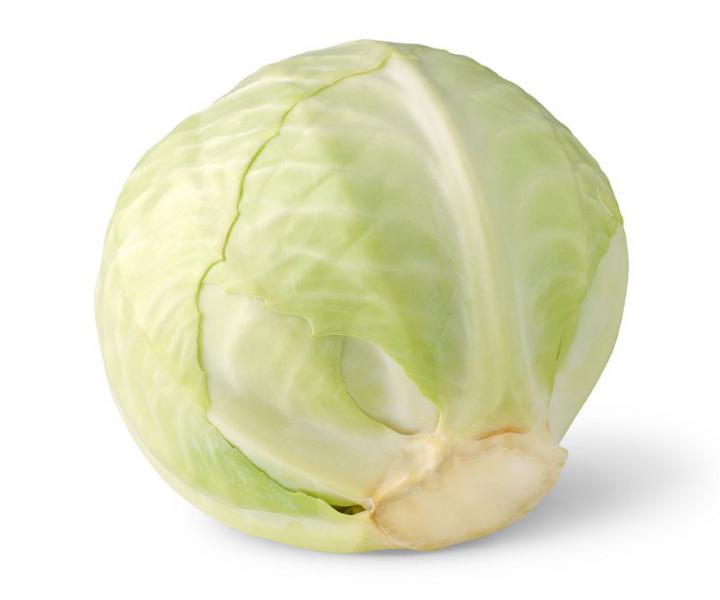
The cabbage, which itself comes in several varieties, the common white cabbage:

Cabbage isolated on white

the red cabbage, seen here with the green cabbage:

cabbage-green and purple

the Savoy cabbage:

cabbage-savoy 2

Then we have broccoli:

Fresh green vegetable, isolated over white

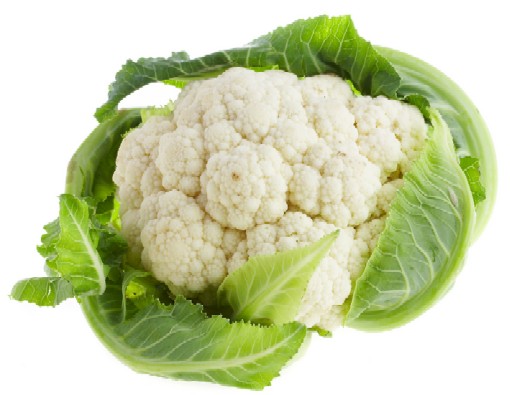
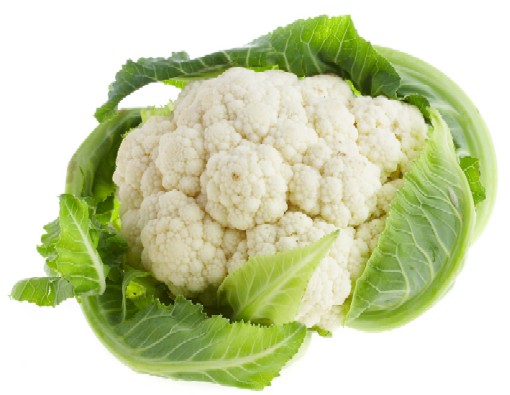
Cauliflower:

Cauliflower

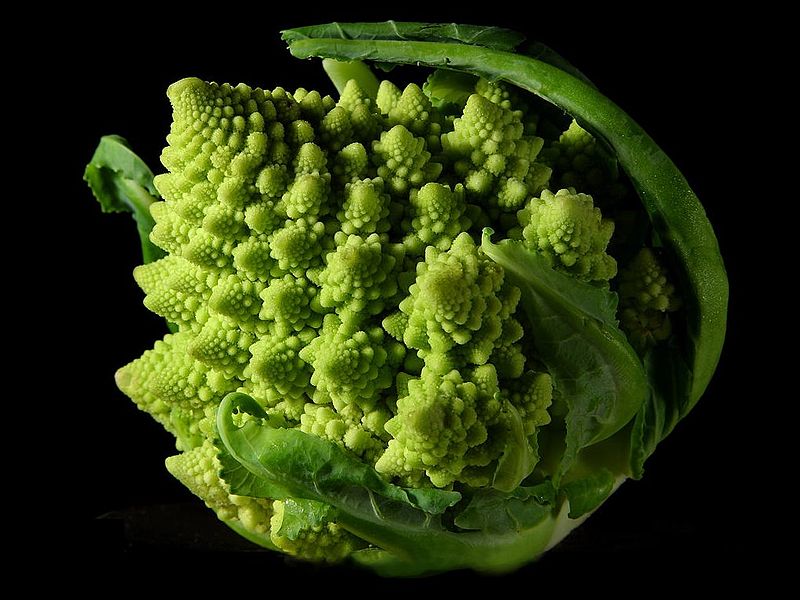
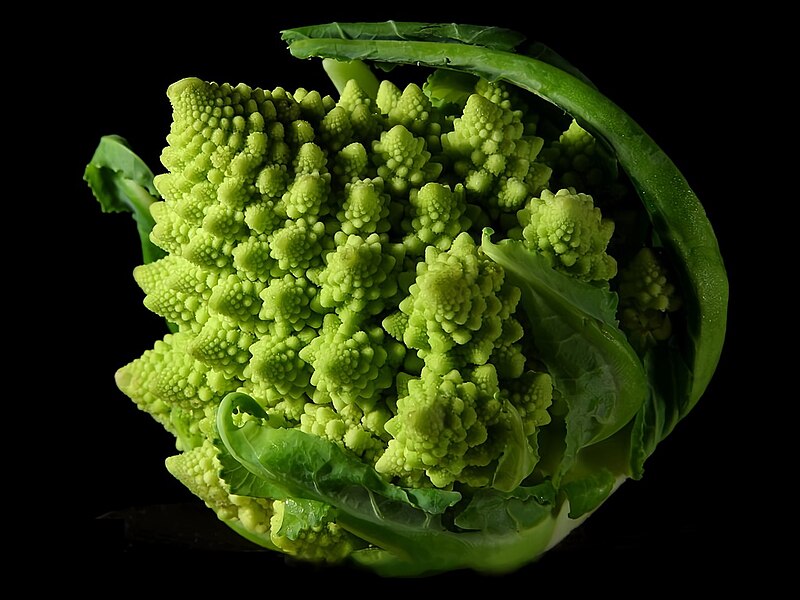
and its close cousin the strange-looking romanesco broccoli:

romanesco broccoli 2

Brussels sprouts:

brussels sprouts

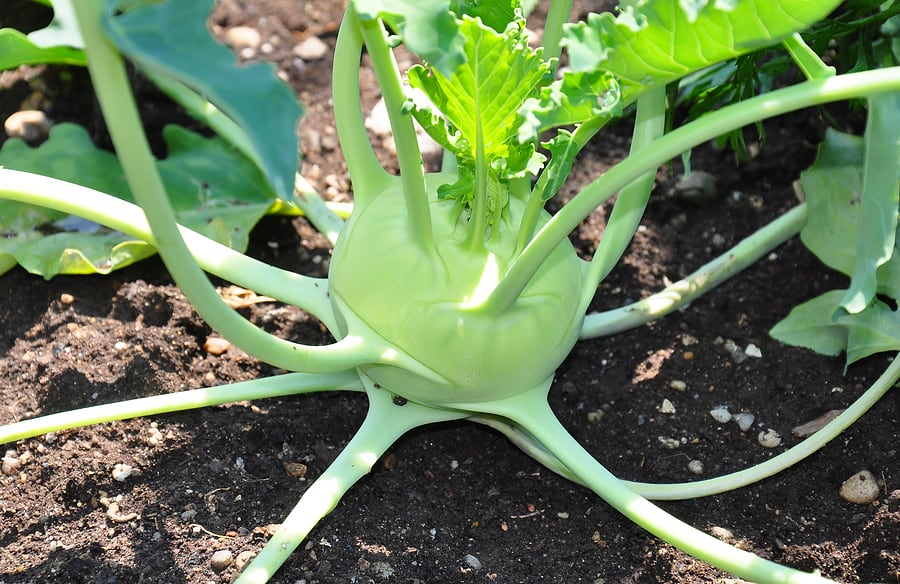
Kohlrabi:

kohlrabi

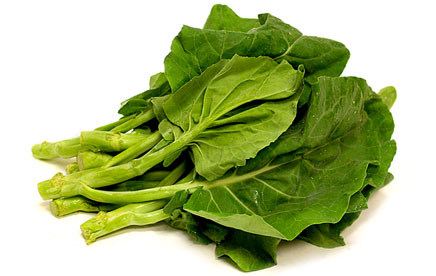
And last but not least, the Chinese kai-lan, also known as Chinese broccoli:

Chinese_Broccoli 2

Pretty amazing …

The following picture shows which bits in the original cole plant all those generations of farmers fiddled with to get these massively different vegetables:

brassica oleracea-evolution 4

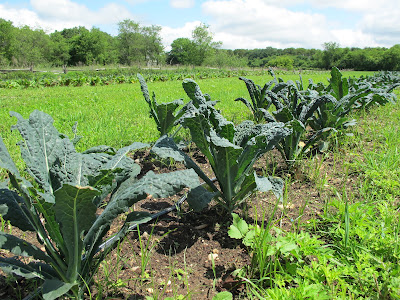
When seeing all these vegetables sitting next to each other on a supermarket shelf, it might be difficult to believe that they are actually the same plant, but when you see them still in the field the family resemblance is more easily recognized.

Kale:

kale in field

Collards:

OLYMPUS DIGITAL CAMERA

Cabbage:

cabbage-white

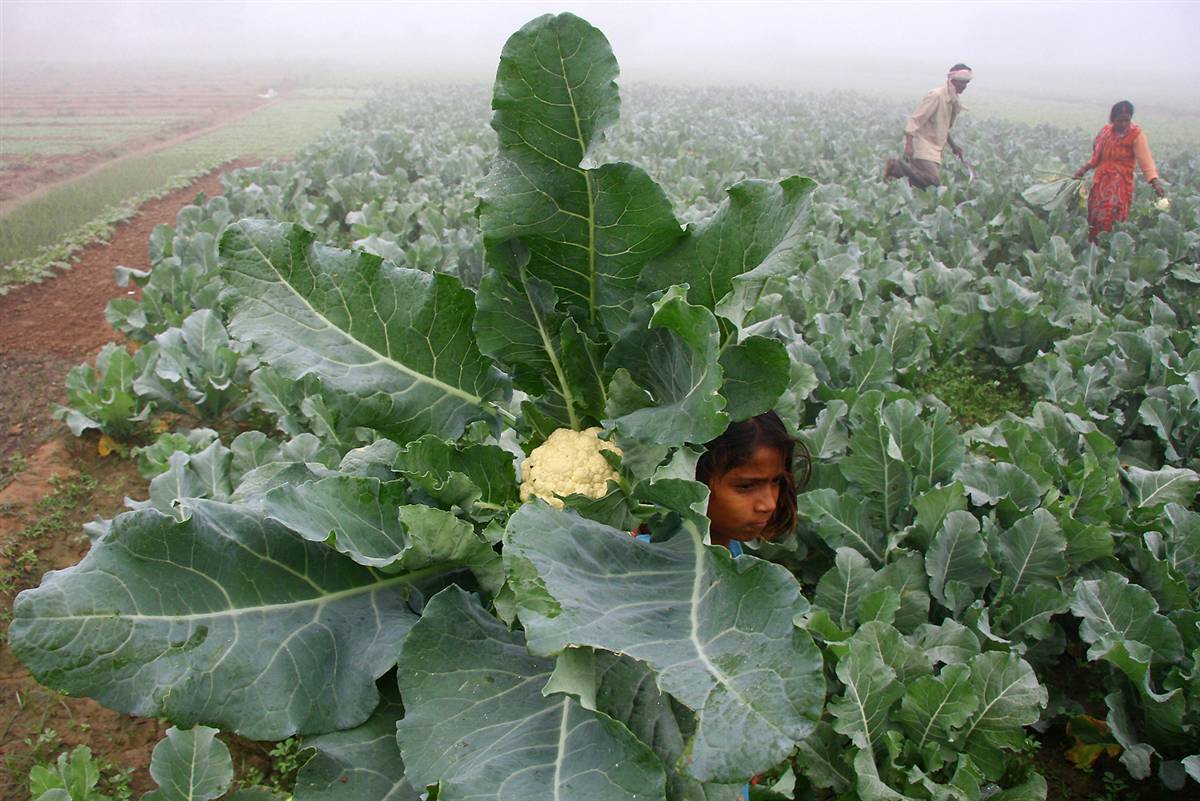
Cauliflower:

cauliflower in the field

Broccoli:

broccoli plant

Brussels sprouts:

brussels-sprouts plants

Kohlrabi:

Kohlrabi-plant

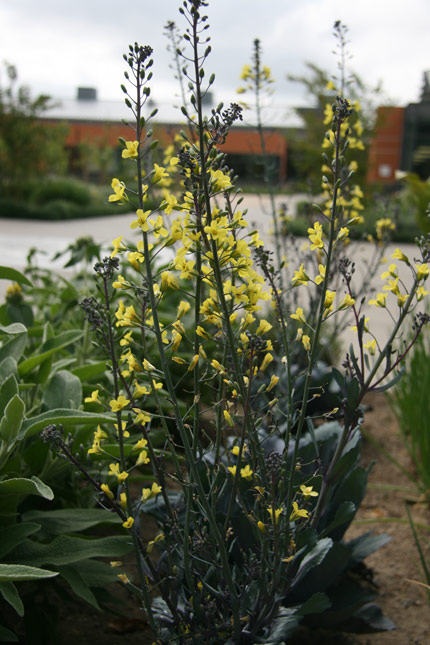
And when these vegetables flower, which they should not, then you see the mustard-like flower coming through, as in this case of a red cabbage gone to seed:

cabbage-red-bolted

and of broccoli gone to seed:

broccoli bolted

The early history of all these cole vegetables is shrouded in uncertainty. The Greeks and Romans wrote about one or more vegetables which sound like a cousin of kale and collards. The cabbage seems to have been developed in the colder parts of Europe some time in the early Middle Ages. Southern Italians seem to have developed broccoli quite early on, perhaps already during the Roman period, but it was many centuries before it migrated to other parts of Europe. It is generally thought that the cauliflower came to Europe from the Middle East, possibly via Cyprus and then Italy. As the name suggests, Brussels sprouts seem to have been developed somewhere in the Low Countries around the 15th Century, possibly earlier, but didn’t migrate to other parts of Europe until several centuries later. Kohlrabi seems to have been developed at about the same time, although quite where in Europe is unclear. And then there is kai-lan. Quite how this vegetable, the descendant of a Mediterranean plant, ended up being developed in China is a bit of a mystery. It is theorized that when the Portuguese came to China, they brought with them the cabbage. Chinese farmers then did a second cycle of selection to bring about something which looks and tastes more like broccoli.

Little is known of the history of these vegetables because early European chroniclers didn’t deign to follow the experiments in genetic engineering that the humble farmers were undertaking. In his poem “the Walrus and the Carpenter”, Lewis Carroll has the walrus say at some point:

“The time has come,
To talk of many things:
Of shoes–and ships–and sealing-wax–
Of cabbages–and kings”

But those who recorded history were interested in kings and not cabbages and their ilk, so we will never know who were those legions of farmers who patiently developed this cornucopia of cole vegetables which we have available to us today. I take this occasion to salute these nameless heroes and to thank them for putting such wonderful vegetables on my table.

_____________________

Cabbage-wild: http://i.telegraph.co.uk/multimedia/archive/01810/Cabbage_1810864c.jpg [in http://www.telegraph.co.uk/earth/earthnews/8281088/Britains-wild-plants-make-a-comeback.html%5D
Kale bunch: http://upload.wikimedia.org/wikipedia/commons/thumb/4/4b/Kale-Bundle.jpg/640px-Kale-Bundle.jpg [in http://en.wikipedia.org/wiki/Kale%5D
Collard greens-bundle: http://upload.wikimedia.org/wikipedia/commons/e/e9/Collard-Greens-Bundle.jpg [in http://en.wikipedia.org/wiki/Collard_greens%5D
Cabbage-white: http://www.realfoods.co.uk/ProductImagesID/2559_1.jpg [in http://www.realfoods.co.uk/product/2559/real-foods-organic-white-cabbage-uk-kg%5D
Cabbage-green and red: http://upload.wikimedia.org/wikipedia/commons/thumb/f/fa/Cabbages_Green_and_Purple_2120px.jpg/451px-Cabbages_Green_and_Purple_2120px.jpg [in http://en.wikipedia.org/wiki/Cabbage#History%5D
Cabbage-savoy: http://www.rivieraproduce.eu/wp-content/uploads/2011/06/image_riviera_savoy_cabbage.jpg [in http://www.rivieraproduce.eu/savoy-cabbage%5D
Broccoli: http://livelovefruit.com/wp-content/uploads/2013/06/977599_375755671.jpg [in http://livelovefruit.com/2013/06/benefits-of-broccoli/%5D
Cauliflower: http://blogs.kcrw.com/goodfood/wp-content/uploads/2012/10/Cauliflowerimage.jpg [in http://blogs.kcrw.com/goodfood/2012/11/recipe-braised-cauliflower-with-capers-toasted-bread-crumbs/%5D
Romanesco broccoli: http://upload.wikimedia.org/wikipedia/commons/thumb/4/4f/Fractal_Broccoli.jpg/800px-Fractal_Broccoli.jpg [in http://en.wikipedia.org/wiki/Romanesco_broccoli%5D
Brussels sprouts: http://ourtinyearth.files.wordpress.com/2013/01/12065713-brussels-sprouts-pile-on-white-background.jpg [in http://ourtinyearth.com/2013/01/08/stories-of-the-misunderstood-brussels-sprouts/%5D
Kohlrabi: http://www.chowlocally.com/blog/wp-content/uploads/2012/03/kohlrabithroat2.jpg [in http://www.chowlocally.com/blog/2012/03/21/kohlrabi-the-loneliest-vegetable-in-the-world-of-healthy-eating/%5D
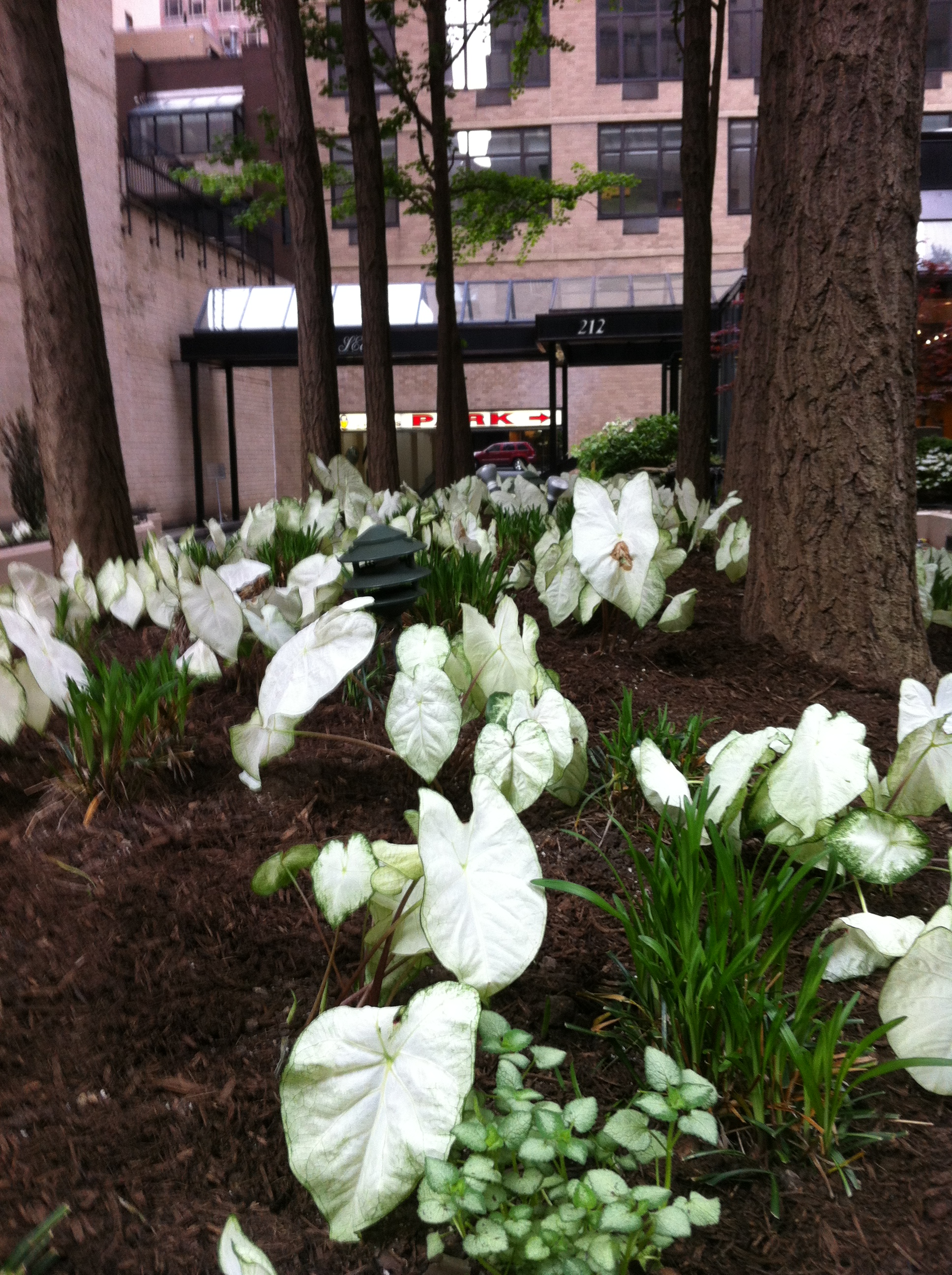
Chinese broccoli: http://www.specialtyproduce.com/ProdPics/467.jpg [in http://www.specialtyproduce.com/produce/Gai_Lan_467.php%5D
B. Oleracea-evolution: http://www.doctortee.com/dsu/tiftickjian/cse-img/biology/evolution/mustard-selection.jpg [in https://sites.google.com/site/selectivebreedingofplants/%5D
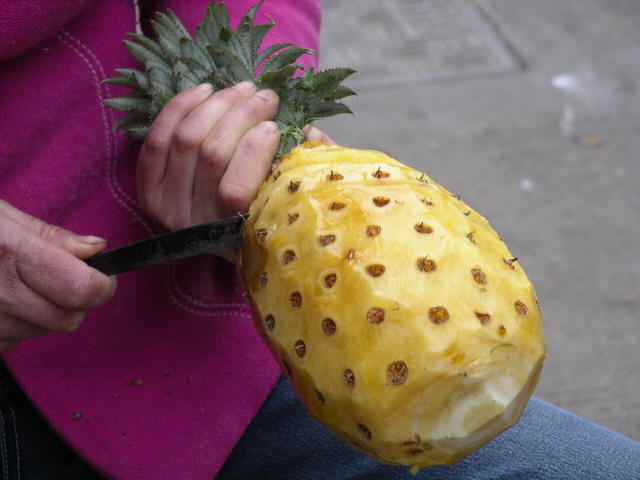
Kale in field: http://1.bp.blogspot.com/-f5RKQQQaduk/T9Fcpear0DI/AAAAAAAAG24/YIJgodBwji0/s400/IMG_4096.JPG [in http://culinarytypes.blogspot.com/2012_07_01_archive.html%5D
Collard plants: http://img691.imageshack.us/img691/1158/collards2.jpg [in http://www.homesteadingtoday.com/country-living-forums/gardening-plant-propagation/397580-ok-collard-greens-growing%85-now-what.html%5D
Cabbage plant: http://upload.wikimedia.org/wikipedia/commons/7/70/Cabbage.jpg [in http://en.wikipedia.org/wiki/Cabbage#cite_ref-8%5D
Cauliflower in field: http://4photos.net/photosv5/cauliflower_field_india_1342111345.jpg [in http://4photos.net/en/image:105-216983-Cauliflower_field_India_images%5D
Broccoli plant: http://www.ferta-lawn.com/userfiles/image/Broccoli.jpeg [in http://www.ferta-lawn.com/blog-post/Fall-Gardening-Peas-Broccoli%5D
Brussels sprouts plant: http://www.gardeningcarolina.com/veggies/images/brussels-sproutsfull.jpg [in http://www.gardeningcarolina.com/veggies/brusselsprouts.html%5D
Kohlrabi plant: http://www.harvesttotable.com/wp-content/uploads/2007/03/Kohlrabi-plant.jpg [in http://www.harvesttotable.com/2007/03/kohlrabi_kohlrabi_tastes_like/kohlrabi-plant/%5D
Cabbage-red-bolted: http://goodlifegarden.ucdavis.edu/blog/wp-content/uploads/2011/04/bolted-red-cabbage.jpg [in http://goodlifegarden.ucdavis.edu/blog/2011/04/%5D
Broccoli-bolted: http://botanistinthekitchen.files.wordpress.com/2012/11/broccoli_flowers1.jpg [in http://botanistinthekitchen.wordpress.com/tag/kohlrabi/%5D

KAKI

Beijing, 3 November 2013

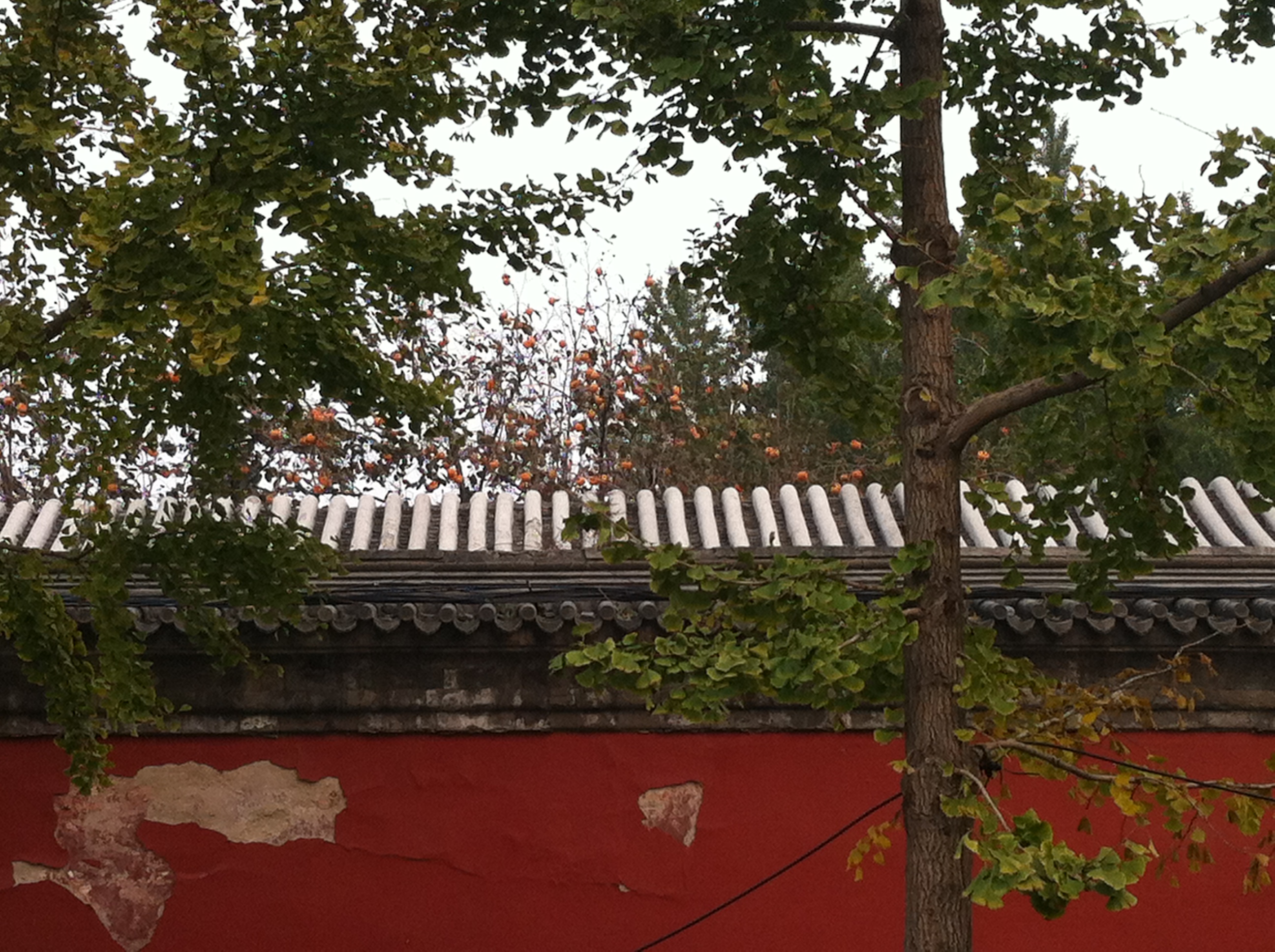
My wife and I went to an art show last weekend in an old temple located somewhere in the hutongs behind Beijing’s old drum tower (as a friend whom we met there said, “great space, great mulled wine, average art”). We went for a walk around the area afterwards, and I spied this kaki tree in full fruit peeping over a high wall.

kaki over temple wall 002

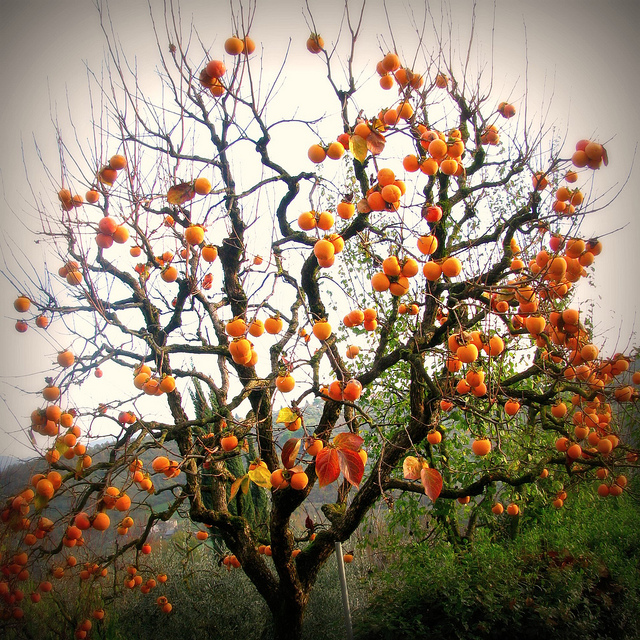
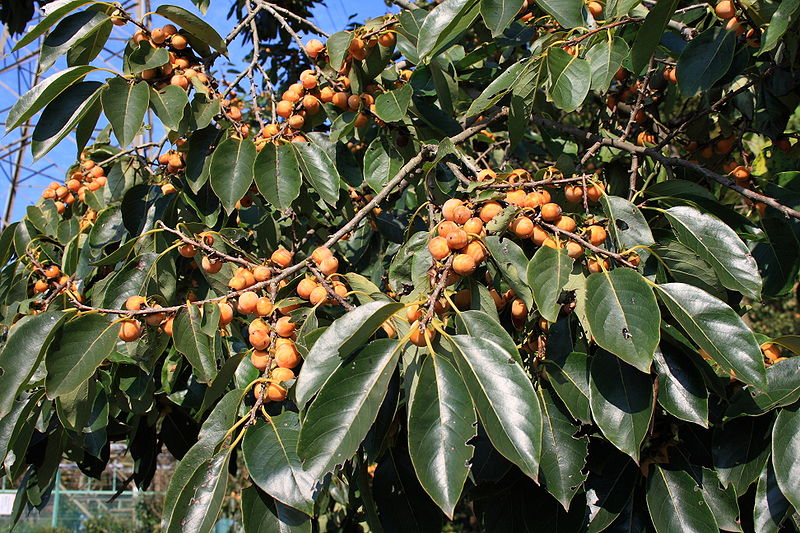
For those of my readers who can’t quite make out the tree in my picture, here is a much better take of the same species.

kaki

I realized that it was that time of the year again, when the kaki are fully ripened and ready to eat. And I suddenly noticed that all the Chinese grocers were filled with kaki.

I’ve noted in a much earlier posting that my wife brought much more food and culinary novelty to our marriage than I did. One of these was the kaki, which I first saw in Liguria during one of our trips out to the sea in the late months of the year.

cachi in liguria

My mother-in-law was very fond of this fruit, but I must say I have never been convinced by it. I appreciate neither its mushiness nor its sweetness. I’ve eaten it but rarely during the years since I first discovered it, and every time I have been reinforced in my lack of enthusiasm for the fruit.

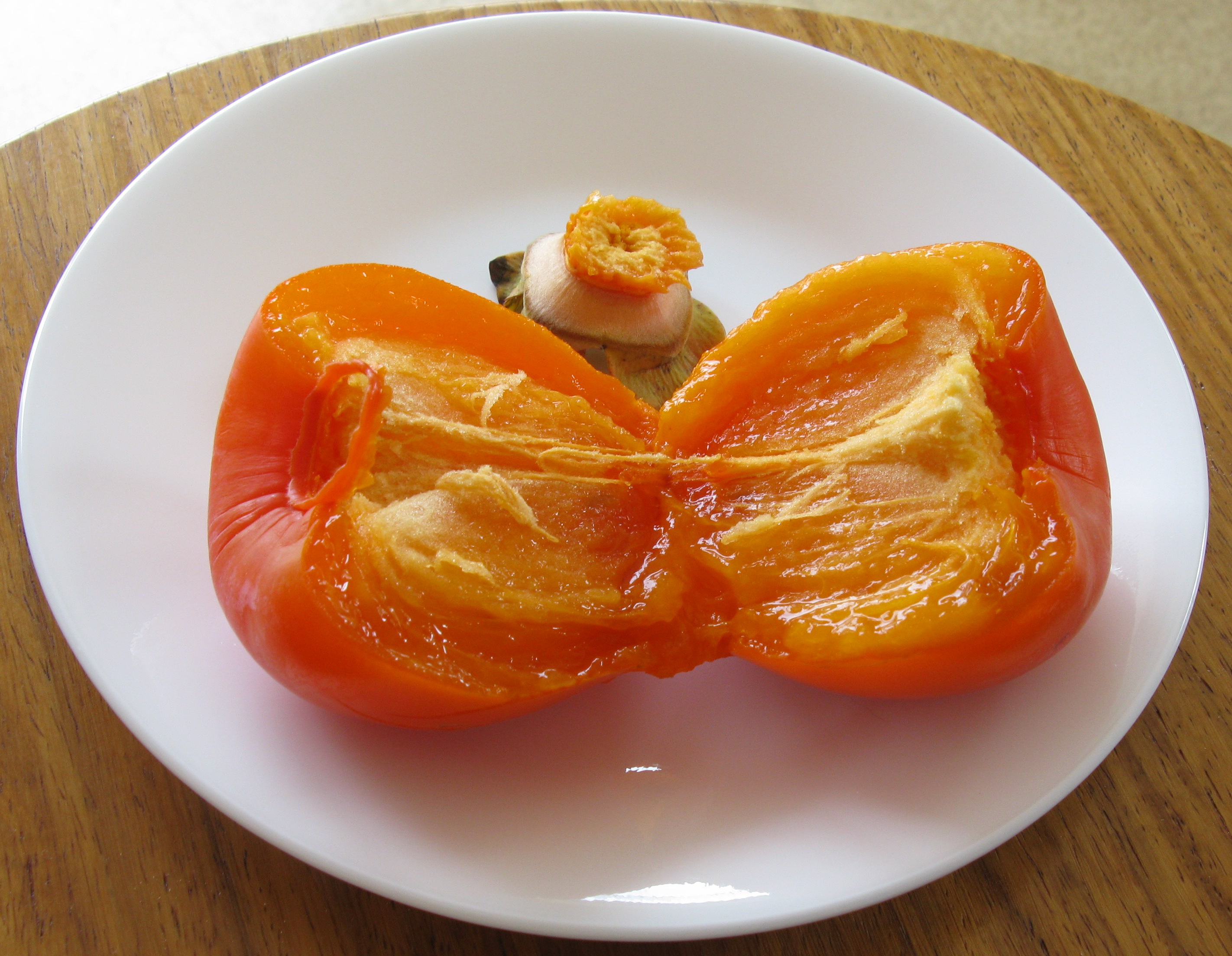
kaki fruit

Without really thinking about it much, I assumed that this tree and its fruit were native to the Mediterranean. I adopted the Italian spelling cachi as the original spelling. Imagine my surprise, then, when several years after my initial discovery of the fruit, we came across the tree laden with fruit during the trip which my wife and I made to Japan, and our Japanese companion informed us that it was called kaki. Kaki! The scales fell from my eyes. This must have originally been a Japanese tree, which was brought to Italy at some point – back in the 1800’s, I have since discovered. Another botanical species, like the ginkgo which I’ve written about earlier, which was trekked back to Europe during the first era of globalization.

Actually, I was wrong again! Because, like the ginkgo, the kaki is actually native to China and at some point got transported over to Japan – along with Buddhism perhaps? So if I were a linguistic purist I should switch to calling it shizi, which is its Chinese name. But I’m getting old and set in my habits. Kaki it will remain.

Talking of names, English-speaking readers may be asking themselves what the English name of the tree and fruit is. It was years before I asked myself that question and looked up cachi in an Italian-English dictionary. Persimmon, that’s what it is! Persimmon … that was a word which had hovered on the far horizons of my linguistic knowledge. I’d heard it spoken or maybe seen it written, I knew vaguely it was a fruit, but that was it. It sounds such an upper-class English name, don’t you think? Like Fitzwilliam or the Duke of Buccleuch. So it was another surprise to me to discover that persimmon is actually an English transliteration of the word pasiminan or pessamin, an Algonquian word from the eastern United States. Another result of the first era of globalization, in this case the colonization of North America. Because there is also a species of kaki that is native to Eastern North America, the American Persimmon.

American persimmon-tree

American persimmon-fruit

I prefer the formal Latin name Diospyros virginiana, which suggests to me that it was in the British colony of Virginia that the Brits first came across the tree.

By the way, there is actually a species of Diospyros which is native to the Mediterranean; actually, its range is somewhat broader, stretching from Southeast Europe to Southwest Asia. In English, it’s called the date-plum tree. Apparently, the fruit’s taste reminds one of both plums and dates.

date plum diospyros lotos-tree

Maybe I’m pushing this globalization thing too far, but I see another strand of globalization in that name. It is a literal translation of the Persian name for the tree and its fruit: khormaloo. In the earlier period of globalization, American colonists were content to simply anglicize the Native American name. But in a later, more learned period of globalization, when some more academic Brits actually learned the foreign languages which the expanding British Empire was coming into contact with, rather than call the tree, say, cormalew, they preferred to translate the original name.

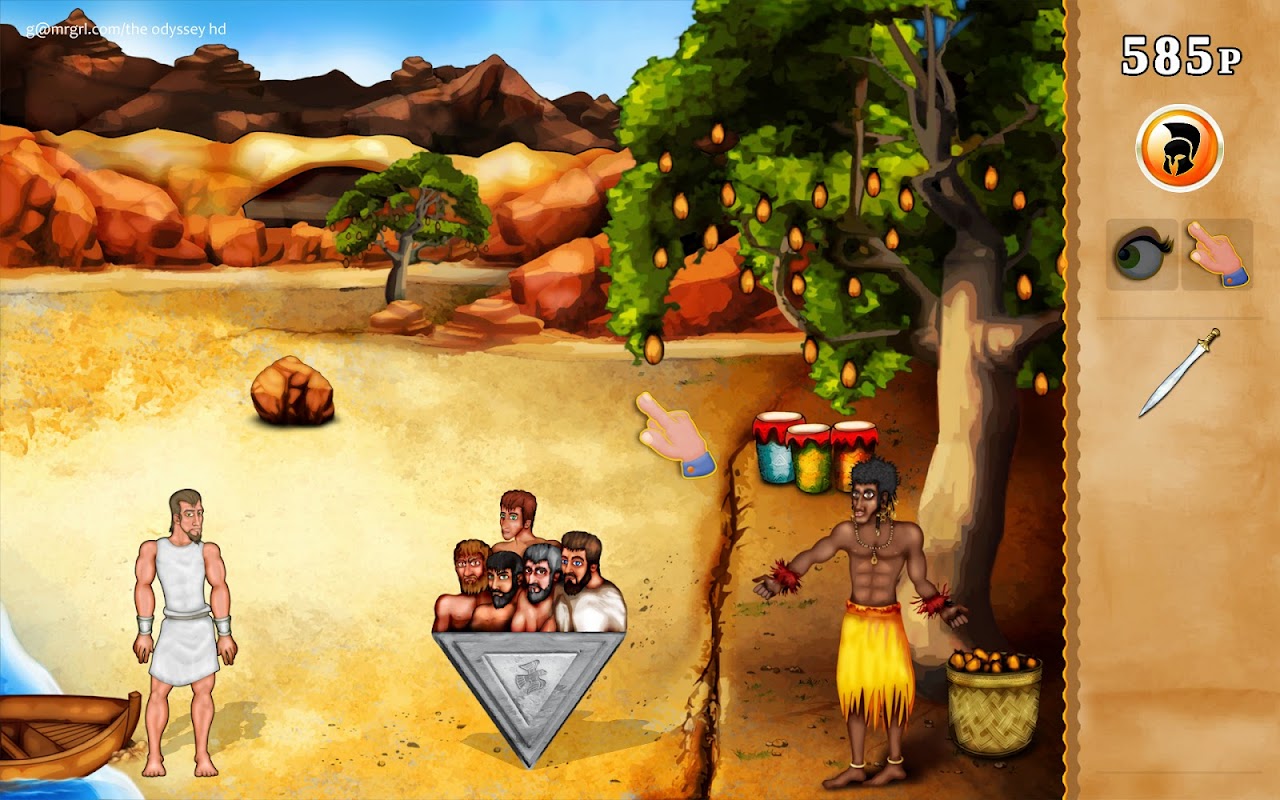
Actually, the Latin name of this species of kaki, Diospyros lotos, is even more interesting. It refers to a belief in Greece that this fruit could have been the lotus fruit mentioned in Homer’s Odyssey. According to that story, the lotus fruit was so delicious that those of Odysseus’s men who ate it forgot about returning home and wanted to stay and eat lotus with the native lotus-eaters. I throw in here a screenshot from an electronic game based on Odysseus’s story; the fruit looks vaguely kaki-like (amazing what they will make electronic games about …)

lotus eaters-2

Personally, I can’t think that kaki is the lotus-fruit. All that squishiness and mushiness would definitely not make me stick around.

______________

Kaki over the wall: my picture
Kaki: http://www.flickr.com/photos/giagir/5185254421/sizes/z/in/photostream/ [in http://www.flickriver.com/photos/giagir/5185254421/%5D
Cachi in liguria: http://www.flickr.com/photos/ciric/3032113542/sizes/z/in/photostream/ in [http://www.flickr.com/photos/ciric/3031273027/]
Kaki fruit: http://upload.wikimedia.org/wikipedia/commons/0/01/Diospiros_kaki_Fruit_IMG_5472s.JPG [in http://en.wikipedia.org/wiki/Persimmon%5D
American persimmon tree: http://3.bp.blogspot.com/-hroimehTRQk/TlPhN7euB8I/AAAAAAAAAds/lBlwEER714k/s1600/persimmon4.jpg [in http://tcpermaculture.blogspot.com/2011/08/permaculture-plants-persimmons.html%5D
American persimmon fruit: http://4.bp.blogspot.com/-b3lVcZ8FOnw/TlPgCINg7VI/AAAAAAAAAdk/LQCyiQYUw2c/s1600/Persimmon3.png [in http://tcpermaculture.blogspot.com/2011/08/permaculture-plants-persimmons.html%5D
Date plum-tree: http://upload.wikimedia.org/wikipedia/commons/thumb/6/63/Diospyros_lotus_01.jpg/800px-Diospyros_lotus_01.jpg [in http://en.wikipedia.org/wiki/Date-plum%5D
Odysseus and the lotus eaters: https://lh5.googleusercontent.com/-2uTp30FUU4E/UaHOcmkRBwI/AAAAAAAACsY/UU21szj7LBk/s1280/013_Lotus_Eaters.jpg  [in http://www.gamrgrl.com/2013/05/walkthrough-odyssey-hd.html%5D

AUTUMN LEAVES

Beijing, 23 October 2013

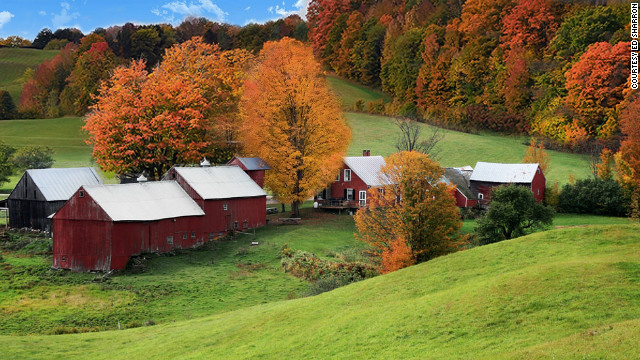
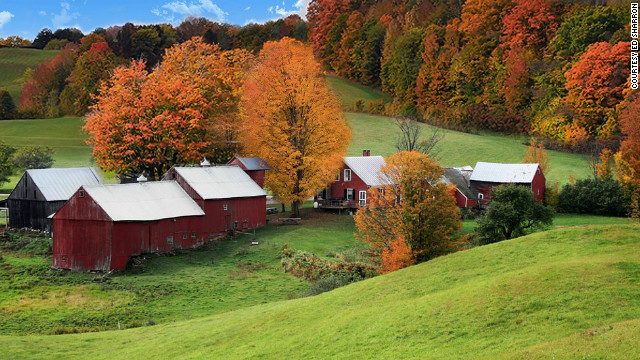
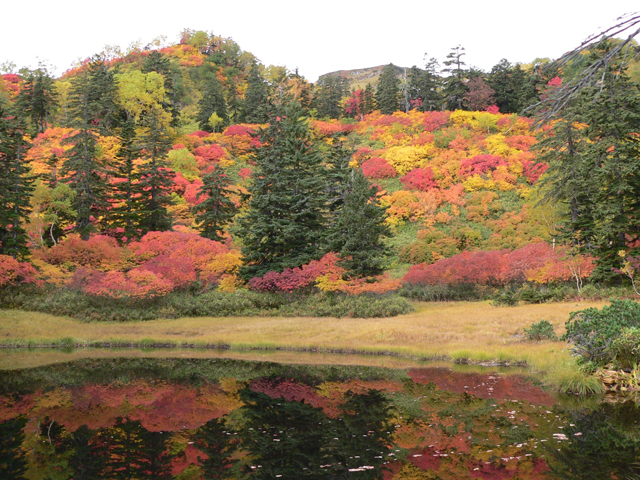
It’s that time of the year in the northern hemisphere when the trees begin to lose their leaves. If we’re lucky, depending on where we’re perched on that hemisphere, we can witness the glorious spectacle of leaves turning intensely red, orange or yellow before they expire and finally float to the ground. My wife and I had such luck some thirty years ago, when we went “leaf peeping” in Vermont.

vermont fall foliage

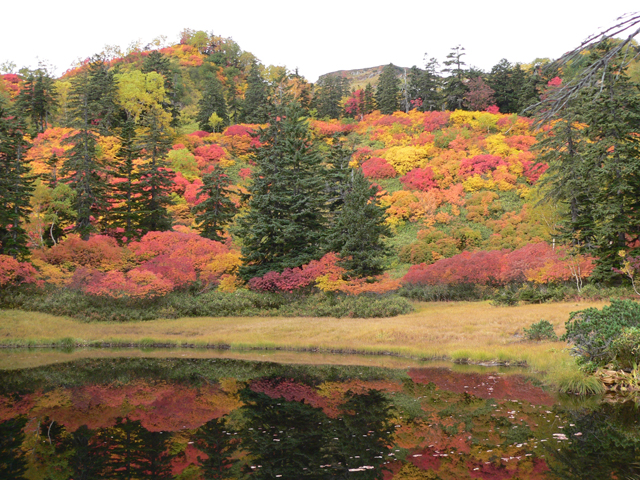
We had such luck an equally long time ago in Hokkaido, the northern island of Japan

hokkaido fall foliage

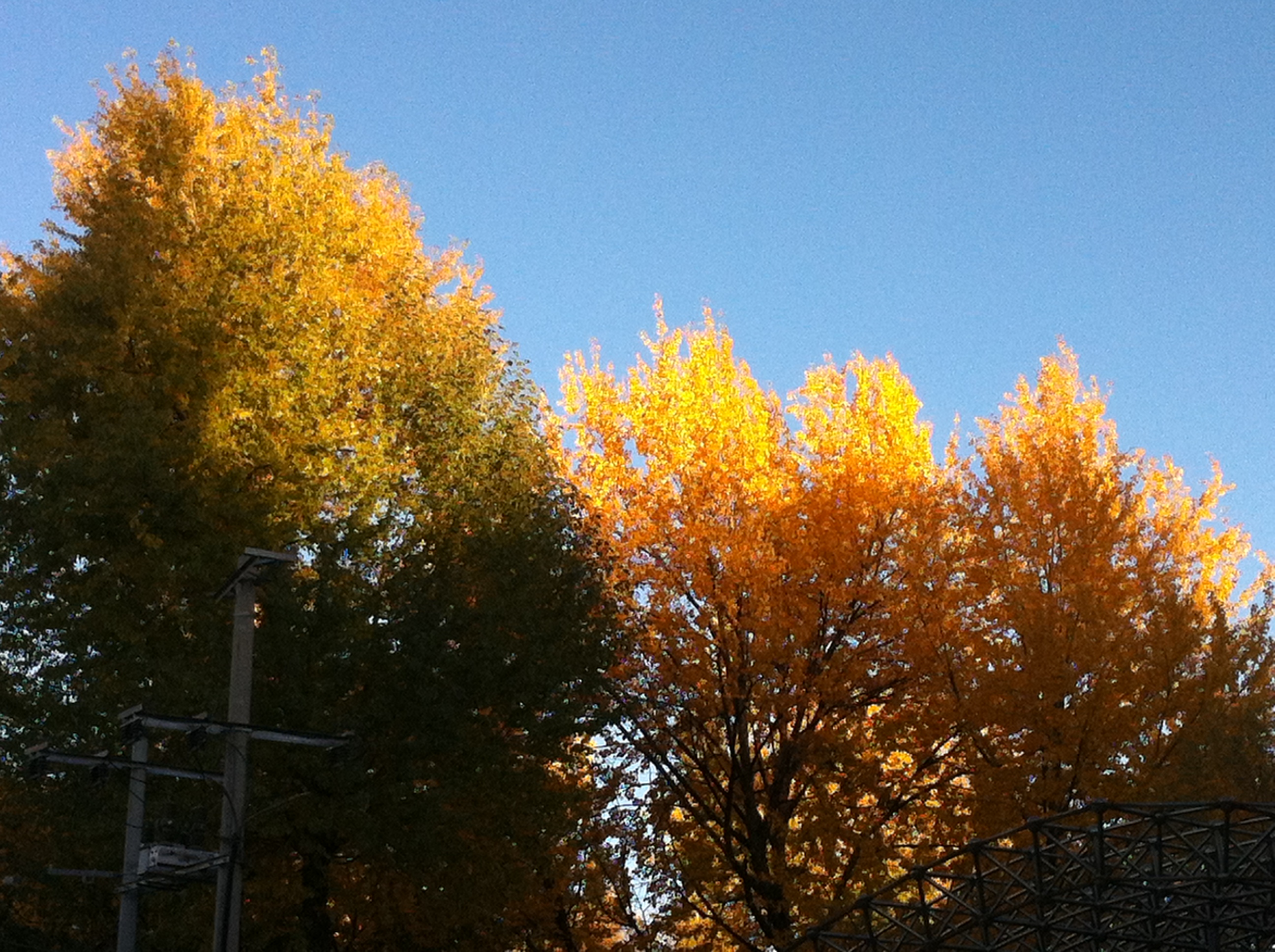
And I had such luck, alone this time, on my recent trip to Qinghai province, where the poplars were turning bright, golden yellow.

trees in fall

Alas, we have no such luck in dirty, dusty, smoggy Beijing. The leaves here go a little bit yellow, or just plain brown, before dropping miserably to the ground.

The partial exception is the ginkgo.  Ginkgos are popular trees to plant along streets. They tolerate well pollution and confined soil space, admirable traits for a tree growing in Beijing. And they look handsome, in the summer

ginkos 001

but even more so in the autumn

gingkgo trees autumn

Strange trees, ginkgos. The name already is odd. It was years before I realised that the “k” actually comes before the “g”. Who on earth came up with that spelling? A Dutchman called Engelbert Kaempfer, that’s who, back in the late 17th Century. He was the first European to see a gingko – sorry, ginkgo – in Japan. When he reported it to the European world, he seems to have stumbled over his transcription of the Japanese name ginkyō: what should have been written “ginkio” or “ginkjo” somehow got written as ginkgo.

That double-lobed leaf is odd, too.

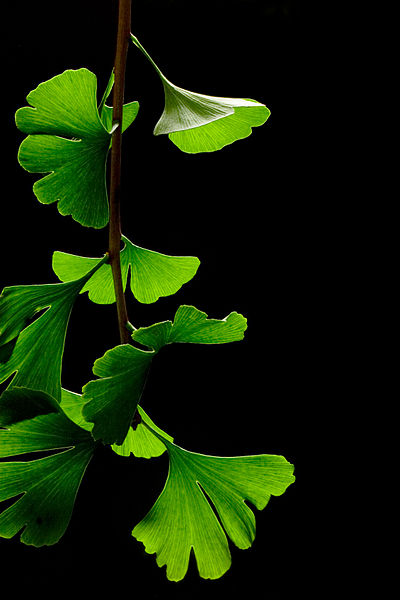
Ginkgo Leaves summer

In fact, it’s unique among seed plants. Unique, because the ginkgo is a living fossil. This fossilized ginkgo leaf

fossil ginkgo leaf

is 40 million year old, although the ginkgo is far older. It first appears in the fossil record some 200 million years ago. It did nicely for the first 100 million years or so but then it went into terminal decline. Its range shrank and shrank, the various ginkgo species disappeared, until only ginkgo biloba survived, and survived only in China.

In fact, even the ginkgo biloba probably wouldn’t have survived if it hadn’t been for Buddhism coming to China. There’s a lot of debate about whether or not the ginkgo trees currently found in the wild in China are truly wild or simply feral, that is, grown from seeds that wafted away from domesticated trees. What is sure is that Buddhist monks took to planting ginkgos in their temples as their local version of the bo-tree, the sacred fig tree under which it is said that the Buddha attained enlightenment.

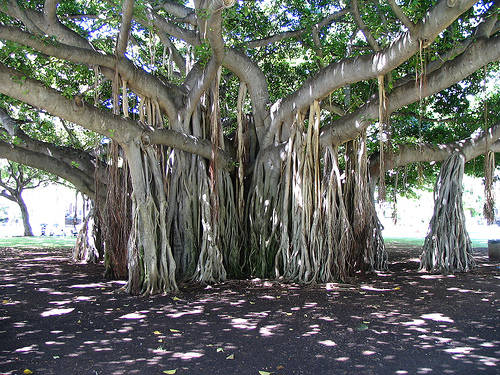
sacred fig

and of course the ginkgo then got included in the Chinese Buddhist iconography – look at those ginkgo leaves peeping behind the buddha:

maitreya buddha under ginkgo

The ginkgo, having thus gained enormously in stature as a sacred tree, was carefully nurtured by all and sundry and survived – and got carried by Buddhism to Korea and Japan, where our friend Engelbert saw it.

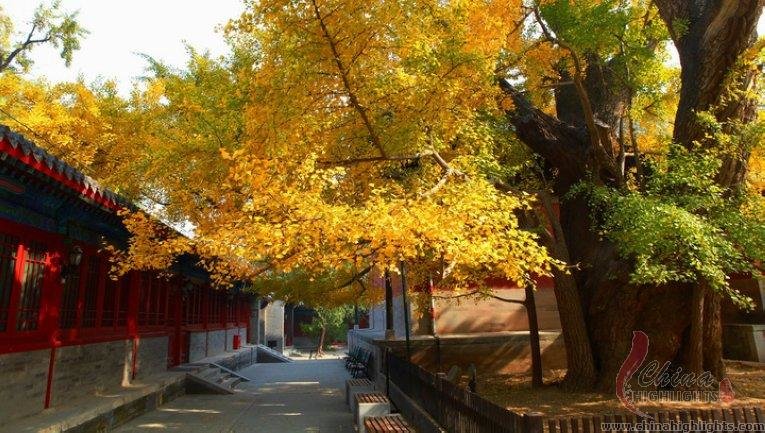
So I suppose it’s really best to admire the ginkgo in the environment which saved it from probable extinction, a Buddhist temple like this one, Dajue temple in the western hills near Beijing.
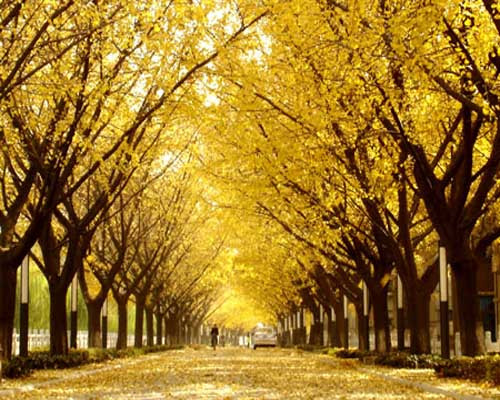
ginkgo fall dajue temple

___________________

Vermont fall foliage: http://i2.cdn.turner.com/cnn/dam/assets/120911072551-leaf-peeping-vt-jenne-farm-ed-sharron-story-top.jpg [in http://www.cnn.com/2012/09/21/travel/fall-leaf-peeping-autumn/%5D
Hokkaido fall foliage: http://4.bp.blogspot.com/-HK-XCKr055I/UGvr1pwda3I/AAAAAAAAGc8/oe2ckytpNRk/s1600/%E7%A7%8B%E3%81%AE%E9%AB%98%E5%8E%9F%E6%B8%A9%E6%B3%892.jpg [in http://talk-hokkaido.blogspot.com/2012/10/autumnal-foliage-around-daisetsu.html%5D
Qinghai fall foliage: my picture
Ginkgo trees along the street: my picture
Ginkgo trees autumn: http://chinatour.net/member/wp-content/uploads/2012/09/gingkgo.jpg [in http://chinatour.net/beijing/tour/autumn/%5D
Ginkgo leaves summer: http://upload.wikimedia.org/wikipedia/commons/thumb/f/f5/Ginkgo_Biloba_Leaves_-_Black_Background.jpg/400px-Ginkgo_Biloba_Leaves_-_Black_Background.jpg [in http://en.wikipedia.org/wiki/Ginkgo_biloba%5D
Ginkgo leaves autumn: http://upload.wikimedia.org/wikipedia/commons/7/78/GinkgoLeaves.jpg [in http://en.wikipedia.org/wiki/Ginkgo_biloba%5D
Fossil gingko leaf: http://upload.wikimedia.org/wikipedia/commons/c/c5/Ginkgo_biloba_MacAbee_BC.jpg [in http://en.wikipedia.org/wiki/Ginkgo%5D
Sacred fig: http://img.xcitefun.net/users/2009/09/117740,xcitefun-sri-maha-bodhi-tree-2.jpg [in http://forum.xcitefun.net/sri-maha-bodhi-sacred-fig-tree-sri-lanka-t38289.html%5D
Maitreya Buddha sitting under ginkgo: http://www.asia.si.edu/collections/zoom/F1911.411.jpg
Ginkgo Dajue temple: http://images.chinahighlights.com/2012/11/4c1ed9eaebda4d74a20d96f4.jpg [in http://www.chinahighlights.com/beijing/article-see-golden-ginkgoes.htm%5D

SQUATTING AND CHAIRS

2 June 2013

On our last visit to Hong Kong, my wife and I wandered into an antiques shop to poke around among the offerings. The owner, an ethnic Chinese, struck up a conversation with us. After discovering that I came from the UK, she lit up and became positively garrulous. It turned out that her son was completing a Masters at Oxford University, and she described, lovingly and in great detail, a trip she had recently made to the UK to see him. It soon became clear that she regretted Hong Kong no longer being British. In short order, her misty-eyed regrets over the UK leaving turned into a rant against the “Mainlanders”, Chinese from mainland China. This is a common topic of converstation in Hong Kong, where many of its ethnically Chinese residents determinedly stress that they are different from the Mainlanders. This determination is becoming fiercer as Mainlanders come in ever larger numbers to Hong Kong to gawp, buy, and generally get in the way. For this lady, there were two things which symbolized all the differences between Her and Them. She proceeded to tick them off on her fingers with disdain: “they spit, and they squat”.

I think we can all agree that the generalized Chinese habit of spitting is really quite revolting, particularly when it is preceded by a noisy hawking of the throat and – most disgusting of all – a blowing of the nose without a handkerchief. And it is true to say that you see very little of this in Hong Kong.

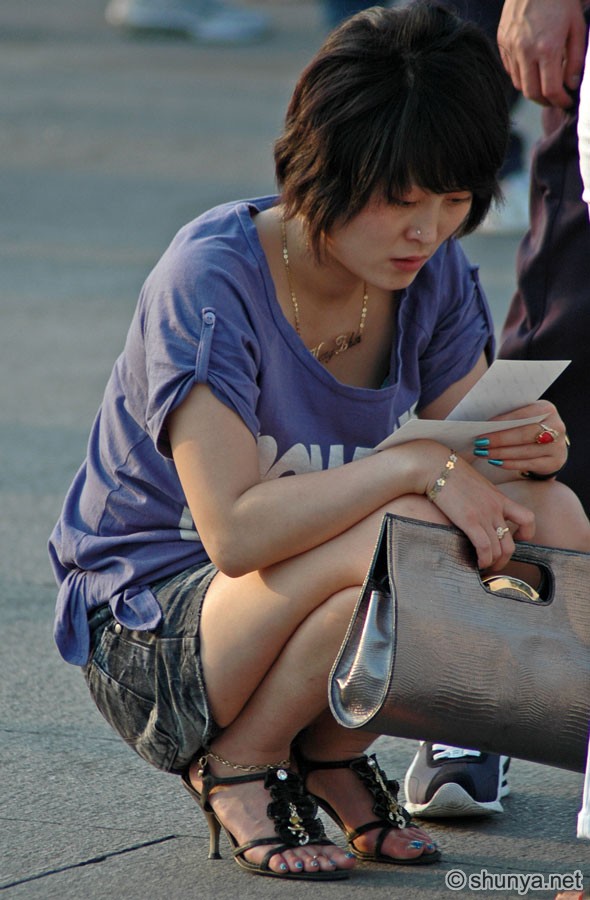
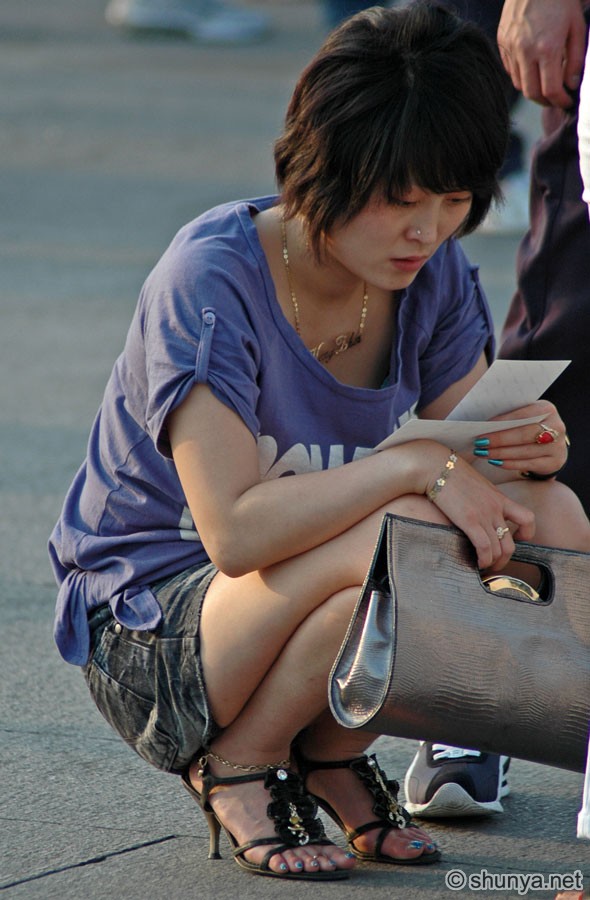
Our interlocutor’s hostility to the prevalent Chinese habit of squatting is more interesting. Everywhere in China – on pavements, in malls, at bus stops, in railway stations; anywhere, really, where people stand and wait – you will see people who have dropped down onto their haunches for a rest

squatting men beijing-wangfujing

reading, more often than not these days, their text messages.

squatting woman-5

I have to say that I also find this habit disquieting. It seems such a … humiliating posture, is the only way I can describe it. Every time I see people squatting, I scold them mentally: “Get up, get up! You are not a slave!”

And yet … when you think about it, in a world where chairs didn’t exist, which must have been 99.9% of the time that we have been human beings, it was really quite natural for us to drop down  onto our haunches when we were tired of standing and when there wasn’t a nice log or large stone to sit on. So I’ve come to the conclusion that I think the way I do about squatting because of the chair.

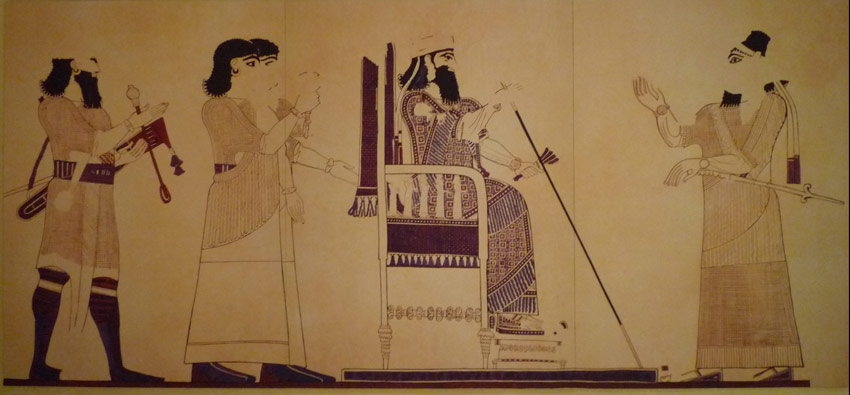
The chair, or rather the throne, was obviously an instrument used by Kings and Emperors, from the earliest times, to overawe their subjects. Here we have an Assyrian emperor lording it over some subject of his

throne-assyrian throne

And the temple of Abu Simbel in Egypt must surely be the epitome of rulers lording it over their lands while sitting on thrones

throne-abu simbel

Shelley’s poem Ozymandias, which I quoted in an earlier post, comes to mind when I look at these statues.

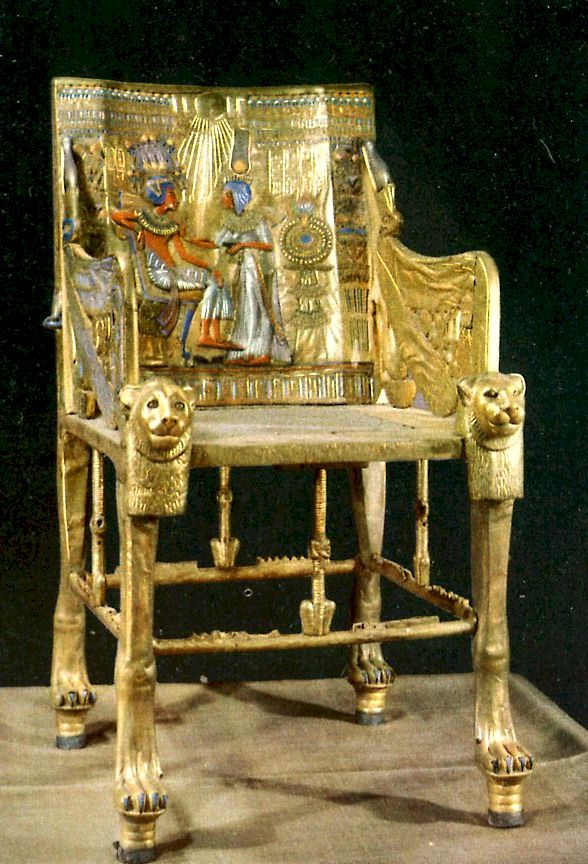
Egypt’s dry desert air, in which buried things do not rot, allows us to contemplate today a real Egyptian throne, this one from King Tut’s tomb (“Tutankhamun, King of Upper and Lower Egypt, Lord of the forms of Re, Strong bull, Perfect of birth, He whose beneficent laws pacify the two lands, He who wears the crowns, who satisfies the gods” to you, mere mortal, and don’t you forget it …):

throne-king tut-1

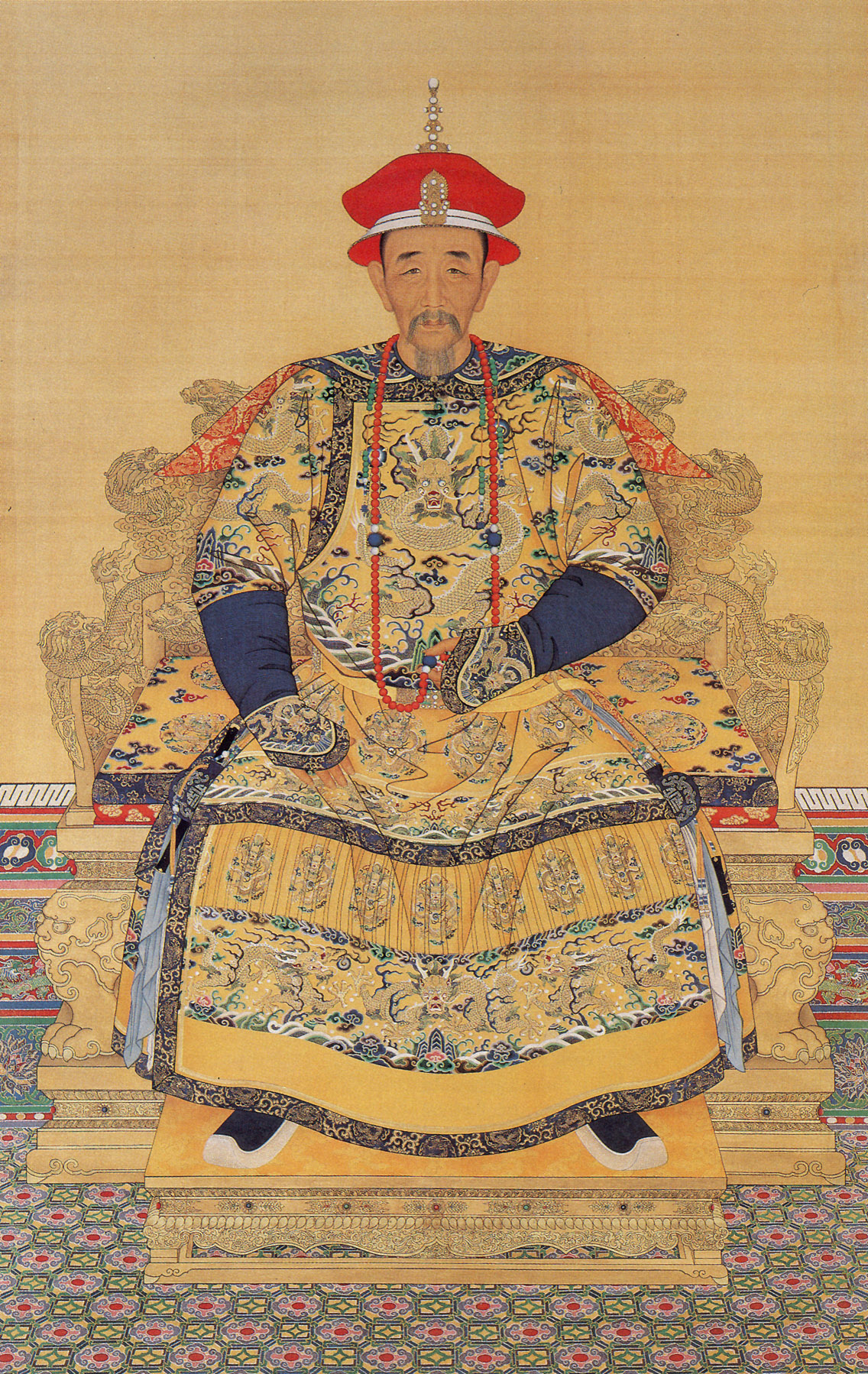
Even in more modern times have thrones played their part in elevating the splendour of the sitter, as in this case of the Qing emperor Kangxi

throne-Qing Emperor Kangxi

And of course Chinese emperors, along with many copy-cat Asian emperors, liked to have their subjects not just squat in front of them but to really debase themselves by kowtowing:

kowtowing before the emperor

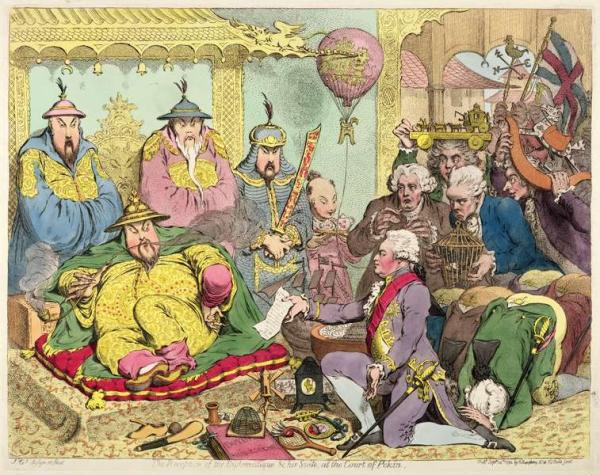
Which led to the famous diplomatic incident of 1793, when, Lord Macartney, King George III’s envoy to the Chinese Emperor, refused to kowtow but did accept to get down on one knee as he would have before his King:

kowtowing before the emperor-English ambassador

Even more recently, thrones have played their part to prop up monarchies. The last Shah of Iran, for instance, was fond of using the Naderi throne to impart some sheen to his tawdry reign.

throne-peacock throne-Shah in front

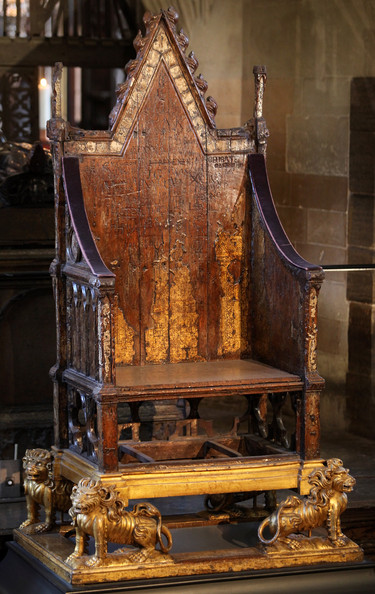
And of course we in the UK have our venerable King Edward’s Chair in which all English, and then British, monarchs (bar two) have been crowned since 1308 – by the way, King Edward I commissioned the chair to house the Stone of Scone after he stole it (a.k.a. war booty) from the Scots.

throne-king edwards

Those of us who have the seen the film The King’s Speech will recognize the throne, which appears at some point in the story and whose portentous humbug is mercifully taken down a peg or two by the egalitarian Australian speech therapist Lionel Logue (played by that wonderful actor Geoffrey Rush), who slouches around in it provoking a burst of monarchist anger from King George VI:

throne-king edwards-Geoffrey Rush in it

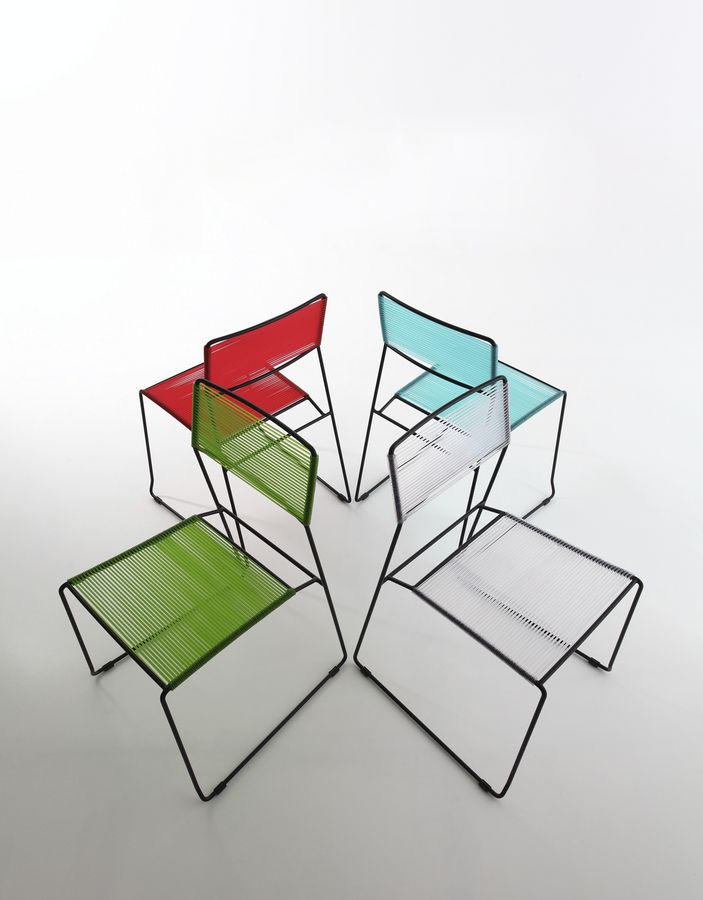
Luckily, Lionel Logue’s egalitarian comments about the chair in question was preceded a century or so ago (not more, I suspect) by a move to make the chair a product of mass consumption, which meant that I (but probably not the Chinese of my generation) have spent my whole life sitting on chairs and not squatting on the ground. I try to remember the chairs of my childhood but fail. A chair’s a chair, some of you might say, it’s a functional object. True, but even functionality for the masses can be beautiful. It took my wife to introduce me to Italian furniture design and to make me realize that a chair could be both beautiful and functional. The moment we could – in the early 1980s – we bought ourselves a set of dining chairs. My wife has scoured the internet for photos of the model of our chairs but has found none. This photo of the spaghetti chair is the closest I can find:

chair-sled based-spaghetti

I designed and put together a dining room table to go with our chairs, the only thing I have ever designed in my life. All slumber in a warehouse in Vienna, awaiting our return to Europe.

Later, when we were living in New York, we came across Shaker chairs (and other furniture) during a weekend trip in upstate New York which took us to an old Shaker colony. Beautiful things.

chair-shaker-2

We would have bought some reproductions if we hadn’t already had our chairs – and if they hadn’t been so expensive.

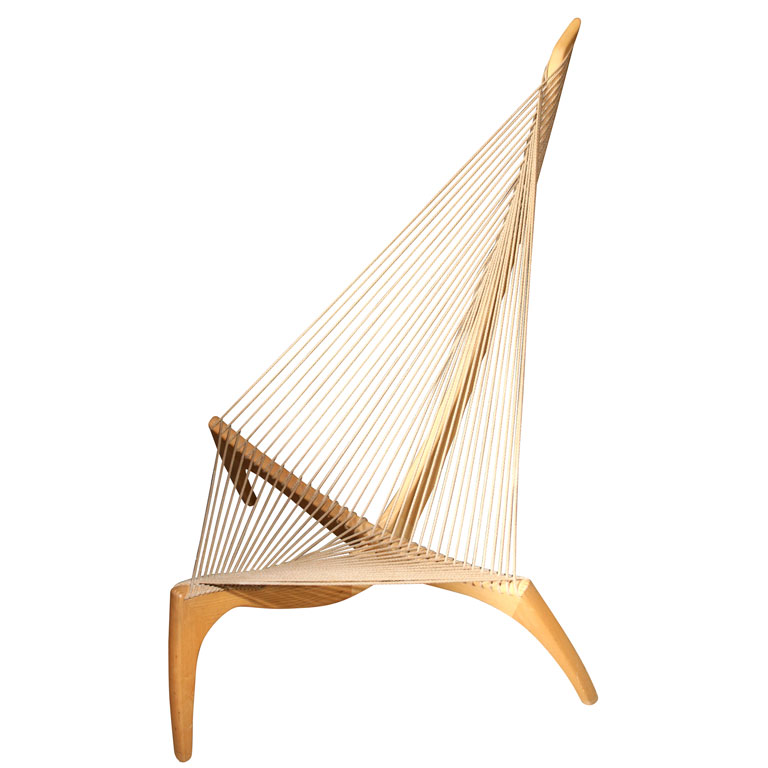
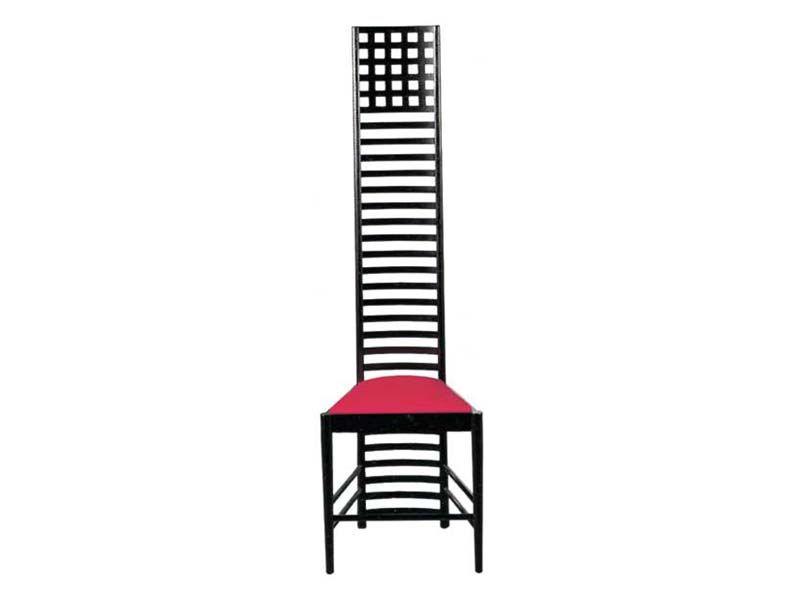
Over the years, we’ve seen some “trophy” chairs (chairs which don’t just sit quietly around a dining room table) which we wouldn’t have minded buying, if the price had been right (and if we’d had the space).

The Danish harp chair:

chair-danish harp chair

The Mondrian chair (this would have been more my choice than my wife’s):

Chair-Mondrian chair

Chairs designed by the Glaswegian architect, designer and artist Charles Mackintosh (again, my choice I think):

chair-Mackintosh chair

Here in China, chairs from the Ming period:

chair-ming-1

The reader will have noted by now that our tastes in chairs (indeed, all furniture) lean towards the simple and clean line …

I suppose that with consumption on the rise in China, the habit of squatting will disappear, as will – I fervently hope and pray – the habit of spitting.  In the meantime, I will continue to mentally exhort my fellow Beijingers to stand up straight and proud every time I see them squatting on the ground.

_________________________

Squatting men: http://mattchalmighty.files.wordpress.com/2012/10/beijing-wangfujing-men-squatting-large.jpg
Squatting woman: http://www.shunya.net/Pictures/China/Beijing/BeijingWoman.jpg
Assyrian throne: http://www.ucl.ac.uk/sargon/images/essentials/kings/sh5-til-barsip-large.jpg
Abu Simbel: http://famouswonders.com/wp-content/uploads/2009/04/abu-simbel.jpg
King Tut throne: http://comeseeegypt.com/images/tutthrone.jpg
Qing Emperor Kangxi: http://upload.wikimedia.org/wikipedia/en/1/12/China,Qing,Emperor,Kangxi,Painting,Color.jpg
Kowtowing before the emperor: http://www.mitchellteachers.org/WorldHistory/AncientChinaCurriculum/Images/legendaryemperors/ImperialRobesOfficialsPayingRespect_large.jpg
English ambassador Lord Macartney before the Emperor: http://images.printsplace.co.uk/Content/Images/Products/92648/89219/Reception_of_the_Diplomatique_and_his_Suite_at_the_Court_of_Pekin__c_1793__1.jpg
Shah of Iran in front of peacock throne: http://filelibrary.myaasite.com/Content/26/26343/29921747.jpg
King Edward’s Chair: http://www2.pictures.zimbio.com/gi/Visitors+Look+Coronation+Chair+Westminster+Wk0GK7SFdXnl.jpg
Geoffrey Rush sitting in King Edward’s Chair: http://v020o.popscreen.com/eGhxd3hrMTI=_o_st-edwards-chair.jpg
Spaghetti chair with sled base: http://img.archiexpo.com/images_ae/photo-g/commercial-contemporary-sled-base-stacking-chair-50648-3267845.jpg
Shaker chair: http://www.jkrantiques.com/_images//ShakerCounterChairWeb.jpg
Danish harp chair: http://shard1.1stdibs.us.com//archives/upload/1stdibsA/071607_sb/arensojoldHD/19/xHudJuly07_398.jpg
Mondrian chair: http://www.dorotheum.com/fileadmin/user_upload/bilder/Presse/Gallery_of_Highlights/Rietveldstuhl.jpg
Mackintosh chair: http://1.bp.blogspot.com/-_ZjHHv_Nzls/UOP0yApjC4I/AAAAAAAAAI0/yTahn5EI7q0/s1600/1.Charles_Rennie_Mackintosh_Hillhouse_Chair_rfd.jpg
Ming chair: http://www.easterncurio.com/easten%20curio/Afurniture/ItemForOn-Selling/A1S152101.jpg

A CELEBRATION OF THE HUMAN FACE

Beijing, 25 May 2013

Many, many (many…) years ago, as a fresh-faced engineering undergraduate, I was introduced to the concept of the Random Walk. My memory is hazy now, but as I recall it had something to do with a way of modelling the behaviour of molecules in a gas. The idea was that molecules could be considered as little ping pong balls taking random paths as they whizzed around colliding with each other chaotically.

If I bring this up, it is because during the visit which my wife and I made two weeks ago to the Metropolitan Museum in New York I rather felt that we had unwittingly gone on a random walk of our own. I should explain that whenever we are in New York we always try to slip in a visit to the Met. It is really the most wonderful museum, with an amazingly extensive collection. We normally just go along and wander around in a rather purposeless way, but this time I decided to be slightly more ordered about it. I checked on the museum’s web site to see what exhibitions were on and drew up a list of those which sounded interesting. My list included, in no particular order, “Impressionism, Fashion, and Modernity”, “The Roof Garden Commission: Imran Qureshi”, “PUNK: Chaos to Couture”, “Photography and the American Civil War”, “African Art, New York, and the Avant-Garde”, “Street”, “Cambodian Rattan: The Sculptures of Sopheap Pich”, “Objects from the Kharga Oasis”, “Plain or Fancy? Restraint and Exuberance in the Decorative Arts”. A rich diversity, I think you will agree. Once arrived, we decided to visit these various exhibitions as the fancy took us, interspersed by two visits to the cafeteria. The result was that we criss-crossed the museum quite randomly, finding ourselves walking unwittingly through many different parts of the permanent collections and bumping into admirable pieces along the way.

So it was that at one moment early on in our random walk we found ourselves in the Cypriot Antiquities section – not a section I would normally have ever thought of visiting. And there, I suddenly found myself nose to nose with this statue.

faces at the met 001

He was someone from the 4th Century BC, I learned from the label, but my immediate thought was “Good Lord, it could be one of my children’s friends”, and suddenly the 24 centuries which separated us disappeared. This was no longer a piece of art to be studied respectfully but someone I could have known and passed the time of day with. In some muddled way, I decided there and then that as we walked the various corridors of the museum, I would take photos of some of the more interesting faces we came across, as a testimony to all that humanity lying just below the surface of paint and wood and stone and paper that surrounded us. Here is my resulting photo album, shown in the random order that I came across them:

A ruler from the area of Iran, 40 centuries ago. This one gave me goose-bumps because I have a copy of it buried in my warehoused stuff in Vienna.

faces at the met 004

A governor, by the name of Gudea, of the city of Lagash in Mesopotamia (I like the way he holds his hands):

faces at the met 010

Our random walk is bringing us into East Asia.

A bodhisattva from Shanxi province. A mere 15 centuries separate us. Is it unfair to say that he looks rather self-satisfied?

faces at the met 012

We jump forward 15 centuries, give or take, with this timid Korean scholar from the early 20th century:

faces at the met 016

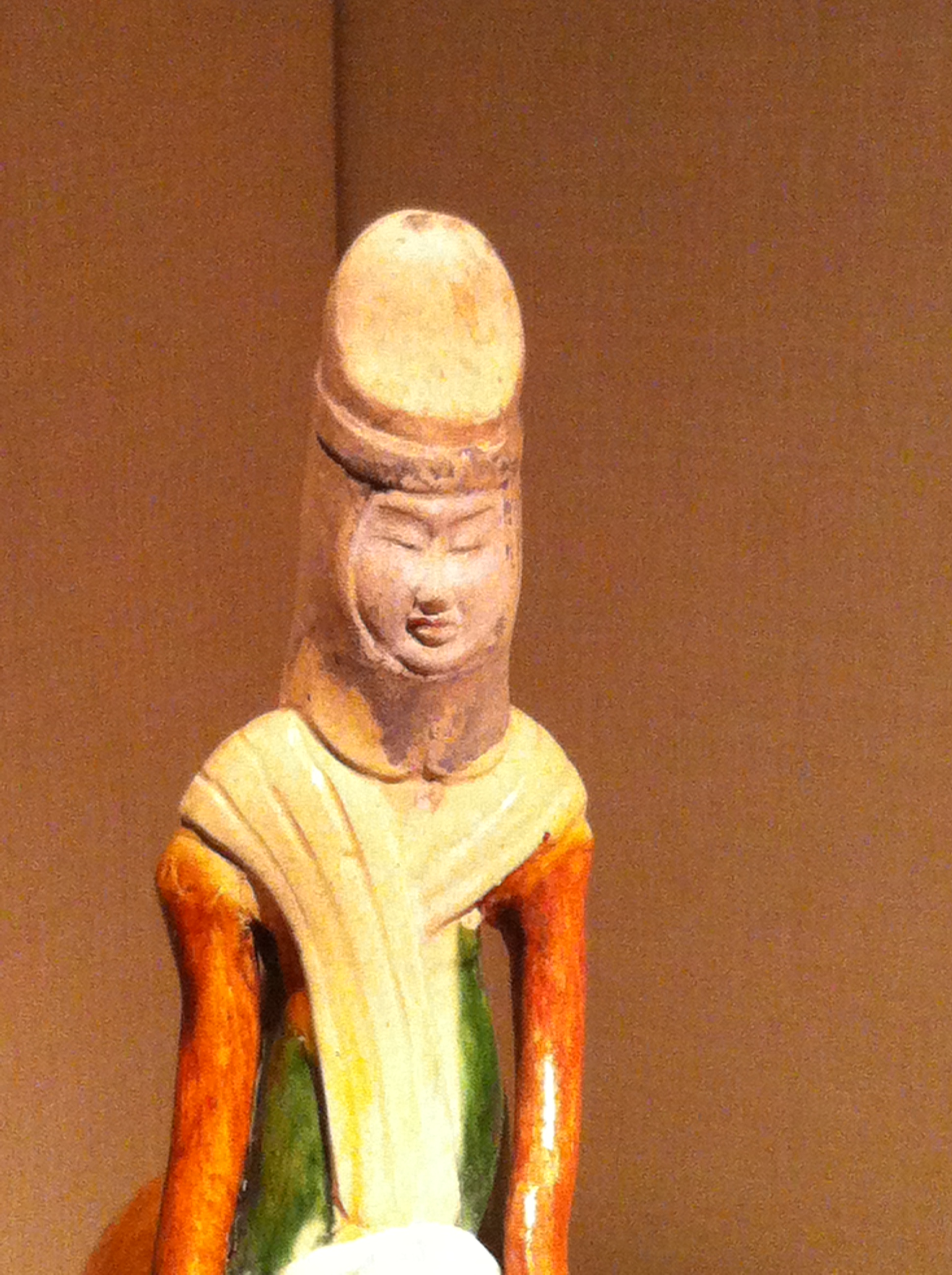
A female horse rider, from the western reaches of the Tang Empire I would guess from her clothes, and very tired after a long journey I would think from the expression on her face.  13 centuries separate us.

faces at the met 020

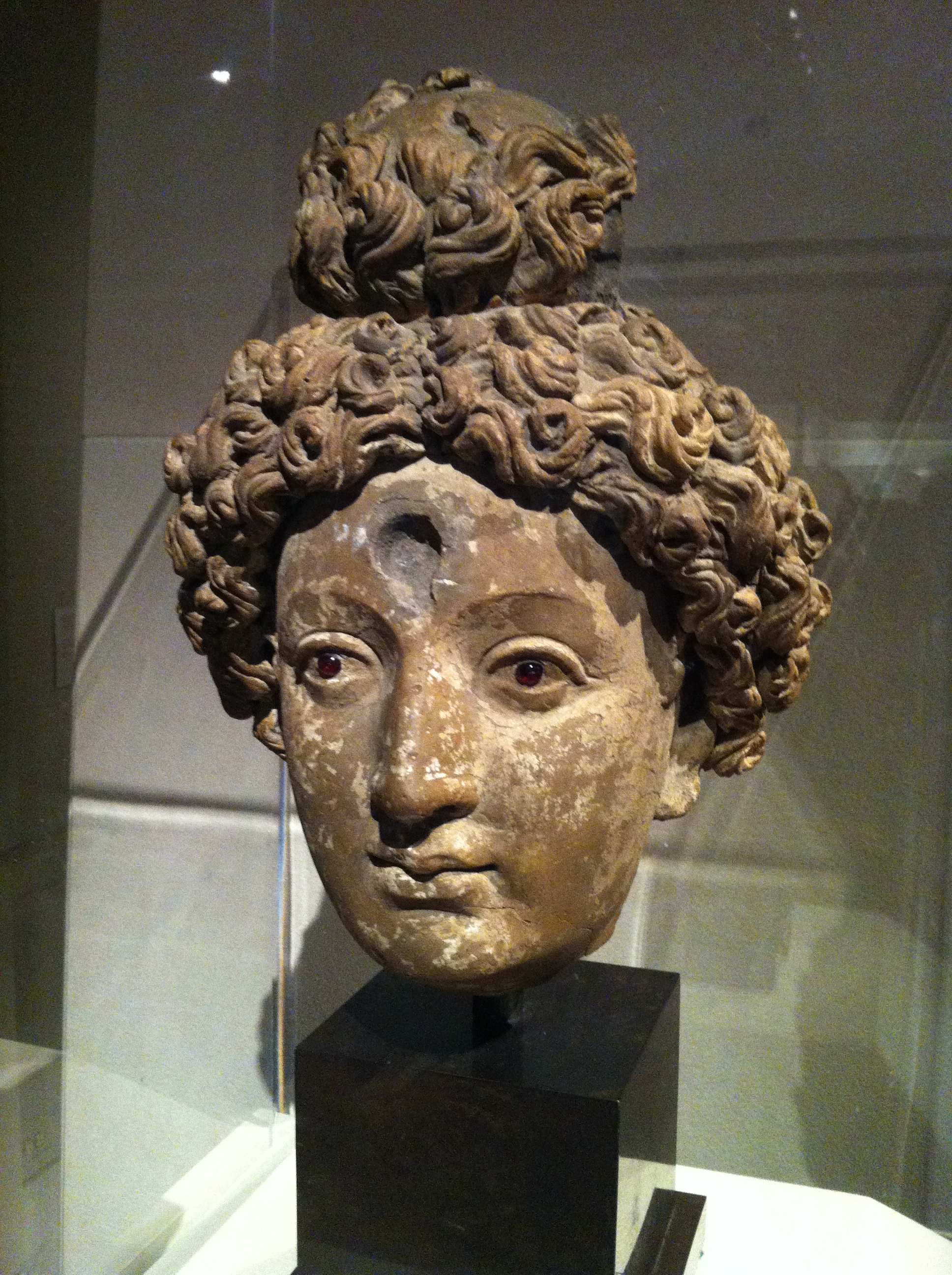
A buddha from the area of Afghanistan when it was still buddhist, 15 centuries ago. Are we seeing the Greek influence which came from this area being conquered by Alexander the Great?

faces at the met 025

Those cupid lips! A bodhisattva from Shanxi province, 14 centuries back.

faces at the met 027

Our random walk is making us transition brutally to Medieval Europe.

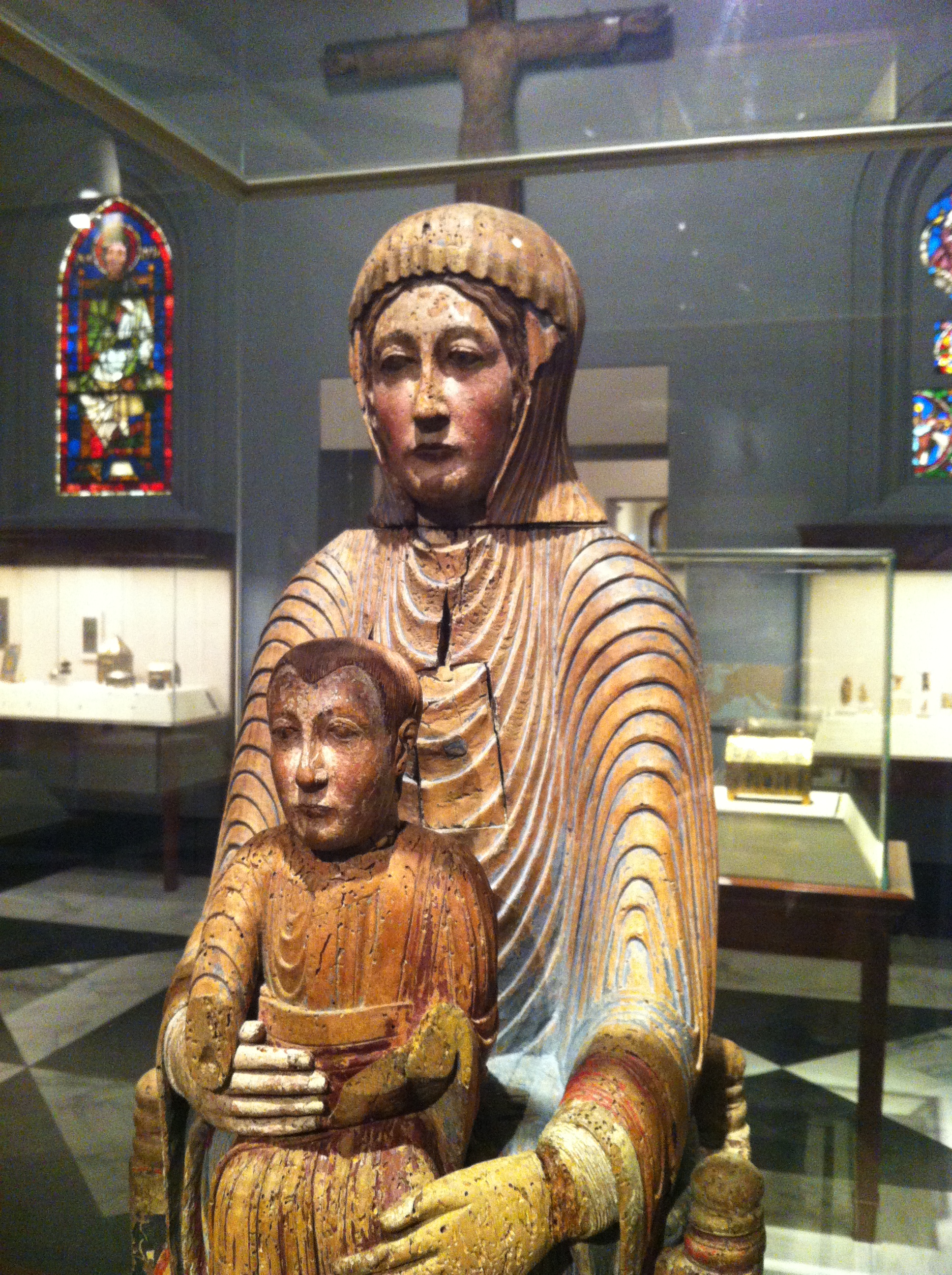
A brooding Virgin Mary from 10 centuries ago.

faces at the met 078

A stern-looking saint (Saint Yrieix … who is that?), a face from 10 centuries ago.

faces at the met 030

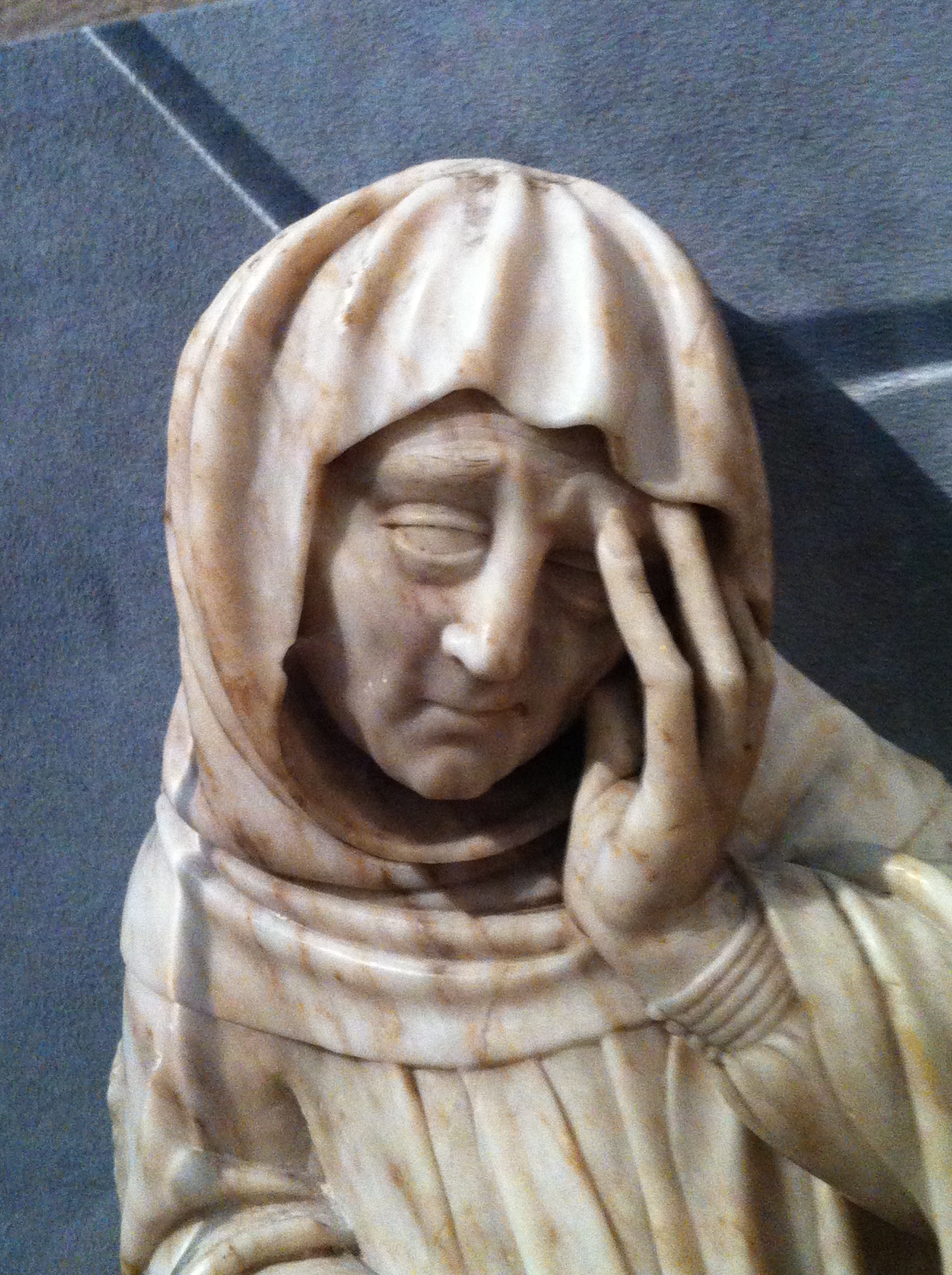
A mourning Virgin Mary at the crucifixion from 6 centuries ago

faces at the met 032

Her mourning is German, sober and contained. This Virgin’s mourning, from the same period, is more Mediterranean. She is Spanish.

faces at the met 038

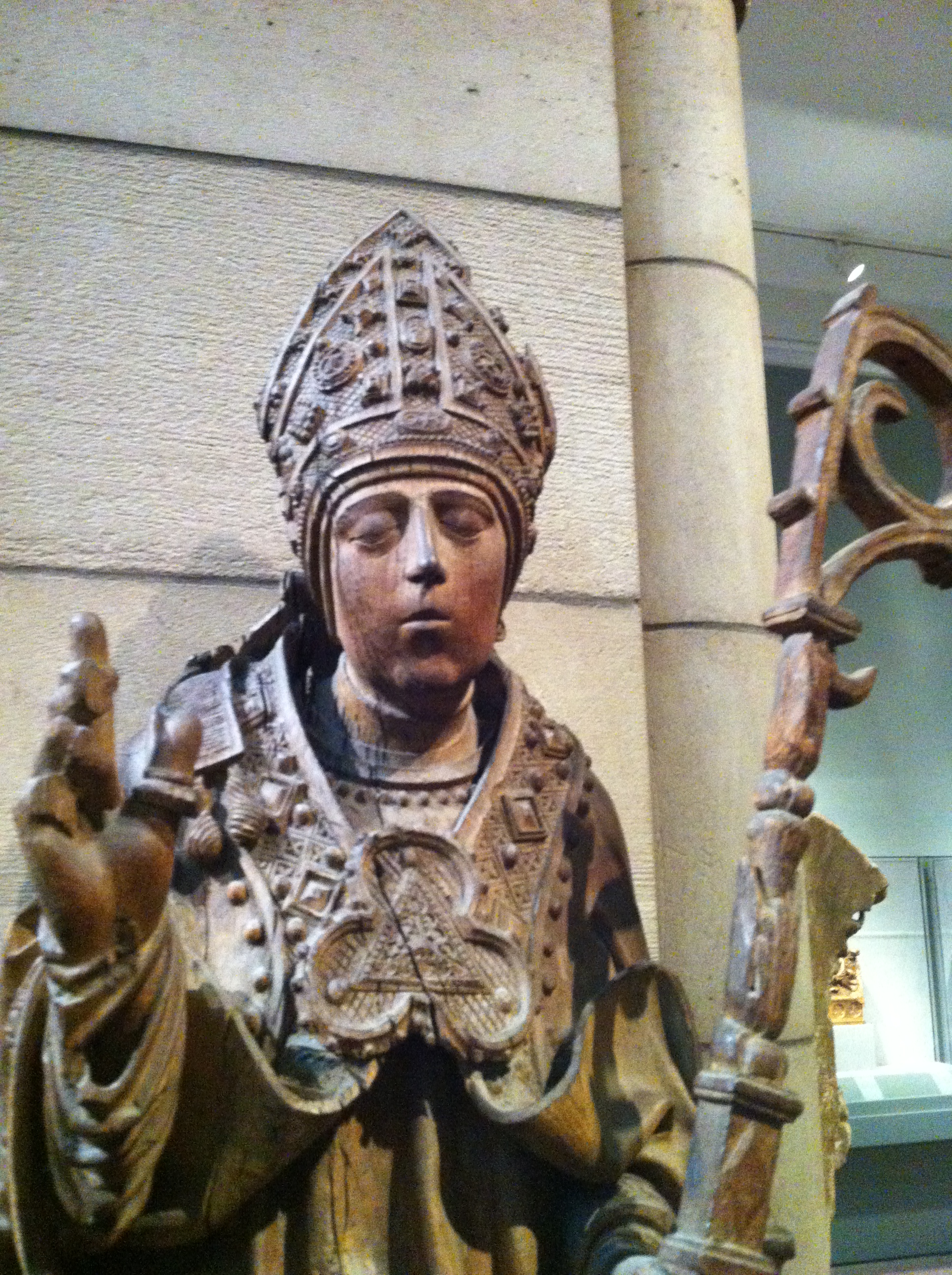
A rather foolish-looking bishop from 6 centuries ago.

faces at the met 034

The random walk is now taking us through the print and photo section.

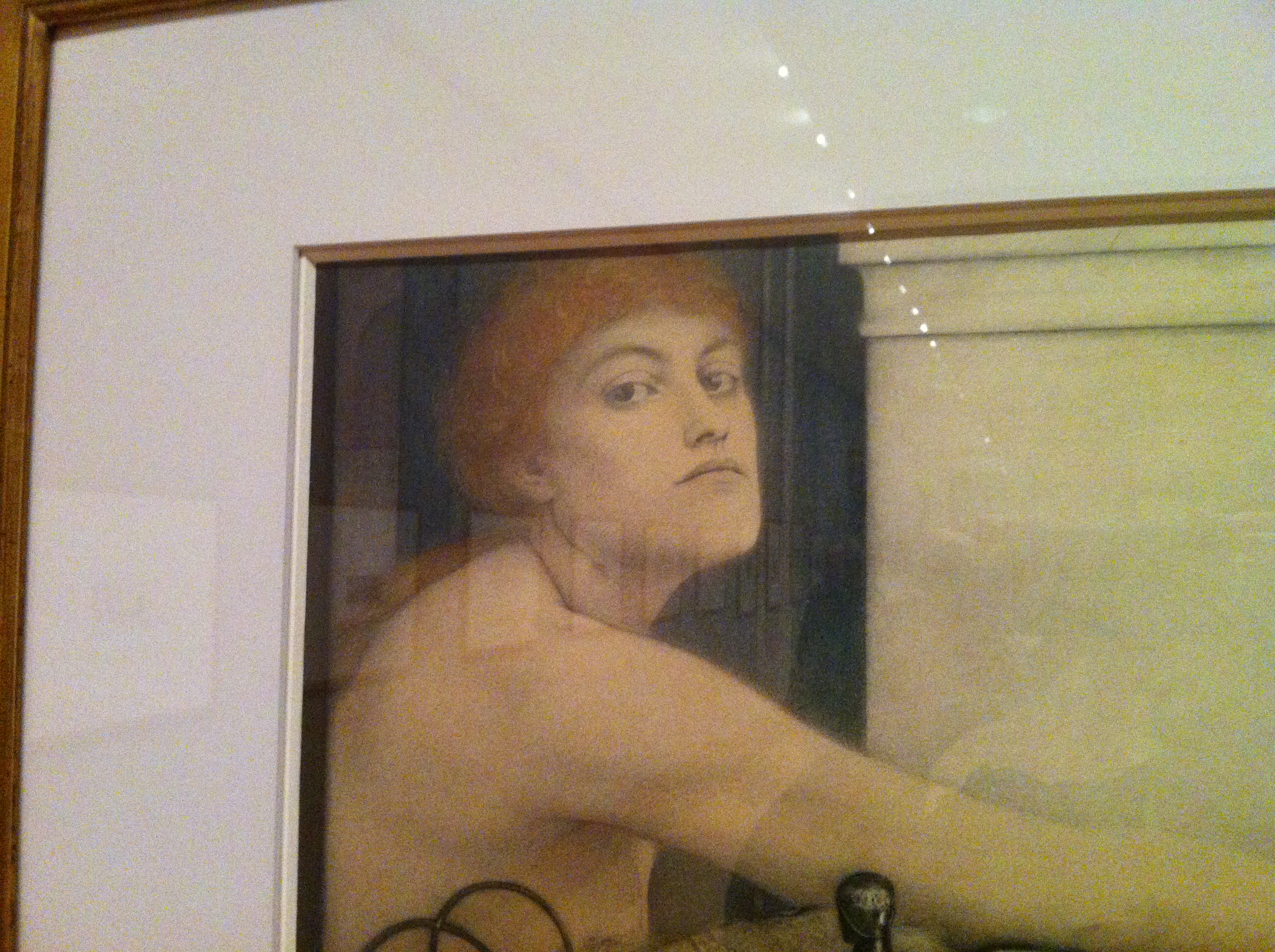
A woman from the 1890s.

faces at the met 040

A woman from the 1930s. It’s a Pollock, which is intriguing.

faces at the met 042

Another woman from the 1930s, on the Paris boulevards.

faces at the met 047

We are suddenly back in the Cypriot section, although in a different room.

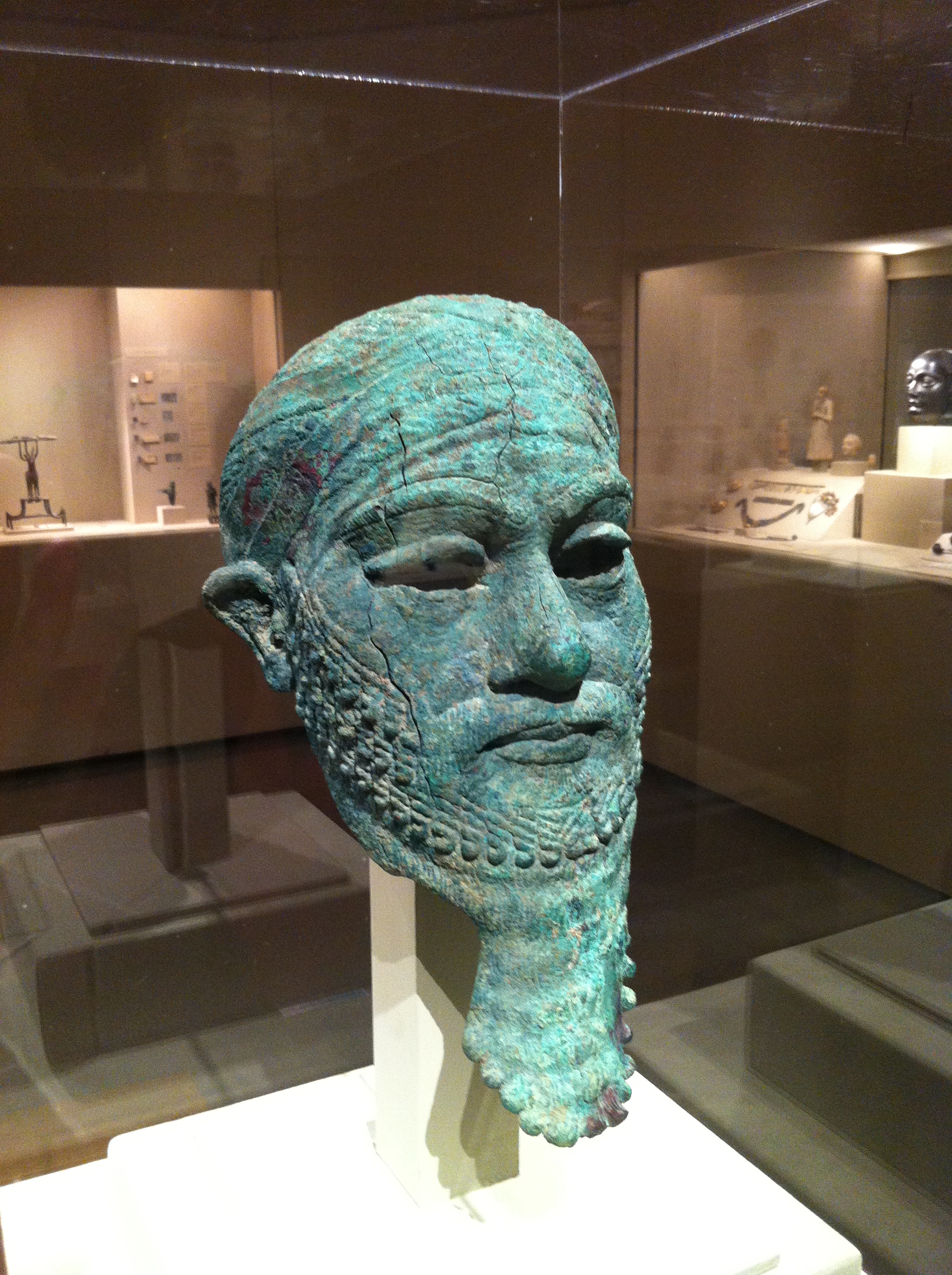
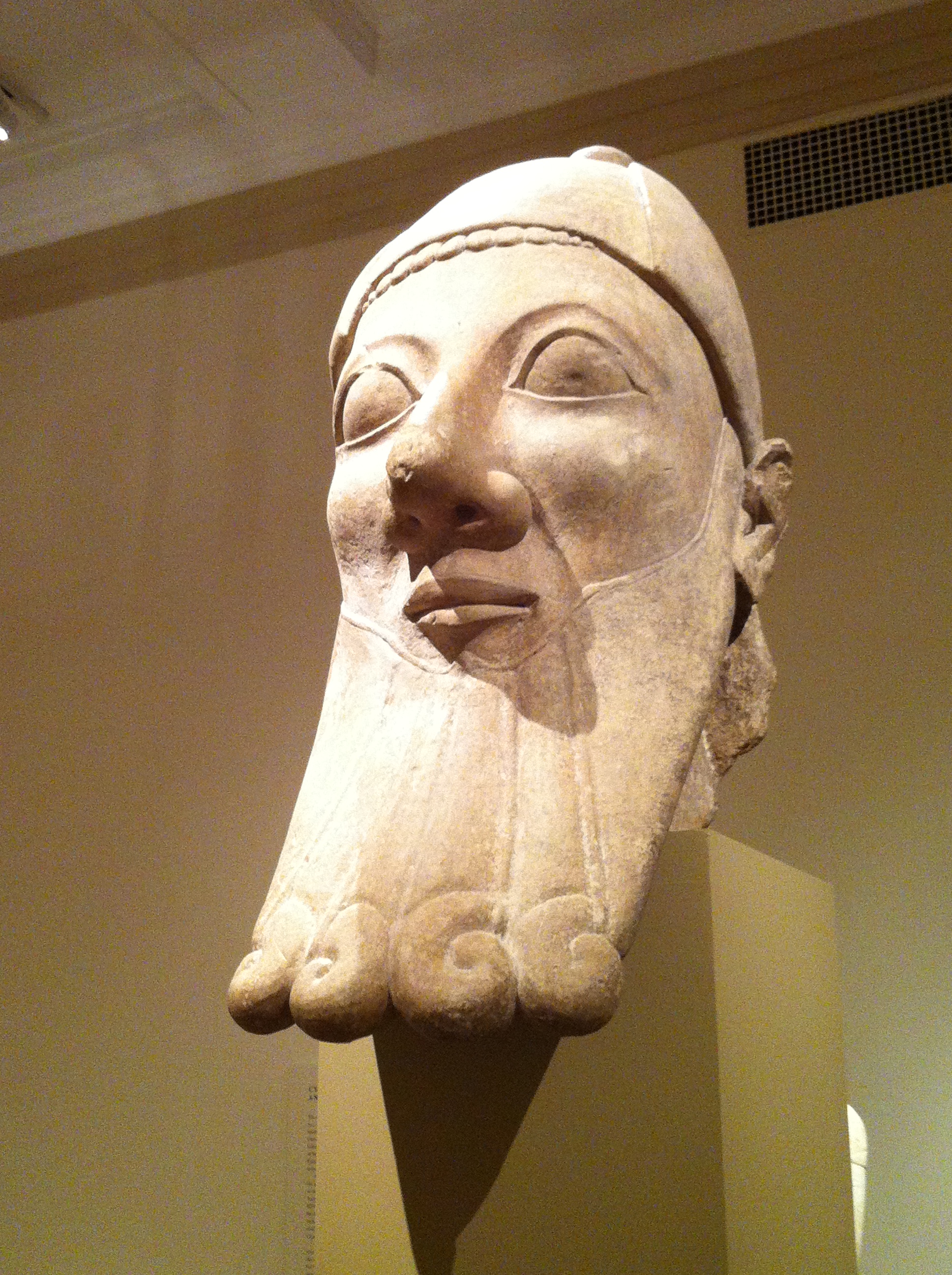
A man with a wonderful beard, from 27 centuries ago.

faces at the met 056

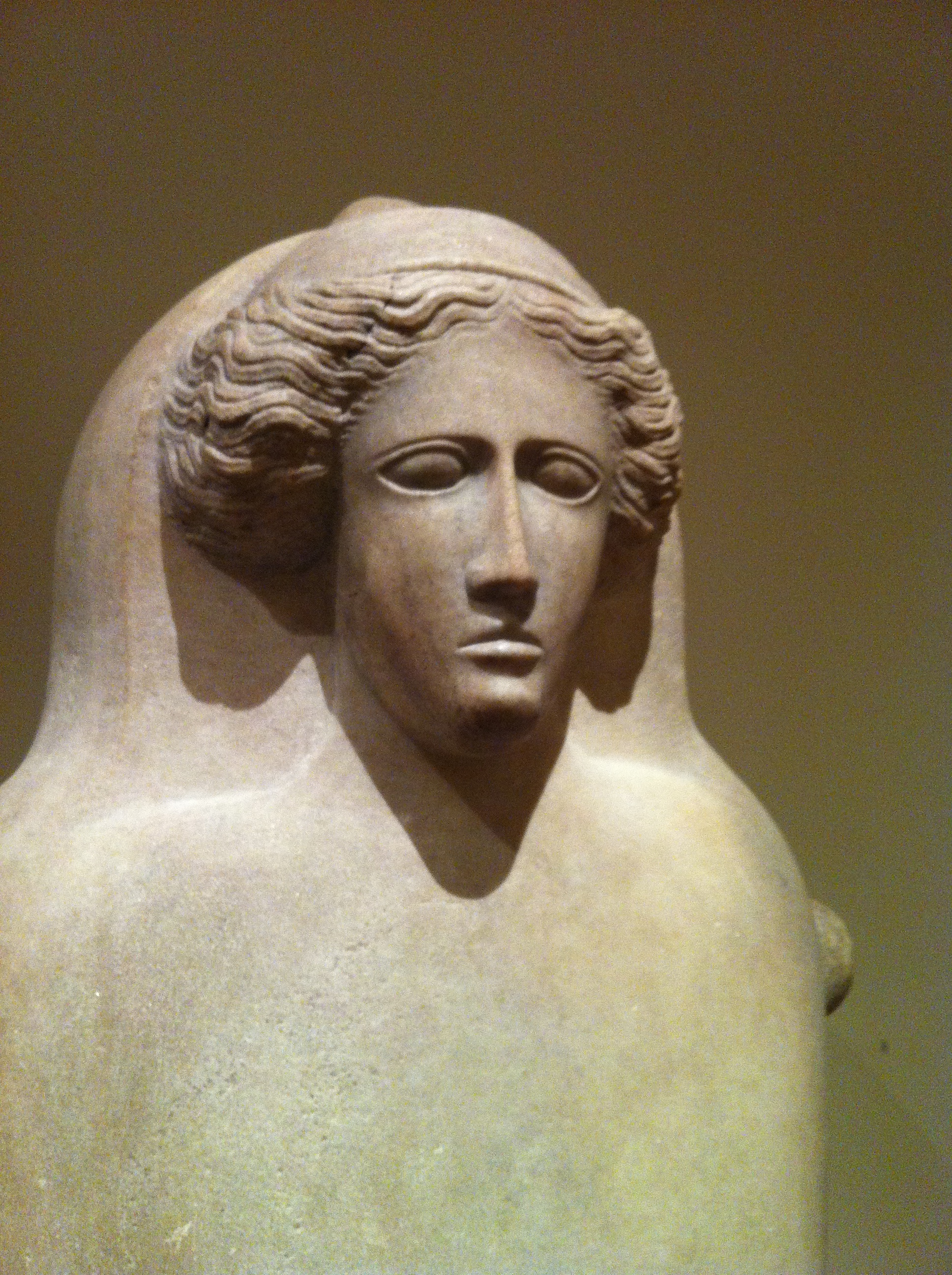
A woman staring death in the face, from a little later.

faces at the met 062

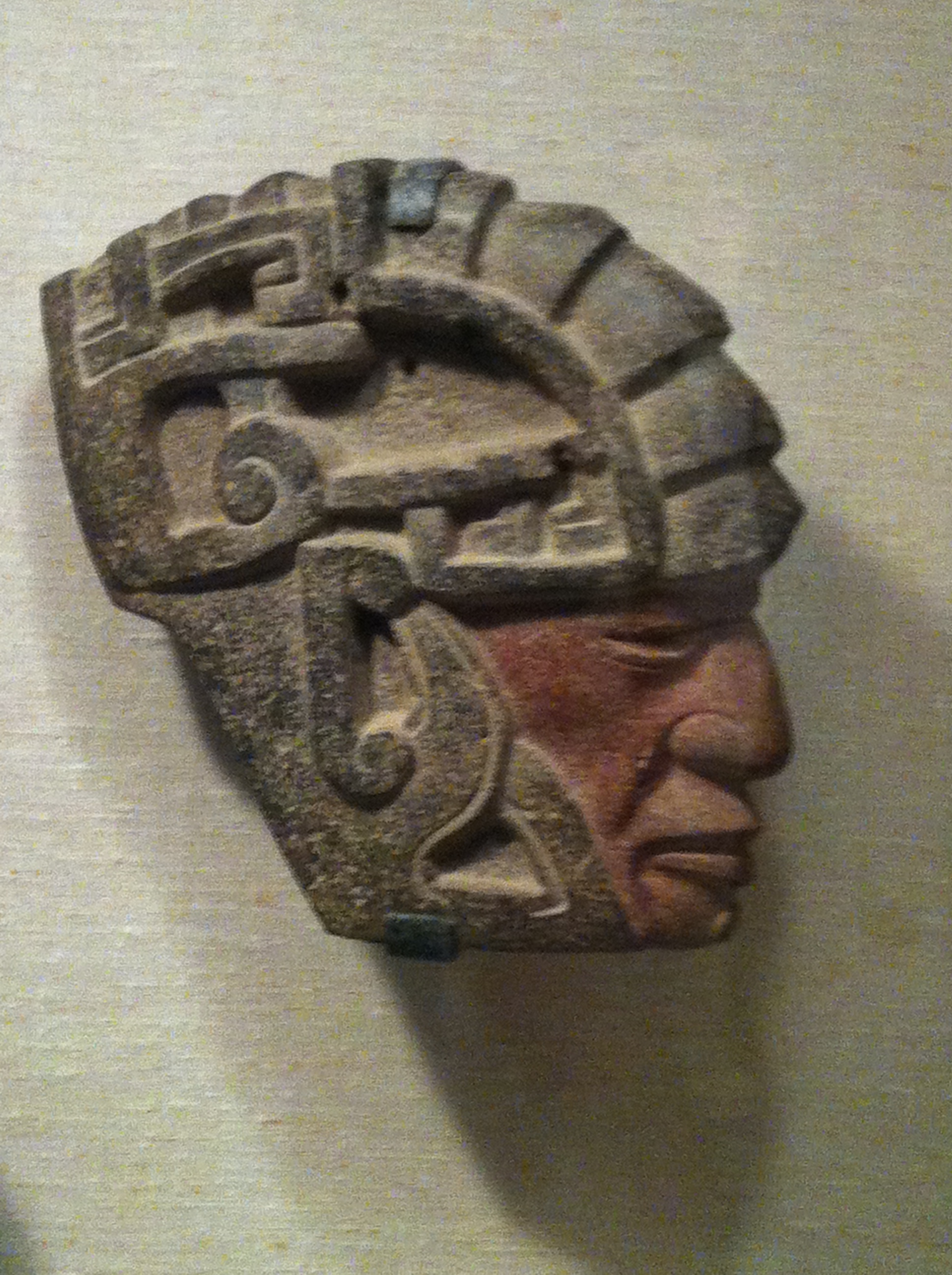
And now our random walk is bringing us to meso-America.

A pensive face from Mexico, 14 centuries ago.

faces at the met 066

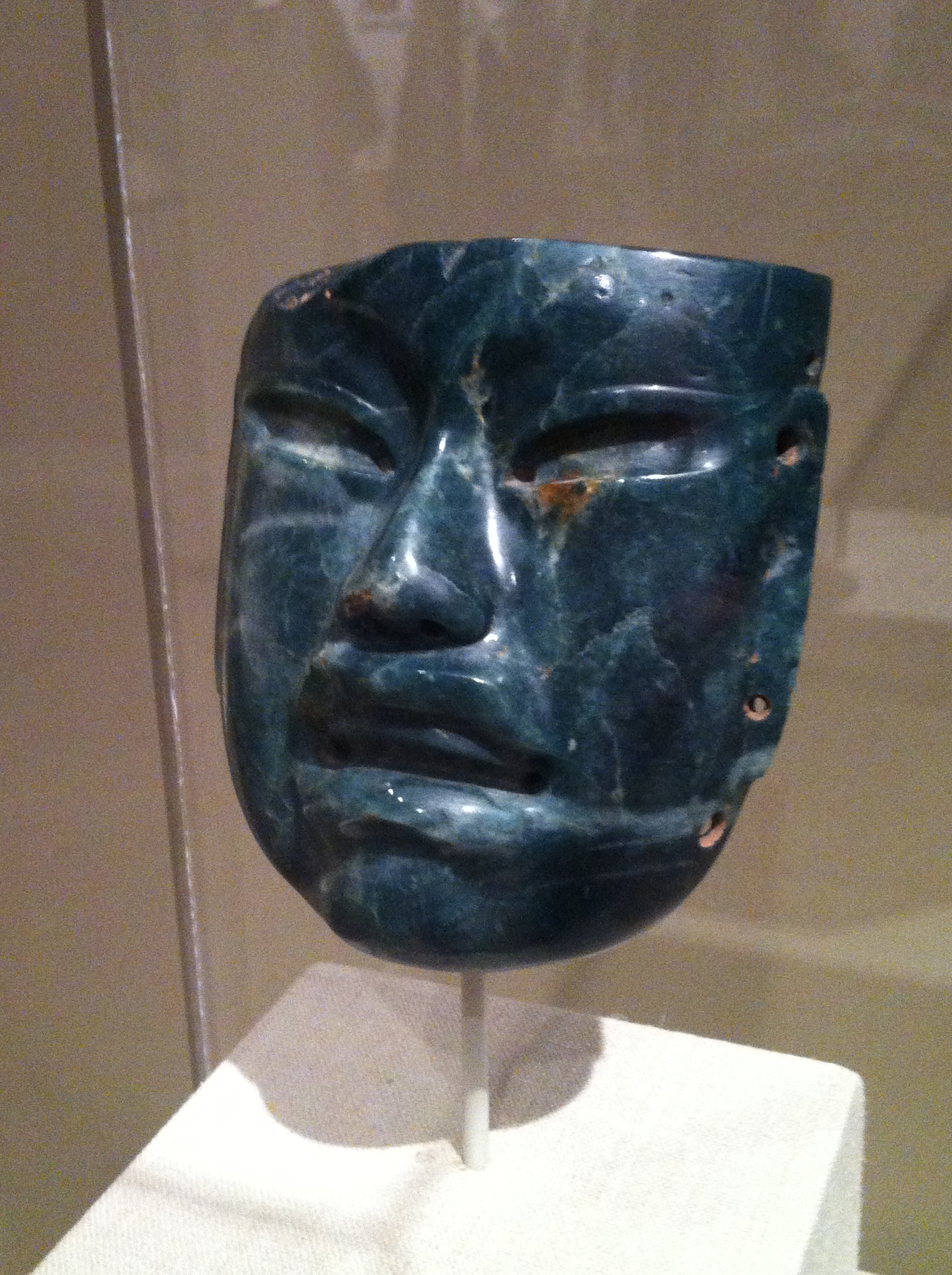
An anguished face from 30 centuries ago, from Mexico again.

faces at the met 074

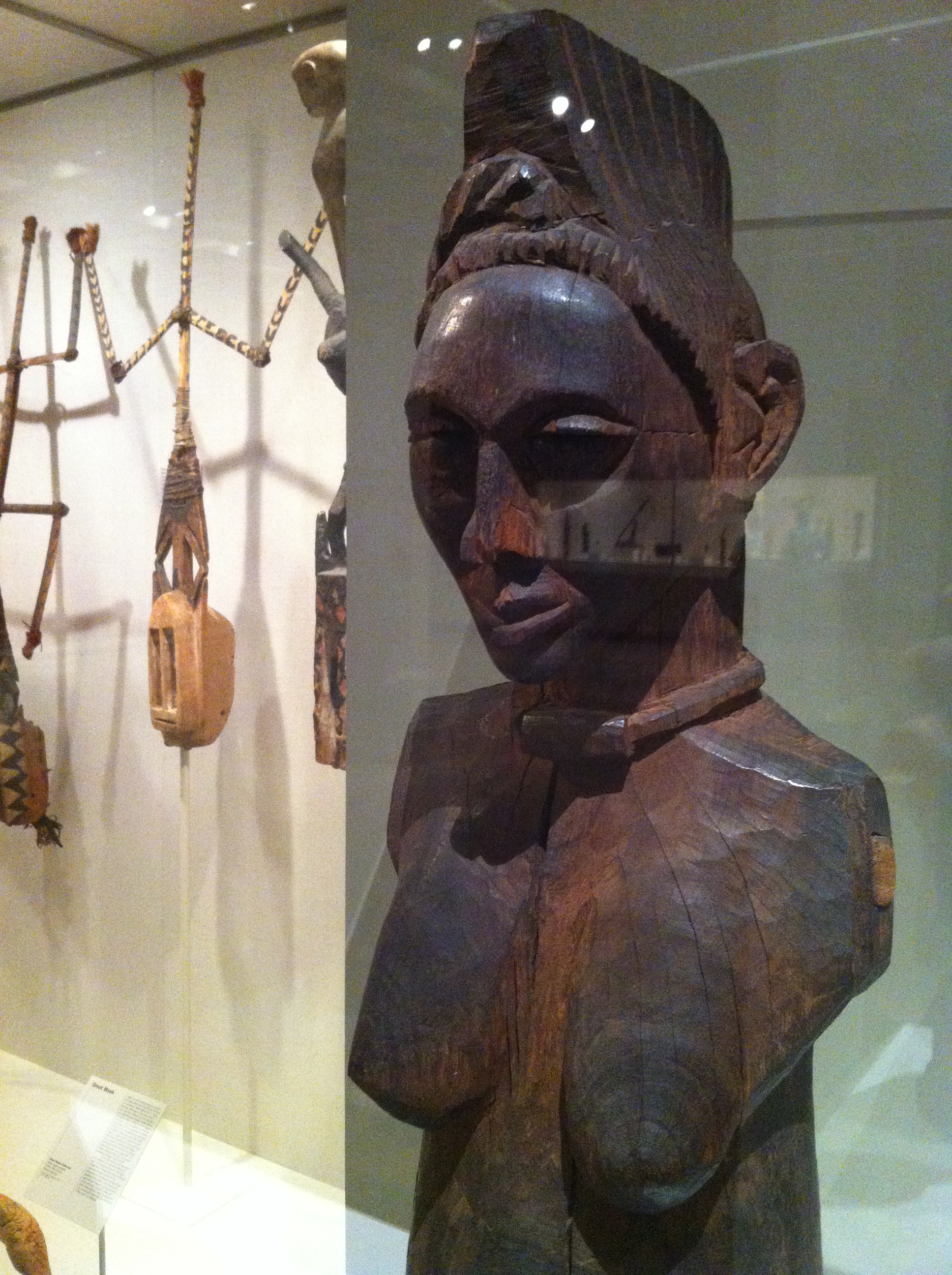
Suddenly, we lurch into Africa.

A West African woman, from a century ago.

faces at the met 070

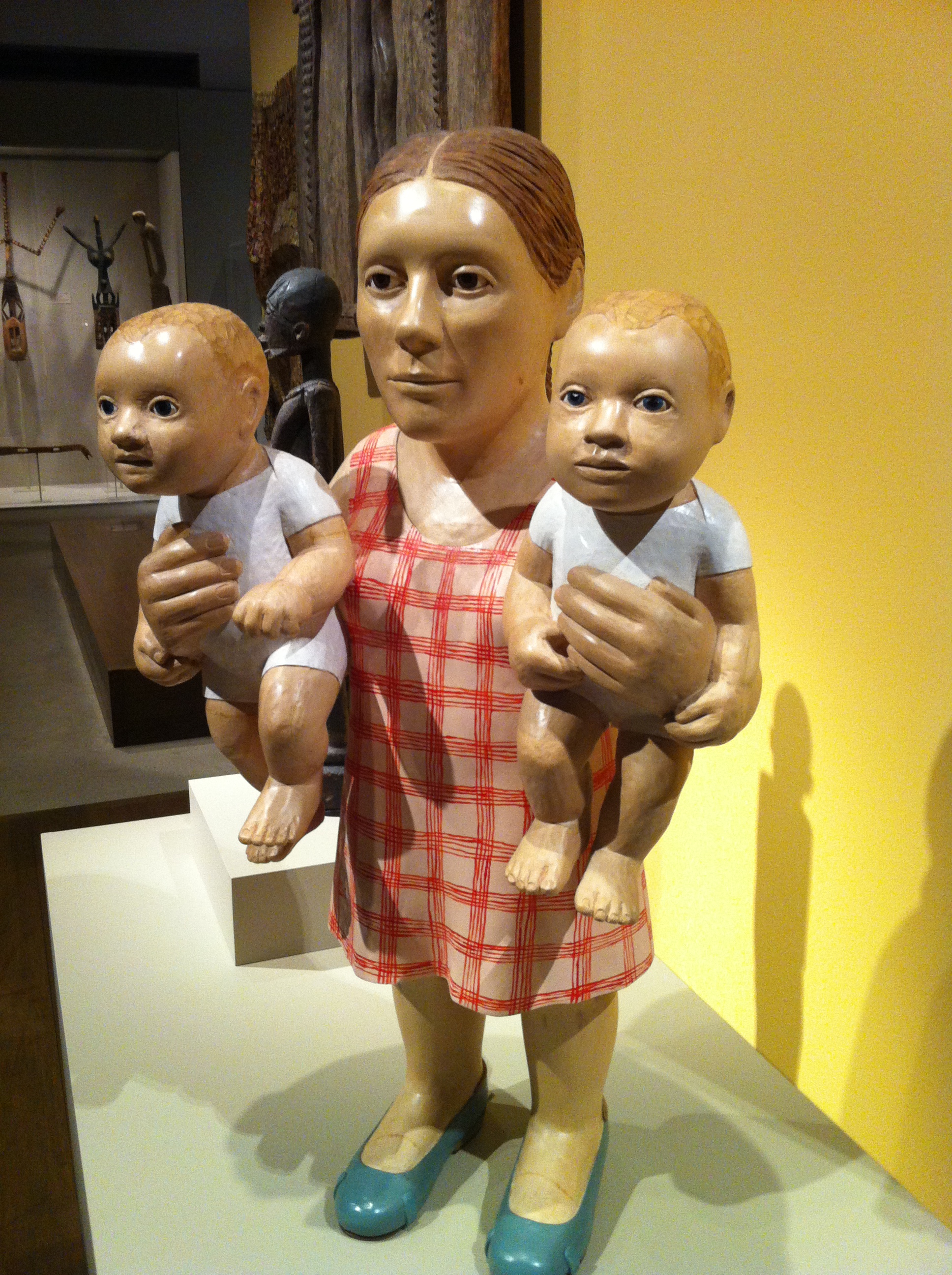
A South African woman from just a few decades ago.

faces at the met 068

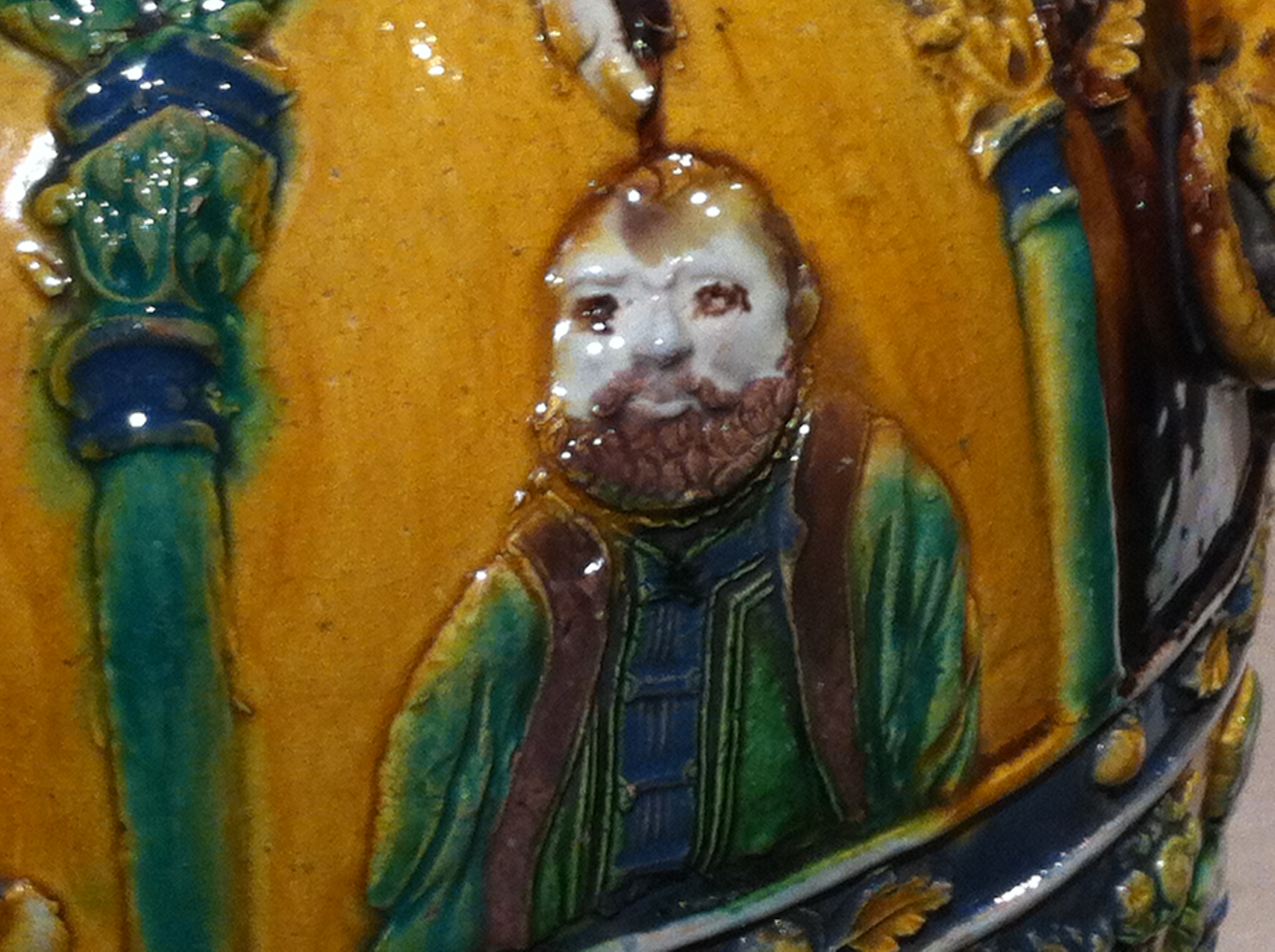
And finally as we are making for the exit, a small face on a German jug of the 16th Century catches my eye and camera.

faces at the met 076

_________________

Pictures: all mine

A SYMPHONY OF WHITE

Beijing, 16 May 2013

My wife and I are in the US at the moment for our son’s graduation. We were down in Philadelphia over the weekend, together with our daughter, proudly present at the Great Moment.

graduation caps thrown in air

My wife and I had visited Philadelphia some 30 years ago, together with my mother-in-law, on our before-the-marriage honeymoon (I have referred to this in an earlier post). But we didn’t remember much, so we decided to go and visit the old part of town again.

It was all very pretty and peaceful; the streets in the old part of Philadelphia are really very pleasant to stroll along. As we walked, we came across some white roses planted along the pavement, separating it from a parking lot. These were not the sculpted creations one finds in carefully tended gardens but were more the blowsy type found on wild bushes.

white flowers 002

And they smelled heavenly!

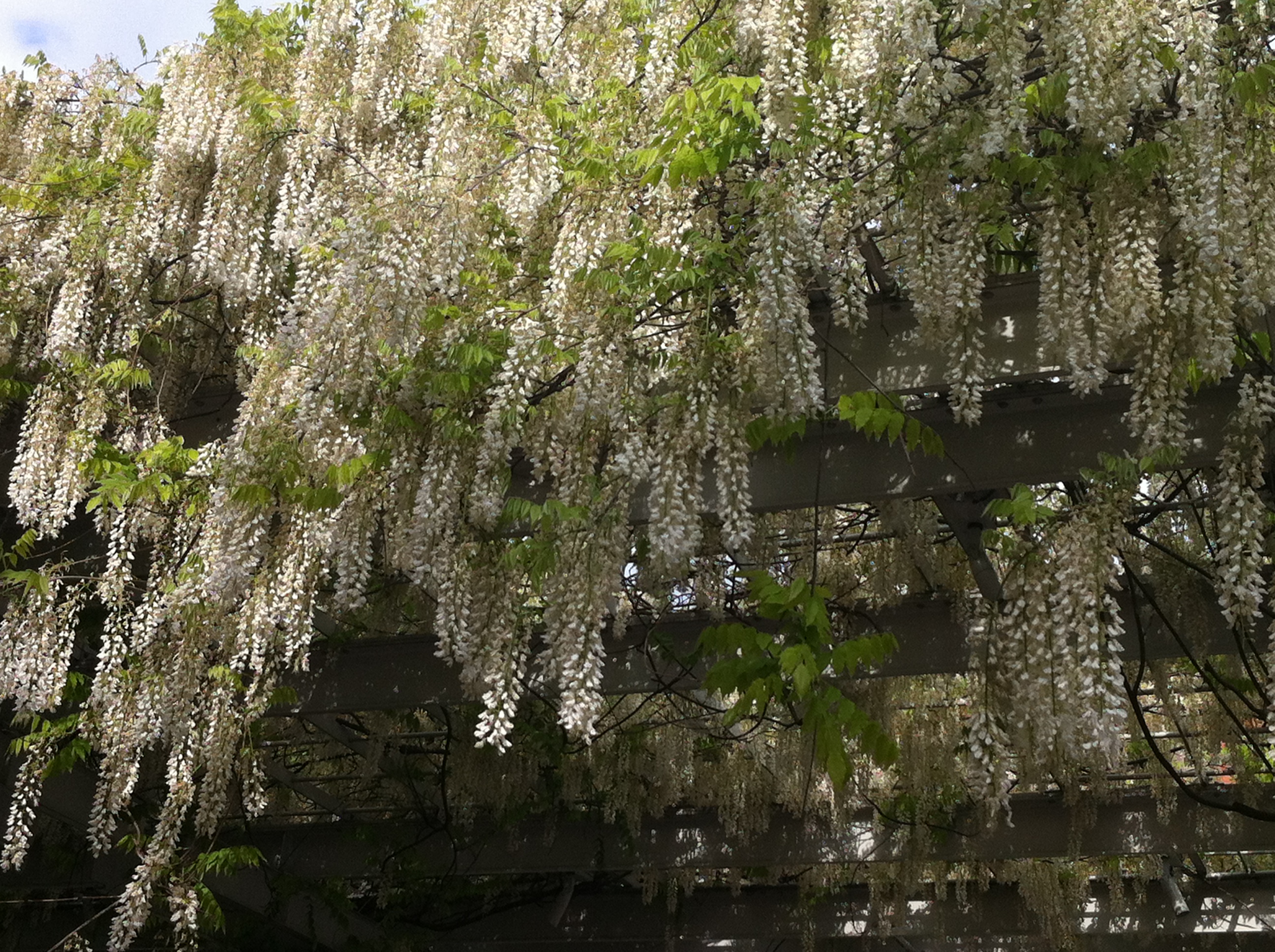
A little later, when we arrived at the visitors’ centre, we stumbled into a magnificent trellis of white wisteria.

white flowers 004

I decided there and then to spend the rest of our visit to the US photographing all the white flowers we would come across, first in Philadelphia and then in New York where we would be staying a few extra days with our daughter. Here is the album of what we found:

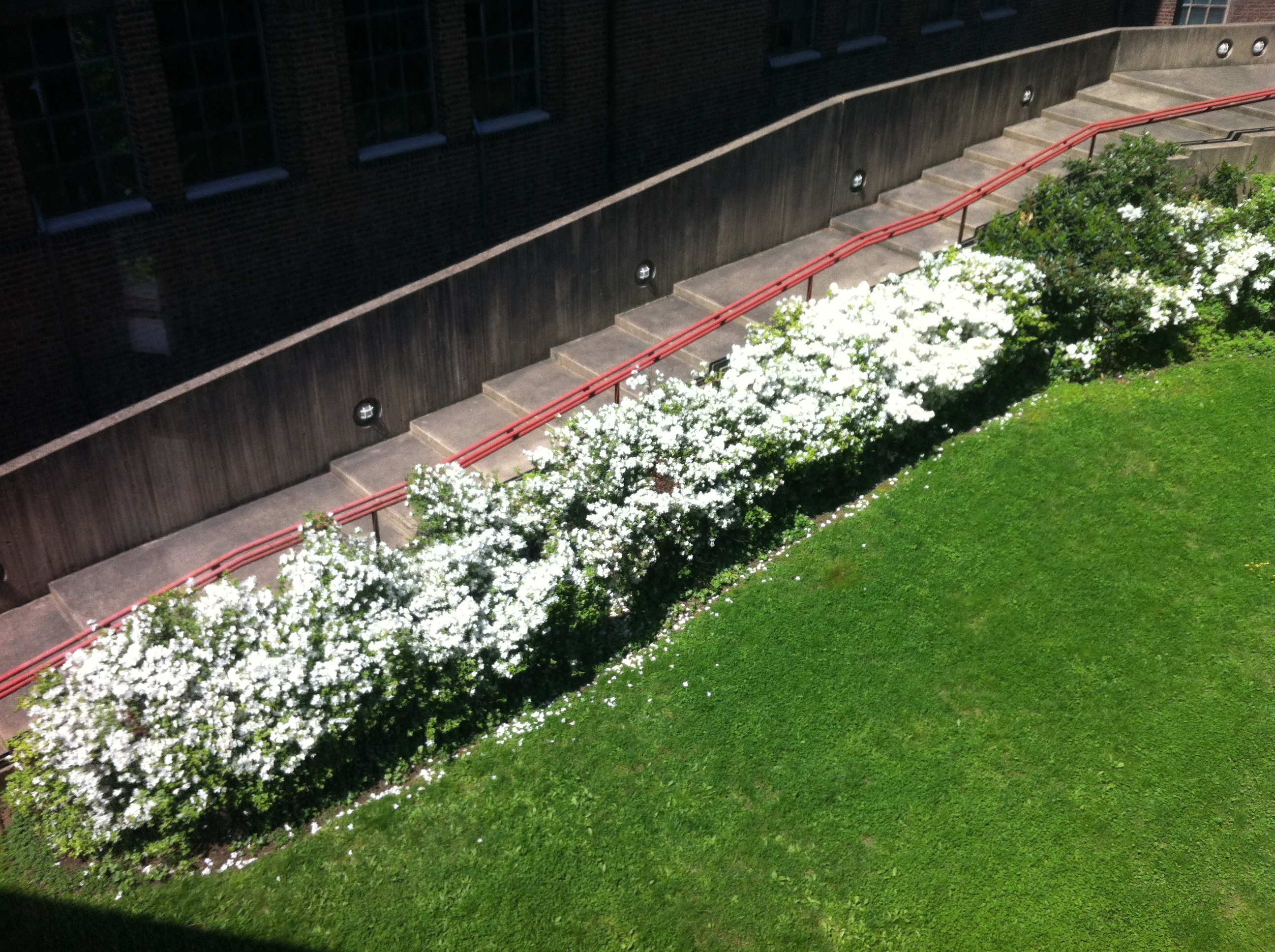
White rhododendron in the courtyard of the museum at the University of Pennsylvania

white flowers 008

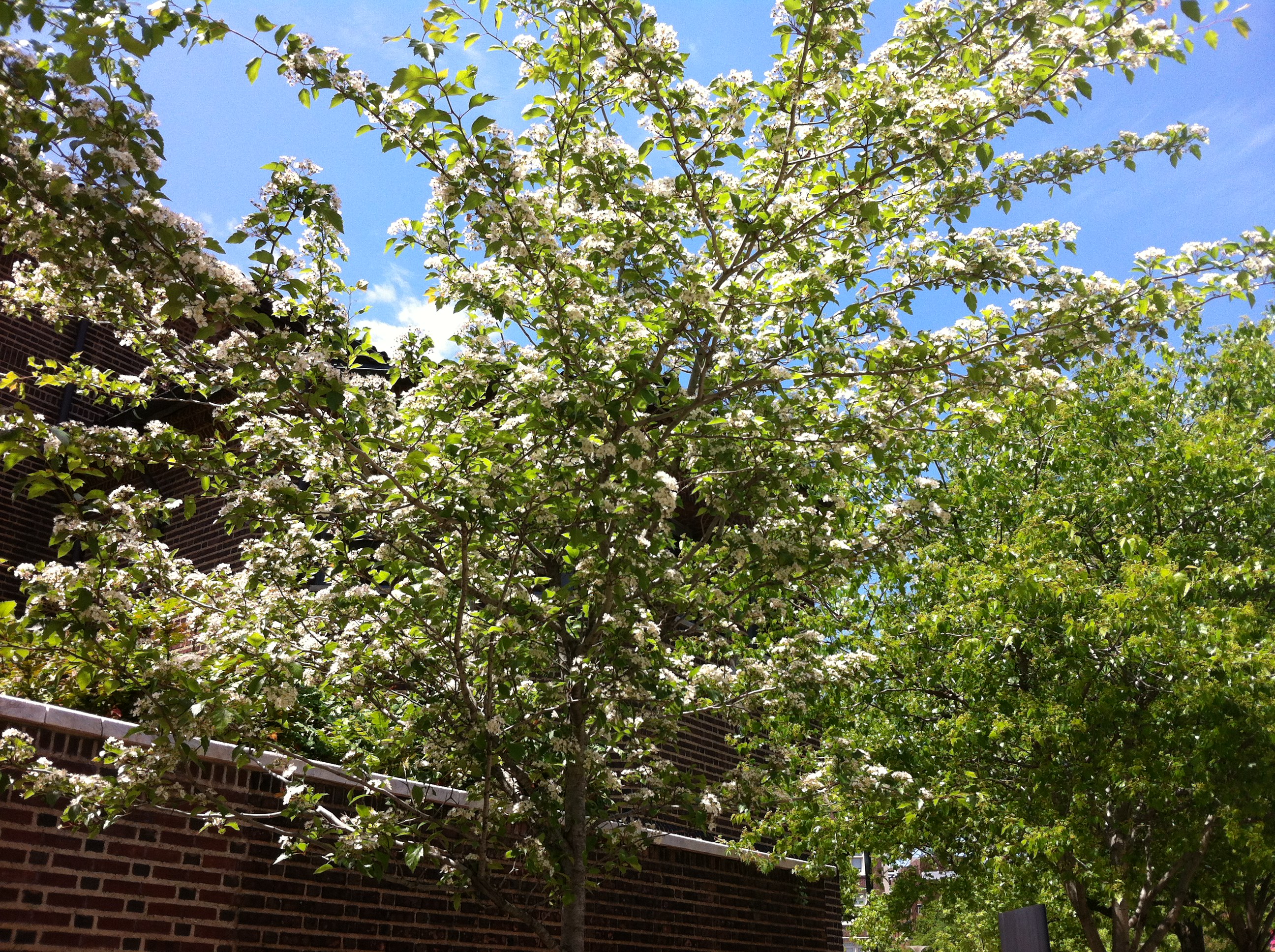
A white-flowered tree along a street in Philadelphia

white flowers 009

Another white-flowered tree on the lower east side of New York

white flowers 011

Some laggard narcissi on the upper east side

white flowers 014

A smorgasbord of white in Central Park, starting with white tulips

white flowers 015

then white pansies

white flowers 021

then three flowers whose names I don’t know

white flowers 028

white flowers 029

white flowers 030

a white chestnut at the exit of the park

white flowers 034

white irises around a statue of the Virgin Mary on the corner of a church not too far from the park.

white flowers 035

white daisies of some sort on the High Line (the last time we were here was the dead season)

white flowers 036

and finally white dieffenbachia, seen just before catching the shuttle to Newark airport

white flowers 037

_____________

graduation caps in air: http://www.plantijn.be/images/plantijn2/container1103/images/iStock_000004407014.jpg

other pictures: mine

PINEAPPLE

Beijing, 4 May 2013

Spring is also pineapple time in Beijing. Actually, pineapples play the function of daffodils here. They are the harbinger of Spring. Their arrival tells you that help is on the way, that the temperatures will soon be going up and you can soon start shedding your heavy clothes.
All of a sudden, in lateish March, a swarm of people, mostly migrant workers as far as I can tell, appear on every street corner with a mobile table top. Here is a photo of the young lad who has staked out the corner just south of the bridge over the canal, which I cross every day to go to work.

pineapple seller 002

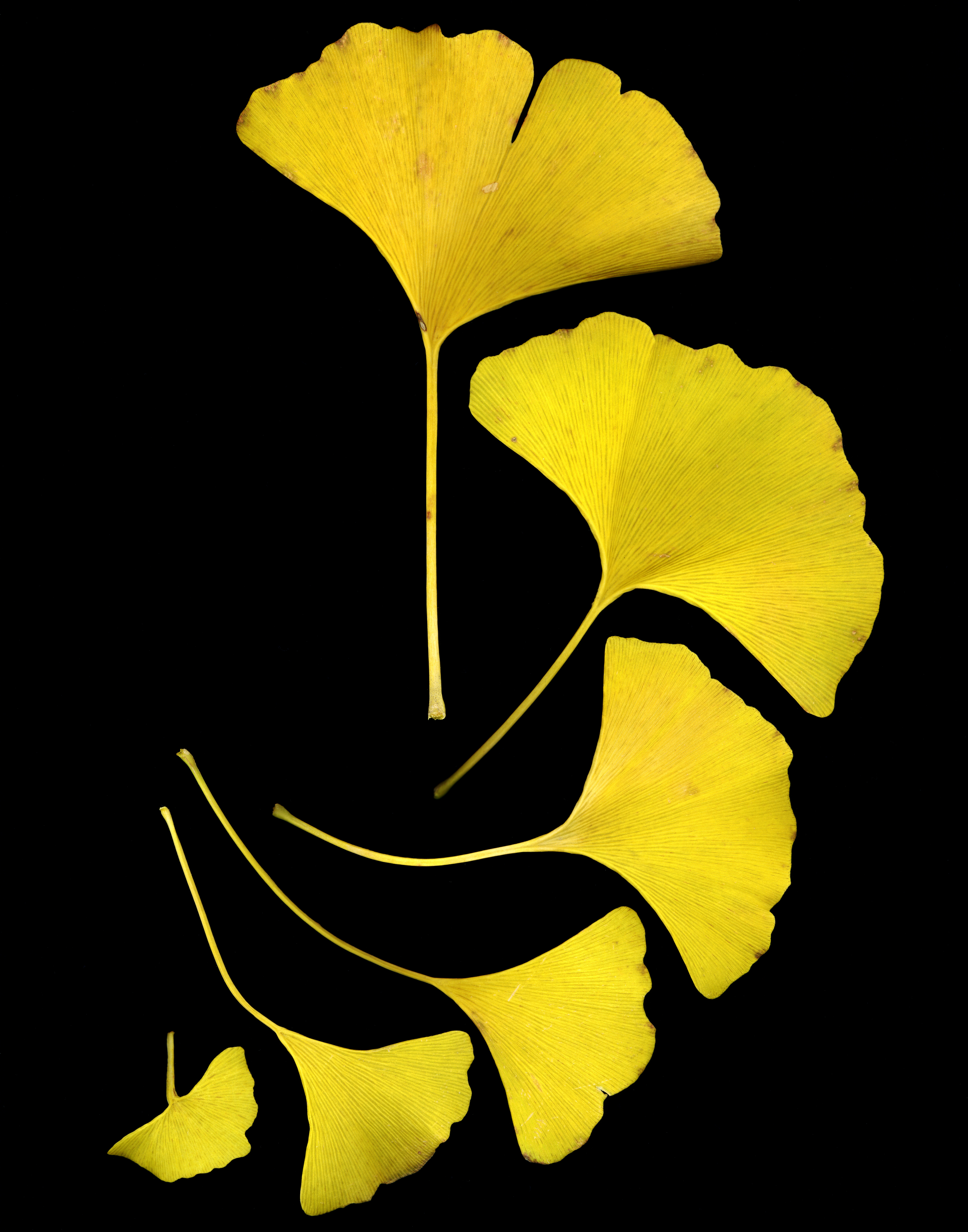
The pineapple sellers use the tables to prepare their pineapples for sale. Because they don’t just sell you a pineapple – if you want that, go to your local supermarket. They will peel their pineapples, carve out the eyes (I take the term from potatoes; that is the closest equivalent I can think of)

pineapple peeled

and sell them to you so prepared, lovely little yellow sculptures with whorls etched deeply into their surfaces.

pineapple unprepared and prepared

Pineapple prepared-01

In this last photo, the pineapple is shown off in a posh display case. In Beijing, as the sharp-eyed reader will observe in the first photo, the pineapple sellers normally put their product in cheap plastic bags – often yellow, which accentuates the yellowness of the pineapple’s flesh; a clever little piece of marketing. If you want, the sellers will go one step further and cut the pineapple up so that you can eat it as you walk along (they will thoughtfully provide you a thin, sharpened stick with which to spear the pineapple chunks).

My first meeting with the pineapple, when I was young, was out of a can, cored and cut into circular slices.

I have since learned that before the advent of large-scale refrigeration infrastructure, canning was the only way of transporting pineapple over long distances because pineapple doesn’t ripen if harvested green. A worthy reason, no doubt, but I was not impressed. I found canned pineapple cloyingly sweet and suspiciously soft. At some point, I discovered fresh pineapple; I think it was early in our marriage, when my wife brought one back from the supermarket. What a revelation! Firm flesh, sweetness with a slightly acidic taste which left a tingle in the mouth … a completely different experience. Since then, I have not touched the canned variety if I can possible avoid it.

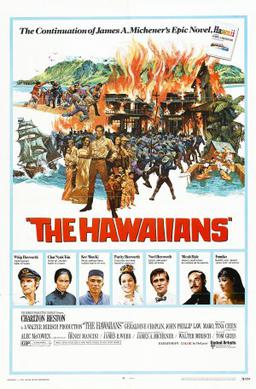
I read that pineapple canning was developed in Hawaii. Which clicks a memory of a film, seen late at night on the TV and with Charlton Heston as the main protagonist. A delve through IMDb reveals that the film in question was The Hawaiians.

The Hawaiians movie poster

Apart from vaguely recalling that the film had to do with the development of the pineapple industry in Hawaii, I remember two scenes quite well. One is a visit by Heston to an island used as a leper colony; anyone who has read the bible cannot but be aware of the terrible plight meted out to lepers, and I was shocked by the idea that still in the 19th Century people could just be abandoned on an island because they had leprosy. The second scene I remember is the heroine, a Chinese woman who had emigrated to Hawaii and whose common-law husband it was who had been banished to the leper island, standing at his grave recounting to him news of the family. I found that very touching – and saw the same scene being re-enacted just a month or so ago, when we visited a local cemetery during the tomb sweeping holiday!

Hawaii may have developed the industry but it no longer leads it. As in all things now, China is among the largest producers of pineapples in the world, growing some 1.5 million tonnes a year (for those readers who are, like me, interested in useless information, Thailand is currently the biggest producer, standing at 2.6 million tonnes annually). Here is a picture of a pineapple field in Guandong province.

pineapples in Guandong

The fruits look suspiciously bright, due no doubt to the photo having been doctored. Which – in a country of where watermelons have been known to explode in the fields because of overuse of growth-enhancing chemicals – made me wonder if the pineapple fruit itself is doctored. A little search confirmed my worst suspicions! Stuff called gibberellic acid is used to “enhance fruit growth”. Gibberellic acid! The name itself is a horror, whose ingestion I have no doubt will reduce me to a gibbering wreck. And it’s no good that an official review by the US Environmental Protection Agency soothingly concludes that “the uses of Gibberellic Acids, as currently registered, will not cause unreasonable risk to humans or the environment”. The weasel words are there: “as currently registered”. Here, where farmers just chuck stuff on their fields with wild abandon, that is a meaningless cautionary clause. This Gibberellic acid is a hormone! Lord knows what will happen to me now …

What is the world coming to, that you can’t eat anything without the nagging doubt in your mind that if you don’t die you will turn into some sort of extraterrestrial being?

______________________________

Pineapple seller: my picture
Pineapple peeled: http://jblankenagel.net/IMGP1648.JPG
Pineapple unprepared and prepared: http://us.123rf.com/400wm/400/400/sapsiwai/sapsiwai0512/sapsiwai051200027/286517-ananas-entier-au-dos-et-sculpte-dans-l-avant.jpg
Pineapple prepared-01: http://en.wikipedia.org/wiki/File:Pineapple_prepared_01.jpg
Canned pineapple: http://agriseafood.webs.com/Canned-Pineapple.jpg
The Hawaiians movie poster: http://upload.wikimedia.org/wikipedia/en/f/f3/Poster_of_the_movie_The_Hawaiians.jpg
Pineapples in Guandong: http://www.chinapictorial.com.cn/en/destination/images/attachement/jpg/site133/20120705/00247e701cc9115f7f8455.JPG

THEM PEARLY WHITES!

Beijing, 27 January 2013

In earlier postings I have already mentioned my natural inclination to notice the physical characteristics of people, as opposed to my wife’s inclination to notice people’s characters. Teeth fall into the category of things that I notice about people.  And boy, do I notice Chinese people’s teeth! In the politespeak of today, they do have some “challenges” here …

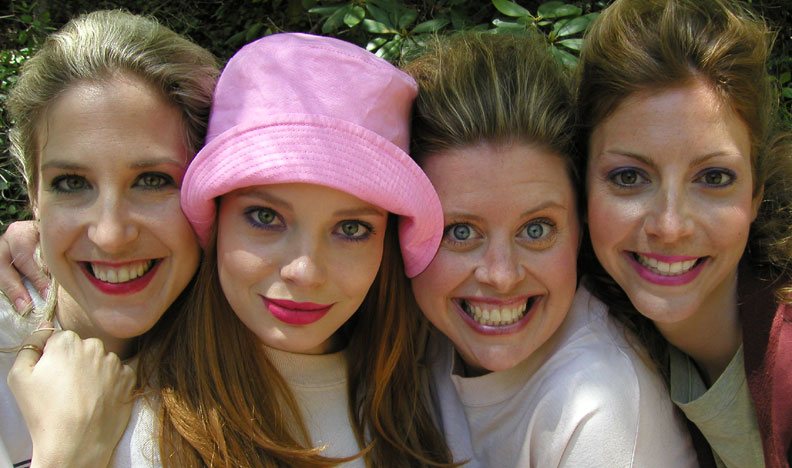
This fact was brought home to me forcefully by my recent trip to the US, which I suppose could be considered the Nirvana of Pearly Whites. It seems that everywhere one looks there are only straight, white, gleaming teeth. I throw in here some random photos I found on the internet as examples of the American Look.

American beautiful teeth-2

FNC-FAN2028543 - © - Oliver Rossi

American beautiful teeth-1

In what I suppose could be considered the optimal natural condition – that is to say, no smoking, no eating of sugared foods or of heavily processed foods, youth not yet subject to too many of life’s sorrows – teeth in China can be pearly white but often will not approach the currently accepted ideal of straightness. Again, here are some random photos from the internet.

crooked teeth china

crooked teeth china-3

crooked teeth china-6

Given the way middle-class Chinese parents dote on their single children, if I had Chinese children today I would be encouraging them to become orthodontists, not doctors or lawyers. I’m sure it is a sector that will be seeing explosive growth in the future, with huge amounts of clients willing to pay top money.

chinese dentist

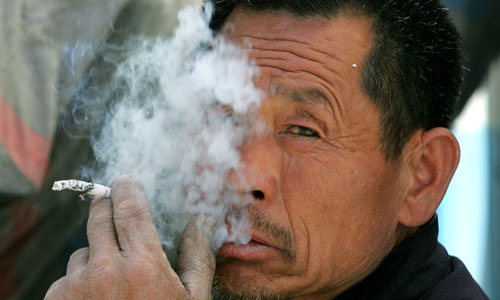
If that were the only problem plaguing Chinese teeth! But alas, it is not. Smoking is taking a terrible toll, as I see all too often in the various officials whom I meet and who readily whip out a fag to puff at all hours of the day – and probably night. So many, so, so many, have badly stained and discoloured teeth and diseased gums. As they blatter on about all the great things they are doing, I sit there trying not to stare too obviously at their teeth. Smoking is a terrible problem for men in this country. 60% – 6 out of every 10! – Chinese men over the age of 15 smoke.

chinese man smoking-5

chinese man smoking-4

China Tobacco

Blind old man smoking a cigarette in a street of Shanghai, China

Apart from the lung cancer, the emphysema, the heart attacks, apart from all of that, smoking is destroying Chinese men’s mouths.

Luckily, only a small proportion of women smoke – for the moment …No doubt it will grow, as it has in other countries.

chinese woman smoking-2

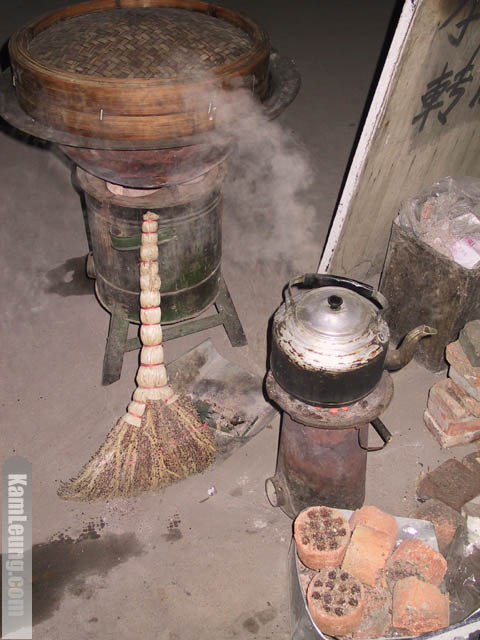
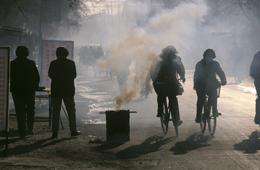
And then a very large number of Chinese have grey teeth. I was told by a doctor that a lot of this has to do with the burning of coal indoors. Chinese coal has quite high levels of fluoride in it. When people burn it in their houses, the leaky stoves emit smoke – and fluorides – into the homes. High intake of fluoride when you are children leads to permanent discolouration of teeth.

This photo is an extreme example of the problem of smoky stoves:

stoves china-4

In houses, this is more the norm.

stoves china-1

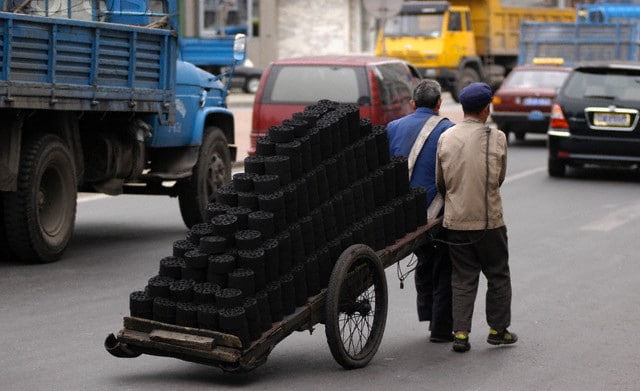
Note the round things in the bottom right-hand corner of this photo. This is the way coal is sold to households in China, coal dust pressed together with a clay matrix into cylinder slices with a set of holes drilled through them. There are thousands of itinerant sellers in all cities selling them.

stoves china-3-coal

Of course, poverty is also a major cause of bad teeth. Bad diets, little if any access to dentists, lack of money to pay for dental care anyway, ignorance about how to look after their teeth – all these take a terrible toll on Chinese teeth. Foreigners are often dazzled by the glitter of big cities like Beijing and Shanghai, but they are really just facades. In the countryside, there is still a huge amount of dire poverty, of a type that I have never seen in Europe. When I was a child, there were poor people in Europe, but not as poor as the poorest in China.

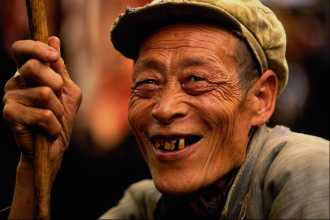
And so I see lots of older people who have terrible, terrible teeth.

old Chinese man with missing teeth-3

if they have teeth at all

Old man with crooked and missing teeth in the 11th century village of Xidi, Anhui Province China

old Chinese man with missing teeth-2

But I am optimistic. It will eventually change, and everyone in this country – more or less – will have beautiful, beautiful teeth, like these.

chinese beautiful teeth

chinese beautiful teeth-2

Which reminds me, I need to go and brush my not-so Pearly Whites.

_____________________

American beautiful teeth-girls: http://www.xtcian.com/4GirlsPickupsApr03e%28bg%29.jpg
American beautiful teeth-boys: http://previews.agefotostock.com/previewimage/bajaage/c526f975894aefa5e91ae07607b0529f/FNC-FAN2028543.jpg
American beautiful teeth-boy and girl: https://studentnet.kp.org/snet/static/common/images/pplLaughing.jpg
Crooked teeth China-woman 1: http://www.whatsonxiamen.com/ent_images/87ee2cfde9b7689ecf4efdf9_yaeba1.jpg
Crooked teeth China-woman 2: http://www.tofugu.com/wp-content/uploads/2012/04/yaeba-header.jpg
Crooked teeth China-man: http://thumbs.dreamstime.com/thumblarge_400/1242791240jCjI3E.jpg
Chinese dentist: http://www.gzdentist.com/images/ys.jpg
Chinese boys smoking: http://golivechina.com/wp-content/uploads/2011/05/smokingchina2.jpg
Chinese young men smoking: http://i.i.com.com/cnwk.1d/i/tim/2011/04/30/en_hatton0430_480x360.jpg
Chinese middle-aged man smoking: http://diepresse.com/images/uploads/8/e/9/420073/china20081005202611.jpg
Chinese old man smoking: http://cdn.c.photoshelter.com/img-get/I00009J1awSe4ZOI/s/900/900/Shanghai-China-2011-blind-old-man-smoking.jpg
Chinese woman smoking: http://cdn.ph.upi.com/ol/upi/059db3fe9ab24ab031764d837a371ffe/CHINESE-WOMAN-SMOKES.jpg
Smoking stove-interior: http://funtier.net/kamleung/0111hs/img_2179.jpg
Smoking stoves-exterior: http://www.nature.com/news/2011/110718/images/news423-i1.0.jpg
coal sellers: http://www.china-mike.com/wp-content/uploads/2011/03/china-heating-coal-vendors-cart.jpg
Old Chinese man with missing teeth-1: http://4.bp.blogspot.com/_hJREGwPF6vQ/SIiAn9oiQrI/AAAAAAAACHM/df8mUsQ5-dE/s400/oldchina.jpg
Old Chinese man with missing teeth-2: http://www.alamy.com/thumbs/6/%7BA835226E-4F95-4DB1-9C53-1FB840FB1C06%7D/AEHE89.jpg
Old Chinese man with no teeth-2: http://trackme7.files.wordpress.com/2010/09/old-chinese-man.jpg
Chinese woman with beautiful teeth-1: http://thewomanlife.info/wp-content/uploads/2010/01/white-Teeth.jpg
Chinese woman with beautiful teeth-2: http://www.divaasia.com/action/PageImage/5666.jpg

MIT CHAPEL

Beijing, 22 January 2013

Readers of my posts will perhaps know that I have a certain fondness for Chinese porcelain. So it should come as no surprise to them to hear that when I read in the China Daily of an exhibition at the Capital Museum on porcelain I immediately suggested to my wife that we visit it. Which we did this weekend.

The exhibition was of porcelain ordered by the Empress Dowager Cixi (the last real imperial ruler of China). I’m afraid to say that it was a disappointment. The porcelain on show was undoubtedly of the highest quality, but the designs were … well, twee is perhaps the best way to describe them. Lots of canary yellow background, and lavish use of birds and butterflies as motifs.

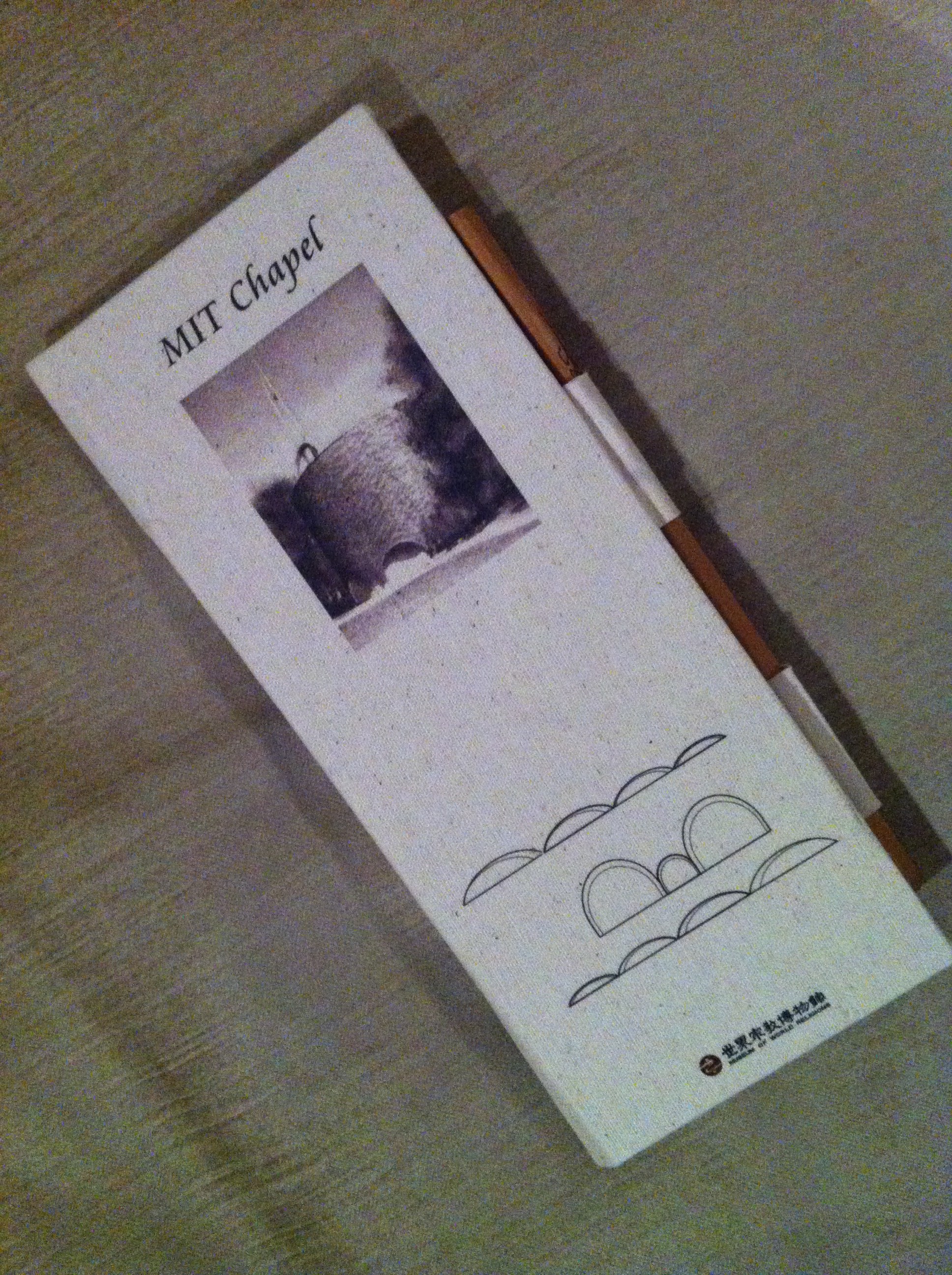
Somewhat disconsolately we went to see what else the museum was offering. There was an exhibition from Taipei, from the Museum of World Religions, and for lack of anything better we visited that. It was nothing special, just a collection of religious memorabilia from various world religions. So we left that exhibition even more disconsolate than before and went to the museum shop. We were running a listless eye over what was on offer when something caught our attention. It was a small something – we were not sure what it was – which, critically, had written on it “MIT chapel”. We had to buy it.

museum purchase 002

I should explain: my wife and I were married in that chapel, I was doing my graduate studies at MIT at the time. It’s a lovely chapel, designed by the Finnish-American architect Eero Saarinen. Probably his most well known works are the old TWA Flight Center at JFK Airport and the Gateway Arch in St. Louis, Missouri. He did many other big works for corporations and governments, but he also did a number of smaller, more intimate works like the MIT chapel.

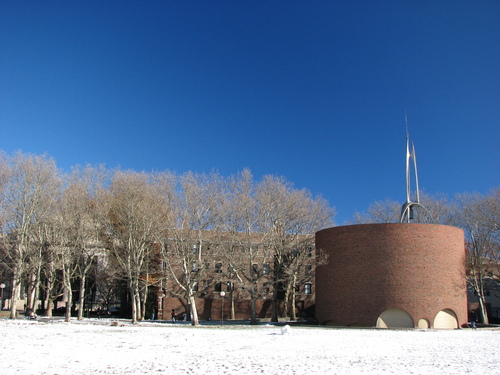
From the outside the chapel doesn’t look like much, just a small circular brick building set down on a lawn and some trees.

MIT_Chapel-2

Snow makes it more interesting.

MIT_Chapel-winter

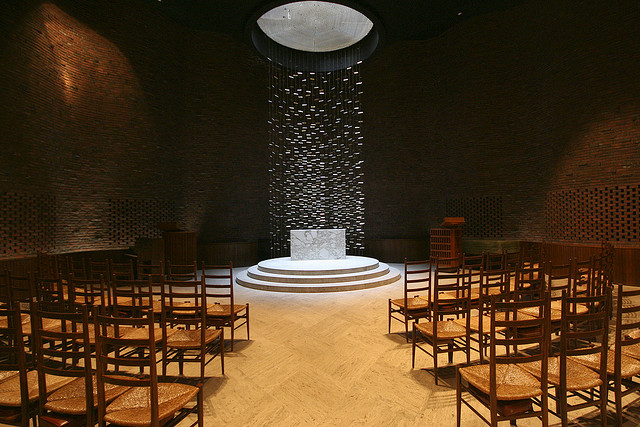
The interior, on the other hand, has a wonderful feel to it. The first thing that strikes you as you enter the chapel is the altar bathed in light streaming down from the skylight above it, while the installation over the altar leaves you very much with the sense of angel dust raining lightly down from on high.

MIT_Chapel-inside-5

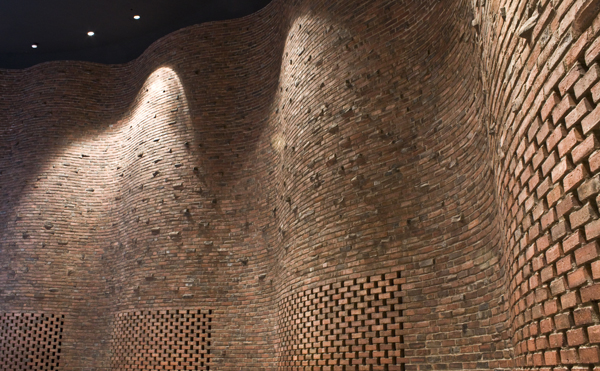
Then there is the wall. Outside, it is a normal circle. Inside, it is wavy and is roughened by bricks sticking slightly out of the wall.  It also holds a regular pattern of bricks that reminds me of the ventilation systems used in brick barns in northern Italy.

MIT_Chapel-inside-4

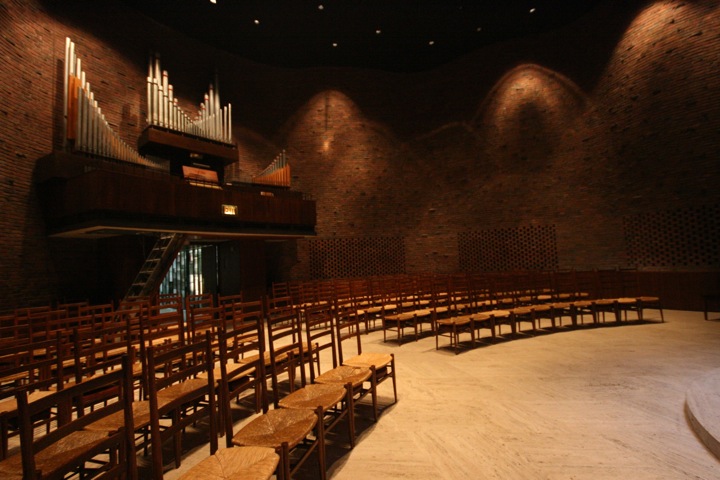
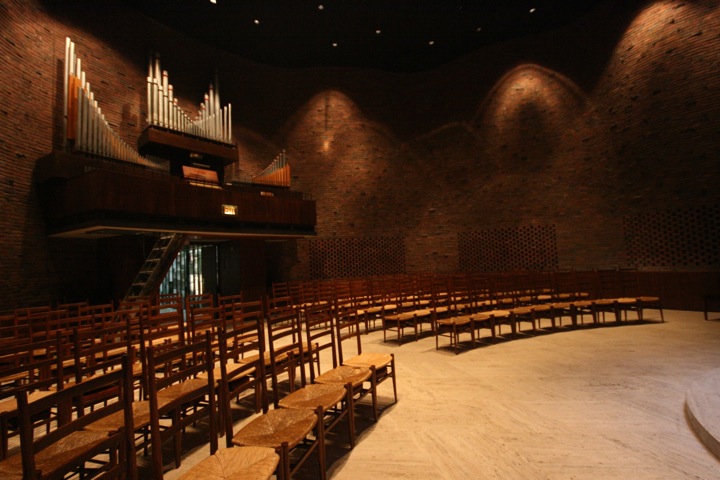
And then there is the organ, small but perfect, in its organ loft.

MIT_Chapel-organ-2

Our friend who volunteered to take the photos failed miserably (he forgot to press some button or other on the camera), so we have very few photos of the wedding. But it is all still fresh in our minds. My wife wore a pink tailleur and I a dove grey suit. She kept that tailleur for many years, while a rapidly increasing girth meant that I had to abandon the suit quite quickly. We had come up with our own vows – the parish priest had grumbled at this, asking why we wanted to abandon the beauty of the traditional vows, but we had insisted. A copy of them slumbers on together with all the rest of our stuff in storage in Vienna – we have carried them with us everywhere we have gone. We had our rings designed by a goldsmith in Milan: double gold bands, which echoed the design of the engagement ring I had given my wife from the same goldsmith. My mother-in-law, who was a great lover of music, chose the organ music (not Mendelssohn’s wedding march …). My parents and a couple of siblings had driven down from Canada, and the rest of the chapel was filled with university friends from MIT and Johns Hopkins, where my wife was doing her graduate studies. After the wedding, we had all gone downtown to a restaurant on Boston Commons for our lunch. No speeches, nothing like that; just good food. Because of timing, we had gone on our honeymoon before the wedding, in the Shenandoah Valley, together with my mother-in-law (I liked her a lot …). Immediately after the wedding, we started classes again.

So I’m sure my readers understand why we just had to buy that article with “MIT chapel” written on it (which, by the way, turned out to be a small case containing a tiny pad of ruled paper, a ruler, and an unsharpened pencil – quite where the connection was with MIT remains a mystery).

________________________

MIT chapel: http://ad009cdnb.archdaily.net/wp-content/uploads/2011/02/1297993341-mit-chapel-wikimedia-commons2-375×500.jpg
MIT chapel-winter: http://mw2.google.com/mw-panoramio/photos/medium/6339334.jpg
MIT chapel inside-altar: http://farm4.staticflickr.com/3383/3478369283_08678cfd7a_z.jpg
MIT chapel inside-wall: http://jmcvey.net/sylva/wp-content/uploads/2010/10/chapel_interior_wall2.jpg
MIT chapel-organ: http://ad009cdnb.archdaily.net/wp-content/uploads/2011/02/1297993330-mit-chapel-caribbeanfreephoto.jpg