POSTS

WORLD TOUR WITH MINT

Bangkok, 11th October 2015

A little while back, my wife, bored with the usual round of cooking in the tiny, stuffy, hot kitchen of our apartment and longing to spice things up a bit with some change, espied a fresh herb in the vegetable section of our local supermarket which turned out to be mint. She brought it back and for several weeks now, we have been trying chicken à la mint, pork à la mint, fresh mint in green salad, and – the subject of this post – mint in tomato-based sauce for pasta.

Let me interject here that a basic difference between me and my wife is that she is adventurous, ready to try new things, and I am timorous, fearful of the new and comfortable with the true and the tried. This is as true for food as it is for any other sphere of life. I therefore approached these experiments in our usual cuisine with some diffidence if not suspicion. Actually, apart from the fresh mint in green salad, which I forcefully suggested we not try again, it worked rather well. In the case of mint in tomato-based sauce for pasta, it worked really well. The mint added a sweet overtone to the acidity of the tomato which did wonders to the palate. I have graciously allowed this variation on a theme to be added to our culinary repertoire. It’s very easy to prepare, by the way: replace basil leaves with mint, et voilà! (or you can just add the mint to the basil leaves)

A quick whip around the internet shows me that my wife is not the only one to have stumbled onto this use of mint. Martha Stewart, no less, offers a recipe where the tomato sauce contains mint. I throw in a picture from another recipe – readers are going to have to take it on faith that the little green bits in the sauce are finely chopped mint leaves.

tomato-mint sauce

One thread in these posts of mine has been to salute the humbler ingredients in our food, those which never get much publicity but are actually the ones that make each of our dishes so special. I’ve written on lemongrass recently, and capers and anise a while back (and, at the other end of the spectrum, I’ve written very disapprovingly about the use of hot spices). So I will use this occasion to also sing the praises of mint, reviewing some of its better uses in food.

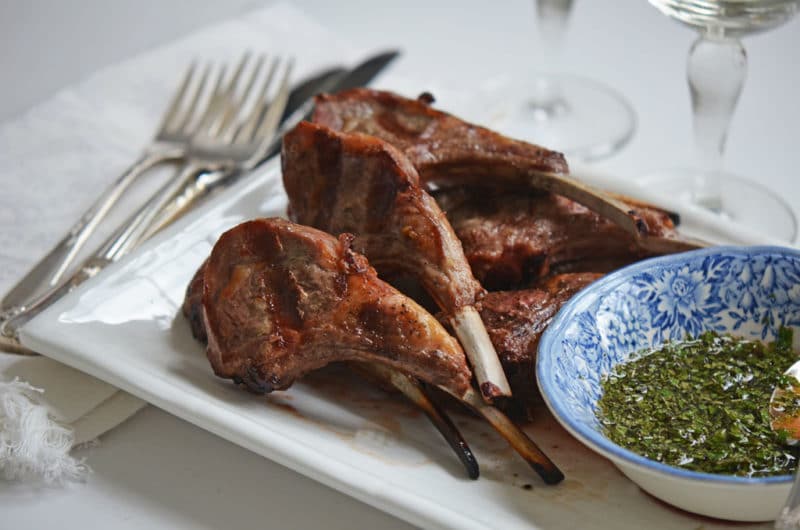
As I usually do, I began surfing around the internet to see what I could find. I was surprised to not come across a huge use of mint, at least in my part of Europe (Western Europe, to use the Cold War parlance). Of course, there is that most English of dishes, mint sauce, a wonderful, wonderful sauce to put on lamb chops. But this dish has already been the subject (or one of the subjects) of a previous post, in which I sing the praises of the sweet-and-salt combination, so I don’t feel I can go on about it again. I will leave readers to refer to that post and move on – but not before throwing in a picture of mint sauce with lamb chops.
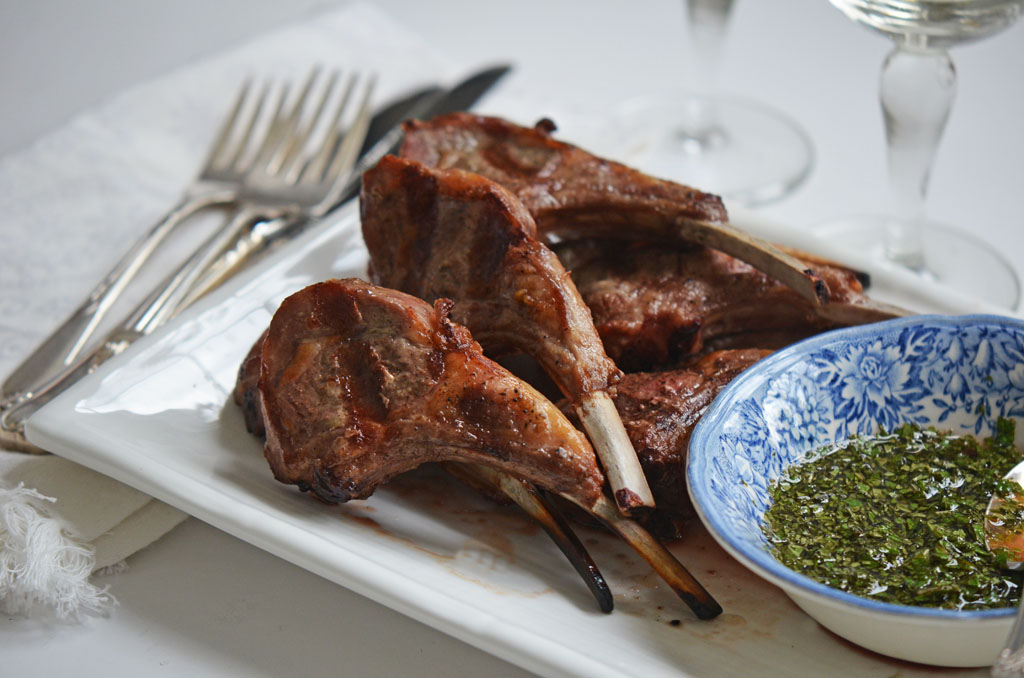
lamb sauce and lamb

In my electronic wanderings, I stumbled across the following dish, which also seems incredibly English – at least, it involves peas, and since peas are in my mind as English as Big Ben or HM the Queen (one of the veggies in every meat and two veggies which I had in my youth seemed to be peas), I include it. We are talking of pea soup with mint (I give thumbnail recipes for this and other dishes that I mention at the end of the post).

pea and mint soup

I have a feeling that this soup would be good chilled, like gazpacho.

I also want to add here another dish that I came across as I went around raising electronic rocks to see what was hidden below them. It’s actually an eggplant dish from 16th Century Italy. I add it because I think it’s kind of cool to look at what our ancestors were eating. But it’s also an intriguing dish because it looks to be an ancestor of the modern dish we know as eggplant parmigiana. The big difference between the two is the absence of a tomato-based sauce in the old recipe. I suppose this difference reflects the fact that tomatoes were not yet current in Italian cuisine in the 16th Century. Instead, a mix of herbs (mint, sweet marjoram, salad Burnet, parsley, fresh fennel tips), crushed garlic, a couple of spices (cinnamon and cloves), pepper, and salt, are spread over the eggplant, and the whole is splashed with verjuice (I will let readers look that one up, as I had to) and sprinkled with sugar. Then, like eggplant parmigiana, cheese is spread over the whole. Here’s what it looks like, and the thumbnail recipe is at the end.

pomi sdegnosi

It was at this point that luck came to the rescue. As I was surfing disconsolately around the internet, I came across an interesting article entitled “Mints in Ethnic Cuisines”, written by two ladies from Texas, Madalene Hill and Gwen Barclay. I am indebted to them for much of what follows. It was they, for instance, who taught me that Greek cuisine bucks the (modern?) European trend of using little mint. It seems that Greeks use mint with wild abandon in their cuisine. The two authors mention several dishes in particular: keftedes meatballs, the yoghurt-based tzatziki sauce, the bean stew gigantes plaki, dolmas (stuffed grape vine leaves), hortopita, which is a vegetable and rice pie; even that best known of Greek dishes, moussaka, has mint in it! I give thumbnail recipes of all these dishes at the end, but here I will only post pictures of keftedes meatballs
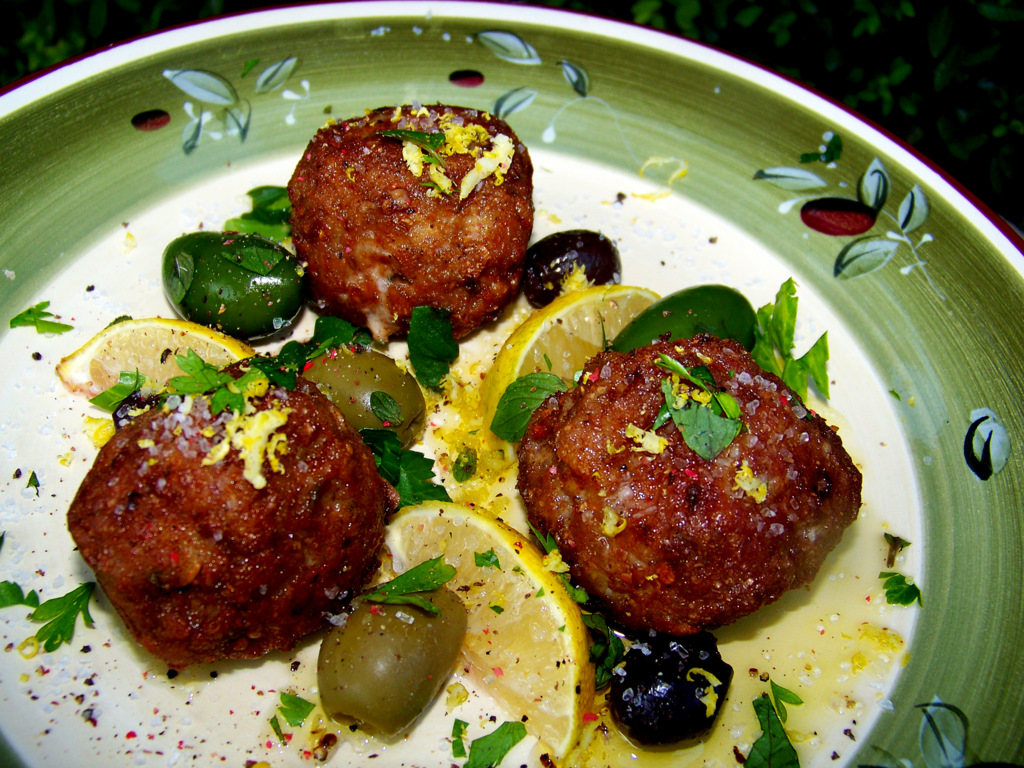
keftedes

which can be served with the yoghurt-based tzatziki sauce as a dip
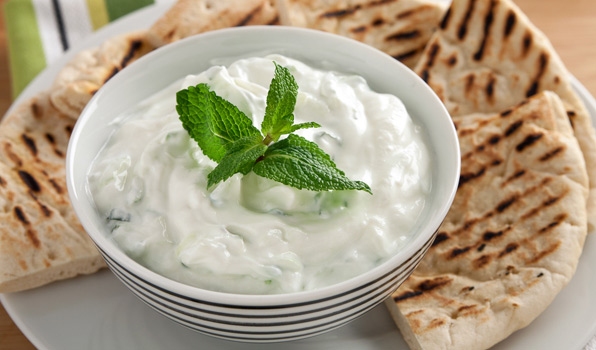
Tzatziki

I chose to put pictures of these two dishes with the hope that my wife (and I) can try to make them …

I now leave Europe behind, skimming over the waves of the Aegean Sea to the land of Lebanon, because I want to raise a cheer for that most Lebanese of dishes, tabouleh.

tabouleh

I have very fond memories of eating tabouleh in Beijing – yes, Beijing. There was a little Lebanese restaurant down the road from where we lived, run by a small, tubby Lebanese man with a twinkle in his eye. When Spring came rolling round, it was incredibly pleasant for my wife and I to sit outside the restaurant, under the barely budding trees, in the tepid heat of the midday sun, slowly working our way through a plate of tabouleh. I must say, though, I’m a little surprised that not only chopped parsley but also chopped mint is added. I’m not sure that our tubby Lebanese restaurateur was putting mint in his tabouleh. I will need to hunt down a restaurant which serves tabouleh with both mint and parsley. While I’m at it, I will also see if it serves Arab or Middle-East salad.
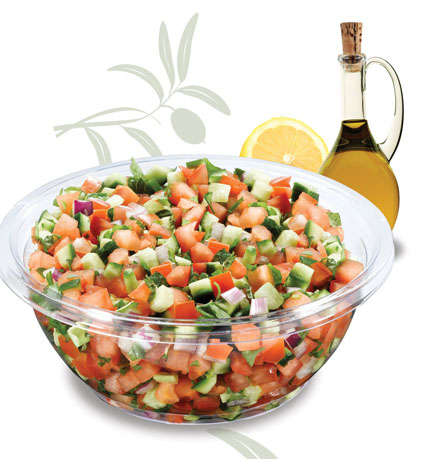
arabic-saladLemon segments, diced cucumber and tomatoes, the whole mixed with chopped onions, mint, and parsley. Sounds sooooo good …

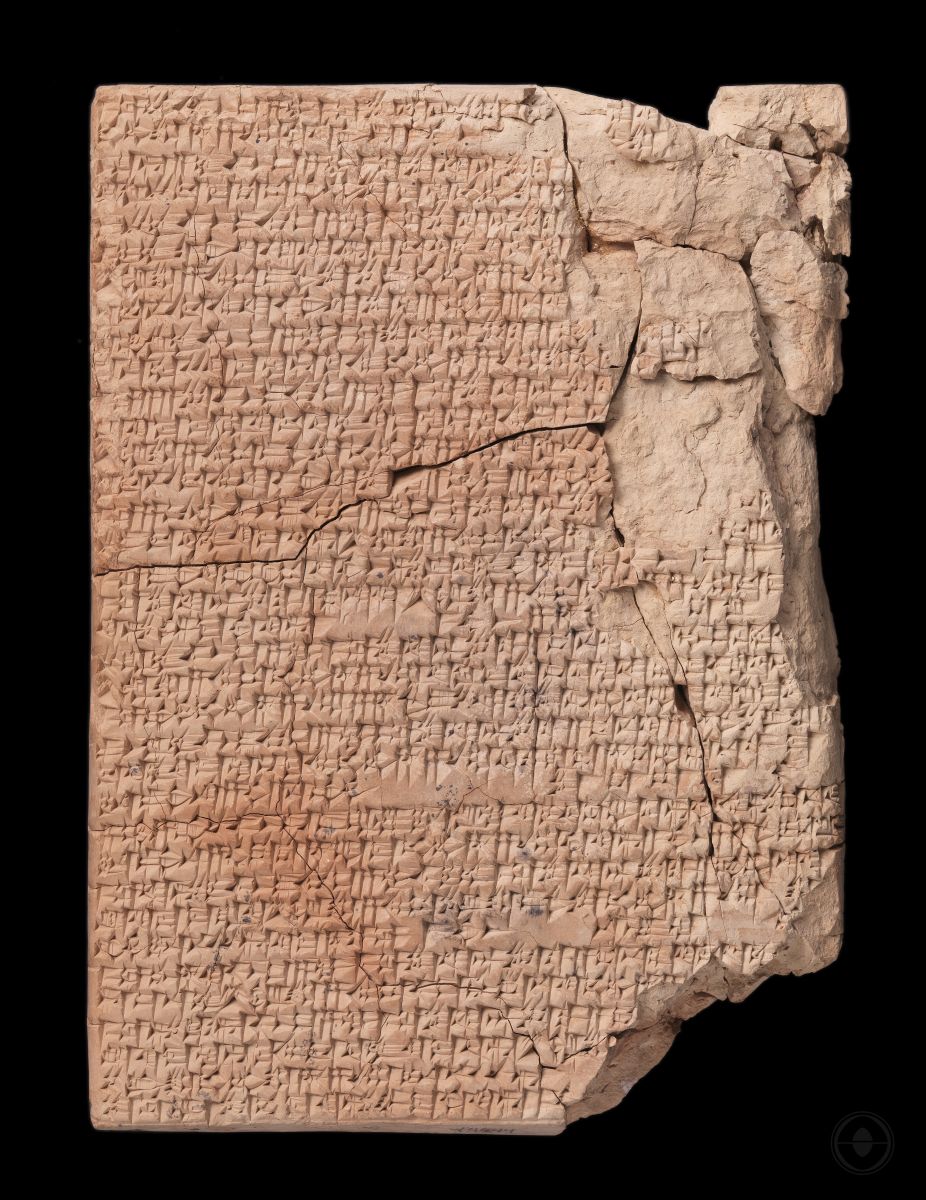
I now want to arc over to the Indian subcontinent, but not before pausing for a minute in modern-day Iraq. I’m actually stopping here for Iraq’s Babylonian past. Like any self-respecting university, Yale University has a collection of cuneiform tablets, some of which, like this one, list recipes.

YBC4644

These have been translated by a Frenchman, Jean Botéro (this immediately makes me think of the Egyptologist, Professor Philémon Siclone, in the Tintin album “Les Cigares du Pharaön”

egyptologue-siclone-jpg

but I digress).

One of these, Recipe XXIII, contains mint, to whit: “Leg (of mutton) (?) meat is used. Prepare water; [add] fat […] samidu, coriander (?), cumin (?), and kanašû. Assemble (all the ingredients in the cooking vessel) and sprinkle with crushed garlic. (After cooking,) blend into the pot šuhutinnû and mint […]” As you can see, words are missing, the translation of some of the ingredients is unknown, and to make matters worse the recipe is exceedingly brief compared to our modern ones, leaving much to the skill – and imagination – of the cook. Nevertheless, Laura Kelley and a band of hardy cooks have been piecing together these telegraphic recipes from 4,000 years ago and trying them out. Many of the results are described on the web site “The Silk Road Gourmet”  I post here the picture of a modern take on Recipe XXIII, after someone concluded that šuhutinnû is probably carrot or possibly parsnip, and samidu is barley:

babylonian lamb and mint

I have added the modern version of the recipe to the thumbnail recipes below, for those who might want to try connecting gastronomically with our remote Babylonian ancestors.

After that pit stop in the fertile crescent, we go on to the Indian subcontinent, the land of chutneys – not so much the fruit-based chutneys which the colonial Brits brought back to the UK, but more vegetable-based chutneys. Here is a chutney, mint-coriander chutney, where mint takes pride of place.

mint-coriander chutney

One of the recipes I perused helpfully informs the reader that this chutney can be served with pakoras, samosas, chaat, chole, or even potato chips.

This chutney allows me to segue smoothly into another popular dish from that part of the world, raita, a cold yogurt condiment served to cut the heat of spicy dishes. And here I will throw in a picture of a cucumber-mint raita (with thumbnail recipe at the end).
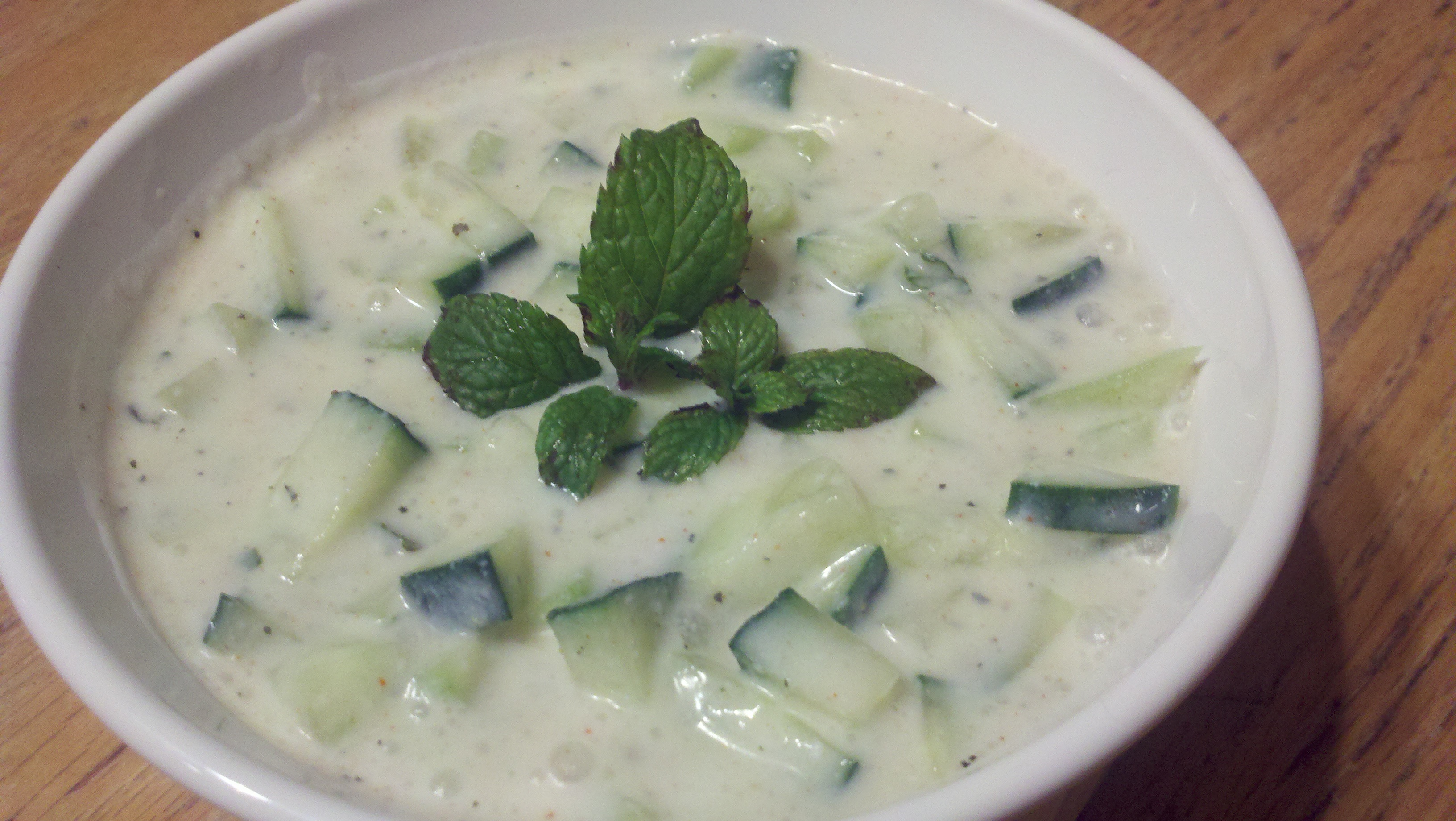
cucumber-mint raita

Being based on yoghurt (or strictly speaking curds) and looking at how raitas are made, I have to think that they are (perhaps not so) distant cousins of the Greek tzatziki (which itself is part of a broader family of yoghurt-based dishes to be found from the Balkans to the Caucasus). Maybe one day I should write a post on yoghurt …

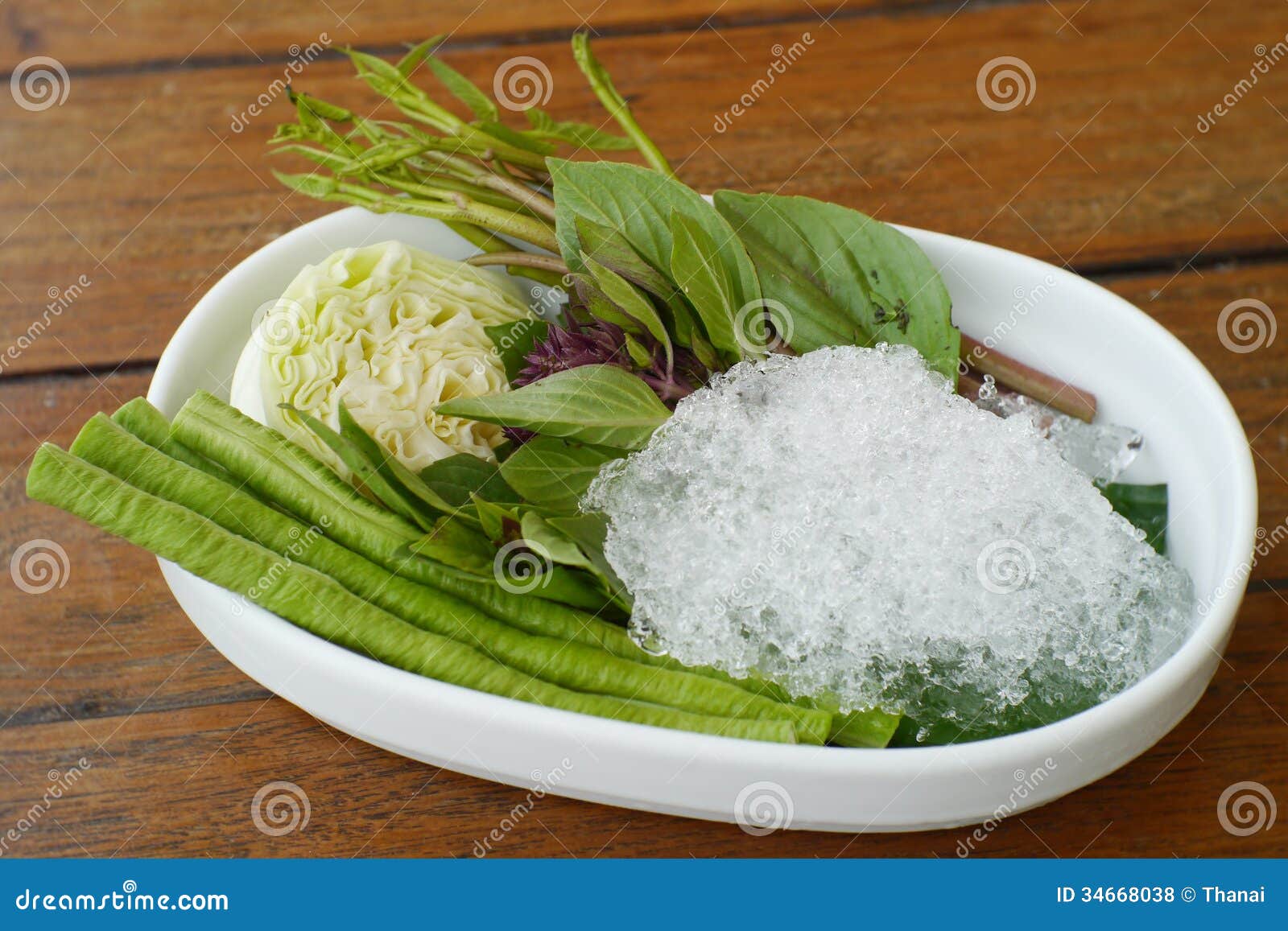
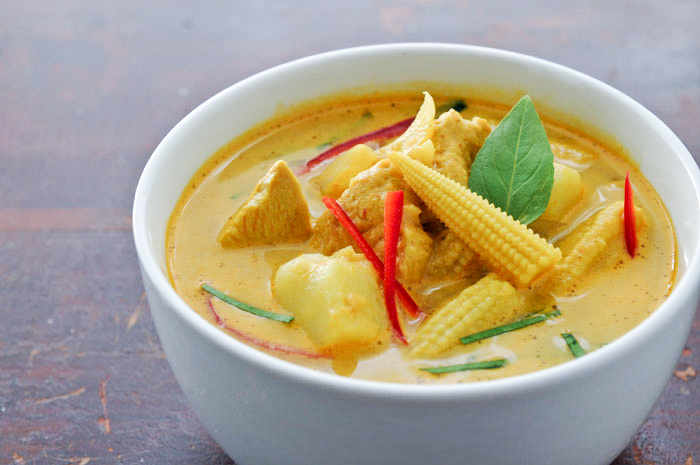
After this, I soar over the Bay of Bengal back to Thailand. Madalene Hill and Gwen Barclay say that mint is a very popular ingredient in Thai cuisine and in South-East Asian cuisine more generally. Certainly, I recently had a taste of a common use of mint here, where it joins a number of fresh vegetables being served as a side dish to be added to noodle dishes or just eaten along with other main dishes.
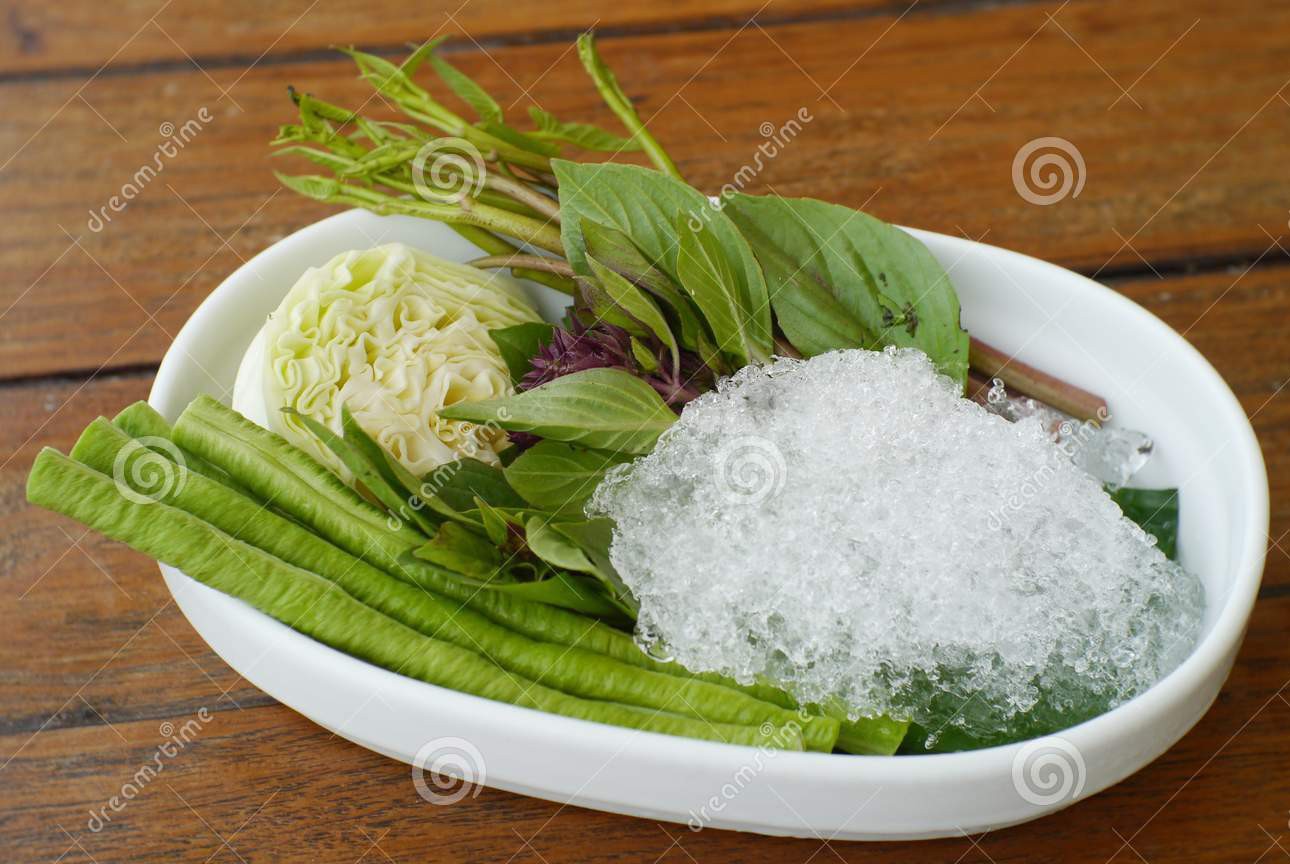
side dish fresh vegetables

We were saying bye-bye to a colleague and had lunch together in the office. The food was ordered from outside. My Thai colleagues informed me that most of the dishes I was trying were from the north of the country. I found it interesting to eat fresh mint leaves with some of the spicier dishes. This side dish of fresh vegetables is also common in Vietnam, and I suspect throughout South-East Asia.

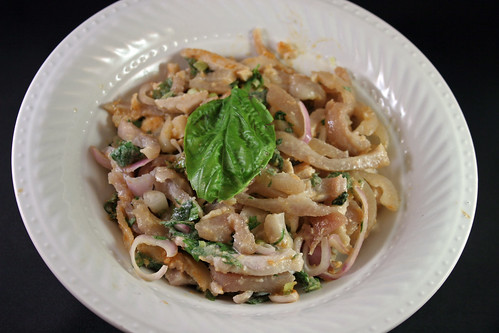
I’ll finish with a dish from Thailand, yam nang mu (pork skin salad). This is actually one of many Thai “salads” in which various cuts of meat or offal are sliced small, seasoned with spicy/sour/sweet sauces, and then mixed with herbs of one variety or another. In this particular case, you season boiled, defatted pork skin (there is a cousin to this dish using pig’s ears) with fish and shrimp sauce, lime juice, sugar, and mix it all with a large amount of mint leaves, some lemongrass, some roasted rice, and a number of other ingredients (thumbnail recipe at the end).

pork skin salad

Well, that brings me to the end of my world tour following the trace of mint. There are a lot of dishes which use mint that I’ve not mentioned. I’ve also not touched on the use mint in drinks, for instance Moroccan mint tea with its spectacular pouring technique
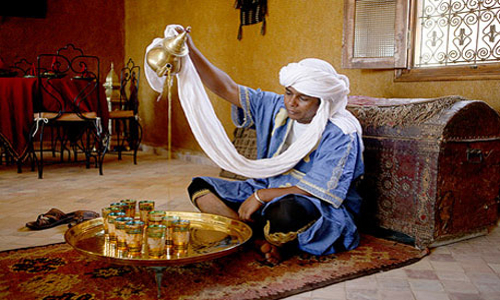
moroccan mint tea

or the somewhat more alcoholic mint julep, a favourite of the Kentucky Derby.

mint julep

But I’ll leave these for another day. Right now, my wife is looking at her watch and at the door. Time to go.

THUMBNAIL RECIPES

Pea and mint soup: Soften some onions in a heavy pot over medium heat. Add broth and bring to a boil. Add peas, reduce heat, and simmer gently until tender. Add chopped mint leaves (and parsley if you want). Add more broth. Purée in a blender until smooth. Season with salt and pepper.

Pomi sdegnosi, or braised eggplant: Slice the eggplant lengthwise and let them steep in in lukewarm water for 30 minutes. Rinse. Submerge the eggplant slices in boiling water for about 8 minutes. Remove and drain. Dredge the eggplant slices in flour and layer the bottom of an oiled dish. Chop all of the herbs – fresh mint, marjoram, parsley, salad Burnet, fennel tips – and mix them with minced garlic, spices – cinnamon, cloves, pepper – salt, sugar, and verjuice (for which lemon juice can be substituted). Cover the eggplant with breadcrumbs, drizzle with olive oil, cover with herb/spice mixture and then with provatura cheese (mozzarella, another pulled cheese, can be substituted). Repeat for each layer of eggplant. Bake in the oven for 30 minutes. (Adapted from http://atasteofhistorywithjoycewhite.blogspot.com/2014/08/to-braise-eggplant-historic-food.html)

Keftedes: Combine ground beef, bread dunked in milk, minced onion, minced garlic, finely chopped mint and oregano, some vinegar, some beaten eggs, a small amount of grated nutmeg, salt, and pepper, and mix well. Roll the mixture into balls. Dust the balls with flour. Put them in hot oil in a pan. Brown on all sides.

Tzatziki: Peel cucumbers and dice. To draw out their water, sprinkle them with salt and let them sit for 30 minutes. Drain well. Put them in a blender, along with minced garlic, some lemon juice, some chopped mint (and some chopped dill if you wish), and a little ground black pepper. Process until well blended. Stir the result into Greek yogurt. Salt to taste. Let it stand for at least two hours before serving so flavours can blend.

Gigantes Plaki: Soak gigantes beans (giant butter beans) overnight. Cover with fresh water and bring to the boil. Simmer for a couple of hours until the beans are just tender. In parallel, gently soften chopped onions and garlic for a few minutes. Then stir in some sweet paprika, tinned tomatoes, 100ml water. Salt and pepper. Bring to the boil, then simmer for half an hour. Stir in sea kale or dandelion leaves (or chard as an alternative). Mix the cooked beans with the sauce, adding some more olive oil and chopped mint and parsley. Transfer to a casserole pan, and bake for half an hour or so until the beans are tender and the sauce thickened and bubbling. Can be served hot, warm or at room temperature.

Dolmas: In a little broth, mix ground beef and lamb with uncooked rice, minced onion and garlic, some pine nuts, chopped mint and parsley. Place rinsed grape leaves on a work surface. Place a dollop of the mixture at the center of each leaf. Tuck in the ends and roll tightly toward the leaf point. Layer the wrapped leaves in a large saucepan Cover them with broth mixed with lemon juice. Cook over low heat for three-quarters of an hour.

Moussaka: Place minced lamb, minced onions, crushed garlic, chopped mint and oregano, a couple of bay leaves and a cinnamon stick in a large frying pan and cook over a medium heat for a quarter of an hour. Stir in some flour. Add a glass of wine, canned tomatoes, some tomato purée, and bring to a simmer. Cook for half an hour, until the lamb is tender and the sauce has thickened. Season with salt and freshly ground black pepper to taste. Set aside this meat sauce. Fry eggplant slices for a couple of minutes. Set them aside. Cook potatoes in boiling water for five minutes, then cool under running water. Prepare a white sauce as follows. Melt butter in a saucepan, stir in some flour. Cook for a few seconds, then gradually stir in milk. Add some grated parmesan and grated nutmeg. Simmer the sauce gently for 5 minutes. Season to taste with salt and pepper. Remove from the heat and stir in a beaten egg. Spoon some of the meat sauce into a shallow dish. Cover with a layer of potatoes and a layer of eggplant. Repeat the layers twice more, finishing with the eggplant. Pour over the white sauce to cover the whole in a thick, even layer. Sprinkle with a bit more parmesan. Bake in the oven until deep golden-brown and bubbling.

Hortopita: Peel, seed, and shred some pumpkin. Weight it to drain its liquid. Cook it in a skillet until it wilts and most or all of its liquid has evaporated. Transfer to a bowl. Cook in the same skillet a chopped leek and onion until also wilted. Transfer to the bowl with the pumpkin. Cook chopped chard and spinach until wilted; add to the bowl. Add the herbs – mint, sorrel, hartwort, chervil, dill, fennel leaves, parsley, and oregano – to the bowl. Season to taste with salt and pepper. Roll out a first phyllo dough ball and place it inside an oiled roasting pan. Brush with olive oil. Repeat with the second piece of dough. Spread the filling evenly over the dough. Repeat with a third sheet of dough, placing it over the filling. Brush with olive oil. Roll out the last piece of dough to a slightly smaller piece, and place it over the surface of the pie. Join the bottom and top layers of dough. Brush the top of the pie generously with olive oil. Bake until the pastry is golden and crisp. Remove and serve warm or at room temperature.

Tabouleh: Stir together some bulgur and olive oil. Pour boiling water over, and let stand for a quarter of an hour. Drain well. Toss with finely chopped mint and parsley, a couple of chopped tomatoes, half a cucumber, several tablespoons of lemon and of olive oil. Season with salt and pepper.

Arab salad: Cut segments from half of lemon free from membranes and transfer segments to a cutting board, then squeeze juice from the remaining half a lemon into bowl. Put a couple of tablespoons of lemon juice in a bowl. Add finely chopped segments of lemon. Add salt, pepper, and several tablespoons of olive oil. Whisk to combine. Stir in the remaining ingredients: diced cucumber and tomatoes, finely chopped onion, finely chopped mint and parsley.

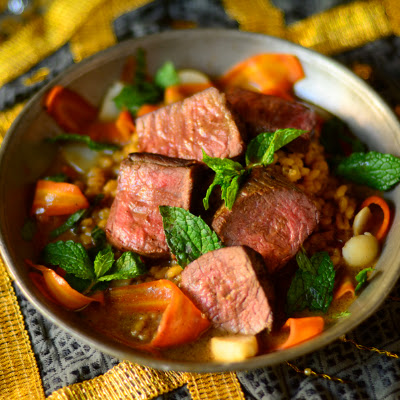
Babylonian lamb with barley and mint: Marinate lamb steaks in soy sauce for half an hour. Sauté in oil, along with the trimmings. Remove, leaving the trimmings in the pan. Stir barley into the oil and toast for a few moments. Add cumin, coriander, and chopped garlic. Simmer until the barley is cooked. Place the lamb steaks in the pan and cook the desired degree. Add finely sliced carrots and chopped mint for a few minutes. Remove the lamb and slice. Place the carrots in a serving dish, spoon the barley over carrots, add the sliced lamb, and spoon over with the sauce. (adapted from http://lostpastremembered.blogspot.com/2011/07/onions-onions-everywhere.html)

Mint-coriander chutney: In a blender, grind together chopped mint leaves, chopped coriander, a chopped green chili (personally, I would cut out the chili, but can it be Indian without it?), a piece of ginger, a small amount of cumin, and some lemon juice, until smooth, using a little water if necessary. Salt to taste.

Cucumber-mint raita: Coarsely grate a cucumber. Squeeze dry. Whisk curds (yogurt can substitute), chopped mint, a little cumin, even less cayenne pepper in medium bowl to blend. Add cucumbers and mix well. Season to taste with salt and pepper.

Yam nang mu (Pork skin salad): Boil pork skin until soft. Cool. Remove any fat from the skin. Slice the skin into thin, short slices. Mix well with a large handful of chopped mint leaves, finely minced lemongrass, lime juice, fish sauce, palm sugar, and ground roasted rice.

_______________________________

Tomato-mint sauce: http://www.seriouseats.com/images/2013/03/20130302-242913-tomato-mint-sauce.jpg (in http://www.seriouseats.com/2013/03/sauced-tomato-mint-sauce.html)
Mint sauce and lamb: http://www.maureenabood.com/wp-content/uploads/2012/03/Grilled-chops-platter-POST.jpg (in http://www.maureenabood.com/2012/03/29/grilled-lamb-lollipops-with-fresh-mint-sauce-chine-on/)
Pea and mint soup: http://www.epicurious.com/images/recipesmenus/2013/2013_april/51154900.jpg (in http://www.epicurious.com/recipes/food/views/minty-pea-soup-51154900)
Pomi sdegnosi: http://i.ytimg.com/vi/MgcFEo-S8WI/hqdefault.jpg (in https://www.youtube.com/watch?v=MgcFEo-S8WI)
Keftedes: https://rencooks.files.wordpress.com/2009/11/100_4063.jpg (in http://ediblearia.com/2009/11/05/lamb-keftedes/)
Tzatziki: http://www.cbc.ca/inthekitchen/assets_c/2012/02/Tzatziki4563-thumb-596×350-174210.jpg (in http://www.cbc.ca/inthekitchen/2012/02/tzatziki-sauce.html)
Tabouleh: http://almarahgrill.com/wp-content/uploads/2015/06/tabouleh.jpg (in http://almarahgrill.com/product/tabouleh/)
Arabic salad: http://suzyeats.com/wp-content/uploads/2011/05/arabic-salad.jpg (in http://www.snipview.com/q/Arab_salad)
Cuneiform tablet YBC 4644: http://babylonian-collection.yale.edu/sites/default/files/images/New%20Images/YBC4644_OBV_0004.jpg (in http://babylonian-collection.yale.edu/highlights)
Egyptologist in Tintin: http://s1.e-monsite.com/2009/04/06/06/46230270a-siclone-jpg.jpg (in http://univers-tintin.e-monsite.com/pages/les-personnages/philemon-siclone.html)
Babylonian lamb and mint: http://1.bp.blogspot.com/-h-K2nSXnfys/TiNFcYNVuzI/AAAAAAAACSI/5JHqnYlNzv4/s400/DSC_2266.JPG (in http://lostpastremembered.blogspot.com/2011/07/onions-onions-everywhere.html)
Mint-coriander chutney http://crumbsandtales.com/wp-content/uploads/2013/07/Hari-Green-Chutney-made-with-cilantro-and-mint-21.jpg (in http://crumbsandtales.com/mint-and-coriander-chutney/)
Cucumber-mint raita: https://familynaturally.files.wordpress.com/2012/02/2012-02-26_19-55-59_782.jpg (in https://familynaturally.wordpress.com/2012/02/26/raita-yogurt-with-cucumber-and-mint/)
Side dish fresh vegetables: http://thumbs.dreamstime.com/z/side-dish-vegetable-thai-restaurants-you-see-serves-hot-spicy-food-e-g-som-tam-green-papaya-salad-34668038.jpg (in http://www.dreamstime.com/royalty-free-stock-photos-side-dish-vegetable-thai-restaurants-you-see-serves-hot-spicy-food-e-g-som-tam-green-papaya-salad-image34668038)
Pork skin salad: https://c2.staticflickr.com/4/3038/3047383176_dbdea9103c.jpg (in https://www.flickr.com/photos/jakeslagle/3047383176)
Moroccan mint tea: http://lcmt.topdesert.com/content/photos/travel-guide/authentic-culinary-experiences/pouring-your-mint-tea-without-spilling-a-drop//lowcost-morocco-travel-pouring-your-mint-tea-without-spilling-a-drop1.jpg (in http://lcmt.topdesert.com/index.php?ref=ait-ben-haddou-and-ouarzazate-one-day)
Mint julep: http://ccattache.com/wp-content/uploads/2014/04/k17_18865809.jpg (in http://chuckcowdery.blogspot.com/2015/04/brown-forman-has-kentucky-derby-locked.html)
OTHER SPECIES HAVE RIGHTS TOO

Bangkok, 5 October 2015

For reasons too long to explain, I was recently involved in discussions about the implementation of the Universal Declaration of Human Rights and the several Conventions emanating from that Declaration: the Convention on the Elimination of all Forms of Discrimination against Women, for instance, or the Convention on the Rights of the Child, to name but two. At some point, we got into a vivacious discussion about two issues. The first was the rights of future generations: specifically, do we, today’s generations, have the right to use up all the Earth’s resources and poison the Planet, thus taking away from future generations their right to a dignified life? The answer was fuzzy, the problem being that the Conventions deal only with the rights of existing human beings; the unborn, it would seem, have no rights. But how do we square this with international commitments to sustainable development, whose very definition recognizes the rights of future generations? This conundrum was left unresolved. The second, and to my mind much more fundamental, issue we discussed was the rights of other species: do they have any rights, or are they merely goods and chattel which we humans can dispose of as we wish? The answer was even fuzzier, with the sense in the room being that they did not (yet) have internationally recognized rights, although many countries have enacted legislation recognizing that other species do have certain rights – the prohibitions on cruelty to animals fall into this category.

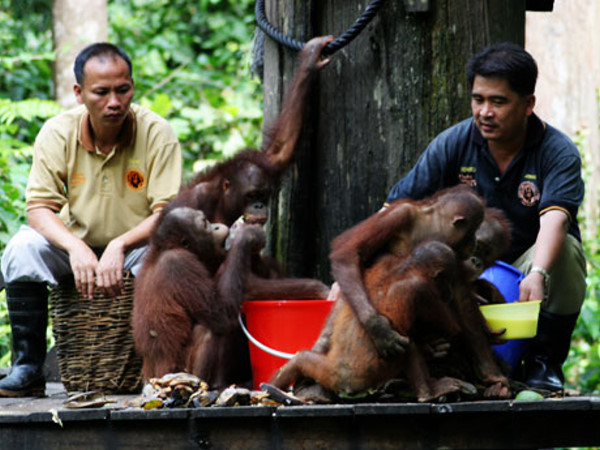
Fast forward to the visit my wife and I made to the Orang Utan Rehabilitation Centre and the Sun Bear Sanctuary in Sepilok, on the last day of our visit to Sabah. Both centres receive a steady stream of orphaned baby apes and bear cubs, whose mothers were either killed deliberately to make pets of their babies or died as a side effect of the steady deforestation going on in this part of the world. They also receive adult bears and apes marooned in vanishing islands of jungle. They do stirling work of trying to reinsert their charges back into the wild, or at least giving them a life of dignity if they cannot go back. They, along with the many other rehabilitation centres around the world doing the same thing with other species, deserve our thanks for this work of love.

But as I sat there, listening to what these centres do and watching their charges on the feeding platforms

or sunning themselves in enclosures
image
I was brought to meditate on that essential question which I had recently debated: do other species have rights, like we do? Specifically, do they have the right to life? Personally, I think they do. Of course, this right, like every right, is not absolute. I mean, if a lion jumps on me, or my wife, or my kids, then I have a right to kill that lion (as I do if it were a member of our own species who attacked us). And to eat, I need to kill species, that’s the way our biology works. This holds true even if I were vegan (carrots, just to take one vegetable, are also a species and so have the same rights as a chicken).

We could go on at length about how rights play out in real life: how about this situation? how about that situation? But the thing is, accepting that other species have rights changes the context of the discussion radically. Just to take the right to life, it’s no longer that it would be nice if we didn’t kill orang utans or sun bears, it’s that we have a duty not to kill them. And if that is the case, then we have to ask ourselves if the people of Sabah have the right, for instance, to undertake large-scale destruction of the orang utan’s and sun bear’s habitat so as to be able to plant oil palm in its place.

But this brings us on a collision course with another right, the right of the people of Sabah “to an adequate standard of living … and to the continuous improvement of living conditions” (I am quoting the International Covenant on Economic, Social and Cultural Rights). Is there a way out? Yes there is, at two levels. First, Sabah has to change its model of economic development; the province’s natural habitat must be viewed as an economic asset and not as a nuisance to be swept aside to make place for other economic activities. Sustainable (but truly sustainable) tourism is one possible way of making money from jungle. Sustainable (but truly sustainable) harvesting of forest products is another. Second, and much more fundamentally, Sabah, like just about every other territory on Earth, has to drastically reduce its human population. There are simply too many of us on this planet. I find the following graph one of the most frightening I know.

It shows the growth in the human population over the last nine thousand years. Note the huge, and hugely rapid, jump in our population since the start of the scientific and industrial revolutions (you have to see it on this scale because this is closer to the scales at which evolution works). The result of this growth has been that we are brutally shoving all the other species on this planet into a corner, a corner which is getting rapidly smaller and smaller. They cannot survive these huge shocks to their ecosystems. At this point, then, the right to life of other species trumps our right to create new human life. Many have criticized the Chinese Government for its one-child policy. But not me. We should all have one-child policies until the human population falls to much more acceptable levels, not more than 1 billion (and better 500 million). Yes, we will have old populations. Yes, we will have a problem of spoiled children, the princelings as the Chinese call them. Yes, we will have deflationary economies. Yes, house prices will drop. But our duty to respect the right to life of all species tells us that these are problems we simply have to accept and deal with.

I suppose I’m not painting a pretty picture of our immediate future, but I think it’s better for our species to suffer a little for a little while in the quest for a longer-term happiness than to go on as we are currently doing, destroying everything, which will ultimately destroy us too – because we actually need jungles and all the species in it for our own survival.

___________________

Orang utan at rehabilitation centre: https://sabahbooking.com/tours?actionType=details&tid=20&lang=zh_CN
Borneo bear: https://commons.wikimedia.org/wiki/File:Sepilok_Sabah_BSBCC-photos-by-Wong-Siew-Te-02.jpg
Population chart: http://aryanism.net/politics/population-and-demographics/

JUNGLE IN BORNEO

Bangkok, 30 September, 2015

I’ve often used the expression “drenched with sweat” in my life, but I’ve never actually been thus drenched. This time, though, on staggering out of the jungle after a six hour trek, my wife and I were were literally soaked through. We couldn’t have been wetter if we’d stood under a shower with all our clothes on.

A bit of background is in order. We were in the Malaysia’s easternmost province of Sabah, on the island of Borneo. We were visiting the Danum Valley Conservation Area, which is in one of the few remaining tracts of primary jungle in the province. We arrived there after driving down from the town of Sandakan, passing mile after mile of oil palm plantations. So dreary! And so depressing to think that beautiful jungle stood there not that long ago. But it’s hard to sell jungle, easy sell palm oil.

Leaving all those oil palms behind us for a few days, we wanted to see some jungle – and maybe, if we were lucky, some orang utans. Danum Valley is one of the few places in Sabah where orang utans still live in the wild, along with pygmy elephants, Sumatran rhinoceroses, clouded leopards, various other species of feline, several species of monkeys, and of course hordes of more humble forms of life, botanical and zoological.

So it was that we attached ourselves to a group of young people, part of that army of gap-yearists*, between-jobbers**, and others, who are all on the move these days across every continent, living cheap, telling tall stories about their travels, and swapping information on the good places to eat, sleep, and have fun along the road. They had hired a ranger from the Danum Valley Field Centre, where we were all staying, to take them on one of the shorter trails. Early the next morning, we took our place in the line which filed across a rickety suspension bridge and set off briskly into the jungle. At first, we commented appreciatively on the surroundings, looked eagerly into the undergrowth for signs of pygmy elephants (they had left dung piles and shattered tree limbs along the track), and inspected fearfully every overhanging leaf for leeches (there had been much excited chatter on the net about the presence of these horrible animals along the trails and we sported a set of bright green leech socks for the occasion). But gradually, in the sauna-like heat of the jungle, as we climbed up and down over successive ridges, our breathing grew raspy, the sweat stains on our clothes grew and coalesced until clothes and stains were one, our speed slowed to a crawl. We neither saw nor cared anymore about what was around us (which in truth was not much; at the very last minute, a macaque monkey was sighted high above us, otherwise a few millipedes and some leeches were the total of our bag). The only thing that mattered was to make sure that we lifted our legs high enough to step over the roots, branches, and other jungle paraphernalia that littered the trail. Some of the group kindly held back so that we didn’t get completely separated from the rest, otherwise we would still be in that jungle stumbling around in a total daze. When we got back to our room, we unsteadily peeled off our sodden clothes, stood for a minute under the shower, and then collapsed onto the bed, lying there in a stupor for a few hours.

So when we heard at dinner that our young friends had booked a ranger for an even longer walk the next day, we smiled and promised to be on hand to wave them off at breakfast. We kept our promise, wishing them a safe journey over our fried eggs. And then, after some more tea, toast and marmalade to fortify us, we ambled slowly back into the jungle to an observation tower, from which we had decided to watch jungle life in peace and tranquillity. Observation tower is a misnomer. It was actually simply an aluminium ladder encased in an iron safety cage, attached to one of the tall, tall trees that dot the jungle.
image
The ladder led to a wooden observation deck at the top and another half way up. It must have been all of 60 meters to the top deck (110 rungs; I counted). One of our young friends, between jobs, had shinned up the ladder as we lay, inert, on our beds the previous afternoon. His last job was as tester of the mechanical soundness of pipelines, and he informed us at dinner that it was his professional opinion that the whole contraption was exceedingly corroded and ready to peel off the tree at any moment.

With these words still ringing in my ears, I commended my soul to Jesus, Mary, and all the Saints, and started climbing, fixedly looking at the bark in front of me and pulling myself up rung by counted rung. My wife followed. We stopped at the mid-level observation deck for a breather before continuing on. Again, fix the bark and pull up rung by counted rung. We made it in one piece. We took a photo down the ladder we had just climbed.
image
Terrifying.

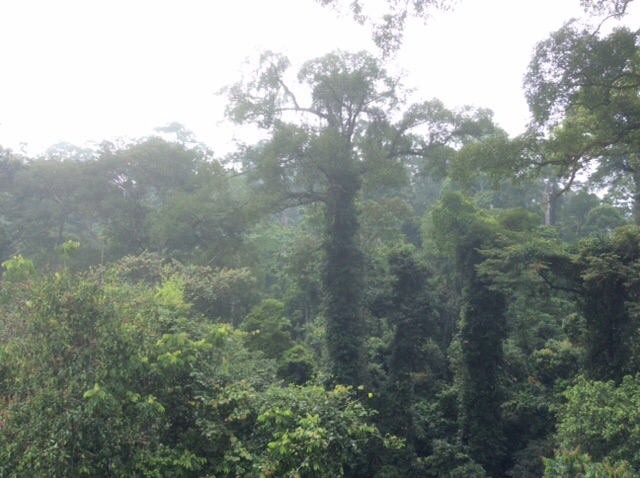
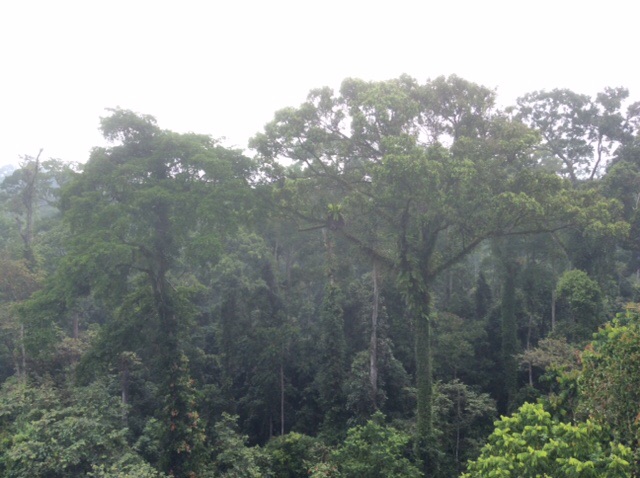
But the view compensated for all the fear and the sweat to get there.
image

image

image
I like being in jungle canopy. At ground level, I find jungle quite monotonous. There are no sweeping vistas through the thick vegetation, and unless you are into insects there is precious little animal life on the jungle floor. Even the plant life is not that interesting, unless you like fungi (are they even plants?). If you happen to spot something in the trees, it’s hard to watch through all the intervening foliage. But in the canopy, or above it as was our case, it’s completely different. You appreciate the grand sweep of the jungle: the tall trees, the Lords of the place, the smaller trees greedily growing towards the light and waiting for their moment of glory when the Lords will be toppled by wind, rain, or sheer old age, the parasitical plants of all descriptions – lianas, vines, ferns – using these trees as their path towards the light, strangling, suffocating, and sucking their life juices from them; flowers, coloured leaves, and fruit peppering the whole. And above and through all this botanical profusion you see the silent flitting of animals. As we stood there, looking out over the canopy, we saw a butterfly which did a long glide past rather than flying drunkenly along as do most butterflies, the bright aquamarine streak of a bird shooting over the canopy (a kingfisher?)
image
several black squirrels, which scurried fearlessly up tree trunks and out along branches
image
and at the end, a troop of red leaf monkeys, who suddenly appeared out of the vines loading down a tree, gracefully jumped over onto the next tree, disappeared into the foliage, and then reappeared further along the canopy.
image
It was time to go. A new prayer, and down we went, rung by rung, all 110 of them.

____________

* young persons, normally school leavers waiting to go on to University, who have decided to take a year off and travel the world. It can also apply to somewhat older persons who have decided to take the year off between undergraduate and graduate schools.
** even older, but still young, persons who have decided that they are fed up with the boring job they have and want to see the world, or have decided to change jobs and want to see the world before they start working again, or simply decide that it’s now or never if they want to see the world.

Dipterocarp: http://images.travelpod.com/tw_slides/ta00/da3/d08/towering-dipterocarp-bilit.jpg (in http://tripwow.tripadvisor.com/slideshow-photo/towering-dipterocarp-by-travelpod-member-dan-melanie-bilit-malaysia.html?sid=14302472&fid=tp-8)
Kingfisher: https://upload.wikimedia.org/wikipedia/commons/a/a6/Ein_Eisvogel_im_Schwebflug.jpg (in https://en.m.wikipedia.org/wiki/Kingfisher)
Black squirrel: https://worldbirdwatching.files.wordpress.com/2013/04/mamilanutria.jpg?w=500&h=374 (in https://worldbirdwatching.wordpress.com)
Red leaf monkeys: http://il2.picdn.net/shutterstock/videos/5039030/thumb/1.jpg?i10c=img.resize(height:160) (in http://www.shutterstock.com/video/clip-5038946-stock-footage-rare-red-or-maroon-leaf-monkey-presbytis-rubicunda-in-the-jungles-of-borneo-this-is-a-beautiful.html)
Other pictures: ours

LET’S CHANGE THE FAO LOGO

Bangkok, 9 September 2015

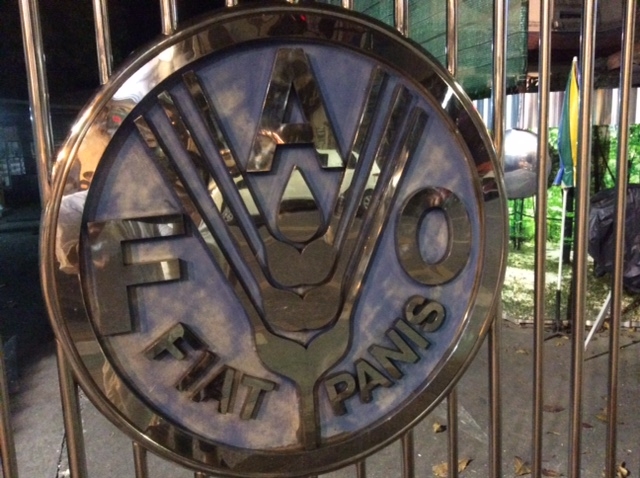
Fairly often, I walk past the Bangkok office of FAO (the Food and Agricultural Organization, not the Schwartz of the toys), and with time the logo of the Organization, which is placed on the gate of the building, has seeped into my consciousness.

FAO icon

As it’s seeped into my consciousness, I’ve begun to look at it more closely. Let me give you a more formal view of the logo so that we can study it together.

FAO_logo.svg

It’s a simple design, as all good designs should be.

And it’s profoundly colonialist, or at the very least extremely euro-centric.

Let me explain.

What we have here is a stylized head of wheat with a motto in Latin, “Fiat Panis”, “Let There Be Bread”. OK, you may say, so what’s the big deal? FAO is there to eliminate hunger, bread is perhaps the most fundamental of foods (remember Marie-Antoinette’s comment “let them eat cake” when told that the peasants had no bread), and wheat makes bread.

Oh really? The Thais eat bread? And the other South-East Asians? How about the Chinese? The Koreans? The Japanese? Rice reigns supreme here. And while the people of the Indian sub-continent consume bread (naan and roti come to mind), they also consume huge amounts of rice, as well as substantial amounts of sorghum, millet, and maize. Talking of maize, in its birthplace, Mexico, and in much of Central America, it is still the major cereal consumed (think tortillas), while the Spaniards and the Portuguese carried it off to all corners of the globe, so that not only the Indians but the Chinese and many other Asians now also eat large amounts of maize. The same is true of Sub-Sahara Africa – it’s the most consumed cereal in that part of the world, along with millet (many of whose species originated in Africa), sorghum (also originally from Africa), as well as lesser-known grains like teff in the Ethiopian highlands, fonio in the savannah areas of Western Africa, and Africa’s own variety of rice along the rivers of Western Africa. And although the Europeanss who colonized the Americas brought with them the habit of consuming wheat, not only maize but other grains, like qinoa, or its close relative kañiwa, or even amaranth, have hung on.

But FAO, created in the aftermath of World War II, was very much a creation of Europeans and neo-Europeans (the countries in the Americas and Australasia which were colonized by Europeans and whose elites probably ate bread and not tortillas or the local equivalent). Of the 37 original countries who signed up to the FAO when it was created in October 1945, 29 were Europeans or neo-Europeans. Of the remainder, 4 came from the Arab region, also wheat eating. Of the three Asian signatories, India (as we have seen) eats quite a bit of wheat, especially its northern regions where the-then Hindi political elite came from (I’m a bit puzzled that India signed up, though; it was still a British colony). That leaves the Philippines, who no doubt just followed the US lead, and China, represented by the Nationalists who were anxious to keep their friends in the West during their fight to the death with the Communists and so who weren’t going to make a fuss over anything so trivial as a logo (maybe they didn’t even notice it).  As for Liberia, the one lone African signatory (the others all being colonies and therefore not counting as countries), given its history it also no doubt followed the U.S.’s lead.

So wheat it was on the FAO logo. But did they really have to add the Latin motto? Such a super European thing to do! Have something in front of you which looks like a heraldic shield, and slap a Latin motto onto it (it was put there by FAO’s first Director-General, by the way, a Brit; why am I not surprised?). I mean, as a European who had Latin as part of my education (very unwillingly, I should add), I like the motto. It gives an apparent nobility, a timelessness, to a simple message: let me eat. It also reminds me subliminally of my (European) Christian upbringing – I’m old enough to remember Sunday masses in Latin, where of course bread is central to the liturgy. It also reminds me of a line in the New Testament (I wonder if the British Director-General had this in mind when he chose the motto), when Jesus is being tempted in the desert by the devil. At one point, the devil says to him (in the Latin Vulgate version) “Si Filius Dei es, dic lapidi huic ut panis fiat”, “If you are the Son of God, tell this stone to become bread.” Turning stones into bread: a nice description of farming. But all this is very, very elitist, holding meaning to a tiny percentage of the world’s population. It means nothing to the Chinese or Indian farmer, or the campesino in Latin America, or the African subsistence farmer eking out an existence on the edges of life. Yet they are the clients of FAO, not me, white, educated, and urbanite.

So I think we need to redesign FAO’s logo. I’m open to all and any suggestions, but here are my thoughts. First, throw out the motto; let’s keep to the one universal language that we all have, images. Just as an example to encourage us, UNICEF, which has its office next to FAO’s, also has its logo on the gate.

unicef logo

No words, just an image, and of course an absolutely universal image of mother and child. This is what we should aspire to.

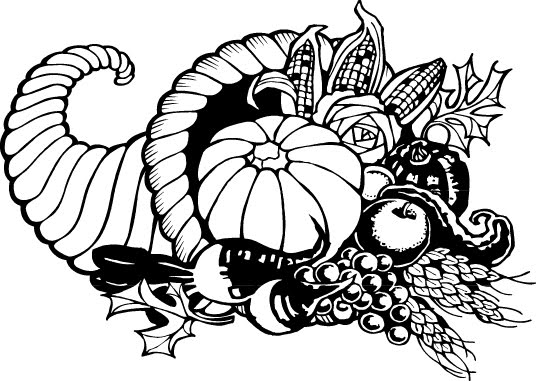
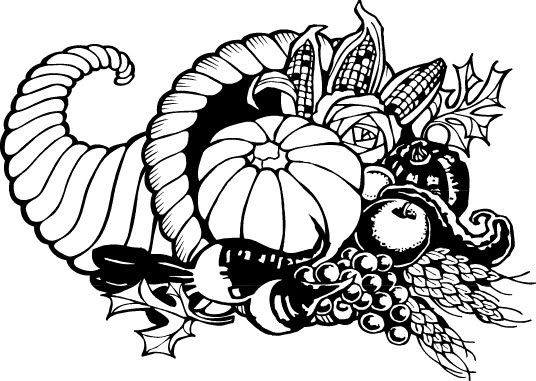
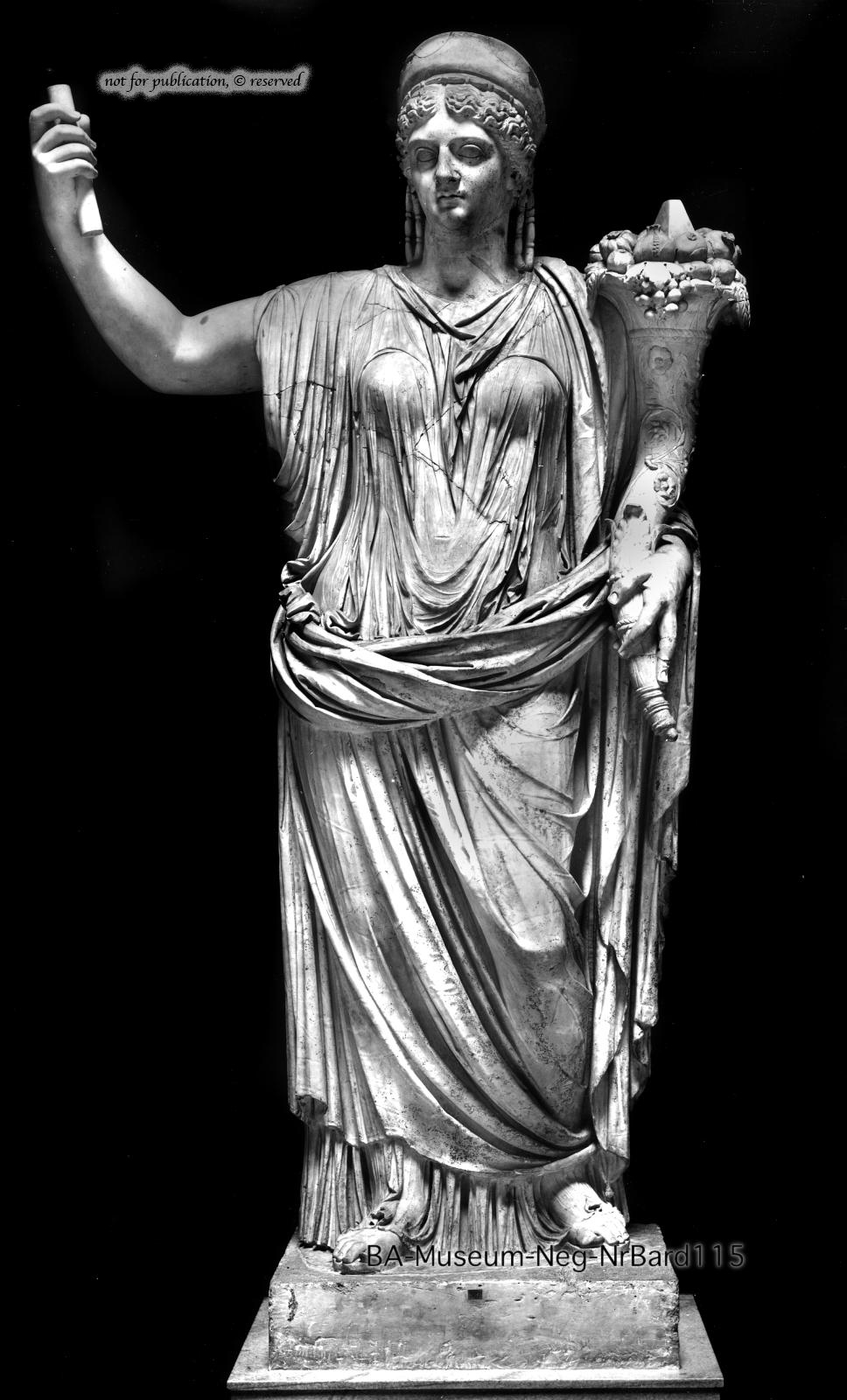
My first thought is that the logo should recognize that we all eat lots of different foods all over the world. We can’t have all of them on the logo, but we could have those most eaten. For example, I read that the ten most eaten staple foods in the world are maize, rice, wheat, potatoes, cassava, soybeans, sweet potatoes, yams, sorghum, and plantain. So why not shove all of of them into a cornucopia like this one, so dear to Americans around Thanksgiving and put it on FAO’s logo?cornucopia iconAfter an initial burst of enthusiasm, I hesitate. First of all, I am committing exactly the same sin which I am accusing the original designers of, cultural imperialism. Who, outside of the European and neo-European countries, has ever heard of cornucopias? This was a Roman invention, attributed to several Gods and Goddesses having to do with food and agriculture. Of these, I prefer the Goddess Abundantia, for no other reason than it’s a pretty cool name.

Abundantia

As you can see, she is nestling a cornucopia along her left arm.

Abundantia’s name also happens to show the second big problem with cornucopias. Her name gave us our word “abundance”, and that is indeed the purpose of the cornucopia, to show the overflowing fruits of the earth – that’s why it pops up at Thanksgiving, when everyone is gorging themselves. But abundance is not what 90% of FAO’s clients have. I think it would be rather a slap in their face to flaunt so much abundance.

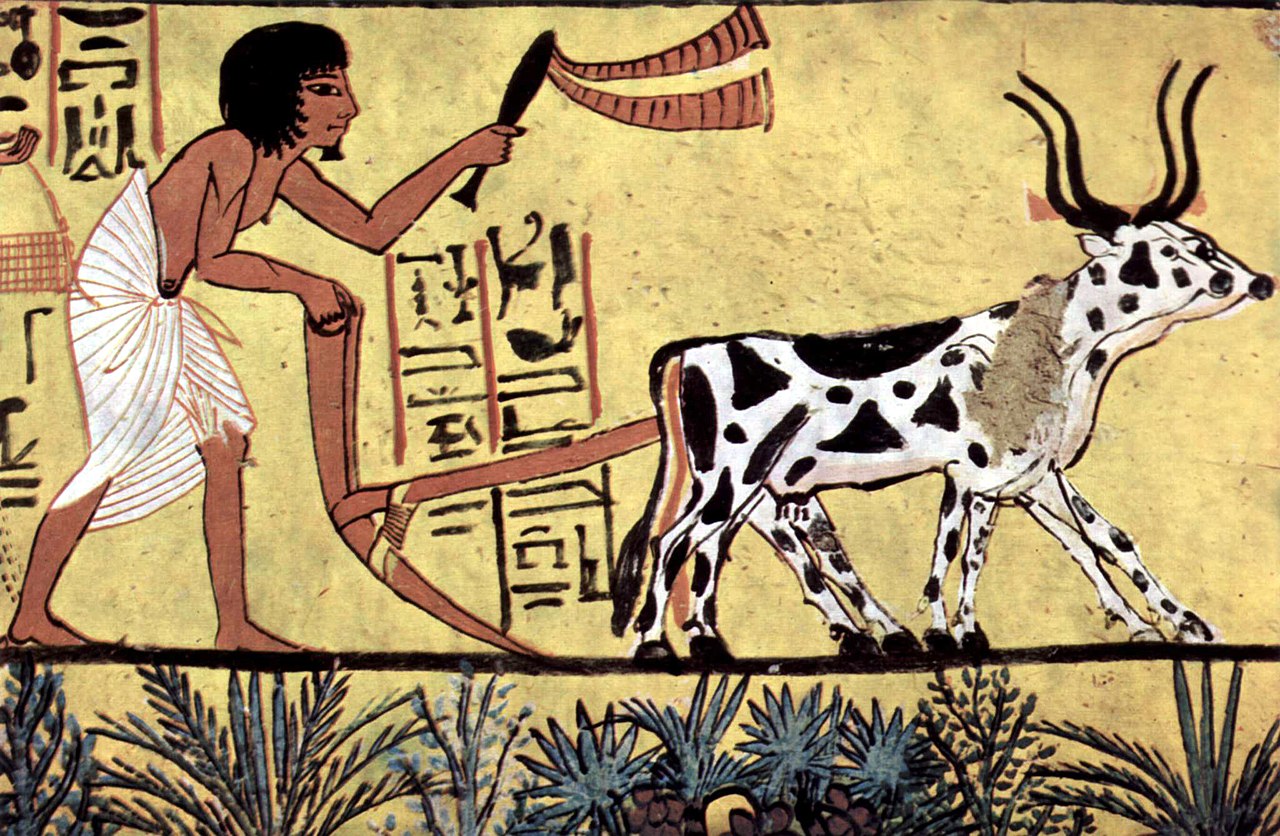
Why not move away from the fruits of farming to the act of farming itself? And here I’m thinking of the act of ploughing – not completely universal, I grant you, since herdsmen don’t plough, but still pretty symbolic of farming from time immemorial.

egyptian ploughing

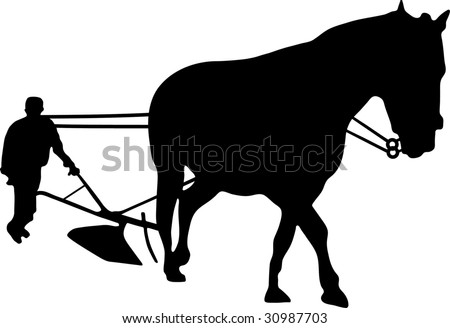
Some sort of simplified picture like this could do the trick

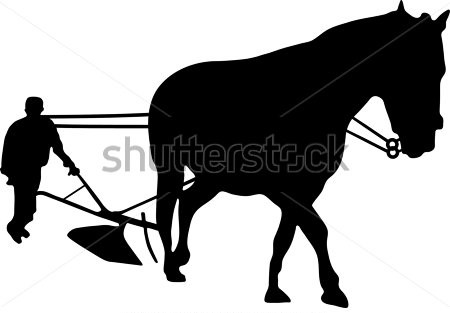
hand ploughing-2

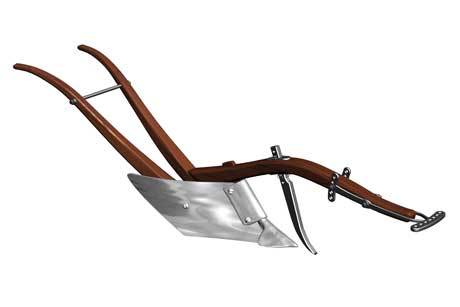
although obviously this particular picture carries a lot of European cultural baggage: the horse, the way the man is dressed. But I’m sure a professional designer could come up with something less fixed to a certain time and place. Of course, fitting all of that in a readable form onto a logo might be a challenge. Perhaps the picture should be just the plough itself, something like this.hand ploughAgain, after an initial moment of enthusiasm, I hesitate. I could be accused of wanting farmers to stay in the Stone Age. Why not have a modernist, aspirational logo like a tractor, which no doubt every farmer, sweating away as he ploughs his field with his ox or horse or other beast of burden, would devoutly wish for? Something like this:

tractor logo

But frankly I don’t like tractors much; I have a rather contrasted relationship with this piece of agricultural machinery. So I’ll nix that idea.

After some thought, I suggest we should go for something much simpler, something much more fundamental, something much more basic: this

planting-3aAfter all, once you strip out all the technology, all the sophistication, all those damned tractors, isn’t that what farming is essentially about, nurturing a plant to grow?

_______________________

FAO logo: https://upload.wikimedia.org/wikipedia/commons/thumb/d/db/FAO_logo.svg/2000px-FAO_logo.svg.png (in https://en.wikipedia.org/wiki/Food_and_Agriculture_Organization_of_the_United_Nations)
UNICEF logo: http://www.somalicurrent.com/wp-content/uploads/2014/12/UNicef.png (in http://www.zwallpix.com/unicef-logo.html)
Cornucopia icon: http://www.clker.com/cliparts/1/8/a/5/128509193232136462thanksgiving-cornucopia-large.jpg (in http://www.clker.com/clipart-71521.html)
Statue of Abundantia: http://arachne.uni-koeln.de/images/Abbildungen/FADatenbankabb0488/BA-Museum-Neg-NrBard115_2211,05.jpg (in http://arachne.uni-koeln.de/browser/clarac_index.php?view%5Blayout%5D=clarac_page&clarac%5Bsearch%5D%5BPS_WebseiteID%5D=3125)
Egyptian ploughing: https://upload.wikimedia.org/wikipedia/commons/thumb/9/91/Maler_der_Grabkammer_des_Sennudem_001.jpg/1280px-Maler_der_Grabkammer_des_Sennudem_001.jpg (in https://commons.wikimedia.org/wiki/File:Maler_der_Grabkammer_des_Sennudem_001.jpg)
Hand ploughing: http://image.shutterstock.com/display_pic_with_logo/300715/300715,1243435606,4/stock-photo-farmer-and-horse-drawn-plough-30987703.jpg (in http://www.shutterstock.com/pic-30987703/stock-photo-farmer-and-horse-drawn-plough.html)
Hand plough: http://img.index.hu/imgfrm/4/5/6/4/BIG_0007494564.jpg (in http://forum.index.hu/Article/showArticle?go=99788228&t=9201739)
Tractor logo: Hand ploughing: https://s-media-cache-ak0.pinimg.com/736x/ed/04/8b/ed048bb8cfea5f269418c1476160f152.jpg (in http://janesbrickroad.blogspot.com/2010/07/jacobs-creek.html)
Planting: http://thumb9.shutterstock.com/display_pic_with_logo/2857603/257887916/stock-vector-hand-holding-a-leafy-plant-symbol-for-download-vector-icons-for-video-mobile-apps-web-sites-and-257887916.jpg (in http://www.shutterstock.com/s/planting+seeds/search.html)

THE WHISPER OF THE SCYTHE’S BLADE

Bangkok, 30th August

God may not play with dice, as Einstein claimed, but the Universe surely does. The bombing at the Erawan shrine here in Bangkok two weeks ago brought that home forcefully. I have never been near the shrine, but my wife passes it quite regularly. In fact, the day of the blast she had passed it just a few hours before. If she had been running late, if earlier activities had got postponed, … A colleague of mine in the office should have been passing the shrine on the Skytrain on her way to the gym just when the bomb went off. But it so happened that that day her little boy was feeling unwell so she decided to cancel at the last minute. If her husband instead had stayed with the boy …

It must be the same with every terror attack. No doubt there were people who for one reason or another were not in the Twin Towers on September 11 when they normally would have been, or were closer to the exit than they normally would have been. Or in all those bomb attacks on markets or bus stations or other crowded places which take place with depressing regularity in Syria, Iraq, Afghanistan, Nigeria, or any other troubled spot on the planet, there must be a host of people who might well have been in the path of the blast, but for some small reason were not. And a host of people who were in the path of the blast who normally would not have been.

The same randomness comes out with painful clarity in War. I always remember a story in the book “The Good War” by Studs Terkel. Terkel wrote oral histories of the American people, based on the stories he collected from ordinary Americans. “The Good War” was a collection of stories from Americans involved in the Second World War in some way. This story was of two young soldiers, buddies in everything since the beaches of Normandy, who found themselves in a fire-fight during the Battle of the Bulge. One dived one way and caught a bullet, the other dived the other way and survived to tell Terkel the tale. He was forever guilty that he had been the lucky one. So many times you hear about this guilt! Men who ran through the hail of bullets and shrapnel of No Man’s Land in the First World War and survived while their comrades fell all around them. Why them?, they wondered afterwards. Why were they the lucky ones? They didn’t deserve it particularly.

Accidents also throw the essential randomness of it all into sharp relief. A few days after the Bangkok blast, a plane at an air show in the UK crashed onto a busy motorway. If those motorists who were killed had been driving a little slower, or a little faster, or had decided to use another route that morning, or had decided to cancel the trip altogether, … The routine accidents of everyday life, the ones that don’t make it to the front page, are no less random. If I had started crossing the street just a bit sooner, I would have been mown down by that tuk-tuk which suddenly made a sharp right. It just so happened that I was blocked for an instant by that other pedestrian who walked in front of me …

Sickness is the same. If that virus coughed out by that person had got wafted that way and not this, I wouldn’t now be sick in bed. Or dying. If that heart arrhythmia had been just a tad faster, or a titch slower, I wouldn’t be alive to marvel at it. If the surgeon’s knife had been a little more extensive the first time, or if that first operation had been one month sooner, the lovely lady we met when we first arrived in Bangkok would not now be dying ten floors above us of metastasized cancer.

And so it goes on throughout life. If I had done this, or not done that, or said it or not said it, or stepped here rather than there, just at that moment, how different things would be now!

Magic has tried to make us believe that we can beat the odds. Hang this amulet around your neck and the spears, or the arrows, or the bullets, will never find you. Religions instead have tried to help us accept the essential randomness of our lives. The Grim Reaper can come to pick you up at any time, so be ready. Be ready. Lead good lives, lead virtuous lives, so that when the knock on the door comes, you will have done everything in your power to go to Heaven than to Hell, to be reborn closer to final Nirvana.

Perhaps such a fatalistic approach is the best. You can be forever on the lookout, dodging and weaving, stepping smartly out of the way of the slings and arrows which life hurls at you, but in the end the dice will finally roll against you. If you have led a good, virtuous life, those who survive you can say, “he was a good man.” What better epitaph can one have than that?

PÉTANQUE

Bangkok, 29 August 2015

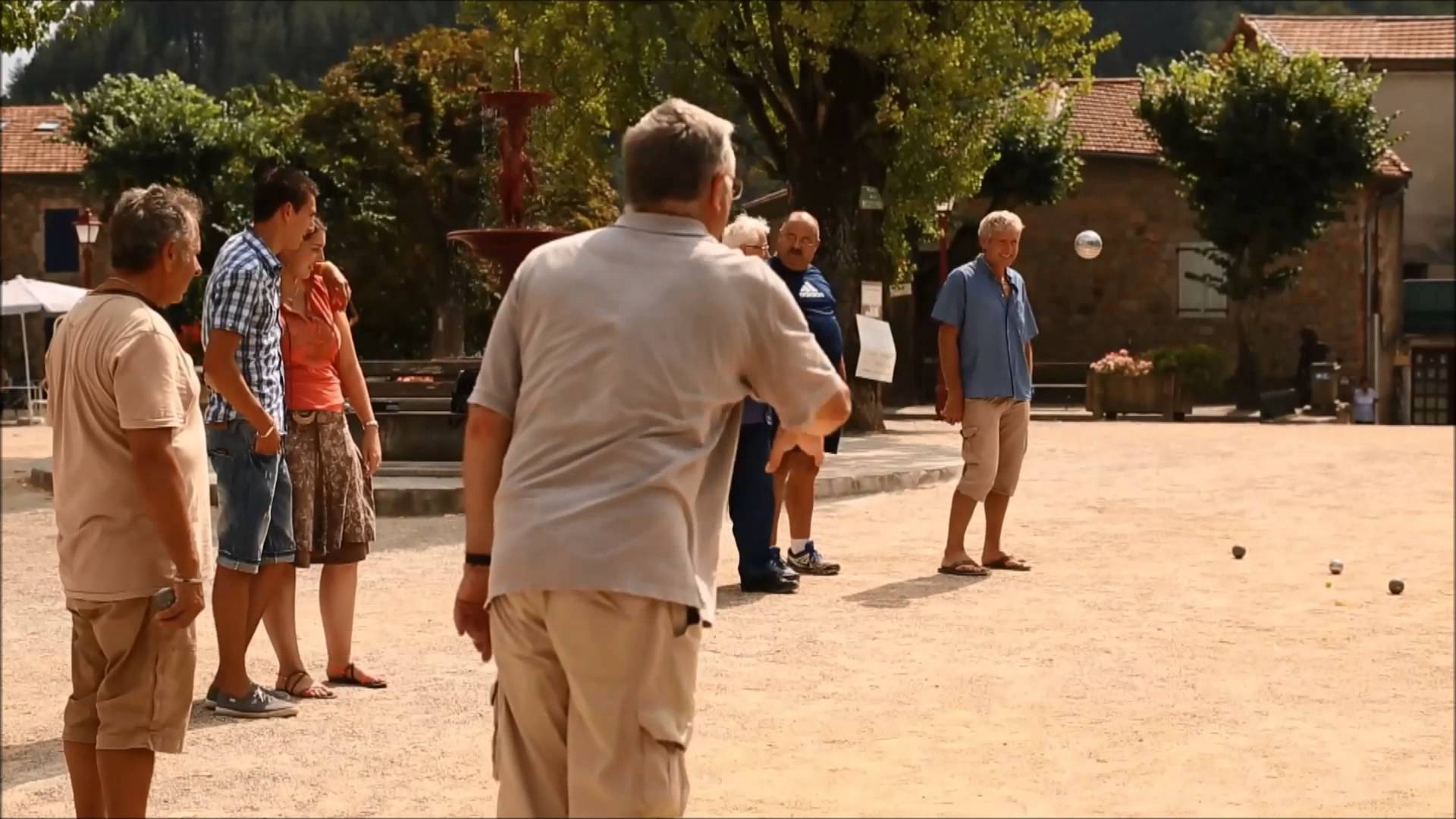
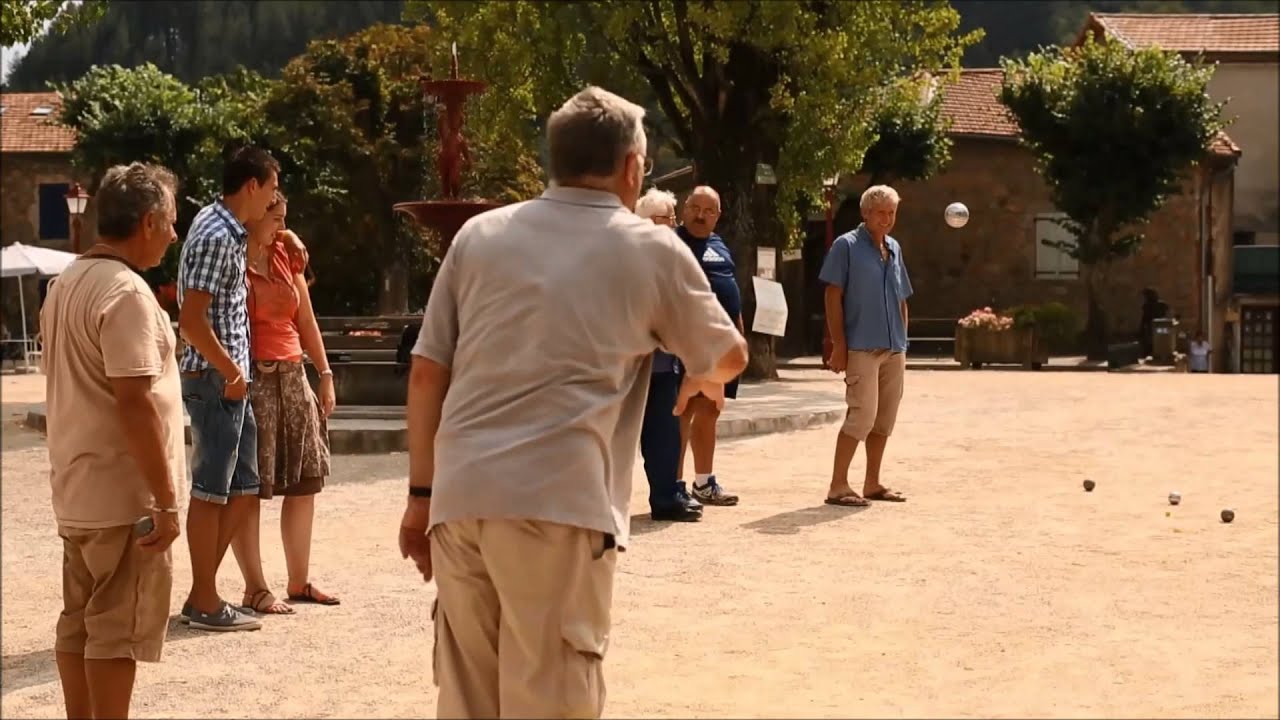
I wrote a post a year or so ago where I listed all things French. One of the things I didn’t list, though, was the game of pétanque. Anyone who has spent any time in France will eventually have come across a scene like this

petanques in France

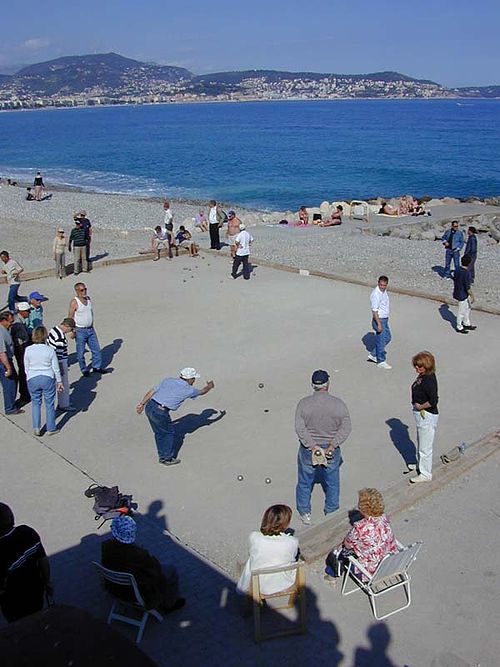
especially if you’re there for the summer holidays; it seems that it’s all the French do during their summer holidays at the beach.

Petanque_on_a_beach_of_Nice

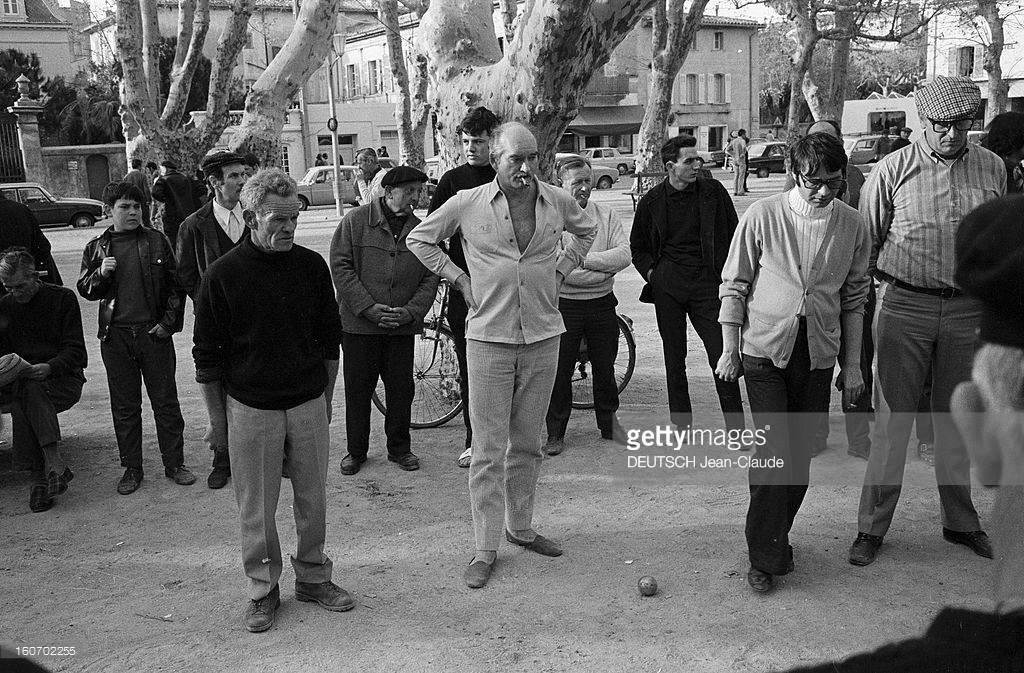
In truth, my memory of pétanque leans more in the direction of the following photo, the game on the village square ringed with those poor plane trees that the French love to massacre, with ten times more spectators than players – and all looking so serious!

petanque old photo

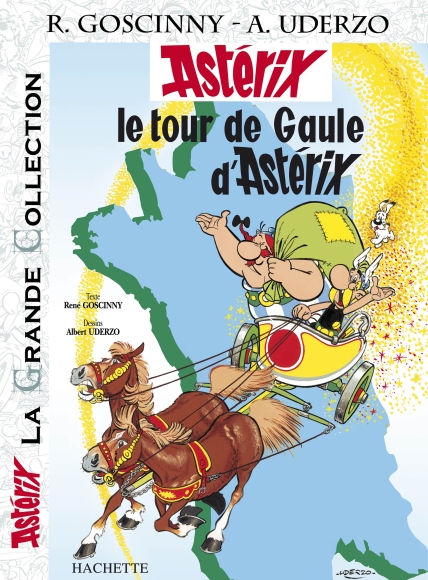
So French is pétanque that it played a major role in that magisterial compendium of all that is French, Le Tour de Gaule d’Astérix.

Asterix et le tour de Gaule

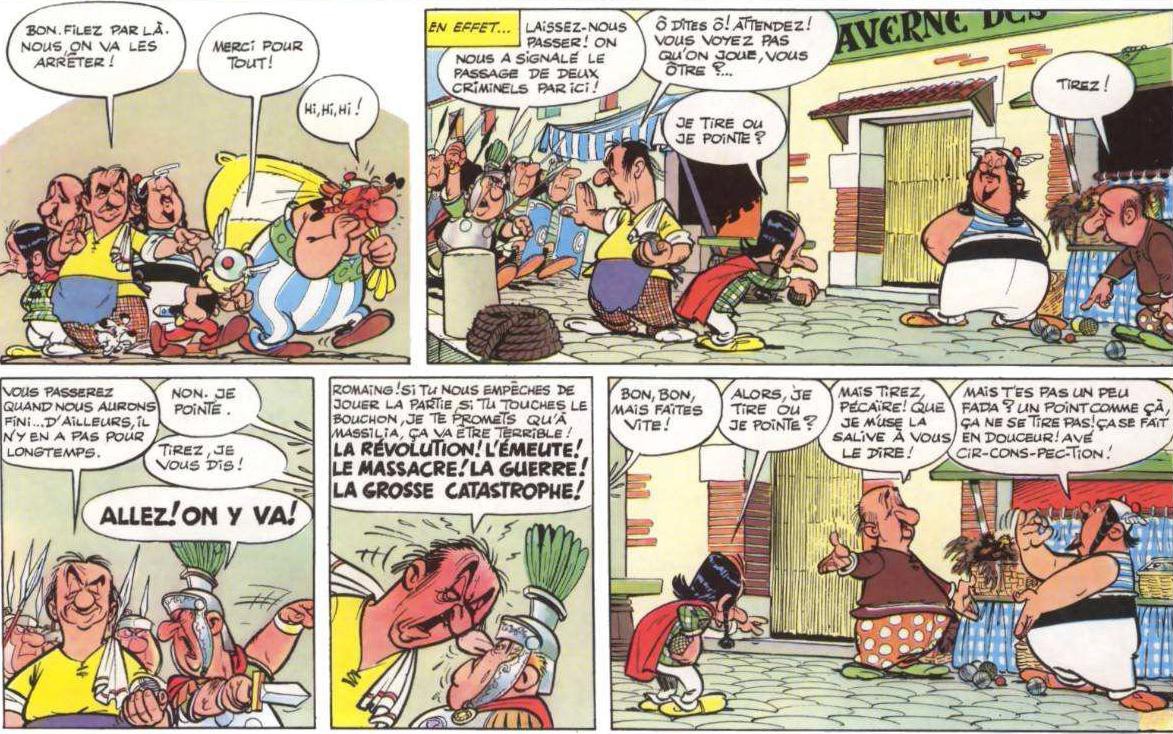
The scene takes place in Masilia (today’s Marseilles) – a nod to the Provençal roots of the game – where a Roman patrol is threatened with riot, revolution, massacre, war, in brief general catastrophe, if they disrupt a game of pétanque started specially to let our heroes get away.

petanque in asterix

To further slow down the game and impede the Roman patrol from advancing, the classic question is being heatedly debated: “je tire ou je pointe?” Should the bowler try to knock away the adversaries’ bowls close to the cochonnet (jack in English), or should he try to get his bowl even closer than theirs to the cochonnet? Extremely delicate question, which explains the serious expressions of everyone in the black and white photo above. It was also the object of serious fights between my French cousins when we played the game at my grandmother’s house. The games normally finished abruptly with them running after each other through the garden, screaming.

Yes, so French: a Gauloise cigarette in corner of the mouth, a glass of pastis in one hand, a petanque bowl in the other, and the pondering of that existential question: “je tire ou je pointe?”

Imagine, then, my astonishment when, during a visit a few Chinese New Years ago to Luang Prabang in northern Laos, I noticed a group of locals playing a game of pétanque. So astonished was I that I took a photo to memorialize the scene. Alas! I cannot find the photo anymore, but no matter, others have memorialized the playing of pétanque in Laos on the internet.

petanque in Laos

After some thinking, I concluded that perhaps it was not all that surprising that Laotians should play pétanque. After all, they had been a French colony. No doubt they would have watched their colonial masters while away their afternoons playing the game and perhaps played it themselves in the mother country while there on scholarships and plotting revolution. And it’s a great game for a hot climate, no frantic running around under the broiling sun.

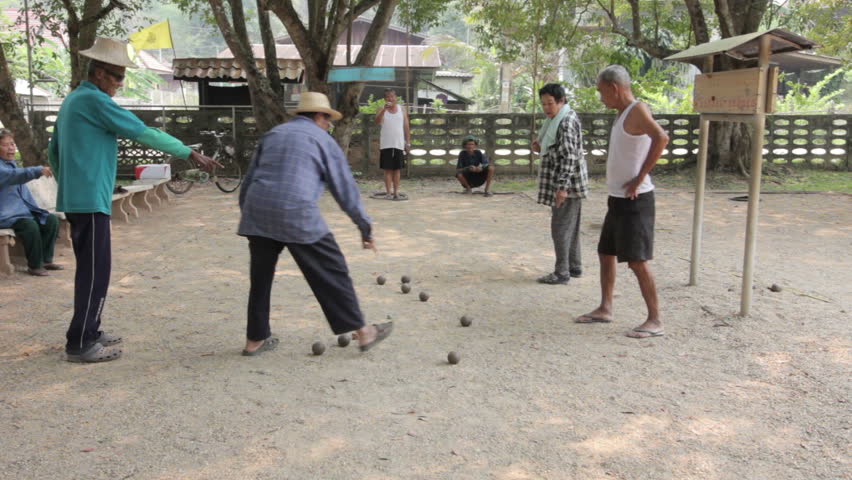
But imagine my even greater astonishment when several months ago I noticed a group of Thai playing pétanque, or petaung in Thai (my transliteration of what my office colleagues called it). I was so gobsmacked that I didn’t have the presence of mind to take a photo, so I throw in here one that I found on the net. As we can see, the players are obviously debating the question, “je tire ou je pointe?”

petanque in Thailand

How did they pick up the game? Could it have come through Laos? Or Cambodia, or even Vietnam, also ex-French colonies and where the game is played? Or was it brought by Frenchmen in the service of the King or Government? Whatever the origin, the fact is they play it well. In preparing this post, I discovered that there is an International Championship of pétanque which has been held every two years since 1959. The French, of course, have dominated the event, with French teams winning 27 golds, 12 silvers, and 14 bronzes. But, surprise, surprise, the Thai have won 3 silvers and 3 bronzes, all this since 1991. They seem to be creeping slowly up the medal tables; gold no doubt awaits them soon.

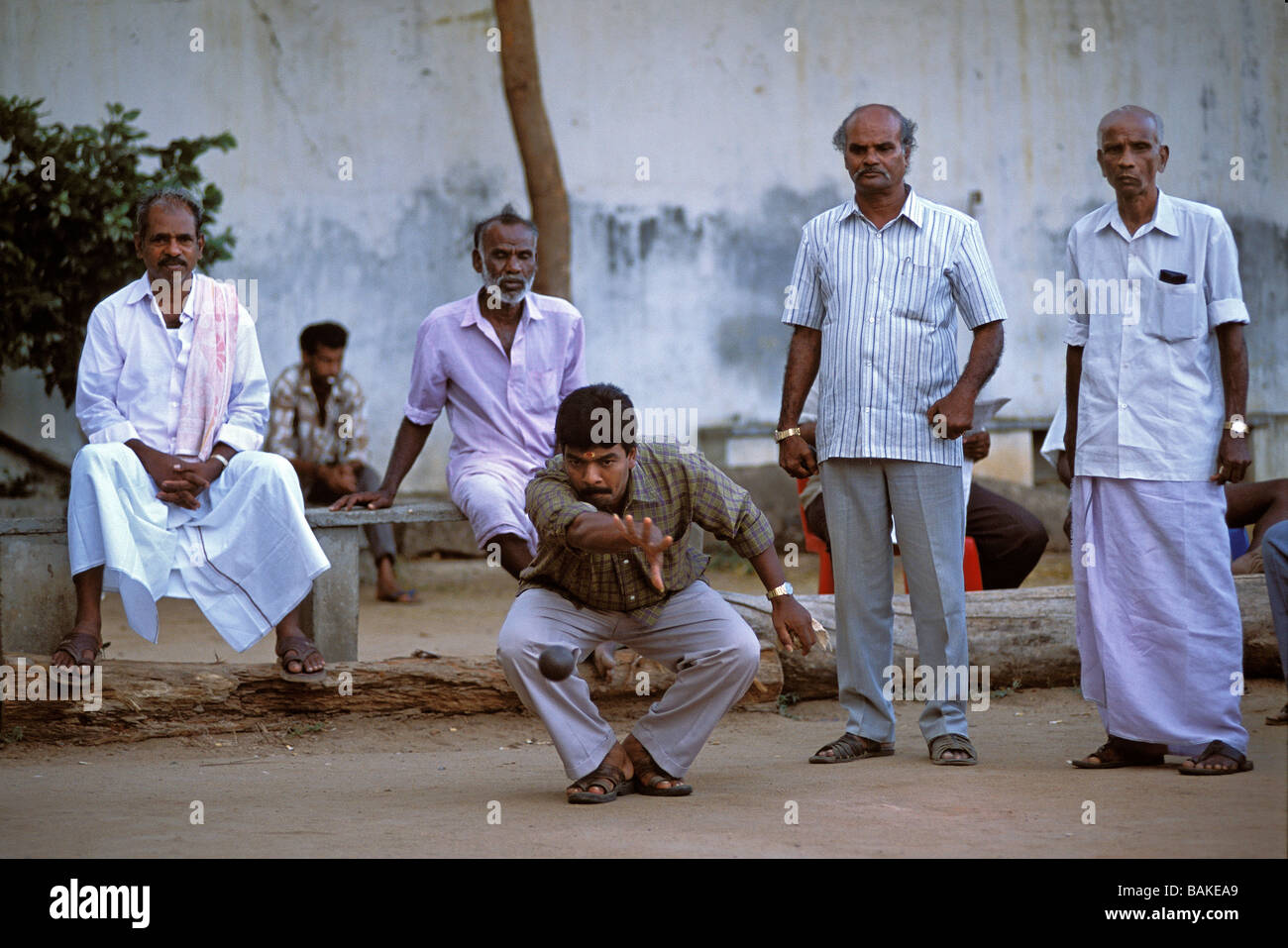
Thoroughly intrigued, I did a rapid internet zip around the world, and discovered many more places where pétanque is played. Just in Asia, I found traces of it in India

BAKEA9 India, Pondicherry Territory, Pondicherry, French consulate, Petanque game

although I suspect it may be limited to the old French enclave of Pondicherry

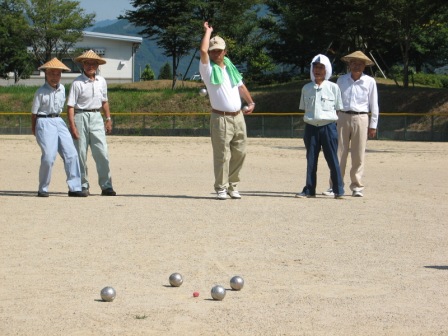
Japan

petanque in Kumamoto Japan

the hats are an interesting stylistic addition

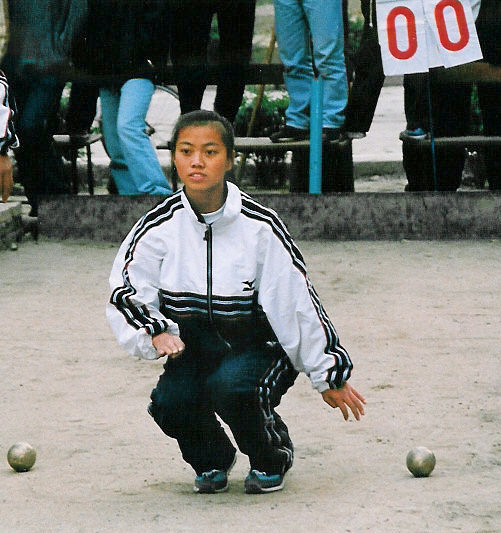
China

petanque en chine

although I never saw it being played in my five years there, and if this picture is anything to go by the Government has infiltrated the game and officialized it: where are the villagers playing in the shade of the trees?

I didn’t find a picture of anyone playing pétanque in South Korea although there seems to be national federation of pétanque and bowls. What the Koreans do seem to have done is to invent a video-game of pétanque – it figures, I suppose, given South Koreans’ passion for video-games.

petanque video game screen

A number of my posts have touched on the issue of globalization. I suppose this is another example of that. I wonder if the French have ever tried making pétanque an Olympic sport? They could win a few more gold medals for a while, until the rest of the world beat them at their own game (like the Japanese with judo).

______________

Pétanque in France: http://i.ytimg.com/vi/zjJAcu2o03U/maxresdefault.jpg (in https://www.youtube.com/watch?v=zjJAcu2o03U)
Petanque on the beach: https://upload.wikimedia.org/wikipedia/commons/thumb/c/c2/Petanque_on_a_beach_of_Nice.jpg/500px-Petanque_on_a_beach_of_Nice.jpg (in https://en.wikipedia.org/wiki/Pétanque)
Pétanque old photo: http://cache3.asset-cache.net/gc/160702255-albert-debarge-marries-josianne-rousset-in-gettyimages.jpg?v=1&c=IWSAsset&k=2&d=GkZZ8bf5zL1ZiijUmxa7QRb3elaikB0wsuIje6LZ5qIlZFwr4Iyt%2bAtEtk63h7vGHw9WDtPuEHn0XScy7CdEvPc6MFA3lWBXE1Yr5pP3Qlg%3d (in http://www.gettyimages.com/detail/news-photo/albert-debarge-marries-josianne-rousset-in-saint-tropez-news-photo/160702255)
Le Tour de Gaule d’Astérix: http://www.asterix.com/bd/albs/05frx.jpg (in http://www.asterix.com/la-collection/les-albums/le-tour-de-gaule-d-asterix.html)
Pétanque in Laos: http://blog.uniterre.com/uploads/f/frchazelle/576704.jpg (in http://www.uniterre.com/album-photos-voyage-21819.html)
Pétanque in Thailand: http://il2.picdn.net/shutterstock/videos/9605459/thumb/1.jpg?i10c=img.resize(height:160) (in http://www.shutterstock.com/de/video/clip-5718971-stock-footage-petanque-sports.html)
Pétanque in Kumamoto Japan: http://blog-imgs-50.fc2.com/a/k/a/akazawamitsuishi/img_1715696_52818299_2.jpg (in http://akazawamitsuishi.blog59.fc2.com/blog-entry-1676.html)
Pétanque in Pondicherry India: http://c8.alamy.com/comp/BAKEA9/india-pondicherry-territory-pondicherry-french-consulate-petanque-BAKEA9.jpg (in http://www.alamy.com/stock-photo-india-pondicherry-territory-pondicherry-french-consulate-petanque-23785281.html)
Pétanque in China: http://www.boulistenaute.com/uploads/thumbs/4757.jpg (in http://www.boulistenaute.com/modules/newbb/viewattachment.php?topic_id=24172&post_id=692310&forum=37)
Petanque video-game screen: http://a4.mzstatic.com/eu/r30/Purple6/v4/2d/9a/0d/2d9a0d66-5b26-79d9-7d31-21b3b2e2340c/screen340x340.jpeg (in https://www.apptweak.com/petanque-2012-pro/iphone-ipad/kr/en/app-marketing-app-store-optimization-aso/report/497991055)

LEMONGRASS

Bangkok, 20 August 2015

One of the things I always do when I go to a new country is to inspect the vegetable section of the local markets or supermarkets, to see what fruits and vegetables they have on display which I have never seen before, and then I try to figure out how the locals eat them. I also play this game with fish, where one can see interesting variations around the world. I normally don’t bother with meats, since there is much less variety here. Chicken, pork, and beef probably cover more than 95% of all meat products sold over the counter. Throw in a few other fowl, like turkey and goose, and you’re probably up at 99%. I’ve never seen meat aisles where you can buy camel or llama or hamster or dog (although I was once in a place where I could have bought kangaroo).

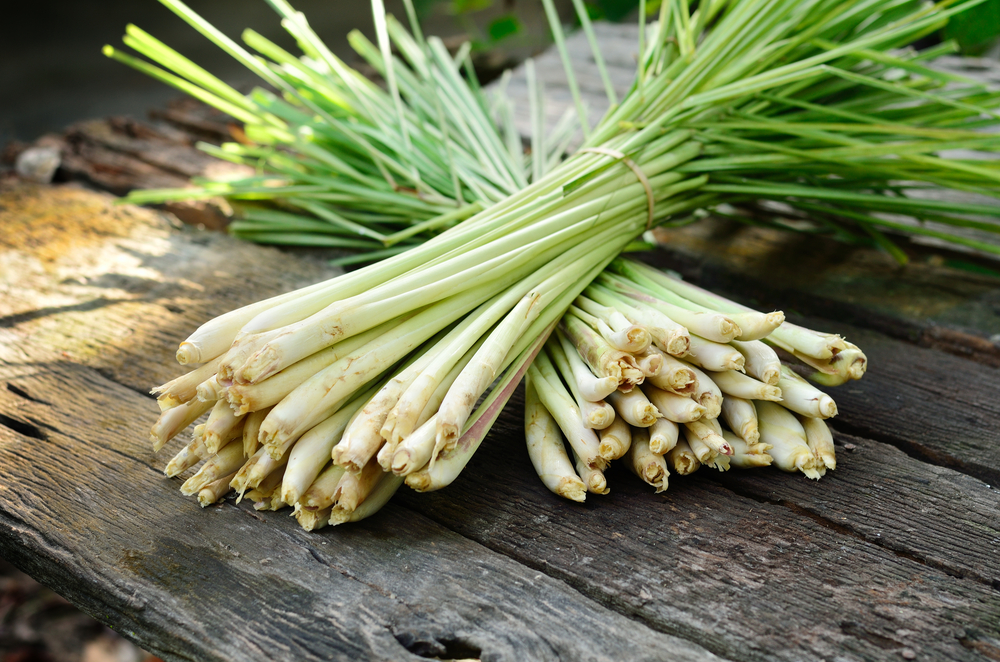
In any event, I played the game when we arrived here in Thailand, and one of the things that immediately jumped out from the vegetable aisles was lemongrass – it’s not a vegetable really, more a spice, but it tends to sit alongside the vegetables, so that’s where I saw it.

lemongrass bunch

Anyone who has lived in Thailand for more than a couple of months will quickly realize that lemongrass plays an important role in Thai cuisine. I’ve mentioned in a previous post one Thai dish in which lemongrass plays a not unimportant role, Tom Yum soup.

tom yum soup

There are other Thai soups which have lemongrass in their recipe, lemongrass coconut noodle soup for instance.

Coconut Lemongrass Noodle Soup

It also finds its place in the green and yellow curries which are omnipresent in Thailand and which Thais will eat with various meats and vegetables. Here they are accompanying chicken.

chicken green currychicken yellow curry

Lemongrass also plays an important role in various sauces, in this case as a coconut and lemongrass sauce accompanying mussels.

mussels in coconut and lemongrass sauce

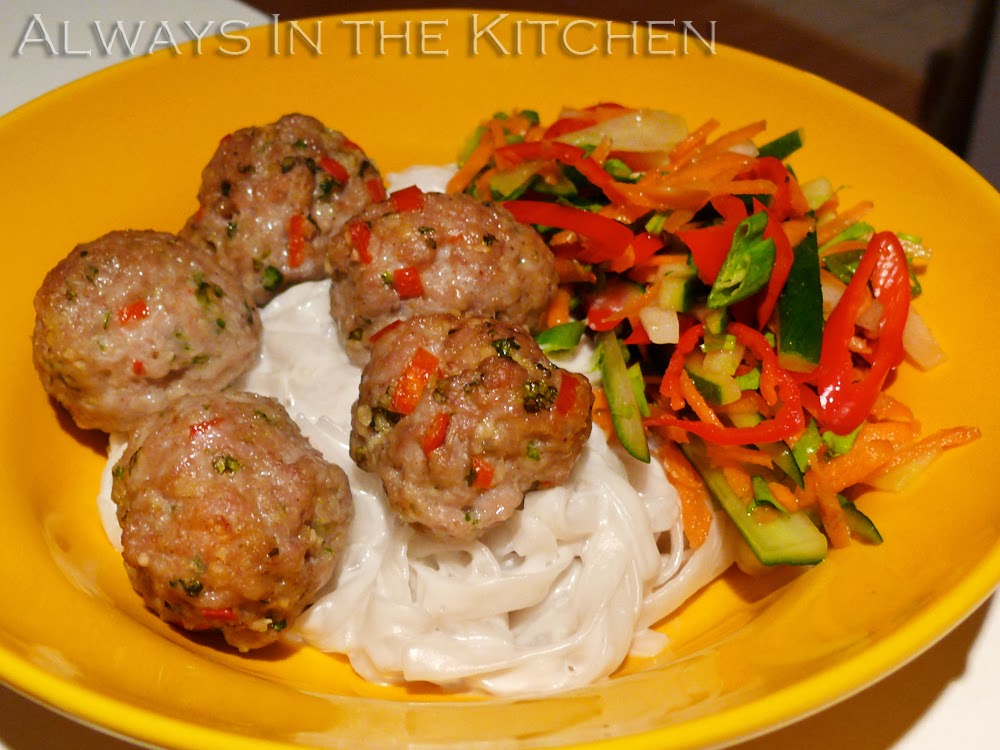
In truth, it is not only in Thai cuisine that lemongrass finds a role. It is common to much South-East Asian cuisine. In Viet Nam, for instance, in pork meatballs the meat is mixed with lemongrass and other herbs.

Vietnamese Lemongrass Pork Meatballs

Or there is Indonesia’s beef rendang, where beef is cooked slowly in a mix of spices which includes lemongrass.

Indonesian beef-rendang

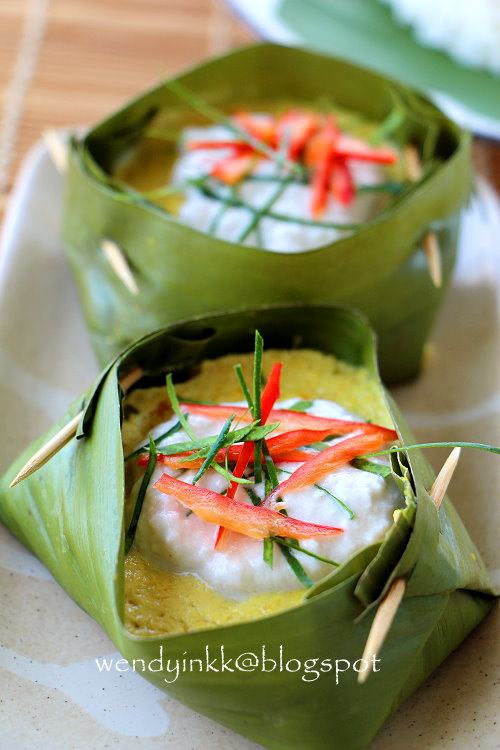
In Cambodia, there’s the national spice-mix paste called Kroeung, which almost always includes lemongrass, and which is used in many dishes, for instance in the fish-based Amok trey

cambodian fish amok trey

For Laos, I cite stuffed lemongrass, the one dish where lemongrass plays a star role.

Laotian stuffed lemongrass

Myanmar gives us as one among many examples Mont Di soup, from Rakhine state

Myanmar Mon Di soup

And let’s not forget the Philippines, from which I’ll cite Lechon Cebu. Lechon, a national dish, is a whole roasted pig. Among its many regional variations there is Cebus’s, where the pig is stuffed with a mix of spices and herbs which includes lemongrass.

Philippine lechon cebu

This enthusiasm for lemongrass is not surprising really. The two forms of the plant which are edible, C. citratus and C. flexuosus, both have their tap root buried deep in this part of the world. Anyway, it’s super for me because I have a great fondness for lemongrass. This affection goes back a long way; I first came across the plant some 50 years ago, as a ten, eleven year-old child. It was in Cameroon, in West Africa. My father had moved there after his stint in Eritrea. One afternoon, at tea time at someone else’s place, I was served this delicious pale yellow infusion, which smelled and tasted softly lemon-like.

lemongrass infusion

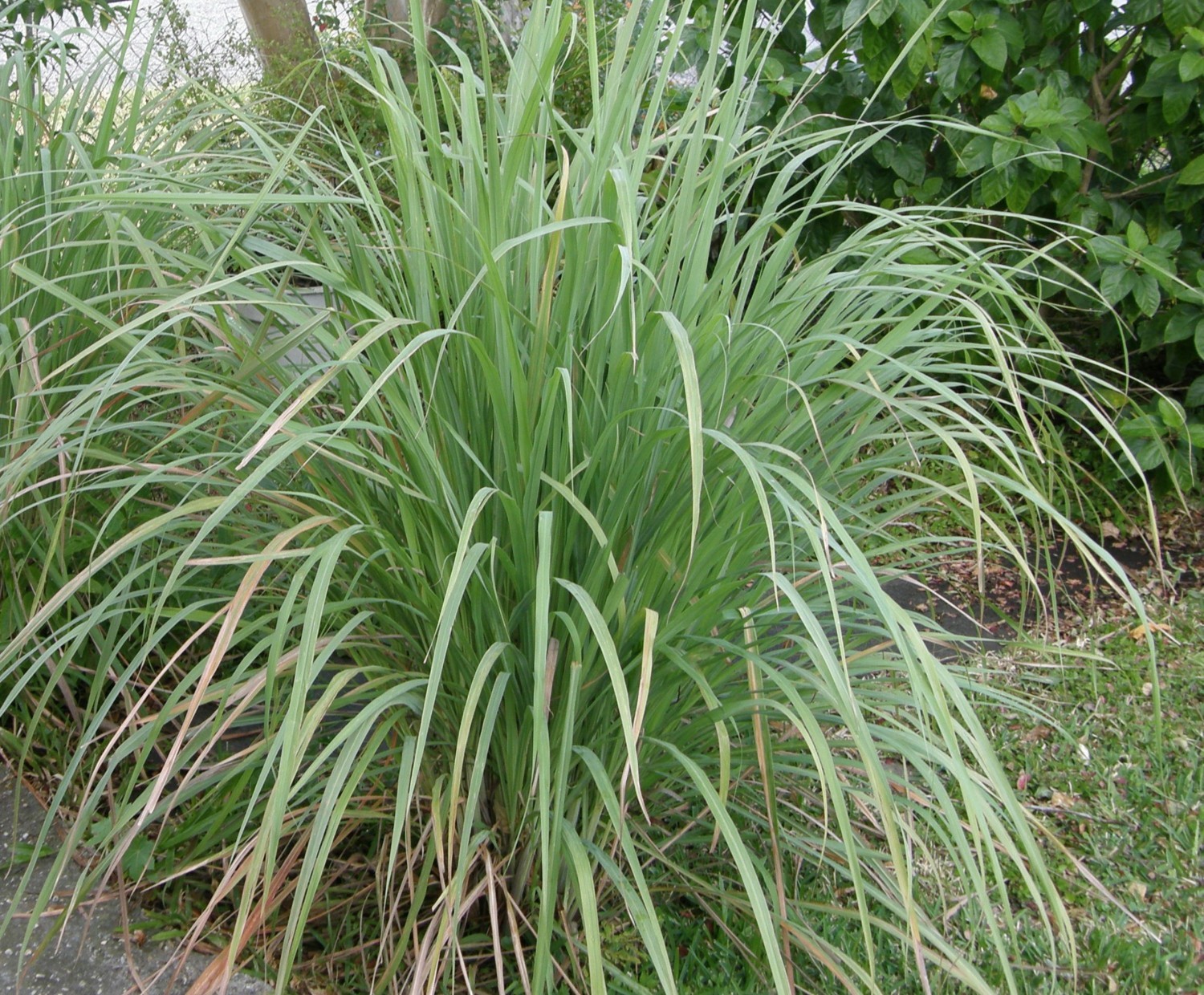
After I’d oohed and aahed about it for a bit, I was shown the plant, a rather spiky big grass

Lemongrass Plant

whose leaves gave off this wonderful lemon scent when you rubbed them between your fingers.

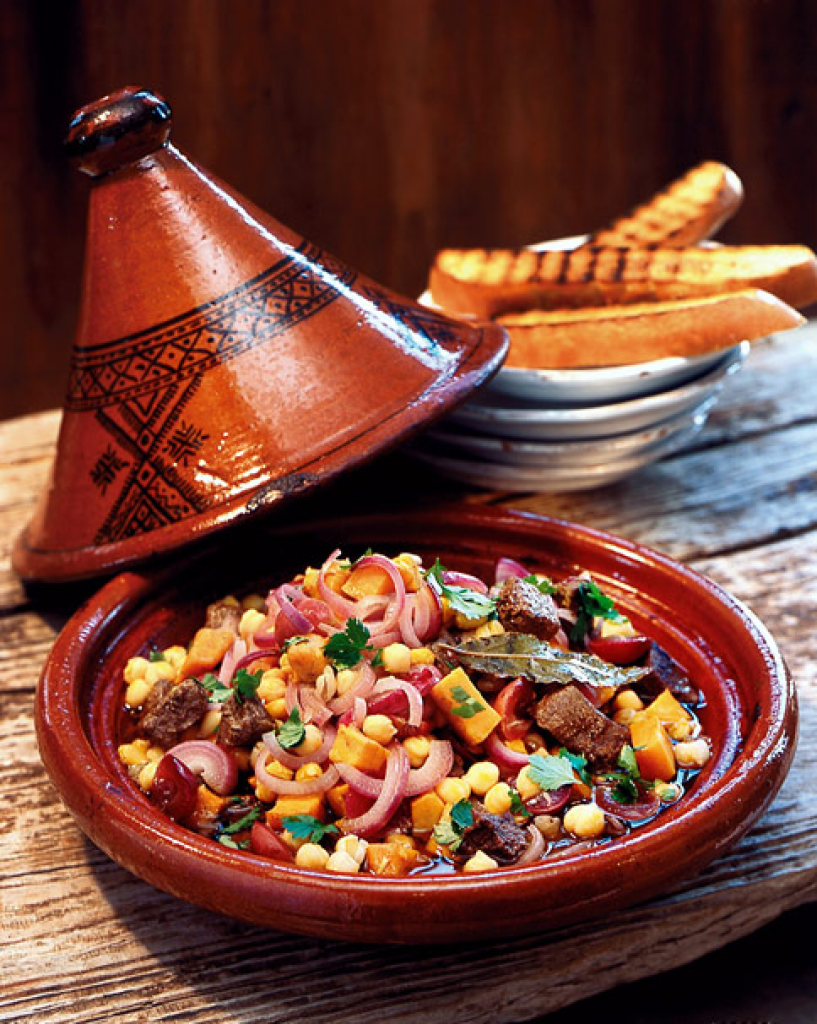
I did not consume lemongrass in any other form while in Cameroon, nor did I ever consume it any other way until I came to Thailand. In fact, an exhaustive search on the internet has led me to conclude that nowhere between Cameroon and S-E Asia does any traditional cuisine include lemongrass (I stress traditional cuisine; with the globalization of cuisines many people are now trying S-E Asian recipes, either straight or fusing it with their own cuisines). Everywhere in the world, there is much enthusiasm to consume lemongrass but only in the form of infusions. I had high hopes to find traces of lemongrass in the Berber regions of North Africa, where their traditional form of cooking, the tajine, is very much a form of stewing, which is quite close to the way lemongrass is used in this part of the world.

tajine

But no, I found no trace of cooking with lemongrass in the shadow of the Atlas Mountains. Not even in India have I found any trace of lemongrass being used in traditional cuisine, even though the subcontinent shares many culinary traits with S-E Asia – curries being the obvious one

south indian curry

and even though the lemongrass plant grows well there (to the extent that C. citratus is known as West Indian lemongrass while C. flexuosus is known as East Indian lemongrass).

I was somewhat astonished by this finding, but also rather disappointed – I had been looking forward to showing pictures of yummy dishes from around the world in which lemongrass plays a role. My first thought was that the consumption of lemongrass infusions the world over was a result of colonialism. In this narrative (a favourite word these days among the chattering classes), Europeans would have discovered the lemongrass infusion (I suspect in India, given the name we Europeans gave the plant)

english lady drinking tea in India

and carried the plant off around the world and hooked our colonial subjects on the drink (the plant’s anti-mosquito properties may also have helped in this diffusion; more on this in a minute).

english lady serving west indians tea

(OK, my pictures show the imbibing of the even more famous herbal infusion, tea, but the general process would have been the same.)

This tidy narrative of mine got a rude shock, however, when I picked up another, insistent, narrative on the internet, which held that already 3,000 years ago the Ancient Egyptians, and through them later the Ancient Greeks and Romans, were familiar with the plant. And there was a big difference. The Egyptians did not eat it, they used it for incense mixes. Incense was big business in Egypt (as it was indeed in all ancient religions). We have here, for instance, Ramses I burning incense as a ritual offering

Rmases I burning incense

and what the Pharaoh did, every man, woman, and probably child, did the length of the country (the country did not have much breadth).

If the Egyptians used lemongrass for incense, I suspect they also used it for their perfumes and perfumed oils. After all, this is also how lemongrass is used today, especially by our friends the aromatherapists.

lemongrass oilI couldn’t find an Egyptian mural showing someone using oils or perfumes, so instead I throw in a picture of ladies using cosmetics more generally.

ancient egyptians using cosmetics

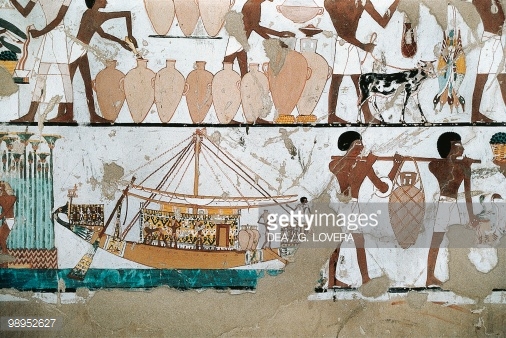
But now the question is, if the Ancient Egyptians were indeed using lemongrass, how did they get it from its place of origin, S-E Asia? I have to think that the answer lies in the spice trade, which was already flourishing in the time of the Pharaohs. Spices like cinnamon and cassia were finding their way to Egypt from Sri Lanka, so it takes no great leap of the imagination to think that lemongrass and other spices were being picked up in S-E Asia and shipped westwards, eventually coming up the Red Sea.

egyptian ship

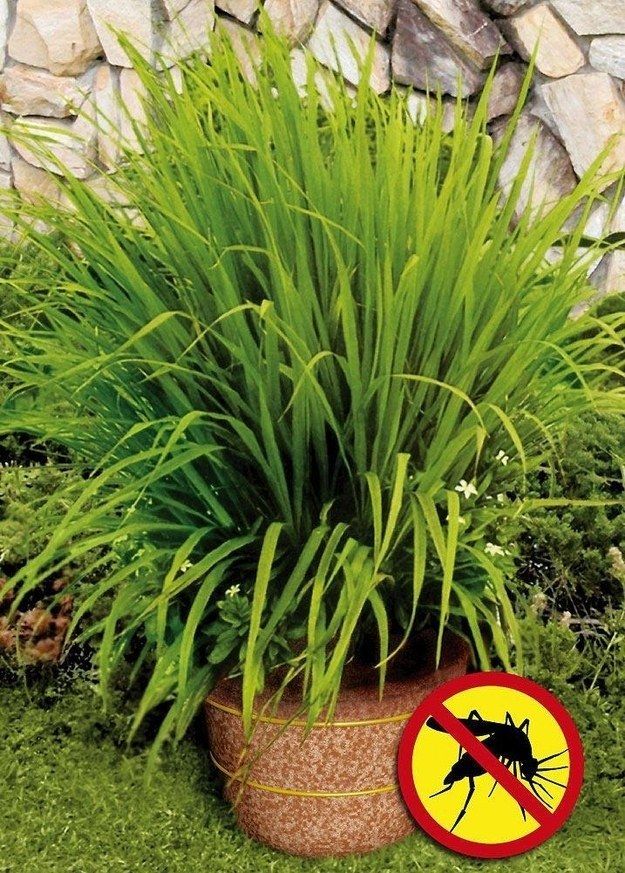
My personal view is that contrary to many spices, where the product and never the plant was shipped (the plant being treated almost like a state secret), the live plant also eventually made its way to Egypt, perhaps overland through India and Iran, along the Fertile Crescent, and then down into Egypt (and from there I would guess eventually along the coast of North Africa). I say this, because lemongrass has another very valuable use, one which I alluded to earlier, and that is as a deterrent to mosquitoes. The little buggers don’t seem to like the odour given off by the plant, and a strategy still in common use today is to plant lemongrass around a house to keep them away.

lemongrass with mosquito

Where does that leave us? Well, with a gigantic culinary opportunity. The S-E Asian countries should plunge in and promote the use of lemongrass in cooking everywhere where the plant is now growing, which is just about anywhere where there is no frost (the plant is not frost hardy). I’ll be happy to help out, throwing lemongrass into anything I find cooking.

______________

Lemongrass bunch: http://www.ashlyns.co.uk/wp-content/uploads/2013/10/shutterstock_107826104.jpg (in http://www.ashlyns.co.uk/shop/lemongrass-bunch/)
Tom yum soup: http://greenpawpaw.efe.com.vn/wp-content/uploads/2014/05/ctg-amb-128.jpg (in http://greenpawpawthai.com.au/menu/)
Coconut lemongrass noodle soup: http://www.lafujimama.com/wp-content/uploads/2010/09/Bowl-of-Coconut-Lemongrass-Somen-Noodle-Soup.jpg (in http://www.lafujimama.com/2010/09/coconut-lemongrass-somen-noodle-soup/)
Chicken green curry: http://sushibeveren.com/online/image/cache/catalog/05.%20kip-500×500.jpg (in http://sushibeveren.com/online/index.php?route=product/product&product_id=90)
Chicken yellow curry: http://rachelcooksthai.com/wp-content/uploads/2011/07/yellow-curry-5.jpg (in http://www.rachelcooksthai.com/yellow-curry-with-chicken-and-potato/)
Mussels in a coconut and lemongrass soup: http://www.taste.com.au/images/recipes/nb/2010/09/25589_l.jpg (in http://www.taste.com.au/recipes/25589/mussels+in+coconut+and+lemongrass+broth)
Vietnamese meatballs with lemongrass: http://3.bp.blogspot.com/-Asn6_ojGAY4/UxzHHvW1oAI/AAAAAAAABLQ/XGg1oUmlMf8/s1600/Vietnamese+Lemongrass+Pork+Meatballs.JPG (in http://alwaysinthekitchen.blogspot.com/2014/03/vietnamese-inspired-lemongrass-pork.html)
Indonesian beef rending: http://cdn.noshon.it/wp-content/uploads/2012-10-17-r-beef-rendang.jpg (in http://noshon.it/recipes/beef-rendang/)
Cambodian Amok Trey: http://3.bp.blogspot.com/-nWM9m8GUofk/U6r1rqzgBMI/AAAAAAAAPH8/TBOl0hNPnXA/s1600/cambodian+fish+amok+trey+8.jpg (in http://wendyinkk.blogspot.com/2014/06/amok-trey-cambodian-fish-mousse-aff.html)
Laotian stuffed lemongrass: https://gallivance.files.wordpress.com/2012/11/stuffed-lemongrass.jpg (in http://gallivance.net/2012/11/10/a-global-gumbo-ethnic-food-adventures/stuffed-lemongrass/)
Myanmar Mont Di soup: http://www.hsaba.com/wp-content/uploads/2008/12/rakhine_moti.jpg (in http://www.hsaba.com/recipes/rakhine-moti)
Philippine Lechon Cebu: http://tenminutes.ph/wp-content/uploads/2013/11/Cebu-Ayers-Lechon-Order-Online-Manila-Shipping-Contact.jpg (in http://ww90.trafficads10.com/)
Lemongrass infusion: 5240254223_8f0879e852_z.jpg (in https://farm6.staticflickr.com)
Lemongrass plant: http://www.herbalteasonline.com/wp-content/uploads/2015/06/Lemongrass-Plant.jpg (in http://www.herbalteasonline.com/lemongrass-tea.php)
Tajine: http://blog.zingarate.com/wanderlustt/wp-content/uploads/2015/01/tajine.png (in http://acquisto.acquea.com/s/tajine)
South Indian curry: http://www.chillimix.com/images/stories/easygallery/resized/0/1212337046_meen%20khatta.jpg (in http://www.chillimix.com/indian-recipe/fish-and-sea-food/meen-khatta.html)
English lady drinking tea in India: http://media.npr.org/assets/img/2015/04/07/vv1190_custom-2fb3f28e67d8197b7555bed3a80833675d5ff748-s900-c85.jpg (in http://www.npr.org/sections/thesalt/2015/04/07/396664685/tea-tuesdays-how-tea-sugar-reshaped-the-british-empire)
English lady serving West Indians tea: http://cache3.asset-cache.net/gc/3228476-21st-september-1944-west-indian-ats-volunteers-gettyimages.jpg?v=1&c=IWSAsset&k=2&d=v9WwiBskt0bjdeMIS%2fO97bO7qBvmTdPLrPrzxlLhIMyq9QGXYV1QZzXet54z3qgP (in http://www.gettyimages.com/detail/news-photo/west-indian-ats-volunteers-being-served-tea-at-the-colonial-news-photo/3228476)
Ramses I burning incense: http://cache1.asset-cache.net/gc/112187026-egyptian-antiquities-pharaoh-ramesses-i-gettyimages.jpg?v=1&c=IWSAsset&k=2&d=bGR6JCu8pZbf%2b2sqs4ajC3pr1O6j4GFGzEmSgJKUFx%2fwR1Oa4nADTEaQuSTwZMs0 (in http://www.gettyimages.com/detail/illustration/egyptian-antiquities-pharaoh-ramesses-i-burning-incense-stock-graphic/112187026)
Lemongrass oil: http://38.media.tumblr.com/c2faea8d8070dc30761b84931745bdbe/tumblr_inline_nifdirPvOm1snpbkm.jpg (in http://blog.massagetablesnow.com/page/3)
Egyptian ladies using cosmetics: http://www.notorious-mag.com/wp-content/uploads/2015/08/ladies.jpg (in http://www.notorious-mag.com/2015/08/05/beauty-tips-ancient-egypt/)
Egyptian ship: http://cache3.asset-cache.net/gc/98952627-mural-painting-depicting-scene-of-carriage-of-gettyimages.jpg?v=1&c=IWSAsset&k=2&d=0njLr93epyP%2fp14uTH5hjWyeKg7%2bNmMNGiew1vRXySmP3uh4n3I9GzP5Xf2kYAzW (in http://www.gettyimages.com/detail/photo/mural-painting-depicting-scene-of-carriage-high-res-stock-photography/98952627)
Lemongrass with mosquito: http://www.jewanda-magazine.com/wp-content/uploads/2015/08/98a5997abe901c1f53505e529852c4d7.jpg (in http://www.jewanda-magazine.com/2015/08/lifestyle-10-moyens-naturels-pour-eloigner-les-moustiques/)

HOT PASTRAMI SANDWICH

Bangkok, 12 August 2015

Last weekend, my wife informed me excitedly that she had discovered a restaurant downtown which claimed to serve Reuben and pastrami sandwiches. Goodness me, we chirruped to each other, it had been years since we’d eaten either. We had to go back to the late 1980s, when we lived in New York for a while, for our last Reuben and pastrami sandwiches. The seminal initiation event was in a small deli to the south of Central Park, one of those places with booths where you slide into your seat (although unfortunately it didn’t have the really cool little juke box that you can see in this picture).

diner booth

We had actually gone in there because we happened to be in the neighbourhood and it happened to be lunch time. Since it also happened to be a Jewish deli, we found ourselves scanning a menu listing Jewish delicacies. After some rumination, we plumped for this thing called a Reuben sandwich and this other thing called a hot pastrami sandwich. What an experience! The deli owner looked on amusedly as we oohed and aahed over our two sandwiches. Thereafter, we ate them regularly during the rest of our stay in New York.

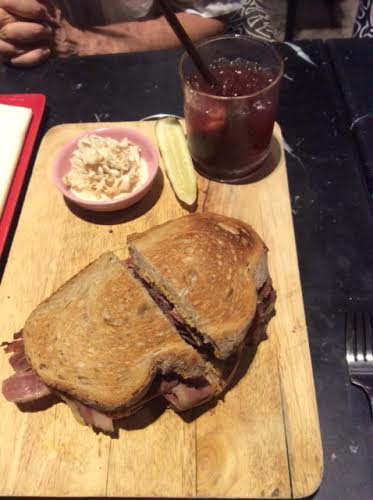
So even though we had had a traumatizing experience two months ago with coq au vin, we decided to risk it. This time, we were not disappointed. We were served very creditable Reuben and pastrami sandwiches. I have a picture of the Reuben sandwich we ate.

reuben sandwich

But in our haste to devour the pastrami sandwich we forgot to take a photo of it. Which is a pity, because if I have to choose between the two, I would plump for the pastrami sandwich, and in fact the rest of this post is about pastrami.

No matter, I can throw in here a photo of a pastrami sandwich from Katz’s Deli.

pastrami sandwich katz deli

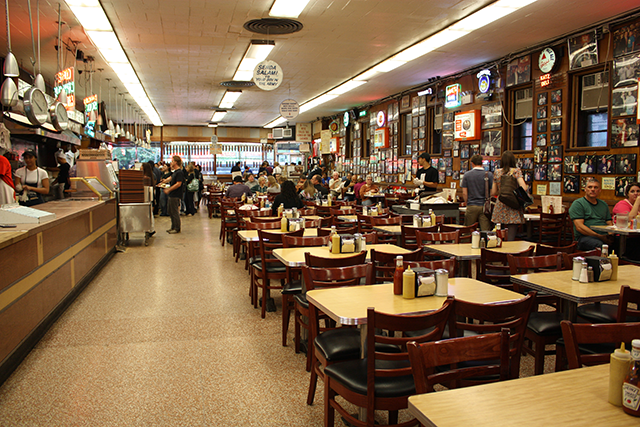
This deli, which is on Houston Street in New York, is claimed in certain quarters of the internet to be “the keeper of the Jewish culinary flame” in the city.

katz deli

katz deli inside

Strong claim indeed! Never having been to the establishment myself, I can’t tell you if this claim is reasonable (although I will note that my daughter has been there and was not that impressed by their pastrami sandwich – but then, she doesn’t much care for pastrami in the first place).

Before I get into rival claims, of which there are many in this field, let me quickly review the making of pastrami (something which I’d always vaguely asked myself about but had never bothered to check until I decided to write this post). Start with a cut of beef from around the animal’s navel, the so-called plate cut (you can also use brisket – more of this choice in a minute). Cure it with salt and saltpeter and let it dry for several weeks (you can also throw some herbs into the curing mix). Once cured, rub and coat your meat with a mix of herbs (as you can imagine, the precise make-up of this coating is a trade secret, jealously guarded by rival delis, but onion, garlic, black pepper, coriander seed, possibly sugar, all seem to be common ingredients). Once nicely coated, smoke it at low heat for several days (the precise wood used for the smoke being again a closely guarded trade secret).

So far, so good. This is no different from the preparation of many dried, cured meats around the world, and before the advent of refrigeration these methods had been used by human beings in one combination or another for thousands of years to preserve meat. It’s the next steps where it gets interesting. After smoking, you first boil the meat to cook it, and then steam it for some 15 minutes. These last steps seem to have to do with the cut of beef used. Initially, pastrami was a poor man’s dish. People used the plate and brisket cuts because they were the cheapest, and they were the cheapest because they are fatty and gristly. Boiling and steaming was used to soften both the meat and all those difficult-to-chew parts in the meat.

Then you serve it, fresh from the steamer, on rye bread; actually, it’s a wheat-rye bread, of a kind that the not-too-poor people used to eat in Europe (wheat bread was only eaten by the rich, while the poorest people ate horsebread, so called because it was made of the cheaper grains fed to rich men’s horses). The sandwich should always be served with a pickle (or two or three) on the side. To me, this is capital; the sharp astringency of the pickle offsets nicely the fattiness of the pastrami. It’s often served with coleslaw, but frankly that can be left out, at least the kind of commercial gooey coleslaw that tends to be served nowadays. It adds no real value to the dish that I can see.


The alert reader may have noted a stress in the last couple of paragraphs on poverty. This allows me to segue smoothly into a discussion of pastrami’s history. Pastrami researchers have concluded that its roots are to be found in New York’s community of Romanian Jews, who emigrated to the States in the late 1800s. They were escaping from Romania’s increasingly organized and ethnically-tainted anti-Semitism as well as looking for better economic opportunities. Like millions of other people, they would have transited through Ellis Island

immigrants at Ellis Island

and then been sucked into the slums of New York.

Mulberry street NYC

There, like all immigrants everywhere and at all times, they would have tried to maintain their culinary traditions, and one of these was a dried, cured meat called pastramă (in the early days, New York’s version was called pastrama, which was then changed to pastrami so that it could rhyme with salami, the idea being that this would help people remember it – an early form of the marketing jingle). But as is also often the case, they would have had to modify it to fit the ingredients they could find in their new homeland. And here the change was radical. In Romania, pastramă tended to be made with mutton or goose or even veal (but that must have been a rich man’s version; poor people didn’t eat veal). But what Romanians found in New York was beef (pork also, but that was non-kosher), so beef-based their pastramă became. And because they were poorer than poor, they used the cheapest cuts of beef, the plate and brisket. I suppose it was the fact that pastramă made this way was really chewy that led them to take the extra steps of boiling and steaming. The common Romanian way of eating pastramă is grilled. In fact, pastramă sounds to me like the Romanian version of bacon. Bacon, which is also a cured and dried meat (pork in this case), is also grilled before eating, and it is often eaten with eggs, as is grilled pastramă.

pastrama and eggs

Or was it maybe this gentleman (at the back with the white headgear) who introduced the boiling and steaming steps?

sussman volk

This gentleman is Sussman Volk, an Orthodox Jew of Lithuanian ancestry. He is credited with having introduced pastrami to New York, and through New York to the rest of the world. He had emigrated to the States and had eventually opened a small butcher’s shop on Delancey Street. One day, so the story goes, a Romanian Jew came in and asked if he could store a trunk in the shop’s basement while he went back to Romania. Rab Volk agreed, and in return he got the recipe for pastrami. So Rab Volk started making pastrami, and then people wanted it on a slice of bread, and then he put chairs and tables in, and suddenly he was running a delicatessen. And the rest is history, as they say (just to close the circle, the following year Katz’s Deli opened). It could be that the recipe given to Rab Volk already included the boiling and steaming steps, or it could be that Rab Volk – reaching back into his Lithuanian culinary roots, or maybe other immigrant culinary roots – introduced the boiling and steaming steps himself.

Who knows? In the end, it doesn’t matter. This is the way pastrami is made, and that’s that.

If readers were to think that the story ends here, they would be wrong. Because Romanian Jews also emigrated to Canada, settling in Montreal. And there they also introduced Montrealers to another son-of pastramă, in this case just called smoked meat. The two – relatively small – differences between the two products are the cut of beef used (smoked meat tends to use more brisket) and the mix of herbs used to rub and coat the meat (the fact that both boil/steam the meat suggests to me that these were introduced by the Romanian émigrés rather than by Rab Volk). Schwartz’s Deli in Montreal seems to be a good candidate for “the keeper of the Jewish culinary flame” in Montreal, so I’ll throw in a photo of the deli.

Schwartz deli

And here is the product

smoked meat Schwartz deli

Mmm, that looks gooood!

And now the Montrealers have boldly brought the fight to New York. A Canadian couple has set up a new Jewish deli in New York, the Mile-End deli. They’ve opened one shop in Brooklyn and another in Manhattan, in Bond Street.

mile end deli

Well, the next time my wife and I go to New York, we (or at least I) will forget about visiting the Metropolitan Museum or any other worthy institution. First stop will be Katz’s Deli and then Mile End Deli. To compare and contrast the two products.

_______________

Empty booth in a diner: https://hautevitrine.files.wordpress.com/2011/11/empty-booth-rockin-johnnys-diner-ottawa-2007.jpg (in http://hautevitrine.com/page/17/)
Reuben sandwich: our pic
Pastrami sandwich, Katz’s deli: http://ilovekatzs.com/wp-content/uploads/2011/11/pastrami1.jpg (in http://ilovekatzs.com/)
Katz’s Deli: http://animalnewyork.com/wp-content/uploads/katz_artgalll.jpg (in http://animalnewyork.com/2013/katzs-deli-opening-an-art-gallery-and-pop-up-shop/)
Katz’s Deli inside: http://www.sheilazellerinteriors.com/wp-content/uploads/2011/02/00-20-Inside-Katz.png (in https://carileee.wordpress.com/2011/11/05/dining-101-new-york-katzs-deli/)
Immigrants at Ellis Island: http://history105.libraries.wsu.edu/fall2014/wp-content/uploads/sites/3/2014/08/Ellis-Island.jpg (in http://history105.libraries.wsu.edu/fall2014/2014/08/28/jewish-immigration-in-the-1940s/)
Mulberry street NYC: https://theselvedgeyard.files.wordpress.com/2011/02/mulberry_street_new_york_city_loc_det-4a08193.jpg (in http://piedader-letspractiseenglish.blogspot.com/2011/11/jacob-riis.html)
Pastramă and fried eggs: http://3.bp.blogspot.com/_GzvYAGoAhKY/TH5bioNE7PI/AAAAAAAACW0/bto1mheJNDM/s1600/oua.jpg (in http://elenamutfak.blogspot.com/2010/09/pastrama-cu-oua-ochiuri.html)
Sussman Volk: http://astro.temple.edu/~bstavis/family/oldstavins.jpg (in http://astro.temple.edu/~bstavis/family/oldstavin.htm)
Schwartz deli: http://gottakeepmovin.com/wp-content/uploads/2013/10/20130914_151229.jpg (in http://gottakeepmovin.com/classic-montreal-schwartzs-smoked-meat-sandwiches/)
Smoked meat sandwich Schwartz deli: https://travelloafers.files.wordpress.com/2013/06/montreal-schwartz-deli-680×680.jpg (in https://travelloafers.wordpress.com/2013/06/11/celine-dion-is-the-queen-of-cured-salted-meats/)
Mile End deli Manhattan: http://mileenddeli.com/wp-content/uploads/2012/01/photo-for-web_SANDWICH.jpg (in http://mileenddeli.com/)

TOUCHING MY TOES

Bangkok, 2 August 2015

In a previous post I have mentioned the physical exercise programme which we are currently in the thick of. When I wrote it, I was discouraged by the apparent lack of progress. But now things are better. We haven’t left that vale of tears so dear to the writers of the Psalms, and probably we never will leave it – no pain, no gain, as Jane Fonda used to trill in her workout videos of the 1980s. But we are definitely out of the darkest section of the vale, and our wails and lamentations are not so shrill as they used to be.

However, there is one stretching exercise which defeats me still: touching my toes. It has always defeated me. I can never remember a moment in my life when I could touch those damned toes of mine. And as I strain and heave to touch them, with our trainer urging me on but my hamstrings and every other string and tendon and muscle in my legs screeching to me not to continue, I hear in my memory another voice urging me on, that of Mr Mortimer, the Headmaster at my boarding primary school (prep school in English parlance). This was on those occasions when he was caning me, and I had to bend down in his study to receive “six of the best” (six strokes) or, more rarely, three of the best – I was a rather naughty boy. I was ten-eleven, as I recall.

The administration of the caning was done rather ceremoniously. The boys who were to be caned would get in a nervous, muttering line at the study door at the required time (after lunch, I think), and we would be called in one after the other. The Headmaster would remind you of the crime committed, state once more the number of strokes you would receive for said crime, and then invite you to stand in one particular place, and bend down and touch your toes (“Come on, boy, you can bend down further than that!” was always what I would then hear at this juncture).
image
Mr Mortimer used this kind of cane, thin and flexible
image
One of my pals, Glover was his name (after all these years I still remember it … but not his first name; we called each other by our surnames), stole this cane as a memento at the end of our final term. Mr Mortimer hauled me in (I was Head Boy) and threatened to cane me with his spare if I didn’t have the original restituted. I leaned on Glover …

In any event, once you had received the caning, you politely thanked the Headmaster for it (we were English, after all), left the study, and then ran like hell. Running sort of let off the pent-up energy caused by the pain of the caning. I remember that in winter sitting on a radiator after running was also quite soothing. After the pain had dissipated you were normally left with stripes on your bottom, war wounds which you proudly displayed in the communal showers.

All this was happening at a time of great social change and ferment in the UK. We were in the mid-sixties, the Beatles were raging, the Rolling Stones were on the up-and-up, the straightened laces were being loosened: hair was growing, clothes were getting louder, skirts were getting shorter, sex was OK, drugs were coming in from the wild side. Little of this percolated through to us in primary school, buried as we were in the depths of Somerset, but when I moved to my boarding secondary school (public school in English parlance) in 1967, I found the winds of change blustering their way down the school’s corridors. Just as a small example, in my first year the Head of School would march around with a phalanx of school monitors, looking grim and army-like. By my third year, the Head of School was a nice, approachable guy who would actually smile. And beating (not caning; since we were now bigger, a bigger, thicker stick was used), which was already rare when I arrived, vanished within a few years.

But not before I was beaten! I believe I and my pal Mike Wallace (another sign of the changing times; we now called ourselves by our first names) were the last boys in the school to be beaten. It was 1969, maybe 1970. In brief, we were caught sneaking back into school with a bottle of wine which we had bought at an off-license even though we were underage. But that wasn’t why we were beaten. Our real crime was that we had skipped a meeting called by the Headmaster for all exam sitters; it had been especially emphasized that there were to be no excuses for not attending. Our Housemaster was instructed to administer the punishment. He beat Mike and me with a swagger stick, one of those things which British officers would tuck under their arm and … well, swagger about with.
image
This is what the stick looks like closer up.
image
I didn’t have to touch my toes this time. An armchair was thoughtfully placed against the bookshelf whose arms we grasped as we leaned over.
imageWe got four strokes as I recall. And of course we politely thanked our Headmaster at the end.

That was my last brush with corporal punishment.

Was I psychologically scarred by my canings and beatings at school? Honestly, I don’t think so. They were not administered in a sadistic, or even in a cruel or vindictive, way. They were not administered in public. They were for crimes truly committed, so they were not unfair. The pain was neither intense nor long-lasting. They were on a par with punishments I received at home – my father used to beat me with a wooden metre ruler when I was extra-naughty as a small child, which seems to have been quite often. But, when I’m there, straining and heaving to touch my damned toes, urged on by our trainer, those memories of the little me bending over to receive my canings do come flooding back, along with the butterflies which fluttered in my stomach during the final moments before the cane came swishing down.

_________________

Caning: http://usercontent2.hubimg.com/2456657_f520.jpg (in http://wordperfect.hubpages.com/hub/Why-I-Am-For-Caning-Children-Forever)
Cane: http://1.bp.blogspot.com/-aS6kKXlL6VA/U1htg4LgSII/AAAAAAAAAFI/WPW3oZATxEM/s1600/article-2455291-0019D14100000258-114_634x338.jpg (in http://zainal-1932.blogspot.com)
Officer with swagger stick: http://www.alldressedup.net/wp-content/uploads/2012/10/img336-Copy1.jpg (in http://www.alldressedup.net/costume-list/halloween/429-2/character-costumes/costume-images/uniforms/british-army-officer/)
Swagger stick: http://usarmy.vo.llnwd.net/e2/c/images/2013/04/25/292553/size0.jpg (in http://www.army.mil/article/101913)
Beating over an armchair: http://www.corpun.com/16283as.jpg (in http://www.corpun.com/uks00508.htm)

TROMPE L’OEIL AND STINGINESS

Bangkok, 27 July 2015

Trompe l’oeil is a very respectable art form, with a long and distinguished presence in the world of art, at least in Western art. I am told that the Greeks and Romans practiced it, although I do not recall ever having seen an example. In any event, artists took it up again with a vengeance during the Renaissance, and art thereafter is littered with pieces which “fool the eye”, tricking the viewer to see three-dimensional depth where there is none. We have a beautiful example just up the road from our apartment in Milan, in the church of Santa Maria presso San Satiro. My not-yet wife took me there on my first trip to Milan in 1975 and my eyes were indeed fooled.
image
What I had taken to be a deep apse behind the altar is actually an almost flat wall. The clever artist in question was Bramante, who painted it in the 1480s. In this case, he didn’t do it just to show how good he was, it was to give a feeling of greater depth to a church which was squeezed in between the adjoining buildings.

I could go on giving other examples from High Art, but actually I want to focus on a lower form of the art found in the province of Liguria. We’ve just come back from spending a week by the sea, near Genova, the province’s capital (and from where I managed to launch several of the previous posts).

One of my recurring pleasures as I walk the streets of any conurbation in Liguria, from Genova down to the smallest village, is to come across houses like these.
image
This form of trompe l’oeil is only found in Liguria, to the extent that the practice is almost a D.O.C.. In these cases, the painter (I hesitate to call him artist) embellishes what is otherwise the drab and flat facade of a house (you see an example to the right in the photo) with architectural elements which are painted so cleverly as to fool the eye into thinking that they are three-dimensional and “real”. The result is to make an ordinary house look more imposing, which in the old days no doubt (and perhaps even today) raised the residing family’s social standing a notch or two. It is even a way of making up for unfortunate blemishes in a facade, like the absence of a window which mars the symmetry of a house.
image
What is nice is to see is examples which run from the fresh and new to various states of weathering and finally decrepitude brought about by sun, rain, and more recently pollution.
image
image
image

image

Of course, one has to ask oneself why this art form is so popular in Liguria and nowhere else. My theory, for what it’s worth, is that it is a reflection of the well-known stinginess of the Genoese (and more generally Ligurians). In Italy, the Genoese have the same reputation as the Scots in England for being tight fisted, and there are loads of jokes about it, as indeed there are in the case of the Scots (“There was an Englishman, an Irishman, and a Scotsman in a pub. The Englishman stood a round, the Irishman stood a round, but the Scotsman just stood around”; sorry, I thought I would just quickly throw that one in). According to this theory, then, the Genoese (and by reflection the Ligurians) preferred to paint architectural elements onto their facades à la trompe l’oeil rather than go with the real things, because it cost them less.

I’m sure the Genoese must feel that this typing of them as scrooges by the rest of Italy is grossly unfair and they probably find it very irritating to be the butt of incessant jokes about it. But as they say, “there is no smoke without fire”. There must surely be some reason why they got this reputation. Curious to see what I could find out, I did an internet search on the topic (in truth, my wife did it since she’s very good at internet searches). Several suggestions popped up. One is that Liguria is in general a very poor land, made up of steep hills and little good agricultural land. People who live in such lands tend to be more careful with their hard-earned wealth scratched out of an unforgiving earth than those of us from richer lands (I’m sure this is the basis for the Scots’ reputation for stinginess). Another suggestion is that the Genoese in particular made much of their wealth in banking (they were the bankers of the Spaniards in the 16th century), and like all bankers got into the habit of not throwing their money around like we foolish non-bankers do. A third, which I like so much that I have adopted it, is a variant on the second (I have to thank Grimaldina, a citizen of Genova, for bringing it to my attention).

In 1586 or thereabouts Philip II, King of Spain, decided that he was going to invade England, to uphold the Catholic cause of course, but also to teach the damned English a lesson for attacking Spanish treasure fleets and shipping more generally. The worst offender was this gentleman, Sir Francis Drake

image

A great Englishman for the English, but nothing more than a damned pirate for the Spaniards.

To invade England, Phillip was going to need a navy, and a big one. As I said, the Genoese were the bankers of the Spaniards, so he came to them for the funds to build the necessary ships. I suspect the King made the Genoese an offer they couldn’t refuse. In any event, after much hesitation because it was a huge amount of money, and no doubt after extracting juicy concessions about trading monopolies for Genova in England once conquered, the Genoese accepted to fund the venture. Thus was built the Spanish Armada, or the Grande y Felicísima Armada, the “Great and Most Fortunate Armada”, as the Spaniards called it. And here, just for the hell of it, I throw in pictures of Philip II and Elizabeth I (it’s clear already from the pictures who’s going to win; I mean, look at Phillip II, have you ever seen such a nasty scowl?)
image

image

Alas, the Spanish Armada was perhaps great but it was not fortunate. After several engagements in the English Channel, where overall the Spaniards got the worst of it
image
the Armada was driven by the winds up into the North Sea, all the way up to Scotland. At that point, the Spanish commander decided to give up and go home. His idea was to round the top of Scotland, head out into the Atlantic, and then turn south. He turned too soon. His remaining ships found themselves too close to the west coast of Ireland, where, hit by terrible Atlantic gales, many were driven ashore. Of the 130 ships which left Spain only 67 limped home. The English cheered, but the Genoese cried; their fortunes had sunk to the bottom of the sea along with the ships. Genova went into a steep economic decline thereafter, from which it never really recovered. Thus was born the Genoese’s parsimony (and not stinginess, as stressed by Grimaldina). Like all great families which fall on hard times, it had to keep up appearances with less money in its pocket: ideal conditions for heavy adoption of trompe l’oeil.

________________

Santa Maria presso San Satiro: https://upload.wikimedia.org/wikipedia/commons/2/27/Sansatiro5.jpg (in https://it.m.wikipedia.org/wiki/Bramante#Santa_Maria_presso_San_Satiro_.281482-1486.29)
Genoese facade-1: http://www.sampierdarena.ge.it/joomla/images/phocagallery/villesamp/litoraneo/pallavicinocreditoitaliano/thumbs/phoca_thumb_l_dsc_0617.jpg (in http://www.sampierdarena.ge.it/joomla/index.php?option=com_content&view=article&id=94:villa-pallavicino-sec-xvi-via-sampierdarena-71&catid=48:litoraneo&Itemid=59)
Fake windows: https://dearmissfletcher.files.wordpress.com/2015/03/finestre-6.jpg (in https://dearmissfletcher.wordpress.com/2015/03/page/5/)
Genoese facade-2: https://timelessitaly.files.wordpress.com/2013/11/20131103-175731.jpg (in http://timelessitaly.me/tag/nervi/)
Genoese facade-3: http://rotellando.vanityfair.it/files/2015/06/IMG_6719.jpg (in http://rotellando.vanityfair.it/2015/06/16/piemonte-10/)
Genoese facade-4: http://cdn.pleinair.it/wp-content/uploads/106011.jpg (in http://www.pleinair.it/meta/viaggi-camper-l-impero-dipinto/)
Genoese facade-5: http://www.liguria.beniculturali.it/getImage.php?id=779&w=100&h=100&c=0&co=1&f=0 (in http://www.liguria.beniculturali.it/index.php?it/136/percorsi-tematici/3/5/3)
Sir Francis Drake: https://en.m.wikipedia.org/wiki/Spanish_Armada#/media/File:Gheeraerts_Francis_Drake_1591.jpg (in https://en.m.wikipedia.org/wiki/Spanish_Armada)
Phillip II: https://en.m.wikipedia.org/wiki/Spanish_Armada#/media/File:Philip_II,_King_of_Spain_from_NPG.jpg (in https://en.m.wikipedia.org/wiki/Spanish_Armada)
Elizabeth I: https://en.m.wikipedia.org/wiki/Spanish_Armada#/media/File:Elizabeth_I_(Armada_Portrait).jpg ( in https://en.m.wikipedia.org/wiki/Spanish_Armada#/media/File:Elizabeth_I_(Armada_Portrait).jpg)
Spanish Armada fighting English ships: https://en.m.wikipedia.org/wiki/Spanish_Armada#/media/File:Invincible_Armada.jpg (in https://en.m.wikipedia.org/wiki/Spanish_Armada)