POSTS

PASSION FOR NORTHERN SONG PORCELAIN

Beijing, 6 September 2012

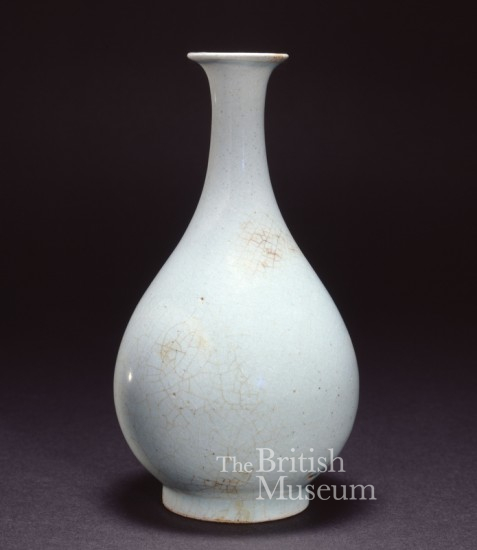
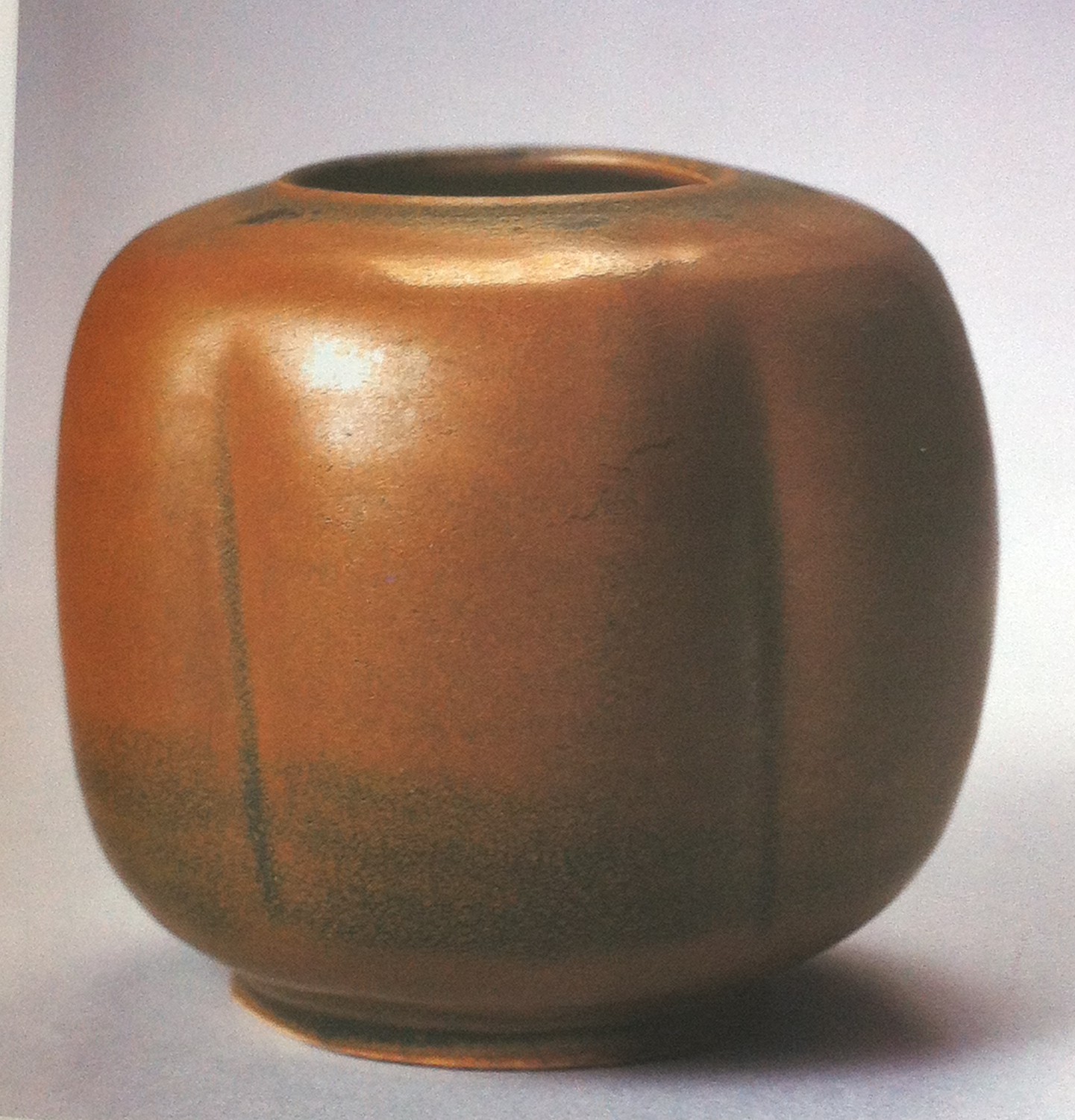
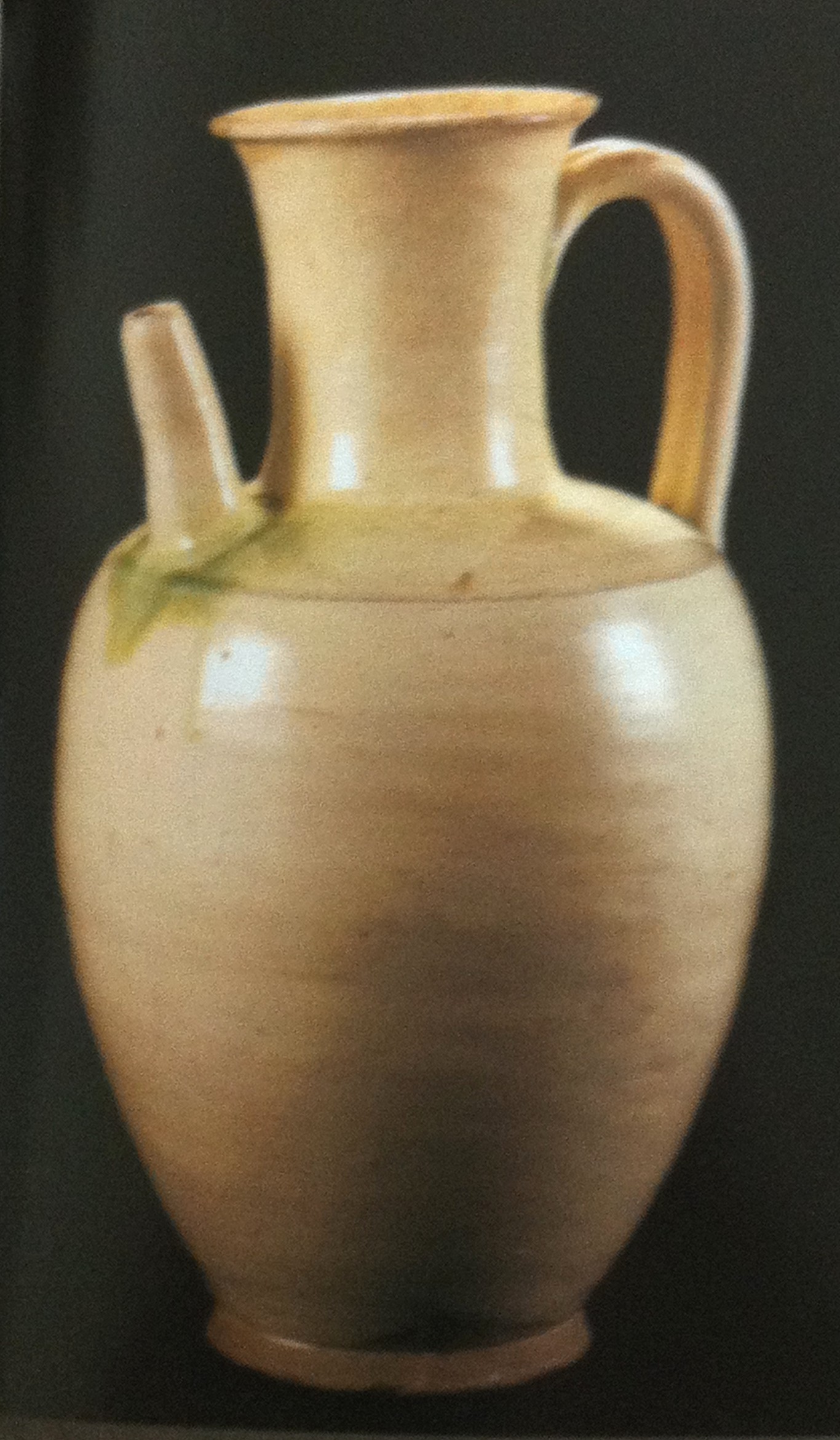
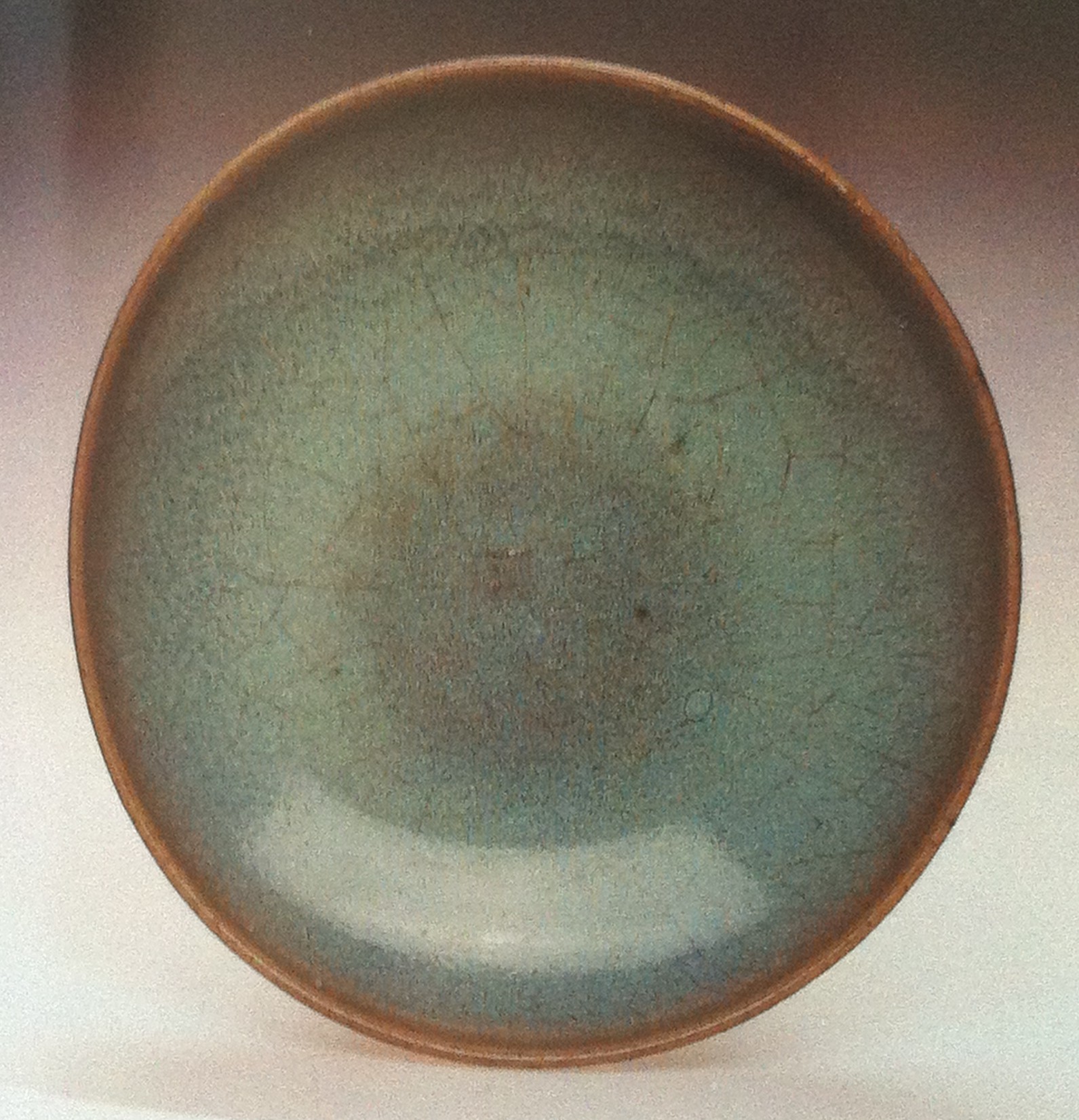
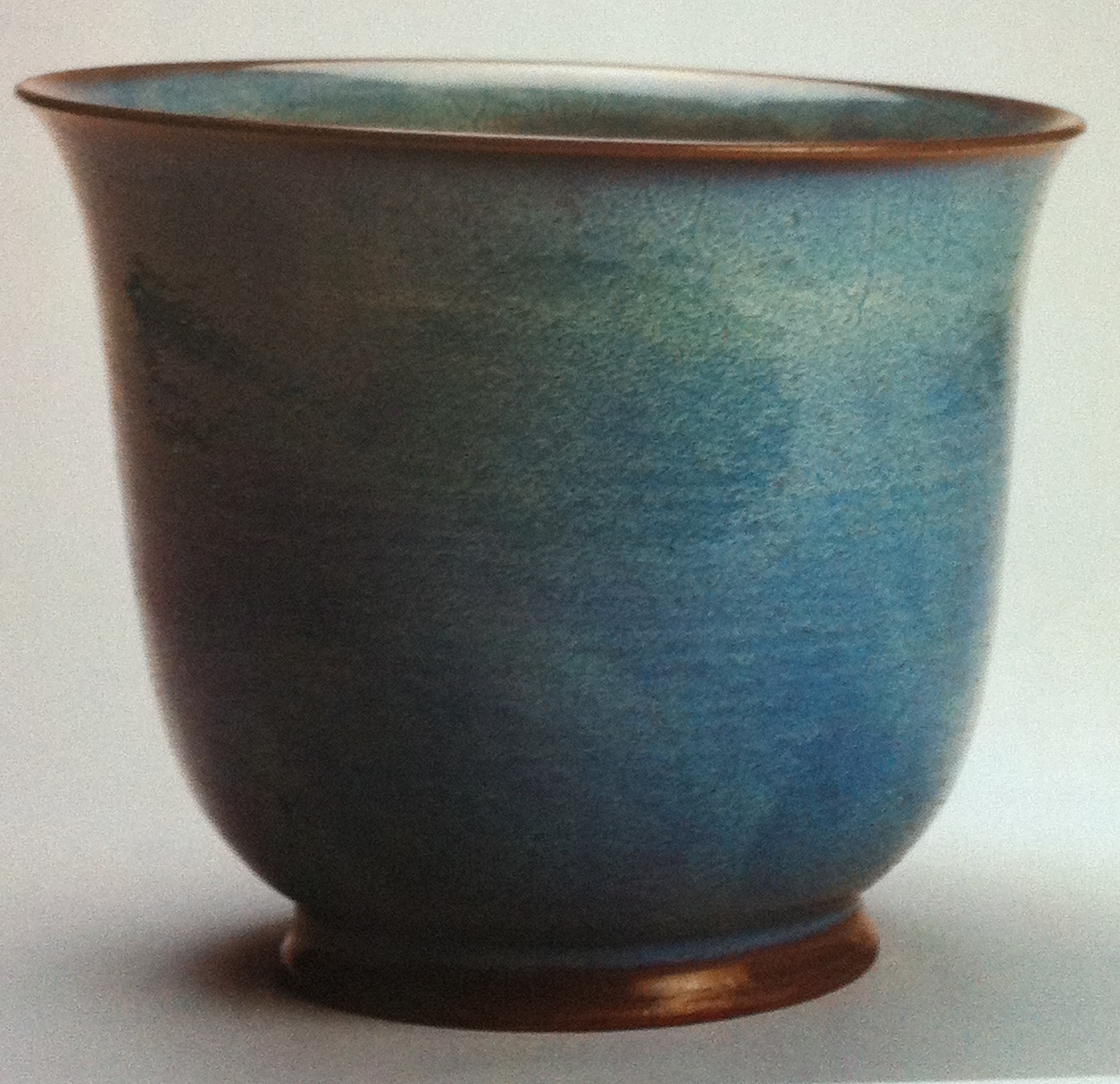
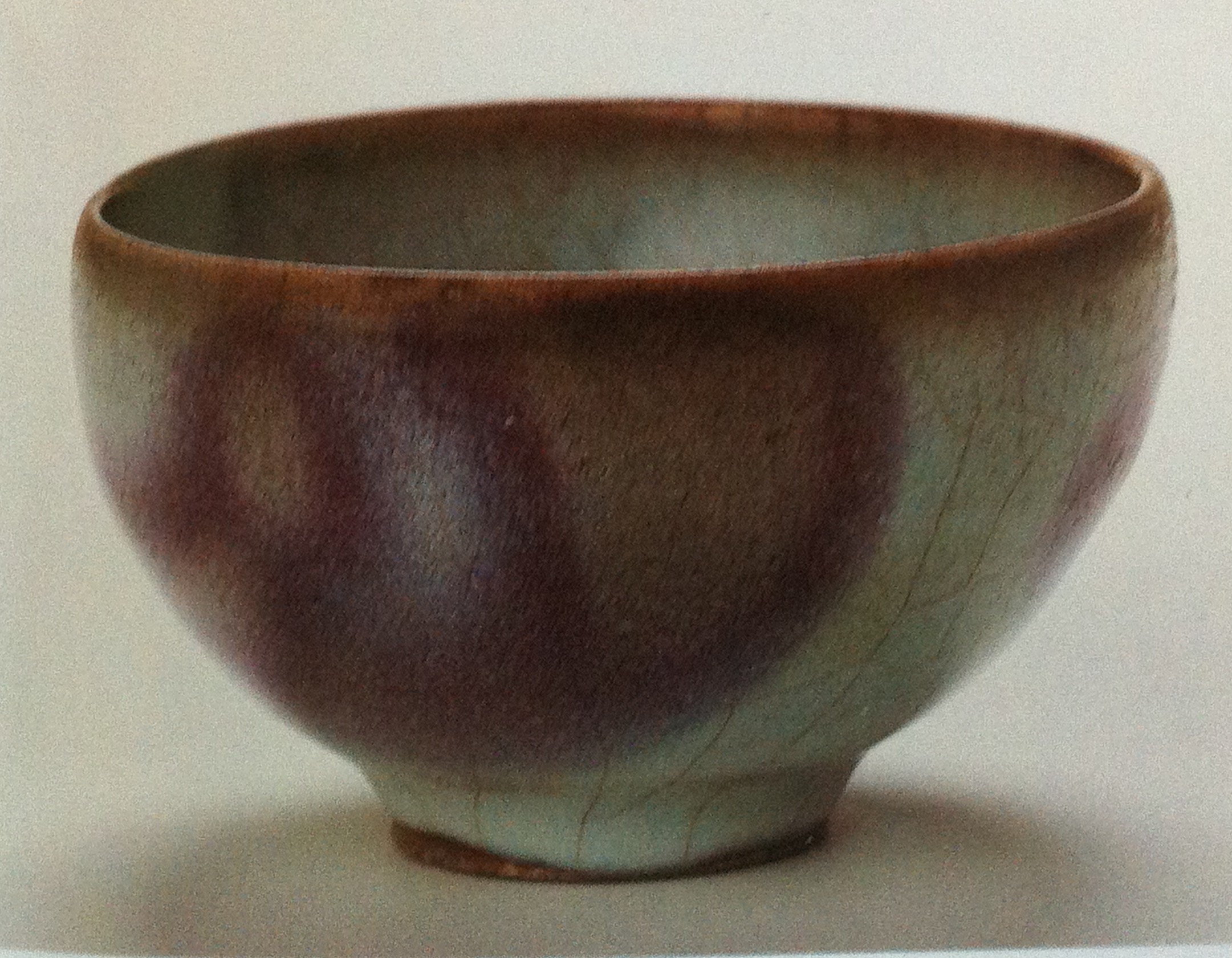
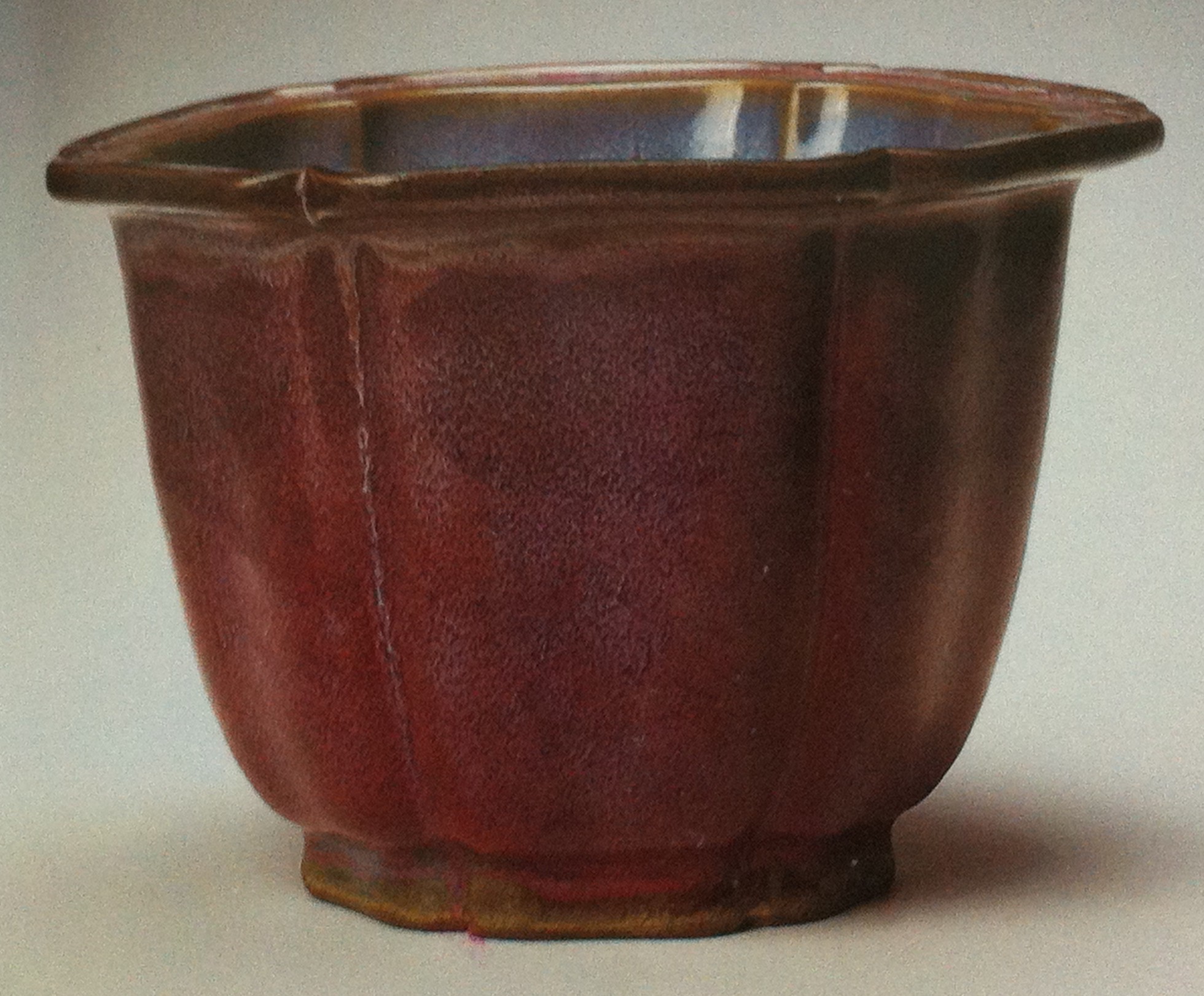
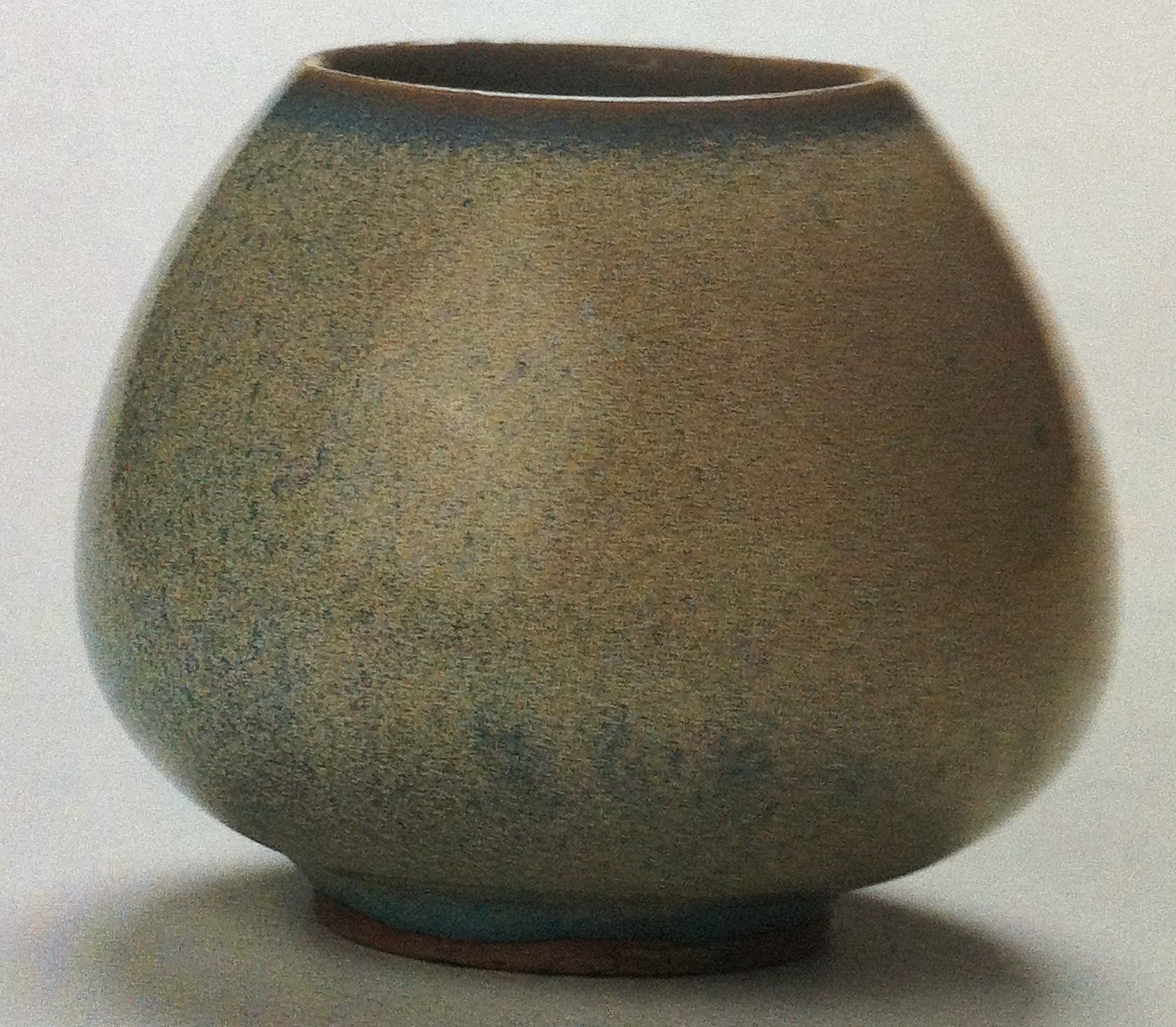
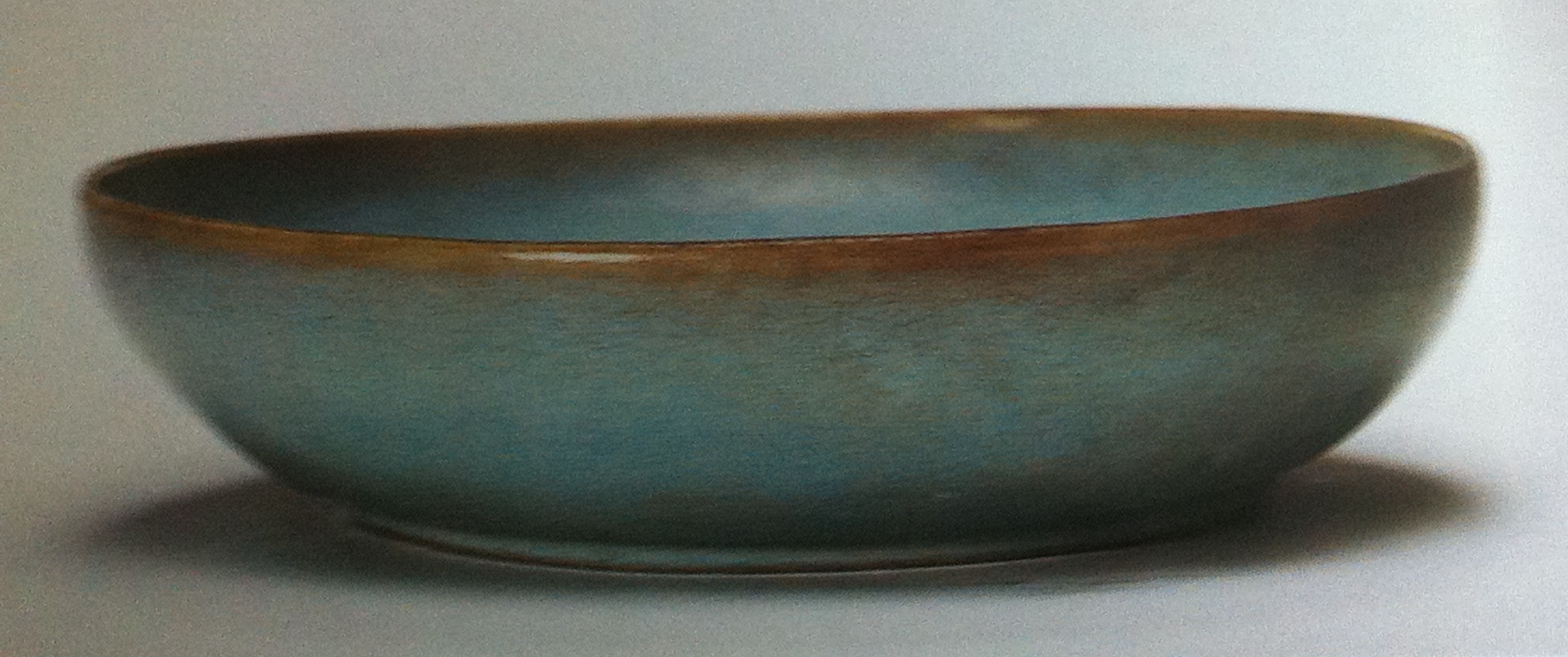
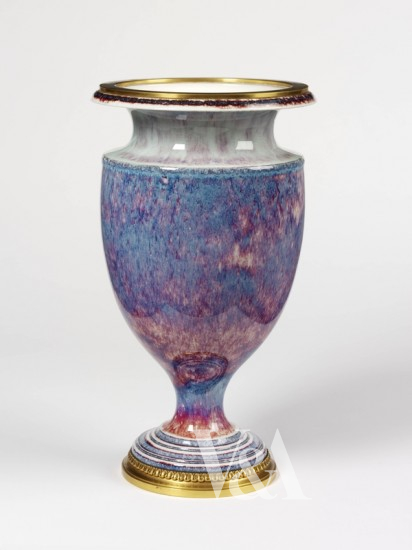
I intimated in my last post, on the exhibition “Passion for Porcelain”, that the exhibition’s coda reduced the rest of the exhibition to nothing. In the main, the final pieces were from earlier periods.  I was especially entranced by two pieces, made during the Northern Song dynasty, 960-1127 AD.


Look at them: such pure shapes, so simple, so harmonious, … so modern! And look at the glazing, one colour but with subtly different shadings, and in the case of the flask with craquelure enhancing the overall effect.

I was so taken by these pieces that I was moved to work my way through my copy of the book “Chinese Ceramics” by He Li (ed. Thames & Hudson, 2006)  and study all the pieces from this period. Here is a sampling, in no particular order


Now look at those dates again: 960-1127 AD.  These pieces were made when William the Conqueror and Harold Godwinson were fighting it out in the Battle of Hastings!
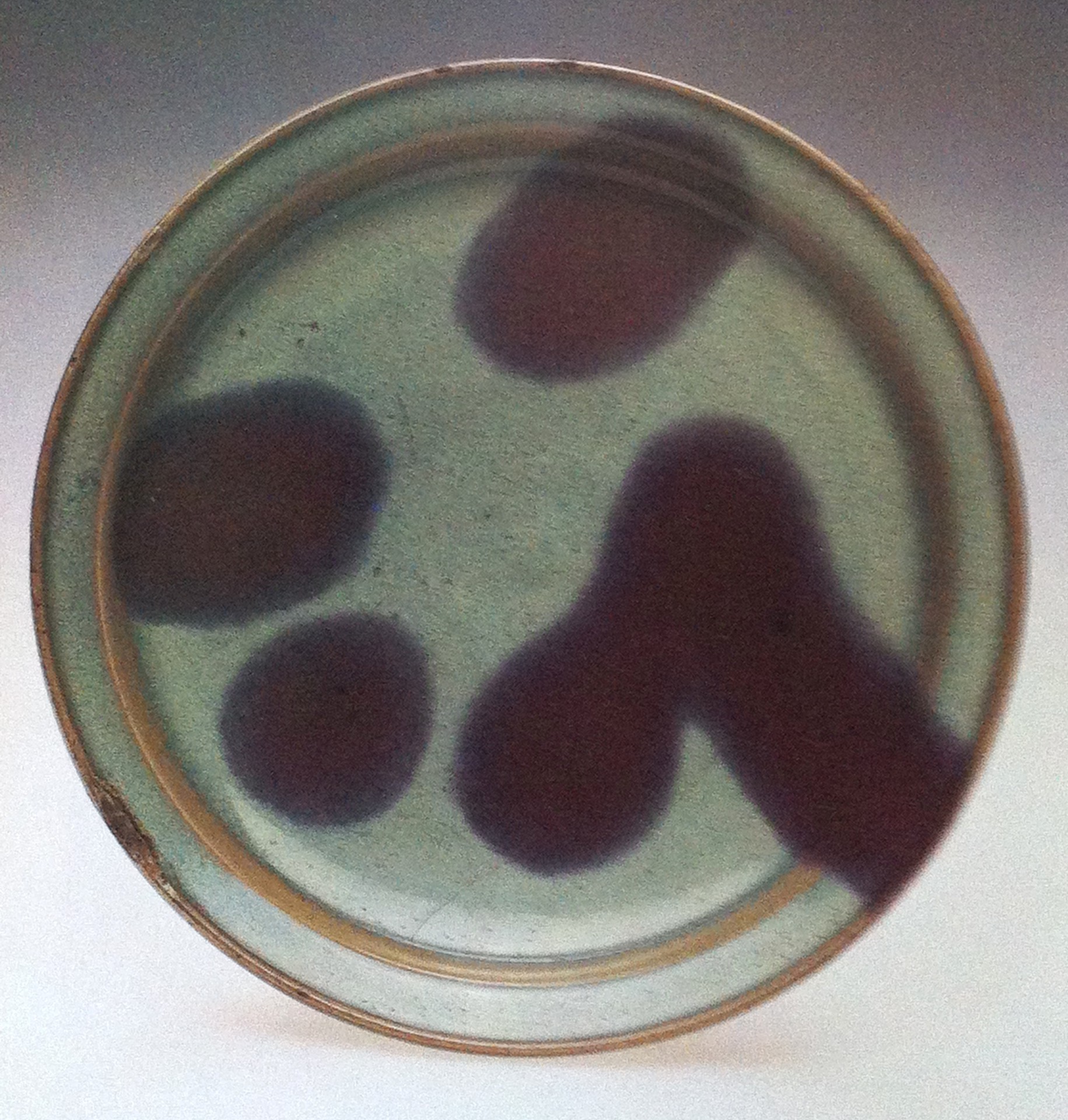
And this is the pottery they were making …

Truly, Chinese ceramics are awesome.

_______________________
Bayeux tapestry picture: http://larsbrownworth.com/blog/2010/08/11/is-the-bayeux-tapestry-reliable/
Norman pottery picture: http://www.potweb.org/PotChron1-01.html
The V&A and British Museum pictures are from the website of the National Museum of China

PASSION FOR PORCELAIN

Beijing, 6 September 2012

Last weekend, my wife and I visited the exhibition “Passion for Porcelain” at the National Museum of China on Tiananmen Square. Through pieces from the collections of the Victoria & Albert Museum and the British Museum, the exhibition celebrates the discovery by Europe of Chinese porcelain, that wonderful moment in the seventeenth century when chinaware began pouring into Europe as ballast in the holds of the East India companies’ ships. Europeans were dazzled by what they saw, for compared to Chinese porcelain the European ceramics of the time were rough, crude articles.

Chinese potters first exported ware with purely Chinese designs

Passion-for-Porcelain 008-dragon plate

Then they started exporting wares with European designs. Some of them are hilariously bad, like this example.

Passion-for-Porcelain 006-jesus baptism plate

It takes a moment to understand that the two blobs in the plate’s centre are John baptizing Jesus. Obviously, the Chinese designer had no feel for what he was copying. Or take these two figurines, which the label insists are figurines in French court costumes.

Passion-for-Porcelain 012-french figurines

Some are simply odd when seen in a Chinese context. Plates with the armorial bearings of some English aristocrat, for instance, sound a strange note on Tiananmen Square.

Passion-for-Porcelain 013-armorial plate

But I suppose it is no stranger than Christmas decorations pouring out of a modern Chinese factory ready for shipment to the US or Europe. In all fairness, some designs have merged Chinese sensibilities exceedingly well with European-driven designs, like this plate picturing the trading hongs in Canton.

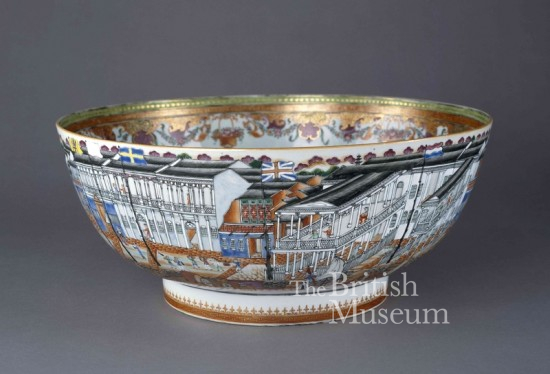
Passion-for-Porcelain 009-hongs plate

Then the Europeans started to make copies. And some of these are hilariously awful in their depiction of Chinese scenes.

Passion-for-Porcelain 015-english chinese mug

Others are technically poor copies of Chinese techniques, like these two articles which are both using the flambée technique; the European version suffers distinctly from the comparison.


Once the Europeans had mastered the technique of porcelain-making, they could cut the cord with China and make wares of purely European design.

An interesting journey indeed through Europe’s love affair with porcelain. But the exhibition’s postscript made all the previous showings “full of sound and fury signifying nothing”.  But I will deal with this in my next post.

MY LITTLE ROUND CLOUD

Urumqi, 5 September 2012

The flight started early in the morning in Beijing. It was raining hard as the airplane took off, and we climbed up through a milky whiteness. Finally we broke through and started our trek westward to Urumqi, capital of Xinjian. The cloud cover began to tear over Inner Mongolia, and through the gaps I could see wooded hills with cultivated valley bottomland. And so it went on until we came to the Ordos Loop, where the Yellow River, after flowing north-east from Langzhou for 600 kilometres, turns abruptly to flow east for 300 kilometres, and then just as abruptly turns again, flowing south for another 600 kilometres, before doing one final abrupt turn east to flow on to the sea. The northern part of the Ordos Loop over which we were now flying is home to the Ordos Desert. On cue, as if sensing the harsh land below, the clouds suddenly banked to a halt, and in the now clear sky I could make out far below me the muddy waters of the Yellow River as they started making their turn to the south. And suddenly I spied one small, round, little, cloud, wispy to the point of invisibility, bravely clinging to its space above the desert floor. I watched, fearing that it would evaporate before my eyes, unable to resist the furnace heat below. But no, it was still defiantly there when it dropped out of sight behind me. And now the southern reaches of the Gobi desert rolled into view, with not a cloud in sight to soften the hard edges of the stone plains and rolling dunes, which accompanied me all the way to the mountains that guard the eastern marches of Urumqi.

THREE TAKES ON BROKEN CHINAWARE

Beijing, 31 August 2012

Take 1:

When I was a boy, I spent a fair amount of time with my English grandmother, on my way to and from boarding school. One of my memories of her is a set of china plates which she used for meals. The plates carried polychromatic designs of butterflies, flowers and trees on a white background, and I liked studying the designs as I ate my meat and two veg (making sure to keep my elbows well in; my grandmother was quite particular about table manners). The strange thing about these plates was that they had all been broken, often quite badly. But rather than throwing them away, my grandmother had had them carefully stapled together! By that, I mean that small pieces of metal had been fixed across the breaks. Here is the picture of such a plate.

stapled plate

I suppose my grandmother was very attached to the plates and preferred to keep them in this strange, cobbled-together form rather than not have them at all. But I won’t ever know because I never asked her the reason.

Take 2:

On our living room table, in a wide wooden bowl, my wife and I have carefully laid out some broken pieces of porcelain. I think they are from a bottle. They all have a blue pattern on a white background.

broken bits 001

They are part of our larger collection of odds and ends we’ve picked up in the streets during our three years in Beijing: broken bricks from construction sites, chunks of coal, a set of Chinese chequers. But our collection of broken porcelain has a special significance; we collected the pieces on the verge of the road outside Ai Weiwei’s house. We feel that somehow they have been bathed in his aura.

Take 3:

At the window near the entrance to the Opposite House, a chic hotel on Sanlitun, stand two wonderful sculptures. They represent an old Chinese dress and an old Chinese jacket. They have been created out of bits of broken Ming pottery, and all have blue patterns on a white background. This photo shows one of them.

China’s old Ming pottery works are littered with broken crockery from all the runs that failed. The artist collected some and has turned these failures into pieces of real beauty. A wonderful example of arte povera.

_______________________
the stapled plate: http://jwcsybaritic.blogspot.com/2011/11/stapled-porcelain.html
the porcelain jacket: https://www.pinterest.es/pin/419397784062874431/
other photo: mine

IN PRAISE OF OFFAL

Beijing, 27 August 2012

I am currently reading a book on the Catholic Church’s campaigns against heresies in the Middle Ages, which culminated in the Albigensian Crusade against the peoples of Provence (1). I am at the point in this sorry tale where the heretics – whose only heresy seems to be not to have liked priests very much – were forced to furtively meet in the woods at the dead of night as the forces of the Church Universal raged and ravaged all around them.

I rather feel like one of these heretics when it comes to eating offal.  In the more developed countries, when I say that I love eating liver, or kidneys, my interlocutors normally look at me as if I have confessed to eating newborn babes in some hideous satanic rite.
heretic eating babies
Even my wife, who has followed me down many culinary paths, will not accompany me down these – with one or two notable exceptions as we shall see. So I am reduced to furtively scanning restaurant menus when I am on business trips, to see if I might strike lucky this time and find a dish of offal to feast on.

Liver is often on menus, as are kidneys. They are best sautéed quickly so that they are nice and brown on the outside but still pink inside, and the liver should come with fried onions on the side. Mmm, so good …


After that, the search becomes difficult. I come across tongue from time to time. Boiled and eaten with mustard, and with boiled potatoes on the side, it’s one of the few offal dishes I’ve got my wife to like.

After that, it’s almost always in France that I have found other offal dishes. For instance, I can still find tripe on menus there. I’ll find tripes à la provençale, which is tripe cooked with carrots, onions, tomatoes, white wine and a few spices.

Or there’s tripes à la mode de Caen, which differs from the provencal version only by the replacement of tomatoes with calves trotters and a glass of calvados. Still on tripe, there’s andouillette, which is a sausage made with pork tripe (sometimes mixed with veal tripe), seasoned with onions, pepper and other spices; it has to be eaten with a mustard sauce. This is another offal dish which I’ve got my wife to like! I made it a point to eat it whenever I went to visit my mother in France, because the andouillettes of Burgundy are extra good; now that she’s dead I’m not sure what I’ll do …

I also used to find ris de veau, veal sweetbreads, on French menus, but it’s been a while since I’ve seen them. Cooked in a creamy mushroom sauce, they are absolutely delicious.

Many, many years ago, my French grandmother served us grandchildren brains, deep-fried. That was a little difficult to eat, I must admit; brains are very rich and quite quickly become rather nauseating.

But another dish she made, which was absolutely exquisite, was pot au feu made with marrow bones. Digging out the marrow from the bone, spreading it on bread, adding a little salt, popping it into the mouth. Ahhh, s-o-o-o-o good!

France has sustained my love of offal, but even in the UK I’ve found some excellent dishes. Not in England, mind you, where they are prissy about the meat they eat, but in Scotland. When my wife and I were university students in Edinburgh we discovered haggis, which is a pudding containing a minced-up mixture of sheep’s heart, liver and lungs, onion, oatmeal, suet, and spices. It is imperative that it be eaten with “neaps and tatties”, turnip and potatoes; their sweetness and smoothness are the perfect counterpoint to the haggis’s sharpness.

I think haggis must be the only offal dish about which a poem has been written. In his Address to a Haggis, Robert Burns exclaimed:

Fair fa’ your honest, sonsie face,
Great chieftain o’ the puddin’-race!
Aboon them a’ ye tak yer place,
Painch, tripe, or thairm:
Weel are ye wordy o’ a grace
As lang’s my airm.

(The poem goes on for several more verses, but we can skip them)

Scotland also introduced me to blood pudding (but not my wife; she didn’t follow me on this one). Blood pudding is made by cooking blood with fillers and then letting the whole congeal; in Scotland, I think the fillers were oatmeal and fat. I know it doesn’t sound very appetizing, but it is really very good; it has a sweet taste that is very soothing.

And finally, once, in a restaurant in Slovakia, I noticed that they were serving beef testicles on the menu. I had a colleague in the office who raved about them, telling me that they were absolutely delicious. He also told me – one of those strange factoids that stick in one’s head unbidden – that they are called Rocky Mountain oysters in the American West. They are a common dish out there, the prevalence of ranching and thus castration of young bulls leading to a healthy supply of them. I understand they eat them deep-fried. Mine were cooked in some sort of heavy sauce. Good, but nothing special.

There’s lots of offal I haven’t eaten, but it’s not for want of trying. Out of curiosity, while writing this I checked to see if there are recipes for other types of offal – lungs, for instance, or intestines (chitterlings), or other bits and pieces – and it looks like human beings used to eat everything from any animal they killed. As they should have; apart from everything being good to eat, it’s a sign of disrespect to mother nature that we disdain what she offers. We have become ridiculously fastidious and picky about our food. So come on, follow me and become offal-eaters!

____________________
1. R.I. Moore, The War on Heresy, Profile Books, 2012
Heretic eating babies: http://theyelessowl.net/2011/02/
Liver and onion: https://www.justapinch.com/recipes/main-course/beef/pan-seared-beef-liver-onions.html
Kidneys: https://greatperformersacademy.com/health/ketogenic-diet-grocery-list-21-keto-foods-you-need-to-have-on-it
Boiled tongue: https://www.enjoyyourcooking.com/cooking-tips/boiled-beef-tongue.html
Tripes provencales: http://www.recettes.net/recettes-et-idees/plat/tripes-a-la-provencale,,1026.html
Andouillette: http://www.lesfoodies.com/myma/recette/andouillette-troyes-moutarde-meaux-1
Ris de veau: http://www.marieclaire.fr/cuisine/ris-de-veau-croustifondants-aux-salsifis-parfum-tonka,1212284.asp
Fried brains: http://spaceamigos.com/2764605/que-voce-acharia-de-comer-um-cerebro-na-proxima-refeicao
Marrow bone: http://unmetiercasappend.hautetfort.com/archives/category/histoire_de_la_medecine/index-2.html/
Haggis: http://www.thepinsta.com/haggis-neeps-and-tatties_9RnBOfoMGJRG21fi*1CZ0jyyuXwXy7MWsPGUng7Ktrg/
Blood pudding: http://www.shawmeats.co.uk/product/gluten-free-black-pudding/
Testicles: http://chefdepaprika.com/2012/05/hungarian-veal-testicles-stew-paprikas-recipe/

EMBROIDERED SWADDLING CLOTHES

Beijing, 23 August 2012

There is a book by a certain Edwin J. Dingle, entitled “Across China on Foot”. It was first published in 1911 and it records a trek which the author undertook in 1909-1910. The title is a little bit of a cheat. Dingle didn’t walk across the whole of China, only 1,600 miles of it, from Chongqing to China’s western border with Myanmar, tracking along Sichuan’s southern border and then across the middle of Yunnan. Before that, he traveled another 1,500 miles, but by boat up the Yangtze River, from Shanghai. He did all of the walking companionless, with only a servant and ever-changing coolies to accompany him. It’s a pretty amazing book, and I highly recommend it to you should you ever come across it.

The book is fascinating on many levels. Most of the regions Dingle walked through were very backward, even by Chinese standards, and he witnessed a China that was almost feudal; some of his descriptions of the practices he saw are eye-opening. The regions he was crossing were really remote, very rugged – in a single day Dingle could climb and descend thousands of feet – but with beautiful, untouched landscapes. His lyrical descriptions of what he was seeing around him make me despair as I look out of my window at the smoggy air of Beijing. He was walking through areas where very few white people had ever been, so he was a phenomenon wherever he went. His descriptions of how the locals reacted to him can be hilarious. And his casual racism – a sort of jokey, imperialistic view of the Chinese – can make you squirm and understand why the Chinese of today have a deep, deep resentment of how they were treated in this period of their history (but it’s not as bad as the blatant racism which Hergé recorded in Tintin’s Le Lotus Bleusee my previous post on this album).

But actually I’m writing about this book because the regions through which Dingle walked were, and still are, home to many of China’s ethnic minorities. Many of his anthropological descriptions, if I may call them that, are about the variegated ethnic groupings he came across, and they constitute a truly colourful background to Dingle’s walk, in every sense of the word: not only do the customs he describes make for a fascinating read, but the peoples he met often wore colourful costumes.

It is the colour of ethnic costumes that is my topic for today. Last weekend, my wife and I went to the National Art Museum of China to see an exhibition of ceramics. We found no such exhibition; what we stumbled into instead was ten times better. Sometimes serendipity works your way.

It was an exhibition of swaddling clothes (and some dresses), made by many of the same ethnic minorities whose territories Dingle walked across a hundred years ago – the Miao, Buyi, Dong, Shui, Yao, Yi, Gejia, and others. For those of you who have never swaddled, it is the habit of wrapping babies tightly in cloths to restrict their movement. This is neither the time nor the place to discuss swaddling and its merits or drawbacks, but in my part of the world no one has swaddled since the seventeenth century while China’s ethnic minorities were still doing it back in the 1970s. Actually, I’m not sure they were swaddling the way we did it. As I understand it, we wound strips of cloth tightly around a baby. What was on exhibit here, though, were squares of cloth about one metre by one with long belts. My guess is that they were used to make pouch-like holders into which the baby was slipped.

But let me get back to the point of the exhibition, which was not swaddling but the decoration of the swaddling cloths. And the decorations were simply lovely: bright colours, complex patterns, bold combinations. I’m not an expert on the decoration of textiles, but there was a lot of very fine embroidery, there was patchwork, there was printing, there was appliqué, and I’m sure I’ve missed a thousand things.  I shall let the photos speak for themselves. Here are a few, just to whet your appetite!

You can see many more at this site.

http://www.flickr.com/photos/abellio-apple-god/with/7838593340/#photo_7838593340

Just to complete the story, this collection was put together by two dedicated Han Chinese who lived in Guizhou. I record the names of these two wonderful people for posterity: Ma Zhengrong and Ma Li. Over a period of some twenty-thirty years, the two Ma’s “ran around” the province (as the English introduction to the exhibition charmingly put it) collecting these swaddling clothes from the province’s ethnic minorities. They chased their collection over hill and dale – or rather mountain and gorge – up in the back country. All this, while the Great Leap Forward and then the Cultural Revolution raged and burned all around. Somehow they, and their collection, survived unscathed and they have now donated it to the Museum. I salute them.

Like everywhere else these ethnic particularities are disappearing under the onslaught of modernity. Numerous groups around the world are fighting to save this hugely rich cultural heritage that we have accumulated over thousands of years. Like I said in my earlier posting on the Lacebark pine, extinction is for ever; if we lose our cultural heritage it will never, ever come back.

Having smashed everything worthy of the name culture and tried to burn every form of individualism out of their citizens during their Communist period, the Chinese elites are now going at cultural preservation with the enthusiasm of the converted. But is it better than the wanton destruction of before, I wonder? As far as I can make out, the Chinese approach to preservation is to create cultural Disneylands, as one element in their enthusiastic promotion of the tourist industry. What they want is for their ethnic minorities to sit in their prettified villages, dress up in their prettified clothes, and have pictures taken of themselves and their villages by Han Chinese. But that is not what the ethnic minorities want. They, like everyone else, want a modern life, all modcoms. And who are we to deny it to them? Surely the answer is to take their cultural heritage and update it, make it part of all our heritage. They should not embroider swaddling clothes but dresses, shirts, ties, pillows, curtains, sofas. Their beautiful art needs a new, modern context, not the embalming of a tourist village. My wife is looking for a local partner to start getting the great fashion houses of the world into ethnic art. Anyone interested, please post a comment!

THOSE MYSTERIOUS RUSSIAN ARTISTS

Beijing, 19 August 2012

When I received an invitation for my wife and I to attend the 15th Beijing Art Expo 2012, I felt a thrill of pleasurable anticipation. The invitation announced that the exhibition would cover 10,000 square metres, with art works from more than 80 galleries and art agencies, from 16 countries and areas. But yesterday afternoon, when we entered the exhibition my heart sank. I recognized that we had visited the exhibition two years ago and had been underwhelmed by what we saw. I feared the same again.

Unfortunately, I was right. The art being shown was either pretentious crap or sucrose. I gritted my teeth and systematically worked my way from booth to booth. Hope springs eternal. But there was absolutely nothing worth looking at. So depressing …

And then I came across two booths which were exhibiting Russian art. This is not actually the first time I’ve come across Russian art being exhibited in Beijing. I find this art quite refreshing. For the most part the paintings are quiet, reflective views of rural life, with vistas of fields, village buildings, and farming folk just doing what they need to do. There are also some townscapes and seascapes. They remind me very much of the early pictures the impressionist painted in the 1860s and early 1870s, before they began to use a brighter palette.

beijing art expo 2012

The intriguing thing is that much of this art was painted in the 1960s, ‘70s and ‘80s, so when the Soviet Union still existed and so when art was closely controlled. Were these officially endorsed artists? But it doesn’t seem very “communist” art. Were they then “alternative artists”? I have to follow up on this. Watch this space.

DON’T LET THEM DISAPPEAR

Beijing, 17 August 2012

I have a fondness for trees. The memories of my life are punctuated by pictures of particularly splendid specimens I have come across: a copper beech in Somerset, a poplar in a suburb somewhere, a grove of beeches in the Vienna woods, the plane trees I mentioned in an earlier posting, an oak tree on the grounds of some historic house, sequoias in California, … When I was a boy, there was nothing I liked better than to climb a tree and be high up amongst its rustling leaves; there was always a feeling of wonderful remoteness up there. I don’t climb trees any more, as much for my dignity as for my stiff limbs, but I do love standing under them looking at the way the sunlight filters through their leaves creating an infinity of green hues – my wife gently mocks me for the tons of photos I have squirreled away of “sunlight through the leaves” – or running my hands over the bark.  And there is nothing so wonderful as being outside at night in the dark and listening to the wind sighing through the trees.

This fondness of mine does not extend to pine trees. Yes, I can admire a lone umbrella pine on a rocky outcrop that plunges into the Mediterranean, but up close pine trees do not excite me in the same way that other trees do. It’s perhaps their generally more somber hue, or because the needles repel the touch rather than encourage it in the way leaves do, or the fact that sunlight doesn’t filter through the needles in the same way. Whatever it is, I am not a fan of pine trees.

This coolness of mine towards the genus pinus has been somewhat modified since my arrival in China, where I discovered, in Beijing’s parks and other public spaces, the pinus bungeana, or lacebark pine. This pine has a truly lovely bark. In the first place, it is smooth, unlike the rough, often heavily fissured, and really quite ugly, bark of the pine trees that I’m familiar with. It is also a bark that peels, like the eucalyptus or the plane tree. But the bark doesn’t hang off in unseemly strips as it can on these trees. It comes off in smaller, rounder, scale-like patches. And what is most wonderful is the colour of the underlying skin: white or pale yellow, green, brown, red-purple. It seems that the initial colour is pale but it darkens upon exposure to light. A grove of them can be a particularly lovely sight.

Picture 003

Spurred by my discovery, I read up on the lacebark pine. It is a native of northeastern and central China, which goes some way to explaining why I had never seen it before coming to this part of the world. It also has two cousins with the same smooth, multi-coloured bark. One is the Chilgoza Pine, or the Pinus gerardiana to give it its formal title, which is native to the northwestern Himalayas: northwest India, Pakistan, eastern Afghanistan.

pinus-Chilgoza-bark-3

Unfortunately, the species is under threat from excessive cutting and intensive grazing. The other cousin, the Qiaojia Pine, or Pinus squamata, is in even worse shape. It is the rarest pine species of the world, considered critically endangered, with only about 20 known trees in a single locality in a remote part of Yunnan province in China.  It was only discovered – by Science at least – thirty years ago, in 1991. I found no picture of the tree, let alone its bark.

I’m always depressed when I hear of species which are in danger of disappearing. Like they say, “extinction is for ever”. In this case, we could be losing some beautiful trees. But that’s a very selfish way of looking at it, based on the thinking that the rest of the world is made for us. Even if we were talking about some revolting insect, it would be a tragedy to lose it. Every species contributes to the fantastically diverse ecosystems around us, which are not only beautiful to look at and be part of but also vital to our own existence. Every loss is the start of a run in the web of life. One day, all those runs will merge into a gaping hole, down which we will all disappear.

TINTIN À PÉKIN

Beijing, 14 August 2012

To get to our favourite cafés, my wife and I cross the bridge which spans my piece of canal and then walk all the way down Sanlitun road to the South Village. It’s one of the places in Beijing where many Embassies are located. It’s very green and leafy, quiet, a really pleasant place to walk.

Our usual route takes us past the Belgian Embassy. It has nothing notable about it except for one rather odd thing. Set up outside the Embassy’s perimeter wall, about two metres above the ground and facing the road, lit up at night, is a large picture of Tintin. I tried to take a photo of it for this posting,  but was warned off by the Chinese guard at the gate. So I took a photo in secret, stopping in front of the picture and pretending to take a call but actually clicking a photo! I’m rather pleased with myself even though the photo is skew.

tintin embassy poster 001

Tintin aficionados will immediately recognise this as a scene from Le Lotus Bleu, the fifth album of the series and first published in 1936. It comes from a moment in the story when Tintin, who has been hiding in an opium den in Shanghai to pick up information on the Japanese villain Mitsuhirato, is making his getaway. It’s quite a cheerful picture; Tintin has a slight smile as he jumps out, and the vase has a design of children carrying a paper dragon through the streets. I show here the original picture in the album.

bande dessine 003

So famous is this picture that it is one of a number of scenes from Tintin which have been turned into collectible statuettes.

tintin from vase 008

As I say, I find it slightly odd that the Belgian Embassy, an institution I would have thought anxious to project a sense of its own importance and probity, should decide to put up a picture from a comics album in so public a fashion.  But if it is going to do it, a picture of Tintin, who was drawn by Hergé, no doubt the best known Belgian in the world, taken from a story that takes place in China, sounds like a good choice.

Apart from smiling at this picture seen in such incongruous surroundings, I was also intrigued by it. Before coming to China, I had checked what books were banned here. I had read that Le Lotus Bleu was one of them because it gave too sympathetic a reading of the Kuomintang. But the Belgian Embassy’s bold move suggested that the ban was no longer in place, if it had ever been. Or perhaps the Chinese Government simply didn’t believe that any Chinese walking by would know the story and so recognise the picture. Which is probably true and to my mind quite sad. The Chinese are missing something.

Le Lotus Bleu is of course the most Chinese of Tintin’s adventures, but Tintin en Amérique, first published in 1932, also has strong Chinese echoes for me. The first time my wife and I went to Shanghai, as we walked from the Bund to Renmin Square we found ourselves among buildings from the thirties. And all of a sudden we found ourselves at the crossing of Fuzhou and Sichuan Roads where there are four identical buildings on each corner. This picture is of one of them, the Metropole Hotel:

shanghai-2012 082

… and suddenly I was in Chicago in 1932, watching Tintin roar by in a Deusenberg, chasing Al Capone’s men!

tintin in chicago 010

Oh no! Just around the corner other members of the gang were waiting to gun him down! …

… I miss my Tintin albums. They are sitting in a packing box in the dark of a warehouse in Vienna, waiting for us to come back to Europe to retrieve them. I’m nearly 60 but I’m not ashamed to say that I always got a lift when I pulled one out of the bookshelf and settled down on the couch for a good read.

And I miss the times on that same couch when I read the albums to my young children, translating as I went along. How they laughed at the Fat Man Full of Soup! A minor character in the earlier parts of L’Oreille Cassée, I should clarify, who was called such by a parrot and who thought it was the carrier of the parrot who had dared so insult him. I miss the simple joys which suffused those years, as we watched our children grow. Perhaps one day I will have grandchildren sitting with me on the couch laughing again at the Fat Man Full of Soup.

__________________
photo credits
Tintin picture outside Embassy: my picture
Scenes from the album: my picture
Tintin coming out of the vase: www.1000-sabords.fr
Hotel Metropole: my photo
Tintin in Chicago: bd-blogeur.blogspot.com

MY MOTHER HAS JUST DIED

Beijing, 11 August 2012

My mother died a few days ago. My brother’s email telling me so didn’t give any details, and a later email from my sister simply said that she had passed away very peacefully; the usual words.

My mother has actually been dead for a while. The person I visited last month was not my mother. She didn’t talk, she didn’t react to my talking, she simply sat there gazing blankly. It was the hollowed-out shell of my mother, a moulted exoskeleton. So the news elicited no grief from me, just a melancholy relief that she had finally been spared the indignity of living on.

Did she die well? I would like to think that she did. I would like to hope that she – a fervent Catholic all her life – managed one last prayer to the Lord her God before her heart finally gave out. But I doubt it; she probably died the way an old, badly tuned car engine sputters out, just a last wheeze and jolt and that was it, in the little room that she occupied in the old person’s home.

I have always had this picture of the generations walking in cohorts towards the final end, one behind the other; rather like regiments marching across No Man’s Land. The generation ahead of mine – my parents and my aunts and uncles – is sadly depleted; only three very elderly aunts remain. Soon even they will be gone, and then there will be no-one between me and the end. Even my cohort is beginning to thin; death has picked off the husband of my sister, a cousin … the pace will pick up in the coming years.

This vision wouldn’t bother me so much if I – like my parents – could believe that death is merely an uncomfortable rite of passage to be endured, because it leads to a greater – and eternal – life. But I cannot. Decades ago, I played Claudius in Shakespeare’s Measure for Measure. As he awaits execution in prison, Claudius meditates on what will come after he dies:

…to die, and go we know not where;
To lie in cold obstruction and to rot;
This sensible warm motion to become
A kneaded clod; and the delighted spirit
To bathe in fiery floods, or to reside
In thrilling region of thick-ribbed ice;
To be imprison’d in the viewless winds,
And blown with restless violence round about
The pendant world; or to be worse than worst
Of those that lawless and incertain thoughts
Imagine howling: ’tis too horrible!
The weariest and most loathed worldly life
That age, ache, penury and imprisonment
Can lay on nature is a paradise
To what we fear of death.

At much the same time that I played Claudius I had come to the unalterable conclusion that there was no world beyond ours and I turned away forever from the religion of my forebears. So like Claudius, I am afraid “to lie in cold obstruction and to rot; this sensible warm motion to become a kneaded clod”. And I too feel that “the weariest and most loathed worldly life that age, ache, penury and imprisonment can lay on nature is a paradise to what we fear of death.” But I cannot follow Claudius in his belief of an afterworld, even if his vision is one of terror. I am merely afraid of disappearing forever.