OUR DOLOMITES HIKE, 2024

Vienna, 27 June 2024

My wife and I recently completed our annual hike in the Dolomites. We returned to old stamping grounds this year, to the Val di Fassa, in the autonomous province of Trento. This was where we started our annual pilgrimages to the Dolomites five years ago. That year, however, our carefully constructed six-day hike was thrown into chaos and confusion by two mega-meteorological events. The first was a hugely powerful windstorm, Vaia, which swept through the Italian Alps in late October of 2018 and brought millions of trees crashing to the ground – the official tally talks of 8 million cubic metres of trees being downed.

Source

The second was a monster snowfall in May of 2019, a mere month before we were meant to start our hike.

As we saw over and over again during our severely modified hike, the Val di Fassa was badly hit by Vaia.

My photo

A good number of the trails we were meant to take were blocked off over long sections by downed trees. The local tourism authorities had planned to use the month of May to clear the trails, but the monster snowfall of that month put paid to their plan. On top of it, that unexpectedly heavy snowfall meant that a good number of the huts we were meant to spend nights at, and the trails leading into them and out from them, were still blocked with snow when we arrived in the Val di Fassa.

Five years on, the weather behaved better in the preceding months, and we were able to do a good number of the trails blocked to us back in 2019. We got off to an iffy start, hiking in fog so thick that we could have been in a park in Milan during the month of November.

My photo

But after that, the weather cleared and glorious sights awaited us!

My wife’s photo
My wife’s photo
My wife’s photo
My wife’s photo
My wife’s photo
My photo
My wife’s photo
My photo
my wife’s photo
My wife’s photo

It wasn’t just towering mountains and emerald valleys far below us that left us breathless (although some of the breathlessness was also due to our climbing hundreds of metres of steep slopes). It was also the streams and small lakes we passed by.

my photo
My photo

Or the wild flowers that greeted us along the paths we passed along.

My photo
My photo
My photo
my photo
My photo

Even the smallest beings we came across had the power to enchant us.

My photo
My wife’s photo

There were shadows among all this wonderfulnness, though, notably the clusters of dead European spruce trees we saw dotting the woods that clothed the steep flanks of the valleys.

Source

All was not right. There hadn’t been so many standing dead trees in 2019. What was going on? A massive infestation by another beetle was what was going on. A beetle not nearly as cute-looking as the other beetles we had seen and photographed.

Source

A beetle which goes by the name of European spruce bark beetle in English and bostrico tipografo in Italian. The English name is rather prosaic, merely confirming the beetle’s preferred victim to be the European spruce. The Italian name is much more interesting. The second part of the name rather colourfully indicates the type of intriguing “calligraphy” which the beetle and its offspring create in the tree as they burrow into it – and kill it.

Source

The first part of the Italian name also harks back to the elegant whorl-shaped channels which other members of this family of wood-burrowing beetle creates. It is an italianization of the name that Aristotle gave to the family, βόστρυχος, which is the Greek word for “curl”.

I hope my readers will excuse this little riff on the etymology of the beetle’s name, but I feel that often the origin of words tells us a lot about how our ancestors perceived the world around them. In any event, for all its intriguingly shaped burrows, this beetle kills the European spruces (and other trees) which it infects, and it kills them quite quickly, within a few months. The trees first look peeky, their crown wilting and turning rust-coloured, then they start massively losing their needles, then they dry out, at which point, to borrow – with the necessary adaptations – John Cleese’s speech about the dead Norwegian parrot, the trees are no more, they have ceased to be, they’re expired and gone to meet their maker, they are late trees, bereft of life they rest in peace, they’ve rung down the curtain and joined the choir invisible: they are ex-trees.

Source

Under normal circumstances, healthy European spruce can beat off the nefarious beetle’s attacks, which usually only burrows into dead trees or trees that are already dying. The infestations are endemic but under control. But after huge destructions of trees which massive storms like Vaia bring about, there is suddenly vast amounts of dead and dying trees available for the beetle to feast on. Worse, the trees which have remained standing are – unsurprisingly – stressed and unable to defend themselves effectively, so the beetle also merrily attacks apparently healthy standing trees. The result: an uncontrolled epidemic of the beetle, with huge increases in its population, and the large patches of dead trees we were seeing everywhere.

Locals grimly told us that it could be five years or more before the situation rights itself and beetle populations drop back down to endemic levels again. By then, perhaps as many trees will have been killed off as were brought down by Vaia. I fear that if we come back to Val di Fassa in the coming years, we’ll find valleys which look like they have a bad case of the mange, with big, bald patches speckling the hillsides.

I don’t want to sound smugly virtuous, but the people who manage these forests haven’t done a very good job. Anxious to maximise profits, they have planted monocultures of European spruce and trees all of the same age, to make it easy to clear cut any particular patch of forest. If instead they had planted a mix of different species and ensured a mix of trees with different ages, they might have made less profits short-term but they would have been better able to weather big disruptions like those caused by Vaia. This is especially urgent since with climate change massive, intense storms like Vaia (wind velocities of over 200 km/hr were recorded) are going to happen more frequently.

But who is listening to old farts like me? I fear that on our future hikes, my wife and I will be mournful witnesses to ever more examples of short-term thinking: downed trees, dead trees, bad erosion, flooding, desertification, and on and on. I despair sometimes at the world we are leaving our little grandson and any other grandchildren who may soon come along.
CORAL REEFS AROUND SURIN ISLAND

Kuraburi, 18 April 2016

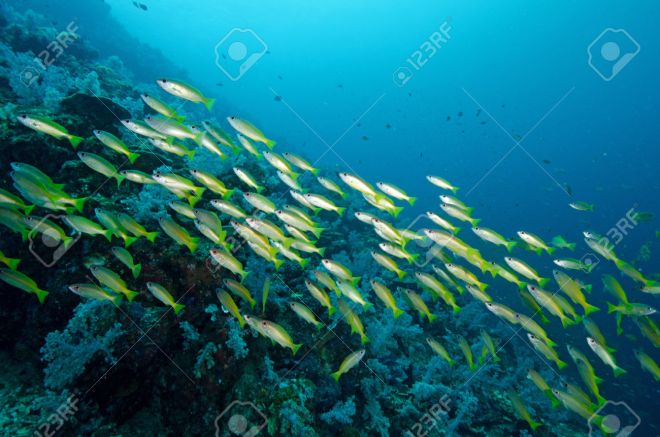
It was a few minutes before we turned back to the boat that my wife and I spotted them, a school of pale lemon yellow fish, browsing on the bottom of the reef. Much internet surfing suggests that we saw yellow runner fish.

Yellow runner school fish in Similan, Thailand

As we watched, another school of fish, light blue this time, floated by, pulled by some unseen current. They were fusilier fish, I think
image
During our two-day snorkeling trip to the Surin Islands National Park, just north of Phuket, we saw much more besides on the four or five reefs we visited.

The last time I’d snorkeled was half a century ago, in the shallow waters of a bay near Buea, Cameroon. My father had some work to do there, and he had brought me along. An English family living in Buea had taken me with them on an afternoon outing, and so it was that after a merry hour spent sinking up to my thighs in the micro-quicksands which dotted the bay, I spent another hour floating on my stomach, watching with fascination the tiny, brilliantly coloured fish darting back and forth across the black sand, fruit of the nearby volcano, Mt. Cameroon. A badly burned back was the result of this excessive curiosity. Still remembering the pain of that red and peeling back, I snorkeled this time with a shirt on. Alas! In the intervening five decades, my hair has thinned so I found afterwards that my scalp was burned from floating face down in the water (my wife instead got burned just below her swimsuit, on what our personal trainer calls the glutes).
All of which has not taken away one jot from the pleasure we derived from the wonderful sights we took in as we paddled slowly hand-in-hand along the reefs, with no sound but our breathing, witnessing a riot of colour as fish swam into our line of sight and then disappeared, intent on their business. Below is an incomplete catalogue of our sightings:

Powder blue surgeonfish
imageRainbow parrotfish
image
The wonderfully named Moorish idol

image

Lined surgeonfish
image
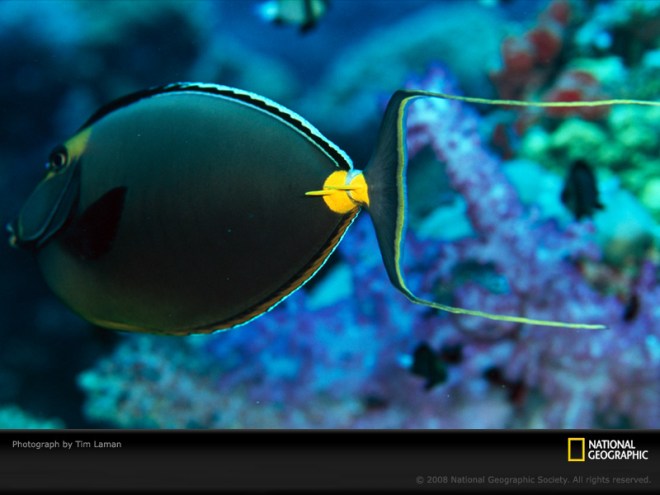
Black surgeonfish
image
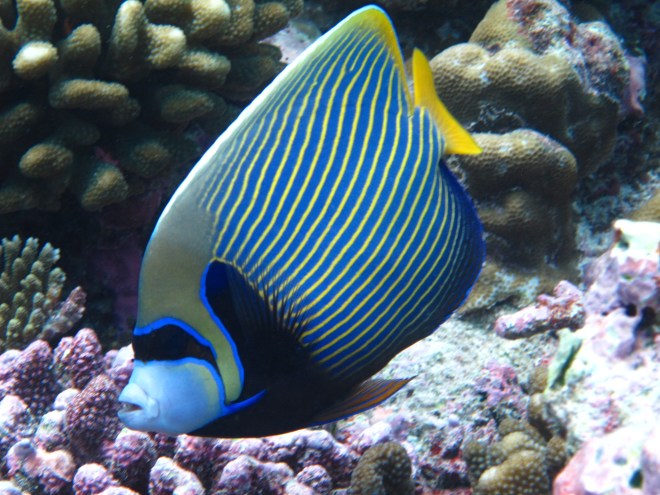
Emperor angelfish
image
Triggerfish
image
Melon butterfly fish

image

Blue lined grouper

image
We saw other denizens of the reefs too:

A powder-blue starfish

image
The aptly named crown-of-thorns starfish

image

Squamose giant clams, which would snap shut as we floated over them
image
Magnificent sea anemone, whose green tentacles would wave this way and that, revealing a wonderful blue-mauve body beneath

image

And of course there were the corals, around which all these other species revolved:
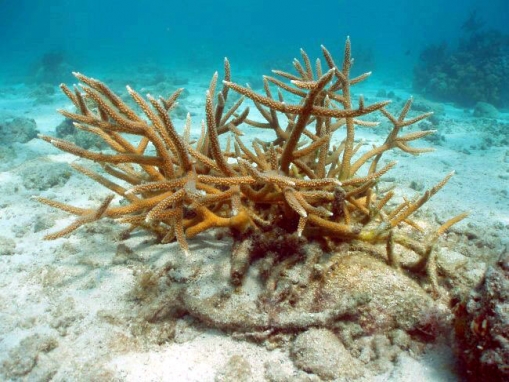
Staghorn coral, whose tips seemed to glow phosphorescently
image
Table coral

image

Mushroom coral
image

But really, although it was fun to point out to each other new species that we spotted, it was the reef communities as a whole that were most fascinating

image

those tens of species all working in and around a coral mount which surged up from the bottom towards the light.

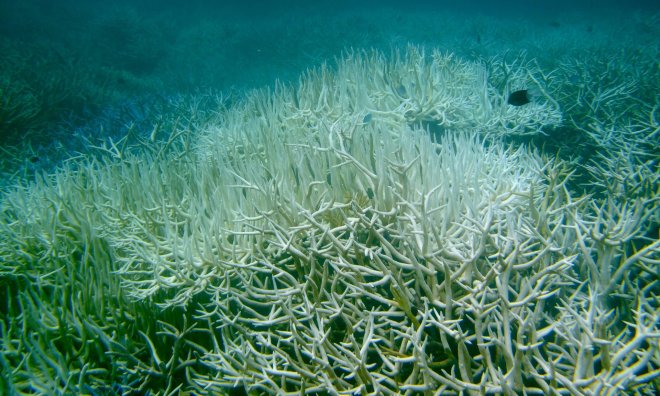
I suppose we’re lucky to have seen this. As we were floating over the reefs around Surin Island, an article appeared in the Guardian about massive coral bleaching going on at the Australian Great Barrier Reef. The immediate cause is El Niño, which is leading to much warmer waters than usual; coral dies if the water is too warm, and all you are left with are the bleached bones of coral, devoid of that blizzard of life with which it would normally be surrounded.

image

But behind this latest episode is climate change, which is making El Niño events ever longer and more intense. Two days before this article appeared, the Guardian had another announcing that the month of March had been the hottest on record.
image
But so had February. And so had January. And so had 2015 as a whole.

One of the many, many – many – impacts of climate change will be the die-off of coral reefs the world over. Coral reefs everywhere are showing signs of increasing strain. And with that die-off will come a steep decline in fish species: coral reefs are home to an astonishing 25 percent of the world’s fish species. That favourite cartoon character, Nemo, will lose his real-life counterpart.
image
Can we really let this happen? Surely we humans can collectively take on our responsibilities for controlling climate change. Let’s not destroy this beautiful planet we inhabit.

_________________
Yellow runner fish: http://www.123rf.com/photo_24661711_yellow-runner-school-fish-in-similan-thailand.html
Fusilier fish: http://www.123rf.com/photo_16881582_blue-and-gold-fusilier-fish-at-surin-national-park.html
Powder blue surgeonfish: http://www.alamy.com/stock-photo/acanthurus.html
Rainbow parrotfish: https://www.pinterest.com/pin/303922674822811295/
Moorish idol: http://diveadvisor.com/sub2o/the-moorish-idol
Lined surgeonfish: https://en.m.wikipedia.org/wiki/Acanthurus_lineatus
Black surgeonfish: http://photography.nationalgeographic.com/photography/wallpaper/surgeonfish-laman_pod_image.html
Emperor angelfish: https://cococares.wordpress.com/2012/11/14/maldives-emperor-angelfish-at-3-different-stages-of-life/
Triggerfish: http://www.seafocus.com/species_triggerfish.html
Melon butterfly fish: https://www.flickr.com/photos/thailandbeach/3568555120
Blue lined grouper: http://www.aquariumdomain.com/viewSpeciesMarine.php?id=49
Blue starfish: http://www.shutterstock.com/pic-3387803/stock-photo-blue-starfish-close-up-similan-islands.html
Crown of thorns starfish: http://www.bubblevision.com/underwater-pictures/racha-noi/pages/crown-of-thorns.htm
Squamose giant clam: http://forum.scubatoys.com/showthread.php?t=9755
Magnificent sea anemone: http://www.shutterstock.com/video/search/heteractis
Magnificent sea anemone: http://forum.scubatoys.com/showthread.php?t=9755
Staghorn coral: https://www.fau.edu/facilities/ehs/info/elkhorn_staghorn_corals.php
Table coral: http://adamjadhav.com/2010/
Mushroom coral: http://www.messersmith.name/wordpress/tag/mushroom-coral/
Reef life: https://www.govoyagin.com/activities/thailand-phuket-snorkel-and-see-sea-turtles-and-sharks-in-phi-phi/2039
Bleached coral reef: http://www.theguardian.com/environment/2016/apr/17/great-barrier-reef-worst-destruction
March global temperatures: http://www.theguardian.com/environment/2016/apr/15/march-temperature-smashes-100-year-global-record
Clownfish: https://prezi.com/m/m7zrpx-gkdqs/life-cycle-of-a-clown-fish/

ROLLED-UP T-SHIRTS

Beijing, 20 August 2013

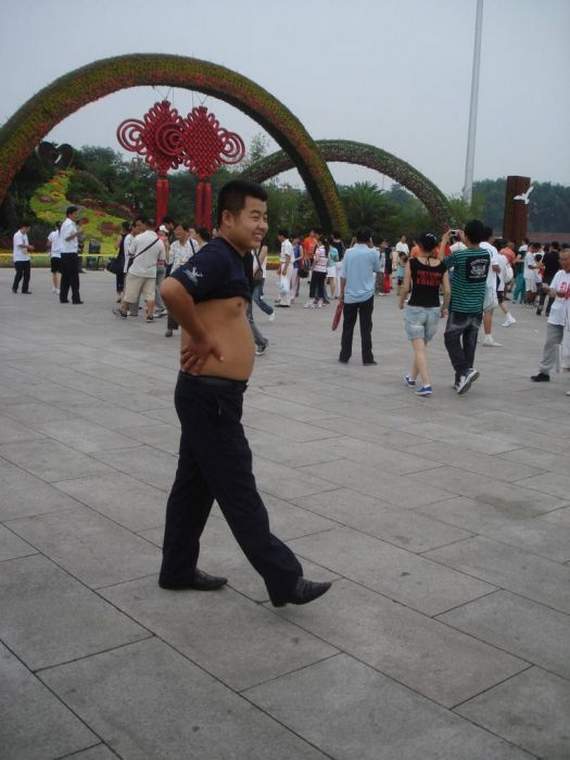
As we go around gasping for air in the currently hot and humid weather, like fish flopping around on a river bank, my wife and I cannot but notice the common Chinese fashion statement at this time of year of men (never women) rolling up their T-shirts

rolled-up-tshirt-1

and – if they are wearing them – their trousers.

rolled-up-tshirts-6

In the past, when I’ve seen Chinese men stroll past me so attired, I’ve always wondered if I couldn’t make a T-shirt which is specifically designed to be rolled up – in a somewhat more elegant way than the way Chinese men currently do it. Alas, some searching on the internet has shown me that a Japanese designer, Kaoru Inoue, has already come up with a Venetian blind design for a T-shirt!

tshirt-venetian blind-2

Story of my life, someone always beats me to the good ideas … But I do think that I could perhaps improve on this design – a circle of some stiff material around the bottom perhaps, to ensure that the whole T-shirt gets pulled up?

But actually, rather than think about how to roll up T-shirts in a more elegant way, we should think about why we are wearing T-shirts, or shirts, or even worse shirts, ties and jackets, in this kind of weather in the first damned place. The modern way of dealing with hot weather is to turn every building into a refrigerator – already standard fare in North America for at least 50 years (one of my enduring memories of my first visit to Canada, 40+ years ago, was my going into a supermarket on my second day there and being astonished at the frigid temperature); and fast becoming standard fare in China.

So we scurry from refrigerated building to refrigerated building, and then we sit in our offices and freeze

EXIF_JPEG_T422

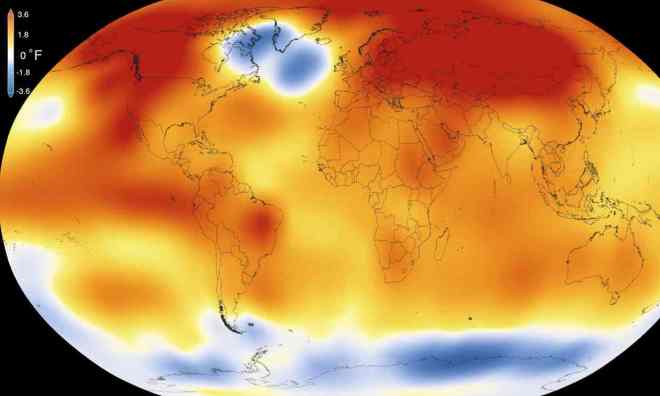
while outside the world is turning to toast.

burning world

What stupidity. What folly.

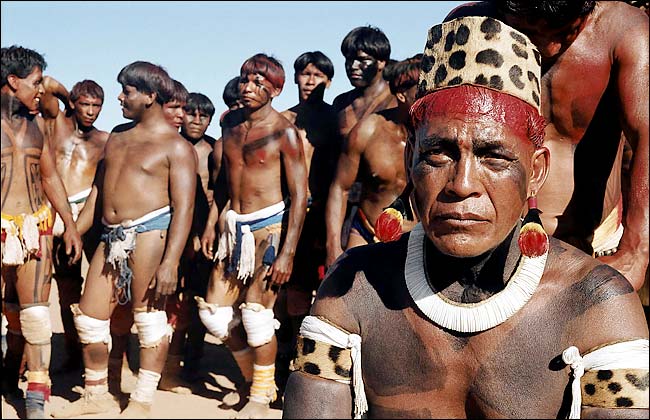
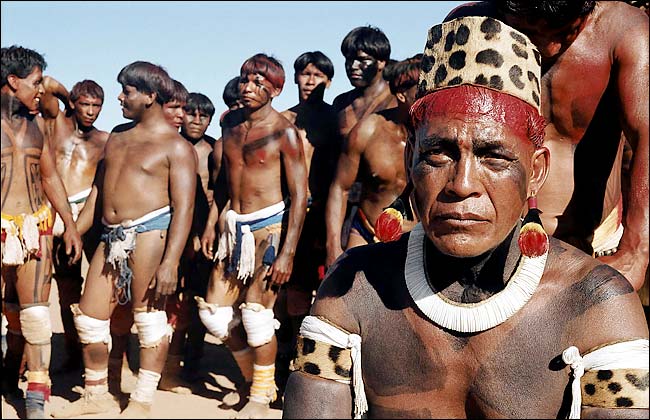
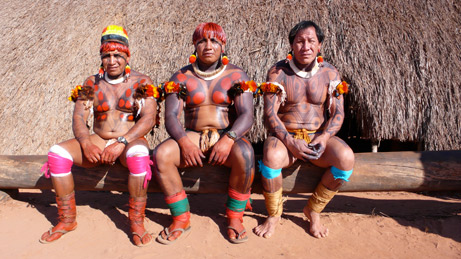
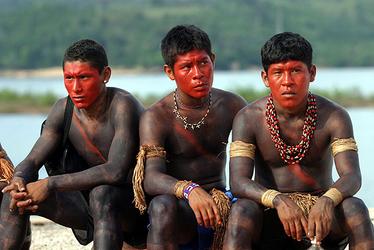
Why don’t we do it the way of the few remaining Amazonian Indians do, just wear few clothes?

amazon indians-2

although I think we could avoid the rather small loin cloths these gentlemen are sporting …

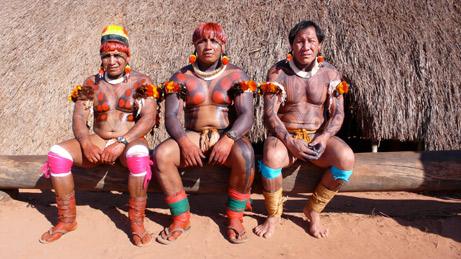
A great advantage of this approach is that it would allow those of us who like painting (not tattooing) the skin to do so, with the certainty that our neighbours would see our designs and admire them.

amazon indians-5

amazon indians-1

amazon indians-4

______________________________________

Rolled-up T-shirt-1: http://www.royalmood.com/img/funny/bell/bell01.jpg
Rolled-up T-shirt-2: http://liuzhou.co.uk/wordpress/wp-content/uploads/2013/06/P1050163.jpg
venetian-blind T-shirt: http://tab-files.s3.amazonaws.com/images/crop_LL/f6877b6b752d79d4bbdb3e56533f95e433343c73.jpg?1339079993
Air conditioning: http://media.nowpublic.net/images//d6/5/d659eca89a214dd28daac0bc0ca6d4ba.jpg
Burning world: http://ninja.typepad.com/.a/6a00e554fa70848834014e5fbb3ea4970c-800wi
Amazonian Indians-1: http://www.vikingsword.com/vb/attachment.php?attachmentid=65733&stc=1
Amazonian Indians-2: http://www.wehaitians.com/amazon_2_b.jpg
Amazonian Indians-3: http://madamepickwickartblog.com/wp-content/uploads/2010/11/amazon34.jpg
Amazonian Indians-4: http://birdonthemoon.com/Indian_game1104-thumb.jpg

THE (STEEP) STREETS OF SAN FRANCISCO

San Francisco, 6 October 2012

Readers of my generation will no doubt remember the 1968 film Bullit with the Great Immortal Steve McQueen.

I don’t suppose anyone remembers the story, it was a cops and robbers story of some kind. They only remember the car chase. What a sequence that was! It started on the steeper streets of San Francisco, with the cars suddenly racing up and down the hills and bouncing across the intersections as the baddies realized that Steve was on their tail (the sequence somehow ended on the highways but that is irrelevant to our story).

I was reminded of this car chase when on the first morning of our stay in the city my wife and I walked from our hotel to our son’s apartment. We had discovered that the two were on the same street – Taylor Street to be precise – and thought naively that it would be a nice walk. Bad mistake! There were sections of the street that were astonishingly – preposterously – steep.

At some points, I felt like we were scaling Everest or Annapurna.

And later, when we took a taxi along the same street, there was a moment, as we were going down a particularly steep section, when the taxi driver had to bend down to be able see out of the windscreen!

Town planning in San Francisco is a beautiful example of 19th and 20th Centuries human arrogance. Someone just draped a grid of straight lines over a very hilly landscape and traced the resulting streets, in complete disregard of gradient. The planners of the hill towns in Italy, Greece or Spain never did that; their streets respected the land’s morphology. They lived with their land, not against it.

Be warned. We ignore the physical limitations of our Earth at our peril.

___________
pix from:
http://en.wikipedia.org/wiki/Bullitt
http://www.flickriver.com/photos/antman67/7768689852/
http://www.flickr.com/photos/daveglass    /527678270/
http://www.travelandtournepal.com/climbing-mount-everest/
http://www.sangimignano.com/sghomei.htm
http://www.guardian.co.uk/environment/2011/jan/18/trust-climate-models