SCARFING DOWN ITALIAN NIBBLES

Milan, 20 October 2016

I was with an old colleague in Turin at the beginning of last week, and he was telling me that he had visited the city several times over the last few years to attend the annual Slow Food festival. I made a mental note to attend the next one with my wife. It must have been that thought which made me accept with alacrity my wife’s proposal to go to an exhibition of Italian small-scale food producers, which was taking place in Milan over the weekend. Its title was “Milano Golosa”, which can be translated either as Greedy Milan or as Gourmand Milan. I prefer to think that we were gourmands, although I can understand it if, after reading this post, readers conclude that we were greedy.

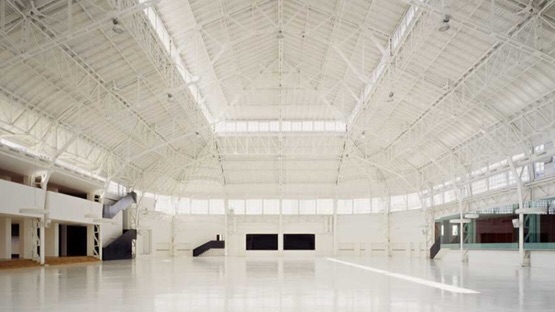
The exhibition was being held in the Palazzo del Ghiaccio, the Ice Palace, a rather grand name for what used to be the city’s premier ice rink. Just visiting the building was a trip down memory lane for my wife. She told me with a reminiscent smile that she had been taken there many a time by her grandfather. While she skated around the rink, he sat on the bleachers reading his newspaper – no doubt the universal pastime of grandfathers supervising grandchildren in parks and other public spaces. At some point in the last forty years, its use as an ice rink was abandoned. The bleachers were removed along with the rink proper, and the building was turned into an exhibition space. It is actually quite a nice building, of the 19th Century train station type, and the empty space looks gorgeous in that typically Italian good design style.
image
When we entered the space, though, it was bisected by four or five rows of little booths, each taken by an Italian food or wine producer (there was one food producer from the islands of São Tomé and Príncipe, off the west coast of Africa, but that was a definite outlier). They came from all over Italy, from Sicily in the south all the way up into the high alpine valleys in the north, and from Sardinia in the west to the Marches in the east.
image
For the vulgar weekend visitors like us, who were not there for professional reasons, the deal was this. You paid 10 euros to get in (5 more if you wanted to drink wine, which we didn’t), and then you tried to eat as many nibbles as possible at all of the booths to cover your initial investment. You could do your eating quite shamelessly, just grabbing the nibbles being made available and heading off to the next booth, or you could pretend to be knowledgeable and stand there trying to make intelligent comments about the nibbles you were scarfing down with enthusiasm. I started with the latter strategy, pretending to write notes on my phone (of the type “good cake!”, “good cheese!”), but eventually abandoned all pretense of knowledge and just wolfed down the nibbles. I was rather reminded of the trailer which my wife and I have been seeing of an upcoming French film, “Saint Amour”, which as far as I can make out is the story of a large pub crawl from one French wine festival to another.
image
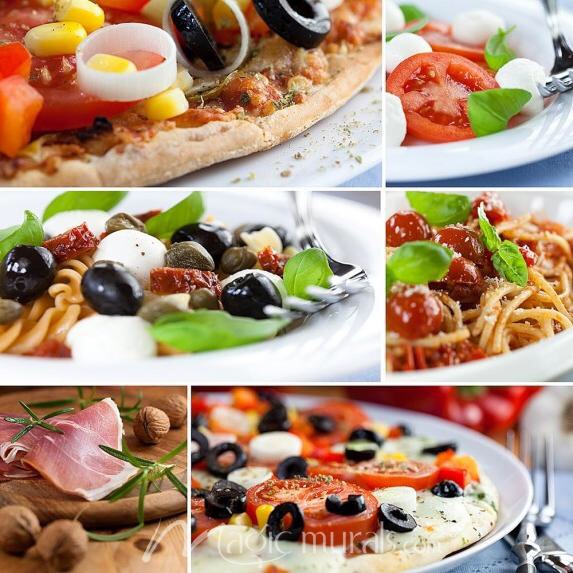
For all of this rank amateurism on my part, I could still appreciate that the nibbles were delicious. Many of the classical Italian products were present: raw ham, cooked ham, salamis of various types, bologna, cooked meats in aspic; hard cheeses like parmesan, soft cheeses like stracchino or crescenza, middling soft and middling hard cheeses whose names now escape me; olive oils of all descriptions, as well as the olives themselves, balsamic vinegars; tomatoes, of course, of all shapes and sizes, beans of all shapes and sizes; pastas of varying lengths and geometries, breads made from a variety of grains, but also bread sticks, fat and short and long and thin; numerous spreads to put on the bread (one in particular, from Sicily and based on sea urchin and a fish whose name meant nothing to me, remains in my taste memory bank); sweet dishes in profusion: panettone, panforte, amaretti dolci, chocolates containing varying levels of coca. And I’m sure I’ve missed things. A veritable smorgasbord! Or perhaps the Italian equivalent to a Chinese banquet, where one picks at a little bit of this and at a little bit of that as the Lazy Mary slowly turns before you. I think we got our ten euros’ worth, staggering out after a couple of hours of busy nibbling. We shelled out some more cash to buy a small bottle of olive oil from the province of Bari and a mozzarella from the province of Naples, both of which we picked up as we wended our way from booth to booth. I can report that at dinner that night the oil went very nicely with the mozzarella, as well as with the salad of green beans I had on the side.

Ah, Italian food!
image

______________
Palazzo del Ghiaccio: http://www.meetingecongressi.com/it/struttura/milano/451/palazzo_del_ghiaccio.htm
Milano Golosa: http://www.ansa.it/canale_terraegusto/notizie/fiere_eventi/2015/09/23/torna-milano-golosa-dal-3-al-5-ottobre-al-palaghiaccio_0867b0e5-db5c-4477-b80a-3e372b3979c1.html
Saint Amour poster: http://www.allocine.fr/film/fichefilm_gen_cfilm=235769.html
Italian food: https://www.magicmurals.com/italian-food-collage.html
SAINT RADEGUND

Vienna, 19th September 2016

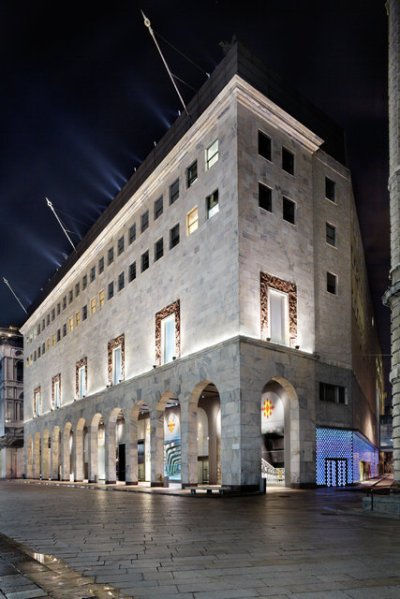
There is a small street which gives on to Piazza Duomo in Milan, which goes by the name of via Santa Radegonda. It’s a very modest, narrow, little street, really quite boring. Its main claim to fame is that it runs alongside the posh department store La Rinascente.

image
But I like the street, for the quite frivolous reason that I like the name. Radegonda, Radegund in the original German: now that’s a girl’s name with some whoomph to it! Not like Amelia, or Olivia, or Emily, which are currently some of the most popular names for little British girls.

This particular Radegund was a 6th Century princess from Thuringia, in what is now central Germany. Her life story was as colourful as her name. Her father, Berachtar, was one of three kings in Thuringia. Her uncle, Hermanfrid, one of the other Thuringian kings, killed her father in battle, took over his part of the Thuringian lands, and while he was at it took Radegund into his household. Hermanfrid then made a deal with the Frankish king, Theuderic, to share sovereignty of the whole of Thuringia, subject to material aid from Theuderic. Having sealed the deal, Hermanfrid attacked, defeated, and killed the third king of Thuringia, his brother Baderic. He then promptly reneged on his agreement with Theuderic. Not surprisingly, Theuderic sought revenge of this perfidy. Together with his brother Chlothar, he defeated Hermanfrid and took over Thuringia. In the ensuing carve-up, Clothar took charge of Radegund and brought her back to Gaul. All this happened before Radegund was 11, by the way.

Clothar packed Radegund off to one of his villas until she was of a more marriageable age. When she was 19 or so, he married her himself. No doubt it made his claims to Thuringia stronger to have her as his wife. She joined Clothar’s five other wives – Guntheuca, Chunsina, Ingund, Aregund, and Wuldetrada – in what may, or may not, have been a cozy concubinage. In any event, she bore Clothar no children.

By the time Radegund was 30, her only remaining brother was the last surviving male member of the Thuringian royal family. Presumably to head off any pesky competing claims to the Thuringian lands, Clothar had him murdered. At which point, either because she feared for her own life or because she was fed up with all this mayhem, Radegund fled and sought the protection of the Church, eventually founding, when she was about 40, a nunnery in Poitiers. Initially, Clothar tried to get her back but eventually left her alone and focused on expanding his lands at the expense of all those around him, including his brothers (although he had the grace not to kill them to obtain his ends, good manners which did not extend to their sons). By the time he died, he was master of a kingdom stretching from the Pyrenees to Thuringia, and from Brittany to French-speaking Switzerland.

All these Franks and Thuringians may have been a lying, traitorous, murderous lot, but they had wonderful names. This all rather reminds me of my Favourite History Book, 1066 And All That, my copy of which recently came to light, among many a delighted cry on my part, from the storage box in which it has been lying these last seven years.
image
In that book, we are reminded that Anglo-Saxon England was peopled with persons carrying wonderful names:

“Wave of Egg-Kings

Soon after this event Egg-Kings were found on the thrones of all these kingdoms, such as Eggberd, Eggbreth, Eggfroth, etc. None of them, however, succeeded in becoming memorable except in so far as it is difficult to forget such names as Eggbirth, Eggbred, Eggbeard, Eggfish, etc. Nor is it even remembered by what kind of Eggdeath they perished.”

The authors were exaggerating, but not by much.

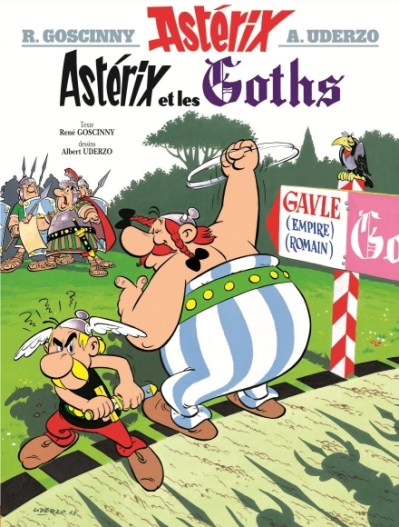
The murderous goings-on around Radegund also remind me of that other Great Source of Early European History, Asterix. In the album Astérix chez les Goths
image
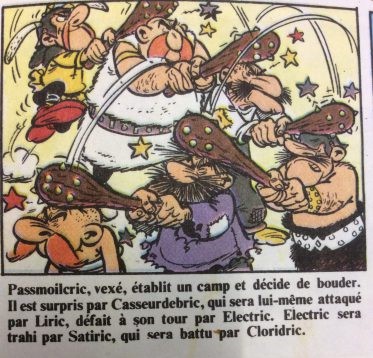
the endemic fighting among the Germanic tribes is well captured.

(Please note the authors’ take on Gothic names – they exaggerate but not by much)

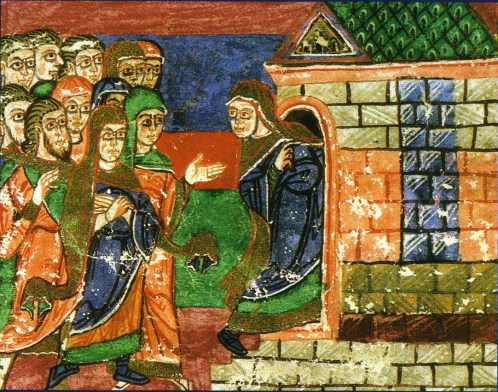
But I digress, and I think my wife feels I’m letting my childish side get the upper hand here. Let us focus on the saintly Radegund. Already when queen, she was noted for her almsgiving. Once a nun, she cared for the local lepers and other infirm of Poitiers. She was also known for eating nothing but legumes and green vegetables: no fish, no eggs, not even fruit. I’m sure the vegans of today would approve (although even they might find her decision to forswear fruit a trifle extreme) but to the meat-eating Germanic elites, who spent much of their time hunting, this must have been pretty weird. Here is the most ancient representation of this saintly lady that I found, from a 10th-11th Century manuscript in the Municipal library of Poitiers, where we see Radegund getting herself to the nunnery (to misquote Hamlet).
image
As far as I can make out, though, her main claim to religious fame, at least in the Dark and Middle Ages, is that the Byzantine Emperor Justin II gave her a fragment of the True Cross. I hasten to add that he did not do so because he was much taken by Radegund’s saintliness. It was, I’m afraid, a purely political maneuver. Justin wanted to wrest control of the north of Italy from the barbarian Lombards, but for this he needed the help of the (equally barbarian) Franks. The relic, given to an ex-wife of the Frankish king who, though, was still on friendly terms with said king, was the bribe, or, to put it more kindly, the bait. Whatever the reason, the relic which Justin handed over to Radegund was a Really Good relic, and any Medieval religious institution with a Really Good relic was sitting on a goldmine as the pilgrims poured in and spent their money locally. This no doubt was the happy fate of Poitiers, helped along by the fact that Radegund was widely believed to have the gift of healing. Indeed, several miracles around her tomb greatly helped to increase the pilgrim traffic. The result was the building of a church which is a combination of Romanesque and Angevin Gothic styles.
image
Sadly, the vicissitudes of history, and more specifically a sack by Huguenots in the 16th Century and the ravages of the French Revolution, combined with some heavy-handed restoration in the 19th Century, has scarred the original splendour.

The pilgrim traffic to Poitiers had the happy side-effect of carrying Radegund’s name far and wide as the pilgrims returned home, and new churches and other religious institutions sprang up all over Europe dedicated to her name. This was certainly the case in Milan, where on the site on which now stands that temple to consumerism, La Rinascente, there once stood a nunnery dedicated to Santa Radegonda. No trace of this nunnery remains today save in the name of that modest, narrow, little street which I like so much.

I give just one further example of the many places in Europe which adopted her name, and that is the small village of Sankt Radegund in Upper Austria. In the next few years, readers will see a new film come out, with the title “Radegund”. It is the story of Franz Jägerstätter, a native of Sankt Radegund, who was the only one in his village to vote against the Anschlüss and was courageous enough to be a conscientious objector during World War II.
image
My readers will no doubt convene that this was a dangerous thing to declare oneself to be under the Nazi regime, and in fact Jägerstätter ended up being guillotined in 1943, for the crime of “undermining military morale”. The recent (German) Pope, Benedict XVI, had Jägerstätter beatified: a more appropriate saint for our age, I think.
image
Yesterday afternoon, I noticed that behind Milan’s Duomo there is a small road called via Santa Tecla. What an interesting name! I wonder who she was?

__________________
La Rinascente: http://www.nytimes.com/2014/12/25/fashion/in-milan-with-handbags-and-tongs-under-one-roof.html?_r=0
Clothar I: http://www.pearltrees.com/sirius84/francs-merovingiens/id9615614/item93489971
“1066 And All That”: http://rogerandfrances.eu/books/1066-and-all-that
“Asterix chez les Goths”: http://www.asterix.com/the-collection/albums/asterix-and-the-goths.html
Goths fighting: my photo
Radegund entering nunnery: https://en.m.wikipedia.org/wiki/Radegund
Eglise Sainte-Radégonde, Poitiers: https://www.poitiers.fr/c__244_788__Poitiers_capitale_romane.html
Franz Jägerstätter: http://voiceseducation.org/content/franz-jagerstatter-austrian-world-war-ii-resistance
Icon with Franz Jägerstätter: https://en.m.wikipedia.org/wiki/Franz_Jägerstätter

WE’RE HOME

Milan, 31 August 2016

We touched down at Milan’s Malpensa airport around 8:30 this morning. It was a beautiful day, not too hot. We took the train into Milan, passing first the town of Saronno, home of the eponymous liqueur

then Garbagnate, home of the Galbusera brand of biscuit.


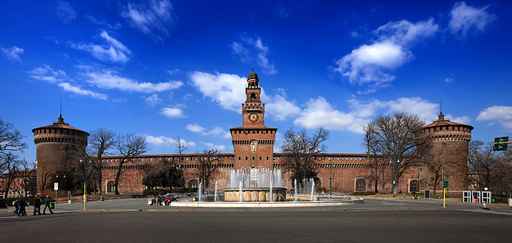
After a few more towns, we pulled into Cadorna station, which lies in the shadow of Milan’s castle.

image
We decided to walk home, so we wheeled our suitcases out, past the strange sculpture in the station square which finally, several years ago, I figured out was a needle and thread – a reference, no doubt, to the city’s place in the fashion world.

image
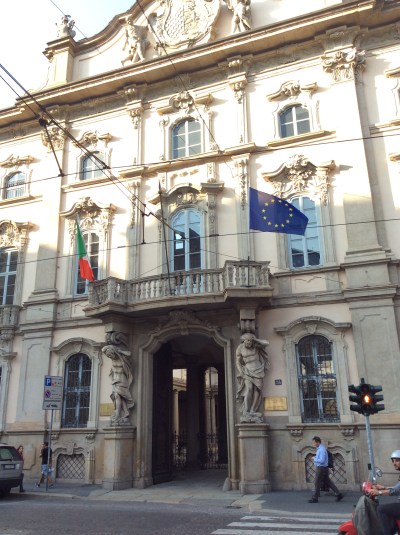
We made our way through back roads to Corso Magenta. We stopped for a well-deserved cappuccino in a caffé there. While we sipped, we admired the Baroque Palazzo Litta on the other side of the Corso.

I’ve always had a fondness for the two giants holding up the massive front door, so obviously suffering from the strain.


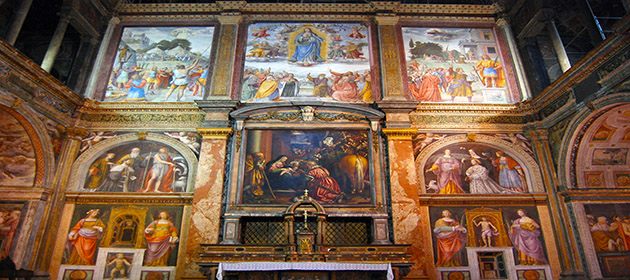
On we went down the Corso, past the Church of San Maurizio, which has magnificent 16th Century frescoes painted by Bernardino Luini and his school
image
before we turned right and threaded our way through the back roads again, past the mouldering ruins of the palace built by the 3rd century Roman Emperor Maximian

image
on past a disused church which is now a museum dedicated to the 20th century artist Francesco Messina

image
until we came to our road.

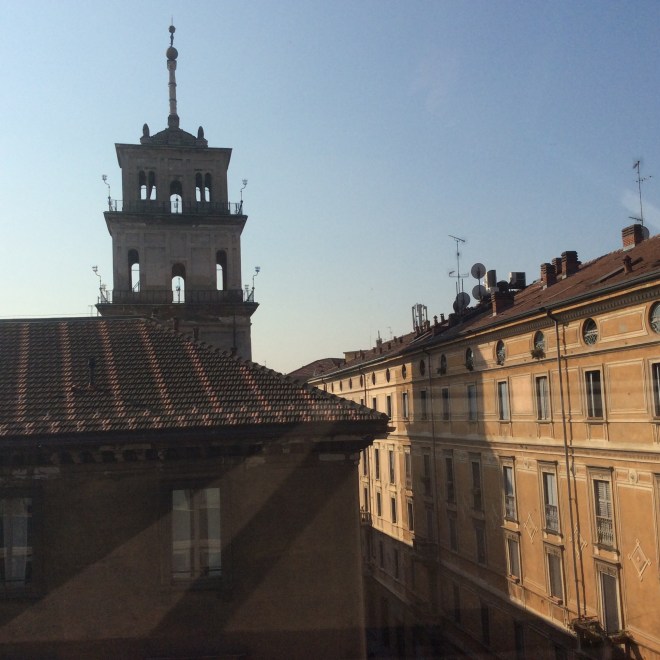
We chatted briefly with the doorman about the family as he handed us a large wad of post, accumulated since our last flying visit six months ago. We squeezed the luggage into the small elevator, manhandled it all through the apartment door, flung open the windows, and gazed over at the tower of the Palazzo Stampa-Soncino across the road.


image
After eighteen years away, it was good to finally be back home.

______________________
Liquore di Saronno: https://it.m.wikipedia.org/wiki/Liquore_amaretto
Biscotti Galbusera: http://www.galbusera.it/prodotti/senza-zuccheri-aggiunti/frollini
Castello Sforzesco, Milan: http://www.conilsud.it/2014/come-raggiungerci/
Sculpture, Piazza Cadorna: http://www.solotravel.it/29032011/piazzale-cadorna-a-milano-tra-design-e-modernita/6334
Palazzo Litta: my photo
Two statues, Palazzo Litta: my photo
Frescoes, church of San Maurizio: http://www.donnecultura.eu/?tag=chiese-di-milano
Remains Imperial Palace of Maximian: http://flickeflu.com/photos/40993657@N06/interesting
Sculpture, Francesco Messina: https://www.pinterest.com/pin/309059593155732010/
Tower, Palazzo Stampa Soncino: my photo

FLYING FLUFF

Beijing, 1 May 2013

These last few days we have been suffering from an unpleasant side-effect of Spring: airborne white fluff, which trees around here are shedding in huge quantities in their eagerness to mate and to seed. The fluff drifts down, floats along on the breeze, is whirled about by passing cars, eddies in big clumps around your feet, and – most disagreeably – gets into your eyes, nose and mouth. Yesterday morning, it was so thick that looking up into the sky it seemed to be snowing.

pollen 008

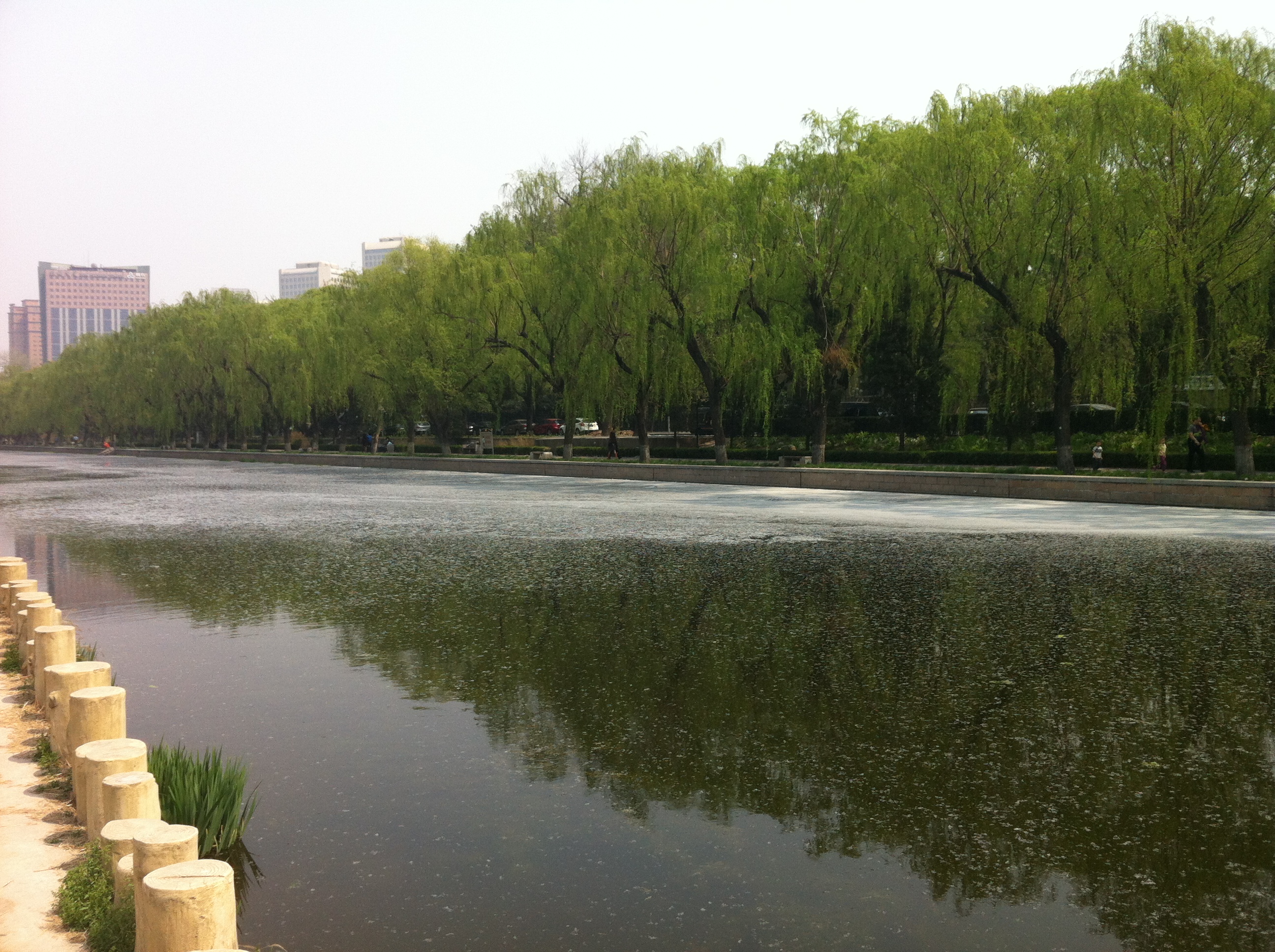
while a few days ago currents in the canal and wind interacted to create a thick layer of fluff along the far bank.

pollen on canal 002

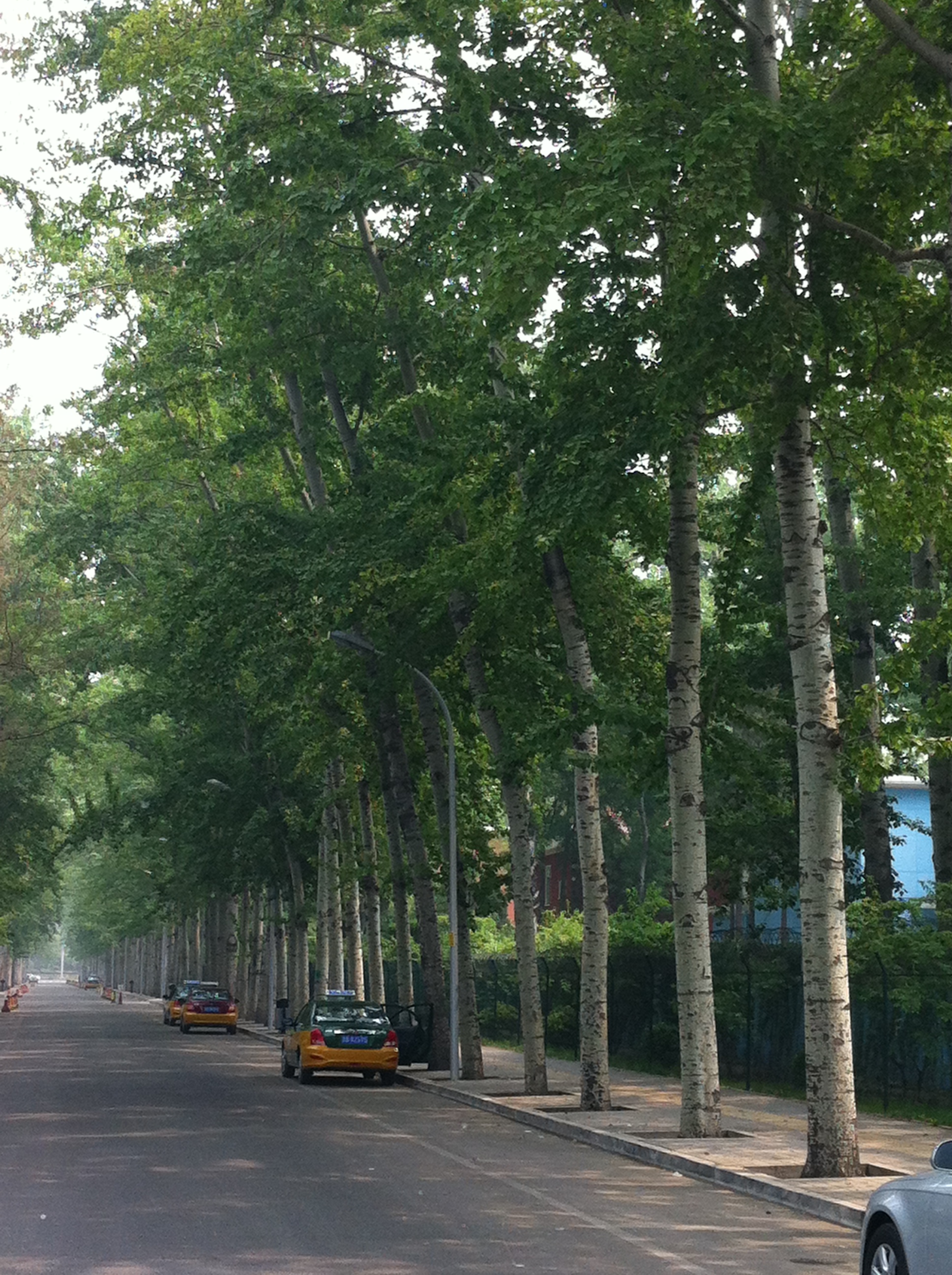
This is the offending tree, photographed in a quiet side street

poplars-Beijing 011

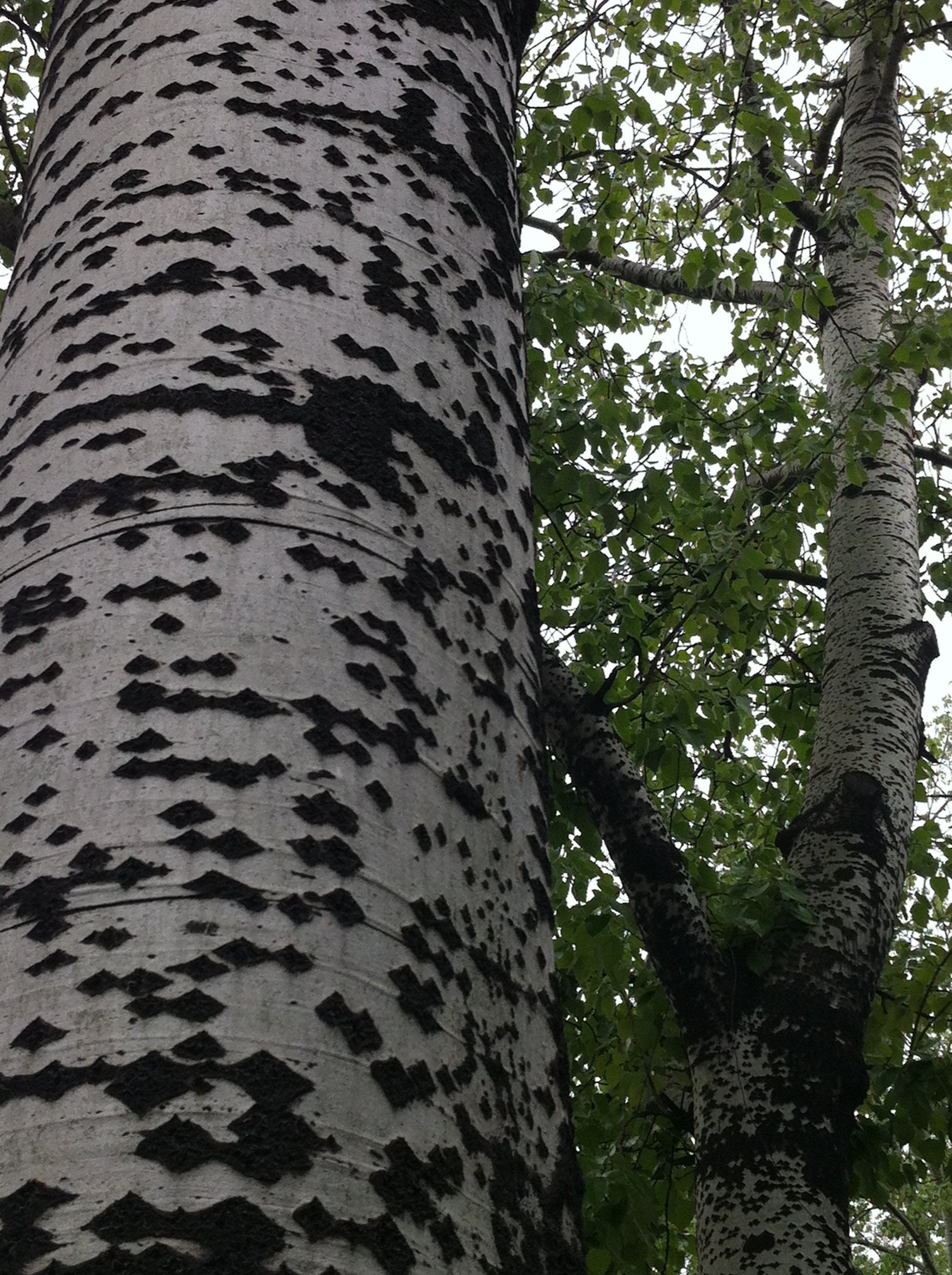
a poplar, a member of the aptly-named cottonwoods, whose more mature specimens carry these very distinctive diamond shapes on their lower bark.

pollen 013

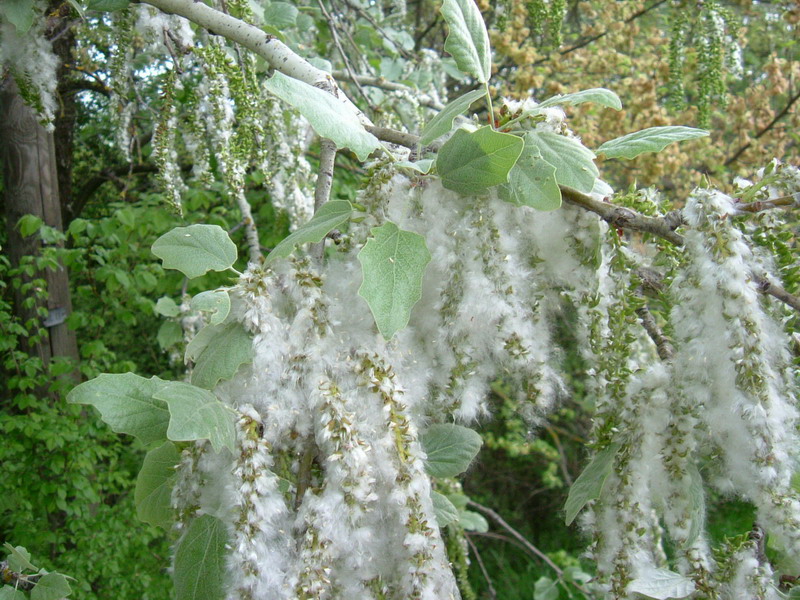
And this is where the fluff is from:

cotton on tree-1

I first became aware of this tree in Vienna, not so much because of white fluff flying around, of which there was a fair amount at this time of the year, but because of some really magnificent specimens growing in the gardens of the posher, greener parts of town. So posh and so exclusive that I have found no photos on the web.

But actually, where the tree really came into its own was down by the Danube, in the last vestiges of the river’s wetlands which land use planners and river engineers of the 19th Century had left alone.

poplars on the Danube-1

Not surprising, really. The tree loves a wet, marshy soil. Which explains why there are so many poplars around Milan and in the Po River plain generally, which is a pretty soggy place. And in Milan, the problem of flying white fluff was truly awful. These pictures are not from Milan but are from that part of the country and give a good sense of the horror of it.

Italian-image-1

Italian-image-3

It’s the poplar’s love of wet soil that makes me wonder what it’s doing here in Beijing. I mean, this city is semi-desertic; lack of water is a constant and growing problem. Yet, there are huge plantations of the tree around the city, part of the reforestation campaigns that the government is so fond of as a way of minimizing the dust storms to which this city is periodically subject. Wise policies no doubt, but surely they could have found a more suitable tree?

____________________________

pix of sky, canal, and poplar tree: mine
Fluff on tree: http://www.naturamediterraneo.com/Public/data7/ciuppy/5.jpg_200941622240_5.jpg
Poplars on the Danube: http://www.quax.at/sites/default/files/images/nationalpark_donau_auen_976_Donauufer2_Baumgartner.jpg
Italian-image-1: http://upload.wikimedia.org/wikipedia/commons/thumb/9/9f/Fioritura_pioppi.JPG/1280px-Fioritura_pioppi.JPG
Italian-image-2: http://www.parmatoday.it/~media/base/19828483952093/curiosita-fioritura-pioppi-1.jpg

HORSE AND DONKEY

Beijing, 1 March 2013

So The Europeans have their knickers in a twist about horsemeat in their beef, while the Kenyans are up in arms because donkey meat is being passed off there as beef. OK, it’s not correct to sell one thing under the guise of another, but horsemeat and donkey meat are actually really good. I first had donkey meat in a little restaurant along the Naviglio Grande, one of Milan’s canals

naviglio-grande

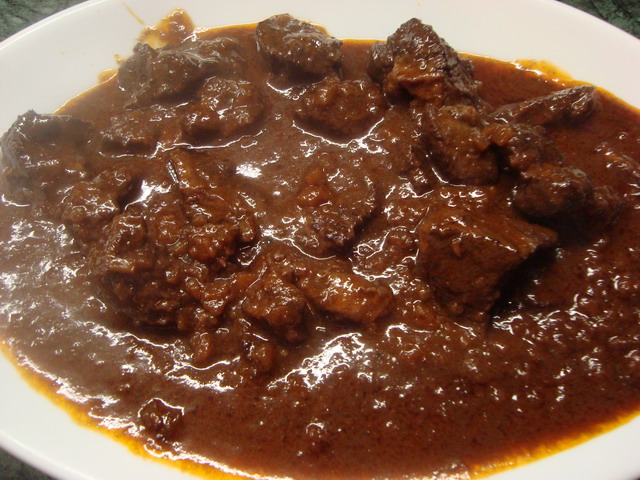
That night, the chef was serving what is a very typical Lombard dish, stracotto d’asino or donkey stew.

stracotto-dasino

And of course, as is de rigueur in a Lombard dish worthy of the name, it was served with polenta.

polenta-2

The combination is vital, because the firm flouriness of the polenta admirably counterbalances the sweet mushiness of the stracotto. Donkey meat, which is anyway sweeter-tasting than beef, becomes even sweeter in a stracotto.

Sweetness of taste is also a characteristic of horsemeat, which I first ate as a boy with my French grandmother. Boucheries chevalines, or butchers specializing in horsemeat, were very common in France when I was young; the French did not have the squeamishness of the English when it came to eating horse.

boucherie chevaline

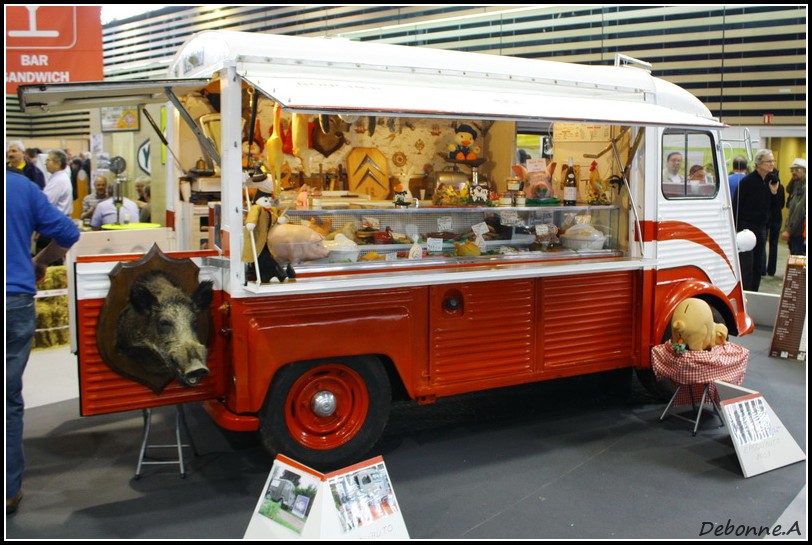
Horse was also cheaper than beef, so the poorer classes ate horsemeat. My grandmother was poor but had not been so when she was young, so she tried to avoid horsemeat and its suggestion of poverty. But from time to time, when the bank balance was a little low, she deigned to buy it. When we were in the house in the country, the butcher – and the grocer – came to us rather than us having to go to them. One of my boyhood memories is the insistent sound of a horn on the road outside, at which point a great cry would go up “the butcher [or the grocer, depending on the day of the week] has arrived” and there would be a frenzied gathering up of money, shopping lists and shopping bags, as my grandmother [or mother during the summer] was anxious to get to the road before the butcher [or grocer] drove off. I tagged along, loving the noise and drama of it all. I also was fascinated by these mobile shops, which looked somewhat like this:

citroen_h_boucherie

It was a Citroen van, which had been kitted out to open up on the side. The butcher [or grocer] would stand inside exactly as he would behind his counter in the shop. The photo is actually of a miniature model, which has been set up in a very realistic scenery; it certainly comes close to my memory of what awaited us when we got out onto the road. This a photo of the real thing, although this particular example has been gussied up for modern urbanites:

citroen_h_boucherie-2

And when my grandmother did buy horsemeat, she would cook it up as a steak, with home-made frites, or French fries. Horsemeat is a much darker meat than beef, as this photo shows:

horse steak

Well, now that I have confessed – cheerfully, I would say – to the heinous crime of eating donkey and horse, let me come completely clean and also confess to having eaten dog. In South Korea. Very delicious, as the Chinese would say …

___________________________

Naviglio grande: http://farm4.staticflickr.com/3087/2312319399_2401d37b1f_z.jpg
Stracotto d’asino: http://www.piaceredelgusto.com/wp-content/uploads/2013/01/Brasato-dasino.jpg
Polenta: http://www.italianfoodnet.com/uploads/img/news-polenta_taragna.jpg
Boucherie chevaline: http://www.lebouguen-lesbaraques.infini.fr/IMG/jpg/Boucherie_Lubin_au_Bouguen_Pepere_Mamie_Mr_Guyomard_et_Rosie_famille_Regine.jpg
Mobile butcher model: http://www.minitub43.com/IMG/jpg/2280.jpg
Mobile butcher: http://cmvmoto.free.fr/Salon%20Epoqu%27Auto%20Lyon%202011/Citroen%20Type%20H%20Boucherie_03.jpg
Horse steak: http://boucherie-cheval.fr/wp-content/themes/boucherie-chevaline/timthumb.php?src=http://boucherie-cheval.fr/photos-viande-cheval/Rond-de-tranche-de-cheval-viande-chevaline.png&w=600&h=180&zc=1&q=100

A HORSE! A HORSE! MY KINDGOM FOR A HORSE!

Beijing, 5 February 2013

I was all atwitter this morning when I saw the news. The skeleton found under the car park in Leicester, England, is indeed that of Richard III, last of England’s Plantagenet kings! OK, there are some sour-puss academics raising doubts, but that’s probably because the skeleton wasn’t found under their car park.

I spent the early morning skittering around the house with one shoulder up and shouting “A horse! A horse! My kingdom for a horse!” instead of getting ready for work. My wife looked on and rolled her eyes. But what Englishman has not at least heard of Shakespeare’s play Richard III? What person, who – like me – has thespian pretensions, has not dreamed of prancing about a stage as a mediaeval version of Quasimodo, murdering all and sundry with devilish glee and getting the beautiful women into the bargain? If it wasn’t for Shakespeare, who would remember King Richard III?

I did most of my acting at school. To my great regret, we never put on Richard III. But I’ve seen it a number of times, both in film as well as on the stage. I first saw it years ago with my wife, in some poky cinema on Paris’s rive gauche. That was the 1955 film version, with Laurence Olivier doing a marvelously over-the-top evil characterization of Richard.

laurence olivier

This film stayed in some sort of medieval setting. The next version I saw, with Ian McKellen playing Richard III, was made 40 years after Olivier’s movie. It tried to be clever and set the story in some sort of 1930s fascist version of Britain where the king’s deformity was moral rather than physical.

ian mckellen

We saw this film in Milan. As you can imagine, given Italy’s history

mussolini

the fascist overtones of the film had a certain resonance there.

And then, about a year ago, through sheer serendipity – we just happened to be visiting Hong Kong when the play was running – we saw Kevin Spacey play Richard III with a manic savageness.

kevin spacey

One of the amazing things about Shakespeare is the sheer number of quotes he has generated. Half the quotes people use, or so it seems, come from one Shakespeare play or another. Richard III has its fair share. There’s the quote which I’ve used as my title, which must be one of the most famous quotes in the English language. Then there is this quote:

“Now is the winter of our discontent
Made glorious summer by this sun of York”

which seems to be one of those quotes that everyone knows. Then there is this quote:

“Off with his head!”

which my father was very fond of using  whenever I was naughty.

Apart from these, the play has some deliciously cynical lines:

“Conscience is but a word that cowards use
Devis’d at first to keep the strong in awe”

“And thus I clothe my naked villainy
With odd old ends stolen out of holy writ;
And seem a saint, when most I play the devil.”

“Why, I can smile and murder while I smile,
And cry ‘content’ to that which grieves my heart,
And wet my cheeks with artificial tears,
And frame my face for all occasions”

Yes, we never did put on Richard III at school. But we put on Shakespeare’s Richard II; the events it recounts were the original cause of the War of the Roses, whose final act was the unhorsing of Richard III on Bosworth Field outside of Leicester and his killing with several savage blows to the head as shown by that skull beneath the car park.  I played the Duke of York (I should have played King Richard II, of course, but we’ll pass over that). As usual, the play has many memorable lines, but one set in particular remains with me, uttered by my elder brother John of Gaunt, Duke of Lancaster, as he lies dying in Act I:

This other Eden, demi-paradise;
This fortress, built by nature for herself,
Against infection, and the hand of war;
This happy breed of men, this little world;
This precious stone set in the silver sea,
Which serves it in the office of a wall,
Or as a moat defensive to a house,
Against the envy of less happier lands;
This blessed plot, this earth, this realm, this England

I don’t go back to the UK very often, but those lines echo with me when I stand in the countryside and see how so very lovely it can be.

english-countryside

_______________________________-

Laurence Olivier: http://3.bp.blogspot.com/-Z1o-IQnC1nE/UK8xybvIJ7I/AAAAAAAABCU/OJcjGS2QOzE/s1600/tumblr_m3xc1hNXLZ1rrfb56o1_1280.jpg

Ian McKellen: http://www.mckellen.com/images/r3/ban-15.jpg

Mussolini: http://757f8ed9aaa522dde29d-4c07cfa4f788be17c79661948c0f2477.r99.cf1.rackcdn.com/5728_1323465695_july-25th-benito-mussolini-deposed.jpg

Kevin Spacey: http://i.telegraph.co.uk/multimedia/archive/01934/Richard_a_1934160b.jpg

English countryside: http://www.style-passport.com/style/wp-content/uploads/2012/10/english-countryside.jpg

TULIPS AND MANDARINS

Beijing, 2 February 2013

The last week has been dreadful for air quality in Beijing. The brief break we had which I wrote about a few posts ago was but a temporary remission and we soon plunged back into the murk. My wife was a little more philosophical about it than I. She remarked that it reminded her of her childhood in Milan, when smog was frequent, and reminisced about having to cross the road to go to primary school and not being able to see if the light had changed. But still, we both suffered.

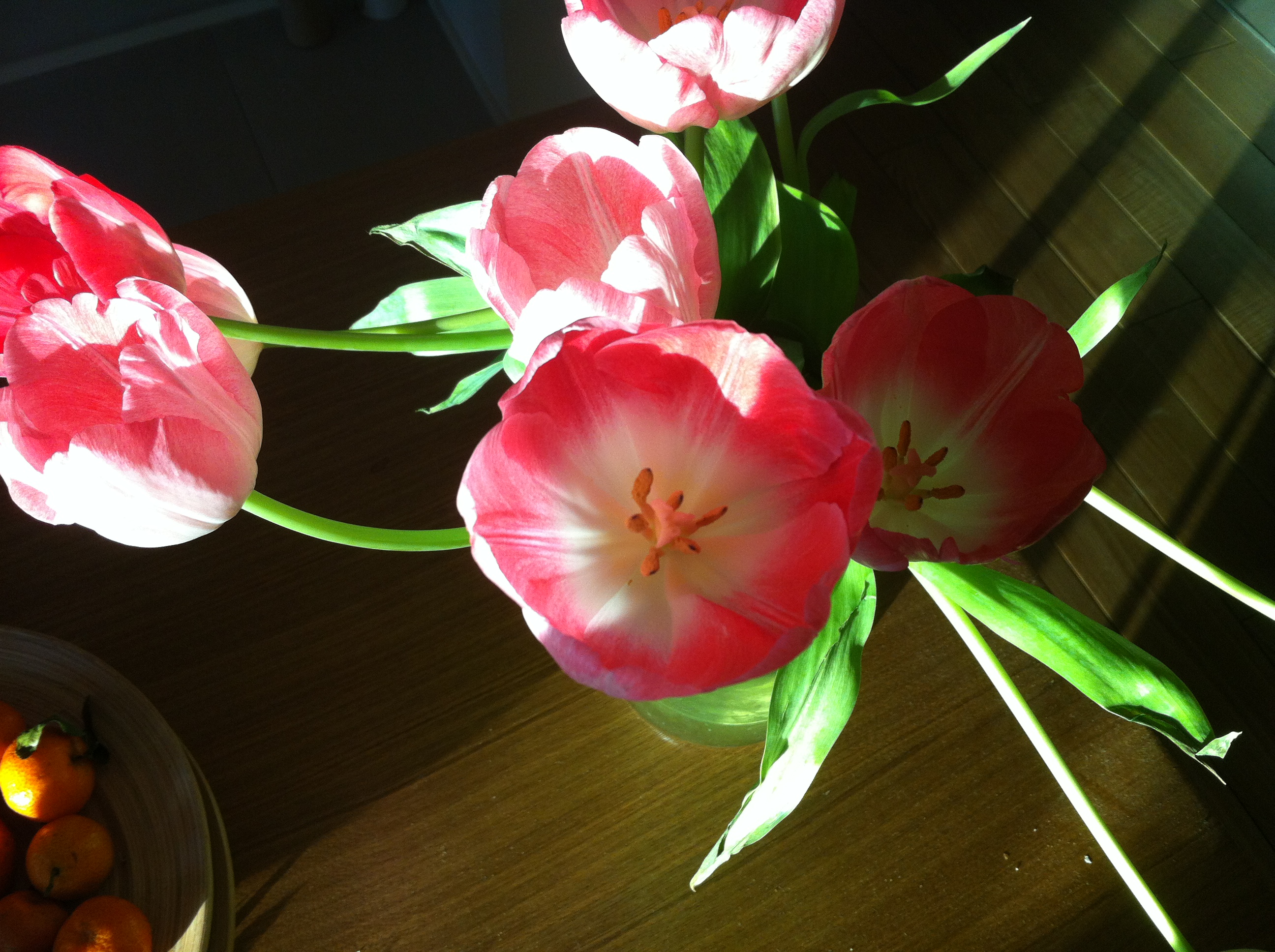
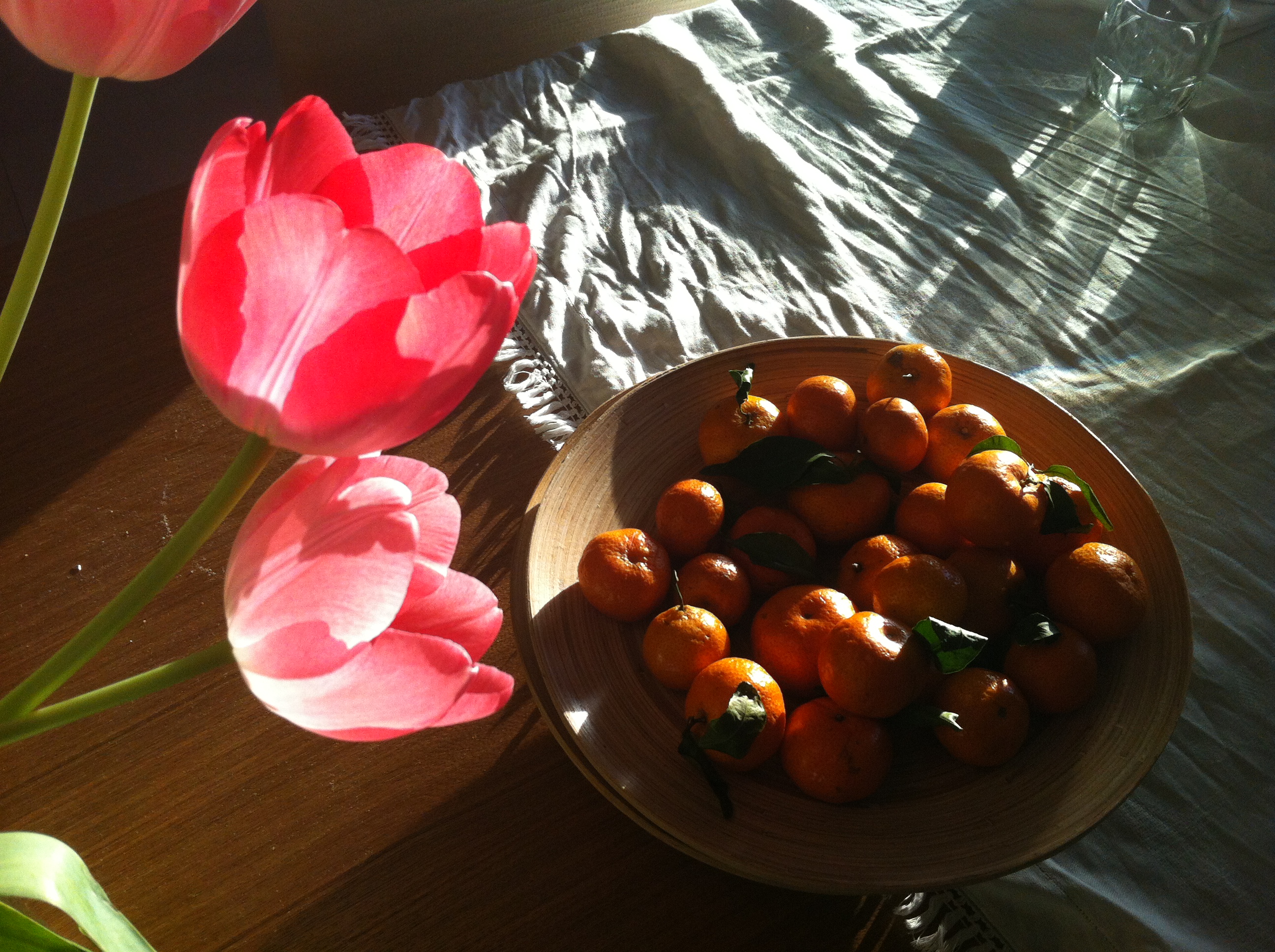
To cheer us up, my wife bought a bunch of tulips. They were still closed when she brought them home, but she placed them in a jar and we watched them slowly open over the following few days. Yesterday morning, we woke up to a gloriously bright and clear day. Thanking all the spirits I could think of, I stepped humming into the dining room, only to be greeted by the tulips which had fully opened over night. The sunlight pouring in through the windows was picking out their delicate pinks, whites and greens. I just had to memorialize the occasion.

   tulips 003

tulips 002

The mandarins which were also on the table kept nudging themselves into the frame, so eventually, I brought them in too.

tulips 005

Wonderful, wonderful fruit, those! They don’t look up to much, but aah the taste, my friends! First comes the delicate mandarin aroma which breaks out as you begin to peel the fruit and prepares you for what lies ahead. Then comes the citrically acidic taste with sharp mandarin overtones which hits your taste buds as you pop one segment in after the other. They are completely addictive; between my wife and I, that plate of mandarins lasted but one breakfast. She has found a greengrocers up the road which sells them. Sorry, the address will remain a secret.

TRICYCLE, WORKHORSE OF CHINA

Beijing, 29 January 2013

There was a time when China was famous the world over for its bicycles. To the few who were able to get into China, it seemed that the roads were just a torrent of bicycles.

File photo of people pushing their bicycles across a railway track during rush hour in Shanghai

That torrent has dried up to a mere trickle. Some of the older expats whom I meet talk with a certain wistfulness of the bicycle culture that still existed when they first arrived in China ten-fifteen years ago, a culture where it seemed that every able-bodied Chinese had a bike. Now, there is just a torrent of cars, a torrent which is growing exponentially with every passing year and fast becoming a flood.

car jam-2

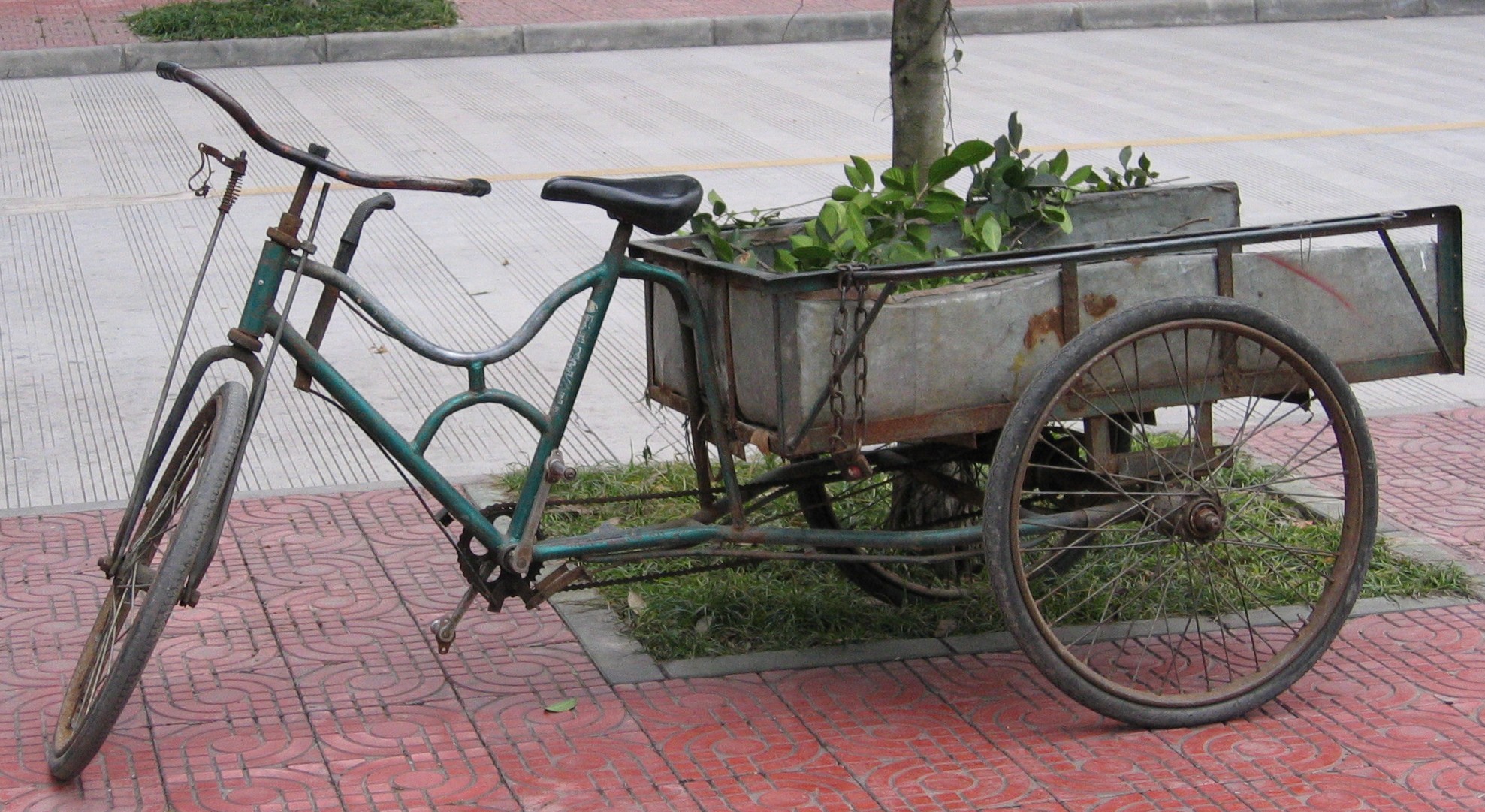
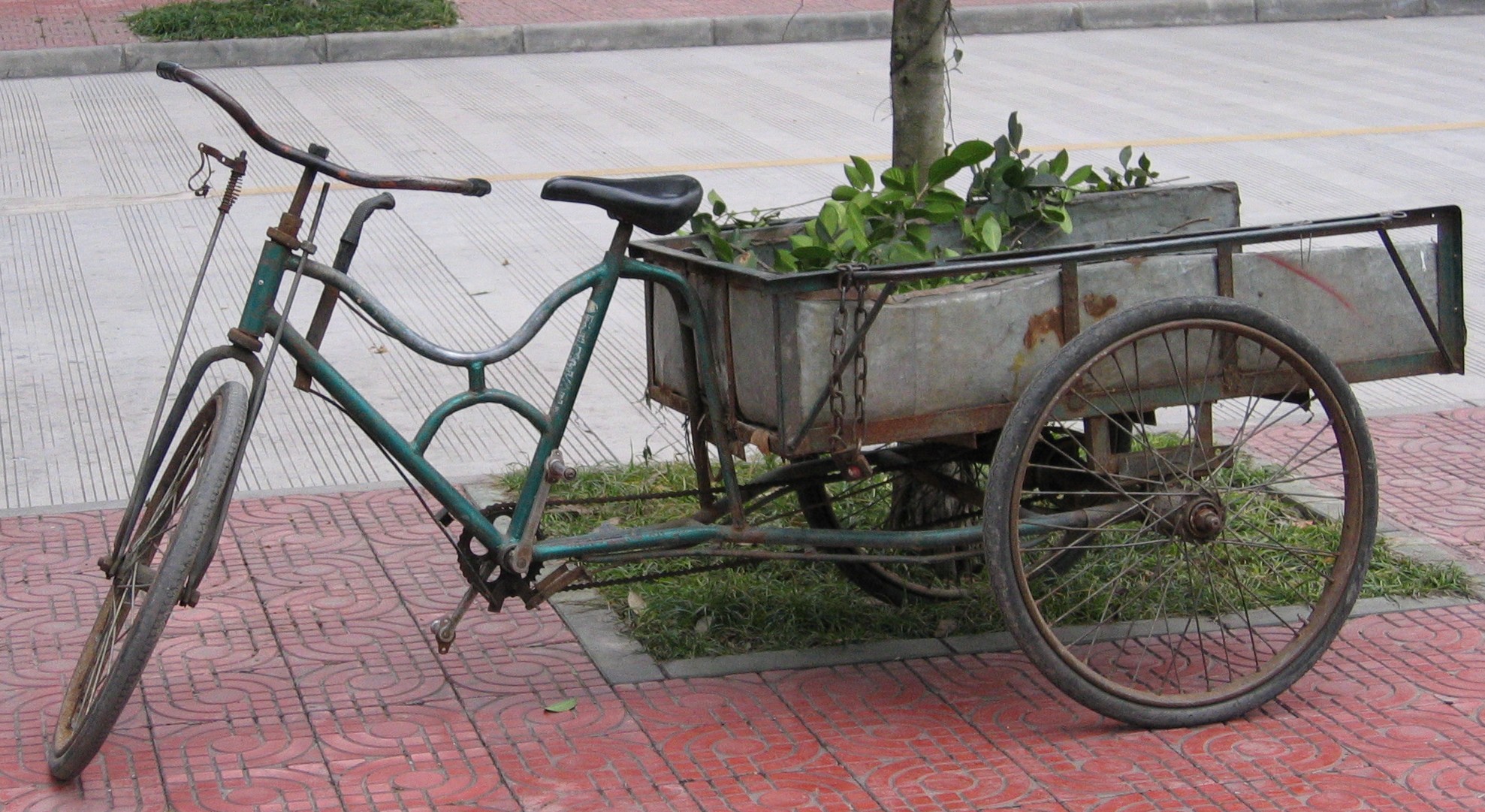
So it looks like China’s bike culture has effectively vanished. But there is one sub-species of bicycle, if I may put it that way, which still flourishes in China, in the form of a tricycle which I have only ever seen here in China.

tricycle-traditional

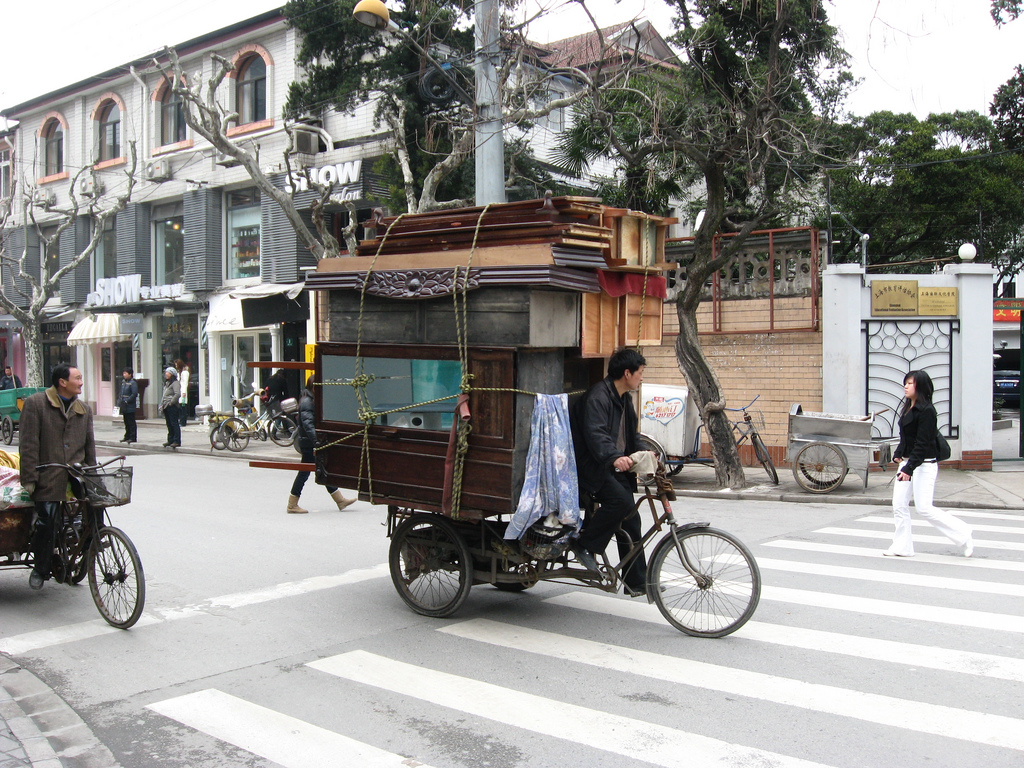
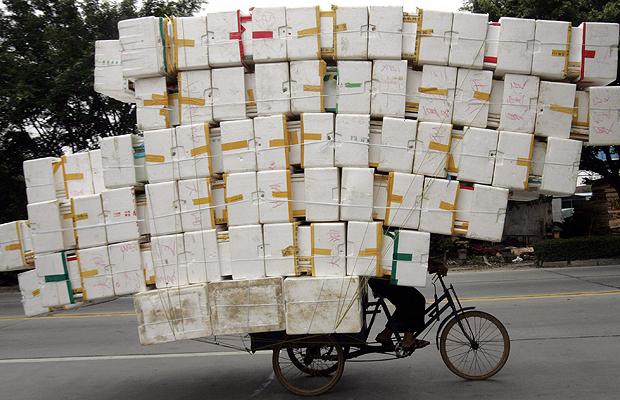
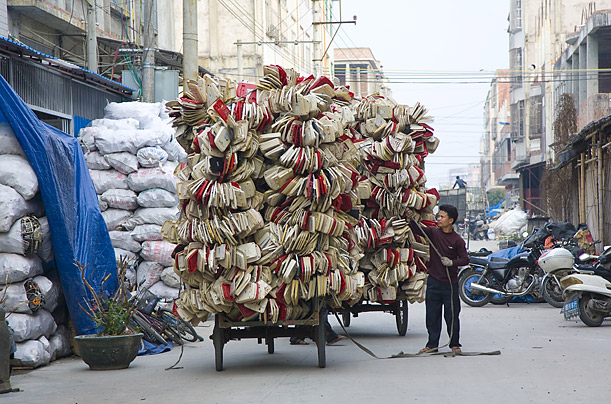
The design is really very basic. Absolutely nothing fancy here, one has the feeling that a series of pipes have been soldered together and three bicycle wheels have been added. As you can see, the key to this bicycle is the barrow at the back, which is used to carry. And boy, does this humble machine carry! All day, every day, you will see hundreds if not thousands of these tricycles criss-crossing every city of China, most often being pedalled by one of China’s army of migrant workers, carrying every blessed item you could possibly imagine. And sometimes, the volumes being carried are awesomely ginormous, from furniture:

furnituretrike

to cardboard:

tricycle carrying cardboard

to polystyrene:

tricycle carrying polystyrene

To old telephone casings:

tricycle carrying phone casings

To car parts:

tricycle carrying car pieces

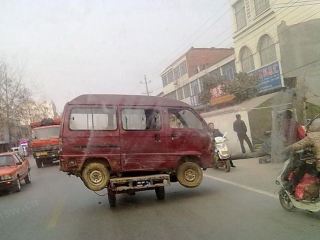
to a whole van, for Lord’s sake!

tricycle carrying minivan

Inanimate objects aren’t the only things carried. Farmers use them to carry their pigs:

tricycle carrying pig

their ducks:

tricycle carrying ducks

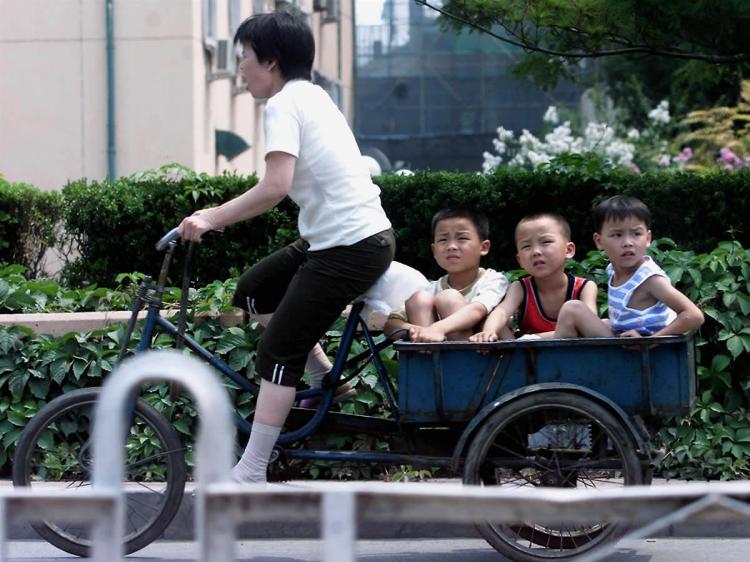
and who knows what else, while this woman is using it to carry kids

tricycle carrying children

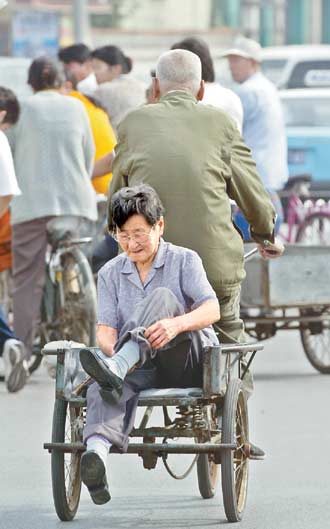
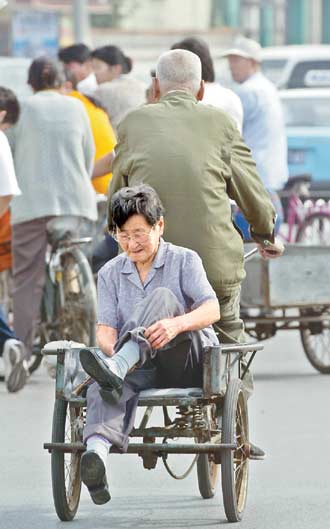
and this husband his wife.

tricycle old couple

I have to say, I do find that this particular husband is treating his wife rather cavalierly. There is a version of this mode of travel where the wife rides as would a queen, sitting regally on a throne-like armchair while her husband pedals slowly in front of her.

tricycle old couple-7

I’ve noticed that the couples always seem to be retirees. Young Chinese don’t go around like this. But that’s fine by me; I’m almost retired. I have decided that I will buy one of these throne-tricycles and bring it back to Milan. Like that, when my wife and I have finally joined the ranks of the retirees, I will be able to slowly pedal my lady wife around Milan in the style that she deserves and is accustomed to.

________________________

Bicycles in Beijing: http://heckeranddecker.files.wordpress.com/2011/04/bicycles-in-beijing.jpg
Car traffic jam: http://www.intellasia.net/en/wp-content/uploads/2012/11/china.car-market201211afp.jpg
Tricycle: http://www.tariksaleh.com/moscaline/chinabike/cargobig.jpg
Tricycle with furniture: http://cargocycling.org/wp-content/uploads/2009/09/furnituretrike.jpg
Tricycle carrying cardboard: http://ph.cdn.photos.upi.com/collection/upi/sb/2870/a5da8edd413c5f72aba13e80f2d0dc3a/Trash-trawling-as-a-career-in-China_2.jpg
Tricycle carrying polystyrene: http://i.telegraph.co.uk/multimedia/archive/01410/tricycle-polystyre_1410326i.jpg
Tricycle carrying phone parts: http://www.mutanteggplant.com/vitro-nasu/wp-content/uploads/2009/05/ewaste.jpg
Tricycle carrying car parts: http://i.telegraph.co.uk/telegraph/multimedia/archive/01410/Tricycle-car-bumpe_1410335i.jpg
Tricycle carrying minivan: http://bitcast-a.v1.dfw1.bitgravity.com/nightmobile/cars/images2/120000/1000/800/121834.jpg
Tricycle carrying pig: http://i.telegraph.co.uk/multimedia/archive/01551/pig-tricycle_1551633i.jpg
Tricycle carrying ducks: http://i.telegraph.co.uk/multimedia/archive/01410/Tricycle-ducks_1410329i.jpg
Tricycle carrying children: http://www.theepochtimes.com/n2/images/stories/large/2009/08/31/abortions-china-51343014-small.jpg
Tricycle husband carrying wife: http://www.chinadaily.com.cn/en/focus/xin_7c24924aea7a11d7b21c0001030784d9_bike.jpg
Tricycle old couple in fine style: my photo