PETRA

Milan, 29 August 2023

It rained the day we visited Petra. Not a huge amount, just a sprinkle. But it was enough to keep the skies covered and the temperatures moderate. This was the one time in my life that I’ve been pleased to have rain when I visited somewhere. It was the last days of May, and my wife and I had been worried that we would be visiting the site under a burning sun.

Source

We entered the site through the Siq, that long, long gash in the mountains.

my photo

We followed its meanderings, hopping out of the way of the electric vehicles ferrying tourists back and forth, all the while craning our necks backwards to look at the walls of rock soaring above us.

my wife’s photo

And so we came to the end of the Siq and found ourselves in front of the Khazneh, the Treasury, the building that “is” Petra. It was a gradual unfolding, as we exited from the narrowness of the Siq.

My wife’s photo
My wife’s photo
My wife’s photo

It wasn’t actually a treasury. That’s what the local Bedouins believed. They thought there was treasure hidden in that urn on the very top of the rotunda, as witnessed by the pockmarks on it caused by Bedouins firing at it to try to break it open – a waste of time and bullets since the urn is solid sandstone. In reality, it was a mausoleum for the Nabatean king Aretas IV Philopatris (“friend of his people”, which probably means he wasn’t their friend at all). We have – possibly – a likeness of this friend of the people on one of his coins.

Source

Anyone with a passing knowledge of the New Testament will be interested to know that Aretas’s daughter married Herod Antipas, and it was the latter’s decision to divorce her and marry his stepbrother’s wife Herodias that eventually led to the beheading of John the Baptist. Here’s Caravaggio’s take on this execution.
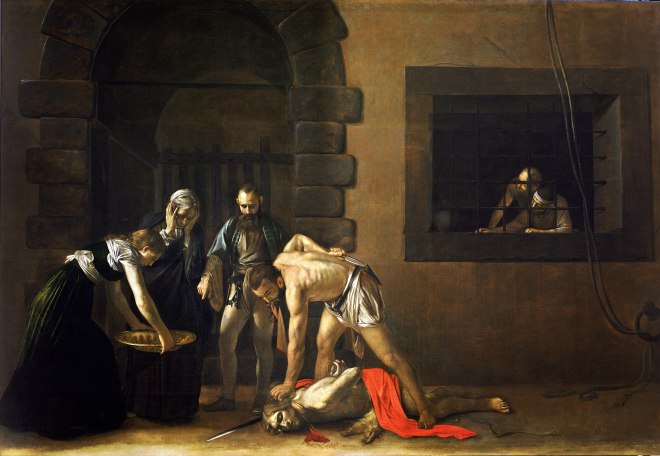
Source

I actually first came across the Treasury in the Tintin album “Coke en Stock”. For reasons which are too convoluted to explain, Tintin, with Captain Haddock in tow, is crossing the fictional Middle Eastern country of Khemed on horseback to get to the Red Sea. On the way, they pass through a narrow gorge. The relevant page from the album recounts the rest of the incident.

my photo
my photo

As I say, the story is highly convoluted, and I invite curious readers to go back to the original album to understand who is who and what is going on. Let’s just focus on the Treasury (although I have to say, I’ve always asked myself what that lady was saying to Captain Haddock).

When I read the album, I had no idea that this was the Treasury in Petra. Neither it nor Petra itself is mentioned by name. Captain Haddock says it is a Roman temple, and that is all we are told. It was only years later, when I happened to see a guidebook on Petra, that I realised where Hergé had got his inspiration. Here is one of the many, many guidebooks on Petra with the Treasury on its cover.

Source

The official photos of the plaza in front of the Treasury normally have few if any people. But as my wife’s photo above shows, when we there it was like a souk, although a very modern one. Large crowds of tourists were milling around, taking photos, taking selfies, reading guide books, listening to guides they had rented, or chattering among themselves, before they moved on to the next ruin. In the middle of all this, and rather getting in the way, camels and donkeys waited patiently, with the local Bedouins hawking a ride on them down to the rest of the ruins. Other Bedouins called out from the cliffs above, inviting tourists to climb up and have a drink. Others still manned the stalls lining the side of the canyon which brought us all to the rest of Petra, selling tourist tat.
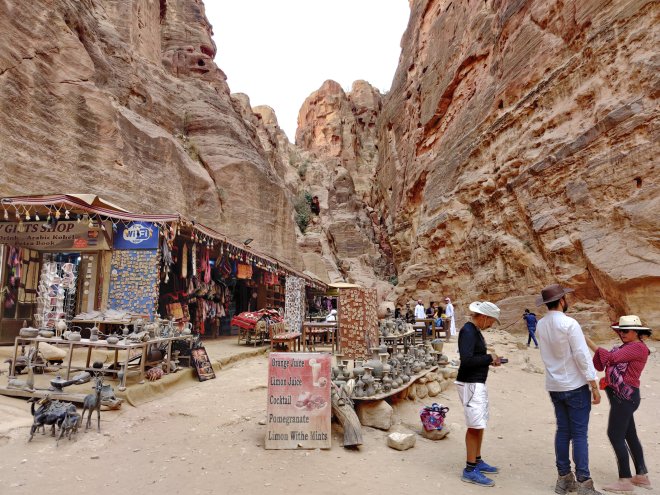
Source

I noticed that getting one’s eyes lined with kohl was a popular offering when we were there, with all the Bedouins – men and women – heavily eyelined in kohl to advertise the service.

Source

We ignored the tourist tat and the calls to climb onto a camel, or donkey, or horse, and walked down the Street of Facades, the canyon leading away from the Treasury with buildings cut into the canyon walls.
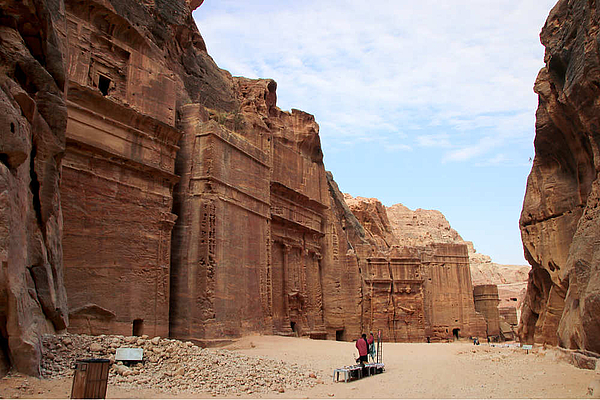
Source

The facades had once been very ornate, but water and wind have taken their toll.

my wife’s photo

At some point, we climbed up the wall of the canyon to admire the royal tombs cut into the rock farther up on one side

Source

and the theatre cut into the rock on the other side.

My wife’s photo

We climbed back down and walked along what had once been Petra’s main drag, the Colonnaded Street.

Source

At some point, we passed through the remains of the Temenos Gate.

Source

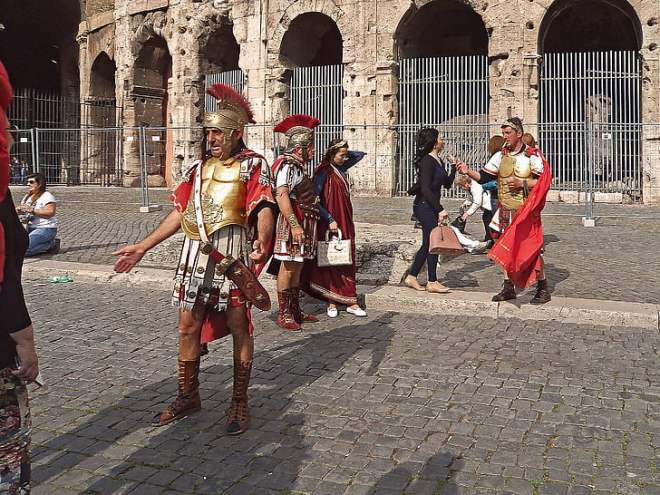
It was “guarded” by two Bedouins dressed up as Nabatean soldiers.

Source

No doubt they were offering a photo opportunity for a donation, like all those Roman legionnaires haunting the Colosseum, saying “Ave” to each other.
Source

But we declined the offer and moved on.

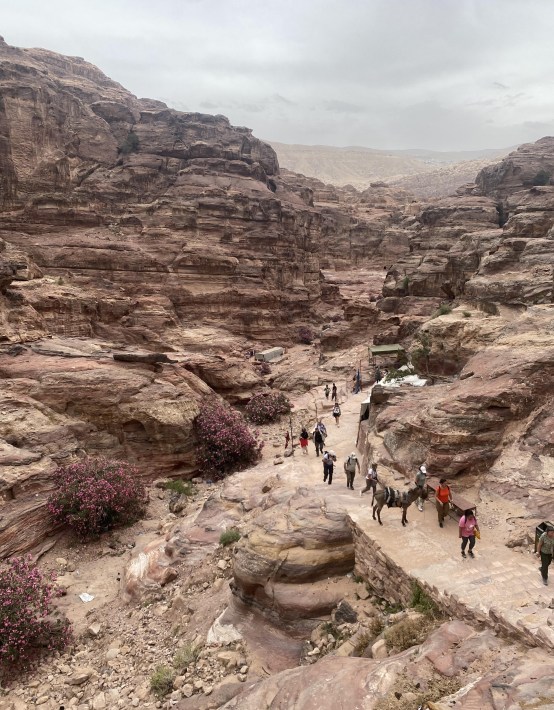
We finally made it to the path leading to the Monastery and then slowly made our way up the long, long – 850-steps-long – climb, part of a steady stream of tourists struggling upwards in panting silence (thank God for the cloud cover!).
My photo

As we climbed we had to squeeze our way through yet more tourist stalls jammed onto the narrow path, with their Bedouin owners loudly advertising their wares.

We finally emerged onto the plaza abutting the Monastery.

Source

It was of course never a monastery, although quite what it was is not clear. Experts’ best guess is that it was dedicated to the cult of the deified King Obodas I. Once again, we can possibly get an idea of what he looked like through his coinage.

Source

Obodas’s people deified him because he was a Mighty Kicker of Ass. He gave the Hasmonean king Alexander Jannaeus, who ruled over Judea, a severe drubbing near the Sea of Galilee, from which Alexander barely managed to escape alive (I’ve mentioned Alexander before; he was the High Priest who was pelted by the faithful with citrons). Then a few years later, after the Seleucid king, Antiochus XII Dionysus, had invaded the Nabatean kingdom, Obodas attacked his army. Antiochus was killed and the remains of his army perished miserably in the desert.

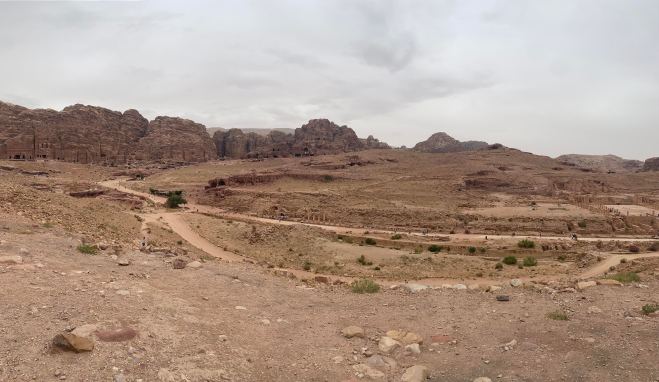
After a well-deserved rest and drink, we joined the stream of tourists going back down, now skipping along and chattering as they went. Once back down to the Colonnaded Street, we headed up onto the hillside to the north, to have a view down on the site.
My photo

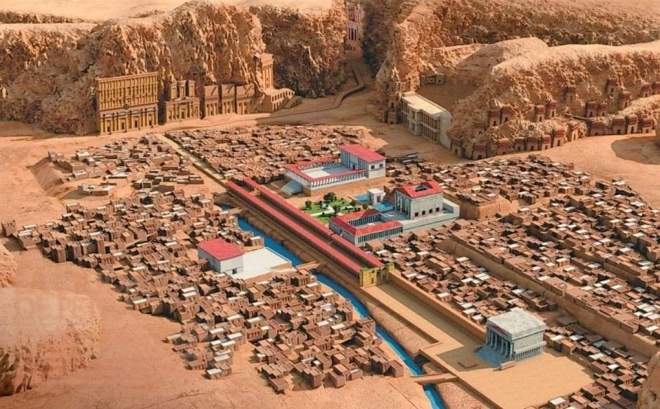
Looking at all these dusty ruins, it’s difficult to understand what Petra looked like when it was a living, thriving city, so I have resorted to showing a reconstruction.
Source

At the very top of the photo, in the middle, one can just make out the Treasury. Coming down the canyon from the Treasury, we have the royal tombs to the right and the theatre to the left. We are looking down at the red roofs of the Colonnaded Street, with the colonnades finishing at the Temenos Gate. The path to the Monastery, which is not visible here, is off at the bottom right of the photo.

The water in the stream running along the Colonnaded Street is ridiculously blue, like a swimming pool. I wonder how much water there even was in that stream bed. Water was a precious resource in Petra, and its citizens had created a complex network of dams, reservoirs, cisterns, and basins, the whole connected by some 200 km of channels and pipes, to collect, store, and distribute the little amount of rain which fell in the environs.

Source

It’s all gone now, victim of time and neglect (and of a powerful earthquake in 363 CE), but you can still see remains of the network here and there.

Source

In its heyday, this network was able to support a population of some 20-30,000 people, about the same size as the small town of Wadi Musa situated on the edge of Petra, where we stayed the night. Not large by today’s standards, but populations were much, much smaller back then.

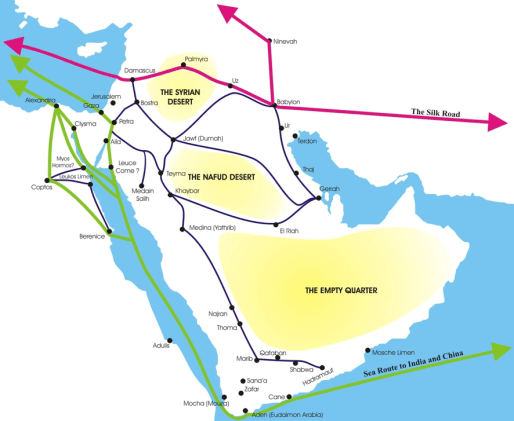
There was also an important transient population – of both man and beast – to supply water to, for Petra’s importance – and wealth – came from it being at the crossroads of important trade routes.
Source

From Yemen in the south came frankincense and myrrh, those precious incenses so desired for religious ceremonies throughout the Middle East and beyond. It’s no coincidence that in his Gospel, Matthew has the Three Wise Men bringing frankincense and myrrh, along with gold, as presents fit for Christ the King.

Source

From the south too came ivory and other goods which had originated in Africa.

Sources

From the Persian Gulf to the east came pepper and other fabled spices transported there from India and beyond.

Source

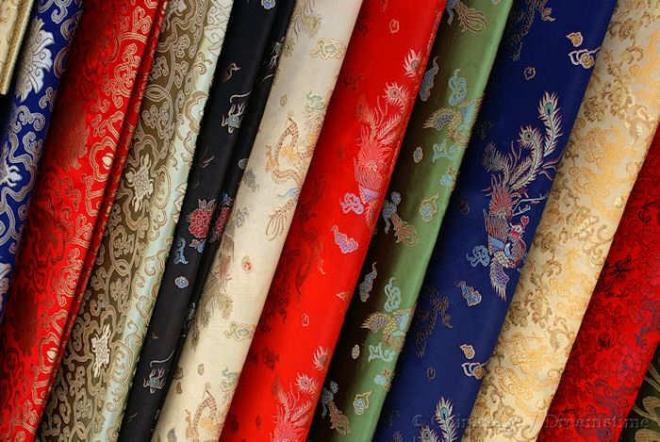
From Damascus to the north came its famous damask textile, but also silk which had been brought from China along the Silk Road.
Source

From various places to the east and north came bitumen, used as a glue, a binder, a water repellent, and – in Egypt – in embalming.

Source

Gold, silver, and precious stones also came to Petra from all points of the compass.

Source

The goods moved west to Gaza, or north to Damascus and then west to the coast of what is now Lebanon, from whence they were shipped across the Mediterranean. The Nabateans welcomed all these traders who crossed their kingdom and offered them protection, shelter, and water – for a price. And that price paid for all the buildings and infrastructure in Petra.

Nearly all gone now. The earthquake of 363 CE did massive damage, changes in trade routes did the rest. Once sailors understood how to sail the monsoons in the Arabian Sea, ships from India could sail up the Red Sea and transit through Alexandria, cutting out the Nabateans, while Palmyra to the north drew away much of the rest of the east-west trade. By the time of the Muslim conquest of the Levant in 634 CE, Petra had been forgotten. Sic transit gloria mundi.

We slowly made our way back to the Siq and left the site. Tomorrow, we were on our way to Amman, where I was going to give a training course on green industry policies.

My photo

PISTACHIO

Sori, 24 May 2022

There are certain foods that somehow, without our being quite being aware of it, my wife and I will methodically demolish if they are put in front of us. Kabanosy sausages very much fall into this category for me.

Source

As for the both of us, berries definitely have this effect (it’s strawberries at the moment, they are pouring into the shops and they are cheap).

Source

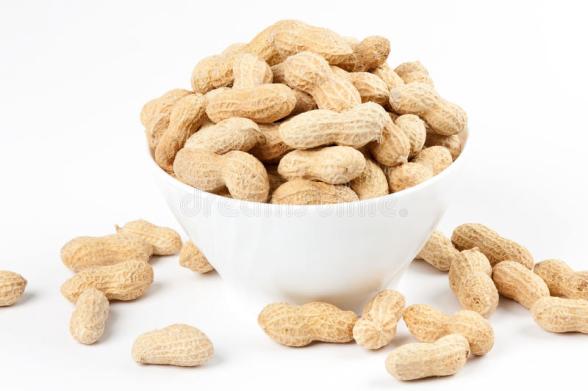
But so do peanuts.

Source

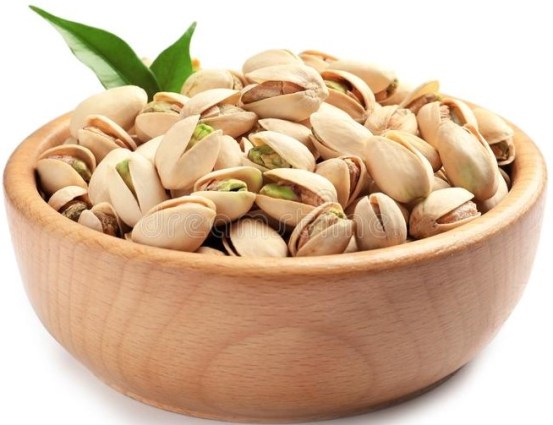
And – the subject of this post – so do pistachios.

Source

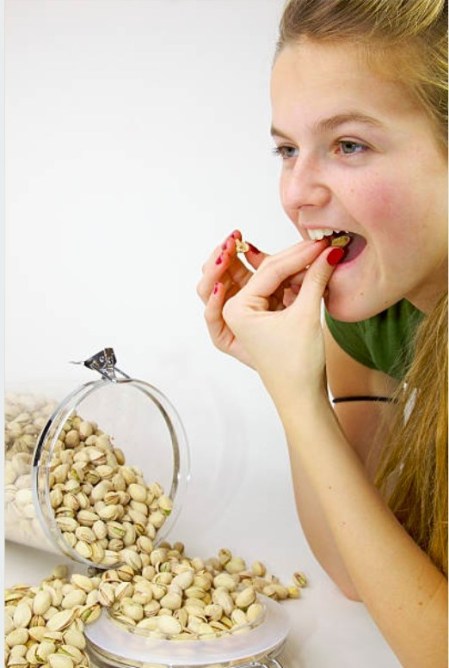
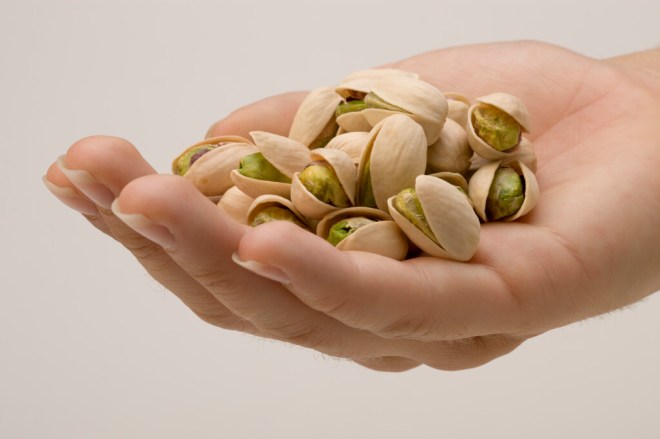
Put a bowl of pistachios in front of us and before we know it, one will smoothly follow the other until we have popped every single one of them into our mouths – except the pesky ones where the shells are firmly closed and stubbornly resist being cracked open by our aging teeth.

Source

This is really the only way I eat pistachios, and I rather sense that it is the best way to eat them if you want to truly appreciate their unique taste. Sometimes, when I’m eating a slice of mortadella (a rare occurrence in these diet-dominated days, alas!), I will come across thin slices of pistachio embedded in the mortadella.

Source

Quite honestly, it seems to be a waste of pistachios; they don’t materially alter the taste of the mortadella as far as I can make out. My wife will occasionally have pistachio as one of the two tastes she chooses for her post-hike celebratory ice creams.

Source

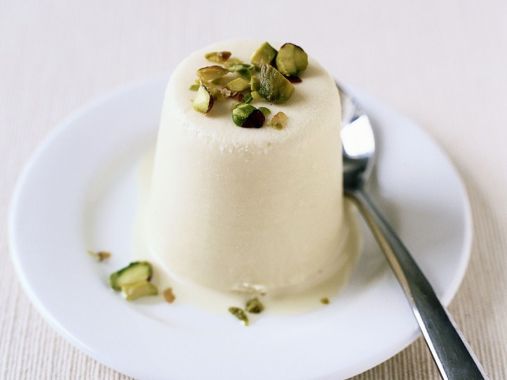
Researching for this post, I recently tried pistachio ice cream, twice. I was not impressed. In the first case, even though the shop claimed that the ice cream was made with high-quality Italian pistachios with a Protected Designation of Origin title – see below – I could detect no pistachio taste at all. In the second case, there was a pistachio taste but it all came from the pistachio crumbs sprinkled on the ice cream; the ice cream itself had no pistachio taste to it at all. Talking of pistachio crumbs, Middle Eastern and Indian desserts will often be sprinkled with them. For instance, this is a pistachio-sprinkled kulfi from India.

Source

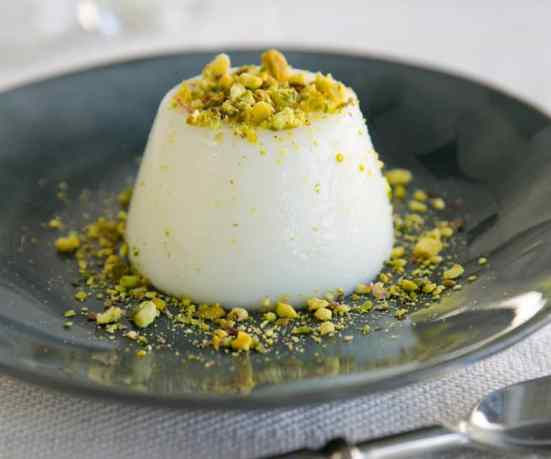
And this is a pistachio-sprinkled mouhallibieh from Turkey – although this dessert originated in Sassanid Persia.

Source

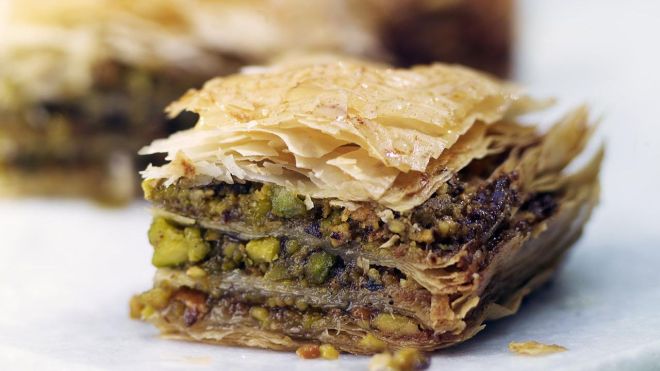
If my experience with pistachio ice cream is anything to go by I’m not sure how much the pistachios add to these desserts; they act more like a garnish. But there are lots of Middle Eastern pastries where pistachios play a more important role as a stuffing, often mixed with various other things. Baklava, for instance, will often have pistachios as the stuffing.

Source

I rather suspect, though, that all the honey and other sugary additions to these stuffings overwhelm that delicate pistachio taste.

On the salty side of things, Moroccans will add a fistful of pistachios to their tajines.

Source

But again, it seems to me that the strong tastes of the tajine will drown out the delicate tastes of the pistachios. Of course, I may be wrong; time to find a Moroccan restaurant here in Milan which makes tajine the right way, to perform a taste test. On top of it, we haven’t had a tajine in a long time – but is it diet-friendly??

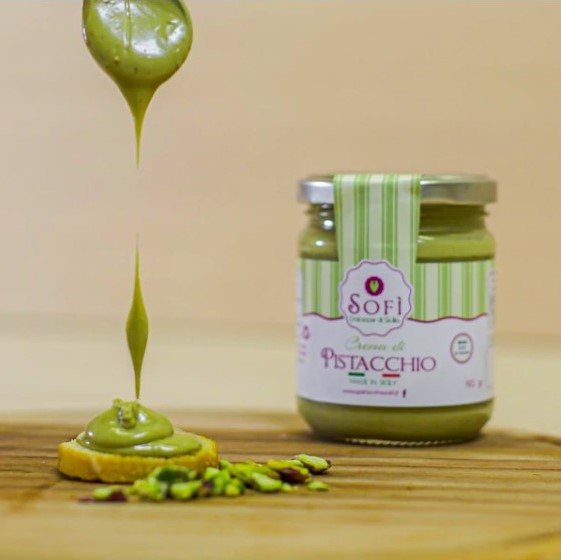
I read that Clever Persons Out There have commercialized pistachio butter, the pistachio equivalent to peanut butter. This intrigues me. As I recall from my youth, peanut butter tastes pretty peanutty, so maybe pistachio butter tastes pretty pistachio-y. This needs to be followed up – and pistachio butter definitely exists in Italy, although it goes by the much fancier name of crema di pistacchio (everything about pistachios in Italy is fancier, as we shall see).

Source

BUT, when all is said and done, what is crystal clear is that an excellent way of eating pistachios is one after another: crack open the shell, scoop out the nut, and pop it into your mouth. Mmm-mmm!

Source

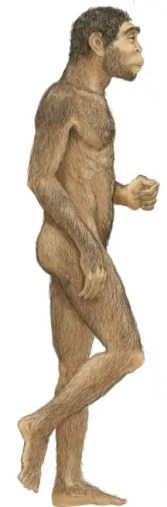
In this, we are merely following in the footsteps of our most remote ancestors. Archaeologists have discovered pistachio shells in a dig in Jordan dating back 780,000 years. We’re not even talking Homo sapiens here, but Homo erectus!

Source

So we are in very venerable company when it comes to the scarfing of pistachios off the trees (although it is true to say that we tend to eat them roasted and slightly salted, while our ancestors ate them fresh. On this point, I have read that fresh pistachios are delicious – something else my wife and I need to try; somehow, we need to be near some trees when the nuts are being picked).

I should clarify at this point that there are several species of pistachio trees and that they all offer us hungry humans edible nuts. The nuts which our Homo erectus ancestors were eating in Jordan came from the Pistacia Atlanticus tree, whereas the pistachios we find in our shops today come from the Pistacia vera tree. The nuts from P. vera are much bigger than the nuts from the other Pistacia trees (and the shell harder, which makes their transportation much easier), so no-one really eats these other types of pistachio nuts anymore.

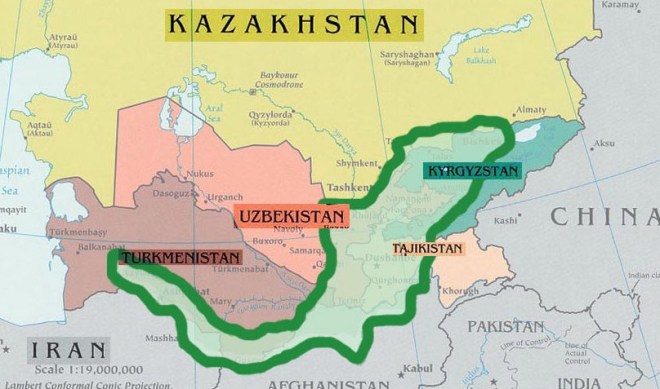
The original home of P. vera is the dry steppe lands that go from north-east Iran through southern Turkmenistan, northern Afghanistan, southern Uzbekistan, and on into Tajikistan and Kyrgyzstan – more or less the region which the Ancient Greeks called Bactria.

Source

Our hunting and gathering ancestors who lived in the area happily munched on wild P. vera nuts. There are still stands of wild P. vera in the area, although they are sadly depleted from their glory days.

Source

Then someone, or probably someones, decided to domesticate the tree. Quite when this happened is unclear, but certainly no earlier than 2000 BCE. After that came the tree’s slow westward migration. It was the Persians who were responsible for that; the eastern marches of their Empires overlapped with the tree’s western range. They brought the domesticated tree to the rest of their Empire. In the process, they gave the nut the name we all know it by: pistak was the nut’s name in Ancient Persian.

It is possible that during this drift westwards the Persians made a fundamental change to the tree’s life cycle, systematically grafting it onto the root stock of one of its cousins, either P. atlanticus or P. terebinthus. If it wasn’t them, it was people in the eastern part of the Roman Empire who did it, where the tree eventually arrived as it continued its slow shift westwards. The Ancient Greek philosopher Theophrastos, whose life saddled the 4th and 3rd Centuries BCE, mentioned the habit of grafting the tree (as well as pointing to Bactria as its original homeland). It is certainly a fact that nowadays almost all commercial orchards of P. vera the world over are grafted onto a root stock. These root stocks are hardier than P. vera, thus allowing the tree to be moved successfully out of its original ecological niche into new ones. But it does mean that all commercially grown P. vera trees are a sort of botanical Frankenstein.

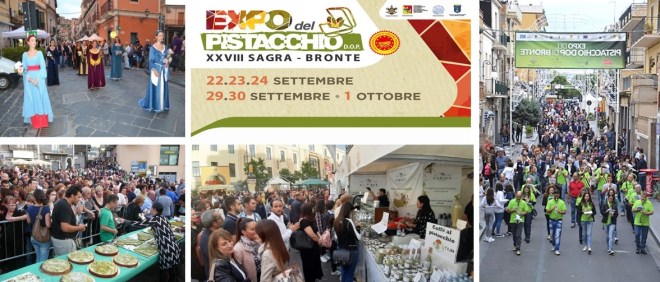
The tree was brought to Italy and Spain in the western part of the Roman Empire during the reign of the Emperor Tiberius. P. vera is still grown there commercially, although production is quite modest compared to other parts of the world. But what these orchards lack in quantity they make up for in quality. The Italians especially have turned their tiny output, mostly grown near Mount Etna, into a high quality product, which has received the EU’s Protected Designation of Origin title and is being aggressively promoted through some savvy branding and promotion.

Source

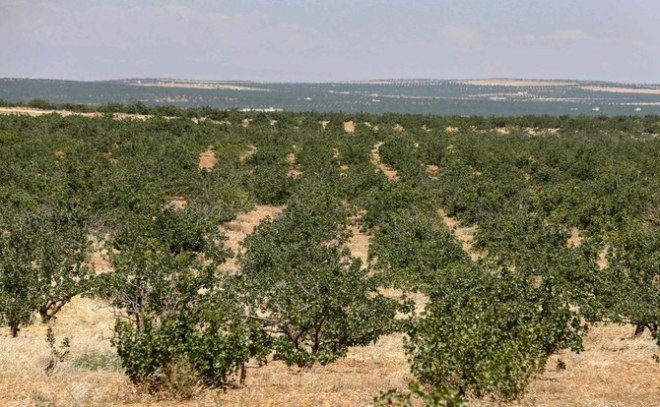
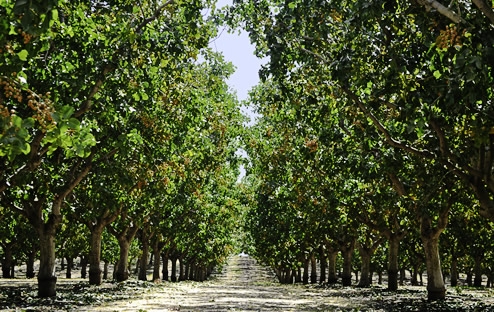
The fact is, though, that P. vera is a desert plant. The trees can survive temperatures up to 48°C in summer; in fact, the trees actively need long, hot summers for the nut to properly ripen (and of course because temperatures can plunge in desert regions the trees are equally tolerant at the other end of the temperature scale, being able to survive winter temperatures as low as −10°C). Consistent with their desert nature, the trees dislike high humidity levels and their roots prefer to receive modest amounts of water and sit in a well-draining soil. They are also highly tolerant of saline water and saline soil, a big advantage in desert-like areas. All of this to say that the Arabs first, and the Ottomans later, recognized the potential of P. vera in many of the lands they had newly conquered and promoted the tree extensively. As a result, historically the major production area other than Persia was in Syria, around Aleppo, with Turkey also getting into the act. Here is a photo of one of Syria’s pistachio orchards.

Source

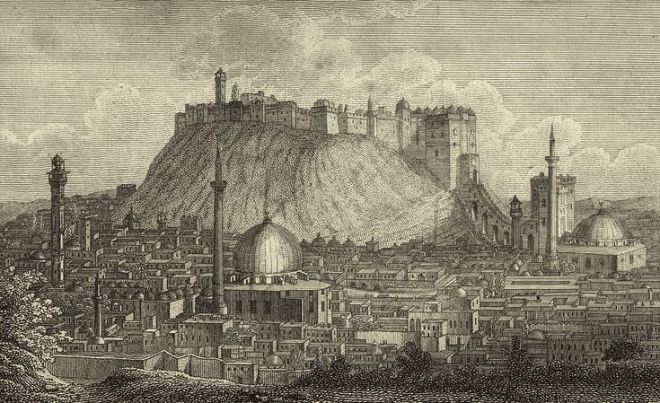
Even though, as I have said, there was modest production in southern Europe, it was from Syria that most of the pistachios eaten in Europe came from. The Venetians, those inveterate traders with the eastern rim of the Mediterranean, were the first in this trade. They delivered the Aleppo pistachios they purchased to northern and central Italy (and much later to northern European countries via trade routes across the Alps). In later centuries, when French ships out of Marseilles challenged the Venetians in their trade with the Ottoman Empire, Aleppo pistachios also began to be imported into France. I use this occasion to show what Aleppo looked like several hundred years ago. I don’t want to even think about what it looks like now.

Source

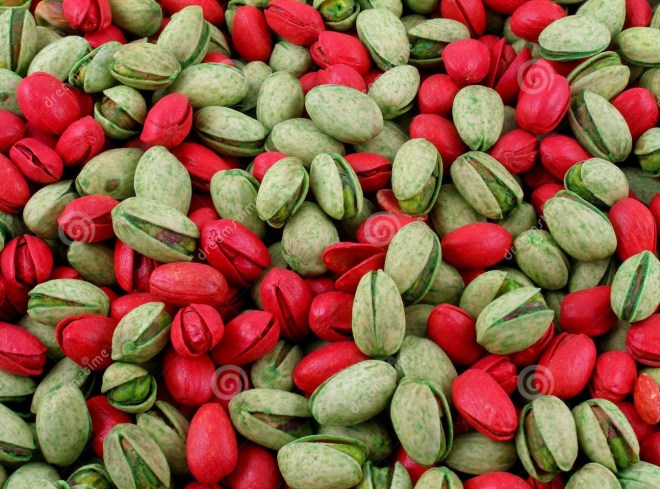
It is from this trade in pistachios – not just to Europe, but more generally – that came the habit of dyeing the shells red  or green.

Source

Now, if it’s done at all, it’s just an aesthetic touch. But in the old days, it was a way of masking stains on the shell caused by mishandling during manual harvesting.

So that’s how the global production of pistachios stood until quite recently: Persia, now called Iran, first; Syria second; Turkey third.

Then along came California.

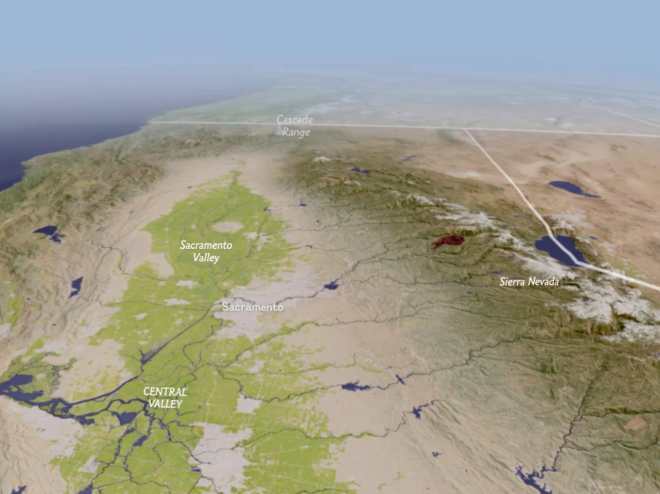
It had long been recognized that California’s Central Valley, with its hot, dry summers, moderately cold winters, and well drained soils, offered ideal growing conditions for the pistachio.

Source

Already back in 1929, an American botanist had gone to Persia to collect about 10 kilograms’ worth of various pistachio nuts from the country’s orchards, taking them back to California, and planting them. After nearly ten years (it takes that long for a pistachio tree to give its first harvest of nuts), he found that only one of his nuts had worked out. That one nut gave rise to California’s pistachio industry. But it wasn’t until the 1980s that the industry really took off – it took quite a while to find the right root stock. Since then, though, Californian production has grown meteorically. This, coupled with the sanctions on Iran (and general economic mismanagement) and the civil war in Syria, has meant that California is now Top Dog in world pistachio production.

Source

But who knows for how long? All sorts of places with the right climatic and soil conditions are looking to grow pistachios, drawn by the high value of the crop (as well as its relatively modest requirements in water). In full production, the trees guarantee more than €10,000 per hectare: I’m not a farmer, but my readings assure me that this is a very good return for an agricultural crop.

In this pistachio Gold Rush, there is one place I’m rooting for: the tree’s original homeland. I mean, doesn’t natural justice tell us that this is really where we should be getting our pistachios from? What right do these other countries have of making money from someone else’s genetic heritage? (this is basically the argument behind the Convention on Biological Diversity). In addition, the ex-Soviet republics of Central Asia need to move away from the environmentally unsustainable crops which central economic planning from the Soviet era foisted on them (think cotton, whose continued production in this region is destroying the Aral Sea). In the arid foothills where the wild P. vera originated, the raising of livestock is particularly harmful, as the animals overgraze the land and lead to desertification – all made worse by climate change. So bring it on! Here we see the land being prepared for pistachio planting in Uzbekistan.

Source

I’m particularly chuffed to see that an international fund, the Global Environment Facility, is actively involved in promoting the return of P. vera to its natural range. I should explain that there was a period in my life when I was deeply involved with this fund; I still wear a cap on my hikes which I picked up at one of their do’s.

my photo

The one cloud on the horizon that I see is that if everyone and their dog piles into pistachio growing, then of course supply will soar. So, unless the demand for pistachio soars by an equal amount, the price of pistachios will fall, thus wiping out one of the main reasons people want to grow pistachio trees. The same thing happened in the coffee business. Some two decades ago, the World Bank financed enormous increases in coffee plantations in Viet Nam, with the net result that coffee prices dropped vertiginously and coffee farmers in various parts of the developing world who had been doing quite well up to then, thank you, suddenly found they could no longer make ends meet.

With this sobering thought in mind, let me toss another handful of pistachios into my mouth.

Source

INDONESIA – THE LANGUAGE

Beijing, 26 February 2014

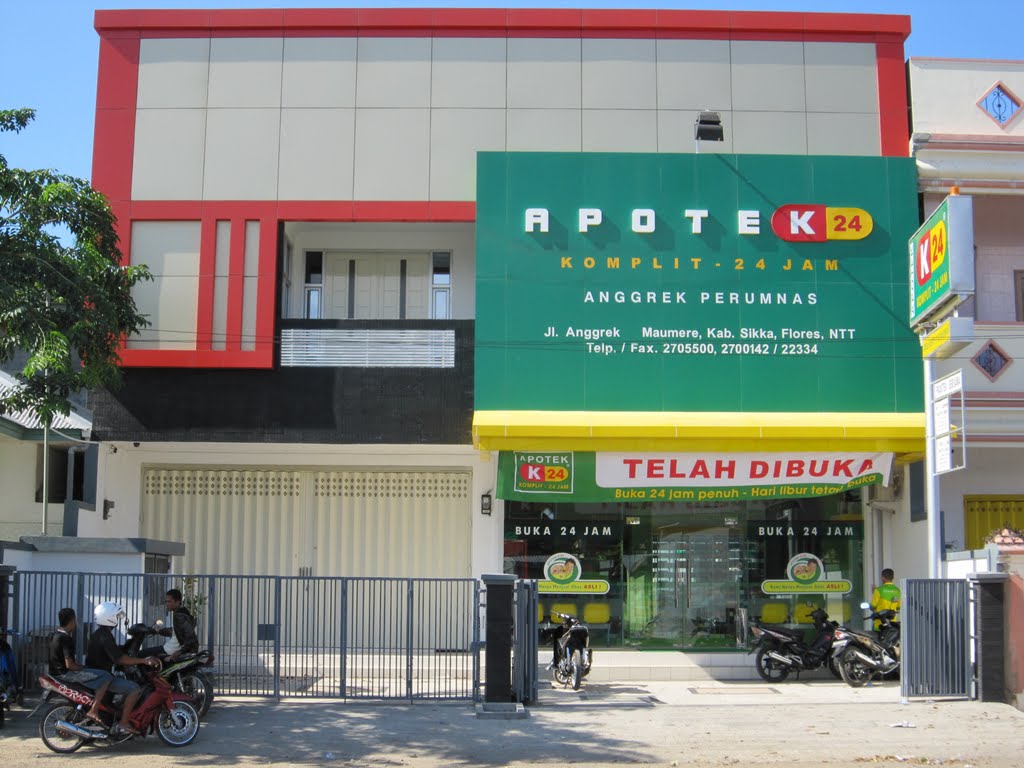
As we drove and walked around during our week in central Java, my wife and I couldn’t help noticing the many loanwords from European languages (presumably mostly Dutch, with more modern loanwords coming from English) liberally sprinkled among the Indonesian words on signs and billboards. I cite a few here: klinik (clinic, or maybe hospital), notaris (lawyer), parkir (parking), bisinis (business),  apotek (drug store, pharmacy, chemist)

apotek

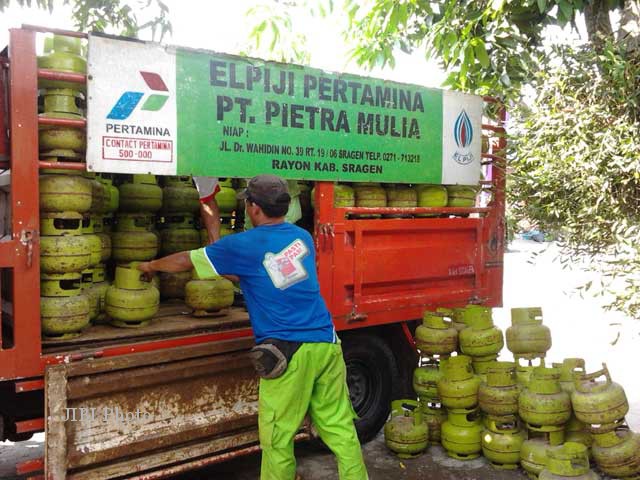
asesori (accessories – seen in a shoe shop, for a shelf devoted to shoe polish and the like), oli (oil), bensin (gasoline), gratis (free), buka (book), and – what has to be my favourite – elpiji (LPG)

elpiji

Indonesians certainly don’t seem to have a problem with borrowing words from a different language when they need them to describe things or ideas.  A little research showed me that each wave of foreigners who have passed through the region for trade or conquest – or both – has dropped words into the language.

Here are a couple of examples from Portuguese, who formed the wave immediately before the Dutch: gereja (church – from the portuguese igreja)

gereja

and sepatu (shoes – from sapato). I can understand Indonesians borrowing the Portuguese word for “church” since they had none before the Portuguese arrived, but I’m surprised they borrowed the word for shoes. Did they not wear shoes before the Portuguese appeared over the horizon? Perhaps not, the climate certainly doesn’t require them.

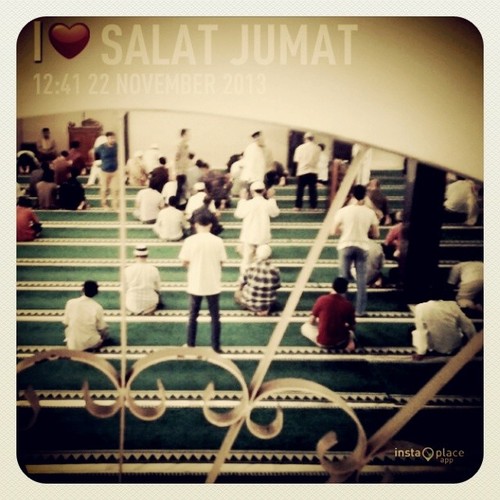
Before the Portuguese came the Arabs. For a country which is 87% Muslim, I suppose it’s not surprising that a number of the Arab loanwords have to do with religion, for instance jumat (Friday – from al-jumʿa)

jumat

or kitab (book, primarily religious book – from kitāb), but there is also salam (from the universal Arabic greeting, salām).

As for the Chinese, who arrived a little before the Arabs, they have mostly left loanwords which are about very Chinese things, like noodles. Interestingly, rather than from Mandarin, many of the loanwords came from Hokkien, a dialect from southern Fujian, which reflects the Fujianese’s enterprising spirit. Many of the Chinese found throughout South-East Asia originally came from Fujian. So we have mie (noodles – from ), lunpia (spring roll – from lūn-piá)

lunpia

teko (teapot – from teh-ko). But we also have, surprisingly, the widely used slang terms gua and lu (I/ me and you – from goa and lu/li). I say surprisingly because normally these are words which come from the mother language and are not borrowed.

And finally in the distant past, there were intense relations with India, with the main royal families being either Hindu or Buddhist. This brought many Sanskrit words into Indonesian: raja (king), pura (city/temple/place), mantra (words/ poet/spiritual prayers), but also kaca (glass, mirror), istri (wife/woman) and bahasa (language), as in Bahasa Indonesian.

bahasa

(if I understood the article accompanying this photo correctly, these students are demonstrating against the fact that some classes at their University are not in Bahasa Indonesian; intolerance of the foreign or genuine problem?)

I suppose this seemingly painless adoption of words from other languages has to do with the fact that Indonesian, whose roots are a variant of Malay from Sumatra or Malacca, originally developed as a lingua franca spoken by the traders who roved throughout the Indonesian archipelago. The need for a lingua franca becomes obvious when you think that the archipelago was a thick tapestry of languages. As it is,  some 700 languages are spoken today in the archipelago; probably more were spoken in the past when communities were more isolated. All of the peoples whose languages loaned words to Indonesian originally arrived in the archipelago for trade, so they were communicating with Indonesians who were already open to the idea of using foreign words – as long as it made trade easier, why not?

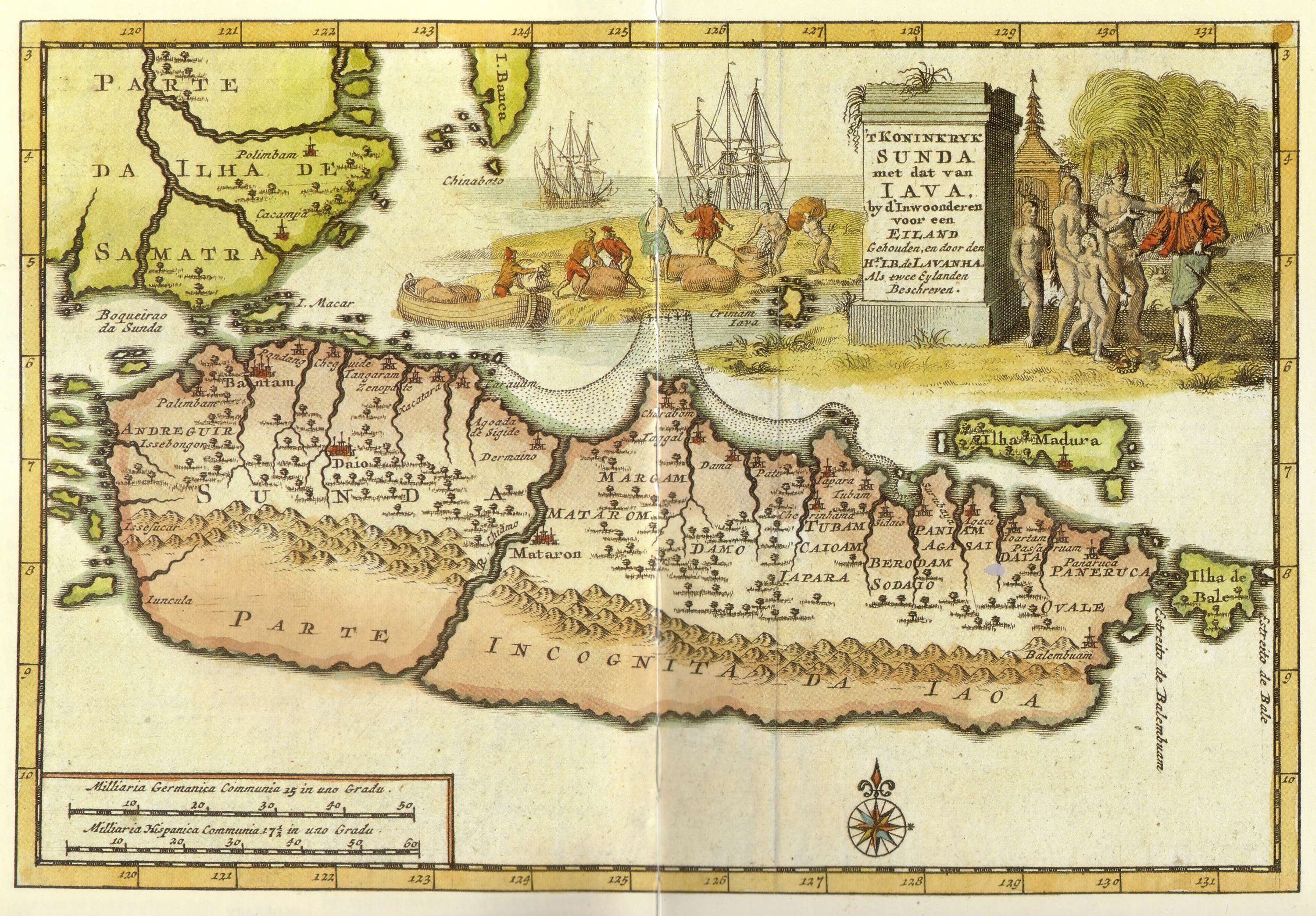
Java Map

Personally, I’m very sympathetic to the idea of a language being open to any word that comes along and is useful in helping communication, and I cheer the Indonesian on in their liberal word borrowing (we’ll skip over the fact that many of the words entered in periods of colonialism from the colonialists’ language – was their language also “colonized”?). My paternal language, English, is currently busily lending all sorts of words to every other language in the world, but originally it was the other way around. The English were quite happy to borrow foreign words – often mangling them in the process, but that’s OK. Why, English even borrowed from Indonesian/Malay. I list here the ones where I went “really? from Indonesian? how about that!”: cockatoo (from kakatua), gecko (actually from the Javanese tokek), orangutan (this one I knew), bamboo (from bambu), paddy (from padi), rattan (from rotan), sago (from sagu), sarong (from sarung), gong (from gong), junk (from jong), Mata Hari (from matahari = sun), amok, as in “running amok”, from amuk, and finally, last but definitely not least, ketchup (from kecap, which is actually a soy sauce, not a tomato sauce; somewhere along the line tomato must have been added to, and eventually substituted for, the soy).

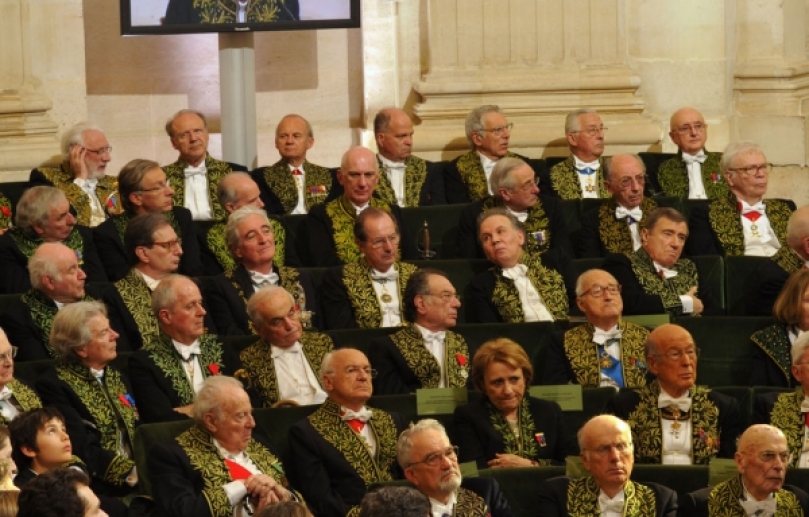
On the other hand, I am quite irritated by the French, holders of my maternal language, and their silly desire to stop the language being contaminated by foreign words. These old fogies, members of the prestigious (or elitist?) Académie Française (and among whom I recognize an ex-French President whose electoral defenestration I was proud to be present at)

Academie-francaise

sit in this rather nice palace on the banks of the River Seine in Paris

Academie_Francaise-building

and pronounce linguistic fatwa (an Arabic word which I rather like to use) against English (and presumably other foreign) words which have crept into the French language.  If they feel it necessary, they will coin a new French word as a substitute. Thus, they came up with “courriel” to replace “email”. Ridiculous! Let the people decide the words they want to use! Chuck the old fogies into the Seine! (the origin, by the way, of the word fogy is unknown; its first known use is in 1780 … just thought my readers might want to know).

______________

Apotek: http://static.panoramio.com/photos/large/43053404.jpg [in http://www.panoramio.com/photo/43053404%5D
Elpiji: http://images.solopos.com/2013/05/elpiji-Ika-Yuniati.jpg [in http://www.solopos.com/2013/05/16/elpiji-3-kg-langka-kelangkaan-diduga-akibat-pengguna-tabung-12-kg-pindah-ke-3-kg-406756%5D
Gereja: http://media-cdn.tripadvisor.com/media/photo-s/03/9b/35/96/black-portuguese-church.jpg [in http://www.tripadvisor.com/Attraction_Review-g294229-d379308-Reviews-Black_Portuguese_Church_Gereja_Sion-Jakarta_Java.html%5D
Jumat: http://31.media.tumblr.com/0def87ff6cecf5bdaba08df01555f5d1/tumblr_mwnijh0zzn1qb44klo1_500.jpg [in http://wawicaksono.tumblr.com/%5D
Lumpia: http://id.openrice.com/UserPhoto/photo/0/A2/001ZMRD204116C98F1ABB7l.jpg [in http://id.openrice.com/other/restaurant/lumpia-panas-semarang/104261/%5D
Bahasa: http://www.seasite.niu.edu/indonesian/bahasa_indonesia1.jpg [in http://www.seasite.niu.edu/indonesian/new_page_5.htm%5D
Java map: http://upload.wikimedia.org/wikipedia/commons/a/a9/Java-Map.jpg [in http://en.wikipedia.org/wiki/Demak_Sultanate%5D
Académie Française members: http://cdn-lejdd.ladmedia.fr/var/lejdd/storage/images/media/images/culture/academie-francaise/5255893-1-fre-FR/Academie-francaise_pics_809.jpg [in http://www.lejdd.fr/Societe/Images/portfolio/A-suivre-cette-semaine3/Jeudi%5D
Académie Française building: http://i.images.cdn.fotopedia.com/flickr-870543298-image/Paris_and_Vicinity/The_City_of_Paris/6th/Institut_de_France/Academie_Francaise.jpg [in http://www.fotopedia.com/wiki/6th_arrondissement_of_Paris#!/items/flickr-870543298%5D