TAKING THE D TRAM TO NUSSDORF

Vienna, 24 July 2016

We’re in Vienna briefly, on our way back to Bangkok from the annual training course I give in Budapest and using the occasion to visit the warehouse where our stuff has been stored away these last seven years to agree on when to start moving it, and to where, when I retire in a month’s time. We’ve used the occasion to spend the weekend here.

On Saturday morning, we visited an exhibition of Ai Wei Wei’s work, my wife’s favourite modern artist, which is spread between the 21er Haus and the Upper Belvedere. While we were at it, we also had a quick zip around the Upper Belvedere’s permanent collection – there is a lovely set of Schieles and Klimts. Then, footsore and thirsty, we took a D tram back into the city centre and headed for a café to have a drink and a rest.

Once revivified, we pondered where to go next. I suggested the Leopold Museum, which is holding an exhibition of a rather minor Austrian painter of the 19th Century, and so we dragged ourselves rather slowly in that direction. But on the way, we saw another D tram clank past, and since it was a glorious day we decided on the spur of the moment to hop on and ride to the end of the line, to Nussdorf, which lies at the foot of the hills that overlook the city. As the name suggests, Nussdorf, Nut Village, was indeed once an independent village but is now a suburb of Vienna. Presumably it once was known for its walnuts or hazelnuts, but several hundred years ago it planted vineyards on the slopes above it and thereby made its fortune selling thirsty Viennese Grüner Veltliner wines.

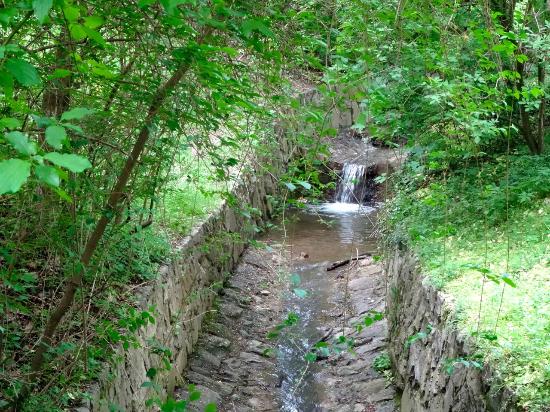
Now, as we got off the tram at the final stop, we trailed after our fellow passengers, all ramblers, who were making their way determinedly towards those vineyards and the woods beyond them, the Wienerwald. We found a path which followed a stream
image
and started ambling slowly upwards – the walk was in no way strenuous.

The path first coasted houses buried at this time of year in luxuriant vegetation
image
image
but then it became more solitary.
image
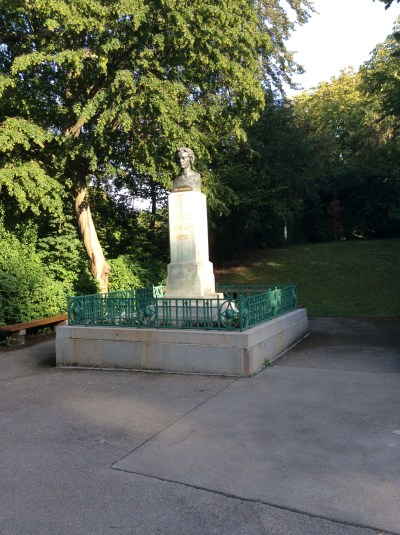
At one point, we passed a little park dedicated to Beethoven.
image
It is said that he used to come over from nearby Heiligenstadt, where he spent many summers in his later years, to walk along this same path, which of course the marketing-savvy locals have named Beethovengasse, Beethoven Lane.

Further on, we passed the dead of Nussdorf, sleeping their eternal sleep at the foot of the vineyards
image
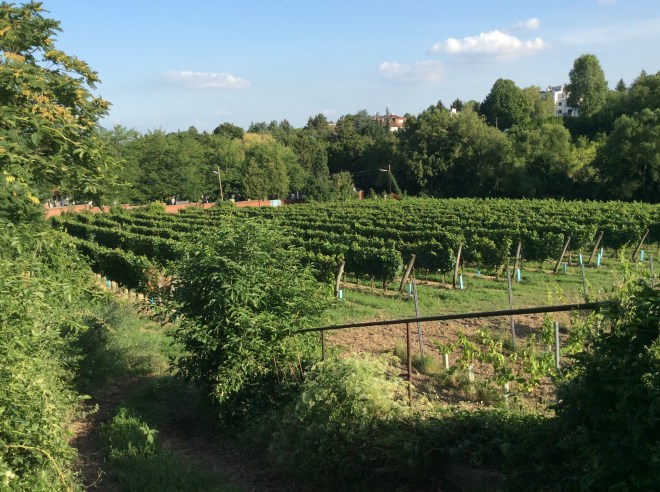
and now finally we were among the vineyards.
image
A few yards further on, we arrived at our destination, a heuriger
image
(a buschenschank in Styria; the owner of this heuriger must be a Styrian immigrant)

Heurigers, or wine taverns, dot the countryside around Vienna, selling the local wine, as well as simple food so that their patrons do not drink on an empty stomach. We had chosen this one from a map thoughtfully provided along the path by the local authorities, anxious to ensure that a good time was had by all.
image
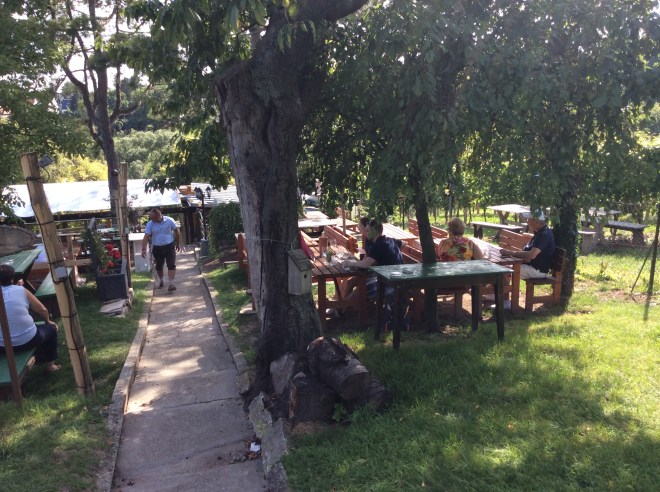
We settled down in the tavern’s garden
image
and pleasantly whiled a way an hour or so, sipping on our wine-water mixes (it was a bit early for straight wine), nibbling at our dried sausages, cheese plate, and Greek salad, gazing out over the neighbouring vineyards
image
and generally enjoying that sense of gemütlichkeit – warmth, friendliness, and good cheer – which is the trademark of heurigers.

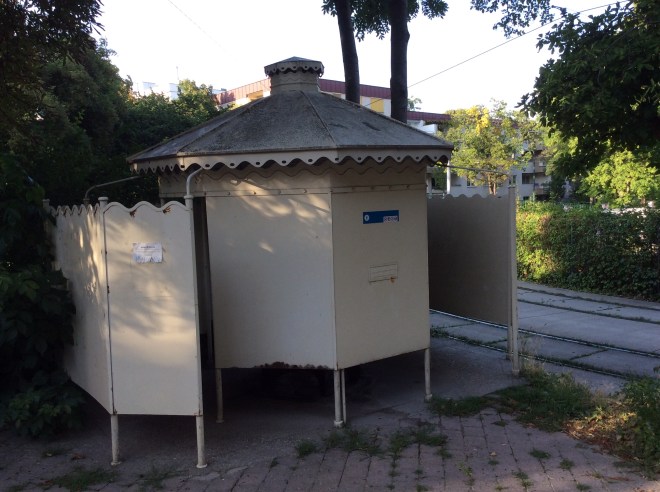
Suitably refreshed, and full of good cheer, we ambled slowly down the hill again, where I for one took advantage of the old-fashioned toilets, or pissoirs as the Austrians so picturesquely call them, helpfully provided at the tram stop by the local authorities
image
before climbing back into the D tram

image

and clanking slowly back into the city centre.

__________________
The stream Schreiberbach: https://www.tripadvisor.co.za/LocationPhotoDirectLink-g190454-d260626-i134059629-Vienna_Woods-Vienna.html
All other photos: ours

MAGNOLIA

Beijing, 4 April 2014

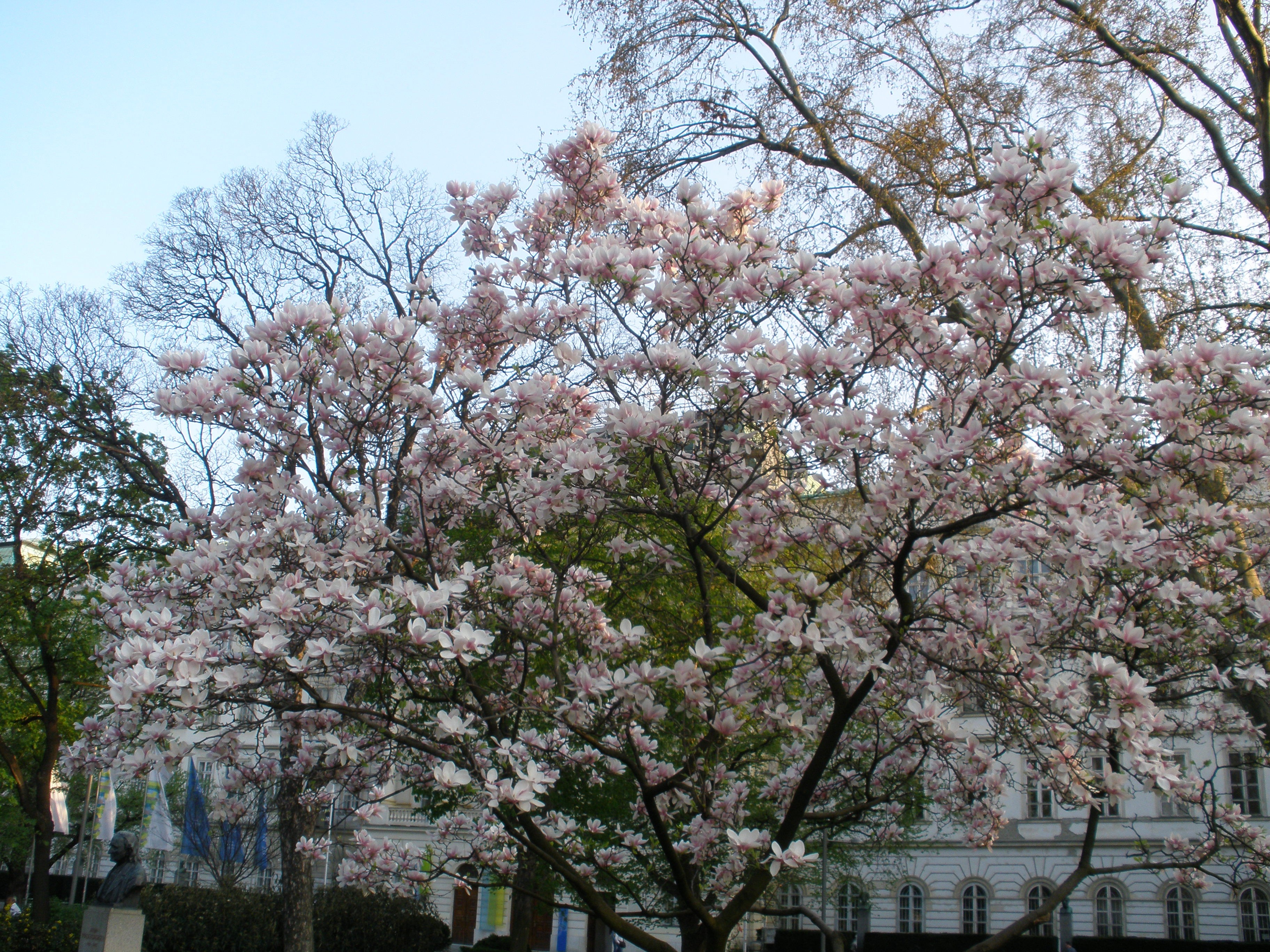
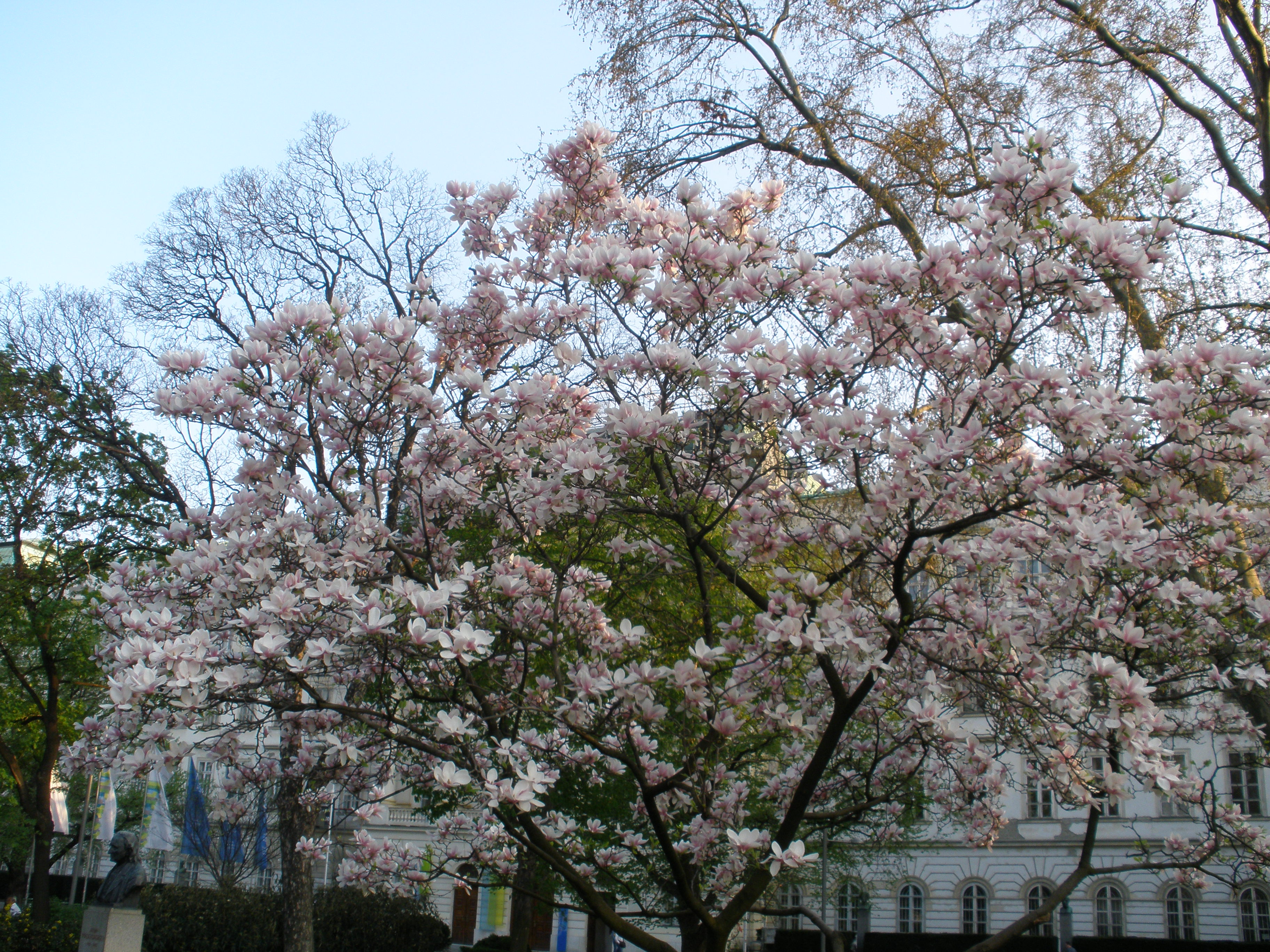
One of my abiding memories of Vienna is the magnolias in flower. I suppose it’s always the case that the first months you spend in a new place imprint themselves more forcefully on your brain’s virtual retina than the remaining years. We arrived in Vienna in February, two months later the magnolias were in bloom. It seemed that every garden and every park had its magnolia tree.
OLYMPUS DIGITAL CAMERA
We would pass one particularly magnificent specimen as we drove the children up to school every day. It was like living in a multiple exposure photo. Every day, as we swept by, we would note its progress, as the buds opened fully, and then the decay, as the flowers wilted and scattered their petals over the pavement.

A month or so later, it was the turn of the city’s multitude of lilac bushes to bloom, another fond memory which I have of Vienna and one about which I have had cause to write an earlier post.

Yes, they were good times.

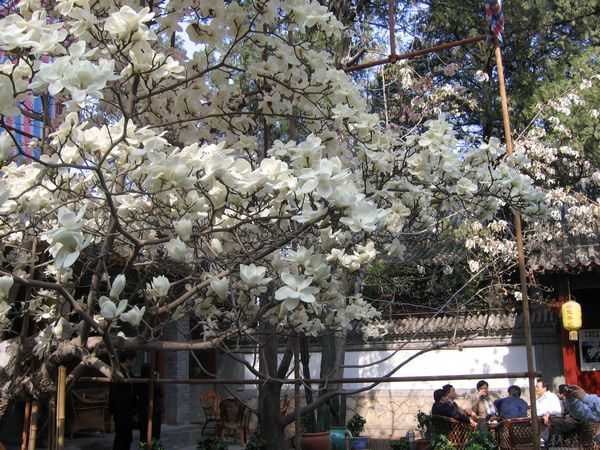
And then, when my wife and I came to Beijing, we found our friends the magnolia trees here, waiting to greet us with their blooms after we emerged from our first Chinese winter. A sight for sore eyes, let me tell you, after all that grey dryness of a Beijing winter. There was a pure white variety
magnolia trees dajue western temple
as well as a pinker type which we were familiar with from Vienna.
Tanzhe western Temple
Then, with the passage of time, I discovered that this tree, which I had, without really thinking about it, assumed was European, was actually Chinese! Actually, it’s a bit more complicated than that. There are nearly hundred different types of magnolia native to China (out of 200-plus native to Asia). The beautiful white magnolia pictured above, which comes from central and eastern China, grabbed the Chinese headlines early on. With its flower rightly regarded as a symbol of purity, it was planted in Buddhist temple gardens and the gardens of the emperors from as early as 600 AD during the Tang dynasty. It is called the Yulan, or jade lily, magnolia; I presume the name refers to the jade-like glossy smoothness of the magnolia’s petals and the sometimes lily-like look of the flower.

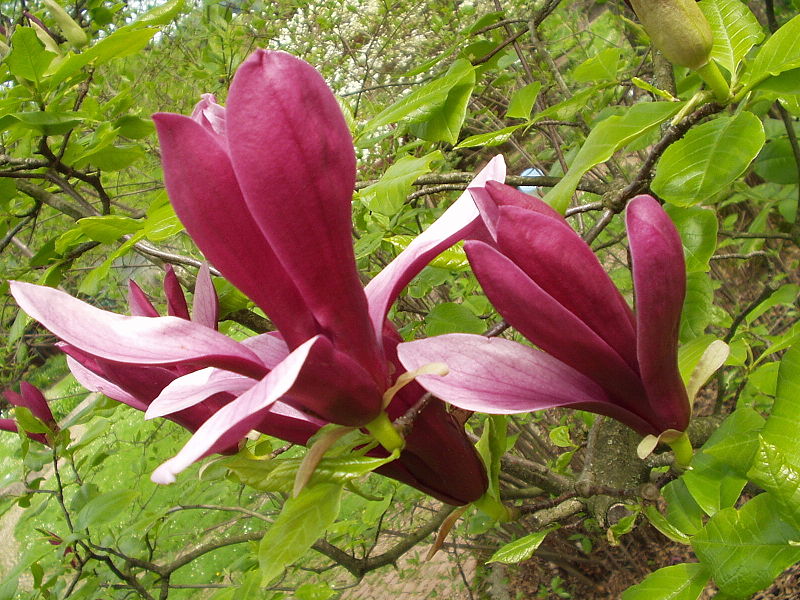
A second magnolia which has also been very popular in China for centuries is the Mulan magnolia which comes from Sichuan and Yunnan provinces.
magnolia lillliflora
Magnolias of course became favourite subjects of the poets, seeing as they spent hours haunting such gardens.

???

Here is the poem Magnolia Slope by Wang Wei, who lived in the 700s AD and is considered “the consummate master of the short imagistic landscape poem that came to typify classical Chinese poetry” (in the words of David Hinton, who made the admirable translation below).

Lotus blossoms adrift out across treetops
flaunt crimson calyces among mountains.

At home beside this stream, quiet, no one
here. Scattered. Scattered open and falling.

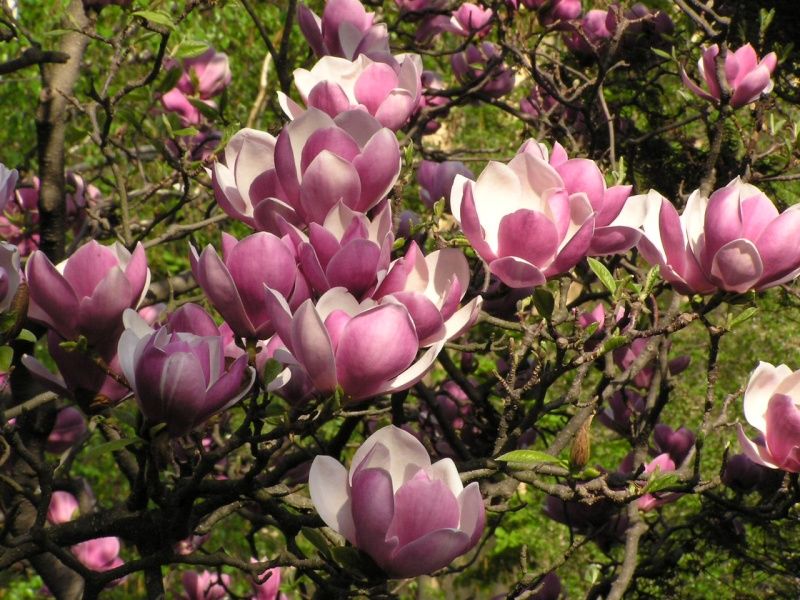
As with many things Chinese which were considered the nec plus ultra by the East Asian fashionistas and trend followers of yesteryear, the cultivation of these magnolias was taken up with enthusiasm by the Japanese, from whence – like the Chinese ginkgo tree of which I have written earlier – it made its way to Europe. And there, in 1820, in the grounds of his château of Fromont near Paris, an ex-cavalry officer turned plantsman, Étienne Soulange-Bodin, crossed the Yulan with the Mulan and created the hybrid saucer magnolia.
OLYMPUS DIGITAL CAMERA
With its large, early-blooming flowers in various shades of white, pink, and purple, this cultivar became immensely popular and spread around Europe (including Austria, no doubt, because I’m sure the Viennese magnolia I described above is one of these), the US, and eventually – I suspect – China, in hundreds of different cultivars as plant breeders continued to play with its gene pool.

Here I have to pause, to consider that other great reservoir of magnolias, the Americas. I said earlier that Asia boasts 200 or more types of magnolias. The Americas are host to another 90 or so. In fact, it was in the Americas, in the Caribbean island of Martinique to be exact, that in the 1690s a French botanist by the name of Charles Plumier discovered and named – in the modern scientific nomenclature; of course it already had a native name, the talauma – the magnolia, after yet another French botanist Pierre Magnol (a lot of French botanists in this story …). I haven’t found a picture of his original drawing of the magnolia which he came across but this one will do as a substitute.
talauma
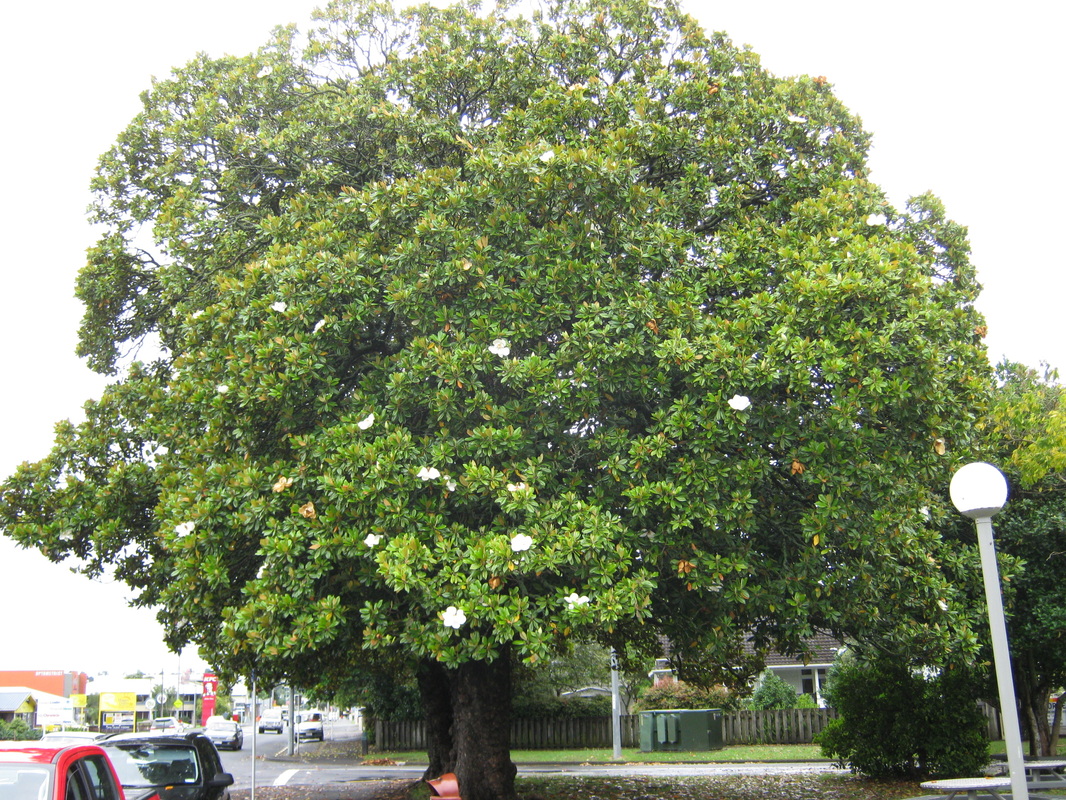
This picture, with its flower surrounded by a thick crown of leaves, sums up nicely a perplexity I had until I did some reading for this post. When we had been in the US, we had come across the southern magnolia, which looked something like this specimen, that is to say, a tree with very thick foliage and a few flowers sprinkled over the whole.
southern magnolia
Very beautiful flowers, by the way.
southern magnolia-flower
I couldn’t relate all this to the magnolias like those above, which are first completely covered with flowers and only get their leaves after the flowers have fallen. Well, the fact is, they are – botanically speaking – part of the same family. It’s just that it’s a very large family (some 300 members all told), and like in all large families distant cousins don’t necessarily resemble each other very much.

Which brings me to my final coda. The magnolia cousins have drifted so far apart because it is an old – very old – genus. It branched off the main tree of trees, if you get my drift, 100 million years or so ago. Fossils of plants identifiably belonging to the Magnoliaceae have been found dating back to 95 million years ago, while a 20 million year-old fossil has been found of the cucumber magnolia, which is native to the Eastern US and has this small flower with lovely yellow hues (in fact, these yellow hues as well as the tree’s cold hardiness have been exploited to create new yellow-flowered hybrid magnolias).
magnolia acuminata
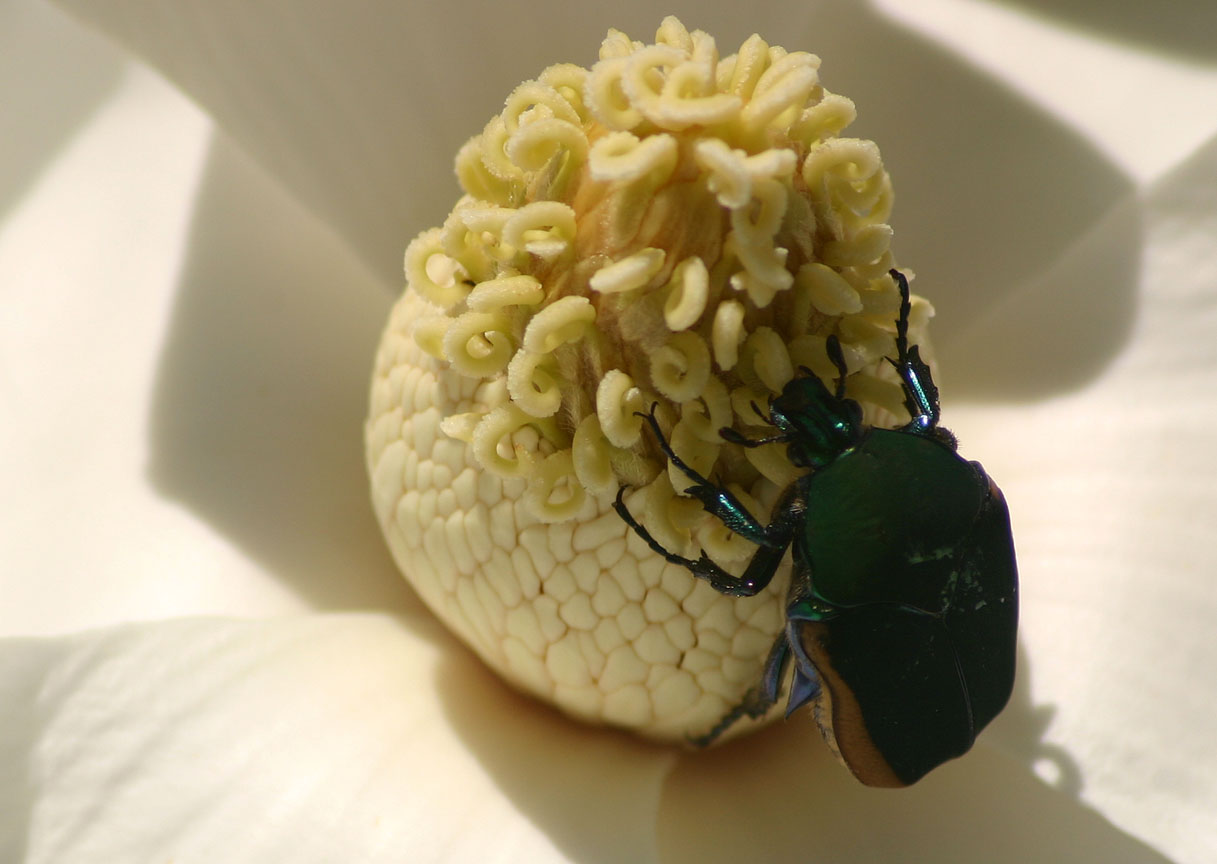
Magnolias are so ancient that they came on the scene as flowering plants before bees, or butterflies, or moths, existed to help along with pollination. So magnolias have evolved to use for pollination the only insects which were around at the time, beetles or flies.
beetle in magnolia-1
And this co-existence with beetles explains the rather leathery petals magnolias have. Compared to bees, beetles are clumsy insects, clomping around all over the flower and with a tendency to snack on the petals as well as the nectar. The leathery petals protect the flowers from these lumbering but necessary partners in the act of procreation.

Oh, and by the way, magnolia flowers don’t actually have petals, they have tepals. And that’s because the flowers are quite primitive, so their sepals and petals are not distinct and differentiated (no idea what that really means, but it sounds impressive).

__________________
Magnolia in Vienna: http://farm3.staticflickr.com/2542/3753020942_3f6c39bb5f_o.jpg [in https://www.flickr.com/%5D
Yulan Magnolia tree in Dajue western temple: http://www.beijingrelocation.com/blog/wp-content/uploads/2013/03/magnolia.jpg [in http://www.beijingrelocation.com/blog/beijing-trees/%5D
Magnolia tree in Tanzhe temple: http://www.travelchina.gov.cn/picture/0/1403261604282295162.png [in http://www.travelchina.gov.cn/art/2014/3/26/art_15_1202.html%5D
Mulan Magnolia: http://upload.wikimedia.org/wikipedia/commons/thumb/d/d6/Magnolienbluete_freiburg.jpg/800px-Magnolienbluete_freiburg.jpg [in http://en.wikipedia.org/wiki/Magnolia_liliiflora%5D
Poet in garden: http://upload.wikimedia.org/wikipedia/commons/1/1a/Wang_Xizhi_by_Qian_Xuan.jpg [in http://en.wikipedia.org/wiki/Chinese_garden%5D
Magnolia soulangeana: http://upload.wikimedia.org/wikipedia/commons/3/3e/Magnolia_x_soulangeana.jpg [in http://en.wikipedia.org/wiki/Saucer_magnolia%5D
Talauma: http://www.plantillustrations.org/illustration.php?id_illustration=90190 [in http://www.plantillustrations.org/epithet.php?epithet=plumieri&lay_out=1&hd=0%5D
Southern magnolia: http://whangareiflora.weebly.com/uploads/8/4/3/9/8439522/6466041_orig.jpg [in http://whangareiflora.weebly.com/exotic-trees.html%5D
Southern magnolia-flower: http://www.magnoliasociety.org/resources/Pictures/images/cultivars/msieboldi8422.JPG [in http://www.magnoliasociety.org/MagnoliaResources%5D
Magnolia acuminata: http://1.bp.blogspot.com/-yf82eYSuRd4/T6gSQGfe2bI/AAAAAAAAAnI/6SgLRh0exIY/s1600/DSCF7584.JPG [in http://welkinweir.blogspot.com/2012/05/may-flowers.html%5D
Beetle in a magnolia: http://blogging.la/wp-content/uploads/2009/06/gjb.jpg [in http://blogging.la/2009/06/28/it-caught-my-eye-the-beetle-the-blossom/%5D

MY ART COLLECTION

Beijing, 3 August 2013

I was in Vienna a few weeks ago – it is always good to show your face from time to time in Headquarters to remind your colleagues that you still exist – and my wife accompanied me because we had decided to go on vacation at the same time. Since we had a free morning, we decided to visit the Leopold Museum.

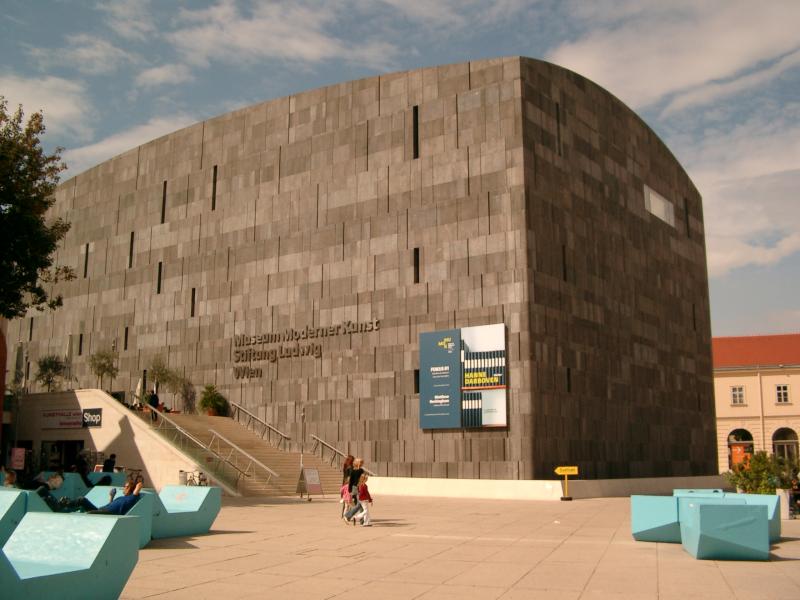
The museum is part of a very nice urban recovery scheme which the Austrian government undertook some ten-fifteen years ago. There being no imperial horses to house anymore, the old imperial stables had fallen on hard times. So the city decided to turn the stables into a Museums Quarter, made a deal to purchase the art collection of a certain Rudolf Leopold, and built two art museums on the premises, one for his modern art

Leopold Museum

and one for his contemporary art

MUMOK

(is there a deeper meaning to the colour scheme of the museums’ cladding?)

For those readers who plan to visit Vienna, the Quarter is just across the road from the Kunsthistorisches Museum, the country’s premier museum of fine arts, which houses the old imperial collection. This is a truly fantastic collection, which alone is worth a visit to Austria. One of my favourites there is Caravaggio’s “Madonna of the Rosary”.

caravaggio

As for the Leopold Museum, it has a great collection of early 20th Century Austrian, German and Central European art. I particularly like its collection of Egon Schieles. The very first time my wife and I went to Vienna, back in the early 80s, we stumbled on Mr. Leopold’s collection, hung at that time in a cramped house somewhere in the outskirts of Vienna. His Schieles knocked my socks off as they say. I particularly remember this one.

Egon Schiele

With the art from these fantastic collections almost spilling out onto the pavements of Vienna (and I haven’t even mentioned the Belvedere or the Albertina or the smaller collections), it’s not surprising that it is here that I started my own – very, very modest – art collection. The spark that lit the fuse was the Dorotheum.

Dorotheum

Wonderful, wonderful place, the Dorotheum. It’s an auction house, but the marvelous thing about it is that it has two whole floors where the price is fixed and you can buy the articles on the spot. Which is great, because auctions make me nervous; I only went to one auction at the Dorotheum – where Mr. Leopold was present, by the way – and the speed with which the prices levitated (on a particularly nice painting by a Hungarian artist) gave me palpitations. These two floors have more the feel of a jumble sale, full of horrible stuff, but where you feel – you know – that the piece of your dreams is just behind that dreadful cabinet in the corner. And in the spirit of a jumble sale the prices in these parts of the Dorotheum are – relatively speaking – affordable.

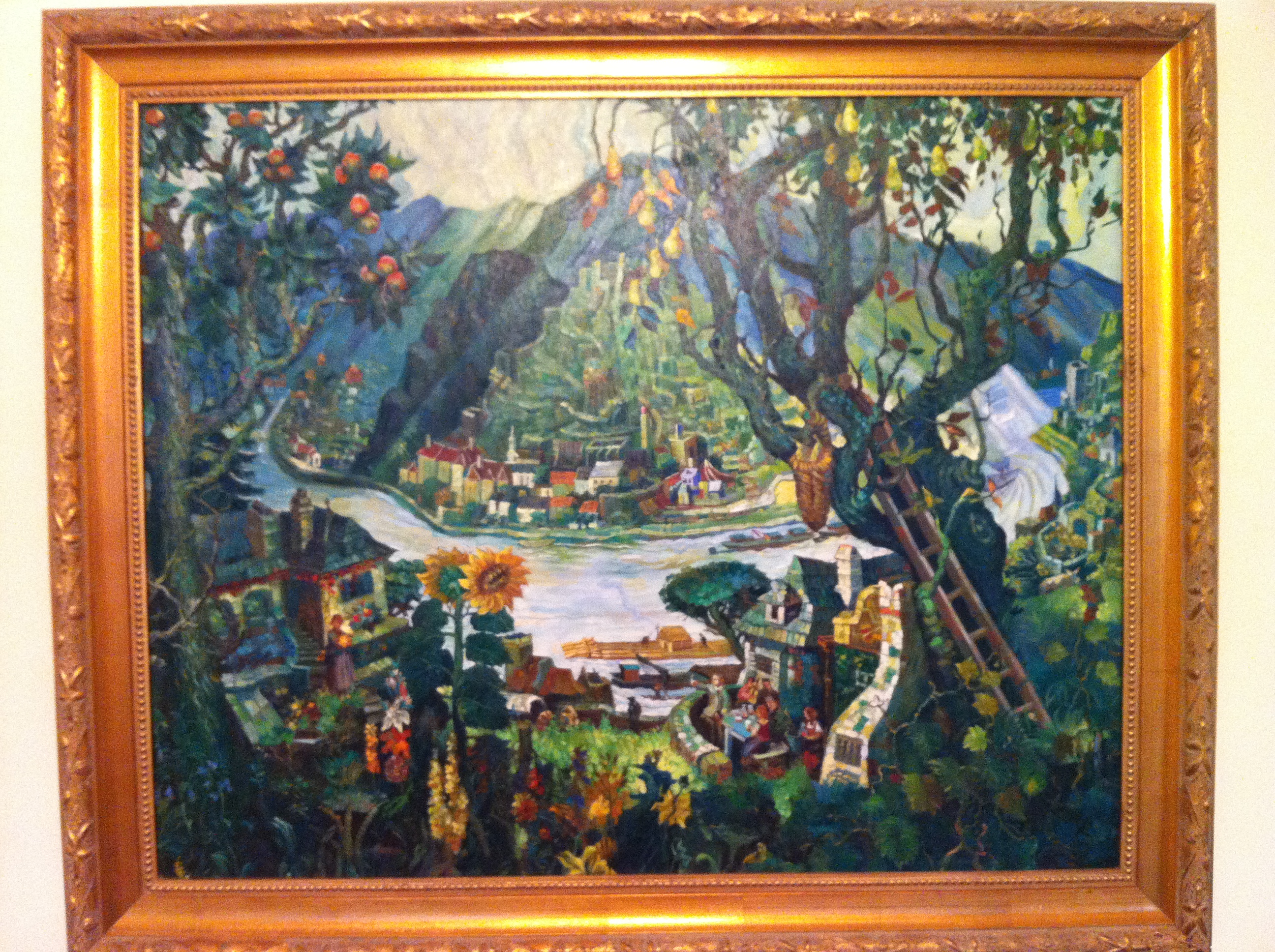
My first piece of art was hanging in a corner, in the dead end of a section dedicated to carpets.

general photos 002

When I first spied it behind the carpets, it was woebegone, sagging in the middle, dust covering its frame. But it cried out to me: “Take me! Take me!” That riot of flowers and fruit against that cubist-type background of mountains! That river, with the small town on its bank! The happy people! It had to be mine!! But the price made me hesitate – it was 400 euros or thereabouts. And it would need fixing and cleaning. I dithered and dathered, I went back a few times, I was like one tormented. Eventually, my wife took over and gently pushed me towards the purchase.

They say that the first murder is the most difficult; after that, it gets easier and easier. I think it’s the same with the purchase of art. In relatively short order after that, I purchased, always at the Dorotheum, this gouache, a naïf view of the Seine in early 19th century Paris:

general photos 004

(the apparent sun in the background is actually my camera’s flash)

This aquarelle, an 18th Century view of Kashmir:

general photos 005

(same comment about my camera’s flash)

This oil painting, of a tramp ship ploughing its way through the waves:

general photos 009

(I bought it because it reminded me powerfully of the poem “Cargoes” by John Masefield, whose last verse is:
“Dirty British coaster with a salt-caked smoke stack,
Butting through the Channel in the mad March days,
With a cargo of Tyne coal,
Road-rails, pig-lead,
Firewood, iron-ware, and cheap tin trays”)

This aquarelle, by the same artist, of fishing boats off the coast of Britain:

general photos 010

This print, of a barn half buried in the snows of Upper Austria:

general photos 008

It was just as well that we left for China. My wife was becoming anxious about how the art was slowly invading the walls of our apartment; she has always preferred bare white walls and generally uncluttered internal vistas. I could not bear to have these sitting in the dark of a warehouse in Vienna waiting for us to come back. We took them all down to Milan, where they hang in our apartment. I took the photos above a few weeks ago, when we passed through.

The wonderful thing about these pieces is that they have allowed me to also unfurl my passion for history, giving me an excuse to dig around into their past. For instance, the Dorotheum claimed that the first painting was a view of Dürnstein, north of Vienna on the Danube (and in whose Castle Richard I was kept prisoner for a while). But after revisiting the place, I am convinced that this is not so; the banks of the river are not that steep on both sides. The picture framer who cleaned and fixed the painting was also not convinced of the appellation. He thought it was the upper Moselle River; a visit there is on my to-do list. As for the gouache, it was sold to me by the Dorotheum as an urban landscape in northern Belgium. Not so! For reasons which I won’t go into here but have to do with research I did on that shop on the right hand side of the painting, I am convinced that it is a view of the Seine River in Paris, looking upstream from Pont Notre-Dame, one of the bridges linking the Île de la Cité with the Right Bank. For its part, the view of Kashmir was, according to the Dorotheum, a view from western China (which is why I bought it; I already knew then that I would be going to China). Research on my part quickly showed me that actually it is a well-known view of a rope bridge near Srinagar. Really, the Dorotheum is doing some very sloppy work here – but it’s more fun for me.

With the Dorotheum no longer just a few subway stops away, the collecting passion has slowed – the apartments are smaller too. We have bought a piece or two, which when we take them back will remind us of our stay in China, rather like those old English colonels who came back from the Empire with bits and bobs of native paraphernalia, which they would proudly display in their retirement home at Bournemouth.

__________________________

Leopold Museum: http://de.academic.ru/pictures/dewiki/76/Leopold_Museum_%28Vienna%29.jpg
MUMOK: http://upload.wikimedia.org/wikipedia/commons/e/eb/Museum_Moderner_Kunst_Stiftung_Ludwig_Wien.jpg
Caravaggio: http://www.christusrex.org/www2/art/images/carav18.jpg
Egon Schiele: http://kellypahl.files.wordpress.com/2011/11/2.jpg
Dorotheum: http://static3.kleinezeitung.at/system/galleries_520x335/upload/3/6/3/2430195/dorotheum030810apa726.jpg
the rest are my pictures

FLYING FLUFF

Beijing, 1 May 2013

These last few days we have been suffering from an unpleasant side-effect of Spring: airborne white fluff, which trees around here are shedding in huge quantities in their eagerness to mate and to seed. The fluff drifts down, floats along on the breeze, is whirled about by passing cars, eddies in big clumps around your feet, and – most disagreeably – gets into your eyes, nose and mouth. Yesterday morning, it was so thick that looking up into the sky it seemed to be snowing.

pollen 008

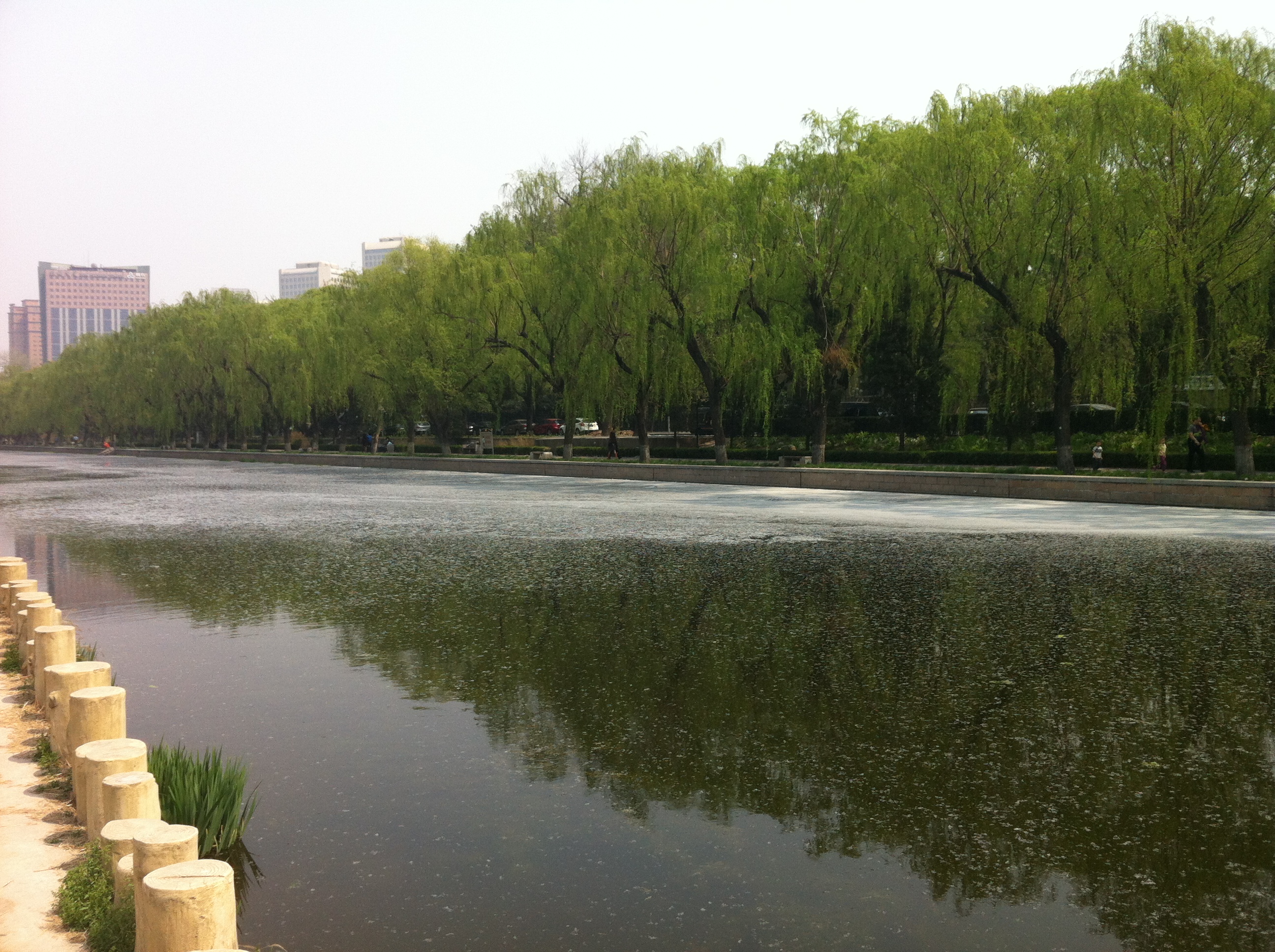
while a few days ago currents in the canal and wind interacted to create a thick layer of fluff along the far bank.

pollen on canal 002

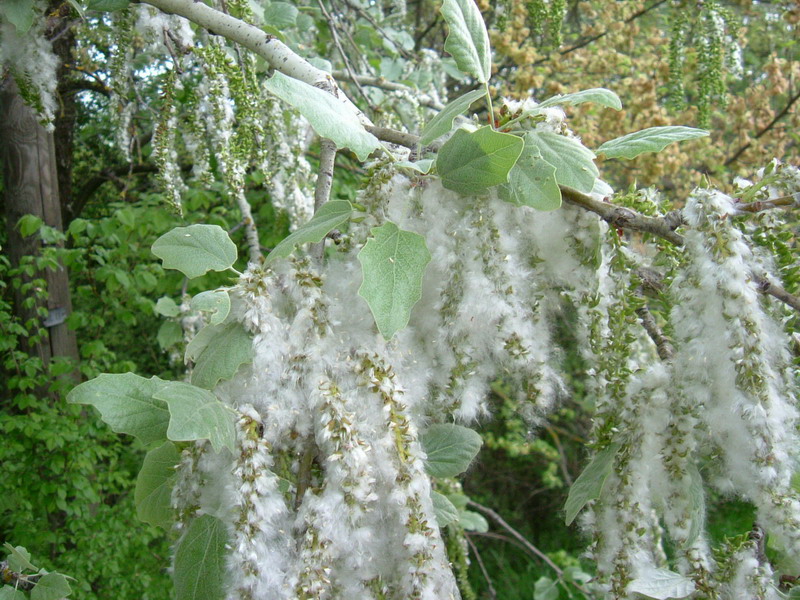
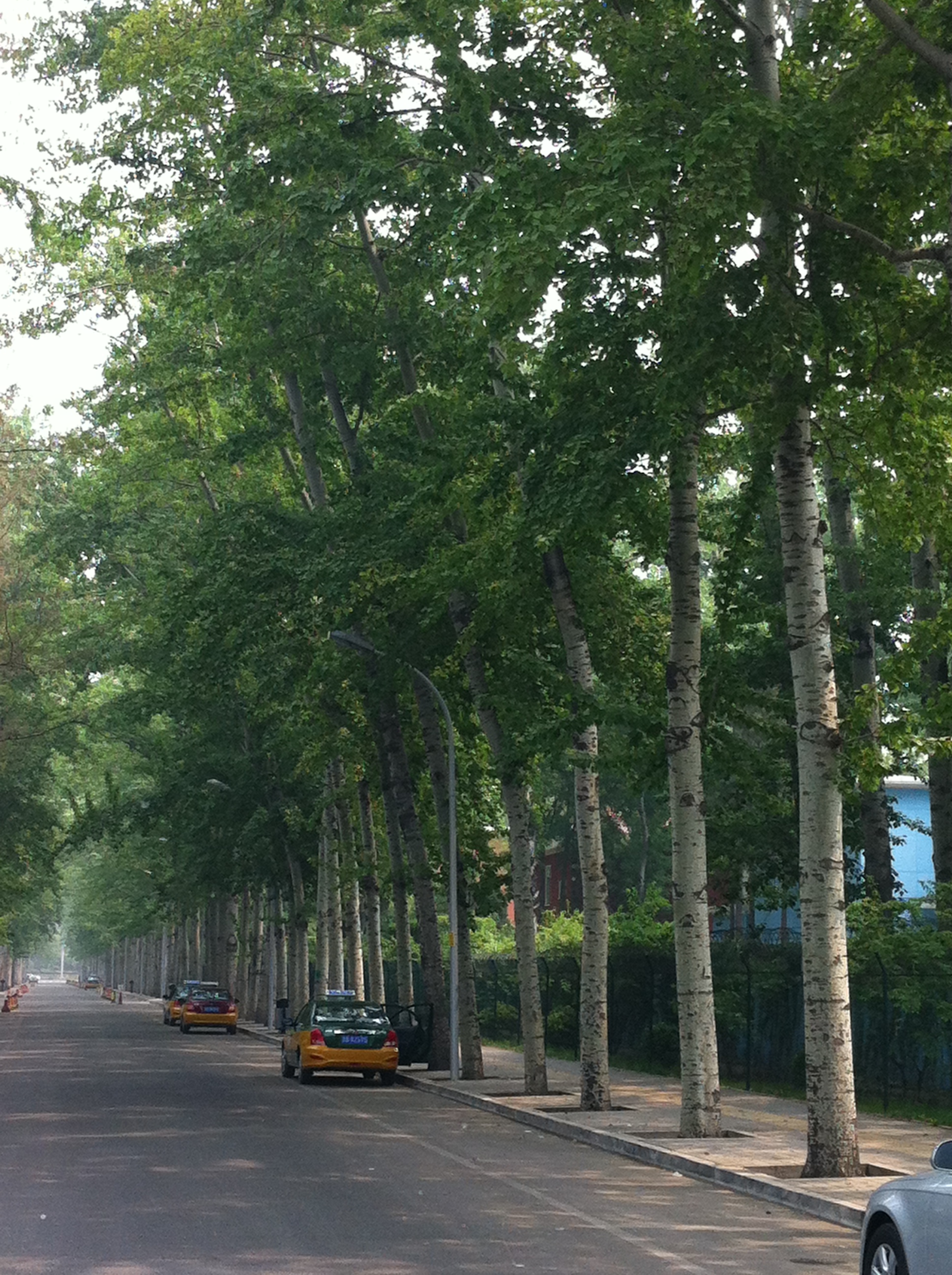
This is the offending tree, photographed in a quiet side street

poplars-Beijing 011

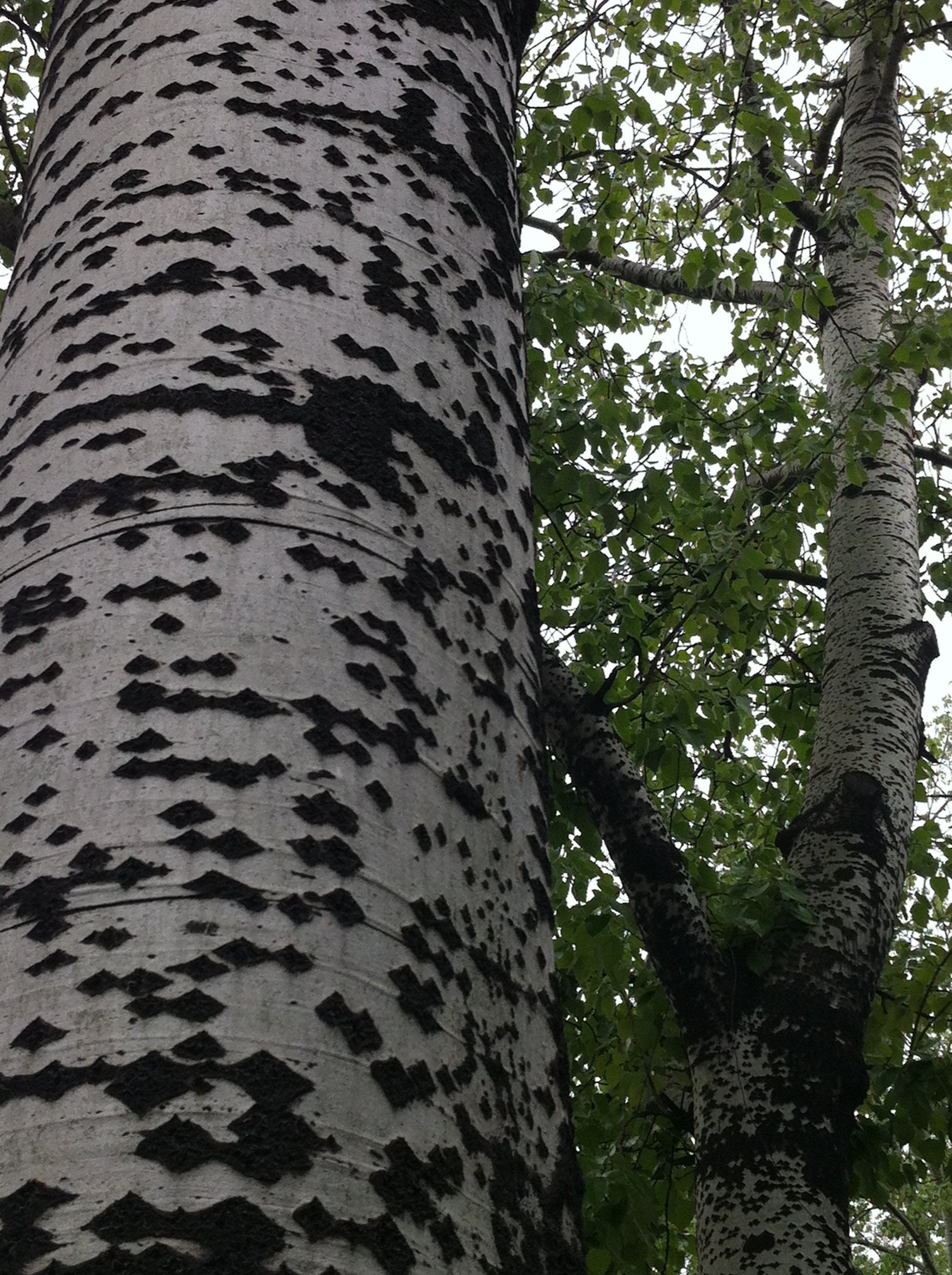
a poplar, a member of the aptly-named cottonwoods, whose more mature specimens carry these very distinctive diamond shapes on their lower bark.

pollen 013

And this is where the fluff is from:

cotton on tree-1

I first became aware of this tree in Vienna, not so much because of white fluff flying around, of which there was a fair amount at this time of the year, but because of some really magnificent specimens growing in the gardens of the posher, greener parts of town. So posh and so exclusive that I have found no photos on the web.

But actually, where the tree really came into its own was down by the Danube, in the last vestiges of the river’s wetlands which land use planners and river engineers of the 19th Century had left alone.

poplars on the Danube-1

Not surprising, really. The tree loves a wet, marshy soil. Which explains why there are so many poplars around Milan and in the Po River plain generally, which is a pretty soggy place. And in Milan, the problem of flying white fluff was truly awful. These pictures are not from Milan but are from that part of the country and give a good sense of the horror of it.

Italian-image-1

Italian-image-3

It’s the poplar’s love of wet soil that makes me wonder what it’s doing here in Beijing. I mean, this city is semi-desertic; lack of water is a constant and growing problem. Yet, there are huge plantations of the tree around the city, part of the reforestation campaigns that the government is so fond of as a way of minimizing the dust storms to which this city is periodically subject. Wise policies no doubt, but surely they could have found a more suitable tree?

____________________________

pix of sky, canal, and poplar tree: mine
Fluff on tree: http://www.naturamediterraneo.com/Public/data7/ciuppy/5.jpg_200941622240_5.jpg
Poplars on the Danube: http://www.quax.at/sites/default/files/images/nationalpark_donau_auen_976_Donauufer2_Baumgartner.jpg

Italian-image-1: http://upload.wikimedia.org/wikipedia/commons/thumb/9/9f/Fioritura_pioppi.JPG/1280px-Fioritura_pioppi.JPG
Italian-image-2: http://www.parmatoday.it/~media/base/19828483952093/curiosita-fioritura-pioppi-1.jpg
LILAC ON EARTH DAY

Beijing, 22 April 2013

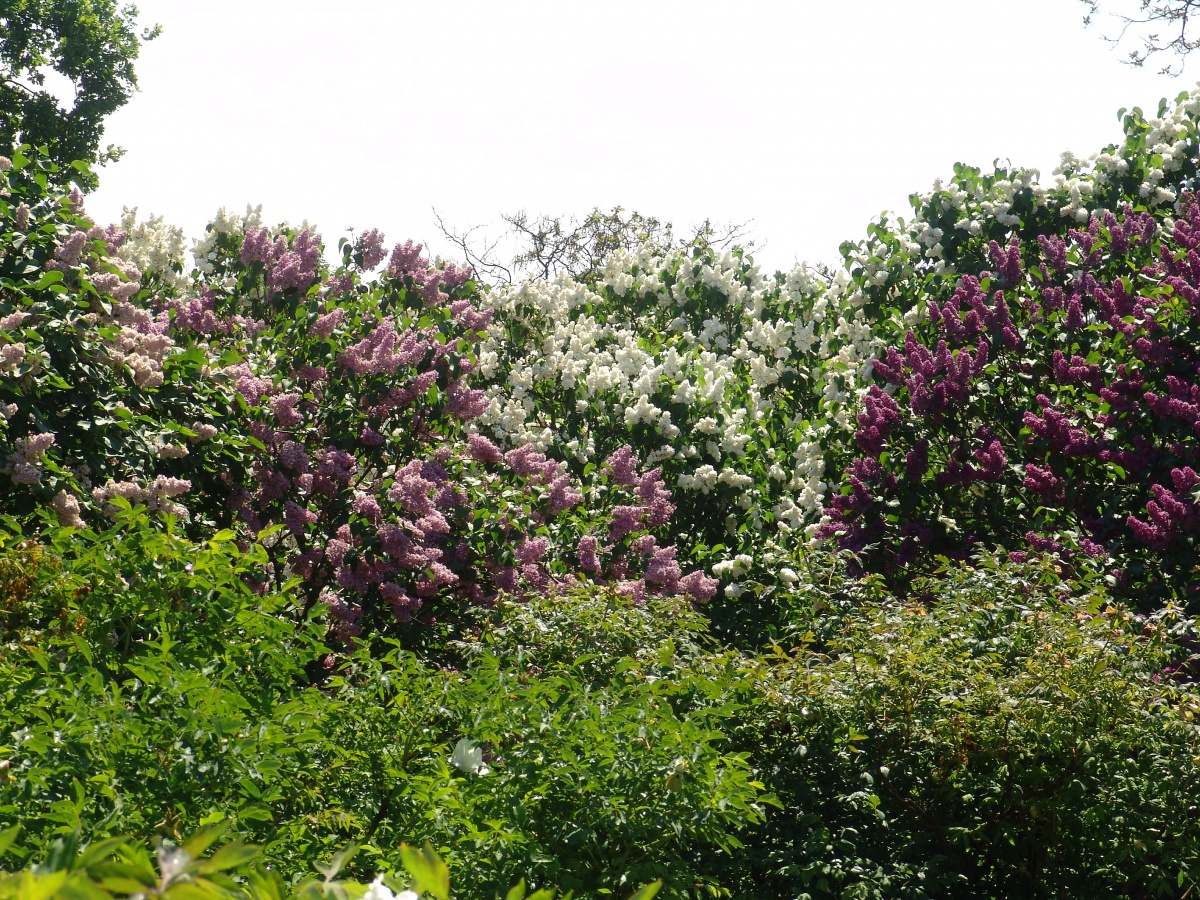
I mentioned in an earlier post that when I was young I would sometimes spend Easter with my French grandmother. One of my memories of those visits – apart from collecting coal in the cellar – is the lilac bushes in the garden in flower. Normally, we went to stay with my grandmother during the summer, when the bushes were just boring green leaves separating the proper, formal garden in front of the house from the vegetable garden. But at Easter time, these dull green bushes would come alive with pale purple and white – and would smell heavenly. They looked something like this (my grandmother’s garden was a bit of a jungle):

Lilas buissons

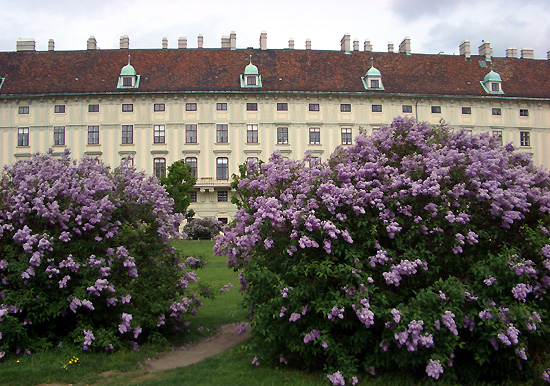
Lilac must also grow in the UK but I have absolutely no memory of any lilacs there. The next time lilacs crossed my radar screen was in Vienna, where it was a very popular bush all over town, from the public gardens in front of the Hofburg, the imperial palace in the centre of town:

lilacs in Vienna-3

To just humble streets nowhere in particular:

lilacs in Vienna-4

During the flowering period, my wife would arm herself with a big pair of scissors and we would go around surreptitiously snipping off a few flowering branches to have in the apartment. For a few days, the house would be filled with the wonderfully delicate scent of lilac.

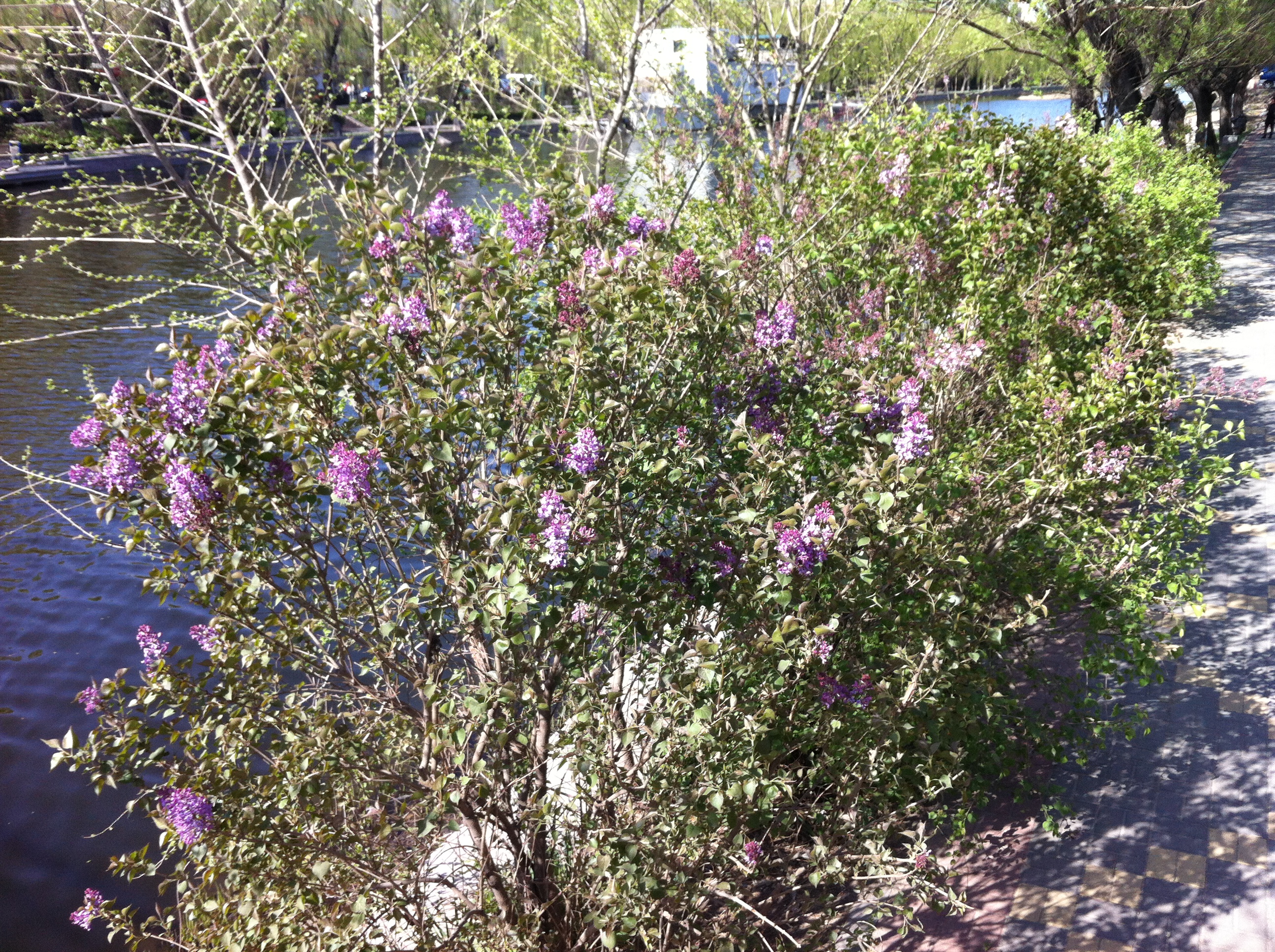
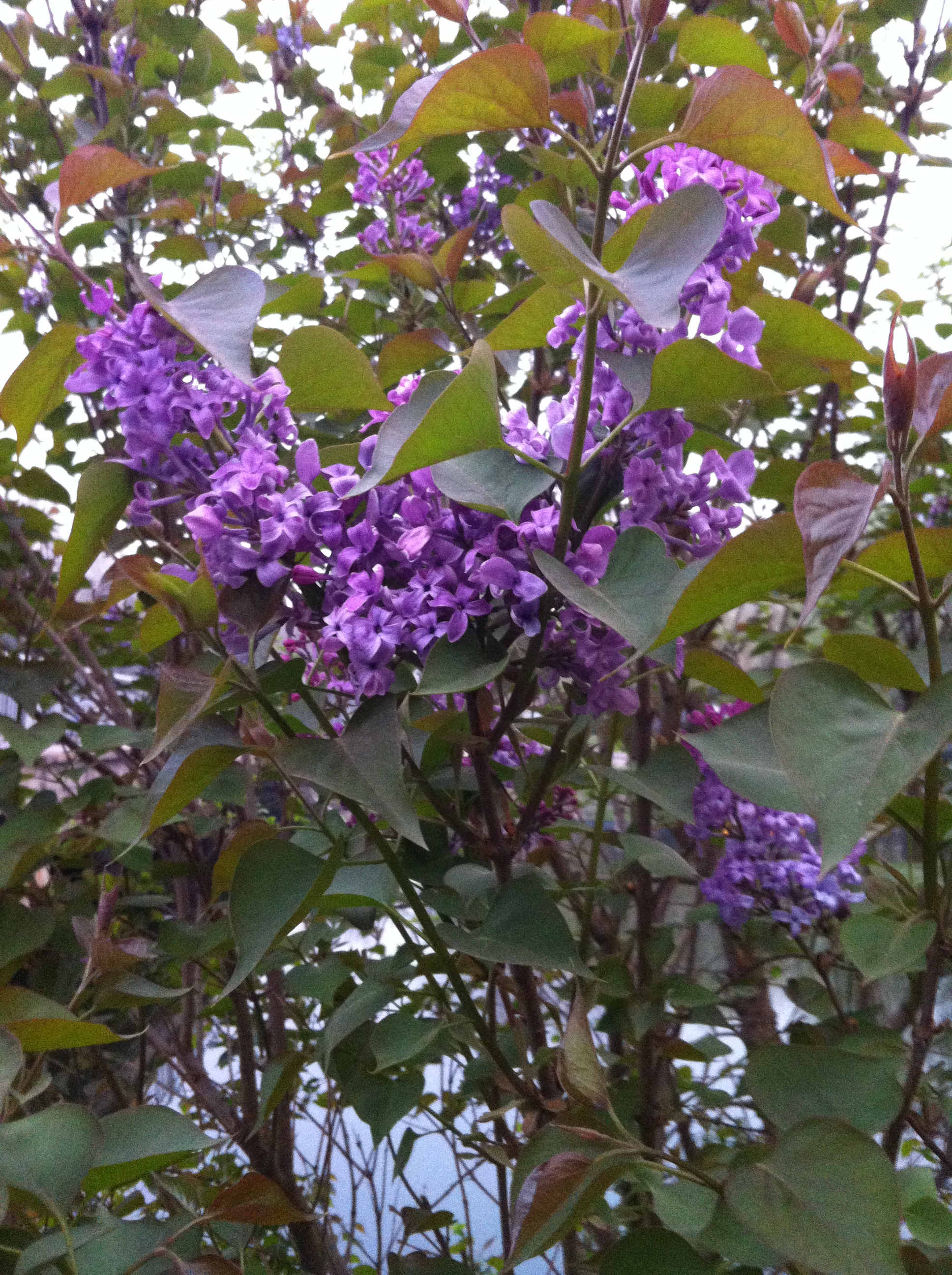
So it was with pleasure that I noted during our first Spring here, down by my piece of canal about which I have written several times, some lilac bushes coming into flower. At least, they seemed to be lilacs. The scent was quite similar, and there was definitely a family resemblance if you closed your eyes a bit and cocked your head to one side. Yet there was something not quite right. The flowers didn’t look quite the same, and the leaves were definitely smaller and darker.

lilacs by the canal 001

lilacs by the canal 003

I decided to do a little bit of research (well, web-surfing really) and discovered that what was growing in my grandmother’s garden and in Vienna was the common lilac, syringa vulgaris, whereas the lilac growing here was in all likelihood the Yunnanese lilac, Syringa yunnanensis. The photos I found of the Yuannese variety showed a definite similarity:

Yunnan lilac-4

and it makes sense to have a lilac from Yunnan in Beijing.

During my research, I also learned a bit about the common lilac. It was not, as I had thought in that casually cultural-centric way we Europeans suffer from, a European flower. It was actually introduced into European gardens at the end of the sixteenth century from Ottoman gardens. That certainly makes sense since “lilac” derives from the Arabic “lilak”, which in turn derives from the Persian “nilak” meaning bluish. Since I am currently reading a history of Iran/Persia and have just finished the part covering the Arab invasion, in my mind’s eye I can see the beauty of the flower captivating Arabs when they arrived in Persia and their carrying it back with them west of the Tigris and Euphrates; later, when the Ottomans conquered the Arab lands, I can well imagine them in turn falling in love with the flower and carrying it off to their gardens. From whence it came to our European gardens and, after a pause, to the gardens in North America.

Fanciful and probably wrong, but on this day when we celebrate Earth Day a narrative I would like to believe in, seeing as it suggests a certain universal appreciation of the beauty of nature.

Happy Earth Day.

________________________

Lilac in France: http://www.torange-fr.com/photo/5/13/Lilas-buissons-1268053127_24.jpg
Lilac in Vienna-1: http://www.viennatouristguide.at/Quiz/Bezirke/13%20Schoenbrunn/hofb_flieder.jpg
Lilac in Vienna-2: http://www.zeitgedanken.com/weblog/wp-content/uploads/2009/04/flieder-im-april09-01.jpeg
Lilac in Beijing: my pix
Yunnanese lilac: http://static1.plantdatabase.info/plant_imgs/size2/syringa_yunnanensis_var_rosea_I21172P95642.jpg

FULL MOON

Beijing, 25 February 2013

Yesterday started with my wife finally remembering a song that had been chasing around in her head all night: “September”, by Earth, Wind and Fire, whom we see here in concert:

earth wind and fire concert-1

This is a song from “our” generation; it came out in 1978. My wife tracked down a version of it on the web and promptly played it for the rest of the day. Now don’t get me wrong, it’s a great song – a feel-good song, my wife calls it – but after you’ve sung along with the refrain

Ba de ya – say do you remember
Ba de ya – dancing in September
Ba de ya – never was a cloudy day

for the fifth time, it begins to pall – at least for me. But not my wife. Mercifully, she had to turn it off when we went to bed, but then the fireworks, which had been grumbling along all day,

fireworks-5

began to build up to their final roar for midnight.

fireworks-6

Because, for those of you who do not closely follow matters Chinese, yesterday was the Lantern Festival, the last day of the Chinese new year celebrations, whose end is traditionally celebrated with an orgy of fireworks.

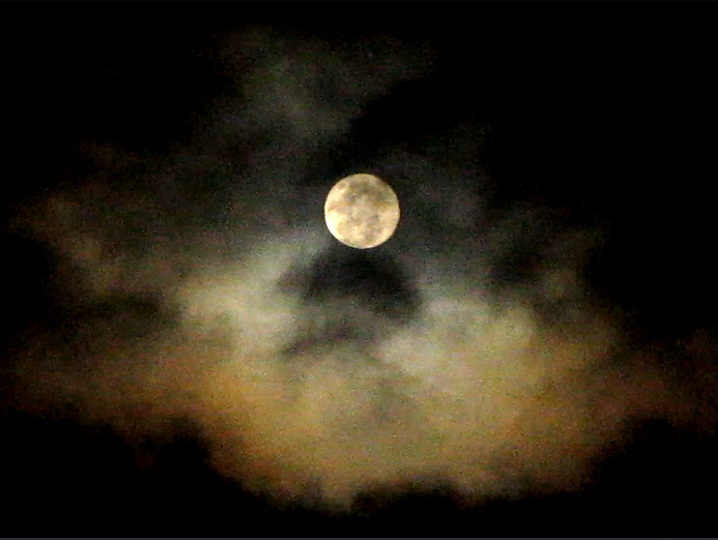
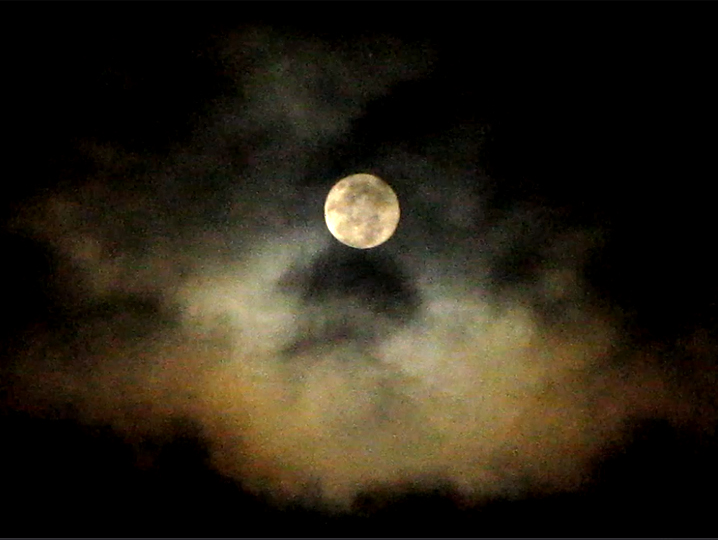
At one moment during the evening I slipped out to the local 7-11 to buy a bottle of our favourite wine (a Spanish tempranillo – but I digress). Coming back, I looked up and glimpsed through the clouds what all this sound and fury was all about: the full moon.

full moon-1

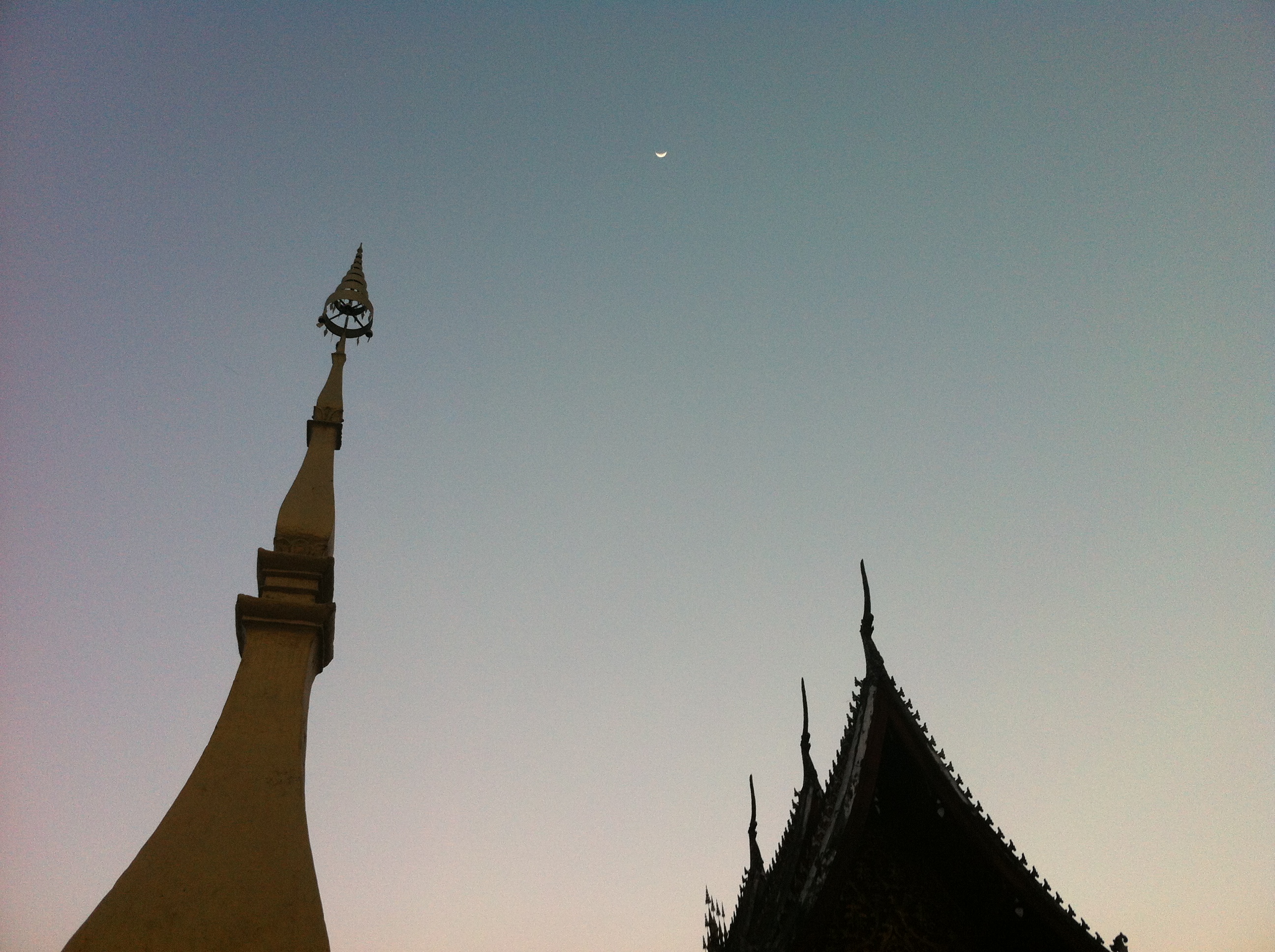
Because the Chinese new year is really a lunar festival. It starts on the second new moon after the winter solstice and ends 15 days later at the full moon. I had picked up the new moon – or newish moon; it had already waxed a few days – in Luang Prabang.

laos 499

And now I was seeing the full moon, shining serenely down on all this silliness.

A full moon is a beautiful thing. It certainly has caught the attention of many poets. A short search on the web brought to light at least 100 poems about the moon by well-known poets; Lord knows how many have been written by bad poets. But the poem which always comes to my mind when I see a full moon is not actually about the moon. I need to explain. One night in Vienna, I woke up and was enchanted by the brilliant nearly full moon pouring its white light into the bedroom. Two nights later, I was in Cambodia on the shore of the Mekong River. Looking up, I saw the full moon and thought to myself “This same moon will be shining down on my wife and children in a few hours” and found that thought immensely comforting. Now for the poem, which is by the Welsh poet Alun Lewis. He wrote it during the Second World War, when he was far away in India, in the city of Poona.

Last night I did not fight for sleep
But lay awake from midnight while the world
Turned its slow features to the moving deep
Of darkness, till I knew that you were furled,

Beloved, in the same dark watch as I.
And sixty degrees of longitude beside
Vanished as though a swan in ecstasy
Had spanned the distance from your sleeping side.

And like to swan or moon the whole of Wales
Glided within the parish of my care:
I saw the green tide leap on Cardigan,
Your red yacht riding like a legend there.

And the great mountains Dafydd and Llewelyn,
Plynlimmon, Cader Idris and Eryri
Threshing the darkness back from head and fin,
And also the small nameless mining valley

Whose slopes are scratched with streets and sprawling graves
Dark in the lap of firwoods and great boulders
Where you lay waiting, listening to the waves
My hot hands touched your white despondent shoulders

And then ten thousand miles of daylight grew
Between us, and I heard the wild daws crake
In India’s starving throat; whereat I knew
That Time upon the heart can break
But love survives the venom of the snake.

When I read the poem for the first time, I was reminded of that night in Vienna with its full moon. And now, when I’m far away from home and see the moon, I think of this poem and of my wife.

_____________________

Earth Wind and Fire concert: http://sharelike.me/image/pics/EarthWindandFireconcertPics1ApCC7Md5iwM.jpg
Fireworks-1: http://cdn.ph.upi.com/sv/em/upi/UPI-16811361735171/2013/1/9eb14390c758aeb27fd87349de4d55bc/China-celebrate-Lunar-New-Year.jpg
Fireworks-2: http://findlaydonnan.files.wordpress.com/2009/03/fireworks-to-celebrate-the-chinese-new-year-light-up-the-sky-above-beijing-china-on-january-26-2009-chinese-welcomed-the-arrival-of-the-year-of-the-ox-with-raucous-celebrations-on-sun.jpg?w=497&h=283
Full moon: http://3.bp.blogspot.com/-gY39tpbGmzg/TnLTHVEnSyI/AAAAAAAABaM/R2kBI2LddYg/s1600/Moon_Lantern_Festival.jpg
New moon Luang Prabang: my photo