筷子, OR CHOPSTICKS TO YOU AND ME

Beijing, 6 September 2014

In our dying days in China – we leave for good in a week – it seems appropriate that I should write my last posting from Beijing about that most Chinese of utensils, the chopstick. I have a feeling that chopsticks and the Chinese food they pick up are probably the first contact which most Europeans have with Chinese culture (in the very broadest sense of that term), down at their local Chinese restaurant
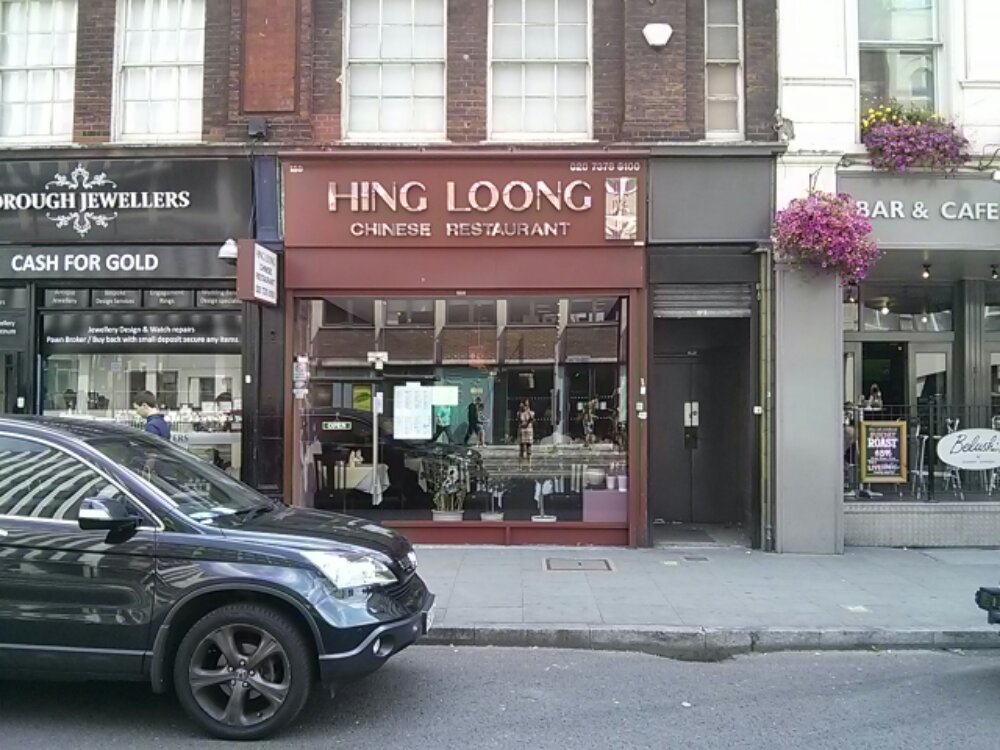
Chinese restaurant UK

where much fun is had by all trying to figure out how to use these two sticks

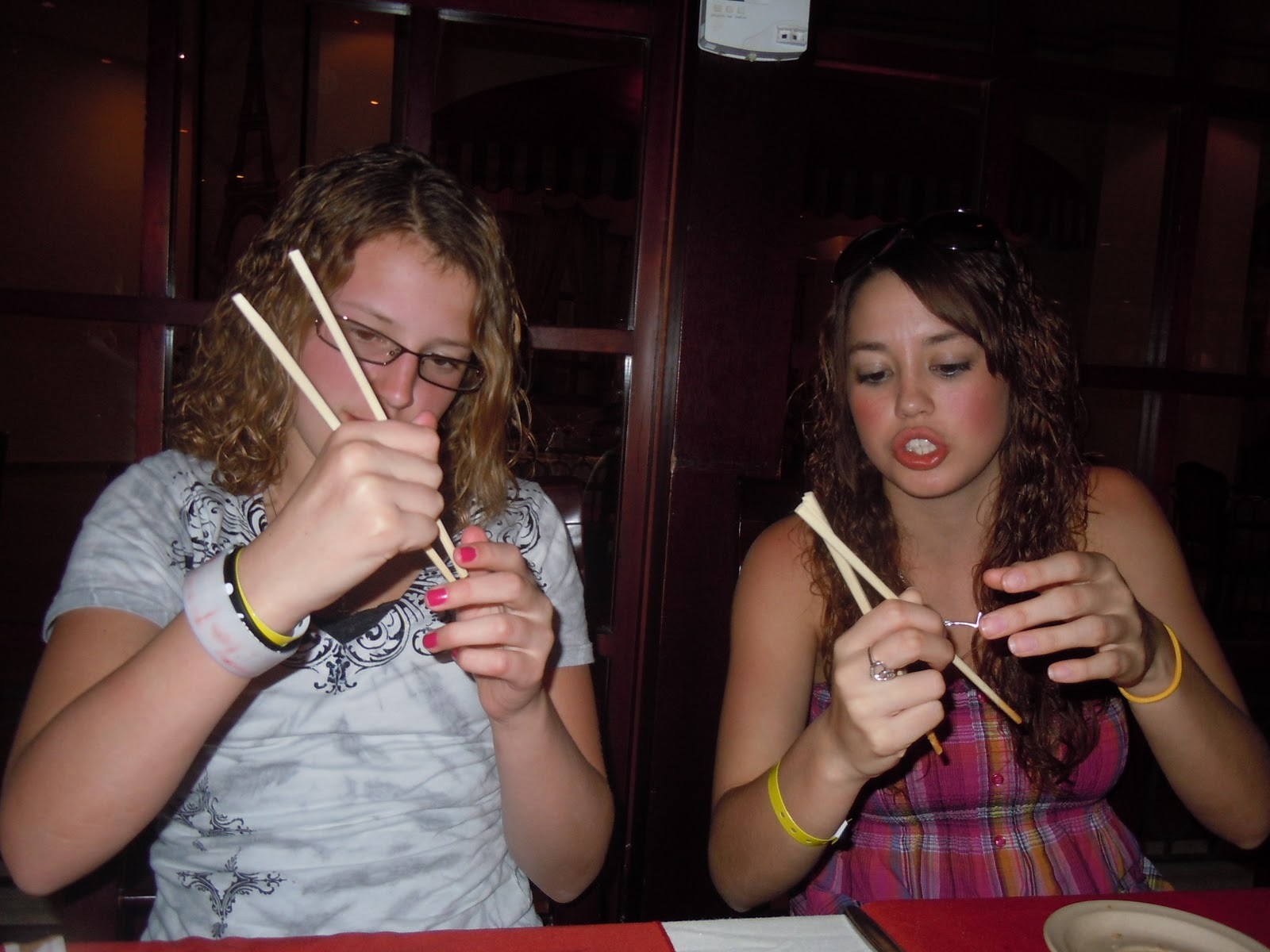
trying to use chopsticks

and where in recent years helpful instructions are printed on the paper wrapping around the chopsticks to help us ignoramuses figure this out.
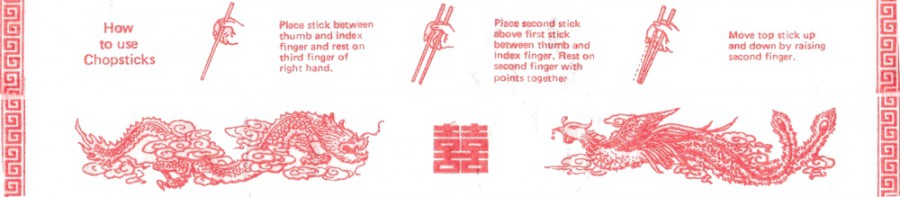
instructions to use chopsticks

Certainly, I rapidly found out when I arrived here that the Chinese generally didn’t expect me to be able to manipulate chopsticks and always solicitously asked me at the beginning of meals if I wanted a knife and fork. But after years of experimentation in my local Chinese restaurants back home and after hours of carefully studying the instructions on my chopsticks’ paper wrappings, I felt that my chopstick skills were good enough and I would grandly wave away these offers of help. Generally speaking, it’s worked and I have not made too much of a fool of myself, although slippery food still defeats me completely, and I do tend to end up with numerous stains on my trousers.

Although I am a firm believer in the adage “When in Rome do as the Romans”, and will therefore use chopsticks when in Beijing, in my heart of hearts I think forks are so much better than chopsticks. I mean, it seems so much more efficient to spear pieces of food

Picture 566

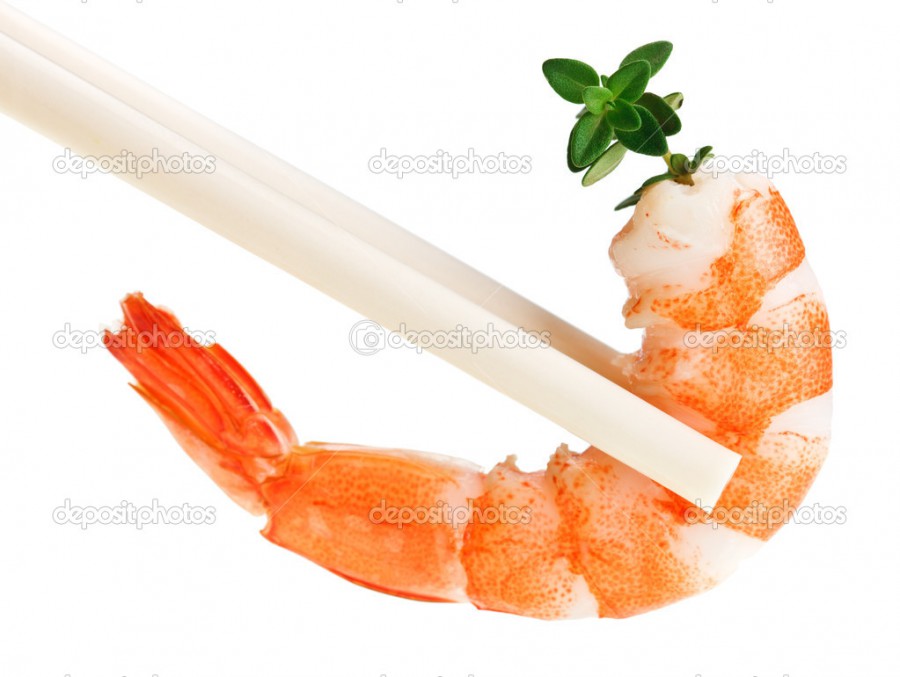
rather than tweeze them

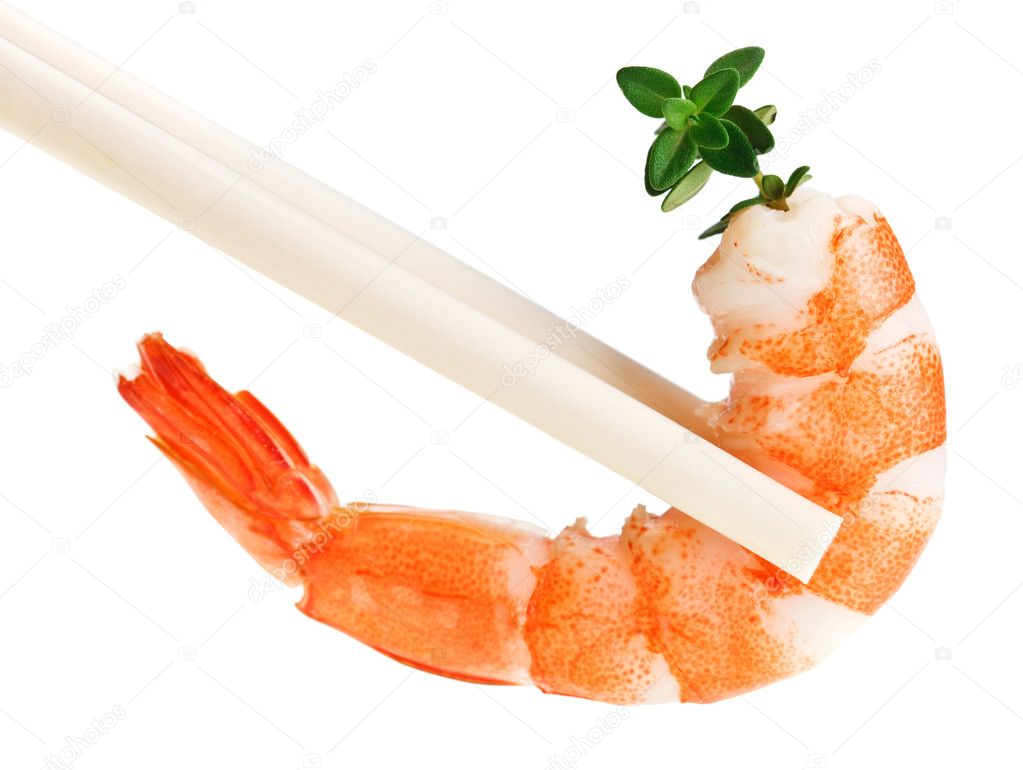
Cooked tiger shrimp with thyme twig in chopsticks

while also having available the secondary possibility of scooping if needed (for peas, for instance).
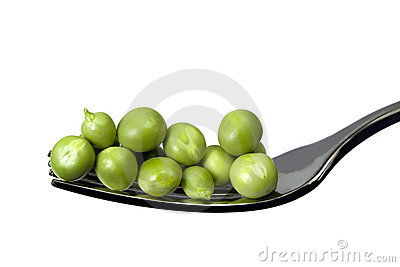
peas on a fork

And twinning a fork with a knife means that cooks can turn over the pesky work of cutting up the food to the eaters rather than have to do this work themselves in the kitchen.

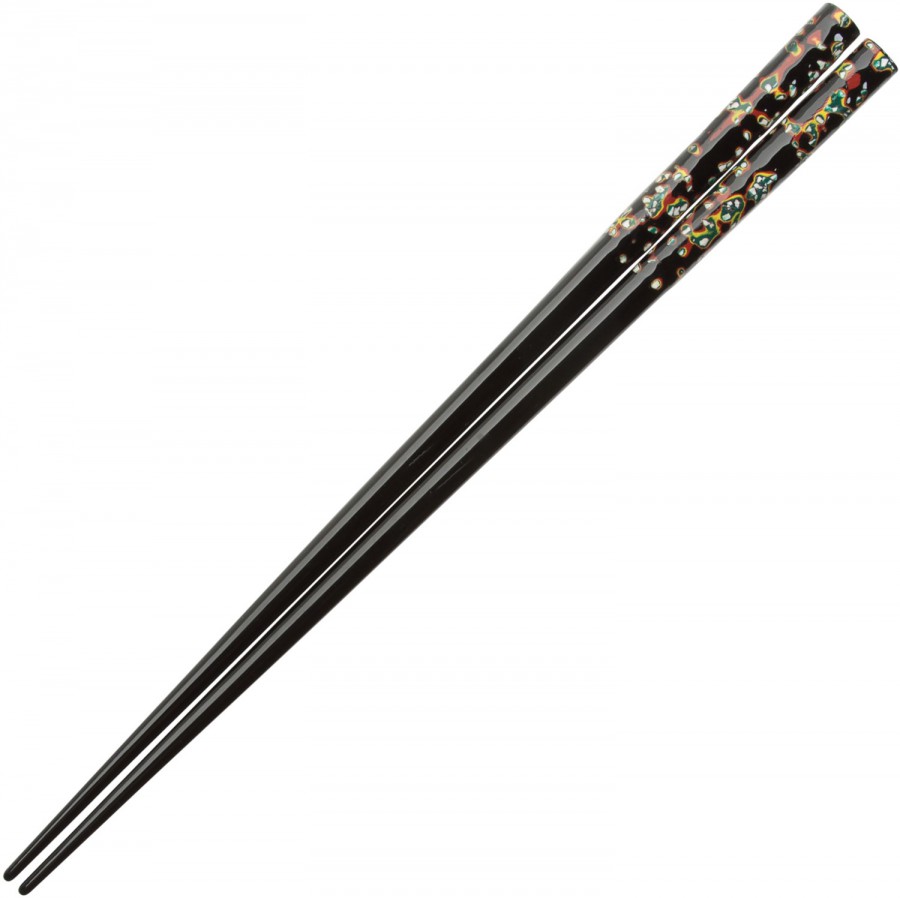
But I will admit that chopsticks are aesthetically more pleasing than forks. Or at least they are to me (and here I pull out another venerable adage: “beauty is in the eye of the beholder”). Used to the grotty pieces of balsa-like wood offered to us in Chinese restaurants, it came as something of a shock to my wife and I when we were offered two beautiful sets of chopsticks on our first trip to Japan. They looked something like this.

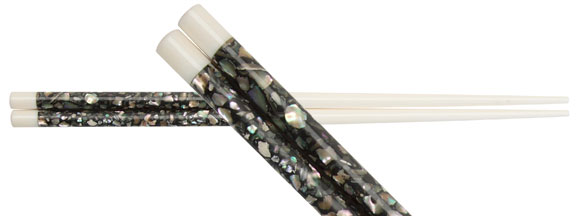
wakasa chopsticks

mother of pearl chopsticks

That was some thirty-odd years ago. They have travelled with us everywhere we’ve gone, like talismans. When we first got to Beijing, we visited Qianmen, which is a pedestrianized road to the south of Tiananmen Square. It’s very touristy, full of shops, generally pretty awful. But there was one shop which drew me like a magnet, a clearly high-end shop which sold chopsticks

chopstick-shop in qianmen

I went in and looked around. Beautiful, so beautiful – but hideously expensive. I was staggered by the prices and left empty-handed. I beg to differ with yet another adage, “beauty has no price”.

The shop taught me something I hadn’t known. Chinese chopsticks are bluntChinese chopstickswhile Japanese chopsticks are pointed

Japanese chopsticks

Weighing it all up, I think pointed chopsticks are more pleasant on the eye than blunt ones – and you can spear things if necessary.

I leave you with a beautiful sunburst of chopsticks. Enjoy!

circle of chopsticks

_____________________

Chinese restaurant UK: http://junk4lunch.files.wordpress.com/2013/08/wpid-img_20130808_hingloong.jpg [in http://junk4lunch.wordpress.com/2013/08/12/beef-brisket-noodle-soup-hing-loong-borough-high-street/%5D
Trying to use chopsticks: https://lh4.googleusercontent.com/-GjkRDYGgO3Q/TWmPeRm9UMI/AAAAAAAADTc/CAllPWrsOCc/s1600/DSCN2786.JPG [in http://memoriesexpress.blogspot.com/2011/02/day-46-54cancun-vacation.html%5D
How to use chopsticks: http://www.askjohnenglish.com/wp-content/uploads/2010/10/chopsticks.jpg [in http://www.askjohnenglish.com/conversation/how-to-use-chopsticks%5D
Forks: https://retail.libbey.com/var/libbey/storage/images/retail-home/product-repository/appetizer-fork/211460-1-eng-US/Appetizer-Fork.jpg [in https://retail.libbey.com/Product-Repository/Appetizer-Fork/%28language%29/eng-US%5D
Chopsticks and shrimp: http://static5.depositphotos.com/1000383/493/i/950/depositphotos_4934044-Cooked-tiger-shrimp-with-thyme-twig-in-chopsticks.jpg [in http://depositphotos.com/4934044/stock-photo-cooked-tiger-shrimp-with-thyme-twig-in-chopsticks.html%5D
Peas on a fork: http://thumbs.dreamstime.com/x/peas-fork-15791390.jpg [in http://www.dreamstime.com/stock-photo-peas-fork-image15791390%5D
Wakasa chopsticks: http://blog.everythingchopsticks.com/wp-content/uploads/2013/03/315-700_LS.jpg [in http://blog.everythingchopsticks.com/wakasa-chopsticks/%5D
Mother of pearl chopsticks: https://www.everythingchopsticks.com/images/CHP194.jpg [in https://www.everythingchopsticks.com/bone-chopsticks-with-scattered-mother-pearl-pi-361.html?image=0%5D
Chopstick shop in Qianmen: http://1.bp.blogspot.com/-kGrxQQwS1ZM/Tx0jpZHQnuI/AAAAAAAAA5Y/bgbpkFFt0Yo/s1600/chopstick-shop.jpg [in http://englishcoffeedrinker.blogspot.com/2012/01/happy-new-year.html%5D
Chinese chopsticks: http://www.silvermagpie.co.uk/media/catalog/product/cache/1/image/9df78eab33525d08d6e5fb8d27136e95/c/h/chopsticks.jpg [in http://www.silvermagpie.co.uk/chinese-chopsticks.html%5D
Japanese chopsticks: http://blog.everythingchopsticks.com/wp-content/uploads/2013/03/315-709.jpg [in http://blog.everythingchopsticks.com/all-about-asian-chopsticks/%5D
A circle of chopsticks: http://www.thecuriouscreature.com/wp-content/uploads/2013/01/32.jpg [in http://www.thecuriouscreature.com/tag/sushi/%5D
MY SWEET LITTLE BIKE

Beijing, 21 August 2015

When I was young (“so much younger than today” as the Beatles sang so long ago), I was a fanatic of the bike. Well, at least during the summer holidays I was. I would spend them at my grandmother’s house in France, where there were always a bunch of bicycles, big and small, old and new, lying around and ready to be grabbed and ridden. My cousins spent the summer next door, so we would spend endless afternoons bicycling around the Beaujolais countryside which surrounded us – I’ve already written about this in a previous post.

When I was 10 or 11, my parents decided that it was time for me to have my own bike. They took me down to the main bicycle shop in the nearby market town. After a certain amount of negotiation, we agreed on a Peugeot bike. How I loved that bike! It was an exquisite light green colour, with a real leather saddle, four gears, silver mudguards, white-walled tyres, a little satchel hanging behind the saddle with all the equipment needed to mend a puncture, a pump hooked to the crossbar, lights that worked with a dynamo which clicked into place on the front wheel and which purred as I flew down the darkened lanes at night… As you can see, that bike has been etched deeply into my memory. I spent many a happy moment cleaning it, burnishing it, oiling it, pumping its tyres. Whenever I arrived for a holiday, after a hasty peck on my grandmother’s cheek, it was to my bike that I rushed, to give it a loving wipe and the first whirl of the holidays down the lanes.

Well, I grew up and moved on. The bike stayed mournfully propped against the garage wall, while I graduated to motorized transport – the moped first, then the car. I would give it a pat from time to time, and then nephews and nieces began to use it, then I stopped going to my grandmother’s house, then one day it was gone.

It’s not as if I betrayed my bike with another. Apart from a year or two when my wife and I were living near Lake Maggiore and did everything by bike – going to work of course, but also the shopping, the post office, the cleaning, and simply touring around – I just stopped riding bikes. It’s difficult to ride a bike in cities, you know, and then the kids came along, and then, and then … Even in China, empire of the bicycle (well, fast becoming the empire of the car), I never rode a bicycle.

Until now.

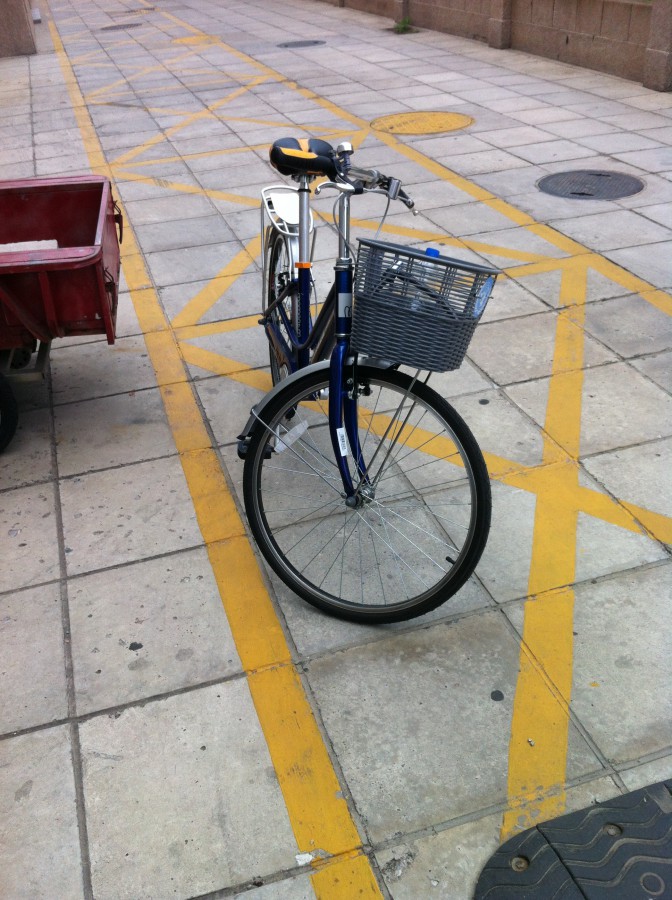
I won’t go into the details, suffice to say that by pure happenstance I’ve been given the use of a bike, and I have a place to park it safely, both at work and at home. So now every day, I ride to and from work. On this sweet little thing.

the bike i get to use

OK, it’s not a cool racing bike like this one

racing bike-3

or this one

racing bike-2or even this one (whose green rather reminds me of the green of my Peugeot bicycle)

futuristic bike-7

And it doesn’t give me an excuse to dress up in this unutterably cool way

racer-2

Nor does it allow me to go around in this intriguing way

racer-horizontal-1

or this extraordinary way (apparently this bike works on water too)

futuristic bike-3

But that’s OK, it allows me to reconnect with the bike. And it gives my thighs a really good work-out! My daughter will be very pleased to hear that. She’s always telling me and my wife to do more exercise.

________________________

the sweet bike: my pic
Racing bike-1: http://4.bp.blogspot.com/-V3gpmEz-om0/UxP8LMHKuCI/AAAAAAAAACI/rDNuF4gP888/s1600/Imageu.jpg [in http://nurhayara.blogspot.com/%5D
Racing bike-2: http://www.conceptbook.org/wp-content/uploads/2011/12/bicicletta-aria-marco-mainardi.jpg [in http://www.conceptbook.org/aria-marco-mainardi/%5D
Futuristic bike-1: http://cfs16.tistory.com/image/5/tistory/2011/01/11/11/41/4d2bc34ce7c68 [in http://myblueday.tistory.com/6676%5D
Racer: http://cyclingnz.com/profiles/a497_DSC_3075.JPG [in http://cyclingnz.com/cnz5_profiles.php?n=54%5D
Racer-horizontal: http://proporzionedivina.files.wordpress.com/2011/01/day9buatois1web1.jpg [in http://proporzionedivina.wordpress.com/2011/01/%5D
Futuristic bike-2: http://images.lainformacion.com/cms/bicicleta-anfibia/2012_10_29_PHOTO-ff2bca1b09886ed6447d13ad8dbedb0b-1351511060-9.jpg?width=995&height=650&type=height&id=HejqmIQJgDeHTw3t1hrgo1&time=1351512206&project=lainformacion [in http://noticias.lainformacion.com/economia-negocios-y-finanzas/diseno-e-ingenieria/las-bicicletas-del-futuro_oe04bAJ4zY9qK4YrwN4UX1/%5D
SMOOTH ROUND GEMS

Beijing, 14 August 2014

There was a board game I used to play when I was young, I forget its name, but it had to do with pirates and their treasure. I suspect that the game was loosely based on Robert Louis Stevenson’s Treasure Island, which the boys of my generation had all read.

Treasure.Island frank godwin 1925

“Harr, me hearties, pull strong, pull straight! Yohoho an’ a bottle o’ rum!” etc.

The purpose of the game was to capture the treasure, and like all good board games it had miniature treasure – miniature gold bars, miniature rubies, miniature diamonds, and so on. You stockpiled your treasure on islands, and you attacked each other to lay your grubby hands on everyone else’s treasure. I was fascinated by all that miniature treasure. I most lusted after the rubies. “Get in thar, lads, and grab t’ treajaye!”

This fascination of small boys like me with pirates and treasure was brilliantly tapped into by Hergé, the author of Tintin, who in two volumes caught the whole buccaneering spirit

Le-Secret-de-La-Licorne

and the subsequent hunt for buried treasure

Le_Tresor_de_Rackham_le_Rouge

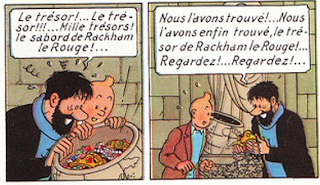
Ah, look how that evil pirate Rackham the Red shows off his treasure to Captain Haddock!

rackham montre le tresor

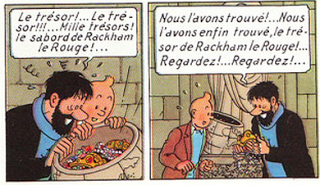
And look how his great-great-great etc. grandson Captain Haddock’s head is sent spinning when he finally finds this treasure!

Capt Haddock trouve le tresor de Rackham le rouge

All that glinting gold! All those sparkling gems!

But I grew up, and grew more sensible, and found that I didn’t actually like sparkling gems (I still like gold, though …). I’m told that gemstones are cut and faceted to bring out their sparkle – or to use the correct language, their brilliance and their fire. Some fellow called Marcel Tolkowsky even went so far as to work out mathematically the best faceting to give gems so as to use the light’s reflection and refraction to maximize their fire and brilliance. But when I now look at my once-favourite rubies

WellsFargoInsertRuby, July

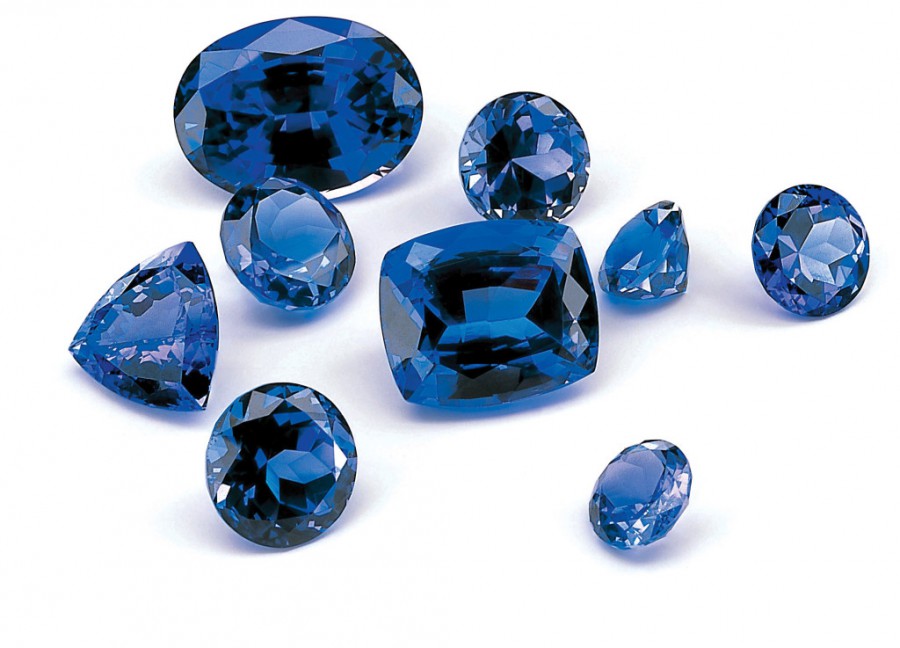
or sapphires

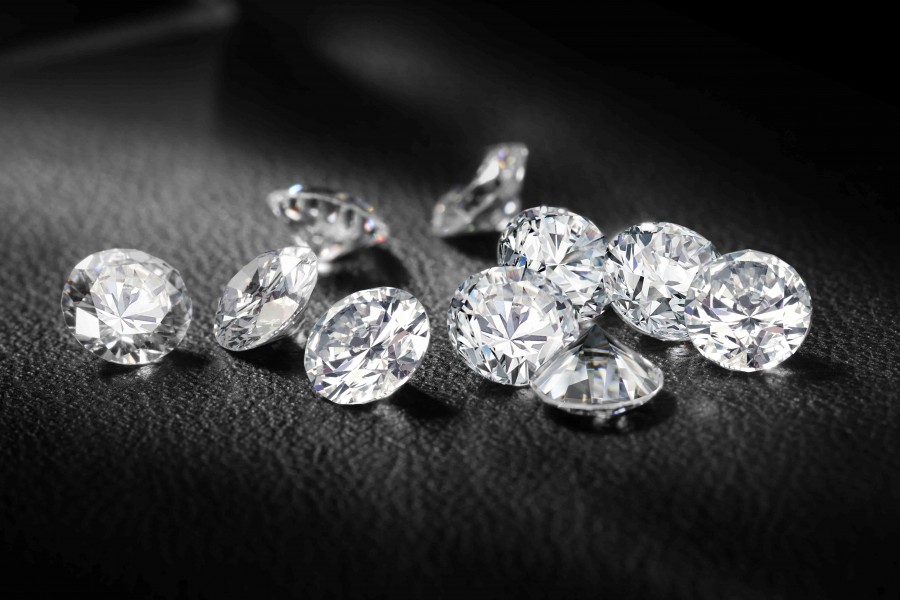
sapphires-blueor emeraldsemeraldsor diamonds

diamonds

I see nothing but cold, hard precision, stuff for the Rich Bitch.

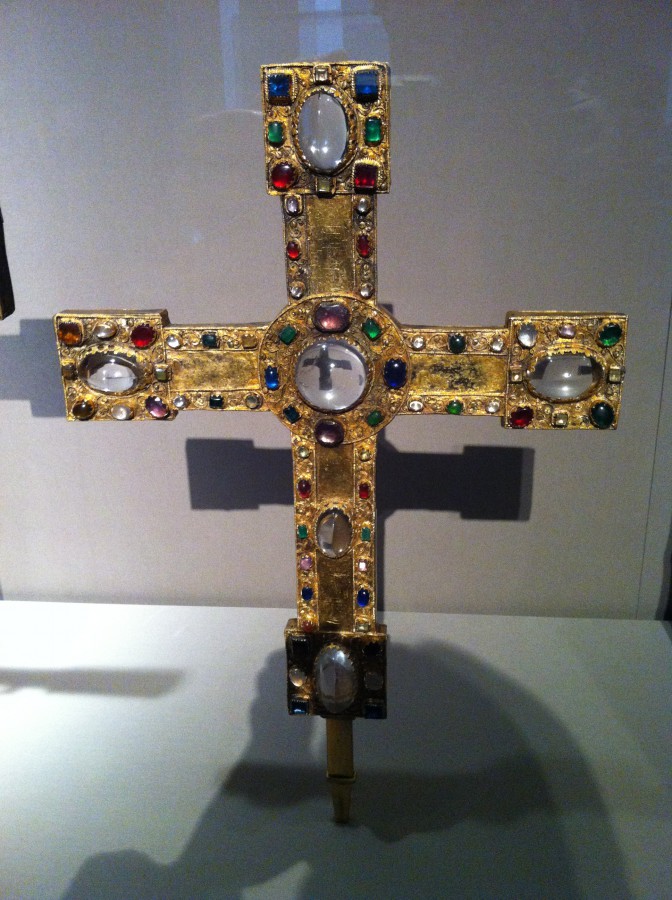
This was forcefully brought home to me last Christmas when my wife and I visited the Metropolitan Museum of Art during what has become our annual visit to our daughter in New York. The museum happened to be holding an exhibition of the medieval treasures from the Cathedral of Hildesheim in Germany. At that time – we are talking the 1100s – people didn’t know how to facet stones, so gems were mainly polished and rounded into cabochons. Take a look at these photos to see what I mean.

Here is a bible cover.

photo 012

This is a cross.

photo 004

This a reliquary.

photo 010

This a liturgical fan.

photo 007

The rounded shape in a gem is so much more simpatico, I feel, warmer, more approachable, so much more like us. I mean, we’re sort of round – more round than faceted. OK, it’s all a bit fanciful, but it is true that cabochons are much more like all those rounded, smooth, coloured pebbles that I’m sure we all picked up as kids on the beach and dreamily turned over and over in our hands.

boy on beach

I was certainly an assiduous pebble collector, a habit which I have kept up all my life. Everywhere I have gone, I have collected stones smoothed by the passage of water. I am always looking for interesting colours, striking striations, or curious shapes. Every time I find myself on a beach, my eyes will automatically drop and scour the sand or pebbles for interesting stones (or shells, or any curious flotsam thrown up by the sea). Even here in Beijing, far away from any beach, I have my collection of smooth stones, collected here and there.

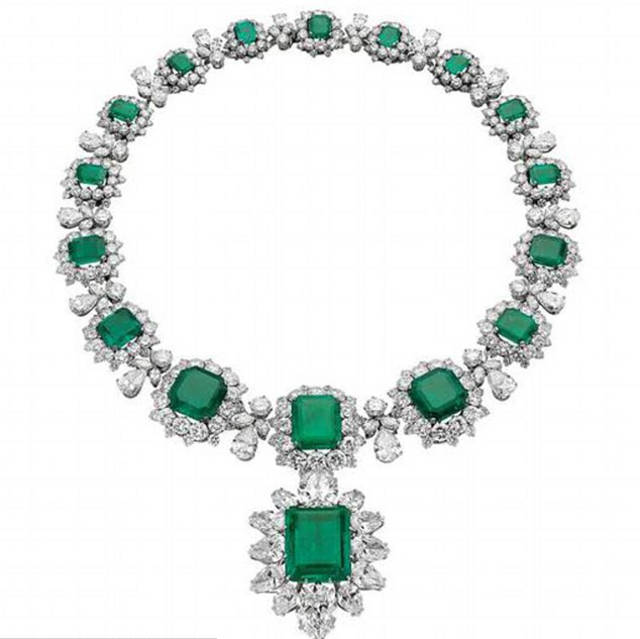
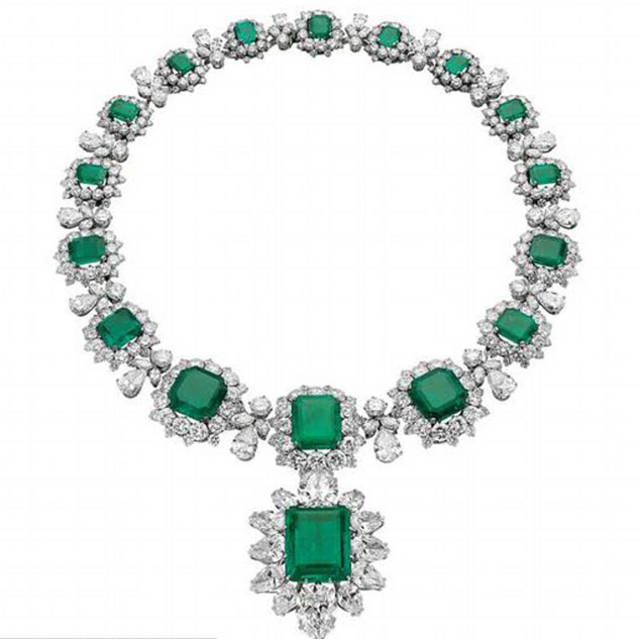
So you can understand that in my sensible adulthood I have not been so interested in Rich Bitch jewelry like this

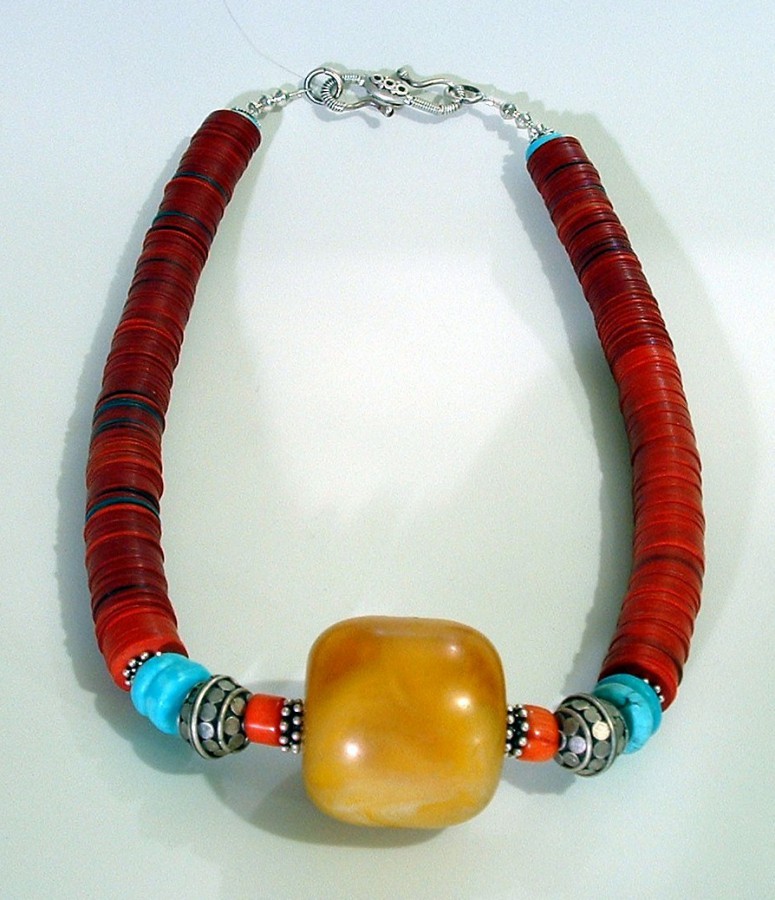
emerald necklace elizabeth-taylorpreferring “ethnic jewelry” like this.

ethnic necklace

(there is also a small matter of the price tag, but we’ll put that aside for the time being)

I insert here a photo of a wonderful necklace I bought my wife some five years ago. It’s a string of red agate stones. Very pebble-like, don’t you think? You see it here gracing her wonderful neck. I bought it in a little shop in Vienna which specializes in Asian ethnic jewelry.

my wifes necklace 001

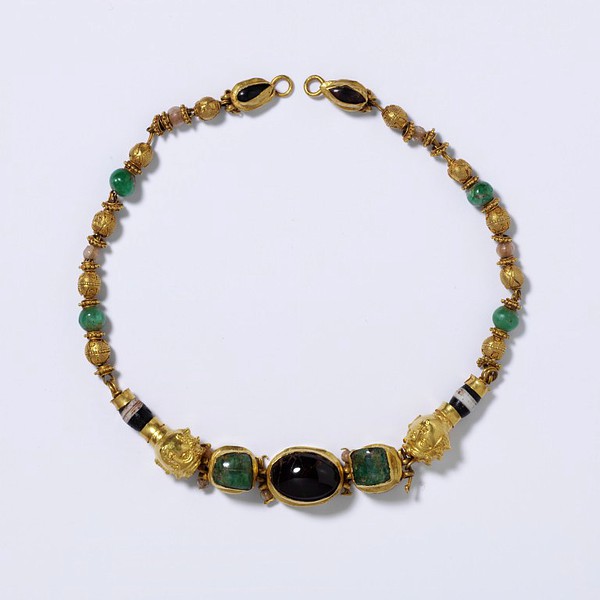
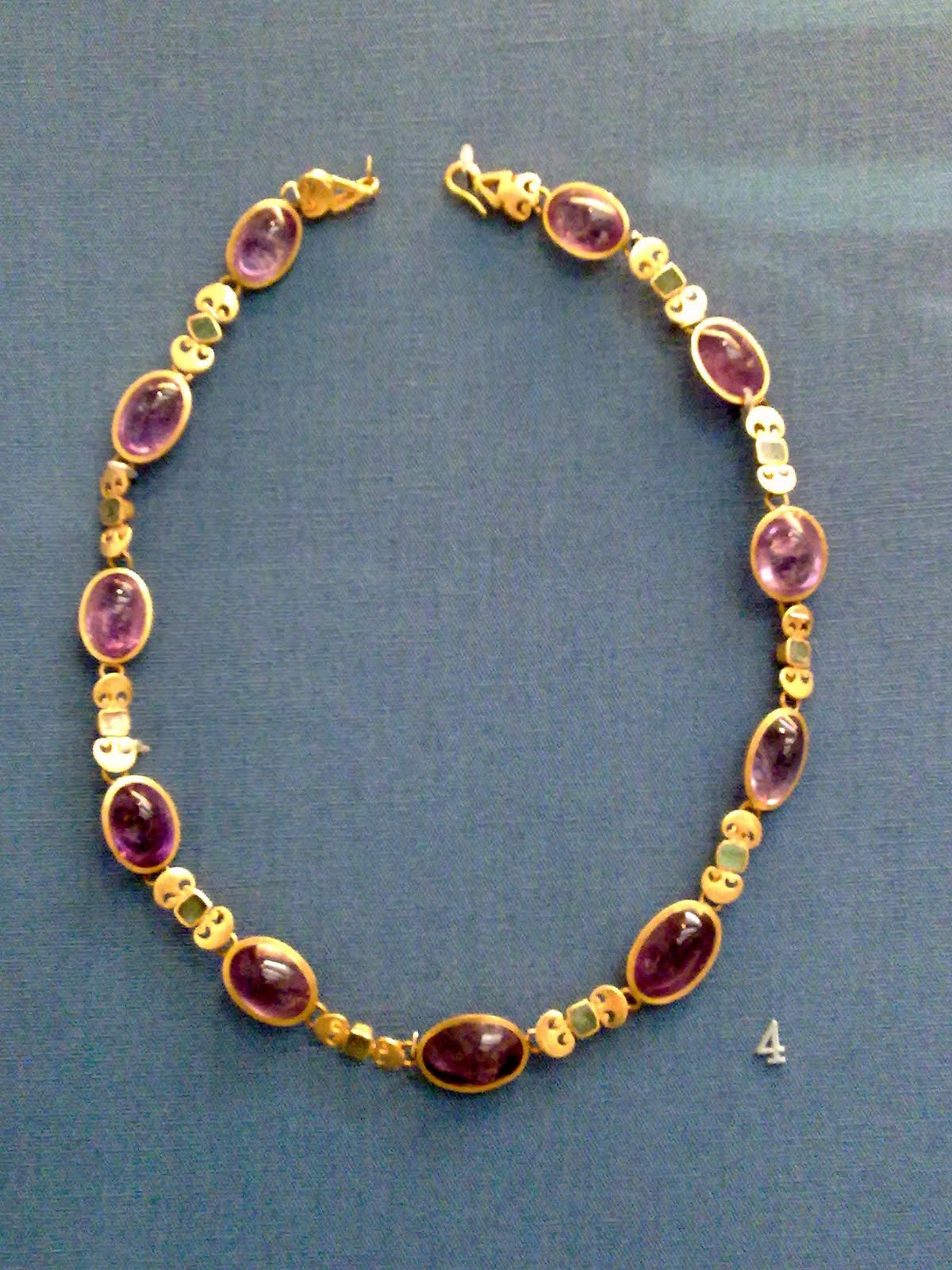
In these preferences I feel a bond with my faraway ancestors. But back, back we have to go, beyond the Romans

Roman necklace

and the Greeks

Helenistic gem and gold necklace

where too much gold intrudes.

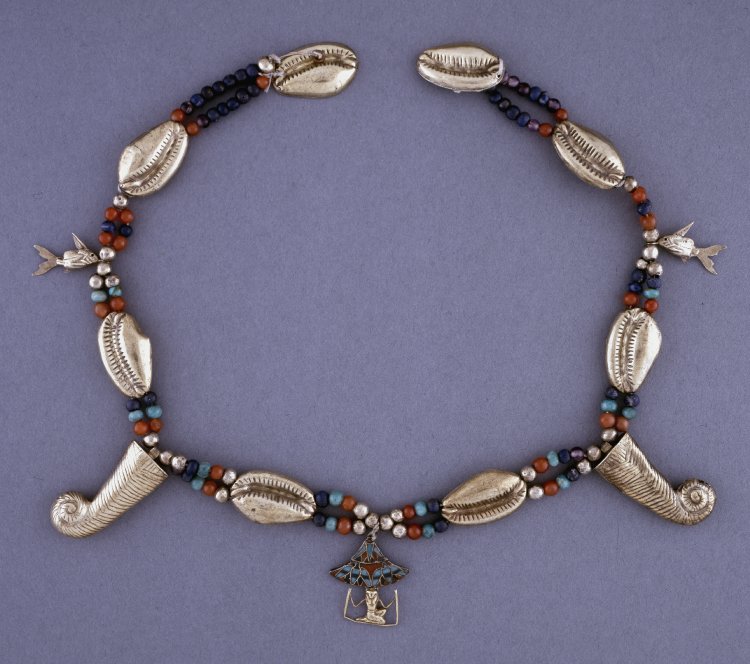
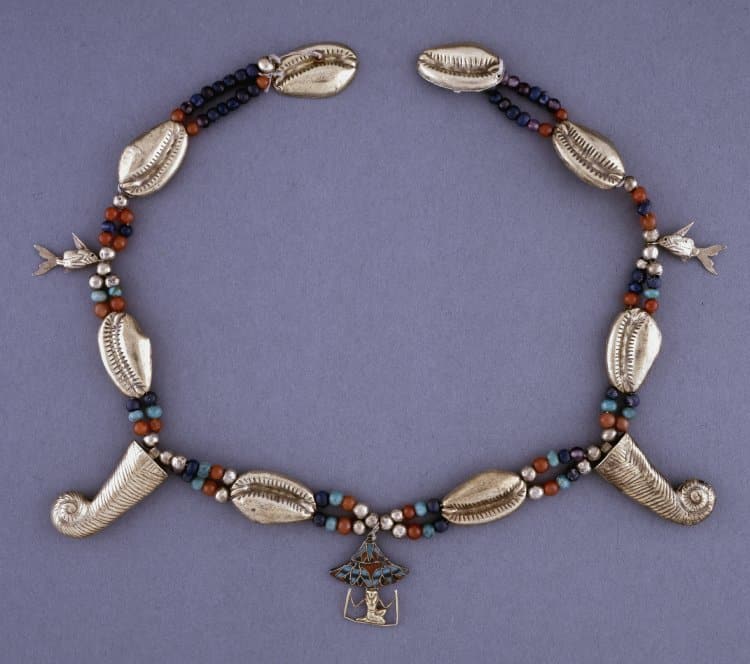
Beyond even the Egyptians, where silver gets in the way

Egyptian Electrum Cowrie Shell Necklace

We have to go back to the Celts two Centuries before Christ.

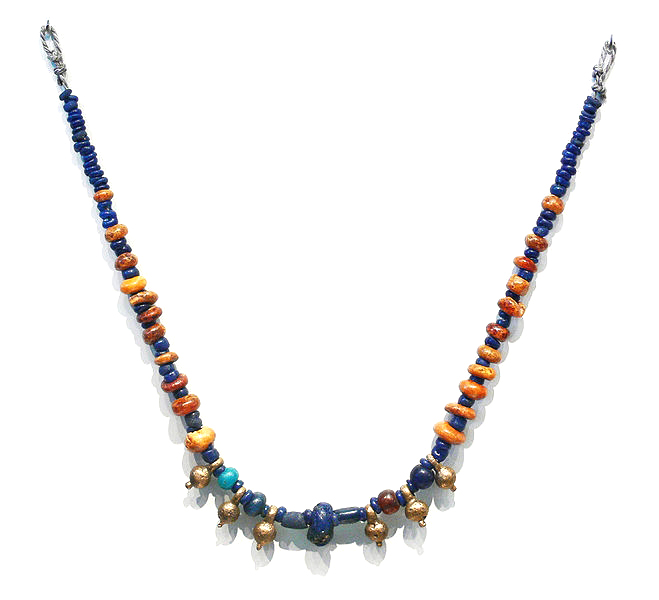
celtic necklace 2nd C BC Switzerlandand even further back to our prehistoric ancestors, 4,000 BC in this case

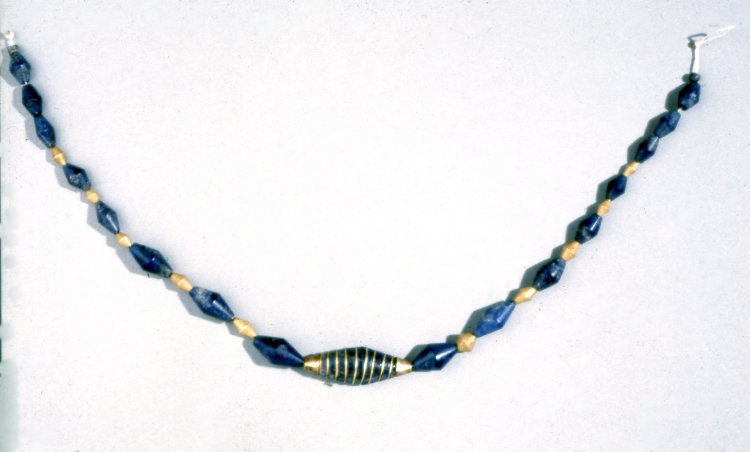
Late Prehistoric Beadsand 2,600 BC in this case

Late Prehistoric Beads-2

I’ve always felt myself to be a bit of a Cro-Magnon man. I think my wife sometimes agrees …

___________________

Treasure Island book cover: http://1.bp.blogspot.com/-LJJbNTjjGqQ/ThSexvsS_4I/AAAAAAAACC4/fKhA1cFGaFo/s1600/Treasure.Island+frank+godwin+1925.jpg [in http://inkspiredmusings.blogspot.com/2011/07/happy-birthday-party-for-peter.html%5D
Le Secret de la Licorne: http://images.ya-too.com/art/mou/mou-22100.jpg [in http://www.ya-too.com/fr-bd-Affiche-Tintin-Le-Secret-de-La-Licorne_68582.php%5D
Le Trésor de Rackham le Rouge: http://media.senscritique.com/media/000000024931/source_big/Le_Tresor_de_Rackham_le_Rouge_Les_Aventures_de_Tintin_tome_1.jpg [in http://www.senscritique.com/bd/Objectif_Lune_Les_Aventures_de_Tintin_tome_16/203208%5D
Rackham shows Haddock the treasure: http://fr.tintin.com/images/journal/journal/00697/C10%2021%20D3COLOR.jpg [in http://fr.tintin.com/news/index/rub/100/id/3825/0/james-bond-est-il-le-nouveau-rackham-le-rouge%5D
Capt. Haddock finds the treasure: http://3.bp.blogspot.com/-Nv7QFVzGXBM/UNCiRtR2VJI/AAAAAAAArZM/rEF0fZDSSCI/s320/Capt+-tresor+de+Rackham+le+rouge.PNG [in http://pasidupes.blogspot.com/2012/12/le-nouveau-site-de-lelysee-fait-une.html%5D
Rubies: http://tomshanesworld.com/wp-content/uploads/2011/07/The-Incomparable-Beauty-of-Natural-Rubies.jpg [in http://www.pixmule.com/blog-archive-the/11/%5D
Sapphires-blue: http://www.whatismybirthstone.com/wp-content/uploads/2013/04/Tanzanite-1024×737.jpg [in http://www.whatismybirthstone.com/emerald-birthstones-may%5D
Emeralds: http://eh-zhiznya.ru/091/izumrud_kamen-7.jpg [in http://eh-zhiznya.ru/index/izumrud_opisanie_i_foto/0-177%5D
Diamonds: http://www.aisource.com/images/default-source/default-album/diamonds.jpg?sfvrsn=0 [in http://www.aisource.com/managed-futures/news/aisource-news/2013/09/27/why-arent-diamonds-an-exchange-traded-commodity-%5D
The Hildesheim treasures: my photos
Boy on beach: http://4.bp.blogspot.com/_3mACnZBMOnA/TDlO_MugAII/AAAAAAAAAw8/_vT-Z9OMwWA/s1600/IMG_1391.JPG [in http://www.squidalicious.com/2010_07_01_archive.html%5D
Emerald necklace (Elizabeth Taylor): http://www.agentiadepresamondena.com/wp-content/uploads/2013/10/elizabeth-taylor-bijuterii-expozitie1.jpg [in http://www.agentiadepresamondena.com/expozitie-bulgari-bijuterii-elizabeth-taylor/%5D
Ethnic necklace: http://ornamento.files.wordpress.com/2008/12/n.jpg [in http://ornamento.wordpress.com/2008/12/05/make-your-own-clasps/%5D
Necklace on my wife: my pic.
Roman necklace: http://1.bp.blogspot.com/-YhPDENmZiN0/TjKcLenlDPI/AAAAAAAAB6k/n9NLLGciOZc/s1600/britmuseum4.jpg [in http://historicalclothinganduniforms.blogspot.com/2011/07/classical-influence.html%5D
Hellenistic necklace: http://www.langantiques.com/university/images/c/cb/Helenistic_gem_and_gold_necklace.jpg [in http://www.langantiques.com/university/index.php/Necklaces%5D
Egyptian electrum and beads necklace: http://www.langantiques.com/university/images/5/50/Egyptian_Electrum_Cowrie_Shell_Necklace.jpg [in in http://www.langantiques.com/university/index.php/Necklaces%5D
Celtic necklace 2nd C BC Switzerland: http://www.langantiques.com/university/images/6/65/Halsschmuck_Molinazzo_d_Arbedo(1).jpg [in http://www.langantiques.com/university/index.php/Ancient_Jewelry%5D
Late prehistoric necklace: http://www.langantiques.com/university/images/thumb/d/da/Late_Prehistoric_Beads.jpg/704px-Late_Prehistoric_Beads.jpg [in http://www.langantiques.com/university/index.php/Necklaces%5D
Late prehistoric beads-2: http://www.langantiques.com/university/images/e/e5/Lapis_Beads_Ur.jpg [in http://www.langantiques.com/university/index.php/Necklaces%5D

SCENT OF MY WIFE

Beijing, 3 August 2014

I’m very boring when it comes to using after-shaves, eaux de cologne, or similar perfumes. I use none. I don’t even like to use perfumed soaps. I prefer to smell of nothing. Very boring.

This dislike of perfumes extends to perfumes on others. For instance, I wince and move rapidly out of the way if I happen, on the street or in a corridor, to find myself walking into the scented wash following a heavily perfumed person. And I always stare disapprovingly at scented people if I find myself with them in elevators or other enclosed spaces from which I cannot escape.

As you can imagine, this scentophobia of mine, if I can call it that, is the despair of my wife. Whenever we are taking an international flight she always makes a bee-line for the perfumery section of the Duty Free shop, where she will try a spray of this and a squirt of that. She always asks me my opinion, and like any good husband I always take a sniff and murmur something unintelligible. She sighs and asks out loud why she bothers. Indeed, why does she bother? I suppose hope springs eternal.

But actually, once, just once, she tried a perfume, she asked me my opinion, I dutifully sniffed … and I blinked. I liked it! I actually liked it! It had a lemony-sort of scent which my nose really found quite attractive. Terribly pleased by this exciting development, my wife promptly purchased the perfume in question and has been using it ever since. Since my readers are no doubt on the edge of their seats by now, wondering what perfume it was, I am glad to announce that it was Chance Eau Fraîche, by Chanel.

Chanel Chance Eau FraicheI’m not sure that its use filled my wife with quite as much delirious happiness as this young lady is showing, but it did put a spring in her step and a twinkle in her eye. It also allowed me to close my eyes and go “mmm-aaah” whenever she gave herself a spray.

man smelling perfume-2

All was well until the perfume began to run out. A replacement became an impelling necessity. An inspection of shops in Beijing showed that prices were ridiculously high here, so I was given the task – gladly taken on, since I liked the perfume – of getting a new bottle on my upcoming trip to Europe. Which I did, in the Duty Free shop at Vienna airport. I triumphantly presented it to my wife upon my arrival. She ceremoniously opened the packaging, fished out the bottle, and gave herself a spray.

OMG, not the same! We sniffed, we conferred, we checked the packaging (I could have got the wrong product, it wouldn’t have been the first time), we compared it to the remaining dregs in the old bottle … No doubt about it, something was different. But what?

I went off in a frenzy of searching on the internet, starting with Chanel perfumes’ own website. Allow me to quote the blurb about Chance Eau Fraîche which I found there

A vibrant incarnation of the unexpected fragrance, now takes on a sparkling freshness. The unexpected floral bursts with a lightness and zest as notes of Citrus, Water Hyacinth and Jasmine Absolute are highlighted and energized with woody notes of Amber, Patchouli and Fresh Vetiver.

I must say, I thought I had reached the maximum levels of BS in descriptions of wines, which I commented on in an earlier post, but the BS written about perfumes beats them all. In any event, this description didn’t help me in figuring out what was wrong.

Another site, after breathlessly quoting the Chanel site blurb almost word for word, added this:

Top Notes: Citron, Water Hyacinth
Middle Notes: Jasmine Absolute, White Musk
Base Notes: Vetiver, Amber, Patchouli, Teak

What was this stuff about notes? A bit more research on my part taught me that there is such a thing as a fragrance pyramid, which looks like this:

olfactive_pyramid

This chart explains what all these notes mean (BTW, middle notes are also called heart notes, and top notes head notes), but it’s rather scholastic, the sort of thing a teacher would put on the board at school. Here’s a more colourful version of the same pyramid

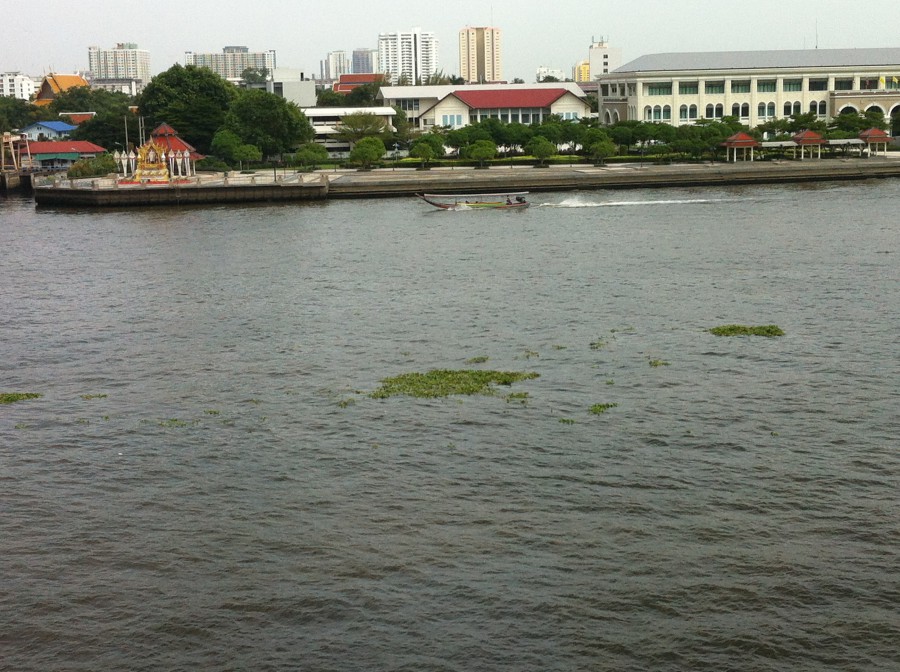
olfactive pyramid-2Coming back to our problem with Chance Eau Fraîche, something must have happened to the top notes, because we smell the difference immediately. My wife thinks the Chanel people have cut back on the citron note. I think it’s something else – have they fiddled with the water hyacinth note? I wouldn’t be able to say because I have no idea what water hyacinth smells like. The closest I’ve come to the plant is clumps of it floating past the window on the Chao Phraya River last week in Bangkok.

water hyacinths 001

In fact, I only know it as a horribly invasive species, which has more or less choked Lake Victoria in Africa to death. But it has a beautiful flower

Water Hyacinth Flowerwhich, it seems, was the reason it was taken away from its original homeland in South America and spread the world over.

But now that I’ve learned this stuff about notes, I shall have to sneak up on my wife some 10-15 minutes after she has applied the perfume and see if I can smell the middle notes, jasmine absolute and white musk – which are what, exactly?

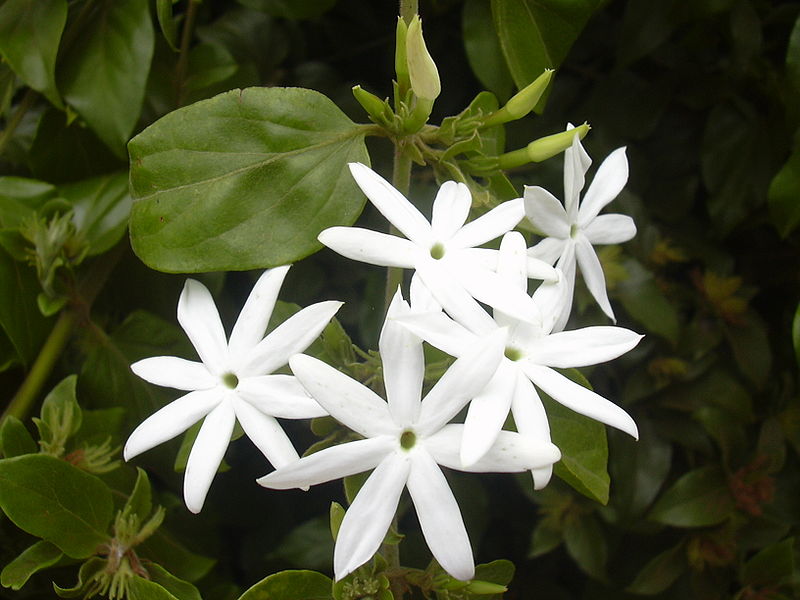
Well jasmine I know, and I know that my wife loves it. But there are a bewildering number of jasmine species, several of which are used for fragrances, so completely randomly I’ve chosen a picture of the flower from jasminum multiflorum to represent the species.

jasmineAs for this word “absolute”, I have learned that some flowers, jasmine being one of them, are too delicate to have their oils extracted through distillation. Instead, they are extracted with solvents or through enfleurage, a process where the petals are pressed or stirred into fats.

I think I would recognize jasmine if I smell it on my wife, but I’ve no idea what white musk would smell like. I have this idea that it would be very penetrating as a smell – “animalic”, as they put it in that second fragrance pyramid I give above. Come to think of it, I don’t even really know what musk is, or at least I didn’t until I read up for this post. Now I know a bit more. For starters, white musk is the name given to synthetic musk. For economic, and I would hope ethical, reasons, musk is no longer taken from its natural source, which is a gland of the male musk deer (I had vaguely thought it came from civet cats, don’t know why).

musk deer

Nice looking creatures, although what strange fangs they have! The famous musk gland lies in a sac located between the poor animal’s genitals and its navel. Presumably, you had to kill the animal to get to this gland.

So that does the middle notes. After three-four hours, I can sneak up on my wife again and try to detect the base notes. And here again, I have to confess to much ignorance. I know what amber and teak are, although I have difficulties in understanding what essential oils could be extracted from them, but what, I asked myself, are vetiver and patchouli?

They are both plants, it turns out, which come from India or thereabouts. Vetiver is a grass, related to sorghum.

vetiverThe essential oil used in perfumes comes from its roots.

vetiver roots

The oil is described as smelling “warm and dry, and conveying earthy, woody, leather, balsamic and smoky notes”. I’m not sure how exactly that would register in my nose; I guess I will see.

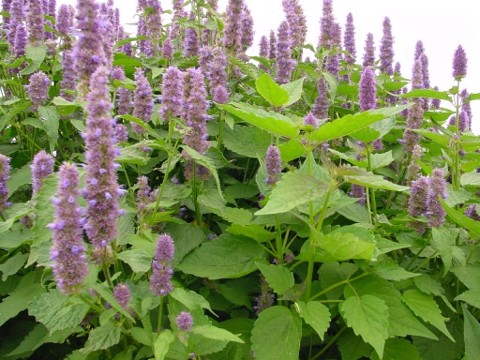
As for patchouli, it is a bushy herb of the mint family with small, pale purple flowers.

patchouli plantIf you thought like I did that the essential oil comes from the flowers, you would be wrong. It comes from a distillation of the plant’s leaves. It seems that it has a heavy and strong scent, so I guess I will recognize it when I take that surreptitious sniff at my wife’s neck.

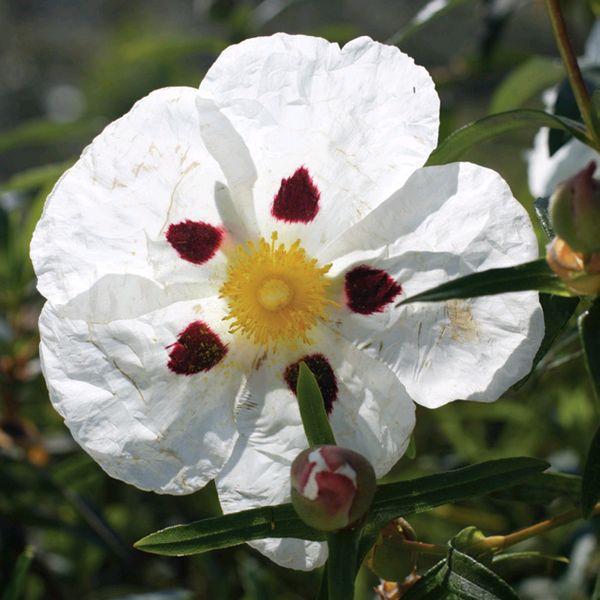
As for amber, I quickly understood that we were not talking about real amber. Instead, the word is used to loosely describe a fragrance that is “warm, musky, rich and honey-like”, and also “somewhat oriental and earthy”. Like everything nowadays, it can be made completely synthetically. But I prefer to believe that the master perfumer who created Chance Eau Fraîche, Jacques Polge, used natural resins. In that case, the basis of the “amber” in my wife’s perfume will probably be labdanum, which comes from a species of rockrose found in the Mediterranean. The shrub has a lovely flower

labdanum

but actually what is used in perfumes is the plant’s resin, which is usually extracted by boiling the leaves and twigs. To this can be added benzoin resin (obtained from the bark of several species of trees in the genus Styrax), copal (another type of tree resin), Dammara resin (from the kauri or dammar trees), vanilla, cloves and who knows what else. Labdanum’s fragrance is described as “animalic, sweet, woody, ambergris, dry musk, or leathery” and “very rich, complex and tenacious”. OK, let’s see what my nose tells me.

And teak? I guess that will be a woody smell …

Right, it’s time to go sniffing around my wife.

____________________

Chanel Chance Eau Fraiche: http://goods.tuanweihui.com/ueditor/php/upload/20131114/1384410621998.jpg [in http://www.wensm.com/zonghe/qita/9872.html%5D
Man smelling perfume: http://raindropsbasmatirice.files.wordpress.com/2013/01/1083376-clipart-man-smelling-an-aroma-royalty-free-vector-illustration.jpg [in http://raindropsbasmatirice.wordpress.com/2013/01/05/keeping-a-tradition-alive/%5D
Fragrance Pyramid: http://www.toutenparfum.com/miniguide/element/olfactive_pyramid.jpg [in http://www.toutenparfum.com/miniguide/petit_guide/smallguide.en.php%5D
Fragrance pyramid-2: http://www.lacedivory.com/blog/wp-content/uploads/2012/05/FragranceFamiliesPyramid.jpg [in http://www.lacedivory.com/blog/2012/05/12/guest-post-an-introduction-to-the-different-notes-in-a-fragrance/%5D
Water hyacinth on the Chao Phraya River: my photo
Water hyacinth flower: http://upload.wikimedia.org/wikipedia/commons/7/77/Pond_Water_Hyacinth_Flowers.jpg [in http://commons.wikimedia.org/wiki/File:Pond_Water_Hyacinth_Flowers.jpg%5D
Jasmine flower: http://upload.wikimedia.org/wikipedia/commons/thumb/3/3b/Starr_030602-0071_Jasminum_multiflorum.jpg/800px-Starr_030602-0071_Jasminum_multiflorum.jpg [in http://en.wikipedia.org/wiki/List_of_Jasminum_species%5D
Musk deer: http://upload.wikimedia.org/wikipedia/commons/thumb/9/9d/Moschus_moschiferus_in_Plzen_zoo_(12.02.2011).jpg/640px-Moschus_moschiferus_in_Plzen_zoo_(12.02.2011).jpg [in http://en.wikipedia.org/wiki/Musk_deer%5D
Vetiver: http://www.essentialoilspedia.com/wp-content/uploads/2013/05/vetiver1.jpg [in http://www.essentialoilspedia.com/vetiver/%5D
Vetiver roots: http://www.vetivernurseries.co.nz/uploads/images/3Months growth2.JPG [in http://www.vetivernurseries.co.nz/index.php?page=the-vetiver-system%5D
Patchouli: http://1.bp.blogspot.com/-HiPRjCwKAUk/UbWkXqtZyFI/AAAAAAAACPQ/IuvNYw7f8O0/s1600/patchouli+plant.jpg [in http://eleneetha.blogspot.com/2013/06/tonight-patchoulis.html%5D
Labdanum flower: http://www.biolandes.com/images/p-ciste-labdanum-espagne6grand.jpg [in http://www.biolandes.com/en-cistus-labdanum.php?lg=en%5D

WHAT MASK SHALL WE WEAR TODAY, DEAR?

Beijing, 30 March 2014

We’ve had a bad air day here in Beijing.
smog in Beijing
Actually, we’ve been having a series of bad air days, after a relatively long period of good air days. Due to the change of weather patterns as we move from winter to spring, I imagine.

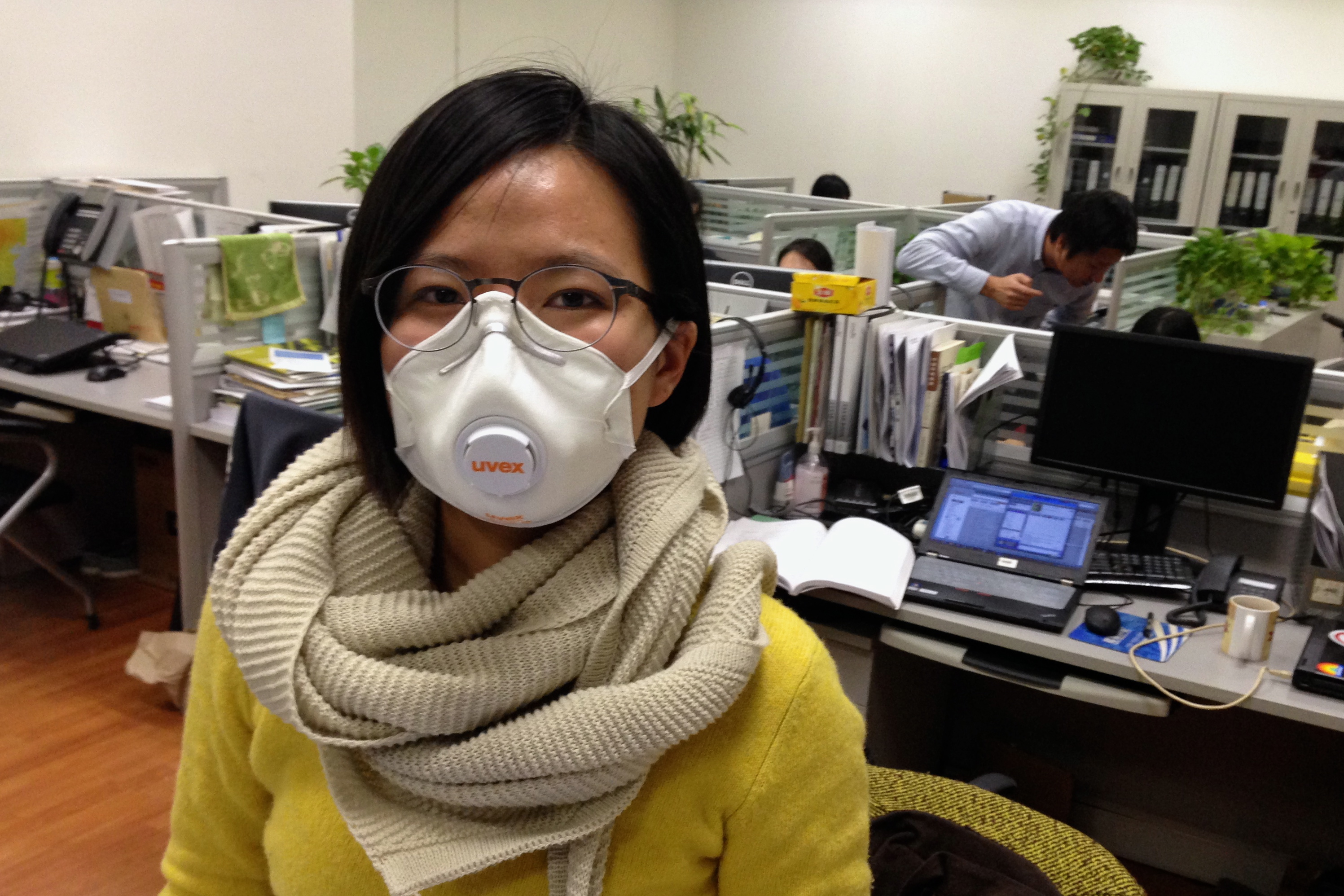
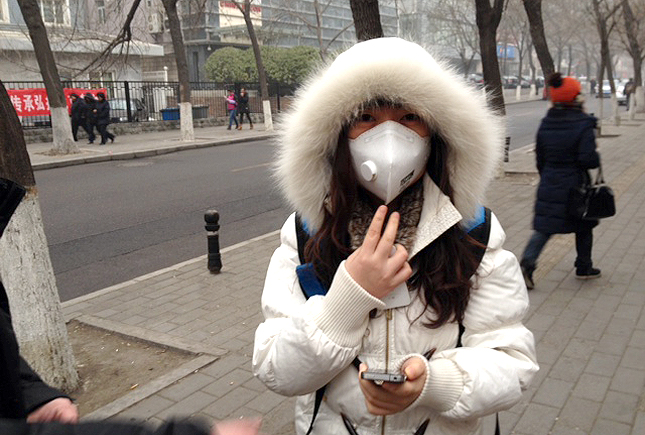
In any event, these days of high particulate levels have led to an efflorescence of masks on the face of pedestrians.
beijingers wearing masks
When my wife and I first arrived here four years ago, the local population stoically accepted the situation. The official government position at the time could be summed up as: “air pollution? what air pollution?” So the masses followed the party line and officially shrugged off the decision by some foreigners to wear protective masks as weak-kneed and effeminate. At most, they would don surgical masks
mask-medical-2
a common enough habit here, although used more as a way to control the spread of the common cold.

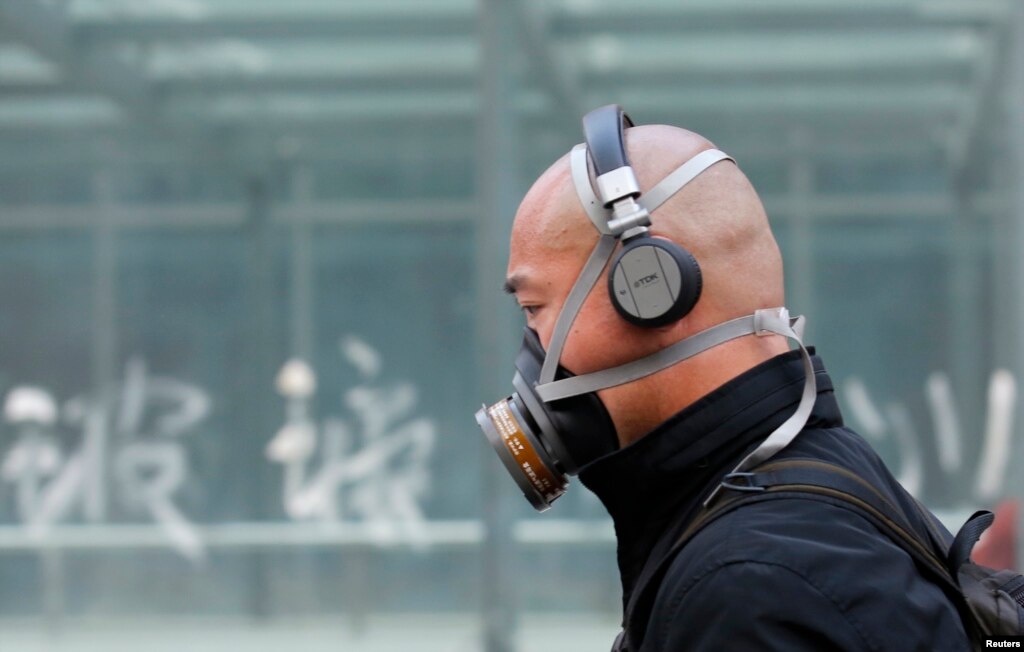
Then, about a year ago, with the change in party leadership, the government made it publicly known that actually there was an air pollution problem, and almost overnight Beijingers started wearing protective masks. Such is the power of the party …

My wife and I, though, are made of tougher stuff and have considered all these mask wearers, Chinese and foreigners alike, weak-kneed and effeminate. That is, until now. Because even we, tough nuts though we are, have begun to think that maybe we should also be wearing masks on bad air days, before we get hit with an irreversible case of asthma or worse.

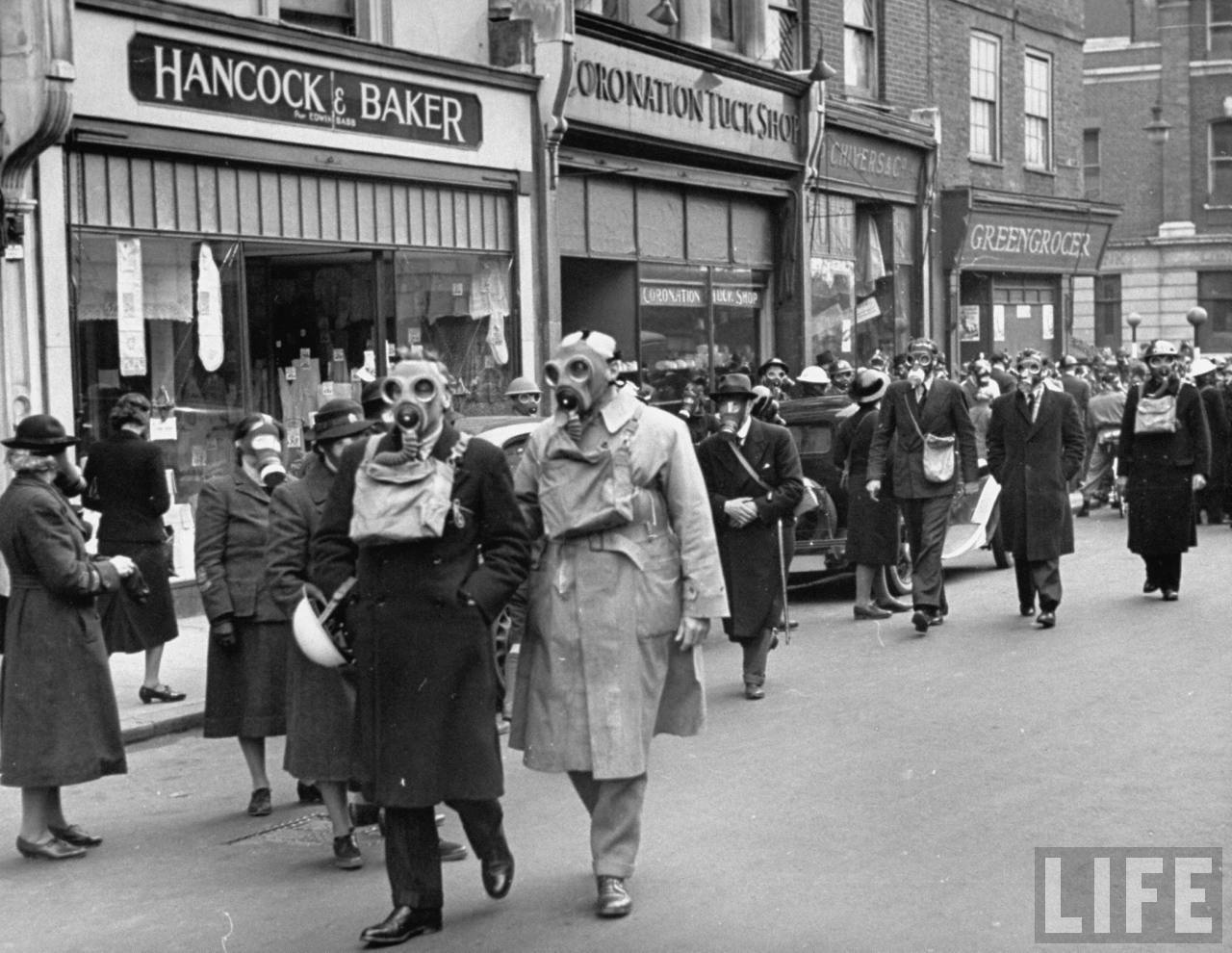
But what masks should we wear? And here, I have to say, aesthetics will play as much a part in our decision as efficacy. Efficacy alone would suggest wearing some sort of gas mask. The problem is, gas masks – at least in their traditional form – are fantastically unaesthetic. Consider this photo, taken in London during the Second World War
gas masks WW2-1
The Londoners in question were taking part in a drill, to make sure they knew how to use their masks in case the Germans dropped gas bombs.

Or how about this one, also from the Second World War, of some bizarre outing in the woods by a bunch of people (scouts?), all kitted up in gas masks
gas masks WW2

Can you imagine us all walking around Beijing looking like this? Already walking around in the smog is depressing enough. Having people looking like this looming out of the fug around you would be enough to give you a serious case of the heebie-jeebies. It would be like meeting a streetful of Edvard Munch’s screamers; one would begin to start screaming oneself.
The Scream lithography
The more modern gas masks have a friendlier design, showing as they do the face of the wearer.
gas mask-modern
I mean, at least you could smile at each other as you pass on the pavement and give each other moral support in this time of trial and tribulation.

But I feel that wearing even such a user-friendly gas mask would really be over the top. After all, we are only being subjected to excessively high particulate levels and not to massive leaks of poisonous gas, which these gas masks were presumably designed to deal with. Good design must be “fit for purpose”, as they say; these gas masks fail on this criterion.

A somewhat pared-down version of these gas masks is available in China, which has the “snout” but not the eye coverings.
mask-1
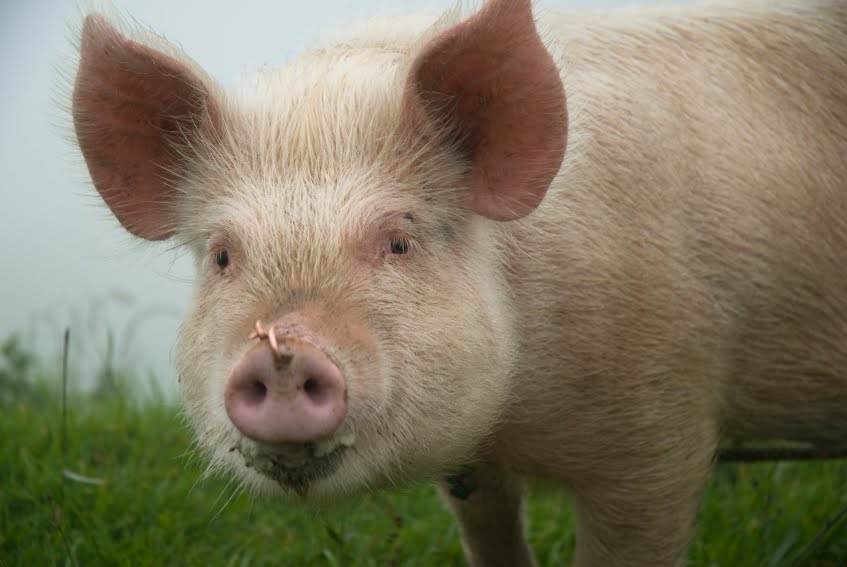
And that is precisely the problem which I have with this particular mask design. It would make the wearer look somewhat porcine
pig snout
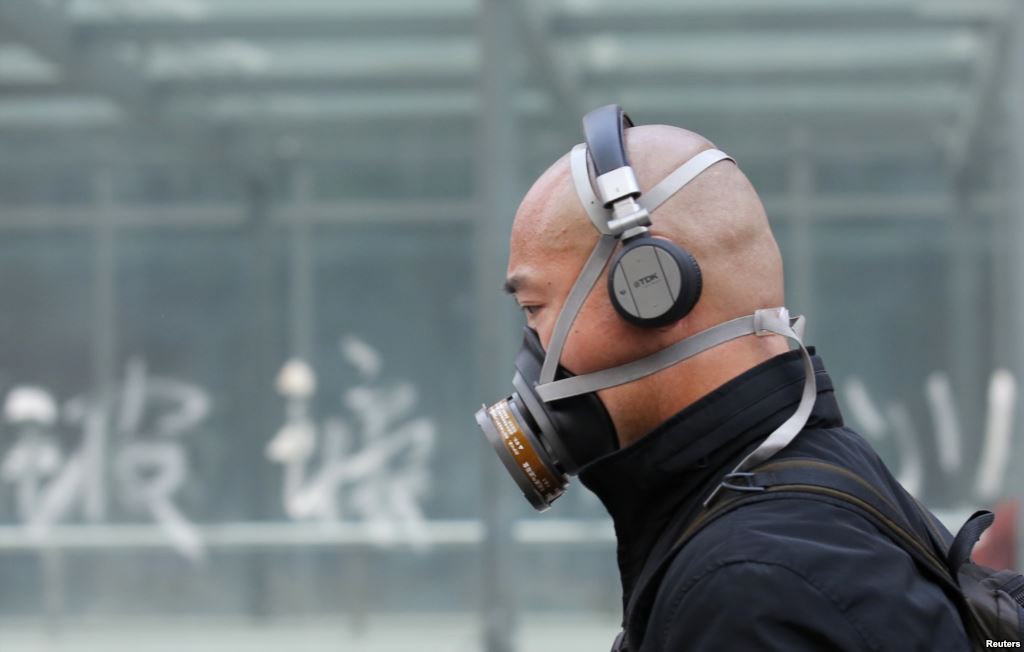
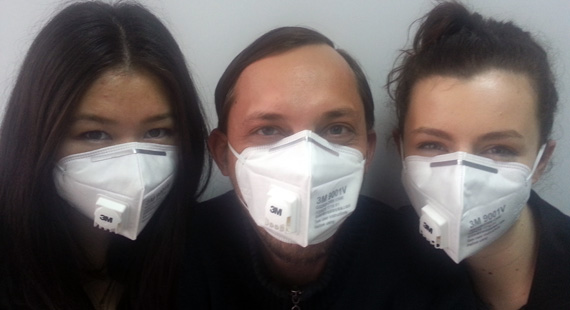
So we need to look further afield for an efficacious but also aesthetically pleasing mask. I have found these on the web and/or seen people wearing them on the street:
mask-2

mask-3

mask-4a

IMG_0374

mask-8a

mask-8
My wife and I have debated the relative merits of these masks. Always assuming that we take the final plunge and buy masks, she would go for the fourth, which gives her space to breathe; she has tried the last mask and found it suffocating. For my part, I would go for the second mask, which I find pretty cool.

Of course, the best would be that NO-ONE has to wear masks. But for that to happen, the party is going to have to take some painful decisions. We will see …

____________________
Smog in Beijing: http://www.csmonitor.com/var/ezflow_site/storage/images/media/content/2013/0114-smog/14755543-1-eng-US/0114-smog_full_600.jpg [in http://www.csmonitor.com/World/Latest-News-Wires/2013/0114/Heavy-smog-in-Beijing-prompts-uncharacteristic-government-transparency-video%5D
Beijingers wearing masks: http://www.thestar.com/content/dam/thestar/news/world/2014/02/24/pollution_soars_in_china_rare_industry_shutdowns_reported/china_smog.jpg.size.xxlarge.letterbox.jpg [in http://www.thestar.com/news/world/2014/02/24/pollution_soars_in_china_rare_industry_shutdowns_reported.html%5D
Mask-medical: http://news.xinhuanet.com/english/china/2013-10/21/132816417_11n.jpg [in http://news.xinhuanet.com/english/china/2013-10/21/c_132816417.htm%5D
Gas masks in WW2-1: http://www.moneyandshit.com/wp-content/uploads/2010/02/partisans-in_World_war2.jpg [in http://www.moneyandshit.com/partisans-in-gas-masks-during-world-war-2n/%5D
Gas masks in WW2-2: http://charlesmccain.com/wp-content/uploads/2013/12/hist_uk_20_ww2_pic_gas_mask_mock_london.jpg [in http://charlesmccain.com/2013/12/2768/%5D
The Scream lithography: http://upload.wikimedia.org/wikipedia/en/5/50/Munch_The_Scream_lithography.png [in http://en.wikipedia.org/wiki/File:Munch_The_Scream_lithography.png%5D
Gas mask-modern: http://img.xxjcy.com/pic/z14f386f-0x0-1/industrial_gas_masks_product_mf27_full_eyepiece_gas_mask.jpg [in http://www.xxjcy.com/manufacturers/z6a4a78/iz28e1a63-mf22a_type_gas_masks.html%5D
Mask-1: http://gdb.voanews.com/B8CC4108-6777-4820-9381-2F5CFE6AB98E_mw1024_mh1024_s_cy7.jpg ] [in http://www.voanews.com/content/study-finds-coal-pollution-cuts-north-china-lifespan-by-five-and-a-half-years/1697648.html%5D
Pig snout: http://kristilowe.files.wordpress.com/2013/09/istock_000012723567small.jpg [in http://kristilowe.com/tag/pig-snout/%5D
Mask-2: http://www.allergyasthmatech.com/ProdImages/model_photo copy[1].jpg [in http://www.allergyasthmatech.com/SP/Air_Pollution_Mask/101_373%5D
Mask-3: http://www.loftwork.jp/~/media/Images/Event/2013/20131218_frog/r_04.ashx?h=402&w=537 [in http://www.loftwork.jp/event/2013/20131218_frogdesign/report1218.aspx%5D
Mask-4: http://www.myredstar.com/wp-content/uploads/2013/02/Totobobo.jpg [in http://www.myredstar.com/smog-living/%5D
Mask-5: http://www.pri.org/sites/default/files/story/gallery/huang.jpg [in http://www.pri.org/stories/2013-11-11/beijingers-don-masks-defend-themselves-against-dirty-air-and-make-fashion%5D
Mask-6: http://www.i-m-s.dk/wp-content/uploads/2013/02/china-air-poll.jpg [in http://www.i-m-s.dk/pollution-finally-a-front-page-story-in-china/%5D
Mask-7: http://www.theworldofchinese.com/wp-content/uploads/2014/02/top5-masks-master.jpg [in http://www.theworldofchinese.com/2014/02/the-top-pollution-busting-face-masks/%5D

BIRDS IN BEIJING

Beijing, 22 March 2014

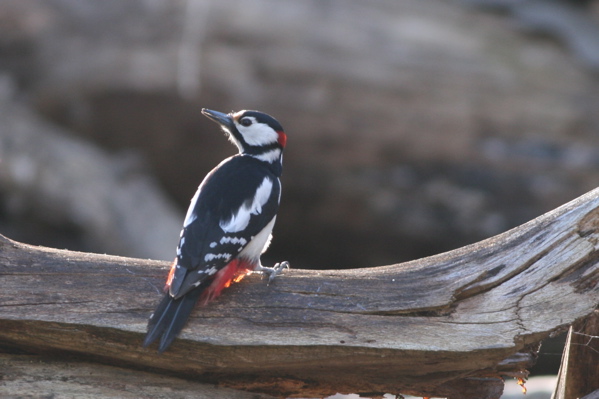
A few days ago, as I was walking to work along my piece of canal, I saw, sitting on the lower branch of a willow tree, a small bird which I had never seen before. I’m not a birder by any means, but I do appreciate a beautiful or graceful bird when I see one. This bird had a wonderfully variegated plumage, really very handsome. By the shape of its head and bill I was guessing it to be a member of the woodpecker family. Intrigued, I sidled forward to have a better look. The bird cocked its head, kept a wary eye on me, and finally decided I had invaded too much of its private space. With a quick flip of its wings, it was off, dipping and lifting across the waters of the canal. I finally lost sight of it among the willow trees and buildings on the other bank.

The internet is a wonderful thing, really it is. Yes, there are dark corners where bad, nasty people show and say bad, nasty things, but overall it is a great global market square into which you can wander of an evening and, like young Marco Polo sauntering along Venice’s wharves, hear tales fantastical of faraway lands and pick up information from the furthest reaches of the globe. This burst of appreciation for the internet at this particular moment in my tale comes from the fact that at home that evening, on a whim, I typed “birds in beijing” in my search field to see what I could find. And I immediately stumbled onto the site Birding Beijing! I salute its author, Terry Townshend, a Beijing resident like myself and a dedicated birder, who has put together this wonderful site.

Terry’s site gave me the answer I was looking for. The bird I had seen in the morning was indeed a woodpecker, the great spotted woodpecker (Dendrocopos major) to be precise. This photo is from his site
great-spotted-woodpecker-small-1
Here is another from a UK site

great-spotted-woodpecker-2
which I chose because this woodpecker has a range which stretches all the way from China across Central Asia and Europe to my home country. It gives me an odd sense of comfort, that: part of home in Beijing.

Terry’s site gave me the answer to one more ornithological question which has been nagging me for the last few years, the identity of another bird which I have often seen here. It seemed to me quite like the magpie, although with much more delicate colouring in its feathers. It seemed to fill the same ecological niche, too, as far as I could gather. Well, Terry’s site tells me that it is indeed a magpie! (although a different member of the family, to be sure). It is the azure-winged magpie (Cyanopica cyanus). This photo of it is also from Terry’s site

azure-winged-magpie-1

but this one comes from a Russian orthinological site

azure-winged-magpie-2

which I include because the range of this magpie covers East and North-East Asia (so including Siberia).

I’m not sure “azure” really describes the wonderful shade of blue which this bird sports in its wing and tail feathers. A long hunt through various other internet sites makes me think that cornflower blue might better describe this particular shade of blue. The internet also tells me that this colour was one of the Dutch painter Jan Vermeer’s favourite colours. Is the blue in his painting Girl with a Pearl Earring the same?

Girl_with_a_Pearl_Earring

Perhaps it is a slightly darker shade of blue?

Flush from these two successful identifications, I went through the rest of the bird gallery in Terry’s site, to put a name to what else I’ve seen in Beijing. He mentions the the Eurasian magpie (Pica pica), which I’ve had cause to write about in an earlier posting. It seems more common than the azure-winged magpie; I certainly feel that I see it more often. Terry does not include a picture of this magpie (too common, no doubt), so I add here a photo from another site
Eurasian magpie-2
Terry mentions the Eurasian tree sparrow (Passer montanus). I’ve seen that, of course, who hasn’t?
tree-sparrow
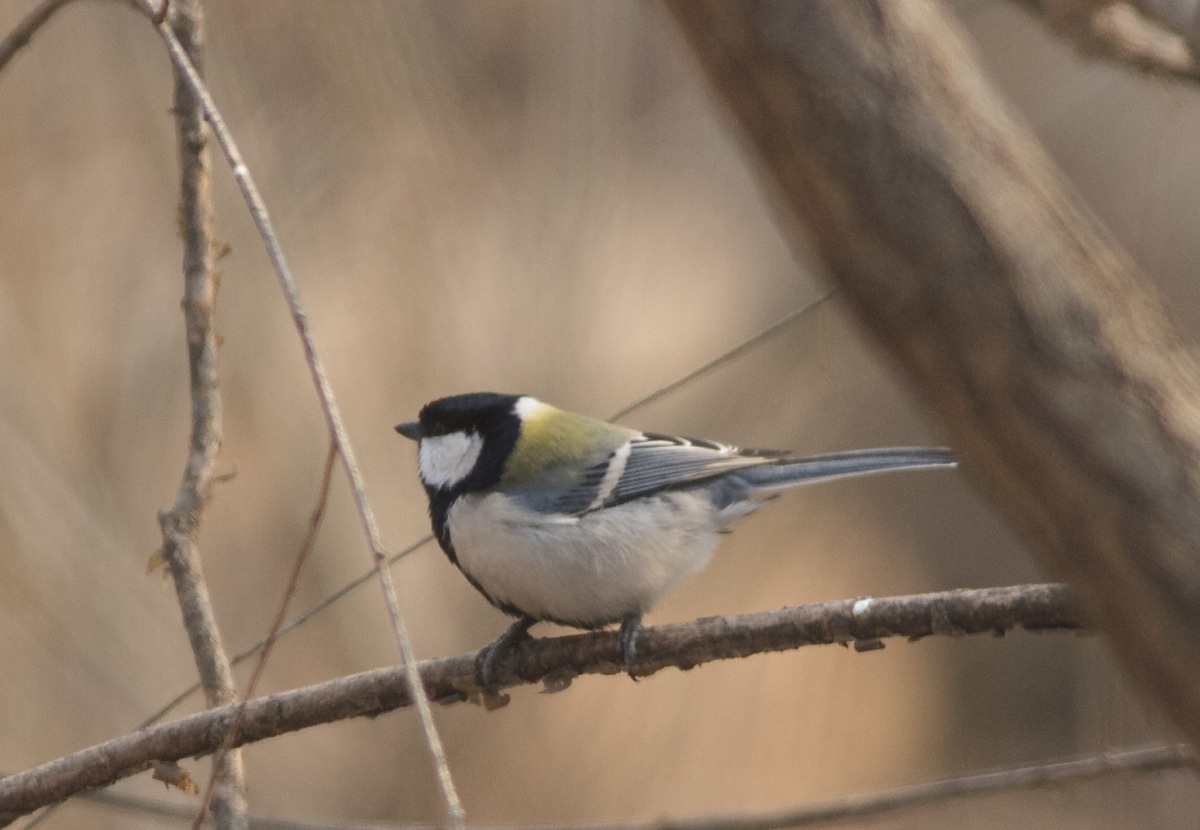
I think I might once have seen another bird he mentions, the eastern great tit (Parus minor)
japanese-tit
I’m almost certain I also saw a Eurasian kestrel (Falco tinnunculus) once. I spotted it during a particularly boring teleconference for which I was a passive participant, sitting at my desk and staring out of the window while the others droned on.  I was glad for the lovely distraction of its diving and swooping around my office building.

kestrel

These wonderful photos move me to cite here three poems about birds which I particularly like:

The Eagle, by Alfred, Lord Tennyson

He clasps the crag with crooked hands;
Close to the sun in lonely lands,
Ring’d with the azure world, he stands.

The wrinkled sea beneath him crawls;
He watches from his mountain walls,
And like a thunderbolt he falls.

The Windhover, by Gerard Manley Hopkins

I caught this morning morning’s minion, king-
  dom of daylight’s dauphin, dapple-dawn-drawn Falcon, in his riding
  Of the rolling level underneath him steady air, and striding
High there, how he rung upon the rein of a wimpling wing
In his ecstasy! then off, off forth on swing,
  As a skate’s heel sweeps smooth on a bow-bend: the hurl and gliding
  Rebuffed the big wind. My heart in hiding
Stirred for a bird,—the achieve of; the mastery of the thing!

Brute beauty and valour and act, oh, air, pride, plume, here
  Buckle! AND the fire that breaks from thee then, a billion
Times told lovelier, more dangerous, O my chevalier!

No wonder of it: shéer plód makes plough down sillion
Shine, and blue-bleak embers, ah my dear,
  Fall, gall themselves, and gash gold-vermillion.

The Darkling Thrush, by Thomas Hardy

I leant upon a coppice gate
    When Frost was spectre-gray,
And Winter’s dregs made desolate
    The weakening eye of day.
The tangled bine-stems scored the sky
    Like strings of broken lyres,
And all mankind that haunted nigh
    Had sought their household fires.

The land’s sharp features seemed to be
    The Century’s corpse outleant,
His crypt the cloudy canopy,
    The wind his death-lament.
The ancient pulse of germ and birth
    Was shrunken hard and dry,
And every spirit upon earth
    Seemed fervourless as I.

At once a voice arose among
    The bleak twigs overhead
In a full-hearted evensong
    Of joy illimited;
An aged thrush, frail, gaunt, and small,
    In blast-beruffled plume,
Had chosen thus to fling his soul
    Upon the growing gloom.

So little cause for carolings
    Of such ecstatic sound
Was written on terrestrial things
    Afar or nigh around,

That I could think there trembled through
    His happy good-night air
Some blessed Hope, whereof he knew
    And I was unaware.

Lovely …

And yet I’m worried. Last Christmas, when we were in New York, we visited the Metropolitan Museum. On our wanderings through the galleries we bumped into four of these hanging on the wall of a corridor:

Peruvian-Featherwork-cape-1

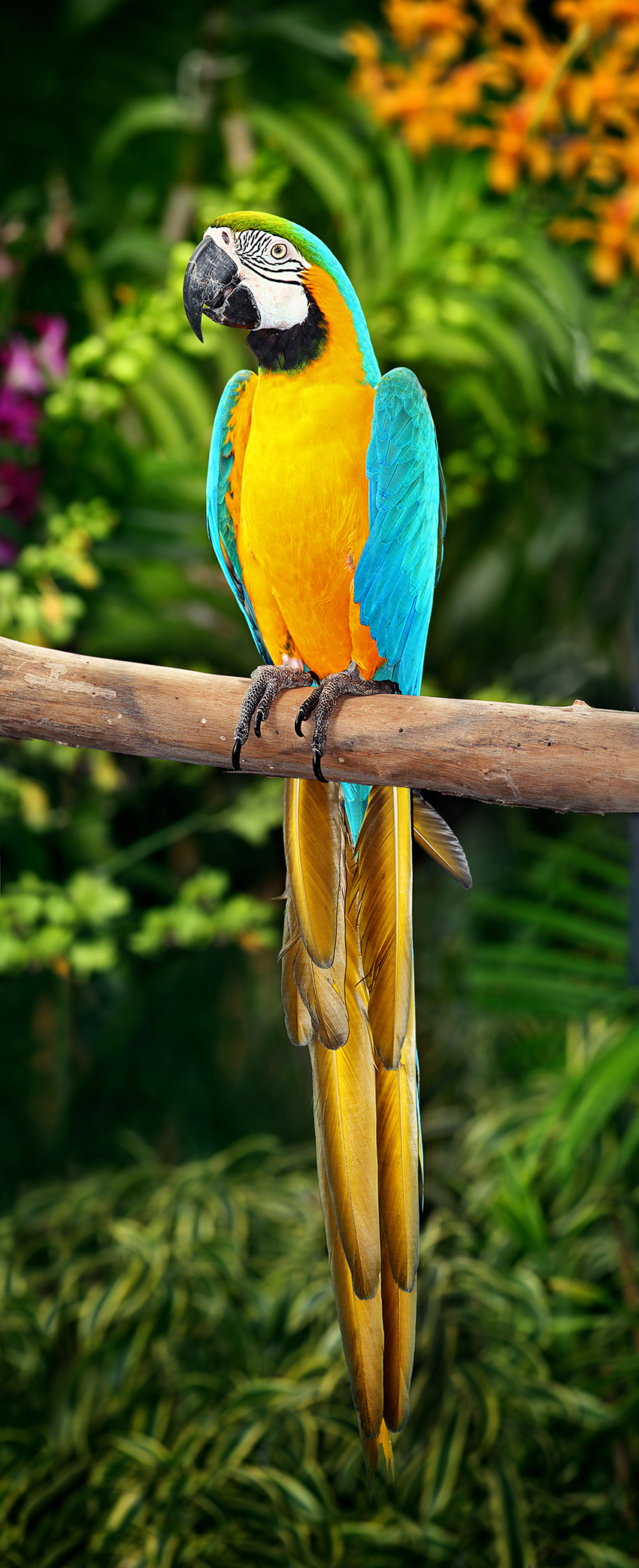
They are capes, from Peru. They are 1,000 years old, made with the feathers of the blue-and-yellow macaw.

Blue-and-yellow Macaw

How many of these magnificent birds were killed to make these capes? Such needless, selfish destruction! Nowadays, it’s not killing for their feathers that’s killing off birds, it’s destruction of their habitat. But it’s still the same: needless, selfish destruction.

____________________

Great spotted woodpecker-1: http://birdingbeijing.files.wordpress.com/2013/03/great-spotted-woodpecker-small-1.jpeg [in http://birdingbeijing.com/birders-guide-to-beijing/a-guide-to-beijings-common-birds/%5D
Great spotted woodpecker-2: http://www.worldbirds.co.uk/images/oakes0/photos/image298.jpg [in http://www.worldbirds.co.uk/lesser_spotted_woodpecker.aspx?key=60%5D
Azure-winged magpie-1: http://birdingbeijing.files.wordpress.com/2013/03/2013-12-28-azure-winged-magpie.jpg [in http://birdingbeijing.com/birders-guide-to-beijing/a-guide-to-beijings-common-birds/%5D
Azure-winged magpie-2: http://onbird.ru/img/photo/golubaya-soroka/golubaya-soroka foto 4 (onbird.ru).jpg [in http://onbird.ru/opredelitel-ptic/golubaya-soroka-584/foto%5D
Girl with a pearl earring: http://upload.wikimedia.org/wikipedia/commons/c/ce/Girl_with_a_Pearl_Earring.jpg [in http://en.wikipedia.org/wiki/Johannes_Vermeer%5D
Eurasian magpie: http://birdsofkazakhstan.com/wp-content/uploads/2010/01/Pica-pica-bactriana-adult-Zhabagly-South-Kazakhstan-province-Kazakhstan-16-September-2009-Rene-Pop2.jpg [in http://birdsofkazakhstan.com/eurasian-magpie-pica-pica/%5D
Tree sparrow: http://birdingbeijing.files.wordpress.com/2013/03/2013-10-03-tree-sparrow.jpg [in http://birdingbeijing.com/birders-guide-to-beijing/a-guide-to-beijings-common-birds/%5D
Japanese tit: http://birdingbeijing.files.wordpress.com/2013/03/2014-01-23-japanese-tit.jpg [in http://birdingbeijing.com/birders-guide-to-beijing/a-guide-to-beijings-common-birds/%5D
Kestrel: http://birdingbeijing.files.wordpress.com/2013/03/2009-09-14-kestrel2.jpg [in http://birdingbeijing.com/birders-guide-to-beijing/a-guide-to-beijings-common-birds/%5D%5D
Peruvian featherwork cape: http://www.thehistoryblog.com/wp-content/uploads/2013/09/470_Peruvian-Featherwork.jpg [in http://www.thehistoryblog.com/archives/27107%5D
Blue and yellow macaw: http://upload.wikimedia.org/wikipedia/commons/6/6d/Blue-and-Yellow-Macaw.jpg [in http://en.wikipedia.org/wiki/Blue-and-yellow_Macaw%5D

FUJIAN TEA

Beijing, 16 September 2013

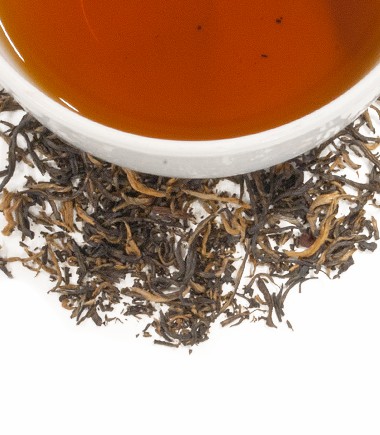
Last week, I was down in Fujian province. Tea connoisseurs will know the province, it being the home of black tea in China (as well as of white tea and oolong) and, as a result, of some of the most famous black tea brands, including the three Fujian Reds: Tanyang Gongfu, Zhenghe Gongfu, and Bailin Gongfu.

fujian red

I’ve written a previous post about a fourth black tea from Fujian, smoked this one, which was my grandmother’s, and now is my wife’s, favourite tea: Lapsang Souchong.

But I was not in Fujian to explore its tea. I was there to visit two factories. One produces spirulina, a family of blue-green algae, which in the last several decades has received a lot of press as a sort of miracle food for the undernourished, and which was already being eaten by the Aztecs back in the 16th Century when the Spaniards conquered them. I’ve mentioned this wonder product in an earlier post.

Spirulina-Powder

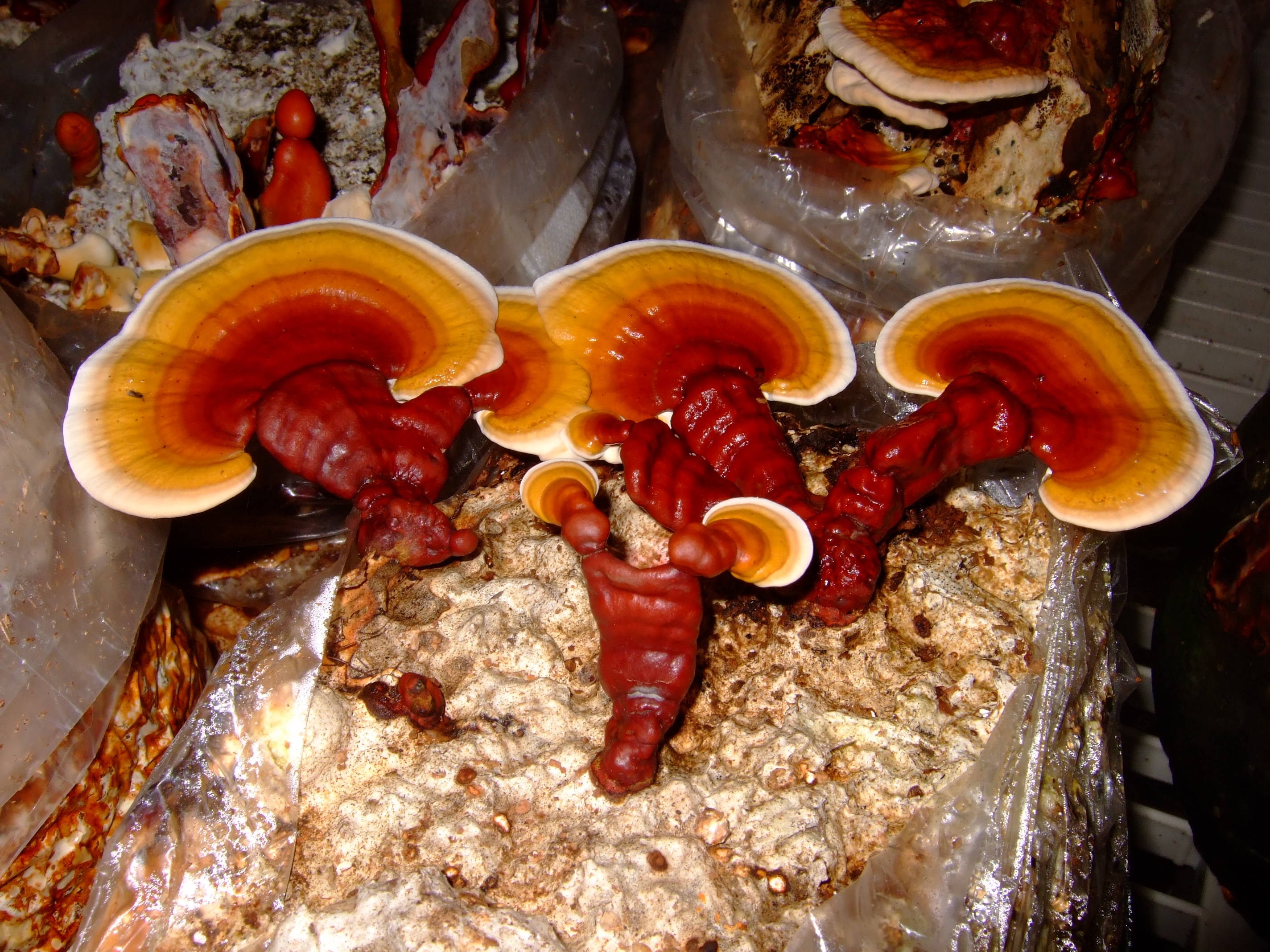
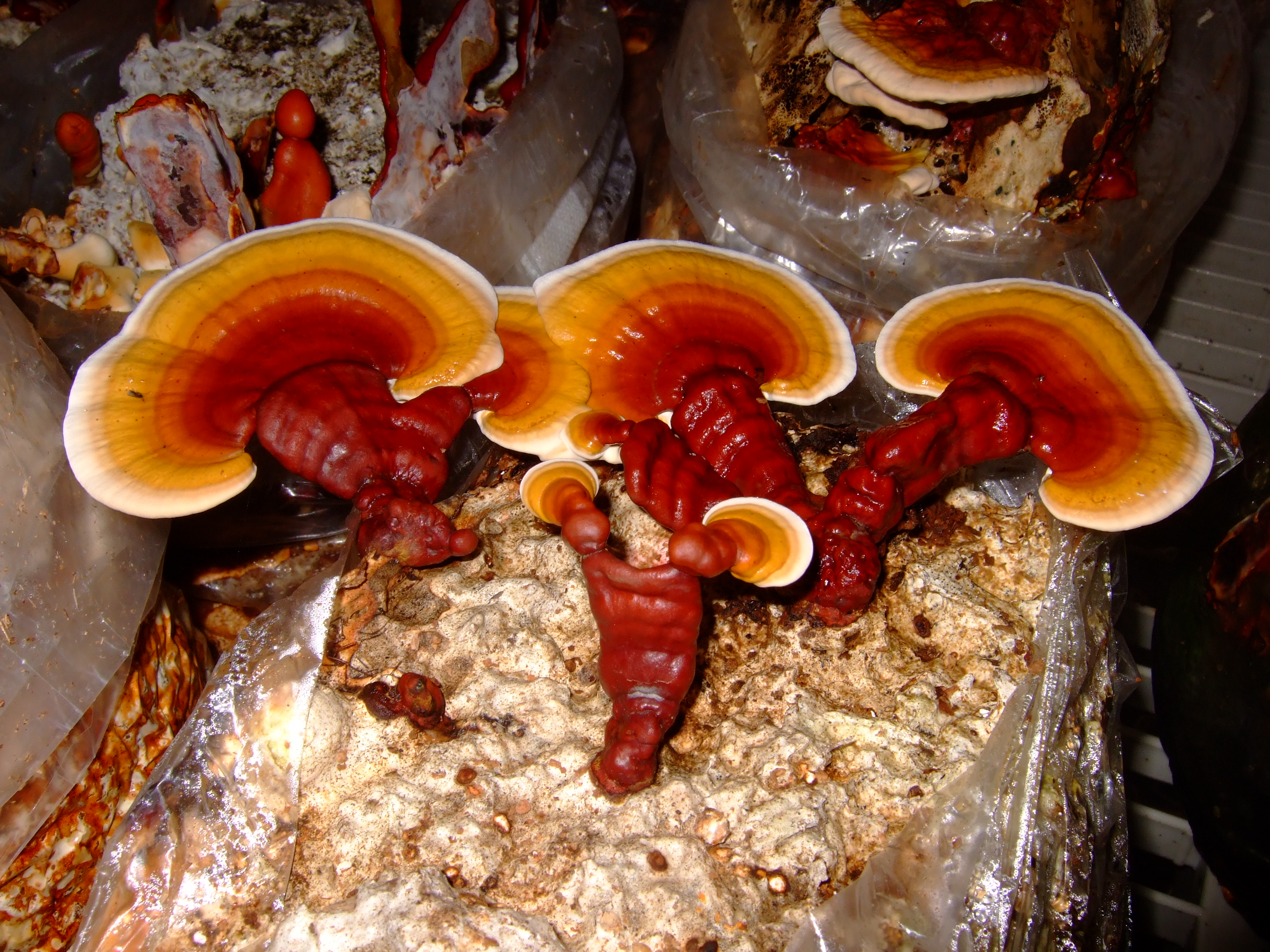
The second factory produces glossy ganoderma, a fungus which the Chinese have been consuming for the last two thousand years for its medicinal properties and which has a renewed lease of life as a possible anti-cancer drug.

glossy ganoderma

The two factories were quite distant from each other as well as from the nearest airport at Wuyishan, so our days were long as we drove to each factory, visited them, and of course had long and copious dinners with our hosts and various local worthies such as the mayor or party provincial secretary.  It was with some relief that I saw we had finally arrived back in Wuyishan that last evening of the trip. Alas! I had rejoiced too soon. Wuyishan is an important centre for the tea trade, with scores of tea shops lining the main roads. Our driver, who also happened to be the son of the owner of the spirulina factory, had the great idea of taking us to one of these tea shops. Its owner was a good friend of his, he informed us brightly. He had been so good to us that I didn’t have the heart to say no. So we drew up in front of one of these tea shops, and were greeted effusively by its owner as we got out of the car. He was an Artist, he later informed us, which presumably explained his heartily embracing me; no normal Chinese would ever have done such a thing. It also no doubt explained his pony-tail, something which is now rare in China since the heady days of the birth of the Chinese Republic, when Chinese men everywhere cut off their queues to mark their liberation from Manchu rule.

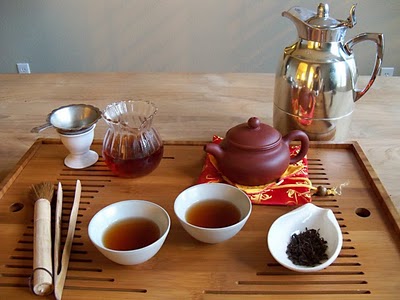
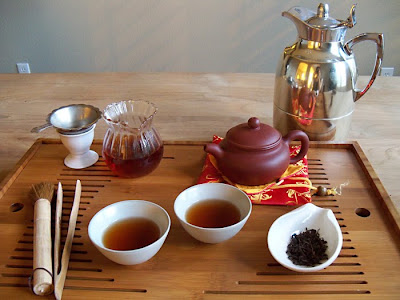
In any event, he ushered us into his tea house, introduced us to his mother and sister, bid us sit, and quickly made us a cup of tea.

chinese tea ceremony

After a few minutes, and perhaps after a quiet word from his friend the factory owner’s son, he invited us to follow him up some back stairs, to a more private den on the second floor. Here, he had us sit around a table whose top was a square slab of rough stone into which he had carved a Chinese character; this in turn acted as a channel for a little fountain which emerged from the middle of the table’s top. The fountain added a quiet sound of running water to the proceedings. Our host announced that he would be serving us a rare black tea made from just a few kilos of leaves picked every year.

Tea in the mist

He gave us each a little cup which could contain a thimbleful of tea; he had made them himself, he informed us. He then ordered an acolyte who was hovering in the background to pull out his 18th Century Qing cup, which turned out to be even smaller than the ones we had been given and sat on its own tiny wooden table. We all inspected it with great respect. By this time, our host had boiled the water and transferred it to a small cast-iron Chinese teapot. With this, he poured a thin jet of hot water over the cups to warm them, and then added water to the tea. He let it stand for a while, then filled our little cups.

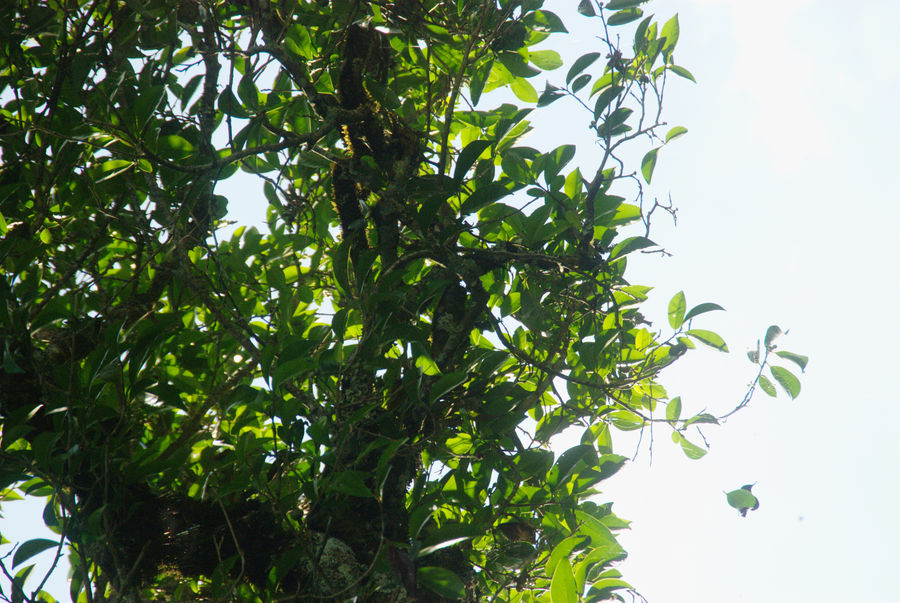
We all sipped our tea – I, out of the Qing cup – and murmurs of appreciation rose up. Now, I don’t pretend to be a tea connoisseur. In fact, I keep it a secret in China that I drink my black tea with milk and sugar. This would put me quite beyond the pale for most Chinese if it ever became common knowledge. And I have never appreciated the green tea which I am routinely offered here. But I actually liked the tea our host had offered us! It did indeed leave a mildly sweet aftertaste, as he had predicted. We drank a few more thimblefuls, after which he declared he would have us try another black tea. This one, he said, was even rarer. Just a kilo or so was collected every year, from one wild tea tree whose location he kept deeply, deeply secret.

old tea treee

It had to be sort of slurped to appreciate its taste, he instructed us. I duly sort-of slurped the tea and was astonished to discover a mild chocolaty aftertaste. Yes, my host smiled, that’s what many say.

As we continued to drink the tea, our eyes started to wander around the room, taking in the various ceramic pieces placed on the shelves around us. Our host began to take them down to let us inspect them. This small cup was Song, he said – Song! Oh  –– My –– God! I love Song ceramics!

song cup

– while this one was early Ming, he continued, and that shallow bowl was Qing. My head whirled. And as we sat there, sipping our tea and holding the ceramic pieces gingerly, oh! so gingerly, I felt for a moment – an instant – like a Chinese scholar of yore, sitting in my study, sipping my favourite tea, gently turning my ceramic pieces in the light, murmuring that Tang love poem I loved so much – and wondering if I would ever pass the next level of those damned imperial examinations …

chinese scholar-2

__________________________

Fujian red: http://3.bp.blogspot.com/-kvSw6A0btv8/UIlzv5xNqLI/AAAAAAAAAkw/T0MCEP9zCSE/s1600/goldenmonkey_base.jpg
Spirulina powder: http://spirulinapowder-review.com/wp-content/uploads/2013/07/Spirulina-Powder.jpg
Glossy ganoderma: http://upload.wikimedia.org/wikipedia/commons/d/d7/Jreishi2.jpg
Chinese tea ceremony: http://2.bp.blogspot.com/_UERtENI3oaU/TKzqT_cEx2I/AAAAAAAABvM/ENJO27ZhxiI/s400/chinesetea2.jpg
Fresh tea leaf: http://www.pingminghealth.com/wp-content/uploads/2009/12/green-tea-leaf.jpg
Old tea tree: http://www.puerh.fr/dynamic//files/system/articles/80/17.jpg
Song cup: http://p2.storage.canalblog.com/21/37/577050/46025483_p.jpg
Chinese scholar: http://images.visitbeijing.com.cn/20121011/Img214758300.jpg

SQUATTING AND CHAIRS

2 June 2013

On our last visit to Hong Kong, my wife and I wandered into an antiques shop to poke around among the offerings. The owner, an ethnic Chinese, struck up a conversation with us. After discovering that I came from the UK, she lit up and became positively garrulous. It turned out that her son was completing a Masters at Oxford University, and she described, lovingly and in great detail, a trip she had recently made to the UK to see him. It soon became clear that she regretted Hong Kong no longer being British. In short order, her misty-eyed regrets over the UK leaving turned into a rant against the “Mainlanders”, Chinese from mainland China. This is a common topic of converstation in Hong Kong, where many of its ethnically Chinese residents determinedly stress that they are different from the Mainlanders. This determination is becoming fiercer as Mainlanders come in ever larger numbers to Hong Kong to gawp, buy, and generally get in the way. For this lady, there were two things which symbolized all the differences between Her and Them. She proceeded to tick them off on her fingers with disdain: “they spit, and they squat”.

I think we can all agree that the generalized Chinese habit of spitting is really quite revolting, particularly when it is preceded by a noisy hawking of the throat and – most disgusting of all – a blowing of the nose without a handkerchief. And it is true to say that you see very little of this in Hong Kong.

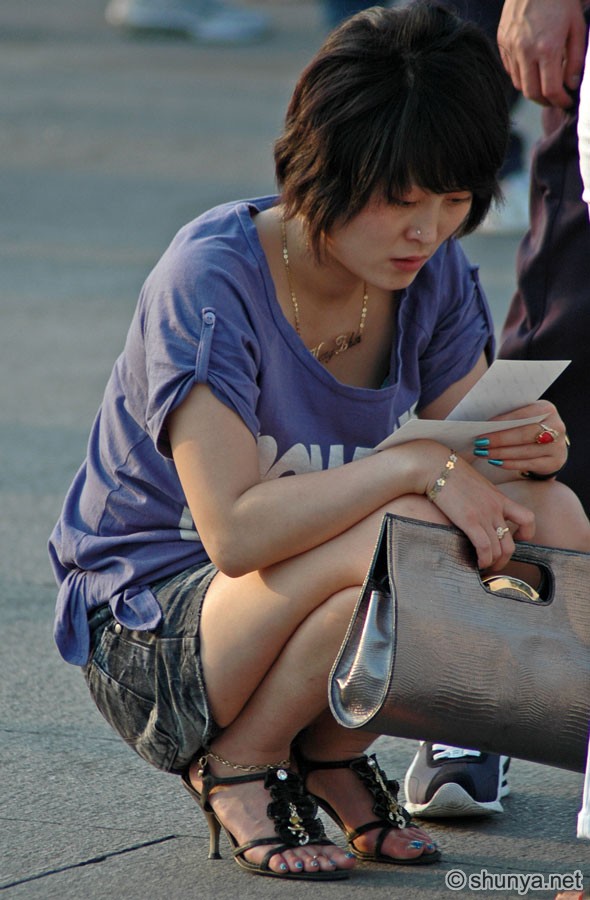
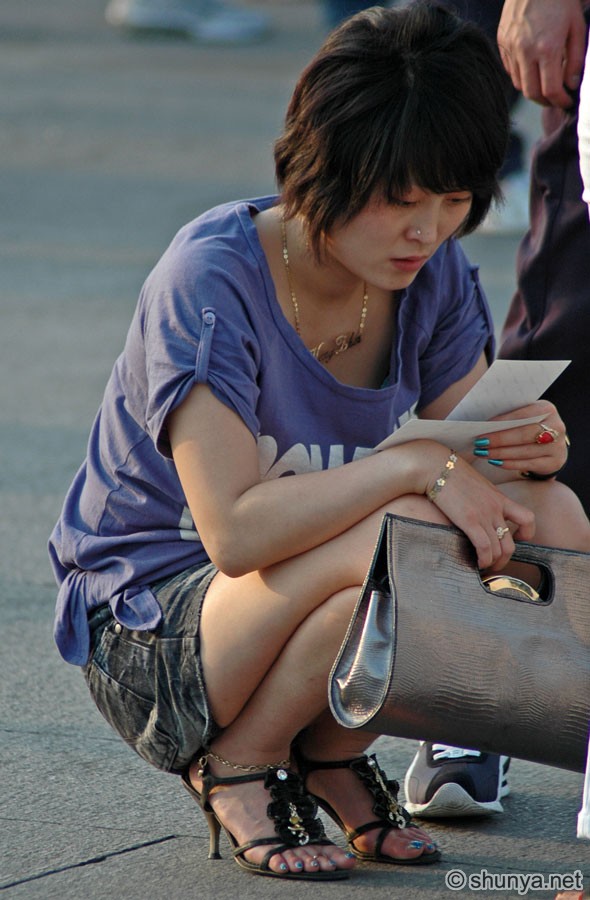
Our interlocutor’s hostility to the prevalent Chinese habit of squatting is more interesting. Everywhere in China – on pavements, in malls, at bus stops, in railway stations; anywhere, really, where people stand and wait – you will see people who have dropped down onto their haunches for a rest

squatting men beijing-wangfujing

reading, more often than not these days, their text messages.

squatting woman-5

I have to say that I also find this habit disquieting. It seems such a … humiliating posture, is the only way I can describe it. Every time I see people squatting, I scold them mentally: “Get up, get up! You are not a slave!”

And yet … when you think about it, in a world where chairs didn’t exist, which must have been 99.9% of the time that we have been human beings, it was really quite natural for us to drop down  onto our haunches when we were tired of standing and when there wasn’t a nice log or large stone to sit on. So I’ve come to the conclusion that I think the way I do about squatting because of the chair.

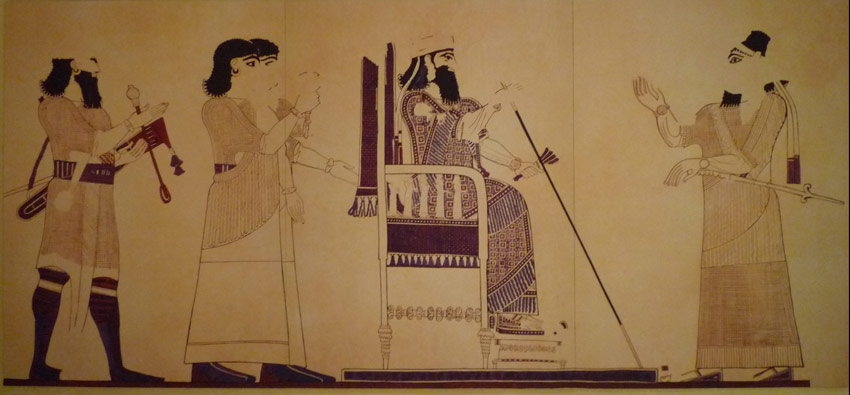
The chair, or rather the throne, was obviously an instrument used by Kings and Emperors, from the earliest times, to overawe their subjects. Here we have an Assyrian emperor lording it over some subject of his

throne-assyrian throne

And the temple of Abu Simbel in Egypt must surely be the epitome of rulers lording it over their lands while sitting on thrones

throne-abu simbel

Shelley’s poem Ozymandias, which I quoted in an earlier post, comes to mind when I look at these statues.

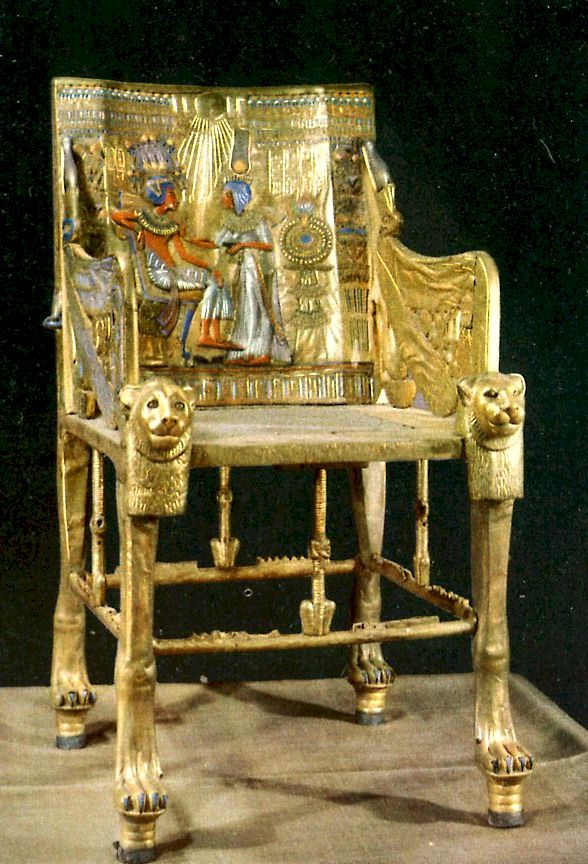
Egypt’s dry desert air, in which buried things do not rot, allows us to contemplate today a real Egyptian throne, this one from King Tut’s tomb (“Tutankhamun, King of Upper and Lower Egypt, Lord of the forms of Re, Strong bull, Perfect of birth, He whose beneficent laws pacify the two lands, He who wears the crowns, who satisfies the gods” to you, mere mortal, and don’t you forget it …):

throne-king tut-1

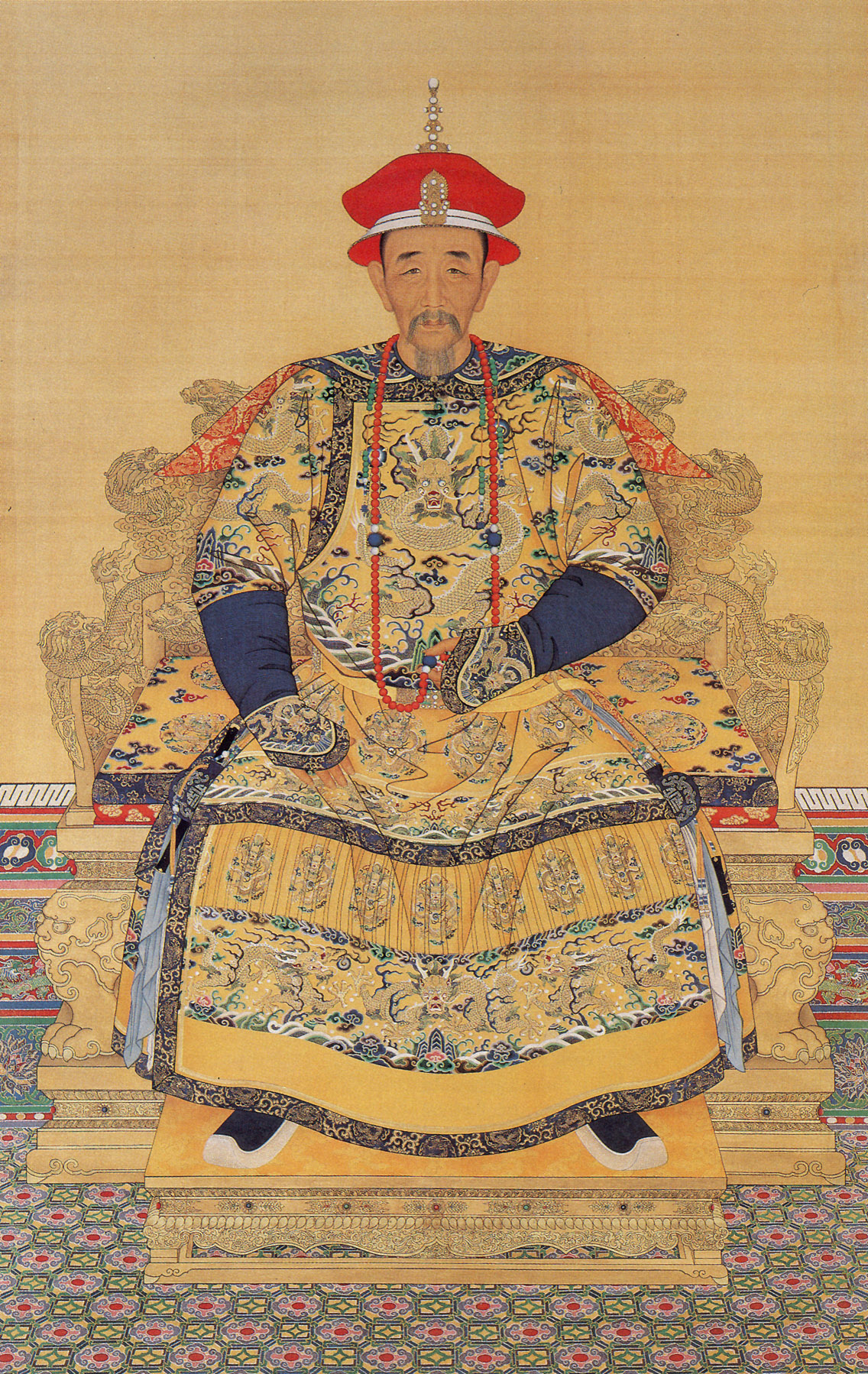
Even in more modern times have thrones played their part in elevating the splendour of the sitter, as in this case of the Qing emperor Kangxi

throne-Qing Emperor Kangxi

And of course Chinese emperors, along with many copy-cat Asian emperors, liked to have their subjects not just squat in front of them but to really debase themselves by kowtowing:

kowtowing before the emperor

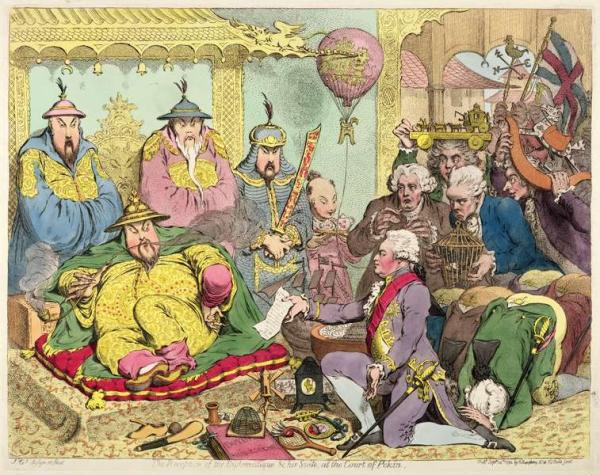
Which led to the famous diplomatic incident of 1793, when, Lord Macartney, King George III’s envoy to the Chinese Emperor, refused to kowtow but did accept to get down on one knee as he would have before his King:

kowtowing before the emperor-English ambassador

Even more recently, thrones have played their part to prop up monarchies. The last Shah of Iran, for instance, was fond of using the Naderi throne to impart some sheen to his tawdry reign.

throne-peacock throne-Shah in front

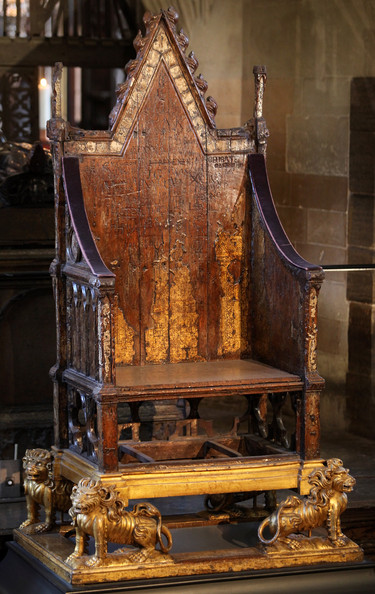
And of course we in the UK have our venerable King Edward’s Chair in which all English, and then British, monarchs (bar two) have been crowned since 1308 – by the way, King Edward I commissioned the chair to house the Stone of Scone after he stole it (a.k.a. war booty) from the Scots.

throne-king edwards

Those of us who have the seen the film The King’s Speech will recognize the throne, which appears at some point in the story and whose portentous humbug is mercifully taken down a peg or two by the egalitarian Australian speech therapist Lionel Logue (played by that wonderful actor Geoffrey Rush), who slouches around in it provoking a burst of monarchist anger from King George VI:

throne-king edwards-Geoffrey Rush in it

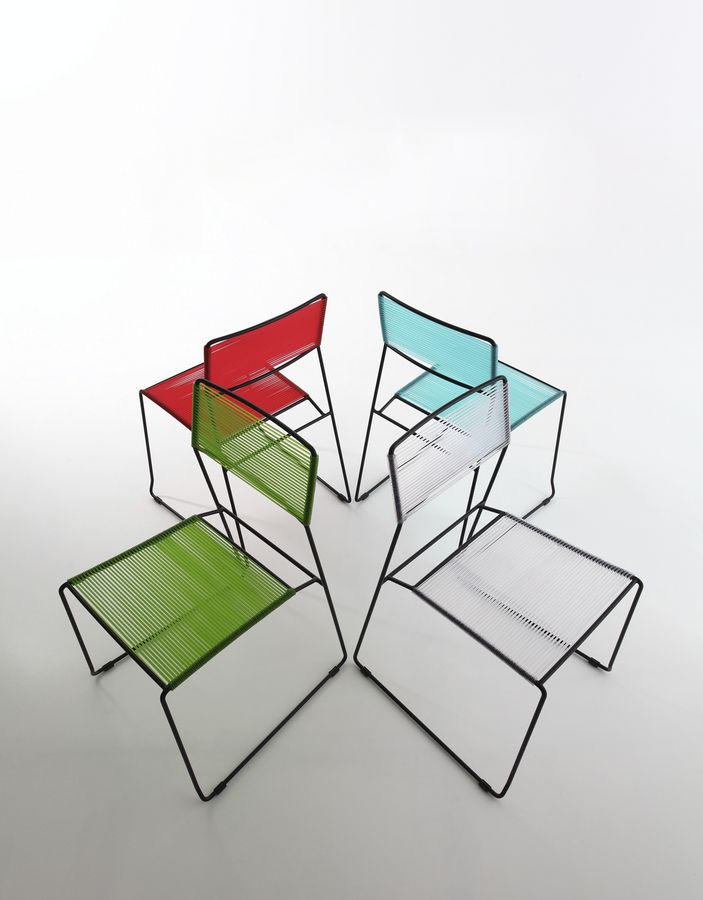
Luckily, Lionel Logue’s egalitarian comments about the chair in question was preceded a century or so ago (not more, I suspect) by a move to make the chair a product of mass consumption, which meant that I (but probably not the Chinese of my generation) have spent my whole life sitting on chairs and not squatting on the ground. I try to remember the chairs of my childhood but fail. A chair’s a chair, some of you might say, it’s a functional object. True, but even functionality for the masses can be beautiful. It took my wife to introduce me to Italian furniture design and to make me realize that a chair could be both beautiful and functional. The moment we could – in the early 1980s – we bought ourselves a set of dining chairs. My wife has scoured the internet for photos of the model of our chairs but has found none. This photo of the spaghetti chair is the closest I can find:

chair-sled based-spaghetti

I designed and put together a dining room table to go with our chairs, the only thing I have ever designed in my life. All slumber in a warehouse in Vienna, awaiting our return to Europe.

Later, when we were living in New York, we came across Shaker chairs (and other furniture) during a weekend trip in upstate New York which took us to an old Shaker colony. Beautiful things.

chair-shaker-2

We would have bought some reproductions if we hadn’t already had our chairs – and if they hadn’t been so expensive.

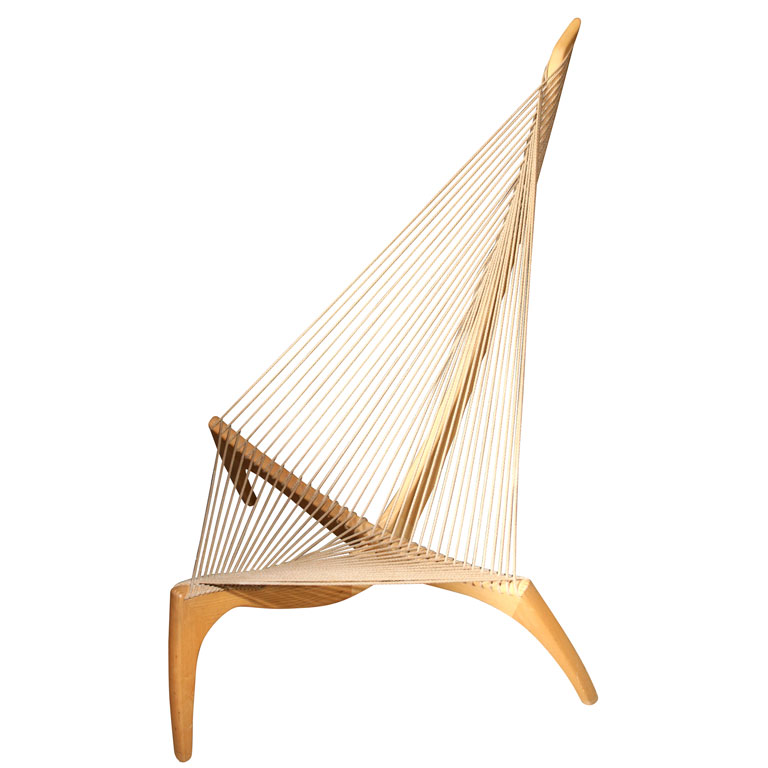
Over the years, we’ve seen some “trophy” chairs (chairs which don’t just sit quietly around a dining room table) which we wouldn’t have minded buying, if the price had been right (and if we’d had the space).

The Danish harp chair:

chair-danish harp chair

The Mondrian chair (this would have been more my choice than my wife’s):

Chair-Mondrian chair

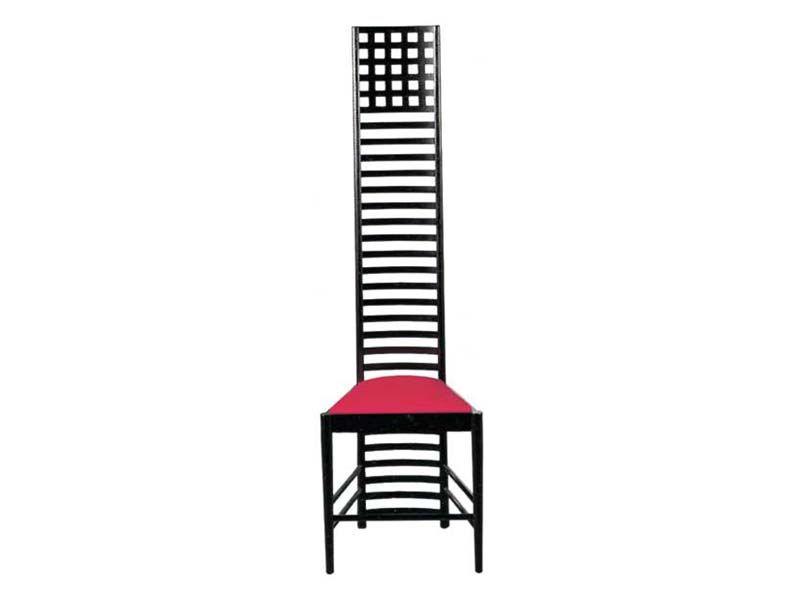
Chairs designed by the Glaswegian architect, designer and artist Charles Mackintosh (again, my choice I think):

chair-Mackintosh chair

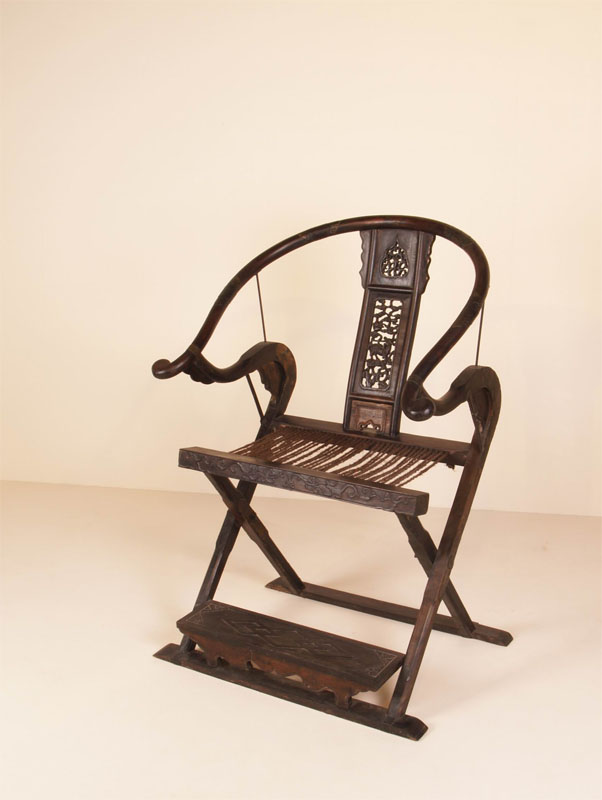
Here in China, chairs from the Ming period:

chair-ming-1

The reader will have noted by now that our tastes in chairs (indeed, all furniture) lean towards the simple and clean line …

I suppose that with consumption on the rise in China, the habit of squatting will disappear, as will – I fervently hope and pray – the habit of spitting.  In the meantime, I will continue to mentally exhort my fellow Beijingers to stand up straight and proud every time I see them squatting on the ground.

_________________________

Squatting men: http://mattchalmighty.files.wordpress.com/2012/10/beijing-wangfujing-men-squatting-large.jpg
Squatting woman: http://www.shunya.net/Pictures/China/Beijing/BeijingWoman.jpg
Assyrian throne: http://www.ucl.ac.uk/sargon/images/essentials/kings/sh5-til-barsip-large.jpg
Abu Simbel: http://famouswonders.com/wp-content/uploads/2009/04/abu-simbel.jpg
King Tut throne: http://comeseeegypt.com/images/tutthrone.jpg
Qing Emperor Kangxi: http://upload.wikimedia.org/wikipedia/en/1/12/China,Qing,Emperor,Kangxi,Painting,Color.jpg
Kowtowing before the emperor: http://www.mitchellteachers.org/WorldHistory/AncientChinaCurriculum/Images/legendaryemperors/ImperialRobesOfficialsPayingRespect_large.jpg
English ambassador Lord Macartney before the Emperor: http://images.printsplace.co.uk/Content/Images/Products/92648/89219/Reception_of_the_Diplomatique_and_his_Suite_at_the_Court_of_Pekin__c_1793__1.jpg
Shah of Iran in front of peacock throne: http://filelibrary.myaasite.com/Content/26/26343/29921747.jpg
King Edward’s Chair: http://www2.pictures.zimbio.com/gi/Visitors+Look+Coronation+Chair+Westminster+Wk0GK7SFdXnl.jpg
Geoffrey Rush sitting in King Edward’s Chair: http://v020o.popscreen.com/eGhxd3hrMTI=_o_st-edwards-chair.jpg
Spaghetti chair with sled base: http://img.archiexpo.com/images_ae/photo-g/commercial-contemporary-sled-base-stacking-chair-50648-3267845.jpg
Shaker chair: http://www.jkrantiques.com/_images//ShakerCounterChairWeb.jpg
Danish harp chair: http://shard1.1stdibs.us.com//archives/upload/1stdibsA/071607_sb/arensojoldHD/19/xHudJuly07_398.jpg
Mondrian chair: http://www.dorotheum.com/fileadmin/user_upload/bilder/Presse/Gallery_of_Highlights/Rietveldstuhl.jpg
Mackintosh chair: http://1.bp.blogspot.com/-_ZjHHv_Nzls/UOP0yApjC4I/AAAAAAAAAI0/yTahn5EI7q0/s1600/1.Charles_Rennie_Mackintosh_Hillhouse_Chair_rfd.jpg
Ming chair: http://www.easterncurio.com/easten%20curio/Afurniture/ItemForOn-Selling/A1S152101.jpg

WILD TULIPS

Beijing, 24 April 2013

I am lucky to live close enough to the office in Beijing to be able to go home for lunch. Which means that for the last week I have been walking, four times a day, past the bed of tulips that our buildings management had thoughtfully planted outside the front door and which has finally bloomed.

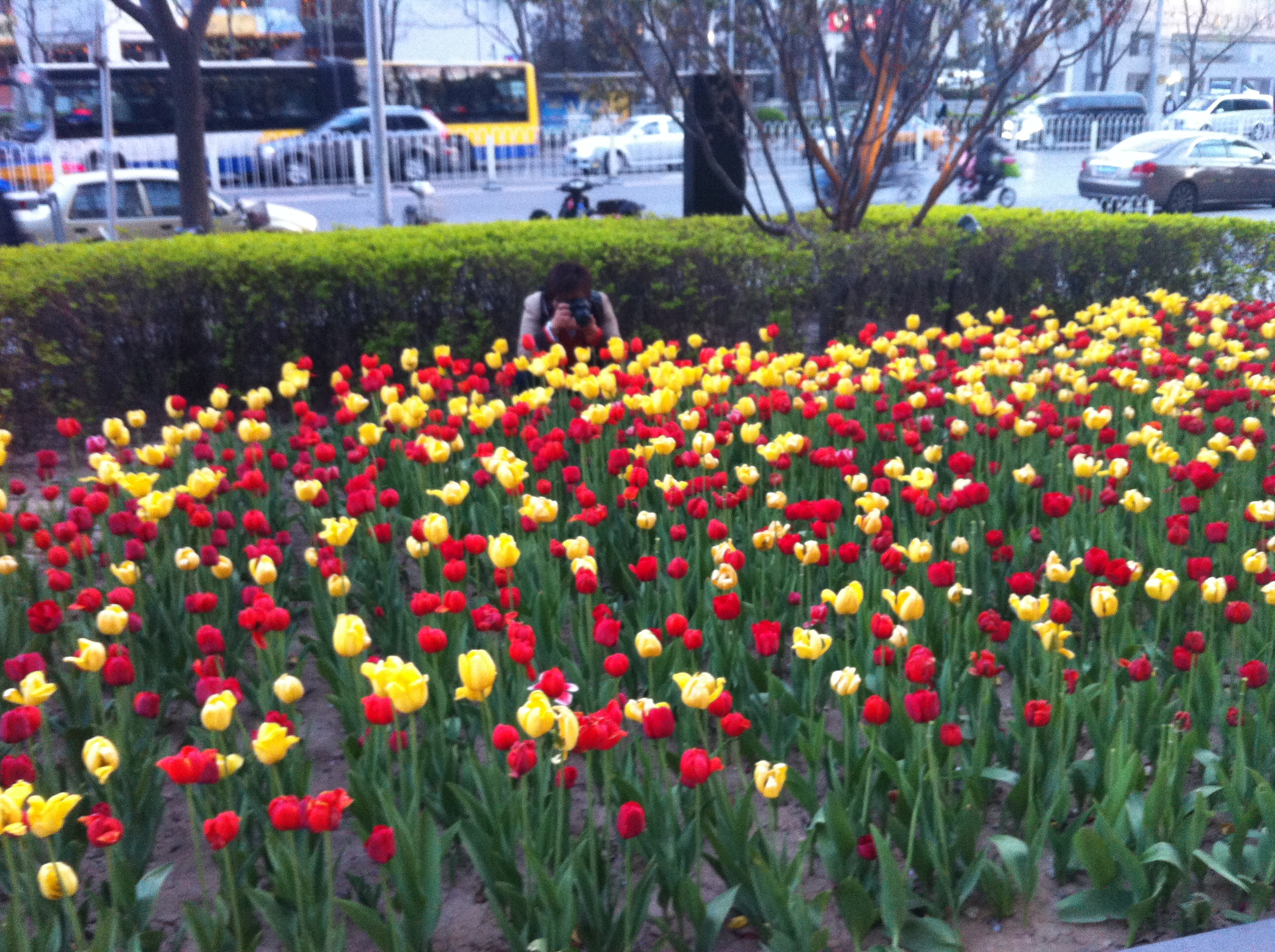
tulip bed by house 001

The bed has attracted considerable attention from the locals, who have stopped to admire, to photograph, and of course to be photographed in front of.

tulip bed by house 004

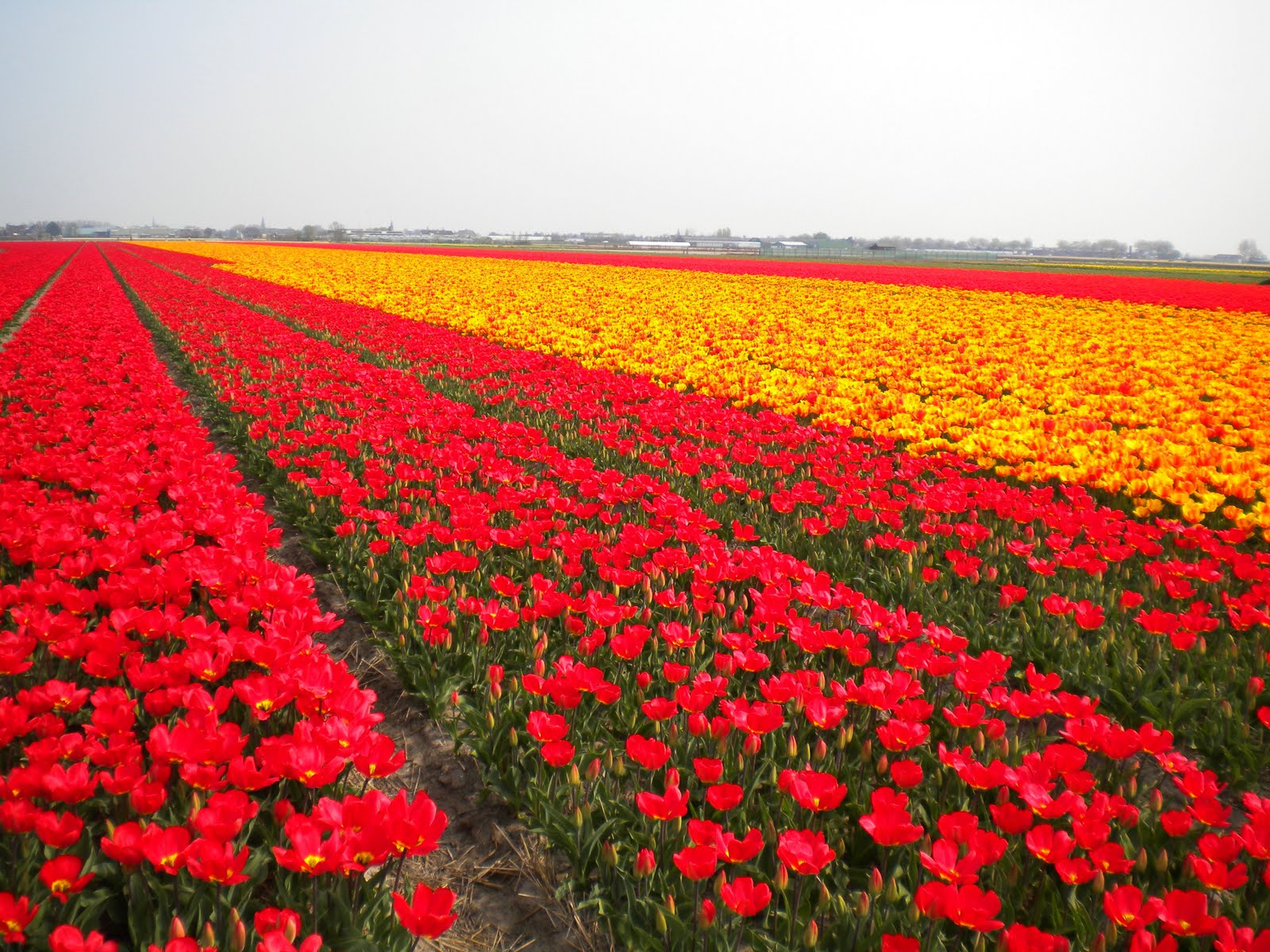
I must admit, I am not a huge fan of tulips, especially when they are planted in massed beds like this. These massed plantings are not helped by the strong colours of so many commercially available tulips. I mean, look at the colour combination in our building’s bed: bright red and bright yellow. I’m sure the colours were chosen with very deliberate intention: red for happiness in China’s iconography, yellow for wealth. So, “Happy Spring! Be wealthy and be happy” (as my father was fond of repeating, “money may not be the source of all happiness, but it surely helps a lot”). But it’s just too … much.

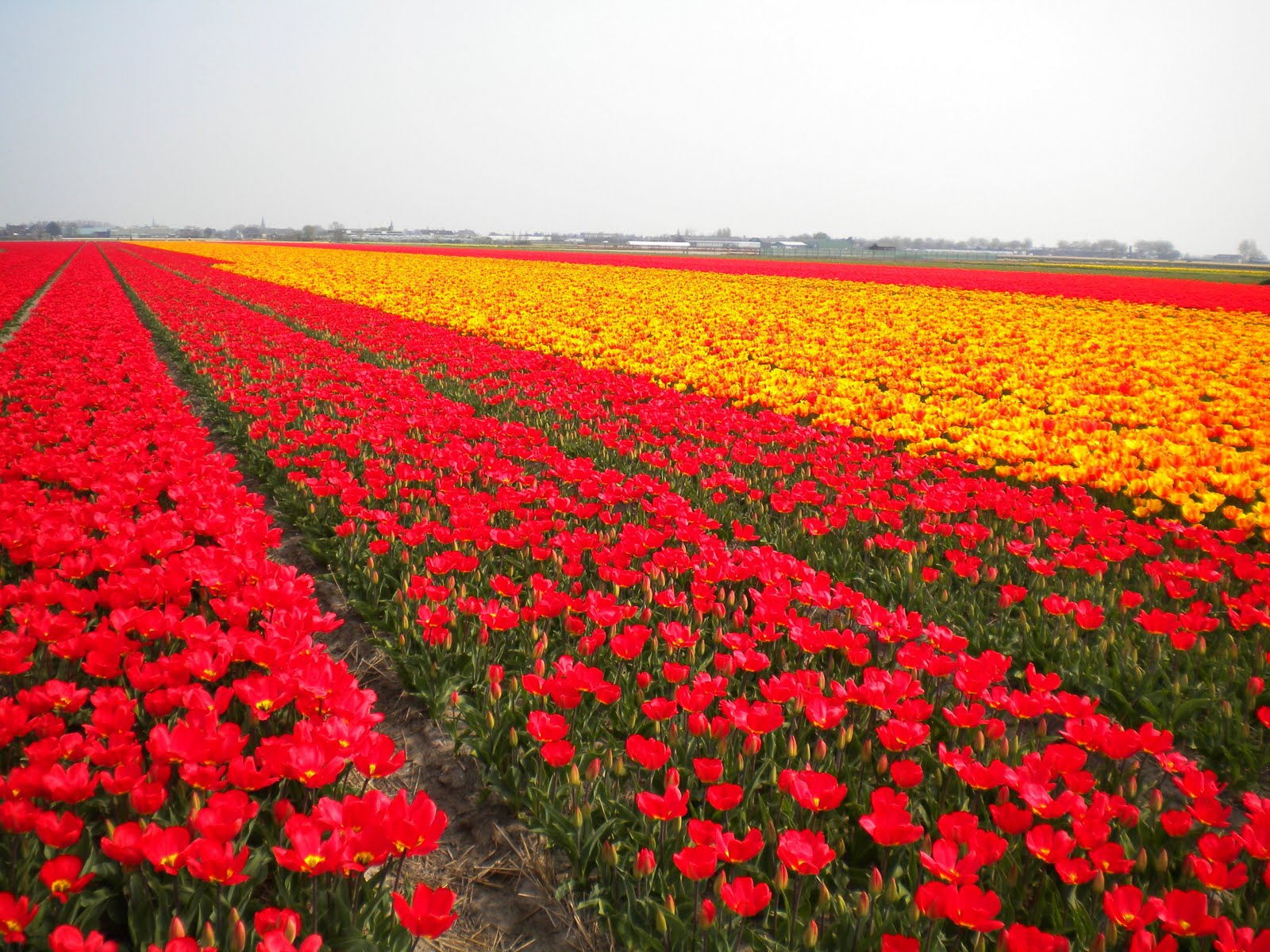
I believe that the Netherlands tourist board touts tours of its tulip fields when they are in bloom, travelling around – of course – by bike. I cannot think of anything worse: days of bicycling past acres of strong colours.

tulips in Holland-4-field

It would be the visual equivalent of eating, all alone, a large and very rich chocolate cake.

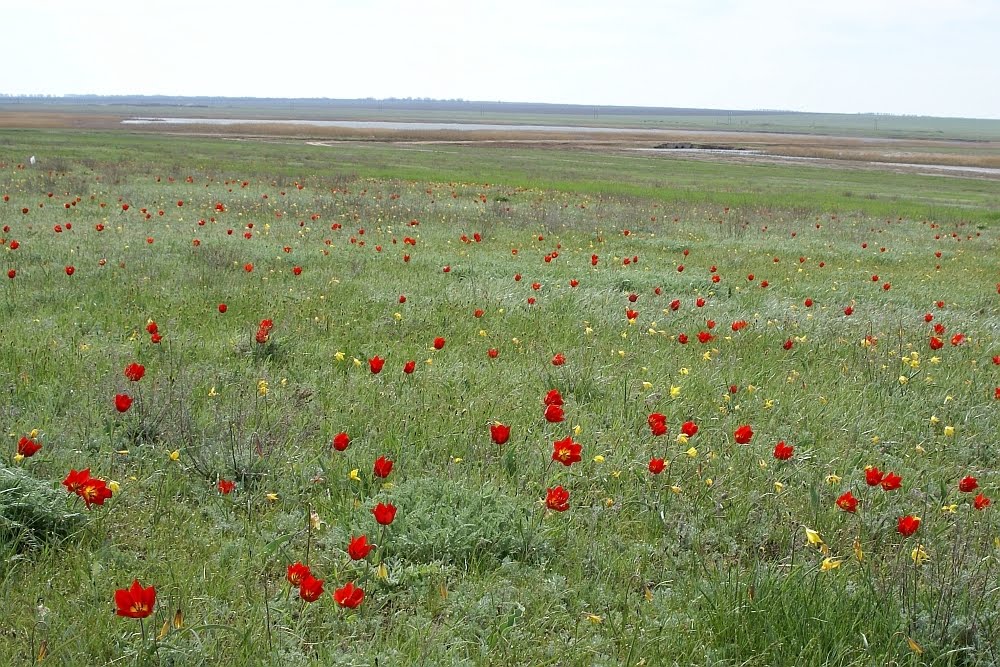
No, I think I would prefer to be riding a horse and come across this sprinkling of wild tulips on the steppes of southern Russia:

wild tulips-9-steppes s russia

or this carpet of wild tulips in Asia Minor:

wild tulips-3-asia minor

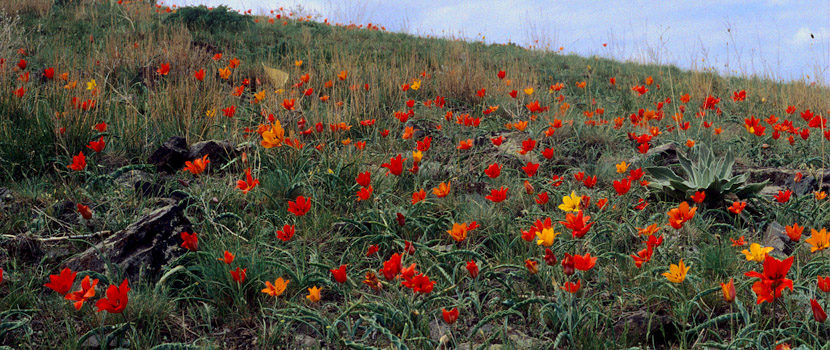
or this scattering of wild tulips in Iran:

wild tulips-5-iran

or this bed of wild tulips in Crete:

wild tulips-2-omalos crete

or this achingly beautiful wild tulip in Cyprus:

wild tulips-8-cyprus

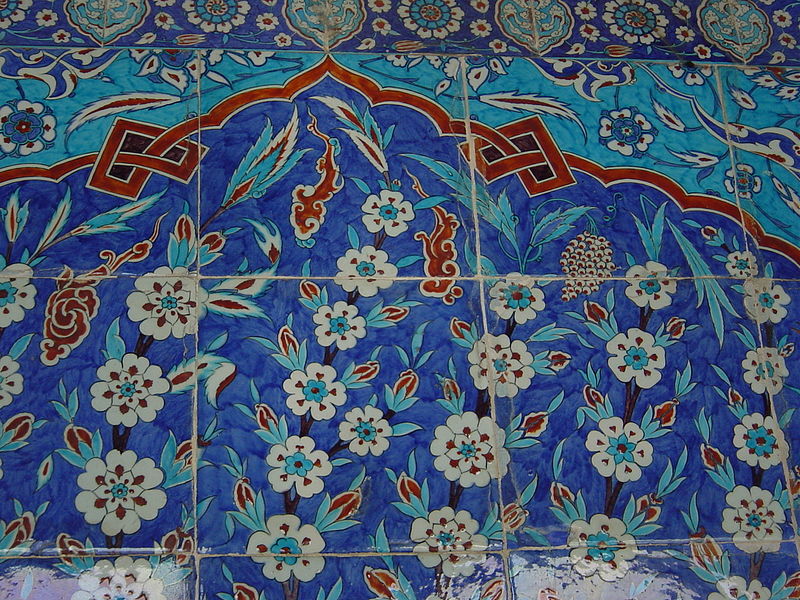
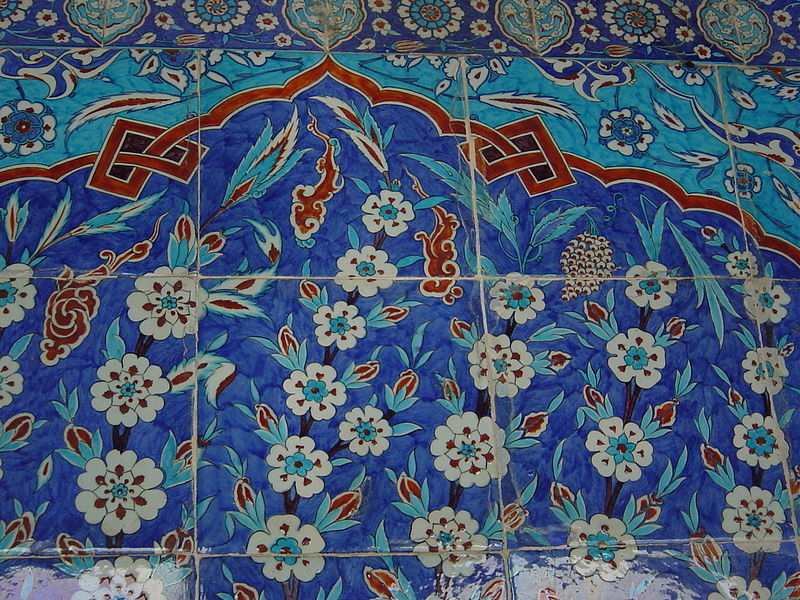
I think it is clear by now to the reader that I prefer wild tulips by far. Apart from being integrated into their environment rather than regimented into artificial beds, I find their shape – coming up into a sharp, delicate point – so much more beautiful than the bulk of commercially available tulips. The artisans in Iznik, Turkey, also recognized the beauty of the tulip in their wonderful ceramics. These are ceramic tiles gracing the walls (or rather the pillars) of Rüstem Pasha Mosque in Istanbul:

tiles-4-Rüstem Pasha Camii Istanbul

The interior of this lovely little mosque is completely lined with ceramic tiles:

???????????????????

The tiles pick up on other flowers, leaving delicate arabesques on the walls:

tiles-2-Rüstem Pasha Camii Istanbul

Several years ago, during the business trip to New York which I mentioned in an earlier post, I stumbled across an exhibition in the Turkish Chamber of Commerce of modern ceramic plates using traditional Iznik designs. I fell for a plate, which looked something like this:

plate-2-with tulip and carnation

and bought it on the spot, cash. It sleeps with all our other stuff in a warehouse in Vienna, waiting to be brought back into the light of day and admired.

I always had the impression that tulips originally came from Asia Minor or thereabouts, but their range is much wider. Here is a wild tulip in a national park in Umbria, Italy

wild tulips-10-umbria

and here is one from southern Norway:

wild tulips-4-tananger coast s norway

Lovely …

___________________________

Tulips in Beijing: my pix
Tulip fields in Netherlands-4: http://1.bp.blogspot.com/-dbs2i3jZ9t0/TbPwj_YIvJI/AAAAAAAAAVI/tMyaQ7M1x40/s1600/Holland%2Band%2BBelgium%2B202.JPG
Wild tulips- steppes of S. Russia: http://static.panoramio.com/photos/1920×1280/35533419.jpg
Wild tulips- Asia Minor: http://www.colorblends.com/img/display/kolpakowskiana.jpg
Wild tulips- Iran: http://icons-ak.wunderground.com/data/wximagenew/p/Photo1224/212-800.jpg
Wild tulips- Omalos, Crete: http://www.west-crete.com/dailypics/photos/1727large.jpg
Wild tulips- Cyprus: http://www.embargoed.org/images/gallery/preview/image_79_1.jpg
Iznik tiles Rustem Pasha mosque Istanbul-1: http://ericrossacademic.files.wordpress.com/2012/05/rustem-pasa-tile.jpg
Rustem Pasha mosque interior: http://sugraphic.com/images/fotolar/2011/08/02/46_1312263234..jpeg
Iznik tiles Rustem Pasha mosque Istanbul-2: http://upload.wikimedia.org/wikipedia/commons/thumb/b/b9/DSC04139_Istanbul_-_R%C3%BCstem_Pasha_camii_-_Foto_G._Dall%27Orto_26-5-2006.jpg/800px-DSC04139_Istanbul_-_R%C3%BCstem_Pasha_camii_-_Foto_G._Dall%27Orto_26-5-2006.jpg
Ceramic plate Iznik style: http://yurdan.com/Content/Uploads/ProductImages/39637/iznik-design-ceramic-plate-tulip-and-carnation–1.jpg
Wild tulips – Umbria, Italy: http://farm1.staticflickr.com/62/185332054_d21bcbf611_z.jpg?zz=1
Wild tulips – Tananger coast, S. Norway: http://mw2.google.com/mw-panoramio/photos/medium/16107947.jpg

CAR COLOURS

Beijing, 2 March 2013

When we arrived back in Italy from the US in 1990, I was … underemployed, shall we say. So when I was offered a job to do quality control on a small landfill I agreed with alacrity. It was the first time I had ever worked on a landfill, and I hope it will be the last. Apart from the nauseous smells drifting up from all the rotting garbage, I was perpetually afraid I would leave my wife a widow and my children orphans. Methane was pouring out of that landfill and it would have taken only a small spark to send us all hurtling into the afterlife.

As you can imagine, this place attracted a strange bunch of people, from the drivers of the shovel scoops who worked all day on the open landfill cells to the guys the quality of whose work I was there to control; they were closing the filled cells, capping them, and inserting a methane collection system. We would all go down to the local restaurant at lunch – great food, by the way – and the shovel scoop drivers in particular always accompanied their lunch with copious quantities of the local wine. I made sure to give those people a wide berth when they working in the afternoon.

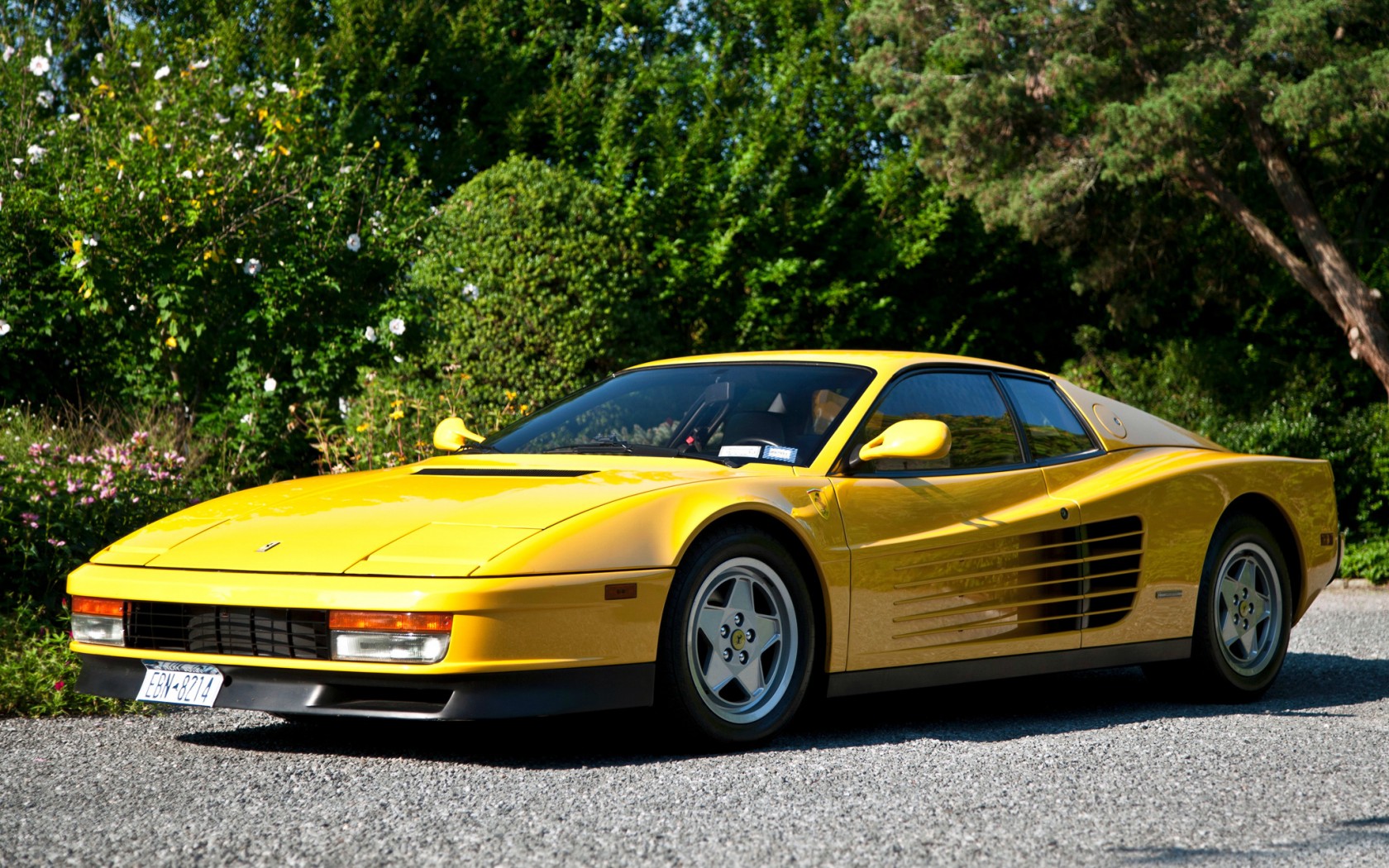
I got to be quite friendly with the leader of the team closing cells. He had worked on many different landfills and would regale me with tales of these jobs as we stood around waiting to check the work the others were doing. One day, he told me about this completely illiterate, uncouth man who owned and ran a modest landfill, and who made pots of money with it. The man lived in a house next to the landfill. One day, he invited my friend into the house and with a mysterious air took him to a room in the back of the house. The room had a curtain running across it, which, after turning on some strategically located spotlights, he dramatically drew. “That guy,” said my friend, leaning in “had a brand new, unused Ferrari Testarossa behind that curtain.” “Wow!”, I said. “And it was yellow!” he continued

Yellow-Ferrari-3

I was dumbstruck, and my friend nodded meaningfully. Yellow! Good Lord Almighty! Everyone knows that Testarossas must be red! Any other colour is … such bad taste.

red ferrari-1

Anyone who has watched Formula 1 races knows that red, and only red, is the Ferrari colour

ferrari formula 1 cars

(well, nearly only red). And it is red because before the war, when nations rather than car companies competed in Grand Prix races red was Italy’s colour (and green was Britain’s, while France was blue).

I was reminded of this terrible faux pas in taste a few days ago when, walking to work, I saw a baby-pink BMW parked on the side of the road.

pink-bmw

Baby pink! Everyone knows that BMWs should come in some shade of grey – because it’s just the right colour for this kind of highly tecchy car but also because grey became Germany’s racing colour in the 1930s.

grey bmw

I have to tell you that bad taste in car colour has touched even my family. When I was really little and we were living in Africa, my father had a typically English car, the Austin Hereford Saloon.

austin-3

So far, so good. But our car was … egg blue. I distinctly remember the colour. I liked it, but I was young. Now that I am a few years older and far wiser, I always ask myself: how on earth could my father, a sober, upright member of the community – just like the man sitting behind the wheel in the picture above – how could he have possibly chosen such a terrible colour? I never asked him and it is now too late, alas.

Now don’t get me wrong. I am not absolutely rigid about staying with the “normal” colours of a car. Take the Citroën Traction Avant, the French car that popularized the use of front-wheel drive. This car was manufactured from the mid thirties to the late fifties, so there were still lots of them around in France when I was growing up, and they were all, without exception, black.

citroen traction avant-2

I’m rather reminded of Henry Ford’s memorable quote: “Any customer can have a car painted any color that he wants so long as it is black.”

But now look at this example, which I came across – rather bizarrely – parked on the side of the road in Luang Prabang in Laos.

laos 225

That rich burgundy colour is really gorgeous. Every time we walked by it, I would stop to admire it. And one time, as we were walking towards it, the owner got in and drove off! I watched it lovingly as it moved sleekly down the road … although I really began to appreciate modern novelties like catalytic converters when the fumes from its exhaust nearly knocked us out.

_________________________

Yellow Ferrari: http://wallpaper.goodfon.com/image/287512-1680×1050.jpg
Red Ferrari: http://www.looksfeelsworks.com/wp-content/uploads/2012/09/ferrari-testarossa-1.jpg
Ferrari Formula 1 cars: http://upload.wikimedia.org/wikipedia/commons/thumb/f/f0/Ferrari_Formula_1_lineup_at_the_N%C3%BCrburgring.jpg/1024px-Ferrari_Formula_1_lineup_at_the_N%C3%BCrburgring.jpg
Pink BMW: my photo
Grey BMW: http://1.bp.blogspot.com/-rCuWvf1YiRs/Tx0vyO1Wy9I/AAAAAAAAAhg/wMJcA4t4zEU/s1600/bmw-car-front-view.jpg
Austin: http://nevsepic.com.ua/uploads/posts/2011-03/1299860301_4008697193_2eb0005cce_b_nevsepic.com.ua.jpg
Black Citroen traction avant: http://talk.newagtalk.com
Burgundy Citroen traction avant: my photo