SKITTERING WATER STRIDERS

Beijing, 17 August 2013

It was flowers in the Spring. It is insects in the high summer. Because this posting, following on from my previous two on dragonflies and crickets, will be on water striders. I began to notice them a week or so ago, on my daily crossings of my piece of canal to and from work. As is my habit, I was looking over the water to see what was new, when a sudden, evanescent dimpling of the water surface caught my eye. Then there was another, and then another … No doubt about it, the water striders were out and about, skittering across the water’s skin.
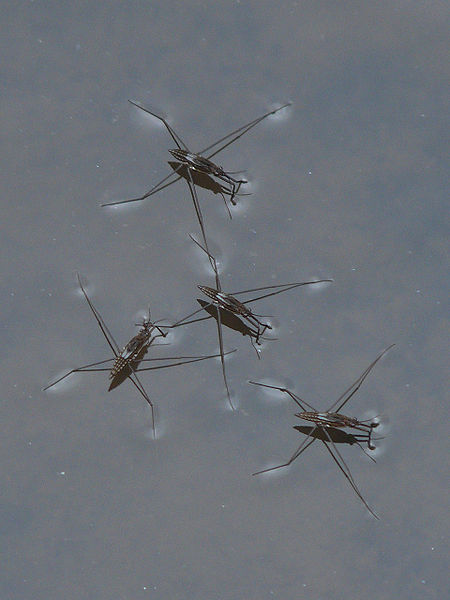
water-spider-8-several

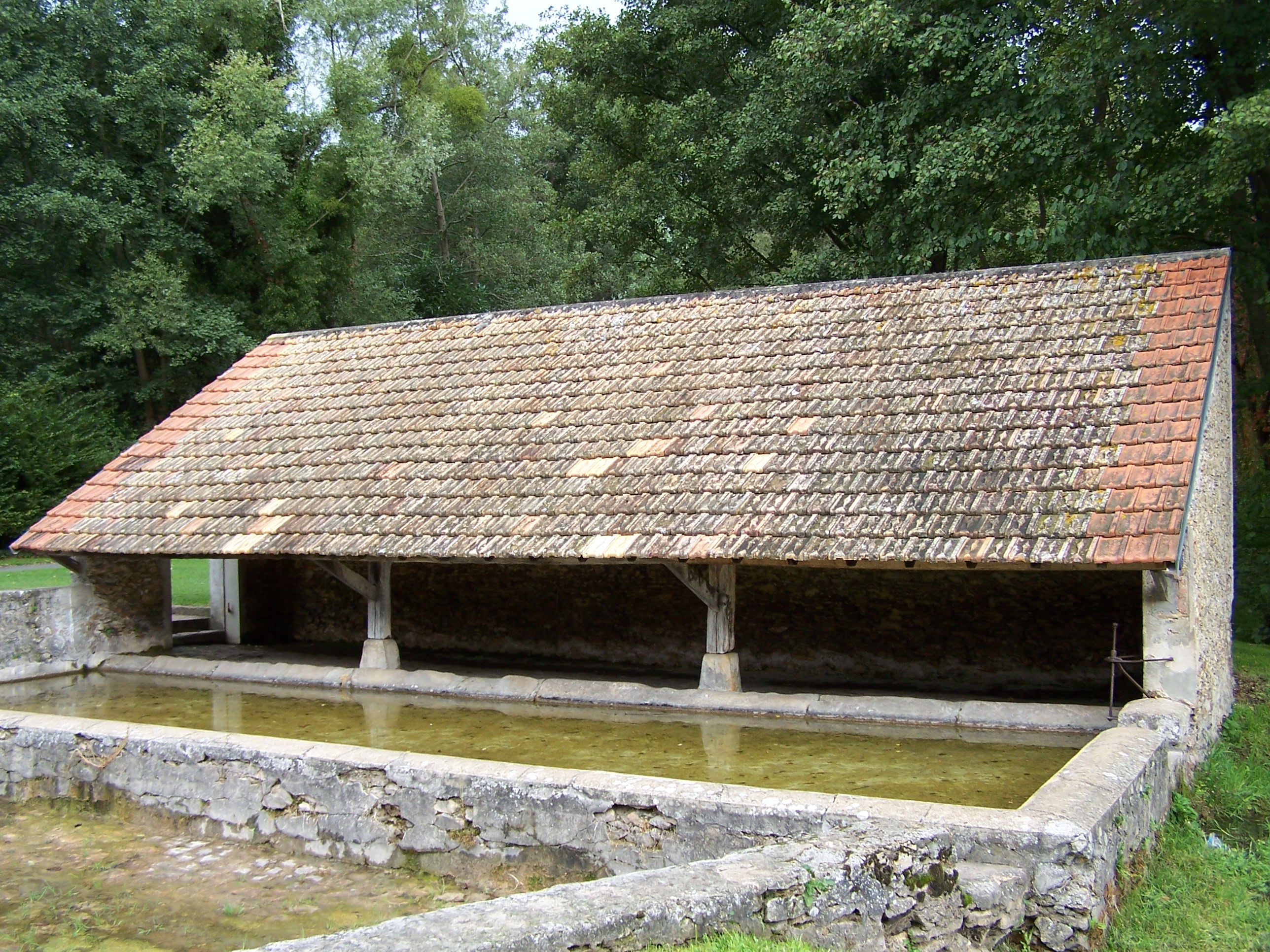
I love these insects, they are part of my childhood. During those long summer holidays which my family spent in France with my grandmother – golden-hued in my memory – I spent a lot of time with my cousins biking across the countryside. In those days, there were still a lot of lavoirs, washing stations, dotted across the countryside. They were places where the women (no men, of course …) used to come to wash the family’s clothes.
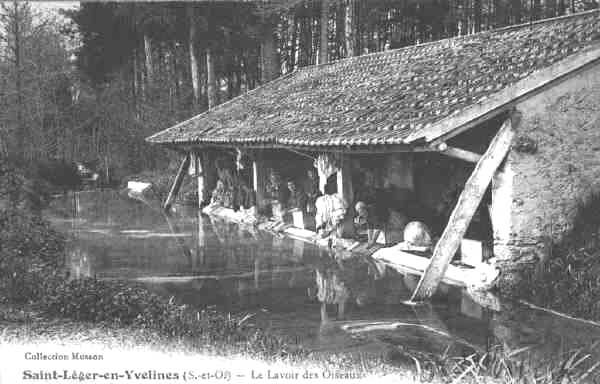
lavoir-1

They were located along a stream. Sometimes, a basin would be built alongside the stream, fed by it and discharging back into it.

lavoir-6

But just as often, the women washed directly in the stream; if necessary, a small dam was thrown across the stream to create a pool of still water for washing.
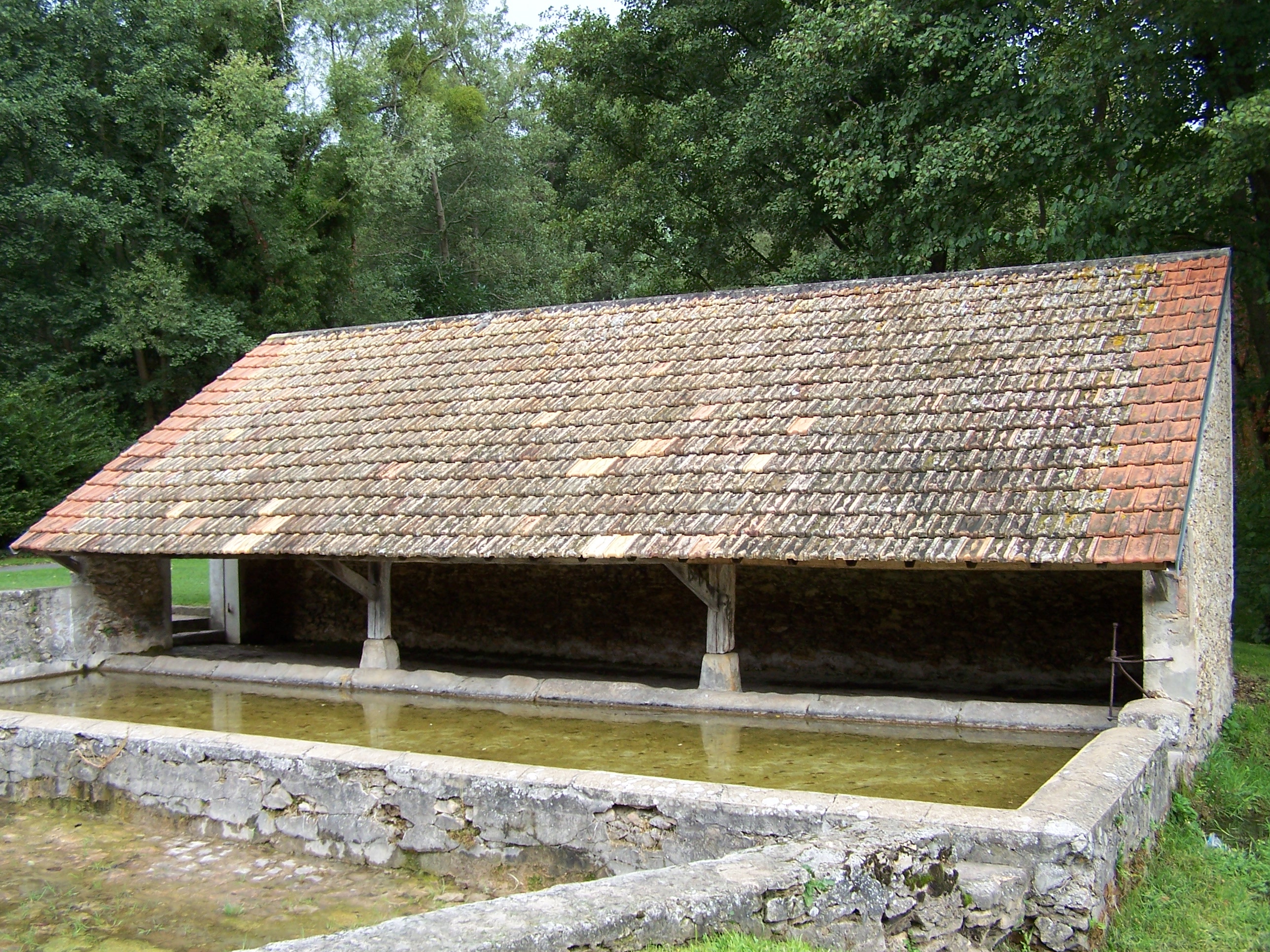
lavoir-3

By the time my cousins and I were biking around, the lavoirs were hardly used any more. The march of the washing machine across the landscape was underway. But the infrastructure was still largely intact. We would often stop at the lavoirs, for a rest, to splash our faces, wash our bikes if needs be – and to watch the water striders. The pools of still water which had been created for the washerwomen were very much to the striders’ liking, so they haunted these spots. With the casual cruelty of little boys, we would take a poke at the striders, watching them skim away across the water’s surface. We were fascinated by their ability to stand on water (it’s not for nothing that another name for these insects is Jesus bugs).

I’ve been boning up on water striders, primarily to understand how it is that they can stand on water. I won’t bore you with the details, but it has to do with being light, spreading this light weight over a number of legs, and having a lot of hairs on those legs. This is enough for them not to break through the water tension. Who wouldn’t like to be able to walk on water? With our weight, we can only walk – or at least sit – on mercury.
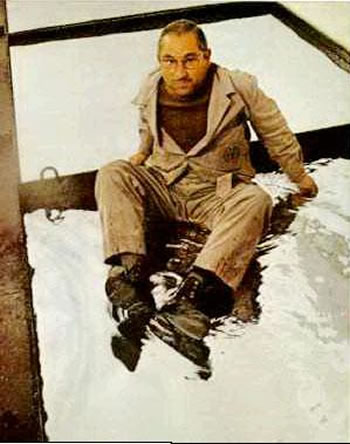
man floating on mercury

I remember being fascinated by this photo when I saw it years ago in an article in the National Geographic on mercury. Now, with everything I know about the awful effects of mercury on people, it makes me shudder profoundly.

In passing, I’ve also learnt how water striders feed.  When an insect falls into the water, the strider senses its struggles through small vibrations and ripples in the water surface. It darts across to the poor thing, pierces it, and injects saliva. The enzymes in the saliva digest the victim’s tissues. The strider then sucks up the partially digested broth.

Now that I’ve totally grossed out my wife and any other normal readers, I put in this nice close-up picture.

Pond Skater Portrait

Enjoy!

______________________________

Water spiders: http://upload.wikimedia.org/wikipedia/commons/thumb/a/a5/Amenbo_06f5520sx.jpg/450px-Amenbo_06f5520sx.jpg
Lavoir-historical: http://www.stleger.info/les72StLeger/region4/78.cpa/78.foret/78—oiseauxlavoir2.jpg
Lavoir-indirect: http://4.bp.blogspot.com/_55S9JjX9Ot8/TO5NK1GMXsI/AAAAAAAAAZc/EZEjKoTSze4/s1600/lavoir-beaune.jpg
Lavoir-direct: http://upload.wikimedia.org/wikipedia/commons/1/17/Bullion_Lavoir_de_Moutiers.JPG
Man floating on mercury: http://i.imgur.com/DfTbR.jpg
Water spider-closeup: http://img.burrard-lucas.com/united_kingdom/full/pond_skater.jpg
WINE IN MY BLOOD

Beijing, 11 August 2013

Last weekend, I was reading a really interesting article in the Sunday edition of the Financial Times. It was about winemaking in Georgia (the country, not the American state), which archaeologists tell us has been in the winemaking business for 8,000 years or so. But what really struck me in the article was the following paragraph:

“The result is a width, a tannic grip and a textural depth that no conventionally made white wine will ever have. The wines’ aromas and flavours are singular too. Their acidity is muted, since they have all been through the acid-softening malolactic fermentation, while contact with the other matter in the jar, especially the yeast deposits, rounds the flavours further. In place of the fresh fruits that so many white wines suggest, these evoke dried fruits, mushrooms, straw, nuts and umami. They have less of an oxidative tang than their colours suggest; indeed, their articulation is often understated and quiet, though orchestral in its allusive range. They are meditative wines, sumptuous and subtle.”

I’m always awed by this kind of writing about wines. Whenever I drink a good wine, all that comes to my mind is “Mmm, that’s good!”

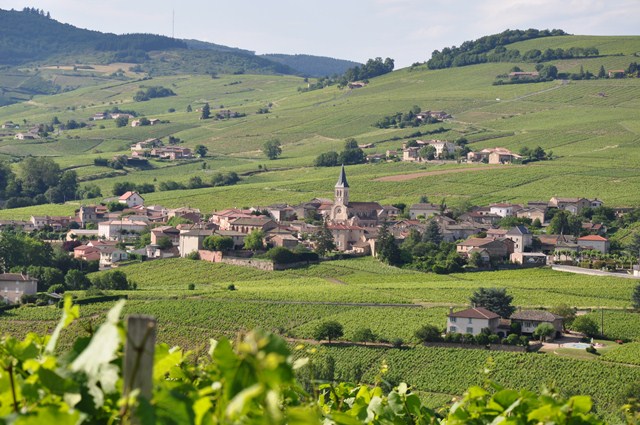
I feel it shouldn’t be so. I mean, wine courses through my veins. My maternal grandparents, whom I have referred to in earlier posts, were both descended from families of vignerons, winemakers, who lived in these small villages in the Beaujolais.

Julienas

Jullie

We know that this is where they came from because my father, a passionate amateur genealogist, spent a number of summers in the 1950s ferreting around in the local archives and tracking down the generations one after another. It was a joke in the family that the villagers would see my father hove into view on a bicycle, whitened by the dust on the roads – they weren’t asphalted in those days – and announce in French, but with a very English accent, that they were his cousins.

But back to the matter in hand. Really, I’m just a vigneron with a thin icing of education. So I should be able to talk for hours on end about the orchestral and allusive range of the wine I’m drinking, pointing out the evocations of mushrooms and raspberries and nuts and whatever else. But all that ever comes to mind is “Mmm, that’s yummy! Pour me another glass.”

And the worst of it all – but don’t spread this around – is that I don’t really like Beaujolais. I much prefer Spanish wines.

winesfromspain

___________________________

Julienas: http://beaujolaisandbeyond.co.uk/images/uploads/appellations/Julienas.jpg
Jullié: http://photos.itea.fr/photos/gites69/G/photo10/1606.jpg
Wines from Spain: http://alegriaonline.files.wordpress.com/2013/04/winesfromspain.gif

BIRTHDAY MARGARITAS

Beijing, 4 August 2013

It was my birthday a few days ago: one year closer to my sixtieth year, that age which impelled me to start this blog; one year closer to my retirement and the end of my professional life. As the years go by, I remember ever more insistently a line from the last chapters of the book The Ocelot, by Giuseppe Tomasi di Lampedusa. The book’s melancholy hero Don Corbera, Prince of Salina, has always seen his life as a stream that is flowing, flowing away. Now, old and sick and terribly, terribly tired, he muses that the stream has become a river, flowing ever more swiftly past. A few pages later he is dead.

Yes indeed, I think to myself on every birthday now, life does seem to whizz by ever faster as I grow older.

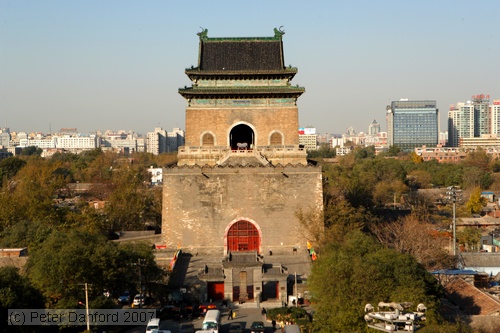
My wife was having none of these gloomy thoughts and philosophical musings! She arranged for a wonderful lunch in a restaurant located in an old temple buried in the maze of lanes behind Beijing’s Drum and Bell Towers.

Bell Tower

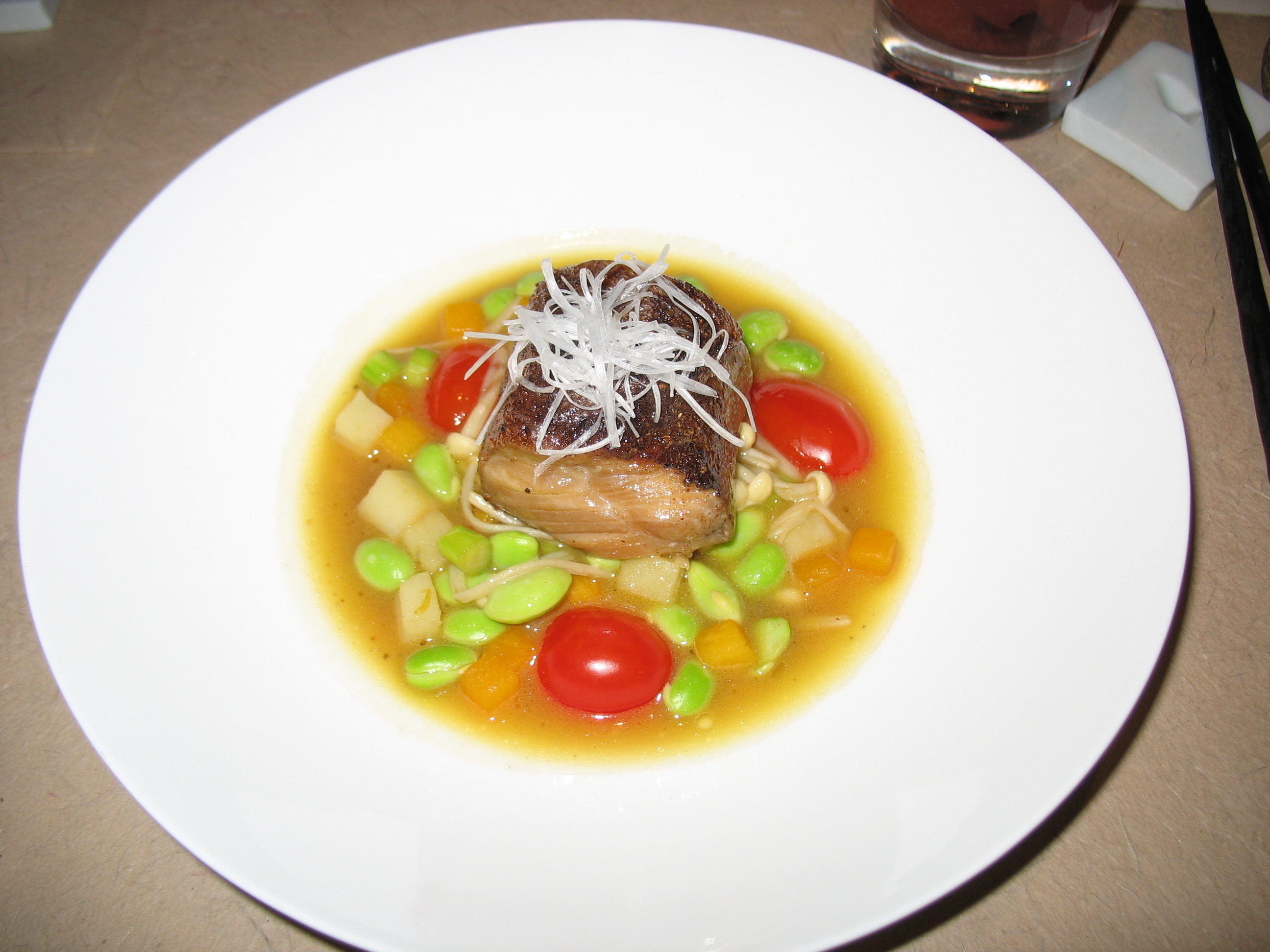
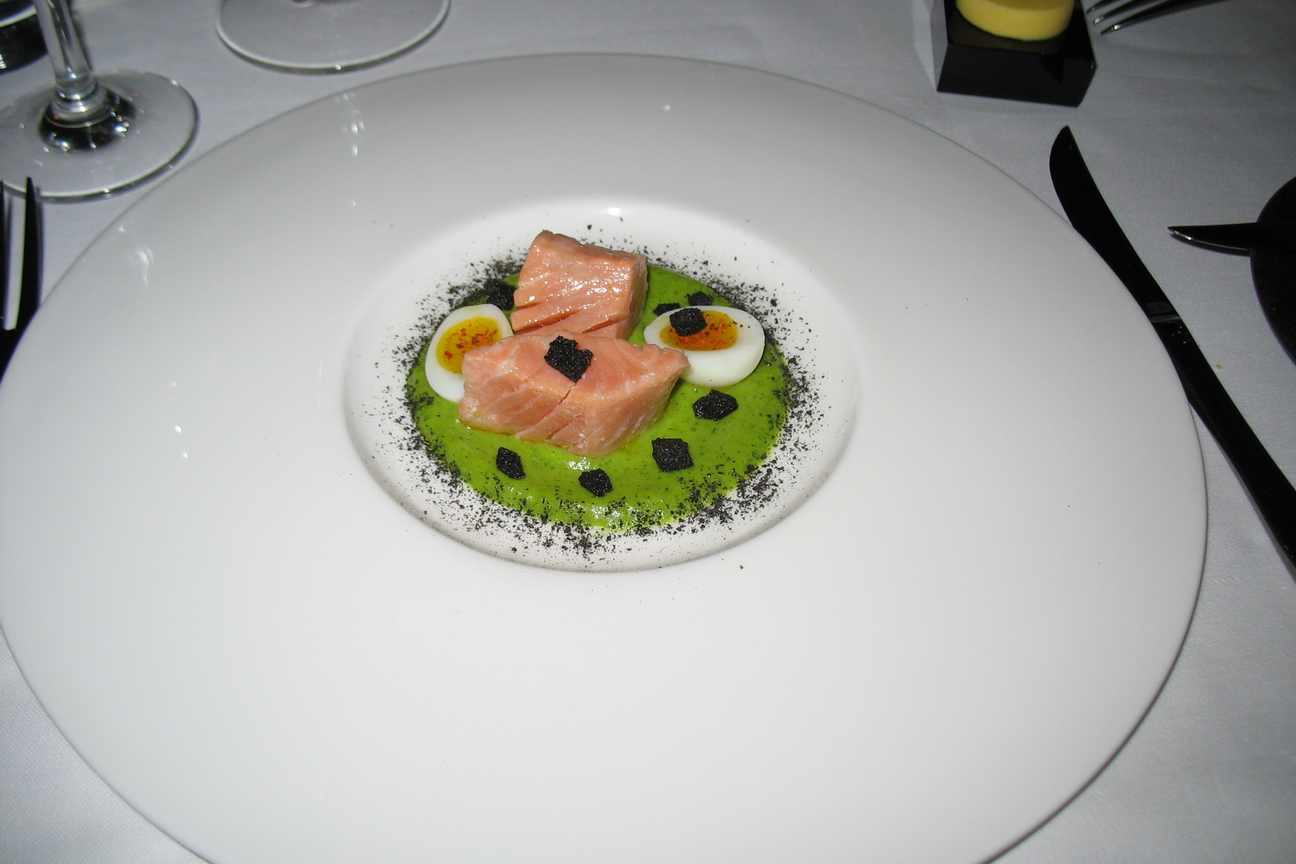
It is one of the city’s fancier restaurants, with a menu to match. To start, my wife had (I quote from the menu) “chilled asparagus soup, salmon tartar, sour cream”, while I opted for “cream soup of mussels, saffron, white wine, vegetable julienne”.  For the main course, we both chose “assorted seafood, bouillabaisse jus, aioli”. We topped it all off with a selection of cheese. The whole accompanied by a glass of French rosé wine for my wife and a glass of Spanish red wine for me. Delicious. But definitely not filling. As is the case with such restaurants, portion size was in inverse proportion to the final bill.

temple restaurant-2

temple restaurant-1

Having then spent the rest of the afternoon in the office pretending to work, I met my wife somewhere close to the Kempinski Hotel and she took me to a fancy bar for a drink. Having scanned the drinks list, we unanimously plumped for a margarita. The waitress anxiously informed us that since it was Happy Hour – buy one, get one free – we would actually get four if we ordered two. She wanted to make sure that we were aware of this. We confirmed that this was indeed the outcome we desired.

margarita

Marvelous drink, the margarita! The sweetness of the Cointreau hits the tartness of the lime juice, only discovered after breaking through the salt coating the glass’s rim; the whole covering the powerful kick of the tequila. We discovered the drink some twenty-five years ago when we were in New Mexico for a holiday. As we sat in the bar of the hotel in Santa Fe wondering idly what to drink, the barman suggested a margarita. Why not, we said. We have never looked back. Everywhere we have been, the margarita has followed us like a faithful old friend, turning up on the drinks list of just about every bar we have ever been to since.

As we drank our – four – margaritas on the terrace of the bar, we watched the evening slowly draw in over Beijing. It was a beautifully clear evening, following a beautifully clear day. Feeling a tad hungry, we ordered two bowls of noodles. After which, hand in hand, we walked slowly back home.

_________________

Bell tower: http://www.thechinaguide.com/drum_tower/Drum_Bell_Tower_Beijing_07.jpg
A starter: http://old.cityweekend.com.cn/files/images/image-20120224-0h1d4tf09s9jmtfv1bib.JPG
A main course: http://cwstatic.cityweekend.com.cn/files/images/2011/12/16/image-20111216-fyrz2miltyybbz6hjzlh.jpg
Margarita: http://images.nationalgeographic.com/wpf/media-live/photos/000/224/cache/margarita-drink-beach_22442_600x450.jpg

MY ART COLLECTION

Beijing, 3 August 2013

I was in Vienna a few weeks ago – it is always good to show your face from time to time in Headquarters to remind your colleagues that you still exist – and my wife accompanied me because we had decided to go on vacation at the same time. Since we had a free morning, we decided to visit the Leopold Museum.

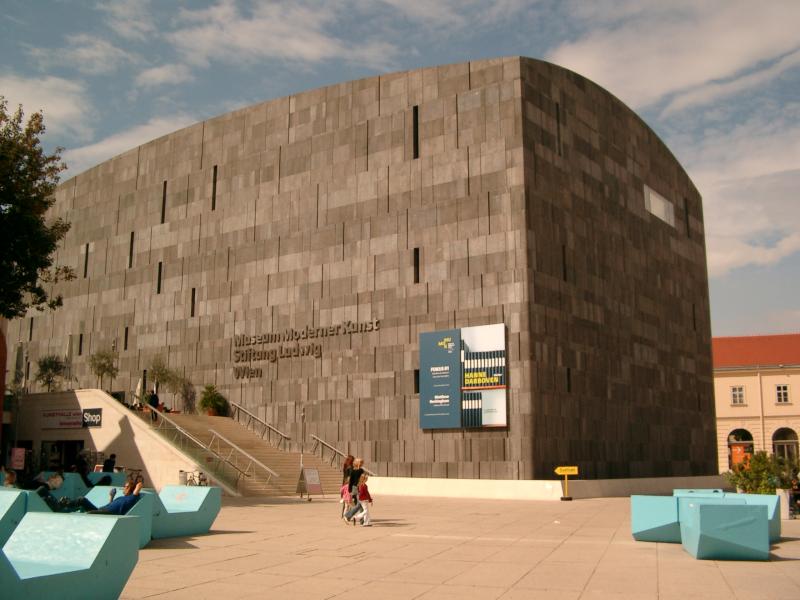
The museum is part of a very nice urban recovery scheme which the Austrian government undertook some ten-fifteen years ago. There being no imperial horses to house anymore, the old imperial stables had fallen on hard times. So the city decided to turn the stables into a Museums Quarter, made a deal to purchase the art collection of a certain Rudolf Leopold, and built two art museums on the premises, one for his modern art

Leopold Museum

and one for his contemporary art

MUMOK

(is there a deeper meaning to the colour scheme of the museums’ cladding?)

For those readers who plan to visit Vienna, the Quarter is just across the road from the Kunsthistorisches Museum, the country’s premier museum of fine arts, which houses the old imperial collection. This is a truly fantastic collection, which alone is worth a visit to Austria. One of my favourites there is Caravaggio’s “Madonna of the Rosary”.

caravaggio

As for the Leopold Museum, it has a great collection of early 20th Century Austrian, German and Central European art. I particularly like its collection of Egon Schieles. The very first time my wife and I went to Vienna, back in the early 80s, we stumbled on Mr. Leopold’s collection, hung at that time in a cramped house somewhere in the outskirts of Vienna. His Schieles knocked my socks off as they say. I particularly remember this one.

Egon Schiele

With the art from these fantastic collections almost spilling out onto the pavements of Vienna (and I haven’t even mentioned the Belvedere or the Albertina or the smaller collections), it’s not surprising that it is here that I started my own – very, very modest – art collection. The spark that lit the fuse was the Dorotheum.

Dorotheum

Wonderful, wonderful place, the Dorotheum. It’s an auction house, but the marvelous thing about it is that it has two whole floors where the price is fixed and you can buy the articles on the spot. Which is great, because auctions make me nervous; I only went to one auction at the Dorotheum – where Mr. Leopold was present, by the way – and the speed with which the prices levitated (on a particularly nice painting by a Hungarian artist) gave me palpitations. These two floors have more the feel of a jumble sale, full of horrible stuff, but where you feel – you know – that the piece of your dreams is just behind that dreadful cabinet in the corner. And in the spirit of a jumble sale the prices in these parts of the Dorotheum are – relatively speaking – affordable.

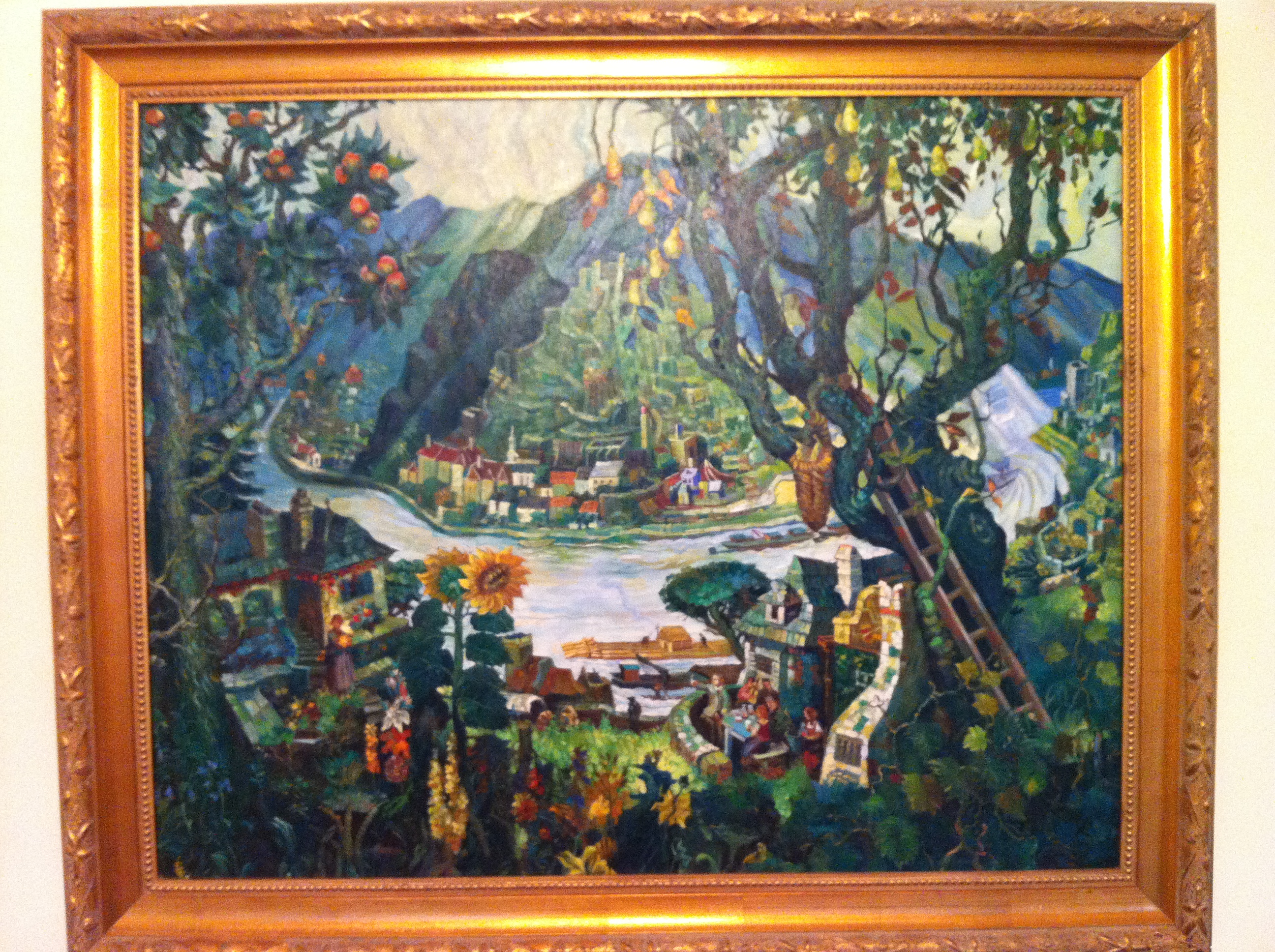
My first piece of art was hanging in a corner, in the dead end of a section dedicated to carpets.

general photos 002

When I first spied it behind the carpets, it was woebegone, sagging in the middle, dust covering its frame. But it cried out to me: “Take me! Take me!” That riot of flowers and fruit against that cubist-type background of mountains! That river, with the small town on its bank! The happy people! It had to be mine!! But the price made me hesitate – it was 400 euros or thereabouts. And it would need fixing and cleaning. I dithered and dathered, I went back a few times, I was like one tormented. Eventually, my wife took over and gently pushed me towards the purchase.

They say that the first murder is the most difficult; after that, it gets easier and easier. I think it’s the same with the purchase of art. In relatively short order after that, I purchased, always at the Dorotheum, this gouache, a naïf view of the Seine in early 19th century Paris:

general photos 004

(the apparent sun in the background is actually my camera’s flash)

This aquarelle, an 18th Century view of Kashmir:

general photos 005

(same comment about my camera’s flash)

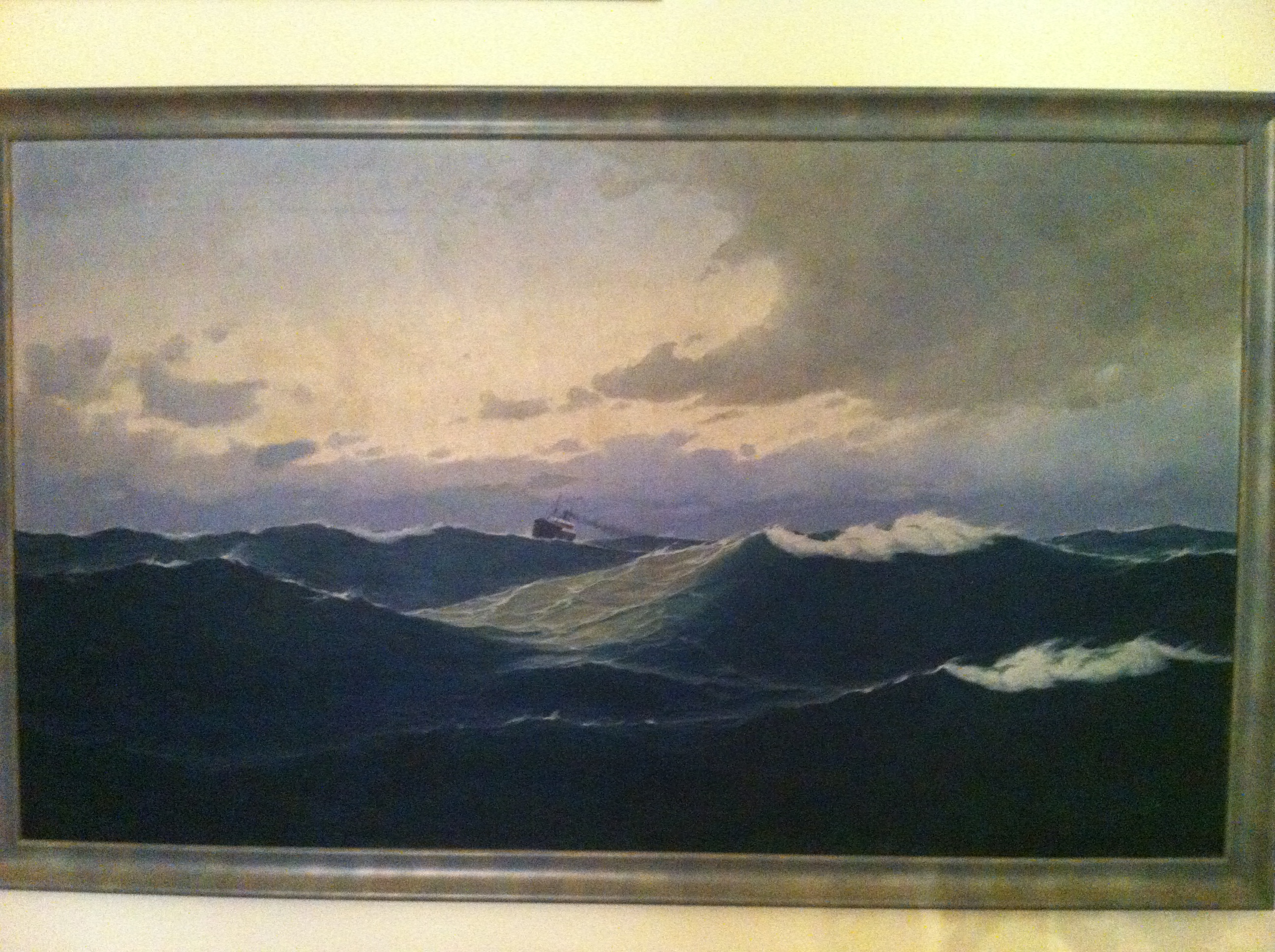
This oil painting, of a tramp ship ploughing its way through the waves:

general photos 009

(I bought it because it reminded me powerfully of the poem “Cargoes” by John Masefield, whose last verse is:
“Dirty British coaster with a salt-caked smoke stack,
Butting through the Channel in the mad March days,
With a cargo of Tyne coal,
Road-rails, pig-lead,
Firewood, iron-ware, and cheap tin trays”)

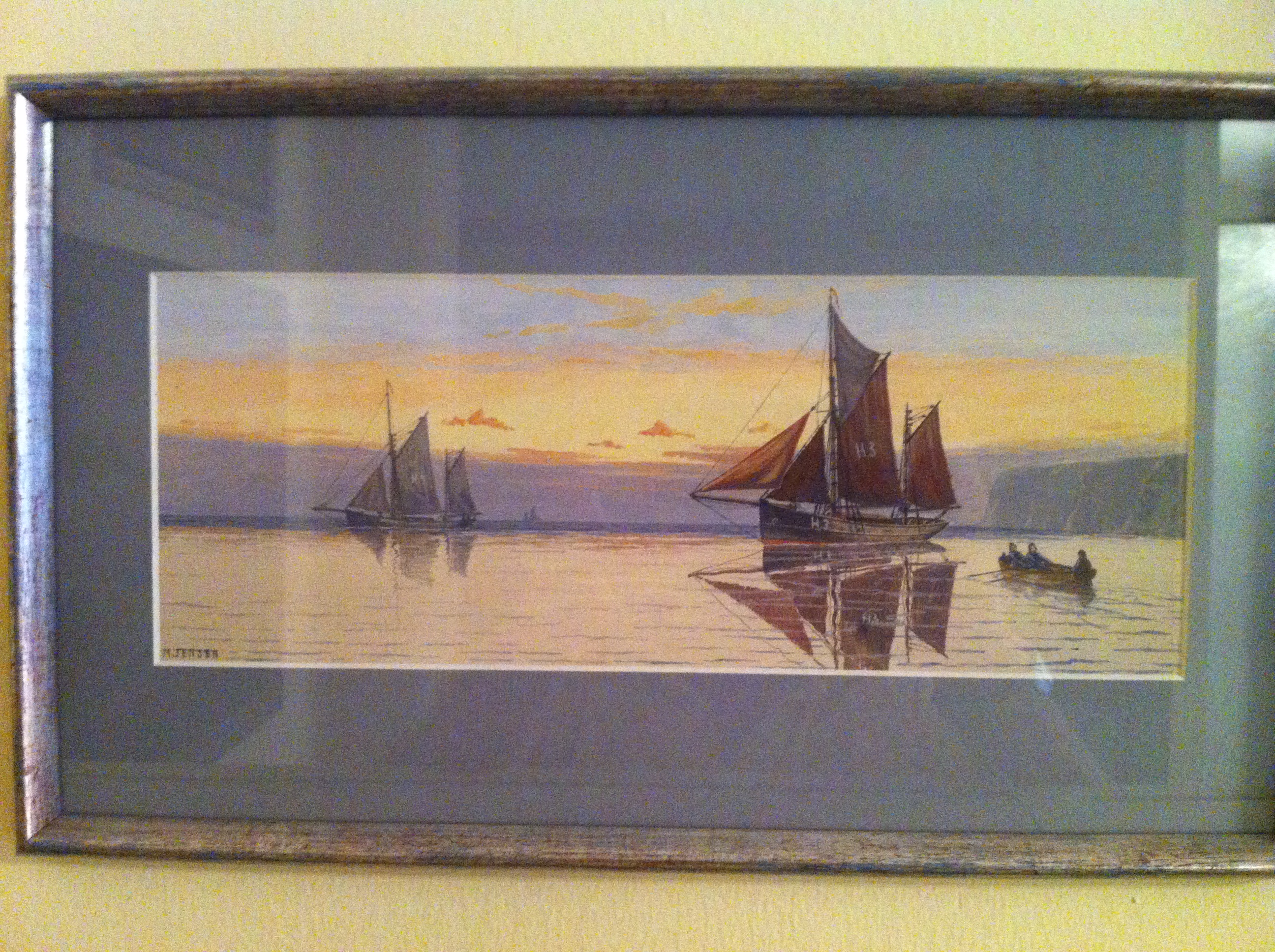
This aquarelle, by the same artist, of fishing boats off the coast of Britain:

general photos 010

This print, of a barn half buried in the snows of Upper Austria:

general photos 008

It was just as well that we left for China. My wife was becoming anxious about how the art was slowly invading the walls of our apartment; she has always preferred bare white walls and generally uncluttered internal vistas. I could not bear to have these sitting in the dark of a warehouse in Vienna waiting for us to come back. We took them all down to Milan, where they hang in our apartment. I took the photos above a few weeks ago, when we passed through.

The wonderful thing about these pieces is that they have allowed me to also unfurl my passion for history, giving me an excuse to dig around into their past. For instance, the Dorotheum claimed that the first painting was a view of Dürnstein, north of Vienna on the Danube (and in whose Castle Richard I was kept prisoner for a while). But after revisiting the place, I am convinced that this is not so; the banks of the river are not that steep on both sides. The picture framer who cleaned and fixed the painting was also not convinced of the appellation. He thought it was the upper Moselle River; a visit there is on my to-do list. As for the gouache, it was sold to me by the Dorotheum as an urban landscape in northern Belgium. Not so! For reasons which I won’t go into here but have to do with research I did on that shop on the right hand side of the painting, I am convinced that it is a view of the Seine River in Paris, looking upstream from Pont Notre-Dame, one of the bridges linking the Île de la Cité with the Right Bank. For its part, the view of Kashmir was, according to the Dorotheum, a view from western China (which is why I bought it; I already knew then that I would be going to China). Research on my part quickly showed me that actually it is a well-known view of a rope bridge near Srinagar. Really, the Dorotheum is doing some very sloppy work here – but it’s more fun for me.

With the Dorotheum no longer just a few subway stops away, the collecting passion has slowed – the apartments are smaller too. We have bought a piece or two, which when we take them back will remind us of our stay in China, rather like those old English colonels who came back from the Empire with bits and bobs of native paraphernalia, which they would proudly display in their retirement home at Bournemouth.

__________________________

Leopold Museum: http://de.academic.ru/pictures/dewiki/76/Leopold_Museum_%28Vienna%29.jpg
MUMOK: http://upload.wikimedia.org/wikipedia/commons/e/eb/Museum_Moderner_Kunst_Stiftung_Ludwig_Wien.jpg
Caravaggio: http://www.christusrex.org/www2/art/images/carav18.jpg
Egon Schiele: http://kellypahl.files.wordpress.com/2011/11/2.jpg
Dorotheum: http://static3.kleinezeitung.at/system/galleries_520x335/upload/3/6/3/2430195/dorotheum030810apa726.jpg
the rest are my pictures

LILAC ON EARTH DAY

Beijing, 22 April 2013

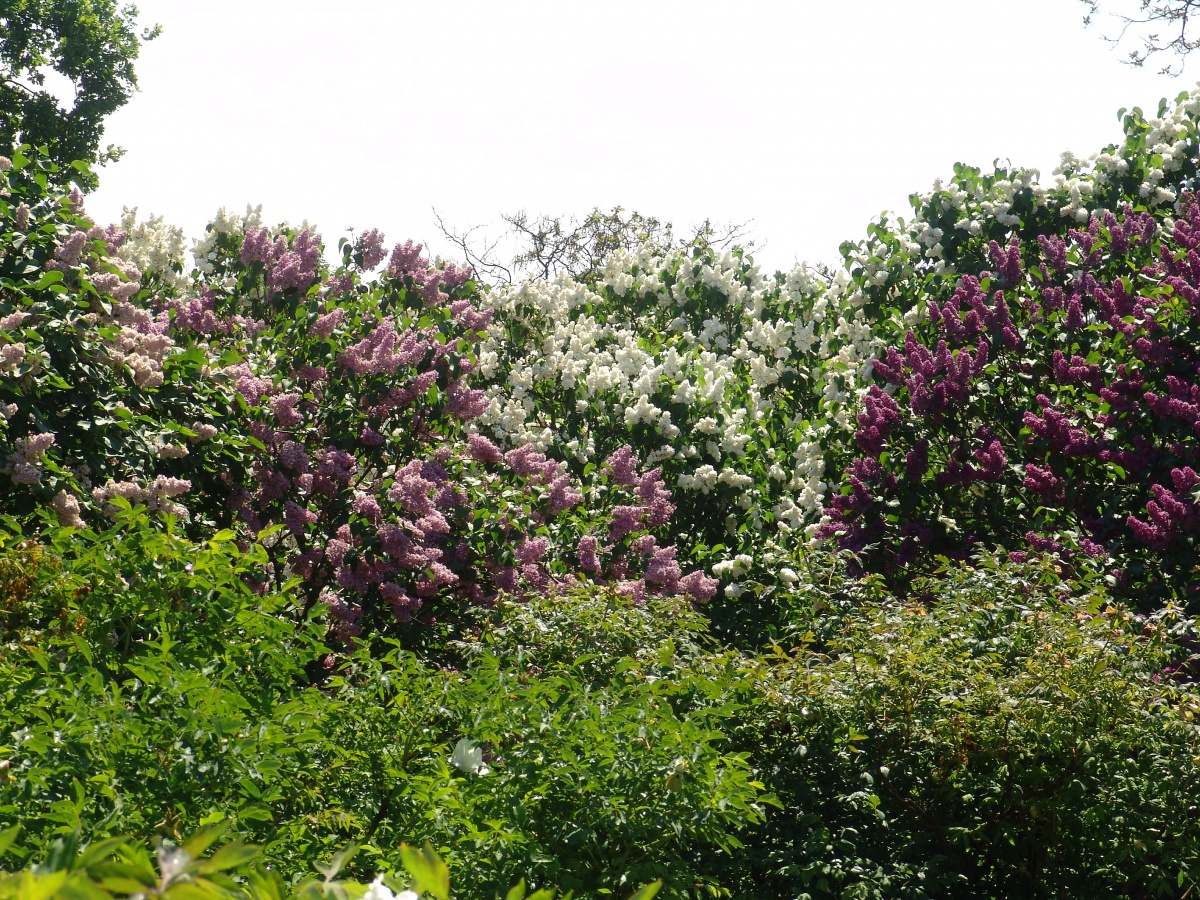
I mentioned in an earlier post that when I was young I would sometimes spend Easter with my French grandmother. One of my memories of those visits – apart from collecting coal in the cellar – is the lilac bushes in the garden in flower. Normally, we went to stay with my grandmother during the summer, when the bushes were just boring green leaves separating the proper, formal garden in front of the house from the vegetable garden. But at Easter time, these dull green bushes would come alive with pale purple and white – and would smell heavenly. They looked something like this (my grandmother’s garden was a bit of a jungle):

Lilas buissons

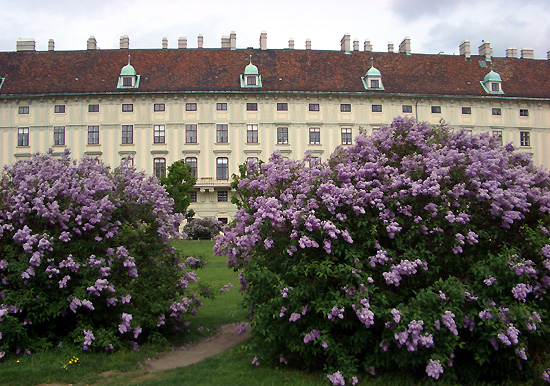
Lilac must also grow in the UK but I have absolutely no memory of any lilacs there. The next time lilacs crossed my radar screen was in Vienna, where it was a very popular bush all over town, from the public gardens in front of the Hofburg, the imperial palace in the centre of town:

lilacs in Vienna-3

To just humble streets nowhere in particular:

lilacs in Vienna-4

During the flowering period, my wife would arm herself with a big pair of scissors and we would go around surreptitiously snipping off a few flowering branches to have in the apartment. For a few days, the house would be filled with the wonderfully delicate scent of lilac.

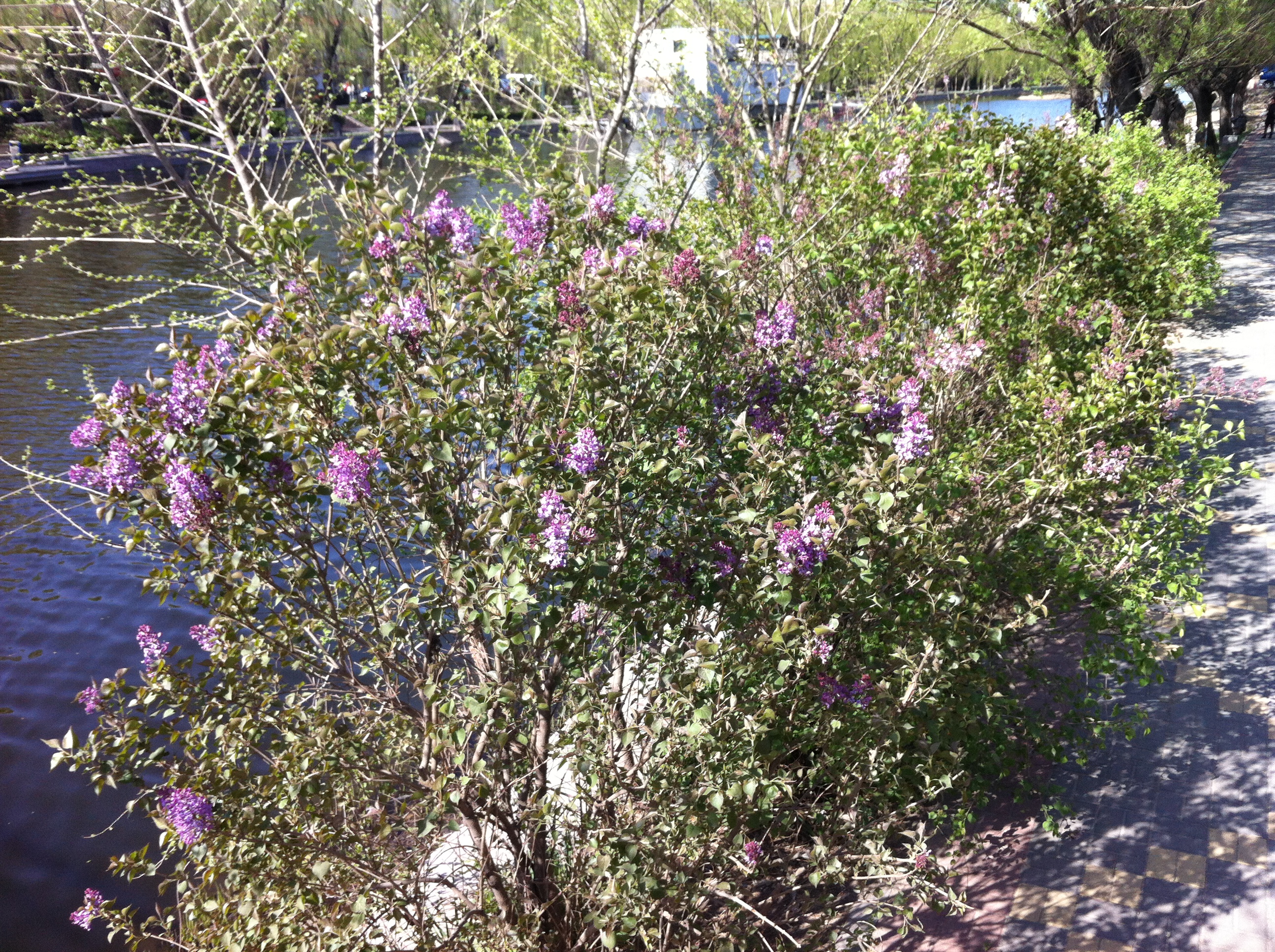
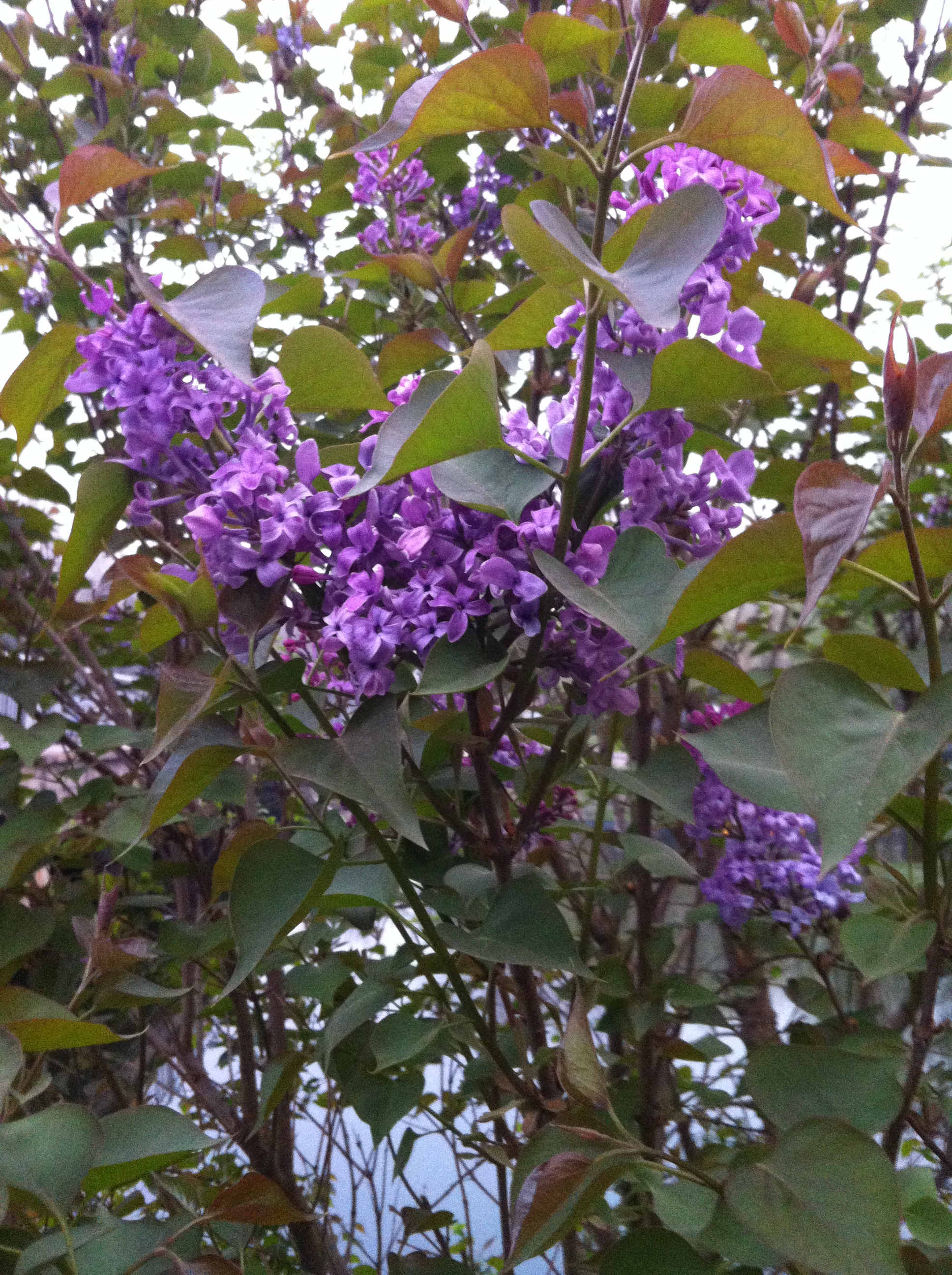
So it was with pleasure that I noted during our first Spring here, down by my piece of canal about which I have written several times, some lilac bushes coming into flower. At least, they seemed to be lilacs. The scent was quite similar, and there was definitely a family resemblance if you closed your eyes a bit and cocked your head to one side. Yet there was something not quite right. The flowers didn’t look quite the same, and the leaves were definitely smaller and darker.

lilacs by the canal 001

lilacs by the canal 003

I decided to do a little bit of research (well, web-surfing really) and discovered that what was growing in my grandmother’s garden and in Vienna was the common lilac, syringa vulgaris, whereas the lilac growing here was in all likelihood the Yunnanese lilac, Syringa yunnanensis. The photos I found of the Yuannese variety showed a definite similarity:

Yunnan lilac-4

and it makes sense to have a lilac from Yunnan in Beijing.

During my research, I also learned a bit about the common lilac. It was not, as I had thought in that casually cultural-centric way we Europeans suffer from, a European flower. It was actually introduced into European gardens at the end of the sixteenth century from Ottoman gardens. That certainly makes sense since “lilac” derives from the Arabic “lilak”, which in turn derives from the Persian “nilak” meaning bluish. Since I am currently reading a history of Iran/Persia and have just finished the part covering the Arab invasion, in my mind’s eye I can see the beauty of the flower captivating Arabs when they arrived in Persia and their carrying it back with them west of the Tigris and Euphrates; later, when the Ottomans conquered the Arab lands, I can well imagine them in turn falling in love with the flower and carrying it off to their gardens. From whence it came to our European gardens and, after a pause, to the gardens in North America.

Fanciful and probably wrong, but on this day when we celebrate Earth Day a narrative I would like to believe in, seeing as it suggests a certain universal appreciation of the beauty of nature.

Happy Earth Day.

________________________

Lilac in France: http://www.torange-fr.com/photo/5/13/Lilas-buissons-1268053127_24.jpg
Lilac in Vienna-1: http://www.viennatouristguide.at/Quiz/Bezirke/13%20Schoenbrunn/hofb_flieder.jpg
Lilac in Vienna-2: http://www.zeitgedanken.com/weblog/wp-content/uploads/2009/04/flieder-im-april09-01.jpeg
Lilac in Beijing: my pix
Yunnanese lilac: http://static1.plantdatabase.info/plant_imgs/size2/syringa_yunnanensis_var_rosea_I21172P95642.jpg

MANDARIN DUCKS

21 April 2013

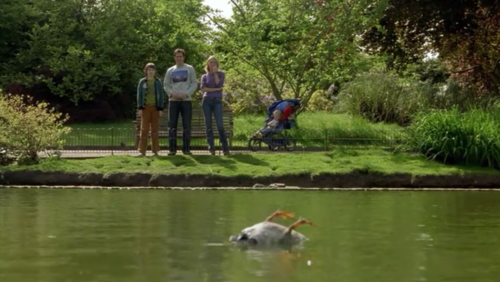
One of the funnier scenes for me in the film About a Boy is when the Boy kills a duck after he throws a loaf of bread, which his mother had baked, into the pond. Lord knows what ingredients she had used, but it had the density of a rock and thus the predictable effect when it hit the duck.

about a boy dead duck-1

I laughed loud and long, partly because it reminded me of when I was a boy. During my visits to my grandmother in London, one of her staple ideas for keeping me busy was to take me down to one of the ponds in Central London’s many parks to feed the ducks. She did this with most of her grandchildren who passed through London and kept a stash of stale bread for the purpose. And boy was it stale sometimes! If I’d been a duck I wouldn’t have touched it with the end of my webbed foot.

As I said, she took me to several parks in Central London. Hyde Park was a favourite with its Serpentine lake. Another was the lake in St. James’s Park. The nice thing about that lake was that it played host to many different types of ducks, some of them really beautiful. One of the most lovely was the mandarin duck:

mandarin duck-1

(I knew its name because the park authorities had thoughtfully placed plaques by the lake’s edge, right where little boys and girls threw stale bread to the ducks, which carried a picture of each type of duck along with its name).

I swore to myself that when I owned a duck pond, I would stock it with mandarin ducks. Well, I don’t own a duck pond – yet (hope springs eternal). But I do live by a pond-like body of water here in Beijing. So you can imagine my excitement when on Saturday I noticed a pair of mandarin ducks paddling peacefully along its surface.

Will they be there tomorrow, when I walk to work? Or will they have flown off to greener pastures? I really hope they’ll be there. Feeding them will be a great way to get rid of our stale bread.

PS:

They stayed! Here’s a photo of the male I took the other day, a month or so after writing this post. It’s not a great photo – actually, it’s a lousy photo – but the duck was careful in not coming too close (no doubt it sensed that it could quickly end up in a pot in a Chinese kitchen), but it is evidence of their continued presence.

duck on canal 001

______________________

“About a Boy” dead duck: http://media.tumblr.com/tumblr_lpks23apyX1qiurmy.png

Mandarin duck: http://blogimg.goo.ne.jp/user_image/2f/0e/202ca598a665e53251ea85d5818715ee.jpg

I, TOO, CHOSE THE NAME OF FRANCIS

19 March 2013

In a previous post, I have admitted to being a lapsed Catholic, to having fallen off the straight-and-narrow when I was a young man. But this does not stop me from taking an interest in moments of high Catholic drama such as papal elections. These are held against one of the world’s most beautiful backdrops (St. Peter’s square in Rome)

st-peters-square

They have quaint customs like black and white smoke to announce the results of ballots (“is it white? is it black?”)

white-smoke

There are all these old, principally white, men wandering around in bright red and purple cassocks, surrounded by toy soldiers dressed in renaissance garb

cardinals-and-swiss-guards

There are the Latin pronouncements (“habemus papam” et cetera).

St. Peters Square, Pope Francesco

So when Benedict XVI made his surprise announcement about retiring, sending the world media into fibrillation (“first pope to retire in 600 years!”), I settled down to enjoy the show. My wife – also a lapsed Catholic although less militant about it than I – joined me on the sofa as we surfed around the international TV stations, dropping in on their twitterings about various aspects of popes, the papacy and papal elections.

I left for a business trip just as the cardinals were processing into the Sistine chapel, sure that they would still be at it when I got back two days later. I mean, there was that election back in the Middle Ages during which the cardinals had been balloting for ages without coming to an agreement; they were finally locked into the chapel by irritated guards and told they would get only bread and water until they had agreed on a candidate. So you can judge my surprise, and disappointment, when my wife announced to me as I walked in the door that the new pope had already been chosen. I had missed the smoke! The blessing from the window! The announcement of the papal name! My wife made sympathetic noises and then dropped a bomb. He had chosen the name Francis!

I suppose it can be considered a crime of lèse majesté for me to compare myself to the pope, but I have to tell you that many years ago, in the one time in my life that I got to choose a name for myself, I too had chosen the name Francis.

Before turning away irrevocably from the faith, I had been through all the rituals required of a good Catholic child. I had done my First Confession, my First Communion, and – critically for this story – my Confirmation.  I was 14 when I went through this last ritual, so getting towards an age when I more or less knew what I was doing. On the great day itself, which took place at school, my parents came; they had arranged to be in the country for the event. Our local bishop presided. He sat enthroned before the altar of the school’s church as each one of us (we were a group of some 20 boys) came up before him to be confirmed. My father came up to the altar with me as my sponsor, and stood solemnly behind me as I knelt before the bishop and his hovering acolytes and announced to him the confirmation name I had chosen: Francis.  The bishop read through the ritual words, anointed me, and then it was time to leave the place to the next boy.

Francis doesn’t appear on any official document of mine, but I am particularly proud of it since it is the only name I have ever gotten to choose. My parents chose all the others before I was even born: one to commemorate various fusty old ancestors, one to commemorate my godfather, and one to commemorate a fusty old saint that my mother particularly venerated. But Francis, that was my choice.

Like the pope, I chose Francis in memory of St. Francis of Assisi. I chose him because, as my children might have said some ten years ago, I thought he was a pretty cool dude.  I mean, here was a guy who had had everything – money, intelligence, friends, wit, all the women he could want, doting parents who let him do whatever he wished – and he turned away from it all, to live a life of complete poverty and simplicity, among the poorest of the poor and the outcasts of society. Without really trying to, he gathered around him hundreds and eventually thousands of followers and started a huge movement in Europe striving for a simpler life. In many ways he reminds me of the Buddha.

st-francis-of-assisi

And he wrote a wonderful poem, one of the earliest in the Italian language, or rather in the Umbrian dialect spoken in his native Assisi: the canticle of the sun. Here are a few lines from the original:

Laudato sie, mi Signore cum tucte le Tue creature,
spetialmente messor lo frate Sole,
lo qual è iorno, et allumini noi per lui.
Et ellu è bellu e radiante cum grande splendore:
de Te, Altissimo, porta significatione.

Laudato si, mi Signore, per sora Luna e le stelle:
in celu l’ài formate clarite et pretiose et belle.

Let me continue with a translation:

Be praised, my Lord, through all your creatures,
especially through my lord Brother Sun,
who brings the day; and you give light through him.
And he is beautiful and radiant in all his splendour!
Of you, Most High, he bears the likeness.

Be praised, my Lord, through Sister Moon and the stars;
in the heavens you have made them bright, precious and beautiful.

Be praised, my Lord, through Brothers Wind and Air,
and clouds and storms, and all the weather,
through which you give your creatures sustenance.

Be praised, My Lord, through Sister Water;
she is very useful, and humble, and precious, and pure.

Be praised, my Lord, through Brother Fire,
through whom you brighten the night.
He is beautiful and cheerful, and powerful and strong.

Be praised, my Lord, through our sister Mother Earth,
who feeds us and rules us,
and produces various fruits with coloured flowers and herbs.

It goes on a bit more, but I’ll stop there because these are some of the loveliest lines I know about the environment.

It is said that Francis preached to the birds and talked to the wolves. I take this all with a pinch of salt. But he did love nature passionately, which is really why I chose his name for my confirmation.

I hope the new pope is worthy of the name he chose.

___________________

St. Peter’s Square: http://readytour.ru/images/italy/excurs/6-800.jpg
White smoke: http://l.yimg.com/bt/api/res/1.2/zaEY7ikCWZpTeGB8NMi3pw–/YXBwaWQ9eW5ld3M7Zmk9aW5zZXQ7aD00MjA7cT04NTt3PTYzMA–/http://media.zenfs.com/en_us/News/gettyimages.com/conclave-cardinals-elected-pope-lead-20130313-112050-018.jpg
Cardinals and Swiss Guards: http://www.capuanaweb.insulareport.it/media/k2/items/cache/c230427c303c0684b5582388f5d0dfd7_XL.jpg
Habemus papam: http://timeglobalspin.files.wordpress.com/2013/03/cm_vatican_pope_03_13_13_178.jpg?w=753
St. Francis: http://www.thomryng.com/amateurmonk/wp-content/uploads/2012/10/Francis.jpg

LAPSANG SOUCHONG

Beijing, 5 March 2013

Whenever I stayed with my English grandmother in London, one of my tasks was to do the food shopping for her. She expected this service from all her visiting grandchildren, along with other services such as doing the washing-up and hoovering the floors. My grandmother was of a generation that expected grandchildren to serve her and not her to serve them. A lesson, I think, for the Chinese who to my British eye dote far too much on their little princeling children and grandchildren. In any event, my grandmother would write out a detailed shopping list and I would hurry down – no loitering, please – to the nearby high street to buy the necessary. And there they were, all lined up: the fishmonger, with his marble slabs on which were slapped the fish surrounded by ice, the butcher, with his pieces of meat hanging in the window, the baker, with his loaves neatly stacked up behind him, and the green grocer, with all manner of greens in boxes outside as well as in. I would join the polite throng of people, wait my turn – another lesson for the Chinese, many of whom seem not to have heard of the concept of queuing – and paid out in pounds, shillings, and pence.

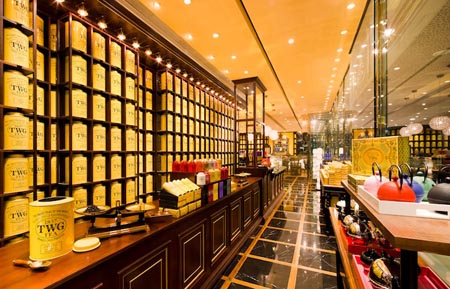
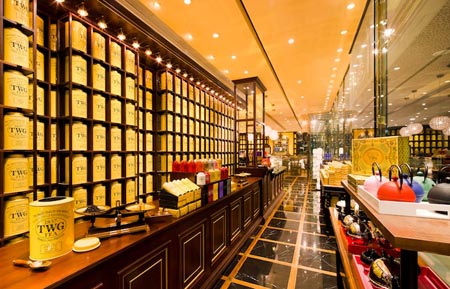
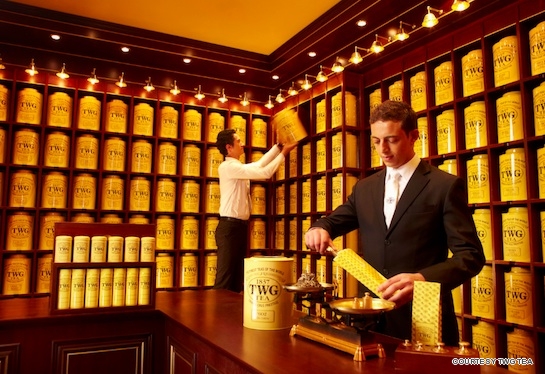
I went back to that high street a few years ago – a walk down memory lane. All gone, I am sad to report, their place taken by “boutiques”. As I survey high streets around Europe, it seems to me that no-one eats any more, they just dress. What saddened me even more was the disappearance of the tea emporium of which my grandmother had been a faithful client. Buying tea was not a task that she delegated to her grandchildren. It was a job for Grown Ups. But I did accompany her once or twice on her tea-buying expeditions. It was certainly a very majestic place. First of all, it was not a tea shoppe; this was not a place where one came to drink tea and eat cakes and sit about nattering. It was a place to buy tea – and not, God forbid, tea bags, but loose tea. One wall was covered with shelves holding large copper caddies which contained the teas. There was a series of counters in front of this wall, each carrying a set of old-fashioned brass scales, and the employees – all wearing white coats – would bring the caddies to the counter and reverently ladle the teas onto the scales. It was all very hushed and murmury. These photos give a sense of what greeted us when we entered the shop, although these are really altogether too modern and smart.

tea store-3-hk-1

measuring out tea-4-hk-1

My grandmother bought only one tea – lapsang souchong. This is one of China’s few black teas, some say its first. It comes from the Wuyi region in the southeastern province of Fujian. It has a very distinctive smoky flavour – which is not surprising since the leaves have been smoked over a pinewood fire.

lapsang souchong

My grandmother took her tea twice a day: at breakfast, which she always took in bed, and at 4 o’clock, which she always took in the living room. She drank her tea in porcelain cups with proper saucers and little spoons – no mugs for her.  She had some rather handsome cups and saucers with a Chinese design, perhaps not quite as handsome as this example:

cup and saucer-3She taught me her ritual for making tea, which I have since discovered was a bastardization of the complicated rituals used in China. First, warm the teapot by swirling boiling water in it, then add the leaves to the teapot and pour in a small amount of boiling water, just enough to cover the leaves. Leave them to soak for three minutes, and then add the remaining boiling water. One thing she did, which would have had all the Chinese tut-tutting into their tea, was to add milk and sugar, a habit which I have gladly embraced.

My wife first met my grandmother over a cup of her lapsang souchong tea. She was flying into Gatwick from Milan the autumn after we started going out together; after a day or two in London, we were going up to Edinburgh University. The plan was for me to meet her at Gatwick. In what was to become a regular feature of our married lives, I missed her. Disconsolate, I came back up to London, only to find wife and grandmother happily ensconced in the living room drinking tea.  My wife took a shine to my grandmother and I believe the feeling was mutual. My wife also took a shine to my grandmother’s tea, and later on, when we finally had some money in our pockets, we started to buy lapsang souchong.  But we have never been as rigid as my grandmother was. We drink lapsang souchong but also quite happily drink Twinings tea bags. And we don’t heat up the teapot before adding the leaves.

twinings tea bag

In my very first visit to Beijing, back in 2002, I visited – as was expected of all foreigners – one of the markets. In my case, I visited the pearl market where I actually bought my wife a string of grey freshwater pearls, for the first and probably last time in my life. When I saw a stall selling teas, on a whim I approached them and tried buying lapsang souchong. I mean, what better place to buy Chinese tea than in China, right? But they all looked at me blankly, shook their heads, and muttered “meyo, meyo” [no, no]. So I gave up; it must have been my tone-less pronunciation, I thought. And I had made the cardinal mistake of not bringing with me a piece of paper with the name written on it in Chinese, to show to my interlocutors and thus solve these little problems of tones or lack thereof.

Seven years later, we moved to China. The Empire of Green Tea.

green-tea

In the face of an ocean of green tea, my wife courageously set about finding a local source of lapsang souchong. Her first step was to visit a street listed in our guidebook as a promising source of tea. She took a pinch of our precious lapsang souchong along with her and went door-to-door showing it. “Meyo, meyo”, was always the answer. But she didn’t come back empty-handed. She bought this lovely stoneware tea caddy.

stoneware caddy

After this rather discouraging start, my wife took a break in the lapsang souchong search. To keep us going, we bought a large stock in Milan during our next visit there, in a little shop we know around the corner, and then in London when we visited our daughter six months later. The next round in the lapsang souchong search started when I found the name written in Chinese on the web. Armed with a piece of paper on which I’d cut and pasted the Chinese name, my wife sallied forth again. Surely that would do the trick, we thought. “Meyo, meyo” was again the discouraging reply.

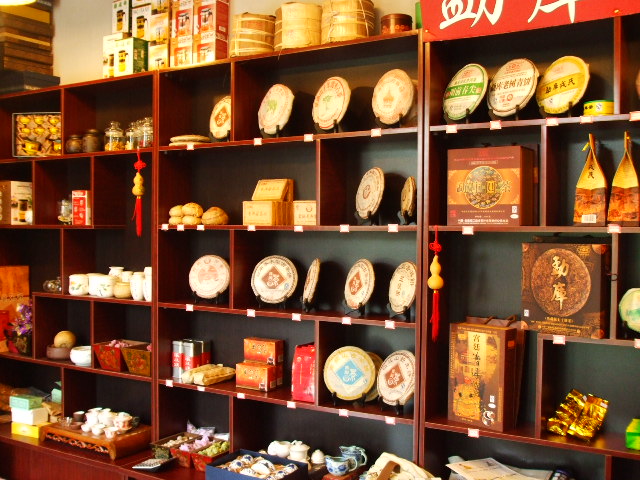
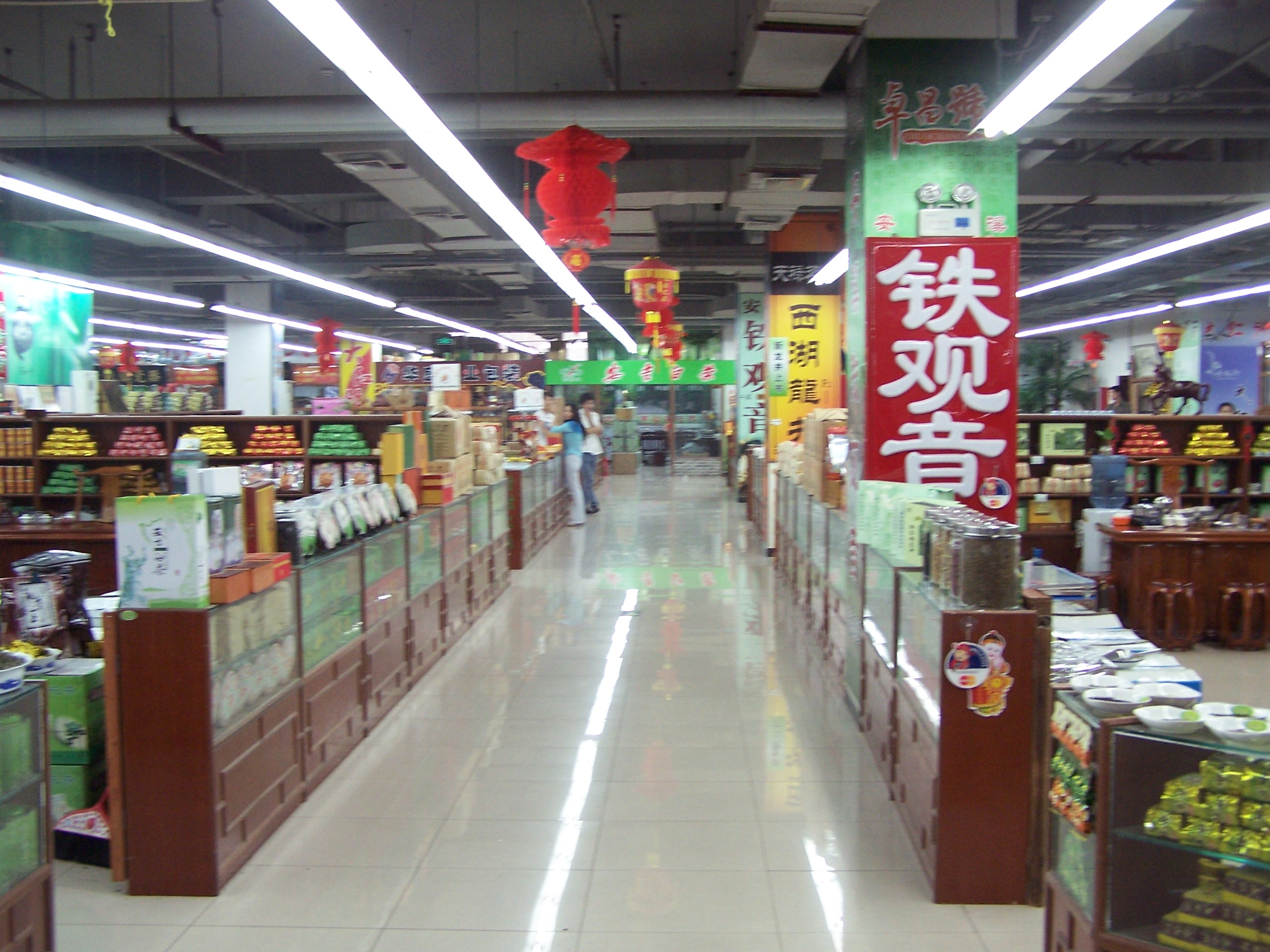
After yet another pause, we discovered Beijing’s tea market. This time we would succeed! Armed with a bag of lapsang souchong, a piece of paper with the name written in Chinese, and determined smiles, we marched through grand shops

beijing tea market-5

the supermarkets of tea

beijing tea market-3

and myriad poky little stalls

beijing tea market-1

showing everywhere our tea and our piece of paper. “Meyo, meyo” always came back the reply. But still we went on. Finally, a girl in a stall shook her head but made us understand that that shop down the hall there and to the right probably had it. With beating hearts, we made our way to the indicated shop and went through our little routine for the nth time. The two girls looked at us, looked at, felt, and smelled our  tea,  had a rapid-fire discussion, and then one of them went off. The other motioned us to sit down at the tasting table. The first came back with a package, shook some tea leaves out, and the second started the routine of preparing tea.

beijing tea market-6

After a little while, she offered my wife a small cup of the tea …

Meyo, meyo! It was, and yet it was not. We tasted it this way and that way, we gave some of ours to the girls so they could make tea with it. We compared. It was clearly of the same family, but it was not the same. Weaker it was, with less punch but also less sweetness.

Ah well, we can just keep stocking up whenever we go back to Europe and maybe, just maybe, before we leave, we’ll find a local source.

________________________

Tea store: http://3.bp.blogspot.com/-LrBKXYQoYaw/T557zpa75oI/AAAAAAAABNg/cjbSvJayuuw/s1600/twg-tea_hk-ifc_tea-boutique-01.jpg
Measuring out tea: http://sg.lifestyleasia.com/var/lifestyleasia/storage/images/media/images/import/article/33/image_339679-twg-tea-master-twg-tea/1837667-1-eng-GB/image_339679-twg-tea-master-twg-tea.jpg
Lapsang Souchong: http://www.chadotea.com/images/T-25-Lapsang-Souchong.jpg
Cup and saucer: http://p2.la-img.com/1870/37984/16159143_1_m.jpg
Twinings tea bag: http://1.bp.blogspot.com/-btpdmHKOX9w/T7dGdhyLXgI/AAAAAAAABdw/OvNObW_-3ck/s1600/IMG_2335.jpg
Green tea: http://www.allaboutladies.net/wp-content/uploads/2012/04/green-tea1.jpg
Stoneware tea caddy: my photo
Beijing tea market-1: http://www.beijingtravelhotelinformation.com/uploads/2009/0706/beijinghighlifeblogMountainTeaintheBigCity.jpg
Beijing tea market-2: http://shinshinshingan.files.wordpress.com/2010/11/jun14_tea_market_interior1.jpg
Beijing tea market-3: http://photos.travelblog.org/Photos/168424/660393/t/6550014-Of-all-the-tea-shops-0.jpg
Beijing tea market-4: http://media-cdn.tripadvisor.com/media/photo-s/03/11/1c/e0/beijing-culture-exchange.jpg

COAL

Beijing, 23 February 2013

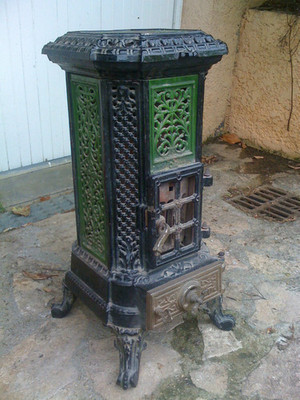
Whenever I visited my French grandmother at Easter, we used to stay in her house in the countryside. It was still cold enough for us to need heating, which meant that we spent much of our time in the living room, huddled around a venerable stove. It looked like this:

coal stove

although it had a chimney that came out of the back, which after a metre or so took a right-angle turn and exited through the living room wall.

During the day, my grandmother burned wood scrap – fallen branches, pinecones, bark, whatever lay around the garden after the winter storms – which she sent me out to collect on a regular basis. At night, though, she would load the stove up with coal, and it was my job to fill the coal scuttle. This meant taking the scuttle down to the cellar, where the coal was stored, to fill it up. This is what the scuttle looked like:

coal scuttle-3

I loved that cellar. It was really the ground floor of the house – there was a door at the back which gave onto the road outside. From the garden side, though, you had to open a door with a large key, of the kind gaolers had in medieval times, go down a few stairs past dark corners where all the garden utensils were stored, and through a second door into the cellar proper. And there, stretched out in the semi-darkness, was a world of enchantment. For starters, the cellar had a dirt floor, which gave it a very particular smell. Then all around, strange and wonderful things loomed out of the dark. The coal was stored in an untidy pile to the left of the door, and beyond it was an old wooden table on which were stored my grandmother’s cache of goat cheeses bought from a nearby farm, the bottled fruit which she prepared during the summer, and a small wooden barrel in which she made her vinegar. Wonderful, wonderful, that vinegar was! It seemed to me total magic that my grandmother would pour the local red wine in, let it stand for a while, and hey-presto! out came delicious vinegar. I tried making vinegar of my own decades later in Vienna. The results were … mixed, let us say. Next to the vinegar barrel was the wine rack, good rough Beaujolais wines from the local vineyards. Over on the cellar’s right were piles of wood, various pieces of old furniture, ancient utensils whose use I could not figure out, an old bike or two, some hay, and I don’t know what else.

I always spent a few moments poking around in the corners seeing what new things I might stumble across, before filling up the scuttle and hauling it back up to the living room. The coal was, of course, dusty and left all your fingers black, but it came in nice, neat egg-shaped pieces. I never thought about it at the time, but I suppose this was pulverized coal pressed and molded; I remember the mold lines running around the pieces. Here’s what it looked like, in a coal scuttle; really heavy to carry! (appropriately enough, this is a photo from a museum; we are talking history here):

As for my English grandmother’s house, it had no coal. The use of coal had been banned in London after the last big smog of 1952. I remember my mother telling us about that smog when we were children, how she had had to walk down the road and almost panicked at not being able to see a thing. Soon thereafter, my parents escaped to the sunnier climes of Africa where I was born.

london smog 1952

The house had no coal but still had a coal cellar, which was located under the pavement. A manhole in its ceiling had once allowed the coal-man to handily pour in the coal without coming into the house. My grandmother didn’t really use the coal cellar for much. The only thing I ever saw her put in there were the French cheeses which my father bought when we visited. He had a fondness for the smellier French cheeses like Roquefort:

roquefort

My grandmother, in true English style, detested smells, so she banished his cheeses to the coal cellar between meals. Lucky for her that my father didn’t eat the aptly-named Crotte du diable, or devil’s droppings!

crotte du diable

Truly, evilly smelly – in fact, it seems not to exist anymore, which is a tragedy because it tasted absolutely wonderful (you had to wash your hands very well after eating it, though …).

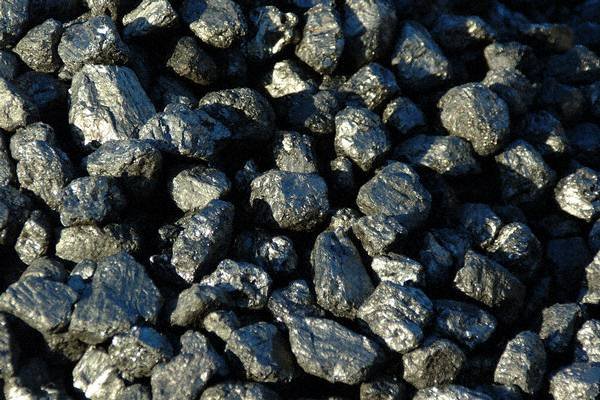
In any event, things changed and moved on. My French grandmother had a heart attack while picking strawberries in her vegetable garden and was eventually moved into a home, and the stove stopped being used. I came across coal one more time, at school, where we had an open fire in the school monitors’ room and a ration of coal to feed it with. The coal looked more like the stuff that’s dug out of the ground, rough chunks:

coal at school

I liked to pick up a chunk and turn it in the light. Coal can be very beautiful, with black, glistening surfaces, reminiscent of obsidian:

bituminous coal

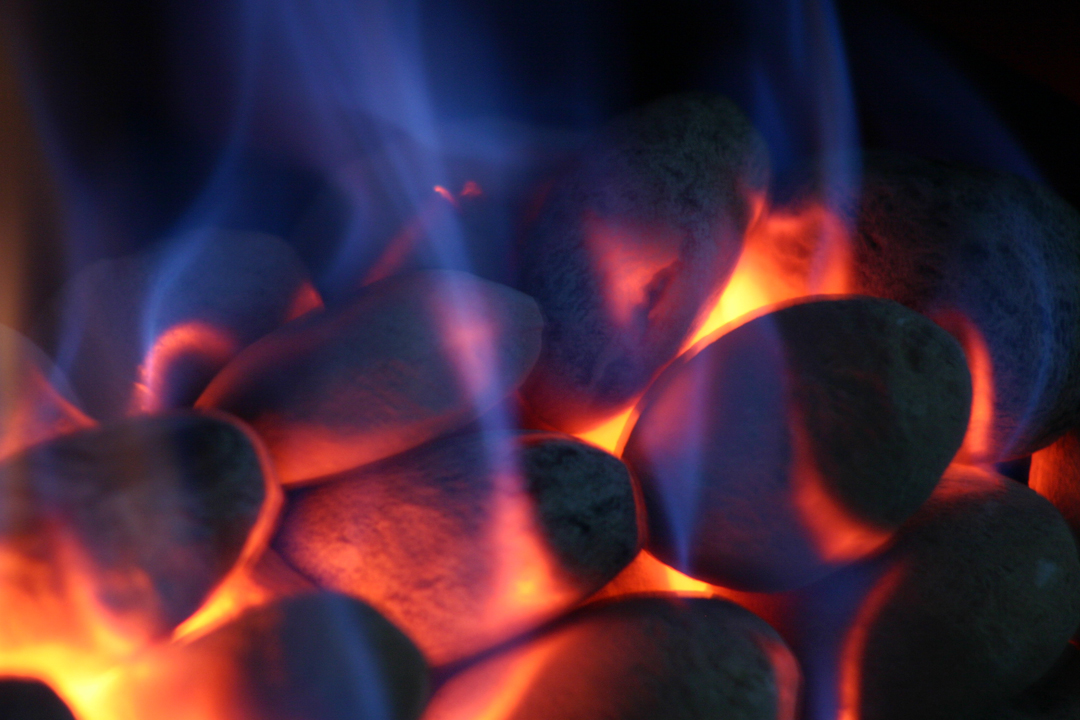
I also liked to sit next to the fire and gaze deep into the glowing coals rather than study for my A-levels:

glowing coal-2

which may partially explain why I didn’t do too well in my A-levels.

After that, coal disappeared from my life, as it did from the lives of all us in Europe.

Then we came to China.

Some statistics, courtesy of Wikipedia [1]: China is third in the world in terms of total coal reserves. It is the largest coal producer in the world, with the world’s largest (and deadliest) coal mining industry. It is also the largest consumer of coal in the world. Over half of the coal is used to make electricity, another third is used by industry, some is used in district heating plants, leaving a mere 3% to be used in residences. But you sure see that 3%.

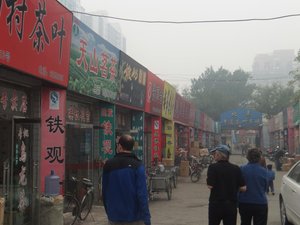
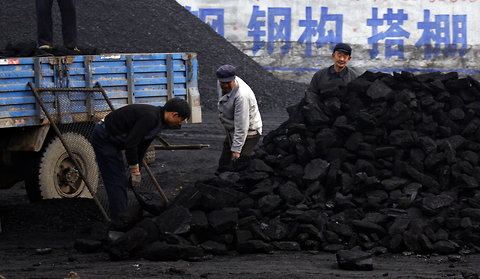
You see them shoveling up huge chunks of coal – I was astonished at how big the chunks are; they have come straight from the coal face – you see them trucking it around, and piled up in street corners.

china-shoveling coal

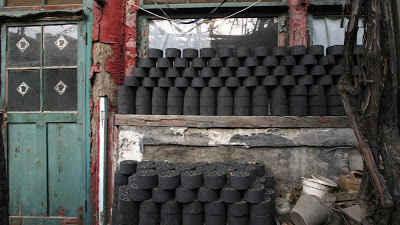
And more than anything you see China’s version of molded coal, which looks like this:

molded coal china-1

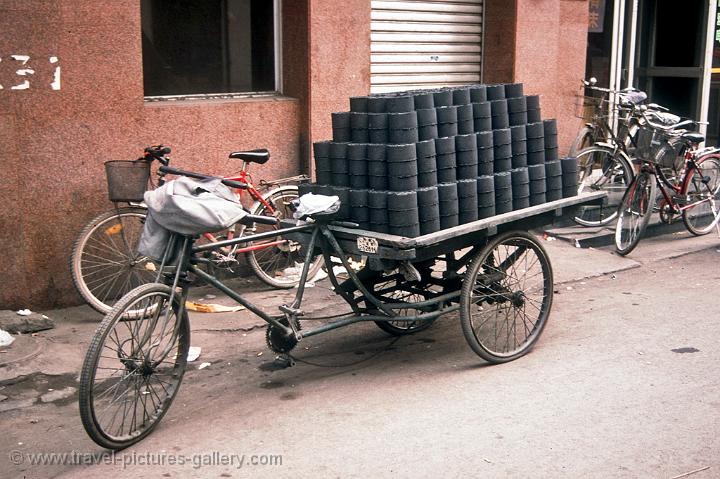
You see them transporting it around on the tricycles which I wrote about in an earlier post:

tricycle with coal

You see it piled up outside houses:

molded coal china-3

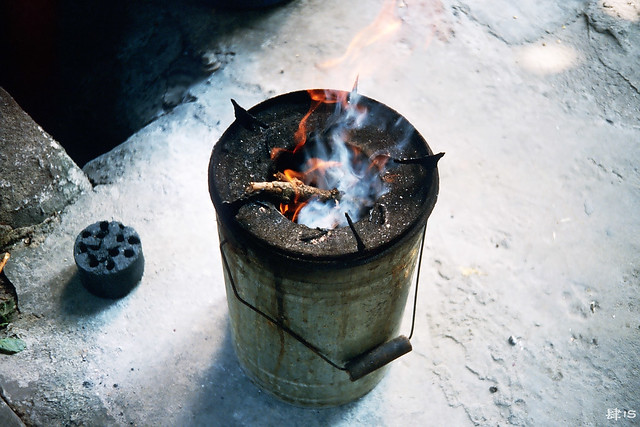
Then it’s burned in these special stoves:

stoves china-1

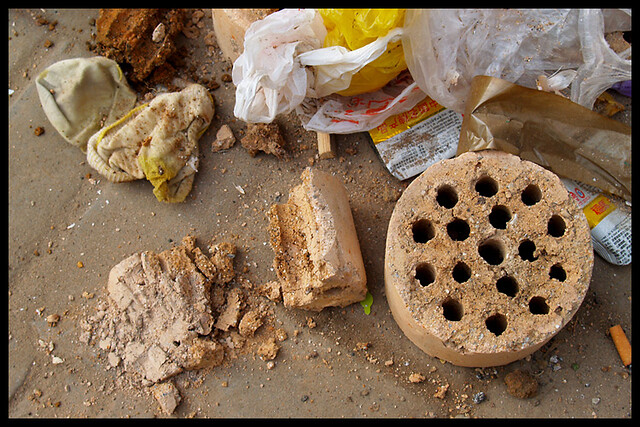
which leaves behind the consumed molds which you see in the bottom right-hand corner of the picture. Cities’ rubbish is littered with these discards.

molded coal china-consumed

All this coal burning leaves a taste in the air, a taste which instantly takes me back to my early years in the UK, when you would walk through a town or village and smell the sharp, acidic taste of coal being burned.

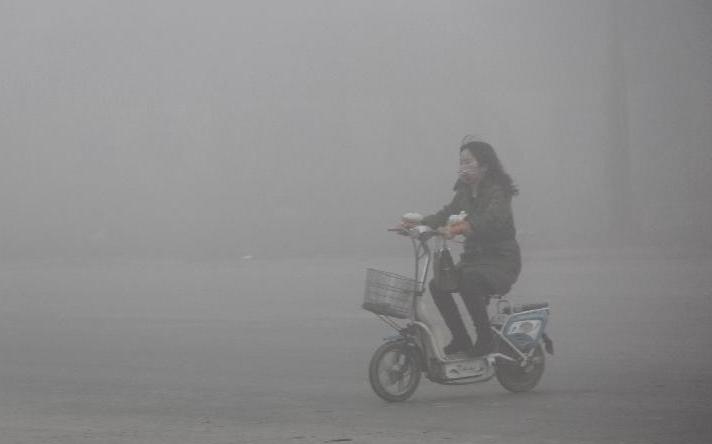
And it gives rise to smog:

beijing smog-2

Not much different from London’s smogs.

I’m optimistic. Like the UK did, China will eventually get rid of the smogs – probably by stopping to burn coal.

______________________

1. http://en.wikipedia.org/wiki/Coal_in_China

coal stove: http://img.fr.clasf.com/2012/11/22/poele-a-charbon-ancien-maill-20121122191235.jpg
coal scuttle: http://gillesrenaud9.free.fr/Seau%20%C3%A0%20charbon/P1050541.jpg
coal scuttle-fullhttp://a406.idata.over-blog.com/600×879/1/05/04/45/photos-blog-N-21/le-seau-a-charbon-boulets-musee-de-la-mine.jpg
London smog 1952: http://www.thefloridastandard.com/files/2013/02/smogdm1403_468x673.jpg
Roquefort: http://img.dooyoo.co.uk/GB_EN/orig/0/1/0/2/8/102828.jpg
Crotte due diable: http://i.ebayimg.com/00/s/MTYwMFgxMTgy/$%28KGrHqF,!iUE8cj4nvorBPVlcwEB,!~~60_35.JPG
Coal at school: http://i01.i.aliimg.com/photo/v0/112891981/Tissue_Paper_Coal_Palm_oils_Pail.jpg
Bituminous coal: http://www.ua.all.biz/img/ua/catalog/1865574.jpeg
Glowing coal: http://bargainsbegin.co.uk/wp-content/uploads/2013/01/Heater-3-edit.jpg
Chinese shoveling coal: http://graphics8.nytimes.com/images/2011/12/21/business/coal/coal-blog480.jpg
Molded coal China: http://lexpansion.lexpress.fr/pictures/1455/745377_des-briques-de-charbon-dans-un-commerce-de-huaibei-en-chine.jpg
Tricycle with molded coal: http://www.travel-pictures-gallery.com/images/china/beijing/beijing-0042.jpg
Molded coal China against the wall: http://4.bp.blogspot.com/-ASl1mhpkw5k/TkRxVCEtoII/AAAAAAAAA14/pgggOooaKE0/s400/Hutong%2Bcoal.jpg
Stove for burning molded coal: http://farm6.staticflickr.com/5164/5261127408_36ccd1d718_z.jpg
Molded in coal China-consumed: http://farm1.staticflickr.com/68/424608074_e7f49e2f9a_z.jpg?zz=1
Beijing smog: http://feww.files.wordpress.com/2013/02/china-smog-17feb2013.jpg

PIZZA IN SAN GIMIGNANO

Luang Prabang, 18 February 2013

Some fifteen years ago, my wife and I decided to spend our summer holidays in Tuscany. We rented a house in a small village near Radicondoli (or “Radihondoli” as the locals pronounce it). The marvel of this village, which caps a hill, is that there is no through road so that there are few if any cars in the village’s streets. For the first – and last – time in their lives, the children could play outside in the road without constant anxious parental supervision.

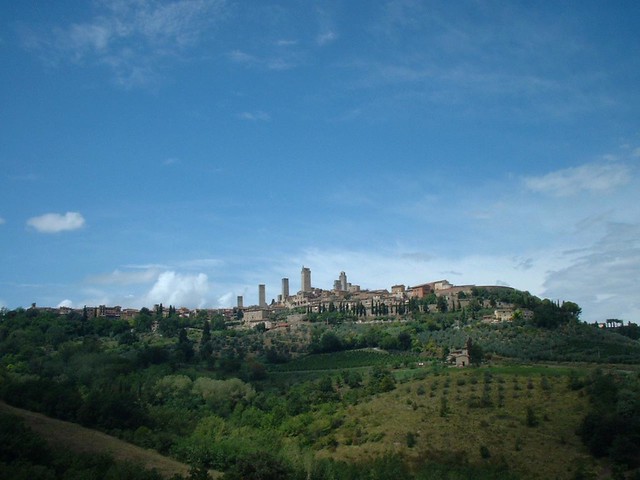
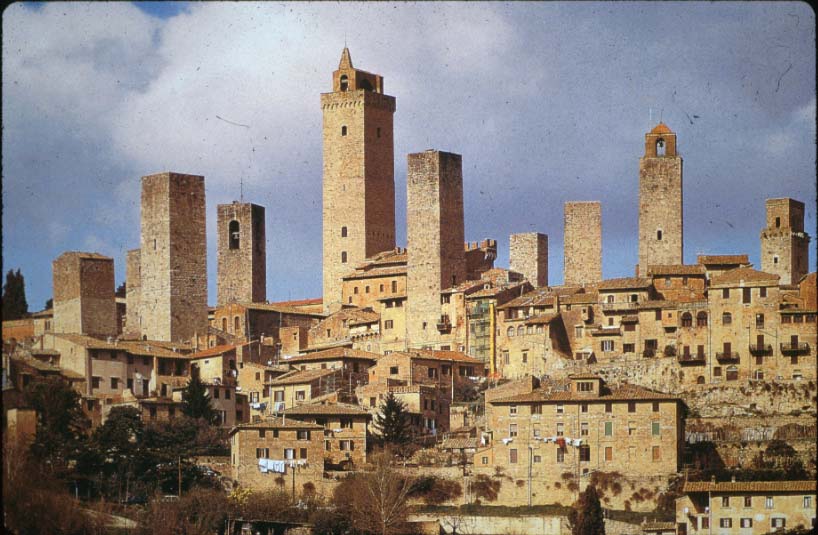
The other wonder of this village is that it is situated in some of the loveliest countryside, and is close to some of the loveliest urban landscapes, that Tuscany has to offer. One of the latter, world-renowned and justly so, is San Gimignano.

San Gimignano-2

One day, we decided that it was time to visit San Gimignano. We thought we could leave our son, the older of our two children, alone in the village in the company of his summer friends, but we felt it would be prudent to take our daughter, who must have been seven at the time, along with us. To keep her company, we offered to take one of her friends along, an offer gratefully accepted by her parents. So off we went, swooping and looping over Tuscan hill and dale, seeing the towers of San Gimignano appear, disappear and reappear around every corner, slowly growing ever taller.

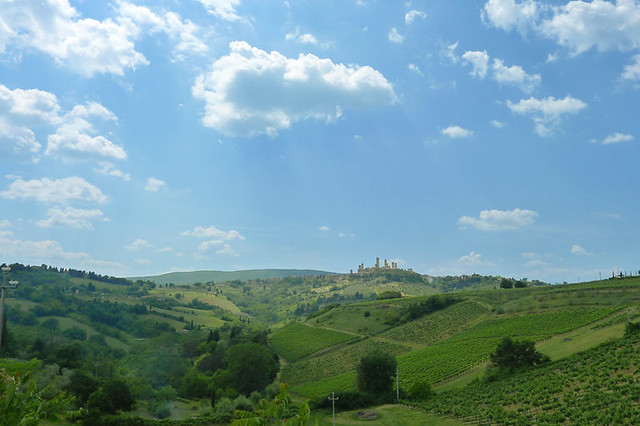
San Gimignano in distance-1

San Gimignano in distance-2

San Gimignano in distance-3

We finally arrived, found a parking not too far away – a minor miracle – and walked up the main street

via san giovanni-1

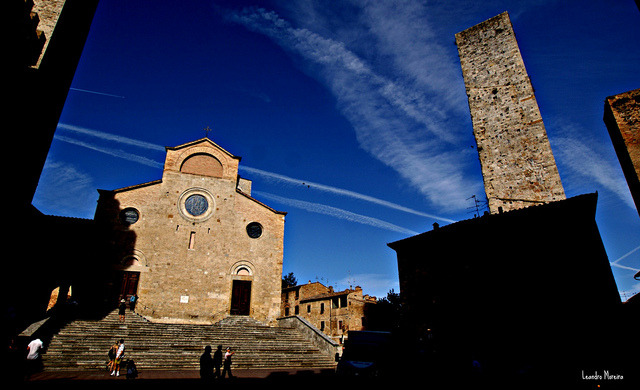
to the piazza where San Gimignano’s main church, the Collegiata di Santa Maria Assunta, is located. That was where we were starting our visit.

collegiata-san-gimignano-external-1

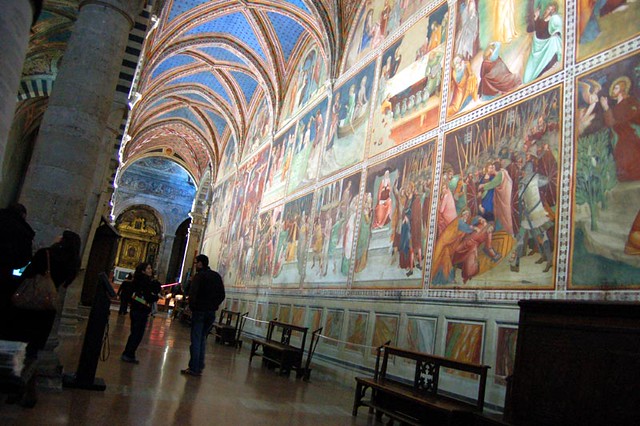
When you go into the church, you are immediately struck by the wonderful frescoes on either wall.

collegiata-san-gimignano-3

collegiata-san-gimignano-2

For anyone like me who has been brought up a Christian it is easy to understand the layout: one wall – the left wall, of course – has a series of scenes from the Old Testament, while the right wall has a series of scenes from the New Testament.  You can walk down one side, following the stories as you go along, appreciating the artist’s take on each story. Here, for instance, is the story of Moses crossing the Red Sea, frozen at the moment where the Pharaoh’s troops are drowned

old testament scene-1

Whereas here, on the right-hand wall, is the story of the dead Lazarus coming back to life

new testament scene-2

And the whole is teaching us the grand story of the Fall of Man and his redemption through the risen Christ.

As I walked along the frescoes, with my daughter and her friend tagging along, I realized that these pictures meant nothing to the two girls, neither of whom had been brought up a Christian. So I began to tell them the stories, using the painted scenes as the backdrop and giving the tales as dramatic a twist as possible. The other tourists must have thought I was a little nutty but the two girls seemed quite taken. I realized for the first time what these frescoes were really for: to tell the Bible’s story to a largely illiterate population. In effect, because they had never read the bible, my daughter and her friend were illiterate. I’ve since learned that there is a term for a cycle of frescoes like this: the Poor Man’s Bible. A well-chosen phrase.

When we left, I was highly pleased with myself and the somewhat theatrical show I had put on for the girls. I will skip the rest of the visit, although I will note that we had a rest at lunch where the two girls ate a Pizza Margherita and drank a coke. That evening, when we got home and we were gathered around the table for dinner, I prompted my daughter to tell her brother about the scene in the church. “Tell your brother the big thing about today,” I suggested. She looked at me a minute and then said, very carefully,“At lunch, we had a pizza and a coke.”

Which goes to show … what? That food for the stomach is more important than food for the mind? No, probably the lesson is, don’t think you’re such a smarty-pants.

By the way, the reason why I’m telling this story will become apparent in my next posting.

_____________________

San Gimignano from above: http://www.hotelilponte.com/writable/public/tbl_galleria/grande/v961b38120234375.jpg
San Gimignano in distance-1: http://farm3.staticflickr.com/2097/5796974869_0245323ed1_z.jpg
San Gimignano in distance-2: http://farm1.staticflickr.com/109/270633269_1e347d3ea5_z.jpg?zz=1
San Gimignano in distance-3: http://www.ideaweekend.it/imgs/weekend/sangimignano.jpg
Via San Giovanni-1: http://imgc.allpostersimages.com/images/P-473-488-90/24/2425/C8JXD00Z/posters/fraser-hall-via-san-giovanni-san-gimignano-tuscany-italy.jpg
Collegiata San Gimignano external-1: http://25.media.tumblr.com/tumblr_may8bh9sVs1qcwmkyo1_1280.jpg
Collegiata San Gimigano-interior-1: http://1.bp.blogspot.com/-ySDga5CAd1Y/UBFg45AiSmI/AAAAAAAAEcg/vAGNRhz14zw/s1600/IMG_7815.JPG
Collegiata San Gimigano-interior-2: http://farm3.staticflickr.com/2148/2241957275_58d27be89f_z.jpg?zz=1
Old testament scene-1: http://upload.wikimedia.org/wikipedia/commons/thumb/2/2b/SG_OT_304_Crossing_the_Red_Sea.JPG/800px-SG_OT_304_Crossing_the_Red_Sea.JPG
New testament scene-1: http://upload.wikimedia.org/wikipedia/commons/thumb/9/9c/SG_NT_Raising_of_Lazarus_Lippi_Memmo.JPG/744px-SG_NT_Raising_of_Lazarus_Lippi_Memmo.JPG