I ADMIRE THEM, THE CHINESE EAT THEM

Beijing, 22 November 2013

There is a joke that northern Chinese crack about their cousins in the south, to the effect that southerners eat everything on four legs except the table they are sitting at. When they tell this joke to foreigners they will helpfully go on to explain that southerners eat absolutely everything. I think many foreigners are bemused by this distinction which northerners make between themselves and their southern cousins, since it seems to most of us that northerners will also eat everything. I mean, which tourist in Beijing has not visited the food night market in Wanfujing road and seen scorpions and other insects being offered as delicacies to nibble?
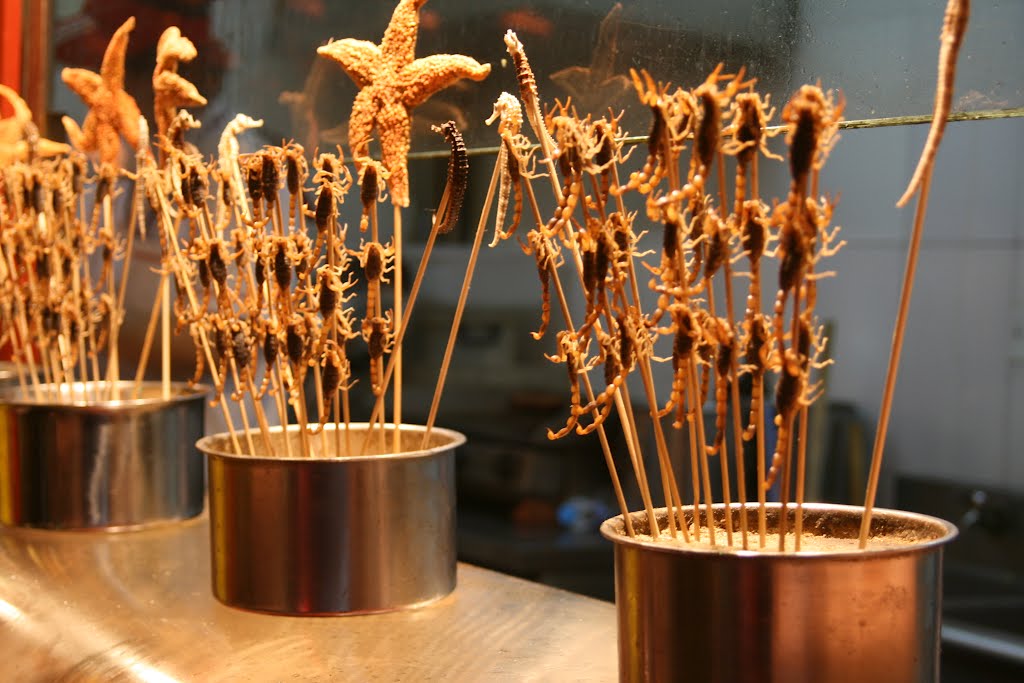
scorpions on wanfujing road

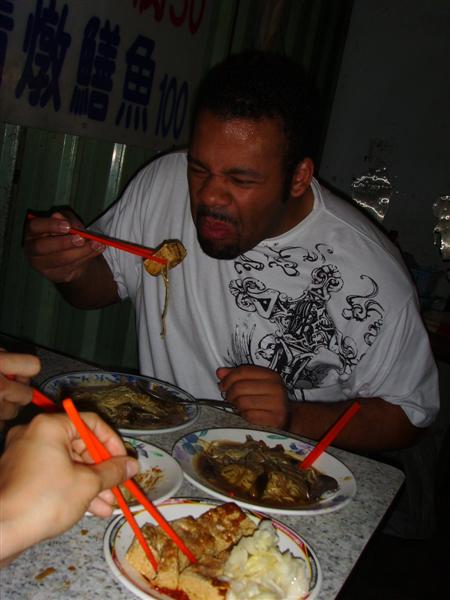
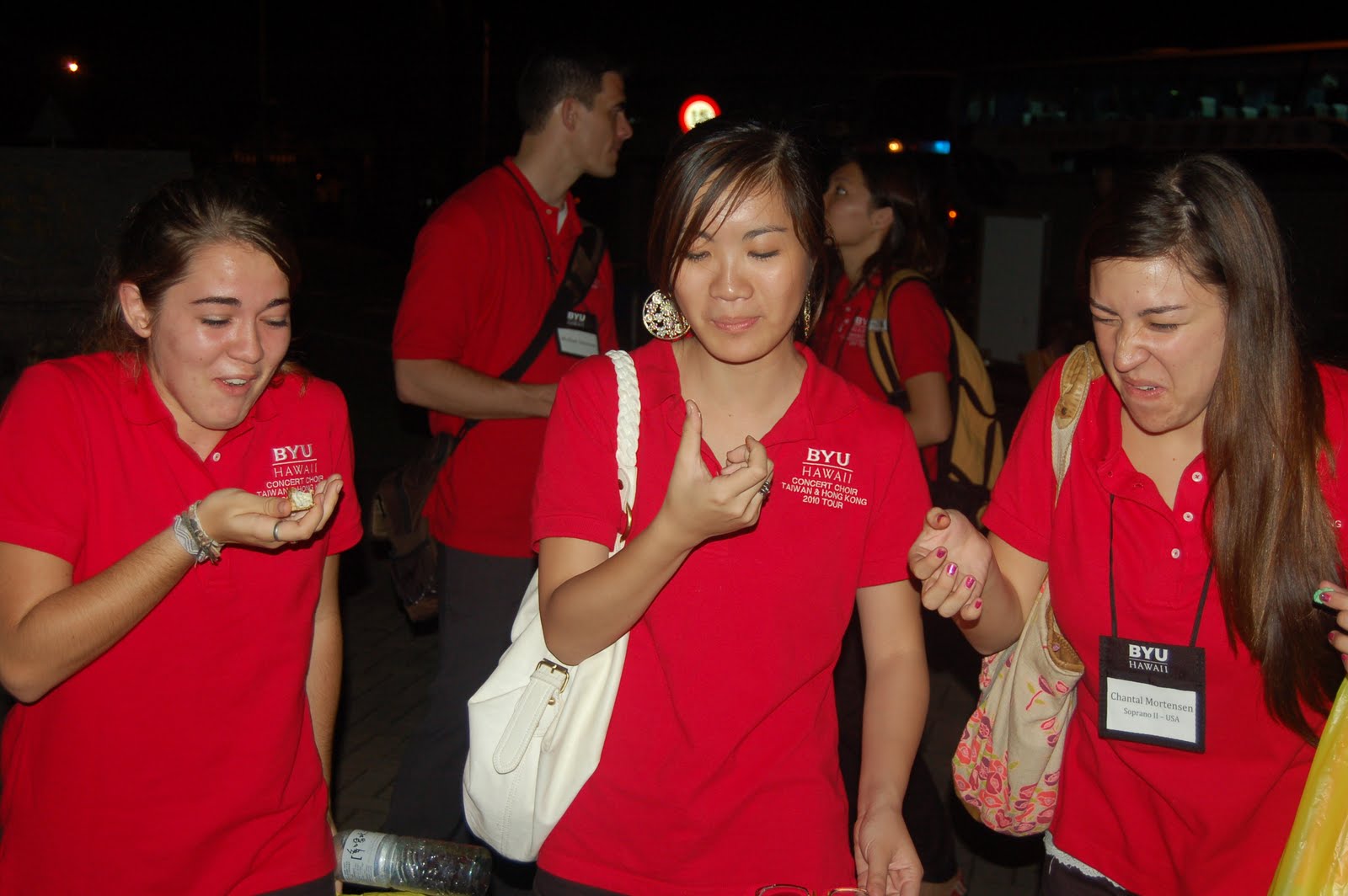
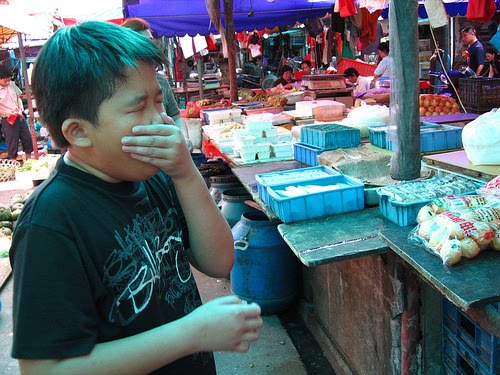
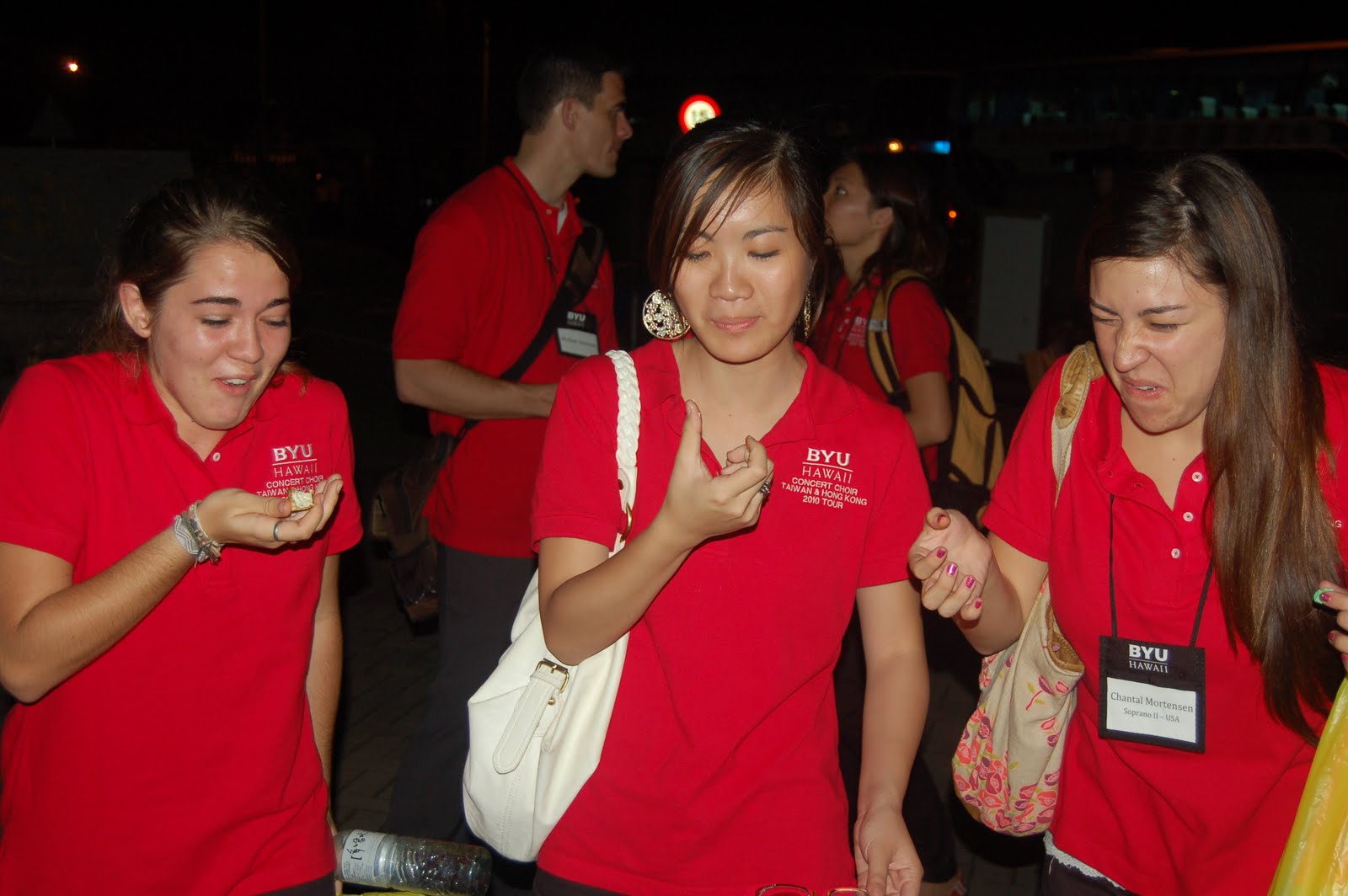
And what about the disgusting stinky tofu which all Chinese – northerners and southerners alike – delight to eat?

eating stinky tofu-3

Looking beyond these extremes of eating behaviour, it is true to say that the Chinese have a very deep and intense relationship with food. I have been told that this is because hunger and starvation is still a recent experience for many. One of my staff, for instance, who is my age, once told me that her sister, who is five-six years younger than her, is smaller because she was born in a time of intense hunger. I don’t disagree with this; hunger can certainly make you focus obsessively on food. Nevertheless, I think the Chinese’s intense love of food goes beyond lingering memories of hungry times; they have an existential relationship with their food. Whenever I see a group of Chinese about to sit down to eat, they remind me of a group of Englishmen about to enter a pub. They suddenly all brighten up, start talking and laughing loudly, and generally behave as if this was the most wonderful moment of their lives.

I was reminded of all this recently when my wife and I were nosing around a Chinese chemist (drug store to my North American friends), looking at the weird and wonderful things which the Chinese are willing to eat or drink for their supposed medicinal value.
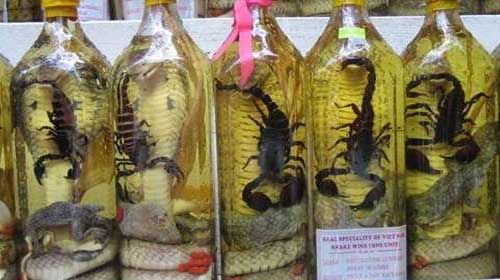
Snake-Wine

As I poked around in the various cases, I stumbled across this.

chuan-bei-mu-bulbs

It was marked as “chuan bei”.  After some research, I discovered that these odd things were the bulbs of a species of fritillary, fritillaria cirrhosa. The Chinese take it as a cough medicine, along with “zhe bei”, the bulbs of another species of fritillary, fritillaria verticillata.

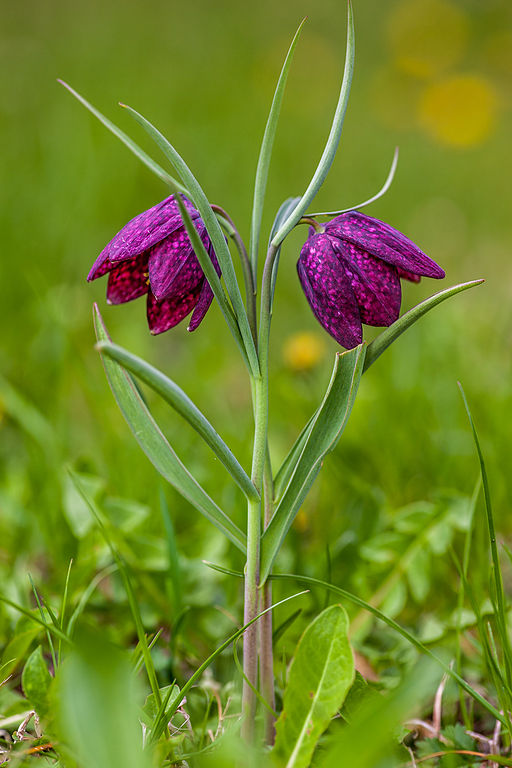
Some of you may be asking yourselves what a fritillary is. It’s a flower, a beautiful bell-shaped flower. The commonest European variety is the snake’s head,  fritillaria meleagris

snakes head fritillary

The common name probably derives from the flower’s somewhat snakelike appearance when it nods in the wind on its long stem.

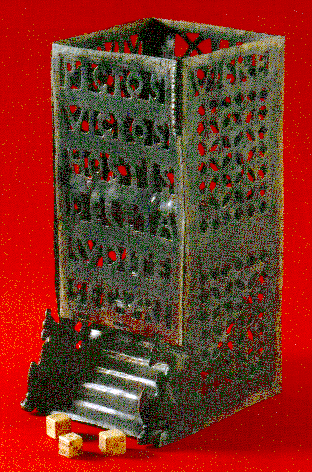
As for the name fritillary, it derives from the Latin term for a dice-box (fritillus), probably because of the checkered pattern on the petals of many of the fritillary species.
fritillus

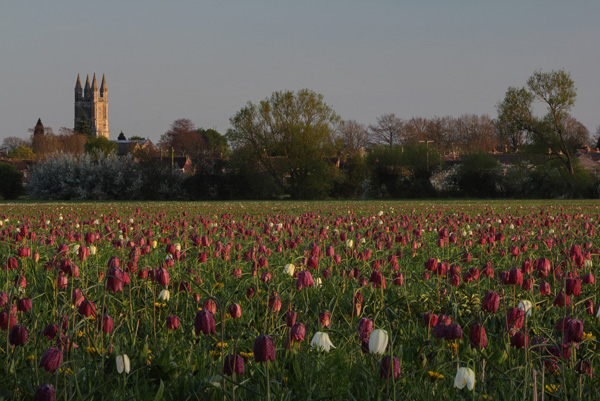
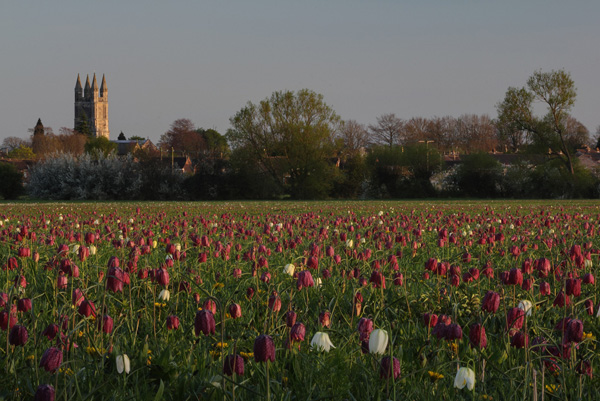
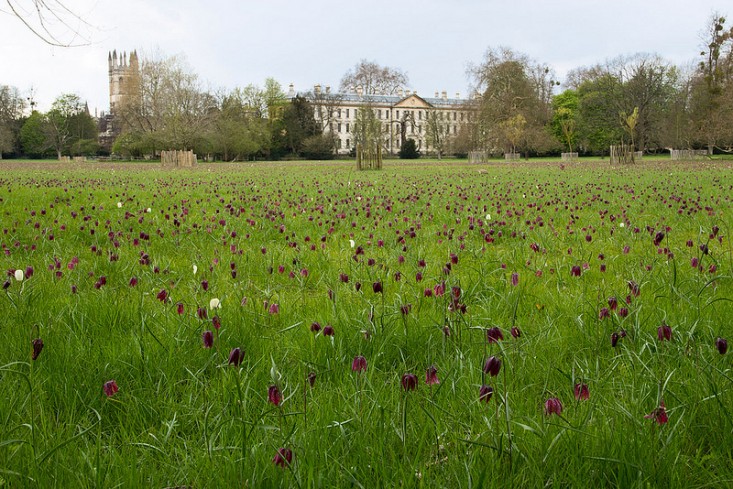
I must confess that I’ve never seen the snake’s head in the flesh. I first came across it in a book with absolutely lovely photos; the book is now slumbering along with all of my other books in a storage depot in Vienna. There was a photo of snake’s head fritillaries in the meadow of Magdalen College, Oxford. The following picture is not as beautiful but it does give a sense of how wonderful that meadow must be when the snake’s heads are in bloom.
magdalen meadow

A visit to Magdalen meadow is one of the things on my bucket list, along with visits to other ancient hay meadows in England which have retained their annual crop of snake’s heads: Fox Fritillary Meadow:

Fox Fritillary meadow

North Meadow in Crickdale:

North_Meadow_Cricklade_Wiltshire

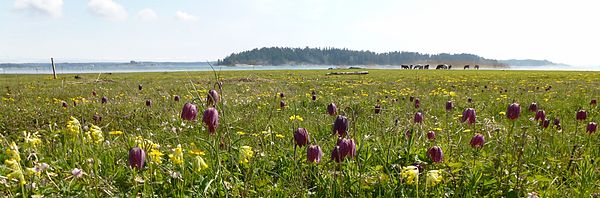
and no doubt others. I also have to travel to Sweden to see it there:
kungsängslilja

as well as to the high Alpine meadows to see a cousin, the meleagride alpino, or fritillaria tubiformis:
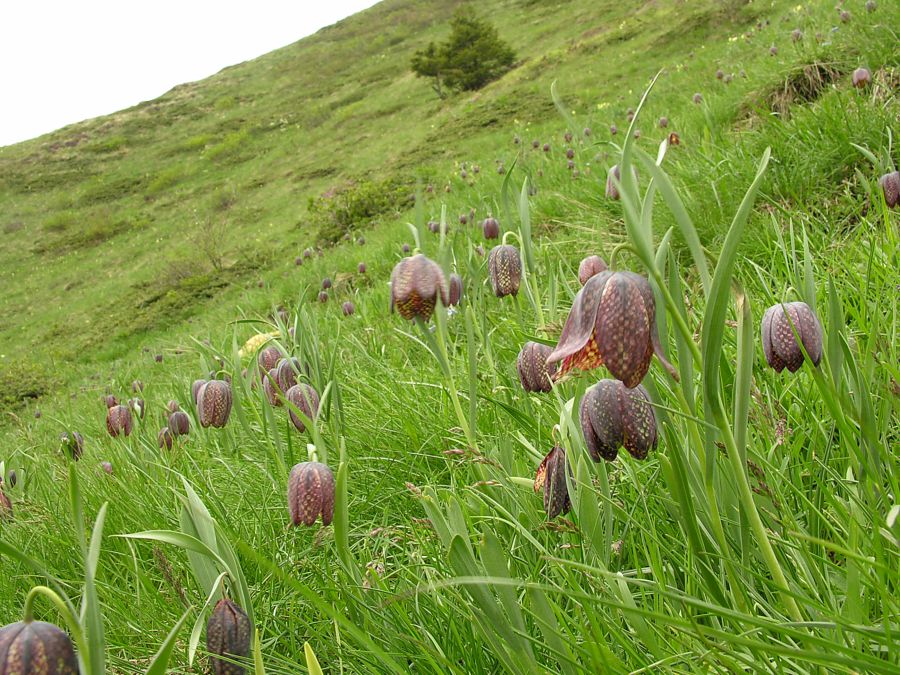
fritillaries in the alps

I have to hurry up. There was a time when snake’s heads were plentiful in the UK. They grow best in heavy, marshy soils, the same soils which make the best hay meadows. When we rode horses, hay was a valuable commodity and hay meadows – and the snake’s heads – were to be found everywhere. But cars came, horses disappeared, and then – the final blow – during World War II many of the meadows were ploughed under for food production. Now the flower is endangered.

So as I sit here and look at these beautiful flowers and mourn their passing glory, I see a fundamental difference between me and the Chinese. I say “how beautiful!”, they say “what’s it taste like?”

____________

scorpions on Wanfujing Road: http://static.panoramio.com/photos/large/72103761.jpg [in http://www.panoramio.com/photo/72103761%5D
Eating stinky tofu: http://aningredientaday.files.wordpress.com/2012/07/stinky.jpg
Chinese medicine: http://www.funcage.com/blog/wp-content/uploads/2011/03/Snake-Wine.jpg [in http://www.funcage.com/blog/8-strange-foods-that-will-make-you-cringe/%5D
Chuan Bei Mu bulbs: http://www.ioffer.com/img/item/198/952/678/2lb-bulbus-fritillariae-cirrhosae-chuan-bei-mu-ceba5.jpg [in http://www.ioffer.com/i/2lb-bulbus-fritillariae-cirrhosae-chuan-bei-mu-198952678%5D
Snakes head fritillary: http://upload.wikimedia.org/wikipedia/commons/thumb/6/60/Fritillaria_meleagris_MichaD.jpg/512px-Fritillaria_meleagris_MichaD.jpg [in http://en.wikipedia.org/wiki/F._meleagris%5D
Fritullus: https://www.uni-erfurt.de/imgs/7944 [in https://www.uni-erfurt.de/max-weber-kolleg/personen/wolfgangspickermann/roemische-inschriften-in-germanien/kleininschriften/%5D
Magdalen meadow: http://www.gardenista.com/files/styles/733_0s/public/fields/magdalen%20meadow%20by%20Andrew%20Johnson.jpg [in http://www.gardenista.com/posts/how-to-make-a-fritillary-meadow%5D
Fox fritillary meadow: http://squeezyboy.blogs.com/photos/fox_fritillary_meadow/framsden_fritilliary_meadow_009.jpg [in http://squeezyboy.blogs.com/photos/fox_fritillary_meadow/framsden_fritilliary_meadow_009.html%5D
North Meadow Crickdale: http://www7.clikpic.com/RobertHarvey/images/UK11-176_Snakes_head_fritillaries_Fritillaria_meleagris_North_Meadow_Cricklade_Wiltshire.jpg [in http://www.robert-harvey.co.uk/articles_177296.html%5D
Kungsängslilja: http://upload.wikimedia.org/wikipedia/commons/thumb/b/b2/Sandemar_f%C3%A5gelseservat_2012a.jpg/600px-Sandemar_f%C3%A5gelseservat_2012a.jpg [in http://sv.wikipedia.org/wiki/Kungs%C3%A4ngslilja%5D
Fritillaries in the Alps: http://www.actaplantarum.org/floraitaliae/download/file.php?id=67858 [in http://www.actaplantarum.org/floraitaliae/viewtopic.php?t=2255%5D

KEDGEREE

Beijing, 14 November 2013

I was doing my favourite thing two Sundays ago, which is to be with my wife, sipping a cappuccino, and reading the weekend section of the Financial Times. My eyes fell on the cookery section, where Rowley Leigh was explaining how to prepare kedgeree.

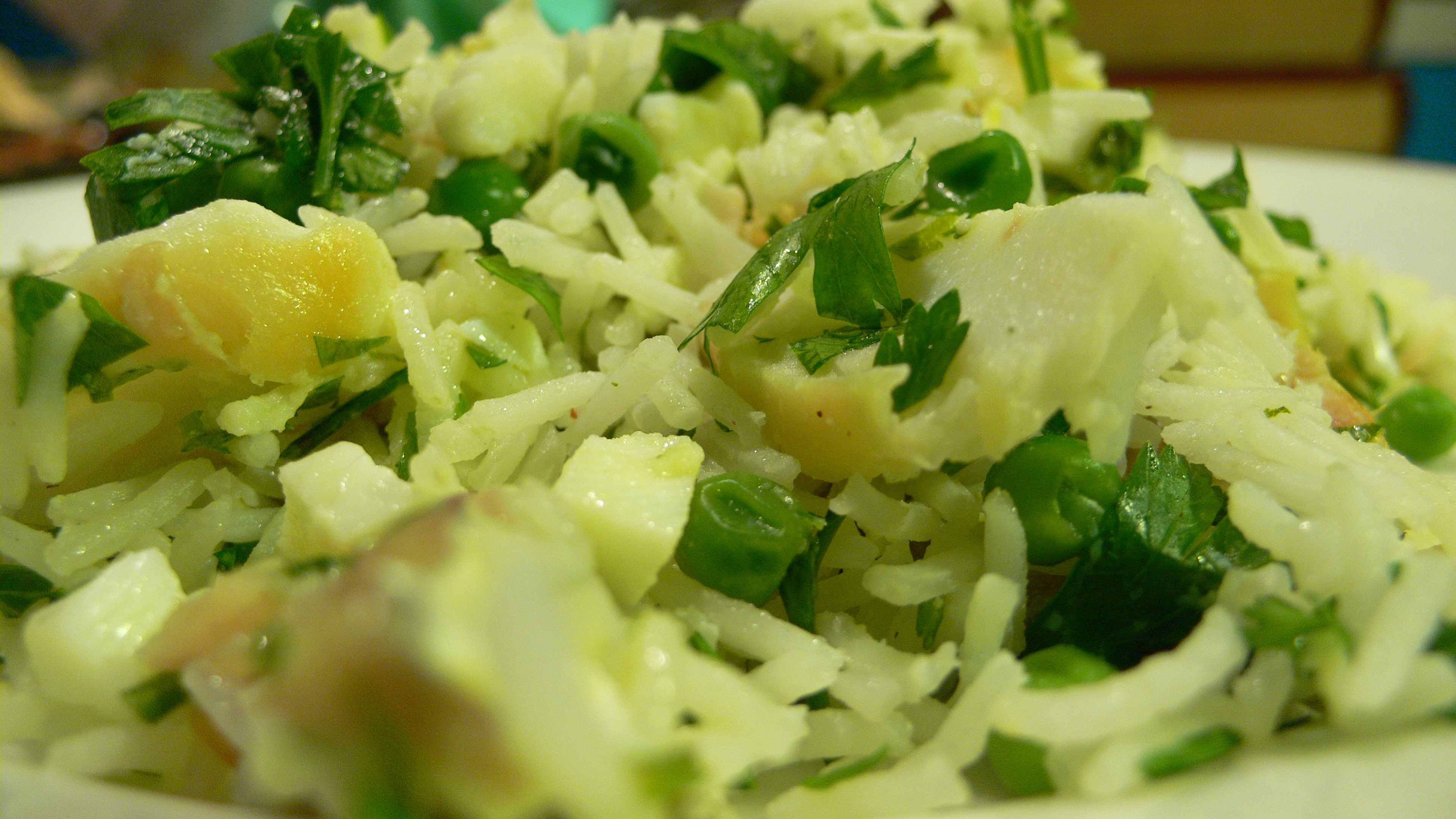
Kedgeree …

My mind whirled back 50 years, and suddenly I am a boy again, staying with my English grandmother in London. She is having some guests over to dinner and has prepared kedgeree, one of her signature dishes. She is allowing me to take part in the dinner, and amid the chatter of grown-up conversation around me, I dig into this new dish for me. Ah, the softness of the rice with its buttery taste, overlain by the flavour of strong tasting smoked haddock merging with mild tasting hard-boiled egg. Mmmm …
Kedgeree-2
I once asked my sister if she had ever persuaded my grandmother to hand over her kedgeree recipe (my sister is the cook of the family). She had, and she sent it to me by return of electronic post. I printed it off and slipped the sheet into one of my wife’s cookery books, with the intention of trying it one day. Alas, the road to hell is paved with good intentions, as they say.  That piece of paper has never been used and is now lying, along with the cookery book, in a storage space in Vienna, awaiting our return to Europe.

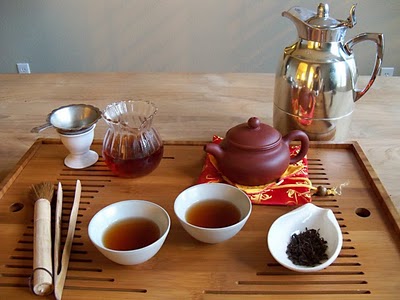
After receiving the recipe from my sister, my curiosity was piqued and I started to do some research on kedgeree. The first thing I discovered was that its culinary roots are in India!  For some reason, I think because my grandmother was always going on about her Norwegian roots (she was half Norwegian) and because the dish had fish in it (the Norwegians are a sea-faring nation, aren’t they? They must all eat fish), it had to be originally Norwegian, with a name like kåjorø or something.

viking_longship

Of course, the rice should have warned me that Norwegian roots were doubtful, but I wasn’t that sagacious when I was young.  Apart from the rice, my grandmother had eliminated all other references to India. For instance, all recipes mention a sauce in which to cook the rice. There is a good deal of disagreement about what should go into this sauce, but they all agree on at least two ingredients. There should be onions, and there should be curry. Well there you go! My grandmother disliked onions – she didn’t like the smell and I think they disagreed with her digestion (as they do with mine and as they did with my father’s – the mystery of genes; I wonder which part of our DNA helix has problems with onions). In addition, my grandmother really, really disliked curry and all spicy spices. It looks like there too I inherited her bit of anti-spice DNA. So it’s not surprising that she ruthlessly eliminated the onions and the curry from her version of kedgeree, along with the medley of other spices which various sources suggest: cardamom, turmeric, cumin, fennel, cloves, cinnamon, nutmeg, mace, … the Spice Islands unfurl before the eyes. So maybe I wasn’t that wrong all those years ago. My grandmother’s kedgeree may not have come from Norway, but it sure ended up looking and tasting Norwegian.

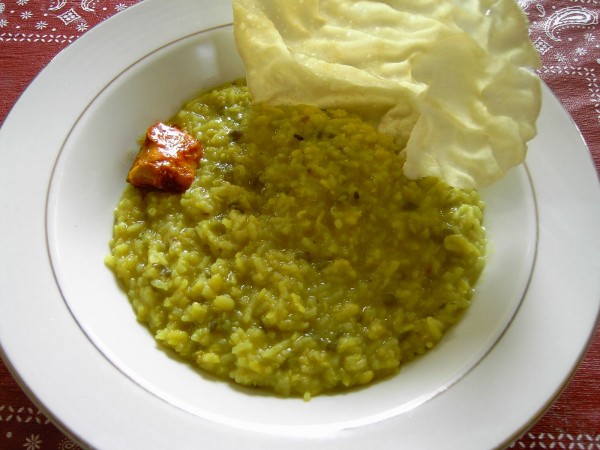
The fascinating thing is to look at the Indian ancestor of kedgeree. The sources all seem to agree on khichdi as the ultimate source, or khichuri to give it what I think is its Bengali pronunciation. A typical recipe goes like this. First, throw out the fish and egg. This seems to have been a British addition (Wikipedia suggests that Bengalis eat their khichuri with fish and/or eggs, but I was able to find no reference to this in other recipes). Second, add lentils to the mix. Because basically, as far as I can make out what we have here is a dal mixed with rice. Third, add vegetables like cauliflower and peas. Cook the lentils, the rice, and the vegetable in the sauce, et voilà! (more or less; I’m cutting details).

moong-mogar-dal-khichdi

How did this Indian dish mutate into its pale British imitation? I construct the following hypothetical journey – a complete fabrication, I’m sure, but it satisfies my sense of the romantic. I take as true the Wikipedian claim that Bengalis added fish and eggs to their khichuri. So I imagine that khichuri started its journey to kedgeree in Calcutta, among the men of the East India Company.

East-India-Company

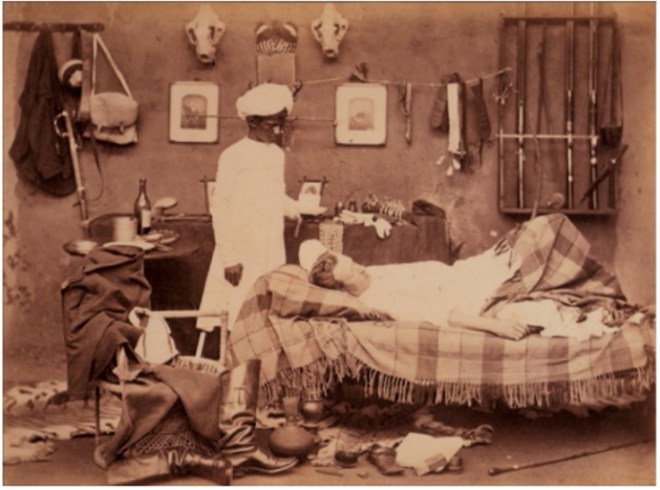
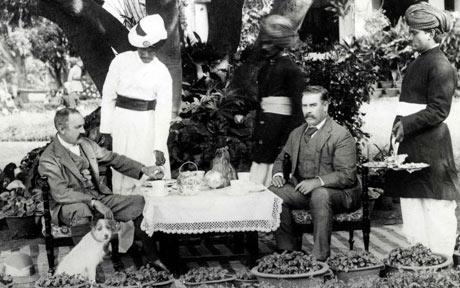
At the beginning, there were few British women in India to feed the men their British meat and potatoes, and since the men did not cook (of course) their diet went native. So far so good. But here I have recourse to another aspect of khichuri, that it is fed to those who are recovering from sickness or are otherwise generally feeble. And so I imagine that the Indian servants fed khichuri to their East India Company masters who had been felled by one of the many diseases of the Indian subcontinent to which their British constitution was not used and against which they had no defence, natural or pharmaceutical.  Since the British were very often sick (the death rate among the British at the beginning of their rule in India was alarmingly high), they were very often fed khichuri by their Indian servants (although in this case the servant seems to be bringing his sick master a cup of tea).

Thus was born a love of khichuri among the British men of India.

Now we have to move on some decades, to when sanitary conditions got better and medicines more effective, travel to India quicker, and racist theories about the superiority of the British over the Indians grew stronger. This last factor led from an earlier disapproval of having British women around to a disapproval of having British men – naturally, given the circumstances – consorting with Indian women. British men, it was decreed, should be with British women. The better and quicker travel meant that single (normally dowryless) British women could be brought over by the boatload and married off to the single British men running India. The better sanitary conditions and more effective medicines meant that they didn’t die in droves and had time to set up stable families.

So were born the memsahibs, that army of British women who ran the men who ran India.

memsahibs

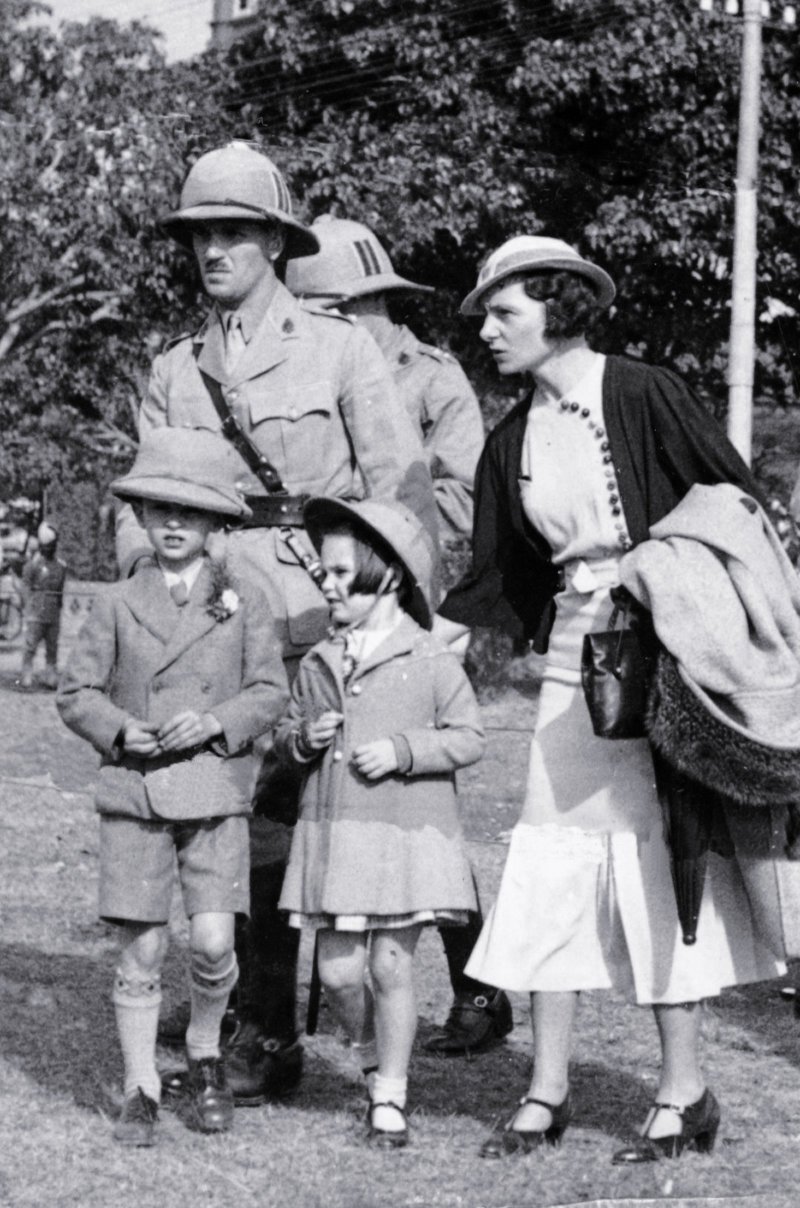
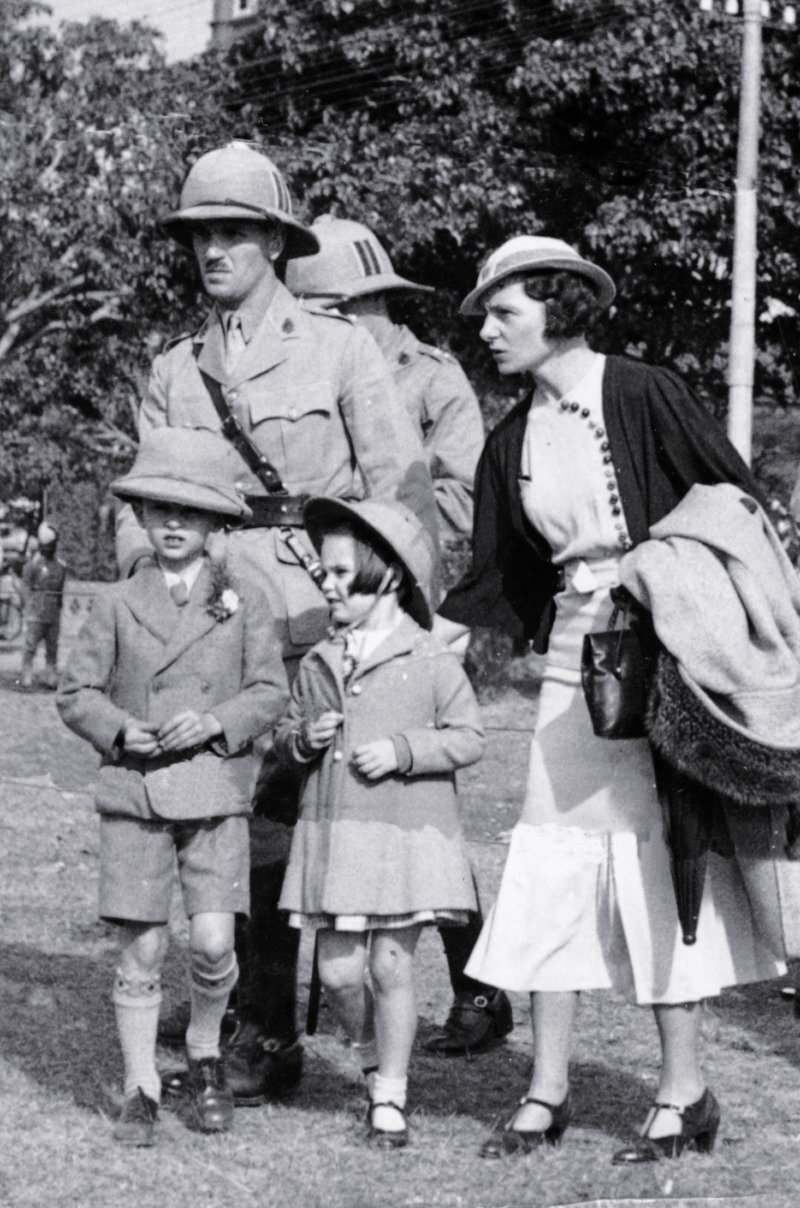
They were the keepers of the flame of Britishness.  Everything became more British and the divide between British and Indians widened and deepened.

British family in india

Britification included the cuisine, of course. Meat, two veg, and potatoes, along with soggy deserts, became de rigeur, and all things Indian in the kitchen were determinedly stamped out (except the cook, of course; memsahibs did not cook).

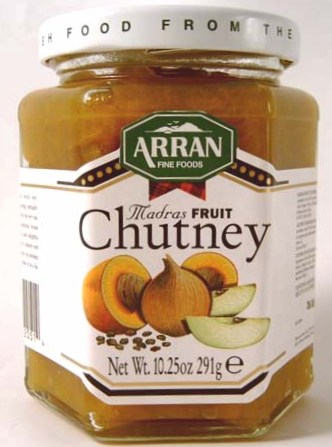
But some Indian dishes survived the onslaught and slipped into the mainstream of British food. Chutney was one, although much of the original Indian spiciness and sourness was stripped out in the transition. When I was young chutney seemed as British as cricket.

Chutney

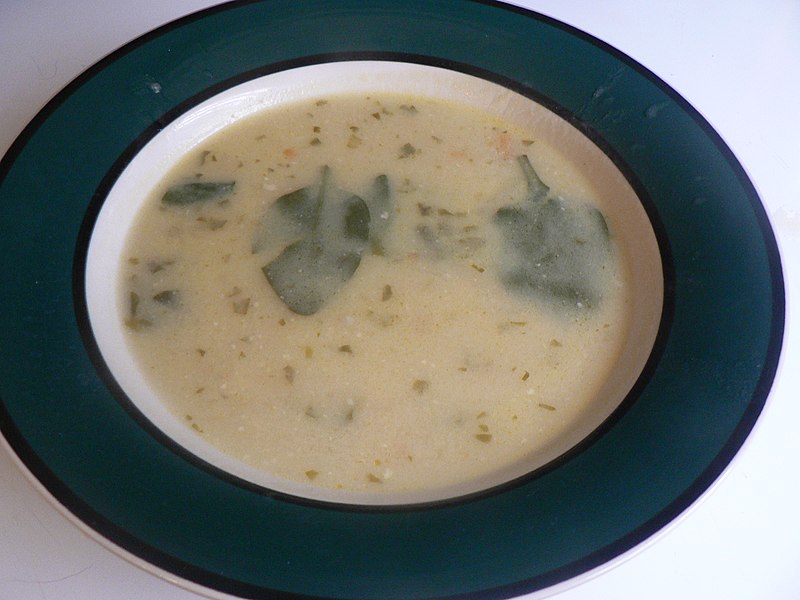
Mulligatawny soup (Milagu thanni in Tamil) was another, although my Wikipedian sources tell me that the British got confused and gave the name of one soup to the recipe of another; what the Brits eat really should be called Russum soup.

Mulligatawny

And of course there was khichdi /khichuri/kedgeree.

For some reason, in Anglo-India kedgeree became a breakfast dish, perhaps because fish (in the form of kippers) and eggs were typical ingredients of the British breakfast while the idea of eating rice at breakfast made sense in India.

breakfast-british raj

But I have to think that once kedgeree filtered back to the UK proper, the rice content meant that it migrated to the lunch and dinner menus; that’s certainly where my grandmother had it.

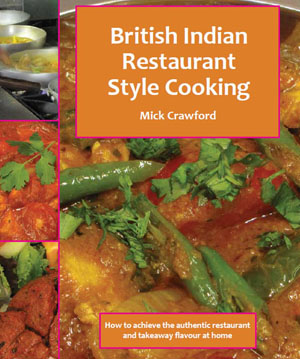
Of course, Indian cuisine has had the last laugh. When I was a young, impoverished University student, going to an Indian restaurant was a good option for a night out. The restaurants were slightly dodgy, the sort of places where you weren’t quite sure of the source of the meat on your plate (a story which made the rounds of the student dorms was of an inspection of an Indian restaurant turning up a dead dog in the kitchen’s refrigerator).  But now, as far as I can make out the English themselves are cooking Indian food. My guess is that in another thirty years British cooking won’t exist anymore in Britain. Everyone will eat Indian.

Indian cookery book

_________________

Kedgeree: http://upload.wikimedia.org/wikipedia/commons/b/b8/Kedgeree.jpg [in http://en.wikipedia.org/wiki/Anglo-Indian_cuisine%5D
Viking longship: http://www.celticattic.com/scandinavian/images/viking_longship.jpg [in http://www.celticattic.com/contact_us/norwegian_connection/ships.htm%5D
Kichdi: http://jainrasoi.com/mg/wp-content/uploads/2012/09/moong-mogar-dal-khichdi-600×450.jpg [in http://jainrasoi.com/khichdi/moong-mogar-dal-khichdi%5D
East India company: http://thediplomat.com/sport-culture/files/2012/01/East-India-Company.jpg [in http://thediplomat.com/sport-culture/2012/01/12/revisiting-the-east-india-co/%5D
Sick man: https://naughtgin.com.au/a-tonic-for-our-time/ HhdTZia6Bzk/ULac2VucJAI/AAAAAAAAAN0/rCoD3QxO_us/s1600/sick_man_24338_md.gif [in http://storytimehats.blogspot.com/2012/11/sick-to-move.html%5D
Memsahibs: http://s157.photobucket.com/user/dismasdolben/media/memsahibs.jpg.html?t=1176095517 [in http://sanatana-dharma.livejournal.com/106044.html%5D
British family in India: http://3.bp.blogspot.com/-JXoJcY6cvfg/T33zjAqxGjI/AAAAAAAAAc4/Ln-30Elvh-8/s1600/British+india.jpg [in http://hkm128.blogspot.com/2012/04/being-dark-skinned-in-india.html%5D
Chutney: http://www.taste-of-arran.co.uk/data/shop/Madras%20Fruit%20Chutney.jpg [in http://www.taste-of-arran.co.uk/item.asp?itemid=121%5D
Mulligatawny soup: http://upload.wikimedia.org/wikipedia/commons/thumb/b/bd/Mulligatawny.jpg/800px-Mulligatawny.jpg [in http://en.wikipedia.org/wiki/Mulligatawny%5D
Breakfast-British Raj: http://4.bp.blogspot.com/-pEIQ5D-CSEU/UCo2tDj8nNI/AAAAAAAAJs8/35DYCGC5zk4/s1600/raj.jpg [in http://marykunzgoldman.com/2012/08/breakfast-of-champions.html%5D
British Indian cookery book: http://www.greatcurryrecipes.net/wp-content/uploads/2012/05/FRONT-COVER-NEW-BOOK1.jpg [in http://www.greatcurryrecipes.net/2012/05/12/a-review-of-british-indian-restaurant-style-cooking-by-mick-crawford/%5D

KAKI

Beijing, 3 November 2013

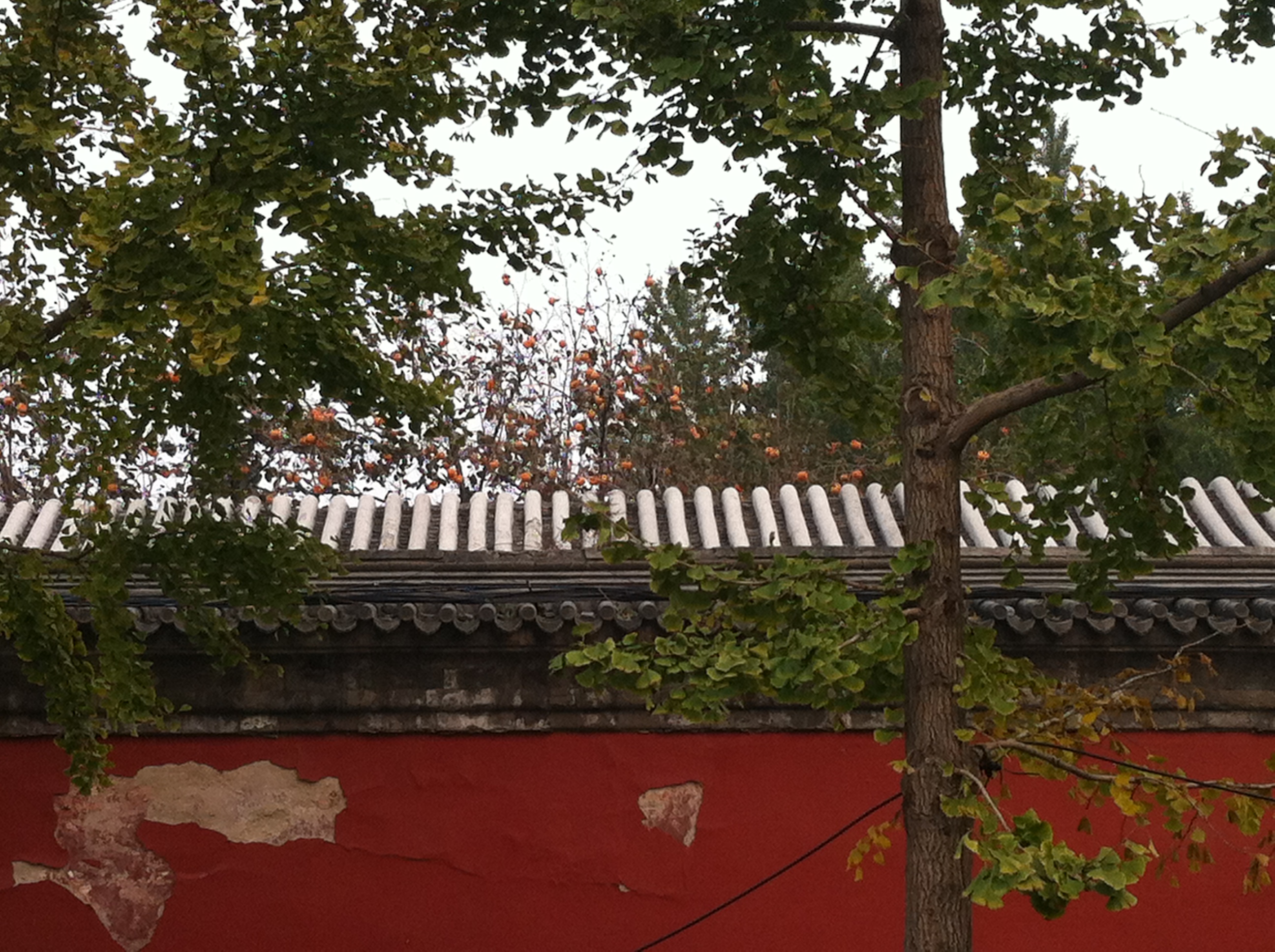
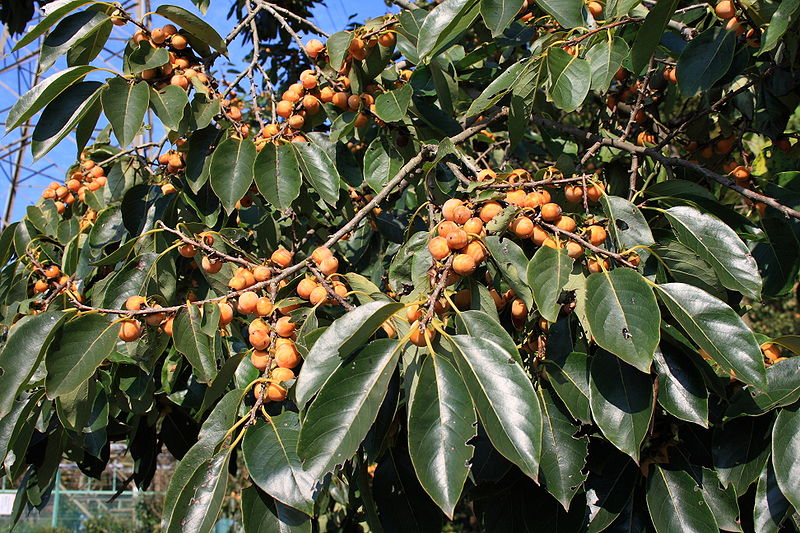
My wife and I went to an art show last weekend in an old temple located somewhere in the hutongs behind Beijing’s old drum tower (as a friend whom we met there said, “great space, great mulled wine, average art”). We went for a walk around the area afterwards, and I spied this kaki tree in full fruit peeping over a high wall.

kaki over temple wall 002

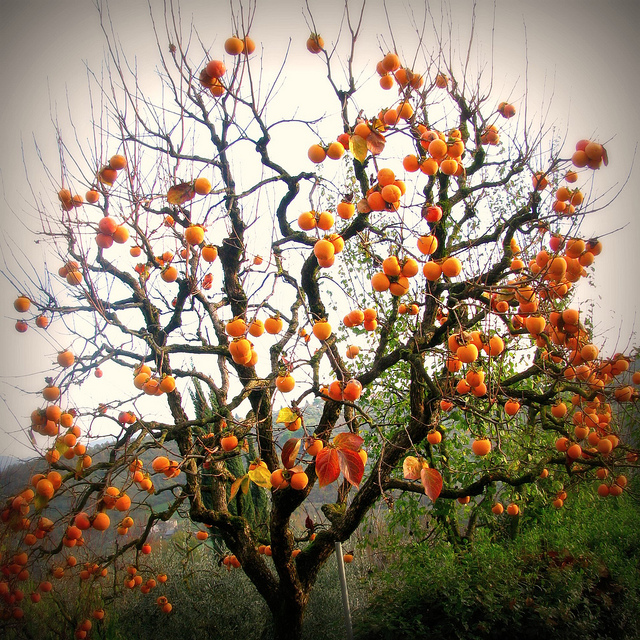
For those of my readers who can’t quite make out the tree in my picture, here is a much better take of the same species.

kaki

I realized that it was that time of the year again, when the kaki are fully ripened and ready to eat. And I suddenly noticed that all the Chinese grocers were filled with kaki.

I’ve noted in a much earlier posting that my wife brought much more food and culinary novelty to our marriage than I did. One of these was the kaki, which I first saw in Liguria during one of our trips out to the sea in the late months of the year.

cachi in liguria

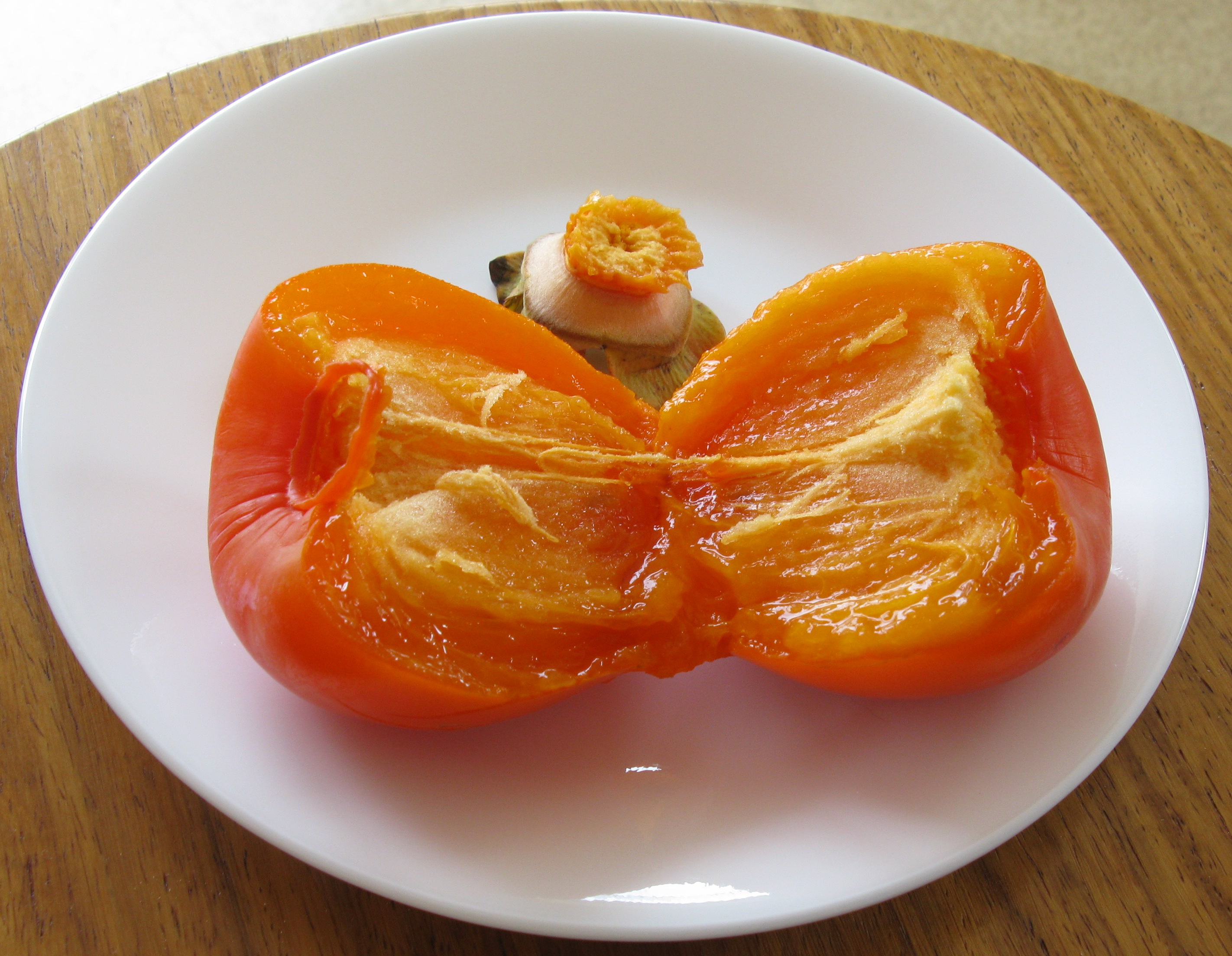
My mother-in-law was very fond of this fruit, but I must say I have never been convinced by it. I appreciate neither its mushiness nor its sweetness. I’ve eaten it but rarely during the years since I first discovered it, and every time I have been reinforced in my lack of enthusiasm for the fruit.

kaki fruit

Without really thinking about it much, I assumed that this tree and its fruit were native to the Mediterranean. I adopted the Italian spelling cachi as the original spelling. Imagine my surprise, then, when several years after my initial discovery of the fruit, we came across the tree laden with fruit during the trip which my wife and I made to Japan, and our Japanese companion informed us that it was called kaki. Kaki! The scales fell from my eyes. This must have originally been a Japanese tree, which was brought to Italy at some point – back in the 1800’s, I have since discovered. Another botanical species, like the ginkgo which I’ve written about earlier, which was trekked back to Europe during the first era of globalization.

Actually, I was wrong again! Because, like the ginkgo, the kaki is actually native to China and at some point got transported over to Japan – along with Buddhism perhaps? So if I were a linguistic purist I should switch to calling it shizi, which is its Chinese name. But I’m getting old and set in my habits. Kaki it will remain.

Talking of names, English-speaking readers may be asking themselves what the English name of the tree and fruit is. It was years before I asked myself that question and looked up cachi in an Italian-English dictionary. Persimmon, that’s what it is! Persimmon … that was a word which had hovered on the far horizons of my linguistic knowledge. I’d heard it spoken or maybe seen it written, I knew vaguely it was a fruit, but that was it. It sounds such an upper-class English name, don’t you think? Like Fitzwilliam or the Duke of Buccleuch. So it was another surprise to me to discover that persimmon is actually an English transliteration of the word pasiminan or pessamin, an Algonquian word from the eastern United States. Another result of the first era of globalization, in this case the colonization of North America. Because there is also a species of kaki that is native to Eastern North America, the American Persimmon.

American persimmon-tree

American persimmon-fruit

I prefer the formal Latin name Diospyros virginiana, which suggests to me that it was in the British colony of Virginia that the Brits first came across the tree.

By the way, there is actually a species of Diospyros which is native to the Mediterranean; actually, its range is somewhat broader, stretching from Southeast Europe to Southwest Asia. In English, it’s called the date-plum tree. Apparently, the fruit’s taste reminds one of both plums and dates.

date plum diospyros lotos-tree

Maybe I’m pushing this globalization thing too far, but I see another strand of globalization in that name. It is a literal translation of the Persian name for the tree and its fruit: khormaloo. In the earlier period of globalization, American colonists were content to simply anglicize the Native American name. But in a later, more learned period of globalization, when some more academic Brits actually learned the foreign languages which the expanding British Empire was coming into contact with, rather than call the tree, say, cormalew, they preferred to translate the original name.

Actually, the Latin name of this species of kaki, Diospyros lotos, is even more interesting. It refers to a belief in Greece that this fruit could have been the lotus fruit mentioned in Homer’s Odyssey. According to that story, the lotus fruit was so delicious that those of Odysseus’s men who ate it forgot about returning home and wanted to stay and eat lotus with the native lotus-eaters. I throw in here a screenshot from an electronic game based on Odysseus’s story; the fruit looks vaguely kaki-like (amazing what they will make electronic games about …)

lotus eaters-2

Personally, I can’t think that kaki is the lotus-fruit. All that squishiness and mushiness would definitely not make me stick around.

______________

Kaki over the wall: my picture
Kaki: http://www.flickr.com/photos/giagir/5185254421/sizes/z/in/photostream/ [in http://www.flickriver.com/photos/giagir/5185254421/%5D
Cachi in liguria: http://www.flickr.com/photos/ciric/3032113542/sizes/z/in/photostream/ in [http://www.flickr.com/photos/ciric/3031273027/]
Kaki fruit: http://upload.wikimedia.org/wikipedia/commons/0/01/Diospiros_kaki_Fruit_IMG_5472s.JPG [in http://en.wikipedia.org/wiki/Persimmon%5D
American persimmon tree: http://3.bp.blogspot.com/-hroimehTRQk/TlPhN7euB8I/AAAAAAAAAds/lBlwEER714k/s1600/persimmon4.jpg [in http://tcpermaculture.blogspot.com/2011/08/permaculture-plants-persimmons.html%5D
American persimmon fruit: http://4.bp.blogspot.com/-b3lVcZ8FOnw/TlPgCINg7VI/AAAAAAAAAdk/LQCyiQYUw2c/s1600/Persimmon3.png [in http://tcpermaculture.blogspot.com/2011/08/permaculture-plants-persimmons.html%5D
Date plum-tree: http://upload.wikimedia.org/wikipedia/commons/thumb/6/63/Diospyros_lotus_01.jpg/800px-Diospyros_lotus_01.jpg [in http://en.wikipedia.org/wiki/Date-plum%5D
Odysseus and the lotus eaters: https://lh5.googleusercontent.com/-2uTp30FUU4E/UaHOcmkRBwI/AAAAAAAACsY/UU21szj7LBk/s1280/013_Lotus_Eaters.jpg  [in http://www.gamrgrl.com/2013/05/walkthrough-odyssey-hd.html%5D

RATATOUILLE

Beijing, 20 October 2013

For several months now, I have been going around with an article from the Financial Times carefully folded and tucked away in the back of my wallet. The article describes a recipe for the French dish ratatouille, and is there ready to be whipped out at a moment’s notice in a supermarket so that I can purchase the necessary ingredients.

Truth to tell, I should have whipped it out in the days immediately after the article’s appearance back in mid-August, when the vegetables which form the core of this dish were still in season. But sloth and general laziness got in the way, so now I have to wait until next summer to try out the recipe, by which time the article will, I fear, be frayed and tattered.

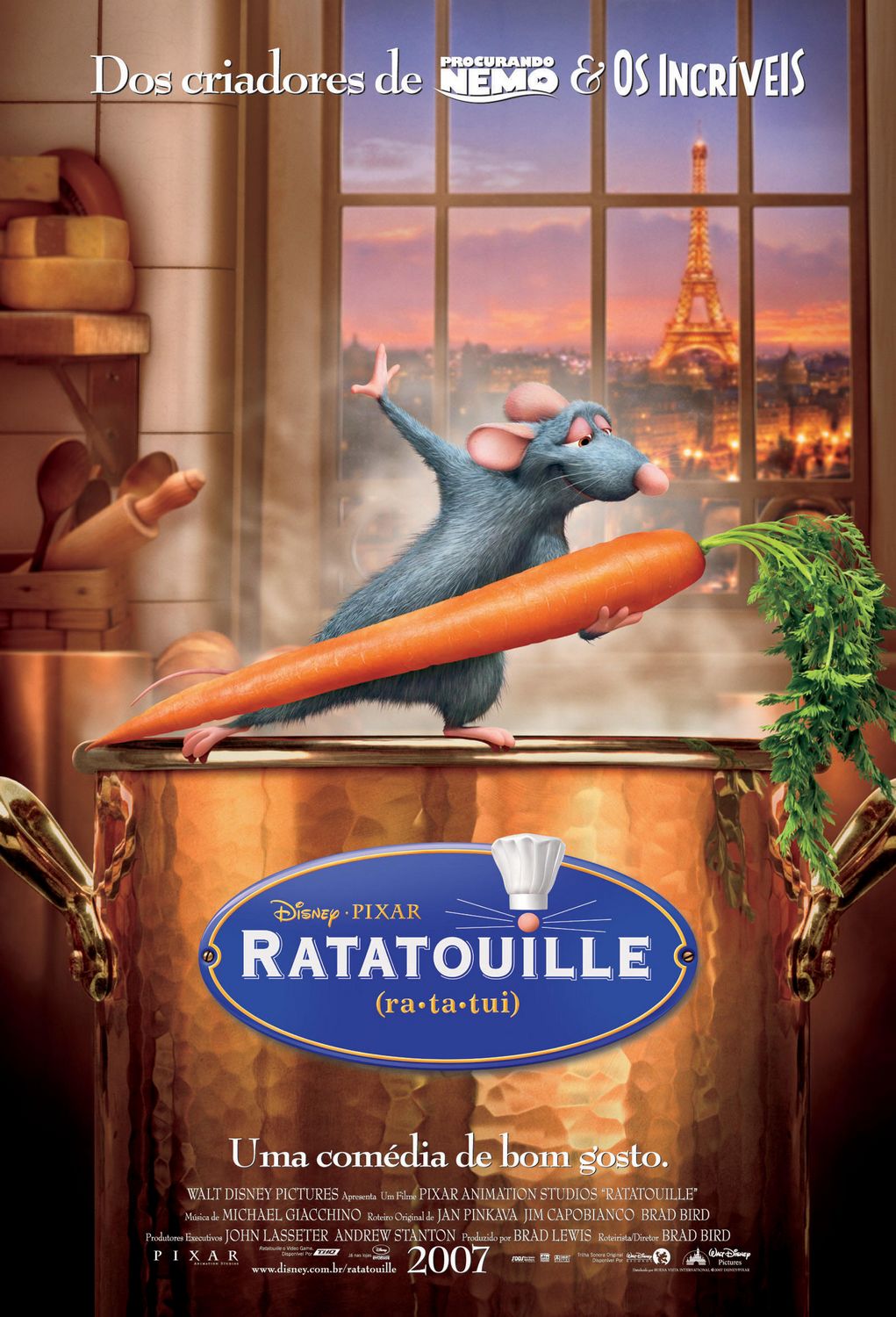
After the release back in 2006 of the animated film of the same name

ratatouille

it seems hard to believe that there should be anyone on this planet who doesn’t know the dish, but just in case there are a few dinosaurs out there who, like me, have never seen the film and, unlike me, have never had the pleasure of eating ratatouille, let me quickly explain what this dish consists of.  It is a stew of five vegetables:

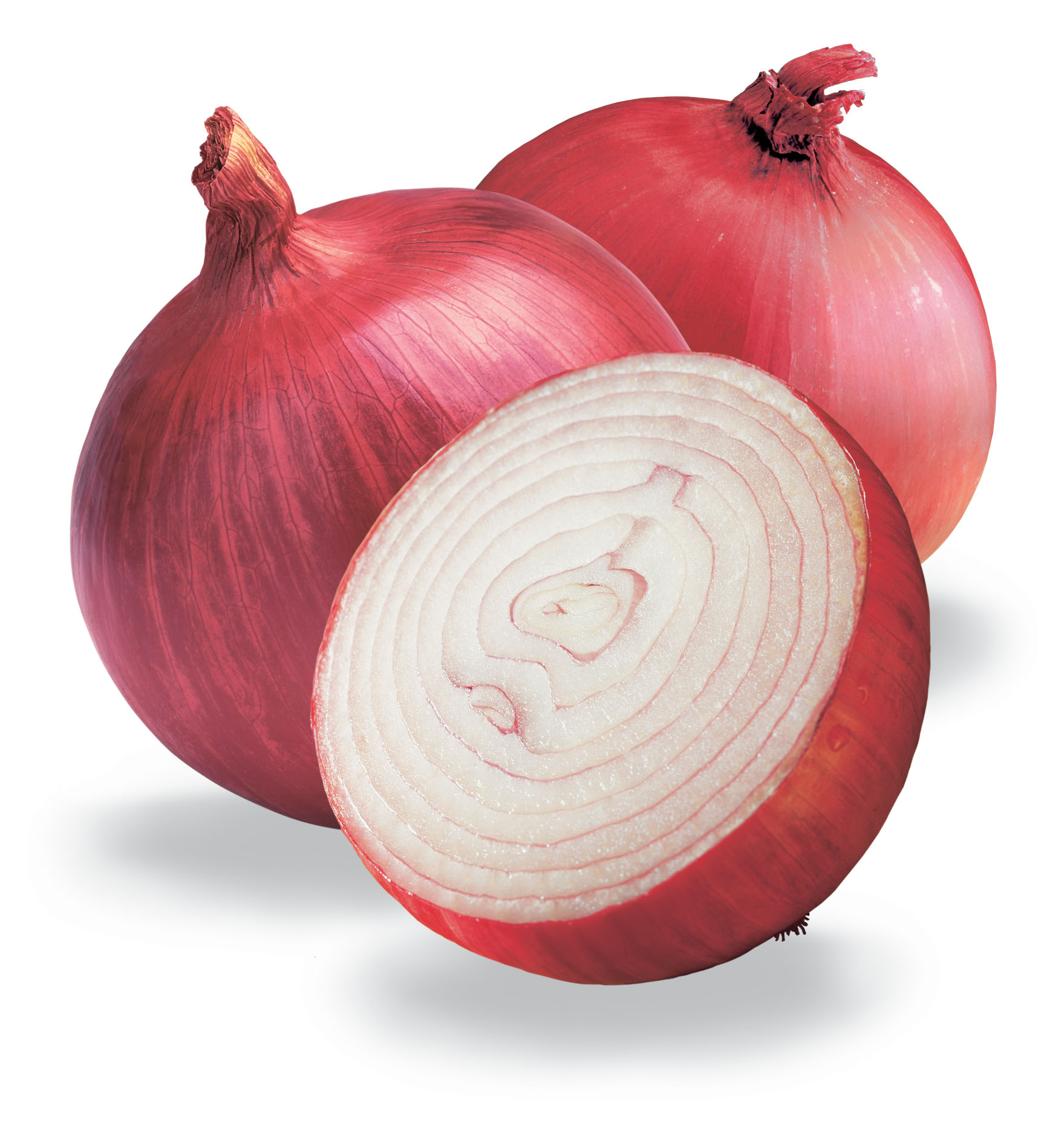
onion

red_onions

sweet pepper

sweet pepper

aubergines (eggplants to some)

aubergines

courgettes (zucchine to my wife and 60 million other Italians)

FD ZUCCHINI 080806

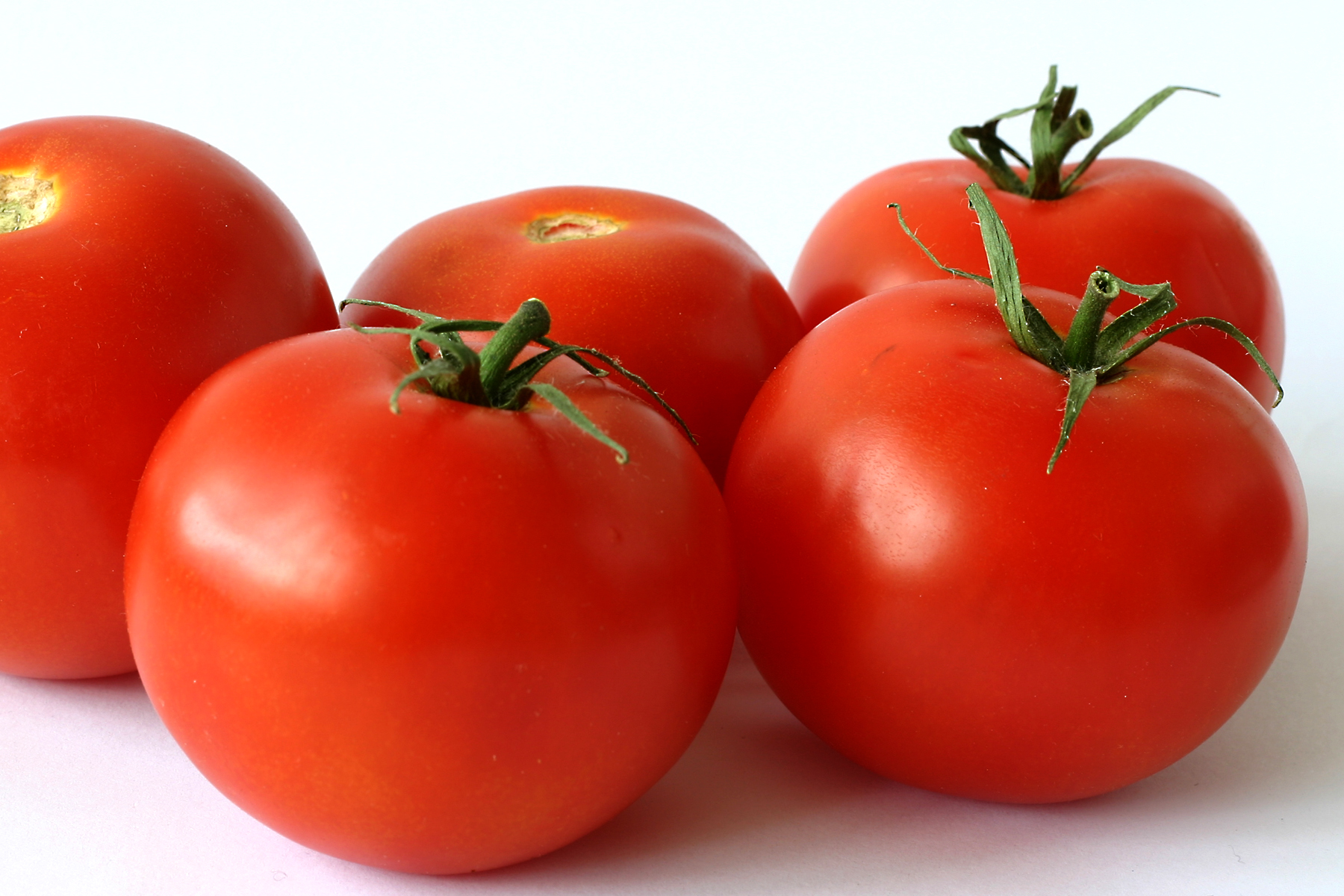
and tomatoes.

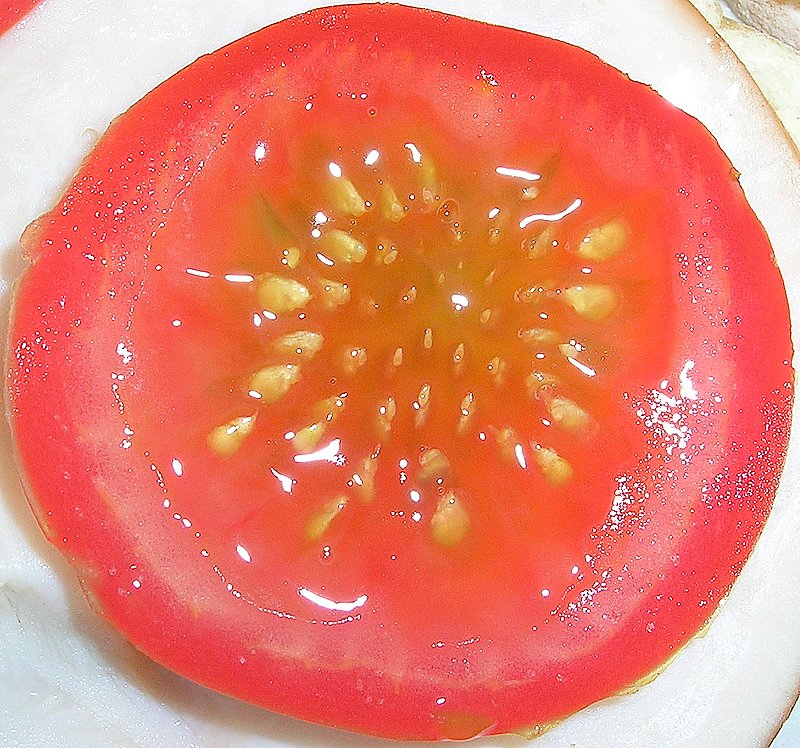
tomato

Voilà!

Ratatouille connoisseurs will immediately roll their eyes and cry out oh, la, la, it is not voilà, there is much more to it than that! They are right of course. For instance, you cannot just mix all the vegetables together and stew them, non, non! Each vegetable must be cooked separately, and then put together – in a certain order, messieurs-dames! – to stew gently. And not just any oil can be used to cook them, it must be olive oil. And the stewing must be gentle and long, to impart a creamy texture to the vegetables and an intensity to the sauce. And we have not even started talking about the minor ingredients: the garlic, the basil, the thyme, the saffron …. Yes, yes, all of this is true. But still, when all is said and done, it is a vegetable stew – or a ragout, if you prefer to remain French.

ratatouille-1

My wife asks me what I see in ratatouille. It’s OK, she says, but after all it’s just – well, a vegetable stew (or ragout).   It’s the tomatoes, I reply, and some of my readers may immediately understand this. In previous posts, I have unveiled an unfeigned passion for this vegetable (and even for its wastes). OK, she responds, but in Italy we have a very similar dish, capponata, and I’ve never heard you going on about that. She’s absolutely right, of course (as she always is), and indeed to complete the catalogue several Mediterranean countries have similar dishes: the Spaniards have the Catalan samfaina, the Majorcan tombet, the Castilian-Manchego pisto; the Maltese have kapunata; the Greeks have briám and tourloú; the Turks also have türlü as well as şakşuka (just the names make me lust to try them). Then the South-Eastern European countries have similar dishes. Even the Philippines has a similar dish!

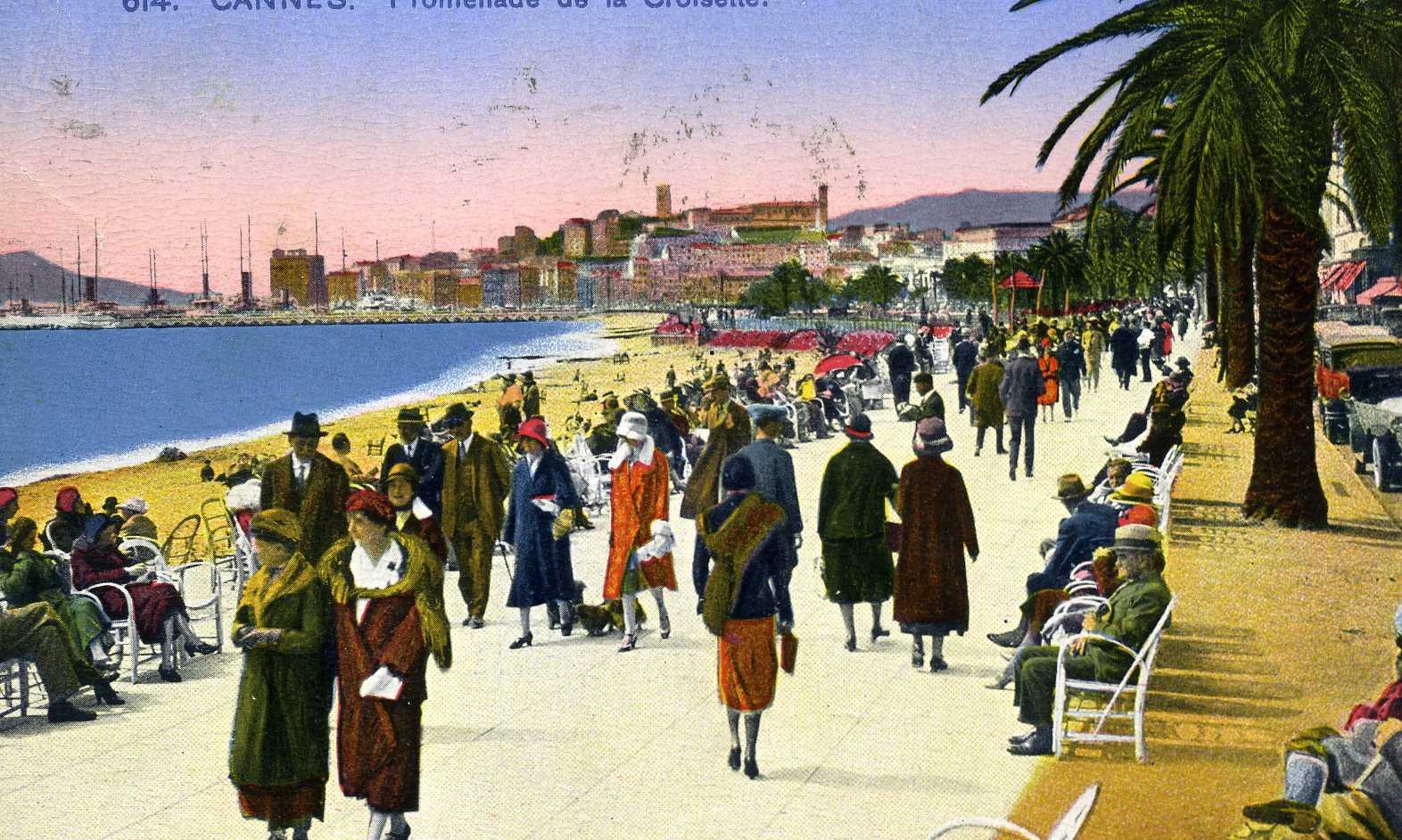
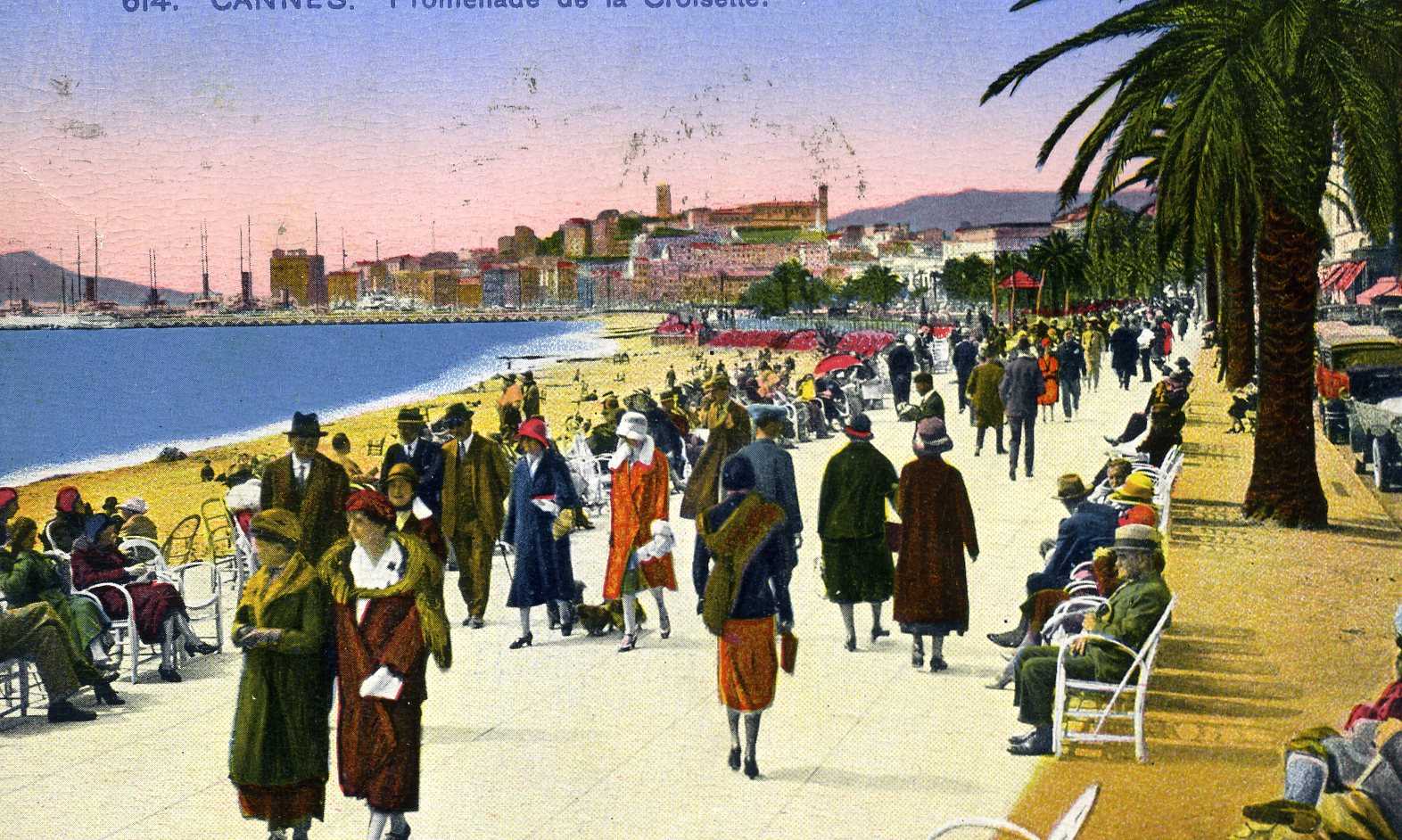
So I have to confess to a deeper reason for my being fond of ratatouille. I was introduced to the dish when I was a young boy spending my summer holidays with my French grandmother. I still remember with great clarity one lunch where a steaming bowl of ratatouille was put before us with great fanfare and to much ooh, la, la around the table. For this was not a dish from my part of Burgundian France. It hails from Provence, and more specifically from Nice. Its presence on the table reflected my mother’s childhood history. In the mid 1920’s, and in short order, my grandfather’s business went bust and he contracted tuberculosis. The family was destitute and without a bread-winner. In this moment of desperation, my grandmother managed to get a job as secretary to a rich English friend of hers, who with her husband spent the winters in Menton (a stone’s throw away from Nice). The whole coast of Provence pullulated with rich English during this period. It’s not for nothing that Cannes’s main boulevard along the sea – the one the film stars walk along during the festival – is called “Promenade des Anglais”

promenade-de anglais-2

Coming back to the English lady, I suspect it was an act of kindness on her part to hire my grandmother; she had no real need of a secretary. In any event, it meant that until the Second World War the whole family would move south to Provence for the winter and return to Burgundy for the summer when the English lady and her husband went home to England (the family got smaller during the early 1930’s when my grandfather finally died of his tuberculosis). At some moment during these stays in the south my grandmother picked up the recipe for ratatouille. So for me, every forkful of ratatouille reconnects me with my mother’s family history.

I have to thank the kind, rich English lady for more than just ratatouille; I have to thank her for being of this world! When my mother was 18, my grandmother packed her off to stay with the English lady for a couple of months to polish up her English (she was studying English Literature). It was in the lady’s house that she met my father, aged 19, who was studying at the University down the road. The rest, as they say, is (my) history.

_______________

Movie poster: http://www.look.yeah1.com/albums/userpics/234993/poster1.jpg [in http://photo.yeah1.com/showthread.php/39632-My-RatatouilleChuot-Can-Cook-2007.html%5D
Red onions: http://p21chong.files.wordpress.com/2010/05/red_onions.jpg [in http://paulchong.net/2010/05/16/the-magic-healing-power-of-onions/%5D
Sweet pepper: http://www.greeneryuk.com/images/products-feature/920pepper.jpg [in http://www.greeneryuk.com/productsdetails.php?key=p%5D
Aubergines: http://nuestrasfrutasyverduras.com/media/catalog/product/cache/1/image/9df78eab33525d08d6e5fb8d27136e95/b/e/berenjena_3_2.jpg [in http://nuestrasfrutasyverduras.com/berenjena%5D
Zucchini: http://www.amyroose.com/wp-content/uploads/zucchini.jpg [in http://www.amyroose.com/tag/zucchini/%5D
Tomato: http://atlantablackstar.com/wp-content/uploads/2013/10/tomato.jpg [in http://atlantablackstar.com/2013/10/10/tomatoes-may-help-lower-stroke-risk/%5D
Ratatouille: http://www.bonappetit.com/wp-content/uploads/2013/08/grilled-ratatouille-salad-646.jpeg [in http://www.bonappetit.com/drinks/wine/article/the-5-best-wine-pairings-for-tomato-dishes-from-caprese-to-ratatouille-to-blt%5D
Promenade des anglais: http://tonton84.t.o.pic.centerblog.net/do3uxg9p.jpg [in http://tonton84.centerblog.net/rub-CARTES-POSTALES-anciennes-region-PACA–8.html%5D

NOTES ON AUSTRALIA – GRAND PACIFIC DRIVE

Beijing, 2 October 2013

Welcome back to these notes on the trip my wife and I made to Australia. Our stay in Sydney is covered in the previous post.

After Sydney we moved south. This meant hiring a car, and we got ourselves a bright red Micra

micraIt’s a snug little car which was just the right size for me, my wife, and three pieces of luggage (which ended up being five after we had bought things in the local supermarkets which we can’t get in Beijing). Initially, we faced the challenge of driving on the left-hand side of the road. This is one of the less useful things which Australia has inherited from the UK. I passed my driving test in Scotland and so started my driving life driving on the left, but the vast majority of my driving since then has been on the right. As for my wife, she’s never really driven on the left. So there was a bit of tension at the beginning, especially as we had to drive out of Sydney during a busy period. But we quickly got the hang of it and thereafter we had no problems – except for two things: we systematically put the windscreen wipers on when we wanted to signal a right or left turn (because the positions of the two levers were the reverse of their positions in “normal” cars); and when we turned right at an intersection we had a tendency of ending up on the right hand side of the road. But no worries! As you can see, we have survived to tell the tale.

Our initial plan was to drive down the coast towards Melbourne, along the Prince’s Highway, and then turn inland whenever it was time to start heading back to Sydney and its airport. I should explain why we chose to do this. Some five years ago, in a lodge located on a tributary to the Amazon River not too far from Manaus

juma lodge

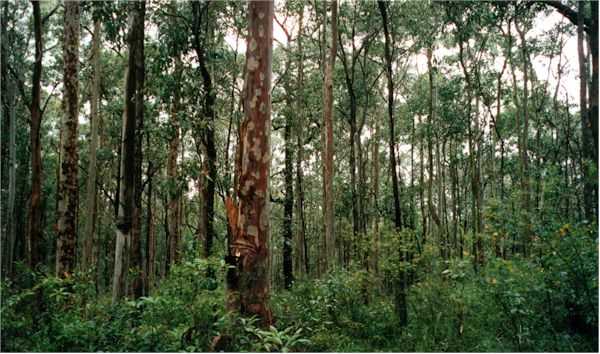
we met an Australian and had one of those conversations you always have when meeting fellow-travellers: swapping notes on places travelled and things to see. The conversation inevitably turned to Australia, and he told us to go to Sydney and then drive along the coast. He wrote it all down on a paper napkin, which we carefully kept – but alas, that paper napkin is in storage in Vienna! When we were planning this trip we were trying to remember if he had told us to drive south or north from Sydney. For reasons which I cannot now remember, we plumped for going south. But this turned out to be not such a good idea. Contrary to what we had expected, we found the coast ho-hum. It was terribly built up, the sea-shores offered the usual sea-related touristy stuff, and most of the towns we passed through were suffering from ugly strip development. There were three bright spots in the gloom. The first was a highly enjoyable drive through Heathcote National Park just south of Sydney, where we saw massed Eucalyptus trees close up for the first time in our lives

eucalyptus-forest

After which we landed up on the Grand Pacific Drive. This road hugs the coast for some 20 kilometers, so we got wonderful views of the coast in the dying hours of the day.

pacific coast 006

The second bright spot was the few hours we spent on Jervis Bay, which has the most amazingly white sand (and very clear water – but bloody cold, at least when we were there).

Jervis bay

The third bright spot was our dinner at Batehaven, next to Bateman’s Bay. We had an excellent fish and chips (at a place called Berny’s – pass the word). In contrast to driving on the left, fish-’n-chips is one of the more useful things which Australia has inherited from the UK.

bernys

We ate it sitting at a table in the city park with the sea in front of us, lingeringly licked our fingers when it was all wolfed down, and then walked along the beach under a waning moon. Wonderful.

But all this was not enough to keep us from abandoning the coast. We decided on a rapid change of plan: make a brief trip to Canberra to visit a museum and then head for the Snowy Mountains. But before we did that, we went for a little ride through the Benandarah State Forest. This ride, and what we found there, will be the subject of my next post.

_______________

Red Micra: http://images.cardekho.com/images/car-images/large/Nissan/nissan-micra/05-nissan-micra-brick-red.jpg
Lodge in the Amazon: http://www.jumalodge.com/gallery/2012/2.jpg
Eucalyptus forest: http://www.elrst.com/wp-content/uploads/2009/09/eucalyptus-forest.jpeg
The coast along the Grand Pacific Drive: my picture
Jervis bay: http://media-cdn.tripadvisor.com/media/photo-s/01/70/a6/66/jervis-bay.jpg
Bernys: https://lh5.googleusercontent.com/-dRGLeO8Kuw8/UhBa4uMijTI/AAAAAAABGmQ/afHL9AEl4Qs/s0/DSC03108.JPG

FUJIAN TEA

Beijing, 16 September 2013

Last week, I was down in Fujian province. Tea connoisseurs will know the province, it being the home of black tea in China (as well as of white tea and oolong) and, as a result, of some of the most famous black tea brands, including the three Fujian Reds: Tanyang Gongfu, Zhenghe Gongfu, and Bailin Gongfu.

fujian red

I’ve written a previous post about a fourth black tea from Fujian, smoked this one, which was my grandmother’s, and now is my wife’s, favourite tea: Lapsang Souchong.

But I was not in Fujian to explore its tea. I was there to visit two factories. One produces spirulina, a family of blue-green algae, which in the last several decades has received a lot of press as a sort of miracle food for the undernourished, and which was already being eaten by the Aztecs back in the 16th Century when the Spaniards conquered them. I’ve mentioned this wonder product in an earlier post.

Spirulina-Powder

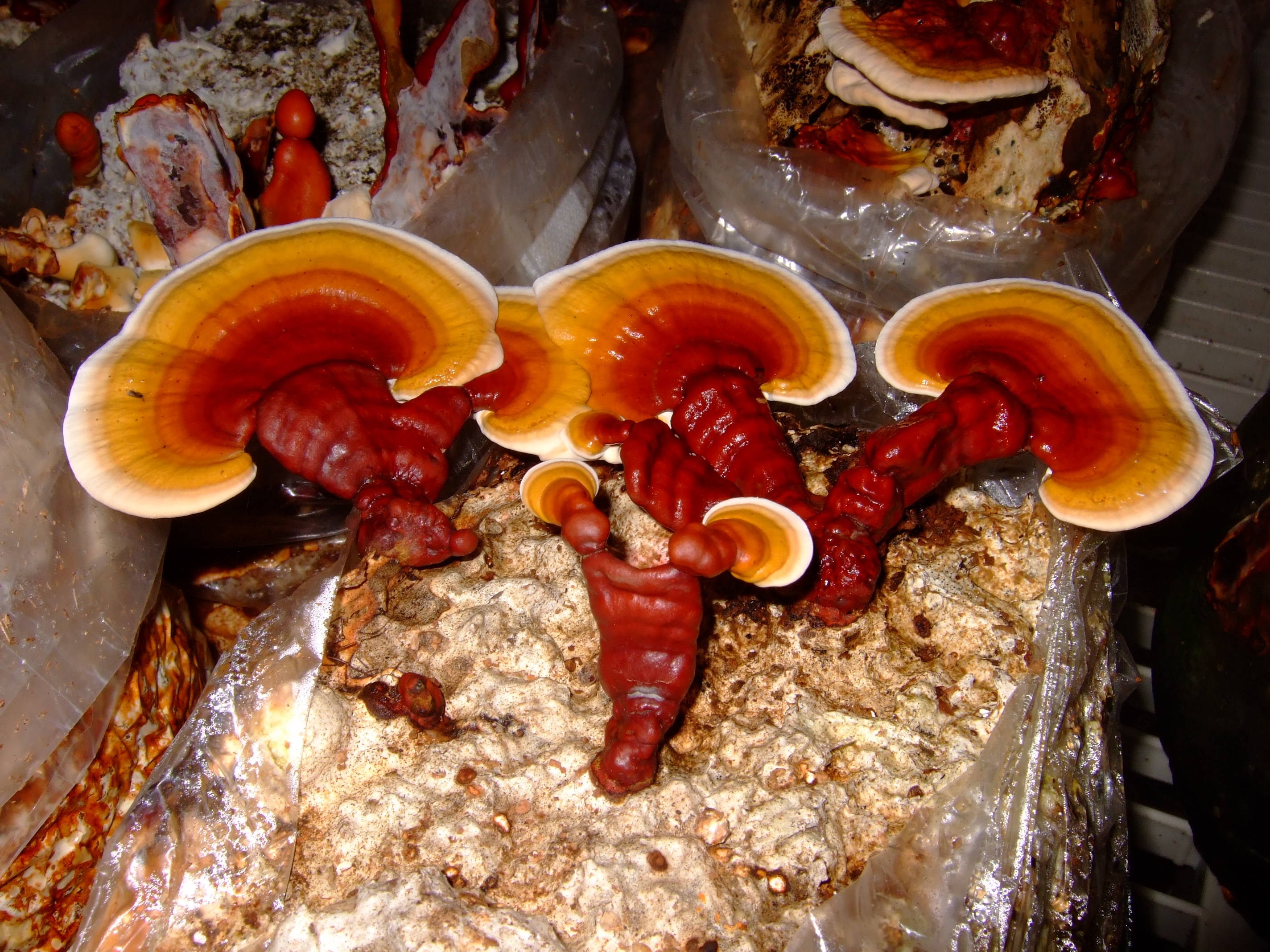
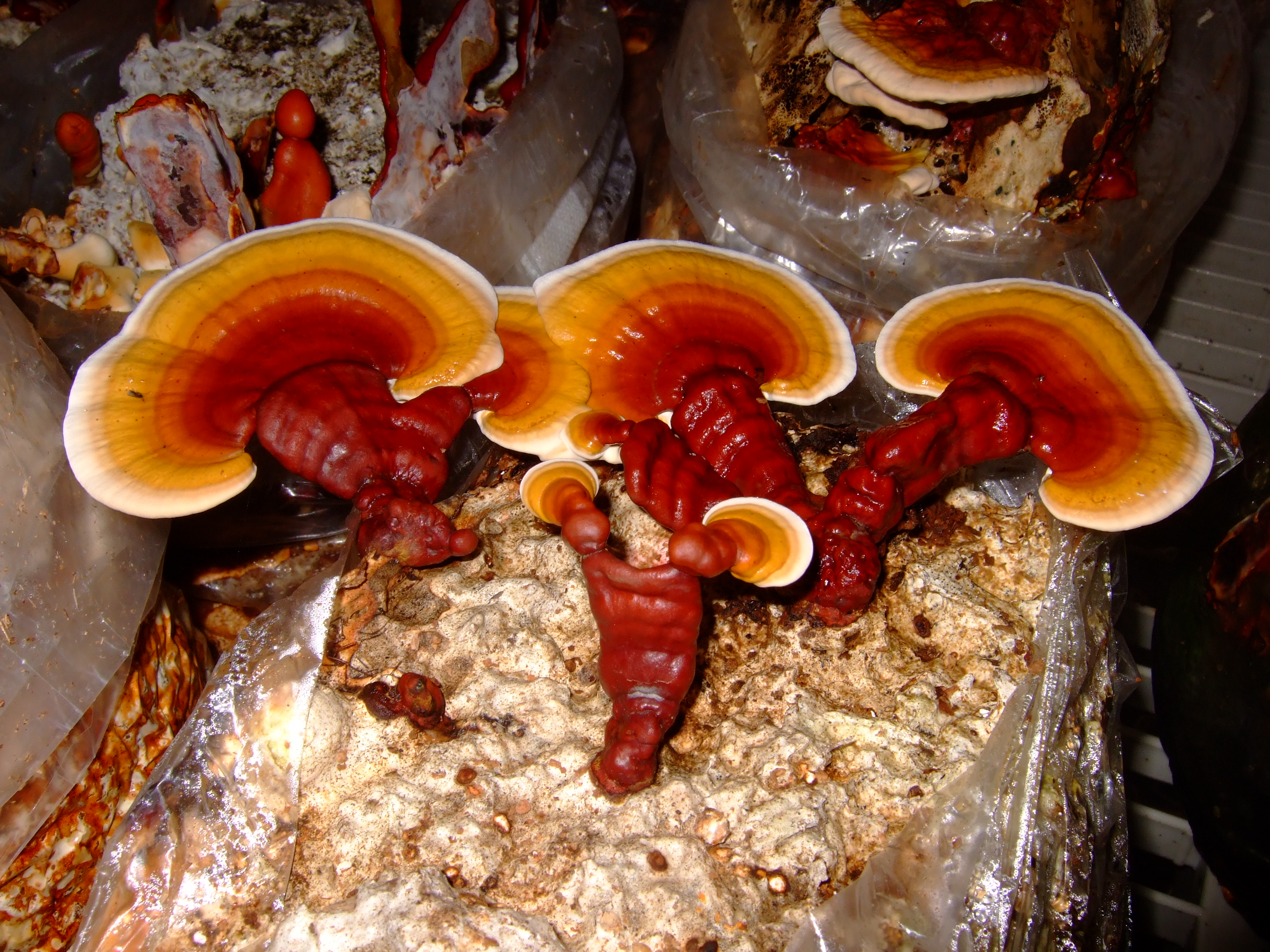
The second factory produces glossy ganoderma, a fungus which the Chinese have been consuming for the last two thousand years for its medicinal properties and which has a renewed lease of life as a possible anti-cancer drug.

glossy ganoderma

The two factories were quite distant from each other as well as from the nearest airport at Wuyishan, so our days were long as we drove to each factory, visited them, and of course had long and copious dinners with our hosts and various local worthies such as the mayor or party provincial secretary.  It was with some relief that I saw we had finally arrived back in Wuyishan that last evening of the trip. Alas! I had rejoiced too soon. Wuyishan is an important centre for the tea trade, with scores of tea shops lining the main roads. Our driver, who also happened to be the son of the owner of the spirulina factory, had the great idea of taking us to one of these tea shops. Its owner was a good friend of his, he informed us brightly. He had been so good to us that I didn’t have the heart to say no. So we drew up in front of one of these tea shops, and were greeted effusively by its owner as we got out of the car. He was an Artist, he later informed us, which presumably explained his heartily embracing me; no normal Chinese would ever have done such a thing. It also no doubt explained his pony-tail, something which is now rare in China since the heady days of the birth of the Chinese Republic, when Chinese men everywhere cut off their queues to mark their liberation from Manchu rule.

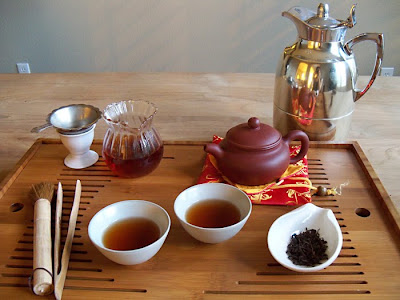
In any event, he ushered us into his tea house, introduced us to his mother and sister, bid us sit, and quickly made us a cup of tea.

chinese tea ceremony

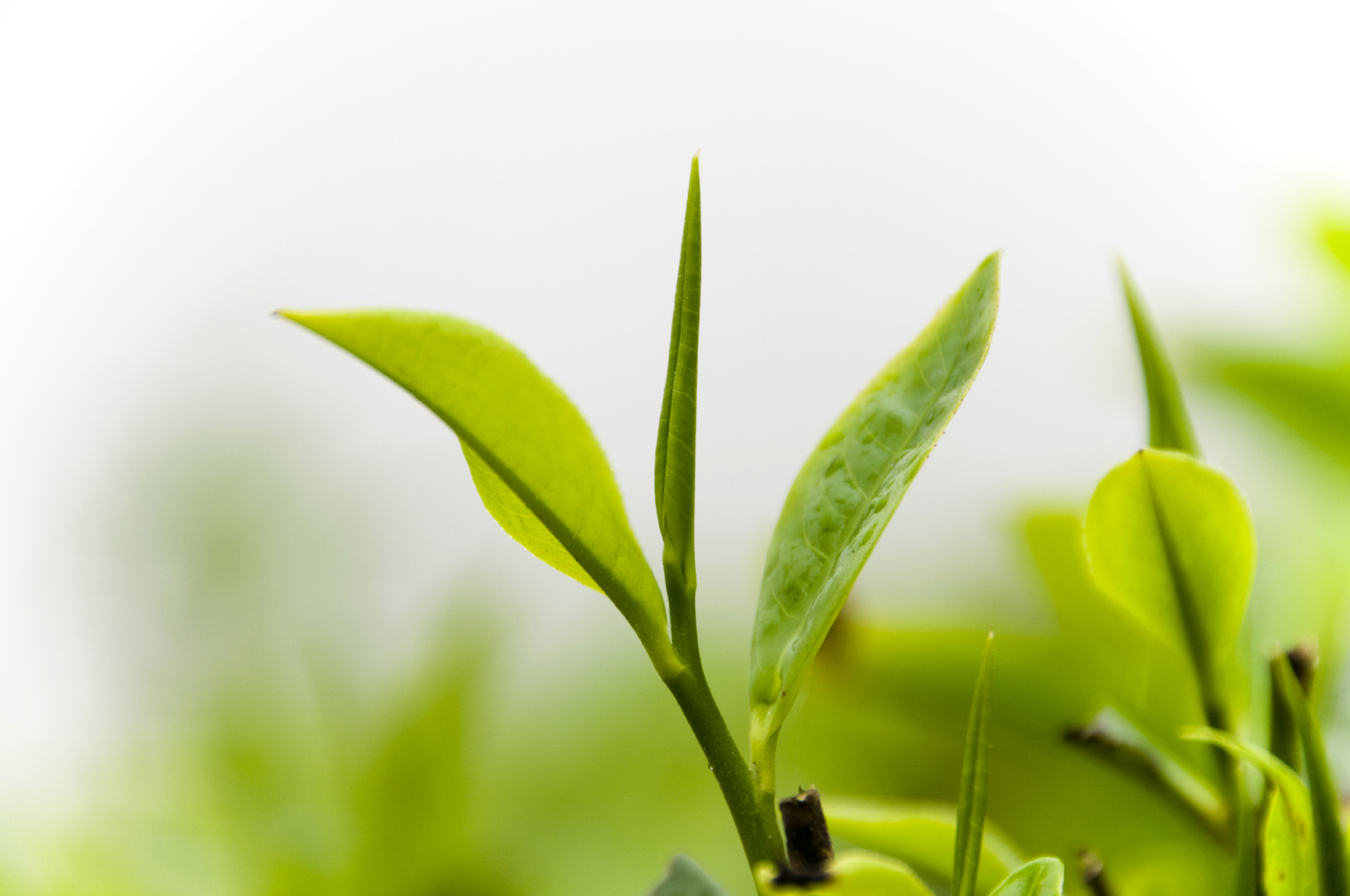
After a few minutes, and perhaps after a quiet word from his friend the factory owner’s son, he invited us to follow him up some back stairs, to a more private den on the second floor. Here, he had us sit around a table whose top was a square slab of rough stone into which he had carved a Chinese character; this in turn acted as a channel for a little fountain which emerged from the middle of the table’s top. The fountain added a quiet sound of running water to the proceedings. Our host announced that he would be serving us a rare black tea made from just a few kilos of leaves picked every year.

Tea in the mist

He gave us each a little cup which could contain a thimbleful of tea; he had made them himself, he informed us. He then ordered an acolyte who was hovering in the background to pull out his 18th Century Qing cup, which turned out to be even smaller than the ones we had been given and sat on its own tiny wooden table. We all inspected it with great respect. By this time, our host had boiled the water and transferred it to a small cast-iron Chinese teapot. With this, he poured a thin jet of hot water over the cups to warm them, and then added water to the tea. He let it stand for a while, then filled our little cups.

We all sipped our tea – I, out of the Qing cup – and murmurs of appreciation rose up. Now, I don’t pretend to be a tea connoisseur. In fact, I keep it a secret in China that I drink my black tea with milk and sugar. This would put me quite beyond the pale for most Chinese if it ever became common knowledge. And I have never appreciated the green tea which I am routinely offered here. But I actually liked the tea our host had offered us! It did indeed leave a mildly sweet aftertaste, as he had predicted. We drank a few more thimblefuls, after which he declared he would have us try another black tea. This one, he said, was even rarer. Just a kilo or so was collected every year, from one wild tea tree whose location he kept deeply, deeply secret.

old tea treee

It had to be sort of slurped to appreciate its taste, he instructed us. I duly sort-of slurped the tea and was astonished to discover a mild chocolaty aftertaste. Yes, my host smiled, that’s what many say.

As we continued to drink the tea, our eyes started to wander around the room, taking in the various ceramic pieces placed on the shelves around us. Our host began to take them down to let us inspect them. This small cup was Song, he said – Song! Oh  –– My –– God! I love Song ceramics!

song cup

– while this one was early Ming, he continued, and that shallow bowl was Qing. My head whirled. And as we sat there, sipping our tea and holding the ceramic pieces gingerly, oh! so gingerly, I felt for a moment – an instant – like a Chinese scholar of yore, sitting in my study, sipping my favourite tea, gently turning my ceramic pieces in the light, murmuring that Tang love poem I loved so much – and wondering if I would ever pass the next level of those damned imperial examinations …

chinese scholar-2

__________________________

Fujian red: http://3.bp.blogspot.com/-kvSw6A0btv8/UIlzv5xNqLI/AAAAAAAAAkw/T0MCEP9zCSE/s1600/goldenmonkey_base.jpg
Spirulina powder: http://spirulinapowder-review.com/wp-content/uploads/2013/07/Spirulina-Powder.jpg
Glossy ganoderma: http://upload.wikimedia.org/wikipedia/commons/d/d7/Jreishi2.jpg
Chinese tea ceremony: http://2.bp.blogspot.com/_UERtENI3oaU/TKzqT_cEx2I/AAAAAAAABvM/ENJO27ZhxiI/s400/chinesetea2.jpg
Fresh tea leaf: http://www.pingminghealth.com/wp-content/uploads/2009/12/green-tea-leaf.jpg
Old tea tree: http://www.puerh.fr/dynamic//files/system/articles/80/17.jpg
Song cup: http://p2.storage.canalblog.com/21/37/577050/46025483_p.jpg
Chinese scholar: http://images.visitbeijing.com.cn/20121011/Img214758300.jpg

TOMATO WASTE

Beijing, 13 September 2013

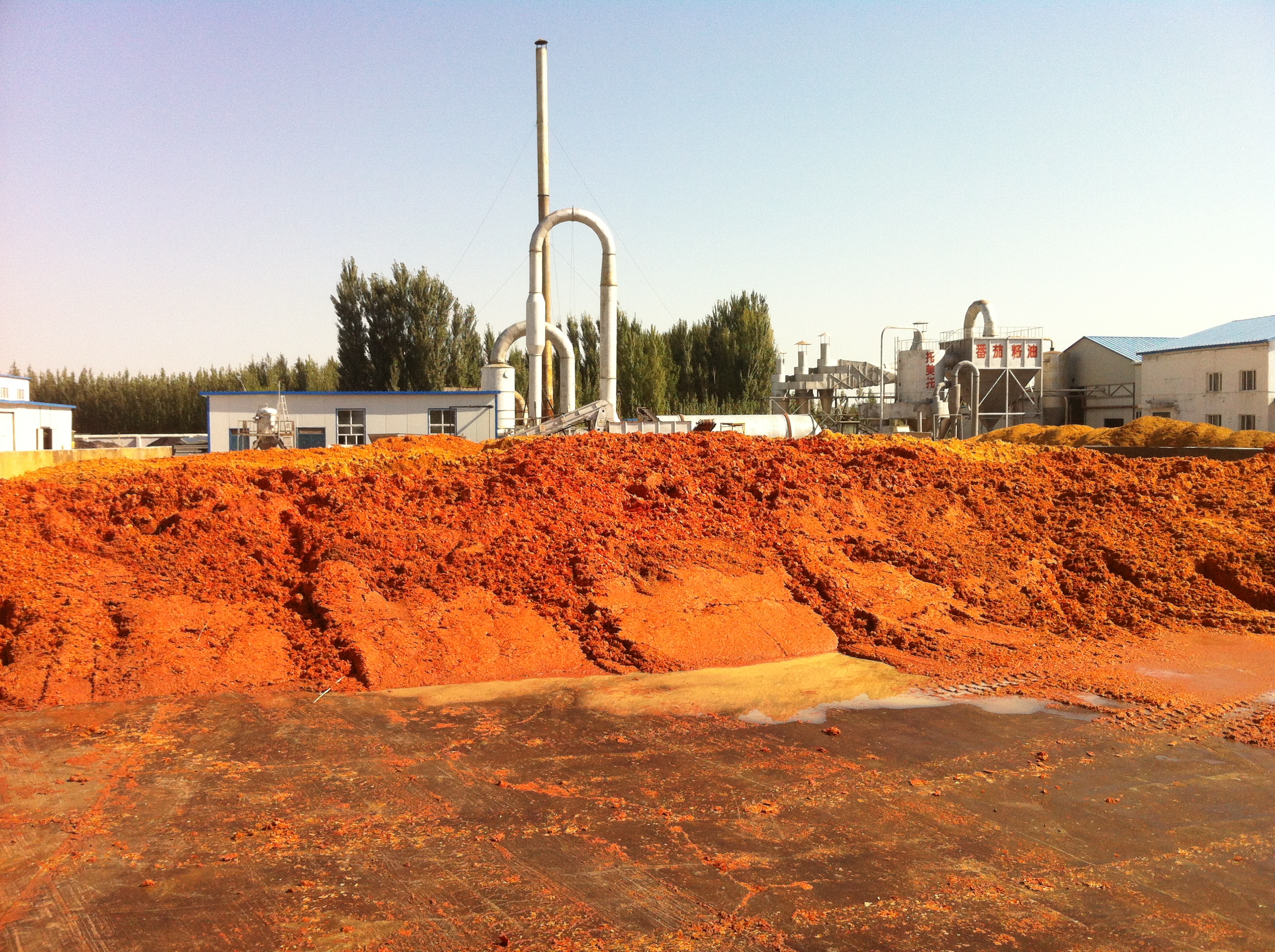
Last week, I was up in Xinjiang (or the Xinjiang Uighur Autonomous Region, to give it its full title), where I and some colleagues were discussing possible projects and visiting some industrial plants. The most intriguing of these visits was to a plant where this welcomed you when you arrived.
tomato waste-4
Readers would be excused if, like me when I got out of the car and like my wife when I showed her this picture, they scratch their heads and ask themselves what on earth this stuff is.

Tomato waste, that’s what it is.

Yes, these are the left-overs from the process to make tomato paste, a significant industry in Xinjiang, which grows some 4 million tons of tomatoes a year. As you might imagine, with a process that basically squeezes the juice out of tomatoes for further concentration the waste consists primarily of tomato seeds and skins.

Mr. Liu, a spry septuagenarian and founder of the company, met us as we got out of the cars and led us to the exhibition room. He started by explaining that he was on the rebound with this company; he set it up after going bankrupt in a previous foray into capitalism. The business model Mr. Liu adopted in this new venture is simple but ingenious. He takes the tomato wastes off the hands of the tomato paste makers, who are glad to offload them at no cost since they don’t know what to do with them. So far so good. But he doesn’t just dump them in a convenient hole somewhere as most waste dealers still do in this part of the world. No, he works his magic on the wastes to make a whole series of new products with them.

The most important of these is tomato seed oil. Yes, you can press all those little seeds in a tomato

tomato seeds

and make this lovely orange-colored oil
tomato seed oil
No doubt the colour comes from a combination of the gold of oil with the red of lycopene, the chemical which gives tomatoes their red colour. The oil commands premium prices from restaurateurs and others who have refined culinary tastes.

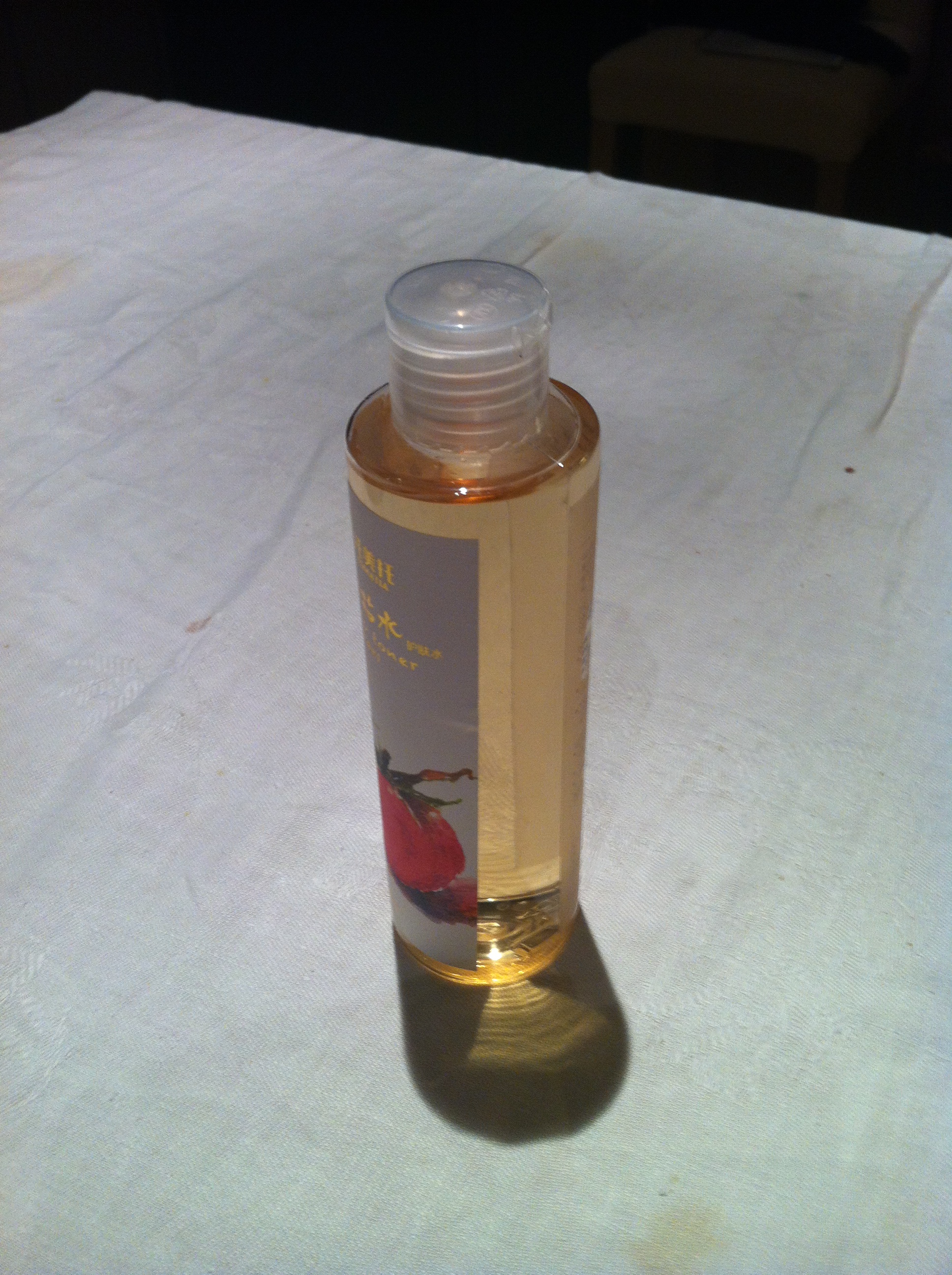
But Mr. Liu is not satisfied with just this one product. He also makes a skin tonifier from the juice squeezed out of the waste.
tomato tonifier
He told us it contains high levels of anti-oxidants, so is excellent for slowing down the aging process.  As proof of this assertion, he said he was made aware of the juice’s beneficial effects by his workers who, it seems, were padding around in the juice with only sandals on and discovered that the skin of their feet was rejuvenated. I pass on this nugget of information without in any way suggesting that I believe it.

Mr. Liu also makes pills from this same juice, no doubt to encourage digestion or some such (I can’t believe the skin of our stomachs and intestines need rejuvenation).

And with everything that is left over Mr. Liu makes cattle feed. Apparently, cattle quite like tomato waste once the seeds have been removed. They clearly have refined palates.

Despite his 70 years, Mr. Liu is bubbling over with new ideas. He showed us a new silo where he will start storing the tomato left-overs so that he can process the stuff more regularly throughout the year – right now, he is forced to do a lot of processing at harvest time and to stand idle the rest of the year. I didn’t quite understand how he planned to avoid the waste from rotting; something about adopting a system used for centuries by farmers in Xinjiang to preserve their cattle feed (the translation got a bit tangled at this point). He is also planning to start processing the small, green tomatoes which are left behind in the fields at harvest time and which actually represent some 20% of the tomatoes grown. And no doubt he has other ideas up his capacious sleeves.

I really admire people like Mr. Liu. He is the embodiment of that phrase much loved in certain environmental circles, “from waste to profits”. I don’t pretend that Mr. Liu invented the process of extracting oil from tomato seeds – a rapid surf of the web after the visit showed me this (although the lotion may be his idea).  But he had the courage, after a ruinous bankruptcy which left him more or less only with the clothes on his back, to set up a new business, seeing an opportunity where others would only turn up their noses. And he keeps on coming up with new products to squeeze out of his tomato wastes.

I feel duty bound, however, to report a slight hiccup in all this. A few mornings ago, my wife tersely informed me by text that the skin tonifier which I gave her to try made her smell like a tomato.  For a tomato lover like myself this may actually be a plus, but for others with a more measured relationship to the tomato this news may give them pause.

____________________________________

Tomato waste: my picture
Tomato seeds: http://www.fixityourself.com/wp-content/uploads/2011/03/SavingSeeds1.jpg
Tomato seed oil: http://www.onecoup.com/uploadfile/2011822325.jpg
Tomato tonifier: my picture

WINE IN MY BLOOD

Beijing, 11 August 2013

Last weekend, I was reading a really interesting article in the Sunday edition of the Financial Times. It was about winemaking in Georgia (the country, not the American state), which archaeologists tell us has been in the winemaking business for 8,000 years or so. But what really struck me in the article was the following paragraph:

“The result is a width, a tannic grip and a textural depth that no conventionally made white wine will ever have. The wines’ aromas and flavours are singular too. Their acidity is muted, since they have all been through the acid-softening malolactic fermentation, while contact with the other matter in the jar, especially the yeast deposits, rounds the flavours further. In place of the fresh fruits that so many white wines suggest, these evoke dried fruits, mushrooms, straw, nuts and umami. They have less of an oxidative tang than their colours suggest; indeed, their articulation is often understated and quiet, though orchestral in its allusive range. They are meditative wines, sumptuous and subtle.”

I’m always awed by this kind of writing about wines. Whenever I drink a good wine, all that comes to my mind is “Mmm, that’s good!”

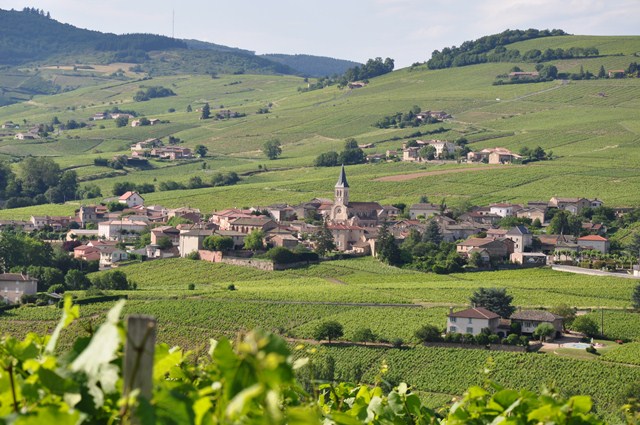
I feel it shouldn’t be so. I mean, wine courses through my veins. My maternal grandparents, whom I have referred to in earlier posts, were both descended from families of vignerons, winemakers, who lived in these small villages in the Beaujolais.

Julienas

Jullie

We know that this is where they came from because my father, a passionate amateur genealogist, spent a number of summers in the 1950s ferreting around in the local archives and tracking down the generations one after another. It was a joke in the family that the villagers would see my father hove into view on a bicycle, whitened by the dust on the roads – they weren’t asphalted in those days – and announce in French, but with a very English accent, that they were his cousins.

But back to the matter in hand. Really, I’m just a vigneron with a thin icing of education. So I should be able to talk for hours on end about the orchestral and allusive range of the wine I’m drinking, pointing out the evocations of mushrooms and raspberries and nuts and whatever else. But all that ever comes to mind is “Mmm, that’s yummy! Pour me another glass.”

And the worst of it all – but don’t spread this around – is that I don’t really like Beaujolais. I much prefer Spanish wines.

winesfromspain

___________________________

Julienas: http://beaujolaisandbeyond.co.uk/images/uploads/appellations/Julienas.jpg
Jullié: http://photos.itea.fr/photos/gites69/G/photo10/1606.jpg
Wines from Spain: http://alegriaonline.files.wordpress.com/2013/04/winesfromspain.gif

BIRTHDAY MARGARITAS

Beijing, 4 August 2013

It was my birthday a few days ago: one year closer to my sixtieth year, that age which impelled me to start this blog; one year closer to my retirement and the end of my professional life. As the years go by, I remember ever more insistently a line from the last chapters of the book The Ocelot, by Giuseppe Tomasi di Lampedusa. The book’s melancholy hero Don Corbera, Prince of Salina, has always seen his life as a stream that is flowing, flowing away. Now, old and sick and terribly, terribly tired, he muses that the stream has become a river, flowing ever more swiftly past. A few pages later he is dead.

Yes indeed, I think to myself on every birthday now, life does seem to whizz by ever faster as I grow older.

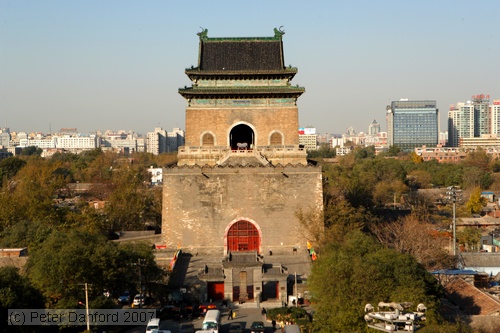
My wife was having none of these gloomy thoughts and philosophical musings! She arranged for a wonderful lunch in a restaurant located in an old temple buried in the maze of lanes behind Beijing’s Drum and Bell Towers.

Bell Tower

It is one of the city’s fancier restaurants, with a menu to match. To start, my wife had (I quote from the menu) “chilled asparagus soup, salmon tartar, sour cream”, while I opted for “cream soup of mussels, saffron, white wine, vegetable julienne”.  For the main course, we both chose “assorted seafood, bouillabaisse jus, aioli”. We topped it all off with a selection of cheese. The whole accompanied by a glass of French rosé wine for my wife and a glass of Spanish red wine for me. Delicious. But definitely not filling. As is the case with such restaurants, portion size was in inverse proportion to the final bill.

temple restaurant-2

temple restaurant-1

Having then spent the rest of the afternoon in the office pretending to work, I met my wife somewhere close to the Kempinski Hotel and she took me to a fancy bar for a drink. Having scanned the drinks list, we unanimously plumped for a margarita. The waitress anxiously informed us that since it was Happy Hour – buy one, get one free – we would actually get four if we ordered two. She wanted to make sure that we were aware of this. We confirmed that this was indeed the outcome we desired.

margarita

Marvelous drink, the margarita! The sweetness of the Cointreau hits the tartness of the lime juice, only discovered after breaking through the salt coating the glass’s rim; the whole covering the powerful kick of the tequila. We discovered the drink some twenty-five years ago when we were in New Mexico for a holiday. As we sat in the bar of the hotel in Santa Fe wondering idly what to drink, the barman suggested a margarita. Why not, we said. We have never looked back. Everywhere we have been, the margarita has followed us like a faithful old friend, turning up on the drinks list of just about every bar we have ever been to since.

As we drank our – four – margaritas on the terrace of the bar, we watched the evening slowly draw in over Beijing. It was a beautifully clear evening, following a beautifully clear day. Feeling a tad hungry, we ordered two bowls of noodles. After which, hand in hand, we walked slowly back home.

_________________

Bell tower: http://www.thechinaguide.com/drum_tower/Drum_Bell_Tower_Beijing_07.jpg
A starter: http://old.cityweekend.com.cn/files/images/image-20120224-0h1d4tf09s9jmtfv1bib.JPG
A main course: http://cwstatic.cityweekend.com.cn/files/images/2011/12/16/image-20111216-fyrz2miltyybbz6hjzlh.jpg
Margarita: http://images.nationalgeographic.com/wpf/media-live/photos/000/224/cache/margarita-drink-beach_22442_600x450.jpg

STINKY TOFU

Beijing, 15 June 2013

My postings are meant to be about things beautiful or pleasurable. But sometimes, to truly appreciate beauty or pleasure one has to experience the absolute opposite, just as to appreciate Good one has to experience Evil. And so my post today is about stinky tofu.

Any reader who has walked a street in Asia, as my wife and I did here in Beijing last night, where hawkers are selling stinky tofu

hawker selling stinky tofu

and been subjected to the particularly awful stench of this foodstuff

At_a_Stinky_Tofu_Stall

will understand immediately my choice of it as the extreme opposite of all that is beautiful and pleasurable.

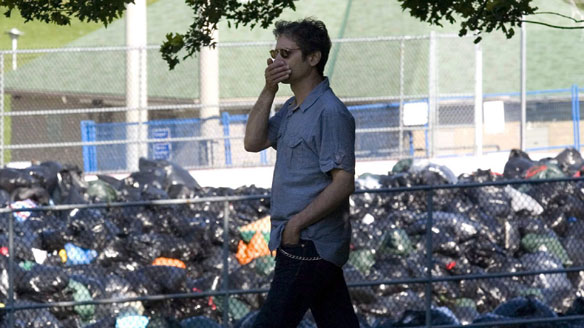
For those of you who have never wandered unwittingly into a drift of stinky tofu odour, though, how can I describe its reek? A similarity to rotting garbage has been suggested by some.

rotting garbage-2

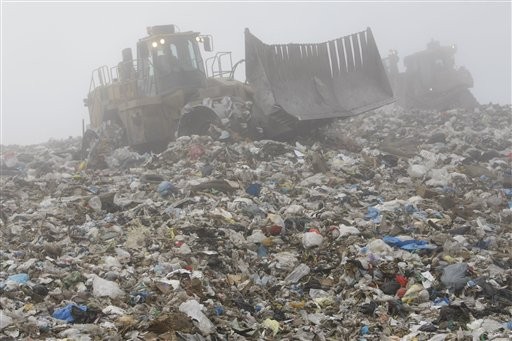
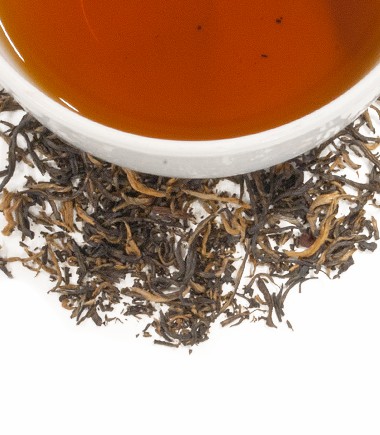
I can assure you, however, from the height of my one and only experience of working in a landfill, that landfilled garbage smells quite nice compared to stinky tofu; in its later stages the rotting process produces certain organic acids, which offset the smells of putrefaction.
Garbage to Gas

That being said, I will admit that freshly rotting garbage, especially when left standing on a city street on a hot summer day, can be quite dreadful. My poor wife suffered terribly from this in her third month of her first pregnancy as we walked to work in the mornings.

Others have suggested similarities to wet socks or smelly feet.

smelly-feet

It is certainly true that this is a smell which can be quite dreadful. I have one memory in particular of stinking feet which is etched into my brain for ever more. One Easter holiday, my English grandmother took me on a bus tour of Spain (I mentioned another tour she took me on, aboard a cruise ship, in an earlier post). One afternoon, in some town I now no longer remember, four of us were visiting a church. A local came up and offered to be our guide. Being too polite to refuse, we submitted.  There followed one of the most dreadful 20 minutes I have ever had to pass. The man spoke rather quietly so we had to lean in to understand. But on leaning in we encountered a powerful stink coming from his malodorous feet. If, to escape this, we leaned in still further, we encountered a powerful stench of garlic emanating from his mouth. And so we swayed unhappily back and forth between the Scylla of his feet and the Charybdis of his mouth for 20 long, long minutes.

Scylla-and-Charybdis

Awful …

Yet others have suggested strong resemblances to the smell of faecal matter. It is true that some of the public toilets I have been forced to use in China have had certain olfactory similarities to stinky tofu, although in defence of China’s public toilets, our experiences with them have generally been positive.

china-public toilets

And sometimes the stench from street drains here in China can be incredibly strong. There is one in particular in front of a Ministry which I often have to visit that has exceedingly powerful exhalations, and the drain opening is located precisely where I get out of the car to enter the building.  I rather fancy that the Ministry keeps it that way to chase off the swarm of petitioners who haunt every Ministry in Beijing, looking for the justice which they cannot get back in their home towns. And perhaps to chase me off too.

And then there is the smell of rotting meat, which can be particularly disagreeable. Luckily, I have never had the misfortune of stumbling across a decomposing corpse like my grandmothers’ cousins must have done in the trenches of the Western Front, although I do have a memory many years ago of coming across a dead and decomposing rabbit in a field. That was quite disagreeable enough, and unfortunately I am reminded of it every time I visit our local supermarket. I don’t know what the problem is with the building’s ventilation but the fact of the matter is that the meat and fish sections smell really rancid.

chinese supermarket-2

We never, ever buy meat or fish there. On a side-note, from my rare outings to other supermarkets here it seems to me that Chinese supermarkets generally have a problem with ventilation. At least, I hope it’s that and not the quality of the food.

Some commentators have suggested a similarity between some of the smellier cheeses and stinky tofu.

smelly cheese

Certain cheeses do indeed have awesomely powerful aromas, and I have mentioned some in previous posts, but none I have ever come across reach the levels of stinky tofu.

Indeed, in my opinion none of the smells I have so far reviewed, awful as they are, reach the heights of olfactory horror of stinky tofu. The incredible thing is, there are people who actually like to eat the stuff! Aficionados claim  that while the smell is pretty powerfully horrible the taste is sublime.

But I look at these people trying to eat it

eating stinky tofu-3

eating stinky tofu-4

and I know that this is a claim I will never, ever, EVER, test.

_________________________________

Hawker selling stinky tofu: http://www.wiredmash.com/wp-content/uploads/2012/11/shilin-7773.jpg
At a stinky tofu stall: http://1.bp.blogspot.com/_dcySoOkPBTo/TFGvcdR0XXI/AAAAAAAAALE/c3nWQkiA8IY/s1600/At_a_Stinky_Tofu_Stall.jpeg
Rotting garbage: http://www.cbc.ca/gfx/images/news/photos/2009/07/30/w-toronto-strike-cp-7088271.jpg
Landfill garbage: http://cdn2-b.examiner.com/sites/default/files/styles/image_content_width/hash/ad/d4/add4a119570bcadddc356d36f902ffd2.jpg?itok=ZrYbfrYD
Smelly feet: http://www.personal.psu.edu/afr3/blogs/siowfa12/smelly-feet.jpg
Scylla and Charybdis: http://cghub.com/forum/attachment.php?attachmentid=46899&d=1305261655
Public toilets: http://www.scmp.com/sites/default/files/styles/980w/public/2013/02/22/china-toilets_bej03_4751449.jpg?itok=ZVuaWtvO
Chinese supermarket: http://images.travelpod.com/tripwow/photos/ta-00a1-9098-55fc/walmart-smoked-meat-section-yueyang-china+1152_12839097171-tpfil02aw-10357.jpg
Smelly cheese: http://blu.stb.s-msn.com/i/9E/6C3E59DD72C77E4D299AA65F3C3A71.jpg
Eating stinky tofu-1: http://themightyafro.com/cms/wp-content/uploads/2009/06/stinky-medium.jpg
Eating stinky tofu-2: http://aningredientaday.files.wordpress.com/2012/07/stinky.jpg
Eating stinky tofu-3: http://2.bp.blogspot.com/_bvgGOKjWg6U/TFPYpiF-oPI/AAAAAAAACBo/F6guzJeZ8Xg/s1600/12+Stinky+Tofu5.JPG