My wife and I were down in Sicily recently. Our daughter and her partner came over with the grandson and they decided to spend a week down in the very far south of the island, near one of Sicily’s three promontories, Capo Passero (if I mention this detail, it’s because it plays a role later). The house they rented gave directly onto the beach and our grandson spent many happy hours digging holes, making sandcastles, and braving the – relatively small – waves that broke onto the beach.
In between these sessions on the beach, we managed to get in brief visits to Noto and Syracuse, both UNESCO World Heritage Sites. Here’s a photo of the cathedral in Noto.
I discovered that it is the official flag of the region of Sicily (which is why I normally saw it flying along with the Italian national flag and the EU flag).
I’m a bit of a flag man – many years ago, quite soon after I started this blog, I wrote a post about what I considered to be the most elegant national flags. So of course I focused in on this flag. What really intrigued me about it was that symbol in the middle: a face from which emanate three legs bent at the knee.
Source
I quickly established that this symbol is called a triskeles, Greek for three-legged. It was a popular symbol on coins. The earliest numismatic representation of it (from around 465 BCE) is on coins from the Greek statelet of Pamphylia, in what is now southern Turkey.
The triskeles was used in varying formats on Greek coins for several centuries thereafter, but it was most closely associated with the coins of Agathocles, Tyrant of Syracuse from 317 BCE, and self-proclaimed king of Sicily from 304 BCE, until his death in 289 BCE. On this coin, it is the main decoration on the reverse side of the coin, because Agathocles adopted it as a personal symbol of his reign.
Agathocles brought an important modification to the design, placing a Gorgon’s head as the central hub from which the legs emanate. He also added wings to the feet.
On this Syracusan coin, instead, it is used as the mint mark.
The Greek name for the island was Trinacria, which means three headlands. The three headlands in question were those at the “corners” of the island: Capo Peloro, to the north of Messina, Capo Passero, all the way down south of Syracuse (and close to where we spent our little Sicilian holiday), and Capo Lilibeo, close to Marsala. The choice by Agathocles of the triskeles as his personal symbol was no doubt meant to underline his ambition – realised in the last years of his life – to be ruler of the whole of Sicily.
None of Agathocles’s heirs who were still alive when he died managed to succeed him as king of Sicily. In fact, he was formally reviled after his death, with all statues of him throughout Sicily being destroyed. Nevertheless, his triskeles continued to be used as a symbol for the island. After the Romans had turned the island into a province of its Empire, they added three ears of wheat to the Sicilian triskeles, apparently to underline the province’s role as a granary for Rome (and took the wings off the feet).
With the collapse of the Western Roman Empire, the use of the triskeles seems to have disappeared in Sicily. But it came roaring back in 1282, when, in what has become known as the War of Sicilian Vespers, the Sicilians rebelled against their French Angevin overlords and invited the King of Aragon to take their place. The Sicilians created a flag to carry into battle.
It was made up of the red and yellow colours of Aragon (but also the colours of the communes of Palermo and Corleone, where the revolt started) with a triskeles at its centre (where the Roman ears of wheat had disappeared and the wings brought back, but this time attached to the head).
After twenty years, peace was concluded and the House of Aragon ruled Sicily for the next 400 years or so.
In 1848, some 600 years after that first burst of rebelliousness, and when the whole of Europe was being shaken by revolutionary outbursts, the Sicilians had another bout of rebellion and ousted their Bourbon overlords. The movement of course needed a flag, so the triskeles was rolled out again, but this time it was affixed to the red, white and green tricolour, itself created in 1789 by Italian revolutionaries copying their counterparts in France.
Alas, the revolt, and the flag, lasted only a year, until the Bourbons took back control of the island. But then, a mere ten years or so later, in 1860, when Garibaldi and his thousand volunteers disembarked in Sicily on his way to conquering the island and the boot of Italy, the Sicilian rebels dusted off this flag to fight behind. That rebellion was successful this time. Or maybe it wasn’t, because Sicily shucked off its Bourbon overlords but only to become part of the new Italian State, where national unity was strongly promoted and regional diversity quashed. So of course the triskeles disappeared from the tricolour flag.
Then, at the tail end of the Second World War and after 80 years as part of the new Italian State, separatism reared its head in Sicily. In the chaos created by the Allies’ invasion of Sicily and the collapse of the national government, the Movement for the Independence of Sicily was formed. Of course, it created its own flag which naturally enough sported a triskeles, a bright red one in this case. I’ve no idea why the separatists chose this colour for its triskeles, or the colour of the flag’s background – perhaps simply the red and yellow now traditionally seen as Sicily’s colours?
It was a strange movement, which pulled in people from the left and the right of the political spectrum but also had links with the mafia and the island’s traditional bandits. Indeed, the darker, criminal elements of the movement spawned an armed force, the Volunteer Army for the Independence of Sicily. It, too, created its own, triskeles-bearing, flag.
This “army” attacked Carabinieri barracks and made general mayhem but was eventually crushed. In the meantime, the national government bought off the separatists by promising Sicily a special autonomous status (as it did to other regions on the rim of the country: Sardinia, Val d’Aosta, and Trentino-Alto Adige).
In the decades after the War, Italy’s regions, which had been politically moribund since the country’s unification, slowly clawed back their political importance. Finally, in 1970, the country’s first regional elections took place, while in 2001 a constitutional amendment gave the regions greater say in policy-making.
With the regions’ increasing political importance came the desire to create their own flags, banners, armorial bearings, and so on. Sicily was no different. Its regional parliament approved a first flag in 1995.
Its design explicitly harked back to the flag created by the rebels in 1282 (although the colours of the background were switched around), but instead of the triskeles the region’s coat of arms was placed in the flag’s centre. This did include the triskeles but quartered it with the arms of the Normans, the Swabians, and the Aragonese, who had all been overlords of Sicily at some point.
Finally, in 2000 good sense prevailed and the regional parliament approved today’s flag with only the triskeles in the centre.
So there we are. An ancient symbol created back in the mists of time has managed to survive down through the centuries as a symbol of Sicily’s desire to shake off its overlords and now has been given a new lease of life as a symbol of – hopefully – a vibrant region in a more federalist national state.
Ever since 2016, when I wrote a post about Saint Radegund I’ve been meaning on and off – more off than on, I should say – to write a post about Saint Tecla, as part of my sub-category of posts on obscure saints whose names still dot the European landscape; in this particular case, a small road behind Milan’s Duomo is called after her. The last post in the series, from this summer, was about Sankt Ilgen. Two days ago, at the end of a hike which my wife and I did on Lake Como, I came across a church dedicated to Saint Tecla, in the village of Torno. It’s not a particularly interesting church. This is what the exterior looks like.
Nevertheless, I took my bumping into this church as A Sign that I should finally get my finger out and write this post.
So who was this Saint Tecla? (and by the way, I prefer to use the Italian – and Spanish and Portuguese – spelling of her name rather than the English Thecla) Let me start by inserting a photo of a 6th Century mosaic portrait of her which graces the Basilica Eufrasiana in the town of Poreč in Istria, in Croatia.
For any of my readers who are interested in early Christian mosaics and have never visited the Basilica Eufrasiana, I suggest that you do so. I throw in a couple of photos of the mosaics there to whet their appetite.
Readers with good eyesight will see that the portrait of Saint Tecla is one of the portraits on the inside of the arch, to the right.
Given her great popularity in Christian Orthodox religions (probably much greater now than it is in Western Christian religions), I also throw in a photo of a depiction of her in a manuscript produced for the Eastern Roman Emperor Basil II in the 11th Century.
Of course, neither of these portraits is from life. And in fact, there is a good chance that Tecla never had a life – the Roman Catholic church quietly dropped her from its official Martyrology back in 1969, which normally occurred because there was a lack of historical evidence that the saint or martyr in question ever existed. But let us put this cavil aside, and see what her various hagiographers had to say about her.
Tecla was believed to have come from Iconium in the Roman province of Galatia (now Konya in the modern country of Türkiye). The story goes that when St. Paul passed through Iconium on his second missionary journey, Tecla was transfixed by his sermons. Here is the scene depicted in an altar carved in the 15th Century for a chapel in the cathedral of Saragossa in Spain, but which now resides in New York’s Metropolitan Museum of Art’s Cloisters. That’s Saint Tecla at the the window of her house. Note the man (I think) stroking his chin pensively down at the right; a nice touch.
Unfortunately, Saint Paul seems to have lost his head. No worries, let me throw in a photo here of a fresco of St. Paul’s head, recently uncovered through the clever use of a laser-based technology, in a 4th Century catacomb named after St. Tecla, in Rome. This, I read, is the oldest extant solo portrait of the Apostle. I’m intrigued by the very pointy beard; I have never imagined Paul with that kind of beard.
Continuing on with Tecla’s story, she declared to her mother Theocleia and her fiancé Thamyris that she was abandoning her marriage plans and would join Paul. Both Theocleia and Thamyris were alarmed at this attempt at independence and decided to drag both Paul and Tecla before the city governor. Paul was merely sentenced to scourging and expulsion, but Tecla was to be burned at the stake. Turning again to that altar which once resided in Saragossa’s cathedral, we have the scene sculpted in alabaster. The sources say she was stripped naked, but that clearly didn’t play well with the sculptor and/or the donor.
Miraculously, a storm blew up, which doused the pyre. Personally, I would have put her back in gaol, built another pyre, and had a second go. But no, she was freed, whereupon she joined Paul, cut off her hair (I always find it interesting that hair is considered – by male authors? – such a sign of femininity, the cutting of which signifies renunciation of physical attraction), and followed him. And off they went to Antioch in Pisidia (nowadays called Yalvaç). There – even without her hair – she drew the lascivious attention of one Alexander, a nobleman of the city. He attempted to take her by force, but she fought him off, tearing off his cloak and knocking the coronet off his head in the process, much to the amusement of the townspeople. Seemingly, then, Alexander attempted this rape of Tecla, for that is what it seems to have been, in public, which is a little odd. Or maybe the writer of the story wanted to show the arrogance of power.
In any event, Alexander felt greatly injured in his aristocratic pride and had her dragged – yet again – in front of the city’s governor for assaulting a nobleman. This time, the governor condemned her to be thrown to the wild beasts (as an aside, I have to say that hagiographers of the early Christian martyrs all seem to have been working off the same playbook; martyrs were either burned at the stake, tortured in hideous ways, thrown into rivers with heavy weights around them, or thrown to wild beasts, or some combination of these). Interestingly, the women of Antioch rose up as one against the sentence, although it changed nothing (I think the hagiographers’ intention was to intimate that Tecla was a natural leader of women).
And so she was paraded through the streets of Antioch, stripped of her clothes (again), and thrust into the arena. The men in the crowds were baying for blood, the women were weeping for poor Tecla (taken by the spirit of the story, I have added this bit; as far as I know, none of the hagiographers said it, although they do make clear that the women in the crowd were rooting for Tecla). Miracle! Some of the wild animals (female) protected her from other (male) animals. A lioness was especially active in defending Tecla. We see the scene here in a 15th Century altar from the chapel of the Cathedral of Tarragona in Spain (in passing, I should note that Saint Tecla is the patron saint of Tarragona). In this case, the sculptor had no problems making Tecla at least half naked. Note all the animals lying meekly at her feet. I like, too, the crowd pressing in to see what’s happening.
At this point, the story gets somewhat muddled for me. Reading between the lines, and giving my fervid imagination free rein, I’m guessing that the organizers of this spectacle had thought up the idea of having a large vat in the arena full of ravenous seals. They must have thought they could throw the remains of Tecla, once she had been ripped to pieces by the wild beasts, into the vat (although I wonder if seals would eat human remains; but hey, what do I know?). But Tecla had other ideas. She had asked Paul to baptize her, although for some reason he had temporized. Standing in that arena, surrounded by wild – but currently meek – animals, she decided that before she died in that arena, she would baptize herself. Note once again her streak of independence: baptizing yourself?! impossible; only men can baptize people! Nevertheless, she threw herself into the vat. The altar in Tarragona’s cathedral gives us once again a vision of this scene.
I’m not sure what has happened to the arena and its crowds, we seem to have a more sylvan scene. I also get the impression that the sculptor had no idea what seals looked like, he seems to have come up with a bunch of eels. But le’s not niggle, because another miracle occurred! The vat was struck by lightning, which killed all the seals – but of course not Tecla.
All these miracles were too much for the governor. He ordered her clothed and released her to the rejoicing women of the city. She returned to Paul, “wearing a mantle that she had altered so as to make a man’s cloak” (an important phrase for future generations of some women, who looked to Tecla as an example of breaking the eternal glass ceiling for women). She went on to convert many people, including her mother, to Christianity, and then retired to a cave near Seleucia (today’s Silifke) where she lived for many decades. This is the exterior of the cave.
I would be remiss if I didn’t point out that there is a rival story that Tecla did indeed spend her last years in a cave, but in the small town of Maaloula in what was then the kingdom of the Nabateans, close allies of the Romans, and in what is now Syria. It seems a far more dramatic site, and has a Christian Orthodox church and nunnery built next to it.
The site, alas, has fallen prey to modern religious wars. ISIS fighters invaded Maaloula in 2013, going on a rampage against Christian people and buildings, destroying all religious sites in the town. 3,000 fled the city, leaving only Muslims and the nunnery’s forty nuns. Twelve of them were kidnapped, and after negotiations were release in 2014. The nuns were dispersed and were only able to come back to the town in 2018. Horrors continue to be committed in the name of religion …
There’s further bits and pieces to Tecla’s hagiography, but I’ll skip them. Given the story, it’s a bit of a mystery why Tecla was such a popular saint. As far as I can make out, her popularity rested on the fact that she offered early Christian women a strong example, equal to, not subordinate to, men. She offered a female equivalent to the – male – Apostles; she went around converting people just as much as Paul did. She threw off the bonds of what was a strongly patriarchal society – she broke off an engagement arranged by her family, in fact she turned her back altogether on marriage; she didn’t wait to be baptized by a man but just did it herself; she took to the road without a protecting male presence (although she seems to have had to pretend she was a man in order to do this). The Church Fathers, notably Ambrose of Milan, lauded her for her virginity – but I always suspect this approval of virginity by the Church, since it always seems to be tied to retiring from the world into a nunnery and being Wedded to Christ; the idea of being in this world on equal terms with men was anathema to the Church (and to society more generally). I suspect she could easily be the patron saint of this new B4 Movement coming out of South Korea.
Well, I’ll leave readers with a somewhat more modern take on Saint Tecla by El Greco, in his late 16th Century painting “The Virgin and Child with St. Martina and St. Tecla”. It was painted for the Oratory of St. Joseph in the city of Toledo, but is now in the National Gallery of Art in Washington, D.C.
We will, of course, immediately recognize Tecla because of the lioness which is protecting her. She also, rather oddly, is holding a martyr’s palm – oddly, because she actually was never martyred. One of the many strange things about Tecla.
It is a sad fact of life that as one gets older, the machine that is our body begins to falter. Machine parts begin to show signs of wear and tear, leading to unfavourable results in blood, urine or other samples of our vital fluids. One such unfavourable result which has been dogging me for a number of years is the levels of ferritin in my blood. My old doctor had been monitoring it, and shortly before he retired he decided that the time had probably come for me to do some regular blood-letting to bring the ferritin levels down. Luckily, the liver specialist which he sent me to – high ferritin levels being normally due to some malfunction in the liver – didn’t agree, recommending continuing monitoring. At which point, I decided to see what I could do to bring down my ferritin levels naturally, through my diet. I had already pretty much completely eliminated red meat, which is high in heme iron. That was pretty sad, but I comforted myself with the thought that it was good for the planet. My daughter found a scientific article online, which recommended a diet high on berries, especially blueberries, and the liberal use of cocoa powder – it seems that the polyphenols which these contain can help bring ferritin levels down. I did that for several months and then did the blood tests again. There was a modest decrease in my ferritin levels. I asked my new doctor what else I could do. She suggested imbibing lots of tea and eating lots of pulses – they, too, contain high levels of polyphenols. Well, my wife and I are already regular tea-drinkers, carrying on a fine British tradition.
So I didn’t see much scope for improvement there. Pulses were a different story. Quite frankly, we don’t eat many of those; we’re not terribly, terribly fond of them. We’ll eat pasta e fagioli once or twice a year, normally when winter sets in; this particular version has used penne rigate and cannellini beans.
And come Christmas time, we’ll often have ourselves a popular Christmas dish in northern Italy, cotechino e lenticchie, a type of sausage with lentils. I’ve already covered this dish exhaustively in a previous post, so I won’t say any more here. I just invite readers to drool over this photo.
That is pretty much the sum total of our annual pulse intake. After some discussion, my wife and I agreed that I could go with lentils. I quite like lentils in salad, so I’ve been regularly eating a lentil salad for lunch and dinner. But I fear I’ll get rather bored with having this all the time, and might need to branch out. What other lentil dishes could I try?
Well, for starters, I could eat nice mixed salads like this one, of fennels and lentils.
But that is really just a modest change to the original dish. What else?
Well, given that the original wild lentil plant comes from the Middle East and was domesticated there (like so many of our foodstuffs), I’m thinking I should start by looking there for a lentil dish I could try. And in fact, it so happens that there is a very popular lentil dish in the Middle East which goes by the name of mujaddara. It’s a very simple dish: it’s a mix of lentils and rice, with a topping of caramelised onions. You can season it with cumin, mint, or coriander (although I would skip the coriander, which I don’t like).
It’s considered a poor person’s dish, but if you’ve got money to burn you can add meat to the mix. The dish is generally served with a side of yoghurt or a salad.
Going off on a tangent, I’m blown away by the etymology of the dish’s name. Mujaddara means “pockmarked”, a reference to the look of the dish, brown lentils pockmarking the white rice. It would be nice to think that whoever came up with this name was thinking of a face pockmarked by bad acne, but I rather fear that they were referring instead to pockmarks caused by the dreaded smallpox, like in this recreation from earlier centuries.
But back to mujaddara. I have to say, I’m intrigued by the Egyptian variant, koshari. To the rice, lentils and caramelised onions, the Egyptians add pasta (macaroni or vermicelli), and tomato sauce. You can make it even more complicated, by adding other odds and ends as this photo shows.
In all of this, it’s the tomato sauce that attracts me, I’m a great fan of the tomato in all its forms. But this is not the type of tomato sauce I’m used to. To the basic sauce base is added garlic vinegar or even a lemon sauce. Garlic vinegar I will forget, but the addition of a lemon sauce … that’s worth considering.
Hang on, though. I think I’m getting rather far away from the lentils, which is the whole point here but which seems to be getting drowned out by all the other stuff that’s being added in. In Obelix’s day, it did indeed seem much simpler in Egypt; it was just lentils – although Obelix is finding that a tough diet to keep to.
my photo
In any event, I need to keep my eye fixed on the simpler mujaddara.
Talking of which, it seems that the simple, no-frills mujaddara has a long, long history. It looks like the Palestinian version of mujaddara is closer to the original version of this dish. Instead of the rice, they use bulgur, which is parboiled and cut durum wheat – rice probably wasn’t in common use in the Middle East until Roman times. It would seem, then, that mujaddara is a member of the broad family of pottages, where various grains are boiled up together to form a sort of porridge (various vegetables can be added, too). So it must be a descendant of the “mess of pottage” for which Esau gave away his birthright to his twin brother Jacob. Here is how the story is recounted in the King James version of the Old Testament (I always find the KJV text so much more satisfying to read; it’s rather like Shakespeare):
And Jacob sod [prepared] pottage. And Esau came from the field, and he was faint. And Esau said to Jacob, “Feed me, I pray thee, with that same red pottage; for I am faint” … And Jacob said, “Sell me this day thy birthright”. And Esau said, “Behold, I am at the point to die: and what profit shall this birthright do to me?” And Jacob said, “Swear to me this day”; and he sware unto him. And he sold his birthright unto Jacob. Then Jacob gave Esau bread and pottage of lentiles; and he did eat and drink, and rose up, and went his way. Thus Esau despised his birthright.
Just for the hell of it, I throw in a painting by the Dutch painter Jan Victors that depicts this scene; Jacob is to the right, Esau to the left.
As much as domesticated rice travelled westward from India to the Middle East (and beyond), so the domesticated lentil travelled eastward from the Middle East to India. The peoples along the way continued mixing lentils with rice, with some changes to the basic recipe. Which means that there are possible mujaddara variants for me to try. For instance, Iranians have a dish they call adas polo, where dates, raisins, cinnamon and saffron are added to the basic lentil-rice mix.
The sites I’ve read up on adas polo say that it has a very different flavour profile from mujaddara, which, looking at the ingredients, I can well believe. Adas polo certainly looks enticing, but I feel that, like koshari, it’s too complicated. Maybe I’ll just leave it to the next time I go to a Persian restaurant (there are some really good Persian restaurants in Vienna).
Going further east, the Indians also have their lentil-rice dish, khichdi. I mentioned khichdi in a post I wrote a number of years ago about a pale British imitation of this dish, kedgeree. Basically, you bring together rice, lentils in the form of a dal, some vegetables like cauliflower or peas or potato, and spices.
Bringing in khichdi has allowed me to surreptitiously slip in that glory of Indian cuisine, dal. Quite honestly, there are probably as many variations of dal as there are Indian families. The base is always the same: lentils or other pulses like peas or beans which are cooked with turmeric until mushy. The endless variations come with the fried garnish which is added at the end of the cooking process. I throw in a photo of a moong dal, where the garnish has been made by frying asafoetida, cumin seeds, chopped green chilies, and chopped garlic in ghee.
If I go for dal, I would have to find a garnish with no – and I mean no – hot spices in it; as I’ve recalled several times in this blog, I actively dislike hot spices.
Which would also create me a problem with another dish, misir wot or kik wot, which hails from Ethiopia.
Source
Just as domesticated lentils travelled east and west out of the Middle East, they must have travelled south, too. I suspect they got to Ethiopia via Yemen. In any event, here, too, you cook the lentils (or other pulses) with a garnish made of onions, garlic, ginger, tomatoes and berbere fried in niter kibbeh (the Ethiopian equivalent to ghee). The red flag here is berbere, which is a spice mixture liberally used throughout the Ethiopian highlands and usually containing “chili peppers, coriander, garlic, ginger, Ethiopian holy basil seeds, korarima, rue, ajwain or nadhuni, nigella and fenugreek”, according to berbere‘s Wikipedia entry. I’m not sure what some of the more local spices taste like, but chili peppers … that’s bad news for me.
Stepping back here and reviewing all the alternatives I’ve mentioned makes me realise that most if not all of them are based on making a soupy or slurry-like lentil dish. Remembering the adage “East, West, Home’s best“, maybe I should just opt for a simple lentil soup like my mother used to make (she actually didn’t, but readers get the idea). The internet is stuffed with recipes for lentil soups without horrible, nasty, hot spices in them; without onions and garlic, which don’t agree with my digestive system; without a bunch of spices which, if we buy, would mean a row of bottles that would sit on our kitchen shelves for ever more. Maybe this is the way I should go when I get bored with my lentil salads. And maybe, when the world just gets too much for me, I could retreat into my infancy and eat my lentils in milk, a comfort food which my mother actually did make for me and my siblings years and years ago.
It’s flowering time for the rockrose. This is a lovely flower that we come across at this time of the year on our hikes close to the sea.
My photo
Wikipedia tells me that the plant is typical of the Mediterranean maquis. And indeed, we tend to find it on the dry, stony slopes giving directly on the sea, particularly where the Monte di Portofino plunges down into the sea.
The plant’s formal botanical name is cistus salviifolius, and as readers can see from the photo above its leaves are indeed quite sage-like (salvia in Latin – and in Italian). Its formal Italian name – the one you use when you’re with the urban elites – is cisto femmina; I can see where “cisto” comes from, but what is feminine about this plant? Mystery. More interestingly, ordinary Italians – country folk and such like – call it scornabecco. The Dizionario Treccani – the Italian equivalent to the Oxford English Dictionary – tells me the word is derived from scornare, to unhorn or to break horns, and becco, a name for a ram: so, ram unhorner. As I look at this small plant with its pretty flower, I can’t quite imagine how it got that name. Another mystery. Perhaps it can grow into a tough, tangled bush, which rams can get their horns caught in and broken off. Here is another photo of the plant, which is looking more bushy and tangled.
My photo
All this makes me think of the story in the Bible, of Abraham and his son Isaac. Abraham is about to sacrifice Isaac when an angel stops his hand; I leave the original text take up the story: “[The angel] said, “Do not lay your hand on the boy or do anything to him, for now I know that you fear God, seeing you have not withheld your son, your only son, from me. And Abraham lifted up his eyes and looked, and behold, behind him was a ram, caught in a thicket by his horns. And Abraham went and took the ram and offered it up as a burnt offering instead of his son.” This gives me an excuse to throw in a photo of a painting of the scene, by my favourite artist Caravaggio.
Wikipedia also tells me that the plant is drought-resistant and likes sunshine. A perfect candidate for our terrace here! The sun can beat down mercilessly, especially in the summer, and we are away for long periods and so we cannot ensure a steady supply of water. It was for these reasons that decades ago my mother-in-law planted various succulents in a couple of vases on the terrace wall; they have survived all these years.
My photo
They may have survived but as readers can see they’re rather modest, boring even. For many years now, my wife and I have wanted to complement them with something a little more cheerful. Rockroses might be just the thing! I must nose around the local florist, to see if they sell packets of rockrose seeds. If not, just before we flee Italy for the summer (it really gets too hot here), we’ll go for a hike on the Monte di Portofino and collect seeds from the wild.
And what vase to put them in? Someone down in the village has this magnificent vase outside their front door.
My photo
After we were let out from the first Covid confinement, and finally were were able to travel down to the sea again, my wife asked the owners of that vase where they had bought it. Armed with this information, she had sent the manufacturers an email, requesting prices, delivery times, etc.. They never replied, we assume because of all the disruptions caused by Covid. We’ve never tried again, but I’m thinking that, now that I have an idea of what we could plant in that vase other than succulents, I should egg her on to have another go. Because that vase would really look magnificent on our terrace wall.
My wife and I were recently hiking in the Vienna woods, which at one point required crossing a large open field. We were halfway across it when I was startled to see an emerald green tree on its edge. It was certainly not leaves which were making it green at this time of year. And what was strange was that all the branches were emerald green. Luckily for my sanity, the path we were taking passed close by it, so I was able to inspect the tree more closely. It turned out that all the branches of the tree were thickly covered with a bright green lichen. Foolishly, I didn’t take a photo of the tree, so I’m afraid this photo will have to do.
This vision got me thinking about lichen. They’re very modest beings for the most part, clinging closely to their rock or branch, so I’ve never given them much thought. They give us some gentle splashes of colour on our winter hikes, when all the trees are bare, wildflowers are still asleep, and the skies are grey.
my photomy photoMy photoMy photo
Lichens might be modest beings but they are fascinating. I’m bursting with desire to tell my readers all about them, but I already see my wife shifting around in her seat at the thought of hearing all sorts of biological details that she never wanted to hear about. So, since vibrant colour is what started this post, I’ll just focus on lichens’ connection to dyeing. Which, as readers will see in a minute, will also lead me to write about trade, a topic which I’ve written about many times in these posts.
Let me start by saying that I am really filled with admiration for our remote ancestors. They looked around their ecosystems and tried to find a use for everything that Nature offered them. I, a pampered product of an oversupplied culture, who can get anything I want from anywhere in the world with a mere click of my mouse, would never, ever dream of trying to use lichens as a dye. But our ancestors did, particularly those who lived in ecosystems which did not support a huge amount of biodiversity and so didn’t have that many plants or animals to exploit.
Most of them used lichens as dye sources in the easiest way. They collected them, simmered them in boiling water, waited a while for the lichen to leach out the colour, then added the yarns, simmered, and waited some more (I simplify, but not by much). Modern artisanal dye masters have replicated the processes, with which you can get some quite nice colourings. These photos show some of the lichens used as well as the yarns they have coloured.
But pride of place in lichen dyeing goes to the various species which give us orchil dyes. These are dyes in the red-mauve to dark purple spectrum – this photo shows the range of colours which modern artisanal masters have managed to tease out of these lichens.
Since they are the source of these lovely colours, I feel I should honour the main species of lichen from which orchil dyes are extracted. Lasallia pustulata
Unless some of my readers are passionate lichenologists, I think we can all agree that these lichens are not terribly, terribly beautiful. But by the wonders of biochemistry, they can deliver us lovely dyes. Beauty out of the beasts, as it were.
Anyway, the process to extract orchil dyes is much more complex than the simple boil-it-up-and-dunk-the-yarn-in-it process which I just described. One has to crush the lichen in a solution of ammonia and keep the mix well oxygenated for several weeks. The ammonia slowly reacts with chemicals in the lichens, with the product of these reactions being the purple dye. This effect of ammonia was discovered a long, long time ago, at least in Roman times and very probably before. And in those days the source of the ammonia was … stale urine. Yes, the lichen was steeped in stale urine.
Again, I’m just filled with amazement. How on earth did our ancestors figure this one out? I try imagining scenarios of how someone stumbled across this urine effect by accident – because it had to be by accident. The only thing I can think of is this. Did readers know that in the olden days people used stale urine to “dry clean” their clothes? – ammonia, it seems, is a good stain remover. I came across this … err … interesting procedure when I randomly found myself reading an article about a house which had been excavated in Pompeii. It was a fullery, owned by a fellow called Stephanus. Since the photos of the ruins themselves are not very interesting, I throw in here a reconstruction which some enterprising soul has made.
Readers with good eyes can see the various baths where cloth was fulled. In addition to fulling cloth, Stephanus (or rather his slaves) was dry-cleaning clothes with urine. Given my childish sense of humour (I already see my wife rolling her eyes at this point), I was delighted to read that Stephanus had vases placed in the lane on which the fullery abutted, into which (presumably male) passers-by were invited to pee; I wonder if they ever demanded a payment for their liquid contribution to Stephanus’s business? As for the cleaning itself, this was carried out by some poor bastards whom Stephanus had bought in Pompeii’s slave market. They had to stomp on the urine-soaked clothes for hours. For some reason, another fuller in Pompeii, Veranius Hypsaeus, thought that this operation was a good subject for a fresco in his workshop.
I can’t think of a worse job (well, if I thought hard enough about it, I probably could). But some sources I read brightly informed me that the urine was good for the skin of the feet – a small consolation … And just in case any readers are asking themselves, after the stomping session the clothes were washed in water, to rid them of the smell of urine.
Anyway, my theory is that one day, somewhere, someone used a urine-dry-clean on some clothes which had been dyed with orchil-creating lichens in the traditional way (boil-yarn-and-lichen-and-water-together). For some reason, they left the clothes stewing in the urine for a while – perhaps they were called off to some emergency somewhere and didn’t come back for a week or two – and saw to their astonishment that the clothes had turned purple. It’s a wild guess but it satisfies my fervid imagination.
Orchil really delivers quite a lovely colour. But even more important, that colour is purple. At the time, the best purple dye on the market was Tyrian purple. It was extracted from the gland of a number of shellfish, and it took a huge number of molluscs to extract modest amounts of dye. So readers can understand that it was a very expensive dye. Which meant that only the upper crust could afford it, and eventually in the period of the Roman Empire it was decreed that only the Emperor and his family could wear clothes dyed with Tyrian purple. Unfortunately, the statues we have of Roman Emperors have all lost the colouring they used to have. Luckily, though, we have a coloured picture of one Emperor, Justinian, in the mosaics of the church of San Vitale in Ravenna. As readers can see, his cloak (and even maybe his shoes?) do indeed seem to be purple.
Note, too, the two fellows to Justinian’s right. They were high-level courtiers and were generously allowed to have a broad purple stripe in their cloak. Ah, the complexities of sumptuary regulations …
In this world of strict social hierarchies, orchil allowed society’s wannabes to swan around in purple clothes, aping the manners of their social superiors (it also allowed dyers to use orchil as an initial, or “bottom”, dye, and then use much smaller amounts of the eye-wateringly expensive Tyrian purple to finish the job – and no doubt sell the cloth as 100% dyed with Tyrian purple).
With the collapse of the Roman Empire in the West, the use of orchil dyes, along with the knowledge of how to make them, pretty much disappeared in Europe. One place where that was not the case was Florence. In the Middle Ages, the city was a major textiles manufacturing centre. Raw wool, and later raw silk, came into the city from all over Europe and beyond, it was processed into cloth – which meant among other things dyeing the yarn – and then the finished cloth was exported all over Europe and beyond. Here we have a photo of Florentine dyers at work.
Florence’s famous banking system, created by the Medici and other families, was basically created to finance this international trade in textiles. Here we have Florentine bankers working at their banco.
In the 1100s, one of the men working in Florence’s textile industry, a certain Alemanno, rediscovered the techniques of making and using orchil dyes. Quite how he did this is a matter of speculation; business trips to the Levant are invoked, or to the Balearic Islands. Or maybe the techniques hadn’t actually disappeared completely in Italy; he just knew a good business opportunity when he saw one and exploited it effectively. However he did it, Alemanno built a fortune on the purple cloth he made, and his descendants, the Rucellai, became Florentine grandees in the succeeding generations. The family name reflected the original source of their wealth; it is thought to be derived from oricello, the Italian name for the dye (which might in turn be derived from the Italian name for urine, orina). By the 1300s, their wealth and status got them a side chapel in the basilica di Santa Maria Novella. The original frescoes are sadly deteriorated, but there is a rather nice statue of a Madonna with Child by Nino Pisani on the altar.
By the time the 1400s rolled around, Giovanni Rucellai was the head of the family. While he continued to make money hand over fist from the textile business, like all good Florentines of this golden age he was also a patron of the arts. He paid for the completion of the façade of the Basilica di Santa Maria Novella.
And finally he commissioned his tomb, a small-scale copy of the so-called edicule in the church of the Holy Sepulchre in Jerusalem (any reader interested in comparing the two can do no worse than go to this link).
As befits a Great Man, someone – his heirs, no doubt – commissioned a posthumous portrait of him (note the façade of the Basilica di Santa Maria Novella and his tomb in the background).
By then, the world was about to change for the worse for Florence and the Mediterranean world in general. A few years after Giovanni’s death, the Portuguese finally reached the Cape of Good Hope, and then a few years after that they crossed the Indian Ocean and reached India, while Christopher Columbus, in an effort to beat the Portuguese to the Indies, crossed the Atlantic Ocean and stumbled across the Americas. Trade patterns were to change profoundly, with the trade and use of orchil-producing lichens being one modest part of those changes.
Already things were changing when Giovanni was born, in 1403. The year before, a Frenchman by the name of Jean de Béthencourt was conquering the Canary Islands in the name of the King of Spain.
Like all conquistadors, he might have been in it for the glory but he was definitely in it for his own personal gain. One of the things he made his money with was orchil-producing lichens, creating a monopoly, controlled by him of course, in the lichen harvesting business. It was not easy harvesting the lichens. They grew close to the sea, and once the easy bunches had been picked the only source left was lichens growing on the sea cliffs. This photo shows a bunch of Rocella tinctoria hanging over a cliff edge.
To get to these lichen, harvesters had to dangle precariously on ropes over cliff edges, hoping no doubt that sudden strong gusts of wind wouldn’t blow them off, and trying not to look into the abyss below.
As readers can imagine, it was only slaves or other poor sods who did this work.
Jean had the harvested lichen shipped back to his domains in Normandy, where there happened to be a village which specialised in textile manufacturing. With the Canarian lichen, the village’s manufacturers were now able to dye their cloth purple; clearly, the secret – if it ever really was a secret – of using urine to make orchil dye was out. The village grew into a prosperous little town on the back of the dye (and let’s not forget the urine), in recognition of which it is now called Grainville-la-Tinturière, or Grainville-the-Dyer (the village is also twinned with two towns in the Canary Islands in recognition of its historic ties to these islands). As far as I can make out, there seems to be absolutely nothing left of the textile industry in the town, so I shall just throw in a photo of an old postcard of the place.
About 50 years later, in 1456, as the Portuguese crept down the coast of western Africa, they discovered and took over the islands of Cabo Verde. There, too, the same orchil-producing lichens clung to sea cliffs, and there, too, poor bastards hung precariously over the cliff edges to harvest them. In this case, the lichens were shipped back to Lisbon, for onward export to Antwerp and other places. I throw in photos of Lisbon and Antwerp, respectively, in this general period.
As the Portuguese kept creeping down the coast of western Africa, they discovered another source of orchil-producing lichens in Angola, although there – luckily for the harvesters – the lichens grew on trees and were easier to harvest. This photo is from a completely different part of the world, but it gives a good idea of what Angolan harvesters were faced with.
All this meant that for several centuries large quantities of orchil-producing lichens poured into Europe from European colonies. In the meantime, as the science of chemistry progressed, there were improvements to the manufacturing process which led to the production of better dyes. All was going swimmingly until a young English chemist called Henry Perkin kick-started the artificial dye industry by serendipitously creating a completely new dye, which he called mauveine, from coal tar residues. I’ve covered this story in my post on Indigo dye and insert again here the photo I used of this beautiful dye. That discovery was the death knell of the natural dye industry: artificial dyes were more colour fast, light fast and cheaper. And so making orchil from lichen, and dyeing with lichens more generally, pretty much disappeared. Which actually is probably a good thing. Lichens grow very slowly, so the dye business was decimating them. I never thought I would say this, but for once I’m grateful to chemicals made from fossil fuels. Without them, who knows what would have been the status of lichens today? As it is, they are under threat. Lichens are very sensitive to pollution (one of their modern uses is as indicators of pollution levels), and a good number of species are on the IUCN’s list of endangered species.
So, – ooh, this is hard for me to say – three cheers for the organic chemicals industry!
This past Christmas, my wife and I were debating what we should cook for Christmas lunch. We finally decided to adopt a programme in honour of our children, whereby over the coming years we will use Christmas lunches to celebrate our children’s rich and varied heritage. This will mean that over the course of the next six Christmases we will prepare typical Christmas lunches starting with Puglia in the south of Italy, going on to Lombardy, Beaujolais, England, Scotland, and finally Norway. After Norway, we will extend the programme at least several more years, by celebrating the extra heritage of our currently only grandchild, which will take us to Ireland and to Lithuania and Bielorussia. If there are further grandchildren with other heritages to bring – literally – to the table, we will tack on more years to the programme (assuming we haven’t popped our clogs before that).
With this multi-year framework programme agreed upon, we got to work and started our research: what would be a typical Christmas lunch in Puglia? Just to get us into an Apulian mood, I throw in here a photo of an Apulian olive grove with millenarian olive trees.
Unfortunately, my wife had never been brought up in Apulian traditions: it was her maternal grandfather who had been the Apulian of the family; he had immigrated to Milan as a young man before World War I, and like many immigrants before and after him he had wanted to blend in to the local, northern Italian, culture. So we had to fall back on the internet. Our initial surfing showed us that there are actually several traditional Apulian Christmas lunches to choose from, broadly divided between fish and meat. After some to-ing and fro-ing, we plumped for roast lamb and potatoes, with something called lampascioni on the side, and we left hanging the question of what to do about dessert.
Well, lamb and potatoes aren’t particularly Apulian, nor did any of the articles we read say that a particular cut of lamb was required for the Apulian Christmas lunch, so we took whatever cuts of lamb were available at our local supermarket. What was truly Apulian about the lunch were the lampascioni. No doubt like us, many of my readers will have no idea what these lampascioni are. I certainly had no idea whatsoever, and my wife had only heard of them but had never tried them. They are the bulb of a flower which goes by the English name of tassel hyacinth. Its natural range is the Mediterranean basin, although it is also found as far east as Iran and as far west as the Canary Islands. It naturalizes quite easily, though, and over the centuries it has moved northward to Poland. Now, of course, with globalisation, it’s also found in many other parts of the world. As this photo shows, the flower is really quite handsome.
They may be handsome flowers, but the inhabitants of the heel, instep, and toe of Italy’s boot, namely the regions of Puglia, Basilicata and Calabria, have other ideas. They have taken to eating the bulb of the plant (a habit, I should say in passing, that they share with the inhabitants of the island of Crete).
The bulbs are not an obvious candidate for the dining table since in their natural state they have an unpleasantly bitter taste. But at some point in the distant past (there is evidence that the bulbs were already being eaten in Neolithic times), this problem was solved. To be edible, the bulbs have to be left to steep in water for a significant period of time (one day should do it, with a change of water in between) and then cooked. At which point, they look like this.
It was all very well to want to have lampascioni for lunch, but where were we going to buy them? A very regional foodstuff like this was only going to be sold in a specialist shop. As luck would have it, I discovered that a long urban walk we had planned (to a modern church on the outskirts of Milan – perhaps the subject of a later post) happened to take us by a small shop selling Apulian foodstuffs. So I persuaded my wife to make a small detour to check the shop out. When we reached it, we entered with our hearts in our mouths – and there on the shelf were jars of lampascioni! They were immersed in a lovely Apulian olive oil.
This is the normal way of selling lampascioni; the bulbs are only harvested in the early months of the year. So, to be able to eat them all year round, they are kept in olive oil (the Cretans instead, I can once again mention in passing, keep them in vinegar on which is floated a thin layer of olive oil).
So we had our lampascioni to accompany the lamb and potatoes! We were moving along nicely. Most satisfactorily, the same shop also solved our dessert problem. They were selling trays of something called cartellate con vincotto di fichi. I had certainly never heard of these cartellate, and neither had my wife. Nevertheless, they were obviously Apulian and obviously a dessert. So a decision was rapidly taken and a tray of cartellate joined the jar of lampascioni.
I think I need to explain what these cartellate are. I had to look it up on the internet because just looking at them didn’t help. They are made with thin, long and narrow slices of dough (with, interestingly enough, a local white wine taking the place of water). These are rolled up into the shape of rosettes, and the rosettes are then deep-fried in oil. Into the little cups of the rosettes is poured a thick syrup made by boiling figs over a long, long time and sieving out the solids. I think I should add in a photo of the these cartellate out of the packaging, so that readers can get a better idea of what they look like (in passing, I find it strange that they call this syrup vincotto di fichi, which translates as “cooked wine of figs”, because no wine is involved).
So now we had all the ingredients we needed! 25 December dawned, and it was time to start cooking the lamb and potatoes. Our son, who was going to eat lunch with us, joined us for the preparations.
Since our internet sources hadn’t mentioned a typically Apulian way of roasting the lamb, we chose a recipe from the Italian cookery site Giallo Zafferano. The only thing which, to us at least, was untoward about this recipe was its insistence on adding a lot of water to the pan in which the lamb and potatoes were being roasted.
After an hour or so, the lamb and potatoes were ready.
It was time for us to sit ourselves down at the table. The lamb and potatoes were ceremoniously brought to the table, my wife served us, we fished the lampascioni out of their jar, and we tucked in.
The lamb was delicious. The addition of water worked really well. The lamb was juicy and tender, with just a bit of crispiness on the top where the meat was above the water, and the potatoes were done to perfection.
And how about the lampascioni? What did they taste like? Well, they tasted slightly bitter, as one might imagine, but also slightly sweet. So there was an interesting sweet-and-sour thing going on with the taste buds. They also had a most interesting texture, almost melting in the mouth. I have to say, they were an excellent accompaniment to the lamb and spuds. And the oil that was left after we had polished off the lampascioni was exquisite. Apulian olive oil is anyway very good, but now it had a slight umami taste to it, which made it an excellent oil to put on my post-Christmas salads, adding an evanescent flavour to otherwise rather staid vegetables. I would buy another jar of lampascioni just for its oil.
I’m afraid the cartellate were a different story. I don’t want to badmouth them, but we won’t be buying them again, at least not if they are made with fig syrup. All that boiling meant that the syrup actually had a somewhat bitter taste to it, which rather ruined the experience of eating the cartellate. Internet sites suggest that alternatives can be used: grape syrup (but I suspect there would be the same problem of bitterness), honey, or icing sugar. If ever we come across cartellate made with any of these alternatives, we might give the dish a second chance.
So there we have it. Apulian Christmas lunch: done! Next year: Lombard Christmas lunch.
It rained the day we visited Petra. Not a huge amount, just a sprinkle. But it was enough to keep the skies covered and the temperatures moderate. This was the one time in my life that I’ve been pleased to have rain when I visited somewhere. It was the last days of May, and my wife and I had been worried that we would be visiting the site under a burning sun.
We entered the site through the Siq, that long, long gash in the mountains.
my photo
We followed its meanderings, hopping out of the way of the electric vehicles ferrying tourists back and forth, all the while craning our necks backwards to look at the walls of rock soaring above us.
my wife’s photo
And so we came to the end of the Siq and found ourselves in front of the Khazneh, the Treasury, the building that “is” Petra. It was a gradual unfolding, as we exited from the narrowness of the Siq.
My wife’s photoMy wife’s photoMy wife’s photo
It wasn’t actually a treasury. That’s what the local Bedouins believed. They thought there was treasure hidden in that urn on the very top of the rotunda, as witnessed by the pockmarks on it caused by Bedouins firing at it to try to break it open – a waste of time and bullets since the urn is solid sandstone. In reality, it was a mausoleum for the Nabatean king Aretas IV Philopatris (“friend of his people”, which probably means he wasn’t their friend at all). We have – possibly – a likeness of this friend of the people on one of his coins.
Anyone with a passing knowledge of the New Testament will be interested to know that Aretas’s daughter married Herod Antipas, and it was the latter’s decision to divorce her and marry his stepbrother’s wife Herodias that eventually led to the beheading of John the Baptist. Here’s Caravaggio’s take on this execution.
I actually first came across the Treasury in the Tintin album “Coke en Stock”. For reasons which are too convoluted to explain, Tintin, with Captain Haddock in tow, is crossing the fictional Middle Eastern country of Khemed on horseback to get to the Red Sea. On the way, they pass through a narrow gorge. The relevant page from the album recounts the rest of the incident.
my photomy photo
As I say, the story is highly convoluted, and I invite curious readers to go back to the original album to understand who is who and what is going on. Let’s just focus on the Treasury (although I have to say, I’ve always asked myself what that lady was saying to Captain Haddock).
When I read the album, I had no idea that this was the Treasury in Petra. Neither it nor Petra itself is mentioned by name. Captain Haddock says it is a Roman temple, and that is all we are told. It was only years later, when I happened to see a guidebook on Petra, that I realised where Hergé had got his inspiration. Here is one of the many, many guidebooks on Petra with the Treasury on its cover.
The official photos of the plaza in front of the Treasury normally have few if any people. But as my wife’s photo above shows, when we there it was like a souk, although a very modern one. Large crowds of tourists were milling around, taking photos, taking selfies, reading guide books, listening to guides they had rented, or chattering among themselves, before they moved on to the next ruin. In the middle of all this, and rather getting in the way, camels and donkeys waited patiently, with the local Bedouins hawking a ride on them down to the rest of the ruins. Other Bedouins called out from the cliffs above, inviting tourists to climb up and have a drink. Others still manned the stalls lining the side of the canyon which brought us all to the rest of Petra, selling tourist tat.
I noticed that getting one’s eyes lined with kohl was a popular offering when we were there, with all the Bedouins – men and women – heavily eyelined in kohl to advertise the service.
We ignored the tourist tat and the calls to climb onto a camel, or donkey, or horse, and walked down the Street of Facades, the canyon leading away from the Treasury with buildings cut into the canyon walls.
We finally made it to the path leading to the Monastery and then slowly made our way up the long, long – 850-steps-long – climb, part of a steady stream of tourists struggling upwards in panting silence (thank God for the cloud cover!).
My photo
As we climbed we had to squeeze our way through yet more tourist stalls jammed onto the narrow path, with their Bedouin owners loudly advertising their wares.
We finally emerged onto the plaza abutting the Monastery.
It was of course never a monastery, although quite what it was is not clear. Experts’ best guess is that it was dedicated to the cult of the deified King Obodas I. Once again, we can possibly get an idea of what he looked like through his coinage.
Obodas’s people deified him because he was a Mighty Kicker of Ass. He gave the Hasmonean king Alexander Jannaeus, who ruled over Judea, a severe drubbing near the Sea of Galilee, from which Alexander barely managed to escape alive (I’ve mentioned Alexander before; he was the High Priest who was pelted by the faithful with citrons). Then a few years later, after the Seleucid king, Antiochus XII Dionysus, had invaded the Nabatean kingdom, Obodas attacked his army. Antiochus was killed and the remains of his army perished miserably in the desert.
After a well-deserved rest and drink, we joined the stream of tourists going back down, now skipping along and chattering as they went. Once back down to the Colonnaded Street, we headed up onto the hillside to the north, to have a view down on the site.
My photo
Looking at all these dusty ruins, it’s difficult to understand what Petra looked like when it was a living, thriving city, so I have resorted to showing a reconstruction.
At the very top of the photo, in the middle, one can just make out the Treasury. Coming down the canyon from the Treasury, we have the royal tombs to the right and the theatre to the left. We are looking down at the red roofs of the Colonnaded Street, with the colonnades finishing at the Temenos Gate. The path to the Monastery, which is not visible here, is off at the bottom right of the photo.
The water in the stream running along the Colonnaded Street is ridiculously blue, like a swimming pool. I wonder how much water there even was in that stream bed. Water was a precious resource in Petra, and its citizens had created a complex network of dams, reservoirs, cisterns, and basins, the whole connected by some 200 km of channels and pipes, to collect, store, and distribute the little amount of rain which fell in the environs.
In its heyday, this network was able to support a population of some 20-30,000 people, about the same size as the small town of Wadi Musa situated on the edge of Petra, where we stayed the night. Not large by today’s standards, but populations were much, much smaller back then.
There was also an important transient population – of both man and beast – to supply water to, for Petra’s importance – and wealth – came from it being at the crossroads of important trade routes.
From Yemen in the south came frankincense and myrrh, those precious incenses so desired for religious ceremonies throughout the Middle East and beyond. It’s no coincidence that in his Gospel, Matthew has the Three Wise Men bringing frankincense and myrrh, along with gold, as presents fit for Christ the King.
The goods moved west to Gaza, or north to Damascus and then west to the coast of what is now Lebanon, from whence they were shipped across the Mediterranean. The Nabateans welcomed all these traders who crossed their kingdom and offered them protection, shelter, and water – for a price. And that price paid for all the buildings and infrastructure in Petra.
Nearly all gone now. The earthquake of 363 CE did massive damage, changes in trade routes did the rest. Once sailors understood how to sail the monsoons in the Arabian Sea, ships from India could sail up the Red Sea and transit through Alexandria, cutting out the Nabateans, while Palmyra to the north drew away much of the rest of the east-west trade. By the time of the Muslim conquest of the Levant in 634 CE, Petra had been forgotten. Sic transit gloria mundi.
We slowly made our way back to the Siq and left the site. Tomorrow, we were on our way to Amman, where I was going to give a training course on green industry policies.
It was an exploded view of a hamburger which I saw recently at a fast food joint while my wife was getting coffees that set me off. The hamburger was separated, accordion-like, so that each of its ingredients was clearly separated from the others while still being part of a recognisable whole. I just managed to take a photo before the subway arrived – a bit wonky, given I was in a hurry.
my photo
This exploded hamburger got me asking myself: “How many of the ingredients in that most American, most iconic, of hamburgers, McDonald’s Big Mac, originated in the US?”. Here is a photo of this deliciously yummy – but frightfully-bad-for-you – fast food offering.
Of course, I’m sure that many if not most of the ingredients which are used in a Big Mac sold in the US are grown or raised there, but how many of them originally came from the North American continent in the distant past?
The answer, dear reader, is none. Not a single one of its main ingredients, or even of its not-so-main ingredients, originated in the North American continent.
In case any readers don’t believe me, here is a list of the Big Mac’s ingredients, courtesy of MacDonald’s website. We are informed that the Big Mac contains:
two beef patties
pasteurised process American cheese
shredded lettuce
minced onions
pickle slices
Big Mac sauce
three slices of sesame-seed bun
Now let’s see where all the foodstuffs behind these ingredients came from. Let’s start with the beef patties, which surely – with the bread – are the heart of a hamburger; the rest are just add-ons.
The cattle which give us the beef patties were originally domesticated from the wild auroch in about 8,500 BCE, somewhere in the Levant and/or central Anatolia and/or Western Iran (aurochs were domesticated once more, possibly twice more, but the cattle MacDonald’s use almost certainly come from that first domestication event). Aurochs were hunted by our Cro-Magnon ancestors, who left us beautiful paintings of these beasts on the walls of caves like Lascaux.
Alas, they are now extinct, the last one having perished in 1627 in the Jaktorów forest in Poland. All that’s left are some miserable skeletons in museums.
There is a minor, but important ingredient that goes along with the patties, and that is black pepper, which MacDonald’s tells us that their patties are grilled with. The black pepper vine is native to South and South-East Asia and it was there that farmers began to intentionally grow the vine to harvest its crop. We see it here in the wild.
The domestication of cattle not only led to the patties but also to dairy products, so it’s fitting to deal next with the “pasteurised process American cheese” in the Big Mac.
Source
I don’t know what readers think, but these slices of stuff don’t look like any cheese I’ve ever seen. Nevertheless, McDonald’s assures us that it is actually 60% cheese – 51% cheddar and 9% other, unspecified, cheese. The remaining 40% includes various other milk-related products – whey powder, butter, milk protein – as well as water and of course various other crap – sorry, food additives – which act as emulsifiers, anti-caking agents, colourants, and Lord knows what else. We’ll ignore all those horrors and focus on the milk-related products.
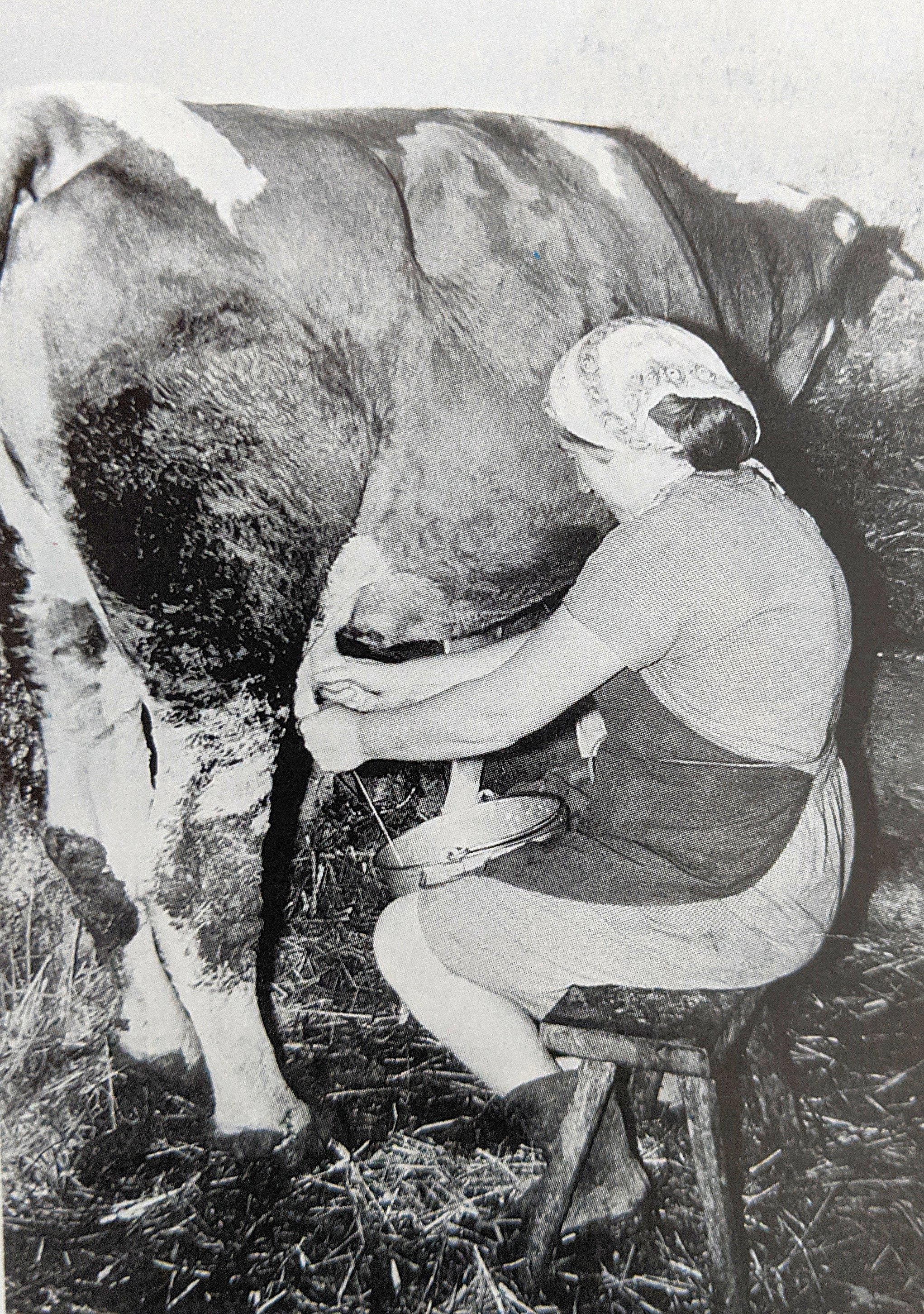
It makes sense to think that the domestication of aurochs – and of the other two main dairy animals, sheep and goats – pretty quickly led our ancestors to exploit their milk as well as their meat. And in fact, our earliest archaeological evidence of dairying is lipid residue in prehistoric pottery found in Southwest Asia, dated to the seventh millennium BCE. This all suggests that once again the Middle East – broadly defined – was the point of origin of all the cow milk-related products – cheese, whey, butter – in that slice of pasteurized process American cheese. To celebrate all these milk products, I throw in various photos. the first is of a farmer’s wife milking a cow. I remember this from my childhood. My French grandmother would send me to the nearby farm with a small jug, which the lady would fill, milking her cow in front of me in the barn.
The third photo celebrates Little Miss Muffet who was eating curds and whey, with curds being the first step in cheese production, before that pesky spider frightened her away.
McDonald’s tells us it uses iceberg lettuce, but for our purposes it doesn’t matter which variety of lettuce they use because all lettuces descend from the same domestication event. We have the ancient Egyptians to thank for first cultivating the lettuce, with the earliest evidence of its cultivation being from about 2700 BCE. Here is a photo of what the first domesticated lettuces looked like (those plants to the left).
I should hastily explain that apart from eating lettuce, the ancient Egyptians believed the plant to be the sacred to Min, the god of reproduction; I don’t think I need to point him out in the photo. The Egyptians thought lettuce helped the god “perform the sexual act untiringly”, because it stood straight and tall and when cut it oozed a semen-like latex. (I wonder if some echo of these beliefs explains why my wife’s maternal grandfather liked to eat a head of lettuce every day?) In any event, as readers can see the ancient lettuce looked quite different from modern lettuces; we have to thank the patient work of countless generations of farmers for that.
We can now turn our attention to the minced onion.
There is no general agreement about where the onion was first domesticated. Many experts think the domestication event took place in Central Asia, but there are partisans for Iran and western Pakistan. As to when it was domesticated, traces of onions have been recovered from Bronze Age settlements in China dated to 5000 BCE, so domestication must have occurred quite a good deal earlier. I throw in a photo of a wild onion plant, although not the plant which was domesticated; it’s not clear to experts which onion plant was.
The wild plant is native to the Himalayan foothills, with a range that stretches from western India all the way to China, but it was the Indians who domesticated it, by at least 3000 BCE. As an example of the Himalayan foothills, I throw in here a picture of a rope bridge across the Alaknanda River near Srinagar in Kashmir, from the late 18th/early 19th Centuries.
This picture is actually a plate in a six-volume book entitled Oriental Scenery, but I have an aquarelle of exactly the same scene, which I picked up at the Dorotheum auction house for a pittance.
But back to the topic in hand. Of course, it’s not just cucumbers we need here, we also need vinegar to pickle them (pickling is also possible with salt and other things, but MacDonald’s lists vinegar as one of the ingredients for its pickle slices). The first documented evidence of the deliberate making of vinegar (rather than an alcoholic beverage spoiling and turning into vinegar) was in Mesopotamia, in about 3000 BCE. Not surprisingly, the earliest evidence of pickling in vinegar has also been found in Mesopotamia, from around 2400 BCE, with archaeological evidence of cucumbers in particular being pickled there from 2030 BCE.
We now have to tackle the special Big Mac sauce, which I think readers will agree – or at least those who will admit to having eaten a Big Mac – is the clou of this fast food offering. Let’s be frank, without that yummy, finger-lickin’ly-delicious sauce the Big Mac would be rather bland.
Of course, MacDonald’s keeps the precise recipe a closely guarded secret, a commercial tactic which I’ve commented on before, and their bald list of ingredients doesn’t really tell you how exactly the sauce is put together. Luckily, however, litres of electronic ink have been spilled all over the internet detailing people’s attempts to recreate the sauce, and these give us the basic “design” of the sauce. It is just a mix of mayonnaise and “sweet relish”.
The mayo part gives us a number of new ingredients to consider: egg yolks, oil, and mustard (as part of a “spice mix”). Vinegar is of course also required to make mayonnaise, but we have already covered that. As for the sweet relish part, that’s just our friend pickled cucumber with sugar added. So all we need to consider is the sugar which is added as sweetener. (In all this, I am ignoring the evil food additives which MacDonald’s throws into the mix, to emulsify and thicken and make even sweeter and preserve and firm up and, and, and …).
Egg yolks is really the story of the domestication of the chicken; this is one case where the chicken comes before the egg. The chicken was domesticated from the red junglefowl in about 6,000 BCE in Southeast Asia. There are still wild red junglefowl padding through the jungle undergrowth. They are magnificent creatures – at least, the males are.
My wife and I were lucky enough to see junglefowls, or chickens that were still quite junglefowlish, in Indonesia. Really lovely creatures.
Interestingly enough, the red junglefowl may have originally been domesticated not for food but for cockfighting. Here is a Roman mosaic of a cock fight, when the practice was already centuries old.
It was only later that chickens became a major source of eggs and later still a major source of meat – the earliest archaeological evidence of large-scale eating of chickens is only from about 400 BCE.
As for the oil which goes into the mayonnaise, recipes in different parts of MacDonald’s website list soybean oil in one place and rapeseed oil in another. I presume this simply means that the choice of oil depends on availability. Let’s start with soybean oil. Given the popularity of soy products in East Asia, I’m sure it will come as no surprise to readers to learn that it was in that part of the world that soybean plants were first domesticated. In fact, it seems to have been domesticated several times. The oldest domestication event was in China, some time between 7000 and 6000 BCE, with another domestication event in Japan some 2000 years later and yet another in Korea some 6000 years later. Here we have modern Chinese farmers bringing in the soybean harvest.
For rapeseed, on the other hand, the honour for first domestication seems to go to India, which is where the earliest evidence of domesticated rapeseed, dated at 2000 BCE, has been found. That being said, it should be pointed out that it was only very, very recently – in the 1970s, in Manitoba, Canada – that a cultivar of rapeseed was created that produced edible oil, which is really what interests us for the Big Mac special sauce. Before that, a chemical naturally present in rapeseed oil gave it a disagreeable taste, so it was only used for such things as oil for lamps. Which explains why it’s only in the last 50-some years that the European countryside has become covered with acre after monotonous acre of yellow-flowered rapeseed being grown to produce edible oil.
The mustard-spice mix is such a small part of the overall Big Mac that it doesn’t get a picture om MacDonald’s website. But mustard is an interesting plant, which I’ve written about in an earlier post. It’s a complicated plant. For starters, focusing for a minute on the seeds – which is what we are interested in from a condiments point of view – there are three types: black, brown and white seeds. Each come from different plants with their individual domestication histories.
Sources: various Amazon sites
The first two are the most common, and of these two MacDonald’s almost certainly uses brown seeds, for the simple reason that a cultivar of the plant has been developed where the seed pods don’t shatter when harvested, whereas such a cultivar doesn’t exist for black mustard (having seed pods which don’t shatter during harvesting is incredibly important; the last thing you need when you harvest a seed crop is to have the pods shatter and the precious seeds scatter all over the ground). So here is the plant Brassica juncea which was domesticated to give us brown seeds.
But it was also separately domesticated for its edible root, leaves, and stem, and it has been difficult for scientists to distinguish between these various domestication events. Nevertheless, the latest analyses suggest that the plant was first domesticated for its seeds in what is now Afghanistan, in about 2000 BCE.
All that being said, the critical point about mustard – what makes mustard powder become the fiery condiment we know today – is its mixing with liquids, often nowadays vinegar. Although the vinegar in the mayonnaise is playing another role, I have to assume that when the powdered mustard seeds are added to the mix, their fire is unleashed (my earlier post explains the biochemistry). The Ancient Romans were the first to come up with this innovation – “mustard” comes, via the French, from the Latin “mustum ardens”, fiery must. It seems that the Romans liked to use must as the liquid to set mustard seeds off.
Which brings us to the sugar in the sweet relish part of the Big Mac sauce. Here, too, there is a complication, because MacDonald’s could easily be sourcing their sugar from two quite different sources: sugar extracted from sugar cane or from sugar beet. Let’s start with sugar cane, the oldest of the two sources. Modern sugar cane is the result of an initial domestication event and then a key hybridisation event. The initial domestication event took place in New Guinea, in about 4000 BCE, when the Papuans domesticated the wild grass Saccharum robustum to create S. officinarum. This domesticate travelled west to Island Southeast Asia (mostly what we call today Indonesia), where, at some point, it hybridised with S. spontaneum, another species of the family. Without this hybridisation, sugar cane would not have become the global crop it is today because S. spontaneum gave the resultant cross high tolerance to environmental stress. We have here a rather pretty botanical painting of S. officinarum, much nicer than photos of fields of sugar cane, which are really monotonous.
One further important technical innovation took place in about 350 CE, in India. Until then, people had drunk the juice squeezed from the cane. It was the Indians who first figured out how to turn the juice into the granulated sugar we know and use today. A useless factoid: the word “sugar” derives from the Sanskrit word sharkara, which means “gravel” or “sand”.
How about sugar from beetroot? This has a much, much shorter history than any of the other ingredients considered up to now, with the exception of the edible form of rapeseed oil. It wasn’t until the 18th Century, in Prussia, that a cultivar of the beetroot was developed which contained high enough levels of sugar to make it competitive with sugar cane. This is a rare case where we know the names of the people who were responsible. It was the Prussian scientists Franz Karl Achard and Moritz Baron von Koppy and his son, although the initial impulse – and funds – for their efforts came from Frederick the Great, who wanted to develop a local source of sugar. That being said, the French really pushed the development of sugar beet. It started with Napoleon, who was looking for another source of sugar to take the place of the Caribbean cane sugar whose import into France was being blockaded by the filthy English. Here is a French sugar beet factory from 1843.
This is what sort of holds all the other ingredients together (I say sort of, because my experience with Big Macs is that, well lubricated by the Big Mac sauce, the other ingredients tend to slide out from between the bread slices onto the table or, worse, onto my trousers). Going back once again to the list of ingredients on MacDonald’s website, I can see that there are only two primary ingredients in the bun that I need to discuss, the wheat flour and the sesame seeds sprinkled over the top bun. I’ve already covered the other major ingredients, sugar and oil (soybean or rapeseed). (And of course I am once again ignoring all the filthy food additives which are also part of the recipe. I’ve also decided not to go on a rant about the fact that MacDonald’s uses wheat flour fortified with iron and various B vitamins. I will limit myself to say that if they used whole grain flour, all these micro-nutrients would still be in the flour and there would be no need for the flour producers to add them back in).
Although there are a number of different wheats, it’s almost certain that MacDonald’s uses common wheat, Triticum aestivum, to make their buns; this variety makes up about 95% of wheat produced worldwide; the remaining 5% is durum wheat. The origin story of common wheat is similar to that of cane sugar: an initial domestication, in this case of emmer wheat, followed by a hybridisation with wild goat-grass. Emmer wheat was first domesticated in about 10,000 BCE, in what is now southern Turkey, while archaeological evidence from the same general area suggests that its hybridisation with wild goat-grass had already occurred by about 6500 BCE. Here is a photo of wild emmer wheat in its natural environment.
Which brings us to our final ingredient, the sesame seeds sprinkled on top of the bun. The plant on which the seeds grow, Sesamum indicum, originated – as its scientific name indicates – in India. Archaeological evidence suggests that the Indians had domesticated the plant by at least 3500 BCE. This photo shows another side of the plant, its rather lovely flower.
So, like I said at the beginning, not one of the ingredients in that uber-American fast food product the Big Mac originated in North America. Which in a way is strange; I read somewhere that approximately 60% of the food consumed worldwide originated from the Americas. I’m guessing that the massive consumption of maize around the world is primarily responsible for that, with potatoes, sweet potatoes, and tomatoes adding to it. But actually, given the history of North America’s colonisation, it is not so strange.
When we step back and look at where all the Big Mac’s ingredients originated, we can see that the great majority of them came from somewhere between the Middle East and Southwest Asia. Over the millennia, the domesticates moved west into Europe (as well into East Asia and Africa, but it’s the movement into Europe which interests us). My sense – perhaps completely unfounded – is that much of this movement came about peacefully, in many possible ways. A farmer got hold of seeds from their neighbour and tried them out, and then other farmers got seeds from that farmer, and so on, spreading seeds in a sort of ripple effect. Or maybe seeds moved with marriages, with women (probably) bringing seeds from their village. Or maybe people picked up new seeds as they travelled to foreign places for trade or other reasons. Maybe new foodstuffs were actually part of trades: “I give you this fine bronze dagger for seeds of that new foodstuff you have there”. Or maybe foodstuffs were gifts between rulers.
No doubt some movement of foodstuffs also came about through aggression. For instance, there could have been forced displacement of one group of people by another carrying their own seeds. This could have been the case when farming people, bringing their foodstuffs, cereals especially, migrated into Europe from Anatolia and replaced the original hunter-gathering people there – although I’ve also read that the hunter-gatherers simply got absorbed into the new farming societies; I’ve also recently read that perhaps there were few if any hunter-gatherers left to replace because they had been wiped out by bubonic plague – a bit like what happened in the Americas. Or maybe new foodstuffs were part of the booty of conquest. If you conquered a new land, you checked out its foodstuffs and brought back what you thought could be used by your people. I can imagine that the Ancient Egyptians’ wars against the Assyrians could have been one way new foodstuffs entered Egypt. And it is often suggested that Alexander the Great’s armies came back from the East with new foodstuffs in their baggage (I mentioned something similar in my recent post on Tabasco peppers, suggesting that American soldiers fighting in Mexico in the Mexican-American War of 1846-48 could have brought seeds of the Tabasco pepper back to the US).
However it happened, by the time European colonists arrived in North America, all the foodstuffs in the Big Mac were part of their agricultural baggage. Quite naturally, they brought their foodstuffs with them as well as their culinary habits. Initially, when the colonists were few and the balance of forces more even between them and the Native Americans, they were happy to try Native American food – isn’t that what Thanksgiving celebrates? But as more and more colonists arrived, they pushed aside the Native Americans and created a “little Europe”, mostly eating the foods of their homelands. It was in this context that the Big Mac was born. Basically, it was a European dish created in the USA by Americans of European heritage.
It’s a pity, I think, that not more of the foodstuffs Native Americans were eating have stayed in the American diet. Apart from anything else, it could help make American food systems more resilient in the face of climate change, since the native foodstuffs belong to the American ecosystem while the imported foodstuffs do not. But it would require a lot of work. Many of the foods that Native Americans were eating were wild – there was little farming in North America when the Europeans started arriving, the Native Americans were primarily hunter-gatherers – so the whole process of domesticating them would have to be undertaken. With modern, scientific methods, maybe that could be done faster than in the past. But it would still require time, effort – and money. Who would spend the money? But still, if you take a spin through the internet, you find a lot of people trying to recover Native American foods and dishes. How about merging the old with the new? Could we redesign the Big Mac to make it only with North American ingredients, I wonder?
My wife and I recently completed our annual hike in the Dolomites. It was, as usual, a wonderful trip. I throw in a couple of photos to give readers a taste of what we saw.
My photoMy photoMy photoMy photo
But, wonderful though it was, the hike is not the subject of this post. The subject is a flower.
It was on our last day and we were heading down back into the valley. We had passed the tree line and were walking through woods when we came across this stand of lupins, the flowers glistening blue, pink, and white in the sun.
my photo
I have to tell readers that lupins are one of my favourite flowers, especially when they grow wild like this on the side of the road. Upon seeing them, I was immediately reminded of a similar stand of lupins we drove past one summer holiday when my wife and I (the children had already flown the coop) were driving around the north of Scotland. I don’t think I took a photo, and even if I did I have no idea where it is, so this photo from the internet will have to stand in for that Scottish vision of yesteryear.
It also reminded me of an incident from a long, long time ago when I was a boy – maybe 12 years old? – at boarding school. We were on our way back by bus from an away game of cricket when I spotted, close to the roadside and not far from the turn-off to the school, a lupin or two. I decided I would try to dig one of them up and put it in the little patch of land I had been assigned to grow things in (I remember carrots but also marigolds and sweet williams). But the lupins being off school property, I had to get permission from the headmaster. He looked at me doubtfully if not downright suspiciously, but he eventually gave me permission. Thinking about it, I don’t think I would have got permission today. It required me to cross and walk along a main road for 50-100 metres. I suppose school authorities were more lackadaisical then. They trusted us students more, parents were much less likely to sue, and there were considerably less cars on the roads sixty years ago. In any event, off I went, armed with a spade, up through the little wood where we did our scouting on Sundays, crossed the road and walked along it till I reached the patch of lupins, and got to work with my spade. It was a complete washout. I hadn’t reckoned with the stone-hard ground and the plant’s very long tap root. After sweating away ineffectually for 20 minutes, I gave up and went back to the school. I just hope I didn’t fatally wound the lupin which I had targeted. In memory of this incident, I throw in a photo of lupins on the verge of a road.
Of course, lupins have been used as ornamentals in formal gardens for a long, long time. Here is a modern example, lupins in the gardens of Chatsworth House in England.
Personally, I prefer them wild: “We were born / Born to be wild / We can climb so high / I never wanna die”, as Steppenwolf sang a year or so after my futile attempt to dig up that roadside lupin.
I may find lupins beautiful, but I’m not sure that this was an emotion which stirred early inhabitants of the Balkan peninsula who domesticated Lupinus graecus some time before 2000 BC, more or less at the time of the transition to the Bronze Age. Here is a photo of L. graecus in modern Greece.
I would imagine that these Balkan inhabitants, rather than saying “wow! that’s a lovely patch of flowers” would have said something like “hmm, can this plant feed me?”, “can it cure my ills?” or maybe even (given that I’m reading a book about fungi) “can it bend my mind and let me commune with the gods?” Food seems to have been the main reason lupins were domesticated: after the flowers come the beans – not as beautiful but certainly more useful, loaded as they are with plant-based protein.
Or at least potentially more useful, because the beans are actually difficult and possibly even dangerous to eat! Unlike other beans in the legume family, they contain alkaloids which make them bitter to the taste and even toxic. Somehow, though, our early ancestors figured out that if they soaked the beans and washed them well they became edible.
And so started a habit which continues to this day throughout the Mediterranean region, the eating of brined or pickled lupin beans.
Source
I discovered through a colleague of mine who works in Egypt that eating lupin beans is very popular there, especially during the very ancient Sham el-Nessim festival, which marks the beginning of spring. Here, we have Egyptians going out for the traditional picnic, in which lupin beans play a role along with many other foodstuffs.
But my colleague, who is from the south of Italy, told me that they also eat lupin beans in her part of the world, commonly as a snack to be served with a beer, rather than peanuts as might be the case elsewhere. And Peroni beer is the go-to beer.
And you will find lupin bean eaters from Spain to Portugal, from Morocco to Algeria, from Lebanon to Israel and Palestine. And of course in Greece, the original European source of this foodstuff.
I say “European” because it wasn’t only in Europe that people figured out a way of eating lupin beans. The European lupins have a lot of distant cousins in the Americas. They got separated from each other when plate tectonics broke up the ancient continent of Laurasia and the pieces that later became North America and Europe drifted away from each other. Later still, the North American lupins migrated into South America. Which allowed the inhabitants of the high Andes in what is today Peru to domesticate their local lupin some time in 600-700 BC.
Like the Europeans, they learned to eat the beans by washing them thoroughly. The habit of eating lupin beans spread to other parts of the Americas. For instance, there were tribes in Arizona which grew and ate the beans. Eating lupin beans in the Americas nearly died out – it seems the European colonisers and their descendants weren’t particularly interested in this particular crop – but there is now a bit of a comeback. We have here a photo from a project by the Inter-American Development Bank promoting the lupin.
I could witter on at length about the other ways we have made lupins useful to us: as a green manure (like all legumes, lupins have the ability to fix nitrogen from the air), as a source of feed for farm animals (but only after scientists were able to crack the problem of producing a form of lupin with alkaloid-free beans in the 1920s and ’30s). I could also trill on about how they might be even more useful to us in the future: as an alternative to soybean as a feed (this hopefully helping to reduce deforestation rates in the Amazon, where much of the world’s soybean is now grown), as a raw material for making vegan alternatives to meat, egg, and dairy products (lupin beans contain high levels of plant-based protein). But I won’t, because in the end what I love about lupins is their beauty and not their utility (I can now confess to never having eaten a single lupin bean in my life). So I invite any readers who are interested in knowing more about the utilitarian aspects of the lupin to read this post, and I finish with another photo of beautiful lupins, this time from Prince Edward Island in Canada.
I don’t understand it, my wife and I have not yet received our invitation to attend King Charles III’s coronation in Westminster Abbey! It’s taking place very soon, on 6 May!
Source
This is a huge problem, because I won’t get a chance to surreptitiously inspect the Cosmatesque pavement laid in front of the Abbey’s High Altar while the assembled Archbishops drone their way through the coronation liturgy.
The fact is, the pavement is covered up almost all the time, to protect it. It’s only during a coronation or other exceptional events that it is uncovered. In fact, the last time it was uncovered was when William and Kate were married in the Abbey back in 2011 (another event to which my wife and I were not invited; have they mislaid our address, I wonder?)
Why my anxiety to inspect the pavement? Well, the Abbey’s Cosmatesque pavement is quite remarkable, simply because it really shouldn’t be there. One finds this style of pavement primarily in and around Rome, where it was developed from the end of the 11th Century to the 13th Century by a number of families of artisans, the most well-known of which were the Cosmati, who have given their name to the style. As a rule, Cosmatesque pavements have white or light-coloured marbles for background, into which have been inlaid triangles, squares, parallelograms, and circles of darker stones. These are surrounded by ribbons of mosaic composed of coloured and gold-glass tesseræ. The result are lovely geometrical designs of swirling colours over the floor. Here are some of the best examples that have come down to us.
The artisans laying down these pavements recycled much of the stones they used from the copious ancient Roman ruins that still littered Rome and its environs; the circles in particular were sliced off columns that couldn’t be used as columns any more. The artisans would dig through old ruins, looking for marble to salvage (with one of their side businesses being selling off the statues which they came across during their digs). This painting by Canaletto is from many centuries later, and it just shows people visiting the ruins in Rome rather than digging into them, but it gives a nice impression of what it must have been like to live with all those ruins around one.
The sources I’ve read talk airily about examples of Cosmatesque work also existing north of the Alps, although the only example they ever cite is Westminster Abbey. I haven’t been able to find a single other example of Cosmatesque pavement outside of the Roman heartlands, not even in the north of Italy (if any readers know of examples outside Italy, please let me know). So the presence of a Cosmatesque pavement in Westminster Abbey is indeed pretty remarkable. How come there is this one isolated example north of the Alps?
The answer to that question lies in the history of Westminster Abbey. The Abbey has always had a special relationship with the English (and later, British) crown, ever since King Edward the Confessor in the 1040s established his royal palace by the banks of the river Thames west of the city of London and decided to re-endow and greatly enlarge a small Benedictine monastery already located there. This included building the first cathedral, the “west minster” (as opposed to the “east minster”, St. Paul’s cathedral, in the city of London). Here, we have a scene from the Bayeux tapestry, showing the funeral procession of Edward the Confessor, bringing him to his cathedral where he was buried.
Thereafter, the English kings patronised the abbey and its cathedral, with all the coronations of English (and then British) monarchs from 1066 onwards (bar two) taking place in the cathedral.
Presumably as a reflection of its special royal status, in the period we’re interested in, namely the second half of the 13th Century, the Abbot reported directly to the papacy and not to any local bishop as would normally have been the case. This meant that it was the Pope who approved the choice of abbot made by Westminster’s monks. Which explains why, in 1258, a certain Richard de Ware, whom the monks of Westminster had chosen as their new abbot, travelled down to Rome to obtain the necessary papal approval. It just so happened that the pope and his court were residing in the town of Agnani, some 60 km south-east of Rome, when Richard arrived (for a while, it was a popular place for Popes to spend their summers). So Richard made his way there. He of course visited the cathedral in Agnani, where he was captivated by its Cosmatesque pavement. I deliberately left this pavement out from the examples I gave above so that I could show it here in all its splendour and imagine Richard de Ware’s feelings when he set eyes on it. The first photo shows the pavement in the main church, the second the pavement in the crypt.
It seems that Richard lusted after this pavement: “I must have it in my abbey church!”, I can hear him cry (in Latin) to the assistants who travelled with him (ever since the beginning of time, Important People have had what the Italians call portaborse, or bag carriers, to accompany them wherever they go).
Richard was probably encouraged to have these lustful thoughts because Westminster Abbey was in the middle of a total makeover. In 1245, England’s king, Henry III, had launched a rebuilding programme of the cathedral, adopting the-then ultramodern Gothic style. I presume that when Richard got back from Agnani, he persuaded Henry that a Cosmatesque pavement in front of the high altar was de rigeur if the cathedral was to be fully at the architectural cutting edge. But it took another ten years for the pavement to be laid. Work on the cathedral’s makeover proceeded fitfully; Henry was always chronically short of funds, and he was constantly at war with his Barons (at one point, he was even their prisoner). But finally, in 1268, after Richard got a team of artisans headed by a certain Odoricus to come from Rome to do the work, the pavement in front of the high altar was finished.
If I’ve repeated the photo of Westminster Abbey’s pavement, it’s to allow readers to compare it better to the pavement in the cathedral of Agnani and the other Roman and Lazian examples which I gave earlier. One fundamental difference jumps out: in Westminster, the background stone – the stone in which the rest of the stones are inlaid – is dark while in the Roman and Lazian examples it is white. I have to say, personally I feel that the Abbey’s pavement suffers from this change in background colour. A white background allows the geometric patterns and swirls to stand out much more effectively. The only reason I’ve found in my readings for this change of colour is that the white Carrara marble used in Italy suffers in damp climates – and heaven knows the UK is damp! But maybe English tastes were anyway for dark stone. Certainly the stone used – Purbeck marble, which comes from a quarry near Bournemouth in Dorset – was popular in English church architecture; it’s to be found in virtually all of the cathedrals in the south of England. Here, we have quarriers of Purbeck marble from 150 or so years ago.
Considering now the design of the pavement, I can assure readers that there is a meaning to the way it was laid out. Cutting through all the symbolic froth, it evokes a sacred centre of the world, what the Ancient Greeks called the omphalion, the navel of the world, which in turn is at the centre of the universe. And it is on that omphalion in the centre of Westminster Abbey’s pavement that the clergy will place coronation chair on which Charles will sit to be crowned, as they have for all the English and British monarchs (bar two, as I said earlier) who have come before him. I show here a photo of the previous coronation, of Queen Elizabeth II – as readers will note, the pavement was covered up that time.
There’s more heavy symbolism to the pavement’s design, alluded to by the Latin inscription which ran around it but of which very little is left today. Luckily, several hundred years ago, someone transcribed it while it was still legible. It said (translated from the original Latin):
In the year of Christ one thousand two hundred and twelve plus sixty minus four, the third King Henry, the city [of London, presumably], Odoricus [the head of the crew which laid the pavement] and the abbot [Richard de Ware] put these porphyry stones together. If the reader wisely considers all that is laid down, he will find here the end of the primum mobile; a hedge [lives for] three years, add dogs and horses and men, stags and ravens, eagles, enormous whales, the world: each one following triples the years of the one before.
According to scholars who have spent many hours parsing this gobbledygook, it shows that the pavement was meant to symbolise not only the world and the universe, but also to predict the number of years to its end. Very reminiscent of Dan Brown’s “Da Vinci Code”!
The stones set into the dark Purbeck marble tell us another story, a story of trade, one of the many which I have recounted in these posts. Looking at the Westminster pavement, we can trace a story of a trade in stones across the Roman Empire, the breakdown of that trade as the Roman Empire collapsed, and – as Europe developed economically – its replacement by a European trade in stones. To appreciate these trade flows, readers have to know that the pavement we see today in the Abbey is not exactly the original. Three limited restorations have been carried out over the ages – one in the mid-17th Century, one at the turn of the 18th Century, and a final one in the mid-19th Century – where some of the original stones, worn or lost, were replaced by other stones.
In the original parts of the pavement, purple and green porphyry are the most abundant inlaid stones. Purple porphyry was the “imperial” stone in the Roman and Byzantine Empires (purple being the imperial colour), and it could only be used in connection with the Emperors and their closest family.
That’s why, for instance, the sculpture of the four Tetrarchs (who between them reigned over the Roman Empire in the late 290s, early 300s AD), which today is set into the corner of St. Mark’s Basilica in Venice, is made with porphyry.
This stone is found in only one set of quarries, located in Egypt’s harsh Eastern Desert. The Romans, and the Byzantines after them, mined it there and transported it all over the Empire. This is a photo of the mountain that the Romans called Mons Porphyris, with remains of the Roman mining town in the foreground.
When the Byzantines lost control of Egypt to the Arabs in the 7th Century, they lost access to porphyry. Thereafter, they were forced to recycle the porphyry already scattered around the Empire.
The green porphyry, on the other hand, originally came from quarries in the Greek Peloponnese.
This stone too was traded all over the Empire, a trade that sputtered to a halt after the 5th Century AD as the Empire began to fall apart. The location of the quarries was forgotten and they were only recently rediscovered.
Surprisingly, given the highly symbolic nature of the pavement, porphyry was not used in the central roundel, where the monarchs are crowned. Instead, an alabaster stone was used.
The precise provenance of this alabaster (also used in several other places in the pavement) is not known, but in all probability it was mined somewhere in what is now Turkey but what was in Roman times called Asia Minor.
Odoricus and his crew used a few other stones in minor quantities: africano, a red and black marble breccia, which was also quarried in Asia Minor near what is today Izmir; breccia corallina, a breccia of white marble in a coral-pink matrix, also quarried in Asia Minor, but in what used to be the ancient kingdom of Bythinia; and gabbro, another stone that was quarried in Egypt’s Eastern Desert.
By the time the Westminster pavement was laid down, the trade in these stones had been dead for some 800 years. So contemporary trade was not their source. Just as the stones in the Cosmatesque pavements in Rome were extracted from the Roman ruins scattered around the city, they could have come as spolia from England’s sparse Roman ruins. But Richard de Ware left us a message which suggests that Rome was the source. His grave (which lies on the north side of the pavement) once carried an inscription, which read (in Latin): “Abbot Richard de Ware, who rests here, now bears those stones which he himself bore hither from the City”, in this case the Eternal City, Rome. I can’t believe that Richard’s entourage personally carried the stones back from Rome, like bags of swag slung over their shoulders. I take the inscription to mean that when he got Odoricus and his crew to come from Rome, they brought with them the necessary stones, excavated from the Roman ruins in and around the city.
Interestingly enough, one stone which is common in Rome’s Cosmatesque pavements, but which for some reason Odoricus brought very little of, is giallo antico, a yellow limestone. Here is a nice example of a Cosmatesque use of this stone, in a roundel in the church of San Benedetto in Piscinula.
The few pieces of this stone in the Westminster pavement have been supplemented by an English stone, Tadcaster limestone from North Yorkshire.
Fast-forward 3½-4 Centuries, to when repairs needed to be carried out to the pavement, and the picture had changed. Stones were being traded once again across Europe. And so, to fill in pieces of missing purple porphyry, ammonitico rosso from the Alps near Verona was used, as was rouge royale, a red limestone from the area around Dinant in Belgium. Any missing green porphyry was substituted either by verde genova, which comes from the mountains lying between Piedmont and Liguria, or verde di Prato, which is mined on the Tuscan side of the Appenines. Where dark-coloured stones needed replacing, a couple of black/grey-black limestones from Belgium were used.
So many interesting things to ponder on! Medieval symbolism, international trade through the ages, political ties between England and Rome in the Middle Ages, and who knows what else! But I can’t do any of this pondering if my wife and I don’t get invited to Charles’s coronation! What can I do to unhook an invite? What favours owed to me can I call in? Let me check my list of contacts for Important Persons whom I can importune to help me get invites. Two measly invites is all I’m looking for!
STOP THE PRESSES! I have just learned that for a limited period just after the coronation, tours are being offered of Westminster Abbey which will include visiting the pavement (shoeless, of course). Unfortunately, all the tickets are already sold out. Who can I buy tickets from, no doubt at highly inflated prices?

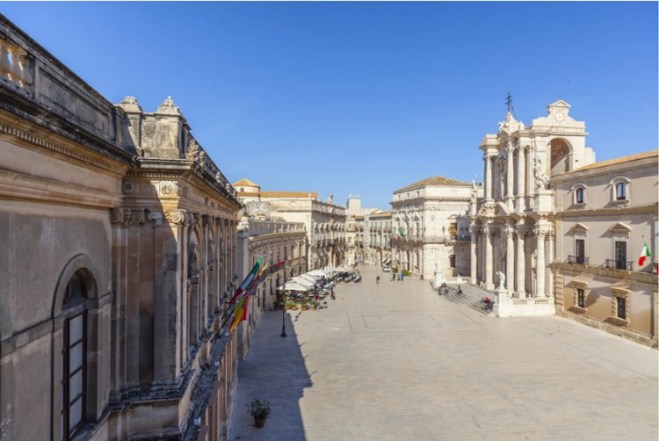

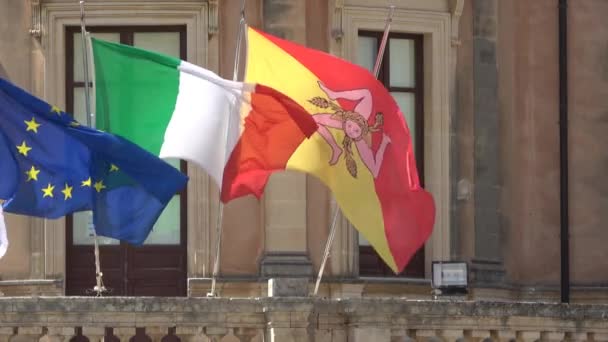
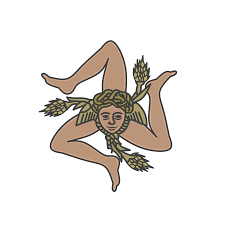
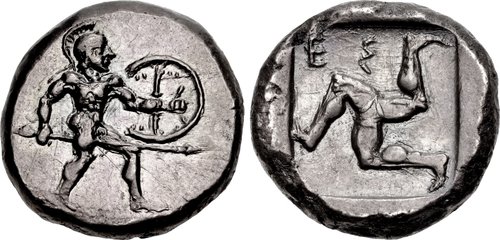
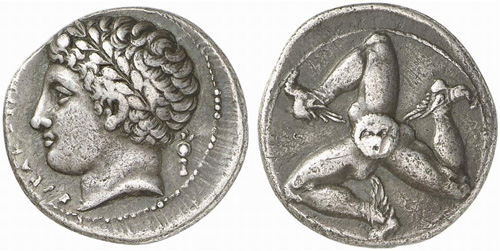


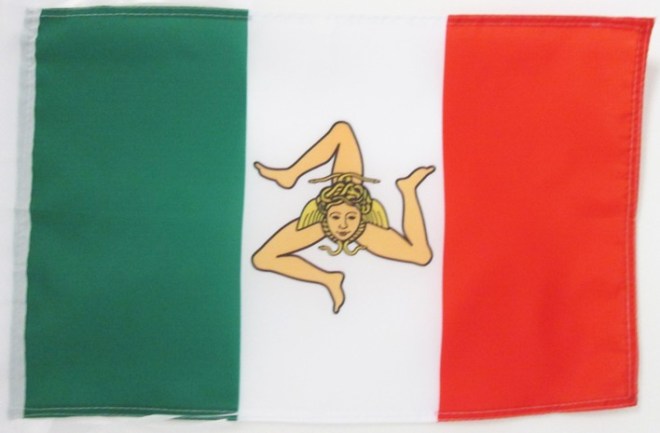

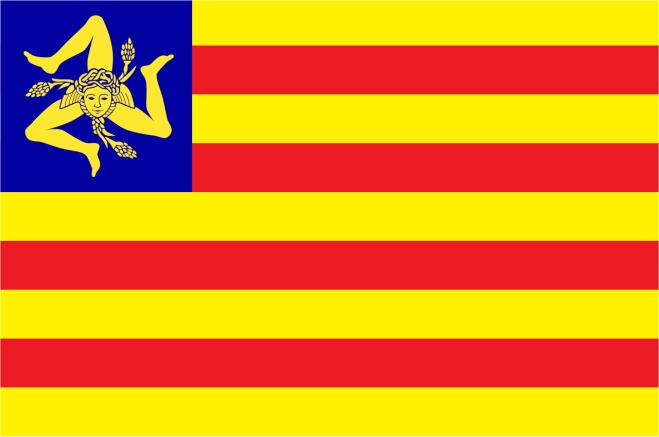


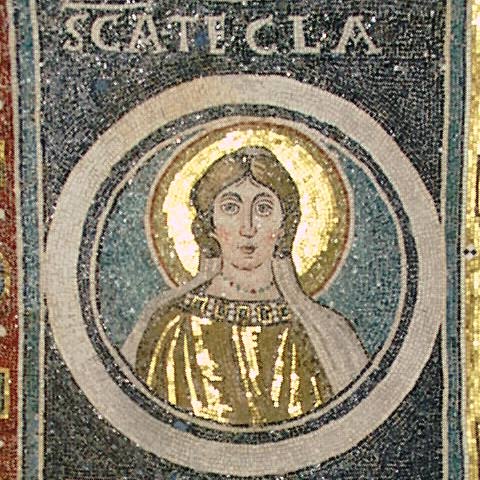

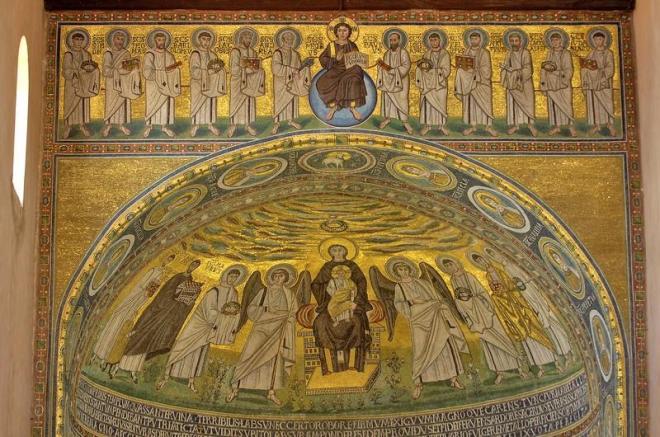

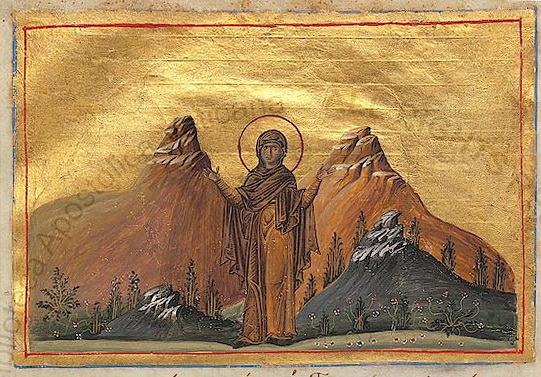

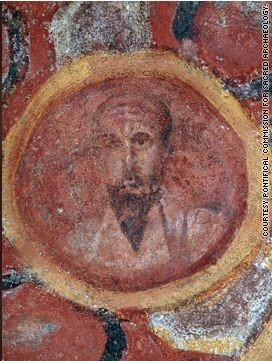


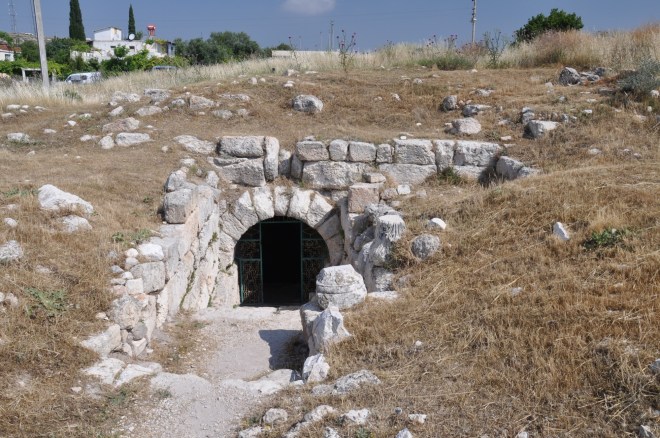
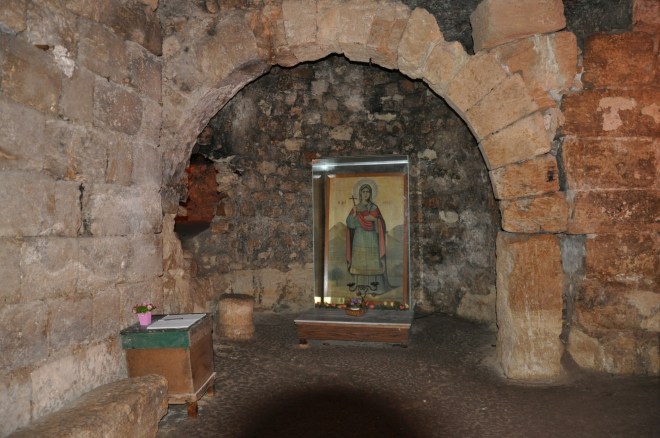
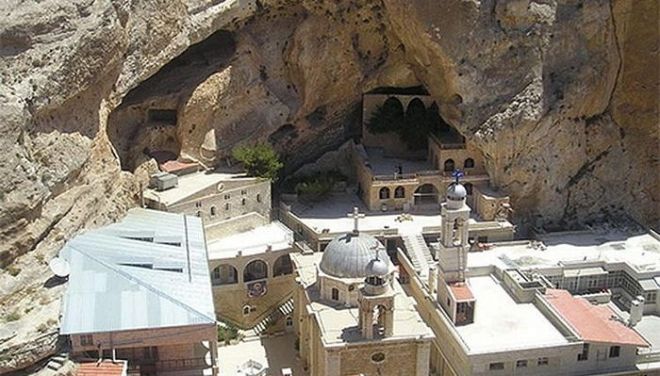


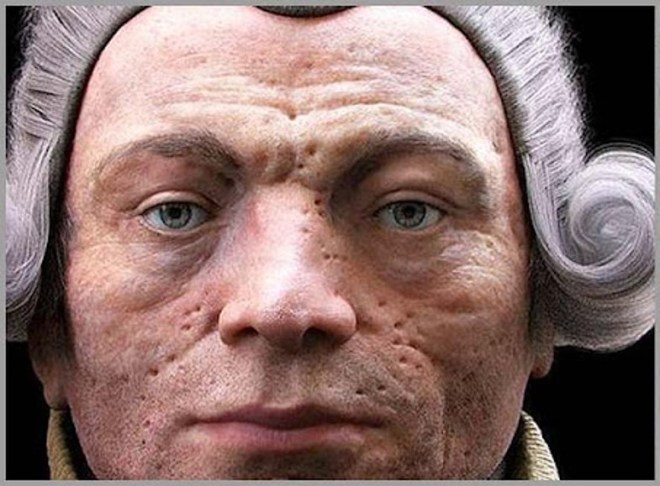
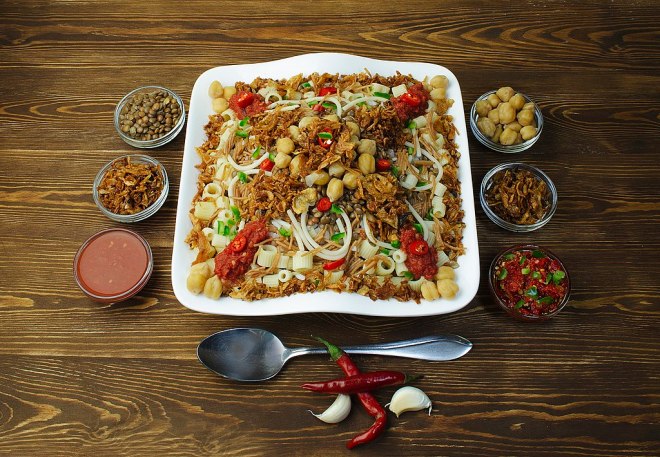


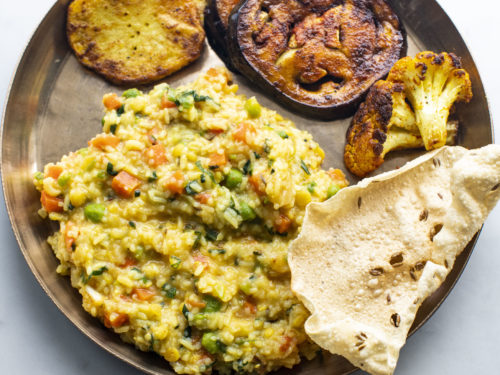
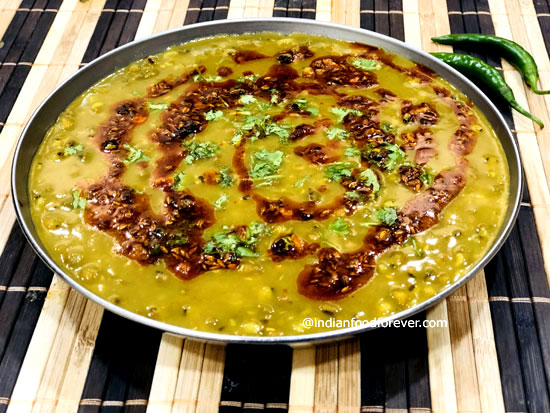
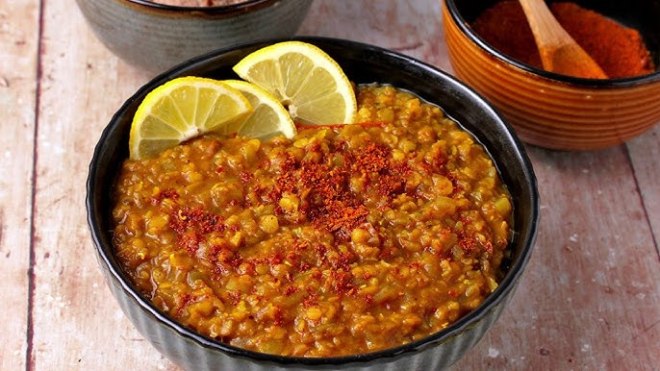


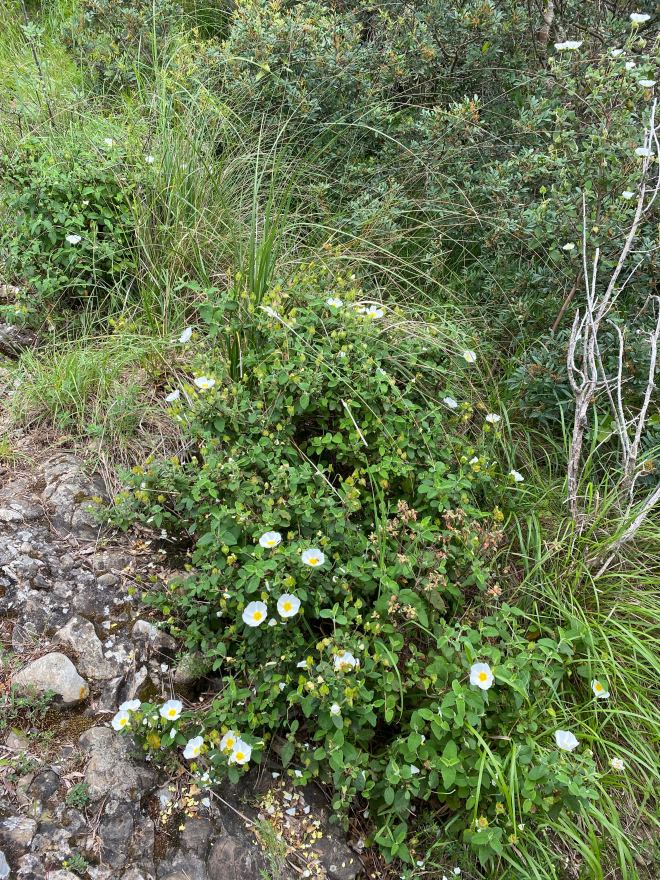


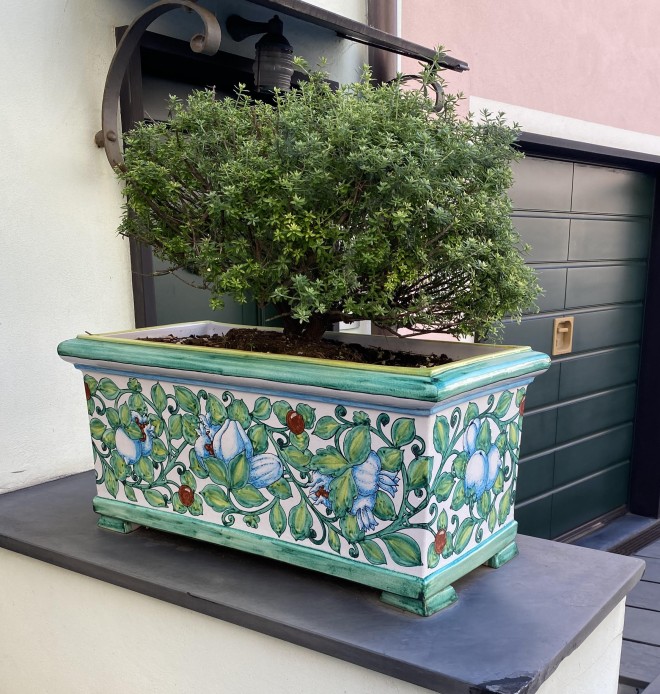

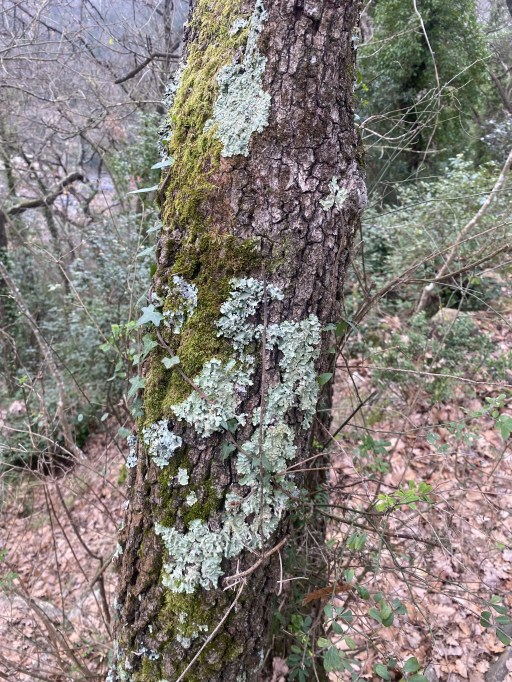


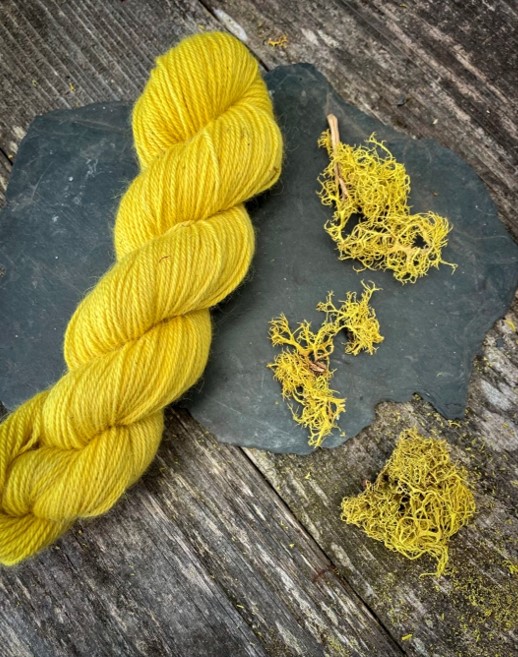
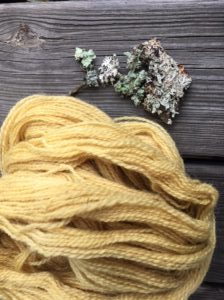


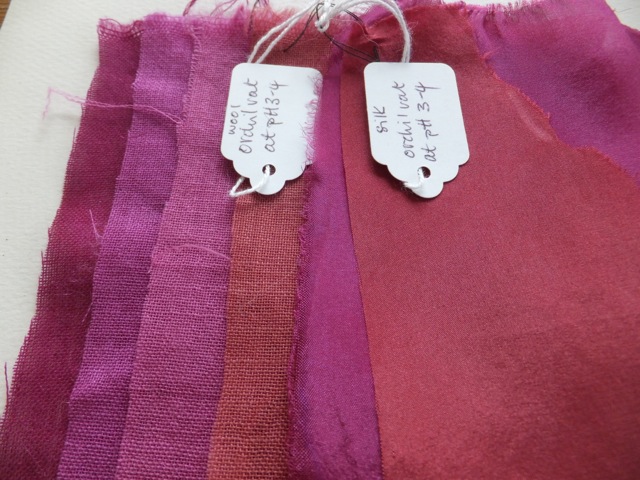


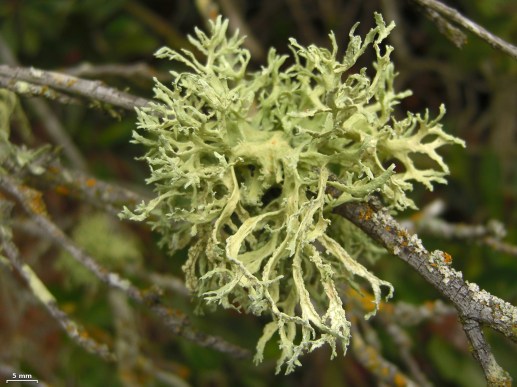

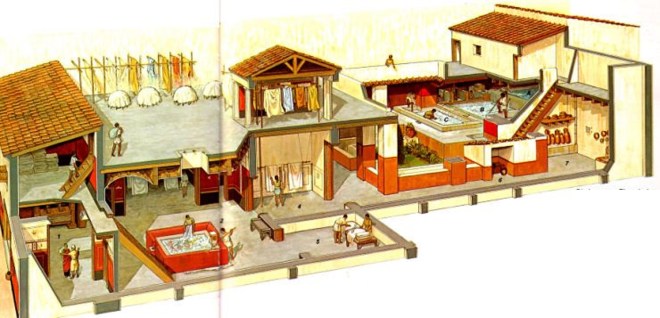


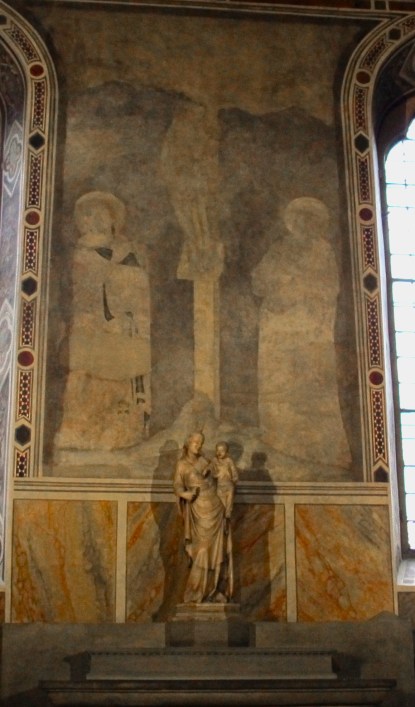
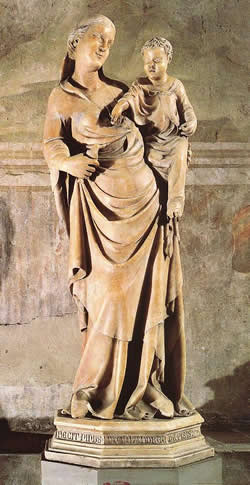







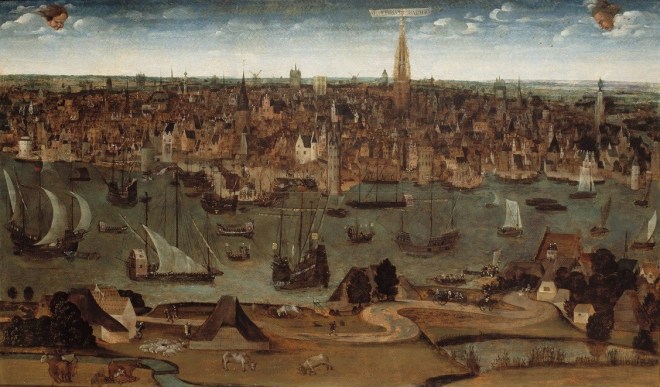


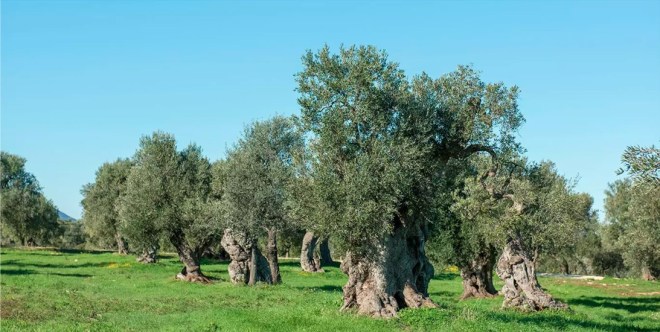


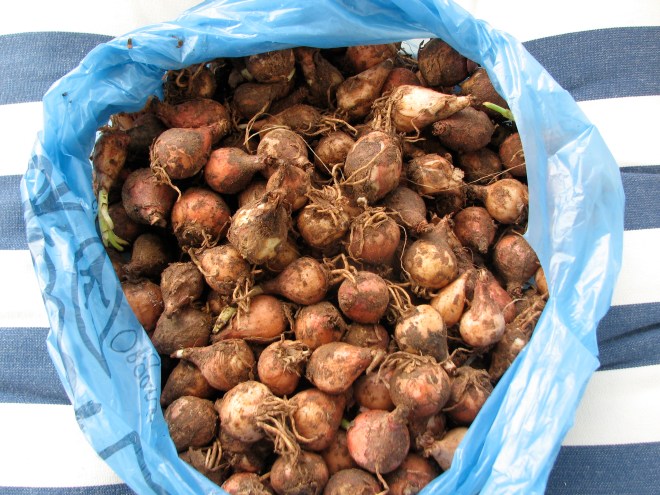
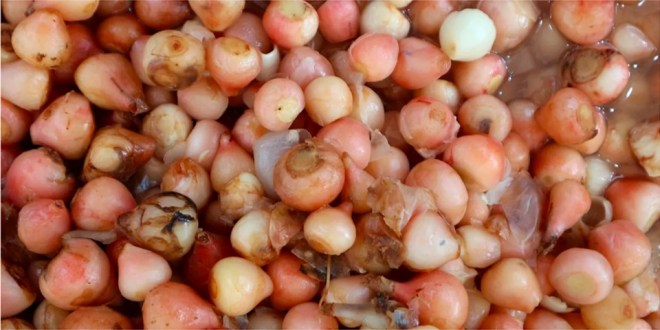
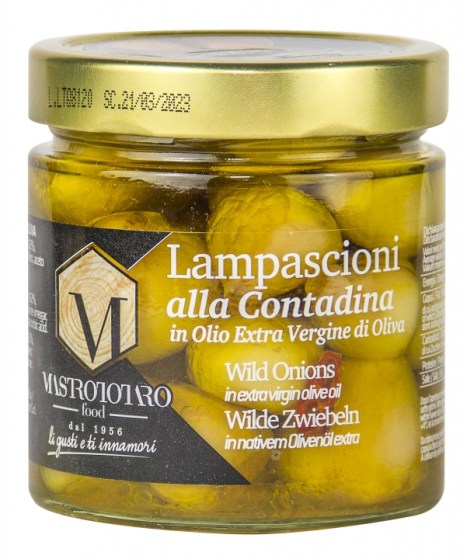

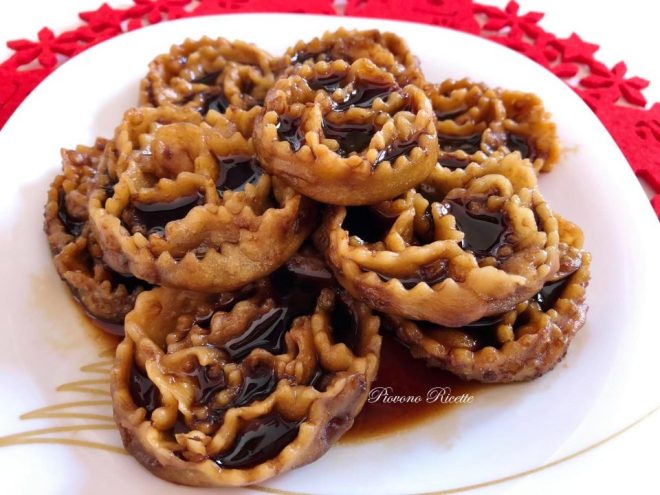


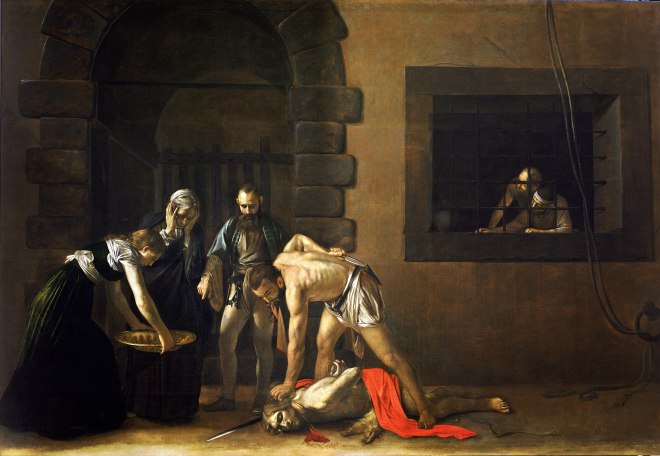


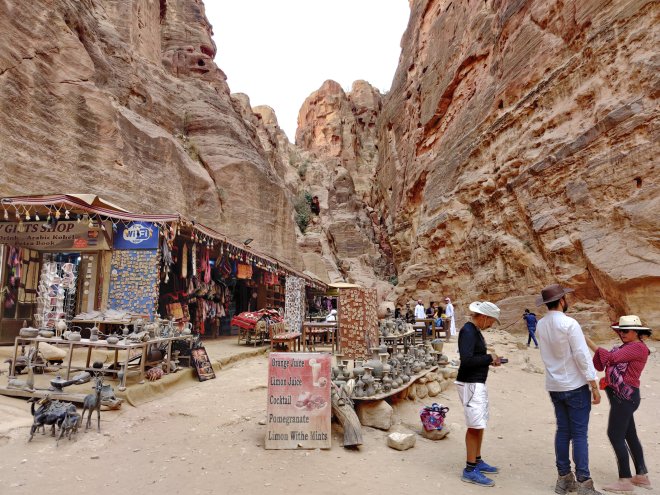

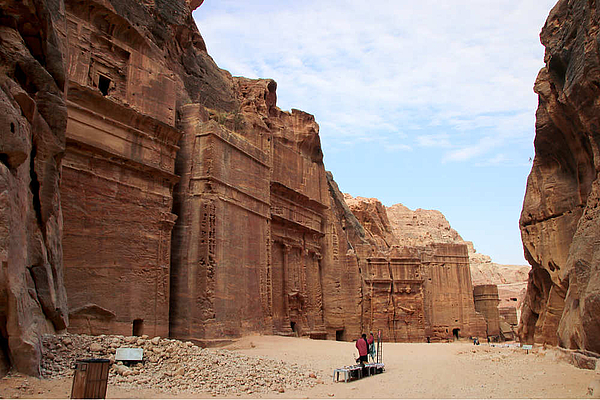


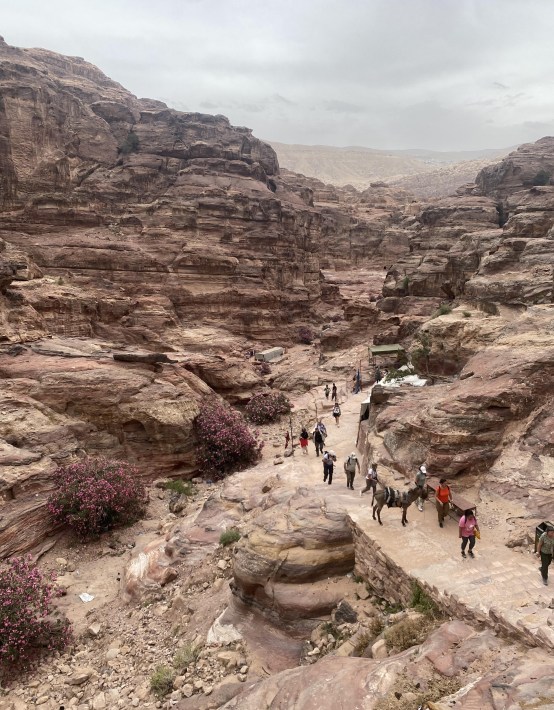


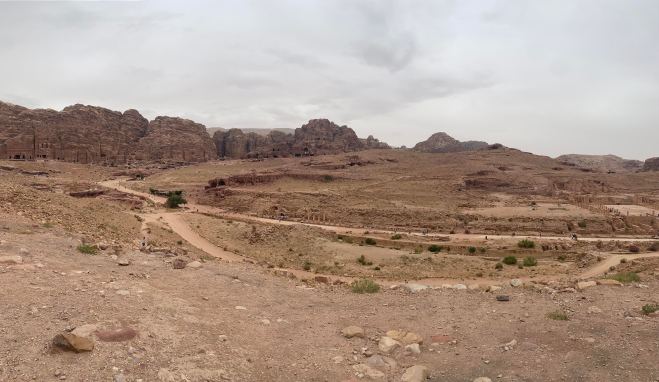
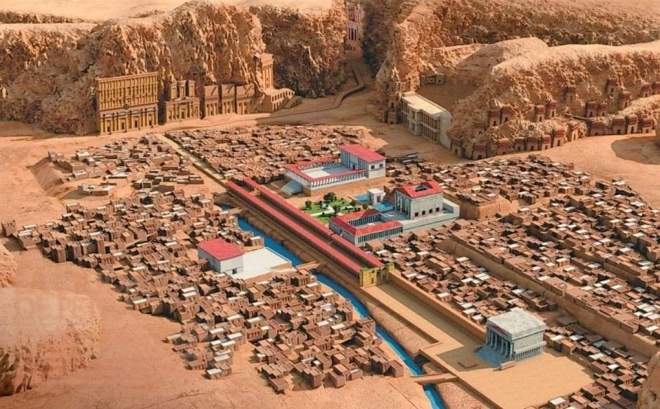


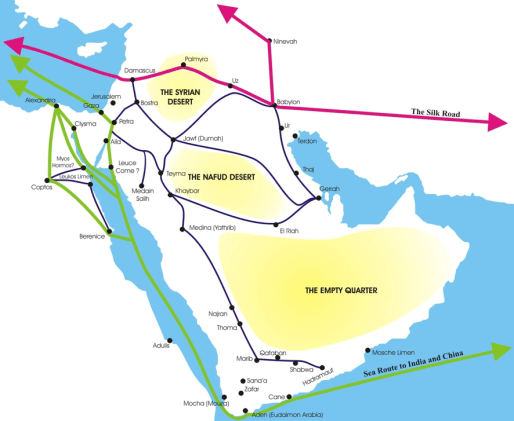







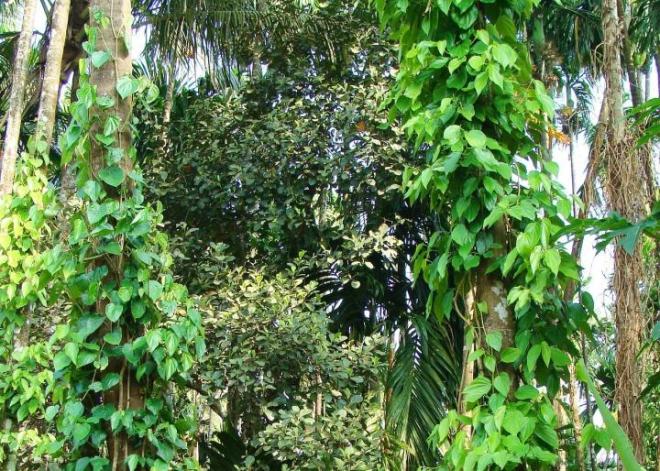


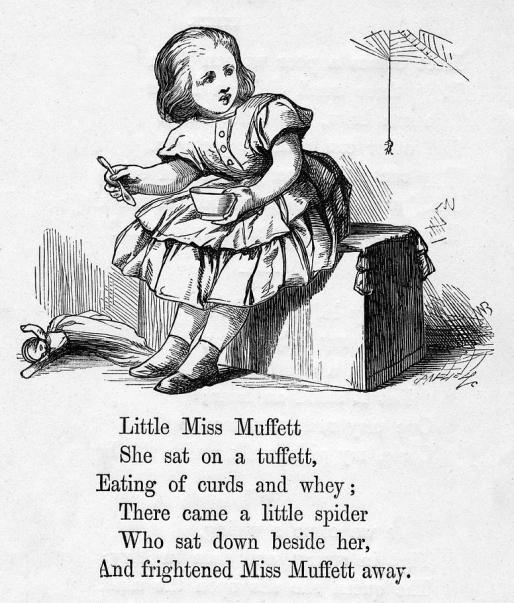

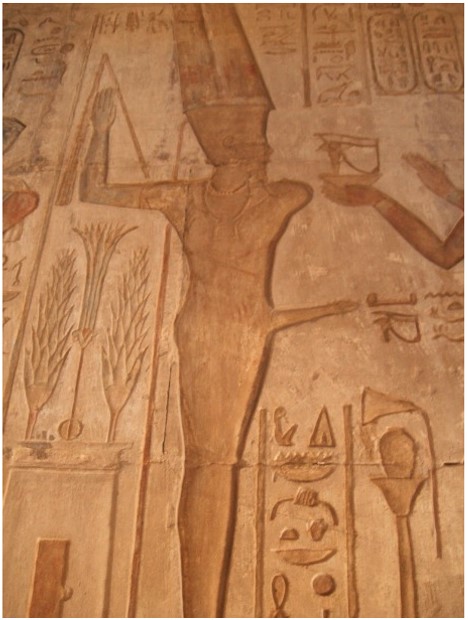
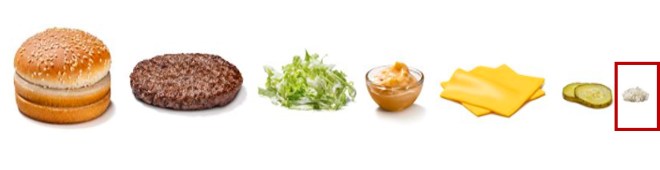
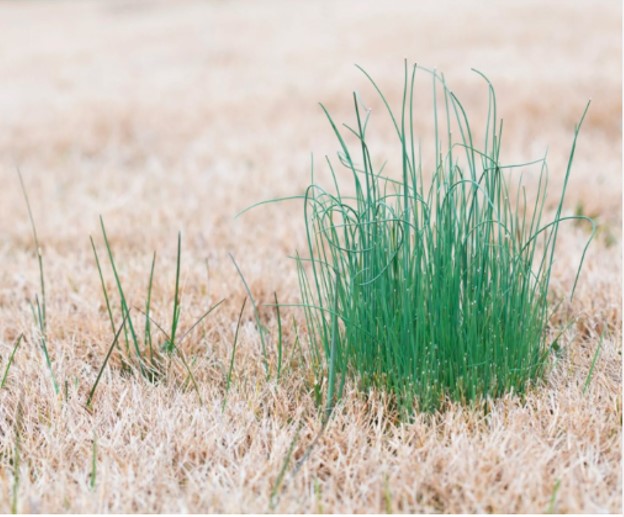


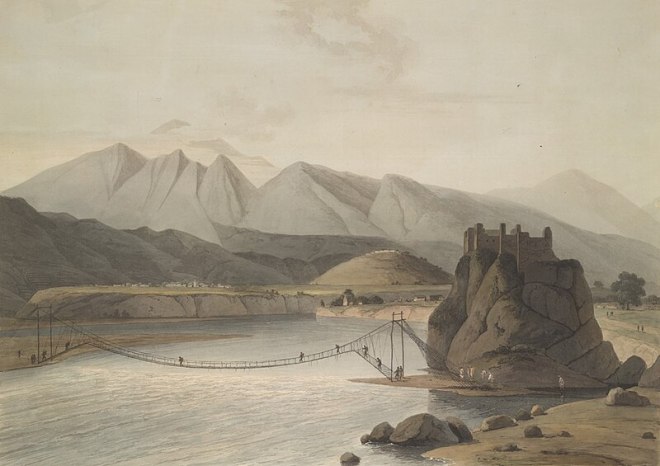


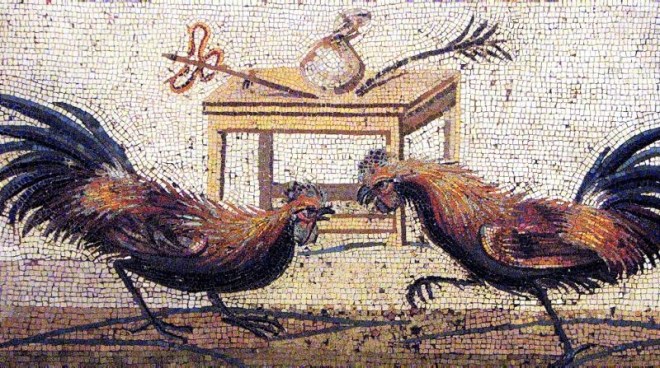



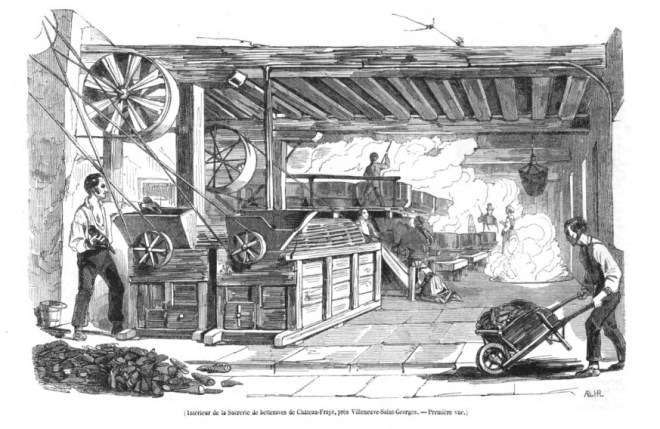

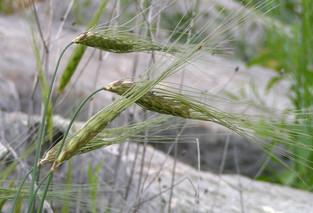








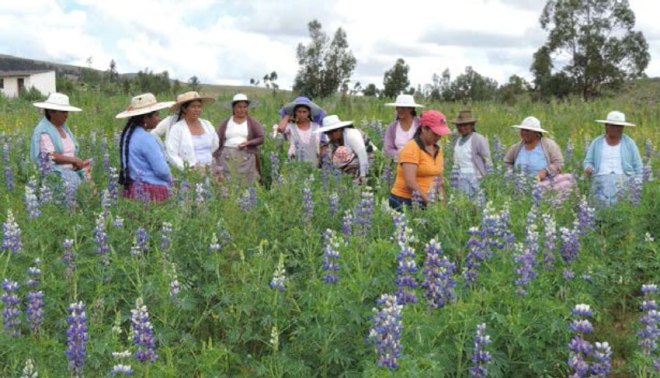


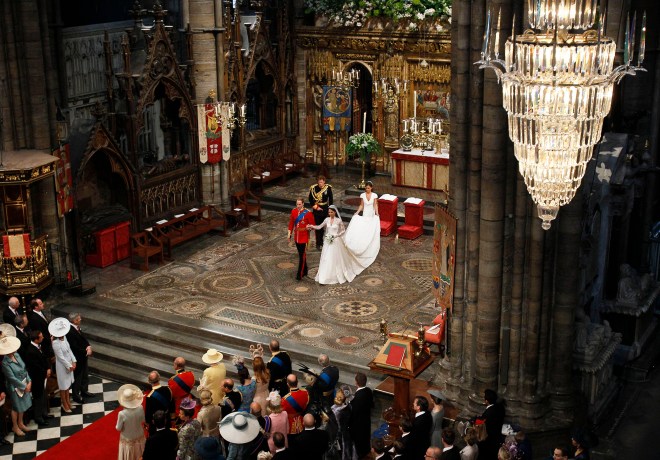

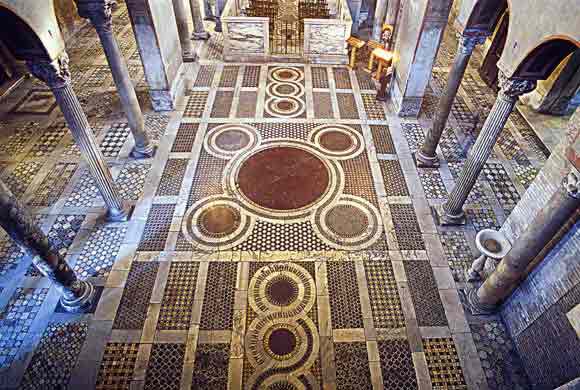
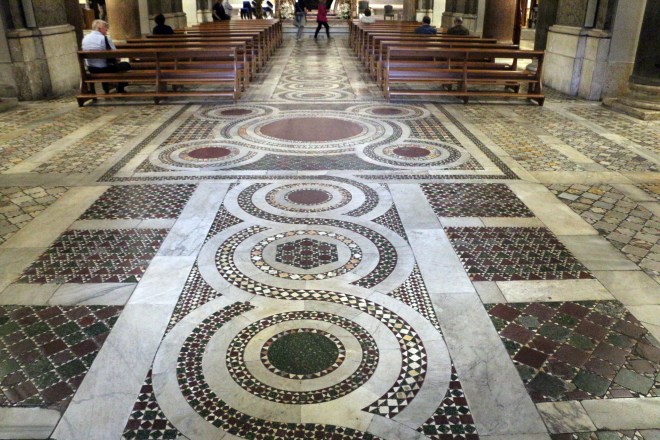


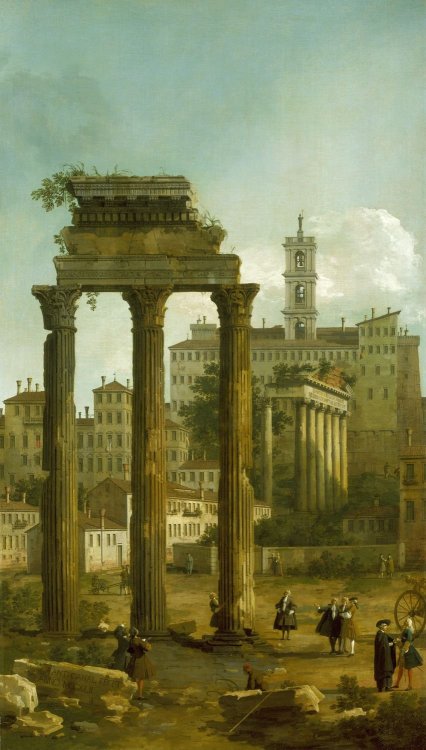



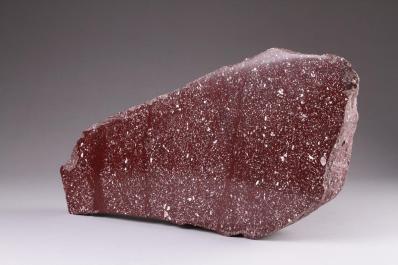
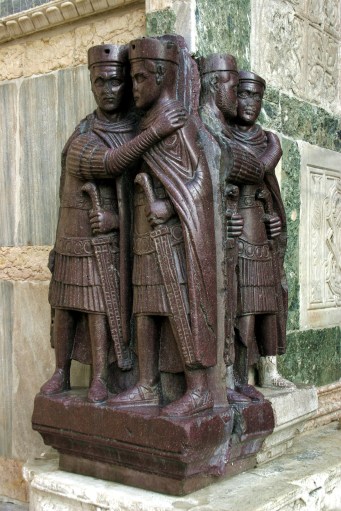


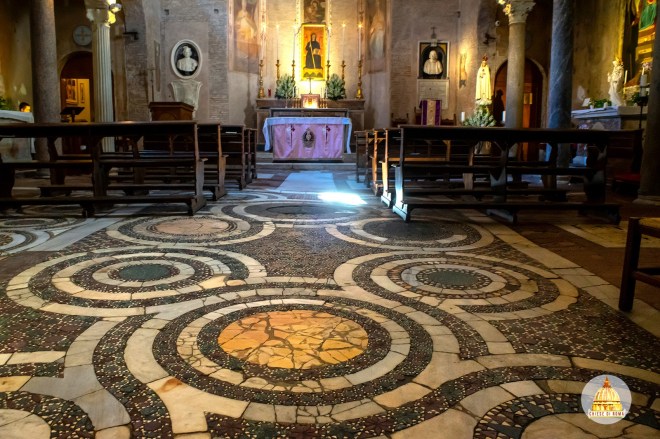

 the heart thrills