CHRISTMAS AFTERTHOUGHTS

New York, 27 December 2012

By common accord, we didn’t give each other presents this year. It was present enough to be all together as a family for the first time in a year. We also didn’t have a Christmas tree, since we had gone to New York to celebrate Christmas, because that was where the children’s lives have happened to bring them, and were staying in a rented apartment. And we didn’t go to church, because my wife and I are no longer religious and our children never were. For me, that is a relief; my childhood memories of Christmas are scarred by the dread of having to go to church. Christmas always fell during the week so I was subjected to the torment of church on the Sunday before, church on Christmas, church on the Sunday after, church on New Year’s, and church on the Sunday after that …

But what we did have was good cheer – it’s so wonderful for my wife and I to be with our children – supplemented by a good meal cooked by our daughter who is growing to be a master cook, washed down by a tolerable Argentinean wine. Afterwards, we all together went to see a film that my wife and I would never have seen in Beijing, which by chance brought us to Times Square, tawdry by day but magic by night with all its brilliantly lit advertisements: the high temple of consumption.

And so now, the morning after, with the children sleeping in next door and the plates of yesterday’s meal washed up, I can sit in bed and reflect on Christmas, doing a little web surfing to understand better this feast which has regularly punctuated the whole of my life.

For my wife and I, imprinted as we are with a Christian upbringing, it is of course the celebration of the birth of Jesus of Nazareth, the Risen Christ, Saviour of the World. But why 25 December?After all, no date is given in the New Testament for the birth of Jesus. When I was younger, I had read that the Church Fathers had chosen December 25 to compete with, to overlay, and finally to smother, the flourishing pagan feasts celebrating the winter solstice, the shortest day of the year, which falls on 21 or 22 December. But that seems to have been too simplistic. It looks more like December 25 was chosen because it was nine months after March 25, which in turn was believed to be the day on which Christ died. For the mystically inclined early Christians, there must have been a pleasing harmony in this equivalence of dates of conception – the start of life – and of death, but also of resurrection – the start of everlasting life. The unintended consequence – that Christ was therefore born on December 25, more or less at the winter solstice, a time of many pagan feasts – was seen “as a providential sign, as natural proof that God had selected Jesus over the false pagan gods” (1): Jesus, the “Sun of righteousness” prophesied in the Old Testament. As Christianity spread out of the Roman heartlands, and as the Christian missionaries came up against manifold feasts celebrating the winter solstice they used the latter argument more than the former to win hearts and minds and to overlay and snuff out those feasts.

What a pity those old feasts were suppressed! Not because I am a fan of the rites and rituals that surrounded them; they were distractions from the real event, the fact that the sun has reached its lowest point and is now starting its slow ascent again to summer. That’s what we should all be celebrating in the northern hemisphere, because the sun is probably our only common heritage. Our creeds, our races, our languages, our cultures all divide us. But the sun brings us together. Without it, we would not exist and our planet would be just a dark cold cinder whirling through space.

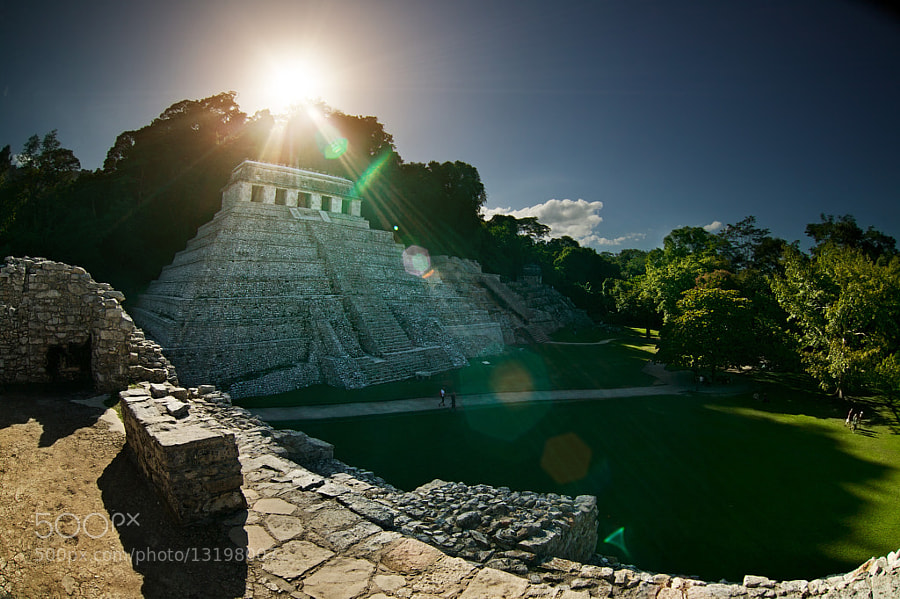
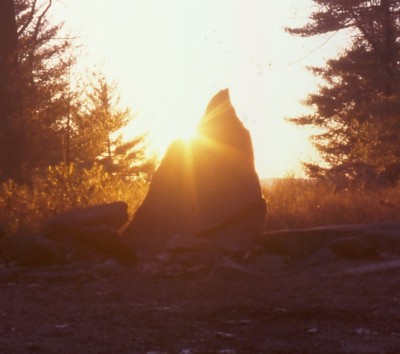
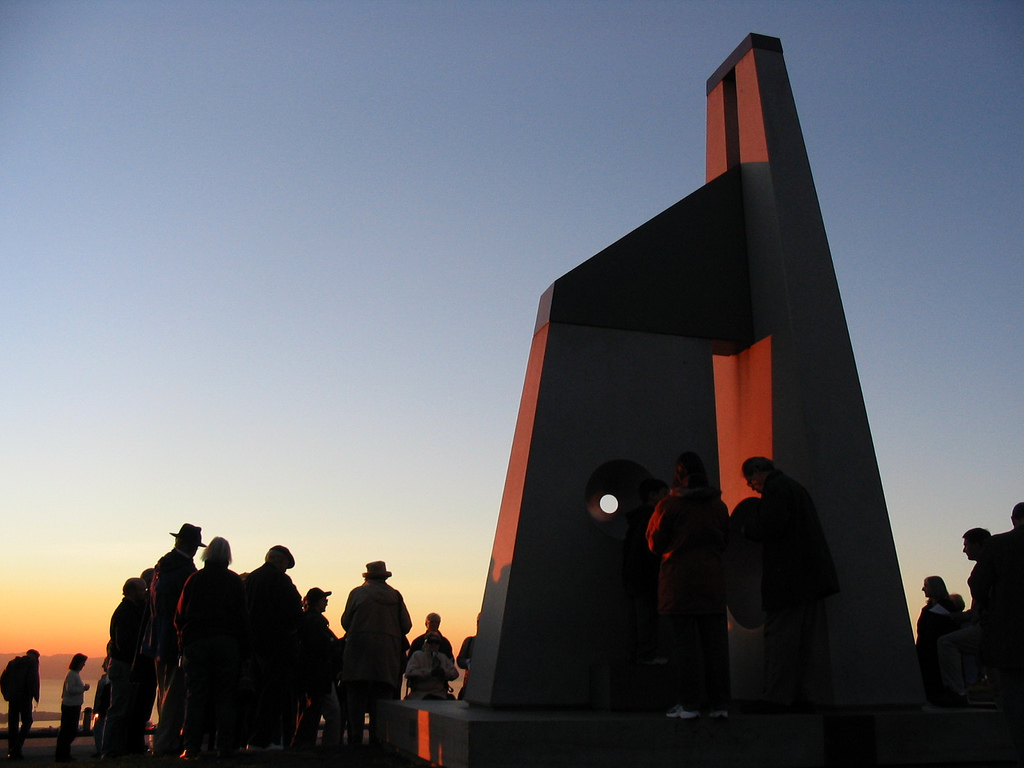
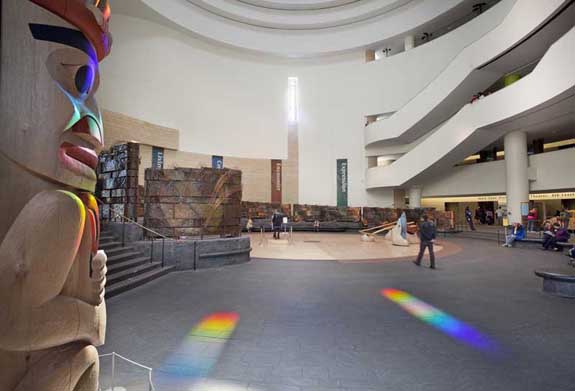
So next year let’s head on down to one of those monuments built millennia ago to mark solstices and other moments in the solar cycle, like Stonehenge

stonehenge-2

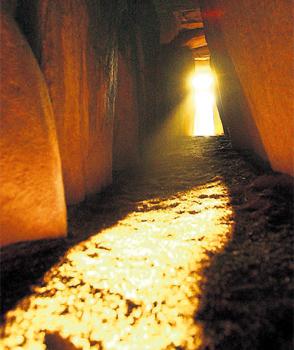
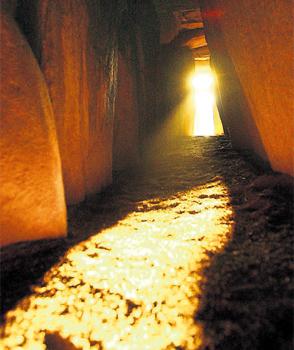
Newgrange in Ireland

newgrange-2

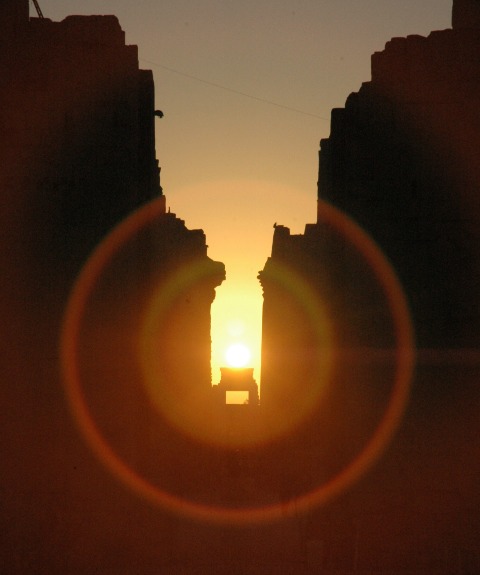
Karnak in Egypt

Karnak

Chankillo in Peru (the oldest solar observatory in the Americas)

chankillo

Palenque in Mexico

palenque

North Salem in New Hampshire (the “Stonehenge of North America”)

north salem

Denfeng in China

denfeng

Jaipur in India

Jaipur

or to more modern places like the Lawrence Hall of Science in California
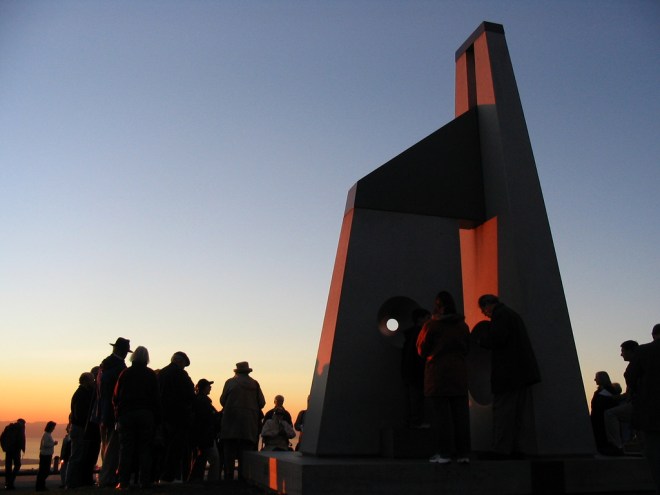
lawrence hall of science

or, for the summer solstice, the Native American museum in Washington

Brief description of overall shoot

and let’s have ourselves a celebration! Let’s connect again, if only for a few moments in our busy schedules, with the most fundamental of all natural cycles of the world, the solar cycle.

________________
(1)McGowan, Andrew. “How December 25 Became Christmas”, http://www.biblicalarchaeology.org/daily/biblical-topics/new-testament/how-december-25-became-christmas/

Stonehenge: http://www.juliamccutchen.com/uploads/blog//wintersolstice_stonehenge.jpg
Newgrange: http://www.newgrange.com/newgrange/new_grange_solstice.jpg
Karnak: http://blogs.smithsonianmag.com/adventure/files/2012/12/SolsticeKarnakBIG.jpg
Chankillo: http://0.tqn.com/d/archaeology/1/0/k/u/Thirteen_Towers_sm.jpg
Palenque: http://pcdn.500px.net/13198007/7eb491e6b4f1ac429dd6f932c0e41f56dfad312b/4.jpg
North Salem: http://www.stonestructures.org/assets/images/Winter-Solstice-Sunset.jpg
Denfeng: http://history.cultural-china.com/chinaWH/images/arbigimages/9a7d45ff336ffda1702e4ab4d11110e2.jpg
Jaipur: http://museumsrajasthan.gov.in/images/Virhat%20Samrat%20Yantra%20%288%29.JPG
Lawrence hall of science: http://upload.wikimedia.org/wikipedia/commons/c/c1/LHS_sunstones.jpg
Native American museum: http://blogs.smithsonianmag.com/aroundthemall/files/2012/06/prism-575.jpg

PLEASE SAVE THE TREES

Beijing, 17 December 2012

I’m a sucker for a fine tree, as any reader of these postings will know. So it was with increasing depression that I read an article recently in Science Daily (www.sciencedaily.com) which said that large old trees – trees that are centuries old – are dying at alarming rates. The die-off seems to be happening in all types of forests worldwide and to be caused by many things: land clearance, changes in agricultural practices and in fire regimes, logging and timber gathering, insect attack, climate change, and I don’t know what else.

I suppose I should recite the critical ecological roles which large old trees play. For instance, they provide nesting or shelter for up to 30 percent of all birds and animals in some ecosystems. They store huge amounts of carbon. They recycle soil nutrients. They create rich patches for other life to thrive in. They influence local flows of water and the local climate. They supply lots of food for many animals with their fruits, their flowers, their leaves, their nectar. In agricultural landscapes, they can be focal points for restoration of vegetation. They help connect the landscape by acting as stepping stones for many animals that disperse seeds and pollen.

So large old trees are very useful. But ultimately they are beautiful.

baobab_tree

C

elm tree

oak tree

plane tree

Angkor-wat-Tree

I’ve said it before, but my life has been punctuated by a number of beautiful large old trees. Let me tell you about one of them. My maternal grandmother had a sequoia, Sequoiadendron giganteum, standing in magnificent splendour in the corner of her garden. There must have been a fad for planting sequoias in the late 19th century in this part of France because a number of older properties in the surroundings had sequoias – you could see them towering over garden walls as you drove by. I loved that sequoia. My cousins and I used to spend all our summers in that tree, or so it seems to me as I gaze back through the golden haze of more than four decades of memories. Our grandmother tried to stop us climbing it by sawing off the lower branches. But we just cut steps into the soft bark and climbed. And climbed. All the way to the top, where we would sit, talk, and look out over the pastures, woods and vineyards that surrounded us as the breeze rustled through the branches and the tree swayed slightly. We were lords of all that we surveyed.

I don’t have a photo of my grandmother’s sequoia, but here is a photo of another sequoia in a French garden somewhere. It gives you a great idea of what awaited us in the far corner of my grandmother’s garden.

sequioa-in-france

That tree seemed so huge to us, but nearly two decades ago, when the children were young, we took our summer holiday in California and visited Sequoia National Park. My God, what truly magnificent trees those were! My sequoia was a laughable midget compared to these giants. But I couldn’t climb these trees.

giant-sequoia-tree-pv

My wife has just old me that she never climbed trees when she was young. And I don’t remember our children every really climbing trees – we have become so conscious of dangers for children in the intervening decades (it is true that my younger brother and cousin fell out of a tree when a branch broke; my cousin cushioned my brother’s fall but fractured his collar bone in the process). But I think my family missed something. There is something magic about being up in a tree. Suddenly you are back to being a four-limbed creature as you have to use your arms as much as your legs. The world concentrates down to just a few branches. And the noise levels change; there is a quietness in a tree which you do not have on the ground, but also you hear noises you don’t hear so much on the ground, like the rustling of leaves. And your lines of sight change; suddenly you are a giant able to see much further around you than you normally can. And if the tree is a fruit tree, ahh … you can sit on a branch, pluck the fruit around you, and munch on them in quiet contentedness.

My memories of trees are nearly all from rural areas, although I do have some memories of beautiful trees from city parks – one of the earlier postings testifies to this. So many of us live in cities now and I’m worried we are getting cut off from trees – and this can only get worse as more and more of us live in cities. Cities and trees do not seem to mix well. As I look around Beijing streets, for instance, I do not see many great trees. The majority of the specimens look malingering. And yet … My wife and I visited Singapore recently. For her, it was the first time. For me, it was the first time in fifteen years. And the city struck me the way it had always struck me: it is so green. Not grass green, although there is certainly a lot of that. No, tree green.

01-rain-tree-06

There’s a huge number of trees in Singapore – and not small trees, either, but big, mature trees. The city always gives me the impression of the planners having carefully inserted the buildings between and around the trees which already grew there. Of course, it’s silly; it was obviously the other way round. I mean, the trees grow along the sides of straight roads … And the older parts of the city, like Little India and Chinatown, show the bare and treeless Singapore of the past, the kind of city we’re used to seeing elsewhere. But still, the impression is of a city inserted into a forest. According to National Parks Singapore there are something like 2 million trees planted in the city-state, which works out to be about one tree for every two and half people. I don’t know of any other city with such a high tree-to-citizen ratio.

So it is possible to live in close harmony with great trees. We must do it, because I think we lose part of our humanity if we don’t live near trees, if we cannot have this view every day of our lives.

01-rain-tree-04

_______________
Baobab tree: http://www.louisianagardenclubs.org/live_oak_society/photos_files/AngelOak.jpg
Copper beech tree: http://www.visualphotos.com/photo/2×4003896/copper_beech_tree_1811714.jpg
Elm tree: http://i.istockimg.com/file_thumbview_approve/1678381/2/stock-photo-1678381-elm-trees.jpg
Oak tree: http://www.louisianagardenclubs.org/live_oak_society/photos_files/AngelOak.jpg
Plane tree: http://mw2.google.com/mw-panoramio/photos/medium/14963960.jpg
Angkor wat tree: http://www.davestravelcorner.com/photos/cambodia/Angkor-Crooked-Tree.jpg
Sequoia in France: http://ts2.cn.mm.bing.net/th?id=H.4582357281933013&pid=1.9
Giant sequoia: http://www.nunukphotos.com/images/giant-sequoia-tree-pv.jpg
National Parks Singapore: http://www.nparks.gov.sg/cms/index.php?option=com_content&view=article&id=173&Itemid=161

FLAMING RED HAIR!

Beijing, 30 November 2012

edited in Bangkok, 29 February 2015

I said in my previous post that I currently lived in a country where everyone had black hair. That is not strictly true. Like everywhere else, Chinese women, young and old, as well as young men, have a fondness for dyeing their hair. The great majority of them have wisely settled for adding reddish tints. This gives them hair-dos with varying shades of red-brown, which goes well with the natural colour of their skin. An unfortunate few have dyed their hair blonde which, with the yellow hues of their skin, simply makes them look ill.

In their colour preferences, Chinese hair-dyers are following what seems to me a broader trend worldwide to add more red to one’s hair. My memory tells me that when I was young, the dyeing colour of choice – at least in Europe – was blonde, but some fifteen years ago the shades definitely shifted into the redder part of the spectrum.

And why not? Naturally red hair is a magnificent sight, and the rarest natural colour in us humans. On average, no more than one or two people in every 100 have red hair. Scotland has the highest proportion, with a little more than one every ten Scotsmen or women having red hair. I remember well being struck by the amount of red-heads around me when I first moved to Edinburgh for University.  Ireland follows close behind. And then there is a scattering of red-heads throughout the rest of Europe.

Let me insert here a little photo gallery of some European read heads (probably Scottish or Irish, at least of descent), a young woman

ginger girla young man with a magnificent red beard

red header with bearda baby, readying himself or herself for a life on the red side

red headed baby

a slightly older man, looking back at a life spent on the red side.

ginger haired old man

I feel I have to complete this photo gallery with a picture of the Fair Prince Harry, who has given redness of hair a good name.

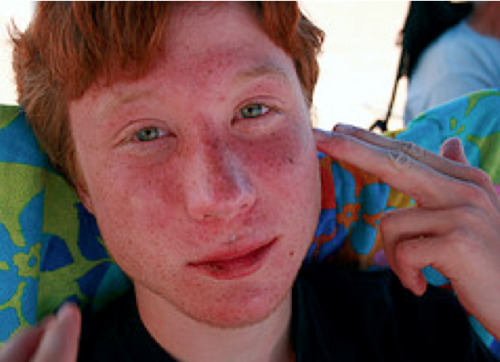
The observant reader will have noticed that most of these wonderful red-heads have blue eyes. The gene mutation which leads to red hair is closely linked to the one which gives rise to blue eyes. Fair, non-tanning skin almost always accompanies red hair, to the distress of red-heads when visiting countries with fierce sunlight:

Freckles are also often their lot:

Europe is not the only place to harbour red-heads. Here, in no particular order, are some red-heads from other parts of the world:

Syria:

Turkey:

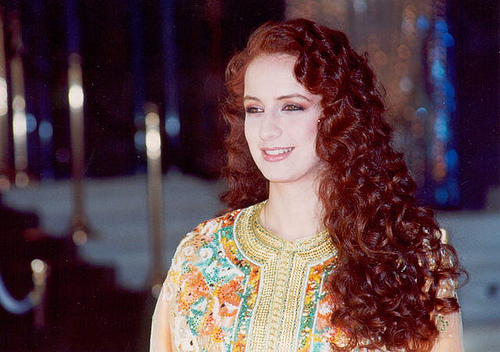
The Berbers of North Africa, represented here by Morocco’s queen (who is a Berber):

and a small child:

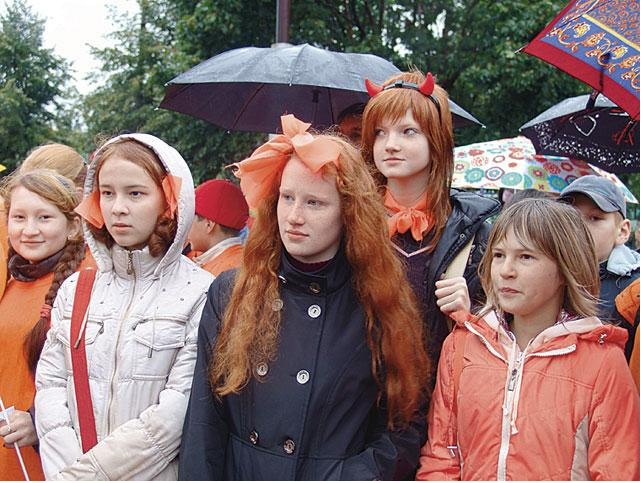
Udmurtia, a small provincial backwater in the Ural mountains of Russia famous for its red-heads:

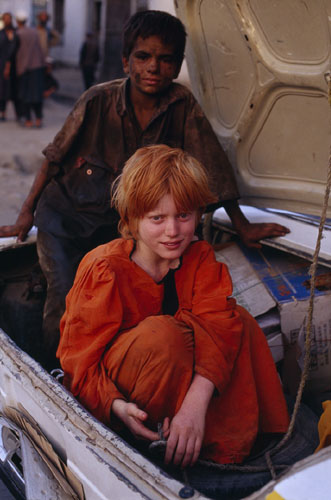
Afghanistan:

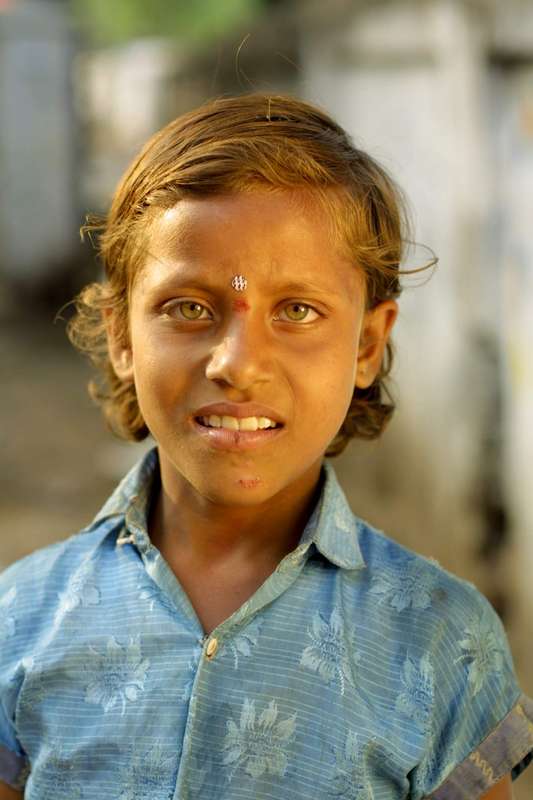
India:

and even Polynesia – this girl is from Tahiti:

Ashkenazi Jews are also well known for their redheads. My representative of this group is Woody Allen; this is a clip from one of his best films, Sleeper:

Nearer to me but also much further back in time are the Tochtarian people who inhabited the Tarim basin of Xingjian Autonomous Region some 4,000 years ago. The bodies of their dead were dessicated and mummified in the desert conditions of the Tarim basin, so many mummies have been unearthed. At least one these, the so-called Beauty of Xiaohe, had what looks like red hair.

Dessicating deserts in Peru have also given the world a share of mummies, some of these being red-heads. These red-headed mummies have had certain archaeologists (notably Thor Heyerdahl) afroth with fancy (and relatively racist) theories of Nordic whites somehow arriving in South America to take the natives in hand. This particular mummy also seems to have been subjected to skull lengthening.

peruvian mummy

Going back even further, from studies of fossil DNA it seems that some of our Neanderthal cousins were also red-heads:

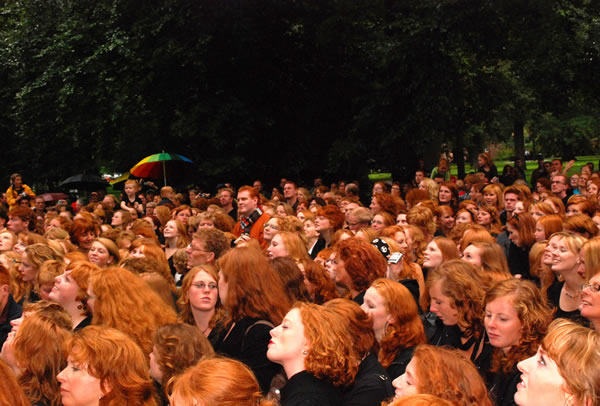
So come join Edinburgh’s annual Ginger Pride Parade! Immerse yourself in a sea of red hair!

ginger pride parade

___________________
Ginger girl: http://i.telegraph.co.uk/multimedia/archive/02510/ginger-girl-13_2510537k.jpg (in http://www.telegraph.co.uk/culture/culturepicturegalleries/9932654/I-Collect-Gingers-artist-Anthea-Pokroy-photographs-500-red-haired-people.html?frame=2510537)
Red header with beard: https://s-media-cache-ak0.pinimg.com/736x/96/d0/17/96d017f4374dbd877396ca77e2baf638.jpg (in https://www.pinterest.com/bridgeemelling/bearded-boss/)
Red headed baby: http://3.bp.blogspot.com/-rQ0mt43F_48/UXqtfoVyvGI/AAAAAAAAPow/zK3OEOiHiFI/s1600/150421_343259622462322_454686503_n.jpg (in http://klubkotajasna8.blogspot.com/2013_06_01_archive.html)
Ginger haired old man: https://s-media-cache-ak0.pinimg.com/564x/02/36/0b/02360b9c030976e4bc871f810ac4aba7.jpg (in https://br.pinterest.com/pin/499899627364000820/)
Prince Harry: http://4.bp.blogspot.com/_tR4bYTcAqeQ/SvI-Hwpk8NI/AAAAAAAABsM/OBj6T465Dlc/s400/princeh.bmp
sunburned boy: http://25.media.tumblr.com/tumblr_ld4t18EDYN1qfs58no1_500.png
freckled boy: http://25.media.tumblr.com/tumblr_mbjiv5TNfp1qer9yuo1_1280.jpg
Syrian baby: http://i45.tinypic.com/260x2xu.jpg
Turkish young man: http://t2.gstatic.com/images?q=tbn:ANd9GcSBd3GBpDXFhzwdCW99RLJk_znIncX8Uaory6HOjMPNSpP6n1Kvag
Moroccan Queen: http://badrhariboxer.com/wp-content/uploads/2012/05/moroccan-queen.jpg
Berber girl: http://looklex.com/e.o/slides/berbers02.jpg
Udmurt girls: http://russianpickle.files.wordpress.com/2010/03/udmurt_people_red.jpg
Afghan boy: http://fc04.deviantart.net/fs16/f/2007/122/1/a/Afghan_Redhead_and_boy_by_xerquina.jpg
Indian boy: http://mathildasanthropologyblog.files.wordpress.com/2008/06/light-indian.jpg
Polynesian girl: http://t0.gstatic.com/images?q=tbn:ANd9GcS9dYzPU1dcELZO1dZOJTMta43zg-fJO2tGxOcwAqHJ7XKp0iIpTAJGjDAAnA
Woody Allen: http://www.nerve.com/files/uploads/scanner/sleeper_0.jpg
Tochtarian mummy: http://images.mirror.co.uk/upl/dailyrecord3/feb2011/0/7/mummy-image-2-601127141.jpg
Peruvian mummy: https://s-media-cache-ak0.pinimg.com/736x/2d/43/e4/2d43e4c46a67385e964b409fe38e229a.jpg (in https://www.pinterest.com/aprildherbert/creepy-cool/)
Neanderthal: http://images.nationalgeographic.com/wpf/media-live/photos/000/601/cache/neanderthal-genome_60159_600x450.jpg
Ginger pride parade: http://scrapetv.com/News/News%20Pages/Health/images-3/ginger-rally-uk-support.jpg (in http://scrapetv.com/News/News%20Pages/Health/pages-3/World-misses-prime-opportunity-to-eliminate-gingers-during-pride-parade-Scrape-TV-The-World-on-your-side-2013-08-12.html#.VtRaZEAppEN)

BLUE EYES, BLUE SKY

Beijing, 15 November 2012

My wife and I have one fundamental difference: I notice people’s looks and she notices people’s characters. One result of this is that after living in a part of the world where everyone has black hair and dark eyes, I have become intensely aware of differences in hair and eye colouring, whereas my wife is quite indifferent to it. So it was that yesterday, when my wife and I were sitting at our favourite café and we found ourselves sitting across from a European expat, I was transfixed by his blue eyes while she didn’t notice. After spending a suitable moment marvelling at the sight, I began to ask myself some questions. Questions which my wife’s iPad, which I commandeered, and the café’s wifi allowed me to find answers to.

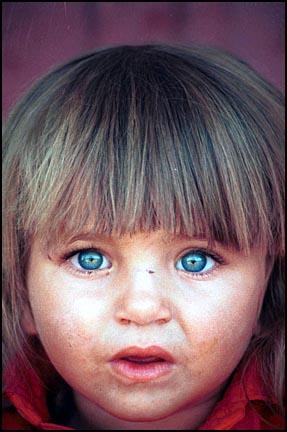
Perhaps the most amazing fact is this. Every person in the world with blue eyes (and the closely linked grey and green eyes) has one single, common ancestor! A mutation occurred in some corner of this person’s DNA and that little mutation has been passed on down the generations ever since. Up to that point, the colour of all humans’ eyes had been dark. And then, some ten thousand years ago somewhere in the north-western part of the Black Sea region (geneticists have managed to pinpoint the source that accurately), someone was born with blue eyes.  Can you imagine what that must have been like? Was the person treated as a wonder or as a dangerous freak, I ask myself? I have to think the former, since this person was able to sire children who passed on the mutation.

I suppose blue eyes are most associated with Europe: blondes or the red-heads with blue eyes.

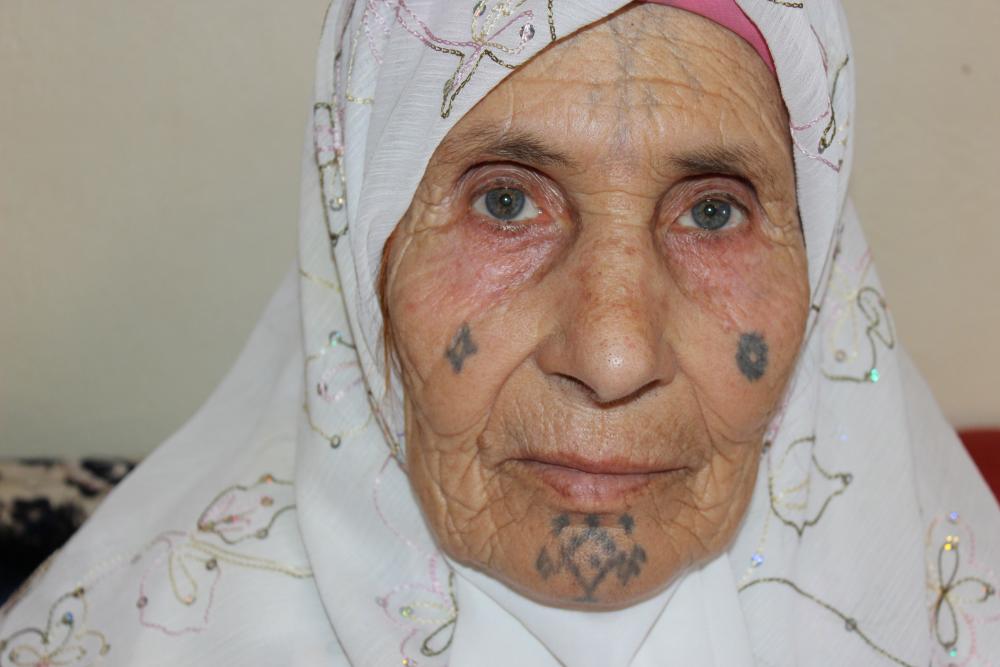
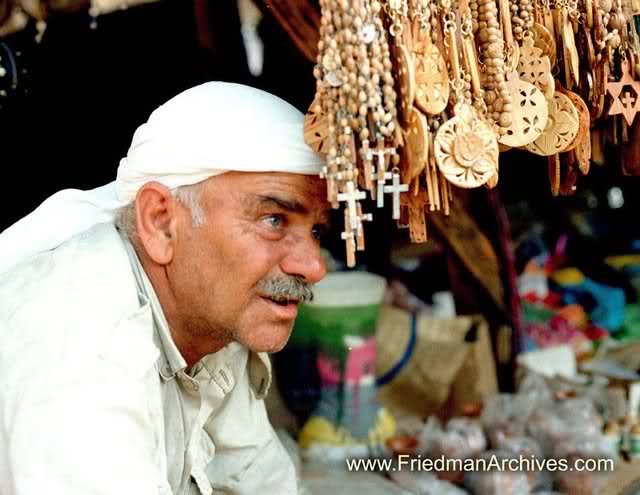
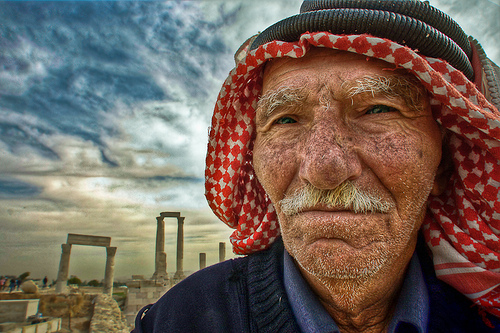
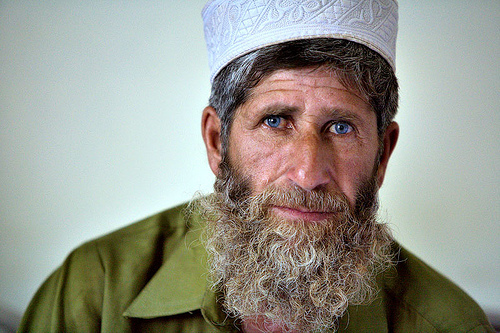
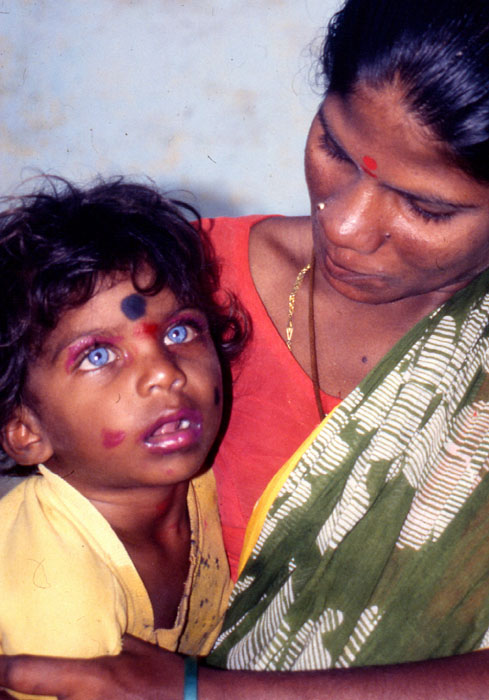
But actually, according to very recent research, the original Ol’ Blue Eyes was probably dark skinned and dark haired. And in fact blue eyes are found everywhere:

Algeria …

Palestine …

Lebanon …

Syria …

Jordan …

Iran …

Afghanistan …

India …

Central Asia …

Even China! (although more green than blue) …

Even Africa!! …

But most basic of all, why are eyes blue? Because the irises lack melanin. It’s melanin which makes the human eye – and skin, and hair – dark. But why aren’t blue eyes colourless then? Because of the same effect that makes the sky blue: “longer wavelengths of light tend to be absorbed by the dark underlying epithelium, while shorter wavelengths are reflected and undergo Rayleigh scattering in the turbid medium of the stroma. This is the same frequency-dependence of scattering that accounts for the blue appearance of the sky” (1). So eyes are blue because the sky is blue. Now how cool is that …

______________
1. http://en.wikipedia.org/wiki/Eye_color#Blue

Links for the pix:
Little European blonde girl: http://ts3.mm.bing.net/th?id=I.4963638661679662&pid=1.7&w=237&h=155&c=7&rs=1
Little European red-headed girl: http://ts3.mm.bing.net/th?id=I.4615243792843710&pid=1.7
Algerian old woman: http://pulitzercenter.org/reporting/algeria-aures-mountains-facial-tattoos-culture-portrait-series
Palestinian man: http://i56.tinypic.com/2vao8av.jpg
Syrian man: http://www.hobotraveler.com/123_07baghdadistanbul/0077.JPG
Jordanian man: http://www.lurvely.com/photo/4259694961/A_face_from_Jordan/
Little Iranian girl: http://www.worldisround.com/articles/73022/photo653.html
Afghan woman: http://en.wikipedia.org/wiki/Nuristani_people
Afghan man: http://farm5.static.flickr.com/4041/4696088197_24f3ecf0c4.jpg
Little Indian girl: http://i2.asntown.net/h3/fun/12/beautiful-eyes/asian-people-with-blue-eyes05.jpg

Indian woman in Sari and Indian boy: http://www.asiafinest.com/forum/lofiversion/index.php/t8178-100.html
Indian man with green eyes: http://i.images.cdn.fotopedia.com/flickr-4833454489-hd/Countries_of_the_World/Asia/Portrait-Asia-Demographics_of_Asia-Demographics_of_India-Human-India-Portrait_photography-Rajasthan-Rajasthani_people-hd.jpg
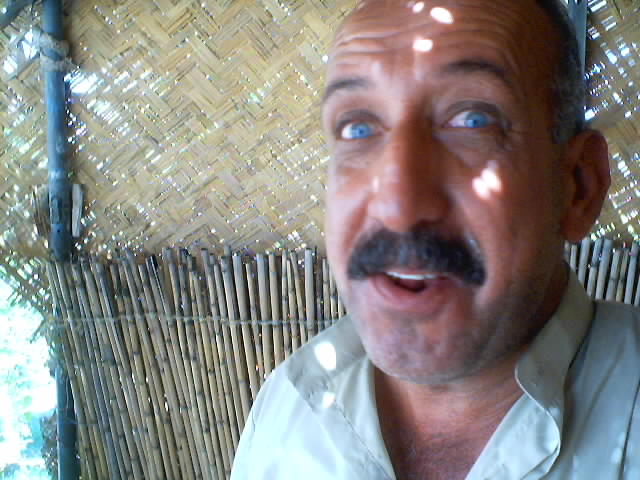
Central Asian man: http://anthrocivitas.net/forum/showthread.php?t=7853
Chinese woman: http://ts1.mm.bing.net/th?id=I.4981686084830908&pid=1.7
African girl: http://korraisnottan.tumblr.com/post/21640006035/anonymous-asked-korra-is-not-tan-korra-is-not

THE SCENT OF WATER

Beijing, 12 October 2012

How would you describe the scent of water? This evening, as I reached the bridge which crosses my piece of canal a gentle breeze lifted the scent off the water’s surface and wafted it over to me. And I asked myself that question.

Let me take a leaf out of wine reviews and try a little of their purple prose: “I sense a hint of moss, with an undercurrent of peat, perhaps a whiff of algal respiration”. But actually what I was smelling was my childhood. Don’t you find that scents are a powerful trigger of memories? I do: a drift of scent will suddenly have me awash in memories. And so it was that as I crossed the bridge I was suddenly ten years old again, on my grandmother’s sail boat on the Norfolk Broads, moored at her buoy on Barton Broad. The sun has set, a light breeze is blowing off the water bringing me the scent of the Broad’s peaty water, and small waves are slapping quietly at the boat’s hull. A grebe calls out in the night.

I loved the Broads. My grandmother spent most of her summer on the boat, taking her numerous grandchildren in shifts of two weeks. I must have gone five years in a row. The sailing didn’t really excite me; it was kayaking among the rushes and in the little creeks on the edges of the Broads that I loved, watching the wildlife and discovering small marsh flowers at every turn.

But I grew up, and my grandmother grew old, and life moved on.  I stopped going and haven’t been back since. Yet I am sure that the Broads made me what I am today: an environmental engineer who for more than thirty years has tried to push back the tide of waste threatening to wash away the natural beauties that are around us.
__________________
pix from:
http://maalie.blogspot.com/2010/08/kayaking-on-norfolk-broads.html
http://news.bbc.co.uk/local/norfolk/hi/people_and_places/nature/newsid_8090000/8090224.stm

LAKE KHOVSGOL: A REMOTE CORNER OF A REMOTE LAND

Lake Khövsgöl, 9 October 2012

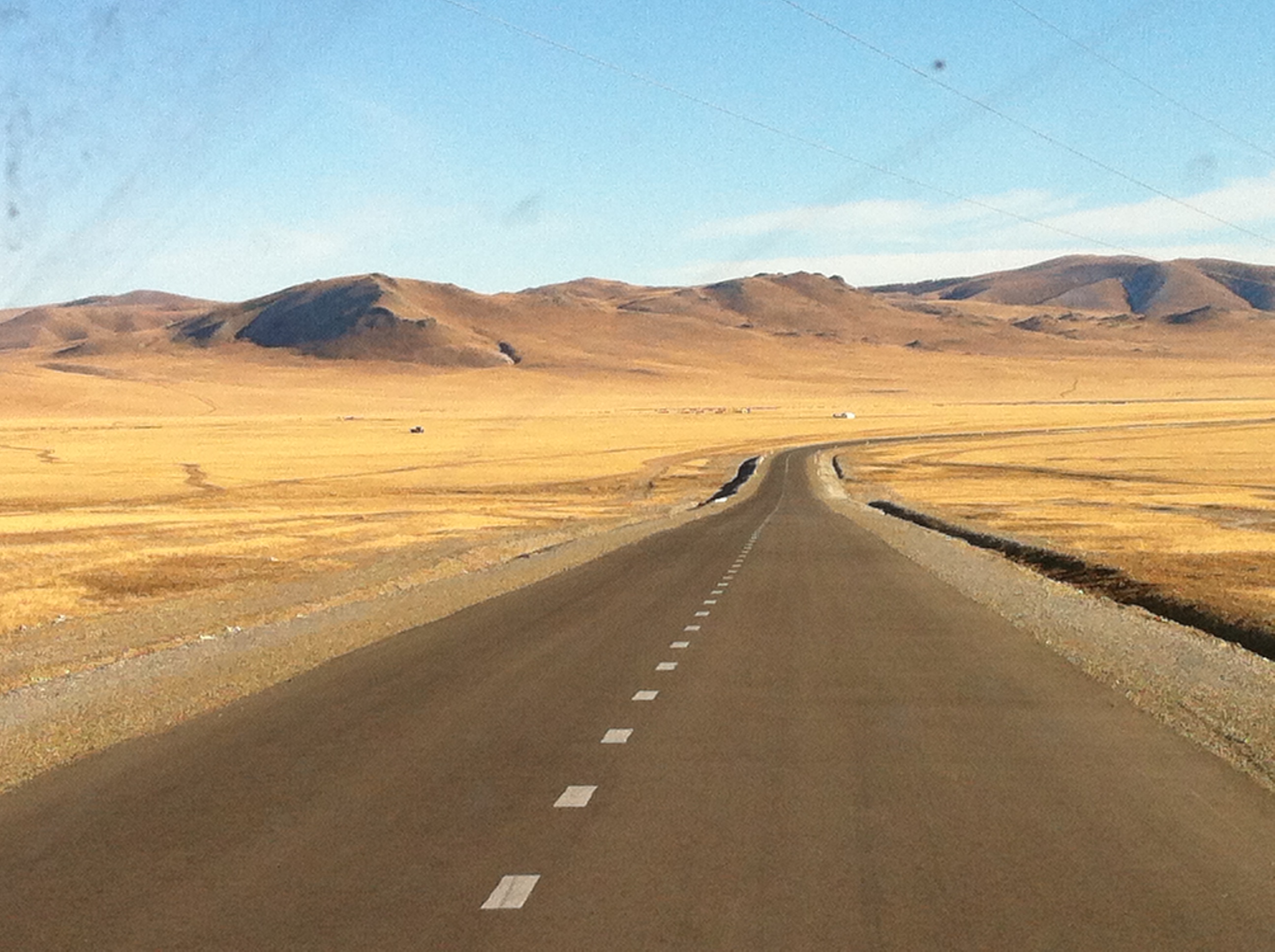
We left at 9 o’clock, with Purev driving us in a right-hand 4×4: standard fare in Mongolia, in this case imported second-hand from Japan. For two hours we drove northwards, towards Mongolia’s border with Russia. The road was tarred most of the way, although it was still being completed; there were sections where we had to career off the road and drive on the prairie alongside the road; Purev’s driving seemed more fluid and certain on these sections, he’s not in his element on tarred roads. Endless vistas of an empty land accompanied us along the way: this country, which six times bigger than the UK, is home to less than three million people, half of whom live in the capital alone.  Here and there, we would see the white ger, the traditional Mongolian tents, of herders dotting the landscape, with herds of yak or sheep browsing the dry grass.

As we drove, dark clouds started coming towards us.

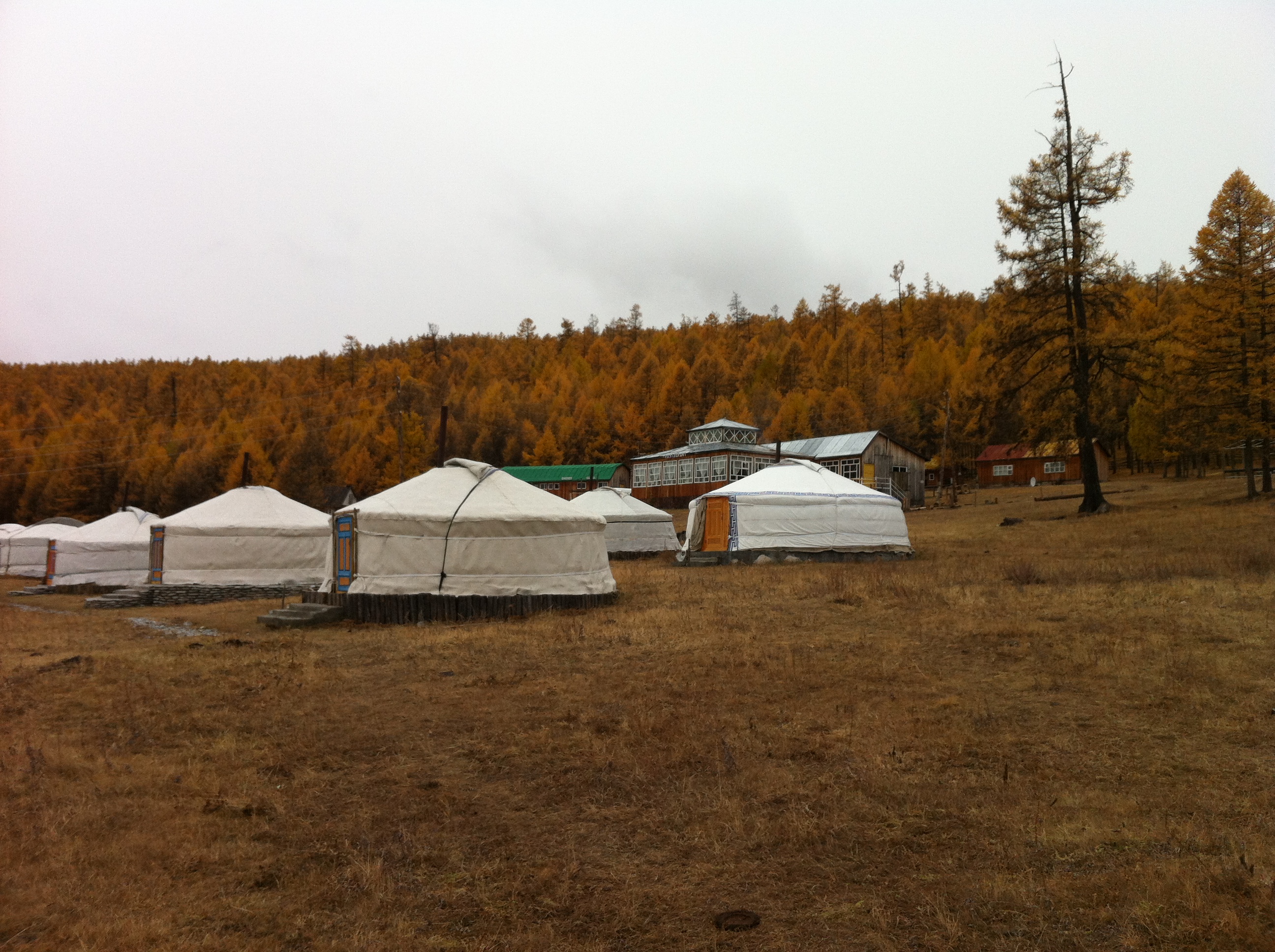
“Snow”, said Purev, but it held off. Finally, we arrived at a village. Purev swerved off the road and raced up a muddy track which coasted a nearby ridge. Down the other side, the track deteriorated rapidly and we crawled along, bumping from one puddle to another, from one rock to another. But we made it in one piece to the ger camp which was our destination.

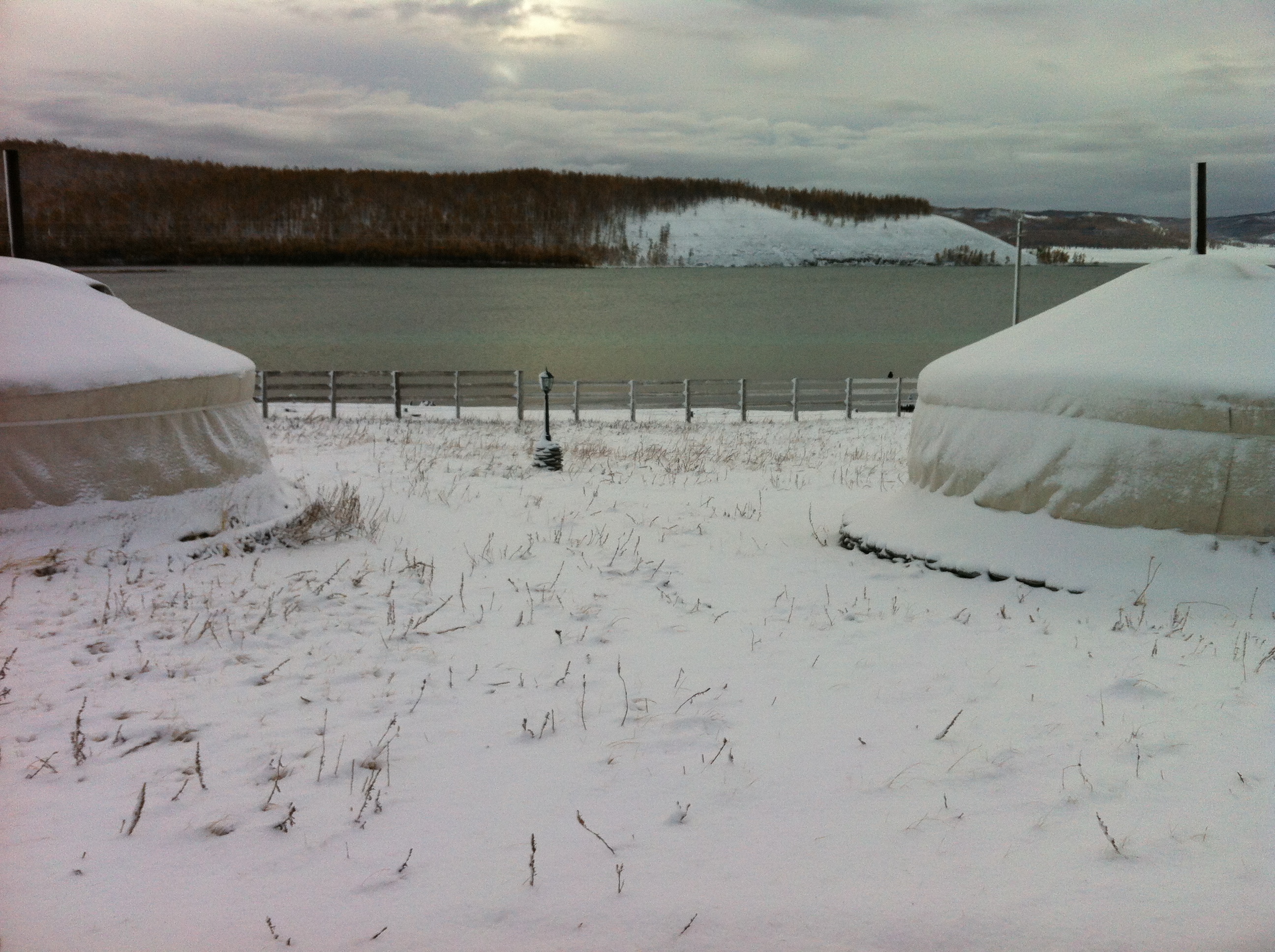
And there in front of us, lapping at the edges of the camp, was the southernmost tongue of Lake Khövsgöl, which is what had drawn us to this remote part of a remote country.

A few facts. The lake, 136 km long and 262 m deep, is the second-most voluminous freshwater lake in Asia, and holds 0.4% of all the fresh water in the world. It is one of seventeen lakes worldwide that are more than 2 million years old (nearby Lake Baikal is part of this select club, as are Lake Tahoe in the US, Lake Titicaca in Peru, and Lake Tanganyika in Africa, among others; but I digress). Lake Khövsgöl is one of the most pristine of these ancient lakes. It has very low levels of nutrients and primary productivity and so very high water clarity.

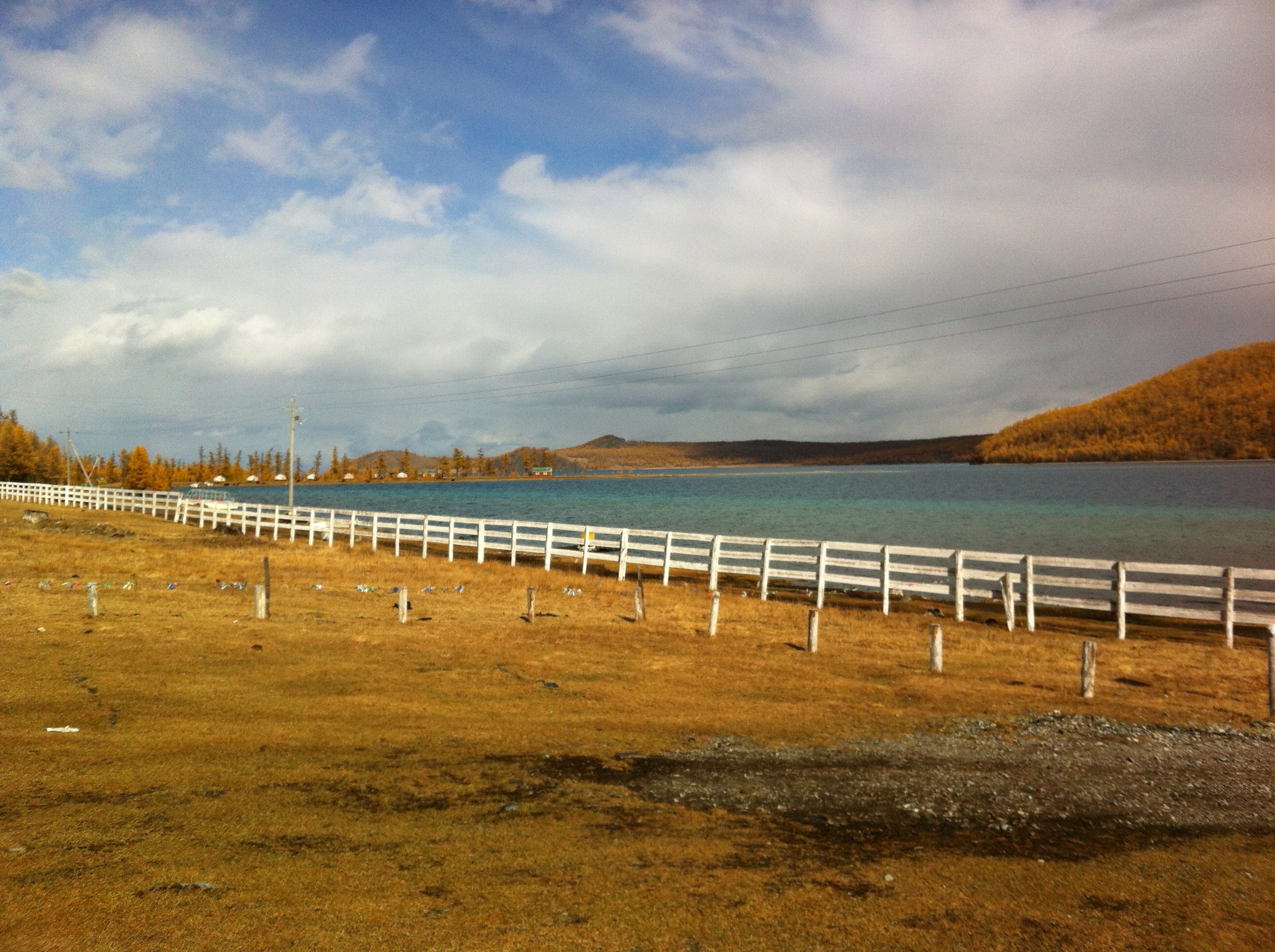
But forget the facts! Remember only that the Tuvans, a Turkic people who lived around the lake, gave it its name: Khövsgöl, “Blue Water Lake”. And startlingly blue it is indeed, the blue of the Mediterranean on a sunny day, probably because the water is so clear and the sky in Mongolia so blue.

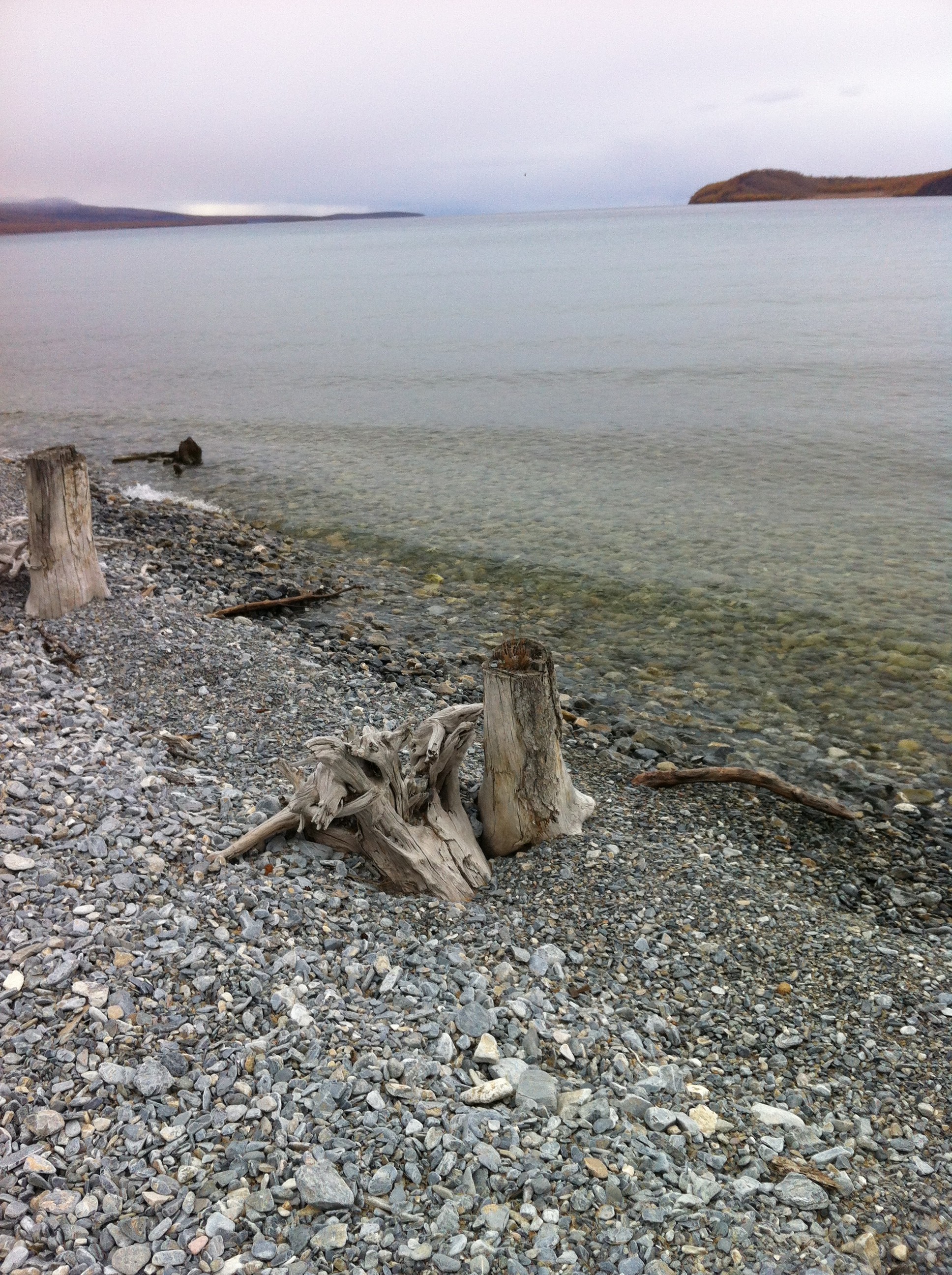
But blue was not the only colour that greeted us. There was the smooth greyness of the pebbles on the beaches, which reminded us so much of the pebble beach of our village in Liguria, echoed in the weathered, grey tree trunks that littered the shore.

There was the white of the first snow of the year, which finally blew in with a vengeance and fell all night as we slept, huddled under the bedclothes in our ger. It greeted us under lowering clouds in the morning when we stuck our nose out.

But it was quickly melting away during the day when the clouds blew away and the sun shone in a blue, blue sky.

There was the glorious autumnal yellow, with rare light green tinges, of the Siberian larches which flowed down from the northern taiga and lapped up against the lake’s sides: golden yellow for those needles still clinging to the trees, straw yellow for those that now clothed the forest floor.

And finally, there was a droplet of violet offered by a small flower that contrary to all expectations bravely blossomed by the water’s edge.

FLYING OVER MONGOLIA

Mörön, 7 October 2012

I like turbo-props, I find the deep roar their propellors emit is much more satisfying to listen to than the whine of jet engines. So I was looking forward to this flight from Ulaanbaatar to Mörön, capital of Mongolia’s northernmost province of Khövsgöl, in a little 36-seat turbo-prop. And it was a lovely afternoon, with a blue sky, so I expected to have good views from seat 9C at the back of the aircraft.

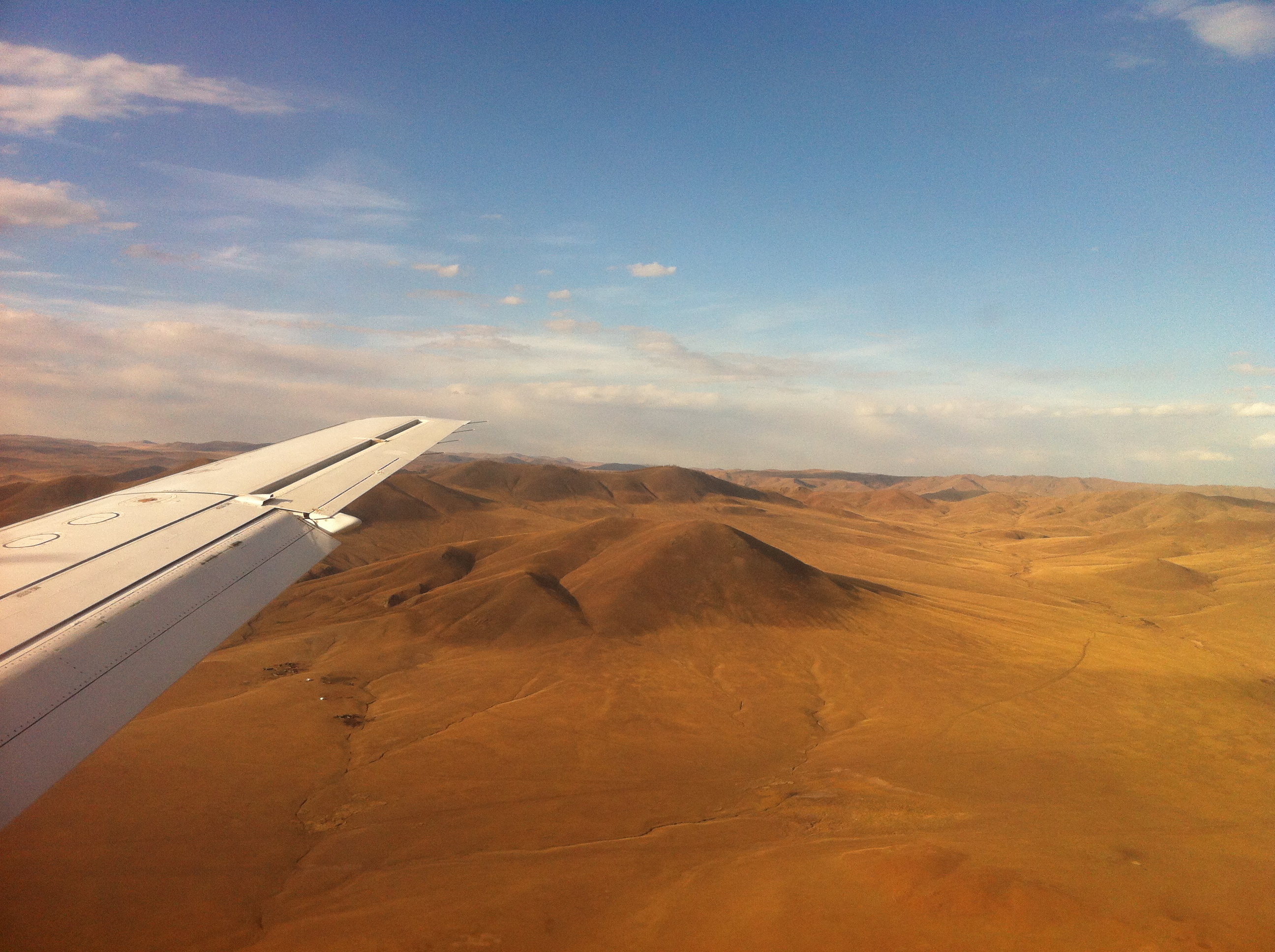
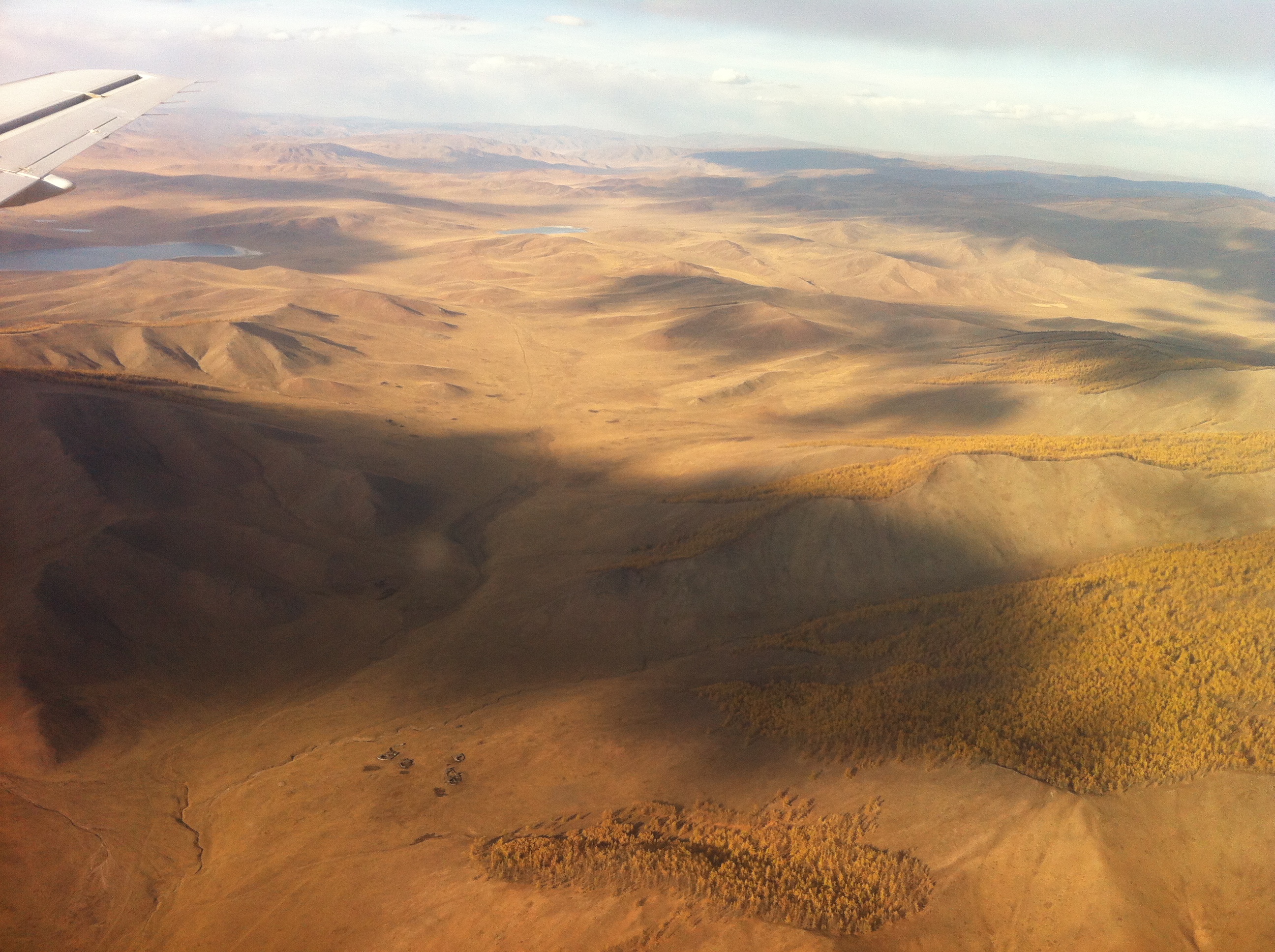
Good views we did indeed have as we took off from UB, climbed, banked, and set off north, with the propellers settling into their deeply comforting roar. The ugly outskirts of UB dropped out of site and we were now flying over a brown landscape of late autumn. Small rocky hills jutted out of valley bottoms, many of which had small rivers flowing lazily down their middle. Never have I seen such lazy rivers! They looped back and forth, fraying, rebraiding, leaving stranded oxbows behind. Mongolian valleys must be flat as a pan.

My wife, in seat 10C, remarked that the hills looked buried in dust. So true! It must have been a trick of the light on the yellow grasses sprinkling the land, but the hills really looked as if they were emerging from thick layers of powdery brown dust.

We picked up the Siberian larches, larix sibirica, quite soon after leaving UB. These are the southernmost tassels of the vast larch forests that cloak the Siberian taiga. They were always high on the hills and clustered on the latters’ northern, colder, side. In the late afternoon light, they cast long shadows. At first there were vestiges of their summer green showing through their autumnal yellows, but as we droned ever further north autumn caught up with us and their colours became uniformly yellow.

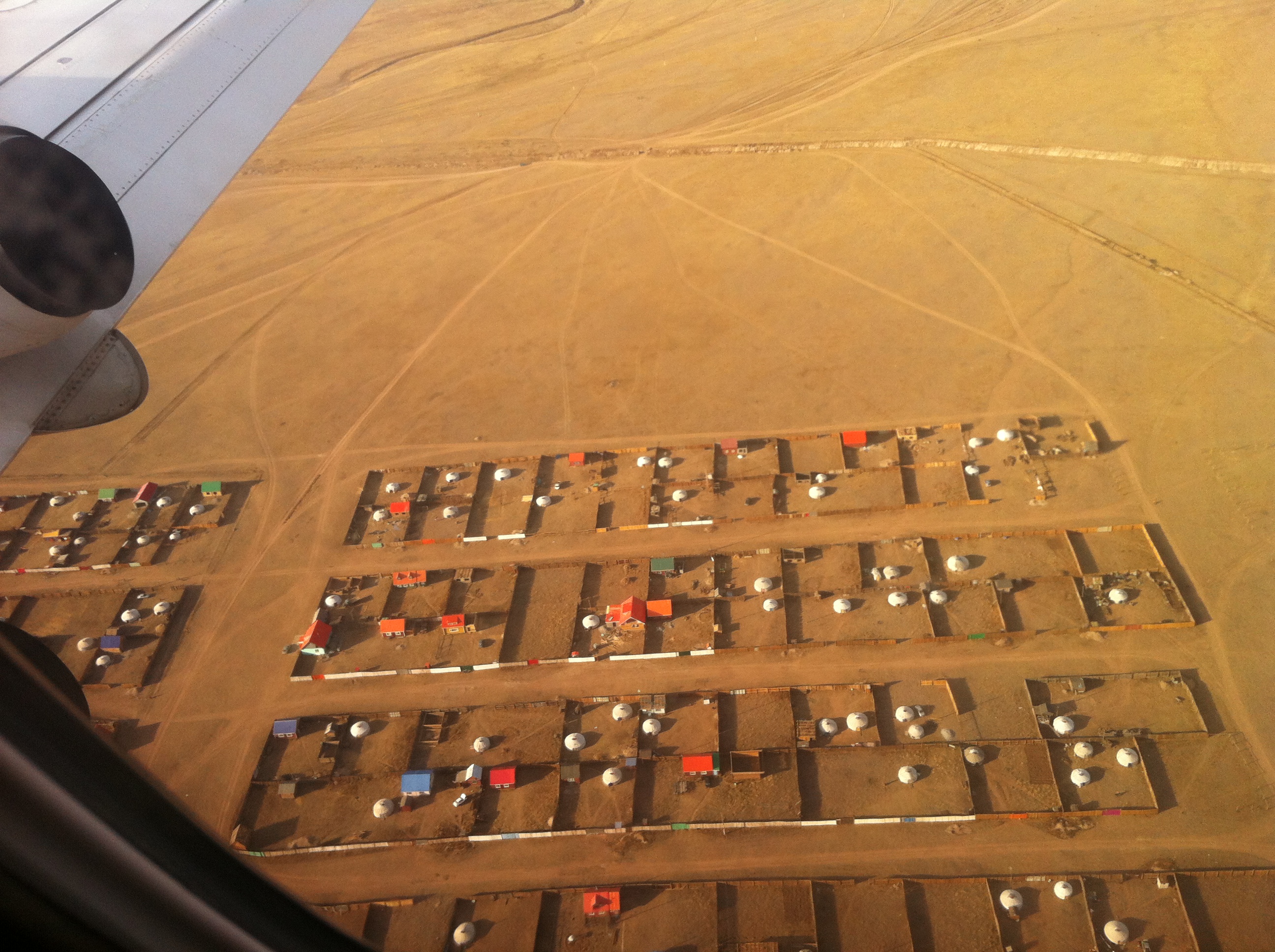
Soon after we were dropping into the vast bowl which Mörön finds itself in, flying over the town as we came in to land. Small houses with bright red or blue roofs and surrounded by a square of wooden fences hove into view and rushed by us.

And now we were down on the tarmac, with the plane’s propellers giving their last braking roar before we trundled to a halt before the terminal.

Tomorrow, we go to Lake Khövsgöl.

A CARPET OF NASTURTIUMS

San Francisco, 24 September 2012

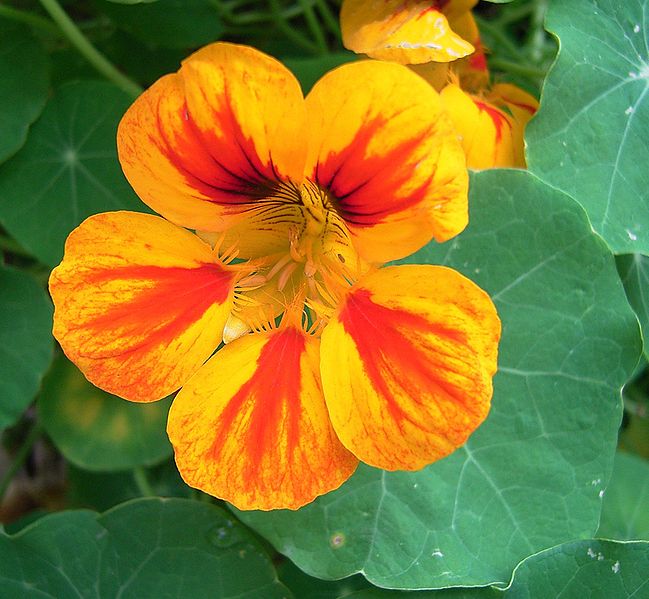
While in San Francisco (see the previous post), we did a few touristy things. One of these was a bus tour of the city. Our guide and driver, a chatty fellow prone to making politically incorrect comments, took us down to the bay shore below the Golden Gate Bridge. From there, he invited us to take advantage of the only toilet stop on the tour and admire what he intriguingly called an excellent example of industrial art nouveau – never heard of that category of art. But what I admired more was a veritable carpet of tropaeolum majus, or garden nasturtiums, tumbling down the slope on the side of the road. I had never seen so many nasturtiums before.

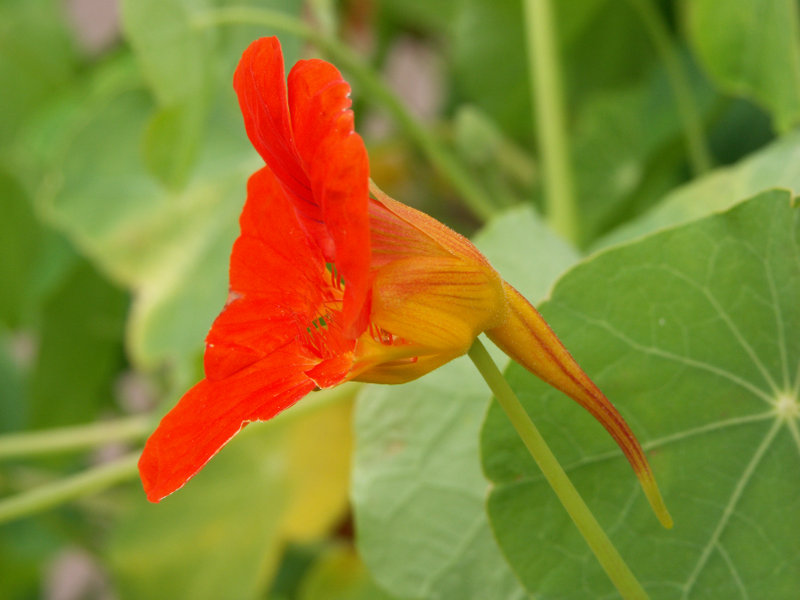
I love nasturtiums. In my previous post, I mentioned my childhood memory of morning glories. Another memory from the same period is of nasturtiums growing luxuriantly up the wall of our house, under my elder sister’s bedroom window (the window through which I spied on her “carrying on” with her boyfriend, who proceeded to give me money for an ice-cream to get rid of me). I fell in love with the flower’s fiery colour scheme, red, orange and yellow, against a background of smooth round green leaves. And at some point, I had learned to pick a flower and suck the nectar out of the nectar spur at its base. It gives your taste buds a delightfully tiny burst of soft sweetness.

I loved nasturtiums so much that when my mother gave me a small strip of land in the garden to plant as I wished I chose to plant nasturtium seeds. I watched carefully as the little plants emerged and started to grow. And I still remember sharply my concern when my parents decided to have a nearby tree cut down. It looked alarmingly like the tree was going to fall on my nasturtiums. I sat there with the whole family, watching the tree cutters proceed. My siblings found the whole thing exciting and chattered along happily. But I was in an agony of apprehension for my nasturtiums. Sure enough, the tree fell on them and flattened them. What misery!

I close with a recipe. I discovered recently that both the flowers and the leaves of nasturtium are edible. This particular recipe is from the following web site: http://fruitandveggieville.blogspot.com/2008/06/flowers-you-can-eat-nasturtiums.html.

“Recipe for a Nasturtium Salad
­       1 lettuce – iceberg, butter or cos
­       small bunch of nasturtiums – leaves and flowers
­       ripe red tomatoes
­       1 tablespoon capers
­       feta cheese

Decide quantities to your own taste. The nasturtium leaves are peppery and the more you put in the hotter the salad gets. Wash and dry the lettuce and tear into the size pieces you prefer. Rinse the nasturtium leaves, and tear or chop into rough strips. If you’re using baby tomatoes halve them, chop bigger ones into cubes. Cube the feta cheese and sprinkle over the salad with the capers. Top with the whole flowers and maybe one or two whole leaves. This peppery, bright salad is just right to accompany pizza, cold meats or as a starter on its own.”

Enjoy!

A CLUSTER OF MORNING GLORIES

San Francisco, 23 September 2012

We left this morning for San Francisco, to visit our son. We were up early, and since it was a beautiful morning – the sky was a cloudless clear blue – we decided to walk to the station to catch the train to the airport. The walk took us past our local supermarket, the modest housing estates that cluster around it, past the smart office buildings along the Third Ring Road, and finally along a rough semi-constructed path that follows the highway out to the airport until the stairs to the station are reached. The last stretch of our walk reminded us that Beijing is still constructing itself. It is one of those pieces of land that get left behind in urban renewal projects, stuck between new constructions – in this case, the highway on one side, modern office buildings on the other – and are fast going feral. Weeds were growing in abundance along the side of the path and covering the construction rubble underfoot, rogue trees were beginning to push up through the cracks, the fencing along the path was rusting and bent. We picked our way along, weaving to avoid the commuters streaming in to work, with the suitcase stumbling behind us over the rough paving.

Suddenly, there, in the shade of the early morning sun, was a cluster of morning glories flowering on the fence. The plant itself is nothing much to write home about; it has the weak tendril-like stalk of a climbing plant and the leaves are a drear matte green. But the flowers were magnificent – a cool, dark violet colour, almost phosphorescent in its intensity. I’m guessing they were Ipomoea purpurea, the purple or common morning glory. We stopped for a minute to admire them, but we were in a hurry now and had to move on.

As I write this, my mind’s eye suddenly whirls off half a world away and I find myself walking down the main coast road south of Genova, just as it enters the village where we used to spend our summers when the children were young. I am next to the cemetery; the village dead have the best view, out over the coast to the distant promontory. It’s a beautiful summer morning. Down in the cleft where a creek runs off the hills behind me, the morning glories have run amok, covering and smothering everything. But the flowers are open, beautiful in the morning light, cool, dark, violet.

And my mind’s eye whirls off again, this time alighting in the town in Africa where I was born. More than fifty years have passed and the memory is fading. But I see a wall – is it in a park, in a garden? – covered in morning glories, glowing in the morning light, cool – dark – violet.

OLYMPUS DIGITAL CAMERA

_____________

picture: http://georgeswebpage.com/almanac

MY LITTLE ROUND CLOUD

Urumqi, 5 September 2012

The flight started early in the morning in Beijing. It was raining hard as the airplane took off, and we climbed up through a milky whiteness. Finally we broke through and started our trek westward to Urumqi, capital of Xinjian. The cloud cover began to tear over Inner Mongolia, and through the gaps I could see wooded hills with cultivated valley bottomland. And so it went on until we came to the Ordos Loop, where the Yellow River, after flowing north-east from Langzhou for 600 kilometres, turns abruptly to flow east for 300 kilometres, and then just as abruptly turns again, flowing south for another 600 kilometres, before doing one final abrupt turn east to flow on to the sea. The northern part of the Ordos Loop over which we were now flying is home to the Ordos Desert. On cue, as if sensing the harsh land below, the clouds suddenly banked to a halt, and in the now clear sky I could make out far below me the muddy waters of the Yellow River as they started making their turn to the south. And suddenly I spied one small, round, little, cloud, wispy to the point of invisibility, bravely clinging to its space above the desert floor. I watched, fearing that it would evaporate before my eyes, unable to resist the furnace heat below. But no, it was still defiantly there when it dropped out of sight behind me. And now the southern reaches of the Gobi desert rolled into view, with not a cloud in sight to soften the hard edges of the stone plains and rolling dunes, which accompanied me all the way to the mountains that guard the eastern marches of Urumqi.