Of my very modest collection of paintings, this is the one I am most fond of.
My photo
It is a view of the little town and castle of Dürnstein, which sit in a bend of the Danube river some 8 km upstream of the city of Krems. The town lies a little above the waterline, the castle sits atop the dry, rocky hill which rises behind the town. This photo, taken from the other side of the river, shows both the town and the castle very clearly.
But as the modern photo shows, it is a ruin now. Its downward spiral started in the final years of the Thirty Years’ War, when Swedish troops had captured the castle on their way to trying to take Vienna. That attempt failed and they moved on to Brno, now the capital of Slovakia. The Swedes laid siege to the city.
But that failed, too, and the Swedes retreated back into Bohemia. As they left Dürnstein castle, they partially blew it up to render it unusable. Later owners didn’t bother to patch it up and live there anymore, so it slowly fell to pieces.
In its early days, though, back in 1192-93, Dürnstein castle became famous throughout Europe as the place where Richard the Lionheart, King of England, was imprisoned.
Source
Richard was trying to get back to England from the Crusades. He had made a lot of enemies over the years, who were all intent on capturing him as he crossed their lands to get home. He chose to take a circuitous route, which saw him land on the northern shores of the Adriatic Sea, and then pass through the lands of the count of Gorizia, the Duke of Carinthia, and Leopold V, Duke of Austria – all enemies of his – before making it into Bohemia, whose king was an ally. From there, he planned to go on into Saxony, whose Duke was his brother-in-law, and take a ship over to England. By late December 1192, he had got as far as a village on the outskirts of Vienna, where he decided to hole up to rest for a few days. Unfortunately for him, Duke Leopold’s men got wind of his presence and he was duly arrested. Leopold held him for a few months in Dürnstein castle before passing him on to Henry VI, Holy Roman Emperor, who also had a few axes to grind with Richard. Henry imprisoned him in another castle and demanded a huge ransom for his release. By imposing a ferocious set of taxes on one and all, England’s regents, aided by Richard’s mother, Eleanor of Aquitaine, managed to raise the ransom, and he was duly released. We have here a photo of one of the illustrations in the “Book in honour of the Augustus”, a propaganda piece for Henry VI, showing Richard humbly kissing Henry’s feet.
I’m sure Richard loudly denied that any such humiliating submission had taken place – although he did have himself re-crowned when he got back to England, to wipe away the shame of imprisonment and to counteract any whispers there might have been that his being imprisoned meant he was no longer king.
The good citizens of Dürnstein have milked this story for all it’s worth, littering the town with interpretive markers giving information on the main actors in the drama as well as a few more.
My photos
To spice up the tourist experience, they give space to legends as well as to facts. In particular, they have a marker reporting on the minstrel Blondel de Nesle.
My photo
A story was invented in the 18th Century, which went like this: no-one knew in which castle Richard was being kept prisoner, so Blondel, who knew Richard, went from castle to castle singing a song only he and Richard knew. Finally, at Dürnstein Richard sang along with him. At last, Richard had been found! Here’s a coloured lithograph by a certain Joseph Martin Kronheim from the mid-1850s, which has Blondel singing at the foot of the castle’s walls.
As I say, all invented. But, like all good legends, the story contains a kernel of truth. Richard was brought up in Aquitaine, the beating heart of troubadour culture.
As Duke of Aquitaine, he encouraged and supported the troubadours. He also wrote and sang his own songs, one of which – composed during his imprisonment in Dürnstein – has come down to us. He wrote it in Langue d’Oc, the old language of the south of France. I cite here the first two verses (it’s a bit too long to quote in full).
Ja nuls hom pres non dira sa razon
Adrechament, si com hom dolens non;
Mas per conort deu hom faire canson.
Pro n’ay d’amis, mas paure son li don;
Ancta lur es si, per ma rezenson,
Soi sai dos ivers pres.
Or sapchon ben miei hom e miei baron,
Angles, norman, peitavin e gascon,
Qu’ieu non ay ja si paure companhon
Qu’ieu laissasse, per aver, en preison.
Non ho dic mia per nulla retraison,
Mas anquar soi ieu pres.
Since I presume that, like me, most if not all of my readers do not speak Langue d’Oc, I give here a translation in English of these two verses.
No prisoner can tell his honest thought
Unless he speaks as one who suffers wrong;
But for his comfort as he may make a song.
My friends are many, but their gifts are naught.
Shame will be theirs, if, for my ransom, here
— I lie another year.
They know this well, my barons and my men,
Normandy, England, Gascony, Poitou,
That I had never follower so low
Whom I would leave in prison to my gain.
I say it not for a reproach to them,
— But prisoner I am!
He was clearly trying to guilt trip his vassals into paying the ransom. If any of my readers want to hear the song they can do no worse than go to this link.
My wife and I pass through Dürnstein at least once a year. There is a hike that goes all the way up the left side of Wachau river valley from Krems to Melk and then back down the other side of the river to Krems. The first stage runs from Krems to Dürnstein. The path hugs the hills between the two places.
My photos
As you amble along, you get beautiful views onto the Danube River flowing below.
It was built in 1905, to commemorate the 100th anniversary of the battle of Dürnstein-Loiben, one of the many battles of the Napoleonic wars. The fighting took place where those vines now peacefully grow their grapes. It pitched about 7,000 French troops against some 11,000 Russian and Austrian troops. Fighting went on well into the night before it ground to a halt with no obvious winner, although both sides claimed victory. The losses were heavy: about 3,000 men on both sides. This is the only illustration I can find of the battle. I suppose that is meant to be Dürnstein castle in the background.
The battle was completely overshadowed by Napoleon’s brilliant victory in the battle at Austerlitz three weeks later. Years ago, a friend of ours took my wife and me to one the annual reenactments of that battle, the one and only time we’ve ever been to a battle reenactment.
But no-one reenacts the battle of Dürnstein-Loiben. It resolved nothing and no-one remembers it anymore. The 6,000 soldiers who lost their lives did so for no good reason.
Ah, this land, steeped in history – and drenched in blood.
It’s summer time! And summer time, for my wife and me in Vienna at least, means it’s time to go hiking around the city and beyond. And that means studying guides, electronic and hard-copy, to find new hikes for us to do. So it was that a month ago now I bought a guide to the Jakobsweg, the pilgrim routes (or at least modern versions of these; so many of the original routes have been overlain by the asphalt of large roads) that wend across Austria and eventually lead the walker (after crossing Italy or Germany and then France and Spain) to the cathedral of St. James in Compostela.
Here we have a Medieval miniature of St. James as a pilgrim on his way to Compostela – note the scallop shell on his satchel, the symbol of this pilgrimage.
Although in my mind’s eye I see the road snaking out before me over hill and dale all the way to Compostela (Google Maps tells me that the town is 2,760 km away from my living room), I’ve been looking more modestly at the stages which are not too, too far from Vienna. Specifically, I’ve been looking at the stages beyond the great monastery of Melk.
Source
(The reason for that is simply that we’ve already walked the stages between Vienna and Melk.)
As I followed the stages in my new guide and figured out where we might stay for the night along the way, my eye was caught by the name of a village we would walk through: Sankt Pantaleon. I throw in a photo of the village which I found online. It looks like a nice, typical Austrian village.
Readers of these posts will know that I have a fondness for obscure saints whose names still pepper our landscape – although I have to say that the name Pantaleon is thin on the ground. Google Maps – once again – informs me that there are only a couple of villages in Austria which go by that name, as well as a handful of churches and streets. The same is true for France, Italy, and Spain. He has a somewhat greater presence in Greece and other Orthodox lands under the name Pantaléémon. In Switzerland, Germany, Belgium, and Portugal he has hardly any presence, and in the Netherlands and the UK none at all. My wife and I will not be coming across him very often on our hikes, it seems.
What do we know of this saint? Well, not much at all, as is usually the case with these saints from the earliest centuries of Christianity. If he existed at all, he hailed from Asia Minor as most of these early saints seem to have done. His various hagiographies tell us that he was born in the late 200s AD and brought up a Christian by his mother (his father was a pagan). But he fell away from the faith when he studied medicine. He was brought back to the straight-and-narrow by an even shadowier saint, who – if I’ve understood the sub-text correctly – basically said “Jesus did better than you, by healing through faith alone”. And in fact, Pantaleon converted his pagan father after healing a blind man by invoking the name of Jesus over him.
In any event, he continued being a doctor; and he must have been a very good one, because he became the personal physician to successive Emperors. But he must also have continued dispensing care – for free – to those who needed it, which has earned him in Orthodox Christianity the delightful title of Holy Unmercenary Healer. This is an epithet that has been given to various saints who offered their medical services for free, contrary to the (still) prevailing practice by doctors of charging (often a lot) for their services. The National Health Service in the UK, which still manages (just) to offer its services free at the point of delivery, should take Pantaleon as its patron saint.
Things came to a head when Diocletian started his persecution of Christians in 305 AD. Doctors, envious of Pantaleon’s success as a court physician – and of course pissed off that he was offering his services gratis – denounced him to the Emperor. Since the latter rather appreciated Pantaleon’s skills he tried to get our hero to abjure his faith, which of course Pantaleon did not do. So the Emperor handed him over to the torturers. They subjected him to the usual menu of hideous tortures which hagiographers delighted to write up in minute detail. I won’t bother readers with even a summary of them. I’ll just throw in a photo of a relatively recent painting depicting one of his tortures, being put in a bath of molten lead (which, according to the hagiographers, immediately went cold when he stepped into it, so I’m not sure how he was meant to get out of the now-solidified lead; but I guess I’m just being picky).
I’ll also mention one other torture to which he was subjected – because it is important for later in our story – namely the nailing of his hands to his head. Ouch! In the end, it’s only when he gave his tormentors permission to cut off his head that they managed to do so.
As usual, when the veneration of relics became popular in Christianity, various relics of Saint Pantaleon popped up: a head here, an arm there, a finger bone somewhere else. More unusually, a vial of his blood ended up in the town of Ravello, near Amalfi. Like the more famous case of Saint Gennaro’s blood in Naples, which is just around the corner from Ravello, the blood in the vial liquifies once a year. Here we have a photo of that vial when it is apparently liquifying in 2022.
So popular was Saint Pantaleon that he was made one of the Fourteen Holy Helpers, who, from the late Middle Ages on, were invoked to help with people’s everyday problems, especially health problems. I’ve written about a number of the Holy Helpers in earlier posts, so it’s nice to be able to add to the list with this post. I guess it made a lot of sense to include Pantaleon in the group; he was a doctor after all. And in fact, he was the patron saint of doctors and midwives. He was invoked specifically in cases of cancer and tuberculosis; why those two diseases rather than any other is not clear to me. What makes perfect sense to me, however, is that he was also invoked in cases of headaches and any other pains in the head, or even mental illnesses. This photo of a panel which I stumbled across in the church of Eferding during our recent hike along the Danube – I kept the photo back for this post – shows very clearly why. The saint to the right is Pantaleon, and we can see the nail which has been hammered through his hands into his head. To a mere mortal like me it looks incredibly painful, although the sculptor has Pantaleon looking very stoic.
My photo
This story of the nail in the head has also meant that I’ve identified one more of the fourteen Holy Helpers in my painting on glass of them, which pleases me no end!
My photo
As I wrote earlier, a fair number of churches have been named after Saint Pantaleon. I will only mention one, the church of San Pantalon in Venice.
If I mention it, it’s because my wife and I checked it out during a brief trip we made recently to Venice, to visit the Biennale (architecture is the theme this year). The church’s exterior is not much to write home about. The church’s main claim to fame is its ceiling, which depicts the martyrdom and glory of Saint Pantaleon. It is indeed quite breathtaking.
It is not, as might seem at first sight, a fresco; it is a vast painting on canvas, which has then been stuck to the ceiling. Apparently, these were quite popular in Venice; quite why, I don’t know.
This mention of Venice allows me to segue smoothly from the sublime to the ridiculous. San Pantaleone (or Pantalon in Venetian dialect) was once a very popular saint in Venice. No-one has given me an explanation for this. Nevertheless I have one, born of my fervid imagination. To explain my theory, I have to jump to the countries in the southern cone of Latin America. It is a tradition there to eat gnocchi on the 29th of each month (and so the tradition is called los ñoquis del 29). It is a festive occasion, as this photo – one of many on the internet – attests.
It was also the custom – perhaps not so much now – to place some money under your plate to bring you luck and prosperity. It was the Italian immigrants to this part of the world, many of them from the Veneto region, who brought this charming tradition with them. It was based on a legend about San Pantalon (to give him his Venetian name) which made the rounds in the Veneto. Even though he lived in Asia Minor, it was said that he had once come to northern Italy on a pilgrimage. One day, the twenty-ninth day of the month, he asked some poor peasants near Venice for bread; they generously invited him to share their meagre meal. In gratitude, San Pantalon announced that they would enjoy a whole year of abundant fish catches and harvests, which was indeed the case. The custom of placing some money under one’s plate of gnocchi – a simple dish, one for poor people – on the 29th of each month is therefore intended to obtain the renewal of this prosperity once granted by the saint.
Lovely story. But what I see in this legend is that for the Venetians – whose whole livelihood, indeed whose whole State, depended completely and totally on trade – San Pantalon would have been the go-to saint: “dear San Pantalon, here’s a lovely candle for you and some money in the offerings box. I’ve also put my life’s savings in this ship going to Constantinople [=the money under the plate]. Please, please, please make it come back with mounds of fantastic stuff that I can make a fortune off.”
Whatever the reason for his popularity in Venice, in the minds of other Italians Venetians became inextricably linked with San Pantalon. And so, when Commedia dell’Arte was born in the 16th Century, one of the stock characters in the plays was Pantalone. Pantalone is basically a caricature of Venetian merchants and just to underline this fact the character is meant to speak in Venetian dialect, at least in the Italian versions of the plays. He is retired, so he’s played as a wizened old man. He’s miserly and loves his money. Despite his age, he’s a lech and a smooth talker, and makes numerous passes at women, although he is always rejected. Given the high social standing of merchants he also represents those at the top of the social order, and he feels that this allows him to meddle in the affairs of others. In sum, the character of Pantalone is entirely based on money and ego, but at every step he becomes the butt for every conceivable kind of trick. Rereading this, which is based on a composite of many descriptions I found of the character, I get the distinct impression that the rest of Italy didn’t much like the Venetians. Quite a comedown from our heroic martyr Pantaleone.
But it gets worse! To understand why, I show here a couple of depictions of what the Pantalone character typically looked like on stage. By one of those wonderful acts of serendipity, my wife and I saw the first of these depictions just yesterday at the Kunsthistorisches Museum in an exhibition they are currently holding entitled “Arcimboldo-Bassano-Breughel” (for any readers in Vienna, hurry up to see it, it finishes on 29 June!). This particular painting is by Leandro Bassano. It was one of a series that depicted the months of the year, in this case the month of February, which of course is carnival time in Italy, which was a popular time for putting on plays.
My photo
The set of characters on the far left of the painting (minus the boy and the dog) are all characters from commedia dell’arte plays. Pantalone is on the very far left. I throw in a blow-up of that part of the painting.
My photo
It’s a pity that Bassano put Pantalone half out of the painting, but you can make out his sartorial particularities – red doublet and hose, slippers, a black cloak, a black hat, and a sword. And of course a mask. You can see these much better in this painting by an unknown artist in the Carnavalet Museum in Paris.
This painting, on the other hand, by the French painter François Bunel the younger, from the late 16th Century, shows what a figure of mockery Pantalone was.
It’s actually quite pertinent that I chose depictions by French artists of old Pantalone, because commedia dell’arte took the rest of Europe by storm. Every country had their shows, with the names of the characters modified to fit local ears: in German our foolish old man stayed as Pantalone, but in French he became Pantalon and in English Pantaloon. So well-known was he that even Shakespeare, in his famous monologue in As You Like It about the seven ages of man, mentions him as the sixth age:
The sixth age shifts
Into the lean and slippered Pantaloon,
With spectacles on nose and pouch on side;
His youthful hose, well saved, a world too wide
For his shrunk shank …
In both Britain and France, that “youthful hose” was eventually given the character’s name: “pantaloon” on one side of the Channel, “pantalon” on the other. Even though this type of clothing (“covers the lower part of the body from the waist to the feet, consisting of two cylinder-shaped parts, one for each leg, that are joined at the top”, as one dictionary definition has it) has gone through considerable redesign over the centuries, the French have kept their name for it, and the North Americans have kept the English form of the name, although under the shortened form of “pants” (the British quite quickly opted for “trousers” instead as their name for this type of fashion statement). So in many parts of the world our heroic martyr has been debased to a vulgar piece of clothing. But it gets even worse! Because another piece of clothing, which covers our private parts, has become called “underpants”. Poor Pantaleon, from this:
It was an article in the Guardian that started me off on this post. The writer was describing an expedition of his into the countryside in Kent to go foraging. He mentioned having seen dandelion, common sorrel, lady’s smock, stinging nettle, goosegrass, reedmace … plants I have never eaten; in fact, apart from dandelion and stinging nettle, I’ve never even heard of them. The writer goes on:
“Further along the hedge, the large glossy leaves of alexanders stand in ragged clumps above the dull, wintered sward; yet another superb edible and the main reason for my visit. This plant, most likely introduced by the Romans, comes from the Mediterranean where it was once known as Petroselinum Alexandrium – the parsley of Alexandria. Like many members of the carrot tribe, they present a huge amount of culinary potential – all parts of the plant can be eaten, offering complex floral flavours and harmonising notes of bittersweet. The root is particularly delicious, something akin to a fragrant parsnip once roasted. … I get to work harvesting a few alexander crowns, the burgeoning flower stems still sheathed in soft green leaves. Later I’ll roast them with feta and sun-dried tomatoes, returning the unmistakable smell of spring fare to the kitchen.”
I have to admit to also never having heard of alexanders, let alone eaten it. In the face of such ignorance, I might have moved on to another article in the Guardian were it not for the fact that something in the article’s description – the mention of a Mediterranean origin perhaps? – intrigued me, and I decided to investigate.
The first thing I did was to pull up some photos of this plant, because I had no idea what it looked like. Here’s a nice example of what I found.
As I studied this and other photos, I said to myself “hang on a minute, I think I’ve seen this plant recently. Wasn’t it at some point half choking the path on that last hike we did?” This was in Liguria, when my wife and I were taking the high path which snakes along the contours of the hills between Sori (where we have our apartment) and Recco (where we were going to eat focaccia al formaggio). As always, I turned to my go-to source, Wikipedia, for further information. I was not disappointed.
Let me start with a map of the plant’s current distribution.
It seems that it can be found throughout Italy and Greece, as well as much of the UK and Ireland. Otherwise, it is more of a coastal plant. So there is a good chance that what I saw on that walk was alexanders. There is some discussion as to whether, as suggested by the writer of the Guardian article, this is a Mediterranean plant which was brought to the UK and elsewhere in Northern Europe (the Romans being a popular possible vector as far as the UK is concerned) or whether it is actually native to all the places in Europe where it is currently found.
I’ll leave that question to the experts to hash out. What caught my eye in the Wikipedia entry instead was a sentence: “Inland [in the UK], it is often found close to the sites of medieval monastery gardens and other historical places such as castles.” And suddenly, a vision of Brother Cadfael working his herb garden floated up in my mind’s eye. For any readers who might not be familiar with Brother Cadfael, he is the main character in twenty books set in a Benedictine monastery in Shrewsbury, England. The stories take place between the years 1135 and 1145, and have Cadfael solving all sorts of murders and other Medieval mayhem. He is also the monastery’s herbalist, making up medicines for sick monks, using herbs he grows in the monastery’s herb garden where he grows the plants he needs to make up his potions. I throw in a photo of the cover of the 20th book in the series, where he seems to be in his herb garden.
My photo
I have to say, I’m extremely fond of the Cadfael stories. As the photo intimates, I have all twenty of the series. I’m not so fond of the TV show starring Derek Jacobi as Cadfael. Normally, I’m a great fan of his, but this show didn’t really grip me.
In any event, I throw in here a painting by Fra Angelico showing monks at work on their garden.
I don’t know if Cadfael would have grown alexanders in his herb garden. The plant was mostly grown to eat, but Wikipedia does say that it also had therapeutic uses. So I’m happy to think that his herb garden would have contained alexanders.
Another sentence in the Wikipedia entry caught my eye: “It was once highly valued in northern Europe as an early vegetable: one of the few fresh plants that can be eaten in February or March”. If it was so highly valued, what happened? Well, it seems that in the 18th Century (or maybe even in the century before that) it lost out to celery. John Evelyn (whom I’ve had cause to mention in an earlier post) had this to say in his book Acetaria. A Discourse of Sallets [Salads] published in 1699: “Sellery … was formerly a stranger with us (nor very long since in Italy) [It] is a hot and more generous sort of Macedonian Persley [Macedonian parsley being another name for alexanders] … and for its high and grateful Taste is ever plac’d in the middle of the Grand Sallet, at our Great Men’s tables, and Praetors feasts, as the Grace of the whole Board”. The Wikipedia entry confirms (in slightly more sober language) this similarity in taste between alexanders and celery, at least as far as the leaves are concerned: “the young foliage is intermediate in flavour between celery and parsley”.
And so, abandoned by monk and lord of the castle, domesticated alexanders went feral, spreading out from the old monastic and aristocratic herb and vegetable gardens into the surrounding countryside. I suppose in the UK in particular the tidy plantings of alexanders in monastic gardens were victim of Henry VIII’s dissolution of the monasteries in the late 1530s, which left behind only a few ruins like this one, of Byland Abbey in Yorkshire.
(I chose this particular ruin because it happens to be down the road from my old school; I did some very basic archaeological mapping there but don’t remember ever seeing any alexanders).
Is there any chance of seeing alexanders back on our plates? Well, Wikipedia holds out some hope: “It … has found some renewed use in exotic “foraged” food recipes and restaurants.” A first, timid step to its journey back onto supermarket shelves next to celery, perhaps. Maybe I should forage it and try it. But the Guardian article does contain a warning: “care must be taken with identification … [nearby] hemlock water dropwort is growing in great profusion. This deadly relative and a half-hearted imposter of alexanders is easy to distinguish with experience … but surviving long enough to gain such confidence requires a little care”. That makes me gulp. Right now, I think I’ll just take photos of the plant, like this one I took recently on a hike on the Monte di Portofino starting from San Rocco.
It was freezing cold in Vienna this last month we were there, far too cold for my wife and I to go hiking. So we spent our spare time visiting Vienna’s nice, warm museums. One museum we visited was the Paintings Gallery of the Academy of Fine Arts; I don’t think we’ve been back to it since a visit we made shortly after we arrived here, back in 1998. As the name indicates, we are actually dealing with an arts school, but it has quite a worthy collection of paintings donated to it by various aristocrats over the centuries. It has a particularly good collection of paintings by Lucas Cranach the Elder, and it was one of these that caught my attention, St. Valentine and a Kneeling Donor, painted in 1502-1503.
What a magnificent face St. Valentine has! Not a handsome face at all, but it still had me gazing at it in fascination. A face full of character! If I were to meet this person in real life, my staring at him would probably provoke him into demanding what the hell I was looking at and to scarper before he took a swing at me. His face reminds me of the actor Walter Matthau at his most scowling.
From today’s perspective, what with the saint’s feast day of 14 February being irremediably lodged in our collective memories as the day of lovers, I think many people would be surprised by Cranach’s choice of model. They might have someone more sucrose in mind, like this painting in the church of Santa Maria degli Angeli in Rome.
Source
But that is to forget that in Cranach’s time, St. Valentine was also the saint to whom epileptics would pray, and in fact down at St. Valentine’s feet in Cranach’s painting one can see a man having an epileptic fit. Perhaps this rugged face fits better a saint who was meant to be dealing with epilepsy.
By coincidence, a few days later, at the Museum of the Lower Belvedere, I came across another painting with equally interesting faces. It is of three saints, Jerome, Leonard, and Nicholas. It is from the late 15th Century, painted by an unknown artist.
my photo
As I’ve noted in previous posts, I have a fascination for faces in art. When I visit most collections of Old Masters, after enduring a long series of paintings of classical figures prancing around in sylvan scenes or of various members of the nobility hamming it up in their best clothes, it comes as a relief for me to gaze upon portraits from times past. These are faces I can relate to, faces of people whom I could be seeing on any street corner on any day of the week, just dressed in different clothes. It reminds me that history is not some colourful story in a book but was the lived experience of people just like me.
Most of the faces I gaze on are pleasant; I look, I note, I move on. But sometimes – like St. Valentine’s – they are arresting. There is something about the face that holds my gaze, that makes me stop and look more closely, that makes me wonder what the person was like. Let me use the rest of this post to celebrate some of these arresting faces in art.
A good example is Maximilian I, Holy Roman Emperor. I am particularly fond of this portrait of him, by Albrecht Dürer, painted a few years after Cranach’s St. Valentine.
It’s another painting my wife and I saw as we took refuge from the cold in Vienna’s museums, this time in the Kunsthistorisches Museum.
There are many other portraits of Maximilian, and in some of them he is frankly ugly, like this one of him and his family. With this side pose, his very prominent nose stands out.
Maximilian certainly looks better than many of his successors, who sported the monstrous Hapsburg jaw. It seems to have started with his grandson Charles V, who is in that last painting, bottom centre. It continued down the generations. Here is a portrait of Charles V when young.
Source
In later life, he grew a beard, presumably to camouflage the chin.
But I don’t want to focus on ugly people, even though they are the subject of many, many paintings. So my next candidate for arresting faces is Federico da Montefeltro, Duke of Urbino. Probably the most well-known portrait of him is this one in the Uffizi, in a double portrait with his wife Battista Sforza.
That is a really interestingly craggy face! It certainly mirrors his life, a man who was a brilliant condottiero but also a very cultured man: in the last painting, he is dressed in armour but he is reading a book, an allusion to his humanist interests. Of course, the thing most people almost immediately notice about his face is that notch at the top of his prominent nose. He lost his right eye in a joust (and probably smashed up the right side of his face in the process; he always had himself painted from the left). To be able to see better with his one remaining eye, especially when fighting, he had the top of his nose cut away. A tough, tough guy …
Staying in Italy, the next arresting face I pull up is that of Lorenzo de Medici, il Magnifico. Of the many representations that were made of him, I choose this terracotta statue, whose brooding look captures me. What dark secrets are hidden there!
Other arresting faces come from Caravaggio. It’s the faces of the secondary characters in his paintings who most draw my eye. A prime example is the Incredulity of Saint Thomas. Look at the weatherbeaten faces of those three apostles! They could truly be fishermen walking the shores of the Sea of Galilee, or indeed any shores anywhere.
Michelangelo’s badly broken nose adds to the allure of his face. I read a while back that it got broken after he mocked the drawings of the artist Pietro Torrigiano, who in a rage took a swing at him.
I can’t leave Italy without including a portrait of San Carlo Borromeo, cardinal archbishop of Milan.
Source
His large nose led the Milanese to nickname him Il Nason, Big Nose.
Readers will see that it’s all been men up to now. Indeed, it’s been very hard to find paintings of women’s faces which are arresting: beautiful yes, haughty yes, homely yes, motherly yes, careworn yes, but arresting …
After a considerable amount of searching, I came up with a few examples. This is Mary, Queen of England.
Now that is the face of a very determined woman! And determined she was. She suffered through all the travails of her father Henry VIII declaring her illegitimate, banishing her from court, and refusing to let her be with her mother when she died, and, once on the throne, she tried with all her might to bring England back into the Catholic fold.
She, too, suffered under Henry VIII, nearly losing her head at one point, and when she was queen had to navigate tempestuous religious factional fighting. She was not a woman to be pushed around.
Perhaps I could add this self-portrait of Artemisia Gentileschi. It’s not a face that necessarily arrests me, but knowing her background – raped when she was young by another painter, tortured during his trial for rape to see if she kept to her story, having to see her rapist’s meagre two-year sentence reversed after a short prison term – I sense a steeliness in her.
I finish with the face of a peasant woman in an early painting by Van Gogh, before he went to Paris. It’s from the Potato Eaters, a really dark painting (literally).
Vienna, 29 August 2024
updated Sori, 10 March 2025
My wife and I were walking along some street a few weeks ago when I spotted a gorgeous red FIAT 500 driving past. Of course, I didn’t have the gumption to take a photo, so this one which I’ve lifted from the web will have to do.
I have a doubt, though. Was it a FIAT 500, or was it a FIAT 600? I must confess to never having been able to distinguish very well between the two. So just in case, I also throw in a photo of a red 600.
I think readers will agree that they really are very similar, with the 600 being slightly longer to allow passengers to (more or less) sit comfortably in the back seat.
I’ve always had a fondness for quirky little cars. The VW Beetle comes to mind.
My excuse for doing so is that my mother had as friends two old ladies who were twins, and they would always come and visit us in a deux-chevaux. While they didn’t drive quite as badly as Dupont and Dupond, their arrival was always accompanied by a mini-drama when they were parking.
I think I can go so far as to add the Morris Mini-Minor to the list of quirky cars, although, while having a fairly high quirkiness coefficient, it is not, in my humble opinion, as quirky as the other cars I’ve mentioned.
In my opinion, though, they’re not quirky, they’re just weird, like Trump.
I might be fond of quirky cars, but I’ve never actually owned one. The closest I’ve ever been to quirky-car ownership is through my wife, when she co-owned a white FIAT 600 with her flatmate while doing her graduate studies in Bologna. It must have been twenty-fifth hand, that car. We took it on a long road trip over a Christmas holiday to Puglia. My mother-in-law accompanied us; the saintly woman spent the whole trip wedged in the back. Being rather old, the car had a problem of leakage from the radiator. Every 100 km or so, we had to stop and top up the water. At these moments, my mother-in-law would ask out loud if we would ever make it to our destination. To capture a little of that drive to Puglia, I throw in a photo of a FIAT 600 rockin’ down the highway, as the Doobie Brothers sang way back in 1972.
That one trip is the only time I’ve ever driven one of these quirky cars. I once accompanied a University flat mate of mine on a long, long trip from London to her mother’s place in Austria (I mentioned this trip in my last post). She was driving a Dyane, not quite as quirky as the original deux-chevaux but close enough.
I didn’t drive because I didn’t have my license yet (I’m not sure she would have let me drive anyway; she was very possessive of her Dyane). Apart from the length of the trip, the only notable thing that happened is that a Frenchman wearing a beret (I kid you not) drove into my side of the Dyane about half an hour after we had left Dunkirk. Classic British-French misunderstanding. My friend thought she had priority because she was on a large main road and the bereted Frenchman was coming in from a small road on the right. He, on the other hand, was strictly applying that quirky French rule of the road “Priorité à droite”, regardless of relative road sizes.
In contrast, a FIAT 500 (or maybe FIAT 600) was part of a scene of Italian-British cultural exchange earlier in my life. The one and only cruise I’ve ever been on (it is the subject of an an earlier post) stopped off in Brindisi on the way back to Venice. It was 1968 or ’69. A group of us youngsters on the ship went for a stroll through town. We were of course noticed by the local population, especially since one of us was a very pretty blue-eyed, blonde-haired teenager. Within minutes of us beginning our walk, this white 500 (or maybe 600) came careening around the corner on two wheels and came screeching to a halt next to us. The car’s driver and passengers all hopped out and after much hand waving and some words we managed to understand that they were inviting us to a café for a drink. Since none of us spoke Italian and none of them spoke English, the conversation was exceedingly limited. Nevertheless, a good time was had by all. Eventually, we went our separate ways, they in the 500 (or 600?), which careened away around the corner on two wheels. To celebrate this moment of entente cordiale in Italy, I throw in a photo of a bar in Brindisi from perhaps 10 years earlier, with what definitely looks like a FIAT 600 parked outside it.
These quirky cars are of course collectibles now. One fellow who I worked with – the one who once spent more time getting local salted capers than doing the work, as I’ve mentioned in an earlier post – recounted to me in excruciating detail his efforts to do up an old 500 he had bought. Maybe it looked something like this when he bought it; this particular FIAT 500 has been quietly mouldering away for at least ten years now in a parking space down the road from our apartment at the seaside.
My photo
He told me that all he needed to find was the original of one small part (some sort of knob) and he was done. The car would be worth millions! (of liras) I never did find out if he managed to lay his hands on that small part …
Of course, it comes with my age to say that they don’t make things the way they used to anymore. But in the case of quirky cars, it’s really true. Modern cars are so boring, no character, just boxes on wheels. Even the modern cars whose manufacturers exploit the mythic status of the old quirky cars by giving them the same name are but pale imitations of the originals – if they look like the original at all.
The new FIAT 500 EV looks quite like the old 500, just pumped up, as if it has been attending a body-builders’ gym.
Now that is a car with character! You can see in the photo one of its quirky characteristics, that it can be parked head onto the pavement.
My wife and I once stayed at a hotel which offered a free drive in a Smart. No idea why, but we said “what the hell, why not?” and we took it for a spin. A most delightful experience! If I had to own a car, which I most definitely do not, I would try to persuade my wife to buy a Smart. Actually, instead of buying why not join a car sharing scheme? Car2go offers Smarts.
I mentioned briefly in my last post that our grandson had spent some time with us. Wonderful! But tiring. After we had waved him and his parents goodbye, my wife and I headed into the Austrian Alps for a few days of well-deserved R&R. Specifically, we went to a place called Schruns, which – for those readers who are interested – lies in the Austrian province of Vorarlberg. But provincial boundaries – or any boundaries, really – are just lines in our heads, abstractions we impose on the landscape which surrounds us. It would be better to say that Schruns sits in the lower part of the valley of the river Ill, a river that starts its course at the head of the high Alpine valley of Ochsental, up on the slopes of the Piz Buin (Ox Peak in the local Rhaeto-Romance language), the highest peak in Voralberg, and then runs through the 40-km long Montafon valley.
Sorry, let me immediately be clear that this post is not going to be a rant about the foolishness of borders. I just got carried away a bit as I wrote that last paragraph. No, it is actually the result of a hike that my wife and I did high up above Schruns, at 2300 m, on a beautiful, sunny day. Here we are at the top, looking down at Schruns in the Montafon valley below.
My photo
In case any readers are wondering, we did not hike up the 1600 metres up to the top of the mountain from Schruns. Dedicated hikers we may be, but not fanatics. We took a gondola lift up 1200 metres and then hiked up the rest of the way. In that climb, we passed through a huge field of dwarf rhododendron.
My photoMy photoMy photoMy photo
I have to say that, although the sight was very pretty, my heart sank when I saw those rhododendrons. You see, I was under the impression that all rhododendrons originally came from the Himalayas, that I was in front of an introduced species, and – based on something I had read somewhere – that rhododendrons in Europe were now an invasive species, a topic I have written about in several posts. I was biased towards this thinking by my sighting, the previous day, on a hike along the river Ill of thick stands of Himalayan Balsam, which as I’ve reported in an earlier post is indeed an invasive species here in Europe. So it was with a certain grimness that I photographed another patch of rhododendrons on a hillside in front of where we had lunch on the edges of a small Alpine pond.
My photo
Well, I’m glad to report that I was completely wrong. Yes, the Himalayas do host a large number of rhododendron species, as – surprisingly to my mind – do Papua New Guinea and Borneo. But there are a number of rhododendron species native to North America, and – key to this post – a few rhododendron species native to Europe. I am extremely glad to tell readers that two of these, closely related to each other, are native to the Alps, so no invasive species on our hike! They are the alpenrose, Rhododendron ferrugineum
I think readers will agree that there doesn’t seem to be much difference between the two. The biggest difference seems to be in the leaves. The undersides of the alpenrose’s leaves are covered in rust-brown spots, while the hairy alpenrose’s leaves have hairy edges. The pH of the soil is a prime decider of what Alp they will grow on, with the alpenrose favouring acidic soils and the hairy alpenrose alkaline soils. I suspect that once upon a time the two were one and the same species, and then they began to diverge as they adapted to different soils. They are still close enough so that they will hybridise where their ranges overlap. Since I have absolutely no idea what the pH of the soil is in the mountains above Schruns, I have correspondingly no idea which of the two alpenroses my wife and I were looking at on our hike. And I certainly didn’t get down on my knees to have a closer look at their leaves.
But where did I get this idea that rhododendrons are an invasive species? I can’t have dreamed it. Well, it turns out that there is another European species, the common or pontic rhododendron, R. ponticum, which is indeed invasive. Actually, as in the case of the alpenroses, there are two closely related species. One, the subspecies ponticum, is found around the southern Black Sea basin (hence its name) and all the way to Georgia and the northern Caucasus, with a presence also in Lebanon.
It is this latter subspecies that has become an invasive species in the UK and more generally in Western Europe. Its story is typical of the period when Europeans went around the world hunting for “pretty plants”, plants which simply gave pleasure because of their flowers, foliage, shape, or other characteristics. This started in the early 18th century; of course, the global trade in plants had started several centuries earlier, immediately after Europe’s discovery of the Americas, but in those earlier centuries people were interested only in plants that were commercially interesting. The common rhododendron ssp. baeticum was an early example of this massive movement of pretty plants around the world. It seems that it was brought to England in 1763 through that British foothold on the Iberian peninsula, Gibraltar, which is located quite close to its natural range. A new plant nursery in Hackney, run by a German émigré by the name of Joachim Conrad Loddiges, was the first to make the common rhododendron’s seeds available. One of the early buyers from Loddiges was the 2nd Marquess of Rockingham, who had the distinction of being British Prime Minister twice.
As readers can imagine, in those days, when Respect for one’s Betters was much more engrained, where such a Distinguished Personage went others were sure to follow. The result was that the planting of common rhododendrons in posh and then not so posh gardens quickly spread. Of course, it helped that it had a really pretty flower. But then most rhododendrons do. The craze for rhododendrons expanded as new species of rhododendrons, from North America and then from Asia, poured into the UK and Europe more generally. Rhododendrons hybridise quite easily, which added to the excitement as gardeners hybridised rhododendrons with abandon to create plants with ever more glamorous flowers. Often, to speed things up, new species were grafted onto the rootstock of common rhododendrons; the latter were tough and often there already, so it made for a quick way to turn your garden into a splendid glade of multi-hued rhododendrons. I throw in here photos of some modern examples of such dazzling displays of rhododendrons. The first, fittingly, is from Wentworth House in Yorkshire, one of two country houses that our friend the 2nd Marquess of Rockingham once owned.
Just to remind ourselves that it’s not just grand gardens that have rhododendrons, here’s one – maybe a common rhododendron, but you can’t tell, what with all the hybrids around – in someone’s back garden.
Alas! As far as the common rhododendron was concerned, it all turned out to be too good to be true. By the 1970s if not before, people had realised that it was a horribly invasive species. Primarily because of its huge production of seeds, it quite easily “hops over” garden fences and – if the soil and climate on the other side is welcoming – it goes feral. Then, once the plant has rooted, the roots send up suckers, which in no time at all grow into new bushes. The branches of all these bushes layer tightly together, blocking out sunlight and stopping anything else from growing. And to cap it all, many of the rhododendrons which were grafted onto the rootstock of common rhododendrons reverted to common rhododendrons if they weren’t looked after, creating yet more common rhododendron plants ready to hop over garden fences. The net result was thick stands of common rhododendrons taking over large swathes of land.
Well, who cares about a bus stop? But the common rhododendrons are choking stream beds and the understory of woods. They also carry a family of pathogens that can kill certain species of trees. This map shows the distribution of the common rhododendron, both inside gardens and out, throughout the UK and Ireland in the early 1970s.
Readers will notice dense patches of dots in many places in the UK, as well as in Ireland. Western Scotland and Snowdonia in Wales have been especially badly affected. Eradication programmes are underway. But it’s hard (and therefore expensive) work.
And you have to come back for at least five years after you’ve cleared a patch, to ensure that no roots were left which have thrown up suckers and no seeds were left which have sprouted. And now scientists have discovered that after you’ve cleared a patch it’s not a given that the cleared land will revert back to its original composition of plants; the balance has been disturbed and some plants may move back in faster than others and stop the slower movers from recolonising the land. So more work will be required to ensure that the original plant composition returns.
There is something really quite ironic about the common rhododendron letting rip and taking over large swathes of British, and other European, countryside. Back in the Iberian peninsula, where the plant came from originally, it is hanging on by its fingernails. It is a relict population from the the original laurissilva forests which covered the Iberian peninsula 66 million years ago, It is no longer suited to the dry climate in Iberia and has retreated into a few damp valleys. Reproduction is largely confined to the roots sending out suckers as the climate is now too dry for seedlings to survive. With climate change turning the southern part of the Iberian peninsula into a semi-desert, I suspect it will expire there. But, luckily for it, and unluckily for other plants, a bunch of ignorant plant traders brought it into an ecological niche where it just thrives, thank you very much! Of course, we can’t really blame the people who back in 1763 carried the plant to the UK, no-one then had the knowledge of what impacts there can be from moving plants around the planet. But now we do know, and yet we still do it. Are we stupid or what?!
Sorry, I can sense another rant coming on, time to stop. But if any of my readers have common rhododendrons in their gardens I beg them to rip them out without delay. If they really want rhododendrons, there are many, many equally pretty rhododendrons which do not “go forth and multiply”, as the Bible has it.
I’ve been meaning to write this post for a while. But for reasons that I cannot explain, I have procrastinated. Nevertheless, I have finally got myself to put pen to paper and get to work.
The germ for the post was planted several years ago during a hike my wife and I were taking along the edges of Lake Como. We dropped into a café to have ourselves a cappuccino. There, on a shelf, the café owner had lovingly placed a long row of bottles of gin, all of them some strange colour: pastel yellow, blue, or even – I think – pink. I say “I think”, because the memory of it all is somewhat fuzzy now. At the time, I took a photo of that row of bottles to show to my readers – as I say, I thought immediately of writing a post about gin – but somewhere along the line I decided to delete it, convincing myself I would never get around to writing the post. This photo, which I created with a bit of photoshopping, will have to stand in for that initial vision of mine.
many sources
All those coloured gins startled me. I have since read on the internet that this is the latest fad in gin making – or perhaps, to put it a little more cynically, the latest way for gin makers to differentiate themselves from their competitors. As one internet entry puts it, “coloured gins are having a moment, the latest phase in the great craft gin revival. You can now choose from a whole spectrum, including pink grapefruit gin, Amalfi lemon gin the colour of a pale sunrise, bitter orange gin like alcoholic marmalade and lavender gins that change colour on contact with tonic. But the most popular is violet.”
I dislike to think of myself as a traditionalist, I’ve always been suspicious of tradition, but hello! coloured gin! what is the world coming to?! I am firmly of the opinion that gin should be a colourless liquid to which you add things to enhance its basic taste and possibly – just possibly – add colour.
Talking of gin’s basic taste, I think we all know that this primarily comes from the addition of juniper berries, from juniper trees like this beautiful example.
Juniper is after all in the drink’s name. The ancestor of British gin is Flemish/Dutch jenever. Jenever making was brought to England by traders or by English soldiers returning from fighting in the Low Countries. Linguistic laziness eventually shortened jenever to gin. But my surfing has shown me that today’s gin makers add other “botanicals” to their gin, to distinguish it from everyone else’s. Citrus “notes” seem to be important, imparted by the addition of the peels of lemon, or bitter orange, or lime, or grapefruit. Then small amounts of all manner of spices can be added: anise, fennel, caraway, coriander, licorice, orris, longan, baobab, savory, angelica, cardamom, grains of paradise, cubeb, cinnamon, cassia, nutmeg, almond, saffron … the mind whirls in front of this veritable cornucopia of spices.
And it doesn’t finish there. Even pine needles and cones can be added, or frankincense! Of course, which extra “botanicals” are added are closely guarded secrets.
I wouldn’t want readers to think I am a frequent drinker of gin – unlike the late Queen Elizabeth, who was, I was somewhat astonished to learn, still knocking back two gin-based drinks daily in her nineties: a gin and Dubonnet with lots of ice before lunch, and a dry martini after it.
Several sources
I will just have a gin and tonic from time to time, when the fancy takes me – and when the ingredients are available. Harking back to my earlier harrumphing, readers will see that a G&T is satisfactorily colourless.
I am glad to see that I am in good company in my fondness for G&T. Philip Larkin, a poet whom I greatly admire, was an aficionado. We have him here nursing a G&T.
He once wrote to his lover: “life is very narrow without glasses OF GIN AND TONIC”. Note the capital letters and the plural “glasses” – he imbibed considerably more gin and tonic than I do. He even devoted several lines of one of his poems, Sympathy in White Major, to the making of a gin and tonic:
When I drop four cubes of ice
Chimingly in a glass, and add
Three goes of gin, a lemon slice,
And let a ten-ounce tonic void
In foaming gulps until it smothers
Everything else up to the edge,
I lift the lot in private pledge:
He devoted his life to others.
But in my mind the G&T is also firmly anchored to the colonial period of India, where it was particularly popular among the British colonialists. I’ve read that their excuse for quaffing large amounts of G&T was to ingest quinine as a prophylactic against malaria – tonic water contains quinine. Malaria was certainly a problem in India – my father contracted it while a colonialist in India – but I’ve also read that actually this can only have been an excuse, because there isn’t enough quinine in tonic water to work as a prophylactic. In any event, I throw in a photo of two British colonialists languidly seated and being fanned by an Indian servant. On the table, one can make out what seems to be a glass of G&T.
Although I am now firmly in the G&T camp, my gin drinking habit didn’t start there. I began knocking back gin when I was 17, maybe even 16 – yes, it was easier to get served in pubs when I was young – and my gin drink of choice was what I remember being called a gin and lime, although the proper name for this drink seems to be a gimlet. Again, I am pleased to know that I was in good company. Gimlets play a not insignificant role in Raymond Chandler’s book “The Long Goodbye”.
Early on in the story, the hero, or maybe we should call him the anti-hero, the “hard-boiled” detective Philip Marlowe, meets a friend, who happens to be British, in a bar:
We sat in a corner of the bar at Victor’s and drank gimlets. “They don’t know how to make them here,” he said. “What they call a gimlet is just some lime or lemon juice with a dash of sugar and bitters. A real gimlet is half gin and half Rose’s Lime Juice and nothing else. It beats martinis hollow.”
My British grandmother often had a bottle, but not for making gimlets; I don’t remember her ever drinking anything stronger than a dry sherry. She would make lime drinks for us grandchildren, adding water to a generous portion of Rose’s Lime Juice. Yes, I have very fond memories of that cordial. My reading tells me, though, that today’s mixologists (strange word …) pooh-pooh on Rose’s Lime Juice in its modern form, considering it far sweeter than the Lime Cordial made by the original Mr. Rose. As a result, there is a cottage industry in the production of lime cordials considered to be closer to the Real Thing, and the gimlets made with these revisited cordials are claimed to taste much better. If ever I end up in some bar offering one of these alternative lime cordials, I might try a gimlet. Otherwise, I’ll stick with my G&T, thank you.
Chandler’s tales of Marlowe are great, by the way. If any of my readers have never dipped into them, I highly recommend they pick up a copy. And of course, a good number of his books have been turned into films over the decades. Liam Neeson is the latest well-known actor to play Marlowe, but there have been a number of others before him: Elliott Gould, Robert Mitchum, James Garner, Robert Montgomery. But to my mind by far the best Marlowe was Humphrey Bogart, who back in 1946 played him in “The Big Sleep”.
It was also Bogart who, in “Casablanca”, after Ingrid Bergman has entered his nightclub, talked to him, and left, utters the anguished phrase: “of all the gin joints in all the towns in all the world, she walks into mine.”
Marlowe’s friend in “The Long Goodbye” says gimlets beat martinis hollow. I wouldn’t know, I don’t think I’ve ever had a martini. But I’m sure James Bond – who must be the best known martini drinker in the world – would have disagreed. Here, turning to films again, we have Sean Connery, the greatest of all the James Bonds (at least that’s what I think), preparing himself a martini.
Mind you, I don’t think Bond’s martini is quite the Real Thing, which I read should be a mix of gin and dry vermouth – the precise ratio is of course a source of heated debate in certain mixological circles but the current consensus seems to be around 5 parts gin to one part vermouth. The two should be poured onto ice cubes, stirred not shaken, strained into a chilled cocktail glass, and served with a green olive or twist of lemon peel as garnish.
In his book “Casino Royale”, however, Ian Fleming has Bond ordering another kind of dry martini at the bar in the casino:
‘A dry martini,’ he said. ‘One. In a deep champagne goblet.’
‘Oui, monsieur.’
‘Just a moment. Three measures of Gordon’s, one of vodka, half a measure of Kina Lillet. Shake it very well until it’s ice-cold, then add a large thin slice of lemon peel. Got it?’
Sounds like a bit of a Frankenstein martini, if you ask me. And Bond’s well known comment “shaken, not stirred” has mixologists shaking their head in disapproval; it should be the other way around. I’m sure that other famous martini drinker, the late Queen, would have pursed her lips in disapproval, even though, as we know since the 2012 London Olympics, she and Bond were BFFs.
This mention of the House of Windsor lets me segue smoothly to another gin-based drink which I have also never tried, a fruit-based punch using Pimm’s No. 1 Cup as the base. To make it, get a bottle of Pimm’s No. 1 Cup.
This is basically gin in which a whole lot of herbs and some citrus have been macerated; quite what herbs and citrus we are talking about is – of course, as usual – a closely guarded secret. Pour a slug of this potion into a jug, add a generous portion of lemonade, and then bung in sliced and diced vegetables and fruit; which vegetables and fruit exactly is up to you, but I’ve seen mention of cucumbers and celery on the vegetable side and orange and strawberries on the fruit side. The end result will look something like this.
This seems to be quite a posh drink. For instance, we see here King Charles, at a time when he was still a young Prince Charles, gulping down a Pimm’s at a polo game – note polo game, not a football game or rugby game or some other game which we normal mortals take part in or watch.
Following suit from the Royals, the other race goers deck themselves out in their finest, the ladies with those ridiculous hats English women love to wear, the gents in morning suits, which are equally ridiculous.
It’s also very popular at the Henley Royal Regatta, where anyone who is anyone wears a blazer (I think to signal that they belong to a boat club somewhere).
Although not quite in the same posh league these days, Pimm’s is also quaffed in large quantities at Wimbledon. Just because I find him very simpatico, I throw in a photo of Stanley Tucci at Wimbledon clutching his Pimm’s.
I think readers will get the general idea from what I have written above that gin is a very respectable drink these days. Which was certainly not the case a mere three hundred years ago. In the early 1700s, the British government decided – as an anti-French move (so what’s new…) – to greatly increase import duties on French brandy. At the same time, it made it much, much easier for people to get into the business of making gin: it broke the monopoly of the London Guild of Distillers on the making of spirits, it reduced taxes on the distillation of spirits, and it revoked the need for a license to make spirits. Add to this the fact that this was a period which saw a drop in the prices of barley – used to make the mash, which was then distilled to obtain the spirits – which very much helped to make the final product cheap. Add also to this the fact that there was a general rise in salaries (from absolutely wretched to slightly less so) and a concomitant general drop in food prices, which meant that the poor had somewhat more disposable income to spend on liquor. Add all of that up and you have the makings of a perfect storm. Thousands of people all over the country got themselves a pot still and started making gin. This is a pretty simple type of pot still.
Many of these new gin makers opened gin-shops to sell their rot-gut. Here, we have a print of a gin shop made towards the end of the 1700s (note that it’s all women and one child; commentators of the time were particularly exercised that this was not just a problem with men).
Many others simply made it at home in their kitchen for their personal consumption.
And rot-gut it was! Pot stills produced a very coarse product, and some pretty awful things were added to make it more palatable. Turpentine was one, to give the stuff “woody notes”. Sulphuric acid was another, although luckily the acid didn’t distill over with the ethanol; it merely reacted with it to form diethyl ether, which added a sweetish taste to the product.
The awful taste didn’t seem to matter very much. People, especially the poor, began drinking huge amounts of gin. What came to be known as the Gin Craze had started. Quite soon, the authorities realised they had a serious social problem on their hands as drunkenness and disorderly behaviour – especially among the poor and involving women as much as men – became endemic. William Hogarth’s print, “Gin Lane”, gives an idea of how the governing classes saw the problem.
By 1736, the Middlesex Magistrates had this to say: “It is with the deepest concern your committee observe the strong Inclination of the inferior Sort of People to these destructive Liquors, and how surprisingly this Infection has spread within these few Years … it is scarce possible for Persons in low Life to go anywhere or to be anywhere, without being drawn in to taste, and, by Degrees, to like and approve of this pernicious Liquor.”
Already in 1734, the story of one Judith Defour had shocked the nation – or at least the superior Sort of People. Judith had taken her two year old daughter out of the workhouse, where she had placed her earlier, for a visit of a few hours, and had met up with her friend Sukey. The court records document what followed:
“On Sunday night we took the child into the fields, and stripp’d it, and ty’d a linen handkerchief hard about its neck to keep it from crying, and then laid it in a Ditch. And after that, we went together and sold the coat and stay for a shilling, and the petticoat and stockings for a groat. We parted the money, and join’d for a quartern of gin.”
The little girl died in the ditch. Defour was found guilty of murder and sentenced to death, and hanged at Tyburn (note the grandstands; this was spectacle indeed).
The public outrage over this story forced Parliament to act. Over the next fifteen years, various laws were passed which eventually brought gin drinking under control.
It’s hard not to read about the Gin Craze and think about today’s opioid crisis, or the crack epidemic of the 1980s, or the many previous epidemics of heroin, amphetamines, morphine, and on and on. Different chemicals, same problem: the desire – the need – to dull the pain of living, and a ready supply of cheap chemicals to do it.
And on that sombre note, I will finally crack open a bottle of – colourless – craft gin someone gave us, aromatised – so the label informs me – with juniper of course, but also orange peel, cardamom, angelica root, coriander, ginger, cinnamon, and maybe a few other things, and, more or less in Larkin’s words:
I’ll drop four cubes of ice / Chimingly in a glass, and add / Three goes of gin, a lemon slice, / And let a ten-ounce tonic void / In foaming gulps until it smothers / Everything else up to the edge. / And then I’ll lift the lot and ask myself:
“Am I a superior Sort of Person or an inferior Sort of Person?”
My wife and I recently completed our annual hike in the Dolomites. It was, as usual, a wonderful trip. I throw in a couple of photos to give readers a taste of what we saw.
My photoMy photoMy photoMy photo
But, wonderful though it was, the hike is not the subject of this post. The subject is a flower.
It was on our last day and we were heading down back into the valley. We had passed the tree line and were walking through woods when we came across this stand of lupins, the flowers glistening blue, pink, and white in the sun.
my photo
I have to tell readers that lupins are one of my favourite flowers, especially when they grow wild like this on the side of the road. Upon seeing them, I was immediately reminded of a similar stand of lupins we drove past one summer holiday when my wife and I (the children had already flown the coop) were driving around the north of Scotland. I don’t think I took a photo, and even if I did I have no idea where it is, so this photo from the internet will have to stand in for that Scottish vision of yesteryear.
It also reminded me of an incident from a long, long time ago when I was a boy – maybe 12 years old? – at boarding school. We were on our way back by bus from an away game of cricket when I spotted, close to the roadside and not far from the turn-off to the school, a lupin or two. I decided I would try to dig one of them up and put it in the little patch of land I had been assigned to grow things in (I remember carrots but also marigolds and sweet williams). But the lupins being off school property, I had to get permission from the headmaster. He looked at me doubtfully if not downright suspiciously, but he eventually gave me permission. Thinking about it, I don’t think I would have got permission today. It required me to cross and walk along a main road for 50-100 metres. I suppose school authorities were more lackadaisical then. They trusted us students more, parents were much less likely to sue, and there were considerably less cars on the roads sixty years ago. In any event, off I went, armed with a spade, up through the little wood where we did our scouting on Sundays, crossed the road and walked along it till I reached the patch of lupins, and got to work with my spade. It was a complete washout. I hadn’t reckoned with the stone-hard ground and the plant’s very long tap root. After sweating away ineffectually for 20 minutes, I gave up and went back to the school. I just hope I didn’t fatally wound the lupin which I had targeted. In memory of this incident, I throw in a photo of lupins on the verge of a road.
Of course, lupins have been used as ornamentals in formal gardens for a long, long time. Here is a modern example, lupins in the gardens of Chatsworth House in England.
Personally, I prefer them wild: “We were born / Born to be wild / We can climb so high / I never wanna die”, as Steppenwolf sang a year or so after my futile attempt to dig up that roadside lupin.
I may find lupins beautiful, but I’m not sure that this was an emotion which stirred early inhabitants of the Balkan peninsula who domesticated Lupinus graecus some time before 2000 BC, more or less at the time of the transition to the Bronze Age. Here is a photo of L. graecus in modern Greece.
I would imagine that these Balkan inhabitants, rather than saying “wow! that’s a lovely patch of flowers” would have said something like “hmm, can this plant feed me?”, “can it cure my ills?” or maybe even (given that I’m reading a book about fungi) “can it bend my mind and let me commune with the gods?” Food seems to have been the main reason lupins were domesticated: after the flowers come the beans – not as beautiful but certainly more useful, loaded as they are with plant-based protein.
Or at least potentially more useful, because the beans are actually difficult and possibly even dangerous to eat! Unlike other beans in the legume family, they contain alkaloids which make them bitter to the taste and even toxic. Somehow, though, our early ancestors figured out that if they soaked the beans and washed them well they became edible.
And so started a habit which continues to this day throughout the Mediterranean region, the eating of brined or pickled lupin beans.
Source
I discovered through a colleague of mine who works in Egypt that eating lupin beans is very popular there, especially during the very ancient Sham el-Nessim festival, which marks the beginning of spring. Here, we have Egyptians going out for the traditional picnic, in which lupin beans play a role along with many other foodstuffs.
But my colleague, who is from the south of Italy, told me that they also eat lupin beans in her part of the world, commonly as a snack to be served with a beer, rather than peanuts as might be the case elsewhere. And Peroni beer is the go-to beer.
And you will find lupin bean eaters from Spain to Portugal, from Morocco to Algeria, from Lebanon to Israel and Palestine. And of course in Greece, the original European source of this foodstuff.
I say “European” because it wasn’t only in Europe that people figured out a way of eating lupin beans. The European lupins have a lot of distant cousins in the Americas. They got separated from each other when plate tectonics broke up the ancient continent of Laurasia and the pieces that later became North America and Europe drifted away from each other. Later still, the North American lupins migrated into South America. Which allowed the inhabitants of the high Andes in what is today Peru to domesticate their local lupin some time in 600-700 BC.
Like the Europeans, they learned to eat the beans by washing them thoroughly. The habit of eating lupin beans spread to other parts of the Americas. For instance, there were tribes in Arizona which grew and ate the beans. Eating lupin beans in the Americas nearly died out – it seems the European colonisers and their descendants weren’t particularly interested in this particular crop – but there is now a bit of a comeback. We have here a photo from a project by the Inter-American Development Bank promoting the lupin.
I could witter on at length about the other ways we have made lupins useful to us: as a green manure (like all legumes, lupins have the ability to fix nitrogen from the air), as a source of feed for farm animals (but only after scientists were able to crack the problem of producing a form of lupin with alkaloid-free beans in the 1920s and ’30s). I could also trill on about how they might be even more useful to us in the future: as an alternative to soybean as a feed (this hopefully helping to reduce deforestation rates in the Amazon, where much of the world’s soybean is now grown), as a raw material for making vegan alternatives to meat, egg, and dairy products (lupin beans contain high levels of plant-based protein). But I won’t, because in the end what I love about lupins is their beauty and not their utility (I can now confess to never having eaten a single lupin bean in my life). So I invite any readers who are interested in knowing more about the utilitarian aspects of the lupin to read this post, and I finish with another photo of beautiful lupins, this time from Prince Edward Island in Canada.
I don’t understand it, my wife and I have not yet received our invitation to attend King Charles III’s coronation in Westminster Abbey! It’s taking place very soon, on 6 May!
Source
This is a huge problem, because I won’t get a chance to surreptitiously inspect the Cosmatesque pavement laid in front of the Abbey’s High Altar while the assembled Archbishops drone their way through the coronation liturgy.
The fact is, the pavement is covered up almost all the time, to protect it. It’s only during a coronation or other exceptional events that it is uncovered. In fact, the last time it was uncovered was when William and Kate were married in the Abbey back in 2011 (another event to which my wife and I were not invited; have they mislaid our address, I wonder?)
Why my anxiety to inspect the pavement? Well, the Abbey’s Cosmatesque pavement is quite remarkable, simply because it really shouldn’t be there. One finds this style of pavement primarily in and around Rome, where it was developed from the end of the 11th Century to the 13th Century by a number of families of artisans, the most well-known of which were the Cosmati, who have given their name to the style. As a rule, Cosmatesque pavements have white or light-coloured marbles for background, into which have been inlaid triangles, squares, parallelograms, and circles of darker stones. These are surrounded by ribbons of mosaic composed of coloured and gold-glass tesseræ. The result are lovely geometrical designs of swirling colours over the floor. Here are some of the best examples that have come down to us.
The artisans laying down these pavements recycled much of the stones they used from the copious ancient Roman ruins that still littered Rome and its environs; the circles in particular were sliced off columns that couldn’t be used as columns any more. The artisans would dig through old ruins, looking for marble to salvage (with one of their side businesses being selling off the statues which they came across during their digs). This painting by Canaletto is from many centuries later, and it just shows people visiting the ruins in Rome rather than digging into them, but it gives a nice impression of what it must have been like to live with all those ruins around one.
The sources I’ve read talk airily about examples of Cosmatesque work also existing north of the Alps, although the only example they ever cite is Westminster Abbey. I haven’t been able to find a single other example of Cosmatesque pavement outside of the Roman heartlands, not even in the north of Italy (if any readers know of examples outside Italy, please let me know). So the presence of a Cosmatesque pavement in Westminster Abbey is indeed pretty remarkable. How come there is this one isolated example north of the Alps?
The answer to that question lies in the history of Westminster Abbey. The Abbey has always had a special relationship with the English (and later, British) crown, ever since King Edward the Confessor in the 1040s established his royal palace by the banks of the river Thames west of the city of London and decided to re-endow and greatly enlarge a small Benedictine monastery already located there. This included building the first cathedral, the “west minster” (as opposed to the “east minster”, St. Paul’s cathedral, in the city of London). Here, we have a scene from the Bayeux tapestry, showing the funeral procession of Edward the Confessor, bringing him to his cathedral where he was buried.
Thereafter, the English kings patronised the abbey and its cathedral, with all the coronations of English (and then British) monarchs from 1066 onwards (bar two) taking place in the cathedral.
Presumably as a reflection of its special royal status, in the period we’re interested in, namely the second half of the 13th Century, the Abbot reported directly to the papacy and not to any local bishop as would normally have been the case. This meant that it was the Pope who approved the choice of abbot made by Westminster’s monks. Which explains why, in 1258, a certain Richard de Ware, whom the monks of Westminster had chosen as their new abbot, travelled down to Rome to obtain the necessary papal approval. It just so happened that the pope and his court were residing in the town of Agnani, some 60 km south-east of Rome, when Richard arrived (for a while, it was a popular place for Popes to spend their summers). So Richard made his way there. He of course visited the cathedral in Agnani, where he was captivated by its Cosmatesque pavement. I deliberately left this pavement out from the examples I gave above so that I could show it here in all its splendour and imagine Richard de Ware’s feelings when he set eyes on it. The first photo shows the pavement in the main church, the second the pavement in the crypt.
It seems that Richard lusted after this pavement: “I must have it in my abbey church!”, I can hear him cry (in Latin) to the assistants who travelled with him (ever since the beginning of time, Important People have had what the Italians call portaborse, or bag carriers, to accompany them wherever they go).
Richard was probably encouraged to have these lustful thoughts because Westminster Abbey was in the middle of a total makeover. In 1245, England’s king, Henry III, had launched a rebuilding programme of the cathedral, adopting the-then ultramodern Gothic style. I presume that when Richard got back from Agnani, he persuaded Henry that a Cosmatesque pavement in front of the high altar was de rigeur if the cathedral was to be fully at the architectural cutting edge. But it took another ten years for the pavement to be laid. Work on the cathedral’s makeover proceeded fitfully; Henry was always chronically short of funds, and he was constantly at war with his Barons (at one point, he was even their prisoner). But finally, in 1268, after Richard got a team of artisans headed by a certain Odoricus to come from Rome to do the work, the pavement in front of the high altar was finished.
If I’ve repeated the photo of Westminster Abbey’s pavement, it’s to allow readers to compare it better to the pavement in the cathedral of Agnani and the other Roman and Lazian examples which I gave earlier. One fundamental difference jumps out: in Westminster, the background stone – the stone in which the rest of the stones are inlaid – is dark while in the Roman and Lazian examples it is white. I have to say, personally I feel that the Abbey’s pavement suffers from this change in background colour. A white background allows the geometric patterns and swirls to stand out much more effectively. The only reason I’ve found in my readings for this change of colour is that the white Carrara marble used in Italy suffers in damp climates – and heaven knows the UK is damp! But maybe English tastes were anyway for dark stone. Certainly the stone used – Purbeck marble, which comes from a quarry near Bournemouth in Dorset – was popular in English church architecture; it’s to be found in virtually all of the cathedrals in the south of England. Here, we have quarriers of Purbeck marble from 150 or so years ago.
Considering now the design of the pavement, I can assure readers that there is a meaning to the way it was laid out. Cutting through all the symbolic froth, it evokes a sacred centre of the world, what the Ancient Greeks called the omphalion, the navel of the world, which in turn is at the centre of the universe. And it is on that omphalion in the centre of Westminster Abbey’s pavement that the clergy will place coronation chair on which Charles will sit to be crowned, as they have for all the English and British monarchs (bar two, as I said earlier) who have come before him. I show here a photo of the previous coronation, of Queen Elizabeth II – as readers will note, the pavement was covered up that time.
There’s more heavy symbolism to the pavement’s design, alluded to by the Latin inscription which ran around it but of which very little is left today. Luckily, several hundred years ago, someone transcribed it while it was still legible. It said (translated from the original Latin):
In the year of Christ one thousand two hundred and twelve plus sixty minus four, the third King Henry, the city [of London, presumably], Odoricus [the head of the crew which laid the pavement] and the abbot [Richard de Ware] put these porphyry stones together. If the reader wisely considers all that is laid down, he will find here the end of the primum mobile; a hedge [lives for] three years, add dogs and horses and men, stags and ravens, eagles, enormous whales, the world: each one following triples the years of the one before.
According to scholars who have spent many hours parsing this gobbledygook, it shows that the pavement was meant to symbolise not only the world and the universe, but also to predict the number of years to its end. Very reminiscent of Dan Brown’s “Da Vinci Code”!
The stones set into the dark Purbeck marble tell us another story, a story of trade, one of the many which I have recounted in these posts. Looking at the Westminster pavement, we can trace a story of a trade in stones across the Roman Empire, the breakdown of that trade as the Roman Empire collapsed, and – as Europe developed economically – its replacement by a European trade in stones. To appreciate these trade flows, readers have to know that the pavement we see today in the Abbey is not exactly the original. Three limited restorations have been carried out over the ages – one in the mid-17th Century, one at the turn of the 18th Century, and a final one in the mid-19th Century – where some of the original stones, worn or lost, were replaced by other stones.
In the original parts of the pavement, purple and green porphyry are the most abundant inlaid stones. Purple porphyry was the “imperial” stone in the Roman and Byzantine Empires (purple being the imperial colour), and it could only be used in connection with the Emperors and their closest family.
That’s why, for instance, the sculpture of the four Tetrarchs (who between them reigned over the Roman Empire in the late 290s, early 300s AD), which today is set into the corner of St. Mark’s Basilica in Venice, is made with porphyry.
This stone is found in only one set of quarries, located in Egypt’s harsh Eastern Desert. The Romans, and the Byzantines after them, mined it there and transported it all over the Empire. This is a photo of the mountain that the Romans called Mons Porphyris, with remains of the Roman mining town in the foreground.
When the Byzantines lost control of Egypt to the Arabs in the 7th Century, they lost access to porphyry. Thereafter, they were forced to recycle the porphyry already scattered around the Empire.
The green porphyry, on the other hand, originally came from quarries in the Greek Peloponnese.
This stone too was traded all over the Empire, a trade that sputtered to a halt after the 5th Century AD as the Empire began to fall apart. The location of the quarries was forgotten and they were only recently rediscovered.
Surprisingly, given the highly symbolic nature of the pavement, porphyry was not used in the central roundel, where the monarchs are crowned. Instead, an alabaster stone was used.
The precise provenance of this alabaster (also used in several other places in the pavement) is not known, but in all probability it was mined somewhere in what is now Turkey but what was in Roman times called Asia Minor.
Odoricus and his crew used a few other stones in minor quantities: africano, a red and black marble breccia, which was also quarried in Asia Minor near what is today Izmir; breccia corallina, a breccia of white marble in a coral-pink matrix, also quarried in Asia Minor, but in what used to be the ancient kingdom of Bythinia; and gabbro, another stone that was quarried in Egypt’s Eastern Desert.
By the time the Westminster pavement was laid down, the trade in these stones had been dead for some 800 years. So contemporary trade was not their source. Just as the stones in the Cosmatesque pavements in Rome were extracted from the Roman ruins scattered around the city, they could have come as spolia from England’s sparse Roman ruins. But Richard de Ware left us a message which suggests that Rome was the source. His grave (which lies on the north side of the pavement) once carried an inscription, which read (in Latin): “Abbot Richard de Ware, who rests here, now bears those stones which he himself bore hither from the City”, in this case the Eternal City, Rome. I can’t believe that Richard’s entourage personally carried the stones back from Rome, like bags of swag slung over their shoulders. I take the inscription to mean that when he got Odoricus and his crew to come from Rome, they brought with them the necessary stones, excavated from the Roman ruins in and around the city.
Interestingly enough, one stone which is common in Rome’s Cosmatesque pavements, but which for some reason Odoricus brought very little of, is giallo antico, a yellow limestone. Here is a nice example of a Cosmatesque use of this stone, in a roundel in the church of San Benedetto in Piscinula.
The few pieces of this stone in the Westminster pavement have been supplemented by an English stone, Tadcaster limestone from North Yorkshire.
Fast-forward 3½-4 Centuries, to when repairs needed to be carried out to the pavement, and the picture had changed. Stones were being traded once again across Europe. And so, to fill in pieces of missing purple porphyry, ammonitico rosso from the Alps near Verona was used, as was rouge royale, a red limestone from the area around Dinant in Belgium. Any missing green porphyry was substituted either by verde genova, which comes from the mountains lying between Piedmont and Liguria, or verde di Prato, which is mined on the Tuscan side of the Appenines. Where dark-coloured stones needed replacing, a couple of black/grey-black limestones from Belgium were used.
So many interesting things to ponder on! Medieval symbolism, international trade through the ages, political ties between England and Rome in the Middle Ages, and who knows what else! But I can’t do any of this pondering if my wife and I don’t get invited to Charles’s coronation! What can I do to unhook an invite? What favours owed to me can I call in? Let me check my list of contacts for Important Persons whom I can importune to help me get invites. Two measly invites is all I’m looking for!
STOP THE PRESSES! I have just learned that for a limited period just after the coronation, tours are being offered of Westminster Abbey which will include visiting the pavement (shoeless, of course). Unfortunately, all the tickets are already sold out. Who can I buy tickets from, no doubt at highly inflated prices?
I’m catching up with the last couple of week’s news – I’ve been much taken writing a rather heavy report on policy support for eco-industrial parks. Fascinating stuff, but pretty time-consuming.
Anyway, my eye was caught by an article about Turkey’s decision to change its official name (in English, at least) from Turkey to Türkiye. This is in line with an honourable tradition, as various places slough off names given to them during colonial times to adopt more local names. So some decades ago, for instance, Bombay became Mumbai and Madras Chennai (those are the changes I’m most familiar with in India, although I gather that quite a number of places there have localised their names). And quite recently, Swaziland became eSwatini. According to the king, the change was driven by a desire to fully break with the country’s colonial past, while ending international confusion between Swaziland and Switzerland.
In the case of Turkey, it’s not a reaction to a colonial past, or at least not obviously so. Rather, it seems that the country’s leader, Mr. Erdoğan, objects to the country having the same name as a vulgar fowl fit only to be eaten. Worse, “turkey” is used as an epithet to describe people who are (according to the Merriam-Webster dictionary) “stupid, foolish, or inept”. This is what I suspect Mr. Erdoğan – a proud and prickly person – really objects to. He senses that English-speaking people – and Americans in particular, given that this is an Americanism – unconsciously apply the epithet to his country (for the record, the epithet is also used of theatrical productions which are a flop, as in “Well, that musical is a real turkey!”, as well as of three successive strikes in bowling, as in “Wow, Bob, that’s your second turkey this evening, lucky for us you’re not on our bowling team!”).
I rather suspect that the epithet is linked to the bird, since at least the domesticated variety has a reputation for being pretty dumb. I remember once reading that turkeys are so stupid that when it rains they’ll look up and drown.
I’m sure this is an urban legend, but it gives readers a flavour of the generally low esteem in which the bird is held. It doesn’t help that we are shown photos like this of poor battery-raised turkeys.
Here, we see a male turkey “strutting”, raising his feathers, like peacocks, as a mating ritual. The brilliantly coloured face is an absolute marvel. Here is a close-up.
So I really think we should stop thinking of the turkey as a stupid, dumb bird.
Coming back now to the issue which started this post, readers may be asking themselves why on earth the bird came to have the same name as Mr. Erdoğan’s country (well, I certainly asked myself that, which is why I’m writing this post …). It doesn’t come from Turkey or anywhere near there. The wild progenitor of today’s domesticated turkey was once very common throughout much of the United States and Central America.
Its spread to the rest of the world is yet another example of the Columbian Exchange, which I’ve written about in several previous posts: all those foodstuffs, plants and animals which were shipped from the Americas to Europe and then to the rest of the world (and all the diseases and enslaved people which were shipped the other way).
The Spaniards found an already domesticated turkey when they conquered Mexico and they brought it back to Europe, from whence it spread throughout the rest of the world.
At this point, let’s imagine that we come across new foodstuffs we’ve never seen before. Basically, there are two ways we’ll give names to these foodstuffs. Either we’ll adopt the local name (often modifying it in the process to fit our modes of speech) or we’ll give it a name based on other things we know which it reminds us of. Both approaches were used with the new foodstuffs which the Europeans discovered in the Americas. For instance, just considering English names, maize, potatoes, cassava, tomatoes, avocados, cacao, are all Anglicized versions of the local names – mahiz, batata, cazzábbi, in the language of the Taino people of the Caribbean islands (whose annihilation I alluded to a few posts ago); tomatl, ahuacatl, cacaua in Nahuatl, the language spoken in the Valley of Mexico and central Mexico at the time of the Spanish conquest. On the other hand, pineapples, peanuts, and bell peppers were given their names based on similarities in looks or tastes to known objects: pineapple was a name already used for pine cones, which look quite similar to smaller pineapples; peanuts were nuts that were pea-sized; anything with a peppery taste was called pepper.
The name “turkey” falls into the latter category. When the bird finally arrived in England, people confused it with another imported bird, the helmeted guineafowl.
Originally from Sub-Saharan Africa, the guineafowl was being imported to England from the Ottoman Empire by the Turkey Company, an English chartered company. Because of that, people often called them turkey cocks or turkey hens. The new arrival from the Americas quickly displaced the guineafowl and added insult to injury by also appropriating to itself the nickname. Thus did the British start raising a bird originally from the Americas which they called “turkey”, much to the future chagrin of Mr. Erdoğan.
His chagrin doesn’t finish with the British. There are of course all the other English-speaking countries which have adopted the same name for this American bird, foremost among them the United States. And then there are the other ex-British colonies; many of these have also adopted the name, suitably transliterated to fit their local languages. Thus, most of the languages from the Indian subcontinent call the bird ṭarki or turkee. So too have a number of languages used in ex-British colonies in Africa: for instance, we have toki in Igbo, tọki in Yoruba, tɔki in Krio, dɔkɔ in Ewe, uturuki in Swahili. And then we have a good number of countries which have no obvious connection to the UK but which for some reason have nevertheless adopted, with the usual linguistic adaptations, the British name for the bird: tierkei in Luxembourgish; ćurka in Serbian and Bosnian; turketi in Georgian; tirka in Kurdish; turīki in Amharic; tuorki in Khmer; tu la ki in Lao. All told, about 40% of the world’s population use the name “turkey” or some variant of it – although, in truth, some of the names have drifted so far from “turkey” as to be almost unrecognizable – some comfort, perhaps, to Mr. Erdoğan.
Luckily, another proud and prickly leader, Mr. Narendra Modi, Prime Minister of India, doesn’t seen to have noticed that a whole series of countries – including, I should note, Turkey – have instead named this “stupid bird” after India! Perhaps he has been too busy beating up on his country’s Muslim population.
I think this naming is the fault of the French, who named the American bird coq d’Inde (or poule d’Inde in the feminine). Later the coq and poule were dropped, as was the apostrophe, and the French simply called the bird dinde (with, as a further modification, dindon becoming the masculine version).
As usual, the French’s logic was impeccable – if we remember that Christopher Columbus confused everyone in Europe by claiming that he had reached the Indies when actually he had stumbled across the Americas. For quite a while thereafter, everything that came from the Americas was thought to come from the Indies (and in English at least this confusion lingers on in our calling the Caribbean islands the West Indies and calling the native populations of the Americas Indians). So when the French said this new bird came from the Indies they were correct given the knowledge of the time. But they were fundamentally wrong: a great example of “rubbish in, rubbish out”.
Unfortunately for any proud and prickly Indians – the real ones, the ones from India – the French’s innocent mistake has percolated into various other languages. Two of these are languages on France’s border, Catalan and Basque, where we have gall dindi and indioilarra, respectively. Then we have a cluster of languages from the ex-Russian Empire: Polish (indyk), Russian (indeyka), Ukrainian (indychka), Belarusian (indyčka), Kyrgyz (ündük), and Armenian (hndkahav). Finally, we have three countries – Turkey, Turkmenistan, Azerbaijan – with close linguistic and cultural ties, which all use the name hindi. Luckily for Mr. Modi, only some 12% of the world’s populations use this potentially offensive name for our bird from the Americas.
That being said, there may be more here to potentially offend Mr. Modi, and we have the Dutch to thank for that. For reasons which I don’t understand at all, the Dutch called our bird from the Americas Kalkoense haan, or “chicken from Calcoen”, the then-used name for the Indian city of Calicut in the state of Kerala (which, in another example of India decolonizing its place names, is now called Kozhikodez). Calcoen-Calicut was a big trading partner in Europe’s first interactions with India, and in the early 1600s the Dutch entered into a treaty with the local ruler to boot out the Portuguese. But none of that explains – to me at least – why the Dutch seemed to think that this bird came from Calcoen. But they did.
The Dutch eventually shortened the name to kalkoen, and in closely related forms it spread far and wide. I suppose because the Dutch were very active traders in the Baltic Sea and took the bird with them on their trading ventures, almost all the countries along that sea’s shores have adopted the Dutch name in the form of kalkun or something similar. But the Dutch also took the bird with them on their colonizing ventures. Thus, Sri Lankan speakers of Sinhalese call the bird kaḷukumā (Sri Lanka was Dutch for a while, after they kicked out the Portuguese, before they were themselves kicked out by the British). For their part, the Indonesians appropriated the name from their former colonial masters and call the bird kalkun (I’ve commented on Indonesian’s cheerful appropriation of foreign words in an earlier post). As you would expect, the descendants of the Dutch settlers in South Africa, the Afrikaaners, call the bird kalkoen, and the name has percolated into at least one of the languages of southern Africa, northern Shona, as kalakune. Still, at the end of the day, only about 5% of the world’s population use this name for our bird from the Americas. On top of it, the connection to India is really not that obvious, so I think Mr. Modi can breathe easy – assuming he has spent any time at all thinking about this potential slight to Indian pride.
If Mr. Modi were ever to get exercised by the link between India and the supposedly stupid bird from the Americas, I really don’t think he could adopt the course taken by Mr. Erdoğan. I just can’t see what changes could be brought to his country’s name which would sufficiently distance it from the India-like names which have been given to our bird. It would be far better for Mr. Modi to initiate an international process (through the UN, perhaps) to change the bird’s name. And I have just the name to propose: huehxōlōtl! This is the Nahuatl name for our bird. It seems to me to fit beautifully with the general move to decolonize our languages. Each language could take this name and fit it into their way of speaking. The Spanish-speaking Latin Americans already did this a while back. Contrary to the Spaniards, who call our bird pavo, they call it guajolote, a hispanicized form of the original Nahuatl name. In English, it could be transliterated to “whexolot”. That’s a bit awkward, but knowing people’s tendency to shorten and simplify words, I’m guessing that over time this could become “whellot”. That rolls off my English tongue fairly easily: “500 grams of whellot, please. I’ll have it tonight with maize and potatoes”.
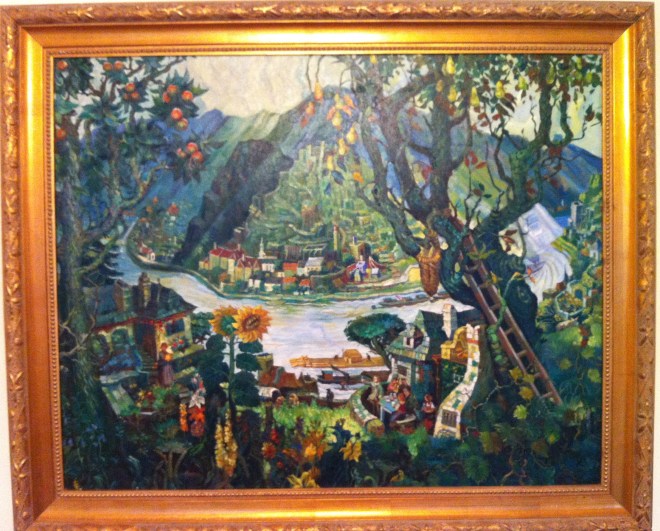
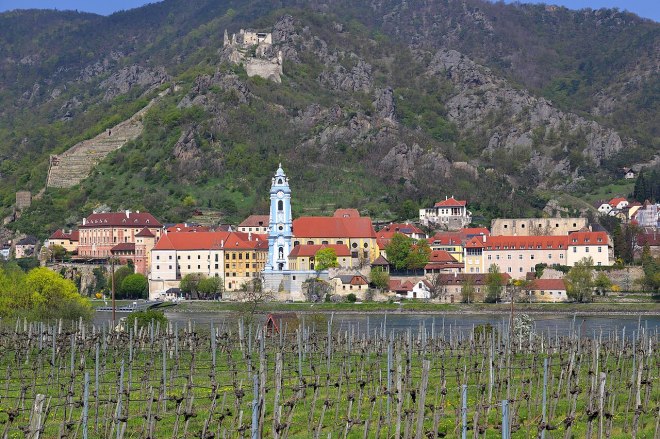
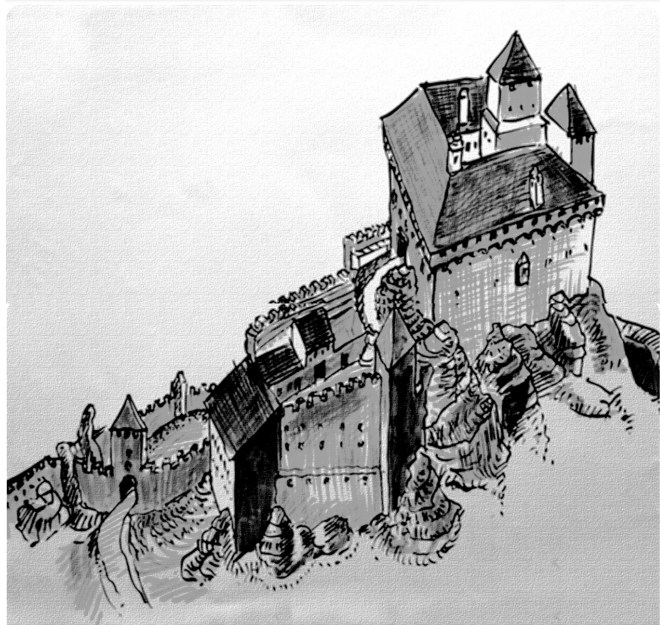
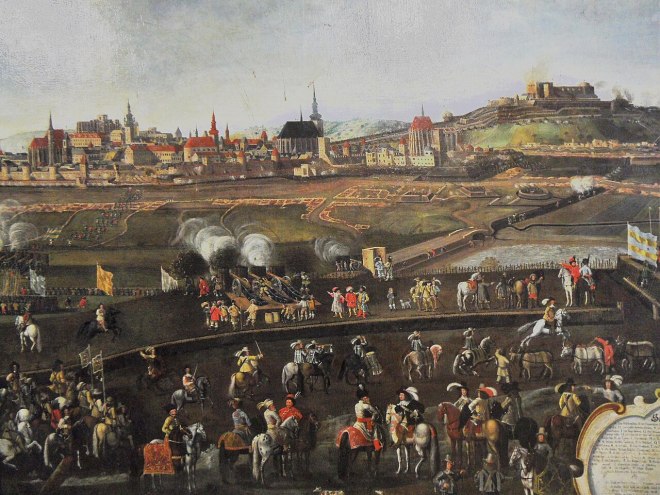
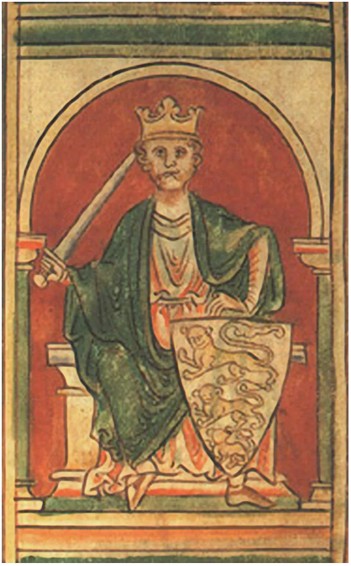
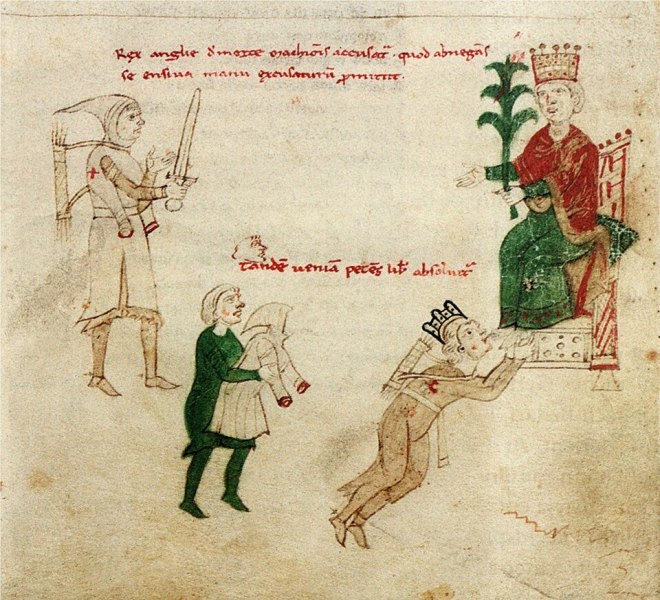
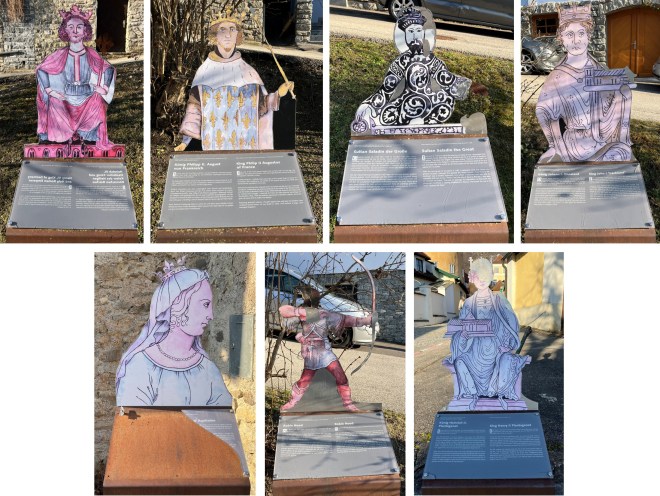
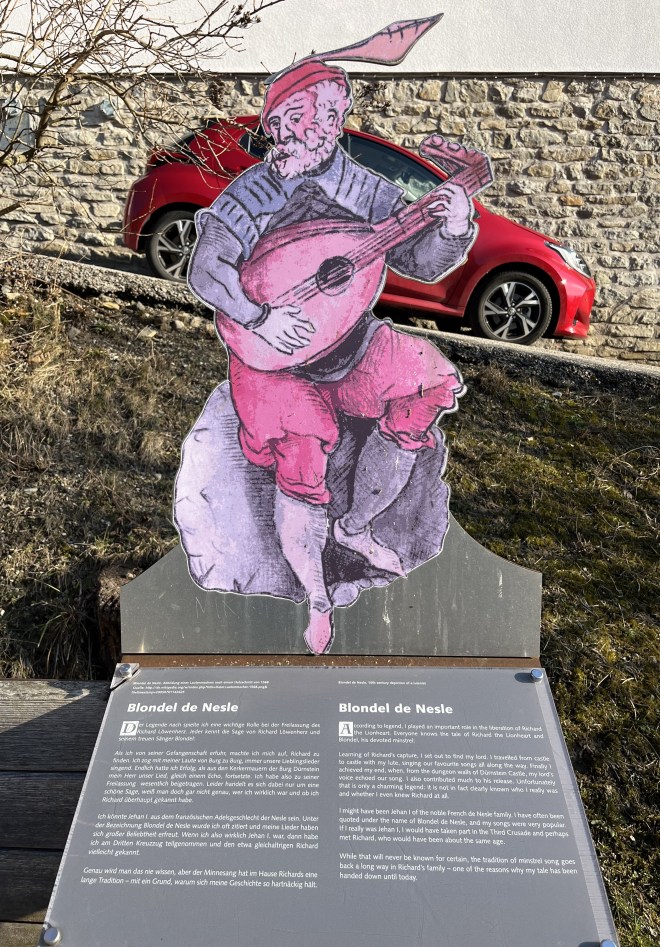


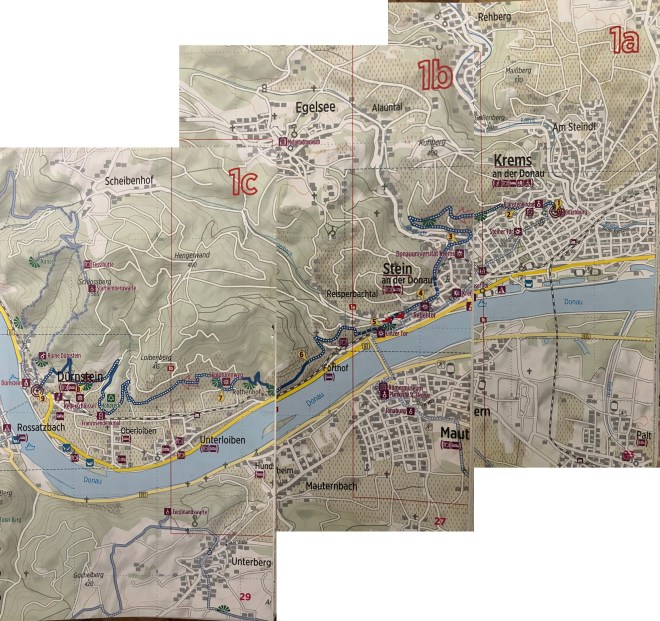
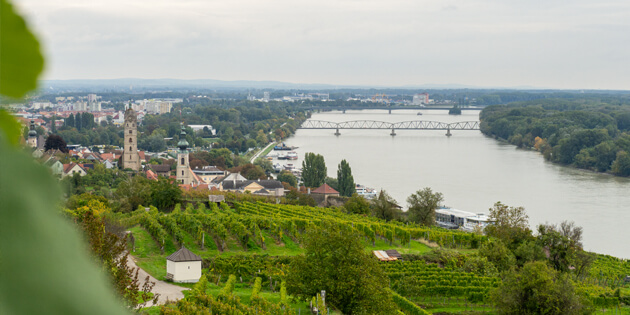
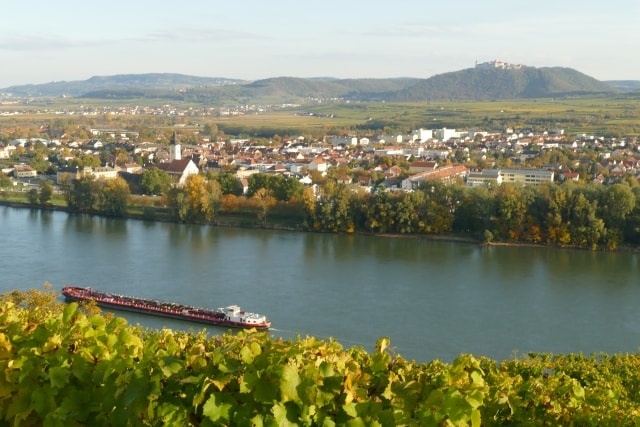
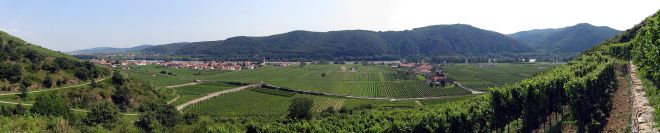
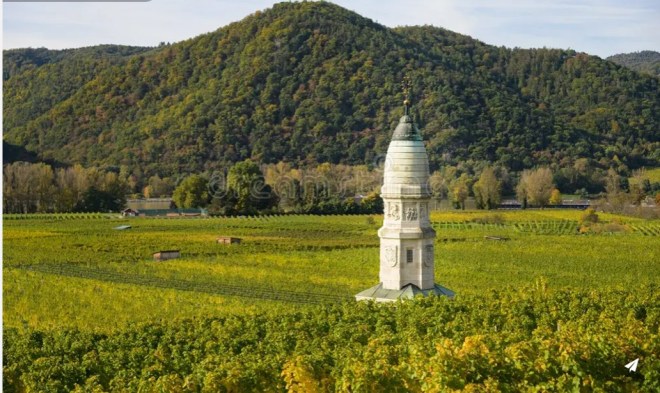
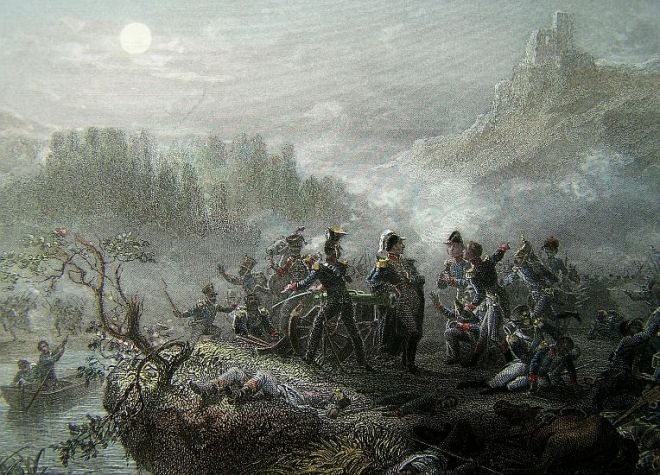

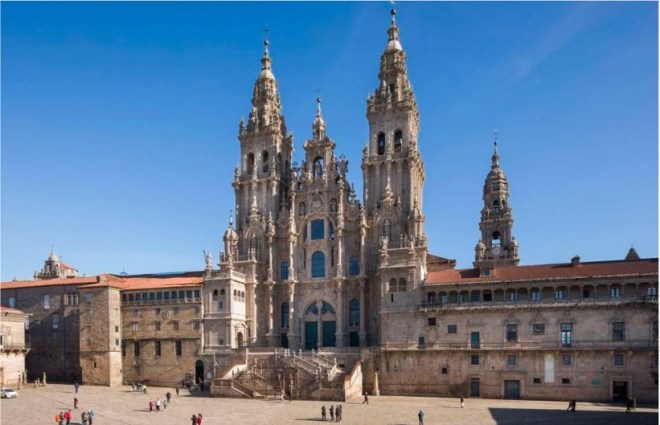


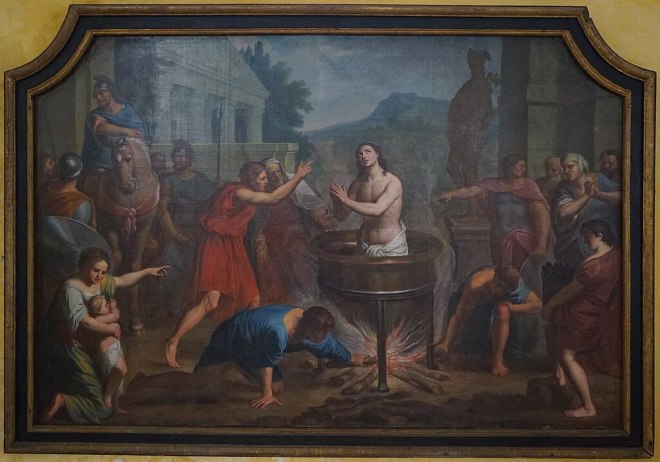
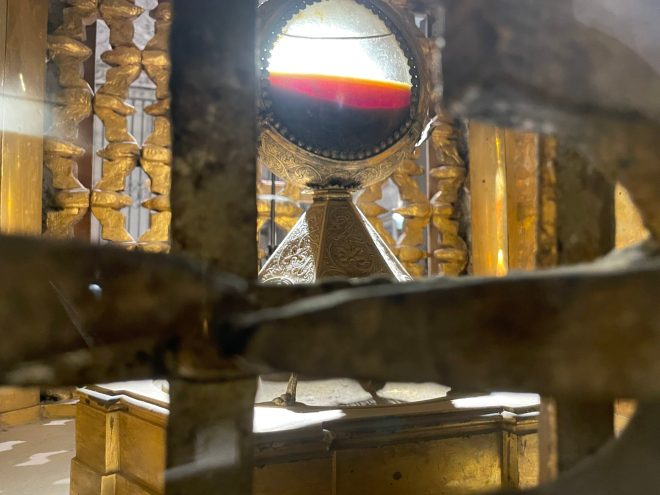


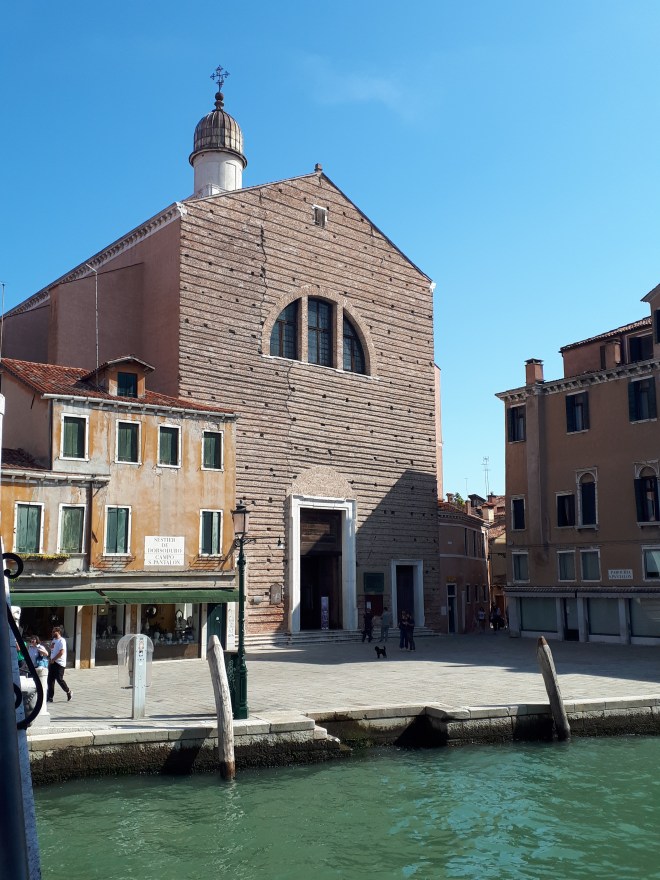
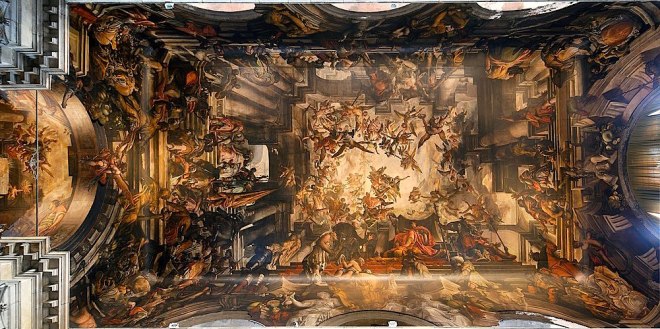
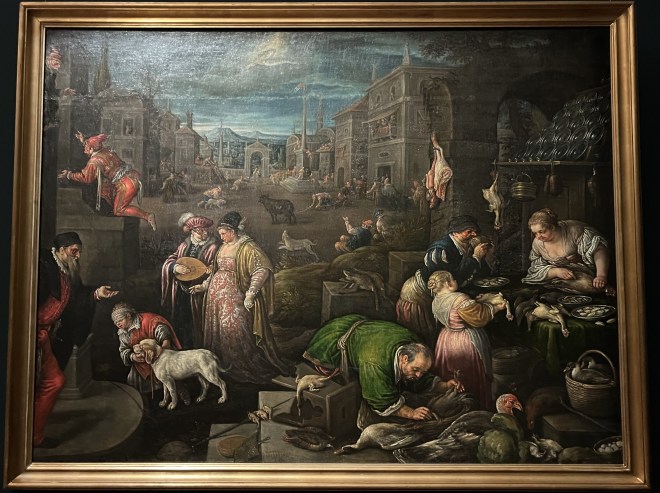

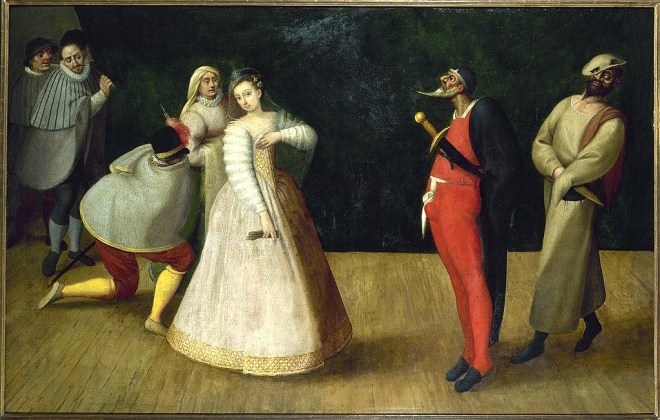
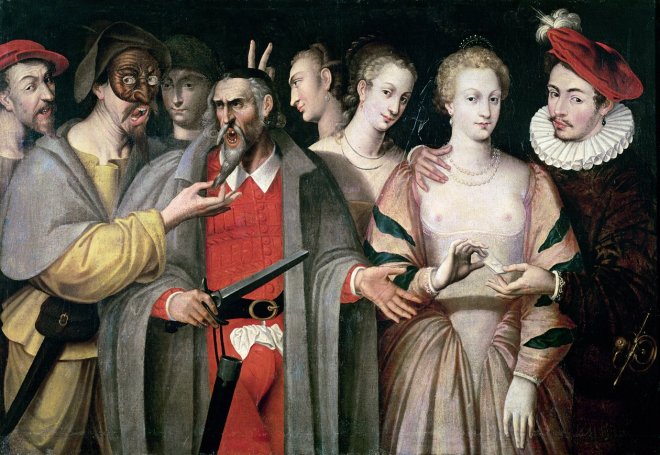


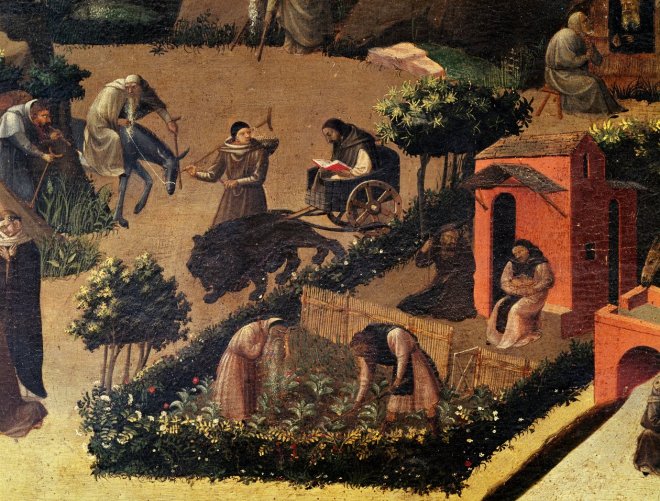





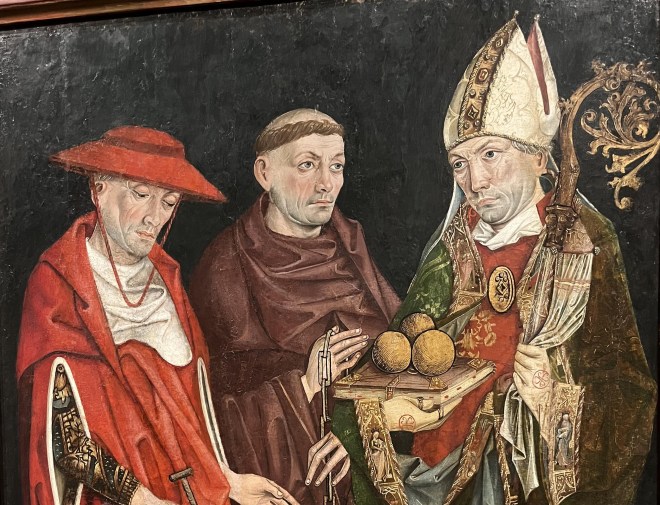
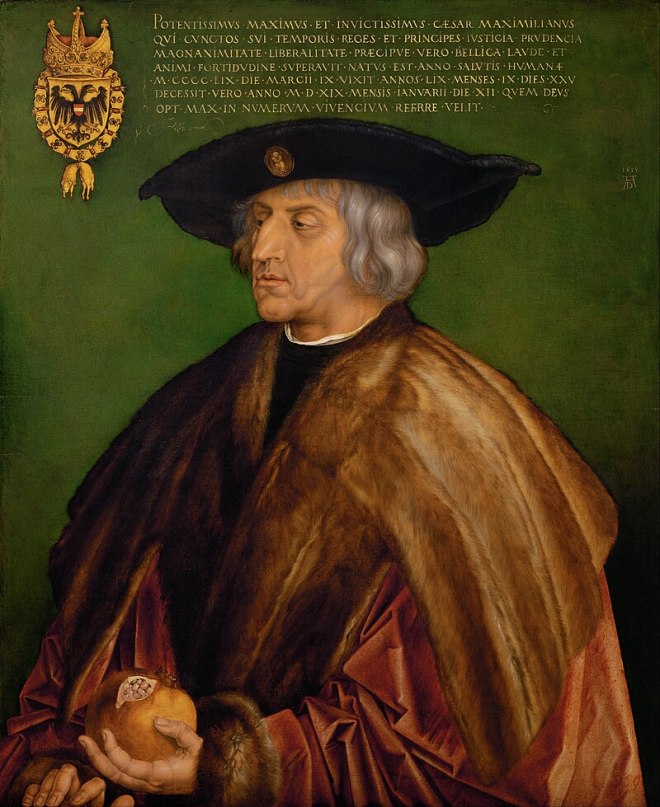
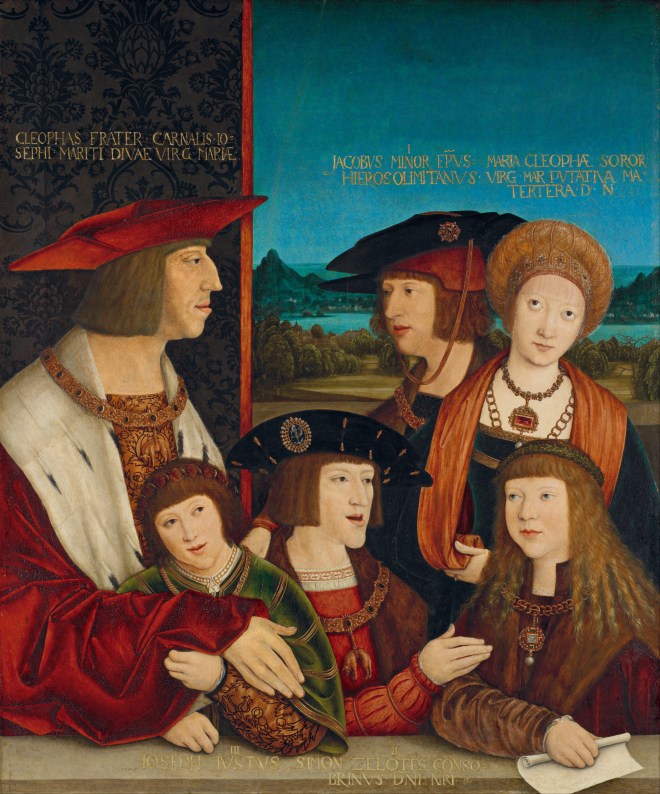

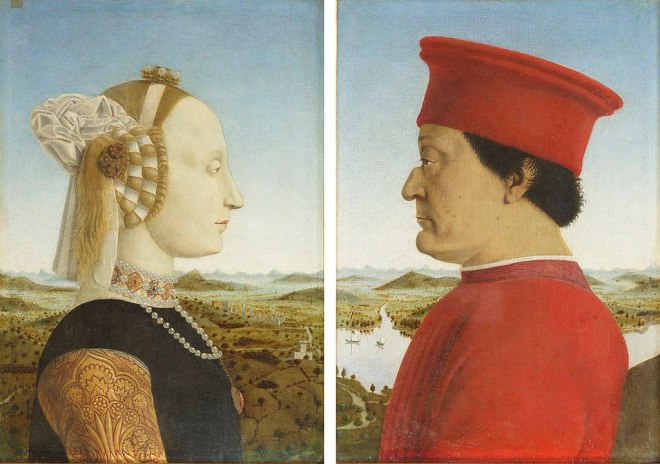


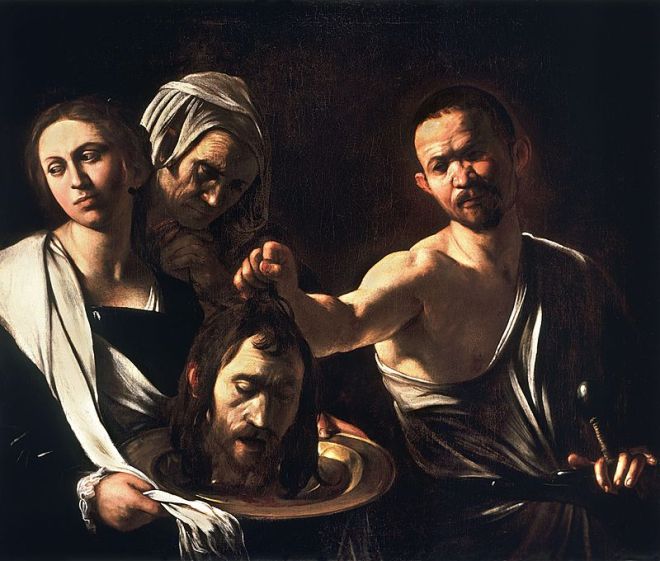




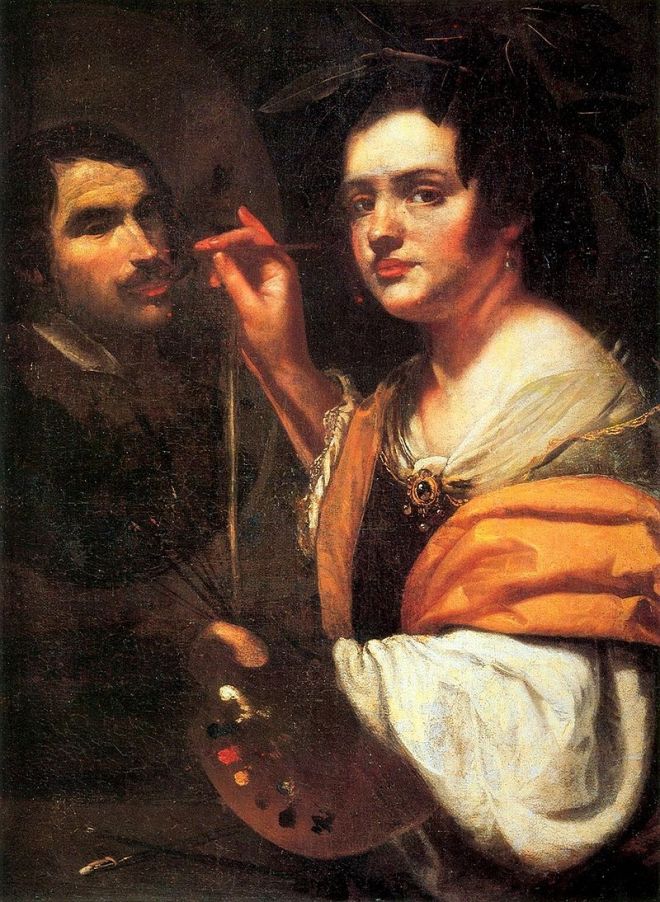
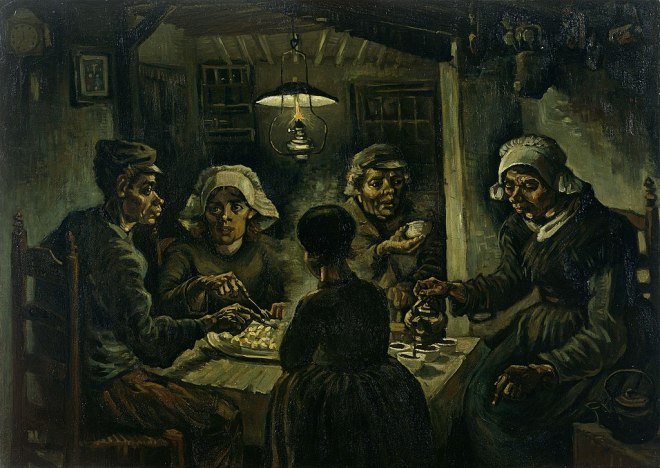

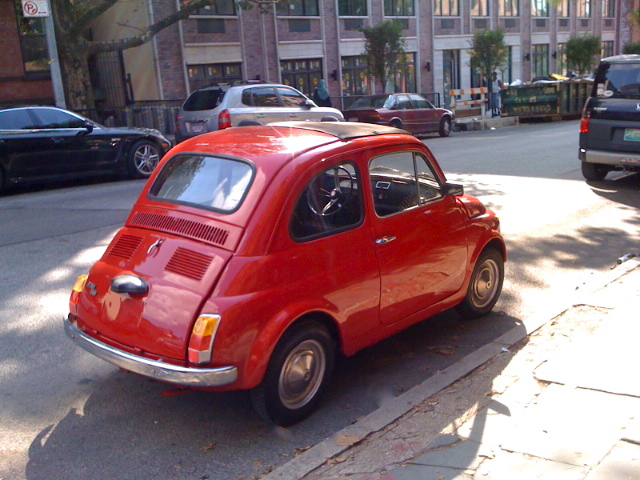





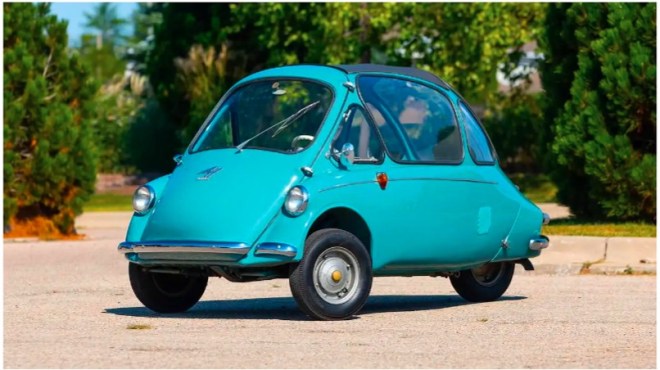


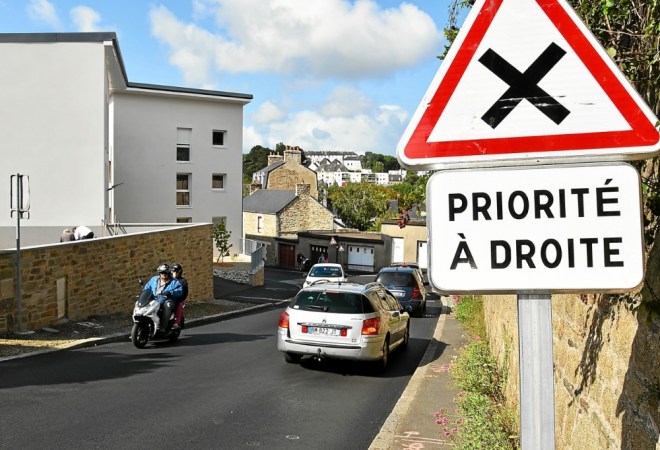
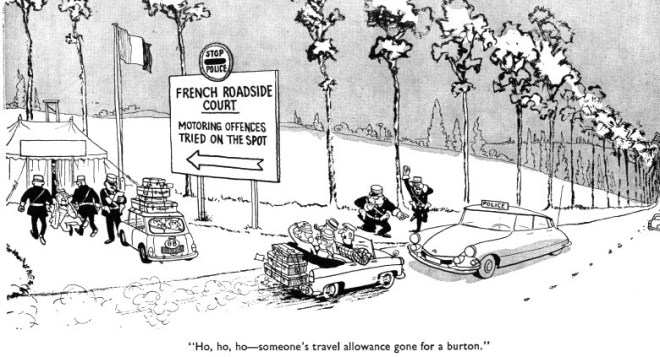
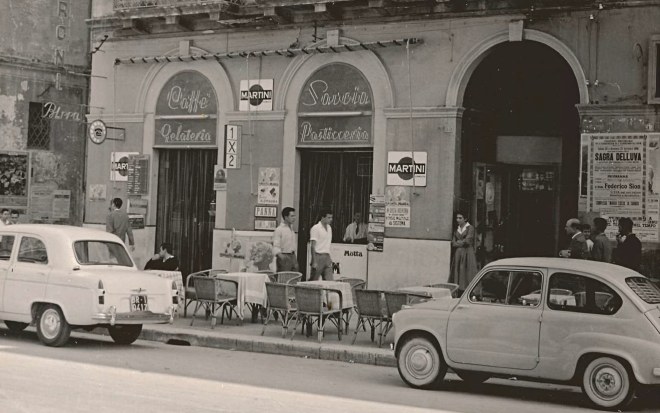
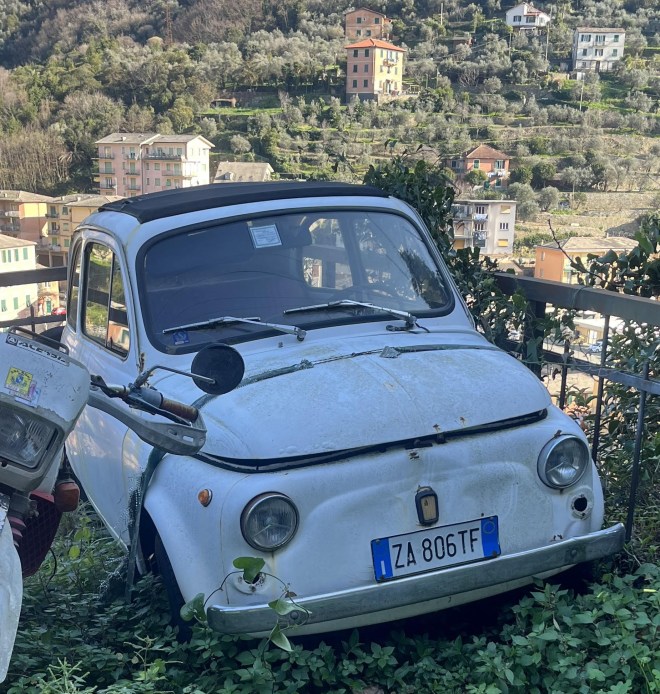






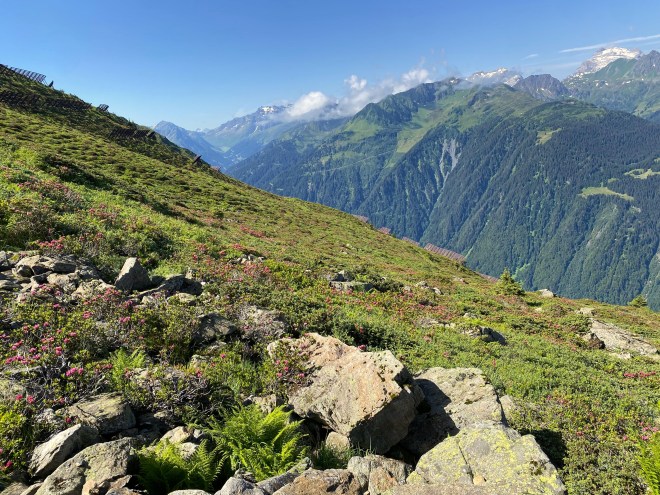


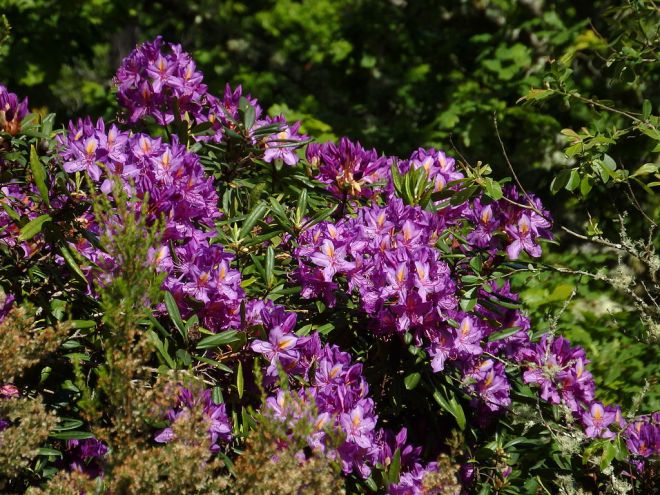


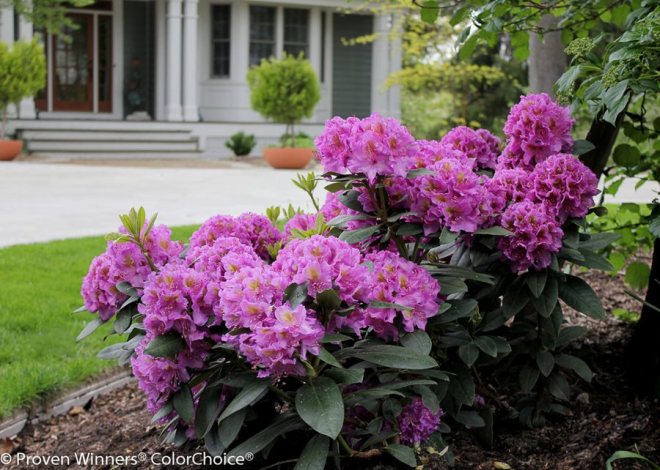


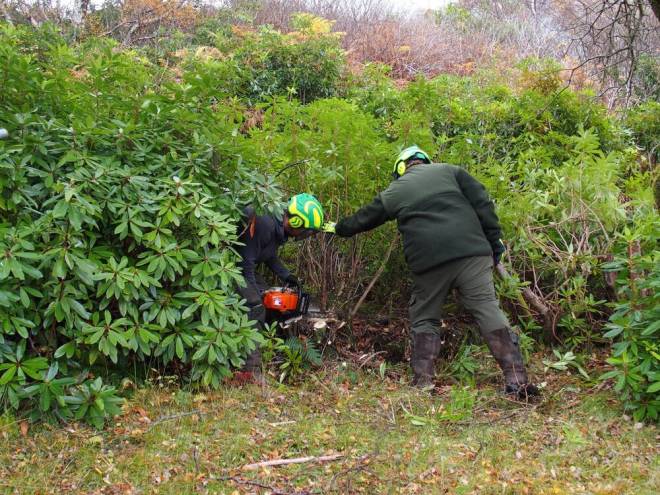



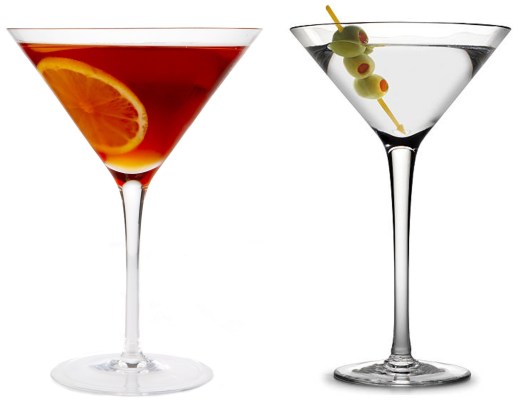






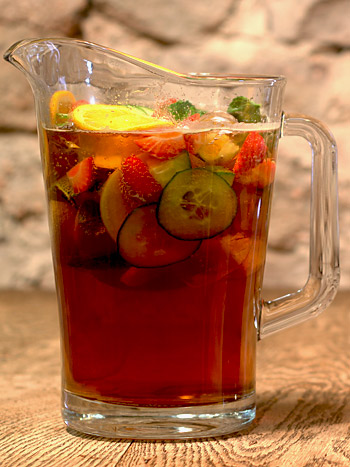





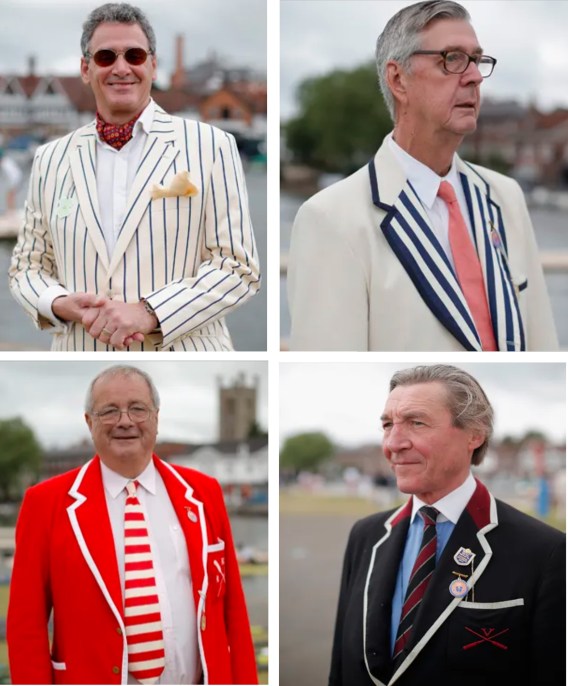



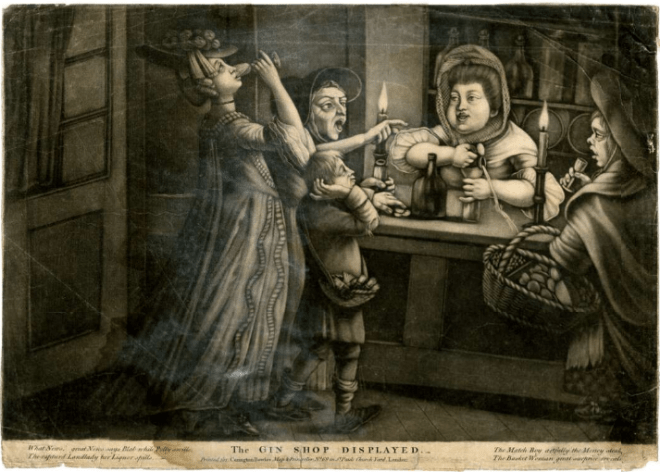
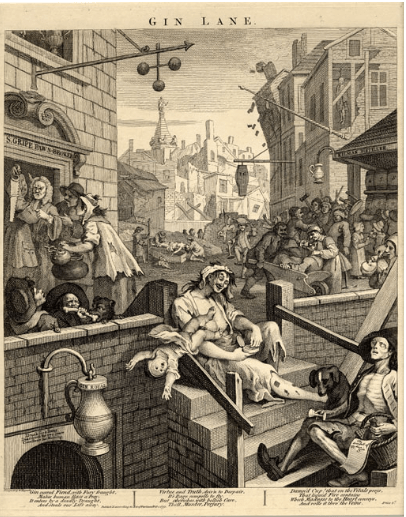


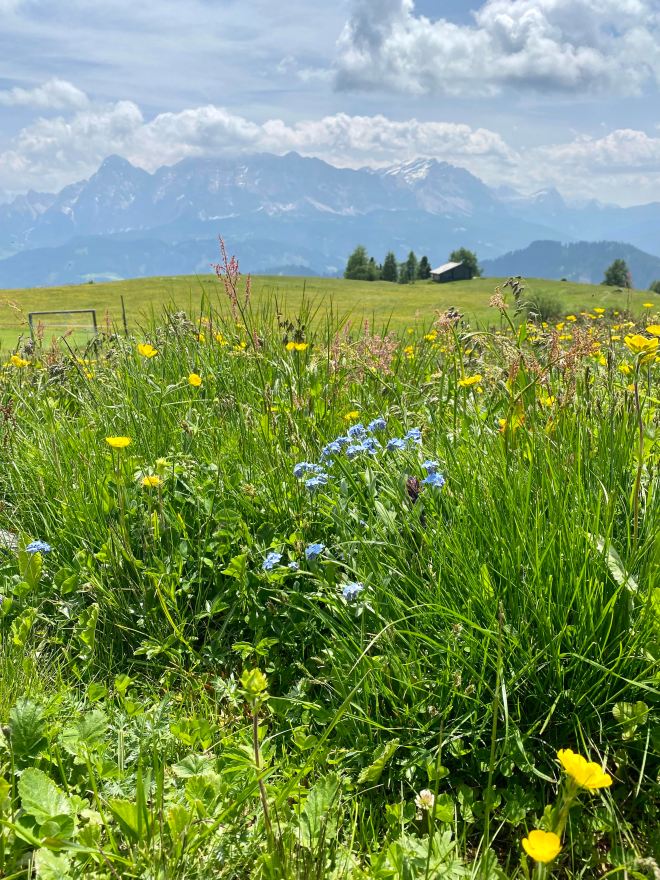

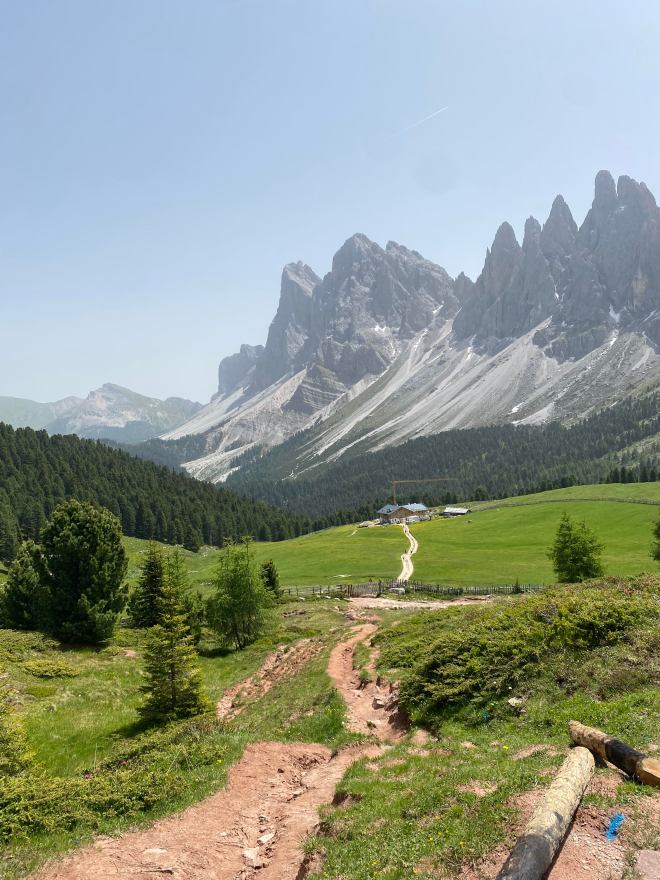
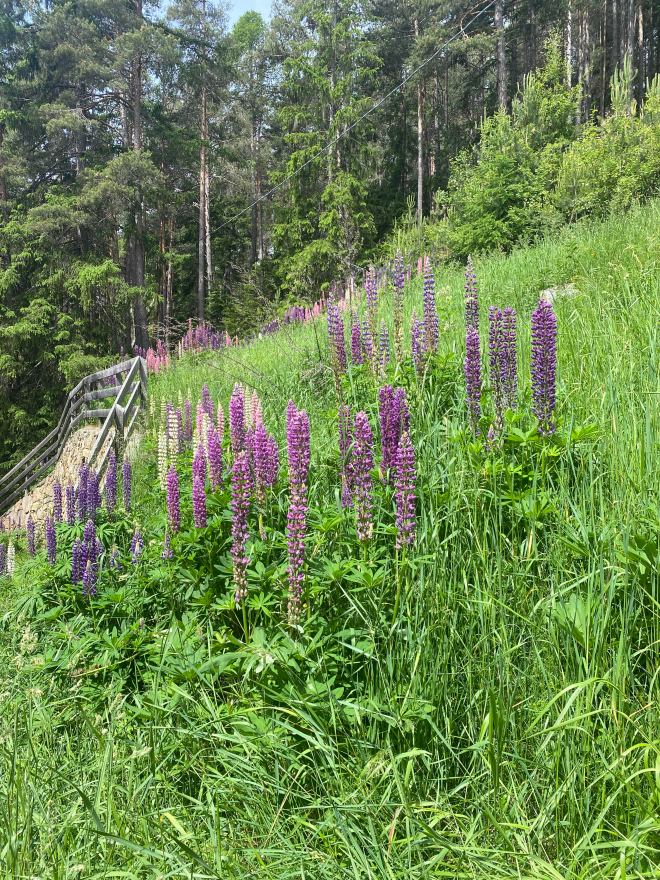

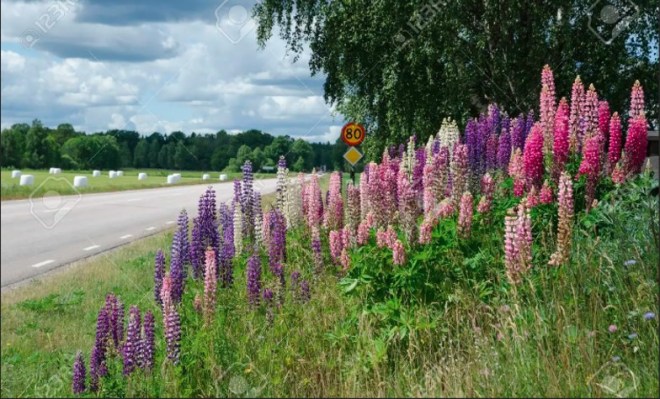

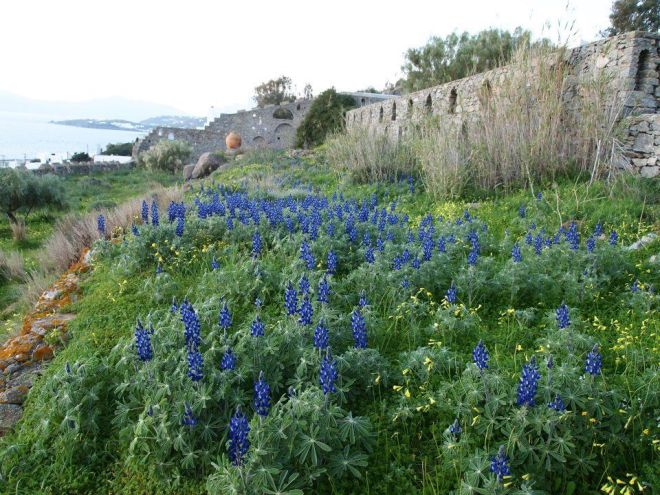


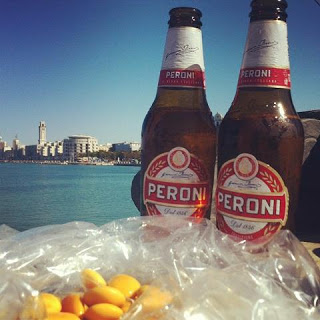




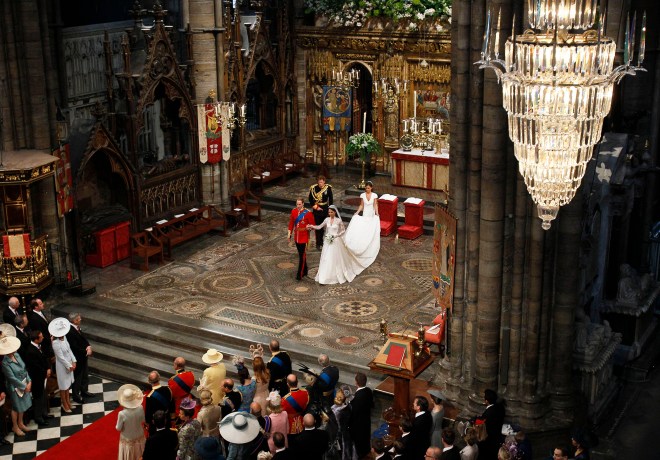

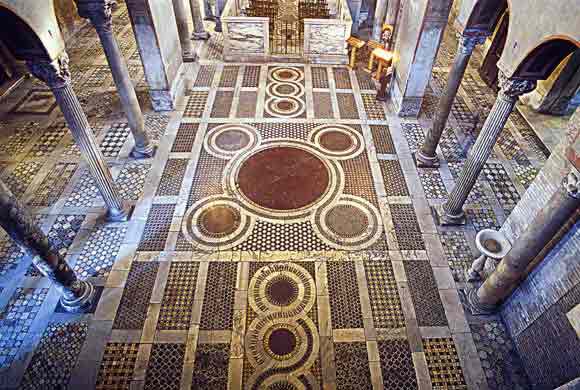
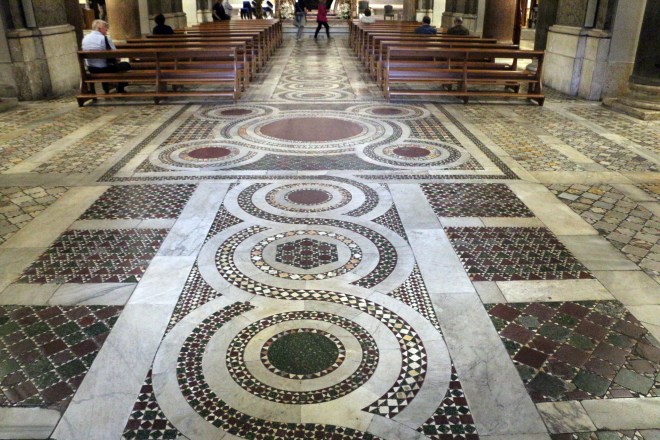


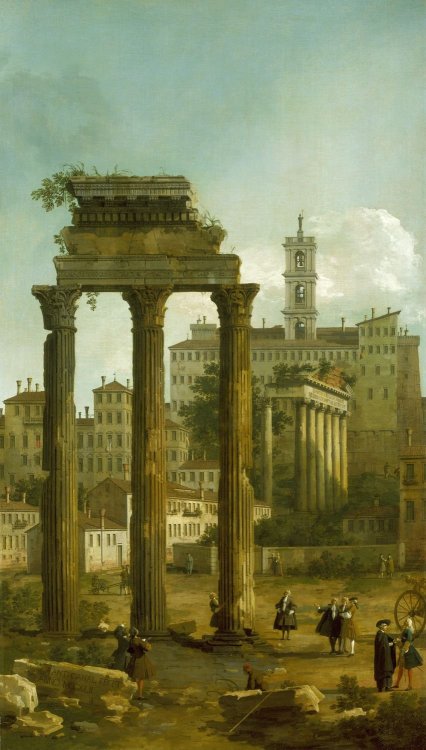



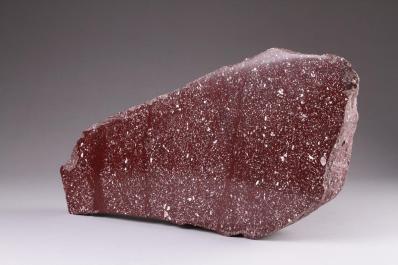
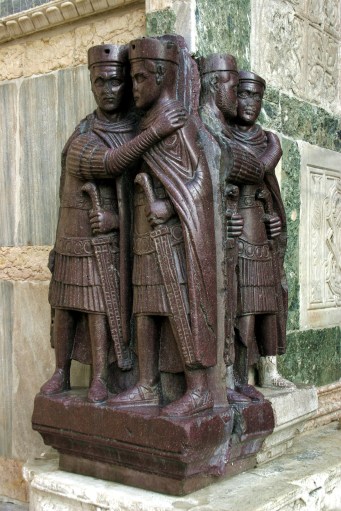


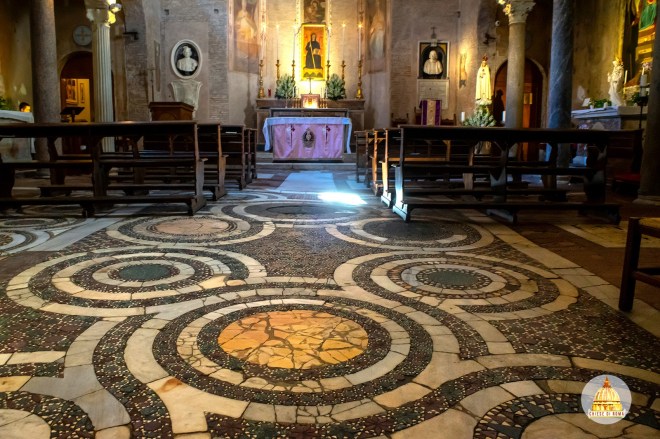






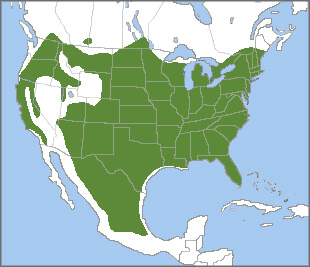
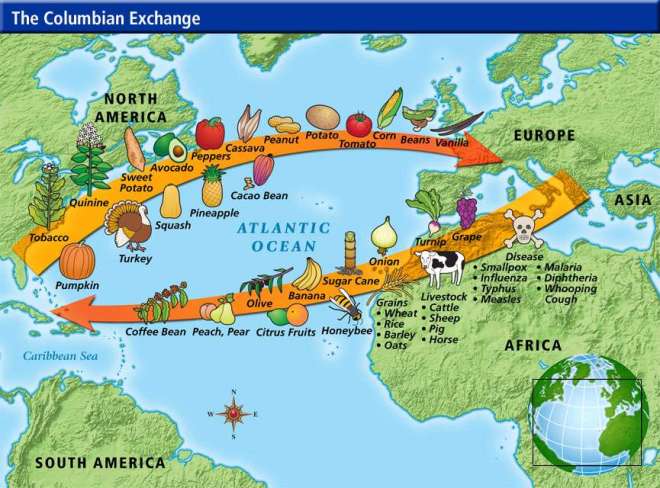


 the heart thrills