Milan, 11 November 2026
In early September my wife and I went to the village of Gries im Sellrain, to the west of Innsbruck, for a long weekend to do some hiking in the surrounding mountains.
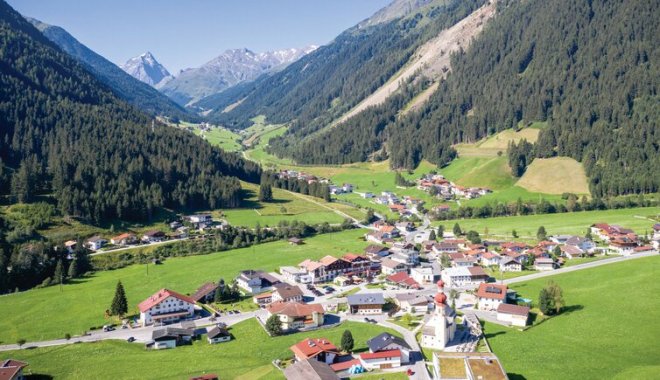
One day, we decided to go hiking further up the valley and took a bus to get to the start point. Since we had ten minutes or so before the bus arrived, I decided to have a wander around the nearby cemetery, which was clustered around the village parish church; in these parts of Austria, the “gravestones” can be marvels of ironwork.
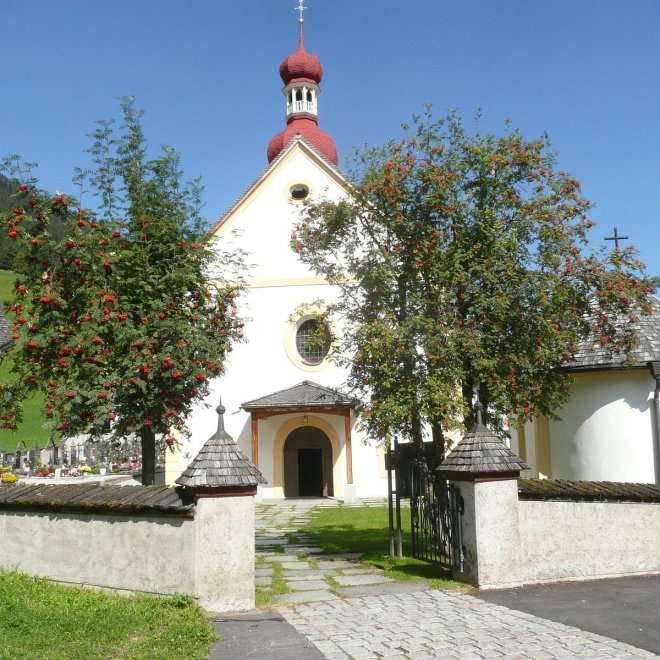
Like all cemeteries throughout this country, it had a memorial to the men who had died in the two World Wars. I’ve always liked the habit in this part of the world of attaching photos of the men to the memorials. It makes these anonymous lists of names that much more personal. I can look at the photos and imagine a different future for the men had they not been caught up in the maelstrom of war. On impulse, I decided to photograph the memorial so as to be able to honour at least the men listed there on this day today when World War I finally came to a close.
Here are the names of the men who fell during World War I.
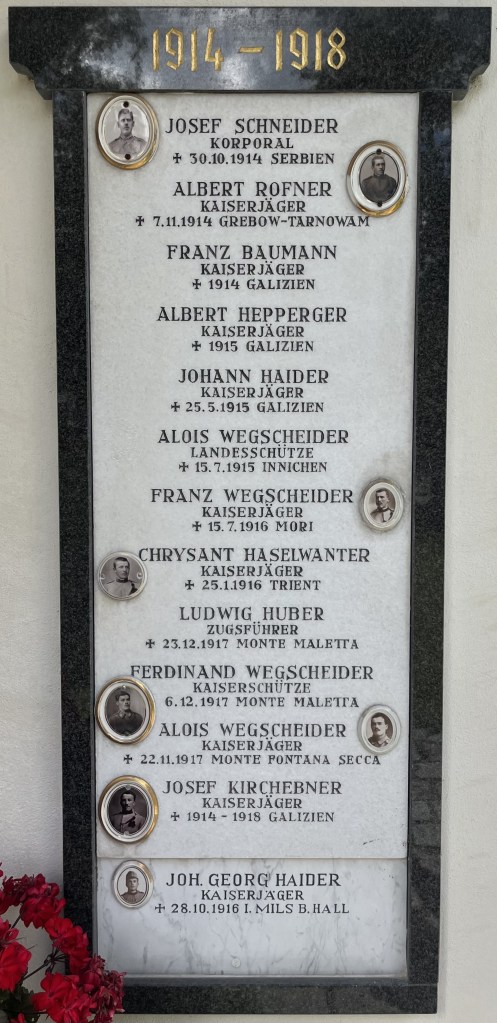
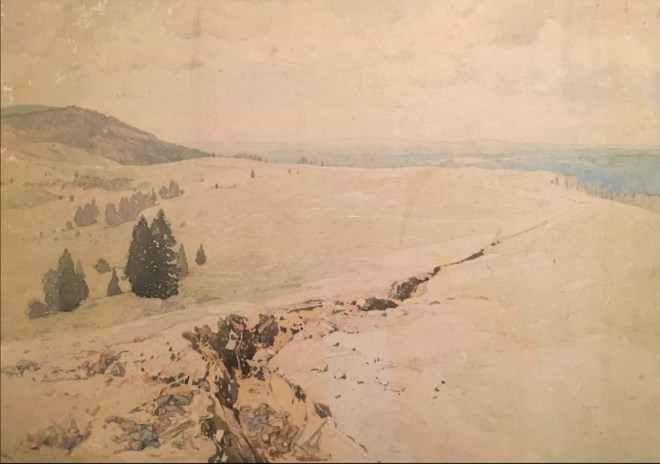
Where the men died reflects the war’s main fronts for the Austro-Hungarian Empire. Half of them fell on the Empire’s Eastern Front fighting first the Serbs and then the Russians (Serbia and Galicia). I throw in a photo of an aquarelle made by an Austrian war artist of an Austrian trench in Galicia, which I bought at the Dorotheum auction house some years ago – much faded, alas, but you can still just make out the dead men in and around the trench snaking across the landscape.
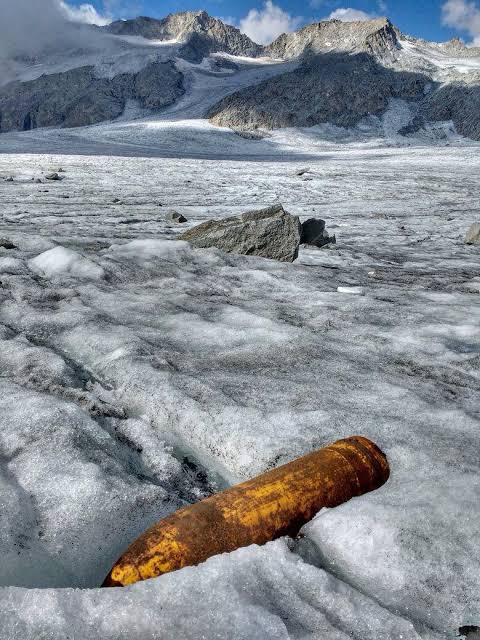
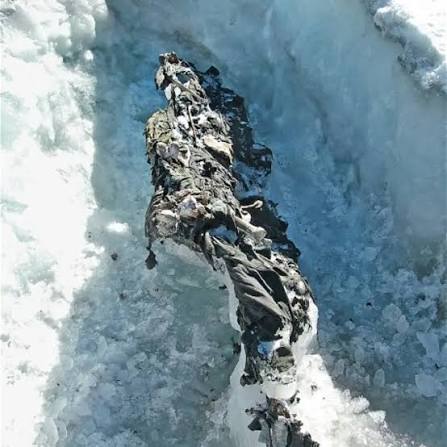
An equal number fell on the Empire’s Western Front fighting the Italians (Innichen, now San Candido; Mori; Trient/Trento; Monte Malletta, Monte Fontana Secca). Much of the fighting was at high altitudes; the Alps’ rapidly melting glaciers are increasingly releasing “mementos” of that fighting which have been trapped in the ice for more than 100 years.
Here are the names of those who fell during World War II.
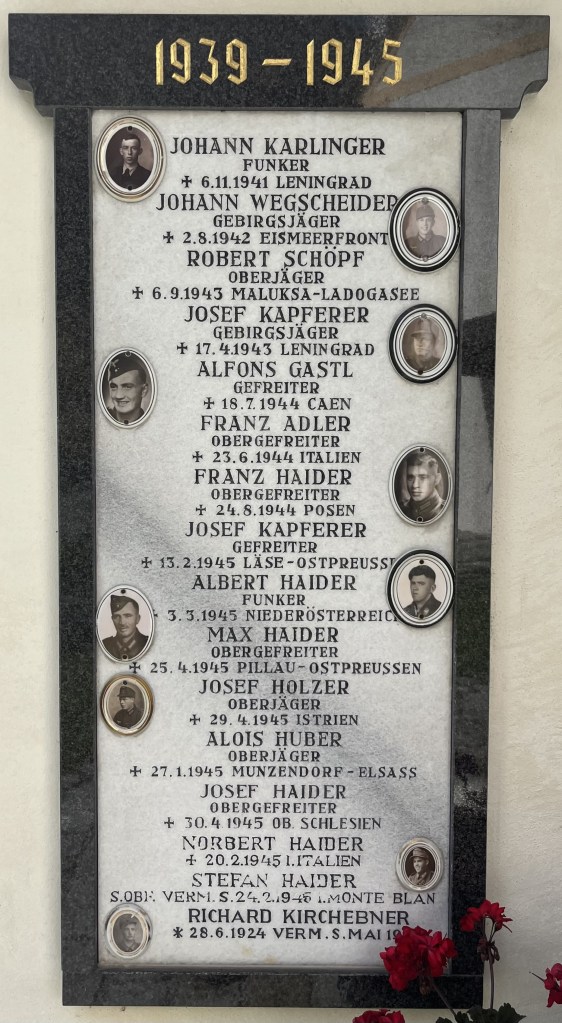
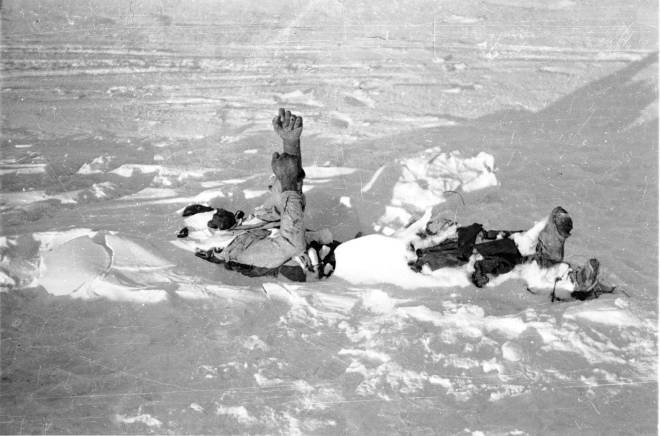
Where the men died shows clearly how the Eastern Front dominated the German Reich’s fighting. Eight of the 16 men listed on the memorial fell on this front (Leningrad, the Murmansk Front, Lake Lagoda, Poznań, East Prussia, Upper Silesia). I hope none of them ended up like this poor soldier.
Six others died on the Western Front – four in Italy, one during the D-Day invasion, one in Alsace during the drive into Germany. One died as the Russians prepared their final push into Austria.
I don’t suppose many of the soldiers who fought on the Eastern Front in either war ever got a proper burial in a marked grave. It was only in 1992, after the end of the Cold War, that Germany signed a formal war graves agreement with Russia. Since then, the German War Graves Commission has been systematically searching for lost graves, recovering and identifying remains, and building war cemeteries on Russian territory. The Sologubovka war cemetery, for instance, has brought together the remains of 34,000 German soldiers who died in the siege of Leningrad, with space for another 20,000 or so – remains keep on being recovered.
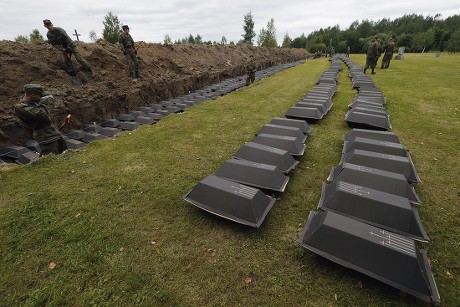
Perhaps Johann Karlinger and Josef Kapferer, who both died in the fighting around Leningrad, have found a final resting place there.
Even if the soldiers did get a grave, I wonder how many were ever visited by their relatives. So many died far, far away from home. This monument in the local cemetery is the only place where their parents, their wives, their children could come and grieve and remember. And it is where I was able, for just a moment, pay my respects to these men, who simply because of where and when they were born, found themselves far away from home dying for causes which had no relevance to their lives in these lovely Alpine valleys.


Thank you for this post. It is 10:36 on 11/11. You have given me a new perspective for the 2 minute silence.
LikeLike