KAKI

Beijing, 3 November 2013

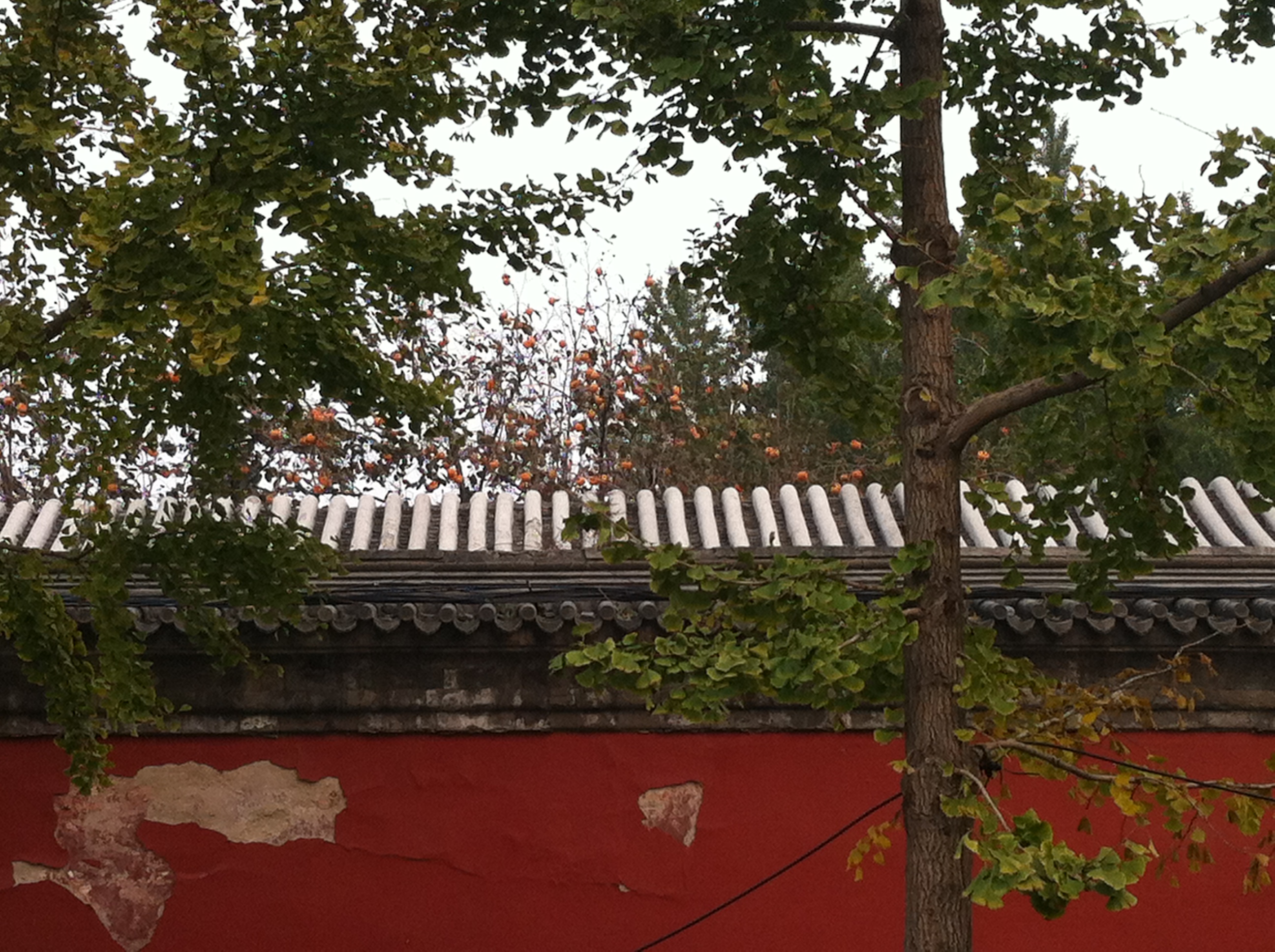
My wife and I went to an art show last weekend in an old temple located somewhere in the hutongs behind Beijing’s old drum tower (as a friend whom we met there said, “great space, great mulled wine, average art”). We went for a walk around the area afterwards, and I spied this kaki tree in full fruit peeping over a high wall.

kaki over temple wall 002

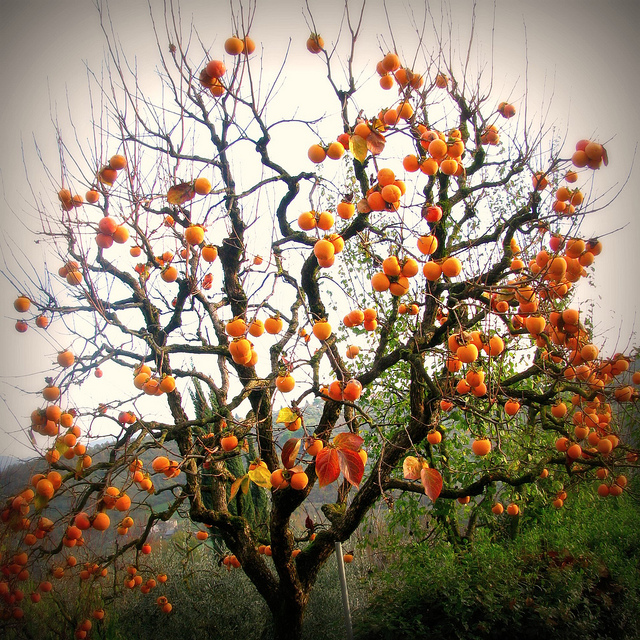
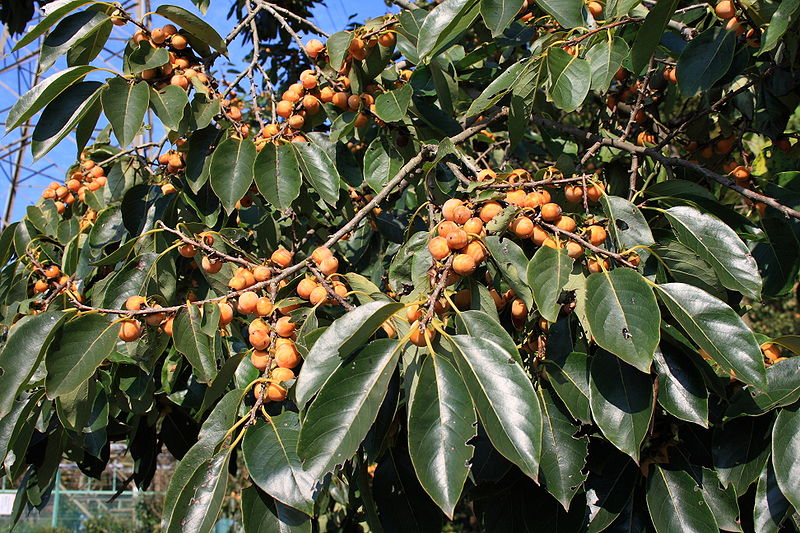
For those of my readers who can’t quite make out the tree in my picture, here is a much better take of the same species.

kaki

I realized that it was that time of the year again, when the kaki are fully ripened and ready to eat. And I suddenly noticed that all the Chinese grocers were filled with kaki.

I’ve noted in a much earlier posting that my wife brought much more food and culinary novelty to our marriage than I did. One of these was the kaki, which I first saw in Liguria during one of our trips out to the sea in the late months of the year.

cachi in liguria

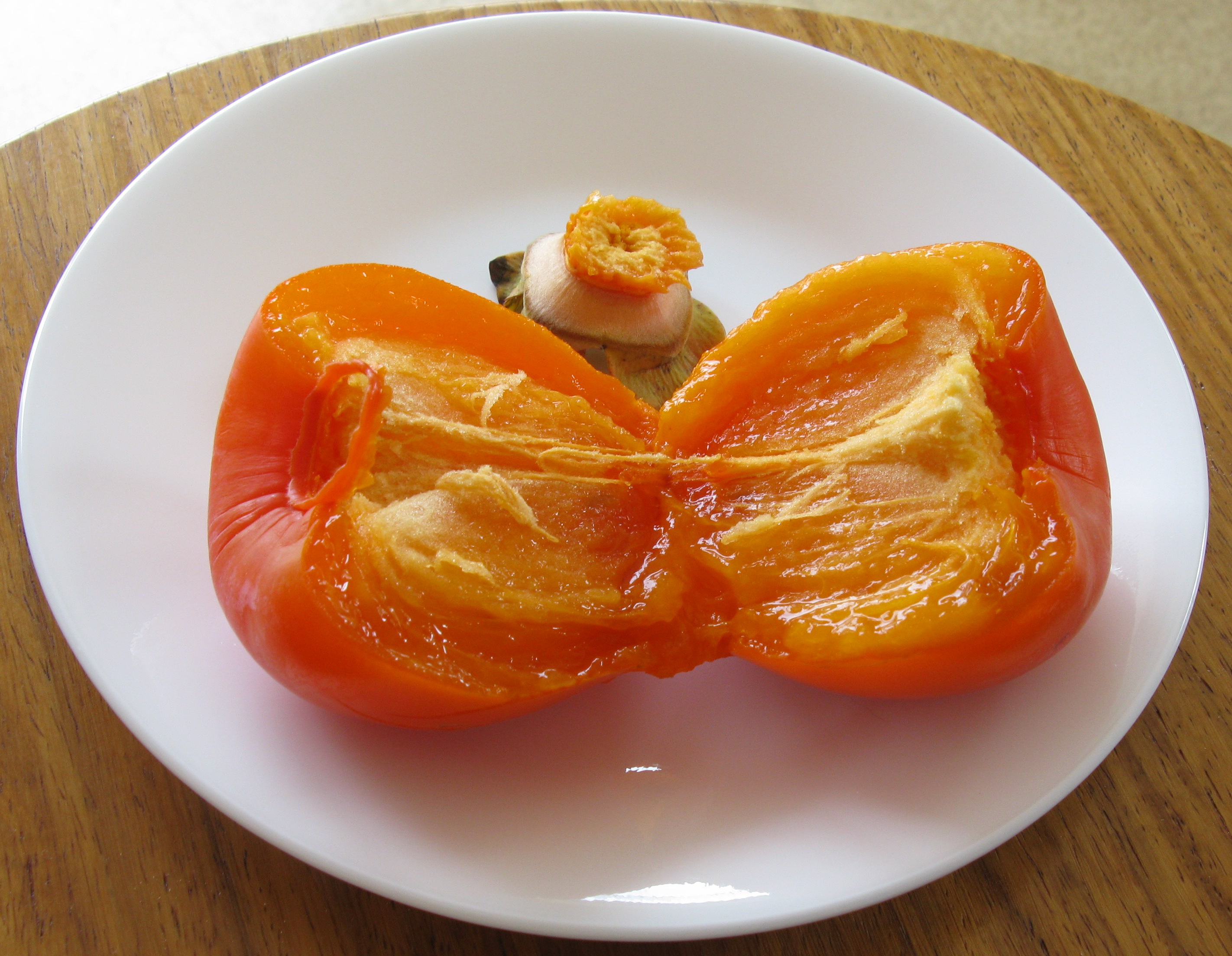
My mother-in-law was very fond of this fruit, but I must say I have never been convinced by it. I appreciate neither its mushiness nor its sweetness. I’ve eaten it but rarely during the years since I first discovered it, and every time I have been reinforced in my lack of enthusiasm for the fruit.

kaki fruit

Without really thinking about it much, I assumed that this tree and its fruit were native to the Mediterranean. I adopted the Italian spelling cachi as the original spelling. Imagine my surprise, then, when several years after my initial discovery of the fruit, we came across the tree laden with fruit during the trip which my wife and I made to Japan, and our Japanese companion informed us that it was called kaki. Kaki! The scales fell from my eyes. This must have originally been a Japanese tree, which was brought to Italy at some point – back in the 1800’s, I have since discovered. Another botanical species, like the ginkgo which I’ve written about earlier, which was trekked back to Europe during the first era of globalization.

Actually, I was wrong again! Because, like the ginkgo, the kaki is actually native to China and at some point got transported over to Japan – along with Buddhism perhaps? So if I were a linguistic purist I should switch to calling it shizi, which is its Chinese name. But I’m getting old and set in my habits. Kaki it will remain.

Talking of names, English-speaking readers may be asking themselves what the English name of the tree and fruit is. It was years before I asked myself that question and looked up cachi in an Italian-English dictionary. Persimmon, that’s what it is! Persimmon … that was a word which had hovered on the far horizons of my linguistic knowledge. I’d heard it spoken or maybe seen it written, I knew vaguely it was a fruit, but that was it. It sounds such an upper-class English name, don’t you think? Like Fitzwilliam or the Duke of Buccleuch. So it was another surprise to me to discover that persimmon is actually an English transliteration of the word pasiminan or pessamin, an Algonquian word from the eastern United States. Another result of the first era of globalization, in this case the colonization of North America. Because there is also a species of kaki that is native to Eastern North America, the American Persimmon.

American persimmon-tree

American persimmon-fruit

I prefer the formal Latin name Diospyros virginiana, which suggests to me that it was in the British colony of Virginia that the Brits first came across the tree.

By the way, there is actually a species of Diospyros which is native to the Mediterranean; actually, its range is somewhat broader, stretching from Southeast Europe to Southwest Asia. In English, it’s called the date-plum tree. Apparently, the fruit’s taste reminds one of both plums and dates.

date plum diospyros lotos-tree

Maybe I’m pushing this globalization thing too far, but I see another strand of globalization in that name. It is a literal translation of the Persian name for the tree and its fruit: khormaloo. In the earlier period of globalization, American colonists were content to simply anglicize the Native American name. But in a later, more learned period of globalization, when some more academic Brits actually learned the foreign languages which the expanding British Empire was coming into contact with, rather than call the tree, say, cormalew, they preferred to translate the original name.

Actually, the Latin name of this species of kaki, Diospyros lotos, is even more interesting. It refers to a belief in Greece that this fruit could have been the lotus fruit mentioned in Homer’s Odyssey. According to that story, the lotus fruit was so delicious that those of Odysseus’s men who ate it forgot about returning home and wanted to stay and eat lotus with the native lotus-eaters. I throw in here a screenshot from an electronic game based on Odysseus’s story; the fruit looks vaguely kaki-like (amazing what they will make electronic games about …)

lotus eaters-2

Personally, I can’t think that kaki is the lotus-fruit. All that squishiness and mushiness would definitely not make me stick around.

______________

Kaki over the wall: my picture
Kaki: http://www.flickr.com/photos/giagir/5185254421/sizes/z/in/photostream/ [in http://www.flickriver.com/photos/giagir/5185254421/%5D
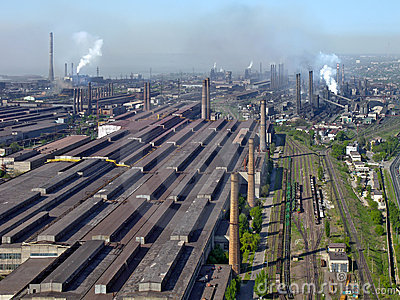
Cachi in liguria: http://www.flickr.com/photos/ciric/3032113542/sizes/z/in/photostream/ in [http://www.flickr.com/photos/ciric/3031273027/]
Kaki fruit: http://upload.wikimedia.org/wikipedia/commons/0/01/Diospiros_kaki_Fruit_IMG_5472s.JPG [in http://en.wikipedia.org/wiki/Persimmon%5D
American persimmon tree: http://3.bp.blogspot.com/-hroimehTRQk/TlPhN7euB8I/AAAAAAAAAds/lBlwEER714k/s1600/persimmon4.jpg [in http://tcpermaculture.blogspot.com/2011/08/permaculture-plants-persimmons.html%5D
American persimmon fruit: http://4.bp.blogspot.com/-b3lVcZ8FOnw/TlPgCINg7VI/AAAAAAAAAdk/LQCyiQYUw2c/s1600/Persimmon3.png [in http://tcpermaculture.blogspot.com/2011/08/permaculture-plants-persimmons.html%5D
Date plum-tree: http://upload.wikimedia.org/wikipedia/commons/thumb/6/63/Diospyros_lotus_01.jpg/800px-Diospyros_lotus_01.jpg [in http://en.wikipedia.org/wiki/Date-plum%5D
Odysseus and the lotus eaters: https://lh5.googleusercontent.com/-2uTp30FUU4E/UaHOcmkRBwI/AAAAAAAACsY/UU21szj7LBk/s1280/013_Lotus_Eaters.jpg  [in http://www.gamrgrl.com/2013/05/walkthrough-odyssey-hd.html%5D

CHENGLISH

Beijing, 26 October 2013

It is a sport in which all expats in China eventually indulge, that of hunting out prime examples of Chenglish and waving around their finds with glee. The internet is full of examples, and the electronic mirth which they engender echoes up and down the world’s broadbands.

For those of my readers who are not familiar with this sport, I should clarify that Chenglish stands for “Chinese English” and refers to the tangled, fractured, often incomprehensible English translations of Chinese notices that pepper the land. Of course, it’s mean to laugh at these very laudable attempts to reach out to foreigners, and I, who can speak but two words of Chinese and write none, who am I to smirk and titter and these honest efforts to communicate with me?

But really, sometimes I just cannot stop myself from bursting out into hearty peals of laughter at the English notices I am confronted with here. I share with you some of the pearls of my collection – because I must admit that, somewhat guiltily, I photograph the better ones I come across, with the locals generally looking on bemusedly.

This one is still comprehensible, although I rather liked its 18th Century take on the English language
Beijing-lake

This one, too, is comprehensible, although the sign makers are obviously not familiar with modern idiomatic English.

no tossing

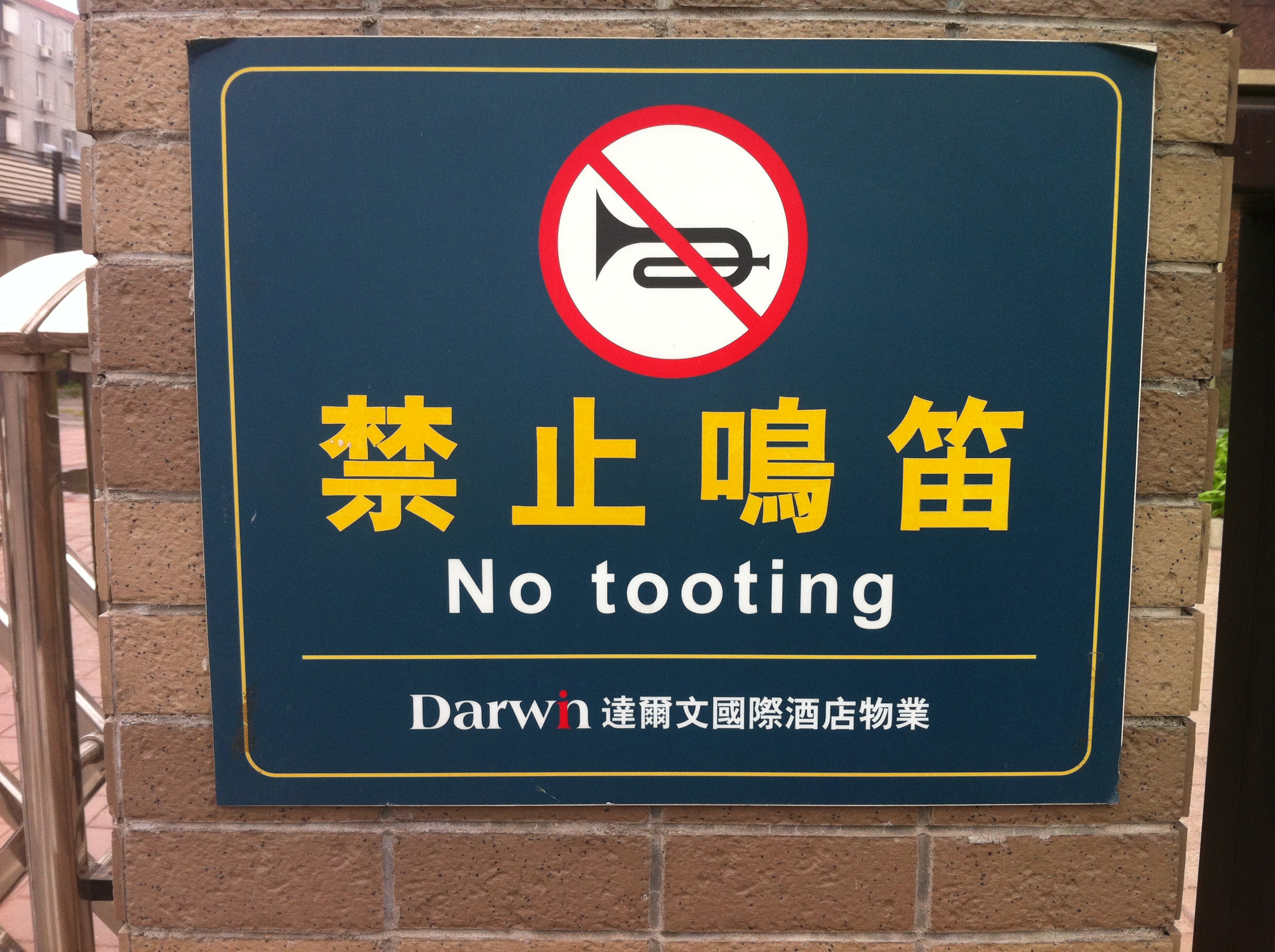
This one has a charming Berty Woosteresque feel to it

no tooting

This one was on the door of a restaurant loo – the context explains, I think, the rather medical feel to the sign-maker’s declaration

forbids the bowel movement

Here we begin to descend into the more incomprehensible

no treacherous acts

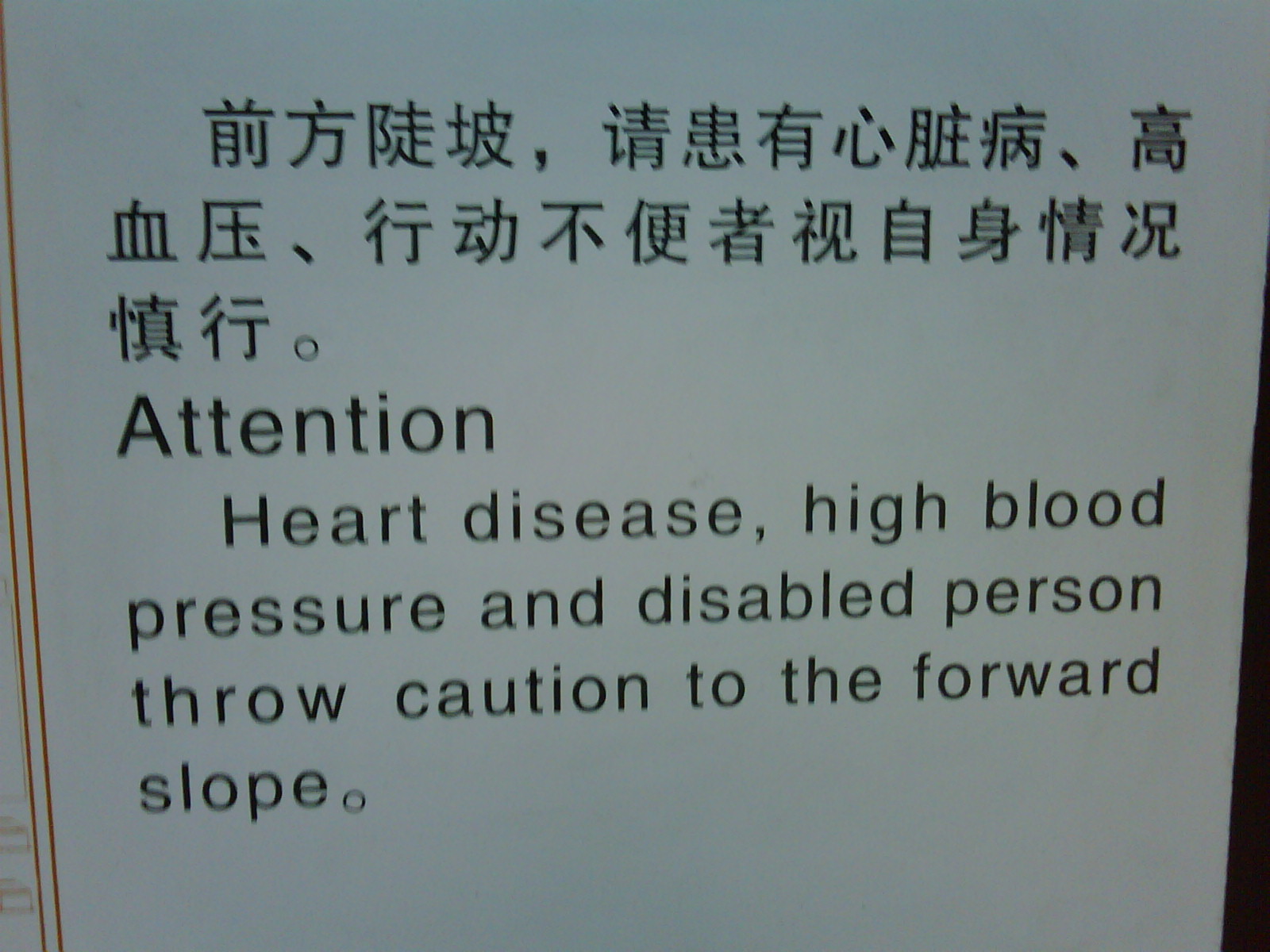
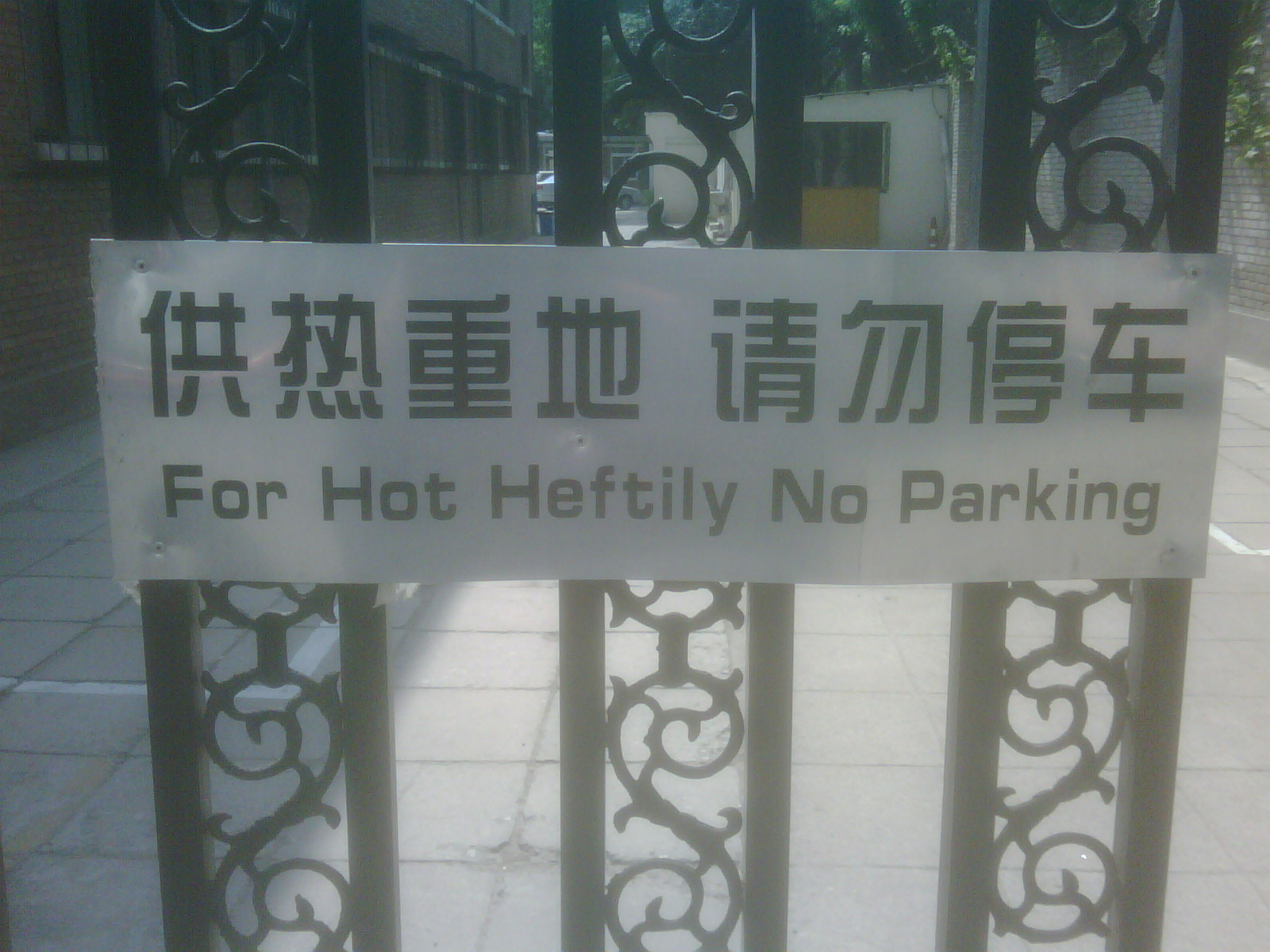
And now we reach the frankly incomprehensible

ming tombs

for hot heftily no parking

ending with this final poetic note

interior using dont be though

Chenglish has migrated onto T-shirts, sweat-shirts and the like, although in these cases it usually takes the form of a series of English words strung along one after another in lines of gibberish. I have only one photo of this genre of Chenglish.  Normally, I’m embarrassed to be seen by the wearers to be too obviously taking a photo of what they are wearing. But in this case, I sneaked up behind the lady in question as we waited to board a plane.

Kunming

This traveller to China, though, captured a brilliant example of the genre

T-shirt lingo

The language on clothes always remind me of a phase which my son went through when he was learning to talk, in which he just emitted words and half-words in a meaningless jumble but with much nodding of his head as if to stress the important point he was making. My wife and I have concluded that these are attempts by the manufacturers to make their clothes more desirable by making them look more exotic, although I always wonder how the designers choose the words. Do they just open a dictionary at random and pick out words? But who has a dictionary these days? Is there an app which will generate a random string of words at the touch of a key? Is this a side-business for badly paid English teachers?

Sometimes the words on clothes are really quite bizarre, and you have to wonder if the wearers have any idea of what they are declaring to the world from their T-shirts. It is an example of this which I saw yesterday that has got me to write this post. A young girl, up on a stage with a musical group and playing her heart out in front of an audience, was sporting a sweat-shirt on which was emblazoned in beautiful, bright green italics “Failure”. Who on earth would willingly write that on their chest?! Surely, I thought, it must continue on the back with something like “is not a word I know”, or “is not an option” or “is for weaklings”. But no, there was just that one word: Failure.

This really mystifies me. But not as much as a T-shirt I once spotted on a young Chinese girl walking arm-in-arm with her boyfriend which said “Romeo Fuck Juliette”.  Truly weird.

_____________________

all pictures mine, except:

yellow T-shirt: http://wanderlustandafoilheart.files.wordpress.com/2013/05/img_3961.jpg [in http://wanderlustandafoilheart.wordpress.com/%5D

AUTUMN LEAVES

Beijing, 23 October 2013

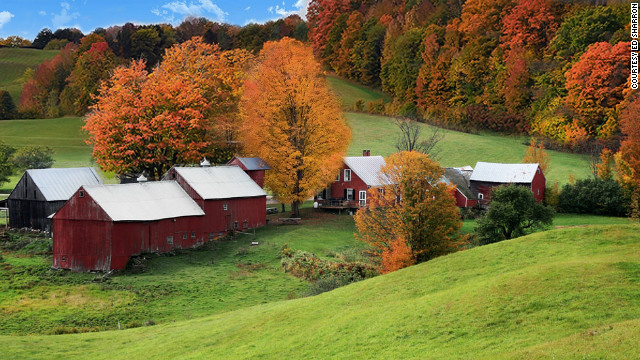
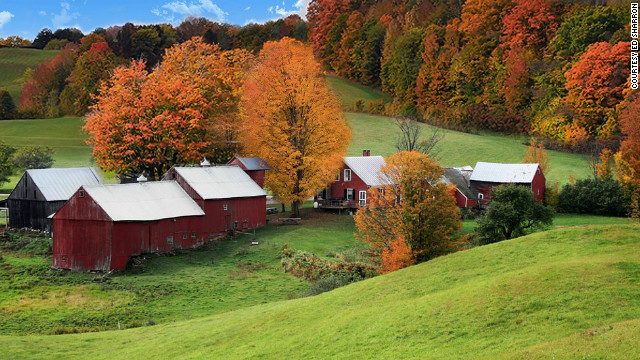
It’s that time of the year in the northern hemisphere when the trees begin to lose their leaves. If we’re lucky, depending on where we’re perched on that hemisphere, we can witness the glorious spectacle of leaves turning intensely red, orange or yellow before they expire and finally float to the ground. My wife and I had such luck some thirty years ago, when we went “leaf peeping” in Vermont.

vermont fall foliage

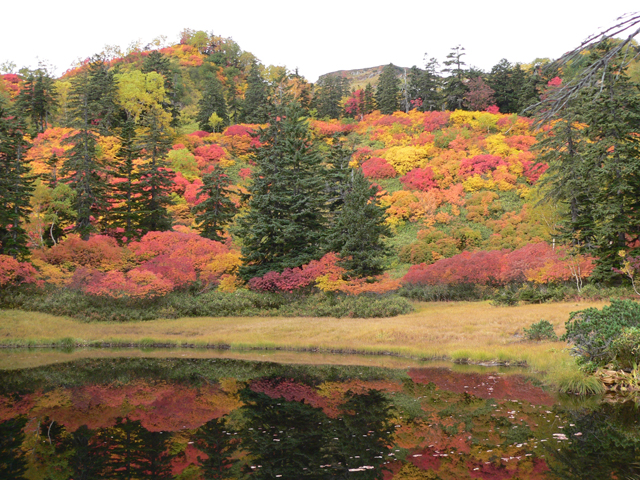
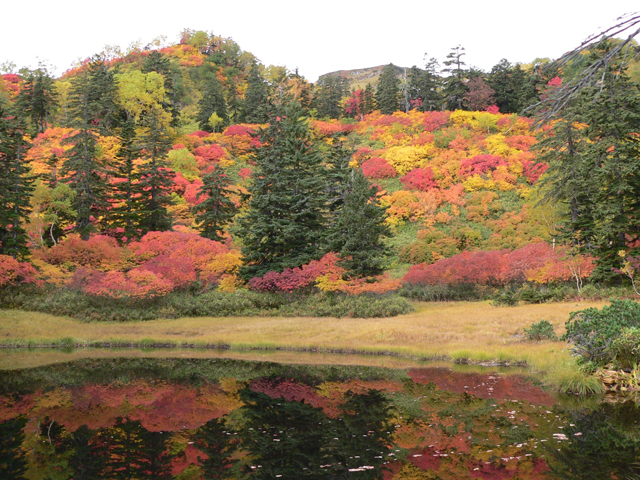
We had such luck an equally long time ago in Hokkaido, the northern island of Japan

hokkaido fall foliage

And I had such luck, alone this time, on my recent trip to Qinghai province, where the poplars were turning bright, golden yellow.

trees in fall

Alas, we have no such luck in dirty, dusty, smoggy Beijing. The leaves here go a little bit yellow, or just plain brown, before dropping miserably to the ground.

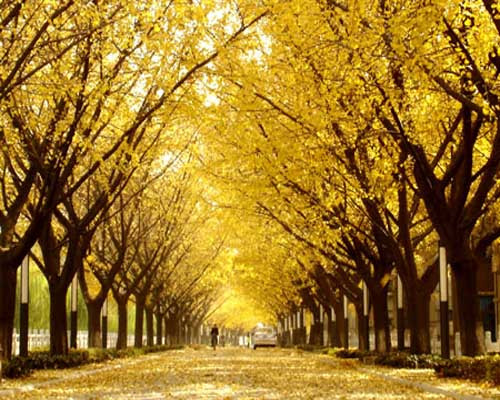
The partial exception is the ginkgo.  Ginkgos are popular trees to plant along streets. They tolerate well pollution and confined soil space, admirable traits for a tree growing in Beijing. And they look handsome, in the summer

ginkos 001

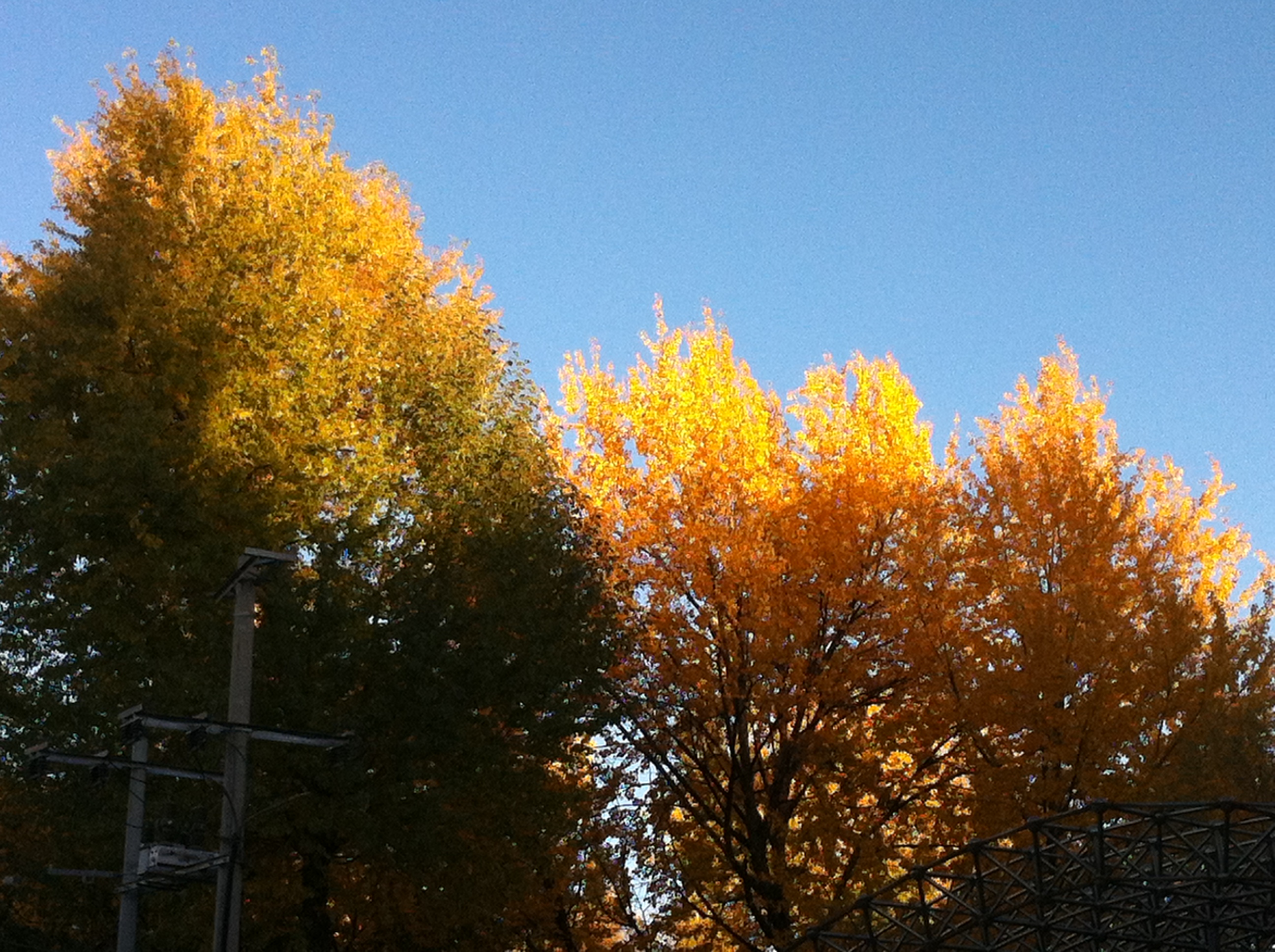
but even more so in the autumn

gingkgo trees autumn

Strange trees, ginkgos. The name already is odd. It was years before I realised that the “k” actually comes before the “g”. Who on earth came up with that spelling? A Dutchman called Engelbert Kaempfer, that’s who, back in the late 17th Century. He was the first European to see a gingko – sorry, ginkgo – in Japan. When he reported it to the European world, he seems to have stumbled over his transcription of the Japanese name ginkyō: what should have been written “ginkio” or “ginkjo” somehow got written as ginkgo.

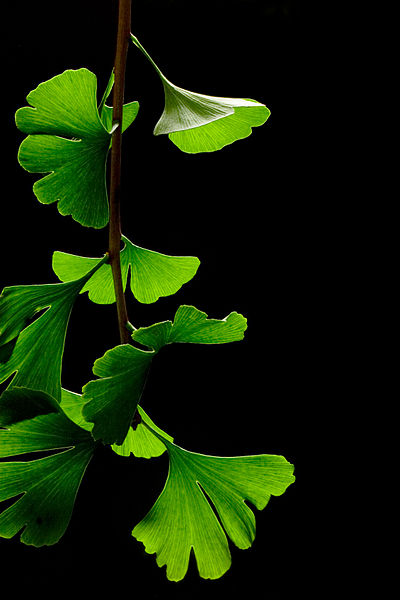
That double-lobed leaf is odd, too.

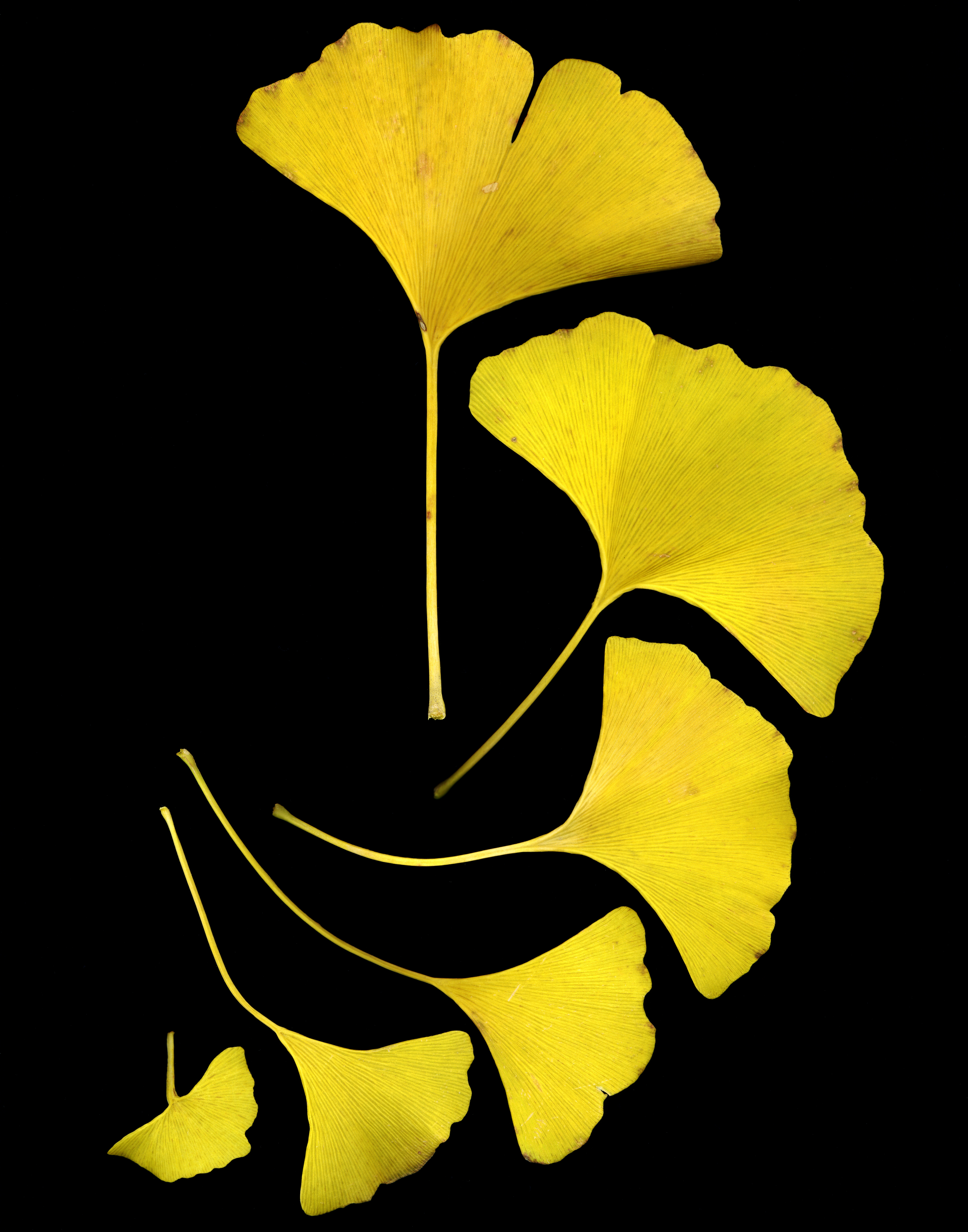
Ginkgo Leaves summer

In fact, it’s unique among seed plants. Unique, because the ginkgo is a living fossil. This fossilized ginkgo leaf

fossil ginkgo leaf

is 40 million year old, although the ginkgo is far older. It first appears in the fossil record some 200 million years ago. It did nicely for the first 100 million years or so but then it went into terminal decline. Its range shrank and shrank, the various ginkgo species disappeared, until only ginkgo biloba survived, and survived only in China.

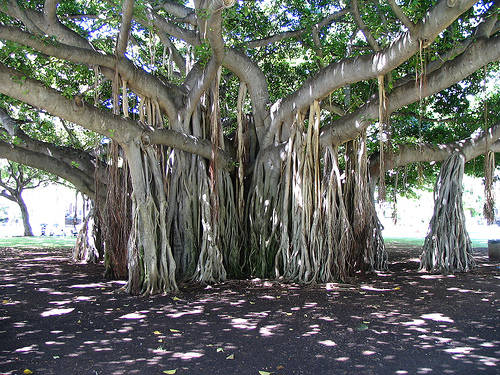
In fact, even the ginkgo biloba probably wouldn’t have survived if it hadn’t been for Buddhism coming to China. There’s a lot of debate about whether or not the ginkgo trees currently found in the wild in China are truly wild or simply feral, that is, grown from seeds that wafted away from domesticated trees. What is sure is that Buddhist monks took to planting ginkgos in their temples as their local version of the bo-tree, the sacred fig tree under which it is said that the Buddha attained enlightenment.

sacred fig

and of course the ginkgo then got included in the Chinese Buddhist iconography – look at those ginkgo leaves peeping behind the buddha:

maitreya buddha under ginkgo

The ginkgo, having thus gained enormously in stature as a sacred tree, was carefully nurtured by all and sundry and survived – and got carried by Buddhism to Korea and Japan, where our friend Engelbert saw it.

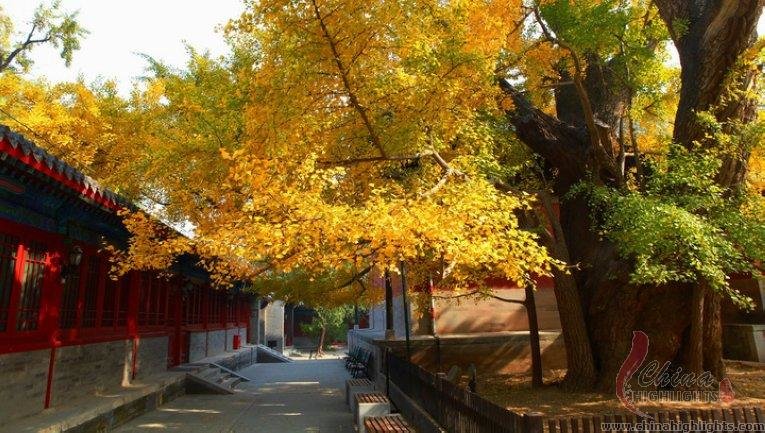
So I suppose it’s really best to admire the ginkgo in the environment which saved it from probable extinction, a Buddhist temple like this one, Dajue temple in the western hills near Beijing.

ginkgo fall dajue temple

___________________

Vermont fall foliage: http://i2.cdn.turner.com/cnn/dam/assets/120911072551-leaf-peeping-vt-jenne-farm-ed-sharron-story-top.jpg [in http://www.cnn.com/2012/09/21/travel/fall-leaf-peeping-autumn/%5D
Hokkaido fall foliage: http://4.bp.blogspot.com/-HK-XCKr055I/UGvr1pwda3I/AAAAAAAAGc8/oe2ckytpNRk/s1600/%E7%A7%8B%E3%81%AE%E9%AB%98%E5%8E%9F%E6%B8%A9%E6%B3%892.jpg [in http://talk-hokkaido.blogspot.com/2012/10/autumnal-foliage-around-daisetsu.html%5D
Qinghai fall foliage: my picture
Ginkgo trees along the street: my picture
Ginkgo trees autumn: http://chinatour.net/member/wp-content/uploads/2012/09/gingkgo.jpg [in http://chinatour.net/beijing/tour/autumn/%5D
Ginkgo leaves summer: http://upload.wikimedia.org/wikipedia/commons/thumb/f/f5/Ginkgo_Biloba_Leaves_-_Black_Background.jpg/400px-Ginkgo_Biloba_Leaves_-_Black_Background.jpg [in http://en.wikipedia.org/wiki/Ginkgo_biloba%5D
Ginkgo leaves autumn: http://upload.wikimedia.org/wikipedia/commons/7/78/GinkgoLeaves.jpg [in http://en.wikipedia.org/wiki/Ginkgo_biloba%5D
Fossil gingko leaf: http://upload.wikimedia.org/wikipedia/commons/c/c5/Ginkgo_biloba_MacAbee_BC.jpg [in http://en.wikipedia.org/wiki/Ginkgo%5D
Sacred fig: http://img.xcitefun.net/users/2009/09/117740,xcitefun-sri-maha-bodhi-tree-2.jpg [in http://forum.xcitefun.net/sri-maha-bodhi-sacred-fig-tree-sri-lanka-t38289.html%5D
Maitreya Buddha sitting under ginkgo: http://www.asia.si.edu/collections/zoom/F1911.411.jpg
Ginkgo Dajue temple: http://images.chinahighlights.com/2012/11/4c1ed9eaebda4d74a20d96f4.jpg [in http://www.chinahighlights.com/beijing/article-see-golden-ginkgoes.htm%5D

VARY THE THEME!

Beijing, 19 October 2013

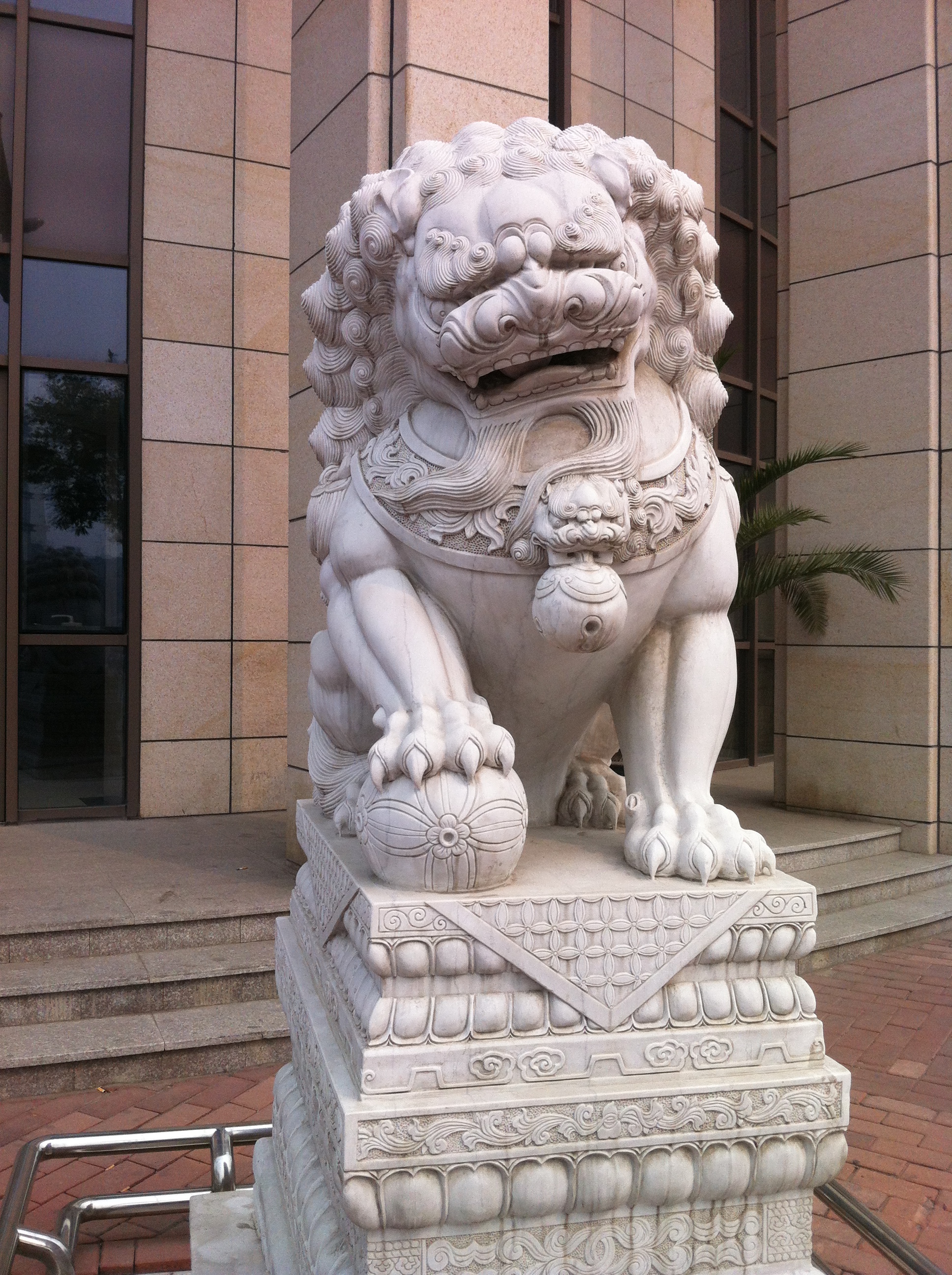
Anyone who visits China for more than a few days cannot fail to notice the many, many pairs of stone animals standing guard in front of any building which has pretensions to be something (although “something” can be no more than a second-rate noodle restaurant). Here is a typical pair of these animals, which my wife and I recently came across in front of the China National Philatelic Corporation.

chinese lion 003

The Chinese call these animals “lions”, which is really a bit of a joke. In today’s globalized world, where images of this iconic animal must surely have been beamed into every corner of every house on the planet, we all know that lions actually look like this:

real male and female lions

One theory has it that the original model for these “lions” was the Asiatic lion, of which a few miserable specimens still linger on in the Indian state of Gujarat. According to this theory, some live samples were brought to China along the Silk Road from Central Asia or the Middle East some 2,000 years ago, as gifts, tribute or whatever. Artists copied them, and then the originals stopped coming. So the artists copied the copies, and then copied the copies of the copies, and … Anyone who has seen the film Multiplicity, where Michael Keaton makes copies of himself and then the copies make copies of themselves

Multiplicity movie

knows what happens: there is a high loss of quality in the picture the further you get from the original.

A second theory is that actually the original model wasn’t a lion at all. It was a chow chow, which is a dog from this part of the world. It seems to have originated somewhere in northern China or Mongolia, or possibly in Siberia. I don’t know what readers think, but I’m not convinced that this

chow chow dog sitting

is the model of the above. Nor am I convinced that another ancient Chinese dog breed, the noble Pekingese (only members of the imperial family were allowed to have them), is the model

Pekingese dog

Such an irritating little dog, I’ve always felt, as it raspily yaps around your feet at some apartment door – a good, swift kick is what it deserves, but one has to be polite to the apartment owners. In any event, while it’s true that the Pekingese’s face has certain resemblances to my stone “lions” (and in fact it’s often called a lion-dog because of this resemblance), I rather think this is an example of convergent evolution: the sculptors went their way with their designs, the dog breeders with theirs, and one day someone said, “Ooh look, the Peke looks just like the stone lions!”.

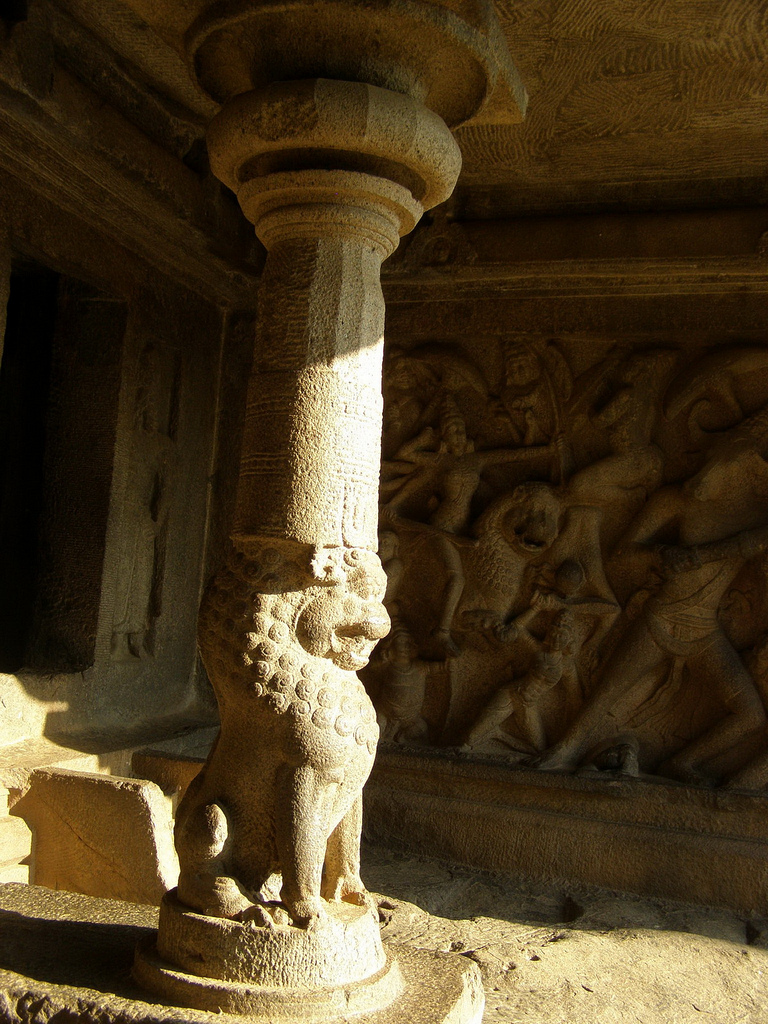
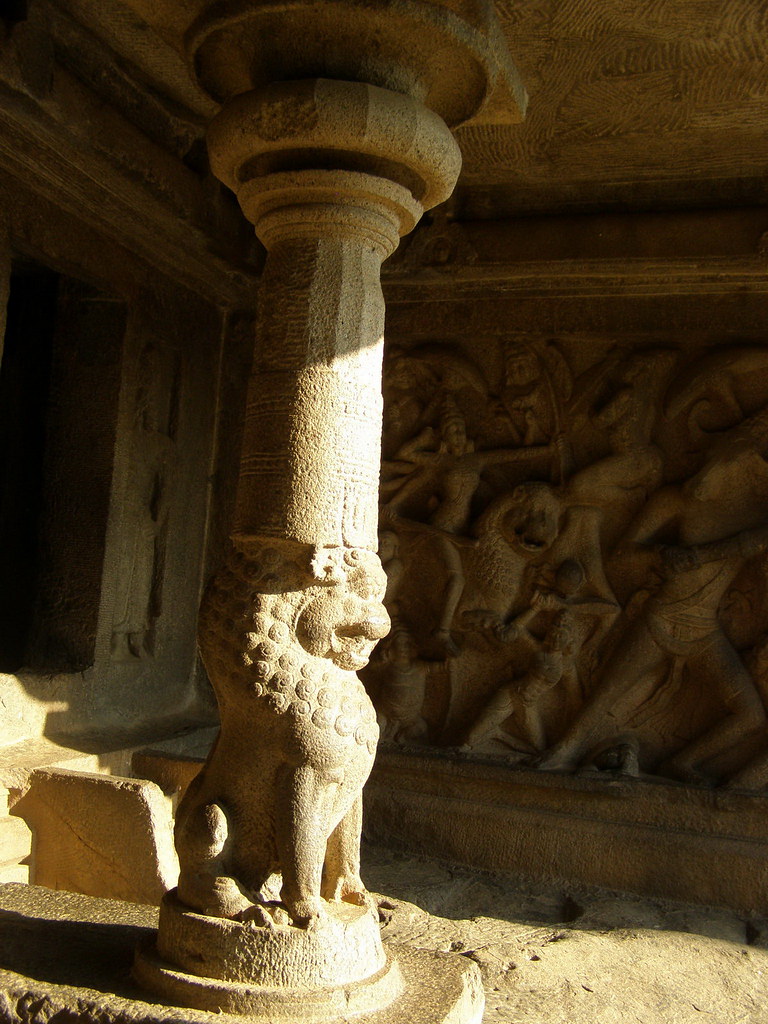
A third theory, which I find quite convincing, is that actually the models for the Chinese stone “lions” are the stone lions which are often found outside Indian temples. See the following link for a further development of this theory, while here is a picture of one such Indian lion from Mahabalipuram:

indian carved lion

It really does look quite similar, doesn’t it?  I presume that proponents of this theory would argue that it is Buddhism which brought to China the idea of placing stylized “lions” at the entrances of temples and then with time they migrated to the entrances of any important building.

However the design came about, the fact is that this being China, where everything eventually became (and still becomes) formalized, codified and rigidified, these pairs of stone “lions” have been made in exactly the same way ever since the Ming dynasty. The key is that they look nearly exactly the same. Both have the same ritualized snarl on their faces. Both have the same mane of tight curls. Both have the same strong legs. Both are sitting on their haunches. There is only one important difference, fruit of a typical male chauvinism: the male is always – always – made with his paw resting on a ball (representing the male’s mastery over the world)

chinese lion 001

while the female is always – always – made with her paw resting on a cub which is playfully lying on its back (representing the female’s nurturing nature).

chinese lion 002

And sited as they are on either side of the entrance, their heads are always slightly inclined towards the enterer.

There must be literally millions of these stone “lions” scattered across the length and breadth of China, large, small, and every imaginable size in between. I swear, somewhere in China there must be a factory like this

huge-industrial-factory

that churns these damned things out by the thousands every day.

So tedious! So boring! Change, for God’s sake!

So you can imagine that it is with some small relief that I occasionally run across variations on this monotonous theme. Take this pair of “lions” which I recently came across in Beiing, in front of a restaurant.

lions looking at one another

How exciting! They are looking at each other and not the enterer.

Or take this “lion”, which I came across during my recent trip to Fujian.

river gorge 008

Why, rather than glaring at you he really looks glad to see you! And he seems to be offering you the ball to play with. It could almost be a playful Pekingese (assuming those damned dogs play). What a refreshing site for sore eyes.

Or how about this pair of “lions”, which we bumped into in Hong Kong? They were outside some bank as I recall, and not even guarding an entrance. A wonderful postmodern take on the old, very tired stone lion design.

lions in HK

And now, I even see real lions! This picture was taken five minutes after the picture with which I started the post

realistic lion

It was sitting in front of a furniture shop as I recall.

So when will I see two giraffes guarding the entrance to some place?

sitting giraffes

Change, for God’s sake!

____________________________

pair of Chinese lions: my picture
Real male and female lions: http://farm4.staticflickr.com/3400/3189788124_26e25201fd_o.jpg [in http://www.flickr.com/photos/kenkeener1621/3189788124/%5D
Multiplicity movie: http://www.thefancarpet.com/uploaded_assets/images/gallery/4480/Multiplicity_41523_Medium.jpg [in http://www.thefancarpet.com/ActorGalleryPicture.aspx?mga_id=46948&a_id=714%5D
Chow chow dog: http://comps.canstockphoto.com/can-stock-photo_csp7744774.jpg [in http://www.canstockphoto.com/search.php?term=chow%20dog%20sitting&type=1%5D
Pekingese dog: http://www.dogbreedinfo.com/images19/PekingeseSissiePrincess11YearsOld1.JPG [in http://www.dogbreedinfo.com/pekingese.htm%5D
Indian carved lion: http://farm3.staticflickr.com/2036/2312684736_1f31c1a673_b.jpg [in http://bighugelabs.com/onblack.php?id=2312684736&size=large%5D
male Chinese stone lion: my picture
female Chinese stone lion: my picture
Huge industrial factory: http://thumbs.dreamstime.com/x/huge-industrial-factory-9265211.jpg [in http://www.dreamstime.com/royalty-free-stock-photos-huge-factory-image6897978%5D
Chinese stone lions looking at each other: my picture
Chinese stone lion in Fujian: my picture
Chinese stone lions in Hong Kong: my picture
Realistic stone lion: my picture
sitting giraffes: http://media.offexploring.co.uk/photos/pamandralph/photos/070212-11-DSC_0112.JPG [in http://blogs.statravel.co.uk/pamandralph/albums/uganda/10149717%5D

BACK OF BEYOND

Beijing, 15 October 2013

I’m just back from a business trip to Haixi prefecture, which is the remotest prefecture of that remote Chinese province, Qinghai. Squeezed between its better-known neighbours Xinjian, Gansu, Sichuan, and Tibet, Qinghai doesn’t get much press, which is a pity. To my mind, it’s one of China’s most beautiful provinces. Here’s a picture we took out on the grasslands when my wife and I, together with our son, went there a couple of years ago.

IMG00095-20110712-1113

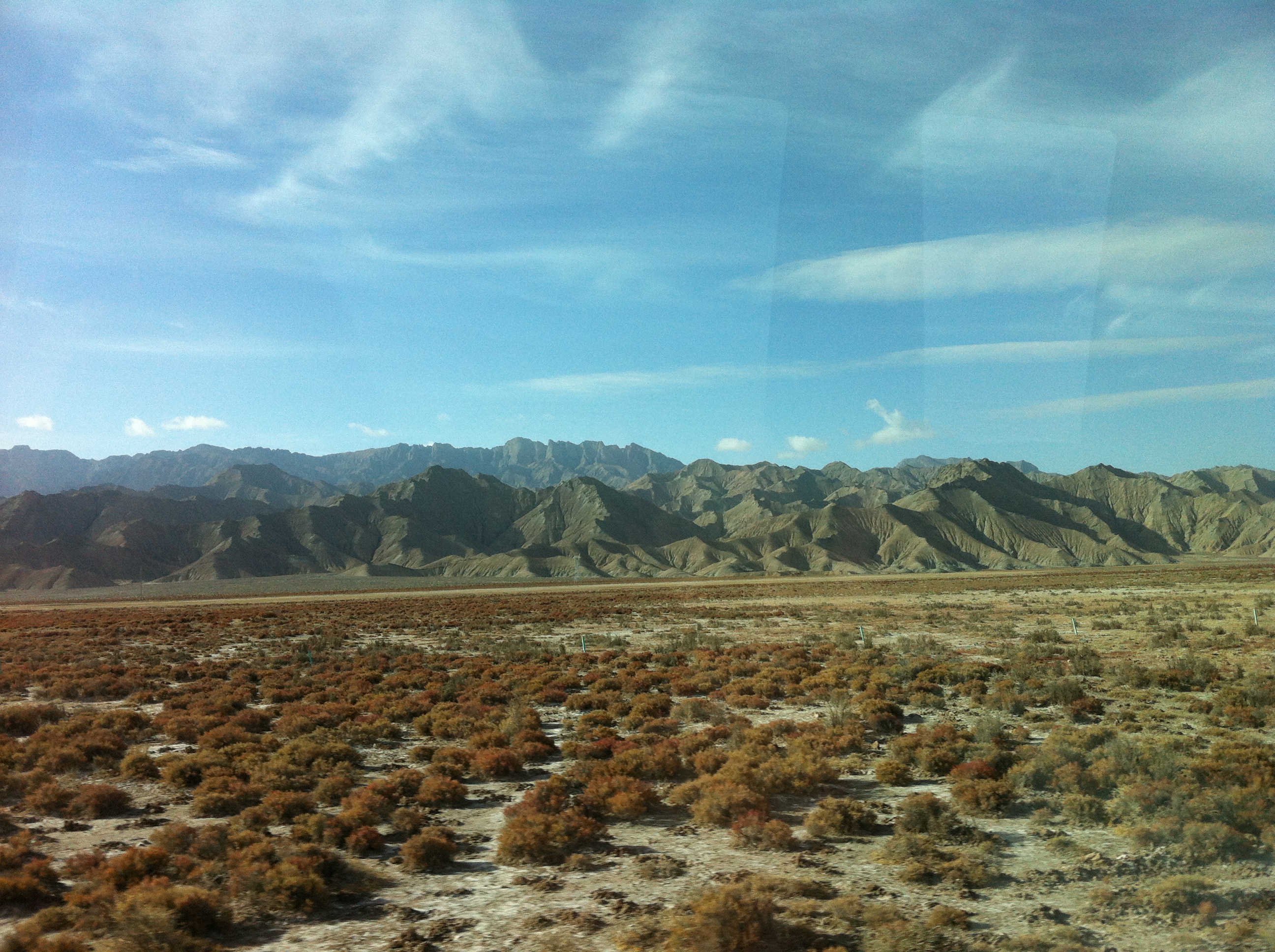
As for Haixi prefecture, it hardly gets a mention at all in the world’s press. This is a great pity, because it’s a seriously beautiful part of the world; on the desertic side, but I like that kind of landscape.

landscapes 002

landscapes 007

My colleague and I were there to study what we could do to help the prefectural authorities build up a local brand in the organic production of wolfberries (we seem to be getting a reputation for agro-processing). I can perfectly understand it if my readers have never heard of wolfberries. Neither had I until I came to China and found them floating in various soups during banquets. But our ignorance is our loss. Wolfberries have had an honourable place in Chinese cuisine – and traditional medicine – for the last 2,000 years.

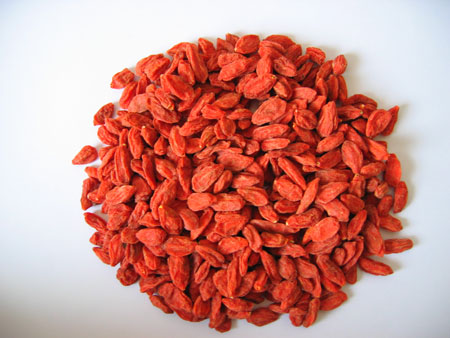
If one has seen them at all, it’s probably as dry berries

wolfberry-dry

although this is how we saw them during our trip, fresh

Wolfberry-fresh

on bushes in plantations

wolfberry-bush and fresh berry

OK, I probably shouldn’t say this, since one of the things the Haixi authorities would like us to help them with is to get fresh wolfberries into supermarkets, but I can’t say that I’m particularly impressed by the wolfberry. If I were standing in the fruit aisle of my local supermarket and had to choose between wolfberries and, say, blueberries, I would choose the latter every time. But hey, I’m not Chinese; they would probably make the opposite decision.

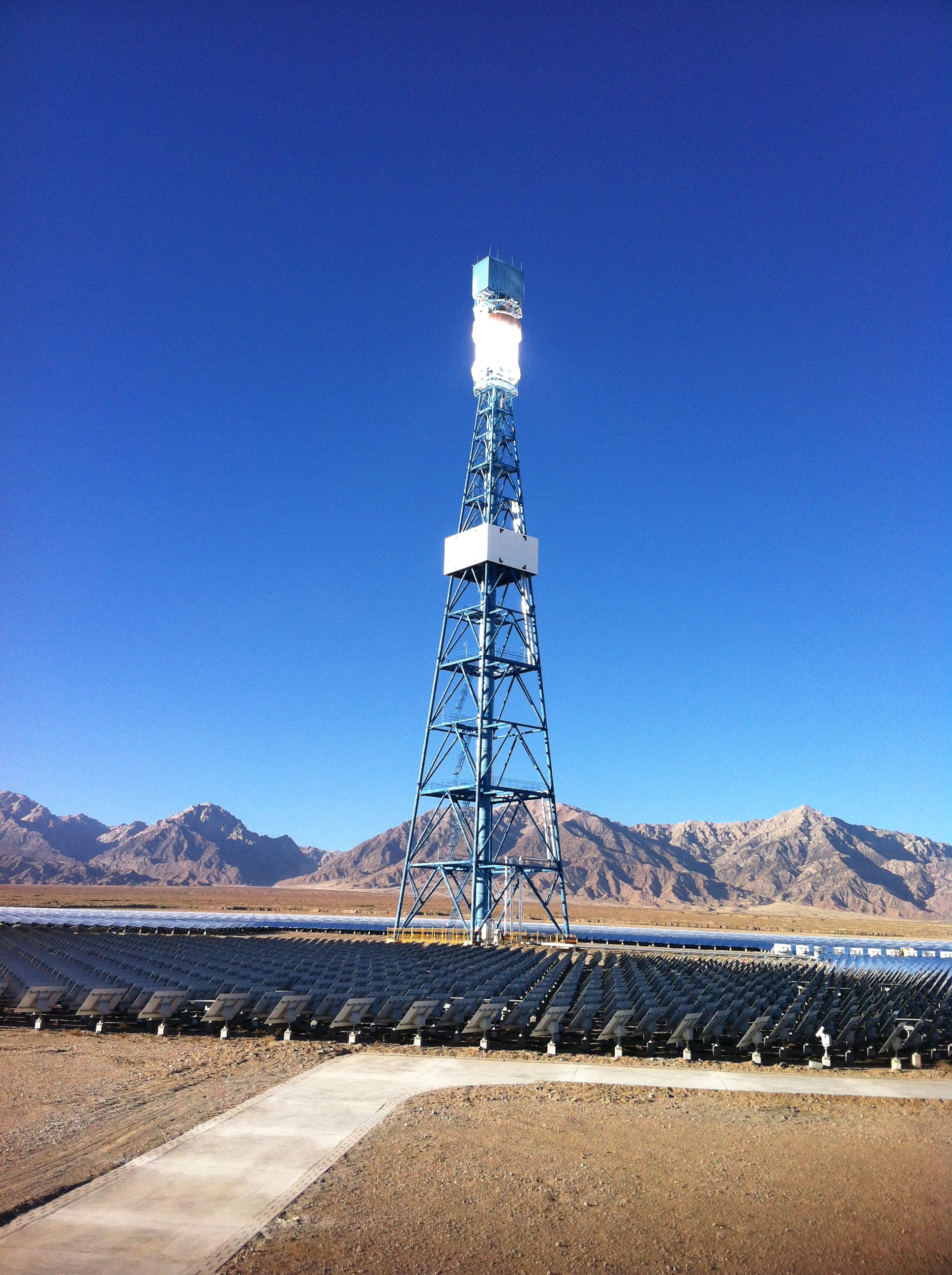
In any case, I will not dwell on the wolfberry, because my attention was captured by something else altogether. Haixi has a lot of sun – 300 days of sun a year, we were told. So quite sensibly, the government has bet on a solar power future for Qinghai. As we drove from wolfberry plantation to wolfberry plantation, and after passing several large photovoltaic arrays, we drew up here:

CSP 006

This, my friends, is a concentrated solar power plant (or at least one version of such). The hundreds of mirrors on the ground focus the sun’s rays on the luminous white spot at the top of the column. That spot is a boiler where the heat of the sun turns water into steam, which is then used to generate electricity. I tried to capture the beauty of that ethereally, whitely glowing spot of concentrated solar rays, but my iPhone camera simply wasn’t up to it. So I’ve added the  only other photo I’ve found on the web of this plant.

CHINA-QINGHAI-SOLAR THERMAL POWER PLANT (CN)

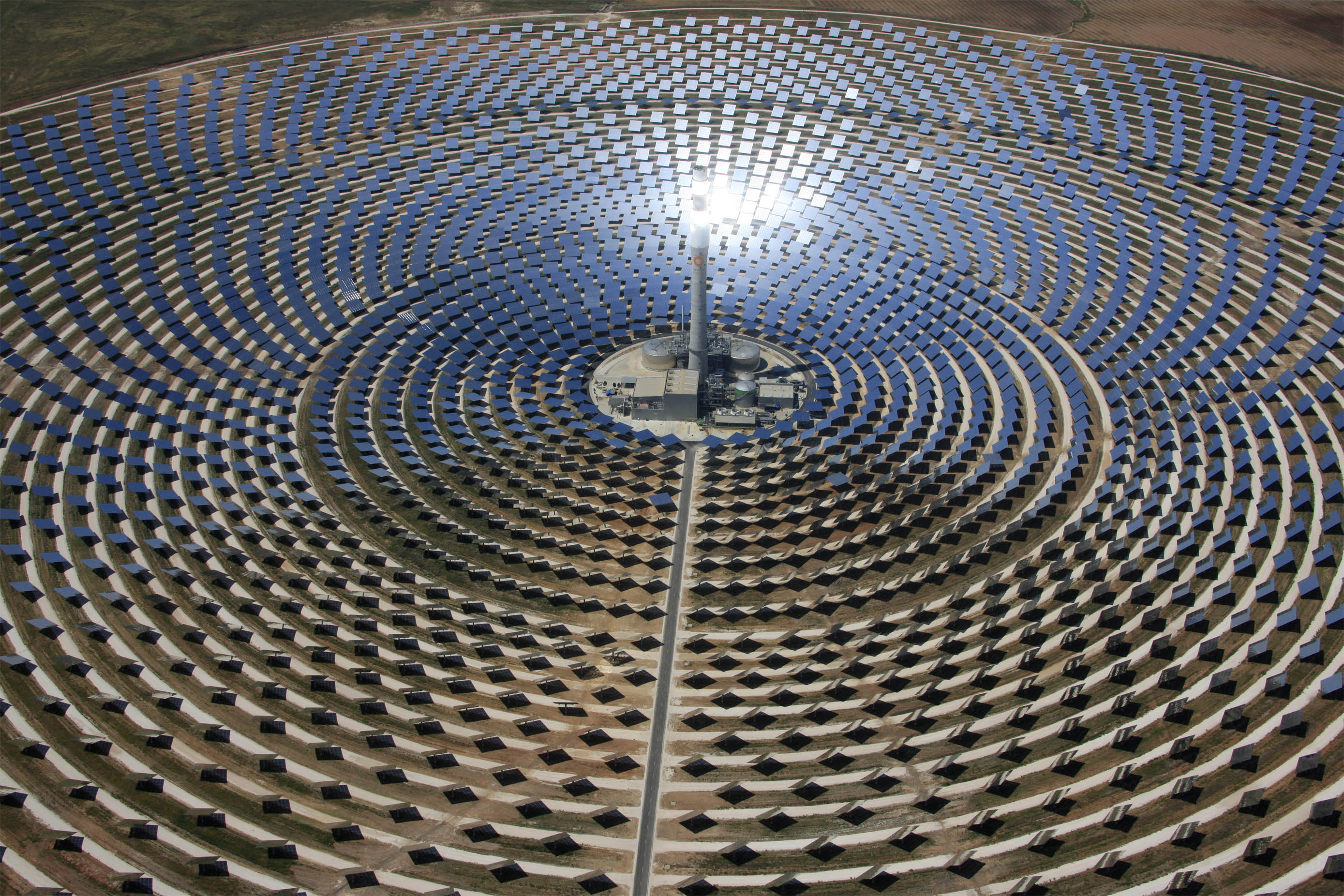
And I add photos of similar plants in other parts of the world. This one is near Seville in Spain

CSP spain

While this is one was in California’s Mojave desert (it was demolished a few years ago).

CSP US

Not clear if this approach will ever generate electricity cheaply enough. But who cares, like Concord, another technological has-been

concorde

it’s beautiful.

Soon after this brush with the ultra-modern, we came across a picture as ancient as China itself, a line of camels padding slowly into the setting sun. I didn’t get a photo, not with my iPhone, but I show a picture of camels taken elsewhere in Qinghai.

camels

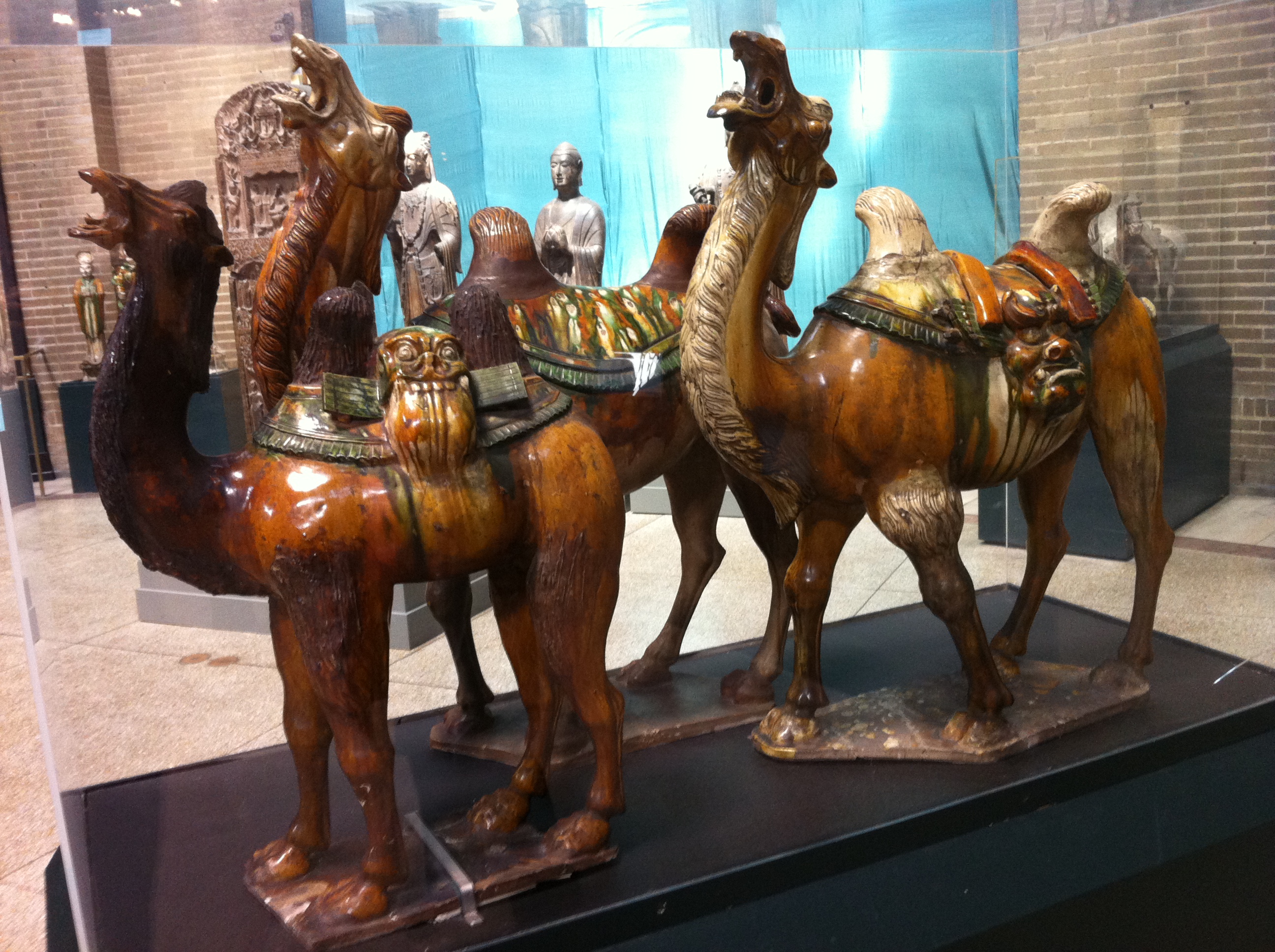
I could have been in Tang China. I am moved to throw in a photo I took back in May in the Museum of the University of Philadelphia of Tang era sculptures of camels.

philly museum 004

Minutes after this close encounter with the age-old, we drew up at a freshwater lake for a dinner of locally caught crabs. To whet our appetite, we were taken on a short cruise across a magically still mirror of water

lake-fresh 002

as the sun dipped below the hills behind us.

lake-fresh 010

___________________________

Qinghai grasslands: my son’s picture
Wolfberry-dry: http://soni.monovee.com/wp-content/uploads/2012/05/wolfberry.jpg
Wolfberry-fresh: http://mingmingtea.com/wp-content/uploads/2012/01/Wolfberry_extract.jpg
Wolfberry-bush and fresh berry: http://images04.olx.com/ui/2/98/54/13309454_2.jpg
CSP-1: my photo
CSP-2 : http://res.heraldm.com/content/image/2013/08/01/20130801000653_0.jpg
CSP Spain: http://www.finetubes.co.uk/uploads/images/gemasolar-2011-2_low_res.jpg
CSP California: http://www.trec-uk.org.uk/images/solar_two_barstow.jpg
Concord: http://s1.cdn.autoevolution.com/images/news/concorde-will-take-to-the-skies-again-21839_1.jpg
Camels: http://m1.i.pbase.com/g1/62/942562/2/146679881.nWrkycH7.jpg
Tang camels: my photo
Lake views: my photo

FUJIAN TEA

Beijing, 16 September 2013

Last week, I was down in Fujian province. Tea connoisseurs will know the province, it being the home of black tea in China (as well as of white tea and oolong) and, as a result, of some of the most famous black tea brands, including the three Fujian Reds: Tanyang Gongfu, Zhenghe Gongfu, and Bailin Gongfu.

fujian red

I’ve written a previous post about a fourth black tea from Fujian, smoked this one, which was my grandmother’s, and now is my wife’s, favourite tea: Lapsang Souchong.

But I was not in Fujian to explore its tea. I was there to visit two factories. One produces spirulina, a family of blue-green algae, which in the last several decades has received a lot of press as a sort of miracle food for the undernourished, and which was already being eaten by the Aztecs back in the 16th Century when the Spaniards conquered them. I’ve mentioned this wonder product in an earlier post.

Spirulina-Powder

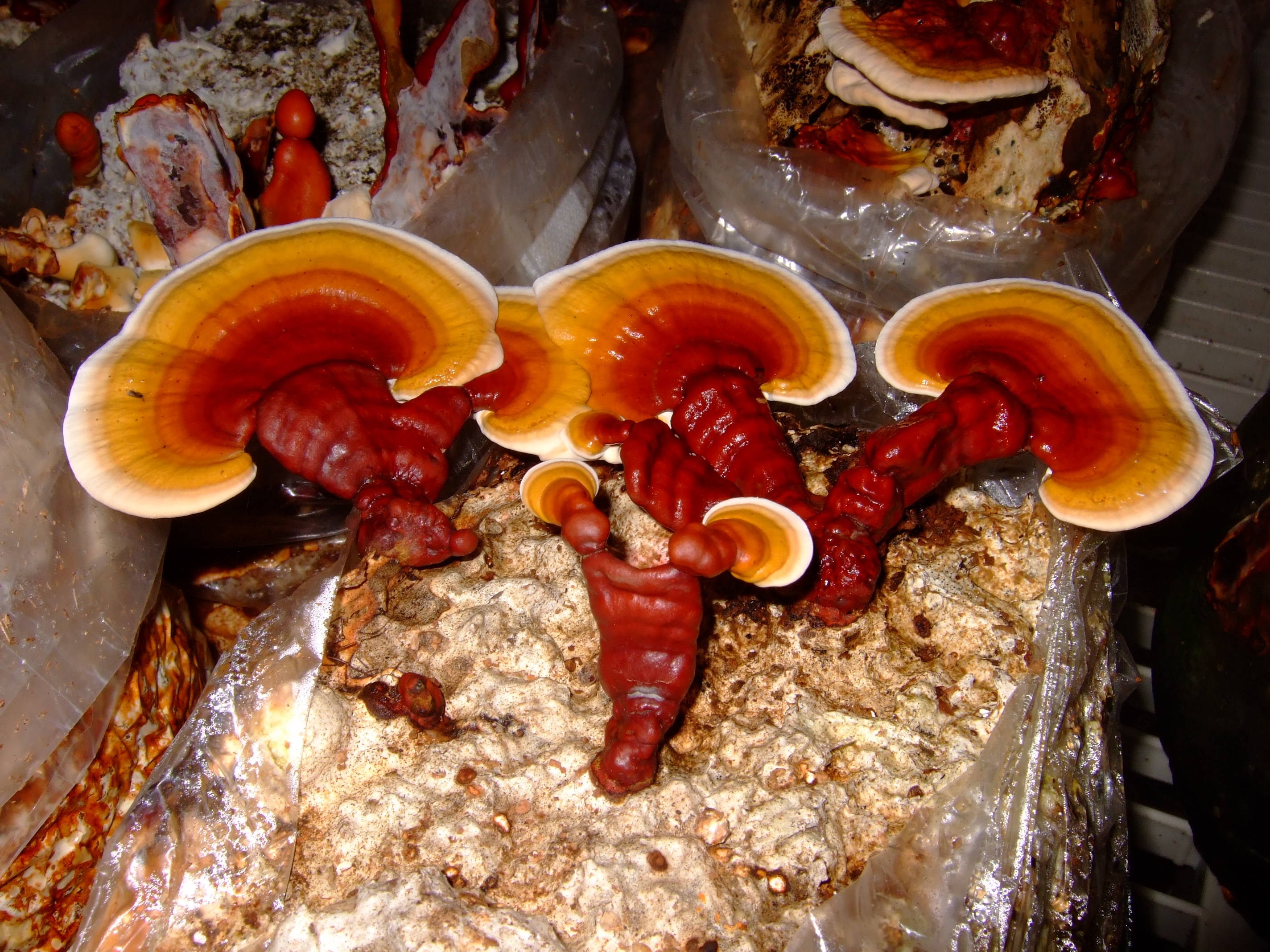
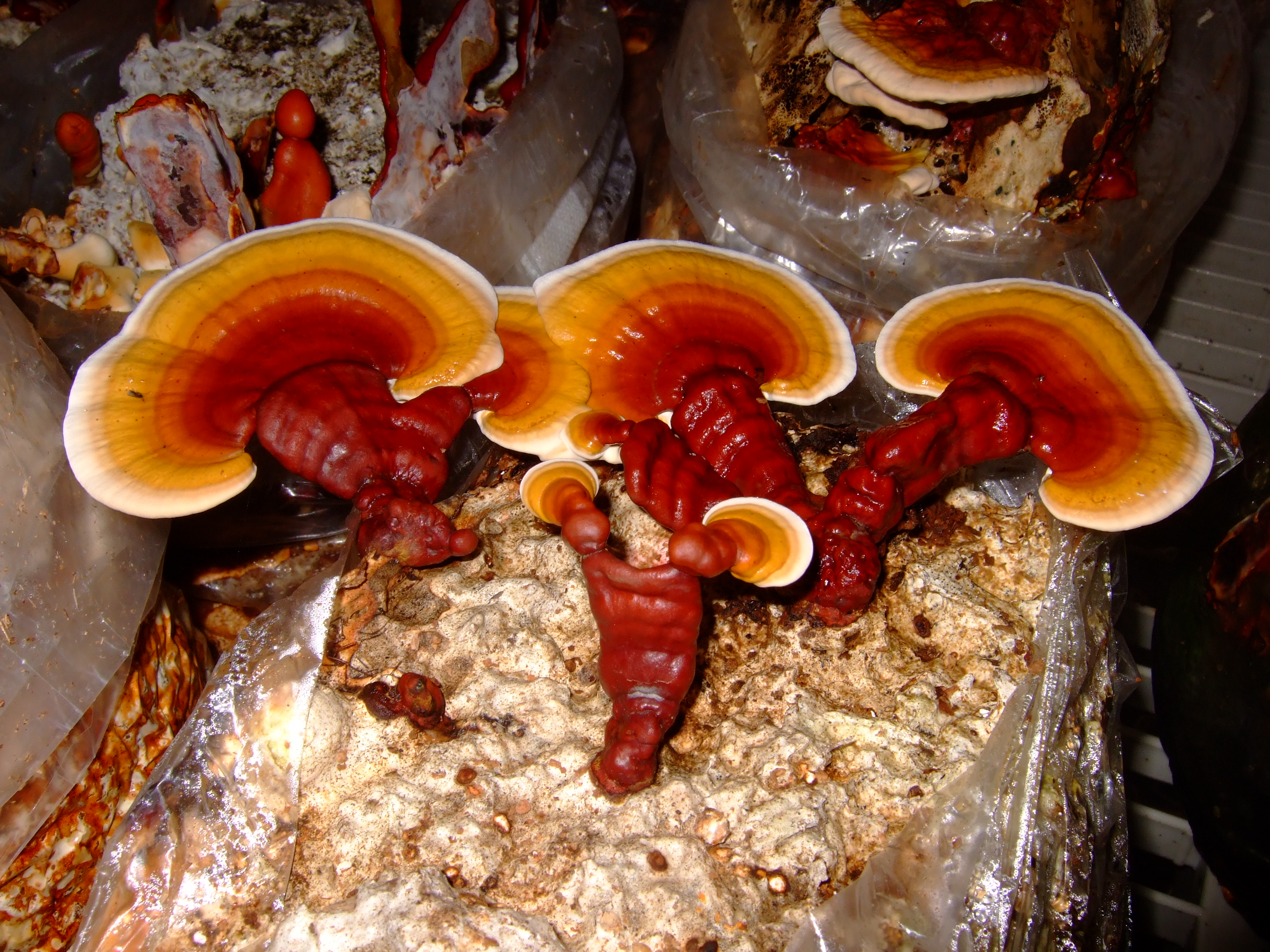
The second factory produces glossy ganoderma, a fungus which the Chinese have been consuming for the last two thousand years for its medicinal properties and which has a renewed lease of life as a possible anti-cancer drug.

glossy ganoderma

The two factories were quite distant from each other as well as from the nearest airport at Wuyishan, so our days were long as we drove to each factory, visited them, and of course had long and copious dinners with our hosts and various local worthies such as the mayor or party provincial secretary.  It was with some relief that I saw we had finally arrived back in Wuyishan that last evening of the trip. Alas! I had rejoiced too soon. Wuyishan is an important centre for the tea trade, with scores of tea shops lining the main roads. Our driver, who also happened to be the son of the owner of the spirulina factory, had the great idea of taking us to one of these tea shops. Its owner was a good friend of his, he informed us brightly. He had been so good to us that I didn’t have the heart to say no. So we drew up in front of one of these tea shops, and were greeted effusively by its owner as we got out of the car. He was an Artist, he later informed us, which presumably explained his heartily embracing me; no normal Chinese would ever have done such a thing. It also no doubt explained his pony-tail, something which is now rare in China since the heady days of the birth of the Chinese Republic, when Chinese men everywhere cut off their queues to mark their liberation from Manchu rule.

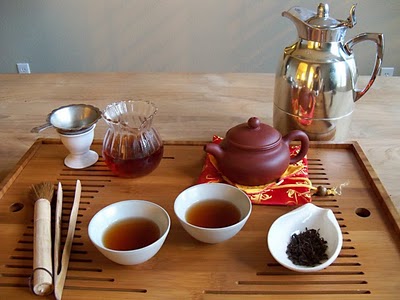
In any event, he ushered us into his tea house, introduced us to his mother and sister, bid us sit, and quickly made us a cup of tea.

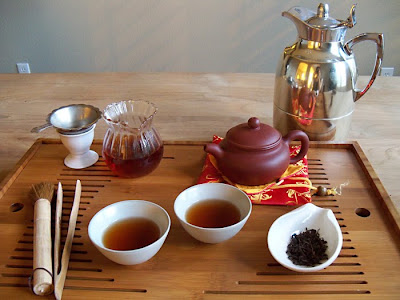
chinese tea ceremony

After a few minutes, and perhaps after a quiet word from his friend the factory owner’s son, he invited us to follow him up some back stairs, to a more private den on the second floor. Here, he had us sit around a table whose top was a square slab of rough stone into which he had carved a Chinese character; this in turn acted as a channel for a little fountain which emerged from the middle of the table’s top. The fountain added a quiet sound of running water to the proceedings. Our host announced that he would be serving us a rare black tea made from just a few kilos of leaves picked every year.

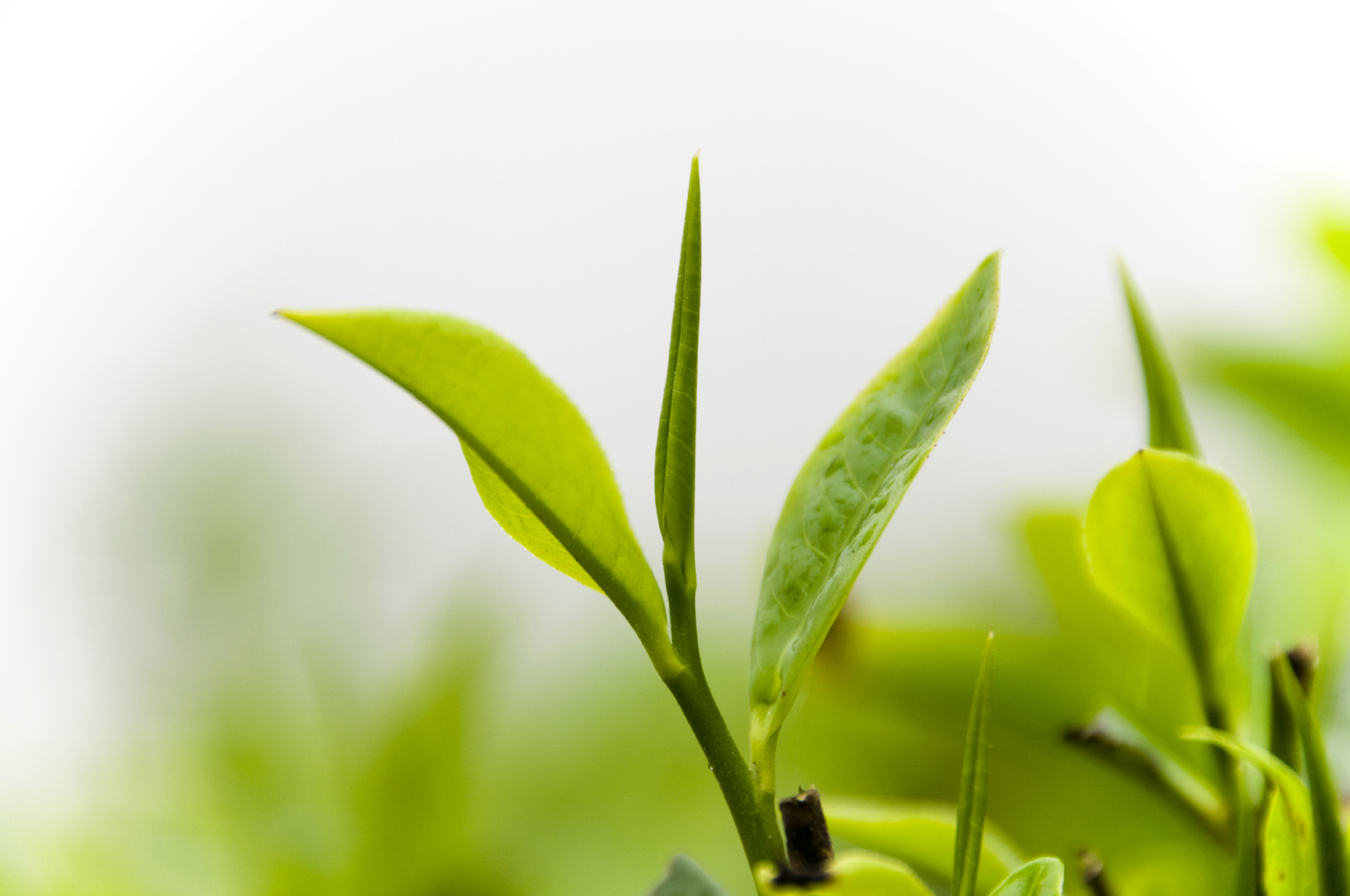
Tea in the mist

He gave us each a little cup which could contain a thimbleful of tea; he had made them himself, he informed us. He then ordered an acolyte who was hovering in the background to pull out his 18th Century Qing cup, which turned out to be even smaller than the ones we had been given and sat on its own tiny wooden table. We all inspected it with great respect. By this time, our host had boiled the water and transferred it to a small cast-iron Chinese teapot. With this, he poured a thin jet of hot water over the cups to warm them, and then added water to the tea. He let it stand for a while, then filled our little cups.

We all sipped our tea – I, out of the Qing cup – and murmurs of appreciation rose up. Now, I don’t pretend to be a tea connoisseur. In fact, I keep it a secret in China that I drink my black tea with milk and sugar. This would put me quite beyond the pale for most Chinese if it ever became common knowledge. And I have never appreciated the green tea which I am routinely offered here. But I actually liked the tea our host had offered us! It did indeed leave a mildly sweet aftertaste, as he had predicted. We drank a few more thimblefuls, after which he declared he would have us try another black tea. This one, he said, was even rarer. Just a kilo or so was collected every year, from one wild tea tree whose location he kept deeply, deeply secret.

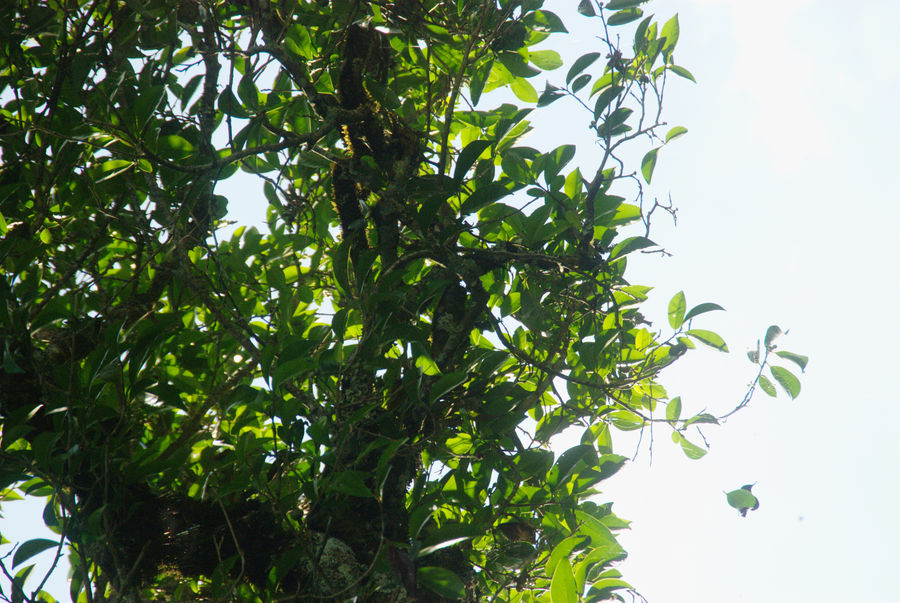
old tea treee

It had to be sort of slurped to appreciate its taste, he instructed us. I duly sort-of slurped the tea and was astonished to discover a mild chocolaty aftertaste. Yes, my host smiled, that’s what many say.

As we continued to drink the tea, our eyes started to wander around the room, taking in the various ceramic pieces placed on the shelves around us. Our host began to take them down to let us inspect them. This small cup was Song, he said – Song! Oh  –– My –– God! I love Song ceramics!

song cup

– while this one was early Ming, he continued, and that shallow bowl was Qing. My head whirled. And as we sat there, sipping our tea and holding the ceramic pieces gingerly, oh! so gingerly, I felt for a moment – an instant – like a Chinese scholar of yore, sitting in my study, sipping my favourite tea, gently turning my ceramic pieces in the light, murmuring that Tang love poem I loved so much – and wondering if I would ever pass the next level of those damned imperial examinations …

chinese scholar-2

__________________________

Fujian red: http://3.bp.blogspot.com/-kvSw6A0btv8/UIlzv5xNqLI/AAAAAAAAAkw/T0MCEP9zCSE/s1600/goldenmonkey_base.jpg
Spirulina powder: http://spirulinapowder-review.com/wp-content/uploads/2013/07/Spirulina-Powder.jpg
Glossy ganoderma: http://upload.wikimedia.org/wikipedia/commons/d/d7/Jreishi2.jpg
Chinese tea ceremony: http://2.bp.blogspot.com/_UERtENI3oaU/TKzqT_cEx2I/AAAAAAAABvM/ENJO27ZhxiI/s400/chinesetea2.jpg
Fresh tea leaf: http://www.pingminghealth.com/wp-content/uploads/2009/12/green-tea-leaf.jpg
Old tea tree: http://www.puerh.fr/dynamic//files/system/articles/80/17.jpg
Song cup: http://p2.storage.canalblog.com/21/37/577050/46025483_p.jpg
Chinese scholar: http://images.visitbeijing.com.cn/20121011/Img214758300.jpg

THE TRACTOR

Beijing, 14 September 2013

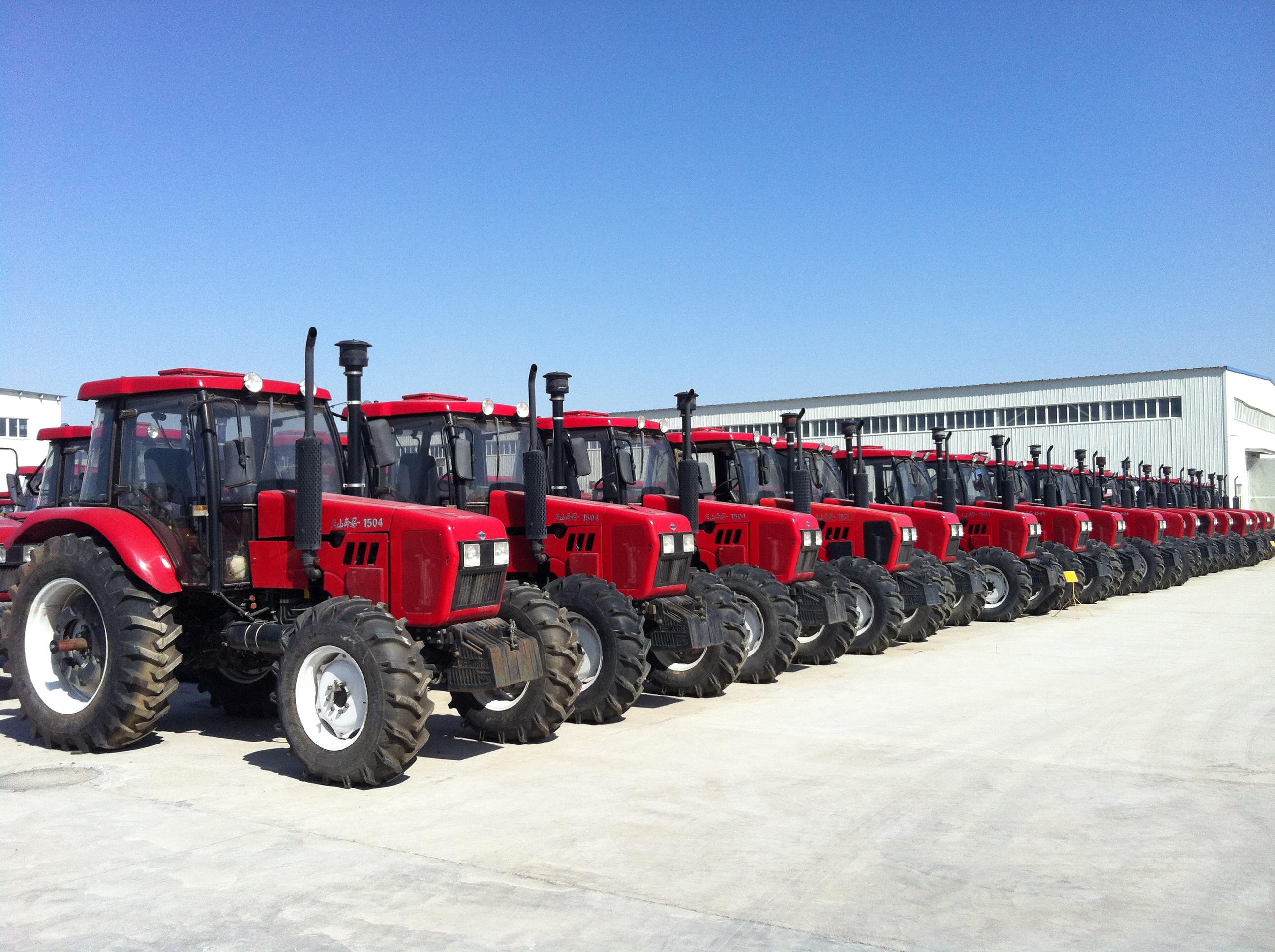
In the trip to Xinjiang which I mentioned in my previous post, we were also taken to see a tractor manufacturer. Row upon row of bright new tractors greeted us as we walked into the factory’s yard
tractors outside
but we ignored these, headed as we were for the shed where they assembled the tractors.

It was with some relief that we exchanged the heat and light of the yard for the cool darkness of the shed interior. There, we were introduced to the plant manager, and after a hearty shaking of hands all round he launched into his exposé of all the wonderful things his factory was doing. I let his voice wash over me as I took in a yellow tractor, newly assembled, standing proud and tall before me.

tractors inside

And suddenly I was 14 or 15 again, standing, on a beautiful summer’s day, by the side of a tractor. I was out on the plains of Manitoba, an hour or so’s drive from Winnipeg, on a farm owned by the parents of a friend of my sister’s.  The farmer was asking me if I wanted to try ploughing a field and I was saying yes. Why not? Everything is possible when you are 14 or 15.

So he gave me a quick lesson in tractor driving and ploughing, and sent me off to a distant field. And off I went, my hat cocked at a jaunty angle as I surveyed the surroundings, Lord of everything I beheld.  After 10 minutes, I arrived at the field – the North American plains are very big and tractors are very slow – and there I found myself faced with an unexpected choice: there were actually two fields, one to the left and one to the right, and no fences. Which one? I hesitated, trying to remember my instructions – no mobile phones in those days, no way to check back – and eventually plumped for the field to the right.

So I started ploughing, starting as instructed at the field’s edge and going round in ever-decreasing circles until the middle was reached. By the end of the first circle, I noticed a man standing on the edge of the field. By the end of the second circle, he had walked over and signaled me to stop. He asked me politely what I was doing. Well, I was ploughing the field, I replied lamely. Yes, he responded patiently, but on whose instructions. Well, I said, and here I named my farmer host. Ah, he said, but the fact was that I was ploughing HIS field. Not that he minded, he added quickly, the field was fallow (thank God! I screamed inside of me) and no doubt it would benefit from an extra plough, but still … He pleasantly instructed me to stay still while he phoned his neighbour.

I sat there, on the tractor, with my hat at not quite such a cocky angle now, with a sense of impending doom. And indeed my farmer host came scorching over like a bat out of hell. He covered in 10 seconds in his battered old car what had taken me 10 minutes with the tractor. He bounced out, glared at me, and excused himself profusely with his neighbour, but the offended party was very gracious about it all and the situation resolved itself pleasantly.

My farmer host next turned to me and in that very deliberate and slow tone one reserves for the village idiot told me that I was meant to be ploughing the LEFT field. And to make sure that the village idiot had understood he pointed very insistently at the field in question. Suitably chastened, with my hat drooping about my ears, I headed for said field, and started again.

So there I was, circling the field, spiraling slowly – EVER so slowly; the field was very big – towards its middle.  I have to tell you,  ploughing is pretty boring. After about the fourth circle the novelty of it all had worn off and I was wondering how to pass the time. I tried singing, but the noise of the engine drowned out even the lustiest of my songs. I tried driving with one hand, but that palled after 2 minutes. I tried driving with one leg up on the dashboard, but that was uncomfortable. In a moment of desperation, I even thought of trying to drive sitting backwards but luckily good sense prevailed. So I was reduced to just driving, driving, driving in ever decreasing circles as the sun slowly dropped to the horizon of the endless Manitoban plains.
OLYMPUS DIGITAL CAMERA
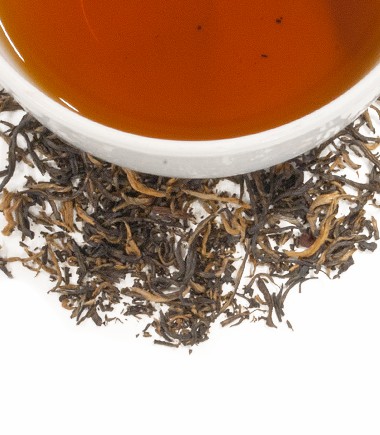
Ploughing the plains may be boring but the plains themselves have a strange beauty. As a boy brought up in undulating landscapes, used to cresting land-waves and finding hills rising up before me, I initially found the plains disorienting. Whenever my parents took us out for drives I never knew which way to look. But after a while I began to appreciate the way the sky was so close to the land, seeming to press down on it and you, and how you could really enjoy cloud formations in the vast, uncluttered sky of the plains. I could never get over those fields of wheat stretching off as far as the eye could see, registering on their waving surface every meander of the passing breeze …
the plains-7
I was nudged, the plant manager had finished his peroration. I came out of my reverie with a smile playing on my lips, which no doubt delighted the man, reinforcing his conviction that what he did was incredibly interesting. With another round of hearty handshakes, we emerged blinking into the strong sunlight and headed for the car and the next factory.

______________________________

tractors inside and outside: GUO Li
tractor and the sunset: http://farm5.staticflickr.com/4045/4482416778_f1fc6db355_z.jpg
wheat fields: https://farm5[dot]staticflickr.com/4127/4975335245_a2e33916c3_z.jpg

TOMATO WASTE

Beijing, 13 September 2013

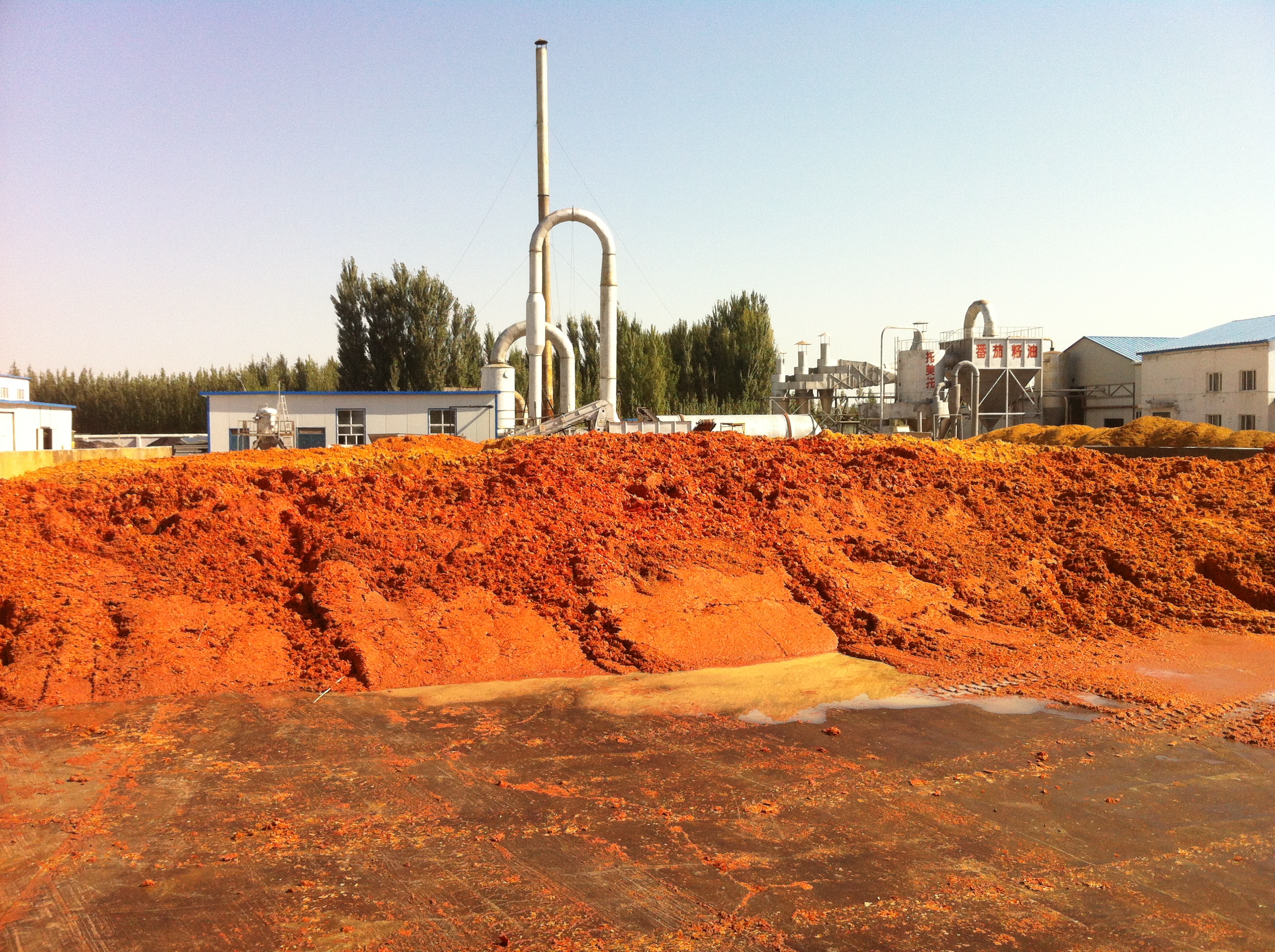
Last week, I was up in Xinjiang (or the Xinjiang Uighur Autonomous Region, to give it its full title), where I and some colleagues were discussing possible projects and visiting some industrial plants. The most intriguing of these visits was to a plant where this welcomed you when you arrived.
tomato waste-4
Readers would be excused if, like me when I got out of the car and like my wife when I showed her this picture, they scratch their heads and ask themselves what on earth this stuff is.

Tomato waste, that’s what it is.

Yes, these are the left-overs from the process to make tomato paste, a significant industry in Xinjiang, which grows some 4 million tons of tomatoes a year. As you might imagine, with a process that basically squeezes the juice out of tomatoes for further concentration the waste consists primarily of tomato seeds and skins.

Mr. Liu, a spry septuagenarian and founder of the company, met us as we got out of the cars and led us to the exhibition room. He started by explaining that he was on the rebound with this company; he set it up after going bankrupt in a previous foray into capitalism. The business model Mr. Liu adopted in this new venture is simple but ingenious. He takes the tomato wastes off the hands of the tomato paste makers, who are glad to offload them at no cost since they don’t know what to do with them. So far so good. But he doesn’t just dump them in a convenient hole somewhere as most waste dealers still do in this part of the world. No, he works his magic on the wastes to make a whole series of new products with them.

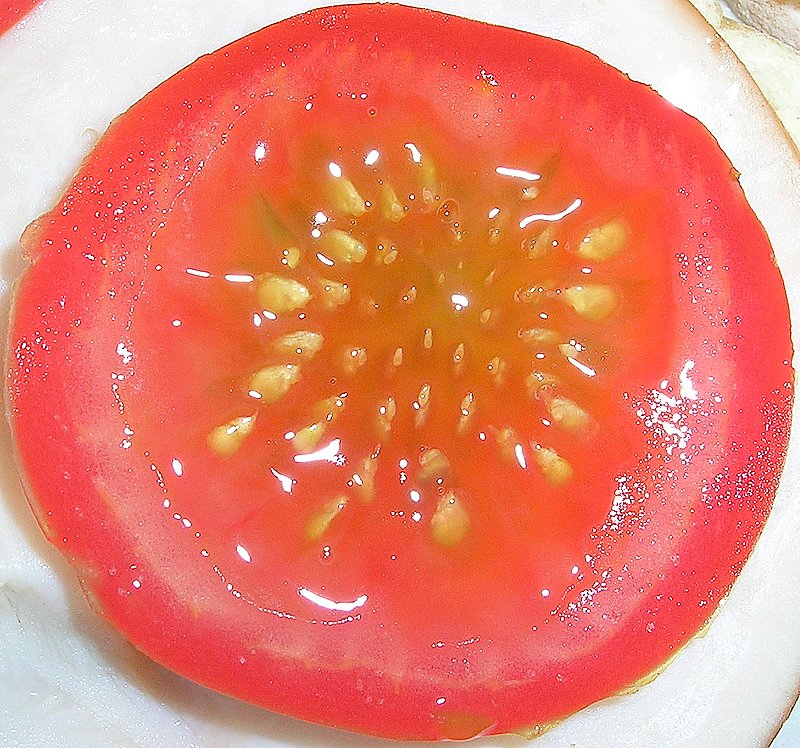
The most important of these is tomato seed oil. Yes, you can press all those little seeds in a tomato

tomato seeds

and make this lovely orange-colored oil
tomato seed oil
No doubt the colour comes from a combination of the gold of oil with the red of lycopene, the chemical which gives tomatoes their red colour. The oil commands premium prices from restaurateurs and others who have refined culinary tastes.

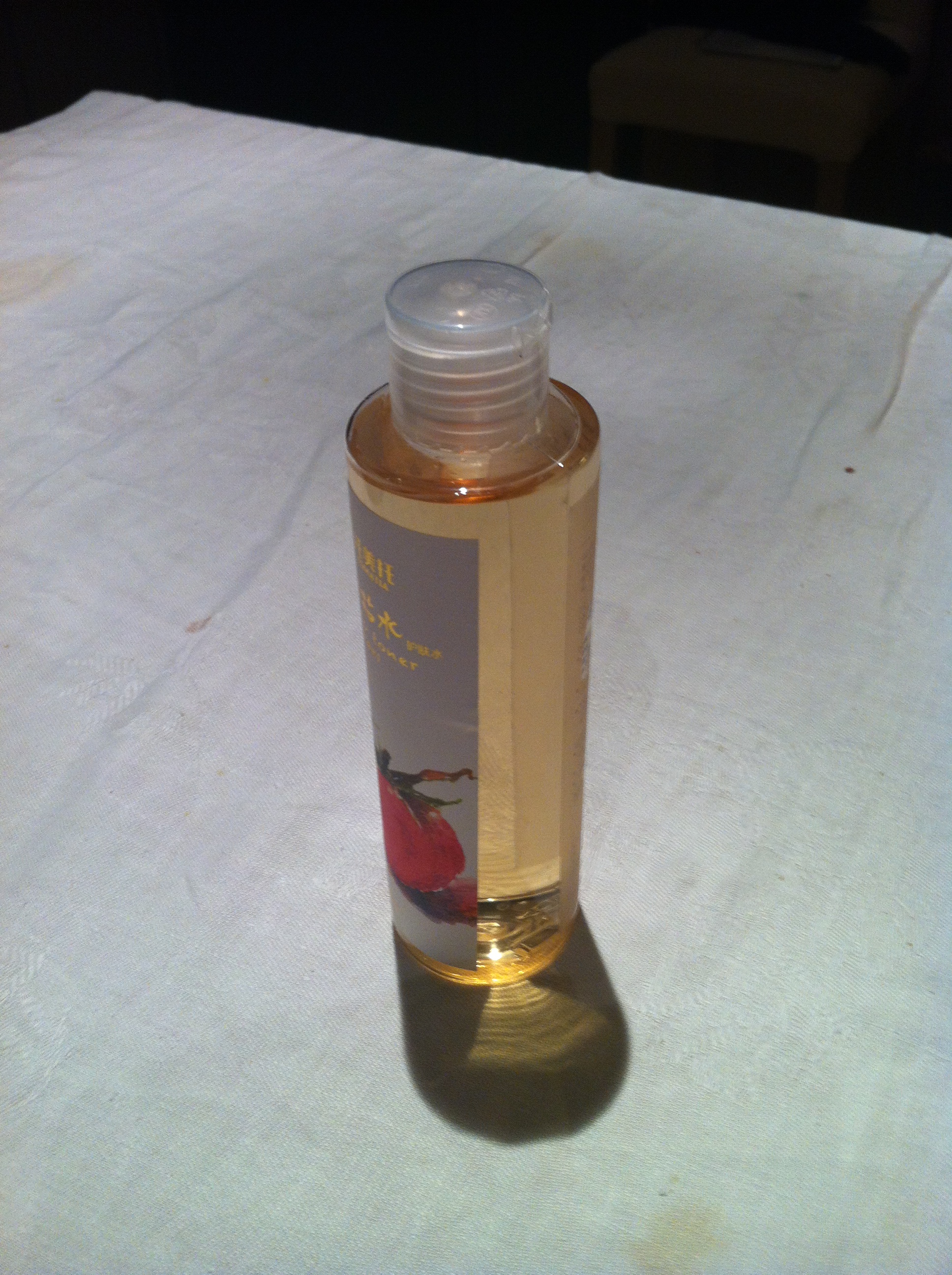
But Mr. Liu is not satisfied with just this one product. He also makes a skin tonifier from the juice squeezed out of the waste.
tomato tonifier
He told us it contains high levels of anti-oxidants, so is excellent for slowing down the aging process.  As proof of this assertion, he said he was made aware of the juice’s beneficial effects by his workers who, it seems, were padding around in the juice with only sandals on and discovered that the skin of their feet was rejuvenated. I pass on this nugget of information without in any way suggesting that I believe it.

Mr. Liu also makes pills from this same juice, no doubt to encourage digestion or some such (I can’t believe the skin of our stomachs and intestines need rejuvenation).

And with everything that is left over Mr. Liu makes cattle feed. Apparently, cattle quite like tomato waste once the seeds have been removed. They clearly have refined palates.

Despite his 70 years, Mr. Liu is bubbling over with new ideas. He showed us a new silo where he will start storing the tomato left-overs so that he can process the stuff more regularly throughout the year – right now, he is forced to do a lot of processing at harvest time and to stand idle the rest of the year. I didn’t quite understand how he planned to avoid the waste from rotting; something about adopting a system used for centuries by farmers in Xinjiang to preserve their cattle feed (the translation got a bit tangled at this point). He is also planning to start processing the small, green tomatoes which are left behind in the fields at harvest time and which actually represent some 20% of the tomatoes grown. And no doubt he has other ideas up his capacious sleeves.

I really admire people like Mr. Liu. He is the embodiment of that phrase much loved in certain environmental circles, “from waste to profits”. I don’t pretend that Mr. Liu invented the process of extracting oil from tomato seeds – a rapid surf of the web after the visit showed me this (although the lotion may be his idea).  But he had the courage, after a ruinous bankruptcy which left him more or less only with the clothes on his back, to set up a new business, seeing an opportunity where others would only turn up their noses. And he keeps on coming up with new products to squeeze out of his tomato wastes.

I feel duty bound, however, to report a slight hiccup in all this. A few mornings ago, my wife tersely informed me by text that the skin tonifier which I gave her to try made her smell like a tomato.  For a tomato lover like myself this may actually be a plus, but for others with a more measured relationship to the tomato this news may give them pause.

____________________________________

Tomato waste: my picture
Tomato seeds: http://www.fixityourself.com/wp-content/uploads/2011/03/SavingSeeds1.jpg
Tomato seed oil: http://www.onecoup.com/uploadfile/2011822325.jpg
Tomato tonifier: my picture

SILENT AND DEADLY

Beijing, 30 August 2013

I’ve mourned in a past posting the passing of the bicycle culture which so dominated China until a few decades ago. In that same posting I wrote about a sub-family of bicycles which seems to be surviving the onslaught of the automobile. In this posting, I want to write about another sub-family of bicycles which is surviving; indeed, seems to be thriving: the electric bicycle.

When we first arrived in Beijing, my wife and I were intrigued to see these machines cruising up and down the roads in large numbers. Here are a couple of examples of what greeted us:

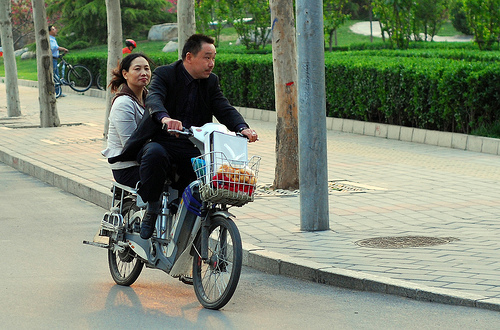
electric bicycle-1

(this one being ridden by a lady avoiding the sun, about which I’ve also written in another posting)

electric bicycle-2

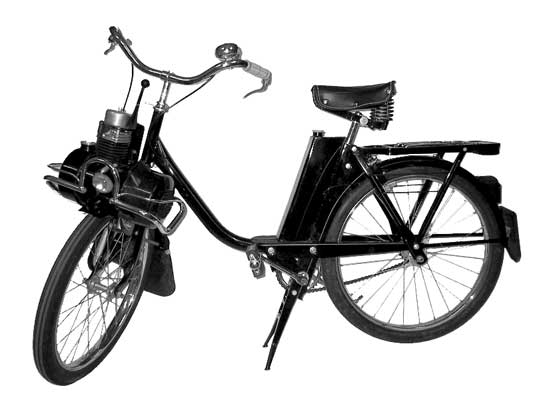
I have to say, they immediately reminded me of another motorized bicycle which had played an important role in my teens: the French VéloSolex. For those of my readers who are less than 40, I probably have to quickly explain what this is. Originally (i.e., just after World War II), it was a bike (vélo in French) on whose front wheel had been placed a motor (made by the company Solex).

solex-old-1

This motor powered a small ceramic roller which in turn turned the front wheel through simple friction. And when you wanted to use it as a bike, there was a lever which allowed you to pull the motor and roller off the front wheel. Very simple. Pretty cool. And cheap.

By the time I came along, the VéloSolex had become a bulky bicycle. Or maybe a thin motorbike.

solex-new-1

My parents had bought two of them, for my elder brother and sister. They stayed at my grandmother’s house, ready for use during the summer holidays. As my siblings grew up and moved on, the VéloSolexes passed on to the next sibling. I reckon that by the time I inherited my VéloSolex it was third-or fourth-hand, as it were. No matter, I loved that bike. It was my set of wheels which gave me my freedom, which allowed me to escape from the house when things were really too boring, which they often were in my teenage years.

For me, the VéloSolex was France,

Velosolex_postcard

along with De Gaulle

De Gaullle

the Deux Chevaux

deux chevaux

The baguette

baguette

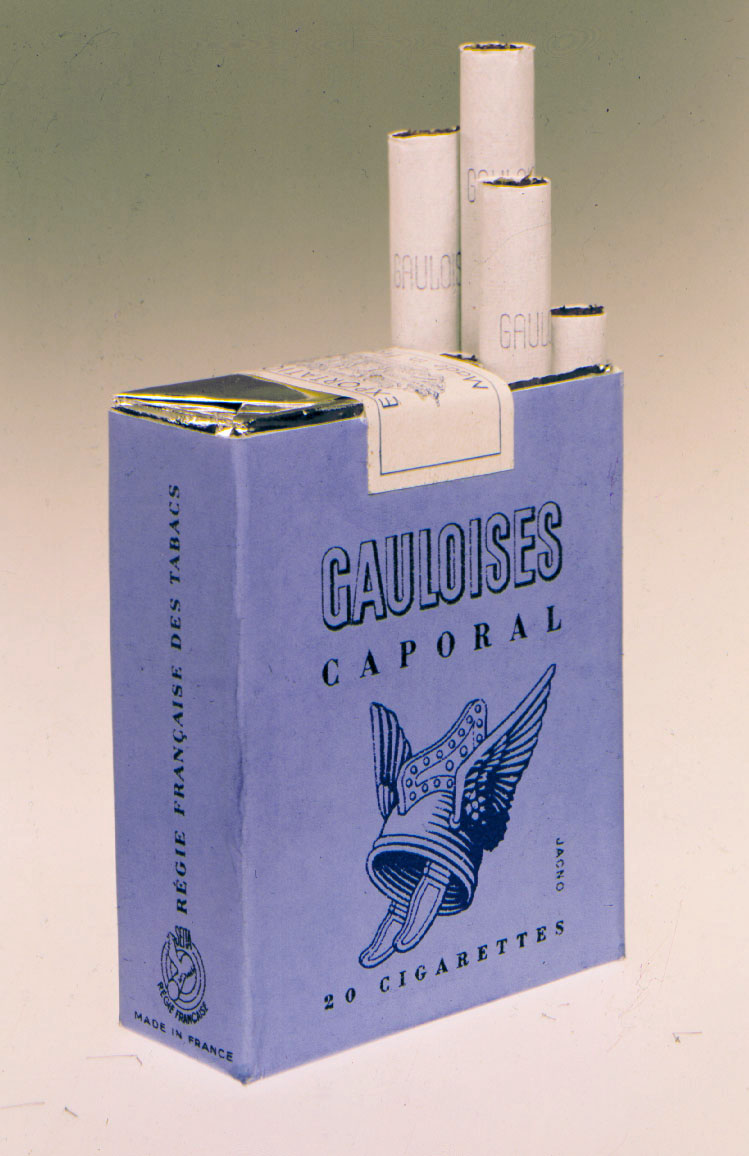
And Gauloises unfiltered cigarettes, which – I will confess – I smoked for a certain period of my life.

Gauloises Caporal

Who knows where my VéloSolex is now? In some knacker’s yard no doubt.

To come back to our electric bicycles in Beijing, they have one big difference with the VéloSolex: they are silent. Silent and deadly. One of the things which newcomers to Beijing learn quickly – or die – is to look VERY carefully, in ALL directions, when they are crossing a road, even if the little man is green. Right-turn at red lights is allowed, so cars turning right do so, regardless of whether you, the pedestrian, are crossing. Cars which have the green light and are turning left are anxious to do so before the cars coming in the other direction reach the middle of the intersection, so they whizz across it scattering to the winds any pedestrians that might be in the way. All two-wheelers, motorized or not, ignore lights and keep going, weaving around any pedestrians who may be in the way; to make their case worse, they drive on both sides of the road. In this last category of menace, electric bikes are the worst. They move fast, and they are completely silent. At night, they are even deadlier. None of their riders ever bother to put on their lights – so as not to run down the battery, no doubt – and the street lights are not particularly bright. So fast, silent, and invisible. They make me think of torpedoes.

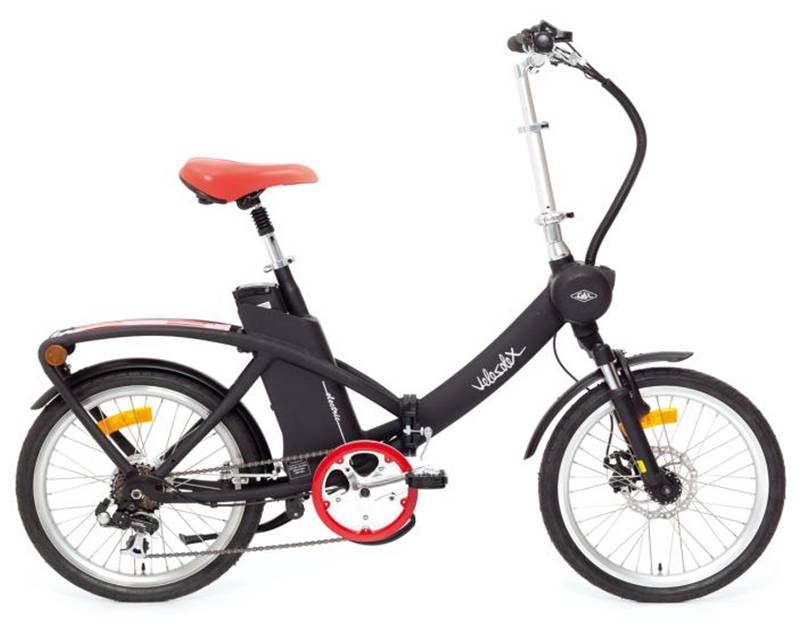
But electric is the future! Even the VeloSolex, whose production ceased in 1988, has now been resurrected in an electric form

Velosolex-electric

And product designers have got into the act, designing excessively cool electric bicycles. And once they are there, you know the product is IN!

cool electric bicycle-5

cool electric bicycle-4

cool electric bicycle-1

So I guess my wife and I had better buy electric bicycles. Not only will we be riding the wave of coolness, but we’ll be running people down rather than being run down. When you can’t beat them, join them.

_________________________________________

Electric bicycle-1: http://thecityfix.com/files/2009/06/cycling.jpg
Electric bicycle-2: http://www.chinasignpost.com/wp-content/uploads/2011/11/electricbike_China-Digital-Times.jpg
VeloSolex-old: http://homepage.hispeed.ch/Spridget/solex/prototyp1.gif
VeloSolex-new: http://img175.imageshack.us/img175/8817/solex1.jpg
VeloSolex poster: http://cybermotorcycle.com/gallery/velosolex/images/Velosolex_postcard.jpg
De Gaulle: http://05.wir.skyrock.net/wir/v1/profilcrop/?c=isi&im=%2F5508%2F87355508%2Fpics%2F3147952278_1_2_Nvepv9eQ.jpg&w=758&h=1024
Deux chevaux: http://upload.wikimedia.org/wikipedia/commons/thumb/6/6f/Deux_chevaux_mg_1748.jpg/640px-Deux_chevaux_mg_1748.jpg
Citroen DS: http://www.blogcdn.com/www.autoblog.com/media/2009/02/citroen-ds.jpg
Baguettes: http://www.tranquilla.it/wp-content/uploads/2013/01/baguette-640×442.jpg
Gauloises : http://3.bp.blogspot.com/_siskXeTIdkY/S-6ACEDO1MI/AAAAAAAAADs/-Ny-fMbye2A/s1600/Gauloises+Caporal+-+ann%C3%A9es+40.jpg
Velosolex-electric: http://www.veloecologique.com/produits/128.jpg
Cool electric bicycle-1: http://evworld.com/press/smart_e-bike_profilecityscape.jpg
Cool electric bicycle-2: http://www.evrdr.com/wp-content/uploads/2009/09/leopard-electric-bike.jpg
Cool electric bicycle-3: http://www.designbuzz.com/wp-content/uploads/2012/07/vw-folding-electric-bike_xfBve_58.jpg

EXERCISE, CHINESE-STYLE

Beijing, 24 August 2013

For several weeks now, as I walk to work in the morning along my piece of canal, I have crossed paths with an old gentleman, a Senior Citizen, who is dressed in casual sporting gear and walking backwards. And clapping as he walks – backwards.

He is exercising.

I’ve been in China nearly four years now, but I don’t think I’ll ever get used to some of the odder exercise habits which I’ve seen here. Don’t get me wrong, I’m sure it does the exercisers good, or at least no wrong. For instance, several web-sites I have visited earnestly explain that walking backwards is actually a very good exercise because it uses muscles that would not otherwise get a good workout. I suppose I can buy that, but in addition, to give it a Chinese philosophical twist, they say that walking backwards sort-of rewinds you and rebalances your karma. Don’t ask me how that works, I’m just reporting what I’ve read. As for clapping, yet other web-sites have informed me that this liberates the clapper of his or her stresses. OK, I buy that too. Certainly better to take the stresses out bit by bit through clapping than all at once by punching someone in the nose. These web-sites add yelling to the list of stress-removing exercises. I’m not so sure about this one. There was a moment when some man on the other side of the canal was always declaiming something in a loud – and I mean loud! – voice when I walked by in the morning. It may have been releasing his stresses, but it was surely building up mine. Mercifully, he disappeared after a while. Perhaps the fishermen told him to bugger off.

The Chinese also have a habit of beating and slapping themselves, on the arms, on the legs, on the face. I still remember very clearly the first time I saw this. I had been in China no more than a week, and was on a plane to somewhere. As we were coming in to land, a woman on the other side of the aisle, who up to that moment had looked perfectly normal, started vigorously – and I mean vigorously! – punching herself, first on the face and then on the legs. No-one else seemed phased by this behaviour but I stared at her in a manner that, if it had been my kids doing it, I would have told them that it was rude to stare at people so. I think this muscular self-pummeling has something to do with encouraging the blood’s circulation, rather like the Finns who flagellate themselves with birch twigs after cooking in saunas.

This last point brings us towards TCM – traditional Chinese medicine – where I have also seen some weird and wonderful things, but I won’t go there today. I’ll stay on exercise.

There are also some fairly normal types of exercises which the Chinese indulge in. One set which I rather fancy is the use of these open-air gyms, which public authorities have thoughtfully placed in many city squares and even on the side of many pavements:

exercise machines-1

We’ve tried a number of these machines, especially the following one:

exercise machines-2

I’ve no idea what you call it; a maxi-strider? Because, as the lady to the left is amply demonstrating, that’s what you do, you swing your legs through these huge strides. I felt like I had been at sea for six months when I got off. Very odd effect.

And then, because this is a country where there are people everywhere, everywhere, all the time, and because of lingering attachments to their communist past, where the individual drowned himself in the mass, the Chinese are fond of communal exercise. My favourites in this category are fan dancing:
fan dance-1
ballroom dancing:
ballroom dancing-1
and of course, best of all, Tai Chi:
tai-chi-1
Tai Chi as the symbol of China is somewhat cheesy now, but I have a magic Tai Chi memory from my very first trip to Beijing. It was 2001 or 2002, we were driving in from the airport early in the morning, and it seemed that every park, every open space was filled with people slowly, silently, smoothly moving through the balletic steps of Tai Chi. And if any of my readers have the chance to see Michelangelo Antonioni’s film Chung Kuo, grab it.

chung kuo

Apart from showing a fascinating picture of China when it was still closed to foreigners – it was filmed in 1972 – there is a breathtaking sequence when the cameraman filmed for what seems an eternity a man doing Tai Chi as he bicycled along without holding the handlebars.

I keep telling my wife we should learn Tai Chi, and she keeps pretending not to hear. But one day, I will prevail! So that when we finally retire, you will find us early in the morning, in some Italian piazza, slowly going through our Tai Chi moves before having our cappuccino and brioche for breakfast.

old couple tai chi

_______________________________

Exercise machines-1: http://2.bp.blogspot.com/-ZeBmA8vPHeU/TbHjkv9UmWI/AAAAAAAABkc/BDYunnXTi9A/s400/park%2Bin%2Bhutong.jpg
Exercise machines-2: http://static.guim.co.uk/sys-images/Guardian/Pix/pictures/2011/9/20/1316525669182/People-exercising-in-a-Ch-005.jpg
Fan dancing: http://justincalderon.files.wordpress.com/2011/05/xujiahui-park-011.jpg
Ballroom dancing: http://www.usa-rom.com/photography/albums/userpics/10004/Shanghai_China_0529.JPG
Tai chi: http://www.pyroenergen.com/articles08/images/tai-chi2.jpg
Old couple doing Tai Chi: http://images.colourbox.com/thumb_COLOURBOX6239057.jpg