COLOURING POLITICS

Bangkok, 9 December 2014

We have just finished celebrating H.M. the King’s birthday here in Bangkok. Truth to tell, “celebrating” may be a little of an overstatement. My wife and I found it quite a muted affair. For instance, the fireworks in the evening were really quite brief and modest, while a drive-by of high officials, which we just happened to find ourselves witnesses to, was greeted with silence by the folk lining the road side. What was out in full force, though, were the yellow shirts. They had already been popping up with greater and greater insistence in the days running up to the great day. But on the birthday itself the pavements were a sea of yellow.
image
Many were wearing yellow T-shirts made specifically for the purpose, but many others (who didn’t get included in the official photos) gave the impression of having grabbed the first yellow, or near-yellow, shirt or blouse they could find in their wardrobe. So the palette of yellows went all the way from pastel yellow through to citrine. Given the recent history of Thailand, one began to wonder if the choice of hue was a political statement of some sort. That man with the orange shirt, for instance, was it just the closest thing he had to yellow in his drawer, or was it actually the closest he dared get to the dreaded colour red? Or that woman over there with the pastel yellow blouse, had she simply been caught short without anything really yellow in her closet, or was she actually signalling her lack of enthusiasm for the whole exercise? Or what about the few people without yellow shirts? What, if anything, was their message? That student, for example, with the green shirt, what was he trying to tell us?

Thus are the seeds of paranoia sown ….

(By the way, for those of you who may be interested, the King’s colour is yellow because he was born on a Monday. Based on Hindu mythology, Thai (and Khmer) tradition assigns different colours to each day. For those of you who may be fascinated by this arcane point, I recommend you visit the following site on Wikipedia)

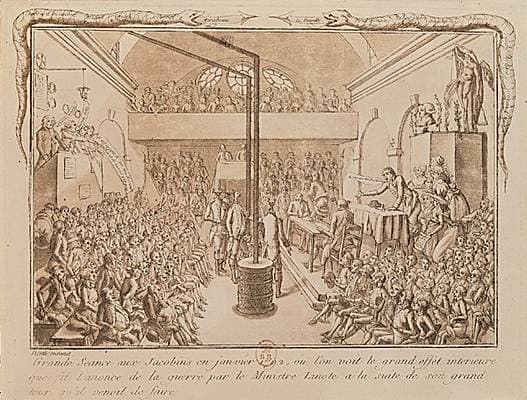
Colours have been recruited to support political quarrels since time immemorial. When I was young, red was the colour of Marxism in all its forms (Social-Democratic, Socialist, Marxist-Leninist, Maoist, Vietminh, Khmer Rouge, …). We have the French Jacobins
image
to thank for this association of red with the left of the political spectrum. For reasons which are too complicated to explain here, the Jacobins adopted the red flag as their own during the French Revolution, and the tradition continued in the European Left thereafter. I suppose we are all aware of the red symbols of the Left: the flags, the official art, the scarves, the buttons. But my preferred symbol of redness are the Garibaldini, those 1,000 or so red-shirted volunteers who, led by Giuseppe Garibaldi, sailed away in 1860 from Genoa to Sicily and in a few short months of fighting completed the unification of Italy.
image
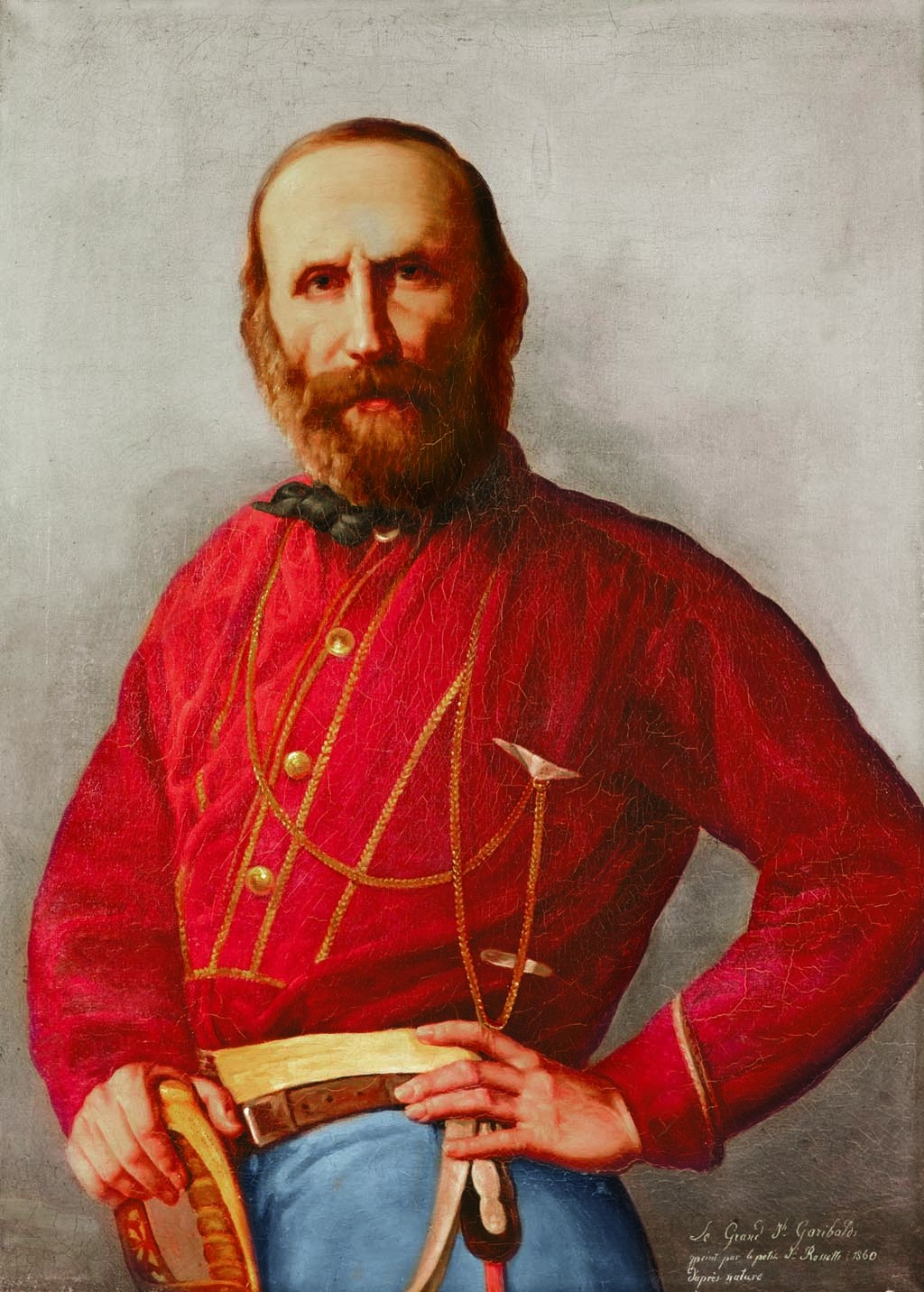
I have to add here a painting of the Great Man himself, whose statue graces at least one square, and whose name graces at least one street, in every village, town, and city of Italy.

image

I like Garibaldi, I’ve liked him ever since as a teenager I studied the unification of Italy for my O level History. By way of introduction to Garibaldi, our teacher told us about his earlier exploits in South America. The only thing that sticks in my mind about these worthy endeavors is our teacher’s description of how Garibaldi met his wife. He was on a boat on the Río de la Plata, where he was inspecting something or other through a telescope. He noticed his future wife on the bank, washing clothes or some such. After one look at her, he said (and here the teacher put on a thick Italian accent and struck an operatic pose), “Brring me to herr!”

But back to colours and politics. In the interwar years the red of the Socialists and Communists was violently opposed by various other colours. It was the black-shirted Fascists in Italy, seen here in the March on Rome in 1922
image
and the black-shirted Fascists in Spain, seen here jubilating at the fall of Irun during the Spanish Civil War.
image
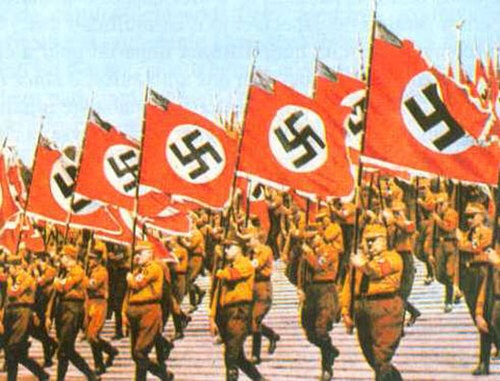
In Germany, it was the brown-shirted Nazis.
image
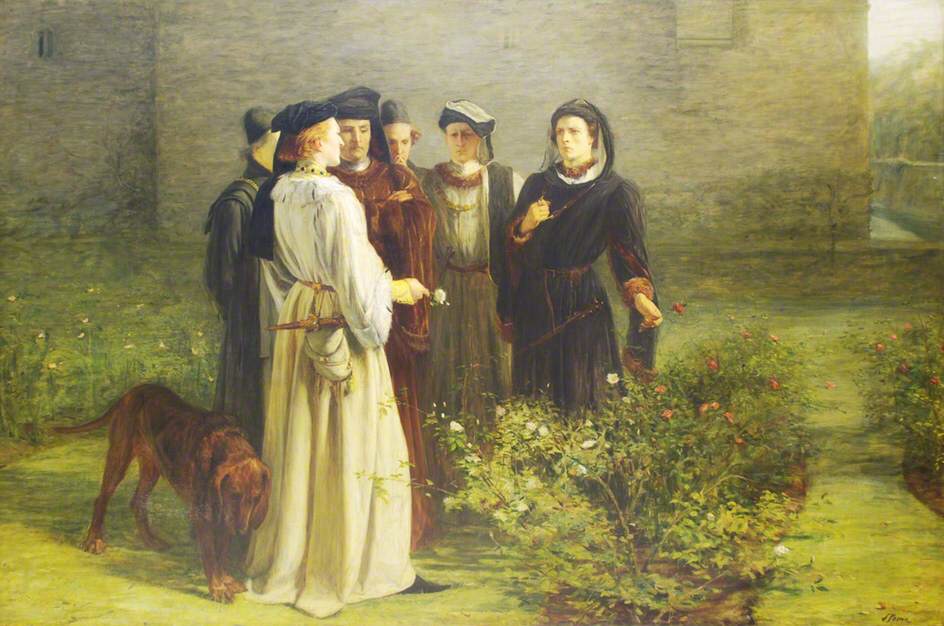
From here my memory leaves coloured shirts and vaults back some 500 years or so to the gardens at the Inner Temple in London, where – at least, according to Shakespeare in Henry VI, Part I – the Lords of Court chose which side to be on in the upcoming War of the Roses, by plucking either a white rose (the Yorkists) or a red rose (the Lancastrians) from rose bushes growing in the garden. Colours again, defining which side you would be taking in the looming political struggle. The scene is caught in this much romanticized painting from the 1870s.

image
The Lancastrian Red Roses and the Yorkist White Roses fought it out for 30 years until Richard III was unhorsed and killed at the Battle of Bosworth Field, and Henry VII was crowned in his place. As a symbol of a once-more unified country, Henry devised a new badge for his dynasty, a mixed red-and-white rose now called the Tudor Rose.
image
A very clever piece of political manipulation through colour …

Talking of using colours for political purposes, we can fast-forward 300 years to the French Revolution and watch the storming of the Bastille.
image
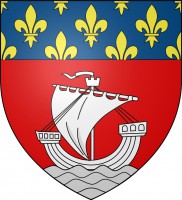
The Paris militia played a prominent role in the attack. To distinguish themselves from other groups taking part, they wore a blue and red cockade in their hats, Paris’s traditional colours.

image

The people of Paris were elated by this victory. But the more moderate – more aristocratic – elements of the revolutionary camp were alarmed by what they saw as rampaging – and armed – mobs. It was decided to create a National Guard out of the Paris militia under the command of the Marquis de Lafayette, a moderate revolutionary with military experience (gained during the American Revolution) and with the trust of King Louis XVI. Lafayette proposed to add white to the militia’s blue and red cockade. His argument was that this would turn what was mainly a Parisian militia into a national force: white was then the national colour.
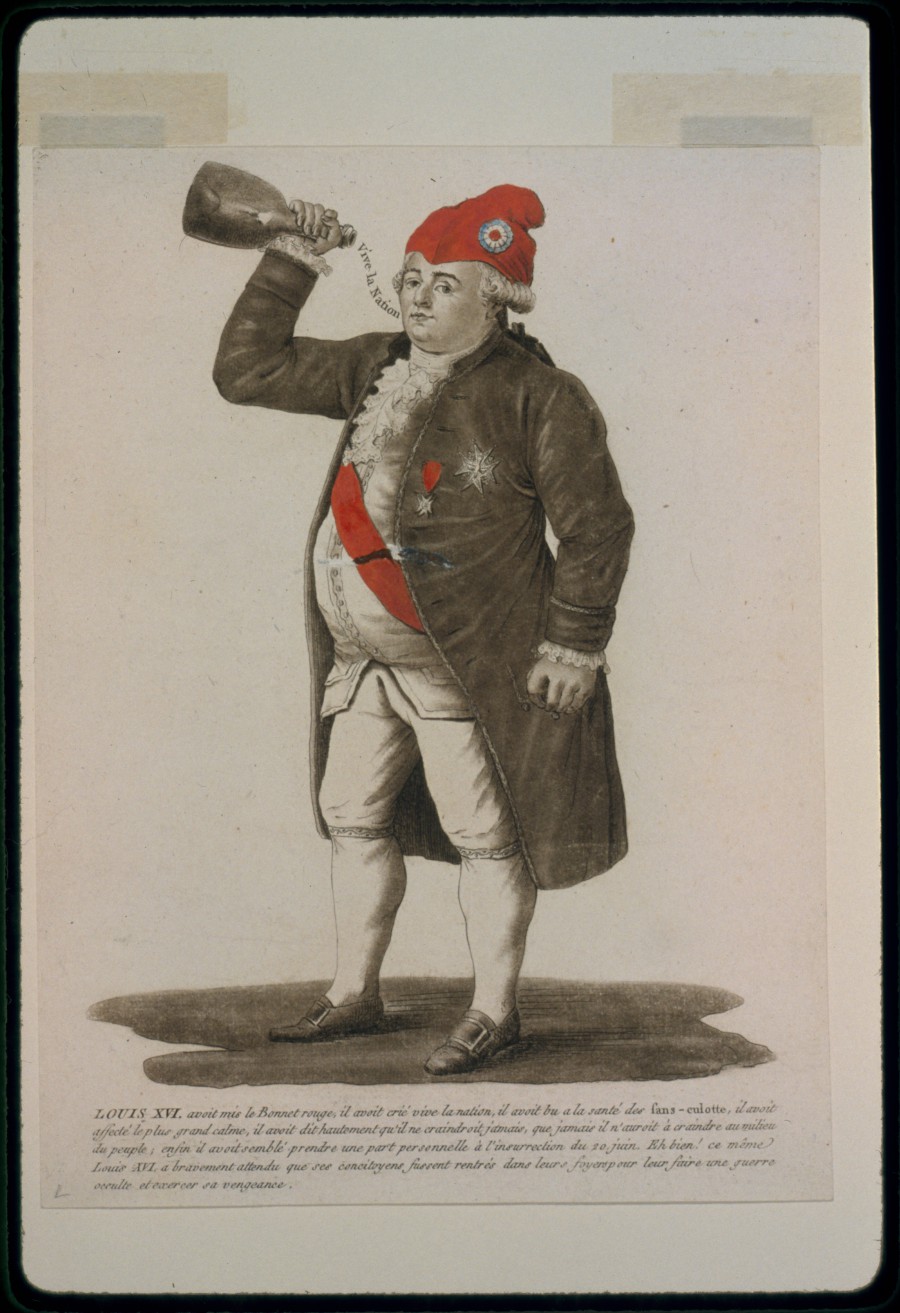
imageBut in a political system where all things national were the King’s, this was also a way of saying “revolutionaries yes, but still loyal to the King”. Well, things didn’t quite work out that way, but thus was born the red, white, and blue cockade, which even King Louis gracefully accepted to wear – at least for a little while.

image

The cockade morphed into the flag, which became a symbol of hope for some

image
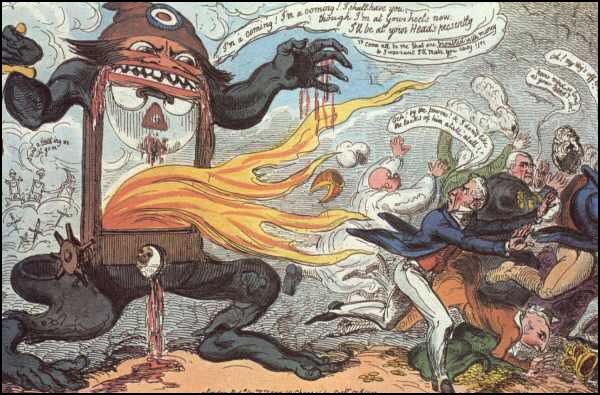
and the dread of many more as French troops unfurled like a tsunami over much of Europe.

image

Rampaging mobs makes my mind spin back more than a thousand years to Constantinople and to its hippodrome, home of the city’s chariot races. Chariot racing was to the Romans and the Byzantines what soccer is today to many people the world over, a mania, a fixation. All over the Roman world, there were four factions, the Greens, the Blues, the Whites, and the Reds, and all chariots in a race belonged to one of these four factions. The charioteers, as well as the fans, wore the colours of their faction, like in this mosaic in Lyon.

image

Like soccer players today, charioteers could and did change faction, but like soccer fans today the fans never did. If you chose to follow the Greens, you were a Green for life. Like soccer today, the enthusiasm of the fans inside the hippodrome often turned into hooliganism and gang warfare outside it. Like soccer today in some parts of the world where there is no recognized outlet for political and social frustrations, factional fighting became a way to vent political anger and score political points.

So it was in Constantinople in 532 AD, when Justinian I was Emperor. By now, there were only really two chariot factions that counted, the Blues and the Greens. Justinian supported the Blues so his enemies at court naturally supported the Greens. Justinian was in the midst of negotiating a badly-needed peace settlement with the Persians, and he had to have peace on the home front. But the people of Constantinople were angry: taxes were crushingly high. There had been politically motivated rioting after some earlier chariot races and a number of rioters had been hanged. But this did not calm excited spirits. For some strange reason, Justinian thought another day of chariot races would pour oil over troubled waters. The races started alright, with Blues and Greens vociferously supporting their teams, even though they also hurled insults at the Emperor, sitting – no doubt a bit nervously – in the imperial box. By the end, though, the two factions united in a common roar of “Nika! Conquer!” With that, the spectators burst out of the hippodrome and assaulted the palace, which conveniently abutted the hippodrome. For the next five days, they laid siege to it, demanding reductions in taxes and the dismissal of the prefect responsible for collecting the taxes and the quaestor responsible for rewriting the tax code. For good measure, they declared Justinian deposed and raised a new Emperor in his place. In the resulting mayhem, fires broke out which eventually burned down half the city.

Initially, Justinian panicked and was looking to scarper. But his wife Theodora was made of sterner stuff and stiffened his spine. Once his funk had passed, Justinian reverted to a true-and-tried method: gold. He got his eunuch Narses to go into the hippodrome, where the Greens and Blues were about to crown the new Emperor, with a large bag of gold. Narses quietly joined the heads of the Blue faction. He reminded them that Justinian was a Blue and that he had always supported them, he pointed out that the new Emperor was a Green and they could surely imagine what would happen to them under him, and then he distributed the gold. The faction leaders held a quiet conference, then spread the word among their followers. In the middle of the coronation, the Blues suddenly all stormed out of the hippodrome, leaving the Greens sitting stunned in their seats. At which point, imperial troops under trusted generals burst into the hippodrome and massacred all and sundry. It is reported that thirty thousand people died that day.

All in the name of colours …

Colours have been hitched to the wagon of many other political causes. Green has morphed from the colour of Byzantine charioteering factions to the colour of modern environmental factions, and we now hear of Deep Green and Light Green factions, each trading barbed – and not so barbed – insults about the depth of their commitment to the cause. We have Hindu fanatics cladding themselves in the colour saffron, a colour with deep religious connotations in Hinduism, and going on rampages against non-Hindus. And on and on … Readers who are interested in the topic can do no worse than go to this Wikipedia site.

But, misquoting Elton John, all I want to say is “Don’t shoot me, I’m only a colour”.

_______________
Yellow-shirts celebrating the King’s birthday: http://www.bangkokpost.com/multimedia/photo/447447/king-birthday
Meeting of a Jacobin club: http://www.larousse.fr/encyclopedie/data/images/1004994-Club_des_Jacobins.jpg (in http://www.larousse.fr/encyclopedie/divers/club_des_Jacobins/125450)
Garibaldini fighting: http://www.ondadelsud.it/wp-content/uploads/2011/04/Marsala-1860-Sbarco-dei-Mille.jpg (in http://www.ondadelsud.it/?p=4664)
Garibaldi: http://www.museotorino.it/images/86/94/ce/b0/8694ceb03de848108691d55482fd1c40-1.jpg?VSCL=100 (in http://www.museotorino.it/view/s/238dcc0376d444d2b6decf0378c13e6c)
The March on Rome: http://www.history.com/news/wp-content/uploads/2012/10/mussolini-march-on-rome.jpg (in http://www.history.com/news/9-things-you-may-not-know-about-mussolini)
Spanish fascists in Irun: http://pix.avaxnews.com/avaxnews/6a/1d/00001d6a_medium.jpeg (in http://avaxnews.net/educative/Spanish_Civil_War_2.html)
Brown shirts marching: http://img2.blog.zdn.vn/37516513.jpg (in http://me.zing.vn/zb/dt/toyotasolara/17039283?from=my)
Scene in the Temple Garden: http://ichef.bbci.co.uk/arts/yourpaintings/images/paintings/warg/large/nml_warg_wag_2712_large.jpg (in http://www.bbc.co.uk/arts/yourpaintings/paintings/scene-in-the-temple-garden-98909)
Henry VII and Tudor rose: http://static.guim.co.uk/sys-images/Admin/BkFill/Default_image_group/2012/3/1/1330616510280/Henry-VII-001.jpg (in http://www.theguardian.com/books/2012/mar/02/tudors-henry-vii-wars-roses)
Storming of the Bastille: http://media-1.web.britannica.com/eb-media/98/90498-004-CEB880DC.jpg (in http://global.britannica.com/EBchecked/topic/55622/Bastille)
Arms of Paris: http://upload.wikimedia.org/wikipedia/commons/thumb/c/ca/Blason_paris_75.svg/931px-Blason_paris_75.svg.png ( in http://en.m.wikipedia.org/wiki/File:Blason_paris_75.svg)
Royal standard of France: http://en.m.wikipedia.org/wiki/Royal_Standard_of_France#/image/File:Pavillon_royal_de_France.svg (in http://en.m.wikipedia.org/wiki/Royal_Standard_of_France#Middle_Ages)
Louis XVI: http://upload.wikimedia.org/wikipedia/commons/7/74/Louis_le_dernier.jpg (in http://commons.m.wikimedia.org/wiki/File:Louis_le_dernier.jpg)
Liberty guiding the People: http://upload.wikimedia.org/wikipedia/commons/thumb/c/cc/Eugène_Delacroix_-_La_liberté_guidant_le_peuple-2.jpg/967px-Eugène_Delacroix_-_La_liberté_guidant_le_peuple-2.jpg (in http://commons.m.wikimedia.org/wiki/File:Eugène_Delacroix_-_La_liberté_guidant_le_peuple-2.jpg)
Revolution as ogre: http://goodcomics.comicbookresources.com/wp-content/uploads/2008/10/cruikshank14.jpg (in http://pixgood.com/french-revolution-political-cartoon.html)
Mosaic of chariot race: http://travellingman.jalbum.net/Lyon%202011/slides/P1120092.JPG (in http://travellingman.jalbum.net/Lyon%202011/slides/P1120092.html)
THEY HAVE TOO MANY SEEDS

Beijing, 26 August 2014

Suddenly, there are vendors on every street corner of Beijing hawking pomegranate juice.

pomegranate pressers 004

As certainly as the appearance of vendors selling pineapples on Beijing’s streets is a signal that Spring is coming, so this new apparition is a sign that Summer is drawing to a close, with the pomegranate trees now heavy with fruit.

pomegranate orchard

My wife and I have bought our cup of pomegranate juice. Peering down into that dark red liquid

pommegranate-juice

I have as usual begun to ask myself questions about this fruit. It’s not from my basket of inherited foods. I never remember eating it as a child. Which is not surprising, really. It doesn’t grow well in the UK or France – certainly, my French grandmother had no pomegranate trees in her garden; peaches, plums, apples and pears, but no pomegranates. I have never eaten them in Italy either, even though they were brought to Italy during Roman times; their cultivation is limited to the far south.

That’s the thing, pomegranates are not a European fruit. I thought for a moment – given my previous discoveries – that they originated in China. But actually their historical tap root is sunk in Persia (today’s Iran), and the Himalayan foothills of the Indian subcontinent.

It’s been cultivated as a fruit for an awfully long time; they say it’s probably one of the very first fruits which we humans cultivated. And it caught on, being carried enthusiastically along the ancient trade routes. It was already being eaten in Jericho in 3,000 BC or thereabouts and in Cyprus some while later (in both cases, archaeologists found remains of the fruit in the cities’ ancient garbage dumps).

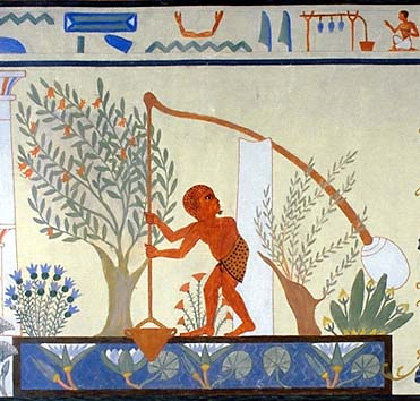
From the Middle East, it was but a hop, skip and a jump to bring the pomegranate to Greece in one direction and to Egypt in the other. This piece of fresco from a tomb painting in Egypt shows the delights of a private garden, with a pomegranate tree tucked away in one corner, no doubt a prelude of the delights which awaited Nebamun, the owner of this particular tomb, in the after-life.

Egyptian wall painting 'Pond_in_a_Garden'

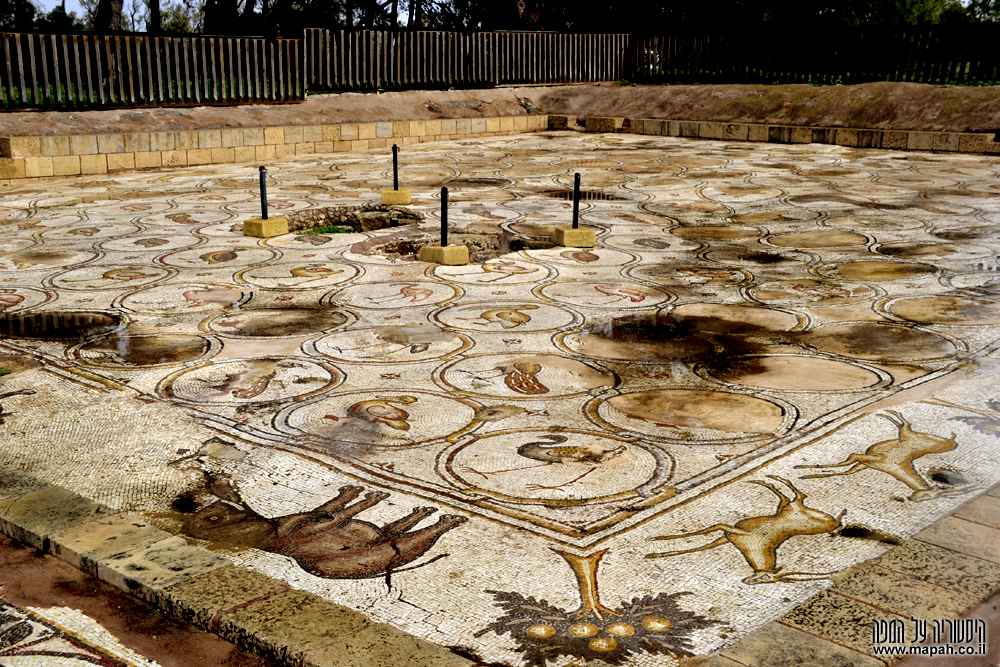
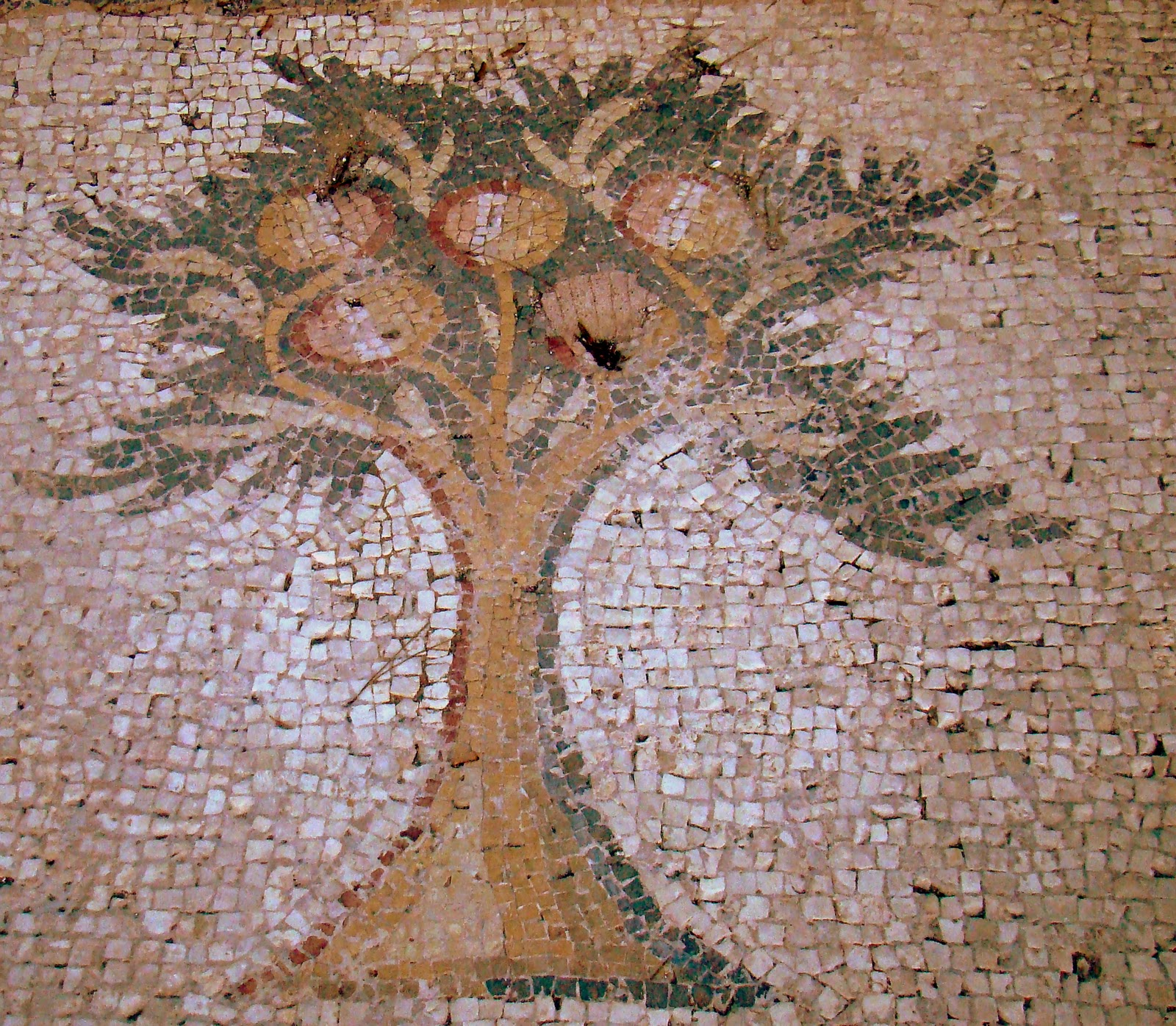
Meanwhile, from their base in Lebanon, the Phoenicians carried the fruit to their overseas territories, notably Carthage. And it was from Carthage that the pomegranate arrived in Rome. Everything comes full circle in this picture, where a mosaic in the Roman style, laid down in the city of Caesarea in Rome’s near eastern province of Judaea (in what is now Israel)

Roman Bird-Mosaic-in-Caesarea

depicts among other delights a pomegranate tree.

Roman Bird-Mosaic-detail

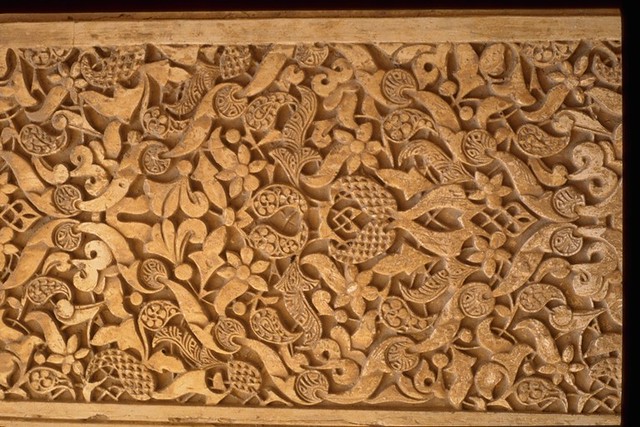
For their part, having welcomed the pomegranate into the homeland – the delights of the pomegranate are mentioned no less than three times in the Quran – the Arabs carried the pomegranate with them in their conquests of North Africa. Later on, the Muslimised Berbers of North Africa brought it to Spain. And it is in their palace of Alhambra in the city of Grenada, the last Muslim stronghold in Spain, that we find, weaved into the intricate designs on the walls, this pomegranate

alhambra-detail

To be found in the palace’s Golden chamber.

alhambra-cuarto dorado

Perhaps it comes as no surprise to know that Spain is now Europe’s biggest producer of pomegranates.

Meanwhile, the pomegranate also travelled east from Persia, along the fabled Silk Road, through Central Asia and finally entered China through Xinjian. But after becoming one of the three blessed fruits of Buddhism, it also tumbled off the Himalayas and travelled into the heart of India, and probably from there it sailed, via the Maritime Silk Route, to south China and Southeast Asia. And from China it was but another hop, skip, and a jump for the pomegranate to be carried to Japan and Korea, where in truth it was appreciated more as a good candidate for bonsai-ism than for its fruit.

bonsai pomegranate

In passing, we should acknowledge that the pomegranate tree does have beautiful flowers

OLYMPUS DIGITAL CAMERA

another reason that the ancients loved the tree, as evidenced by this other wall painting from Egypt

Egyptian wall painting pomegranate in flower

To be honest, I’m not sure I understand what all the enthusiasm is about. I mean, the juice is OK, but what I really like about a fruit is to sink my teeth into it. And all those seeds in the pomegranate

pomegranate-seeds

make that an unpleasant experience – bits of seeds getting stuck in my teeth, a sort of gritty munching experience, that sort of thing … I know the seeds are edible, but psychologically I’m not ready to crunch my way through a whole bunch of seeds. I’ll pick up a peach instead, thank you.

In my opinion, though, it’s precisely those seeds that made it so popular in the old days and encouraged its dissemination out of its Persian-Himalayan homeland. Not, I should clarify, because people liked to crunch their way through a pile of seeds 5,000 years ago (although maybe they did), but because those seeds were a potent symbol of fertility to those eaters. Remember one of the cardinal principles of sympathetic magic, which was potent then: if I eat something (or spread it on my skin, or wear it), I will absorb its powers. Clearly, all those seeds meant that the pomegranate was suffused with fertility. So it would be good to eat it, for instance, if I wanted to have lots of children. This old, old idea has been continued as a quaint custom played out in Greek and Armenian weddings

greek wedding

where at some point the bride breaks open a pomegranate and the seeds spill out (I’m sure I do not need to explain the symbolism of this). But this wish for fertility can be more generalized, and in this guise the pomegranate tree has been cast in the role of Tree of Life. Here, for instance, on this ancient Assyrian seal we see priests standing before a pomegranate as the tree of life, with the sun – another symbol of life – gently beaming down

Assyrian priests with pomegranate tree

And here we see the same symbolism woven into this carpet, made several thousand years later and several thousand kilometres away in the southern corner of the Chinese province of Xinjian.

Khotan carpet

Good ideas have staying power.

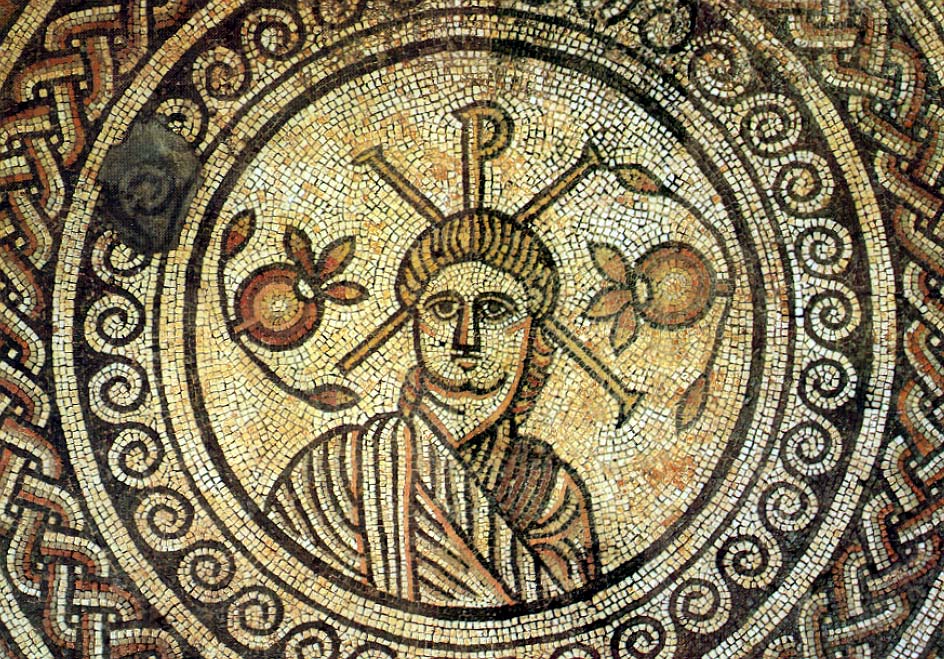
The fertility attributed to the pomegranate led to even more abstruse symbolism. Already in Egypt the pomegranate’s fertility transmuted it into a symbol of life after death: eternal fertility – which is why they liked having it represented in their tombs. Somehow, somewhere along the line, the pomegranate took on a similar symbolism for Christians, becoming a representation of Christ’s resurrection and promise of life after death. So here we have a pomegranate along with Christ in a Roman mosaic (again) from the 4th Century AD, from, of all places, a small village in Dorset.

Christian mosaic hinton st mary-detail

Christian mosaic hinton st mary

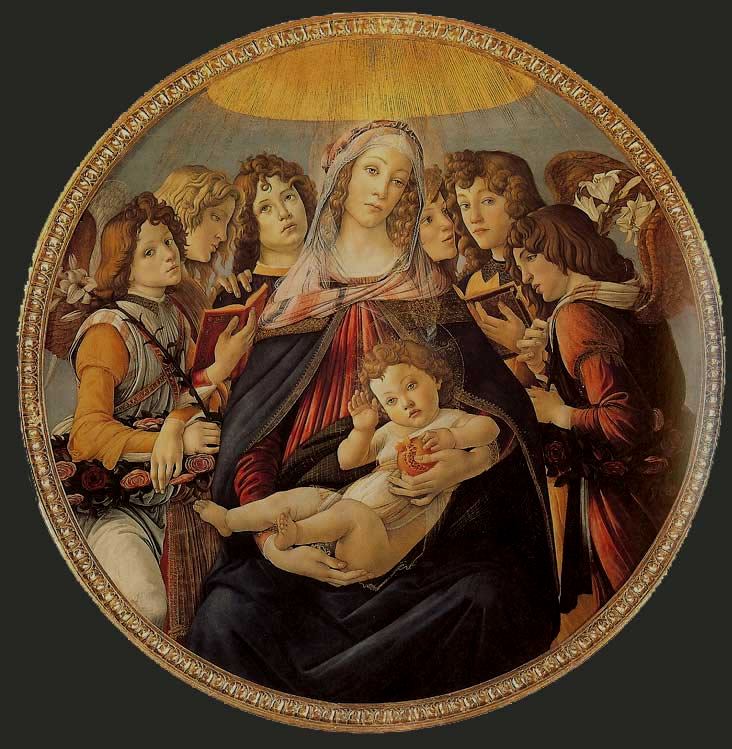
And here we have an incomparably more beautiful version from 1487 by Sandro Botticelli

Botticelli

Botticelli-detail

Botticelli is telling us that both the Madonna and her child know of the suffering to come, but the pomegranate tells us that it will not have been in vain.

All of this doesn’t change the fact that pomegranates have too many seeds in them to make them a nice eat.

________________

Pomegranate presser: my picture
Pomegranate orchard: http://www.agritay.com/pomegranate2.JPG [in http://www.agritay.com/ie3.htm%5D
Pomegranate juice: http://www.simplecomfortfood.com/wp-content/uploads/2011/12/fresh-pommegranite-juice.jpg [in http://www.simplecomfortfood.com/2011/12/04/fresh-pomegranate-juice/%5D
Egyptian wall painting “Pond in a garden”: http://upload.wikimedia.org/wikipedia/commons/5/51/”Pond_in_a_Garden”_(fresco_from_the_Tomb_of_Nebamun).jpg [in http://en.wikipedia.org/wiki/Gardens_of_ancient_Egypt%5D (fresco from the Tomb of Nebamun, Thebes, 18th Dynasty).jpg
Roman bird mosaic: http://www.mapah.co.il/wp-content/uploads/2013/01/Bird-Mosaic-in-Caesarea-DSC-3039.jpg
Roman bird mosaic-pomegranate: http://1.bp.blogspot.com/_V0EJcthPaew/TPtykNgTYNI/AAAAAAAAHtM/FDksj7TzZA0/s1600/DSC00340.JPG [in http://pazzapazza2.blogspot.com/2010/12/bird-mosaic.html%5D
Alhambra-detail: https://c2.staticflickr.com/6/5178/5533757498_c68f320ab9_z.jpg [in https://www.flickr.com/photos/psulibscollections/5533757498/%5D (Alhambra: Cuarto Dorado, detail of stucco decoration, Date: 14th century, Alhambra: Cuarto Dorado (Golden Chamber), detail of carved stucco decoration with pomegranate motifs, 14th century, Nasrid period.)
Alhambra-cuarto dorado: http://myspanishadventures.com/wp-content/uploads/2012/08/IMG_4741.jpg [in http://myspanishadventures.com/the-alhambra/%5D
Bonsai pomegranate: http://1.bp.blogspot.com/_nruXh-jwU5o/S_nWTS_IdSI/AAAAAAAAWB8/L1sJwhwiWVA/s1600/pomegranate5222010.jpg [in http://bonsaibeginnings.blogspot.com/2011_07_01_archive.html%5D
Pomegranate flower: http://ladyofthecakes.files.wordpress.com/2013/06/p1010002.jpg [in http://ladyofthecakes.wordpress.com/2013/06/22/pomegranates-in-the-making/%5D
Egyptian wall painting pomegranate tree in flower: http://www.vashsad.ua/downloads/image/7396/main3.jpg [in http://www.vashsad.ua/landscape-design/styles/articles/show/7396/%5D
Pomegranate seeds: http://m.cdn.blog.hu/ga/gasztrobakancslista/image/pomegranate-photos-5111.jpg [in http://gasztrobakancslista.blog.hu/2014/02/27/20_granatalma%5D
Greek wedding: http://simerini.com.cy/files/imagecache/full_image/files/node_images/6/5/5/329655/1_______________________________________.JPG [in http://www.simerini.com.cy/simerini/politismos/agenda/329655%5D
Assyrian priests with pomegranate tree: http://tabloidenoticias.files.wordpress.com/2014/02/sumerio.jpg [in http://tabloidenoticias.wordpress.com/%5D
Khotan carpet: http://www.metropolitancarpet.com/assets/images/Khotan7.jpg [in http://www.metropolitancarpet.com/html/body_pomegranate__antique_oriental_rugs.html%5D
Christian mosaic Hinton St Mary: http://upload.wikimedia.org/wikipedia/commons/6/60/Mosaic2_-_plw.jpg [in http://en.wikipedia.org/wiki/Hinton_St_Mary_Mosaic%5D
Christian mosaic Hinton St Mary-detail: http://www.vanderbilt.edu/AnS/Classics/roman_provinces/britain/hintonst.marymosiac.JPG [in http://www.vanderbilt.edu/AnS/Classics/roman_provinces/britain/image16.htm%5D
Botticelli: http://4.bp.blogspot.com/-b-2sXs3aQeo/T-Yv5SWbaEI/AAAAAAAAAc4/tLnT8Advf0c/s1600/Botticelli.jpg [in http://aggiehorticulturegoestoitaly.blogspot.com/2012_06_01_archive.html%5D
Botticelli-detail: http://www.backtoclassics.com/images/pics/sandrobotticelli/sandrobotticelli_madonnaofthepomegranatedetail.jpg [in http://www.backtoclassics.com/gallery/sandrobotticelli/madonnaofthepomegranatedetail/%5D

MY SWEET LITTLE BIKE

Beijing, 21 August 2015

When I was young (“so much younger than today” as the Beatles sang so long ago), I was a fanatic of the bike. Well, at least during the summer holidays I was. I would spend them at my grandmother’s house in France, where there were always a bunch of bicycles, big and small, old and new, lying around and ready to be grabbed and ridden. My cousins spent the summer next door, so we would spend endless afternoons bicycling around the Beaujolais countryside which surrounded us – I’ve already written about this in a previous post.

When I was 10 or 11, my parents decided that it was time for me to have my own bike. They took me down to the main bicycle shop in the nearby market town. After a certain amount of negotiation, we agreed on a Peugeot bike. How I loved that bike! It was an exquisite light green colour, with a real leather saddle, four gears, silver mudguards, white-walled tyres, a little satchel hanging behind the saddle with all the equipment needed to mend a puncture, a pump hooked to the crossbar, lights that worked with a dynamo which clicked into place on the front wheel and which purred as I flew down the darkened lanes at night… As you can see, that bike has been etched deeply into my memory. I spent many a happy moment cleaning it, burnishing it, oiling it, pumping its tyres. Whenever I arrived for a holiday, after a hasty peck on my grandmother’s cheek, it was to my bike that I rushed, to give it a loving wipe and the first whirl of the holidays down the lanes.

Well, I grew up and moved on. The bike stayed mournfully propped against the garage wall, while I graduated to motorized transport – the moped first, then the car. I would give it a pat from time to time, and then nephews and nieces began to use it, then I stopped going to my grandmother’s house, then one day it was gone.

It’s not as if I betrayed my bike with another. Apart from a year or two when my wife and I were living near Lake Maggiore and did everything by bike – going to work of course, but also the shopping, the post office, the cleaning, and simply touring around – I just stopped riding bikes. It’s difficult to ride a bike in cities, you know, and then the kids came along, and then, and then … Even in China, empire of the bicycle (well, fast becoming the empire of the car), I never rode a bicycle.

Until now.

I won’t go into the details, suffice to say that by pure happenstance I’ve been given the use of a bike, and I have a place to park it safely, both at work and at home. So now every day, I ride to and from work. On this sweet little thing.

the bike i get to use

OK, it’s not a cool racing bike like this one

racing bike-3

or this one

racing bike-2or even this one (whose green rather reminds me of the green of my Peugeot bicycle)

futuristic bike-7

And it doesn’t give me an excuse to dress up in this unutterably cool way

racer-2

Nor does it allow me to go around in this intriguing way

racer-horizontal-1

or this extraordinary way (apparently this bike works on water too)

futuristic bike-3

But that’s OK, it allows me to reconnect with the bike. And it gives my thighs a really good work-out! My daughter will be very pleased to hear that. She’s always telling me and my wife to do more exercise.

________________________

the sweet bike: my pic
Racing bike-1: http://4.bp.blogspot.com/-V3gpmEz-om0/UxP8LMHKuCI/AAAAAAAAACI/rDNuF4gP888/s1600/Imageu.jpg [in http://nurhayara.blogspot.com/%5D
Racing bike-2: http://www.conceptbook.org/wp-content/uploads/2011/12/bicicletta-aria-marco-mainardi.jpg [in http://www.conceptbook.org/aria-marco-mainardi/%5D
Futuristic bike-1: http://cfs16.tistory.com/image/5/tistory/2011/01/11/11/41/4d2bc34ce7c68 [in http://myblueday.tistory.com/6676%5D
Racer: http://cyclingnz.com/profiles/a497_DSC_3075.JPG [in http://cyclingnz.com/cnz5_profiles.php?n=54%5D
Racer-horizontal: http://proporzionedivina.files.wordpress.com/2011/01/day9buatois1web1.jpg [in http://proporzionedivina.wordpress.com/2011/01/%5D
Futuristic bike-2: http://images.lainformacion.com/cms/bicicleta-anfibia/2012_10_29_PHOTO-ff2bca1b09886ed6447d13ad8dbedb0b-1351511060-9.jpg?width=995&height=650&type=height&id=HejqmIQJgDeHTw3t1hrgo1&time=1351512206&project=lainformacion [in http://noticias.lainformacion.com/economia-negocios-y-finanzas/diseno-e-ingenieria/las-bicicletas-del-futuro_oe04bAJ4zY9qK4YrwN4UX1/%5D

SMOOTH ROUND GEMS

Beijing, 14 August 2014

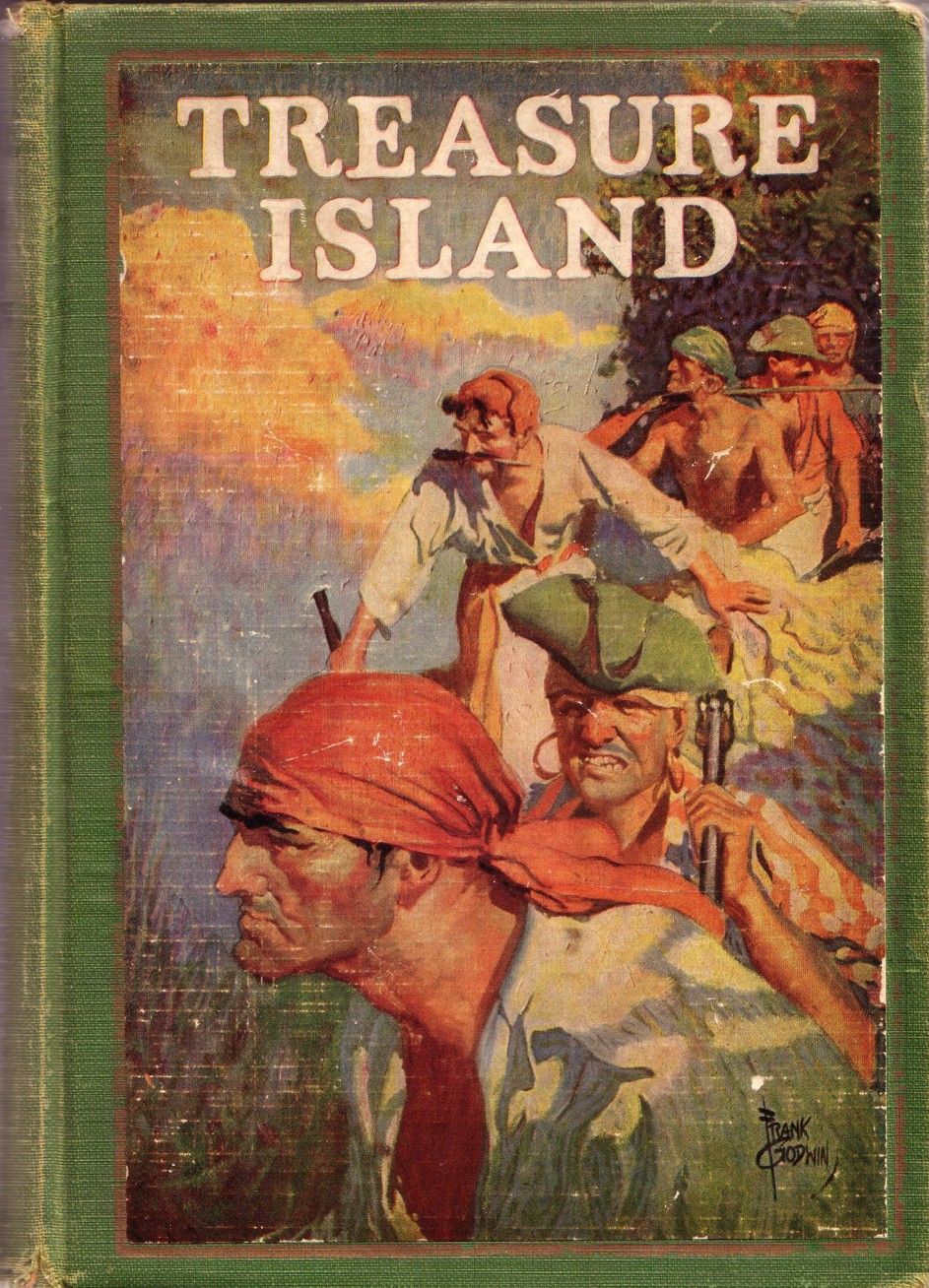
There was a board game I used to play when I was young, I forget its name, but it had to do with pirates and their treasure. I suspect that the game was loosely based on Robert Louis Stevenson’s Treasure Island, which the boys of my generation had all read.

Treasure.Island frank godwin 1925

“Harr, me hearties, pull strong, pull straight! Yohoho an’ a bottle o’ rum!” etc.

The purpose of the game was to capture the treasure, and like all good board games it had miniature treasure – miniature gold bars, miniature rubies, miniature diamonds, and so on. You stockpiled your treasure on islands, and you attacked each other to lay your grubby hands on everyone else’s treasure. I was fascinated by all that miniature treasure. I most lusted after the rubies. “Get in thar, lads, and grab t’ treajaye!”

This fascination of small boys like me with pirates and treasure was brilliantly tapped into by Hergé, the author of Tintin, who in two volumes caught the whole buccaneering spirit

Le-Secret-de-La-Licorne

and the subsequent hunt for buried treasure

Le_Tresor_de_Rackham_le_Rouge

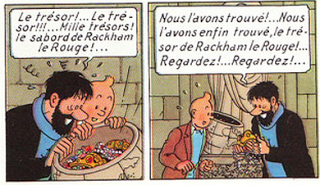
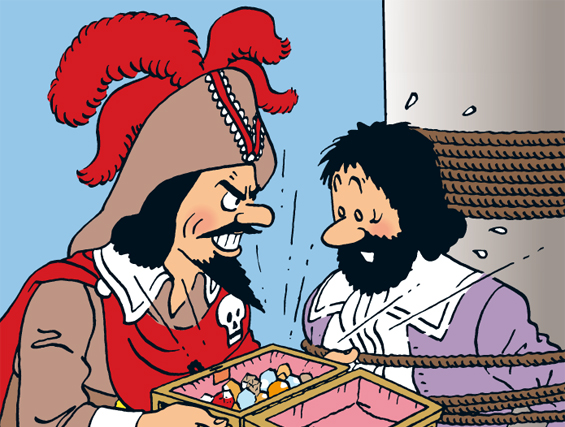
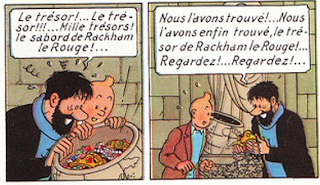
Ah, look how that evil pirate Rackham the Red shows off his treasure to Captain Haddock!

rackham montre le tresor

And look how his great-great-great etc. grandson Captain Haddock’s head is sent spinning when he finally finds this treasure!

Capt Haddock trouve le tresor de Rackham le rouge

All that glinting gold! All those sparkling gems!

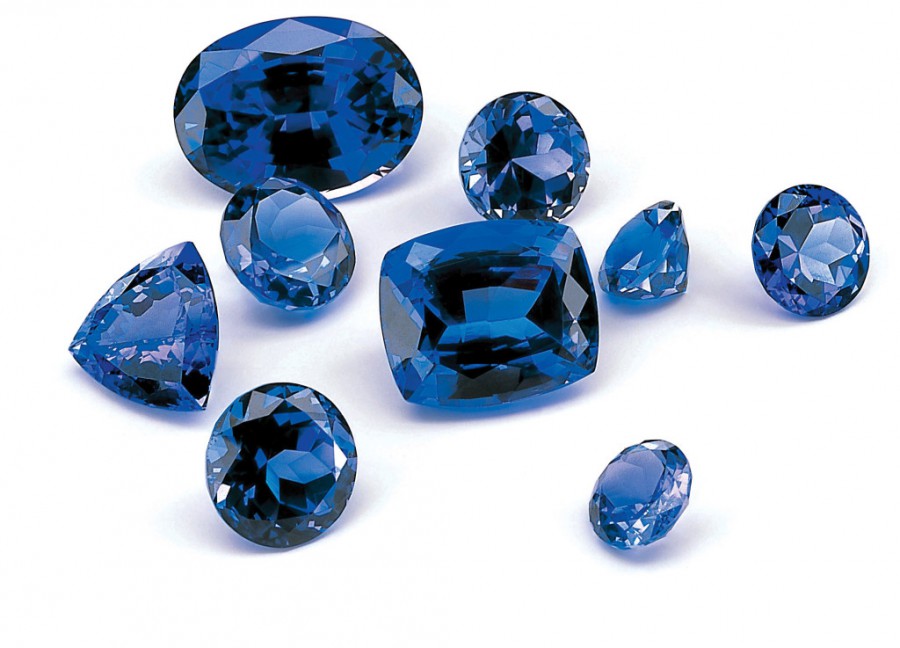
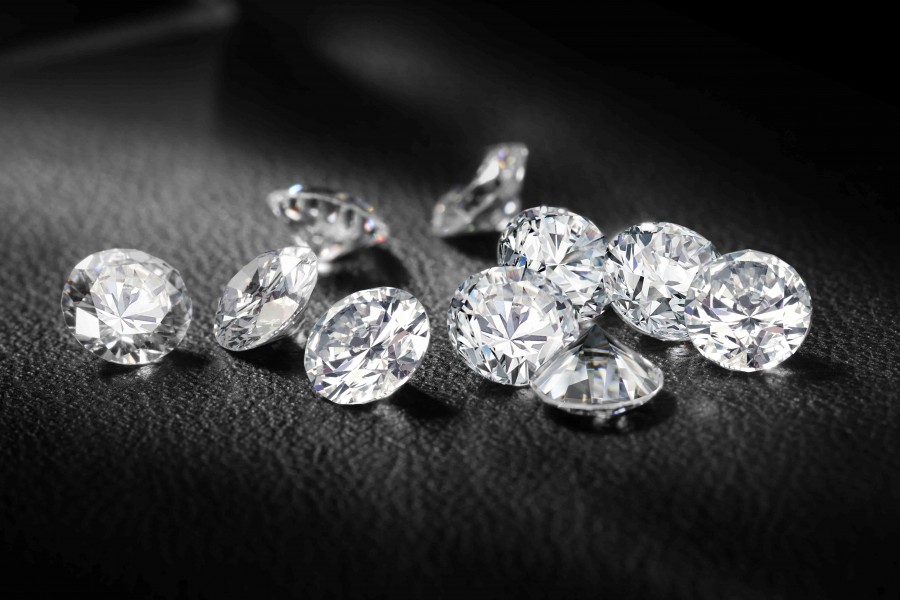
But I grew up, and grew more sensible, and found that I didn’t actually like sparkling gems (I still like gold, though …). I’m told that gemstones are cut and faceted to bring out their sparkle – or to use the correct language, their brilliance and their fire. Some fellow called Marcel Tolkowsky even went so far as to work out mathematically the best faceting to give gems so as to use the light’s reflection and refraction to maximize their fire and brilliance. But when I now look at my once-favourite rubies

WellsFargoInsertRuby, July

or sapphires

sapphires-blueor emeraldsemeraldsor diamonds

diamonds

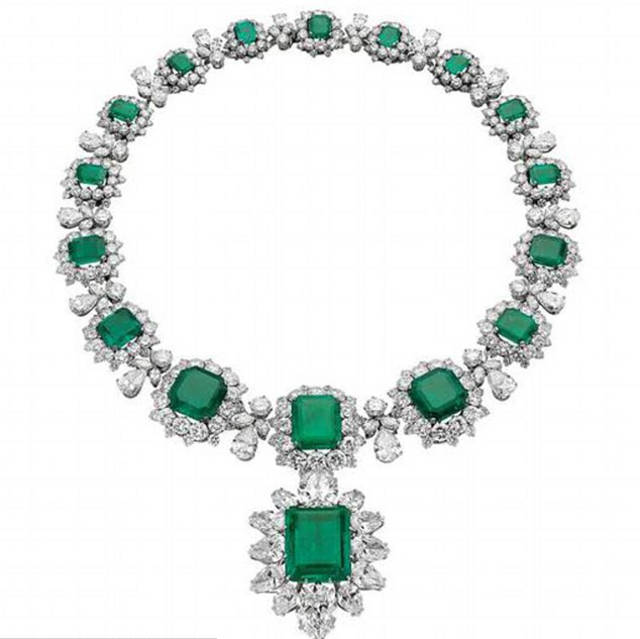
I see nothing but cold, hard precision, stuff for the Rich Bitch.

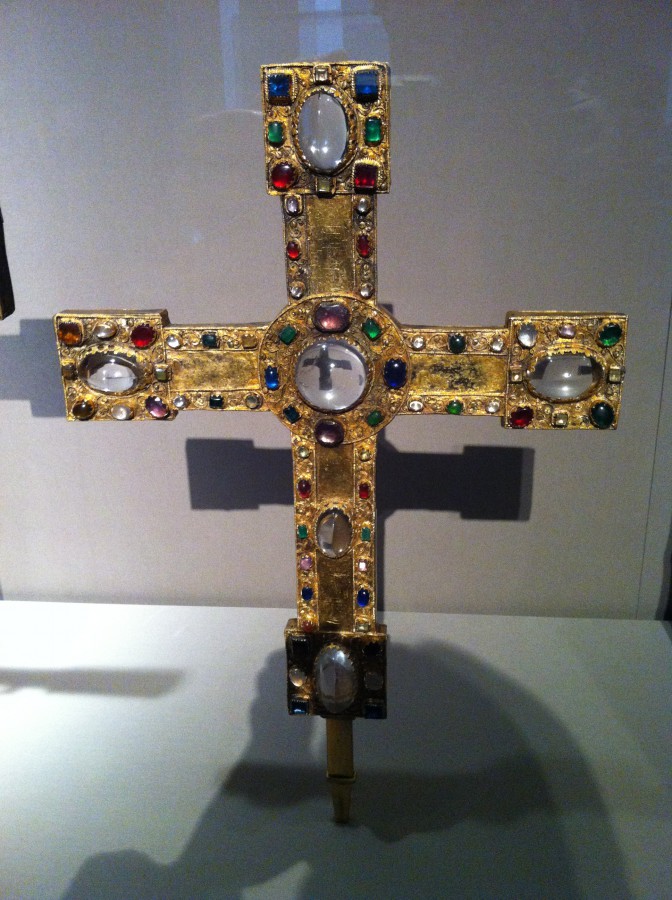
This was forcefully brought home to me last Christmas when my wife and I visited the Metropolitan Museum of Art during what has become our annual visit to our daughter in New York. The museum happened to be holding an exhibition of the medieval treasures from the Cathedral of Hildesheim in Germany. At that time – we are talking the 1100s – people didn’t know how to facet stones, so gems were mainly polished and rounded into cabochons. Take a look at these photos to see what I mean.

Here is a bible cover.

photo 012

This is a cross.

photo 004

This a reliquary.

photo 010

This a liturgical fan.

photo 007

The rounded shape in a gem is so much more simpatico, I feel, warmer, more approachable, so much more like us. I mean, we’re sort of round – more round than faceted. OK, it’s all a bit fanciful, but it is true that cabochons are much more like all those rounded, smooth, coloured pebbles that I’m sure we all picked up as kids on the beach and dreamily turned over and over in our hands.

boy on beach

I was certainly an assiduous pebble collector, a habit which I have kept up all my life. Everywhere I have gone, I have collected stones smoothed by the passage of water. I am always looking for interesting colours, striking striations, or curious shapes. Every time I find myself on a beach, my eyes will automatically drop and scour the sand or pebbles for interesting stones (or shells, or any curious flotsam thrown up by the sea). Even here in Beijing, far away from any beach, I have my collection of smooth stones, collected here and there.

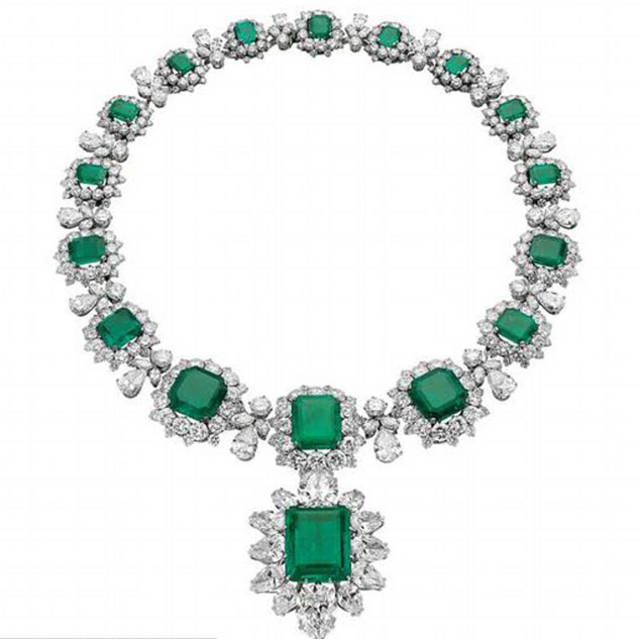
So you can understand that in my sensible adulthood I have not been so interested in Rich Bitch jewelry like this

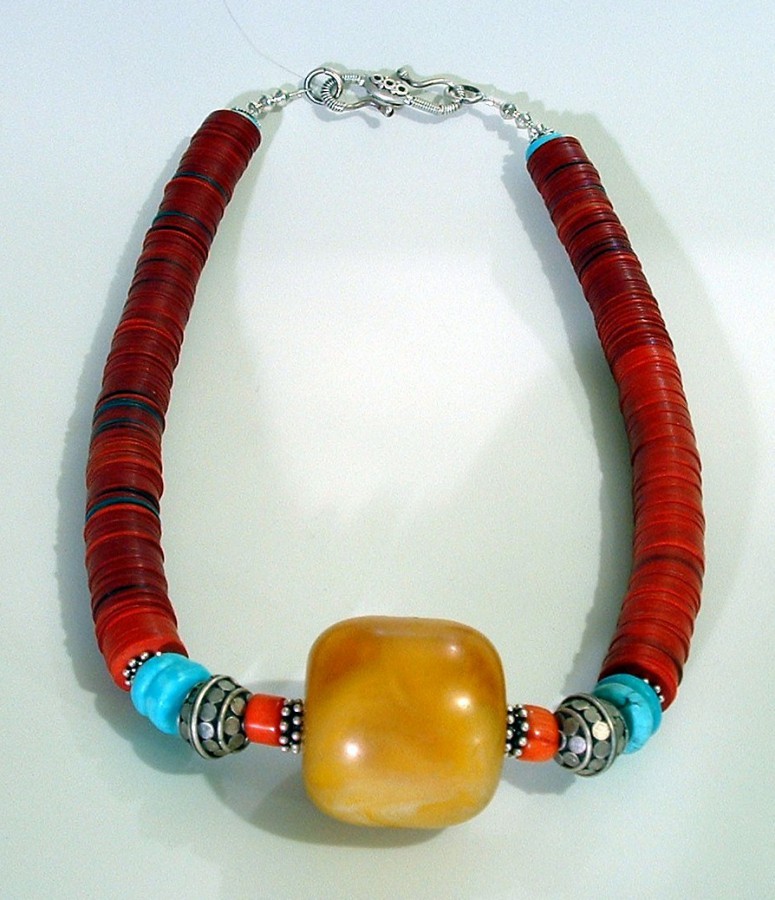
emerald necklace elizabeth-taylorpreferring “ethnic jewelry” like this.

ethnic necklace

(there is also a small matter of the price tag, but we’ll put that aside for the time being)

I insert here a photo of a wonderful necklace I bought my wife some five years ago. It’s a string of red agate stones. Very pebble-like, don’t you think? You see it here gracing her wonderful neck. I bought it in a little shop in Vienna which specializes in Asian ethnic jewelry.

my wifes necklace 001

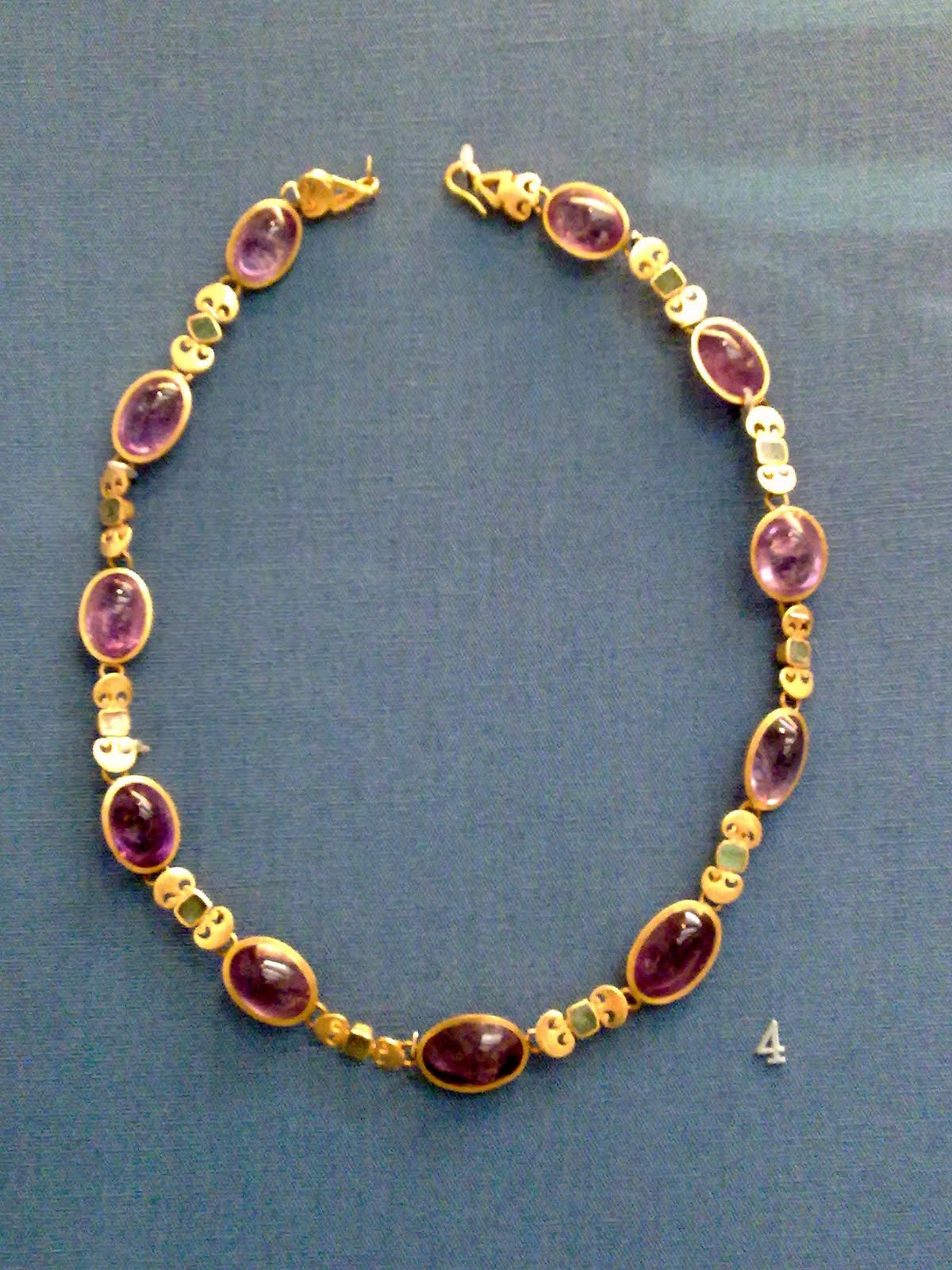
In these preferences I feel a bond with my faraway ancestors. But back, back we have to go, beyond the Romans

Roman necklace

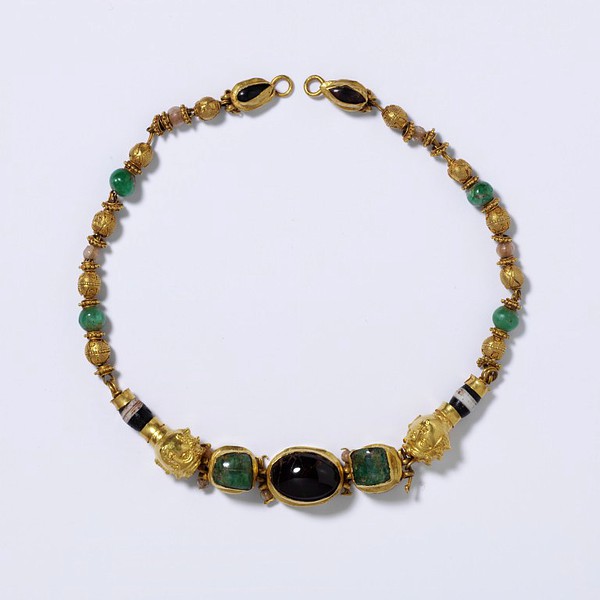
and the Greeks

Helenistic gem and gold necklace

where too much gold intrudes.

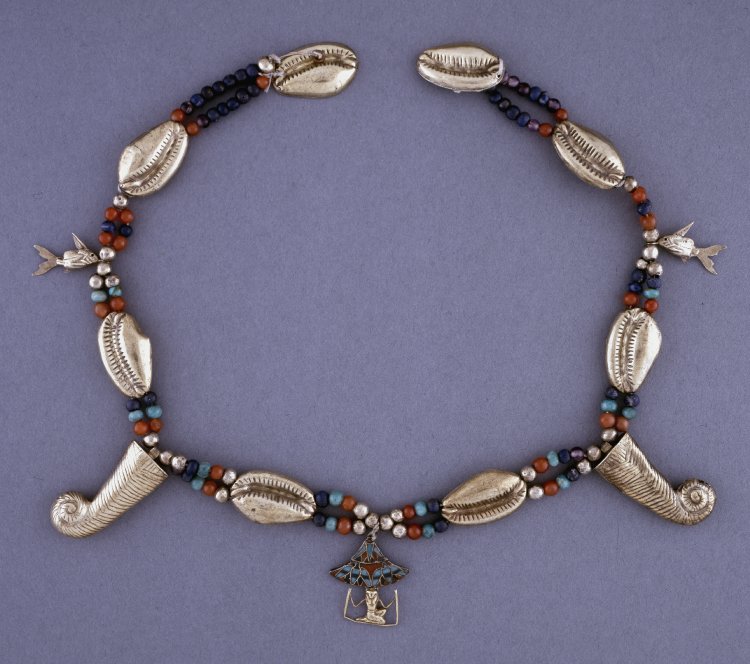
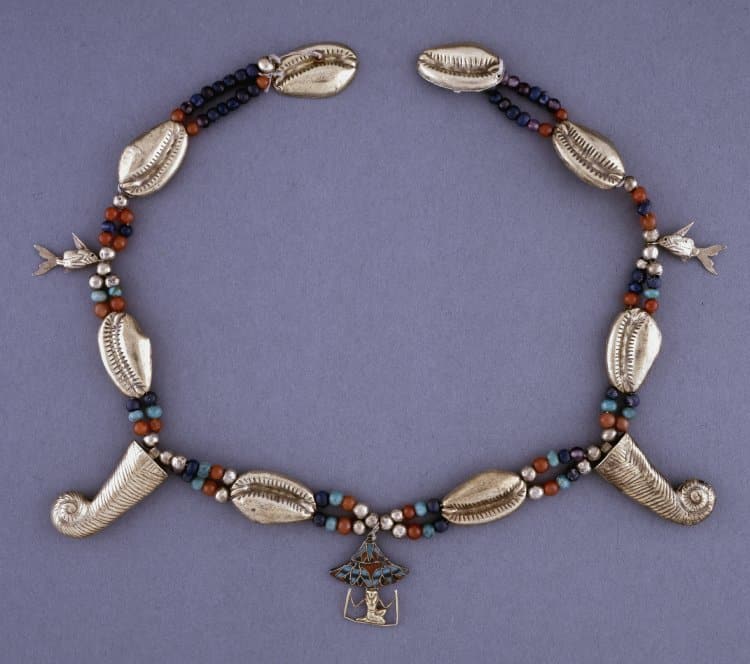
Beyond even the Egyptians, where silver gets in the way

Egyptian Electrum Cowrie Shell Necklace

We have to go back to the Celts two Centuries before Christ.

celtic necklace 2nd C BC Switzerlandand even further back to our prehistoric ancestors, 4,000 BC in this case

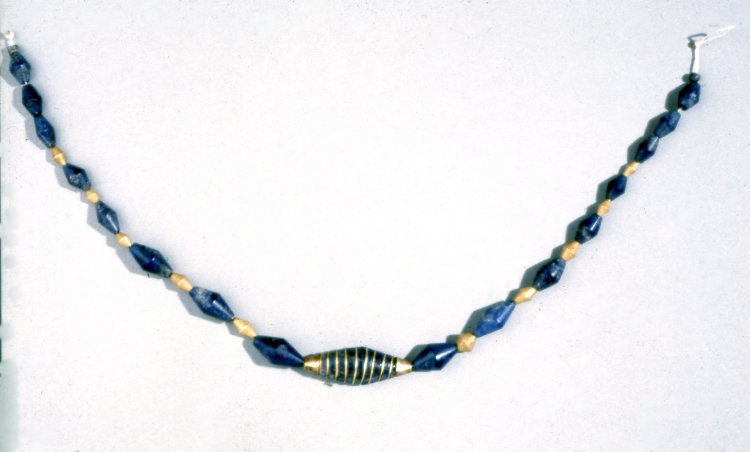
Late Prehistoric Beadsand 2,600 BC in this case

Late Prehistoric Beads-2

I’ve always felt myself to be a bit of a Cro-Magnon man. I think my wife sometimes agrees …

___________________

Treasure Island book cover: http://1.bp.blogspot.com/-LJJbNTjjGqQ/ThSexvsS_4I/AAAAAAAACC4/fKhA1cFGaFo/s1600/Treasure.Island+frank+godwin+1925.jpg [in http://inkspiredmusings.blogspot.com/2011/07/happy-birthday-party-for-peter.html%5D
Le Secret de la Licorne: http://images.ya-too.com/art/mou/mou-22100.jpg [in http://www.ya-too.com/fr-bd-Affiche-Tintin-Le-Secret-de-La-Licorne_68582.php%5D
Le Trésor de Rackham le Rouge: http://media.senscritique.com/media/000000024931/source_big/Le_Tresor_de_Rackham_le_Rouge_Les_Aventures_de_Tintin_tome_1.jpg [in http://www.senscritique.com/bd/Objectif_Lune_Les_Aventures_de_Tintin_tome_16/203208%5D
Rackham shows Haddock the treasure: http://fr.tintin.com/images/journal/journal/00697/C10%2021%20D3COLOR.jpg [in http://fr.tintin.com/news/index/rub/100/id/3825/0/james-bond-est-il-le-nouveau-rackham-le-rouge%5D
Capt. Haddock finds the treasure: http://3.bp.blogspot.com/-Nv7QFVzGXBM/UNCiRtR2VJI/AAAAAAAArZM/rEF0fZDSSCI/s320/Capt+-tresor+de+Rackham+le+rouge.PNG [in http://pasidupes.blogspot.com/2012/12/le-nouveau-site-de-lelysee-fait-une.html%5D
Rubies: http://tomshanesworld.com/wp-content/uploads/2011/07/The-Incomparable-Beauty-of-Natural-Rubies.jpg [in http://www.pixmule.com/blog-archive-the/11/%5D
Sapphires-blue: http://www.whatismybirthstone.com/wp-content/uploads/2013/04/Tanzanite-1024×737.jpg [in http://www.whatismybirthstone.com/emerald-birthstones-may%5D
Emeralds: http://eh-zhiznya.ru/091/izumrud_kamen-7.jpg [in http://eh-zhiznya.ru/index/izumrud_opisanie_i_foto/0-177%5D
Diamonds: http://www.aisource.com/images/default-source/default-album/diamonds.jpg?sfvrsn=0 [in http://www.aisource.com/managed-futures/news/aisource-news/2013/09/27/why-arent-diamonds-an-exchange-traded-commodity-%5D
The Hildesheim treasures: my photos
Boy on beach: http://4.bp.blogspot.com/_3mACnZBMOnA/TDlO_MugAII/AAAAAAAAAw8/_vT-Z9OMwWA/s1600/IMG_1391.JPG [in http://www.squidalicious.com/2010_07_01_archive.html%5D
Emerald necklace (Elizabeth Taylor): http://www.agentiadepresamondena.com/wp-content/uploads/2013/10/elizabeth-taylor-bijuterii-expozitie1.jpg [in http://www.agentiadepresamondena.com/expozitie-bulgari-bijuterii-elizabeth-taylor/%5D
Ethnic necklace: http://ornamento.files.wordpress.com/2008/12/n.jpg [in http://ornamento.wordpress.com/2008/12/05/make-your-own-clasps/%5D
Necklace on my wife: my pic.
Roman necklace: http://1.bp.blogspot.com/-YhPDENmZiN0/TjKcLenlDPI/AAAAAAAAB6k/n9NLLGciOZc/s1600/britmuseum4.jpg [in http://historicalclothinganduniforms.blogspot.com/2011/07/classical-influence.html%5D
Hellenistic necklace: http://www.langantiques.com/university/images/c/cb/Helenistic_gem_and_gold_necklace.jpg [in http://www.langantiques.com/university/index.php/Necklaces%5D
Egyptian electrum and beads necklace: http://www.langantiques.com/university/images/5/50/Egyptian_Electrum_Cowrie_Shell_Necklace.jpg [in in http://www.langantiques.com/university/index.php/Necklaces%5D
Celtic necklace 2nd C BC Switzerland: http://www.langantiques.com/university/images/6/65/Halsschmuck_Molinazzo_d_Arbedo(1).jpg [in http://www.langantiques.com/university/index.php/Ancient_Jewelry%5D
Late prehistoric necklace: http://www.langantiques.com/university/images/thumb/d/da/Late_Prehistoric_Beads.jpg/704px-Late_Prehistoric_Beads.jpg [in http://www.langantiques.com/university/index.php/Necklaces%5D
Late prehistoric beads-2: http://www.langantiques.com/university/images/e/e5/Lapis_Beads_Ur.jpg [in http://www.langantiques.com/university/index.php/Necklaces%5D

PEOPLE ON THE MOVE

Bangkok, 27 July 2014

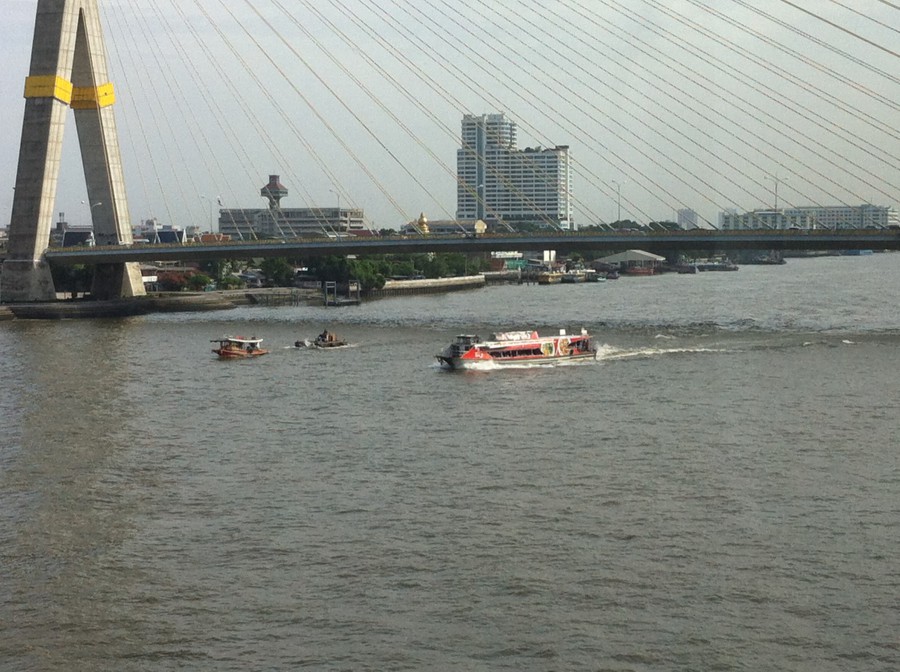
Well, I’ve received my transfer orders. I’m moving to Bangkok to take over our office there. So my wife and I have been down in Bangkok for the last week, looking for a place to stay. For the moment, we’re renting an apartment which we got through AirBnB. It gives right onto the Chao Phraya River, which runs through the middle of the city and around which the city grew. So as we have breakfast in the morning before we go out apartment-hunting we can watch the traffic on the river: the empty barges, riding high

ships on river 002

the full barges, with water to their gunwales

ships on river 005

the express boats crowded with commuters darting in between as they weave their way from bank to bank.

ships on river 001

But what also catches my eye is this temple on the other side of the river

temple across the river 001

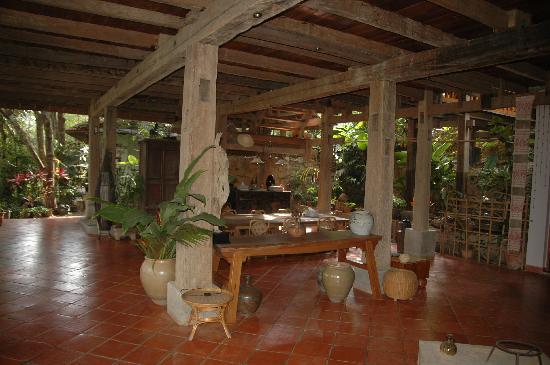
and it always reminds me of … China. Or rather, a certain corner of China, the Xishuangbanna Dai Autonomous Prefecture. This is way down in the south of Yunnan province, squeezed between Laos to the East and Myanmar to the West. A few years back, we spent a Dragon Boat Festival holiday in the prefecture’s main town, Jinghong, in a beautiful house which was built from elements scavenged from traditional houses that were being torn down in China’s rush to modernity.

Yourantai-interior

It too gave on a river, the Mekong in this case (although the Chinese don’t call it that; it’s the Lancang River to them), and there too we could gaze down on the river while having our breakfast.

Yourantai-view of the river

The temples in Jinghong are built in the same style as the one I see across my breakfast table, or at least the newer establishments are.

Mange-Buddhist-Temple-Jinghong-XishuangBanna

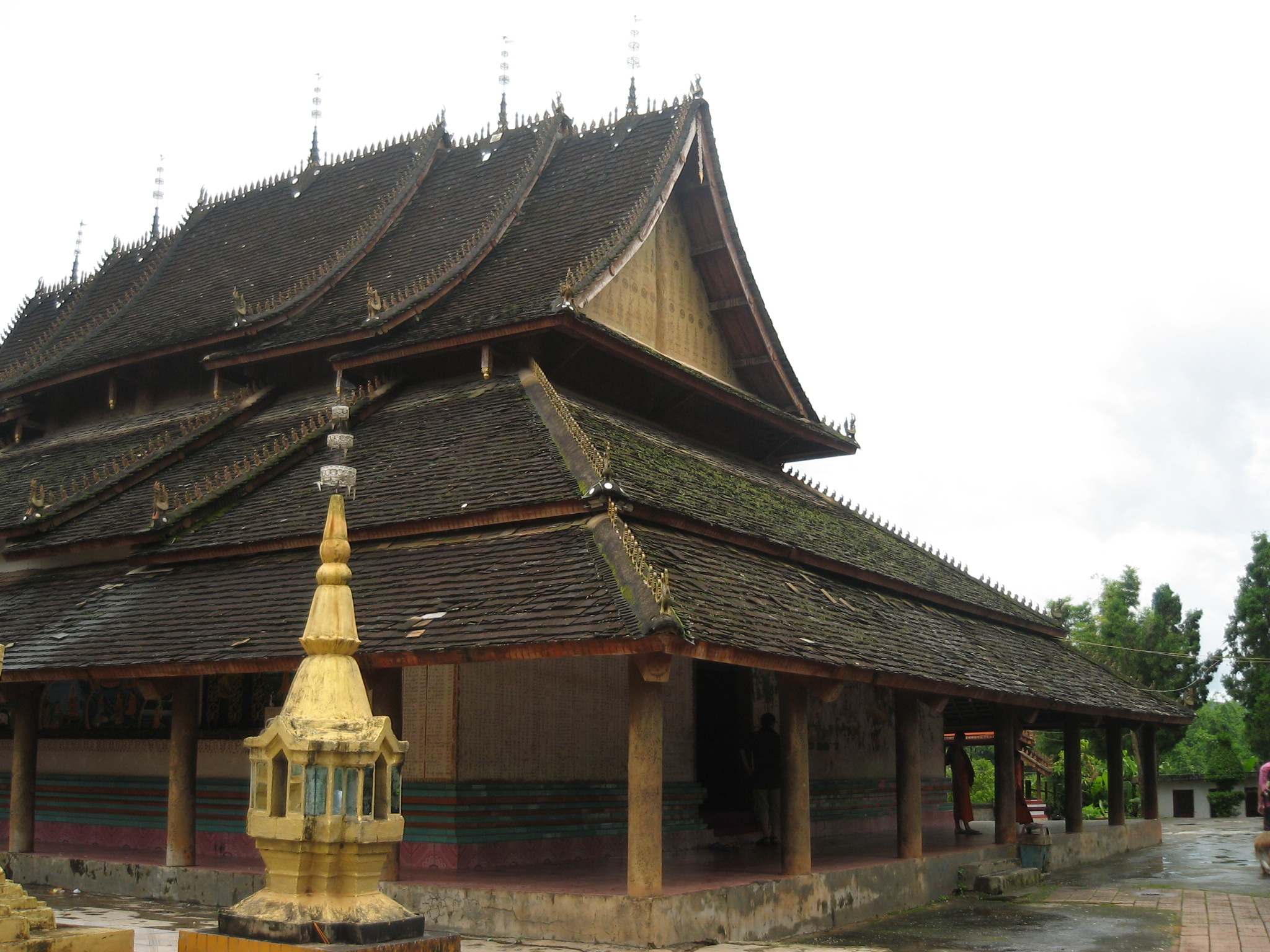
The older temples in the area are somewhat more sobre.

temple Xishuangbanna

This very obvious echoing of the Thai style has a simple reason. The Thai people (Dai people in this part of the world, hence the name of the prefecture) originally came from southern China. Then, for reasons which may have to do with the southwards migration of the Han Chinese, a portion of them upped sticks in the first millennium AD and started wandering south through Laos and Myanmar until they settled in what is now Thailand. But they left echoes of their culture behind, reflected in the designs of the temples but also in the language – many of the signs in Jinghong are in Thai as well as in Chinese.

The local culture (Thai and non-Thai; the ethnic mix in this part of the world is quite bewildering) is threatened with submersion in the Han culture – recall that this is why the Thais probably originally started migrating southwards. Until the 1950s there were few Han Chinese in this part of Yunnan – they were afraid of the malaria, which was then endemic. But the Chinese communists vigorously promoted programmes which eradicated the malaria. They then brought in poverty-stricken migrants from other parts of China and put them to work cutting down the jungle and planting rubber trees in its place, so now the hills around Jinghong are monotonously covered with acre after acre of rubber trees. These are all clones from the same genetic line. Those who know about these things predict that sooner or later (probably sooner rather than later) a rubber tree virus from Brazil will arrive here and wipe out every single rubber tree: an environmental disaster of epic proportions.

In the meantime, the descendants of the miserably poor Chinese who were sent to Xishuangbanna to plant and tap all those rubber trees still live in miserably poor Chinese villages, scorned and resented by the local populations.

As I look at the temple across the river and reflect on all these historic movements of people, I am reminded of the current tensions in Thailand caused by more recent movements, tensions between migrants from Cambodia, Laos and Myanmar, who do the dirty, poorly paying jobs which the locals no longer want to do, and the Thais, who have conveniently forgotten (if they were ever taught) that they too were once migrants.

“Plus ça change et plus c’est la même chose”, as Jean-Baptiste Karr, a French journalist and novelist, said back in 1849, and as my French grandmother was fond of quoting: the more things change, the more they stay the same. So true.

___________________

Chao Phraya river pics: mine
Yourantai-interior: http://media-cdn.tripadvisor.com/media/photo-s/01/b9/8b/a5/les-repas-dans-un-cadre.jpg [in http://www.tripadvisor.co.uk/LocationPhotoDirectLink-g528741-d1749170-i28937125-Yourantai_B_B-Jinghong_Yunnan.html%5D
Yourantai-river view: http://www.cielyunnan.com/wp-content/uploads/2012/04/Yourantai-24.jpg [in http://www.cielyunnan.com/hotels/hotels-xishuangbanna/xishuangbanna-yourantai-resort/%5D
Buddhist temple Jinghong: http://www.yunnanadventure.com/UploadFiles/Yunnan-Attractions/Xishuangbanna-Attractions/Mange-Buddhist-Temple-Jinghong-XishuangBanna.jpg [in http://www.yunnanadventure.com/attraction-p156-mange-buddhist-temple-jinghong-city
Temple Xishuangbanna: http://www.wildchina.com/blog/wp-content/uploads/2008/08/img_8570.jpg [in http://www.wildchina.com/es/multimedia/wildchina-blog-details/yunnan-hiking-in-xishuangbanna%5D

THE BOOK AS SCULPTURE

Beijing, 13 July 2014

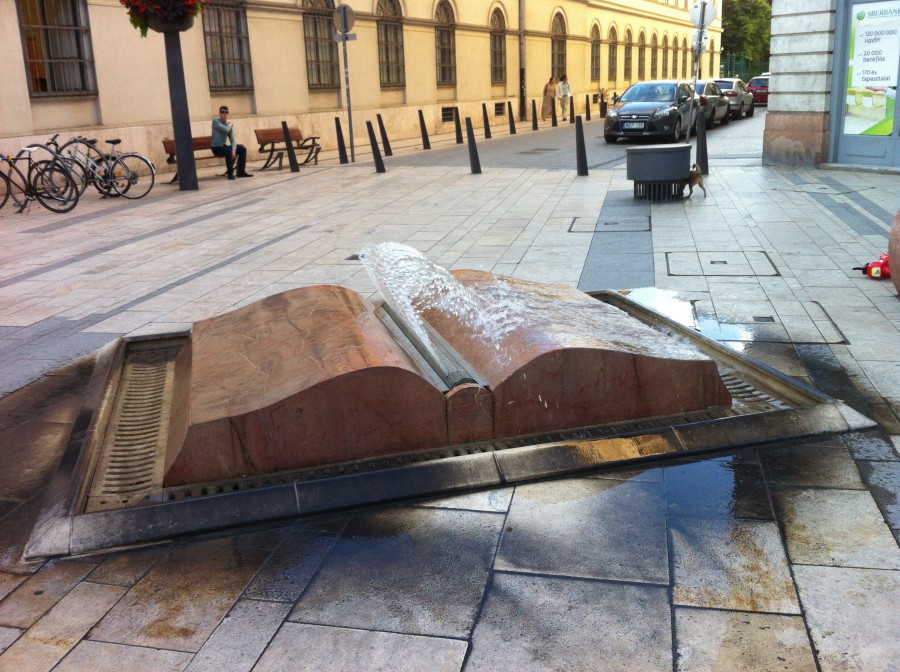
As I mentioned in the postscript to my previous posting, I was in Budapest these last few days. One evening, in search of a restaurant, I came across this fountain:

Budapest 2014 fountain 001

Budapest 2014 fountain 002

As the pictures suggest, the fountain consists of a sheet of water moving as if it were the page of a book being turned. I rather like that idea. I didn’t notice it at the time, but I have since discovered that two venerable Hungarian universities, Eötvös Loránd University and Péter Pázmány Catholic University, both of whose foundations reach back to the 1600’s, are located across the street from the fountain. I would guess that the fountain is linked to them: aren’t Universities places which revere books? Maybe the fountain is telling us that books water our intellectual life. But that’s a bit too fanciful, perhaps.

My curiosity piqued, I started looking around for pictures of other sculptures where books play the lead role. And of course someone has already helpfully put together a gallery of such photos! It’s on a site called Book Riot, which promotes reading of book reading and writing about them, my kind of site. I have shamelessly lifted a number of their photos to put here. Most of them have obvious connections to book-related institutions.

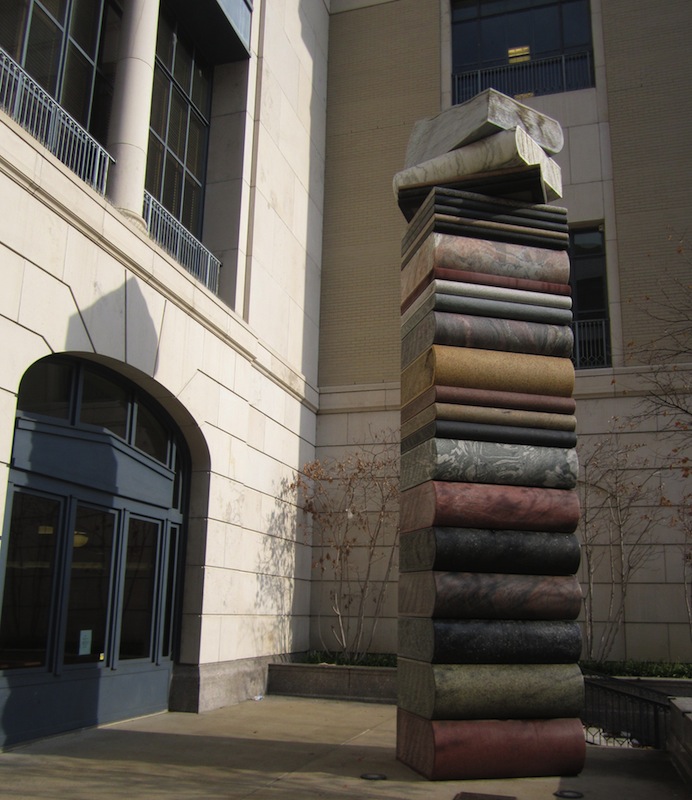
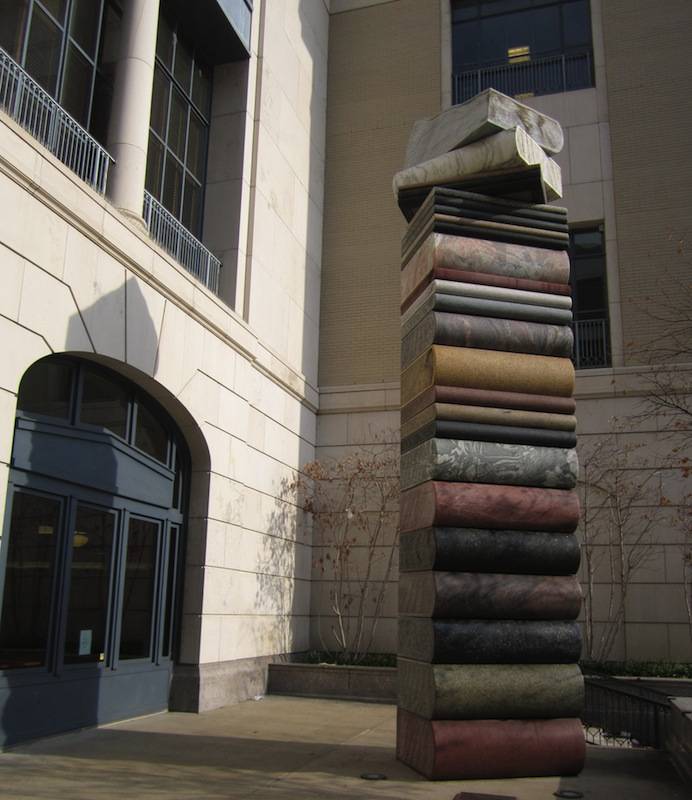
Stacking books is clearly a popular design motif. Here’s a fairly straightforward stack in a sculpture in front of the Nashville public library

nashville-public-library-book-statue

Here is another, a little bit more untidy and making the connection between books and children (which perhaps explains the untidiness of the stacking?). It adorns the public library in Coshocton, which is (and I had to look this up on Google Maps) in Ohio. The sculpture is composed of 100 books, each one representing one year of the library’s service to the community.

coshocton-public-library

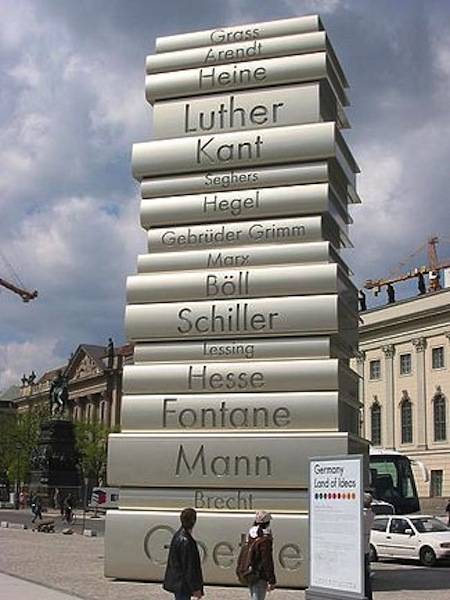
Here is another stack of books, this time from Berlin.

berlin-book-statue

This particular sculpture no longer exists, alas. It was part of a set of six sculptures celebrating the football World Cup of 2006. After a few months, they were taken away, who knows where to. This particular sculpture, set up in Bebelplatz opposite Humboldt University, celebrated Johannes Gutenberg who invented the modern letterpress in the German city of Mainz in around 1450.

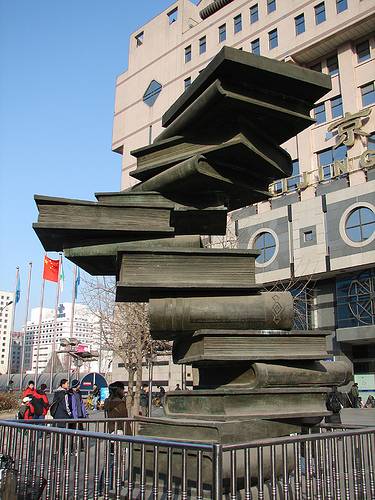
The stacking motif continues with this sculpture, although a spiraling twist has been given to the whole.

beijing-xinhua-bookstore-statue

The sculpture is in front of Beijing’s Xinhua bookstore, although I must confess to never having noticed it.

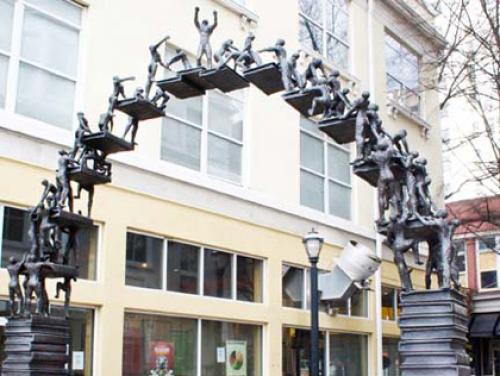
Here, the stacking has turned into a triumphal arch, located in Atlanta, at Georgia State University.

georgia tech atlanta

This is a very obviously symbolic statue. It was created by the sculpture students at the University and is entitled “No Goal Is Too High If We Climb With Care And Confidence”. A visual metaphor dear to the hearts of many a University Professor, I’m sure.

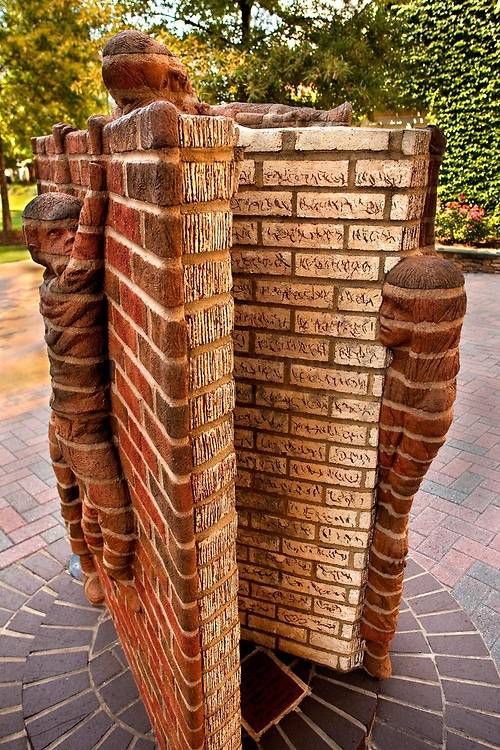
This one, from Charlotte North Carolina, is quite different. Like the sculpture in Coshocton, it makes a connection between books and children, but here it becomes equivalent to playground equipment, showing books as something for children to play with, on, in.

brick-book-statue

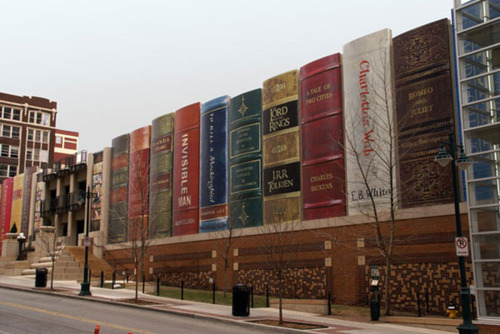
As for Kansas City library, it dispenses with sculptures altogether and has just built the books right into its façade

kansas city public library

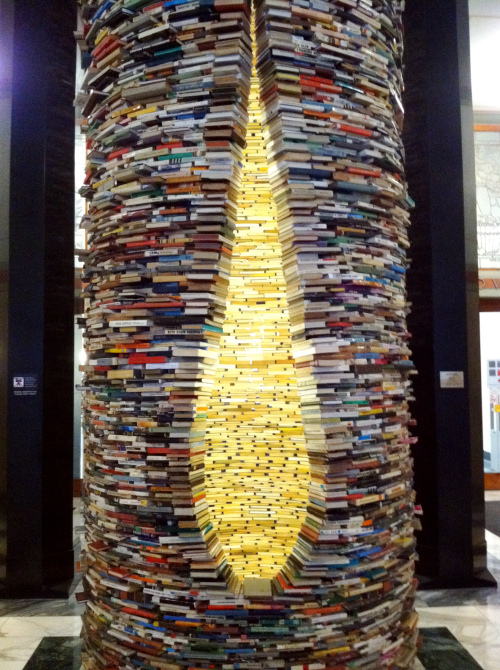
Another approach to book-sculptures is to consider the book a brick to be used to build structures. The Czech-Slovak artist Matej Kren has created a number of such structures, a couple of which I have photos for. The first is in the Prague municipal library

prague city library

I’ve not seen it, but I read that if you look inside you get the impression of an infinite tower. It seems that Kren has made clever use of mirrors to get this optical effect.

I don’t know where the structures in these other two photos are to be found

matej kren-1

matej kren-2

The last could easily be an old farm house in southern Europe somewhere. The following site shows a couple more such structures made with books by Kren and other artists.

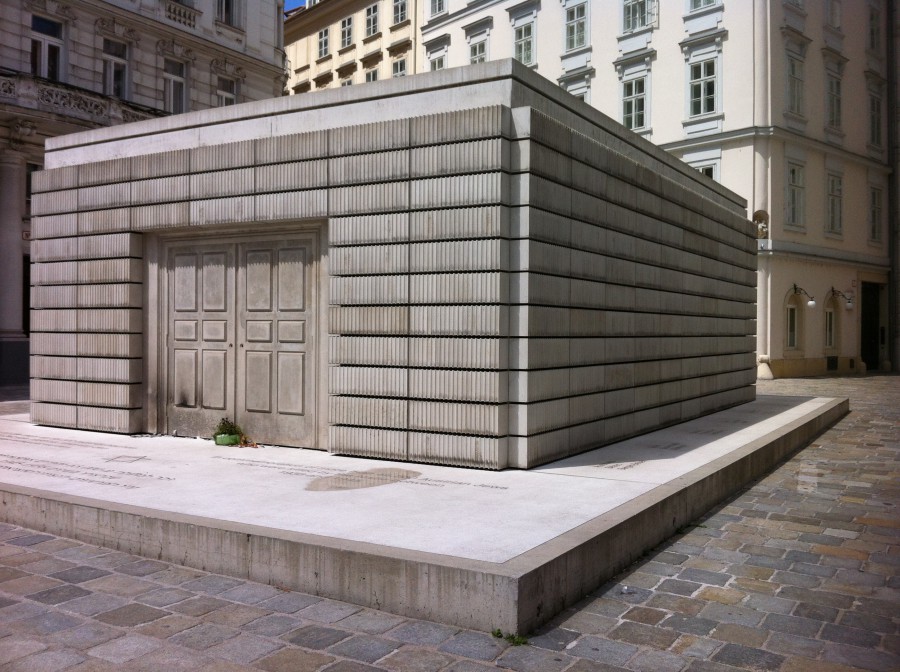
This last photo brings me to another structure made with books, but of an altogether darker tenor. It is the Holocaust memorial in Judenplatz, Vienna, a memorial to the more than 65,000 Austrian Jews killed by the Nazis before and during World War II. On my way back from Budapest to Beijing through Vienna, and with the book fountain still fresh in my mind, I decided on the spur of the moment to quickly revisit the memorial before boarding the bus for the airport.

holocaust memorial 001

From far away, it looks like one of those squat, windowless blockhouses which dotted the battlefields of World War II. But when you get closer, you see something else.

holocaust memorial 002

You see that the walls of this blockhouse are made of shelves of books. But the books are facing outwards rather than inwards as would normally be the case on a shelf. So unlike the sculpture pictured above in Berlin’s Bebelplatz, we know neither the author nor the title of any of the books. The shelves of the memorial simply appear to hold endless copies of the same book, which can stand for the vast array of faceless victims. The choice of books as the design motif perhaps alludes to the idea of the Jews being a “People of the Book”. Fittingly, another name for this memorial is the Nameless Library. Around the edges of the structure are carved the names of the camps where Austrian Jews died

holocaust memorial 003

At the other end of Judenplatz is a statue of the writer Lessing, staring so it seems at the Holocaust memorial.

Lessing statue Judenplatz

This is the same Lessing whose name appears on one of the spines of the sculpted stack of books in Berlin’s Bebelplatz, a photo of which I included earlier. A connection which allows me to segue into my next memorial, in that same Bebelplatz, a memorial to the campaign of book burnings, orchestrated by the German Student Union, which took place there and in 34 other German university towns in May 1933, shortly after the Nazis had taken power. The purpose was to ceremonially burn books by classical liberal, anarchist, socialist, pacifist, communist, Jewish, and other German and non-German authors whose writings were viewed as subversive to the new regime. Many came from Humboldt University’s libraries. The students first marched in torchlight parades “against the un-German spirit”. Some 40,000 people then gathered in Bebelplatz to hear Joseph Goebbels deliver a fiery address:

“The era of extreme Jewish intellectualism is now at an end. The breakthrough of the German revolution has again cleared the way on the German path…The future German man will not just be a man of books, but a man of character. It is to this end that we want to educate you. As a young person, to already have the courage to face the pitiless glare, to overcome the fear of death, and to regain respect for death – this is the task of this young generation. And thus you do well in this midnight hour to commit to the flames the evil spirit of the past. This is a strong, great and symbolic deed – a deed which should document the following for the world to know – Here the intellectual foundation of the November Republic is sinking to the ground, but from this wreckage the phoenix of a new spirit will triumphantly rise.

Then the students joyfully threw the books onto the pyre, with band-playing, songs, “fire oaths”, and incantations.

bebelplatz book burning-1

DEU NS ZEIT BUECHERVERBRENNUNG JAHRESTAG

In Berlin, some 20,000 books were burned. Looking back at the stack of books which make up the sculpture put in this same square 83 years later, Heinrich Heine’s books were burned, as were those of Anna Seghers, Karl Marx, Heinrich Mann, and Bertolt Brecht. In all, the works of some 60 German authors and 25 non-German authors were consigned to the flames.

The memorial to this shameful episode consists simply of a glass plate set into the square’s cobble stones, below which are visible empty bookcases, enough of them to hold the total of the 20,000 burned books.

Bebelplatz_Night_of_Shame_Monument-2

Next to it is a plaque, with a line from Heinrich Heine’s 1821 play Almansor: “That was only a prelude; where they burn books, they will in the end also burn people.” Heine was referring to the burning of the Muslim Quran by the Christian Inquisition in Spain. But looking back at the Holocaust memorial in Vienna’s Judenplatz, how prescient is that line! And the book burnings haven’t stopped, as a Wikipedia article eloquently shows.

______________________

Budapest book fountain: my photos
The following five photos are from bookriot.com/2013/03/06/10-superbly-bookish-statues
– Nashville public library: http://bookriotcom.c.presscdn.com/wp-content/uploads/2013/03/nashville-public-library-book-statue.jpg
– Coshocton public library: http://bookriotcom.c.presscdn.com/wp-content/uploads/2013/03/centennial-statue-coshocton-public-library-317×1024.jpg
– Berlin Walk of Ideas http://bookriotcom.c.presscdn.com/wp-content/uploads/2013/03/berlin-book-statue.jpg
– Xinhua bookstore, Beijing: http://bookriotcom.c.presscdn.com/wp-content/uploads/2013/03/beijing-xinhua-bookstore-statue.jpg
– Brick book statue: http://bookriotcom.c.presscdn.com/wp-content/uploads/2013/03/brick-book-statue.jpg
Georgia Tech University, Atlanta: http://www.himalayanrestaurantct.com/article_images/best-bizarre-statues-or-public-art-in-atlanta.jpg [in http://www.himalayanrestaurantct.com/arts-culture/best-art-museums-in-atlanta-449.php%5D
Kansas city library: http://media.tumblr.com/tumblr_m37ijcSOnV1qc4g44.jpg [in http://callmeabsurd.tumblr.com/post/22000303273/beautiful-structures-made-of-books%5D
Prague city library: http://davidgutterman.files.wordpress.com/2011/11/book-statue-library.jpg?w=500&h=670 [in http://davidgutterman.wordpress.com/2011/11/16/prague-blog-7/%5D
Matej Kren-1: http://avisualjournal.files.wordpress.com/2011/09/artwork_images_425933222_663093_matej-kren.jpg [in http://avisualjournal.wordpress.com/page/43/%5D
Matej Kren-2: http://pitchdesignunion.com/wp-content/uploads/2010/10/book-cell-02.jpeg [in http://pitchdesignunion.com/2010/10/matej-kren/%5D
Holocaust memorial, Judenplatz, Vienna: my photos
Lessing statue Judenplatz: http://en.wikipedia.org/wiki/Judenplatz#mediaviewer/File:WienLessingDenkmal.jpg [in http://en.wikipedia.org/wiki/Judenplatz#Lessing_monument%5D
Bebelplatz book burning-1: http://upload.wikimedia.org/wikipedia/commons/2/2b/1933-may-10-berlin-book-burning.JPG [in http://en.wikipedia.org/wiki/Nazi_book_burnings%5D
Bebelplatz book burning-2: http://cdn2.spiegel.de/images/image-485121-galleryV9-ohuq.jpg [in http://www.spiegel.de/fotostrecke/photo-gallery-erich-kaestner-and-the-nazi-book-burnings-fotostrecke-95652-2.html%5D
Bebelplatz memorial to book burning: http://en.wikipedia.org/wiki/Nazi_book_burnings#mediaviewer/File:Bebelplatz_mit_Mahnmal_B%C3%BCcherverbrennung_Aug_2009.jpg [in http://en.wikipedia.org/wiki/Nazi_book_burnings%5D

SCULPTURE AND NATURE

Beijing, 15 June 2014

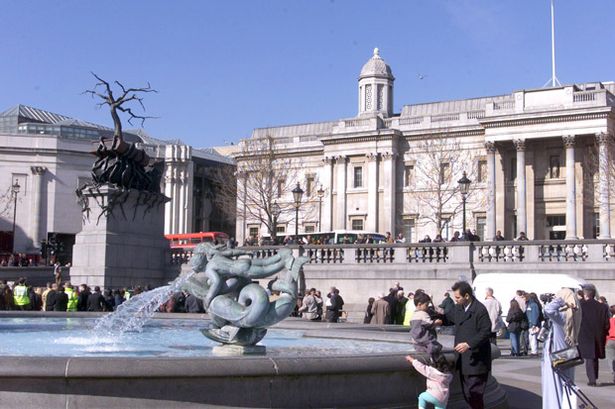
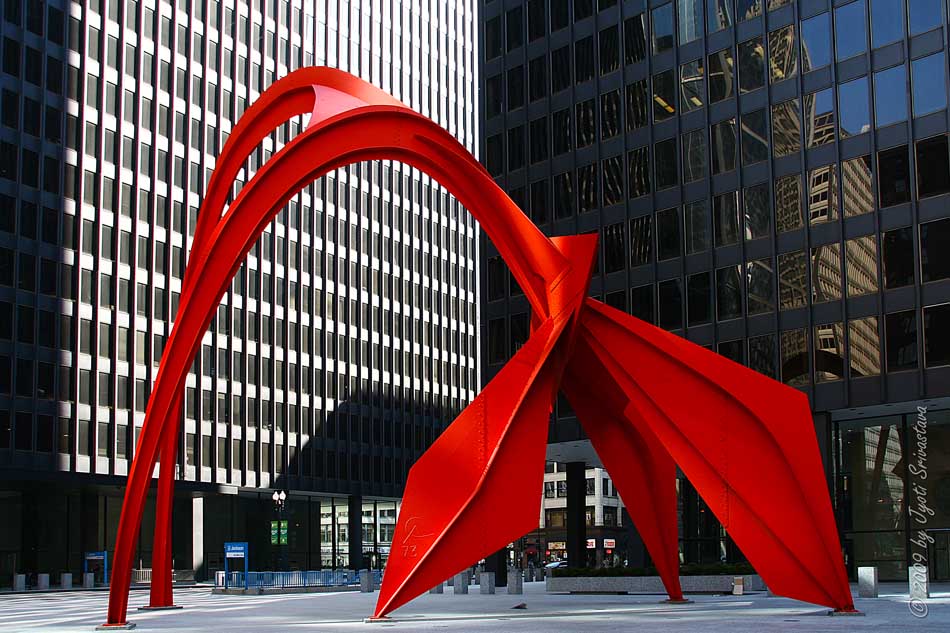
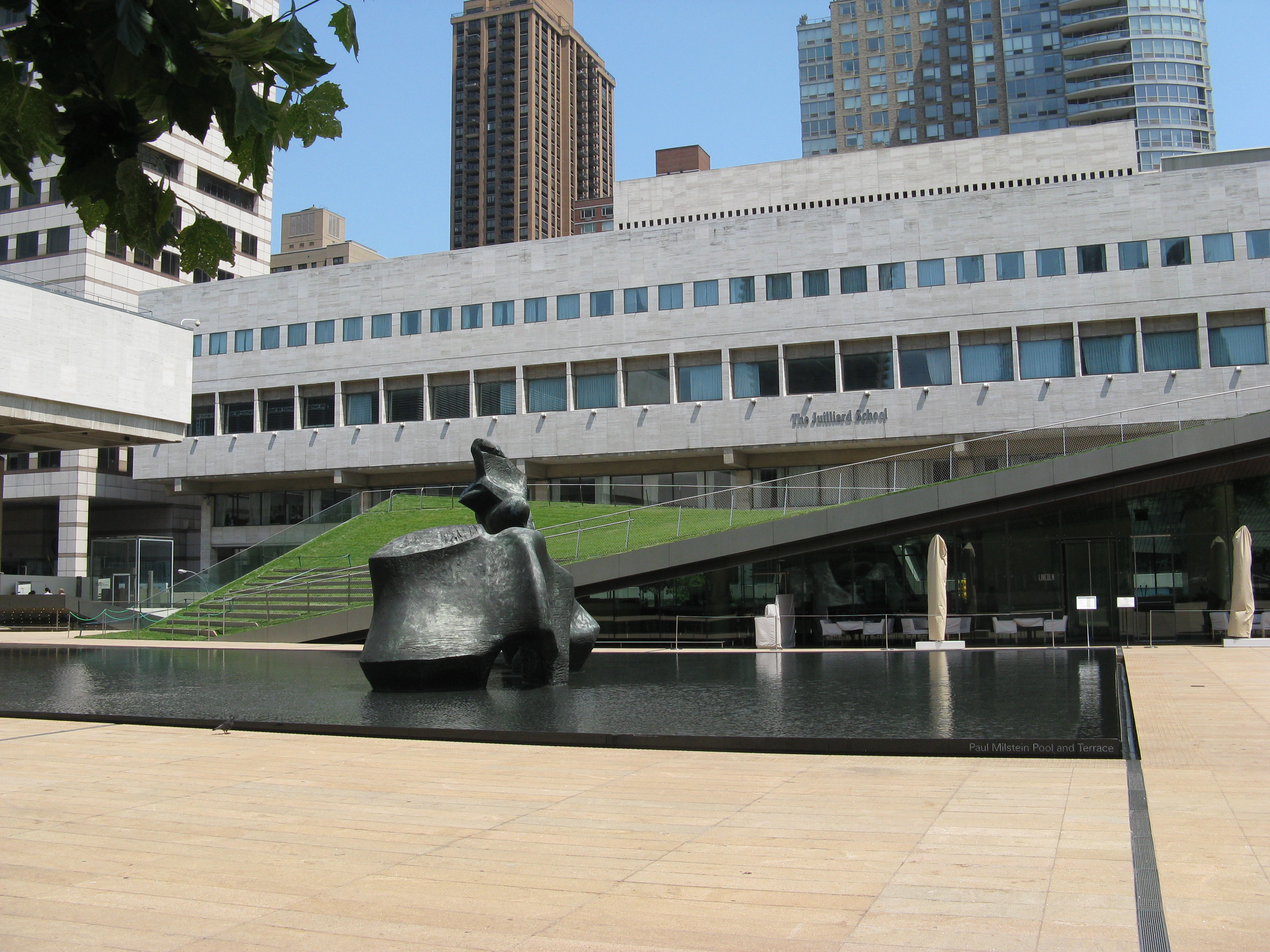
My wife and I were watching TV with one eye the other day when the BBC passed a programme which caught our attention. It was about the Yorkshire Sculpture Park in the north of England. I think a few words of explanation are required for those readers who have never heard of this Park (our situation before watching the BBC programme). It was established back in 1977 in the grounds of a stately home the last of whose aristocratic owners (Viscount Allendale) had sold it to the local council after World War II, no doubt to save his financial skin (I mentioned the financial woes of the UK’s stately homes in an earlier posting of mine). The idea is a simple one: rather than displaying modern sculpture in open spaces in cities like plazas
sculpture in cities-1

sculpture in cities-2

or squares

sculpture in cities-3

sculpture in cities-4

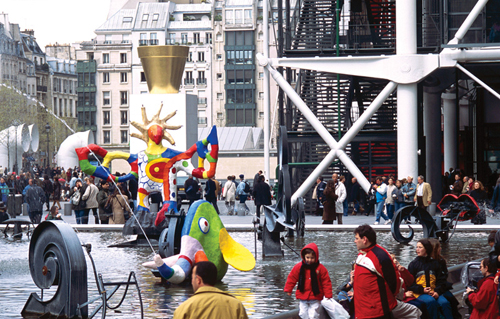
or using the atriums of posh buildings

sculpture in cities-6

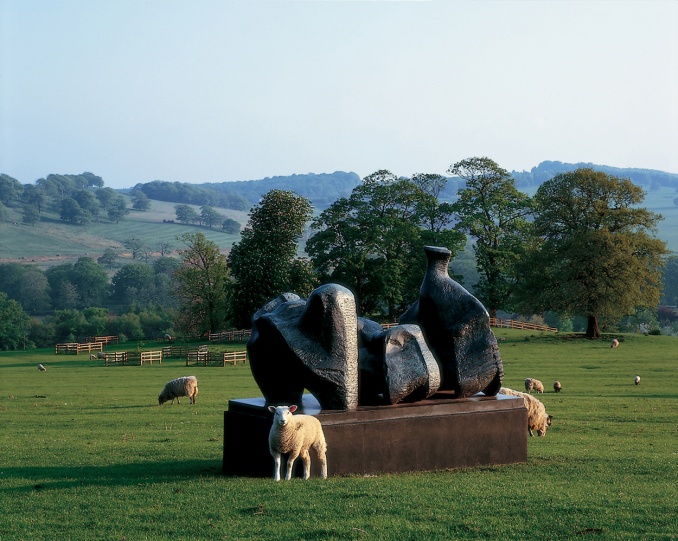
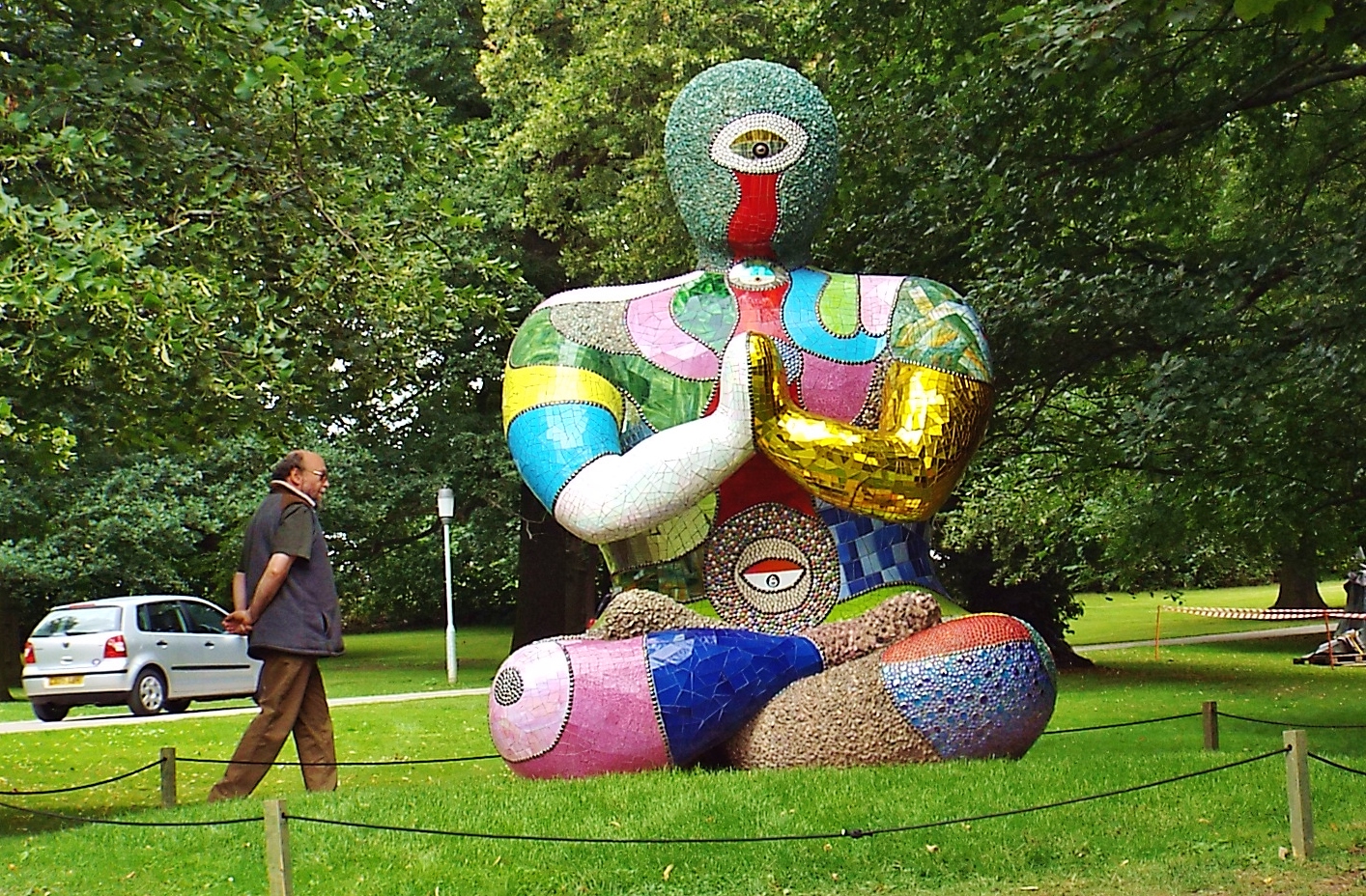
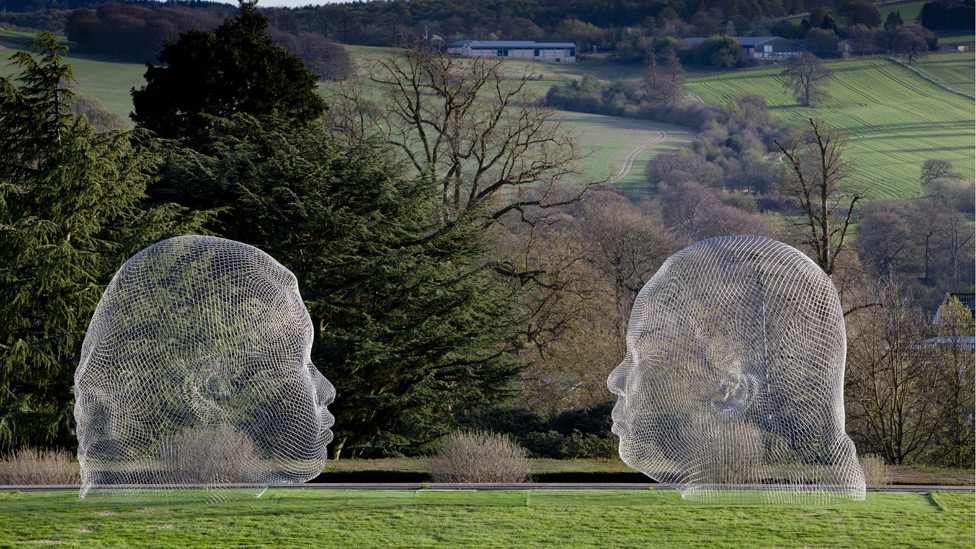
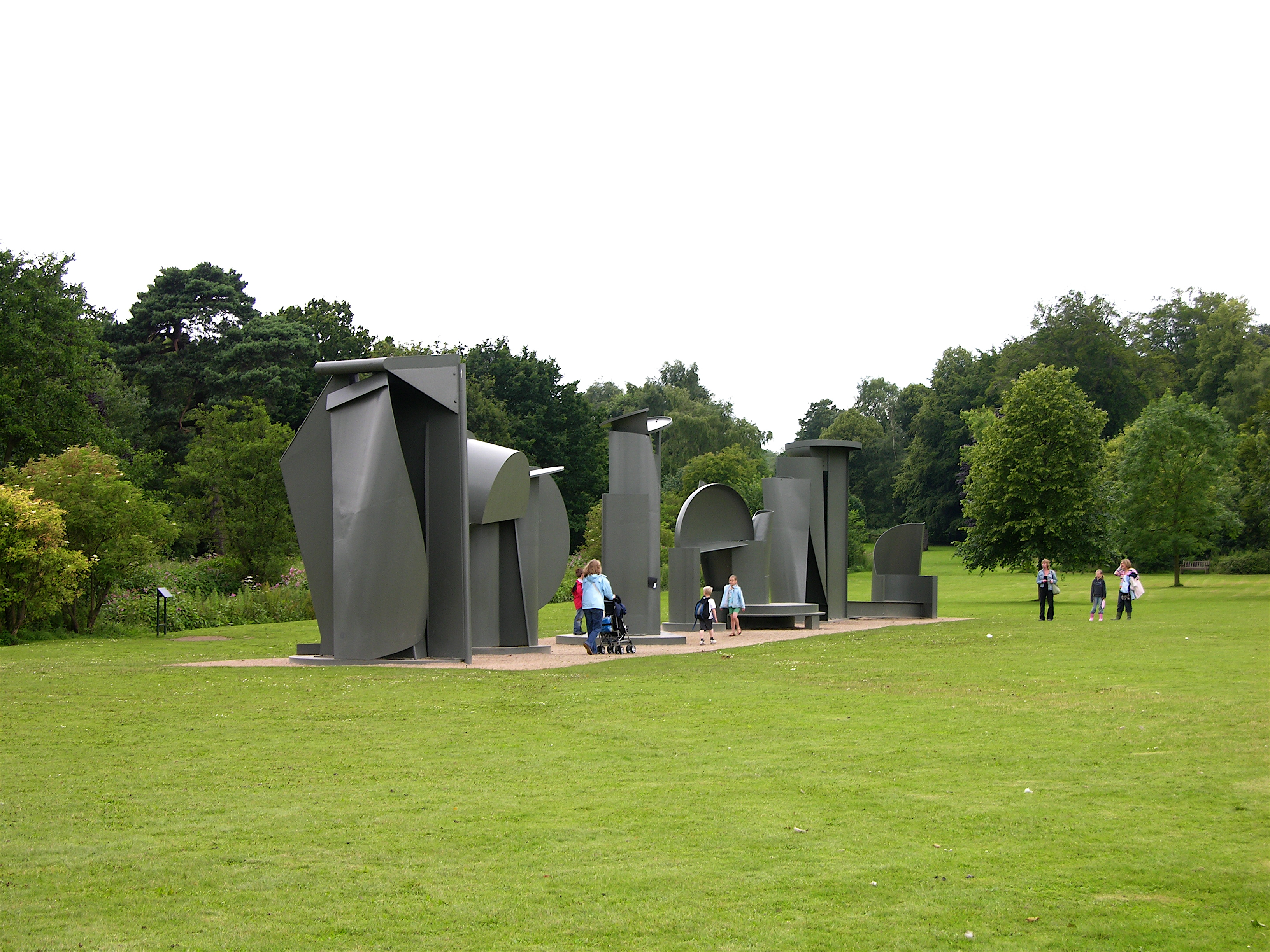
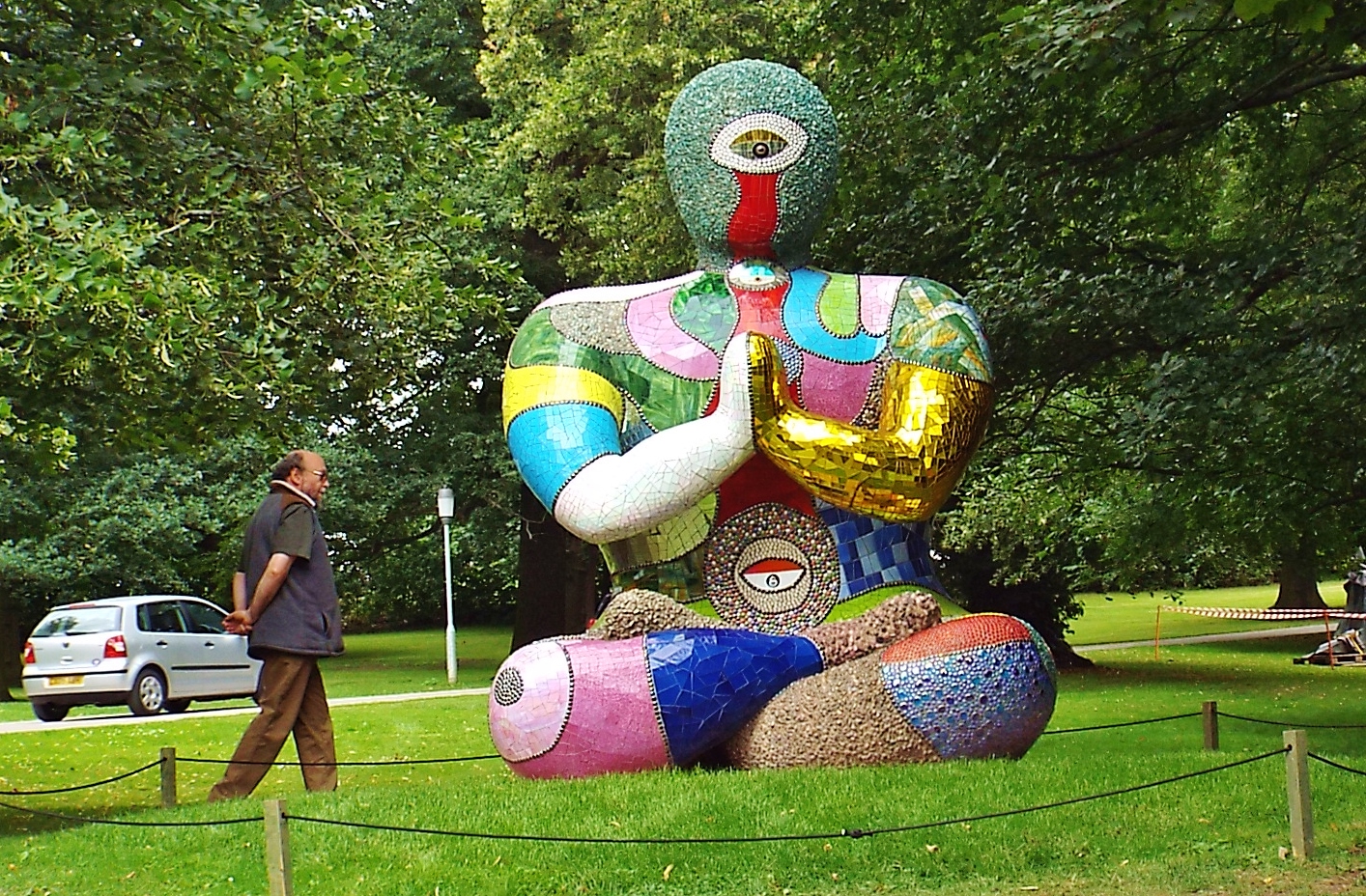
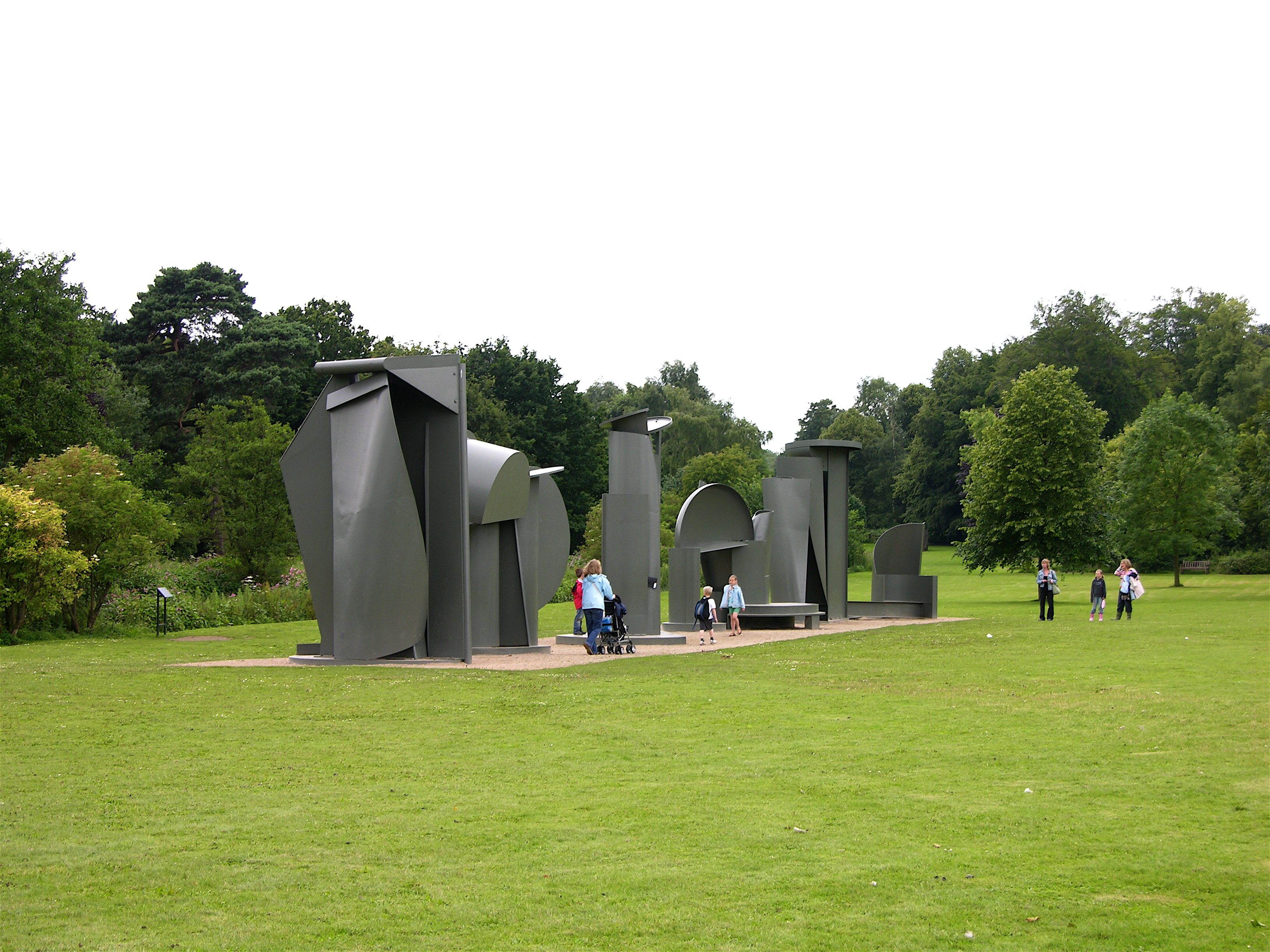
use the sweeping, open vistas of the countryside to display them. Here are some of the pieces at the Yorkshire Sculpture Park:
YSP-4
DSCN2327.JPG
YSP-6

YSP-9

YSP-10

YSP-14

YSP-1
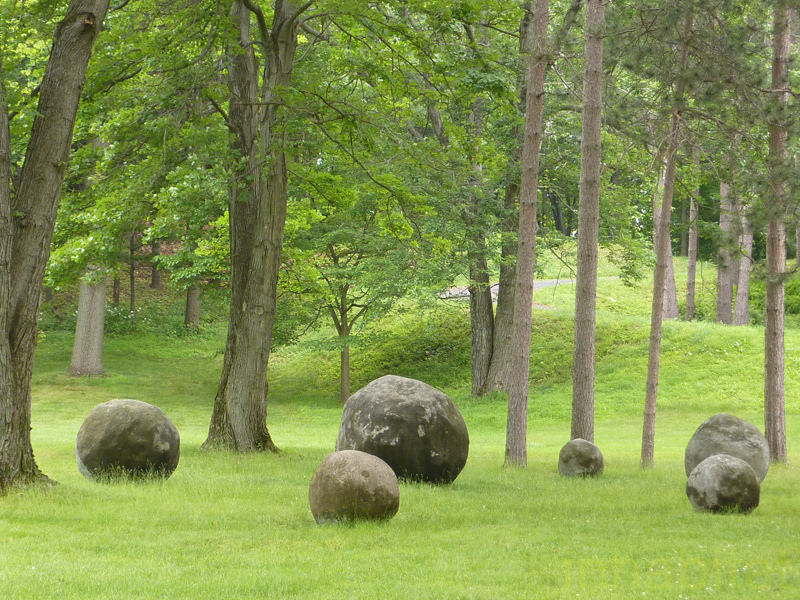
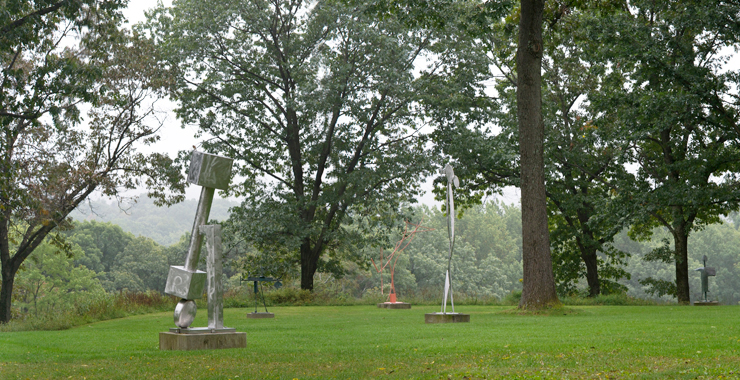
My wife and I agree on many things, and one of them is that modern sculptures are enhanced by being seen in a natural, organic setting rather than in the built urban environment. Personally, I think it has to do with the contrast between the dead surfaces of the sculptures and the much softer, living surfaces of the surrounding landscapes. It sounds a bit fancy, but the dead sculpture comes alive when in contact with organic life.

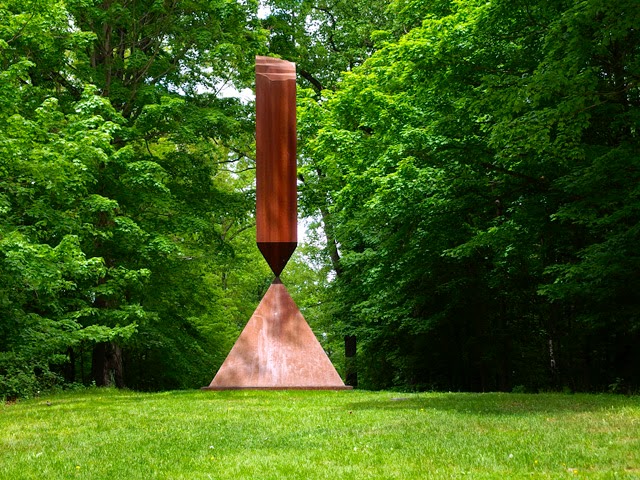
This was brought home to us very strongly when, 25 years ago, and on the advice of a friend who worked at the Metropolitan Museum of Art, we visited the Storm King Art Centre, which is an hour’s drive north of New York City, near the Hudson River. Here again, a few words of introduction. It’s really the classic American story (as much as the history of the Yorkshire Sculpture Park is the classic British story of modern times – decay of the old order and birth of a new one). A certain Mr. Ogden, after a successful career in the family business, purchased the land and property of Storm King and started collecting. He initially bought small sculptures which he exhibited around the house. At some point, he expanded out into the surrounding landscape, installing much bigger pieces. That’s it, in a nutshell. But the result – for us at least – was epiphanic.

In wonder we wandered along the rides mown through the grass, walking from one towering sculpture to another

SK-1

SK-4

from hilltops, we discovered long views across the surrounding landscape, where sculpture and land merged into one

SK-2

we walked through glades in the woods, each with their own sculpture

SK-8

SK-9

we entered the woods to find smaller, more intimate sculptures scattered under the trees

SK-7

SK-10

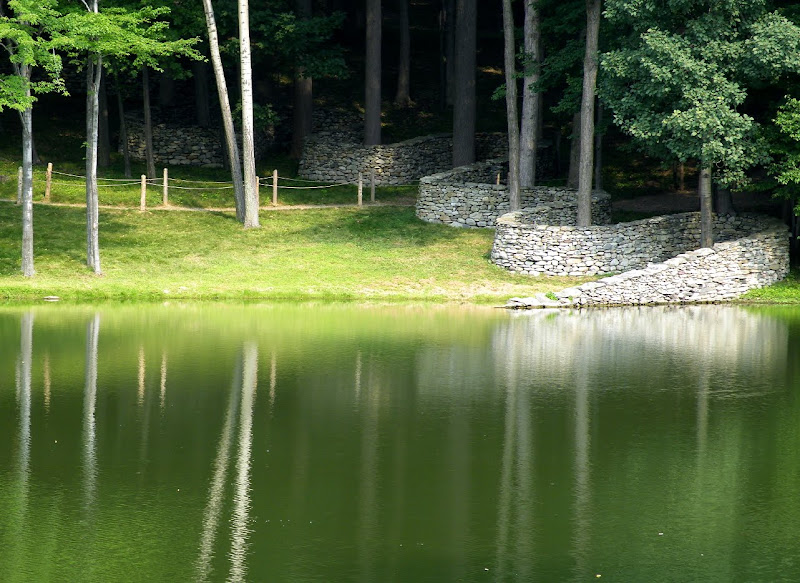
we also found a sculpture-wall meandering through them

SK-5

(better seen in this photo taken during the winter)

SK-14

we turned our steps back to the house, discovering other smaller sculptures set down in more formal gardens around the house.

SONY DSC

SK-11

And finally, we entered the house and fell upon a sculpture which in all these years I have never forgotten: a group of robotic-looking statues with small motors making their jaws work up and down and with a closed-loop recording of voices quietly droning “chatter, chatter, chatter, chatter, chatter, chatter …” on and on, endlessly. Wonderful.  Every time I find myself in one of those meetings where people blather on and on and on I recall this statue group with intense clarity.

So taken were we with Storm King that the very first time we went back to New York after an absence of fifteen years we made sure to find time to go up there. It cast the same spell over us – although sadly the chattering statues had vanished (smashed to smithereens, no doubt, by an employee crazed by their endless droning).

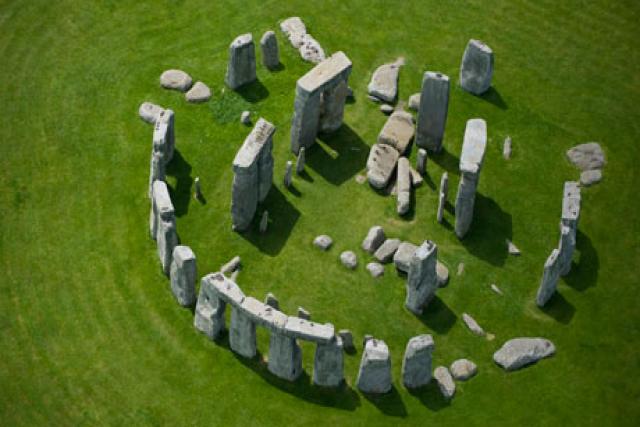
As I contemplate these photos, it occurs to me that many of the megalithic structures scattered across the face of Europe could pass as modern sculptures set down in the surrounding landscape. Stonehenge, the most iconic of all megalithic structures, is probably too much like a ruin to make this comparison
Stonhenge-2
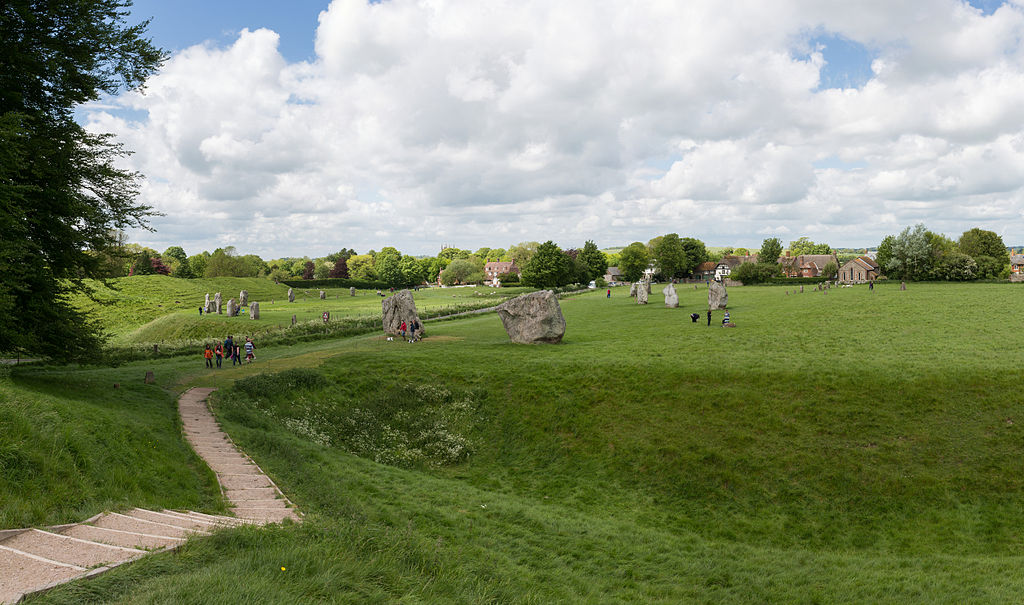
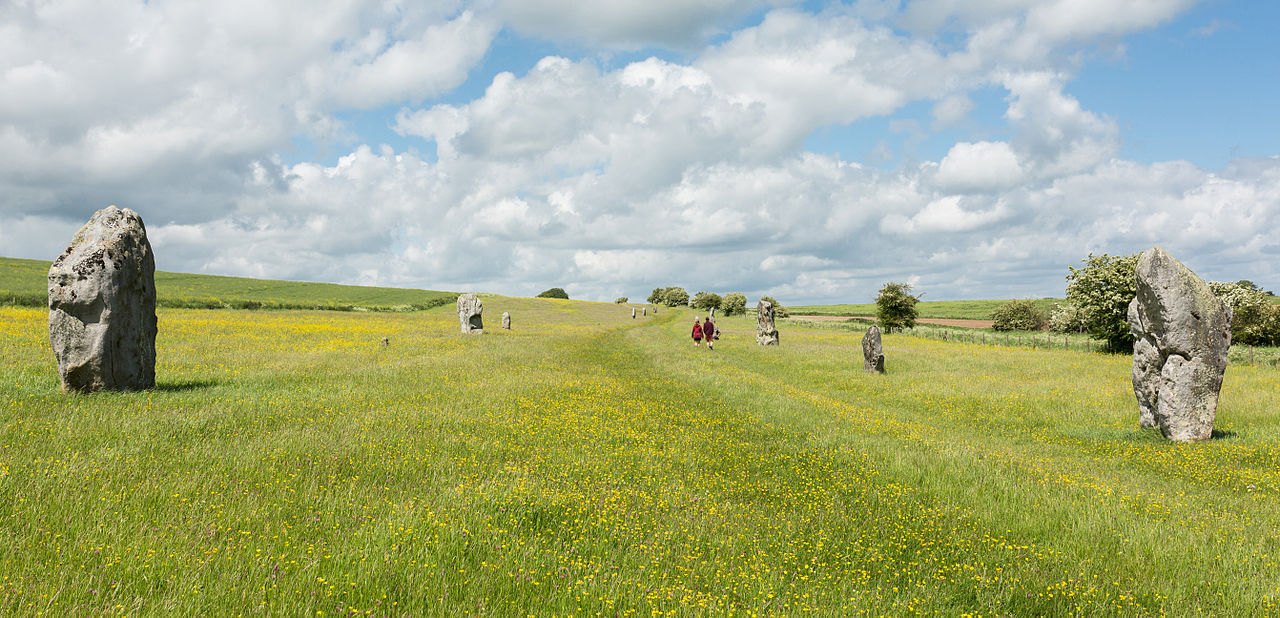
but Avebury, like Stonehenge located in Wiltshire, has something of the abstraction of sculpture parks

Avebury-2

Avebury-1

and how about Carnac, in Brittany?
carnac-1

carnac-2
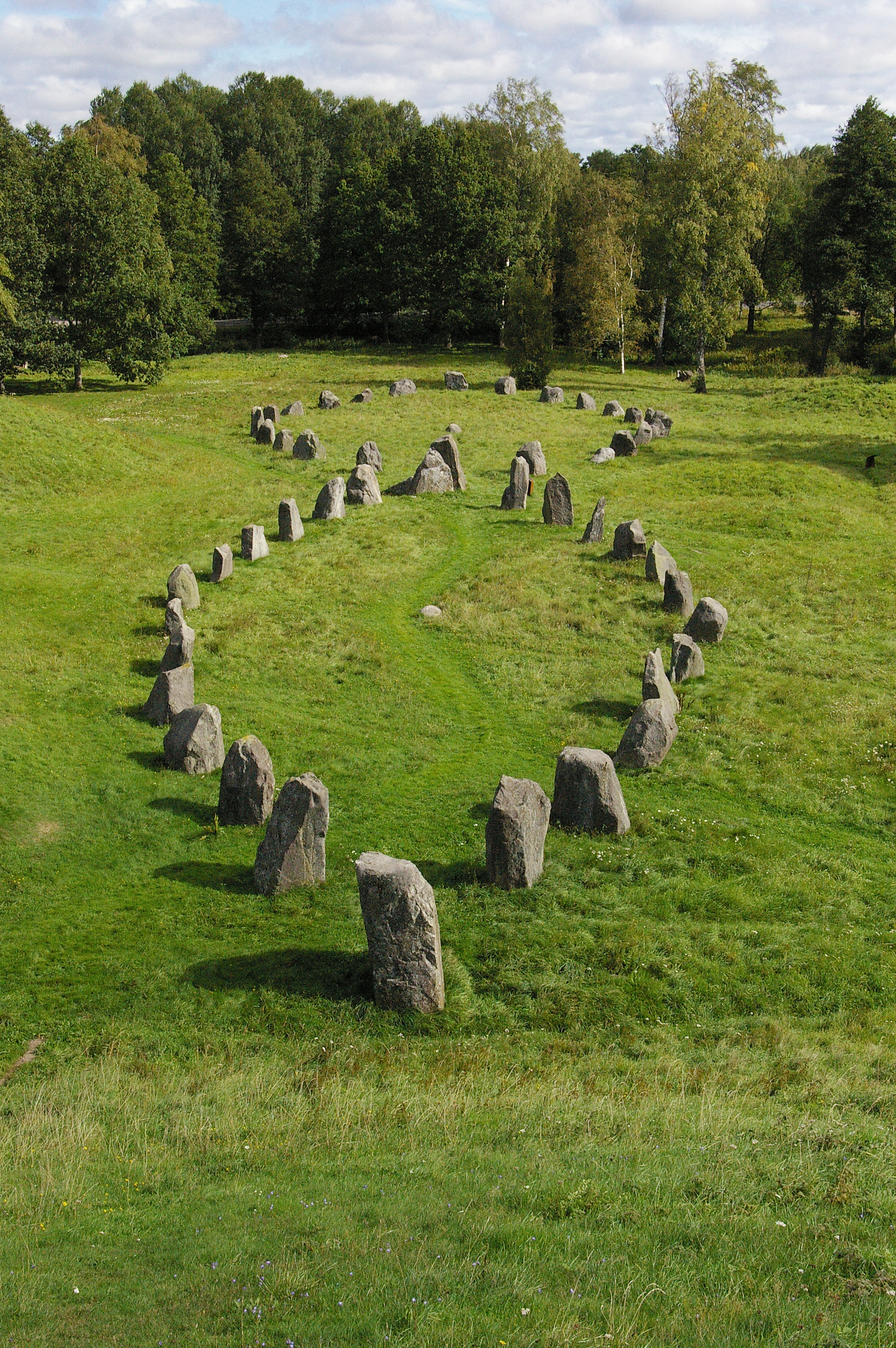
or Badelunda in Sweden?

Badelunda Västmanland

or the Ring of Brodgar, in the Orkney islands?

Ring of Brodgar

And even further afield, although not from the Mesolithic period, we have this intimate collection of upright stones in Toraja, Indonesia

OLYMPUS DIGITAL CAMERA

Of course, the people who built these structures were not building sculpture parks, but I have to think that they too were stirred by the same feeling of connectedness between their standing stones and nature as we have between sculpture and nature. They attributed this feeling to a divine grace in the place, we simply enjoy the feeling.

____________________________

Sculpture in cities-1: http://percivalhenry.files.wordpress.com/2014/03/52af841ee4b0b09acc808041-lost3f3f3f-1387234862071-flamingo.jpg [in http://percivalhenry.wordpress.com/2014/03/20/art-history-martch-madness-first-round-new-york-regional/comment-page-1/%5D
Sculptures in cities-2: http://upload.wikimedia.org/wikipedia/commons/2/26/Juilliard_School-Manhattan-New_york.jpg [in http://commons.wikimedia.org/wiki/File:Juilliard_School-Manhattan-New_york.jpg%5D
Sculpture in cities-3: http://i3.mirror.co.uk/incoming/article740970.ece/alternates/s615/A%20new%20sculpture%20on%20the%20fourth%20plinth%20in%20Trafalgar%20Square,%20central%20London%20The%20work%20by%20sculptor%20Bill%20Woodrow,%20entitled%20%27Regardless%20of%20History%27,%20%20shows%20a%20tree%20resting%20on%20a%20head%20and%20a%20book [in http://www.mirror.co.uk/news/uk-news/love-it-or-hate-it-bronze-rocking-741129%5D
Sculpture in cities-4: http://womenworld.org/image/082012/Paris%20-%20Beaubourg%20and%20Les%20Halles_1.jpg [in http://womenworld.org/travel/paris—around-town—beaubourg-and-les-halles-%28part-1%29.aspx%5D
Sculpture in cities-5: http://www-news.uchicago.edu/releases/06/images/cis/sculpture.jpg [in http://www-news.uchicago.edu/releases/06/060426.cis-photos.shtml%5D
YSP-1: http://www.yorkshireattractions.org/images/cms/attractions_21_3_large.jpg [in http://www.yorkshireattractions.org/visitor-attractions/21/yorkshire-sculpture-park%5D
YSP-2: http://upload.wikimedia.org/wikipedia/commons/0/0a/Yorkshire_Sculpture_Park_Caro_Promenade.jpg [in http://commons.wikimedia.org/wiki/File:Yorkshire_Sculpture_Park_Caro_Promenade.jpg%5D
YSP-3: http://antonyjwaller.files.wordpress.com/2012/06/nik_5931-copy.jpg [in http://antonyjwaller.wordpress.com/travel-articles/yorkshire-and-northern-england/the-yorkshire-sculpture-park/%5D
YSP-4: http://www.sculpture-info.com/upload/1008/image/Yorkshiresculpturepark.jpg [in http://www.sculpture-info.com/news-626/yorkshire-sculpture-park.html%5D
YSP-5: http://2.bp.blogspot.com/-6GgifPCMTc8/UgZKx2yojhI/AAAAAAAACDg/WYBKhXaNWp8/s1600/2+Buddha+and+Rob.JPG [in http://expertslife.blogspot.com/2013/08/picture-of-week-10-august-2013.html%5D
YSP-6: http://www.thomasharveydesign.co.uk/wp-content/uploads/2011/05/YSP6.jpg [in http://www.thomasharveydesign.co.uk/2011/05/09/yorkshire-sculpture-park-wakefield/%5D
YSP-7: http://news.bbcimg.co.uk/media/images/52104000/jpg/_52104252_7cbb7745-313f-43e9-8974-d144adf6c05f.jpg [in http://www.bbc.co.uk/news/entertainment-arts-13034363%5D
SK-1: http://brooklynimbecile.files.wordpress.com/2011/10/img_4256.jpg [in http://brooklynimbecile.com/2011/11/05/weekend-spread-storm-king-art-center/%5D
SK-2: http://3.bp.blogspot.com/-OWDq8YQCBog/UA6M17c9N6I/AAAAAAAAYI4/OqODfTIunKU/s1600/Mountainville_NY_A_Calder_Storm_King_AC_photo_S_Gruber_June_2012_+%2888%29.JPG [in http://publicartandmemory.blogspot.com/2012_07_01_archive.html%5D
SK-3: http://www.greenstrides.com/images-wp/Storm-King.jpg [in http://www.greenstrides.com/2013/07/10/sculpture-parks-can-inspire-your-own-garden-design/%5D
SK-4: http://4.bp.blogspot.com/-4sgNF1ufdU4/U4T1ul7DPRI/AAAAAAAAP8w/JzGsmMOY6No/s1600/Newman.jpg [in http://nycgarden.blogspot.com/2014/06/storm-king.html%5D
SK-5: http://i.vimeocdn.com/video/332835418_1280.jpg [in http://vimeo.com/48015694%5D
SK-6: http://inhabitat.com/nyc/wp-content/blogs.dir/2/files/2011/07/storm-king-boulders.jpg [in http://inhabitat.com/nyc/storm-king-art-center-a-summer-retreat-for-the-artsy-nature-loving-new-yorker/storm-king-boulders/%5D
SK-7: http://faeriemooncreations.blogspot.com/2010_11_01_archive.html [in http://faeriemooncreations.blogspot.com/2010_11_01_archive.html%5D
SK-8: http://4.bp.blogspot.com/_sVe9wO8fJls/S4zMOOgpUZI/AAAAAAAAEDo/IaUESi6KOGQ/s800/goldsw3.jpg [in http://lettuce-eating.blogspot.com/2010_03_01_archive.html%5D
SK-9: http://stormking.weebly.com/uploads/2/3/8/8/23889452/6893557.jpg [in http://stormking.weebly.com/permanent-collection.html%5D
SK-10: http://www.stormking.org/wp-content/uploads/2013/07/smith-lawn1.jpg [in http://www.stormking.org/collection-conversation/%5D
SK-11: http://eof737.files.wordpress.com/2011/09/img_2564.jpg?w=800 [in http://mirthandmotivation.com/2011/09/04/happiness-installation-art-at-storm-king/img_2564/%5D
Stonehenge: http://st-listas.20minutos.es/images/2013-06/362538/4049632_640px.jpg?1370571567 [in http://listas.20minutos.es/lista/maravillas-del-mundo-362538/%5D
Avebury-1: http://en.wikipedia.org/wiki/Avebury#mediaviewer/File:Avebury_Panorama,_Wiltshire,_UK_-_Diliff.jpg [in http://en.wikipedia.org/wiki/Avebury%5D
Avebury-2: http://en.wikipedia.org/wiki/Avebury#mediaviewer/File:Avebury,_West_Kennet_Avenue,_Wiltshire,_UK_-_Diliff.jpg [in http://en.wikipedia.org/wiki/Avebury%5D
Carnac-1: http://weadorefrance.com/es/images/w.800/h.600/c.1/d.guide_photos/sd./i.carnac-brittany-standing-stones-20130325.jpg [in http://weadorefrance.com/es/brittany-bretagne/g.31%5D
Carnac-2: http://media.tinmoi.vn//2012/02/27/4_28_1330310626_92_20120224114942_l6.jpg [in http://www.tktyt1haiduong.edu.vn/?p=888%5D
Badelunda, Sweden: http://upload.wikimedia.org/wikipedia/commons/d/d3/Badelunda_V%C3%A4stmanland_Sweden.jpg [in http://some-landscapes.blogspot.com/2011_10_01_archive.html%5D
Ring of Brodgar, Orkney: http://en.wikipedia.org/wiki/Ring_of_Brodgar#mediaviewer/File:RingofBrodgar.jpg [in http://en.wikipedia.org/wiki/Ring_of_Brodgar%5D
Toraja, Indonesia: http://tribudragon.files.wordpress.com/2013/03/2-tt-6.jpg [in http://tribudragon.wordpress.com/category/indonesia/%5D

CAPABILITY BROWN

London, 12 May 2014

When I studied history in primary school, it was still taught the old way, by rote. So one learned royal genealogies by heart (“William the Conqueror, William Rufus, Henry I, Stephen, Henry II, Richard I, John Lackland”, etc.) as well as names of battles and the year they were fought (“Battle of Hastings 1066, Battle of Bannockburn 1314, Battle of Crecy 1346, Battle of Agincourt 1415, Battle of Naseby 1645, Battle of Culloden 1746” etc.). It was all very 1066 And All That, which is why I so dote on that book. One especially tricky set of battles to remember were those won by the Glorious Duke of Marlborough, who really stuck it in the eye of the French King, rah-rah (it was especially trying to be half French in these moments of our history classes when the Brits were triumphing over the French). For those of my readers who might have forgotten these battles (or much more probably have never heard of them), we are talking about the Battles of Blenheim, Ramillies, Oudenaarde, and Malplaquet, fought in the years 1704, 1706, 1708, and 1709. To help us remember the names of these battles and their dates, our history teacher taught us an ingenious mnemonic in the form of a telephone number: BROM-4689 (only British readers as old as me will remember that there was a time when UK telephone numbers were a mix of letters and numbers). So now, for the rest of my life I will remember the dates of these four battles, glorious victories for the British, rah-rah. A quick whip through the internet shows me that my history teacher wasn’t the only one who used this mnemonic, which has somewhat deflated the admiration I have had for him all these years.

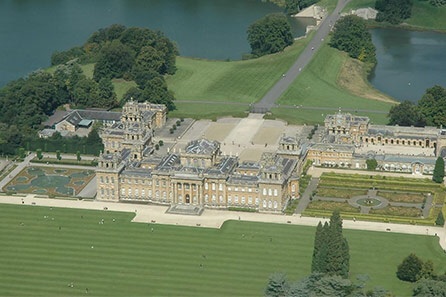
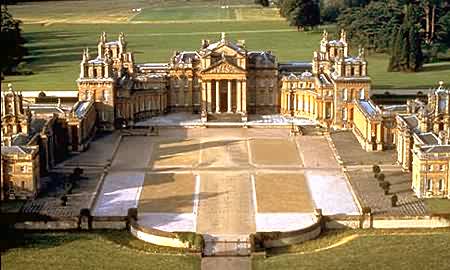
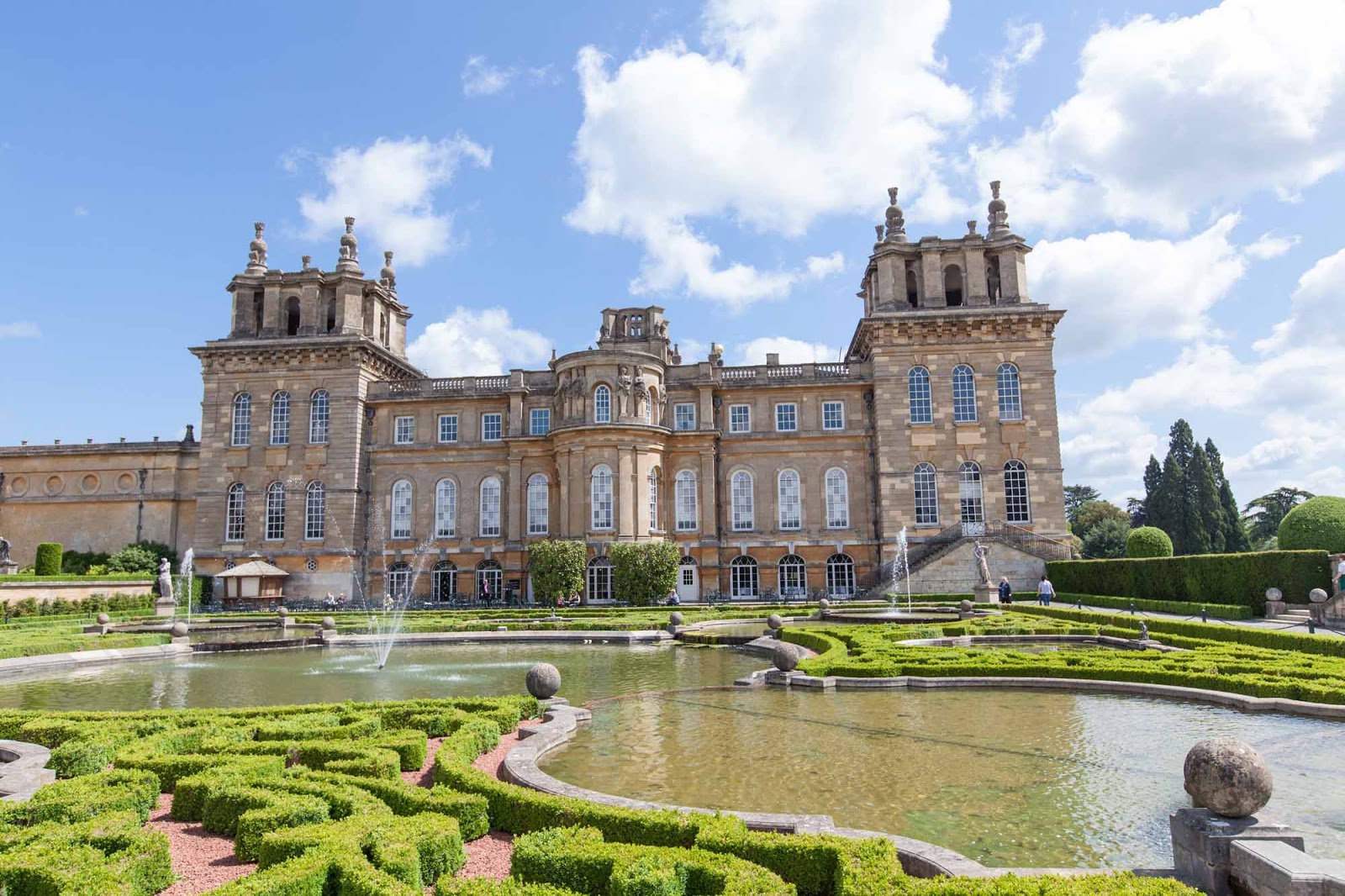
If I am recounting this old story, it is to explain the emotion which I felt when my wife and I visited Blenheim Palace a few days ago. After all those years of having BROM-4689 uselessly rattling around my brain, I could finally see a concrete output of at least one of these battles, the Battle of Blenheim.  For the Duke of Marlborough was given a modest manor and its grounds by a grateful Queen and a promise of funds from “the nation” (i.e., the taxpayer) to knock down the manor and build a grand new home and garden, worthy of the victor of the glorious Battle of Blenheim, rah-rah. In the event, the Duke and Duchess (because she was heavily involved) got little if any funds from the “grateful nation” and the Duke paid for most of the works from his own pocket. The story of the building’s construction is worthy of an opera, but I will skip over that to focus on the end result, here seen in all its glory from the air

image

image

image

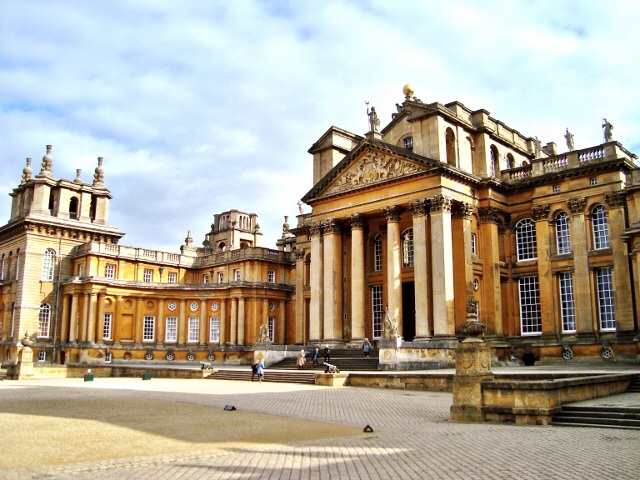
To be honest, I think it’s really only from the air that one can appreciate this ducal pile. My wife and I found that from ground level it’s all rather overpowering. Here’s a shot of the front taken by another visitor. Note the size of the persons compared to the building.

image
We visited the inside, looking respectfully at all the nice things displayed – the portraits of worthy grandees, the tapestries, the long library with its organ, the expensive baubles scattered over various surfaces – but all the time my wife and I kept saying to each other “how did the Dukes keep this place warm and lit?” The bills for the upkeep must have been staggering. And in fact the current Duke has had to do all sorts of things (add a little train, build a butterfly house and a maze) to attract the tourists and get their entry fee. And you can get married there – for a fee. Etc., etc.

What really caught me was the garden. It would, of course. It was designed by Lancelot “Capability” Brown. I love his style, which is so very naturalistic. He creates these undulating fields of grass which sweep up to the house. He scatters clumps or belts of trees, or even individual trees, over these fields. He will often create lakes by invisibly damming small rivers or streams running through the property. His garden at Blenheim Palace has all of these. This is a modern photo

image

But I prefer this old painting

image

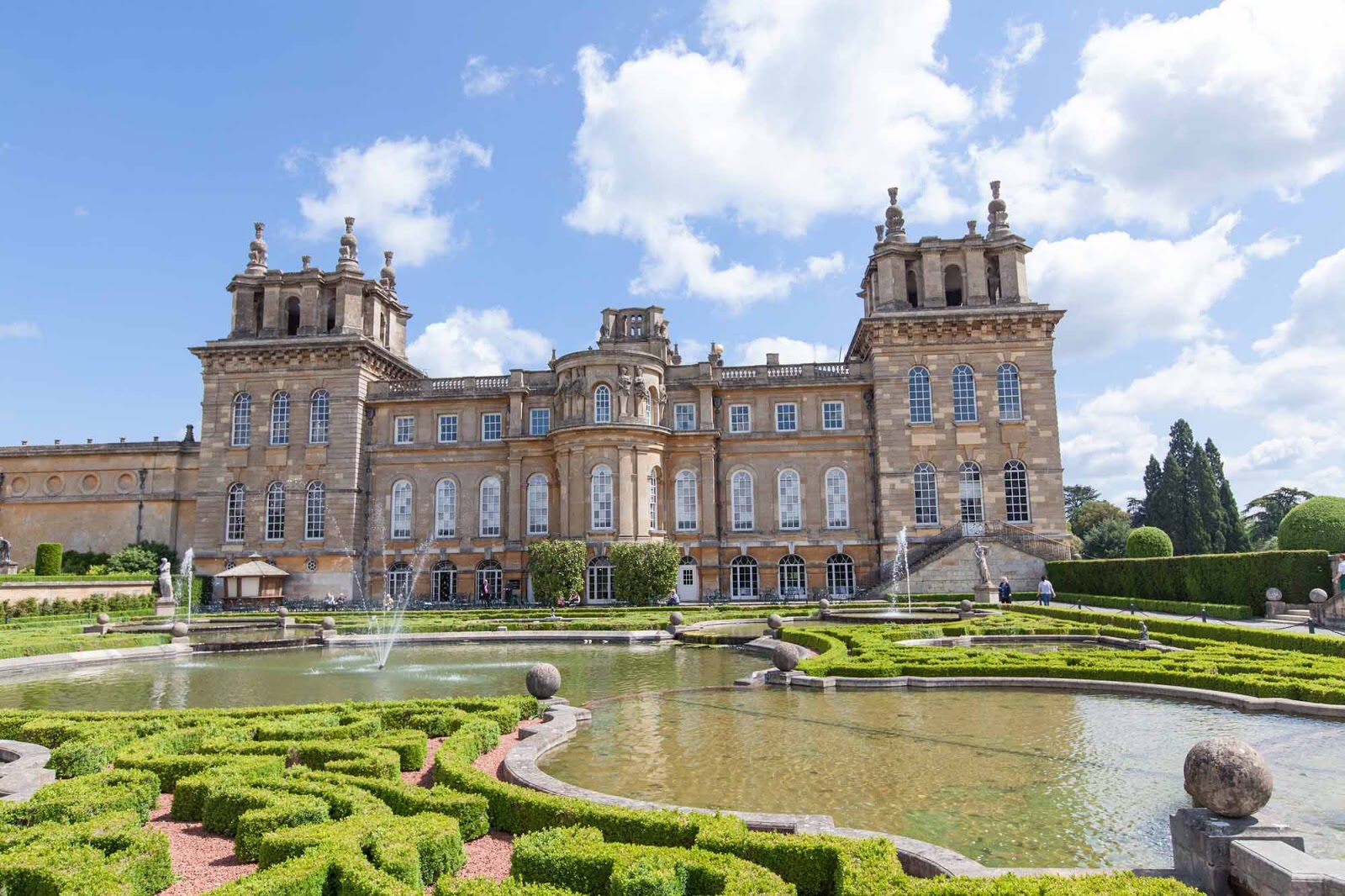
For me, Capability Brown’s gardens are the quintessence of the English garden, preferable by far to the strict and sterile geometry of a French garden, of which Blenheim Palace also has an example.

image

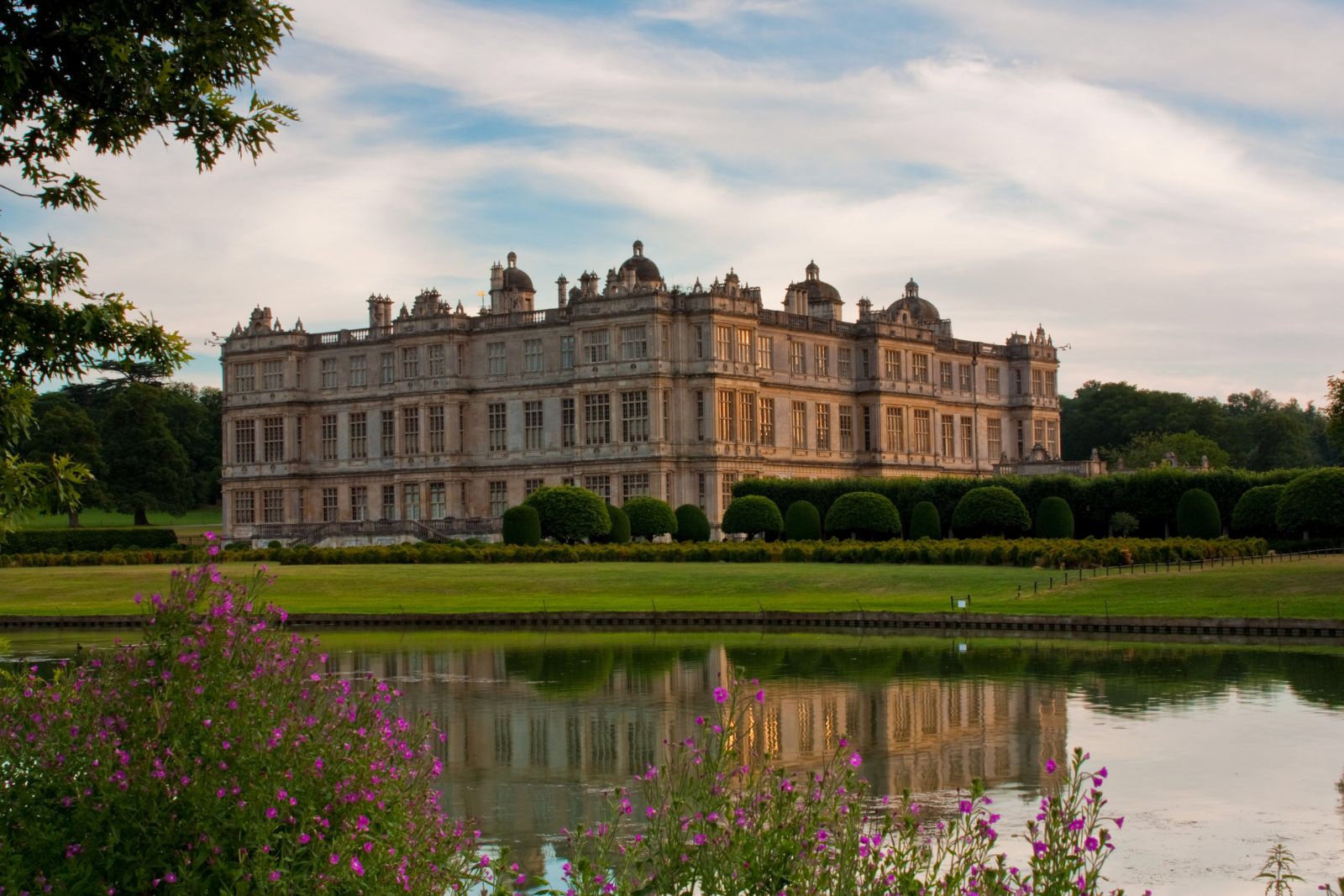
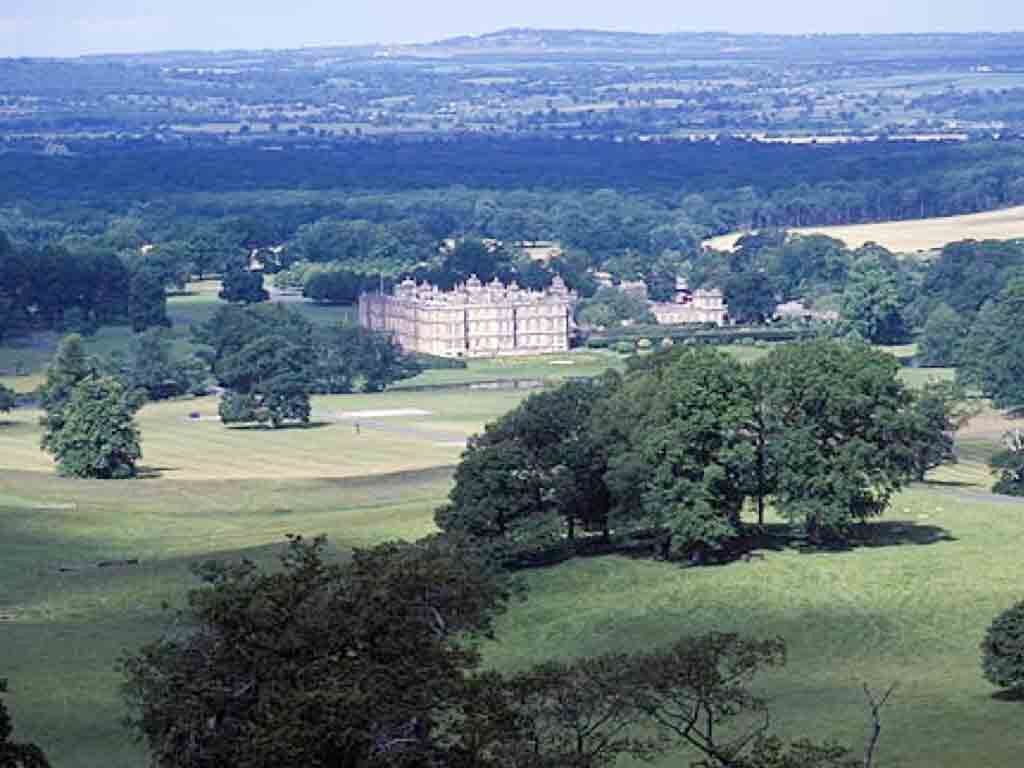
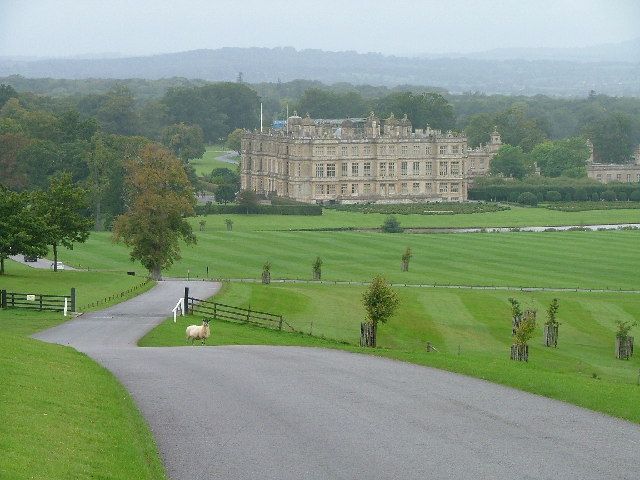
By one of those strange twists of Fate which one’s life is filled with, I had first come across Capability Brown at the same time that I was learning BROM-4689. My grandmother had come down for the weekend to visit me in my primary school and she took me to visit Longleat House, another of those stately homes which dot the English countryside, this time belonging to the Marquesses of Bath.

image

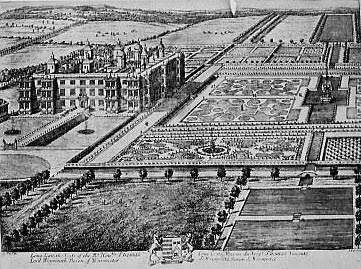
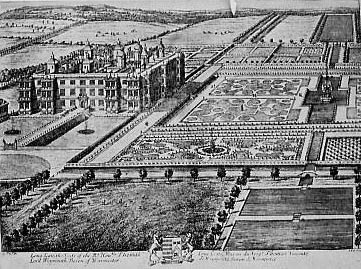
As required by the fashion of the times, Longleat had boasted of a very large, formal French garden

image

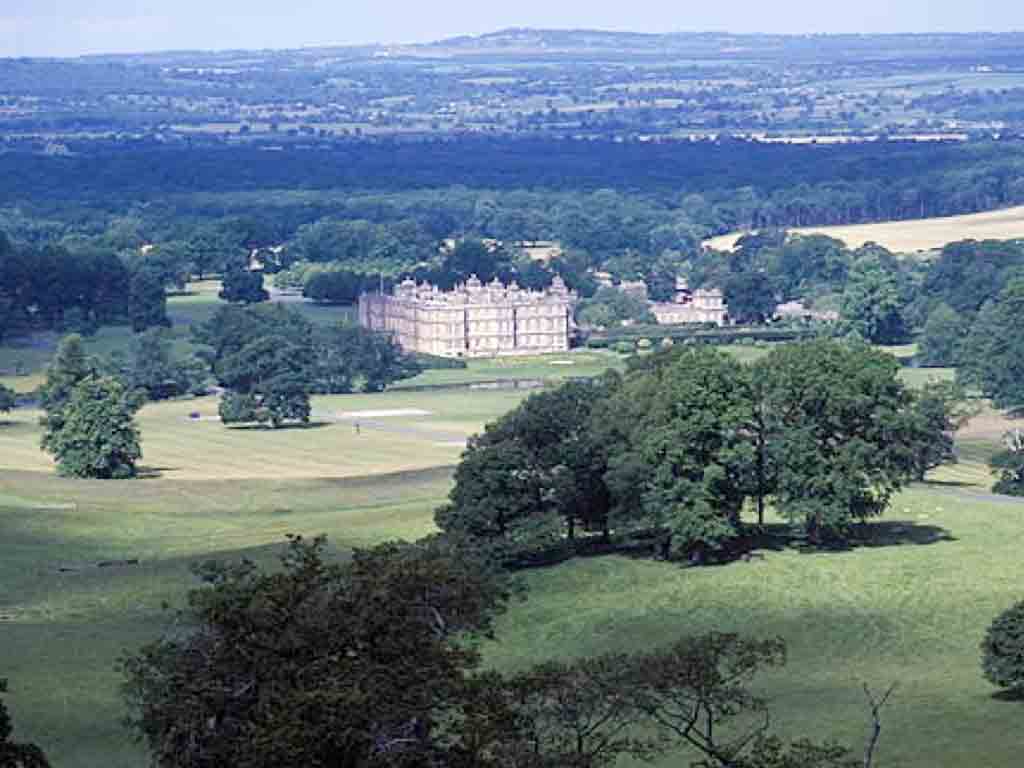
but luckily good sense had prevailed and the 1st Marquess of Bath (they had been mere Viscounts before that …) had hired Capability Brown to replace the formal gardens with one of his creations.

image

See how Brown’s work fits seamlessly into Britain’s natural landscape.

image

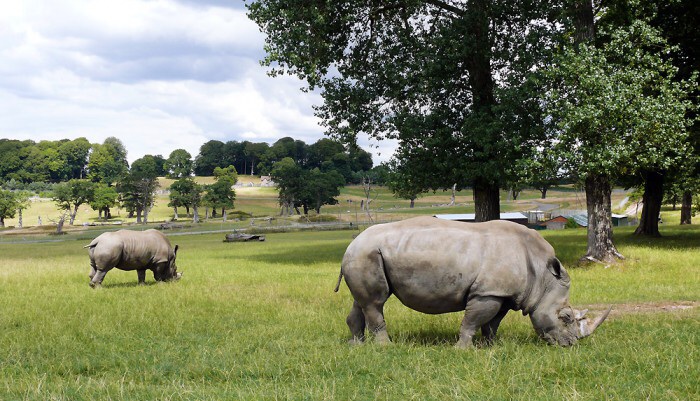
Of course, the Marquesses of Bath have been under the same financial pressure as the Dukes of Marlborough. At Longleat, the Marquesses have adopted the same kind of tourist attractions as the Dukes at Blenheim: little trains, mazes, weddings, and so on. But the Marquesses went one step further and created one of the first Safari Parks in the UK in the grounds of Longleat. So in Capability Brown’s landscape we now find lions, giraffes, zebras, and more.

image

How fallen are the mighty. But what to do, even Dukes and Marquesses (finally) have to make a living like everyone else.

___________________

Blenheim Palace aerial view-1: http://4.bp.blogspot.com/-khCnNCcHPyE/T9bWqchSzrI/AAAAAAABYSY/dPjnMkUU-ME/s1600/011_blenheim-palace_theredlist.jpg (in http://loveisspeed.blogspot.com/2012/06/blenheim-palace-england.html)
Blenheim Palace aerial view-2: http://s1.acorneplc.info/content/img/product/main/visit-to-blenheim-palace-31143824.jpg (in http://www.virginexperiencedays.co.uk/visit-to-blenheim-palace-with-a-deluxe-picnic-for-two)
Blenheim Palace aerial view-3: http://bestvaluetours.co.uk/images/products/gt-bpct-n/xl-p-233-blenheim-palace.jpg (in http://bestvaluetours.co.uk/search-the-cotswolds-and-bleheim-palace-day-tour-129)
Blenheim Palace front door: http://satnavandcider.files.wordpress.com/2012/05/blenheim-palace-front-8973-640×480.jpg (in http://satnavandcider.wordpress.com/2012/05/03/at-blenheim-palace-keep-off-the-gravel/)
Blenheim Palace-gardens-modern photo: https://www.english-heritage.org.uk/content/news/2011/images/blenheim-palace (in https://www.english-heritage.org.uk/about/news/exclusive-members-event-woodstock-literary-festival/)
Blenheim Palace-gardens-old painting: http://upload.wikimedia.org/wikipedia/commons/6/6a/Blenheim_PalaceDE.jpg (in http://en.wikipedia.org/wiki/Blenheim_Palace)
Blenheim Palace-formal gardens: http://3.bp.blogspot.com/-DNgdli09UZA/UQwuWAE-IaI/AAAAAAAAK-s/DfxInZN3z7s/s1600/photo+email.jpg (in http://www.weddingblogdesigner.com/2013/02/bleneim-palace_4.html)
Longleat House: http://www.chch.ox.ac.uk/sites/default/files/images/development/dev2011/longleat-house.jpg (in http://www.chch.ox.ac.uk/development/events/future/2005/7-july-longleat-house-visit)
Longleat old French gardens: http://upload.wikimedia.org/wikipedia/commons/e/e2/Longleat_by_Knyff_edited.JPG (in http://en.wikipedia.org/wiki/Longleat)
Longleat gardens: http://www.writework.com/uploads/3/39734/english-longleat-house-wiltshire-longleat-house-home-lord-ba.jpg (in http://www.writework.com/essay/ao1-investigating-business-actais-and-longleat-aims-and-ob)
Longleat aerial view: http://4.bp.blogspot.com/-MO9gG__FJ7U/T03YIfdx_kI/AAAAAAAAAQc/9U-JgcFxX6Y/s1600/Brown+-+Longleat.001.jpg (in http://www.gardenhistorymatters.com/2012/12/lancelot-brown-is-blogging.html)
Rhinos at Longleat: http://www.millfarmglamping.co.uk/wp-content/uploads/2012/09/longleat-700×401.jpg (in http://www.millfarmglamping.co.uk/in-this-area/longleat/)
PEKING DUCK LIKE OPIUM

Beijing, 30 April 2014

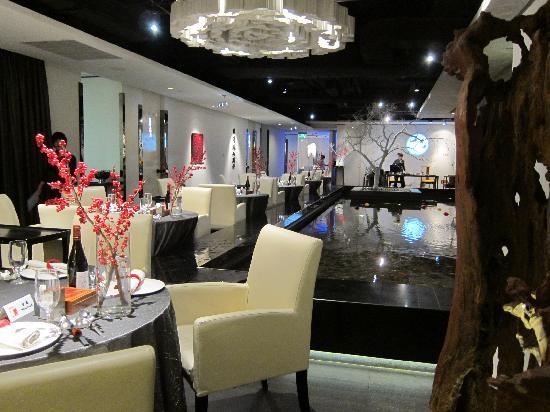
One of the first things my wife and I did when we arrived in Beijing was to eat Peking Duck. Well, not quite the first thing. We waited until the children came a few months later to visit us at Christmas before trying this Beijing delicacy. It was worth the wait. We went to the Dadong restaurant, which in the meantime has grown exponentially into a chain of really quite swanky restaurants scattered throughout the city.

dadong restaurant

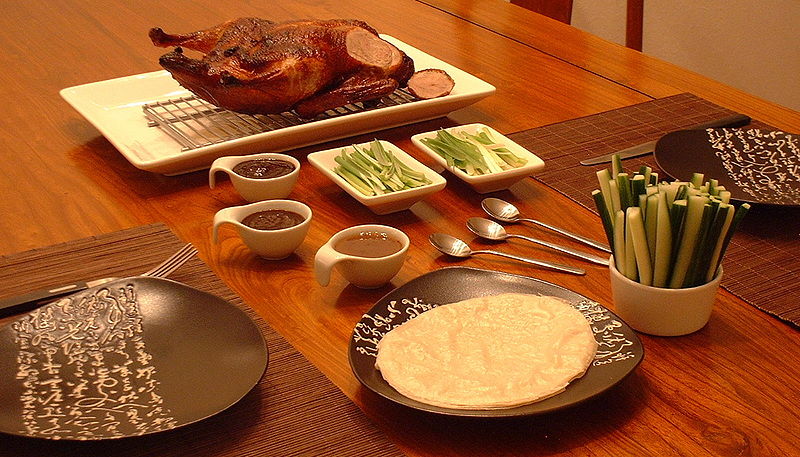
For readers who have not tried this dish, it presents itself so:

Peking Duck complete dish-3

As you can see, we don’t just have duck. Many other ingredients are part of the package. Eating Peking Duck requires one to follow a certain, very specific procedure, to bring together all these ingredients in the right order. Allow me to walk readers through the Standard Operating Procedure (SOP) for eating Peking Duck.

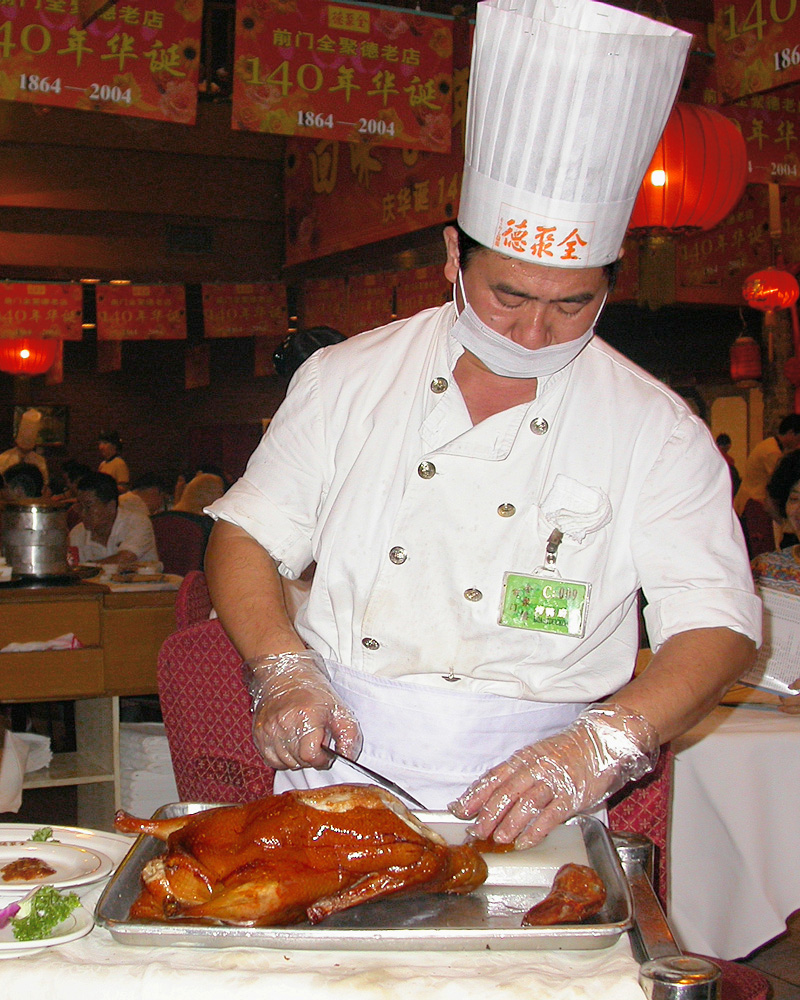
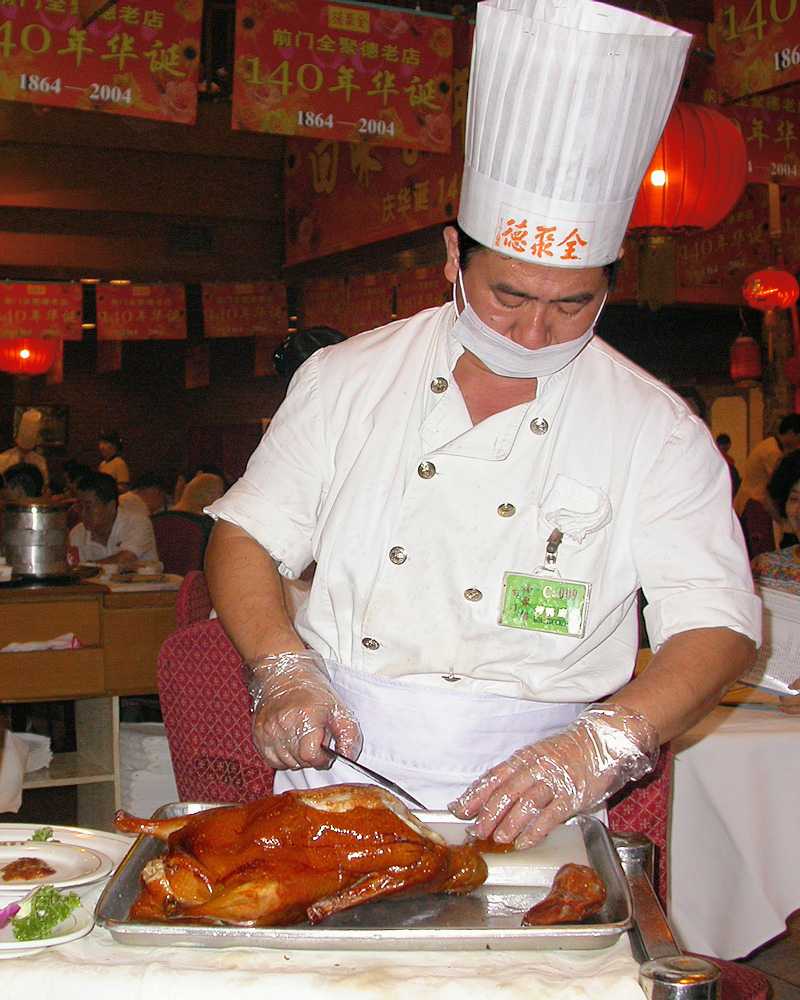
1. Look on respectfully as a chef comes to your table and slices up the bird in front of you.

cook slicing the duck

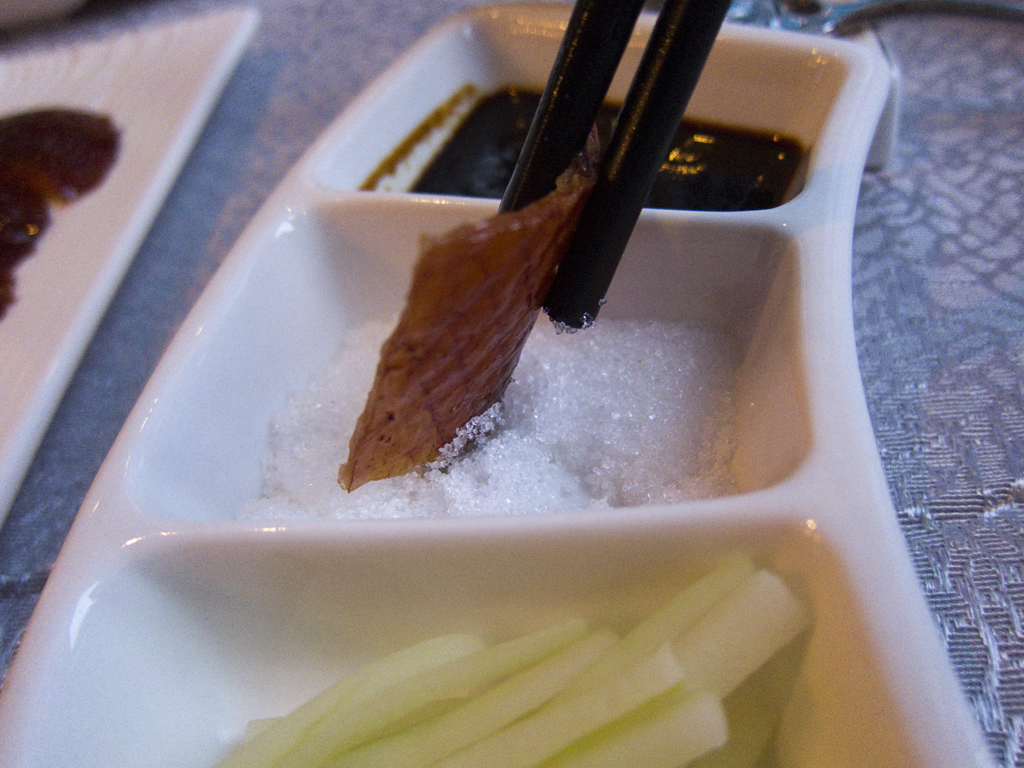
2. Start with the crispy skin. Take a piece or two, dip into sugar, and eat.

dipping skin in sugar

Personally, I find that one piece is enough for me; it’s just too fatty.

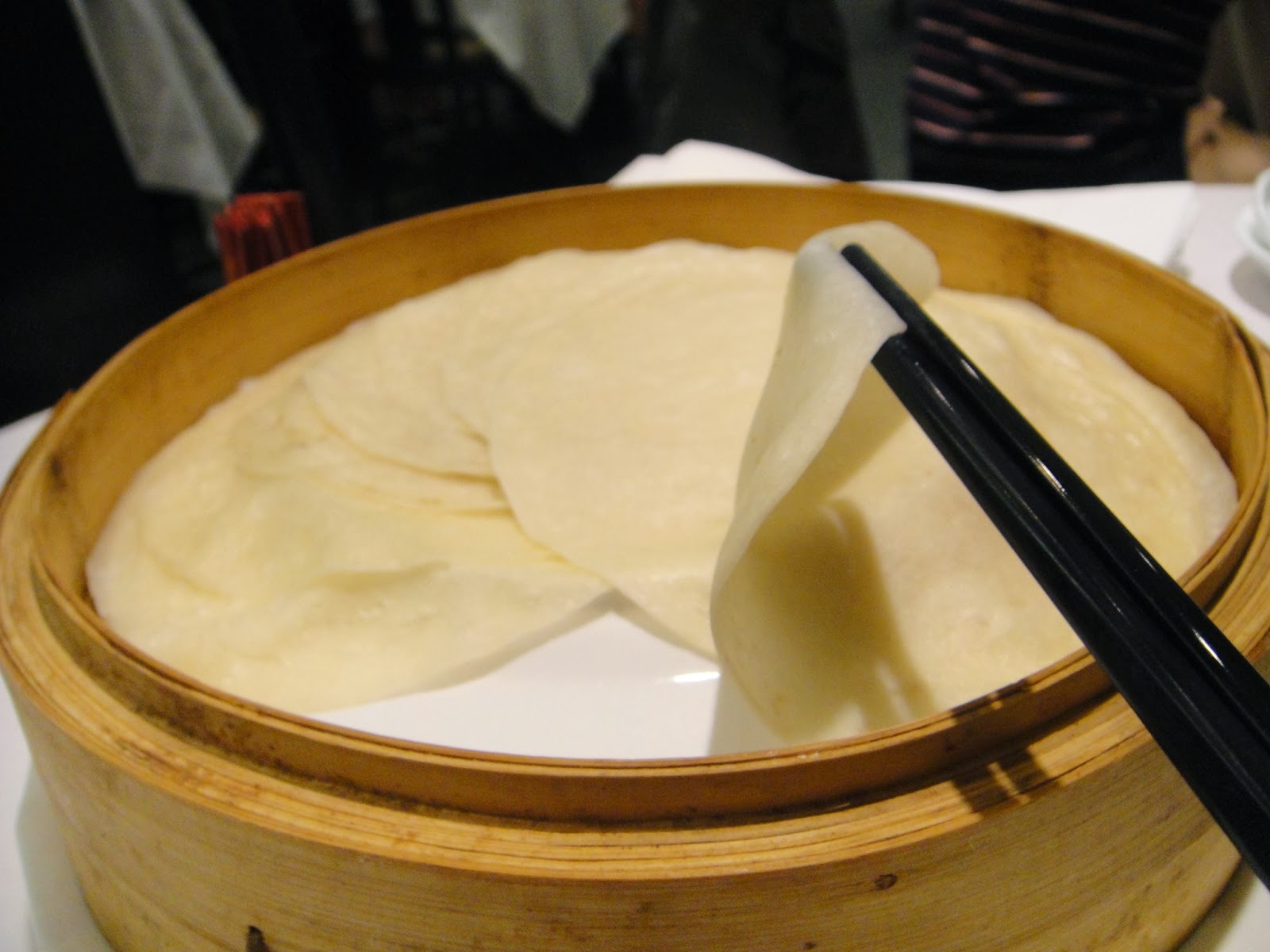
3. Start in on the duck meat proper. Pick up a wafer-thin circular crepe. For neophytes in the use of chopsticks, this can be an immense challenge.
picking up crepes
4. Use the chopsticks to smear dollops of the various sauces onto the bread wrap. The usual menu of sauces include sweet bean sauce or hoisin sauce, which is a thick, pungent sauce usually including soy, red chilies, garlic, vinegar and sugar.
hoisin sauce
5. Place the slices of roast duck on the bed of sauce. A mix of crackling skin and meat is the optimal choice. More sauce can be smeared on the meat if so desired. Place on top of the duck a couple of thinly sliced scallions.

duck and spring onions on crepe

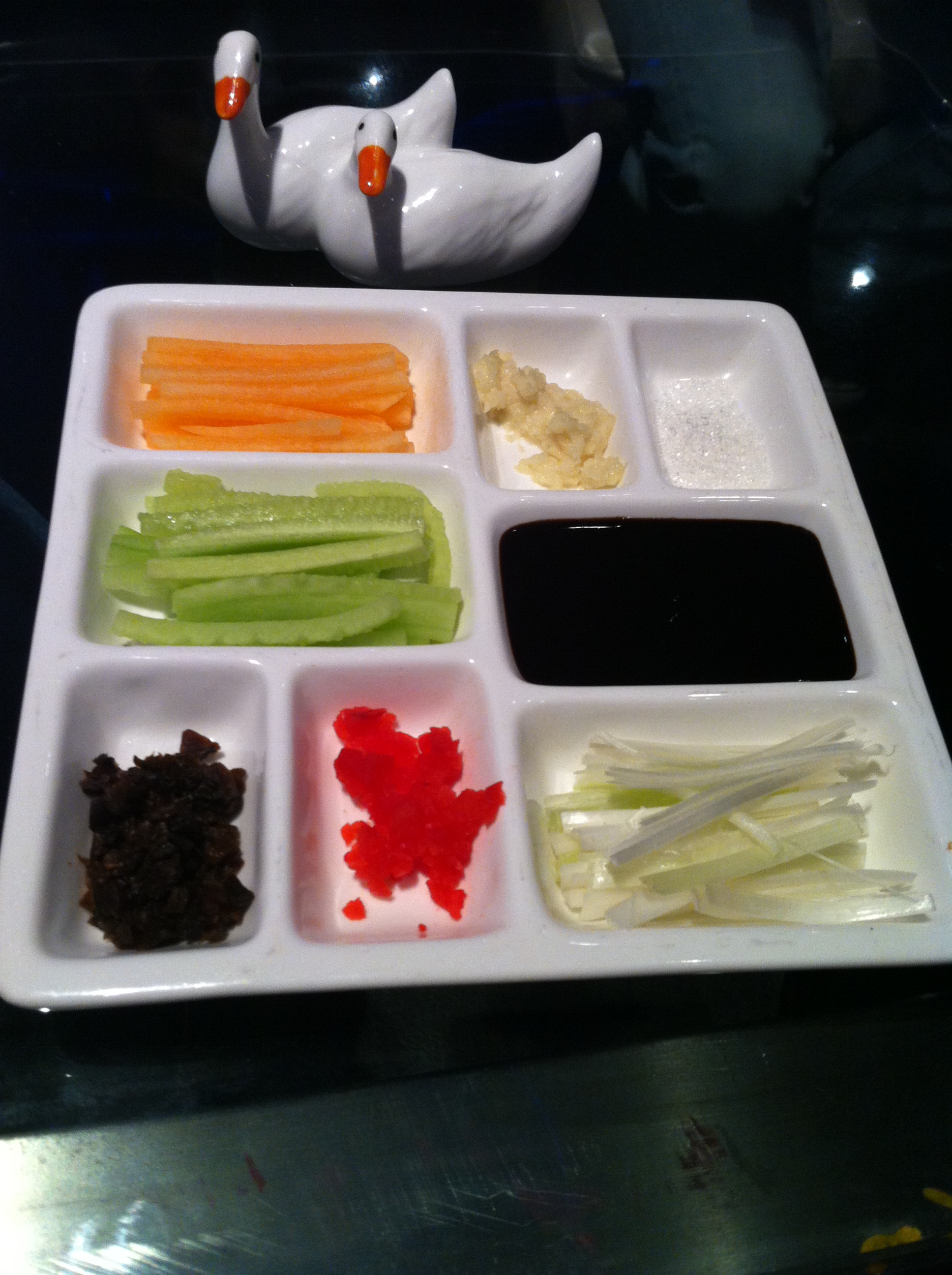
Various other ingredients can also be added: thinly chopped cucumber is popular, at Dadon they also offer thinly chopped melon and some other stuff whose identity is a mystery.

beijing duck ancillaries 002
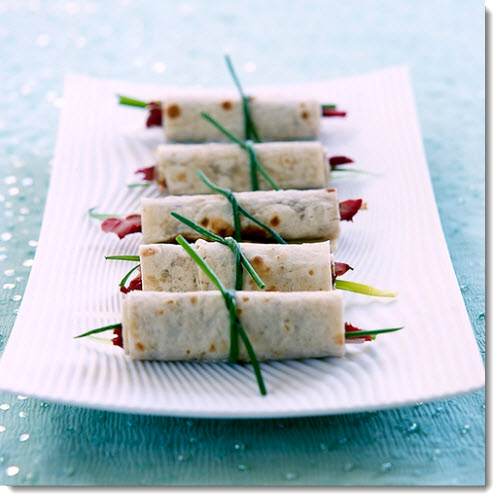
6. Roll the whole into a tubular sandwich.

rolled up crepes

These look far fancier than the ones I produce. It’s rather like comparing the product of someone who has spent a life rolling his own cigarettes to that of the fellow who is just starting out in this bad habit.

7. Eat, making loud noises of appreciation if you have been invited by Chinese hosts, who are always glad to know that you’re liking it.

8. Repeat from step 3 (or step 2 if you have a mind to), making small variations if you wish, until all the duck has been consumed.

9. As a finale, slurp down the duck soup which they will bring, made with all the leftovers of the carved ducks.

duck soup

This must really be one of the most Chinese of dishes. Some even call it China’s national dish (I’m not sure what the Cantonese think of that, but we’ll let it pass).

So it’s a bit of a shock to know that the ducks consumed in China aren’t all that Chinese.

I was informed of this fact last week during a talk in Shanghai by a very respected Academician, who revealed to the stunned audience the whole sorry story.

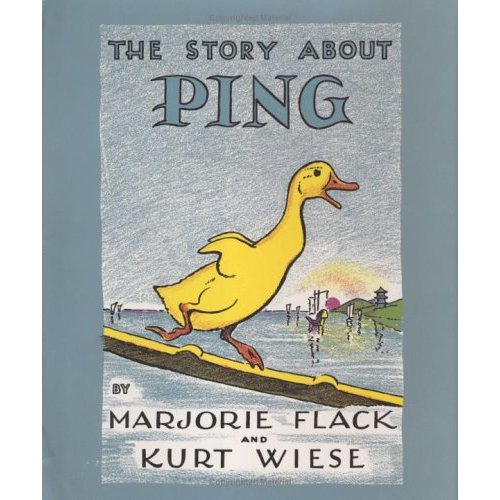
There was a time, before 1873, when the duck was Chinese. It had evolved and prospered on the Grand Canal, where it had grown fat on the grain that fell off the barges going north towards the capital. The Chinese, never ones to leave anything go to waste, had recycled this lost grain by domesticating the ducks and eating them. In Beijing, the SOP described above evolved as the way to consume the ducks. This culture of duck rearing was beautifully captured in the children’s book The Story about Ping, which I loved to read to my children (although I don’t know if they loved hearing me read it …)

the-story-about-ping

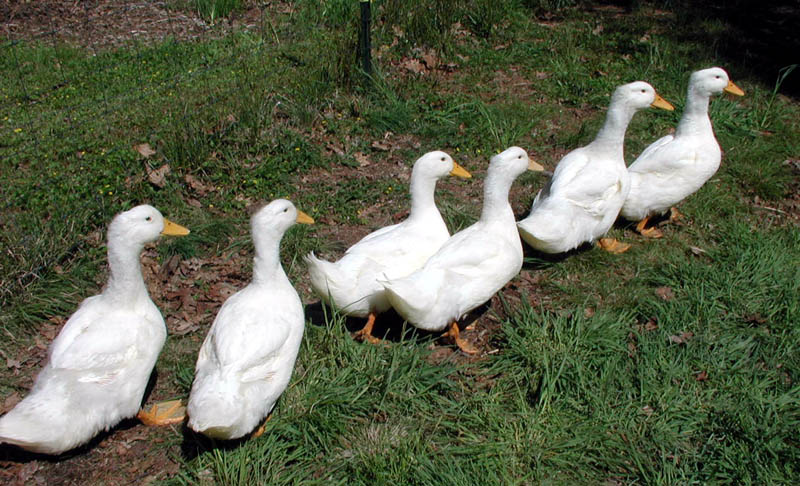
Then, in 1873, 25 of these Pekin ducks (note: no final g on Pekin) were exported to Long Island – most of them didn’t make it, eaten no doubt by the hungry voyagers on the same ship as them. The few that made it through went on to become the progenitors of the most successful domesticated breed of duck in Europe and the US. Those nice white ducks waddling around the farmyards of my youth were in all probability children of Chinese immigrants.

OLYMPUS DIGITAL CAMERA

Except that European and American farmers and agronomists were not content with just taking this Chinese duck and breeding it. They started playing with its DNA through selective breeding to make bigger, fatter, and I know not what.

In the meantime, the Chinese had slipped into anarchy, had been eviscerated by the war imposed on them by the Japanese, and – after the Revolution and the creation of the new China – had gone through the disasters of the Great Leap Forward and Cultural Revolution. So by the time the 1970s rolled in, the original Pekin Duck and its rearing were in as sorry a state as the rest of the country.

Well, the economy picked up and so did the Chinese appetite for Peking Duck. But for some reason, national production remained stagnant, or at least didn’t grow as fast. The result was that China, the biggest exporting country in the world, began to import the Pekin Ducks to turn into Peking Ducks. And began to import them in vast quantities. According to the Respected Academician in Shanghai, 70% of the Peking Ducks which are consumed in China were born and bred … in the UK. In fact, for the most part they come from one farm in Lincolnshire, the Cherry Valley Farm.

Supra

Unbelievable. It’s the opium wars all over again, except that this time the UK is flooding China with Pekin Ducks …

______________________

Dadong restaurant: http://media-cdn.tripadvisor.com/media/photo-s/01/e4/55/6e/beautiful-room.jpg [in http://www.tripadvisor.com/members-citypage/msyolee/g294212%5D
Peking duck-complete dish: http://img.cits.net/images/2011/9/27/151515157efde4e3-d.jpg [in http://www.cits.net/china-guide/china-traditions/peking-roast-duck.html%5D
Cook slicing the duck: http://upload.wikimedia.org/wikipedia/commons/e/e5/Quanjude_roastduck.JPG [in http://en.wikipedia.org/wiki/Peking_duck%5D
Dipping skin in sugar: [in http://theavidphotographer.wordpress.com/tag/paradise-pavilion/%5D
Picking up crepes: http://2.bp.blogspot.com/-T1E6blAnjAY/Up5-R7KL_bI/AAAAAAAAAtw/J3kRodTOSdc/s1600/DSC05471.JPG [in http://missvancouverpiggy.blogspot.com/2013/12/red-star-seafood-vancouver-location.html%5D
Hoisin sauce: http://www.seriouseats.com/images/2012/01/20120116-188016-hoisin-sauce-small.jpg [in http://www.seriouseats.com/2012/01/sauced-hoisin-sauce.html%5D
Duck and spring onions on crepe: http://finedininglovers.cdn.crosscast-system.com/BlogPost/l_1859_pancake-duck-00244258-CUT1.jpg [in http://www.finedininglovers.com/recipes/main-course/peking-duck-recipe-pancakes/%5D
Peking duck ancillaries: our photo
Rolled up crepes: http://www.frugal-cafe.com/public_html/frugal-blog/frugal-cafe-blogzone/wp-content/uploads/2011/01/peking-duck-pancake-rolls-loua-flickr.jpg [in http://www.frugal-cafe.com/public_html/frugal-blog/frugal-cafe-blogzone/2011/01/28/fab-food-friday-fotos-chinese-style-stewed-meatballs-easy-tartlets-twinkie%5D
Duck soup: http://chompchowchew.typepad.com/.a/6a01156f88f5ce970b015431e280cc970c-800wi [in http://chompchowchew.typepad.com/blog/2011/04/peking-duck-house-nyc.html%5D
The story about Ping: http://laughingstars66.files.wordpress.com/2010/05/the-story-about-ping.jpg [in http://www.momto3feistykids.com/2010/05/rowing-story-about-ping.html%5D
Pekin ducks: http://www.rocketroberts.com/farm/images/ducks_in_row.jpg [in http://www.rocketroberts.com/farm/farm.htm%5D
Cherry Hill farm-1: http://upload.wikimedia.org/wikipedia/commons/7/7b/Cherry_Valley_-_geograph.org.uk_-_373257.jpg [in http://commons.wikimedia.org/wiki/File:Cherry_Valley_-_geograph.org.uk_-_373257.jpg%5D

PEKING WILLOW

Beijing, 9 April 2014

The somber, funereal tone of my last post seems like a good place to start this one – a tombstone

Weeping Willow on gravestone

This one has a weeping willow on it, a common symbol on tombstones 200 years ago. Its drooping branches symbolize, you’ve guessed it, the weeping of the world at your passage to the next. Here’s another in the same genre from the same period, this time a piece of needlework memorializing the death of three babies.

BT OA FR

And then there were the ballads which used the weeping willow as the symbol of death, lost love, or both:

My heart is sad and I’m in sorrow
For the only one I love
When shall I see him, oh, no, never
Till I meet him in heaven above

Oh, bury me under the weeping willow
Yes, under the weeping willow tree
So he may know where I am sleeping
And perhaps he will weep for me

They told me that he did not love me
I could not believe it was true
Until an angel softly whispered
He has proven untrue to you

Oh, bury me under the weeping willow
Yes, under the weeping willow tree
So he may know where I am sleeping
And perhaps he will weep for me

 Etc. You get the picture.

The weeping willow’s symbolism was used a bit more elegantly in Psalm 137 of the Old Testament, that lyrical lament about the pains of exile, in this case that of the Israelites who had been marched off to Babylon from Jerusalem:

By the rivers of Babylon—
there we sat down and there we wept
when we remembered Zion.
On the willows there
we hung up our harps.
For there our captors
asked us for songs,
and our tormentors asked for mirth, saying,
“Sing us one of the songs of Zion!”

 How could we sing the Lord’s song
in a foreign land?
If I forget you, O Jerusalem,
let my right hand wither!
Let my tongue cling to the roof of my mouth,
if I do not remember you,
if I do not set Jerusalem
above my highest joy.

jewish bible with picture

I’ve left out the last verse where the poet gets vengeful and nasty, talking about taking the babies of their captors and bashing their brains out against the rocks …

But if we brush aside the drooping veil of gloom, we find a really beautiful tree, for the most part sitting elegantly near a body of water, into which its trailing branches will often dip.

weeping willow tree

And such an English tree! (well, you also find them on the continent but we’ll ignore that). Here’s a weeping willow on the edges of a pond in Grantchester, in which, so it is said, the poet Byron swam.

weeping-willow-Grantchester

Here are students punting on the river Cam in Cambridge with some weeping willows languidly brushing the water’s surface.

weeping willows on the River Cam

Here is a 1946 poster from the Great Western Railway, inviting Londoners to take a day out in the Thames Valley, with a weeping willow centre stage beckoning to them.

great western railway-thamesvalley

Talking of the Thames, here is the cover of that most English of children’s books, The Wind in the Willows, where we see our friends Mole, Ratty and Toad on the river Thames, waving to Badger on the shore, the whole discretely framed by weeping willows

the_wind_in_the_willows

And of course there’s Three Men in a Boat, a book about – well, three men in a boat, messing around on the same river Thames (a book much loved by my father-in-law, in passing). Here we have them in that quintessentially English situation, rain, together with that quintessentially English animal, the dog, with some weeping willows in the background.

Three Men in a Boat by Jerome K. Jerome

Yes, all very English.

Except that the weeping willow isn’t English.

It’s Chinese.

Well, half-Chinese.

Yes, the willows, suitably called Peking willows, lining my piece of canal in Beijing

peking willows 004

are the ancestors of all those graceful weeping willows whose photos I have included above. It is they which carry the gene that makes the tree’s branches weep.

Somehow, for some reason, cuttings or seeds from these trees made their way to the west. I have read that they were moved along the Silk Road. Probably, traders from the west were charmed by the trees’ weeping branches and wanted them in their gardens. I’ve looked for pictures of Peking willows planted along the Road. The best I have found is a Peking willow in Istanbul.

Salix_babylonica in Istanbul

Not quite on the Road, which ended on the Mediterranean seaboard at Antioch or Tyre or Sidon, but close enough. And maybe one of the ways which the Peking willow entered Europe, through the Balkans.

Somewhere along the way further to the west, the Peking willow was crossed with another willow, the European white willow.

white willow

The two were crossed because gardeners found that the Peking willow suffered in the more humid climate of Europe. Its gene pool needed bracing up, as it were.

So the weeping willow is half Chinese, half European.

Although my bubble of Englishness has been pricked, I’m glad to report that the weeping willow is nevertheless half brother –  or perhaps half sister – to that most English of artifacts, the cricket bat! Because these are made from the willow of a cross between the white willow and (possibly) the crack willow (the ancestry on the other side is not clear). So this allows me to insert here a picture of that most English of cricketers WG Grace holding a bat, in an ad for that most  English of condiments, Colman’s Mustard

wg grace with bat

Well, while I’m about it, I might as well also clarify another misconception. The willows by the waters of Babylon under which the Israelites wept were not willows, they were Euphrates poplars.

euphrates poplar

______________________

Tombstone with weeping willow: http://4.bp.blogspot.com/-V965riBwMQE/ThW9WsV_6gI/AAAAAAAAAA4/kGf3gW9vaZ0/s1600/%2523%2523%2523Weeping+Willow+St.+Mark%2527s+Luth+Appenzell+%25283%2529.JPG [in http://callmetaphy.blogspot.com/2011/07/symbol-of-weeping-willow-in-gravestone.html%5D
Girls weeping on tomb: http://mansionmusings.files.wordpress.com/2011/04/mourning-picture-detail.jpg [in http://mansionmusings.wordpress.com/2011/04/29/a-mansion-favorite-returns-home-abigail-walker-needlework-mourning-picture-ca-1803/%5D
Jewish psalter: http://upload.wikimedia.org/wikipedia/commons/9/97/Chludov_rivers.jpg [in http://en.wikipedia.org/wiki/Psalm_137%5D
Weeping willow tree: http://www.blogmagazine.org/wp-content/uploads/2012/05/weepingwillow.jpg [in http://www.blogmagazine.org/2012/05/admiring-the-beauty-of-the-weeping-willow/%5D
Weeping willows Grantchester: http://3.bp.blogspot.com/-3Lkrd8FlSCE/UhFK2RfkItI/AAAAAAAAGiM/v5kklmS41GE/s1600/photograph-of-weeping-willow-Byrons-Pool-Grantchester.jpg [in http://ailecphotography.blogspot.com/2013/08/day-18-august-challenge.html%5D
Weeping willows on the river Cam: http://upload.wikimedia.org/wikipedia/commons/d/da/Punting_on_the_River_Cam_-_geograph.org.uk_-_222149.jpg [in http://commons.wikimedia.org/wiki/File:Punting_on_the_River_Cam_-_geograph.org.uk_-_222149.jpg%5D
“The Wind in the Willows”: http://www.usborne.com/images/covers/eng/max_covers/the_wind_in_the_willows.jpg [in http://www.usborne.com/catalogue/book/1~CS~CSP~3249/the-wind-in-the-willows.aspx%5D
“Three Men in a Boat”: http://s3-eu-west-1.amazonaws.com/lookandlearn-preview/A/A008/A008727.jpg [in http://www.lookandlearn.com/history-images/A008727/Three-Men-in-a-Boat-by-Jerome-K-Jerome?img=2&search=Jerome+Klapka+Jerome&bool=phrase%5D
Great Western Railway poster: http://www.southernposters.co.uk/Destinations/Resources/thamesvalleylarg.jpeg [in http://www.southernposters.co.uk/Destinations/thamesvalley1946.html%5D
Peking willow, Beijing: my photo
Peking willow in Istanbul: http://upload.wikimedia.org/wikipedia/commons/thumb/7/75/Salix_babylonica.jpg/800px-Salix_babylonica.jpg [in http://en.wikipedia.org/wiki/Salix_babylonica#Horticultural_selections_and_related_hybrids%5D
White willow: http://bioweb.uwlax.edu/bio203/2011/girard_stev/maintop.jpg [in http://bioweb.uwlax.edu/bio203/2011/girard_stev/facts.htm%5D
Euphrates willow: http://mw2.google.com/mw-panoramio/photos/medium/49589465.jpg [in http://www.panoramio.com/user/1183385/tags/%D7%A0%D7%97%D7%9C%20%D7%A6%D7%99%D7%9F%5D