Today is 6 January, the day of the Epiphany! The day when the Three Wise Men arrive in Bethlehem to find the Child Jesus. Momentous event! In the words of St. Matthew’s Gospel (I cite the King James version)
And when they were come into the house, they saw the young child with Mary his mother, and fell down, and worshipped him: and when they had opened their treasures, they presented unto him gifts; gold, and frankincense and myrrh.
Or, as the Christmas carol puts it
Three Wise Men
We Three Kings of Orient are,
Bearing gifts we traverse afar,
Field and fountain,
Moor and mountain,
Following yonder Star. Refrain
O Star of Wonder, Star of Night,
Star with Royal Beauty bright,
Westward leading,
Still proceeding,
Guide us to Thy perfect Light.
Gaspard
Born a King on Bethlehem plain,
Gold I bring to crown Him again,
King for ever,
Ceasing never
Over us all to reign. Refrain
Melchior
Frankincense to offer have I,
Incense owns a Deity nigh:
Prayer and praising
All men raising,
Worship Him God on High. Refrain
Balthazar
Myrrh is mine; its bitter perfume
Breathes a life of gathering gloom;—
Sorrowing, sighing,
Bleeding, dying,
Sealed in the stone-cold tomb. Refrain
Three Wise Men
Glorious now behold Him arise,
King, and God, and Sacrifice;
Heav’n sings Hallelujah:
Hallelujah the earth replies. Refrain
The Three Wise Men are, of course, important characters in our annual crèche. Ever since Christmas Day, they have been travelling across the furniture of our living room, on their way to Bethlehem. This year, I have had them accompanied by a retinue worthy of their rank.
My photo
I found the figurines of the retinue in a box where they had been carefully stored away by my mother-in-law many years ago. It seemed a pity not to bring them out into the light of day. I think it all looks pretty impressive! (But we have to do something about the camels; I’ve been telling my wife for years that we need to find some more camels, one camel simply isn’t enough. And we have to get a statue to replace the kneeling Wise Man; kneeling before the Baby Jesus is OK, but he can’t be on his knees the whole trip to Bethlehem …).
Here, we can see the tail-end of the cortege.
My photo
I added the birds because they were also in the box. A bit odd, but why not? Maybe the Wise Men were like St. Francis, they were listened to by the birds (boy, are we going to have fun when we set up the crèche with our grandson, possibly grandchildren, in a few years’ time! Who knows what interesting additions we could come up with!).
And now the Three Wise Men have arrived at the manger and are adoring the Baby Jesus!
My photo
This scene of the Adoration of the Magi has been painted over and over again by European artists. I pick here just one of the many offerings. It is by the Flemish painter Hugo van der Goes, who painted it in about 1470.
Dressed as they are as Persians, wearing the Phrygian cap which Romans seemed to think all Persians wore, they fit better with what the Gospel of St. Matthew had to say: “behold, there came wise men from the east”. Now Matthew didn’t actually say how many Wise Men there were, but pretty quickly most Christian sects settled for three, one for each gift. Matthew also didn’t say how old they were, but clearly by the time these mosaics were laid down it was generally agreed that they represented the three ages of Man, so we have one old one, one middle-aged one, and one young one. It was only later that it was decided that they also represented the three races known to Europeans: the Europeans themselves, the peoples of the Middle-East, and the peoples of Africa. Paintings of the Magi are some of the earliest representations of Black people in European art. Here is a lovely example from an Adoration of the Magi by Hieronymus Bosch.
Painters don’t seem to have been much interested in what was happening to the Three Wise Men on their way to Bethlehem. But T.S. Eliot, in his poem Journey of the Magi, did try to imagine what the trip was like. I cite here the first twenty lines of the poem.
A cold coming we had of it,
Just the worst time of the year
For a journey, and such a long journey:
The ways deep and the weather sharp,
The very dead of winter.’
And the camels galled, sore-footed, refractory,
Lying down in the melting snow.
There were times we regretted
The summer palaces on slopes, the terraces,
And the silken girls bringing sherbet.
Then the camel men cursing and grumbling
And running away, and wanting their liquor and women,
And the night-fires going out, and the lack of shelters,
And the cities hostile and the towns unfriendly
And the villages dirty and charging high prices:
A hard time we had of it.
At the end we preferred to travel all night,
Sleeping in snatches,
With the voices singing in our ears, saying
That this was all folly.
Compared to this description, our Three Wise Men have had it pretty easy: nice, warm living room, easy travel across the furniture, respectful entourage …
As told in St. Matthew’s Gospel, the arrival of the Three Wise Men was like a poke in a hornet’s nest. In Jerusalem, they asked, “Where is he that is born King of the Jews? for we have seen his star in the east, and are come to worship him.” Matthew goes on, “When Herod the king had heard these things, he was troubled, and all Jerusalem with him. And … he demanded of them where Christ should be born. And they said unto him, In Bethlehem … Then Herod … said, Go and search diligently for the young child; and when ye have found him, bring me word again, that I may come and worship him also.” But, Matthew tells us, after giving Jesus his gifts, “being warned of God in a dream that they should not return to Herod, they departed into their own country another way.” He goes on, “behold, the angel of the Lord appeareth to Joseph in a dream, saying, Arise, and take the young child and his mother, and flee into Egypt, and be thou there until I bring thee word: for Herod will seek the young child to destroy him. When he arose, he took the young child and his mother by night, and departed into Egypt.” The Flight to Egypt was also a popular theme for European painters. I show one example, by my favourite painter, Caravaggio, Rest on the Flight to Egypt, where one of the painter’s luminous angels is playing music on a viol to soothe Mary and Jesus in their slumber (the music held by Joseph is readable; it is a motet by the Flemish composer Noel Bauldeweyn dedicated to the Madonna, with a text from the Song of Songs, Quam pulchra es, “How beautiful you are”; nice touch).
Alas, Herod was not a man to be crossed. Matthew tells us, “Then Herod, when he saw that he was mocked of the wise men, was exceeding wroth, and sent forth, and slew all the children that were in Bethlehem, and in all the coasts thereof, from two years old and under.” This Massacre of the Innocents was, too, a popular theme for European artists. I show here an example of the genre by Peter Breughel the Elder.
I’m actually being a little economical with the truth. This is really a copy of Breughel’s painting, by his son Peter Breughel the Younger. The original was once owned by the Holy Roman Emperor, Rudolf II. For some reason – queasiness? – he had the dead children painted over. This copy retains the dead children.
Quite by chance, just before Christmas, we stumbled across a very sophisticated crèche, in a place called Baggio, which once was a village but then got swallowed up by Milan some 150 years ago. There, in the crypt of a church, over the last forty years or so, dedicated local volunteers have created 58 scenes from the Bible, with the Nativity being the central scene. Some of the scenes have running water, others have moving figurines, … it’s very impressive. Here is a shot of the first scene, Adam and Eve in the Garden of Eden (with a delightfully slithery snake in the tree).
As I say, very impressive … although I will admit to having been just a teeny-weeny bit jealous. We’ll soon be packing away the crèche and its figurines for another year, but I’m already thinking how we could expand the offerings next year. Running water and moving figurines is a bit beyond me. But maybe Herod in a palace in Jerusalem? The Massacre of the Innocents? Some “snow” for the Wise Men to trudge wearily through? At least let’s fix the camel problem!
It is a sad fact of life that most of the time we fail to follow through on our New Year’s resolutions. I am no different. In fact, I have such a dismal track record on this topic that I stopped many years ago making these resolutions – I did not want to add so many paving stones to my private road to Hell.
But there is one end-of-year resolution on which my wife and I seem to be holding the course, one I explained in my first post of this year. Summarizing quickly, the two of us decided that we – and any children or grandchildren who may be visiting – would, for a period of eight years, use the traditional Christmas lunch or dinner to honour our mixed genetic pool: Puglia and Lombardy: the heritage of my wife; Burgundy, England, Scotland and Norway: my heritage; – and, if we are still around, Ireland and the old Pale of Settlement: the heritage of our son-in-law. Specifically, for each of those eight years, we would cook a typical Christmas lunch or dinner from each of these regions. I decided to start at the southern end of the genetic pool and move north, so last year we cooked ourselves a Christmas lunch from Puglia, which we shared with our son.
Contrary to previous attempts, we did not forget this resolution, and so this year now found us cooking a typical Christmas dinner from Lombardy, which we shared again with our son as well as with his girlfriend. I’m so proud that we managed – at least this year – to keep to the resolution, that I’ve decided to share this year’s menu with my readers.
We started with ravioli in brodo. As far as I can make out, each province in Lombardy has its special type of raviolo, but we didn’t get that subtle. We just took a packet of ravioli stuffed with braised meat which was being sold in our local supermarket, and we cooked them in a chicken broth made with cubes. Since we are most definitely not part of the Instagram generation, we have never got into the habit of taking photos of the food we eat. We just wolf it down and then say “damn, we should have taken a photo”. So I throw in a photo I found on the internet to give readers an idea of what we were eating.
I refer any of my readers who wish to know more about this typical Lombard dish to a post I wrote several years ago, where I go into probably too much detail about it; I have no desire to repeat myself here.
For dessert, we had that great, that splendid, Lombard delicacy, the panettone. I’ve also covered this miracle of Lombard cuisine in an earlier post, so I won’t go into further details here. I just refer my readers to that post and throw in a photo of a slice of panettone. I deliberately chose a photo which shows a large dollop of mascarpone, because for the first time ever, we had our panettone with mascarpone.
We decided to add mascarpone because we read that the Lombards are known to slather this extra bit of yumminess onto their panettone during the Christmas season.
Since I’ve never mentioned mascarpone in any of my previous posts – for the simple reason that we hardly ever eat it – let me use this occasion to say a few words about it. It’s a Lombard cheese, originally from the area around Lodi to the south of Milan. Like cotechino, it used to be made with the left-overs from the production of more remunerative dairy foodstuffs, in this case cheeses. It is a smooth, spreadable cheese, with a an ever so slight sweet taste to it and a hint of the aroma of cream.
Mascarpone is now well-known worldwide because it is one of the main ingredients in the famous tiramisù – which, I was surprised to learn, is a very recent creation, from the 1960s, with its place of birth being somewhere in the Veneto or Friuli-Venezia-Giulia regions of Italy.
Mascarpone is actually used in tiramisù in the form of crema al mascarpone, which is a mix of a syrup of sugar, egg yolk, and mascarpone. This is but one variant of sweetened mascarpone which Italians have been eating since at least the 1400s and possibly earlier.
If I am dwelling a little on crema al mascarpone it’s because I have a horrible doubt: should we have eaten our panettone with crema al mascarpone rather than just with mascarpone? Both ways are promoted by different sites on the internet. I have to say, my wife and I found that mascarpone alone combined well with panettone. But might crema al mascarpone have combined better? There’s only really one way to find out – make (or buy) crema al mascarpone and slather it on a couple of slices of panettone. Something to work on next year.
Of course, there wasn’t just food. There were wines, too! Staying in theme, we chose two Lombard wines, a red and a white. The red was a Bonarda, one of the sparkling red wines that are common in the north and centre of Italy. This is a topic I’ve covered in an earlier post, so any readers interested to find out more about this intriguing family of sparkling reds can go there. Here, I’ll just insert a photo of some of the vineyards where Bonarda’s grapes are grown.
I suppose we could have finished with some digestivi or some grappa made in Lombardy, but we left it at that. Sometimes, especially at our age, one can have too much of a good thing and spend the night regretting it.
So that’s Lombard Christmas dinner done! Next year, we venture into a Burgundian Christmas lunch – or maybe a Beaujolais Christmas lunch, if there is a difference; my mother was specifically from Beaujolais. We shall see, a happy year of research awaits me.
Happy New Year to all my readers! May 2025 bring you and your families peace and happiness.
Vienna, 29 August 2024
updated Sori, 10 March 2025
My wife and I were walking along some street a few weeks ago when I spotted a gorgeous red FIAT 500 driving past. Of course, I didn’t have the gumption to take a photo, so this one which I’ve lifted from the web will have to do.
I have a doubt, though. Was it a FIAT 500, or was it a FIAT 600? I must confess to never having been able to distinguish very well between the two. So just in case, I also throw in a photo of a red 600.
I think readers will agree that they really are very similar, with the 600 being slightly longer to allow passengers to (more or less) sit comfortably in the back seat.
I’ve always had a fondness for quirky little cars. The VW Beetle comes to mind.
My excuse for doing so is that my mother had as friends two old ladies who were twins, and they would always come and visit us in a deux-chevaux. While they didn’t drive quite as badly as Dupont and Dupond, their arrival was always accompanied by a mini-drama when they were parking.
I think I can go so far as to add the Morris Mini-Minor to the list of quirky cars, although, while having a fairly high quirkiness coefficient, it is not, in my humble opinion, as quirky as the other cars I’ve mentioned.
In my opinion, though, they’re not quirky, they’re just weird, like Trump.
I might be fond of quirky cars, but I’ve never actually owned one. The closest I’ve ever been to quirky-car ownership is through my wife, when she co-owned a white FIAT 600 with her flatmate while doing her graduate studies in Bologna. It must have been twenty-fifth hand, that car. We took it on a long road trip over a Christmas holiday to Puglia. My mother-in-law accompanied us; the saintly woman spent the whole trip wedged in the back. Being rather old, the car had a problem of leakage from the radiator. Every 100 km or so, we had to stop and top up the water. At these moments, my mother-in-law would ask out loud if we would ever make it to our destination. To capture a little of that drive to Puglia, I throw in a photo of a FIAT 600 rockin’ down the highway, as the Doobie Brothers sang way back in 1972.
That one trip is the only time I’ve ever driven one of these quirky cars. I once accompanied a University flat mate of mine on a long, long trip from London to her mother’s place in Austria (I mentioned this trip in my last post). She was driving a Dyane, not quite as quirky as the original deux-chevaux but close enough.
I didn’t drive because I didn’t have my license yet (I’m not sure she would have let me drive anyway; she was very possessive of her Dyane). Apart from the length of the trip, the only notable thing that happened is that a Frenchman wearing a beret (I kid you not) drove into my side of the Dyane about half an hour after we had left Dunkirk. Classic British-French misunderstanding. My friend thought she had priority because she was on a large main road and the bereted Frenchman was coming in from a small road on the right. He, on the other hand, was strictly applying that quirky French rule of the road “Priorité à droite”, regardless of relative road sizes.
In contrast, a FIAT 500 (or maybe FIAT 600) was part of a scene of Italian-British cultural exchange earlier in my life. The one and only cruise I’ve ever been on (it is the subject of an an earlier post) stopped off in Brindisi on the way back to Venice. It was 1968 or ’69. A group of us youngsters on the ship went for a stroll through town. We were of course noticed by the local population, especially since one of us was a very pretty blue-eyed, blonde-haired teenager. Within minutes of us beginning our walk, this white 500 (or maybe 600) came careening around the corner on two wheels and came screeching to a halt next to us. The car’s driver and passengers all hopped out and after much hand waving and some words we managed to understand that they were inviting us to a café for a drink. Since none of us spoke Italian and none of them spoke English, the conversation was exceedingly limited. Nevertheless, a good time was had by all. Eventually, we went our separate ways, they in the 500 (or 600?), which careened away around the corner on two wheels. To celebrate this moment of entente cordiale in Italy, I throw in a photo of a bar in Brindisi from perhaps 10 years earlier, with what definitely looks like a FIAT 600 parked outside it.
These quirky cars are of course collectibles now. One fellow who I worked with – the one who once spent more time getting local salted capers than doing the work, as I’ve mentioned in an earlier post – recounted to me in excruciating detail his efforts to do up an old 500 he had bought. Maybe it looked something like this when he bought it; this particular FIAT 500 has been quietly mouldering away for at least ten years now in a parking space down the road from our apartment at the seaside.
My photo
He told me that all he needed to find was the original of one small part (some sort of knob) and he was done. The car would be worth millions! (of liras) I never did find out if he managed to lay his hands on that small part …
Of course, it comes with my age to say that they don’t make things the way they used to anymore. But in the case of quirky cars, it’s really true. Modern cars are so boring, no character, just boxes on wheels. Even the modern cars whose manufacturers exploit the mythic status of the old quirky cars by giving them the same name are but pale imitations of the originals – if they look like the original at all.
The new FIAT 500 EV looks quite like the old 500, just pumped up, as if it has been attending a body-builders’ gym.
Now that is a car with character! You can see in the photo one of its quirky characteristics, that it can be parked head onto the pavement.
My wife and I once stayed at a hotel which offered a free drive in a Smart. No idea why, but we said “what the hell, why not?” and we took it for a spin. A most delightful experience! If I had to own a car, which I most definitely do not, I would try to persuade my wife to buy a Smart. Actually, instead of buying why not join a car sharing scheme? Car2go offers Smarts.
My wife and I recently completed our annual hike in the Dolomites. We returned to old stamping grounds this year, to the Val di Fassa, in the autonomous province of Trento. This was where we started our annual pilgrimages to the Dolomites five years ago. That year, however, our carefully constructed six-day hike was thrown into chaos and confusion by two mega-meteorological events. The first was a hugely powerful windstorm, Vaia, which swept through the Italian Alps in late October of 2018 and brought millions of trees crashing to the ground – the official tally talks of 8 million cubic metres of trees being downed.
The second was a monster snowfall in May of 2019, a mere month before we were meant to start our hike.
As we saw over and over again during our severely modified hike, the Val di Fassa was badly hit by Vaia.
My photo
A good number of the trails we were meant to take were blocked off over long sections by downed trees. The local tourism authorities had planned to use the month of May to clear the trails, but the monster snowfall of that month put paid to their plan. On top of it, that unexpectedly heavy snowfall meant that a good number of the huts we were meant to spend nights at, and the trails leading into them and out from them, were still blocked with snow when we arrived in the Val di Fassa.
Five years on, the weather behaved better in the preceding months, and we were able to do a good number of the trails blocked to us back in 2019. We got off to an iffy start, hiking in fog so thick that we could have been in a park in Milan during the month of November.
My photo
But after that, the weather cleared and glorious sights awaited us!
It wasn’t just towering mountains and emerald valleys far below us that left us breathless (although some of the breathlessness was also due to our climbing hundreds of metres of steep slopes). It was also the streams and small lakes we passed by.
my photoMy photo
Or the wild flowers that greeted us along the paths we passed along.
My photoMy photoMy photomy photoMy photo
Even the smallest beings we came across had the power to enchant us.
My photoMy wife’s photo
There were shadows among all this wonderfulnness, though, notably the clusters of dead European spruce trees we saw dotting the woods that clothed the steep flanks of the valleys.
All was not right. There hadn’t been so many standing dead trees in 2019. What was going on? A massive infestation by another beetle was what was going on. A beetle not nearly as cute-looking as the other beetles we had seen and photographed.
A beetle which goes by the name of European spruce bark beetle in English and bostrico tipografo in Italian. The English name is rather prosaic, merely confirming the beetle’s preferred victim to be the European spruce. The Italian name is much more interesting. The second part of the name rather colourfully indicates the type of intriguing “calligraphy” which the beetle and its offspring create in the tree as they burrow into it – and kill it.
The first part of the Italian name also harks back to the elegant whorl-shaped channels which other members of this family of wood-burrowing beetle creates. It is an italianization of the name that Aristotle gave to the family, βόστρυχος, which is the Greek word for “curl”.
I hope my readers will excuse this little riff on the etymology of the beetle’s name, but I feel that often the origin of words tells us a lot about how our ancestors perceived the world around them. In any event, for all its intriguingly shaped burrows, this beetle kills the European spruces (and other trees) which it infects, and it kills them quite quickly, within a few months. The trees first look peeky, their crown wilting and turning rust-coloured, then they start massively losing their needles, then they dry out, at which point, to borrow – with the necessary adaptations – John Cleese’s speech about the dead Norwegian parrot, the trees are no more, they have ceased to be, they’re expired and gone to meet their maker, they are late trees, bereft of life they rest in peace, they’ve rung down the curtain and joined the choir invisible: they are ex-trees.
Under normal circumstances, healthy European spruce can beat off the nefarious beetle’s attacks, which usually only burrows into dead trees or trees that are already dying. The infestations are endemic but under control. But after huge destructions of trees which massive storms like Vaia bring about, there is suddenly vast amounts of dead and dying trees available for the beetle to feast on. Worse, the trees which have remained standing are – unsurprisingly – stressed and unable to defend themselves effectively, so the beetle also merrily attacks apparently healthy standing trees. The result: an uncontrolled epidemic of the beetle, with huge increases in its population, and the large patches of dead trees we were seeing everywhere.
Locals grimly told us that it could be five years or more before the situation rights itself and beetle populations drop back down to endemic levels again. By then, perhaps as many trees will have been killed off as were brought down by Vaia. I fear that if we come back to Val di Fassa in the coming years, we’ll find valleys which look like they have a bad case of the mange, with big, bald patches speckling the hillsides.
I don’t want to sound smugly virtuous, but the people who manage these forests haven’t done a very good job. Anxious to maximise profits, they have planted monocultures of European spruce and trees all of the same age, to make it easy to clear cut any particular patch of forest. If instead they had planted a mix of different species and ensured a mix of trees with different ages, they might have made less profits short-term but they would have been better able to weather big disruptions like those caused by Vaia. This is especially urgent since with climate change massive, intense storms like Vaia (wind velocities of over 200 km/hr were recorded) are going to happen more frequently.
But who is listening to old farts like me? I fear that on our future hikes, my wife and I will be mournful witnesses to ever more examples of short-term thinking: downed trees, dead trees, bad erosion, flooding, desertification, and on and on. I despair sometimes at the world we are leaving our little grandson and any other grandchildren who may soon come along.
No-one under the age of 40 will remember a world where most of the shoes we wore were made of leather. As I look around the subway carriage where I’m writing this, I can only see one pair of leather shoes among perhaps 70 pairs of feet. I, on the other hand, being well over the age of 40, still remember a time when we mostly wore leather shoes – and remember the concomitant joys and anguish of shoe polishing. At my boarding primary school (prep school in British parlance), a specific period of every week was set aside for shoe polishing. We all had to go to a room dedicated to this task, where we picked up a cloth – to spread the polish – and a brush – to put a high gloss on our shoes – before getting to work. As I picked up the tin, there was that ineffable smell of the polish. That was the joy – or at least the pleasant sensation. No doubt it was caused by the solvent which the manufacturers used to keep their polish pasty. After the spreading of the polish on my shoes came the vigorous polishing. That was the agony, as my arm very soon began to ache. But I couldn’t slow down, there was always a master on hand to bark at me to put my back into it. And then came again the joy, as I admired my well-polished shoes glowing on my feet. Of course, I have no photo of this weekly exercise. I did find this photo, though, which will give readers a sense of what it was like – although the boy in question looks to be enjoying it far too much.
After the passage of so many decades, I can’t remember the brand of polish we used. I’m guessing it was Kiwi; that was certainly the brand that my English grandmother used, and it seems to have been the most popular brand in the UK.
In passing, I should say that I learned to my surprise that Kiwi was originally an Australian brand (and was given its name by the owner to honour his wife who hailed from New Zealand). Merely another example of my unconscious Euro-centric biases …
Old brands of consumer products always have me searching for the posters they used in their advertising campaigns. I find these old posters a fascinating sub-genre of popular art. In another life I would have been an avid collector of old posters. In this case, though, I didn’t find any really scintillating Kiwi posters online. The best I found was this one.
Not so in the case of a now extinct brand of Italian shoe polish called Taos, manufactured by the now also extinct company Edoardo Pessi. Look at this lovely poster! It’s a riff on the fact that the biggest purchaser of Pessi’s shoe polish was the Italian army.
At this point, I have to admit to having played a very small part in Edoardo Pessi’s demise. It was early on in my career as an environmental consultant. My company was hired by the multinational corporation Sara Lee (now also extinct) to carry out an environmental assessment of the Pessi factory. Sara Lee was in negotiations to purchase Edoardo Pessi, and the idea was to figure out what environmental liabilities Sara Lee might also be buying and bring down the purchase price by a corresponding amount. This is the factory where I carried out my assessment.
I don’t think I’m giving away any trade secrets when I say that there were some problems with underground tanks leaking solvents (out in the back yard there, next to that sliver of lawn; I remember it well). I guess a couple of 100,000 dollars were knocked off the purchase price because of that.
In any event, the purchase by Sara Lee went through. But it was really just an exercise in asset stripping. Quite quickly after the purchase, Sara Lee concluded that this factory had no future – which made a lot of sense; I mean, look at it, hemmed in as it is on all sides by houses. So they closed the factory down. But they didn’t shift operations to an industrial site on the outskirts of town as they could have done. Instead, the packed all the equipment off to their other factories, they laid off the workers, and sold the land to a developer, who proceeded to raze the factory to the ground and put up some swanky apartment buildings in its place. Sara Lee even stopped making the Taos shoe polish – who polishes their shoes anymore? (and they already owned Kiwi; one shoe polish brand was more than enough).
Well, all of this, although an enjoyable little trip down Memory Lane, still doesn’t explain why, when I breathe in the scent of lime tree flowers, I think shoe polish. The mysteries of olfactory chemistry …
Lizards are constant companions of ours on the hikes my wife and I do during the Spring and Summer, wherever we happen to be in Italy or in Austria. We see them especially where we are moving over stony, sunny ground. They streak across our path, they scurry away from us into the surrounding vegetation or down a crevice in the rocks. Sometimes we just hear a rustle in the grass or dry leaves. In rare cases, they sit on a rock and warily watch us pass, ready to move away at lightning speed were we to suddenly make a lunge at them.
Very, very occasionally, we are not at the centre of their beady-eyed attention, but that’s only because they are embroiled in battles with other lizards, fighting over territories or mates I suppose.
But that’s fine. I think I would get quite nervous if I came across lizards that big. I mean, they can weigh 70kg! I’m not even sure I would want to come across monitor lizards. The ones we regularly saw swimming in the canals in Bangkok were a good metre in length. Luckily, the species we see are quite small, I’m guessing some 6cm long from snout to tail. They are not particularly beautiful, although recently I have seen some lovely green species.
Lizards always take me back to my boyhood, those long summer holidays at my French grandmother’s house. She had some walls in her garden which were the haunts of many a lizard.
One of the games my cousins and I played was trying to catch them. Was that difficult! “Streaked lightning” sums lizards up well. The few times we did manage to catch one, it would more often than not break off its tail to escape. How we laughed at this! The casual cruelty of little boys …
I’ve been reading up about lizards, their biology, their ecology. Fascinating stuff! It’s at times like these that I wish I had studied biology. I did some biology at O-level and wanted to carry on with it at A-level, putting myself down for the triad of Physics, Chemistry, and Biology – anything to get away from odious mathematics. But the head of the Science department collared me – Fr. Michael, it was, I still remember his name and the talk we had. He asked me if I wanted to be a doctor, and when I said no, he said I would have more opportunities if I dropped Biology for the dreaded Mathematics. And so, like the good boy that I was, I followed his advice. My good friend Mark, on the other hand, did biology. He already knew he wanted to be a doctor, and a damned fine doctor he became.
I can’t say Fr. Michael was completely wrong. And in the end, looking back now over the intervening 50-odd years, I don’t regret the path I took. But sometimes – when I’m reading up about lizards, for instance – I do wistfully wish I had studied biology.
It’s flowering time for the rockrose. This is a lovely flower that we come across at this time of the year on our hikes close to the sea.
My photo
Wikipedia tells me that the plant is typical of the Mediterranean maquis. And indeed, we tend to find it on the dry, stony slopes giving directly on the sea, particularly where the Monte di Portofino plunges down into the sea.
The plant’s formal botanical name is cistus salviifolius, and as readers can see from the photo above its leaves are indeed quite sage-like (salvia in Latin – and in Italian). Its formal Italian name – the one you use when you’re with the urban elites – is cisto femmina; I can see where “cisto” comes from, but what is feminine about this plant? Mystery. More interestingly, ordinary Italians – country folk and such like – call it scornabecco. The Dizionario Treccani – the Italian equivalent to the Oxford English Dictionary – tells me the word is derived from scornare, to unhorn or to break horns, and becco, a name for a ram: so, ram unhorner. As I look at this small plant with its pretty flower, I can’t quite imagine how it got that name. Another mystery. Perhaps it can grow into a tough, tangled bush, which rams can get their horns caught in and broken off. Here is another photo of the plant, which is looking more bushy and tangled.
My photo
All this makes me think of the story in the Bible, of Abraham and his son Isaac. Abraham is about to sacrifice Isaac when an angel stops his hand; I leave the original text take up the story: “[The angel] said, “Do not lay your hand on the boy or do anything to him, for now I know that you fear God, seeing you have not withheld your son, your only son, from me. And Abraham lifted up his eyes and looked, and behold, behind him was a ram, caught in a thicket by his horns. And Abraham went and took the ram and offered it up as a burnt offering instead of his son.” This gives me an excuse to throw in a photo of a painting of the scene, by my favourite artist Caravaggio.
Wikipedia also tells me that the plant is drought-resistant and likes sunshine. A perfect candidate for our terrace here! The sun can beat down mercilessly, especially in the summer, and we are away for long periods and so we cannot ensure a steady supply of water. It was for these reasons that decades ago my mother-in-law planted various succulents in a couple of vases on the terrace wall; they have survived all these years.
My photo
They may have survived but as readers can see they’re rather modest, boring even. For many years now, my wife and I have wanted to complement them with something a little more cheerful. Rockroses might be just the thing! I must nose around the local florist, to see if they sell packets of rockrose seeds. If not, just before we flee Italy for the summer (it really gets too hot here), we’ll go for a hike on the Monte di Portofino and collect seeds from the wild.
And what vase to put them in? Someone down in the village has this magnificent vase outside their front door.
My photo
After we were let out from the first Covid confinement, and finally were were able to travel down to the sea again, my wife asked the owners of that vase where they had bought it. Armed with this information, she had sent the manufacturers an email, requesting prices, delivery times, etc.. They never replied, we assume because of all the disruptions caused by Covid. We’ve never tried again, but I’m thinking that, now that I have an idea of what we could plant in that vase other than succulents, I should egg her on to have another go. Because that vase would really look magnificent on our terrace wall.
In my previous post, I wrote about the sad end of the earliest paleochristian basilica in Roman-era Milan, the basilica vetus or – as it later came to be called – the basilica of Santa Maria Maggiore. It was torn down to make way for an even more splendid – and bigger – cathedral, today’s Duomo of Milan. What is important for my story today, the basilica’s baptistery, the baptistery of San Giovanni alle Fonti, was also torn down. All that remains of it are a few ruins buried under the Duomo’s floor.
One of the most famous people to be baptised in that baptistery was Saint Augustine of Hippo. He was baptised on Easter Sunday 386 C.E., at the age of 32, by Saint Ambrose, bishop of Milan. It was Ambrose who had finally persuaded Augustine to become a Christian after a lifetime of resistance. Here, we have a fresco painting of that scene by Benozzo Gozzoli from 1464, to be found in the church of Sant’Agostino in San Gimignano.
It is actually the woman at the back who interests us. She is Saint Monica, Augustine’s mother. She was from Rome’s North African province, from a city which today is in Algeria. Christian from an early age, she was married off young to an older man who was violent and unfaithful. To make matters worse, she had to keep house with her mother-in-law, who was as dissolute as her son. But she bore all her trials and tribulations with Christian fortitude. She had three children who survived infancy, Augustine, Navigius, and Perpetua. She wanted them all to be good Christians, and tried to set them on the path of righteousness. But from an early age, Augustine caused her much anguish. He was wayward, lazy, loose in his morals – at the age of 17, he started living with a woman by whom he had a child but whom never married – and worst of all he joined a heretical sect of Christianity. At some point during all these trials and tribulations, she went to see her local bishop and poured out her heart to him. He consoled her with the words, “the child of those tears shall never perish.” Mark those words, dear readers, we will come back to them.
But Augustine had one thing going for him: he was intelligent. After studying in Carthage, he taught rhetoric there, then moved to Rome to set up a school of rhetoric, and then moved again to Milan when he was offered a professorship in rhetoric by the Imperial court. Monica, now widowed, followed him, pushing him to give up his “concubine” (which he did), get properly married with a woman from a good family (which he nearly did), and – last but not least – become a Christian (which, as we’ve seen, he did, thanks to Saint Ambrose). Having become a Christian, Augustine gave up teaching rhetoric and decided to return home. Monica of course accompanied him, but having finally achieved her aim and with nothing left to live for, she died in Ostia while they were waiting for the ship to take them across to North Africa. We see her death depicted here, in the same church in San Gimignano and by the same artist
Not surprisingly, given her history, Monica is the patron saint of difficult marriages, disappointing children, victims of adultery or unfaithfulness, and of lapsed Catholics (I wonder if my mother ever prayed to Saint Monica à propos of my lapsed status?). From the Middle Ages on, her cult grew and spread throughout Christendom. The story of her crying her eyes out over Augustine became part of the popular stories about her. In fact, one can still buy statues of her in tears; here is a modern example: yours, courtesy of the gift shop of the Norbertine sisters, for a mere $180.
In 1768, as part of its attempts to shore up its claims over the Pacific coast of North America, the Spanish government ordered an expedition to set out from Baja California and lay stake to all of the territories lying between San Diego and Monterey. The expedition set out from San Diego in July 1769 and reached Monterey in October. They actually failed to recognise Monterey (the bay had been previously described by a Spanish navigator sailing up the coast, but they couldn’t match his descriptions with what they were seeing) and kept marching northwards, which led the expedition to its most momentous discovery in November, the huge bay of San Francisco. Somewhat astonishingly, ships from various nations had sailed past the mouth of the bay in the past without ever noticing it – the fog which commonly envelops the area has been given as the reason. Its job done, the expedition marched back to San Diego. The Franciscans who accompanied the expedition used it to lay the groundwork for a string of 21 Missions which they built over the next several decades all the way from San Diego to Sonoma just north of San Francisco. Here’s a photo of the mission church in Santa Barbara.
Source
But it’s not these large-scale events that interest me, it’s a small incident that happened in early August 1769 as the expedition force moved northward. On 2 August, the force arrived at the confluence of the Los Angeles river and the Arroyo Seco, very close to what is now downtown Los Angeles. The next day, the men moved on and camped a mere 4 km from where I’m writing this, at the Tongva village of Kuruvungna. The village was located close to a pair of springs which were sacred to the Tongvta people. The village has vanished, as have all the villages of the First Nations who lived in this part of California, but the springs still exist, now located in the grounds of the University High School on Texas Avenue in Los Angeles.
Juan Crespí, a Franciscan friar who was with the expedition, renamed the springs San Gregorio. But the new name didn’t stick. Someone in the following decades, someone with a poetic bent, saw in those two springs the eyes of Saint Monica with tears continuously welling out of them, and so they became known as the fuentes de las Lágrimas de Santa Mónica, the springs of the Tears of Saint Monica. From there, by a sort of geographical osmosis, the general area around the springs became known as Santa Mónica. So when, in 1839, the Mexican governor of Alta California gave a certain Francisco Sepúlveda II a grant of 33,000 acres of land for a rancho, a grant which included the springs, Señor Sepúlveda called his rancho San Vincente y Santa Mónica (the San Vincente part of the name presumably came from another location on the rancho).
Fast forward another thirty years, to 1872 – California was now a US State – and the Sepúlveda family sold half of the rancho’s lands to a Col. Robert Baker, a businessman with a finger in many pies. In turn, two years later, Col. Baker sold three-quarters of his part of the rancho to another businessman, John Percival Jones, who had made a fortune in silver mining out in Nevada. In 1875, the two agreed to create a new town on part of their land holdings. Again, by geographical osmosis, they decided to call the town Santa Monica (even though the springs are not part of the township). Thus started the town which is now part of the sprawling metropolis of Los Angeles. My wife and I are on the bus from Santa Monica as I write this, having just visited the Cayton Children’s Museum with our grandson, where great fun was had by all. The bus is passing street after street of houses, which have all been built over the 33,000 acres of the rancho of Francisco Sepúlveda II. A lot of people have made a lot of money in real estate.
-o0o-
Over its lifetime, the town of Santa Monica has given its name to a variety of other things in the town. Perhaps the best known is the Santa Monica Pier, which has housed an amusement park out on the ocean’s edge since the 1920s.
Who hasn’t thrilled at the idea of travelling along Route 66? I certainly have. I’ve told my wife that one of these days, once we’ve finished visiting our daughter in LA, we’ll roar off down Route 66 all the way to Chicago. I think we’ll have to do this trip in a Corvette, a red one if possible.
And of course we’ll be listening to Nat King Cole’s “Route 66” on the radio.
Source
Although we’ll do the trip in the opposite direction to Nat King Cole’s lyrics: LA – San Bernadino – Barstow – Kingman – Winona – Flagstaff, Arizona – Gallup, New Mexico – Amarillo – Oklahoma City – Joplin, Missouri – Saint Louis – Chicago
“Get your kicks
On Route sixty-six”
Los Angeles, 24 March 2024
Updated, Vienna, 27 September 2025
“Tutto cambia, tutto si trasforma”, everything changes, everything is transformed. My wife intones this popular Italian saying, half jokingly, every time we come across something that has changed since we last passed this way. It seems to be happening more and more frequently now, I suppose a sign that we have clocked up decades of memories and experiences on which to draw on as we move inexorably towards the exit door (cue to my wife rolling her eyes at this latest meditation of mine on the transience of all life).
In any event, I was forcefully reminded of this saying a few weeks ago when an urban walk of ours led us past one of Milan’s earliest churches, the so-called paleochristian basilicas built before the fall of the western Roman Empire. I did what I exhort all my readers to do when a church hoves into view; I popped in to have a look around. Aïe! How much had changed since this church was first built in the 380s CE: “tutto cambia, tutto si trasforma”. In a somewhat melancholy mood, I returned home and started researching the fate of Milan’s other paleochristian basilicas.
I need to give a bit of context here. Many people think that Rome was the only capital of the Roman Empire. This, as any Milanese will proudly tell you, is not so. In 286 CE, after the Roman Empire was carved into two, Milan became the capital of the western part and remained so for a little over 100 years, until 402 CE, when the capital was moved again, this time to Ravenna. There aren’t of course any pictures from that period, so I’ll throw in here a reconstruction of Milan (then known as Mediolanum) in about 300 CE.
Readers will make out the white rectangle of the forum, the circus along the edge of the city walls, to which was attached the imperial palace complex (so that the Emperor could step out into the Imperial box without leaving the palace grounds and mix with the hoi polloi), and the amphitheatre down to readers’ left. Just to get down among the hoi polloi, here’s another reconstruction of a typical day in the forum.
And in a rush of enthusiasm, I throw in another reconstruction of the hoi polloi doing their shopping along the cardo, the north-south street that passed through all fora in the Roman Empire.
In any event, Mediolanum now being the capital city, it was here, in 313 CE, that the two Emperors, Constantine and Liceus, promulgated what has come to be called the edict of Milan, which allowed the free exercise of religion throughout the Empire. While the edict formally covered all religions, it was actually aimed primarily at Christianity. The result was that Christians could finally come out of the shadows and worship freely (we’ll skip over the fact that a mere seventy years later, in 380 CE, Christians imposed their religion on everyone else in the Empire, with all other religions being forced (back) into the shadows).
Among other things, the edict of Milan meant that Christians could finally stop meeting in secret in people’s houses and build their own places of worship. They were quick to take advantage of this new-found freedom. In Milan alone, and focusing just on the big churches, within a year of the promulgation of the edict the city had its first Christian basilica. In the photo below, we have a reconstruction, in the top right, of that first basilica, while the building at the bottom left, which had been a temple dedicated to the Goddess Minerva, was converted into another basilica, which some 30 years later was knocked down to make space for a much larger church.
By the time St. Ambrose became bishop of Milan in 374 CE, the city had added two more basilicas to the list. During his tenure, St. Ambrose ordered the construction of another four basilicas, I suppose to cater to all the newly-minted Christians now that Christianity had become the State religion. And not to be outdone by St. Ambrose, the imperial household decided to build their own basilica. So by 402 CE, the year that Milan stopped being the capital of the western Roman Empire, the city had another five basilicas on the rolls. The construction of basilicas went on even after Milan’s demotion as capital, with two more basilicas being built before the final collapse of the Western Roman Empire in 476 CE.
Of course, churches continued to be built in Milan in the centuries thereafter. But I want to focus on these eleven earliest, paleochristian, churches to show that indeed “all changes, all is transformed”.
Let me first give readers a framework for these tides of change. Any of us with the minutest interest in history will know that over the arc of history we humans have been repeatedly subjected to the four horsemen of the apocalypse: Death, Famine, War, and Conquest. Here is Albrecht Dürer’s take on these four horsemen; I leave it to the readers to work out which horseman is which.
But buildings have also been subject to their own horsemen of the apocalypse. Two they share with us: War and Conquest, whole cities having been wiped out by both – and not just centuries ago. Here is a photo of Hiroshima after the atom bomb was dropped on it.
A third has been Fire, a frequent companion of War and Conquest (Dresden is an eloquent memorial to that), but also a horseman that can strike alone. It, too, has wiped out whole cities. The Great Fire of London stands out in my mind, although many other cities have been laid low by fire.
Since my subject is churches, readers should note Old Saint Paul’s burning fiercely (and that is London Bridge that we see, although it is not “falling down, falling down”, as the nursery rhyme has it).
For religious buildings in particular, I would add a fourth horseman of the apocalypse: Fanaticism, religious or otherwise. These buildings are particularly targeted, both by the mobs and by the State, as symbols of the Religious Other or of Religious Obscurantism. Here we have the Dutch Protestants smashing up one of their Catholic churches.
While here we have the French Revolutionaries being even more thorough in their destruction of a church (the church of Saint-Barthélemy), in the name of the Cult of Reason.
But buildings are also victims to the horsemen’s running dogs, to use a Maoist turn of phrase – which gives me an excuse to throw in an example from 1971 of Maoist propaganda posters: compelling art, if nothing else. The phrase at the bottom reads, I am told: “People of the world unite to defeat the American invaders and their running dogs!”
These running dogs are less extreme but no less harmful forces which have disappeared buildings (to borrow a term from the violent rule in Chile and Argentina by right-wing Army putschists back in the 1970s – I wish to show myself being even-handed in my comments of Left and Right).
One is Urban Improvement. Buildings which have had the bad luck to be in the way of some Big Man’s vision of A New City, or just the municipal government’s decision to have a wider avenue for more cars, have been unceremoniously torn down.
Another running dog is Impoverishment; buildings put up when their owners had money then slowly rot and collapse when their descendants have fallen on hard times and can’t maintain them any more. Closely related has been the running dog of Indifference. The descendants have simply preferred to spend their money, inherited or otherwise, in other ways than on maintaining old buildings.
Finally, and often most damagingly for religious buildings, there is Changes in Taste. A building considered beautiful when it was put up is thought, several centuries later, to be ugly, or embarrassingly old-fashioned, or both. It absolutely needs a make-over! Closely related, again mostly for religious buildings, is Showing Off: the desire by the rich and powerful to preen their social feathers by paying for the addition of extra elements such as chapels to existing venerable structures, often to the aesthetic detriment of the whole.
So how have our eleven basilicas fared in the face of their four horsemen of the apocalypse and the five lesser running dogs? Before answering that, I think it is time to give a name to these eleven churches, to make this more personal. We have:
The basilica vetus (the old basilica), built in 314 CE, later renamed the basilica of Santa Maria Maggiore;
The basilica nova (the new basilica), built in about 350 CE, later renamed the basilica of Santa Tecla;
The basilica portiana (the Portian basilica), built in the first half of the 4th Century CE, later renamed the basilica of San Vittore al Corpo;
The basilica trium magorum (basilica of the three Wise Men), built around 344 CE, later renamed the basilica of Sant’Eustorgio;
The basilica prophetarum (basilica of the Prophets), built in the late 370s CE, later renamed the basilica of San Dionigi;
The basilica martyrum (basilica of the Martyrs), built in the early 380s CE, later renamed the basilica of Sant’Ambrogio;
The basilica apostolorum (basilica of the Apostles), also built in the early 380s, later renamed the basilica of San Nazaro in Brolo;
The basilica virginum (basilica of the Virgins), built in the 380s-390s CE, later renamed the basilica of San Simpliciano;
The basilica palatina (the Palatine basilica), built in the 390s-410s, later renamed the basilica of San Lorenzo Maggiore;
The basilica evangeliorum (basilica of the Evangelists), built in the first half of the 5th Century CE, later renamed the basilica of San Giovanni in Conca;
The basilica sancti Calimerii (basilica of Saint Calimerius), also built in the first half of the 5th Century CE, which kept the Italianised name of Santo Calimero.
Well, the first thing to say is that within no more than 150 years of being built, the eleven original buildings were all razed to the ground by the horseman of War, in the form of Attila the Hun. As part of his rampage through northern Italy in 451-452 CE, his army besieged Milan, broke through its defensive walls, and laid the city to waste. Of course, no-one at the time recorded this momentous event pictorially, so I throw in here a re-construction of the Huns looking suitably menacing under the walls of a city.
As I’ve mentioned in a previous post, prior to arriving beneath the walls of Milan, Attila had completely destroyed the city of Aquileia. He moved on from there and meted out the same fate to the city of Padova. He richly deserved his nickname the Scourge of God. Aquileia never recovered, but Milan (and Padova) did. Among other things, the basilicas were rebuilt.
Alas! A mere 90 years later, in 538 CE, the horseman of War came galloping over the horizon again, this time in the form of an army of Ostrogoths and Burgundians under the command of a certain Uraiah. Once again, the city was besieged, the walls were eventually pierced, and the city was razed. Worse, all the male citizens were killed and all the female citizens handed over as slaves to the Burgundians, as payment for their part in the siege. Again, no-one at the time recorded these hideous events pictorially, but there is a painting in the basilica di Sant’Eustorgio from the 17th Century which formally is about the Massacre of the Innocents but is thought to actually be about the massacre of the Milanese by the Ostrogoths and Burgundians.
Not surprisingly, it took Milan much longer to recover from this devastation, several centuries actually. But it did, and the basilicas were once again rebuilt.
Next on the scene was the horseman of Fire. In 1071 and 1075 CE, Milan suffered two devastating fires which burned down whole swathes of the city, much of whose houses were close-packed and built of wood. We have here a picture from an illuminated manuscript of a town going up in flames.
In the ensuing conflagrations, the basilicas of San Lorenzo Maggiore, in 1071, and, in 1075, San Nazaro in Brolo and Santa Tecla were badly damaged.
If I use these churches’ later names it’s that by now naming habits had changed. Churches were named after a particular saint rather than a group of saints as had been the case when these churches were first built – “tutto cambia, tutto si trasforma”.
Once again, the Milanese rose to the challenge and rebuilt the burnt basilicas. But – “tutto cambia”, etc. – building styles had evolved in the intervening centuries. The churches were now being rebuilt in the Romanesque style. Here is a reconstruction of Santa Tecla from around this time. As readers can see, the basilicas all probably looked very much like the basilicas in Ravenna, with beautiful mosaics running along the walls. Given my predilection for early Christian mosaics, I personally grieve that Milan has lost nearly all of these mosaics.
A mere 90 years after these devastating fires, in 1161, the horseman of War came riding again, this time in the form of Frederick Barbarossa (Red Beard), Holy Roman Emperor. As we shall see, he also brought with him the horseman of Fire.
He had already laid siege to the city two years earlier, had starved its populace into submission, and had forced them to accept humiliating terms. Here is a painting from 1891 by a Polish artist, Jan Czeslaw Moniuszko, which shows Barbarossa and his troops attacking the walls of Milan.
Once Frederick was gone, the Milanese had quickly reneged on the terms and taken up arms again. This time, Barbarossa was determined to grind Milan’s face into the dirt. In this, he was actively supported by the nearby cities of Lodi, Novara, Como, Cremona, and Vercelli, whose citizens were both afraid of, and jealous of, Milan’s growing power; they had allied themselves with Barbarossa in the hope that he would cut Milan down to size. Once again, the city was besieged, and once again its citizens were starved into submission. Here, in a 19th century imagining, we have the consuls of Milan coming before Barbarossa begging for mercy.
But this time, not only did Frederick impose even more humiliating terms on the Milanese, he also had his allies burn Milan to the ground, with each allied city being responsible for one district (very methodical …). But he decreed one exemption, the places of worship – he was a Christian, after all. So our basilicas more or less got through this one unscathed (more or less because some of them do seem to have got badly singed).
The basilicas now got a break from the horseman of War for 800 years, but the running dogs got to work. Because of them, four basilicas never made it down to us. Two, Santa Tecla and Santa Maria Maggiore (which were very close to each other), fell victim to the running dog of Urban Improvement, in this case in the form of a desire by the City Fathers to build in their place a much bigger and more splendid cathedral, the current Duomo of Milan (the centuries-long story of its construction is the subject of an earlier post). For reasons which will become apparent in a minute, I choose a photo of a painting of the Duomo as it was in 1819.
Sant Maria Maggiore was completely destroyed. A very small part of Santa Tecla survived as part of the shops that crowded in on the Duomo (those shops we see on the left of the painting), but that finally also disappeared after the running dog of Urban Improvement came along again in 1865, when the city fathers decided that there was a need for a grand, and large, piazza in front of the Duomo. The buildings in the painting above were all torn down to make the grand – but rather barren – piazza that we have today.
Source
Two other basilicas fell victim to the double whammy of, first, the horseman of Fanaticism, and then the running dog of Urban Improvement. Fanaticism led to the monasteries which had become attached to the basilicas being closed down and to the monks who had looked after them being kicked out. This was done by Emperor Joseph II of Austria (Milan was in Austrian hands at this time) in the name of bringing the Catholic Church to heel and modernising it. Urban improvement took different forms. In the case of the basilica of San Dionigi, it meant that church and monastery completely disappeared as all its lands were turned into a very pleasant public park which is still with us today, the giardini Indro Montanelli.
In the case of the basilica of San Giovanni in Conca, Urban Improvement meant a widening of streets and a mad plan, dreamed up after World War II, to drive a new avenue right through the old city centre. The church being in the way, it was unceremoniously torn down. The new avenue was never built (luckily for us; by my calculations it would have gone right through where our apartment building is). But by then it was too late for the church. All that’s left of it is this miserable-looking ruin sitting forlornly in the middle of a busy road.
Source
At this point, I’m reminded of the American children’s counting-out rhyme “Ten Little Injuns”, whose first couple of lines go like this:
Ten little Injuns standin’ in a line,
One toddled home and then there were nine;
Nine little Injuns swingin’ on a gate,
One tumbled off and then there were eight.
And it goes on until there are no little injuns left.
To paraphrase the song:
Eleven basilicas built way back when,
Two were eaten up and then there were nine.
Nine basilicas still around,
Two were in the way and then there were seven.
So seven of Milan’s original eleven paleochristian basilicas have managed to stagger on into our modern age. But … “tutto cambia, tutto si trasforma”! None of them look anything like the original Roman-era basilicas. Not all of them even look like the Romanesque churches that replaced them after the disasters of Attila, the Ostrogoths, Barbarossa, and various fires. And even if they appear Romanesque, what we see today is someone’s guess as to what the Romanesque versions of the churches looked like. Let’s look at them one by one.
I start with the basilica di Sant’Ambrogio because it is a mere 10 minutes’ walk from where my wife and I live in Milan, and we often go by it on our various walks. It is also the one that at first glance seems to have changed the least since its rebuilding in the Romanesque style in the 1090s CE. And even in the Romanesque rebuild we see the ghost of the original Roman basilica; the 11th Century builders scrupulously maintained the original building’s floor plan. Here we have some photos of this delightful building. This first shot shows how the church is seen from the road in front of it.
As readers can see, the façade of the church is obscured by some building whose immediate purpose is not clear. The visitor first has to enter this building to enter the church proper. It turns out to be an enclosed courtyard, or – to give it its Latin name – atrium.
It’s interesting that this atrium has come down to us. When the original Roman basilica was built, the atrium had a precise function. At some point during the Liturgy, the catechumens, people who were not “full” Christians yet because they had not yet been baptised, had to file out into the atrium because they were not allowed to be present for the full Liturgy. By the time the church was rebuilt in Romanesque style, this function was meaningless because by then all Christians were baptised at birth. Luckily, it was decided to keep it and use it instead to hold various meetings. So this very early Christian architectural element has managed to make it down to us.
The interior shows the clean, simple lines of the Romanesque style.
In this last photo, readers can glimpse the magnificent mosaic in the apse. Here is a closer look at it – because of the ciborium over the high altar, it’s difficult to get a clean view.
It was originally laid down in the 8th Century, some three centuries after the disaster of the Ostrogoths. From a century later comes the main altar, a magnificent piece of Carolingian goldsmithing.
The ciborium under which the altar sits is equally magnificent, but readers will have to go and visit Sant’Ambrogio to hear about it. I want instead to take readers to a small side chapel, San Vittore in Ciel d’Oro, where some even earlier mosaics, laid down between the sacks of the city by the Huns and the Ostrogoths, by some miracle managed to survive. We see here the cupola of this little chapel, with its mosaic field of gold surrounding a portrait of Saint Victor.
Sharp-eyed readers will have noted that the walls below the cupola carry mosaics of some serious-looking fellows dressed in togas. These are various saints and early martyrs. I show one of these, the mosaic of Saint Ambrose, because contrary to the others it is said to be an actual likeness of the saint, the oldest in existence.
Yes indeed, the basilica of Sant’Ambrogio doesn’t seem to have changed terribly much since its Romanesque incarnation. But alas! It has changed. Because a mere 80 years ago the horseman of War came riding back to Milan in the form of massive bombing raids during World War II. The first of these was on the night of 24/25 October of 1942. There was a second such raid in mid-February of 1943. The climax was four nights in August. These were all raids which, like the infamous bombing raid on Dresden in 1945, a photo of which I give above, deliberately tried to burn the city down by creating a fire storm. Luckily, by the 20th Century there wasn’t that much wood left in Milan’s buildings so a fire storm wasn’t started. Nevertheless, 50% of the city’s buildings were destroyed or damaged. And one of the buildings which was badly damaged was Sant’Ambrogio.
Restorers did a good job after the war in putting the basilica back together again, but you can tell that much of the brickwork is new, as are many of the tesserae in that magnificent mosaic in the apse.
“Tutto cambia, tutto si trasforma”.
Normally, we would next look at the basilica of San Lorenzo. It’s even closer to our apartment in Milan, a mere five minutes’ walk away, and we go by it very often on our way down to Milan’s canals. In fact, we go by it so often that I wrote a whole post about it a few years back, so I will refer readers back to that post.
Logically, the next basilica to consider is the basilica of Sant’Eustorgio. I say logically because there is now a park, il parco delle Basiliche (or, to give it its new name, parco Giovanni Paolo II), which runs between San Lorenzo and Sant’Eustorgio (a park whose creation was much helped by the bombing during World War II; the houses standing on what is now the park were so badly damaged that it was decided to simply tear them all down and create a park in their place). When you enter the park at its northern end, you have this wonderful sight of the venerable pile of San Lorenzo behind you. But very, very little of what we see comes from the original Roman-era basilica, and even from the Romanesque version.
Then the walk southwards through the park brings you to Sant’Eustorgio, which stands at the southern end of the park. There’s no striking view of the church from the park itself, so it’s best to make one’s way round to the front, where one is confronted with this view.
The first thing one notices are the accretions on the church’s side. Unfortunately, the church has suffered badly from the running dog of Showing Off: chapels have been added to the side of the original Romanesque church, paid for by rich Milanese families who wanted to add lustre to their family name. They may be quite pretty in and of themselves; indeed, there is a very lovely one at the back of the church which has been the subject of a previous post of mine. But they have destroyed the original harmony of the church.
The second thing to notice is the façade. It looks quite original, but actually it is the result of a restoration carried out in the mid-1860s. The restoration was certainly done in the spirit of what we know Romanesque façades looked like in northern Italy from the few original examples still with us, but it’s unknown what the original façade of Sant’Eustorgio actually looked like. When all is said and done, though, it was probably better to carry out this restoration than not – this is what the façade looked like prior to the restoration.
It was the subject of a sensitive restoration in the late 19th Century, where the restorers simply stripped away the Baroque and Neoclassical accretions and tried to bring the structure back as closely as possible to its Romanesque forms. Of course, the Romanesque builders would never have left the church as naked as it is now, they would have covered everything with frescoes. But those are pretty much all gone. As readers can see in the photo above (especially visible on the columns), the restoration brought to light a few shards of the original frescoes. But of the original mosaics which must have graced the Roman-era basilica, nada, all gone.
“Tutto cambia, tutto si trasforma”.
There is one curious artefact in the basilica, and it is this:
“This” is claimed to be the sarcophagus of the Three Wise Men (“We three kings of Orient”, as the well-loved Christmas carol goes). It is fundamental to the basilica’s foundational story. It is said that Eustorgius went to Constantinople when the Milanese chose him to be their bishop, to obtain the approval of the Emperor. Not only did the Emperor approve the choice, but he also gave Eustorgius this enormous sarcophagus which contained the relics of the Three Wise Men, to take back to Milan. Eustorgius’s original idea was to place the relics in the basilica of Santa Maria Maggiore. But the poor oxen which were pulling the cart on which this humongously heavy sarcophagus had been placed “inexplicably” came to a stop where the basilica is now and refused to go any further. Given the weight of the sarcophagus, I think the oxen’s refusal to move another hoof is perfectly explicable, but Eustorgius took this to be a divine sign that a new basilica should be built on this spot to house the relics. Thus was the original Roman-era basilica built.
If I tell this little story, it is because in the succeeding centuries those relics made the basilica famous, attracting flocks of pilgrims (and their money, the cynical me thinks to himself). Which allows me to highlight one of the side-effects of the passage of the horsemen of War and Conquest: looting. In this case, the looting took place during the burning to the ground of Milan by Frederick Barbarossa. One of Barbarossa’s principal advisors during this campaign was Rainald von Dassel, who also happened to be the Archbishop of Cologne. He carried the relics off as war booty to grace his cathedral in Cologne, where they were brought in with much pomp and subsequently housed in this magnificent reliquary (made by Nicolas de Verdun, who also made a magnificent altarpiece housed in the Abbey church of Klosterneuberg near Vienna, which I’ve written about in an earlier post).
For centuries, the religious leaders of Sant’Eustorgio pleaded to have their relics back, but successive archbishops of Cologne turned a deaf ear. It was only in 1903, after a cardinal brokered a deal, that a small portion of the relics were given back.
I shall quickly pass through the fate of the remaining four basilicas.
For the basilica of San Simpliciano, I refer readers to a post I’ve already written about it. Suffice to say that it went through the same treatment as Sant’Eustorgio: accretions of chapels in a completely different style, a restyling of the whole church in baroque and neoclassical style, and then a restoration – this time in the 20th Century – trying to bring it back to its essential Romanesque simplicity. I throw in a photo of the exterior and interior.
The best thing in this church is the painting in the apse; you can just see it in the photo. Any readers who are interested in that painting should go to my post on San Simpliciano, where I tell its story.
It was a visit to the basilica of San Nazaro in Brolo that started me on this post. Its Romanesque version endured the same fate as Sant’Eustorgio and San Simpliciano: remodelling and remodelling and remodelling of the interior with each successive Change in Taste (that running dog really ran wild here), followed by a stripping back during the late 20th Century to the original simple lines. But in addition, the running dog of Showing Off really sunk its teeth into the church’s structure. During the Renaissance, a family from Milan’s elites decided to attach their mausoleum to the church. And they didn’t just attach it to the side of the church, like a chapel. They attached it to the façade! So the poor church has permanently lost its façade, its place being taken by a square building housing the tombs of this elite family. To enter the church, one has to pass through the mausoleum.
It’s all very well to say that the Mausoleum was designed and built by Bramantino, it’s still a terrible desecration of the church!
As for the basilica of Santo Calimero, it is a poster child to bad restoration. Like the others, its Romanesque version went through various remodellings as tastes changed. It was then “restored” in the late 19th Century into someone’s idea of Romanesque, which is more pre-Raphaelite than anything else. In great distress, I throw in a photo of the mosaic that was laid down in the apse.
Which leaves the basilica San Vittore al Corpo. Well, there it wasn’t a question of remodelling. When the church, in a rather pitiful state it has to be said, was handed over to the Olivetans in 1507, they decided to simply tear down the whole building and rebuild it in the “modern” style. They also completely turned it around, with the choir where the entry used to be and the entry where the choir used to be. So it’s difficult to say that anything of the original church has remained. It is therefore with great sadness that I insert a photo of the church’s hideous façade and of its equally hideous interior.
“Tutto cambia, tutto si trasforma”. My wife is indeed right (as always). We cannot freeze things as they used to be, much as I sometimes would like to. We just have to be grateful that some of the wonderful things our ancestors created have come down to us in not too bad a shape and can only fervently hope that they will still be there for our descendants to admire in 2,000 years’ time.
My wife and I were recently hiking in the Vienna woods, which at one point required crossing a large open field. We were halfway across it when I was startled to see an emerald green tree on its edge. It was certainly not leaves which were making it green at this time of year. And what was strange was that all the branches were emerald green. Luckily for my sanity, the path we were taking passed close by it, so I was able to inspect the tree more closely. It turned out that all the branches of the tree were thickly covered with a bright green lichen. Foolishly, I didn’t take a photo of the tree, so I’m afraid this photo will have to do.
This vision got me thinking about lichen. They’re very modest beings for the most part, clinging closely to their rock or branch, so I’ve never given them much thought. They give us some gentle splashes of colour on our winter hikes, when all the trees are bare, wildflowers are still asleep, and the skies are grey.
my photomy photoMy photoMy photo
Lichens might be modest beings but they are fascinating. I’m bursting with desire to tell my readers all about them, but I already see my wife shifting around in her seat at the thought of hearing all sorts of biological details that she never wanted to hear about. So, since vibrant colour is what started this post, I’ll just focus on lichens’ connection to dyeing. Which, as readers will see in a minute, will also lead me to write about trade, a topic which I’ve written about many times in these posts.
Let me start by saying that I am really filled with admiration for our remote ancestors. They looked around their ecosystems and tried to find a use for everything that Nature offered them. I, a pampered product of an oversupplied culture, who can get anything I want from anywhere in the world with a mere click of my mouse, would never, ever dream of trying to use lichens as a dye. But our ancestors did, particularly those who lived in ecosystems which did not support a huge amount of biodiversity and so didn’t have that many plants or animals to exploit.
Most of them used lichens as dye sources in the easiest way. They collected them, simmered them in boiling water, waited a while for the lichen to leach out the colour, then added the yarns, simmered, and waited some more (I simplify, but not by much). Modern artisanal dye masters have replicated the processes, with which you can get some quite nice colourings. These photos show some of the lichens used as well as the yarns they have coloured.
But pride of place in lichen dyeing goes to the various species which give us orchil dyes. These are dyes in the red-mauve to dark purple spectrum – this photo shows the range of colours which modern artisanal masters have managed to tease out of these lichens.
Since they are the source of these lovely colours, I feel I should honour the main species of lichen from which orchil dyes are extracted. Lasallia pustulata
Unless some of my readers are passionate lichenologists, I think we can all agree that these lichens are not terribly, terribly beautiful. But by the wonders of biochemistry, they can deliver us lovely dyes. Beauty out of the beasts, as it were.
Anyway, the process to extract orchil dyes is much more complex than the simple boil-it-up-and-dunk-the-yarn-in-it process which I just described. One has to crush the lichen in a solution of ammonia and keep the mix well oxygenated for several weeks. The ammonia slowly reacts with chemicals in the lichens, with the product of these reactions being the purple dye. This effect of ammonia was discovered a long, long time ago, at least in Roman times and very probably before. And in those days the source of the ammonia was … stale urine. Yes, the lichen was steeped in stale urine.
Again, I’m just filled with amazement. How on earth did our ancestors figure this one out? I try imagining scenarios of how someone stumbled across this urine effect by accident – because it had to be by accident. The only thing I can think of is this. Did readers know that in the olden days people used stale urine to “dry clean” their clothes? – ammonia, it seems, is a good stain remover. I came across this … err … interesting procedure when I randomly found myself reading an article about a house which had been excavated in Pompeii. It was a fullery, owned by a fellow called Stephanus. Since the photos of the ruins themselves are not very interesting, I throw in here a reconstruction which some enterprising soul has made.
Readers with good eyes can see the various baths where cloth was fulled. In addition to fulling cloth, Stephanus (or rather his slaves) was dry-cleaning clothes with urine. Given my childish sense of humour (I already see my wife rolling her eyes at this point), I was delighted to read that Stephanus had vases placed in the lane on which the fullery abutted, into which (presumably male) passers-by were invited to pee; I wonder if they ever demanded a payment for their liquid contribution to Stephanus’s business? As for the cleaning itself, this was carried out by some poor bastards whom Stephanus had bought in Pompeii’s slave market. They had to stomp on the urine-soaked clothes for hours. For some reason, another fuller in Pompeii, Veranius Hypsaeus, thought that this operation was a good subject for a fresco in his workshop.
I can’t think of a worse job (well, if I thought hard enough about it, I probably could). But some sources I read brightly informed me that the urine was good for the skin of the feet – a small consolation … And just in case any readers are asking themselves, after the stomping session the clothes were washed in water, to rid them of the smell of urine.
Anyway, my theory is that one day, somewhere, someone used a urine-dry-clean on some clothes which had been dyed with orchil-creating lichens in the traditional way (boil-yarn-and-lichen-and-water-together). For some reason, they left the clothes stewing in the urine for a while – perhaps they were called off to some emergency somewhere and didn’t come back for a week or two – and saw to their astonishment that the clothes had turned purple. It’s a wild guess but it satisfies my fervid imagination.
Orchil really delivers quite a lovely colour. But even more important, that colour is purple. At the time, the best purple dye on the market was Tyrian purple. It was extracted from the gland of a number of shellfish, and it took a huge number of molluscs to extract modest amounts of dye. So readers can understand that it was a very expensive dye. Which meant that only the upper crust could afford it, and eventually in the period of the Roman Empire it was decreed that only the Emperor and his family could wear clothes dyed with Tyrian purple. Unfortunately, the statues we have of Roman Emperors have all lost the colouring they used to have. Luckily, though, we have a coloured picture of one Emperor, Justinian, in the mosaics of the church of San Vitale in Ravenna. As readers can see, his cloak (and even maybe his shoes?) do indeed seem to be purple.
Note, too, the two fellows to Justinian’s right. They were high-level courtiers and were generously allowed to have a broad purple stripe in their cloak. Ah, the complexities of sumptuary regulations …
In this world of strict social hierarchies, orchil allowed society’s wannabes to swan around in purple clothes, aping the manners of their social superiors (it also allowed dyers to use orchil as an initial, or “bottom”, dye, and then use much smaller amounts of the eye-wateringly expensive Tyrian purple to finish the job – and no doubt sell the cloth as 100% dyed with Tyrian purple).
With the collapse of the Roman Empire in the West, the use of orchil dyes, along with the knowledge of how to make them, pretty much disappeared in Europe. One place where that was not the case was Florence. In the Middle Ages, the city was a major textiles manufacturing centre. Raw wool, and later raw silk, came into the city from all over Europe and beyond, it was processed into cloth – which meant among other things dyeing the yarn – and then the finished cloth was exported all over Europe and beyond. Here we have a photo of Florentine dyers at work.
Florence’s famous banking system, created by the Medici and other families, was basically created to finance this international trade in textiles. Here we have Florentine bankers working at their banco.
In the 1100s, one of the men working in Florence’s textile industry, a certain Alemanno, rediscovered the techniques of making and using orchil dyes. Quite how he did this is a matter of speculation; business trips to the Levant are invoked, or to the Balearic Islands. Or maybe the techniques hadn’t actually disappeared completely in Italy; he just knew a good business opportunity when he saw one and exploited it effectively. However he did it, Alemanno built a fortune on the purple cloth he made, and his descendants, the Rucellai, became Florentine grandees in the succeeding generations. The family name reflected the original source of their wealth; it is thought to be derived from oricello, the Italian name for the dye (which might in turn be derived from the Italian name for urine, orina). By the 1300s, their wealth and status got them a side chapel in the basilica di Santa Maria Novella. The original frescoes are sadly deteriorated, but there is a rather nice statue of a Madonna with Child by Nino Pisani on the altar.
By the time the 1400s rolled around, Giovanni Rucellai was the head of the family. While he continued to make money hand over fist from the textile business, like all good Florentines of this golden age he was also a patron of the arts. He paid for the completion of the façade of the Basilica di Santa Maria Novella.
And finally he commissioned his tomb, a small-scale copy of the so-called edicule in the church of the Holy Sepulchre in Jerusalem (any reader interested in comparing the two can do no worse than go to this link).
As befits a Great Man, someone – his heirs, no doubt – commissioned a posthumous portrait of him (note the façade of the Basilica di Santa Maria Novella and his tomb in the background).
By then, the world was about to change for the worse for Florence and the Mediterranean world in general. A few years after Giovanni’s death, the Portuguese finally reached the Cape of Good Hope, and then a few years after that they crossed the Indian Ocean and reached India, while Christopher Columbus, in an effort to beat the Portuguese to the Indies, crossed the Atlantic Ocean and stumbled across the Americas. Trade patterns were to change profoundly, with the trade and use of orchil-producing lichens being one modest part of those changes.
Already things were changing when Giovanni was born, in 1403. The year before, a Frenchman by the name of Jean de Béthencourt was conquering the Canary Islands in the name of the King of Spain.
Like all conquistadors, he might have been in it for the glory but he was definitely in it for his own personal gain. One of the things he made his money with was orchil-producing lichens, creating a monopoly, controlled by him of course, in the lichen harvesting business. It was not easy harvesting the lichens. They grew close to the sea, and once the easy bunches had been picked the only source left was lichens growing on the sea cliffs. This photo shows a bunch of Rocella tinctoria hanging over a cliff edge.
To get to these lichen, harvesters had to dangle precariously on ropes over cliff edges, hoping no doubt that sudden strong gusts of wind wouldn’t blow them off, and trying not to look into the abyss below.
As readers can imagine, it was only slaves or other poor sods who did this work.
Jean had the harvested lichen shipped back to his domains in Normandy, where there happened to be a village which specialised in textile manufacturing. With the Canarian lichen, the village’s manufacturers were now able to dye their cloth purple; clearly, the secret – if it ever really was a secret – of using urine to make orchil dye was out. The village grew into a prosperous little town on the back of the dye (and let’s not forget the urine), in recognition of which it is now called Grainville-la-Tinturière, or Grainville-the-Dyer (the village is also twinned with two towns in the Canary Islands in recognition of its historic ties to these islands). As far as I can make out, there seems to be absolutely nothing left of the textile industry in the town, so I shall just throw in a photo of an old postcard of the place.
About 50 years later, in 1456, as the Portuguese crept down the coast of western Africa, they discovered and took over the islands of Cabo Verde. There, too, the same orchil-producing lichens clung to sea cliffs, and there, too, poor bastards hung precariously over the cliff edges to harvest them. In this case, the lichens were shipped back to Lisbon, for onward export to Antwerp and other places. I throw in photos of Lisbon and Antwerp, respectively, in this general period.
As the Portuguese kept creeping down the coast of western Africa, they discovered another source of orchil-producing lichens in Angola, although there – luckily for the harvesters – the lichens grew on trees and were easier to harvest. This photo is from a completely different part of the world, but it gives a good idea of what Angolan harvesters were faced with.
All this meant that for several centuries large quantities of orchil-producing lichens poured into Europe from European colonies. In the meantime, as the science of chemistry progressed, there were improvements to the manufacturing process which led to the production of better dyes. All was going swimmingly until a young English chemist called Henry Perkin kick-started the artificial dye industry by serendipitously creating a completely new dye, which he called mauveine, from coal tar residues. I’ve covered this story in my post on Indigo dye and insert again here the photo I used of this beautiful dye. That discovery was the death knell of the natural dye industry: artificial dyes were more colour fast, light fast and cheaper. And so making orchil from lichen, and dyeing with lichens more generally, pretty much disappeared. Which actually is probably a good thing. Lichens grow very slowly, so the dye business was decimating them. I never thought I would say this, but for once I’m grateful to chemicals made from fossil fuels. Without them, who knows what would have been the status of lichens today? As it is, they are under threat. Lichens are very sensitive to pollution (one of their modern uses is as indicators of pollution levels), and a good number of species are on the IUCN’s list of endangered species.
So, – ooh, this is hard for me to say – three cheers for the organic chemicals industry!
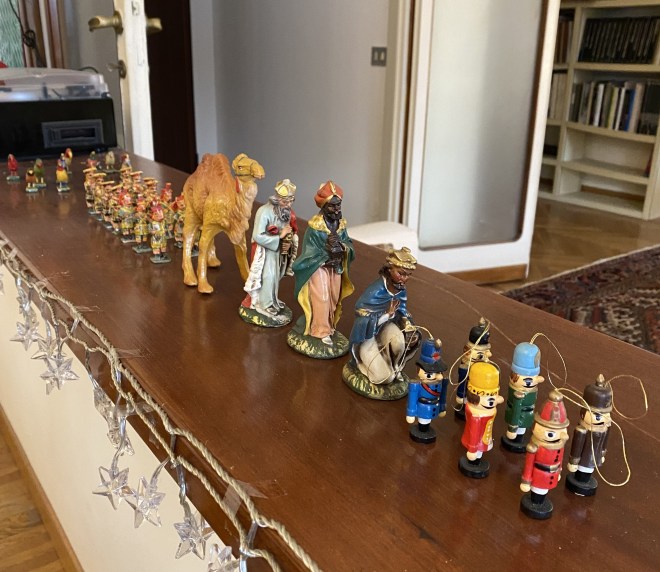


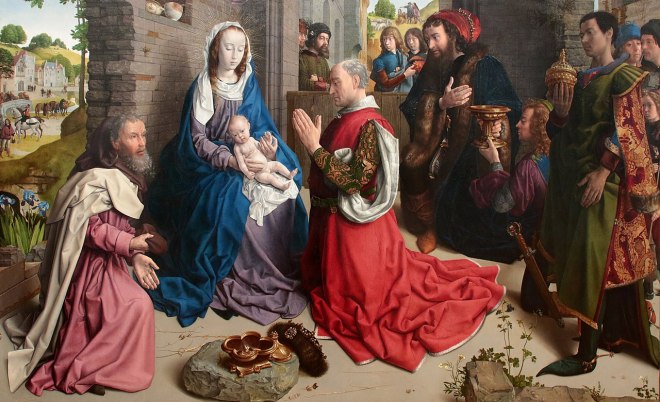


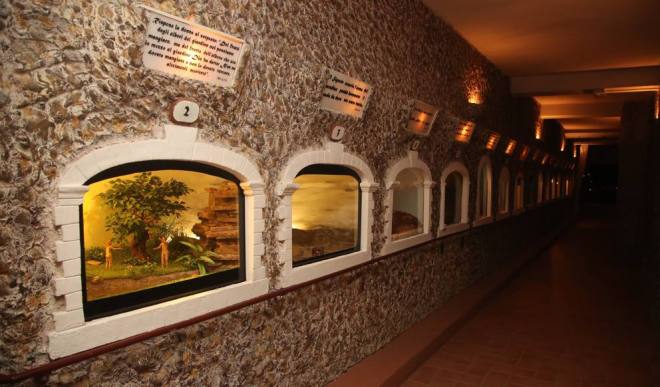


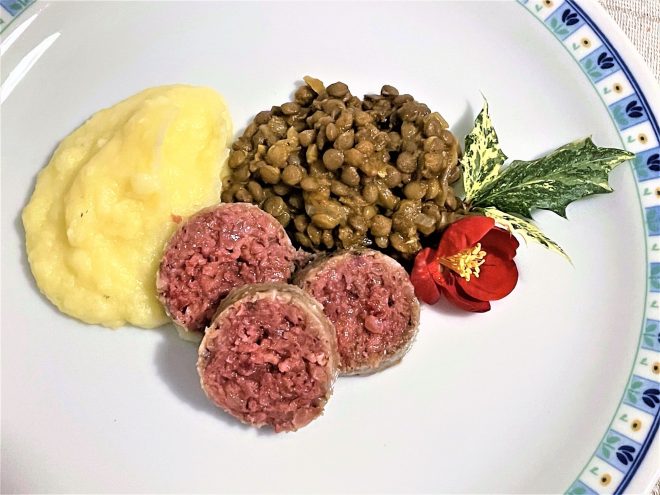

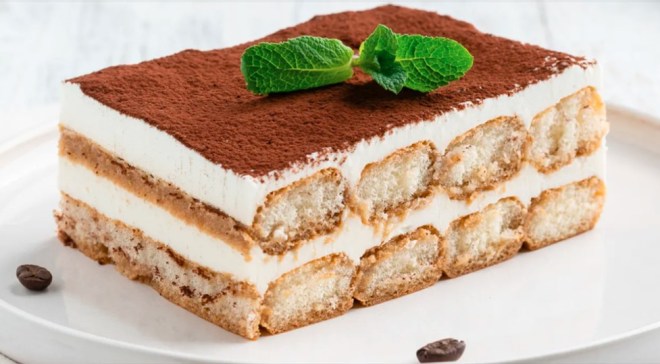


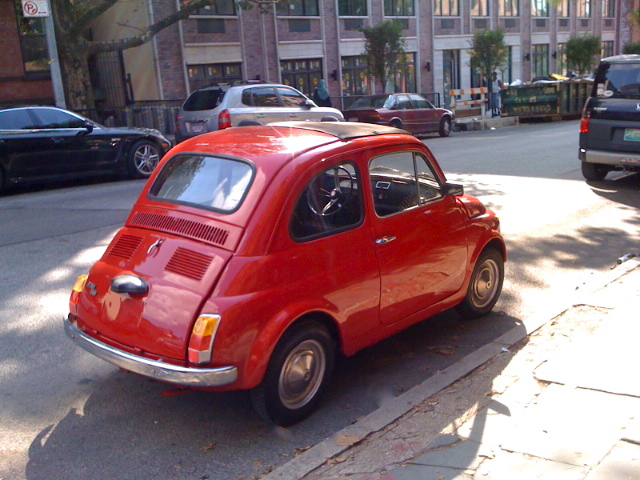

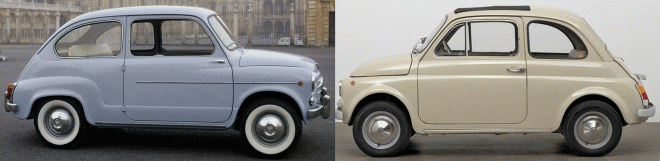
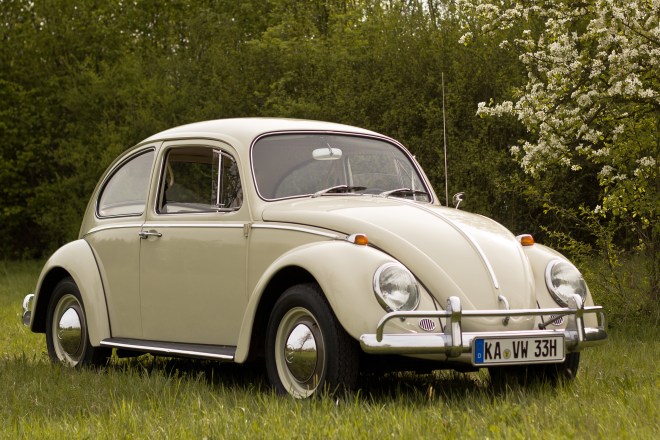


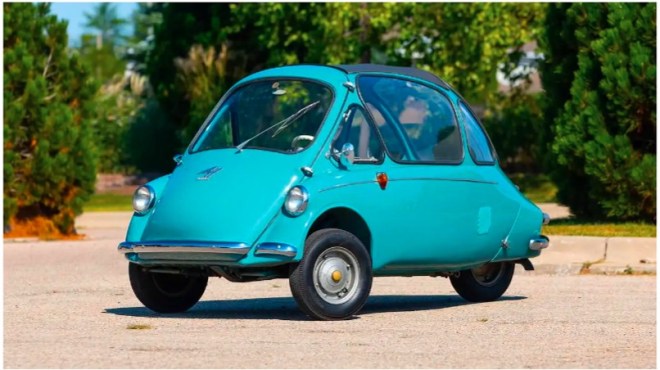

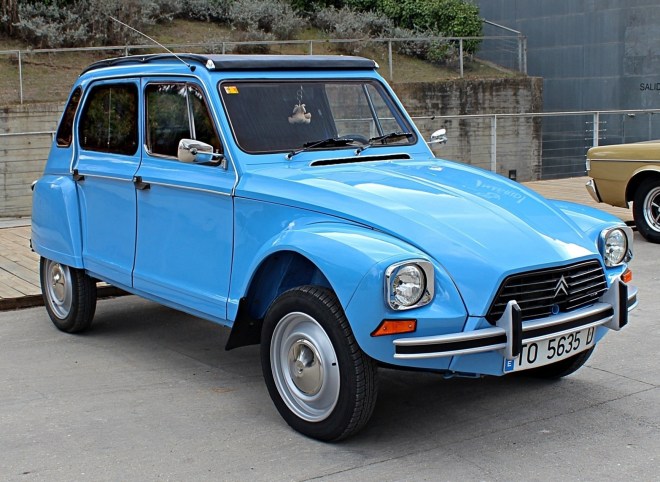
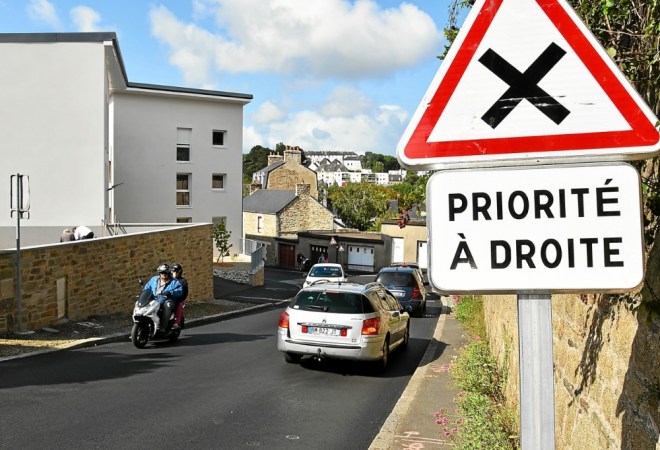
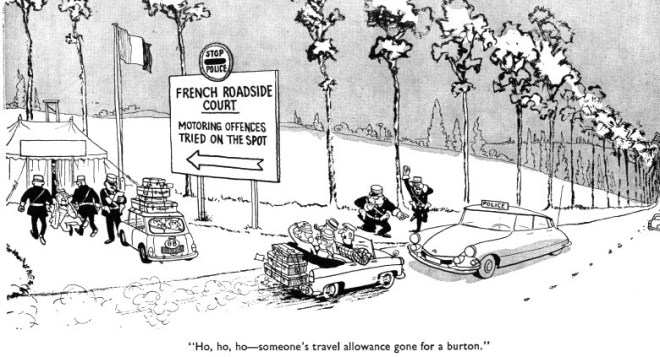
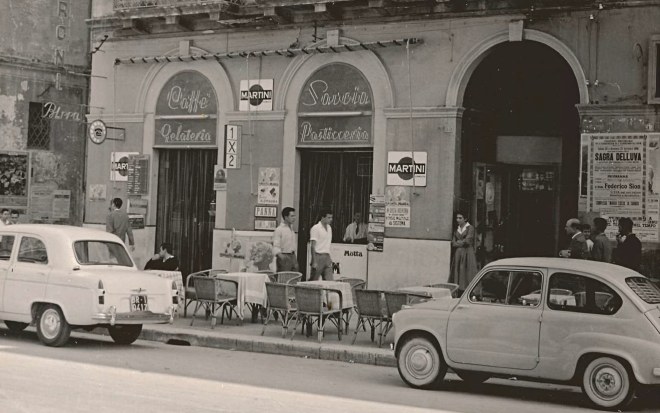
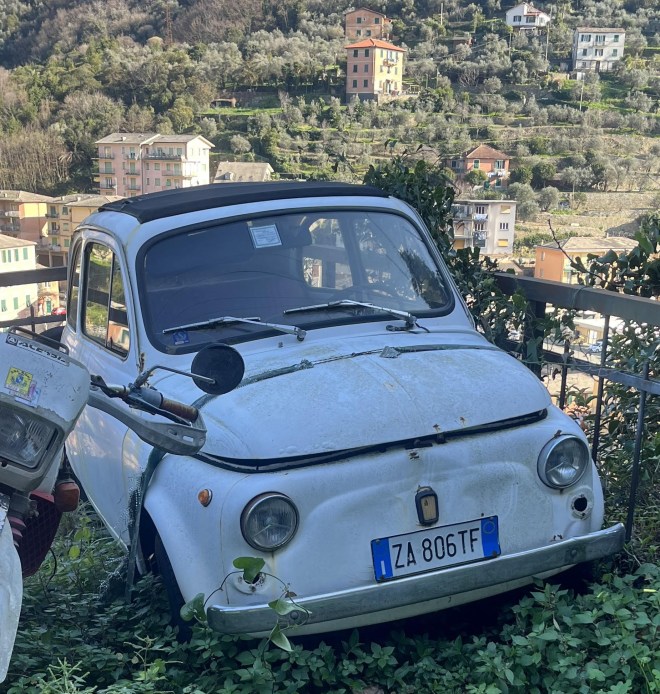
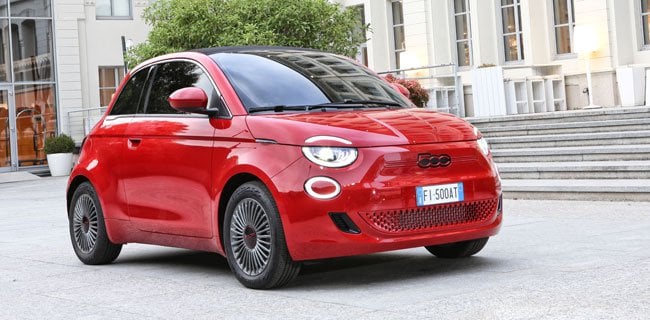


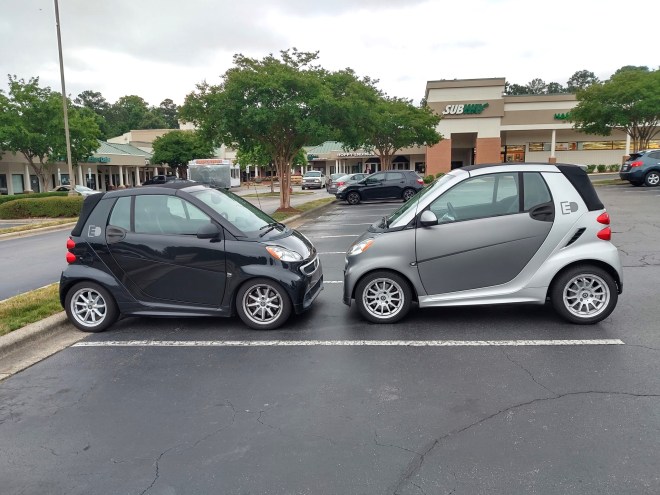


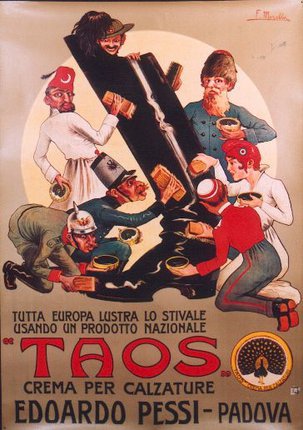
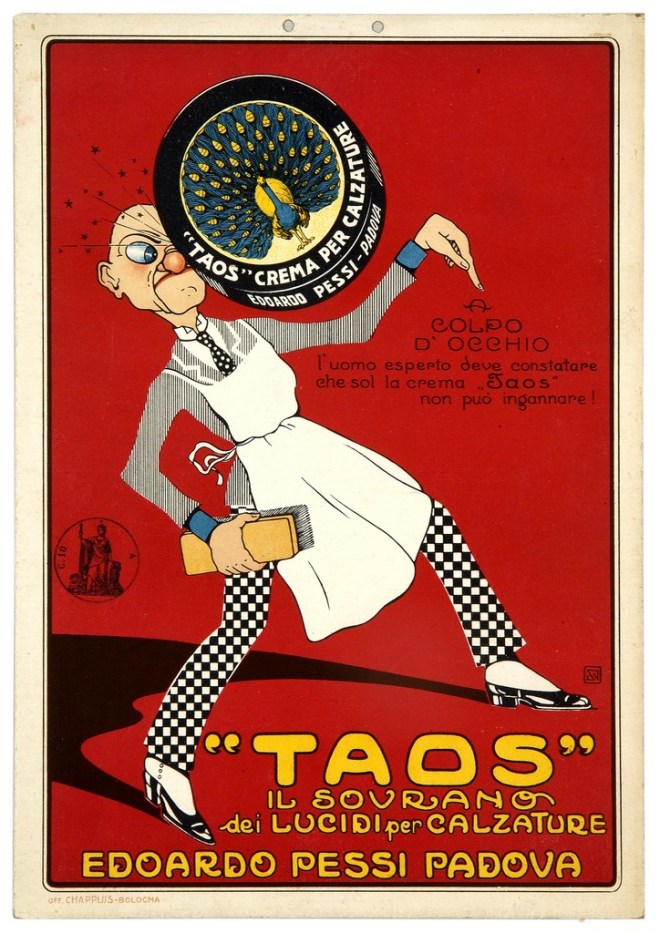
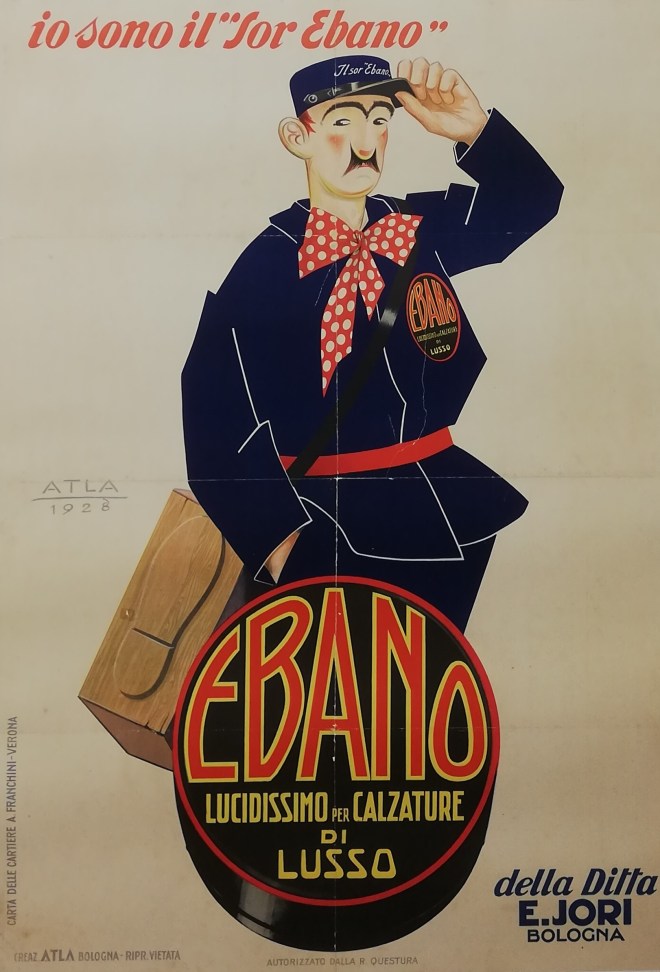

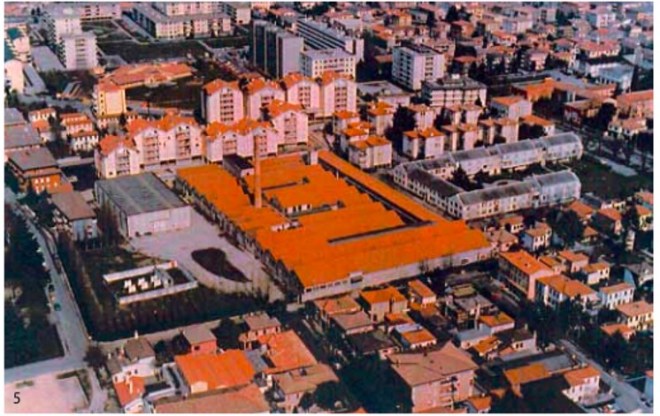
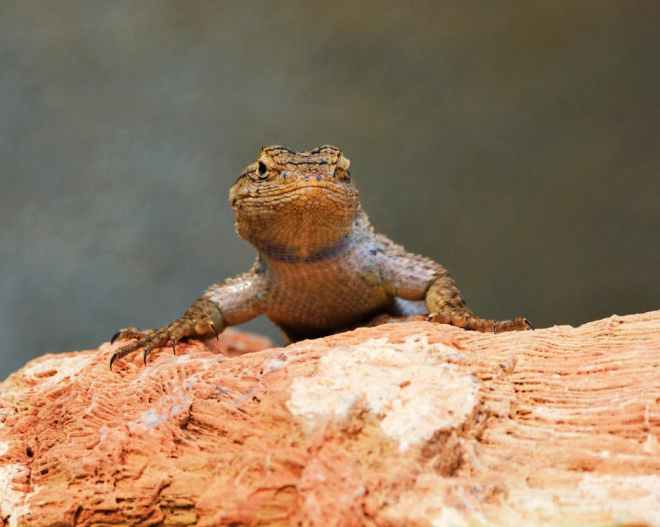


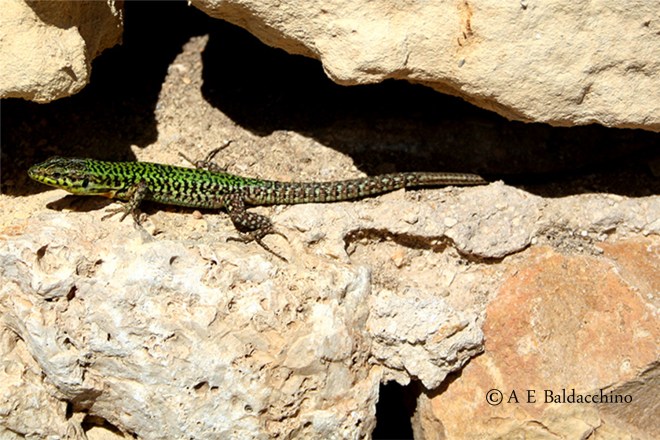


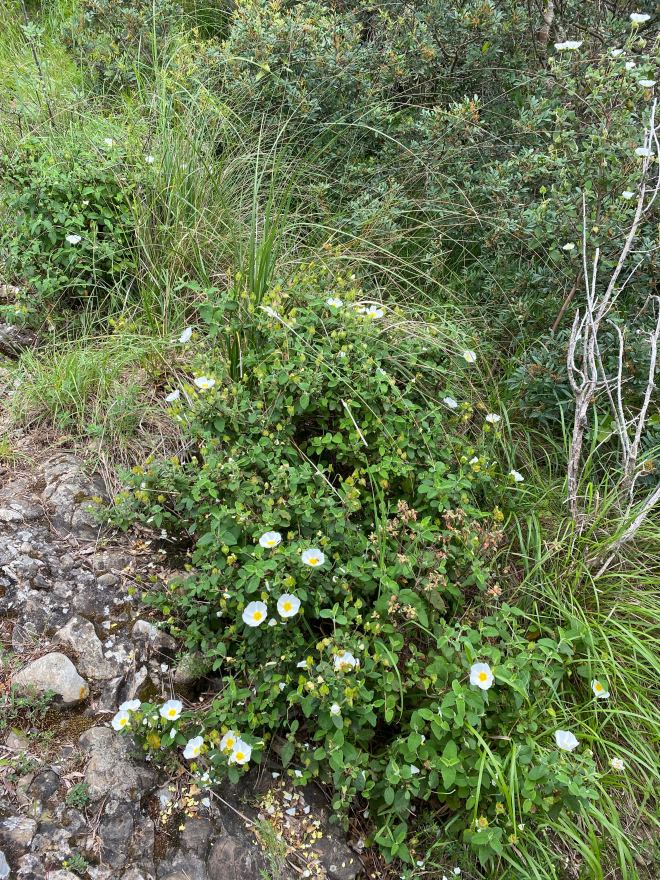


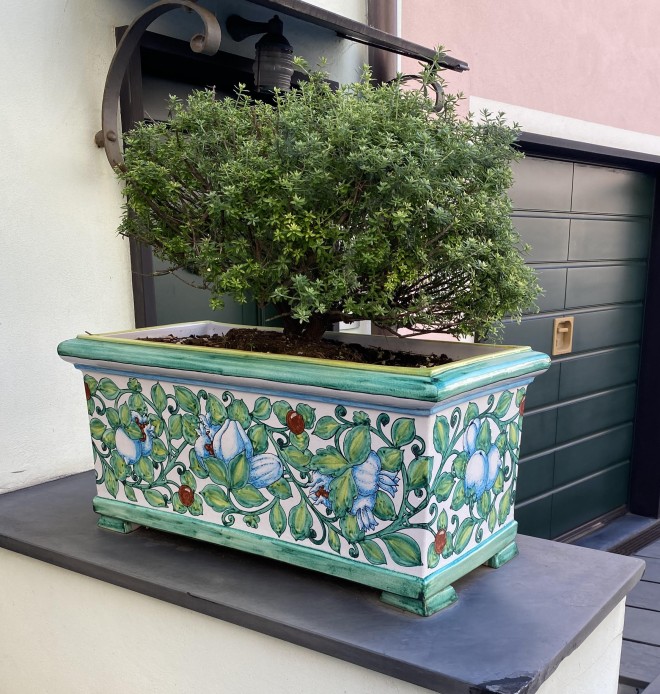

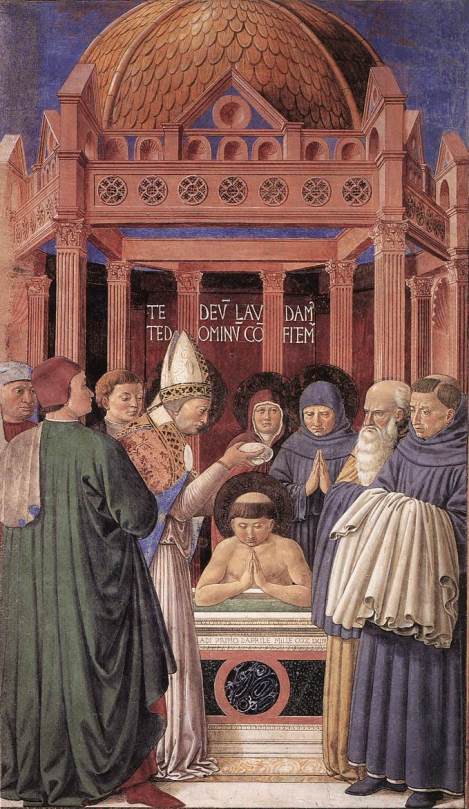
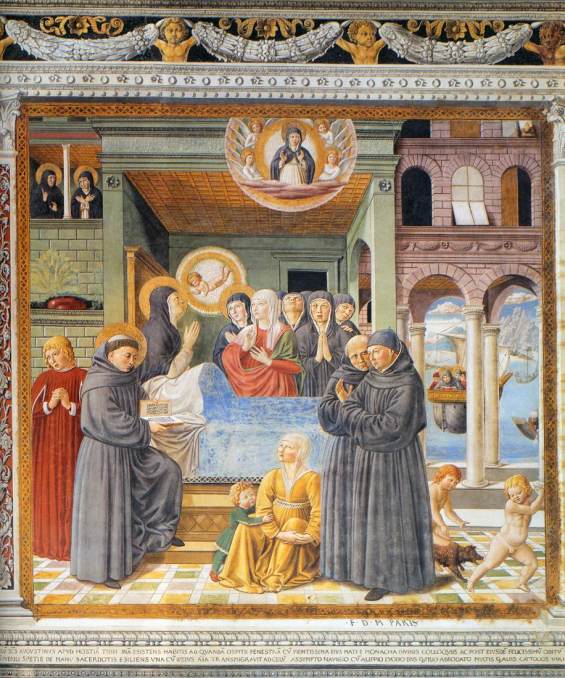
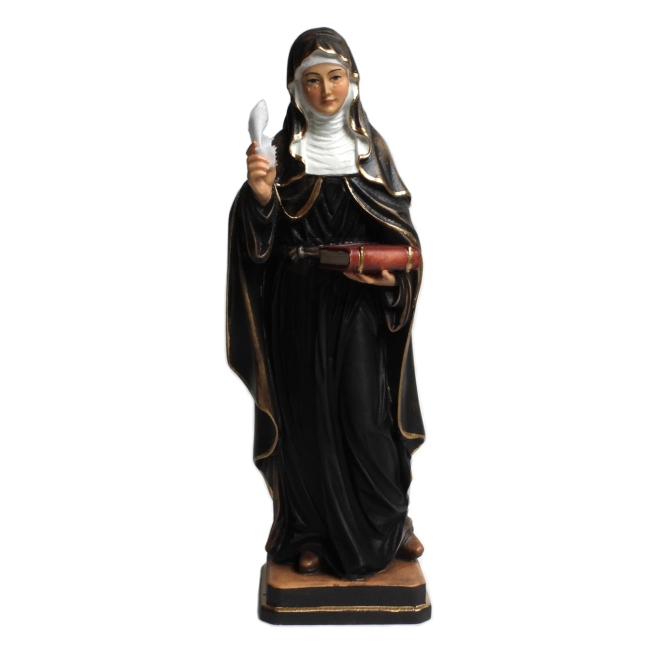
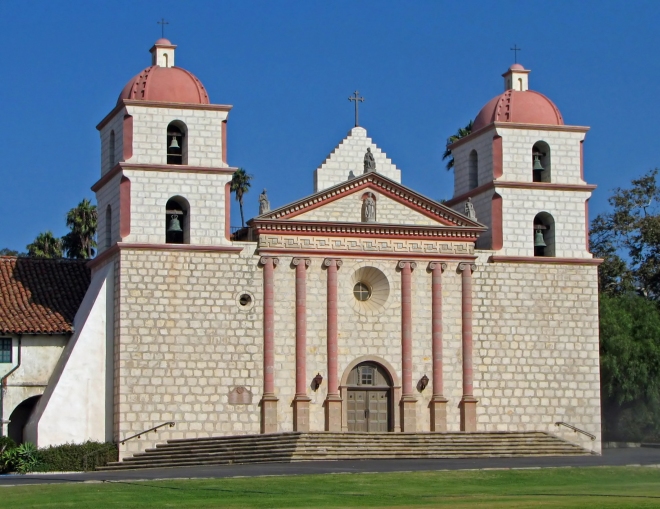

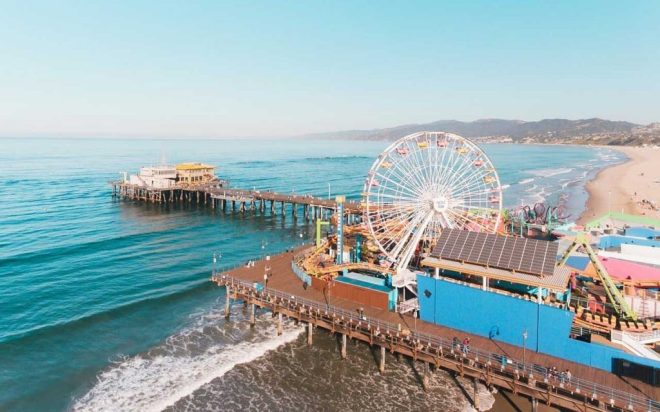


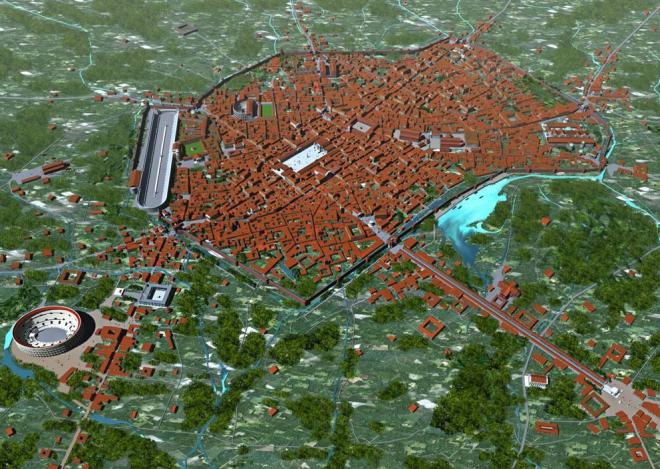

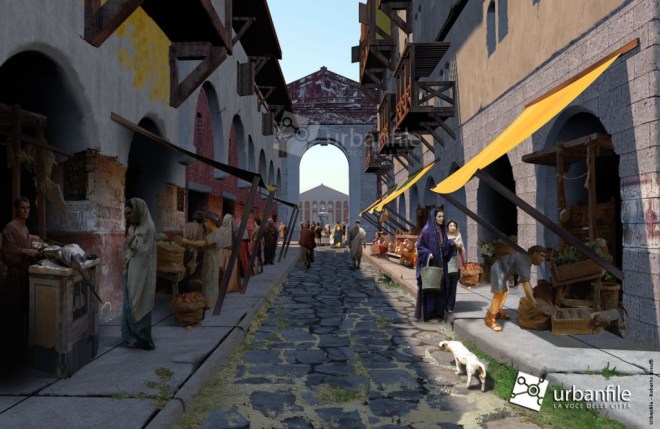
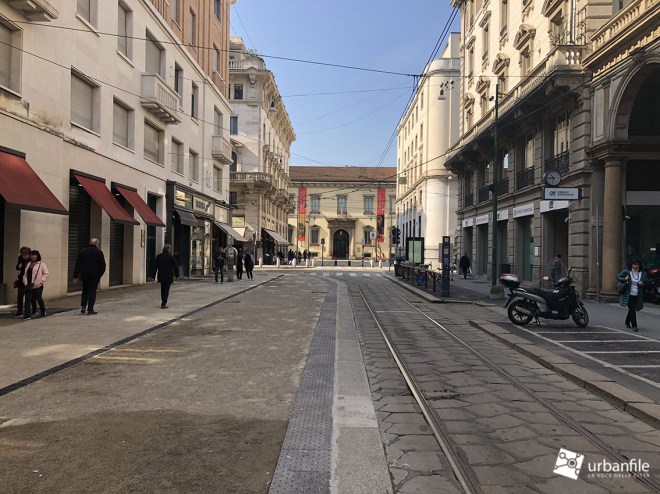
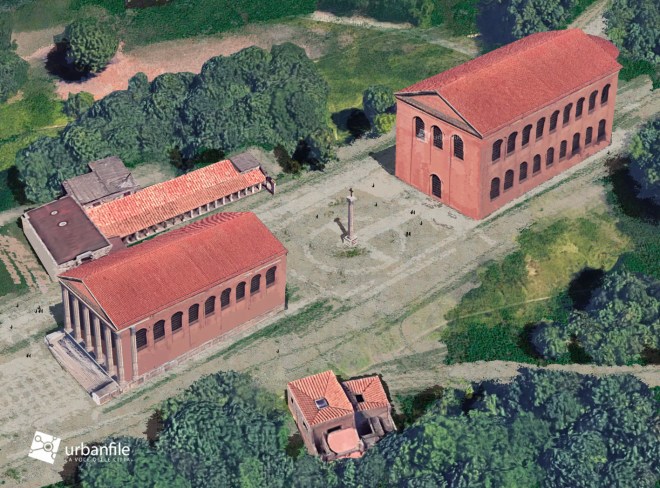

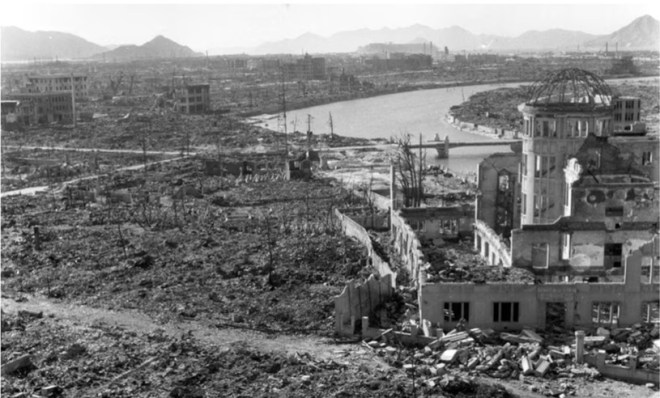
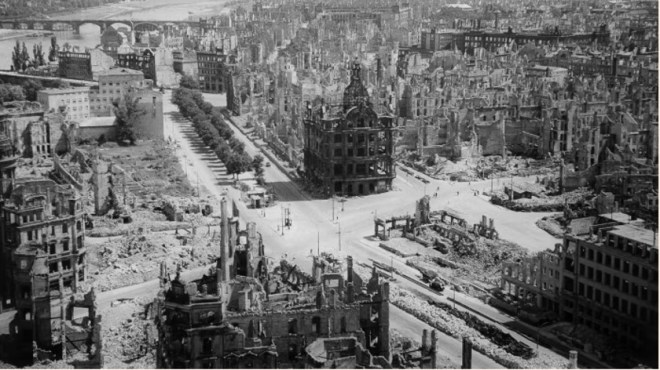

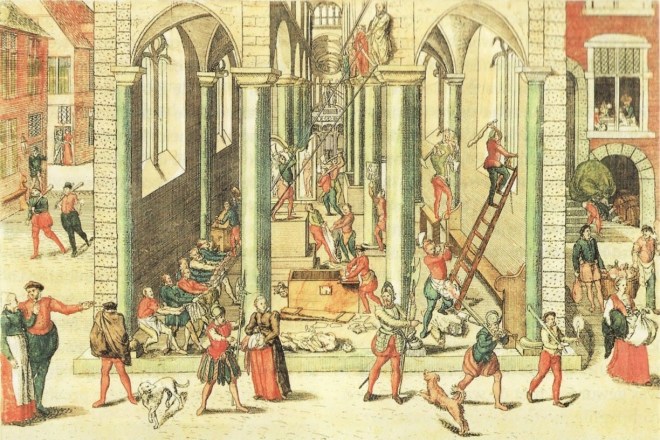




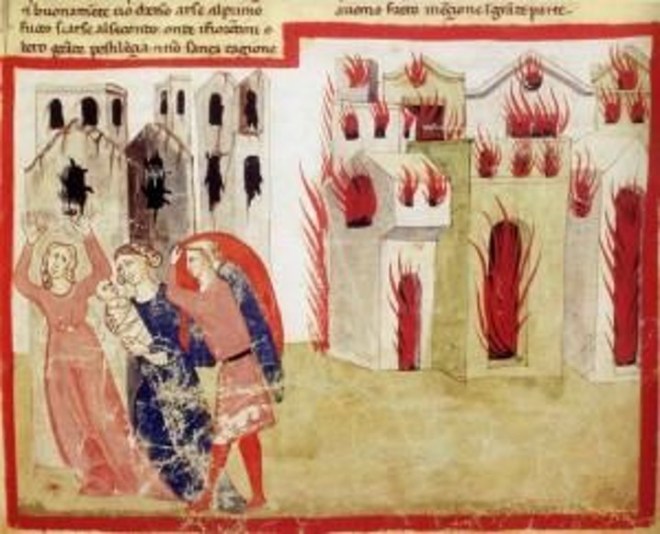


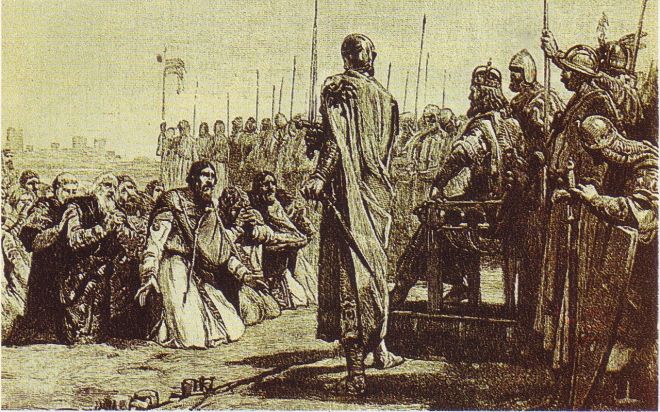
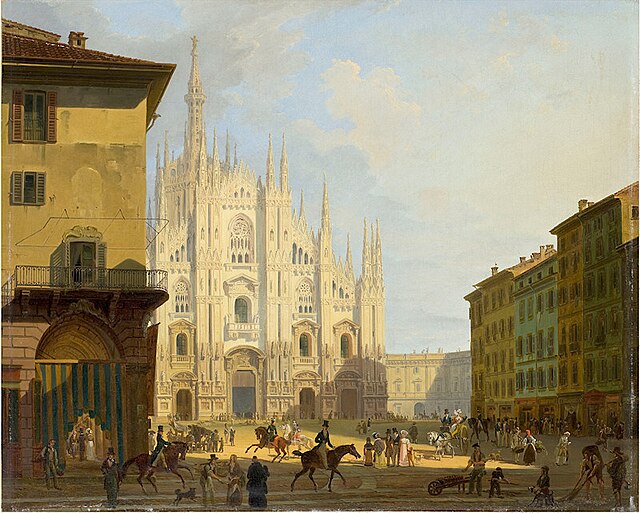
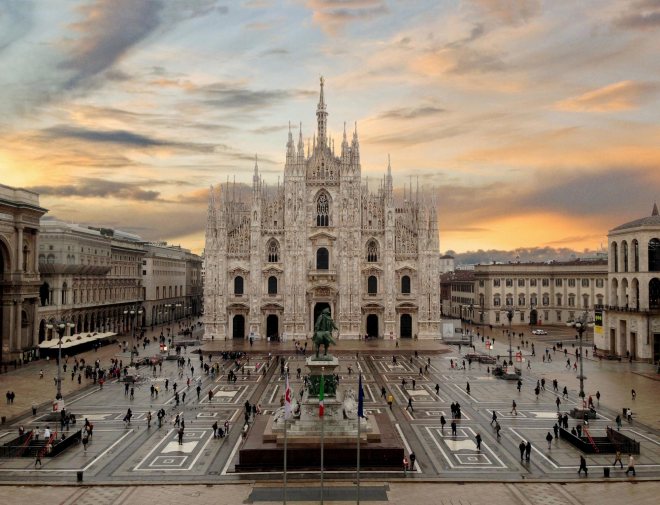
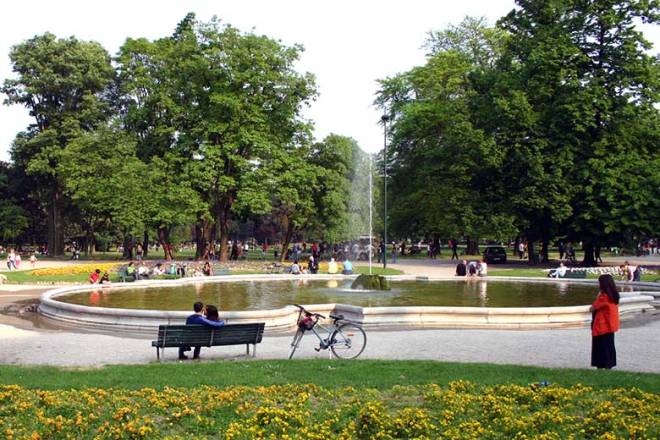
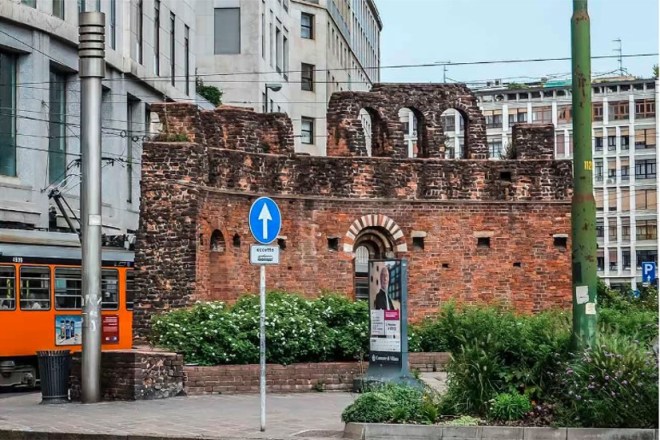


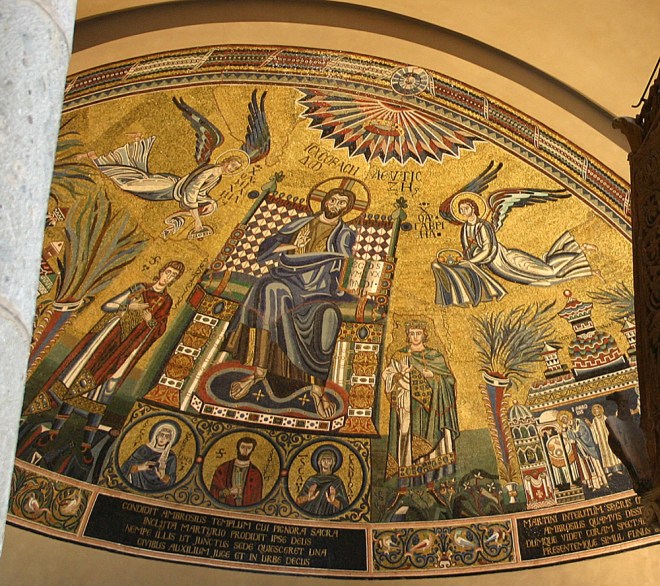


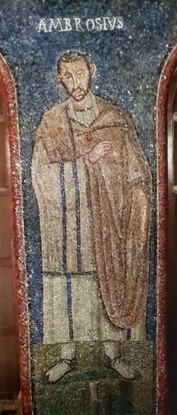
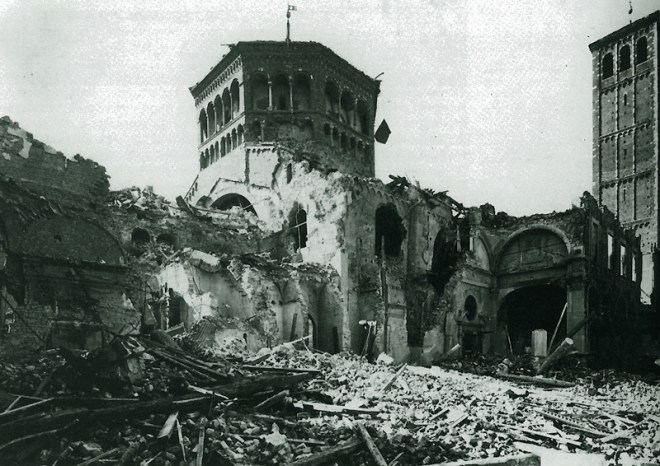

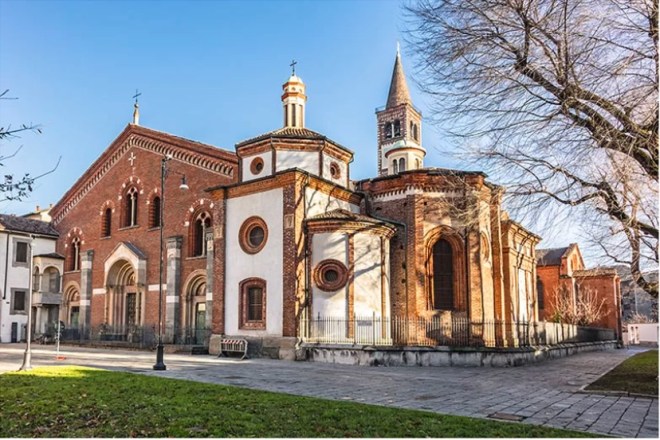


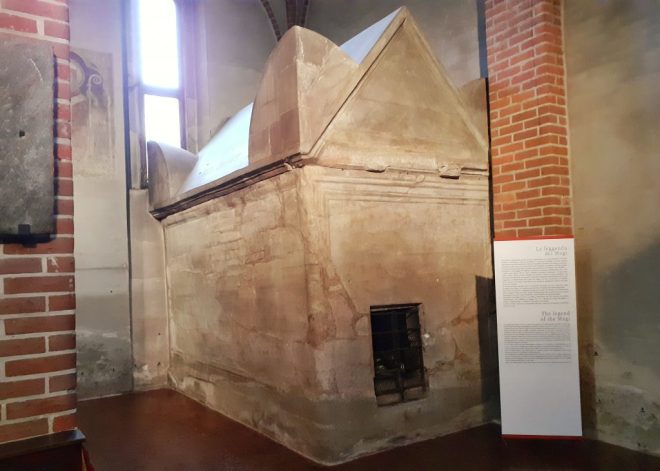


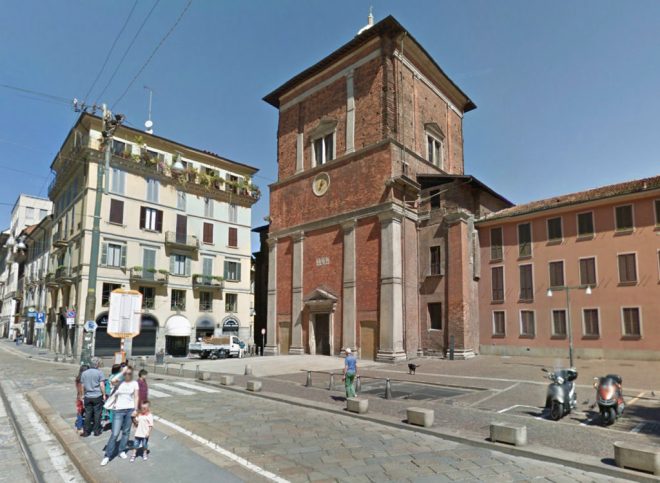


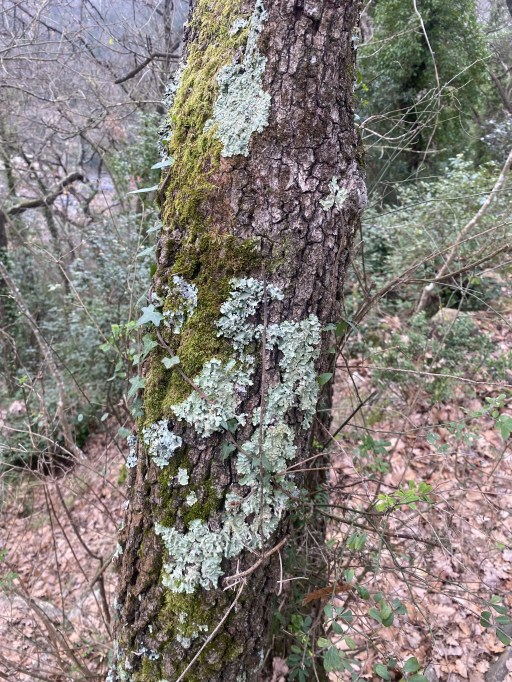


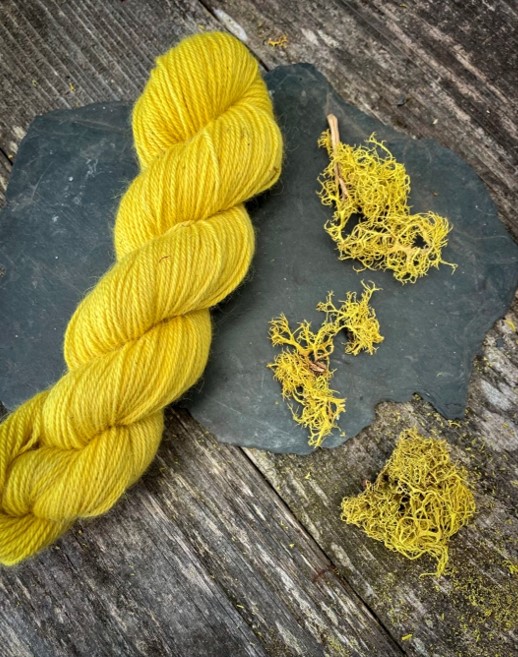
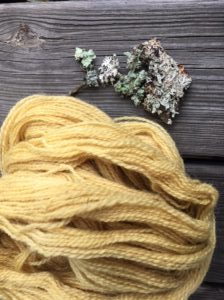


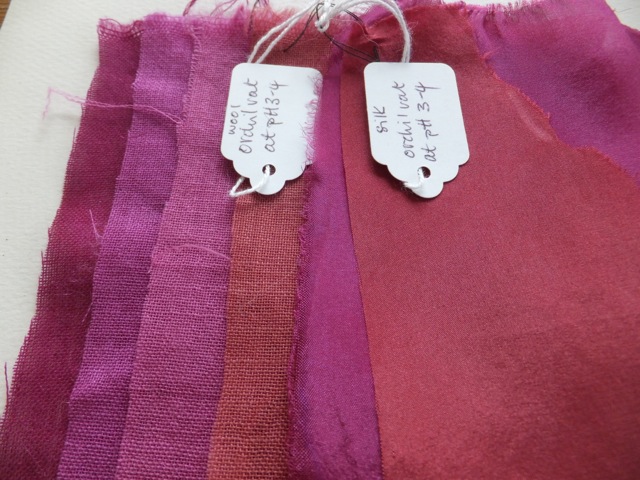


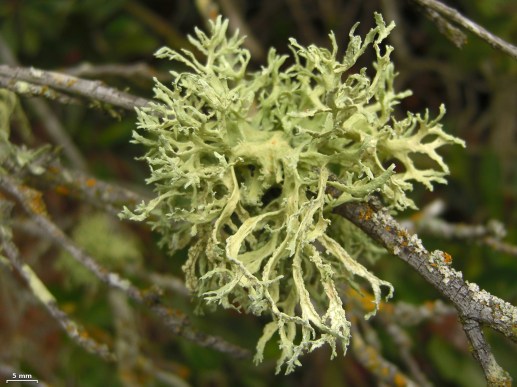

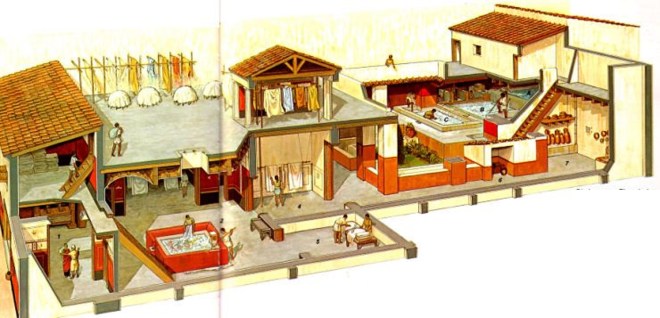


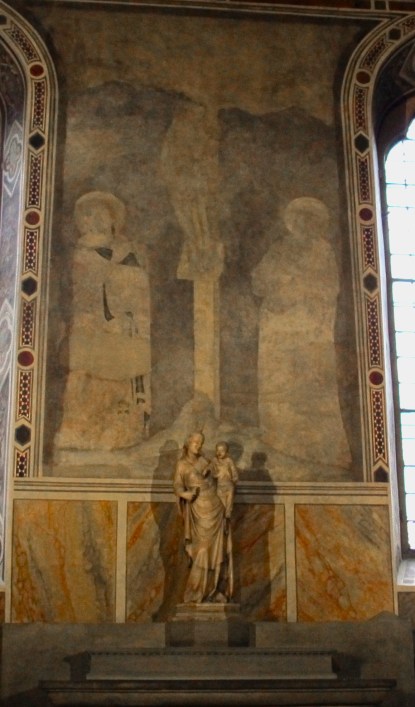
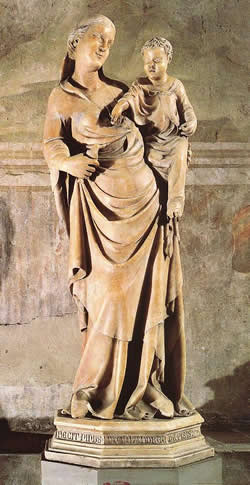


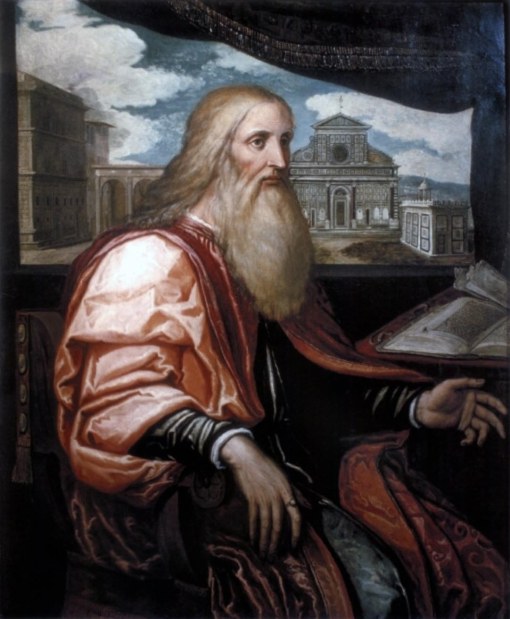




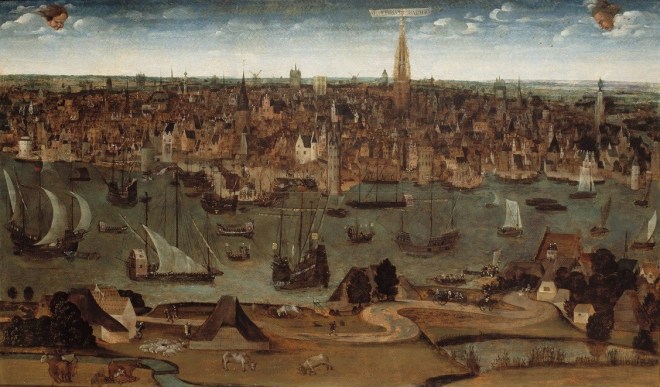
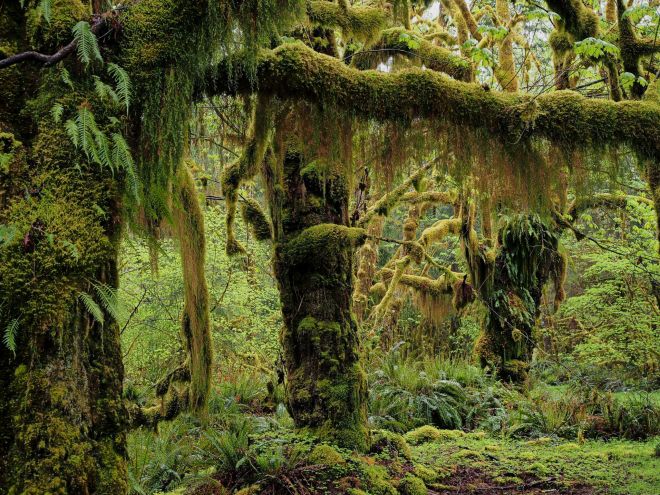

 the heart thrills


