THE BOOK AS SCULPTURE

Beijing, 13 July 2014

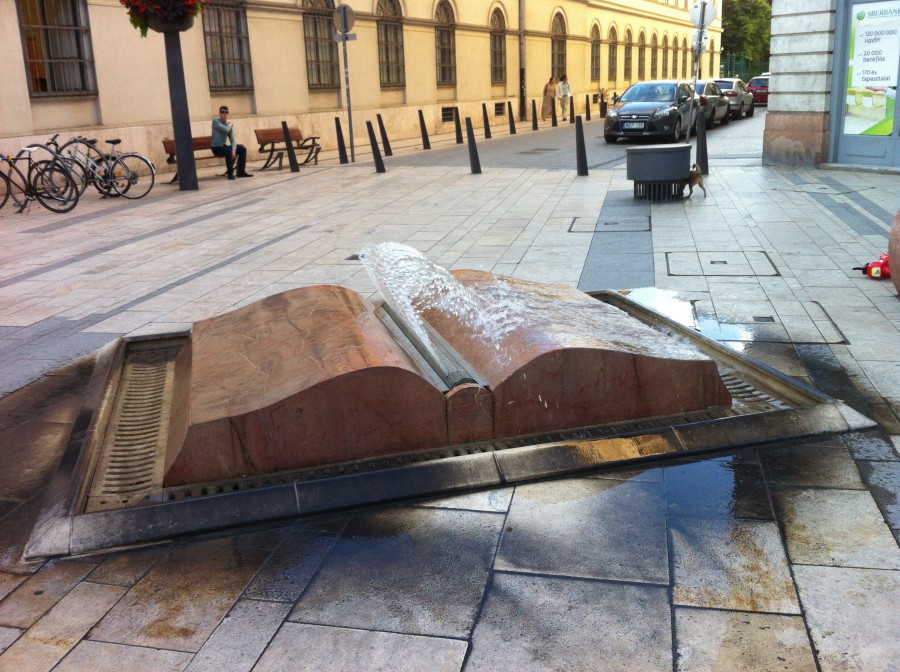
As I mentioned in the postscript to my previous posting, I was in Budapest these last few days. One evening, in search of a restaurant, I came across this fountain:

Budapest 2014 fountain 001

Budapest 2014 fountain 002

As the pictures suggest, the fountain consists of a sheet of water moving as if it were the page of a book being turned. I rather like that idea. I didn’t notice it at the time, but I have since discovered that two venerable Hungarian universities, Eötvös Loránd University and Péter Pázmány Catholic University, both of whose foundations reach back to the 1600’s, are located across the street from the fountain. I would guess that the fountain is linked to them: aren’t Universities places which revere books? Maybe the fountain is telling us that books water our intellectual life. But that’s a bit too fanciful, perhaps.

My curiosity piqued, I started looking around for pictures of other sculptures where books play the lead role. And of course someone has already helpfully put together a gallery of such photos! It’s on a site called Book Riot, which promotes reading of book reading and writing about them, my kind of site. I have shamelessly lifted a number of their photos to put here. Most of them have obvious connections to book-related institutions.

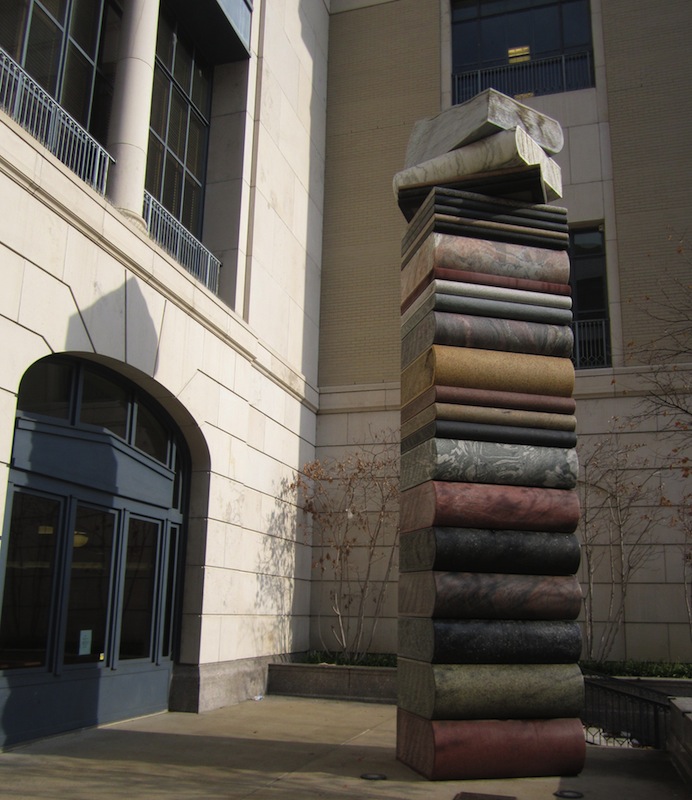
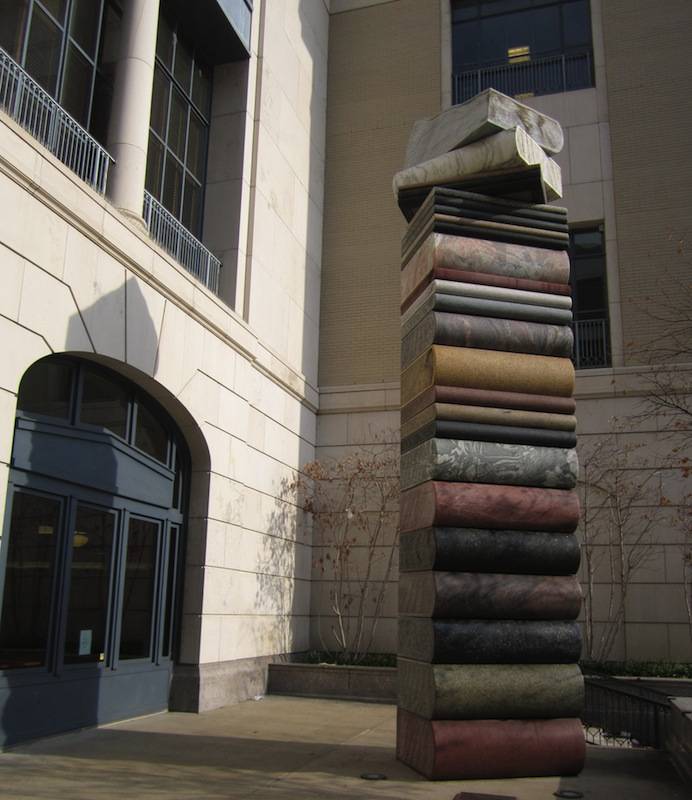
Stacking books is clearly a popular design motif. Here’s a fairly straightforward stack in a sculpture in front of the Nashville public library
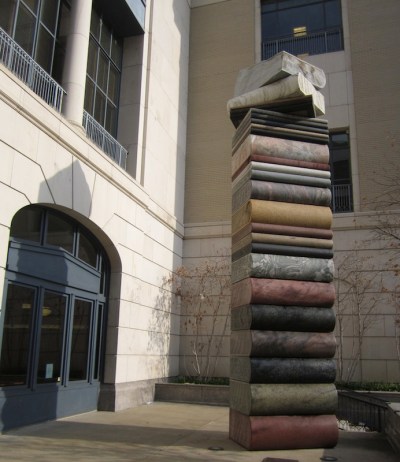
nashville-public-library-book-statue

Here is another, a little bit more untidy and making the connection between books and children (which perhaps explains the untidiness of the stacking?). It adorns the public library in Coshocton, which is (and I had to look this up on Google Maps) in Ohio. The sculpture is composed of 100 books, each one representing one year of the library’s service to the community.
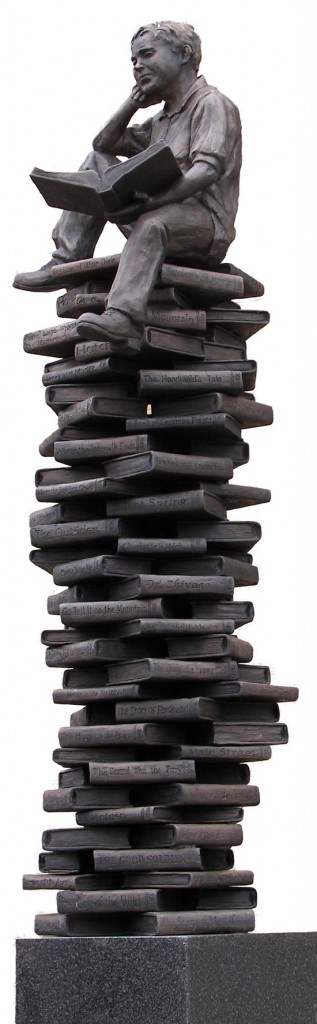
coshocton-public-library

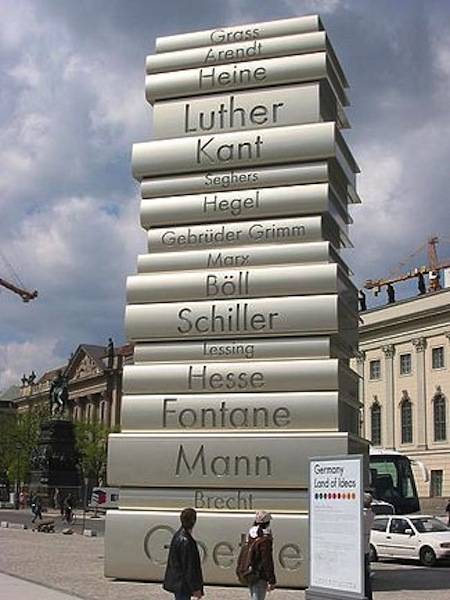
Here is another stack of books, this time from Berlin.
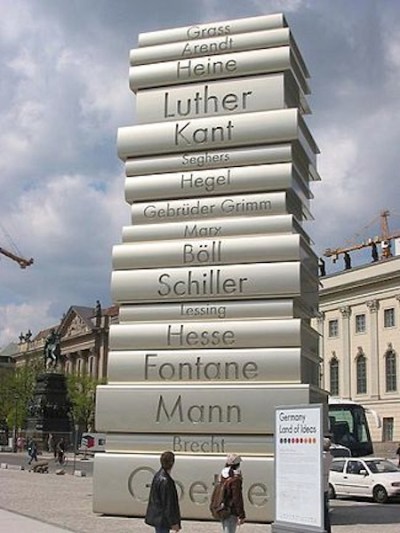
berlin-book-statue

This particular sculpture no longer exists, alas. It was part of a set of six sculptures celebrating the football World Cup of 2006. After a few months, they were taken away, who knows where to. This particular sculpture, set up in Bebelplatz opposite Humboldt University, celebrated Johannes Gutenberg who invented the modern letterpress in the German city of Mainz in around 1450.

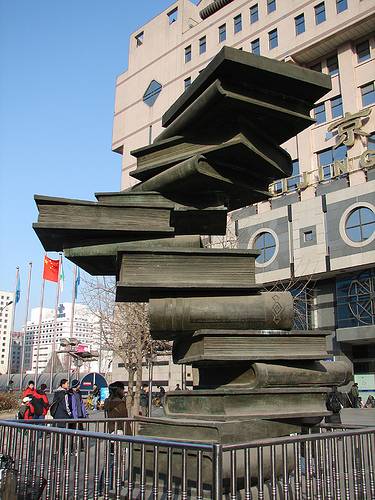
The stacking motif continues with this sculpture, although a spiraling twist has been given to the whole.
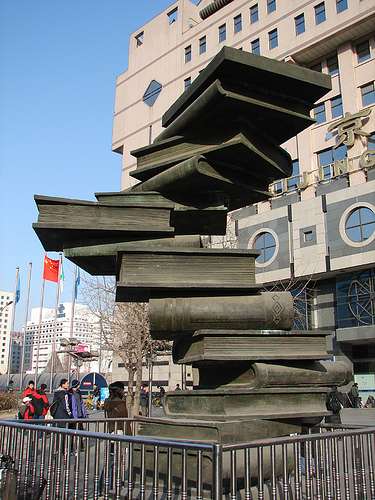
beijing-xinhua-bookstore-statue

The sculpture is in front of Beijing’s Xinhua bookstore, although I must confess to never having noticed it.

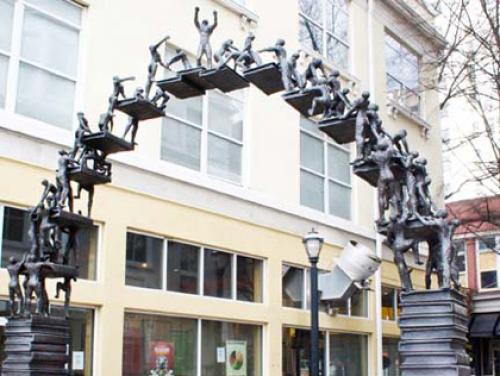
Here, the stacking has turned into a triumphal arch, located in Atlanta, at Georgia State University.

georgia tech atlanta

This is a very obviously symbolic statue. It was created by the sculpture students at the University and is entitled “No Goal Is Too High If We Climb With Care And Confidence”. A visual metaphor dear to the hearts of many a University Professor, I’m sure.

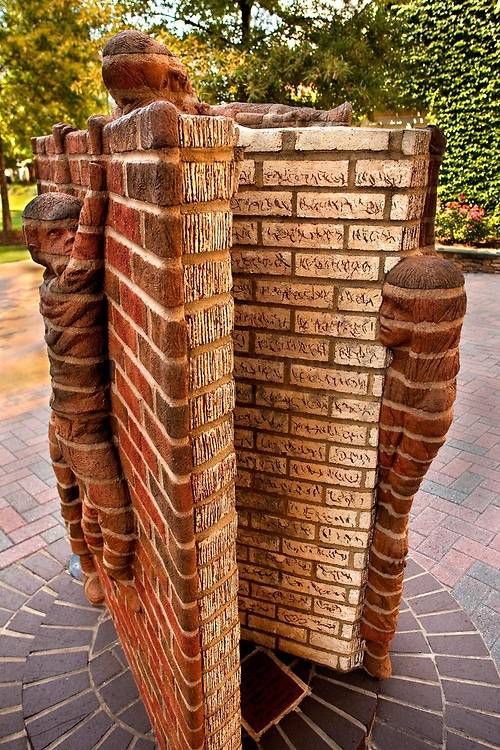
This one, from Charlotte North Carolina, is quite different. Like the sculpture in Coshocton, it makes a connection between books and children, but here it becomes equivalent to playground equipment, showing books as something for children to play with, on, in.

brick-book-statue

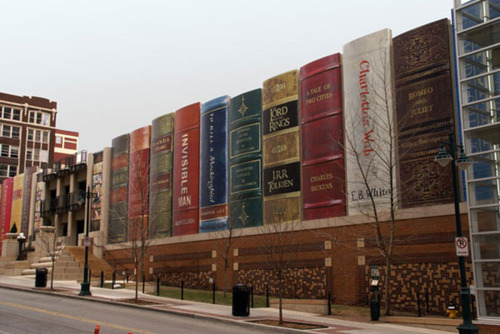
As for Kansas City library, it dispenses with sculptures altogether and has just built the books right into its façade

kansas city public library

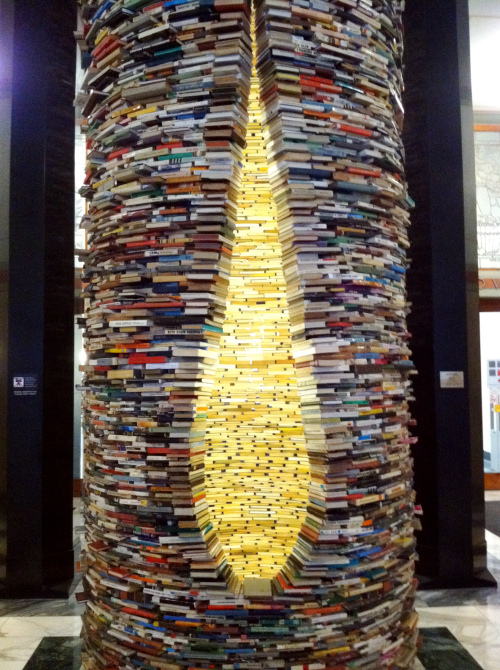
Another approach to book-sculptures is to consider the book a brick to be used to build structures. The Czech-Slovak artist Matej Kren has created a number of such structures, a couple of which I have photos for. The first is in the Prague municipal library

prague city library

I’ve not seen it, but I read that if you look inside you get the impression of an infinite tower. It seems that Kren has made clever use of mirrors to get this optical effect.

I don’t know where the structures in these other two photos are to be found

matej kren-1

matej kren-2

The last could easily be an old farm house in southern Europe somewhere. The following site shows a couple more such structures made with books by Kren and other artists.

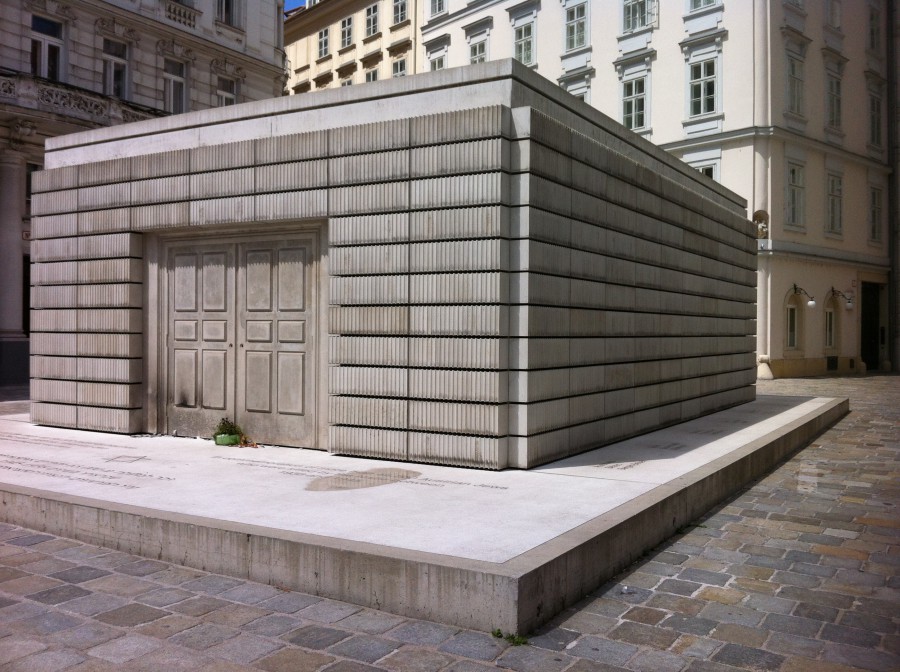
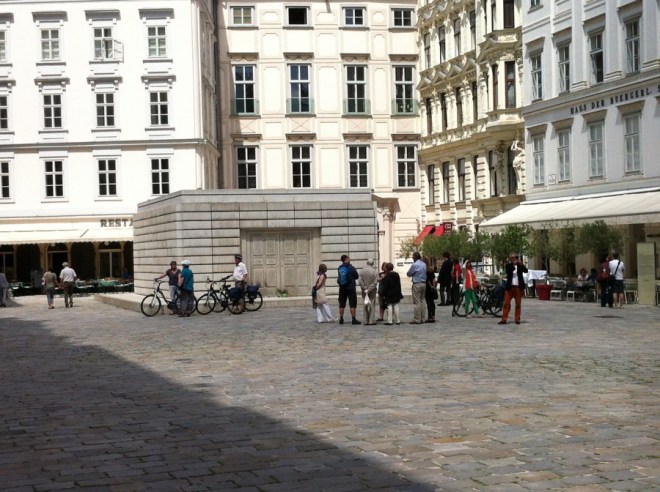
This last photo brings me to another structure made with books, but of an altogether darker tenor. It is the Holocaust memorial in Judenplatz, Vienna, a memorial to the more than 65,000 Austrian Jews killed by the Nazis before and during World War II. On my way back from Budapest to Beijing through Vienna, and with the book fountain still fresh in my mind, I decided on the spur of the moment to quickly revisit the memorial before boarding the bus for the airport.
holocaust memorial 001

From far away, it looks like one of those squat, windowless blockhouses which dotted the battlefields of World War II. But when you get closer, you see something else.

holocaust memorial 002

You see that the walls of this blockhouse are made of shelves of books. But the books are facing outwards rather than inwards as would normally be the case on a shelf. So unlike the sculpture pictured above in Berlin’s Bebelplatz, we know neither the author nor the title of any of the books. The shelves of the memorial simply appear to hold endless copies of the same book, which can stand for the vast array of faceless victims. The choice of books as the design motif perhaps alludes to the idea of the Jews being a “People of the Book”. Fittingly, another name for this memorial is the Nameless Library. Around the edges of the structure are carved the names of the camps where Austrian Jews died

holocaust memorial 003

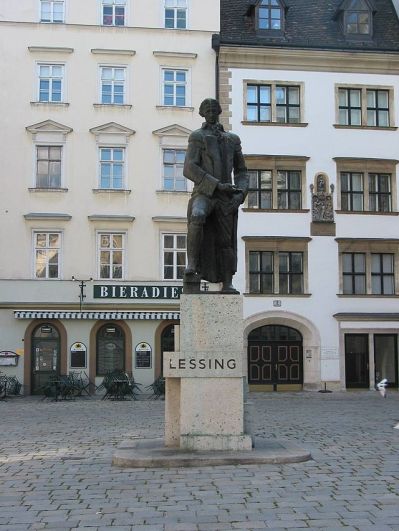
At the other end of Judenplatz is a statue of the writer Lessing, staring so it seems at the Holocaust memorial.
Lessing statue Judenplatz

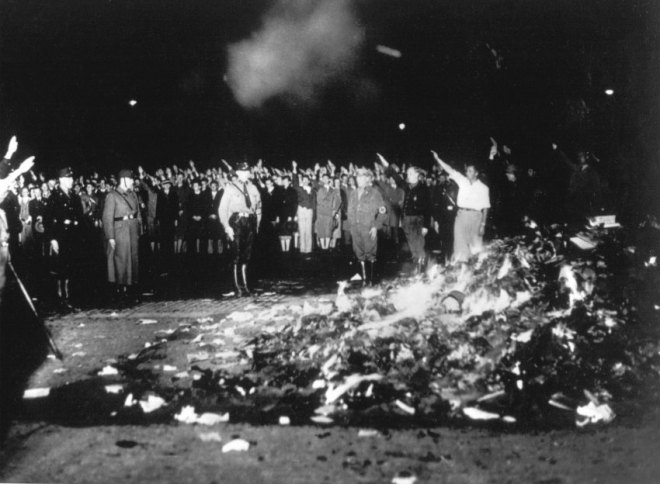
This is the same Lessing whose name appears on one of the spines of the sculpted stack of books in Berlin’s Bebelplatz, a photo of which I included earlier. A connection which allows me to segue into my next memorial, in that same Bebelplatz, a memorial to the campaign of book burnings, orchestrated by the German Student Union, which took place there and in 34 other German university towns in May 1933, shortly after the Nazis had taken power. The purpose was to ceremonially burn books by classical liberal, anarchist, socialist, pacifist, communist, Jewish, and other German and non-German authors whose writings were viewed as subversive to the new regime. Many came from Humboldt University’s libraries. The students first marched in torchlight parades “against the un-German spirit”. Some 40,000 people then gathered in Bebelplatz to hear Joseph Goebbels deliver a fiery address:

“The era of extreme Jewish intellectualism is now at an end. The breakthrough of the German revolution has again cleared the way on the German path…The future German man will not just be a man of books, but a man of character. It is to this end that we want to educate you. As a young person, to already have the courage to face the pitiless glare, to overcome the fear of death, and to regain respect for death – this is the task of this young generation. And thus you do well in this midnight hour to commit to the flames the evil spirit of the past. This is a strong, great and symbolic deed – a deed which should document the following for the world to know – Here the intellectual foundation of the November Republic is sinking to the ground, but from this wreckage the phoenix of a new spirit will triumphantly rise.

Then the students joyfully threw the books onto the pyre, with band-playing, songs, “fire oaths”, and incantations.

bebelplatz book burning-1

DEU NS ZEIT BUECHERVERBRENNUNG JAHRESTAG

In Berlin, some 20,000 books were burned. Looking back at the stack of books which make up the sculpture put in this same square 83 years later, Heinrich Heine’s books were burned, as were those of Anna Seghers, Karl Marx, Heinrich Mann, and Bertolt Brecht. In all, the works of some 60 German authors and 25 non-German authors were consigned to the flames.

The memorial to this shameful episode consists simply of a glass plate set into the square’s cobble stones, below which are visible empty bookcases, enough of them to hold the total of the 20,000 burned books.

Bebelplatz_Night_of_Shame_Monument-2

Next to it is a plaque, with a line from Heinrich Heine’s 1821 play Almansor: “That was only a prelude; where they burn books, they will in the end also burn people.” Heine was referring to the burning of the Muslim Quran by the Christian Inquisition in Spain. But looking back at the Holocaust memorial in Vienna’s Judenplatz, how prescient is that line! And the book burnings haven’t stopped, as a Wikipedia article eloquently shows.

______________________

Budapest book fountain: my photos
The following five photos are from bookriot.com/2013/03/06/10-superbly-bookish-statues
– Nashville public library: http://bookriotcom.c.presscdn.com/wp-content/uploads/2013/03/nashville-public-library-book-statue.jpg
– Coshocton public library: http://bookriotcom.c.presscdn.com/wp-content/uploads/2013/03/centennial-statue-coshocton-public-library-317×1024.jpg
– Berlin Walk of Ideas http://bookriotcom.c.presscdn.com/wp-content/uploads/2013/03/berlin-book-statue.jpg
– Xinhua bookstore, Beijing: http://bookriotcom.c.presscdn.com/wp-content/uploads/2013/03/beijing-xinhua-bookstore-statue.jpg
– Brick book statue: http://bookriotcom.c.presscdn.com/wp-content/uploads/2013/03/brick-book-statue.jpg
Georgia Tech University, Atlanta: http://www.himalayanrestaurantct.com/article_images/best-bizarre-statues-or-public-art-in-atlanta.jpg [in http://www.himalayanrestaurantct.com/arts-culture/best-art-museums-in-atlanta-449.php%5D
Kansas city library: http://media.tumblr.com/tumblr_m37ijcSOnV1qc4g44.jpg [in http://callmeabsurd.tumblr.com/post/22000303273/beautiful-structures-made-of-books%5D
Prague city library: http://davidgutterman.files.wordpress.com/2011/11/book-statue-library.jpg?w=500&h=670 [in http://davidgutterman.wordpress.com/2011/11/16/prague-blog-7/%5D
Matej Kren-1: http://avisualjournal.files.wordpress.com/2011/09/artwork_images_425933222_663093_matej-kren.jpg [in http://avisualjournal.wordpress.com/page/43/%5D
Matej Kren-2: http://pitchdesignunion.com/wp-content/uploads/2010/10/book-cell-02.jpeg [in http://pitchdesignunion.com/2010/10/matej-kren/%5D
Holocaust memorial, Judenplatz, Vienna: my photos
Lessing statue Judenplatz: http://en.wikipedia.org/wiki/Judenplatz#mediaviewer/File:WienLessingDenkmal.jpg [in http://en.wikipedia.org/wiki/Judenplatz#Lessing_monument%5D
Bebelplatz book burning-1: http://upload.wikimedia.org/wikipedia/commons/2/2b/1933-may-10-berlin-book-burning.JPG [in http://en.wikipedia.org/wiki/Nazi_book_burnings%5D
Bebelplatz book burning-2: http://cdn2.spiegel.de/images/image-485121-galleryV9-ohuq.jpg [in http://www.spiegel.de/fotostrecke/photo-gallery-erich-kaestner-and-the-nazi-book-burnings-fotostrecke-95652-2.html%5D
Bebelplatz memorial to book burning: http://en.wikipedia.org/wiki/Nazi_book_burnings#mediaviewer/File:Bebelplatz_mit_Mahnmal_B%C3%BCcherverbrennung_Aug_2009.jpg [in http://en.wikipedia.org/wiki/Nazi_book_burnings%5D
SCULPTURE AND NATURE

Beijing, 15 June 2014

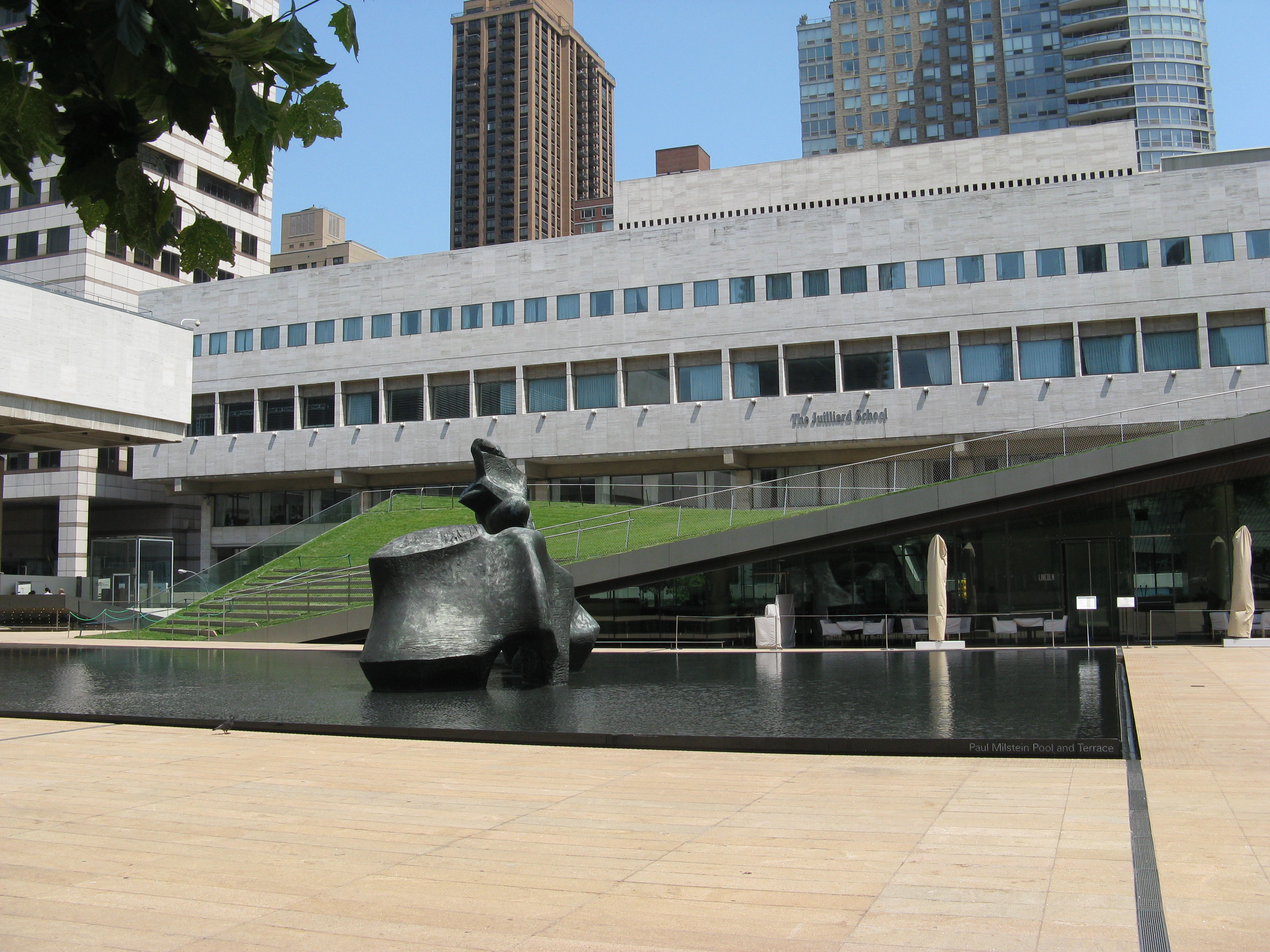
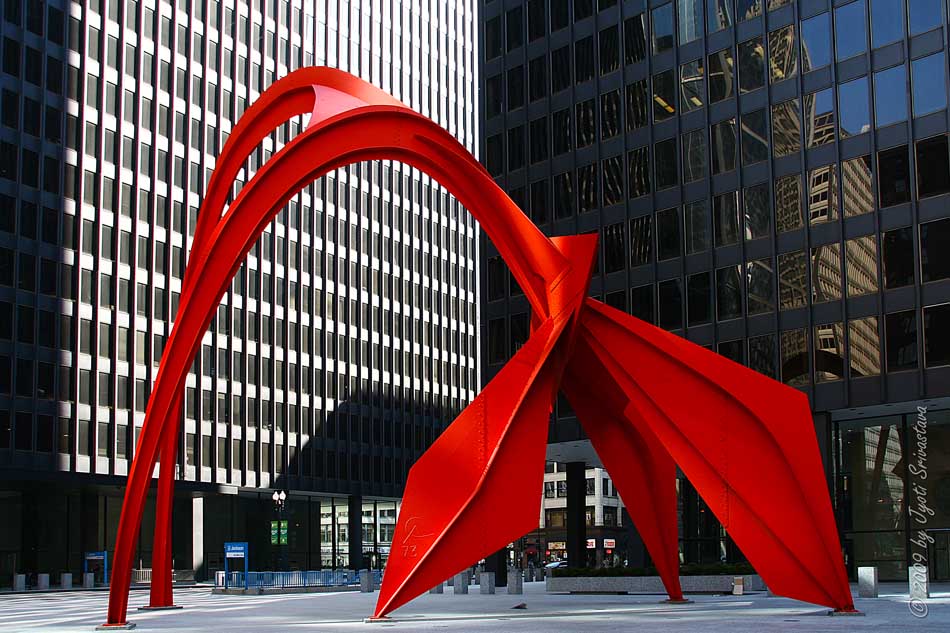
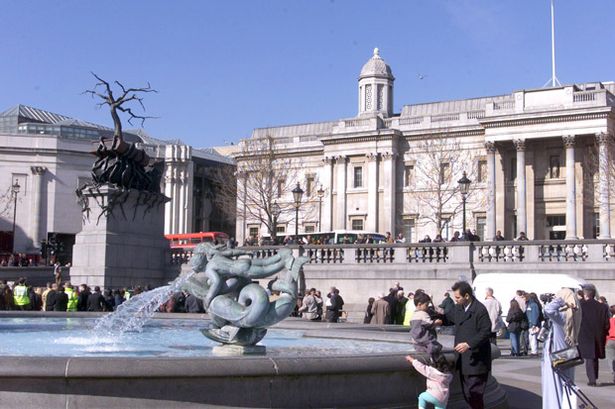
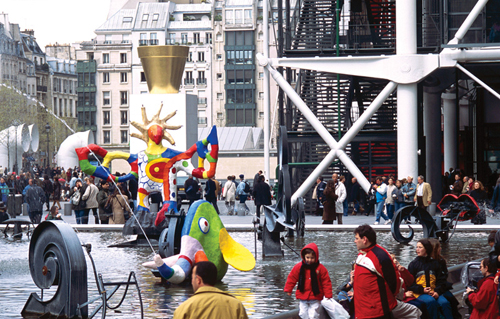
My wife and I were watching TV with one eye the other day when the BBC passed a programme which caught our attention. It was about the Yorkshire Sculpture Park in the north of England. I think a few words of explanation are required for those readers who have never heard of this Park (our situation before watching the BBC programme). It was established back in 1977 in the grounds of a stately home the last of whose aristocratic owners (Viscount Allendale) had sold it to the local council after World War II, no doubt to save his financial skin (I mentioned the financial woes of the UK’s stately homes in an earlier posting of mine). The idea is a simple one: rather than displaying modern sculpture in open spaces in cities like plazas
sculpture in cities-1

sculpture in cities-2

or squares

sculpture in cities-3

sculpture in cities-4

or using the atriums of posh buildings

sculpture in cities-6

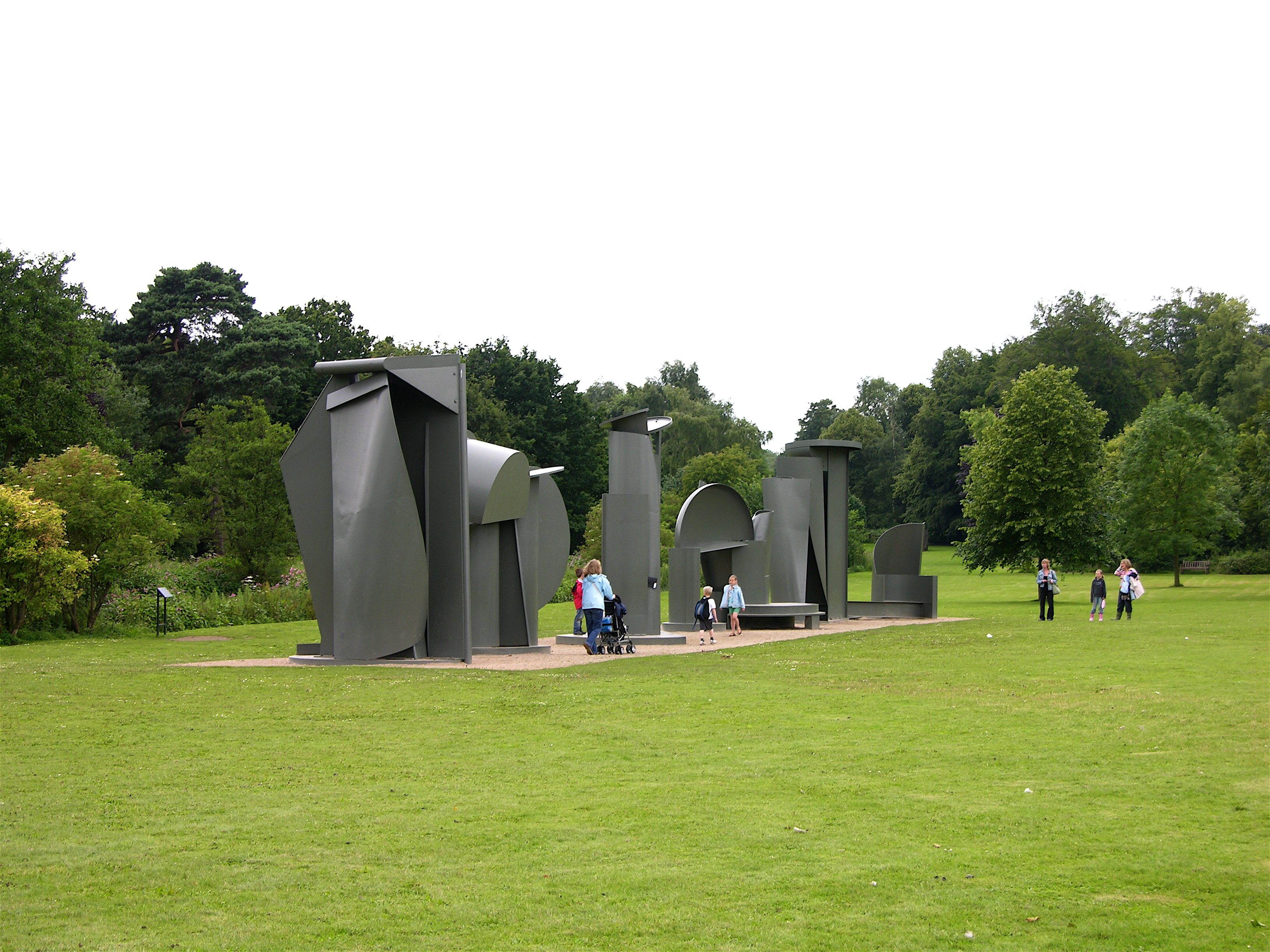
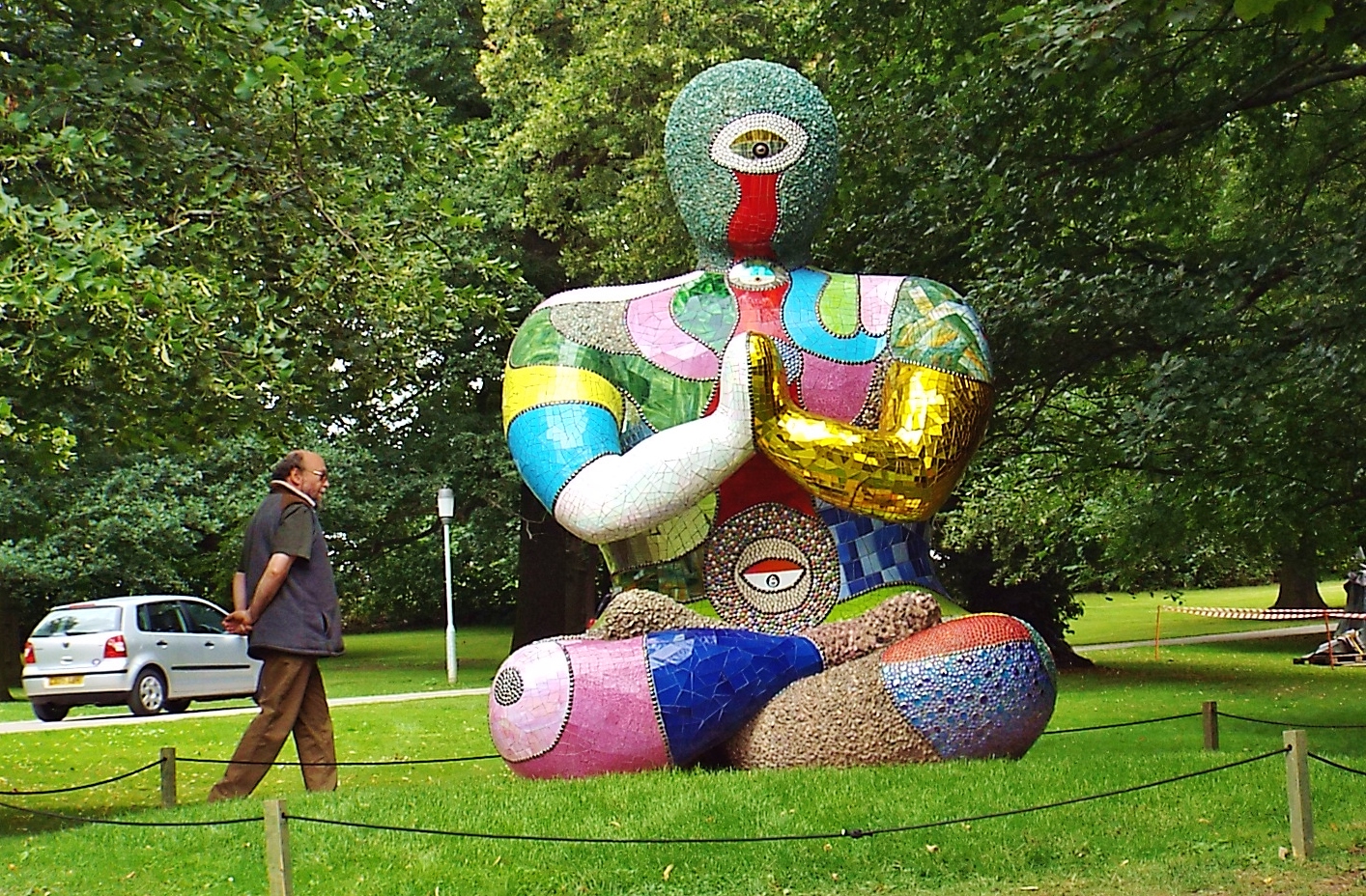
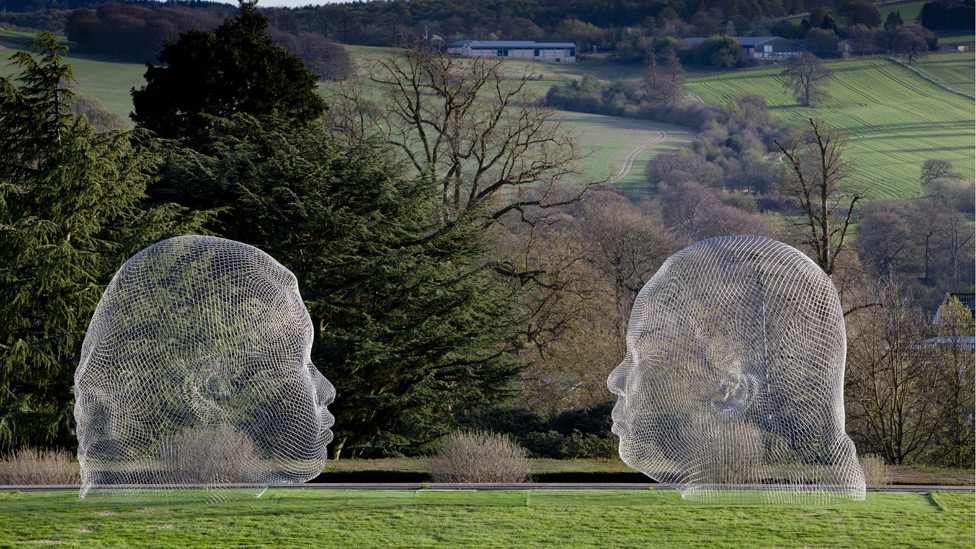
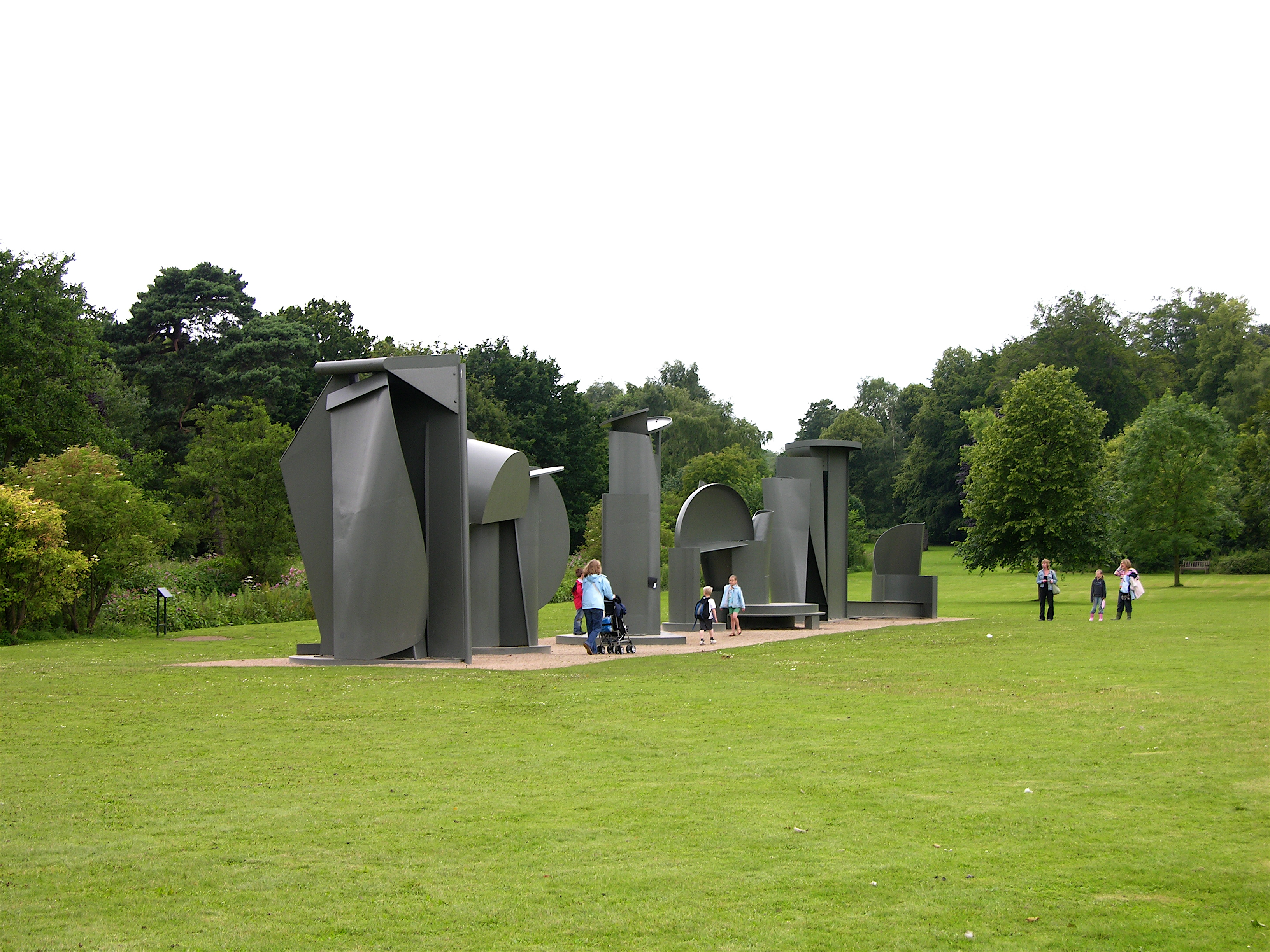
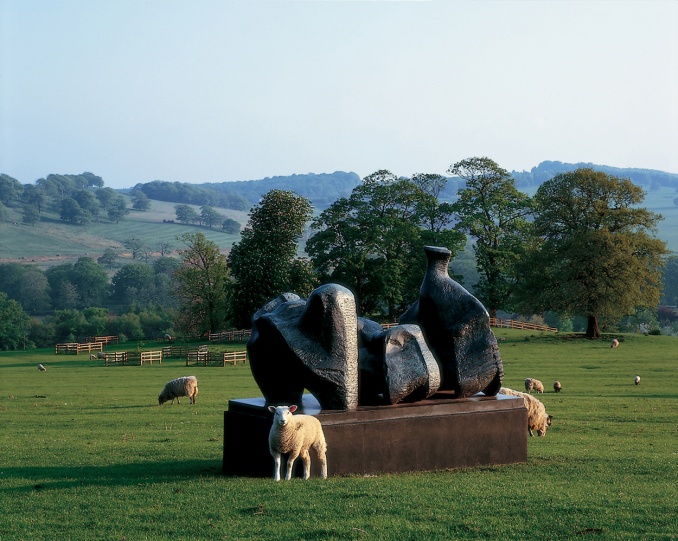
use the sweeping, open vistas of the countryside to display them. Here are some of the pieces at the Yorkshire Sculpture Park:
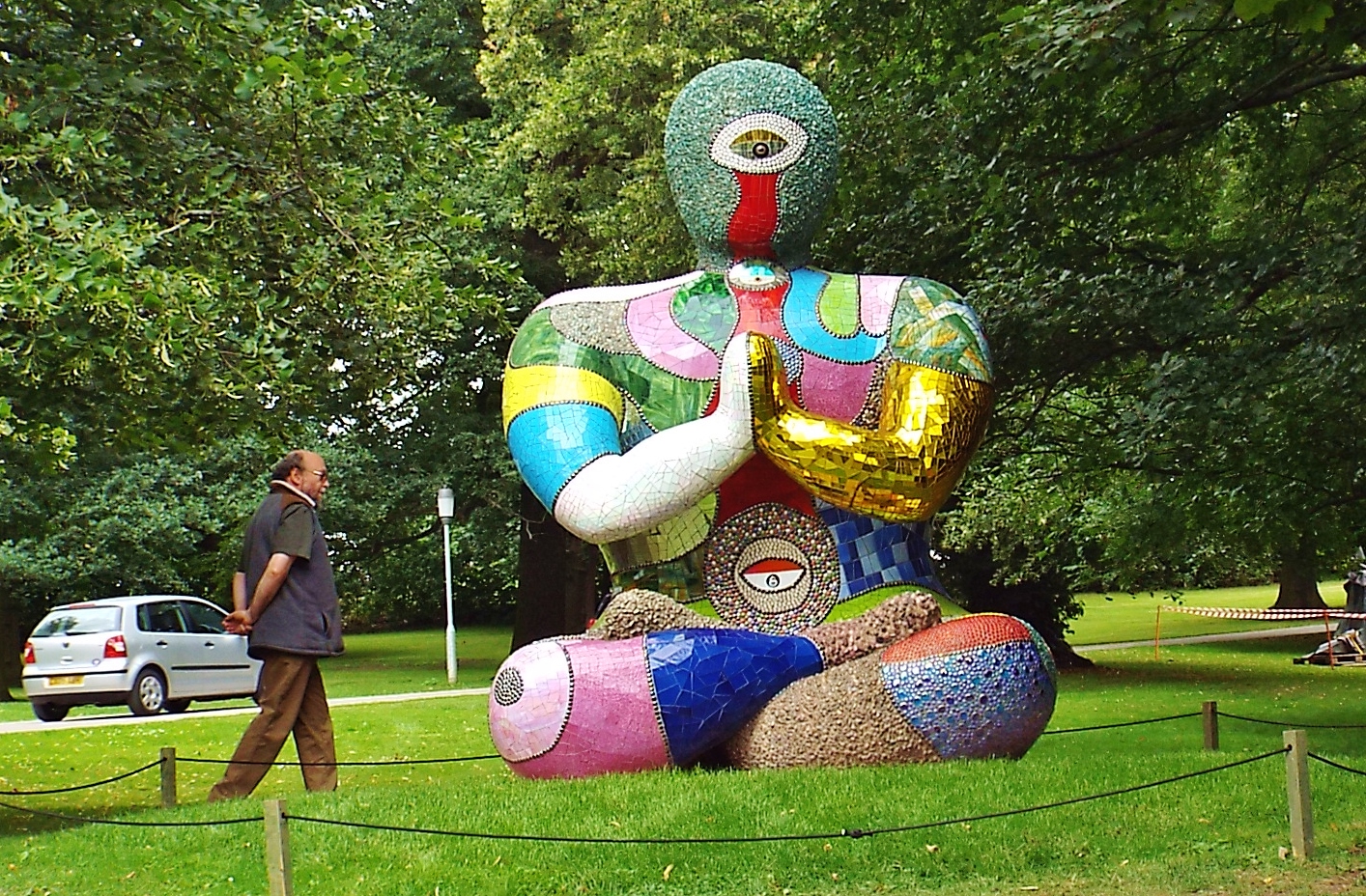
YSP-4
DSCN2327.JPG
YSP-6

YSP-9

YSP-10

YSP-14

YSP-1
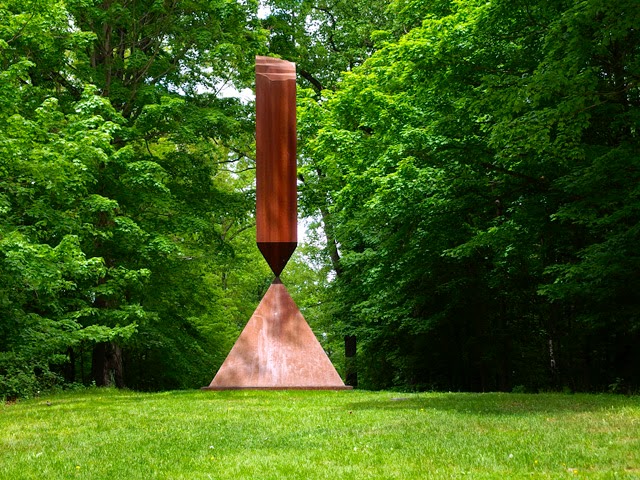
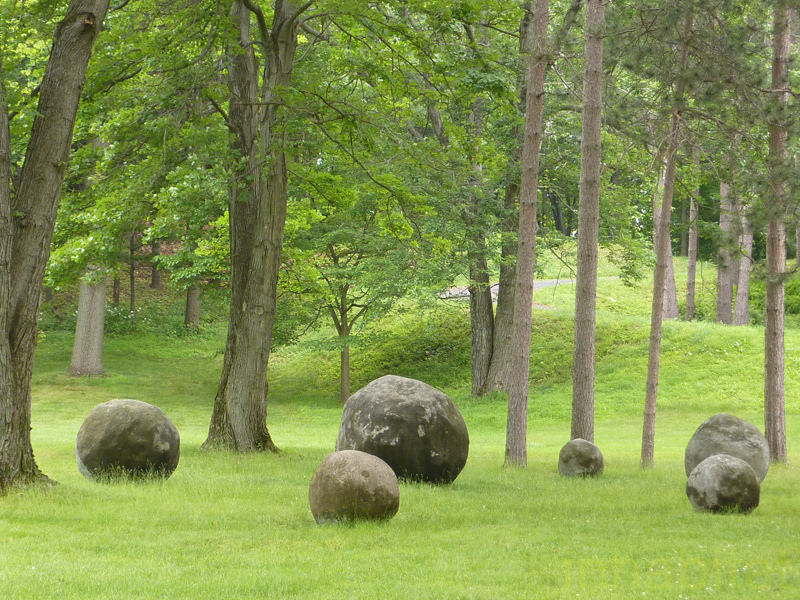
My wife and I agree on many things, and one of them is that modern sculptures are enhanced by being seen in a natural, organic setting rather than in the built urban environment. Personally, I think it has to do with the contrast between the dead surfaces of the sculptures and the much softer, living surfaces of the surrounding landscapes. It sounds a bit fancy, but the dead sculpture comes alive when in contact with organic life.

This was brought home to us very strongly when, 25 years ago, and on the advice of a friend who worked at the Metropolitan Museum of Art, we visited the Storm King Art Centre, which is an hour’s drive north of New York City, near the Hudson River. Here again, a few words of introduction. It’s really the classic American story (as much as the history of the Yorkshire Sculpture Park is the classic British story of modern times – decay of the old order and birth of a new one). A certain Mr. Ogden, after a successful career in the family business, purchased the land and property of Storm King and started collecting. He initially bought small sculptures which he exhibited around the house. At some point, he expanded out into the surrounding landscape, installing much bigger pieces. That’s it, in a nutshell. But the result – for us at least – was epiphanic.

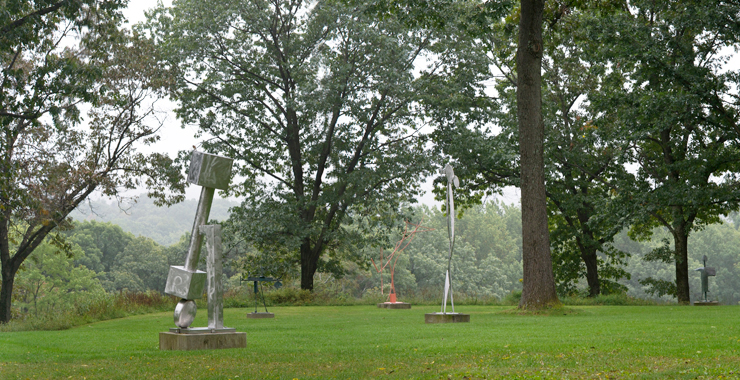
In wonder we wandered along the rides mown through the grass, walking from one towering sculpture to another

SK-1

SK-4

from hilltops, we discovered long views across the surrounding landscape, where sculpture and land merged into one

SK-2

we walked through glades in the woods, each with their own sculpture

SK-8

SK-9

we entered the woods to find smaller, more intimate sculptures scattered under the trees

SK-7

SK-10

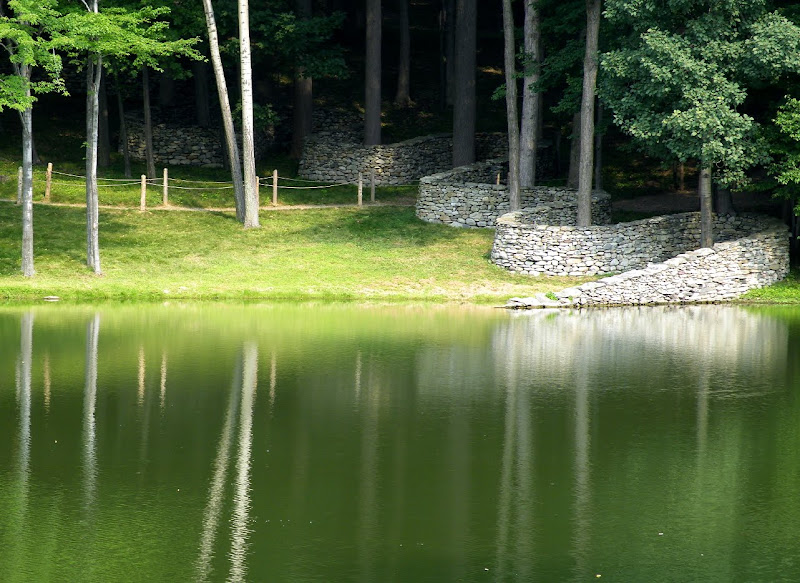
we also found a sculpture-wall meandering through them

SK-5

(better seen in this photo taken during the winter)

SK-14

we turned our steps back to the house, discovering other smaller sculptures set down in more formal gardens around the house.

SONY DSC

SK-11

And finally, we entered the house and fell upon a sculpture which in all these years I have never forgotten: a group of robotic-looking statues with small motors making their jaws work up and down and with a closed-loop recording of voices quietly droning “chatter, chatter, chatter, chatter, chatter, chatter …” on and on, endlessly. Wonderful.  Every time I find myself in one of those meetings where people blather on and on and on I recall this statue group with intense clarity.

So taken were we with Storm King that the very first time we went back to New York after an absence of fifteen years we made sure to find time to go up there. It cast the same spell over us – although sadly the chattering statues had vanished (smashed to smithereens, no doubt, by an employee crazed by their endless droning).

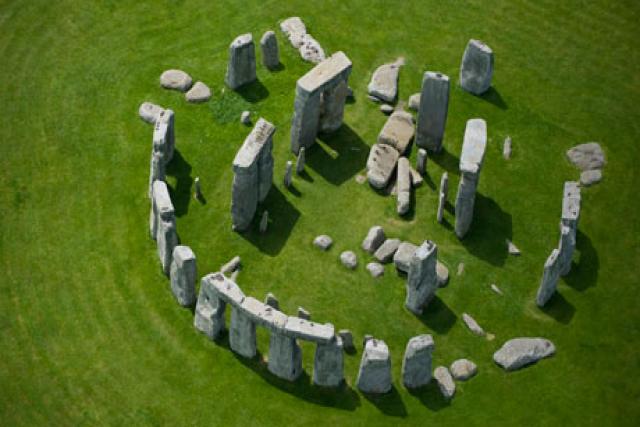
As I contemplate these photos, it occurs to me that many of the megalithic structures scattered across the face of Europe could pass as modern sculptures set down in the surrounding landscape. Stonehenge, the most iconic of all megalithic structures, is probably too much like a ruin to make this comparison
Stonhenge-2
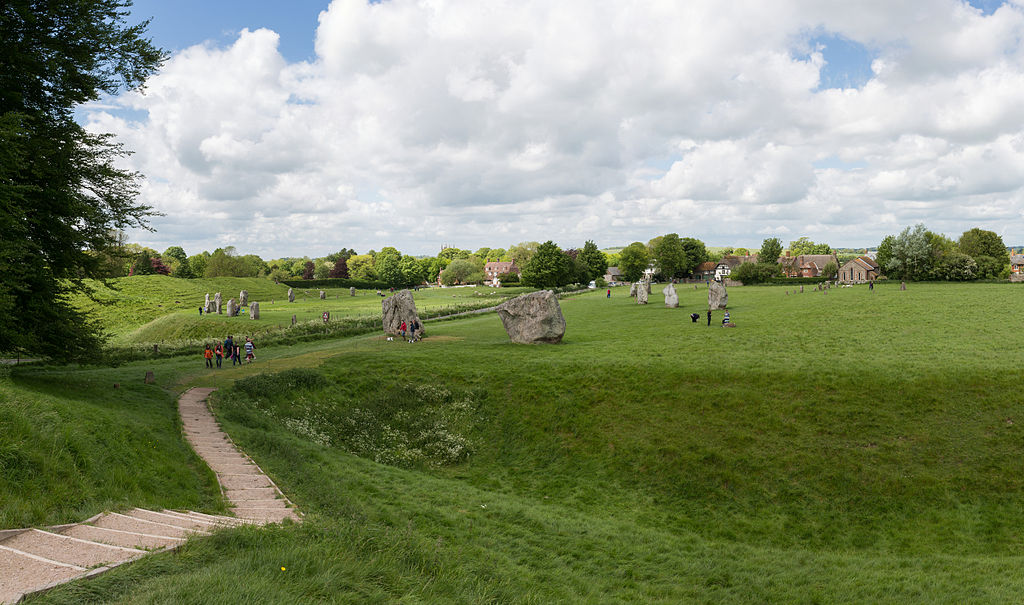
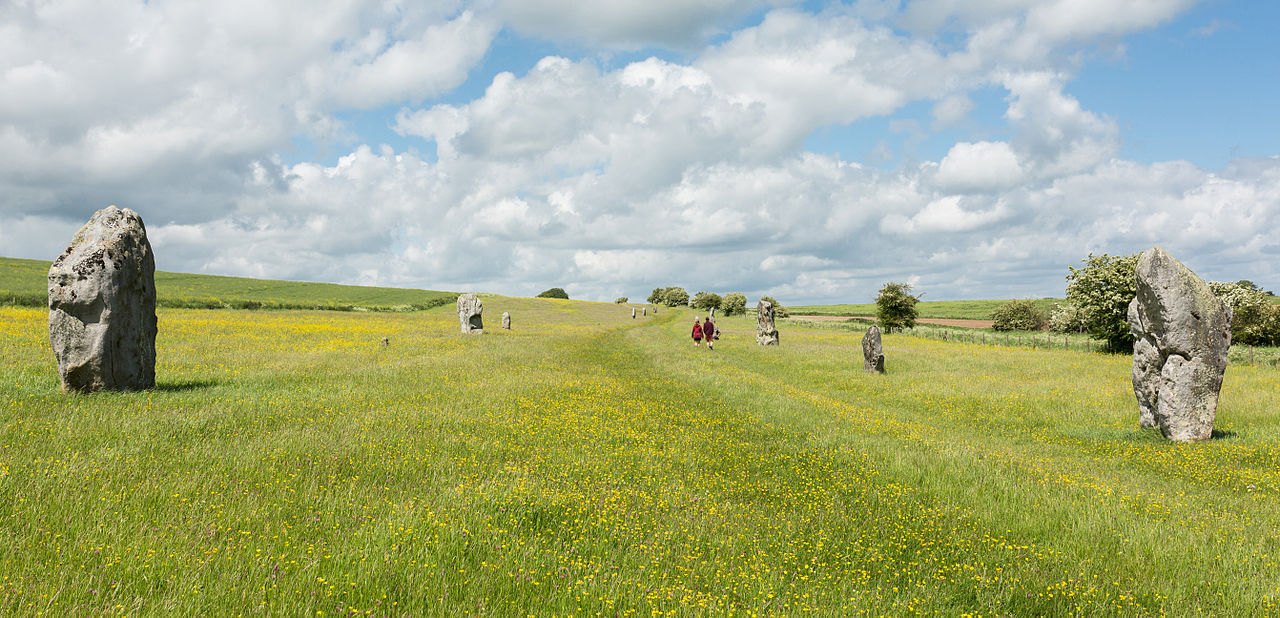
but Avebury, like Stonehenge located in Wiltshire, has something of the abstraction of sculpture parks

Avebury-2

Avebury-1

and how about Carnac, in Brittany?
carnac-1

carnac-2
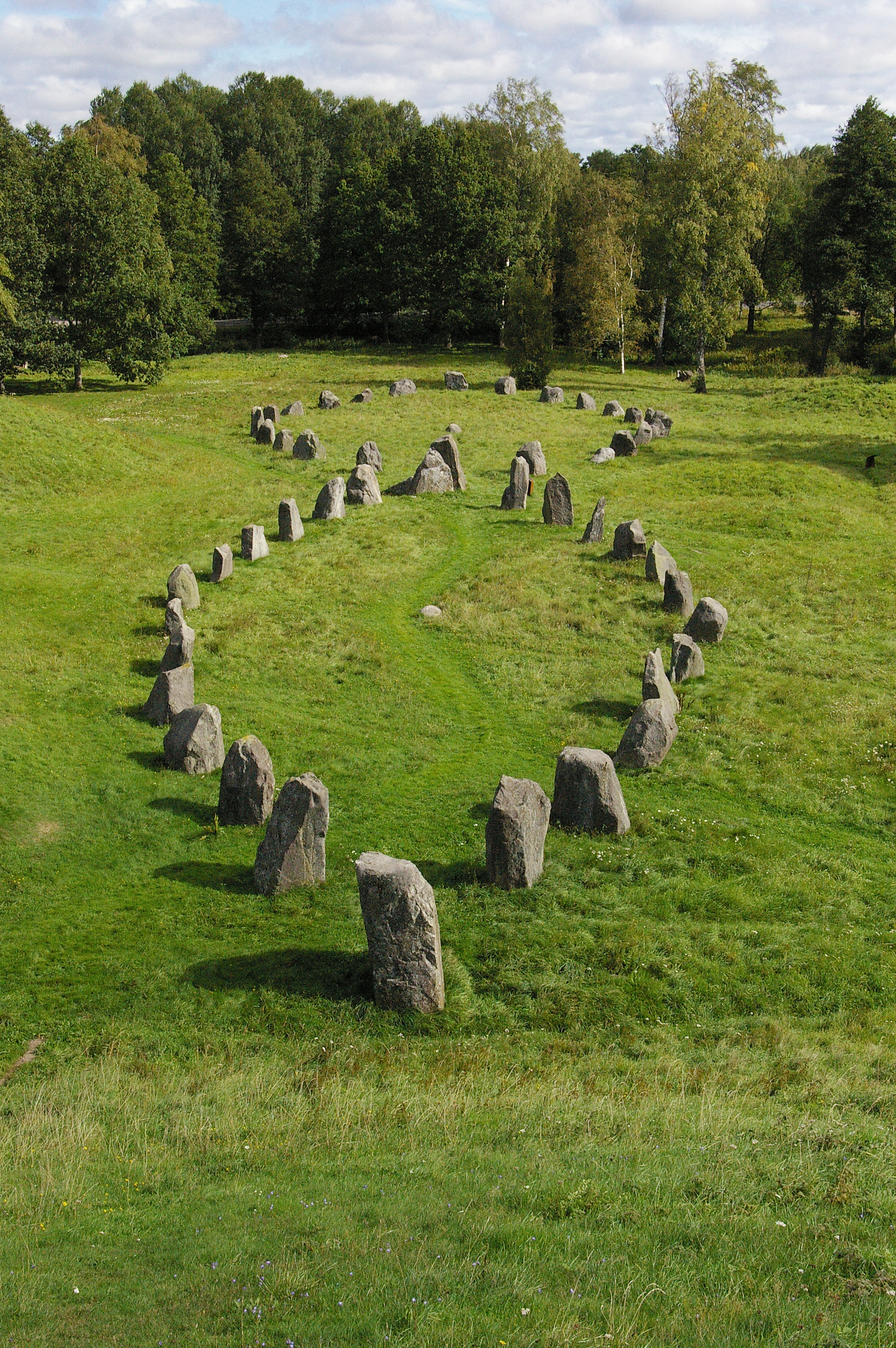
or Badelunda in Sweden?

Badelunda Västmanland

or the Ring of Brodgar, in the Orkney islands?

Ring of Brodgar

And even further afield, although not from the Mesolithic period, we have this intimate collection of upright stones in Toraja, Indonesia

OLYMPUS DIGITAL CAMERA

Of course, the people who built these structures were not building sculpture parks, but I have to think that they too were stirred by the same feeling of connectedness between their standing stones and nature as we have between sculpture and nature. They attributed this feeling to a divine grace in the place, we simply enjoy the feeling.

____________________________

Sculpture in cities-1: http://percivalhenry.files.wordpress.com/2014/03/52af841ee4b0b09acc808041-lost3f3f3f-1387234862071-flamingo.jpg [in http://percivalhenry.wordpress.com/2014/03/20/art-history-martch-madness-first-round-new-york-regional/comment-page-1/%5D
Sculptures in cities-2: http://upload.wikimedia.org/wikipedia/commons/2/26/Juilliard_School-Manhattan-New_york.jpg [in http://commons.wikimedia.org/wiki/File:Juilliard_School-Manhattan-New_york.jpg%5D
Sculpture in cities-3: http://i3.mirror.co.uk/incoming/article740970.ece/alternates/s615/A%20new%20sculpture%20on%20the%20fourth%20plinth%20in%20Trafalgar%20Square,%20central%20London%20The%20work%20by%20sculptor%20Bill%20Woodrow,%20entitled%20%27Regardless%20of%20History%27,%20%20shows%20a%20tree%20resting%20on%20a%20head%20and%20a%20book [in http://www.mirror.co.uk/news/uk-news/love-it-or-hate-it-bronze-rocking-741129%5D
Sculpture in cities-4: http://womenworld.org/image/082012/Paris%20-%20Beaubourg%20and%20Les%20Halles_1.jpg [in http://womenworld.org/travel/paris—around-town—beaubourg-and-les-halles-%28part-1%29.aspx%5D
Sculpture in cities-5: http://www-news.uchicago.edu/releases/06/images/cis/sculpture.jpg [in http://www-news.uchicago.edu/releases/06/060426.cis-photos.shtml%5D
YSP-1: http://www.yorkshireattractions.org/images/cms/attractions_21_3_large.jpg [in http://www.yorkshireattractions.org/visitor-attractions/21/yorkshire-sculpture-park%5D
YSP-2: http://upload.wikimedia.org/wikipedia/commons/0/0a/Yorkshire_Sculpture_Park_Caro_Promenade.jpg [in http://commons.wikimedia.org/wiki/File:Yorkshire_Sculpture_Park_Caro_Promenade.jpg%5D
YSP-3: http://antonyjwaller.files.wordpress.com/2012/06/nik_5931-copy.jpg [in http://antonyjwaller.wordpress.com/travel-articles/yorkshire-and-northern-england/the-yorkshire-sculpture-park/%5D
YSP-4: http://www.sculpture-info.com/upload/1008/image/Yorkshiresculpturepark.jpg [in http://www.sculpture-info.com/news-626/yorkshire-sculpture-park.html%5D
YSP-5: http://2.bp.blogspot.com/-6GgifPCMTc8/UgZKx2yojhI/AAAAAAAACDg/WYBKhXaNWp8/s1600/2+Buddha+and+Rob.JPG [in http://expertslife.blogspot.com/2013/08/picture-of-week-10-august-2013.html%5D
YSP-6: http://www.thomasharveydesign.co.uk/wp-content/uploads/2011/05/YSP6.jpg [in http://www.thomasharveydesign.co.uk/2011/05/09/yorkshire-sculpture-park-wakefield/%5D
YSP-7: http://news.bbcimg.co.uk/media/images/52104000/jpg/_52104252_7cbb7745-313f-43e9-8974-d144adf6c05f.jpg [in http://www.bbc.co.uk/news/entertainment-arts-13034363%5D
SK-1: http://brooklynimbecile.files.wordpress.com/2011/10/img_4256.jpg [in http://brooklynimbecile.com/2011/11/05/weekend-spread-storm-king-art-center/%5D
SK-2: http://3.bp.blogspot.com/-OWDq8YQCBog/UA6M17c9N6I/AAAAAAAAYI4/OqODfTIunKU/s1600/Mountainville_NY_A_Calder_Storm_King_AC_photo_S_Gruber_June_2012_+%2888%29.JPG [in http://publicartandmemory.blogspot.com/2012_07_01_archive.html%5D
SK-3: http://www.greenstrides.com/images-wp/Storm-King.jpg [in http://www.greenstrides.com/2013/07/10/sculpture-parks-can-inspire-your-own-garden-design/%5D
SK-4: http://4.bp.blogspot.com/-4sgNF1ufdU4/U4T1ul7DPRI/AAAAAAAAP8w/JzGsmMOY6No/s1600/Newman.jpg [in http://nycgarden.blogspot.com/2014/06/storm-king.html%5D
SK-5: http://i.vimeocdn.com/video/332835418_1280.jpg [in http://vimeo.com/48015694%5D
SK-6: http://inhabitat.com/nyc/wp-content/blogs.dir/2/files/2011/07/storm-king-boulders.jpg [in http://inhabitat.com/nyc/storm-king-art-center-a-summer-retreat-for-the-artsy-nature-loving-new-yorker/storm-king-boulders/%5D
SK-7: http://faeriemooncreations.blogspot.com/2010_11_01_archive.html [in http://faeriemooncreations.blogspot.com/2010_11_01_archive.html%5D
SK-8: http://4.bp.blogspot.com/_sVe9wO8fJls/S4zMOOgpUZI/AAAAAAAAEDo/IaUESi6KOGQ/s800/goldsw3.jpg [in http://lettuce-eating.blogspot.com/2010_03_01_archive.html%5D
SK-9: http://stormking.weebly.com/uploads/2/3/8/8/23889452/6893557.jpg [in http://stormking.weebly.com/permanent-collection.html%5D
SK-10: http://www.stormking.org/wp-content/uploads/2013/07/smith-lawn1.jpg [in http://www.stormking.org/collection-conversation/%5D
SK-11: http://eof737.files.wordpress.com/2011/09/img_2564.jpg?w=800 [in http://mirthandmotivation.com/2011/09/04/happiness-installation-art-at-storm-king/img_2564/%5D
Stonehenge: http://st-listas.20minutos.es/images/2013-06/362538/4049632_640px.jpg?1370571567 [in http://listas.20minutos.es/lista/maravillas-del-mundo-362538/%5D
Avebury-1: http://en.wikipedia.org/wiki/Avebury#mediaviewer/File:Avebury_Panorama,_Wiltshire,_UK_-_Diliff.jpg [in http://en.wikipedia.org/wiki/Avebury%5D
Avebury-2: http://en.wikipedia.org/wiki/Avebury#mediaviewer/File:Avebury,_West_Kennet_Avenue,_Wiltshire,_UK_-_Diliff.jpg [in http://en.wikipedia.org/wiki/Avebury%5D
Carnac-1: http://weadorefrance.com/es/images/w.800/h.600/c.1/d.guide_photos/sd./i.carnac-brittany-standing-stones-20130325.jpg [in http://weadorefrance.com/es/brittany-bretagne/g.31%5D
Carnac-2: http://media.tinmoi.vn//2012/02/27/4_28_1330310626_92_20120224114942_l6.jpg [in http://www.tktyt1haiduong.edu.vn/?p=888%5D
Badelunda, Sweden: http://upload.wikimedia.org/wikipedia/commons/d/d3/Badelunda_V%C3%A4stmanland_Sweden.jpg [in http://some-landscapes.blogspot.com/2011_10_01_archive.html%5D
Ring of Brodgar, Orkney: http://en.wikipedia.org/wiki/Ring_of_Brodgar#mediaviewer/File:RingofBrodgar.jpg [in http://en.wikipedia.org/wiki/Ring_of_Brodgar%5D
Toraja, Indonesia: http://tribudragon.files.wordpress.com/2013/03/2-tt-6.jpg [in http://tribudragon.wordpress.com/category/indonesia/%5D

WISTERIA

Beijing, 13 April 2014

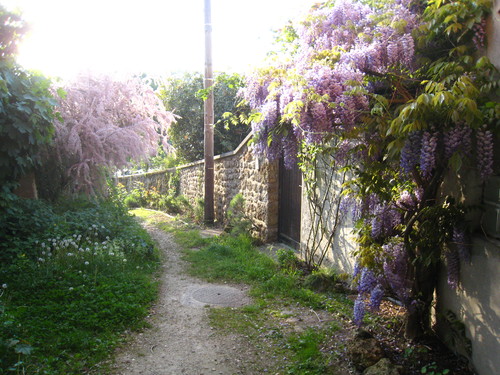
My French grandmother’s house was … old-fashioned, shall we say. Among its many quirks was the fact that it did not have a flush-toilet. Instead, you eased yourself into this small, cluttered space, and you parked your derriere (your backside) on this beautiful wooden seat to do your besoins (your needs), as the French delicately put it. Once finished, you pulled a lever to open a trap door at the bottom of the porcelain bowl and off went your besoins, helped along with a generous portion of water you poured in from a large enameled metal jug. The exhalations emanating from the opened trap door were sometimes eye-wateringly powerful, and there was always a generally musty smell in the loo. However, the olfactory downsides were more than offset by the beautiful view from the window, framed as it was by the bright green leaves of a wisteria vine which snaked up the outside wall and onto the roof. The view was that much more beautiful in spring when clusters of the wisteria’s light purple flowers thrust themselves at the window. When my mother inherited the house, one of the first things she did was to install a flush toilet. But the wisteria remained. In fact, after my parents retired there my mother encouraged it to spread to other walls nearby, which made it a rare pleasure to go and visit my parents in spring. This is not a photo of the house, but it gives an idea of what would greet my wife and I, with children in tow, after a long drive up from Italy in May.
glycine sur mur-2
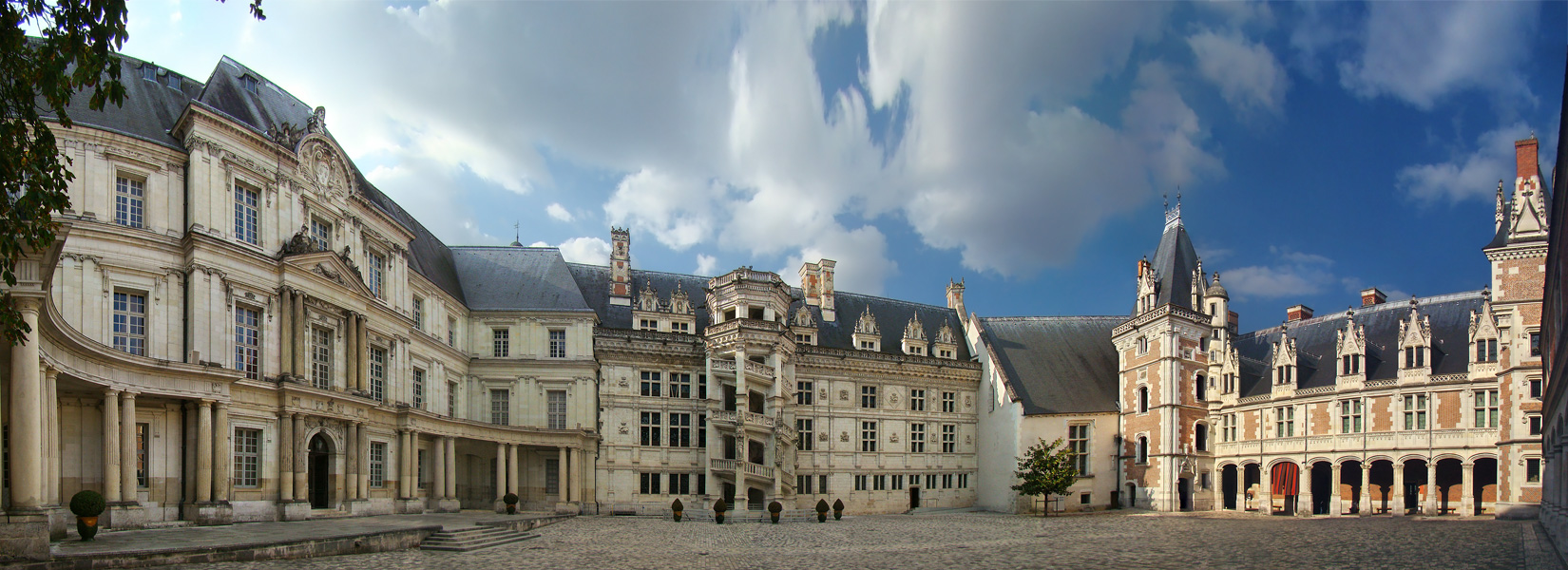
Since those moments in my grandmother’s loo, I have always had a weak spot for wisteria. At the right moment of the year, I keep an eager lookout for a sudden froth of light purple flowers popping up over a wall or in the corner of a garden. I have a particularly powerful memory of a bike trip which my wife and I made many years ago along the Loire valley, where between one Renaissance chateau

chateau_amboise

and another

chateau_Blois

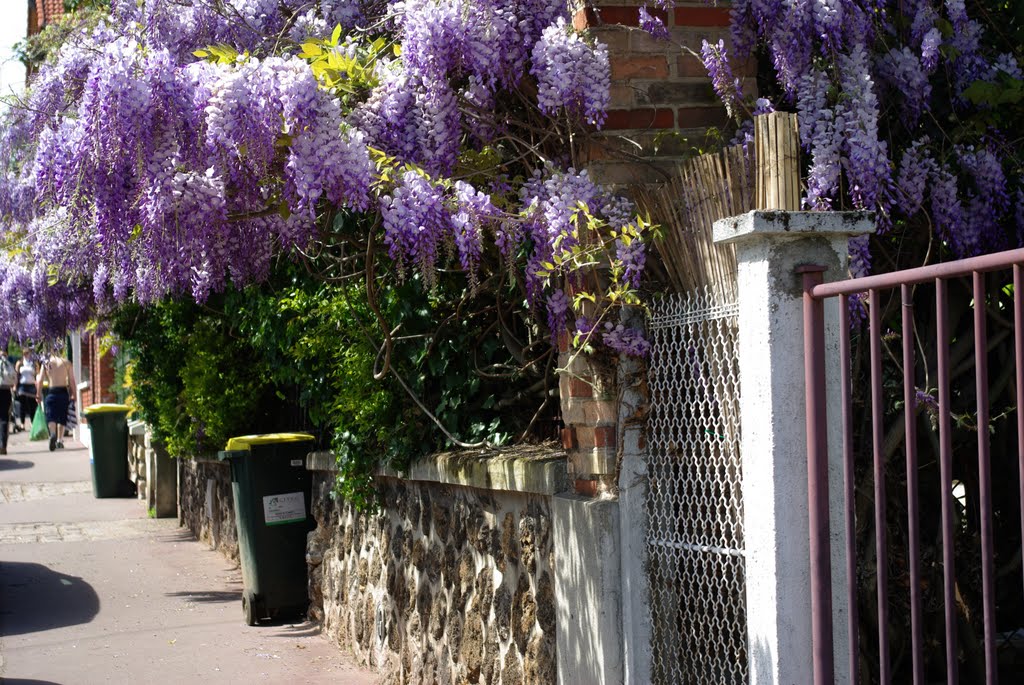
we would run into cascades of wisteria – every garden seemed to have a wisteria.
glycine dans la vallee de la Loire-1

glycine dans la vallee de la Loire-2
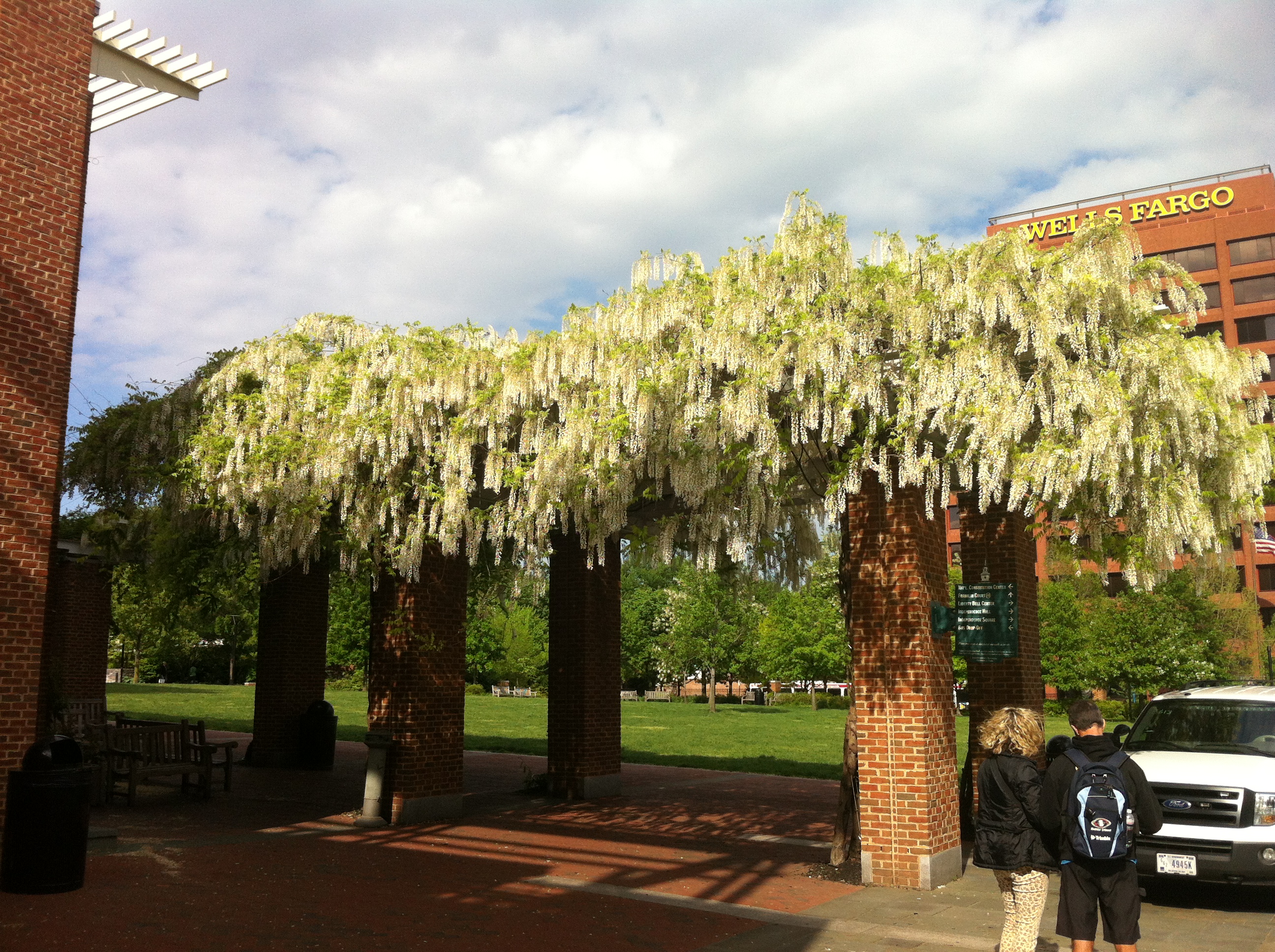
And just last year, when we were in Philadelphia, we stumbled onto a pergola covered by a thick coat of white wisteria, which was a first for me (I’ve mentioned this in an earlier post but I repeat the photo)
white flowers 003
And the neighbours to our rooftop garden in our last apartment in Vienna had planted a wisteria, which coiled and twisted its way onto our side, an intrusion we gladly accepted since it rendered so pleasant those first days in spring when my wife (with a very little help from me) toiled at her garden tubs, planting and repotting, after the long sleep of winter. In fact, jealous at their success, I purchased a modest wisteria plant for our side, with dreams of it eventually smothering our balcony. Alas, it perished miserably that summer while we were away for our holidays.

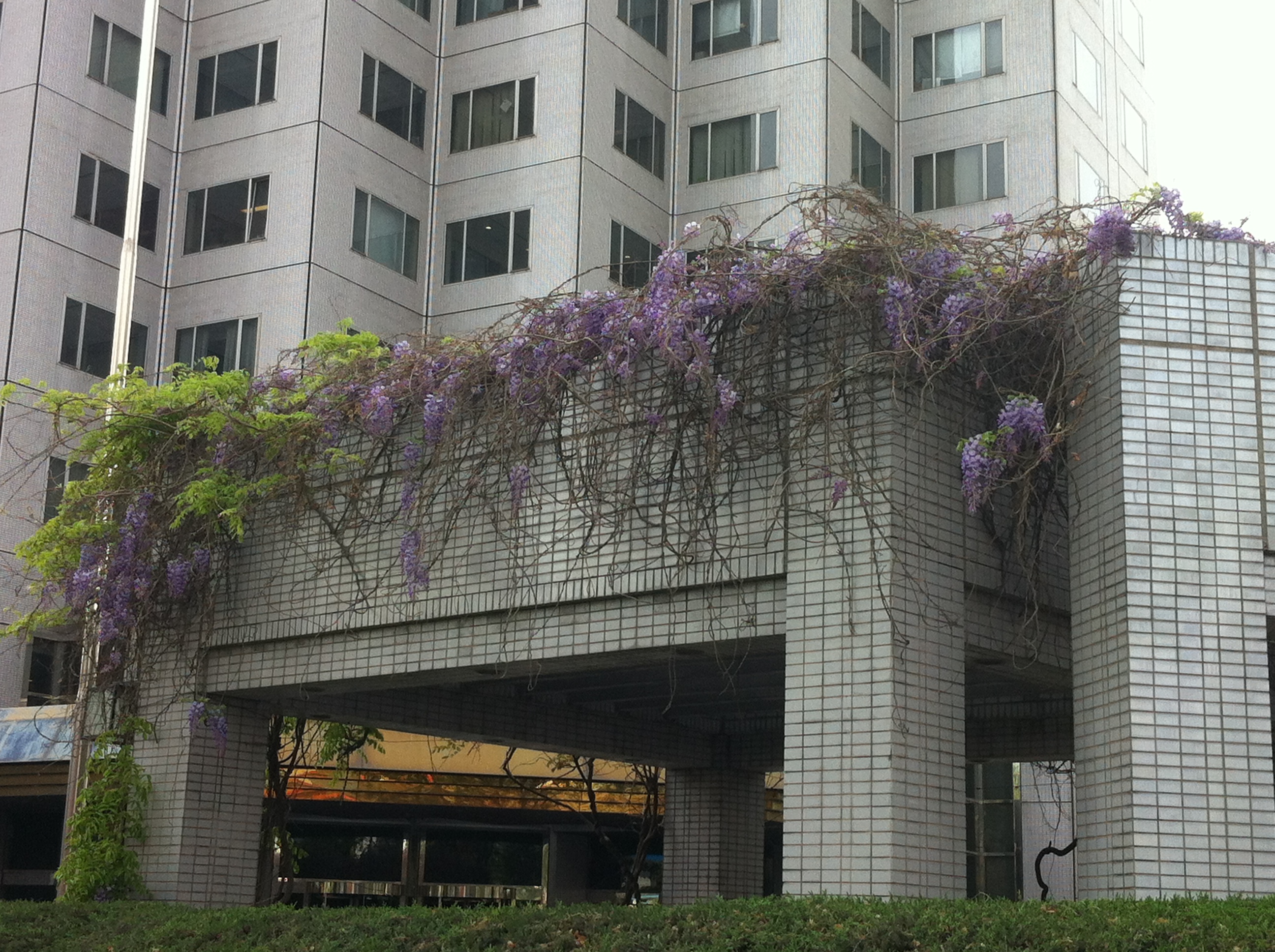
So you can understand my pleasure when I saw that the wisteria across the road from our apartment in Beijing had flowered
wisteria beijing

although I mentally castigated the management of the building for not doing a little pruning.

For the first time in my life, I read up a bit on wisteria. And the first thing I discovered is that wisteria is Chinese! Well, there’s also a Japanese wisteria. And two American wisterias. But no European wisteria! So once again, like the weeping willow which I wrote about in my last post and the magnolia which I wrote about a few posts earlier, Europeans have borrowed a plant from China, or maybe in this case from Japan (but not from the US; American wisteria don’t seem to be gardeners’ favourites, even in the US itself, since their flowers are of more modest size, bloom for less time, and are scentless). When you read these cases, you begin to understand why the poorer countries complain about pharmaceutical and other companies from the richer countries coming and “borrowing” their flora and making a fortune selling them, or their chemical components, back home.

But now I’m left with a tricky question: was the wisteria at my grandmother’s house Chinese or Japanese? The literature tells me that the flower-clusters (racemes in the horticultural lingo) of the Japanese wisteria are longer than those of the Chinese wisteria, but I’m buggered if I remember the length of those racemes nodding at the loo window. And anyway, I’m sure raceme lengths are all averages, so I don’t think this would be a good way for an uneducated plant man like me to distinguish a Chinese wisteria from its Japanese cousin. A far more powerful way of distinguishing the two seems to be the direction of twining which the vine adopts. Chinese wisteria twine clockwise, while Japanese wisteria twine counter-clockwise! (I love it; isn’t that a great way of figuring out where a plant comes from? But why would one twine one way and the other the other? The mysteries of genetics). I must remember to send my sister an email (she inherited the house, did further massive works, but kept the wisteria) and ask her which way the wisteria twines. This will no doubt be the moment she concludes that I have finally lost it …

______________

Wisteria on the house: http://img.over-blog-kiwi.com/0/53/56/12/201305/ob_bbf5590f142c0c0c464830009f54793b_img-8686.JPG [in http://mounic.over-blog.com/lieu-saint-de-provence%5D
Château d’Amboise : http://www.chateau-amboise.com/oktThemes/p-c094-01/images/chateau_amboise_accueil.jpg [in http://www.chateau-amboise.com/en/%5D
Château de Blois : http://upload.wikimedia.org/wikipedia/commons/f/fb/Loire_Cher_Blois1_tango7174.jpg [in ] http://en.wikipedia.org/wiki/Ch%C3%A2teau_de_Blois
Wisteria along the road-1: http://mw2.google.com/mw-panoramio/photos/medium/22548315.jpg [in http://www.panoramio.com/user/701296/tags/Season%20Spring?photo_page=2%5D
Wisteria along the road-2: http://static.panoramio.com/photos/large/34926262.jpg [in http://www.panoramio.com/user/701296/tags/Season%20Spring?photo_page=2%5D
Wisteria in Philadalphia: my photo
Wisteria in Beijing: my photo

MAGNOLIA

Beijing, 4 April 2014

One of my abiding memories of Vienna is the magnolias in flower. I suppose it’s always the case that the first months you spend in a new place imprint themselves more forcefully on your brain’s virtual retina than the remaining years. We arrived in Vienna in February, two months later the magnolias were in bloom. It seemed that every garden and every park had its magnolia tree.
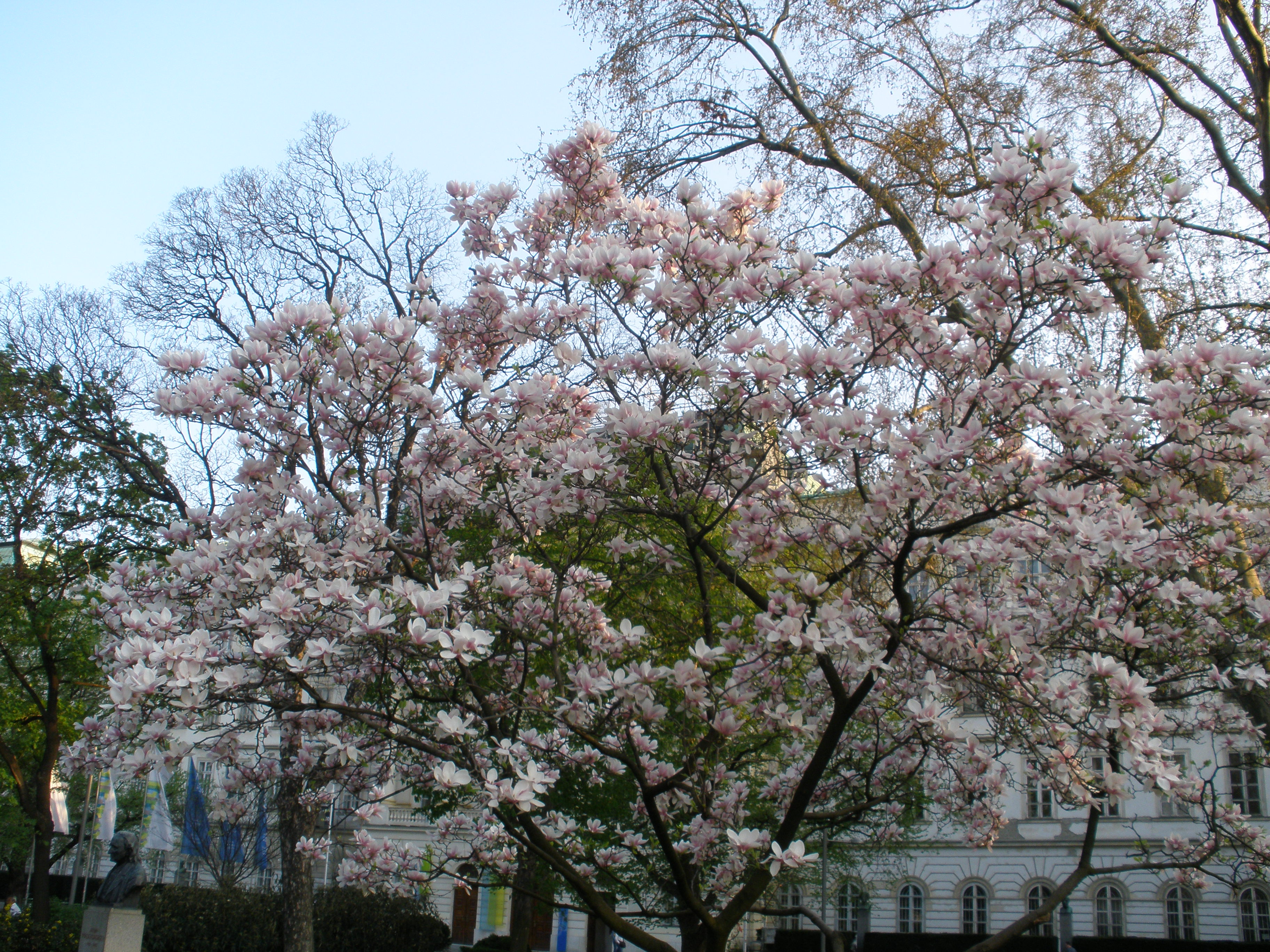
OLYMPUS DIGITAL CAMERA
We would pass one particularly magnificent specimen as we drove the children up to school every day. It was like living in a multiple exposure photo. Every day, as we swept by, we would note its progress, as the buds opened fully, and then the decay, as the flowers wilted and scattered their petals over the pavement.

A month or so later, it was the turn of the city’s multitude of lilac bushes to bloom, another fond memory which I have of Vienna and one about which I have had cause to write an earlier post.

Yes, they were good times.

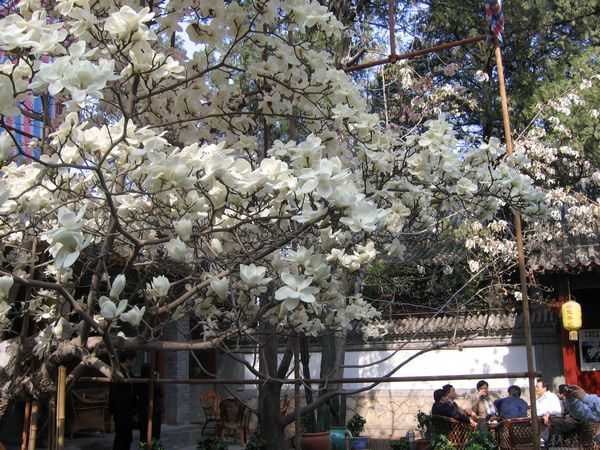
And then, when my wife and I came to Beijing, we found our friends the magnolia trees here, waiting to greet us with their blooms after we emerged from our first Chinese winter. A sight for sore eyes, let me tell you, after all that grey dryness of a Beijing winter. There was a pure white variety
magnolia trees dajue western temple
as well as a pinker type which we were familiar with from Vienna.
Tanzhe western Temple
Then, with the passage of time, I discovered that this tree, which I had, without really thinking about it, assumed was European, was actually Chinese! Actually, it’s a bit more complicated than that. There are nearly hundred different types of magnolia native to China (out of 200-plus native to Asia). The beautiful white magnolia pictured above, which comes from central and eastern China, grabbed the Chinese headlines early on. With its flower rightly regarded as a symbol of purity, it was planted in Buddhist temple gardens and the gardens of the emperors from as early as 600 AD during the Tang dynasty. It is called the Yulan, or jade lily, magnolia; I presume the name refers to the jade-like glossy smoothness of the magnolia’s petals and the sometimes lily-like look of the flower.

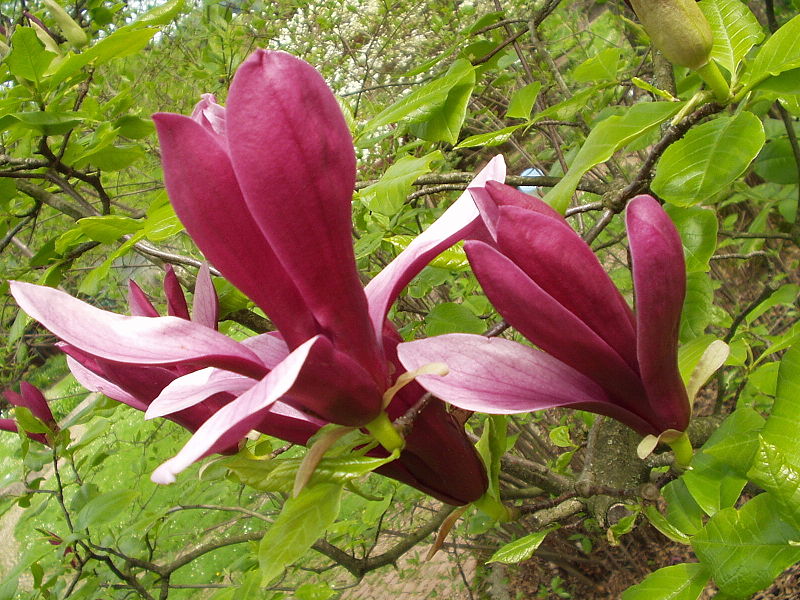
A second magnolia which has also been very popular in China for centuries is the Mulan magnolia which comes from Sichuan and Yunnan provinces.
magnolia lillliflora
Magnolias of course became favourite subjects of the poets, seeing as they spent hours haunting such gardens.

???

Here is the poem Magnolia Slope by Wang Wei, who lived in the 700s AD and is considered “the consummate master of the short imagistic landscape poem that came to typify classical Chinese poetry” (in the words of David Hinton, who made the admirable translation below).

Lotus blossoms adrift out across treetops
flaunt crimson calyces among mountains.

At home beside this stream, quiet, no one
here. Scattered. Scattered open and falling.

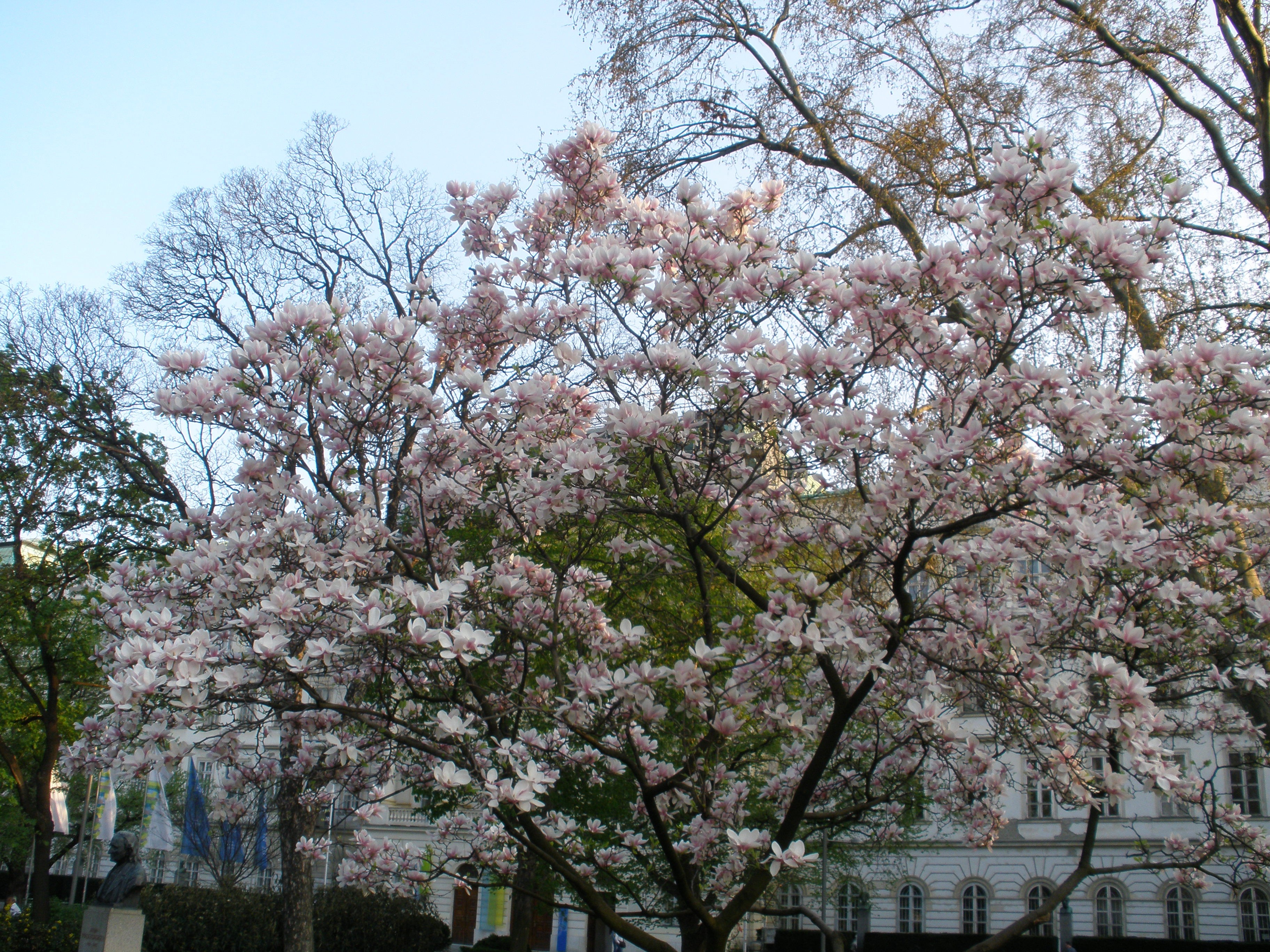
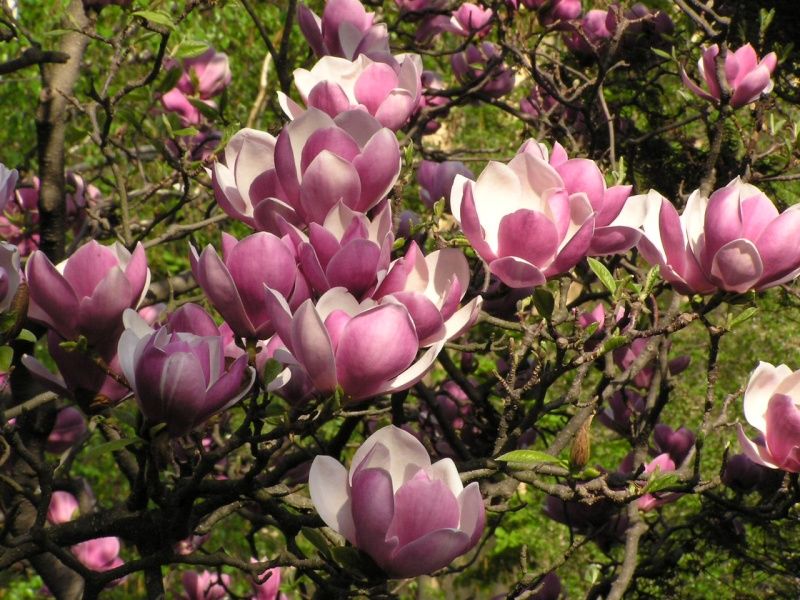
As with many things Chinese which were considered the nec plus ultra by the East Asian fashionistas and trend followers of yesteryear, the cultivation of these magnolias was taken up with enthusiasm by the Japanese, from whence – like the Chinese ginkgo tree of which I have written earlier – it made its way to Europe. And there, in 1820, in the grounds of his château of Fromont near Paris, an ex-cavalry officer turned plantsman, Étienne Soulange-Bodin, crossed the Yulan with the Mulan and created the hybrid saucer magnolia.
OLYMPUS DIGITAL CAMERA
With its large, early-blooming flowers in various shades of white, pink, and purple, this cultivar became immensely popular and spread around Europe (including Austria, no doubt, because I’m sure the Viennese magnolia I described above is one of these), the US, and eventually – I suspect – China, in hundreds of different cultivars as plant breeders continued to play with its gene pool.

Here I have to pause, to consider that other great reservoir of magnolias, the Americas. I said earlier that Asia boasts 200 or more types of magnolias. The Americas are host to another 90 or so. In fact, it was in the Americas, in the Caribbean island of Martinique to be exact, that in the 1690s a French botanist by the name of Charles Plumier discovered and named – in the modern scientific nomenclature; of course it already had a native name, the talauma – the magnolia, after yet another French botanist Pierre Magnol (a lot of French botanists in this story …). I haven’t found a picture of his original drawing of the magnolia which he came across but this one will do as a substitute.
talauma
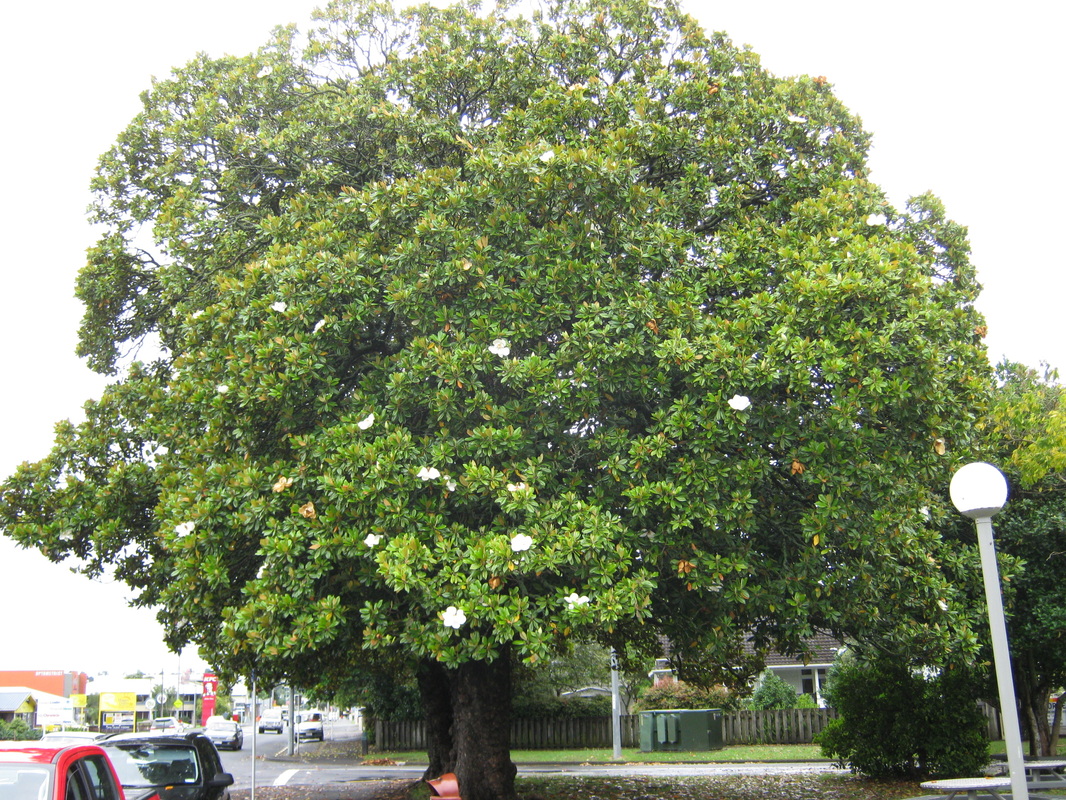
This picture, with its flower surrounded by a thick crown of leaves, sums up nicely a perplexity I had until I did some reading for this post. When we had been in the US, we had come across the southern magnolia, which looked something like this specimen, that is to say, a tree with very thick foliage and a few flowers sprinkled over the whole.
southern magnolia
Very beautiful flowers, by the way.
southern magnolia-flower
I couldn’t relate all this to the magnolias like those above, which are first completely covered with flowers and only get their leaves after the flowers have fallen. Well, the fact is, they are – botanically speaking – part of the same family. It’s just that it’s a very large family (some 300 members all told), and like in all large families distant cousins don’t necessarily resemble each other very much.

Which brings me to my final coda. The magnolia cousins have drifted so far apart because it is an old – very old – genus. It branched off the main tree of trees, if you get my drift, 100 million years or so ago. Fossils of plants identifiably belonging to the Magnoliaceae have been found dating back to 95 million years ago, while a 20 million year-old fossil has been found of the cucumber magnolia, which is native to the Eastern US and has this small flower with lovely yellow hues (in fact, these yellow hues as well as the tree’s cold hardiness have been exploited to create new yellow-flowered hybrid magnolias).
magnolia acuminata
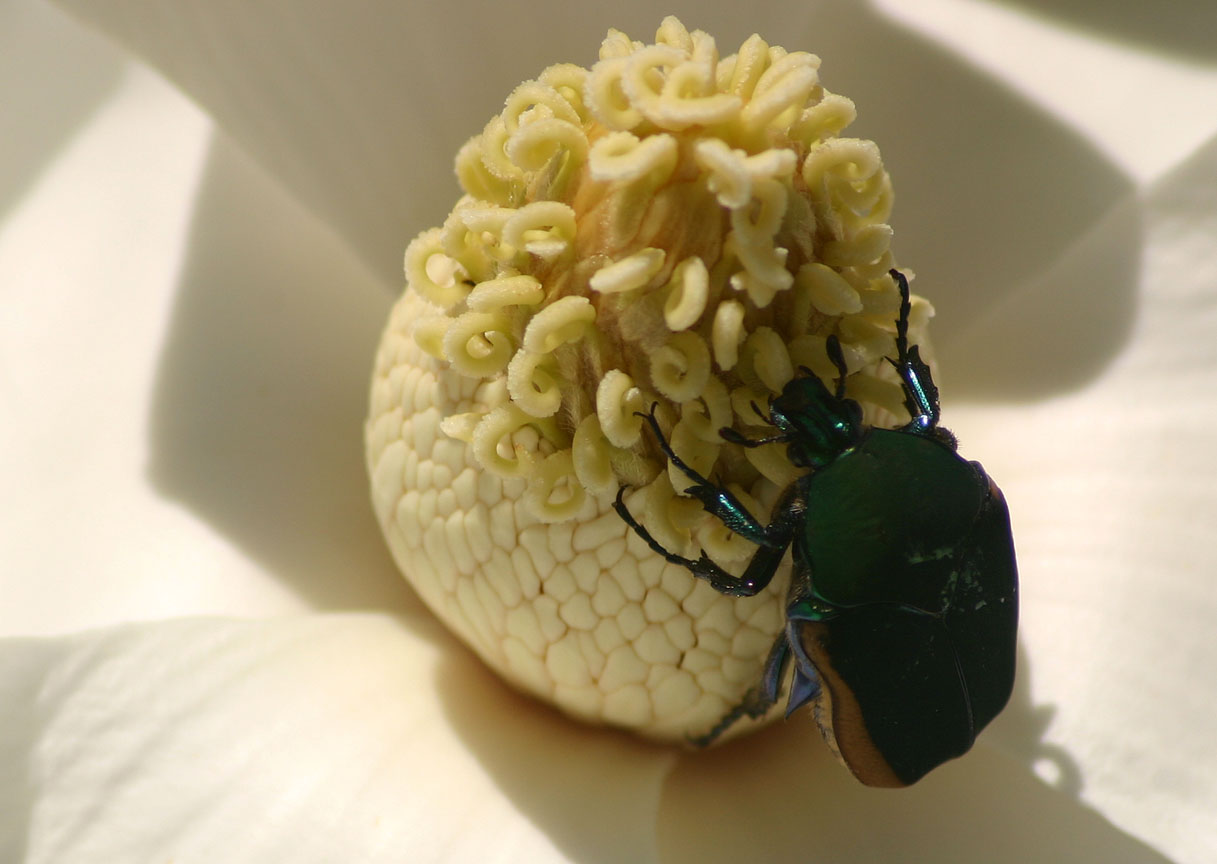
Magnolias are so ancient that they came on the scene as flowering plants before bees, or butterflies, or moths, existed to help along with pollination. So magnolias have evolved to use for pollination the only insects which were around at the time, beetles or flies.
beetle in magnolia-1
And this co-existence with beetles explains the rather leathery petals magnolias have. Compared to bees, beetles are clumsy insects, clomping around all over the flower and with a tendency to snack on the petals as well as the nectar. The leathery petals protect the flowers from these lumbering but necessary partners in the act of procreation.

Oh, and by the way, magnolia flowers don’t actually have petals, they have tepals. And that’s because the flowers are quite primitive, so their sepals and petals are not distinct and differentiated (no idea what that really means, but it sounds impressive).

__________________
Magnolia in Vienna: http://farm3.staticflickr.com/2542/3753020942_3f6c39bb5f_o.jpg [in https://www.flickr.com/%5D
Yulan Magnolia tree in Dajue western temple: http://www.beijingrelocation.com/blog/wp-content/uploads/2013/03/magnolia.jpg [in http://www.beijingrelocation.com/blog/beijing-trees/%5D
Magnolia tree in Tanzhe temple: http://www.travelchina.gov.cn/picture/0/1403261604282295162.png [in http://www.travelchina.gov.cn/art/2014/3/26/art_15_1202.html%5D
Mulan Magnolia: http://upload.wikimedia.org/wikipedia/commons/thumb/d/d6/Magnolienbluete_freiburg.jpg/800px-Magnolienbluete_freiburg.jpg [in http://en.wikipedia.org/wiki/Magnolia_liliiflora%5D
Poet in garden: http://upload.wikimedia.org/wikipedia/commons/1/1a/Wang_Xizhi_by_Qian_Xuan.jpg [in http://en.wikipedia.org/wiki/Chinese_garden%5D
Magnolia soulangeana: http://upload.wikimedia.org/wikipedia/commons/3/3e/Magnolia_x_soulangeana.jpg [in http://en.wikipedia.org/wiki/Saucer_magnolia%5D
Talauma: http://www.plantillustrations.org/illustration.php?id_illustration=90190 [in http://www.plantillustrations.org/epithet.php?epithet=plumieri&lay_out=1&hd=0%5D
Southern magnolia: http://whangareiflora.weebly.com/uploads/8/4/3/9/8439522/6466041_orig.jpg [in http://whangareiflora.weebly.com/exotic-trees.html%5D
Southern magnolia-flower: http://www.magnoliasociety.org/resources/Pictures/images/cultivars/msieboldi8422.JPG [in http://www.magnoliasociety.org/MagnoliaResources%5D
Magnolia acuminata: http://1.bp.blogspot.com/-yf82eYSuRd4/T6gSQGfe2bI/AAAAAAAAAnI/6SgLRh0exIY/s1600/DSCF7584.JPG [in http://welkinweir.blogspot.com/2012/05/may-flowers.html%5D
Beetle in a magnolia: http://blogging.la/wp-content/uploads/2009/06/gjb.jpg [in http://blogging.la/2009/06/28/it-caught-my-eye-the-beetle-the-blossom/%5D

LET’S DANCE!

Beijing, 24 March 2014

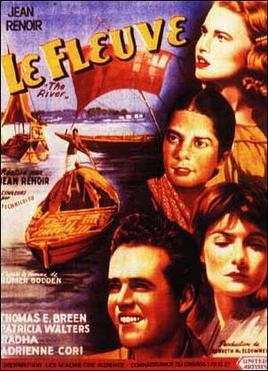
Jean Renoir, son of the French impressionist painter of the same name, was a good film director. In fact, he is considered by some to be among the greatest film directors of all time. He made such classics as La Grande illusion (1937) and La Règle du jeu (1939). So it was with some anticipation that some years ago my wife and I went to see The River, a film he had made in 1951, on location in India, in English, his first in colour, and which won the International Prize at the Venice Film Festival.

The River

Bad, bad mistake! The theme of the film – loss, love lost, love found – had all to hold one. The problem was the actors. They were all, to a man and woman, dogs – it’s the only word to adequately describe the appallingly amateur acting that we were subjected to. To this day, I ask myself what on earth happened in the making of this film. How did Jean Renoir lose control of his creation? Was it lack of money? Loss of talent? – was he getting too old for the job? Was it working far from home and in a foreign language? Mystery …

The worst actor by far was an Indian woman, Radha Burnier by name. She later gained a certain fame by becoming president of the Indian branch of the Theosophical Society (fame defined here as having an entry in Wikipedia). But that was still in the future when she acted in this film. I literally gritted my teeth every time she appeared on-screen and droned out her lines tonelessly. And then, at some point in all this hideousness, she acted out a dream sequence. For some reason which I cannot now recall, this dream required her to dance a classical Indian dance. What a transformation!  This ugly duckling of an actress morphed into a beautiful dancer. We were treated to a powerfully expressive, supremely graceful performance of Indian classical dancing.

I immediately forgave her all her poor acting.

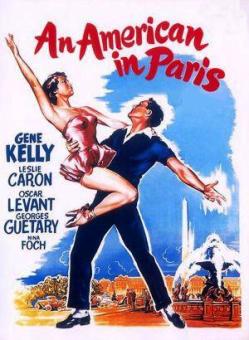
I was forcefully reminded of this episode a few weeks ago when, during a long flight back from the US, I decided to watch An American in Paris, a film also made in 1951, directed by Vincente Minelli and with Gene Kelly in the lead role.

An_American_in_Paris_poster

It was an exceedingly silly film, with the lightest of plots (love lost, love gained, the whole with a papier mâché Paris in the background), but at least the actors could act. It also had a good musical score by George Gershwin. So I smiled indulgently and let myself be carried along on the silly frothiness of it all. At some point, though, Gene Kelly went into a tap dancing routine. My attention suddenly snapped into focus. What a dance! Light-hearted though it was, it was a superb rendition, a wonderful example of what a highly accomplished classical dancer can do with the hypnotic rhythms of clicking shoes.

In a way, I think these two threads of dancing come together in Spanish flamenco dancing – the syncopation of tap dancing fusing with the sinuous, sulphurous eroticism of Indian classical dancing, which also carries its own brand of stressed rhythm with the use of feet bangles. Staying in the film medium, I give here a wonderful example of Spanish flamenco from Carmen, a 1983 film directed by Carlos Saura.

Carmen_by_Saura

It’s a remake in the flamenco style of Bizet’s famous opera of the same name. Here we have love exploding between Carmen and Don José

but alas! it all ends badly

Ah, the madness of jealous love!

I cannot end without bringing in tango, that most sultry of all dances. Which is just as well because that allows me to introduce a final clip from the 2005 film Je ne suis pas là pour être aimé

je-ne-suis-pas-la-pour-etre-aime

in which two lonely people, Jean-Claude and Françoise, find a common love, and love, in tango

Ah, l’amour, l’amour! After a few taps of my toes and a pirouette, I turn in for the night.

______________________

The River: http://upload.wikimedia.org/wikipedia/en/7/77/La_Fleuve_1951_film_poster.jpg [in http://en.wikipedia.org/wiki/The_River_(1951_film)%5D
An American in Paris film poster: http://en.wikipedia.org/wiki/File:An_American_in_Paris_poster.jpg [in http://en.wikipedia.org/wiki/An_American_in_Paris_%28film%29%5D
Carmen film poster: http://en.wikipedia.org/wiki/File:Carmen_by_Saura.jpg [in http://en.wikipedia.org/wiki/Carmen_%281983_film%29%5D
Je ne suis pa la pour etre aime poster: http://www.bestofneworleans.com/imager/french-cin-club-je-ne-suis-pas-la-pour-tre-aim/b/original/2222223/686d/f8df3e30_je-ne-suis-pas-la-pour-etre-aime.jpg [in http://www.bestofneworleans.com/gambit/french-cin-club-je-ne-suis-pas-la-pour-tre-aim/Event?oid=2222222%5D

ME, I TOOK THE TRAIN TO GO TO NEW JERSEY

New York, 11 January 2014

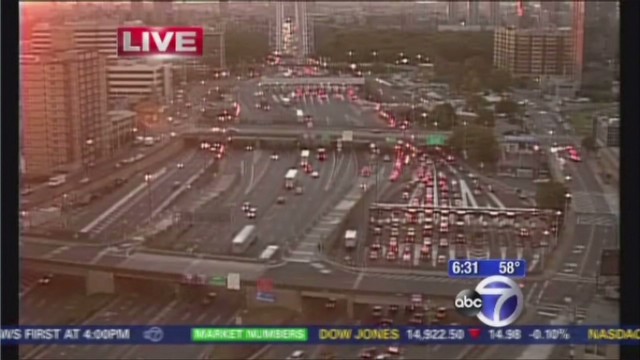
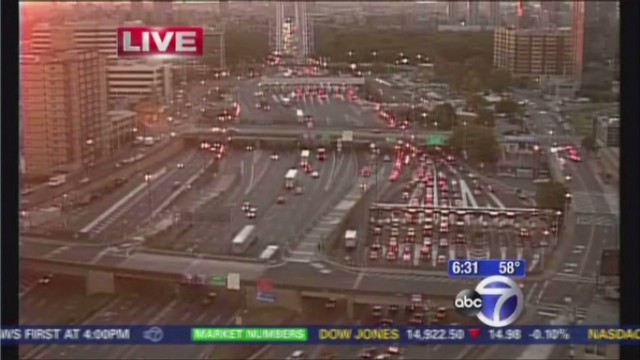
I’ve been reading about the political storm whirling around New Jersey’s Governor Chris Christie and his possible role in the partial closure back in September of several lanes of the George Washington Bridge causing mammoth traffic jams, all as a mean-minded act of revenge against a mayor who chose not to back him.

George Washington Bridge traffic jam

As I read and watch the TV commentaries, I smugly remind myself of the fact that 25 years ago, when I lived in New York and for a period had to travel frequently to Trenton, I did NOT drive and so was never at the mercy of tyrannical politicians and their staff. I took the train (the golden haze of history makes me forget that the trains sometimes ran chaotically).

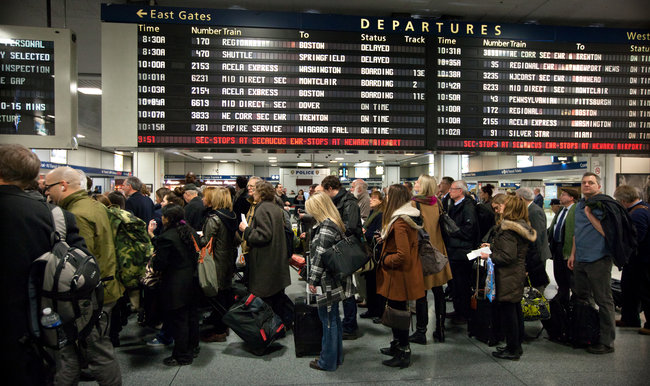
I would catch the train at Penn Station, as miserable then as it is now (although I read somewhere that they might tear it down and replace it with something nicer … hope springs eternal).

Penn Station

But at that time, there was an employee of the railways, announcer of departing trains, who would always end his litany of stops on these trains with a sonorously chanted “All abooo-aard!” He started high on the “All”, dropped to low note on “aboo”, and then rose to triumphant high finale on “aard”. It always put a smile on my lips and sent me off with the sun in my heart.

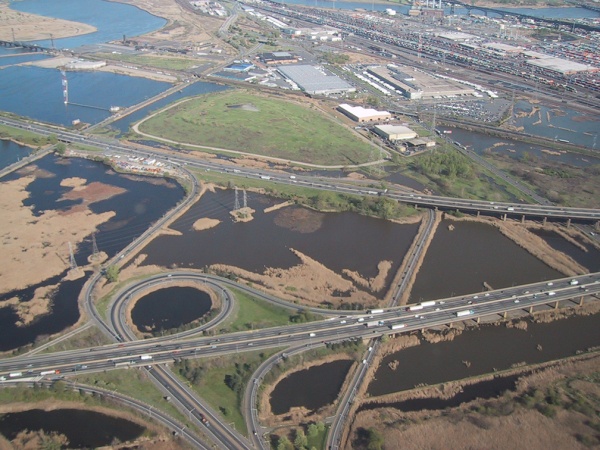
I needed it. After lurching through the tunnel under the Hudson River, we would emerge, blinking, in New Jersey on the other side. There then followed an urban and peri-urban bleakness. After passing through Hoboken and Secaucus, we crossed wastelands of what must have once been lovely marshes and wetlands around the Hackensack and Passaic rivers, as this small remaining wetland near Secaucus attests

wetlands Secaucus

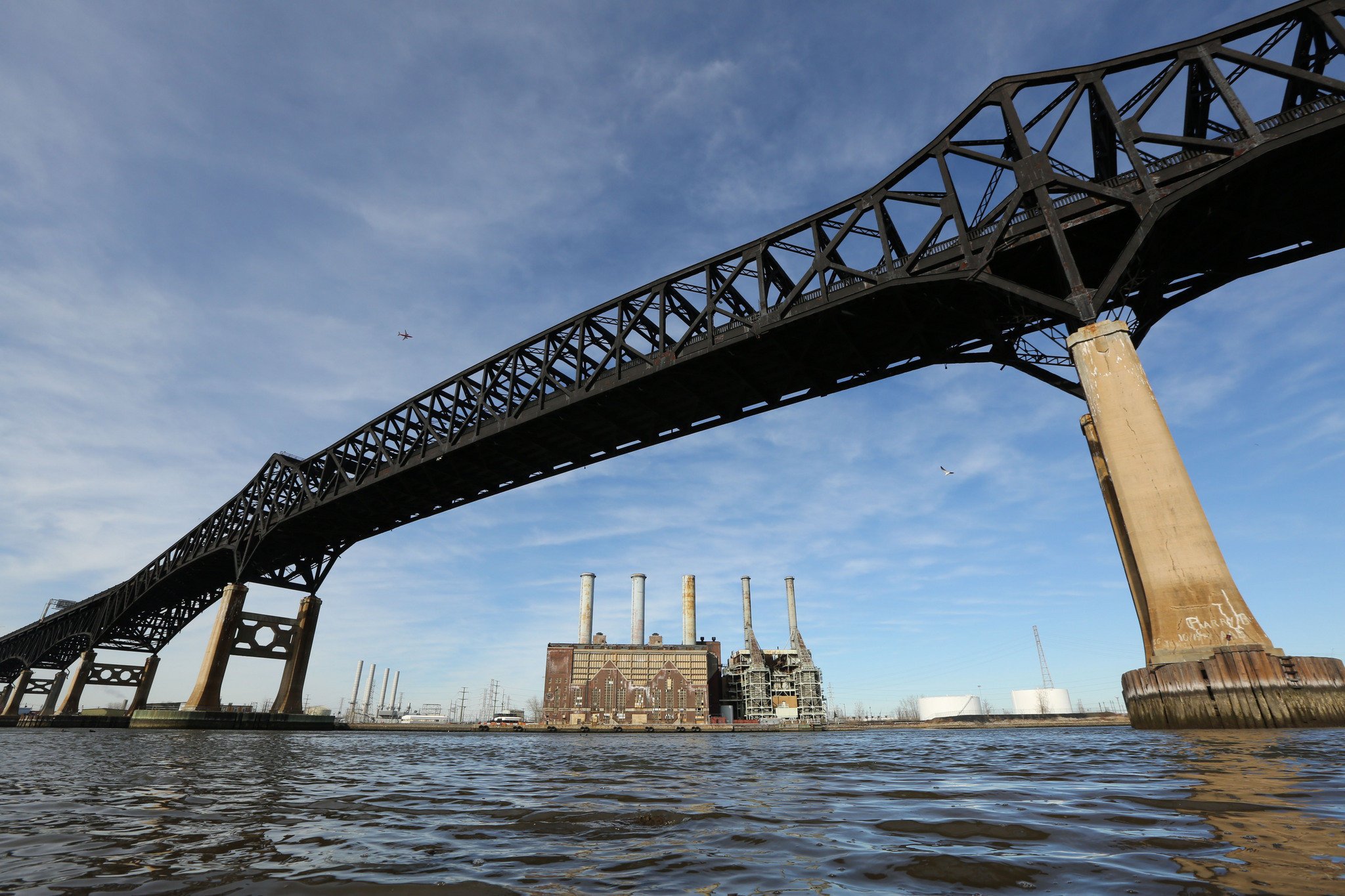
but were now a tangle of roads and studded with industrial estates

roads through the wetlands

pulaski skyway

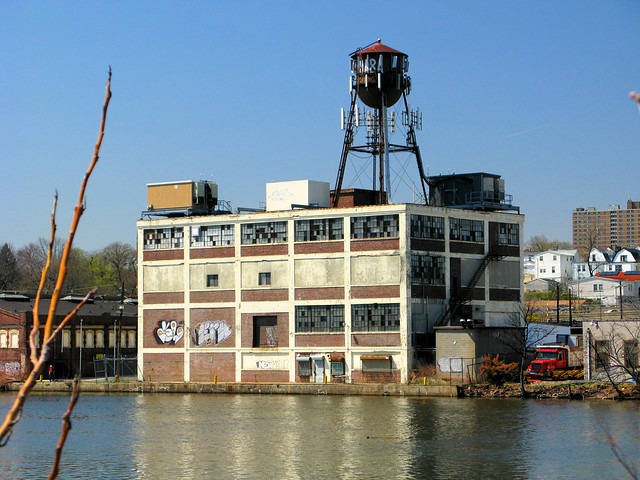
many of them abandoned, evidence of the collapse of the manufacturing sector in the US.

old industrial site passaic river

I redid this journey recently, taking the train to Washington DC, and it hasn’t got much better.

Every time I sat in that train 25 years ago, watching the bleakness roll by, I silently lamented that way of thinking which saw wetlands as something useless. Here is what a journalist had to say when describing the Meadowlands in 1867:

“Swamp-lands are blurs upon the fair face of Nature; they are fever-breeding places; scourges of humanity; which, instead of yielding the fruits of the earth and adding wealth to the general community, only supply the neighboring places poisonous exhalations and torturing mosquitos. They are, for all practical purposes, worthless; and the imperative necessity for their reclamation is obvious to all, and is universally conceded.” [1]

So they had filled them in and turned them over to some useful economic activity. But now all I could see was that much of that useful economic activity had upped sticks and moved to China or somewhere else, leaving behind only a blighted landscape. And no doubt as I write, that useful economic activity is upping sticks again, moving to somewhere even cheaper, leaving another blighted landscape behind it.

What of those wetlands around the Hackensack and Passaic Rivers? Perhaps sea level rise, coupled with more frequent and more severe storms, both caused by climate change, itself caused by the carbon emissions from all those useful economic activities, will wipe away all our intrusions and chase us off to higher ground. A revenge which will dwarf Governor Christie’s mean-spirited attempt at revenge – if indeed he was involved, of course. Of course …

_____________________

1. The new system of reclaiming lands. (1867, November 16). Frank Leslie’s Illustrated Newspaper, pp. 36–37.

Traffic jam on George Washington Bridge: http://i2.cdn.turner.com/cnn/dam/assets/140109121541-vo-gwb-traffic-september-2013-00000427-story-top.jpg [in http://www.cnn.com/2014/01/09/us/christie-traffic-react/%5D
Penn Station: http://graphics8.nytimes.com/images/2012/02/12/arts/12JPWEST2/12JPWEST2-popup.jpg [in http://www.nytimes.com/2012/02/12/arts/design/a-proposal-for-penn-station-and-madison-square-garden.html?pagewanted=all&_r=0%5D
Wetlands Secaucus: http://www.njmeadowlands.gov/images/environment/mill_air.gif [in http://www.njmeadowlands.gov/environment/parks/mcm.html%5D
Roads through the wetlands: http://www.clui.org/sites/default/files/imagecache/clui-image/clui/post_images/135-3516_img_0.jpg [in http://www.clui.org/newsletter/winter-2013/new-jersey-meadowlands%5D
Pulaski Skyway: http://media.nj.com/jjournal-news/photo/ga0111skyway-11-munsonjpg-f015d680e2f7d239.jpg [in http://www.nj.com/hudson/voices/index.ssf/2013/02/sen_stacks_letter_praises_gov.html%5D
Old industrial site Passaic River: http://farm5.staticflickr.com/4062/4488489938_631d825d01_z.jpg [in http://www.flickr.com/photos/jeffs4653/4488489938/%5D

OF CABBAGES AND KINGS

New York, 5 January 2014

Kale is king of culinary cool this year in New York. Or so it would appear from a cursory glance at the offerings in the city’s food emporia: every restaurant seems to have a dish with kale in it, every supermarket a ready-made salad containing kale.  Several articles tracking the growing popularity of kale have appeared in the New York Times, while a very recent article in the New York Daily News, reporting on a survey of 500 dieticians, has these worthy people predicting that kale (along with ancient grains and gluten-free diets) will be the top nutrition trends of 2014. Why, even a celebrity chef like Gordon Ramsey has weighed in, making lots of approving noises about kale. He went so far as to propose that a National Kale Day be instituted!

Which is all rather surprising to me, since I have always associated kale with something that you feed to cows.  I don’t think I had ever intentionally eaten kale until a week or so ago when I picked up a take-away tomato and kale soup from a Hale & Hearty Soup outlet somewhere near Park Avenue and 45th Street.

Quite what is so remarkable about kale is not clear to me. It is purported to help you fight various cancers, lower your cholesterol, detoxify yourself, and I know not what else. Having been around a while, I am, like this reporter in the Huffington Post, somewhat skeptical of all these claims. How many foodstuffs have I seen over the years for which extravagant health claims have been made!  It is true that kale is stuffed with vitamins K, A and C.  So if you need those, kale might be your thing. But as for the rest …

To my mind, all the froth and frenzy about kale is nothing compared to the wonderful story behind its very existence. Around the northern and eastern rim of the Mediterranean, in what are now Italy, Greece, Turkey, and maybe further south along the Lebanese and Israeli coast, there lives a humble member of the large family of mustards. This species is known to science as Brassica oleracea, but we can call it cole (a name rooted in the Celtic-Germanic-Greek word for “stem”). With time and I presume human interference it spread from its original homeland and now can be found further north in Europe. Since it tolerates salt well and likes a limey soil, it tends to be found on limestone sea cliffs, as attested by this picture, taken on the chalk cliffs in the UK (I didn’t find a picture of the plant in its original homeland):

Cabbage-wild

Anyone familiar with mustard plants will immediately see the family resemblance. And those long stems are what gives the plant its generic name of cole.

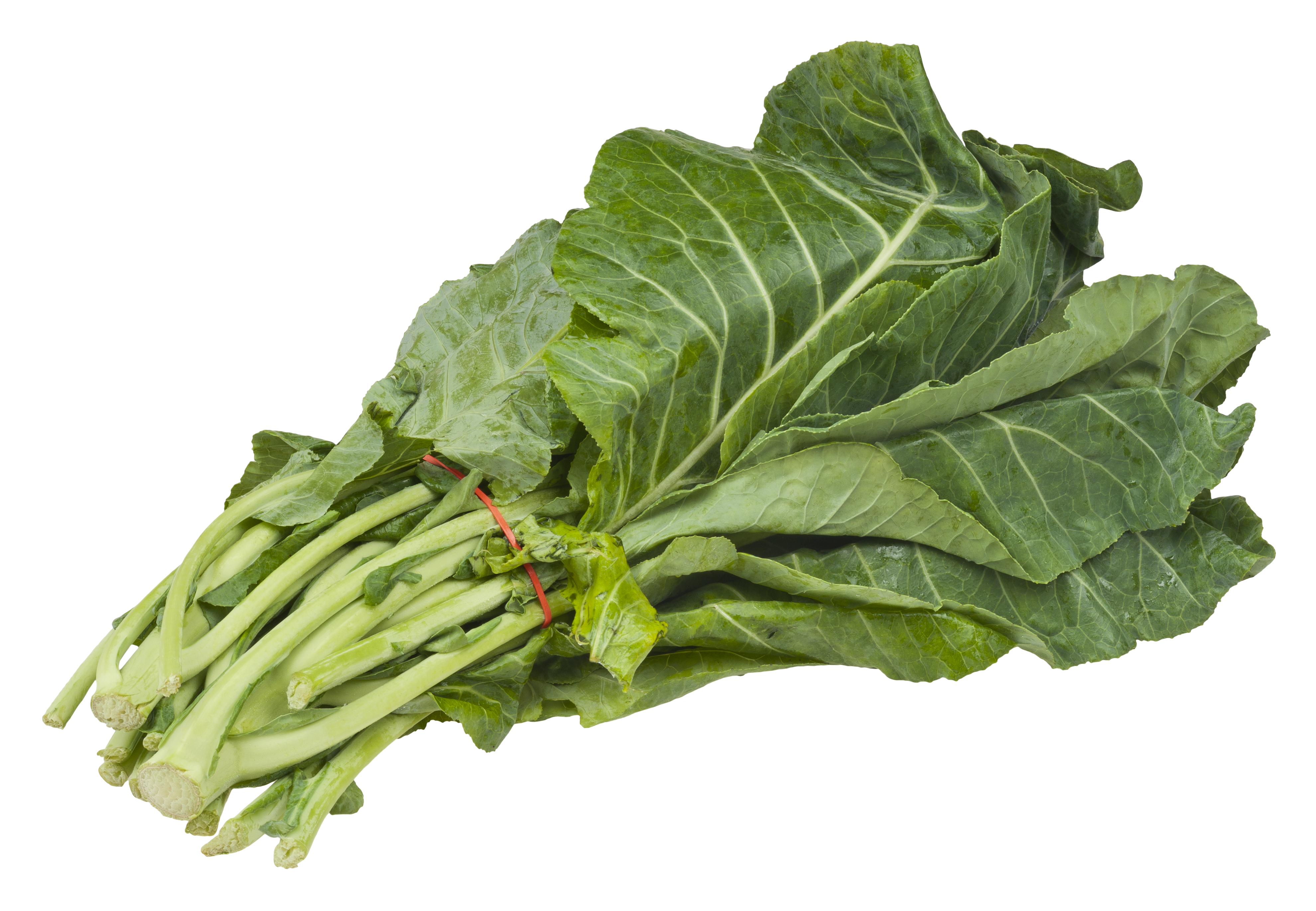
At some point, humans found that the plant was edible and presumably added it to their list of plants to gather. Some 3-4,000 years ago, maybe more, as part of the slow move to agriculture, humans began to domesticate the cole, and as they have done with just about every species which they have domesticated they began a forced process of natural selection to encourage desirable traits in their domesticates and eliminate undesirable ones. So far, so good.  But the cole must have a very flexible DNA because over the millennia farmers were able to coax out of this one plant an astonishingly different array of vegetables. From the plant we see above waving on the cliff top, they managed to obtain our friend kale:

Kale-Bundle

Its close cousin, collard greens:

SONY DSC

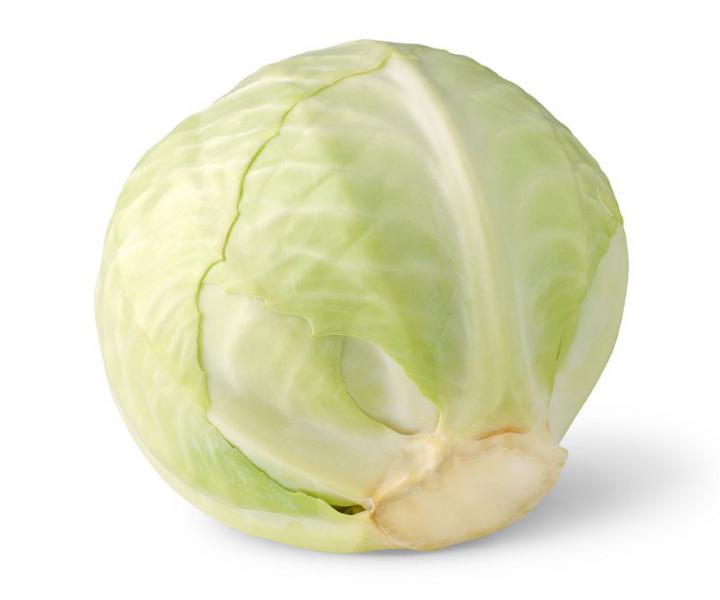
The cabbage, which itself comes in several varieties, the common white cabbage:

Cabbage isolated on white

the red cabbage, seen here with the green cabbage:

cabbage-green and purple

the Savoy cabbage:

cabbage-savoy 2

Then we have broccoli:

Fresh green vegetable, isolated over white

Cauliflower:

Cauliflower

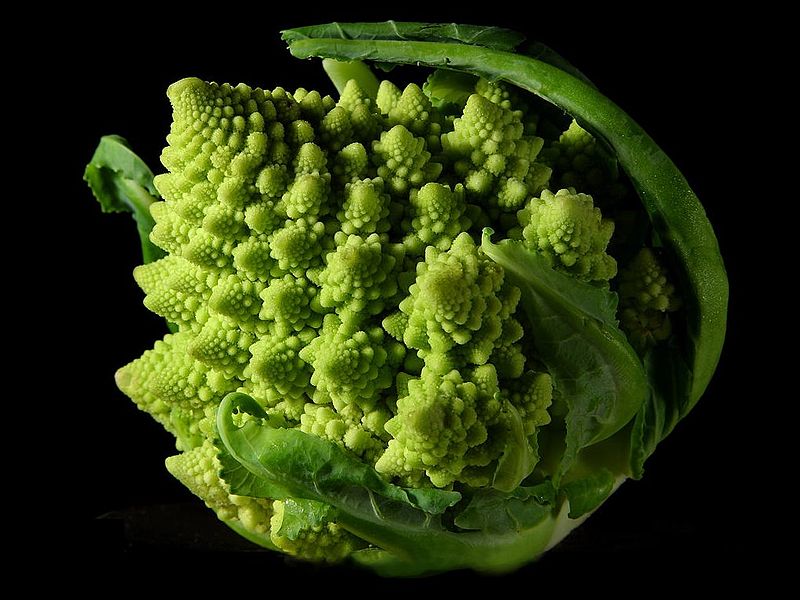
and its close cousin the strange-looking romanesco broccoli:

romanesco broccoli 2

Brussels sprouts:

brussels sprouts

Kohlrabi:

kohlrabi

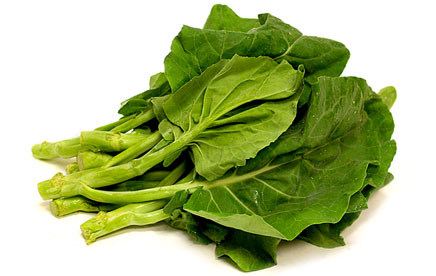
And last but not least, the Chinese kai-lan, also known as Chinese broccoli:

Chinese_Broccoli 2

Pretty amazing …

The following picture shows which bits in the original cole plant all those generations of farmers fiddled with to get these massively different vegetables:

brassica oleracea-evolution 4

When seeing all these vegetables sitting next to each other on a supermarket shelf, it might be difficult to believe that they are actually the same plant, but when you see them still in the field the family resemblance is more easily recognized.

Kale:

kale in field

Collards:

OLYMPUS DIGITAL CAMERA

Cabbage:

cabbage-white

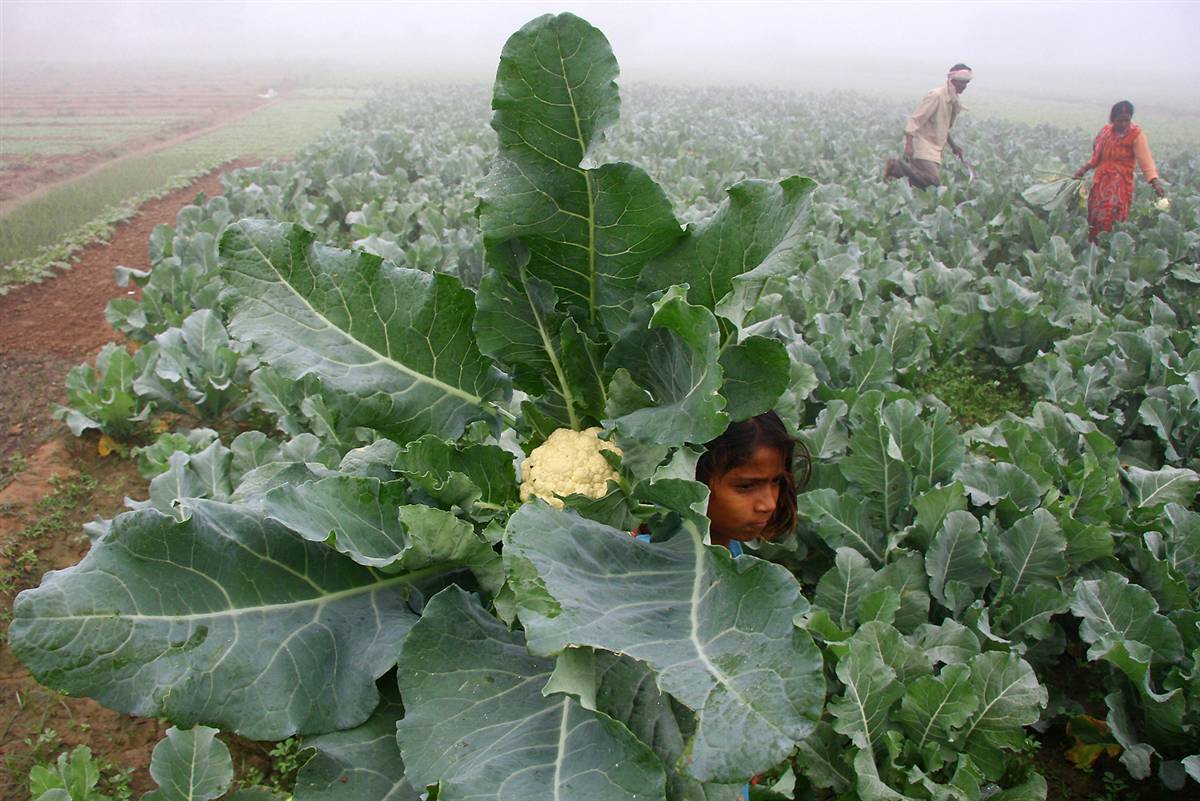
Cauliflower:

cauliflower in the field

Broccoli:

broccoli plant

Brussels sprouts:

brussels-sprouts plants

Kohlrabi:

Kohlrabi-plant

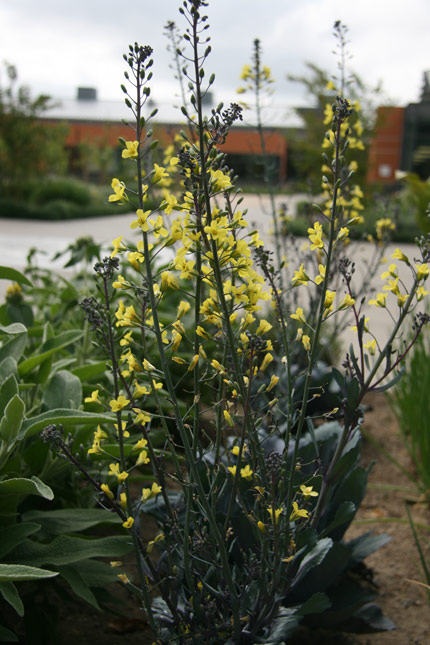
And when these vegetables flower, which they should not, then you see the mustard-like flower coming through, as in this case of a red cabbage gone to seed:

cabbage-red-bolted

and of broccoli gone to seed:

broccoli bolted

The early history of all these cole vegetables is shrouded in uncertainty. The Greeks and Romans wrote about one or more vegetables which sound like a cousin of kale and collards. The cabbage seems to have been developed in the colder parts of Europe some time in the early Middle Ages. Southern Italians seem to have developed broccoli quite early on, perhaps already during the Roman period, but it was many centuries before it migrated to other parts of Europe. It is generally thought that the cauliflower came to Europe from the Middle East, possibly via Cyprus and then Italy. As the name suggests, Brussels sprouts seem to have been developed somewhere in the Low Countries around the 15th Century, possibly earlier, but didn’t migrate to other parts of Europe until several centuries later. Kohlrabi seems to have been developed at about the same time, although quite where in Europe is unclear. And then there is kai-lan. Quite how this vegetable, the descendant of a Mediterranean plant, ended up being developed in China is a bit of a mystery. It is theorized that when the Portuguese came to China, they brought with them the cabbage. Chinese farmers then did a second cycle of selection to bring about something which looks and tastes more like broccoli.

Little is known of the history of these vegetables because early European chroniclers didn’t deign to follow the experiments in genetic engineering that the humble farmers were undertaking. In his poem “the Walrus and the Carpenter”, Lewis Carroll has the walrus say at some point:

“The time has come,
To talk of many things:
Of shoes–and ships–and sealing-wax–
Of cabbages–and kings”

But those who recorded history were interested in kings and not cabbages and their ilk, so we will never know who were those legions of farmers who patiently developed this cornucopia of cole vegetables which we have available to us today. I take this occasion to salute these nameless heroes and to thank them for putting such wonderful vegetables on my table.

_____________________

Cabbage-wild: http://i.telegraph.co.uk/multimedia/archive/01810/Cabbage_1810864c.jpg [in http://www.telegraph.co.uk/earth/earthnews/8281088/Britains-wild-plants-make-a-comeback.html%5D
Kale bunch: http://upload.wikimedia.org/wikipedia/commons/thumb/4/4b/Kale-Bundle.jpg/640px-Kale-Bundle.jpg [in http://en.wikipedia.org/wiki/Kale%5D
Collard greens-bundle: http://upload.wikimedia.org/wikipedia/commons/e/e9/Collard-Greens-Bundle.jpg [in http://en.wikipedia.org/wiki/Collard_greens%5D
Cabbage-white: http://www.realfoods.co.uk/ProductImagesID/2559_1.jpg [in http://www.realfoods.co.uk/product/2559/real-foods-organic-white-cabbage-uk-kg%5D
Cabbage-green and red: http://upload.wikimedia.org/wikipedia/commons/thumb/f/fa/Cabbages_Green_and_Purple_2120px.jpg/451px-Cabbages_Green_and_Purple_2120px.jpg [in http://en.wikipedia.org/wiki/Cabbage#History%5D
Cabbage-savoy: http://www.rivieraproduce.eu/wp-content/uploads/2011/06/image_riviera_savoy_cabbage.jpg [in http://www.rivieraproduce.eu/savoy-cabbage%5D
Broccoli: http://livelovefruit.com/wp-content/uploads/2013/06/977599_375755671.jpg [in http://livelovefruit.com/2013/06/benefits-of-broccoli/%5D
Cauliflower: http://blogs.kcrw.com/goodfood/wp-content/uploads/2012/10/Cauliflowerimage.jpg [in http://blogs.kcrw.com/goodfood/2012/11/recipe-braised-cauliflower-with-capers-toasted-bread-crumbs/%5D
Romanesco broccoli: http://upload.wikimedia.org/wikipedia/commons/thumb/4/4f/Fractal_Broccoli.jpg/800px-Fractal_Broccoli.jpg [in http://en.wikipedia.org/wiki/Romanesco_broccoli%5D
Brussels sprouts: http://ourtinyearth.files.wordpress.com/2013/01/12065713-brussels-sprouts-pile-on-white-background.jpg [in http://ourtinyearth.com/2013/01/08/stories-of-the-misunderstood-brussels-sprouts/%5D
Kohlrabi: http://www.chowlocally.com/blog/wp-content/uploads/2012/03/kohlrabithroat2.jpg [in http://www.chowlocally.com/blog/2012/03/21/kohlrabi-the-loneliest-vegetable-in-the-world-of-healthy-eating/%5D
Chinese broccoli: http://www.specialtyproduce.com/ProdPics/467.jpg [in http://www.specialtyproduce.com/produce/Gai_Lan_467.php%5D
B. Oleracea-evolution: http://www.doctortee.com/dsu/tiftickjian/cse-img/biology/evolution/mustard-selection.jpg [in https://sites.google.com/site/selectivebreedingofplants/%5D
Kale in field: http://1.bp.blogspot.com/-f5RKQQQaduk/T9Fcpear0DI/AAAAAAAAG24/YIJgodBwji0/s400/IMG_4096.JPG [in http://culinarytypes.blogspot.com/2012_07_01_archive.html%5D
Collard plants: http://img691.imageshack.us/img691/1158/collards2.jpg [in http://www.homesteadingtoday.com/country-living-forums/gardening-plant-propagation/397580-ok-collard-greens-growing%85-now-what.html%5D
Cabbage plant: http://upload.wikimedia.org/wikipedia/commons/7/70/Cabbage.jpg [in http://en.wikipedia.org/wiki/Cabbage#cite_ref-8%5D
Cauliflower in field: http://4photos.net/photosv5/cauliflower_field_india_1342111345.jpg [in http://4photos.net/en/image:105-216983-Cauliflower_field_India_images%5D
Broccoli plant: http://www.ferta-lawn.com/userfiles/image/Broccoli.jpeg [in http://www.ferta-lawn.com/blog-post/Fall-Gardening-Peas-Broccoli%5D
Brussels sprouts plant: http://www.gardeningcarolina.com/veggies/images/brussels-sproutsfull.jpg [in http://www.gardeningcarolina.com/veggies/brusselsprouts.html%5D
Kohlrabi plant: http://www.harvesttotable.com/wp-content/uploads/2007/03/Kohlrabi-plant.jpg [in http://www.harvesttotable.com/2007/03/kohlrabi_kohlrabi_tastes_like/kohlrabi-plant/%5D
Cabbage-red-bolted: http://goodlifegarden.ucdavis.edu/blog/wp-content/uploads/2011/04/bolted-red-cabbage.jpg [in http://goodlifegarden.ucdavis.edu/blog/2011/04/%5D
Broccoli-bolted: http://botanistinthekitchen.files.wordpress.com/2012/11/broccoli_flowers1.jpg [in http://botanistinthekitchen.wordpress.com/tag/kohlrabi/%5D

KAKI

Beijing, 3 November 2013

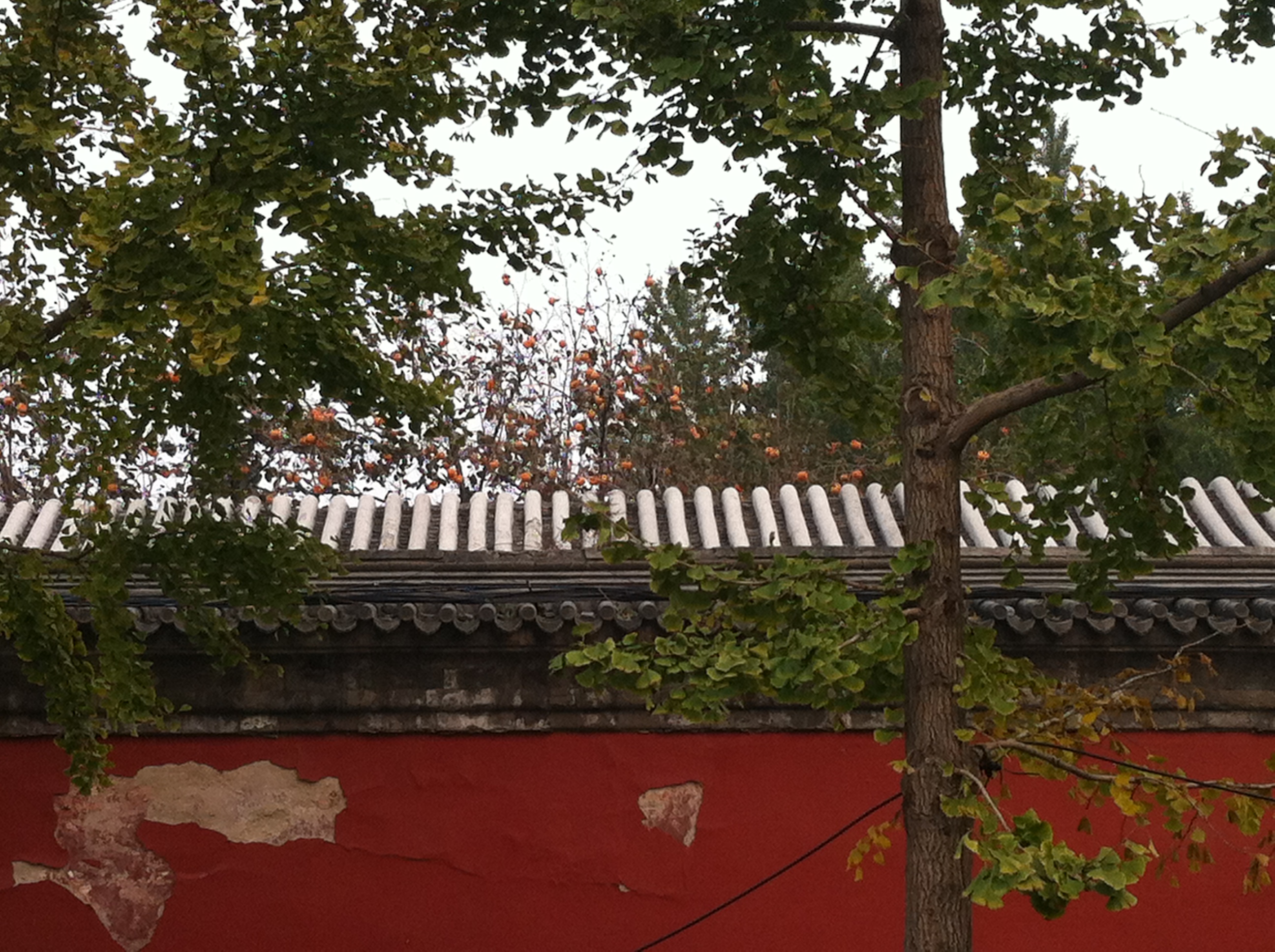
My wife and I went to an art show last weekend in an old temple located somewhere in the hutongs behind Beijing’s old drum tower (as a friend whom we met there said, “great space, great mulled wine, average art”). We went for a walk around the area afterwards, and I spied this kaki tree in full fruit peeping over a high wall.

kaki over temple wall 002

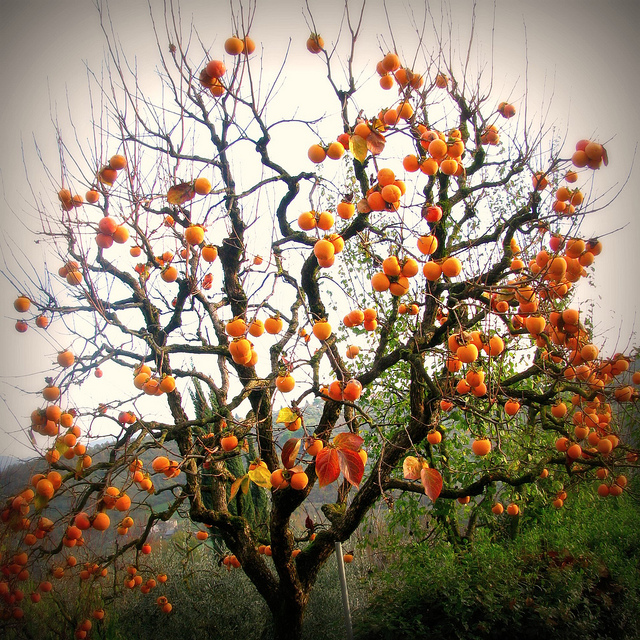
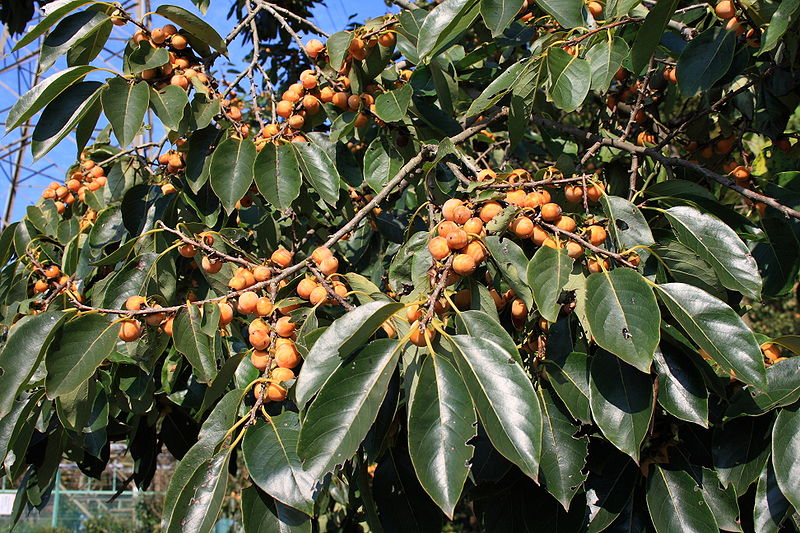
For those of my readers who can’t quite make out the tree in my picture, here is a much better take of the same species.

kaki

I realized that it was that time of the year again, when the kaki are fully ripened and ready to eat. And I suddenly noticed that all the Chinese grocers were filled with kaki.

I’ve noted in a much earlier posting that my wife brought much more food and culinary novelty to our marriage than I did. One of these was the kaki, which I first saw in Liguria during one of our trips out to the sea in the late months of the year.

cachi in liguria

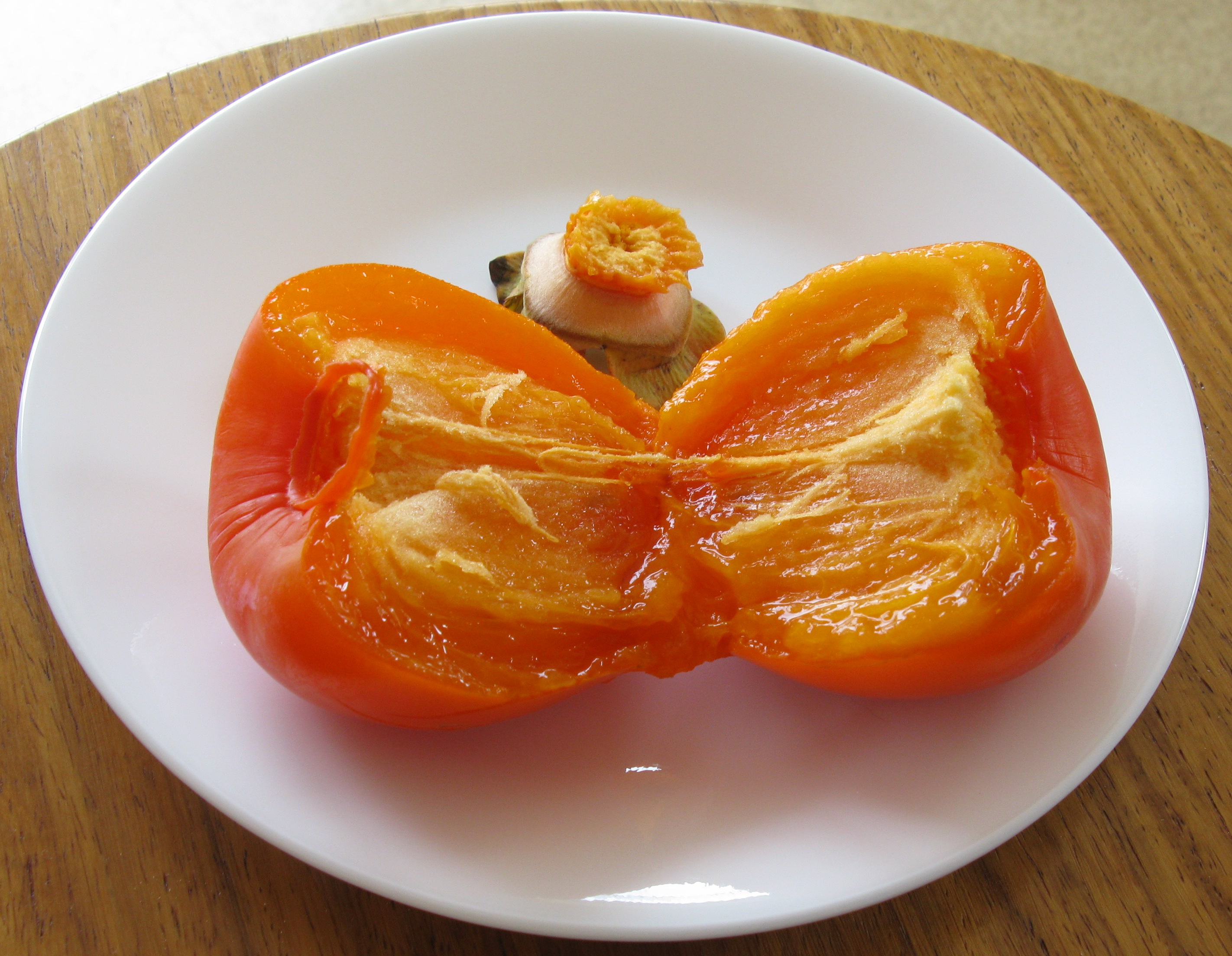
My mother-in-law was very fond of this fruit, but I must say I have never been convinced by it. I appreciate neither its mushiness nor its sweetness. I’ve eaten it but rarely during the years since I first discovered it, and every time I have been reinforced in my lack of enthusiasm for the fruit.

kaki fruit

Without really thinking about it much, I assumed that this tree and its fruit were native to the Mediterranean. I adopted the Italian spelling cachi as the original spelling. Imagine my surprise, then, when several years after my initial discovery of the fruit, we came across the tree laden with fruit during the trip which my wife and I made to Japan, and our Japanese companion informed us that it was called kaki. Kaki! The scales fell from my eyes. This must have originally been a Japanese tree, which was brought to Italy at some point – back in the 1800’s, I have since discovered. Another botanical species, like the ginkgo which I’ve written about earlier, which was trekked back to Europe during the first era of globalization.

Actually, I was wrong again! Because, like the ginkgo, the kaki is actually native to China and at some point got transported over to Japan – along with Buddhism perhaps? So if I were a linguistic purist I should switch to calling it shizi, which is its Chinese name. But I’m getting old and set in my habits. Kaki it will remain.

Talking of names, English-speaking readers may be asking themselves what the English name of the tree and fruit is. It was years before I asked myself that question and looked up cachi in an Italian-English dictionary. Persimmon, that’s what it is! Persimmon … that was a word which had hovered on the far horizons of my linguistic knowledge. I’d heard it spoken or maybe seen it written, I knew vaguely it was a fruit, but that was it. It sounds such an upper-class English name, don’t you think? Like Fitzwilliam or the Duke of Buccleuch. So it was another surprise to me to discover that persimmon is actually an English transliteration of the word pasiminan or pessamin, an Algonquian word from the eastern United States. Another result of the first era of globalization, in this case the colonization of North America. Because there is also a species of kaki that is native to Eastern North America, the American Persimmon.

American persimmon-tree

American persimmon-fruit

I prefer the formal Latin name Diospyros virginiana, which suggests to me that it was in the British colony of Virginia that the Brits first came across the tree.

By the way, there is actually a species of Diospyros which is native to the Mediterranean; actually, its range is somewhat broader, stretching from Southeast Europe to Southwest Asia. In English, it’s called the date-plum tree. Apparently, the fruit’s taste reminds one of both plums and dates.

date plum diospyros lotos-tree

Maybe I’m pushing this globalization thing too far, but I see another strand of globalization in that name. It is a literal translation of the Persian name for the tree and its fruit: khormaloo. In the earlier period of globalization, American colonists were content to simply anglicize the Native American name. But in a later, more learned period of globalization, when some more academic Brits actually learned the foreign languages which the expanding British Empire was coming into contact with, rather than call the tree, say, cormalew, they preferred to translate the original name.

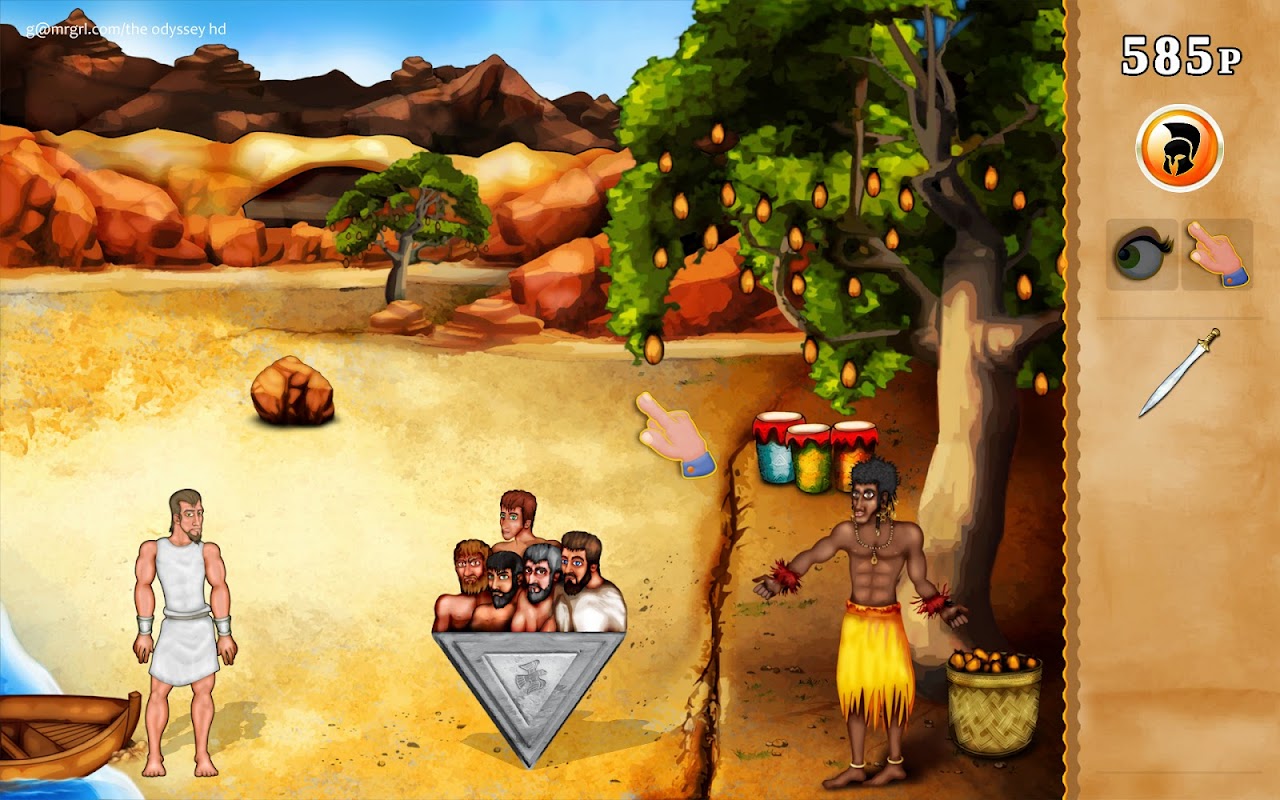
Actually, the Latin name of this species of kaki, Diospyros lotos, is even more interesting. It refers to a belief in Greece that this fruit could have been the lotus fruit mentioned in Homer’s Odyssey. According to that story, the lotus fruit was so delicious that those of Odysseus’s men who ate it forgot about returning home and wanted to stay and eat lotus with the native lotus-eaters. I throw in here a screenshot from an electronic game based on Odysseus’s story; the fruit looks vaguely kaki-like (amazing what they will make electronic games about …)

lotus eaters-2

Personally, I can’t think that kaki is the lotus-fruit. All that squishiness and mushiness would definitely not make me stick around.

______________

Kaki over the wall: my picture
Kaki: http://www.flickr.com/photos/giagir/5185254421/sizes/z/in/photostream/ [in http://www.flickriver.com/photos/giagir/5185254421/%5D
Cachi in liguria: http://www.flickr.com/photos/ciric/3032113542/sizes/z/in/photostream/ in [http://www.flickr.com/photos/ciric/3031273027/]
Kaki fruit: http://upload.wikimedia.org/wikipedia/commons/0/01/Diospiros_kaki_Fruit_IMG_5472s.JPG [in http://en.wikipedia.org/wiki/Persimmon%5D
American persimmon tree: http://3.bp.blogspot.com/-hroimehTRQk/TlPhN7euB8I/AAAAAAAAAds/lBlwEER714k/s1600/persimmon4.jpg [in http://tcpermaculture.blogspot.com/2011/08/permaculture-plants-persimmons.html%5D
American persimmon fruit: http://4.bp.blogspot.com/-b3lVcZ8FOnw/TlPgCINg7VI/AAAAAAAAAdk/LQCyiQYUw2c/s1600/Persimmon3.png [in http://tcpermaculture.blogspot.com/2011/08/permaculture-plants-persimmons.html%5D
Date plum-tree: http://upload.wikimedia.org/wikipedia/commons/thumb/6/63/Diospyros_lotus_01.jpg/800px-Diospyros_lotus_01.jpg [in http://en.wikipedia.org/wiki/Date-plum%5D
Odysseus and the lotus eaters: https://lh5.googleusercontent.com/-2uTp30FUU4E/UaHOcmkRBwI/AAAAAAAACsY/UU21szj7LBk/s1280/013_Lotus_Eaters.jpg  [in http://www.gamrgrl.com/2013/05/walkthrough-odyssey-hd.html%5D

AUTUMN LEAVES

Beijing, 23 October 2013

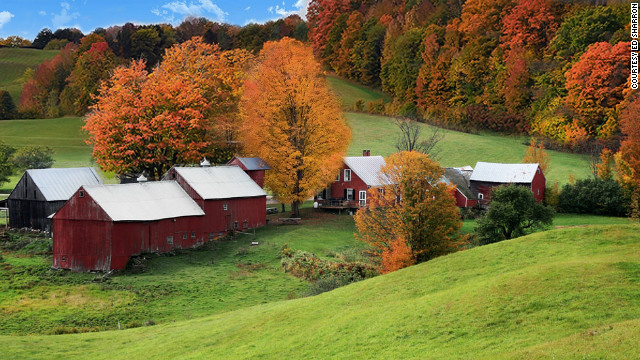
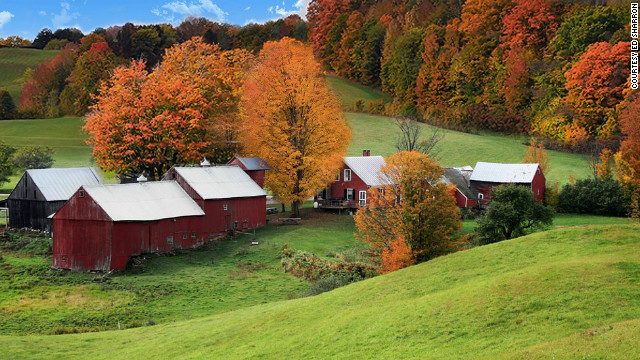
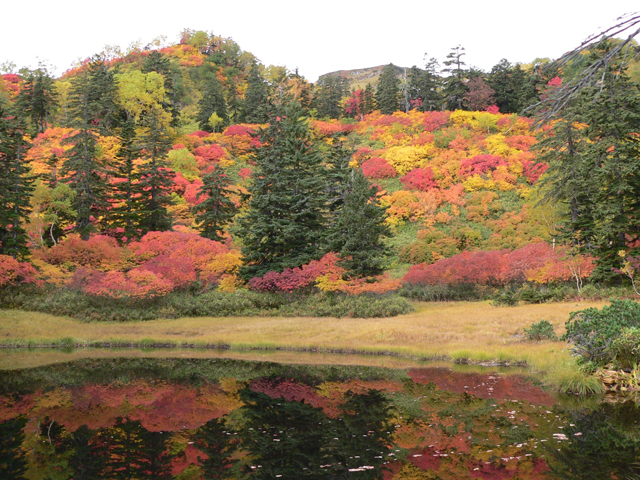
It’s that time of the year in the northern hemisphere when the trees begin to lose their leaves. If we’re lucky, depending on where we’re perched on that hemisphere, we can witness the glorious spectacle of leaves turning intensely red, orange or yellow before they expire and finally float to the ground. My wife and I had such luck some thirty years ago, when we went “leaf peeping” in Vermont.

vermont fall foliage

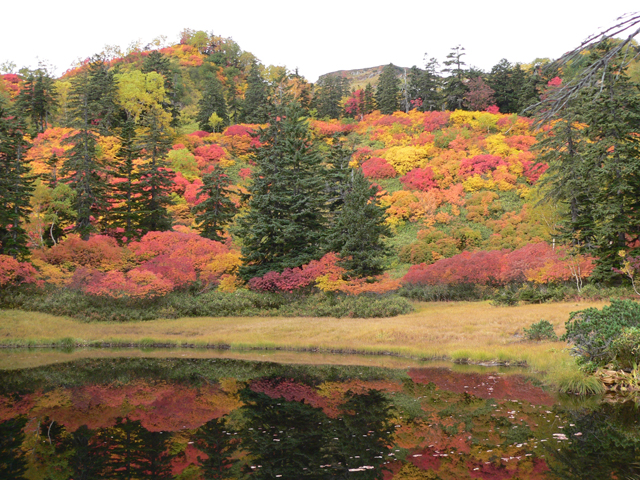
We had such luck an equally long time ago in Hokkaido, the northern island of Japan

hokkaido fall foliage

And I had such luck, alone this time, on my recent trip to Qinghai province, where the poplars were turning bright, golden yellow.

trees in fall

Alas, we have no such luck in dirty, dusty, smoggy Beijing. The leaves here go a little bit yellow, or just plain brown, before dropping miserably to the ground.

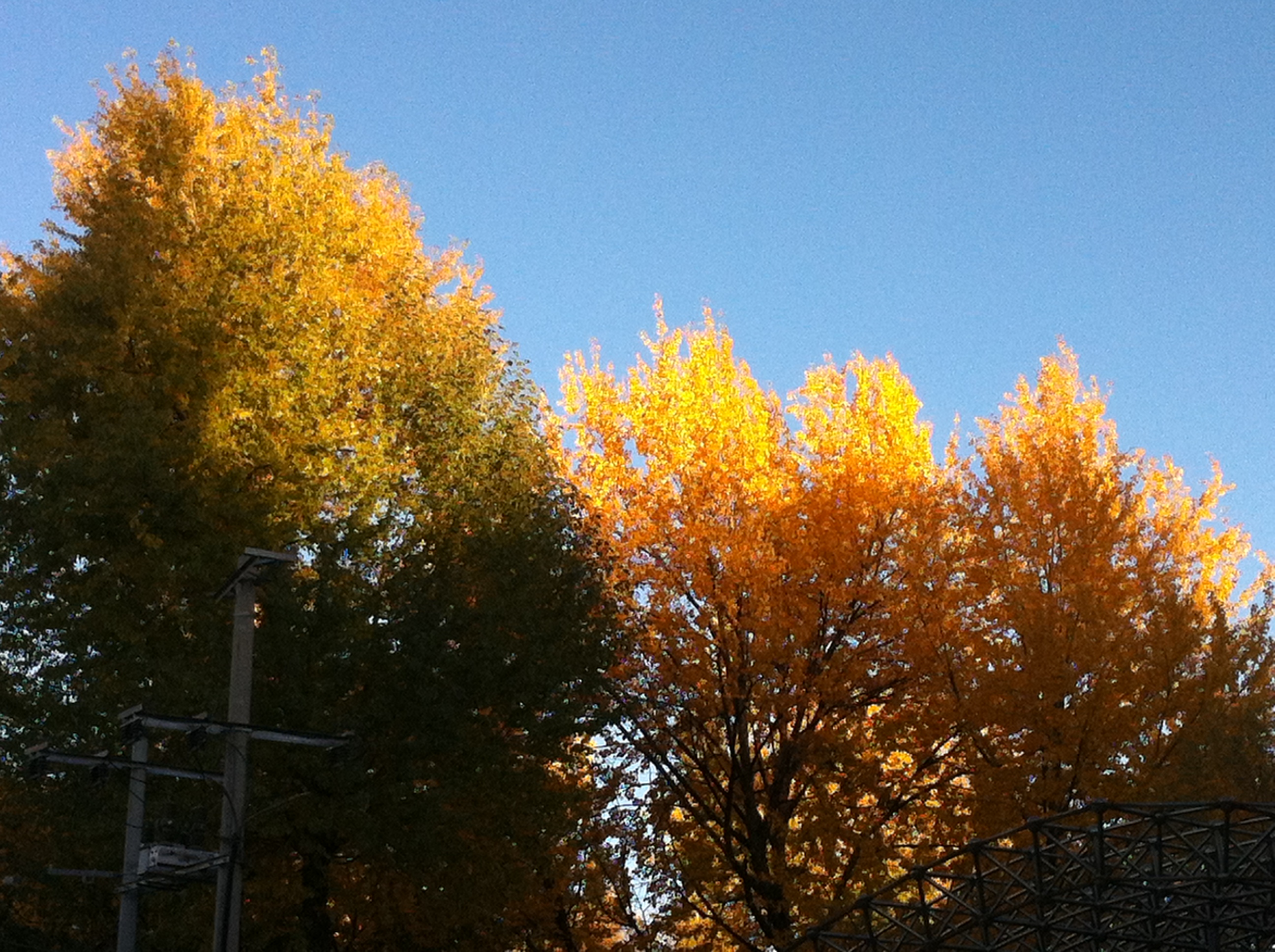
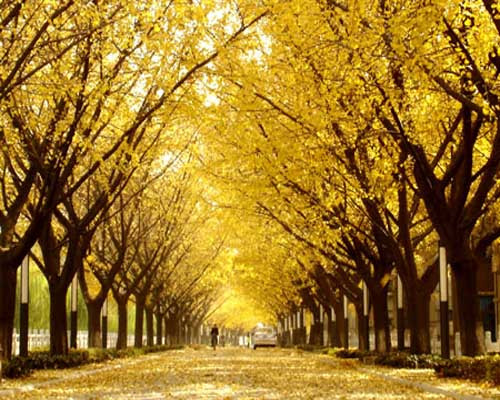
The partial exception is the ginkgo.  Ginkgos are popular trees to plant along streets. They tolerate well pollution and confined soil space, admirable traits for a tree growing in Beijing. And they look handsome, in the summer

ginkos 001

but even more so in the autumn

gingkgo trees autumn

Strange trees, ginkgos. The name already is odd. It was years before I realised that the “k” actually comes before the “g”. Who on earth came up with that spelling? A Dutchman called Engelbert Kaempfer, that’s who, back in the late 17th Century. He was the first European to see a gingko – sorry, ginkgo – in Japan. When he reported it to the European world, he seems to have stumbled over his transcription of the Japanese name ginkyō: what should have been written “ginkio” or “ginkjo” somehow got written as ginkgo.

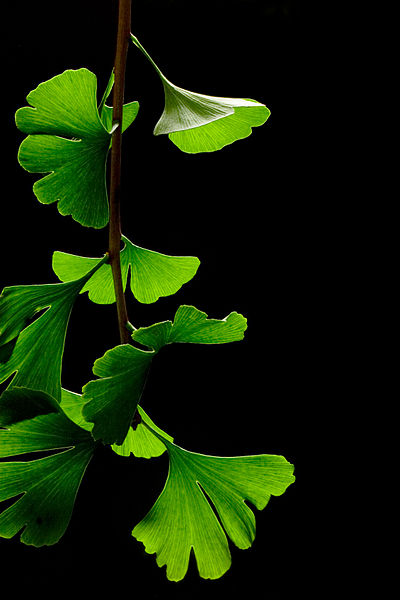
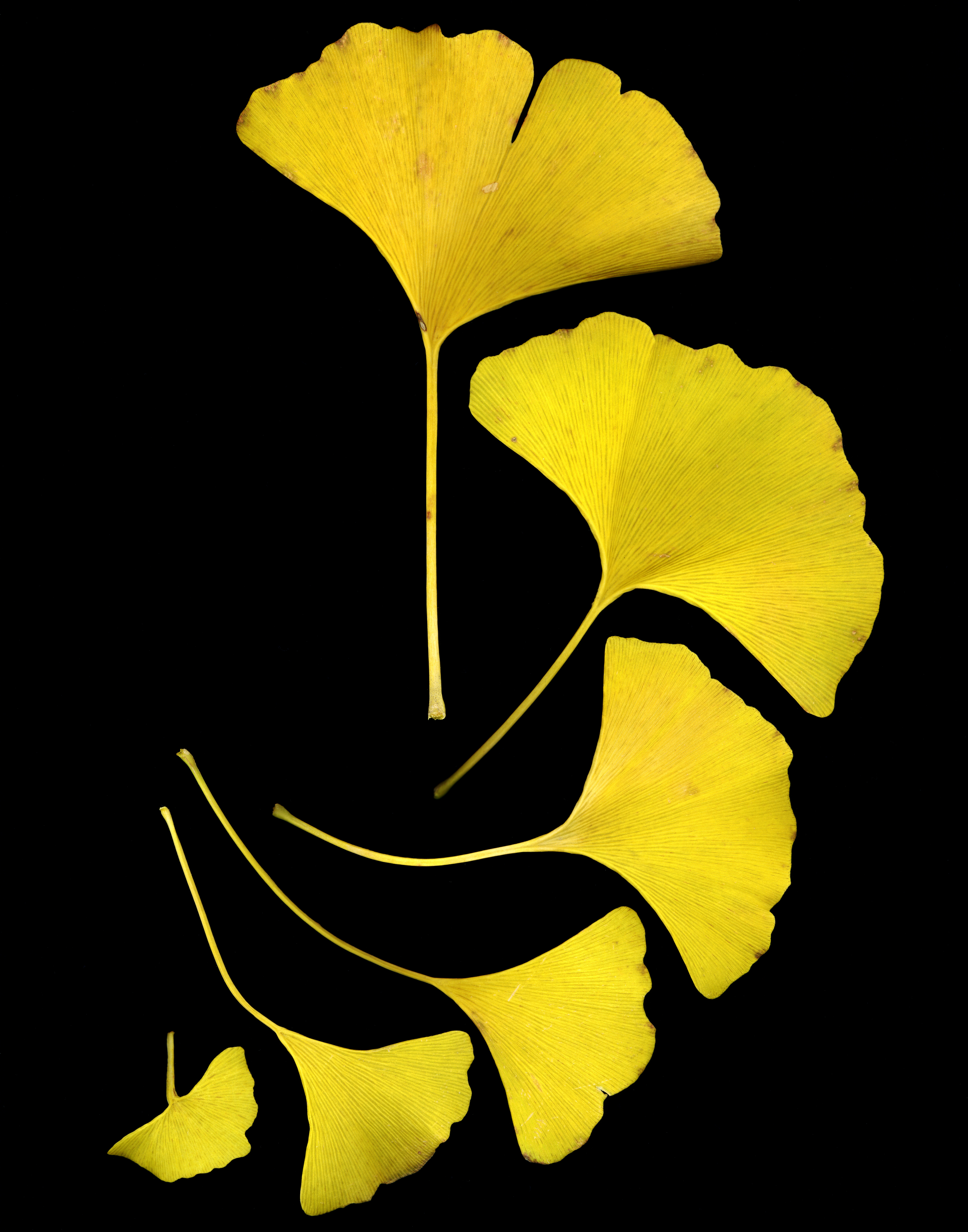
That double-lobed leaf is odd, too.

Ginkgo Leaves summer

In fact, it’s unique among seed plants. Unique, because the ginkgo is a living fossil. This fossilized ginkgo leaf

fossil ginkgo leaf

is 40 million year old, although the ginkgo is far older. It first appears in the fossil record some 200 million years ago. It did nicely for the first 100 million years or so but then it went into terminal decline. Its range shrank and shrank, the various ginkgo species disappeared, until only ginkgo biloba survived, and survived only in China.

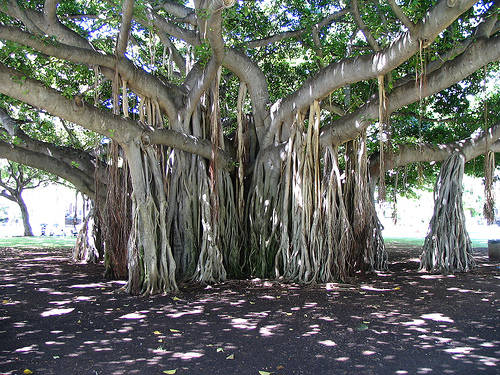
In fact, even the ginkgo biloba probably wouldn’t have survived if it hadn’t been for Buddhism coming to China. There’s a lot of debate about whether or not the ginkgo trees currently found in the wild in China are truly wild or simply feral, that is, grown from seeds that wafted away from domesticated trees. What is sure is that Buddhist monks took to planting ginkgos in their temples as their local version of the bo-tree, the sacred fig tree under which it is said that the Buddha attained enlightenment.

sacred fig

and of course the ginkgo then got included in the Chinese Buddhist iconography – look at those ginkgo leaves peeping behind the buddha:

maitreya buddha under ginkgo

The ginkgo, having thus gained enormously in stature as a sacred tree, was carefully nurtured by all and sundry and survived – and got carried by Buddhism to Korea and Japan, where our friend Engelbert saw it.

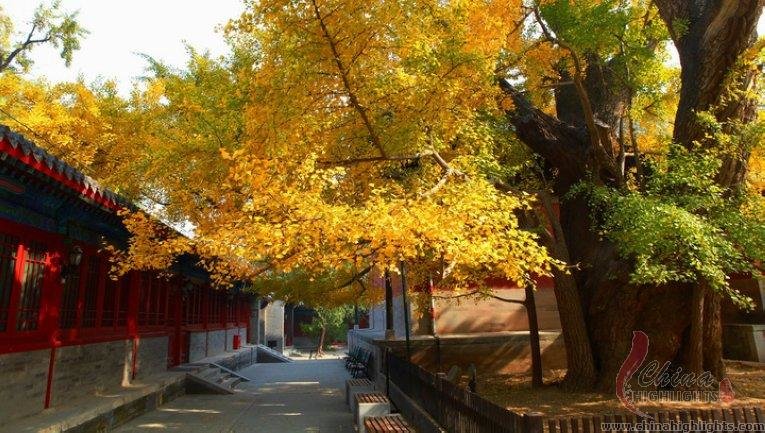
So I suppose it’s really best to admire the ginkgo in the environment which saved it from probable extinction, a Buddhist temple like this one, Dajue temple in the western hills near Beijing.

ginkgo fall dajue temple

___________________

Vermont fall foliage: http://i2.cdn.turner.com/cnn/dam/assets/120911072551-leaf-peeping-vt-jenne-farm-ed-sharron-story-top.jpg [in http://www.cnn.com/2012/09/21/travel/fall-leaf-peeping-autumn/%5D
Hokkaido fall foliage: http://4.bp.blogspot.com/-HK-XCKr055I/UGvr1pwda3I/AAAAAAAAGc8/oe2ckytpNRk/s1600/%E7%A7%8B%E3%81%AE%E9%AB%98%E5%8E%9F%E6%B8%A9%E6%B3%892.jpg [in http://talk-hokkaido.blogspot.com/2012/10/autumnal-foliage-around-daisetsu.html%5D
Qinghai fall foliage: my picture
Ginkgo trees along the street: my picture
Ginkgo trees autumn: http://chinatour.net/member/wp-content/uploads/2012/09/gingkgo.jpg [in http://chinatour.net/beijing/tour/autumn/%5D
Ginkgo leaves summer: http://upload.wikimedia.org/wikipedia/commons/thumb/f/f5/Ginkgo_Biloba_Leaves_-_Black_Background.jpg/400px-Ginkgo_Biloba_Leaves_-_Black_Background.jpg [in http://en.wikipedia.org/wiki/Ginkgo_biloba%5D
Ginkgo leaves autumn: http://upload.wikimedia.org/wikipedia/commons/7/78/GinkgoLeaves.jpg [in http://en.wikipedia.org/wiki/Ginkgo_biloba%5D
Fossil gingko leaf: http://upload.wikimedia.org/wikipedia/commons/c/c5/Ginkgo_biloba_MacAbee_BC.jpg [in http://en.wikipedia.org/wiki/Ginkgo%5D
Sacred fig: http://img.xcitefun.net/users/2009/09/117740,xcitefun-sri-maha-bodhi-tree-2.jpg [in http://forum.xcitefun.net/sri-maha-bodhi-sacred-fig-tree-sri-lanka-t38289.html%5D
Maitreya Buddha sitting under ginkgo: http://www.asia.si.edu/collections/zoom/F1911.411.jpg
Ginkgo Dajue temple: http://images.chinahighlights.com/2012/11/4c1ed9eaebda4d74a20d96f4.jpg [in http://www.chinahighlights.com/beijing/article-see-golden-ginkgoes.htm%5D

SQUATTING AND CHAIRS

2 June 2013

On our last visit to Hong Kong, my wife and I wandered into an antiques shop to poke around among the offerings. The owner, an ethnic Chinese, struck up a conversation with us. After discovering that I came from the UK, she lit up and became positively garrulous. It turned out that her son was completing a Masters at Oxford University, and she described, lovingly and in great detail, a trip she had recently made to the UK to see him. It soon became clear that she regretted Hong Kong no longer being British. In short order, her misty-eyed regrets over the UK leaving turned into a rant against the “Mainlanders”, Chinese from mainland China. This is a common topic of converstation in Hong Kong, where many of its ethnically Chinese residents determinedly stress that they are different from the Mainlanders. This determination is becoming fiercer as Mainlanders come in ever larger numbers to Hong Kong to gawp, buy, and generally get in the way. For this lady, there were two things which symbolized all the differences between Her and Them. She proceeded to tick them off on her fingers with disdain: “they spit, and they squat”.

I think we can all agree that the generalized Chinese habit of spitting is really quite revolting, particularly when it is preceded by a noisy hawking of the throat and – most disgusting of all – a blowing of the nose without a handkerchief. And it is true to say that you see very little of this in Hong Kong.

Our interlocutor’s hostility to the prevalent Chinese habit of squatting is more interesting. Everywhere in China – on pavements, in malls, at bus stops, in railway stations; anywhere, really, where people stand and wait – you will see people who have dropped down onto their haunches for a rest

squatting men beijing-wangfujing

reading, more often than not these days, their text messages.

squatting woman-5

I have to say that I also find this habit disquieting. It seems such a … humiliating posture, is the only way I can describe it. Every time I see people squatting, I scold them mentally: “Get up, get up! You are not a slave!”

And yet … when you think about it, in a world where chairs didn’t exist, which must have been 99.9% of the time that we have been human beings, it was really quite natural for us to drop down  onto our haunches when we were tired of standing and when there wasn’t a nice log or large stone to sit on. So I’ve come to the conclusion that I think the way I do about squatting because of the chair.

The chair, or rather the throne, was obviously an instrument used by Kings and Emperors, from the earliest times, to overawe their subjects. Here we have an Assyrian emperor lording it over some subject of his

throne-assyrian throne

And the temple of Abu Simbel in Egypt must surely be the epitome of rulers lording it over their lands while sitting on thrones

throne-abu simbel

Shelley’s poem Ozymandias, which I quoted in an earlier post, comes to mind when I look at these statues.

Egypt’s dry desert air, in which buried things do not rot, allows us to contemplate today a real Egyptian throne, this one from King Tut’s tomb (“Tutankhamun, King of Upper and Lower Egypt, Lord of the forms of Re, Strong bull, Perfect of birth, He whose beneficent laws pacify the two lands, He who wears the crowns, who satisfies the gods” to you, mere mortal, and don’t you forget it …):

throne-king tut-1

Even in more modern times have thrones played their part in elevating the splendour of the sitter, as in this case of the Qing emperor Kangxi

throne-Qing Emperor Kangxi

And of course Chinese emperors, along with many copy-cat Asian emperors, liked to have their subjects not just squat in front of them but to really debase themselves by kowtowing:

kowtowing before the emperor

Which led to the famous diplomatic incident of 1793, when, Lord Macartney, King George III’s envoy to the Chinese Emperor, refused to kowtow but did accept to get down on one knee as he would have before his King:

kowtowing before the emperor-English ambassador

Even more recently, thrones have played their part to prop up monarchies. The last Shah of Iran, for instance, was fond of using the Naderi throne to impart some sheen to his tawdry reign.

throne-peacock throne-Shah in front

And of course we in the UK have our venerable King Edward’s Chair in which all English, and then British, monarchs (bar two) have been crowned since 1308 – by the way, King Edward I commissioned the chair to house the Stone of Scone after he stole it (a.k.a. war booty) from the Scots.

throne-king edwards

Those of us who have the seen the film The King’s Speech will recognize the throne, which appears at some point in the story and whose portentous humbug is mercifully taken down a peg or two by the egalitarian Australian speech therapist Lionel Logue (played by that wonderful actor Geoffrey Rush), who slouches around in it provoking a burst of monarchist anger from King George VI:

throne-king edwards-Geoffrey Rush in it

Luckily, Lionel Logue’s egalitarian comments about the chair in question was preceded a century or so ago (not more, I suspect) by a move to make the chair a product of mass consumption, which meant that I (but probably not the Chinese of my generation) have spent my whole life sitting on chairs and not squatting on the ground. I try to remember the chairs of my childhood but fail. A chair’s a chair, some of you might say, it’s a functional object. True, but even functionality for the masses can be beautiful. It took my wife to introduce me to Italian furniture design and to make me realize that a chair could be both beautiful and functional. The moment we could – in the early 1980s – we bought ourselves a set of dining chairs. My wife has scoured the internet for photos of the model of our chairs but has found none. This photo of the spaghetti chair is the closest I can find:

chair-sled based-spaghetti

I designed and put together a dining room table to go with our chairs, the only thing I have ever designed in my life. All slumber in a warehouse in Vienna, awaiting our return to Europe.

Later, when we were living in New York, we came across Shaker chairs (and other furniture) during a weekend trip in upstate New York which took us to an old Shaker colony. Beautiful things.

chair-shaker-2

We would have bought some reproductions if we hadn’t already had our chairs – and if they hadn’t been so expensive.

Over the years, we’ve seen some “trophy” chairs (chairs which don’t just sit quietly around a dining room table) which we wouldn’t have minded buying, if the price had been right (and if we’d had the space).

The Danish harp chair:

chair-danish harp chair

The Mondrian chair (this would have been more my choice than my wife’s):

Chair-Mondrian chair

Chairs designed by the Glaswegian architect, designer and artist Charles Mackintosh (again, my choice I think):

chair-Mackintosh chair

Here in China, chairs from the Ming period:

chair-ming-1

The reader will have noted by now that our tastes in chairs (indeed, all furniture) lean towards the simple and clean line …

I suppose that with consumption on the rise in China, the habit of squatting will disappear, as will – I fervently hope and pray – the habit of spitting.  In the meantime, I will continue to mentally exhort my fellow Beijingers to stand up straight and proud every time I see them squatting on the ground.

_________________________

Squatting men: http://mattchalmighty.files.wordpress.com/2012/10/beijing-wangfujing-men-squatting-large.jpg
Squatting woman: http://www.shunya.net/Pictures/China/Beijing/BeijingWoman.jpg
Assyrian throne: http://www.ucl.ac.uk/sargon/images/essentials/kings/sh5-til-barsip-large.jpg
Abu Simbel: http://famouswonders.com/wp-content/uploads/2009/04/abu-simbel.jpg
King Tut throne: http://comeseeegypt.com/images/tutthrone.jpg
Qing Emperor Kangxi: http://upload.wikimedia.org/wikipedia/en/1/12/China,Qing,Emperor,Kangxi,Painting,Color.jpg
Kowtowing before the emperor: http://www.mitchellteachers.org/WorldHistory/AncientChinaCurriculum/Images/legendaryemperors/ImperialRobesOfficialsPayingRespect_large.jpg
English ambassador Lord Macartney before the Emperor: http://images.printsplace.co.uk/Content/Images/Products/92648/89219/Reception_of_the_Diplomatique_and_his_Suite_at_the_Court_of_Pekin__c_1793__1.jpg
Shah of Iran in front of peacock throne: http://filelibrary.myaasite.com/Content/26/26343/29921747.jpg
King Edward’s Chair: http://www2.pictures.zimbio.com/gi/Visitors+Look+Coronation+Chair+Westminster+Wk0GK7SFdXnl.jpg
Geoffrey Rush sitting in King Edward’s Chair: http://v020o.popscreen.com/eGhxd3hrMTI=_o_st-edwards-chair.jpg
Spaghetti chair with sled base: http://img.archiexpo.com/images_ae/photo-g/commercial-contemporary-sled-base-stacking-chair-50648-3267845.jpg
Shaker chair: http://www.jkrantiques.com/_images//ShakerCounterChairWeb.jpg
Danish harp chair: http://shard1.1stdibs.us.com//archives/upload/1stdibsA/071607_sb/arensojoldHD/19/xHudJuly07_398.jpg
Mondrian chair: http://www.dorotheum.com/fileadmin/user_upload/bilder/Presse/Gallery_of_Highlights/Rietveldstuhl.jpg
Mackintosh chair: http://1.bp.blogspot.com/-_ZjHHv_Nzls/UOP0yApjC4I/AAAAAAAAAI0/yTahn5EI7q0/s1600/1.Charles_Rennie_Mackintosh_Hillhouse_Chair_rfd.jpg
Ming chair: http://www.easterncurio.com/easten%20curio/Afurniture/ItemForOn-Selling/A1S152101.jpg