POSTS

MEXICO: BOUGAINVILLEA

Mexico City, 25 December, 2014

My wife and I are spending Christmas in Mexico City. Parental love is what draws us to Mexico. Our son has his business here, and this year it is his turn to hold the fort over the busy Christmas period. As the Turkish saying goes, “Dağ sana gelmezse, sen dağa gideceksin”, “If the mountain won’t come to you, you must go to the mountain”. These last few days, together with our daughter (she has been able to escape from her job in New York, but at the price of being often on FaceTime and email with her colleagues), we have been roaming the city and appreciating its delights, both visual and gastronomic. Yesterday, for instance, we visited Frida Kahlo’s house, La Casa Azul, which presents a compact collection of her paintings (including one which I’ve mentioned in a previous post) as well as of paintings by her husband Diego Rivera. And while we stood in the long, long line to get in, we tucked into an assortment of delicious tacos, including one where the filling was a mix of cheese and cactus pads. Cactus pads! That was a first for me.

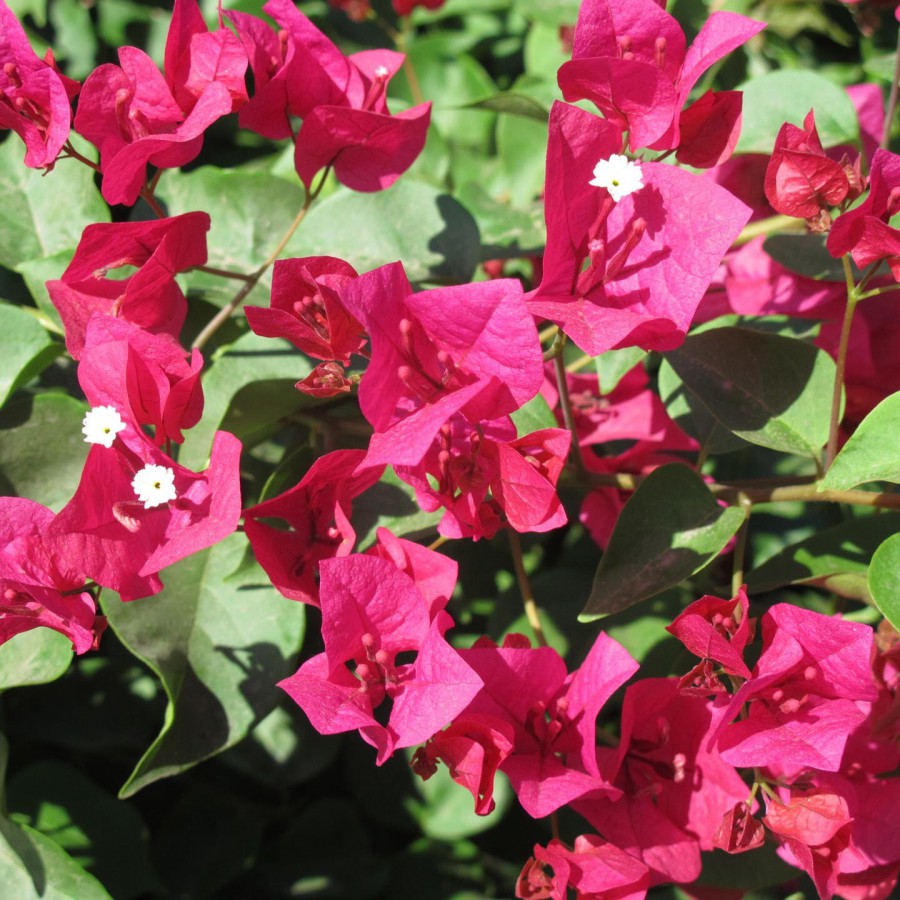
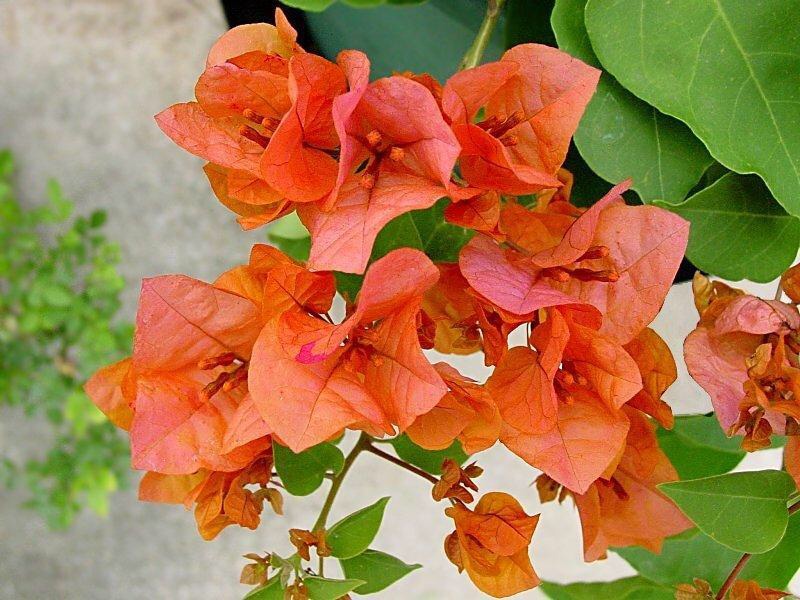
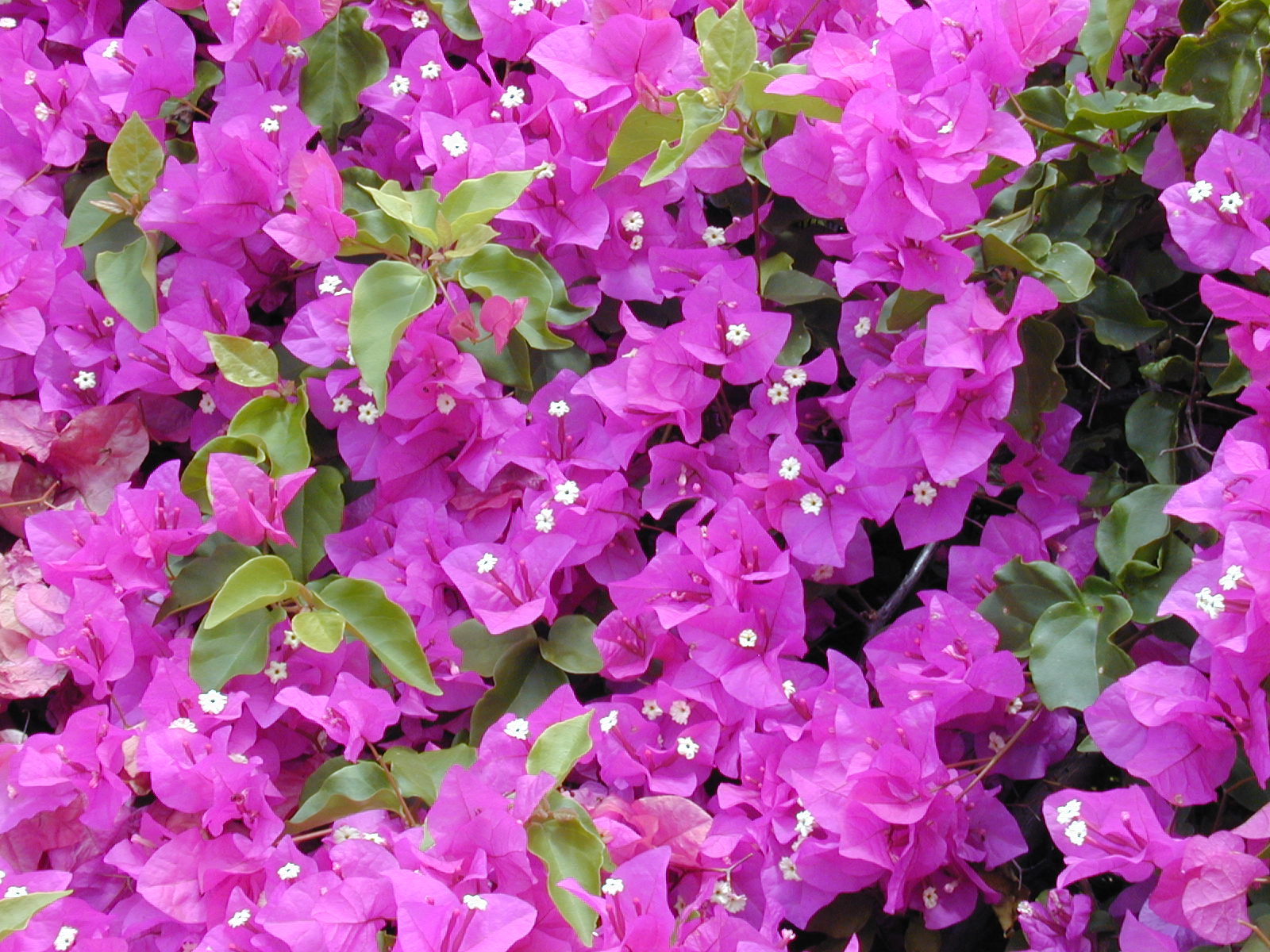
Everywhere we have been in the city, we have been delighted with great clouds of bougainvillea, mauveimage

red

image
orange
image

white

image

clawing their way over roofs, snaking along balconies, tumbling over walls, strangling trees, or simply sculpted into staid bushes.

I’m very fond of bougainvillea. It’s an old friend which I’ve run into in various parts of the world, always places with the sunny, warm climates which I feel very comfortable in, like Eritrea where I was born
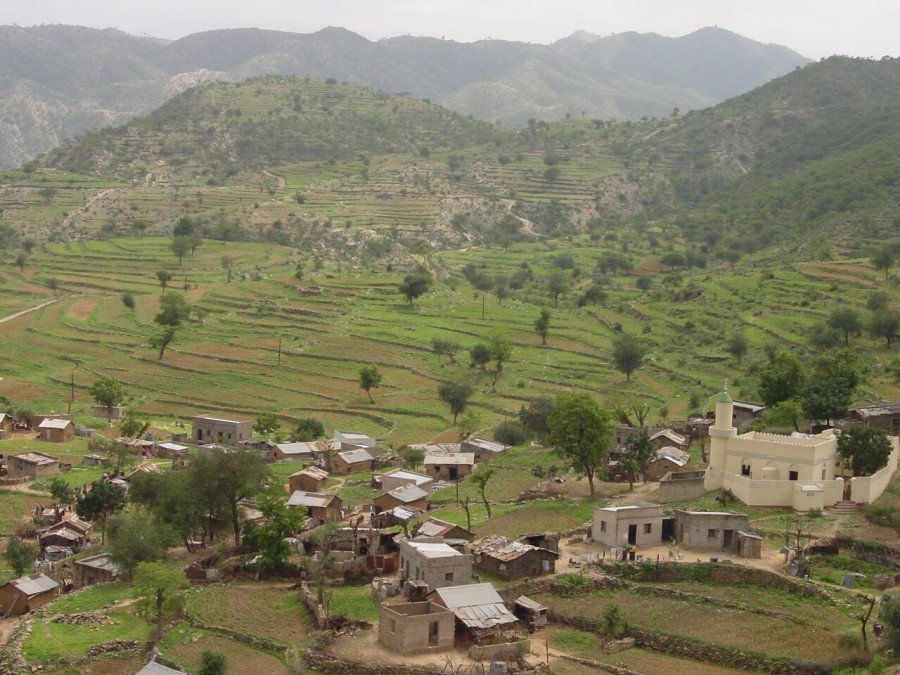
image
or Liguria which my wife introduced me to nearly 40 years ago and to which we return again and again
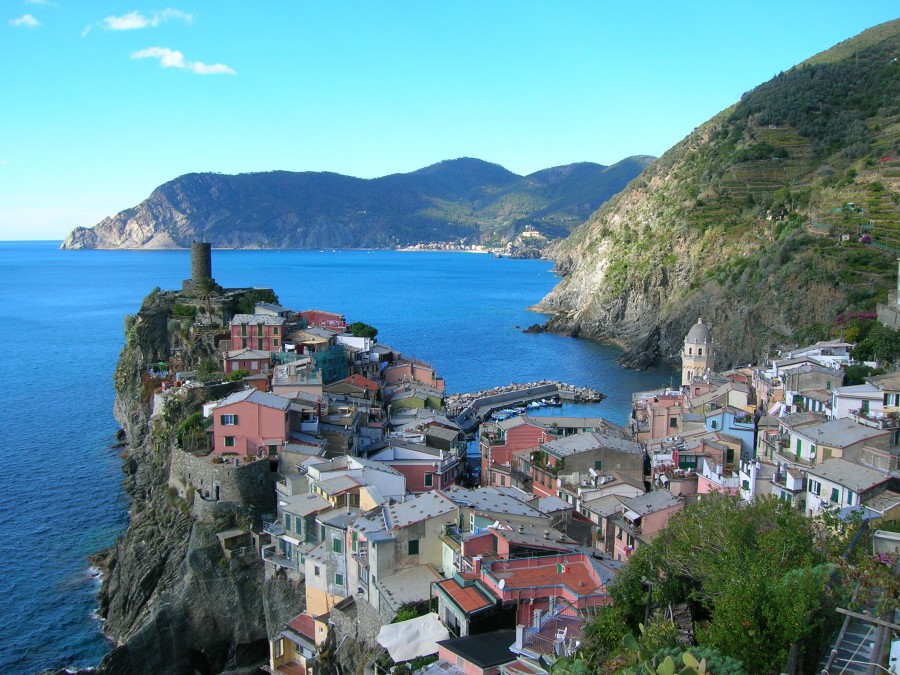
image
or Thailand where we live at the moment.
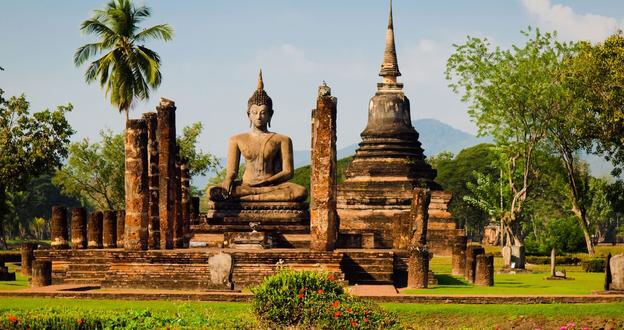
image

This latest meeting with bougainvillea in Mexico has moved me to use my free time during this holiday period, between visits to the sites and shopping for Christmas lunch and dinner, to explore this beautiful plant’s history. I had always known that its rather fancy name came from the French Admiral Louis Antoine, Comte de Bougainville.
image
France’s response to Britain’s James Cook, Bougainville was the first Frenchman to circumnavigate the globe, in the late 1760s, and it was during this trip that bougainvillea was discovered (by Europeans; the locals knew it already of course). It was actually Bougainville’s on-board botanist, Philibert Commerson, who discovered it.

image

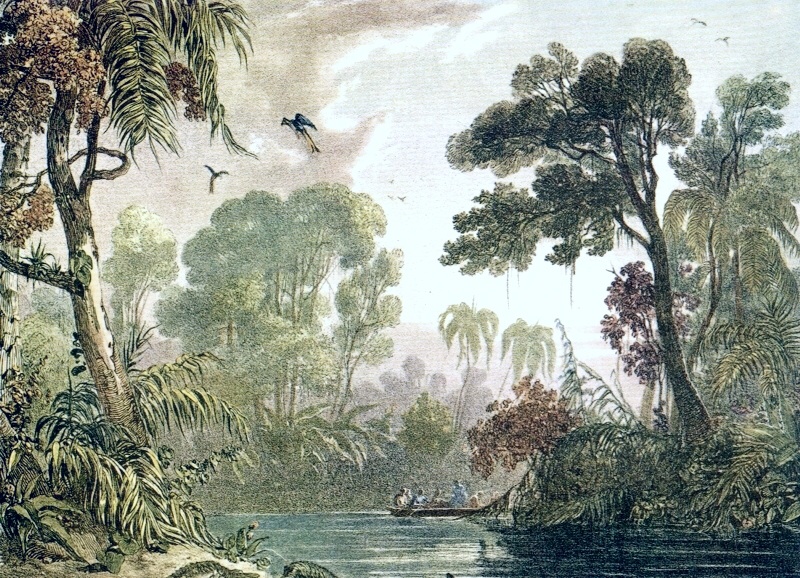
The discovery occurred during an enforced stopover in the Bay of Rio de Janeiro, where Bougainville had decided to regroup and carry out urgent repairs to his two ships. Like most European botanists of the time, Commerson was dazzled by the huge biological diversity he found in Brazil: “this country is the most beautiful in the world”, he wrote home. Something of what he found before him can be gathered from this more-or-less contemporary painting.
image
Commerson took advantage of the stop in Rio to go out botanizing along the coast and islets of the bay. As he reported to a friend in a letter home, one day he stumbled on this vine, “a wonderful plant with big flowers of a sumptuous violet colour”. He decided to honour Bougainville by naming the plant after him (Bougainville also gave his name to a couple of islands, a couple of straits between islands, and a town in the Falkland Islands). Commerson’s dried sample eventually made it back to France, where it can still be viewed, faded but nevertheless recognizable.

image
We can leave the story of bougainvillea there; suffice to say that the first period of globalization which came with European colonialism spread the pretty plant far and wide. But its discovery in the Bay of Rio de Janeiro gives me pause. That wonderful botanical diversity which so took Commerson’s breath away has been sadly depleted. Before the arrival of the Europeans, the bay of Rio de Janeiro was enveloped by the Mata Atlântica, the Atlantic Forest. This mighty forest stretched unbroken from north-east Brazil all the way down the Atlantic coastline as far as Uruguay, and spread into north-eastern Argentina and eastern Paraguay. It once covered some one and a half million square kilometres, but three hundred years of deforestation for logging and farming have seen it become the second most threatened biome in the world, after Madagascar. Today, less than a tenth of the original forest area remains.

There is some light in all the gloom. Despite all the loss and habitat fragmentation, the region is still ranked in the top five of the world’s biodiversity hotspots. It is particularly remarkable for its bird species. In 2001, wanting to preserve what was left if not reverse some of the damage (to which his own ancestors had contributed), a farsighted owner of farmland at the base of the mountains, in the valley of the Guapiaçu river, some 80 kilometres north-east of Rio, established an ecological Reserve, the Reserva Ecológica de Guapiaçu (REGUA). REGUA’s objective is to protect the remaining forest and biodiversity from deforestation, hunting, and over-extraction of natural resources. With funds from the World Land Trust and others, REGUA has bought land to consolidate and extend the Reserve. Over 100,000 trees, all native species, have been planted, wetlands have been recreated, some animal species have been reintroduced, hunters have been turned into guides, and visitors are encouraged to come and share in this wonderful effort. If I know all this, it is because my wife and I financially supported the planting of a modest number of trees and stayed at the Reserve’s lodge for several days, going out on a birding expedition, inspecting our tree seedlings and the-then nascent wetlands, and just generally enjoying ourselves.
image
We hope to go back there one day, to see how our trees are doing. And maybe we’ll spot some bougainvillea in its natural state, ruthlessly climbing over some unfortunate tree, choking the life out of it.

_______________________________
Mauve bougainvillea: http://upload.wikimedia.org/wikipedia/commons/f/f8/Starr_030418-0058_Bougainvillea_spectabilis.jpg (in http://en.m.wikipedia.org/wiki/Bougainvillea_spectabilis)
Red bougainvillea: http://www.boethingtreeland.com/media/catalog/product/cache/1/image/1440x/9df78eab33525d08d6e5fb8d27136e95/B/o/Bougainvillea-Temple-Fire.jpg (in http://www.boethingtreeland.com/bougainvillea-temple-fire.html)
Orange bougainvillea: http://pics.davesgarden.com/pics/2007/02/01/htop/a25dea.jpg (in http://davesgarden.com/guides/pf/showimage/139848/#b)
White bougainvillea: http://www.phytoimages.siu.edu/users/paraman1/7_13_09/Upload13July09A/BougainvilleaWhite1.jpg (in http://www.phytoimages.siu.edu/imgs/paraman1/r/Nyctaginaceae_Bougainvillea_spectabilis_16879.html)
Eritrean highlands: http://4.bp.blogspot.com/_iNSpfNcQ0Sg/SmH-m6Qdw7I/AAAAAAAABk0/m6818sz2DR8/s1600-h/asmara+114.jpg (in http://www.concretegardener.com/2009/07/glimpse-of-massawa-eritrea.html)
Liguria: http://upload.wikimedia.org/wikipedia/commons/e/ea/Vernazza.JPG (in http://commons.m.wikimedia.org/wiki/File:Vernazza.JPG)
Thailand: http://ichef.bbci.co.uk/wwtravel/624_330/images/live/p0/15/w6/p015w6lz.jpg (in http://www.bbc.com/travel/feature/20130304-the-perfect-trip-thailand)
Bougainville: http://en.m.wikipedia.org/wiki/Louis_Antoine_de_Bougainville#/image/File:Louis_Antoine_de_Bougainville_-_Portrait_par_Jean-Pierre_Franquel.jpg (in http://en.m.wikipedia.org/wiki/Louis_Antoine_de_Bougainville)
Commerson: http://en.m.wikipedia.org/wiki/Philibert_Commerçon#/image/File:Commerson_Philibert_1727-1773.png (in http://en.m.wikipedia.org/wiki/Philibert_Commerçon)
Brazilian jungle: http://fr.m.wikipedia.org/wiki/Philibert_Commerson#/image/Fichier:Rugendas_-_Embouchure_de_la_riviere_Caxoera.jpg
Commerson’s dried sample: http://dsiphoto.mnhn.fr/sonnera2/LAPI/scanG/G20090518/P00169376_a.jpg
REGUA: http://media-cdn.tripadvisor.com/media/photo-s/06/3f/61/18/regua-reserva-ecologica.jpg (in http://www.tripadvisor.com.au/LocationPhotoDirectLink-g954096-d2557905-i104816920-REGUA_Reserva_Ecologica_de_Guapiacu-Cachoeiras_de_Macacu_State_of_Rio_de.html)
A STREET PHOTOGRAPHER

Bangkok, 21 December, 2014

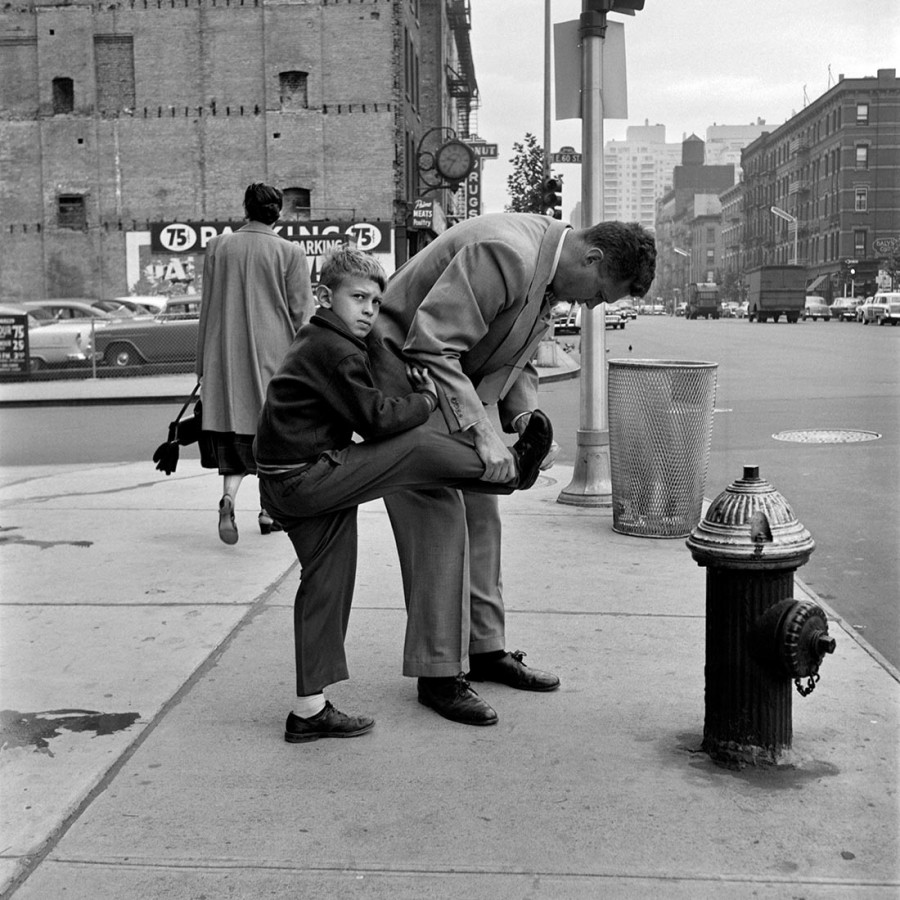
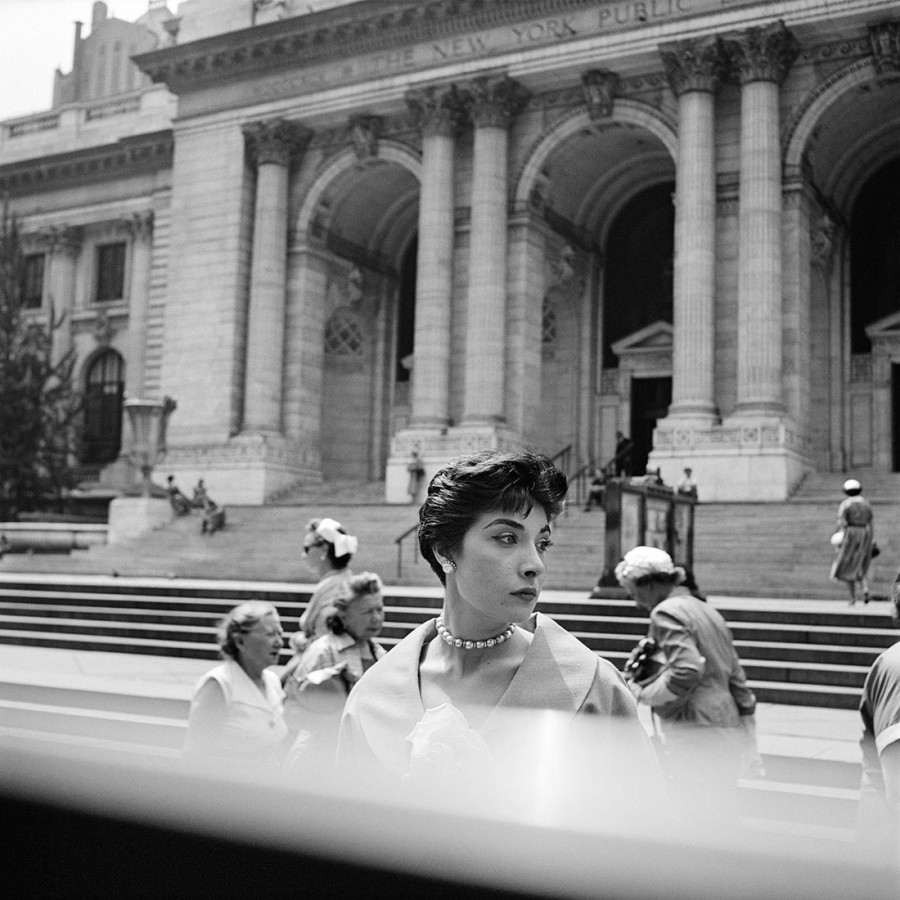
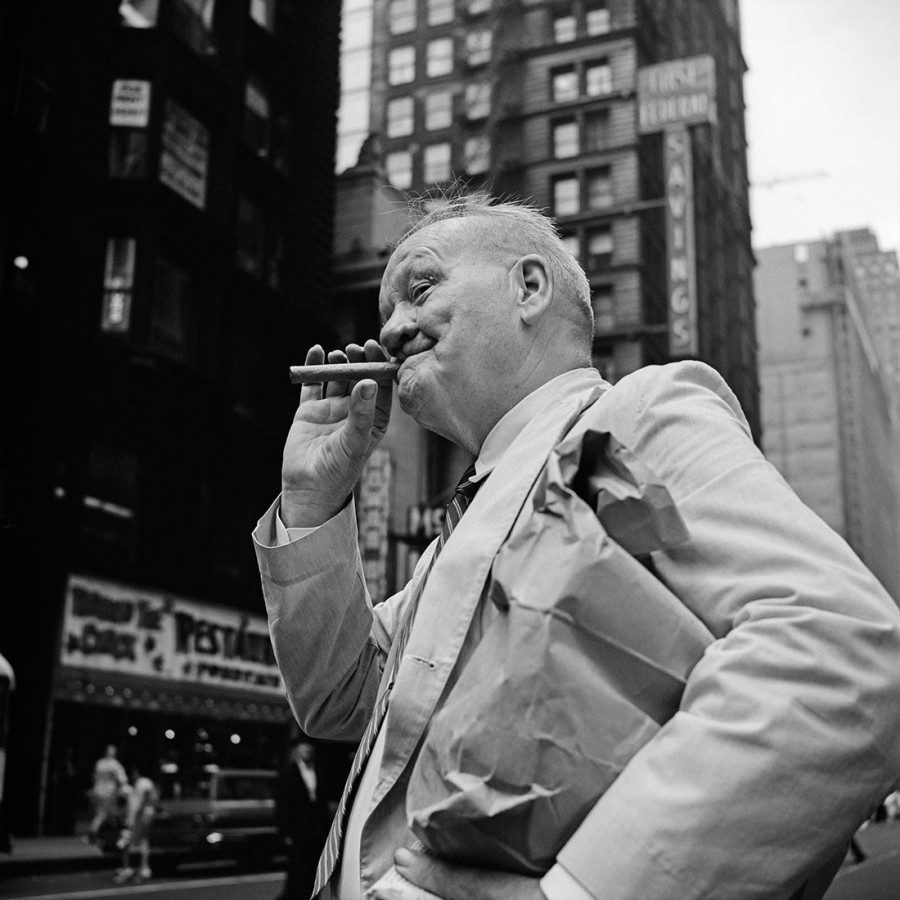
Her name was Vivian Maier. She died not long ago, in 2009, at the age of 83, a spinster and childless, and penniless. She had spent some forty years, from the mid-1950s on, being a nanny for various well-off families in the Chicago area.

And she was a gifted photographer of the streets, mainly those of Chicago and New York.

She spent every possible minute that she could taking photos: in all her free time, but also when she was taking her charges for walks or to the playgrounds, as well as on her one big trip around the world, which she made in the early sixties. She took hundreds of thousands of photos. But hardly any of these made it past the stage of negatives, and many didn’t even get that far; they just stayed as rolls of unprocessed film.

She was a compulsive hoarder. She kept all the negatives and all the film rolls, and the 8 mm films she made, and the audio tapes she recorded, and just about everything else she had ever owned or collected, in cardboard boxes, old suitcases, and other containers. As she moved from one nannying job to another, she offloaded her accumulating stuff into a commercial storage space. In 2007, after she failed to keep up with her payments, the storage company auctioned her stuff off.

It looked like her work was about to disappear. But a number of photo collectors bought at the auction. They recognized a spark of genius in her photos and started trying to publicize them. A first attempt by Ron Slattery in 2008, who posted some of her photos on the internet, failed to generate much interest. Then in October 2009, six months after she died, another of the collectors, John Maloof, put some of his trove of her photos on Flickr, linked them to his blog, and the results went viral (this is a very modern story). Things snowballed from there, and her work is now beginning to garner a fair amount of critical and popular praise.

Would Vivian Maier have wanted this recognition? That is one of the questions touched upon in a fascinating documentary which John Maloof put together entitled “Finding Vivian Maier”. He tells the story of how after his initial purchase of her stuff he went on a voyage of discovery of who she was and what she did – quite a detective story – and he interviews a number of the children she nannied and their parents to try to understand what kind of person she was. It was seeing this film that moved me to write this post. I highly recommend my readers to see it if they have not done so already. And, by the way, according to the people who had known her, the answer to the question with which I started this paragraph is, probably yes for her work, but she would have intensely disliked to have the light of publicity shone on her; she was a very private person.

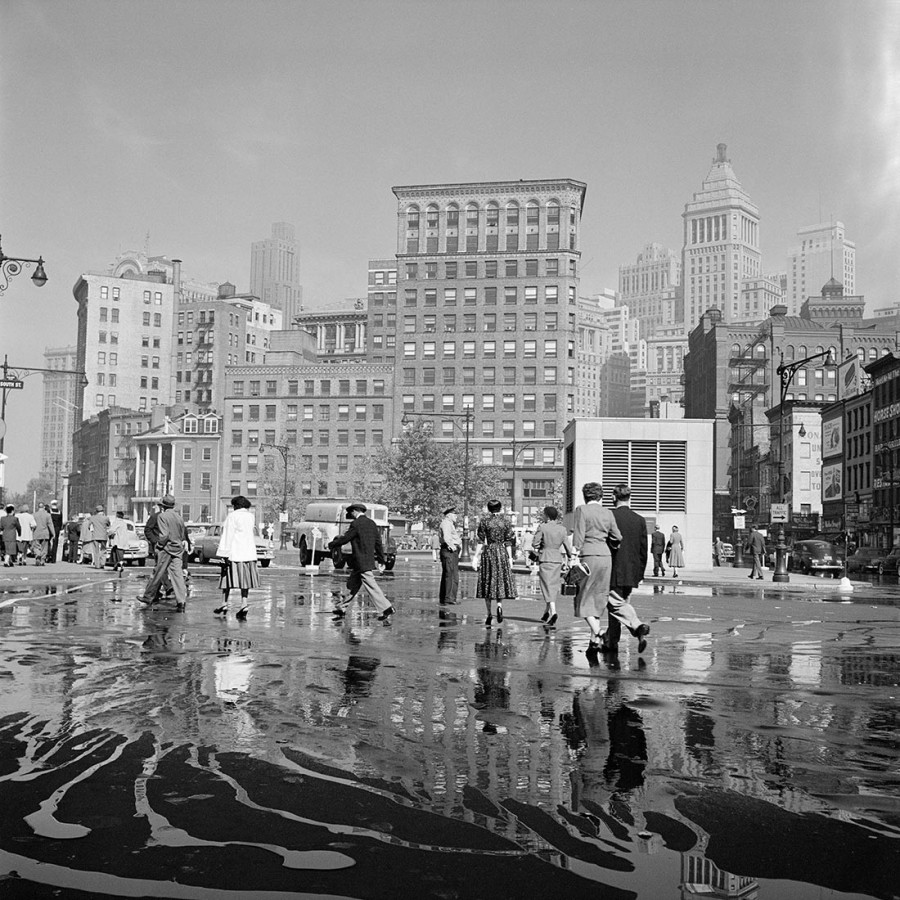
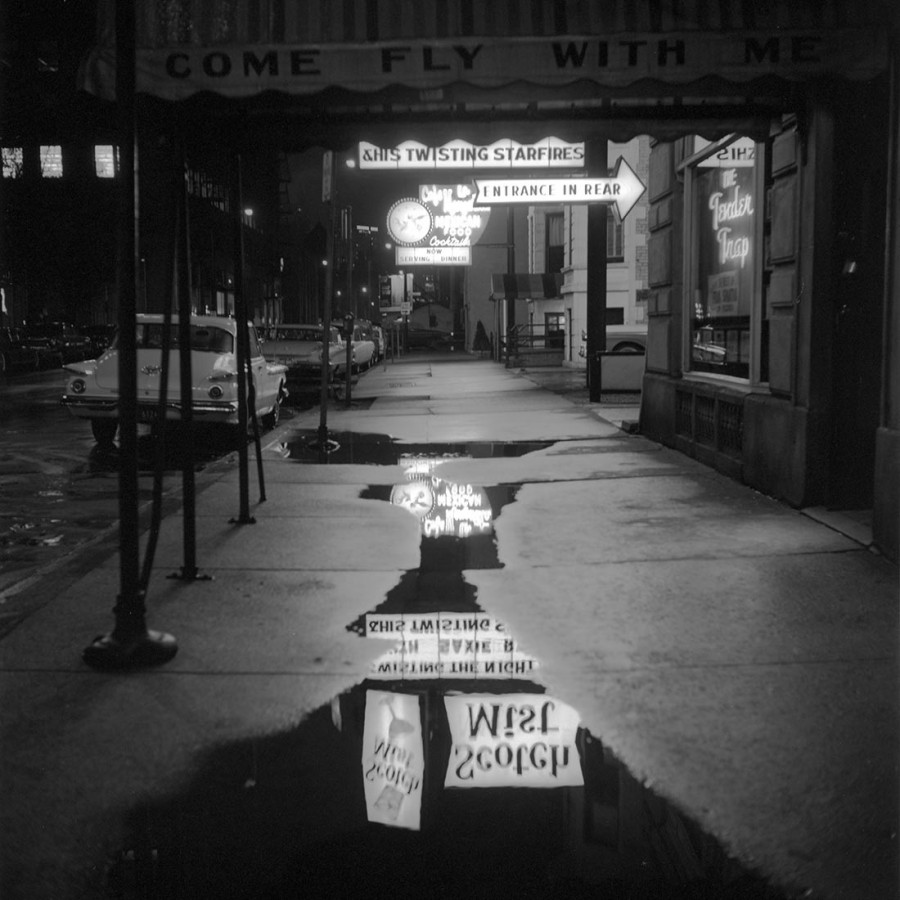
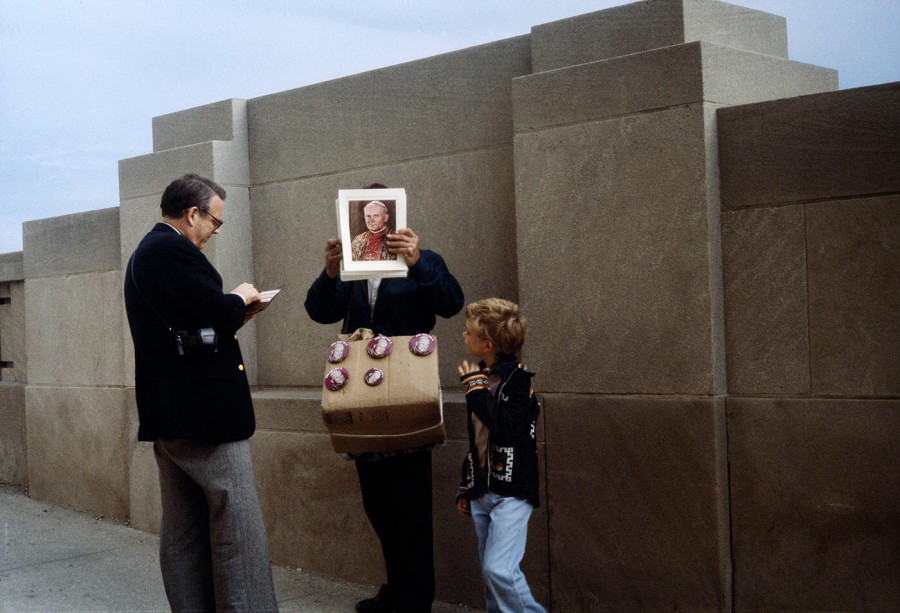
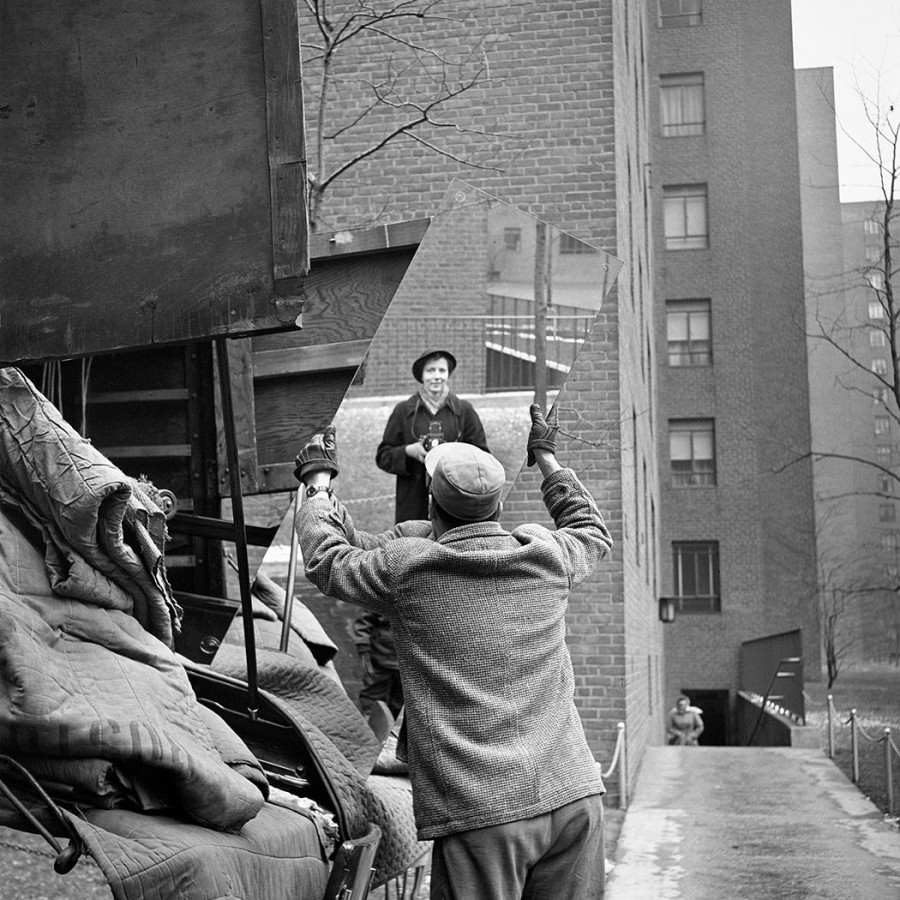
For those readers who want to get a taste of her work, I suggest you visit the site http://www.vivianmaier.com. I add here, from that same site, some of her photos which most struck me, to whet your appetite.
image

image

image

image

image

image

image

image

I prefer her black-and-white photos, but I add a few of her colour photos
image

image

image

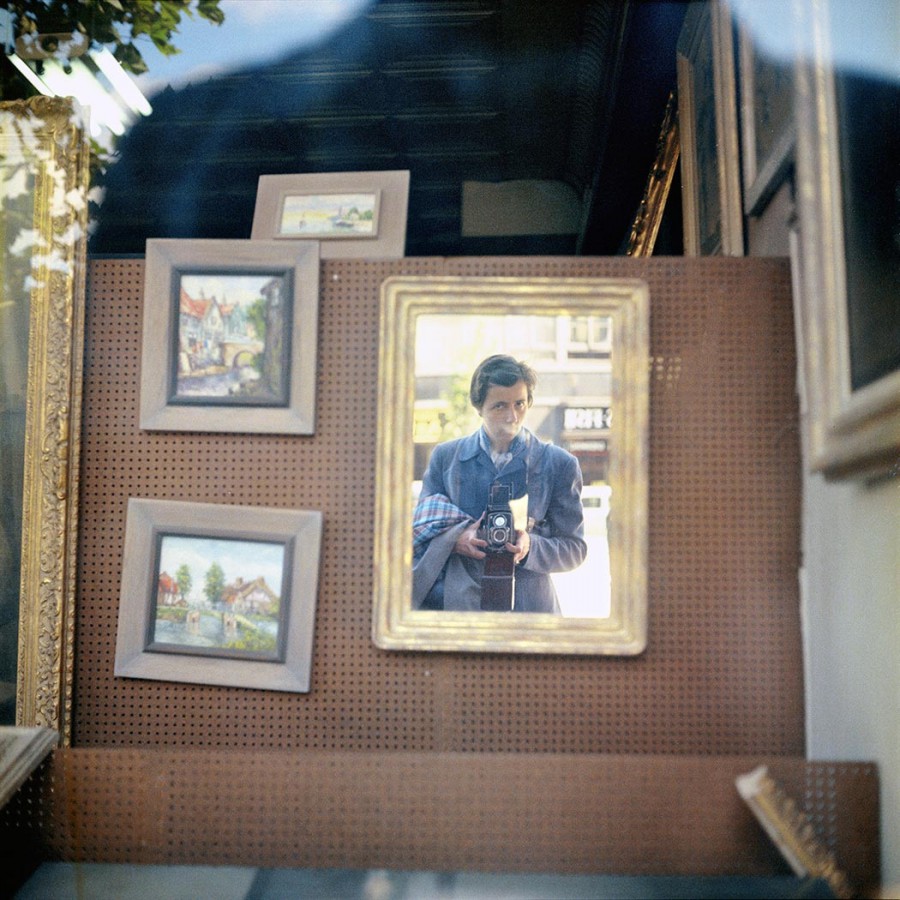
That last one, with her shadow, leads naturally to a few of her self-portraits. She took a lot of photos of herself.
image

image


image

In a sad postscriptum, I have just read that Vivian Maier’s estate has got entangled in a challenge about who owns the copyright to her photos. The result is that it will be probably harder to see her works for the next several years. If my readers get a chance to see an exhibition, on no account miss it. It might be a long time before you get another chance.


COLOURING POLITICS

Bangkok, 9 December 2014

We have just finished celebrating H.M. the King’s birthday here in Bangkok. Truth to tell, “celebrating” may be a little of an overstatement. My wife and I found it quite a muted affair. For instance, the fireworks in the evening were really quite brief and modest, while a drive-by of high officials, which we just happened to find ourselves witnesses to, was greeted with silence by the folk lining the road side. What was out in full force, though, were the yellow shirts. They had already been popping up with greater and greater insistence in the days running up to the great day. But on the birthday itself the pavements were a sea of yellow.
image
Many were wearing yellow T-shirts made specifically for the purpose, but many others (who didn’t get included in the official photos) gave the impression of having grabbed the first yellow, or near-yellow, shirt or blouse they could find in their wardrobe. So the palette of yellows went all the way from pastel yellow through to citrine. Given the recent history of Thailand, one began to wonder if the choice of hue was a political statement of some sort. That man with the orange shirt, for instance, was it just the closest thing he had to yellow in his drawer, or was it actually the closest he dared get to the dreaded colour red? Or that woman over there with the pastel yellow blouse, had she simply been caught short without anything really yellow in her closet, or was she actually signalling her lack of enthusiasm for the whole exercise? Or what about the few people without yellow shirts? What, if anything, was their message? That student, for example, with the green shirt, what was he trying to tell us?

Thus are the seeds of paranoia sown ….

(By the way, for those of you who may be interested, the King’s colour is yellow because he was born on a Monday. Based on Hindu mythology, Thai (and Khmer) tradition assigns different colours to each day. For those of you who may be fascinated by this arcane point, I recommend you visit the following site on Wikipedia)

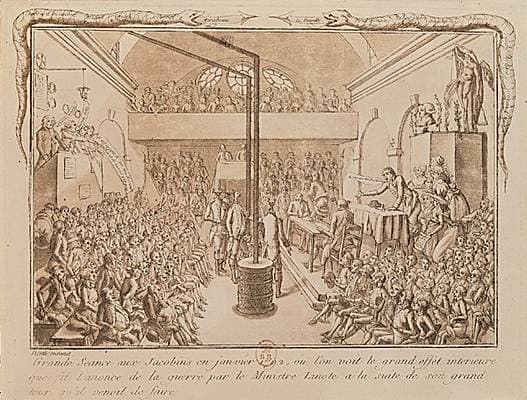
Colours have been recruited to support political quarrels since time immemorial. When I was young, red was the colour of Marxism in all its forms (Social-Democratic, Socialist, Marxist-Leninist, Maoist, Vietminh, Khmer Rouge, …). We have the French Jacobins
image
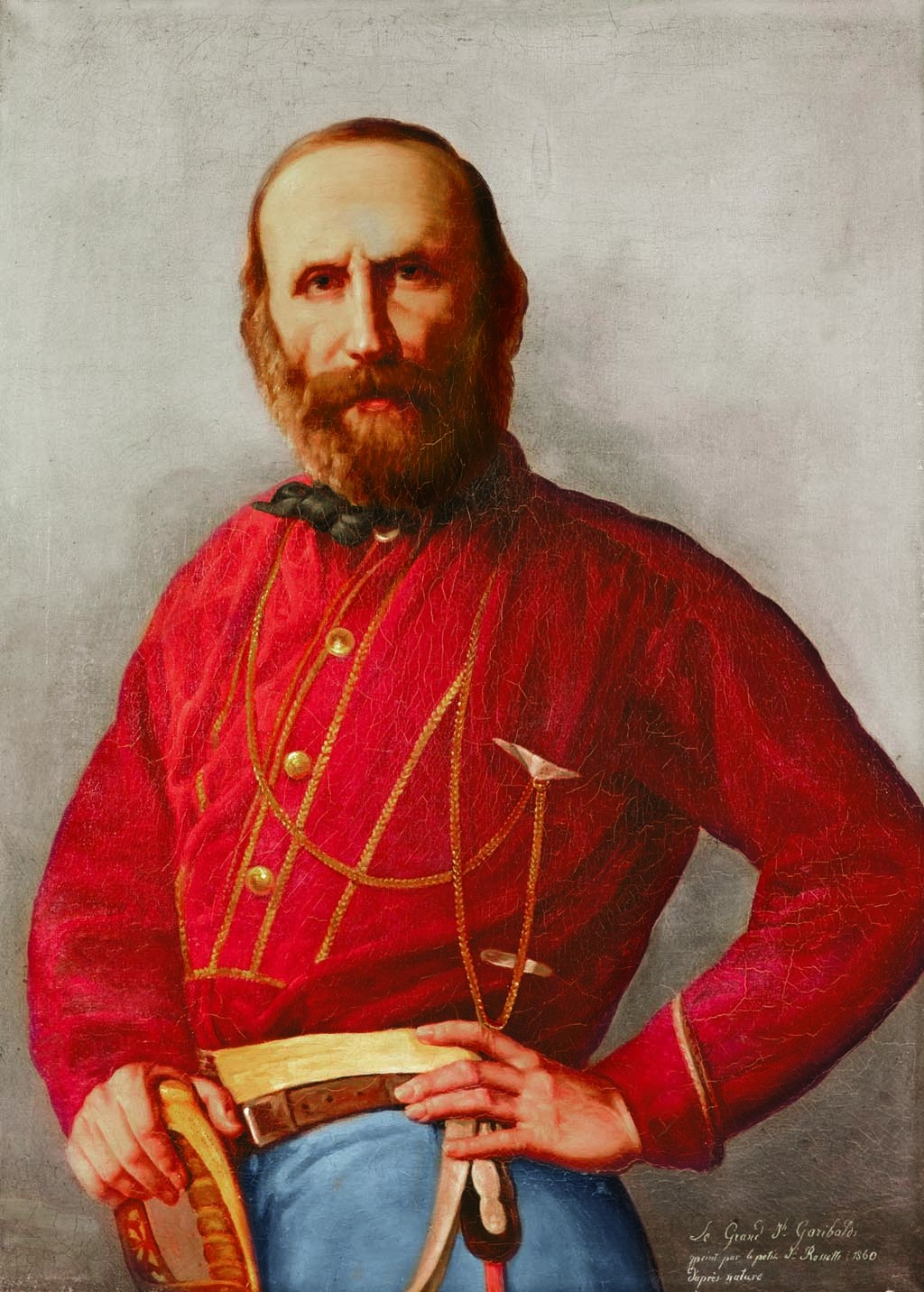
to thank for this association of red with the left of the political spectrum. For reasons which are too complicated to explain here, the Jacobins adopted the red flag as their own during the French Revolution, and the tradition continued in the European Left thereafter. I suppose we are all aware of the red symbols of the Left: the flags, the official art, the scarves, the buttons. But my preferred symbol of redness are the Garibaldini, those 1,000 or so red-shirted volunteers who, led by Giuseppe Garibaldi, sailed away in 1860 from Genoa to Sicily and in a few short months of fighting completed the unification of Italy.
image
I have to add here a painting of the Great Man himself, whose statue graces at least one square, and whose name graces at least one street, in every village, town, and city of Italy.

image

I like Garibaldi, I’ve liked him ever since as a teenager I studied the unification of Italy for my O level History. By way of introduction to Garibaldi, our teacher told us about his earlier exploits in South America. The only thing that sticks in my mind about these worthy endeavors is our teacher’s description of how Garibaldi met his wife. He was on a boat on the Río de la Plata, where he was inspecting something or other through a telescope. He noticed his future wife on the bank, washing clothes or some such. After one look at her, he said (and here the teacher put on a thick Italian accent and struck an operatic pose), “Brring me to herr!”

But back to colours and politics. In the interwar years the red of the Socialists and Communists was violently opposed by various other colours. It was the black-shirted Fascists in Italy, seen here in the March on Rome in 1922
image
and the black-shirted Fascists in Spain, seen here jubilating at the fall of Irun during the Spanish Civil War.
image
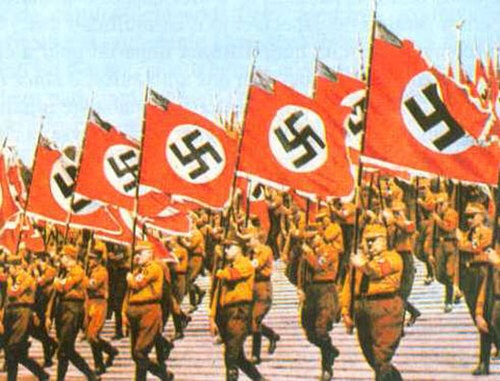
In Germany, it was the brown-shirted Nazis.
image
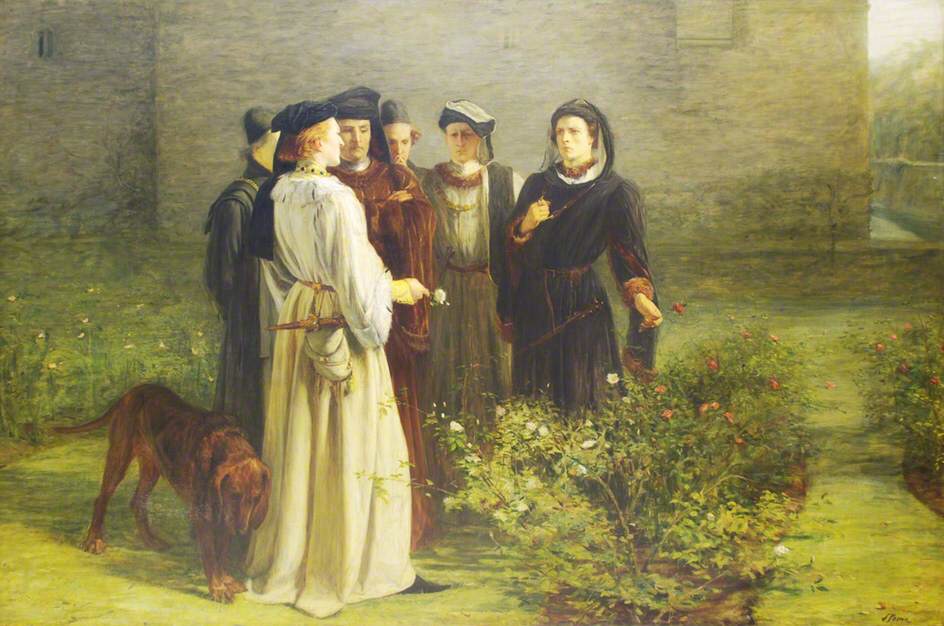
From here my memory leaves coloured shirts and vaults back some 500 years or so to the gardens at the Inner Temple in London, where – at least, according to Shakespeare in Henry VI, Part I – the Lords of Court chose which side to be on in the upcoming War of the Roses, by plucking either a white rose (the Yorkists) or a red rose (the Lancastrians) from rose bushes growing in the garden. Colours again, defining which side you would be taking in the looming political struggle. The scene is caught in this much romanticized painting from the 1870s.

image
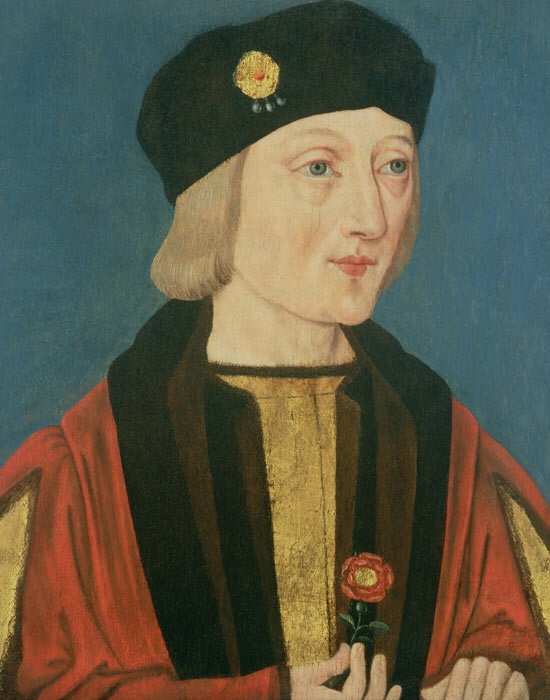
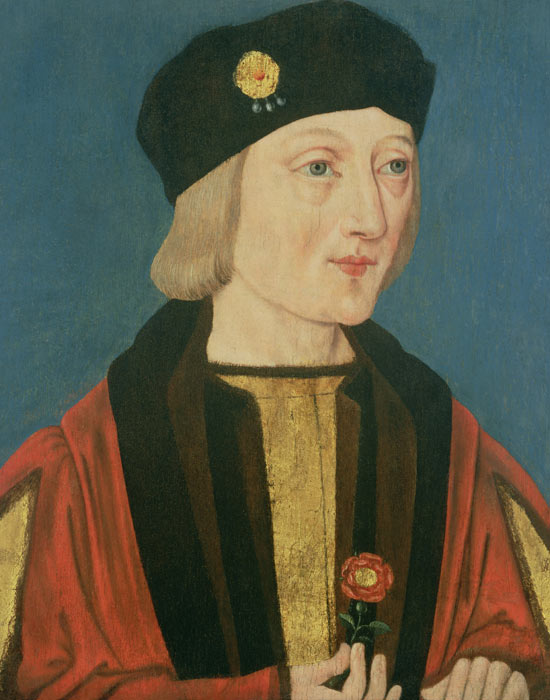
The Lancastrian Red Roses and the Yorkist White Roses fought it out for 30 years until Richard III was unhorsed and killed at the Battle of Bosworth Field, and Henry VII was crowned in his place. As a symbol of a once-more unified country, Henry devised a new badge for his dynasty, a mixed red-and-white rose now called the Tudor Rose.
image
A very clever piece of political manipulation through colour …

Talking of using colours for political purposes, we can fast-forward 300 years to the French Revolution and watch the storming of the Bastille.
image
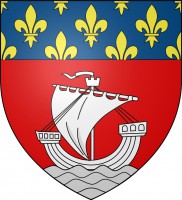
The Paris militia played a prominent role in the attack. To distinguish themselves from other groups taking part, they wore a blue and red cockade in their hats, Paris’s traditional colours.

image

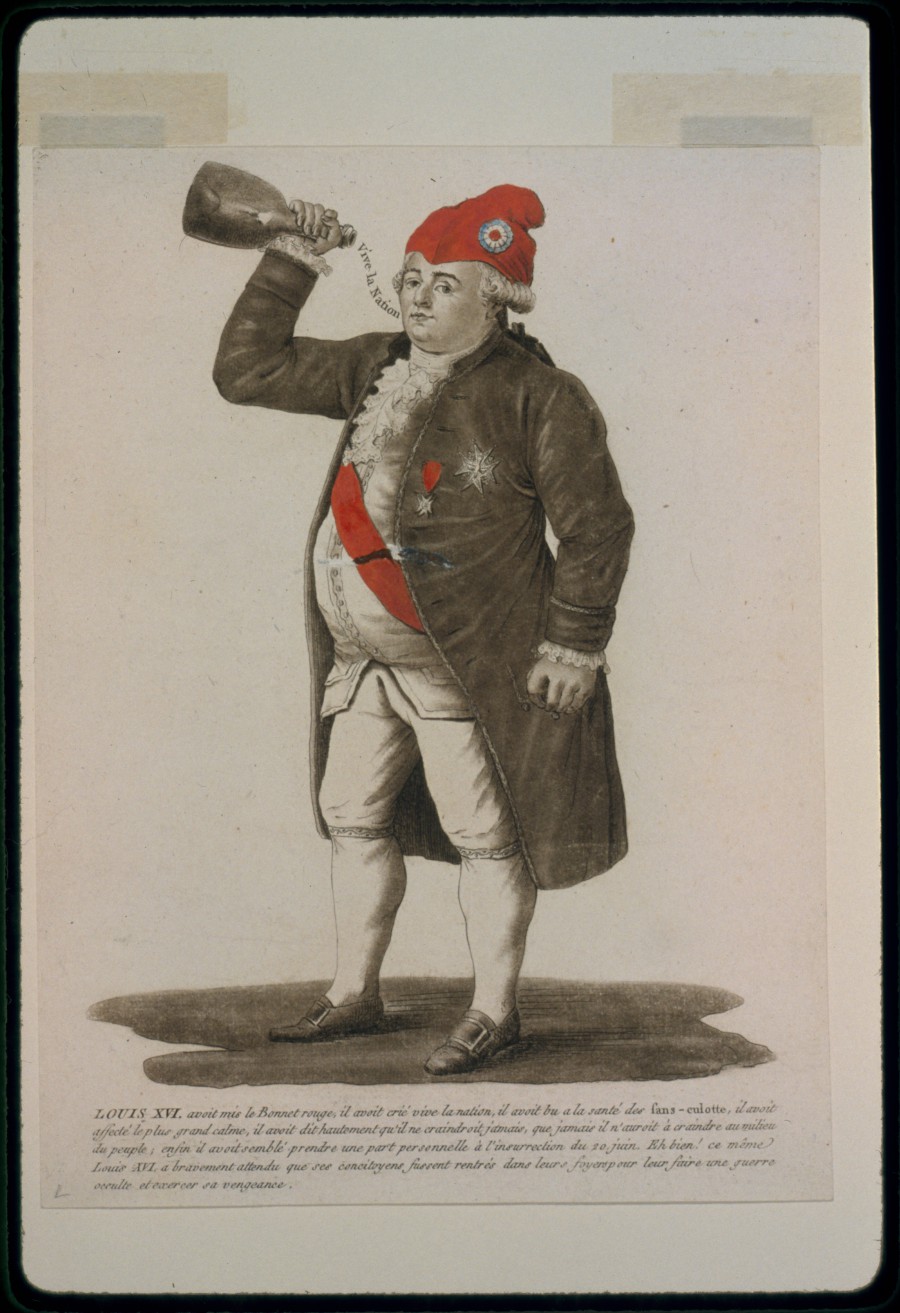
The people of Paris were elated by this victory. But the more moderate – more aristocratic – elements of the revolutionary camp were alarmed by what they saw as rampaging – and armed – mobs. It was decided to create a National Guard out of the Paris militia under the command of the Marquis de Lafayette, a moderate revolutionary with military experience (gained during the American Revolution) and with the trust of King Louis XVI. Lafayette proposed to add white to the militia’s blue and red cockade. His argument was that this would turn what was mainly a Parisian militia into a national force: white was then the national colour.
imageBut in a political system where all things national were the King’s, this was also a way of saying “revolutionaries yes, but still loyal to the King”. Well, things didn’t quite work out that way, but thus was born the red, white, and blue cockade, which even King Louis gracefully accepted to wear – at least for a little while.

image

The cockade morphed into the flag, which became a symbol of hope for some

image
and the dread of many more as French troops unfurled like a tsunami over much of Europe.

image

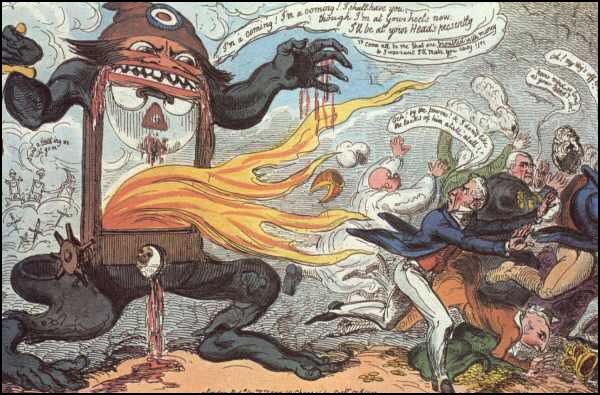
Rampaging mobs makes my mind spin back more than a thousand years to Constantinople and to its hippodrome, home of the city’s chariot races. Chariot racing was to the Romans and the Byzantines what soccer is today to many people the world over, a mania, a fixation. All over the Roman world, there were four factions, the Greens, the Blues, the Whites, and the Reds, and all chariots in a race belonged to one of these four factions. The charioteers, as well as the fans, wore the colours of their faction, like in this mosaic in Lyon.

image

Like soccer players today, charioteers could and did change faction, but like soccer fans today the fans never did. If you chose to follow the Greens, you were a Green for life. Like soccer today, the enthusiasm of the fans inside the hippodrome often turned into hooliganism and gang warfare outside it. Like soccer today in some parts of the world where there is no recognized outlet for political and social frustrations, factional fighting became a way to vent political anger and score political points.

So it was in Constantinople in 532 AD, when Justinian I was Emperor. By now, there were only really two chariot factions that counted, the Blues and the Greens. Justinian supported the Blues so his enemies at court naturally supported the Greens. Justinian was in the midst of negotiating a badly-needed peace settlement with the Persians, and he had to have peace on the home front. But the people of Constantinople were angry: taxes were crushingly high. There had been politically motivated rioting after some earlier chariot races and a number of rioters had been hanged. But this did not calm excited spirits. For some strange reason, Justinian thought another day of chariot races would pour oil over troubled waters. The races started alright, with Blues and Greens vociferously supporting their teams, even though they also hurled insults at the Emperor, sitting – no doubt a bit nervously – in the imperial box. By the end, though, the two factions united in a common roar of “Nika! Conquer!” With that, the spectators burst out of the hippodrome and assaulted the palace, which conveniently abutted the hippodrome. For the next five days, they laid siege to it, demanding reductions in taxes and the dismissal of the prefect responsible for collecting the taxes and the quaestor responsible for rewriting the tax code. For good measure, they declared Justinian deposed and raised a new Emperor in his place. In the resulting mayhem, fires broke out which eventually burned down half the city.

Initially, Justinian panicked and was looking to scarper. But his wife Theodora was made of sterner stuff and stiffened his spine. Once his funk had passed, Justinian reverted to a true-and-tried method: gold. He got his eunuch Narses to go into the hippodrome, where the Greens and Blues were about to crown the new Emperor, with a large bag of gold. Narses quietly joined the heads of the Blue faction. He reminded them that Justinian was a Blue and that he had always supported them, he pointed out that the new Emperor was a Green and they could surely imagine what would happen to them under him, and then he distributed the gold. The faction leaders held a quiet conference, then spread the word among their followers. In the middle of the coronation, the Blues suddenly all stormed out of the hippodrome, leaving the Greens sitting stunned in their seats. At which point, imperial troops under trusted generals burst into the hippodrome and massacred all and sundry. It is reported that thirty thousand people died that day.

All in the name of colours …

Colours have been hitched to the wagon of many other political causes. Green has morphed from the colour of Byzantine charioteering factions to the colour of modern environmental factions, and we now hear of Deep Green and Light Green factions, each trading barbed – and not so barbed – insults about the depth of their commitment to the cause. We have Hindu fanatics cladding themselves in the colour saffron, a colour with deep religious connotations in Hinduism, and going on rampages against non-Hindus. And on and on … Readers who are interested in the topic can do no worse than go to this Wikipedia site.

But, misquoting Elton John, all I want to say is “Don’t shoot me, I’m only a colour”.

_______________
Yellow-shirts celebrating the King’s birthday: http://www.bangkokpost.com/multimedia/photo/447447/king-birthday
Meeting of a Jacobin club: http://www.larousse.fr/encyclopedie/data/images/1004994-Club_des_Jacobins.jpg (in http://www.larousse.fr/encyclopedie/divers/club_des_Jacobins/125450)
Garibaldini fighting: http://www.ondadelsud.it/wp-content/uploads/2011/04/Marsala-1860-Sbarco-dei-Mille.jpg (in http://www.ondadelsud.it/?p=4664)
Garibaldi: http://www.museotorino.it/images/86/94/ce/b0/8694ceb03de848108691d55482fd1c40-1.jpg?VSCL=100 (in http://www.museotorino.it/view/s/238dcc0376d444d2b6decf0378c13e6c)
The March on Rome: http://www.history.com/news/wp-content/uploads/2012/10/mussolini-march-on-rome.jpg (in http://www.history.com/news/9-things-you-may-not-know-about-mussolini)
Spanish fascists in Irun: http://pix.avaxnews.com/avaxnews/6a/1d/00001d6a_medium.jpeg (in http://avaxnews.net/educative/Spanish_Civil_War_2.html)
Brown shirts marching: http://img2.blog.zdn.vn/37516513.jpg (in http://me.zing.vn/zb/dt/toyotasolara/17039283?from=my)
Scene in the Temple Garden: http://ichef.bbci.co.uk/arts/yourpaintings/images/paintings/warg/large/nml_warg_wag_2712_large.jpg (in http://www.bbc.co.uk/arts/yourpaintings/paintings/scene-in-the-temple-garden-98909)
Henry VII and Tudor rose: http://static.guim.co.uk/sys-images/Admin/BkFill/Default_image_group/2012/3/1/1330616510280/Henry-VII-001.jpg (in http://www.theguardian.com/books/2012/mar/02/tudors-henry-vii-wars-roses)
Storming of the Bastille: http://media-1.web.britannica.com/eb-media/98/90498-004-CEB880DC.jpg (in http://global.britannica.com/EBchecked/topic/55622/Bastille)
Arms of Paris: http://upload.wikimedia.org/wikipedia/commons/thumb/c/ca/Blason_paris_75.svg/931px-Blason_paris_75.svg.png ( in http://en.m.wikipedia.org/wiki/File:Blason_paris_75.svg)
Royal standard of France: http://en.m.wikipedia.org/wiki/Royal_Standard_of_France#/image/File:Pavillon_royal_de_France.svg (in http://en.m.wikipedia.org/wiki/Royal_Standard_of_France#Middle_Ages)
Louis XVI: http://upload.wikimedia.org/wikipedia/commons/7/74/Louis_le_dernier.jpg (in http://commons.m.wikimedia.org/wiki/File:Louis_le_dernier.jpg)
Liberty guiding the People: http://upload.wikimedia.org/wikipedia/commons/thumb/c/cc/Eugène_Delacroix_-_La_liberté_guidant_le_peuple-2.jpg/967px-Eugène_Delacroix_-_La_liberté_guidant_le_peuple-2.jpg (in http://commons.m.wikimedia.org/wiki/File:Eugène_Delacroix_-_La_liberté_guidant_le_peuple-2.jpg)
Revolution as ogre: http://goodcomics.comicbookresources.com/wp-content/uploads/2008/10/cruikshank14.jpg (in http://pixgood.com/french-revolution-political-cartoon.html)
Mosaic of chariot race: http://travellingman.jalbum.net/Lyon%202011/slides/P1120092.JPG (in http://travellingman.jalbum.net/Lyon%202011/slides/P1120092.html)

FOUR FACES

Bangkok, 5 December 2014

I’ve just come back from a trip to Phnom Penh. My wife accompanied me, so for a couple of days, while I was doing the official rounds and meeting the official people, she was nosing around the city enjoying herself. She regaled me every evening with her discoveries, making me green with jealousy. But we had decided that I would take a day off at the end of my official rounds and spend a long weekend together being tourists, so I told myself to be patient and bide my time. On Friday, Andy (not his real name, but tour guides in this part of the world will often adopt a Western name to make it easier for us dumb Westerners), Andy as I say, was waiting for for us at the door of the hotel with his tuk-tuk

image

in which he swept us off (well, “swept off” may be exaggerated, given the venerable speed at which tuk-tuks go) for a visit to Oudong, Cambodia’s capital prior to Phnom Penh. After puttering across the flat plain surrounding Phnom Penh for a while, we finally sighted in the distance the phnom (“hill” in Khmer) which had been the centre of Oudong.
image
After some more puttering, we arrived at the base of this hill, and were immediately surrounded by a cloud of boys shouting greetings, asking us where we came from, and directing us to the loo (after nearly two hours of puttering, we were both more than ready to answer calls of nature).

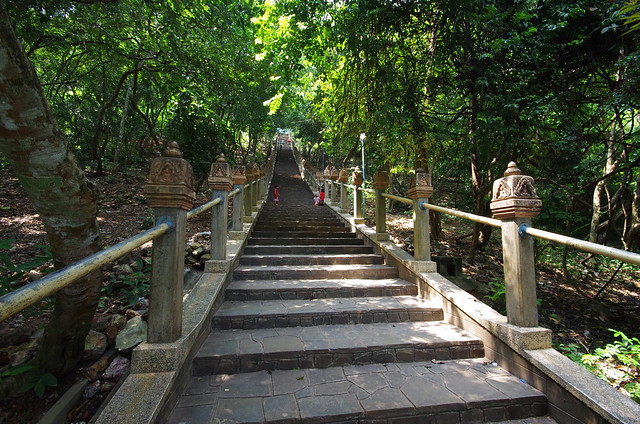
Following this pit stop, we made for the steps which would carry us to the top of the phnom. We huffed and we puffed slowly up the steps – all 509 of themimage
accompanied by a charming little boy, one of the cloud, who went by the name of Monette. His English was approximate, but he used it bravely to explain to us the sights we passed, the first of which was some exceedingly cheeky monkeys who hung around the steps like a pack of bad boys, ready to snatch lotus flowers from the unwary passer-by and snack on their stamens (or do I mean their pistils?)

image

One did just that to a group of young women in front of us, who came running back down the stairs screaming and clutching at each other. I moved forward bravely towards the insolent monkey as he sat on the steps munching the stamens (or do I mean pistils?). He looked me in the eye, and calmly walked off into the surrounding bushes holding his booty and showing me his bum. I mustered as much of my dignity as I could and Carried On.

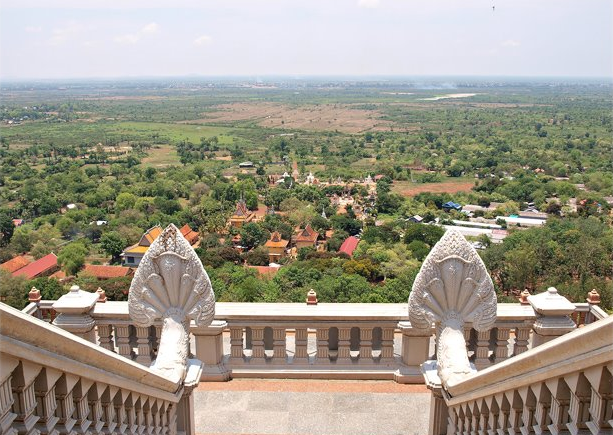
With one final heaving huff and one further ragged puff, we staggered to the top. With the excuse of admiring the view

image
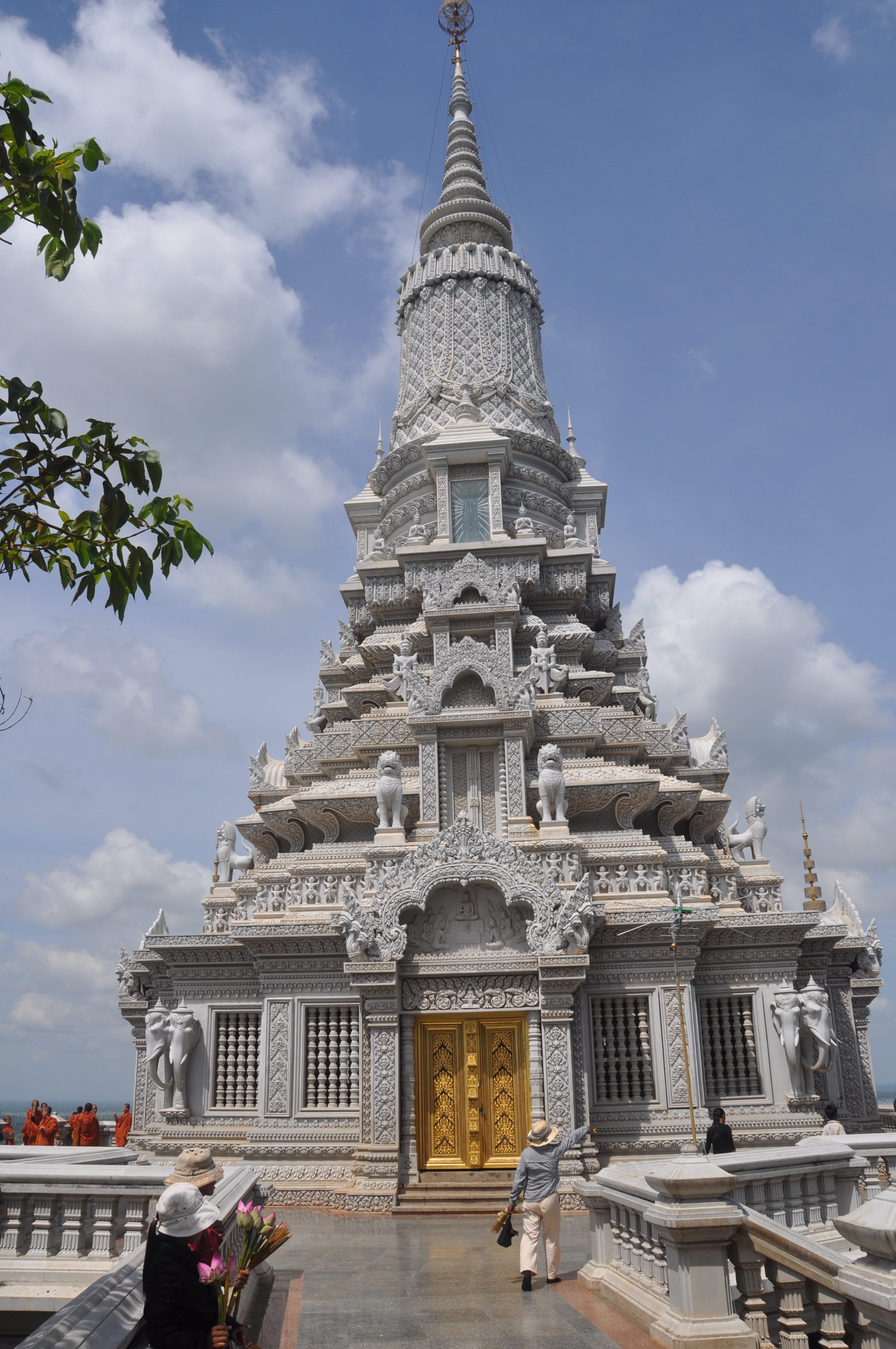
we took a break. But soon we turned around and took in the first of five stupas which crown the hill.

image

After walking around it, we wended our way along the crest, from one stupa to the next, with Monette scampering along and giving us fractured, splintered explanations, until we got to the last, a stupa with four faces.

image

Well! This was a pleasant discovery! Those four faces staring benevolently out to the four cardinal points were intriguing indeed.

image

I must confess, my first – wholly irreverent – thought was that they reminded me of Thomas the Tank Engine of my youth.

image

But then another memory floated to the surface, from several years ago when my wife and I visited Angkor Wat, several hundred kilometers upriver from where we were currently standing, on the edges of Tonle Sap lake: Prasat Bayon, the shrine to Mahayana Buddhism, the temple of the 200 faces of Lokesvara, the bodhisattva of compassion. Yes, this must have been the model of the stupa before me.

image

image

image

Ah, what a lovely, lovely temple is Prasat Bayon! The bodhisattva who embodies the compassion of all Buddhas smiling at you wherever you stand, wherever you look. A thousand rays of compassion sweeping us visitors and what had been the surrounding city.

But King Jayavarman VII, who built the temple and who replaced the Khmers’ state religion of Hinduism with Mahayana Buddhism (and whose face, many think, was the model of the bodhisattvas at Prasat Bayon)

image

merely copied from a previous model for his design, that of Brahma, the Hindu god of creation. Brahma is very often represented with four heads, each reading one of the four Vedas. Temples dedicated to him are rare, but there was one close to Angkor Wat, on Phnom Bok. The quadruple-headed bust below, from that temple, is now in the Musée Guimet in Paris, no doubt “taken in for its protection” (or do I mean filched?) by the-then French colonial masters.

image

There is also a regionally famous Brahma-derived statue here in Bangkok, down the road (as it were) from where we live: Phra Phrom (a Thai rendition of Brahma).

image

He is considered the deity of good fortune and protection. Since he has a solid following among the Chinese of Singapore, Hong Kong and Taiwan, and knowing the proclivity of the Chinese to gamble, I rather suspect that Brahma has gone from being the god of creation to the god of gamblers. How the mighty have fallen …

And on this melancholy note, it was time to leave my reveries and move on. My wife and I made our way back down the hill, at the bottom of which we gave Monette 10 dollars for his services, enjoining him to use it for his schooling (he had informed us that he was going to a paying school) but fearing that it might end up instead in the pockets of his “minders”. We picked our way past the rubbish left by previous visitors and a monkey snacking on the boiled rice thrown away by one of them, we climbed into Andy’s tuk-tuk, and we puttered our way back to Phnom Penh.

____________________
Andy’ tuk-tuk: https://www.facebook.com/AndyFriendlyTukTukPhnomPenh/photos/pcb.290625764427281/290625417760649/?type=1&theater (in https://www.facebook.com/AndyFriendlyTukTukPhnomPenh)
Oudong from a distance: http://static.panoramio.com/photos/large/32298005.jpg (in http://www.panoramio.com/m/photo/32298005)
Stairs at Oudong: http://farm3.staticflickr.com/2825/10724616273_e3e9cf04b7_z.jpg (in http://iwandered.net/2013/11/07/day-trip-to-oudong-cambodia/)
Monkey: https://c2.staticflickr.com/8/7420/8993459951_7619376cd4_b.jpg (in https://www.flickr.com/photos/kamimura4401/8993459951/)
View from the top: http://1.bp.blogspot.com/-Yk57J-xzt4Y/UFLx1bIbIrI/AAAAAAAABPA/Mdq0Z5_DBuM/s1600/Oudong6.png (in http://www.camtravel.info/2012/09/oudong-mountain-cambodia.html#.VIB9hGIaySM)
First stupa: http://upload.wikimedia.org/wikipedia/commons/3/30/Sanchak_Mony_Chedei.jpg (in http://en.m.wikipedia.org/wiki/Oudong)
Stupa with faces: https://c2.staticflickr.com/4/3018/3087092115_26ee767788_b.jpg (in https://www.flickr.com/photos/zapata_k/3087092115/)
Stupa with faces – close up: http://1.bp.blogspot.com/-aAJEmmCf6h8/Um5lWw9rdxI/AAAAAAAAxbg/FBPq3MXQ0_U/s1600/23+Close+Up+of+Four-faced+Top+Cambodia+Oudong+Temple+Cycling-358.jpg (in http://jotarofootsteps.blogspot.com/2013/10/sites-oudong-temple-cambodia.html)
Thomas the tank engine: http://3.bp.blogspot.com/-KiFNIBZmqPI/TxKoxis-FrI/AAAAAAAAAJY/sVCzG4VTLd0/s1600/ThomastheTankEngine.jpg (in http://latestnewsfromtpandt.blogspot.com/2012/01/thomas-tank-engine-review.html)
Bayon temple-1: http://www.rickmann-uk.com/wp-content/uploads/Bayon-three-faces.jpg (in http://www.rickmann-uk.com/index.php/2007/06/05/angkor-temples-cambodia/)
Bayon temple-2: http://jcinnamonphotography.files.wordpress.com/2011/10/bayon-temple-faces-2.jpg (in http://jcinnamonphotography.wordpress.com)
Bayon temple-3: http://en.m.wikipedia.org/wiki/Bayon#/image/File:Das_Lächeln_von_Angkor.jpg (in http://en.m.wikipedia.org/wiki/Bayon)
King Jayavarman VII: http://en.m.wikipedia.org/wiki/Bayon#/image/File:JayavarmanVII.jpg (in http://en.m.wikipedia.org/wiki/Bayon)
Brahma: http://en.m.wikipedia.org/wiki/Brahma#/image/File:Brahma_Musée_Guimet_1197_1.jpg (in http://en.m.wikipedia.org/wiki/Brahma#Temples)
Phra Phrom: http://en.m.wikipedia.org/wiki/Brahma#/image/File:Thai_4_Buddies.jpg (in http://en.m.wikipedia.org/wiki/Brahma#Temples)

TOM YUM SOUP – WITHOUT THE CHILLIES!

Bangkok, 23 November 2014

I must say, I am feeling very pleased with myself. When my wife and I first arrived in Bangkok, we did the time-honored thing of scouting out local culinary delicacies to taste. One that intrigued me was Tom Yum soup. It is described as a “clear spicy and sour soup”. It was the sour part that interested me. Sour soup …. What a fascinating concept, I had to try that. But the spicy part made me hesitate. As I have pointed out forcefully in a previous post, I hate spices, or at least hot spices like chilli. But my desire to experience the sour part trumped my distaste of the spicy part. And so I tried it.

Delicious, absolutely delicious! OK, with every spoonful I was making strange rasping sounds at the back of my throat to counteract the chillies, which after a while had my wife drumming her fingers on the table, and I had to drink iced water by the gallon to calm the fires in my mouth. But behind all this mayhem, I could sense the wonderful sourness of the soup. How was this done? I started scouring the web. The answer is: fish sauce meets lime (fruit and leaf), supported by lemongrass. As usual, different recipes add various other bits and pieces, the most common of which are shrimps, tomatoes, mushrooms, galangal (a sort of root like ginger), and coriander (as a final garnish). And of course, always, without fail, chillies.

I took a momentous decision. I was going to make Tom Yum soup WITHOUT chillies. I was going to show the correctness of a fundamental belief of mine, that hot spices actually add nothing to dishes, that food can be enjoyed quite as much without these terrible ingredients.

Today was the day. Yesterday, my wife took me to an upscale supermarket to find the necessary ingredients. I knew I was on the right track when we found that the supermarket helpfully offered packets of the core ingredients. The remaining ingredients were quickly rounded up.

This morning, after a good night’s rest, I got to work. After reviewing a number of recipes again, I decided on the course I would take, to whit:
1. Boil the water.
2. Cut several stalks of lemongrass into short segments. Bruise them so that they more easily exuded their lemony oils. Cut a few slices of galangal. Destalk the lime leaves and cut them up a bit. Squeeze the limes and collect the juice.
3. Ostentatiously throw away the chillies, the ones that the supermarket had added to the pre-packed set of ingredients.
4. Add 2 tablespoons of fish sauce to the boiling water. Add the juice of 2 squeezed limes. Add the lemongrass segments, the slices of galangal, the lime leaves. Bring to a boil. let simmer for a while.
5. Add the mushrooms and the tomatoes. Bring back to a boil and let simmer a bit.
6. Taste. Feel the panic rise because the soup is not nearly sour enough. Add 3 more tablespoons of fish sauce and the juice of 2 more limes. Let simmer. Taste again. Better, but not there yet. Add 2 tablespoons of fish sauce and 1 more lime. Simmer. Taste. That’s better! Now we have that sourness!
7. Add half a dozen shrimps, cook briefly.
8. Serve, spreading chopped coriander on the surface as garnish.

We ate it with a side-dish of rice my wife made.

My wife was the official taster. She pronounced the soup to be absolutely delicious, and declared that the chillies weren’t missed at all. She concluded that henceforth I could be considered the official family provider of (chilliless) Tom Yum soup, along with mashed potatoes (my speciality). My breast swelled with pride.

Now that a few hours have passed and I have reflected on the experience, I would say a few things. First and foremost, I was right: you don’t need chillies! I will now attack various other dishes which I would like very much were it not for the spices that cooks insist on adding (maybe I should make a web-site of this culinary crusade of mine). Second, I think I panicked and made the soup too sour. It was really good at the first spoonful but beginning to get too much by the last. A lighter touch would have carried me through effortlessly to the end. Third, I wonder if something other than shrimps could be used. Their taste really gets lost in the sourness. I have to think about this one a bit. Fourth, I think I have to adopt the European habit of putting the ingredients you won’t eat in a muslin bag. It kind of takes away from the pleasure of eating to have to pile up the lemongrass segments, galangal slices, and lime leaves on the table cloth as you go along. Fifth, I think I should go easy on the coriander the next time. In fact, I might try parsley instead. Sixth and lastly, when I get back to Europe what am I going to use instead of limes? Lemon? Mandarin? Orange? I’m going to have to think about this one too.

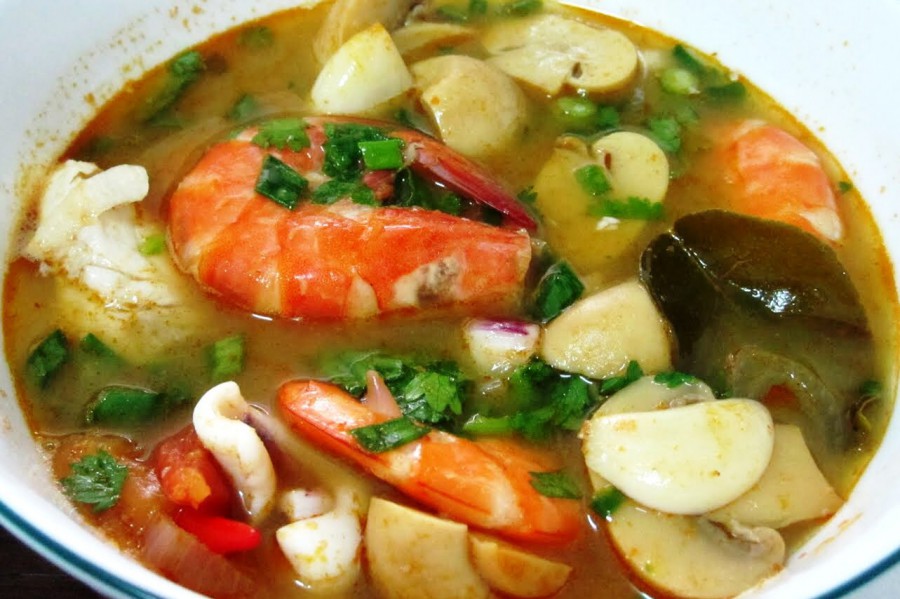
Oh, in all the excitement, I haven’t added a photo of the soup. In our haste to try it, neither my wife nor I took a photo of my creation. And I hesitate to take one from the web, because they all are of soups made with chillies. But what the hell, here is a photo.

image

Also, one day I will write a post on how I make mashed potatoes. Promised.

_________________

Tom Yum soup: http://2.bp.blogspot.com/-oRNilG7HYh8/T7-q1Kg0suI/AAAAAAAAA_k/Z8gykr2ZYtU/s1600/tom-yam-soup-chef-duminda-2012.jpg (in http://cook-with-chef-duminda.blogspot.com/2012/05/tom-yam-soup.html)

KEEP IT SIMPLE

Bangkok, 19 November, 2014

I was in Myanmar last week for the first time in my life, with a team of colleagues. Unfortunately, our trip coincided with an ASEAN Summit in the new capital Nay Pyi Taw, which was attended by sundry political worthies, including President Obama and Premier Li Keqiang. We seemed to have spent most of the week fleeing from these worthies. We hurriedly visited various government Ministries in Nay Pyi Taw in the two days before the Summit started and rode out of town to Yangon the night the politicos started arriving. We were congratulating ourselves on having missed the craziness which usually accompanies the presence of political heavyweights, but we had not reckoned on President Obama following us down to Yangon. His motorcading around the city to meet with Aung San Suu Kyi and do various other things like visit a church snarled Yangon’s already chronically congested traffic and made our lives a misery as we threaded our way through back roads to arrive more or less on time at our various meetings.

But actually this post has nothing to do with President Obama or any other Big Cheese. It has to do with a stop we made somewhere in all this threading, at a market. One member of the team had made promises to his wife to bring a little something back to her, and the other team members thought this was an ideal occasion to pick up some Burmese bibelots. Unwillingly, I tagged along. As I feared, the market was a tourist trap: store after store of rubbish and store keepers hovering ready to pounce. But I preferred to walk around grouchily than sit in the van grouchily.

I had a faint glimmer of hope when I came across a store which sold lacquerware from Bagan. I’d read about the ancient Burmese king who had conquered his way through northern Thailand, Laos and over to Yunnan, and brought back skilled lacquerware craftsmen in his baggage train, using them to create a new luxury industry in his capital Pagan. Might I find something worth contemplating in the store?

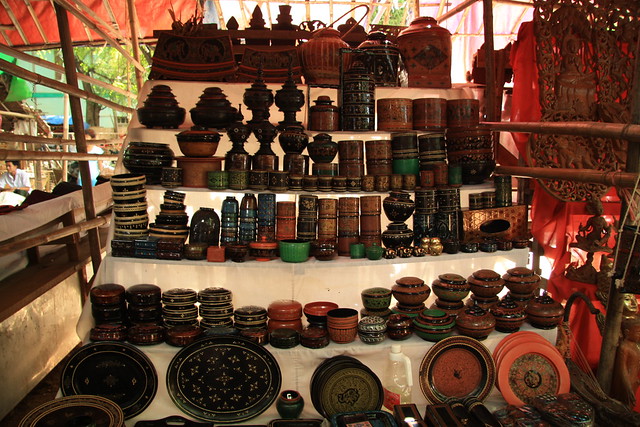
Alas not. For one thing, I cannot stand places which look like this.

image

All that stuff pressing claustrophobically in on you! The feeling of being the proverbial elephant in a china shop, bumping into something and bringing mounds of breakables crashing down around your ears! My immediate reaction is to run out of such places. But I controlled my urge to run and looked. And liked not what I saw. This picture shows the typical designs being offered for sale.
image
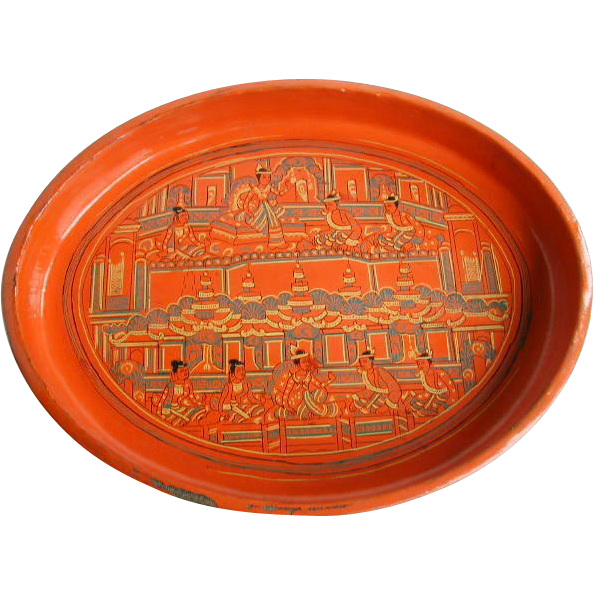
Too much, too much! Too – damned – much! All those dense, dense designs. It makes me think of Australian Aboriginal art, which I wrote about in an earlier post. In art, in design, the KISS principle applies (Keep It Simple, Stupid!). Now it could just be that modern makers of Bagan lacquerware use these designs because tourists have shown a preference for them, and he who pays the piper calls the tune. But a look at older designs suggests that the Burmese kings and their aristocracy also liked busy designs, although this is a good deal better than the modern stuff.
image
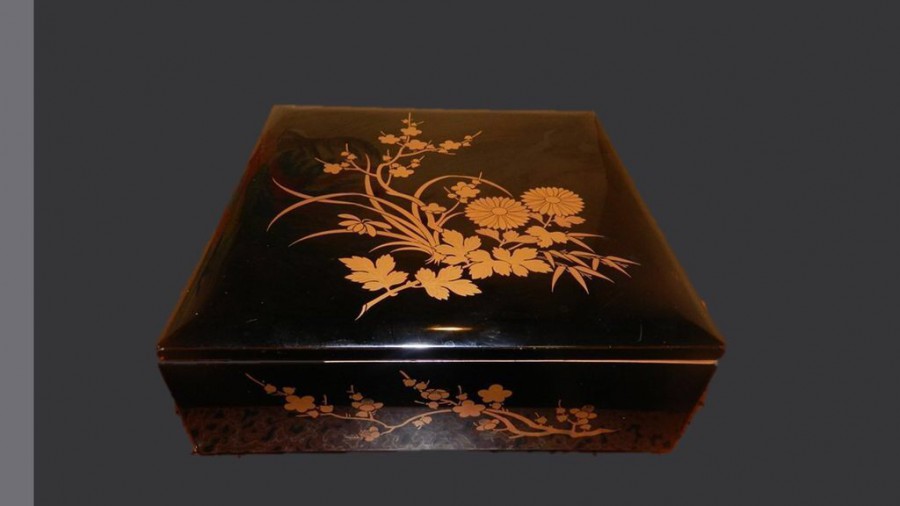
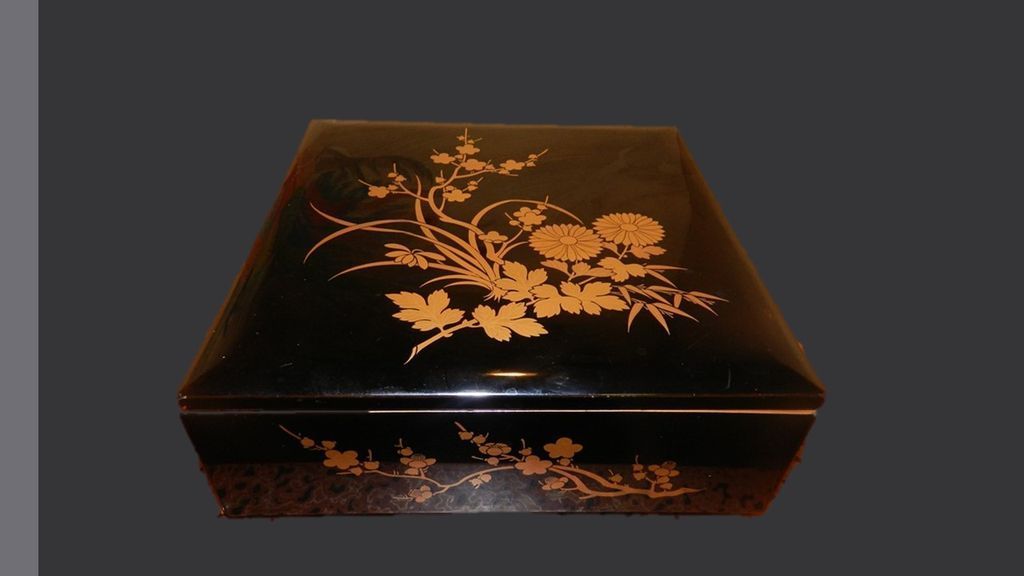
No, give me Japanese lacquerware any day. Look at this bento box in the maki-e style
image
Or this box in the Aizu style
image
Or this tray in the Negoro style (where the upper red layers of lacquer are intended to gradually wear away with use, revealing the black lacquer underneath).
image
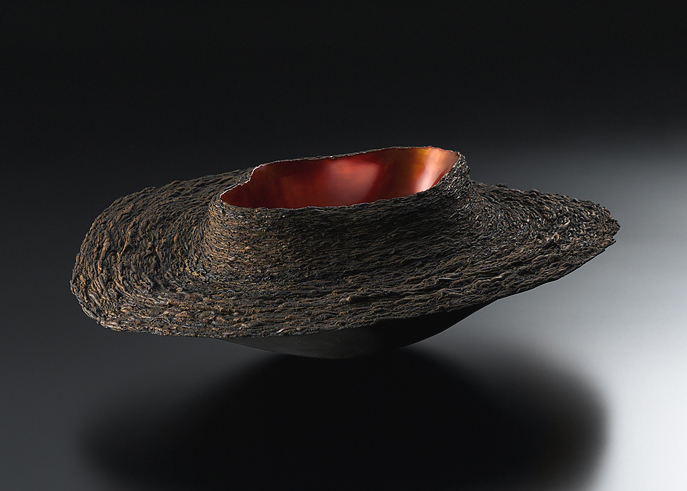
These are old fashioned if not antiques. Modern Japanese lacquerware is just as lovely. Look at this:
image
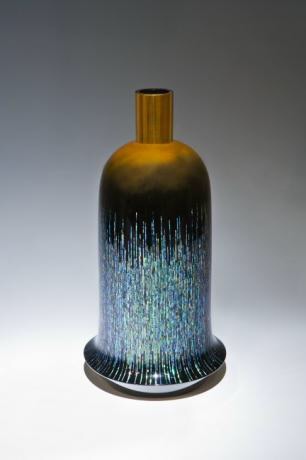
Or if you find that this has strayed too far from lacquerware, how about this vase?
image
Or if you find the design too modern, how about this?
image
Beauty is in simplicity of form and of pattern.

I have spoken.

_____________________________

Myanmar lacquerware store: https://c1.staticflickr.com/5/4106/4989036093_92231568aa_z.jpg (in https://www.flickr.com/photos/kelvinlls/4989036093/)
Typical modern Bagan lacquerware: http://www.travelwireasia.com/wp-content/uploads/2012/06/IMG_6223.jpg (in http://www.travelwireasia.com/2012/07/5-great-arts-and-crafts-to-buy-in-burma/)
Yun lacqerware tray: http://image0-rubylane.s3.amazonaws.com/shops/owensantiques/263.1L.jpg (in http://www.rubylane.com/item/197251-263/Burmese-Red-Lacquer-Tray-Court-Scenes)
Maki-e bento box: http://image0-rubylane.s3.amazonaws.com/shops/781325/ju7.1L.jpg (in http://www.rubylane.com/item/781325-ju7/Japanese-Traditional-Laquer-Maki-e-Bento)
Aizu box: http://www.swarthmore.edu/library/exhibitions/japan/gallery/images/lacquer-box-2f.jpg (in http://www.swarthmore.edu/library/exhibitions/japan/gallery/lacquer-box.php)
Negoro tray: http://content.ngv.vic.gov.au/col-images/xl/EPUB000495.jpg (in http://publications.ngv.vic.gov.au/essays/negoro-lacquer-the-refined-beauty-and-rustic-ambience-of-medieval-japan/#.VGyipmIaySM)
Modern Japanese lacquerware-1: http://www.materialtimes.com/files/files/2014/03brezen/uru.jpg (in http://www.materialtimes.com/vsimame-si/jedovata-kraska.html)
Modern Japanese lacquerware-2: http://www.orientaltreasurebox.com/item.php?id=1601&cat_id=8 (in http://www.orientaltreasurebox.com/category.php?page=3&cat_id=8)
Modern Japanese lacquerware-3: http://toku-art.up.n.seesaa.net/toku-art/image/mutsumi20104.jpg?d=a75 (in http://toku-art.seesaa.net/archives/200709-1.html)

BUTTERFLIES

Bangkok, 8 November 2014

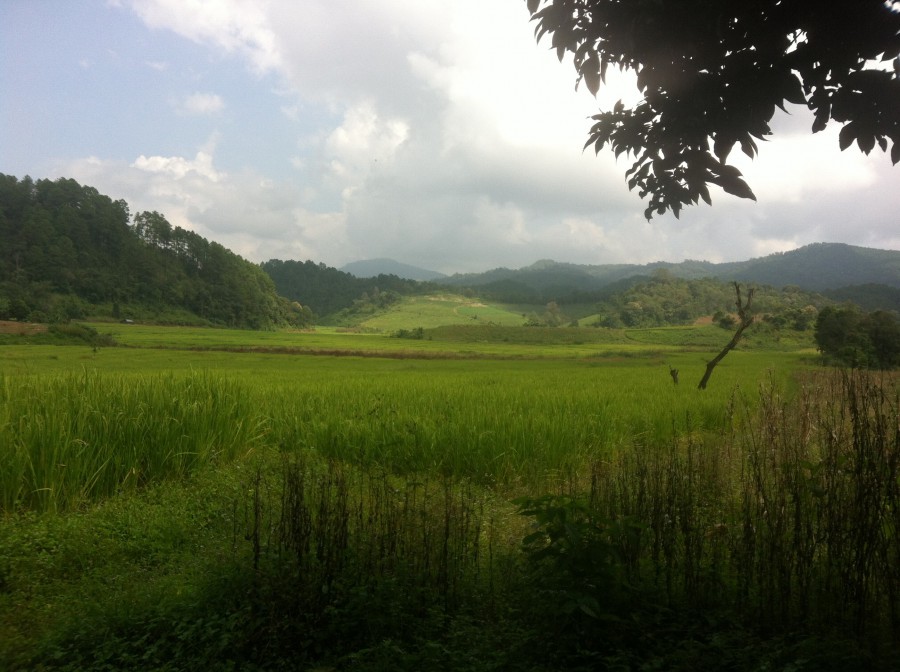
We were up in the north of Thailand two weekends ago, very close to the border with Myanmar, up in the high hills (or low mountains?) behind the town of Mae Hong Son. Lovely, really lovely … We stayed in the small village of Mok Cham Pae, perched on a hillside overlooking a small river and its bottom lands. In the UK they would have been turned into hay meadows. Here, they had become a patchwork of rice paddies.
image

Around Mae Hong Son, the rice was already ripening. But up in Mok Cham Pae it was relatively cooler, so the rice was still green, that intense green which you only get with rice paddies.

image

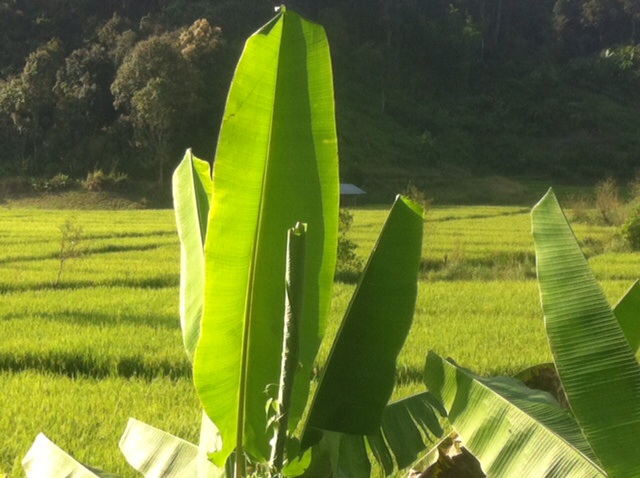
But rice paddies, for all their beauty, are a monoculture, where all other species are kept at bay. After walking around the edge of the paddy fields, seeing only some banana trees marking the edge of “rice country”
image

image

and some very smelly pigs (which turned out to be owned by our hostess), we ventured out along a dirt road which wound its way up the river valley.

image

The paddies narrowed down to a strip along the water, for a while vegetables took their place, and then finally what was left of the forest straggled down to the road’s edge.

image

We saw no elephants browsing in the forest, or tigers moving in for the kill (my memories of Rudyard Kipling’s Mowgli are getting the better of me). But what we did see in profusion were butterflies, fluttering in and out of the bedraggled forest, chasing each other around, or settling on the road close to water. On that walk, which was no more than two hours long, I swear we saw at least 20 different species of butterfly. In Europe now, you’re lucky if you see three different species in a whole day. There were never that many species to begin with, and intensive ploughing, pesticides, and the tearing up of hedgerows have put paid to the few there were. I’ve had a look at various web sites dedicated to Thai butterflies to identify the ones we saw, but it’s hopeless. Did we see a Common Grass Yellow or a Tree Yellow? Was that one by the bush a Gram Blue or a Plains Cupid? Or maybe a Forget-me-not?? In the end, who cares? They were just lovely. I invite readers to visit the following flickr site to get a taste of what awaits you in this part of the world, butterfly-wise.

And I choose just two to represent the class
image

image

I chose these two very deliberately, because they each bring back to me two distinct butterfly-related memories.

The first is from Mexico. It was some 35 years ago, my wife and I – and mother-in-law – were travelling around the country. We mostly took buses and the occasional train. But in Yucatan, we decided to hire a car. We got a Volkswagen beetle – I remember it well, they had recently been phased out in Europe – and drove from one Mayan temple to the next. And along the road we drove through these clouds, these drifts, of green-yellow butterflies. I was in agony at the butterfly holocaust I was causing, but what could I do? They were just sitting there on the road, sunning themselves.

I feel particularly bad about killing butterflies because – and this brings us to the second photo – I have a very vivid memory of when I was a child – six years old, I would guess – in our garden in Africa. It was full of butterflies, and like all children I liked chasing them. But this time, one, of about the color in the photo, had settled on the ground and was sunning itself. I crouched down, picked it up, and slowly – pulled – its – wings – off. Yes, I did that. Even as I write about it, I feel a strong sense of guilt at such a casual act of gratuitous cruelty. Perhaps the rest of my life as an environmental engineer has been an act of atonement for it.

___________
Tree yellow: http://www.vireos.com/Thailand/html/photoFrameset.html
Orange lacewing: http://www.pbase.com/glazemaker/image/130569578

all other photos: ours

RUBBING ALONG TOGETHER

Bangkok, 1 November 2014

I think it must be a scientific law that the closer you get to the equator, the more species you will find per square metre (or foot, if you wish) looking for their space in the sun. All that steamy heat seems to lead to a sustained biological ebullience. Certainly, in a totally unscientific survey, my wife and I have agreed that the number of species wishing to share with us our hot and steamy Bangkok apartment is considerably higher than it was in Beijing. There, over a period of five years, we catalogued a few, relatively small, cockroaches making a frantic getaway over the floor and that was it (although the rare cockroach sighting led to apoplectic calls to the front desk and demands for a thorough chemical spraying). Here, in just one month and a bit, we have seen:

– A little lizard, very pale, almost albino, which we first sighted peeping out from under the dining table, then from behind a column that we have in the living room, then in the cupboard under the kitchen sink. He looked very similar to this little fellow.
image
I have had a soft spot for lizards ever since I used to chase them as a boy across the walls of my grandmother’s garden in France, so I was pleased to see it. But my wife is not a lizardophile and demanded that I get rid of it. I rather reluctantly chased it around a bit and was secretly pleased when it disappeared of its own accord.
– A horribly large cockroach, which luckily was flat on its scaly back, dead, in the shower. But I have seen them horribly alive, skittering ahead of me across the pavements, always in the darker corners of the neighborhood. Disgusting creatures, I refuse to grace them with a picture ….
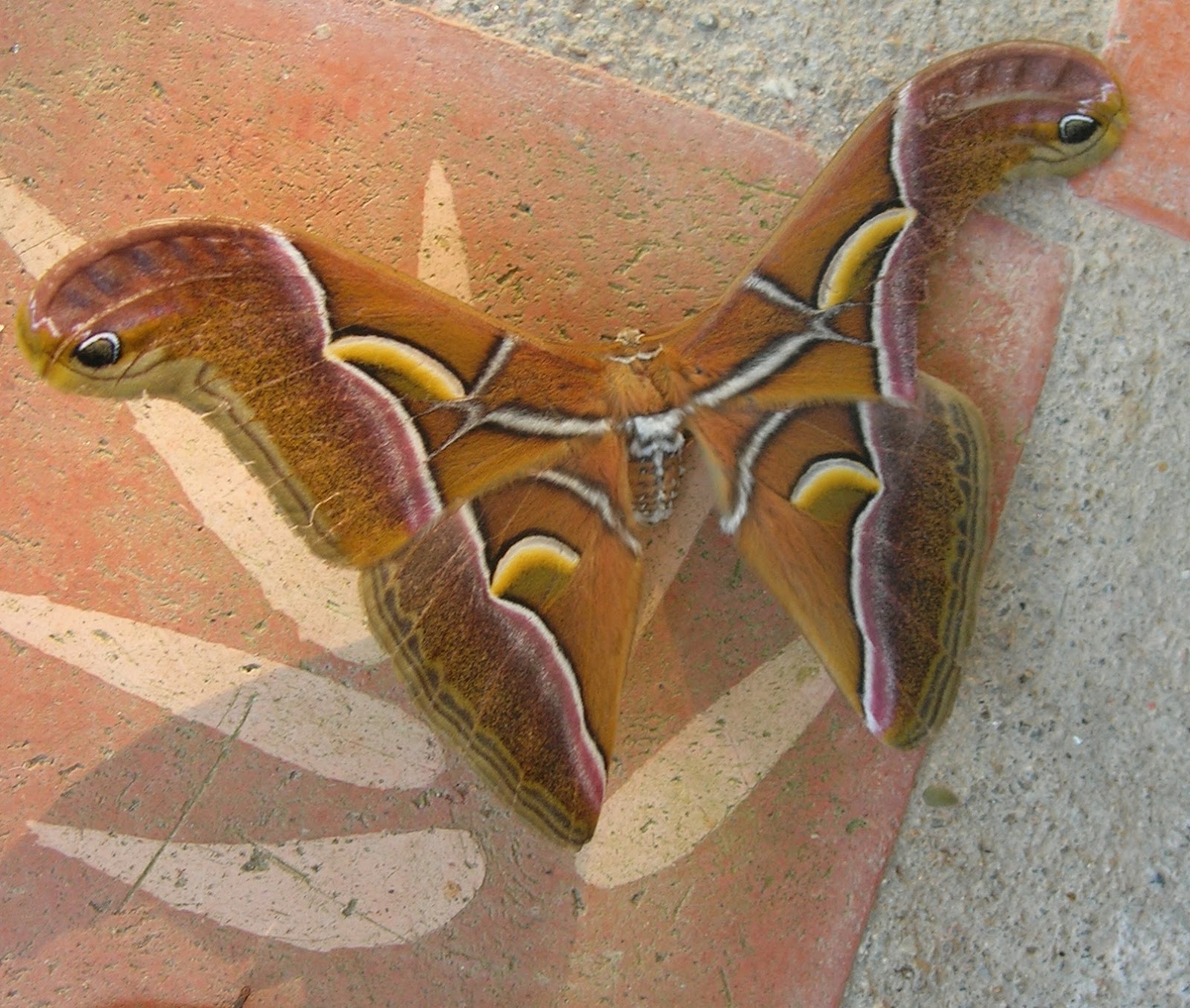
– A number of wonderfully large moths, which flutter in at night from out over the river and settle down for a rest. They are really beautiful, nothing like the dreary little things we have in Europe, so I’d be pleased to share my living space with them.
image
But my wife is having none of it, so with a sigh I shoo them out, using the pasta drainer to catch them and carry them out.
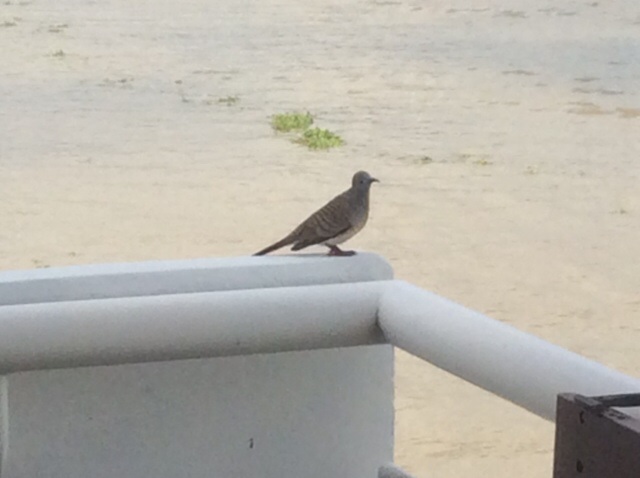
– Several species of bird which use the balcony railing as a favorite stopping place. There are those pesky pigeons which crowd our squares in Europe. But there has also been a beautiful bird, which I think is also a type of pigeon although my wife disagrees.
image
Cheeky little sparrows also hop on and off the railings, beadily eyeing any crumbs which might have fallen off the table that we carry out onto the balcony for breakfast, lunch and dinner.
– swallows, which my wife says she found early one morning twittering around on the living room parquet (we had left the windows open). Imagine that! I see them dive and swoop over the river
image
as I have seen them dive and swoop over summer fields in Europe. But I have never seen them stand still.

All this in the few square meters (or feet, if you wish) of our apartment. Expanding out a little, we’ve seen beautiful little birds, black with white tufts on their wings, fluttering silently on and off the clumps of water hyacinth which drift past us on the river. They have recently been joined by a lovely white egret.

image
And then there’s the Asian koel bird which I’ve mentioned before. I keep on hearing it, but I’ve never managed to see it. In the dirty, oh so very dirty, canal which runs behind the office, I’ve seen what I think is a monitor lizard swimming lazily (or sickly?) in the watery gook: the water is greyer than in this photo.
image
The same canal teams with fish, which some enterprising (or mad?) people fish from time to time. And we have a couple of next-door fishermen who put out their nets in the river while we are having breakfast, well out of the way of the busy river traffic. I’ve sometimes caught a gleam of silvery scales in the bottom of their shallow little boats.

image

But I presume that the number of species we can stumble across in the concrete jungle of Bangkok would be nothing compared to what is present in the real jungle – or what is left of it in Thailand. That pleasure awaits us still.

_______________
Lizard: http://naturestudent.files.wordpress.com/2013/01/20130121-162953.jpg (in http://naturestudent.wordpress.com/2013/01/21/lovely-lizards/)
Moth: http://1.bp.blogspot.com/-R3HpNI3L0lM/TzdPTJ13xQI/AAAAAAAAAD8/TiXKoEuS1go/s1600/Samia+canningii.JPG (in http://norfolkbirderinthailand.blogspot.com/2012/02/thailand-moths-part-two.html)
Bird on the balcony railing: my wife’s picture
Flying swallow: https://c1.staticflickr.com/9/8164/7244597922_bd666a00e8_z.jpg (in https://www.flickr.com/photos/clicks_1000/7244597922/)
Egret: http://upload.wikimedia.org/wikipedia/commons/f/f1/Little_Egret_flying_-_Thailand.jpg (in http://c
ommons.m.wikimedia.org/wiki/File:Little_Egret_flying_-_Thailand.jpg)
Monitor lizard: http://cdn2.vtourist.com/4/6079856-Monitor_lizard_swims_khlong_Bangkok.jpg?version=2 (in http://www.virtualtourist.com/travel/Asia/Thailand/Central_Eastern_Thailand/Bangkok-1445238/Off_the_Beaten_Path-Bangkok-Khlongs_Canals-BR-1.html)

PERAMBULATING PARQUETS

Bangkok, 26 October 2014

My wife has been busy getting to know Bangkok in her usual favorite way, taking the bus (with me joining her on the weekends). When she told the very nice Thai couple whom we have befriended in the building that she takes the bus to get around, they stared at her and finally managed to ask, “the aircon buses?” When she said no, no, the normal buses, they tittered nervously. When pressed, they confessed to have not taken a bus in twenty years. (This reminds me of a scene early in our marriage. It was downtown Baltimore, 1978 or 9. We wanted to get somewhere, I forget where, so we approached a nice young man sitting on a bench eating his lunch and asked him what bus we might take. He confessed that he had no idea, that he had never taken a city bus in his life. We stared at him: how could it be that someone had NEVER taken a bus? The difference between a European and an American, I suppose. But I digress.)

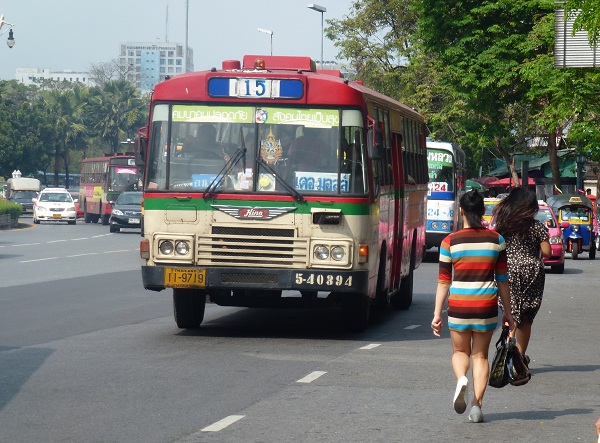
It is true to say that the (non-aircon) buses of Bangkok are not the most handsome of buses. In fact, they obviously have had a hard-scrabble life.
image
And their technology looks – and sounds – very old-fashioned. For instance, whenever the drivers change gears (using a huge gear shift as big as the seated drivers themselves), it sounds distinctly like they are double-declutching (a term which I would imagine is meaningless to anyone below the age of 60). The drivers are always in a tearing hurry, no doubt due to being perennially bottled up in Bangkok’s terrible traffic, so getting on and off buses is an athletic accomplishment. To get on, wave down the bus, rush for the door, swing in as the bus already starts to move off. To get off, ring for the stop, balance yourself on the balls of your feet, hustle down the steps the moment the doors start clattering noisily open, and drop down into the street as the bus already moves off. And while inside, hang on for dear life as the bus barrels its way down the city’s streets, riding roughshod over every pothole and other imperfection in the road’s mantle.

But as I grimly hang on in the bus, bouncing up and down on the (really quite comfortable) seats, I cannot help but wonder at the beautiful parquet floor which the buses have. Look at that! Who has ever seen parquet floors in buses?
image
Well, “parquet” may be pushing it a little, but this is really nice wood they’ve used. No trash soft wood here, being rubbed to pieces by passenger’s dirty shoes. This is close-grained hardwood. I would be proud to have a floor of that in our living room, sanded down and waxed into a rich red-brown color, instead of the fake plasticized “parquet” which our miserly landlord has laid down and which rings hollow every time we walk across it. I wince when I see how this beautiful wood has been mercilessly screwed down onto to the bus chassis, with big, gleaming, screws. Aie-aie-aie!

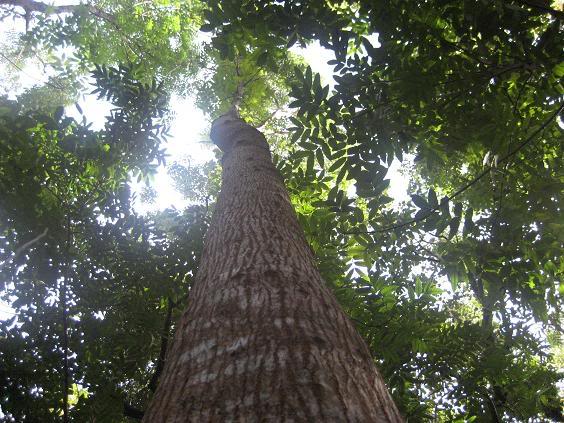
The only thing that worries me here is the wood’s provenance. This is not plantation wood, nor I’m sure is it certified wood from responsibly managed forests. I fear that this is just brutally logged wood from Myanmar or Laos or perhaps Indonesia (Thailand has already cut down much of its forests).
image
Perhaps it would be better for Bangkok to shift to modern, gleaming, air-conditioned, buses with plasticized floors
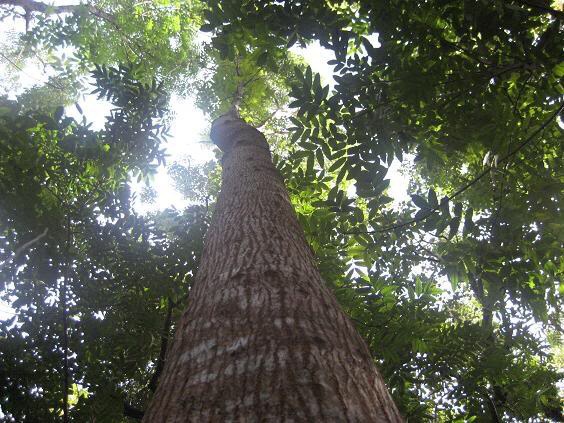
imageand leave this beautiful wood standing in its wilderness, soaring up towards the sky.
image

_______________
Bangkok bus: http://www.langeasy.com/images2/bkk/bus2.jpg (in http://www.langeasy.com/cities/bangkok/bangkokpage1.html)
Bangkok bus floor: my photo
Illegal logging: http://www.globalpost.com/sites/default/files/imagecache/gp3_slideshow_large/illegal_logging_in_anlong_veng_ii.jpg ( in http://pixgood.com/illegal-loggers.html)
Modern city bus: http://i01.i.aliimg.com/photo/v2/280618923_1/SLK6111_Aluminum_Body_City_Bus.jpg (in http://www.skyscrapercity.com/showthread.php?t=1468014)
Mahogany tree soaring: http://treepicturesonline.com/tree-mahogany.jpg (in http://treepicturesonline.com/mahogany_tree_pictures.html)

TUGGING AT MY HEARTSTRINGS

Bangkok, 9 October 2014

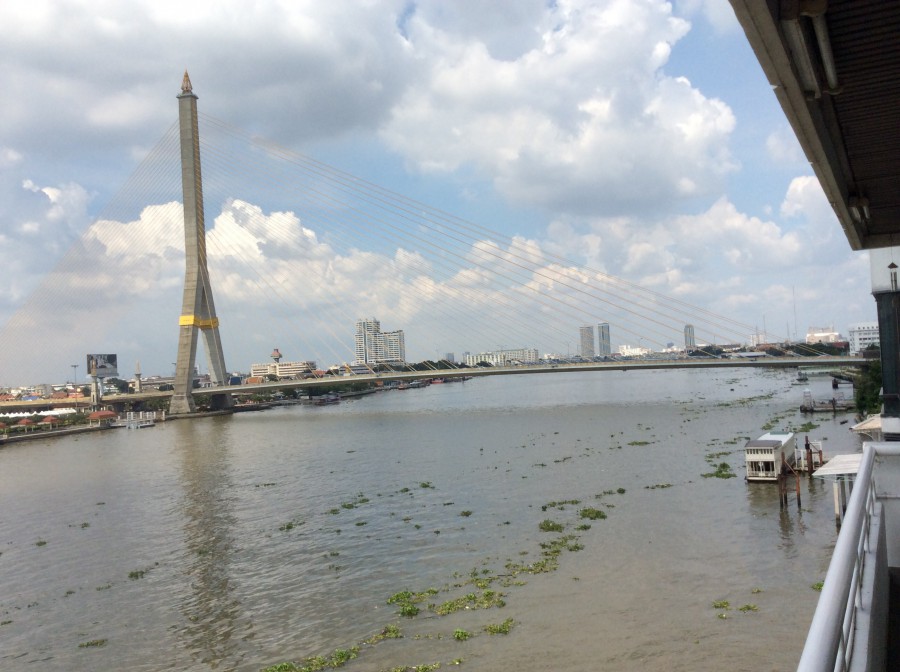
Our living room is small, but it has a magic view on the Chao Phraya River. Two of the living room’s walls are all glass and allow us a wonderful view up and down the river.

image

image

My wife and I maximize this view every morning by dragging our table out onto the narrow balcony which wraps around our living room and taking our breakfast – tea, cereal, and tropical fruit – all the while watching the parade of boats moving up and down the river.

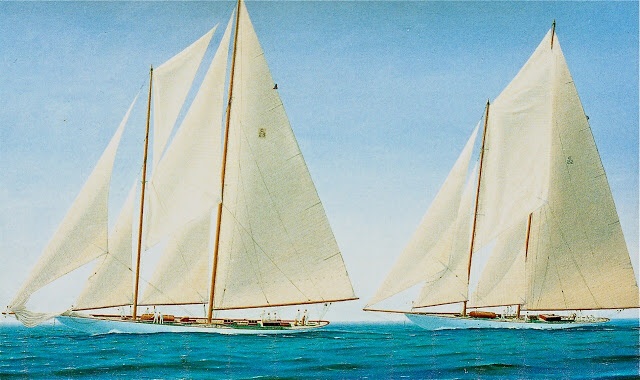
Let’s be clear, the boats we see are not as handsome as these 1920s yachts.

image

I suppose the most striking boat we see are the long-tailed boats which skim across the river’s surface, their huge roaring motors in the stern peremptorily signaling their presence to one and all.

image

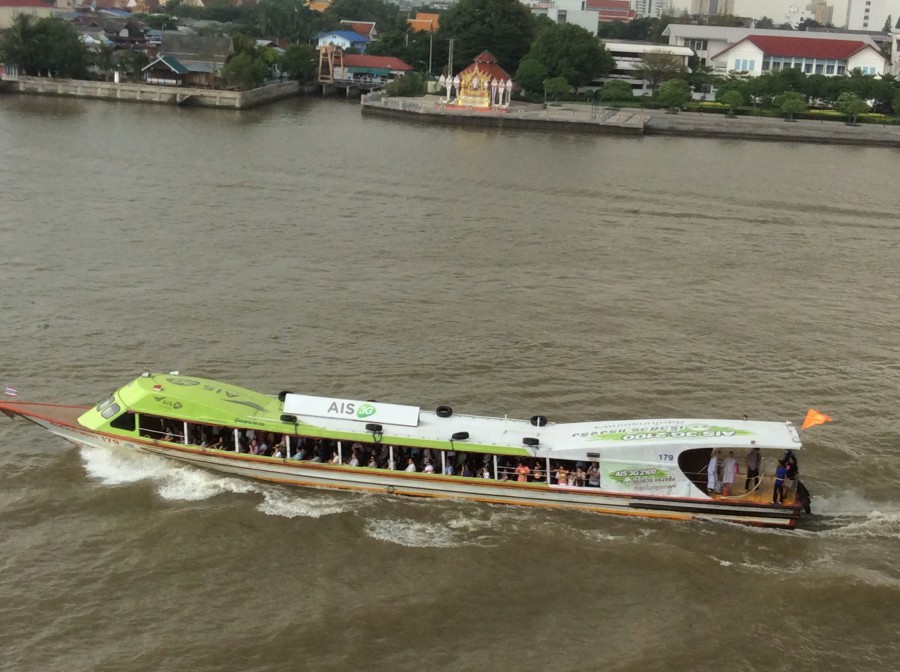
The water buses that ply the river aren’t so showy, but their raked bow gives them a certain allure.

image

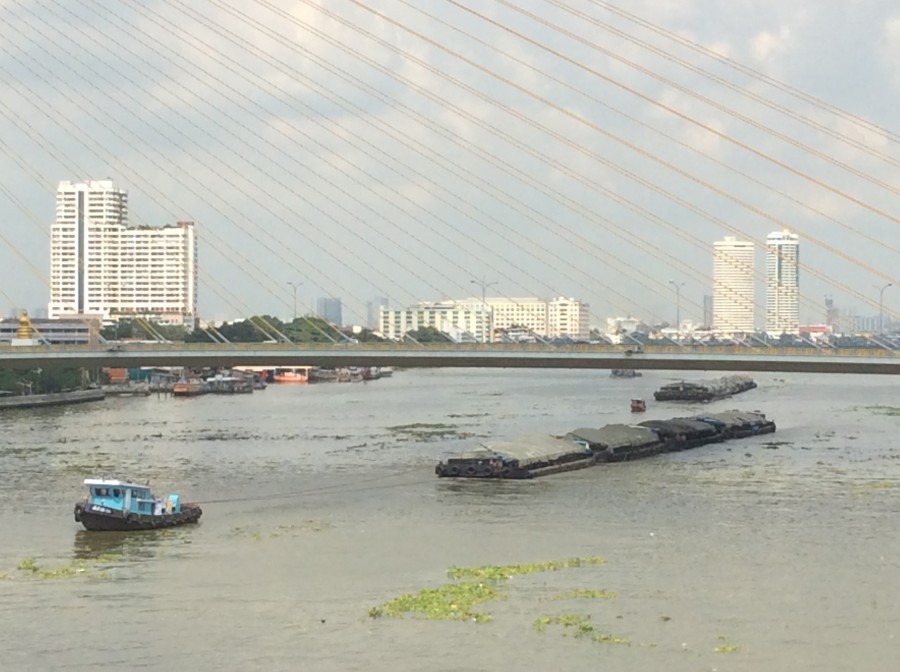
My heart, though, goes out to the lowly ugly tugs which rumble slowly up and down the river dragging trains of barges behind them – slowly, so very slowly when the barges are full, slightly more jauntily when they are empty.

image

image

I sit there, watching them tug and strain, and will them on: “Go, little tug, go! You can do it! Attaboy!”

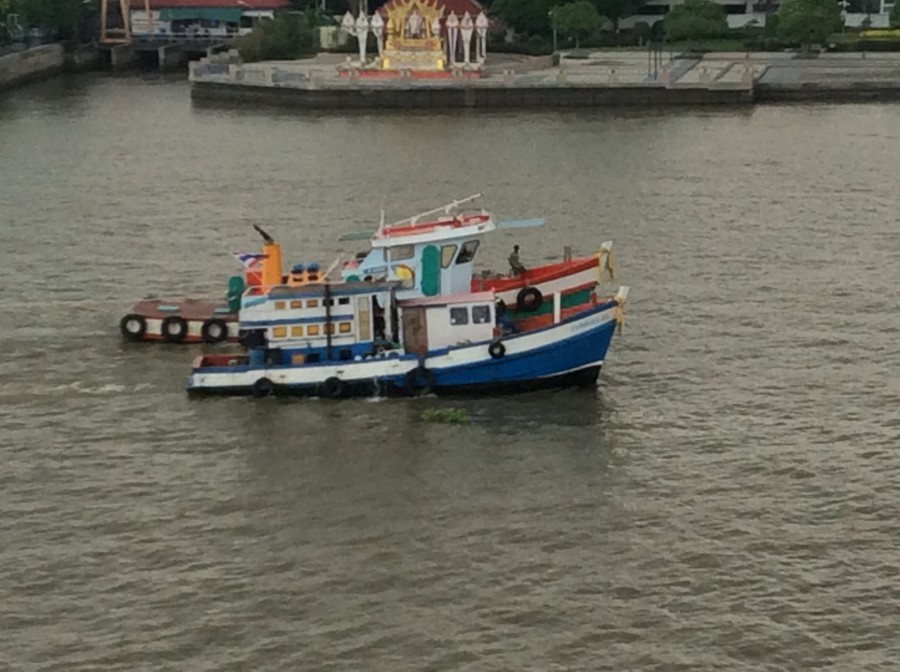
They may work hard, but these tugs are no shrinking violets. No drab work clothes for them. No siree, their owners paint them strong, happy colors, to signal how proud they are of their work partners. I mean, look at them!

image

image

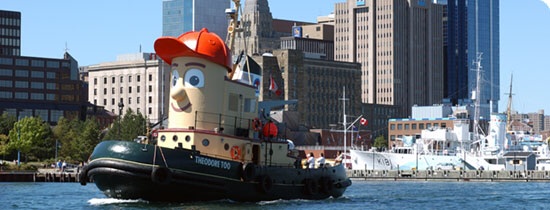
As these tugboats pass, flaunting their color schemes, I can’t help but think dreamily of the tugboats of my youth, like Theodore the Tugboat

image

or Little Toot the Tugboat

image

or even Scuffy the Tugboat

image

Toot, toot!! Tug away, fellas! Job well done! I hope you get a rest and a good lube job in the evening. Toot, toot!!

__________________

Views of Chao Phraya river: my photos
1920s yachts: http://abrushwithsail.blogspot.com/2012/06/grand-yachts-of-1920s.html
long-tailed boat: http://swissnomads.com/wordpress/wp-content/uploads/2013/09/long-tail-boat.jpg
water bus: my wife’s photo
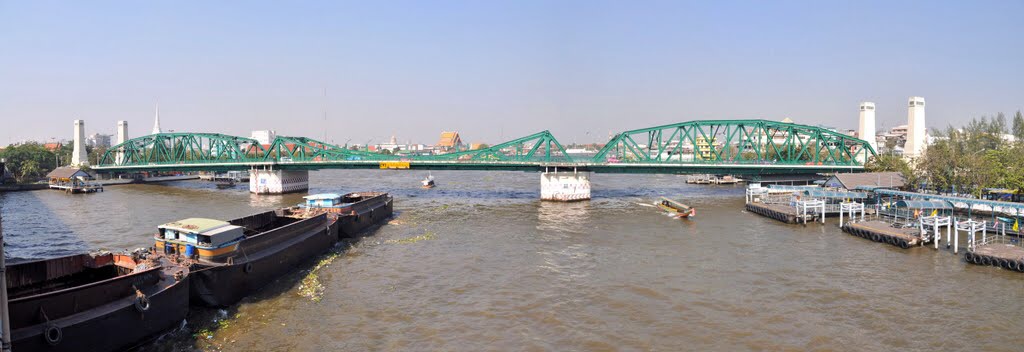
tub boat and barges: my photo and http://www.panoramio.com/m/photo/47654772
colourful tugboats: my wife’s photos
Theodore the Tugboat: http://www.mtcw.ca/theodoretugboat/Tours.php
Little Toot the Tugboat: http://blog.keloland.com/lund/blog/2010/12/20/aunt-leilas-records/
Scuffy the Tugboat: http://www.betterworldbooks.com/scuffy-the-tugboat-sail-away-id-0375826963.aspx