POSTS

LISA

Beijing, 16 March 2013

Let me tell you about Lisa.

That’s not her real name, by the way, it’s her Western name. Like many Chinese, she has adopted a Western name for her interactions with laowai, or foreigners, like us. Which is just as well, frankly, because I personally never remember Chinese names and always mispronounce them dreadfully, which must be trying for the person being mispronounced.

Lisa is one of the army of young people who act as receptionists in our building. My wife and I are not entirely sure what any of these people do. Part of the day they sit at the desk by the entry door, monitoring who comes in and out. Then they disappear to do who knows what somewhere else in the building. They are perched at a somewhat higher level in the building’s management hierarchy than the doormen. They get to sit at the desk in the entry hall, while the doormen (always men, by the way) only get to stand by the door swinging it open for anyone who goes in or out. The two worker categories are distinguished by their uniforms. Lisa and her cohorts wear a white shirt, dark suit (men and women; no tailleurs here), and a dark coat during the winter months. The doormen, on the other hand, wear what looks like army fatigues and a red beret (although we have noticed that one doorman seems to have moved up the ranks and now wears an outfit more akin to the receptionists; but he still opens the doors).

Lisa is a godsend to us, because she speaks pretty good English. Whenever the electricity stops, or the hot water cuts off (which has happened to me twice when I was well soaped under the shower), or the TV mysteriously loses half of its channels, or the air conditioning system doesn’t blow any air out, my wife knows whose mobile number to call to explain what the problem is. In no time at all, Lisa will marshal the right buildings management crew or add some more Yuan to our electricity card, or water card, or hot water card (they have a rather bewildering system here for utilities; money gets credited onto a card, which then is used to credit an account we have somewhere in the building, and the utility magically works again). We always know which are her days off, and we anxiously hope that nothing will happen during those days; dealing with the other young men and women at the reception desk is hard going since they speak hardly any English. Some six months ago, we were also very afraid – as was Lisa herself – that she would be rotated out of the building to another of the host of buildings owned by our real estate company, but luckily this did not come to pass.

Over the year we’ve been in this building, my wife has struck up a good relationship with Lisa. She is a very friendly person and loves to chat. In the process my wife has found out a few things about her. She lives far away on the outskirts of Beijing, with her parents and twin sister. Given her miserable wages (real exploitation; I don’t know what Karl Marx would have said about it), and the fact that real estate in central Beijing now costs the same as in Manhattan, there is no way she can afford to live alone closer to work. And I think there is still an expectation that as an unmarried woman she should live with her parents. She went to a second-tier university to study languages, so it’s a bit depressing to see that the only job she could get was as a building receptionist, admittedly in one of Beijing’s tonier buildings. But the press often has articles about the army of young Chinese whose parents struggled to send them to university – but, crucially, one of the second-tier universities – and who haven’t managed to land a job (or at least a job that fits their expectations after a university degree). They live like ants (the term used in a study of this phenomenon), jammed together in colonies on the outskirts of Beijing and other big cities, as squatters in buildings condemned to demolition, eking out a living with small jobs here and there, often not daring to tell their parents what the true condition of their lives are.  So I suppose Lisa can consider herself lucky to have a regular job, even though she’s paid miserably, works long hours, and hardly gets any time off.

One thing about Lisa that warms the cockles of our hearts is that she has an enthusiastic curiosity about the rest of the world. I think her dream would be to travel all over the world if she could. She took her first small step in this direction some six months ago, when she left the country for the first time in her life and visited Thailand. She had managed to scrape together a week of holidays. She went with a group, of course, and they didn’t do anything very adventurous – Bangkok and a beach somewhere was the sum total of the trip. But she was so happy. She emailed us a photo of her standing somewhat awkwardly next to a guard at the King’s palace in Bangkok, beaming at the camera. And when we met her after she got back she told us all about the trip with a big smile on her face. She said she was looking forward to her next trip, once she had scraped together some more holiday time (she was on duty during the Chinese new year, when most of the receptionists took time off). My wife persuaded her to think of traveling alone, telling her that her English was good enough for her to manage without a group. She showed Lisa where she could buy her own flight tickets on-line and book her own hotels. Lisa was a little hesitant but seemed game to try. She was thinking of going to Viet Nam, she told us.

Yesterday, when my wife was leaving the building, Lisa came running over, beaming with joy. She announced to my wife that she had found a travel companion – traveling alone was too much for her. It was one of the other women at the reception. They were going to Viet Nam, Lisa announced, she had chosen the flights using the websites my wife had given her, everything was going swimmingly. But when my wife came back that afternoon, Lisa was completely crushed; my wife told me she had never seen her so down. When her travel companion had announced to her parents the plan of going to Viet Nam, her mother had nixed the idea: too dangerous, she had pronounced. It is true that China and Viet Nam had had a little war back in the late 1970s and that there is a certain amount of animosity at the moment because of disputes over islands in the South China Sea, but to say that Viet Nam is dangerous is ridiculous. But the parental veto had been cast and that was that. My wife urged Lisa to reconsider the destination. Lisa mournfully said she had thought of Malaysia; China wasn’t having any fights with them. But she had really set her heart on Viet Nam. It’s Lisa’s day off today. Let’s see if the night has brought her counsel, as the Italians say.

GLOBALIZATION BY MANNEQUINS

Beijing, 12 March 2013

My wife and I often lament the homogenizing effect globalization is having on our world. One of our common comments here in Beijing is: “Look at those young people. They dress just like our children!” [or children from the UK, or Italy, or the US, depending on the context]. We have an Ikea just up the road, which is thronged with young – and not so young – Chinese families buying the exact same things we were buying from our local Ikea in Vienna. And of course we can dine, if we wish to (which we sometimes do, I will admit), in that icon of globalization MacDonalds, which serves the same burger absolutely everywhere – it is so uniform that the Economist has created the Big Mac Index, which uses the cost of the Big Mac worldwide to check if currencies are at their right exchange level. And we can wash down our burger with a cappuccino in a Starbucks which looks and tastes exactly like a cappuccino in the Starbucks round the corner from our daughter’s place.

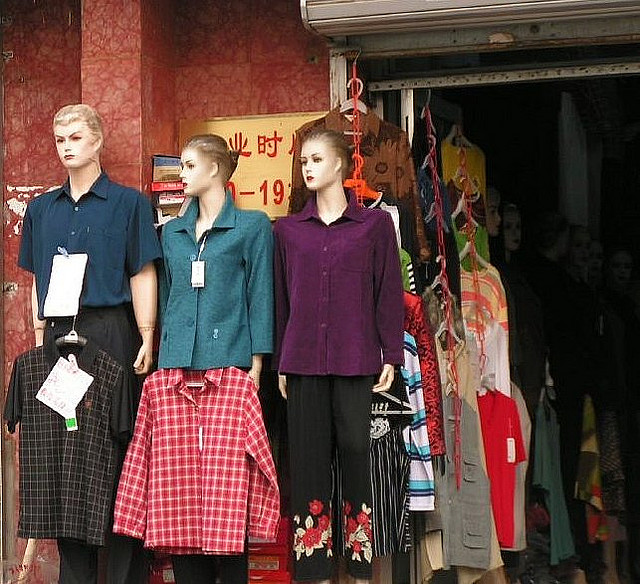
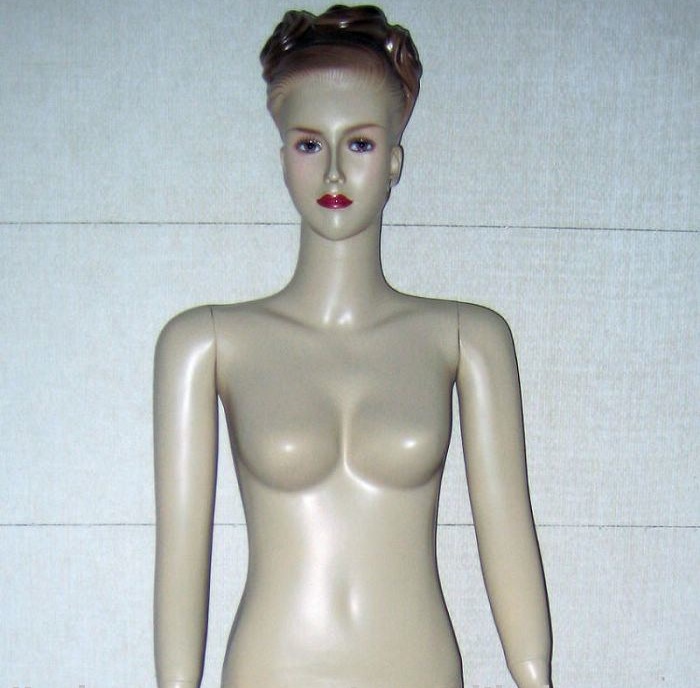
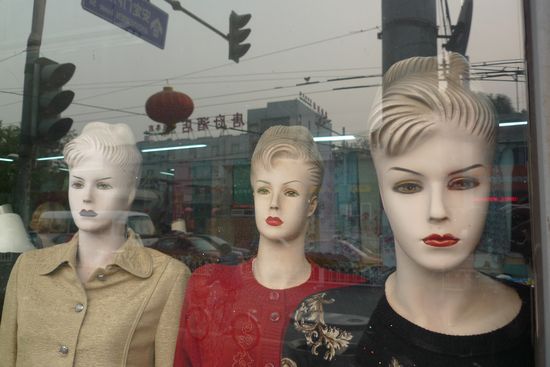
But for me the strangest aspect of globalization is … store mannequins. Often, when we are walking around in Beijing or anywhere else in China, I will come nose-to-nose with a store mannequin which is obviously European.

mannequin-beijing

Why on earth would Chinese women (I presume they are the ones who are targeted) be more inclined to buy clothes they see on a European mannequin than on a Chinese mannequin? (By the way, I have never seen a Chinese mannequin). I have to assume that the globalization of US movies, of TV shows, of magazines and so on give European women a greater glamour. Either that, or a Chinese company bought (or perhaps “borrowed”) the rights to a mannequin designed in the West somewhere and is turning them out by the millions.

I’m not the only one who has been struck by these European mannequins in China. Here are some photos taken by others which I found after a trawl through the internet.

mannequins-china-2

mannequins-china-3

mannequins-china-5

mannequins-china-1

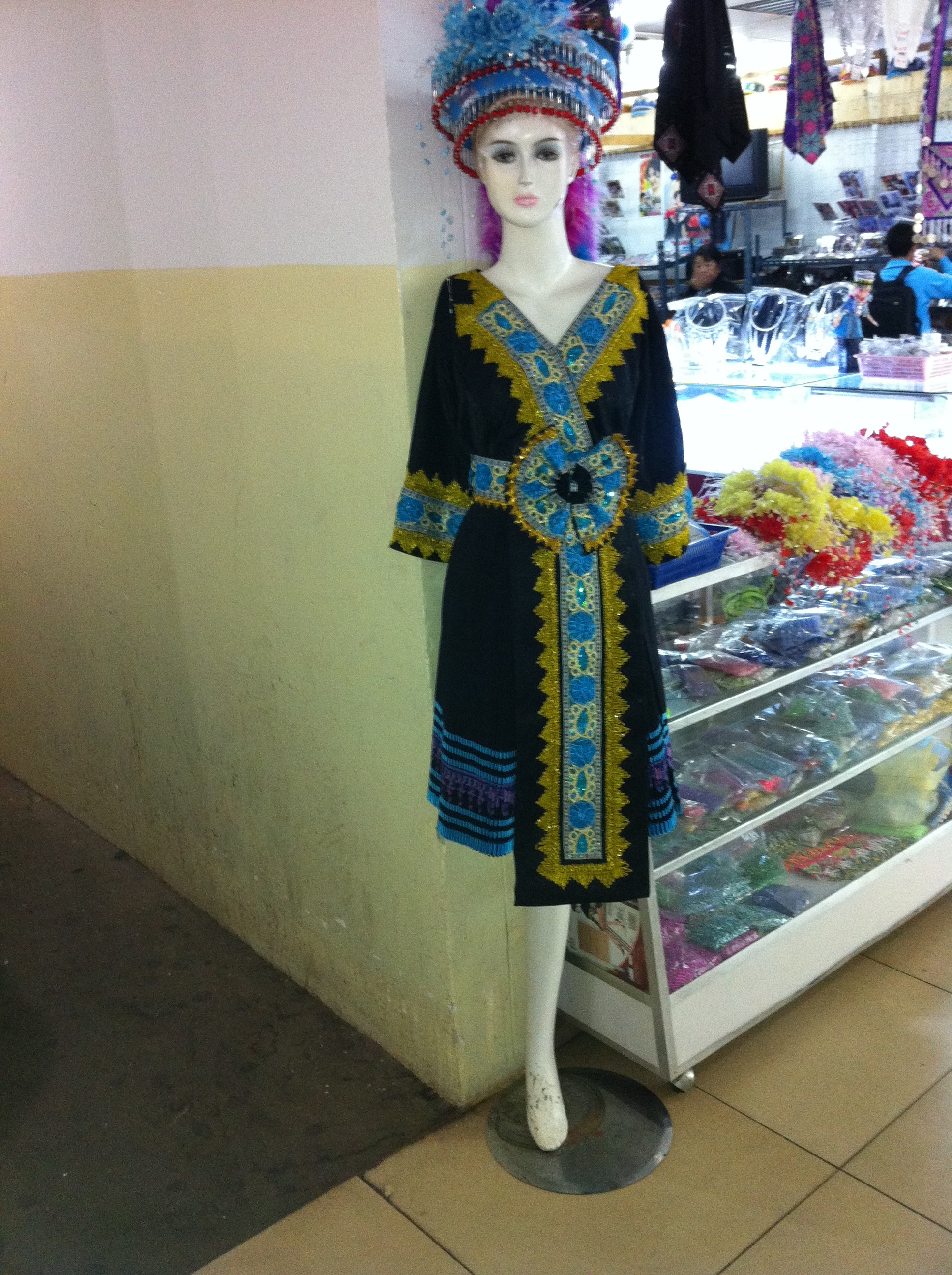
And it’s not just in China that you find these European mannequins. Here’s one I stumbled across in Laos, rather worse for wear and covered in pseudo-ethnic bling.

laos 068

The internet threw up these photos from other Asian countries.

The Philippines:

mannequins-philippines-1

Malaysia:

mannequins-malaysia-1

India:

Mannequins-india-2

Even Iran!:

mannequins-iran-1

This presence is so strange that a quilt maker, Robin Schwalb, made this quilt about it (and got a prize for it, too!)

mannequins-china-quilt

Here’s what Mr. Schwalb has to say about his creation:

“That suit, that hair, that mole; you immediately recognize Chairman Mao. But who – or what – are those pouty women, with their Western features, retro hairdos, and dead-eyed stares? They’re store mannequins, manufactured in China for the Chinese market, never appearing solo, but always arrayed in chorus lines. Perhaps the discordantly comical images have a darker point – if you have that system of government, you get this kind of dehumanized citizen.” [1]

I will pass over the political comment, which is disputable. Let me tell you the strangest thing about all this. This “pouty woman” looks exactly like a colleague of mine in Vienna. It is so odd to suddenly see her staring at me out of a shop window in some corner of China. I have never dared tell her. I don’t think she would appreciate being compared to a store mannequin.

______________________________

[1] http://www.dairybarn.org/quilt/index.php?section=226&page=280

Mannequin-china-1: my photo
Mannequin-china-2: http://dianepernet.typepad.com/.a/6a00d8341c76e453ef0153927b5e38970b-550wi
Mannequin-china-3: http://farm5.staticflickr.com/4024/4448484644_653a40a274_z.jpg?zz=1
Mannequin-china-4: http://www.dvafoto.com/wp-content/0011.jpg
Mannequin-china-5: http://farm3.staticflickr.com/2243/2129603065_45eaf9420e_z.jpg?zz=1
Mannequin-laos: my photo
Mannequin-philippines: http://2.bp.blogspot.com/-IqILwlOYkz4/TqYJjLcRMkI/AAAAAAAAERw/kdYvkh71BvM/s1600/retro_mannequin.jpg
Mannequin-malaysia: http://www.lemonicks.com/photos/Kuala%20Lumpur/P1000852.2.jpg
Mannequin-india: http://www.bminusc.com/wp-content/uploads/2013/02/Store-Mannequins1.png
Mannequin-iran: http://latimesblogs.latimes.com/.a/6a00d8341c630a53ef0120a59ffcee970b-pi
Mannequin-china-quilt: http://www.dairybarn.org/upload_files/images/QN07-Schwalb.jpg

MUSIC, FOOD FOR THE SOUL

Beijing, 9 March 2013

Whenever my wife and I come across a CD section in a store, we’ll normally spend a happy half hour browsing through the offerings. My wife only begins to nervously look at her watch and comment loudly on the rest of the shopping we have to do when I drift into the ethnic music section. You know the type of music I mean: songs from the Nenet and Orok peoples of Siberia, Traditional Samburu Warrior Songs from Kenya, laments of the Cherokee Nation and so on.

I have a strange fascination for this type of music. I always feel that I am about to find a music that will speak to my soul. After all, I have read that music has played a central role in our development as human beings. Music is deep, deep within our psyche, it activates the most primitive parts of our brain.  Surely, then, the music of our remote past is the most “authentic” of musics, and these ethnic musical forms must be closest to the Real Thing. In my enthusiasm I have bought some of these CDs, normally when I am not with my wife, and they now languish in our CD collection, unlistened-to after the first go around. Because they’re always a crushing disappointment. Normally, they’re just plinkety-plonk and wailing voices. The most glaring example of this was not actually from a CD but from a live performance which we attended many years ago in Paris. With much fanfare it was announced that a troupe from Korea would be performing traditional Korean music in the French capital. We decided that we had to take part in this Cultural Event.  As the house lights dimmed, we could see three traditional-type instruments sitting on the stage, starkly beautiful under the lights. Three elderly gentlemen dressed in traditional Korean garb silently walked on and slowly settled down in front of their respective instruments. After a pause, they leaned forward, played plink-plank-plonk (I kid you not; literally three notes), and then leaned back, leaving us in dead silence for what seemed an eternity. My wife and I got the giggles, which I’m sure those around us did not appreciate. The rest of the show was all downhill thereafter. We left at the break.

The problem is, classical music is one of those things that society strongly suggests is Good for You, like cod liver oil. So when I was young – and indeed not so young – I instinctively rejected it.  I had the same reaction to all those classics of English literature that society keeps pressing upon you as Good to Read. As a result, I have read hardly any of the Canon of English literature: some Shakespeare plays, normally the ones that I have acted in, Chaucer’s Canterbury Tales (after I’d seen a theatrical version of them; wonderfully ribald stuff), one novel by Thomas Hardy (I had to do it for O-level English, I hated it; his poetry is better by far), half of Dickens’s “Pickwick Papers” (because there was absolutely nothing else to read and it was raining outside), and that’s about it. Oh yes, I read Jane Austin’s “Pride and Prejudice” after I saw the film (wonderful, wonderful first line: “It is a truth universally acknowledged, that a single man in possession of a good fortune, must be in want of a wife.” It is certainly a truth acknowledged here in China). My wife is the same with Italian literature. Mention Dante to her and she will rant on about the hellish hours spent at school analyzing every single word in the Divina Commedia.

But to come back to music. Until I was in my third decade, my instinct was to head for the door any time one of the Greats of classical music was put on the record player (still no CDs in those days). And I hardly ever went to a concert hall, much to the despair of my mother-in-law who had a season ticket at the Scala and lived for music.  I was constantly on the look-out for alternatives. When I was a boy, I enthusiastically followed the Beatles and then as a teenager the more intellectual of the Rock ’n Roll groups – Emerson Lake and Palmer, Pink Floyd, King Crimson, and a smattering of others. But I soon tired of what was on offer. I keep telling my children that it’s been downhill ever since the mid-seventies in the world of Rock ’n Roll, but of course they deny this self-evident truth.

And so I fell back on ethnic music, with the disappointing results I have just described.

But all is not dark and dismal. I have sometimes stumbled across pieces of music that have really spoken to my soul. I mentioned in an earlier posting a Christmas carol by John Tavener. On the strength of that one piece I bought a CD of his music. I have never had cause to regret it. I have always had a fondness for Benjamin Britten since as a boy singing his Missa Brevis in the school choir. So I snapped up his “War Requiem” when I came across it during a visit to Coventry Cathedral. It has been a joy in my life. What else? For my wife’s fiftieth birthday, we decided to spend a few days in Paris. On the long drive there from Vienna we played a new set of CDs my wife had just bought: eight CDs from Harmonia Mundi France – a sort of summary of Western classical music; only the French would have the guts, or maybe the intellectual arrogance, to try that. I fell in love with the first piece on CD 1, a piece of very early Church music sung by the Lebanese Sister Marie Keyrouz, of the Melkite Greek Catholic Church. On the strength of this one piece I later bought a CD of her songs. Wonderful, all of them. We got to CD 2 round about Linz, and out floated the haunting Kyrie from the thirteenth Century Gradual of Eleanor of Brittany. I’m still looking for the whole set of music contained in that Gradual. One day, I read a review in the Economist of a “Passion according to St. Mark” by the contemporary Argentinean composer Osvaldo Golijov. I was intrigued. I managed to find the CD in a specialist music shop in Vienna. I was hooked. He weaves Spanish musical forms together with more traditional classical forms and musical forms from his Romanian Jewish heritage. On the strength of this CD, my wife bought his CD “Ainadamar”, a musical reflection on the life of the Spanish poet Federico Garcia Lorca, murdered by Nationalist militia during the Spanish Civil War. More Spanish, this one, which feeds into my fascination with flamenco, an absolutely fantastic form of music. Now that is an ethnic music which speaks to the soul! I have several CDs of flamenco music, and if I could be born again I would want to be born a singer of flamenco. Or maybe a dancer of flamenco. Flamenco’s roots are in Muslim music, and some people in Spain are exploring the links. When my wife and I were on a holiday in Spain a few years ago, I came across a CD in Toledo which was a medley of Muslim, old Spanish, and Jewish songs. Two of the Muslim songs in particular were ravishing; I can’t give you the titles because the CD is sitting in our storage boxes in Vienna. I could go on – certain pieces of Indian music, one or two Jazz songs which are absolutely bewitching, Bob Marley’s “Jerusalem” … Even some of those classical music pieces that I ran away from when I was young!  For every piece of plinkety-plonk I’ve fallen for, I’ve stumbled across a piece of music that truly comes from heaven.

LAPSANG SOUCHONG

Beijing, 5 March 2013

Whenever I stayed with my English grandmother in London, one of my tasks was to do the food shopping for her. She expected this service from all her visiting grandchildren, along with other services such as doing the washing-up and hoovering the floors. My grandmother was of a generation that expected grandchildren to serve her and not her to serve them. A lesson, I think, for the Chinese who to my British eye dote far too much on their little princeling children and grandchildren. In any event, my grandmother would write out a detailed shopping list and I would hurry down – no loitering, please – to the nearby high street to buy the necessary. And there they were, all lined up: the fishmonger, with his marble slabs on which were slapped the fish surrounded by ice, the butcher, with his pieces of meat hanging in the window, the baker, with his loaves neatly stacked up behind him, and the green grocer, with all manner of greens in boxes outside as well as in. I would join the polite throng of people, wait my turn – another lesson for the Chinese, many of whom seem not to have heard of the concept of queuing – and paid out in pounds, shillings, and pence.

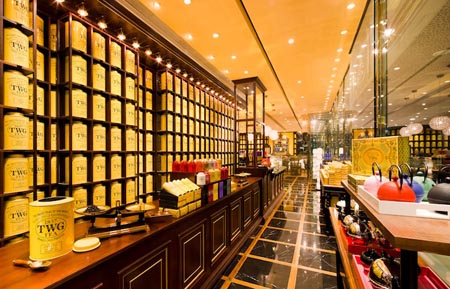
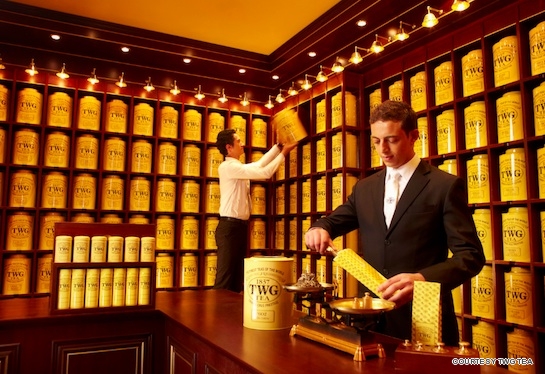
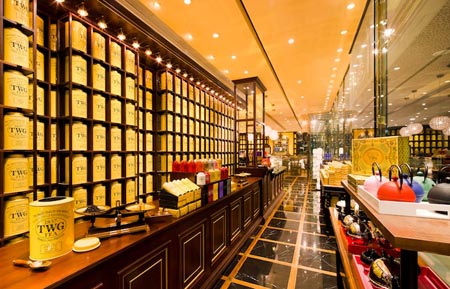
I went back to that high street a few years ago – a walk down memory lane. All gone, I am sad to report, their place taken by “boutiques”. As I survey high streets around Europe, it seems to me that no-one eats any more, they just dress. What saddened me even more was the disappearance of the tea emporium of which my grandmother had been a faithful client. Buying tea was not a task that she delegated to her grandchildren. It was a job for Grown Ups. But I did accompany her once or twice on her tea-buying expeditions. It was certainly a very majestic place. First of all, it was not a tea shoppe; this was not a place where one came to drink tea and eat cakes and sit about nattering. It was a place to buy tea – and not, God forbid, tea bags, but loose tea. One wall was covered with shelves holding large copper caddies which contained the teas. There was a series of counters in front of this wall, each carrying a set of old-fashioned brass scales, and the employees – all wearing white coats – would bring the caddies to the counter and reverently ladle the teas onto the scales. It was all very hushed and murmury. These photos give a sense of what greeted us when we entered the shop, although these are really altogether too modern and smart.

tea store-3-hk-1

measuring out tea-4-hk-1

My grandmother bought only one tea – lapsang souchong. This is one of China’s few black teas, some say its first. It comes from the Wuyi region in the southeastern province of Fujian. It has a very distinctive smoky flavour – which is not surprising since the leaves have been smoked over a pinewood fire.

lapsang souchong

My grandmother took her tea twice a day: at breakfast, which she always took in bed, and at 4 o’clock, which she always took in the living room. She drank her tea in porcelain cups with proper saucers and little spoons – no mugs for her.  She had some rather handsome cups and saucers with a Chinese design, perhaps not quite as handsome as this example:

cup and saucer-3She taught me her ritual for making tea, which I have since discovered was a bastardization of the complicated rituals used in China. First, warm the teapot by swirling boiling water in it, then add the leaves to the teapot and pour in a small amount of boiling water, just enough to cover the leaves. Leave them to soak for three minutes, and then add the remaining boiling water. One thing she did, which would have had all the Chinese tut-tutting into their tea, was to add milk and sugar, a habit which I have gladly embraced.

My wife first met my grandmother over a cup of her lapsang souchong tea. She was flying into Gatwick from Milan the autumn after we started going out together; after a day or two in London, we were going up to Edinburgh University. The plan was for me to meet her at Gatwick. In what was to become a regular feature of our married lives, I missed her. Disconsolate, I came back up to London, only to find wife and grandmother happily ensconced in the living room drinking tea.  My wife took a shine to my grandmother and I believe the feeling was mutual. My wife also took a shine to my grandmother’s tea, and later on, when we finally had some money in our pockets, we started to buy lapsang souchong.  But we have never been as rigid as my grandmother was. We drink lapsang souchong but also quite happily drink Twinings tea bags. And we don’t heat up the teapot before adding the leaves.

twinings tea bag

In my very first visit to Beijing, back in 2002, I visited – as was expected of all foreigners – one of the markets. In my case, I visited the pearl market where I actually bought my wife a string of grey freshwater pearls, for the first and probably last time in my life. When I saw a stall selling teas, on a whim I approached them and tried buying lapsang souchong. I mean, what better place to buy Chinese tea than in China, right? But they all looked at me blankly, shook their heads, and muttered “meyo, meyo” [no, no]. So I gave up; it must have been my tone-less pronunciation, I thought. And I had made the cardinal mistake of not bringing with me a piece of paper with the name written on it in Chinese, to show to my interlocutors and thus solve these little problems of tones or lack thereof.

Seven years later, we moved to China. The Empire of Green Tea.

green-tea

In the face of an ocean of green tea, my wife courageously set about finding a local source of lapsang souchong. Her first step was to visit a street listed in our guidebook as a promising source of tea. She took a pinch of our precious lapsang souchong along with her and went door-to-door showing it. “Meyo, meyo”, was always the answer. But she didn’t come back empty-handed. She bought this lovely stoneware tea caddy.

stoneware caddy

After this rather discouraging start, my wife took a break in the lapsang souchong search. To keep us going, we bought a large stock in Milan during our next visit there, in a little shop we know around the corner, and then in London when we visited our daughter six months later. The next round in the lapsang souchong search started when I found the name written in Chinese on the web. Armed with a piece of paper on which I’d cut and pasted the Chinese name, my wife sallied forth again. Surely that would do the trick, we thought. “Meyo, meyo” was again the discouraging reply.

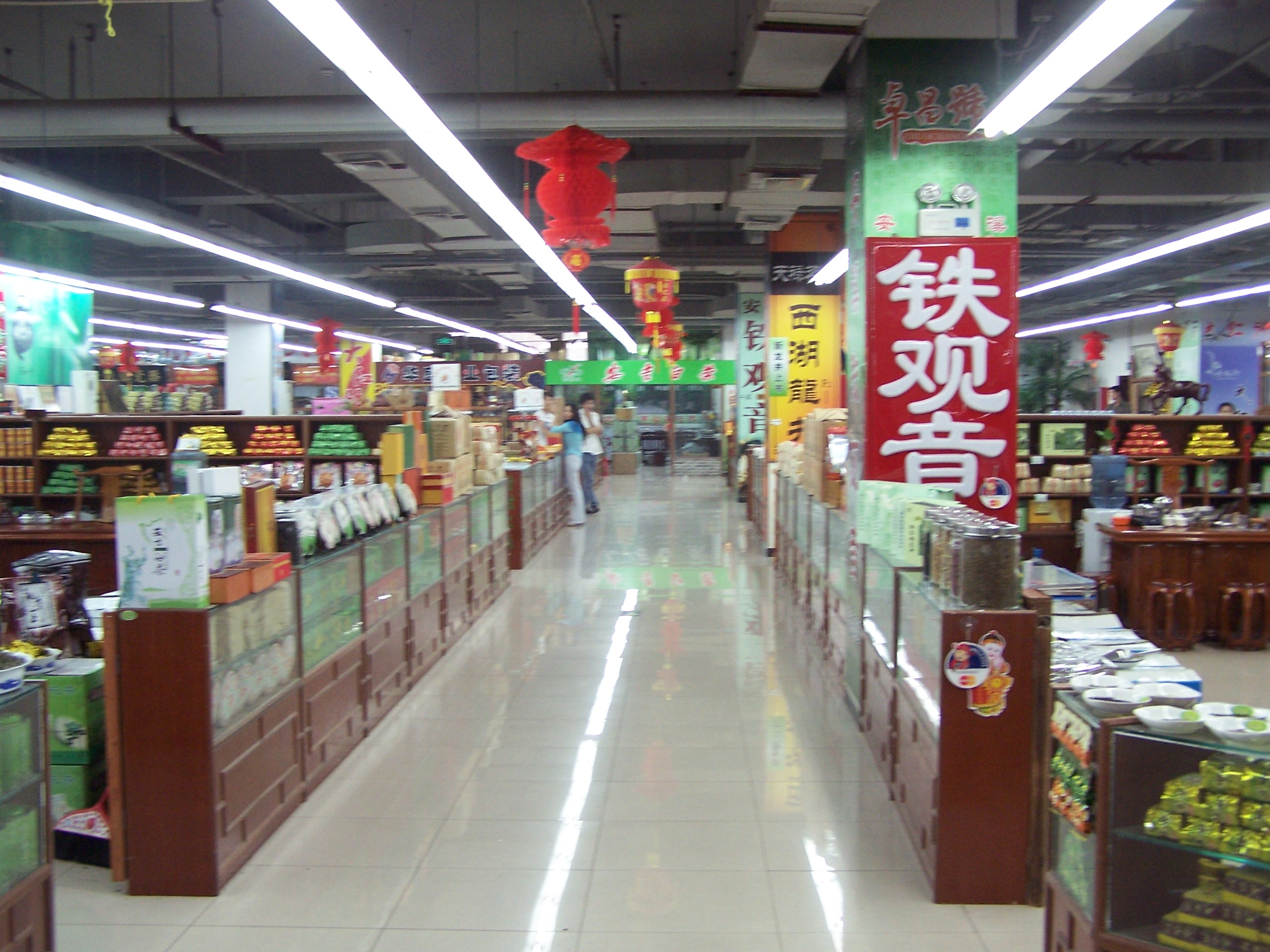
After yet another pause, we discovered Beijing’s tea market. This time we would succeed! Armed with a bag of lapsang souchong, a piece of paper with the name written in Chinese, and determined smiles, we marched through grand shops

beijing tea market-5

the supermarkets of tea

beijing tea market-3

and myriad poky little stalls

beijing tea market-1

showing everywhere our tea and our piece of paper. “Meyo, meyo” always came back the reply. But still we went on. Finally, a girl in a stall shook her head but made us understand that that shop down the hall there and to the right probably had it. With beating hearts, we made our way to the indicated shop and went through our little routine for the nth time. The two girls looked at us, looked at, felt, and smelled our  tea,  had a rapid-fire discussion, and then one of them went off. The other motioned us to sit down at the tasting table. The first came back with a package, shook some tea leaves out, and the second started the routine of preparing tea.

beijing tea market-6

After a little while, she offered my wife a small cup of the tea …

Meyo, meyo! It was, and yet it was not. We tasted it this way and that way, we gave some of ours to the girls so they could make tea with it. We compared. It was clearly of the same family, but it was not the same. Weaker it was, with less punch but also less sweetness.

Ah well, we can just keep stocking up whenever we go back to Europe and maybe, just maybe, before we leave, we’ll find a local source.

________________________

Tea store: http://3.bp.blogspot.com/-LrBKXYQoYaw/T557zpa75oI/AAAAAAAABNg/cjbSvJayuuw/s1600/twg-tea_hk-ifc_tea-boutique-01.jpg
Measuring out tea: http://sg.lifestyleasia.com/var/lifestyleasia/storage/images/media/images/import/article/33/image_339679-twg-tea-master-twg-tea/1837667-1-eng-GB/image_339679-twg-tea-master-twg-tea.jpg
Lapsang Souchong: http://www.chadotea.com/images/T-25-Lapsang-Souchong.jpg
Cup and saucer: http://p2.la-img.com/1870/37984/16159143_1_m.jpg
Twinings tea bag: http://1.bp.blogspot.com/-btpdmHKOX9w/T7dGdhyLXgI/AAAAAAAABdw/OvNObW_-3ck/s1600/IMG_2335.jpg
Green tea: http://www.allaboutladies.net/wp-content/uploads/2012/04/green-tea1.jpg
Stoneware tea caddy: my photo
Beijing tea market-1: http://www.beijingtravelhotelinformation.com/uploads/2009/0706/beijinghighlifeblogMountainTeaintheBigCity.jpg
Beijing tea market-2: http://shinshinshingan.files.wordpress.com/2010/11/jun14_tea_market_interior1.jpg
Beijing tea market-3: http://photos.travelblog.org/Photos/168424/660393/t/6550014-Of-all-the-tea-shops-0.jpg
Beijing tea market-4: http://media-cdn.tripadvisor.com/media/photo-s/03/11/1c/e0/beijing-culture-exchange.jpg

CAR COLOURS

Beijing, 2 March 2013

When we arrived back in Italy from the US in 1990, I was … underemployed, shall we say. So when I was offered a job to do quality control on a small landfill I agreed with alacrity. It was the first time I had ever worked on a landfill, and I hope it will be the last. Apart from the nauseous smells drifting up from all the rotting garbage, I was perpetually afraid I would leave my wife a widow and my children orphans. Methane was pouring out of that landfill and it would have taken only a small spark to send us all hurtling into the afterlife.

As you can imagine, this place attracted a strange bunch of people, from the drivers of the shovel scoops who worked all day on the open landfill cells to the guys the quality of whose work I was there to control; they were closing the filled cells, capping them, and inserting a methane collection system. We would all go down to the local restaurant at lunch – great food, by the way – and the shovel scoop drivers in particular always accompanied their lunch with copious quantities of the local wine. I made sure to give those people a wide berth when they working in the afternoon.

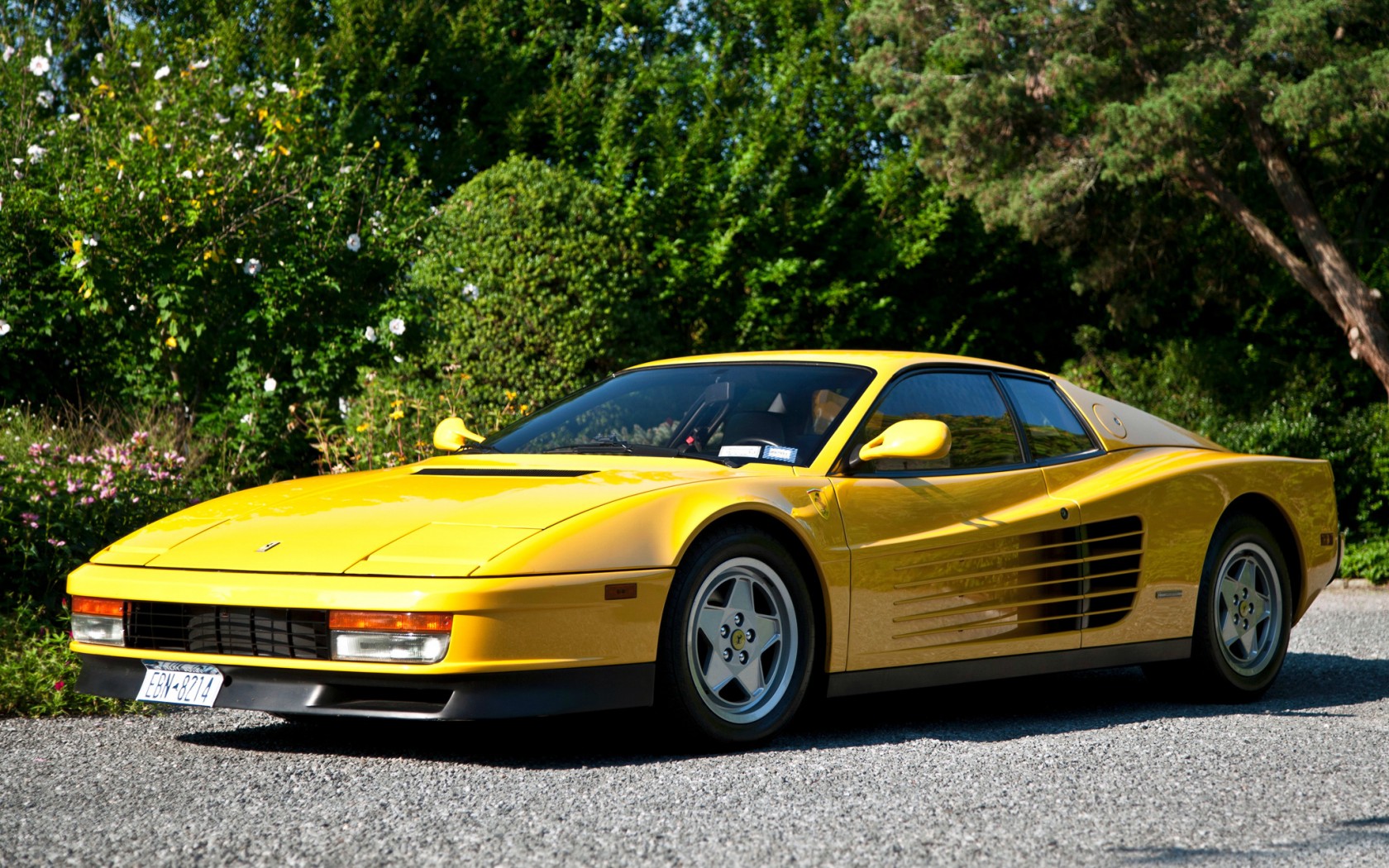
I got to be quite friendly with the leader of the team closing cells. He had worked on many different landfills and would regale me with tales of these jobs as we stood around waiting to check the work the others were doing. One day, he told me about this completely illiterate, uncouth man who owned and ran a modest landfill, and who made pots of money with it. The man lived in a house next to the landfill. One day, he invited my friend into the house and with a mysterious air took him to a room in the back of the house. The room had a curtain running across it, which, after turning on some strategically located spotlights, he dramatically drew. “That guy,” said my friend, leaning in “had a brand new, unused Ferrari Testarossa behind that curtain.” “Wow!”, I said. “And it was yellow!” he continued

Yellow-Ferrari-3

I was dumbstruck, and my friend nodded meaningfully. Yellow! Good Lord Almighty! Everyone knows that Testarossas must be red! Any other colour is … such bad taste.

red ferrari-1

Anyone who has watched Formula 1 races knows that red, and only red, is the Ferrari colour

ferrari formula 1 cars

(well, nearly only red). And it is red because before the war, when nations rather than car companies competed in Grand Prix races red was Italy’s colour (and green was Britain’s, while France was blue).

I was reminded of this terrible faux pas in taste a few days ago when, walking to work, I saw a baby-pink BMW parked on the side of the road.

pink-bmw

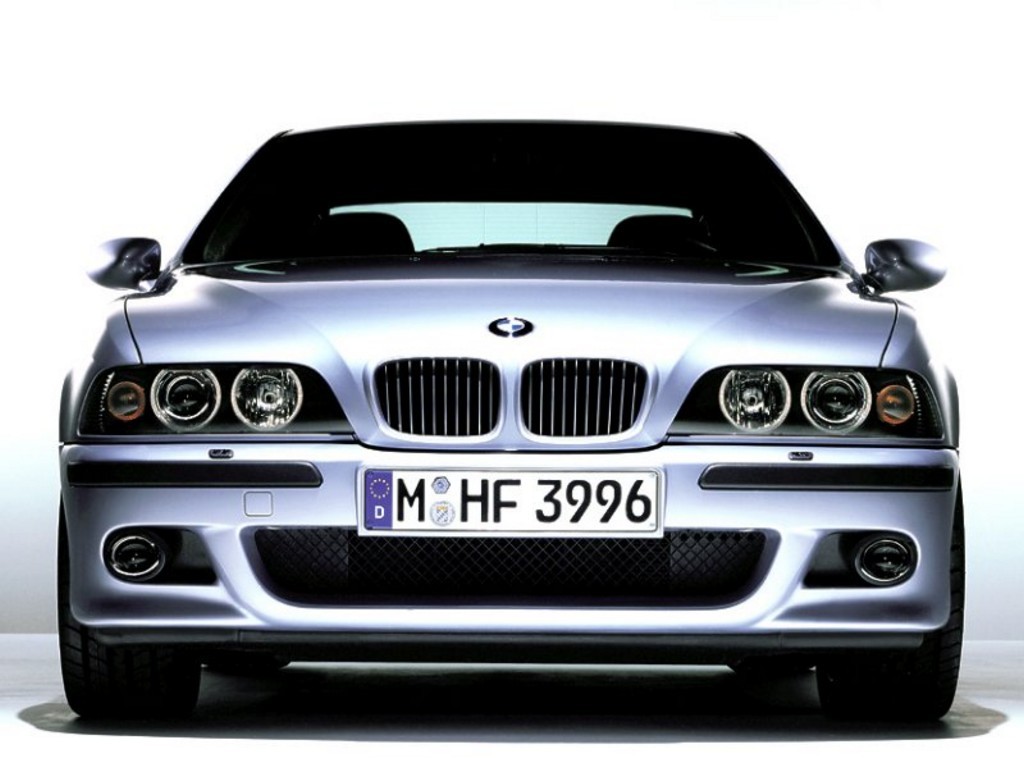
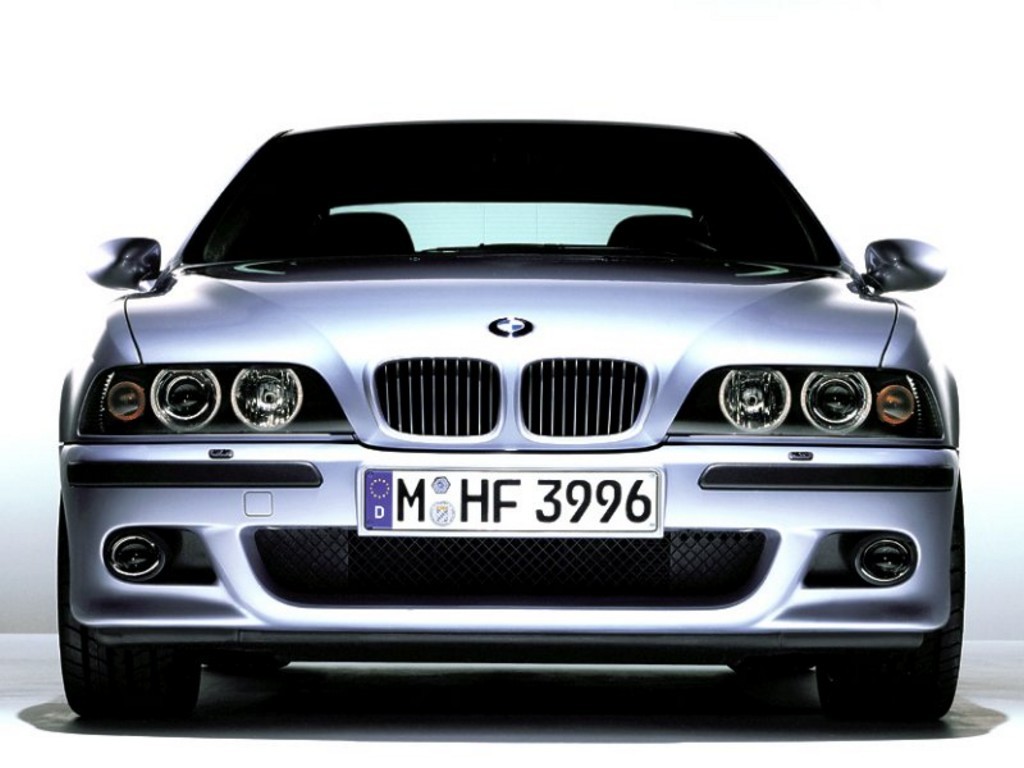
Baby pink! Everyone knows that BMWs should come in some shade of grey – because it’s just the right colour for this kind of highly tecchy car but also because grey became Germany’s racing colour in the 1930s.

grey bmw

I have to tell you that bad taste in car colour has touched even my family. When I was really little and we were living in Africa, my father had a typically English car, the Austin Hereford Saloon.

austin-3

So far, so good. But our car was … egg blue. I distinctly remember the colour. I liked it, but I was young. Now that I am a few years older and far wiser, I always ask myself: how on earth could my father, a sober, upright member of the community – just like the man sitting behind the wheel in the picture above – how could he have possibly chosen such a terrible colour? I never asked him and it is now too late, alas.

Now don’t get me wrong. I am not absolutely rigid about staying with the “normal” colours of a car. Take the Citroën Traction Avant, the French car that popularized the use of front-wheel drive. This car was manufactured from the mid thirties to the late fifties, so there were still lots of them around in France when I was growing up, and they were all, without exception, black.

citroen traction avant-2

I’m rather reminded of Henry Ford’s memorable quote: “Any customer can have a car painted any color that he wants so long as it is black.”

But now look at this example, which I came across – rather bizarrely – parked on the side of the road in Luang Prabang in Laos.

laos 225

That rich burgundy colour is really gorgeous. Every time we walked by it, I would stop to admire it. And one time, as we were walking towards it, the owner got in and drove off! I watched it lovingly as it moved sleekly down the road … although I really began to appreciate modern novelties like catalytic converters when the fumes from its exhaust nearly knocked us out.

_________________________

Yellow Ferrari: http://wallpaper.goodfon.com/image/287512-1680×1050.jpg
Red Ferrari: http://www.looksfeelsworks.com/wp-content/uploads/2012/09/ferrari-testarossa-1.jpg
Ferrari Formula 1 cars: http://upload.wikimedia.org/wikipedia/commons/thumb/f/f0/Ferrari_Formula_1_lineup_at_the_N%C3%BCrburgring.jpg/1024px-Ferrari_Formula_1_lineup_at_the_N%C3%BCrburgring.jpg
Pink BMW: my photo
Grey BMW: http://1.bp.blogspot.com/-rCuWvf1YiRs/Tx0vyO1Wy9I/AAAAAAAAAhg/wMJcA4t4zEU/s1600/bmw-car-front-view.jpg
Austin: http://nevsepic.com.ua/uploads/posts/2011-03/1299860301_4008697193_2eb0005cce_b_nevsepic.com.ua.jpg
Black Citroen traction avant: http://talk.newagtalk.com
Burgundy Citroen traction avant: my photo

HORSE AND DONKEY

Beijing, 1 March 2013

So The Europeans have their knickers in a twist about horsemeat in their beef, while the Kenyans are up in arms because donkey meat is being passed off there as beef. OK, it’s not correct to sell one thing under the guise of another, but horsemeat and donkey meat are actually really good. I first had donkey meat in a little restaurant along the Naviglio Grande, one of Milan’s canals

naviglio-grande

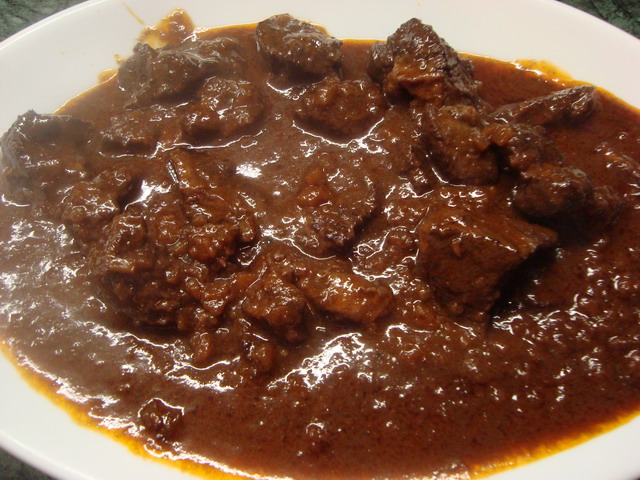
That night, the chef was serving what is a very typical Lombard dish, stracotto d’asino or donkey stew.

stracotto-dasino

And of course, as is de rigueur in a Lombard dish worthy of the name, it was served with polenta.

polenta-2

The combination is vital, because the firm flouriness of the polenta admirably counterbalances the sweet mushiness of the stracotto. Donkey meat, which is anyway sweeter-tasting than beef, becomes even sweeter in a stracotto.

Sweetness of taste is also a characteristic of horsemeat, which I first ate as a boy with my French grandmother. Boucheries chevalines, or butchers specializing in horsemeat, were very common in France when I was young; the French did not have the squeamishness of the English when it came to eating horse.

boucherie chevaline

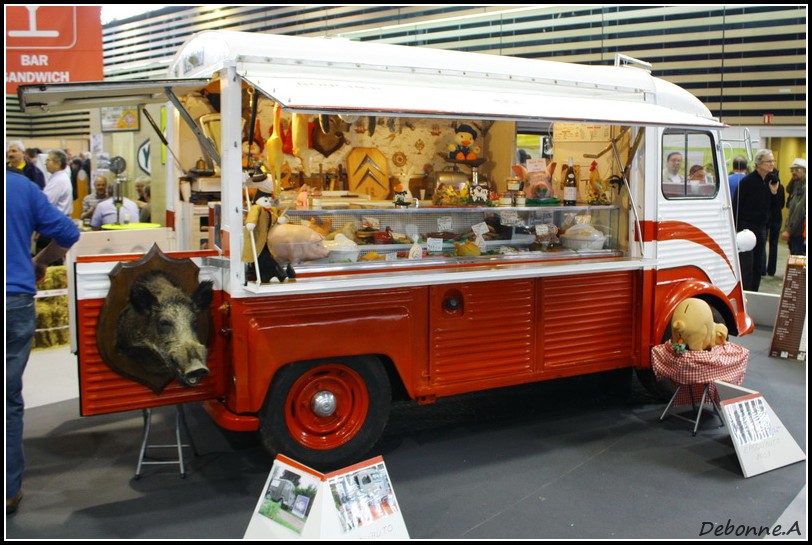
Horse was also cheaper than beef, so the poorer classes ate horsemeat. My grandmother was poor but had not been so when she was young, so she tried to avoid horsemeat and its suggestion of poverty. But from time to time, when the bank balance was a little low, she deigned to buy it. When we were in the house in the country, the butcher – and the grocer – came to us rather than us having to go to them. One of my boyhood memories is the insistent sound of a horn on the road outside, at which point a great cry would go up “the butcher [or the grocer, depending on the day of the week] has arrived” and there would be a frenzied gathering up of money, shopping lists and shopping bags, as my grandmother [or mother during the summer] was anxious to get to the road before the butcher [or grocer] drove off. I tagged along, loving the noise and drama of it all. I also was fascinated by these mobile shops, which looked somewhat like this:

citroen_h_boucherie

It was a Citroen van, which had been kitted out to open up on the side. The butcher [or grocer] would stand inside exactly as he would behind his counter in the shop. The photo is actually of a miniature model, which has been set up in a very realistic scenery; it certainly comes close to my memory of what awaited us when we got out onto the road. This a photo of the real thing, although this particular example has been gussied up for modern urbanites:

citroen_h_boucherie-2

And when my grandmother did buy horsemeat, she would cook it up as a steak, with home-made frites, or French fries. Horsemeat is a much darker meat than beef, as this photo shows:

horse steak

Well, now that I have confessed – cheerfully, I would say – to the heinous crime of eating donkey and horse, let me come completely clean and also confess to having eaten dog. In South Korea. Very delicious, as the Chinese would say …

___________________________

Naviglio grande: http://farm4.staticflickr.com/3087/2312319399_2401d37b1f_z.jpg
Stracotto d’asino: http://www.piaceredelgusto.com/wp-content/uploads/2013/01/Brasato-dasino.jpg
Polenta: http://www.italianfoodnet.com/uploads/img/news-polenta_taragna.jpg
Boucherie chevaline: http://www.lebouguen-lesbaraques.infini.fr/IMG/jpg/Boucherie_Lubin_au_Bouguen_Pepere_Mamie_Mr_Guyomard_et_Rosie_famille_Regine.jpg
Mobile butcher model: http://www.minitub43.com/IMG/jpg/2280.jpg
Mobile butcher: http://cmvmoto.free.fr/Salon%20Epoqu%27Auto%20Lyon%202011/Citroen%20Type%20H%20Boucherie_03.jpg
Horse steak: http://boucherie-cheval.fr/wp-content/themes/boucherie-chevaline/timthumb.php?src=http://boucherie-cheval.fr/photos-viande-cheval/Rond-de-tranche-de-cheval-viande-chevaline.png&w=600&h=180&zc=1&q=100

TOMATO

Beijing, 28 February 2013

Chinese food is great. No doubt about it. But tomatoes don’t figure very highly in Chinese cooking. In all those banquets I’ve been invited to, I’ve seen a few tomato slices swimming in soups and sauces, I’ve been offered a dish which seems to consist of scrambled eggs drowned in weak tomato sauce, and that’s it. Except for one more thing. Almost uniformly, at the end of the banquets, they insist on serving cherry tomatoes with the fruit! Of course, from a biological point of view they are correct, but everyone knows that tomatoes are a vegetable! I mean, the US Supreme Court decided so, in 1893, in the case Nix v. Hedden. And if the US Supreme Court has decided so, who are we to disagree?

Yet here I am again, faced with a plate of fruit on which sit a number of cherry tomatoes. As I moodily spear at the damned things, my thoughts float off to another place, to another country, where the tomato reigns supreme, cooking-wise.

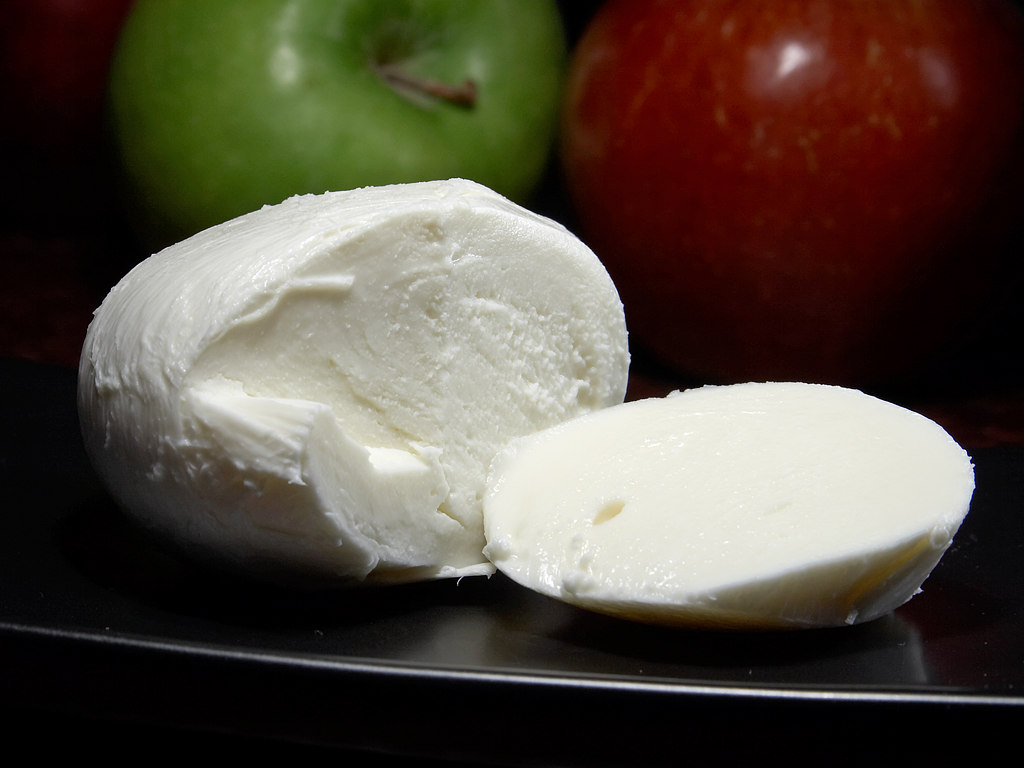
I dream of pizza, the simplest kind, pizza margherita. Just tomato sauce and mozzarella, with a basil leaf or two, no more.

pizza-margherita

I will accept a few more toppings, in a pizza quattro stagioni for instance. But I quite disapprove of a certain tendency to pour on the toppings. Keep it simple! Because the beauty of pizza is the marriage of the tomato sauce

passata di pomodoro-1

with the mozzarella

And not just any mozzarella. Mozzarella di bufala, mozzarella from the Italian buffalo, found only in the south of Italy

mozzarella-di-bufala-1

I keep on spearing my cherry tomatoes …

I dream of spaghetti al pomodorospaghetti al pomodoro-1

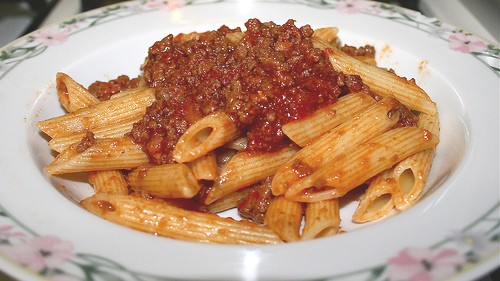
Or of penne al ragù

penne al ragu-1

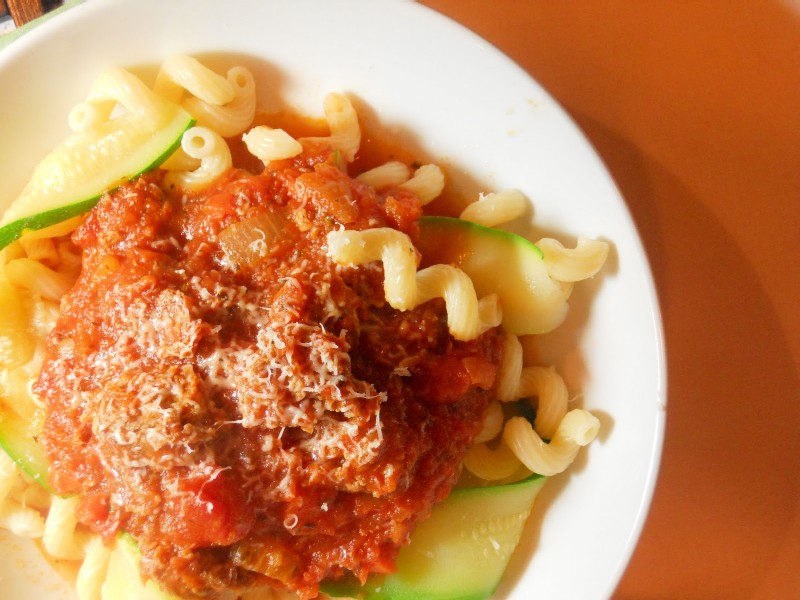
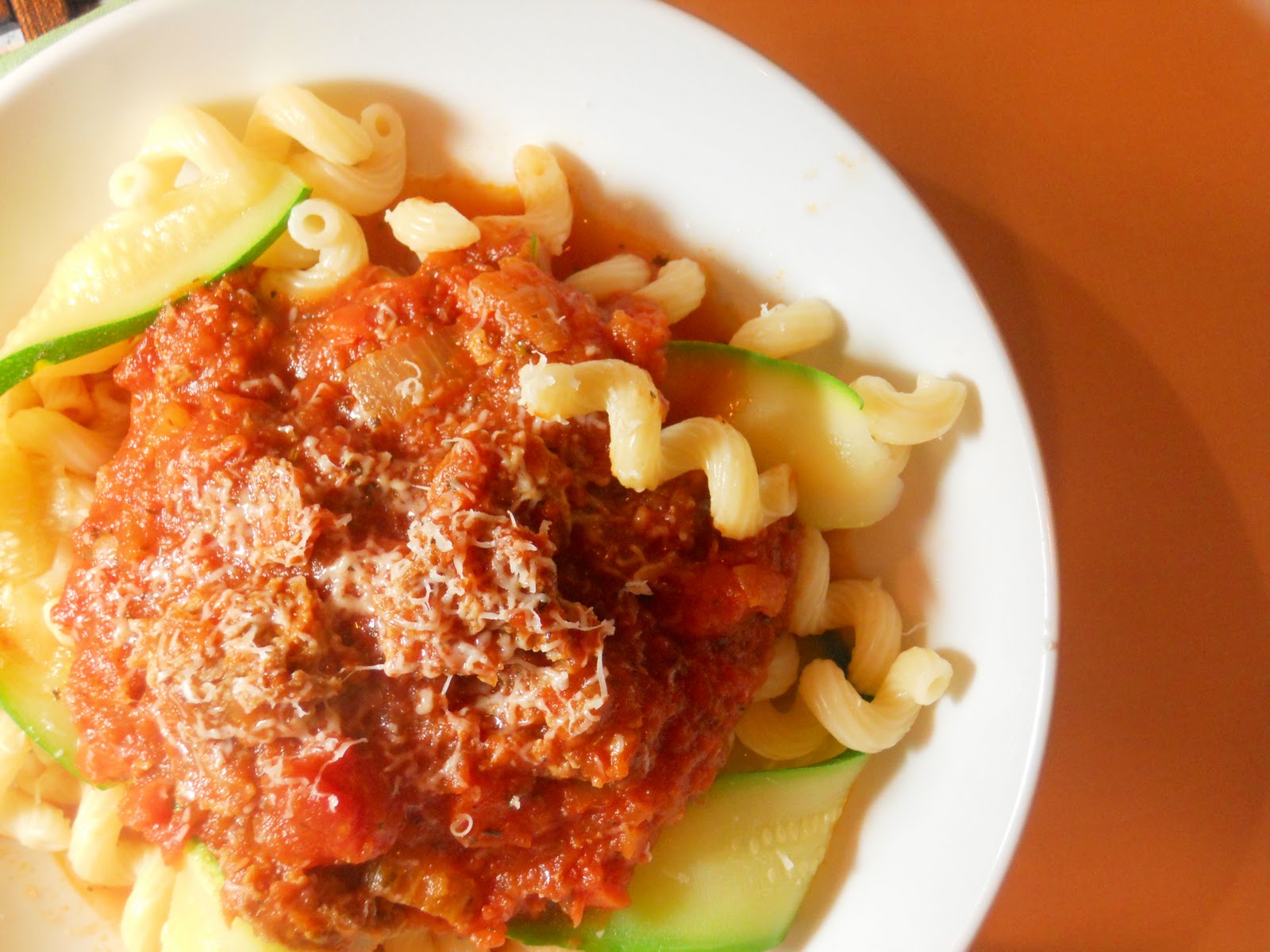
Or cavatappi

cavatappi

Or farfalle, or maccheroni, or tortiglioni, or conchiglie, or orecchiette

I begin to sweat.

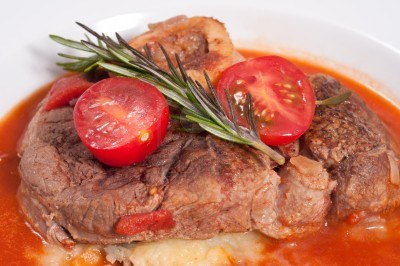
I dream of meats and fish in tomato-based sauces. Ossobuco

ossobuco-1

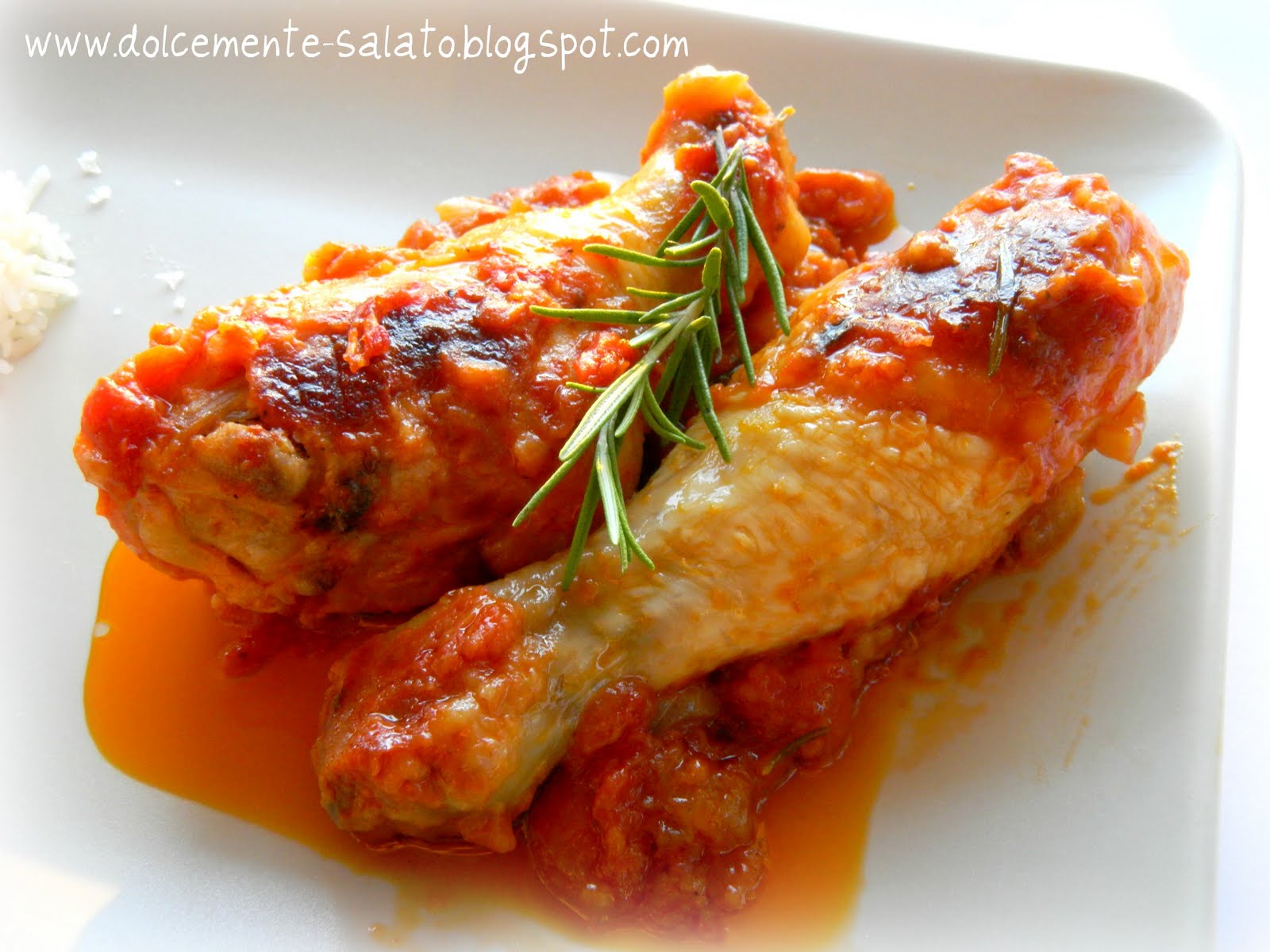
Pollo alla cacciatora

pollo alla cacciatora-1

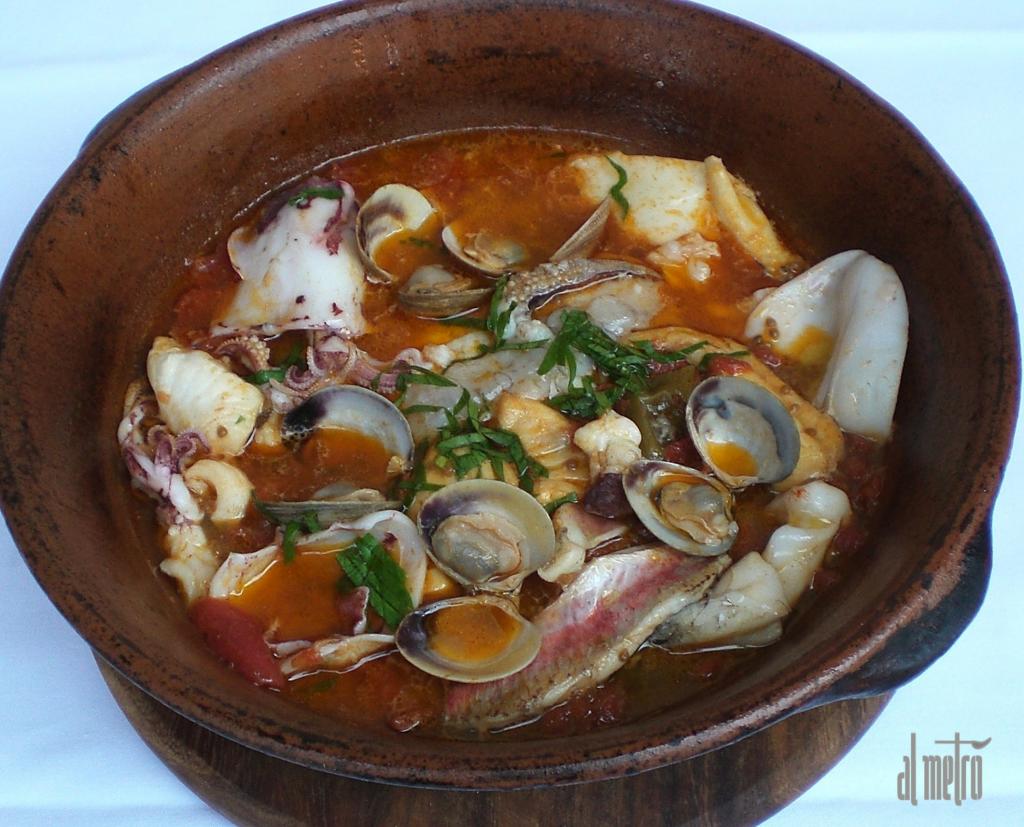
Brodetto

brodetto-1

I viciously stab the last cherry tomato on my plate.

It’s time for the final toast. We shake hands all around, we offer each other our gifts, and I head for the car.

Maybe I can persuade my wife to make me a small plate of spaghetti al pomodoro when I get home …

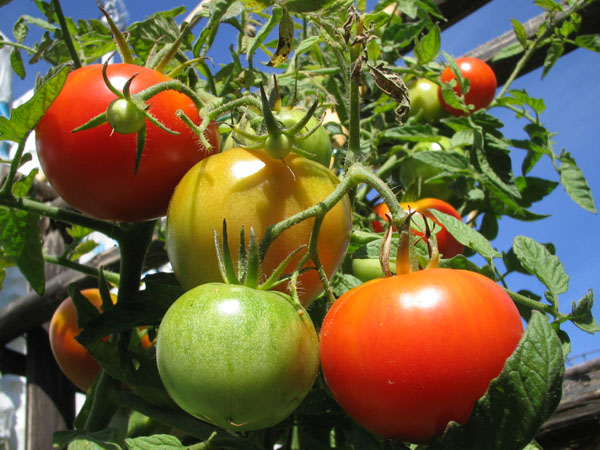
pomodori-1

_________________________

Pizza Margherita: http://www.epocaedesign.it/filealbum/349_1.jpg
Passata di pomodoro: http://static.multipino.pl/photoOffer/p/438910_p.jpg
Mozzarella di bufala: http://www.lucianopignataro.it/wp-content/uploads/2011/04/mozzarella-di-buafala.jpg
Spaghetti al pomodoro: http://www.pearlcafe.com.vn/menupic/SpaghettI%20chay.jpg
Penne al ragù: http://farm3.static.flickr.com/2765/4032992954_fd9232b230.jpg
Cavatappi: http://1.bp.blogspot.com/-Fbwd__6dPZA/TsKuYMX5skI/AAAAAAAAAJM/rxVZS1br_XU/s1600/capatevvi1.jpg
Ossobucco: http://us.123rf.com/400wm/400/400/photohomepage/photohomepage1201/photohomepage120100141/12533926-ossobuco-in-umido-con-pomodoro-e-rosmarino-e-pure-di-patate-e-salsa-di-pomodoro.jpg
Pollo alla cacciatora: http://2.bp.blogspot.com/-p_oIFRg7524/TkJE2h9eAjI/AAAAAAAAHPQ/ZdU5k1OMVl0/s1600/DSCN6153-.jpg
Brodetto: http://img1.2spaghi.it/ristoranti/img/big/al-metro-20091123-235147.jpg
Pomodori: http://www.assesempione.info/images/stories/gennaio2012/pomodori.jpg

FULL MOON

Beijing, 25 February 2013

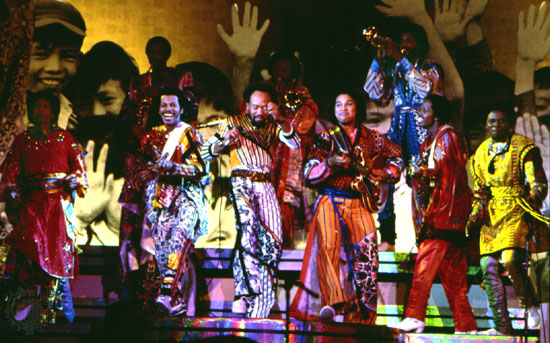
Yesterday started with my wife finally remembering a song that had been chasing around in her head all night: “September”, by Earth, Wind and Fire, whom we see here in concert:

earth wind and fire concert-1

This is a song from “our” generation; it came out in 1978. My wife tracked down a version of it on the web and promptly played it for the rest of the day. Now don’t get me wrong, it’s a great song – a feel-good song, my wife calls it – but after you’ve sung along with the refrain

Ba de ya – say do you remember
Ba de ya – dancing in September
Ba de ya – never was a cloudy day

for the fifth time, it begins to pall – at least for me. But not my wife. Mercifully, she had to turn it off when we went to bed, but then the fireworks, which had been grumbling along all day,

fireworks-5

began to build up to their final roar for midnight.

fireworks-6

Because, for those of you who do not closely follow matters Chinese, yesterday was the Lantern Festival, the last day of the Chinese new year celebrations, whose end is traditionally celebrated with an orgy of fireworks.

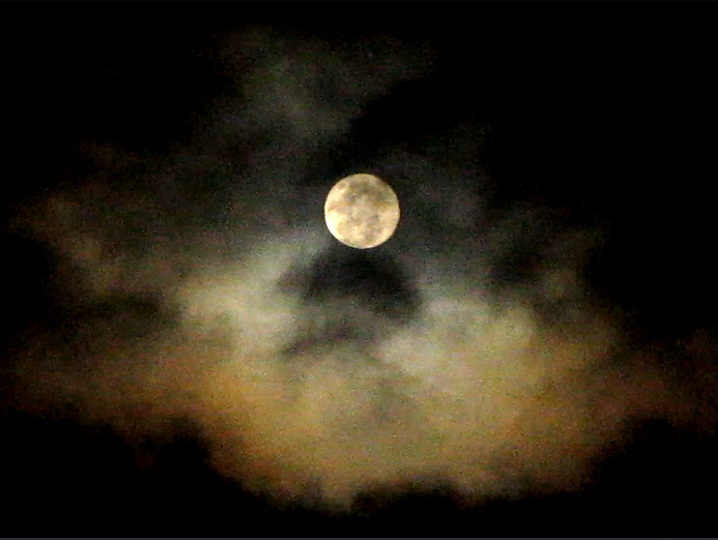
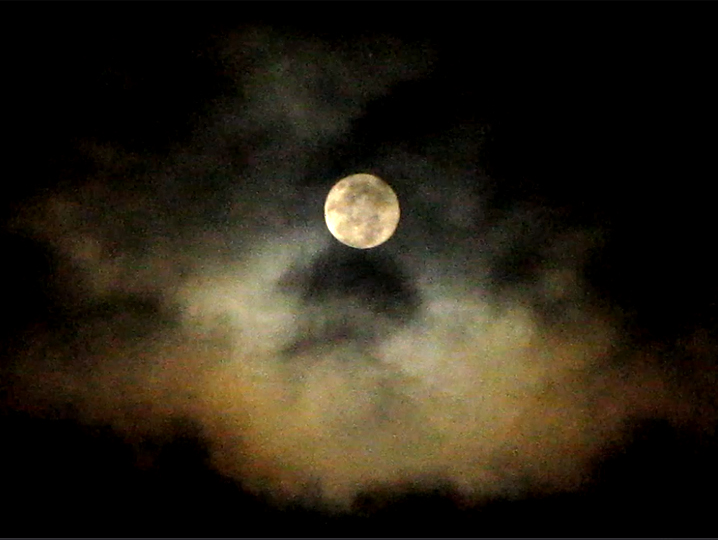
At one moment during the evening I slipped out to the local 7-11 to buy a bottle of our favourite wine (a Spanish tempranillo – but I digress). Coming back, I looked up and glimpsed through the clouds what all this sound and fury was all about: the full moon.

full moon-1

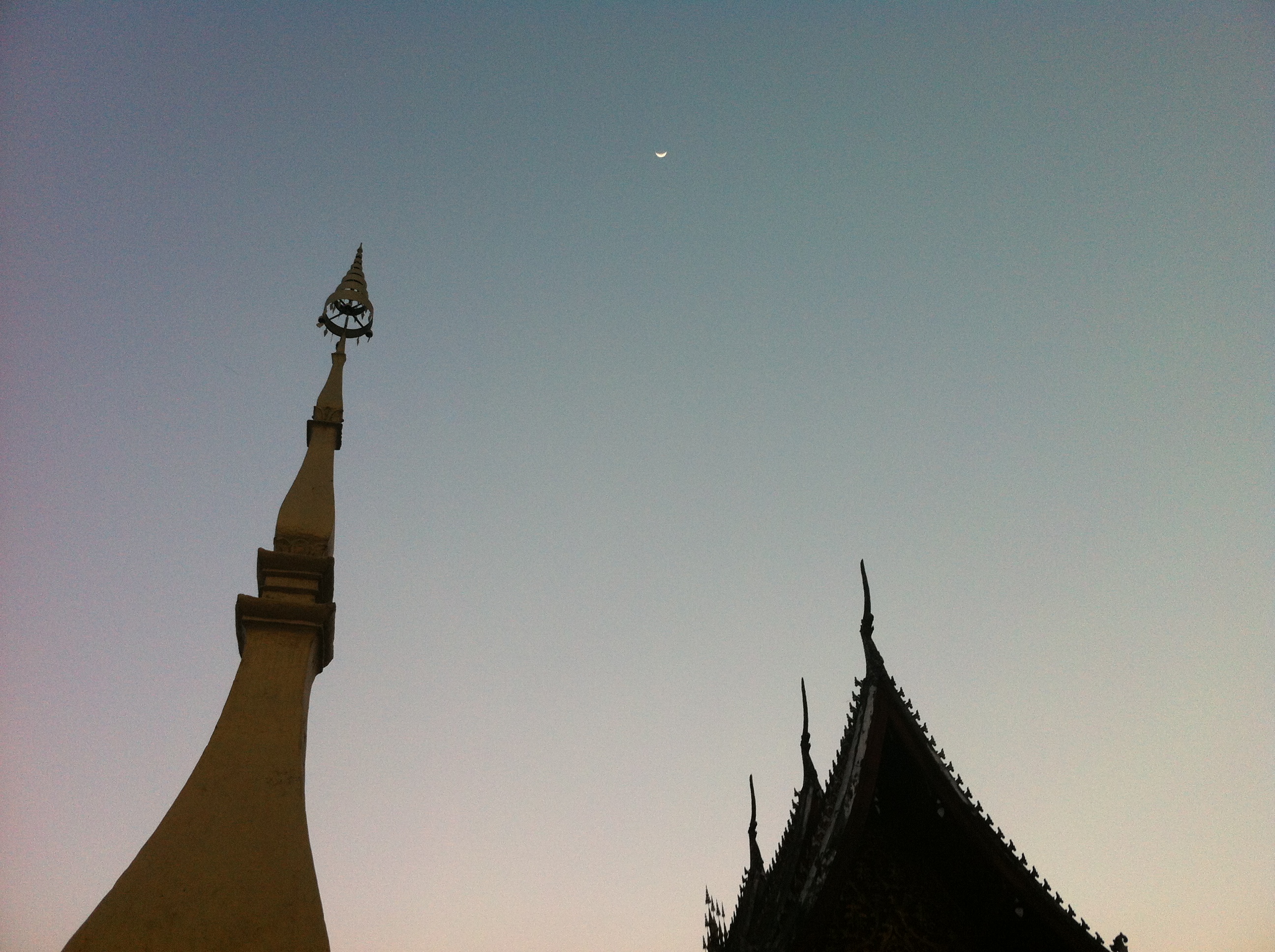
Because the Chinese new year is really a lunar festival. It starts on the second new moon after the winter solstice and ends 15 days later at the full moon. I had picked up the new moon – or newish moon; it had already waxed a few days – in Luang Prabang.

laos 499

And now I was seeing the full moon, shining serenely down on all this silliness.

A full moon is a beautiful thing. It certainly has caught the attention of many poets. A short search on the web brought to light at least 100 poems about the moon by well-known poets; Lord knows how many have been written by bad poets. But the poem which always comes to my mind when I see a full moon is not actually about the moon. I need to explain. One night in Vienna, I woke up and was enchanted by the brilliant nearly full moon pouring its white light into the bedroom. Two nights later, I was in Cambodia on the shore of the Mekong River. Looking up, I saw the full moon and thought to myself “This same moon will be shining down on my wife and children in a few hours” and found that thought immensely comforting. Now for the poem, which is by the Welsh poet Alun Lewis. He wrote it during the Second World War, when he was far away in India, in the city of Poona.

Last night I did not fight for sleep
But lay awake from midnight while the world
Turned its slow features to the moving deep
Of darkness, till I knew that you were furled,

Beloved, in the same dark watch as I.
And sixty degrees of longitude beside
Vanished as though a swan in ecstasy
Had spanned the distance from your sleeping side.

And like to swan or moon the whole of Wales
Glided within the parish of my care:
I saw the green tide leap on Cardigan,
Your red yacht riding like a legend there.

And the great mountains Dafydd and Llewelyn,
Plynlimmon, Cader Idris and Eryri
Threshing the darkness back from head and fin,
And also the small nameless mining valley

Whose slopes are scratched with streets and sprawling graves
Dark in the lap of firwoods and great boulders
Where you lay waiting, listening to the waves
My hot hands touched your white despondent shoulders

And then ten thousand miles of daylight grew
Between us, and I heard the wild daws crake
In India’s starving throat; whereat I knew
That Time upon the heart can break
But love survives the venom of the snake.

When I read the poem for the first time, I was reminded of that night in Vienna with its full moon. And now, when I’m far away from home and see the moon, I think of this poem and of my wife.

_____________________

Earth Wind and Fire concert: http://sharelike.me/image/pics/EarthWindandFireconcertPics1ApCC7Md5iwM.jpg
Fireworks-1: http://cdn.ph.upi.com/sv/em/upi/UPI-16811361735171/2013/1/9eb14390c758aeb27fd87349de4d55bc/China-celebrate-Lunar-New-Year.jpg
Fireworks-2: http://findlaydonnan.files.wordpress.com/2009/03/fireworks-to-celebrate-the-chinese-new-year-light-up-the-sky-above-beijing-china-on-january-26-2009-chinese-welcomed-the-arrival-of-the-year-of-the-ox-with-raucous-celebrations-on-sun.jpg?w=497&h=283
Full moon: http://3.bp.blogspot.com/-gY39tpbGmzg/TnLTHVEnSyI/AAAAAAAABaM/R2kBI2LddYg/s1600/Moon_Lantern_Festival.jpg
New moon Luang Prabang: my photo

COAL

Beijing, 23 February 2013

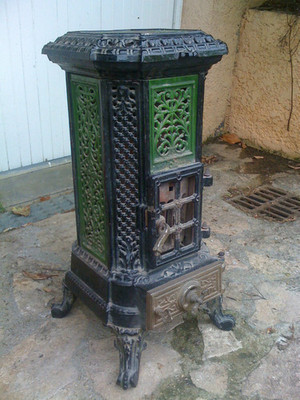
Whenever I visited my French grandmother at Easter, we used to stay in her house in the countryside. It was still cold enough for us to need heating, which meant that we spent much of our time in the living room, huddled around a venerable stove. It looked like this:

coal stove

although it had a chimney that came out of the back, which after a metre or so took a right-angle turn and exited through the living room wall.

During the day, my grandmother burned wood scrap – fallen branches, pinecones, bark, whatever lay around the garden after the winter storms – which she sent me out to collect on a regular basis. At night, though, she would load the stove up with coal, and it was my job to fill the coal scuttle. This meant taking the scuttle down to the cellar, where the coal was stored, to fill it up. This is what the scuttle looked like:

coal scuttle-3

I loved that cellar. It was really the ground floor of the house – there was a door at the back which gave onto the road outside. From the garden side, though, you had to open a door with a large key, of the kind gaolers had in medieval times, go down a few stairs past dark corners where all the garden utensils were stored, and through a second door into the cellar proper. And there, stretched out in the semi-darkness, was a world of enchantment. For starters, the cellar had a dirt floor, which gave it a very particular smell. Then all around, strange and wonderful things loomed out of the dark. The coal was stored in an untidy pile to the left of the door, and beyond it was an old wooden table on which were stored my grandmother’s cache of goat cheeses bought from a nearby farm, the bottled fruit which she prepared during the summer, and a small wooden barrel in which she made her vinegar. Wonderful, wonderful, that vinegar was! It seemed to me total magic that my grandmother would pour the local red wine in, let it stand for a while, and hey-presto! out came delicious vinegar. I tried making vinegar of my own decades later in Vienna. The results were … mixed, let us say. Next to the vinegar barrel was the wine rack, good rough Beaujolais wines from the local vineyards. Over on the cellar’s right were piles of wood, various pieces of old furniture, ancient utensils whose use I could not figure out, an old bike or two, some hay, and I don’t know what else.

I always spent a few moments poking around in the corners seeing what new things I might stumble across, before filling up the scuttle and hauling it back up to the living room. The coal was, of course, dusty and left all your fingers black, but it came in nice, neat egg-shaped pieces. I never thought about it at the time, but I suppose this was pulverized coal pressed and molded; I remember the mold lines running around the pieces. Here’s what it looked like, in a coal scuttle; really heavy to carry! (appropriately enough, this is a photo from a museum; we are talking history here):

As for my English grandmother’s house, it had no coal. The use of coal had been banned in London after the last big smog of 1952. I remember my mother telling us about that smog when we were children, how she had had to walk down the road and almost panicked at not being able to see a thing. Soon thereafter, my parents escaped to the sunnier climes of Africa where I was born.

london smog 1952

The house had no coal but still had a coal cellar, which was located under the pavement. A manhole in its ceiling had once allowed the coal-man to handily pour in the coal without coming into the house. My grandmother didn’t really use the coal cellar for much. The only thing I ever saw her put in there were the French cheeses which my father bought when we visited. He had a fondness for the smellier French cheeses like Roquefort:

roquefort

My grandmother, in true English style, detested smells, so she banished his cheeses to the coal cellar between meals. Lucky for her that my father didn’t eat the aptly-named Crotte du diable, or devil’s droppings!

crotte du diable

Truly, evilly smelly – in fact, it seems not to exist anymore, which is a tragedy because it tasted absolutely wonderful (you had to wash your hands very well after eating it, though …).

In any event, things changed and moved on. My French grandmother had a heart attack while picking strawberries in her vegetable garden and was eventually moved into a home, and the stove stopped being used. I came across coal one more time, at school, where we had an open fire in the school monitors’ room and a ration of coal to feed it with. The coal looked more like the stuff that’s dug out of the ground, rough chunks:

coal at school

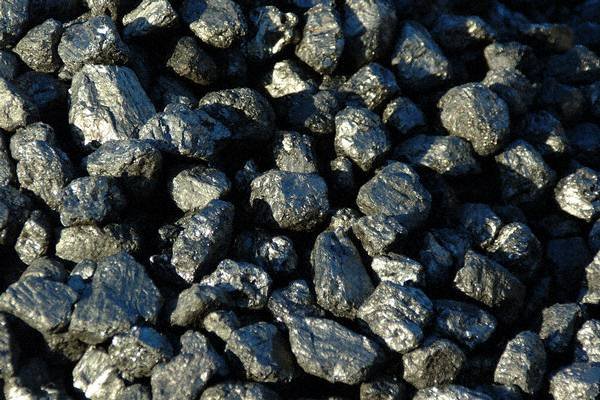
I liked to pick up a chunk and turn it in the light. Coal can be very beautiful, with black, glistening surfaces, reminiscent of obsidian:

bituminous coal

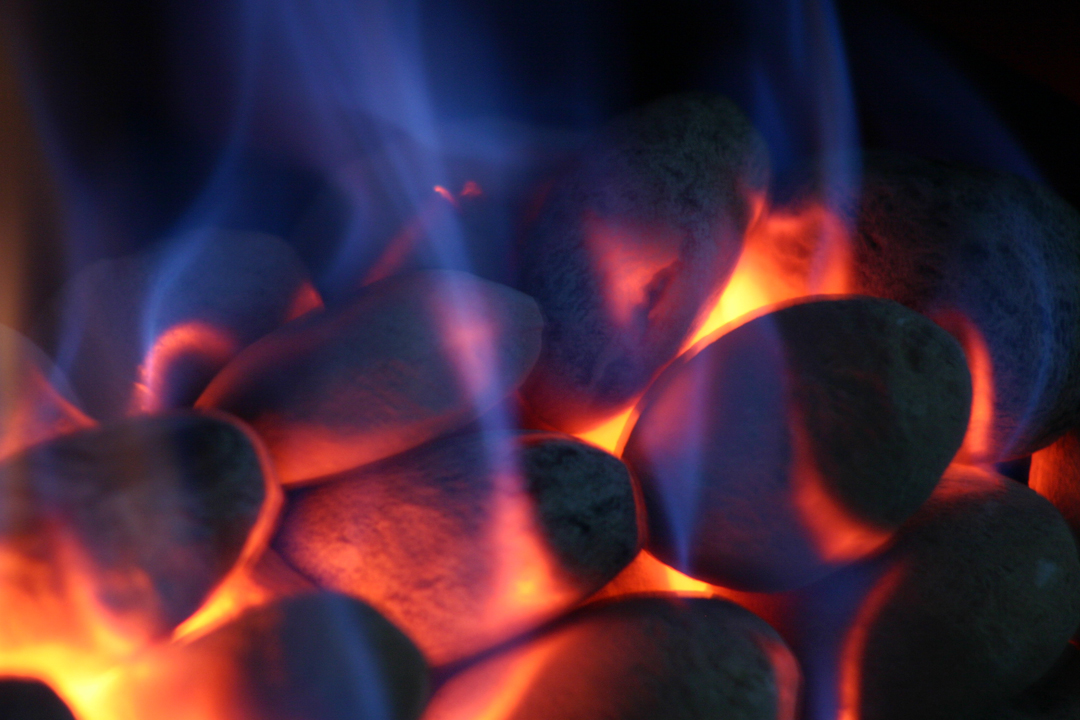
I also liked to sit next to the fire and gaze deep into the glowing coals rather than study for my A-levels:

glowing coal-2

which may partially explain why I didn’t do too well in my A-levels.

After that, coal disappeared from my life, as it did from the lives of all us in Europe.

Then we came to China.

Some statistics, courtesy of Wikipedia [1]: China is third in the world in terms of total coal reserves. It is the largest coal producer in the world, with the world’s largest (and deadliest) coal mining industry. It is also the largest consumer of coal in the world. Over half of the coal is used to make electricity, another third is used by industry, some is used in district heating plants, leaving a mere 3% to be used in residences. But you sure see that 3%.

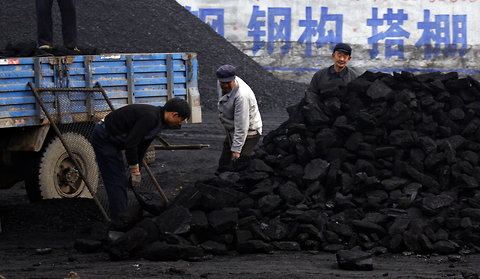
You see them shoveling up huge chunks of coal – I was astonished at how big the chunks are; they have come straight from the coal face – you see them trucking it around, and piled up in street corners.

china-shoveling coal

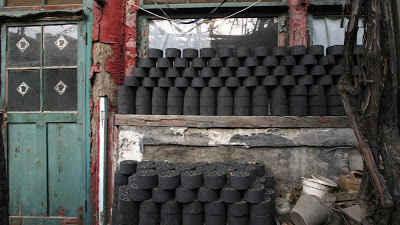
And more than anything you see China’s version of molded coal, which looks like this:

molded coal china-1

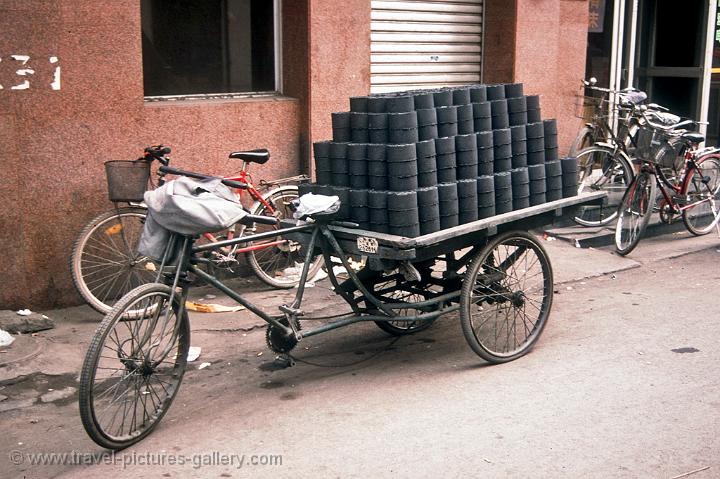
You see them transporting it around on the tricycles which I wrote about in an earlier post:

tricycle with coal

You see it piled up outside houses:

molded coal china-3

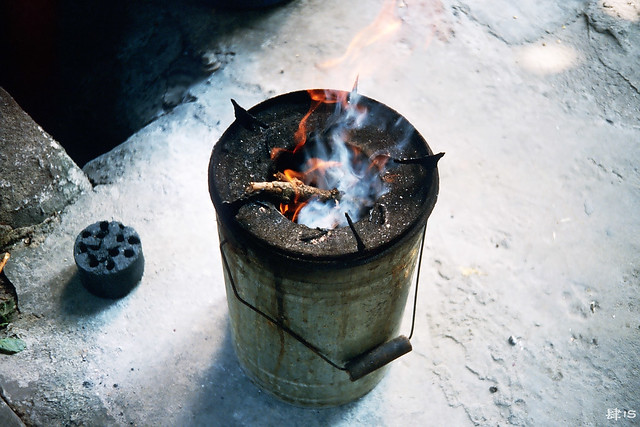
Then it’s burned in these special stoves:

stoves china-1

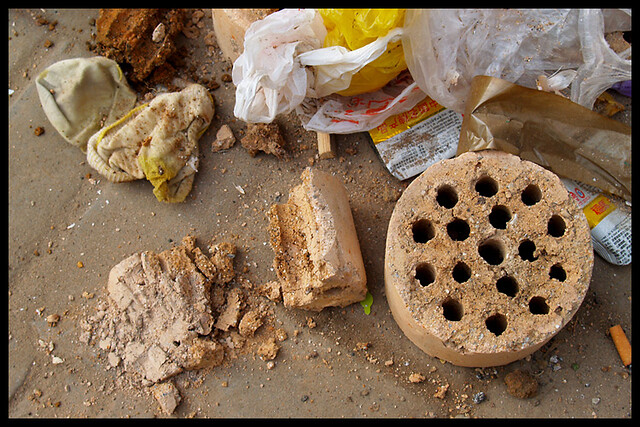
which leaves behind the consumed molds which you see in the bottom right-hand corner of the picture. Cities’ rubbish is littered with these discards.

molded coal china-consumed

All this coal burning leaves a taste in the air, a taste which instantly takes me back to my early years in the UK, when you would walk through a town or village and smell the sharp, acidic taste of coal being burned.

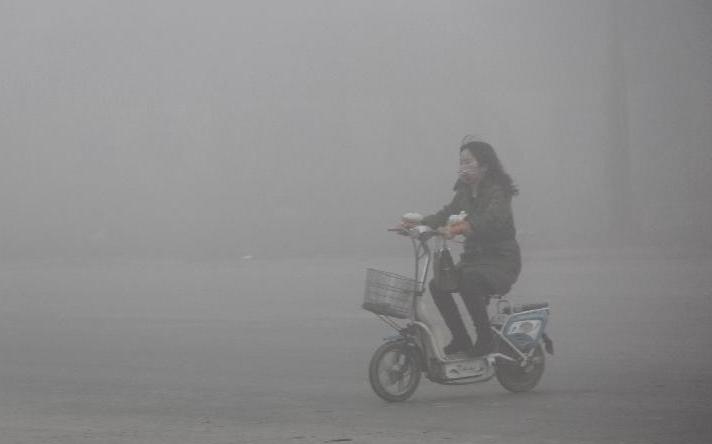
And it gives rise to smog:

beijing smog-2

Not much different from London’s smogs.

I’m optimistic. Like the UK did, China will eventually get rid of the smogs – probably by stopping to burn coal.

______________________

1. http://en.wikipedia.org/wiki/Coal_in_China

coal stove: http://img.fr.clasf.com/2012/11/22/poele-a-charbon-ancien-maill-20121122191235.jpg
coal scuttle: http://gillesrenaud9.free.fr/Seau%20%C3%A0%20charbon/P1050541.jpg
coal scuttle-fullhttp://a406.idata.over-blog.com/600×879/1/05/04/45/photos-blog-N-21/le-seau-a-charbon-boulets-musee-de-la-mine.jpg
London smog 1952: http://www.thefloridastandard.com/files/2013/02/smogdm1403_468x673.jpg
Roquefort: http://img.dooyoo.co.uk/GB_EN/orig/0/1/0/2/8/102828.jpg
Crotte due diable: http://i.ebayimg.com/00/s/MTYwMFgxMTgy/$%28KGrHqF,!iUE8cj4nvorBPVlcwEB,!~~60_35.JPG
Coal at school: http://i01.i.aliimg.com/photo/v0/112891981/Tissue_Paper_Coal_Palm_oils_Pail.jpg
Bituminous coal: http://www.ua.all.biz/img/ua/catalog/1865574.jpeg
Glowing coal: http://bargainsbegin.co.uk/wp-content/uploads/2013/01/Heater-3-edit.jpg
Chinese shoveling coal: http://graphics8.nytimes.com/images/2011/12/21/business/coal/coal-blog480.jpg
Molded coal China: http://lexpansion.lexpress.fr/pictures/1455/745377_des-briques-de-charbon-dans-un-commerce-de-huaibei-en-chine.jpg
Tricycle with molded coal: http://www.travel-pictures-gallery.com/images/china/beijing/beijing-0042.jpg
Molded coal China against the wall: http://4.bp.blogspot.com/-ASl1mhpkw5k/TkRxVCEtoII/AAAAAAAAA14/pgggOooaKE0/s400/Hutong%2Bcoal.jpg
Stove for burning molded coal: http://farm6.staticflickr.com/5164/5261127408_36ccd1d718_z.jpg
Molded in coal China-consumed: http://farm1.staticflickr.com/68/424608074_e7f49e2f9a_z.jpg?zz=1
Beijing smog: http://feww.files.wordpress.com/2013/02/china-smog-17feb2013.jpg

TEMPLES IN LAOS

Luang Prabang, 20 February 2013

I must confess to a certain weakness for the Buddhist temples in this part of the world. I first came across them nearly thirty years ago (Good Lord, is it really that long ago?) when my wife and I visited Japan. My photos of that trip are packed away with all the rest of our stuff in Vienna, so I’ve borrowed a few pictures from the web to refresh my memory, all from Kyoto, a wonderful place. This is Kiyomizu-ji.

kyoto-temple-1

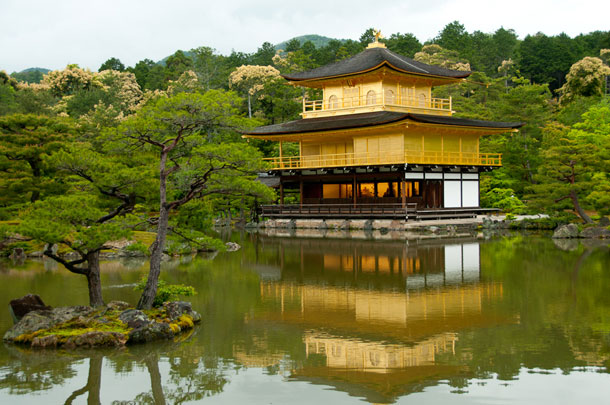
But probably the most iconic temple of them all in Kyoto is Kinkaku-ji, the Temple of the Golden Pavilion.

kyoto-temple-2

Look at that delicate architectural tracery embedded so naturally, so lightly, in the surrounding greenery.

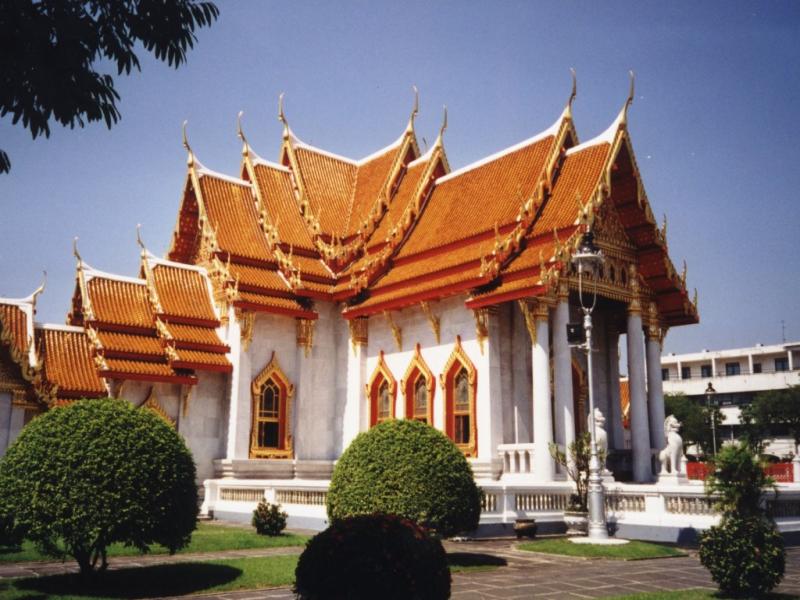
Many years later, my wife and I saw another style of Buddhist temple in Bangkok during a brief stay there on our way to Angkor Wat. This is Wat Benchamabophit:

bangkok-temple-1

And this Wat Ratchanatdaram:

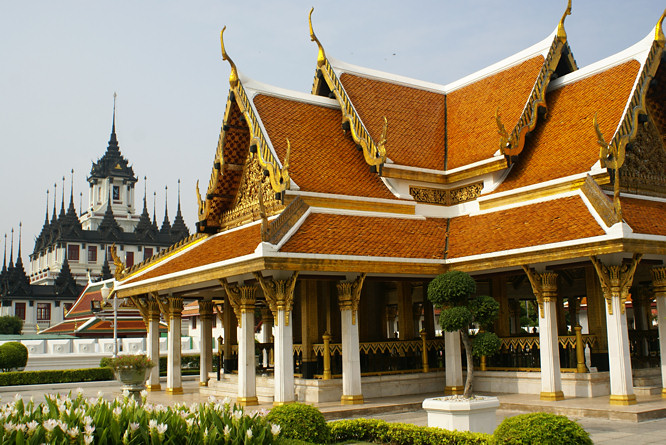
bangkok-temple-2

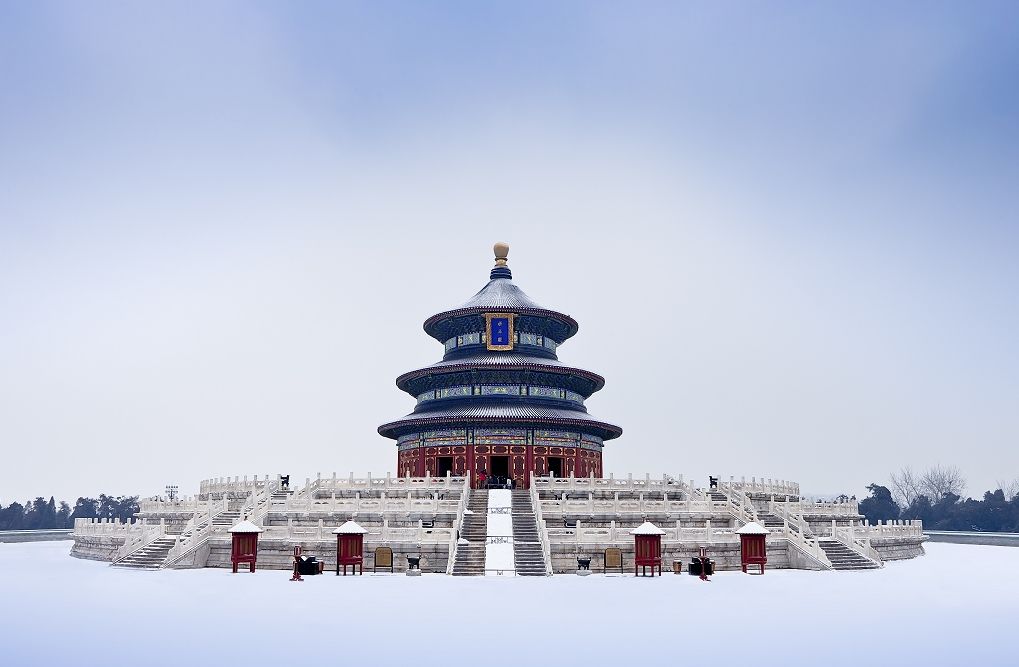
And then, once here in China, we saw yet another style, a heavier, more “imperial” style. The Temple of Heaven in Beijing is one of the nicer examples.

Temple-of-heaven-3

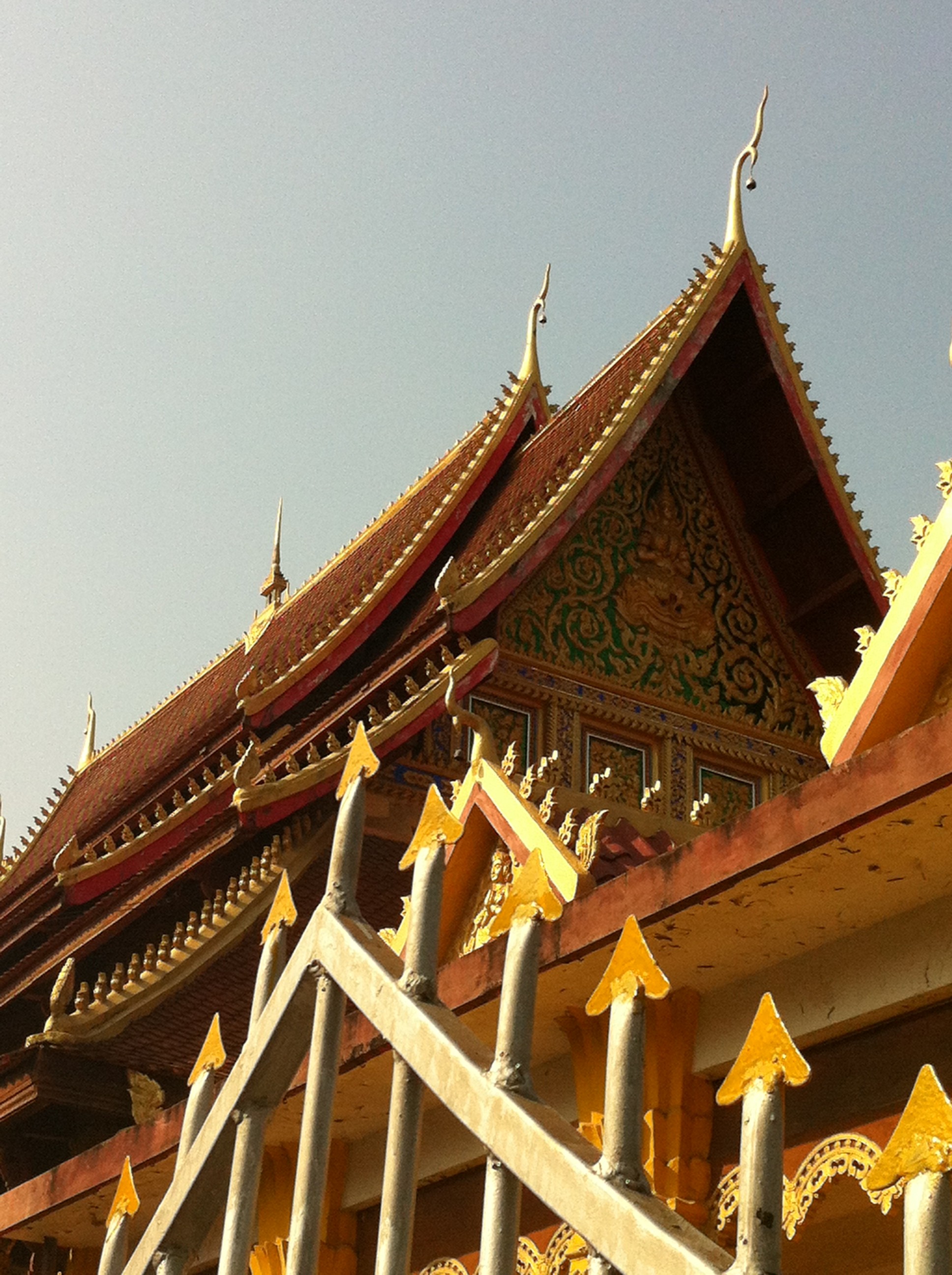
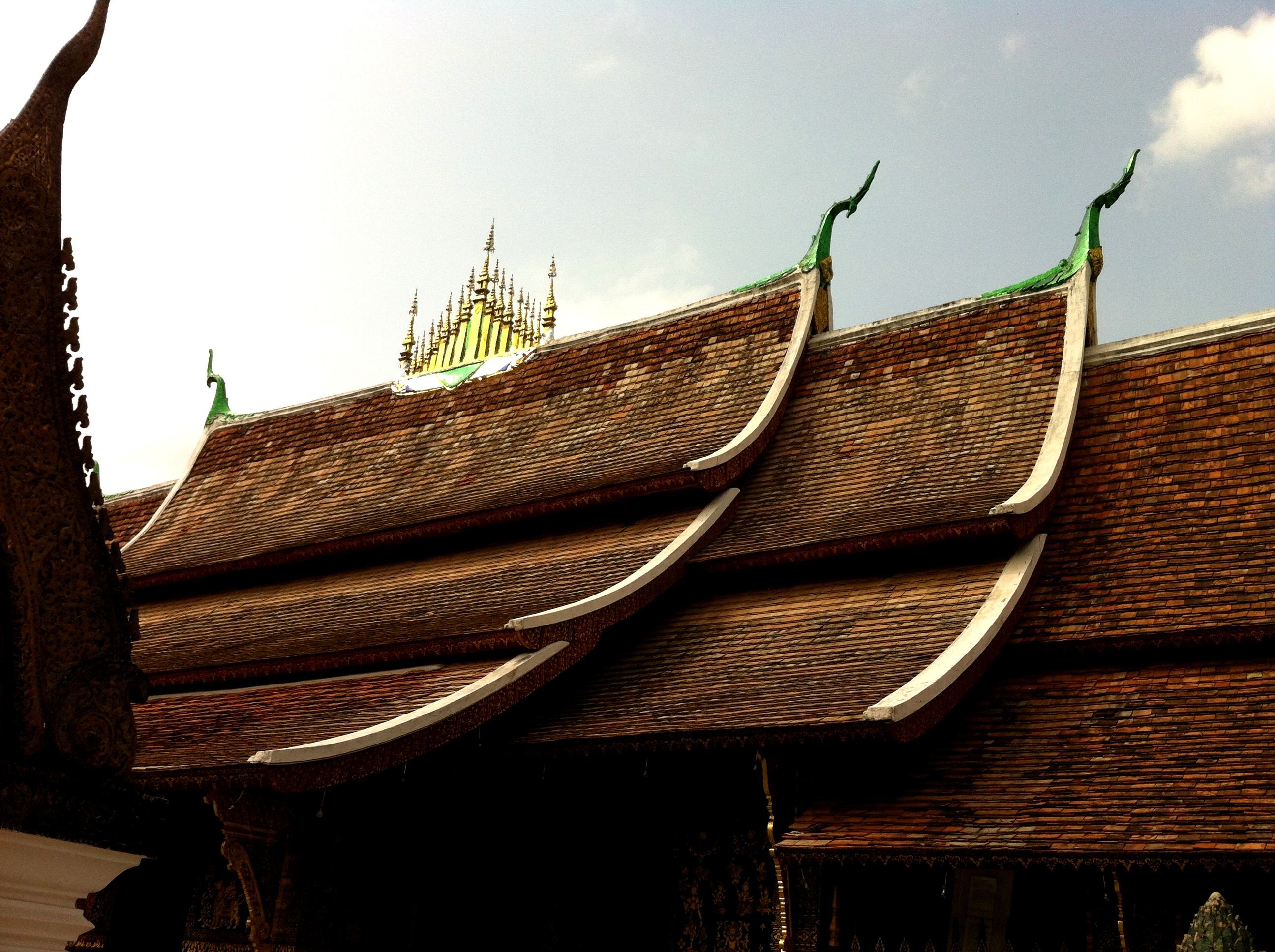
All quite different. But I think you will agree that there is a common thread: the raking of the roofs. I don’t know what it is, but this lift of a roof at its tip really gives a wonderful grace to a building, even a rather heavy, stodgy building like the Temple of Heaven.

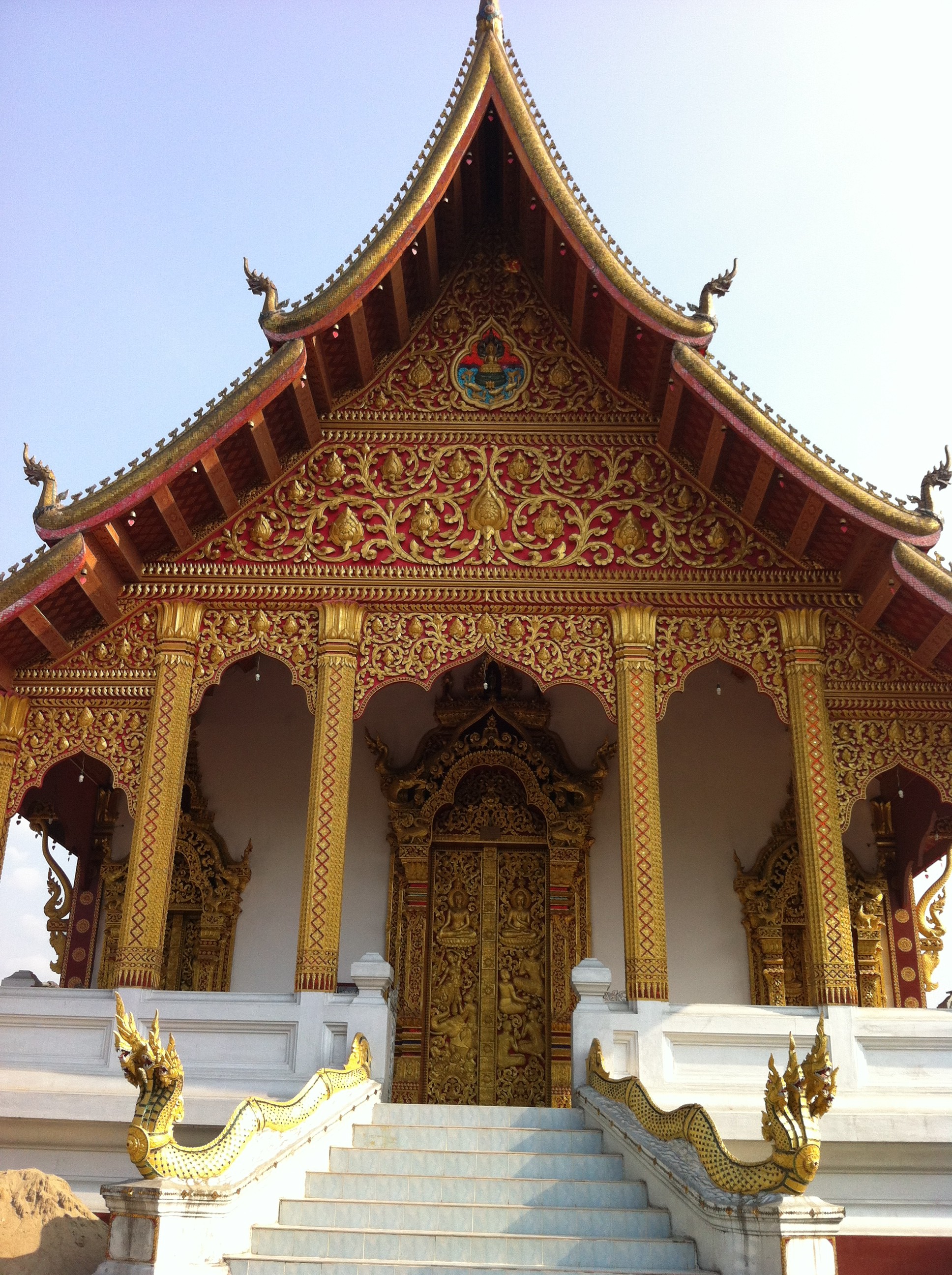
So it was with pleasure that we saw this again in Laos, first in Vientiane:

laos 076

laos 103

Then in Luang Prabang:

laos 287

laos 319

I saw other things that warmed the cockles of my heart, like this for instance:

laos 412

laos 405

This is where I can refer the reader back to my previous post. What we’re seeing is the similar use of paintings to educate the faithful in two places that are nearly 9,000 kilometres apart. The Italians have an expression for this, tutto il mondo è paese, the whole world is but a village; in the end, we’re all the same wherever we live. In the previous post, it was my young daughter who was illiterate. In this case, it was me – and alas, I had no-one who could explain the story which the paintings were telling.

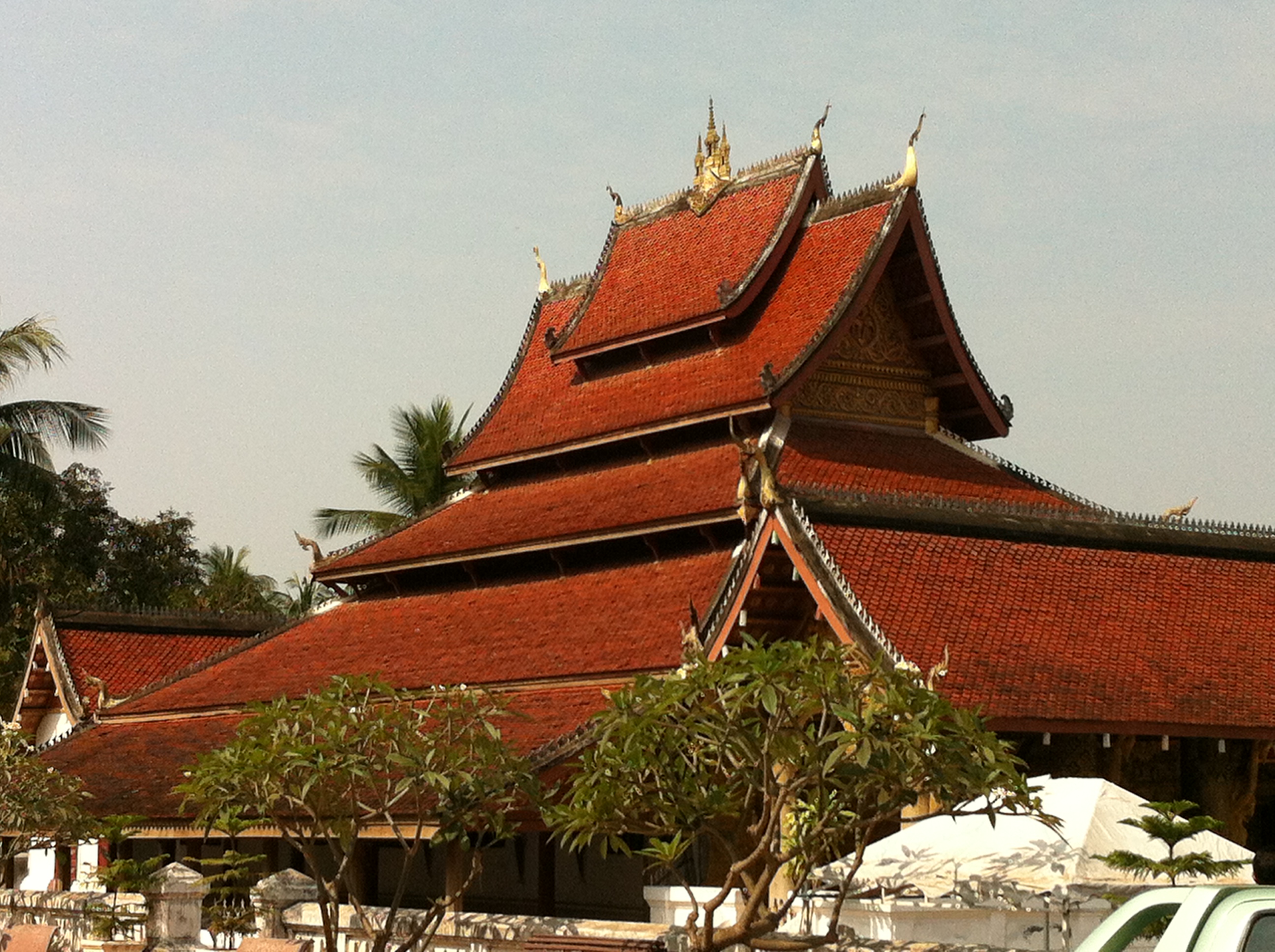
We also liked the way that the temples had different roofs piled one on the other.

laos 365

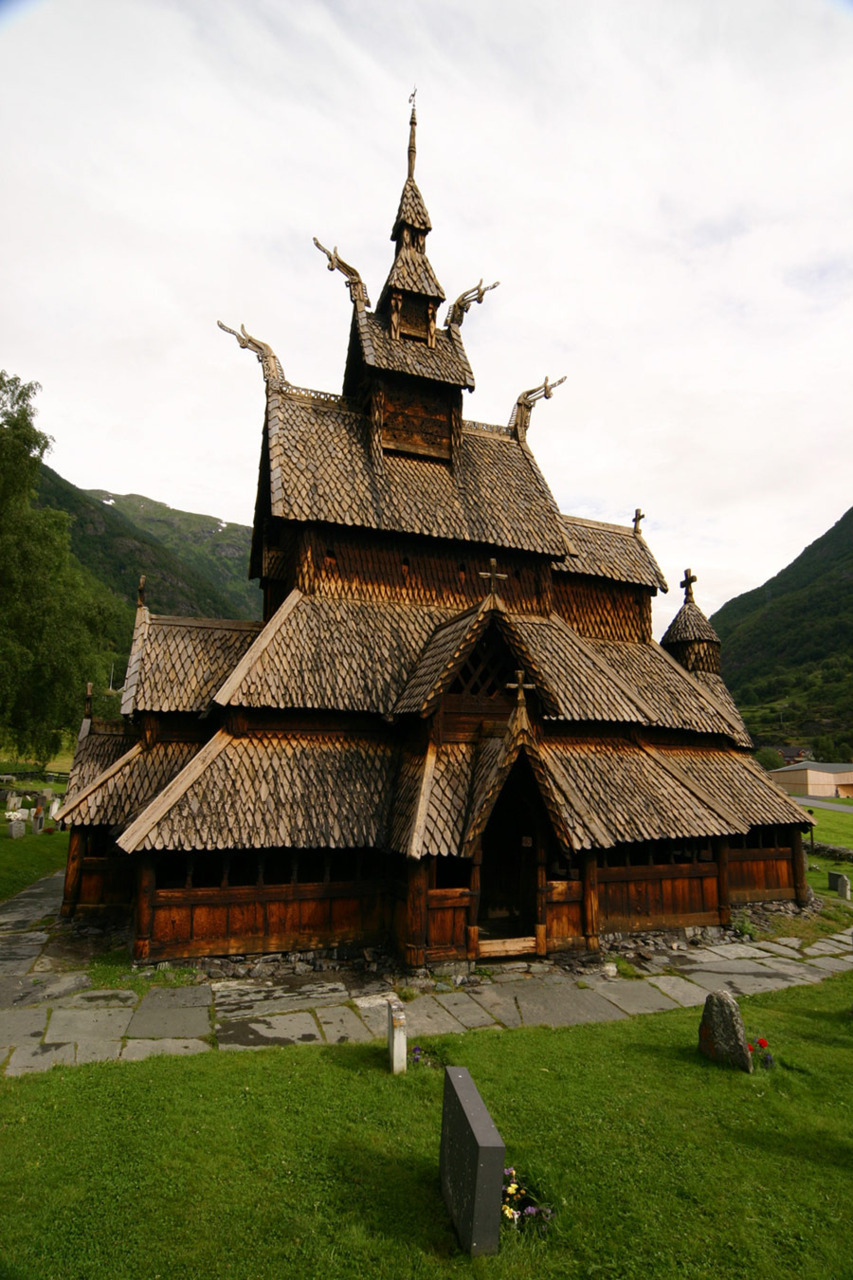
It quite reminded us of the stave churches in Norway, several of which we had visited some five years ago:

norwegian-stave-church

Tutto il mondo è paese.

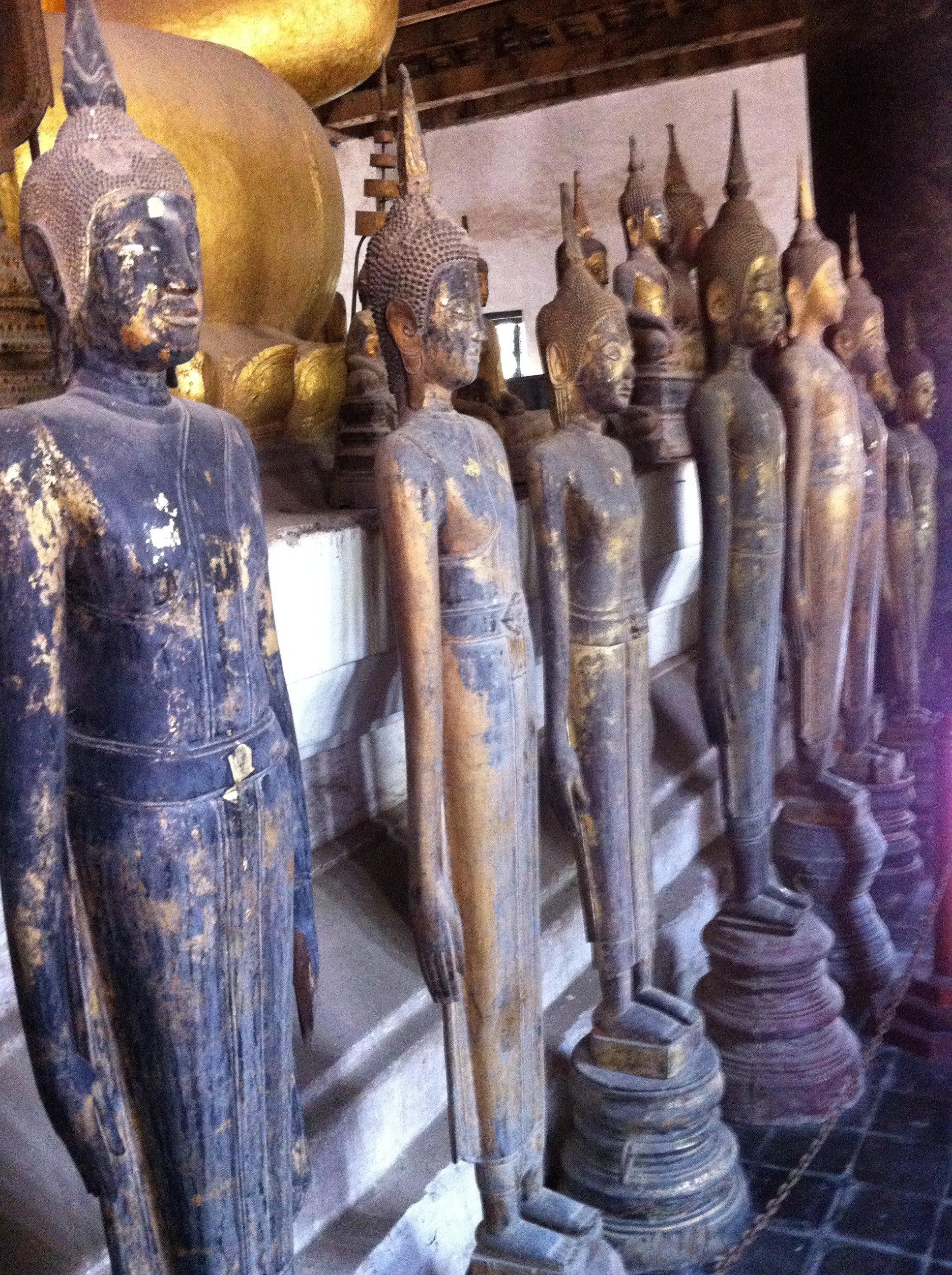
We also liked a certain set of Buddha statues that we came across. These are in the “praying for rain” position:

laos 382

And these are in the “no war” position:

laos 390

Well, I suppose that’s what we all want, isn’t it? We want to eat our fill and live in peace.

Tutto il mondo è paese.

_______________________________

Kyoto-temple-1: http://anime.aplus.by/uploads/posts/2011-01/1293979203_xigasiyama.jpg
Kyoto-temple-2: http://www.gadventures.com/blog/wp-content/uploads/2012/07/Kyoto_GoldenTemple.jpg
Bangkok-temple-1: http://misto-market.com.ua/turizm/images/interestplace/98/1.jpg
Bangkok-temple-2: http://travel-tips.s3-website-eu-west-1.amazonaws.com/holidays-Bangkok-Thailand-hotel-package-deal-travel-tips-guide-Wat-Ratchanatdaram-Temple.jpg
Temple of heaven: http://templeofheavenbeijing.com/wp-content/uploads/2011/11/Temple-of-Heaven.jpg
Norwegian stave church: http://25.media.tumblr.com/tumblr_llqkm5GrsA1qzxqgco1_1280.jpg

the other pictures: mine