PINEAPPLE

Beijing, 4 May 2013

Spring is also pineapple time in Beijing. Actually, pineapples play the function of daffodils here. They are the harbinger of Spring. Their arrival tells you that help is on the way, that the temperatures will soon be going up and you can soon start shedding your heavy clothes.

All of a sudden, in lateish March, a swarm of people, mostly migrant workers as far as I can tell, appear on every street corner with a mobile table top. Here is a photo of the young lad who has staked out the corner just south of the bridge over the canal, which I cross every day to go to work.

pineapple seller 002

The pineapple sellers use the tables to prepare their pineapples for sale. Because they don’t just sell you a pineapple – if you want that, go to your local supermarket. They will peel their pineapples, carve out the eyes (I take the term from potatoes; that is the closest equivalent I can think of)
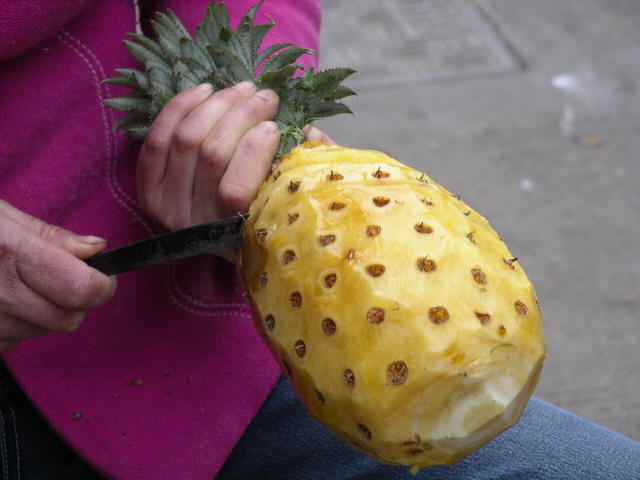
pineapple peeled

and sell them to you so prepared, lovely little yellow sculptures with whorls etched deeply into their surfaces.

pineapple unprepared and prepared

Pineapple prepared-01

In this last photo, the pineapple is shown off in a posh display case. In Beijing, as the sharp-eyed reader will observe in the first photo, the pineapple sellers normally put their product in cheap plastic bags – often yellow, which accentuates the yellowness of the pineapple’s flesh; a clever little piece of marketing. If you want, the sellers will go one step further and cut the pineapple up so that you can eat it as you walk along (they will thoughtfully provide you a thin, sharpened stick with which to spear the pineapple chunks).

My first meeting with the pineapple, when I was young, was out of a can, cored and cut into circular slices.

I have since learned that before the advent of large-scale refrigeration infrastructure, canning was the only way of transporting pineapple over long distances because pineapple doesn’t ripen if harvested green. A worthy reason, no doubt, but I was not impressed. I found canned pineapple cloyingly sweet and suspiciously soft. At some point, I discovered fresh pineapple; I think it was early in our marriage, when my wife brought one back from the supermarket. What a revelation! Firm flesh, sweetness with a slightly acidic taste which left a tingle in the mouth … a completely different experience. Since then, I have not touched the canned variety if I can possible avoid it.

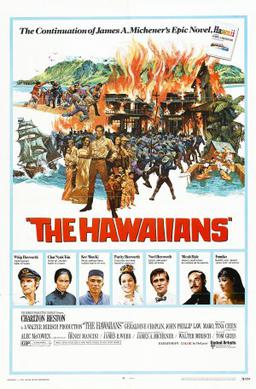
I read that pineapple canning was developed in Hawaii. Which clicks a memory of a film, seen late at night on the TV and with Charlton Heston as the main protagonist. A delve through IMDb reveals that the film in question was The Hawaiians.

The Hawaiians movie poster

Apart from vaguely recalling that the film had to do with the development of the pineapple industry in Hawaii, I remember two scenes quite well. One is a visit by Heston to an island used as a leper colony; anyone who has read the bible cannot but be aware of the terrible plight meted out to lepers, and I was shocked by the idea that still in the 19th Century people could just be abandoned on an island because they had leprosy. The second scene I remember is the heroine, a Chinese woman who had emigrated to Hawaii and whose common-law husband it was who had been banished to the leper island, standing at his grave recounting to him news of the family. I found that very touching – and saw the same scene being re-enacted just a month or so ago, when we visited a local cemetery during the tomb sweeping holiday!

Hawaii may have developed the industry but it no longer leads it. As in all things now, China is among the largest producers of pineapples in the world, growing some 1.5 million tonnes a year (for those readers who are, like me, interested in useless information, Thailand is currently the biggest producer, standing at 2.6 million tonnes annually). Here is a picture of a pineapple field in Guandong province.

pineapples in Guandong

The fruits look suspiciously bright, due no doubt to the photo having been doctored. Which – in a country of where watermelons have been known to explode in the fields because of overuse of growth-enhancing chemicals – made me wonder if the pineapple fruit itself is doctored. A little search confirmed my worst suspicions! Stuff called gibberellic acid is used to “enhance fruit growth”. Gibberellic acid! The name itself is a horror, whose ingestion I have no doubt will reduce me to a gibbering wreck. And it’s no good that an official review by the US Environmental Protection Agency soothingly concludes that “the uses of Gibberellic Acids, as currently registered, will not cause unreasonable risk to humans or the environment”. The weasel words are there: “as currently registered”. Here, where farmers just chuck stuff on their fields with wild abandon, that is a meaningless cautionary clause. This Gibberellic acid is a hormone! Lord knows what will happen to me now …

What is the world coming to, that you can’t eat anything without the nagging doubt in your mind that if you don’t die you will turn into some sort of extraterrestrial being?

______________________________

Pineapple seller: my picture
Pineapple peeled: http://jblankenagel.net/IMGP1648.JPG
Pineapple unprepared and prepared: http://us.123rf.com/400wm/400/400/sapsiwai/sapsiwai0512/sapsiwai051200027/286517-ananas-entier-au-dos-et-sculpte-dans-l-avant.jpg
Pineapple prepared-01: http://en.wikipedia.org/wiki/File:Pineapple_prepared_01.jpg
Canned pineapple: http://agriseafood.webs.com/Canned-Pineapple.jpg
The Hawaiians movie poster: http://upload.wikimedia.org/wikipedia/en/f/f3/Poster_of_the_movie_The_Hawaiians.jpg
Pineapples in Guandong: http://www.chinapictorial.com.cn/en/destination/images/attachement/jpg/site133/20120705/00247e701cc9115f7f8455.JPG
CHOCOLATE EASTER EGGS

Beijing, 31 March 2013

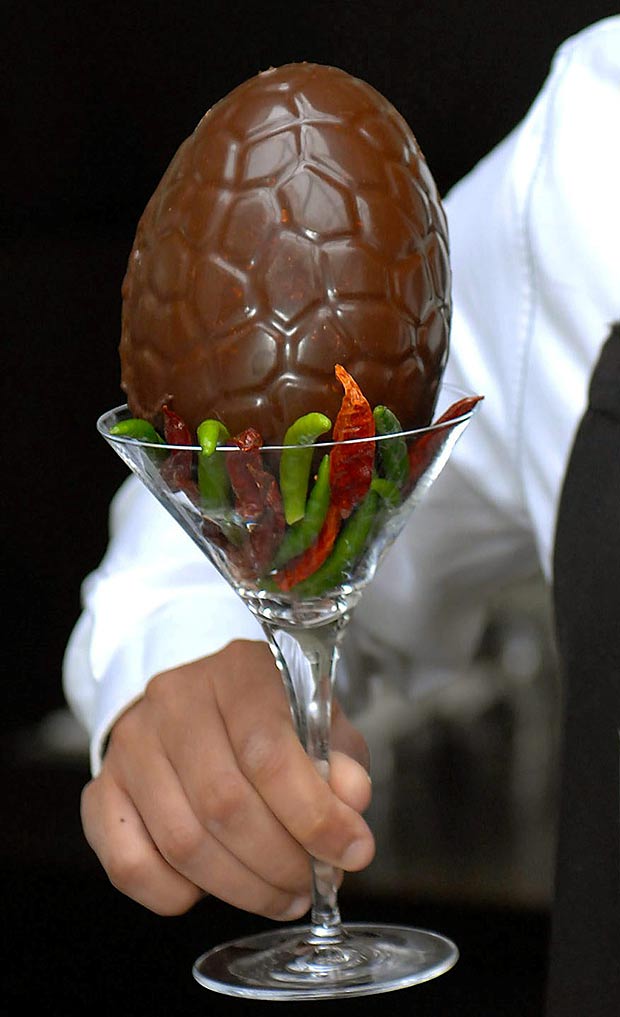
On this Easter Sunday, the newspapers (the English-speaking ones at least) have been afroth with articles about various Easter traditions. One of these is of course the Easter egg. I was particularly struck by an article on the BBC site about an Indian restaurant in the UK having made a series of chocolate Easter eggs with a mix of chocolate and three hideously hot chilli peppers: a ghost chilli, a scotch bonnet and a habanera chilli.

chocolate-and-chilis

The makers boasted that the resulting chocolate registered 1 million on the Scoville scale of hotness.  I have written a previous post on the use of hot spices; the readers of that post can imagine my horror when I read this article. But as I read and mentally shook my head, my mind drifted back to one of my earliest memories. I am a small child, back in Africa, it is Easter Sunday, we are in the garden. I am tugging desperately on my mother’s hand, I want to follow my older brother and sisters who are running through the garden looking for Easter eggs hidden by my parents. I guess she wanted to guide me to where they had hidden my eggs. I suppose she eventually was able to drag me in the right direction and I “found” the eggs, but that part didn’t imprint itself in my memory.

We weren’t looking for chocolate eggs. We were looking for real eggs, boiled hard and painted by us children. This was the family tradition; we children painted a couple of eggs each, and then our parents hid them for us to find. A trawl through the internet shows that the painting of Easter eggs is not a dead art.

painted easter eggs-2

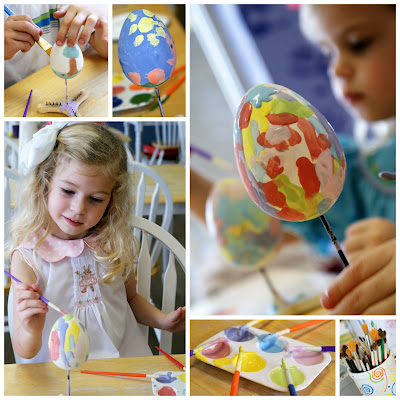
although  I think the following pictures give a better idea of what our eggs no doubt looked like and how they were painted.

Children painting eggs-1revised

Children painting eggs-2

Once we left Africa, we no longer had a garden in which to hide the eggs. Anyway, I think we adopted the new ways of doing things and bought chocolate eggs. One could buy very fancy chocolate eggsChocolate-Easter-Egg-fancy

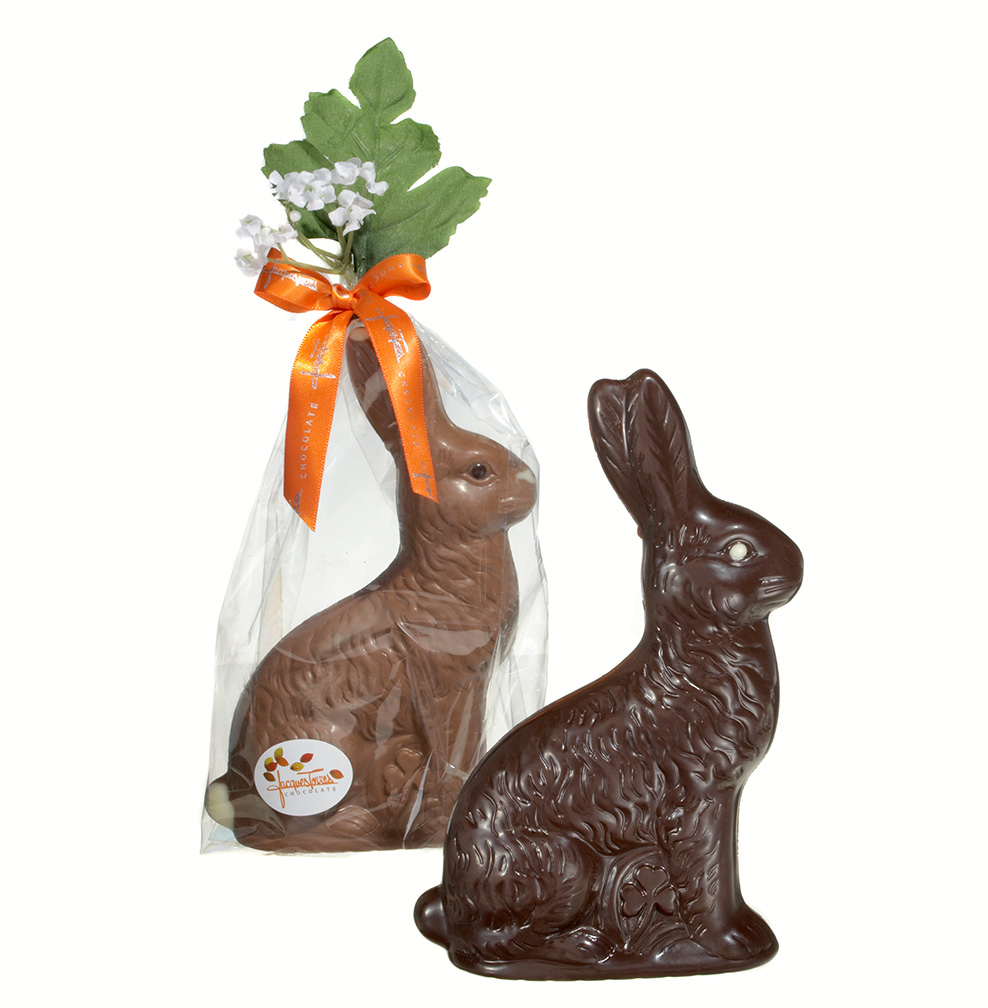
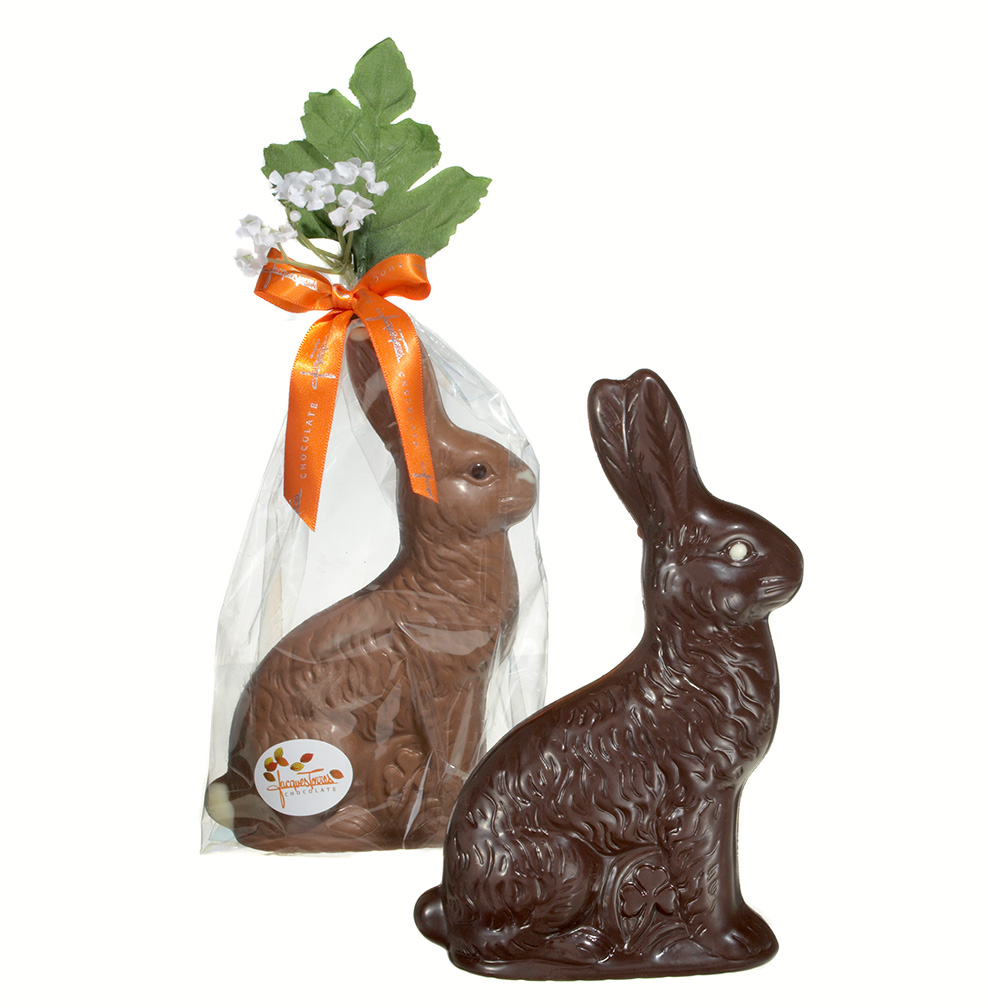
along with fancy chocolate rabbits

Chocolate-rabbit

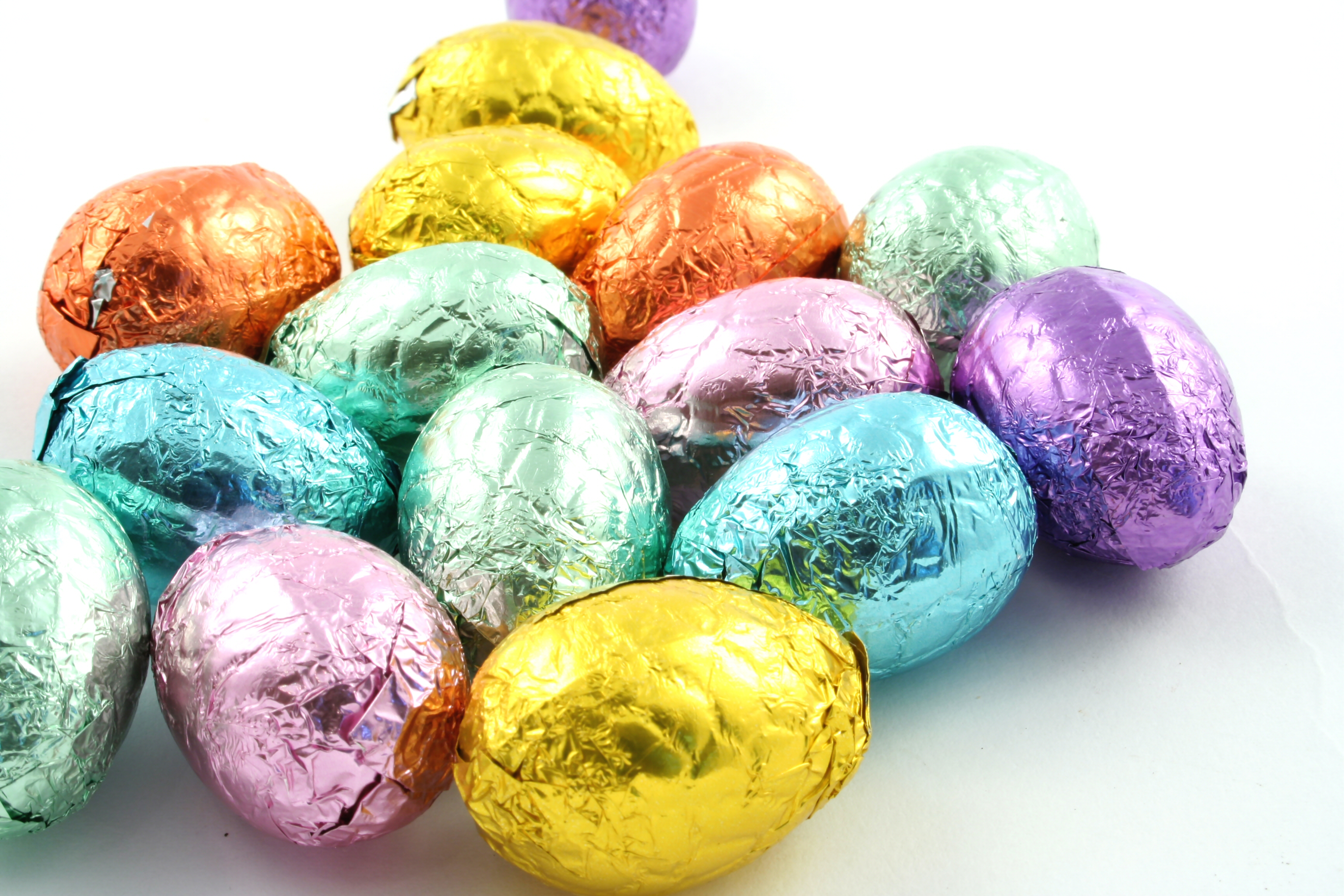
But our Easter eggs tended to be the more modest-sized ones wrapped in coloured silver paper. My mother would pile them up on a plate at the centre of the table and we would nibble on them during Easter and for days (and days …) thereafter.

Easter Eggs

I have to say, I’m not terribly, terribly fond of chocolate. I’ve never eaten very much of it. I don’t eat it at Easter any more. Apart from dutifully accepting chocolate sweets when someone hands them around, I sometimes eat a bar of chocolate with hazelnuts; I like the nut and chocolate combination.chocolate-bar-with-hazelnuts-1

And from time to time, when I’m in France and have baguettes at hand I will eat a piece of chocolate and baguette.

baguette and chocolate-1

It’s really delicious, by the way. When my French grandmother was feeling somewhat flush, she would buy a bar of chocolate and give it to us grandchildren with bread at teatime. Mm-mm, good!

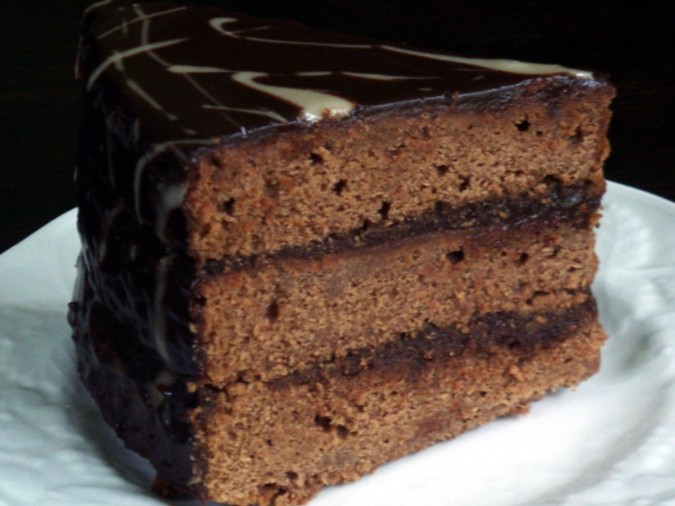
Luckily, my wife is also not a great eater of chocolate, although she is definitely fonder of chocolate cake than I am. When we go to a restaurant and chocolate cake is on the menu she will sometimes crack and order it.

chocolate cake

She also often ate the Italian equivalent of chocolate and baguette when she was young: Nutella spread on a piece of bread. Like my grandmother, her mother would serve it as a snack at teatime.

nutella and bread

About 15-20 years ago, we began to notice growing chatter in the media about going back to the fundamentals. We were told we should move closer to the way the Mesoamericans consumed chocolate before the Spaniards arrived, as a whipped-up drink of water, chocolate, spices and vanilla:

mesoamerican-pic-1

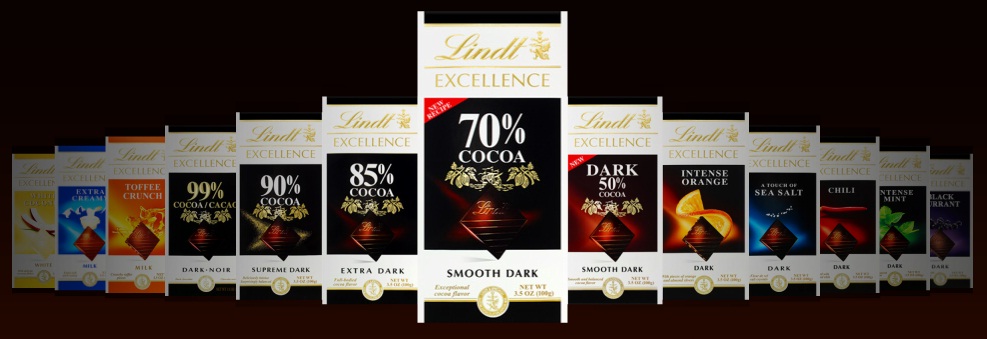
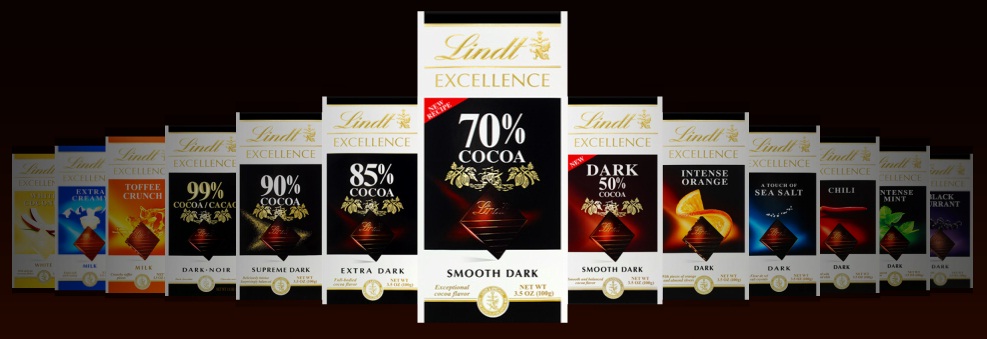
We didn’t necessarily have to go the whole way, we were informed, but we could eat chocolate without all the things Europeans had added over the centuries: sugar, milk, nuts and who knows what else. We read that it was much better for you that way. It has delicate tastes which linger on the tongue. It also contains chemicals which make you happy, which are good for the heart, which give you more sex drive. Well! After listening to a lot of this kind of hype we noticed one day in a shop in Vienna some very smartly packaged “modern” chocolate produced by Lindt, the luxury Swiss chocolate and confectionery company.

lindt-excellence

On an impulse, we bought a bar. After some debate, we decided not to go for the 100% pure chocolate, but rather to start with a 70% mix. We took this precious material back home, we opened it reverentially, and tried it.

I have to say, it was no great shakes. We didn’t feel our mouths being overcome by delicately intoxicating tastes, we didn’t feel any happier, we didn’t … Maybe our tickers worked better but we couldn’t tell. For those interested readers there is another BBC article reviewing the state of play on the topic.

I think we’ll just eat our chocolate the way we always have. Perhaps the Europeans were on to something when they added all those other things.

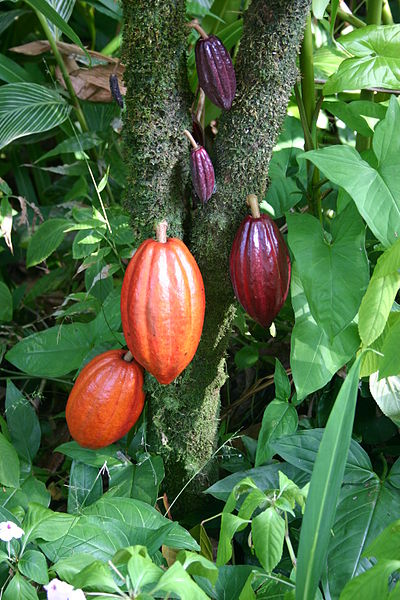
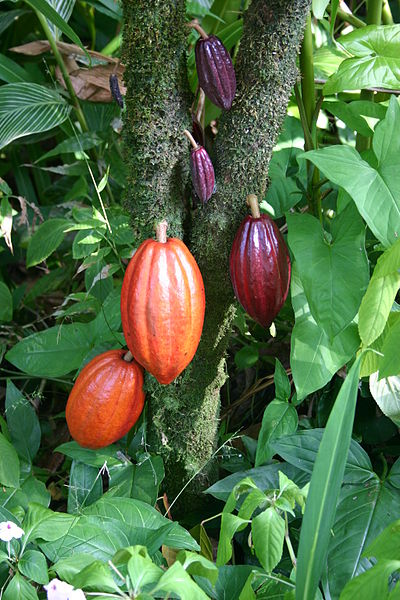
Cocoa_Pods

____________________________________________

Chocolate and chilies: http://img.thesun.co.uk/multimedia/archive/01701/28_03_2013_1701553a.jpg
Painted Easter eggs: http://www.wallcoo.com/holiday/2007_easter_wallpaper_1280x1024/images/%5Bwallcoo.com%5D_Easter_wallpaper_1280x1024_1280Easter013.jpg
Children painting eggs-1: http://3.bp.blogspot.com/_d7Dqr_RDyks/Sb7jFCSi81I/AAAAAAAACfA/MDonvPeRcjg/s400/2009-03-16%20Egg%20Painting.jpg
Children painting eggs-2: http://www.momdademmaandkenny.com/wp-content/uploads/2010/04/wpid1919-03-28-2010-Egg-Painting-and-the-Maloneys-Emma-and-Kenny-0431-D700-100328.jpg
Chocolate Easter egg-fancy: http://www.motleyhealth.com/wp-content/uploads/2010/04/Chocolate-Easter-Egg.jpg
Chocolate rabbit: http://4.bp.blogspot.com/_mv60VL07p2s/S7IfXJxv3SI/AAAAAAAACaM/rk8X4Wg9lYg/s1600/080304_JTorres_Bunny_sitt.jpg
Chocolate Easter eggs-typical: http://www.theramblingepicure.com/wp-content/uploads/2011/04/Easter-Eggs-choc.jpg
Chocolate bar with hazelnuts: http://us.123rf.com/400wm/400/400/ivonnewierink/ivonnewierink1001/ivonnewierink100100240/6245932-barre-de-chocolat-avec-noisettes-isole-sur-blanc.jpg
Baguette with chocolate: http://a142.idata.over-blog.com/600×449/2/90/63/97/Autrefois-./Chocolat/Le-Bon-Chocolat–13-.JPG
Chocolate cake: http://culinaria.tudo-gratis.com/wp-content/uploads/2009/11/bolo-do-lino.jpg
Nutella on bread: http://s017.radikal.ru/i430/1110/d7/444c78d56338.jpg
Mesoamerican-pic: http://www.athenapub.com/nuttal1x.GIF
Lindt excellence: http://1.bp.blogspot.com/-6PGNUwin05M/TaZARK7Vj6I/AAAAAAAAAXo/JtIkvQUGiSs/s1600/chocolate.jpg
Cocoa pods: http://upload.wikimedia.org/wikipedia/commons/thumb/e/e0/Cocoa_Pods.JPG/400px-Cocoa_Pods.JPG

WALNUTS IN DALI

Beijing, 24 March 2013

I mentioned in a recent posting that I had just come back from a business trip. This was to Dali, in the province of Yunnan, or to give it its full name the Dali Bai Autonomous Prefecture. My first day was spent in the city of Dali, which sits on the southern shore of Lake Erhai. I was there to hold discussions with the local government. I was pleased to be back in Dali, which is a pleasant city, in contrast to most Chinese cities. For one thing, the site is really quite spectacular.

Erhai Lake-3

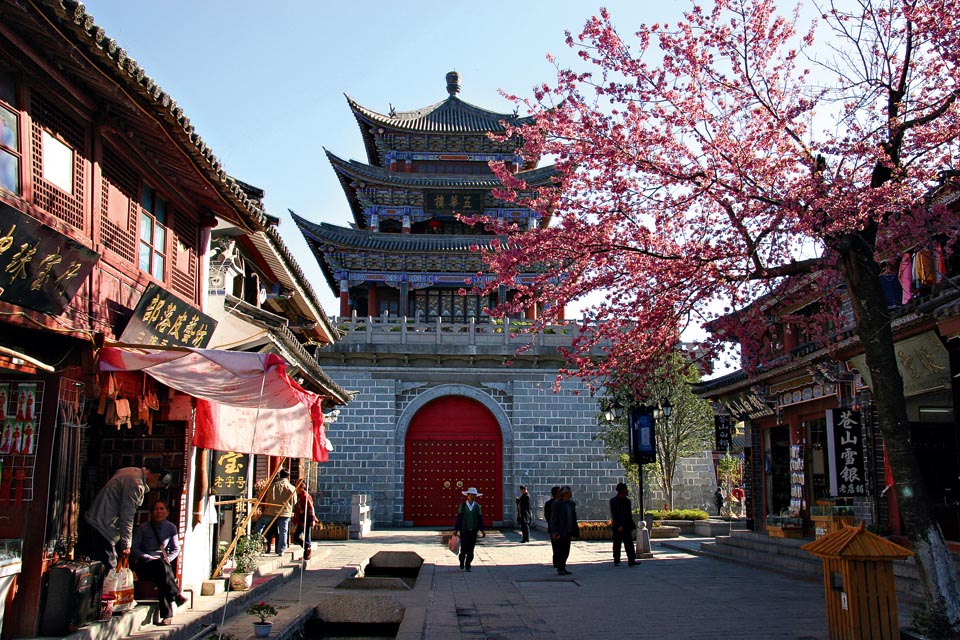
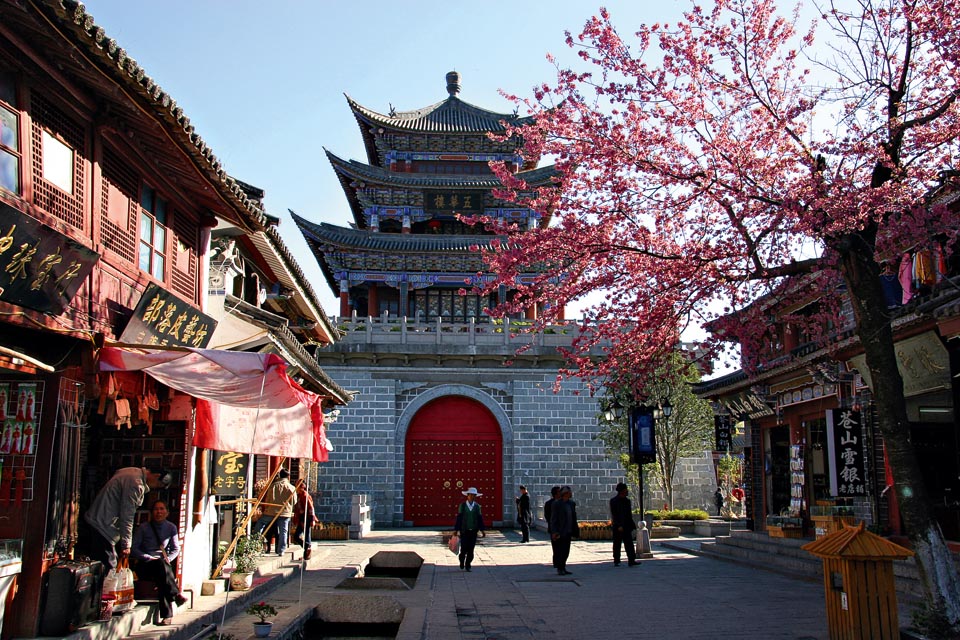
There’s also a nice old city, which hasn’t been swept away by revolution or later by capitalism. It’s been considerably prettified for the tourists, but it’s still a nice place to walk around. I didn’t go there this time, but I had seen it during my last visit to Dali. There are some well-known old pagodas

Dali-three-pagodas

and nice “old” roads and buildings – with, of course, lots of shops for tourists.

Dali-old-town-2

Dali-old-town-1

What was really nice this time was that, like in this photo, the fruit trees were in bloom: a sight for sore eyes after cold and dreary Beijing. It will be at least a month, possibly a month and a half, before we see the same thing in Beijing.

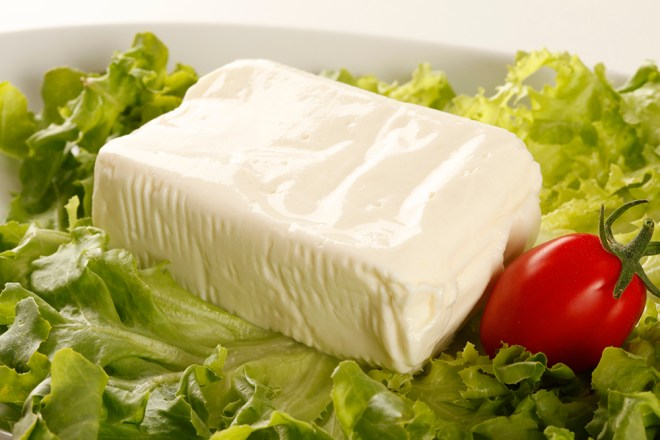
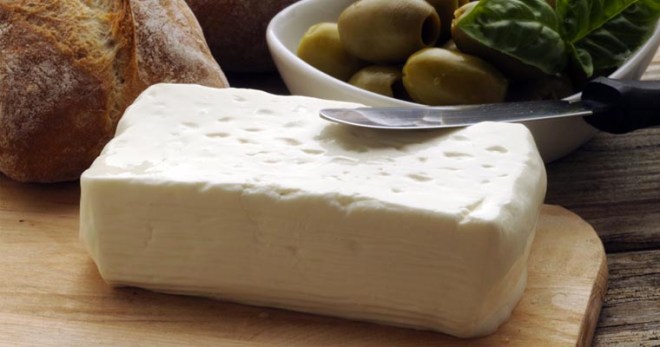
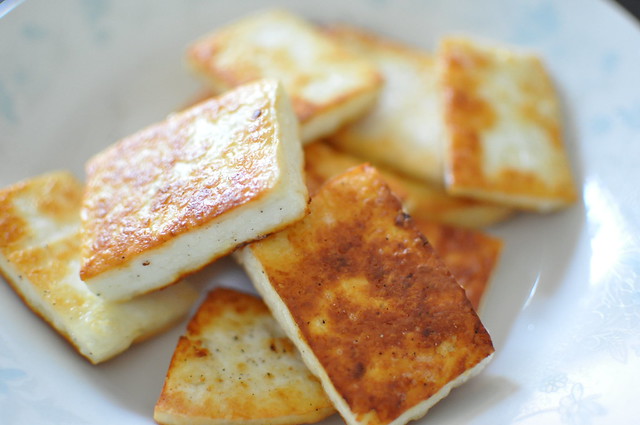
Last, but not least, this area of China is one of the few, perhaps the only one, where there is a local tradition of eating cheese! They have always had cow and goat herds here and they routinely drink and eat dairy products. The cheese is a bit odd, and they tend to eat it fried, but it is still cheese.

cheese-2

The local government has a good eye for location. They built the prefecture’s government complex on top of a hill which drops steeply into the lake. So the buildings have a beautiful view of the lake. This is what you see from the car park in front of the buildings.

Dali-visit-march 002

It was the same view I had sitting in the government banquet hall that evening. The hall has been built with a huge window giving onto the lake, and so as I and my host carried on a stilted conversation I could watch the night slowly steal over the lake.

But I had not gone down to Yunnan to admire Erhai lake and Dali. I was there to talk … walnuts. It may surprise the reader to know that China is the largest producer of walnuts in the world. A good portion of these are grown in Yunnan, and a good portion of these are grown in Dali prefecture. So the next day, I was driven to a valley on the other side of these mountains

Erhai Lake-1

to visit a walnut orchard and a walnut processing facility. From the discussions I had held the previous day and from further explanations I received on the way, I had a handle on the basic problem. The government had encouraged the local farmers to plant walnut trees, as a way to increase their incomes but also to reforest the prefecture’s hills.

walnut orchards-1

Now, as more and more trees reached maturity – it takes about ten years for a tree to produce walnuts – the government realized they had to find something to do with all the walnuts which were about to flood on the market and depress prices. They were asking our help to find markets outside China.

To reach the walnut orchard, we climbed up, up, up the steep hills enclosing the valley, through one switchback after another. When we reached the top, I gazed around me and was terribly reminded of Liguria in Italy. I was seeing walnut trees rather than olive trees, and instead of the glint of the Mediterranean Sea far down below me I was seeing rich valley bottomland planted in vegetables. But the feel was very much the same, the feeling of being perched on an edge and risking to tumble down at any moment.

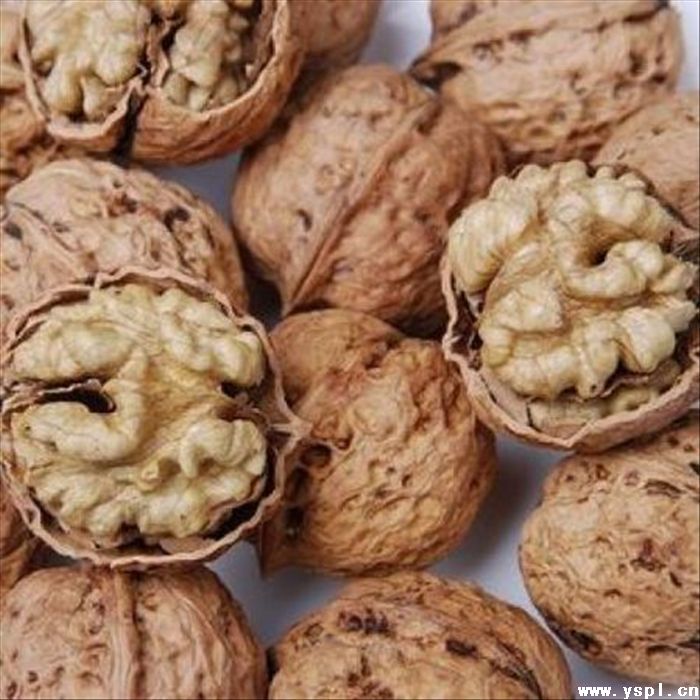
After a few moments, Farmer Liu arrived. He immediately opened a red packet of cigarettes – still the official sign of welcome in rural China – and offered a cigarette to all and sundry. I felt rather bad for him that all us city slickers, Chinese included, politely refused. Before coming, and knowing roughly what the Dali authorities wanted to talk to me about, I had phoned a colleague who knew about walnuts and had him coach me. So I was now able to pepper Farmer Liu with some not-too-stupid questions and understand his answers. After some ten minutes of this, Farmer Liu invited us to enter a small show room where we sat down and ate some of his walnuts. I was struck by how much more pitted the walnut shells were, almost as if they had been dunked in acid

walnuts in shell-1

I think this will be a problem outside of China, where people are used to relatively smooth shells. But the flesh was delicious.

walnuts partially unshelled-1

As I ate, I looked around at the various products on show, wondering which of these could find larger markets if suitably produced. I mentally nixed this product made from sliced walnut shells.

walnut-handicraft-2

I don’t see this catching on outside of China, or even outside of Yunnan …

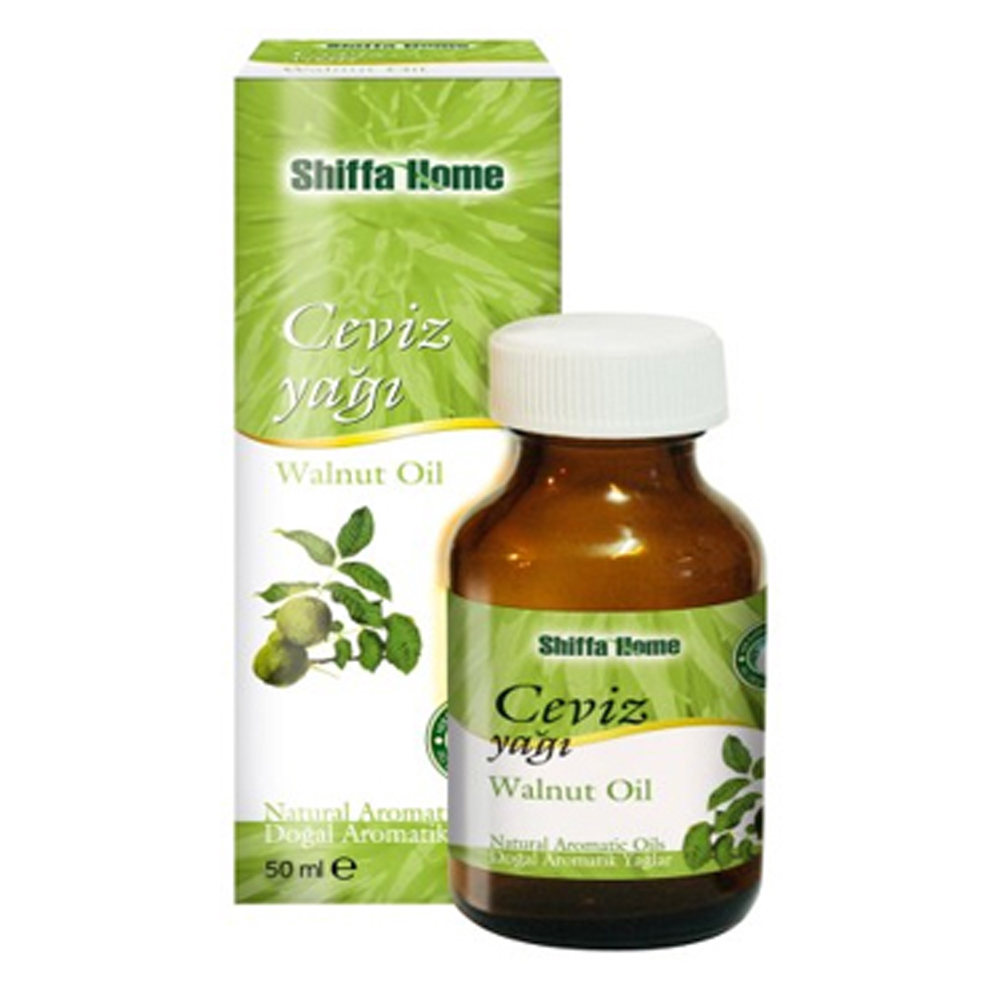
Walnut oil?

walnut oil-2

Possible, although it can’t be used for cooking, which would be the big market; when heated it takes on a slightly bitter taste. It can be used in cosmetics, though, which could be a good market

walnut-cosmetic-1

or in suntanning agents

walnut-tanning agent

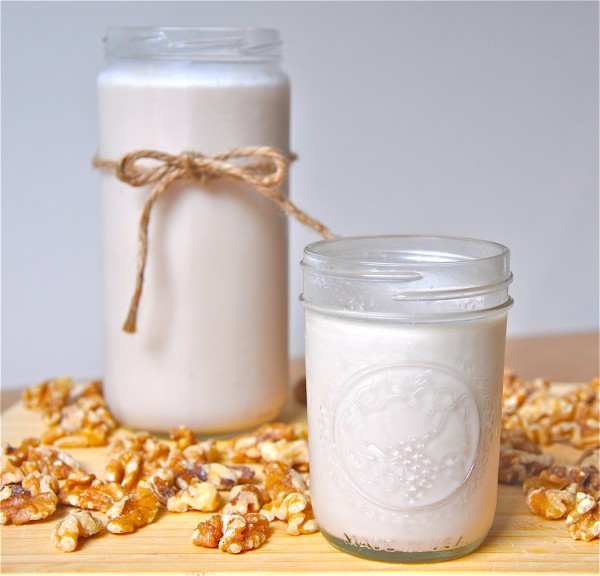
There’s also walnut milk, which – like almond milk – is really a mix of very finely ground walnut and water.

walnut-milk-1

Maybe this should be left to the national market. It’s becoming increasingly popular here, and I’m not sure how easily exportable it is.

How about walnut butter, cousin to the better-known peanut butter?walnut-butter-1

Definitely for the export markets. The Chinese don’t eat nut butters.

And so my eyes wandered around the shelves, while my hand dipped the walnut pieces into a delicious honey dip. The honey was creamy thick and pale yellow, really, really lovely. And then my mind began to wander, as I sat there enjoying the spring sun and the blossoming fruit trees outside the showroom.

We’ll find solutions, but not right now.

walnuts-on-trees-1

_____________________________

Erhai Lake-1: http://upload.wikimedia.org/wikipedia/commons/thumb/9/97/Erhai_Lake_Dali_07.JPG/1280px-Erhai_Lake_Dali_07.JPG
Dali-three-pagodas: http://i1.trekearth.com/photos/5043/three-pagodas-in-dali.jpg
Dali-old-town-1: http://media-cdn.tripadvisor.com/media/photo-s/03/4e/7d/14/dali-gucheng-the-old.jpg
Dali-old-town-2: http://www.interasia.com.au/wp-content/uploads/2011/08/China-yunnan.jpg
Cheese: http://farm8.staticflickr.com/7169/6430350689_80c3790afb_z.jpg
Erhai Lake-2: my photo
Erhai Lake-3: http://www.chinamaps.info/images/Attraction/Dali/Erhai%20Lake.jpg
Walnut orchard: http://en.kunming.cn/index/image/attachement/jpg/site162/20110609/001f29dcfe6f0f5acab506.jpg
Walnuts in shell: http://www.justeasy.com.cn/img/upload/20120312/051416082793.jpg
Walnuts partially unshelled: http://www.yspl.cn/UploadFiles/2011-12/yspl3/2011122009130516038.jpg
Walnut handicraft: http://www.gd-wholesale.com/userimg/23/3568i1/walnut-vase-331.jpg
Walnut oil: http://masvidaquenunca.files.wordpress.com/2013/01/mas_vida_que_nunca_stop_al_catarro_aceites_vegetales_y_frutos_secos.jpg
Walnut-cosmetics: http://www.buycosmo.com/images/products/04/79/59/47959_buyuk_zoom.jpg
Walnut tanning oil: http://www.adoretanning.com/images/detailed/1/Summer-Tan-Self-Tanning-Lotion—Dark.jpg
Walnut milk: http://3.bp.blogspot.com/-Y5j66WGE3zk/UGpSGSLThjI/AAAAAAAAJ1g/9zblIgnPBzg/s1600/milk1-600×576.jpg
Walnut butter: http://cdn.livesuperfoods.com/media/catalog/product/cache/1/thumbnail/9df78eab33525d08d6e5fb8d27136e95/p/r/pre-walnut-butter_1.jpg
Walnut on the tree: http://cdn.livesuperfoods.com/media/catalog/product/cache/1/thumbnail/9df78eab33525d08d6e5fb8d27136e95/w/a/walnuts_30.jpg

LAPSANG SOUCHONG

Beijing, 5 March 2013

Whenever I stayed with my English grandmother in London, one of my tasks was to do the food shopping for her. She expected this service from all her visiting grandchildren, along with other services such as doing the washing-up and hoovering the floors. My grandmother was of a generation that expected grandchildren to serve her and not her to serve them. A lesson, I think, for the Chinese who to my British eye dote far too much on their little princeling children and grandchildren. In any event, my grandmother would write out a detailed shopping list and I would hurry down – no loitering, please – to the nearby high street to buy the necessary. And there they were, all lined up: the fishmonger, with his marble slabs on which were slapped the fish surrounded by ice, the butcher, with his pieces of meat hanging in the window, the baker, with his loaves neatly stacked up behind him, and the green grocer, with all manner of greens in boxes outside as well as in. I would join the polite throng of people, wait my turn – another lesson for the Chinese, many of whom seem not to have heard of the concept of queuing – and paid out in pounds, shillings, and pence.

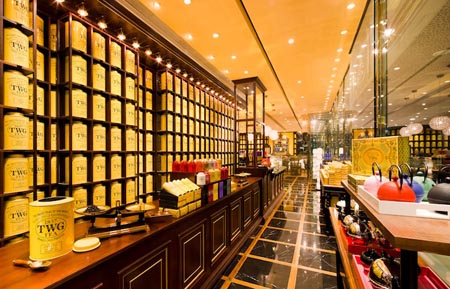
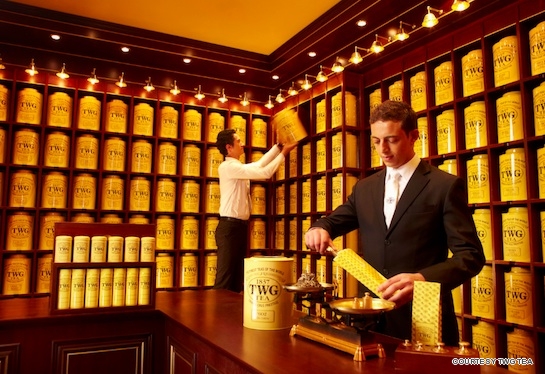
I went back to that high street a few years ago – a walk down memory lane. All gone, I am sad to report, their place taken by “boutiques”. As I survey high streets around Europe, it seems to me that no-one eats any more, they just dress. What saddened me even more was the disappearance of the tea emporium of which my grandmother had been a faithful client. Buying tea was not a task that she delegated to her grandchildren. It was a job for Grown Ups. But I did accompany her once or twice on her tea-buying expeditions. It was certainly a very majestic place. First of all, it was not a tea shoppe; this was not a place where one came to drink tea and eat cakes and sit about nattering. It was a place to buy tea – and not, God forbid, tea bags, but loose tea. One wall was covered with shelves holding large copper caddies which contained the teas. There was a series of counters in front of this wall, each carrying a set of old-fashioned brass scales, and the employees – all wearing white coats – would bring the caddies to the counter and reverently ladle the teas onto the scales. It was all very hushed and murmury. These photos give a sense of what greeted us when we entered the shop, although these are really altogether too modern and smart.

tea store-3-hk-1

measuring out tea-4-hk-1

My grandmother bought only one tea – lapsang souchong. This is one of China’s few black teas, some say its first. It comes from the Wuyi region in the southeastern province of Fujian. It has a very distinctive smoky flavour – which is not surprising since the leaves have been smoked over a pinewood fire.

lapsang souchong

My grandmother took her tea twice a day: at breakfast, which she always took in bed, and at 4 o’clock, which she always took in the living room. She drank her tea in porcelain cups with proper saucers and little spoons – no mugs for her.  She had some rather handsome cups and saucers with a Chinese design, perhaps not quite as handsome as this example:

cup and saucer-3She taught me her ritual for making tea, which I have since discovered was a bastardization of the complicated rituals used in China. First, warm the teapot by swirling boiling water in it, then add the leaves to the teapot and pour in a small amount of boiling water, just enough to cover the leaves. Leave them to soak for three minutes, and then add the remaining boiling water. One thing she did, which would have had all the Chinese tut-tutting into their tea, was to add milk and sugar, a habit which I have gladly embraced.

My wife first met my grandmother over a cup of her lapsang souchong tea. She was flying into Gatwick from Milan the autumn after we started going out together; after a day or two in London, we were going up to Edinburgh University. The plan was for me to meet her at Gatwick. In what was to become a regular feature of our married lives, I missed her. Disconsolate, I came back up to London, only to find wife and grandmother happily ensconced in the living room drinking tea.  My wife took a shine to my grandmother and I believe the feeling was mutual. My wife also took a shine to my grandmother’s tea, and later on, when we finally had some money in our pockets, we started to buy lapsang souchong.  But we have never been as rigid as my grandmother was. We drink lapsang souchong but also quite happily drink Twinings tea bags. And we don’t heat up the teapot before adding the leaves.

twinings tea bag

In my very first visit to Beijing, back in 2002, I visited – as was expected of all foreigners – one of the markets. In my case, I visited the pearl market where I actually bought my wife a string of grey freshwater pearls, for the first and probably last time in my life. When I saw a stall selling teas, on a whim I approached them and tried buying lapsang souchong. I mean, what better place to buy Chinese tea than in China, right? But they all looked at me blankly, shook their heads, and muttered “meyo, meyo” [no, no]. So I gave up; it must have been my tone-less pronunciation, I thought. And I had made the cardinal mistake of not bringing with me a piece of paper with the name written on it in Chinese, to show to my interlocutors and thus solve these little problems of tones or lack thereof.

Seven years later, we moved to China. The Empire of Green Tea.

green-tea

In the face of an ocean of green tea, my wife courageously set about finding a local source of lapsang souchong. Her first step was to visit a street listed in our guidebook as a promising source of tea. She took a pinch of our precious lapsang souchong along with her and went door-to-door showing it. “Meyo, meyo”, was always the answer. But she didn’t come back empty-handed. She bought this lovely stoneware tea caddy.

stoneware caddy

After this rather discouraging start, my wife took a break in the lapsang souchong search. To keep us going, we bought a large stock in Milan during our next visit there, in a little shop we know around the corner, and then in London when we visited our daughter six months later. The next round in the lapsang souchong search started when I found the name written in Chinese on the web. Armed with a piece of paper on which I’d cut and pasted the Chinese name, my wife sallied forth again. Surely that would do the trick, we thought. “Meyo, meyo” was again the discouraging reply.

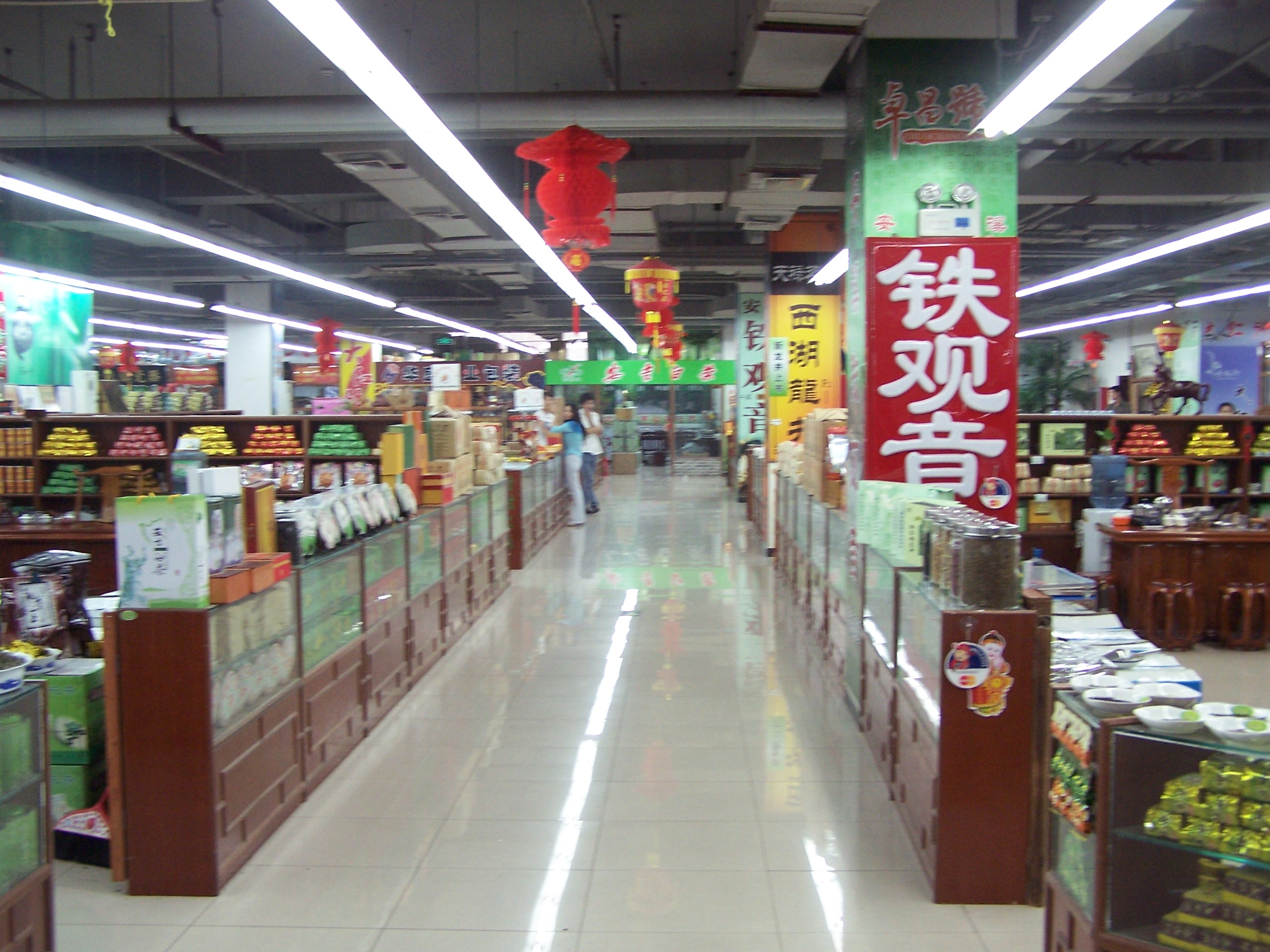
After yet another pause, we discovered Beijing’s tea market. This time we would succeed! Armed with a bag of lapsang souchong, a piece of paper with the name written in Chinese, and determined smiles, we marched through grand shops

beijing tea market-5

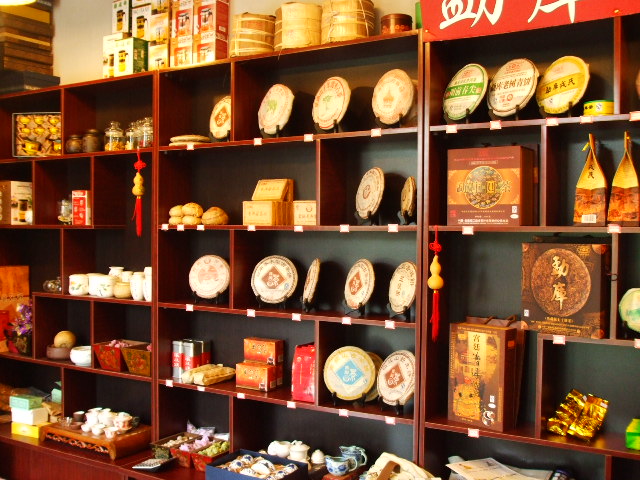
the supermarkets of tea

beijing tea market-3

and myriad poky little stalls

beijing tea market-1

showing everywhere our tea and our piece of paper. “Meyo, meyo” always came back the reply. But still we went on. Finally, a girl in a stall shook her head but made us understand that that shop down the hall there and to the right probably had it. With beating hearts, we made our way to the indicated shop and went through our little routine for the nth time. The two girls looked at us, looked at, felt, and smelled our  tea,  had a rapid-fire discussion, and then one of them went off. The other motioned us to sit down at the tasting table. The first came back with a package, shook some tea leaves out, and the second started the routine of preparing tea.

beijing tea market-6

After a little while, she offered my wife a small cup of the tea …

Meyo, meyo! It was, and yet it was not. We tasted it this way and that way, we gave some of ours to the girls so they could make tea with it. We compared. It was clearly of the same family, but it was not the same. Weaker it was, with less punch but also less sweetness.

Ah well, we can just keep stocking up whenever we go back to Europe and maybe, just maybe, before we leave, we’ll find a local source.

________________________

Tea store: http://3.bp.blogspot.com/-LrBKXYQoYaw/T557zpa75oI/AAAAAAAABNg/cjbSvJayuuw/s1600/twg-tea_hk-ifc_tea-boutique-01.jpg
Measuring out tea: http://sg.lifestyleasia.com/var/lifestyleasia/storage/images/media/images/import/article/33/image_339679-twg-tea-master-twg-tea/1837667-1-eng-GB/image_339679-twg-tea-master-twg-tea.jpg
Lapsang Souchong: http://www.chadotea.com/images/T-25-Lapsang-Souchong.jpg
Cup and saucer: http://p2.la-img.com/1870/37984/16159143_1_m.jpg
Twinings tea bag: http://1.bp.blogspot.com/-btpdmHKOX9w/T7dGdhyLXgI/AAAAAAAABdw/OvNObW_-3ck/s1600/IMG_2335.jpg
Green tea: http://www.allaboutladies.net/wp-content/uploads/2012/04/green-tea1.jpg
Stoneware tea caddy: my photo
Beijing tea market-1: http://www.beijingtravelhotelinformation.com/uploads/2009/0706/beijinghighlifeblogMountainTeaintheBigCity.jpg
Beijing tea market-2: http://shinshinshingan.files.wordpress.com/2010/11/jun14_tea_market_interior1.jpg
Beijing tea market-3: http://photos.travelblog.org/Photos/168424/660393/t/6550014-Of-all-the-tea-shops-0.jpg
Beijing tea market-4: http://media-cdn.tripadvisor.com/media/photo-s/03/11/1c/e0/beijing-culture-exchange.jpg

HORSE AND DONKEY

Beijing, 1 March 2013

So The Europeans have their knickers in a twist about horsemeat in their beef, while the Kenyans are up in arms because donkey meat is being passed off there as beef. OK, it’s not correct to sell one thing under the guise of another, but horsemeat and donkey meat are actually really good. I first had donkey meat in a little restaurant along the Naviglio Grande, one of Milan’s canals

naviglio-grande

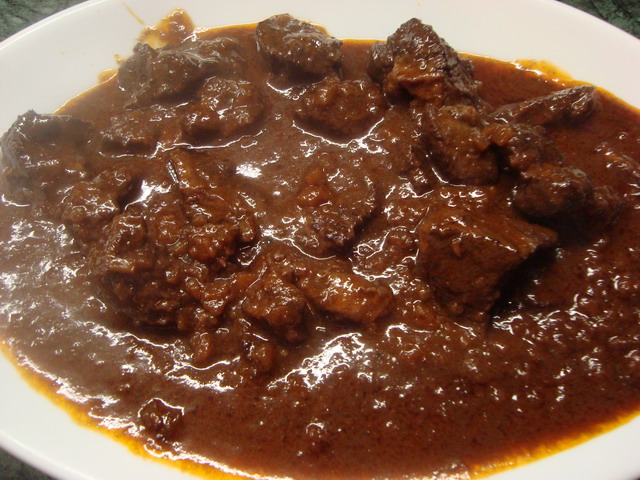
That night, the chef was serving what is a very typical Lombard dish, stracotto d’asino or donkey stew.

stracotto-dasino

And of course, as is de rigueur in a Lombard dish worthy of the name, it was served with polenta.

polenta-2

The combination is vital, because the firm flouriness of the polenta admirably counterbalances the sweet mushiness of the stracotto. Donkey meat, which is anyway sweeter-tasting than beef, becomes even sweeter in a stracotto.

Sweetness of taste is also a characteristic of horsemeat, which I first ate as a boy with my French grandmother. Boucheries chevalines, or butchers specializing in horsemeat, were very common in France when I was young; the French did not have the squeamishness of the English when it came to eating horse.

boucherie chevaline

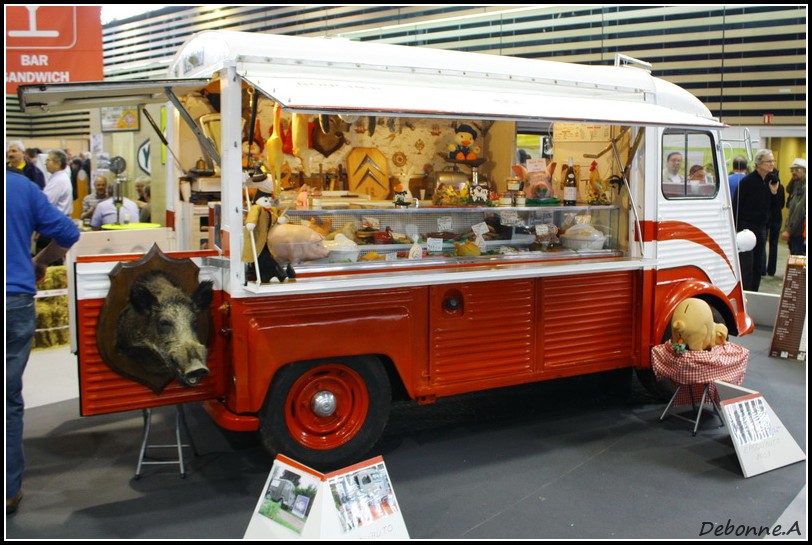
Horse was also cheaper than beef, so the poorer classes ate horsemeat. My grandmother was poor but had not been so when she was young, so she tried to avoid horsemeat and its suggestion of poverty. But from time to time, when the bank balance was a little low, she deigned to buy it. When we were in the house in the country, the butcher – and the grocer – came to us rather than us having to go to them. One of my boyhood memories is the insistent sound of a horn on the road outside, at which point a great cry would go up “the butcher [or the grocer, depending on the day of the week] has arrived” and there would be a frenzied gathering up of money, shopping lists and shopping bags, as my grandmother [or mother during the summer] was anxious to get to the road before the butcher [or grocer] drove off. I tagged along, loving the noise and drama of it all. I also was fascinated by these mobile shops, which looked somewhat like this:

citroen_h_boucherie

It was a Citroen van, which had been kitted out to open up on the side. The butcher [or grocer] would stand inside exactly as he would behind his counter in the shop. The photo is actually of a miniature model, which has been set up in a very realistic scenery; it certainly comes close to my memory of what awaited us when we got out onto the road. This a photo of the real thing, although this particular example has been gussied up for modern urbanites:

citroen_h_boucherie-2

And when my grandmother did buy horsemeat, she would cook it up as a steak, with home-made frites, or French fries. Horsemeat is a much darker meat than beef, as this photo shows:

horse steak

Well, now that I have confessed – cheerfully, I would say – to the heinous crime of eating donkey and horse, let me come completely clean and also confess to having eaten dog. In South Korea. Very delicious, as the Chinese would say …

___________________________

Naviglio grande: http://farm4.staticflickr.com/3087/2312319399_2401d37b1f_z.jpg
Stracotto d’asino: http://www.piaceredelgusto.com/wp-content/uploads/2013/01/Brasato-dasino.jpg
Polenta: http://www.italianfoodnet.com/uploads/img/news-polenta_taragna.jpg
Boucherie chevaline: http://www.lebouguen-lesbaraques.infini.fr/IMG/jpg/Boucherie_Lubin_au_Bouguen_Pepere_Mamie_Mr_Guyomard_et_Rosie_famille_Regine.jpg
Mobile butcher model: http://www.minitub43.com/IMG/jpg/2280.jpg
Mobile butcher: http://cmvmoto.free.fr/Salon%20Epoqu%27Auto%20Lyon%202011/Citroen%20Type%20H%20Boucherie_03.jpg
Horse steak: http://boucherie-cheval.fr/wp-content/themes/boucherie-chevaline/timthumb.php?src=http://boucherie-cheval.fr/photos-viande-cheval/Rond-de-tranche-de-cheval-viande-chevaline.png&w=600&h=180&zc=1&q=100

TOMATO

Beijing, 28 February 2013

Chinese food is great. No doubt about it. But tomatoes don’t figure very highly in Chinese cooking. In all those banquets I’ve been invited to, I’ve seen a few tomato slices swimming in soups and sauces, I’ve been offered a dish which seems to consist of scrambled eggs drowned in weak tomato sauce, and that’s it. Except for one more thing. Almost uniformly, at the end of the banquets, they insist on serving cherry tomatoes with the fruit! Of course, from a biological point of view they are correct, but everyone knows that tomatoes are a vegetable! I mean, the US Supreme Court decided so, in 1893, in the case Nix v. Hedden. And if the US Supreme Court has decided so, who are we to disagree?

Yet here I am again, faced with a plate of fruit on which sit a number of cherry tomatoes. As I moodily spear at the damned things, my thoughts float off to another place, to another country, where the tomato reigns supreme, cooking-wise.

I dream of pizza, the simplest kind, pizza margherita. Just tomato sauce and mozzarella, with a basil leaf or two, no more.

pizza-margherita

I will accept a few more toppings, in a pizza quattro stagioni for instance. But I quite disapprove of a certain tendency to pour on the toppings. Keep it simple! Because the beauty of pizza is the marriage of the tomato sauce

passata di pomodoro-1

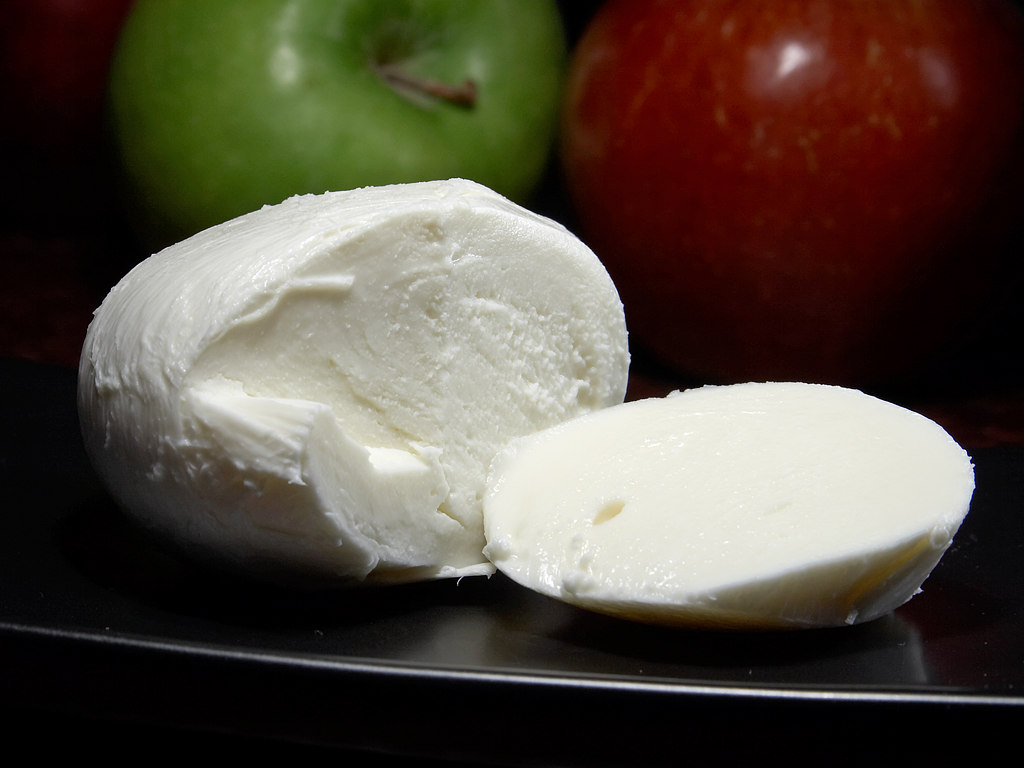
with the mozzarella

And not just any mozzarella. Mozzarella di bufala, mozzarella from the Italian buffalo, found only in the south of Italy

mozzarella-di-bufala-1

I keep on spearing my cherry tomatoes …

I dream of spaghetti al pomodorospaghetti al pomodoro-1

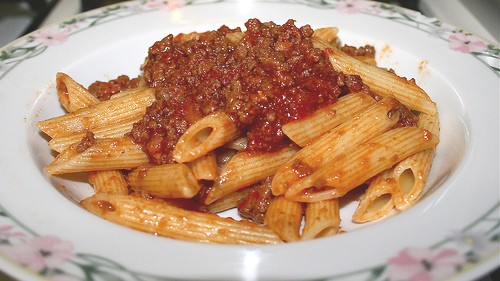
Or of penne al ragù

penne al ragu-1

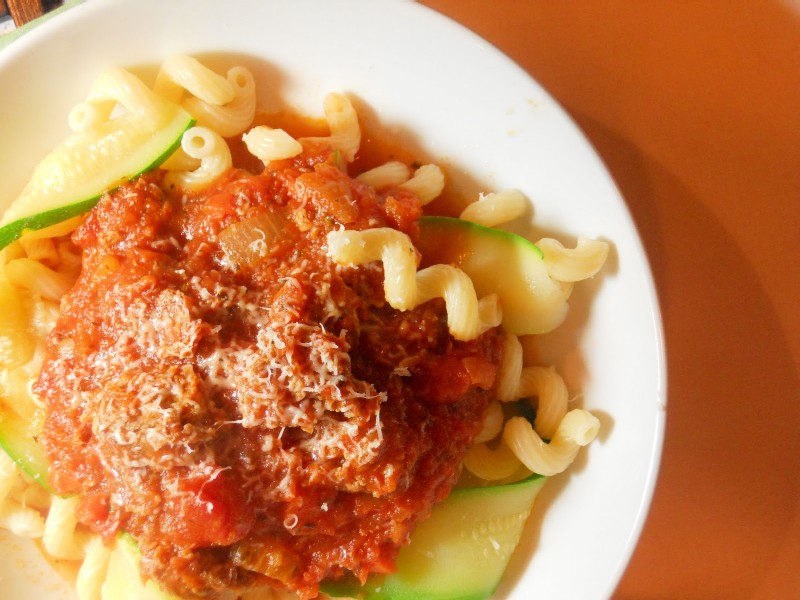
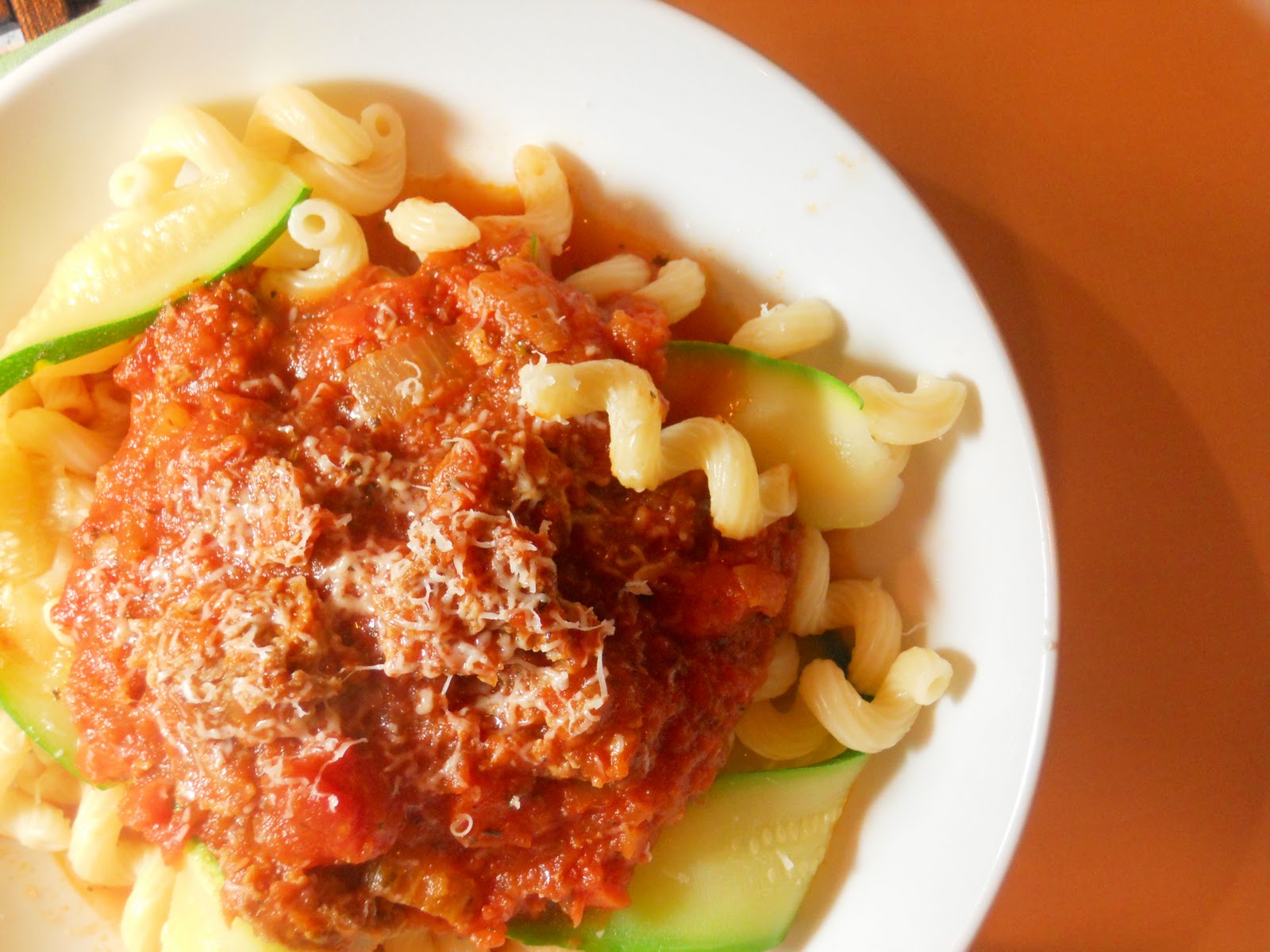
Or cavatappi

cavatappi

Or farfalle, or maccheroni, or tortiglioni, or conchiglie, or orecchiette

I begin to sweat.

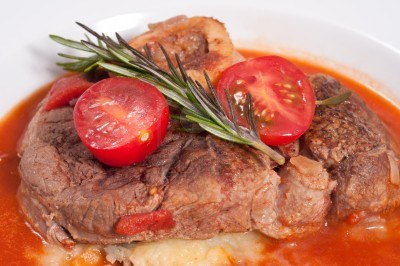
I dream of meats and fish in tomato-based sauces. Ossobuco

ossobuco-1

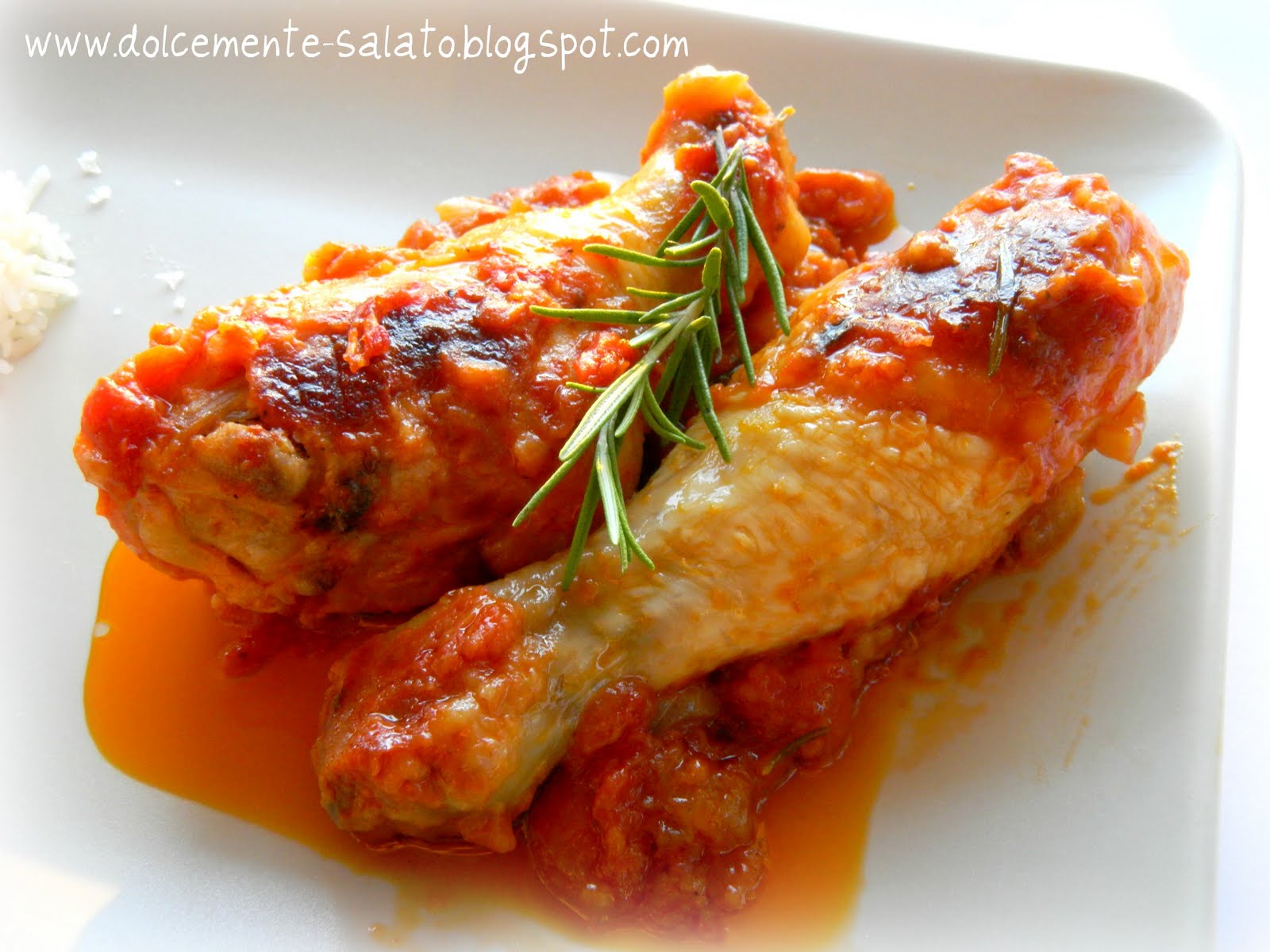
Pollo alla cacciatora

pollo alla cacciatora-1

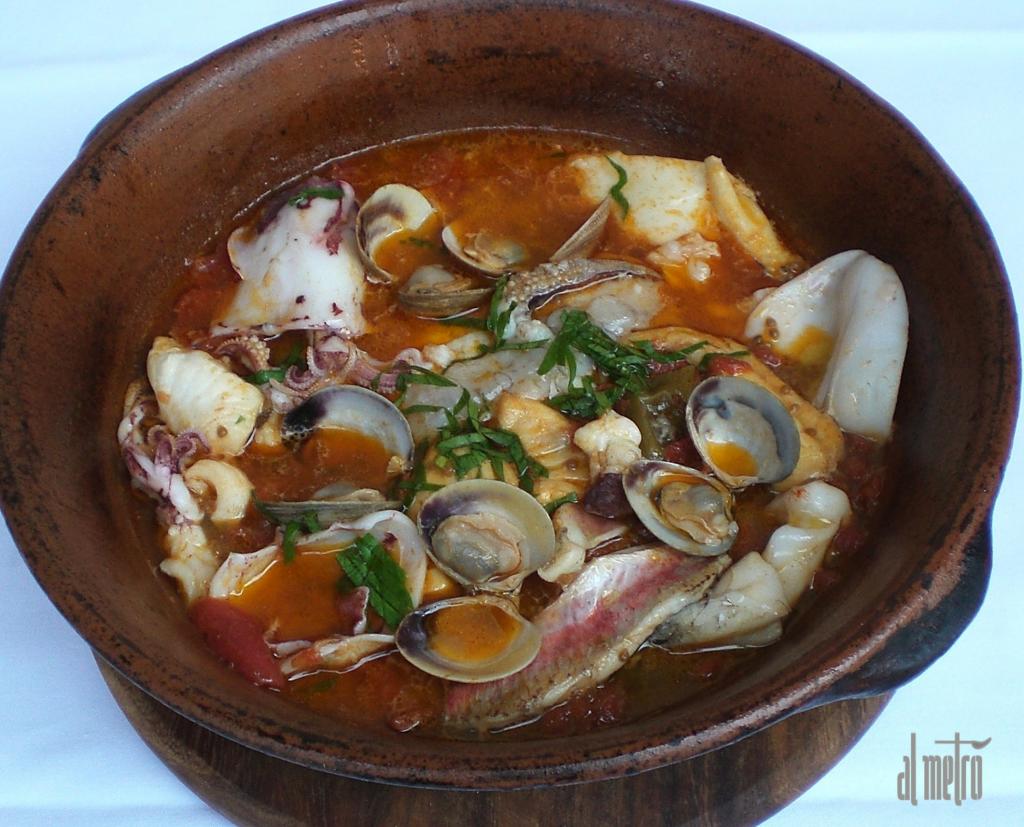
Brodetto

brodetto-1

I viciously stab the last cherry tomato on my plate.

It’s time for the final toast. We shake hands all around, we offer each other our gifts, and I head for the car.

Maybe I can persuade my wife to make me a small plate of spaghetti al pomodoro when I get home …

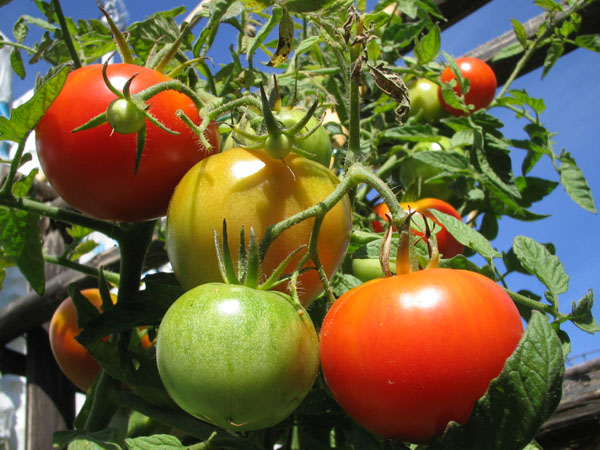
pomodori-1

_________________________

Pizza Margherita: http://www.epocaedesign.it/filealbum/349_1.jpg
Passata di pomodoro: http://static.multipino.pl/photoOffer/p/438910_p.jpg
Mozzarella di bufala: http://www.lucianopignataro.it/wp-content/uploads/2011/04/mozzarella-di-buafala.jpg
Spaghetti al pomodoro: http://www.pearlcafe.com.vn/menupic/SpaghettI%20chay.jpg
Penne al ragù: http://farm3.static.flickr.com/2765/4032992954_fd9232b230.jpg
Cavatappi: http://1.bp.blogspot.com/-Fbwd__6dPZA/TsKuYMX5skI/AAAAAAAAAJM/rxVZS1br_XU/s1600/capatevvi1.jpg
Ossobucco: http://us.123rf.com/400wm/400/400/photohomepage/photohomepage1201/photohomepage120100141/12533926-ossobuco-in-umido-con-pomodoro-e-rosmarino-e-pure-di-patate-e-salsa-di-pomodoro.jpg
Pollo alla cacciatora: http://2.bp.blogspot.com/-p_oIFRg7524/TkJE2h9eAjI/AAAAAAAAHPQ/ZdU5k1OMVl0/s1600/DSCN6153-.jpg
Brodetto: http://img1.2spaghi.it/ristoranti/img/big/al-metro-20091123-235147.jpg
Pomodori: http://www.assesempione.info/images/stories/gennaio2012/pomodori.jpg

PIZZA IN SAN GIMIGNANO

Luang Prabang, 18 February 2013

Some fifteen years ago, my wife and I decided to spend our summer holidays in Tuscany. We rented a house in a small village near Radicondoli (or “Radihondoli” as the locals pronounce it). The marvel of this village, which caps a hill, is that there is no through road so that there are few if any cars in the village’s streets. For the first – and last – time in their lives, the children could play outside in the road without constant anxious parental supervision.

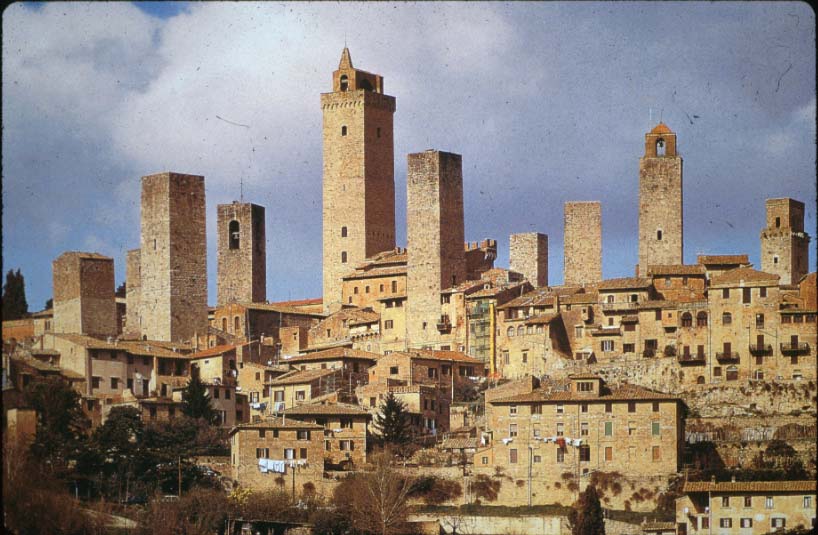
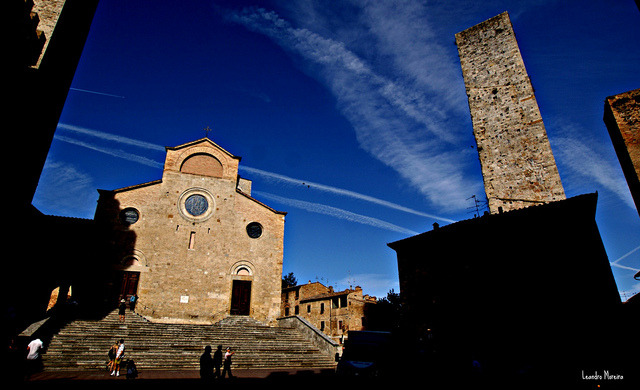
The other wonder of this village is that it is situated in some of the loveliest countryside, and is close to some of the loveliest urban landscapes, that Tuscany has to offer. One of the latter, world-renowned and justly so, is San Gimignano.

San Gimignano-2

One day, we decided that it was time to visit San Gimignano. We thought we could leave our son, the older of our two children, alone in the village in the company of his summer friends, but we felt it would be prudent to take our daughter, who must have been seven at the time, along with us. To keep her company, we offered to take one of her friends along, an offer gratefully accepted by her parents. So off we went, swooping and looping over Tuscan hill and dale, seeing the towers of San Gimignano appear, disappear and reappear around every corner, slowly growing ever taller.

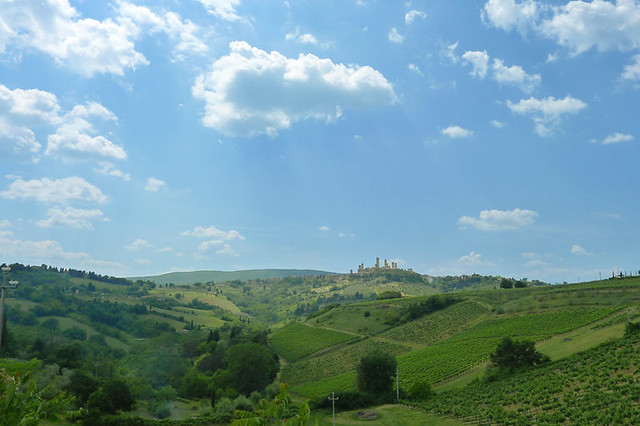
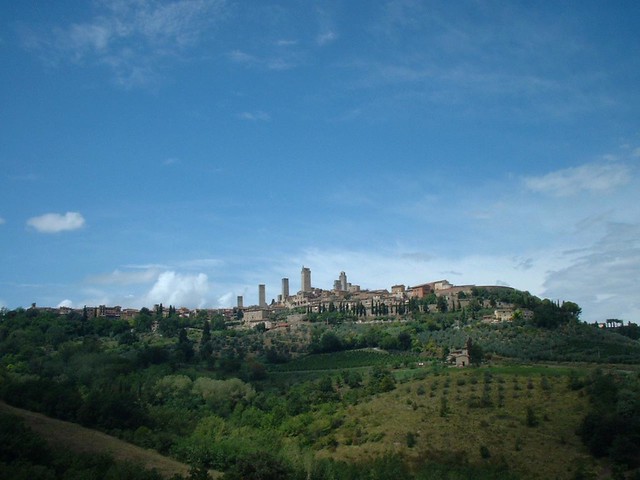
San Gimignano in distance-1

San Gimignano in distance-2

San Gimignano in distance-3

We finally arrived, found a parking not too far away – a minor miracle – and walked up the main street

via san giovanni-1

to the piazza where San Gimignano’s main church, the Collegiata di Santa Maria Assunta, is located. That was where we were starting our visit.

collegiata-san-gimignano-external-1

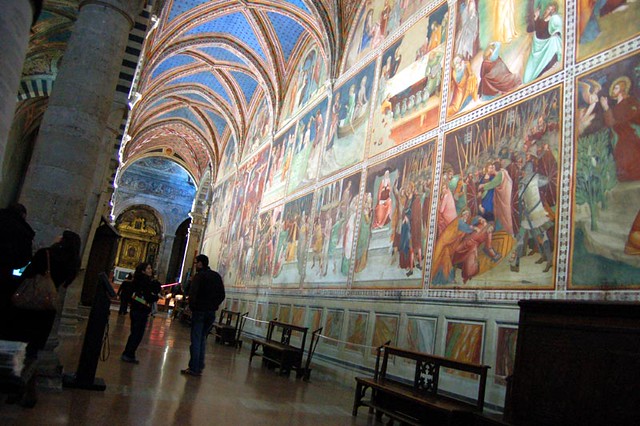
When you go into the church, you are immediately struck by the wonderful frescoes on either wall.

collegiata-san-gimignano-3

collegiata-san-gimignano-2

For anyone like me who has been brought up a Christian it is easy to understand the layout: one wall – the left wall, of course – has a series of scenes from the Old Testament, while the right wall has a series of scenes from the New Testament.  You can walk down one side, following the stories as you go along, appreciating the artist’s take on each story. Here, for instance, is the story of Moses crossing the Red Sea, frozen at the moment where the Pharaoh’s troops are drowned

old testament scene-1

Whereas here, on the right-hand wall, is the story of the dead Lazarus coming back to life

new testament scene-2

And the whole is teaching us the grand story of the Fall of Man and his redemption through the risen Christ.

As I walked along the frescoes, with my daughter and her friend tagging along, I realized that these pictures meant nothing to the two girls, neither of whom had been brought up a Christian. So I began to tell them the stories, using the painted scenes as the backdrop and giving the tales as dramatic a twist as possible. The other tourists must have thought I was a little nutty but the two girls seemed quite taken. I realized for the first time what these frescoes were really for: to tell the Bible’s story to a largely illiterate population. In effect, because they had never read the bible, my daughter and her friend were illiterate. I’ve since learned that there is a term for a cycle of frescoes like this: the Poor Man’s Bible. A well-chosen phrase.

When we left, I was highly pleased with myself and the somewhat theatrical show I had put on for the girls. I will skip the rest of the visit, although I will note that we had a rest at lunch where the two girls ate a Pizza Margherita and drank a coke. That evening, when we got home and we were gathered around the table for dinner, I prompted my daughter to tell her brother about the scene in the church. “Tell your brother the big thing about today,” I suggested. She looked at me a minute and then said, very carefully,“At lunch, we had a pizza and a coke.”

Which goes to show … what? That food for the stomach is more important than food for the mind? No, probably the lesson is, don’t think you’re such a smarty-pants.

By the way, the reason why I’m telling this story will become apparent in my next posting.

_____________________

San Gimignano from above: http://www.hotelilponte.com/writable/public/tbl_galleria/grande/v961b38120234375.jpg
San Gimignano in distance-1: http://farm3.staticflickr.com/2097/5796974869_0245323ed1_z.jpg
San Gimignano in distance-2: http://farm1.staticflickr.com/109/270633269_1e347d3ea5_z.jpg?zz=1
San Gimignano in distance-3: http://www.ideaweekend.it/imgs/weekend/sangimignano.jpg
Via San Giovanni-1: http://imgc.allpostersimages.com/images/P-473-488-90/24/2425/C8JXD00Z/posters/fraser-hall-via-san-giovanni-san-gimignano-tuscany-italy.jpg
Collegiata San Gimignano external-1: http://25.media.tumblr.com/tumblr_may8bh9sVs1qcwmkyo1_1280.jpg
Collegiata San Gimigano-interior-1: http://1.bp.blogspot.com/-ySDga5CAd1Y/UBFg45AiSmI/AAAAAAAAEcg/vAGNRhz14zw/s1600/IMG_7815.JPG
Collegiata San Gimigano-interior-2: http://farm3.staticflickr.com/2148/2241957275_58d27be89f_z.jpg?zz=1
Old testament scene-1: http://upload.wikimedia.org/wikipedia/commons/thumb/2/2b/SG_OT_304_Crossing_the_Red_Sea.JPG/800px-SG_OT_304_Crossing_the_Red_Sea.JPG
New testament scene-1: http://upload.wikimedia.org/wikipedia/commons/thumb/9/9c/SG_NT_Raising_of_Lazarus_Lippi_Memmo.JPG/744px-SG_NT_Raising_of_Lazarus_Lippi_Memmo.JPG

TULIPS AND MANDARINS

Beijing, 2 February 2013

The last week has been dreadful for air quality in Beijing. The brief break we had which I wrote about a few posts ago was but a temporary remission and we soon plunged back into the murk. My wife was a little more philosophical about it than I. She remarked that it reminded her of her childhood in Milan, when smog was frequent, and reminisced about having to cross the road to go to primary school and not being able to see if the light had changed. But still, we both suffered.

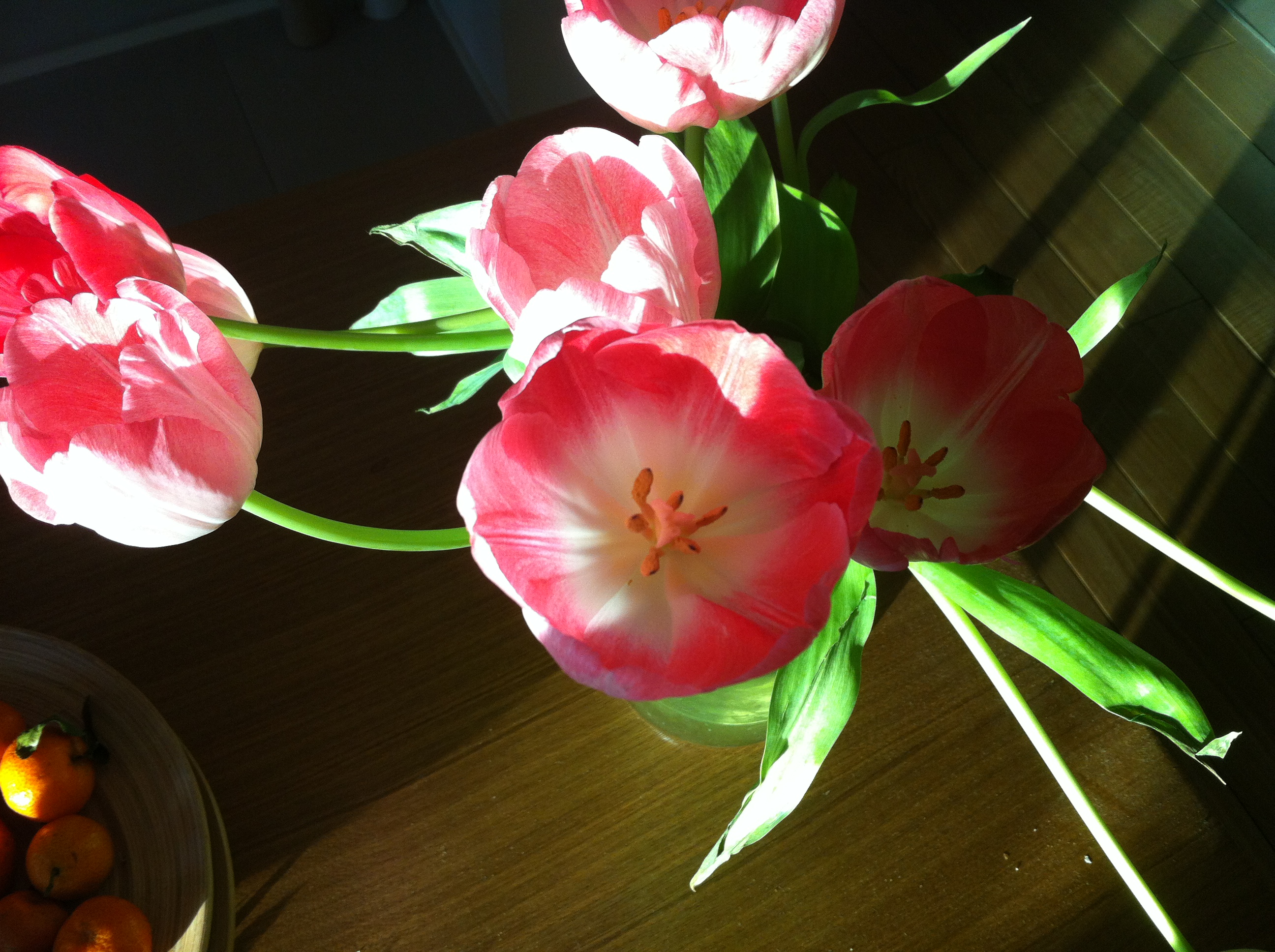
To cheer us up, my wife bought a bunch of tulips. They were still closed when she brought them home, but she placed them in a jar and we watched them slowly open over the following few days. Yesterday morning, we woke up to a gloriously bright and clear day. Thanking all the spirits I could think of, I stepped humming into the dining room, only to be greeted by the tulips which had fully opened over night. The sunlight pouring in through the windows was picking out their delicate pinks, whites and greens. I just had to memorialize the occasion.

   tulips 003

tulips 002

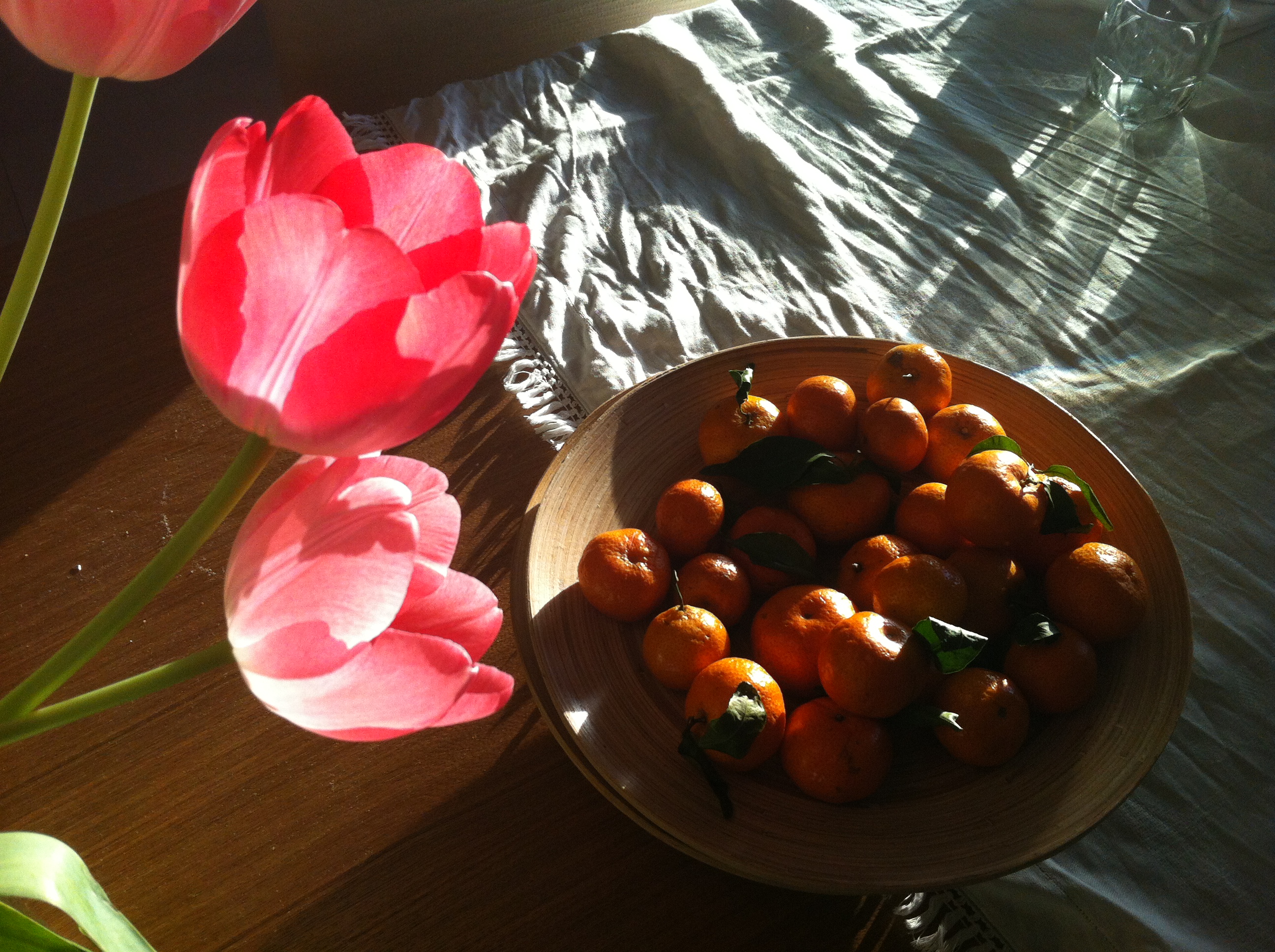
The mandarins which were also on the table kept nudging themselves into the frame, so eventually, I brought them in too.

tulips 005

Wonderful, wonderful fruit, those! They don’t look up to much, but aah the taste, my friends! First comes the delicate mandarin aroma which breaks out as you begin to peel the fruit and prepares you for what lies ahead. Then comes the citrically acidic taste with sharp mandarin overtones which hits your taste buds as you pop one segment in after the other. They are completely addictive; between my wife and I, that plate of mandarins lasted but one breakfast. She has found a greengrocers up the road which sells them. Sorry, the address will remain a secret.

LIGURIA, A CORNER OF PARADISE

New York, 4 January 2013

Like I said in an earlier posting it’s great to be with the kids, and Manhattan is certainly a fun place to ring in the new year, but it has meant that we haven’t followed our usual pattern of spending Christmas and New Year in Italy. Normally, we would all congregate in Milan, pass Christmas there, and then head for Liguria. Milan is quite depressing at year-end; it’s grey and cold and wet, and everyone’s left for somewhere else. But Liguria, especially our little bit of it just south of Genova, is lovely. The crowds of beach tourists have vanished, but the days are still mostly sunny, the temperature is mild, the sea is blue

coast and sky-1

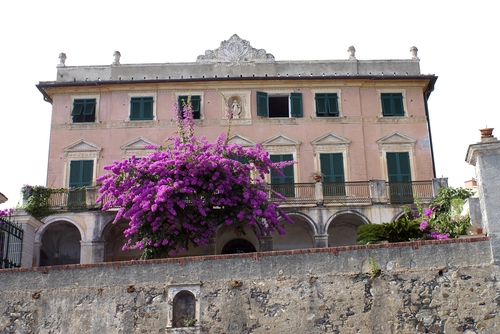
the bougainvillea is still flowering

bougainvillea

the church’s campanile is awash in festive colours

campanile

… It’s a corner of paradise.

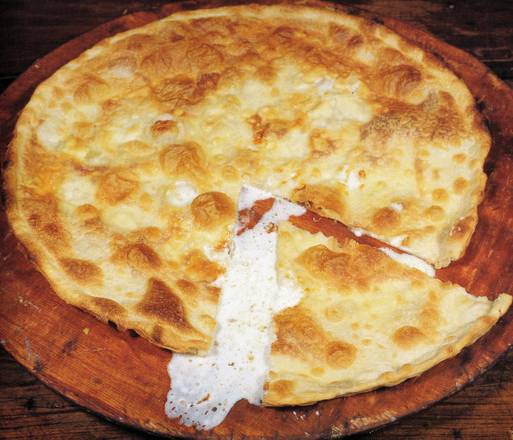
When we get off the bus, our routine is always the same. We walk up to the apartment, drop off the bags, and then head down to the village centre for dinner. There is a restaurant there that we always go to, where we order its specialty: focaccia al formaggio. For the uninitiated, this is a mass of melted soft cheese held very slightly between two very thin strips of flatbread.

Fotofocaccia01

The cheese is held so slightly by the flatbread that it is an art to pick up a piece and bring it to one’s mouth without half the cheese ending up on your lap. For the first couple of times, it’s safer to use a knife and fork.

Described like this, it doesn’t sound like much, but I can assure you that focaccia al formaggio is absolutely delicious, so famous now in Europe that the local authorities have applied for, and received, the EU certification of Protected Designation of Origin; in other words, no-one else, anywhere, can claim to make focaccia al formaggio.

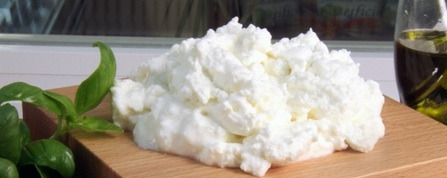
The key to a good focaccia al formaggio is of course the cheese. Originally, the locals used a highly local cheese, prescinsêua (as it is known in Genoese dialect).
Unfortunately, high demand for the focaccia over the last several decades has outstripped the meagre supply of this cheese. Local restaurateurs have therefore switched to stracchino, a very similar cheese from Lombardy.

Luckily, it was generally agreed that stracchino makes an even better focaccia. However, its use is currently creating a bit of a crisis. The obtention of the EU certificate was seen as vital to protecting the brand; however, the certificate requires the use of local ingredients, and as any Italian will tell you a Lombard cheese is definitely not local to Liguria. So makers of focaccia al formaggio are now switching to crescenza, a cheese made in a valley behind Genova.

But aficionados are whispering that the resulting focaccia is not so good. We await the unfolding of this drama with baited breath.

Feeling a little homesick, we tried to make focaccia al formaggio for the first time ever over the weekend.  Our daughter did a massive search for stracchino and eventually tracked some down in a shop in the upper east seventies. We thought we were home and dry. That’s when we discovered that how you make the flatbread is equally important. It must be very thin; ours wasn’t thin enough and we ended up with a strange sandwich of two biscuits with clumps of unmelted stracchino in between. We are also still discussing if the oven wasn’t hot enough.

Hope springs eternal. We will try again, but not any time soon. Perhaps we will be back in Italy next year and can simply eat it as we always have, at our favourite restaurant in Liguria.

_________________
Coast and sky: http://www.liguriawebtv.it/wp-content/uploads/portofino1.jpg
Bougainvillea: http://mw2.google.com/mw-panoramio/photos/medium/15661912.jpg
Campanile: http://www.google.it/imgres?hl=it&tbo=d&biw=1280&bih=658&tbm=isch&tbnid=flpKDAD7z-P6TM:&imgrefurl=http://www.panoramio.com/user/741959/tags/campanili&docid=iq3aXsUhbs36HM&imgurl=http://mw2.google.com/mw-panoramio/photos/small/7332810.jpg&w=180&h=240&ei=DyHmUIODCqXv0QHUo4DwCw&zoom=1&iact=hc&vpx=1079&vpy=127&dur=33&hovh=192&hovw=144&tx=130&ty=122&sig=104429032764427195966&page=1&tbnh=138&tbnw=107&start=0&ndsp=22&ved=1t:429,r:6,s:0,i:103
Focaccia col formaggio: http://www.ansa.it/webimages/foto_large/2012/3/15/1331830684301_Focacciadirecco.jpg
prescinsêua: https://www.facarospauls.com/apps/italian-food-decoder/11169/prescinseua
stracchino: http://www.carionifood.com/it/cat0_17049_16985/formaggi/formaggi-senza-lattosio/p530877-stracchino-senza-lattosio.php
crescenza: http://www.misya.info/ingrediente/crescenza
Edo Bar: https://www.tripadvisor.it/Restaurant_Review-g1807548-d1173493-Reviews-Edobar-Sori_Italian_Riviera_Liguria.html

A BLAST OF MY TRUMPET AGAINST THE MONSTROUS REGIMENT OF HOT SPICES

Beijing, 3 November 2012

Dedicated to my dearest daughter who, like me, dislikes hot spices

In 1558, John Knox, one of the founders of the Protestant faith in Scotland, wrote The First Blast of the Trumpet against the Monstrous Regiment of Women, a diatribe against women rulers. He wrote choice rants such as these:

“Wonder it is, that amongst so many pregnant wits as the isle of Great Britain has produced, so many godly and zealous preachers as England did sometime nourish, and amongst so many learned, and men of grave judgment, as this day by Jezebel are exiled, none is found so stout of courage, so faithful to God, nor loving to their native country, that they dare admonish the inhabitants of that isle, how abominable before God is the empire or rule of a wicked woman (yea, of a traitress and bastard) … We see our country set forth for a prey to foreign nations; we hear of the blood of our brethren, the members of Christ Jesus, most cruelly to be shed; and the monstrous empire of a cruel woman (the secret counsel of God excepted) we know to be the only occasion of all those miseries … And therefore, I say, that of necessity it is that this monstiferous empire of women (which amongst all enormities that this day do abound upon the face of the whole earth, is most detestable and damnable) be openly revealed and plainly declared to the world, to the end that some may repent and be saved … we are debtors to more than princes: to wit, to the multitude of our brethren, of whom, no doubt, a great number have heretofore offended by error and ignorance, giving their suffrages, consent, and help to establish women in their kingdoms and empires, not understanding how abominable, odious, and detestable is all such usurped authority in the presence of God.”

The book goes on in this vein for many pages. Boiling it down to its essentials, his thesis was that women should be in the kitchen and not running countries.

Knox was fond of diatribes and had a nasty habit of whipping people up into a frenzy of destruction with them. The picture below captures nicely what he must have been like when he was in full spate, beady-eyed, beetled brow, and frothing at the mouth.

He reminds me of another tribe of hirsute religious leaders who are currently whipping people into frenzies. I’m sure he would have got on with them like a house on fire – and then promptly burned them at the stake for heresy.

I would have disliked him intensely. I have an aversion to people who shout and scream and hate. And yet … when it comes to the use of hot spices in food I feel my beard growing, my eyes beading, my brow beetling, and froth forming in the corners of my mouth.

By hot spices, I mean those spices that numb your mouth, that put your tongue, palate, inner cheeks and throat on fire and have you groping for water, that make you cry, that make you choke, and generally that kill all enjoyment of the food you are eating.

What in the name of God got into the human species to add this stinking scum to their food??!! What did we do that we now have to punish ourselves for eternity in this way??!! And no-one can tell me that they add taste, because they DO NOT!!!! As for people who actually enjoy hot spices, they are like drug addicts, their enjoyment of this filth is a deviancy; they need to be locked up until they have cold turkeyed!!

I NAME – and SHAME – the Piper genus: 1,000 species! The genus has spread its evil tentacles far and wide. Asia has given the world black pepper, P. nigrum; may a curse fall on those who spread it around the world! But in Asia, deluded, lost souls also eat the Indian long pepper, P. longum, Balinese long pepper, P. retrofractum, Cubeb, P. cubeba, and Prik Nok, P. caninum. In Latin America, poor fools eat Mecaxochitl, P. amalgo, and Matico, P. aduncum. As for Africa, miserable inhabitants of that miserable continent eat West African pepper, P. guineense, and Voatsiperifery pepper, P. borbonense. And who knows how many of the other 1,000 species are eaten only locally by poor, benighted villagers who know no better.

I NAME – and SHAME – the Zanthoxylum genus: only (thank God) 250 species! But at least two of these, Z. simulans and Z. bungeanum, I curse again and again for producing Sichuan pepper, which makes my life a misery at every banquet I go to in Sichuan and other western provinces of China! I emerge from these with numbed mouth and lips, having enjoyed not a whit of the food on offer. The Chinese use other species for the same foul purpose: xiang-jiao-zi (“aromatic peppercorn”), Z. schinifolium, chun ye hua jiao (“Ailanthus-leaved pepper”), Z. ailanthoides, while the Japanese use sanshō (the Japanese pricklyash), Z. piperitum. I am horrified to see that the genus is also present in the Americas and Africa, where no doubt there are wretches who eat the fruits.

But my heaviest, longest, most profound curses of all fall on the Capsicum genus, home of the dreaded chili pepper. There is C. annuum, whose varieties include banana pepper, cayenne pepper, jalapeño pepper, and the ferocious chiltepin; C. frutescens, which contains malagueta pepper, tabasco pepper, and the African piri piri; C. sinense, which incorporates hideously hot peppers like the naga, habanero, Datil, and Scotch bonnet peppers; C. pubescens, whose most notorious variety is the rocoto; and finally C. baccatum, which includes the deceptively named but nastily hot Lemon drop pepper and the Aji Amarillo as varieties. May Diego Álvarez Chanca, a physician on Christopher Columbus’s second voyage who first brought chili peppers to Spain, reside in the deepest circles of Hell for eternity!! And may the Portuguese forever beat their breast for spreading chili peppers to the rest of the world through their rapacious traders!!! And may the idiots who boast of being able to eat the hottest of hot chili peppers have their mouths (and the other end of their alimentary canals) on fire forever and ever!!!!

Amen.

________
pix:
http://revhelio.blogspot.com/2011/02/john-knox-o-reformador-da-escocia.html

http://www.wikipaintings.org/en/hans-memling/the-last-judgment-triptych-right-wing-casting-the-damned-into-hell-1470