INDONESIA – THE LANGUAGE

Beijing, 26 February 2014

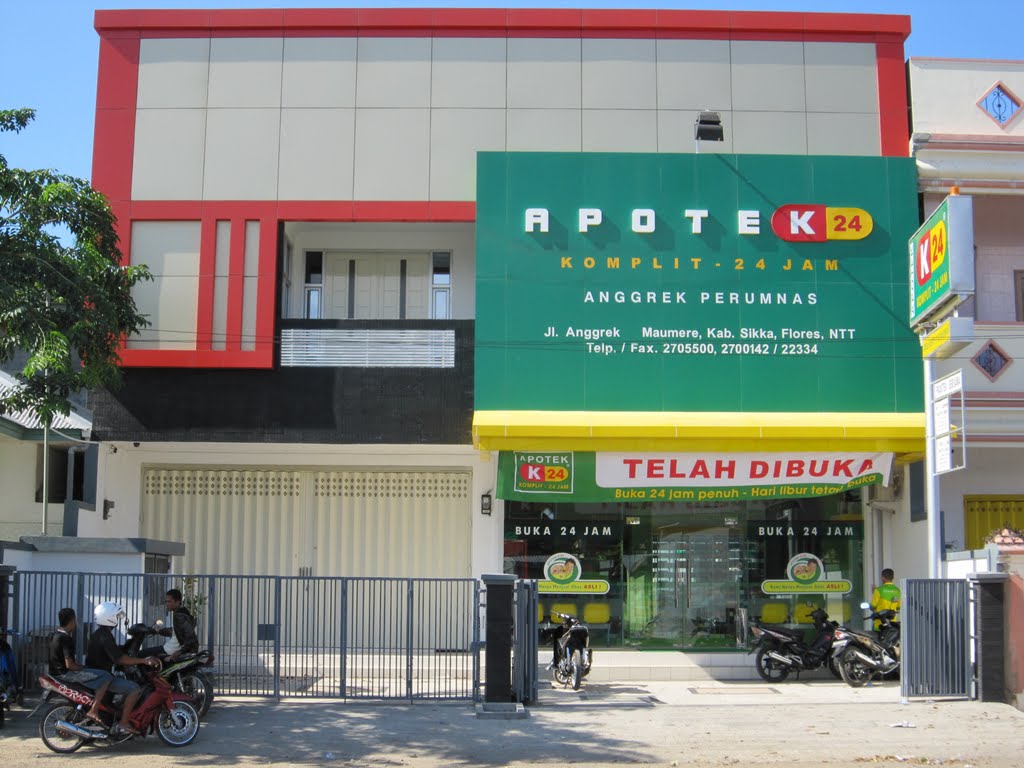
As we drove and walked around during our week in central Java, my wife and I couldn’t help noticing the many loanwords from European languages (presumably mostly Dutch, with more modern loanwords coming from English) liberally sprinkled among the Indonesian words on signs and billboards. I cite a few here: klinik (clinic, or maybe hospital), notaris (lawyer), parkir (parking), bisinis (business),  apotek (drug store, pharmacy, chemist)

apotek

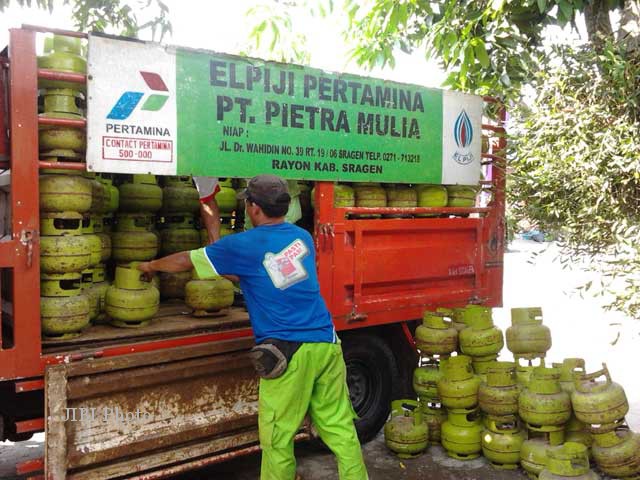
asesori (accessories – seen in a shoe shop, for a shelf devoted to shoe polish and the like), oli (oil), bensin (gasoline), gratis (free), buka (book), and – what has to be my favourite – elpiji (LPG)

elpiji

Indonesians certainly don’t seem to have a problem with borrowing words from a different language when they need them to describe things or ideas.  A little research showed me that each wave of foreigners who have passed through the region for trade or conquest – or both – has dropped words into the language.

Here are a couple of examples from Portuguese, who formed the wave immediately before the Dutch: gereja (church – from the portuguese igreja)

gereja

and sepatu (shoes – from sapato). I can understand Indonesians borrowing the Portuguese word for “church” since they had none before the Portuguese arrived, but I’m surprised they borrowed the word for shoes. Did they not wear shoes before the Portuguese appeared over the horizon? Perhaps not, the climate certainly doesn’t require them.

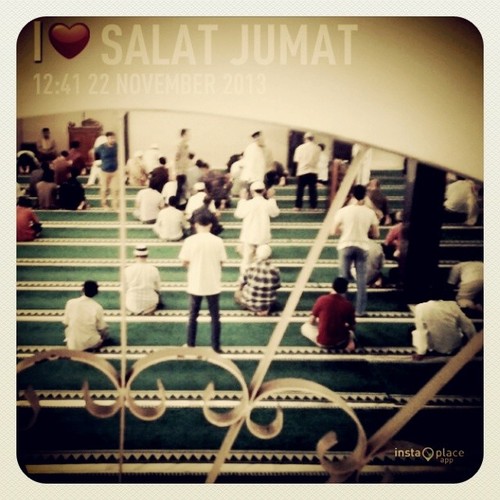
Before the Portuguese came the Arabs. For a country which is 87% Muslim, I suppose it’s not surprising that a number of the Arab loanwords have to do with religion, for instance jumat (Friday – from al-jumʿa)

jumat

or kitab (book, primarily religious book – from kitāb), but there is also salam (from the universal Arabic greeting, salām).

As for the Chinese, who arrived a little before the Arabs, they have mostly left loanwords which are about very Chinese things, like noodles. Interestingly, rather than from Mandarin, many of the loanwords came from Hokkien, a dialect from southern Fujian, which reflects the Fujianese’s enterprising spirit. Many of the Chinese found throughout South-East Asia originally came from Fujian. So we have mie (noodles – from ), lunpia (spring roll – from lūn-piá)

lunpia

teko (teapot – from teh-ko). But we also have, surprisingly, the widely used slang terms gua and lu (I/ me and you – from goa and lu/li). I say surprisingly because normally these are words which come from the mother language and are not borrowed.

And finally in the distant past, there were intense relations with India, with the main royal families being either Hindu or Buddhist. This brought many Sanskrit words into Indonesian: raja (king), pura (city/temple/place), mantra (words/ poet/spiritual prayers), but also kaca (glass, mirror), istri (wife/woman) and bahasa (language), as in Bahasa Indonesian.

bahasa

(if I understood the article accompanying this photo correctly, these students are demonstrating against the fact that some classes at their University are not in Bahasa Indonesian; intolerance of the foreign or genuine problem?)

I suppose this seemingly painless adoption of words from other languages has to do with the fact that Indonesian, whose roots are a variant of Malay from Sumatra or Malacca, originally developed as a lingua franca spoken by the traders who roved throughout the Indonesian archipelago. The need for a lingua franca becomes obvious when you think that the archipelago was a thick tapestry of languages. As it is,  some 700 languages are spoken today in the archipelago; probably more were spoken in the past when communities were more isolated. All of the peoples whose languages loaned words to Indonesian originally arrived in the archipelago for trade, so they were communicating with Indonesians who were already open to the idea of using foreign words – as long as it made trade easier, why not?

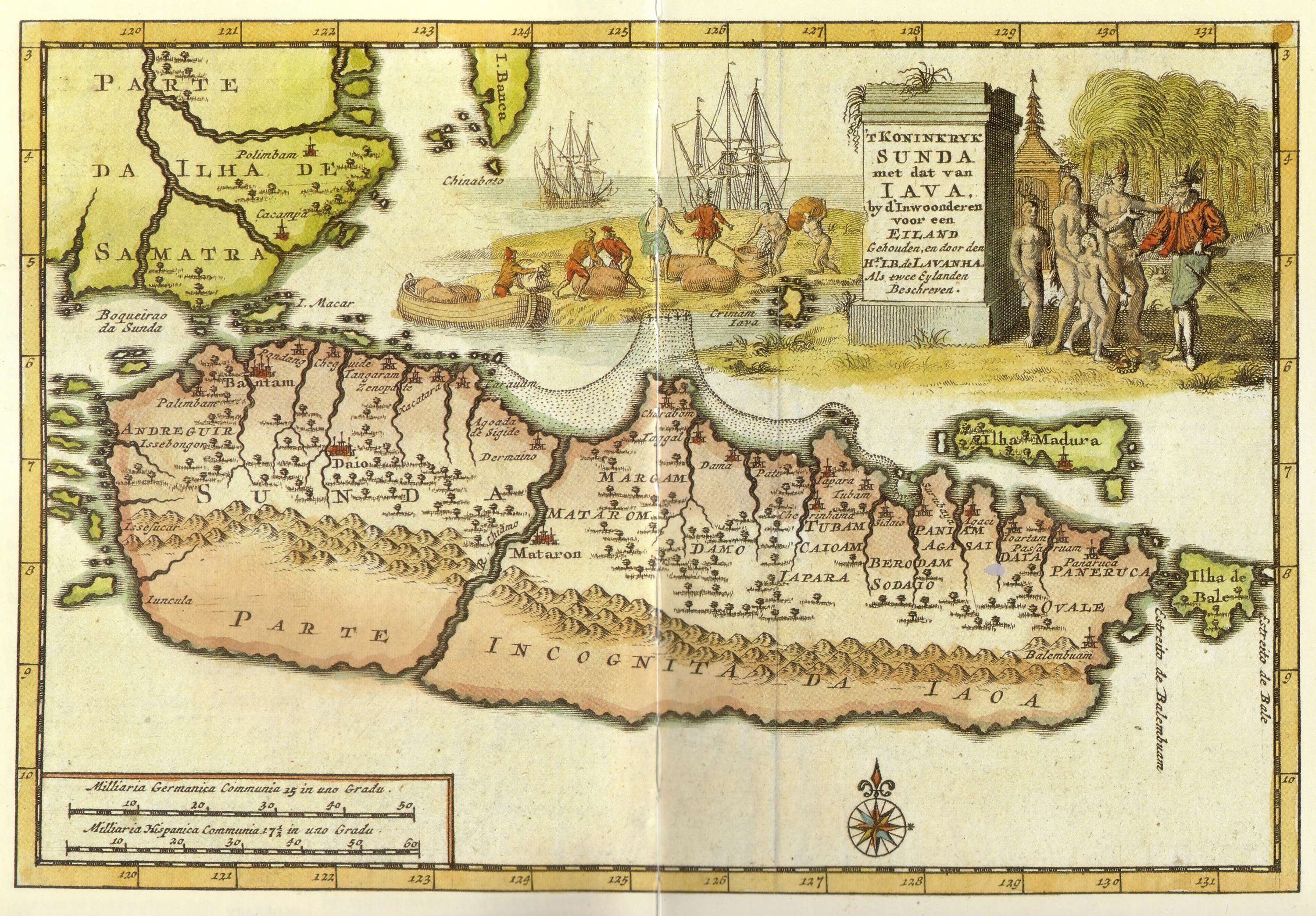
Java Map

Personally, I’m very sympathetic to the idea of a language being open to any word that comes along and is useful in helping communication, and I cheer the Indonesian on in their liberal word borrowing (we’ll skip over the fact that many of the words entered in periods of colonialism from the colonialists’ language – was their language also “colonized”?). My paternal language, English, is currently busily lending all sorts of words to every other language in the world, but originally it was the other way around. The English were quite happy to borrow foreign words – often mangling them in the process, but that’s OK. Why, English even borrowed from Indonesian/Malay. I list here the ones where I went “really? from Indonesian? how about that!”: cockatoo (from kakatua), gecko (actually from the Javanese tokek), orangutan (this one I knew), bamboo (from bambu), paddy (from padi), rattan (from rotan), sago (from sagu), sarong (from sarung), gong (from gong), junk (from jong), Mata Hari (from matahari = sun), amok, as in “running amok”, from amuk, and finally, last but definitely not least, ketchup (from kecap, which is actually a soy sauce, not a tomato sauce; somewhere along the line tomato must have been added to, and eventually substituted for, the soy).

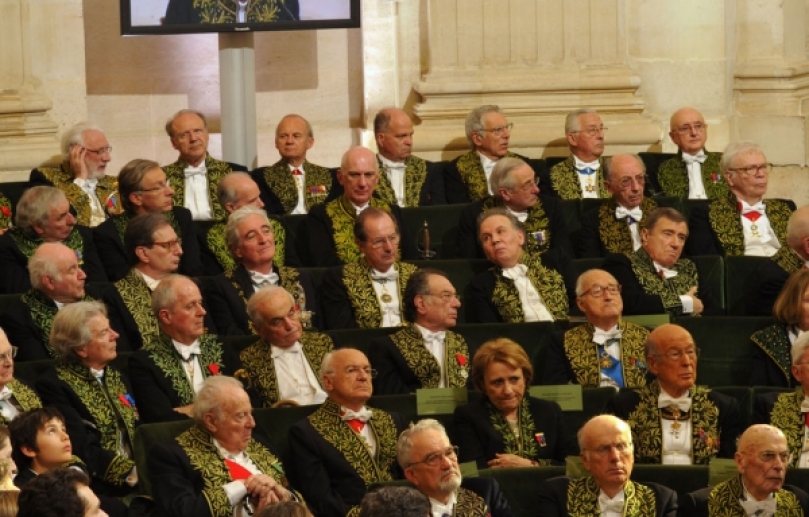
On the other hand, I am quite irritated by the French, holders of my maternal language, and their silly desire to stop the language being contaminated by foreign words. These old fogies, members of the prestigious (or elitist?) Académie Française (and among whom I recognize an ex-French President whose electoral defenestration I was proud to be present at)

Academie-francaise

sit in this rather nice palace on the banks of the River Seine in Paris

Academie_Francaise-building

and pronounce linguistic fatwa (an Arabic word which I rather like to use) against English (and presumably other foreign) words which have crept into the French language.  If they feel it necessary, they will coin a new French word as a substitute. Thus, they came up with “courriel” to replace “email”. Ridiculous! Let the people decide the words they want to use! Chuck the old fogies into the Seine! (the origin, by the way, of the word fogy is unknown; its first known use is in 1780 … just thought my readers might want to know).

______________

Apotek: http://static.panoramio.com/photos/large/43053404.jpg [in http://www.panoramio.com/photo/43053404%5D
Elpiji: http://images.solopos.com/2013/05/elpiji-Ika-Yuniati.jpg [in http://www.solopos.com/2013/05/16/elpiji-3-kg-langka-kelangkaan-diduga-akibat-pengguna-tabung-12-kg-pindah-ke-3-kg-406756%5D
Gereja: http://media-cdn.tripadvisor.com/media/photo-s/03/9b/35/96/black-portuguese-church.jpg [in http://www.tripadvisor.com/Attraction_Review-g294229-d379308-Reviews-Black_Portuguese_Church_Gereja_Sion-Jakarta_Java.html%5D
Jumat: http://31.media.tumblr.com/0def87ff6cecf5bdaba08df01555f5d1/tumblr_mwnijh0zzn1qb44klo1_500.jpg [in http://wawicaksono.tumblr.com/%5D
Lumpia: http://id.openrice.com/UserPhoto/photo/0/A2/001ZMRD204116C98F1ABB7l.jpg [in http://id.openrice.com/other/restaurant/lumpia-panas-semarang/104261/%5D
Bahasa: http://www.seasite.niu.edu/indonesian/bahasa_indonesia1.jpg [in http://www.seasite.niu.edu/indonesian/new_page_5.htm%5D
Java map: http://upload.wikimedia.org/wikipedia/commons/a/a9/Java-Map.jpg [in http://en.wikipedia.org/wiki/Demak_Sultanate%5D
Académie Française members: http://cdn-lejdd.ladmedia.fr/var/lejdd/storage/images/media/images/culture/academie-francaise/5255893-1-fre-FR/Academie-francaise_pics_809.jpg [in http://www.lejdd.fr/Societe/Images/portfolio/A-suivre-cette-semaine3/Jeudi%5D
Académie Française building: http://i.images.cdn.fotopedia.com/flickr-870543298-image/Paris_and_Vicinity/The_City_of_Paris/6th/Institut_de_France/Academie_Francaise.jpg [in http://www.fotopedia.com/wiki/6th_arrondissement_of_Paris#!/items/flickr-870543298%5D

INDONESIA – THE TEMPLES: SO NEAR AND YET SO FAR

Beijing, 26 February 2014

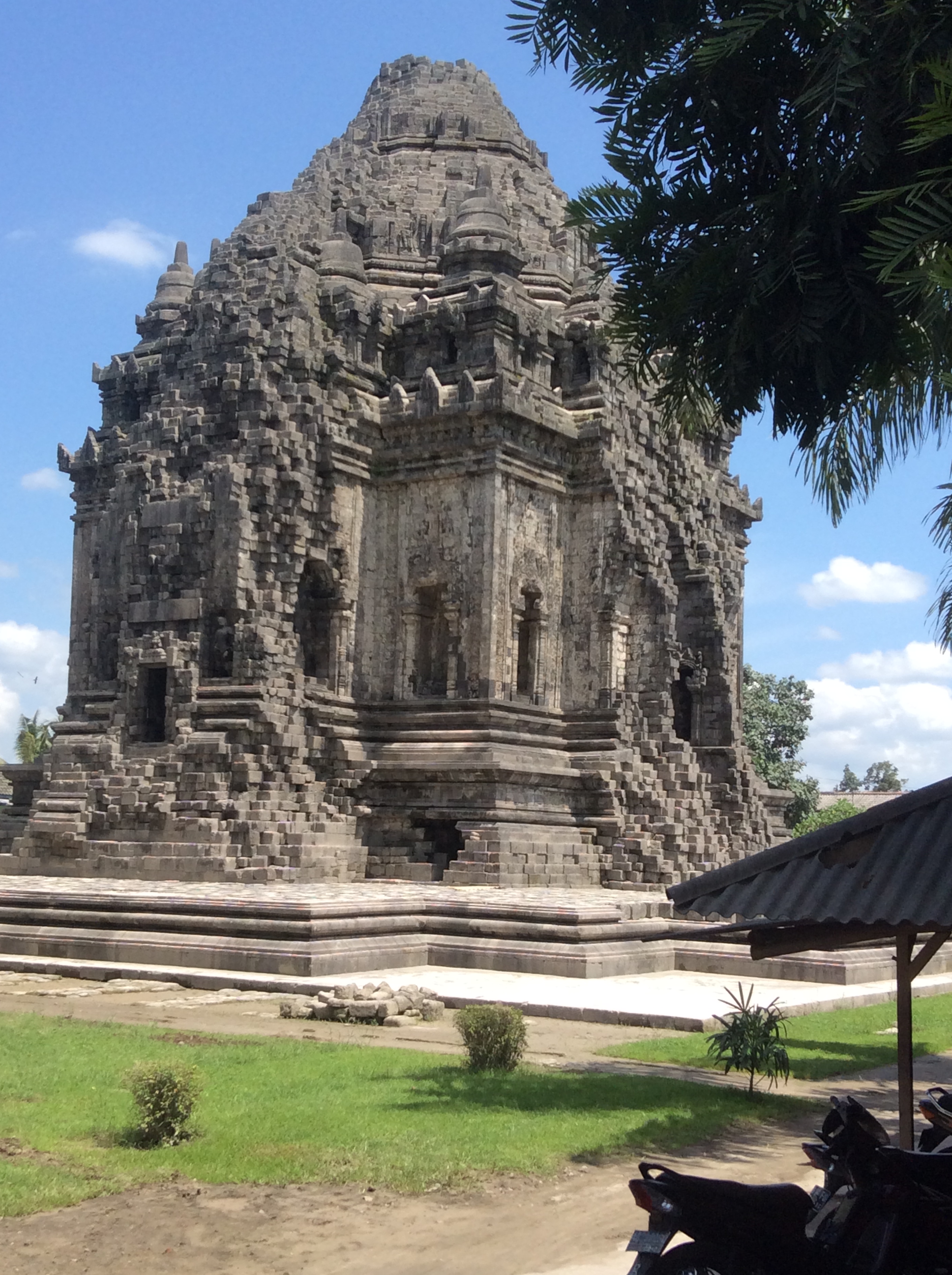
A major reason why we came to this part of Indonesia was to visit Borobudur, Prambanan, and other smaller Buddhist and Hindu temples scattered around the Kedu plain, north of Yogyakarta. Well, Mt. Kelud’s eruption put paid to that plan! With equal indifference the volcano covered all temples, Buddhist and Hindu alike, with a layer of ash. Result: all the sites were closed to visitors while clean-up crews moved in to wash off the ash.

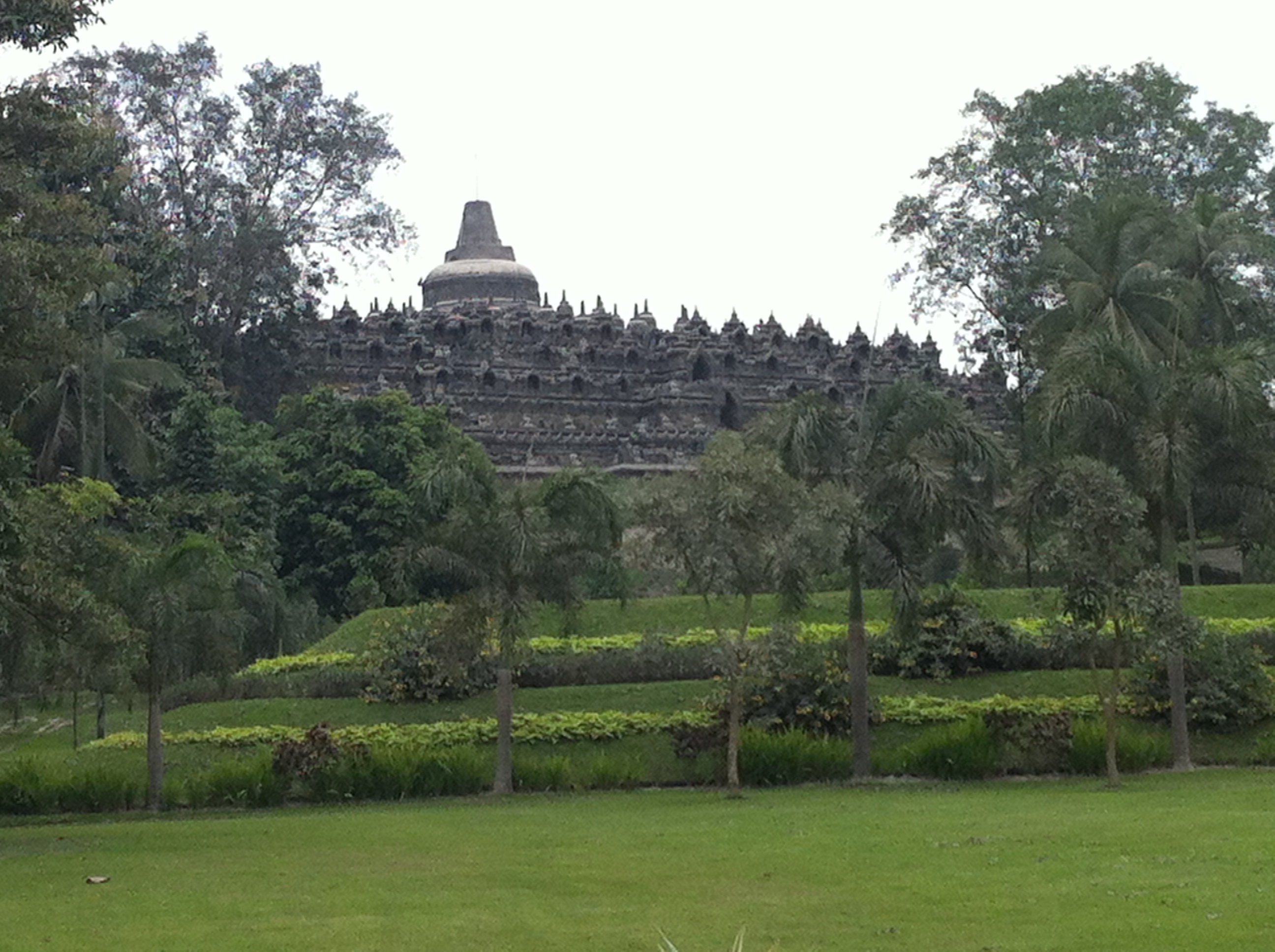
What to do, what to do? Well, hope springs eternal, as they say. We kept telling each other that surely they would reopen the temples quickly, within a few days, maximum! I mean, all those disappointed tourists milling around! All their money not being spent on entry tickets and ancillaries! So on the first day, we walked down to Borobudur to check out the situation. Not brilliant.  It would be a long time before the temple itself would be reopened, we were informed, although the grounds might be re-opened in a few days. The locals helpfully guided us to a spot on a side road from which one could see the temple quite well. They were right, with the foreground of tender green rice shoots being particularly appealing.
Borobodur across rice paddies 002
We then decided to go to a hotel abutting the temple grounds to have a late lunch, and discovered to our astonishment an excellent view of the temple from the back of the hotel.
Borobodur from Manohara 002
So, sitting on some steps I read out to my wife a description of all the things we were missing: the 2,760 bas-reliefs, “exquisite, considered to be the most elegant and graceful in the ancient Buddhist world”, as well as the 461 Buddha statues circling the middle and upper levels of the temple. Rather masochistic reading, I grant you, but I wasn’t having me carry that heavy guidebook all the way to Indonesia for nothing. And anyway, we kept telling each other, we might get closer still when they opened the park later in the week.

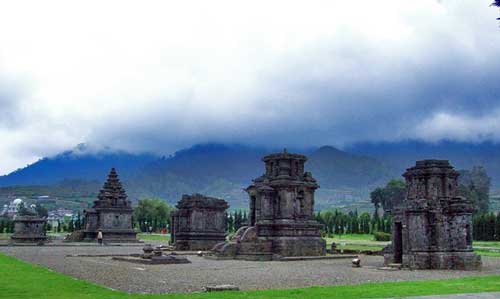
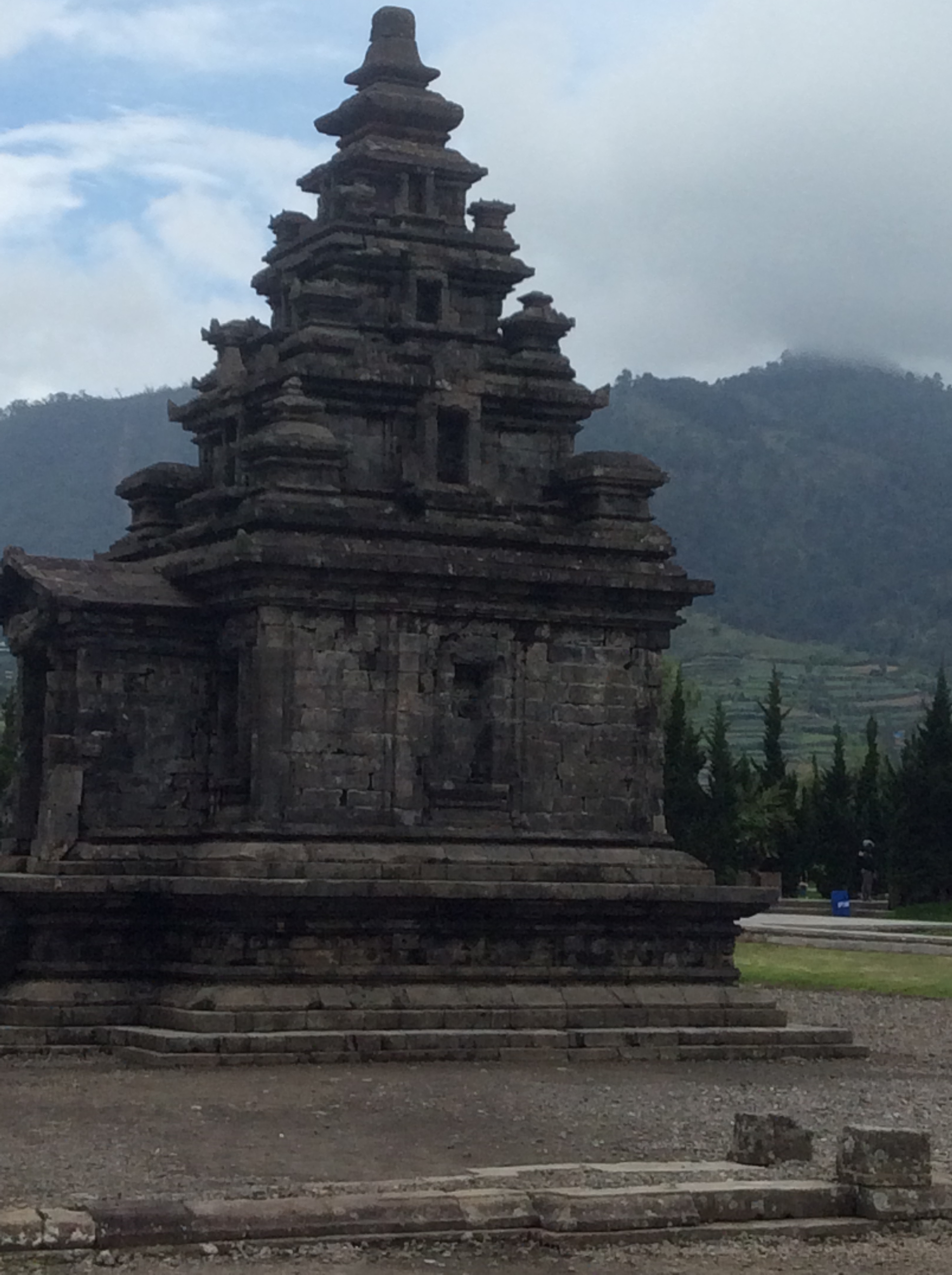
The next day, a local guide took us up to Dieng Plateau, which was a very pleasant drive up to 2,100m. After visiting a smoking solfatara (the plateau is an ancient volcanic caldera complex) and a volcanic lake, we visited a series of small Hindu temples, “the oldest known standing stone structures in Java”, so the guidebook informed us. Here, Mt. Kelud’s ash had not reached, so we could visit them no problem.

Dieng plateau temples 000
Dieng plateau temples 002

This was the closest we ever got to bas-reliefs

Dieng plateau temples 006

Intriguing. Each temple was rather small, with very dark interiors. It wasn’t clear to us why anyone would expend all that effort and stone for such a small inner space. We had to be missing something, and the heavy guidebook did not enlighten us.

The next day, hope as I say springing eternal, we again walked down to Borobdur, to check if the park was open (yes) and if we could get any closer to the temple (no). Giving up on Borobudur, we went to visit Yogyakarta for the day (where we had the delicious fried chicken I have previously mentioned).

We now put our faith in our local guide, who said that he might, just might, get us into Prambanan. He also said we should have no problem visiting the smaller temples in the surroundings; the guards there were more relaxed. So, with hope springing etc., we set out the next day to visit Prambanan and a series of smaller temples. Alas, our guide was too optimistic. At Prambanan, we could go into the grounds but couldn’t get close at all to the main temples, so we decided to forget it. And as for the other temples, the universal answer was no, we couldn’t enter, the boss might come and it wasn’t worth their while risking it (after hearing this for the fourth time, we started asking ourselves who was this boss who seemed omni-present and ever so fierce?). We contented ourselves with looking at the temples from the fences, except in the case of Prambanan where we sneaked through an open unguarded gate around the back and were rewarded with a great view of the temple ensemble.

So here are the photos we took:

Mendut
Mendut temple 003
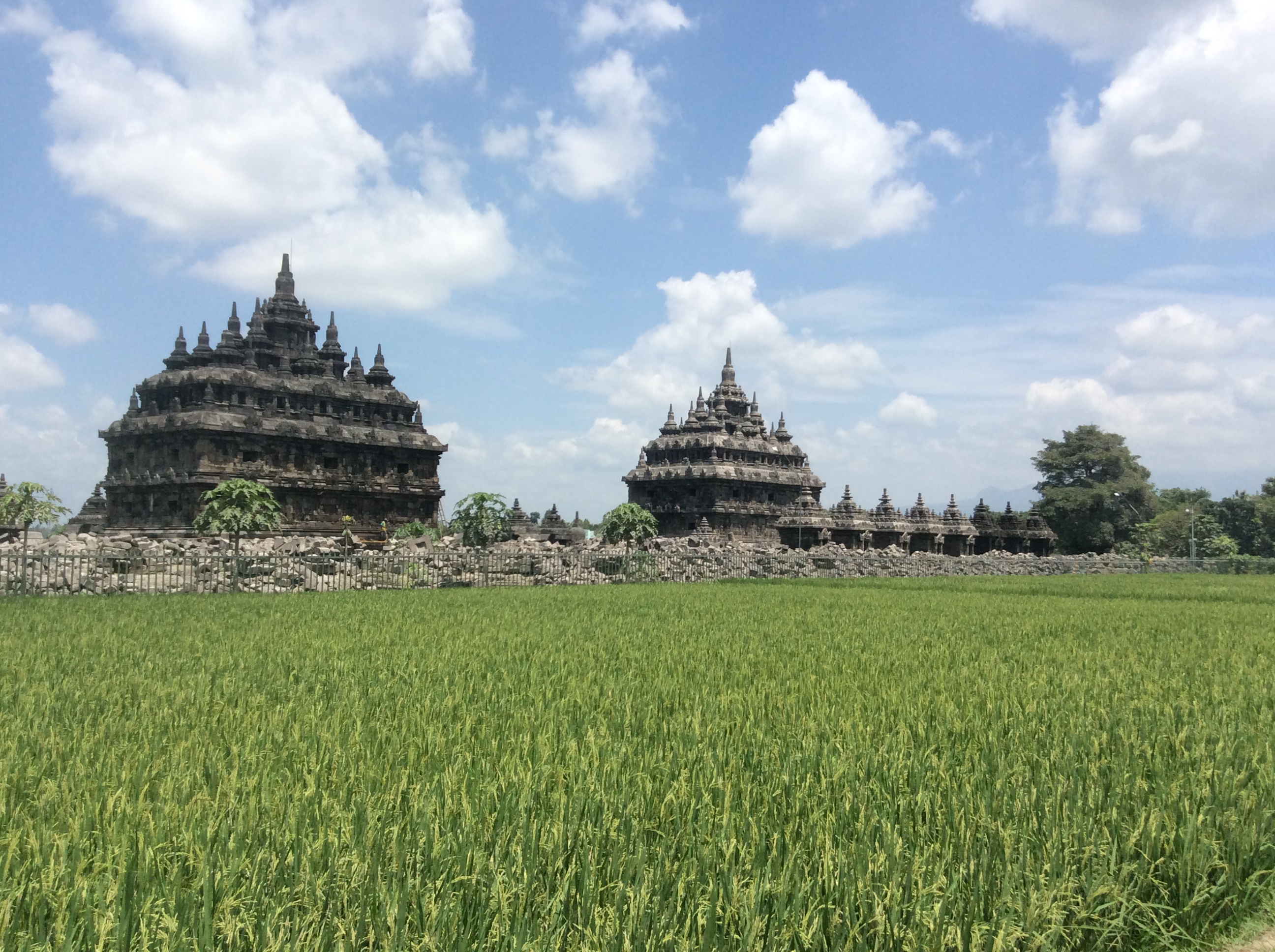
Plaosan
Plaosan temple 004
Sewuu
Sewuu temple 001
Prambanan
Prambanan temple 002
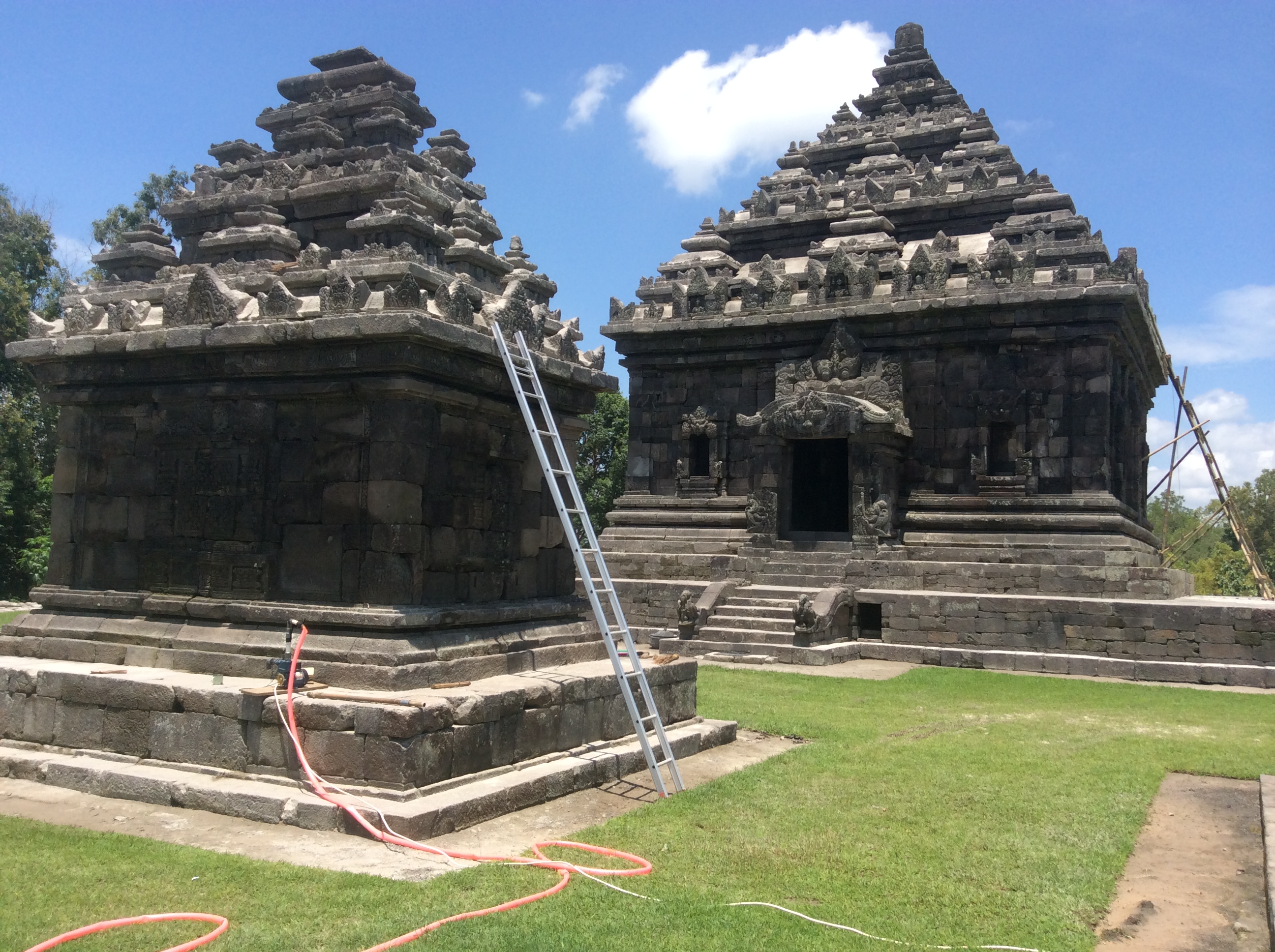
Ijo

Ijo temple 001

high, high, on a hill
Ijo temple-view of surroundings
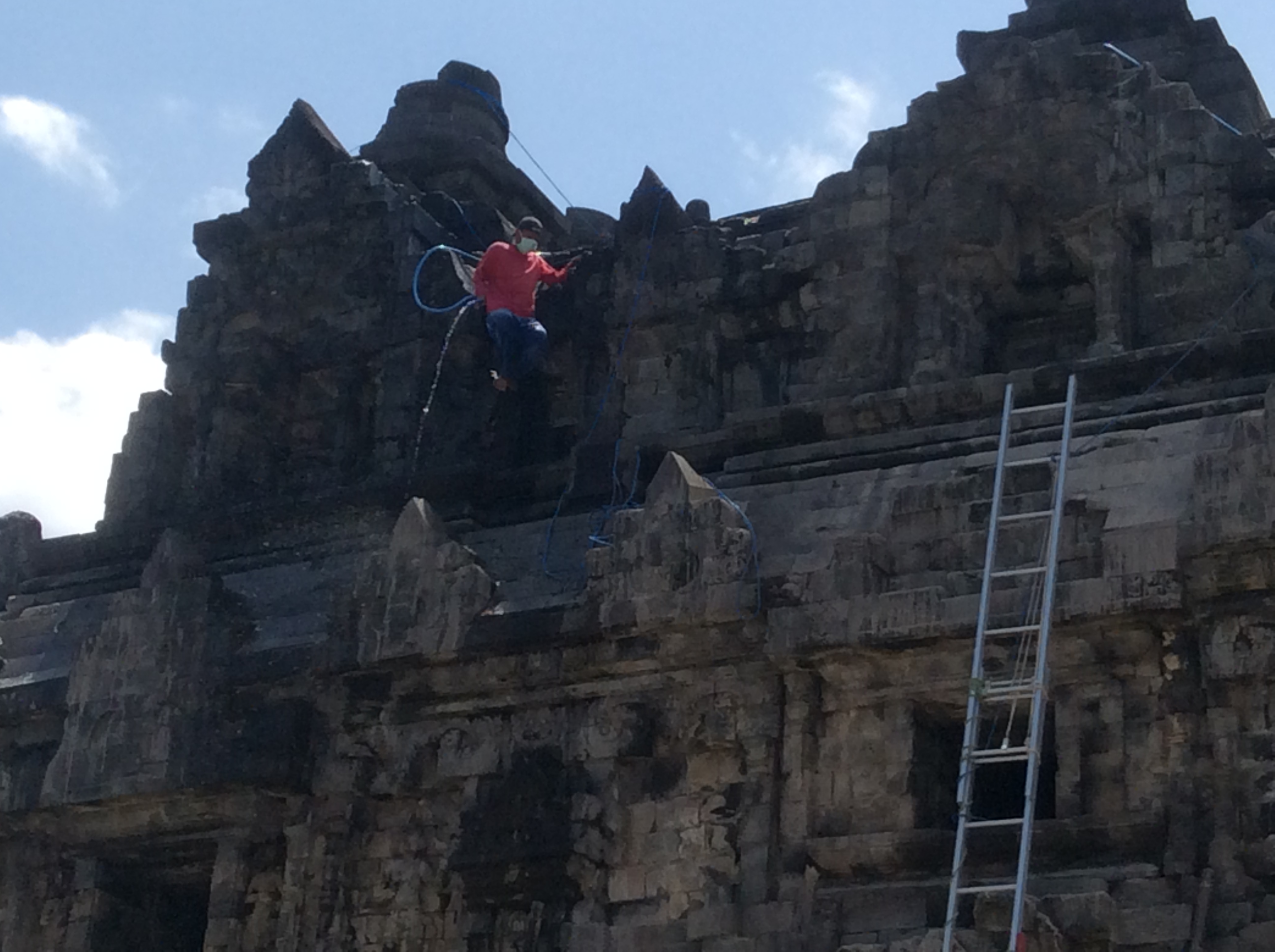
Sari
Sari temple 001
being cleaned by crazy cleaners – no safety harness, no ropes, nothing!

Sari temple 005

Kalasan
Kalasan temple 001
being cleaned by even crazier cleaners

Kalasan temple 009

and finally Sambisari
Sambisari temple 002
an odd temple, this one, seemingly sunken 5m below ground level but actually completely buried long ago during a volcanic eruption. This must have been a Pompeii-like event.

Actually, you know, this wasn’t such a bad way of seeing the temples, just an overview as it were. The drives between the temple alone were worth it – it’s really a lovely part of the world. And seeing all these temples with no other tourists around was definitely a plus. My only regret was not being able to see the bas-reliefs from closer up. But I take the Buddhist precept to heart that desire is the ultimate source of all unhappiness, and I will not let myself desire to see the bas-reliefs. Anyway, I’m sure their pictures are all on the internet …

______________________

All pictures ours, except:

Dieng plateau temples overview: http://allindonesiatravel.com/images/arjuna-temples-dieng-plateau-java-indonesia.jpg [in http://allindonesiatravel.com/dieng-plateau-central-java/%5D

THE BASQUE BERET

Beijing, 2 February 2014

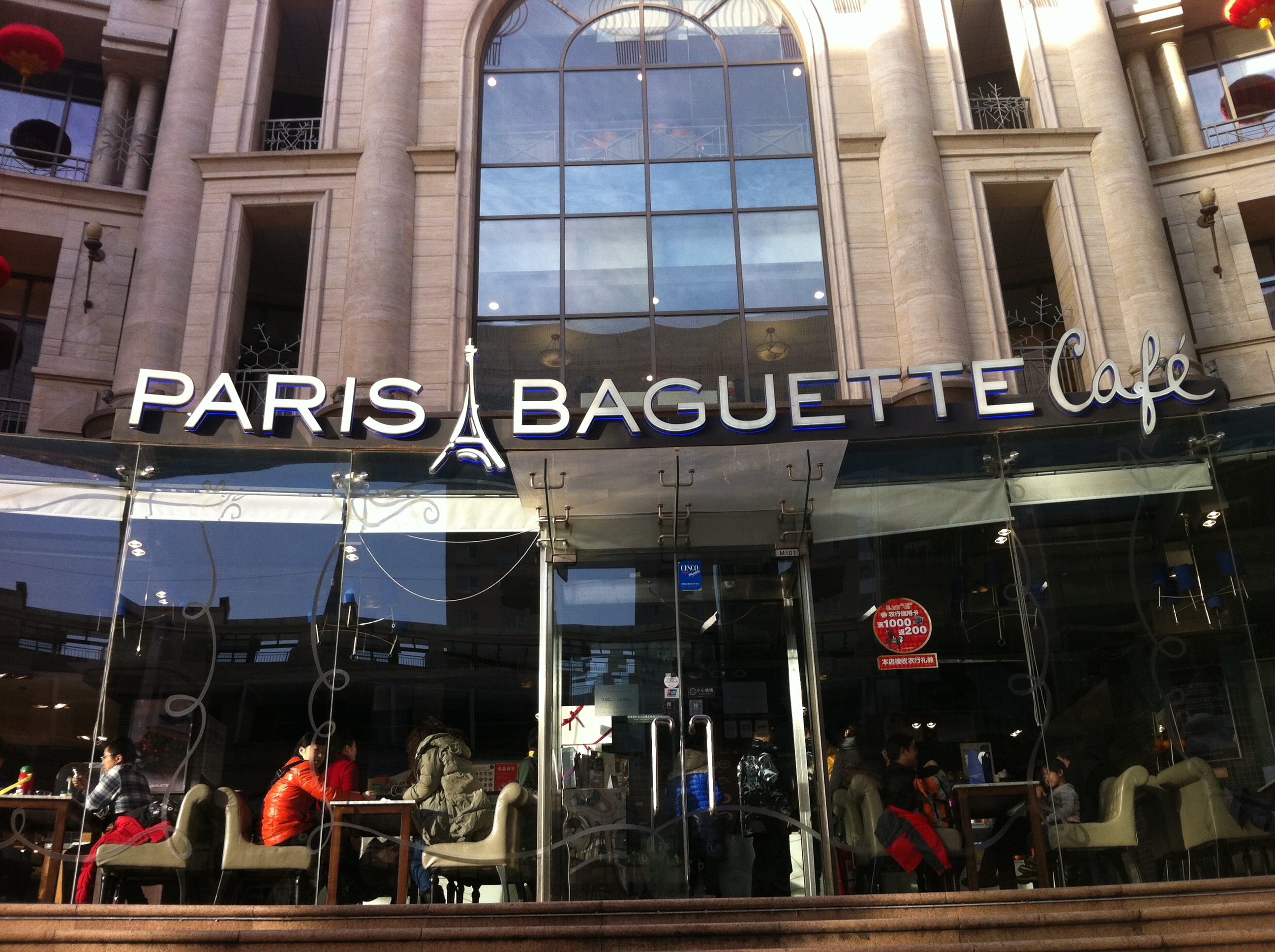
It’s quiet at the moment in Beijing. The Chinese New Year has just passed and the city is still deserted, with the locals staying at home and the migrants off in their home towns or villages. So when we went out for our usual Sunday afternoon coffee to The Place, a mall whose main claim to fame is that it hosts a ginormous TV screen, it was singularly empty. We decided to eschew our usual coffee houses such as Starbucks and Costa Coffee, both of which grace The Place, and took our coffee instead at a branch of (the South Korean-based) Paris Baguette.

paris baguette 003

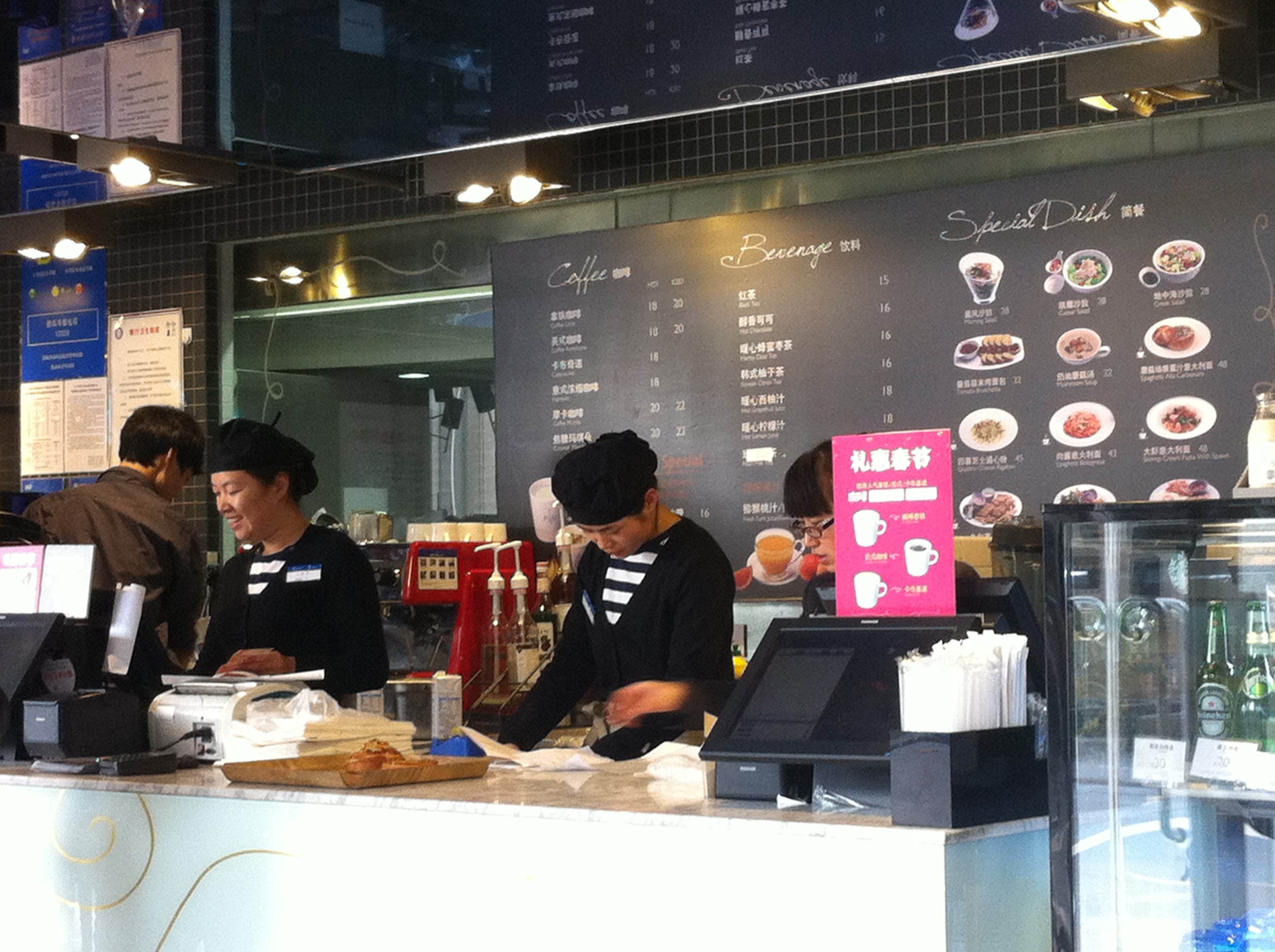
As the name suggests, this chain of stores offers a vaguely French eating experience, the most obvious of which being the sale of baguettes – they’re not bad, although the Vietnamese, after their bout of colonization by the French, bake better ones. The stores also sell French pastries: croissants, of course, madeleines, and various others (they also sell a lot of pastries which my French grandmother would never have recognized as French in any way). And, as I discovered today, the staff wear berets basques
paris baguette 001
At least, I think that is what they are meant to be wearing. They are certainly modeled on the beret basque, although they look more like the floppy hats that popular and upwardly mobile painters sported in the 19th Century.

As everyone knows, the beret basque is as French as … well, the baguette
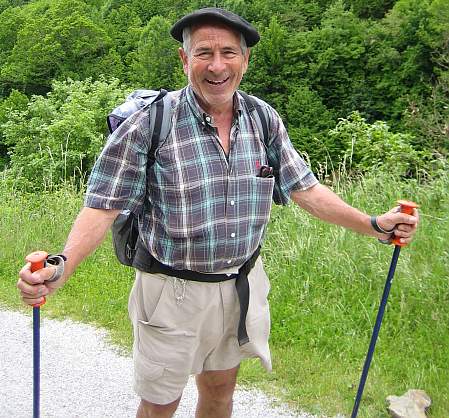
basque beret-2
or the gauloise cigarette and glass of red wine …
beret basque et gauloises
… or onions and garlic. I remember when I was young coming across the last gasps of an old tradition: Frenchmen bicycling around the UK selling onions. Lord knows why this tradition started, but as every Englishman knows the French eat a lot of onions – and garlic – so maybe the English thought that French onions purchased from a Frenchman were better than onions grown in the UK. So legions of canny Frenchmen set out every summer to bicycle door-to-British door and sell French onions. And of course branding rules required them to wear a beret basque.
basque beret-onion sellers
The funny thing is, only once in my life do I ever remember seeing a Frenchman actually wear a beret basque, and that was the driver of a car who, just north of Dunkerque, ran smack into the right-hand side of the deux-chevaux which my English friend was driving.

Since, as everyone knows, the deux-chevaux is as French as the beret basque, the baguette, and the gauloise

Citroen 2CV

the driver presumably thought that my friend knew the typically French road rule of “priorité à droite”, priority to the right: a car coming from the right always has priority unless otherwise specified. Unfortunately, my friend knew the much more sensible English road rule that a car on a big road has priority over a car on a little one, and since our road was a least three times as wide as his road, she thought … The resulting clash of cultures left a very big dent in her car door.

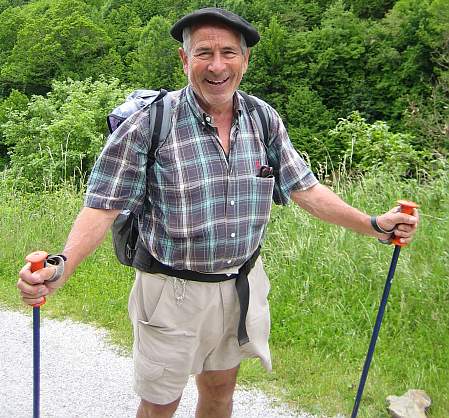
In any event, the only place I ever really saw the beret basque being worn regularly was in northern Italy, and that was only in the early years of my going there, some 30-plus years ago. Quite quickly, the younger generation abandoned the beret, as well as any other head coverage, presumably for one or more of the reasons which I listed in an earlier post. But I am very fond of a couple of photos lying around our apartment in Milan.  In one, my father-in-law is wearing his basco (as it is called in Italy) and smiling into the camera. In another, we see him sporting the beret and holding my wife, just a small girl at the time, by the hand. Whenever we come across them, my wife smiles and begins to reminisce. They were on holidays, it was the mid-sixties, times were good then in Italy, there was optimism in the air. The Good Old Days …

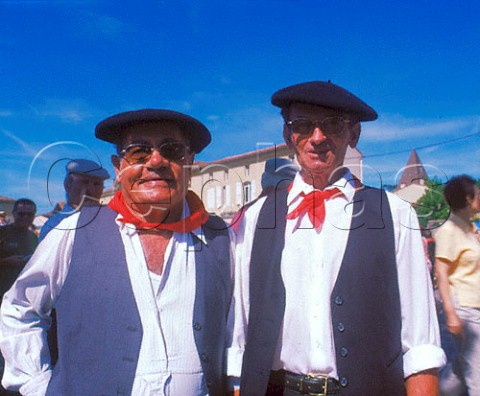
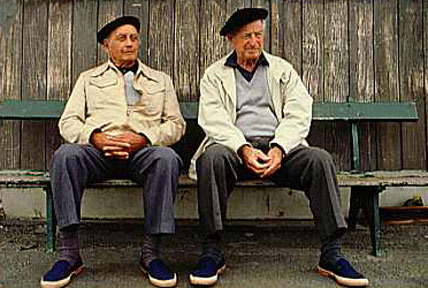
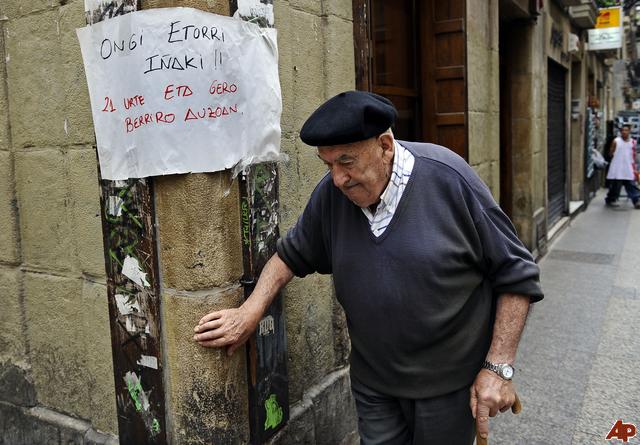
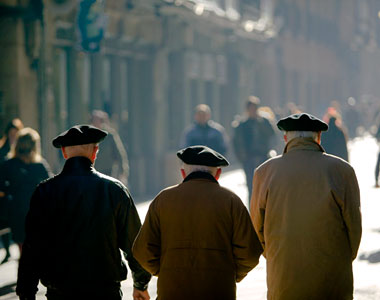
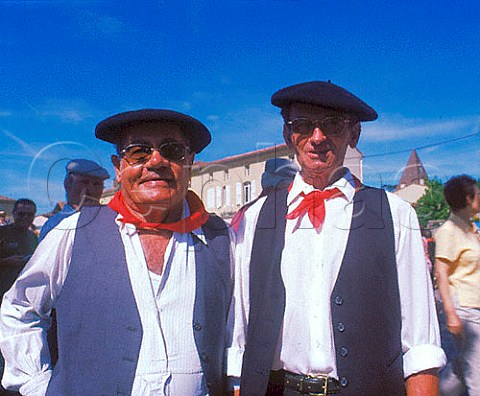
What about the region which gave its name to the beret? Do they wear it? Alas, as these photos suggest, it’s only the older folk who wear it any more:

basques with berets-2

basques with berets-3

basques with berets-1

basques with berets-5

basques with berets-4

Hmm, we still have my father-in-law’s beret, in some corner of a cupboard. Maybe when I’m nearing the end of my road, I’ll start wearing it.

_____________________________

Paris Baguette, inside and out: my pics
Basque beret and baguette: http://www.labellemeche.com/blog/wp-content/uploads/2013/09/b%C3%A9ret.jpg [in http://www.labellemeche.com/blog/page/3/%5D
Basque beret, gauloises and red wine: http://wshiell.net/vintage_ads2/original/gauloises.png [in http://wshiell.net/vintage_ads2/original/gauloises.html%5D
Basque beret-onion sellers: http://blog.privateislandparty.com/wp-content/uploads/2013/05/Onion-Johnnies.jpg [in http://blog.privateislandparty.com/beret-origins-of-style/%5D
Citroën 2CV: http://classics.honestjohn.co.uk/imagecache/file/fit/730×700/media/5716157/Citroen%202CV%20%281%29.jpg [in http://classics.honestjohn.co.uk/reviews/citroen/2cv/%5D
Basques with berets-1: http://www.dkimages.com/discover/Projects/AT876/previews/446914.JPG [in http://www.dkimages.com/discover/Home/Geography/Europe/France/Southwest-France/Pyrenees/Towns-and-Villages/St-Jean-de-Luz/Basque-Men/Basque-Men-1.html%5D
Basques with berets-2: http://www.blog.giuseppelupo.eu/wp-content/uploads/2007/10/d1_louis_the_basque.jpg [in http://www.blog.giuseppelupo.eu/?cat=159%5D
Basques with berets-3: http://www.cephas.com/ImageThumbs/1205630/3/1205630_Men_in_traditional_Basque_dress_Seissan_Gers___France.jpg [in http://theobamadiary.com/2012/03/15/so-whos-tuning-in-tonight/%5D
Basques with berets-4: http://www.concierge.com/images/destinations/destinationguide/europe/spain/bilbao/bilbao_013p.jpg [in http://www.concierge.com/travelguide/bilbao/photos/photoview/61474?sort=-createDate%5D
Basques with berets-5: http://nimgs3.s3.amazonaws.com/others/original700/2008-8-4-3-45-25-35af8c3c35d345aea2744a44c6cf7937-35af8c3c35d345aea2744a44c6cf7937-2.jpg [in http://newshopper.sulekha.com/an-old-man-wearing-the-typical-basque-beret-passes-a-poster-reading-in-basque-inaki-de-juana-welcome-after-21-years-ago-in-pr_photo_246070.htm%5D

LEST WE FORGET

Beijing, 10 November 2013

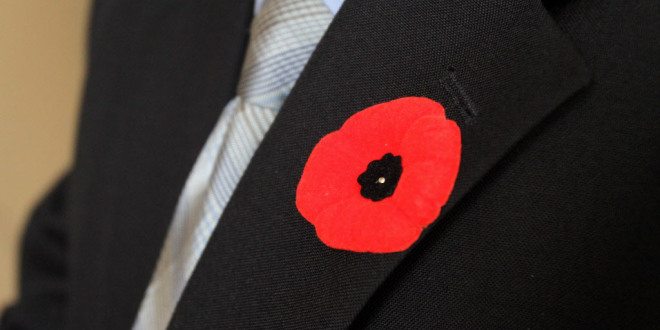
I don’t think I’ll be able to wear my poppy this year.

Hoppe

Every year I pick it out of the corner of the drawer where I keep it, from under the paper clips and rubber bands. After four years in China, the paper petals are now sadly scuffed and creased, but I still like to give it pride of place in the lapel of my jacket. I am somewhat diffident to wear it here, because everyone stares at it wondering what it is. Several of my Chinese staff have asked me politely what it means. After I’ve gone through the explanation, they thank me nicely but I rather think they put my behaviour down to a form of British eccentricity.

It was the same in Vienna. You would have thought that Europeans would be more familiar with the British paper poppy and its symbolism but it seems not. Every year, I would be asked by two or three people what it was all about, and every time I would go through the explanation.

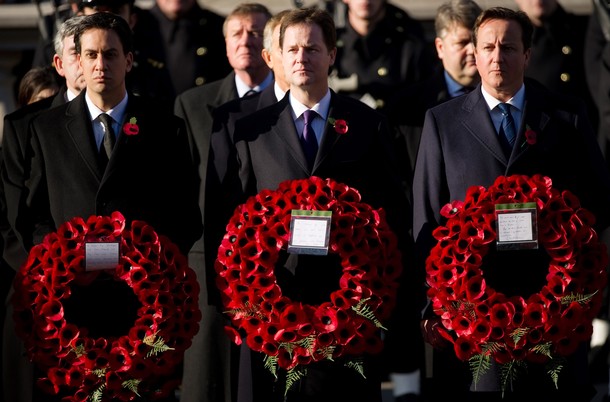
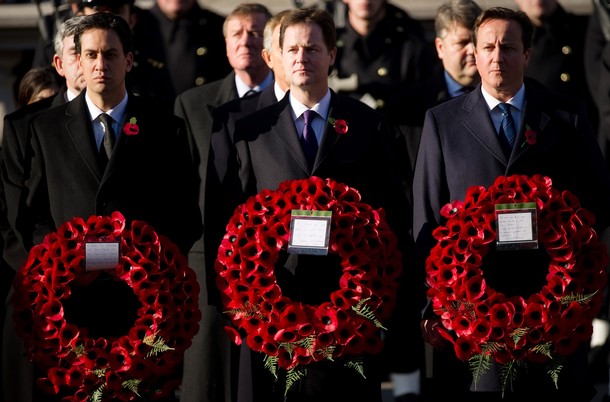
In Vienna, the enquirers would often start by commenting that they had seen the same poppy being worn by British politicians

Britain's Prime Minister David Cameron (

and indeed it is the sight of these politicians on my TV screen looking pious behind their poppies that reminds me that it is once again that time of the year … the eleventh hour, of the eleventh day, of the eleventh month. It was on 11 November 1918 that the Armistice between Germany and the Allied Forces was signed. The guns finally fell silent on the Western Front and the First World War came to an end.

The habit in the Commonwealth countries of wearing a poppy to remember the end of that war, and to raise funds for the wounded who came home and the widows and orphans of those who did not, grew out of a popular war poem written by a Canadian officer, John McCrae, who fought on the Western Front. I cite its first two verses here.

In Flanders fields the poppies blow
Between the crosses, row on row,
That mark our place; and in the sky
The larks, still bravely singing, fly
Scarce heard amid the guns below.

We are the Dead. Short days ago
We lived, felt dawn, saw sunset glow,
Loved and were loved, and now we lie
In Flanders fields.

Anyone who has ever seen a field sprinkled with poppies will immediately understand their strong symbolic resonance. They look like so much blood sprayed across the land.

poppies in field-3

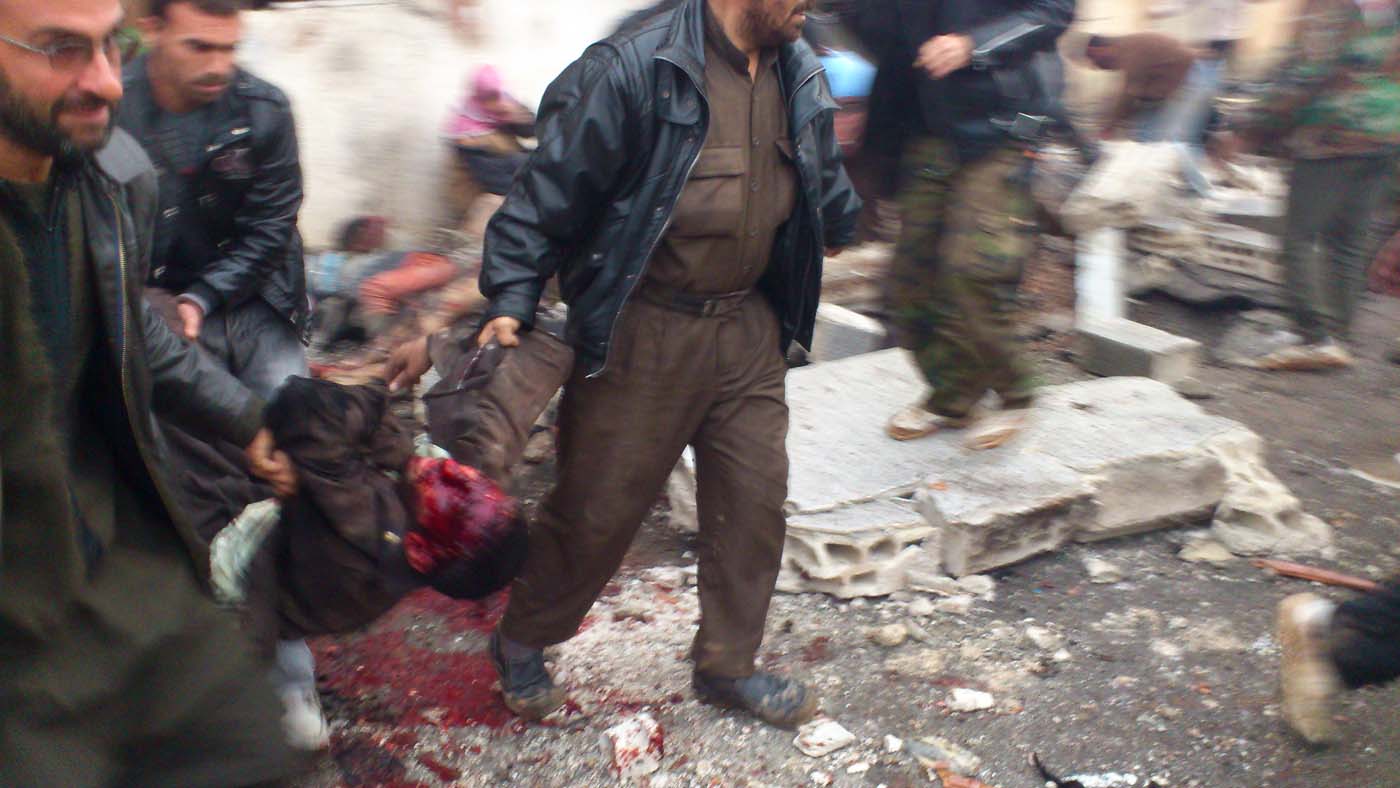
Earlier pious-looking politicians proclaimed that the First World War was the war to end all wars. Well, as we are all too aware, it wasn’t. As wars have continued to be fought, the poppy has become the way for the British and ex-British colonies of remembering their war dead. But I wear my poppy to remember all those who have died – civilians as well as soldiers – and continue to die in wars and other conflicts big and small the world over. Just this year we have the human tragedy of Syria, which is spilling over into Lebanon, there is the continuing conflict in Afghanistan which is spilling over into Pakistan, the continuing violence in Iraq and Libya, the growing violence in Egypt, the fighting in South Sudan, in Somalia, in the Congo, in Mali, in Myanmar, and on and on and on …

SYRIA-CONFLICT

When you see the sheer scale of the human misery which all this fighting engenders you understand why I did not cite the last verse of John McCrae’s poem.

Take up our quarrel with the foe:
To you from failing hands we throw
The torch; be yours to hold it high.
If ye break faith with us who die
We shall not sleep, though poppies grow
In Flanders fields.

I hate this glorifying of war, this coating in a veneer of sacred language what is simply a nasty, brutish fight. I prefer the following poem from that same war

Bent double, like old beggars under sacks,
Knock-kneed, coughing like hags, we cursed through sludge,
Till on the haunting flares we turned our backs
And towards our distant rest began to trudge.
Men marched asleep. Many had lost their boots
But limped on, blood-shod. All went lame; all blind;
Drunk with fatigue; deaf even to the hoots
Of disappointed shells that dropped behind.

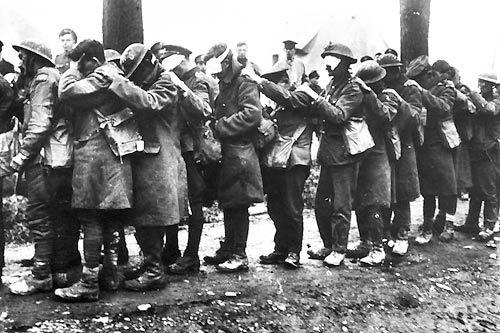
GAS! Gas! Quick, boys!– An ecstasy of fumbling,
Fitting the clumsy helmets just in time;
But someone still was yelling out and stumbling
And floundering like a man in fire or lime.–
Dim, through the misty panes and thick green light
As under a green sea, I saw him drowning.

In all my dreams, before my helpless sight,
He plunges at me, guttering, choking, drowning.

If in some smothering dreams you too could pace
Behind the wagon that we flung him in,
And watch the white eyes writhing in his face,
His hanging face, like a devil’s sick of sin;
If you could hear, at every jolt, the blood
Come gargling from the froth-corrupted lungs,
Obscene as cancer, bitter as the cud
Of vile, incurable sores on innocent tongues,–
My friend, you would not tell with such high zest
To children ardent for some desperate glory,
The old Lie: Dulce et decorum est
Pro patria mori..
[It is sweet and right to die for your country, a line from the Latin poet Horace]

dead soldiers

blinded soldiers

war-cripples

The poem was written by Wilfred Owen, who was killed exactly one week (almost to the hour) before the Armistice was signed. His mother received the telegram informing her of his death on Armistice Day, as the church bells were ringing out in celebration …

I must find a few minutes tomorrow to wear my poppy. I must make my annual statement against war, even if I am the only one to understand what I’m saying.

_____________

poppy in jacket: http://wpmedia.o.canada.com/2013/10/remembrance_frustrated_vets_20121108_24958803.jpg?w=660&h=330&crop=1 [in http://o.canada.com/technology/internet/legion-asks-redditors-to-remove-poppy-symbol-citing-trademark-protection/%5D
Politicians with poppies: http://4.bp.blogspot.com/-9GUo5YLH4iQ/Tr_Fb1rb4AI/AAAAAAAAInQ/qOXaLXKgfjg/s1600/a-9.jpg [in http://nobelprofile.blogspot.com/2011_10_16_archive.html%5D
Poppies in field: http://gallery.photo.net/photo/7644092-md.jpg [http://photo.net/blog/tag?tag=nature]
Wounded person: http://www.lapatilla.com/site/wp-content/uploads/2012/12/000_Nic6168584.jpg [http://www.lapatilla.com/site/2012/12/28/las-mejores-fotos-de-la-semana-5/]
Dead soldiers: http://upload.wikimedia.org/wikipedia/commons/8/89/Q_004256GermanDeadGuillemont.jpg [http://en.wikipedia.org/wiki/World_War_I_casualties]
Blinded soldiers: http://www.icrc.org/eng/who-we-are/history/first-world-war/v-p-hist-03088-25.jpg [in http://www.icrc.org/eng/who-we-are/history/first-world-war/overview-first-world-war.htm%5D
Crippled soldiers: http://www.ralphmag.org/CG/war-cripples640x432.gif [in http://www.ralphmag.org/CG/world-war-one2.html%5D

RATATOUILLE

Beijing, 20 October 2013

For several months now, I have been going around with an article from the Financial Times carefully folded and tucked away in the back of my wallet. The article describes a recipe for the French dish ratatouille, and is there ready to be whipped out at a moment’s notice in a supermarket so that I can purchase the necessary ingredients.

Truth to tell, I should have whipped it out in the days immediately after the article’s appearance back in mid-August, when the vegetables which form the core of this dish were still in season. But sloth and general laziness got in the way, so now I have to wait until next summer to try out the recipe, by which time the article will, I fear, be frayed and tattered.

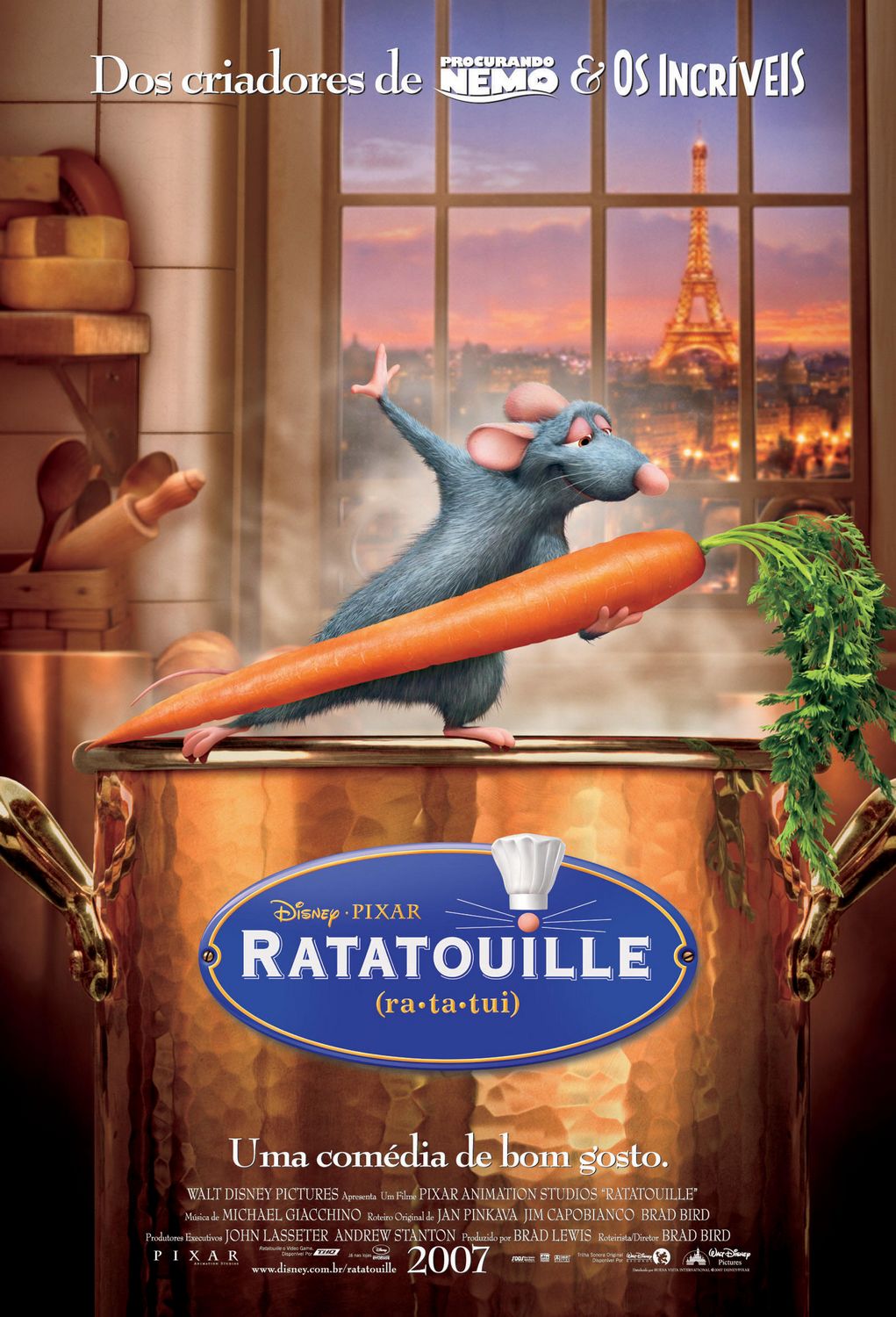
After the release back in 2006 of the animated film of the same name

ratatouille

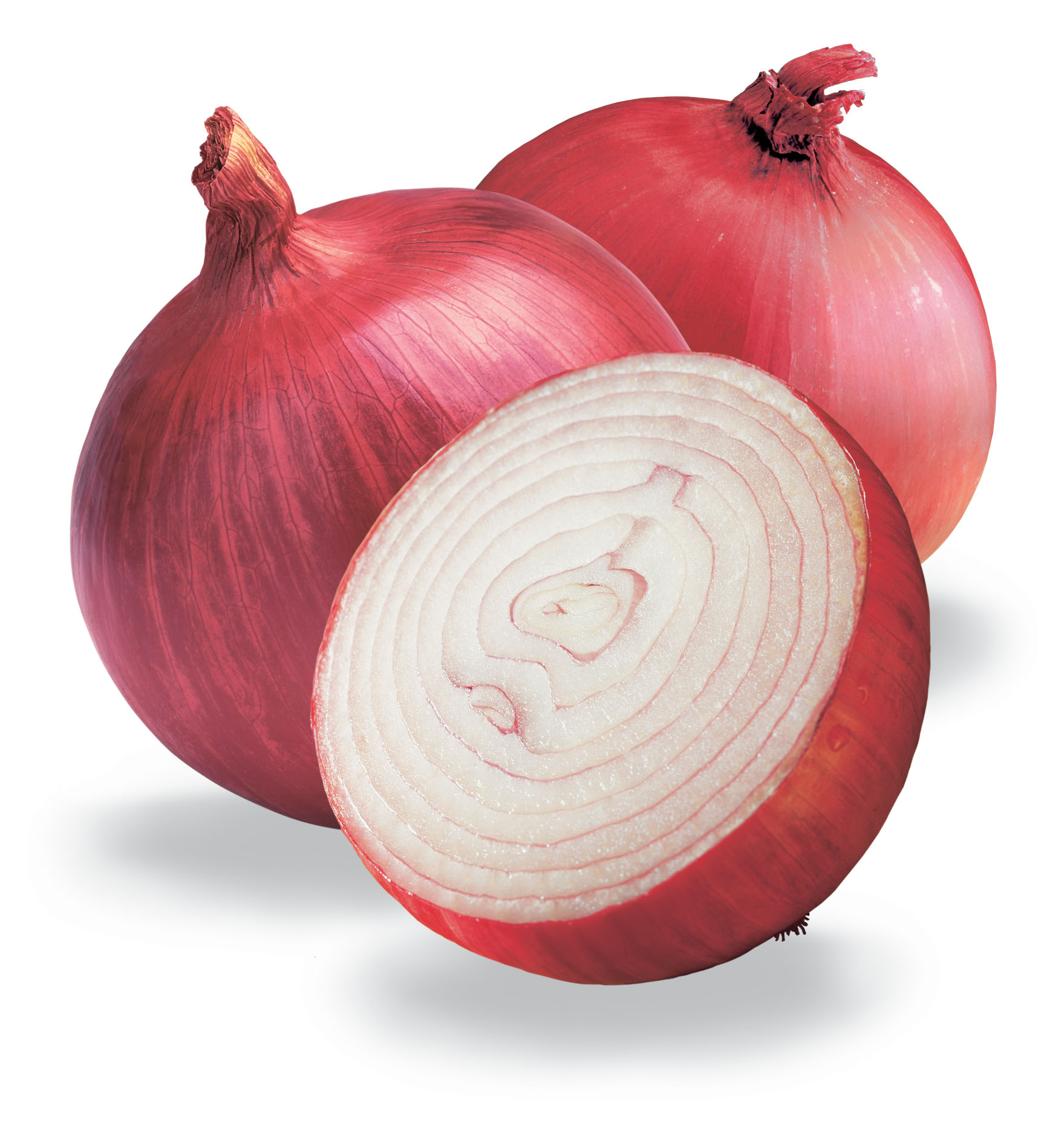
it seems hard to believe that there should be anyone on this planet who doesn’t know the dish, but just in case there are a few dinosaurs out there who, like me, have never seen the film and, unlike me, have never had the pleasure of eating ratatouille, let me quickly explain what this dish consists of.  It is a stew of five vegetables:

onion

red_onions

sweet pepper

sweet pepper

aubergines (eggplants to some)

aubergines

courgettes (zucchine to my wife and 60 million other Italians)

FD ZUCCHINI 080806

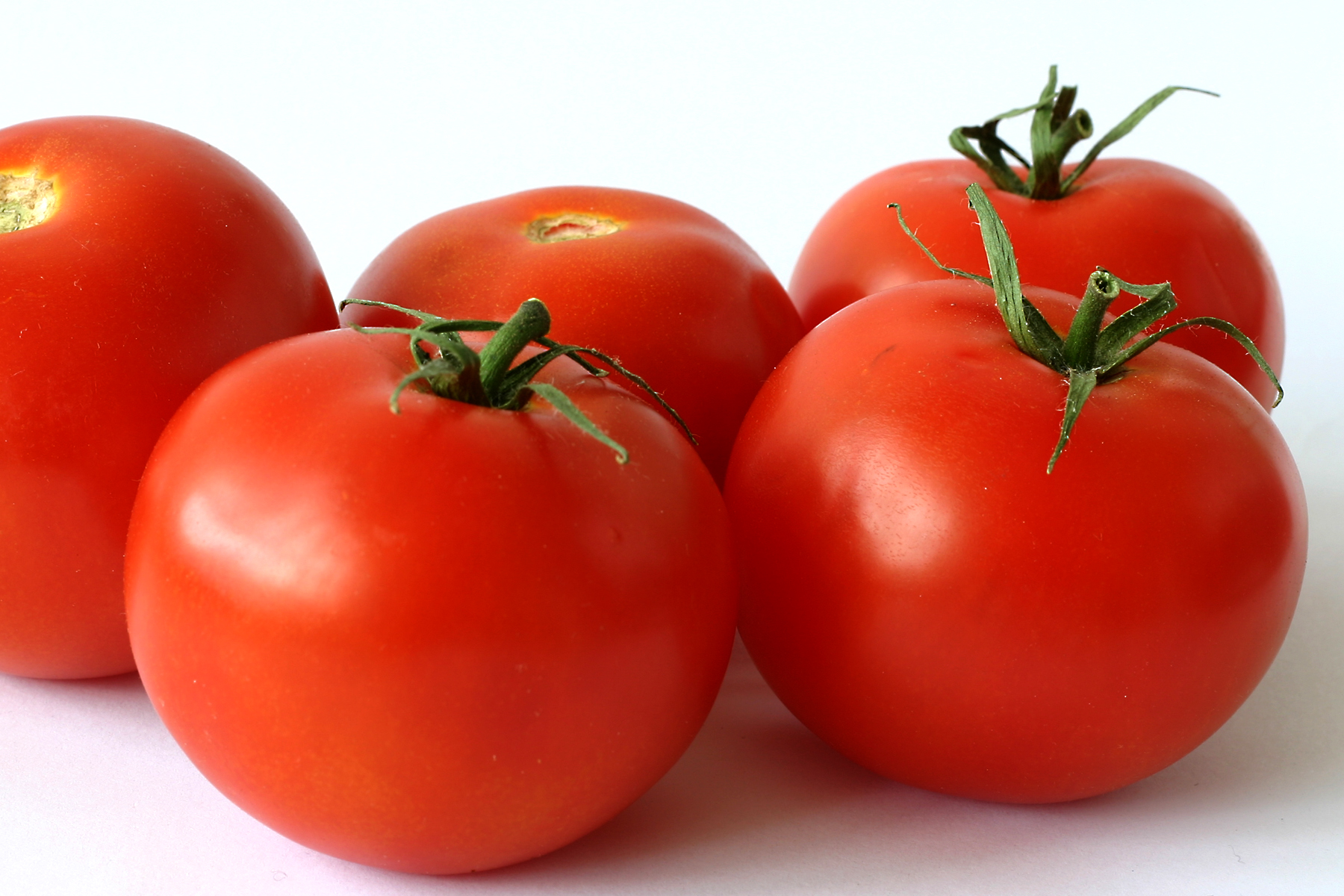
and tomatoes.

tomato

Voilà!

Ratatouille connoisseurs will immediately roll their eyes and cry out oh, la, la, it is not voilà, there is much more to it than that! They are right of course. For instance, you cannot just mix all the vegetables together and stew them, non, non! Each vegetable must be cooked separately, and then put together – in a certain order, messieurs-dames! – to stew gently. And not just any oil can be used to cook them, it must be olive oil. And the stewing must be gentle and long, to impart a creamy texture to the vegetables and an intensity to the sauce. And we have not even started talking about the minor ingredients: the garlic, the basil, the thyme, the saffron …. Yes, yes, all of this is true. But still, when all is said and done, it is a vegetable stew – or a ragout, if you prefer to remain French.

ratatouille-1

My wife asks me what I see in ratatouille. It’s OK, she says, but after all it’s just – well, a vegetable stew (or ragout).   It’s the tomatoes, I reply, and some of my readers may immediately understand this. In previous posts, I have unveiled an unfeigned passion for this vegetable (and even for its wastes). OK, she responds, but in Italy we have a very similar dish, capponata, and I’ve never heard you going on about that. She’s absolutely right, of course (as she always is), and indeed to complete the catalogue several Mediterranean countries have similar dishes: the Spaniards have the Catalan samfaina, the Majorcan tombet, the Castilian-Manchego pisto; the Maltese have kapunata; the Greeks have briám and tourloú; the Turks also have türlü as well as şakşuka (just the names make me lust to try them). Then the South-Eastern European countries have similar dishes. Even the Philippines has a similar dish!

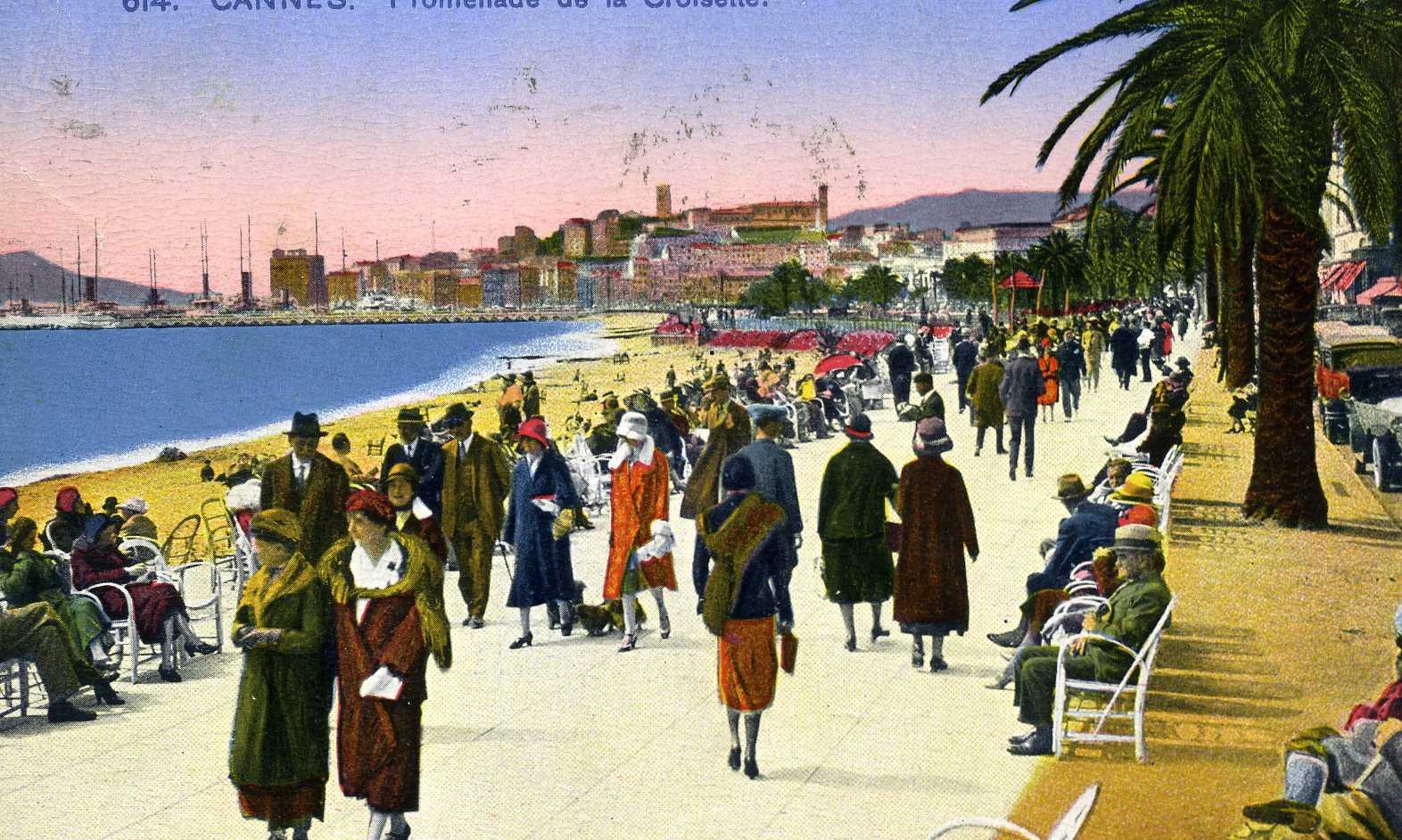
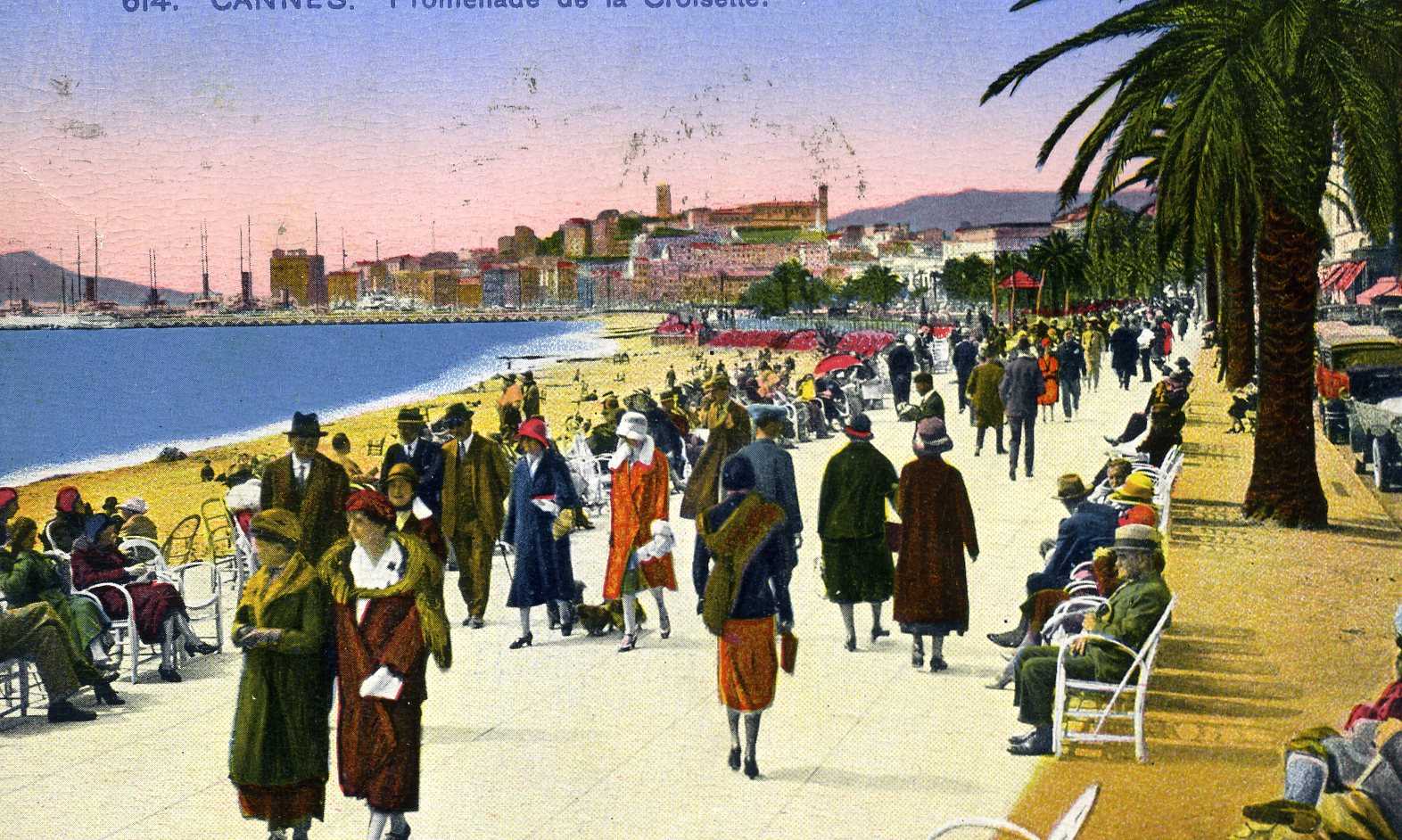
So I have to confess to a deeper reason for my being fond of ratatouille. I was introduced to the dish when I was a young boy spending my summer holidays with my French grandmother. I still remember with great clarity one lunch where a steaming bowl of ratatouille was put before us with great fanfare and to much ooh, la, la around the table. For this was not a dish from my part of Burgundian France. It hails from Provence, and more specifically from Nice. Its presence on the table reflected my mother’s childhood history. In the mid 1920’s, and in short order, my grandfather’s business went bust and he contracted tuberculosis. The family was destitute and without a bread-winner. In this moment of desperation, my grandmother managed to get a job as secretary to a rich English friend of hers, who with her husband spent the winters in Menton (a stone’s throw away from Nice). The whole coast of Provence pullulated with rich English during this period. It’s not for nothing that Cannes’s main boulevard along the sea – the one the film stars walk along during the festival – is called “Promenade des Anglais”

promenade-de anglais-2

Coming back to the English lady, I suspect it was an act of kindness on her part to hire my grandmother; she had no real need of a secretary. In any event, it meant that until the Second World War the whole family would move south to Provence for the winter and return to Burgundy for the summer when the English lady and her husband went home to England (the family got smaller during the early 1930’s when my grandfather finally died of his tuberculosis). At some moment during these stays in the south my grandmother picked up the recipe for ratatouille. So for me, every forkful of ratatouille reconnects me with my mother’s family history.

I have to thank the kind, rich English lady for more than just ratatouille; I have to thank her for being of this world! When my mother was 18, my grandmother packed her off to stay with the English lady for a couple of months to polish up her English (she was studying English Literature). It was in the lady’s house that she met my father, aged 19, who was studying at the University down the road. The rest, as they say, is (my) history.

_______________

Movie poster: http://www.look.yeah1.com/albums/userpics/234993/poster1.jpg [in http://photo.yeah1.com/showthread.php/39632-My-RatatouilleChuot-Can-Cook-2007.html%5D
Red onions: http://p21chong.files.wordpress.com/2010/05/red_onions.jpg [in http://paulchong.net/2010/05/16/the-magic-healing-power-of-onions/%5D
Sweet pepper: http://www.greeneryuk.com/images/products-feature/920pepper.jpg [in http://www.greeneryuk.com/productsdetails.php?key=p%5D
Aubergines: http://nuestrasfrutasyverduras.com/media/catalog/product/cache/1/image/9df78eab33525d08d6e5fb8d27136e95/b/e/berenjena_3_2.jpg [in http://nuestrasfrutasyverduras.com/berenjena%5D
Zucchini: http://www.amyroose.com/wp-content/uploads/zucchini.jpg [in http://www.amyroose.com/tag/zucchini/%5D
Tomato: http://atlantablackstar.com/wp-content/uploads/2013/10/tomato.jpg [in http://atlantablackstar.com/2013/10/10/tomatoes-may-help-lower-stroke-risk/%5D
Ratatouille: http://www.bonappetit.com/wp-content/uploads/2013/08/grilled-ratatouille-salad-646.jpeg [in http://www.bonappetit.com/drinks/wine/article/the-5-best-wine-pairings-for-tomato-dishes-from-caprese-to-ratatouille-to-blt%5D
Promenade des anglais: http://tonton84.t.o.pic.centerblog.net/do3uxg9p.jpg [in http://tonton84.centerblog.net/rub-CARTES-POSTALES-anciennes-region-PACA–8.html%5D

THE TRACTOR

Beijing, 14 September 2013

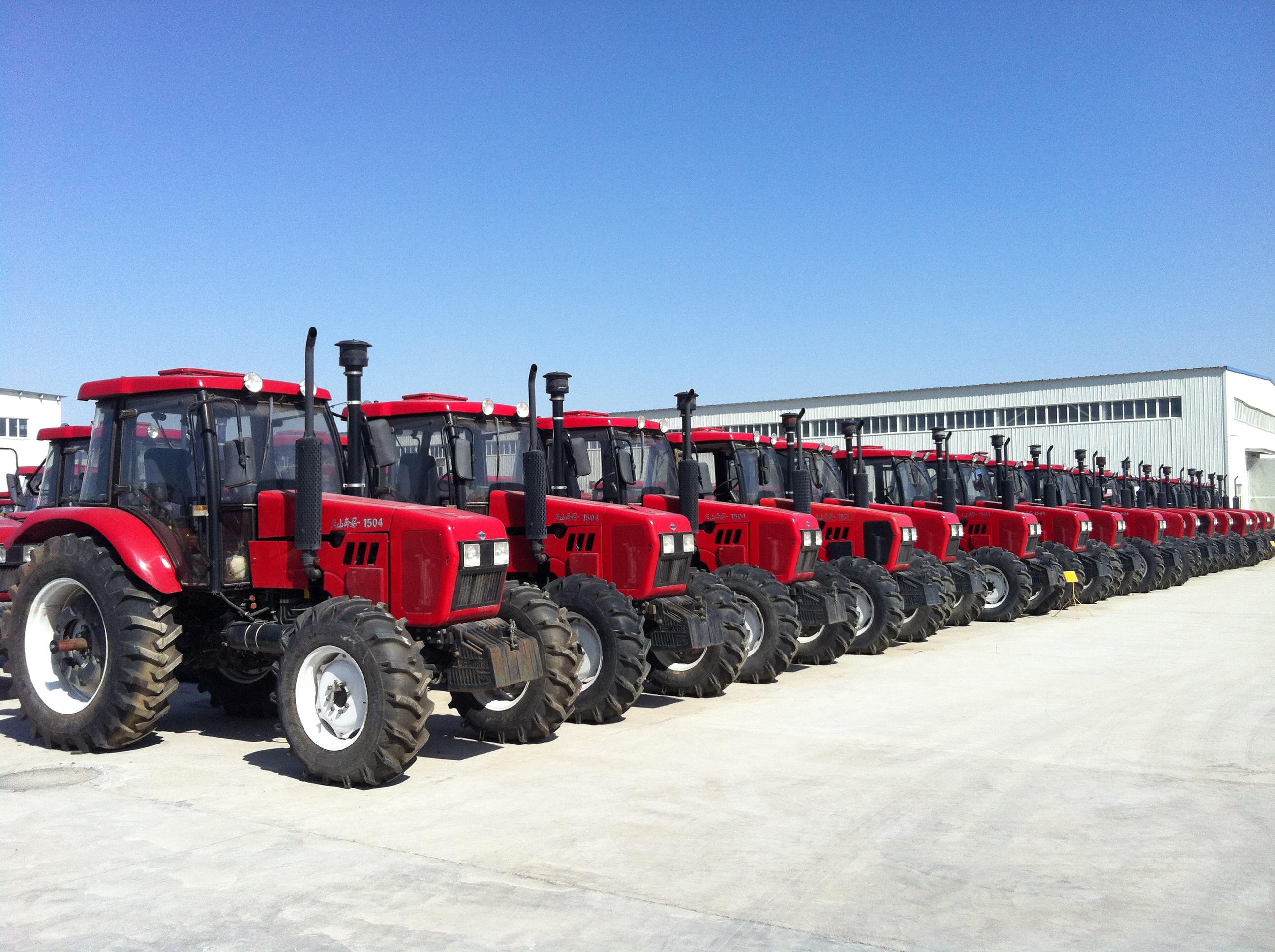
In the trip to Xinjiang which I mentioned in my previous post, we were also taken to see a tractor manufacturer. Row upon row of bright new tractors greeted us as we walked into the factory’s yard
tractors outside
but we ignored these, headed as we were for the shed where they assembled the tractors.

It was with some relief that we exchanged the heat and light of the yard for the cool darkness of the shed interior. There, we were introduced to the plant manager, and after a hearty shaking of hands all round he launched into his exposé of all the wonderful things his factory was doing. I let his voice wash over me as I took in a yellow tractor, newly assembled, standing proud and tall before me.

tractors inside

And suddenly I was 14 or 15 again, standing, on a beautiful summer’s day, by the side of a tractor. I was out on the plains of Manitoba, an hour or so’s drive from Winnipeg, on a farm owned by the parents of a friend of my sister’s.  The farmer was asking me if I wanted to try ploughing a field and I was saying yes. Why not? Everything is possible when you are 14 or 15.

So he gave me a quick lesson in tractor driving and ploughing, and sent me off to a distant field. And off I went, my hat cocked at a jaunty angle as I surveyed the surroundings, Lord of everything I beheld.  After 10 minutes, I arrived at the field – the North American plains are very big and tractors are very slow – and there I found myself faced with an unexpected choice: there were actually two fields, one to the left and one to the right, and no fences. Which one? I hesitated, trying to remember my instructions – no mobile phones in those days, no way to check back – and eventually plumped for the field to the right.

So I started ploughing, starting as instructed at the field’s edge and going round in ever-decreasing circles until the middle was reached. By the end of the first circle, I noticed a man standing on the edge of the field. By the end of the second circle, he had walked over and signaled me to stop. He asked me politely what I was doing. Well, I was ploughing the field, I replied lamely. Yes, he responded patiently, but on whose instructions. Well, I said, and here I named my farmer host. Ah, he said, but the fact was that I was ploughing HIS field. Not that he minded, he added quickly, the field was fallow (thank God! I screamed inside of me) and no doubt it would benefit from an extra plough, but still … He pleasantly instructed me to stay still while he phoned his neighbour.

I sat there, on the tractor, with my hat at not quite such a cocky angle now, with a sense of impending doom. And indeed my farmer host came scorching over like a bat out of hell. He covered in 10 seconds in his battered old car what had taken me 10 minutes with the tractor. He bounced out, glared at me, and excused himself profusely with his neighbour, but the offended party was very gracious about it all and the situation resolved itself pleasantly.

My farmer host next turned to me and in that very deliberate and slow tone one reserves for the village idiot told me that I was meant to be ploughing the LEFT field. And to make sure that the village idiot had understood he pointed very insistently at the field in question. Suitably chastened, with my hat drooping about my ears, I headed for said field, and started again.

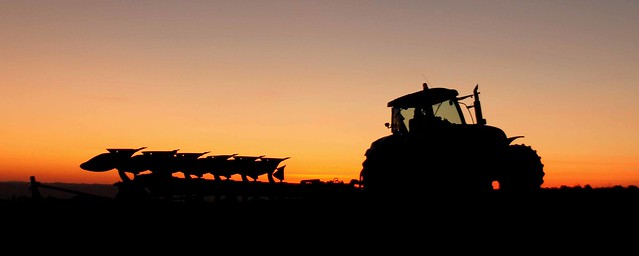
So there I was, circling the field, spiraling slowly – EVER so slowly; the field was very big – towards its middle.  I have to tell you,  ploughing is pretty boring. After about the fourth circle the novelty of it all had worn off and I was wondering how to pass the time. I tried singing, but the noise of the engine drowned out even the lustiest of my songs. I tried driving with one hand, but that palled after 2 minutes. I tried driving with one leg up on the dashboard, but that was uncomfortable. In a moment of desperation, I even thought of trying to drive sitting backwards but luckily good sense prevailed. So I was reduced to just driving, driving, driving in ever decreasing circles as the sun slowly dropped to the horizon of the endless Manitoban plains.
OLYMPUS DIGITAL CAMERA
Ploughing the plains may be boring but the plains themselves have a strange beauty. As a boy brought up in undulating landscapes, used to cresting land-waves and finding hills rising up before me, I initially found the plains disorienting. Whenever my parents took us out for drives I never knew which way to look. But after a while I began to appreciate the way the sky was so close to the land, seeming to press down on it and you, and how you could really enjoy cloud formations in the vast, uncluttered sky of the plains. I could never get over those fields of wheat stretching off as far as the eye could see, registering on their waving surface every meander of the passing breeze …
the plains-7
I was nudged, the plant manager had finished his peroration. I came out of my reverie with a smile playing on my lips, which no doubt delighted the man, reinforcing his conviction that what he did was incredibly interesting. With another round of hearty handshakes, we emerged blinking into the strong sunlight and headed for the car and the next factory.

______________________________

tractors inside and outside: GUO Li
tractor and the sunset: http://farm5.staticflickr.com/4045/4482416778_f1fc6db355_z.jpg
wheat fields: https://farm5[dot]staticflickr.com/4127/4975335245_a2e33916c3_z.jpg

SKITTERING WATER STRIDERS

Beijing, 17 August 2013

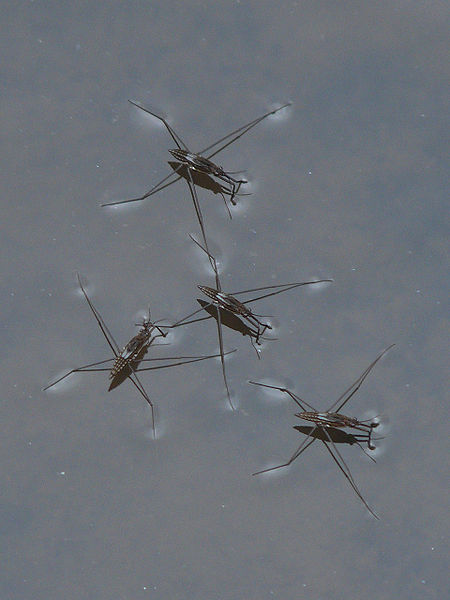
It was flowers in the Spring. It is insects in the high summer. Because this posting, following on from my previous two on dragonflies and crickets, will be on water striders. I began to notice them a week or so ago, on my daily crossings of my piece of canal to and from work. As is my habit, I was looking over the water to see what was new, when a sudden, evanescent dimpling of the water surface caught my eye. Then there was another, and then another … No doubt about it, the water striders were out and about, skittering across the water’s skin.

water-spider-8-several

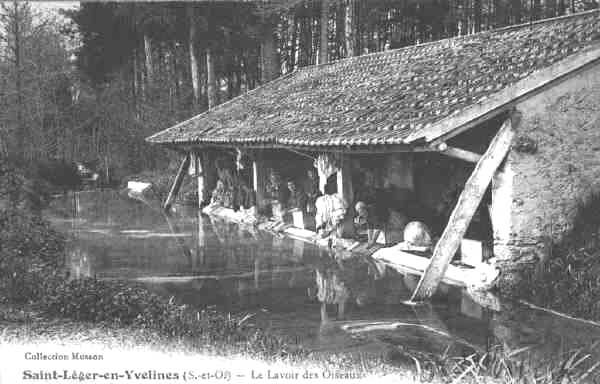
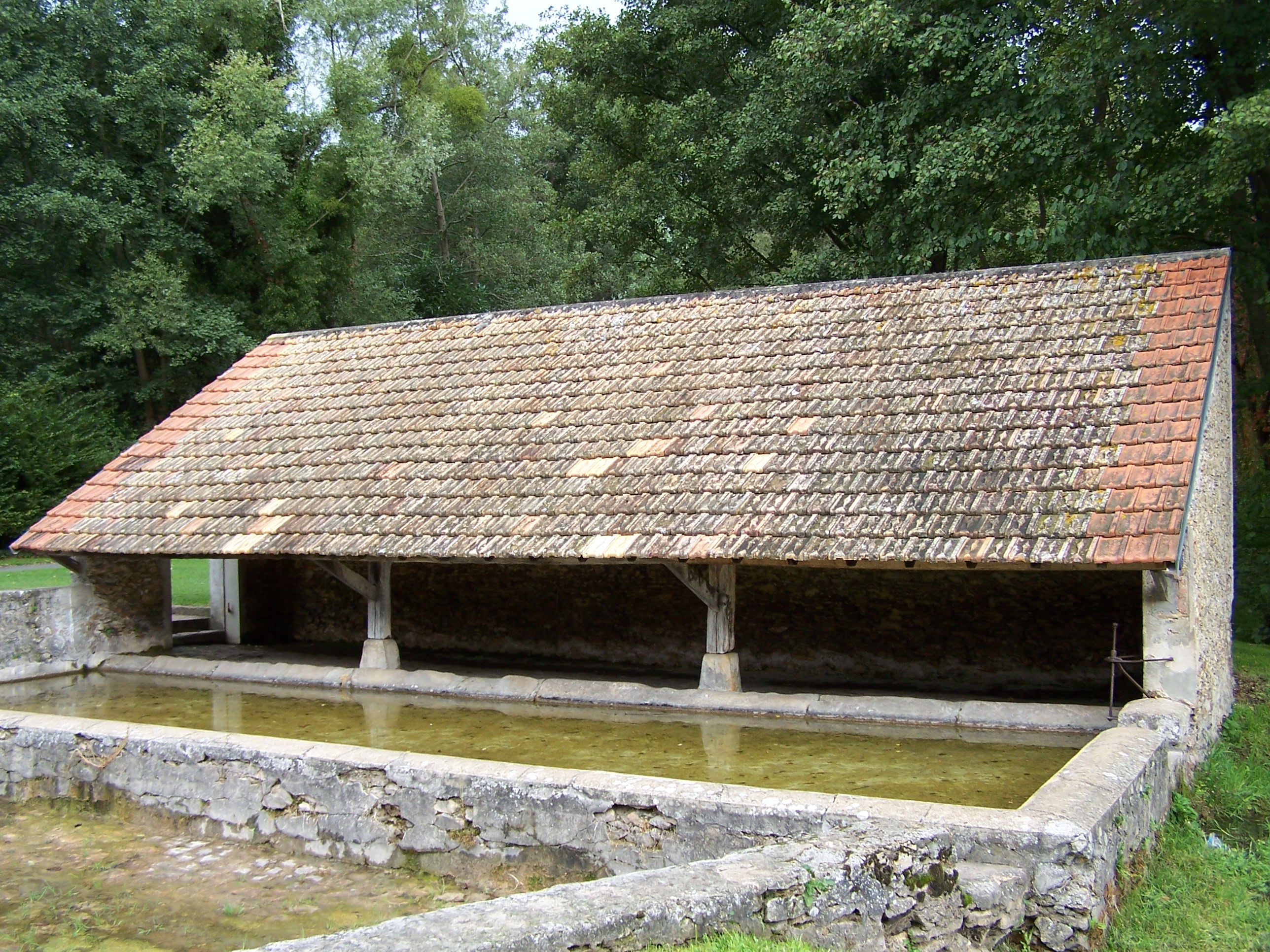
I love these insects, they are part of my childhood. During those long summer holidays which my family spent in France with my grandmother – golden-hued in my memory – I spent a lot of time with my cousins biking across the countryside. In those days, there were still a lot of lavoirs, washing stations, dotted across the countryside. They were places where the women (no men, of course …) used to come to wash the family’s clothes.

lavoir-1

They were located along a stream. Sometimes, a basin would be built alongside the stream, fed by it and discharging back into it.

lavoir-6

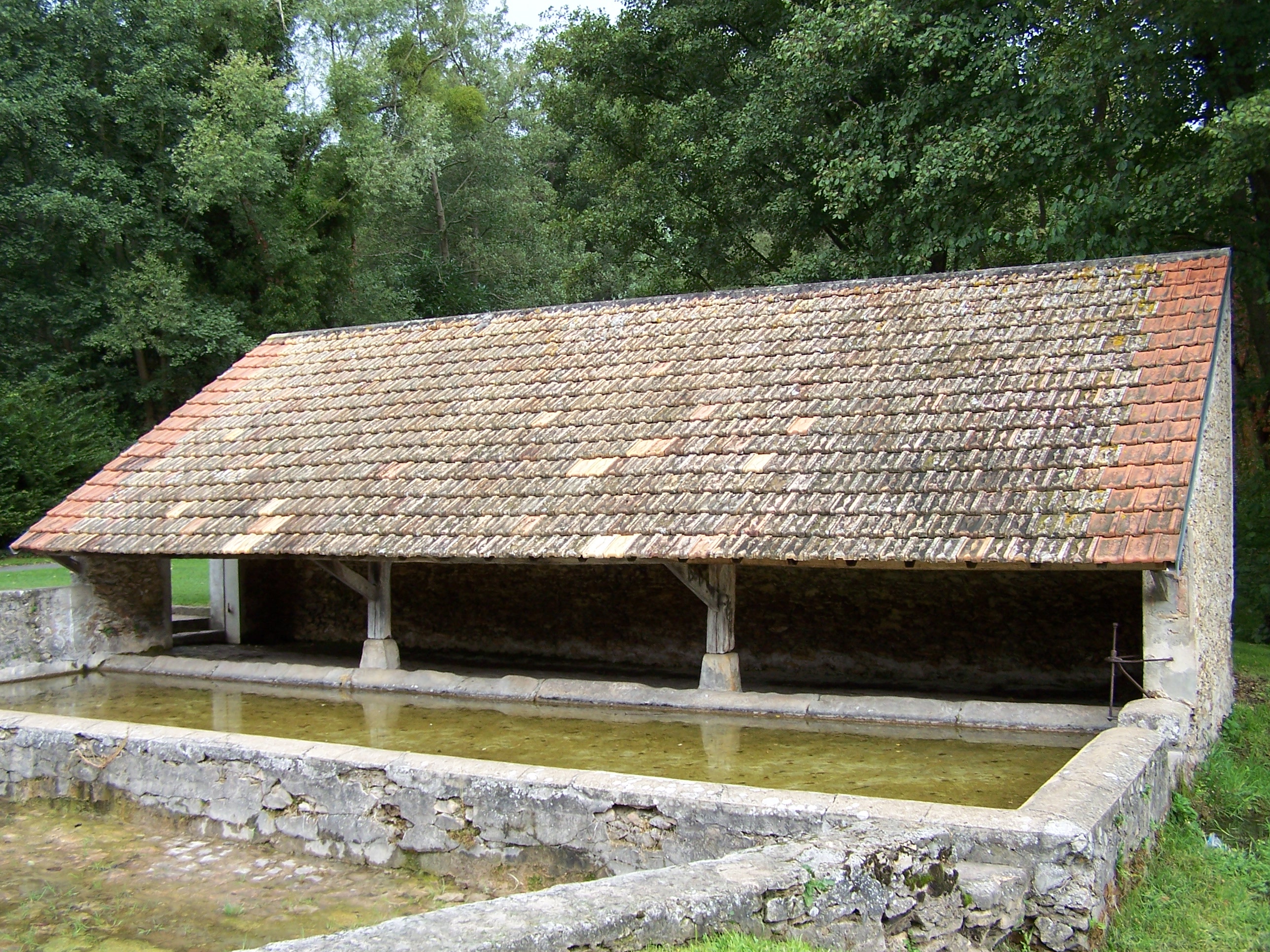
But just as often, the women washed directly in the stream; if necessary, a small dam was thrown across the stream to create a pool of still water for washing.

lavoir-3

By the time my cousins and I were biking around, the lavoirs were hardly used any more. The march of the washing machine across the landscape was underway. But the infrastructure was still largely intact. We would often stop at the lavoirs, for a rest, to splash our faces, wash our bikes if needs be – and to watch the water striders. The pools of still water which had been created for the washerwomen were very much to the striders’ liking, so they haunted these spots. With the casual cruelty of little boys, we would take a poke at the striders, watching them skim away across the water’s surface. We were fascinated by their ability to stand on water (it’s not for nothing that another name for these insects is Jesus bugs).

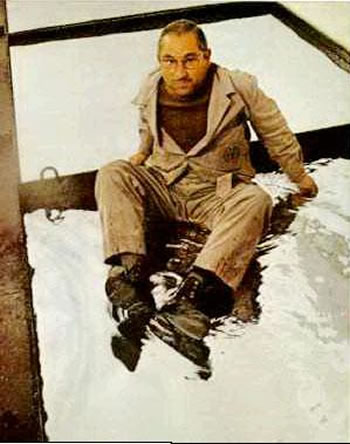
I’ve been boning up on water striders, primarily to understand how it is that they can stand on water. I won’t bore you with the details, but it has to do with being light, spreading this light weight over a number of legs, and having a lot of hairs on those legs. This is enough for them not to break through the water tension. Who wouldn’t like to be able to walk on water? With our weight, we can only walk – or at least sit – on mercury.

man floating on mercury

I remember being fascinated by this photo when I saw it years ago in an article in the National Geographic on mercury. Now, with everything I know about the awful effects of mercury on people, it makes me shudder profoundly.

In passing, I’ve also learnt how water striders feed.  When an insect falls into the water, the strider senses its struggles through small vibrations and ripples in the water surface. It darts across to the poor thing, pierces it, and injects saliva. The enzymes in the saliva digest the victim’s tissues. The strider then sucks up the partially digested broth.

Now that I’ve totally grossed out my wife and any other normal readers, I put in this nice close-up picture.

Pond Skater Portrait

Enjoy!

______________________________

Water spiders: http://upload.wikimedia.org/wikipedia/commons/thumb/a/a5/Amenbo_06f5520sx.jpg/450px-Amenbo_06f5520sx.jpg
Lavoir-historical: http://www.stleger.info/les72StLeger/region4/78.cpa/78.foret/78—oiseauxlavoir2.jpg
Lavoir-indirect: http://4.bp.blogspot.com/_55S9JjX9Ot8/TO5NK1GMXsI/AAAAAAAAAZc/EZEjKoTSze4/s1600/lavoir-beaune.jpg
Lavoir-direct: http://upload.wikimedia.org/wikipedia/commons/1/17/Bullion_Lavoir_de_Moutiers.JPG
Man floating on mercury: http://i.imgur.com/DfTbR.jpg
Water spider-closeup: http://img.burrard-lucas.com/united_kingdom/full/pond_skater.jpg

WINE IN MY BLOOD

Beijing, 11 August 2013

Last weekend, I was reading a really interesting article in the Sunday edition of the Financial Times. It was about winemaking in Georgia (the country, not the American state), which archaeologists tell us has been in the winemaking business for 8,000 years or so. But what really struck me in the article was the following paragraph:

“The result is a width, a tannic grip and a textural depth that no conventionally made white wine will ever have. The wines’ aromas and flavours are singular too. Their acidity is muted, since they have all been through the acid-softening malolactic fermentation, while contact with the other matter in the jar, especially the yeast deposits, rounds the flavours further. In place of the fresh fruits that so many white wines suggest, these evoke dried fruits, mushrooms, straw, nuts and umami. They have less of an oxidative tang than their colours suggest; indeed, their articulation is often understated and quiet, though orchestral in its allusive range. They are meditative wines, sumptuous and subtle.”

I’m always awed by this kind of writing about wines. Whenever I drink a good wine, all that comes to my mind is “Mmm, that’s good!”

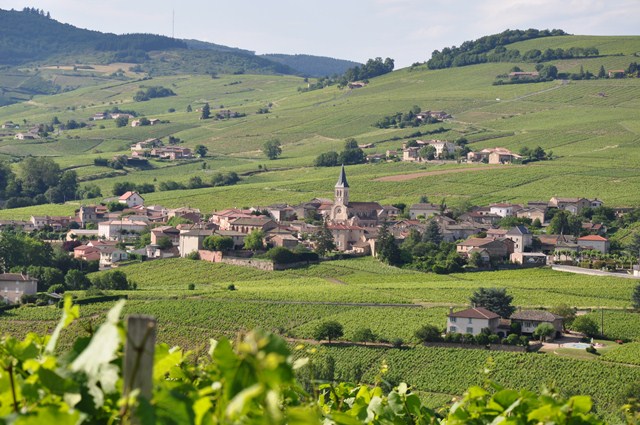
I feel it shouldn’t be so. I mean, wine courses through my veins. My maternal grandparents, whom I have referred to in earlier posts, were both descended from families of vignerons, winemakers, who lived in these small villages in the Beaujolais.

Julienas

Jullie

We know that this is where they came from because my father, a passionate amateur genealogist, spent a number of summers in the 1950s ferreting around in the local archives and tracking down the generations one after another. It was a joke in the family that the villagers would see my father hove into view on a bicycle, whitened by the dust on the roads – they weren’t asphalted in those days – and announce in French, but with a very English accent, that they were his cousins.

But back to the matter in hand. Really, I’m just a vigneron with a thin icing of education. So I should be able to talk for hours on end about the orchestral and allusive range of the wine I’m drinking, pointing out the evocations of mushrooms and raspberries and nuts and whatever else. But all that ever comes to mind is “Mmm, that’s yummy! Pour me another glass.”

And the worst of it all – but don’t spread this around – is that I don’t really like Beaujolais. I much prefer Spanish wines.

winesfromspain

___________________________

Julienas: http://beaujolaisandbeyond.co.uk/images/uploads/appellations/Julienas.jpg
Jullié: http://photos.itea.fr/photos/gites69/G/photo10/1606.jpg
Wines from Spain: http://alegriaonline.files.wordpress.com/2013/04/winesfromspain.gif

TATTOOS: DO I OR DON’T I?

Beijing, 10 August 2013

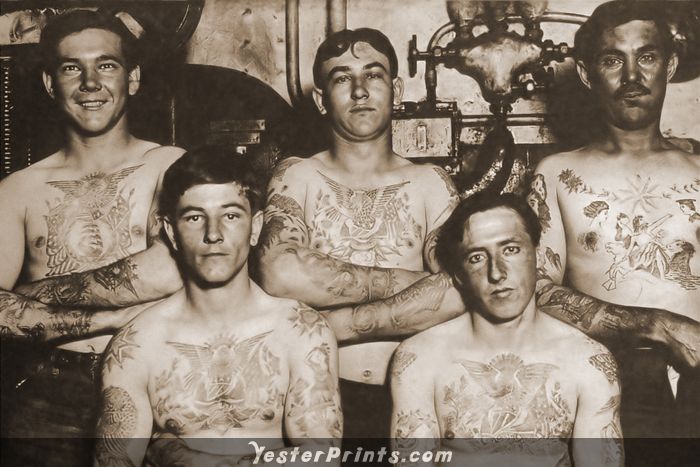
Call me old-fashioned, but I don’t really get this new fashion of tattooing – or inking, as the new lingo has it. When I was young, it was only the “Working Class” who sported tatts, and even then it was the more rootless among them who indulged: the sailors, the soldiers, the truck drivers, the criminals.

tattooed sailors

But more and more now, especially when summer rolls around and people disrobe, allowing views of parts of their anatomy which they cover the rest of the year, I am struck by how many, primarily young, people are tattooed. This happened to me again in Italy just a few weeks ago when my wife and I were on holiday there. Walking around the streets and on the beach, I was struck by the number of tattoos that flashed casually into view, worn by people who were manifestly not from one of the professional categories I’ve just listed.

tatuaggio in strada-2

tatuaggio spiaggia

Consider the stats. According to a survey quoted in an article in the Guardian, in the UK’s over-60s (the age group of which, alas!, I am nearly part) a little less than 10% have a tattoo, whereas in the 16-44 year-old group it’s nearly 30% – men and women combined. In the US, the figure climbs to 40% in this last age group. Tattooing is, as they say, going mainstream.

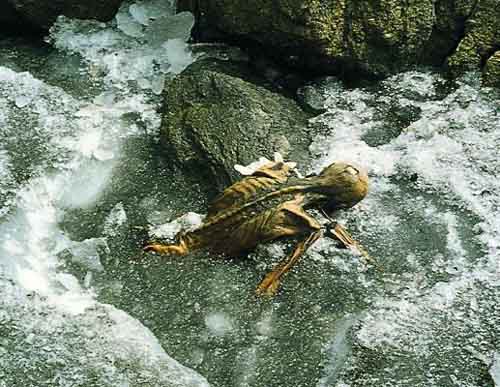
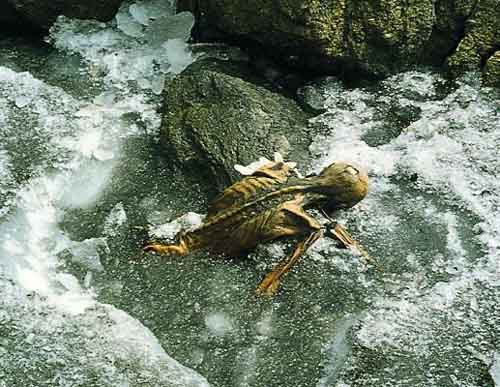
Of course, tattooing does have an honourable history. Our poor friend Ötzi, the Neolithic man found frozen to death in a glacier high in the Alps

otzi iceman

carried 57 tattoos, no less. They were mostly simple lines and dots, like these ones along his spine

otzi tattoo

and he probably had them done for some therapeutic value.

That was 5,000 years ago. 2,500 years ago, a Scythian chief who was buried in the permafrost was sporting considerably more elaborate designs on his arm.

Scythian_tatoo

while British children who didn’t stare out of the window while the history teacher droned on and on will know that when Julius Caesar made his military foray into the British Isles in 54 BC, he found people who liked to paint, perhaps to tattoo, themselves blue: “All the Britons dye themselves with woad, which occasions a bluish color, and thereby have a more terrible appearance in the fight” JC tells us in his book Gallic Wars. So this is what my ancestors looked like …

ancient-britons_box_front_web

For a history nerd like myself, it’s also fascinating to know that Ahmad ibn Fadlan, a 10th-century Arab who travelled up the River Volga and met the Vikings in their kingdom of Rus, described them as tattooed from “fingernails to neck”

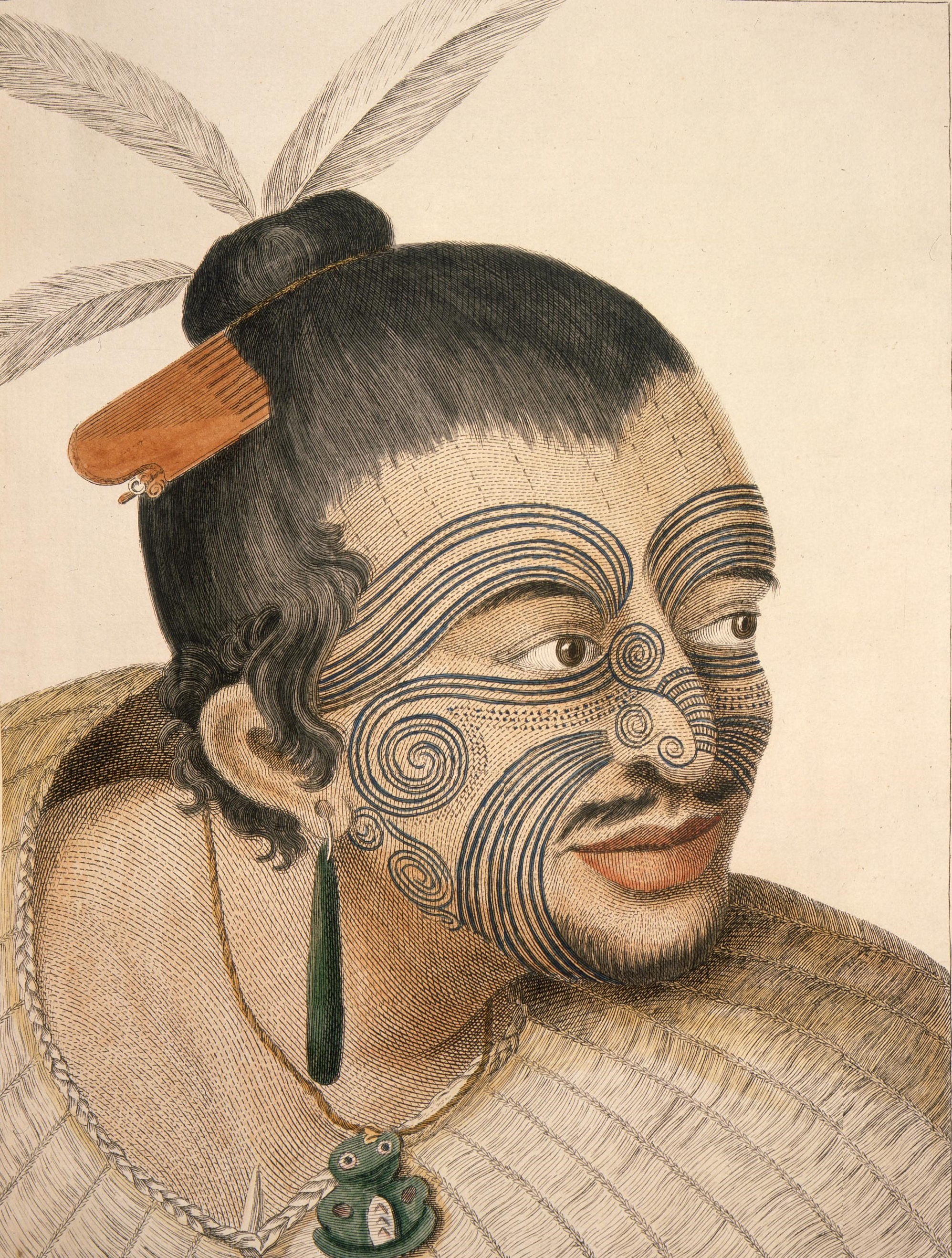
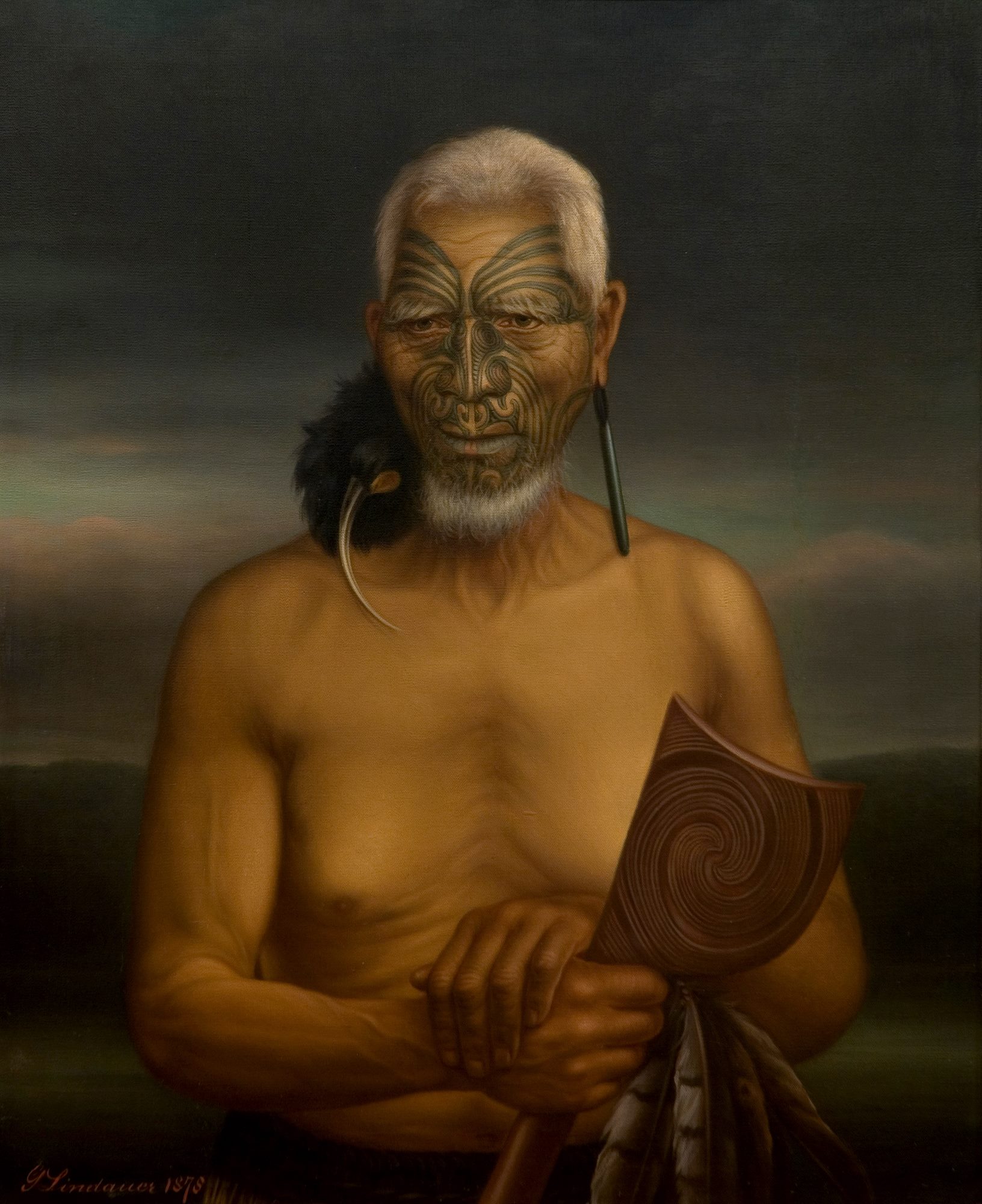
The usual spoilsports, the Christians, came along and banned the practice of tattooing in Europe, seeing it as a pagan practice (to be fair, the Jews had prohibited it even earlier). So in Europe at least, tattooing died out until the late 1700’s, when James Cook – and his sailors – discovered New Zealand and the tattooed Maoris, and reintroduced the practice (more history nerdism: the English word “tattoo” was actually introduced by James Cook, who was anglicising the Polynesian word “tatau”). Here is a picture of a Maori chief from Cook’s period:

Maori Chief 1784

and a later one of another Maori chief, when the practice was dying out among them:

Tukukino maori-2

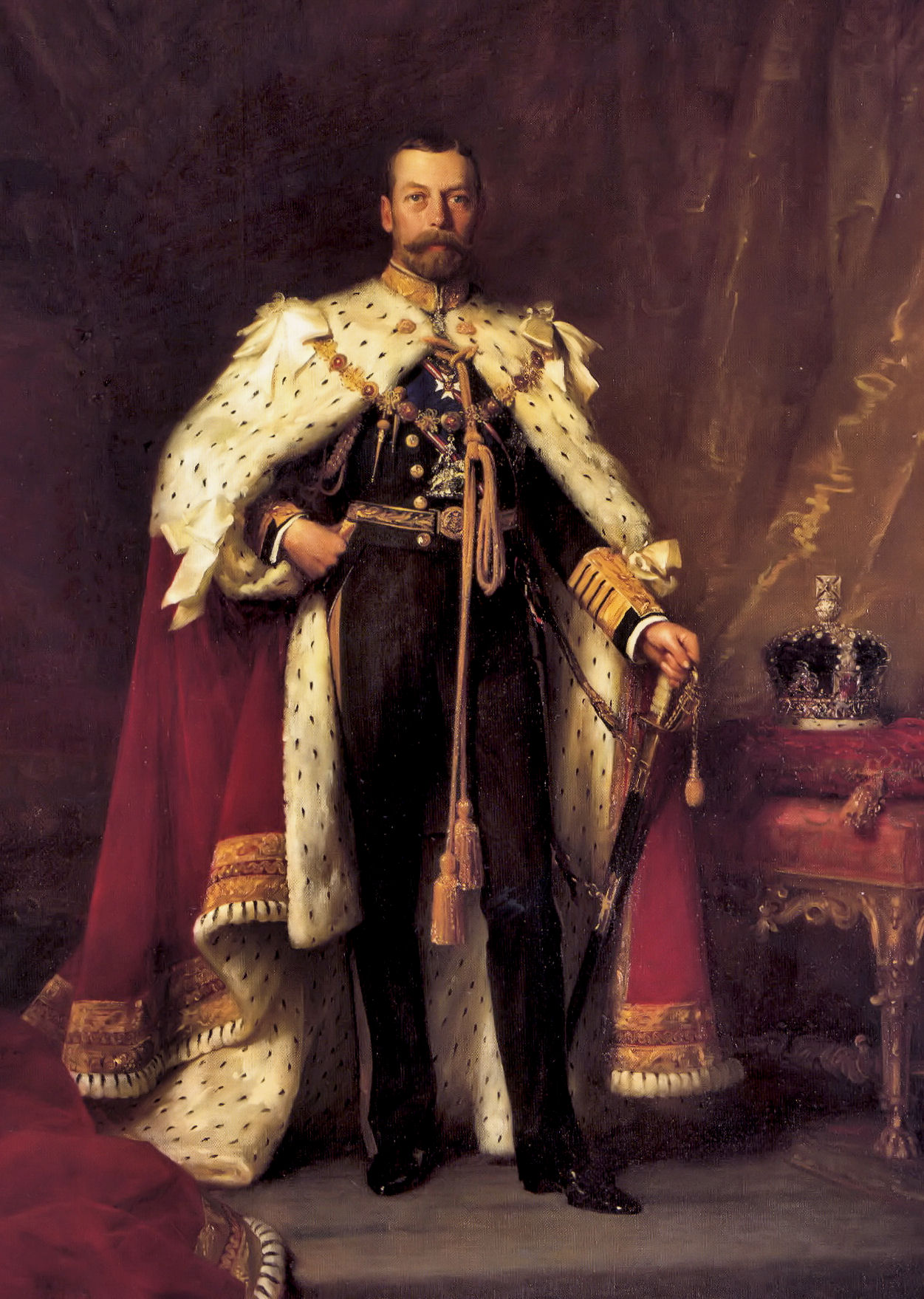
Not surprisingly, given the source of the reintroduction, sailors were at the vanguard of tattooing among the working class – by the late 1800s, 90% of the British navy was tattooed – but I have been astonished to discover that European royalty also had a penchant for getting inked. The very staid King George V

George V

sported tattoos of the cross of Jerusalem and a dragon, while two of his sons and a bunch of wannabe European royals followed suit. Even the British aristocracy was into the game. It seems that they liked to congregate in the drawing room after dinner and, over the port and cigars, show off their tattoos to each other.

So actually it was only us prim and proper Middle Classes who didn’t have tattoos …

OK, let’s step back now from the social class stuff which so permeates discussions of tattooing, and let’s ask ourselves these questions: Are tattoos pleasant to the eye? Does tattooing enhance a person’s beauty?

Let’s immediately forget about the little dolphins below the ankle (David Cameron’s wife) or the little sharks on the foot (Martha Swire, the Cathay Pacific heiress), or the little kittens on the bum (Emma Parker Bowles, niece of the other Parker Bowles), or the little stars spangled down the back (Rihanna)

rihanna_tattoo10

These are just cute pictures. I don’t see how having them tattooed permanently on you enhances the look of your skin or of you in general, especially if the onlooker cannot, or can hardly, see them. I mean, I can’t ask the PM’s wife to lift her leg, or Emma Parker Bowles to drop her pants, so that I can take a better gander at their dolphins and kittens, now, can I? And if I can’t do that, why bother having them? I am looking at this from the perspective of beauty … titillating your lover is another issue.

Actually, I have a problem with the idea of tattooing any kind of picture on one’s skin. Look at this photo of Angelina Jolie:

Anglina-Jolie

Does it enhance Ms Jolie to have those pictures on her? Do those pictures look better on her skin than on a wall? Personally I think not, in both cases. Her arms just look dirty to me and the pictures do not get better by being on the curved surface of her arm.

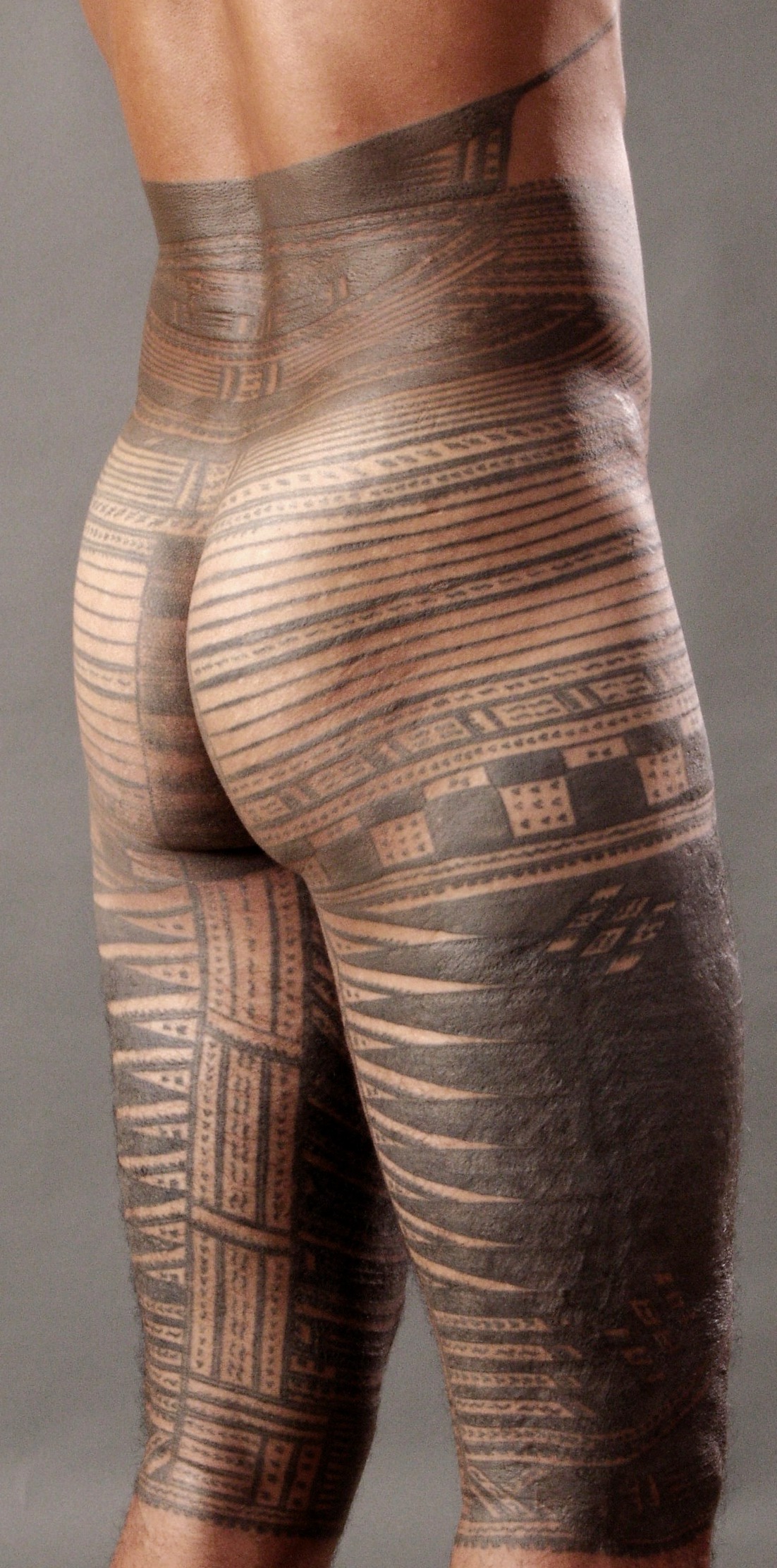
So let’s focus on abstract designs, which is what the Maoris had on their faces, and the Samoans had on their nether regions:

Traditional_Samoan_Tattoo_-_back

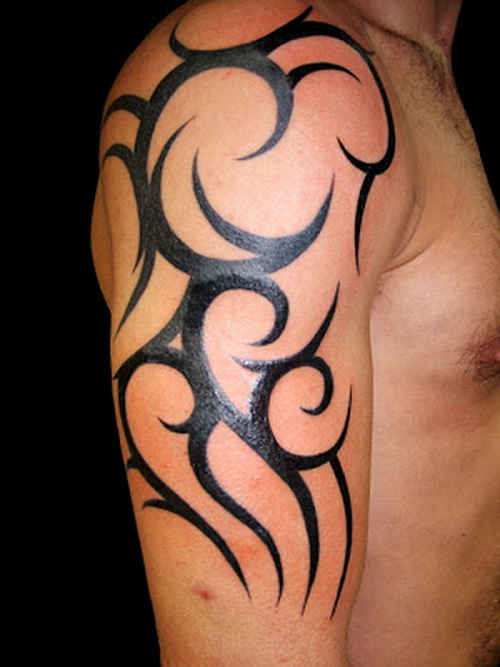
Here’s a couple of photos of abstract designs, all on men I have to say, although I can’t see why they wouldn’t work on women:

Tattoo Designs-1

Tattoo Designs-2

Tattoo Designs-3

tattoo designs-4

tattoo designs-5

I really don’t like those heavy sleeves in the first picture (as you can see, I am picking up the language of the tattoo parlour), they just make the arms look dirty. As for the others, I guess they aren’t too bad, even allowing for the fine pecs, or whatever those muscles are called, which the models have in abundance. But do they really make the men (in this case) look more handsome? I’m not convinced; those are really strong, in-your-face colours and thick lines. Maybe thinner lines in more discrete colours, a fainter blue or red? Perhaps the Ancient Britons’ woad will make a come-back …

But at the end of the day (and this post), I really have to ask myself, if you don’t live in Samoa or some other nice South Sea island where you can go around all day more or less without any clothes on, so that your next-door neighbours can admire your designs as you walk by; if you live instead in coldish Europe where you’re covered in clothes all day, and where if you take them off in public they bundle you off to the nearest psychiatric hospital, what’s the point?

And why don’t we do it the way the Indians and others do it at weddings? Use henna, draw beautiful designs on yourself which are ephemeral

henna hands

and try out other designs at the next beach party: beach party, because you can take – most of – your clothes off and parade your new fancy designs which can be in more places than just your hands.

Just a thought.

And finally, with all due respect to the Maoris, please don’t touch your face. In 330 AD, the Roman Emperor Constantine the Great banned the practice of tattooing the faces of convicts, gladiators, and soldiers because, he said, the human face reflected “the image of divine beauty, and should not be defiled.” I couldn’t agree more.

______________________________

Tatooed sailors yesteryear: http://www.akirabodyart.com/images/content/1/c20_0040-sailors-tattoo-web.jpg
Tattoo on a street: http://www.rosesfanees.it/wp-content/uploads/2013/06/IMG_3571.jpg
Tattoo on a beach: http://2.bp.blogspot.com/_0GG_6fSKfBI/TITqWrghiOI/AAAAAAAAAYQ/m2JEHxwIVzo/s400/tatuaggio_2.jpg
Ötzi iceman: http://www.age-of-the-sage.org/archaeology/otzi_iceman_2.jpg
Ötzi tattoo: http://www.freetattoodesigns.org/images/tattoo-history.jpg
Scythian tattoo: https://upload.wikimedia.org/wikipedia/en/a/a6/Scythian_tatoo.jpg
Maori Chief 1784: https://upload.wikimedia.org/wikipedia/commons/d/d4/MaoriChief1784.jpg
Maori Tutukino: https://upload.wikimedia.org/wikipedia/commons/4/45/Tukukino%2C_by_Lindauer.jpg
George V: http://upload.wikimedia.org/wikipedia/commons/e/ee/George_V_of_the_united_Kingdom.jpg
Rihanna’s back tattoo: http://cdn04.cdnwp.thefrisky.com/wp-content/uploads/2012/09/10/rihanna_tattoo10.jpg
Angelina Jolie’s tattoos: http://www.tattoodesignsidea.com/wp-content/uploads/2013/05/Anglina-Jolie-Tattoo-Designs.jpg
Traditional Samoan tattoos: https://upload.wikimedia.org/wikipedia/commons/9/99/Traditional_Samoan_Tattoo_-_back.jpg
Tattoo design-1: http://photovide.com/wp-content/uploads/2013/01/Tattoo-Designs-07.jpg
Tattoo design-2: http://cooltattooidea.com/wp-content/uploads/2013/07/pics-of-tattoo-designs-sz6ztmti.jpg
Tattoo design-3: http://www.lotonuu.com/images/samoan-tattoos/samoan-body-Tattoo10.jpg
Tattoo design-4: http://samoantshirts.com/images/tattoo/samoan%20tattoos.jpg
Tattoo design-5: http://tattoodesignsmag.com/wp-content/uploads/2013/03/Best-Tribal-Tattoo-Designs.jpg
Hennaed hands: http://www.inkuphoto.com/wp-content/uploads/2012/07/nj-wedding-photographer-nyc-wedding-photographer-boston-wedding-photographer-indian-hindu-sikh-inku.jpg

BIRTHDAY MARGARITAS

Beijing, 4 August 2013

It was my birthday a few days ago: one year closer to my sixtieth year, that age which impelled me to start this blog; one year closer to my retirement and the end of my professional life. As the years go by, I remember ever more insistently a line from the last chapters of the book The Ocelot, by Giuseppe Tomasi di Lampedusa. The book’s melancholy hero Don Corbera, Prince of Salina, has always seen his life as a stream that is flowing, flowing away. Now, old and sick and terribly, terribly tired, he muses that the stream has become a river, flowing ever more swiftly past. A few pages later he is dead.

Yes indeed, I think to myself on every birthday now, life does seem to whizz by ever faster as I grow older.

My wife was having none of these gloomy thoughts and philosophical musings! She arranged for a wonderful lunch in a restaurant located in an old temple buried in the maze of lanes behind Beijing’s Drum and Bell Towers.

Bell Tower

It is one of the city’s fancier restaurants, with a menu to match. To start, my wife had (I quote from the menu) “chilled asparagus soup, salmon tartar, sour cream”, while I opted for “cream soup of mussels, saffron, white wine, vegetable julienne”.  For the main course, we both chose “assorted seafood, bouillabaisse jus, aioli”. We topped it all off with a selection of cheese. The whole accompanied by a glass of French rosé wine for my wife and a glass of Spanish red wine for me. Delicious. But definitely not filling. As is the case with such restaurants, portion size was in inverse proportion to the final bill.

temple restaurant-2

temple restaurant-1

Having then spent the rest of the afternoon in the office pretending to work, I met my wife somewhere close to the Kempinski Hotel and she took me to a fancy bar for a drink. Having scanned the drinks list, we unanimously plumped for a margarita. The waitress anxiously informed us that since it was Happy Hour – buy one, get one free – we would actually get four if we ordered two. She wanted to make sure that we were aware of this. We confirmed that this was indeed the outcome we desired.

margarita

Marvelous drink, the margarita! The sweetness of the Cointreau hits the tartness of the lime juice, only discovered after breaking through the salt coating the glass’s rim; the whole covering the powerful kick of the tequila. We discovered the drink some twenty-five years ago when we were in New Mexico for a holiday. As we sat in the bar of the hotel in Santa Fe wondering idly what to drink, the barman suggested a margarita. Why not, we said. We have never looked back. Everywhere we have been, the margarita has followed us like a faithful old friend, turning up on the drinks list of just about every bar we have ever been to since.

As we drank our – four – margaritas on the terrace of the bar, we watched the evening slowly draw in over Beijing. It was a beautifully clear evening, following a beautifully clear day. Feeling a tad hungry, we ordered two bowls of noodles. After which, hand in hand, we walked slowly back home.

_________________

Bell tower: http://www.thechinaguide.com/drum_tower/Drum_Bell_Tower_Beijing_07.jpg
A starter: http://old.cityweekend.com.cn/files/images/image-20120224-0h1d4tf09s9jmtfv1bib.JPG
A main course: http://cwstatic.cityweekend.com.cn/files/images/2011/12/16/image-20111216-fyrz2miltyybbz6hjzlh.jpg
Margarita: http://images.nationalgeographic.com/wpf/media-live/photos/000/224/cache/margarita-drink-beach_22442_600x450.jpg