PASSION FOR NORTHERN SONG PORCELAIN

Beijing, 6 September 2012

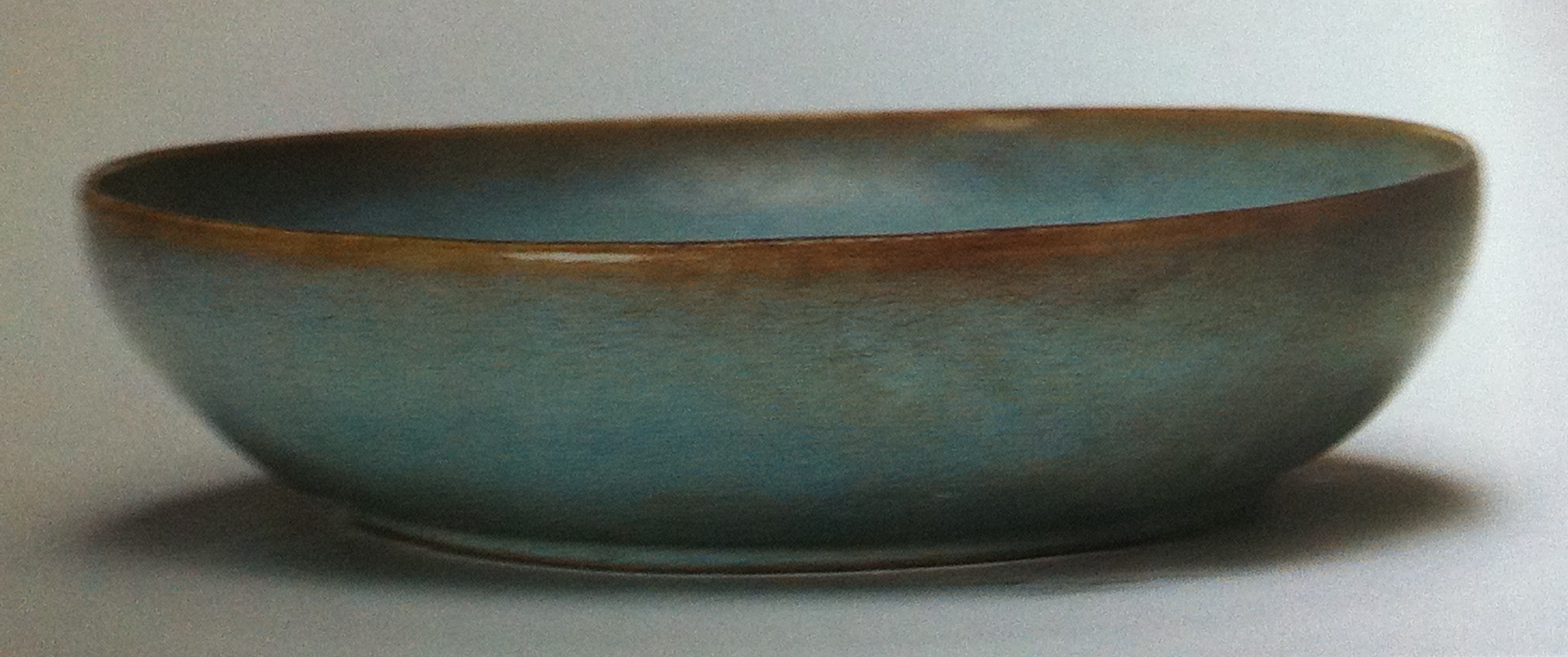
I intimated in my last post, on the exhibition “Passion for Porcelain”, that the exhibition’s coda reduced the rest of the exhibition to nothing. In the main, the final pieces were from earlier periods.  I was especially entranced by two pieces, made during the Northern Song dynasty, 960-1127 AD.
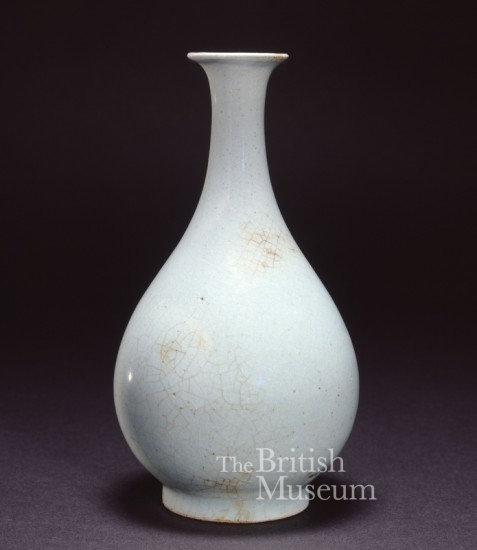
 

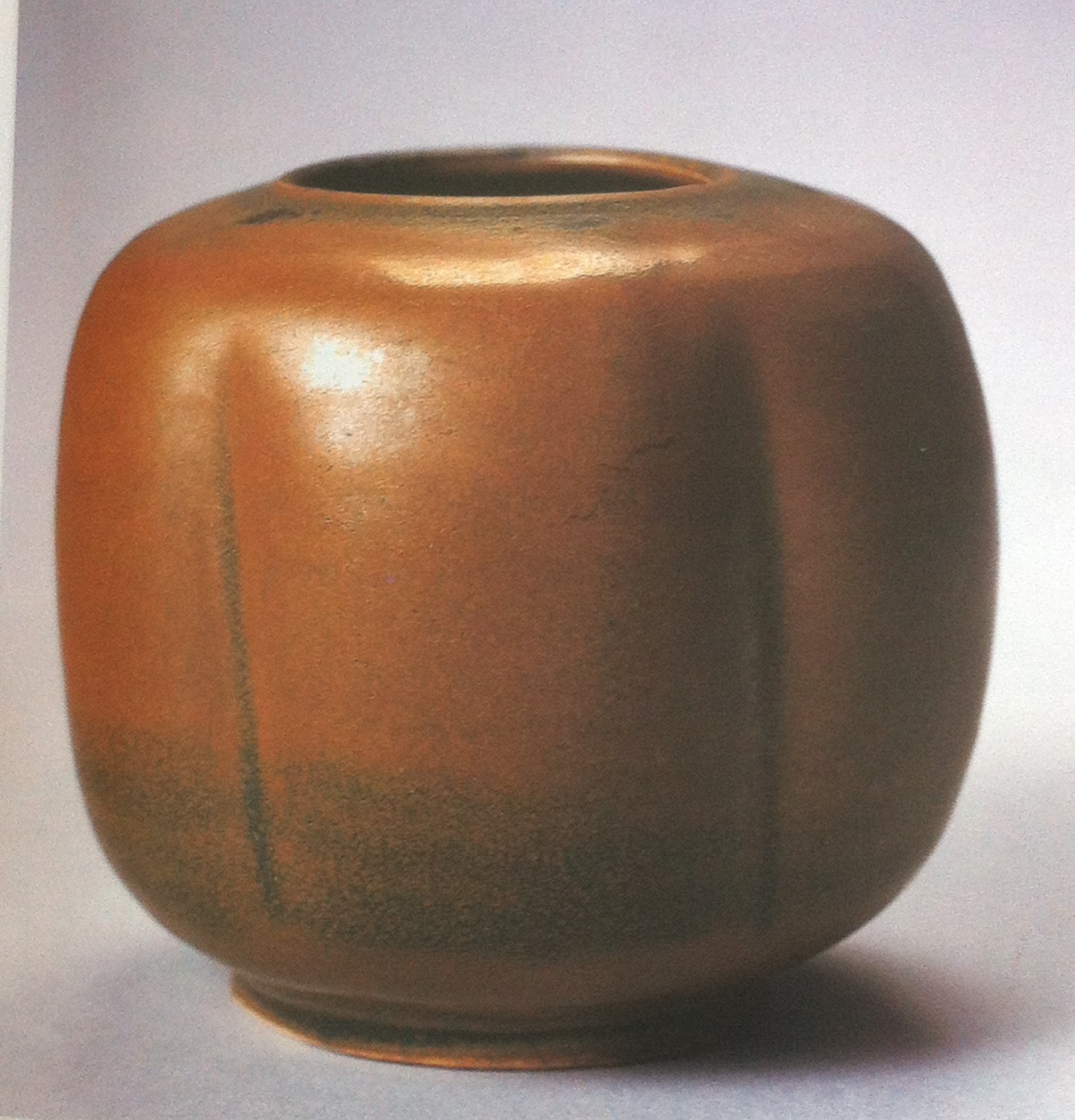
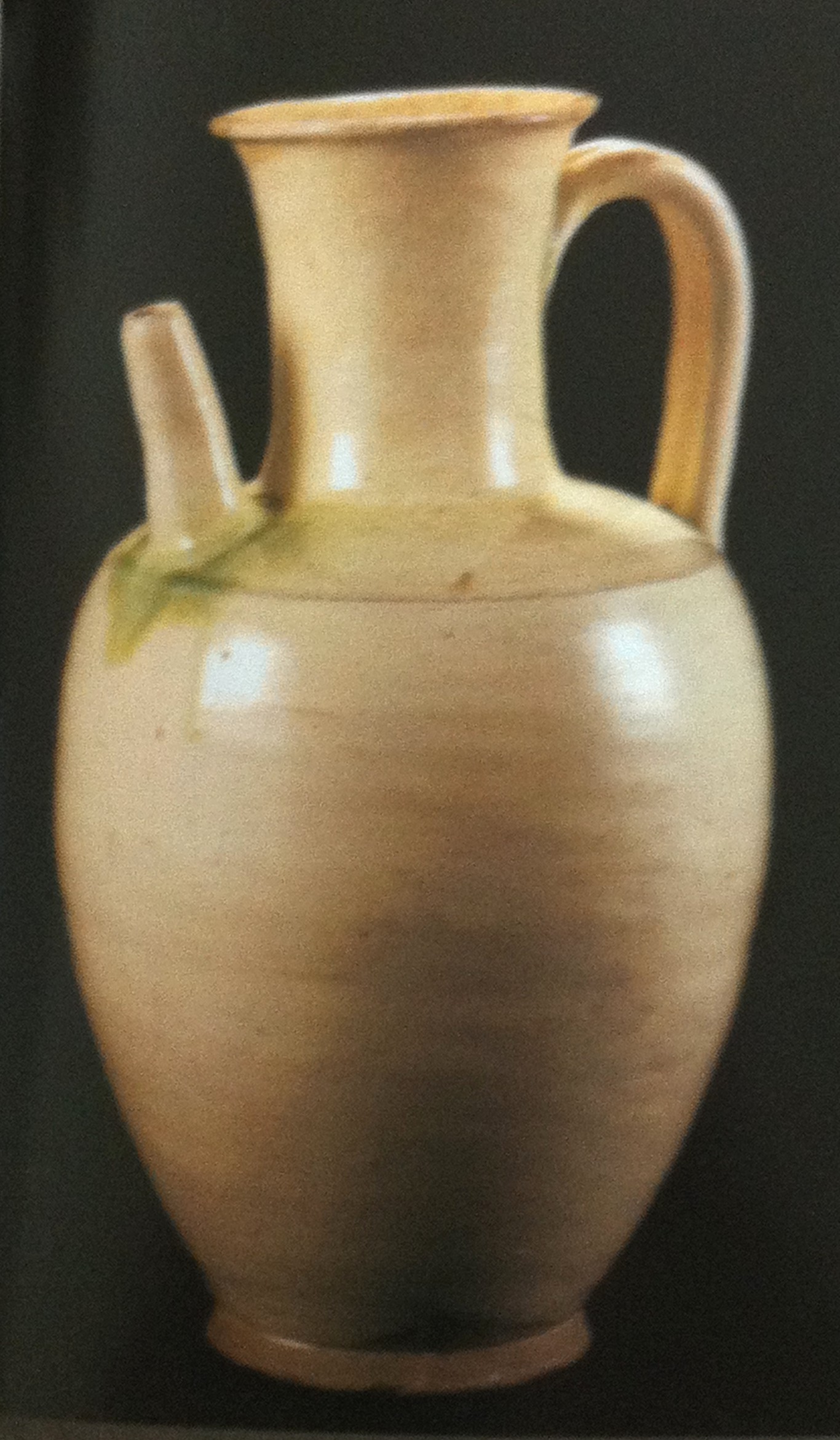
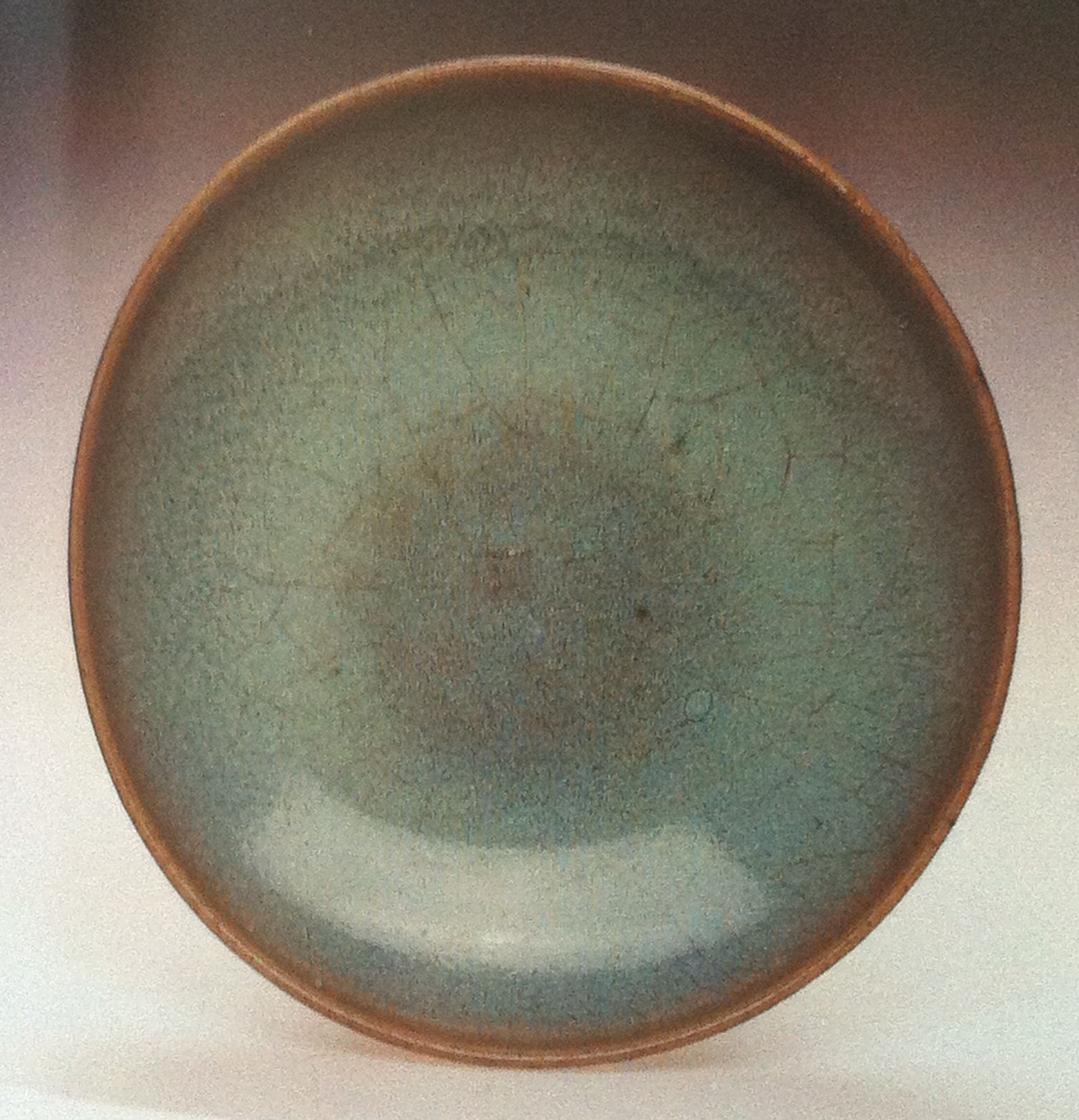
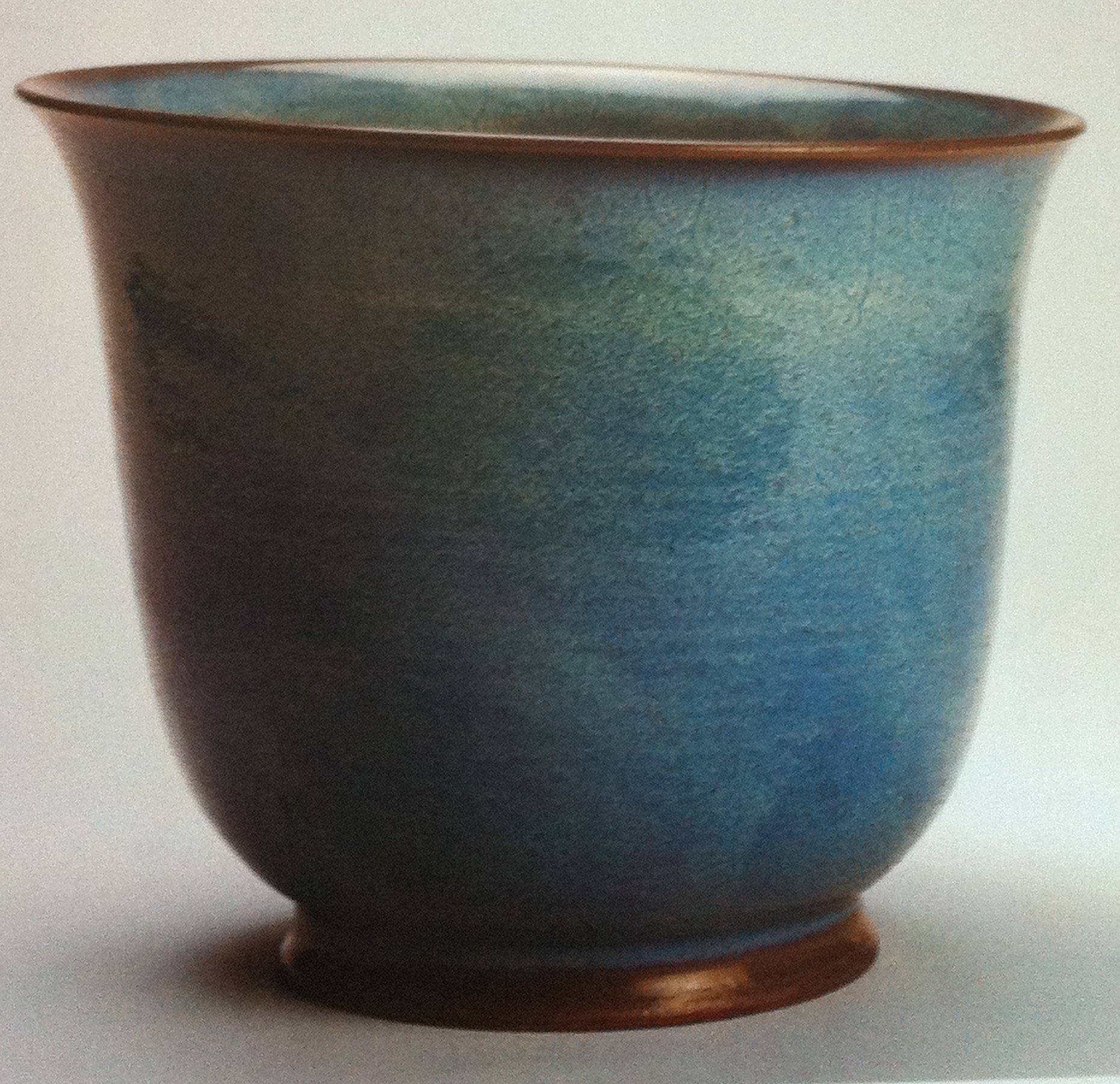
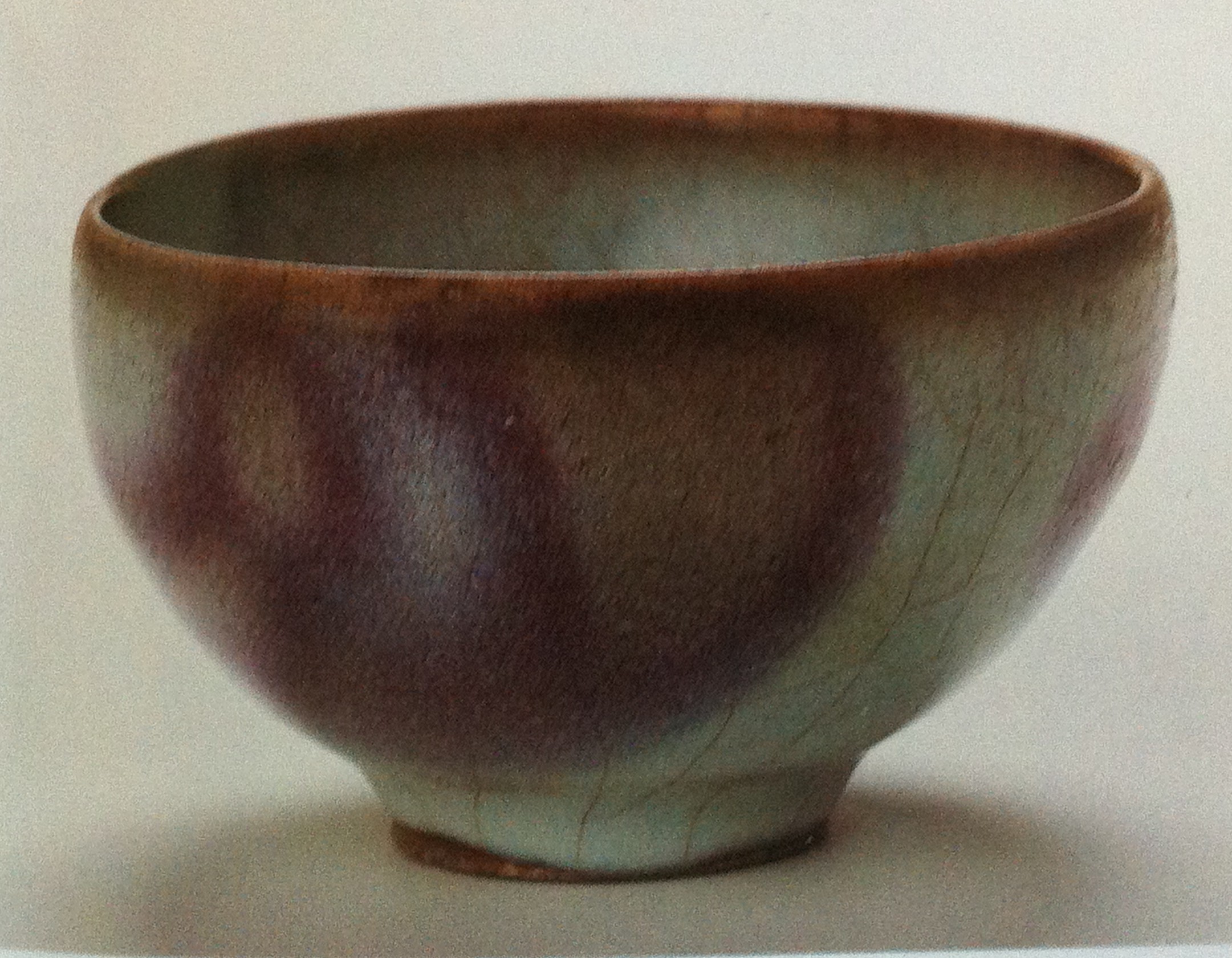
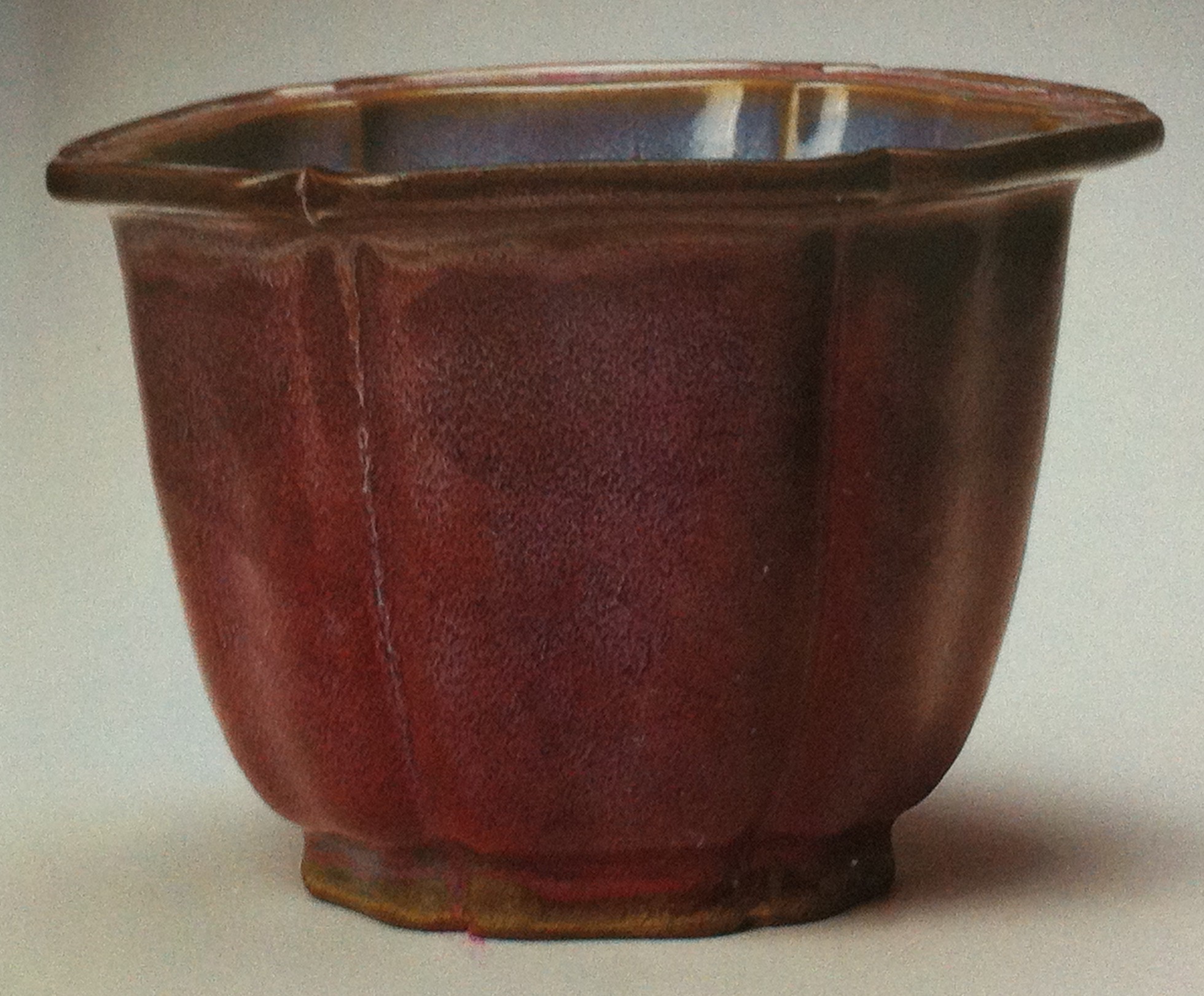
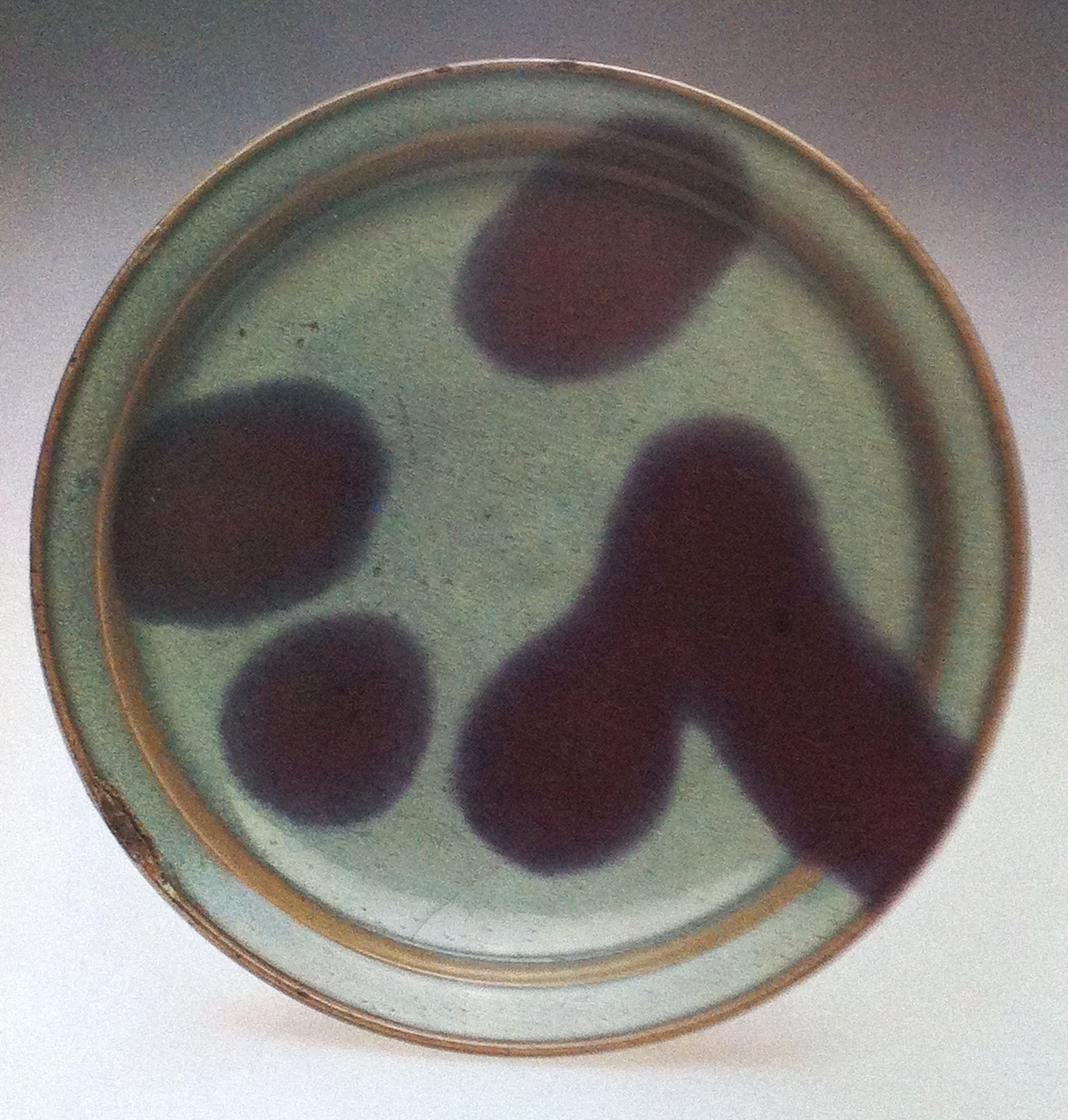
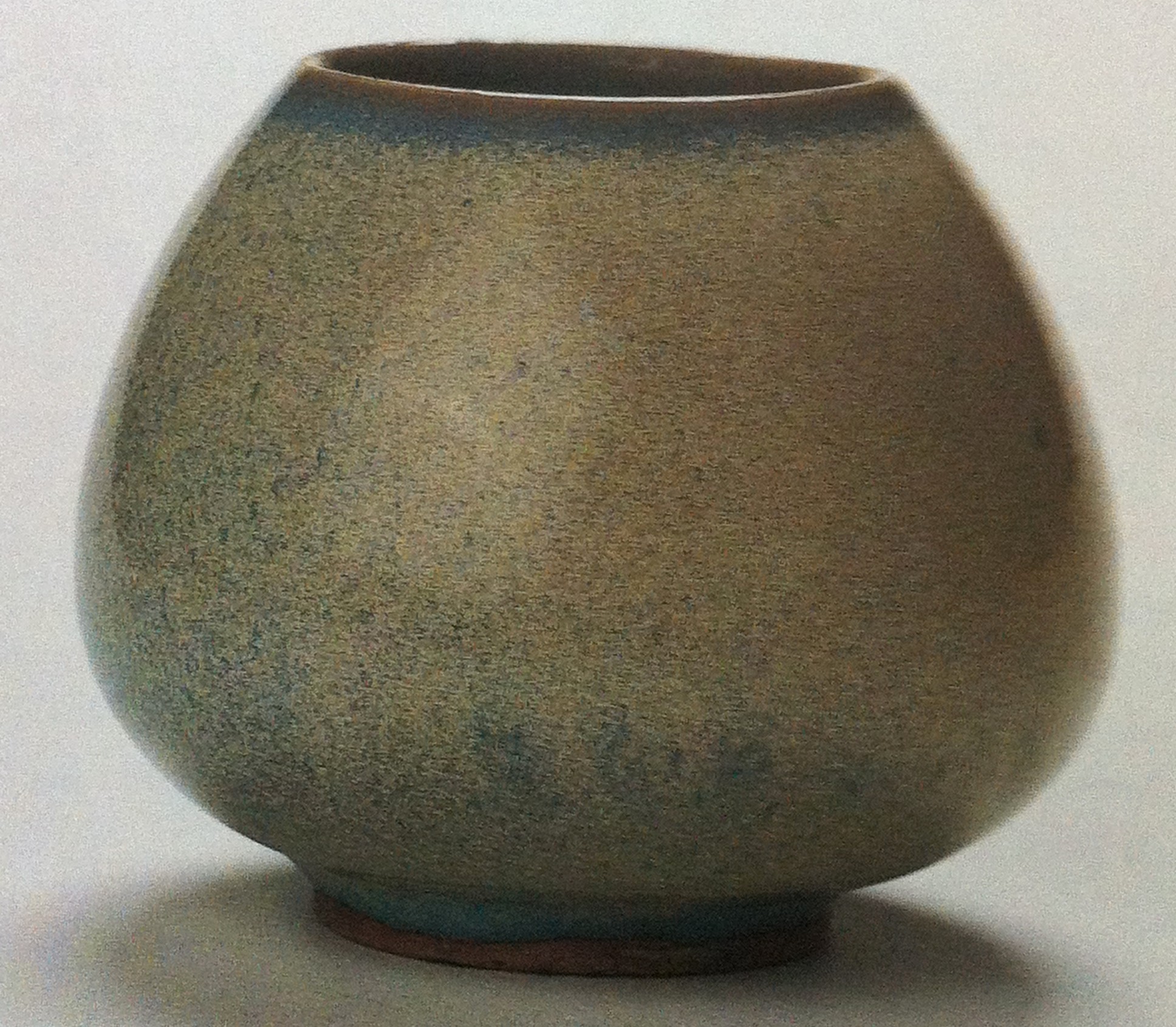
Look at them: such pure shapes, so simple, so harmonious, … so modern! And look at the glazing, one colour but with subtly different shadings, and in the case of the flask with craquelure enhancing the overall effect.

I was so taken by these pieces that I was moved to work my way through my copy of the book “Chinese Ceramics” by He Li (ed. Thames & Hudson, 2006)  and study all the pieces from this period. Here is a sampling, in no particular order


Now look at those dates again: 960-1127 AD.  These pieces were made when William the Conqueror and Harold Godwinson were fighting it out in the Battle of Hastings!

And this is the pottery they were making …

Truly, Chinese ceramics are awesome.

_______________________
Bayeux tapestry picture: http://larsbrownworth.com/blog/2010/08/11/is-the-bayeux-tapestry-reliable/
Norman pottery picture: http://www.potweb.org/PotChron1-01.html
The V&A and British Museum pictures are from the website of the National Museum of China

PASSION FOR PORCELAIN

Beijing, 6 September 2012

Last weekend, my wife and I visited the exhibition “Passion for Porcelain” at the National Museum of China on Tiananmen Square. Through pieces from the collections of the Victoria & Albert Museum and the British Museum, the exhibition celebrates the discovery by Europe of Chinese porcelain, that wonderful moment in the seventeenth century when chinaware began pouring into Europe as ballast in the holds of the East India companies’ ships. Europeans were dazzled by what they saw, for compared to Chinese porcelain the European ceramics of the time were rough, crude articles.

Chinese potters first exported ware with purely Chinese designs

Passion-for-Porcelain 008-dragon plate

Then they started exporting wares with European designs. Some of them are hilariously bad, like this example.

Passion-for-Porcelain 006-jesus baptism plate

It takes a moment to understand that the two blobs in the plate’s centre are John baptizing Jesus. Obviously, the Chinese designer had no feel for what he was copying. Or take these two figurines, which the label insists are figurines in French court costumes.

Passion-for-Porcelain 012-french figurines

Some are simply odd when seen in a Chinese context. Plates with the armorial bearings of some English aristocrat, for instance, sound a strange note on Tiananmen Square.

Passion-for-Porcelain 013-armorial plate

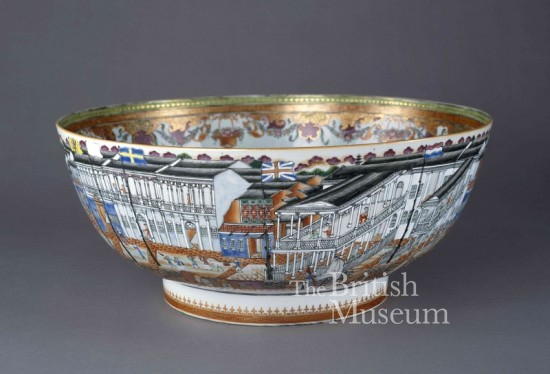
But I suppose it is no stranger than Christmas decorations pouring out of a modern Chinese factory ready for shipment to the US or Europe. In all fairness, some designs have merged Chinese sensibilities exceedingly well with European-driven designs, like this plate picturing the trading hongs in Canton.

Passion-for-Porcelain 009-hongs plate

Then the Europeans started to make copies. And some of these are hilariously awful in their depiction of Chinese scenes.

Passion-for-Porcelain 015-english chinese mug

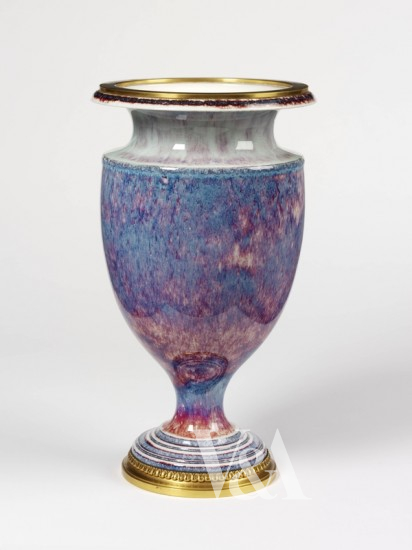
Others are technically poor copies of Chinese techniques, like these two articles which are both using the flambée technique; the European version suffers distinctly from the comparison.


Once the Europeans had mastered the technique of porcelain-making, they could cut the cord with China and make wares of purely European design.

An interesting journey indeed through Europe’s love affair with porcelain. But the exhibition’s postscript made all the previous showings “full of sound and fury signifying nothing”.  But I will deal with this in my next post.