A week or so ago, my wife and I were doing a gentle hike on Lake Como. We’ve both been a bit under the weather, so a hike with none of the brutal climbs required of many of the hikes around Lake Como were just what we needed. We had also done a few other, rougher hikes along the lake in the previous days and had discovered to our dismay that heavy rains back in late September had made a number of them impassable. So as I say, a nice gentle hike along a well-kept path was just what we needed. For any of my readers who might want to know which hike we did, it was the “Via Verde”, which runs between the villages of Moltrasio and Laglio (and is not to be confused with the rival “Green Way”, which runs further north along the same shoreline of the lake). Here is a photo of the typical view one enjoys along this path at this time of the year.
Towards the end, we were walking into the village of Carate Urio when we came across a table set up along the path and on which were placed two crates holding a dozen or so of these strange-looking vegetables – or were they fruits?
My wife trained her iPhone camera on one of these vegetables (or fruits?) and promptly identified it. In Italian, it is called “zucca spinosa”, or spiny pumpkin. They were certainly spiny, but the relationship to pumpkins wasn’t immediately obvious. And being a pumpkin, it’s sort of both a fruit and vegetable: botanically a fruit but culinarily a vegetable given the way it is eaten (as we shall see in a minute). For the purposes of this post, I will henceforth refer to it as a vegetable.
Different parts of the world have different names for this vegetable. It’s called chayote in the US. Here we have a lady from Louisiana showing off two of them (although, reflecting that State’s French heritage, they are often called mirlitons there, as they are in nearby Haiti).
The Americans have actually just borrowed the Spanish name for the vegetable; we’ll come back to the Spanish name in a minute.
It’s called chocho or chuchu or some variant thereof in places as varied as Mauritius, India, Sri Lanka, Brazil, and Jamaica. This is thought to be the Pidgin English version of chayote. Here we have a farmer in Assam with his crop of chocho.
The vegetable is called choko in Cantonese (am I wrong in thinking that this ultimately derives from chocho?), which later became the name used in Australia and New Zealand thanks to the Cantonese who emigrated there in the 19th Century. Here we have an Australian proudly showing off the chokos growing in his garden (note that his variety is without spines).
Meanwhile, in the islands of the eastern Caribbean, the vegetable is called christophine or christophene. Here we have early risers in a market in the island of Martinique searching for their choice christophenes.
There are more names used for this spiny pumpkin, but the ones I’ve cited give us an indication of where it originally came from. It is one of those foodstuffs which make up the great Columbian exchange: that massive movement of foodstuffs, people and diseases which occurred after Christopher Columbus stumbled across the Americas. I’ve mentioned this exchange several times already in these posts, when writing about the prickly pear, the Jerusalem artichoke, vanilla, and turkeys. And now I can add to the list the spiny pumpkin, or christophene (which reflects the connection to Christopher Columbus), or chayote, which is a Spanish transliteration of the Nahuatl name chayohtli. In fact, modern studies indicate that the chayote was first cultivated in Mesoamerica, between southern Mexico (in the states of Oaxaca, Puebla, and Veracruz) and Honduras, with the most genetic diversity being present in both Mexico and Guatemala. Here, we have a field of chayote in Mexico.
Just to finish my elongated riff on names, another name for the vegetable which is used in Guatemala and El Salvador is güisquil or huisquil, which is derived from another Nahuatl name for it, huitzli. Here we have a Guatemalan singing the praises of the güisquil.
But to come back to my wife and me, standing in front of that table on the Via Verde. The vegetables’ anonymous grower was offering them for free to passers-by. I was hesitant, but my wife was bolder. She reminded me that we were having some old friends over for dinner the next day, why not try the spiny pumpkins out on them? But we don’t know how to prepare them, I objected. My wife waved off that objection, immediately doing a search on the internet. Hey presto, she found what sounded like a pretty easy recipe, explained in a video by a lady from Calabria in southern Italy, who mentioned in passing that the spiny pumpkin was particularly popular in her region – readers should note this link of the spiny pumpkin to Calabria, as we shall come back to it in a minute. My doubts brushed aside, we picked up five of these little spiny pumpkins and loaded them up in our rucksacks.
The next day, preparations started early. As recommended by the Calabrian lady, I peeled the pumpkins with a potato peeler – the spines were a little annoying but no more than that. Then I opened them up to take out the stone, after which I cut the halves into thin slices. Then I could start on the other two ingredients, tomatoes and onions. I divided up six large tomatoes, and sliced up one small onion (the recipe called for more but I’m not a fan of onions). At which point, I handed over to my wife, who threw all the ingredients into a big bowl, added the herbs, salt, and oil, and mixed everything up thoroughly. At the right moment, she ladled the mix out into a pan and put it into the oven for 40 minutes at 180 degrees Centigrade. I throw in a photo of what the result looked like – this is actually from the Calabrian lady’s video; we forgot to take a photo since we were so busy with preparations of the dinner.
Because what we had prepared was a side dish. The main course, the pièce de resistance, was cotechino with lentils and mashed potatoes. Like that, if the side dish turned out to be a disaster, we still had the main dish to fall back on. Luckily, it all turned out well. When I carried in the side dish, I explained the whole back-story. None of our guests – three Italians and one American – had ever heard of zucche spinose (in the case of the Italians) or chayote (in the case of the American). We all tried the dish with a little trepidation, but luckily it tasted really good. To me, the spiny pumpkins tasted like a cross between zucchini and cucumber. They went well with the tomatoes.
We didn’t finish the dish, so my wife froze the remains. When we get back from Florence where we are at the moment (to see an exhibition on Fra’ Angelico), we’ll try it out on our son too.
I fear we’ll never make the dish again, unless our anonymous grower on Lake Como is kind enough to make next year’s crop available to passers-by, because you cannot grow spiny pumpkins in the north of Italy (except, as we have seen, in Lake Como’s microclimate). As a result, northern Italians have no culinary experience with it – which is why our three Italian guests, all from Milan, had never heard of it. Of course, we could travel down to Calabria. Because, I discovered, Calabria is a “hot spot” for the growth and consumption in Italy of the spiny pumpkin. This is a consequence of one of the many individual rivulets that made up the giant global flow of plants out of the Americas after the continent’s accidental discovery by Columbus. When, in 1502, the Spaniards took over the Kingdom of Naples, of which Calabria was part, they carried the spiny pumpkin from their new dominions in Mesoamerica to their new dominions in southern Italy. And the plant took particular root in Calabria.
But we can’t go to Calabria just to eat spiny pumpkin! I’ll have to come up with an exciting trip full of new things that we’ve never done before if I’m ever going to persuade my wife. I have one or two things in mind. There’s the Riace Bronzes in Reggio Calabria, which we’ve never seen. There’s some old Christian mosaics in a monastery up in the Calabrian mountains, mentioned by John Julius Norwich in one of his books, which we’ve never seen. I’ve got the whole winter to come up with some more things to see and do …
It was our last hike in Austria this year. We hiked across the hills between Sankt Veit an der Gölsen (another Sankt Veit) and Wiesenfeld, in the pre-Alps behind St. Pölten. During the final walk into Wiesendorf, I spotted this flowering bush on the roadside.
My photo
I’d seen the plant before, but this time I decided to identify it. I did my usual trick of using my iPhone’s plant identifier programme, but it was a complete failure. It first suggested “hawthorne”, which even I knew was wrong, and then, on two other try’s, it simply suggested “plant”, which was really not very helpful. So I turned to the internet. And there I got my answer: I was looking at a Euonymus europaeus, the European or common spindle tree (or bush to some people – it seems to fall between being a small tree and a big bush).
The plant has a rather lovely fruit, which is why I’d spotted the plant in the first place. I throw in a close-up of the fruit.
It is a lovely pink, and then, as the photo shows, when it ripens it splits open to reveal a bright orange seed (actually, what you see is an orange aril, a “fleshy” material in which the seed is buried; the edible aril attracts birds and other animals, which helps in seed dispersal).
To my eye, this combination of pink and orange is a bit jarring, but hey! that’s the colour combination the plant “chose” (is there some scientific reason behind the colours you find on plants? A question for another day).
The fruit’s pink colour, and the fact that it is four-lobed, has led to one of the plant’s French names: bonnet d’évêque, bishop’s cap. I don’t know if bishops wear them anymore, but the hat they wore in the past was four-sided and pink.
All very nice, but as I said in my previous post, while our ancestors might have admired the colours of nature, they were highly utilitarian in their approach to plants: how can I use them? Well, the fruits of the spindle tree are toxic – indeed, every part of the plant is toxic – so there was no nutrition to be had from this particular plant. But our ancestors did manage to eke various uses out of it. Two stand out for me.
As the plant’s English name indicates, the plant’s wood was used to make spindles. Women (for the most part) used spindles to spin wool or flax fibres into yarn or thread. In this picture, the spindle is in the woman’s right hand (and the distaff in her left).
Spindles are a very ancient technology. The oldest evidence of their use goes back 12,000 years. But at least in the developed countries, they were eliminated by the Industrial Revolution, when automation destroyed the cottage industry of spinning. Their use lingered on here and there; this photo, for instance, from 1901, shows a peasant woman in Greece still spinning by hand.
And I still remember watching a housewife in Eritrea, where I was born, sitting at the door of her house spinning with a distaff and spindle. This would have been in the late 1950s.
One of the plant’s French names – fusain – indicates the second of the plant’s intriguing uses. Fusain is a charcoal made from the wood of the spindle tree, which is used in drawing. It’s much appreciated by artists for its exceptional strength and density. This is a good excuse for me to throw in a few charcoal drawings by famous artists, although I will start with an artist I personally have never heard of, François Bovin, simply because the subject of his drawing connects us back to what I was just writing about, spinning.
A week ago, my wife and I were passing by a florist during our afternoon walk down into the city centre when my eye was caught by one of the products the shop was selling.
My photo
It wasn’t just the pretty display that caught my attention. It just so happened that I had taken a photo of the very same plant growing along the side of the path during one of our earlier walks during the summer, in Vienna’s Tiergarten (a very nice area of woods and meadows on the edge of the city which used to be an imperial hunting ground).
My photo
Already when I had taken this photo, I had said to myself that I should look into this plant. The clever feature on my phone’s camera told me that I was looking at a groundcherry, so at least I knew what the plant was. But, as Samuel Johnson is reported to have said, the road to hell is paved with good intentions – I hadn’t gotten around to doing anything. But that second sighting in front of the florist got me going again. And now, finally, after a few days of rain, I have cobbled together my story.
I suppose I should start with the plant’s most conspicuous feature, its bright orange to red papery calyx.
Not surprisingly, it is also this calyx which gives the plant one of its more common names in English, Chinese lantern, in German, Lampionblume or lantern flower, and in French, lanterne or lantern.
If left on the plant, much of the calyx will decompose, leaving behind only the veins of the calyx in the form of a delicately beautiful, skeletal net and revealing an orange-red berry within.
The berry’s resemblance to a small cherry has given rise to the plant’s other common name in English, the groundcherry. Having a berry trapped, as it were, inside the calyx has also given rise to other common names, like the French amour en cage, love in a cage, but the one I like best is one of its Persian names: the puppet behind the curtain.
As I have noted several times in these posts, while our ancestors no doubt saw the beauty in the world around them, they were nothing if not profoundly utilitarian: how can this thing (plant, fruit, rock, wood, animal, whatever it is) be useful to me? So of course they explored whether or not the berry of the Chinese lantern was edible; there is evidence that our Neolithic ancestors were eating the berries. The internet is not very clear on how tasty these berries are. As far as I can make out, though, they are not very tasty, having low levels of sugar and being somewhat sour. But with the addition of a lot of sugar they can be made into scrumptious jams and marmalades. Apparently, the Italians also pickle the berries, although I’ve never, ever seen this in Italy.
Our Medieval ancestors, and very probably even earlier ancestors, were just as interested, if not more interested, in the plant’s use as a medicine, particularly the berry. And this interest explains the plant’s rather strange scientific name, Alkekengi officinarum. It’s the plant’s generic name, Alkekengi, that’s so odd. It’s not Latin, what is it? The answer to that lies in Persia. In Persian traditional medicine, the Unani system of medicine, the dried berry was used as a diuretic, antiseptic, liver corrective, and sedative. The Persian name for the plant is kākunaj (which, by the way, I think means “balloon” or “bladder”, another common description of the plant). I throw in here a photo of a 15th Century miniature of a Persian garden.
When the Arabs overran the Persian empire, they picked up the Persians’ traditional medicine and carried it westward. This included the kākunaj berry, whose name they arabised to al-kākanj. In turn, Arabic traditional medicine was carried into Europe, where the name of the berry, and the plant, was europeanised to “alkekengi”. Another small example of the way ideas were transmitted along trade routes, something which I have written about many, many times in these posts.
The plant’s medicinal role has now died away, although there are still a lot of articles written on its pharmacological properties. So we are left with its beautiful calyx, that orange-red lantern, to enjoy. Which leads me to one lovely traditional use of the plant, in Japan. During the summer Obon Festival, the Japanese remember their deceased ancestors, believing that their spirits return to visit them. They use lanterns to guide the spirits from their graves on the first day of the festival, and back to their graves on the last day of the festival. Normally, they use paper lanterns, but in many places they also drape strings of groundcherry calyxes – called ghost lanterns in Japanese – on the shrines in temple grounds that house memorial tablets for the deceased. This photo shows a market selling strings of grouncherry calyxes.
My wife and I have just finished a long weekend in the little town of Waidhofen an der Ybbs. We were actually using it as a base from which to carry out a number of very pleasant hikes over the surrounding hills. These are impossibly beautiful: broad swathes of light and dark green draped over the hills, dotted here and there with farmsteads.
My photo
The weather was glorious, which certainly helped.
As I looked through the various brochures which we picked up to figure out what hikes to do, I came across the following brief write-up about the church in a village some 10 km away, the village of St. Leonhard am Walde:
“Fiakerkirche St. Leonhard/Wald: The traditional place of pilgrimage for Viennese hackney carriage drivers since 1826. St. Leonhard is the patron saint of cattle, sheep – and horses. In 1908, the Viennese hackney carriage drivers donated the Marian altar. A few decades ago, the Viennese cab drivers also joined the pilgrimage.”
Now that really intrigued me! Hackney carriages, fiaker in German, are a picturesque sight down in the centre of Vienna, although nowadays, of course, they are only for tourists.
But, being an early form of taxi, there was a time when hackney carriages were ubiquitous throughout the city, as indeed they were in all European cities. Here is a colourised copperplate engraving from the 1830s of a smart set of Viennese and their carriages.
I suspect, though, the carriages and their drivers didn’t look quite so smart when they were merely acting as taxis, ferrying people around town. This looks more like the typical hackney carriage driver; the photo is taken from an engraving in a book of 1844.
Hackney carriage drivers have always struck me as a hard-boiled lot, not taken to making pilgrimages. I have a hard time seeing them doing this (this is a modern pilgrimage, but I don’t suppose pilgrimages have changed much, apart from the clothes the pilgrims wear).
But it could be that I am being influenced by various books I’ve read and films I’ve seen where hackney carriage drivers seemed to be a sinister and semi-criminal lot. This is an example from one of the Sherlock Holmes stories.
Maybe the majority were God-fearing, devout, family men.
Source
Of course, given the way my mind works, I started wondering why hackney carriage drivers would have chosen a church dedicated to St. Leonard as the church to which they would make their annual pilgrimage. The little blurb I quoted above suggests an answer: he was the patron saint of horses, and of course horses were key to hackney carriages, being their motor as it were. But how, my mind was asking, did Saint Leonard become the patron saint of horses?
Since I knew nothing about Saint Leonard, I had to do some reading. I should note in passing that there have been various Saint Leonards over the centuries; the one we are interested in is St. Leonard of Noblac. Assuming he ever actually existed, his story is quickly told.
Leonard was a Frankish nobleman, coming from a family that was closely allied to Clovis, the first Frankish king of what was later to become France. Clovis was young Leonard’s godfather when he was baptised, along with Clovis himself and all his court, by St. Remi, bishop of Reims, on Christmas Eve of 496. As Leonard grew up, he became much exercised by prisoners, to the point where he asked Clovis to have the right to visit prisoners and free those he considered worthy of it. Clovis granted the request. We have the scene played out here in a French work from the 14th Century.
Many prisoners were thereafter liberated by Leonard.
Much impressed, I presume, by his holiness, Clovis offered him a bishopric, but Leonard turned the honour down, preferring to join a monastery near Orléans, whose abbot was another saint, St. Mesmin. After the latter went the way of all flesh, Leonard decided to strike out on his own. He moved to a forest in a place called Noblac (Noblat today) near Limoges, where he set up a hermitage. His preaching, good works, etc. led to a multitude of people flocking to his hermitage, including many prisoners whose chains miraculously flew off their hands and legs after they had prayed to St. Leonard for his intercession. Here, we have a print from 1600 giving us a rather fanciful vision of this scene.
I do believe that the monk working the land behind Leonard in the print is one of these prisoners now living an honest life.
At some point in all of this, the-then Frankish king Clotaire I (Clovis having died in the meantime) and his heavily pregnant wife came to visit Leonard in his forest hermitage – we have to remember that Clovis’s family and Leonard’s family were close. The royal couple decided – like the good aristos that they were – to use the occasion to go for a hunt in the forest. To get us into the spirit of things, I throw in here a miniature from the 15th-Century Book of Hours of Marguerite d’Orleans showing Lords and Ladies off to the hunt.
During the hunt, however, the queen suddenly went into labour. It was turning into a difficult and dangerous birth. Leonard rushed to her side and his prayers saved queen and baby. In gratitude – especially since it was a baby boy – the king wanted to shower Leonard with loads of money. But Leonard only asked for as much forest area around his hermitage as he could ride around on his donkey in one night. The king granted this wish. On the land that Leonard was subsequently given he built a church and monastery. He became its first abbot and died there peacefully, mourned by all. The Romanesque version of that church still stands, in a place called Saint-Léonard-de-Noblat.
Given his involvement with prisoners, it is not surprising to learn that St. Leonard is the patron saint of prisoners. Given that story with the pregnant queen, it’s also not surprising that he is considered a helper of women in childbirth. But patron saint of cattle, sheep and horses? How did that come about?
For that, we have to know that from the earliest times St. Leonard was often depicted as an abbot with a crosier and holding a chain or fetters or manacles, symbolising the liberation of prisoners achieved by him. In fact, in one of those serendipitous moments I love so much, I came across just such a representation of him in a church in Waidhofen, down the road from where my wife and I were staying.
My photo
Over time, rural folk mistakenly thought that the chains which St. Leonard was holding were cattle chains – these are commonly used to tether cattle or to control them during walks, or even to help birthing calves.
By extension he became the patron saint of all farm animals, which of course also included horses.
Given this swerve of patronage towards livestock, I suppose it’s not surprising that Saint Leonard became a popular saint throughout the Alpine regions of Europe. After all, as I’ve mentioned in a previous post, cattle was pretty central to the rural economies of all Alpine communities. This devotion to the saint means that his feast day – November 6th – is celebrated with enthusiasm in many places in the Alpine regions, especially the German-speaking ones. Here, for example, are photos of the celebrations in Bad Tölz in Bavaria (which got a mention in an earlier post because of its rather naughty statue of St. Florian).
It also gave rise to the intriguing phenomenon of chain churches in the Alpine regions. These are churches dedicated to St. Leonard which have chains running around them, either put up temporarily on his feast day or mounted permanently. The Fiakerkirche is not a chain church, alas. Here is a nice example from Tholbath in Bavaria (the church also has a quite respectable onion dome, the subject of an earlier post).
But if we’re going to visit a church dedicated to St. Leonard, it won’t be one of the chain churches. It will be the one I’ve already mentioned in Saint-Léonard-de-Noblat. What a fine-looking Romanesque church! I have to say, I am partial to Romanesque churches. I’ve already inserted a photo of the church’s exterior. Here is a photo of its interior.
What a wonderfully bare church! No annoying accretions to cover the spare, simple lines of the architecture.
But the photo shows an additional reason why I will try to persuade my wife to travel all the way to France to see this church: the rucksacks and the walking sticks. This church is situated on one of the four Ways of St. James of Compostela through France. I’ve mentioned one of these, the Via Tolosana, in an earlier post. The church of Saint-Léonard-de-Noblat is on another, the Via Lemovicensis, the Way of Limoges. There must surely be some good hiking to be done in the area.
My wife and I recently completed a four-day hike around the Danube, in the reaches of the river some 20 km upstream from Linz. We started in the village of Ottensheim, made our way to Eferding and then to Aschach, ending the hike in the village of Sankt Martin. I can’t resist inserting here a composite photo I’ve created of the hike.
My composite
As readers can see, we wandered rather drunkenly along the Danube.
The wonderful thing about hiking is that you move slowly across the landscape, which allows you to notice things which you probably wouldn’t notice on a bike, let alone a car. I give my readers here a taste of what my wife and I came across – quite serendipitously – as we slowly crossed this Danubian landscape.
Thursday
We arrive in Ottensheim, which sits on the Danube river, in the early afternoon. We take advantage of our early arrival to go for a walk on the high lands behind the town. Here is the view of the Danube which greets us at the top. You can see the hydroelectric dam spanning the river. We’ll be passing that dam tomorrow.
My photo
We have pizza at the place we’re staying the night, down by the river’s bank. We chat with the staff, all Neapolitans, who all left Naples because of a lack of opportunities there. A story we’ve heard so many times. Such a tragedy for Naples, this steady draining away of their youth.
Friday
We’re greeted at the exit of the hotel by this strange painting on the wall of a house.
My photo
Not sure what happened to the mermaid’s nose …
We’re waiting to board the ferry, which will carry us over to the other bank.
My photo
While waiting, we spy a statue of St. Johann Nepomuk, protector of those who cross streams and rivers, so common in this part of the world. This statue is coloured, though, which is rare.
My photo
The view from the ferry’s deck, looking upstream. The hydroelectric dam is in the far distance.
My photo
We can also see a peek of Ottensheim’s local castle in that last photo. We get a better view as we start walking along the river’s bank.
My photo
Its recent history has been quite eventful. Owned by a British family in the 1930s, it was confiscated by the Nazis at the beginning of the war. They used it as a forestry office for the Wermacht. After the war, the Soviets, who occupied that side of the Danube, used it as a barracks. After they left in 1955, when Austria got back its independence, the castle reverted to its pre-war owners. By then it was in a pretty sad state, but its owners didn’t have the money to restore it. It was only in 1988, when the castle was sold to a group of families with deeper pockets, that the castle could be restored. It is still in private hands.
Yellow irises blooming along the water’s edge, the first of many wildflowers we will be seeing on this hike.
My photo
Close by, a memorial on the side of the path.
My photo
It commemorates the nearly 30,000 people murdered through poisoning with carbon monoxide by the Nazi regime in nearby Hartheim castle, between May 1940 and December 1944. Once their bodies had been cremated the ashes were brought to this spot and dumped into the Danube. Until September 1941, it was a “euthanasia” centre, where 8,000 physically and mentally handicapped people, almost all from Bavaria and Austria, were murdered. After Hitler closed down the Nazis’ euthanasia programme (because of protests from the Roman Catholic Church in Germany), the centre quickly “pivoted” to become a centre for the killing of inmates from nearby concentrations camps, primarily Mauthausen or its satellite camps, who were too sick or injured to work any longer. By December 1944, they had murdered a further 12,000 people, most of them Soviet Prisoners of War.
Wildflowers by the side of the path
My photo
Outside a fire station, an intriguing monument to firemen and women, as well as to officers of the Austrian river authority.
My photo
An old farmhouse on the edge of the road.
My photo
Eferding, the end point of today’s hike, with the parish church’s bell tower dominating the town.
My photo
A photo of Eferding’s castle, taken by slipping my iPhone through the big gates that barred entry.
My photo
The castle is still owned by the Starhemberg family, who inherited it and the lands that came with it in 1559. Interesting family. They’ve been involved in Austrian politics for the last 1,000 years or so. The latest (in)famous member of the family was Ernst Rüdiger Prince von Stahremberg, who was born in 1899 in the castle and died in 1956 in Voralberg. He was a right-wing politician with great admiration for Mussolini’s fascism. He served in Austria’s right-wing governments from 1930 until 1936. Although fascistic, he really disliked the Nazis and made his dislike very public, so after the Anschluss of 1938 he fled to Switzerland to avoid vengeful retaliation by the Nazis (and perhaps also to protect his wife, who was Jewish). At the beginning of World War II, he served in some capacity in the British and Free French Air Forces, but he resigned in disgust after the UK and the US allied themselves with the Soviet Union in 1941 – he viewed communism and Nazism as equally evil. Thereafter, he and his wife left for Argentina; not unnaturally, he felt a great affinity with the politics of Juan Peron. In 1956, after Peron had been ousted by the army, he travelled to Austria for an extended visit, no doubt to explore the possibility of coming back. He was staying at a spa in Schruns (the bell tower of whose parish church I had so admired last year). During a walk, he was photographed by a journalist who worked at a communist newspaper. In a rage, he attacked the journalist with his walking stick, but this triggered a cardiac arrest and he died there on the pavement.
Turning my back on the Stahremberg castle, a view of Eferding’s main square
We begin to climb a steep ridge. We pass a shrine on the side of the road.
My photo
Shrines are common throughout Austria, but I notice that in this region shrines – like this one – have an eye painted on them. I suppose it represents God, the “All-Seeing Eye”. But I find it rather unnerving: “You can’t hide from me, I can see everything that you do” – just like Big Brother in George Orwell’s “Nineteen Eighty-Four”.
A chapel at the top of the ridge.
My photo
A spray of daisies on the side of the road.
My photo
We plunge into the woods.
My photoMy photo
A view over the plain around Eferding.
My photo
We come down the ridge and pass the small airfield – literally, in this case – of a gliding club.
My photo
We have been watching the gliders soaring over us all morning; my iPhone, alas, cannot capture their ethereal beauty.
We look back at the ridge we walked along, with a castle ruin sitting on it.
My photo
We stop for lunch in the village of Pupping, finding a bench in the parish church’s garden to sit on. I, of course, cannot pass up the opportunity of visiting the church after lunch. I find a mix of old and new.
A statue of St. Wolfgang, who, it is said, died at the altar of the (original) church in 994 CE.
My photo
A statue of St. Christopher, looking less than pleased with having to carry the Child Jesus.
My photo
Four carved door lintels, displaying the symbols of the four Evangelists: clockwise from the top left, the lion of St. Mark (you have to look hard to see the lion’s face), the ox of St. Luke, the angel of St. Matthew, and the eagle of St. John.
My photos
It takes me a while to understand that Luke’s angel is represented by an eye – the eye again …
Rather pleasant stained-glass windows.
My photo
We continue the hike towards our end point today, Aschach, on the Danube. Quite by chance, our route takes us past a war cemetery.
But actually, although the cemetery is looked after by the German association for war graves (hence the look), none of the soldiers buried there are Austrian or German. And none of the dead who are commemorated fell on the frontline; they were all prisoners of war who died in a POW camp which the Austro-Hungarians built close by for use during the First World War. They were mainly Italians
My photo
with their memorial
My photo
and Serbians
My photo
with theirs.
My photo
After the Second World War, the Soviets put up a memorial to their POWs who had been murdered in Mauthausen and other nearby concentration camps.
My photo
Of course, the thousands of murdered Soviet POWs didn’t get an individual grave, their names were not even inscribed on a monument. But some Russian family had come and attached a photo of one Soviet prisoner to a stone cross, with the epitaph “We remember, we love, we grieve. The grandchildren”.
My photo
We walk on to Aschach.
Sunday
We start the day by once again crossing the Danube, but this time using a bridge rather than on a ferry.
My photo
Some purple irises catch my eye as we walked along the river bank.
My photo
We climb up to the high lands overlooking the river, past fields of wheat studded with corn flowers and daisies.
My photo
We enter the woods.
My photo
The path eventually leads us off the high lands and down to a stream at the bottom of a valley. We start following the stream towards its source. At first, the stream cheerfully burbles along.
My wife’s photo
But soon the stream bed becomes rough as stones from above have tumbled down, and the water jumps around.
My photoMy photo
The path mimics the roughness of the stream.
My wife’s photo
Once we reach the high lands, the stream quietens down, the path likewise.
My photo
We pass meadows along the stream’s banks. Some have been turned into lawns.
My photo
Here, another anonymous sculptor has turned a tree trunk into a whimsical totem pole.
My photo
One of the meadows is carpeted in pink flowers.
My photo
Finally, we leave the stream and climb up onto a ridge. An alpine pasture falls away to our right. It is impossibly green.
My photo
We pass through Sankt Martin and start walking along a main road. This is the only way to our hotel. We pass a building site, where a riot of poppies grow: beauty clothing the ugliness.
For some time now, I’ve been intrigued by this tree, which I see fairly regularly in gardens at our seaside place in Liguria. I see this particular example when we walk along the main road that runs through the village.
My photo
While another one, along the road to Recco, has long caught my eye.
My photo
I find the tree’s rigorous symmetry very pleasant to the eye, while the upward tilt of its fronds is most arresting – it looks like a pine tree growing upside down.
Up till now, my half-hearted attempts to identify it have been a failure. However, my wife recently discovered a plant identification service on our iPhone cameras. You take a photo of a plant and you will be told what the plant’s name is – not every time, I’ve discovered, but often enough to make such searches rewarding. I promptly trained my camera on the mystery tree and after a few goes it gave me a name: Norfolk Island pine. A couple of independent searches on “Norfolk Island Pine” confirmed the identification (one always has to beware false positives!).
Unsurprisingly, given its name, these independent searches also informed me that this tree hails from Norfolk Island, a dot of an island in the South Pacific Ocean. Although the tree has close-ish relatives in New Caledonia, the only place in the world where it is endemic is on this tiny island in the middle of nowhere. Norfolk Island is really very remote. It is pretty much equidistant between New Zealand to the south and New Caledonia to the north, with about 760 km of open water in either direction. And there’s double that distance between the island and the closest point in Australia, the country which oversees it.
The first Europeans to set eyes on the island were on James Cook’s ship during his second voyage to the South Pacific. I’ll quote what Cook had to say about the island in the published journal of this voyage.
“We continued to stretch to W. S. W. till the 10th [October 1774], when, at day-break, we discovered land bearing S. W., which on a nearer approach we found to be an island of good height, and five leagues in circuit. I named it Norfolk Isle, in honour of the noble family of Howard. … After dinner, a party of us embarked in two boats, and landed on the island, without any difficulty, … We found it uninhabited, and were undoubtedly the first that ever set foot on it.”
Cook was wrong about this. Archaeological surveys on the island have shown that Polynesians had already reached the island and lived there, but for some unknown reason they had all upped sticks and left several centuries before Cook hove to on the horizon.
Cook continues:
“We observed many trees and plants common at New Zealand; and, in particular, the flax plant, which is rather more luxuriant here than in any part of that country; but the chief produce is a sort of spruce pine, which grows in great abundance, and to a large size, many of the trees being as thick, breast high, as two men could fathom, and exceedingly straight and tall. … “
Cook wrote a bit more about the tree in a variation of his Journal (quite what variation this is I have not managed to ascertain – perhaps his handwritten journal?)
“[The tree] is of a different sort to those in New Caledonia and also to those in New Zealand, and for Masts, Yards &ca [it is] superior to both. We cut down one of the Smallest trees we could find and Cut a length of the uper end to make a Topgt Mast or Yard. My Carpenter tells me that the wood is exactly of the same nature as the Quebeck Pines”.
Luckily for the Norfolk Island pine, Cook was also wrong about the tree’s utility in the manufacture of masts, yards and spars. Quite quickly, it was found not to be resilient enough for the purpose, so initial plans to harvest the trees were abandoned. I say luckily, because if the wood had indeed been good for the task, I’m sure all the island’s pines would have been cut down by now.
As it is, the “great abundance” of Norfolk Island pines which Cook saw has been greatly reduced over the last 250 years. The UK government turned the island into a penal settlement for some 55 years, and the convicts cut down trees for their own use as well as to clear land for agriculture. Then, in 1856, the UK government relocated part of the population of Pitcairn Island to Norfolk Island because Pitcairn was getting too small for its growing population. After the grimness of the island’s use as a prison, this puts it in a rather romantic light: Pitcairn islanders were descendants of the mutineers on the Bounty and their Tahitian partners. I remember vividly the film “Mutiny on the Bounty”, where Marlon Brando plays the role of Lieutenant Fletcher Christian.
(the earlier version with Clark Gable in the role was not so good, in my humble opinion)
To these romantic new residents were added a few more people, people who jumped ship from visiting whalers or other ships which passed. All these new residents unromantically continued cutting down trees to clear land for agriculture. The trees also had to start competing with other, foreign species brought to the island. As late as the 1950s, some bright spark had the idea of turning Norfolk Island pines into plywood. A batch was exported to Sydney, and excellent results were reported of the trial plywood produced. Luckily, someone with some sense realised that this was not a sustainable business and the idea was dropped.
As a result of all this mismanagement of the island’s pines over the centuries, the stands have gradually shrunk, with the last remaining stands of any size now protected in a national park, on land which is too steep or rocky to farm.
The International Union for the Conservation of Nature has classified the species as “vulnerable”.
Someone – maybe several people – along the way also realised that this handsome tree had potential in the horticultural trade. Quite quickly, it entered that global trade in plants which I’ve written about earlier. From a purely selfish point of view, that was lucky for me, because otherwise I would never have seen this handsome tree on the Ligurian coast. I see no reason why I would ever visit Norfolk Island – I’m not the type to take part in a mutiny and I’ll never, thank God, work on a whaler (not a complete impossibility; some of my ancestors did).
Already by the late 19th Century, the tree had moved out of its native habitat. It seems to have been a popular tree to plant near shore lines because of its high tolerance to salt and humidity, as well as its ability to grow in sandy soil. It also always grows straight regardless of prevailing winds. Here’s a nice example from the city of Napier in New Zealand, where a row of Norfolk Island pines was planted along the sea front in 1890, to create the Marine Parade.
This particular photo was taken in the 1930s and later coloured by hand. The trees are still there, although recent articles say the trees are getting to the end of their lives and need replacing.
And then, in ways that probably no-one has studied, and probably never will (who cares about the history of a plant?), it reached the piece of Ligurian coast where my wife and I spend time, a trip of 18,300 km as the crow, or perhaps better the albatross, flies (nearly half the Earth’s circumference).
I don’t know how long the trees have been here. They are quite tall but Norfolk Island pines grow slowly. From information I’ve managed to glean from the internet, I’m guessing that these particular specimens are fifty or so years old, which means they would have been planted around the time I first started coming to this Ligurian village. With a bit of luck, they’ll see me to my grave.
As in the case of my previous post, the little trip my wife and I recently undertook in central Italy was kicked off by an article in the Guardian which I read some four-five months ago now (although quite how I got to it I can no longer remember; the article is more than three years’ old). The article was about a fresco by the Renaissance artist Piero della Francesca depicting Mary pregnant with Jesus.
It was such a different depiction of Mary when pregnant. The only paintings I know of where we see her pregnant are depictions of the Visitation, the story in the New Testament where Mary goes to meet Elizabeth and both women are pregnant. Here is a nice example of the genre, by Rogier Van der Weyden, where it is clear that both women are pregnant; in many versions of the Visitation, you would be hard put to see that the two are “with child”, as they used to say.
But Piero della Francesca has Mary alone, not doing anything in particular, just resting her hand on her belly. Such a natural pose! I remember vividly my wife doing exactly the same when she was pregnant with our two children.
Charmed by this fresco, I immediately proposed to my wife that we go to see it. She said she was all for it as long as we got some hiking in too. The fresco is held in a village called Monterchi, on the borders of Tuscany. Once I discovered that we would need to get to Monterchi via Arezzo, I proposed that we also visit Arezzo – I had visited the town fifty years ago, my wife never. And then I saw that one of the earlier stages of the Via di Francesco, the Way of Francis, several stages of which we hiked back in October 2023, passed through Citerna, a village across from Monterchi. So then we decided to walk from Citerna to Sansepolcro. Then late in the planning, we discovered that there was going to be a “once in a lifetime” exhibition of Caravaggio, my favourite painter, in Rome. My wife eventually persuaded me that we should tack on a quick visit to Rome, which allowed for an extra day’s hike to Città di Castello, followed by a two-day stay in Perugia (again, visited by me fifty years ago and by my wife never), with a final quick visit to Rome just for the exhibition.
What follows are notes on our little expedition.
Arezzo (population: 99,000)
After taking a Flixbus down to Florence, we rolled in to Arezzo train station in the early afternoon.
I have to confess that I have no idea why I decided to go to Arezzo fifty years ago. I have but one memory of the place: going to a cafe for lunch and being served by a man with a fascinating face, the type of face I see in Caravaggio’s paintings; the lunch was good, too, as I recall. But I remember nothing of what I visited. A bit embarrassing, really.
What we found was a very pleasant old town, built up a slope towards the cathedral.
I very nearly missed the town’s artistic highlight, the frescoes in the cappella maggiore in the Church of Saint Francis, by Piero della Francesca (him again; not surprising, really, he was from this part of Tuscany). On the day we set aside to visit Arezzo, the chapel was closed. No problem, we said, we’ll see it tomorrow morning before our bus leaves for Monterchi. Next morning, we were at the church when it opened, but disaster! we were informed that you had to book your visit online, and there were no spaces left. My wife, excellent negotiator that she is, managed to persuade the ladies at the ticket desk to at least allow me in. So I went in and relayed photos to my wife outside via WhatsApp. These photos, scraped from the web, are frankly much better than the ones I took.
We climbed up and over to the other side of the hill, to the old village school, which had been turned into a little museum just for Piero della Francesca’s fresco of the pregnant Madonna. I won’t repeat the photo I inserted earlier. I throw in instead a photo of a reconstruction of what the fresco originally looked like, with Mary in a tent of some sort.
My photo
It is indeed a lovely representation of pregnancy. I can understand why pregnant women in past centuries would flock to the chapel which contained it, to pray for a safe and easy birth.
Citerna (pop: 3,400)
After the visit to the museum, my wife and I walked to Citerna, sitting on the top of a high hill on the other side of the valley from Monterchi.
My wife’s photo
It was a short hike, some 2 km, but steep: the route suggested by Google Maps took us pretty much straight up the hill. What we found at the top was a sleepy little village most of whose residents were old – the fate of so many of Italy’s villages. Internet had informed me that the local church contained a statue by Donatello, although I was warned it was difficult to visit. And so it proved. The church was locked, but there was a note on the door with a phone number to call to arrange a visit. My wife called, but the man who responded told her he was in Ravenna; tomorrow morning, he said, he would be there at 9.45 – or maybe later, he wasn’t sure. Since we were planning to be on the road by 9.00, that was that. The only other thing of note in the village was splendid views of the valley which we would be hiking across the next day.
There was also a stone tablet set in a wall which got me all excited.
My photo
It commemorates the fact that Garibaldi and his beloved wife Anita stayed here in July 1849. Theirs was an impossibly romantic story. They met in 1839 in Brazil; Garibaldi was fighting in a number of wars of independence in Latin America. The way my history teacher told the story in my O-level history class (the only thing I really remember of the part of the curriculum on Italian unification), Anita was washing clothes in the river. Garibaldi spotted her through his telescope from the bridge of his ship. He immediately got his sailors to row him over to her. When he reached her he declared to her – in Italian – “you must be mine!” She was already married but somehow or other the husband was dispensed with and they got married. When Garibaldi came back to Italy in 1848 to fight in the various popular uprisings taking place there, she followed him. She was with him in Rome in 1849, when he was defending the short-lived Roman Republic. Together, they escaped as the Republic collapsed in June. Their aim was to get to Venice, but they were being pursued by at least three armies and navies: the French, Austrian, and papal forces. It was during this flight towards Venice that the pair spent a – presumably hurried – night in Citerna. Tragically, Anita died, probably of malaria, in Garibaldi’s arms, near Ravenna in early August. I throw in a photo of the pair.
Made of scrap metal, it commemorates the pilgrims who pass through Citerna, walking the Via di Francesco on their way to Assisi. It was the route we would be taking the next day, although we would be walking it in the opposite direction, to Sansepolcro.
Sansepolcro (pop: 15,000)
We made our way down the hill from Citerna and then started making our way across the valley which lay between us and Sansepolcro. We were taking small roads across the valley which wound their way across flat fields.
From time to time, we passed groups of pilgrims walking the other way, otherwise we had the road to ourselves. 15 km later we arrived at Sansepolcro.
Having dropped off our rucksacks, we went off to explore. In truth, there wasn’t much to explore, but we did go and see the town’s crown jewel, its municipal museum, which contains this lovely polyptich painted by Piero della Francesca.
I’ve always loved these depictions of Mary as the Madonna of Mercy, where she is gathering up a group of faithful into the folds of her cloak. If I had lived in the Renaissance – and if I had been very rich – I would have commissioned a Madonna of Mercy, with my wife and I, along with our two children, their partners, and their children, all gathered under her cloak.
The museum also contained this magnificent Resurrection by Piero della Francesca.
Source
There is a heart-warming story about this fresco. Aldous Huxley had visited Sansepolcro to see this fresco, and in an essay he wrote in the 1920s he described it as “the greatest picture in the world”. In the summer of 1944, as Allied troops were advancing up Italy, the Royal Horse Artillery took up positions to shell Sansepolcro according to orders received. Suddenly, a Lieutenant, by the name of Anthony Clarke, remembered reading that essay as a teenager. Fearing that the shelling could destroy the fresco, he ordered the men to cease fire. Luckily for him, the Germans had already evacuated the town, so the Allied troops could capture it without losses.
The rest of the museum was so-so, although I was much struck by a very strange fresco tucked away in a back room.
My photo
It is meant to represent the Holy Trinity, although this three-headed person looks more monstrous than holy.
Città di Castello (pop: 38,000)
The next day, we made a 10 km hike southwards to Città di Castello. We weren’t following a pilgrim trail, just a route suggested by one of the hiking apps we use. The first half was very pleasant, taking us along back roads and tracks through fields. The second half was less so, having us walk along a busy road and then through what seemed like the interminable suburbs of the town itself.
Once we had found our lodgings and dropped off our rucksacks, we sallied out to see what we could find. As in the case of Sansepolcro, there really wasn’t much to find. But we did discover – to our surprise, I have to admit – that Città di Castello was the birthplace of a fairly well known modern Italian artist by the name of Alberto Burri, and that, with the blessings of the municipality, he had set up a museum containing an extensive collection of his works. The Green Michelin Guide, my go-to source for all things cultural to visit, gave the museum two stars. Well, what the hell, we said, why not.
Well, I can’t say I was super excited by his work. He used materials like tar, iron, plastic, wood, earth, and glue to create his pieces, which I suppose would be defined as abstract art. A site I read had this to say about him: “Alberto Burri was an Italian painter, among the most important of the 20th Century. His techniques anticipated movements like arte povera and nuovo realismo.” The only work in the museum which I could have lived with is this one.
My photo
After our visit to the museum, we wended our way to the town’s main drag to have an Aperol Spritz, but not before coming across this wonderful stone tablet set in the wall of the old municipal building.
Source
It was an excellent example of a style of lapidary declamation that I often come across in Italy: wordy, pompous, and often – to me, anyway – incomprehensible, mostly because no punctuation is ever used. Below is my best guess at a translation of what the Socialists of Città di Castello were trying to say back in 1911:
“From the red dawn of the International to the victorious outbreak of proletarian forces, neither persecution nor honours bent the proud soul of Andrea Costa away from the socialist ideals of workers’ rights. Supporter, apostle, in the square, in prison, in parliament.
In the name of he who was the symbol of the noblest faith, the Internationalist group of Città di Castello, dispersed in the lands of exile by violent blasts, remember, honor.
The Socialists”
Perugia (pop: 162,000)
We took a creaky old train, much painted over by graffiti, to Ponte San Giovanni at the foot of Perugia and then a bus up to Perugia itself, high up on the hilltops. The weather had turned and we reached our hotel in the midst of a downpour.
My only memory of Perugia from my previous visit of 50 years ago is a very vague one. It has to do with a museum, the national gallery of Umbria, but has nothing to do with any of the pieces in that museum. My memory synapses just stored away my pleasure at the halls’ minimalist style: undecorated white walls, relatively few well spaced paintings on these walls, uncluttered floors with only the occasional bench to sit on. It is a style that my wife and I have adopted all our lives – although I have sometimes weakened, seeing lovely, and relatively cheap, things to hang on the wall; but my wife has kept me on the straight and narrow. I must admit, it is a strange memory of Perugia to have carried with me all these decades. For instance, I have no memory of the town’s topography. Over the millennia, Perugia has spread over a series of hilltops and their connecting crests, so there are a lot of fairly steep ascents and descents involved in visiting the town. My wife, on her first visit to Perugia, was charmed by this form of urban development and took several photos to record it.
My wife’s photoMy wife’s photoMy wife’s photo
To help the locals (and maybe tourists) to tackle the town’s steep slopes, the municipality has installed escalators at various points. This one passes through the bowels of a fortress built by a pope to keep the Perugians in line.
My wife’s photo
They rather reminded us of the Central-Mid Levels escalator in Hong Kong – although that one was considerably longer.
The municipality has also rather cleverly readapted an old viaduct and made it into a walkway.
My wife’s photo
Talking of the national gallery of Umbria, it was a pleasure to (re)visit it. It houses a wonderful, huge crucifix by “the Master of Saint Francis”.
The panels were carved by Nicola and Giovanni Pisano (we weren’t actually looking at the originals, which are now housed in the Galleria Nazionale dell’Umbria). The panels depict the months of the year, various allegorical figures, and some other subjects. I show the two panels which cover the months of our two birthdays.
We took the Flixbus down to Rome, which left us off at Tiburtina station. From there, without even bothering to put down our bags at the hotel, we took the subway to Palazzo Barberini where the Caravaggio exhibition was being held.
It was a wonderful exhibition. Some of the pieces I had already seen “in the flesh”, like this painting, Judith Beheading Holofernes, held in Palazzo Barberini’s own collection.
Others I had only seen in my book of Caravaggio’s paintings. For instance, this one, The Taking of Christ, which currently resides in the National Gallery of Ireland (it was rediscovered a mere thirty years ago!).
In both, one can see self-portraits of Caravaggio, at the back of the crowds, peering over people’s shoulders.
With that, all our visits on this little trip were now over. But not, alas, our adventures, or rather misadventures in this case. On the subway trip back to the hotel, my wallet was picked from my pocket. The money was the least of things. Gone were the credit and debit cards, my residence permit for Austria, my driver’s license, and few other odds and ends.
We took the bus back to our seaside place. All the way, I was seething inside over my wallet. I decided I should put a curse on the thief. I should do like the ancients, who wrote their curses on thin sheets of lead, rolled them up, and consigned them to a sacred place. The example I give here is one of 130 curse tablets that were discovered at the bottom of what was during Roman times a sacred spring in Bath, in the UK.
I don’t know what particular curse this tablet has scratched on it, but one of the 130 has this to say about the theft of a ring:
“So long as someone, whether slave or free, keeps silent or knows anything about it, may he be accursed in his blood and eyes and every limb, and even have all his intestines quite eaten away if he has stolen the ring or been privy to the theft.”
Hmm, that sounds like a good curse. But actually, I know an even better one, a really hideous one. I won’t say what it is because then it wouldn’t work anymore. I don’t need a sheet of lead, a sheet of paper will do, and I will consign it to one of those offerings boxes they have in churches. Let the thief suffer the torments of hell, for ever and ever and ever!
It was an article in the Guardian that started me off on this post. The writer was describing an expedition of his into the countryside in Kent to go foraging. He mentioned having seen dandelion, common sorrel, lady’s smock, stinging nettle, goosegrass, reedmace … plants I have never eaten; in fact, apart from dandelion and stinging nettle, I’ve never even heard of them. The writer goes on:
“Further along the hedge, the large glossy leaves of alexanders stand in ragged clumps above the dull, wintered sward; yet another superb edible and the main reason for my visit. This plant, most likely introduced by the Romans, comes from the Mediterranean where it was once known as Petroselinum Alexandrium – the parsley of Alexandria. Like many members of the carrot tribe, they present a huge amount of culinary potential – all parts of the plant can be eaten, offering complex floral flavours and harmonising notes of bittersweet. The root is particularly delicious, something akin to a fragrant parsnip once roasted. … I get to work harvesting a few alexander crowns, the burgeoning flower stems still sheathed in soft green leaves. Later I’ll roast them with feta and sun-dried tomatoes, returning the unmistakable smell of spring fare to the kitchen.”
I have to admit to also never having heard of alexanders, let alone eaten it. In the face of such ignorance, I might have moved on to another article in the Guardian were it not for the fact that something in the article’s description – the mention of a Mediterranean origin perhaps? – intrigued me, and I decided to investigate.
The first thing I did was to pull up some photos of this plant, because I had no idea what it looked like. Here’s a nice example of what I found.
As I studied this and other photos, I said to myself “hang on a minute, I think I’ve seen this plant recently. Wasn’t it at some point half choking the path on that last hike we did?” This was in Liguria, when my wife and I were taking the high path which snakes along the contours of the hills between Sori (where we have our apartment) and Recco (where we were going to eat focaccia al formaggio). As always, I turned to my go-to source, Wikipedia, for further information. I was not disappointed.
Let me start with a map of the plant’s current distribution.
It seems that it can be found throughout Italy and Greece, as well as much of the UK and Ireland. Otherwise, it is more of a coastal plant. So there is a good chance that what I saw on that walk was alexanders. There is some discussion as to whether, as suggested by the writer of the Guardian article, this is a Mediterranean plant which was brought to the UK and elsewhere in Northern Europe (the Romans being a popular possible vector as far as the UK is concerned) or whether it is actually native to all the places in Europe where it is currently found.
I’ll leave that question to the experts to hash out. What caught my eye in the Wikipedia entry instead was a sentence: “Inland [in the UK], it is often found close to the sites of medieval monastery gardens and other historical places such as castles.” And suddenly, a vision of Brother Cadfael working his herb garden floated up in my mind’s eye. For any readers who might not be familiar with Brother Cadfael, he is the main character in twenty books set in a Benedictine monastery in Shrewsbury, England. The stories take place between the years 1135 and 1145, and have Cadfael solving all sorts of murders and other Medieval mayhem. He is also the monastery’s herbalist, making up medicines for sick monks, using herbs he grows in the monastery’s herb garden where he grows the plants he needs to make up his potions. I throw in a photo of the cover of the 20th book in the series, where he seems to be in his herb garden.
My photo
I have to say, I’m extremely fond of the Cadfael stories. As the photo intimates, I have all twenty of the series. I’m not so fond of the TV show starring Derek Jacobi as Cadfael. Normally, I’m a great fan of his, but this show didn’t really grip me.
In any event, I throw in here a painting by Fra Angelico showing monks at work on their garden.
I don’t know if Cadfael would have grown alexanders in his herb garden. The plant was mostly grown to eat, but Wikipedia does say that it also had therapeutic uses. So I’m happy to think that his herb garden would have contained alexanders.
Another sentence in the Wikipedia entry caught my eye: “It was once highly valued in northern Europe as an early vegetable: one of the few fresh plants that can be eaten in February or March”. If it was so highly valued, what happened? Well, it seems that in the 18th Century (or maybe even in the century before that) it lost out to celery. John Evelyn (whom I’ve had cause to mention in an earlier post) had this to say in his book Acetaria. A Discourse of Sallets [Salads] published in 1699: “Sellery … was formerly a stranger with us (nor very long since in Italy) [It] is a hot and more generous sort of Macedonian Persley [Macedonian parsley being another name for alexanders] … and for its high and grateful Taste is ever plac’d in the middle of the Grand Sallet, at our Great Men’s tables, and Praetors feasts, as the Grace of the whole Board”. The Wikipedia entry confirms (in slightly more sober language) this similarity in taste between alexanders and celery, at least as far as the leaves are concerned: “the young foliage is intermediate in flavour between celery and parsley”.
And so, abandoned by monk and lord of the castle, domesticated alexanders went feral, spreading out from the old monastic and aristocratic herb and vegetable gardens into the surrounding countryside. I suppose in the UK in particular the tidy plantings of alexanders in monastic gardens were victim of Henry VIII’s dissolution of the monasteries in the late 1530s, which left behind only a few ruins like this one, of Byland Abbey in Yorkshire.
(I chose this particular ruin because it happens to be down the road from my old school; I did some very basic archaeological mapping there but don’t remember ever seeing any alexanders).
Is there any chance of seeing alexanders back on our plates? Well, Wikipedia holds out some hope: “It … has found some renewed use in exotic “foraged” food recipes and restaurants.” A first, timid step to its journey back onto supermarket shelves next to celery, perhaps. Maybe I should forage it and try it. But the Guardian article does contain a warning: “care must be taken with identification … [nearby] hemlock water dropwort is growing in great profusion. This deadly relative and a half-hearted imposter of alexanders is easy to distinguish with experience … but surviving long enough to gain such confidence requires a little care”. That makes me gulp. Right now, I think I’ll just take photos of the plant, like this one I took recently on a hike on the Monte di Portofino starting from San Rocco.
I’ve been meaning to write this post for a while, but I could never figure out what my angle should be. The thing is, I want to write about mosses, but once you’ve said that mosses can be really beautiful, there’s nothing much more to say about them. I could blather on about their biology and ecology, but only muscophiles would find that interesting. Looking at them from a historical point of view doesn’t help much, either: as far as I can tell, they haven’t played a significant role in anyone’s history. They do have some practical uses, like bedding and wound dressings, but nothing that really stands out. And forget the dietary angle: no-one eats moss unless they are starving, so there are no interesting dishes to report on. So the post has remained unwritten.
But now, finally, I’ve decided. Since there’s not much to write about on mosses, I’ll focus on photos instead. This post will be a photo essay celebrating their beauty! (That being said, I’ll still write some stuff – I can’t stop myself – but it will be more like extended titles to the photos).
I have to start in Japan, because it is moss country par excellence: something like 1,800 species of moss, or around 15% of the world’s total, grow on its islands. It was there, back in 1985 when my wife and I toured the country for a month, that we first appreciated the beauty of mosses. Our first experience was on the island of Hokkaido, where we were taken to visit the Moss Canyon in Shikotsu-Tōya National Park. It’s more of a gorge, really, about 200 metres long with walls some 5 metres high. These walls are covered in velvety green moss.
Other temples we have visited in Kyoto over the years have integrated moss into the overall design of their gardens. This example, from Tofukuji temple, is one of the more intriguing.
Many have even integrated moss into what you might think of as a most unmossy place, their dry rock gardens, where moss is often used to create islands in the sea of pebbles, like this example, also from Tofukuji temple.
But moss found out in Japan’s nature can be just as beautiful. Here are various photos I’ve taken over the last few years during our annual stay in Japan.
A moss-covered log on the flanks of mount Kurama, north of Kyoto.
My photo
Fallen Japanese maple leaves smothering a field of moss, out in Ararshiyama in the north-west of Kyoto.
My photo
A tree stump crowned with moss, on the Kumano kodo trail.
My photo
A stone basin with a moss-covered rim, seen on the same trail.
My photo
A stone lantern, being slowly colonized by moss.
my photo
An abandoned motorbike, also being slowly colonized by moss.
my photo
Japan is the land of moss, but it is also the land of fire, as we saw up close on that visit to Hokkaido’s Shikotsu-Tōya National Park
The contrast could not be starker. One island country has lush vegetation of which moss is but a part. The other has little vegetation, its climate being too harsh. And yet mosses manage to thrive. Which was just as well for us because wherever there was water they covered with ethereal green the otherwise denuded landscape which we hiked past.
My photoMy photoMy photoMy photoMy photoMy photo
Well, that’s our photo album with mosses. If we ever come across beautiful mosses elsewhere, I will add photos to the album.
It is a sad fact of life that as one gets older, the machine that is our body begins to falter. Machine parts begin to show signs of wear and tear, leading to unfavourable results in blood, urine or other samples of our vital fluids. One such unfavourable result which has been dogging me for a number of years is the levels of ferritin in my blood. My old doctor had been monitoring it, and shortly before he retired he decided that the time had probably come for me to do some regular blood-letting to bring the ferritin levels down. Luckily, the liver specialist which he sent me to – high ferritin levels being normally due to some malfunction in the liver – didn’t agree, recommending continuing monitoring. At which point, I decided to see what I could do to bring down my ferritin levels naturally, through my diet. I had already pretty much completely eliminated red meat, which is high in heme iron. That was pretty sad, but I comforted myself with the thought that it was good for the planet. My daughter found a scientific article online, which recommended a diet high on berries, especially blueberries, and the liberal use of cocoa powder – it seems that the polyphenols which these contain can help bring ferritin levels down. I did that for several months and then did the blood tests again. There was a modest decrease in my ferritin levels. I asked my new doctor what else I could do. She suggested imbibing lots of tea and eating lots of pulses – they, too, contain high levels of polyphenols. Well, my wife and I are already regular tea-drinkers, carrying on a fine British tradition.
So I didn’t see much scope for improvement there. Pulses were a different story. Quite frankly, we don’t eat many of those; we’re not terribly, terribly fond of them. We’ll eat pasta e fagioli once or twice a year, normally when winter sets in; this particular version has used penne rigate and cannellini beans.
And come Christmas time, we’ll often have ourselves a popular Christmas dish in northern Italy, cotechino e lenticchie, a type of sausage with lentils. I’ve already covered this dish exhaustively in a previous post, so I won’t say any more here. I just invite readers to drool over this photo.
That is pretty much the sum total of our annual pulse intake. After some discussion, my wife and I agreed that I could go with lentils. I quite like lentils in salad, so I’ve been regularly eating a lentil salad for lunch and dinner. But I fear I’ll get rather bored with having this all the time, and might need to branch out. What other lentil dishes could I try?
Well, for starters, I could eat nice mixed salads like this one, of fennels and lentils.
But that is really just a modest change to the original dish. What else?
Well, given that the original wild lentil plant comes from the Middle East and was domesticated there (like so many of our foodstuffs), I’m thinking I should start by looking there for a lentil dish I could try. And in fact, it so happens that there is a very popular lentil dish in the Middle East which goes by the name of mujaddara. It’s a very simple dish: it’s a mix of lentils and rice, with a topping of caramelised onions. You can season it with cumin, mint, or coriander (although I would skip the coriander, which I don’t like).
It’s considered a poor person’s dish, but if you’ve got money to burn you can add meat to the mix. The dish is generally served with a side of yoghurt or a salad.
Going off on a tangent, I’m blown away by the etymology of the dish’s name. Mujaddara means “pockmarked”, a reference to the look of the dish, brown lentils pockmarking the white rice. It would be nice to think that whoever came up with this name was thinking of a face pockmarked by bad acne, but I rather fear that they were referring instead to pockmarks caused by the dreaded smallpox, like in this recreation from earlier centuries.
But back to mujaddara. I have to say, I’m intrigued by the Egyptian variant, koshari. To the rice, lentils and caramelised onions, the Egyptians add pasta (macaroni or vermicelli), and tomato sauce. You can make it even more complicated, by adding other odds and ends as this photo shows.
In all of this, it’s the tomato sauce that attracts me, I’m a great fan of the tomato in all its forms. But this is not the type of tomato sauce I’m used to. To the basic sauce base is added garlic vinegar or even a lemon sauce. Garlic vinegar I will forget, but the addition of a lemon sauce … that’s worth considering.
Hang on, though. I think I’m getting rather far away from the lentils, which is the whole point here but which seems to be getting drowned out by all the other stuff that’s being added in. In Obelix’s day, it did indeed seem much simpler in Egypt; it was just lentils – although Obelix is finding that a tough diet to keep to.
my photo
In any event, I need to keep my eye fixed on the simpler mujaddara.
Talking of which, it seems that the simple, no-frills mujaddara has a long, long history. It looks like the Palestinian version of mujaddara is closer to the original version of this dish. Instead of the rice, they use bulgur, which is parboiled and cut durum wheat – rice probably wasn’t in common use in the Middle East until Roman times. It would seem, then, that mujaddara is a member of the broad family of pottages, where various grains are boiled up together to form a sort of porridge (various vegetables can be added, too). So it must be a descendant of the “mess of pottage” for which Esau gave away his birthright to his twin brother Jacob. Here is how the story is recounted in the King James version of the Old Testament (I always find the KJV text so much more satisfying to read; it’s rather like Shakespeare):
And Jacob sod [prepared] pottage. And Esau came from the field, and he was faint. And Esau said to Jacob, “Feed me, I pray thee, with that same red pottage; for I am faint” … And Jacob said, “Sell me this day thy birthright”. And Esau said, “Behold, I am at the point to die: and what profit shall this birthright do to me?” And Jacob said, “Swear to me this day”; and he sware unto him. And he sold his birthright unto Jacob. Then Jacob gave Esau bread and pottage of lentiles; and he did eat and drink, and rose up, and went his way. Thus Esau despised his birthright.
Just for the hell of it, I throw in a painting by the Dutch painter Jan Victors that depicts this scene; Jacob is to the right, Esau to the left.
As much as domesticated rice travelled westward from India to the Middle East (and beyond), so the domesticated lentil travelled eastward from the Middle East to India. The peoples along the way continued mixing lentils with rice, with some changes to the basic recipe. Which means that there are possible mujaddara variants for me to try. For instance, Iranians have a dish they call adas polo, where dates, raisins, cinnamon and saffron are added to the basic lentil-rice mix.
The sites I’ve read up on adas polo say that it has a very different flavour profile from mujaddara, which, looking at the ingredients, I can well believe. Adas polo certainly looks enticing, but I feel that, like koshari, it’s too complicated. Maybe I’ll just leave it to the next time I go to a Persian restaurant (there are some really good Persian restaurants in Vienna).
Going further east, the Indians also have their lentil-rice dish, khichdi. I mentioned khichdi in a post I wrote a number of years ago about a pale British imitation of this dish, kedgeree. Basically, you bring together rice, lentils in the form of a dal, some vegetables like cauliflower or peas or potato, and spices.
Bringing in khichdi has allowed me to surreptitiously slip in that glory of Indian cuisine, dal. Quite honestly, there are probably as many variations of dal as there are Indian families. The base is always the same: lentils or other pulses like peas or beans which are cooked with turmeric until mushy. The endless variations come with the fried garnish which is added at the end of the cooking process. I throw in a photo of a moong dal, where the garnish has been made by frying asafoetida, cumin seeds, chopped green chilies, and chopped garlic in ghee.
If I go for dal, I would have to find a garnish with no – and I mean no – hot spices in it; as I’ve recalled several times in this blog, I actively dislike hot spices.
Which would also create me a problem with another dish, misir wot or kik wot, which hails from Ethiopia.
Source
Just as domesticated lentils travelled east and west out of the Middle East, they must have travelled south, too. I suspect they got to Ethiopia via Yemen. In any event, here, too, you cook the lentils (or other pulses) with a garnish made of onions, garlic, ginger, tomatoes and berbere fried in niter kibbeh (the Ethiopian equivalent to ghee). The red flag here is berbere, which is a spice mixture liberally used throughout the Ethiopian highlands and usually containing “chili peppers, coriander, garlic, ginger, Ethiopian holy basil seeds, korarima, rue, ajwain or nadhuni, nigella and fenugreek”, according to berbere‘s Wikipedia entry. I’m not sure what some of the more local spices taste like, but chili peppers … that’s bad news for me.
Stepping back here and reviewing all the alternatives I’ve mentioned makes me realise that most if not all of them are based on making a soupy or slurry-like lentil dish. Remembering the adage “East, West, Home’s best“, maybe I should just opt for a simple lentil soup like my mother used to make (she actually didn’t, but readers get the idea). The internet is stuffed with recipes for lentil soups without horrible, nasty, hot spices in them; without onions and garlic, which don’t agree with my digestive system; without a bunch of spices which, if we buy, would mean a row of bottles that would sit on our kitchen shelves for ever more. Maybe this is the way I should go when I get bored with my lentil salads. And maybe, when the world just gets too much for me, I could retreat into my infancy and eat my lentils in milk, a comfort food which my mother actually did make for me and my siblings years and years ago.
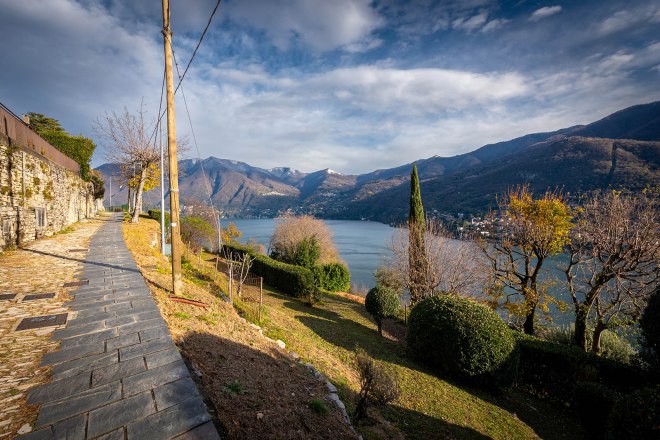
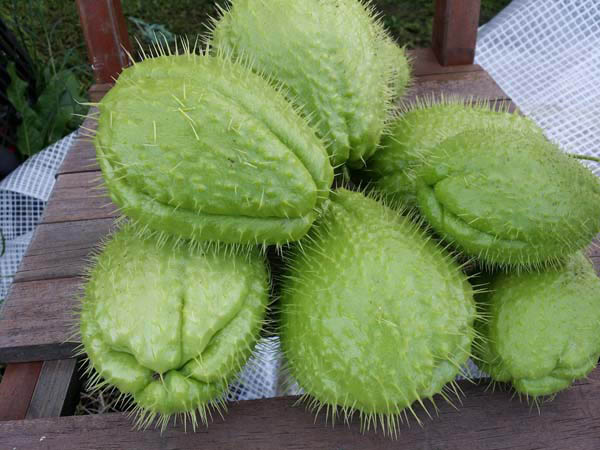


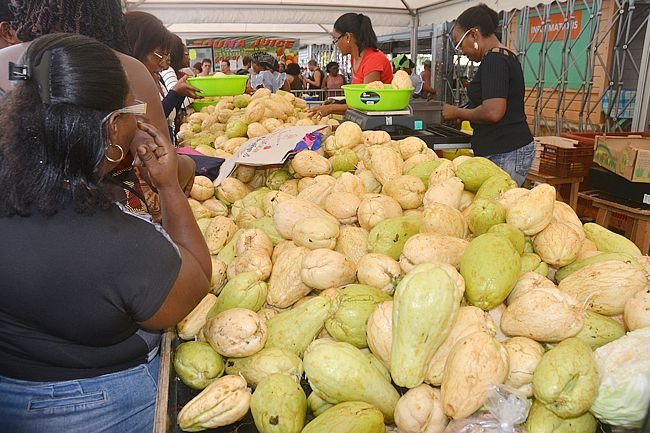

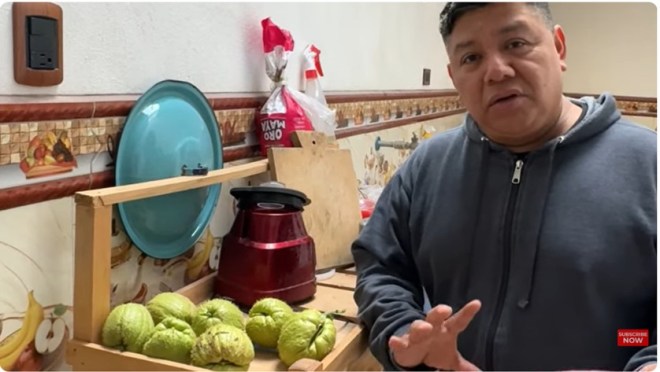
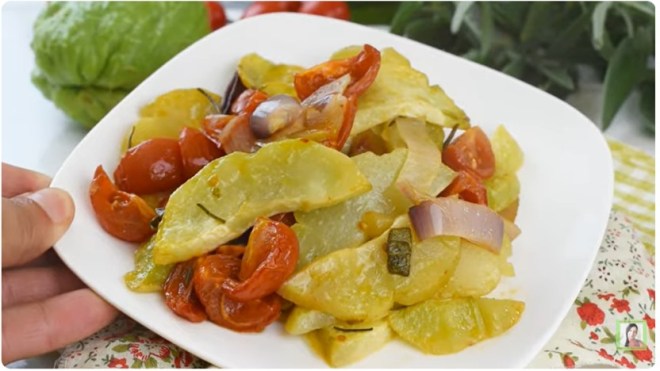








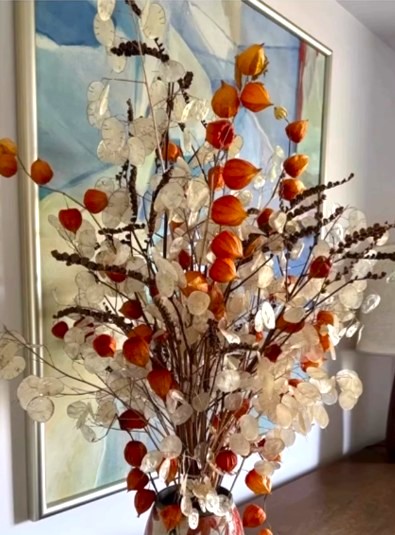
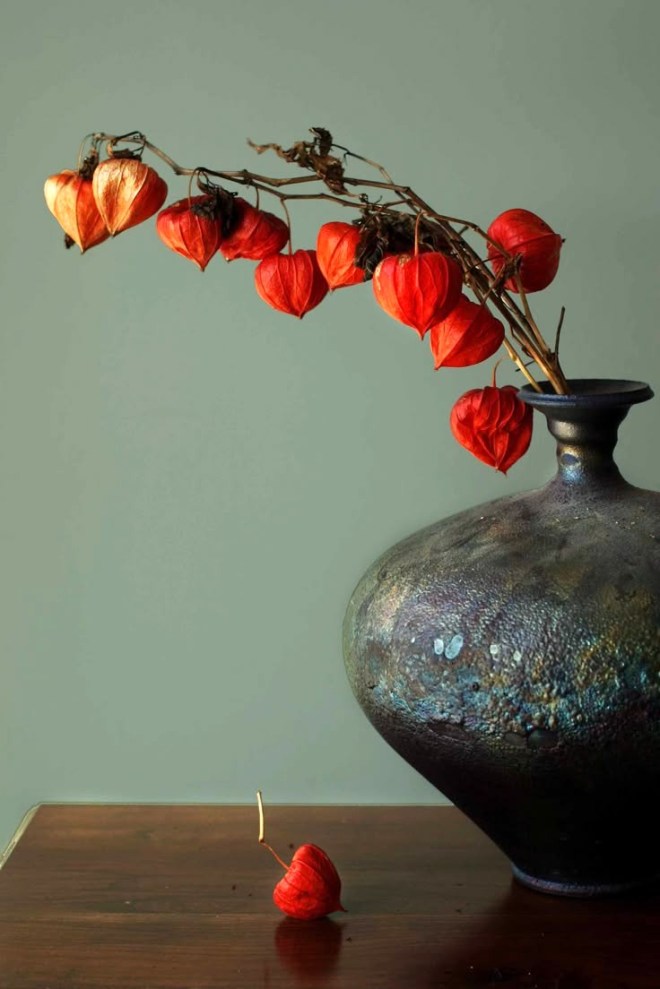

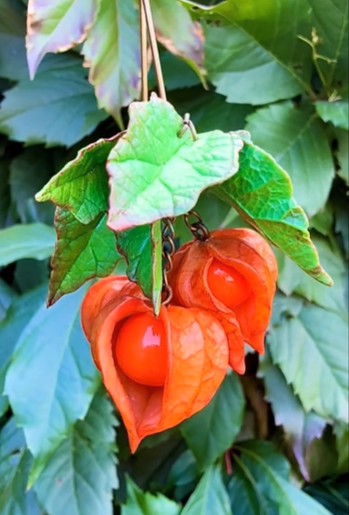
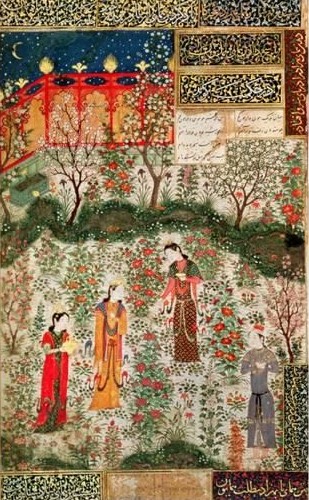


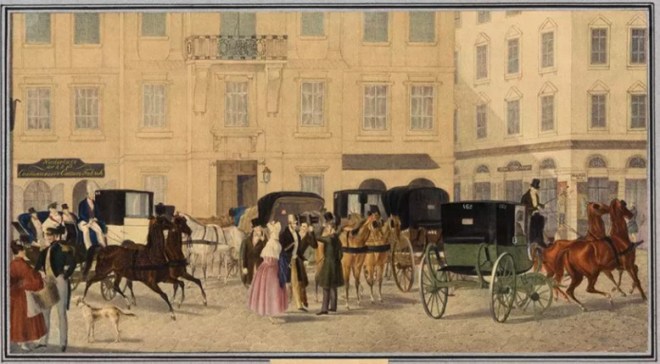

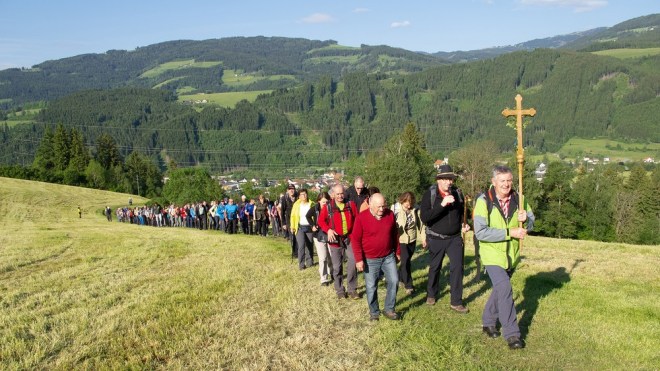



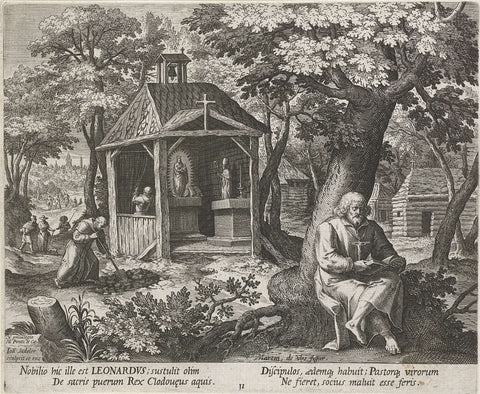


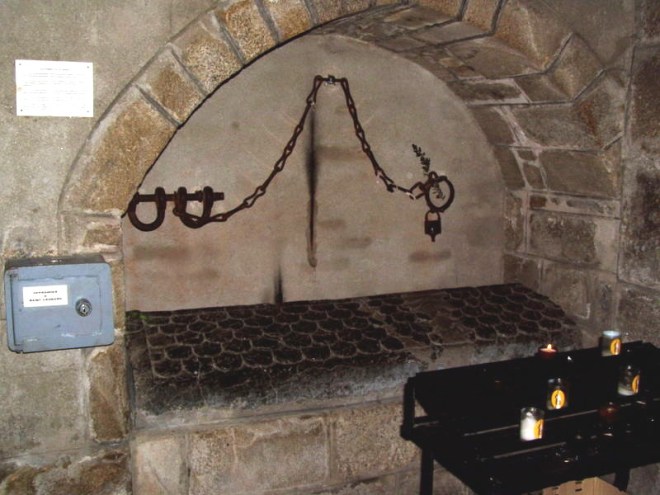
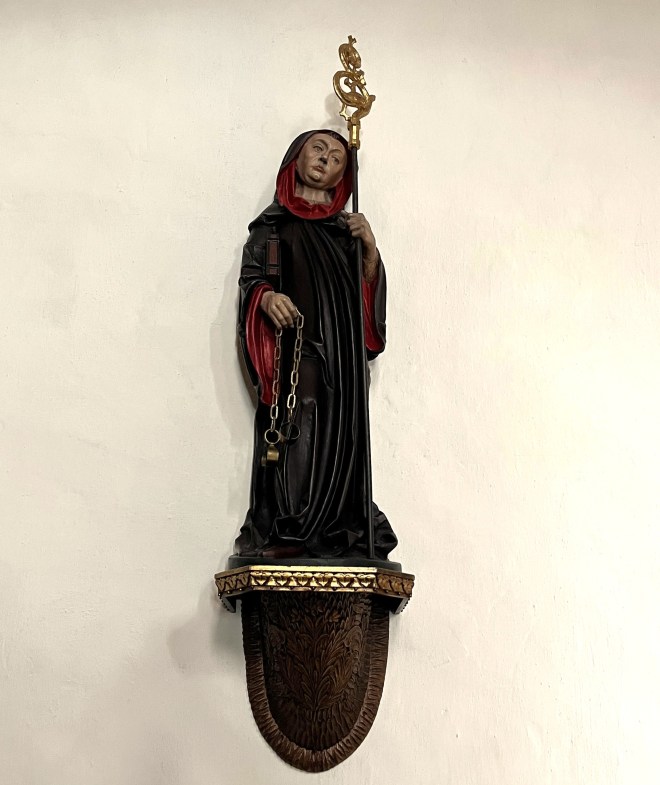








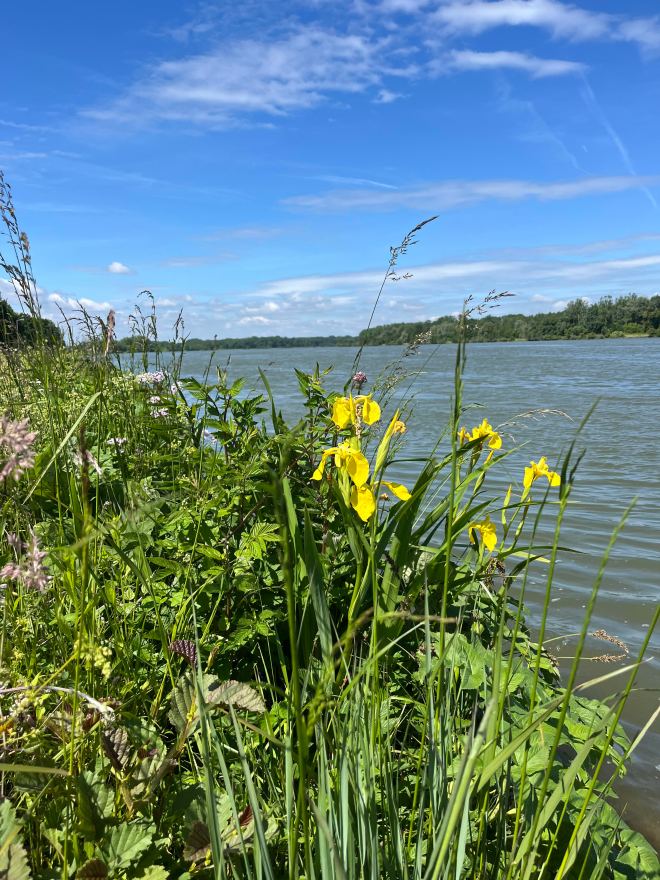
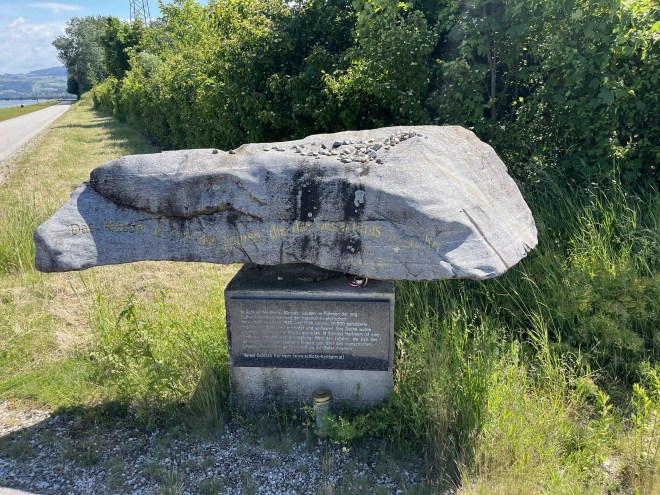






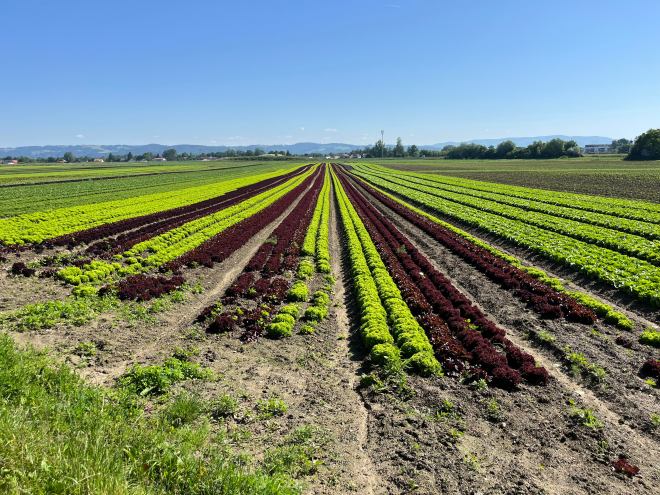
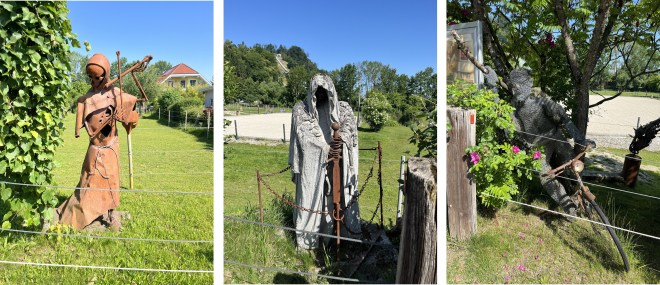


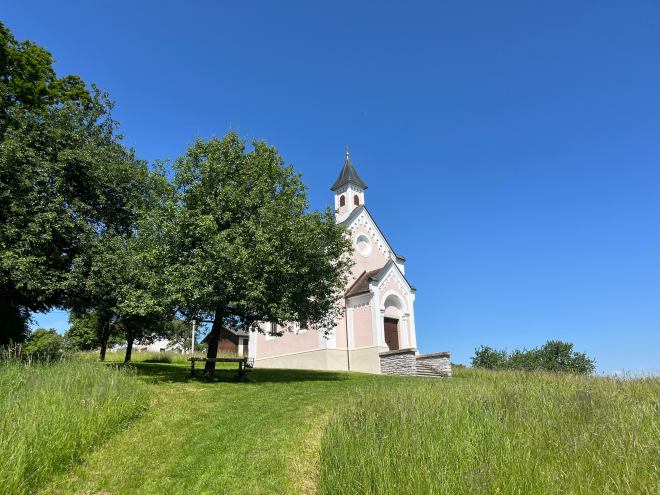
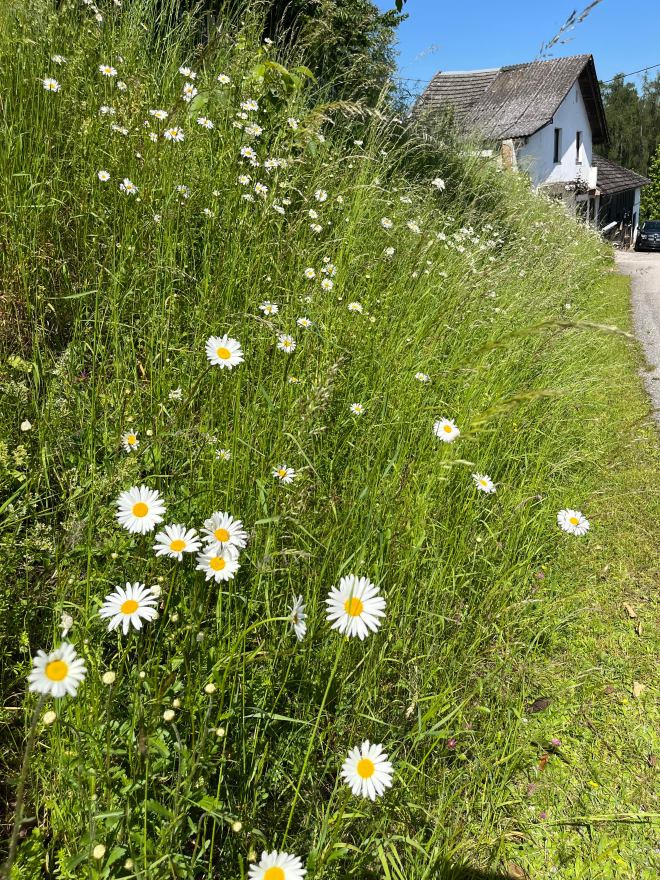



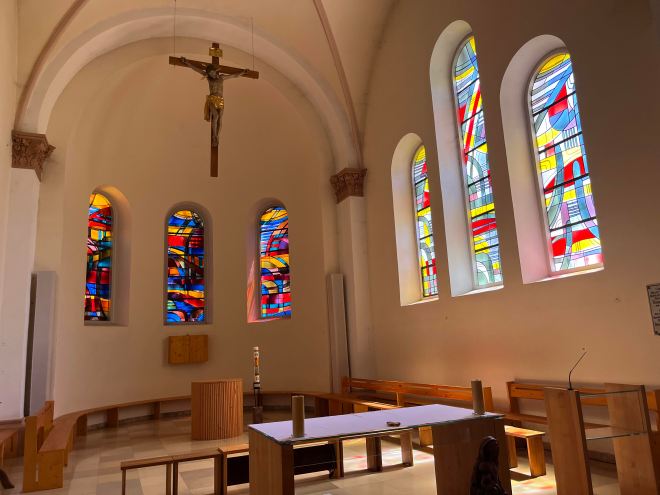
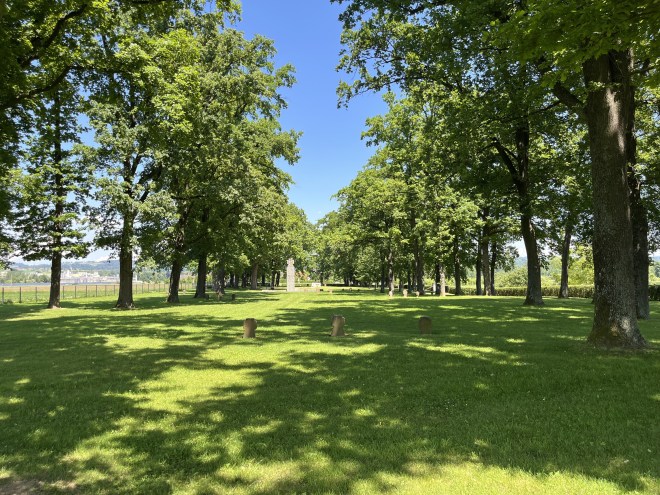
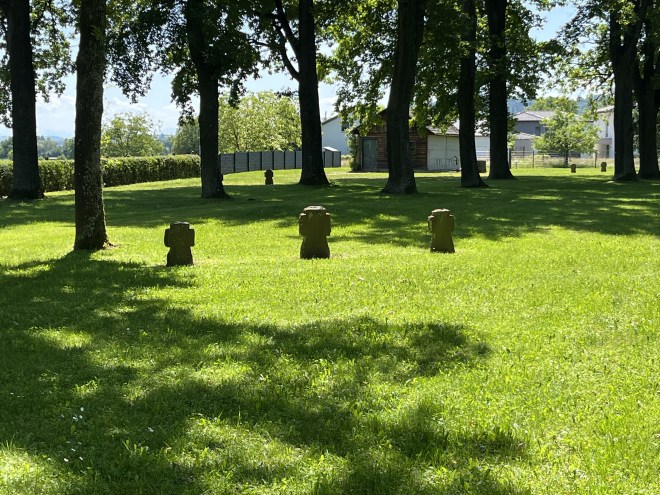


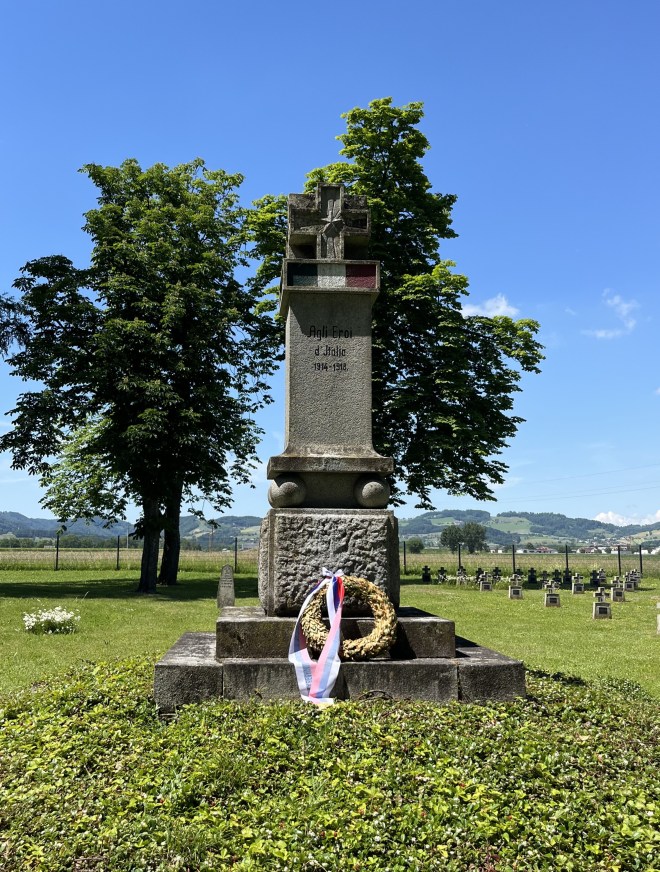
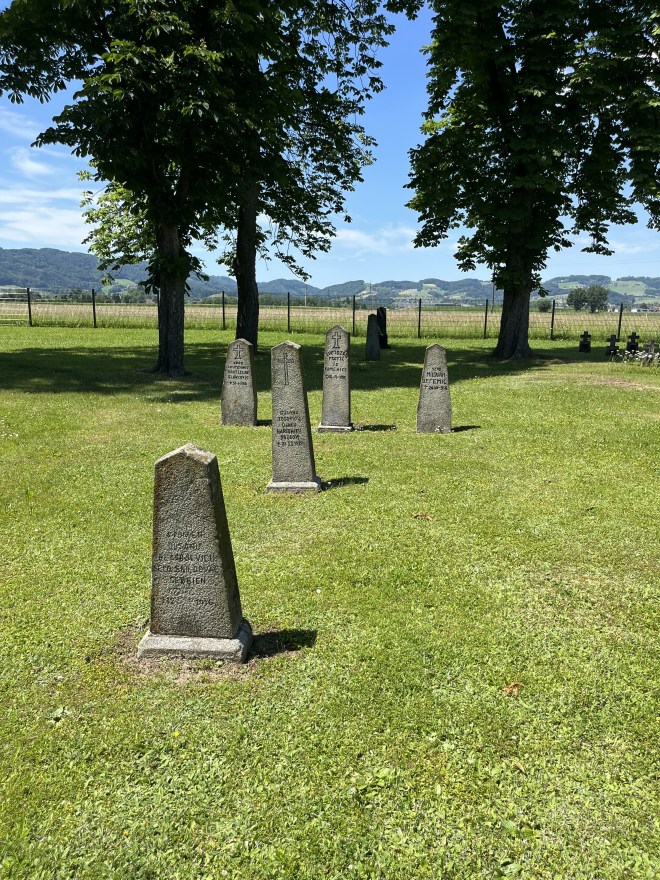

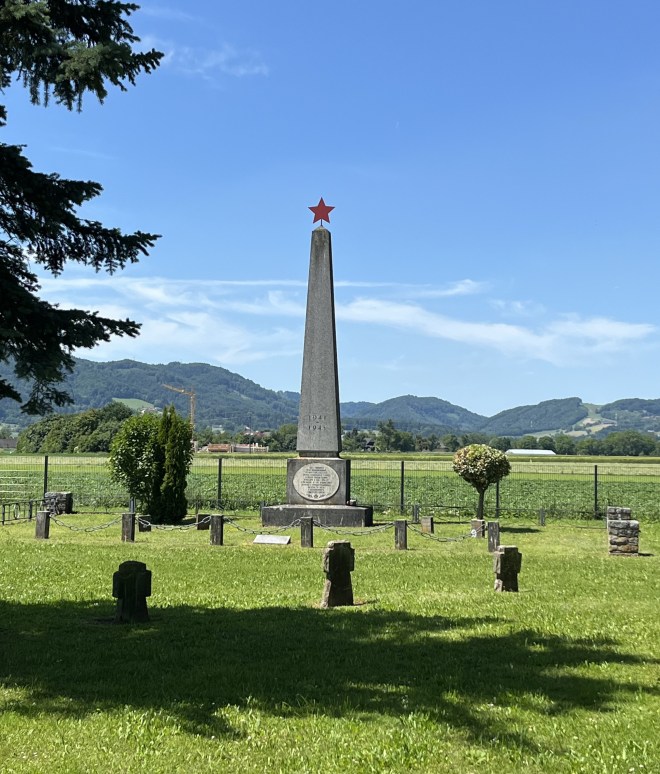

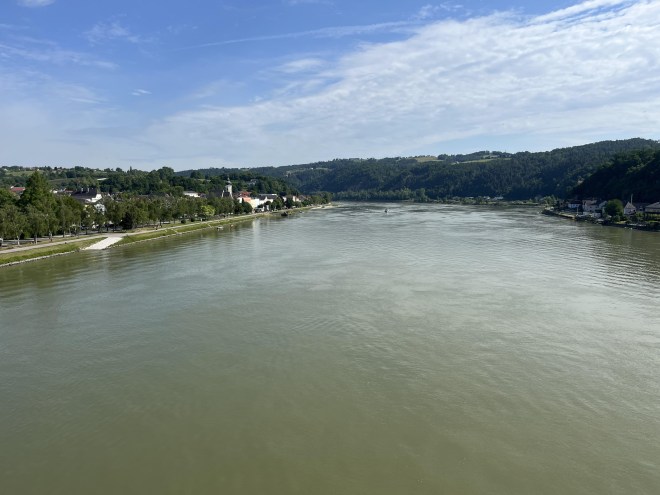

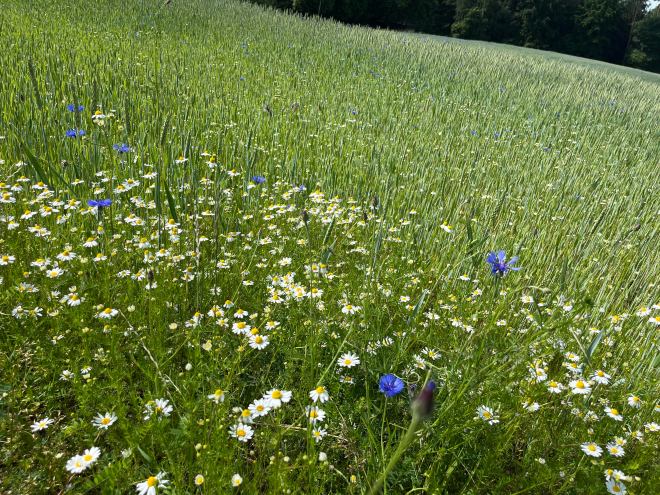
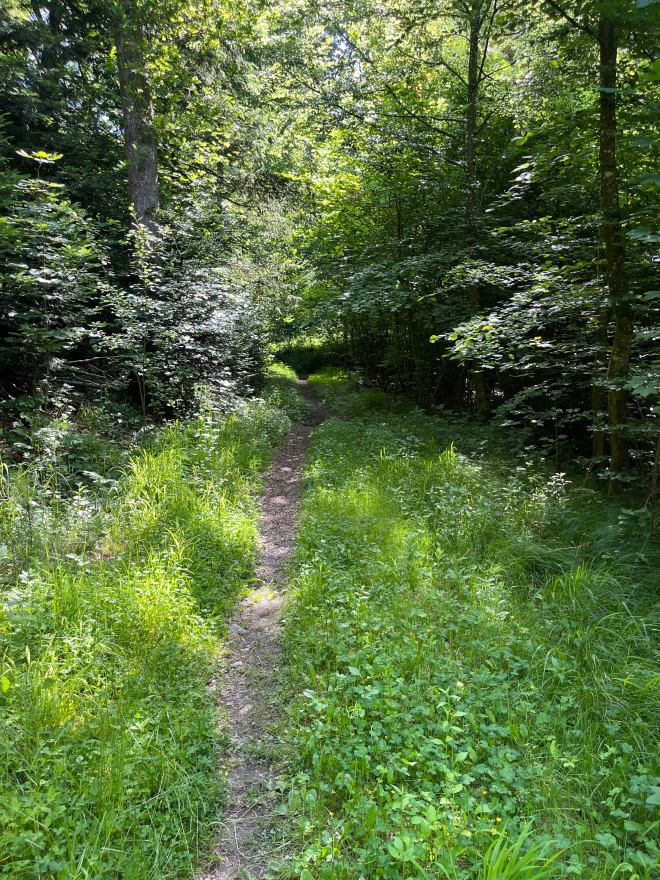
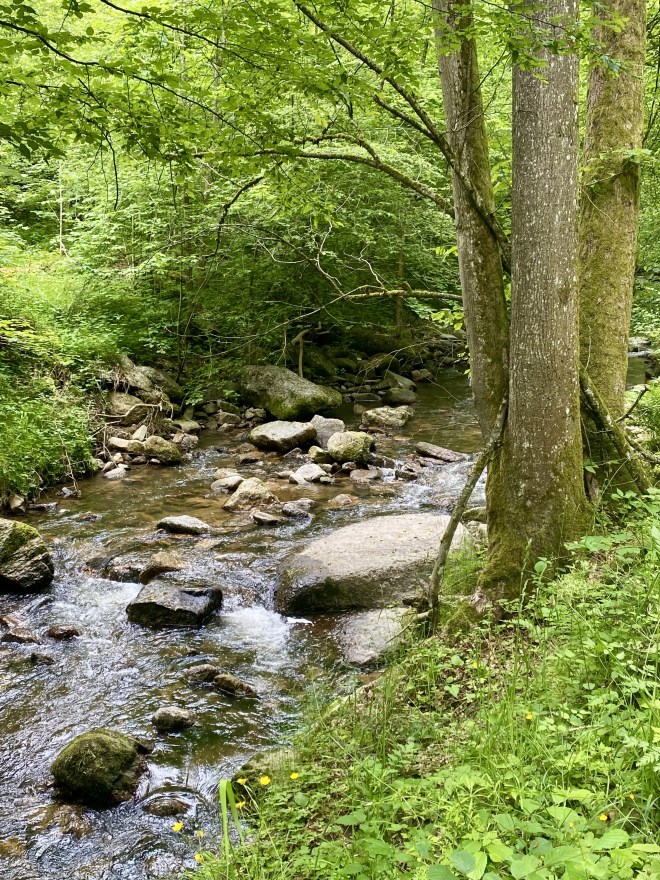


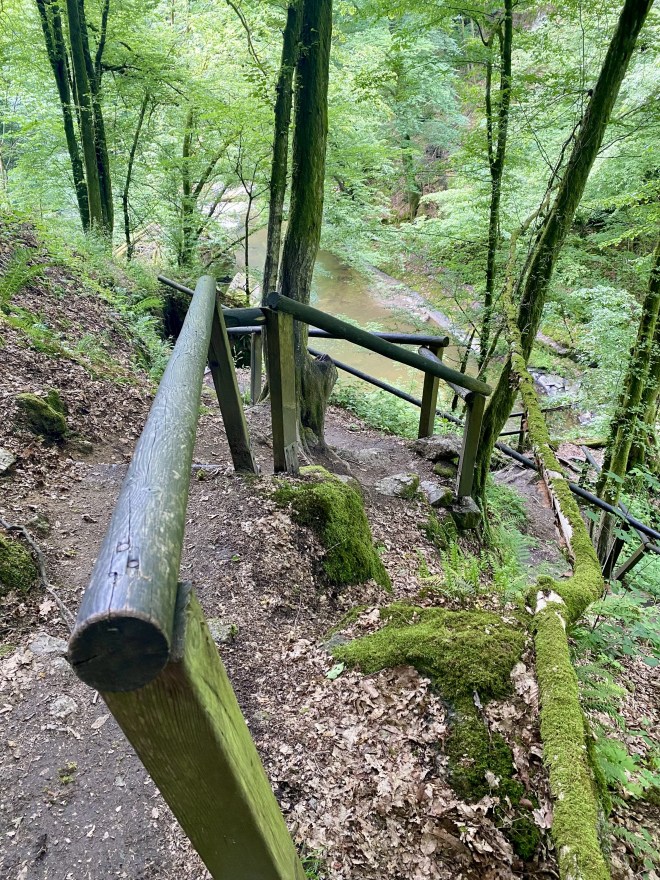
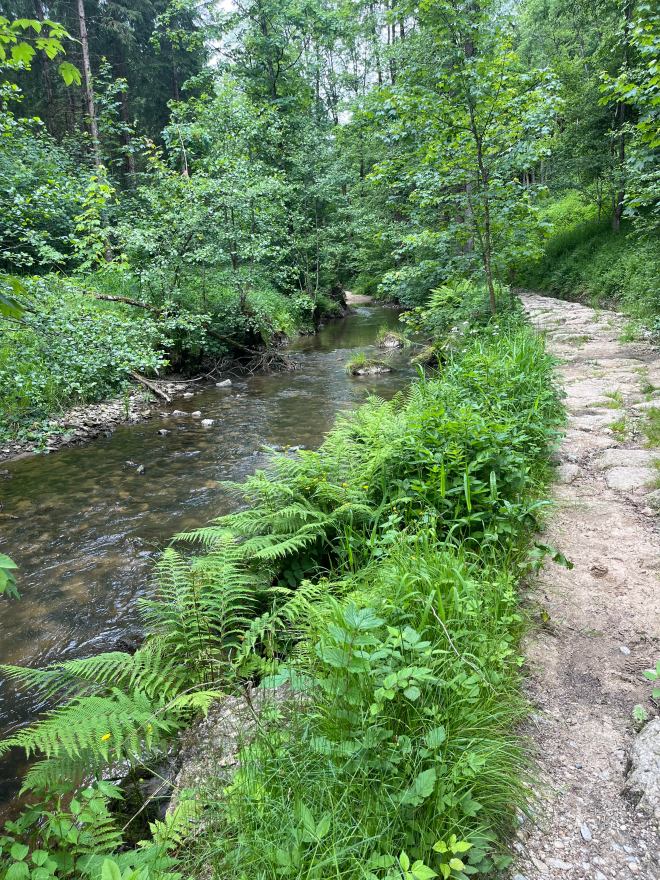


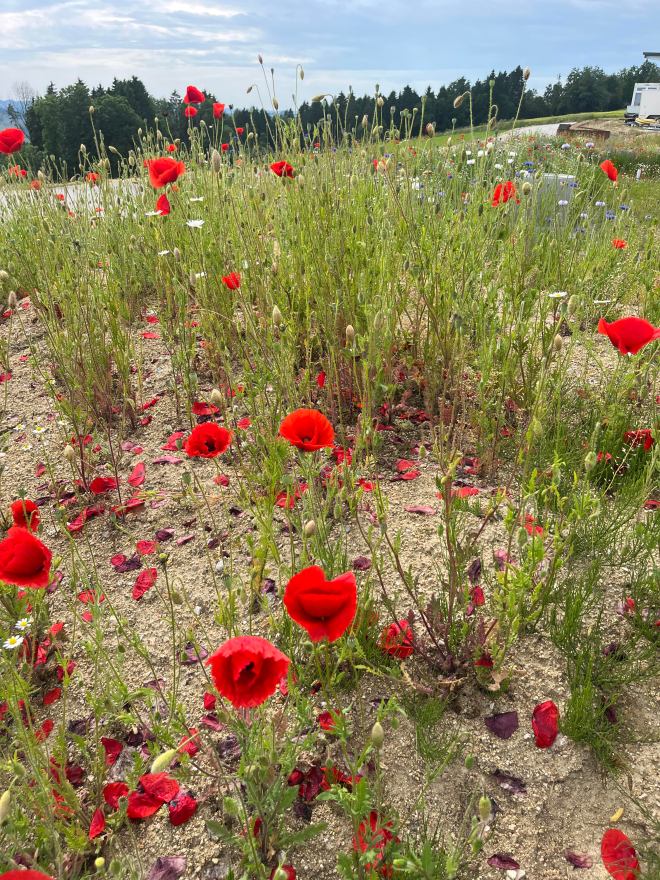




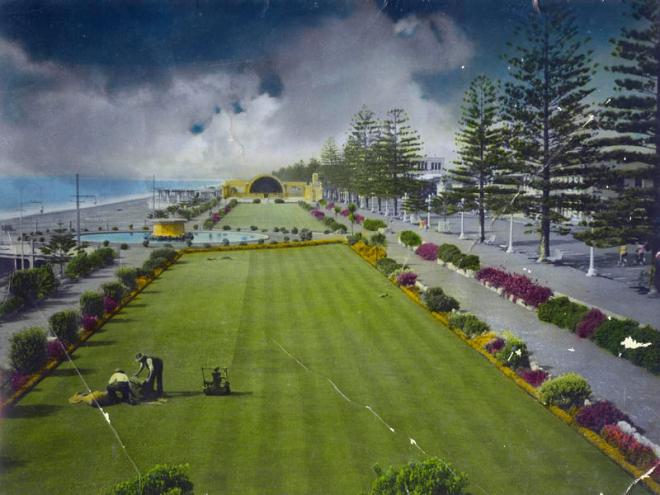


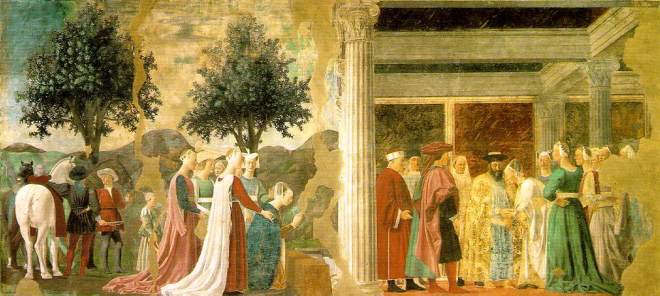
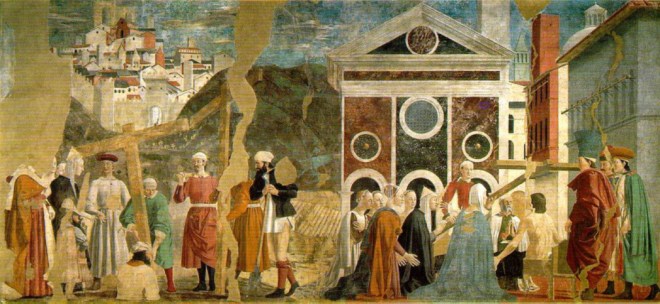


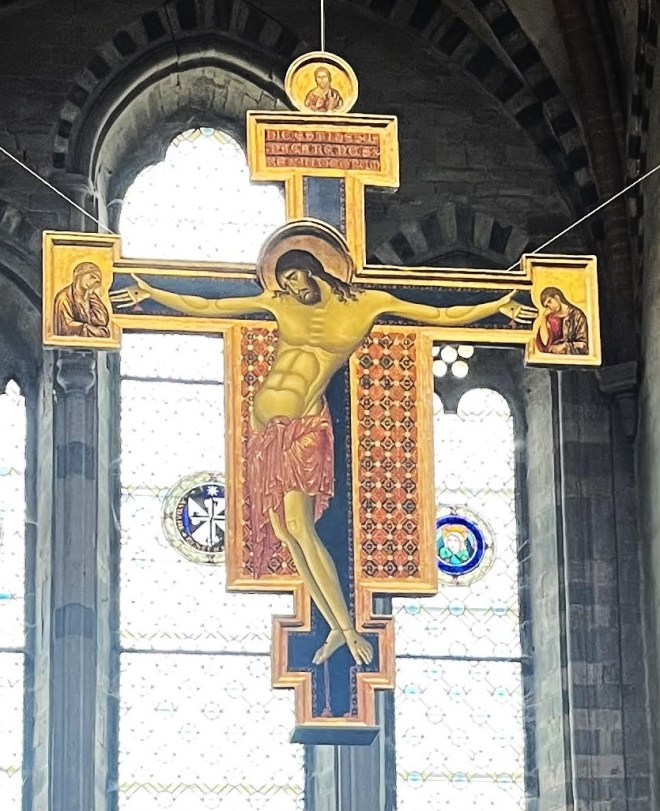
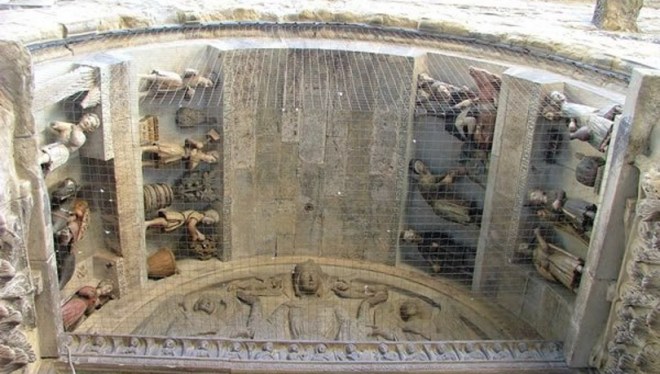
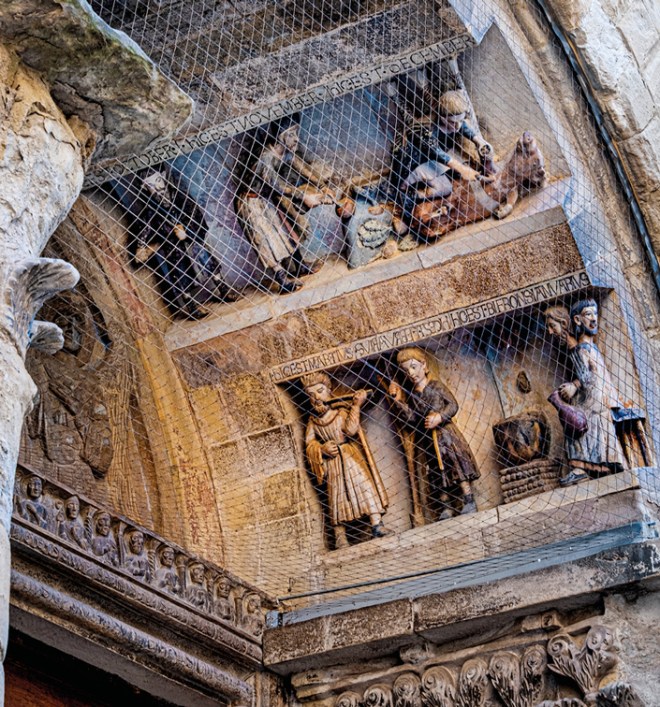
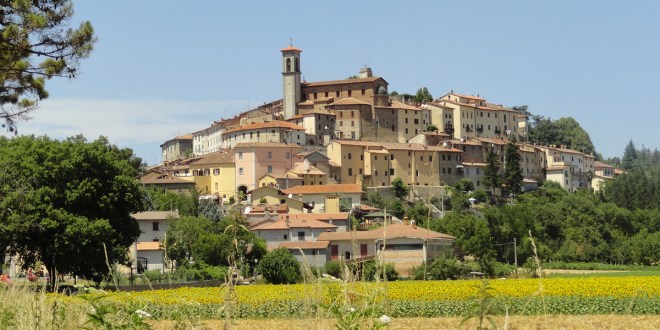


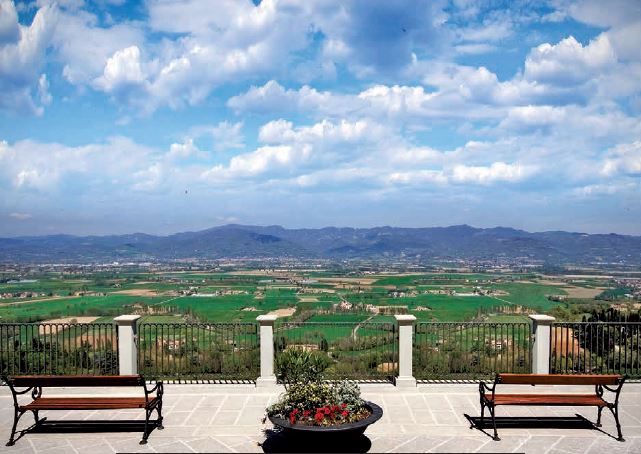


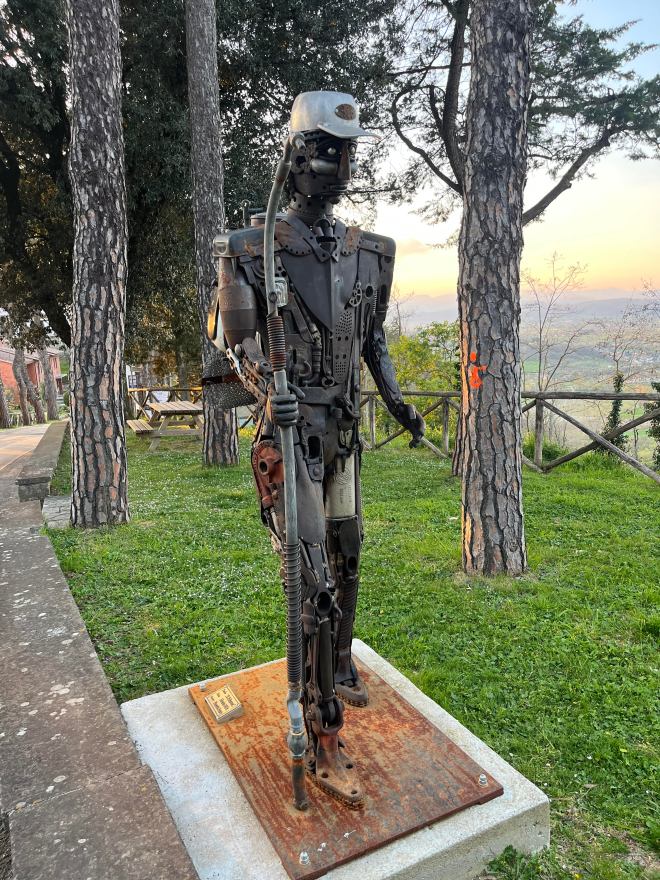


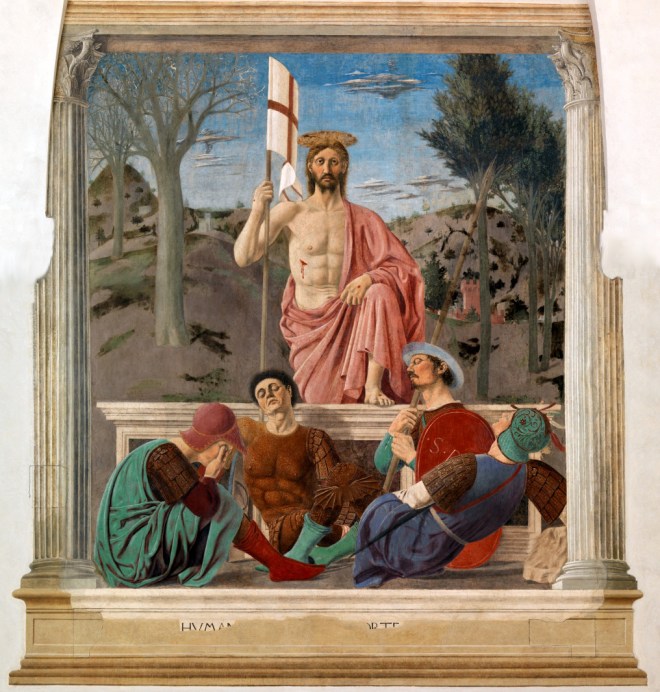
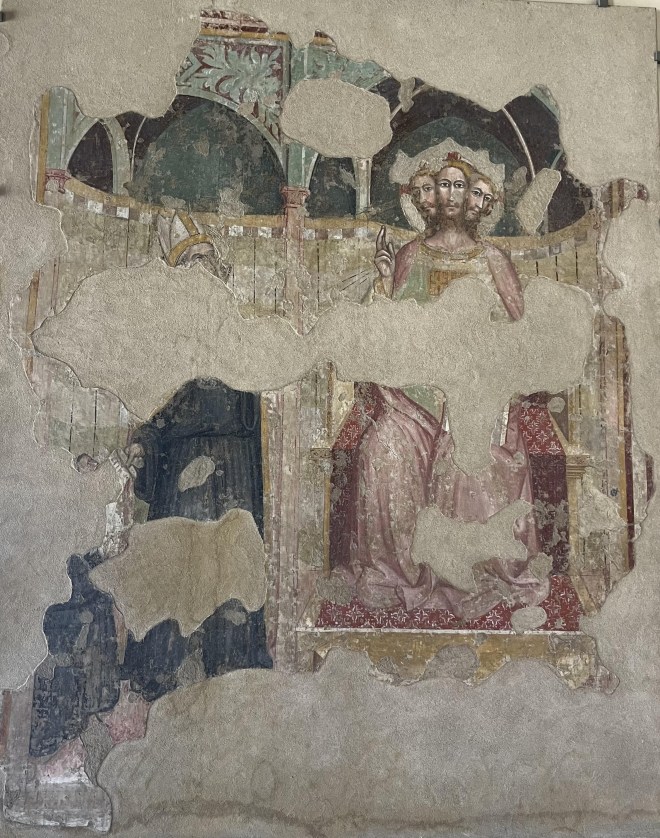


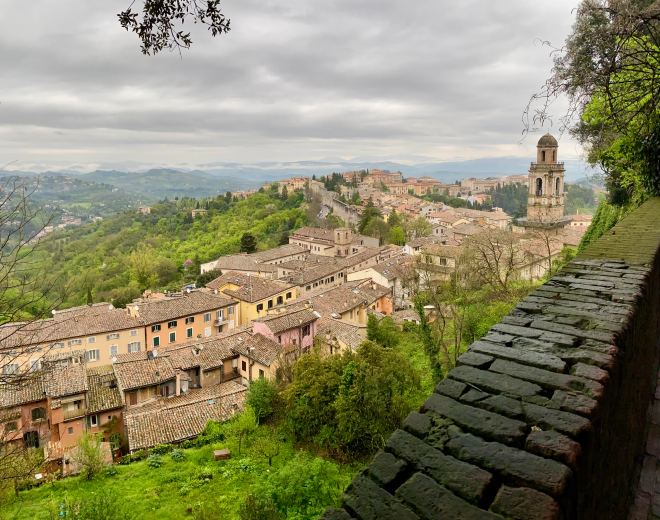
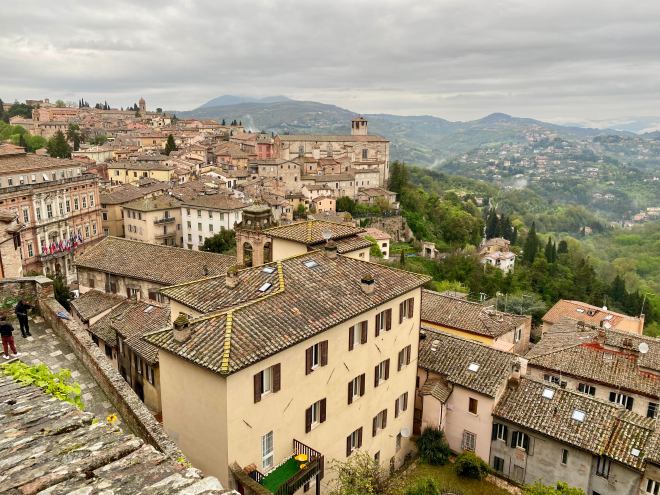
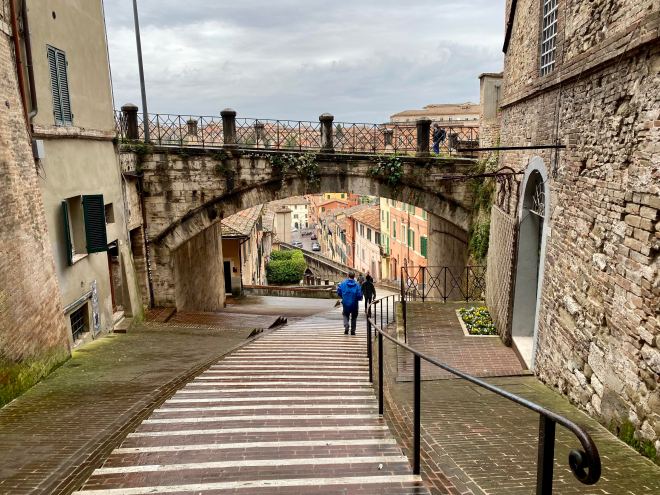

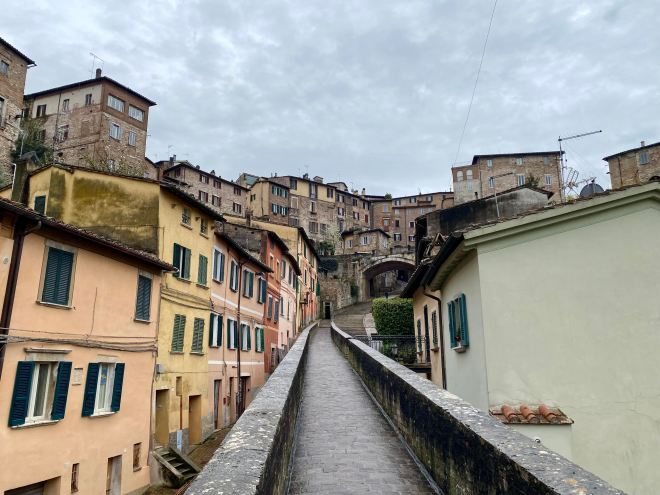

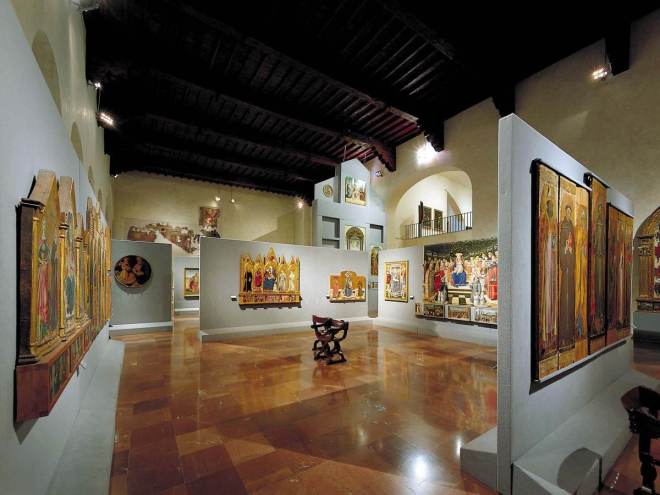
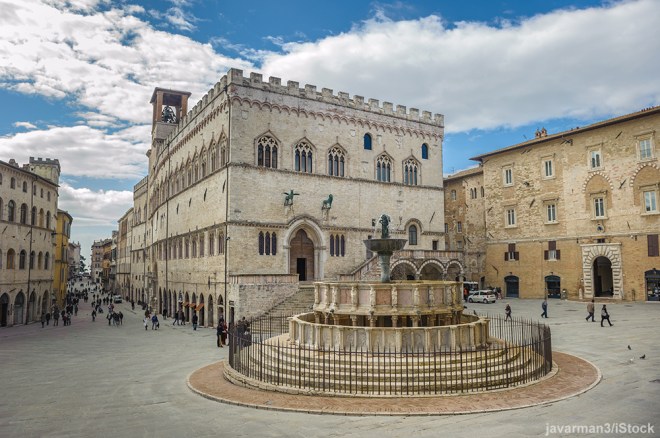


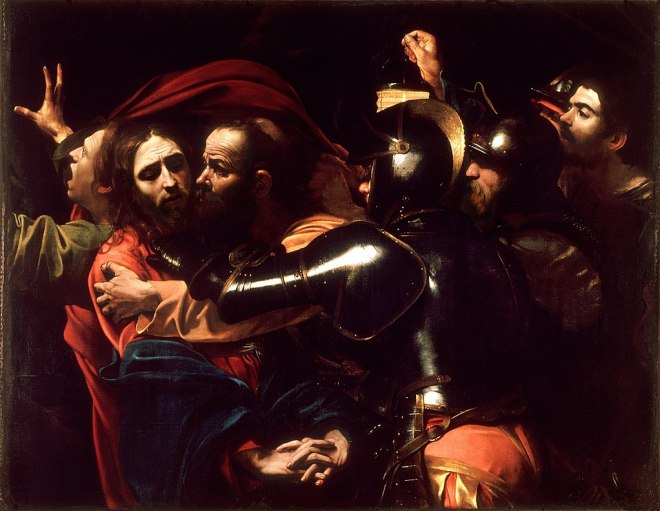


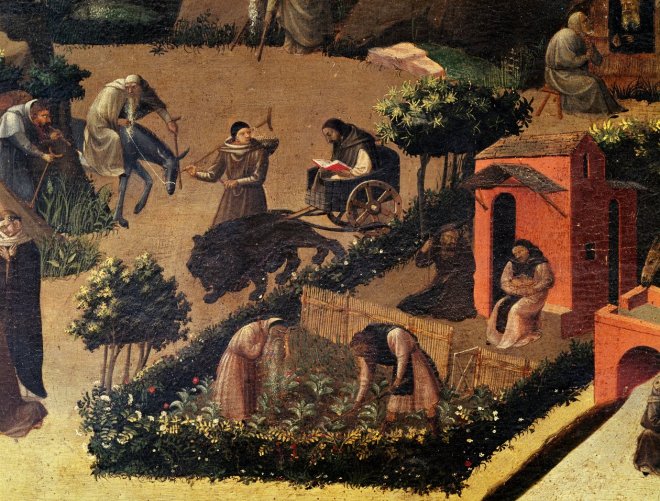
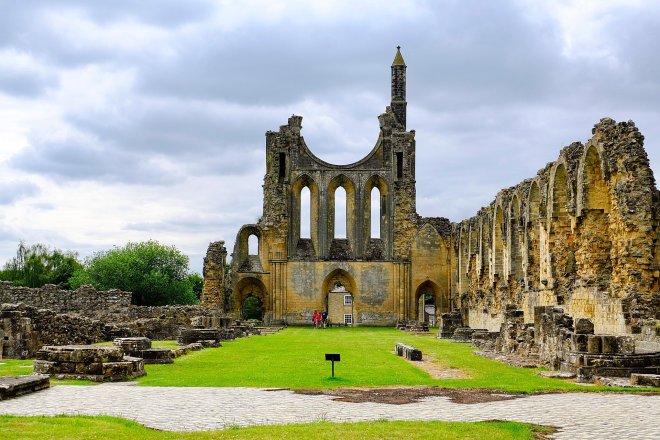


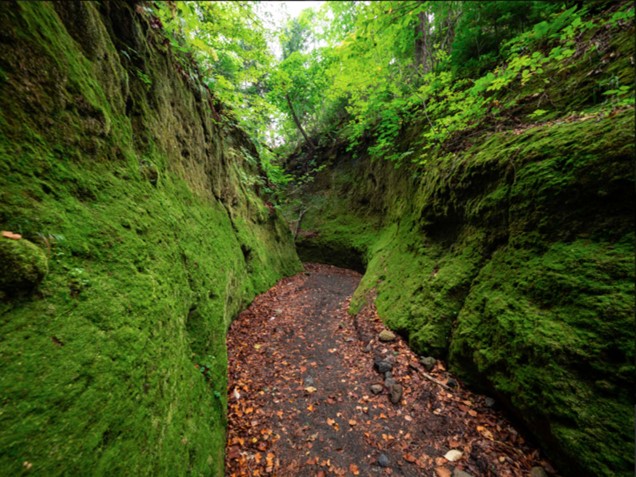

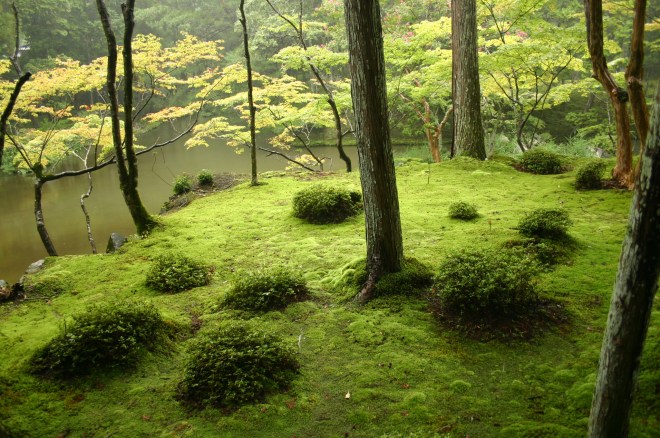


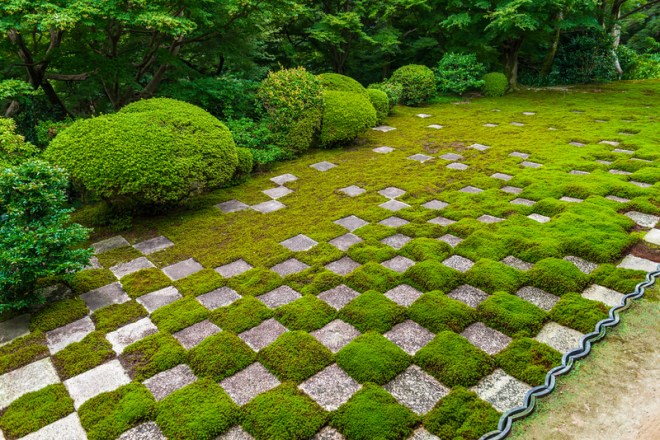


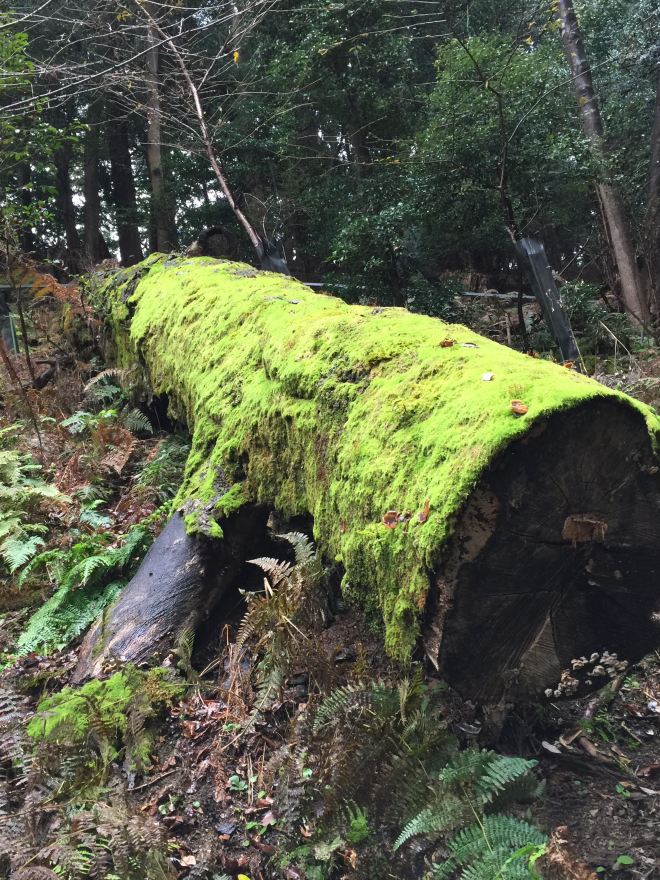


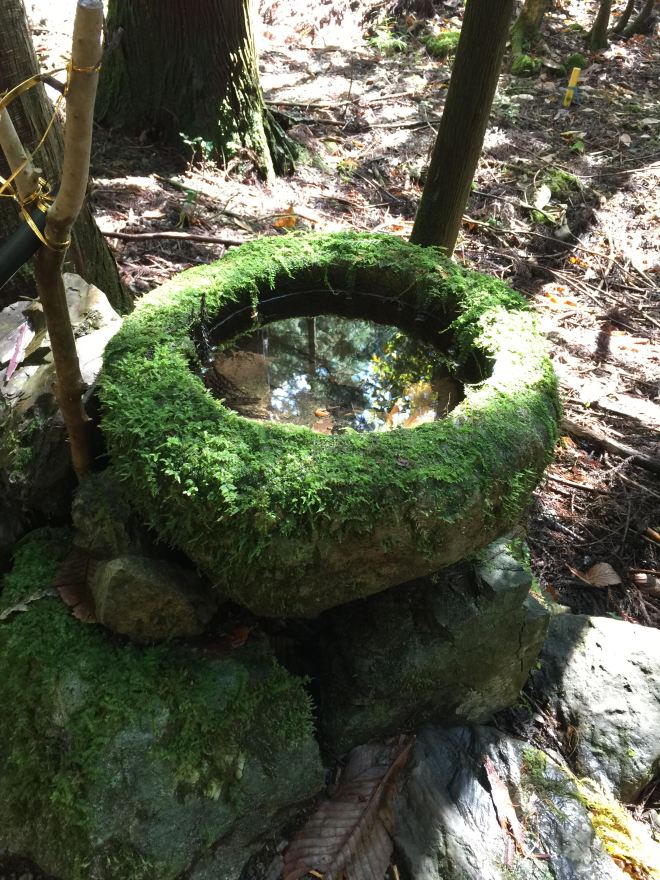


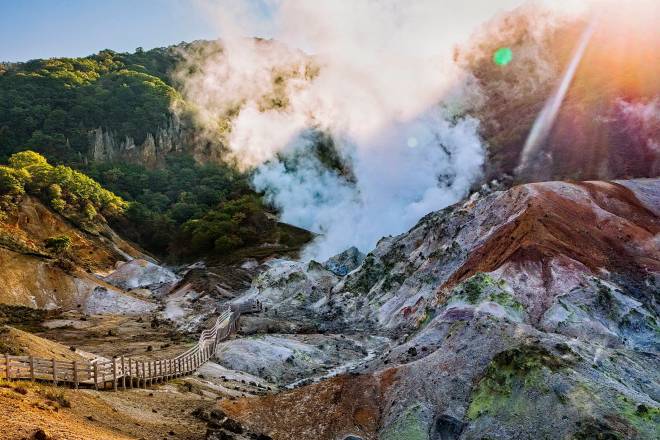


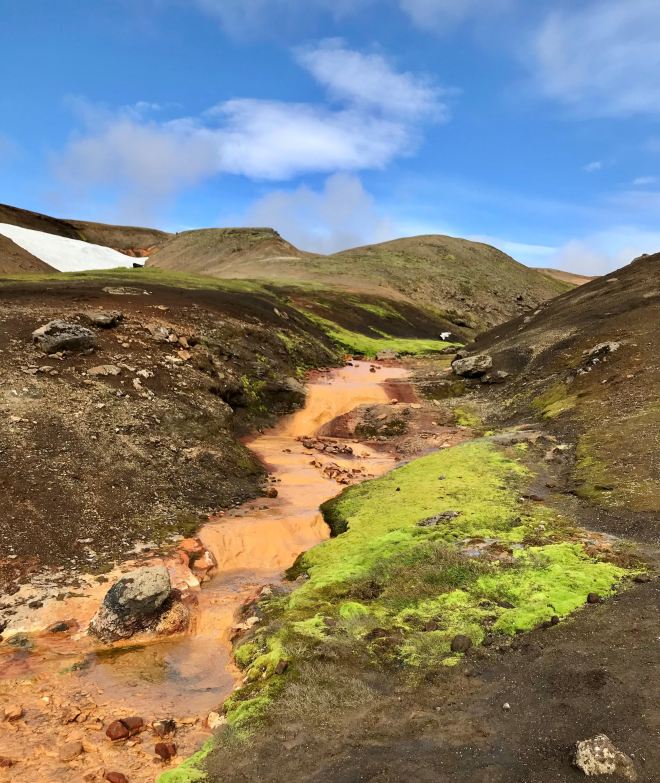







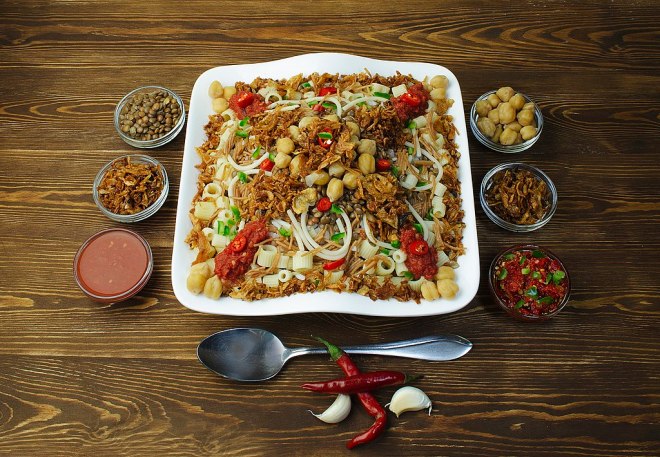


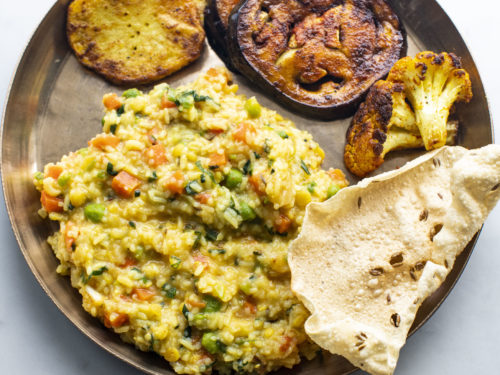
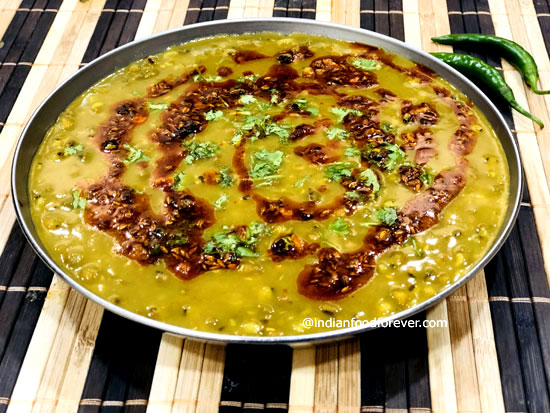


 the heart thrills


