MAGNOLIA

Beijing, 4 April 2014

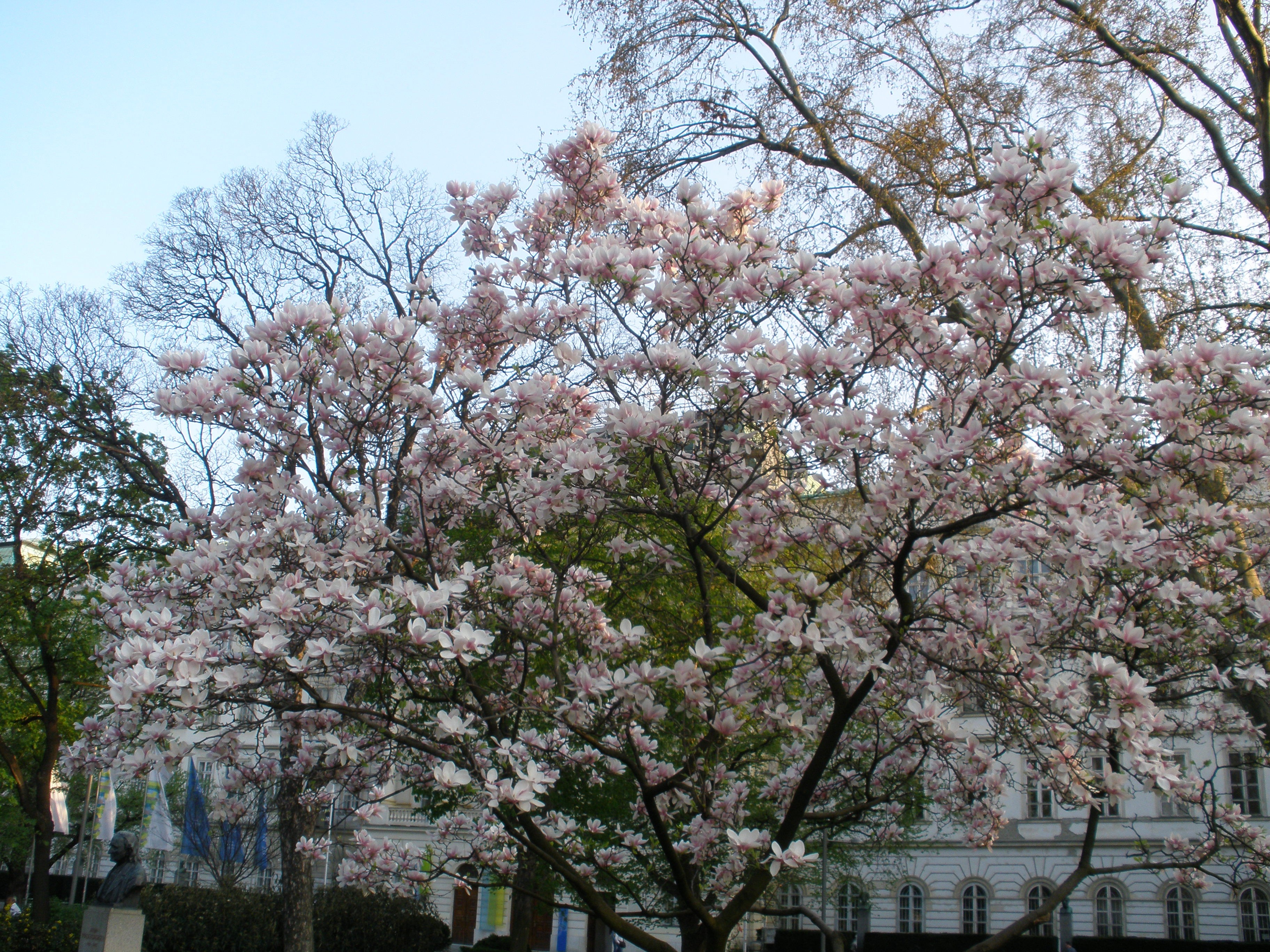
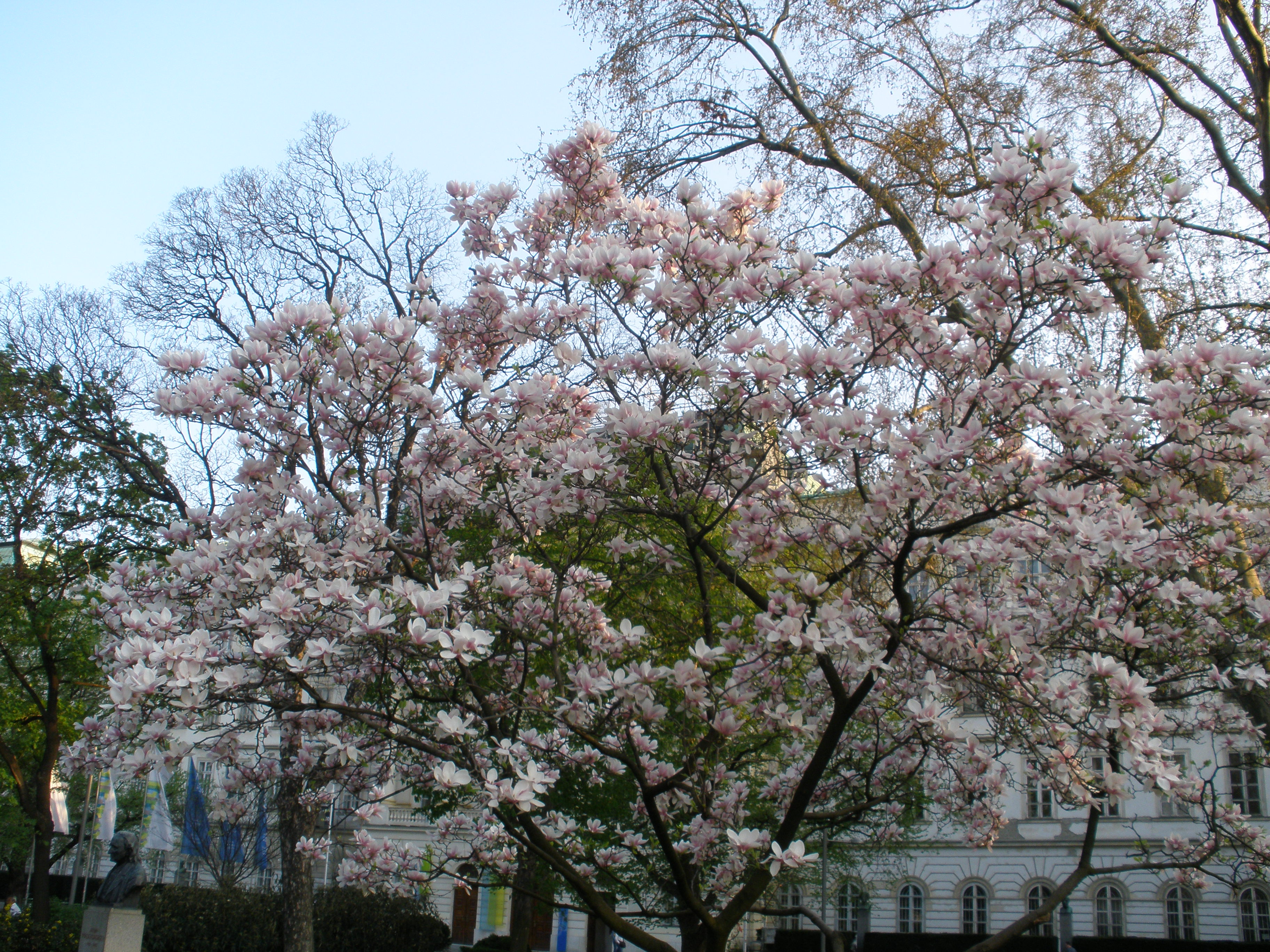
One of my abiding memories of Vienna is the magnolias in flower. I suppose it’s always the case that the first months you spend in a new place imprint themselves more forcefully on your brain’s virtual retina than the remaining years. We arrived in Vienna in February, two months later the magnolias were in bloom. It seemed that every garden and every park had its magnolia tree.
OLYMPUS DIGITAL CAMERA
We would pass one particularly magnificent specimen as we drove the children up to school every day. It was like living in a multiple exposure photo. Every day, as we swept by, we would note its progress, as the buds opened fully, and then the decay, as the flowers wilted and scattered their petals over the pavement.

A month or so later, it was the turn of the city’s multitude of lilac bushes to bloom, another fond memory which I have of Vienna and one about which I have had cause to write an earlier post.

Yes, they were good times.

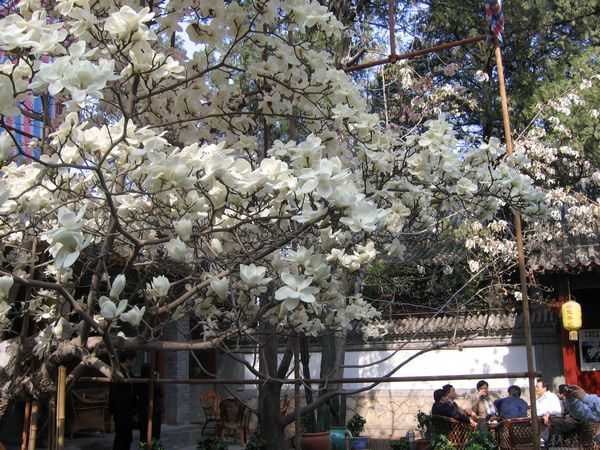
And then, when my wife and I came to Beijing, we found our friends the magnolia trees here, waiting to greet us with their blooms after we emerged from our first Chinese winter. A sight for sore eyes, let me tell you, after all that grey dryness of a Beijing winter. There was a pure white variety
magnolia trees dajue western temple
as well as a pinker type which we were familiar with from Vienna.
Tanzhe western Temple
Then, with the passage of time, I discovered that this tree, which I had, without really thinking about it, assumed was European, was actually Chinese! Actually, it’s a bit more complicated than that. There are nearly hundred different types of magnolia native to China (out of 200-plus native to Asia). The beautiful white magnolia pictured above, which comes from central and eastern China, grabbed the Chinese headlines early on. With its flower rightly regarded as a symbol of purity, it was planted in Buddhist temple gardens and the gardens of the emperors from as early as 600 AD during the Tang dynasty. It is called the Yulan, or jade lily, magnolia; I presume the name refers to the jade-like glossy smoothness of the magnolia’s petals and the sometimes lily-like look of the flower.

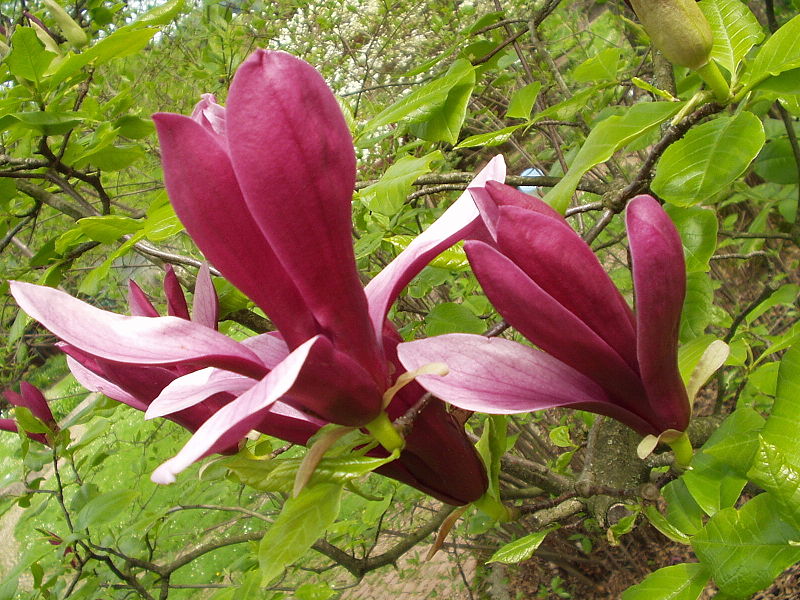
A second magnolia which has also been very popular in China for centuries is the Mulan magnolia which comes from Sichuan and Yunnan provinces.
magnolia lillliflora
Magnolias of course became favourite subjects of the poets, seeing as they spent hours haunting such gardens.

???

Here is the poem Magnolia Slope by Wang Wei, who lived in the 700s AD and is considered “the consummate master of the short imagistic landscape poem that came to typify classical Chinese poetry” (in the words of David Hinton, who made the admirable translation below).

Lotus blossoms adrift out across treetops
flaunt crimson calyces among mountains.

At home beside this stream, quiet, no one
here. Scattered. Scattered open and falling.

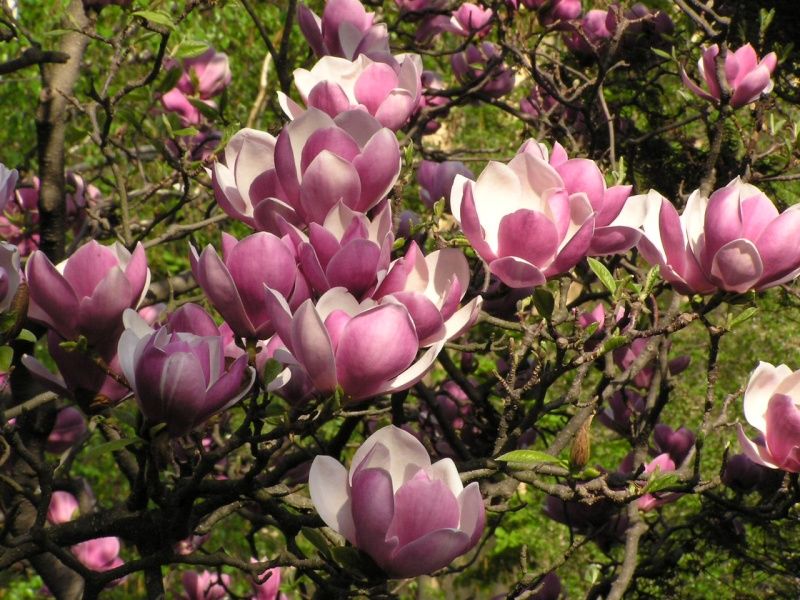
As with many things Chinese which were considered the nec plus ultra by the East Asian fashionistas and trend followers of yesteryear, the cultivation of these magnolias was taken up with enthusiasm by the Japanese, from whence – like the Chinese ginkgo tree of which I have written earlier – it made its way to Europe. And there, in 1820, in the grounds of his château of Fromont near Paris, an ex-cavalry officer turned plantsman, Étienne Soulange-Bodin, crossed the Yulan with the Mulan and created the hybrid saucer magnolia.
OLYMPUS DIGITAL CAMERA
With its large, early-blooming flowers in various shades of white, pink, and purple, this cultivar became immensely popular and spread around Europe (including Austria, no doubt, because I’m sure the Viennese magnolia I described above is one of these), the US, and eventually – I suspect – China, in hundreds of different cultivars as plant breeders continued to play with its gene pool.

Here I have to pause, to consider that other great reservoir of magnolias, the Americas. I said earlier that Asia boasts 200 or more types of magnolias. The Americas are host to another 90 or so. In fact, it was in the Americas, in the Caribbean island of Martinique to be exact, that in the 1690s a French botanist by the name of Charles Plumier discovered and named – in the modern scientific nomenclature; of course it already had a native name, the talauma – the magnolia, after yet another French botanist Pierre Magnol (a lot of French botanists in this story …). I haven’t found a picture of his original drawing of the magnolia which he came across but this one will do as a substitute.
talauma
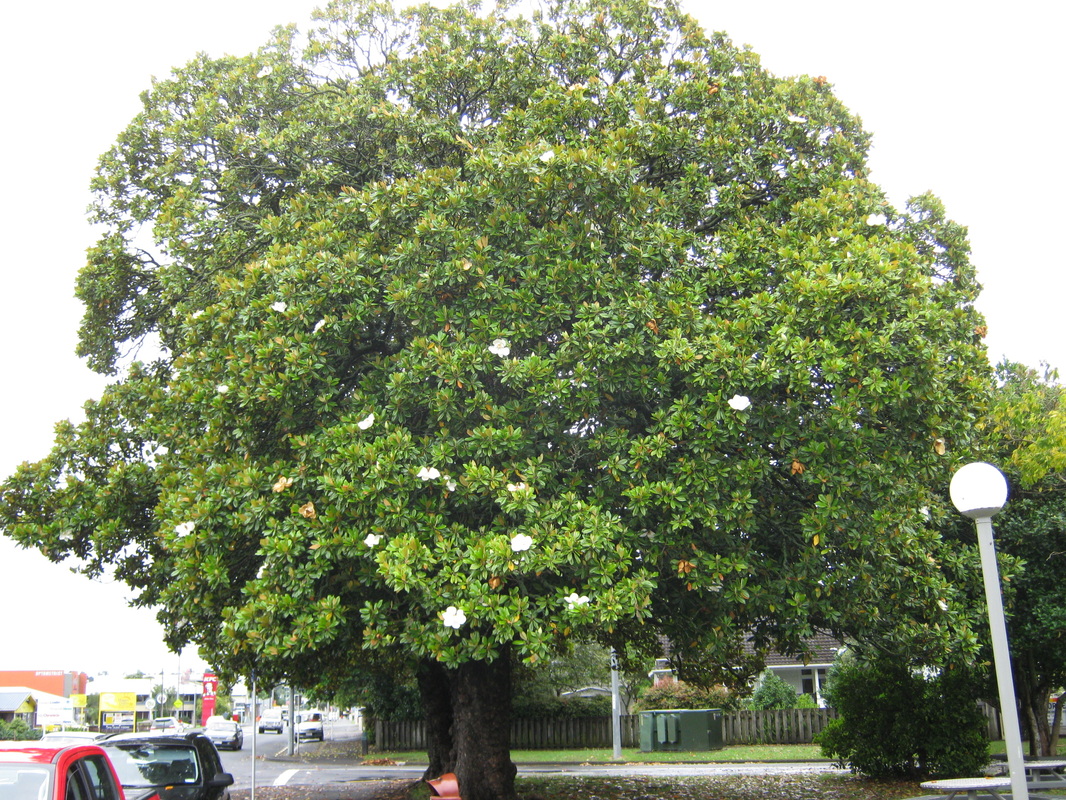
This picture, with its flower surrounded by a thick crown of leaves, sums up nicely a perplexity I had until I did some reading for this post. When we had been in the US, we had come across the southern magnolia, which looked something like this specimen, that is to say, a tree with very thick foliage and a few flowers sprinkled over the whole.
southern magnolia
Very beautiful flowers, by the way.
southern magnolia-flower
I couldn’t relate all this to the magnolias like those above, which are first completely covered with flowers and only get their leaves after the flowers have fallen. Well, the fact is, they are – botanically speaking – part of the same family. It’s just that it’s a very large family (some 300 members all told), and like in all large families distant cousins don’t necessarily resemble each other very much.

Which brings me to my final coda. The magnolia cousins have drifted so far apart because it is an old – very old – genus. It branched off the main tree of trees, if you get my drift, 100 million years or so ago. Fossils of plants identifiably belonging to the Magnoliaceae have been found dating back to 95 million years ago, while a 20 million year-old fossil has been found of the cucumber magnolia, which is native to the Eastern US and has this small flower with lovely yellow hues (in fact, these yellow hues as well as the tree’s cold hardiness have been exploited to create new yellow-flowered hybrid magnolias).
magnolia acuminata
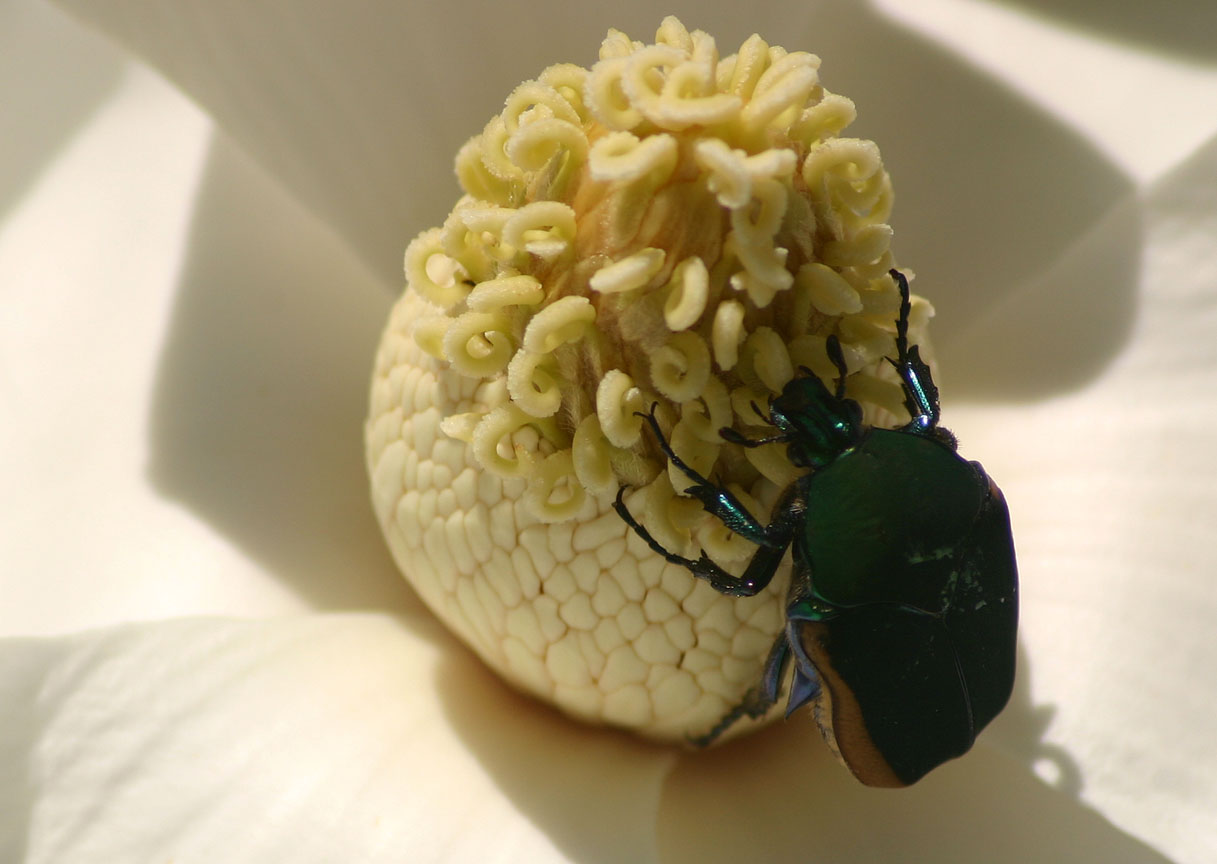
Magnolias are so ancient that they came on the scene as flowering plants before bees, or butterflies, or moths, existed to help along with pollination. So magnolias have evolved to use for pollination the only insects which were around at the time, beetles or flies.
beetle in magnolia-1
And this co-existence with beetles explains the rather leathery petals magnolias have. Compared to bees, beetles are clumsy insects, clomping around all over the flower and with a tendency to snack on the petals as well as the nectar. The leathery petals protect the flowers from these lumbering but necessary partners in the act of procreation.

Oh, and by the way, magnolia flowers don’t actually have petals, they have tepals. And that’s because the flowers are quite primitive, so their sepals and petals are not distinct and differentiated (no idea what that really means, but it sounds impressive).

__________________
Magnolia in Vienna: http://farm3.staticflickr.com/2542/3753020942_3f6c39bb5f_o.jpg [in https://www.flickr.com/%5D
Yulan Magnolia tree in Dajue western temple: http://www.beijingrelocation.com/blog/wp-content/uploads/2013/03/magnolia.jpg [in http://www.beijingrelocation.com/blog/beijing-trees/%5D
Magnolia tree in Tanzhe temple: http://www.travelchina.gov.cn/picture/0/1403261604282295162.png [in http://www.travelchina.gov.cn/art/2014/3/26/art_15_1202.html%5D
Mulan Magnolia: http://upload.wikimedia.org/wikipedia/commons/thumb/d/d6/Magnolienbluete_freiburg.jpg/800px-Magnolienbluete_freiburg.jpg [in http://en.wikipedia.org/wiki/Magnolia_liliiflora%5D
Poet in garden: http://upload.wikimedia.org/wikipedia/commons/1/1a/Wang_Xizhi_by_Qian_Xuan.jpg [in http://en.wikipedia.org/wiki/Chinese_garden%5D
Magnolia soulangeana: http://upload.wikimedia.org/wikipedia/commons/3/3e/Magnolia_x_soulangeana.jpg [in http://en.wikipedia.org/wiki/Saucer_magnolia%5D
Talauma: http://www.plantillustrations.org/illustration.php?id_illustration=90190 [in http://www.plantillustrations.org/epithet.php?epithet=plumieri&lay_out=1&hd=0%5D
Southern magnolia: http://whangareiflora.weebly.com/uploads/8/4/3/9/8439522/6466041_orig.jpg [in http://whangareiflora.weebly.com/exotic-trees.html%5D
Southern magnolia-flower: http://www.magnoliasociety.org/resources/Pictures/images/cultivars/msieboldi8422.JPG [in http://www.magnoliasociety.org/MagnoliaResources%5D
Magnolia acuminata: http://1.bp.blogspot.com/-yf82eYSuRd4/T6gSQGfe2bI/AAAAAAAAAnI/6SgLRh0exIY/s1600/DSCF7584.JPG [in http://welkinweir.blogspot.com/2012/05/may-flowers.html%5D
Beetle in a magnolia: http://blogging.la/wp-content/uploads/2009/06/gjb.jpg [in http://blogging.la/2009/06/28/it-caught-my-eye-the-beetle-the-blossom/%5D

WHAT MASK SHALL WE WEAR TODAY, DEAR?

Beijing, 30 March 2014

We’ve had a bad air day here in Beijing.
smog in Beijing
Actually, we’ve been having a series of bad air days, after a relatively long period of good air days. Due to the change of weather patterns as we move from winter to spring, I imagine.

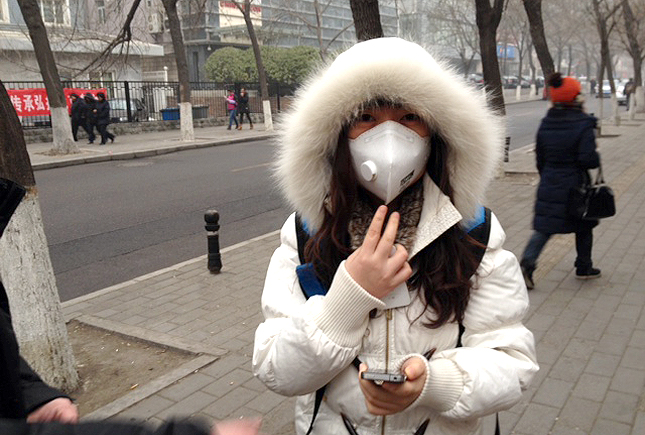
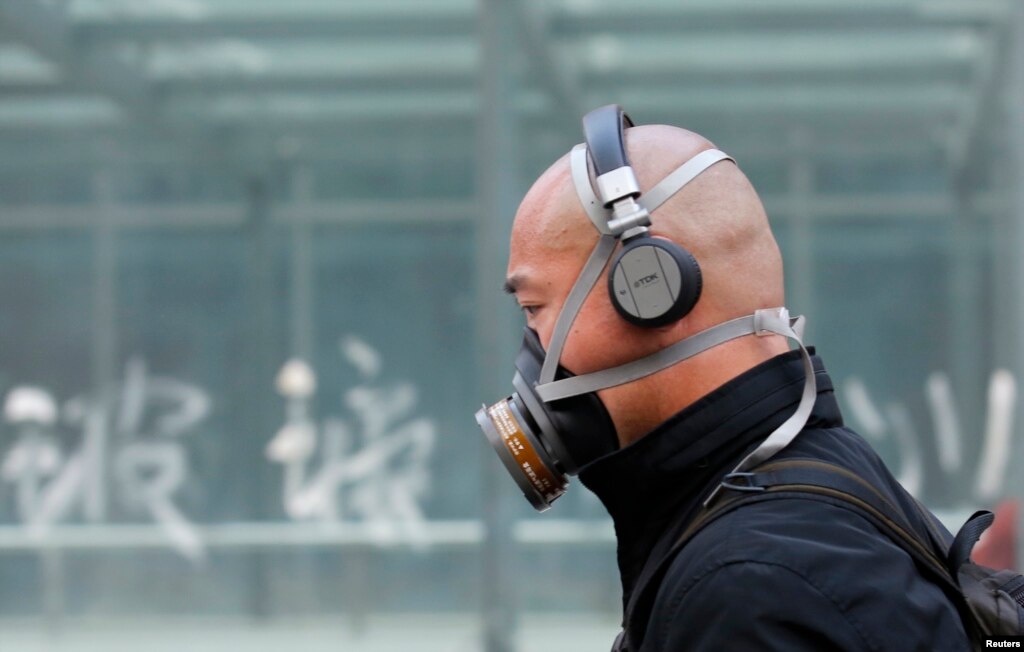
In any event, these days of high particulate levels have led to an efflorescence of masks on the face of pedestrians.
beijingers wearing masks
When my wife and I first arrived here four years ago, the local population stoically accepted the situation. The official government position at the time could be summed up as: “air pollution? what air pollution?” So the masses followed the party line and officially shrugged off the decision by some foreigners to wear protective masks as weak-kneed and effeminate. At most, they would don surgical masks
mask-medical-2
a common enough habit here, although used more as a way to control the spread of the common cold.

Then, about a year ago, with the change in party leadership, the government made it publicly known that actually there was an air pollution problem, and almost overnight Beijingers started wearing protective masks. Such is the power of the party …

My wife and I, though, are made of tougher stuff and have considered all these mask wearers, Chinese and foreigners alike, weak-kneed and effeminate. That is, until now. Because even we, tough nuts though we are, have begun to think that maybe we should also be wearing masks on bad air days, before we get hit with an irreversible case of asthma or worse.

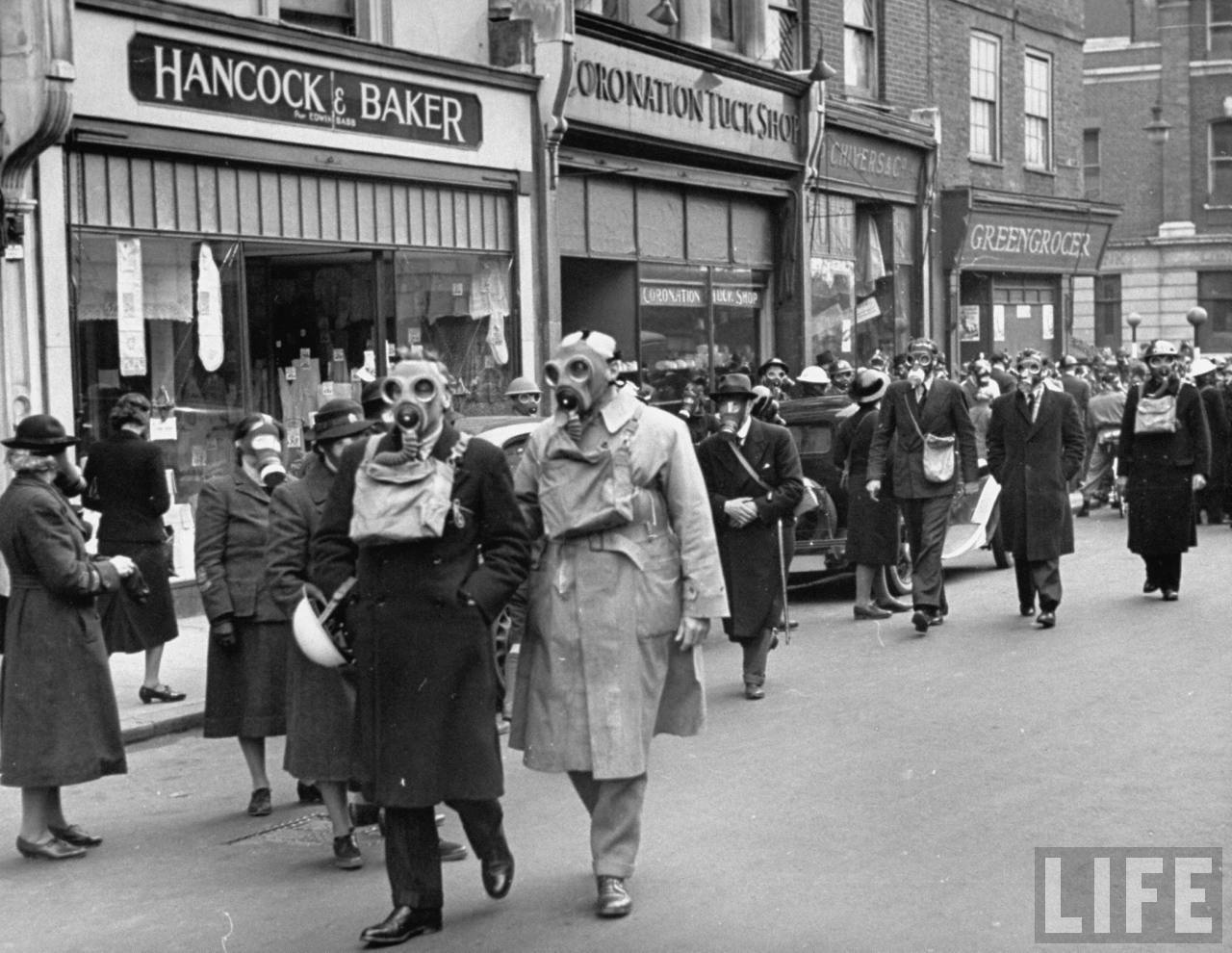
But what masks should we wear? And here, I have to say, aesthetics will play as much a part in our decision as efficacy. Efficacy alone would suggest wearing some sort of gas mask. The problem is, gas masks – at least in their traditional form – are fantastically unaesthetic. Consider this photo, taken in London during the Second World War
gas masks WW2-1
The Londoners in question were taking part in a drill, to make sure they knew how to use their masks in case the Germans dropped gas bombs.

Or how about this one, also from the Second World War, of some bizarre outing in the woods by a bunch of people (scouts?), all kitted up in gas masks
gas masks WW2

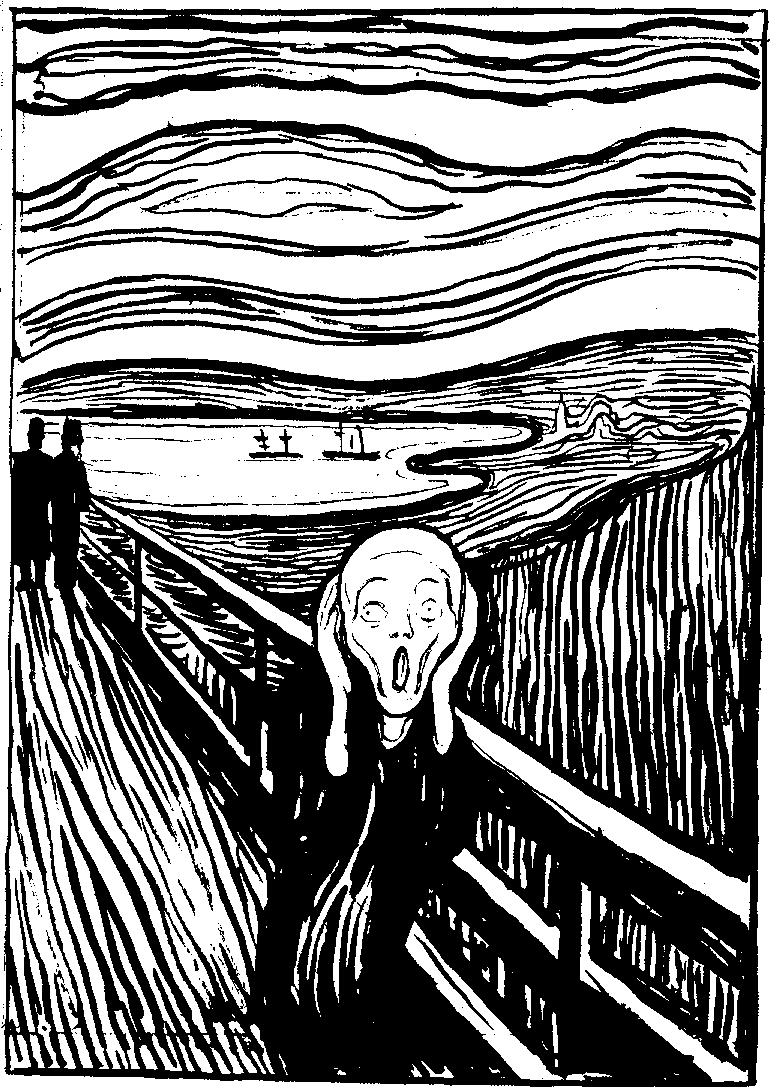
Can you imagine us all walking around Beijing looking like this? Already walking around in the smog is depressing enough. Having people looking like this looming out of the fug around you would be enough to give you a serious case of the heebie-jeebies. It would be like meeting a streetful of Edvard Munch’s screamers; one would begin to start screaming oneself.
The Scream lithography
The more modern gas masks have a friendlier design, showing as they do the face of the wearer.
gas mask-modern
I mean, at least you could smile at each other as you pass on the pavement and give each other moral support in this time of trial and tribulation.

But I feel that wearing even such a user-friendly gas mask would really be over the top. After all, we are only being subjected to excessively high particulate levels and not to massive leaks of poisonous gas, which these gas masks were presumably designed to deal with. Good design must be “fit for purpose”, as they say; these gas masks fail on this criterion.

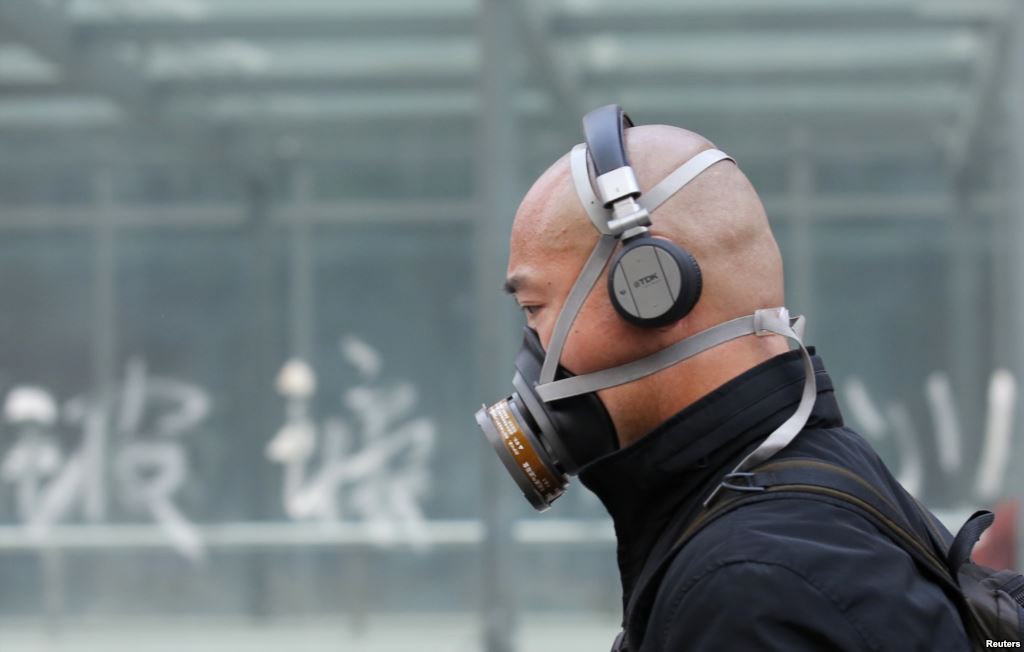
A somewhat pared-down version of these gas masks is available in China, which has the “snout” but not the eye coverings.
mask-1
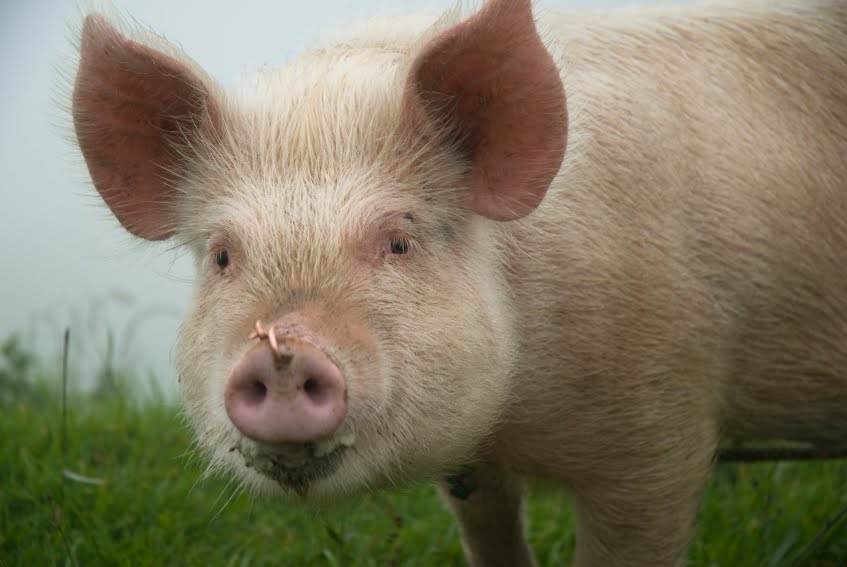
And that is precisely the problem which I have with this particular mask design. It would make the wearer look somewhat porcine
pig snout
So we need to look further afield for an efficacious but also aesthetically pleasing mask. I have found these on the web and/or seen people wearing them on the street:
mask-2

mask-3

mask-4a

IMG_0374

mask-8a

mask-8
My wife and I have debated the relative merits of these masks. Always assuming that we take the final plunge and buy masks, she would go for the fourth, which gives her space to breathe; she has tried the last mask and found it suffocating. For my part, I would go for the second mask, which I find pretty cool.

Of course, the best would be that NO-ONE has to wear masks. But for that to happen, the party is going to have to take some painful decisions. We will see …

____________________
Smog in Beijing: http://www.csmonitor.com/var/ezflow_site/storage/images/media/content/2013/0114-smog/14755543-1-eng-US/0114-smog_full_600.jpg [in http://www.csmonitor.com/World/Latest-News-Wires/2013/0114/Heavy-smog-in-Beijing-prompts-uncharacteristic-government-transparency-video%5D
Beijingers wearing masks: http://www.thestar.com/content/dam/thestar/news/world/2014/02/24/pollution_soars_in_china_rare_industry_shutdowns_reported/china_smog.jpg.size.xxlarge.letterbox.jpg [in http://www.thestar.com/news/world/2014/02/24/pollution_soars_in_china_rare_industry_shutdowns_reported.html%5D
Mask-medical: http://news.xinhuanet.com/english/china/2013-10/21/132816417_11n.jpg [in http://news.xinhuanet.com/english/china/2013-10/21/c_132816417.htm%5D
Gas masks in WW2-1: http://www.moneyandshit.com/wp-content/uploads/2010/02/partisans-in_World_war2.jpg [in http://www.moneyandshit.com/partisans-in-gas-masks-during-world-war-2n/%5D
Gas masks in WW2-2: http://charlesmccain.com/wp-content/uploads/2013/12/hist_uk_20_ww2_pic_gas_mask_mock_london.jpg [in http://charlesmccain.com/2013/12/2768/%5D
The Scream lithography: http://upload.wikimedia.org/wikipedia/en/5/50/Munch_The_Scream_lithography.png [in http://en.wikipedia.org/wiki/File:Munch_The_Scream_lithography.png%5D
Gas mask-modern: http://img.xxjcy.com/pic/z14f386f-0x0-1/industrial_gas_masks_product_mf27_full_eyepiece_gas_mask.jpg [in http://www.xxjcy.com/manufacturers/z6a4a78/iz28e1a63-mf22a_type_gas_masks.html%5D
Mask-1: http://gdb.voanews.com/B8CC4108-6777-4820-9381-2F5CFE6AB98E_mw1024_mh1024_s_cy7.jpg ] [in http://www.voanews.com/content/study-finds-coal-pollution-cuts-north-china-lifespan-by-five-and-a-half-years/1697648.html%5D
Pig snout: http://kristilowe.files.wordpress.com/2013/09/istock_000012723567small.jpg [in http://kristilowe.com/tag/pig-snout/%5D
Mask-2: http://www.allergyasthmatech.com/ProdImages/model_photo copy[1].jpg [in http://www.allergyasthmatech.com/SP/Air_Pollution_Mask/101_373%5D
Mask-3: http://www.loftwork.jp/~/media/Images/Event/2013/20131218_frog/r_04.ashx?h=402&w=537 [in http://www.loftwork.jp/event/2013/20131218_frogdesign/report1218.aspx%5D
Mask-4: http://www.myredstar.com/wp-content/uploads/2013/02/Totobobo.jpg [in http://www.myredstar.com/smog-living/%5D
Mask-5: http://www.pri.org/sites/default/files/story/gallery/huang.jpg [in http://www.pri.org/stories/2013-11-11/beijingers-don-masks-defend-themselves-against-dirty-air-and-make-fashion%5D
Mask-6: http://www.i-m-s.dk/wp-content/uploads/2013/02/china-air-poll.jpg [in http://www.i-m-s.dk/pollution-finally-a-front-page-story-in-china/%5D
Mask-7: http://www.theworldofchinese.com/wp-content/uploads/2014/02/top5-masks-master.jpg [in http://www.theworldofchinese.com/2014/02/the-top-pollution-busting-face-masks/%5D

BIRDS IN BEIJING

Beijing, 22 March 2014

A few days ago, as I was walking to work along my piece of canal, I saw, sitting on the lower branch of a willow tree, a small bird which I had never seen before. I’m not a birder by any means, but I do appreciate a beautiful or graceful bird when I see one. This bird had a wonderfully variegated plumage, really very handsome. By the shape of its head and bill I was guessing it to be a member of the woodpecker family. Intrigued, I sidled forward to have a better look. The bird cocked its head, kept a wary eye on me, and finally decided I had invaded too much of its private space. With a quick flip of its wings, it was off, dipping and lifting across the waters of the canal. I finally lost sight of it among the willow trees and buildings on the other bank.

The internet is a wonderful thing, really it is. Yes, there are dark corners where bad, nasty people show and say bad, nasty things, but overall it is a great global market square into which you can wander of an evening and, like young Marco Polo sauntering along Venice’s wharves, hear tales fantastical of faraway lands and pick up information from the furthest reaches of the globe. This burst of appreciation for the internet at this particular moment in my tale comes from the fact that at home that evening, on a whim, I typed “birds in beijing” in my search field to see what I could find. And I immediately stumbled onto the site Birding Beijing! I salute its author, Terry Townshend, a Beijing resident like myself and a dedicated birder, who has put together this wonderful site.

Terry’s site gave me the answer I was looking for. The bird I had seen in the morning was indeed a woodpecker, the great spotted woodpecker (Dendrocopos major) to be precise. This photo is from his site
great-spotted-woodpecker-small-1
Here is another from a UK site

great-spotted-woodpecker-2
which I chose because this woodpecker has a range which stretches all the way from China across Central Asia and Europe to my home country. It gives me an odd sense of comfort, that: part of home in Beijing.

Terry’s site gave me the answer to one more ornithological question which has been nagging me for the last few years, the identity of another bird which I have often seen here. It seemed to me quite like the magpie, although with much more delicate colouring in its feathers. It seemed to fill the same ecological niche, too, as far as I could gather. Well, Terry’s site tells me that it is indeed a magpie! (although a different member of the family, to be sure). It is the azure-winged magpie (Cyanopica cyanus). This photo of it is also from Terry’s site

azure-winged-magpie-1

but this one comes from a Russian orthinological site

azure-winged-magpie-2

which I include because the range of this magpie covers East and North-East Asia (so including Siberia).

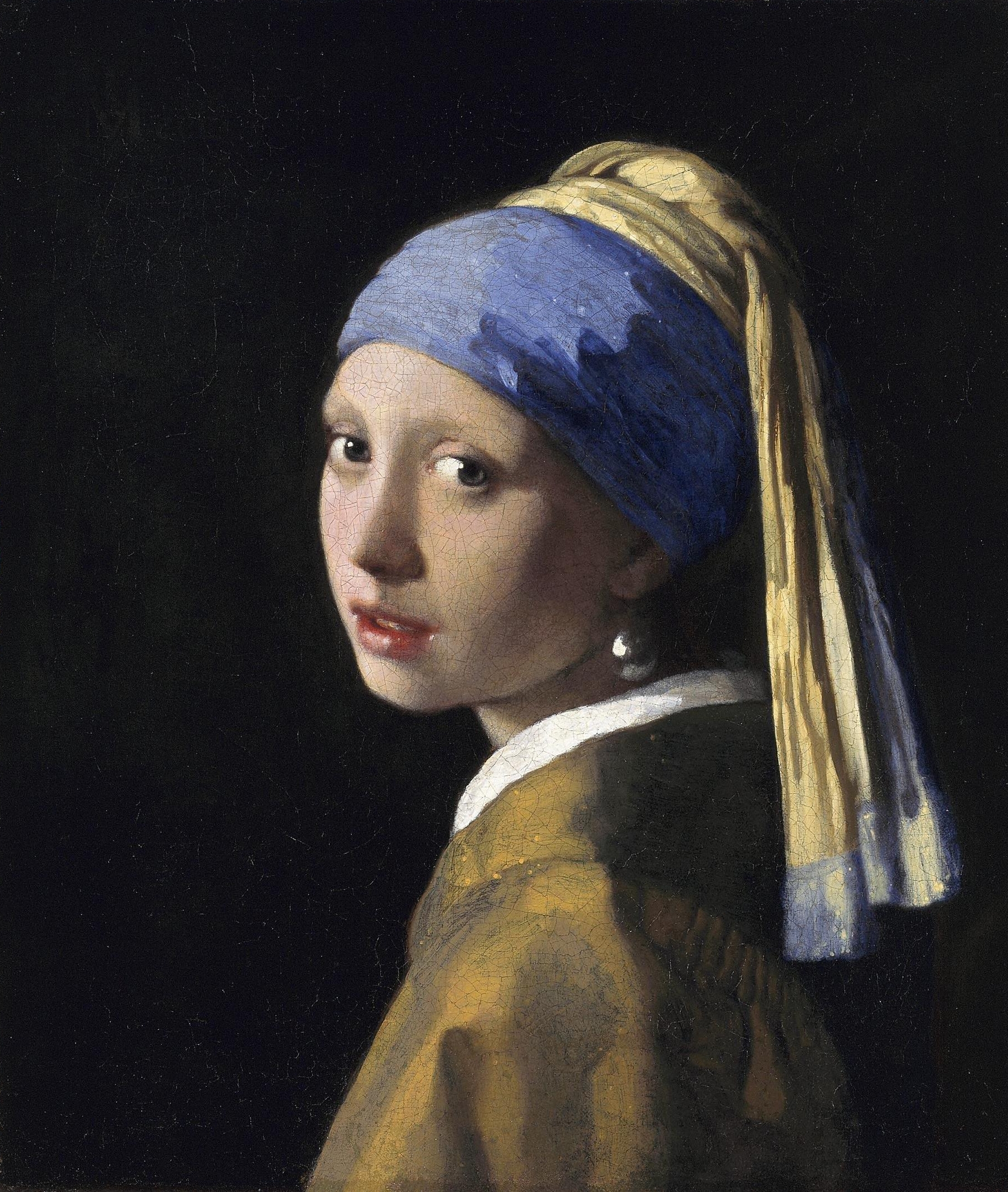
I’m not sure “azure” really describes the wonderful shade of blue which this bird sports in its wing and tail feathers. A long hunt through various other internet sites makes me think that cornflower blue might better describe this particular shade of blue. The internet also tells me that this colour was one of the Dutch painter Jan Vermeer’s favourite colours. Is the blue in his painting Girl with a Pearl Earring the same?

Girl_with_a_Pearl_Earring

Perhaps it is a slightly darker shade of blue?

Flush from these two successful identifications, I went through the rest of the bird gallery in Terry’s site, to put a name to what else I’ve seen in Beijing. He mentions the the Eurasian magpie (Pica pica), which I’ve had cause to write about in an earlier posting. It seems more common than the azure-winged magpie; I certainly feel that I see it more often. Terry does not include a picture of this magpie (too common, no doubt), so I add here a photo from another site
Eurasian magpie-2
Terry mentions the Eurasian tree sparrow (Passer montanus). I’ve seen that, of course, who hasn’t?
tree-sparrow
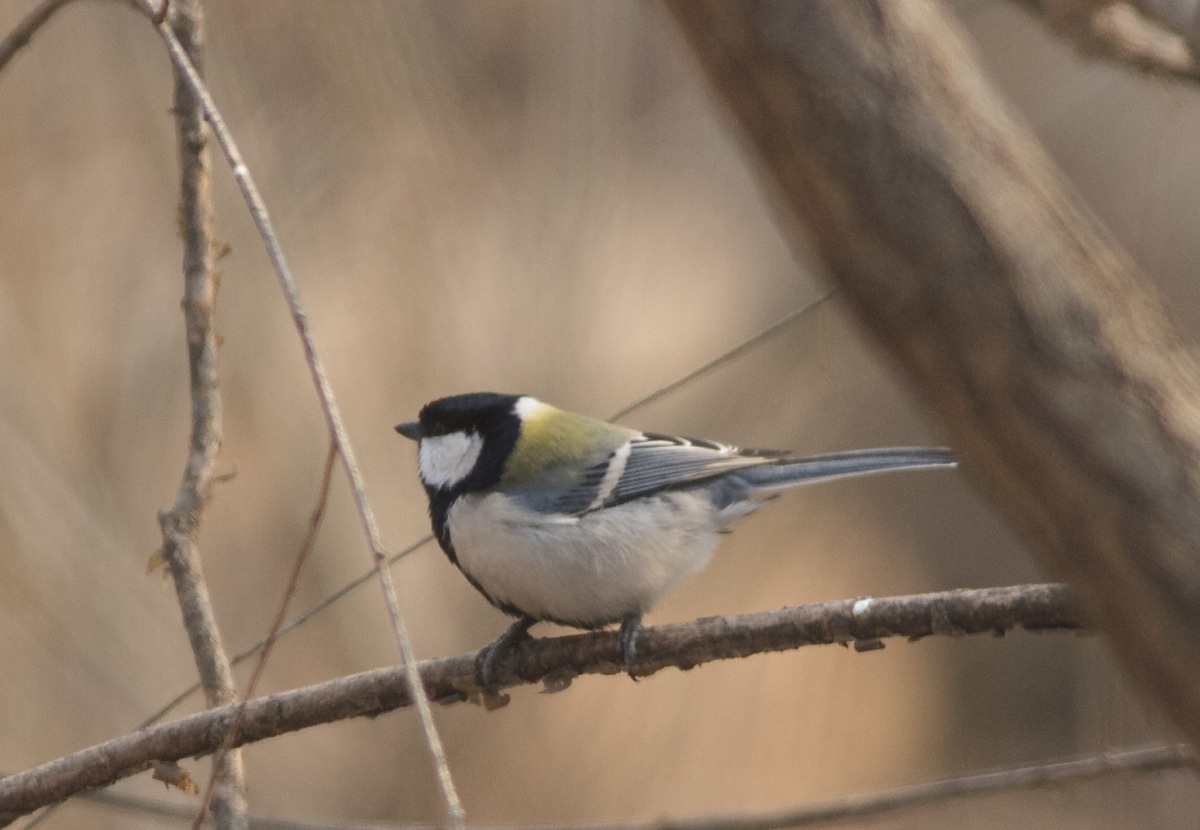
I think I might once have seen another bird he mentions, the eastern great tit (Parus minor)
japanese-tit
I’m almost certain I also saw a Eurasian kestrel (Falco tinnunculus) once. I spotted it during a particularly boring teleconference for which I was a passive participant, sitting at my desk and staring out of the window while the others droned on.  I was glad for the lovely distraction of its diving and swooping around my office building.

kestrel

These wonderful photos move me to cite here three poems about birds which I particularly like:

The Eagle, by Alfred, Lord Tennyson

He clasps the crag with crooked hands;
Close to the sun in lonely lands,
Ring’d with the azure world, he stands.

The wrinkled sea beneath him crawls;
He watches from his mountain walls,
And like a thunderbolt he falls.

The Windhover, by Gerard Manley Hopkins

I caught this morning morning’s minion, king-
  dom of daylight’s dauphin, dapple-dawn-drawn Falcon, in his riding
  Of the rolling level underneath him steady air, and striding
High there, how he rung upon the rein of a wimpling wing
In his ecstasy! then off, off forth on swing,
  As a skate’s heel sweeps smooth on a bow-bend: the hurl and gliding
  Rebuffed the big wind. My heart in hiding
Stirred for a bird,—the achieve of; the mastery of the thing!

Brute beauty and valour and act, oh, air, pride, plume, here
  Buckle! AND the fire that breaks from thee then, a billion
Times told lovelier, more dangerous, O my chevalier!

No wonder of it: shéer plód makes plough down sillion
Shine, and blue-bleak embers, ah my dear,
  Fall, gall themselves, and gash gold-vermillion.

The Darkling Thrush, by Thomas Hardy

I leant upon a coppice gate
    When Frost was spectre-gray,
And Winter’s dregs made desolate
    The weakening eye of day.
The tangled bine-stems scored the sky
    Like strings of broken lyres,
And all mankind that haunted nigh
    Had sought their household fires.

The land’s sharp features seemed to be
    The Century’s corpse outleant,
His crypt the cloudy canopy,
    The wind his death-lament.
The ancient pulse of germ and birth
    Was shrunken hard and dry,
And every spirit upon earth
    Seemed fervourless as I.

At once a voice arose among
    The bleak twigs overhead
In a full-hearted evensong
    Of joy illimited;
An aged thrush, frail, gaunt, and small,
    In blast-beruffled plume,
Had chosen thus to fling his soul
    Upon the growing gloom.

So little cause for carolings
    Of such ecstatic sound
Was written on terrestrial things
    Afar or nigh around,

That I could think there trembled through
    His happy good-night air
Some blessed Hope, whereof he knew
    And I was unaware.

Lovely …

And yet I’m worried. Last Christmas, when we were in New York, we visited the Metropolitan Museum. On our wanderings through the galleries we bumped into four of these hanging on the wall of a corridor:

Peruvian-Featherwork-cape-1

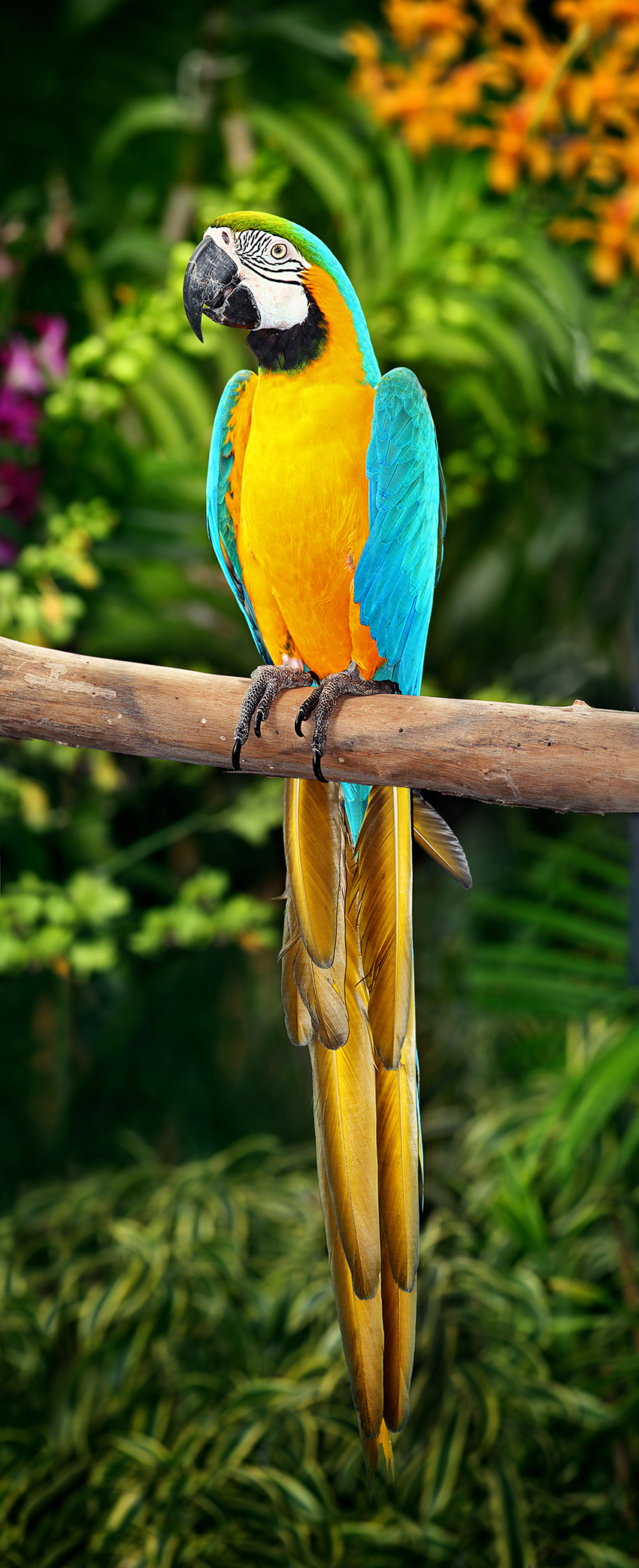
They are capes, from Peru. They are 1,000 years old, made with the feathers of the blue-and-yellow macaw.

Blue-and-yellow Macaw

How many of these magnificent birds were killed to make these capes? Such needless, selfish destruction! Nowadays, it’s not killing for their feathers that’s killing off birds, it’s destruction of their habitat. But it’s still the same: needless, selfish destruction.

____________________

Great spotted woodpecker-1: http://birdingbeijing.files.wordpress.com/2013/03/great-spotted-woodpecker-small-1.jpeg [in http://birdingbeijing.com/birders-guide-to-beijing/a-guide-to-beijings-common-birds/%5D
Great spotted woodpecker-2: http://www.worldbirds.co.uk/images/oakes0/photos/image298.jpg [in http://www.worldbirds.co.uk/lesser_spotted_woodpecker.aspx?key=60%5D
Azure-winged magpie-1: http://birdingbeijing.files.wordpress.com/2013/03/2013-12-28-azure-winged-magpie.jpg [in http://birdingbeijing.com/birders-guide-to-beijing/a-guide-to-beijings-common-birds/%5D
Azure-winged magpie-2: http://onbird.ru/img/photo/golubaya-soroka/golubaya-soroka foto 4 (onbird.ru).jpg [in http://onbird.ru/opredelitel-ptic/golubaya-soroka-584/foto%5D
Girl with a pearl earring: http://upload.wikimedia.org/wikipedia/commons/c/ce/Girl_with_a_Pearl_Earring.jpg [in http://en.wikipedia.org/wiki/Johannes_Vermeer%5D
Eurasian magpie: http://birdsofkazakhstan.com/wp-content/uploads/2010/01/Pica-pica-bactriana-adult-Zhabagly-South-Kazakhstan-province-Kazakhstan-16-September-2009-Rene-Pop2.jpg [in http://birdsofkazakhstan.com/eurasian-magpie-pica-pica/%5D
Tree sparrow: http://birdingbeijing.files.wordpress.com/2013/03/2013-10-03-tree-sparrow.jpg [in http://birdingbeijing.com/birders-guide-to-beijing/a-guide-to-beijings-common-birds/%5D
Japanese tit: http://birdingbeijing.files.wordpress.com/2013/03/2014-01-23-japanese-tit.jpg [in http://birdingbeijing.com/birders-guide-to-beijing/a-guide-to-beijings-common-birds/%5D
Kestrel: http://birdingbeijing.files.wordpress.com/2013/03/2009-09-14-kestrel2.jpg [in http://birdingbeijing.com/birders-guide-to-beijing/a-guide-to-beijings-common-birds/%5D%5D
Peruvian featherwork cape: http://www.thehistoryblog.com/wp-content/uploads/2013/09/470_Peruvian-Featherwork.jpg [in http://www.thehistoryblog.com/archives/27107%5D
Blue and yellow macaw: http://upload.wikimedia.org/wikipedia/commons/6/6d/Blue-and-Yellow-Macaw.jpg [in http://en.wikipedia.org/wiki/Blue-and-yellow_Macaw%5D

SPRING IS IN THE AIR!

Beijing, 20 March 2014

It’s the first day of Spring! The day of the vernal equinox! The moment in the year when, after a slow climb out of the short days and long nights of the winter solstice, night equals day. From now on, the days will get longer and the nights shorter, until the summer solstice in the month of June is reached and the cycle reverses.

equinox

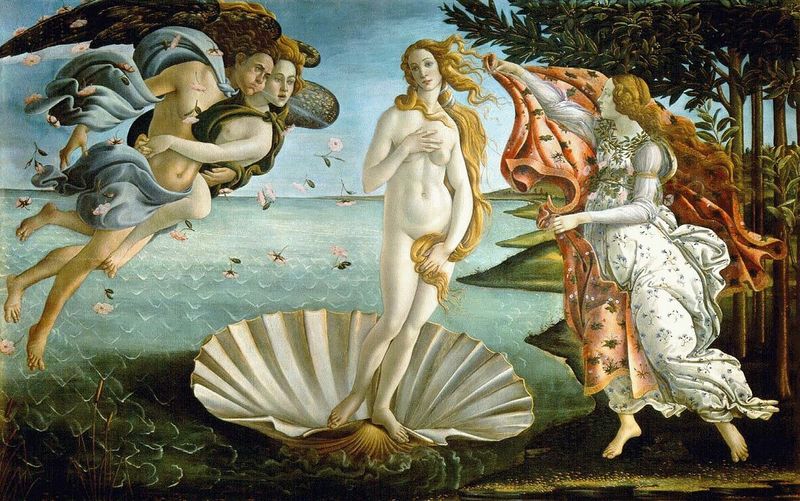
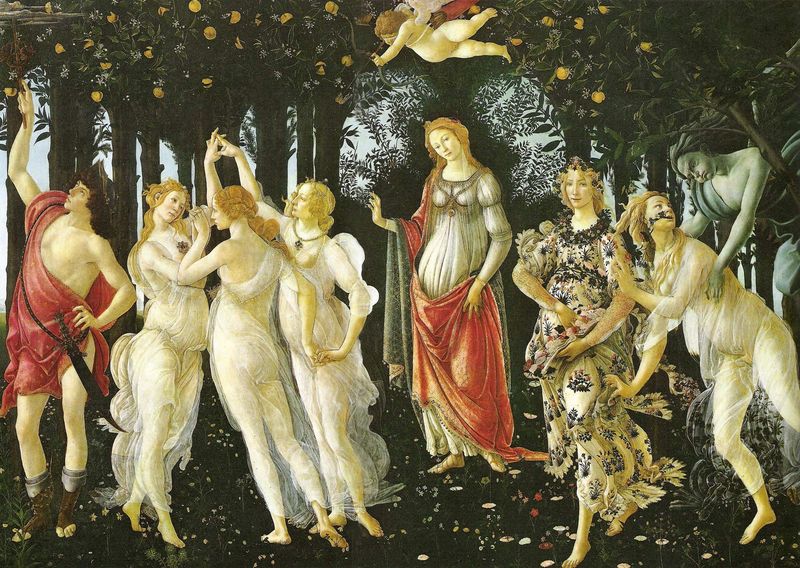
And actually, apart from cold astronomical considerations, today in Beijing it really was a spring day! A beautiful, sunny spring day! When I walked out of the apartment building this morning, the sun shone out of a blue, unclouded sky, but there was a chill in the air. When I left the office as evening drew in, the sky was still an unclouded blue, but now there was a soft breath of warm air on my cheek. Verily, I felt like Boticelli’s Venus stepping off her shell, with the zephyrs blowing over me

birth of venus

although I will admit that she has a considerably better body than mine.

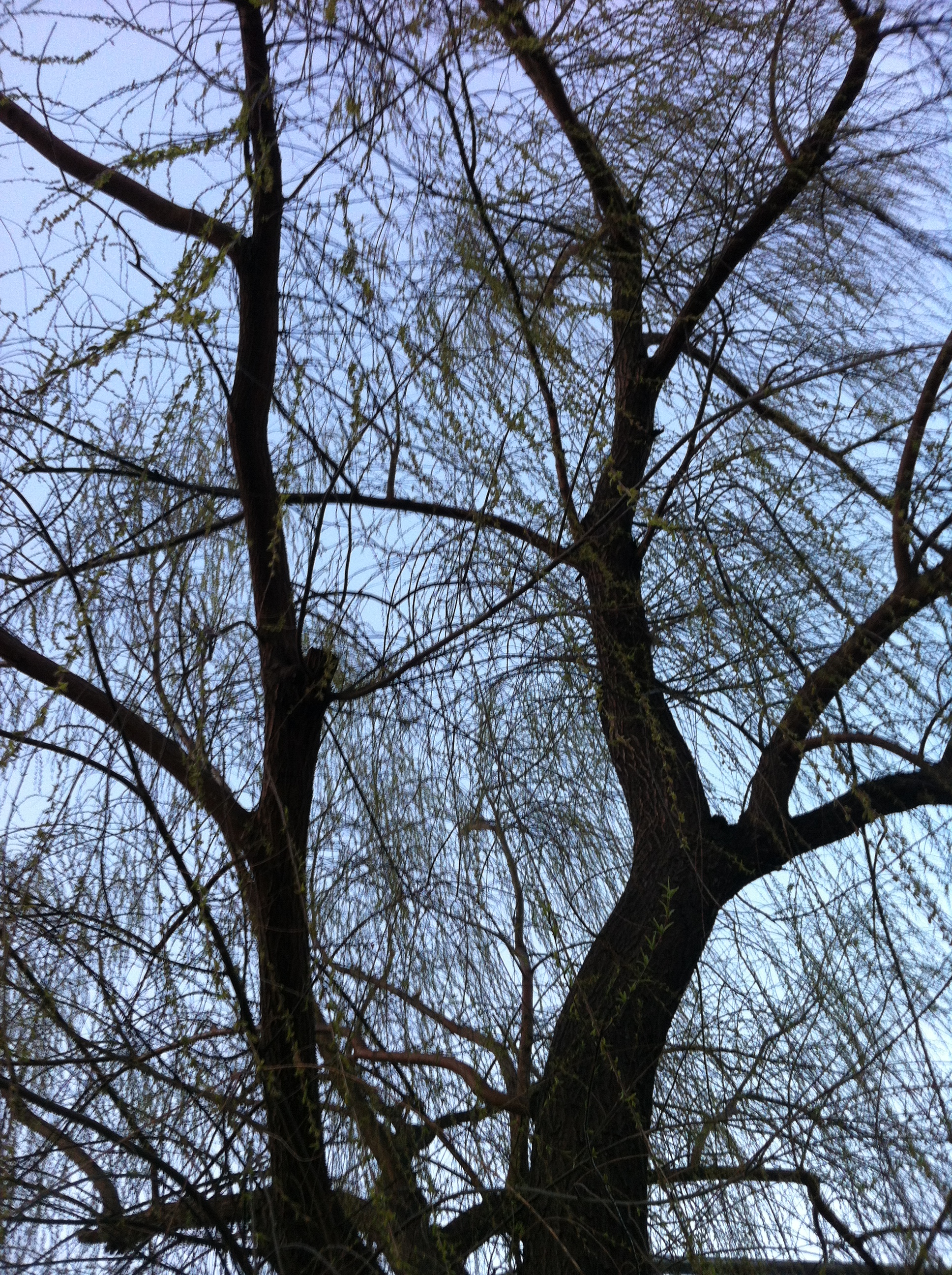
Humming quietly to myself, I made my way home, pausing for a moment under the willow trees on which the zephyr’s warm breath had worked its magic, covering the branches with a light green furze.

greening willows

Nature awakes from its winter sleep. Venus walks the land. Flora, goddess of flowers and Spring, follows in her wake.

primavera

_____________

Equinox: http://www.imd-corp.com/figures/ARIX0020.jpg [in http://www.imd-corp.com/formx_ind_display_flexible_getmethod.php?category=name&fname=%%5D
Birth of Venus: http://www.artble.com/imgs/9/b/3/416525/birth_of_venus.jpg [in http://www.artble.com/artists/sandro_botticelli/paintings/primavera%5D
Greening willows: my picture
Primavera: http://www.artble.com/imgs/6/c/a/616543/primavera.jpg [in http://www.artble.com/artists/sandro_botticelli/paintings/primavera%5D

SNOWY MOUNTAINS

Beijing, 8 February 2014

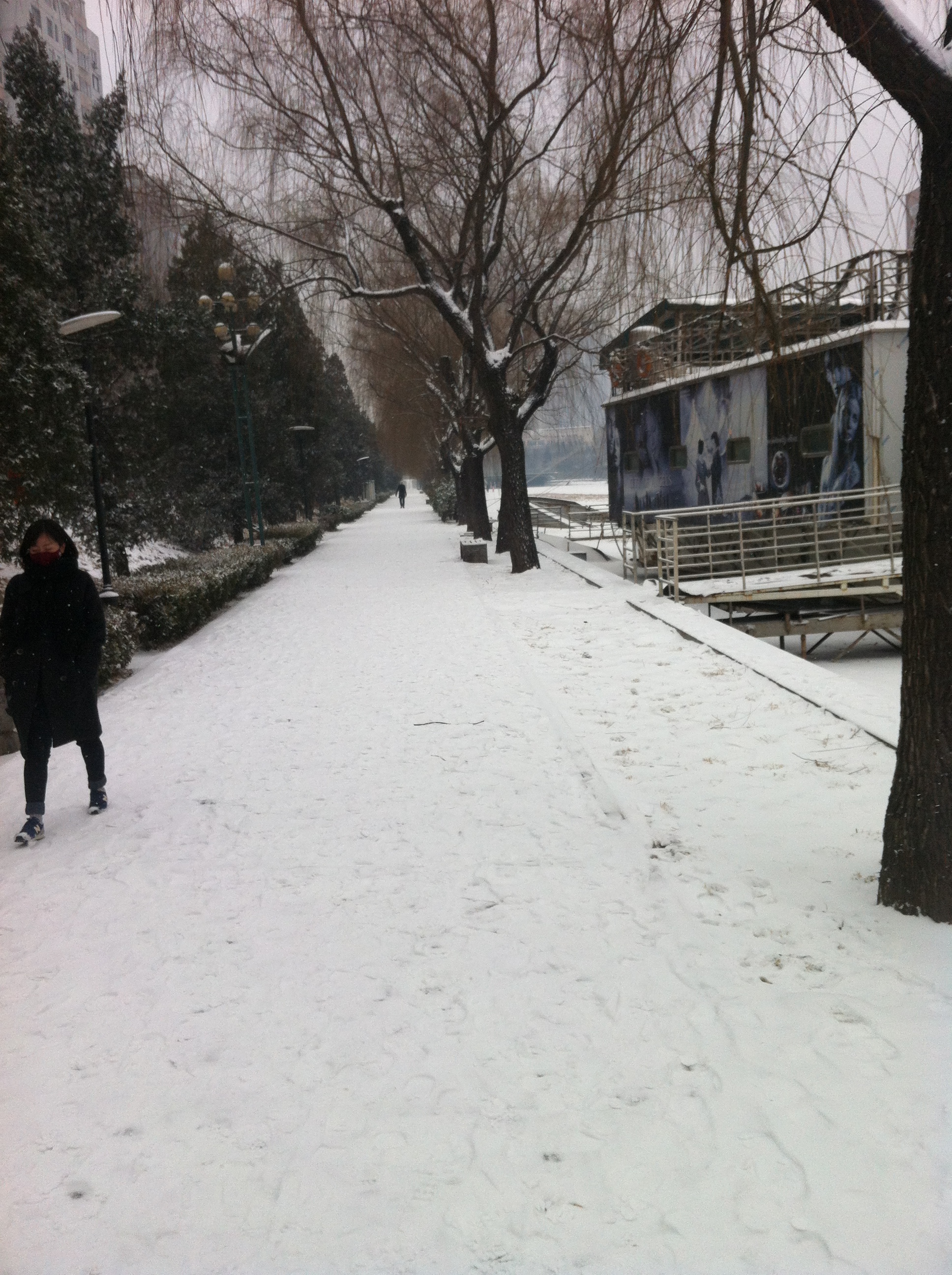
It was snowing when we got up yesterday, the first snowfall of the season – in fact, the first time there has been any precipitation, rain or snow, in the last four months in Beijing. The city was still quiet after the Chinese New Year, so it was with pleasure that I crunched my way to work through the deserted streets and along my piece of canal, with the small, grainy snowflakes floating down around me.
canal-before
And dimly through the flakes and mist, I perceived a man on the other bank of the canal slowly going through the balletic moves of tai-chi. Magic …

It kept snowing fitfully all day and into the evening, becoming greyer and foggier by the hour. So I just hurried home after work, looking forward to a welcoming wife, a cheerfully lit apartment, a glass of wine, and a plate of pasta. We closed out the world and enjoyed two French detective thrillers before retiring to bed.

This morning, the clouds had been chased away along with the fog, and the sun shone down brightly. How different the world looked! There is nothing like a coating of snow under a bright sun and a clear blue sky to make even the most squalid cityscape look inviting. On our way to morning coffee and lunch, I took a couple of photos of the canal to record the event.
canal-after 004
OK, let’s not get carried away here. Quite soon, all that fresh snow will turn into muddy slush, making a misery for us pedestrians as we pick our way round large puddles, warily avoid being splashed by passing cars, and stay ever alert for a hidden piece of ice under our feet . And even when the snow is still fresh, the view simply cannot beat a snowscape in the mountains. My wife is a good and enthusiastic skier, and when the children were young she liked to take them skiing in the Alps. I, on the other hand, dislike skiing, so it was always with a certain grouchiness that I accompanied them on these skiing expeditions. The traffic jams to get there! The crowds at the shop to hire the gear! The astronomic cost of the ski passes! The kilometric lines to get on the ski lifts! All those peacocks parading their latest ski gear! The morons who skied far too fast down the crowded slopes! The icy wind turning my face into a piece of numb codfish! But even grouchy old me could not avoid a smile when suddenly confronted at the turning of a path with vistas of virgin white snow softly pillowing rocky hill and dale and gathering protectively around the pine trees, while the mountains glittered behind against a backdrop of a deep blue sky.

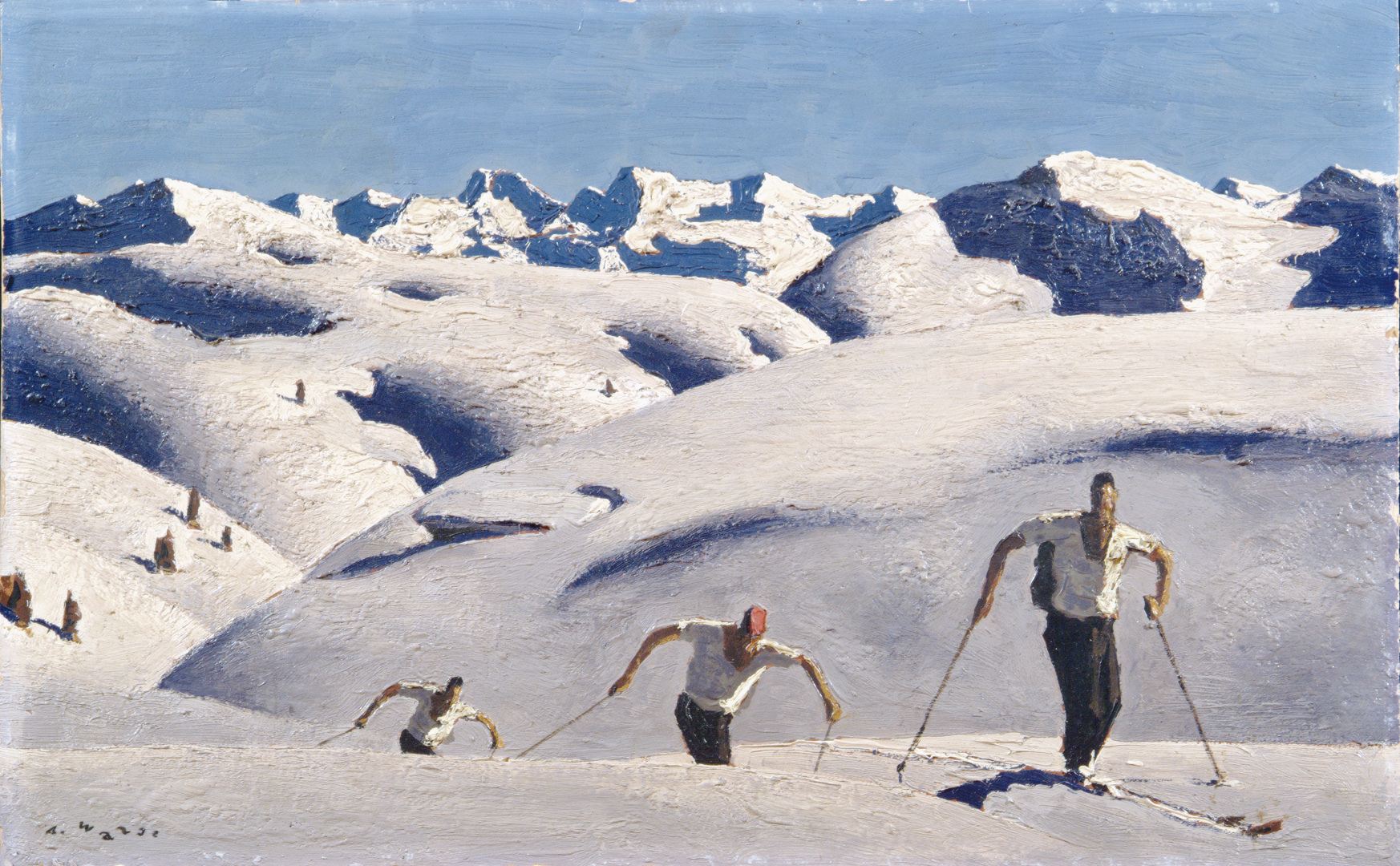
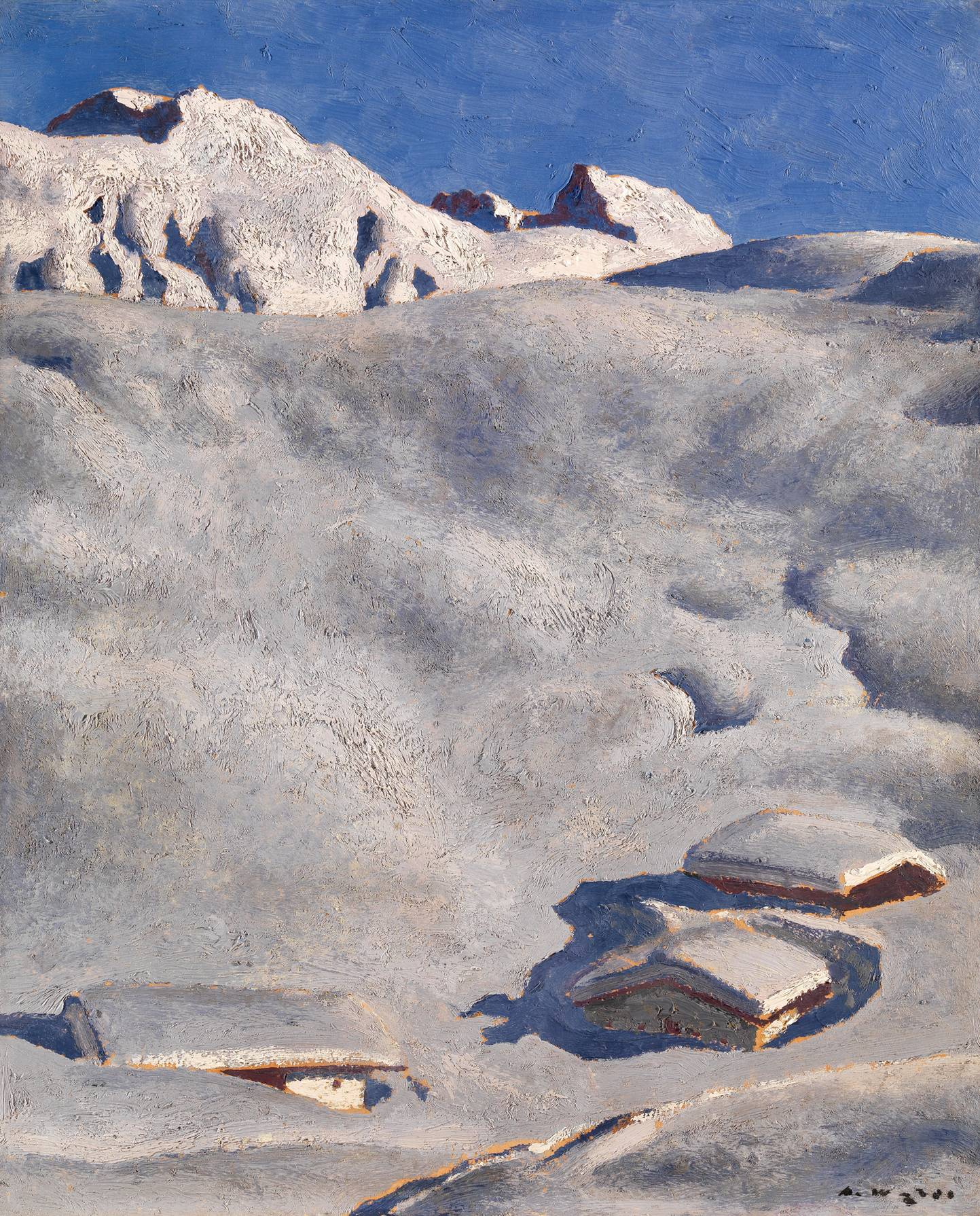
The only artist I know who has ever captured the beauty of mountains in the winter is the Austrian painter Alfons Walde. Walde was from Kitzbühel in the Tyrol, so he knew the Alps well.  From the mid 1920s onwards, he painted a series of pictures of the Tyrolian Alps during winter. I show here a selection, starting with the first of his paintings I ever came across, in the form of a poster advertising a show of his works in Vienna. I still have that poster somewhere. It is his “Ascent of the Skiers”, 1931

alfons walde-Der Aufstieg der Schifahrer-1931

Here we have “Steinbergkogel”, 1926

Alfons Walde-Steinbergkogel-1926

And here his “Meadows under Snow”, 1926

alfons walde-Almen im Schnee-1926

Walde also liked to paint the inhabitants of the Tyrolian villages. They still wore their traditional costumes back then. There’s still a faint echo of this in Austria’s traditional jackets for men and the dirndls the women wear. This is his “Auracher Church”, 1927-30

Alfons Walde-Auracher Kircherl-1927-30

And this is his “Meeting”, about 1924

Alfons Walde-begegnung

I will be frank. I wouldn’t mind owning one of Walde’s paintings.  But I’m not a millionaire. The best I’ve managed is a print by another Austrian artist

general photos 008

But hope springs eternal. You never know, I may find a Walde in my attic one day.

______________________

pix in Beijing: mine
“Ascent of the Skiers”: Alfons Walde- Der Aufstieg der Schifahrer-1931: http://shop.alfonswalde.com/WebRoot/Store/Shops/es268867/50B4/8486/F7AD/8B37/3A2E/50ED/8962/9095/Aufstieg_der_Schifahrer_1080.jpg [in http://shop.alfonswalde.com/epages/es268867.sf/de_DE/?ObjectPath=/Shops/es268867/Products/PLW35%5D
“Steinbergkogel”:  http://shop.alfonswalde.com/WebRoot/Store/Shops/es268867/50B4/CA47/6775/F975/A744/50ED/8962/CB5B/PLWT36-Steinbergkogel_1080.jpg [in http://shop.alfonswalde.com/epages/es268867.sf/de_DE/?ObjectPath=/Shops/es268867/Products/PLW36%5D
“Meadows under Snow”: Alfons Walde- Almen im Schnee: https://myartmap.com/sites/default/files/walde_2.png [in https://myartmap.com/user/5189/shop%5D
“Aucherl Church”: Alfons Walder-Auracher Kircherl-1927-30: http://www.austrianfineart.at/images/largeorig/Walde-Auracher%20Kircherl-Kat.%202001.jpg [in http://www.austrianfineart.at/detailtest.php?cid=297&lang=%5D
“Meeting”: Alfons Walde-begegnung: http://alfonswalde.com/cms/wp-content/uploads/2013/05/begegnung_1080_WZ.jpg [in http://alfonswalde.com/cms/?cat=16%5D
pic of the barn in the snow: mine

THE ARTIST AND THE SELFIE

Beijing, 19 January 2014

There is a phenomenon which my wife and I both agree is on the upswing in China, which is the taking of selfies.  We are proud to know this word, by the way, which is so new that it hasn’t made it yet into the Merriam-Webster on-line dictionary – although the Urban dictionary, which is obviously hipper, does contain a definition: “pictures taken of oneself while holding the camera at arm’s length”.   We might know what the word means, but it doesn’t mean that we approve. We actually find it sad to see young women (it seems to be preponderantly young women) taking photos of themselves. It is so narcissistic, we cry!

chinese selfies

But actually the phenomenon is not new, its amplitude is. New technology – the mobile phone with built-in camera – and its fantastic, phenomenal, global dissemination have allowed this. But the picture-makers of old – artists – have been making selfies for centuries now, since at least the Renaissance (in Europe anyway). They made selfies – self-portraits – to advertise their skills, or to allow them to exercise themselves without having to pay a model, or to comment on their or other people’s private lives, or in a more serious vein to explore their inner emotions. Anyone interested in the topic can go to the Wikipedia article on it.  At the beginning, they seemed to be a bit shy (or maybe just cautious; prisons were nasty then), and rather than executing free-standing portraits of themselves they preferred to include themselves (and their friends, and even sometimes their enemies) in the role of modest bystanders in their paintings. Here, for instance, is a painting by Botticelli, an Adoration of the Magi, where the person on the extreme right in the yellow cloak and looking out towards the viewer is said to be the painter himself.

Botticelli-adoration of the magi

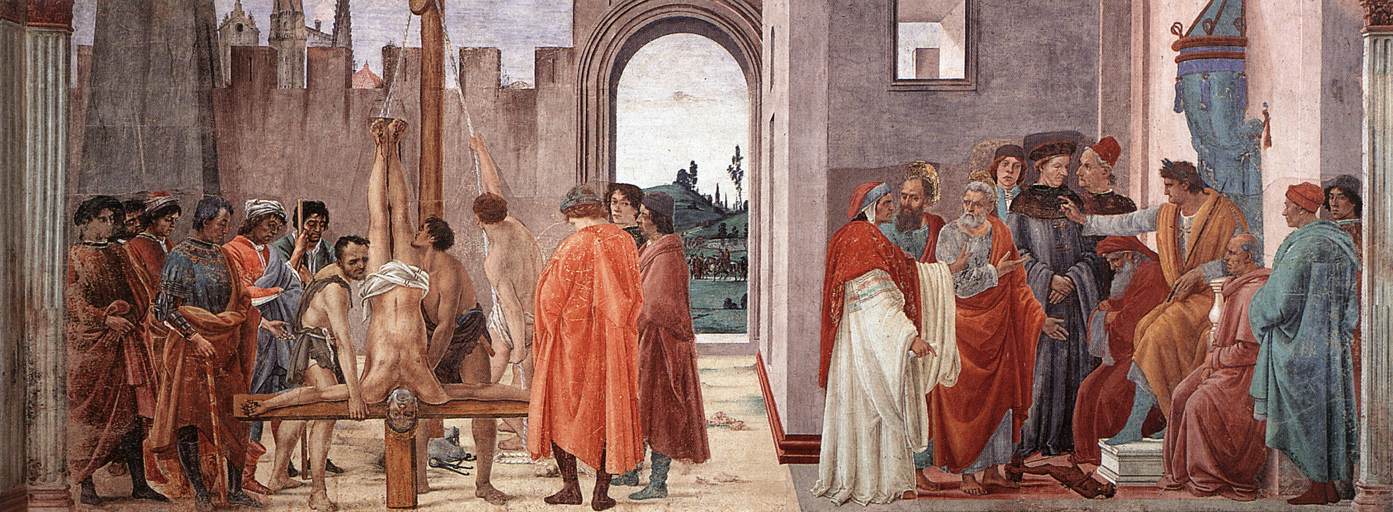
And here is a fresco, by Filippino Lippi, The Disputation with Simon Magus and the Crucifixion of Peter, where Lippi is the person on the extreme right of the fresco looking out towards the viewer from behind the pillar.

Filippino Lippi-simon magus

But after a while some artists were having none of this modesty. For instance, Velázquez put himself very obviously in what is probably his most famous painting, Las Meninas, which hangs in the Prado Museum in Madrid.

Velázquez-Las Meninas

On the face of it, the painting is of the young Infanta Margaret Theresa, surrounded by her entourage of maids of honour, her chaperone, bodyguard, two dwarves and a dog. But actually, Velázquez is quite obtrusively in the painting too! You can’t fail to miss him standing behind the Infanta and working on a large canvas, looking out towards the viewer. Behind him, on the wall, is a mirror, which if you look carefully can be see to be reflecting a couple. These are the king, Philip IV, and his queen, Mariana of Austria. Aha! It is them that Velásquez’s is painting, while standing in a painting which he painted … All very clever – and quite cheeky on the part of Velázquez to put himself so central when there were all these kings, queens, and princesses around!

But in my opinion not as cheeky as Dürer, who in a self-portrait of 1500 portrayed himself as a wonderfully powerful Christ-like figure.

Duerer-self portrait

He was following a well-known type of painting, such as this one by the Flemish artist Jan van Eyck.

Christ by Jan van Eyck

I’m always surprised by the sheer effrontery of Dürer comparing himself so obviously to Christ. And not to some meek and mild Christ either.  The painting’s Latin inscription translates as “I, Albrecht Dürer of Nuremberg, portrayed myself in everlasting colours aged twenty-eight years”.  Wow! Talk about someone being sure of his fame in posterity. I’m amazed that he didn’t get hauled in front of some ecclesiastical court for committing the sin of overweening pride with this painting, but apparently he didn’t.

And then there are those artists who used selfies to do a bit of character assassination. Take Cristofano Allori, an Italian painter I’d never heard of until my wife and I came across a painting of his a few years ago in the Queen’s Gallery in London. Well worth the visit, by the way; it houses part of the extensive royal art collection. The painting in question was Judith with the head of Holofernes

allori-judith with head of holofernes

It’s a story from the Bible: Holofernes was a general sent by Nebuchadnezzar, King of Babylon, to wreak vengeance on various nations along the Mediterranean sea board  for not having supported him.  This included Israel.  Holofernes is besieging a Jewish city, which is about to surrender. But it is saved when Judith, a beautiful Jewish widow, visits Holfernes in his tent, seduces him, gets him drunk and then while he’s sleeping cuts off his head. Many painters liked this subject, no doubt because of all the blood and gore; they generally painted Judith in the act of cutting off Holofernes’s head. But Allori’s take is different. There’s no violence here. The head is already off and the blood has stopped running. Judith is holding it as she would a trophy, staring all the while at the viewer with a complacently triumphant look on her face. Anyone who saw the painting at the time and knew Allori must have tittered. Because Allori painted himself as poor Holofernes while his model for Judith was his ex-mistress Maria Mazzafirri and the servant in the background helping Judith was Maria’s mother. Poor Cristofano, they must have said, that harlot Mazzafirri and that hag of a mother of hers really screwed him over, got their claws into his loot (look at that beautiful dress she’s wearing!) and then dumped him. Or maybe they thought, what the hell did the beautiful Mazzafirri see in that dolt Allori? Good for her, good riddance to bad rubbish.

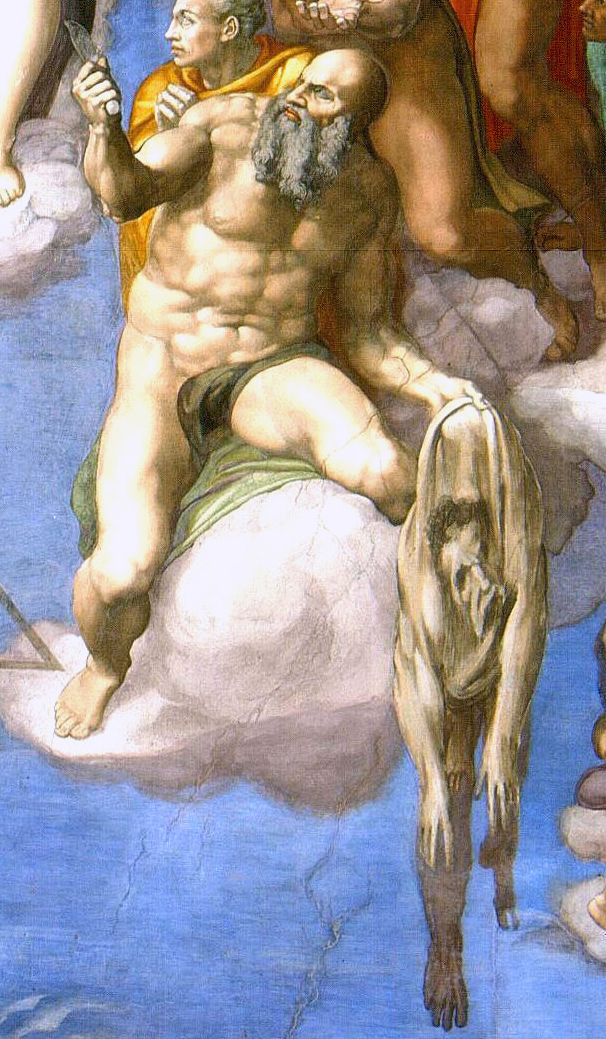
Michelangelo also included himself in a very personal way in a number of his works, the most famous of which must be in the fresco of the Last Judgement in the Sistine Chapel.

michelangelo-Last judgement

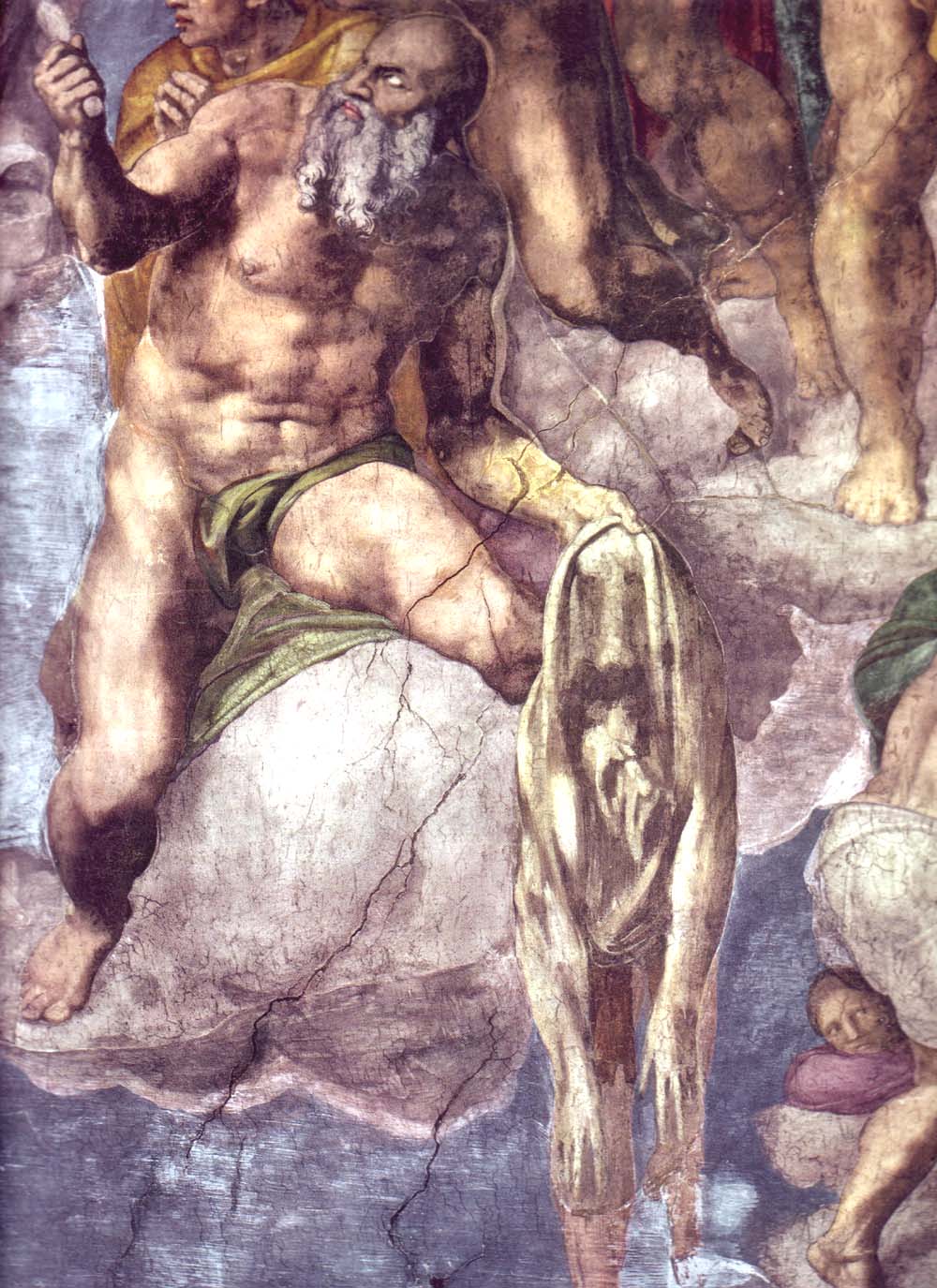
In that huge drama, he painted his face on the flayed skin of St. Bartholomew (I have written about the flaying of this saint in an earlier post).

michelangelo-Last judgement-detail

Scholars have debated the meaning of this since it was noticed in 1925. One scholar has suggested that Michelangelo was commenting on his extremely shabby and painful treatment (from his point of view) by the Pope and his minions during the painting of the Last Judgement. Amusing, along the lines of Allori’s painting, but I think other scholars are more correct when they see this as an excrutiatingly personal comment by Michelangelo on the precarious balance of his soul between salvation and damnation: it seems that the flayed skin is at an exact midpoint between the salvation of the Triumphant Christ and the horrified man who is about to be pulled into Hell. The poetry Michelangelo wrote at this time –  he was also a good poet – speaks a lot about his fear for the salvation of his soul.

And suddenly the selfie is an ussie. The artist is speaking for us all.

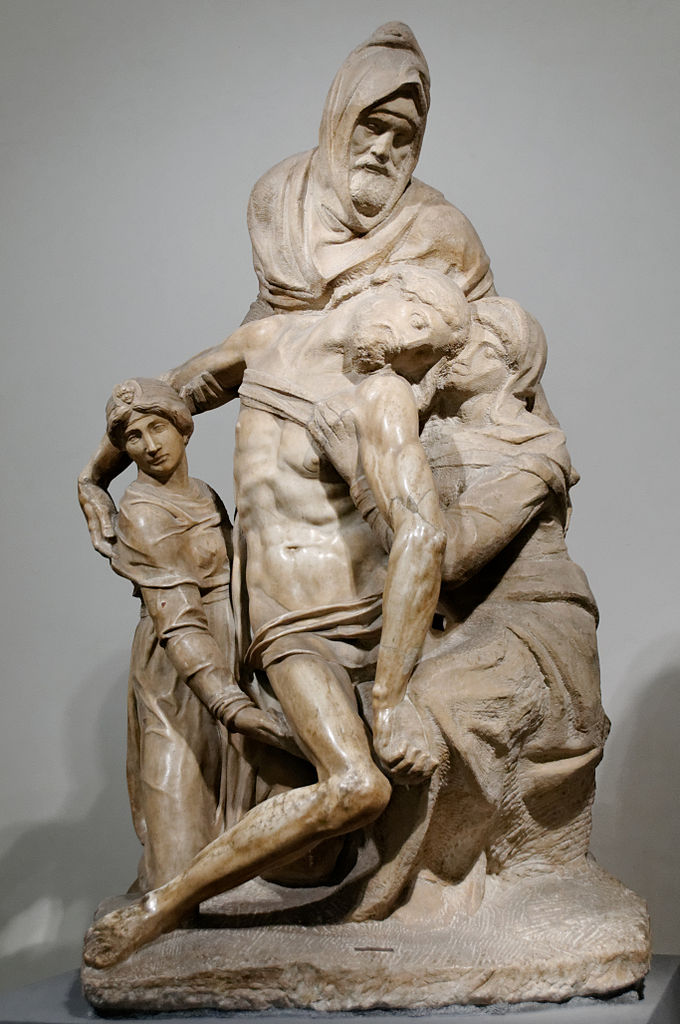
Personally, I like more the selfie in Michelangelo’s sculpture The Deposition from the Cross, which is in Florence.

michelangelo-deposition

I saw the sculpture during my first trip to Italy when I was a University student (I have also mentioned this trip in an earlier post). The old man, presumably Joseph of Arimathea, is said to be a self-portrait.

michelangelo-deposition-detail

A look of such sadness, such desolation he is giving the dead Christ! I was so struck by it that I remained transfixed in front of the statue. I stood there so long that someone in a group of tourists flowing by muttered to her neighbour “What’s he looking at?”

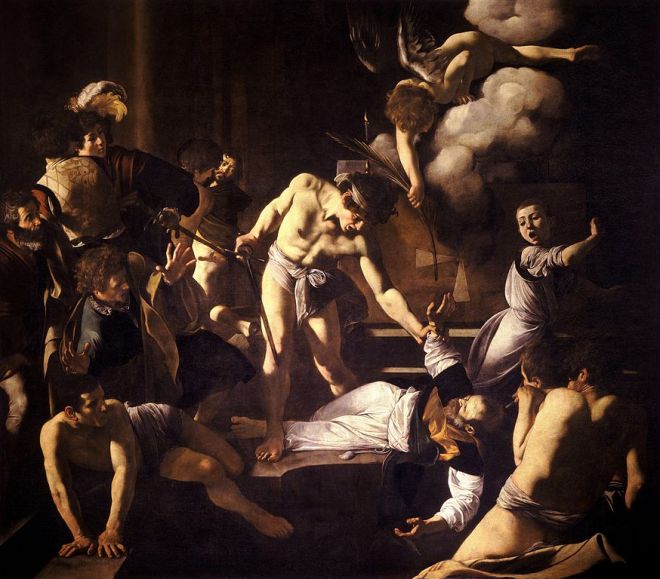
That look of intense sadness brings me to Caravaggio, who must be my most favourite painter. As I have mentioned elsewhere, I brought few books to Beijing, but one of these was the massive Caravaggio: The Complete Works by Sebastian Schütze, which I later complemented by Caravaggio: A Life Sacred and Profane, the almost detective story of his life by Andrew Graham-Dixon. Caravaggio included himself in a number of his paintings. Take his Martyrdom of Saint Matthew, one of a cycle of three paintings in the Contarelli Chapel of the Church of San Luigi dei Francesi in Rome.
Caravaggio-Martyrdom of St Matthew

The subject of the painting is the killing of Matthew, the author of one of the four Gospels. According to tradition, the saint was killed while celebrating Mass at the altar. And so we have the saint knocked to the ground, the assassin readying to deliver the fatal blow, an angel thoughtfully passing on to the saint the palm of martyrdom, and the crowd screaming and shouting and running about, the whole bathed in that chiaroscuro, that light and dark, for which Caravaggio is so famous.  A great painting, although in my opinion not as good as the other two in the chapel. In any case, what interests us right now is the figure at the back, picked out by the light, seemingly making an escape but looking back at the scene. It is Caravaggio.

Caravaggio-Martyrdom of St Matthew-detail

Why did he include himself like this? And why that look of intense sadness? Graham-Dixon suggests that Caravaggio is saying, “I am no different from these people, who stand there instead of helping Matthew,  or even run away. I would have had no more courage than they.  I, too, would have run away”.

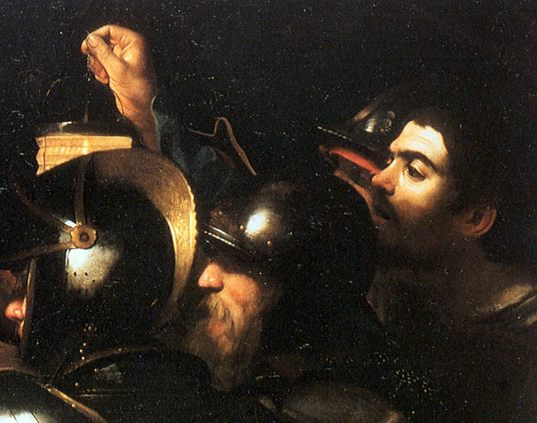
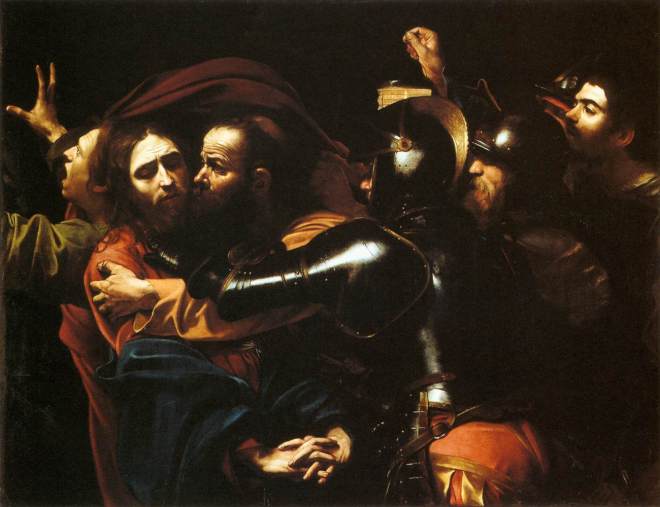
So different, this look, from the expression we see on his face in an earlier painting, the Taking of Christ in the Garden of Gesthemane, which hangs in the National Gallery of Ireland in Dublin.
Caravaggio-Taking of Christ

Caravaggio has painted the moment when Judas completes his betrayal of Jesus by kissing him in the Garden of Gesthemane, to indicate to the soldiers around him whom they should arrest. Caravaggio is the person holding the lamp at the back.

Caravaggio-Taking of Christ-self portrait

He is there to shed light on the scene, but he is also looking eagerly over the shoulders of the soldiers to get a better view.  Such a wonderful metaphor for every painter, of all ages, trying hard to visualize the scene which they are planning to paint, and which they can see only darkly.

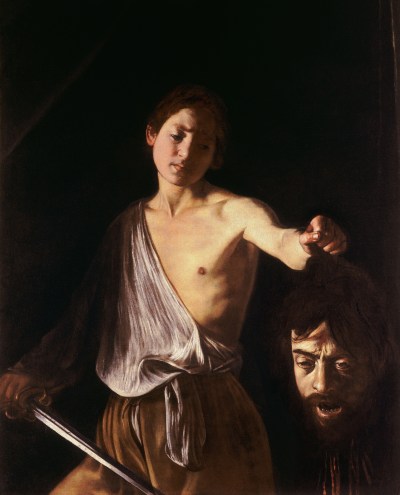
And so we get to the last of Caravaggio’s portrayals, painted late in his career. The subject is another decapitation which was very popular with painters, David’s killing of Goliath. Caravaggio himself did at least three versions of this story, more or less all of the same moment, when David grasps the head of Goliath.  This last one, housed in the Galleria Borghese in Rome, is the darkest, the most tragic.
caravaggio-david with goliath

It is Caravaggio’s face we see in Goliath, as he was in the last years of his life, on the run from the law in at least two jurisdictions but also from enemies who had personal vendettas with him and were trying to kill him, desperately trying to have himself pardoned by the Pope so that he could return to Rome. It is said that Caravaggio intended the painting to be a gift to Cardinal Borghese who had the power to have him pardoned, a sort of “here is my head on a platter, please be merciful and forgive me”. And who modelled David, a David who strangely enough is not looking triumphantly at Goliath whom he has just overcome in battle, whose gaze rather is a mixture of sadness and compassion for his supposed enemy? One interpretation, which I like immensely, is that this is also Caravaggio, painted as he looked when he was a young boy! And so we have a scene where the young Caravaggio is looking on sadly at the old Caravaggio which he will become. Alas, this interpretation does not seem correct. More probably, the model is Caravaggio’s studio assistant, Cecco, looking on sadly as his master slowly falls to pieces before his eyes. And indeed Caravaggio died shortly thereafter.

Another artist whose powerful self-portraits have always fascinated me is the Mexican painter Frida Kahlo. I must say, she was almost obsessed with herself, self-portraits making up a very large proportion of her oeuvre. Here is one of them

Frida Kahlo-self portrait

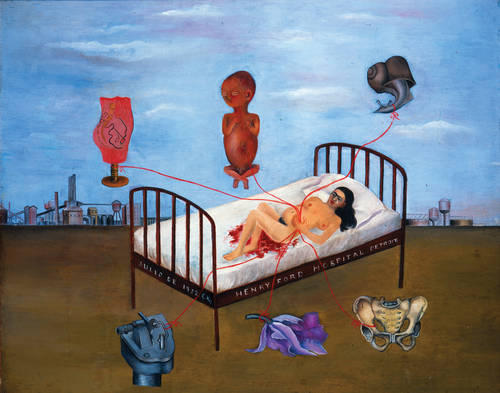
but there is one self-portrait of hers which stands out above all the rest and which I find truly gut-wrenching, Henry Ford Hospital.
Frida Kahlo-Henry Ford Hospital

She painted it shortly after her second miscarriage, when she realized she would never be able to have the children she so desperately wanted. You see her lying in the blood of her miscarriage on her bed in the Henry Ford Hospital in Detroit (the city in the background; her husband, the Mexican painter Diego Rivera, had been given a commission there by Edsel Ford). Above her floats the baby she has just lost, a baby boy. Also floating around her are a female torso, showing the anatomical parts linked to having children, her fractured pelvis, fruit of an accident she suffered when young and which made it impossible for her to have children, medical-looking equipment used during the miscarriage, an orchid which Rivera had given her, and a snail, depicting the slow pace of her miscarriage. All are linked to her by umbilical-like bloodlines.

I finish with a self-portrait by Käthe Kollwitz, a German artist who was active before and after the First World War. It, too, is about the loss of a child, but this time of a child born.  Her younger son Peter was badly wounded in the first days of the war and died in her arms a few months later. She created this woodcut just after his death. It is of her and her husband, distraught at their boy’s death

Kathe Kollwitz-grieving-parents-woodcut

After the war, she distilled this image into a pair of statues, Grieving Parents, which stand in the German War cemetery at Vladslo in Belgium (I have written an earlier post about these cemeteries).

Kathe Kollwitz-grieving-parents-statues-1

The two figures are based on Käthe and her husband Karl

Kathe Kollwitz-grieving-parents-statues-2

They represent all the parents of the young men buried in the cemetery

Kathe Kollwitz-grieving-parents-statues-3

although it is said that Karl is gazing directly at the tomb of his son Peter.

To parents like us with children still of age to be called up, incredibly moving.

POST SCRIPTUM

A few weeks ago (June 2014), I saw with great pleasure that my favouritest of favourite cartoonists in The New Yorker magazine, Roz Chast, had made the same connection as I had between the modern selfie movement and artists’ self-portraits

roz chaz selfie 001

______________________________

Chinese selfies: http://www.chinadaily.com.cn/slides/images/attachement/jpg/site1/20131213/b8ac6f27ada21414a28412.jpg [in http://www.chinadaily.com.cn/slides/2013-12/13/content_17172459_6.htm%5D
Botticelli – Adoration of the Magi: http://upload.wikimedia.org/wikipedia/commons/thumb/3/34/Botticelli_085A.jpg/942px-Botticelli_085A.jpg [in http://en.wikipedia.org/wiki/Adoration_of_the_Magi_of_1475_(Botticelli)%5D
Filippino Lippi-The Disputation with Simon Magus and the Crucifixion of Peter: http://www.wga.hu/art/l/lippi/flippino/brancacc/crucdisp.jpg [in http://www.wga.hu/tours/brancacc/crucif_d.html%5D
Velázquez-Las Meninas: http://upload.wikimedia.org/wikipedia/commons/thumb/3/31/Las_Meninas%2C_by_Diego_Velázquez_from_Prado_in_Google_Earth.jpg/890px-Las_Meninas%2C_by_Diego_Velá1zquez%2C_from_Prado_in_Google_Earth.jpg [in http://en.wikipedia.org/wiki/Las_Meninas%5D
Dürer-self portrait: http://upload.wikimedia.org/wikipedia/commons/thumb/f/fc/Duerer01.jpg/740px-Duerer01.jpg [in http://en.wikipedia.org/wiki/Self-Portrait_%28D%C3%BCrer%29%5D
Christ by Jan van Eyck: http://2.bp.blogspot.com/-HSgyBuOLqog/T36J0B01fsI/AAAAAAAA8Ko/yhh8A_Rq5GQ/s1600/Jan%2Bvan%2BEyck%2B%2528Flemish%2Bpainter%252C%2B1385-1441%2529%2BChrist%2B1440.jpg [in http://bjws.blogspot.com/2013/03/early-portraits-of-jesus.html%5D
Allori-Judith with the head of Holofernes: http://cdn.royalcollection.org.uk/cdn/farfuture/JPL2-m0ogCUIVnYQgnX1GLNkeFf11XoRWGNrkNMHuQk/mtime:1373966874/sites/royalcollection.org.uk/files/col/404989_255798_ORI_0_0.jpg [in http://www.royalcollection.org.uk/visit/the-queens-gallery-buckingham-palace%5D
Michelangelo-last judgement: http://upload.wikimedia.org/wikipedia/commons/a/a5/Michelangelo,_Giudizio_Universale_02.jpg [in http://en.wikipedia.org/wiki/The_Last_Judgment_(Michelangelo)%5D
Michelangelo-last judgement-detail: http://upload.wikimedia.org/wikipedia/commons/c/cf/Last_judgement.jpg [in http://en.wikipedia.org/wiki/Self-portrait%5D
Michelangelo-Deposition: http://upload.wikimedia.org/wikipedia/commons/thumb/c/c6/Pieta_Bandini_Opera_Duomo_Florence_n01.jpg/680px-Pieta_Bandini_Opera_Duomo_Florence_n01.jpg [in http://en.wikipedia.org/wiki/The_Deposition_(Michelangelo)%5D The sculpture is housed in the Museo dell’Opera del Duomo in Florence.
Michelangelo-Deposition-detail: http://www.bc.edu/bc_org/avp/cas/fnart/art/ren_italy/sculpture/10_97_5_30.jpg [in http://www.bc.edu/bc_org/avp/cas/fnart/art/ren_italy/ren_sculpture01.html%5D
Caravaggio-Martyrdom of St Matthew: http://upload.wikimedia.org/wikipedia/commons/thumb/5/57/The_Martyrdom_of_Saint_Matthew-Caravaggio_(c._1599-1600).jpg/874px-The_Martyrdom_of_Saint_Matthew-Caravaggio_(c._1599-1600).jpg [in http://en.wikipedia.org/wiki/The_Martyrdom_of_Saint_Matthew_(Caravaggio)%5D
Caravaggio-Martyrdom of St Matthew-detail: http://caravaggista.com/wp-content/uploads/2013/09/matthew-sp.jpg [in http://caravaggista.com/2013/09/happy-birthday-caravaggio-2013/%5D
Caravaggio-Taking of Christ: http://upload.wikimedia.org/wikipedia/commons/e/e6/Caravaggio_-_Taking_of_Christ_-_Dublin.jpg [in http://en.wikipedia.org/wiki/The_Taking_of_Christ_(Caravaggio)%5D
Caravaggio-Taking of Christ-detail: http://caravaggista.com/wp-content/uploads/2012/05/Screen-shot-2012-05-25-at-12.49.30-PM.png [in http://caravaggista.com/2012/05/caravaggio-the-leader/%5D
Caravaggio-David with Goliath: http://upload.wikimedia.org/wikipedia/commons/6/60/Caravaggio_-_David_con_la_testa_di_Golia.jpg [in http://en.wikipedia.org/wiki/David_with_the_Head_of_Goliath%5D
Frida Kahlo-self portrait: http://upload.wikimedia.org/wikipedia/en/1/1e/Frida_Kahlo_%28self_portrait%29.jpg [in http://en.wikipedia.org/wiki/Frida_Kahlo%5D
Frida Kahlo-Henry Ford Hospital: http://0.tqn.com/d/arthistory/1/7/Q/1/1/Frida-Kahlo-Henry-Ford-Hospital-1932.jpg [in http://arthistory.about.com/od/from_exhibitions/ig/frida_kahlo/fk200708_03.htm%5D
Käthe Kollwitz-grieving parents-woodcut: http://scattergoodmoore.files.wordpress.com/2012/03/grieving-parents.jpg [in http://scattergoodmoore.wordpress.com/category/kollwitz/%5D
Käthe Kollwitz-grieving parents-statues-1: http://www.judithdupre.com/wp-content/uploads/2010/07/Mourning-Parents-kollwitz2-e1278340988804.jpg [in http://www.judithdupre.com/books/full-of-grace/full-of-grace-gallery/%5D
Käthe Kollwitz-grieving parents-statues-2: http://static.panoramio.com/photos/large/1536597.jpg [in http://www.panoramio.com/photo/1536597%5D
Käthe Kollwitz-grieving parents-statues-3: http://www.eyes-and-ears.co.uk/squaredog/images/kollwitz_rear.jpg [in http://www.eyes-and-ears.co.uk/squaredog/details.asp?Title=The%20Art%20of%20Remembrance%5D


ROCKS IN THE GARDEN

Beijing, 4 December 2013

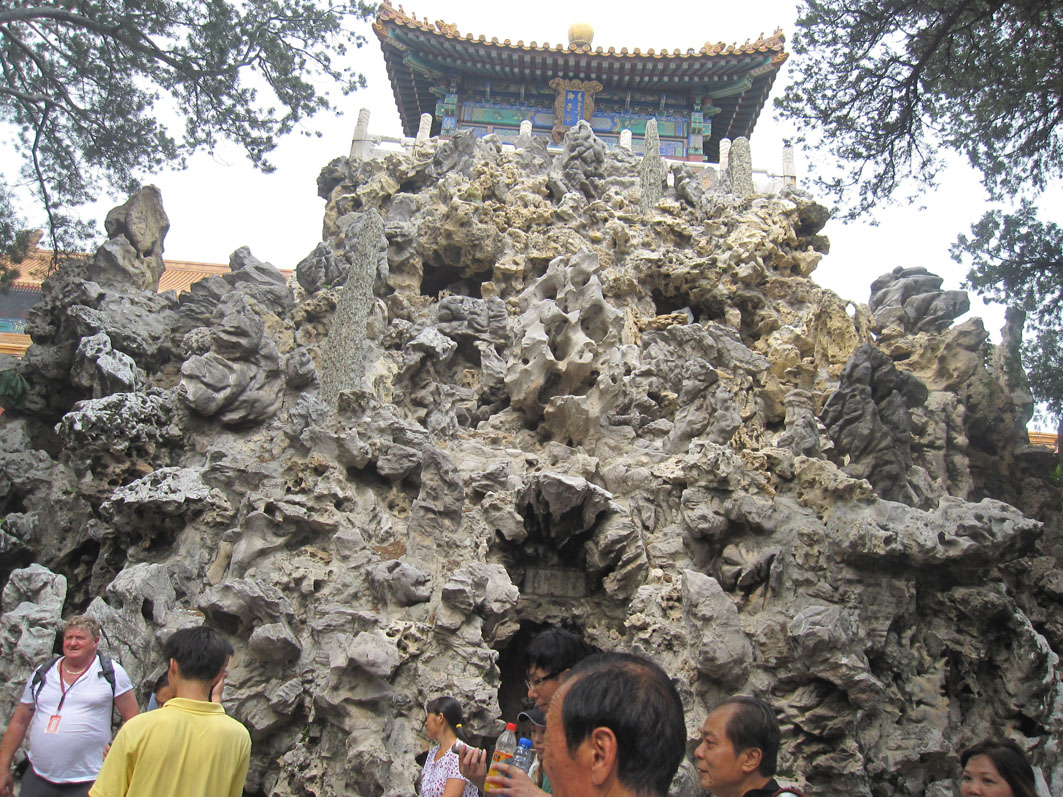
The Chinese have a a strange relationship with rocks. Go to any self-respecting Chinese garden and somewhere in the twists and turns of its paths you will come nose to nose with a fantastically twisted rock standing there waiting to be admired.

The Forbidden City in Beijing has a specimen which is (of course) very large
rock sculpture forbidden city-2
while a number of the famous gardens in Suzhou have examples more to the human scale.
rock sculpture suzhou-1

rock sculpture suzhou-2
rock sculpture suzhou-3
Admire them they do, the Chinese. When they catch sight of one of these rock sculptures, they will normally break into oohs and aahs, and end up – inevitably, in today’s culture in China – taking a group photo in front of said rock.

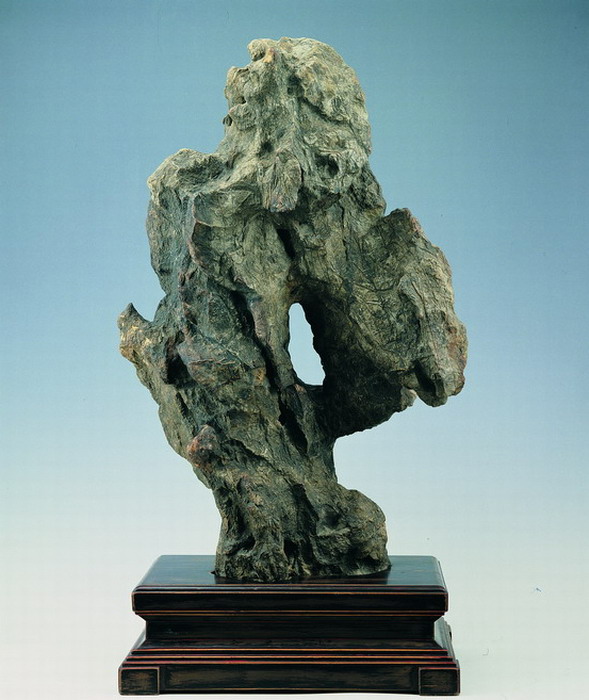
The fascination with these rock sculptures extends to internal spaces. It is very common to come across smaller (and sometimes not so smaller) versions in Ministries and other public buildings. Even in the intimate space of the scholar’s study, it was almost de rigeur for the scholar to have a small rock sculpture such as this one
scholar stone
sitting on his desk, among the brushes, ink stand, rice paper, and the rest of his scholarly paraphernalia.

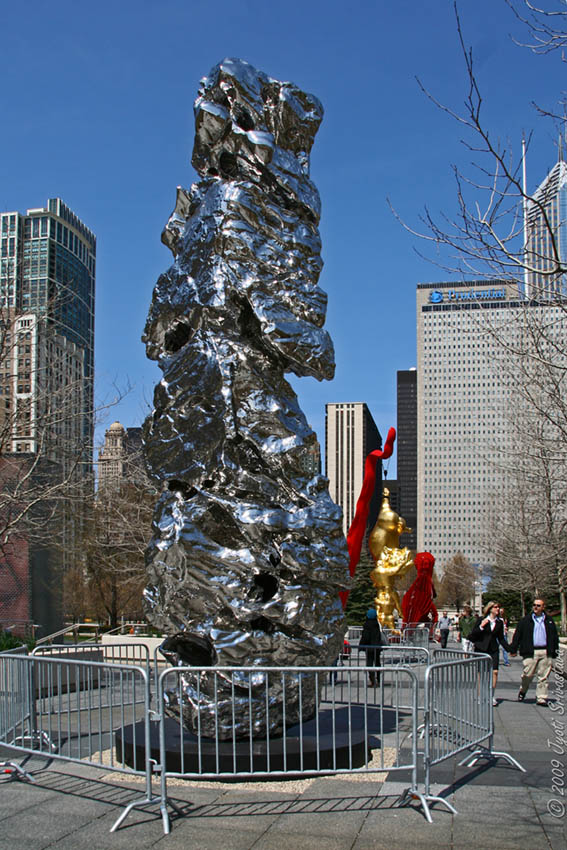
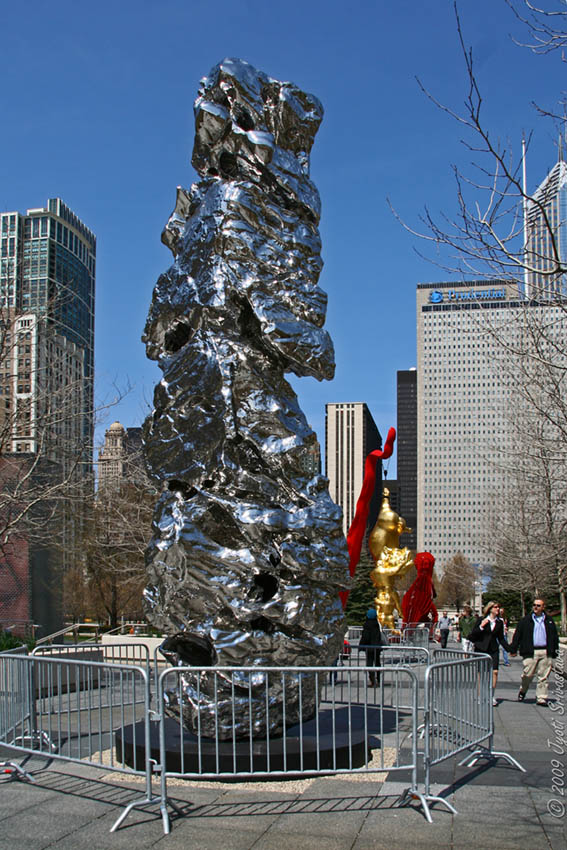
This is not a dead art form. Chinese sculptors are continuing to create these rock sculptures, as this photo from an outdoor exhibition in Chicago attests (in this case, though, while the design principles remain the same, rock no longer seems to be the medium)

rock sculpture in Chicago

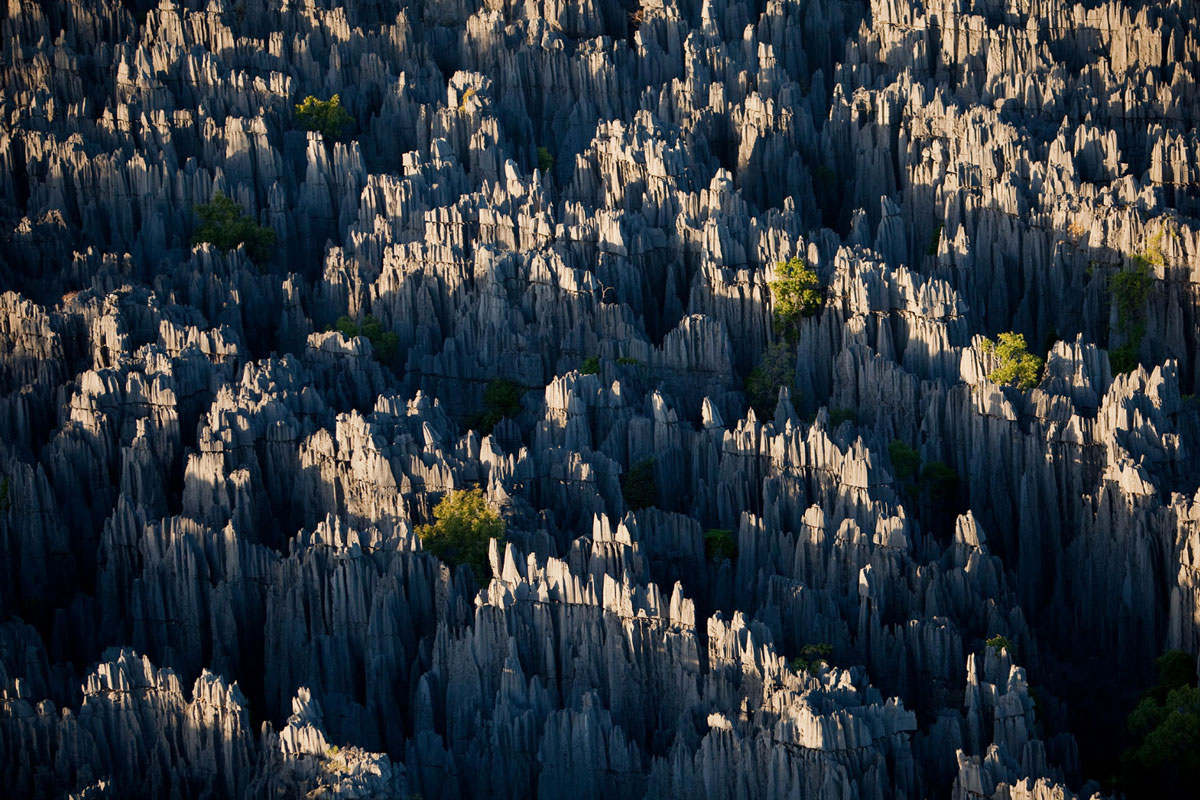
I have to assume that Chinese garden designers, like their English counterparts, were bringing the natural landscapes around them, suitably tamed, into their gardens. In the case of the rocks, the landscapes in question must surely be the karst landscapes which are common in many parts of China. This is one such landscape in Yunnan, known as the Stone Forest and famous enough to have been listed as a UNESCO World Heritage site.
stone forest yunnan-2
(on an aside, I should note that it was visited by Lisa, of whom I have written earlier, during a trip which she took to Yunnan some six months ago; predictably, her photos of the trip included a large number of her, or her traveling companion, or her tour group, standing among the rocks)

I have to say, I don’t like these rock sculptures. I find the sheer froth of all that twisted stone to be just too much.  Those whorls, those curlicues, those knobs, those piercings, the sheer grotesqueness of it all … Ugh!

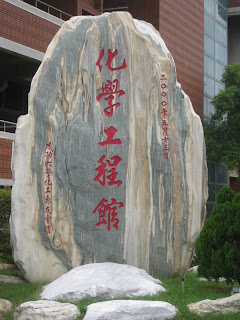
This fascination with large rocks has taken on a modern twist. It has become a sign of class for any organization with pretensions of social or economic significance to have a large rock placed before its important buildings, with its name carved on it in classy Chinese characters. These rocks tend to eschew the flowery style, opting instead for a massive ponderousness which no doubt is meant to signal the solidity and power of the organization in question.

rock in front of building-1

I don’t like these sculptures any better. They are just big and heavy with no redeeming features that I can see – the Chinese will sometimes get excited about the script, either because it adheres to the classical cannons of beauty for Chinese characters or because they are copies of some famous Chinese person’s script, but all that leaves me cold.

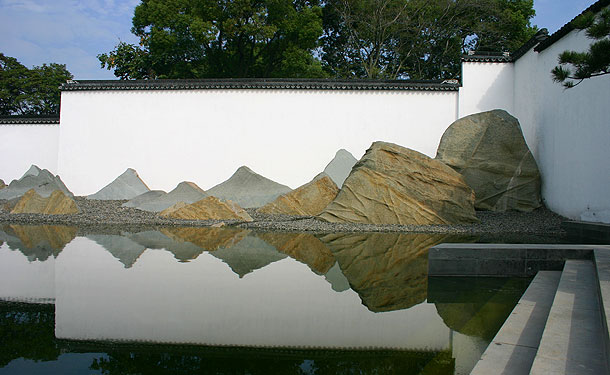
So you can imagine the relief and pleasure I felt when my wife and I came across this
rock landscape Suzhou IM Pei museum
in the courtyard of a museum in Suzhou, which was designed by the architect I. M. Pei (he of the East Wing of the National Art Gallery in Washington D.C.). Here at last was a rock sculpture in China which I could relate to, spare, simple, clean of line, yet able to evoke beautifully its subject, a range of mountains in the distance.

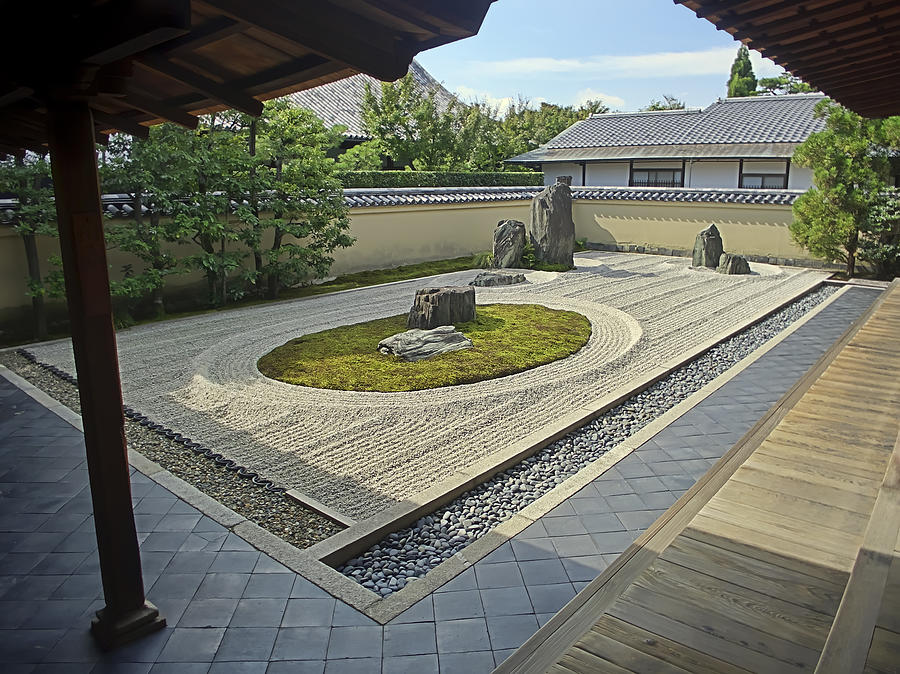
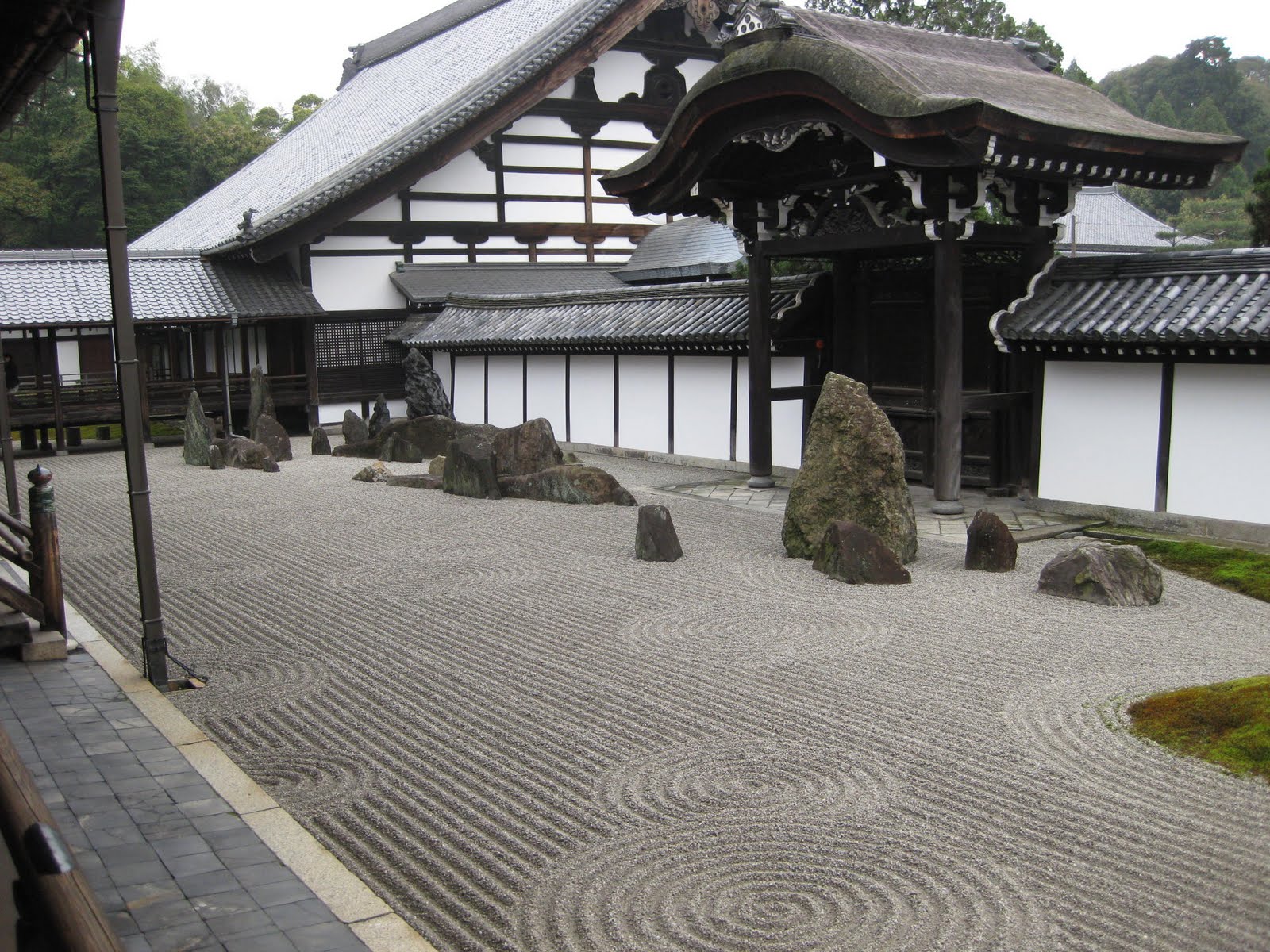
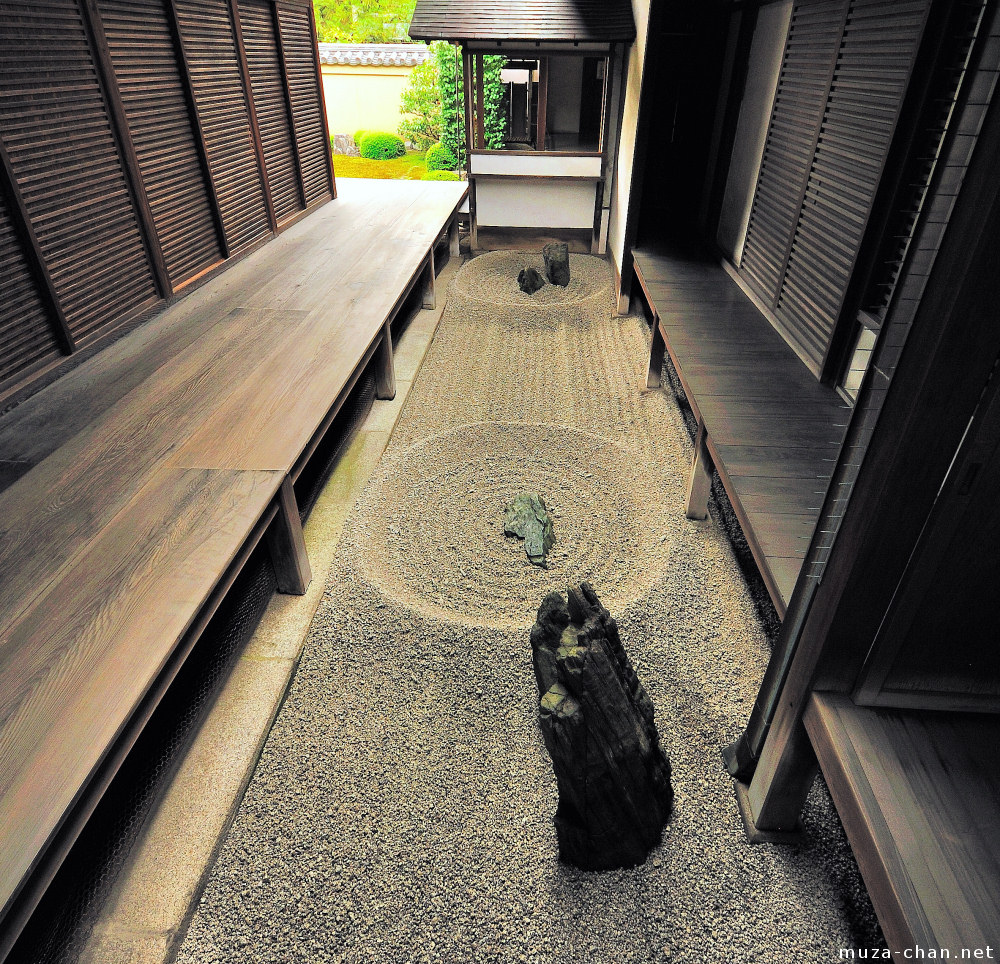
It is that same spare style which made me fall in love so many years ago with Japanese rock gardens which my wife and I visited in Kyoto during a trip to Japan. Here are pictures of some of the more beautiful of these gardens.
Kyoto Nanzenji rock garden

Kyoto Ryoanji-Rock-Garden

Kyoto Ryogen-in Rock-Garden-2

Kyoto Tofuukuji rock garden-2

Kyoto totekiko rock garden
When I saw these gardens, I vowed that some day, somewhere, I would make my own rock garden. I had to wait 15 years before I got my chance, in Vienna, in a corner of the large balcony which wrapped itself around our apartment. I bought the small stones in a garden store, I found two largish stones in the woods around Vienna (I nearly bust a gut carrying them to the car and then up the stairs to the balcony), and I strategically placed two small plants (also bought in the garden store) behind these stones. I cut saw teeth into a plywood plank to make a rough rake, and then I lovingly raked the small stones around the large stones to create a vision of ripples around rocky islets. The result was really not bad, even if I say so myself.

But we left the apartment, and with death in my heart I had to abandon my rock garden. But some day, somewhere, I’ll make another one, to contemplate it in my old age with peace in my heart.

____________________

Rock sculpture in the Forbidden City-2: http://www.annapoynter.net/pictures/China/IMG_2011.JPG [in http://www.annapoynter.net/Holidays.html%5D
Rock sculpture Suzhou-1: http://farm4.staticflickr.com/3016/2901558799_c71f5ea4d5_z.jpg [in http://www.flickr.com/photos/orangenation/2901558799/%5D
Rock sculpture Suzhou-2: http://upload.wikimedia.org/wikipedia/commons/e/ef/20090905_Suzhou_Lion_Grove_Garden_4502.jpg [in http://en.wikipedia.org/wiki/Chinese_garden%5D
Rock sculpture Suzhou-3: http://static.panoramio.com/photos/large/2984134.jpg [in http://www.panoramio.com/photo/2984134%5D
Scholar’s stone: http://www.mrlei.com/images/134/1.jpg [in http://www.mrlei.com/item.php?cat=rock&lang=%5D
Stone forest Yunnan: http://31.media.tumblr.com/54195fa03584bc1fbc2a488da1fb12d9/tumblr_mhd5vjD4wl1s2zxumo5_1280.jpg [in http://viajes-por-el-mundo.tumblr.com/post/41747655074/viajes-por-el-mundo-capitulo-81-karst-de%5D

Rock in front of building-1: http://2.bp.blogspot.com/_pxr81FiVJcw/SsHJAmLcQEI/AAAAAAAAAQU/6bdhavyfVu4/s320/IMG_1209.JPG [in http://tainanchineseclass.blogspot.com/2009_09_01_archive.html%5D
Rock sculpture in Chicago: http://2.bp.blogspot.com/-yHQ9FxAo-ZQ/TW0pQdVNXkI/AAAAAAAAcUM/LodlhBZ5_y8/s1600/LI-sculp-MP-007b.jpg [in http://chicago-outdoor-sculptures.blogspot.com/2009_04_01_archive.html%5D
Rock landscape Suzhou IM Pei Museum: http://www-tc.pbs.org/wnet/americanmasters/files/2010/03/full-rocklandscape.jpg [in http://www.pbs.org/wnet/americanmasters/episodes/i-m-pei/image-gallery-of-the-suzhou-museum/1570/%5D
Kyoto Nanzenji rock garden: http://www.lexaloffle.com/img2/jrg1.jpg [in http://www.lexaloffle.com/jrg.htm%5D
Kyoto Ryoanji: http://famouswonders.com/wp-content/uploads/2009/11/Ryoanji-Rock-Garden.jpg in [http://famouswonders.com/ryoanji-rock-garden/]
Kyoto Ryogen-in rock gardens: http://images.fineartamerica.com/images-medium-large/ryogen-in-zen-rock-garden–kyoto-japan-daniel-hagerman.jpg [in http://fineartamerica.com/featured/ryogen-in-zen-rock-garden–kyoto-japan-daniel-hagerman.html%5D
Kyoto Tofukuji rock garden: http://4.bp.blogspot.com/_bWbsTZVSaLw/S8uzFo1o2mI/AAAAAAAAAO4/tq11td38q3I/s1600/april-13+141.jpg [in http://kyotofreeguide-kyotofreeguide.blogspot.com/2010_04_01_archive.html%5D
Kyoto Totekiko rock garden: http://muza-chan.net/aj/poze-weblog2/totekiko-garden-ryogen-in-temple-kyoto-big.jpg [in http://muza-chan.net/japan/index.php/blog/smallest-japanese-zen-rock-garden-japan%5D

I ADMIRE THEM, THE CHINESE EAT THEM

Beijing, 22 November 2013

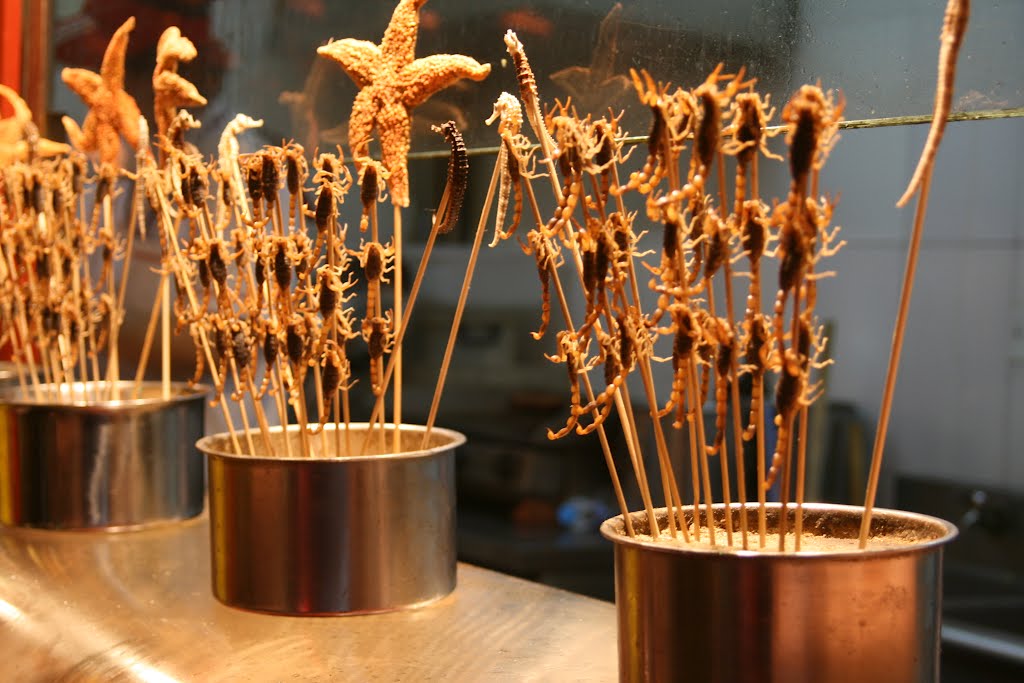
There is a joke that northern Chinese crack about their cousins in the south, to the effect that southerners eat everything on four legs except the table they are sitting at. When they tell this joke to foreigners they will helpfully go on to explain that southerners eat absolutely everything. I think many foreigners are bemused by this distinction which northerners make between themselves and their southern cousins, since it seems to most of us that northerners will also eat everything. I mean, which tourist in Beijing has not visited the food night market in Wanfujing road and seen scorpions and other insects being offered as delicacies to nibble?

scorpions on wanfujing road

And what about the disgusting stinky tofu which all Chinese – northerners and southerners alike – delight to eat?

eating stinky tofu-3

Looking beyond these extremes of eating behaviour, it is true to say that the Chinese have a very deep and intense relationship with food. I have been told that this is because hunger and starvation is still a recent experience for many. One of my staff, for instance, who is my age, once told me that her sister, who is five-six years younger than her, is smaller because she was born in a time of intense hunger. I don’t disagree with this; hunger can certainly make you focus obsessively on food. Nevertheless, I think the Chinese’s intense love of food goes beyond lingering memories of hungry times; they have an existential relationship with their food. Whenever I see a group of Chinese about to sit down to eat, they remind me of a group of Englishmen about to enter a pub. They suddenly all brighten up, start talking and laughing loudly, and generally behave as if this was the most wonderful moment of their lives.

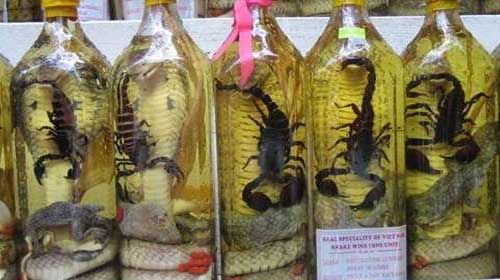
I was reminded of all this recently when my wife and I were nosing around a Chinese chemist (drug store to my North American friends), looking at the weird and wonderful things which the Chinese are willing to eat or drink for their supposed medicinal value.

Snake-Wine

As I poked around in the various cases, I stumbled across this.

chuan-bei-mu-bulbs

It was marked as “chuan bei”.  After some research, I discovered that these odd things were the bulbs of a species of fritillary, fritillaria cirrhosa. The Chinese take it as a cough medicine, along with “zhe bei”, the bulbs of another species of fritillary, fritillaria verticillata.

Some of you may be asking yourselves what a fritillary is. It’s a flower, a beautiful bell-shaped flower. The commonest European variety is the snake’s head,  fritillaria meleagris

snakes head fritillary

The common name probably derives from the flower’s somewhat snakelike appearance when it nods in the wind on its long stem.

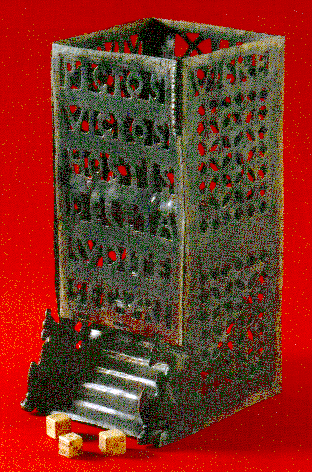
As for the name fritillary, it derives from the Latin term for a dice-box (fritillus), probably because of the checkered pattern on the petals of many of the fritillary species.

fritillus

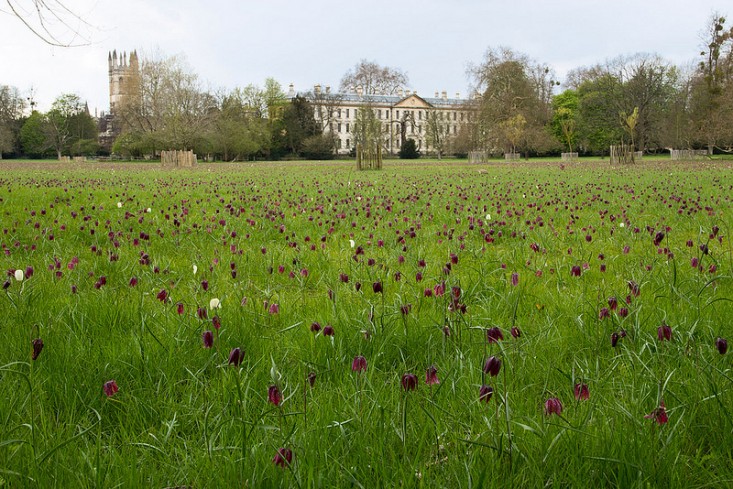
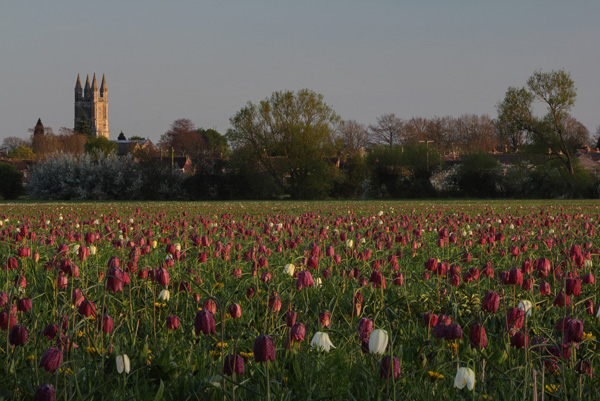
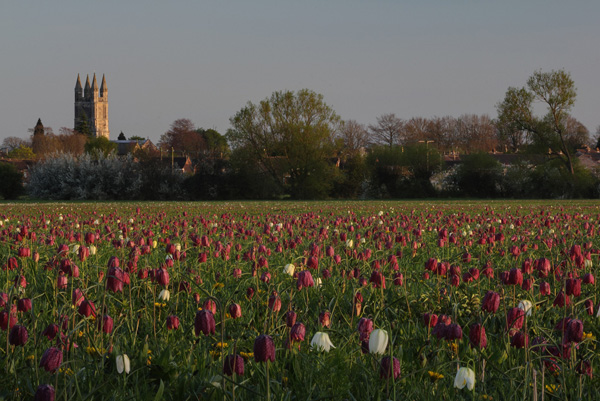
I must confess that I’ve never seen the snake’s head in the flesh. I first came across it in a book with absolutely lovely photos; the book is now slumbering along with all of my other books in a storage depot in Vienna. There was a photo of snake’s head fritillaries in the meadow of Magdalen College, Oxford. The following picture is not as beautiful but it does give a sense of how wonderful that meadow must be when the snake’s heads are in bloom.

magdalen meadow

A visit to Magdalen meadow is one of the things on my bucket list, along with visits to other ancient hay meadows in England which have retained their annual crop of snake’s heads: Fox Fritillary Meadow:

Fox Fritillary meadow

North Meadow in Crickdale:

North_Meadow_Cricklade_Wiltshire

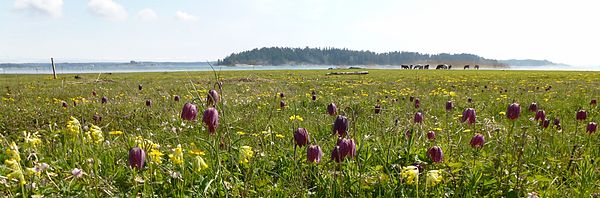
and no doubt others. I also have to travel to Sweden to see it there:

kungsängslilja

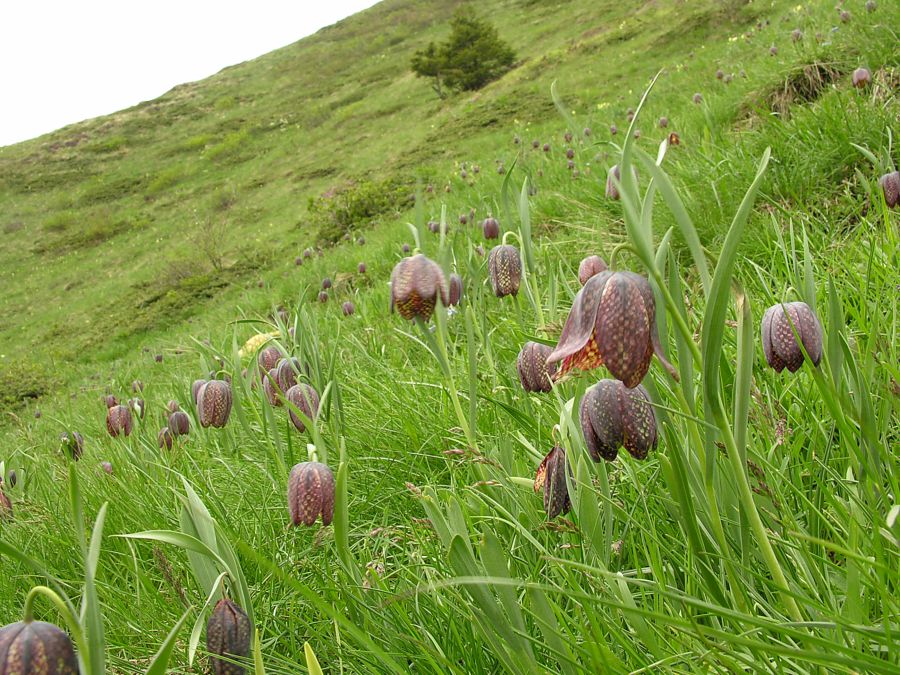
as well as to the high Alpine meadows to see a cousin, the meleagride alpino, or fritillaria tubiformis:

fritillaries in the alps

I have to hurry up. There was a time when snake’s heads were plentiful in the UK. They grow best in heavy, marshy soils, the same soils which make the best hay meadows. When we rode horses, hay was a valuable commodity and hay meadows – and the snake’s heads – were to be found everywhere. But cars came, horses disappeared, and then – the final blow – during World War II many of the meadows were ploughed under for food production. Now the flower is endangered.

So as I sit here and look at these beautiful flowers and mourn their passing glory, I see a fundamental difference between me and the Chinese. I say “how beautiful!”, they say “what’s it taste like?”

____________

scorpions on Wanfujing Road: http://static.panoramio.com/photos/large/72103761.jpg [in http://www.panoramio.com/photo/72103761%5D
Eating stinky tofu: http://aningredientaday.files.wordpress.com/2012/07/stinky.jpg
Chinese medicine: http://www.funcage.com/blog/wp-content/uploads/2011/03/Snake-Wine.jpg [in http://www.funcage.com/blog/8-strange-foods-that-will-make-you-cringe/%5D
Chuan Bei Mu bulbs: http://www.ioffer.com/img/item/198/952/678/2lb-bulbus-fritillariae-cirrhosae-chuan-bei-mu-ceba5.jpg [in http://www.ioffer.com/i/2lb-bulbus-fritillariae-cirrhosae-chuan-bei-mu-198952678%5D
Snakes head fritillary: http://upload.wikimedia.org/wikipedia/commons/thumb/6/60/Fritillaria_meleagris_MichaD.jpg/512px-Fritillaria_meleagris_MichaD.jpg [in http://en.wikipedia.org/wiki/F._meleagris%5D
Fritullus: https://www.uni-erfurt.de/imgs/7944 [in https://www.uni-erfurt.de/max-weber-kolleg/personen/wolfgangspickermann/roemische-inschriften-in-germanien/kleininschriften/%5D
Magdalen meadow: http://www.gardenista.com/files/styles/733_0s/public/fields/magdalen%20meadow%20by%20Andrew%20Johnson.jpg [in http://www.gardenista.com/posts/how-to-make-a-fritillary-meadow%5D
Fox fritillary meadow: http://squeezyboy.blogs.com/photos/fox_fritillary_meadow/framsden_fritilliary_meadow_009.jpg [in http://squeezyboy.blogs.com/photos/fox_fritillary_meadow/framsden_fritilliary_meadow_009.html%5D
North Meadow Crickdale: http://www7.clikpic.com/RobertHarvey/images/UK11-176_Snakes_head_fritillaries_Fritillaria_meleagris_North_Meadow_Cricklade_Wiltshire.jpg [in http://www.robert-harvey.co.uk/articles_177296.html%5D
Kungsängslilja: http://upload.wikimedia.org/wikipedia/commons/thumb/b/b2/Sandemar_f%C3%A5gelseservat_2012a.jpg/600px-Sandemar_f%C3%A5gelseservat_2012a.jpg [in http://sv.wikipedia.org/wiki/Kungs%C3%A4ngslilja%5D
Fritillaries in the Alps: http://www.actaplantarum.org/floraitaliae/download/file.php?id=67858 [in http://www.actaplantarum.org/floraitaliae/viewtopic.php?t=2255%5D

CHINESE EARS

Beijing, 17 November 2013

When I was young, sticking-out ears were considered ugly and the sign of probable dumbness. This is no doubt why, for instance, Mad Magazine’s mascot, Alfred E. Neumann, has ears which stick out

MAD-Alfred_E._Neumann

and why two of the the Pieds Nickelés, the grubby lumpenproletariat heroes of a French cartoon series which was still quite popular when I was young, also had had ears which stuck out.

Pieds Nickeles

Add to this the general connection between boxers (“thick between the ears”) and prominent cauliflower ears, for instance this boxer from 1914

boxer Fred Welsh 1914

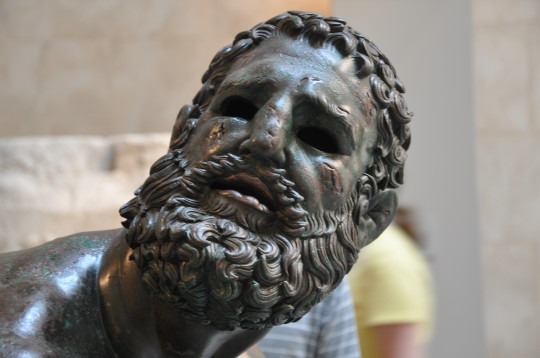
or this one from Ancient Greece some time in the first centuries BC

boxer ancient greek

and the reader can appreciate that prominent ears were not associated with the finer things of life.

This bad press for protruding ears was bad news for me. As a youngster, my ears had an unfortunate tendency to jut out, which led my mother from time to time to take my chin in her hand, pass an eye over my ears, and talk meditatively about having them pinned back. As you can appreciate, this early threat of ending up under the surgical knife has made me remember these episodes quite keenly and to be generally sensitive to the positioning of people’s ears on their heads. Prominent ears were bad enough for boys. They were even more problematic for girls. There was in my youth a certain tolerance for clumsy, oafish boys – that was par for the course – but girls were meant to be dainty and refined. So sticking-out ears on a girl was a disaster. Luckily my wife’s ears were perfectly aligned to her head, but she remembers there being general talk in her youth about using plasters to “train” protruding ears back against the head (rather as one trains flowers in the garden to grow in a certain direction by tying them to sticks).

All this being said, I never actually met a girl – or boy, for that matter – who had their ears pinned back (or who admitted to it). Nevertheless, it is a fact that as I grew up (and mercifully my ears repositioned themselves correctly against my head) I remember no-one of my generation with protruding ears. Somehow, sticking-out ears disappeared, or at least diminished.

So readers will understand that it was with some astonishment that I and my wife discovered that protruding – sometimes very protruding – ears are quite common in China, especially, so it seems to me, among women. Here is a typical example of what I mean: a young woman photographed at an automobile show, where women are meant to sell cars by being pretty, with obviously protruding ears.

chinese ears-1

I cannot imagine any automobile house in Europe hiring a woman with such prominent ears to sell its cars.

And here is a picture of an air hostess, a job which in China still connotes prettiness and femininity. I surreptitiously took this photo on a recent flight while the young lady wasn’t looking.

ears on plane 001

I cannot imagine an air hostess 10-15 years ago in Europe (when good looks were still considered a must for air hostesses) ever having ears sticking out like that.

But perhaps I’m showing a cultural arrogance here, thinking it’s our way or no way. Perhaps the Chinese don’t attribute the same negative connotations to protruding ears that we do in Europe. In a completely unscientific survey, I studied photos of some of the more glamorous Chinese women – actresses, singers and suchlike – to test the following theory: if the Chinese do not think protruding ears are a big deal, then at least some of these women will have ears that stick out. I believe that the following photos prove my theory correct:

The actress Zhang Ziyi

actress Zhang Ziyi

The actress Yang Mi

actress Yang Mi

The actress Lin Chiling

actress Lin Chiling

Their ears don’t stick out as much as some women’s ears we’ve seen here, but in my non-professional opinion they stick out more than they would on equivalent European (and American) glamorous women.

PS: After I published this post, a reader kindly sent me a series of links to videos and a photo, which show Asian girls with very prominent ears.  The links are in the comment below. From these, I feel that protruding ears are an issue not just with Chinese girls but with East/South-East Asian girls in general.  Is there a genetic component to all this, I wonder?

______________

Mad Magazine’s Alfred E. Neumann: http://upload.wikimedia.org/wikipedia/commons/thumb/2/21/Alfred_E._Neumann.jpg/460px-Alfred_E._Neumann.jpg [in http://en.wikipedia.org/wiki/Alfred_E._Neuman%5D
Pieds Nickelés: http://www.bdoubliees.com/trio/sfig1/pn3.jpg [in http://www.bdoubliees.com/trio/series5/piedsnickeles.htm%5D
Boxer Fred Welsh 1914: http://www.shorpy.com/files/images/17114u.preview.jpg [in http://www.shorpy.com/node/2585%5D
Ancient Greek boxer: http://cultureweekend.com/wp-content/uploads/2013/07/DSC_0331-540×358.jpg [in http://cultureweekend.com/ciao-bella-italy-nyc/%5D 350 BC-50 BC
Chinese ears: http://images.thetruthaboutcars.com/2012/04/2012-Beijing-Auto-Show-Ears.jpg [in http://www.thetruthaboutcars.com/2012/04/girls-of-the-2012-beijing-auto-show-im-all-ears/%5D
Air hostess: my photo
Actress Zhang Ziyi: http://images6.alphacoders.com/315/315260.jpg [in http://wall.alphacoders.com/big.php?i=315260%5D
Actress Yang Mi: http://4.bp.blogspot.com/-o0WNzbJ9JWA/T7W-6rzqm5I/AAAAAAAAHkE/9MmBmWdgZck/s1600/1%2BYang%2BMi%2BRust%2Band%2BBone%2BCannes%2B001.jpg [in http://hong-kong-actresses.blogspot.com/2012/05/yang-mi-and-hao-lei-cannes-red-carpet.html%5D
Actress Lin Chiling: http://chinesemov.com/images/actors2/Lin-Chi-Ling-2.jpg [in http://chinesemov.com/actors/Lin%20Chi-Ling.html%5D

LEFTIE, AND PROUD OF IT

Beijing, 15 November 2013

It often happens to me in China that when I’m writing something I feel a sudden hush around me, perhaps with a whispered comment or two. They have just noticed that I am writing with my left hand.

left-hander

This habit of mine fascinates Chinese. As far as I can understand, left-handed writing is firmly and vigorously stamped out at school. The Chinese universally write with their right hand.

child-writing-chinese-calligraphy

I guess it has to do with the fact that ink is still extensively used to write, and as all left-handers know writing with ink is a horror because of the constant risk of smudging as your hand travels across the paper.

left hand with smudged ink

But actually, I suspect any left-handedness is proscribed. For instance, all Chinese use their right hand to hold their chopsticks.

Chinese eating

Well, nearly all. I once sat next to a Chinese person who was eating with his left hand; I was very excited when I saw it.

And all Chinese golfers or tennis players seem to play with their right hand.

chinese golfer-boy

chinese tennis player-girl

I wonder if there is some sort of feng shui thing at work here – using your left hand brings bad luck or something. Typical anti-leftism …

As far as writing is concerned, it used to be the same in Europe. My paternal grandmother was born left-handed but was made to write with her right hand. So was my father. So was my brother, who is six years older than me. I went to the same school as him, but I suppose in the intervening six years there was a change in educational philosophies in the UK. I don’t know why, although my theory is that it was the spread of the ball-point pen that did it. This wonderful product eliminated the problem of smudging with fountain pens, so now it was possible for teachers to show more compassion for us left-handers. I take this opportunity to salute the Argentinian-Hungarian László Bíró, who invented the ballpoint in the 1930s.

Laszlo Biro

I hope he was given a special place in Heaven for letting me and millions of other left-handers write with serenity – at least until word processing came along and eliminated the need for either left handers or right handers to write by hand any more.

Often, when Chinese see me writing with my left hand, they tell me that left-handers are more intelligent. They’re just flattering me, but I accept the flattery gracefully. Anyway, it’s true. We left-handers know that we are more intelligent.

_____________________

Left-hander: http://practicallycreative.net/wp-content/uploads/2007/06/left-handed.jpg [in http://marc3ll.squidoo.com/lefthandedperson%5D
Chinese child writing: http://thumbs.dreamstime.com/x/child-writing-chinese-calligraphy-9088290.jpg [in http://thumbs.dreamstime.com/x/child-writing-chinese-calligraphy-9088290.jpg%5D
Left hand with smudged ink: http://25.media.tumblr.com/tumblr_m9s458Vjrl1roqiq1o1_500.png [in http://southpawscopic.tumblr.com/post/31716402201/image-persons-left-hand-smudged-all-over-with%5D
Chinese eating: http://factsanddetails.com/media/2/20080225-wedding%20beifan%2016tbegin-ea222.jpg [in http://factsanddetails.com/china/cat11/sub73/item149.html%5D
Chinese golfer: http://blogs.r.ftdata.co.uk/beyond-brics/files/2013/04/mas_guan-tianlang.jpg [in http://blogs.ft.com/beyond-brics/2013/04/17/driving-golf-in-china-citics-sponsorship-of-guan-just-the-start/?Authorised=false%5D
Chinese tennis player: http://news.xinhuanet.com/english/2008-08/13/xinsrc_30208051309386711607013.jpg [in http://news.xinhuanet.com/english/2008-08/13/content_9243455_1.htm%5D
László Bíró http://upload.wikimedia.org/wikipedia/commons/1/15/Ladislao_Biro_Argentina_Circa_1978.JPG [in http://en.wikipedia.org/wiki/L%C3%A1szl%C3%B3_B%C3%ADr%C3%B3%5D