SCULPTURE AND NATURE

Beijing, 15 June 2014

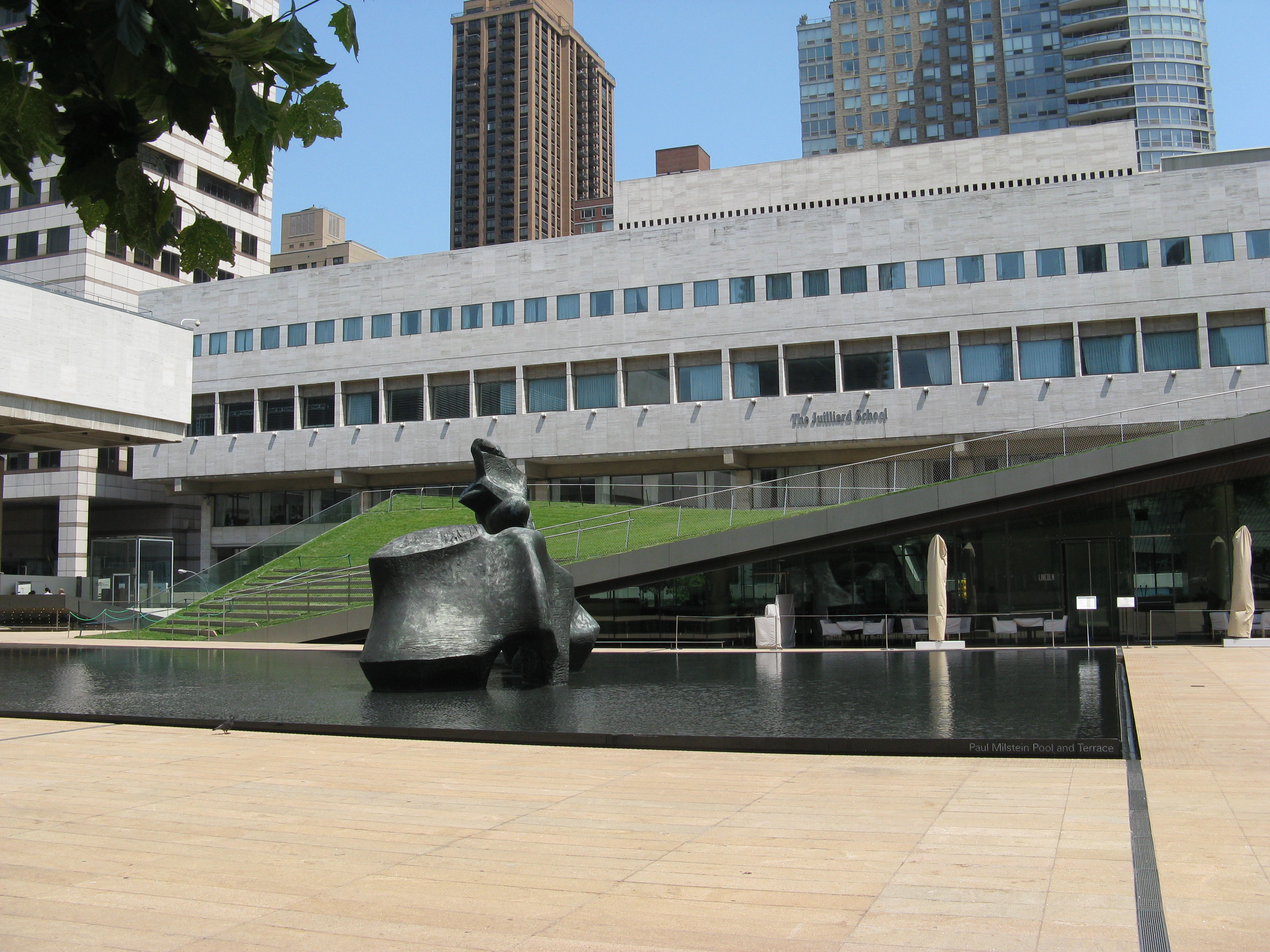
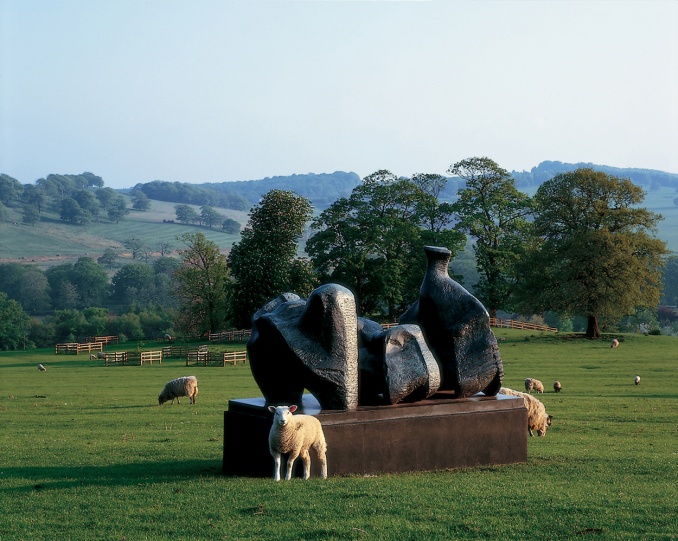
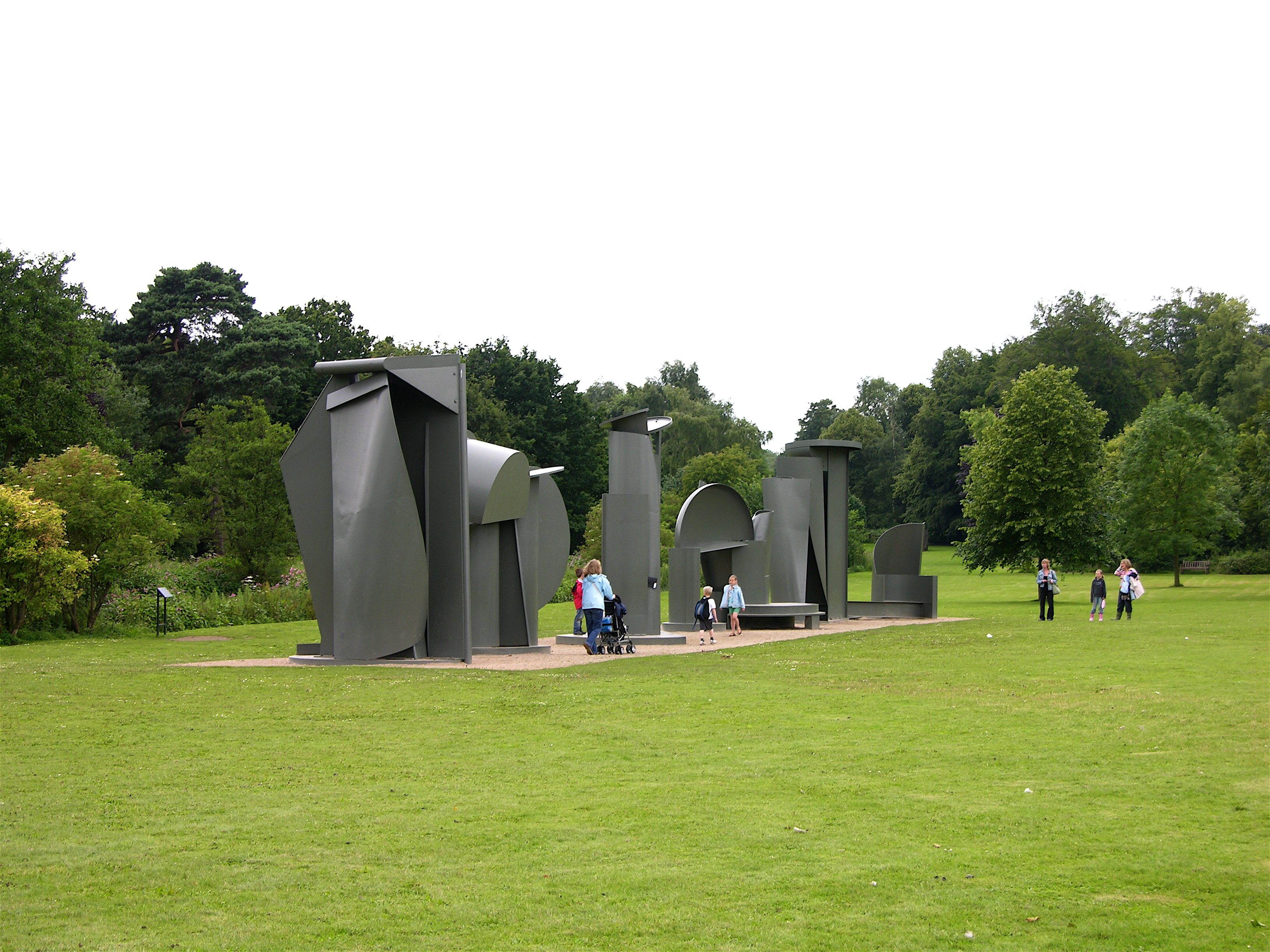
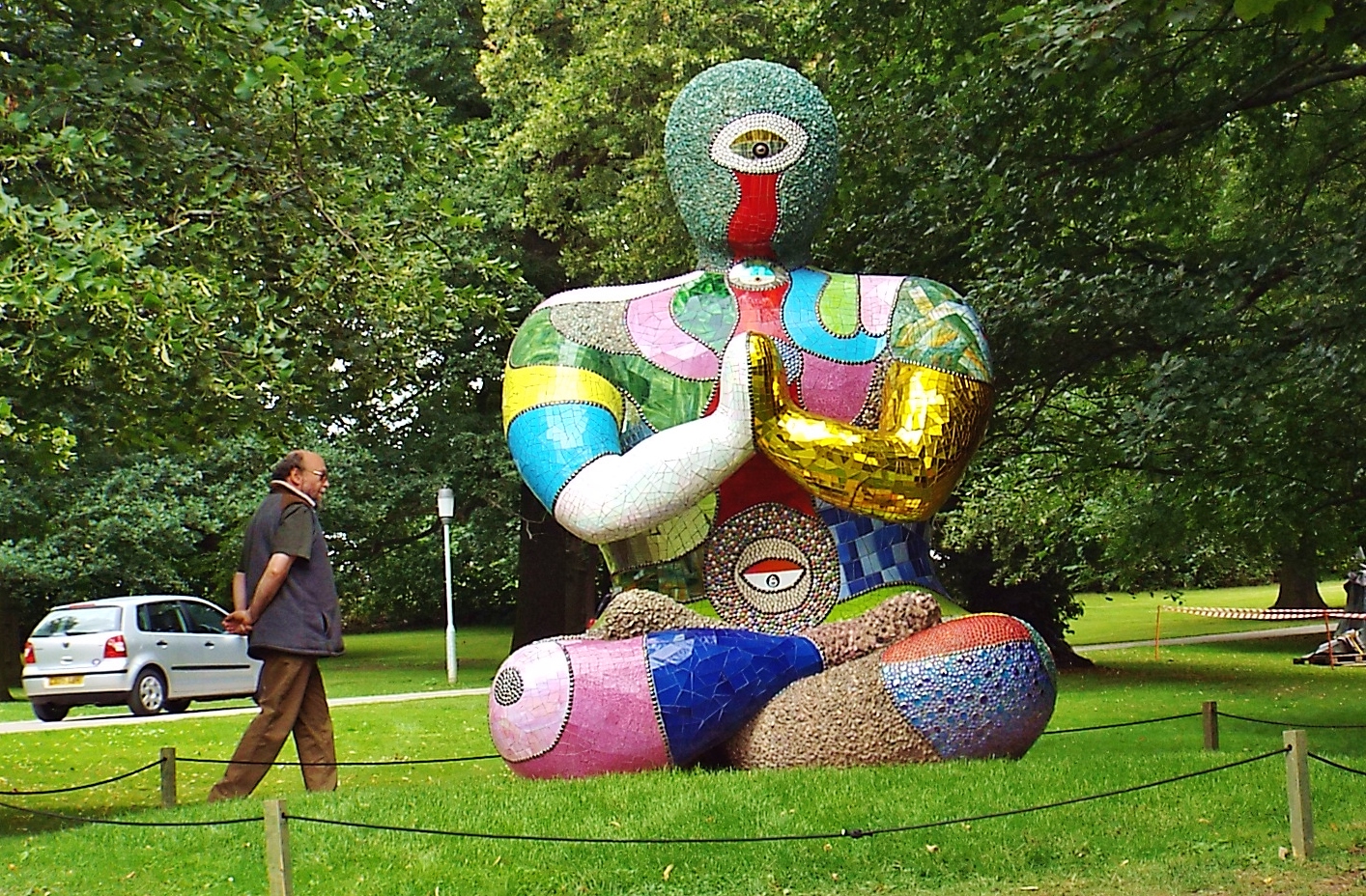
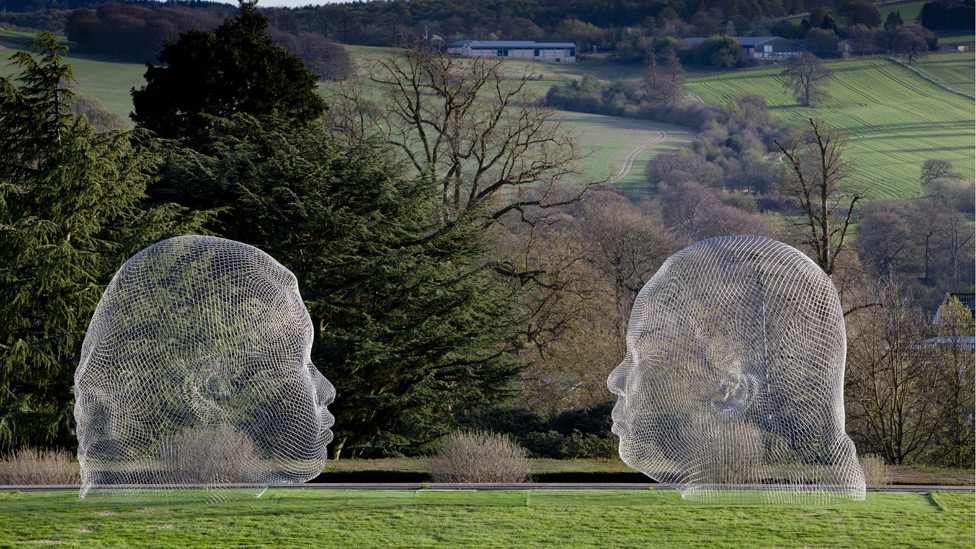
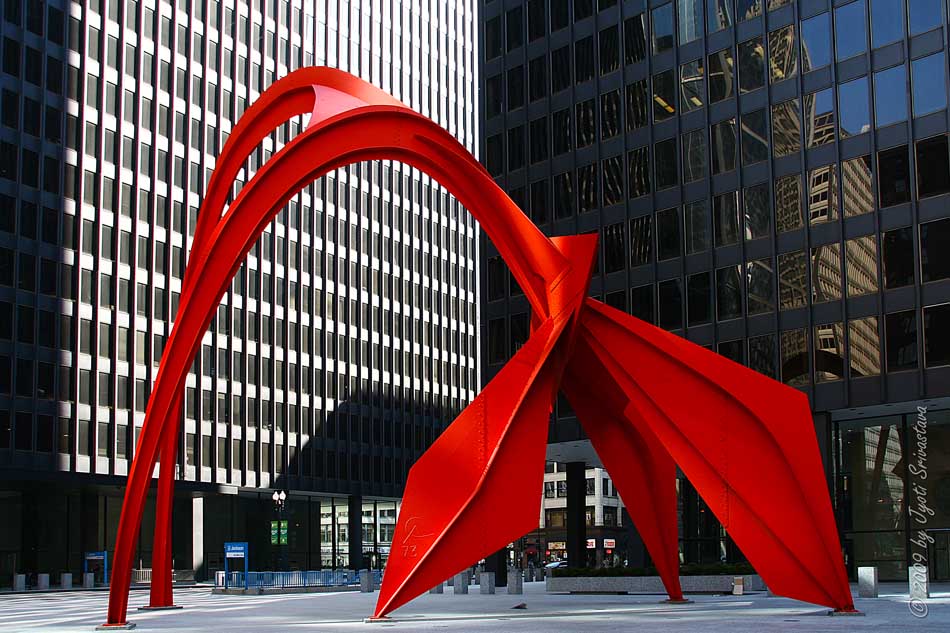
My wife and I were watching TV with one eye the other day when the BBC passed a programme which caught our attention. It was about the Yorkshire Sculpture Park in the north of England. I think a few words of explanation are required for those readers who have never heard of this Park (our situation before watching the BBC programme). It was established back in 1977 in the grounds of a stately home the last of whose aristocratic owners (Viscount Allendale) had sold it to the local council after World War II, no doubt to save his financial skin (I mentioned the financial woes of the UK’s stately homes in an earlier posting of mine). The idea is a simple one: rather than displaying modern sculpture in open spaces in cities like plazas
sculpture in cities-1

sculpture in cities-2

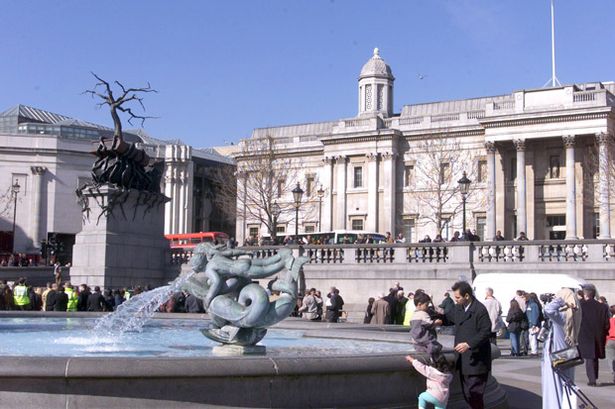
or squares

sculpture in cities-3

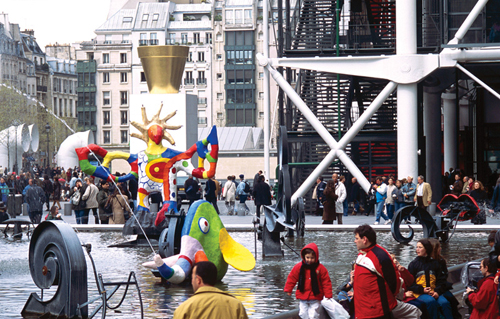
sculpture in cities-4

or using the atriums of posh buildings

sculpture in cities-6

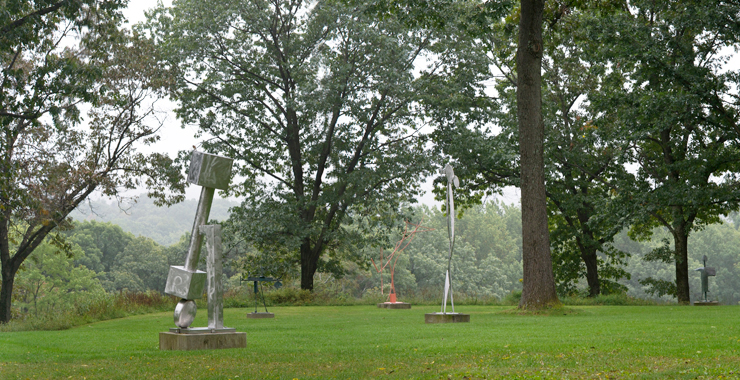
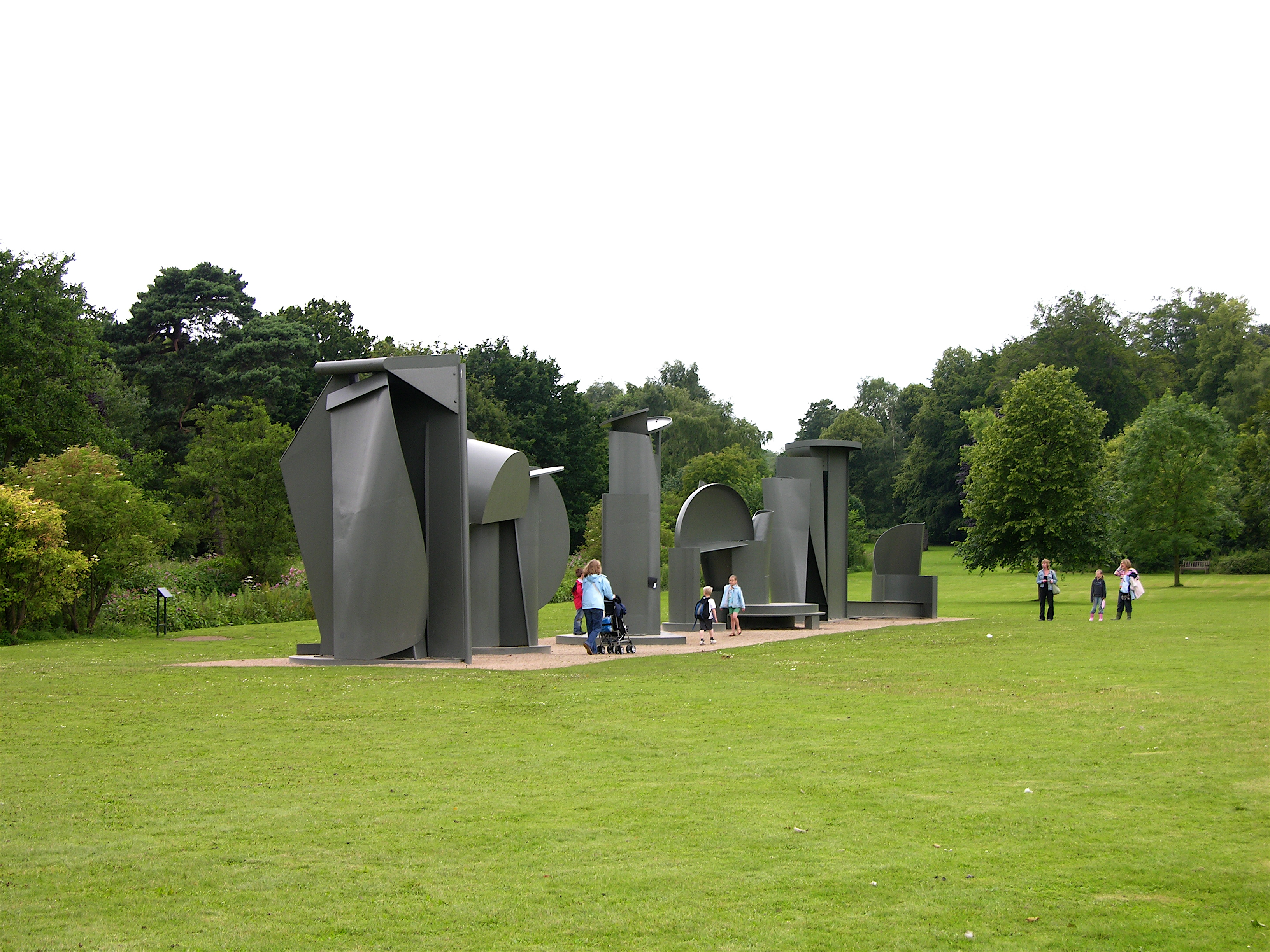
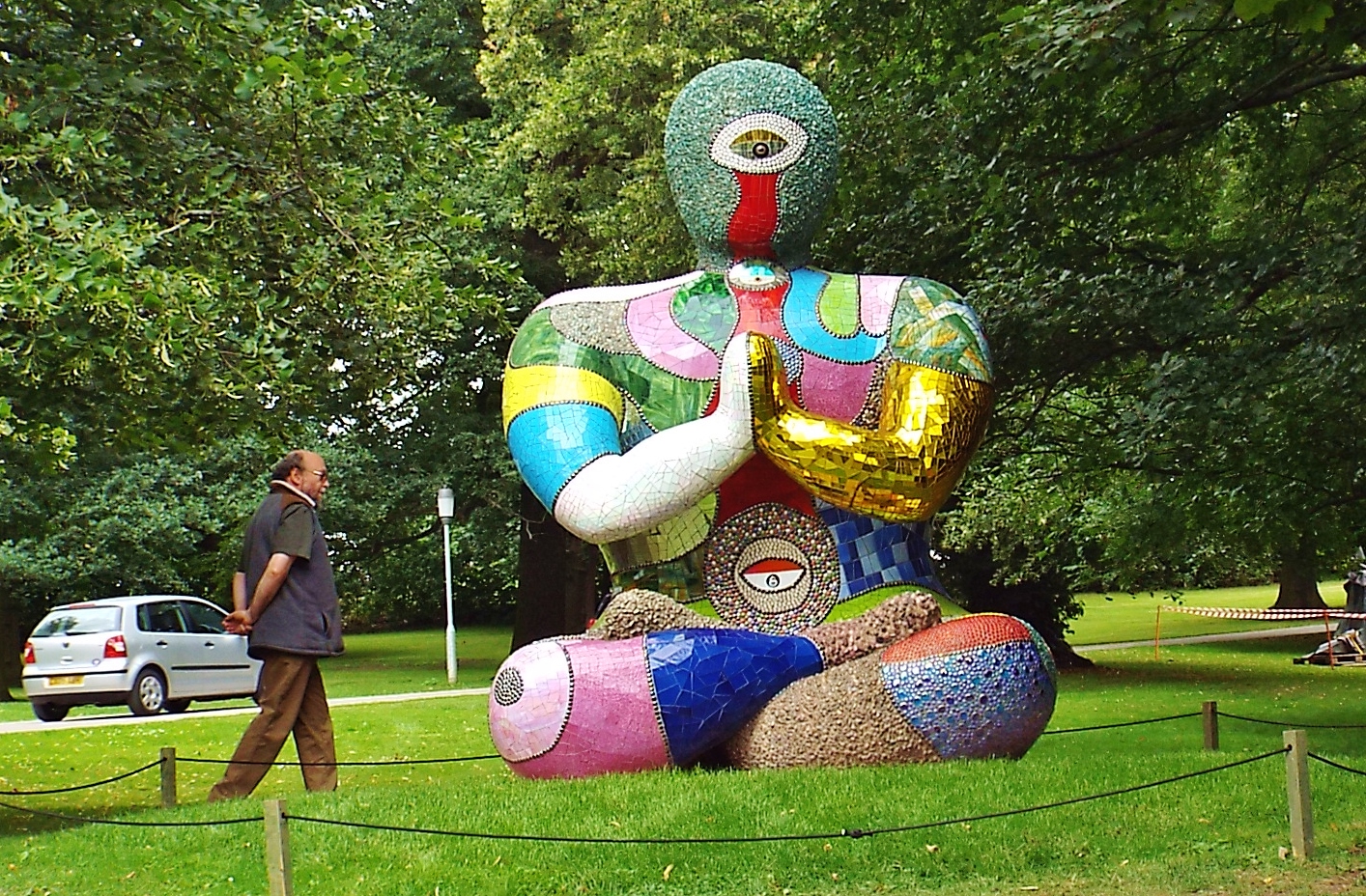
use the sweeping, open vistas of the countryside to display them. Here are some of the pieces at the Yorkshire Sculpture Park:
YSP-4
DSCN2327.JPG
YSP-6

YSP-9

YSP-10

YSP-14

YSP-1
My wife and I agree on many things, and one of them is that modern sculptures are enhanced by being seen in a natural, organic setting rather than in the built urban environment. Personally, I think it has to do with the contrast between the dead surfaces of the sculptures and the much softer, living surfaces of the surrounding landscapes. It sounds a bit fancy, but the dead sculpture comes alive when in contact with organic life.

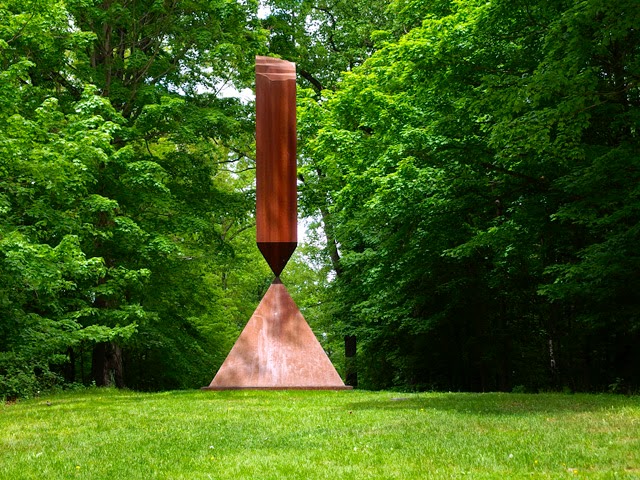
This was brought home to us very strongly when, 25 years ago, and on the advice of a friend who worked at the Metropolitan Museum of Art, we visited the Storm King Art Centre, which is an hour’s drive north of New York City, near the Hudson River. Here again, a few words of introduction. It’s really the classic American story (as much as the history of the Yorkshire Sculpture Park is the classic British story of modern times – decay of the old order and birth of a new one). A certain Mr. Ogden, after a successful career in the family business, purchased the land and property of Storm King and started collecting. He initially bought small sculptures which he exhibited around the house. At some point, he expanded out into the surrounding landscape, installing much bigger pieces. That’s it, in a nutshell. But the result – for us at least – was epiphanic.

In wonder we wandered along the rides mown through the grass, walking from one towering sculpture to another

SK-1

SK-4

from hilltops, we discovered long views across the surrounding landscape, where sculpture and land merged into one

SK-2

we walked through glades in the woods, each with their own sculpture

SK-8

SK-9

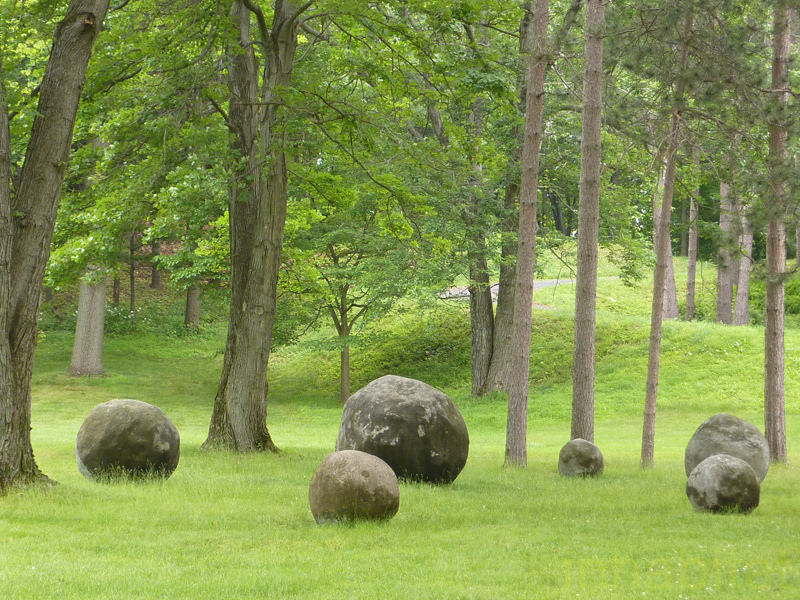
we entered the woods to find smaller, more intimate sculptures scattered under the trees

SK-7

SK-10

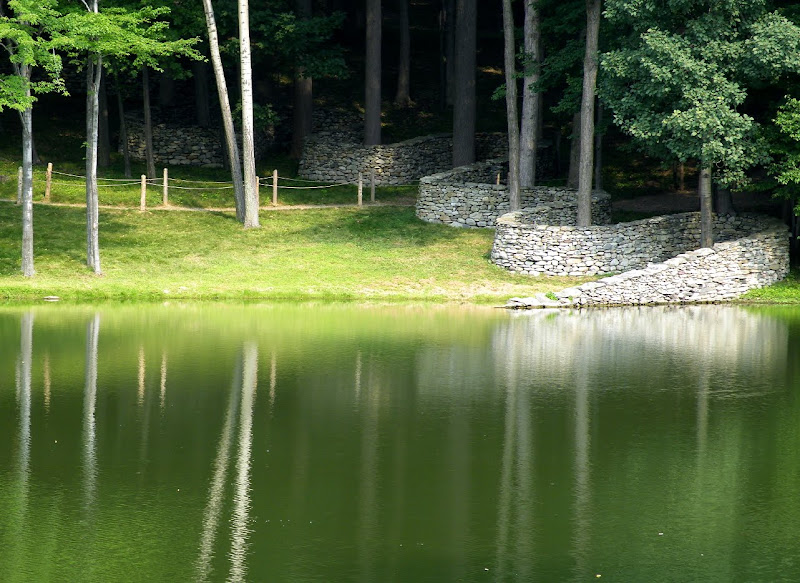
we also found a sculpture-wall meandering through them

SK-5

(better seen in this photo taken during the winter)

SK-14

we turned our steps back to the house, discovering other smaller sculptures set down in more formal gardens around the house.

SONY DSC

SK-11

And finally, we entered the house and fell upon a sculpture which in all these years I have never forgotten: a group of robotic-looking statues with small motors making their jaws work up and down and with a closed-loop recording of voices quietly droning “chatter, chatter, chatter, chatter, chatter, chatter …” on and on, endlessly. Wonderful.  Every time I find myself in one of those meetings where people blather on and on and on I recall this statue group with intense clarity.

So taken were we with Storm King that the very first time we went back to New York after an absence of fifteen years we made sure to find time to go up there. It cast the same spell over us – although sadly the chattering statues had vanished (smashed to smithereens, no doubt, by an employee crazed by their endless droning).

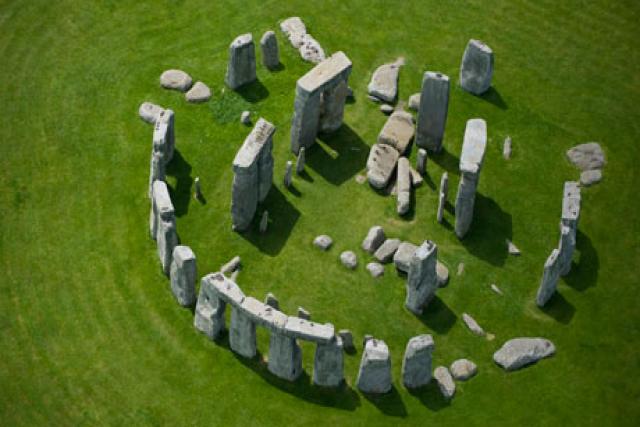
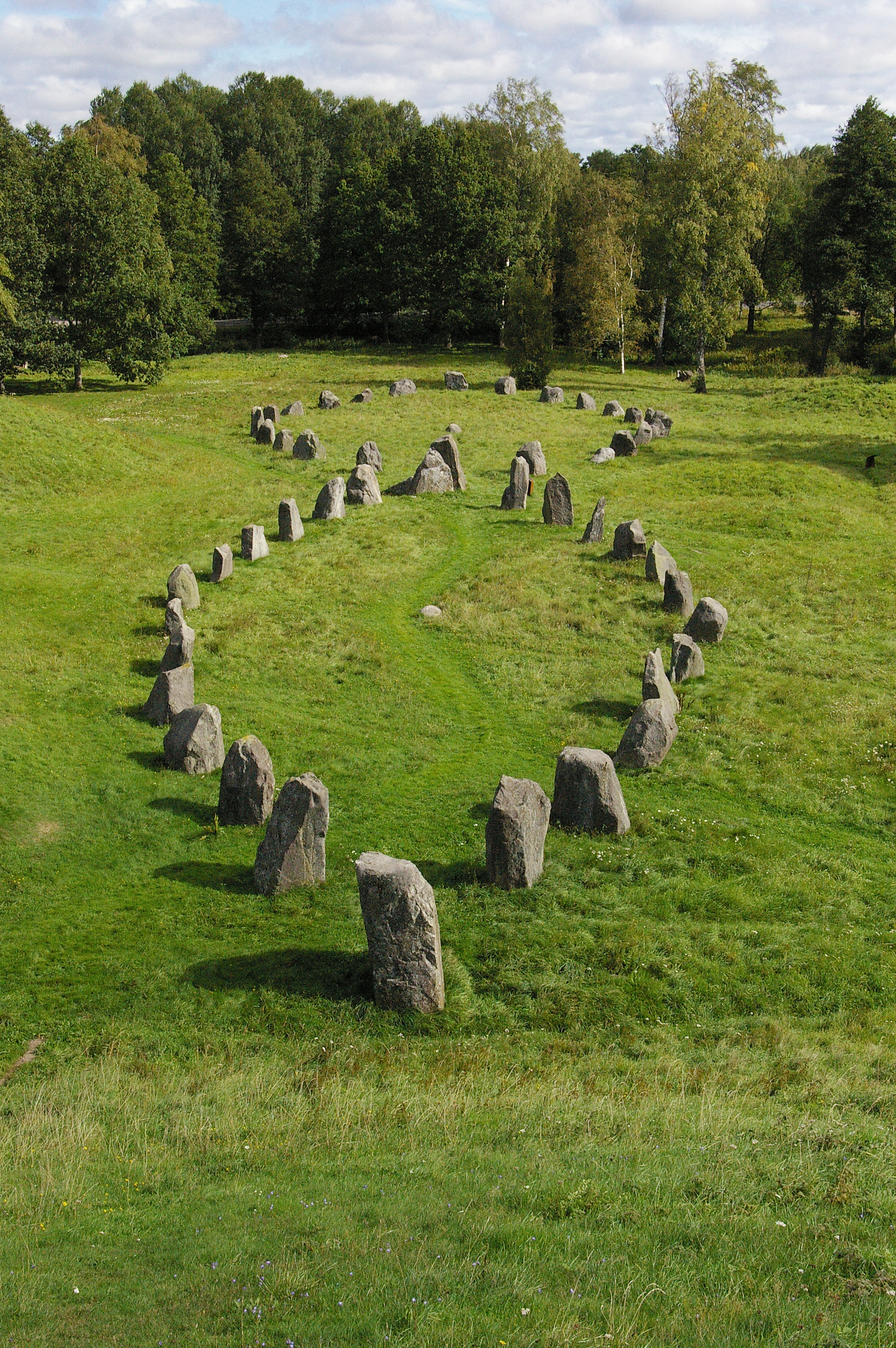
As I contemplate these photos, it occurs to me that many of the megalithic structures scattered across the face of Europe could pass as modern sculptures set down in the surrounding landscape. Stonehenge, the most iconic of all megalithic structures, is probably too much like a ruin to make this comparison
Stonhenge-2
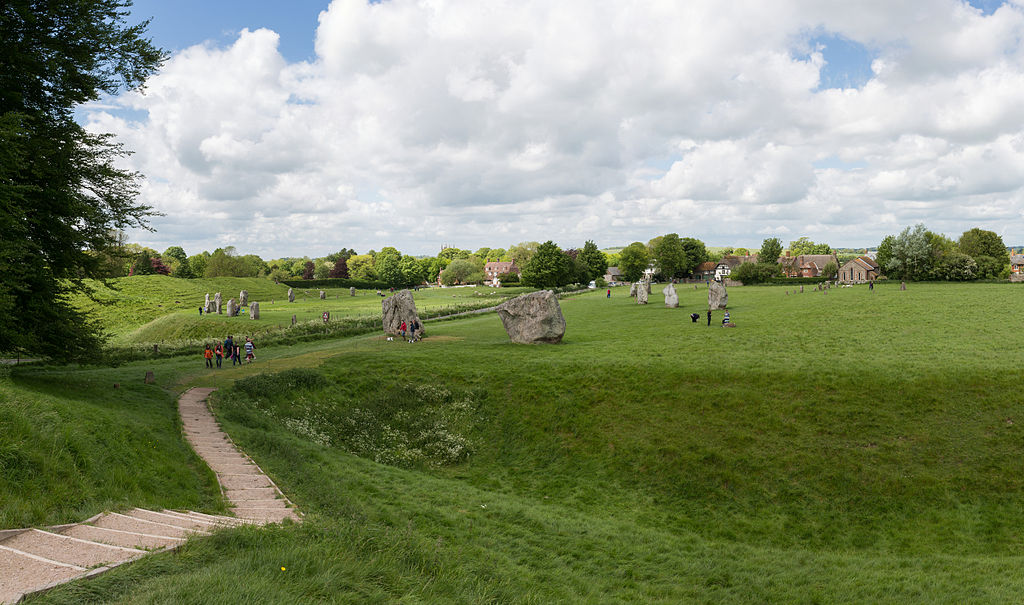
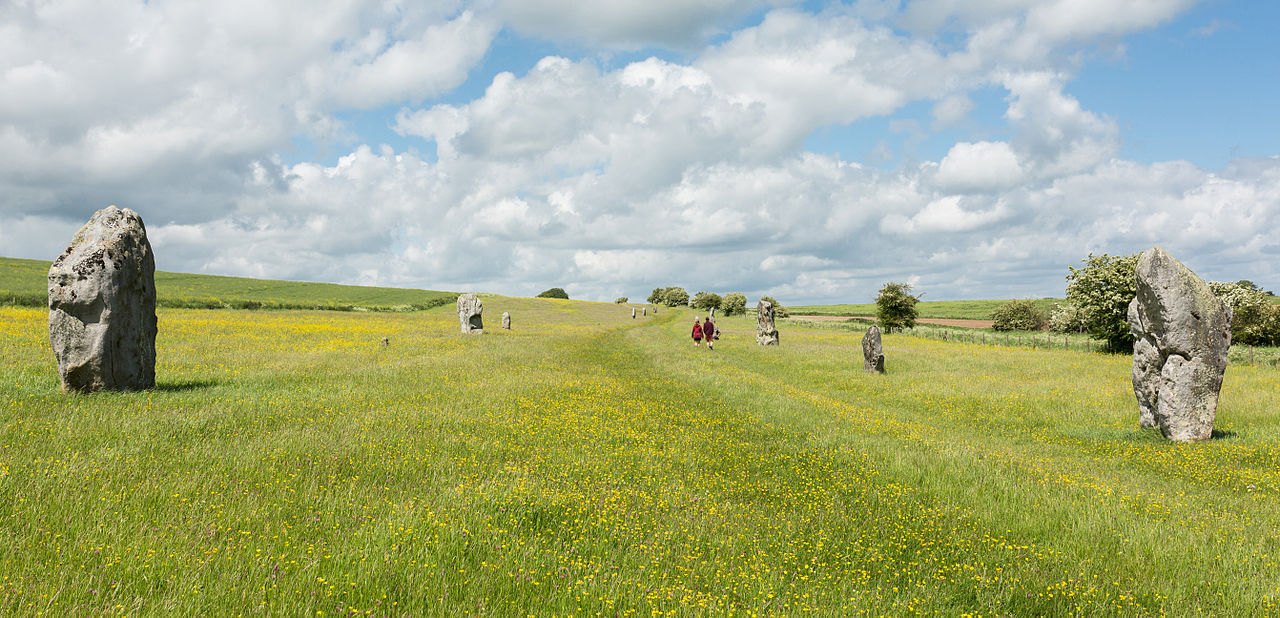
but Avebury, like Stonehenge located in Wiltshire, has something of the abstraction of sculpture parks

Avebury-2

Avebury-1

and how about Carnac, in Brittany?
carnac-1

carnac-2
or Badelunda in Sweden?

Badelunda Västmanland

or the Ring of Brodgar, in the Orkney islands?

Ring of Brodgar

And even further afield, although not from the Mesolithic period, we have this intimate collection of upright stones in Toraja, Indonesia

OLYMPUS DIGITAL CAMERA

Of course, the people who built these structures were not building sculpture parks, but I have to think that they too were stirred by the same feeling of connectedness between their standing stones and nature as we have between sculpture and nature. They attributed this feeling to a divine grace in the place, we simply enjoy the feeling.

____________________________

Sculpture in cities-1: http://percivalhenry.files.wordpress.com/2014/03/52af841ee4b0b09acc808041-lost3f3f3f-1387234862071-flamingo.jpg [in http://percivalhenry.wordpress.com/2014/03/20/art-history-martch-madness-first-round-new-york-regional/comment-page-1/%5D
Sculptures in cities-2: http://upload.wikimedia.org/wikipedia/commons/2/26/Juilliard_School-Manhattan-New_york.jpg [in http://commons.wikimedia.org/wiki/File:Juilliard_School-Manhattan-New_york.jpg%5D
Sculpture in cities-3: http://i3.mirror.co.uk/incoming/article740970.ece/alternates/s615/A%20new%20sculpture%20on%20the%20fourth%20plinth%20in%20Trafalgar%20Square,%20central%20London%20The%20work%20by%20sculptor%20Bill%20Woodrow,%20entitled%20%27Regardless%20of%20History%27,%20%20shows%20a%20tree%20resting%20on%20a%20head%20and%20a%20book [in http://www.mirror.co.uk/news/uk-news/love-it-or-hate-it-bronze-rocking-741129%5D
Sculpture in cities-4: http://womenworld.org/image/082012/Paris%20-%20Beaubourg%20and%20Les%20Halles_1.jpg [in http://womenworld.org/travel/paris—around-town—beaubourg-and-les-halles-%28part-1%29.aspx%5D
Sculpture in cities-5: http://www-news.uchicago.edu/releases/06/images/cis/sculpture.jpg [in http://www-news.uchicago.edu/releases/06/060426.cis-photos.shtml%5D
YSP-1: http://www.yorkshireattractions.org/images/cms/attractions_21_3_large.jpg [in http://www.yorkshireattractions.org/visitor-attractions/21/yorkshire-sculpture-park%5D
YSP-2: http://upload.wikimedia.org/wikipedia/commons/0/0a/Yorkshire_Sculpture_Park_Caro_Promenade.jpg [in http://commons.wikimedia.org/wiki/File:Yorkshire_Sculpture_Park_Caro_Promenade.jpg%5D
YSP-3: http://antonyjwaller.files.wordpress.com/2012/06/nik_5931-copy.jpg [in http://antonyjwaller.wordpress.com/travel-articles/yorkshire-and-northern-england/the-yorkshire-sculpture-park/%5D
YSP-4: http://www.sculpture-info.com/upload/1008/image/Yorkshiresculpturepark.jpg [in http://www.sculpture-info.com/news-626/yorkshire-sculpture-park.html%5D
YSP-5: http://2.bp.blogspot.com/-6GgifPCMTc8/UgZKx2yojhI/AAAAAAAACDg/WYBKhXaNWp8/s1600/2+Buddha+and+Rob.JPG [in http://expertslife.blogspot.com/2013/08/picture-of-week-10-august-2013.html%5D
YSP-6: http://www.thomasharveydesign.co.uk/wp-content/uploads/2011/05/YSP6.jpg [in http://www.thomasharveydesign.co.uk/2011/05/09/yorkshire-sculpture-park-wakefield/%5D
YSP-7: http://news.bbcimg.co.uk/media/images/52104000/jpg/_52104252_7cbb7745-313f-43e9-8974-d144adf6c05f.jpg [in http://www.bbc.co.uk/news/entertainment-arts-13034363%5D
SK-1: http://brooklynimbecile.files.wordpress.com/2011/10/img_4256.jpg [in http://brooklynimbecile.com/2011/11/05/weekend-spread-storm-king-art-center/%5D
SK-2: http://3.bp.blogspot.com/-OWDq8YQCBog/UA6M17c9N6I/AAAAAAAAYI4/OqODfTIunKU/s1600/Mountainville_NY_A_Calder_Storm_King_AC_photo_S_Gruber_June_2012_+%2888%29.JPG [in http://publicartandmemory.blogspot.com/2012_07_01_archive.html%5D
SK-3: http://www.greenstrides.com/images-wp/Storm-King.jpg [in http://www.greenstrides.com/2013/07/10/sculpture-parks-can-inspire-your-own-garden-design/%5D
SK-4: http://4.bp.blogspot.com/-4sgNF1ufdU4/U4T1ul7DPRI/AAAAAAAAP8w/JzGsmMOY6No/s1600/Newman.jpg [in http://nycgarden.blogspot.com/2014/06/storm-king.html%5D
SK-5: http://i.vimeocdn.com/video/332835418_1280.jpg [in http://vimeo.com/48015694%5D
SK-6: http://inhabitat.com/nyc/wp-content/blogs.dir/2/files/2011/07/storm-king-boulders.jpg [in http://inhabitat.com/nyc/storm-king-art-center-a-summer-retreat-for-the-artsy-nature-loving-new-yorker/storm-king-boulders/%5D
SK-7: http://faeriemooncreations.blogspot.com/2010_11_01_archive.html [in http://faeriemooncreations.blogspot.com/2010_11_01_archive.html%5D
SK-8: http://4.bp.blogspot.com/_sVe9wO8fJls/S4zMOOgpUZI/AAAAAAAAEDo/IaUESi6KOGQ/s800/goldsw3.jpg [in http://lettuce-eating.blogspot.com/2010_03_01_archive.html%5D
SK-9: http://stormking.weebly.com/uploads/2/3/8/8/23889452/6893557.jpg [in http://stormking.weebly.com/permanent-collection.html%5D
SK-10: http://www.stormking.org/wp-content/uploads/2013/07/smith-lawn1.jpg [in http://www.stormking.org/collection-conversation/%5D
SK-11: http://eof737.files.wordpress.com/2011/09/img_2564.jpg?w=800 [in http://mirthandmotivation.com/2011/09/04/happiness-installation-art-at-storm-king/img_2564/%5D
Stonehenge: http://st-listas.20minutos.es/images/2013-06/362538/4049632_640px.jpg?1370571567 [in http://listas.20minutos.es/lista/maravillas-del-mundo-362538/%5D
Avebury-1: http://en.wikipedia.org/wiki/Avebury#mediaviewer/File:Avebury_Panorama,_Wiltshire,_UK_-_Diliff.jpg [in http://en.wikipedia.org/wiki/Avebury%5D
Avebury-2: http://en.wikipedia.org/wiki/Avebury#mediaviewer/File:Avebury,_West_Kennet_Avenue,_Wiltshire,_UK_-_Diliff.jpg [in http://en.wikipedia.org/wiki/Avebury%5D
Carnac-1: http://weadorefrance.com/es/images/w.800/h.600/c.1/d.guide_photos/sd./i.carnac-brittany-standing-stones-20130325.jpg [in http://weadorefrance.com/es/brittany-bretagne/g.31%5D
Carnac-2: http://media.tinmoi.vn//2012/02/27/4_28_1330310626_92_20120224114942_l6.jpg [in http://www.tktyt1haiduong.edu.vn/?p=888%5D
Badelunda, Sweden: http://upload.wikimedia.org/wikipedia/commons/d/d3/Badelunda_V%C3%A4stmanland_Sweden.jpg [in http://some-landscapes.blogspot.com/2011_10_01_archive.html%5D
Ring of Brodgar, Orkney: http://en.wikipedia.org/wiki/Ring_of_Brodgar#mediaviewer/File:RingofBrodgar.jpg [in http://en.wikipedia.org/wiki/Ring_of_Brodgar%5D
Toraja, Indonesia: http://tribudragon.files.wordpress.com/2013/03/2-tt-6.jpg [in http://tribudragon.wordpress.com/category/indonesia/%5D

TROUBLES IN THE MEDITERRANEAN

Beijing, 27 May 2014

Ten days ago, this was.

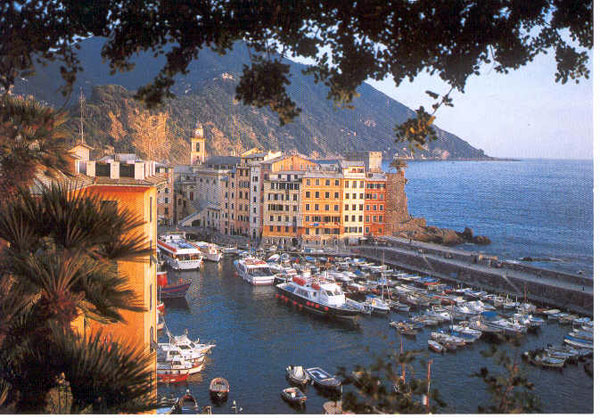
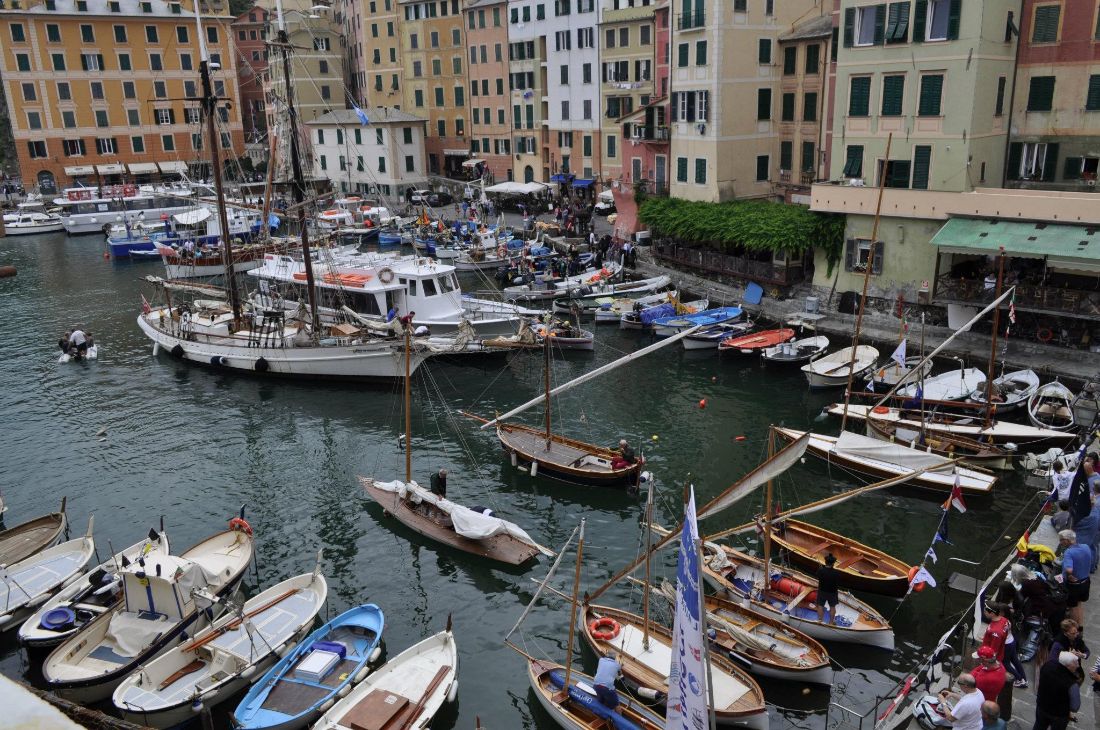
We walked into Camogli from Recco, getting a first glimpse of the little harbour from the road.

Recco-Camogli

We walked down to the harbour, skirted its edge.

camogli port

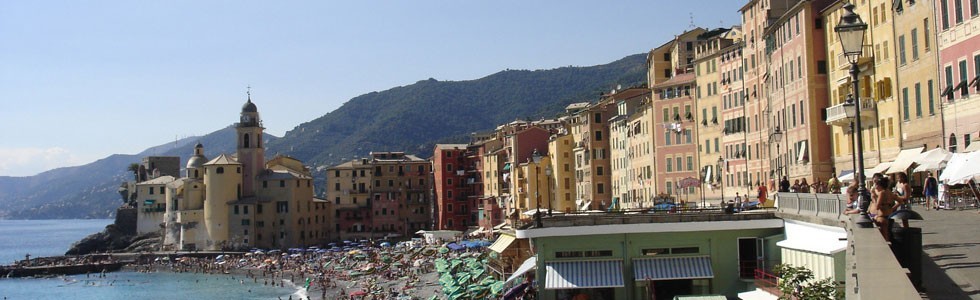
We passed on to the boardwalk on the other side of the church.  Glancing back, this was the sight which greeted us.

camogli-boardwalk

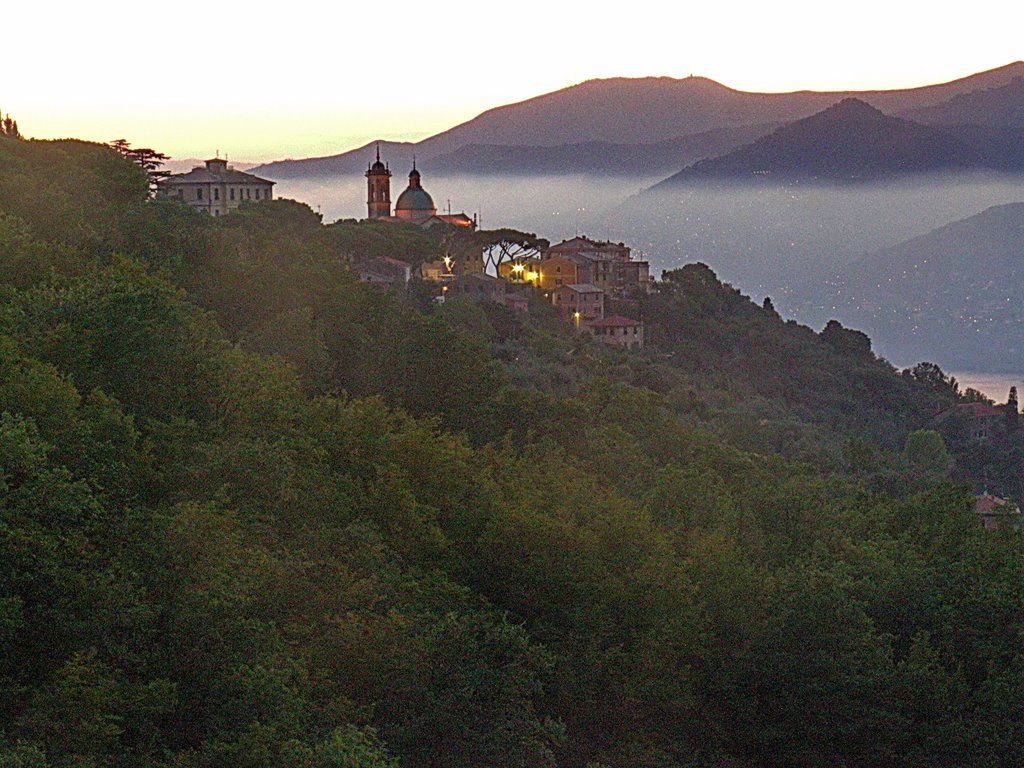
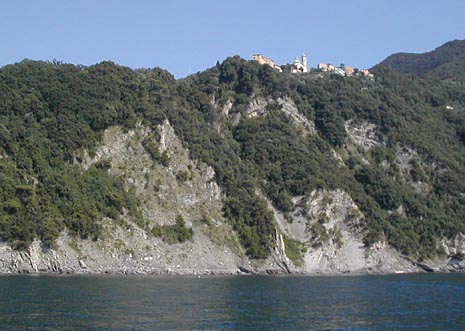
Our goal was San Rocco, sitting high above Camogli on a steep spur of Monte di Portofino.

san rocco from the sea

We started climbing, slowly, stopping often, huffing and puffing, using one of the old mulattiere, mule trails, which criss-cross the hills around here.

Camogli-San Rocco path-2

We toiled up past rather decrepit houses and semi-abandoned olive groves until we finally reached San Rocco.

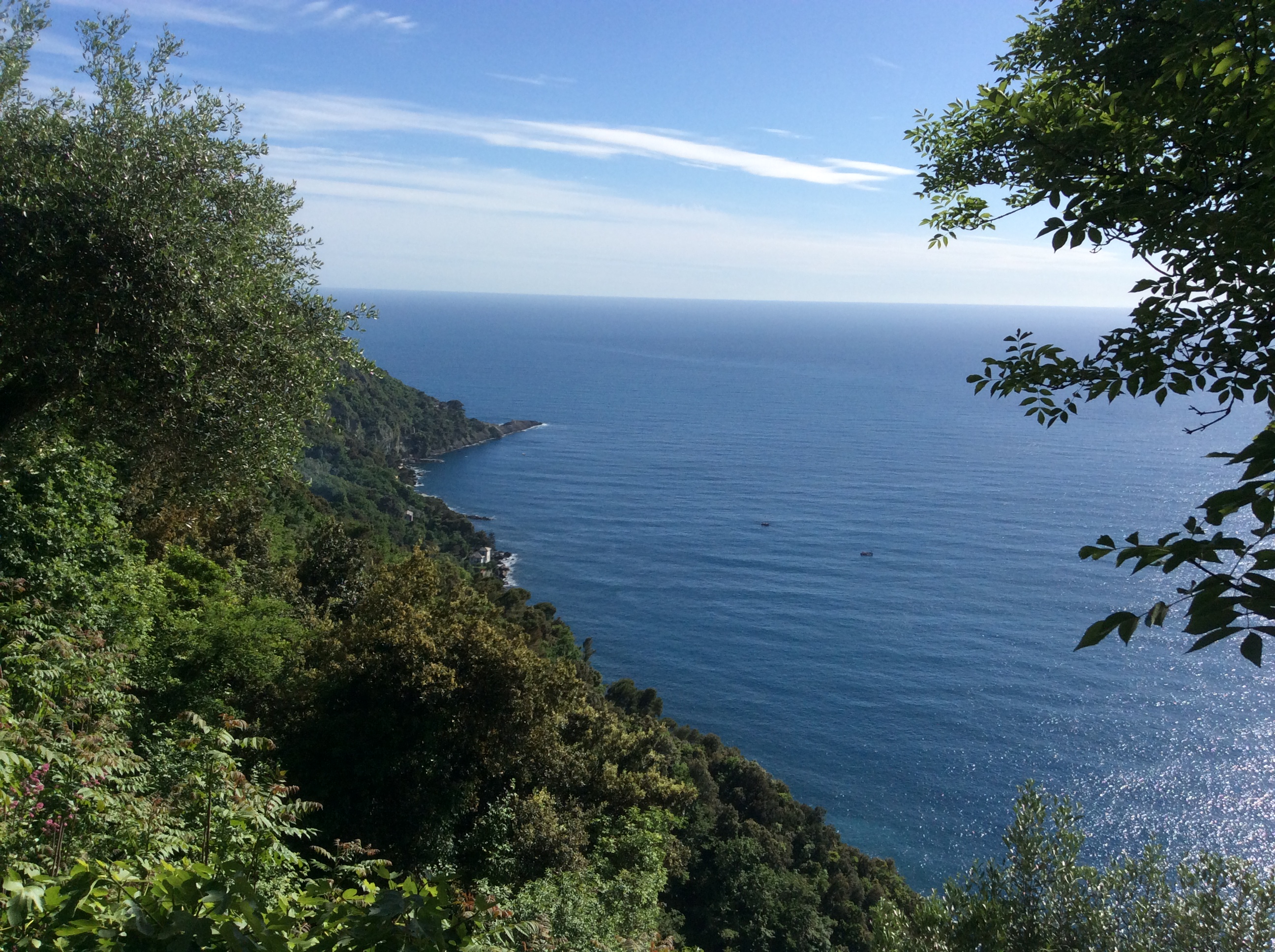
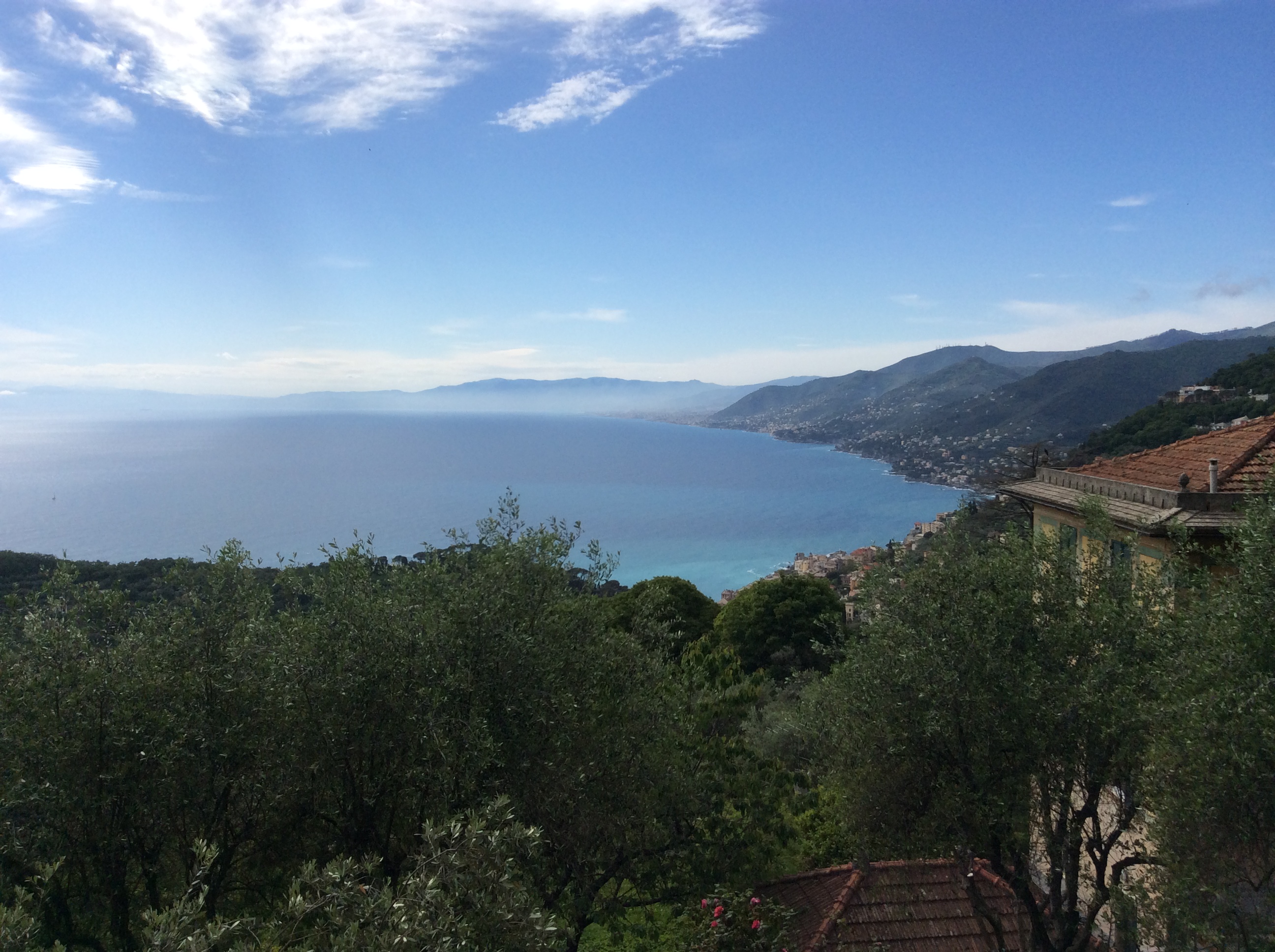
There, from the little piazza in front of the church, we had these gorgeous views, south-east towards Punta Chiappa

monte di portofino-1

and north-west towards Genova.

monte di portofino-2

We sank onto the bench and drank in view and sun. And as we sat there, in my mind’s eye I overflew the seaboard of the Mediterranean. Burning, burning, all burning …

Egypt

egypt-2

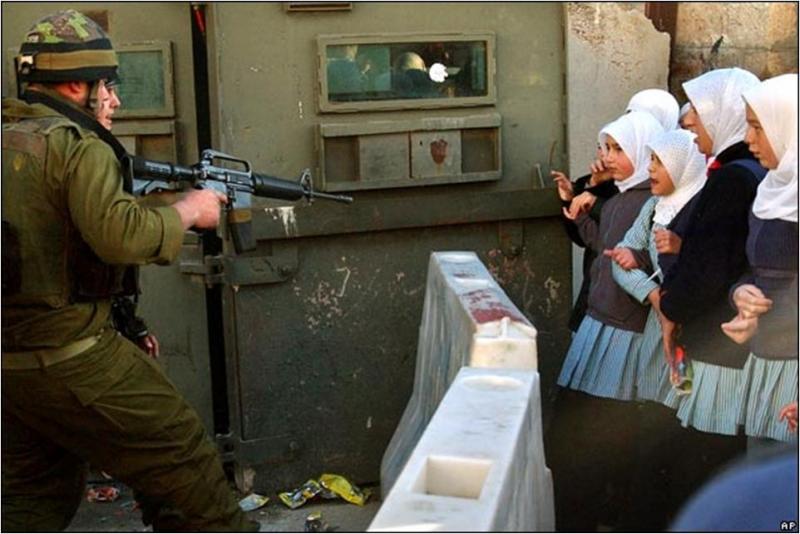
The West Bank

west bank

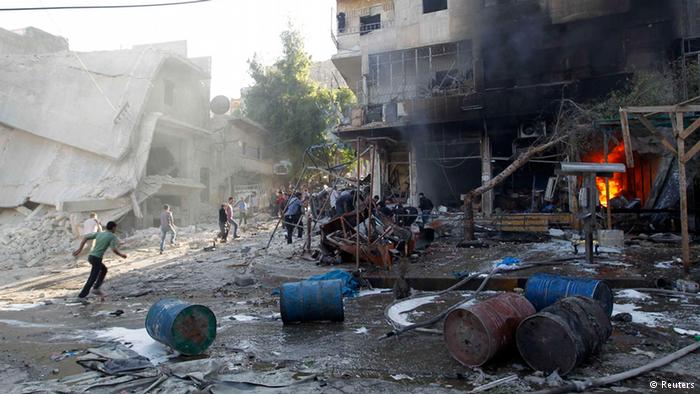
Syria

syria

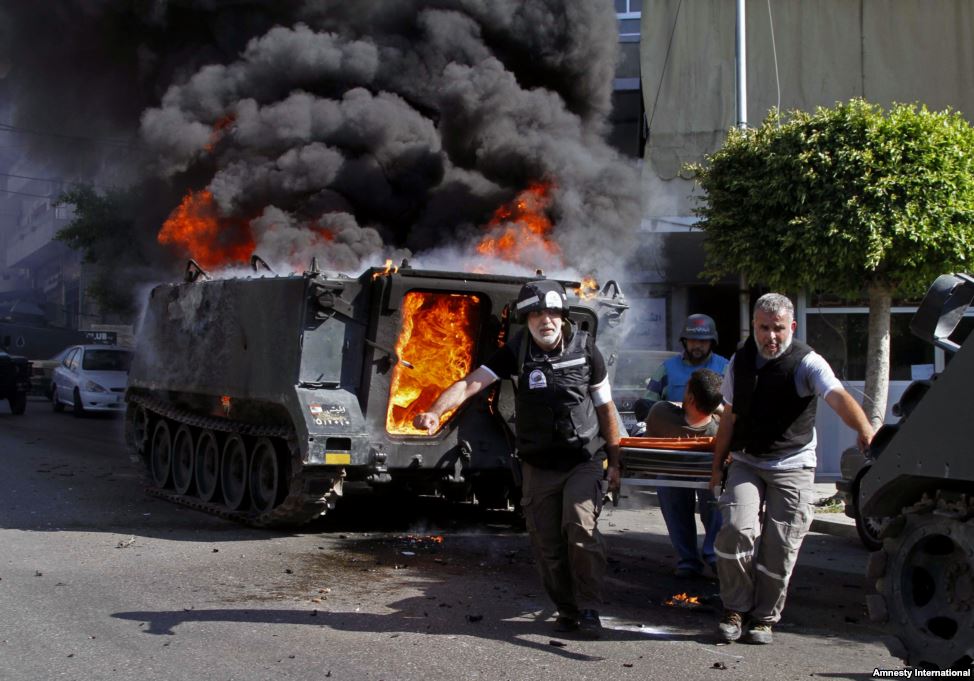
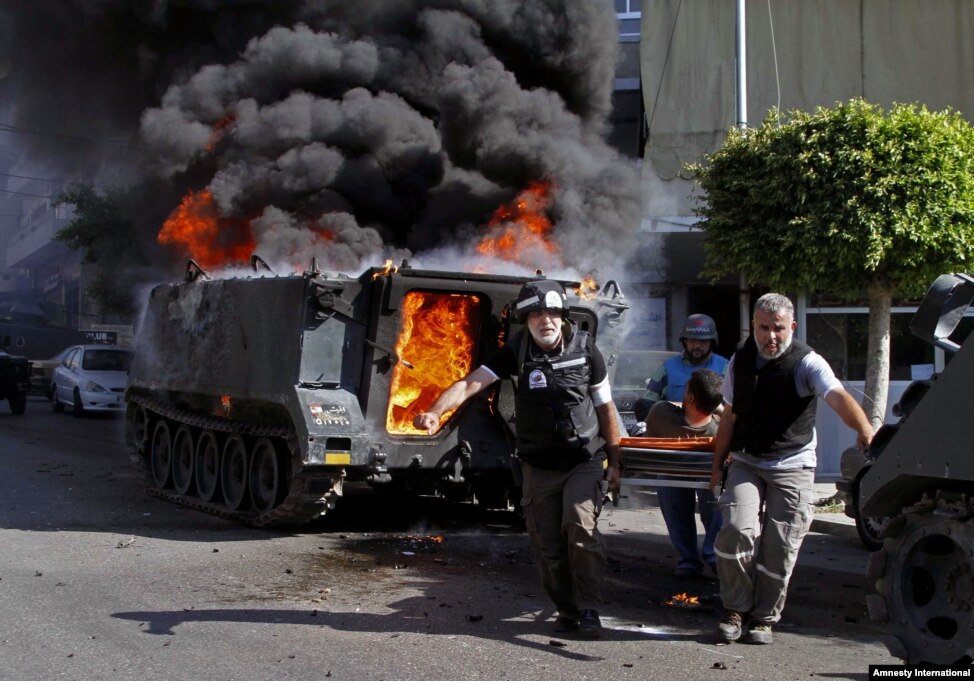
Lebanon

lebanon

Turkey

turkey

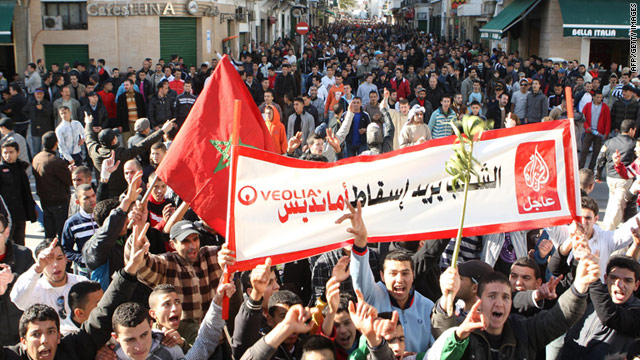
Morocco

morocco

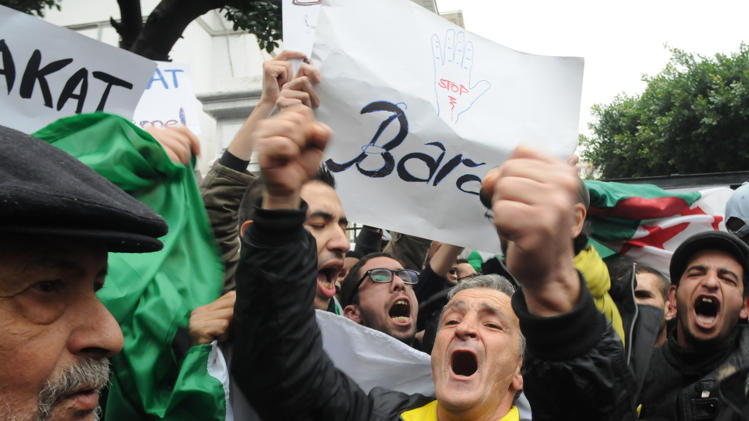
Algeria

algeria

Tunisia

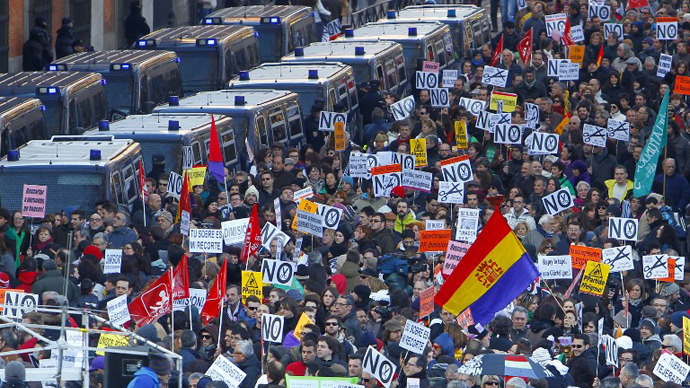
Protesters shout slogans during a demonstration to call for the departure of the Islamist-led ruling coalition in Avenue Habib-Bourguiba in central Tunis

and finally Libya

libya

libya-2

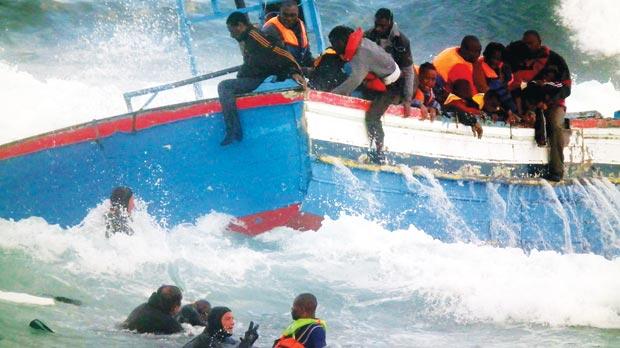
from where, amidst all this rage and pain and despair, poor souls are struggling against all odds to cross the Mediterranean and sneak into Europe

pantelleria

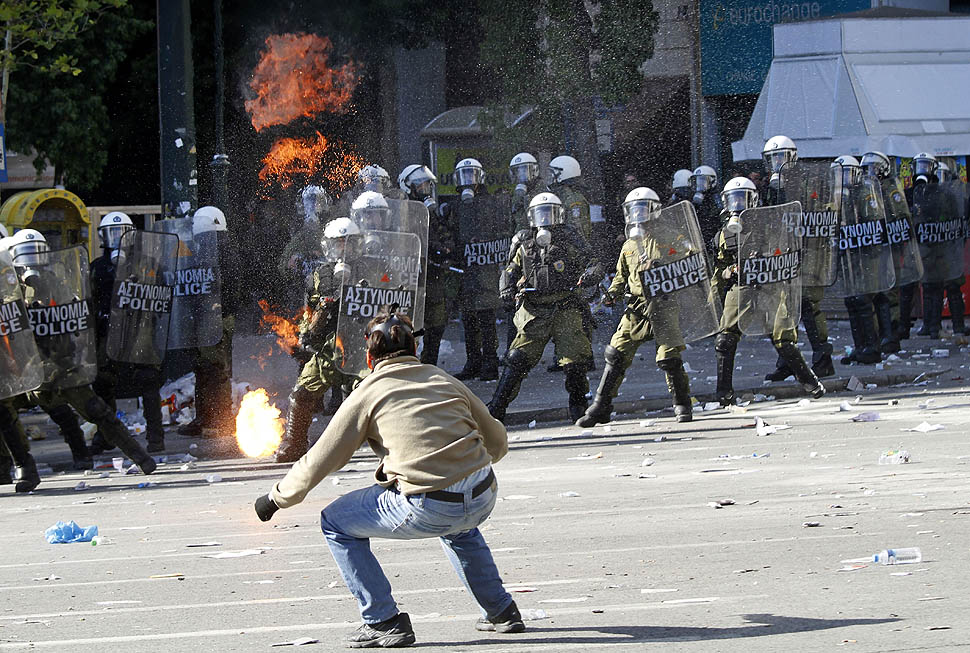
a Europe which is itself sinking under its own weight of troubles: Greece of course

Greece Financial Crisis

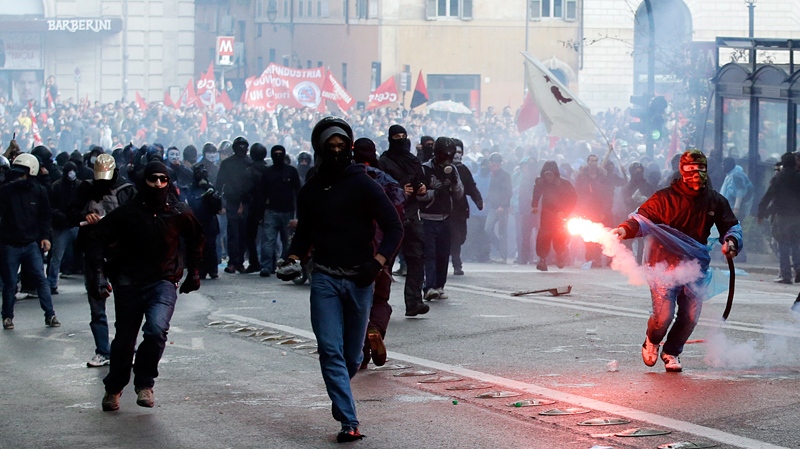
but also Italy itself

italy

as well as France

France Strike

and Spain

spain

I closed my mind’s eye. Tomorrow, tomorrow, I said to myself, my wife and I would worry about the state of the universe tomorrow. Today, sitting on the bench and enjoying sun and sea, we just let the world go hang.

san rocco-1

____________________________

Recco-Camogli: http://www.mareblucamogli.com/images/Camogli_porto_oggi.jpg?129 [in http://www.mareblucamogli.com/page_31.html%5D
Camogli port: http://blog.marinayachting.it/media/458191_246746435438893_111283799_o.jpg [in http://blog.marinayachting.it/ai1ec_event/13-trofeo-challenge-nicola-dodero/?instance_id=%5D
Camogli-boardwalk: http://www.portofinotrek.com/trek/17-category/da-camogli-san-rocco.jpg [in http://www.portofinotrek.com/trek/17-da-camogli-san-rocco%5D
San Rocco from the sea: http://www.villagoduria.it/media/img/dintorni/s-rocco%20dal%20mare.jpg [in http://www.villagoduria.it/i_dintorni.php?lang=it%5D
Camogli-San Rocco path: http://www.alpioccidentali.it/escursioni/images-esc/Camogli-SanFruttuoso_glicine.JPG [in http://www.alpioccidentali.it/escursioni/Camogli-SanFruttuoso.htm%5D
Camogli San Rocco path-2: http://www.portofinotrek.com/trek/10-246-thickbox/da-camogli-a-san-rocco.jpg [in http://www.portofinotrek.com/trek/10-da-camogli-a-san-rocco.html%5D
San Rocco-1: http://static.panoramio.com/photos/large/3427674.jpg [in http://www.panoramio.com/photo/3427674%5D
Egypt: http://www.cairoportal.com/media/k2/items/cache/296cd9de158e249f3870555c2eeb013a_XL.jpg?t=-62169984000 [in http://www.cairoportal.com/news/9739#.U4NTHXYUZ40%5D
West Bank: http://stat.ks.kidsklik.com/statics/files/2011/07/1309663247638250606.jpg [in http://elmustakeem.blogspot.com/2011/07/sekolah-anak-anak-palestina.html%5D
Syria: http://www.dw.de/image/0,,17607086_303,00.jpg [in http://www.dw.de/syrias-war-economies-add-fuel-to-the-conflict/a-17609218%5D
Lebanon: http://gdb.voanews.com/B5FAA55E-7326-4D3F-B6F4-97DD2C6863FA_w974_n_s.jpg [in http://www.zeriamerikes.com/media/photogallery/june-23-2013-day-in-photos/1687666.html%5D
Turkey: http://82.222.152.134/imgsdisk/2014/05/22/220520141648544381677.jpg [in https://twitter.com/gokmen%5D
Morocco: http://i.cdn.turner.com/cnn/2011/WORLD/africa/02/21/morocco.protests/t1larg.morocco.feb20.gi.afp.jpg [in http://www.cnn.com/2011/WORLD/africa/02/21/morocco.protests/%5D
Algeria: http://l1.yimg.com/bt/api/res/1.2/Z.PSaSbzYDbmat1.7F6nKg–/YXBwaWQ9eW5ld3M7Zmk9ZmlsbDtoPTQyMTtweG9mZj01MDtweW9mZj0wO3E9NzU7dz03NDk-/http://media.zenfs.com/en_us/News/ap_webfeeds/cb75ae006f10880a4e0f6a7067006b93.jpg [in http://news.yahoo.com/algeria-activists-stage-rare-anti-govt-protest-145742769.html%5D
Tunisia: http://revolution-news.com/wp-content/uploads/2013/10/3540ab5d-15a8-49c8-91ff-a9649aea4186_16x9_600x338.jpg [in http://revolution-news.com/category/middle-east/tunisia/%5D
Libya: http://wartime.org.ua/uploads/posts/2012-01/1325936226_vyskova-operacya-v-lvyi-rozkrila-slabku-boyegotovnst-nato-5.jpg [in http://wartime.org.ua/648-vyskova-operacya-v-lvyi-rozkrila-slabku-boyegotovnst-nato.html%5D
Libya-2: http://www.bigpicture.si/wp-content/uploads/2012/02/1241.jpg [in http://www.bigpicture.si/archives/tag/sirija%5D
Pantelleria: http://292fc373eb1b8428f75b-7f75e5eb51943043279413a54aaa858a.r38.cf3.rackcdn.com/world_03_temp-1303281776-4dae8070-620×348.jpg [in http://www.timesofmalta.com/articles/view/20110420/world/Nationalism-comes-of-age-in-anti-immigrant-bailout-Europe.361418%5D
Greece: http://latimesphoto.files.wordpress.com/2011/10/greek-crisis08.jpg [in http://framework.latimes.com/2011/10/19/protest-in-greece/%5D
Italy: http://www.ctvnews.ca/polopoly_fs/1.1773564!/httpImage/image.jpg_gen/derivatives/landscape_960/image.jpg [in http://www.ctvnews.ca/world/anti-austerity-protest-in-rome-italy-turns-violent-1.1773562%5D
France-Marseille: http://static.guim.co.uk/sys-images/Guardian/Pix/pictures/2013/9/10/1378816498459/3befa5d8-0b5b-4ca9-be36-9ef459246334-620×421.jpeg [in http://www.theguardian.com/business/2013/sep/10/french-unions-hold-protests-over-pension-reforms—live%5D
Spain: http://img.rt.com/files/news/1e/1d/30/00/000_dv1422028.si.jpg [in http://rt.com/news/spain-protest-austerity-corruption-347/%5D
San Rocco: http://static.panoramio.com/photos/large/3427674.jpg [in http://www.panoramio.com/photo/3427674%5D

A SCHNOZZLE, A CONK, A HOOTER!

Beijing, 21 May 2015

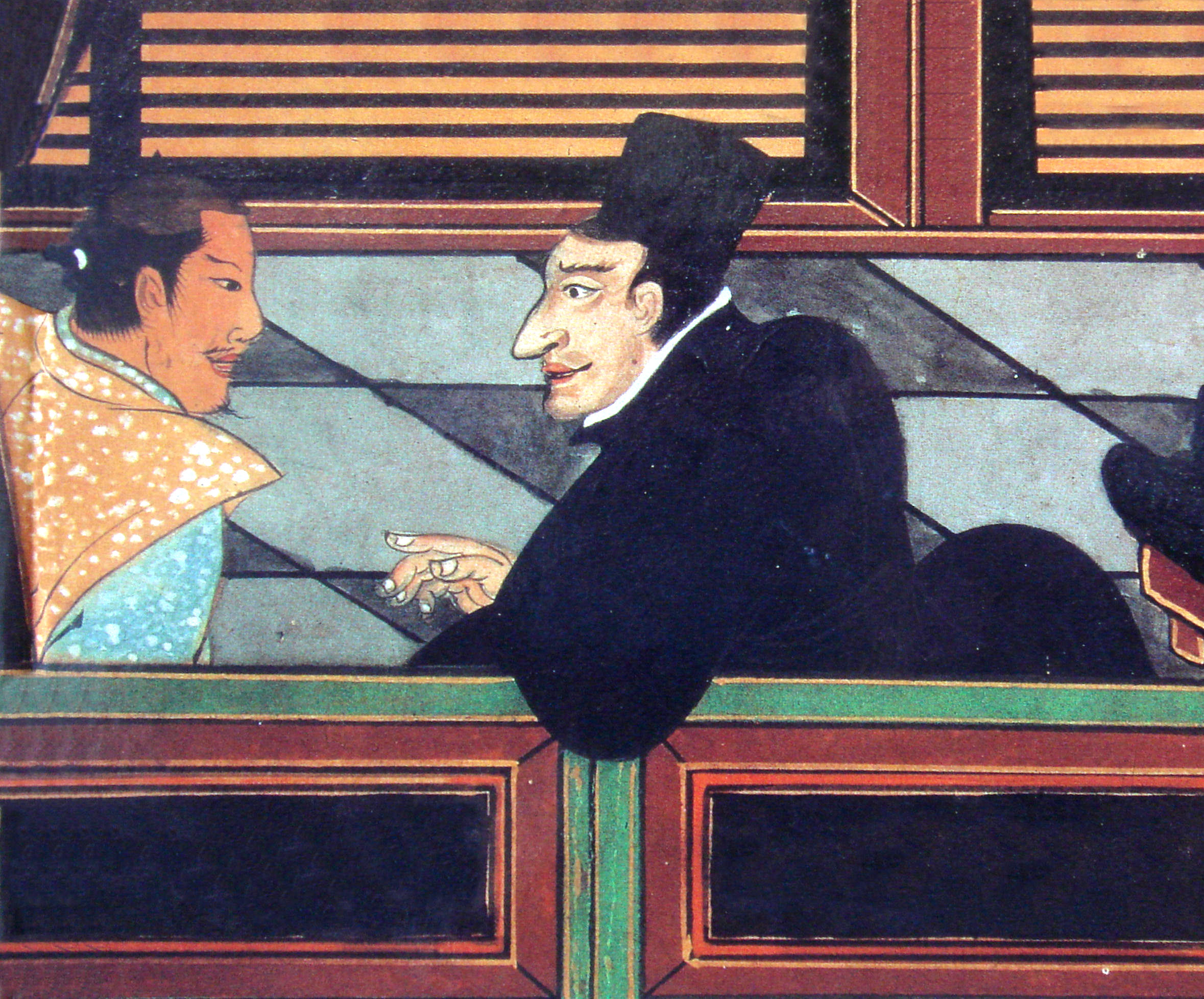
I’ve just come back to Beijing from Europe. I’ve been living long enough in China now that whenever I’m back in Europe I acutely notice differences, especially physical differences. For instance … noses. We white folk have really big schnozzles, you know! This was one of the first things which the Japanese noticed when the Portuguese showed up on their shores in the late 1500’s. The Japanese paintings of the time stress differences in nose sizes.

Jesuit in Japan

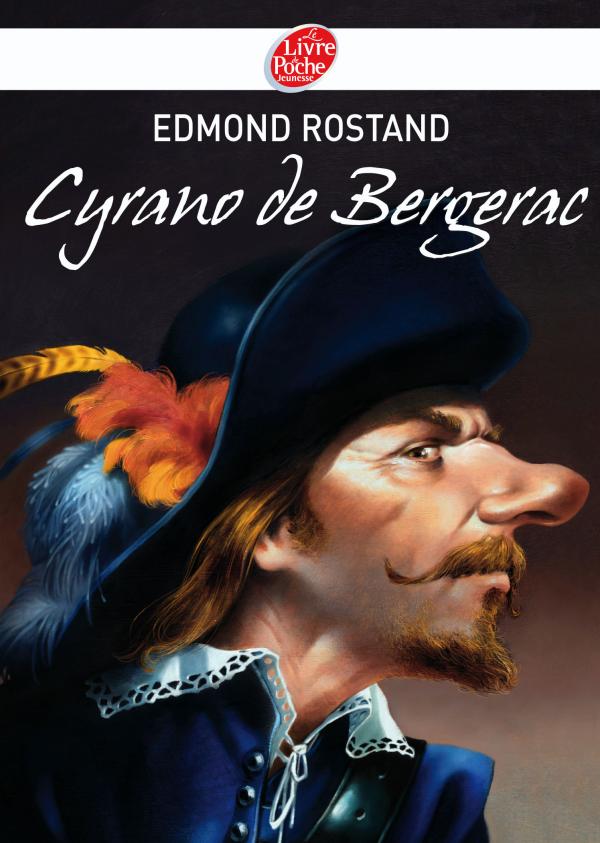
And now, after just four years in Asia, I feel that everyone in Europe is Cyrano de Bergerac

cyrano de bergerac

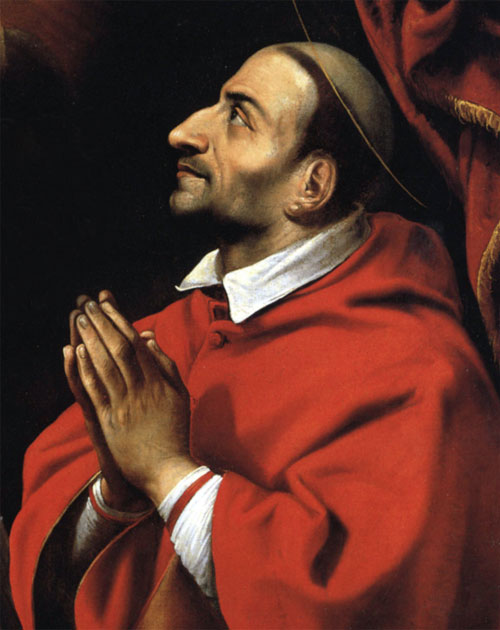
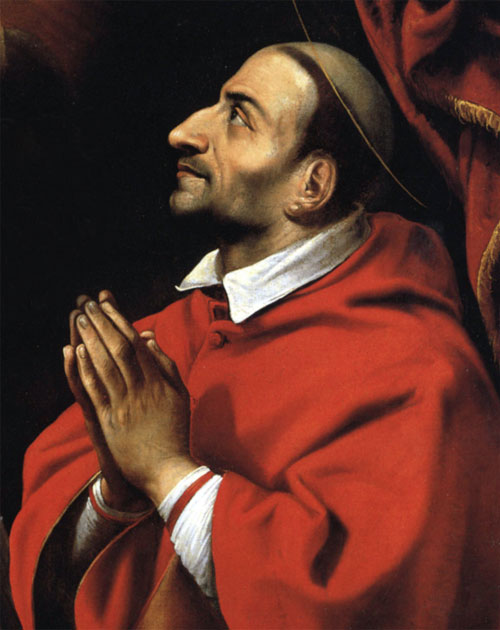
or San Carlo Borromeo, the cardinal saint from Milan whose conk sticks out mightily from every painting of him in every church of Milan

San_Carlo_Borromeo

As I see these large noses all around me back home, the lines from Cyrano come to mind, where he mocks his own gigantic hooter in front of an appreciative audience, on stage and off:

Ah ! Non ! C’est un peu court, jeune homme !
On pouvait dire… oh ! Dieu ! … bien des choses en somme…
En variant le ton, —par exemple, tenez :
Agressif : « moi, monsieur, si j’avais un tel nez,
Il faudrait sur le champ que je me l’amputasse ! »
Amical : « mais il doit tremper dans votre tasse :
Pour boire, faites-vous fabriquer un hanap ! »
Descriptif : « c’est un roc ! … c’est un pic… c’est un cap !
Que dis-je, c’est un cap ? … c’est une péninsule ! »
Etc.

 Or, in English:

Ah no! young blade! That was a trifle short!
You might have said at least a hundred things
By varying the tone. . .like this, suppose,. . .
Aggressive: “Sir, if I had such a nose
I’d amputate it!’ Friendly: ‘When you sup
It must annoy you, dipping in your cup;
You need a drinking-bowl of special shape!’
Descriptive: ”Tis a rock!. . .a peak!. . .a cape!
–A cape, forsooth! ‘Tis a peninsular!’
Curious: ‘How serves that oblong capsular?
For scissor-sheath? Or pot to hold your ink?’
Gracious: ‘You love the little birds, I think?
I see you’ve managed with a fond research
To find their tiny claws a roomy perch!’
Truculent: ‘When you smoke your pipe. . .suppose
That the tobacco-smoke spouts from your nose–
Do not the neighbors, as the fumes rise higher,
Cry terror-struck: “The chimney is afire”?’
Considerate: ‘Take care,. . .your head bowed low
By such a weight. . .lest head o’er heels you go!’
Tender: ‘Pray get a small umbrella made,
Lest its bright color in the sun should fade!’
Pedantic: ‘That beast Aristophanes
Names Hippocamelelephantoles
Must have possessed just such a solid lump
Of flesh and bone, beneath his forehead’s bump!’
Cavalier: ‘The last fashion, friend, that hook?
To hang your hat on? ‘Tis a useful crook!’
Emphatic: ‘No wind, O majestic nose,
Can give THEE cold!–save when the mistral blows!’
Dramatic: ‘When it bleeds, what a Red Sea!’
Admiring: ‘Sign for a perfumery!’
Lyric: ‘Is this a conch?. . .a Triton you?’
Simple: ‘When is the monument on view?’
Rustic: ‘That thing a nose? Marry-come-up!
‘Tis a dwarf pumpkin, or a prize turnip!’
Military: ‘Point against cavalry!’
Practical: ‘Put it in a lottery!
Assuredly ‘twould be the biggest prize!’
Or. . .parodying Pyramus’ sighs. . .
‘Behold the nose that mars the harmony
Of its master’s phiz! blushing its treachery!’

_________________________

Jesuit priest in Japan: http://upload.wikimedia.org/wikipedia/commons/3/3a/Jesuit_with_Japanese_nobleman_circa_1600.jpg [in http://en.wikipedia.org/wiki/Hidden_Christians_of_Japan%5D
Cyrano de Bergerac: http://www.lecture-academy.com/wp-content/uploads/2014/05/logo_13453.jpg [in http://www.lecture-academy.com/livre/poche-cyrano-de-bergerac-texte-integral/%5D
San Carlo Borromeo: http://biografieonline.it/img/bio/s/San_Carlo_Borromeo.jpg [in http://biografieonline.it/biografia.htm?BioID=3135&biografia=San+Carlo+Borromeo%5D

PAULOWNIA BY THE BARRACKS

Beijing, 19 April 2014

When my wife and I first arrived here, we lived in an apartment on the 31st floor of a high-rise. We soon noticed that we could hear regular shouting somewhere in the distance. We consulted with each other. What could we be hearing? Initially, I thought we were witnessing a spontaneous popular demonstration, and I scanned the horizon for signs of smoke, tear gas, armoured police, or other evidence of mayhem. But there was none, and no news on BBC or CNN to this effect. And the shouting was coming regularly, a couple of times a day. My wife then suggested that there must be a stadium somewhere around us and what we were hearing were the fans cheering on their team. But upon further investigation we concluded that the closest stadium was too far away for us to be hearing the shouting. And anyway, as I said, the shouting was quite regular, not just at the weekends or in the evening, which is what you might expect if a stadium was the source of the shouting.

We eventually solved the mystery. But before I tell you what it was all about, I need to take a step back and explain one thing. All of the embassies around here have guards, young lads who from the look of them were probably planting rice not that long ago. Here’s a couple standing tall and proud in front of the UK embassy

guards at UK embassy

Something you quickly learn to do if you live around the embassies is to get out of the way when the change of the guard is taking place. Several times a day you will see a platoon of guards marching along the pavements

guards marching along the pavement

with individual guards peeling off when they reach their assigned embassy. Nothing stops them, not even the traffic. One of the lads will march off into the road and stop the traffic, and the platoon marches over, looking neither left nor right.

guards crossing the road 002

Of course, since, as we all know, every action has an equal and opposite reaction (Newton’s third law), it comes as no surprise that soon after a platoon has marched in one direction, a platoon comes marching back in the opposite direction, consisting of the lads who have been relieved.

And where do they march to? The answer to this question brings us back to our mystery shouting. They are marching back to their barracks. We discovered that we had a barracks discretely tucked away near our apartment. And the noise we were hearing was the lads being led through some sort of periodic cheering exercise, no doubt to build up their soldierly virtues. What do they shout, I wonder? “Death to the capitalist pigs”? “Long live the Politburo”? “Beijing-3, Shanghai-0”? Whatever it is, their lusty voices floated up to us loud and clear on the 31st floor.

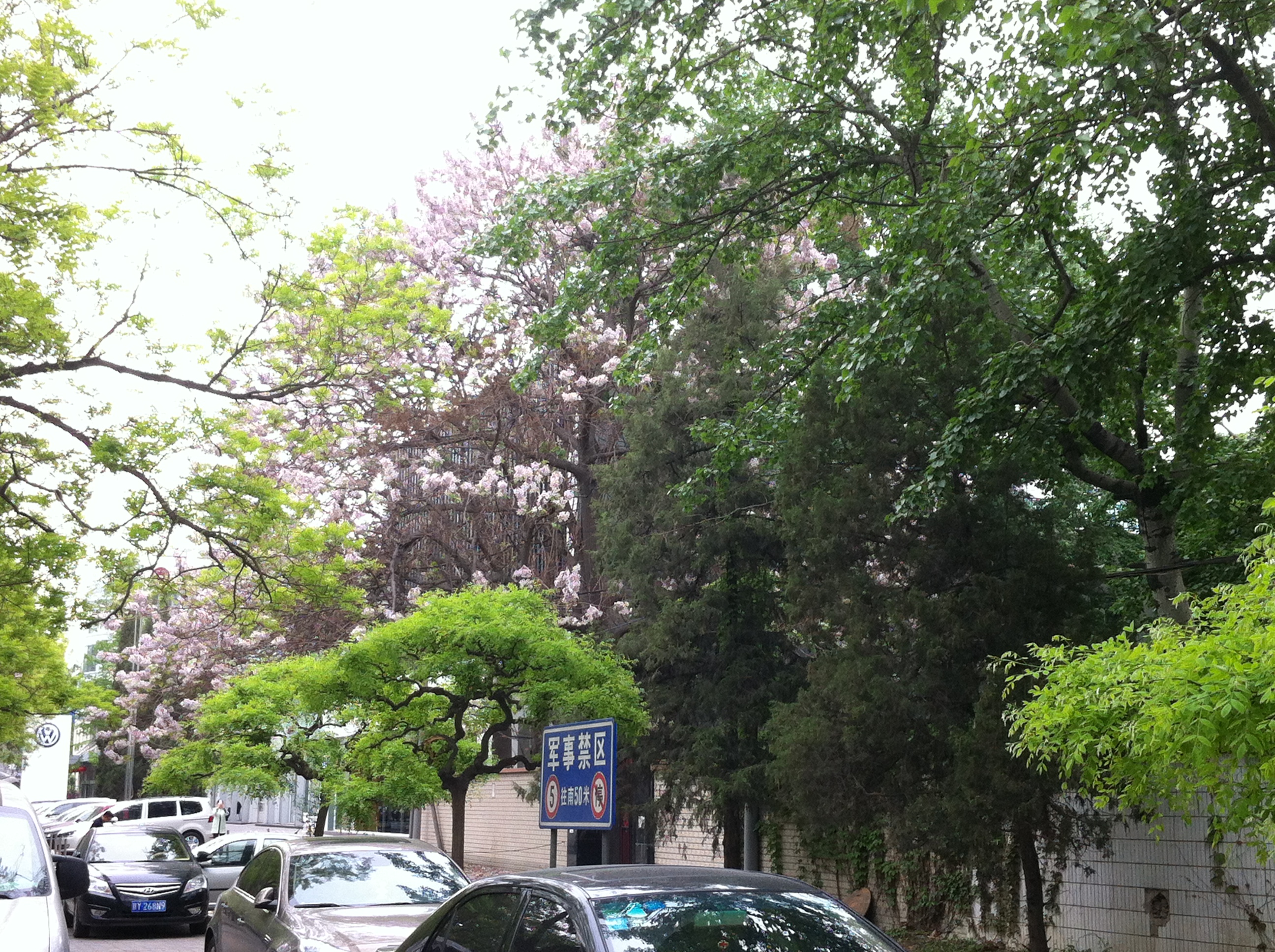
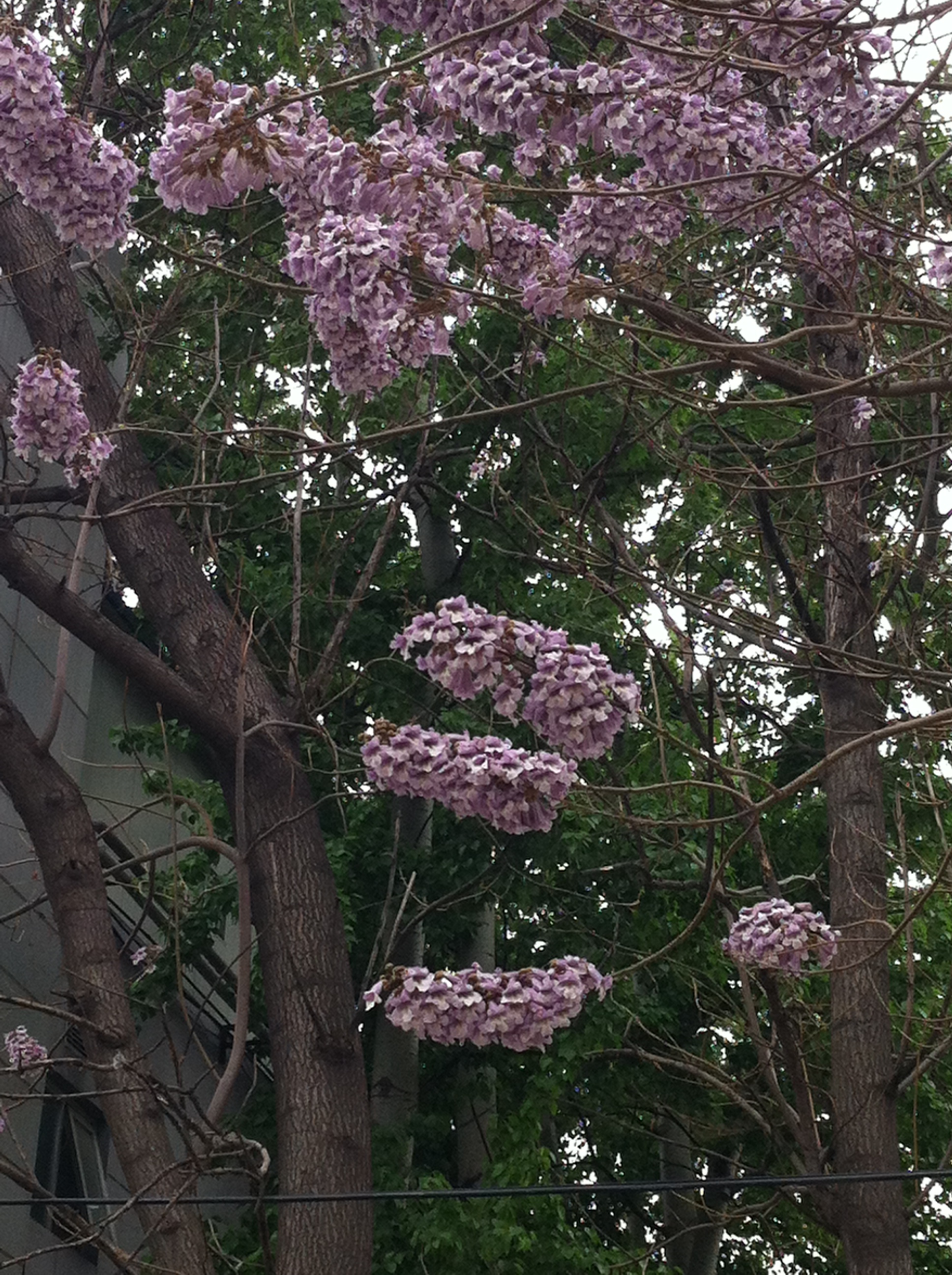
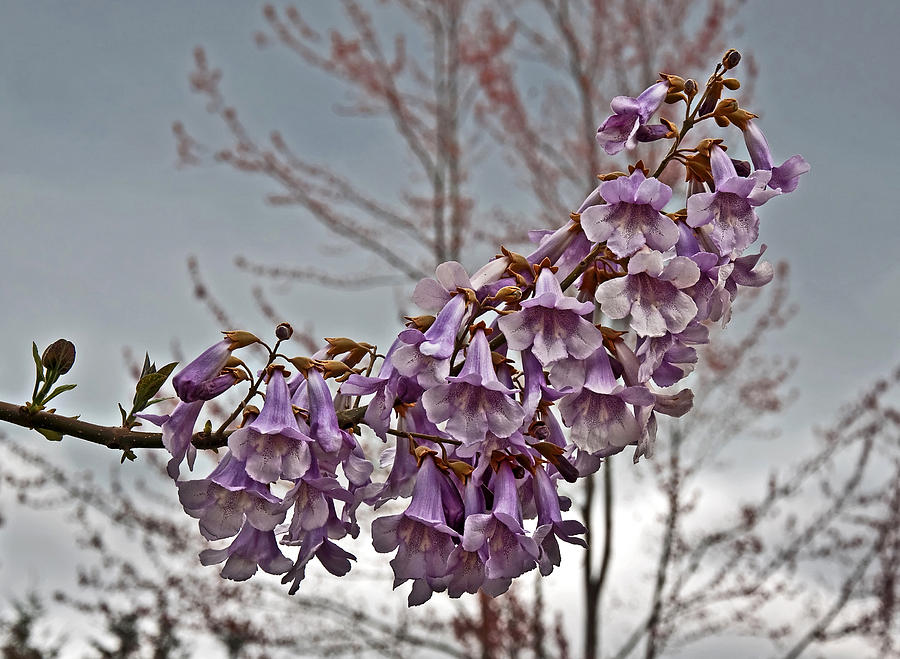
I just said that the barracks is discretely located. One of the things that helps it maintain this discretion is a screen of trees along the inside of the barracks wall which lean gracefully out over the pavement, giving the whole a feeling of a courtyard of a normal housing estate. Some of the trees in question are Paulownias, and at this time of the year, when they are in flower, they are magnificent.

paulownia at the barracks April 2014 002

paulownia at the barracks April 2014 003

paulownia at barracks 001

I throw in for good measure a photo which my wife took of a road we stumbled across just this morning. It was flanked on both sides by Paulownias, all in flower at the moment and, my wife tells me, smelling heavenly (I smelled nothing; the pollution must be getting to my olfactory organs)

paulownia along road FN 003

As usual, I did a bit of research on the tree before writing this post and discovered that it was so named by a Dutch botanist, Siebold, in honour of the-then Queen of the Netherlands, Anna Paulowna, daughter of Tsar Paul I of Russia. The choice of name was not very apt for this lovely tree; the queen was by all accounts rather full of herself. She was arrogant and distant towards the public, she valued pomp, etiquette, and formal ceremonies and rituals, and she felt she had married beneath herself, her husband being a mere kinglet while she was the daughter of a great emperor.

Anna Paulowna

Not at all the kind of person I like. I suppose Siebold was sucking up to royalty by naming the tree after her. But I don’t need to suck up to royalty, so instead I will use its Chinese name, tongmu. Because, apart from anything else, like the wisteria, the magnolia, the weeping willow, the persimmon, and the gingko, about all of which I have written recently, the Paulownia is Chinese – this is getting to be a bit of a habit, this discovering that plants I had come to know and love in Europe are actually Chinese immigrants. It’s also getting to be a habit to discover that the route of immigration was via Japan; it seems that this is where Siebold discovered the plant and brought it back to Europe.

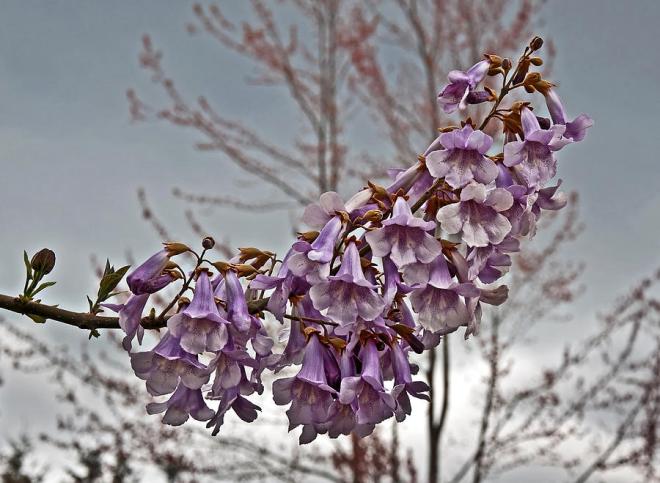
The tongmu is sometimes called the foxglove tree because the flowers, both in their bell-like shape (or finger-glove shape) and in their clustering effect look like foxgloves:


foxglove flower

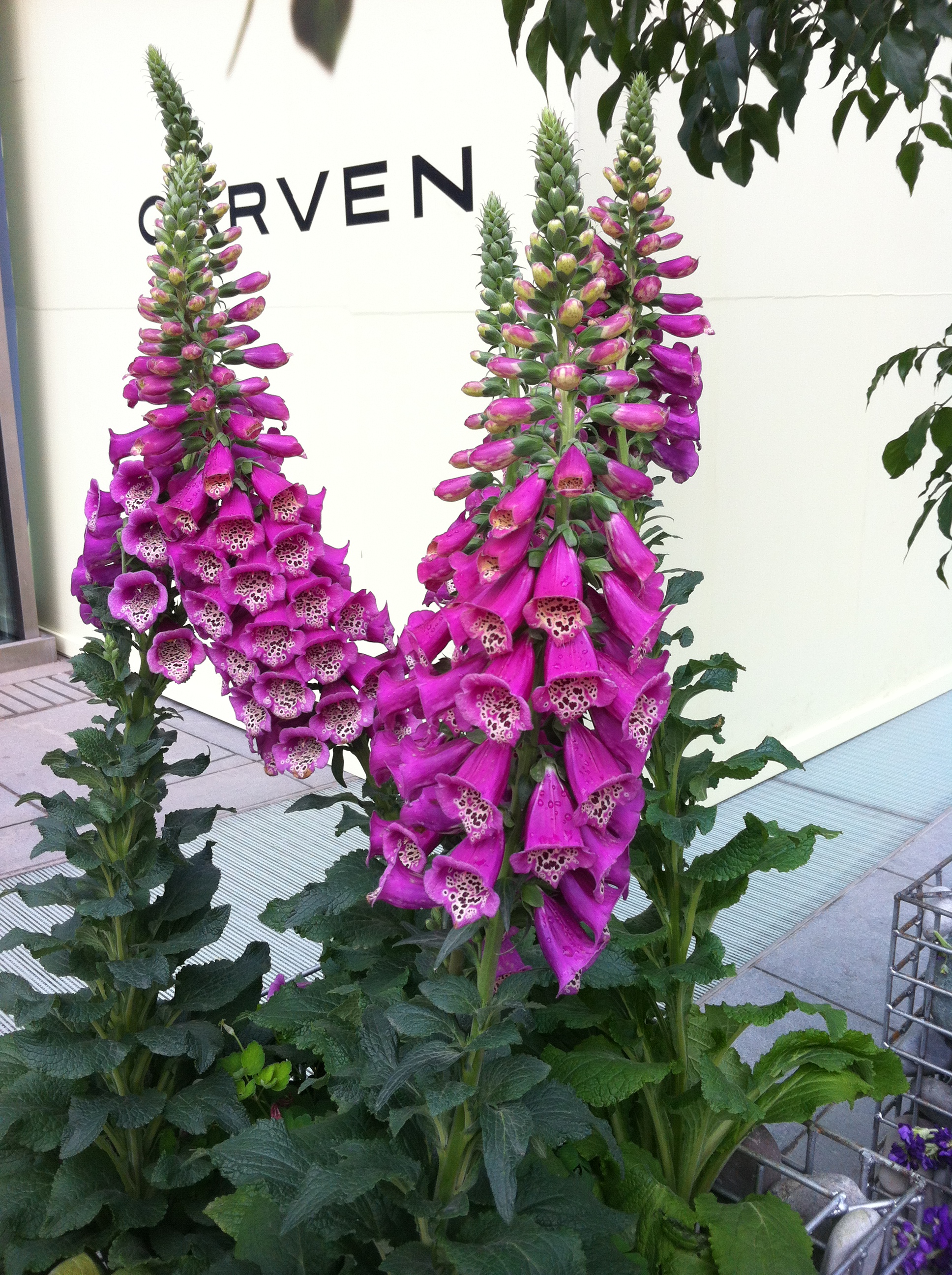
This happy resemblance allows me to conclude with the thought that despite appearances to the contrary the botanical flow has not been all one way. Plants have flowed from Europe to China. This was brought home to me just now when I noticed foxgloves planted – for advertising effect only, I think – in front of a shop at the South Village mall down the road at Sanlitun

foxgloves at sanlitun 001
The foxglove is native to western and southwestern Europe, western and central Asia, northwestern Africa, and Australasia (the last I find odd; there must be a story in there: how did foxgloves end up being native in Australia?)

______________

Guards at UK embassy: http://cdn.24.co.za/files/Cms/General/d/2362/ac78b462d715435cb3207a3c45bb415a.jpg [in http://www.news24.com/Multimedia/World/Margaret-Thatcher-remembered-20130409%5D
Guards marching along pavement: our photo
Guards marching across the road: our photo
Paulownia in flower in front of the barracks-1: our photo
Paulownia in flower in front of the barracks-2: our photo
Paulownia in flower in front of the barracks-3: our photo
Paulownia along the road: our photo
Anna Paulowna: http://upload.wikimedia.org/wikipedia/commons/f/fc/Jan_Baptist_van_der_Hulst_-_Koning_Willem_II_en_familie.jpg [in http://en.wikipedia.org/wiki/Anna_Pavlovna_of_Russia%5D
Paulownia flower: http://images.fineartamerica.com/images-medium-large-5/1-rare-foxglove-tree-paulownia-tomentosa-blooms-valerie-garner.jpg [in http://fineartamerica.com/featured/1-rare-foxglove-tree-paulownia-tomentosa-blooms-valerie-garner.html%5D
Foxglove flower: http://www.plants4less.co.uk/ekmps/shops/plants4less/images/digitalis-purpurea-woodland-foxgloves-purple-225-p.jpg [in http://www.plants4less.co.uk/digitalis-purpurea-woodland-foxgloves-purple-225-p.asp%5D
Foxglove flower in Sanlitun: our photo

THE BASQUE BERET

Beijing, 2 February 2014

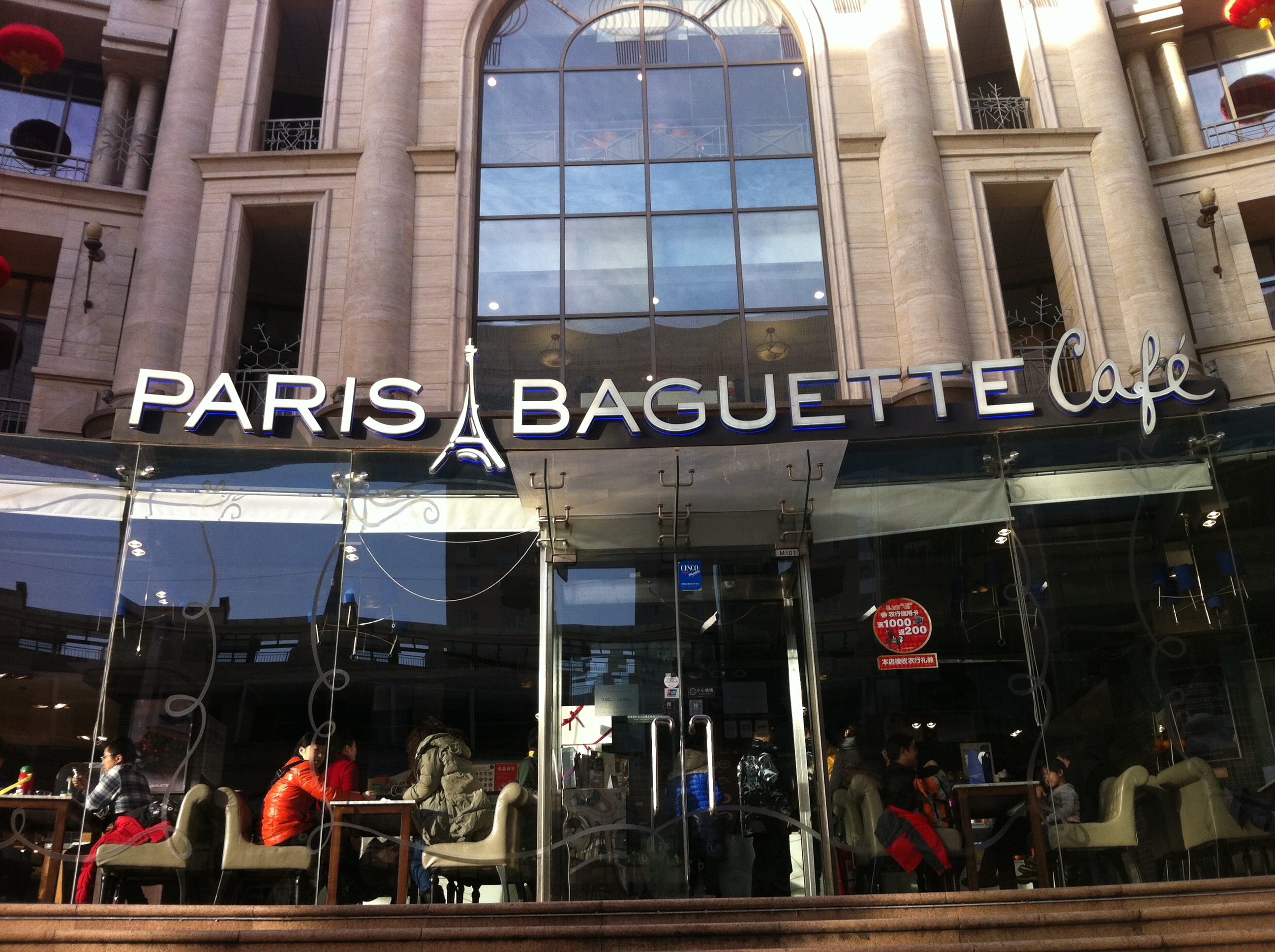
It’s quiet at the moment in Beijing. The Chinese New Year has just passed and the city is still deserted, with the locals staying at home and the migrants off in their home towns or villages. So when we went out for our usual Sunday afternoon coffee to The Place, a mall whose main claim to fame is that it hosts a ginormous TV screen, it was singularly empty. We decided to eschew our usual coffee houses such as Starbucks and Costa Coffee, both of which grace The Place, and took our coffee instead at a branch of (the South Korean-based) Paris Baguette.

paris baguette 003

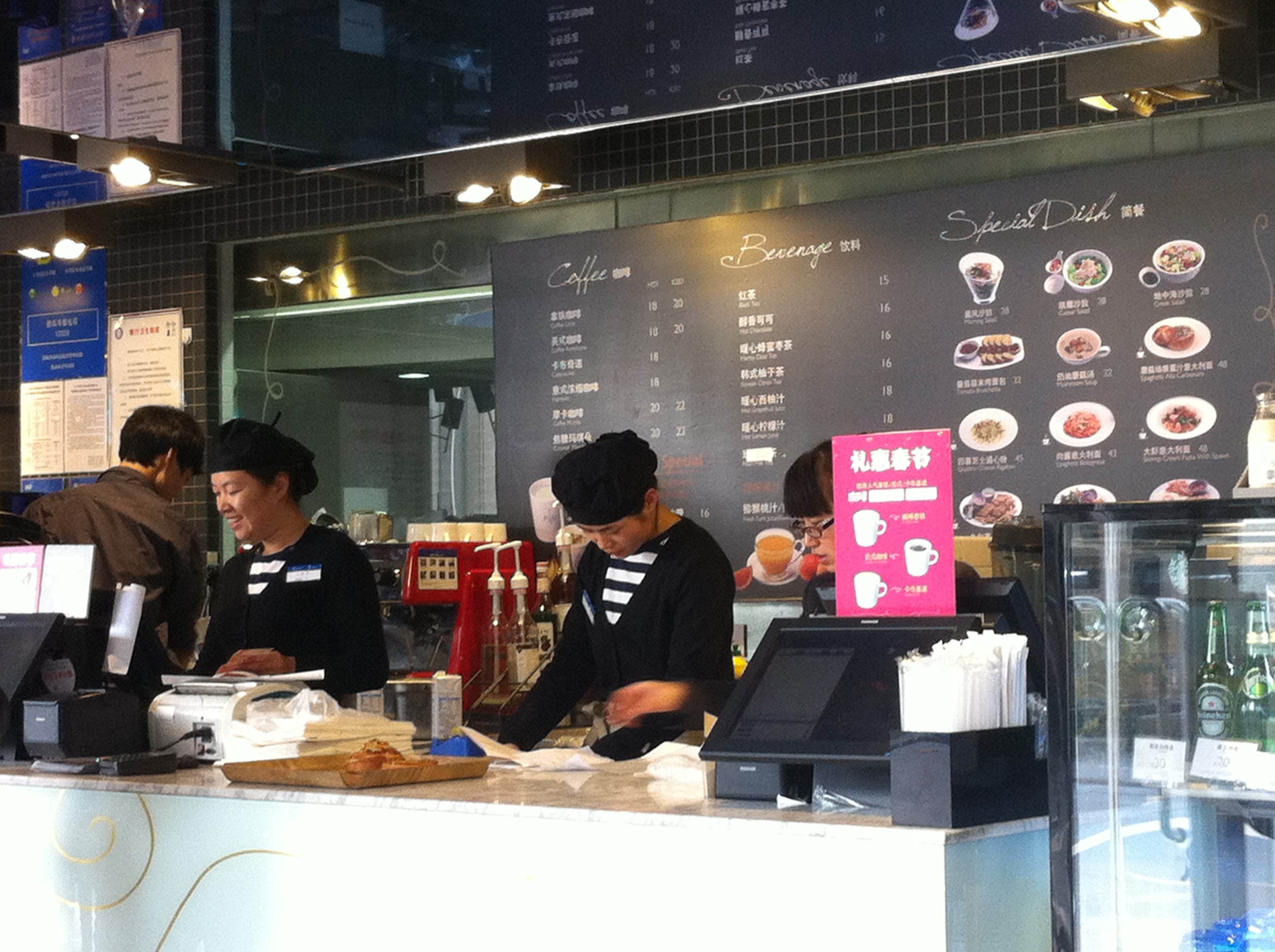
As the name suggests, this chain of stores offers a vaguely French eating experience, the most obvious of which being the sale of baguettes – they’re not bad, although the Vietnamese, after their bout of colonization by the French, bake better ones. The stores also sell French pastries: croissants, of course, madeleines, and various others (they also sell a lot of pastries which my French grandmother would never have recognized as French in any way). And, as I discovered today, the staff wear berets basques
paris baguette 001
At least, I think that is what they are meant to be wearing. They are certainly modeled on the beret basque, although they look more like the floppy hats that popular and upwardly mobile painters sported in the 19th Century.

As everyone knows, the beret basque is as French as … well, the baguette
basque beret-2
or the gauloise cigarette and glass of red wine …
beret basque et gauloises
… or onions and garlic. I remember when I was young coming across the last gasps of an old tradition: Frenchmen bicycling around the UK selling onions. Lord knows why this tradition started, but as every Englishman knows the French eat a lot of onions – and garlic – so maybe the English thought that French onions purchased from a Frenchman were better than onions grown in the UK. So legions of canny Frenchmen set out every summer to bicycle door-to-British door and sell French onions. And of course branding rules required them to wear a beret basque.
basque beret-onion sellers
The funny thing is, only once in my life do I ever remember seeing a Frenchman actually wear a beret basque, and that was the driver of a car who, just north of Dunkerque, ran smack into the right-hand side of the deux-chevaux which my English friend was driving.

Since, as everyone knows, the deux-chevaux is as French as the beret basque, the baguette, and the gauloise

Citroen 2CV

the driver presumably thought that my friend knew the typically French road rule of “priorité à droite”, priority to the right: a car coming from the right always has priority unless otherwise specified. Unfortunately, my friend knew the much more sensible English road rule that a car on a big road has priority over a car on a little one, and since our road was a least three times as wide as his road, she thought … The resulting clash of cultures left a very big dent in her car door.

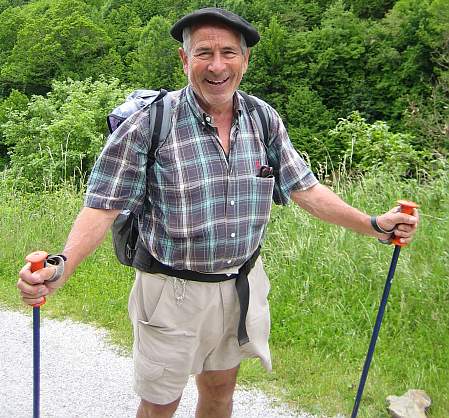
In any event, the only place I ever really saw the beret basque being worn regularly was in northern Italy, and that was only in the early years of my going there, some 30-plus years ago. Quite quickly, the younger generation abandoned the beret, as well as any other head coverage, presumably for one or more of the reasons which I listed in an earlier post. But I am very fond of a couple of photos lying around our apartment in Milan.  In one, my father-in-law is wearing his basco (as it is called in Italy) and smiling into the camera. In another, we see him sporting the beret and holding my wife, just a small girl at the time, by the hand. Whenever we come across them, my wife smiles and begins to reminisce. They were on holidays, it was the mid-sixties, times were good then in Italy, there was optimism in the air. The Good Old Days …

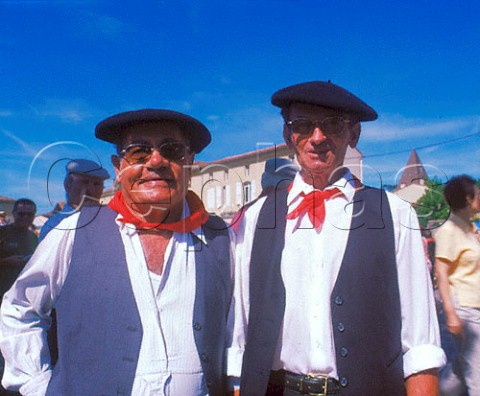
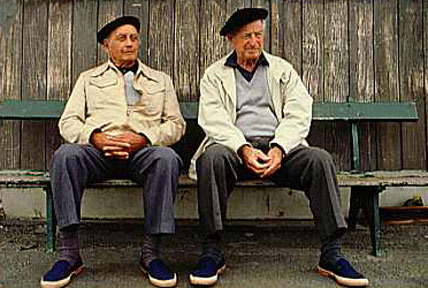
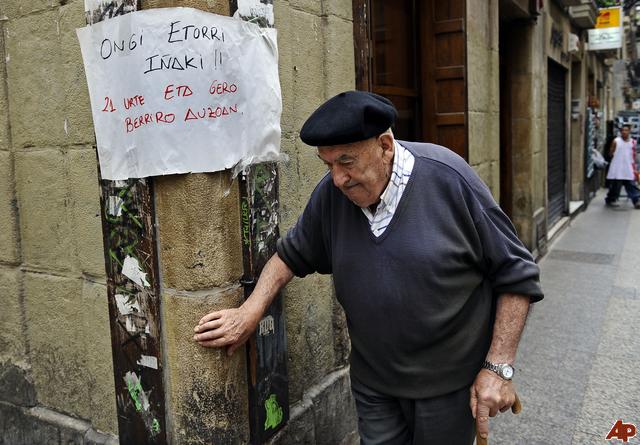
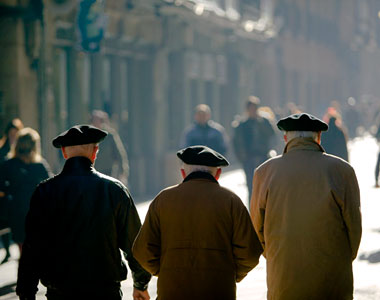
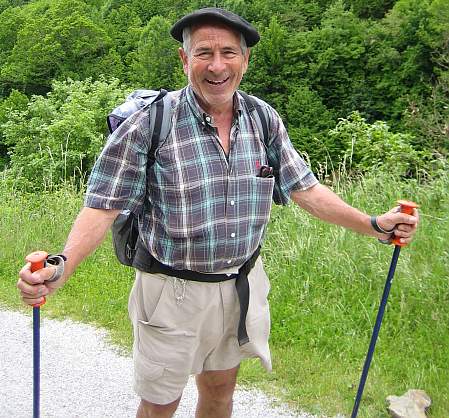
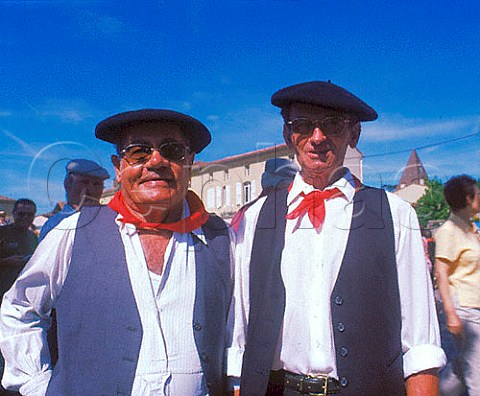
What about the region which gave its name to the beret? Do they wear it? Alas, as these photos suggest, it’s only the older folk who wear it any more:

basques with berets-2

basques with berets-3

basques with berets-1

basques with berets-5

basques with berets-4

Hmm, we still have my father-in-law’s beret, in some corner of a cupboard. Maybe when I’m nearing the end of my road, I’ll start wearing it.

_____________________________

Paris Baguette, inside and out: my pics
Basque beret and baguette: http://www.labellemeche.com/blog/wp-content/uploads/2013/09/b%C3%A9ret.jpg [in http://www.labellemeche.com/blog/page/3/%5D
Basque beret, gauloises and red wine: http://wshiell.net/vintage_ads2/original/gauloises.png [in http://wshiell.net/vintage_ads2/original/gauloises.html%5D
Basque beret-onion sellers: http://blog.privateislandparty.com/wp-content/uploads/2013/05/Onion-Johnnies.jpg [in http://blog.privateislandparty.com/beret-origins-of-style/%5D
Citroën 2CV: http://classics.honestjohn.co.uk/imagecache/file/fit/730×700/media/5716157/Citroen%202CV%20%281%29.jpg [in http://classics.honestjohn.co.uk/reviews/citroen/2cv/%5D
Basques with berets-1: http://www.dkimages.com/discover/Projects/AT876/previews/446914.JPG [in http://www.dkimages.com/discover/Home/Geography/Europe/France/Southwest-France/Pyrenees/Towns-and-Villages/St-Jean-de-Luz/Basque-Men/Basque-Men-1.html%5D
Basques with berets-2: http://www.blog.giuseppelupo.eu/wp-content/uploads/2007/10/d1_louis_the_basque.jpg [in http://www.blog.giuseppelupo.eu/?cat=159%5D
Basques with berets-3: http://www.cephas.com/ImageThumbs/1205630/3/1205630_Men_in_traditional_Basque_dress_Seissan_Gers___France.jpg [in http://theobamadiary.com/2012/03/15/so-whos-tuning-in-tonight/%5D
Basques with berets-4: http://www.concierge.com/images/destinations/destinationguide/europe/spain/bilbao/bilbao_013p.jpg [in http://www.concierge.com/travelguide/bilbao/photos/photoview/61474?sort=-createDate%5D
Basques with berets-5: http://nimgs3.s3.amazonaws.com/others/original700/2008-8-4-3-45-25-35af8c3c35d345aea2744a44c6cf7937-35af8c3c35d345aea2744a44c6cf7937-2.jpg [in http://newshopper.sulekha.com/an-old-man-wearing-the-typical-basque-beret-passes-a-poster-reading-in-basque-inaki-de-juana-welcome-after-21-years-ago-in-pr_photo_246070.htm%5D

LEST WE FORGET

Beijing, 10 November 2013

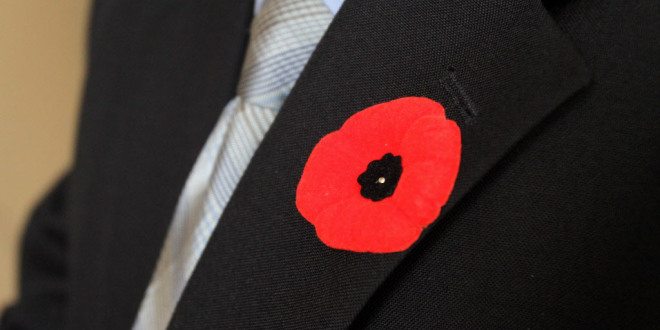
I don’t think I’ll be able to wear my poppy this year.

Hoppe

Every year I pick it out of the corner of the drawer where I keep it, from under the paper clips and rubber bands. After four years in China, the paper petals are now sadly scuffed and creased, but I still like to give it pride of place in the lapel of my jacket. I am somewhat diffident to wear it here, because everyone stares at it wondering what it is. Several of my Chinese staff have asked me politely what it means. After I’ve gone through the explanation, they thank me nicely but I rather think they put my behaviour down to a form of British eccentricity.

It was the same in Vienna. You would have thought that Europeans would be more familiar with the British paper poppy and its symbolism but it seems not. Every year, I would be asked by two or three people what it was all about, and every time I would go through the explanation.

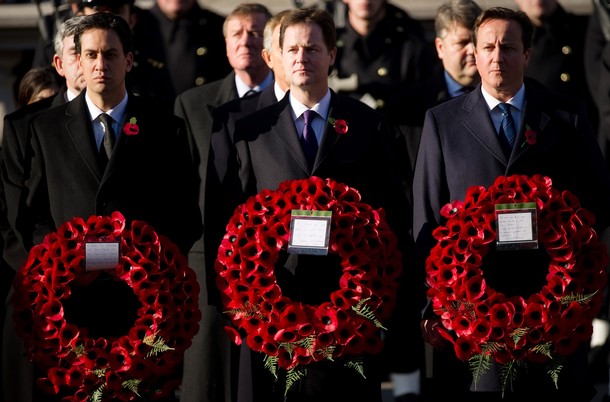
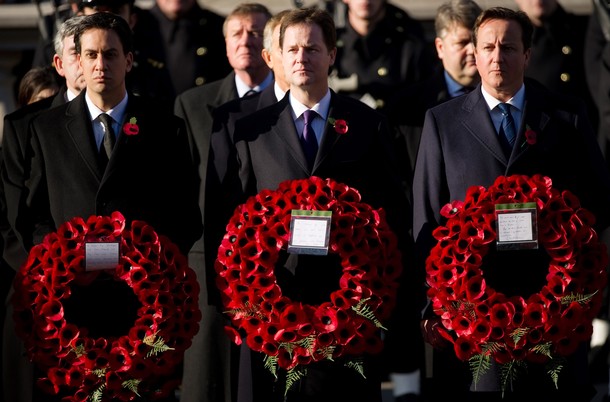
In Vienna, the enquirers would often start by commenting that they had seen the same poppy being worn by British politicians

Britain's Prime Minister David Cameron (

and indeed it is the sight of these politicians on my TV screen looking pious behind their poppies that reminds me that it is once again that time of the year … the eleventh hour, of the eleventh day, of the eleventh month. It was on 11 November 1918 that the Armistice between Germany and the Allied Forces was signed. The guns finally fell silent on the Western Front and the First World War came to an end.

The habit in the Commonwealth countries of wearing a poppy to remember the end of that war, and to raise funds for the wounded who came home and the widows and orphans of those who did not, grew out of a popular war poem written by a Canadian officer, John McCrae, who fought on the Western Front. I cite its first two verses here.

In Flanders fields the poppies blow
Between the crosses, row on row,
That mark our place; and in the sky
The larks, still bravely singing, fly
Scarce heard amid the guns below.

We are the Dead. Short days ago
We lived, felt dawn, saw sunset glow,
Loved and were loved, and now we lie
In Flanders fields.

Anyone who has ever seen a field sprinkled with poppies will immediately understand their strong symbolic resonance. They look like so much blood sprayed across the land.

poppies in field-3

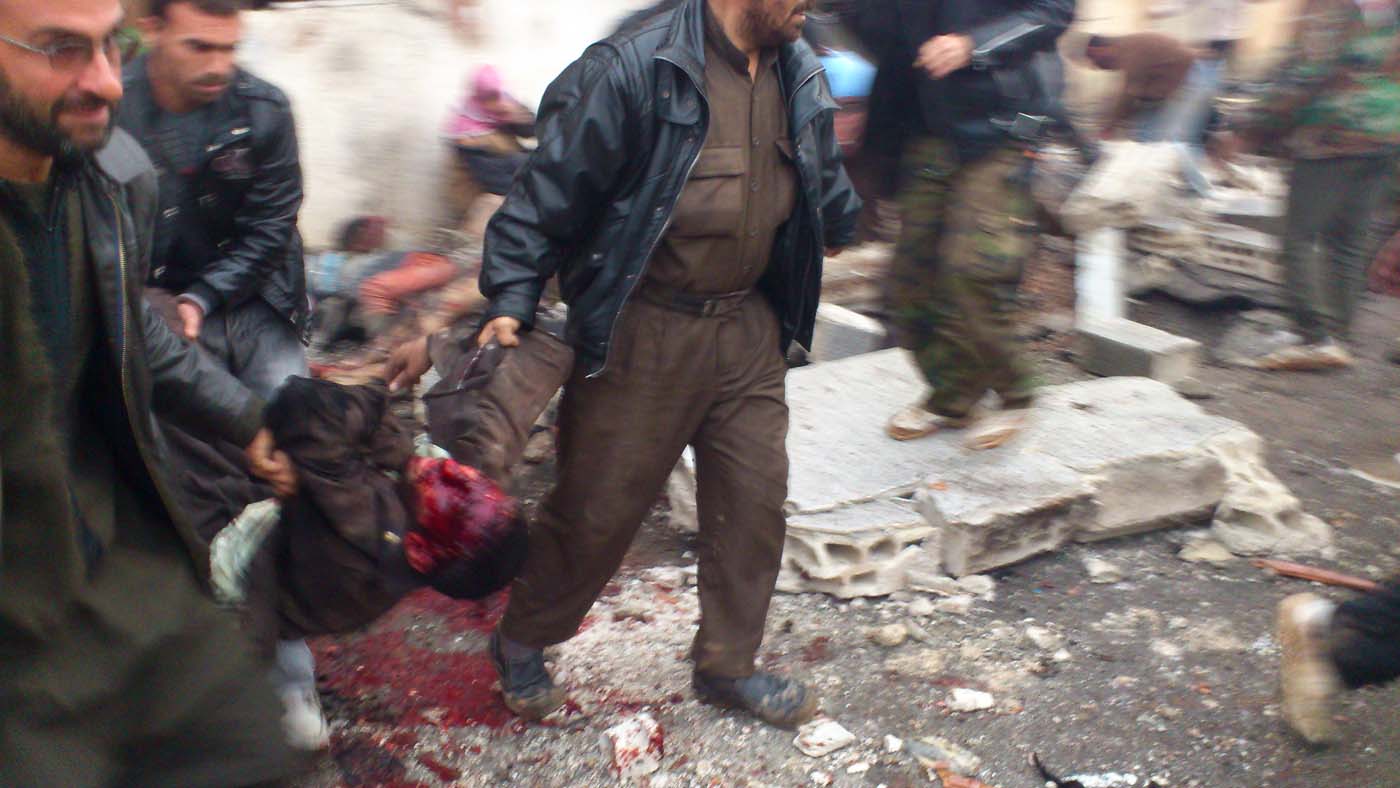
Earlier pious-looking politicians proclaimed that the First World War was the war to end all wars. Well, as we are all too aware, it wasn’t. As wars have continued to be fought, the poppy has become the way for the British and ex-British colonies of remembering their war dead. But I wear my poppy to remember all those who have died – civilians as well as soldiers – and continue to die in wars and other conflicts big and small the world over. Just this year we have the human tragedy of Syria, which is spilling over into Lebanon, there is the continuing conflict in Afghanistan which is spilling over into Pakistan, the continuing violence in Iraq and Libya, the growing violence in Egypt, the fighting in South Sudan, in Somalia, in the Congo, in Mali, in Myanmar, and on and on and on …

SYRIA-CONFLICT

When you see the sheer scale of the human misery which all this fighting engenders you understand why I did not cite the last verse of John McCrae’s poem.

Take up our quarrel with the foe:
To you from failing hands we throw
The torch; be yours to hold it high.
If ye break faith with us who die
We shall not sleep, though poppies grow
In Flanders fields.

I hate this glorifying of war, this coating in a veneer of sacred language what is simply a nasty, brutish fight. I prefer the following poem from that same war

Bent double, like old beggars under sacks,
Knock-kneed, coughing like hags, we cursed through sludge,
Till on the haunting flares we turned our backs
And towards our distant rest began to trudge.
Men marched asleep. Many had lost their boots
But limped on, blood-shod. All went lame; all blind;
Drunk with fatigue; deaf even to the hoots
Of disappointed shells that dropped behind.

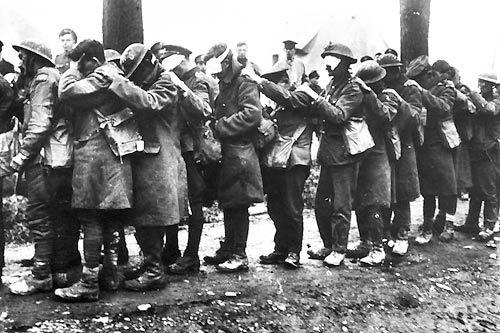
GAS! Gas! Quick, boys!– An ecstasy of fumbling,
Fitting the clumsy helmets just in time;
But someone still was yelling out and stumbling
And floundering like a man in fire or lime.–
Dim, through the misty panes and thick green light
As under a green sea, I saw him drowning.

In all my dreams, before my helpless sight,
He plunges at me, guttering, choking, drowning.

If in some smothering dreams you too could pace
Behind the wagon that we flung him in,
And watch the white eyes writhing in his face,
His hanging face, like a devil’s sick of sin;
If you could hear, at every jolt, the blood
Come gargling from the froth-corrupted lungs,
Obscene as cancer, bitter as the cud
Of vile, incurable sores on innocent tongues,–
My friend, you would not tell with such high zest
To children ardent for some desperate glory,
The old Lie: Dulce et decorum est
Pro patria mori..
[It is sweet and right to die for your country, a line from the Latin poet Horace]

dead soldiers

blinded soldiers

war-cripples

The poem was written by Wilfred Owen, who was killed exactly one week (almost to the hour) before the Armistice was signed. His mother received the telegram informing her of his death on Armistice Day, as the church bells were ringing out in celebration …

I must find a few minutes tomorrow to wear my poppy. I must make my annual statement against war, even if I am the only one to understand what I’m saying.
_____________

poppy in jacket: http://wpmedia.o.canada.com/2013/10/remembrance_frustrated_vets_20121108_24958803.jpg?w=660&h=330&crop=1 [in http://o.canada.com/technology/internet/legion-asks-redditors-to-remove-poppy-symbol-citing-trademark-protection/%5D
Politicians with poppies: http://4.bp.blogspot.com/-9GUo5YLH4iQ/Tr_Fb1rb4AI/AAAAAAAAInQ/qOXaLXKgfjg/s1600/a-9.jpg [in http://nobelprofile.blogspot.com/2011_10_16_archive.html%5D
Poppies in field: http://gallery.photo.net/photo/7644092-md.jpg [http://photo.net/blog/tag?tag=nature]
Wounded person: http://www.lapatilla.com/site/wp-content/uploads/2012/12/000_Nic6168584.jpg [http://www.lapatilla.com/site/2012/12/28/las-mejores-fotos-de-la-semana-5/]
Dead soldiers: http://upload.wikimedia.org/wikipedia/commons/8/89/Q_004256GermanDeadGuillemont.jpg [http://en.wikipedia.org/wiki/World_War_I_casualties]
Blinded soldiers: http://www.icrc.org/eng/who-we-are/history/first-world-war/v-p-hist-03088-25.jpg [in http://www.icrc.org/eng/who-we-are/history/first-world-war/overview-first-world-war.htm%5D
Crippled soldiers: http://www.ralphmag.org/CG/war-cripples640x432.gif [in http://www.ralphmag.org/CG/world-war-one2.html%5D

LITTLE MARIA

Beijing, 2 November 2013

revised 14 December 2014

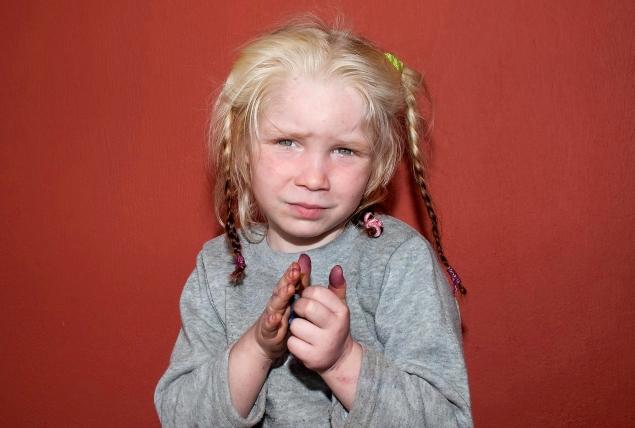
So Europe has been abuzz with the story of a little girl – Maria is her name – with the blondest of blonde hair and the bluest of blue eyes, who was found living with a Roma family in Greece. Her sweet little face flashed across all our television screens.

Little-girl-found-in-a-Roma camp

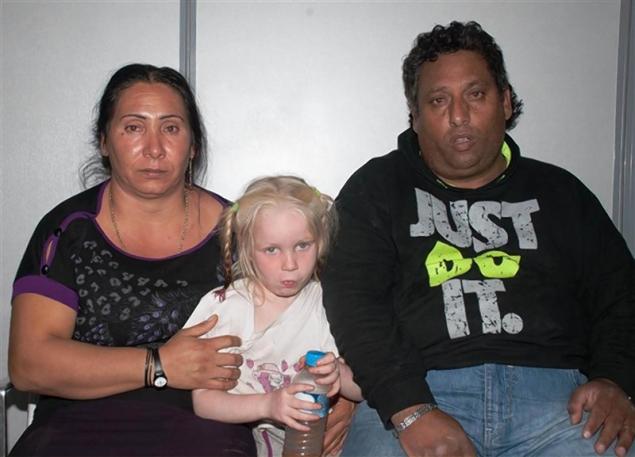
Greek police suspected, based on the lack of physical similarities between her and her supposed parents, that she was not their child.

marias greek so-called parents

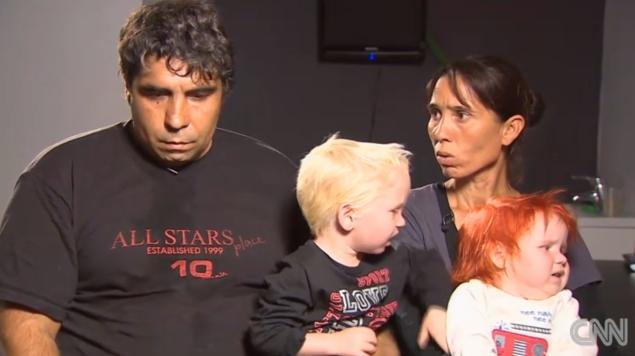
Of course, there was a racist element in the whole discussion: how on earth could Romani have blonde children? Everybody knows that Romani are dark and swarthy (and shifty and unreliable and of thievish disposition and, and, and …). The obvious corollary was that the Romani had stolen Maria from a “normal” family. There was a certain level of triumphalism when science came along with DNA tests which proved without a shadow of doubt that the Romani who claimed to be her parents were in fact not her parents. So I had to laugh when DNA tests went on to show that actually Maria is a Roma – but from another Roma family in Bulgaria. And her Bulgarian parents look just as dark and swarthy as the Greek “parents”!

marias bulgarian real parents-2

And to top it all, as the picture shows, they have other equally blonde children!

It seems that the solution of the mystery is simple enough. All this testing has shown that Maria’s father carries the gene for albinism. So Maria and her other white-skinned, blonde-haired children are albinos.

Actually, when we get away from all the fuss and bother of these last few days along with the borderline racism of it all, there is the deeper, fascinating tale of the Roma people themselves. For some 200 years already, scholars have inferred from the Romani’s language that their original home must have been the Indian subcontinent and more specifically somewhere in its northwestern part (I won’t bore you – or myself – with the details, but it has to do with the fact that the Romani language is clearly a New Indo-Aryan language rather than a Middle Indo-Aryan language, with the closest affinities to the Saraiki linguistic group, which is native to southern Punjab, northern Sindh, Southern Khyber Pakhtunkha and northeastern Balochistan provinces of Pakistan). So how come little Maria ended up in Bulgaria?

To answer that question, it would be nice if the Romani had written histories and other documents which would tell us what happened to them after they had left their original home and, after much wandering, ended up in Europe. But like most marginalized peoples, the Romani have little if any written documents. And so we are left with mentions of their passage – mostly disapproving if not downright hostile – in the documents of the countries they crossed, along with the Romani’s own myths and folklore about their past.

And now we also have genetics.

Modern genetics is amazing. Truly, we carry our history in our cells. Scientists can carefully tease out from those millions of chemicals spiraling in our DNAs our story as peoples. As the biotechnology tools and equipment have grown more powerful – and cheaper – more and more historical information about us is being squeezed from our cells. The Romani are no exception. I have just finished reading a scientific article about a large genetic study recently undertaken on the Romani – the latest of a series. It was pretty hard going, I have to tell you. Here is a sample: “we applied the ADMIXTURE clustering method to estimate the membership of each individual to a range of k hypothetical ancestral populations (k = 2 to k = 15, see Figures 2C, S1D, and S1E). At k = 2, a longitudinal gradient on the amount of ancestry of each component is observed from India to Europe (Spearman’s rho = 0.935, p < 10216, after exclusion of European Romani; Figure S1F)”. Aie-aie-aie! But I ploughed through the article, and this is what I got from it (with some help from a review of the article in Scientific American, I will admit).

We can start with this prettily coloured map.

india map

It shows the strength of affinity between the Romani’s genetic makeup and that of the modern populations of the Indian subcontinent (red, the strongest affinity; blue, the weakest). It tells us that most probably the Romani’s homeland was somewhere in the valley of the Indus River. This fits nicely with the linguistic evidence I mentioned earlier.

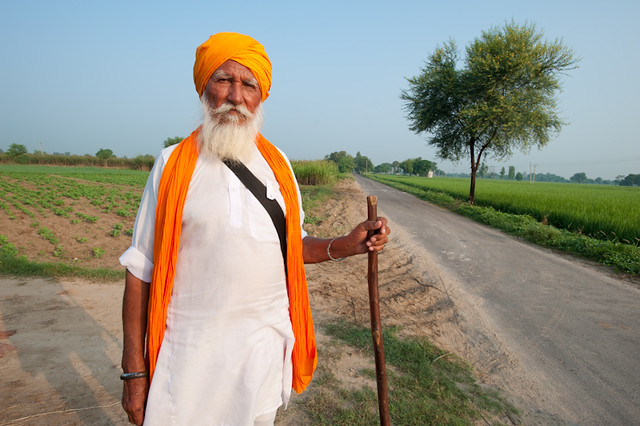
I throw in a picture here of one of the modern inhabitants of this part of India, a Punjabi farmer

punjabi farmer

Many of them are now Sikhs, but take away the turban and other Sikh attributes I don’t suppose the first Romani looked very different from this distinguished gentleman.

Genetics also tell us that it was very probably one group of people who left (rather than a number of groups leaving at different times and mingling over the centuries of their wanderings), and that they left in about 500 AD. Genetics can’t tell us why they left, alas, but a look at India’s history books shows that this was the time when the White Huns conquered the northwestern part of India from the Gupta Empire. Perhaps the Romani’s ancestors wanted to get out of the way of the fighting, or they were on the losing side of the fight and had had their lands taken from them.

Quite soon after leaving, genetics goes on to tell us, this so-called “founder group” went through what geneticists euphemistically call a bottleneck, which is another way of saying that the group’s numbers dropped sharply, in this case by half. Perhaps the White Huns caught up with them, perhaps a local population objected to their presence on their territories, perhaps they were decimated by some infectious disease. We’ll probably never know. In any case, genetics tells us that thereafter they moved quite fast through the Caucasus and the Middle East, mixing only moderately with the local populations along the way.

In about 800 AD, they ended up in Bulgaria; genetics tells us that this was their trampoline into Europe. And there they stayed for some three hundred years, according to the genetics, until about 1100 AD, when they started dispersing throughout the rest of Europe. The genetics can tease out two main dispersal streams, one to Western Europe and the other to Eastern Europe. Something bad happened to the Western European group in about 1200-1300 AD; their genes went through another strong “bottleneck”, equivalent to their losing some 30% of their population. Could it have been the Black Death? But why didn’t the Eastern European Group suffer similarly? The plague struck there too (except in the area of what is now mostly Poland). Again, we’ll probably never know.

Be that as it may, the genes also give us an indication of how much the Romani people have mixed their genes with other people’s as they spread through Europe. Overall, the Romani haven’t mixed much; their genes show more evidence of marriage among blood relatives than is the case with the other European populations (an interesting exception are the Welsh Romani, who seem to have mixed quite a bit). But they haven’t kept completely to themselves. And here there is an interesting difference between various groups of Romani. For instance, Romani from Spain and Portugal, but also from Lithuania, seem to have mixed more readily with the local populations in the past than they have recently. The opposite pattern is seen in the genes of the Romani populations from Slovakia and Hungary in Central Europe, and Croatia, Romania, and Bulgaria, in the Balkans. Here, the Romani kept to themselves for a long time but then more recently have mixed with other populations.

Given our generalized suspicion of Romani and our desire to keep away from them (I remember as a child being told that gypsies would carry you off if you weren’t careful, that you had to keep away from gypsy encampments, etc. etc.), how did any mixing between Roma and non-Roma take place at all? Well, it could have been kidnapping, as was the initial suspicion in the case of Maria. But it could just as well have been a case of Romani women being raped. But more likely it was people who, out of desperation, running away from dire poverty or abuse or some other misery, or out of a love for the open road, joined groups of Romani. And so mixed their genes with those of the Romani.

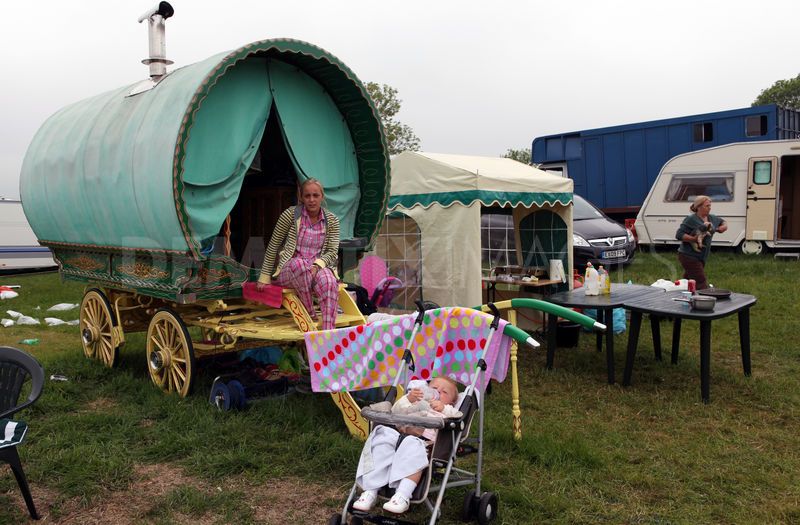
The urge, or need, to take to the open road is not a monopoly of the Romani. Many local European populations have done so over the ages. In my country, we have the English Travellers, the Highland Travellers, the Welsh Travellers. The Irish have their Travellers.

irish-travellers

The Norwegians have theirs. The Dutch have their Woonwagenbewoners (“caravan residents”). The Germans have their Landfahrer (“country drivers”). Germany and Switzerland (but also parts of France and Austria) have had the Jenische.

Jenische

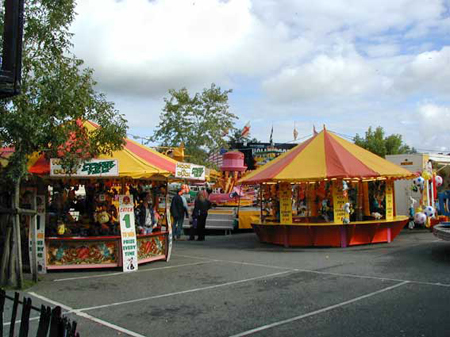
The Spaniards have their mercheros. And of course there are Show Travellers, all those people who travel around working in circuses, fairgrounds and the like.

fairground

And then we have those who don’t belong to any particular community, who are out on the roads alone, the tramps, who were turned into philosophers by Samuel Beckett in his immortal play Waiting for Godot

waiting-for-godot

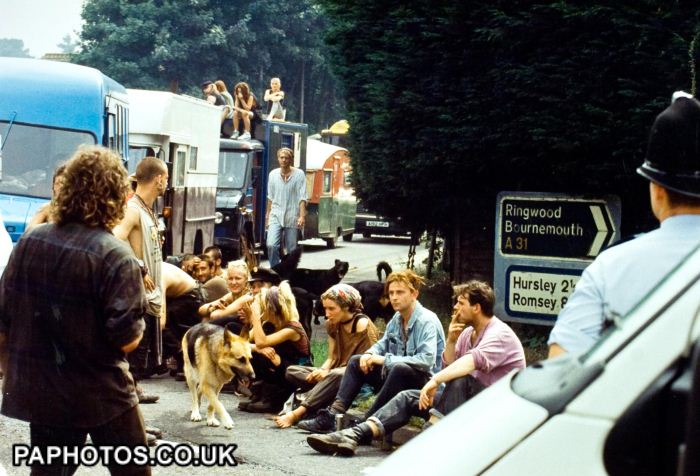
Many of these groups formed through poverty and desperation. But fascinatingly enough, the urge to make for the highway hasn’t died down, even in our rich, modern societies. We now have New Age Travellers, who travel between musical festivals and similar happenings.

new-age-travellers

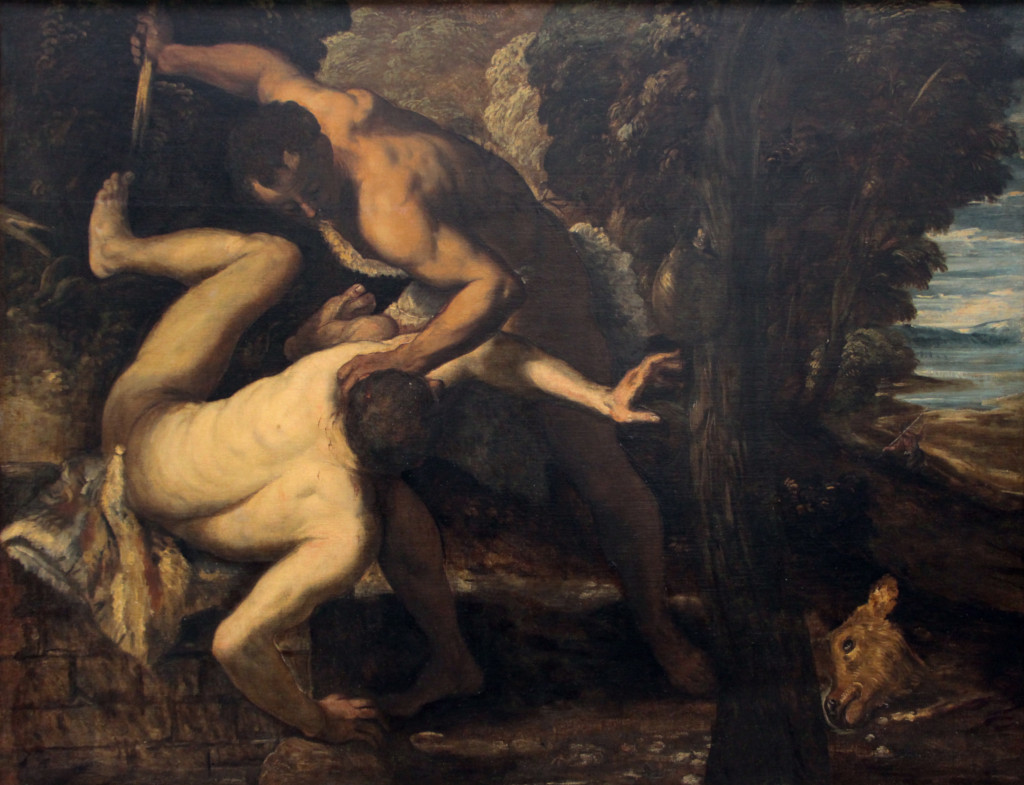
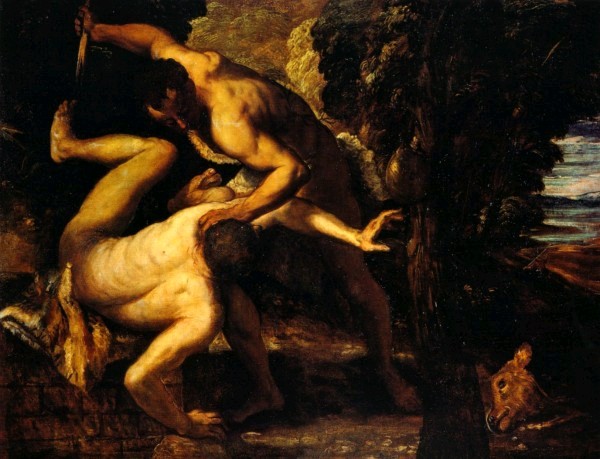
This last photo, with the policeman standing guard, says everything about the relationship us settled people have with the travellers. We view them with suspicion, bordering on fear. These people are shifting, rootless, not only physically but morally. They are dangerous. It was ever so, the relationship between the settled farming communities and the travelling herders of the plains, the grasslands, of the wide-open spaces. Why, even the Bible has its story of this difficult, often violent, relationship between the two peoples, in the story of Cain and Abel. Cain was the settled farmer, Abel was the wandering shepherd. Cain was jealous of Abel, who seemed to enjoy God’s favour more, and he killed him.

cain and abel

Yes, we fear them and have pushed them further and further to the fringes of our societies. But they despise us. I rather like the term Show Travellers use to describe us settled folk: Flatties. Yes, I suppose our lives are flatter for not being out on the road.

NOTE: I thank Andrew for correcting a fundamental mistake I made in the original post. I had not picked up on the fact that our little Maria is in all probability an albino.

________

Little blonde girl found in Roma camp: http://assets.nydailynews.com/polopoly_fs/1.1499215.1382989726!/img/httpImage/image.jpg_gen/derivatives/landscape_635/185472147.jpg [in http://www.nydailynews.com/news/world/roma-mom-maria-back-article-1.1499222%5D
Maria’s Greek “parents”: http://assets.nydailynews.com/polopoly_fs/1.1499217.1382989729!/img/httpImage/image.jpg_gen/derivatives/landscape_635/greece-girl.jpg [in http://www.nydailynews.com/news/world/roma-mom-maria-back-article-1.1499222%5D
Maria’s Bulgarian parents: http://assets.nydailynews.com/polopoly_fs/1.1499220.1382989732!/img/httpImage/image.jpg_gen/derivatives/landscape_635/roma29n-2-web.jpg [in http://www.nydailynews.com/news/world/roma-mom-maria-back-article-1.1499222%5D
Map of India: from the quoted article  (hyperlinked)
Punjabi farmer: http://farm5.staticflickr.com/4005/4432639845_00be7b0578_z.jpg?zz=1 [in http://www.flickr.com/photos/gurbirsinghbrar/4432639845/%5D
Irish travelers: http://static1.demotix.com/sites/default/files/imagecache/a_scale_large/700-6/photos/1306505237-irish-travellers-in-the-uk_705916.jpg [in http://www.demotix.com/news/705942/irish-travellers-uk#media-705926%5D
Jenische: http://upload.wikimedia.org/wikipedia/commons/1/10/Jenische_um1890_Muotathal_CHe.jpg [in http://en.wikipedia.org/wiki/Yeniche_people%5D
Fairground: http://www.callington-tc.gov.uk/images/Honey_Fair_stalls.jpg [in http://www.callington-tc.gov.uk/civic_community/honey_fair.html%5D
Waiting for Godot: http://rosariomariocapalbo.files.wordpress.com/2011/03/waiting-for-godot11.jpg [in http://rosariomariocapalbo.wordpress.com/2011/03/31/samuel-beckettwaiting-for-godot/%5D
New Age travelers: http://www.assetstorage.co.uk/AssetStorageService.svc/GetImageFriendly/721206537/700/700/0/0/1/80/ResizeBestFit/0/PressAssociation/F2E18D5B4CC53FE75B4C42D68612D0FF/new-age-travellers-in-winchester.jpg [in http://www.friendsreunited.co.uk/new-age-travellers-in-winchester/Memory/b7746d77-162d-4041-8b82-a00a012a3288%5D
Cain and Abel: http://www.artbible.info/images/kain_abel_grt.jpg [in http://www.artbible.info/art/large/81.html%5D

TATTOOS: DO I OR DON’T I?

Beijing, 10 August 2013

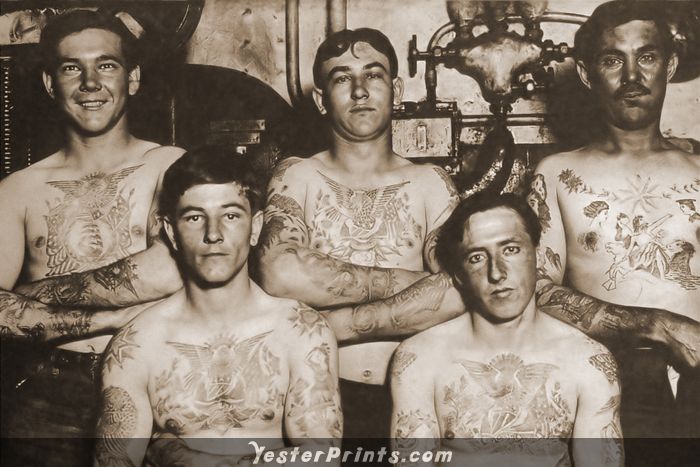
Call me old-fashioned, but I don’t really get this new fashion of tattooing – or inking, as the new lingo has it. When I was young, it was only the “Working Class” who sported tatts, and even then it was the more rootless among them who indulged: the sailors, the soldiers, the truck drivers, the criminals.

tattooed sailors

But more and more now, especially when summer rolls around and people disrobe, allowing views of parts of their anatomy which they cover the rest of the year, I am struck by how many, primarily young, people are tattooed. This happened to me again in Italy just a few weeks ago when my wife and I were on holiday there. Walking around the streets and on the beach, I was struck by the number of tattoos that flashed casually into view, worn by people who were manifestly not from one of the professional categories I’ve just listed.

tatuaggio in strada-2

tatuaggio spiaggia

Consider the stats. According to a survey quoted in an article in the Guardian, in the UK’s over-60s (the age group of which, alas!, I am nearly part) a little less than 10% have a tattoo, whereas in the 16-44 year-old group it’s nearly 30% – men and women combined. In the US, the figure climbs to 40% in this last age group. Tattooing is, as they say, going mainstream.

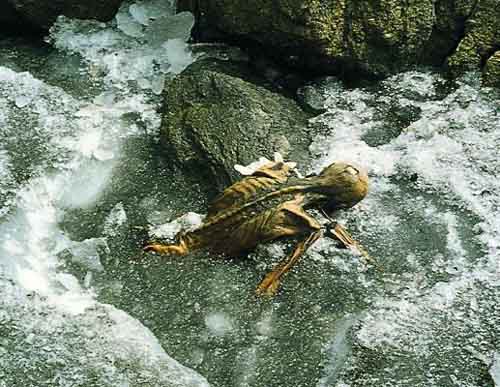
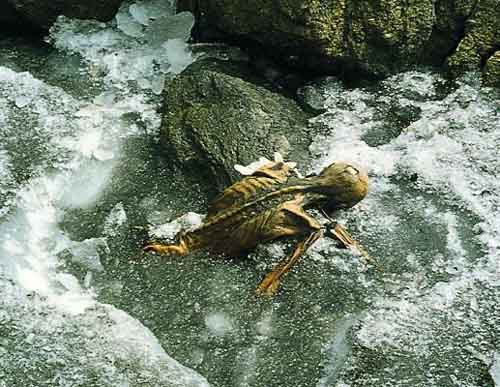
Of course, tattooing does have an honourable history. Our poor friend Ötzi, the Neolithic man found frozen to death in a glacier high in the Alps

otzi iceman

carried 57 tattoos, no less. They were mostly simple lines and dots, like these ones along his spine

otzi tattoo

and he probably had them done for some therapeutic value.

That was 5,000 years ago. 2,500 years ago, a Scythian chief who was buried in the permafrost was sporting considerably more elaborate designs on his arm.

Scythian_tatoo

while British children who didn’t stare out of the window while the history teacher droned on and on will know that when Julius Caesar made his military foray into the British Isles in 54 BC, he found people who liked to paint, perhaps to tattoo, themselves blue: “All the Britons dye themselves with woad, which occasions a bluish color, and thereby have a more terrible appearance in the fight” JC tells us in his book Gallic Wars. So this is what my ancestors looked like …

ancient-britons_box_front_web

For a history nerd like myself, it’s also fascinating to know that Ahmad ibn Fadlan, a 10th-century Arab who travelled up the River Volga and met the Vikings in their kingdom of Rus, described them as tattooed from “fingernails to neck”

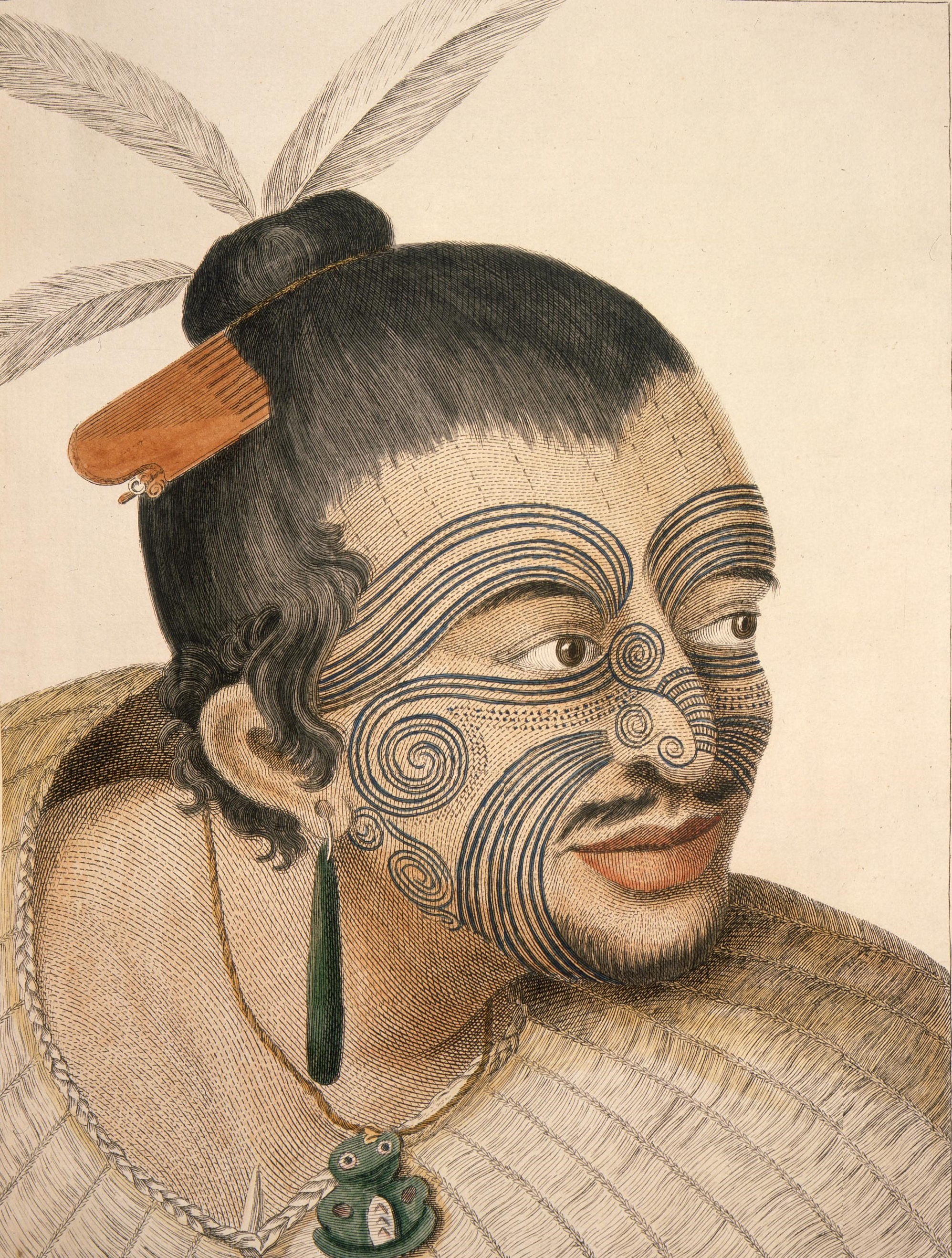
The usual spoilsports, the Christians, came along and banned the practice of tattooing in Europe, seeing it as a pagan practice (to be fair, the Jews had prohibited it even earlier). So in Europe at least, tattooing died out until the late 1700’s, when James Cook – and his sailors – discovered New Zealand and the tattooed Maoris, and reintroduced the practice (more history nerdism: the English word “tattoo” was actually introduced by James Cook, who was anglicising the Polynesian word “tatau”). Here is a picture of a Maori chief from Cook’s period:

Maori Chief 1784

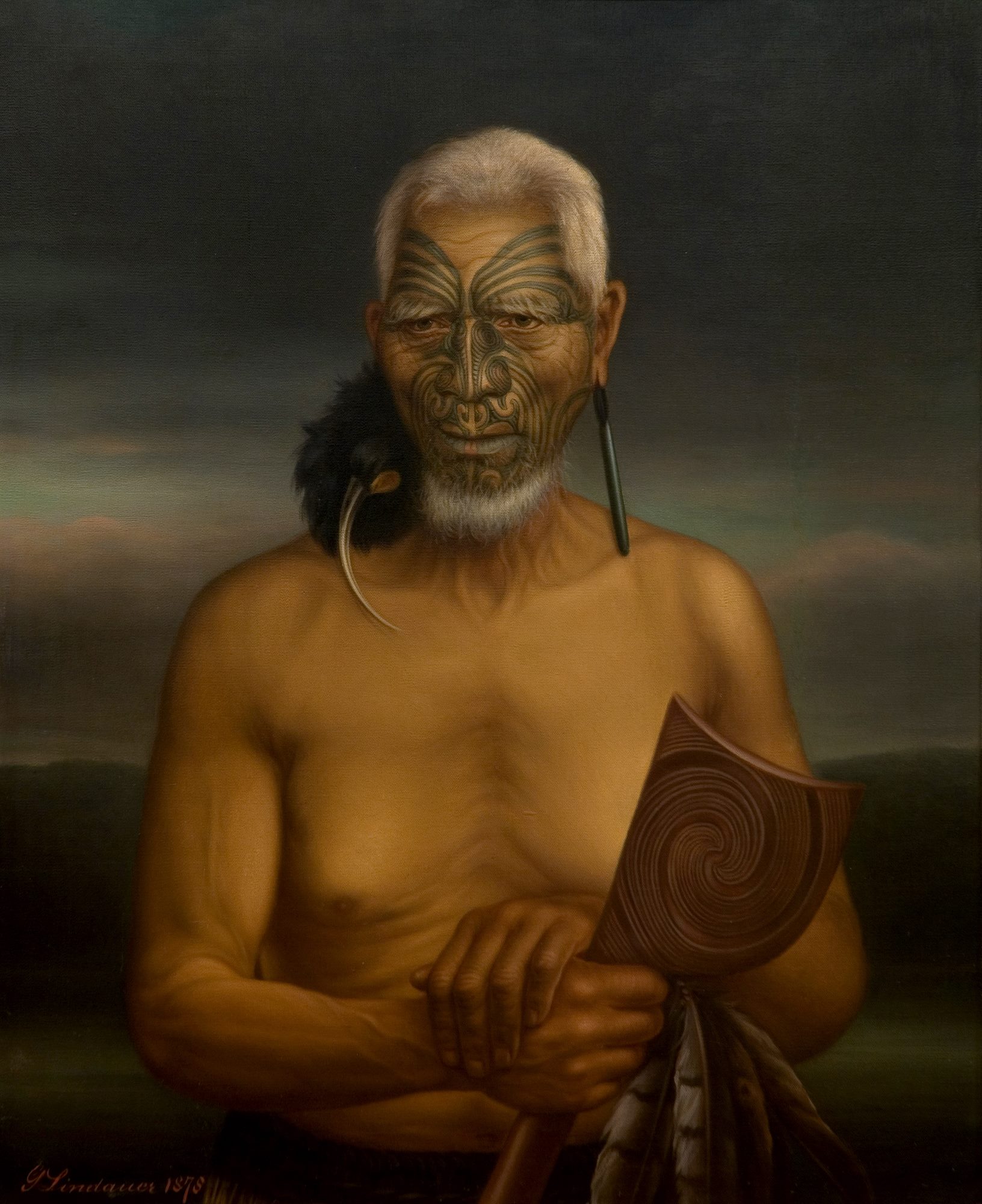
and a later one of another Maori chief, when the practice was dying out among them:

Tukukino maori-2

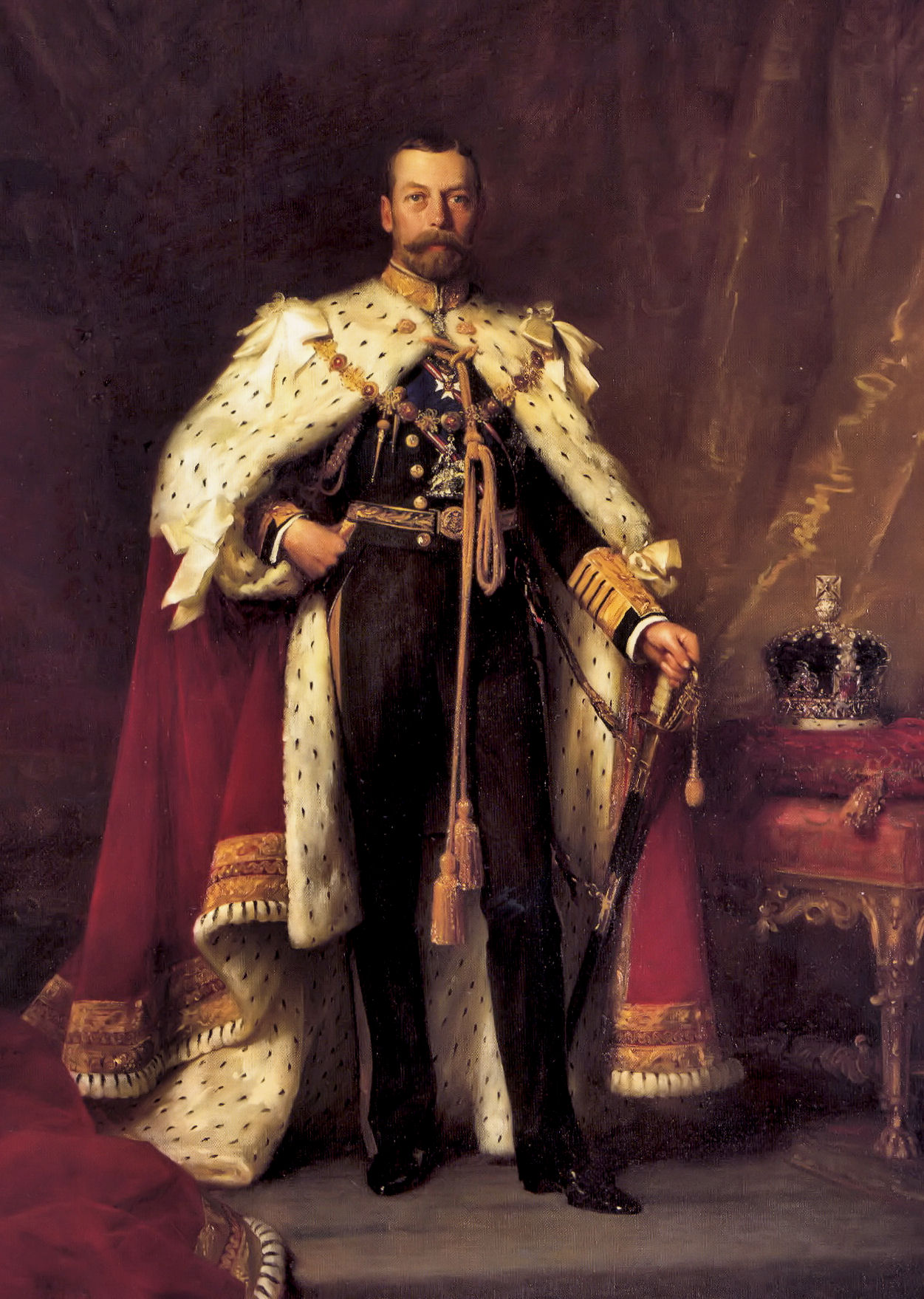
Not surprisingly, given the source of the reintroduction, sailors were at the vanguard of tattooing among the working class – by the late 1800s, 90% of the British navy was tattooed – but I have been astonished to discover that European royalty also had a penchant for getting inked. The very staid King George V

George V

sported tattoos of the cross of Jerusalem and a dragon, while two of his sons and a bunch of wannabe European royals followed suit. Even the British aristocracy was into the game. It seems that they liked to congregate in the drawing room after dinner and, over the port and cigars, show off their tattoos to each other.

So actually it was only us prim and proper Middle Classes who didn’t have tattoos …

OK, let’s step back now from the social class stuff which so permeates discussions of tattooing, and let’s ask ourselves these questions: Are tattoos pleasant to the eye? Does tattooing enhance a person’s beauty?

Let’s immediately forget about the little dolphins below the ankle (David Cameron’s wife) or the little sharks on the foot (Martha Swire, the Cathay Pacific heiress), or the little kittens on the bum (Emma Parker Bowles, niece of the other Parker Bowles), or the little stars spangled down the back (Rihanna)

rihanna_tattoo10

These are just cute pictures. I don’t see how having them tattooed permanently on you enhances the look of your skin or of you in general, especially if the onlooker cannot, or can hardly, see them. I mean, I can’t ask the PM’s wife to lift her leg, or Emma Parker Bowles to drop her pants, so that I can take a better gander at their dolphins and kittens, now, can I? And if I can’t do that, why bother having them? I am looking at this from the perspective of beauty … titillating your lover is another issue.

Actually, I have a problem with the idea of tattooing any kind of picture on one’s skin. Look at this photo of Angelina Jolie:

Anglina-Jolie

Does it enhance Ms Jolie to have those pictures on her? Do those pictures look better on her skin than on a wall? Personally I think not, in both cases. Her arms just look dirty to me and the pictures do not get better by being on the curved surface of her arm.

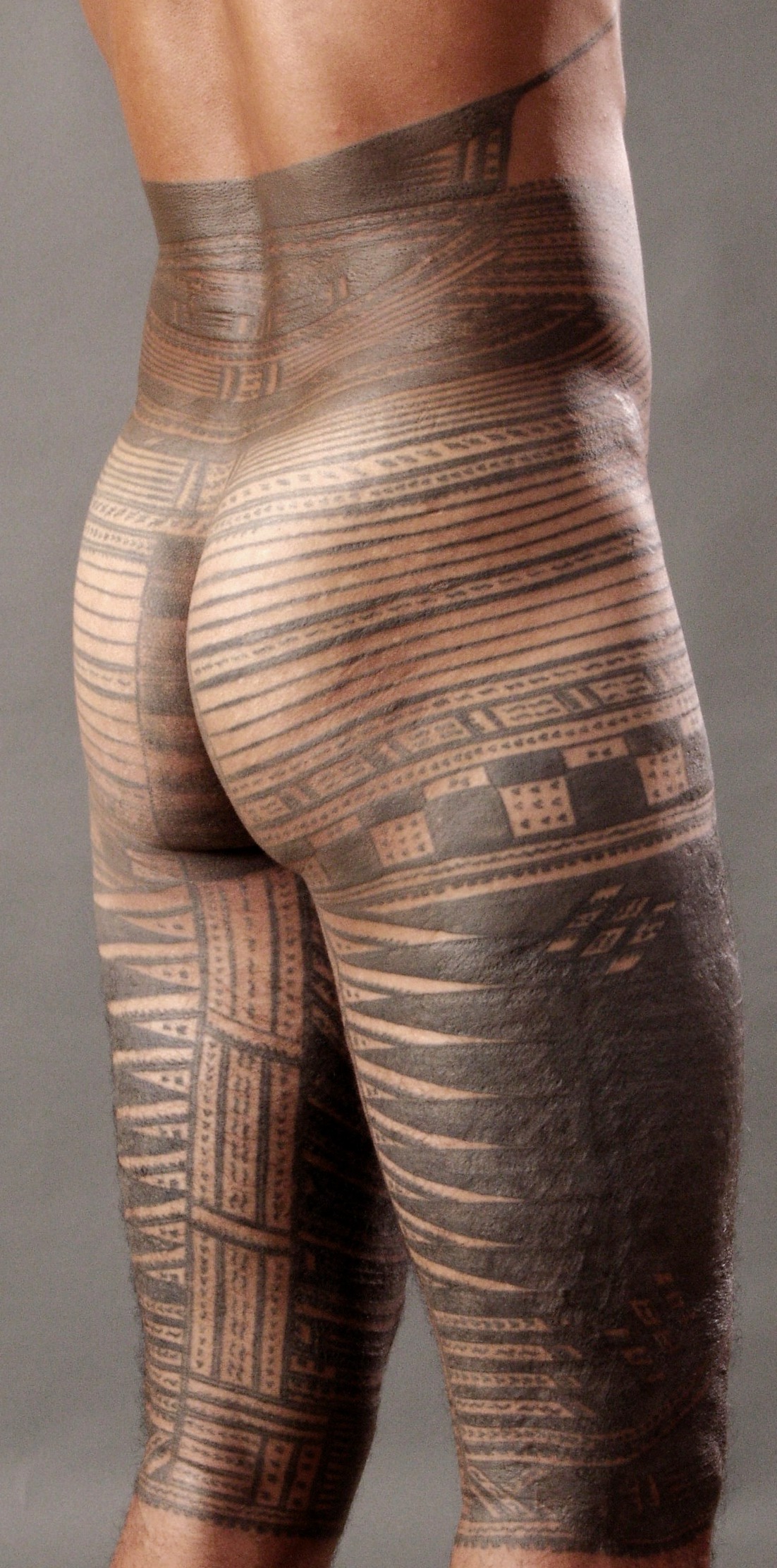
So let’s focus on abstract designs, which is what the Maoris had on their faces, and the Samoans had on their nether regions:

Traditional_Samoan_Tattoo_-_back

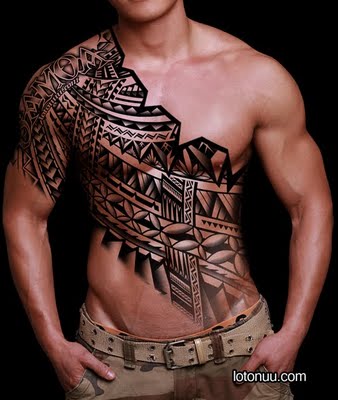
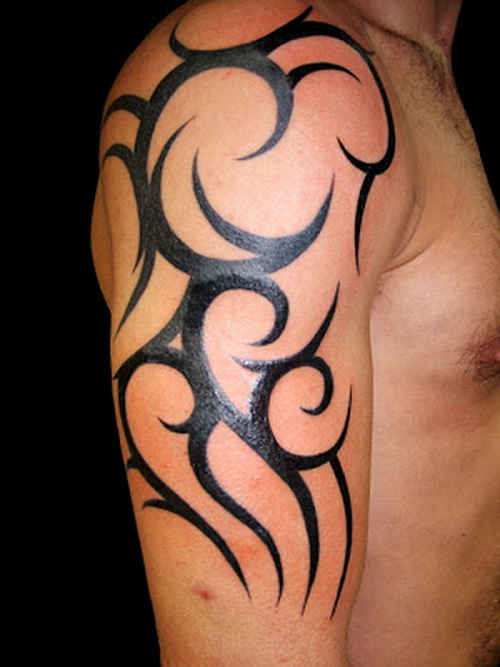
Here’s a couple of photos of abstract designs, all on men I have to say, although I can’t see why they wouldn’t work on women:

Tattoo Designs-1

Tattoo Designs-2

Tattoo Designs-3

tattoo designs-4

tattoo designs-5

I really don’t like those heavy sleeves in the first picture (as you can see, I am picking up the language of the tattoo parlour), they just make the arms look dirty. As for the others, I guess they aren’t too bad, even allowing for the fine pecs, or whatever those muscles are called, which the models have in abundance. But do they really make the men (in this case) look more handsome? I’m not convinced; those are really strong, in-your-face colours and thick lines. Maybe thinner lines in more discrete colours, a fainter blue or red? Perhaps the Ancient Britons’ woad will make a come-back …

But at the end of the day (and this post), I really have to ask myself, if you don’t live in Samoa or some other nice South Sea island where you can go around all day more or less without any clothes on, so that your next-door neighbours can admire your designs as you walk by; if you live instead in coldish Europe where you’re covered in clothes all day, and where if you take them off in public they bundle you off to the nearest psychiatric hospital, what’s the point?

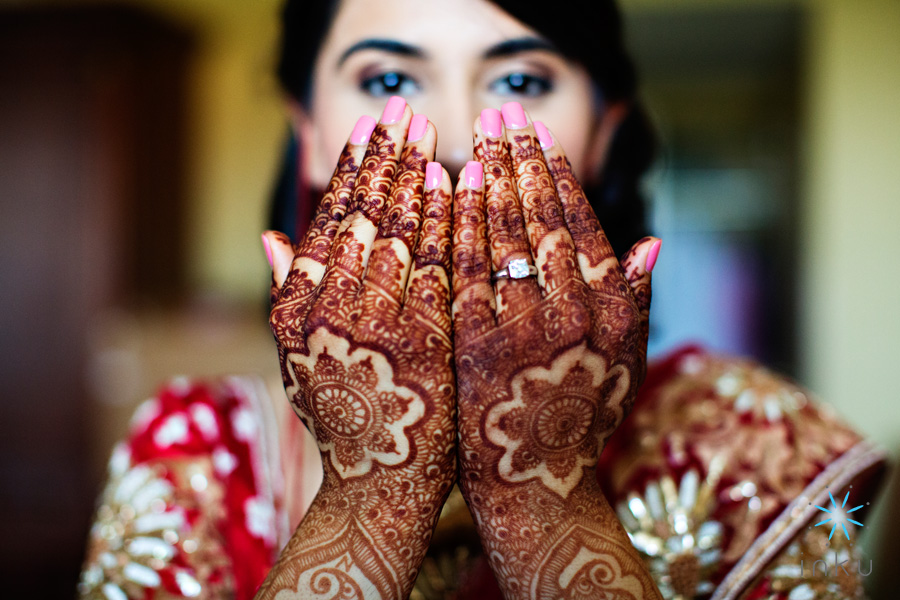
And why don’t we do it the way the Indians and others do it at weddings? Use henna, draw beautiful designs on yourself which are ephemeral

henna hands

and try out other designs at the next beach party: beach party, because you can take – most of – your clothes off and parade your new fancy designs which can be in more places than just your hands.

Just a thought.

And finally, with all due respect to the Maoris, please don’t touch your face. In 330 AD, the Roman Emperor Constantine the Great banned the practice of tattooing the faces of convicts, gladiators, and soldiers because, he said, the human face reflected “the image of divine beauty, and should not be defiled.” I couldn’t agree more.

______________________________

Tatooed sailors yesteryear: http://www.akirabodyart.com/images/content/1/c20_0040-sailors-tattoo-web.jpg
Tattoo on a street: http://www.rosesfanees.it/wp-content/uploads/2013/06/IMG_3571.jpg
Tattoo on a beach: http://2.bp.blogspot.com/_0GG_6fSKfBI/TITqWrghiOI/AAAAAAAAAYQ/m2JEHxwIVzo/s400/tatuaggio_2.jpg
Ötzi iceman: http://www.age-of-the-sage.org/archaeology/otzi_iceman_2.jpg
Ötzi tattoo: http://www.freetattoodesigns.org/images/tattoo-history.jpg
Scythian tattoo: https://upload.wikimedia.org/wikipedia/en/a/a6/Scythian_tatoo.jpg
Maori Chief 1784: https://upload.wikimedia.org/wikipedia/commons/d/d4/MaoriChief1784.jpg
Maori Tutukino: https://upload.wikimedia.org/wikipedia/commons/4/45/Tukukino%2C_by_Lindauer.jpg
George V: http://upload.wikimedia.org/wikipedia/commons/e/ee/George_V_of_the_united_Kingdom.jpg
Rihanna’s back tattoo: http://cdn04.cdnwp.thefrisky.com/wp-content/uploads/2012/09/10/rihanna_tattoo10.jpg
Angelina Jolie’s tattoos: http://www.tattoodesignsidea.com/wp-content/uploads/2013/05/Anglina-Jolie-Tattoo-Designs.jpg
Traditional Samoan tattoos: https://upload.wikimedia.org/wikipedia/commons/9/99/Traditional_Samoan_Tattoo_-_back.jpg
Tattoo design-1: http://photovide.com/wp-content/uploads/2013/01/Tattoo-Designs-07.jpg
Tattoo design-2: http://cooltattooidea.com/wp-content/uploads/2013/07/pics-of-tattoo-designs-sz6ztmti.jpg
Tattoo design-3: http://www.lotonuu.com/images/samoan-tattoos/samoan-body-Tattoo10.jpg
Tattoo design-4: http://samoantshirts.com/images/tattoo/samoan%20tattoos.jpg
Tattoo design-5: http://tattoodesignsmag.com/wp-content/uploads/2013/03/Best-Tribal-Tattoo-Designs.jpg
Hennaed hands: http://www.inkuphoto.com/wp-content/uploads/2012/07/nj-wedding-photographer-nyc-wedding-photographer-boston-wedding-photographer-indian-hindu-sikh-inku.jpg

WILD TULIPS

Beijing, 24 April 2013

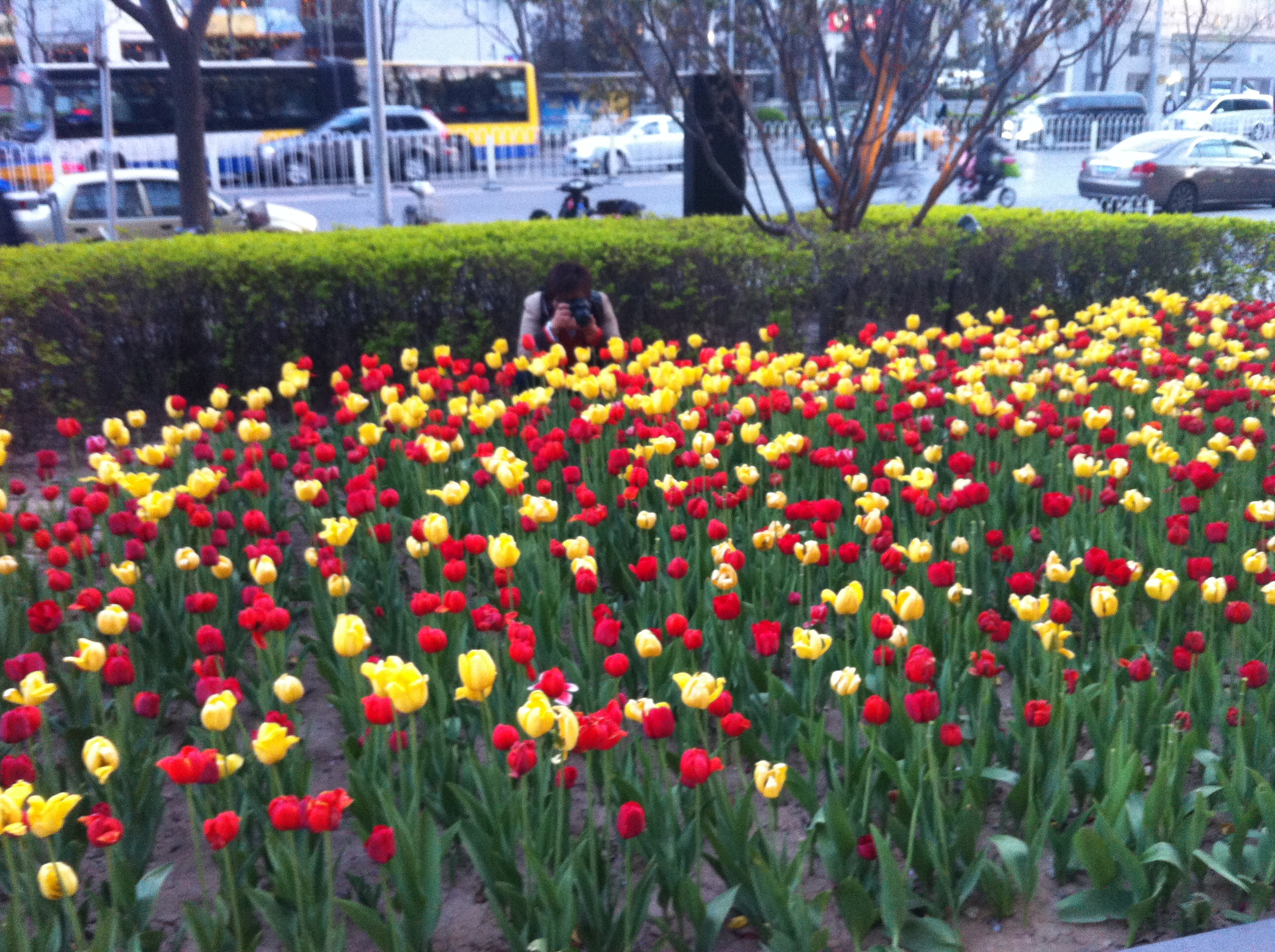
I am lucky to live close enough to the office in Beijing to be able to go home for lunch. Which means that for the last week I have been walking, four times a day, past the bed of tulips that our buildings management had thoughtfully planted outside the front door and which has finally bloomed.

tulip bed by house 001

The bed has attracted considerable attention from the locals, who have stopped to admire, to photograph, and of course to be photographed in front of.

tulip bed by house 004

I must admit, I am not a huge fan of tulips, especially when they are planted in massed beds like this. These massed plantings are not helped by the strong colours of so many commercially available tulips. I mean, look at the colour combination in our building’s bed: bright red and bright yellow. I’m sure the colours were chosen with very deliberate intention: red for happiness in China’s iconography, yellow for wealth. So, “Happy Spring! Be wealthy and be happy” (as my father was fond of repeating, “money may not be the source of all happiness, but it surely helps a lot”). But it’s just too … much.

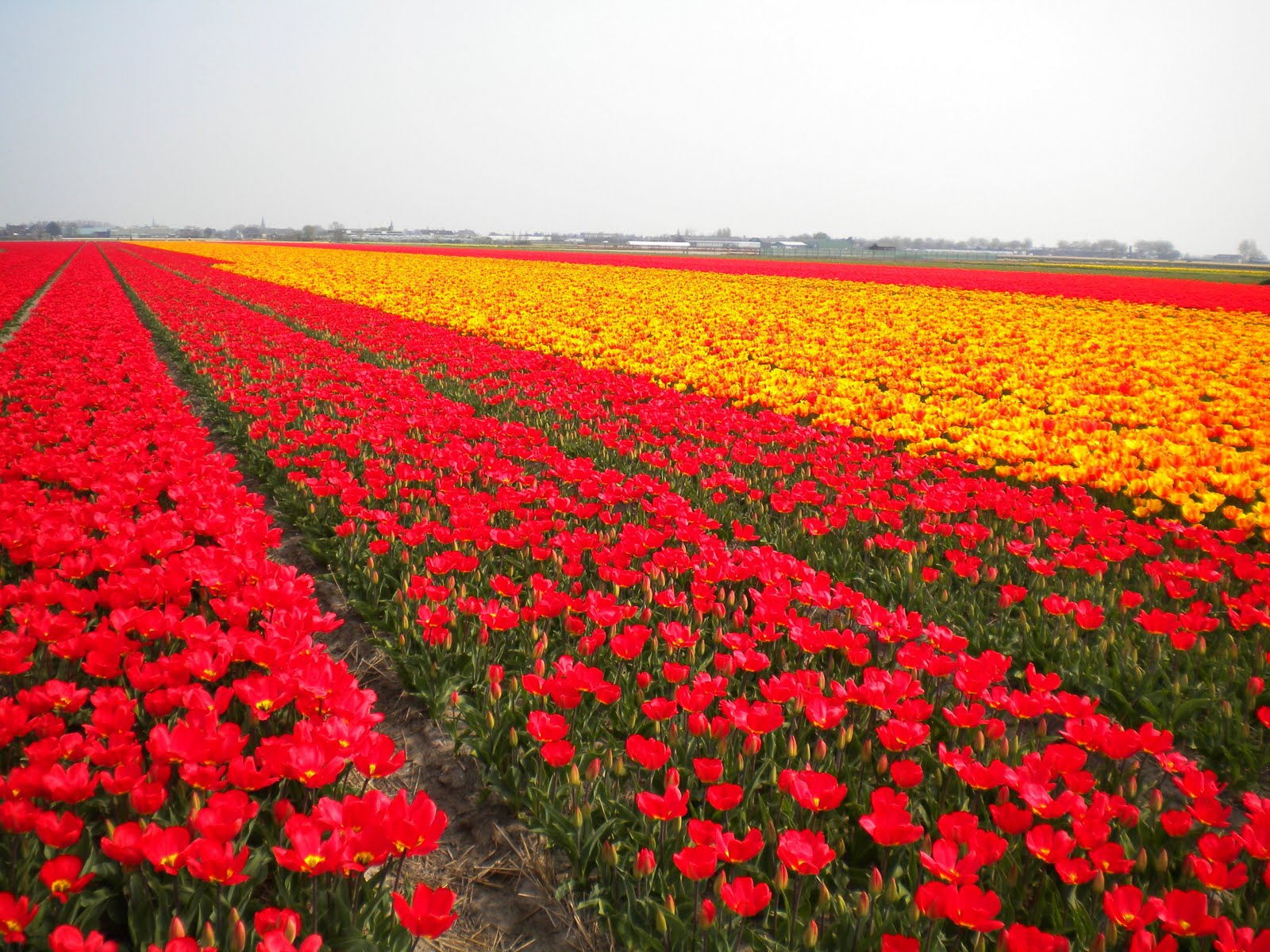
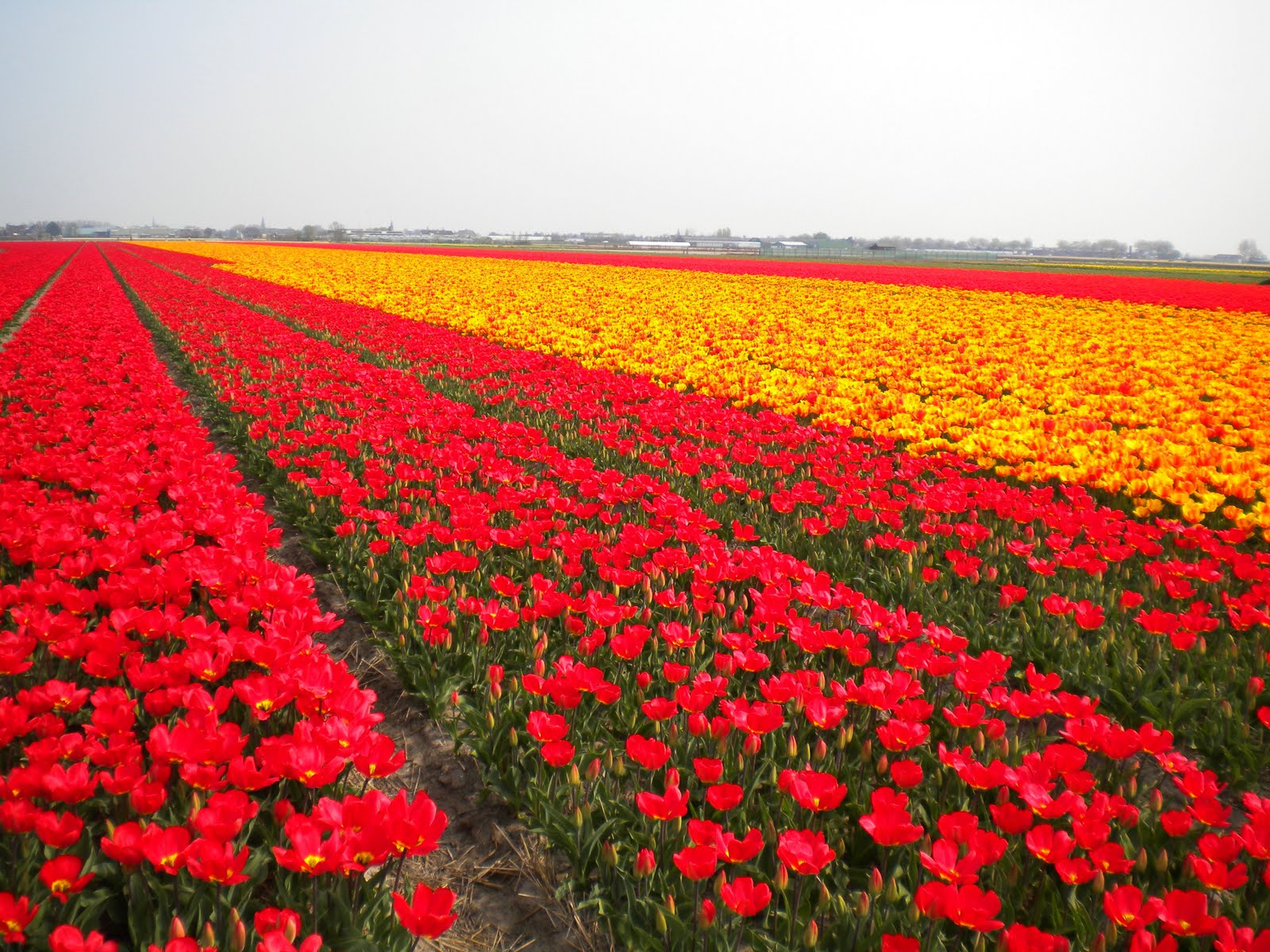
I believe that the Netherlands tourist board touts tours of its tulip fields when they are in bloom, travelling around – of course – by bike. I cannot think of anything worse: days of bicycling past acres of strong colours.

tulips in Holland-4-field

It would be the visual equivalent of eating, all alone, a large and very rich chocolate cake.

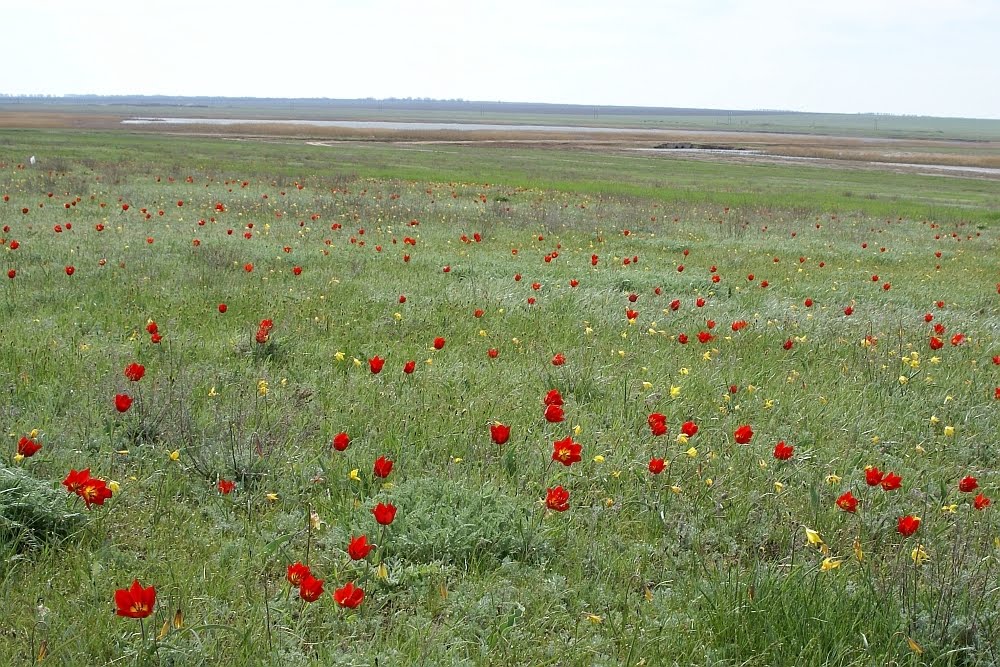
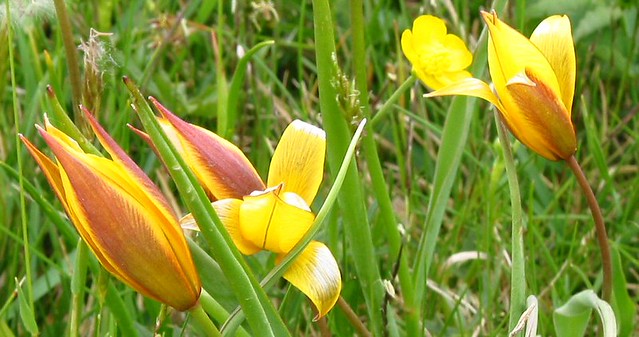
No, I think I would prefer to be riding a horse and come across this sprinkling of wild tulips on the steppes of southern Russia:

wild tulips-9-steppes s russia

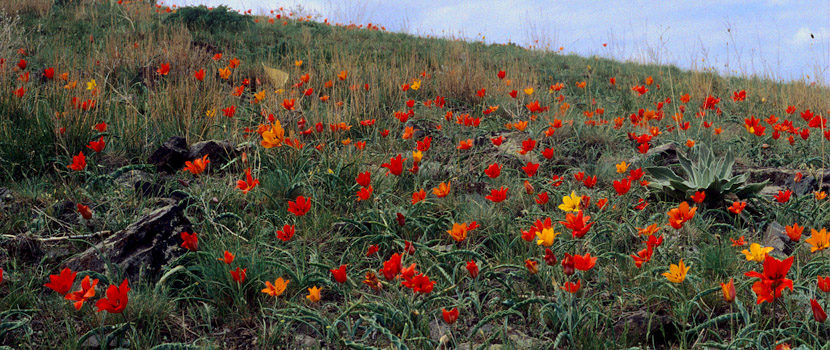
or this carpet of wild tulips in Asia Minor:

wild tulips-3-asia minor

or this scattering of wild tulips in Iran:

wild tulips-5-iran

or this bed of wild tulips in Crete:

wild tulips-2-omalos crete

or this achingly beautiful wild tulip in Cyprus:

wild tulips-8-cyprus

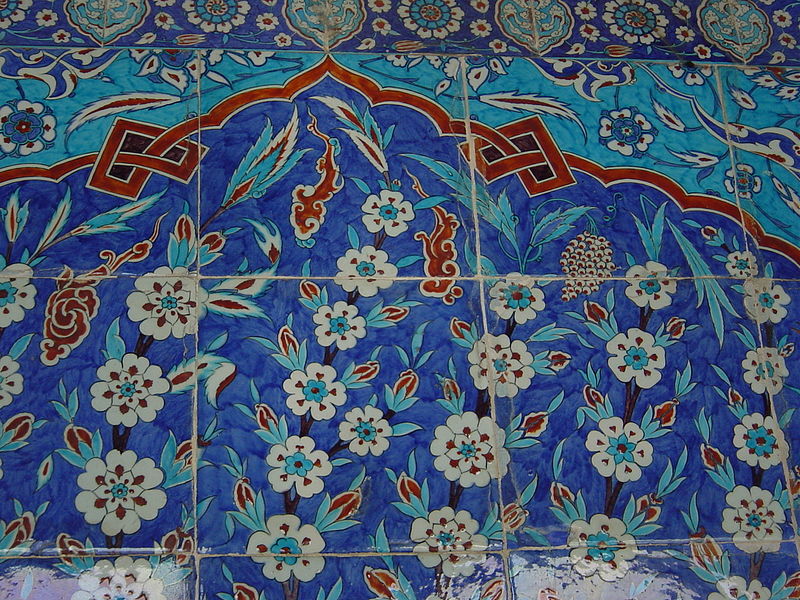
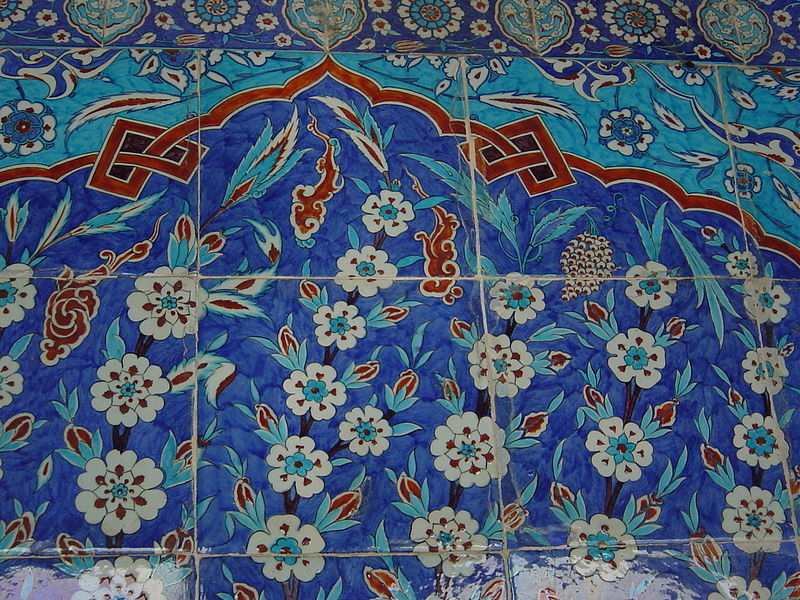
I think it is clear by now to the reader that I prefer wild tulips by far. Apart from being integrated into their environment rather than regimented into artificial beds, I find their shape – coming up into a sharp, delicate point – so much more beautiful than the bulk of commercially available tulips. The artisans in Iznik, Turkey, also recognized the beauty of the tulip in their wonderful ceramics. These are ceramic tiles gracing the walls (or rather the pillars) of Rüstem Pasha Mosque in Istanbul:

tiles-4-Rüstem Pasha Camii Istanbul

The interior of this lovely little mosque is completely lined with ceramic tiles:

???????????????????

The tiles pick up on other flowers, leaving delicate arabesques on the walls:

tiles-2-Rüstem Pasha Camii Istanbul

Several years ago, during the business trip to New York which I mentioned in an earlier post, I stumbled across an exhibition in the Turkish Chamber of Commerce of modern ceramic plates using traditional Iznik designs. I fell for a plate, which looked something like this:

plate-2-with tulip and carnation

and bought it on the spot, cash. It sleeps with all our other stuff in a warehouse in Vienna, waiting to be brought back into the light of day and admired.

I always had the impression that tulips originally came from Asia Minor or thereabouts, but their range is much wider. Here is a wild tulip in a national park in Umbria, Italy

wild tulips-10-umbria

and here is one from southern Norway:

wild tulips-4-tananger coast s norway

Lovely …

___________________________

Tulips in Beijing: my pix
Tulip fields in Netherlands-4: http://1.bp.blogspot.com/-dbs2i3jZ9t0/TbPwj_YIvJI/AAAAAAAAAVI/tMyaQ7M1x40/s1600/Holland%2Band%2BBelgium%2B202.JPG
Wild tulips- steppes of S. Russia: http://static.panoramio.com/photos/1920×1280/35533419.jpg
Wild tulips- Asia Minor: http://www.colorblends.com/img/display/kolpakowskiana.jpg
Wild tulips- Iran: http://icons-ak.wunderground.com/data/wximagenew/p/Photo1224/212-800.jpg
Wild tulips- Omalos, Crete: http://www.west-crete.com/dailypics/photos/1727large.jpg
Wild tulips- Cyprus: http://www.embargoed.org/images/gallery/preview/image_79_1.jpg
Iznik tiles Rustem Pasha mosque Istanbul-1: http://ericrossacademic.files.wordpress.com/2012/05/rustem-pasa-tile.jpg
Rustem Pasha mosque interior: http://sugraphic.com/images/fotolar/2011/08/02/46_1312263234..jpeg
Iznik tiles Rustem Pasha mosque Istanbul-2: http://upload.wikimedia.org/wikipedia/commons/thumb/b/b9/DSC04139_Istanbul_-_R%C3%BCstem_Pasha_camii_-_Foto_G._Dall%27Orto_26-5-2006.jpg/800px-DSC04139_Istanbul_-_R%C3%BCstem_Pasha_camii_-_Foto_G._Dall%27Orto_26-5-2006.jpg
Ceramic plate Iznik style: http://yurdan.com/Content/Uploads/ProductImages/39637/iznik-design-ceramic-plate-tulip-and-carnation–1.jpg
Wild tulips – Umbria, Italy: http://farm1.staticflickr.com/62/185332054_d21bcbf611_z.jpg?zz=1
Wild tulips – Tananger coast, S. Norway: http://mw2.google.com/mw-panoramio/photos/medium/16107947.jpg