For weeks it has been spreading quietly, behind our backs, skipping from hand to hand, riding on droplets we cough out. Now it is out in the open. The patients are pouring into the hospitals. The hospitals are struggling. The frailest – the old, the weak – are dying. The government has enacted drastic measures. Here in Milan, we are in lock-down. No-one can enter or leave the region without a good and serious reason, no-one can even move around within the region. The government exhorts us to stay home. In fact, if we have even a small temperature it orders us to stay home. If we are infected, we are to go to the hospital only if we can no longer breathe. These are anxious times for us all.
True to the philosophy behind this blog, I have been looking around me for beauty and the peace it can bring the anxious soul. I have found it, in a magnolia tree behind Milan’s cathedral.
As a previous post of mine attests, I love magnolias – who does not? I discovered this particular magnolia tree a few years ago. It grows on a small lawn tucked away between the cathedral’s gothic apse and its southern transept. Last year, I happened to pass by when it was in full bloom. Here, I took the photo with the apse behind.
My photo
Here, I took it with the transept behind.
My picture
On impulse, I decided to watch the tree cycle through the seasons, finding excuses to walk this way from time to time. The next time I came by it was summer. The flowers had given way to thick foliage.
My photo
As a previous post attests, I have a weakness for this shade of green, but I found the contrast between the green of the leaves and the white of the cathedral’s stone particularly stunning. So entranced was I that I snapped several photos of this symphony of green and white.
My photoMy photoMy photo
Shortly after taking this photo, we moved up to Vienna for the rest of the summer, and the autumn took us to Japan once more. So it was only in the dead of winter that I saw the tree again. I saw it at night, its skeleton of branches barely lit by the lights illuminating the cathedral.
My photo
The delicate tracery of the cathedral’s gothic windows took pride of place.
And now, in these dark times, I have gone back to see the tree in flower once more, to draw solace from it.
“I wandered lonely as a cloud
That floats on high o’er vales and hills,
When all at once I saw a crowd,
A host, of golden daffodils;
Beside the lake, beneath the trees,
Fluttering and dancing in the breeze.”
Except that, contrary to William Wordsworth, I wasn’t lonely as a cloud, I was with my wife, and it wasn’t daffodils that I saw crowded on the hillside but primroses. My wife and I were finishing the last stage of the Traveler’s Trail along Lake Como when we turned a corner and found before us this star-burst of yellow.
my photo
True to their name — prim-rose; first “rose”, or flower — the primroses have been one of the first flowers to burst out of their winter hibernation into this Year of Our Lord 2020. They have been a constant companion along the paths we have travelled these last days of February, coming up through the forest floor litter of last year.
My photo
But it is not only them which have been keeping us company. For every primrose we have seen, it seems there has been a small purple flower close by. A few minutes after seeing that crowd of primroses, we saw a heavy sprinkling of these purple flowers along the side of the path.
My photo
Some investigation on my part has revealed that they are liverworts. They are so small that I had to crouch down low to get this picture, with my old bones protesting all the while.
My photo
We have seen them showing off hues ranging from this violet to washed-out jeans-blue.
Nature, slowly coming alive again, has continued to give. Today, as we travelled a trail from Como which wends its way through the woods north of the town, we came across a few bunches of this flower.
My photo
My internet searches failed to come up with a name for this lovely green flower with yellow pistils. Luckily, however, my initial plea for help led one helpful reader to point out that I had another hellebore on my hands, the helleborus viridis, or green hellebore (I happen to have written about the black hellebore in my previous post). This flower hangs its head modestly on its stalk, so to get this picture I had to lie down on the path – I must confess to having had difficulties getting back up; luckily, my wife was at hand …
A little further, we came across another tiny purple flower. For a moment, I thought it was a liverwort, but on closer inspection I concluded that it was a violet.
my photo
And a little further on, we came across a white version of this same flower.
my photo
And now, riding back on the train to Milan, writing this up, I think I can say about all these flowers, paraphrasing Wordsworth (and severely harming his rhythm in the process), that
“… when on my couch I will lie
In vacant or in pensive mood,
They will flash upon that inward eye
Which is the bliss of solitude;
And then my heart with pleasure will fill,
And dance with the primroses, liverworts, violets, and green hellebores” .
My wife and I are in the middle of a multi-day hike down the eastern shore of Lake Como, walking a 45-km long trail which links Colico, located more or less where the River Adda flows into the lake at its northern end, to Lecco which straddles the River Adda as it flows out of the southern end of the lake on its way to join the River Po. It’s called the Sentiero del Viandante, the Wayfarer’s Trail. For any of my readers who might be hikers, I throw in a couple photos to whet their appetite.
My photo
Since the trailheads feeding the trail can easily be reached by train from Milan, we’ve been doing it in stages, closely watching the weather forecasts and going only when the sun is predicted to be shining. We’ve done three stages so far, with one more to go.
On the latest stage, as we were crossing a clearing, we came across this flower.
My photo
Of course, it gladdens the heart to see flowers blooming in February. It tells us that the Earth – at least in the Northern hemisphere – is waking up from its winter slumber. But this flower was particularly beautiful: large white petals surrounding a yellow-green centre. It was also quirky: this large flower was perched on a tiny stem, with no leaves that I could discern; it seemed almost to spring straight out of the ground.
As usual, once we’d seen one we saw many. Some were just opening. In others, the petals looked fly-blown, ready to fall. In others again, the petals were pink-veined.
On the train back, we started chatting with another couple whom we’d met along the trail. Suddenly remembering the flower, I pulled out my phone and showed them the photo of the flower. Ah, they said, in Italian that’s called elleboro. Pulling up my trusty Google Translate, I discovered that its English name is hellebore.
Hellebore … this stirred up vague memories in me, of poison and death. As the train racketed along towards Milan Central Station, I passed the time reading up on hellebore and saw that the plant is indeed horribly poisonous. “All hellebores are toxic, and all parts of the hellebore plant are toxic”, I read in Wikipedia. “Poisonings will occur through ingestion or handling … Poisoning cases are most severe when the plants are eaten … causing tinnitus, vertigo, stupor, thirst, anaphylaxis, emesis (vomiting), catharsis, bradycardia (slowing of the heart rate), and finally, collapse and death from cardiac arrest.” Bloody charming … And it doesn’t finish there! “Dermatitis may also occur from handling the hellebore plants without protection. … The poison on the outside of the plant will cause irritation and burning sensations on the skin.” Jeez Louise …
Wikipedia also informed me that there are a good number of different hellebores. The particular hellebore we came across on the walk is the Helleborus niger, or black hellebore. I find this a strange name, given the snowy whiteness of the flower, seen here in a particularly appealing photo (also showing, incidentally, its natural range, the Alps, in the background).
It is the roots, suitably dried, that are ground to a powder and fed to unsuspecting victims: “hubble, bubble, toil and trouble…”, to misquote the three witches in Macbeth, whom we have here in an especially dramatic painting by a Victorian painter by the name of William Edward Frost.
I had hoped that Shakespeare might have had them mention hellebore as one of the ingredients in their magic brew. But no. They mention eye of newt, toe of frog, wool of bat, tongue of dog, adder’s fork, blind-worm’s sting, lizard’s leg, howlet’s wing. Oh, and fillet of fenny snake. But no hellebore. Nor is the plant mentioned in any of his other plays where magic and magicians play a part.
I was quite disappointed that the Bard passed hellebore over in silence. Because it did play a role in the magic of his time and earlier (and still does, if I’m to believe some of the web sites I’ve visited). It could be used to cause madness, or put a good curse on someone. It was good for both raising demons as well as banishing or exorcising them. Carrying it on your person could stop demons possessing you. Planting it near the entrance to your house would deter demons from entering. It was often planted in graveyards to gain the allegiance of the dead. It seemed especially popular in healing swine and cattle from illness and protecting them from evil spells (cast, no doubt, by jealous neighbours): “a piece of the root being drawne through a hole made in the eare of a beast troubled with cough or having taken any poisonous thing cureth it, if it be taken out the next day at the same houre”, wrote a certain Parkinson in 1641. Two properties attributed to it which I particularly like is the ability to make you invisible (scatter powdered hellebore in the air around you as you walk along) and to make you fly to witches’ sabbaths and suchlike (make an ointment of it and spread it liberally on yourself. There actually seem to have been quite a number of recipes for these so-called flying ointments; one I particularly like was given by Francis Bacon: “the fat of children digged out of their graves, of juices of smallage, wolfe-bane, and cinque foil, mingled with the meal of fine wheat”).
I have a great fondness of medieval witches and sorcerers, my vision of them having been determined by the comic books of my youth regaling me with the stories of two medieval boys by the names of Johan and Pirlouit. I throw in here a picture from the story “La Guerre des Sept Fontaines” to give an idea of the treatment of witches and sorcerers in these books.
My photo
But enough with this childishness! Let me finish on a more positive note. A legend about black hellebore revolves around another name for it, Christmas rose. We are in Palestine. The Christ child has recently been born. A poor shepherdess, Madelon by name, has seen the three Wise Men passing through on their way to see the child. She has followed them and seen them presenting him with their valuable gifts of myrrh, frankincense and gold. She also wants to give the child a gift, but being very poor cannot afford to. So she stands at the door of the manger, weeping quietly. The angel hovering over the manger takes pity on her and decides to help with a little miracle. He gently brushes aside the snow at her feet and where her tears have fallen, spring up a beautiful cluster of waxen white winter roses. Then he softly whispers into the shepherdess’s ear, “these Christmas roses are far more valuable than any myrrh, frankincense or gold, for they are pure and made of love”. Madelon joyfully gathers the flowers and offers them to the Holy Infant, who, seeing that the gift was reared with tears of love, smiles at her.
Hmm, having just read about all the dermatitis you can get from just touching these plants, I can only assume that Madelon, poor though she was, was wearing gloves … This irreverent thought leads to another. I took this photo of a modern take on the three Wise Men, painted on the wall of a Milan house by a wannabee Milanese Banksy.
One of the more enduring habits which my wife and I have taken up in our retirement is to go out for a morning walk to a local bar and have ourselves a cappuccino. It’s always a pleasure to watch the barman or woman go smoothly through the motions of making it:
1) Brew the necessary shot of espresso with the espresso machine.
2) Steam the milk and foam it, using the wand on the espresso machine to do this. The wand must not go more than 2 cm below the surface of the milk! Otherwise, you won’t create the necessary microfoam.
3) Gently pour the steamed milk and foam over the espresso, to get the necessary layering: proportions should be one-third of espresso at the bottom, one-third of steamed milk in the middle, one-third of microfoam floating serenely on the top.
Aaaah, cappuccino, that most Italian of beverages!
Except that it isn’t.
At least, its origins are most definitely not Italian.
I have to say, I was completely gobsmacked when I discovered this. I mean, cappuccino is as Italian as pasta, right? But no. All agree that the Italian cappuccino is a direct descendant of one of the products of Vienna’s 18th-century coffee houses, the kapuziner.
As this photo shows, the modern kapuziner will often have a head of whipped cream on it, but in its original form the kapuziner was simply a shot of coffee to which a small amount of cream had been added. This had the effect of turning the coffee dark brown. It was this colour which led to this drink’s name: kapuziner is the German name (and cappuccino the Italian name) of the order of Capuchin monks, whose habit is the same dark brown. I throw in here a picture of a Capuchin monk, so that readers can see what colour the Viennese had in mind.
Source
This is actually a painting of Blessed Marco d’Aviano, a Capuchin monk well known in Vienna. A native of Friuli in the north-east of Italy, he became – by one of those strange twists and turns that make up history – a close friend and advisor to the Austrian Emperor Leopold I. He played an important role in stitching together the coalition of forces which broke the Ottomans’ second and final siege of Vienna in 1683, and he was behind the Austrian Emperor going on the offensive after the siege and starting the slow and steady expulsion of the Ottomans from south-eastern Europe. He is buried in the Kapuzinerkirche in Vienna (along with a bunch of the Hapsburgs, I might add). I chose to exhibit him rather than any other Capuchin monk for two reasons. First, because it allows me to refer readers to a post I wrote about the breaking of that 1683 siege of Vienna. Second, because there is a story circulating on the net and elsewhere that the Viennese named the kapuziner in his honour. Supposedly, he was carrying out his mediation efforts over a cup of coffee. Finding it too bitter, he added cream.
Personally, I don’t believe in this link with Marco d’Aviano. I think that the colour of the kapuziner simply reminded its drinkers of all those Capuchin monks they would have seen buzzing around Vienna. For any doubters, I would point out that there is another coffee beverage which was common in the old days in Vienna, which had more cream added to it and which therefore was of a lighter brown colour. It was called the franziskaner, a reference in this case to the order of Franciscan monks, whose habit is indeed of a lighter brown colour.
They too would have been a common sight around Vienna.
Clearly, colour was an important distinguishing feature for Viennese coffee drinkers. I read that initially all these different mixtures of coffee and cream or milk had no name. The customers of Vienna’s coffee houses simply chose the mixture they wanted from a colour-shaded chart. What an absolutely splendid idea! Something to be brought back into use; like that, we can consign to the dustbin all those fancy names which communication agencies have dreamed up for what are after all merely differing mixes of coffee and milk. Here is a suitable modern take on this idea.
As the photo above shows, the kapuziner’s initial simple recipe – black coffee with a dribble of cream well stirred in – had to get more complicated of course: human beings simply can’t leave a good thing alone. Sugar or honey was added early on, spices like cinnamon later, and a topping of whipped cream later still. It’s worth noting in passing that whipped cream has become a popular addition to various coffee drinks in Austria, to the point that in the rest of Europe a “Viennese coffee” often is understood to mean a coffee with an island of whipped cream floating on it.
But how did the kapuziner, a product of the Austrian Empire, become the cappuccino, that most Italian of coffee drinks? The answer lies in the Austrian possessions in Italy.
Already in the 1700s, when coffee drinking was growing in popularity in Vienna (as it was in the rest of Europe), a good chunk of northern and central Italy was governed from Vienna. This became even more marked after the Congress of Vienna of 1815, when the Austrian Empire was given the central and eastern regions of northern Italy (what are now Lombardy, Trentino-Alto Adige, Veneto, and Friuli-Venezia-Giulia, as well as parts of Emilia-Romagna), plus Tuscany in central Italy.
Some theorize that it was Austrian soldiers who, garrisoned in Italy, brought to the country the coffee beverages they knew from home, including the kapuziner. Others think it was Italians who, after visiting Vienna either for work or for fun, brought back with them the coffee beverages they had discovered in Vienna. But I think there is a much simpler answer: export of the Vienna coffee house culture.
The habit of drinking coffee had brought with it the building of coffee houses, or cafés as they came to be called. This development became particularly marked in Vienna. By the 1850s, the city was famous throughout Europe for its cafés. The best took on a certain look: large rooms, red-velvet seats, magnificent chandeliers, smartly-dressed waiters. No visit to Vienna was complete without a visit to one of its famous cafés. Here, we have a view of one of these cafés in the early 1900s.
As always in Empires, there must have been a desire in the provinces to ape the manners of the Imperial capital. It is certainly the case that Viennese-style cafés opened in many of the Austrian Empire’s provincial capitals: Bratislava, Prague, Budapest, Zagreb, and – in Italy – Verona, Trieste and Venice, to name just a few. Not only did these provincial cafés copy the interior decoration of the smarter Viennese cafés, they adopted their menu of coffee beverages too. Thus, in my opinion, did the kapuziner make its way into Italy.
At some point, it became the cappuccino. The translation might have occurred after the Austrians were kicked out of most of their Italian possessions with Italian unification; national pride could have required that the menu in the cafés drop the language of the evicted colonizer. Or it might have occurred during the early Fascist period when there was a determined effort to stamp out non-Italian languages in all the areas along the country’s northern borders: French to the west, German and Serbo-Croat to the east.
But this kapuziner-turned-cappuccino was a far cry from the cappuccino my wife and I drink every morning. I read that there are photographs of cappuccini from the 1930s (which, alas, I have not found) which still depict a Viennese-type coffee, topped with whipped cream sprinkled with cinnamon or chocolate. What changed everything was the invention of the espresso machine.
The first commercially successful espresso machine was produced in Milan, where I am writing this post, in the early 1900s by the Pavoni company (my wife will be interested to know that the production site was on the same street as her old high school). But these were crude machines and much tinkering took place in subsequent decades. One of the more successful tinkerers was Francesco Illy, creator of the eponymous coffee company (who was, incidentally, a typical product of the Austrian Empire and its collapse: born into a Hungarian family from Timișoara, now in Romania, after fighting for Austria in World War I he settled in Trieste, now in Italy). But it wasn’t until the 1950s, when espresso machines were finally able to scald and foam milk properly, that the cappuccino as we know it today was born. Scalded milk could take the place of the cream and foamed milk could take the place of the whipped cream.
So is the cappuccino Italian, or is it Austrian? I feel the same way as I felt when I wrote a post about whether the wiener schnitzel was the parent of the cotoletta alla milanese or vice versa: a bit nervous about getting attacked by some furious internet trolls regardless of the decision I came to. But I really think that in this case we can say that while it may have Austrian roots the cappuccino in its modern form is Italian – without the espresso machine, invented and perfected in Italy, we would not have it.
I hope this Solomonic judgement will satisfy everyone. And now it is time for my wife and I to set out for our daily cappuccino!
Dedicated to my daughter, who loves olives as much as I do
Sori, 27 January 2020
A week or so ago, I accompanied my wife to a supermarket that we go to from time to time – it’s bigger than the ones just down the road from us but somewhat further away, so we only go there for certain items which the closer supermarkets don’t stock. But I don’t want to discuss shopping strategies in this post, fascinating as these are to retirees like ourselves. I want to discuss table olives.
This particular supermarket has an olive bar, where you can buy olives loose by the gram (or kilogram if you’re an olive fanatic).
my photo
It’s a delightful spot in this otherwise bog-standard supermarket. I like to linger there, looking over these glistening globules of yumminess. From time to time – when I’m in a mood to splash out – I will take the plunge, grab the beckoning spoons, and fill a few plastic tubs to take home and munch my way through. I hasten to add that I remember what we taught the children: I will share, with my wife if her diet allows it and with my children if they happen to be around.
This supermarket is proudly patriotic and offers only Italian olives. For the uninitiated, it is offering, among others:
These olives are cut, crushed, seasoned with oil, spices and hot sauce and garnished with whole chillies. The use of chillies (which I profoundly dislike) and their slightly bitter taste mean that I skip these when I get some tubfuls of olives at the supermarket.
These small, purplish-brown olives have a soft, tender flesh and a tart, citrusy taste. The Gaetas in the supermarket are brine-cured, but they can also be dry-cured, in which case they are more shrivelled and chewy, somewhat like the next ones.
Black Nocellara olives from the Belice valley in western Sicily.
These olives are harvested when completely ripe (in November). After an initial brining to desiccate them somewhat, they are placed in an oven at low temperature to further desiccate them.
There are more varieties of olive in the supermarket’s olive bar but I will stop there, for fear of boring readers with my purplish prose. And anyway, while I respect the supermarket’s patriotic choice of only offering Italian olives, I feel I must point out that other parts of the Mediterranean basin offer equally delicious olives.
There are the Greek Agrinion and Amfissa olives, for instance, both coming from the same variety of olive tree, but the former grown at lowish altitudes near the Ionian Sea / Gulf of Corinth and the latter grown at higher altitudes around Delphi in central Greece. They come in the green and black forms as well as every hue in between, depending on when they are picked, and both have a wide range of tastes. After some debate with myself I have chosen to insert a photo of the Amfissa olive as the emblem of these two olives, but only because I liked the farmer’s hands cradling the olives.
We know these olives because of the Salade Niçoise, of which they are an integral part. In truth, the Niçoise is none other than the Taggiasca olive, which is grown across the border in Liguria and which is the olive my wife and I buy when we go down to the sea. They both come from the same variety of olive tree and grow in the same climate. On both sides of the – artificial – border growers pick the olives while they are in the process of changing from green to black, giving them a striking medium to dark brown color.
I’ve only mentioned olives from the Mediterranean’s northern seaboard. The southern and eastern seaboards have equal variety, but they are just not as well known. Canny marketing hasn’t created brands there yet, so they are rarely consumed beyond their local area of production. Beldi olives from central Morocco are an exception.
These olives, picked when they are fully ripe, are then salt-cured. This gives them a shriveled appearance and a chewy texture. They are wildly, intensely flavorful.
From the eastern end of the Mediterranean, I’ve picked Gemlik olives from the Zeytinbaği region on the Sea of Marmara in the north of Turkey, close to Istanbul.
These too are picked when they are fully ripe. Because of their high oil content, they can be cured in a number of different ways, giving rise to olives with different tastes:
oil-cured (rotated in drums with a little salt; the agitation causes the olive to exude oil), then dry stored; this gives a rich, low-salt-tasting olive;
purely brine-cured olive, which gives a firm, salty olive;
dried in a basket of rock salt, which draws all the water out of the olive, leaving a firm, crinkly olive with hardly any salty taste.
There are good olives produced in other parts of the world where Europeans have transported the olive tree, the Americas especially, but I will be proudly patriotic and focus only on olives from the Mediterranean basin, which is the tree’s original home.
Olives joins that long list of plants which were basically inedible but out of which our ancestors were able to extract extremely yummy foodstuffs. In these posts, I have written about five such plants – the caper bush, cole, sea beet, common chicory, and cardoon – and there must be hundreds of others. I’m always amazed by the cleverness which was shown by armies of anonymous farmers over the millennia in patiently coaxing the DNA of plants which grew around them to evolve in a direction which expanded the range of foods available to them and to us, their descendants.
The edibility problem with wild olives is that they contain a number of incredibly bitter chemicals which go by such names as oleuropein, ligstroside, and dimethyl oleuropein. The levels of these chemicals are high in a just ripening olive, enough to impart such a bitter taste as to make you desist eating it immediately. As the fruit ripens further, the levels of these nasty chemicals drop. In most cases, though, their levels never drop low enough to make eating an olive straight off the tree a pleasant experience (there are a couple of domesticated varieties where the bitterness levels are low enough in the fully ripe olive to make them edible, but they are the exception). It’s a defence mechanism: the plant doesn’t want predators other than birds to eat its fruit because they could crack and therefore ruin the seeds (this is not a problem in the case of birds, which swallow the olives whole).
But actually, edibility is a secondary issue for the olive. The first use of olives was not as food but as a source of oil. Olives are rich in oil and by at least 5,000 years ago some bright spark (or sparks) had figured out ways of squeezing the oil out of ripe olives. It’s not even clear that the oil was used initially as a foodstuff. The same problem of bitterness rears its head with olive oil: if the olives are picked too early this will impart a bitter taste to the oil. It could well be that olive oils were first used as a source of fuel in lamps or as a raw material in soap making, or were used as a skin-care product or in medicines or in perfumes. It was olive oil that really drove the domestication of the olive tree. The economies of at least two Mediterranean civilizations – the late Minoan and the Mycenaean – were probably based in good part on the production of olive oil and its trade around the Mediterranean. Olives to eat became a by-product of the oil industry. That is still the case today: the great majority of olives which are grown around the world are turned into oil, with only a small percentage being eaten.
Luckily for us olive lovers, though, at some point some other bright spark (or sparks) stumbled on the discovery that steeping olives in brine for a good few months cut the bitterness levels to acceptable levels, because the nasty chemicals were leached out. Even better, the fermentation processes which brining kicked off gave the olives a better taste. On top of that, brining dealt with the familiar problem which our ancestors were confronted with everywhere: the fruit (or grain, or vegetables) ripen all at the same time; how can we conserve them so that in the weeks and months ahead we can eat the excess that we don’t eat straight away? By acidifying them a bit, brining meant the olives would last quite some time without going bad. A win-win-win situation, as we would say today!
After this fundamental breakthrough, olive eating could take off. Human beings being the way they are, our ancestors continued to tinker away. Various things were added (herbs, spices, wine, vinegar, …) to make the final product even more yummy. It was discovered that cutting or cracking the olive – basically, splitting open the flesh – allowed the leaching to happen faster. Different methods for leaching were developed (water – very slow; salt – gives rise to chewy olives like the Beldi). And, more importantly, they tried brining not quite ripe olives, picked when they were going from green to black and when the dreaded levels of bitterness were still high. Well, by gum, it worked! Sufficient leaching took place so that you could pick the olives somewhat earlier – maybe a month earlier – and still have a yummy product to eat. That allowed the development of olives like the Taggiasca or the Niçoise.
The next big breakthrough was the discovery by yet another bright spark or sparks that if you used a weak solution of lye (or caustic soda, to use a more modern appellation), you could turn green olives with very high levels of bitterness in them into an edible product. In this case, rather than encouraging the nasty chemicals to leach out as brine does, the lye penetrates the olive and chemically destroys them. As readers might suspect, olives subjected just to processing with lye don’t taste very good, so there is still a brining step involved. This treatment was developed in Spain, apparently; it’s called the Spanish or Sevillian approach. I’m not sure if I should congratulate the Spaniards who came up with lye processing. On the one hand, it has allowed us olive lovers to eat green olives like the Cerignola and the Lucques. On the other hand, it does begin to feel more like chemical processing than food preparation, the first step on a slippery slope.
I feel confirmed in my fears by the next big advance in olive processing – the so-called California style of processing (presumably because that was where it was invented) – which smacks even more of chemical processing. It is used with green and semi-ripe olives. It adds a step between the lye treatment and the brining, and consists of washing the olives in water injected with compressed air. This intense exposure to air oxidises the skin and flesh of the olives, turning them black. In other words, it’s a way of taking green olives and artificially “ripening” them. Olives treated in this way are the ones most favoured by fast-food pizza makers, those olives which are chewy and have no taste but look good sitting on the pizza.
And it’s not finished! An article I read which summarizes the state of play in olive processing reports that people are looking into the use of ultrasound during lye treatment to accelerate debittering; adding absorptive resins to the brine; running treatment processes under a vacuum; blanketing green olives in carbon dioxide; blanketing them in pure oxygen; using potassium and calcium chloride solutions instead of normal brine (sodium chloride solutions); exposing olives while still on the tree to aminoethoxyvinylglycine to delay ripening and so allowing levels of the bitterness-causing chemicals to reduce more than they normally would. And I’ve skipped a few.
Reading this list makes me look at my olives in a different light now. Rather than food, I see lumps of chemicals. Why can’t we just prepare food the good old way?
My wife and I have recently come back from a quick trip to Geneva. The official purpose of the trip was for me to film a short video as an introduction to an online course on Green Industrial Policy, which a UN Agency is putting together. It was an interesting experience, but not what I want to write about here.
We decided to use the occasion to stay on a few days and visit Geneva, which we had last visited some 20 years ago – and very rapidly at that. For instance, we hadn’t visited any of the city’s museums. We decided to make good on this lacuna and visit two museums. One was the Museum of Far Eastern Art created by the Fondation Baur, which has an acclaimed collection of Chinese and Japanese ceramics (as I have written in previous posts, I have a particular fondness for Chinese ceramics). The other was the Museum of Art and History, which contains among other things the city of Geneva’s art collection. It is this collection which I want to write about in this post.
I don’t want to get readers’ hopes up. This collection doesn’t hold a candle to, say, the Kunsthistorisches Museum in Vienna. But it is a very worthy collection: to use the Michelin Guide’s terminology, it doesn’t merit a trip (3 stars), but it is worth the detour if you are already in the area (2 stars). I propose to highlight one painting and two artists who caught my fancy.
The painting, in the first room dedicated to Medieval and Early Renaissance paintings, is “The Miraculous Draft of Fishes”, painted by Konrad Witz in 1444. Witz was German-born but was active mainly in Basel (and must have visited Geneva, as we shall see). His painting recounts a story from the Gospel of John. Jesus, resurrected, appears to seven of his disciples who have gone fishing on Lake Galilee. They have been fishing all night and caught nothing. He tells them to put down their nets once more, which they do, and immediately they haul in a large catch. They recognize him, and Peter in his enthusiasm to reach him throws himself into the water and swims over to him.
What attracts me about this painting is the way Witz has transposed the scene to a lake in Switzerland, probably Lake Geneva itself (the painting was part of an altarpiece Witz made for the Cathedral of Geneva). The buildings, the landscape, the weather, all have a distinctly Swiss feel to them. I always find it very satisfying when artists transpose stories from the New Testament to the living conditions of the people who would have been looking at their works: “bring religion to the people” as it were. It’s what I like about Neapolitan nativities. It’s what I liked about the sculpted pulpit – also about fishermen on Lake Galilee – which I came across in Traunkirchen last summer.
Of the two artists I will highlight, I came across the first in the room devoted to Rococo art. This artist goes by the name of Jean-Étienne Liotard. He was Swiss; in fact, he was Genevan, having been born and died there, and done much of his work there. Liotard was primarily a portraitist. As this self-portrait shows, he must have been a very merry fellow.
He seemed to have made merriness his calling card. He painted many of his clients with a small smile, like this no doubt otherwise very serious personage.
There’s a whole wall in the museum devoted to his portraits and they all have this small smile playing on their lips. I can imagine Liotard starting his sittings by cracking jokes until his subjects, who had no doubt struck a serious pose suitable to their important position in society, began giggling. Only then would he capture their physiognomy for posterity. His sittings must have been fun. Way to go, J-E!
I came across the second artist in the section devoted to 19th Century art. In fact, the museum has a whole room just for him. His name is Ferdinand Hodler, a Swiss painter who was active for some 45 years until his death in 1918. He was one of the important influences on German Expressionists and Austrian Secessionists. I had first come across him in “The Art Book”, someone’s compilation in the 1990s of “500 great painters and sculptors from medieval to modern times” (both Witz and Liotard made the cut, I have just noticed). The editor included one painting for each of the 500. The one chosen for Hodler is his “Lake Thun with Symmetrical Reflections”, of 1905.
I just loved his use of colour and light in this landscape, so uplifting of the spirits! I made a mental note to see more of him one day. Well, now I had my chance: a whole roomful of his paintings! I share some of them with my readers.
I should point out that Hodler has a large body of work to his name, only part of which I find appealing. As the dates I give above indicate, this phase runs from about 1904 to his death in 1918. He was also painting in the Symbolist style during this period, and the Museum has some of these works, but I’m not really touched by that type of painting.
Since I threw in a self-portrait of Liotard, let me finish with one of Hodler, painted in 1916, two years before he died.
More melancholic than Liotard, but then he had more to be melancholic about. He had lost the woman he loved to cancer and was unwell himself.
Well, that’s it for Geneva’s Museum of Art and History. As I said, 2 stars not 3, but with some 3-star highlights, particularly the room dedicated to Hodler. Researching this post, I discovered that the Art Museum in Zurich also has a good collection of Hodler’s works. We’ve never visited Zurich. I wonder if I can persuade my wife to go there one of these days …
A week ago, my wife and I were taking a walk from Santa Margherita Ligure up to the National Park of the Monte di Portofino, a park we walk in often when we are in Liguria. At some point, as we climbed, we got a magnificent view over the Gulf of Tigullio – it was a beautiful sunny day, with a little haze. Out there on the waters, I could barely make out the white sails of two sailing boats.
My photo
Those sails might have been mere specks on the water’s surface, but the sight of them was enough to bring me back to my – very modest – experience of sailing on the Norfolk Broads when I was a young lad.
I have always been fascinated by the three-dimensional shapes which more-or-less triangular or square sails will take under pressure from the wind. I’m sure there are articles which will give you mathematical descriptions of these three-dimensional shapes – I tried just now to find such an article but failed to find any for which I didn’t have to pay. But the point is that sails taut in the wind are just beautiful shapes to look at, whatever mathematical formulae are used to describe them.
Many artists from ages past have also been touched by the sheer beauty of sails, so in memory of those days which I spent as a young boy looking at those sails taut and humming in the wind, I include here a little gallery of some of the nicer paintings I came across of boats under sail.
Simon de Vlieger’s “A Dutch Ferry Boat before the Breeze”, from the late 1640s
At this point, photography took over, black and white at first, then colour. So to complete my gallery, I throw in a couple of modern photos of old yachts.
and eating the resultant roasted pork, together with piles of crackling and apple sauce.
Not only was the food extremely yummy, but the aroma of the meat while roasting was … well, intoxicating, I think best describes it. I have already written elsewhere about this culinary experience, which I suspect tapped into something really primordial, the hunter-gatherer buried deep in us all.
Perhaps because of this experience, or perhaps simply because of who I am, I have always been extremely fond of roasted meat, both the eating of it as well as the preparing of it. My wife is the same. Unfortunately, having been inner-city dwellers for most of our lives means that we don’t get to roast meat too often. I don’t find that grilling a piece of meat in an apartment oven is a very satisfying roasting experience, and we have never had a backyard where we could roll out the barbecue set and grill the nights away. And, alas, along with old age have come restrictions on eating meats with too much fat attached to them (the cholesterol levels, you know …). This lessens the fun of meat-roasting even further: I think we can all agree that fat – melting and bubbling under the flames – is an integral part of the roasting experience, especially the olfactory part of it.
So it is only from time to time, and always in restaurants, that we indulge in a piece of roast meat. European cuisine of course has many offerings in this department. Apart from the roast pork of my Boy Scout days, which can stand in for any four-footed animals roasted whole, we have roast chicken, which can stand in for all those roasted fowl we see in paintings (or in manuscript miniatures as in this case).
But actually, what I want to write about in this post is roasted meat from another region of the world: the kebab.
What prompted me to write this post in praise of the kebab was a quick visit we made a few weeks ago to Vienna – our daughter flew in for the wedding of one of her best friends, so we thought we would use the occasion to see her. As usual we took our daily strolls around town, and as usual we spent time admiring the döner kebab shops we passed (well, drooling over their offerings might be a better description) – without, I should hasten to add, actually partaking (the cholesterol levels, you know …). Here is a photo of one of these döner kebab shops.
For readers who may not be familiar with this type of kebab, its trademark is a long inverted cone of meat on a vertical spit. The cone is made up of thin slices of lamb, beef, or chicken. The spit rotates slowly, with the meat being kept close to a heat source to cook it.
They will serve you your portion inserted into a bread bun or wrapped in pita or some other flatbread.
I have used the long winter nights since our visit to Vienna to read up about the döner kebab and all its cousin kebabs, and I have discovered a world of astonishing variety. I was partly aware of this variety from the visits which my wife and I made in the distant past to Persian and Turkish restaurants in Vienna (we don’t go so often anymore; the cholesterol levels, you understand …). The list of kebabs on offer was always long, a bit like in a Pizza joint, except that we could always understand the pizzas’ names while here we were faced with a gobbledygook of mysterious and unpronounceable names; we would choose our kebabs more or less at random. But now my reading has shown me the true depths of my ignorance. Kebabs flourish over a huge region, which starts at the eastern seaboard of the Mediterranean and stretches all the way to the farthest reaches of Central Asia, but which also extends down into the northern regions of the Indian subcontinent, as well as along the southern seaboard of the Mediterranean. This region maps closely onto the regions of the world which are Muslim, and indeed the kebab is considered archetypal Muslim cuisine. It is now, but actually the kebab predates Islam. It already existed in the Middle East long before Islam came into being, and it spread out of there to all the lands where the newly Islamicized traders and conquering armies brought their religion.
I do not propose to summarize breathlessly what I have discovered. I want instead to focus on the intersection of the kebab with another interest of mine, the global movement of foodstuffs and all the geopolitics which can surround that.
Take the döner kebab – which I should really call döner kebap since that is the Turkish way of spelling the name and this is a Turkish kebab. It appeared quite late on the scene, probably the middle of the 19th century, in the town of Bursa, which is on the Asian side of the Sea of Marmara, quite close to Istanbul. There was already an established kebab in the Turkish lands that roasted stacks of meat on a horizontal spit (there is still a kebab roasted on a horizontal spit, the cağ kebab). I suppose someone had the insight that if the spit could be made to turn vertically the juices would run down the meats rather than into the fire. The rotating nature of this kebab gave it its name: döner comes from the Turkish word dönmek, which means “to turn” or “to rotate”.
This new style of kebab-making caught on in the Levant, which was of course part of the Ottoman Empire at the time. They didn’t call it the döner kebab, though, they called it the shawarma – which is actually the same thing, since shawarma is an Arabic transliteration of the Turkish çevirme, “turning”. Shawarma has become an extremely popular street food throughout the Middle East, as this photo from Egypt attests.
And of course, as has been the case since the beginning of time, immigrants took their foods with them. We have here, for instance, a shawarma-based restaurant in Boston, Massachusetts.
The döner kebab also spread to Greece, taken there by Greek refugees from the ancient, ancient Greek populations in Anatolia and immigrants from the rest of the Middle East (victims, no doubt, of the rise of nationalism in countries which were created by the collapse of the previously multi-ethnic, relatively tolerant Ottoman Empire). Initially, it was sold a street food under the name döner kebab and became extremely popular. But politics intervened. The tense relations between Greece and Turkey precluded the Greeks tolerating the use of Turkish words, so in the 1970s, when relations were particularly tense, this street food became the gyros – which is really the same thing, since the name comes from the Greek γύρος, “circle” or “turn”.
The shift out of Muslim lands to Christian lands meant that the Greeks could also introduce a significant change to the meat used. Originally based on lamb (as are most kebabs), the Greeks started using pork as well as chicken for their gyros.
New Greek immigrants, this time to the US, took the gyros with them, so now Americans had two versions of the döner kebab available to them.
But the penetration of the American market has not finished! And here I have to go back to the shawarma, which was, as I said, popular in the Levant, including, of course, in Lebanon. The Lebanese have always been great travelers of the globe, and in the late 19th, early 20th centuries there was a wave of Lebanese immigration to Mexico. They took shawarma with them. Succeeding generations “domesticated” the shawarma, adding spices typical to the Americas to those from the Middle East which their parents had been using. Thus was born the taco al pastor, where strips of pork cooked on a vertical spit are served in a classic maize taco. We have here the server and the product, in Mexico City.
But Mexico was the host of two waves of immigration from the Middle East! The second was centred on the city of Puebla, where the taco arabe was born in the 1930s. Here, the dish stayed closer to its roots and is served in a pita-style bread.
So now, Americans have four different types of döner kebab to choose from, each hiding under a different name! (plus probably the original döner kebab, which no doubt some enterprising Turks have brought to the US)
The flow has not been all out of the Middle East. The taco al pastor has been the subject of a reverse migration. In the early 2000s, it went back to its homeland, the Levant, where it is sold as shawarma mexici! It uses the same set of spices as in Mexico, but of course dietary prohibitions have meant that the pork is substituted with chicken, and it is served in Middle Eastern flatbread rather than the maize taco of the Americas.
Meanwhile, the döner kebab itself has been the subject of migration. When the Germans called on Turks to come and work in Germany under their Gastarbeiter, or Guest Worker, programme, they came with their food. Over time, döner kebab has become a hugely popular street food, so popular that an Association of Turkish Döner Producers in Europe has been set up to look after the interests of those involved in the döner kebab trade. Just to give readers an idea of the size of the market, the Association has estimated that in 2010, more than 400 tonnes of döner kebab meat was produced in Germany every day by around 350 firms, and in 2011 there were over 16,000 establishments selling döner kebabs in Germany. Why, the döner kebab is so popular in Germany that Angela Merkel has graciously allowed herself to be photographed slicing meat off a döner kebab cone (but do I detect a slight anxiety in the set of her mouth?).
According to the same Association, the story of the döner kebab’s rise and rise in Germany started at West Berlin’s Zoological Garden station, where an enterprising Turkish guest worker by the name of Kadir Nurman set up shop in 1972. He had emigrated to Germany in 1960, and had moved to West Berlin from Stuttgart in 1966. His döner kebabs were a hit with Berliners, fellow Turks took note, piled into the business, carried the döner kebab all over Germany, and the rest, as they say, is history. Part of the Turkish community in Germany migrated to Vienna (a peaceful invasion unlike the earlier Turkish attacks on the city centuries earlier). They of course carried the döner kebab business with them. Which is why my wife and I find ourselves drooling over the döner kebab offerings when we are in Vienna. And the Berlin connection explains why the Viennese döner kebab stand in the earlier photo is proudly called Berliner Döner.
Of course, when you say “kebab”, most people think of pieces of meat roasted on a skewer. And many would reply “ah yes, shish kebab”. But shish kebab, or şiş kebap to give it its Turkish spelling, is simply a generic term meaning skewered roast meat – şiş means skewer or sword in Turkish. There are probably hundreds of different types of skewered roast meat dishes eaten by the local populations between Istanbul in Turkey to the west and Dhaka in Bangladesh to the east. They vary by type of meat of course (lamb is the most popular, but just about any other meat – except pork – will be used somewhere; fish is also used, as are offal like liver). They vary in the vegetables and other servings that come with them. And – probably the most important – they vary in the marinades used on the meat. Every region, every province, every village almost, seems to have its own type of shish kebab. In despair at all this variety, I throw in one photo to stand in for all these types of kebabs, that of a Çöp Şiş, which as the name suggests is a Turkish variety of the shish kebab.
As if that were not enough, there are hundreds of skewered kebabs where it’s not cubes of meat which are used but minced meat. This adds another dimension to the possible variations, that of the ingredients kneaded into the minced meat. Here, too, in desperation I choose just one kebab to stand in for this group, kabab koobideh from Iran.
And then there are all the kebabs where the meat, or minced meat, is roasted but not on skewers. And there are kebabs which are more like meat stews. But I will draw a line here, otherwise this post would go on far too long. And anyway, as I said earlier, I want to focus on the global movement of kebabs, and there is more than enough to write about on this topic when considering just skewered kebabs.
Consider souvlaki, which I have read is considered the national dish of Greece.
As the photo shows, it looks uncomfortably like that Turkish kebab whose photo I put in above. Is it another import from the hated Turk, like the döner kebab-turned-into-gyros? This is the subject of much heated discussion between Greeks and Turks, with the Greeks arguing that their ancestors were roasting skewered meat long before they were conquered by the Turks. They point to the fact that Homer mentions pieces of meat being roasted on spits in the Iliad. If that is not enough, they also point out that there are mentions of this in the works of Aristophanes, Xenophon, Aristotle, and others. And if that is not enough, they draw your attention to an archaeological find in some Minoan ruins in the island of Santorini, dated to the 17th Century BC, which they claim was used to roast skewers of meat. I show a photo of the find, to let readers judge for themselves.
(I’m afraid that the cynic in me feels that putting skewers on the notches rather pushes observers to see what promoters of this view would like you to see)
On the other hand, if the Greeks have been roasting skewered meat since the 17th Century BC, why doesn’t there seem to be any rather more modern evidence that this has been a continuing tradition? The modern souvlaki only turned up after World War II, more or less at the time as the döner kebab.
But I will leave the Greeks and Turks to their quarrels and go further west, to Spain. There, there is a dish of skewered meat called the pincho moruno, the Moorish skewer.
Although it is now found throughout the country, its focus is in the south of the country. As the name suggests, this is a dish that was brought to Spain by the Arabs, either when they conquered the peninsula or later through trading relations; there is a very similar dish on the other side of the Mediterranean. Of course, the meat used is different: lamb in the Muslim lands, pork or chicken in Spain. Once the Spaniards turned from being conquered to being conquerors, they were a vector for a further migration of the pincho westward, as they brought it to the lands in the Americas which they had colonized. It didn’t take root everywhere in Latin America. It flourished in particular in Puerto Rico and Venezuela. I don’t know about Puerto Rico, but I suspect its popularity in Venezuela has to do with the fact that there was a very large migration of Spanish Republicans to that country just after the Second World War, after they ended up on the losing side of the Spanish Civil War.
But now let me cross over to the far eastern end of the Eurasian landmass, to the Chinese province of Xinjiang. Given their Muslim roots, the Uighurs there have a tradition of eating roasted skewered meat – in fact, I remember distinctly seeing a Uighur grilling them on a street corner during our visit to Xinjiang back in 2010. He looked a bit like this.
The Chinese authorities may not like the Uighurs, but the Chinese like Uighur food, and this kebab, under the name Chuan, has become a popular street food all over the north and west of China. However, with the usual Chinese inventiveness in all matters culinary, Chinese cooks have greatly expanded the type of foodstuffs being threaded onto their skewers. We have here, for instance, sweet sausages and baby octopus.
I finish with the story of the satay, from South-East Asia. Satay is now considered a national dish in Indonesia. We have here a satay street vendor somewhere in the country.
But roasting meat on small skewers was only introduced to the country in the 18th Century, with the arrival of Arab and Indian traders and immigrants. However, Indonesians took to the dish with a vengeance and then its own traders spread it throughout South-East Asia, so that it now is common in Thailand, Malaysia, Singapore and Vietnam. They also made one very significant change in the recipe, the use of peanut sauce (the peanut itself being one of the foodstuffs originally from Latin America and spread from there by the colonial powers to the rest of the world during the Great Columbian Exchange).
Malay traders then took the satay further afield, working back, it seems to me, along the shipping routes which led from the Netherlands – the colonial power in Indonesia – to Indonesia itself. Malay traders brought the satay to Sri Lanka (another Dutch colony before the British wrested it from their grasp), where a Malay community put down roots. It is now a common street food there. They took it to South Africa (another Dutch colony before the British wrested it from their grasp), where they also formed a small community. It goes under the name of sosatie there: a combination of the words sauce and sate (the Indonesian form of the word). The Malays put down roots there too, and the dish has now been thoroughly localized.
Indonesian immigrants even took the satay back to the Netherlands itself, where it has become a popular mainstay of Dutch cuisine. This link, for instance, gives you the addresses of the 11 best places in Amsterdam to find satay.
Well there you have it, nice examples of how food dishes have followed in the steps of people as they have moved around the globe, for conquest, trade, or simply to find a better life. In the meantime, I have built up a formidable list of all the kebabs which are cooked in the Muslim lands. I propose to take it with me whenever we travel in those parts of the world, so that I can know what kebabs to try rather than just choose them at random from the menu. Always assuming that the cholesterol levels will allow us this dip into the world of kebabs …
My wife and I recently accompanied our son on a short business trip he was making to a small place to the north of Milan, near Lake Maggiore. He was going there to look over a company. We went along to share the driving and visit the local area. The company he was visiting happened to be very close to the point where a few weeks previously we had given up a walk in the area (the one where we had stumbled across several very lovely varieties of mushrooms), so we decided that we would use the occasion to visit what would have been the end point of our walk had we finished it.
That end point was the village of Orta San Giulio, which sits on a peninsula jutting out into Lake Orta. This is a small lake, the most westward of that series of lakes which form a necklace at the base of the Alps, between Verona to the east and Novara to the west. Readers with good eyes will see Lake Orta, marked with a red pin, to the far left on the map below.
Once we had deposited our son at the gates of the company he was visiting, we set off to Orta San Giulio. It was not, truth be told, the best day to visit anything: it was grey and drizzly, the kind of day that in my mind will be forever linked to the UK. But that didn’t stop us appreciating the scene that unfolded before our eyes as we arrived at the lake’s southernmost tip and took the road which hugged its eastern coast. My wife and I took no photos during our little tour, and the lake under the rain seems to have no fans among the legions of persons who post photos on the internet, so I can only describe to readers what we saw.
As we wound our way along the coast, with the wipers sweeping regularly across the windscreen, the trees covering the slopes which fell steeply into the lake’s waters – trees vested in their brown and reds of late autumn – began to give way to large estates with equally steep but more manicured grounds, the kinds of estates which I associate with the late 19th Century. Out on the water, dimly at first but ever more visible as we got closer to the village of Orta San Giulio, we discerned through the drizzle an island, the Isola San Giulio. The road began to climb to the top of the ridge of the peninsula along whose outer edge Orta San Giulio is built. Once we reached the top, we turned off the main road and made our way down to the village itself, passing as we did other, smaller estates climbing the side of the hill. When the road reached the water’s edge, it turned cobbled and narrowed into a single lane. We found a place to park and continued on foot, huddling under our umbrellas. Apart from a cat or two, we had the place to ourselves. Soon we were walking between rows of old houses on both sides of the street and only got an occasional glimpse of the lake down a side alley. But all at once, we entered the village’s main square, Piazza Motta, and there had a full view, across the square’s wet and windswept flagstones, of the lake and Isola San Giulio hovering on its waters in the middle distance. We could now make out the buildings on the island, in particular a Romanesque campanile on the water’s edge and a big hulking building, looking in all respects like an army barracks, which dominated the island’s centre point. We admired the view, looked curiously at an old hotel, now very much worse for wear, which occupied one whole side of the square, noted the street at the back of the square which, the signposts informed us, took one up to the Sacro Monte d’Orta, the Sacred Mountain of Orta, and then headed back to the car. It was time to go and pick up our son, and anyway it really was too wet and cold to explore any further. “For another time!” we promised each other. Maybe this Spring; there is a train we can take from Novara to Orta San Giulio.
In the meantime, though, I feel I must give my readers some idea of what we saw, or perhaps more accurately what we might be seeing when we come back in better weather. As is my habit, I’ve also been mugging up on the lake’s history and so can use this occasion to tell my wife – faithful reader of my posts – and any other interested readers about what I’ve learned.
So here is a photo album which I’ve cobbled together with other people’s pictures posted on the internet.
This is what the lake looks like on a good day from its south end, the end that we first saw it from.
It is Villa Crespi. It was commissioned in 1879 by a wealthy cotton merchant by the name of Cristoforo Crespi and built in the Moorish Revival style. I suppose it is a somewhat outlandish example of what was happening around all of northern Italy’s lakes during that period: rich (or enriched) industrialists and bourgeois joined the aristocracy in building summer homes on the lakes. The same phenomenon certainly happened on Lakes Como and Maggiore (we see those villas every time we walk around those two lakes) and no doubt on Lake Garda (which still awaits a visit from us). Quite frankly, this particular building reminds me of some of the cinemas which dotted British cities when I was young, but at least this one continues to serve a decent purpose: it is a luxury hotel and home to the restaurant of one Antonino Cannavacciuolo (a well-known chef on Italian TV, I have read).
Certainly Lake Orta must have been a popular playground for the wealthier classes of the late 19th Century. It hosted the first ever European Rowing Championship in 1893 (rowing in Italy being considered a very aristocratic sport) and various national rowing championships thereafter, as this poster of 1909 attests (for an event, readers will note, “under the patronage of HM the King” [of Italy, of course]).
I’m not an expert on real estate but it does seem strange to me that the old hotel we see across the square in the photo (called, rather prosaically, Hotel Orta) has not been snapped up by someone and refurbished. There cannot be many places which have this nice a view when one steps out of the lobby onto the street:
I think a little bit of history is in order here, because Isola San Giuglio has always been at the centre of the lake’s story.
The island gets its name from St. Julius, a possibly legendary saint who is said to have christianized the area around the end of the 4th Century AD. It is narrated that Julius and his brother Julian were two Greeks who somehow made it to Italy and were instructed by Emperor Theodosius I to destroy pagan altars and sacred woods and to build Christian churches. Which they did with a vengeance. The little church which Julius built on the island is said to have been the hundredth – and last – church he built. There are the usual colourful stories of his doings like, for instance, this one: having decided that he would build his last church on the island but finding no-one willing to take him there he laid his mantle on the water and miraculously sailed over to the island. As a final aside on this saint, he made it to sainthood, but – rather unfairly, I think, since the two worked hand-in-hand in their proselytizing mission – his brother Julian did not.
In any event, the first little church was succeeded by a larger one built in the 6th Century, which itself was succeeded by an even larger one built in the 12th Century; it was later nominated a basilica. That is the building we see today (although it has been much remodelled inside, as we will see, and squeezed in between houses built in later centuries). It is its campanile which we noticed when we were standing in Piazza Motta that cold and rainy day gazing out towards the island.
The island’s religious vocation was always in conflict with its obvious military importance. As this map shows, Lake Orta was one of two natural passageways for anyone crossing the Alps at the Simplon Pass to get down into the Po River plain and all its riches – the other was along the shores of Lake Maggiore. The red pin shows the location of the Simplon Pass in the map.
Having crossed the Simplon, armies would march down (or peaceful merchant trains would lumber down) the valley of the River Ossola and then either go along Lake Maggiore or march up to Lake Orta and then pass through the valley at the other end. A Frankish army did that in 590 AD, marching into territory that was claimed by the Longobards. A Longobard Duke, Mimulfo by name, who was entrenched in the island, seems to have just let the Franks through. For this betrayal, the Longobard King Childebert had Mimulfo beheaded on the island. (A French Corps also crossed the Simplon in 1800, as part of Napoleon’s campaign in Italy; I have no idea which of the two routes they used to get to Milan)
The island was also a useful place to hole up if hostile armies were around. To this end, a castle was built there as early as the 900s AD, reconverting some of the church buildings to military use and generally constricting how the church and its buildings could be expanded. By then, the Longobards had been defeated by the Carolingian Franks and northern Italy had become part of the Holy Roman Empire. The Emperors were traditionally also Kings of Italy, and northern Italy was therefore impacted by Imperial policies and politics. Around the turn of the first millennium, a struggle started in northern Italy between the smaller noble houses, many of Longobard origin, and the larger noble houses and the bishops, who owed their positions and land to the Emperors. The smaller nobles wanted – not unsurprisingly – to have their own, local king, while the bigger nobles and bishops wanted to continue to be beholden to an Emperor far away on the other side of the Alps who left them to pretty much run the show as they wanted. In 945, at a time of Imperial weakness, the smaller nobles got the upper hand and elected one their own, Lothair, as King of Italy. He was quickly replaced by Berengar, whose family was powerful in the region around Lake Orta. By this time, the Empire was back on an even keel and, at the request of the Northern Italian bishops, the new Emperor Otto I sent his son Liudolf with a large army over the Alps to deal with this upstart. Berengar’s family split up and holed up in various castles which the family controlled. Berengar, together with one of his sons, chose the castle on Isola San Giuglio. There, he was besieged by Liudolf and eventually surrendered. For some reason, Liudolf let both Berengar and his son go free. They went off and holed up in another castle of theirs in Romagna. Several months later, Liudolf died, officially of a fever although it was whispered that Berengar’s people had got to him and poisoned him. With Liudolf’s death his army melted away, and Berengar came out of his castle in Romagna to proclaim himself King of Italy once more. More Italian bishops headed north over the Alps, besieging Otto to come personally to deal with Berengar. This he did in 961, but first he went to Rome to have the Pope proclaim him Emperor and then to Pavia to have himself proclaimed King of Italy. By 962 he was ready to deal with Berengar, who adopted the same strategy: split up the family and hole up in various castles, except that this time it was his wife Willa who got to be in the castle on Isola san Giuglio (together with the family treasure) while Berengar headed for the castle in Romagna. Otto decided to go after Willa and history repeated itself: a siege of several months of the castle on Isola San Giulio followed by its capitulation. Again, Willa was allowed to go free (but not the family treasure) and she joined her husband. This time, though, Otto made sure that the castle stayed under Imperial control. As for Berengar, he died four years later and none of his sons seem to have made any attempts to retake the throne. There was another revolt by the small nobles some 40 years later, when Berengar’s grand-nephew, Arduin, was proclaimed King of Italy, and Northern Italy was put through the same circus: The Emperor (this time Henry II) came over the Alps with a large army and put Arduin in his place; he went back to Germany with his army and Arduin came out of whatever castle he was hiding in and proclaimed himself King again; Henry II came back over the Alps with another large army and dealt with Arduin again, this time for good (without, though, putting him to death; I think the Longobard king Childebert had the right approach: off with their heads!) Italy was not to have an independent King again until Italian unification nearly 900 years later.
After that, Isola San Giulio seems to have been pivoted away from its martial use back to its religious vocation and the whole area became a bit of a rural backwater. Over the next two hundred years, the successive bishops of Novara maneuvered to gradually have the Emperor give over to them the southern part of the lake as a feudal principality, which they then ruled with what seems to have been distant benevolence for some five hundred years; the local notables were generally allowed to rule themselves as long as they paid the necessary tithes and taxes to the prince-bishop. I don’t know if the prince-bishops used any of these funds to make life better for the peoples of their little principality. They certainly did use some of their funds, as did pious pilgrims, to make the basilica ever more beautiful. From the 14th to the 18th centuries, the church’s look was “modernized”, with the latest Baroque additions giving the inside of the basilica its current look, and frescoes were added on every available surface, with the later ones sometimes obliterating the earlier ones. We have here the “modern” frescoes in the vault and dome (the picture also shows the baroque “scarification”).
I have already made my feelings abundantly clear about baroque and later religious art in earlier posts, so I need hardly say that I prefer the earlier frescoes.
While all this religiosity was going on, life was not completely trouble-free in Isola San Giorgio and the surrounding principality. The end of the 15th, beginning of the 16th Centuries were agitated times in Italy and while this quiet corner of northern Italy was largely able to avoid the troubles, for a decade or so, 1520-30, the troubles came to it. In 1523, the plague broke out, in all likelihood brought to the area by refugees from Novara which had been sacked and pillaged by French troops fighting the Spaniards. But worse were the predations by the neighbouring lordlets, many of them from the Visconti family, who were attracted by the relative prosperity of the principality. Although officially the Duke of Milan was exhorting the lordlets to be good boys – these were church lands, after all – he probably unofficially supported them in their rapine, because he had his own quarrel with the Bishop of Novara over the ownership of this little principality: Novara and its province had come under Milanese dominion some two hundred years earlier. On some excuse, Orta San Giulio was sacked in 1524 by one Visconti lordlet and prisoners taken for ransom. In 1526 and ’27, the principality was forced by another Visconti lordlet to put up, for free, a company of Imperial soldiers. In 1528, the same Visconti lordlet decided to become Governor of the principality and moved into the castle on Isola San Giulio. When the locals besieged him there, a third Visconti lordlet came to his rescue and sacked Orta San Giulio a second time. In early 1529, a random Imperial army invaded the principality and demanded a huge payment to leave. The locals refused to pay and escaped to the island and the relative safety of its castle. After trying to take the castle a few times, the army gave up and left, sacking and pillaging as it went. A few months later, the third Visconti lordlet decided it was time to pillage some more and marched into the principality at the head of a band of soldiers. This time, the locals were “mad as hell and weren’t going to take it anymore”, as the saying goes; they were determined to resist. Grabbing what arms they had, they met the invaders and brought them to battle. The invaders made the classic mistake of thinking that these were just a bunch of peasants who would run away when the going got tough. But they didn’t; they fought like madmen. They were helped, it has to be said, by the marshy ground they had chosen, which meant that the invaders’ horsemen were neutralized. The result was that the Visconti lordlet and a good portion of his men were massacred. The other lordlets of the area took heed and desisted in their predations (probably aided by the fact that a general peace was finally brokered between the Great Powers fighting over Italy).
Thereafter, Isola San Giorgio and the rest of the principality slipped back into its state of feudal somnolence for another two hundred years. In 1735, Novara and its province were handed over by the Austrians to the House of Savoy. The-then Duke of Savoy (and King of Sardinia) Charles-Emmanuel III had no patience with quaint feudal relics in his lands like the Bishop of Novara’s principality around Lake Orta. Pressure was brought to bear and slowly, slowly the bishops divested themselves of their feudal rights to the principality in favour of the House of Savoy. By 1819, the deed was done: the principality was no more. It was just one more district in the lands of Piedmont and, after 1861, in the newly-unified kingdom of Italy.
As a sign of the changes, the remains of the castle on the island were dismantled completely in 1841 and in their place a huge seminary was built – it is that big blockhouse of a building which I thought were old army barracks. We have here an old postcard celebrating the seminarists.
The seminary is no more; it lasted a little less than a hundred years. But the religious vocation of the island continues. The basilica and seminary have been handed over to a congregation of Benedictine nuns – we have one here going through the rite of becoming a Bride of Christ.
The nuns have an interesting vocation. They study and translate ancient texts, and restore ancient fabrics and tapestries.
It is time to go back to Orta San Giulio and take that street at the back of Piazza Motta which we had noticed that cold and drizzly day, and which carries one up past this church to the Sacred Mountain of Orta.
The Sacred Mountain of Orta is one of a number of Sacred Mountains which were created in the late 16th, early 17th Centuries in Northern Italy. They were very much promoted by San Carlo Borromeo, Cardinal of Milan (whose very large nose I have mentioned in an earlier post). The original idea was to create places of pilgrimage which could stand in for the Medieval pilgrimages to the Holy Land, which was becoming harder and harder for pilgrims to reach. For San Carlo Borromeo, the Sacred Mountains were also to be a way to teach the little people, who had not had the benefit of an education, in an easily understandable way such mysteries as the Trinity but also the lives of Christ, the Virgin Mary, and great saints. To this end, the Sacred Mountains were made up of a series of chapels containing life-sized models in terracotta, backed up by frescoes on the chapel walls, each telling a story in a holy person’s life or making a point about some tricky theological concept: little theatrical pieces, if you will. I have mentioned the use of art to teach illiterate people about religion in an earlier post. With the growth of Protestantism, the Sacred Mountains took on a third purpose, that of combating these horrible heresies. That no doubt explains why there are so many Sacred Mountains in Northern Italy, where they were created as bulwarks against the tide of Protestantism that could be washing over the Alps at any minute. In fact, the Sacred Mountain of Orta is part of nine such Sacred Mountains in northern Italy which are now inscribed in UNESCO’s list of World Heritage Sites. In September, my wife and I visited another of these nine sites, at Varallo in Piedmont (where, coincidentally, we were once again accompanying our son on one of his business trips). I mentioned another of these sites, at Varese, in an earlier post I wrote about the fondness of religions around the world for sacrilizing mountains.
The Sacred Mountain of Orta is dedicated to the life of St. Francis, which pleases me no end since he must be my favourite saint, as I have mentioned in an earlier post. There are 20 chapels, laid out in a wooded landscape.
I don’t propose to show readers photos of them all. Just two can give readers a sense of what would await them were they to visit this Sacred Mountain (or any of the other Sacred Mountains for that matter).
I hope these scenes are in better shape than the ones we saw at Varallo, which were really rather tatty. Luckily, they were in the midst of being restored when we visited.
You get beautiful views over the lake from the Sacro Monte.
As you gaze down on this sunny scene, it’s hard to believe that a mere thirty years ago the lake was dead. Everything in it had been killed off by industries which were discharging their crap into the lake, turning it into the most acidic lake in the world. It started back in 1927, when the German company Bemberg, which was making rayon fibre using the cuprammonium process, set itself up on the lakeside. The plant’s copper and ammonium discharges quickly acidified the lake, killing all life in it in about two years. Bemberg made limp efforts to control the discharges, which did begin to finally show noticeable reductions in the late 1950s. But by then Bemberg had been joined by a host of small plants making metal consumer products; two of these companies, incidentally, went on to become global brands: Bialetti and Alessi.
Many of these plants included electroplating in their processes (that Alessi kettle is heavily chromed, for instance) and consequently toxic heavy metals such as chromium, zinc, copper and nickel were added to the filthy mix being discharged into the lake. As if that weren’t enough, the acidic waters of the lake released aluminium from the natural and normally harmless imissions of aluminosilicate into the lake, adding yet another toxic metal to the stew. Things only got better when the legislators eventually banged their fist on the table and passed Italy’s first water protection law in 1976 (the Legge Merli; I know it well, I referred to it countless times when as an environmental consultant I would tell Italian companies they needed to control their water discharges). Suddenly, companies which had claimed for years that it was impossible to control their discharges and remain in business found – surprise, surprise – that actually it was possible to control them and stay in business. But it took more than just forcing companies to properly control their discharges to get the lake’s pH back to normal. A massive liming operation was required, where calcium carbonate was added to the lake. A boat was specially made for the purpose. Lime was first sprayed on the surface.
But that wasn’t enough. Lime had to be injected deep into the lake, below the thermocline. It took twenty years to restore what had taken a mere two to destroy. The lake is now more or less OK: “fishable, swimmable”, in the catchy phrase of the US’s first water protection law, although the planctonic populations are not quite right yet.
Well, on that somewhat hopeful note, I leave my readers. Maybe some of them will make it to Lake Orta one day. My wife and I certainly will, when Spring comes rolling round again.
A few days ago, my wife entered a greengrocer’s to get some fruit and came out with fruit but also with a gleam in her eye. “I have bought some Jerusalem artichokes”, she announced, and I was delighted to hear it.
It was a University flatmate who many, many (many …) years ago introduced us to this tuber. One evening, it must have been about this time of the year, he appeared in the kitchen with these strange-looking things.
As we looked at them curiously, he asked us if we had ever tried them. When we confessed that we had not, he promised us a plateful. He was as good as his word. I cannot remember now how he cooked them – more on this later – but it allowed us to appreciate that delicate artichoke taste which is the hallmark of this tuber.
Its name in English recognizes this gustatory affinity to the artichoke. And it is that artichoke taste which drew me to this lumpy, knobbly little tuber; as I have written in a previous post, I am very partial to artichokes.
Not that we’ve eaten Jerusalem artichokes all that often since that first tasting 40-plus years ago. It is one of the few foodstuffs that is still only found seasonally – it’s available from late Autumn to late Winter, and very difficult to keep once out of the earth – so unless you maintain a sharp lookout, you’re liable to miss it. Because of that, and because, frankly, of a bad press – it has a reputation of being something you feed to animals and only eat if you’re literally starving – it’s not grown in large quantities and supermarkets rarely stock it. Once, I bought a whole load of ginger because I thought they were Jerusalem artichokes. They really do look quite similar, as I think this photo shows; the resemblance between the two has often been noted.
I cannot remember where it was that I bought this ginger, but it must have been somewhere where I couldn’t read the labels – Thailand, maybe? I also cannot remember what we did with all the ginger: probably, after a few half-hearted attempts to drink tea with a lot of ginger in it, we threw it away.
I must confess to also rather liking the name, which I find satisfyingly quirky. I initially thought that the “Jerusalem” part of the name indicated a Levantine origin for the tuber; maybe, I romantically mused, it was a foodstuff brought to Europe by returning Crusaders. But no, I discovered, North America is its place of origin. It is actually the tuber to a rather lovely flower, the Helianthus tuberosus.
It is part of the Great Columbian Exchange, that massive intercontinental move of plants and animals (and diseases … and people) which took place after we Europeans discovered the Americas: plants and animals mostly travelling from the Americas to Europe and the rest of the world, and vice versa for diseases and people. I’ve written an earlier post about a minor representative of this exchange, the prickly pear. The Jerusalem artichoke is another minor representative. It is the relative of a much more important representative, also an emigrant from North America, the common sunflower, planted in vast quantities for its oil-bearing seeds.
The French explorers of North America seem to have been the first Europeans to report on this tuber, and French colonists the first to send exemplars back to Europe. Samuel de Champlain, the explorer of the Saint Lawrence River and the Great Lakes, first came across it on Cape Cod. As related on the US National Park Service website, “after rounding the headlands of Cape Cod in 1605, the French explorers sailed south along the ocean side of the outer Cape. Avoiding shoals and sandbanks, they managed to enter the first embayment they encountered. They called the place Malle Barre and left the ship to go onshore to inspect the Native American settlement. Champlain described the scene:
Before reaching their wigwams we entered a field planted with Indian corn … The corn was in flower and some five and a half feet in height. There was some less advanced, which they sow later. We saw an abundance of Brazilian beans, many edible squashes of various sizes, tobacco, and roots which they cultivate, the latter having the taste of artichoke. The woods are full of oaks, nut-trees, and very fine cypresses, which are of reddish colour and have a very pleasant smell. There were also several fields not cultivated, for the reason that the Indians let them lie fallow … Their wigwams are round, and covered with heavy thatch made of reeds. In the middle of the roof is an opening, about a foot and a half wide, through which issues the smoke of their fire.”
Champlain helpfully included a map of the embayment in his printed report.
Another Frenchman, Marc Lescarbot, met Champlain soon after this in Port-Royal, a new settlement on the coast of what is now Nova Scotia. I throw in here a map of Port-Royal which Lescarbot included in the book he wrote some years later.
Among other things, Champlain introduced him to the tuber. Lescarbot described it as follows: “a sort of root, as big as a beet or truffle, tasting rather like chard but more agreeable”. Chard is a vegetable which I’m fond of, fond enough to have written a post about it a little while back. Lescarbot was onto something, I think: the two share a similarly delicate taste. Nevertheless, in the end I would plump for the artichoke connection, so Jerusalem artichoke it should be, not Jerusalem chard.
Europeans were responsible for the global redistribution of the Jerusalem artichoke, but in truth humans had already started to move the plant out of its natural range before Europeans discovered the Americas. When Champlain, Lescarbot, and all the other anonymous European colonists came across the native plantations of the Jerusalem artichoke on the East coast, it looked to them like the plant had always been there. But actually that was not so. The plant’s natural range is somewhere in central North America, straddling the modern US-Canada border. However, the American Indians, recognizing the tuber’s value as a foodstuff, and especially its availability during the winter months when other food is often scarce, had centuries earlier carried it out of its natural range, all the way to the east and west coasts of North America, and down south into Mexico too.
Fascinating stuff, but none of it explains that “Jerusalem” bit of the name. Unfortunately, the chroniclers of the 17th century – the time when the Jerusalem artichoke arrived in Europe and was diffusing across the Continent – were more interested in the Great Men (and possibly Great Women) as well as the Great Events of their time rather than in the names being given to new vegetables. So it has been left to modern historians and etymologists to make some educated guesses. I give two of these guesses here, the two that seem to me the most likely – or perhaps the least unlikely. The first guess has it that the tuber made its way to Rome, as a foodstuff which had miraculously saved the French (Catholic) colonists of North America from starvation. It was planted in the Vatican gardens, whose gardeners gave the plant the name girasole articiocco – “girasole” being the Italian name for the sunflower (readers will recall that the plant is a cousin to the sunflower). The usual mangling of foreign words in British mouths meant that girasole articiocco became Jerusalem artichoke. This is quite neat and is the guess I would normally lay my money on, but I can’t explain to myself how Protestant Britain would have picked up a name being bandied about in the Catholic Vatican. The second guess has it that the tuber originally entered the UK from the Netherlands and more specifically from the town of Terneuzen (the Dutch botanist Petrus Hondius, who lived there, reported in the early 1600s on having successfully planted a shriveled tuber which he had received, no doubt from Dutch colonists in North America). In British mouths, Terneuzen artisjokken got mangled into Jerusalem artichokes. Trade between the two countries was brisk, so a transfer such as this of a new foodstuff sounds quite reasonable to me. But a mangling of Terneuzen into Jerusalem seems a bit of a stretch.
One of the rare places where my wife and I came across the Jerusalem artichoke was in Paris. The French name for the tuber is equally quirky: topinambour. Here again the mists of time have veiled over the origin of the name. The best guess is that the tuber began to appear on Parisian plates at around the time that a delegation of three Amerindians from the Tupinambá tribe, which had settled on the Brazilian coastline, were paraded before King Louis XIII and his court in the Tuileries (three others had died en route). They were sent there by some missionaries, who were competing with the Portuguese for the souls of the local “savages”. No doubt the idea was to get the king interested in defending French interests in Brazil. I’m not sure they succeeded in that, but the Tupinambá created a sensation. One of the missionaries commented enthusiastically: “Who would have thought that Paris, used to the strange and the exotic, would go so wild over these Indians?”. After being paraded before the king and his court, no doubt in their “savage” state, the three Tupinambá were taken off to a church, baptized, and dressed in more “civilized” garb.
Parisians, being vague about the geography of this New World that was being discovered before their very eyes but knowing that the tuber came from somewhere over there, simply decided that the Topinambá had brought the tuber with them and began to call it the topinambour.
Helianthus tuberosus grows extremely well in Europe, it is very easy to grow, and as I said earlier its tuber is available in the winter months when other foods can be scarce. As a result, the plant’s popularity grew, especially in France, where it saw its heyday in the 18th Century. Not only were people eating it, but it was given as feed to livestock. It was so widespread in France that one of the days in the Revolutionary calendar – the thirteenth day in the month of Brumaire, to be precise – was dedicated to it. But by then, its days were numbered. The potato (another representative of the Great Columbian Exchange), after facing a century or so of hostility in France, finally won wide acceptance. It eventually completely eclipsed the topinambour.
Which is sad really, because the Jerusalem artichoke/topinambour is really quite good to eat. I personally prefer the tubers steamed (they can be boiled, too, but they risk crumbling in the water).
or prepared in just about any other way one can think of – there are recipes out there for all tastes.
I feel that I cannot in all fairness finish this post without mentioning one negative thing about the Jerusalem artichoke: the plant has a tendency to be invasive, a problem I’ve written about several times. It’s the tubers – if you leave just one little piece in the ground, they will proliferate. This is fine if you have them planted in your garden or in a field; it means you don’t have a problem getting another harvest next year. But it is not fine if the tuber somehow jumps the garden fence or the field boundary. Like another invasive species which I recently wrote about, the Himalayan balsam, Helianthus tuberosus is particularly troublesome if the plant colonizes river banks, for the same reason. It dies back during winter, leaving the river banks much more exposed to the danger of erosion during winter and spring floods.
So, dear readers, bon appetit! But if you want to grow these tubers please make sure they don’t escape from your garden!


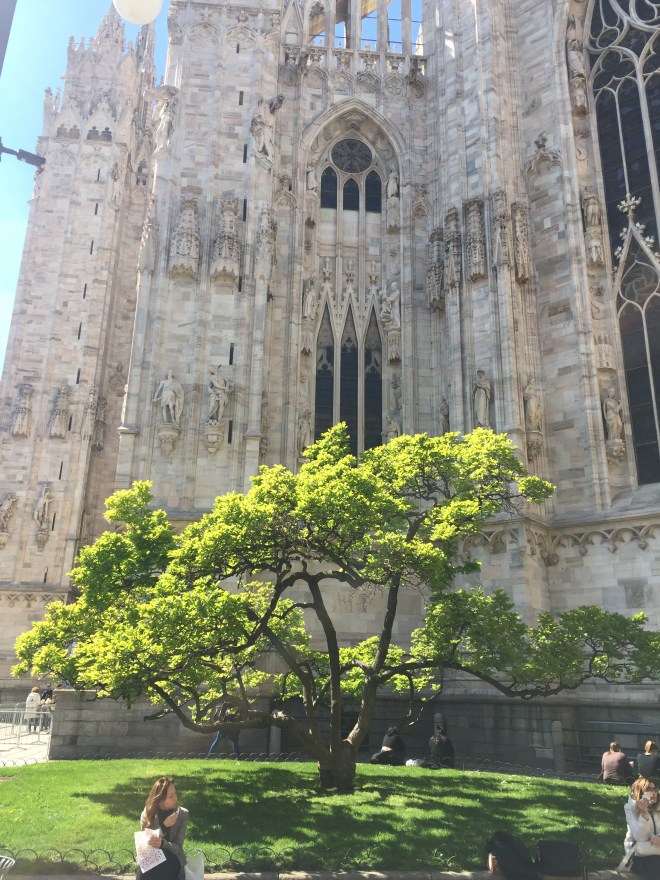
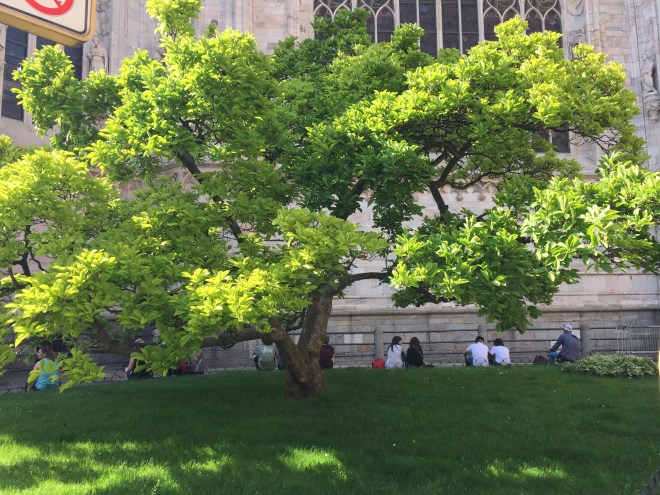
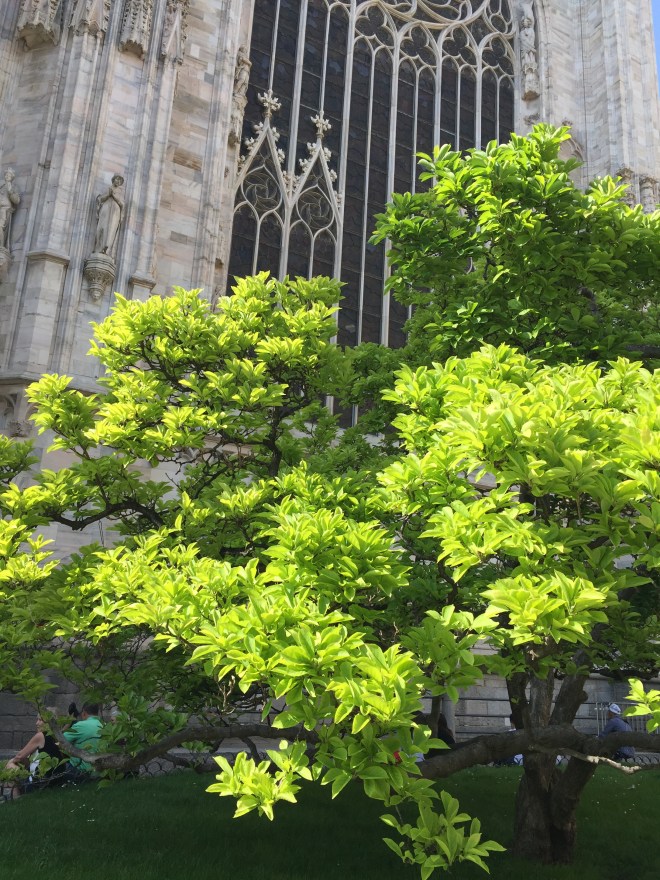


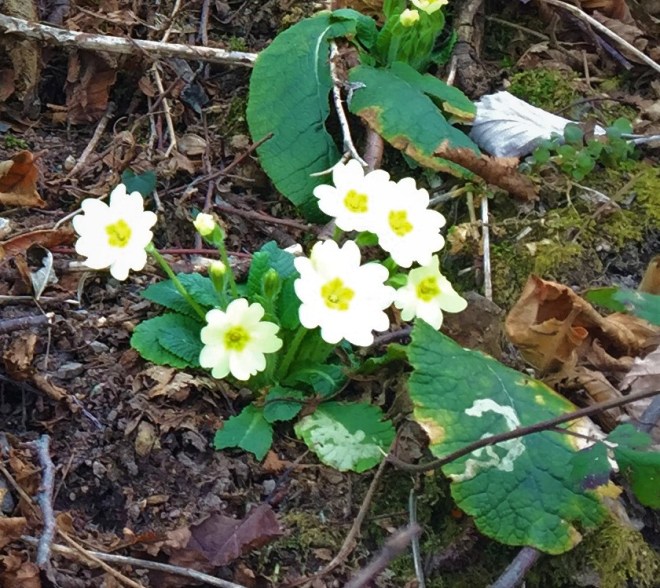

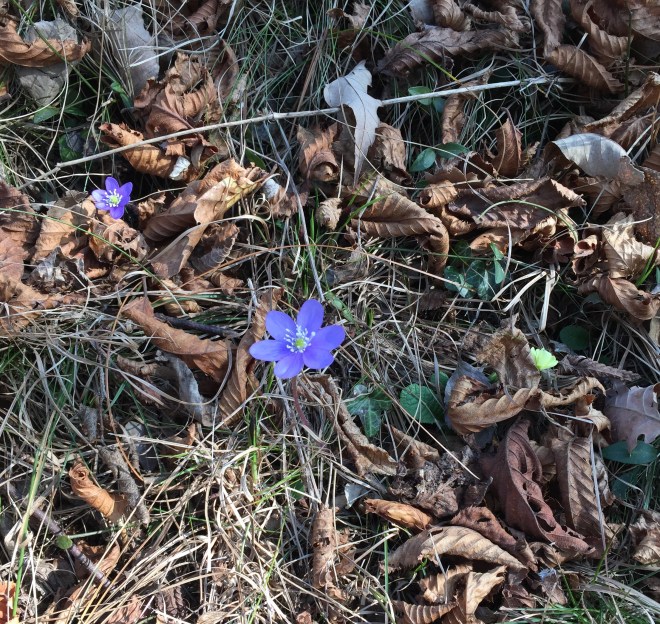


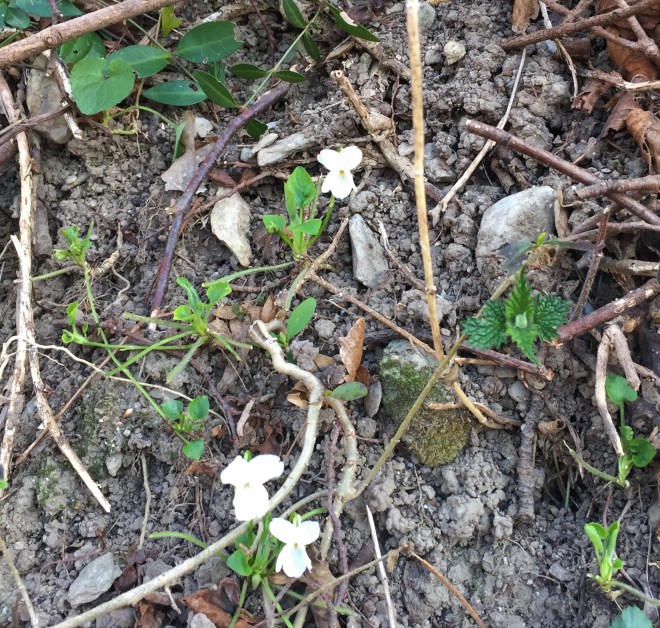

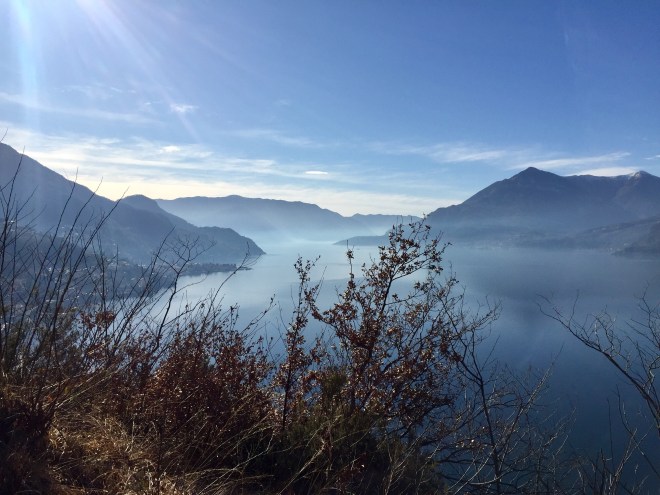

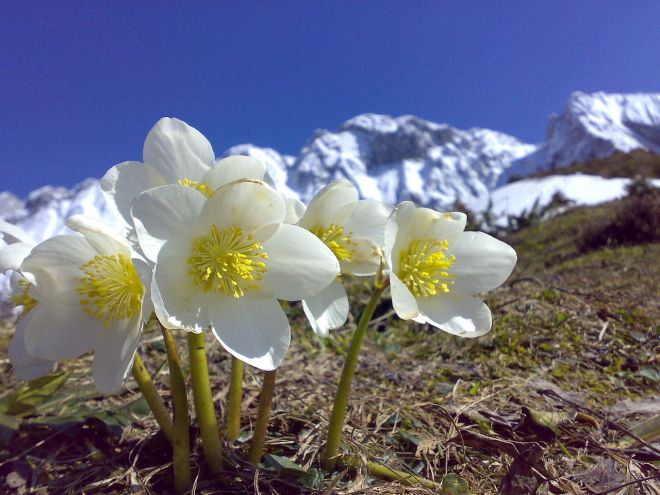


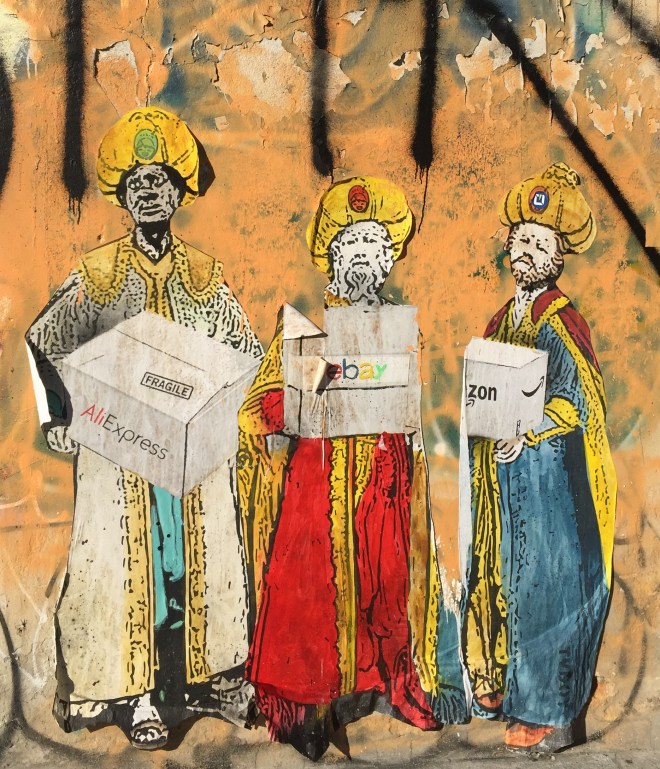


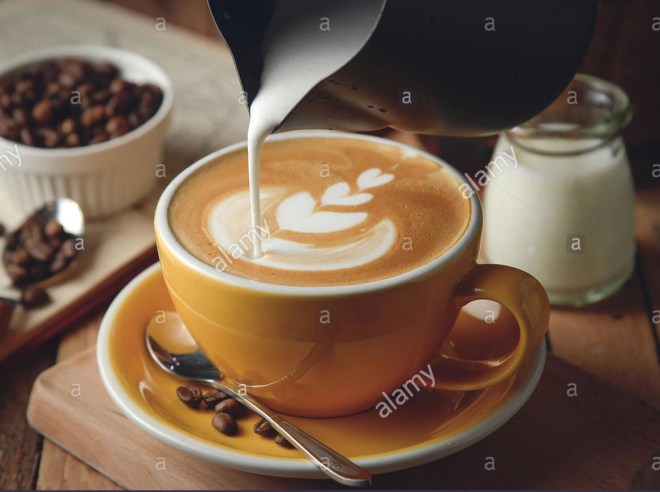

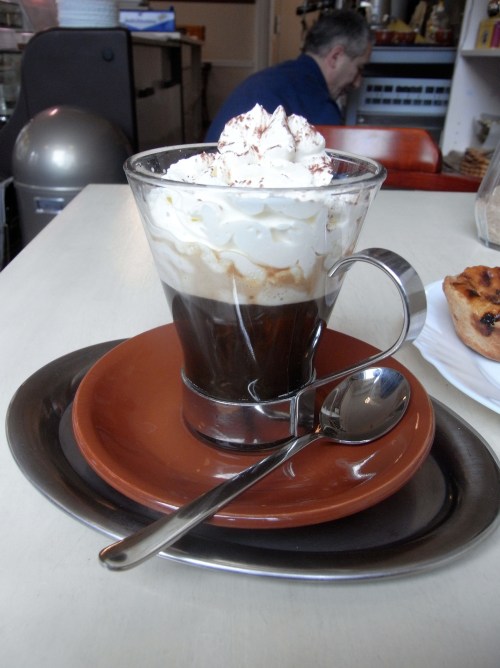


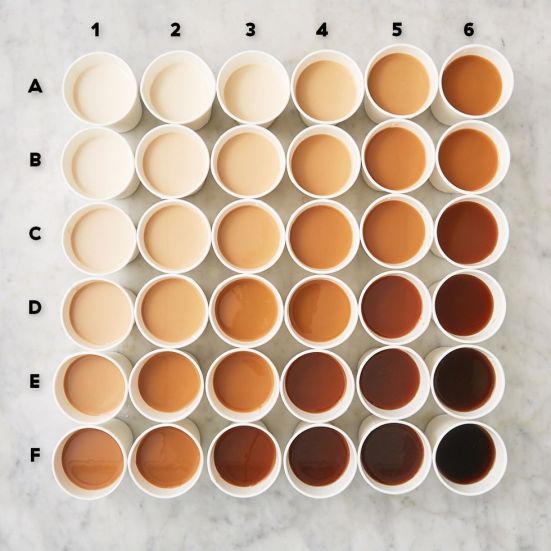


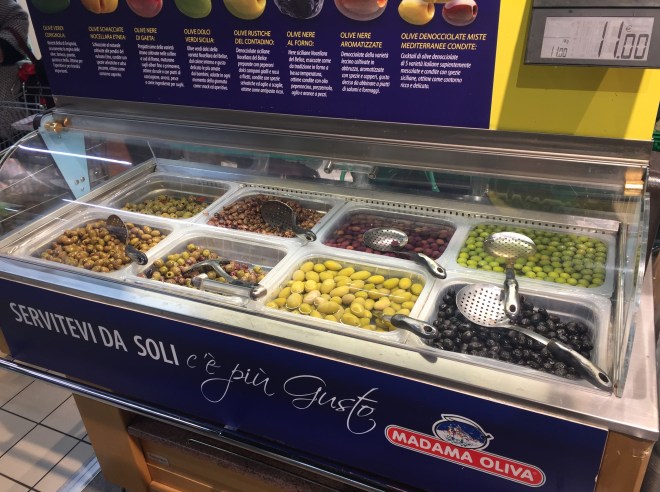

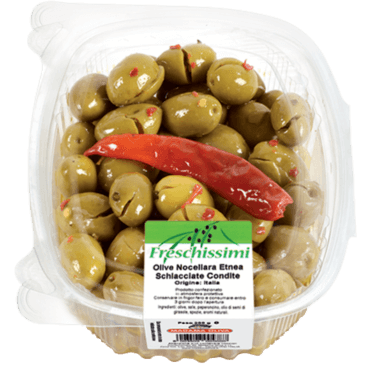


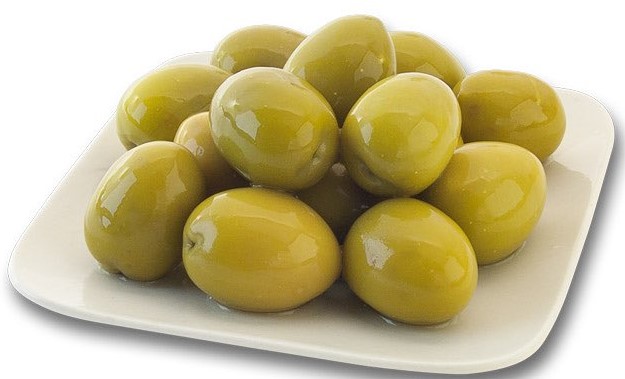
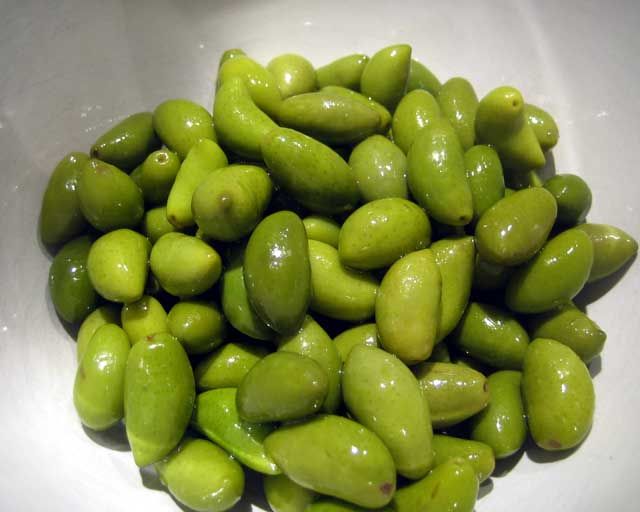
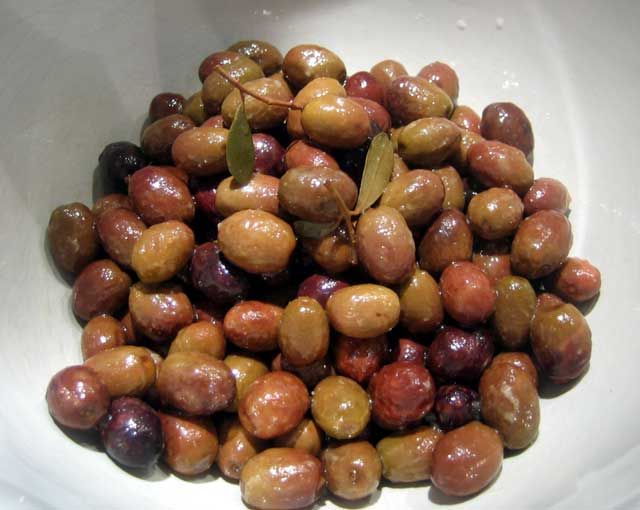
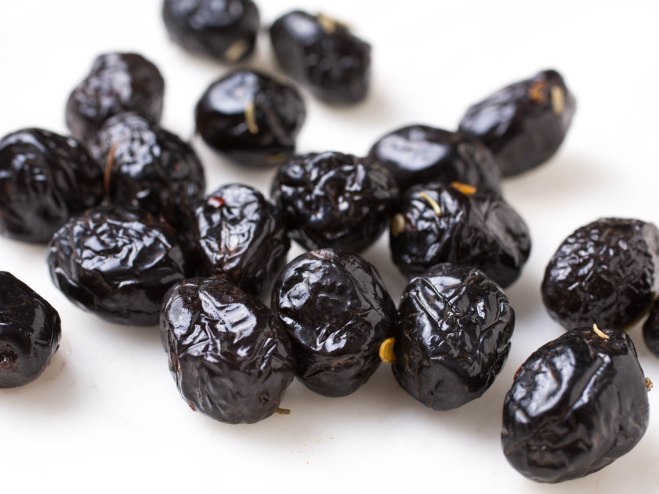

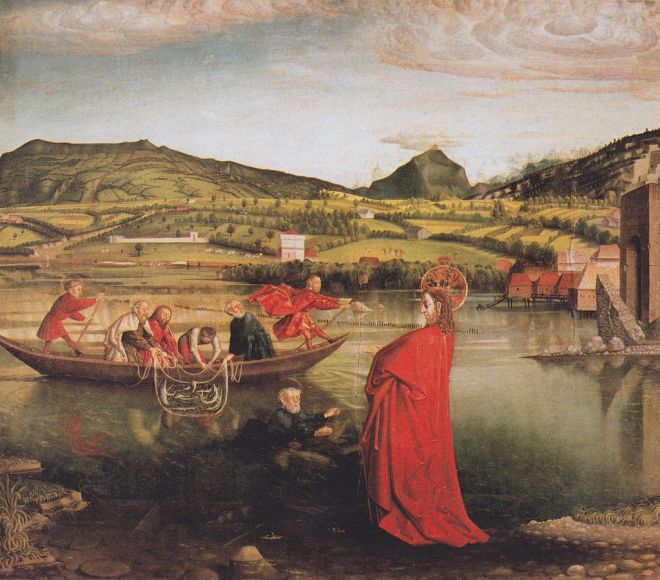




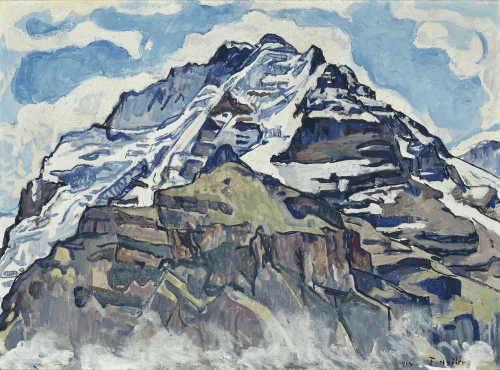
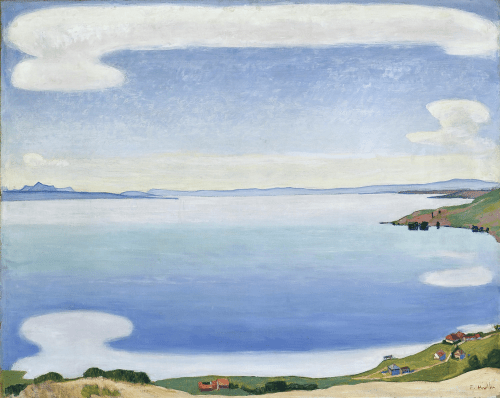


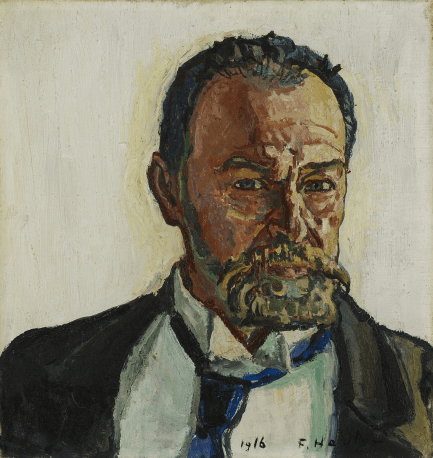


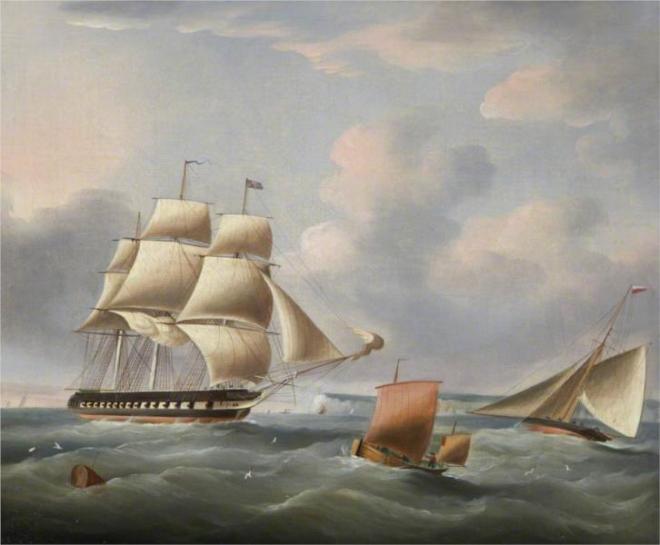


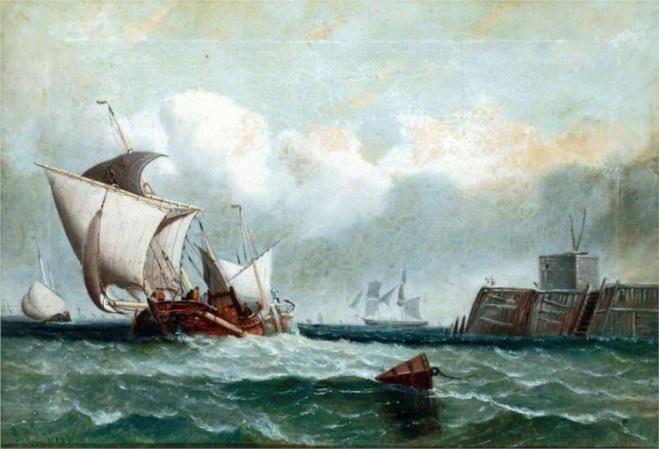
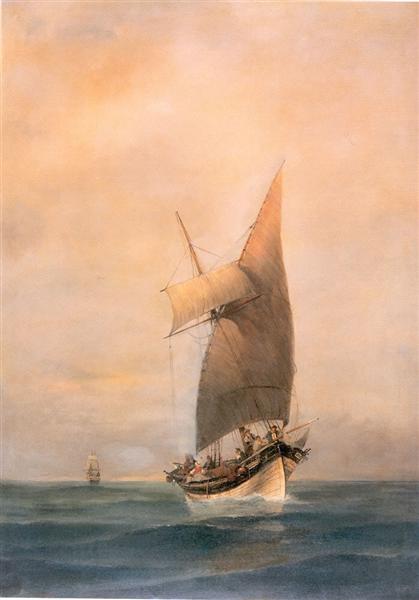


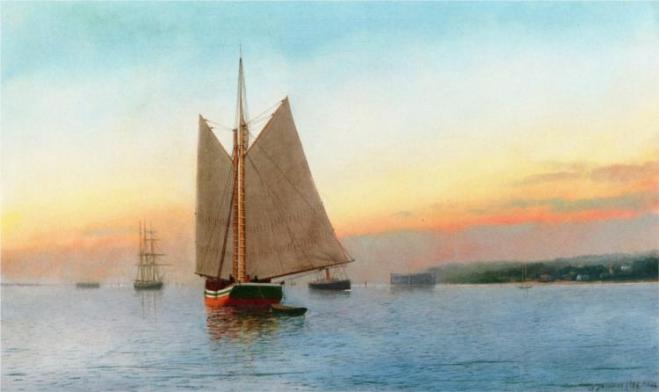
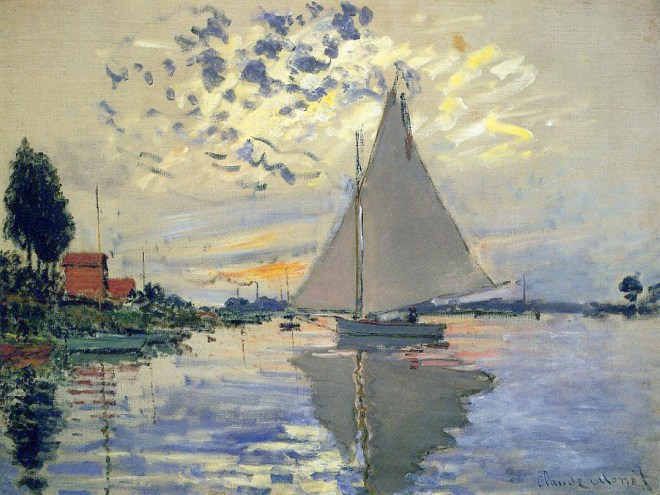


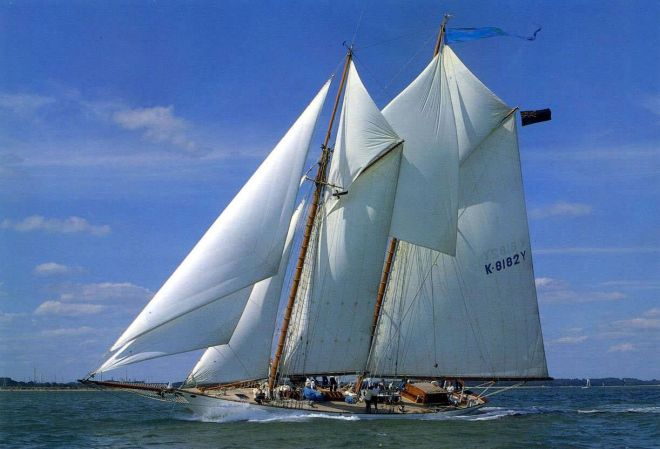

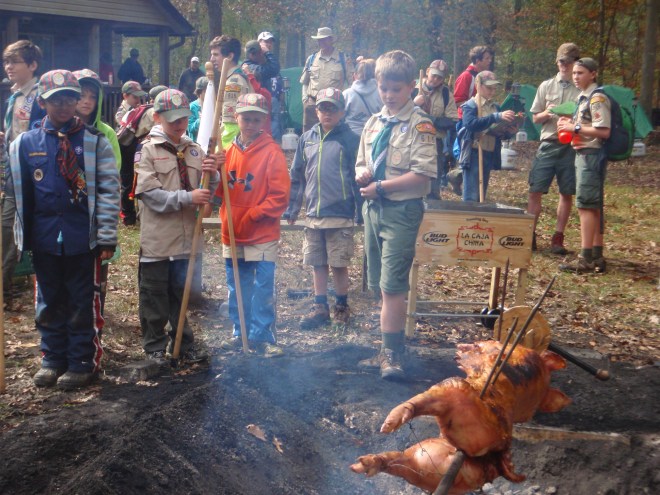
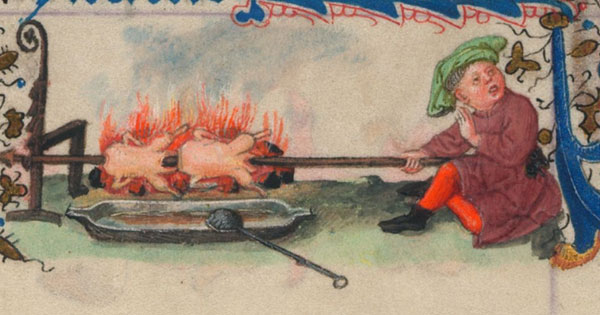




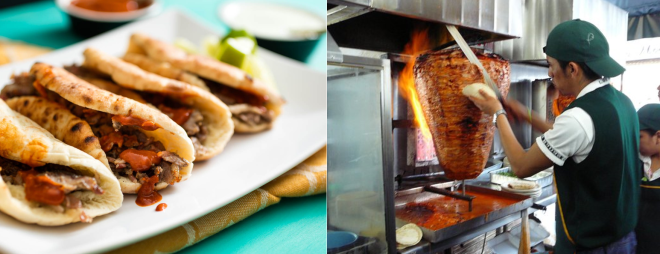

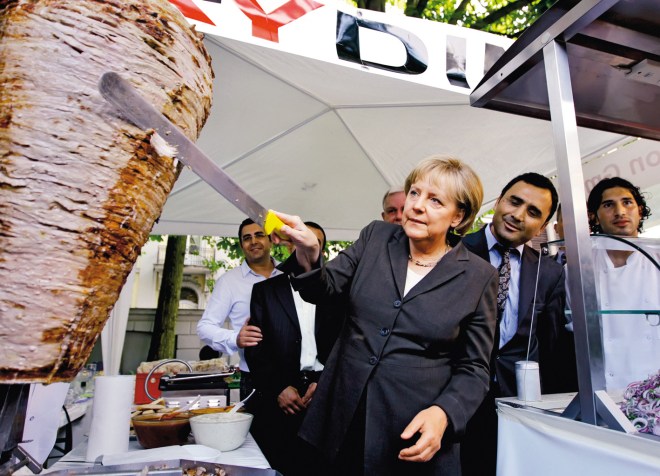
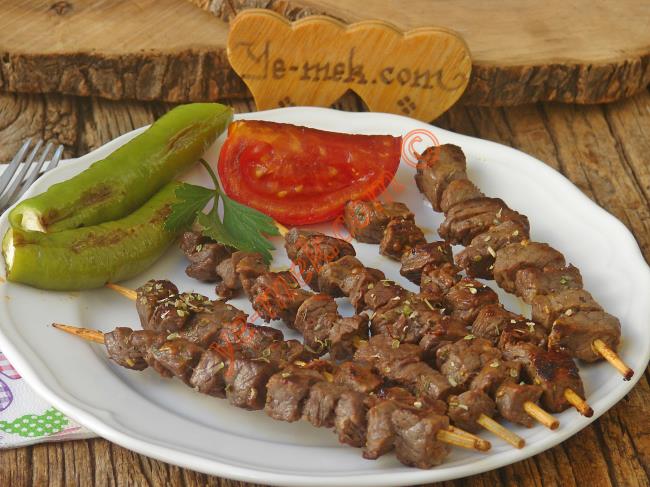
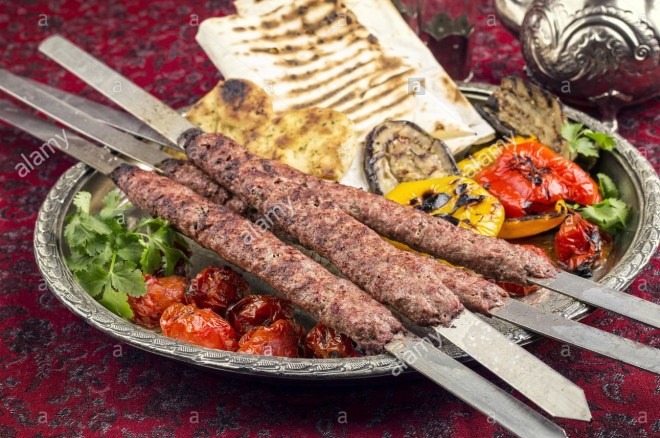
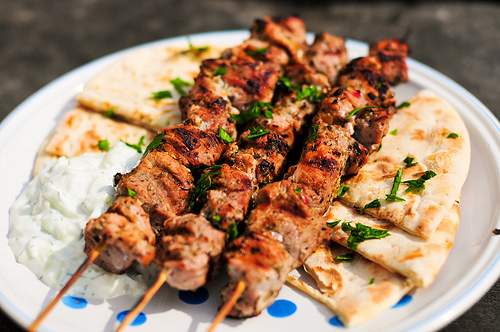

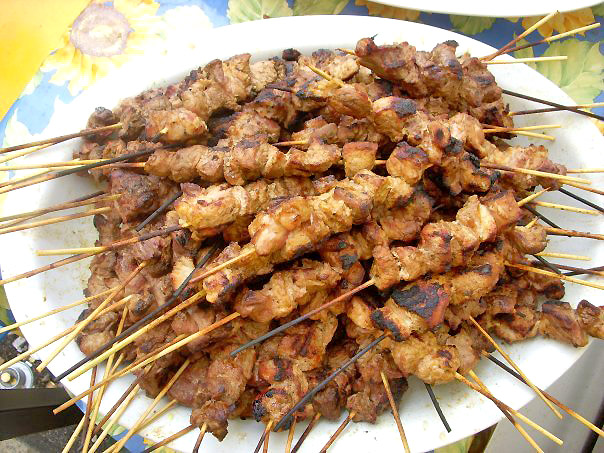


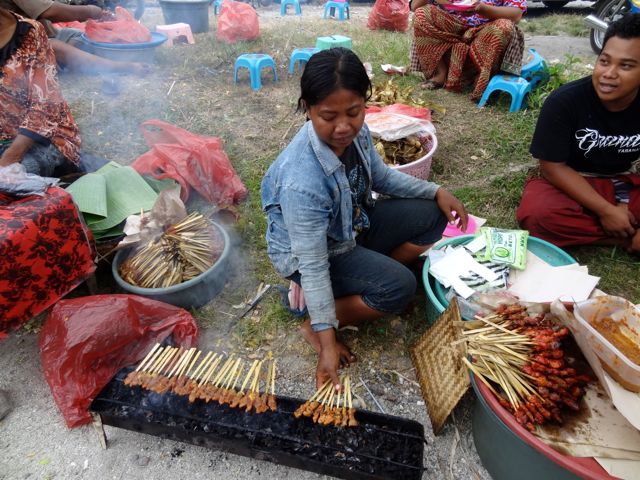

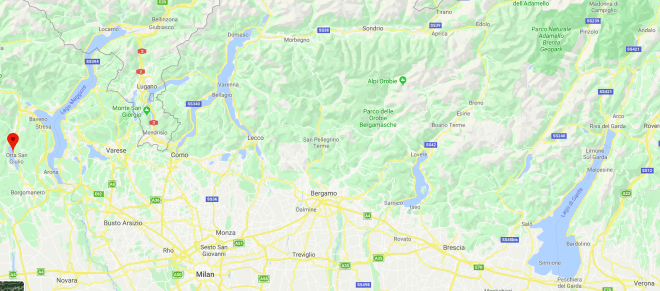
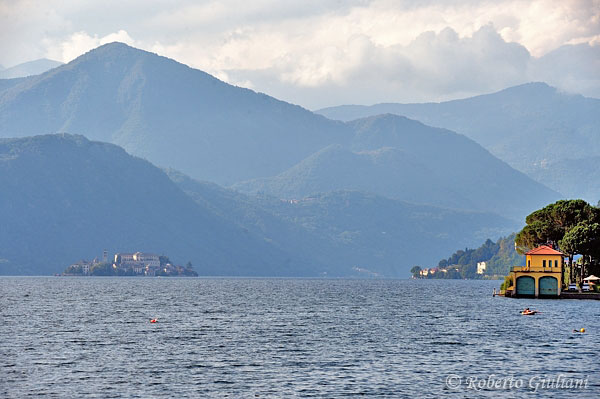
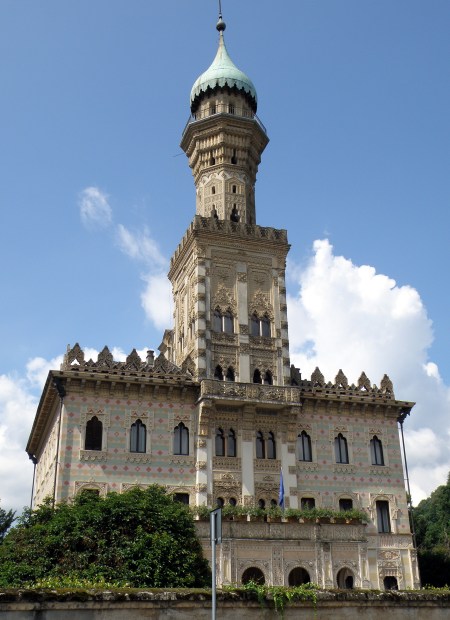


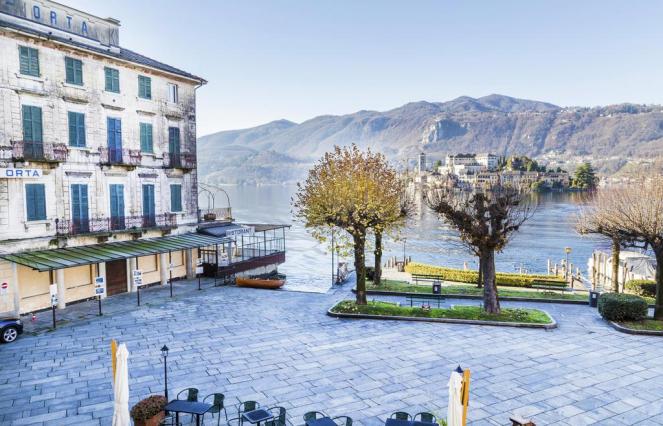


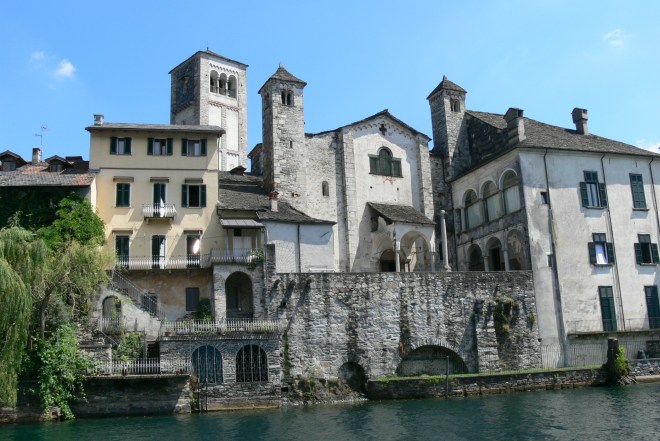
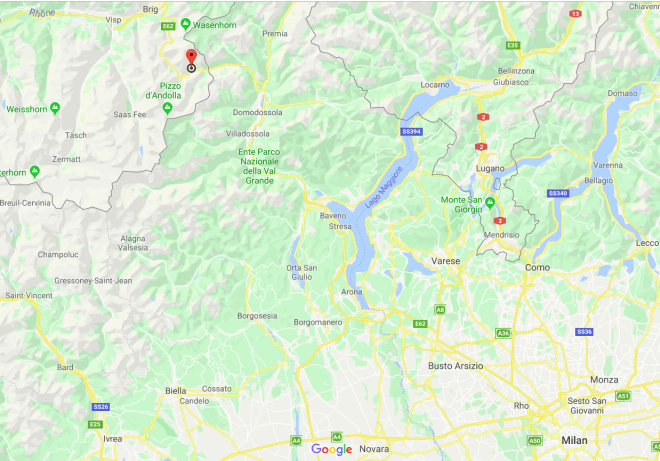


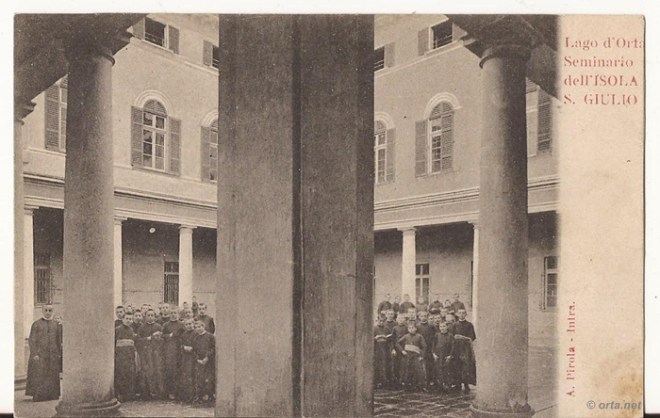
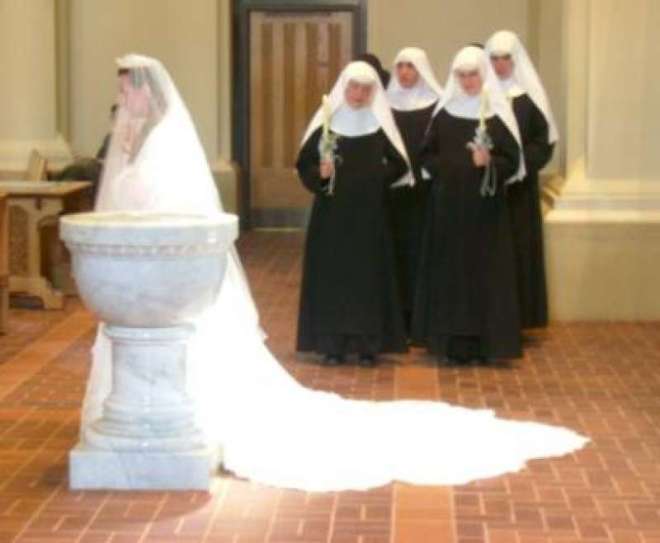
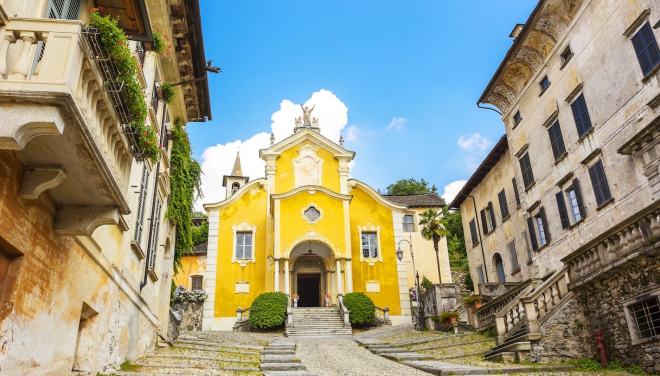


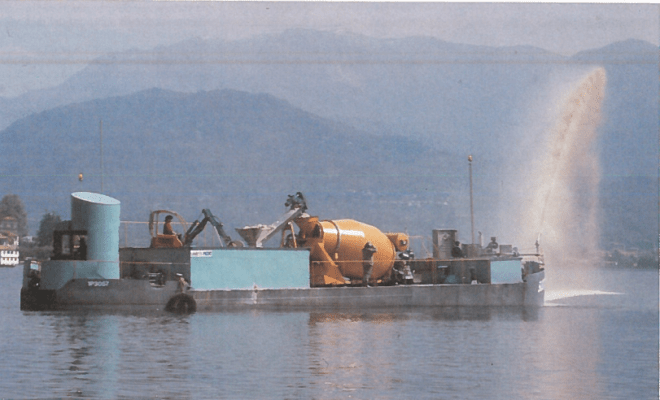





 the heart thrills
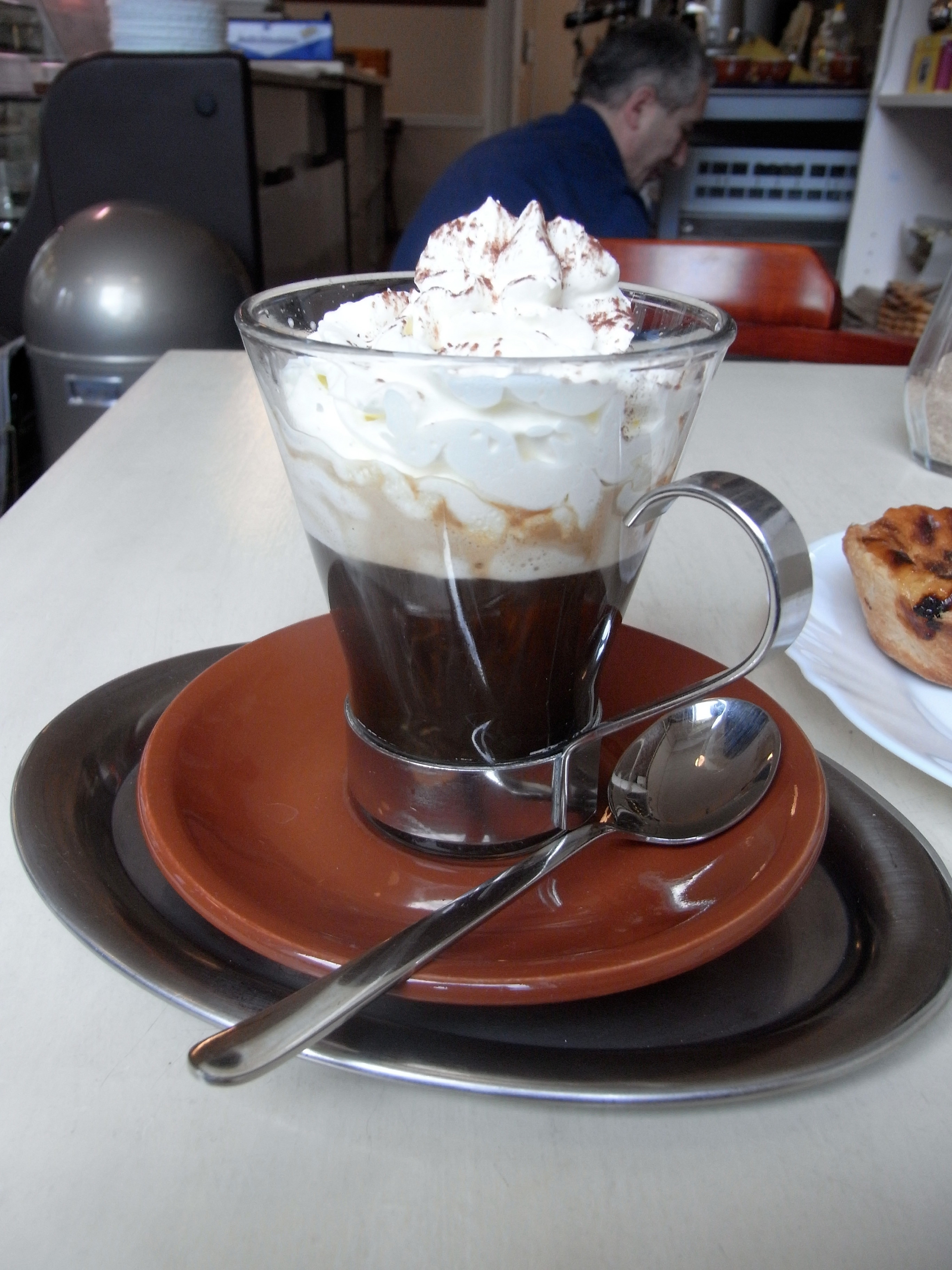

#/media/File:Konrad_Witz_-_Fischzug_Petri.jpeg)


.jpg)