The mention in my last post of a possible road trip down Route 66 has made me start thinking again about a road trip my wife and I did long, long ago – in 1979, to be precise – when were young and foolish and in grad school in the US. It was the Spring break, so about this time of the year, and we decided to do something crazy, namely drive down to New Orleans to visit the city. So I hired a car in Boston, where I was at school, drove down to Baltimore, where she was at school, and then off we drove, down the Interstate Highway 80 towards New Orleans.
As I said, we were young and foolish and hadn’t realised just how far it was to New Orleans – the US is just such a damned big country. Google Maps tells me it’s 1,800 km from Baltimore – and that’s just one way, and I would have had to drive another 650 km back to Boston. In the hours that passed as we drove mile after mile down the highway, we did some calculations and came to the conclusion that no sooner had we arrived in New Orleans that we would have to turn around and drive back. By this time, we had already spent one night in a cheap motel off the highway somewhere. Time to revise our plans.
The signs indicated that we were coming to Chattanooga, Tennessee.
“You leave the Pennsylvania station ’bout a quarter to four
Read a magazine and then you’re in Baltimore
Dinner in the diner, nothing could be finer
Then to have your ham and eggs in Carolina
When you hear the whistle blowing eight to the bar
Then you know that Tennessee is not very far
Shovel all the coal in, gotta keep it rolling
Whoo, whoo, Chattanooga, there you are
There’s gonna be a certain party at the station
In satin and lace, I used to call funny face
She’s gonna cry until I tell her that I’ll never roam
So, Chattanooga choo choo, won’t you choo choo me home?”
But I digress.
As Chattanooga got ever closer, a rapid decision was made. Instead of keeping going, we would take a left at Chattanooga and drive clear across the state of Georgia.
Georgia … that’s Ray Charles …
“Georgia, Georgia
The whole day through (the whole day through)
Just an old sweet song
Keeps Georgia on my mind (Georgia on my mind)
I said Georgia
Georgia
A song of you (a song of you)
Comes as sweet and clear
As moonlight through the pines
Other arms reach out to me
Other eyes smile tenderly
Still in peaceful dreams I see
The road leads back to you”
Once again, I digress.
We would spend the night in Atlanta, we agreed, and then go on down the coast, to a place called Savannah.
So it was that a day later we found ourselves driving into the old centre of Savannah. We had no idea what to expect, we had never heard of Savannah until we decided to turn left at Chattanooga. What we found was magic.
The city was founded in 1733, and the old town, the so-called historic district, has kept the layout of the original town plan, with a grid of streets; the potential monotony is broken up by some 20 squares sprinkled throughout the grid. This old map gives an idea of what it looks like.
But what makes the historic district especially enchanting is the houses that were built along its streets during the 18th and 19th centuries by wealthy merchants, in a variety of styles: Gothic, Victorian, and Greek Revival. I throw in here a gallery of photos.
I could have put a whole bunch more photos, but I think readers should go and look for themselves.
And the cherry on the cake is the Spanish moss hanging down from all the trees along the streets. I find Spanish moss so … exotic, is the only word I can think of to describe it.
We spent several days in Savannah and the surrounding area. Then it was time to move on; like this singer, we were left with lovely memories which we’ve carried inside of us all our lives.
Our trip wasn’t quite over. On our way back to Baltimore, we passed through Charleston, South Carolina.
The older part of the city is actually quite eye-catching, but after our visit to Savannah it was just … nice.
Then it was a time to be getting back to Baltimore. I dropped off my wife, and then raced back up to Boston to be on time for the resumption of classes. All told, we drove a little under 4,000 km. Like I said, the US is a big country.
In my previous post, I wrote about the sad end of the earliest paleochristian basilica in Roman-era Milan, the basilica vetus or – as it later came to be called – the basilica of Santa Maria Maggiore. It was torn down to make way for an even more splendid – and bigger – cathedral, today’s Duomo of Milan. What is important for my story today, the basilica’s baptistery, the baptistery of San Giovanni alle Fonti, was also torn down. All that remains of it are a few ruins buried under the Duomo’s floor.
One of the most famous people to be baptised in that baptistery was Saint Augustine of Hippo. He was baptised on Easter Sunday 386 C.E., at the age of 32, by Saint Ambrose, bishop of Milan. It was Ambrose who had finally persuaded Augustine to become a Christian after a lifetime of resistance. Here, we have a fresco painting of that scene by Benozzo Gozzoli from 1464, to be found in the church of Sant’Agostino in San Gimignano.
It is actually the woman at the back who interests us. She is Saint Monica, Augustine’s mother. She was from Rome’s North African province, from a city which today is in Algeria. Christian from an early age, she was married off young to an older man who was violent and unfaithful. To make matters worse, she had to keep house with her mother-in-law, who was as dissolute as her son. But she bore all her trials and tribulations with Christian fortitude. She had three children who survived infancy, Augustine, Navigius, and Perpetua. She wanted them all to be good Christians, and tried to set them on the path of righteousness. But from an early age, Augustine caused her much anguish. He was wayward, lazy, loose in his morals – at the age of 17, he started living with a woman by whom he had a child but whom never married – and worst of all he joined a heretical sect of Christianity. At some point during all these trials and tribulations, she went to see her local bishop and poured out her heart to him. He consoled her with the words, “the child of those tears shall never perish.” Mark those words, dear readers, we will come back to them.
But Augustine had one thing going for him: he was intelligent. After studying in Carthage, he taught rhetoric there, then moved to Rome to set up a school of rhetoric, and then moved again to Milan when he was offered a professorship in rhetoric by the Imperial court. Monica, now widowed, followed him, pushing him to give up his “concubine” (which he did), get properly married with a woman from a good family (which he nearly did), and – last but not least – become a Christian (which, as we’ve seen, he did, thanks to Saint Ambrose). Having become a Christian, Augustine gave up teaching rhetoric and decided to return home. Monica of course accompanied him, but having finally achieved her aim and with nothing left to live for, she died in Ostia while they were waiting for the ship to take them across to North Africa. We see her death depicted here, in the same church in San Gimignano and by the same artist
Not surprisingly, given her history, Monica is the patron saint of difficult marriages, disappointing children, victims of adultery or unfaithfulness, and of lapsed Catholics (I wonder if my mother ever prayed to Saint Monica à propos of my lapsed status?). From the Middle Ages on, her cult grew and spread throughout Christendom. The story of her crying her eyes out over Augustine became part of the popular stories about her. In fact, one can still buy statues of her in tears; here is a modern example: yours, courtesy of the gift shop of the Norbertine sisters, for a mere $180.
In 1768, as part of its attempts to shore up its claims over the Pacific coast of North America, the Spanish government ordered an expedition to set out from Baja California and lay stake to all of the territories lying between San Diego and Monterey. The expedition set out from San Diego in July 1769 and reached Monterey in October. They actually failed to recognise Monterey (the bay had been previously described by a Spanish navigator sailing up the coast, but they couldn’t match his descriptions with what they were seeing) and kept marching northwards, which led the expedition to its most momentous discovery in November, the huge bay of San Francisco. Somewhat astonishingly, ships from various nations had sailed past the mouth of the bay in the past without ever noticing it – the fog which commonly envelops the area has been given as the reason. Its job done, the expedition marched back to San Diego. The Franciscans who accompanied the expedition used it to lay the groundwork for a string of 21 Missions which they built over the next several decades all the way from San Diego to Sonoma just north of San Francisco. Here’s a photo of the mission church in Santa Barbara.
Source
But it’s not these large-scale events that interest me, it’s a small incident that happened in early August 1769 as the expedition force moved northward. On 2 August, the force arrived at the confluence of the Los Angeles river and the Arroyo Seco, very close to what is now downtown Los Angeles. The next day, the men moved on and camped a mere 4 km from where I’m writing this, at the Tongva village of Kuruvungna. The village was located close to a pair of springs which were sacred to the Tongvta people. The village has vanished, as have all the villages of the First Nations who lived in this part of California, but the springs still exist, now located in the grounds of the University High School on Texas Avenue in Los Angeles.
Juan Crespí, a Franciscan friar who was with the expedition, renamed the springs San Gregorio. But the new name didn’t stick. Someone in the following decades, someone with a poetic bent, saw in those two springs the eyes of Saint Monica with tears continuously welling out of them, and so they became known as the fuentes de las Lágrimas de Santa Mónica, the springs of the Tears of Saint Monica. From there, by a sort of geographical osmosis, the general area around the springs became known as Santa Mónica. So when, in 1839, the Mexican governor of Alta California gave a certain Francisco Sepúlveda II a grant of 33,000 acres of land for a rancho, a grant which included the springs, Señor Sepúlveda called his rancho San Vincente y Santa Mónica (the San Vincente part of the name presumably came from another location on the rancho).
Fast forward another thirty years, to 1872 – California was now a US State – and the Sepúlveda family sold half of the rancho’s lands to a Col. Robert Baker, a businessman with a finger in many pies. In turn, two years later, Col. Baker sold three-quarters of his part of the rancho to another businessman, John Percival Jones, who had made a fortune in silver mining out in Nevada. In 1875, the two agreed to create a new town on part of their land holdings. Again, by geographical osmosis, they decided to call the town Santa Monica (even though the springs are not part of the township). Thus started the town which is now part of the sprawling metropolis of Los Angeles. My wife and I are on the bus from Santa Monica as I write this, having just visited the Cayton Children’s Museum with our grandson, where great fun was had by all. The bus is passing street after street of houses, which have all been built over the 33,000 acres of the rancho of Francisco Sepúlveda II. A lot of people have made a lot of money in real estate.
-o0o-
Over its lifetime, the town of Santa Monica has given its name to a variety of other things in the town. Perhaps the best known is the Santa Monica Pier, which has housed an amusement park out on the ocean’s edge since the 1920s.
Who hasn’t thrilled at the idea of travelling along Route 66? I certainly have. I’ve told my wife that one of these days, once we’ve finished visiting our daughter in LA, we’ll roar off down Route 66 all the way to Chicago. I think we’ll have to do this trip in a Corvette, a red one if possible.
And of course we’ll be listening to Nat King Cole’s “Route 66” on the radio.
Source
Although we’ll do the trip in the opposite direction to Nat King Cole’s lyrics: LA – San Bernadino – Barstow – Kingman – Winona – Flagstaff, Arizona – Gallup, New Mexico – Amarillo – Oklahoma City – Joplin, Missouri – Saint Louis – Chicago
“Get your kicks
On Route sixty-six”
Los Angeles, 24 March 2024
Updated, Vienna, 27 September 2025
“Tutto cambia, tutto si trasforma”, everything changes, everything is transformed. My wife intones this popular Italian saying, half jokingly, every time we come across something that has changed since we last passed this way. It seems to be happening more and more frequently now, I suppose a sign that we have clocked up decades of memories and experiences on which to draw on as we move inexorably towards the exit door (cue to my wife rolling her eyes at this latest meditation of mine on the transience of all life).
In any event, I was forcefully reminded of this saying a few weeks ago when an urban walk of ours led us past one of Milan’s earliest churches, the so-called paleochristian basilicas built before the fall of the western Roman Empire. I did what I exhort all my readers to do when a church hoves into view; I popped in to have a look around. Aïe! How much had changed since this church was first built in the 380s CE: “tutto cambia, tutto si trasforma”. In a somewhat melancholy mood, I returned home and started researching the fate of Milan’s other paleochristian basilicas.
I need to give a bit of context here. Many people think that Rome was the only capital of the Roman Empire. This, as any Milanese will proudly tell you, is not so. In 286 CE, after the Roman Empire was carved into two, Milan became the capital of the western part and remained so for a little over 100 years, until 402 CE, when the capital was moved again, this time to Ravenna. There aren’t of course any pictures from that period, so I’ll throw in here a reconstruction of Milan (then known as Mediolanum) in about 300 CE.
Readers will make out the white rectangle of the forum, the circus along the edge of the city walls, to which was attached the imperial palace complex (so that the Emperor could step out into the Imperial box without leaving the palace grounds and mix with the hoi polloi), and the amphitheatre down to readers’ left. Just to get down among the hoi polloi, here’s another reconstruction of a typical day in the forum.
And in a rush of enthusiasm, I throw in another reconstruction of the hoi polloi doing their shopping along the cardo, the north-south street that passed through all fora in the Roman Empire.
In any event, Mediolanum now being the capital city, it was here, in 313 CE, that the two Emperors, Constantine and Liceus, promulgated what has come to be called the edict of Milan, which allowed the free exercise of religion throughout the Empire. While the edict formally covered all religions, it was actually aimed primarily at Christianity. The result was that Christians could finally come out of the shadows and worship freely (we’ll skip over the fact that a mere seventy years later, in 380 CE, Christians imposed their religion on everyone else in the Empire, with all other religions being forced (back) into the shadows).
Among other things, the edict of Milan meant that Christians could finally stop meeting in secret in people’s houses and build their own places of worship. They were quick to take advantage of this new-found freedom. In Milan alone, and focusing just on the big churches, within a year of the promulgation of the edict the city had its first Christian basilica. In the photo below, we have a reconstruction, in the top right, of that first basilica, while the building at the bottom left, which had been a temple dedicated to the Goddess Minerva, was converted into another basilica, which some 30 years later was knocked down to make space for a much larger church.
By the time St. Ambrose became bishop of Milan in 374 CE, the city had added two more basilicas to the list. During his tenure, St. Ambrose ordered the construction of another four basilicas, I suppose to cater to all the newly-minted Christians now that Christianity had become the State religion. And not to be outdone by St. Ambrose, the imperial household decided to build their own basilica. So by 402 CE, the year that Milan stopped being the capital of the western Roman Empire, the city had another five basilicas on the rolls. The construction of basilicas went on even after Milan’s demotion as capital, with two more basilicas being built before the final collapse of the Western Roman Empire in 476 CE.
Of course, churches continued to be built in Milan in the centuries thereafter. But I want to focus on these eleven earliest, paleochristian, churches to show that indeed “all changes, all is transformed”.
Let me first give readers a framework for these tides of change. Any of us with the minutest interest in history will know that over the arc of history we humans have been repeatedly subjected to the four horsemen of the apocalypse: Death, Famine, War, and Conquest. Here is Albrecht Dürer’s take on these four horsemen; I leave it to the readers to work out which horseman is which.
But buildings have also been subject to their own horsemen of the apocalypse. Two they share with us: War and Conquest, whole cities having been wiped out by both – and not just centuries ago. Here is a photo of Hiroshima after the atom bomb was dropped on it.
A third has been Fire, a frequent companion of War and Conquest (Dresden is an eloquent memorial to that), but also a horseman that can strike alone. It, too, has wiped out whole cities. The Great Fire of London stands out in my mind, although many other cities have been laid low by fire.
Since my subject is churches, readers should note Old Saint Paul’s burning fiercely (and that is London Bridge that we see, although it is not “falling down, falling down”, as the nursery rhyme has it).
For religious buildings in particular, I would add a fourth horseman of the apocalypse: Fanaticism, religious or otherwise. These buildings are particularly targeted, both by the mobs and by the State, as symbols of the Religious Other or of Religious Obscurantism. Here we have the Dutch Protestants smashing up one of their Catholic churches.
While here we have the French Revolutionaries being even more thorough in their destruction of a church (the church of Saint-Barthélemy), in the name of the Cult of Reason.
But buildings are also victims to the horsemen’s running dogs, to use a Maoist turn of phrase – which gives me an excuse to throw in an example from 1971 of Maoist propaganda posters: compelling art, if nothing else. The phrase at the bottom reads, I am told: “People of the world unite to defeat the American invaders and their running dogs!”
These running dogs are less extreme but no less harmful forces which have disappeared buildings (to borrow a term from the violent rule in Chile and Argentina by right-wing Army putschists back in the 1970s – I wish to show myself being even-handed in my comments of Left and Right).
One is Urban Improvement. Buildings which have had the bad luck to be in the way of some Big Man’s vision of A New City, or just the municipal government’s decision to have a wider avenue for more cars, have been unceremoniously torn down.
Another running dog is Impoverishment; buildings put up when their owners had money then slowly rot and collapse when their descendants have fallen on hard times and can’t maintain them any more. Closely related has been the running dog of Indifference. The descendants have simply preferred to spend their money, inherited or otherwise, in other ways than on maintaining old buildings.
Finally, and often most damagingly for religious buildings, there is Changes in Taste. A building considered beautiful when it was put up is thought, several centuries later, to be ugly, or embarrassingly old-fashioned, or both. It absolutely needs a make-over! Closely related, again mostly for religious buildings, is Showing Off: the desire by the rich and powerful to preen their social feathers by paying for the addition of extra elements such as chapels to existing venerable structures, often to the aesthetic detriment of the whole.
So how have our eleven basilicas fared in the face of their four horsemen of the apocalypse and the five lesser running dogs? Before answering that, I think it is time to give a name to these eleven churches, to make this more personal. We have:
The basilica vetus (the old basilica), built in 314 CE, later renamed the basilica of Santa Maria Maggiore;
The basilica nova (the new basilica), built in about 350 CE, later renamed the basilica of Santa Tecla;
The basilica portiana (the Portian basilica), built in the first half of the 4th Century CE, later renamed the basilica of San Vittore al Corpo;
The basilica trium magorum (basilica of the three Wise Men), built around 344 CE, later renamed the basilica of Sant’Eustorgio;
The basilica prophetarum (basilica of the Prophets), built in the late 370s CE, later renamed the basilica of San Dionigi;
The basilica martyrum (basilica of the Martyrs), built in the early 380s CE, later renamed the basilica of Sant’Ambrogio;
The basilica apostolorum (basilica of the Apostles), also built in the early 380s, later renamed the basilica of San Nazaro in Brolo;
The basilica virginum (basilica of the Virgins), built in the 380s-390s CE, later renamed the basilica of San Simpliciano;
The basilica palatina (the Palatine basilica), built in the 390s-410s, later renamed the basilica of San Lorenzo Maggiore;
The basilica evangeliorum (basilica of the Evangelists), built in the first half of the 5th Century CE, later renamed the basilica of San Giovanni in Conca;
The basilica sancti Calimerii (basilica of Saint Calimerius), also built in the first half of the 5th Century CE, which kept the Italianised name of Santo Calimero.
Well, the first thing to say is that within no more than 150 years of being built, the eleven original buildings were all razed to the ground by the horseman of War, in the form of Attila the Hun. As part of his rampage through northern Italy in 451-452 CE, his army besieged Milan, broke through its defensive walls, and laid the city to waste. Of course, no-one at the time recorded this momentous event pictorially, so I throw in here a re-construction of the Huns looking suitably menacing under the walls of a city.
As I’ve mentioned in a previous post, prior to arriving beneath the walls of Milan, Attila had completely destroyed the city of Aquileia. He moved on from there and meted out the same fate to the city of Padova. He richly deserved his nickname the Scourge of God. Aquileia never recovered, but Milan (and Padova) did. Among other things, the basilicas were rebuilt.
Alas! A mere 90 years later, in 538 CE, the horseman of War came galloping over the horizon again, this time in the form of an army of Ostrogoths and Burgundians under the command of a certain Uraiah. Once again, the city was besieged, the walls were eventually pierced, and the city was razed. Worse, all the male citizens were killed and all the female citizens handed over as slaves to the Burgundians, as payment for their part in the siege. Again, no-one at the time recorded these hideous events pictorially, but there is a painting in the basilica di Sant’Eustorgio from the 17th Century which formally is about the Massacre of the Innocents but is thought to actually be about the massacre of the Milanese by the Ostrogoths and Burgundians.
Not surprisingly, it took Milan much longer to recover from this devastation, several centuries actually. But it did, and the basilicas were once again rebuilt.
Next on the scene was the horseman of Fire. In 1071 and 1075 CE, Milan suffered two devastating fires which burned down whole swathes of the city, much of whose houses were close-packed and built of wood. We have here a picture from an illuminated manuscript of a town going up in flames.
In the ensuing conflagrations, the basilicas of San Lorenzo Maggiore, in 1071, and, in 1075, San Nazaro in Brolo and Santa Tecla were badly damaged.
If I use these churches’ later names it’s that by now naming habits had changed. Churches were named after a particular saint rather than a group of saints as had been the case when these churches were first built – “tutto cambia, tutto si trasforma”.
Once again, the Milanese rose to the challenge and rebuilt the burnt basilicas. But – “tutto cambia”, etc. – building styles had evolved in the intervening centuries. The churches were now being rebuilt in the Romanesque style. Here is a reconstruction of Santa Tecla from around this time. As readers can see, the basilicas all probably looked very much like the basilicas in Ravenna, with beautiful mosaics running along the walls. Given my predilection for early Christian mosaics, I personally grieve that Milan has lost nearly all of these mosaics.
A mere 90 years after these devastating fires, in 1161, the horseman of War came riding again, this time in the form of Frederick Barbarossa (Red Beard), Holy Roman Emperor. As we shall see, he also brought with him the horseman of Fire.
He had already laid siege to the city two years earlier, had starved its populace into submission, and had forced them to accept humiliating terms. Here is a painting from 1891 by a Polish artist, Jan Czeslaw Moniuszko, which shows Barbarossa and his troops attacking the walls of Milan.
Once Frederick was gone, the Milanese had quickly reneged on the terms and taken up arms again. This time, Barbarossa was determined to grind Milan’s face into the dirt. In this, he was actively supported by the nearby cities of Lodi, Novara, Como, Cremona, and Vercelli, whose citizens were both afraid of, and jealous of, Milan’s growing power; they had allied themselves with Barbarossa in the hope that he would cut Milan down to size. Once again, the city was besieged, and once again its citizens were starved into submission. Here, in a 19th century imagining, we have the consuls of Milan coming before Barbarossa begging for mercy.
But this time, not only did Frederick impose even more humiliating terms on the Milanese, he also had his allies burn Milan to the ground, with each allied city being responsible for one district (very methodical …). But he decreed one exemption, the places of worship – he was a Christian, after all. So our basilicas more or less got through this one unscathed (more or less because some of them do seem to have got badly singed).
The basilicas now got a break from the horseman of War for 800 years, but the running dogs got to work. Because of them, four basilicas never made it down to us. Two, Santa Tecla and Santa Maria Maggiore (which were very close to each other), fell victim to the running dog of Urban Improvement, in this case in the form of a desire by the City Fathers to build in their place a much bigger and more splendid cathedral, the current Duomo of Milan (the centuries-long story of its construction is the subject of an earlier post). For reasons which will become apparent in a minute, I choose a photo of a painting of the Duomo as it was in 1819.
Sant Maria Maggiore was completely destroyed. A very small part of Santa Tecla survived as part of the shops that crowded in on the Duomo (those shops we see on the left of the painting), but that finally also disappeared after the running dog of Urban Improvement came along again in 1865, when the city fathers decided that there was a need for a grand, and large, piazza in front of the Duomo. The buildings in the painting above were all torn down to make the grand – but rather barren – piazza that we have today.
Source
Two other basilicas fell victim to the double whammy of, first, the horseman of Fanaticism, and then the running dog of Urban Improvement. Fanaticism led to the monasteries which had become attached to the basilicas being closed down and to the monks who had looked after them being kicked out. This was done by Emperor Joseph II of Austria (Milan was in Austrian hands at this time) in the name of bringing the Catholic Church to heel and modernising it. Urban improvement took different forms. In the case of the basilica of San Dionigi, it meant that church and monastery completely disappeared as all its lands were turned into a very pleasant public park which is still with us today, the giardini Indro Montanelli.
In the case of the basilica of San Giovanni in Conca, Urban Improvement meant a widening of streets and a mad plan, dreamed up after World War II, to drive a new avenue right through the old city centre. The church being in the way, it was unceremoniously torn down. The new avenue was never built (luckily for us; by my calculations it would have gone right through where our apartment building is). But by then it was too late for the church. All that’s left of it is this miserable-looking ruin sitting forlornly in the middle of a busy road.
Source
At this point, I’m reminded of the American children’s counting-out rhyme “Ten Little Injuns”, whose first couple of lines go like this:
Ten little Injuns standin’ in a line,
One toddled home and then there were nine;
Nine little Injuns swingin’ on a gate,
One tumbled off and then there were eight.
And it goes on until there are no little injuns left.
To paraphrase the song:
Eleven basilicas built way back when,
Two were eaten up and then there were nine.
Nine basilicas still around,
Two were in the way and then there were seven.
So seven of Milan’s original eleven paleochristian basilicas have managed to stagger on into our modern age. But … “tutto cambia, tutto si trasforma”! None of them look anything like the original Roman-era basilicas. Not all of them even look like the Romanesque churches that replaced them after the disasters of Attila, the Ostrogoths, Barbarossa, and various fires. And even if they appear Romanesque, what we see today is someone’s guess as to what the Romanesque versions of the churches looked like. Let’s look at them one by one.
I start with the basilica di Sant’Ambrogio because it is a mere 10 minutes’ walk from where my wife and I live in Milan, and we often go by it on our various walks. It is also the one that at first glance seems to have changed the least since its rebuilding in the Romanesque style in the 1090s CE. And even in the Romanesque rebuild we see the ghost of the original Roman basilica; the 11th Century builders scrupulously maintained the original building’s floor plan. Here we have some photos of this delightful building. This first shot shows how the church is seen from the road in front of it.
As readers can see, the façade of the church is obscured by some building whose immediate purpose is not clear. The visitor first has to enter this building to enter the church proper. It turns out to be an enclosed courtyard, or – to give it its Latin name – atrium.
It’s interesting that this atrium has come down to us. When the original Roman basilica was built, the atrium had a precise function. At some point during the Liturgy, the catechumens, people who were not “full” Christians yet because they had not yet been baptised, had to file out into the atrium because they were not allowed to be present for the full Liturgy. By the time the church was rebuilt in Romanesque style, this function was meaningless because by then all Christians were baptised at birth. Luckily, it was decided to keep it and use it instead to hold various meetings. So this very early Christian architectural element has managed to make it down to us.
The interior shows the clean, simple lines of the Romanesque style.
In this last photo, readers can glimpse the magnificent mosaic in the apse. Here is a closer look at it – because of the ciborium over the high altar, it’s difficult to get a clean view.
It was originally laid down in the 8th Century, some three centuries after the disaster of the Ostrogoths. From a century later comes the main altar, a magnificent piece of Carolingian goldsmithing.
The ciborium under which the altar sits is equally magnificent, but readers will have to go and visit Sant’Ambrogio to hear about it. I want instead to take readers to a small side chapel, San Vittore in Ciel d’Oro, where some even earlier mosaics, laid down between the sacks of the city by the Huns and the Ostrogoths, by some miracle managed to survive. We see here the cupola of this little chapel, with its mosaic field of gold surrounding a portrait of Saint Victor.
Sharp-eyed readers will have noted that the walls below the cupola carry mosaics of some serious-looking fellows dressed in togas. These are various saints and early martyrs. I show one of these, the mosaic of Saint Ambrose, because contrary to the others it is said to be an actual likeness of the saint, the oldest in existence.
Yes indeed, the basilica of Sant’Ambrogio doesn’t seem to have changed terribly much since its Romanesque incarnation. But alas! It has changed. Because a mere 80 years ago the horseman of War came riding back to Milan in the form of massive bombing raids during World War II. The first of these was on the night of 24/25 October of 1942. There was a second such raid in mid-February of 1943. The climax was four nights in August. These were all raids which, like the infamous bombing raid on Dresden in 1945, a photo of which I give above, deliberately tried to burn the city down by creating a fire storm. Luckily, by the 20th Century there wasn’t that much wood left in Milan’s buildings so a fire storm wasn’t started. Nevertheless, 50% of the city’s buildings were destroyed or damaged. And one of the buildings which was badly damaged was Sant’Ambrogio.
Restorers did a good job after the war in putting the basilica back together again, but you can tell that much of the brickwork is new, as are many of the tesserae in that magnificent mosaic in the apse.
“Tutto cambia, tutto si trasforma”.
Normally, we would next look at the basilica of San Lorenzo. It’s even closer to our apartment in Milan, a mere five minutes’ walk away, and we go by it very often on our way down to Milan’s canals. In fact, we go by it so often that I wrote a whole post about it a few years back, so I will refer readers back to that post.
Logically, the next basilica to consider is the basilica of Sant’Eustorgio. I say logically because there is now a park, il parco delle Basiliche (or, to give it its new name, parco Giovanni Paolo II), which runs between San Lorenzo and Sant’Eustorgio (a park whose creation was much helped by the bombing during World War II; the houses standing on what is now the park were so badly damaged that it was decided to simply tear them all down and create a park in their place). When you enter the park at its northern end, you have this wonderful sight of the venerable pile of San Lorenzo behind you. But very, very little of what we see comes from the original Roman-era basilica, and even from the Romanesque version.
Then the walk southwards through the park brings you to Sant’Eustorgio, which stands at the southern end of the park. There’s no striking view of the church from the park itself, so it’s best to make one’s way round to the front, where one is confronted with this view.
The first thing one notices are the accretions on the church’s side. Unfortunately, the church has suffered badly from the running dog of Showing Off: chapels have been added to the side of the original Romanesque church, paid for by rich Milanese families who wanted to add lustre to their family name. They may be quite pretty in and of themselves; indeed, there is a very lovely one at the back of the church which has been the subject of a previous post of mine. But they have destroyed the original harmony of the church.
The second thing to notice is the façade. It looks quite original, but actually it is the result of a restoration carried out in the mid-1860s. The restoration was certainly done in the spirit of what we know Romanesque façades looked like in northern Italy from the few original examples still with us, but it’s unknown what the original façade of Sant’Eustorgio actually looked like. When all is said and done, though, it was probably better to carry out this restoration than not – this is what the façade looked like prior to the restoration.
It was the subject of a sensitive restoration in the late 19th Century, where the restorers simply stripped away the Baroque and Neoclassical accretions and tried to bring the structure back as closely as possible to its Romanesque forms. Of course, the Romanesque builders would never have left the church as naked as it is now, they would have covered everything with frescoes. But those are pretty much all gone. As readers can see in the photo above (especially visible on the columns), the restoration brought to light a few shards of the original frescoes. But of the original mosaics which must have graced the Roman-era basilica, nada, all gone.
“Tutto cambia, tutto si trasforma”.
There is one curious artefact in the basilica, and it is this:
“This” is claimed to be the sarcophagus of the Three Wise Men (“We three kings of Orient”, as the well-loved Christmas carol goes). It is fundamental to the basilica’s foundational story. It is said that Eustorgius went to Constantinople when the Milanese chose him to be their bishop, to obtain the approval of the Emperor. Not only did the Emperor approve the choice, but he also gave Eustorgius this enormous sarcophagus which contained the relics of the Three Wise Men, to take back to Milan. Eustorgius’s original idea was to place the relics in the basilica of Santa Maria Maggiore. But the poor oxen which were pulling the cart on which this humongously heavy sarcophagus had been placed “inexplicably” came to a stop where the basilica is now and refused to go any further. Given the weight of the sarcophagus, I think the oxen’s refusal to move another hoof is perfectly explicable, but Eustorgius took this to be a divine sign that a new basilica should be built on this spot to house the relics. Thus was the original Roman-era basilica built.
If I tell this little story, it is because in the succeeding centuries those relics made the basilica famous, attracting flocks of pilgrims (and their money, the cynical me thinks to himself). Which allows me to highlight one of the side-effects of the passage of the horsemen of War and Conquest: looting. In this case, the looting took place during the burning to the ground of Milan by Frederick Barbarossa. One of Barbarossa’s principal advisors during this campaign was Rainald von Dassel, who also happened to be the Archbishop of Cologne. He carried the relics off as war booty to grace his cathedral in Cologne, where they were brought in with much pomp and subsequently housed in this magnificent reliquary (made by Nicolas de Verdun, who also made a magnificent altarpiece housed in the Abbey church of Klosterneuberg near Vienna, which I’ve written about in an earlier post).
For centuries, the religious leaders of Sant’Eustorgio pleaded to have their relics back, but successive archbishops of Cologne turned a deaf ear. It was only in 1903, after a cardinal brokered a deal, that a small portion of the relics were given back.
I shall quickly pass through the fate of the remaining four basilicas.
For the basilica of San Simpliciano, I refer readers to a post I’ve already written about it. Suffice to say that it went through the same treatment as Sant’Eustorgio: accretions of chapels in a completely different style, a restyling of the whole church in baroque and neoclassical style, and then a restoration – this time in the 20th Century – trying to bring it back to its essential Romanesque simplicity. I throw in a photo of the exterior and interior.
The best thing in this church is the painting in the apse; you can just see it in the photo. Any readers who are interested in that painting should go to my post on San Simpliciano, where I tell its story.
It was a visit to the basilica of San Nazaro in Brolo that started me on this post. Its Romanesque version endured the same fate as Sant’Eustorgio and San Simpliciano: remodelling and remodelling and remodelling of the interior with each successive Change in Taste (that running dog really ran wild here), followed by a stripping back during the late 20th Century to the original simple lines. But in addition, the running dog of Showing Off really sunk its teeth into the church’s structure. During the Renaissance, a family from Milan’s elites decided to attach their mausoleum to the church. And they didn’t just attach it to the side of the church, like a chapel. They attached it to the façade! So the poor church has permanently lost its façade, its place being taken by a square building housing the tombs of this elite family. To enter the church, one has to pass through the mausoleum.
It’s all very well to say that the Mausoleum was designed and built by Bramantino, it’s still a terrible desecration of the church!
As for the basilica of Santo Calimero, it is a poster child to bad restoration. Like the others, its Romanesque version went through various remodellings as tastes changed. It was then “restored” in the late 19th Century into someone’s idea of Romanesque, which is more pre-Raphaelite than anything else. In great distress, I throw in a photo of the mosaic that was laid down in the apse.
Which leaves the basilica San Vittore al Corpo. Well, there it wasn’t a question of remodelling. When the church, in a rather pitiful state it has to be said, was handed over to the Olivetans in 1507, they decided to simply tear down the whole building and rebuild it in the “modern” style. They also completely turned it around, with the choir where the entry used to be and the entry where the choir used to be. So it’s difficult to say that anything of the original church has remained. It is therefore with great sadness that I insert a photo of the church’s hideous façade and of its equally hideous interior.
“Tutto cambia, tutto si trasforma”. My wife is indeed right (as always). We cannot freeze things as they used to be, much as I sometimes would like to. We just have to be grateful that some of the wonderful things our ancestors created have come down to us in not too bad a shape and can only fervently hope that they will still be there for our descendants to admire in 2,000 years’ time.
My wife and I were recently hiking in the Vienna woods, which at one point required crossing a large open field. We were halfway across it when I was startled to see an emerald green tree on its edge. It was certainly not leaves which were making it green at this time of year. And what was strange was that all the branches were emerald green. Luckily for my sanity, the path we were taking passed close by it, so I was able to inspect the tree more closely. It turned out that all the branches of the tree were thickly covered with a bright green lichen. Foolishly, I didn’t take a photo of the tree, so I’m afraid this photo will have to do.
This vision got me thinking about lichen. They’re very modest beings for the most part, clinging closely to their rock or branch, so I’ve never given them much thought. They give us some gentle splashes of colour on our winter hikes, when all the trees are bare, wildflowers are still asleep, and the skies are grey.
my photomy photoMy photoMy photo
Lichens might be modest beings but they are fascinating. I’m bursting with desire to tell my readers all about them, but I already see my wife shifting around in her seat at the thought of hearing all sorts of biological details that she never wanted to hear about. So, since vibrant colour is what started this post, I’ll just focus on lichens’ connection to dyeing. Which, as readers will see in a minute, will also lead me to write about trade, a topic which I’ve written about many times in these posts.
Let me start by saying that I am really filled with admiration for our remote ancestors. They looked around their ecosystems and tried to find a use for everything that Nature offered them. I, a pampered product of an oversupplied culture, who can get anything I want from anywhere in the world with a mere click of my mouse, would never, ever dream of trying to use lichens as a dye. But our ancestors did, particularly those who lived in ecosystems which did not support a huge amount of biodiversity and so didn’t have that many plants or animals to exploit.
Most of them used lichens as dye sources in the easiest way. They collected them, simmered them in boiling water, waited a while for the lichen to leach out the colour, then added the yarns, simmered, and waited some more (I simplify, but not by much). Modern artisanal dye masters have replicated the processes, with which you can get some quite nice colourings. These photos show some of the lichens used as well as the yarns they have coloured.
But pride of place in lichen dyeing goes to the various species which give us orchil dyes. These are dyes in the red-mauve to dark purple spectrum – this photo shows the range of colours which modern artisanal masters have managed to tease out of these lichens.
Since they are the source of these lovely colours, I feel I should honour the main species of lichen from which orchil dyes are extracted. Lasallia pustulata
Unless some of my readers are passionate lichenologists, I think we can all agree that these lichens are not terribly, terribly beautiful. But by the wonders of biochemistry, they can deliver us lovely dyes. Beauty out of the beasts, as it were.
Anyway, the process to extract orchil dyes is much more complex than the simple boil-it-up-and-dunk-the-yarn-in-it process which I just described. One has to crush the lichen in a solution of ammonia and keep the mix well oxygenated for several weeks. The ammonia slowly reacts with chemicals in the lichens, with the product of these reactions being the purple dye. This effect of ammonia was discovered a long, long time ago, at least in Roman times and very probably before. And in those days the source of the ammonia was … stale urine. Yes, the lichen was steeped in stale urine.
Again, I’m just filled with amazement. How on earth did our ancestors figure this one out? I try imagining scenarios of how someone stumbled across this urine effect by accident – because it had to be by accident. The only thing I can think of is this. Did readers know that in the olden days people used stale urine to “dry clean” their clothes? – ammonia, it seems, is a good stain remover. I came across this … err … interesting procedure when I randomly found myself reading an article about a house which had been excavated in Pompeii. It was a fullery, owned by a fellow called Stephanus. Since the photos of the ruins themselves are not very interesting, I throw in here a reconstruction which some enterprising soul has made.
Readers with good eyes can see the various baths where cloth was fulled. In addition to fulling cloth, Stephanus (or rather his slaves) was dry-cleaning clothes with urine. Given my childish sense of humour (I already see my wife rolling her eyes at this point), I was delighted to read that Stephanus had vases placed in the lane on which the fullery abutted, into which (presumably male) passers-by were invited to pee; I wonder if they ever demanded a payment for their liquid contribution to Stephanus’s business? As for the cleaning itself, this was carried out by some poor bastards whom Stephanus had bought in Pompeii’s slave market. They had to stomp on the urine-soaked clothes for hours. For some reason, another fuller in Pompeii, Veranius Hypsaeus, thought that this operation was a good subject for a fresco in his workshop.
I can’t think of a worse job (well, if I thought hard enough about it, I probably could). But some sources I read brightly informed me that the urine was good for the skin of the feet – a small consolation … And just in case any readers are asking themselves, after the stomping session the clothes were washed in water, to rid them of the smell of urine.
Anyway, my theory is that one day, somewhere, someone used a urine-dry-clean on some clothes which had been dyed with orchil-creating lichens in the traditional way (boil-yarn-and-lichen-and-water-together). For some reason, they left the clothes stewing in the urine for a while – perhaps they were called off to some emergency somewhere and didn’t come back for a week or two – and saw to their astonishment that the clothes had turned purple. It’s a wild guess but it satisfies my fervid imagination.
Orchil really delivers quite a lovely colour. But even more important, that colour is purple. At the time, the best purple dye on the market was Tyrian purple. It was extracted from the gland of a number of shellfish, and it took a huge number of molluscs to extract modest amounts of dye. So readers can understand that it was a very expensive dye. Which meant that only the upper crust could afford it, and eventually in the period of the Roman Empire it was decreed that only the Emperor and his family could wear clothes dyed with Tyrian purple. Unfortunately, the statues we have of Roman Emperors have all lost the colouring they used to have. Luckily, though, we have a coloured picture of one Emperor, Justinian, in the mosaics of the church of San Vitale in Ravenna. As readers can see, his cloak (and even maybe his shoes?) do indeed seem to be purple.
Note, too, the two fellows to Justinian’s right. They were high-level courtiers and were generously allowed to have a broad purple stripe in their cloak. Ah, the complexities of sumptuary regulations …
In this world of strict social hierarchies, orchil allowed society’s wannabes to swan around in purple clothes, aping the manners of their social superiors (it also allowed dyers to use orchil as an initial, or “bottom”, dye, and then use much smaller amounts of the eye-wateringly expensive Tyrian purple to finish the job – and no doubt sell the cloth as 100% dyed with Tyrian purple).
With the collapse of the Roman Empire in the West, the use of orchil dyes, along with the knowledge of how to make them, pretty much disappeared in Europe. One place where that was not the case was Florence. In the Middle Ages, the city was a major textiles manufacturing centre. Raw wool, and later raw silk, came into the city from all over Europe and beyond, it was processed into cloth – which meant among other things dyeing the yarn – and then the finished cloth was exported all over Europe and beyond. Here we have a photo of Florentine dyers at work.
Florence’s famous banking system, created by the Medici and other families, was basically created to finance this international trade in textiles. Here we have Florentine bankers working at their banco.
In the 1100s, one of the men working in Florence’s textile industry, a certain Alemanno, rediscovered the techniques of making and using orchil dyes. Quite how he did this is a matter of speculation; business trips to the Levant are invoked, or to the Balearic Islands. Or maybe the techniques hadn’t actually disappeared completely in Italy; he just knew a good business opportunity when he saw one and exploited it effectively. However he did it, Alemanno built a fortune on the purple cloth he made, and his descendants, the Rucellai, became Florentine grandees in the succeeding generations. The family name reflected the original source of their wealth; it is thought to be derived from oricello, the Italian name for the dye (which might in turn be derived from the Italian name for urine, orina). By the 1300s, their wealth and status got them a side chapel in the basilica di Santa Maria Novella. The original frescoes are sadly deteriorated, but there is a rather nice statue of a Madonna with Child by Nino Pisani on the altar.
By the time the 1400s rolled around, Giovanni Rucellai was the head of the family. While he continued to make money hand over fist from the textile business, like all good Florentines of this golden age he was also a patron of the arts. He paid for the completion of the façade of the Basilica di Santa Maria Novella.
And finally he commissioned his tomb, a small-scale copy of the so-called edicule in the church of the Holy Sepulchre in Jerusalem (any reader interested in comparing the two can do no worse than go to this link).
As befits a Great Man, someone – his heirs, no doubt – commissioned a posthumous portrait of him (note the façade of the Basilica di Santa Maria Novella and his tomb in the background).
By then, the world was about to change for the worse for Florence and the Mediterranean world in general. A few years after Giovanni’s death, the Portuguese finally reached the Cape of Good Hope, and then a few years after that they crossed the Indian Ocean and reached India, while Christopher Columbus, in an effort to beat the Portuguese to the Indies, crossed the Atlantic Ocean and stumbled across the Americas. Trade patterns were to change profoundly, with the trade and use of orchil-producing lichens being one modest part of those changes.
Already things were changing when Giovanni was born, in 1403. The year before, a Frenchman by the name of Jean de Béthencourt was conquering the Canary Islands in the name of the King of Spain.
Like all conquistadors, he might have been in it for the glory but he was definitely in it for his own personal gain. One of the things he made his money with was orchil-producing lichens, creating a monopoly, controlled by him of course, in the lichen harvesting business. It was not easy harvesting the lichens. They grew close to the sea, and once the easy bunches had been picked the only source left was lichens growing on the sea cliffs. This photo shows a bunch of Rocella tinctoria hanging over a cliff edge.
To get to these lichen, harvesters had to dangle precariously on ropes over cliff edges, hoping no doubt that sudden strong gusts of wind wouldn’t blow them off, and trying not to look into the abyss below.
As readers can imagine, it was only slaves or other poor sods who did this work.
Jean had the harvested lichen shipped back to his domains in Normandy, where there happened to be a village which specialised in textile manufacturing. With the Canarian lichen, the village’s manufacturers were now able to dye their cloth purple; clearly, the secret – if it ever really was a secret – of using urine to make orchil dye was out. The village grew into a prosperous little town on the back of the dye (and let’s not forget the urine), in recognition of which it is now called Grainville-la-Tinturière, or Grainville-the-Dyer (the village is also twinned with two towns in the Canary Islands in recognition of its historic ties to these islands). As far as I can make out, there seems to be absolutely nothing left of the textile industry in the town, so I shall just throw in a photo of an old postcard of the place.
About 50 years later, in 1456, as the Portuguese crept down the coast of western Africa, they discovered and took over the islands of Cabo Verde. There, too, the same orchil-producing lichens clung to sea cliffs, and there, too, poor bastards hung precariously over the cliff edges to harvest them. In this case, the lichens were shipped back to Lisbon, for onward export to Antwerp and other places. I throw in photos of Lisbon and Antwerp, respectively, in this general period.
As the Portuguese kept creeping down the coast of western Africa, they discovered another source of orchil-producing lichens in Angola, although there – luckily for the harvesters – the lichens grew on trees and were easier to harvest. This photo is from a completely different part of the world, but it gives a good idea of what Angolan harvesters were faced with.
All this meant that for several centuries large quantities of orchil-producing lichens poured into Europe from European colonies. In the meantime, as the science of chemistry progressed, there were improvements to the manufacturing process which led to the production of better dyes. All was going swimmingly until a young English chemist called Henry Perkin kick-started the artificial dye industry by serendipitously creating a completely new dye, which he called mauveine, from coal tar residues. I’ve covered this story in my post on Indigo dye and insert again here the photo I used of this beautiful dye. That discovery was the death knell of the natural dye industry: artificial dyes were more colour fast, light fast and cheaper. And so making orchil from lichen, and dyeing with lichens more generally, pretty much disappeared. Which actually is probably a good thing. Lichens grow very slowly, so the dye business was decimating them. I never thought I would say this, but for once I’m grateful to chemicals made from fossil fuels. Without them, who knows what would have been the status of lichens today? As it is, they are under threat. Lichens are very sensitive to pollution (one of their modern uses is as indicators of pollution levels), and a good number of species are on the IUCN’s list of endangered species.
So, – ooh, this is hard for me to say – three cheers for the organic chemicals industry!
I’ve been meaning to write this post for a while. But for reasons that I cannot explain, I have procrastinated. Nevertheless, I have finally got myself to put pen to paper and get to work.
The germ for the post was planted several years ago during a hike my wife and I were taking along the edges of Lake Como. We dropped into a café to have ourselves a cappuccino. There, on a shelf, the café owner had lovingly placed a long row of bottles of gin, all of them some strange colour: pastel yellow, blue, or even – I think – pink. I say “I think”, because the memory of it all is somewhat fuzzy now. At the time, I took a photo of that row of bottles to show to my readers – as I say, I thought immediately of writing a post about gin – but somewhere along the line I decided to delete it, convincing myself I would never get around to writing the post. This photo, which I created with a bit of photoshopping, will have to stand in for that initial vision of mine.
many sources
All those coloured gins startled me. I have since read on the internet that this is the latest fad in gin making – or perhaps, to put it a little more cynically, the latest way for gin makers to differentiate themselves from their competitors. As one internet entry puts it, “coloured gins are having a moment, the latest phase in the great craft gin revival. You can now choose from a whole spectrum, including pink grapefruit gin, Amalfi lemon gin the colour of a pale sunrise, bitter orange gin like alcoholic marmalade and lavender gins that change colour on contact with tonic. But the most popular is violet.”
I dislike to think of myself as a traditionalist, I’ve always been suspicious of tradition, but hello! coloured gin! what is the world coming to?! I am firmly of the opinion that gin should be a colourless liquid to which you add things to enhance its basic taste and possibly – just possibly – add colour.
Talking of gin’s basic taste, I think we all know that this primarily comes from the addition of juniper berries, from juniper trees like this beautiful example.
Juniper is after all in the drink’s name. The ancestor of British gin is Flemish/Dutch jenever. Jenever making was brought to England by traders or by English soldiers returning from fighting in the Low Countries. Linguistic laziness eventually shortened jenever to gin. But my surfing has shown me that today’s gin makers add other “botanicals” to their gin, to distinguish it from everyone else’s. Citrus “notes” seem to be important, imparted by the addition of the peels of lemon, or bitter orange, or lime, or grapefruit. Then small amounts of all manner of spices can be added: anise, fennel, caraway, coriander, licorice, orris, longan, baobab, savory, angelica, cardamom, grains of paradise, cubeb, cinnamon, cassia, nutmeg, almond, saffron … the mind whirls in front of this veritable cornucopia of spices.
And it doesn’t finish there. Even pine needles and cones can be added, or frankincense! Of course, which extra “botanicals” are added are closely guarded secrets.
I wouldn’t want readers to think I am a frequent drinker of gin – unlike the late Queen Elizabeth, who was, I was somewhat astonished to learn, still knocking back two gin-based drinks daily in her nineties: a gin and Dubonnet with lots of ice before lunch, and a dry martini after it.
Several sources
I will just have a gin and tonic from time to time, when the fancy takes me – and when the ingredients are available. Harking back to my earlier harrumphing, readers will see that a G&T is satisfactorily colourless.
I am glad to see that I am in good company in my fondness for G&T. Philip Larkin, a poet whom I greatly admire, was an aficionado. We have him here nursing a G&T.
He once wrote to his lover: “life is very narrow without glasses OF GIN AND TONIC”. Note the capital letters and the plural “glasses” – he imbibed considerably more gin and tonic than I do. He even devoted several lines of one of his poems, Sympathy in White Major, to the making of a gin and tonic:
When I drop four cubes of ice
Chimingly in a glass, and add
Three goes of gin, a lemon slice,
And let a ten-ounce tonic void
In foaming gulps until it smothers
Everything else up to the edge,
I lift the lot in private pledge:
He devoted his life to others.
But in my mind the G&T is also firmly anchored to the colonial period of India, where it was particularly popular among the British colonialists. I’ve read that their excuse for quaffing large amounts of G&T was to ingest quinine as a prophylactic against malaria – tonic water contains quinine. Malaria was certainly a problem in India – my father contracted it while a colonialist in India – but I’ve also read that actually this can only have been an excuse, because there isn’t enough quinine in tonic water to work as a prophylactic. In any event, I throw in a photo of two British colonialists languidly seated and being fanned by an Indian servant. On the table, one can make out what seems to be a glass of G&T.
Although I am now firmly in the G&T camp, my gin drinking habit didn’t start there. I began knocking back gin when I was 17, maybe even 16 – yes, it was easier to get served in pubs when I was young – and my gin drink of choice was what I remember being called a gin and lime, although the proper name for this drink seems to be a gimlet. Again, I am pleased to know that I was in good company. Gimlets play a not insignificant role in Raymond Chandler’s book “The Long Goodbye”.
Early on in the story, the hero, or maybe we should call him the anti-hero, the “hard-boiled” detective Philip Marlowe, meets a friend, who happens to be British, in a bar:
We sat in a corner of the bar at Victor’s and drank gimlets. “They don’t know how to make them here,” he said. “What they call a gimlet is just some lime or lemon juice with a dash of sugar and bitters. A real gimlet is half gin and half Rose’s Lime Juice and nothing else. It beats martinis hollow.”
My British grandmother often had a bottle, but not for making gimlets; I don’t remember her ever drinking anything stronger than a dry sherry. She would make lime drinks for us grandchildren, adding water to a generous portion of Rose’s Lime Juice. Yes, I have very fond memories of that cordial. My reading tells me, though, that today’s mixologists (strange word …) pooh-pooh on Rose’s Lime Juice in its modern form, considering it far sweeter than the Lime Cordial made by the original Mr. Rose. As a result, there is a cottage industry in the production of lime cordials considered to be closer to the Real Thing, and the gimlets made with these revisited cordials are claimed to taste much better. If ever I end up in some bar offering one of these alternative lime cordials, I might try a gimlet. Otherwise, I’ll stick with my G&T, thank you.
Chandler’s tales of Marlowe are great, by the way. If any of my readers have never dipped into them, I highly recommend they pick up a copy. And of course, a good number of his books have been turned into films over the decades. Liam Neeson is the latest well-known actor to play Marlowe, but there have been a number of others before him: Elliott Gould, Robert Mitchum, James Garner, Robert Montgomery. But to my mind by far the best Marlowe was Humphrey Bogart, who back in 1946 played him in “The Big Sleep”.
It was also Bogart who, in “Casablanca”, after Ingrid Bergman has entered his nightclub, talked to him, and left, utters the anguished phrase: “of all the gin joints in all the towns in all the world, she walks into mine.”
Marlowe’s friend in “The Long Goodbye” says gimlets beat martinis hollow. I wouldn’t know, I don’t think I’ve ever had a martini. But I’m sure James Bond – who must be the best known martini drinker in the world – would have disagreed. Here, turning to films again, we have Sean Connery, the greatest of all the James Bonds (at least that’s what I think), preparing himself a martini.
Mind you, I don’t think Bond’s martini is quite the Real Thing, which I read should be a mix of gin and dry vermouth – the precise ratio is of course a source of heated debate in certain mixological circles but the current consensus seems to be around 5 parts gin to one part vermouth. The two should be poured onto ice cubes, stirred not shaken, strained into a chilled cocktail glass, and served with a green olive or twist of lemon peel as garnish.
In his book “Casino Royale”, however, Ian Fleming has Bond ordering another kind of dry martini at the bar in the casino:
‘A dry martini,’ he said. ‘One. In a deep champagne goblet.’
‘Oui, monsieur.’
‘Just a moment. Three measures of Gordon’s, one of vodka, half a measure of Kina Lillet. Shake it very well until it’s ice-cold, then add a large thin slice of lemon peel. Got it?’
Sounds like a bit of a Frankenstein martini, if you ask me. And Bond’s well known comment “shaken, not stirred” has mixologists shaking their head in disapproval; it should be the other way around. I’m sure that other famous martini drinker, the late Queen, would have pursed her lips in disapproval, even though, as we know since the 2012 London Olympics, she and Bond were BFFs.
This mention of the House of Windsor lets me segue smoothly to another gin-based drink which I have also never tried, a fruit-based punch using Pimm’s No. 1 Cup as the base. To make it, get a bottle of Pimm’s No. 1 Cup.
This is basically gin in which a whole lot of herbs and some citrus have been macerated; quite what herbs and citrus we are talking about is – of course, as usual – a closely guarded secret. Pour a slug of this potion into a jug, add a generous portion of lemonade, and then bung in sliced and diced vegetables and fruit; which vegetables and fruit exactly is up to you, but I’ve seen mention of cucumbers and celery on the vegetable side and orange and strawberries on the fruit side. The end result will look something like this.
This seems to be quite a posh drink. For instance, we see here King Charles, at a time when he was still a young Prince Charles, gulping down a Pimm’s at a polo game – note polo game, not a football game or rugby game or some other game which we normal mortals take part in or watch.
Following suit from the Royals, the other race goers deck themselves out in their finest, the ladies with those ridiculous hats English women love to wear, the gents in morning suits, which are equally ridiculous.
It’s also very popular at the Henley Royal Regatta, where anyone who is anyone wears a blazer (I think to signal that they belong to a boat club somewhere).
Although not quite in the same posh league these days, Pimm’s is also quaffed in large quantities at Wimbledon. Just because I find him very simpatico, I throw in a photo of Stanley Tucci at Wimbledon clutching his Pimm’s.
I think readers will get the general idea from what I have written above that gin is a very respectable drink these days. Which was certainly not the case a mere three hundred years ago. In the early 1700s, the British government decided – as an anti-French move (so what’s new…) – to greatly increase import duties on French brandy. At the same time, it made it much, much easier for people to get into the business of making gin: it broke the monopoly of the London Guild of Distillers on the making of spirits, it reduced taxes on the distillation of spirits, and it revoked the need for a license to make spirits. Add to this the fact that this was a period which saw a drop in the prices of barley – used to make the mash, which was then distilled to obtain the spirits – which very much helped to make the final product cheap. Add also to this the fact that there was a general rise in salaries (from absolutely wretched to slightly less so) and a concomitant general drop in food prices, which meant that the poor had somewhat more disposable income to spend on liquor. Add all of that up and you have the makings of a perfect storm. Thousands of people all over the country got themselves a pot still and started making gin. This is a pretty simple type of pot still.
Many of these new gin makers opened gin-shops to sell their rot-gut. Here, we have a print of a gin shop made towards the end of the 1700s (note that it’s all women and one child; commentators of the time were particularly exercised that this was not just a problem with men).
Many others simply made it at home in their kitchen for their personal consumption.
And rot-gut it was! Pot stills produced a very coarse product, and some pretty awful things were added to make it more palatable. Turpentine was one, to give the stuff “woody notes”. Sulphuric acid was another, although luckily the acid didn’t distill over with the ethanol; it merely reacted with it to form diethyl ether, which added a sweetish taste to the product.
The awful taste didn’t seem to matter very much. People, especially the poor, began drinking huge amounts of gin. What came to be known as the Gin Craze had started. Quite soon, the authorities realised they had a serious social problem on their hands as drunkenness and disorderly behaviour – especially among the poor and involving women as much as men – became endemic. William Hogarth’s print, “Gin Lane”, gives an idea of how the governing classes saw the problem.
By 1736, the Middlesex Magistrates had this to say: “It is with the deepest concern your committee observe the strong Inclination of the inferior Sort of People to these destructive Liquors, and how surprisingly this Infection has spread within these few Years … it is scarce possible for Persons in low Life to go anywhere or to be anywhere, without being drawn in to taste, and, by Degrees, to like and approve of this pernicious Liquor.”
Already in 1734, the story of one Judith Defour had shocked the nation – or at least the superior Sort of People. Judith had taken her two year old daughter out of the workhouse, where she had placed her earlier, for a visit of a few hours, and had met up with her friend Sukey. The court records document what followed:
“On Sunday night we took the child into the fields, and stripp’d it, and ty’d a linen handkerchief hard about its neck to keep it from crying, and then laid it in a Ditch. And after that, we went together and sold the coat and stay for a shilling, and the petticoat and stockings for a groat. We parted the money, and join’d for a quartern of gin.”
The little girl died in the ditch. Defour was found guilty of murder and sentenced to death, and hanged at Tyburn (note the grandstands; this was spectacle indeed).
The public outrage over this story forced Parliament to act. Over the next fifteen years, various laws were passed which eventually brought gin drinking under control.
It’s hard not to read about the Gin Craze and think about today’s opioid crisis, or the crack epidemic of the 1980s, or the many previous epidemics of heroin, amphetamines, morphine, and on and on. Different chemicals, same problem: the desire – the need – to dull the pain of living, and a ready supply of cheap chemicals to do it.
And on that sombre note, I will finally crack open a bottle of – colourless – craft gin someone gave us, aromatised – so the label informs me – with juniper of course, but also orange peel, cardamom, angelica root, coriander, ginger, cinnamon, and maybe a few other things, and, more or less in Larkin’s words:
I’ll drop four cubes of ice / Chimingly in a glass, and add / Three goes of gin, a lemon slice, / And let a ten-ounce tonic void / In foaming gulps until it smothers / Everything else up to the edge. / And then I’ll lift the lot and ask myself:
“Am I a superior Sort of Person or an inferior Sort of Person?”
This past Christmas, my wife and I were debating what we should cook for Christmas lunch. We finally decided to adopt a programme in honour of our children, whereby over the coming years we will use Christmas lunches to celebrate our children’s rich and varied heritage. This will mean that over the course of the next six Christmases we will prepare typical Christmas lunches starting with Puglia in the south of Italy, going on to Lombardy, Beaujolais, England, Scotland, and finally Norway. After Norway, we will extend the programme at least several more years, by celebrating the extra heritage of our currently only grandchild, which will take us to Ireland and to Lithuania and Bielorussia. If there are further grandchildren with other heritages to bring – literally – to the table, we will tack on more years to the programme (assuming we haven’t popped our clogs before that).
With this multi-year framework programme agreed upon, we got to work and started our research: what would be a typical Christmas lunch in Puglia? Just to get us into an Apulian mood, I throw in here a photo of an Apulian olive grove with millenarian olive trees.
Unfortunately, my wife had never been brought up in Apulian traditions: it was her maternal grandfather who had been the Apulian of the family; he had immigrated to Milan as a young man before World War I, and like many immigrants before and after him he had wanted to blend in to the local, northern Italian, culture. So we had to fall back on the internet. Our initial surfing showed us that there are actually several traditional Apulian Christmas lunches to choose from, broadly divided between fish and meat. After some to-ing and fro-ing, we plumped for roast lamb and potatoes, with something called lampascioni on the side, and we left hanging the question of what to do about dessert.
Well, lamb and potatoes aren’t particularly Apulian, nor did any of the articles we read say that a particular cut of lamb was required for the Apulian Christmas lunch, so we took whatever cuts of lamb were available at our local supermarket. What was truly Apulian about the lunch were the lampascioni. No doubt like us, many of my readers will have no idea what these lampascioni are. I certainly had no idea whatsoever, and my wife had only heard of them but had never tried them. They are the bulb of a flower which goes by the English name of tassel hyacinth. Its natural range is the Mediterranean basin, although it is also found as far east as Iran and as far west as the Canary Islands. It naturalizes quite easily, though, and over the centuries it has moved northward to Poland. Now, of course, with globalisation, it’s also found in many other parts of the world. As this photo shows, the flower is really quite handsome.
They may be handsome flowers, but the inhabitants of the heel, instep, and toe of Italy’s boot, namely the regions of Puglia, Basilicata and Calabria, have other ideas. They have taken to eating the bulb of the plant (a habit, I should say in passing, that they share with the inhabitants of the island of Crete).
The bulbs are not an obvious candidate for the dining table since in their natural state they have an unpleasantly bitter taste. But at some point in the distant past (there is evidence that the bulbs were already being eaten in Neolithic times), this problem was solved. To be edible, the bulbs have to be left to steep in water for a significant period of time (one day should do it, with a change of water in between) and then cooked. At which point, they look like this.
It was all very well to want to have lampascioni for lunch, but where were we going to buy them? A very regional foodstuff like this was only going to be sold in a specialist shop. As luck would have it, I discovered that a long urban walk we had planned (to a modern church on the outskirts of Milan – perhaps the subject of a later post) happened to take us by a small shop selling Apulian foodstuffs. So I persuaded my wife to make a small detour to check the shop out. When we reached it, we entered with our hearts in our mouths – and there on the shelf were jars of lampascioni! They were immersed in a lovely Apulian olive oil.
This is the normal way of selling lampascioni; the bulbs are only harvested in the early months of the year. So, to be able to eat them all year round, they are kept in olive oil (the Cretans instead, I can once again mention in passing, keep them in vinegar on which is floated a thin layer of olive oil).
So we had our lampascioni to accompany the lamb and potatoes! We were moving along nicely. Most satisfactorily, the same shop also solved our dessert problem. They were selling trays of something called cartellate con vincotto di fichi. I had certainly never heard of these cartellate, and neither had my wife. Nevertheless, they were obviously Apulian and obviously a dessert. So a decision was rapidly taken and a tray of cartellate joined the jar of lampascioni.
I think I need to explain what these cartellate are. I had to look it up on the internet because just looking at them didn’t help. They are made with thin, long and narrow slices of dough (with, interestingly enough, a local white wine taking the place of water). These are rolled up into the shape of rosettes, and the rosettes are then deep-fried in oil. Into the little cups of the rosettes is poured a thick syrup made by boiling figs over a long, long time and sieving out the solids. I think I should add in a photo of the these cartellate out of the packaging, so that readers can get a better idea of what they look like (in passing, I find it strange that they call this syrup vincotto di fichi, which translates as “cooked wine of figs”, because no wine is involved).
So now we had all the ingredients we needed! 25 December dawned, and it was time to start cooking the lamb and potatoes. Our son, who was going to eat lunch with us, joined us for the preparations.
Since our internet sources hadn’t mentioned a typically Apulian way of roasting the lamb, we chose a recipe from the Italian cookery site Giallo Zafferano. The only thing which, to us at least, was untoward about this recipe was its insistence on adding a lot of water to the pan in which the lamb and potatoes were being roasted.
After an hour or so, the lamb and potatoes were ready.
It was time for us to sit ourselves down at the table. The lamb and potatoes were ceremoniously brought to the table, my wife served us, we fished the lampascioni out of their jar, and we tucked in.
The lamb was delicious. The addition of water worked really well. The lamb was juicy and tender, with just a bit of crispiness on the top where the meat was above the water, and the potatoes were done to perfection.
And how about the lampascioni? What did they taste like? Well, they tasted slightly bitter, as one might imagine, but also slightly sweet. So there was an interesting sweet-and-sour thing going on with the taste buds. They also had a most interesting texture, almost melting in the mouth. I have to say, they were an excellent accompaniment to the lamb and spuds. And the oil that was left after we had polished off the lampascioni was exquisite. Apulian olive oil is anyway very good, but now it had a slight umami taste to it, which made it an excellent oil to put on my post-Christmas salads, adding an evanescent flavour to otherwise rather staid vegetables. I would buy another jar of lampascioni just for its oil.
I’m afraid the cartellate were a different story. I don’t want to badmouth them, but we won’t be buying them again, at least not if they are made with fig syrup. All that boiling meant that the syrup actually had a somewhat bitter taste to it, which rather ruined the experience of eating the cartellate. Internet sites suggest that alternatives can be used: grape syrup (but I suspect there would be the same problem of bitterness), honey, or icing sugar. If ever we come across cartellate made with any of these alternatives, we might give the dish a second chance.
So there we have it. Apulian Christmas lunch: done! Next year: Lombard Christmas lunch.
Getting a coffee in Italy is a rapid affair. I go into a bar, I order my coffee (normally a cappuccino but it could be an espresso, corto, lungo, macchiato, corretto, and who knows what other combination), and I pay.
I pass the order to the barman, who, with a few rapid movements, fills the portafilter with ground coffee (no idea what coffee, whatever the bar buys), and snaps it into place onto the coffee-making machine.
That’s the yang of coffee making. Now we come to the yin.
Japan doesn’t have much of a culture of coffee drinking. When we’re in Kyoto, it’s hard to find places that sell coffee on the go. We normally have to repair to international chains like Starbucks or McDonalds to get one. We have also gone into a small number of Japanese cafes which sell coffee, but that is a completely different experience.
First, we have to choose our beans from a long list of various coffee beans from all around the world, each with different roasting levels. It’s so complicated it gives me a headache. I normally choose at random.
By the time my coffee is placed carefully in front of me in Japan, in Italy I would already have left the bar and be half way to Turin.
I have to say, I am irresistibly reminded of Japanese tea ceremonies when I see those Kyoto baristas going through their routine – the same attention to the minutest detail, the same choreographed moves, the same solemnity.
But hey! The world is beautiful because it’s varied, as the Italians like to say. If people want to wait 20 minutes to have a coffee made in a quasi-ceremonial way, why not? Just please point me to the nearest Italian bar.
On this day when we celebrate the birth of a child, I send an electronic Christmas card to my readers. It is a bas-relief of a Madonna and Child. My wife and I saw it last year at the exhibition which was held of Donatello’s work in Florence. It looks so modern, yet Donatello sculpted it nearly 600 years ago, in 1425-1430.
At the end of October, my wife and I did a two-day hike from Gubbio to Assisi, along the Via di San Francesco. As the trail’s name suggests, it centres around the life and times of St. Francis of Assisi. As befits any saint from the Middle Ages, he was the protagonist of a great number of stories, many of which became the subject of the late 13th Century frescoes painted in Assisi and elsewhere after his death in 1226. I will choose some of these to illustrate stories which took place in the localities linked by the trail.
To the north of Assisi, the trail starts at La Verna, where Francis received the stigmata.
As for the southern portion of the trail, it starts in Rome, where Francis went a number of times to keep his movement on the right side of the Church authorities – this fresco depicts his critical first meeting with Pope Innocent III, to receive the pope’s blessing for his nascent movement.
It goes on to Rieti, where Francis came many times. His last visit was shortly before his death, to have an operation on his eyes – he had become nearly blind (the operation failed, alas).
Nearby, while resting and preparing for his operation, he worked on his Canticle of the Sun:
“Be praised, my Lord, through all your creatures,
especially through my lord Brother Sun,
who brings the day; and you give light through him.”
He goes on to praise “Sister Moon”, “Brother Wind”, “Sister Water”, “Brother Fire”, “Sister Mother Earth”. He completed the last verse on “Sister Bodily Death” as he lay dying in Assisi soon after.
In nearby Greccio, he created the first living crèche, using locals as the actors in the drama. It was his way of telling the Christmas story to rural folk, who couldn’t understand the Latin in which the story was normally told.
And it, too, of course ends in Assisi, where Francis’s spiritual journey began and ended. Of the many stories about him that happen in the town, I choose two:
His renunciation of his father and family, stripping himself naked in the town’s piazza and giving his clothes back to his father;
And then there is the tiny church of Porziuncola down in the valley below the town, which Francis had rebuilt and where he loved to spend time. Here is an artist’s rendering of what it looked like in his day. Those two rows of little huts are where the friars stayed.
It was in that church – chapel, really – that Francis heard the priest read out from the Gospel of Matthew the passage where Christ sends his disciples far and wide to proclaim the Good News, with the following instructions: “You received without charge, give without charge. Provide yourselves with no gold or silver, not even with coppers for your purses, with no haversack for the journey or spare tunic or footwear or a staff, for the labourer deserves his keep.” Then and there, he decided that he and his followers would do the same. Thus was born the order of mendicant friars which was to take his name, the Franciscan Order.
Funnily enough, this momentous decision doesn’t feature in any of the frescoes about him – at least, none that I have found. But other stories involving Porziuncola have been the subject of frescoes. I choose three:
His welcoming of Clare when she ran away from her family to join Francis’s movement and eventually established the Order of Poor Clares;
After our two days of hiking, my wife and I spent a day in Assisi. Alas, I can’t say that I liked the town in its modern guise. It’s just a tourist trap, crowded, full of shops selling tourist tat and restaurants selling overpriced food.
Francis would have been horrified at all these shops pushing tourists to consume – and in his name at that. I rather think – I hope – that like Jesus in the Temple in Jerusalem he would have gone after all these sellers of tat. Turning once again to Matthew: “Jesus then went into the Temple and drove out all those who were selling and buying there; he upset the tables of the money-changers and the seats of the dove-sellers. He said to them, ‘According to scripture, my house will be called a house of prayer; but you are turning it into a bandits’ den.'” I throw in a painting by El Greco of Jesus wielding the whip in the Temple, one that always comes to my mind when I see these shops in places that are supposed to be havens of religion.
But even the basilica of St. Francis, which one reaches after braving the tourist shops and overpriced restaurants, disappointed me. Yes, it is full of art whose creation supposedly kick-started the Italian Renaissance, and I’ve used many of its frescoes above as illustrations. But I was struck by something I read. In his testament, Francis had specified where he wanted to be buried in Assisi. It was at the far end of the town, its lower end. It was here that convicts were executed and the town’s lepers and other outcasts congregated. Its noisome reputation led to the area being called the “collis Inferni”, the hill of Hell. Francis had often spent time on that hill, ministering to the wretched who eked out a living there. It was of a piece with his beliefs to want to be put to rest in a humble grave among the lowest of the low. Yet, the Church authorities, actively supported by the Franciscan Order’s hierarchy, were having none of that. It was decreed that a splendid basilica would rise on the collis Inferni, turning it into the “collis Paradisi”, the hill of Paradise.
Poor Francis must have been spinning in his coffin when he was finally interred in that basilica, four years after he died. It was a betrayal of everything he stood for.
As for Porziuncola, that humble chapel so beloved by Francis, Pope Pius V in the 16th Century ordered a huge church to be built, Santa Maria degli Angeli.
The ostensible reason for building the church was to better control the flow of pilgrims. The guide books are at pains to point out the bareness of the interior of this mastodontic church, as proof of its respect for Francis’s vows to Lady Poverty. But, standing on the square in front of the church, it is difficult not to see this as one more example of the Church authorities glorifying themselves. I’m certain that Francis would have been horrified.
As I’ve said in an earlier post, I am a great admirer of Francis – not the religious side of him; as I’ve said in another post, I am an atheist and have been since I fell off the straight-and-narrow as a student at University. But his turning away from the material side of life – a core part of the Rule he wrote for his friars being that they should own nothing – makes him truly a man for our times.
I hardly ever allow my professional work to leak into my posts, but today will be different; I suppose it’s because I’m writing this post in Kyoto where I am giving my annual course to university students on precisely this: how we can build a society that has a much smaller footprint. What I tell my students is that after working for 45 years in the environmental field, I have become convinced that our excessive consumption is literally destroying our planet. Look at these photos taken by Peter Menzel. He travelled to different countries and invited households whom he met to put everything they owned out on the street in front of where they lived. This photo is of a family somewhere in North America, a place with one of the highest levels of per capita consumption in the world.
This is all worrying enough. But what’s even more worrying is that people who live in less developed countries, whose levels of ownership and consumption of stuff are still modest, like South Africa
they want to have the same levels of consumption as the richer countries.
That impulse is perfectly understandable. But it cannot be. We cannot all consume at the levels of that North American family, or even of that Japanese family. We must heed Francis’s call to adopt a life shorn of stuff. We must – we must – reduce our levels of consumption, or else we will face an ecological catastrophe. Here, too, Francis is a man for our times because of his views on Nature. Unlike most of his contemporaries, and indeed unlike most of humanity even today, he saw the rest of Nature as equal to us humans. His Canticle to the Sun is an ode to Nature, as relevant today as it was when he wrote it 800 years ago. Of course, his reverence of Nature sprang from his reverence of God – if God created Nature, his argument went, we should revere Nature as God’s work. My position is rather different. Whether we like it or not, we are an intimate part of the world’s biosphere, and if it dies we die. Yet, because of our huge levels of consumption, growing ever huger with every passing year, we are ripping our biosphere apart, one result being that the Earth is losing species at rates which have not been seen in the last 10 million years. Francis, I’m sure, would have been appalled. If we go on like this, we are going towards a general collapse of the world’s ecosystems, which will sweep away our civilisations – for all our cleverness, we will not survive breakdowns in our biological life-support systems.
And finally Francis is a man for our times because he felt closest to the poor, the outcasts, the lowest of the low. Today, we live in a world riven by inequalities. In the photos above, I showed one type of inequality, the inequality between countries. Seemingly, this type of inequality is narrowing, but only to be replaced by a much more insidious inequality, the inequality between the citizens of these countries. Already rich individuals are getting ever richer at the expense of everyone else and don’t care anymore about their fellow citizens. We have to change that. We must – we must – pay more attention to the greater societal good rather than to our own individual desires. Frankly, this is not – as was the case for Francis – a disinterested decision, an “act of love for our fellow men”; it is very self-interested. If we don’t look after those who have been left behind, they will eventually come for us with their pitchforks.
And this should not be an average. Every one of us should have this level of consumption, from the Bezoses and Musks of this world to the homeless that haunt our streets.
All along the arc of the Alps, the farmers must be bringing their cattle down from the high Alpine pastures where they’ve been grazing all summer. Or maybe they’ve been down a few weeks already. A couple of years ago, in late September, my wife and I went hiking up one of the side valleys of the Inn valley, near Innsbruck, and we were lucky enough to catch the ceremony of the cows being brought down from their high pastures. And it really is a ceremony. The cows are decorated with floral wreaths, while the herders wear traditional dress. I only managed to take one rather poor photo of a cow with her floral wreath.
This ceremony is of course meant to signal that bringing the cows home is a joyful occasion, but this summer my wife and I came across a story which shows that it cannot always have been so joyful. We were starting a hike up into the Totes Gebirge (the Dead Mountains; strange name) from the shores of Altaussee lake. My wife later took this very Japanese-looking photo of the lake.
My wife’s photo
As we walked along the lakeshore, there came a point where the path narrowed dramatically, with a steep drop into the lake. And there, on the side of the path, we passed this memorial nailed to a tree.
My photo
The picture gives us a pretty clear idea of what happened, but the German text removes any doubt. It says:
On 17 October 1777, Anna Kain, aged 32, died here. During the cattle drive she was pushed by a cow into the lake and drowned. Lord, grant her eternal rest and a joyful resurrection. Amen
At the lake’s end, we swung left onto a trail that took us 1,000 metres up to the high pastures of the Totes Gebirge. As we crossed them, making for the mountain hut we would be staying the night at, we came across cows placidly munching away.
My wife’s photo
Judging by the old cowpats on the trail up, these cows had used the same trail we used to get to the high pastures in the early Summer, and will be going down the same way – like those cows back in 1777 – round about now, if they haven’t already done so. Given the narrowness and roughness of the path, it’s a miracle that more Anna Kains – and cows – didn’t fall off the path to a sure death. Perhaps they did but got no memorial.
Taking cows to and from the Alp’s high pastures seems to be a very old tradition, maybe 6,000 years old. It has been a key element in the economies of the Alpine valleys, so key that I can hazard to state that Switzerland exists because of it. As readers can imagine, locals living in Alpine valleys saw the surrounding high pastures as theirs and didn’t take too kindly to outsiders trying to cut in. In the early 1300s, a long-simmering feud between the people of Schwyz and Eisiedeln Abbey over grazing rights erupted into active fighting. Settlers from Schwyz had moved into unused parts of territories claimed by the Abbey, where they established farms and pastures. The abbot complained to the bishop of Constance, who excommunicated Schwyz. In retaliation, a band of Schwyz men raided the abbey, plundered it, desecrated the abbey church, and took several monks hostage. The abbot managed to escape and alerted the bishop, who extended the excommunication to Uri and Unterwalden (I suppose they had loudly applauded the exploits of their Schwyz neighbours, or maybe even taken part). It so happened that the abbey was under the formal protection of the Hapsburgs, so Leopold I, Duke of Austria, decided to show who was the boss. In 1315, he sent in an army to teach these Swiss peasants a lesson. But the clever men of Schwyz, supported by their allies from Uri and Unterwalden, ambushed the Austrian army near the shores of Lake Ägeri in Schwyz. After a brief close-quarters battle, the army was routed, with numerous slain or drowned. This illustration from the Tschachtlanchronik of 1470 shows the Austrians being skewered on land and drowning in the lake. Amen
This victory led to the consolidation the so-called League of the Three Forest Cantons, which formed the core of the Old Swiss Confederacy, which in turn eventually became the Swiss Confederation that we know today.
As I said, grazing cattle on the high pastures is an old, old tradition. So for millennia now we have had cattle eating fresh Alpine grass all summer long and making what German-speakers call heumilch, or haymilk. Milk aficionados say haymilk tastes different from normal, valley bottom milk, where the cows also eat fermented feed. I bow to the experts, never having drunk haymilk in my life (although maybe I should check the local supermarket shelves; it wouldn’t surprise me if the Austrians offer heumilch as a local delicacy). But in the days before refrigeration, the milk which the cows produced all summer long in the high pastures couldn’t just be drunk; it had to be turned into a more durable product. Thus we have the creation of that glorious, glorious category of cheeses, the Alpine cheeses. I’m sure we’ve all heard of some of the more famous Swiss entries to the category: Emmental, Gruyère, Raclette, Appenzeller. But every country with Alpine territory has their champion Alpine cheeses: Beaufort and Comté in France, the various Almkäse, Alpkäse and Bergkäse in Austria and Bavaria, Fontina in Italy. I use a wheel of Gruyère as a stand-in for all these wonderful Alpine cheeses.
In the old days, those holes, or “eyes” in the technical jargon, were considered unfortunate imperfections in the cheesemaking process. But then some Swiss PR whiz kid turned the imperfections into a Unique Selling Point and fortunes were made in the Emmen valley and beyond. Several other Alpine cheeses have eyes, although not as big as those in the photo above. They are caused by the presence during the cheesemaking process of a bacterium which produces carbon dioxide – the holes are actually bubbles of carbon dioxide.
The presence of this bacterium is due to a particularity in the process for making Alpine cheeses. Unlike most cheeses, where salt is liberally used during the cheesemaking process, the herders up in the high pastures used very little if any salt, simply because it was heavy and thus a pain in the ass to haul up to the high pastures (having carried moderately heavy backpacks up mountains, I can sympathise). Instead, timber was plentiful up there.
So the herders chopped trees down, made fires, and cooked the curds in copper kettles. Even though things are considerably easier now, low salt and cooking on copper is still an important part of the Standard Operating Procedure for making these cheeses, and it is the low salt levels (and low acidity levels) that allow the bubble-making bacterium to flourish.
Once the herders had made those large wheels of cheese, they had to also bring them down to the valley bottom. I wonder how they did that? When they were bringing the cows down, did they roll them down like those crazy people in Gloucestershire who take part in the annual Cooper’s Hill Cheese Roll?
You can see these mad people charging down a hill after a cheese wheel.
I can’t believe herders would have rolled the wheels, even in a more temperate way. It would have ruined them. They were valuable products (indeed, a number of those pesky abbeys had their peasants pay their annual tribute in cheese wheels). I have to guess that the herders loaded them up on the cows when they brought them down, or maybe they had a team of mules for this. Or maybe there were people who spent the whole summer going up to the high pastures and then staggering back down with wheels of cheese on their backs.
Well, I can think of no better way for me and my wife to salute those Alpine cows and the haymilk they produce than for us to break our boring diet and get ourselves a nice slice of Alpkäse or Bergkäse (or both? in for a penny, in for a pound!) and eat it (or them) one of these evenings, with a big chunk of bread and a nice glass of wine. And why not throw in some nuts while we’re at it? In for a penny etc.
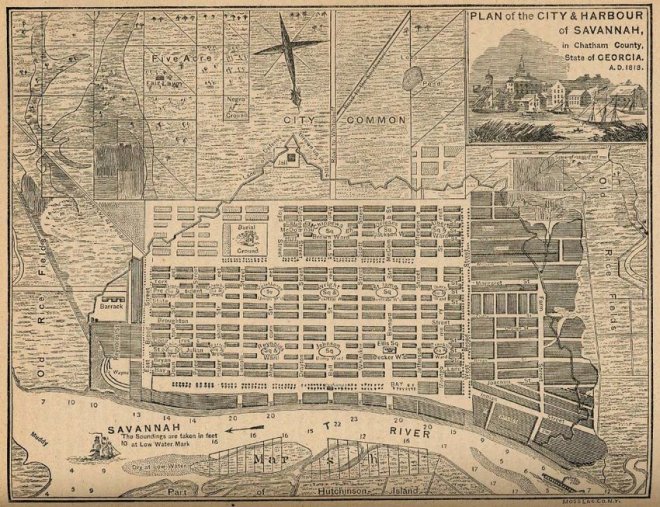


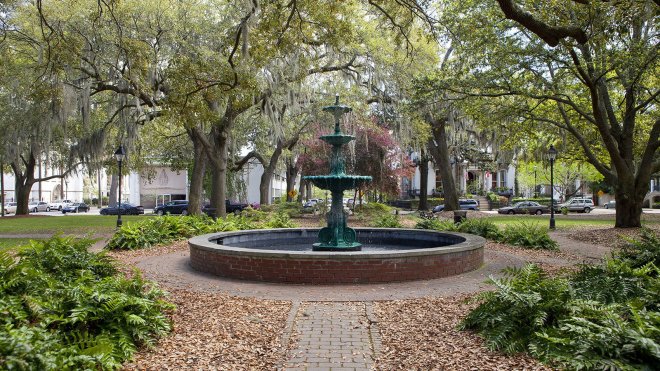
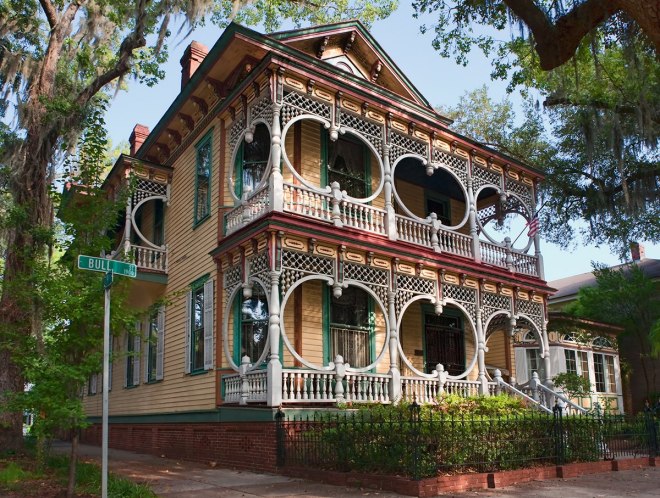


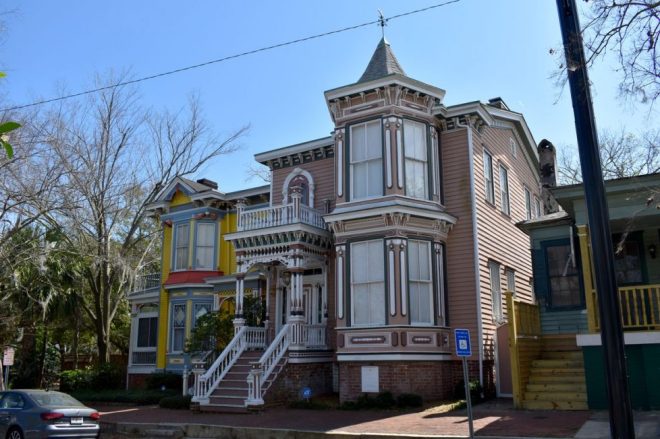
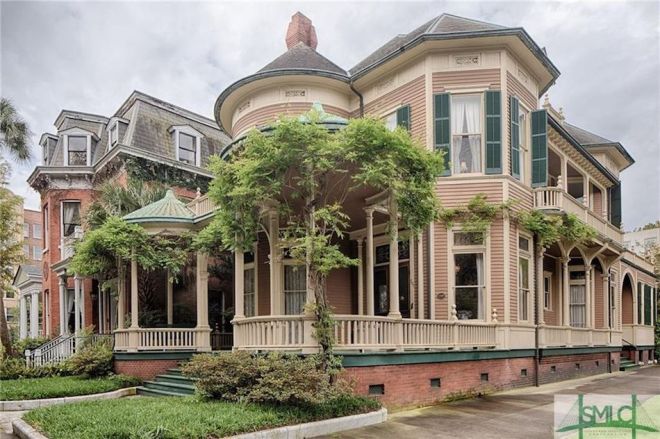
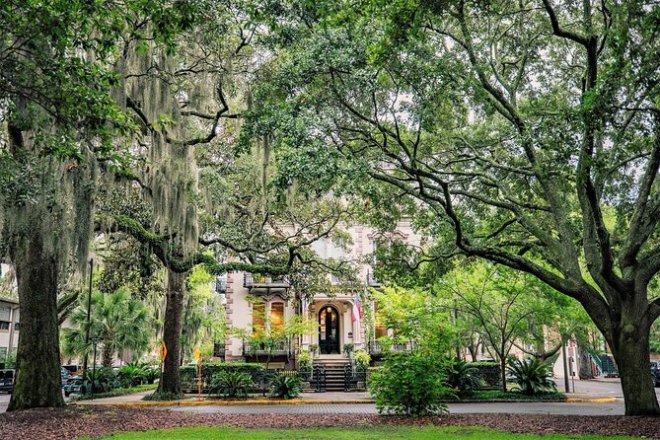


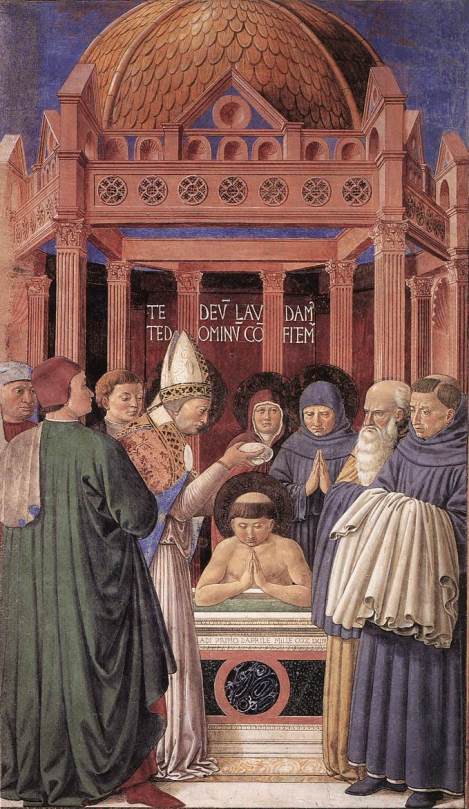
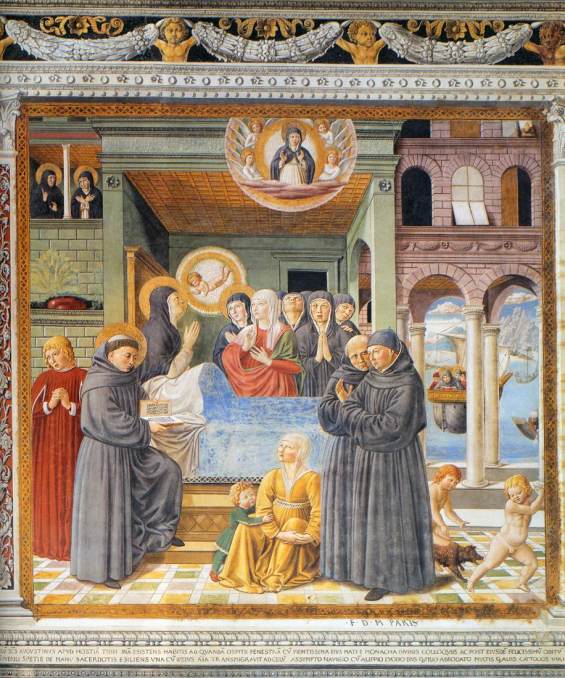
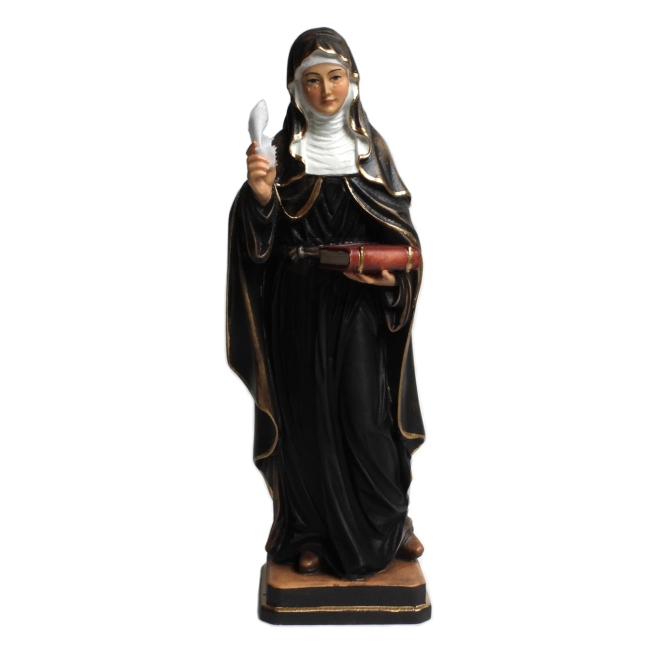
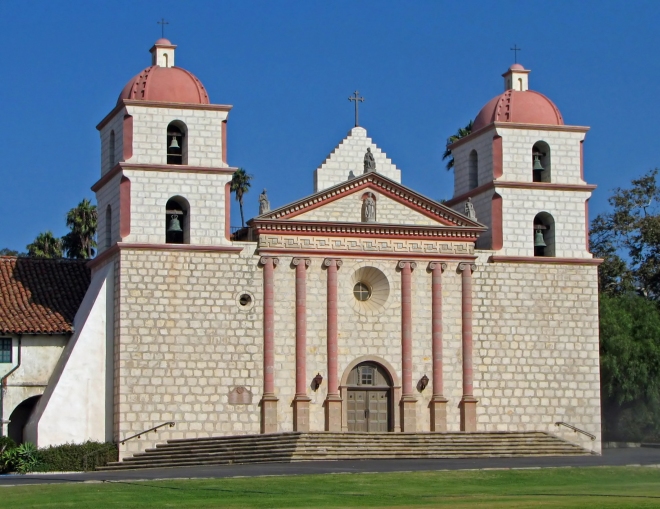

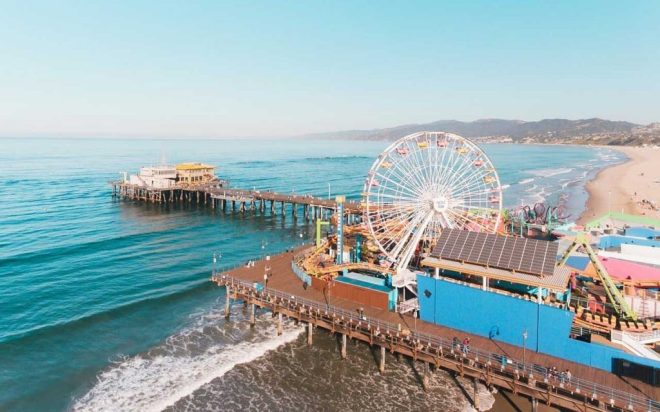


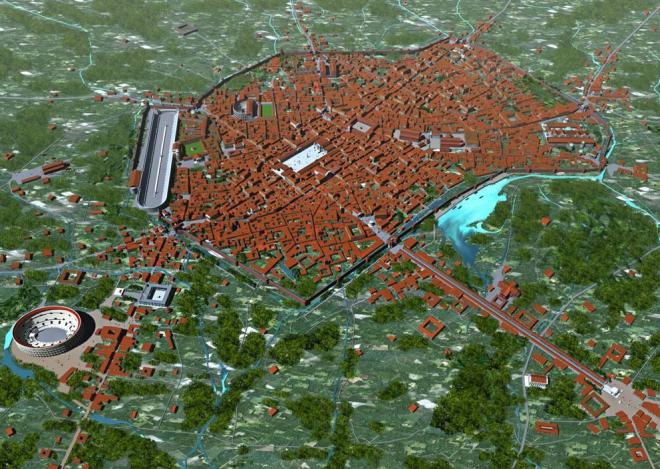

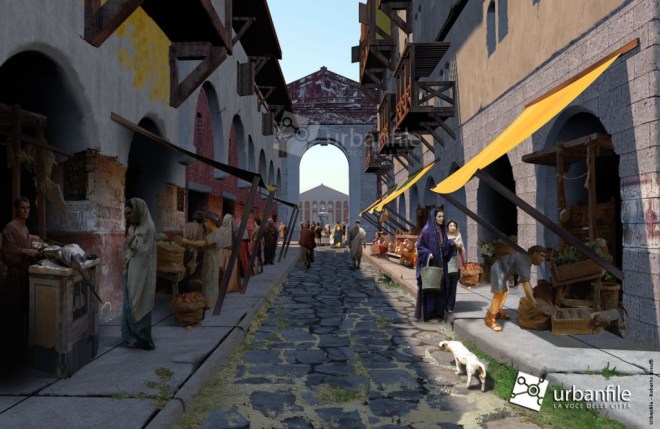
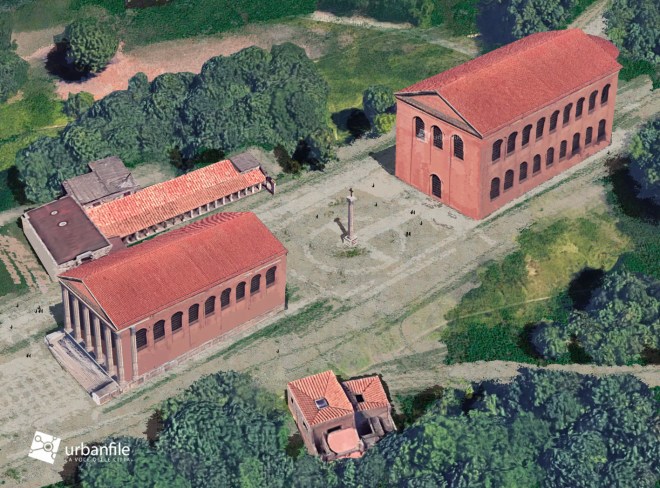

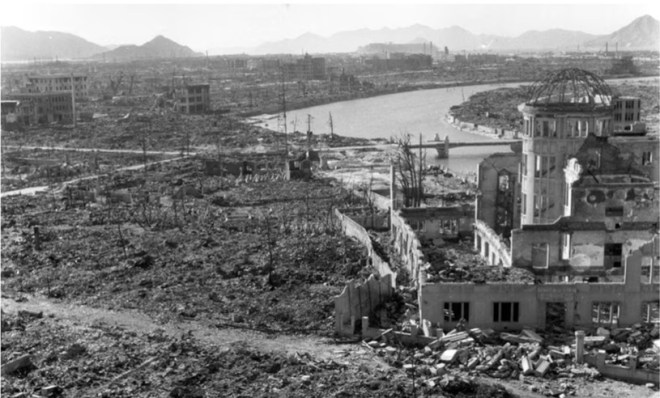
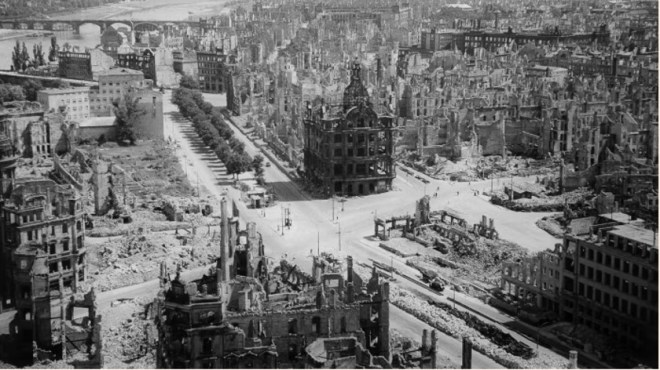

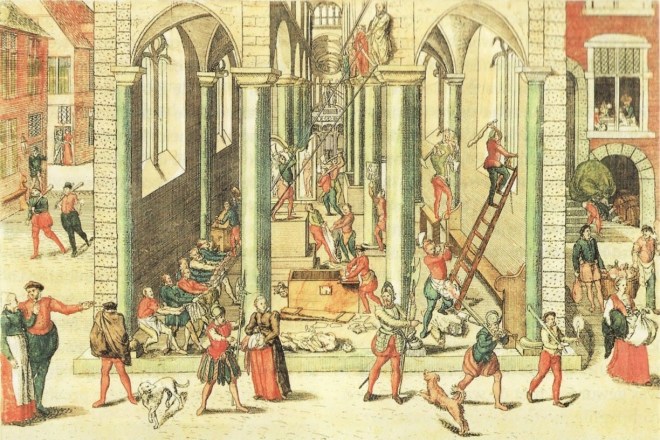

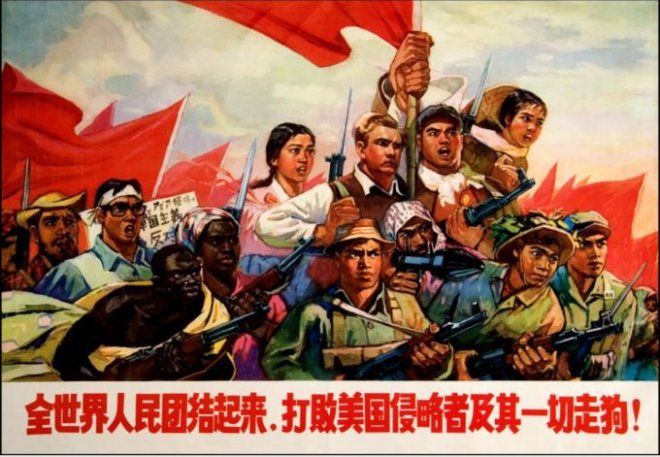


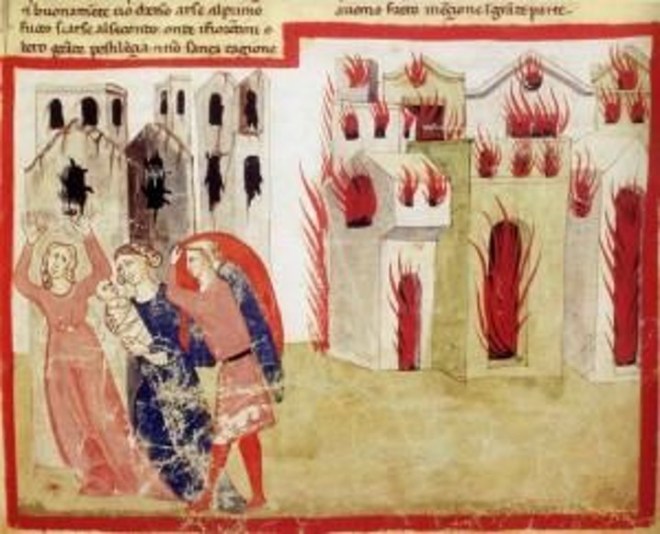


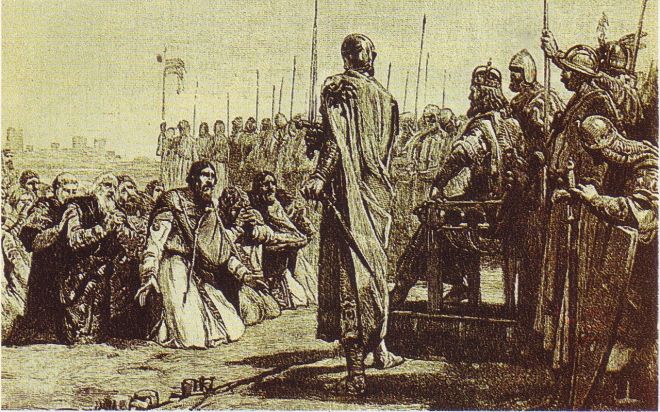
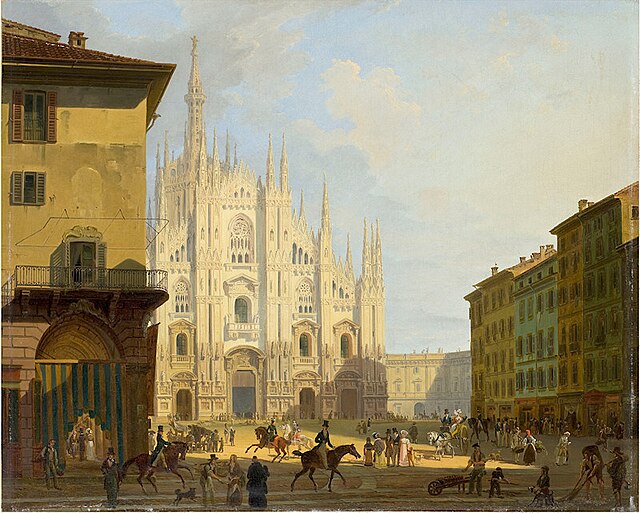
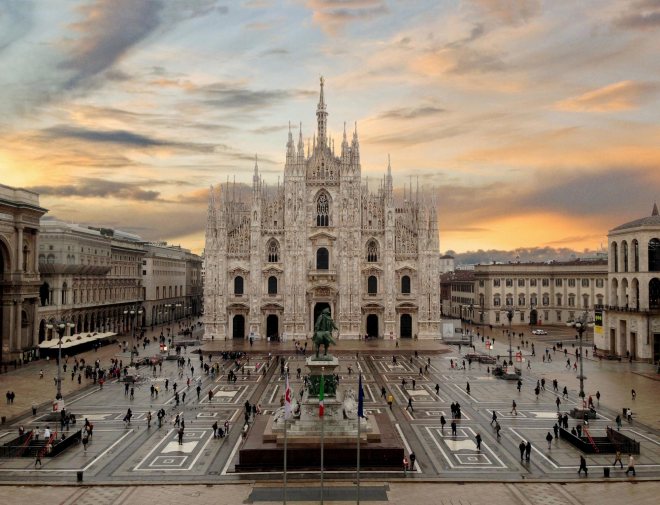
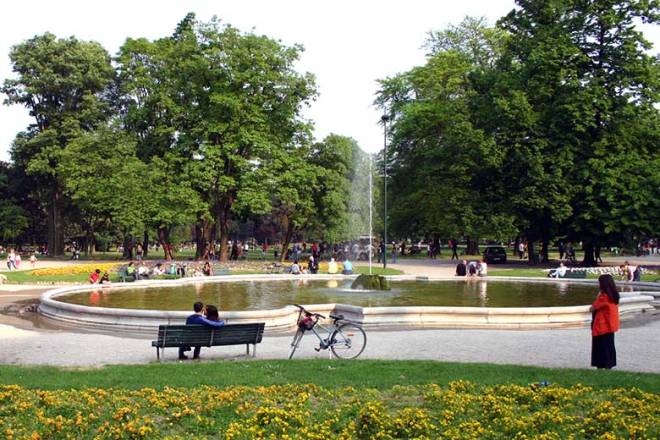
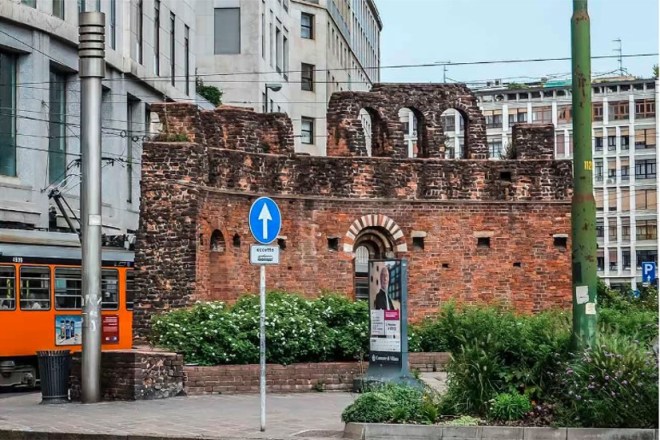


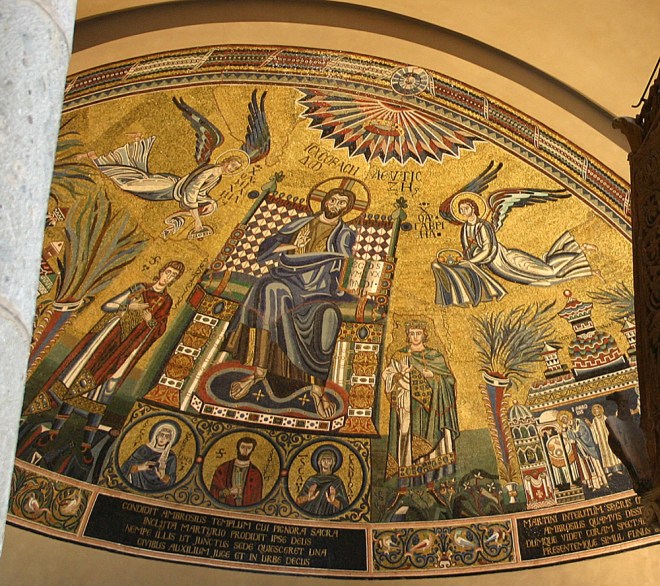


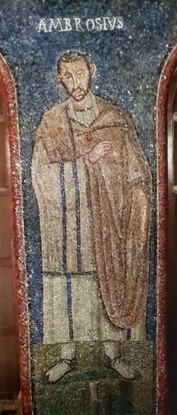
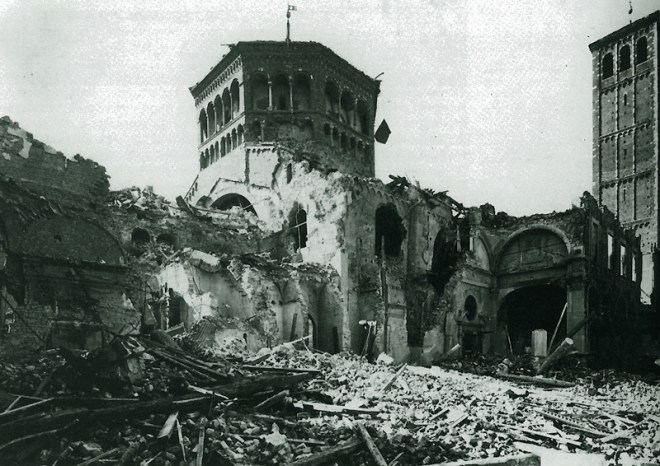

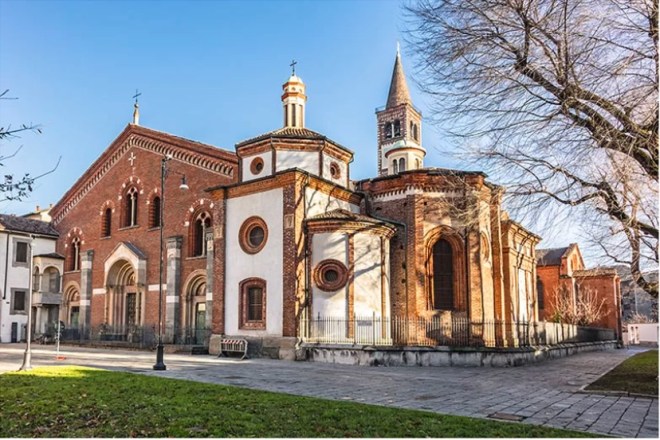


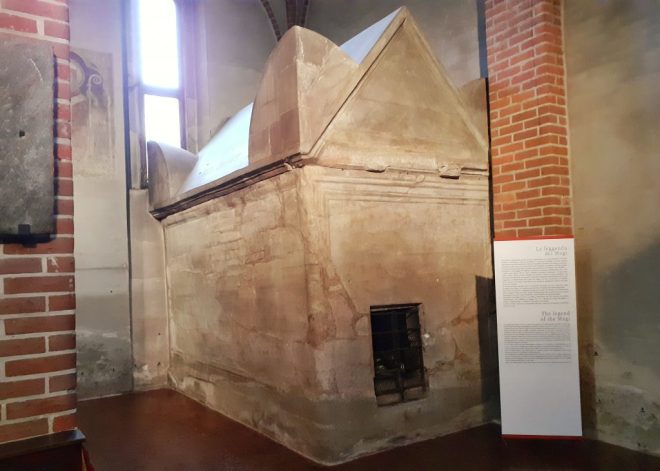


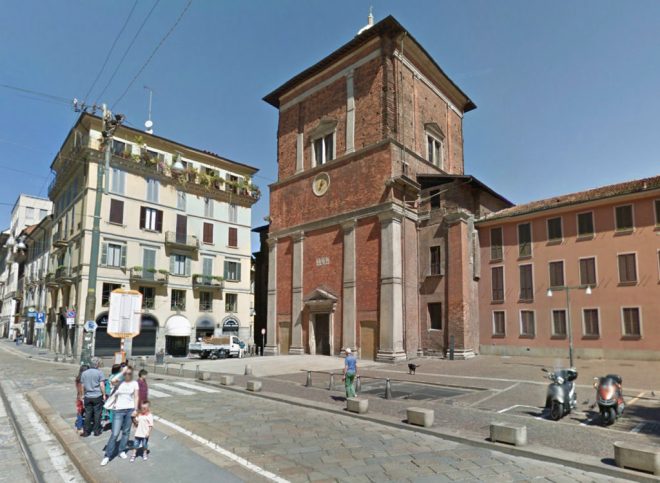


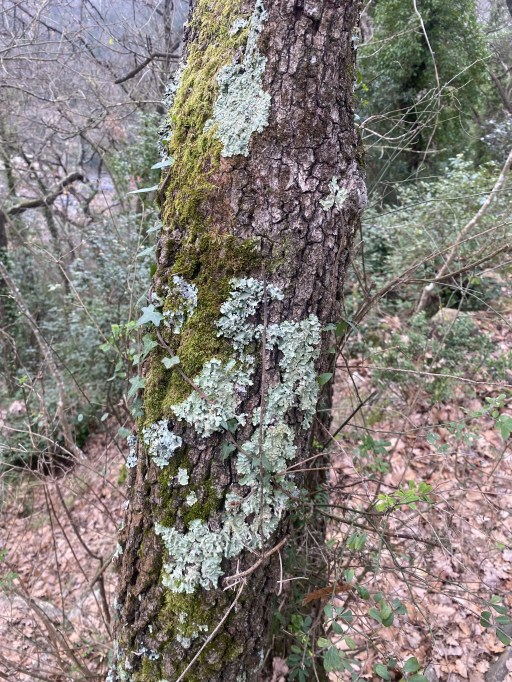


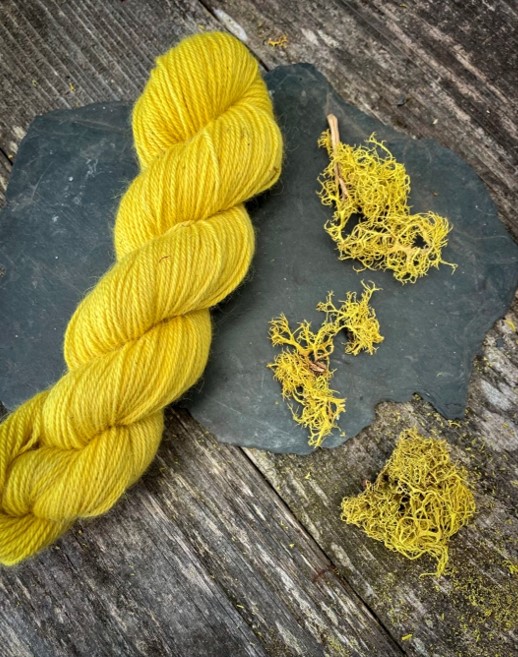
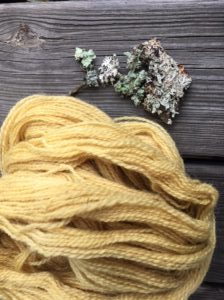


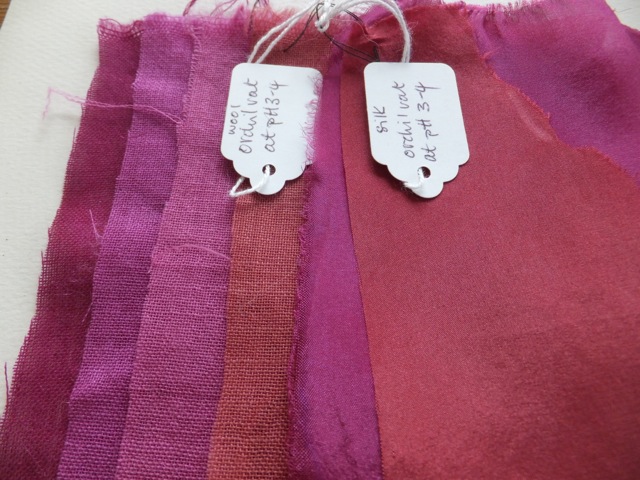


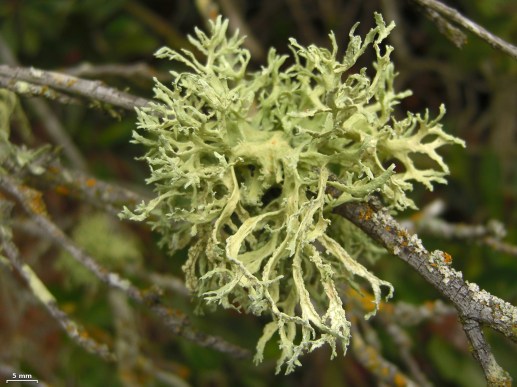

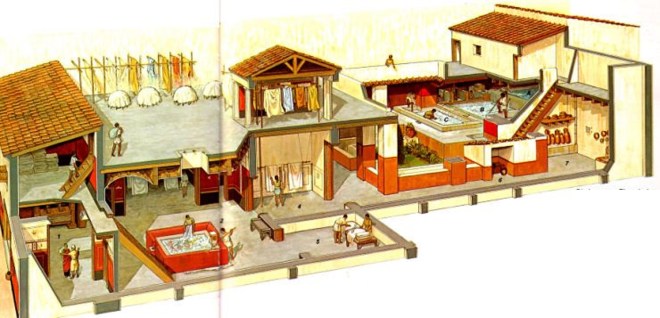


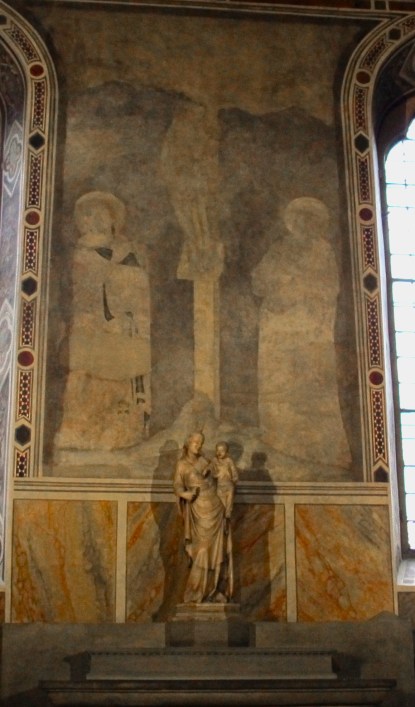
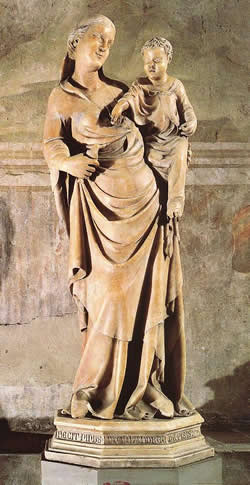


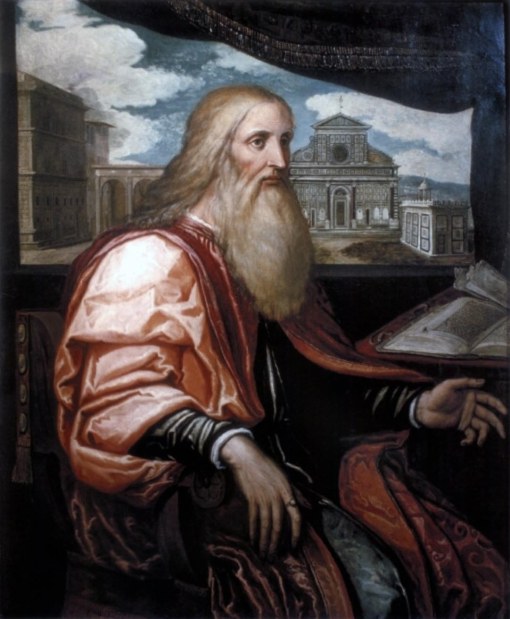




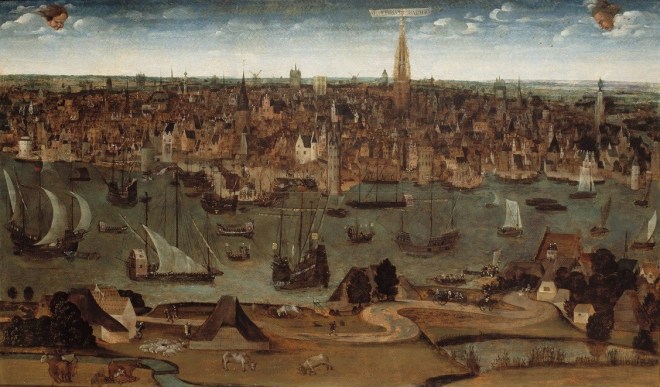




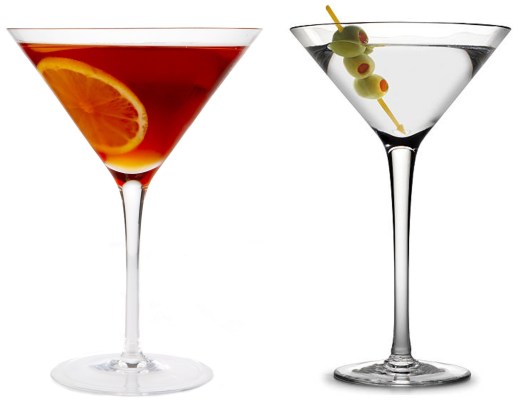


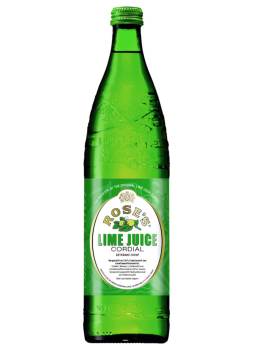



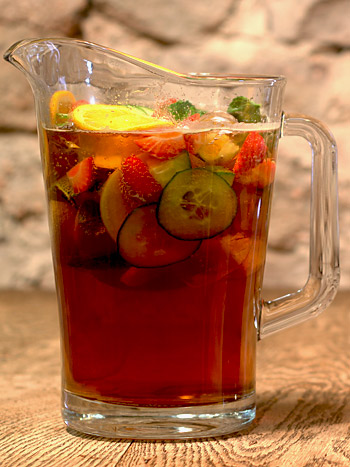


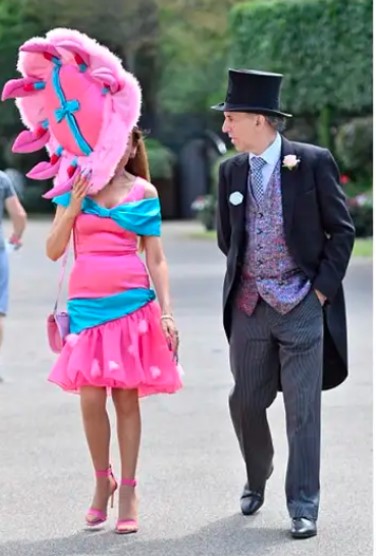


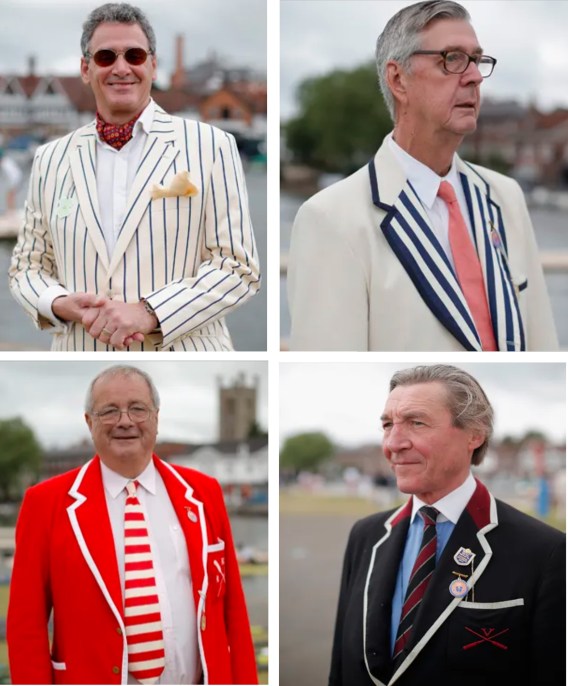

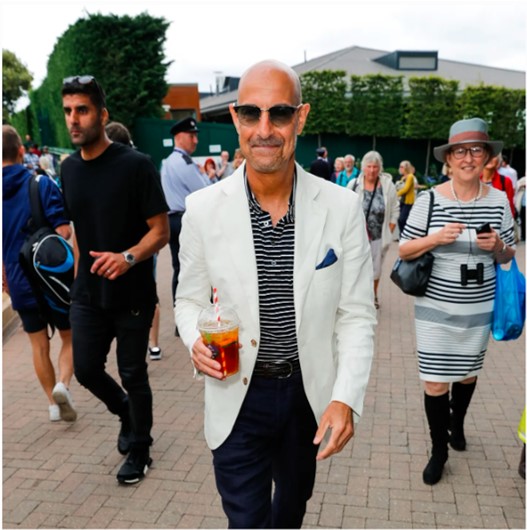
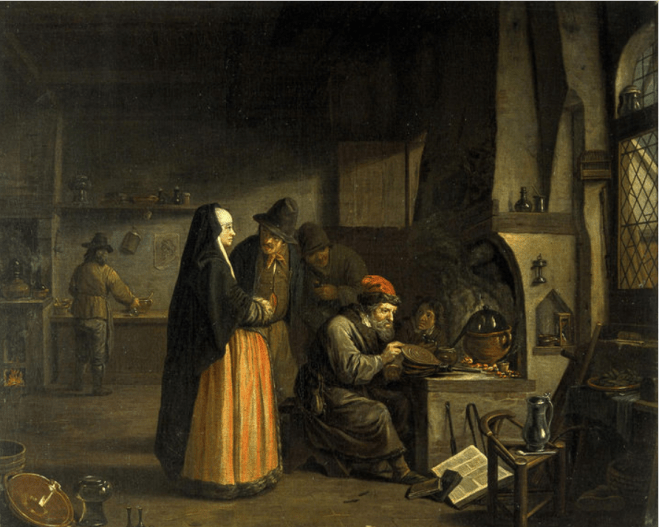

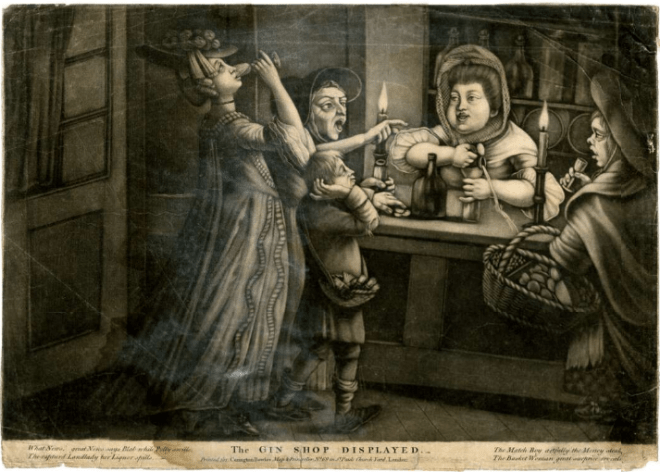
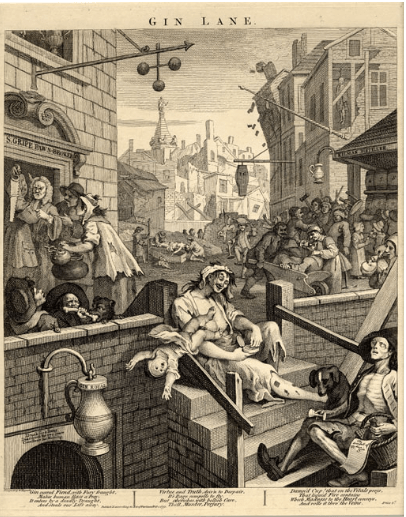

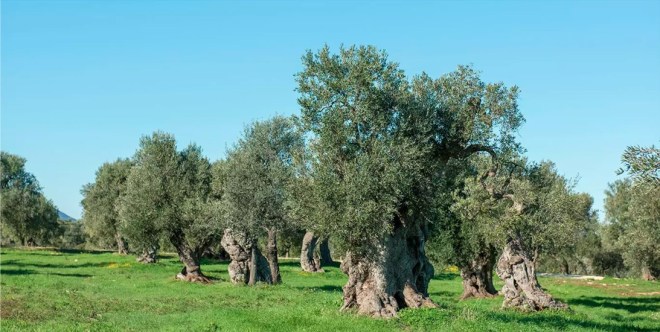


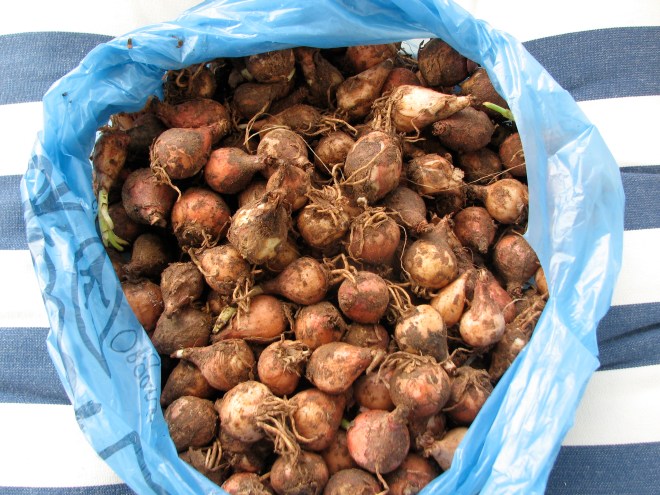
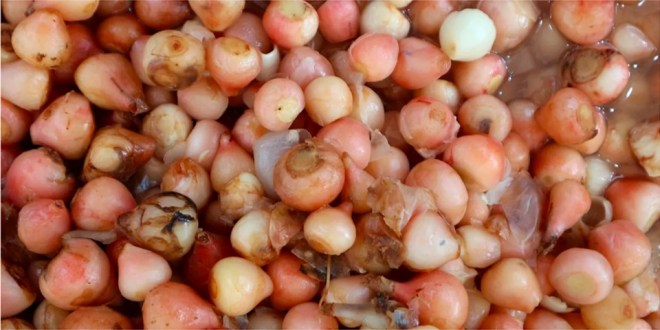
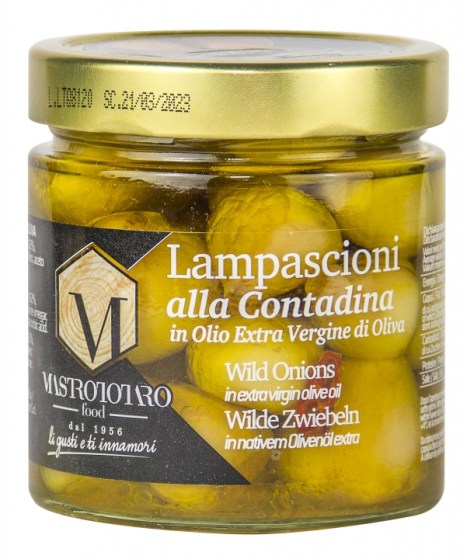

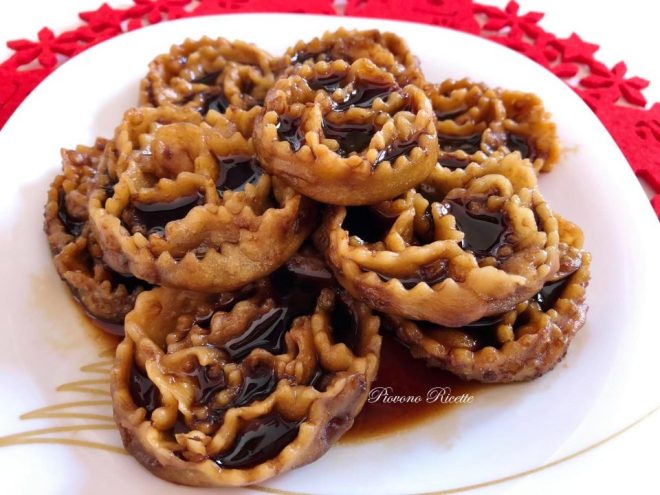









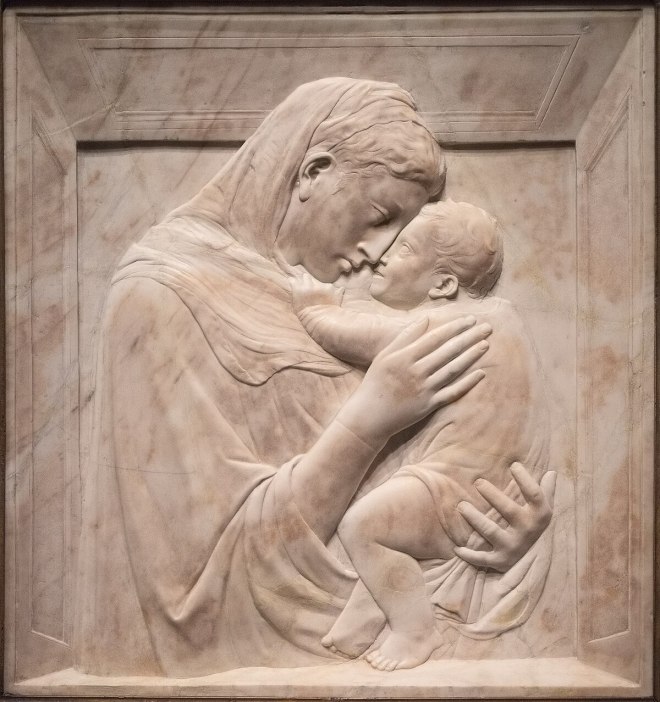

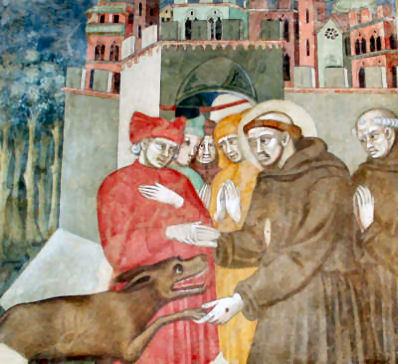


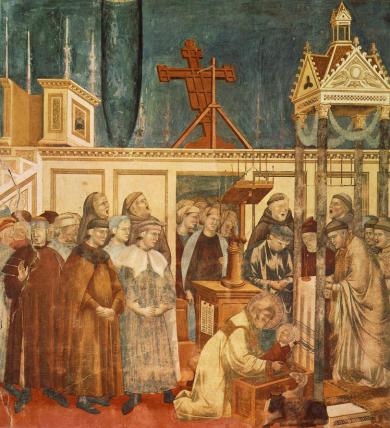
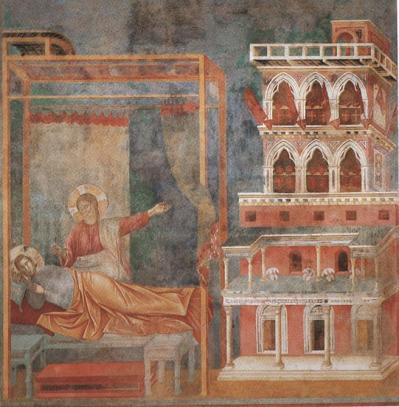
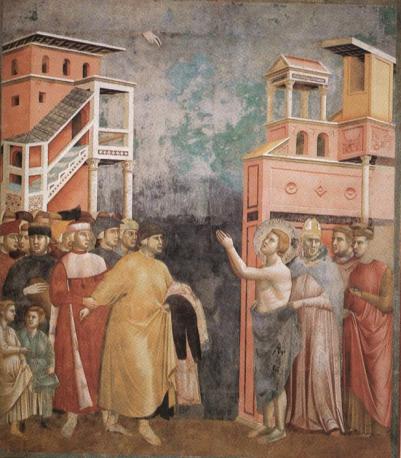


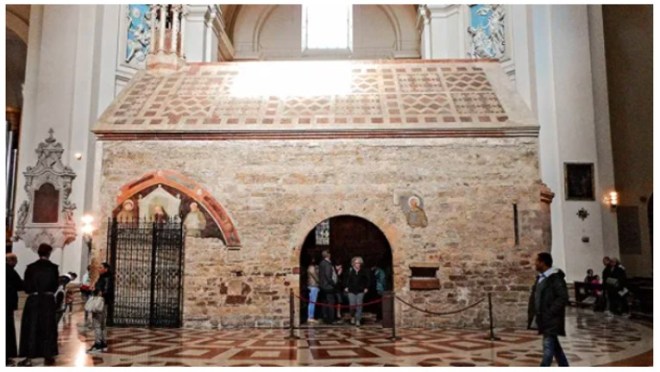



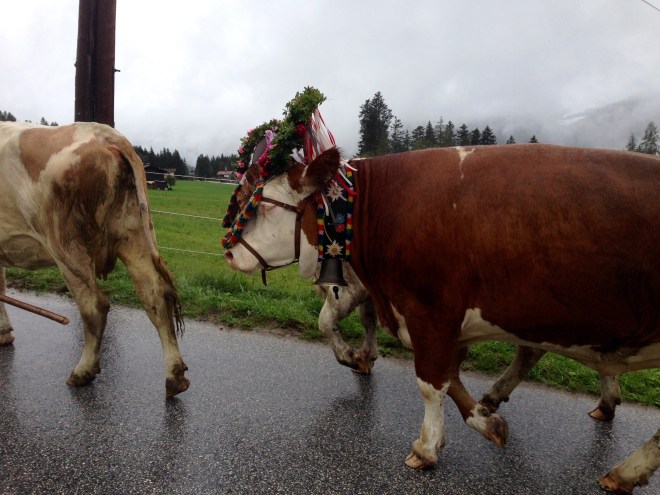

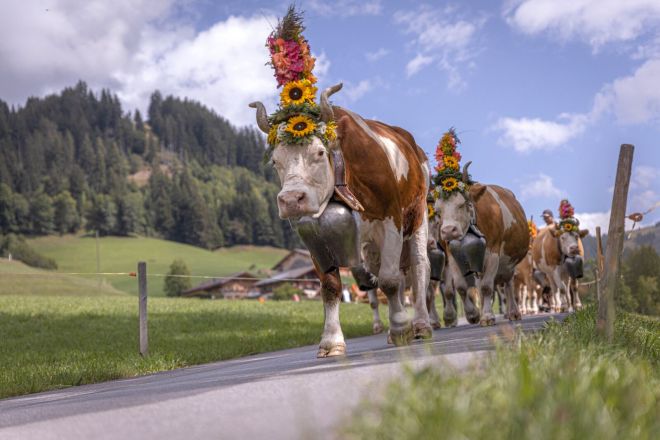







 the heart thrills


