POSTS

DUST TO DUST, ASHES TO ASHES

Beijing, 4 February 2013

From time to time in Buddhist temples in this part of the world one sees a metal sculpture standing on altars, which takes the form of a stem of a lotus plant to which are attached a flower bud, a fully opened flower, and the seed pod from which the petals have fallen off; sometimes they are accompanied by a young leaf unrolling, a fully mature leaf, and an old leaf, ragged and torn.  It is a visual allegory for the cycle to which we are all subject: birth – life – death. It is a gentler reminder of what I was harshly told every Ash Wednesday when I was a boy: “Remember, man, that thou art dust, and to dust thou shalt return”.

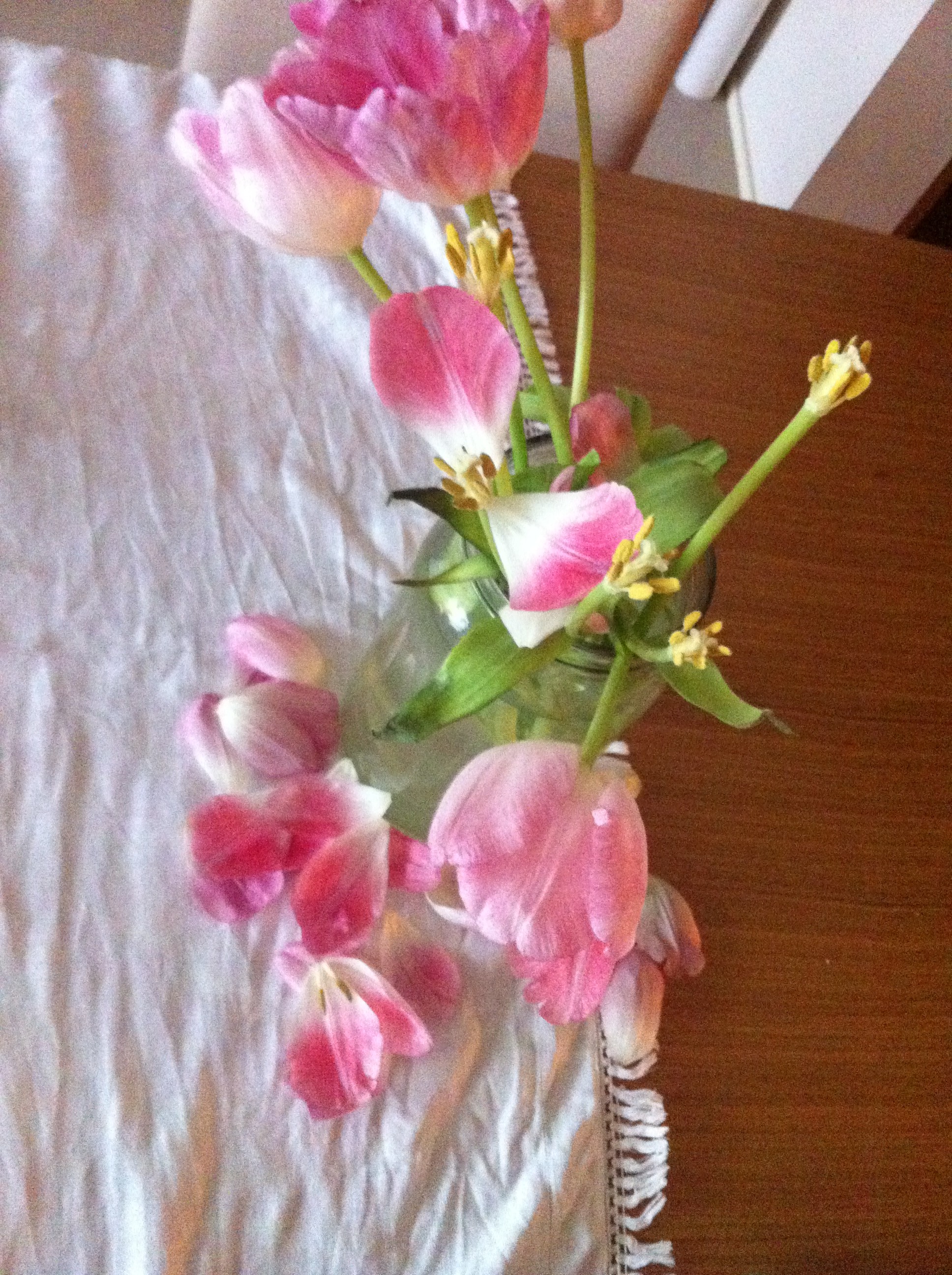
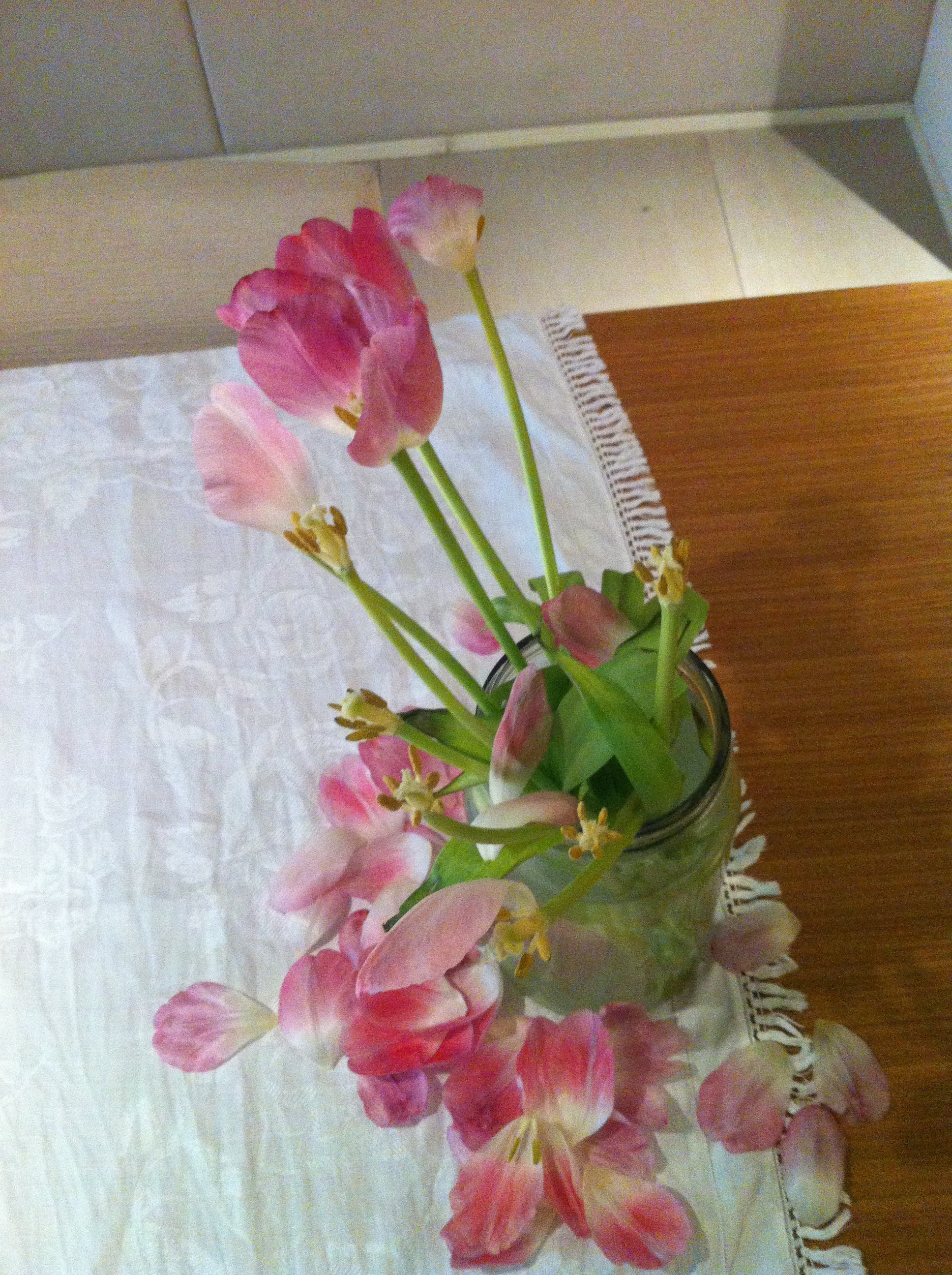
I was reminded of this as the tulips – so lovely two posts ago – paled, wilted, and lost their petals, to finally leave the stamens standing naked and forlorn. I decided to record this decay down to death.

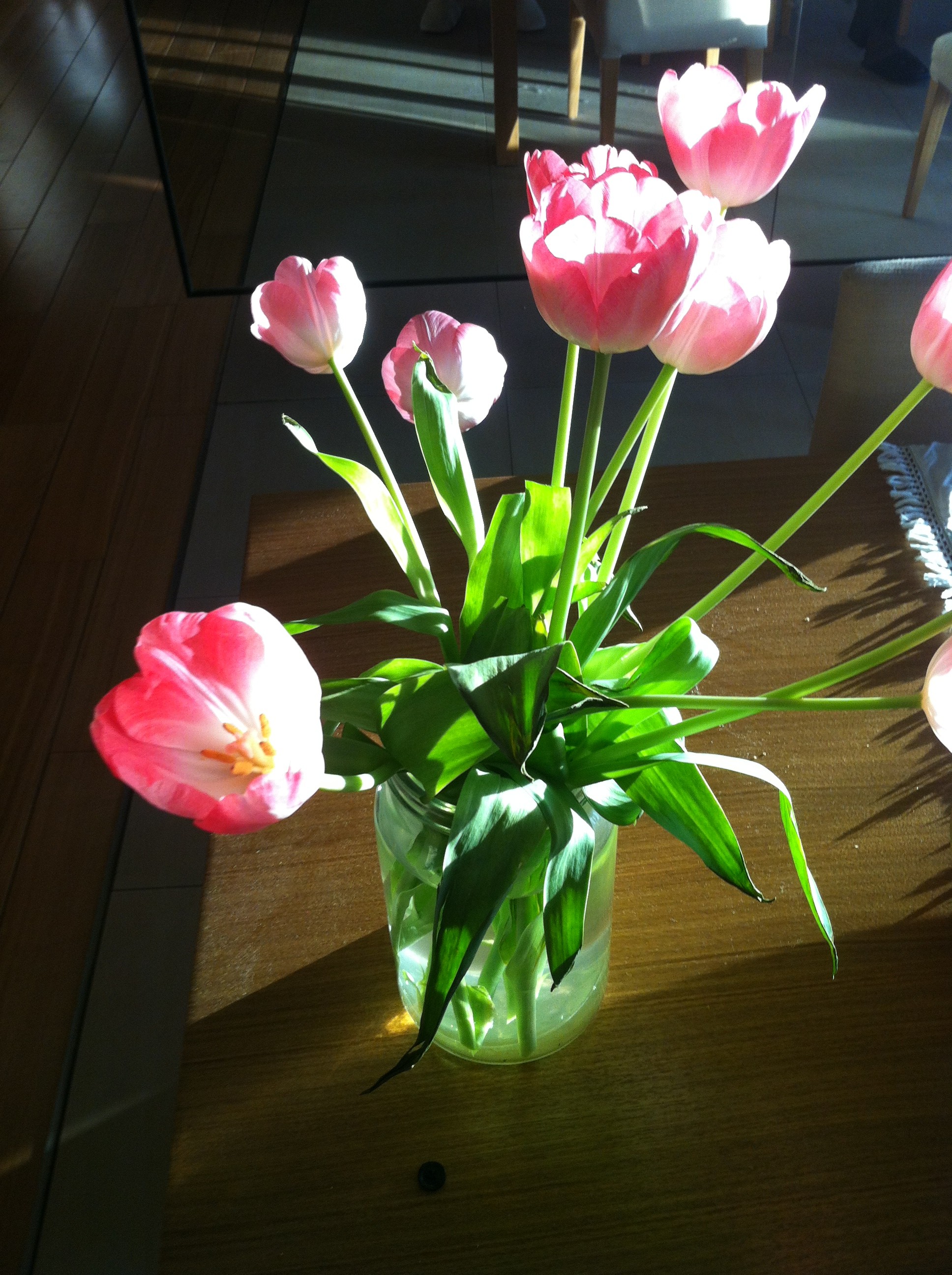
Friday morning:

04 tulips

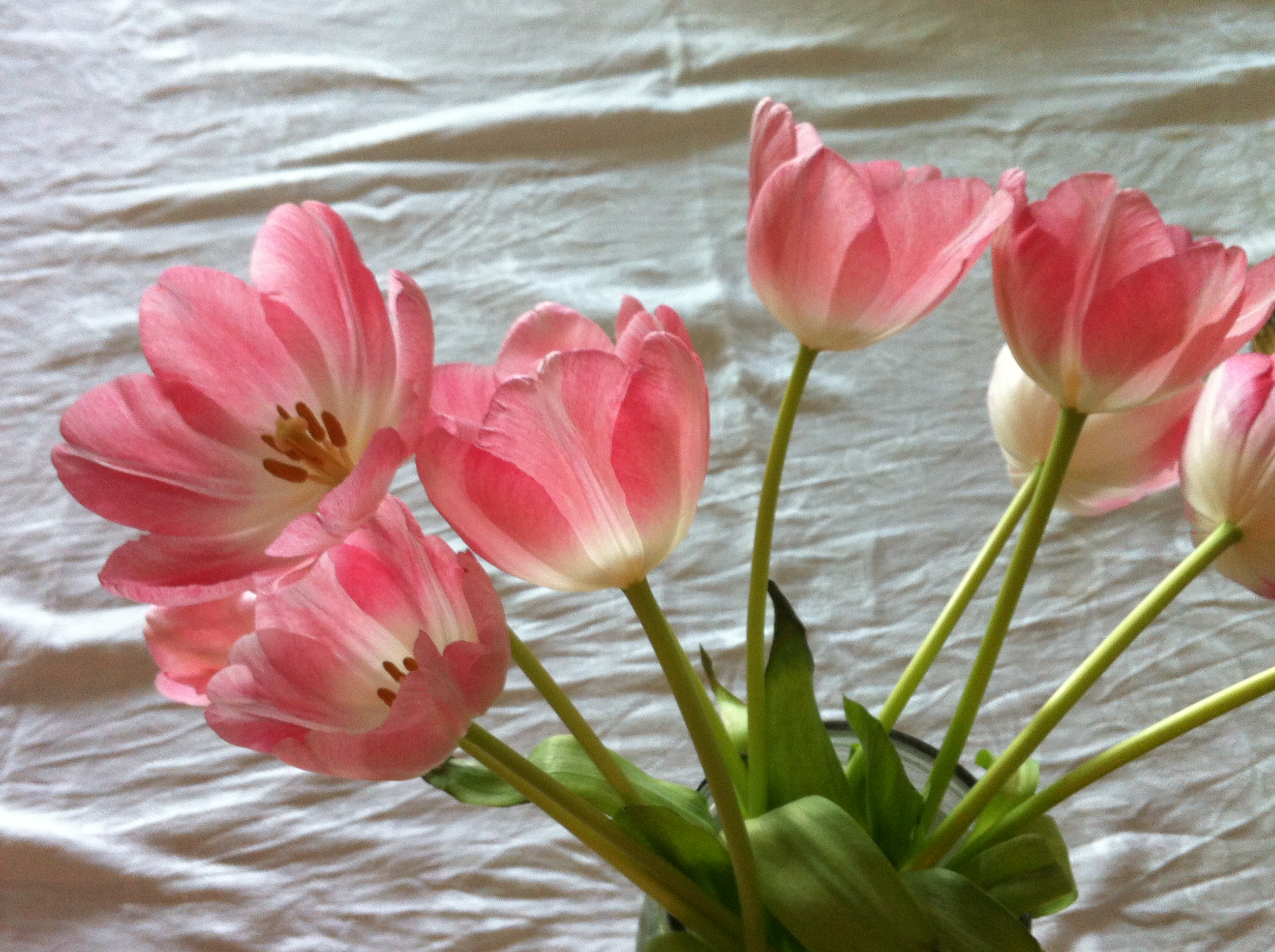
Saturday morning:

06 tulips-saturday morning

Saturday evening:

10 tulips-saturday evening

Sunday morning:

13 tulips-sunday morning

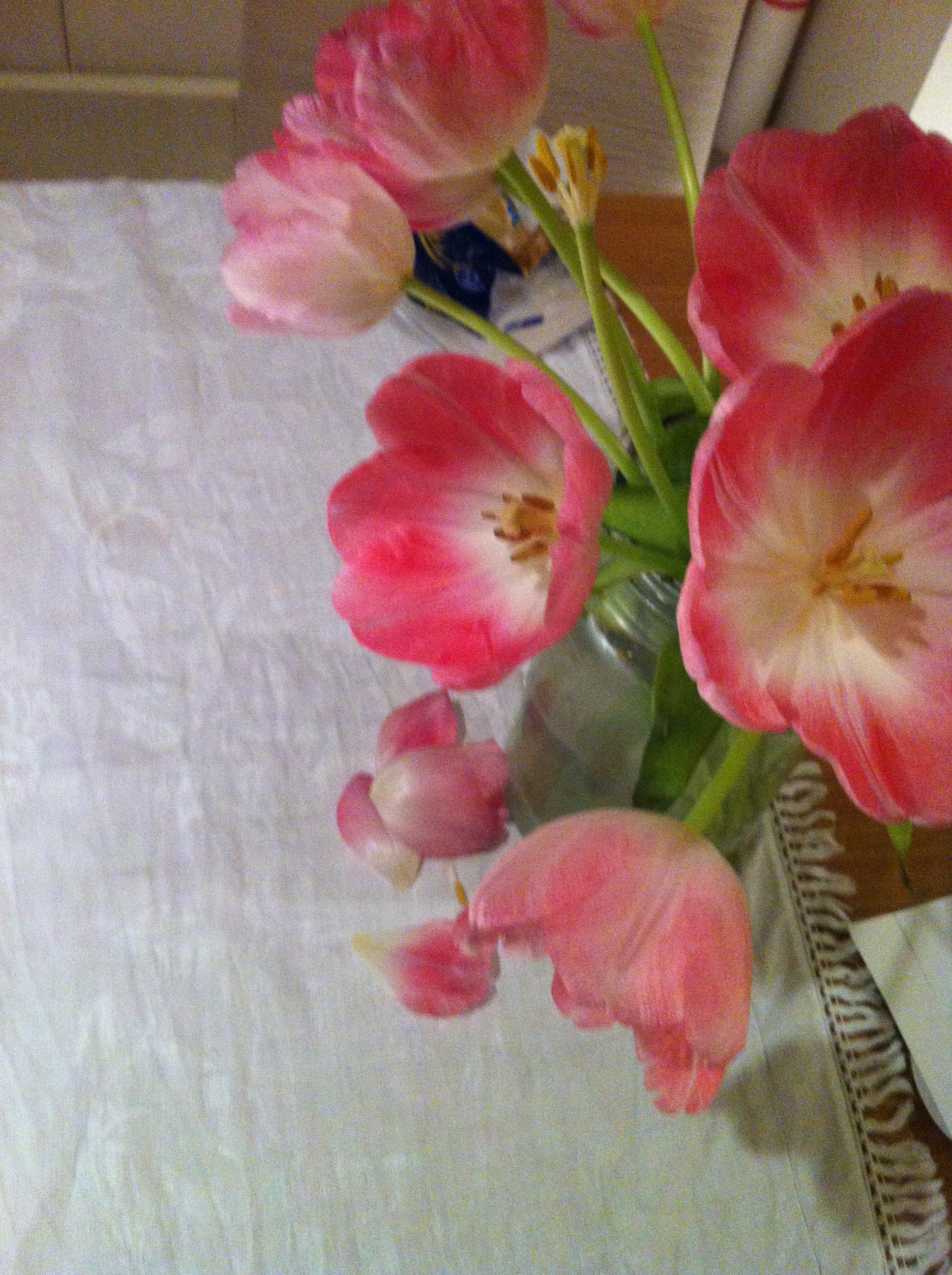
Sunday evening:

16 tulips-sunday evening

I would like to think that my life currently stands at Saturday evening.  Cold objectivity suggests instead that it stands at Sunday morning.

EXTRATERRESTRIALS IN SICHUAN, READ ALL ABOUT IT!

Beijing, 3 February 2013

A few weeks ago, I went to Chengdu, capital of Sichuan. I was visiting a company that makes an interesting energy conservation technology, details about which I won’t bore you with. I also visited a company that makes graphite electrodes for electric arc furnaces; again, I won’t bore you with details. And of course, as is usual, the local authorities put on a banquet for me, at which I politely ate the local, horribly spicy food (see my earlier rant about spices to know how I feel on this topic). But when all else has faded from my mind, what will remain with me is a visit to the Sanxingdui Museum, some 40 km to the north of Chengdu.

Before going there, I knew nothing about the museum or the historical Ba-Shu culture on which it is based. I was just told that the museum was very interesting and asked if I would like to visit it. If I can, I never disappoint my hosts, and anyway being a bit of a museum rat I’m always glad to visit a museum. So of course I heartily agreed to the proposal.

But I was totally unprepared for what met me when I got there.

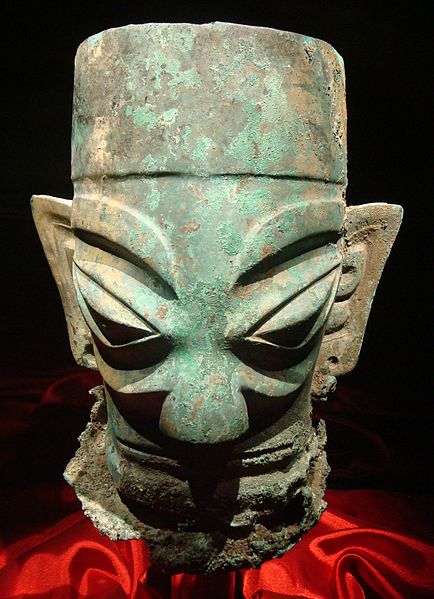
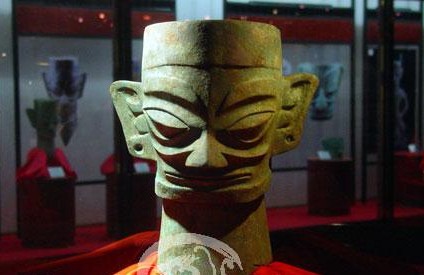
Bronze head-1

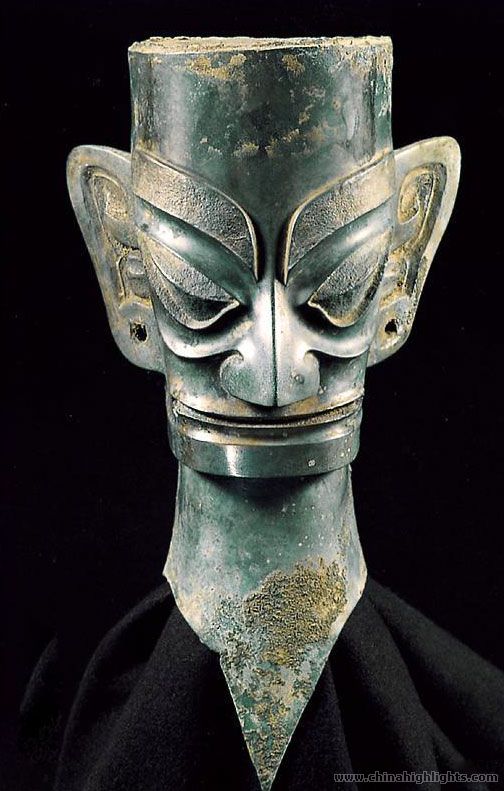
Bronze head-5

Bronze head-7

Bronze head-10

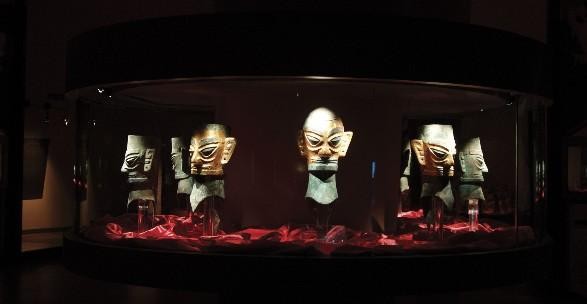
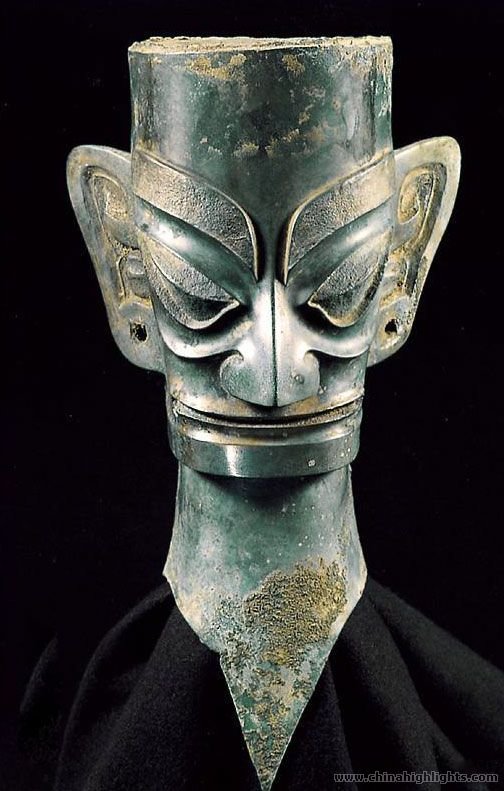
These strange, strange bronze heads, sometimes also in groups and overlain in gold

Bronze head-3- 3 heads

Bronze head-13-many heads

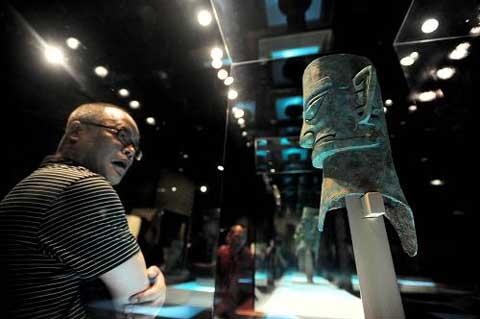
Like this gentleman, I was gobsmacked by these heads

man looking at mask

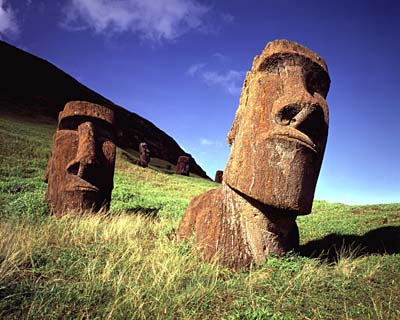
There are other enigmatic heads around the world. Easter Island heads and Olmec heads from Mexico come to mind.

easter island heads

itabaso001p4

But these Ba-Shu heads take the biscuit. It’s the eyes that are so strange, they’re not human at all. Link that to those thin, thin lips with that slight smile playing on some of them and you have a really sinister-looking face. I have to say that my first reaction was “extraterrestrials!”. Foolish, of course, but I could well imagine a movie where beings looking like this step off the mother ship in front of groveling earthlings.

bronze statue-3

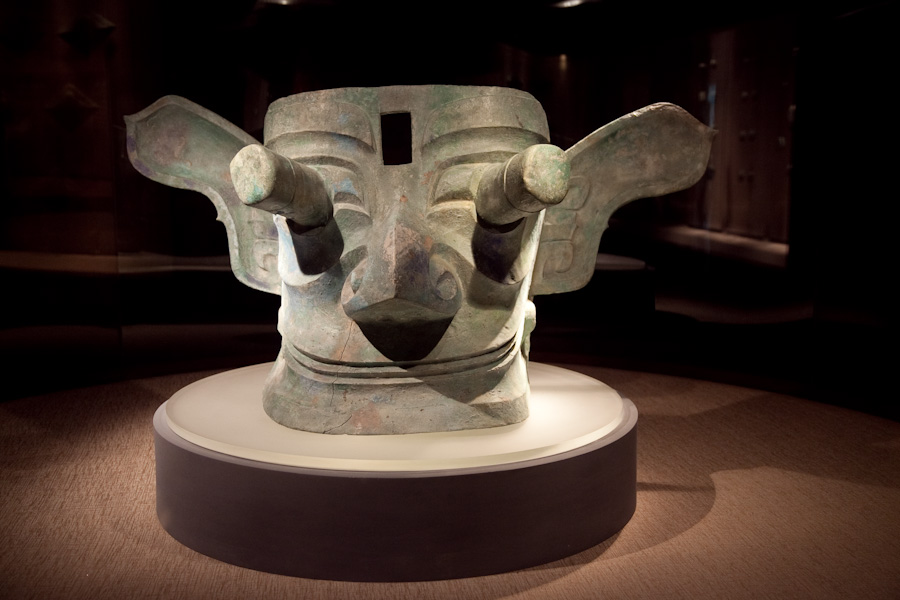
But it gets stranger. Take a gander at these

Bronze head-11-protruding eyes-3

bronze head-15-protruding eyes-4

What is one to make of those rods in the eyes? The museum literature suggests that these could be rays emanating from the eyes. To my overheated imagination, they look nothing more like sticks rammed into the being’s eyes and his masochistic delight at this treatment.

For the historically inclined, I should mention that these finds have been dated to a period 3,000 to 4,000 years ago, that for reasons unknown the civilization disappeared from view and from the historical record, only to resurface in 1986 after a farmer was doing some digging in his fields.

Well, it’s clear. The beings decided to go back to wherever they came from, probably after promising that they would be back …

________________________

Bronze head-1: http://en.wikipedia.org/wiki/File:Bronze_head_from_Sanxingdui.JPG
Bronze head-2: http://images.yangtzeriver.org/attraction/chengdu/sanxingdui-museum-in-guanghan/sanxingdui-museum-in-guanghan3.jpg
Bronze head-3: http://data.travelchinaguide.com/photo/chengdu-sanxingdui-museum.jpg
Bronze head-4: http://www.mychinatours.com/images/attraction/chengdu/sanxingdui-museum-in-guanghan/sanxingdui3.jpg
Bronze head group-1: http://upload.wikimedia.org/wikipedia/commons/8/8b/Sanxingduimasks.jpg
Bronze head group-2: http://www.chinesetimeschool.com/Portals/2/cms/images/201206/634753526083340000.jpeg
Man looking at head: http://p3.img.cctvpic.com/program/cultureexpress/20100705/images/1278294852929_1278294852929_r.jpg
Easter Island heads: http://www.philipcoppens.com/easterisle01.jpg
Olmec head: http://media-2.web.britannica.com/eb-media/56/4556-004-1703C415.jpg
Bronze head with protruding eyes-1: http://peripatetickiwi.files.wordpress.com/2009/07/imgp1405.jpg
Bronze head with protruding eyes-2: http://jessiechophotos.com/wp-content/uploads/2009/11/Day3-206.jpg

TULIPS AND MANDARINS

Beijing, 2 February 2013

The last week has been dreadful for air quality in Beijing. The brief break we had which I wrote about a few posts ago was but a temporary remission and we soon plunged back into the murk. My wife was a little more philosophical about it than I. She remarked that it reminded her of her childhood in Milan, when smog was frequent, and reminisced about having to cross the road to go to primary school and not being able to see if the light had changed. But still, we both suffered.

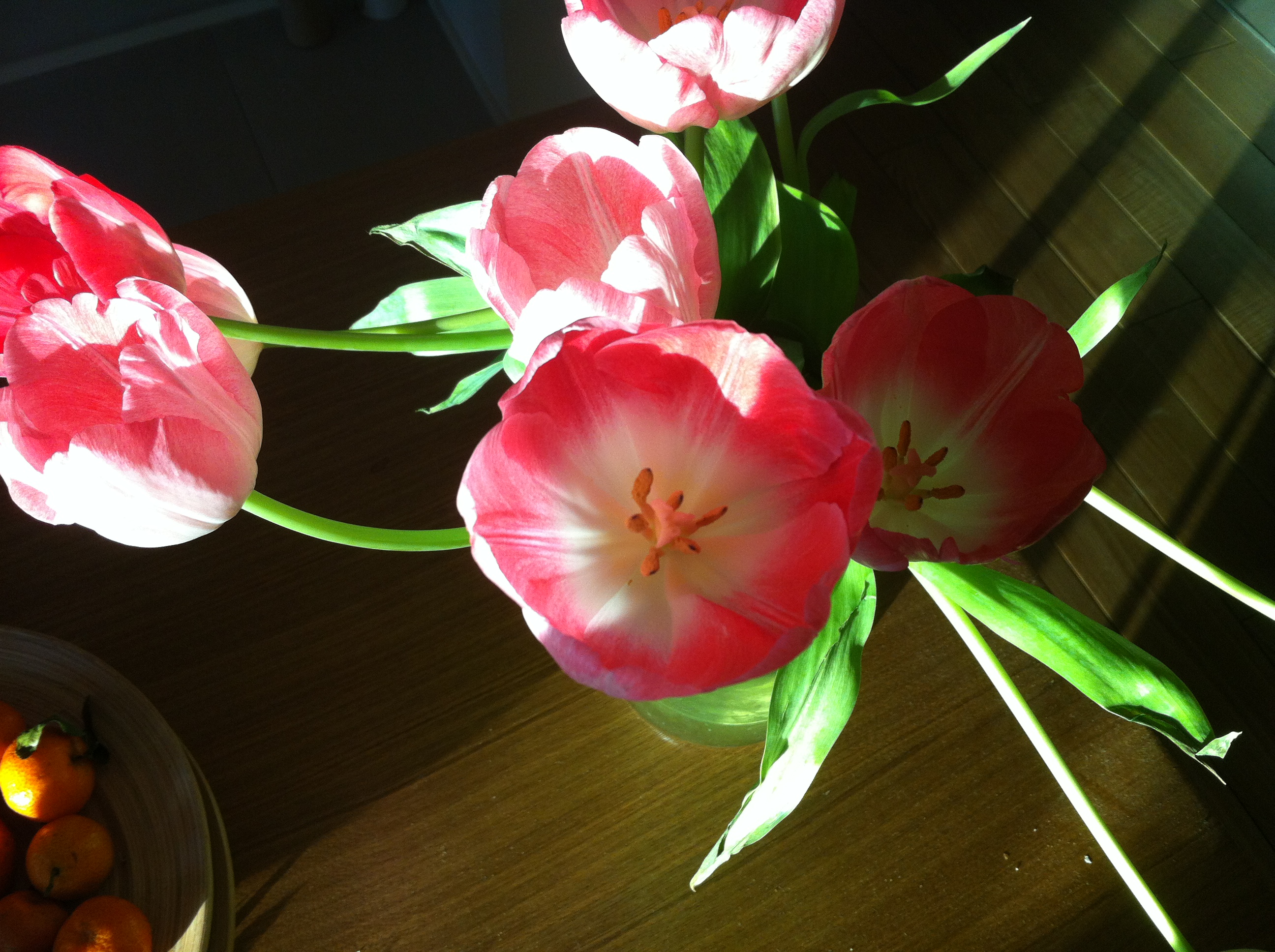
To cheer us up, my wife bought a bunch of tulips. They were still closed when she brought them home, but she placed them in a jar and we watched them slowly open over the following few days. Yesterday morning, we woke up to a gloriously bright and clear day. Thanking all the spirits I could think of, I stepped humming into the dining room, only to be greeted by the tulips which had fully opened over night. The sunlight pouring in through the windows was picking out their delicate pinks, whites and greens. I just had to memorialize the occasion.

   tulips 003

tulips 002

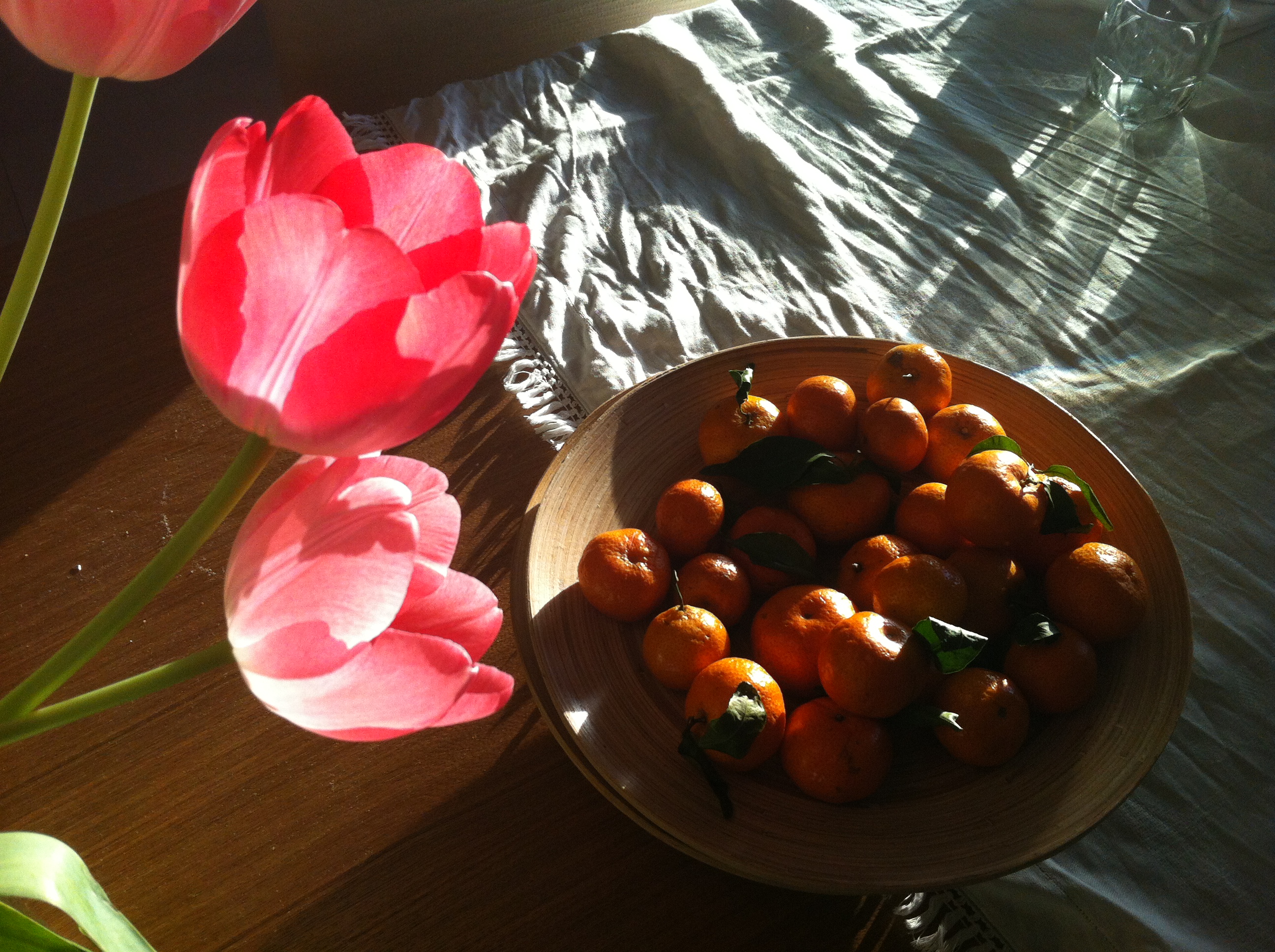
The mandarins which were also on the table kept nudging themselves into the frame, so eventually, I brought them in too.

tulips 005

Wonderful, wonderful fruit, those! They don’t look up to much, but aah the taste, my friends! First comes the delicate mandarin aroma which breaks out as you begin to peel the fruit and prepares you for what lies ahead. Then comes the citrically acidic taste with sharp mandarin overtones which hits your taste buds as you pop one segment in after the other. They are completely addictive; between my wife and I, that plate of mandarins lasted but one breakfast. She has found a greengrocers up the road which sells them. Sorry, the address will remain a secret.

I, TOO, WAS AT DAVOS

Beijing, 31 January 2013

OK, my meeting in Davos was a little more humble than the one that just finished. We didn’t talk of global trends or the next big crisis, nor were television newscasters knocking at our doors begging for an interview. No, we were talking about e-waste and what to do with the growing mountains of broken computers and discarded mobile phones that we generate.

It was still summer, or so I thought. After all, the meeting was taking place in the first week of September. But the morning after I arrived it snowed. I could NOT believe it! My wife and I had made plans that after the meeting she would join me and we would visit the area. But we weren’t about to go visiting in the snow. That was the end of that little holiday.
Perhaps because of this, or perhaps because I realized that the meeting was actually a waste of time, whatever it was, I was not in a receptive mood.  I found Davos to be a pretty nothing place. There was no part of the town that I found worth looking at, no building worth admiring, no vista to stop in front of … nothing. Just a series of anonymous-looking modern buildings along anonymous-looking streets.

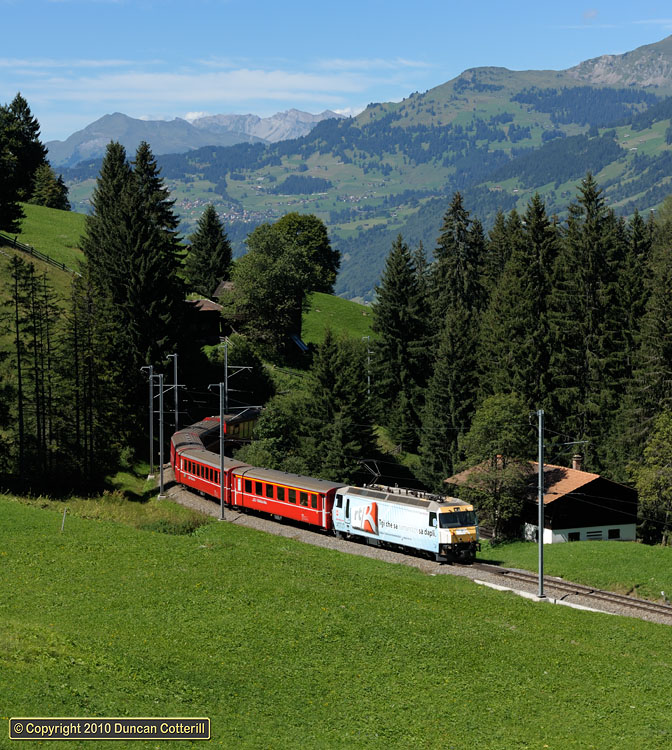
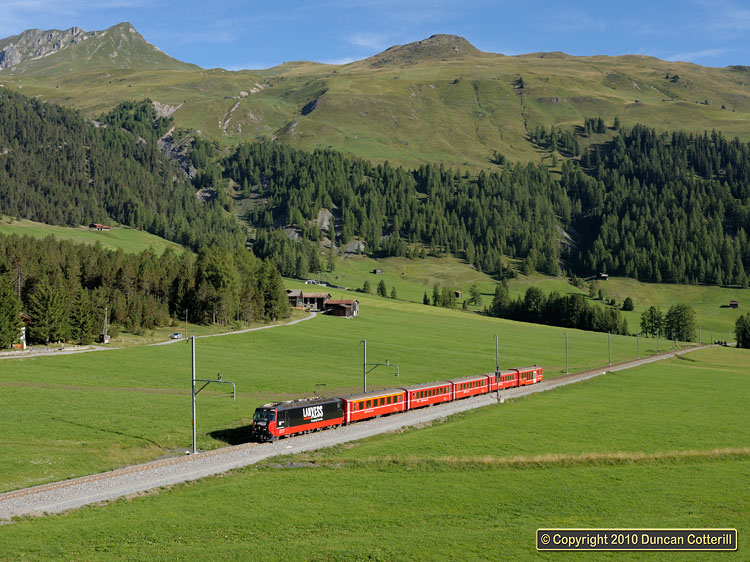
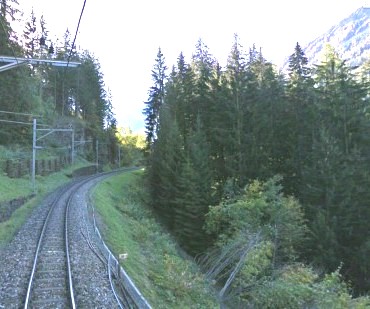
Well, to be fair, there was one thing that has stayed with me and that was the train ride up to Davos. At Zurich airport, I took a train to the small town of Landquart, which stands astride the point where river Landquart meets river Rhine, still a modest river at this point on its journey to the sea. There, I changed to a narrow gauge train, which took me up to Davos. This line is part of the Rhaetian railway network (lovely name, that; it comes from the original inhabitants of the high mountain valleys of these parts, the Rhaetians). The train runs up the valley of the river Landquart to Klosters, where it turns off and begins to climb up to Davos, 10 km away and 400 metres higher. It is a truly lovely ride, reminiscent to me of the ride in the Micheline about which I wrote a post recently. Maybe it’s because the train doesn’t go too fast, or maybe it’s the narrower gauge or the single line, or maybe it’s because the trees are allowed to grow up close to the train, or maybe it’s the way the train twists and turns through the very peaceful fields and woods … but somehow in this train you feel so close to nature.

Camera : NIKON D700 . . . Focal Len : 70.0 mm . . . Shutter : 1/640sec . . . Aperture : f/9.0 . . . ISO : 200 . . . Original : Digital 12MP NEF

davos train-2-Küblis-Saas

Camera : NIKON D700 . . . Focal Len : 42.0 mm . . . Shutter : 1/640sec . . . Aperture : f/9.0 . . . ISO : 200 . . . Original : Digital 12MP NEF

Camera : NIKON D700 . . . Focal Len : 40.0 mm . . . Shutter : 1/500sec . . . Aperture : f/8.0 . . . ISO : 200 . . . Original : Digital 12MP NEF

When I took it, I was alone in my compartment, so I pulled down the window (in itself a small miracle in modern trains), stuck my head out of the window, and just let the hayfields and pine trees whoosh past me, all the way to Davos.

davos train-9

Pity Davos and the meeting were such a let-down.

_____________________________

Davos train-1: http://www.railography.co.uk/photos/schweiz/910/files/10-D-1857.jpg
Davos train-2: http://upload.wikimedia.org/wikipedia/commons/thumb/a/aa/RhB_K%C3%BCblis-Saas.jpg/640px-RhB_K%C3%BCblis-Saas.jpg
Davos train-3: http://www.railography.co.uk/photos/schweiz/910/files/10-D-1840.htm
Davos train-4: http://www.railography.co.uk/photos/schweiz/910/files/10-D-1833.jpg
Davos train-5: http://www.streetviewfun.com/wp-content/uploads/2012/03/googletrainview-550×309.jpg

TRICYCLE, WORKHORSE OF CHINA

Beijing, 29 January 2013

There was a time when China was famous the world over for its bicycles. To the few who were able to get into China, it seemed that the roads were just a torrent of bicycles.

File photo of people pushing their bicycles across a railway track during rush hour in Shanghai

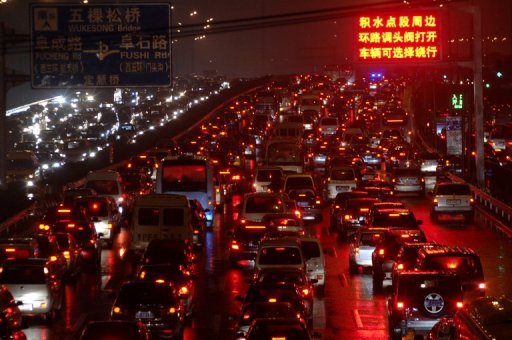
That torrent has dried up to a mere trickle. Some of the older expats whom I meet talk with a certain wistfulness of the bicycle culture that still existed when they first arrived in China ten-fifteen years ago, a culture where it seemed that every able-bodied Chinese had a bike. Now, there is just a torrent of cars, a torrent which is growing exponentially with every passing year and fast becoming a flood.

car jam-2

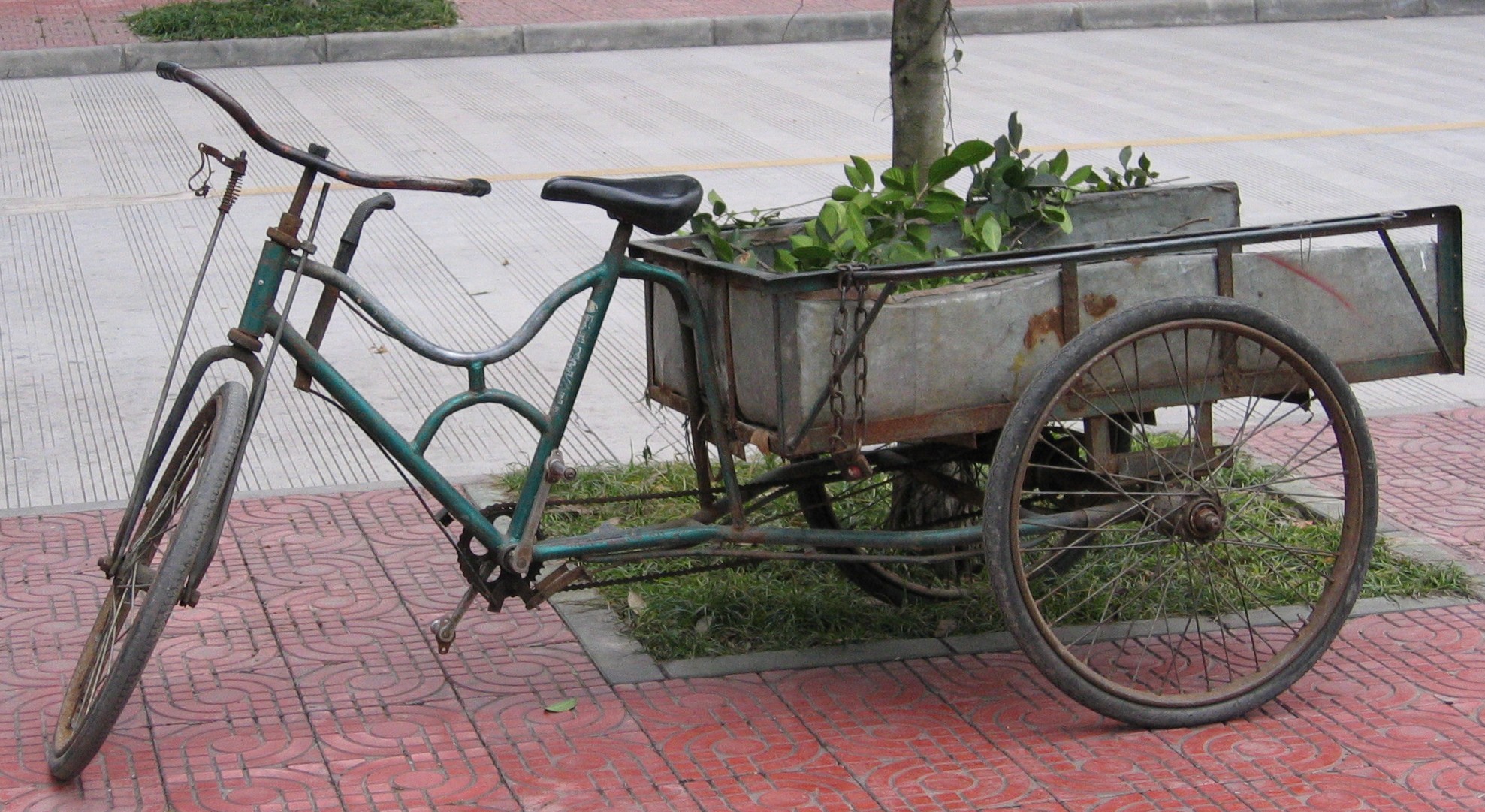
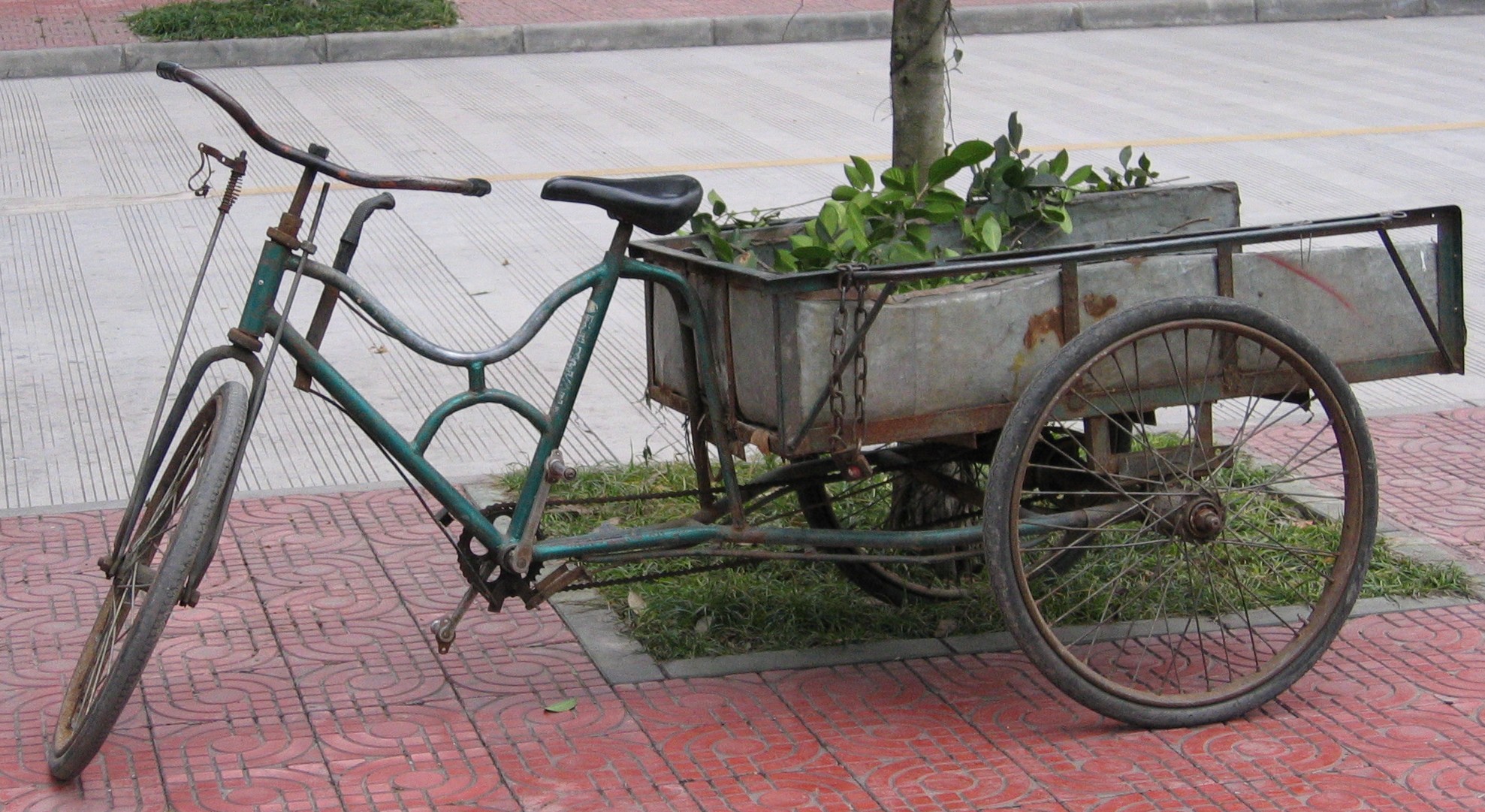
So it looks like China’s bike culture has effectively vanished. But there is one sub-species of bicycle, if I may put it that way, which still flourishes in China, in the form of a tricycle which I have only ever seen here in China.

tricycle-traditional

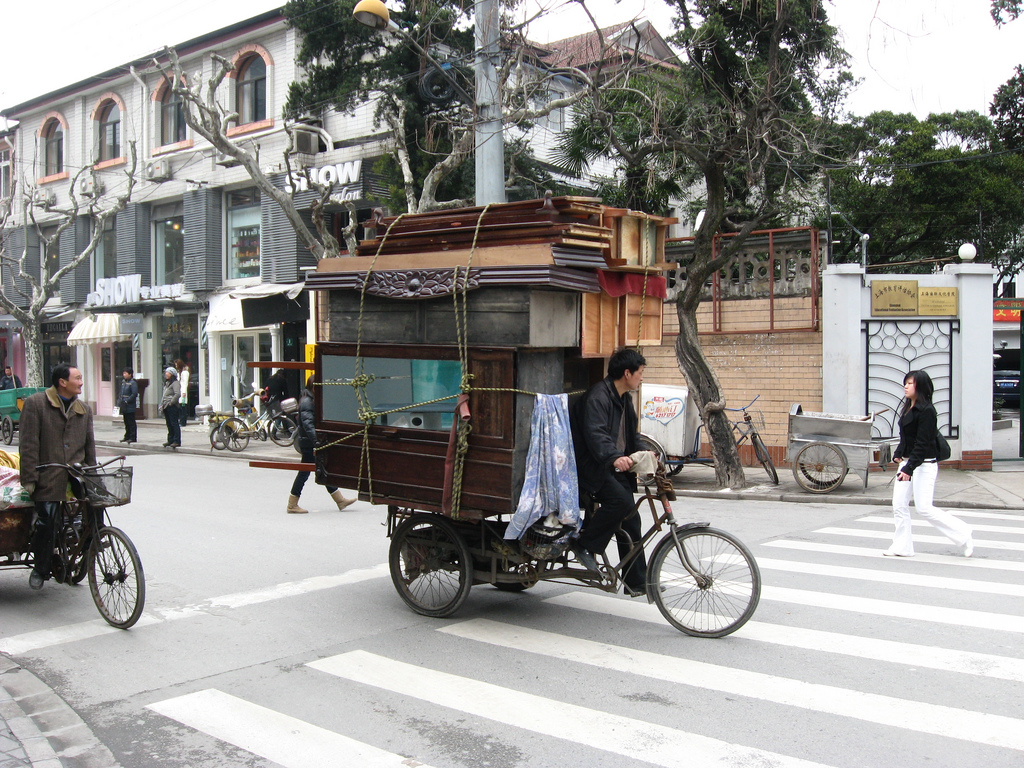
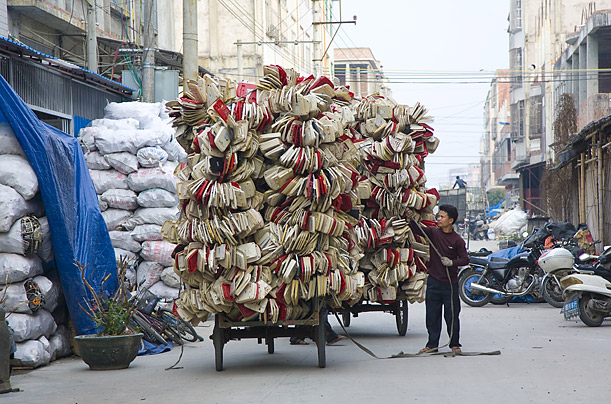
The design is really very basic. Absolutely nothing fancy here, one has the feeling that a series of pipes have been soldered together and three bicycle wheels have been added. As you can see, the key to this bicycle is the barrow at the back, which is used to carry. And boy, does this humble machine carry! All day, every day, you will see hundreds if not thousands of these tricycles criss-crossing every city of China, most often being pedalled by one of China’s army of migrant workers, carrying every blessed item you could possibly imagine. And sometimes, the volumes being carried are awesomely ginormous, from furniture:

furnituretrike

to cardboard:

tricycle carrying cardboard

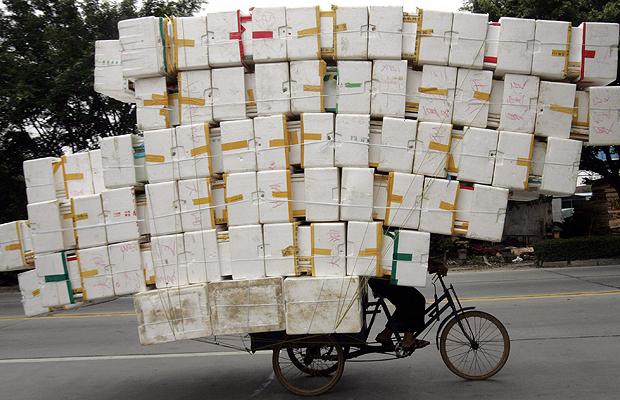
to polystyrene:

tricycle carrying polystyrene

To old telephone casings:

tricycle carrying phone casings

To car parts:

tricycle carrying car pieces

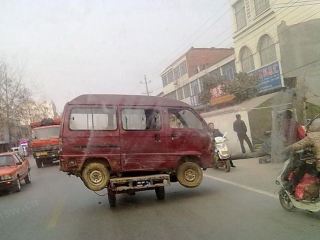
to a whole van, for Lord’s sake!

tricycle carrying minivan

Inanimate objects aren’t the only things carried. Farmers use them to carry their pigs:

tricycle carrying pig

their ducks:

tricycle carrying ducks

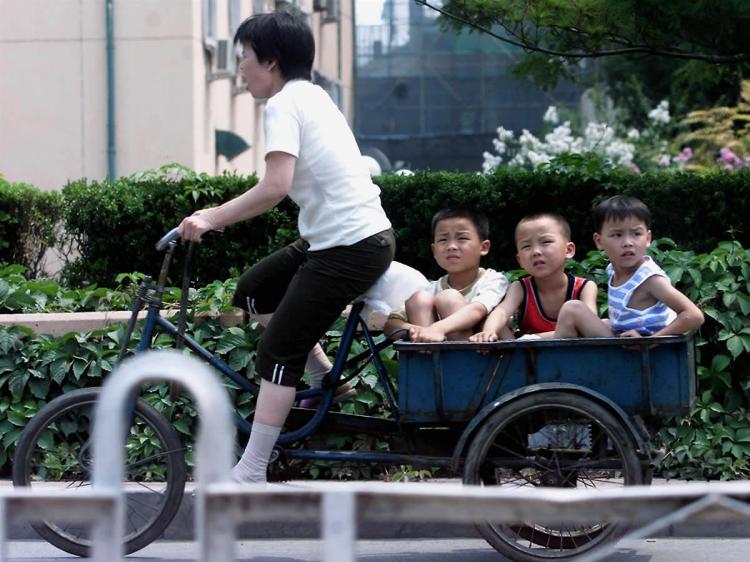
and who knows what else, while this woman is using it to carry kids

tricycle carrying children

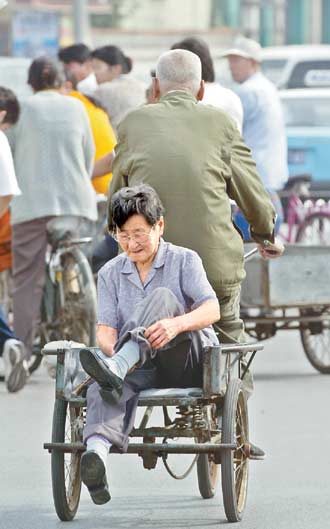
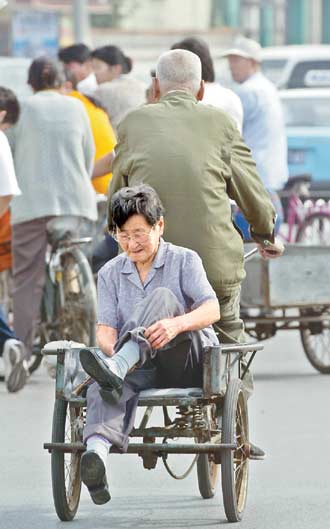
and this husband his wife.

tricycle old couple

I have to say, I do find that this particular husband is treating his wife rather cavalierly. There is a version of this mode of travel where the wife rides as would a queen, sitting regally on a throne-like armchair while her husband pedals slowly in front of her.

tricycle old couple-7

I’ve noticed that the couples always seem to be retirees. Young Chinese don’t go around like this. But that’s fine by me; I’m almost retired. I have decided that I will buy one of these throne-tricycles and bring it back to Milan. Like that, when my wife and I have finally joined the ranks of the retirees, I will be able to slowly pedal my lady wife around Milan in the style that she deserves and is accustomed to.

________________________

Bicycles in Beijing: http://heckeranddecker.files.wordpress.com/2011/04/bicycles-in-beijing.jpg
Car traffic jam: http://www.intellasia.net/en/wp-content/uploads/2012/11/china.car-market201211afp.jpg
Tricycle: http://www.tariksaleh.com/moscaline/chinabike/cargobig.jpg
Tricycle with furniture: http://cargocycling.org/wp-content/uploads/2009/09/furnituretrike.jpg
Tricycle carrying cardboard: http://ph.cdn.photos.upi.com/collection/upi/sb/2870/a5da8edd413c5f72aba13e80f2d0dc3a/Trash-trawling-as-a-career-in-China_2.jpg
Tricycle carrying polystyrene: http://i.telegraph.co.uk/multimedia/archive/01410/tricycle-polystyre_1410326i.jpg
Tricycle carrying phone parts: http://www.mutanteggplant.com/vitro-nasu/wp-content/uploads/2009/05/ewaste.jpg
Tricycle carrying car parts: http://i.telegraph.co.uk/telegraph/multimedia/archive/01410/Tricycle-car-bumpe_1410335i.jpg
Tricycle carrying minivan: http://bitcast-a.v1.dfw1.bitgravity.com/nightmobile/cars/images2/120000/1000/800/121834.jpg
Tricycle carrying pig: http://i.telegraph.co.uk/multimedia/archive/01551/pig-tricycle_1551633i.jpg
Tricycle carrying ducks: http://i.telegraph.co.uk/multimedia/archive/01410/Tricycle-ducks_1410329i.jpg
Tricycle carrying children: http://www.theepochtimes.com/n2/images/stories/large/2009/08/31/abortions-china-51343014-small.jpg
Tricycle husband carrying wife: http://www.chinadaily.com.cn/en/focus/xin_7c24924aea7a11d7b21c0001030784d9_bike.jpg
Tricycle old couple in fine style: my photo

BUBBLES IN THE ICE

Beijing, 28 January 2013

This morning, I walked along the opposite side of the canal to go to work. I wanted to see what someone had written into the snow that thinly covers the ice. I took a photo. Readers interested in seeing it are referred to the postscript I have just added to my post “Clear, Pure, Clean, Peaceful”.

It so happens that a path has been cleared in the snow next to the script, which carries to the other side of the canal. Many people take a short cut across the ice to the other side. I hesitated. Crossing across the canal would shorten my walk to the office somewhat. But crossing ice like that always makes me a little nervous. Decades ago, when I was fourteen, I had ventured out onto a frozen lake where the ice got progressively thinner from one side to the other. As I trotted across, the ice began to creak and crack ominously. I beat a hasty retreat and all was well, but sometimes – especially if I venture onto iced-up water bodies – the sound of that creaky-cracking comes back to me; stuff of nightmares. So I hesitated.

I finally decided it was alright and set off across the canal. The cleared ice was very transparent, although the view through it was bent and warped by the unevenness of the ice. As I looked down through the ice, I saw a multitude of bubbles, of all shapes and sizes, ghostly white, trapped in the ice. Perhaps it was the slight trepidation I felt as I walked over the ice, but suddenly it seemed to me that I was seeing the last bubbles of air exhaled by a host of people who had got trapped under the ice. I half expected to suddenly see the ethereal face of some drowned person looking up at me through the ice.

I reached the other side. Silliness … I shook the feeling off. But as I turned around to survey the canal, I remembered a shard of T.S. Eliot’s poem. The Wasteland.

Phlebas the Phoenician, a fortnight dead,
Forgot the cry of gulls, and the deep sea swell
And the profit and loss.
A current under sea
Picked his bones in whispers. As he rose and fell
He passed the stages of his age and youth
Entering the whirlpool.
Gentile or Jew
O you who turn the wheel and look to windward,
Consider Phlebas, who was once handsome and tall as you.

THEM PEARLY WHITES!

Beijing, 27 January 2013

In earlier postings I have already mentioned my natural inclination to notice the physical characteristics of people, as opposed to my wife’s inclination to notice people’s characters. Teeth fall into the category of things that I notice about people.  And boy, do I notice Chinese people’s teeth! In the politespeak of today, they do have some “challenges” here …

This fact was brought home to me forcefully by my recent trip to the US, which I suppose could be considered the Nirvana of Pearly Whites. It seems that everywhere one looks there are only straight, white, gleaming teeth. I throw in here some random photos I found on the internet as examples of the American Look.

American beautiful teeth-2

FNC-FAN2028543 - © - Oliver Rossi

American beautiful teeth-1

In what I suppose could be considered the optimal natural condition – that is to say, no smoking, no eating of sugared foods or of heavily processed foods, youth not yet subject to too many of life’s sorrows – teeth in China can be pearly white but often will not approach the currently accepted ideal of straightness. Again, here are some random photos from the internet.

crooked teeth china

crooked teeth china-3

crooked teeth china-6

Given the way middle-class Chinese parents dote on their single children, if I had Chinese children today I would be encouraging them to become orthodontists, not doctors or lawyers. I’m sure it is a sector that will be seeing explosive growth in the future, with huge amounts of clients willing to pay top money.

chinese dentist

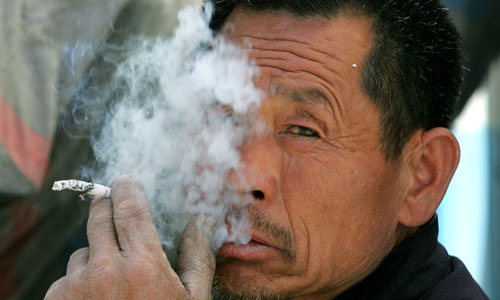
If that were the only problem plaguing Chinese teeth! But alas, it is not. Smoking is taking a terrible toll, as I see all too often in the various officials whom I meet and who readily whip out a fag to puff at all hours of the day – and probably night. So many, so, so many, have badly stained and discoloured teeth and diseased gums. As they blatter on about all the great things they are doing, I sit there trying not to stare too obviously at their teeth. Smoking is a terrible problem for men in this country. 60% – 6 out of every 10! – Chinese men over the age of 15 smoke.

chinese man smoking-5

chinese man smoking-4

China Tobacco

Blind old man smoking a cigarette in a street of Shanghai, China

Apart from the lung cancer, the emphysema, the heart attacks, apart from all of that, smoking is destroying Chinese men’s mouths.

Luckily, only a small proportion of women smoke – for the moment …No doubt it will grow, as it has in other countries.

chinese woman smoking-2

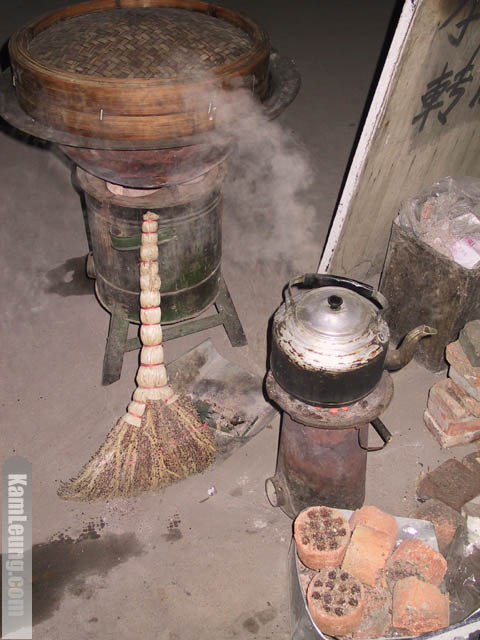
And then a very large number of Chinese have grey teeth. I was told by a doctor that a lot of this has to do with the burning of coal indoors. Chinese coal has quite high levels of fluoride in it. When people burn it in their houses, the leaky stoves emit smoke – and fluorides – into the homes. High intake of fluoride when you are children leads to permanent discolouration of teeth.

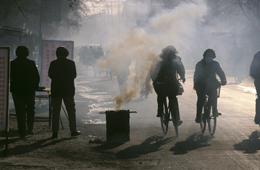
This photo is an extreme example of the problem of smoky stoves:

stoves china-4

In houses, this is more the norm.

stoves china-1

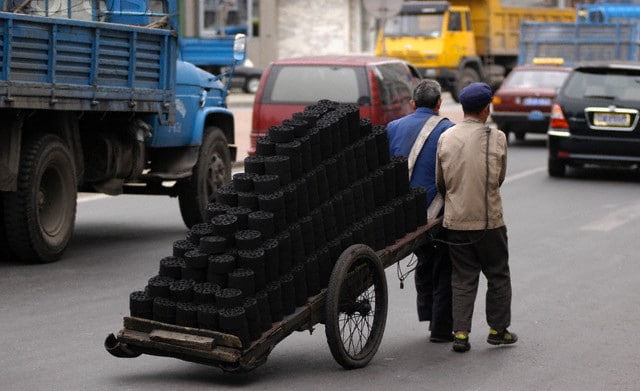
Note the round things in the bottom right-hand corner of this photo. This is the way coal is sold to households in China, coal dust pressed together with a clay matrix into cylinder slices with a set of holes drilled through them. There are thousands of itinerant sellers in all cities selling them.

stoves china-3-coal

Of course, poverty is also a major cause of bad teeth. Bad diets, little if any access to dentists, lack of money to pay for dental care anyway, ignorance about how to look after their teeth – all these take a terrible toll on Chinese teeth. Foreigners are often dazzled by the glitter of big cities like Beijing and Shanghai, but they are really just facades. In the countryside, there is still a huge amount of dire poverty, of a type that I have never seen in Europe. When I was a child, there were poor people in Europe, but not as poor as the poorest in China.

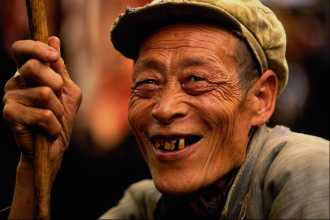
And so I see lots of older people who have terrible, terrible teeth.

old Chinese man with missing teeth-3

if they have teeth at all

Old man with crooked and missing teeth in the 11th century village of Xidi, Anhui Province China

old Chinese man with missing teeth-2

But I am optimistic. It will eventually change, and everyone in this country – more or less – will have beautiful, beautiful teeth, like these.

chinese beautiful teeth

chinese beautiful teeth-2

Which reminds me, I need to go and brush my not-so Pearly Whites.

_____________________

American beautiful teeth-girls: http://www.xtcian.com/4GirlsPickupsApr03e%28bg%29.jpg
American beautiful teeth-boys: http://previews.agefotostock.com/previewimage/bajaage/c526f975894aefa5e91ae07607b0529f/FNC-FAN2028543.jpg
American beautiful teeth-boy and girl: https://studentnet.kp.org/snet/static/common/images/pplLaughing.jpg
Crooked teeth China-woman 1: http://www.whatsonxiamen.com/ent_images/87ee2cfde9b7689ecf4efdf9_yaeba1.jpg
Crooked teeth China-woman 2: http://www.tofugu.com/wp-content/uploads/2012/04/yaeba-header.jpg
Crooked teeth China-man: http://thumbs.dreamstime.com/thumblarge_400/1242791240jCjI3E.jpg
Chinese dentist: http://www.gzdentist.com/images/ys.jpg
Chinese boys smoking: http://golivechina.com/wp-content/uploads/2011/05/smokingchina2.jpg
Chinese young men smoking: http://i.i.com.com/cnwk.1d/i/tim/2011/04/30/en_hatton0430_480x360.jpg
Chinese middle-aged man smoking: http://diepresse.com/images/uploads/8/e/9/420073/china20081005202611.jpg
Chinese old man smoking: http://cdn.c.photoshelter.com/img-get/I00009J1awSe4ZOI/s/900/900/Shanghai-China-2011-blind-old-man-smoking.jpg
Chinese woman smoking: http://cdn.ph.upi.com/ol/upi/059db3fe9ab24ab031764d837a371ffe/CHINESE-WOMAN-SMOKES.jpg
Smoking stove-interior: http://funtier.net/kamleung/0111hs/img_2179.jpg
Smoking stoves-exterior: http://www.nature.com/news/2011/110718/images/news423-i1.0.jpg
coal sellers: http://www.china-mike.com/wp-content/uploads/2011/03/china-heating-coal-vendors-cart.jpg
Old Chinese man with missing teeth-1: http://4.bp.blogspot.com/_hJREGwPF6vQ/SIiAn9oiQrI/AAAAAAAACHM/df8mUsQ5-dE/s400/oldchina.jpg
Old Chinese man with missing teeth-2: http://www.alamy.com/thumbs/6/%7BA835226E-4F95-4DB1-9C53-1FB840FB1C06%7D/AEHE89.jpg
Old Chinese man with no teeth-2: http://trackme7.files.wordpress.com/2010/09/old-chinese-man.jpg
Chinese woman with beautiful teeth-1: http://thewomanlife.info/wp-content/uploads/2010/01/white-Teeth.jpg
Chinese woman with beautiful teeth-2: http://www.divaasia.com/action/PageImage/5666.jpg

BLUE SKY DAY!

Beijing, 24 January 2013

The air is clear, the sky is blue! Finally, the grey murk of the last week or so has gone! I don’t know where it’s gone and I don’t care. All I know is it’s gone. When I walked out into the street this morning, my heart jumped on seeing the blue, blue sky. I’d almost forgotten what a blue sky looked like.

As I walked along my piece of canal, a man on the other side burst into song. If I’d known the tune I would have hummed along. As it is, I smiled benignly at the lady who was walking her dog and she smiled benignly back. I didn’t even mind the very uneven paving stones in the canal path which threaten to trip me up every day.

As I walked into my secretary’s office, she cried out “it’s only 62!” She had already checked the PM 2.5 readings on the US Embassy’s twitter feed and was preparing her daily air quality report to all staff. We laughed in sheer pleasure.

The air is clear, the sky is blue, hallelujah!

blue sky 002

blue sky 003

A JOURNEY BY TRAIN

Shanghai, 24 January 2013

The bullet train pulled out of Beijing South Station forty minutes late, starting its five-hour trip to Shanghai. After a gentle canter through the outskirts of Beijing, the train powered off when it reached the countryside, reaching peaks of 300 km/hour – small screens over the doors helpfully clocked the speed. It was quiet in the train, disturbed only by the sudden jerk to the left caused by trains whooshing past in the opposite direction – and by certain passengers talking very loudly on their phones.

After reading a few pages of a dense report, I gave up and stared mournfully out of the window. The weather was cloudy and foggy, throwing a bleak and bleary light over everything. The land was flat, flat as the Po River plain in northern Italy. There was a thin covering of snow, not enough to make the scene beautiful. The field strips were small, reminding me of the fields around Neusidlersee to the south of Vienna. Some had been planted in corn – the stalks were still standing, some had fruit trees, but most were bare of anything. Copses of poplars broke the horizontal monotony. A few villages flashed by, a group of houses huddled together in no particular order, some proudly bearing a solar water heater on their roofs. Often, the country’s modern development would intrude, with bare, broken, worked-over ground waiting for the concrete and asphalt to arrive.
The countryside was empty save for shepherds leading small groups of sheep through the bare fields, particularly the corn fields, where the sheep were stripping the standing stalks of some nourishment. The shepherds were probably Muslim Chinese who had migrated centuries ago from the west of China and are now scattered throughout China’s eastern seaboard. They brought back memories of northern Italy, where you can also see shepherds who have come down from the mountains and are feeding their herds in bare winter fields.

The only other presence was the dead. Countless gravesites dotted the landscape. You can tell a Chinese grave by the way the earth is heaped up in a conical mound over the deceased. Groups of four or five of these mounds were visible at the corner of almost every field, or so it seemed. There was no wall around them like we would have in Europe, nothing to separate them from the world of the living. Often, there would be dark trees, pines perhaps, planted nearby to keep the dead company. They reminded me so much of the cypress trees that flourish in the graveyards of Italy.

Darkness slowly set in and everything outside my window dissolved in the murk. As we started slowing down to pull into our first stop, I sighed, put on my reading glasses, and hauled out the dense report again.

MIT CHAPEL

Beijing, 22 January 2013

Readers of my posts will perhaps know that I have a certain fondness for Chinese porcelain. So it should come as no surprise to them to hear that when I read in the China Daily of an exhibition at the Capital Museum on porcelain I immediately suggested to my wife that we visit it. Which we did this weekend.

The exhibition was of porcelain ordered by the Empress Dowager Cixi (the last real imperial ruler of China). I’m afraid to say that it was a disappointment. The porcelain on show was undoubtedly of the highest quality, but the designs were … well, twee is perhaps the best way to describe them. Lots of canary yellow background, and lavish use of birds and butterflies as motifs.

Somewhat disconsolately we went to see what else the museum was offering. There was an exhibition from Taipei, from the Museum of World Religions, and for lack of anything better we visited that. It was nothing special, just a collection of religious memorabilia from various world religions. So we left that exhibition even more disconsolate than before and went to the museum shop. We were running a listless eye over what was on offer when something caught our attention. It was a small something – we were not sure what it was – which, critically, had written on it “MIT chapel”. We had to buy it.

museum purchase 002

I should explain: my wife and I were married in that chapel, I was doing my graduate studies at MIT at the time. It’s a lovely chapel, designed by the Finnish-American architect Eero Saarinen. Probably his most well known works are the old TWA Flight Center at JFK Airport and the Gateway Arch in St. Louis, Missouri. He did many other big works for corporations and governments, but he also did a number of smaller, more intimate works like the MIT chapel.

From the outside the chapel doesn’t look like much, just a small circular brick building set down on a lawn and some trees.

MIT_Chapel-2

Snow makes it more interesting.

MIT_Chapel-winter

The interior, on the other hand, has a wonderful feel to it. The first thing that strikes you as you enter the chapel is the altar bathed in light streaming down from the skylight above it, while the installation over the altar leaves you very much with the sense of angel dust raining lightly down from on high.

MIT_Chapel-inside-5

Then there is the wall. Outside, it is a normal circle. Inside, it is wavy and is roughened by bricks sticking slightly out of the wall.  It also holds a regular pattern of bricks that reminds me of the ventilation systems used in brick barns in northern Italy.

MIT_Chapel-inside-4

And then there is the organ, small but perfect, in its organ loft.

MIT_Chapel-organ-2

Our friend who volunteered to take the photos failed miserably (he forgot to press some button or other on the camera), so we have very few photos of the wedding. But it is all still fresh in our minds. My wife wore a pink tailleur and I a dove grey suit. She kept that tailleur for many years, while a rapidly increasing girth meant that I had to abandon the suit quite quickly. We had come up with our own vows – the parish priest had grumbled at this, asking why we wanted to abandon the beauty of the traditional vows, but we had insisted. A copy of them slumbers on together with all the rest of our stuff in storage in Vienna – we have carried them with us everywhere we have gone. We had our rings designed by a goldsmith in Milan: double gold bands, which echoed the design of the engagement ring I had given my wife from the same goldsmith. My mother-in-law, who was a great lover of music, chose the organ music (not Mendelssohn’s wedding march …). My parents and a couple of siblings had driven down from Canada, and the rest of the chapel was filled with university friends from MIT and Johns Hopkins, where my wife was doing her graduate studies. After the wedding, we had all gone downtown to a restaurant on Boston Commons for our lunch. No speeches, nothing like that; just good food. Because of timing, we had gone on our honeymoon before the wedding, in the Shenandoah Valley, together with my mother-in-law (I liked her a lot …). Immediately after the wedding, we started classes again.

So I’m sure my readers understand why we just had to buy that article with “MIT chapel” written on it (which, by the way, turned out to be a small case containing a tiny pad of ruled paper, a ruler, and an unsharpened pencil – quite where the connection was with MIT remains a mystery).

________________________

MIT chapel: http://ad009cdnb.archdaily.net/wp-content/uploads/2011/02/1297993341-mit-chapel-wikimedia-commons2-375×500.jpg
MIT chapel-winter: http://mw2.google.com/mw-panoramio/photos/medium/6339334.jpg
MIT chapel inside-altar: http://farm4.staticflickr.com/3383/3478369283_08678cfd7a_z.jpg
MIT chapel inside-wall: http://jmcvey.net/sylva/wp-content/uploads/2010/10/chapel_interior_wall2.jpg
MIT chapel-organ: http://ad009cdnb.archdaily.net/wp-content/uploads/2011/02/1297993330-mit-chapel-caribbeanfreephoto.jpg